window.__IS_SSR__=true
window.__INITIAL_STATE__={
"attachmentsReducer": {
"audio_0": {
"type": "attachments",
"id": "audio_0",
"imgSizes": {
"kqedFullSize": {
"file": "https://ww2.kqed.org/news/wp-content/themes/KQED-unified/img/audio_bgs/background0.jpg"
}
}
},
"audio_1": {
"type": "attachments",
"id": "audio_1",
"imgSizes": {
"kqedFullSize": {
"file": "https://ww2.kqed.org/news/wp-content/themes/KQED-unified/img/audio_bgs/background1.jpg"
}
}
},
"audio_2": {
"type": "attachments",
"id": "audio_2",
"imgSizes": {
"kqedFullSize": {
"file": "https://ww2.kqed.org/news/wp-content/themes/KQED-unified/img/audio_bgs/background2.jpg"
}
}
},
"audio_3": {
"type": "attachments",
"id": "audio_3",
"imgSizes": {
"kqedFullSize": {
"file": "https://ww2.kqed.org/news/wp-content/themes/KQED-unified/img/audio_bgs/background3.jpg"
}
}
},
"audio_4": {
"type": "attachments",
"id": "audio_4",
"imgSizes": {
"kqedFullSize": {
"file": "https://ww2.kqed.org/news/wp-content/themes/KQED-unified/img/audio_bgs/background4.jpg"
}
}
},
"placeholder": {
"type": "attachments",
"id": "placeholder",
"imgSizes": {
"thumbnail": {
"file": "https://cdn.kqed.org/wp-content/uploads/2024/12/KQED-Default-Image-816638274-2000x1333-1-160x107.jpg",
"width": 160,
"height": 107,
"mimeType": "image/jpeg"
},
"medium": {
"file": "https://cdn.kqed.org/wp-content/uploads/2024/12/KQED-Default-Image-816638274-2000x1333-1-800x533.jpg",
"width": 800,
"height": 533,
"mimeType": "image/jpeg"
},
"medium_large": {
"file": "https://cdn.kqed.org/wp-content/uploads/2024/12/KQED-Default-Image-816638274-2000x1333-1-768x512.jpg",
"width": 768,
"height": 512,
"mimeType": "image/jpeg"
},
"large": {
"file": "https://cdn.kqed.org/wp-content/uploads/2024/12/KQED-Default-Image-816638274-2000x1333-1-1020x680.jpg",
"width": 1020,
"height": 680,
"mimeType": "image/jpeg"
},
"1536x1536": {
"file": "https://cdn.kqed.org/wp-content/uploads/2024/12/KQED-Default-Image-816638274-2000x1333-1-1536x1024.jpg",
"width": 1536,
"height": 1024,
"mimeType": "image/jpeg"
},
"fd-lrg": {
"file": "https://cdn.kqed.org/wp-content/uploads/2024/12/KQED-Default-Image-816638274-2000x1333-1-1536x1024.jpg",
"width": 1536,
"height": 1024,
"mimeType": "image/jpeg"
},
"fd-med": {
"file": "https://cdn.kqed.org/wp-content/uploads/2024/12/KQED-Default-Image-816638274-2000x1333-1-1020x680.jpg",
"width": 1020,
"height": 680,
"mimeType": "image/jpeg"
},
"fd-sm": {
"file": "https://cdn.kqed.org/wp-content/uploads/2024/12/KQED-Default-Image-816638274-2000x1333-1-800x533.jpg",
"width": 800,
"height": 533,
"mimeType": "image/jpeg"
},
"post-thumbnail": {
"file": "https://cdn.kqed.org/wp-content/uploads/2024/12/KQED-Default-Image-816638274-2000x1333-1-672x372.jpg",
"width": 672,
"height": 372,
"mimeType": "image/jpeg"
},
"twentyfourteen-full-width": {
"file": "https://cdn.kqed.org/wp-content/uploads/2024/12/KQED-Default-Image-816638274-2000x1333-1-1038x576.jpg",
"width": 1038,
"height": 576,
"mimeType": "image/jpeg"
},
"xxsmall": {
"file": "https://cdn.kqed.org/wp-content/uploads/2024/12/KQED-Default-Image-816638274-2000x1333-1-160x107.jpg",
"width": 160,
"height": 107,
"mimeType": "image/jpeg"
},
"xsmall": {
"file": "https://cdn.kqed.org/wp-content/uploads/2024/12/KQED-Default-Image-816638274-2000x1333-1-672x372.jpg",
"width": 672,
"height": 372,
"mimeType": "image/jpeg"
},
"small": {
"file": "https://cdn.kqed.org/wp-content/uploads/2024/12/KQED-Default-Image-816638274-2000x1333-1-672x372.jpg",
"width": 672,
"height": 372,
"mimeType": "image/jpeg"
},
"xlarge": {
"file": "https://cdn.kqed.org/wp-content/uploads/2024/12/KQED-Default-Image-816638274-2000x1333-1-1020x680.jpg",
"width": 1020,
"height": 680,
"mimeType": "image/jpeg"
},
"full-width": {
"file": "https://cdn.kqed.org/wp-content/uploads/2024/12/KQED-Default-Image-816638274-2000x1333-1-1920x1280.jpg",
"width": 1920,
"height": 1280,
"mimeType": "image/jpeg"
},
"guest-author-32": {
"file": "https://cdn.kqed.org/wp-content/uploads/2025/01/KQED-Default-Image-816638274-1333x1333-1-160x160.jpg",
"width": 32,
"height": 32,
"mimeType": "image/jpeg"
},
"guest-author-50": {
"file": "https://cdn.kqed.org/wp-content/uploads/2025/01/KQED-Default-Image-816638274-1333x1333-1-160x160.jpg",
"width": 50,
"height": 50,
"mimeType": "image/jpeg"
},
"guest-author-64": {
"file": "https://cdn.kqed.org/wp-content/uploads/2025/01/KQED-Default-Image-816638274-1333x1333-1-160x160.jpg",
"width": 64,
"height": 64,
"mimeType": "image/jpeg"
},
"guest-author-96": {
"file": "https://cdn.kqed.org/wp-content/uploads/2025/01/KQED-Default-Image-816638274-1333x1333-1-160x160.jpg",
"width": 96,
"height": 96,
"mimeType": "image/jpeg"
},
"guest-author-128": {
"file": "https://cdn.kqed.org/wp-content/uploads/2025/01/KQED-Default-Image-816638274-1333x1333-1-160x160.jpg",
"width": 128,
"height": 128,
"mimeType": "image/jpeg"
},
"detail": {
"file": "https://cdn.kqed.org/wp-content/uploads/2025/01/KQED-Default-Image-816638274-1333x1333-1-160x160.jpg",
"width": 160,
"height": 160,
"mimeType": "image/jpeg"
},
"kqedFullSize": {
"file": "https://cdn.kqed.org/wp-content/uploads/2024/12/KQED-Default-Image-816638274-2000x1333-1.jpg",
"width": 2000,
"height": 1333
}
}
},
"news_12078246": {
"type": "attachments",
"id": "news_12078246",
"meta": {
"index": "attachments_1716263798",
"site": "news",
"id": "12078246",
"found": true
},
"title": "Paddle Tribal Waters",
"publishDate": 1774993458,
"status": "inherit",
"parent": 12078181,
"modified": 1774993801,
"caption": "Tasia Linwood kayaks the Klamath River upstream of the former Iron Gate dam site, June 22, 2025. Linwood is a participant in Paddle Tribal Waters, a program that trained Indigenous youth for several years to be the first group of people to paddle the free-flowing Klamath from source to sea.",
"credit": "Courtesy of Anna Lueck/OPB",
"altTag": null,
"description": null,
"imgSizes": {
"medium": {
"file": "https://cdn.kqed.org/wp-content/uploads/sites/10/2026/03/FirstDescent_TasiaLinwood_CreditAnnaLueck-OPB-2000x1492.jpg",
"width": 2000,
"height": 1492,
"mimeType": "image/jpeg"
},
"large": {
"file": "https://cdn.kqed.org/wp-content/uploads/sites/10/2026/03/FirstDescent_TasiaLinwood_CreditAnnaLueck-OPB-2000x1492.jpg",
"width": 2000,
"height": 1492,
"mimeType": "image/jpeg"
},
"thumbnail": {
"file": "https://cdn.kqed.org/wp-content/uploads/sites/10/2026/03/FirstDescent_TasiaLinwood_CreditAnnaLueck-OPB-160x119.jpg",
"width": 160,
"height": 119,
"mimeType": "image/jpeg"
},
"1536x1536": {
"file": "https://cdn.kqed.org/wp-content/uploads/sites/10/2026/03/FirstDescent_TasiaLinwood_CreditAnnaLueck-OPB-1536x1146.jpg",
"width": 1536,
"height": 1146,
"mimeType": "image/jpeg"
},
"2048x2048": {
"file": "https://cdn.kqed.org/wp-content/uploads/sites/10/2026/03/FirstDescent_TasiaLinwood_CreditAnnaLueck-OPB-2048x1528.jpg",
"width": 2048,
"height": 1528,
"mimeType": "image/jpeg"
},
"post-thumbnail": {
"file": "https://cdn.kqed.org/wp-content/uploads/sites/10/2026/03/FirstDescent_TasiaLinwood_CreditAnnaLueck-OPB-672x372.jpg",
"width": 672,
"height": 372,
"mimeType": "image/jpeg"
},
"twentyfourteen-full-width": {
"file": "https://cdn.kqed.org/wp-content/uploads/sites/10/2026/03/FirstDescent_TasiaLinwood_CreditAnnaLueck-OPB-1038x576.jpg",
"width": 1038,
"height": 576,
"mimeType": "image/jpeg"
},
"full-width": {
"file": "https://cdn.kqed.org/wp-content/uploads/sites/10/2026/03/FirstDescent_TasiaLinwood_CreditAnnaLueck-OPB-2000x1492.jpg",
"width": 2000,
"height": 1492,
"mimeType": "image/jpeg"
},
"npr-cds-wide": {
"file": "https://cdn.kqed.org/wp-content/uploads/sites/10/2026/03/FirstDescent_TasiaLinwood_CreditAnnaLueck-OPB-1200x675.jpg",
"width": 1200,
"height": 675,
"mimeType": "image/jpeg"
},
"npr-cds-square": {
"file": "https://cdn.kqed.org/wp-content/uploads/sites/10/2026/03/FirstDescent_TasiaLinwood_CreditAnnaLueck-OPB-600x600.jpg",
"width": 600,
"height": 600,
"mimeType": "image/jpeg"
},
"kqedFullSize": {
"file": "https://cdn.kqed.org/wp-content/uploads/sites/10/2026/03/FirstDescent_TasiaLinwood_CreditAnnaLueck-OPB-scaled-e1774993480633.jpg",
"width": 2000,
"height": 1492
}
},
"fetchFailed": false,
"isLoading": false
},
"news_12078455": {
"type": "attachments",
"id": "news_12078455",
"meta": {
"index": "attachments_1716263798",
"site": "news",
"id": "12078455",
"found": true
},
"title": "Big Basin Redwoods State Park, San Jose, California, wildfire.",
"publishDate": 1775150923,
"status": "inherit",
"parent": 12078438,
"modified": 1775152122,
"caption": "Big Basin Redwoods State Park on Nov. 5, 2020. The Big Basin Redwoods State Park was hit by a wildfire in August that burned roughly 97% of the park's 18,224 acres.",
"credit": "Carolyn Cole/Los Angeles Times via Getty Images",
"altTag": null,
"description": null,
"imgSizes": {
"thumbnail": {
"file": "https://cdn.kqed.org/wp-content/uploads/sites/10/2026/04/BoulderCreekSantaCruzGetty-160x107.jpg",
"width": 160,
"height": 107,
"mimeType": "image/jpeg"
},
"1536x1536": {
"file": "https://cdn.kqed.org/wp-content/uploads/sites/10/2026/04/BoulderCreekSantaCruzGetty-1536x1024.jpg",
"width": 1536,
"height": 1024,
"mimeType": "image/jpeg"
},
"post-thumbnail": {
"file": "https://cdn.kqed.org/wp-content/uploads/sites/10/2026/04/BoulderCreekSantaCruzGetty-672x372.jpg",
"width": 672,
"height": 372,
"mimeType": "image/jpeg"
},
"twentyfourteen-full-width": {
"file": "https://cdn.kqed.org/wp-content/uploads/sites/10/2026/04/BoulderCreekSantaCruzGetty-1038x576.jpg",
"width": 1038,
"height": 576,
"mimeType": "image/jpeg"
},
"npr-cds-wide": {
"file": "https://cdn.kqed.org/wp-content/uploads/sites/10/2026/04/BoulderCreekSantaCruzGetty-1200x675.jpg",
"width": 1200,
"height": 675,
"mimeType": "image/jpeg"
},
"npr-cds-square": {
"file": "https://cdn.kqed.org/wp-content/uploads/sites/10/2026/04/BoulderCreekSantaCruzGetty-600x600.jpg",
"width": 600,
"height": 600,
"mimeType": "image/jpeg"
},
"kqedFullSize": {
"file": "https://cdn.kqed.org/wp-content/uploads/sites/10/2026/04/BoulderCreekSantaCruzGetty.jpg",
"width": 2000,
"height": 1333
}
},
"fetchFailed": false,
"isLoading": false
},
"news_11953579": {
"type": "attachments",
"id": "news_11953579",
"meta": {
"index": "attachments_1716263798",
"site": "news",
"id": "11953579",
"found": true
},
"parent": 11953504,
"imgSizes": {
"twentyfourteen-full-width": {
"file": "https://ww2.kqed.org/app/uploads/sites/10/2023/06/RS40604_GettyImages-177068762-qut-1038x576.jpg",
"width": 1038,
"mimeType": "image/jpeg",
"height": 576
},
"thumbnail": {
"file": "https://ww2.kqed.org/app/uploads/sites/10/2023/06/RS40604_GettyImages-177068762-qut-160x107.jpg",
"width": 160,
"mimeType": "image/jpeg",
"height": 107
},
"post-thumbnail": {
"file": "https://ww2.kqed.org/app/uploads/sites/10/2023/06/RS40604_GettyImages-177068762-qut-672x372.jpg",
"width": 672,
"mimeType": "image/jpeg",
"height": 372
},
"kqedFullSize": {
"file": "https://ww2.kqed.org/app/uploads/sites/10/2023/06/RS40604_GettyImages-177068762-qut.jpg",
"width": 1920,
"height": 1281
},
"large": {
"file": "https://ww2.kqed.org/app/uploads/sites/10/2023/06/RS40604_GettyImages-177068762-qut-1020x681.jpg",
"width": 1020,
"mimeType": "image/jpeg",
"height": 681
},
"1536x1536": {
"file": "https://ww2.kqed.org/app/uploads/sites/10/2023/06/RS40604_GettyImages-177068762-qut-1536x1025.jpg",
"width": 1536,
"mimeType": "image/jpeg",
"height": 1025
},
"medium": {
"file": "https://ww2.kqed.org/app/uploads/sites/10/2023/06/RS40604_GettyImages-177068762-qut-800x534.jpg",
"width": 800,
"mimeType": "image/jpeg",
"height": 534
}
},
"publishDate": 1687373559,
"modified": 1687387445,
"caption": "Coastal redwood trees stand at Muir Woods National Monument on Aug. 20, 2013.",
"description": null,
"title": "Sequoias And Coastal Redwoods Appear To Flourish Despite Climate Change",
"credit": "Justin Sullivan/Getty Images",
"status": "inherit",
"altTag": "Looking upward at some very tall redwood trees.",
"fetchFailed": false,
"isLoading": false
},
"news_12078062": {
"type": "attachments",
"id": "news_12078062",
"meta": {
"index": "attachments_1716263798",
"site": "news",
"id": "12078062",
"found": true
},
"title": "Lake Tahoe Area Readies For More Snow As Another Storm Moves Over California",
"publishDate": 1774902695,
"status": "inherit",
"parent": 12078060,
"modified": 1774902730,
"caption": "People carry skis as they walk toward a resort on March 21, 2023, in South Lake Tahoe, California. ",
"credit": "Justin Sullivan/Getty Images",
"altTag": null,
"description": null,
"imgSizes": {
"thumbnail": {
"file": "https://cdn.kqed.org/wp-content/uploads/sites/10/2026/03/TahoeGetty1-160x107.jpg",
"width": 160,
"height": 107,
"mimeType": "image/jpeg"
},
"1536x1536": {
"file": "https://cdn.kqed.org/wp-content/uploads/sites/10/2026/03/TahoeGetty1-1536x1024.jpg",
"width": 1536,
"height": 1024,
"mimeType": "image/jpeg"
},
"post-thumbnail": {
"file": "https://cdn.kqed.org/wp-content/uploads/sites/10/2026/03/TahoeGetty1-672x372.jpg",
"width": 672,
"height": 372,
"mimeType": "image/jpeg"
},
"twentyfourteen-full-width": {
"file": "https://cdn.kqed.org/wp-content/uploads/sites/10/2026/03/TahoeGetty1-1038x576.jpg",
"width": 1038,
"height": 576,
"mimeType": "image/jpeg"
},
"npr-cds-wide": {
"file": "https://cdn.kqed.org/wp-content/uploads/sites/10/2026/03/TahoeGetty1-1200x675.jpg",
"width": 1200,
"height": 675,
"mimeType": "image/jpeg"
},
"npr-cds-square": {
"file": "https://cdn.kqed.org/wp-content/uploads/sites/10/2026/03/TahoeGetty1-600x600.jpg",
"width": 600,
"height": 600,
"mimeType": "image/jpeg"
},
"kqedFullSize": {
"file": "https://cdn.kqed.org/wp-content/uploads/sites/10/2026/03/TahoeGetty1.jpg",
"width": 2000,
"height": 1333
}
},
"fetchFailed": false,
"isLoading": false
},
"news_12077403": {
"type": "attachments",
"id": "news_12077403",
"meta": {
"index": "attachments_1716263798",
"site": "news",
"id": "12077403",
"found": true
},
"title": "Spring Arrives at Lake Tahoe",
"publishDate": 1774386446,
"status": "inherit",
"parent": 12077367,
"modified": 1774386494,
"caption": "The ski area at Homewood has closed due to poor snow conditions as viewed on April 14, 2021, in Homewood, California. ",
"credit": "George Rose/Getty Images",
"altTag": null,
"description": "The ski area at Homewood has closed due to poor snow conditions as viewed on April 14, 2021, in Homewood, California. With Sierra Nevada snowpack levels at less than 60% of normal for the year, California's principal source of drinking and agricultural water has alreday pushed much of the state into a \"severe\" or \"extreme\" drought situation. ",
"imgSizes": {
"thumbnail": {
"file": "https://cdn.kqed.org/wp-content/uploads/sites/10/2026/03/TahoeSnowGetty-160x107.jpg",
"width": 160,
"height": 107,
"mimeType": "image/jpeg"
},
"1536x1536": {
"file": "https://cdn.kqed.org/wp-content/uploads/sites/10/2026/03/TahoeSnowGetty-1536x1024.jpg",
"width": 1536,
"height": 1024,
"mimeType": "image/jpeg"
},
"post-thumbnail": {
"file": "https://cdn.kqed.org/wp-content/uploads/sites/10/2026/03/TahoeSnowGetty-672x372.jpg",
"width": 672,
"height": 372,
"mimeType": "image/jpeg"
},
"twentyfourteen-full-width": {
"file": "https://cdn.kqed.org/wp-content/uploads/sites/10/2026/03/TahoeSnowGetty-1038x576.jpg",
"width": 1038,
"height": 576,
"mimeType": "image/jpeg"
},
"npr-cds-wide": {
"file": "https://cdn.kqed.org/wp-content/uploads/sites/10/2026/03/TahoeSnowGetty-1200x675.jpg",
"width": 1200,
"height": 675,
"mimeType": "image/jpeg"
},
"npr-cds-square": {
"file": "https://cdn.kqed.org/wp-content/uploads/sites/10/2026/03/TahoeSnowGetty-600x600.jpg",
"width": 600,
"height": 600,
"mimeType": "image/jpeg"
},
"kqedFullSize": {
"file": "https://cdn.kqed.org/wp-content/uploads/sites/10/2026/03/TahoeSnowGetty.jpg",
"width": 2000,
"height": 1333
}
},
"fetchFailed": false,
"isLoading": false
},
"news_12046809": {
"type": "attachments",
"id": "news_12046809",
"meta": {
"index": "attachments_1716263798",
"site": "news",
"id": "12046809",
"found": true
},
"title": "CoyotePresidioTrust1",
"publishDate": 1751478302,
"status": "inherit",
"parent": 12046806,
"modified": 1751478519,
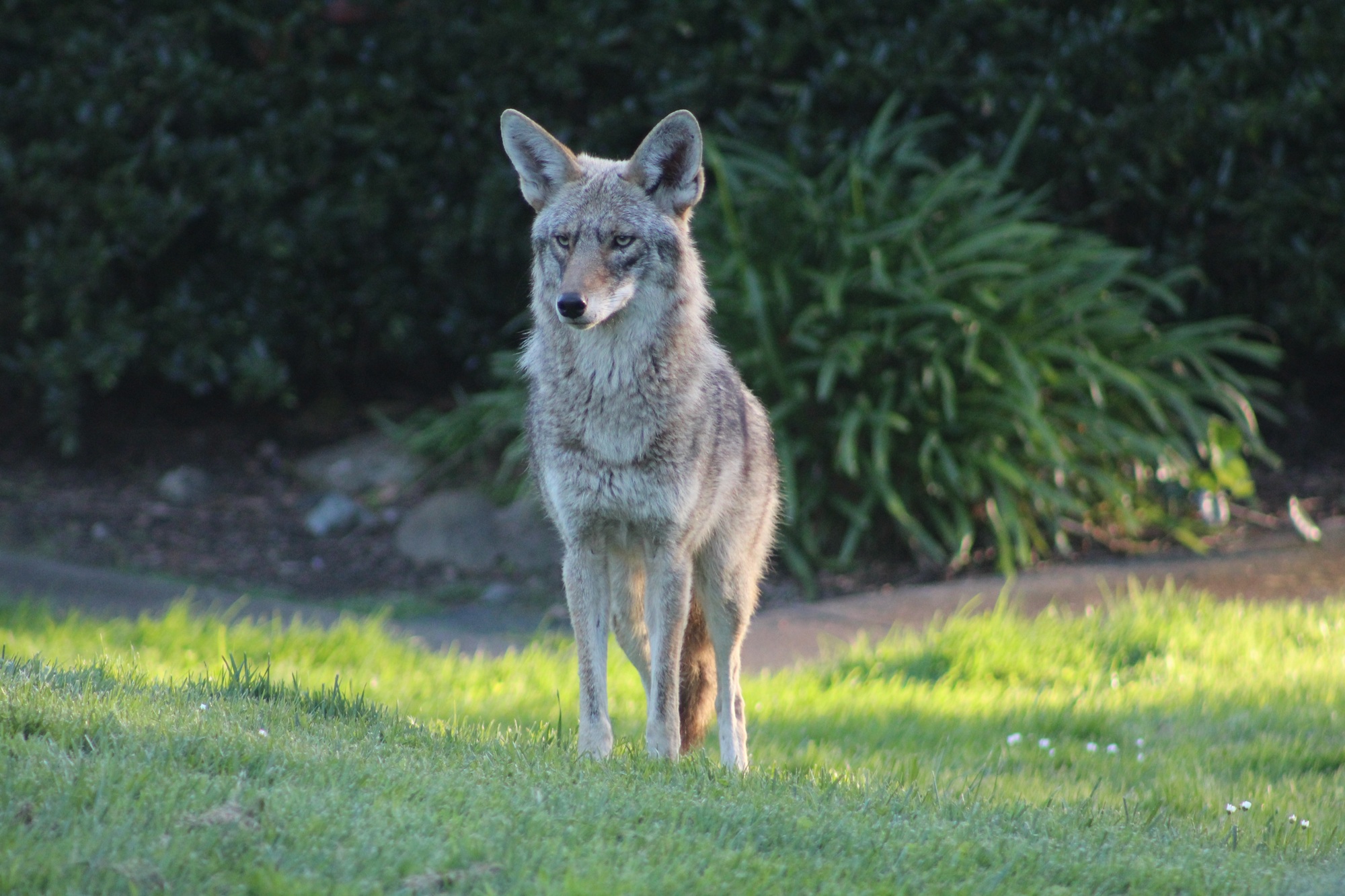
"caption": "A coyote advisory is in effect as sightings increase across Bay Area trails and neighborhoods this summer. Native to the region, coyotes are generally not dangerous to humans but can pose a threat to pets, prompting reminders from park officials to stay alert.",
"credit": "Courtesy of The Presidio Trust",
"altTag": null,
"description": null,
"imgSizes": {
"thumbnail": {
"file": "https://cdn.kqed.org/wp-content/uploads/sites/10/2025/07/CoyotePresidioTrust1-160x107.jpg",
"width": 160,
"height": 107,
"mimeType": "image/jpeg"
},
"1536x1536": {
"file": "https://cdn.kqed.org/wp-content/uploads/sites/10/2025/07/CoyotePresidioTrust1-1536x1024.jpg",
"width": 1536,
"height": 1024,
"mimeType": "image/jpeg"
},
"post-thumbnail": {
"file": "https://cdn.kqed.org/wp-content/uploads/sites/10/2025/07/CoyotePresidioTrust1-672x372.jpg",
"width": 672,
"height": 372,
"mimeType": "image/jpeg"
},
"twentyfourteen-full-width": {
"file": "https://cdn.kqed.org/wp-content/uploads/sites/10/2025/07/CoyotePresidioTrust1-1038x576.jpg",
"width": 1038,
"height": 576,
"mimeType": "image/jpeg"
},
"kqedFullSize": {
"file": "https://cdn.kqed.org/wp-content/uploads/sites/10/2025/07/CoyotePresidioTrust1.jpg",
"width": 2000,
"height": 1333
}
},
"fetchFailed": false,
"isLoading": false
},
"news_12076946": {
"type": "attachments",
"id": "news_12076946",
"meta": {
"index": "attachments_1716263798",
"site": "news",
"id": "12076946",
"found": true
},
"title": "Sun sets behind the Pigeon Point Lighthouse in California",
"publishDate": 1773868985,
"status": "inherit",
"parent": 12076857,
"modified": 1773869032,
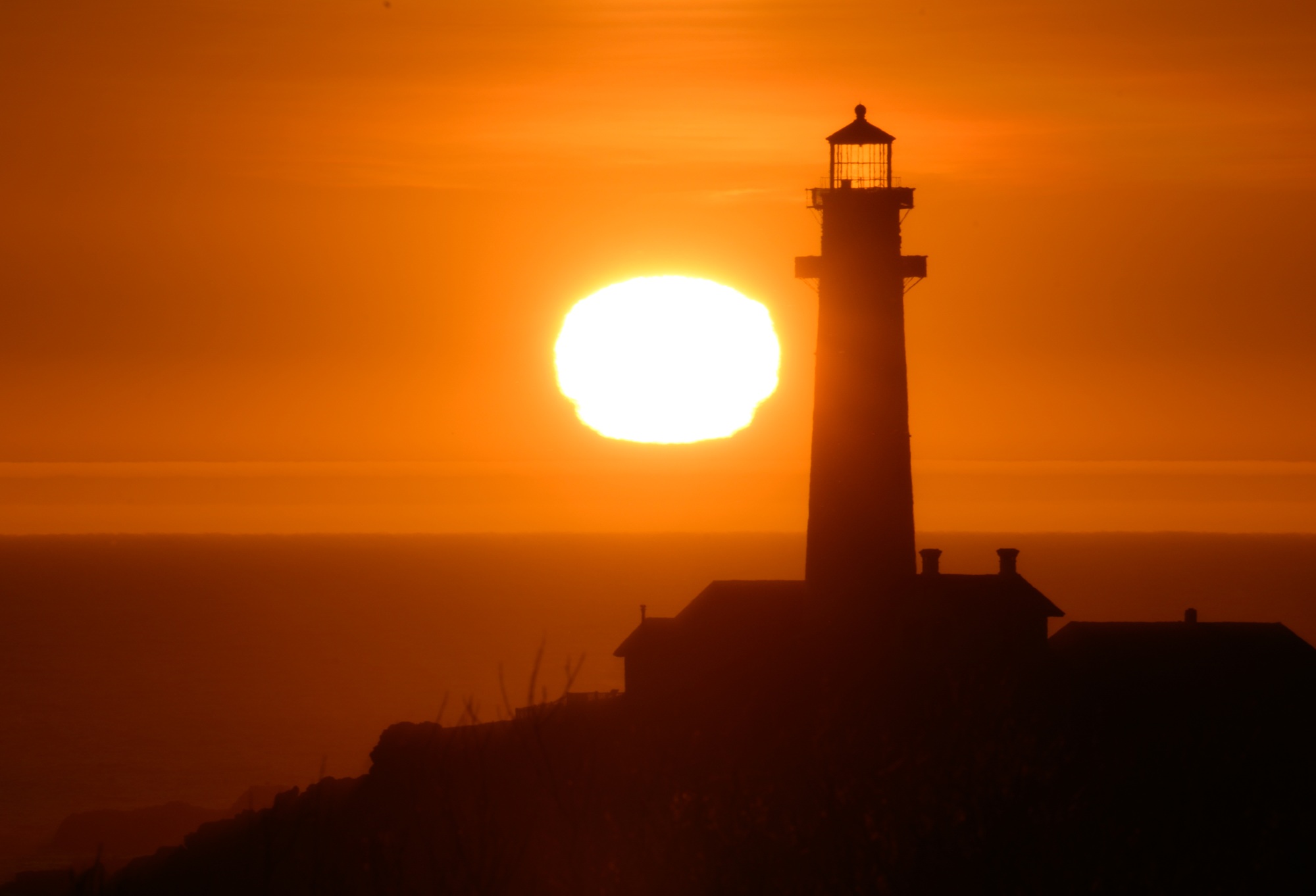
"caption": "The sun sets behind Pigeon Point Lighthouse during a heat wave in Pescadero, California, on March 17, 2026.",
"credit": "Tayfun Coskun/Anadolu via Getty Images",
"altTag": null,
"description": null,
"imgSizes": {
"thumbnail": {
"file": "https://cdn.kqed.org/wp-content/uploads/sites/10/2026/03/HeatWaveGetty1-160x109.jpg",
"width": 160,
"height": 109,
"mimeType": "image/jpeg"
},
"1536x1536": {
"file": "https://cdn.kqed.org/wp-content/uploads/sites/10/2026/03/HeatWaveGetty1-1536x1046.jpg",
"width": 1536,
"height": 1046,
"mimeType": "image/jpeg"
},
"post-thumbnail": {
"file": "https://cdn.kqed.org/wp-content/uploads/sites/10/2026/03/HeatWaveGetty1-672x372.jpg",
"width": 672,
"height": 372,
"mimeType": "image/jpeg"
},
"twentyfourteen-full-width": {
"file": "https://cdn.kqed.org/wp-content/uploads/sites/10/2026/03/HeatWaveGetty1-1038x576.jpg",
"width": 1038,
"height": 576,
"mimeType": "image/jpeg"
},
"npr-cds-wide": {
"file": "https://cdn.kqed.org/wp-content/uploads/sites/10/2026/03/HeatWaveGetty1-1200x675.jpg",
"width": 1200,
"height": 675,
"mimeType": "image/jpeg"
},
"kqedFullSize": {
"file": "https://cdn.kqed.org/wp-content/uploads/sites/10/2026/03/HeatWaveGetty1.jpg",
"width": 2000,
"height": 1362
}
},
"fetchFailed": false,
"isLoading": false
},
"news_12076408": {
"type": "attachments",
"id": "news_12076408",
"meta": {
"index": "attachments_1716263798",
"site": "news",
"id": "12076408",
"found": true
},
"title": "SFChronicleClimateChange",
"publishDate": 1773419954,
"status": "inherit",
"parent": 12076391,
"modified": 1773869901,
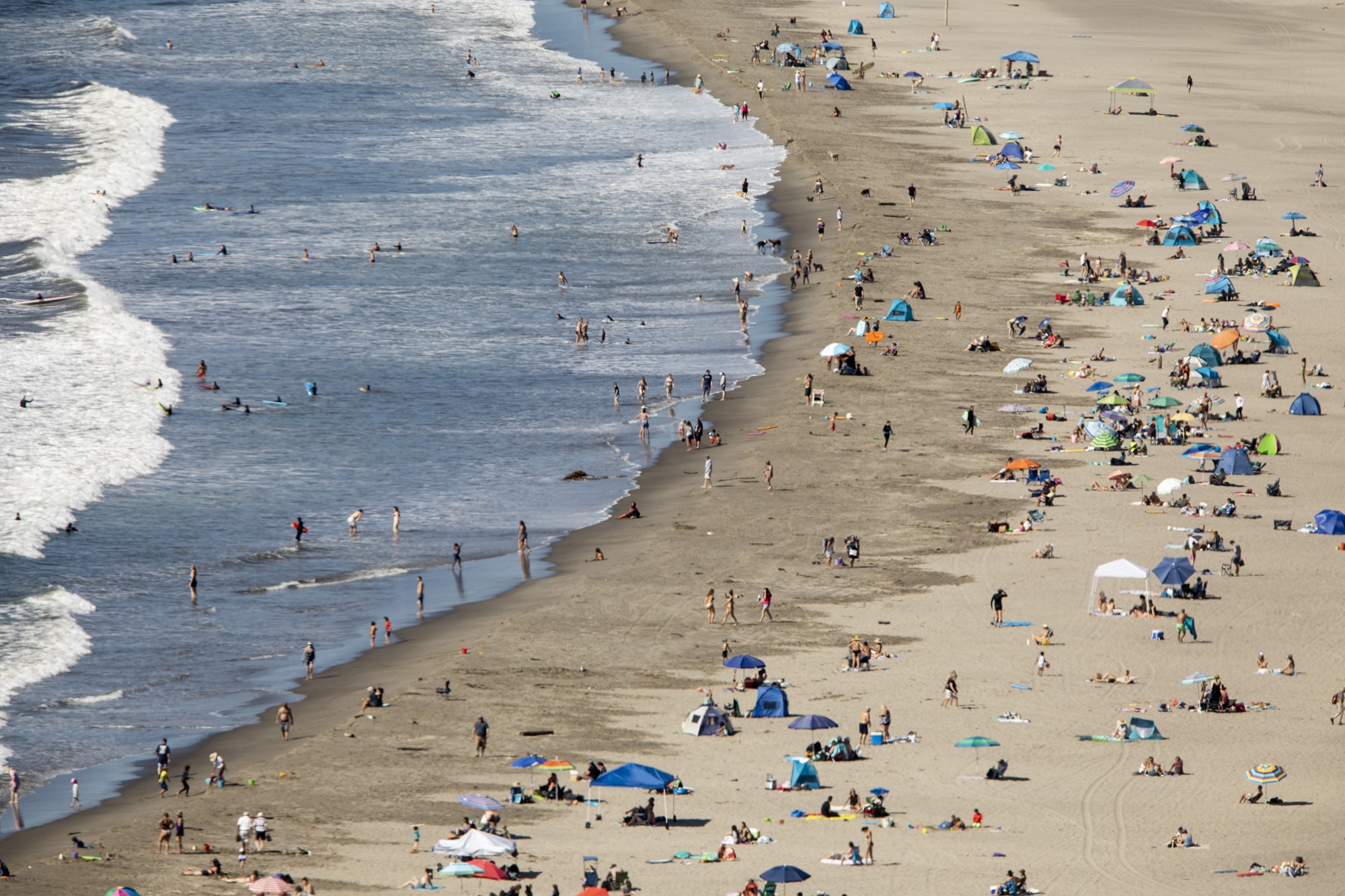
"caption": "Crowds gather to enjoy the warm weather and ocean waves at Stinson Beach in Stinson Beach, California, on Oct. 16, 2020. Temperatures across the Bay Area reached record highs this week, drawing inland residents to the coasts to beat the heat. ",
"credit": "Jessica Christian/The San Francisco Chronicle via Getty Images",
"altTag": null,
"description": null,
"imgSizes": {
"thumbnail": {
"file": "https://cdn.kqed.org/wp-content/uploads/sites/10/2026/03/SFBeachesGetty-160x107.jpg",
"width": 160,
"height": 107,
"mimeType": "image/jpeg"
},
"1536x1536": {
"file": "https://cdn.kqed.org/wp-content/uploads/sites/10/2026/03/SFBeachesGetty-1536x1024.jpg",
"width": 1536,
"height": 1024,
"mimeType": "image/jpeg"
},
"post-thumbnail": {
"file": "https://cdn.kqed.org/wp-content/uploads/sites/10/2026/03/SFBeachesGetty-672x372.jpg",
"width": 672,
"height": 372,
"mimeType": "image/jpeg"
},
"twentyfourteen-full-width": {
"file": "https://cdn.kqed.org/wp-content/uploads/sites/10/2026/03/SFBeachesGetty-1038x576.jpg",
"width": 1038,
"height": 576,
"mimeType": "image/jpeg"
},
"npr-cds-wide": {
"file": "https://cdn.kqed.org/wp-content/uploads/sites/10/2026/03/SFBeachesGetty-1200x675.jpg",
"width": 1200,
"height": 675,
"mimeType": "image/jpeg"
},
"kqedFullSize": {
"file": "https://cdn.kqed.org/wp-content/uploads/sites/10/2026/03/SFBeachesGetty.jpg",
"width": 2000,
"height": 1333
}
},
"fetchFailed": false,
"isLoading": false
},
"news_12076617": {
"type": "attachments",
"id": "news_12076617",
"meta": {
"index": "attachments_1716263798",
"site": "news",
"id": "12076617",
"found": true
},
"title": "Inmates At California Prison Install Drought-Tolerant Garden",
"publishDate": 1773695877,
"status": "inherit",
"parent": 12076597,
"modified": 1773771357,
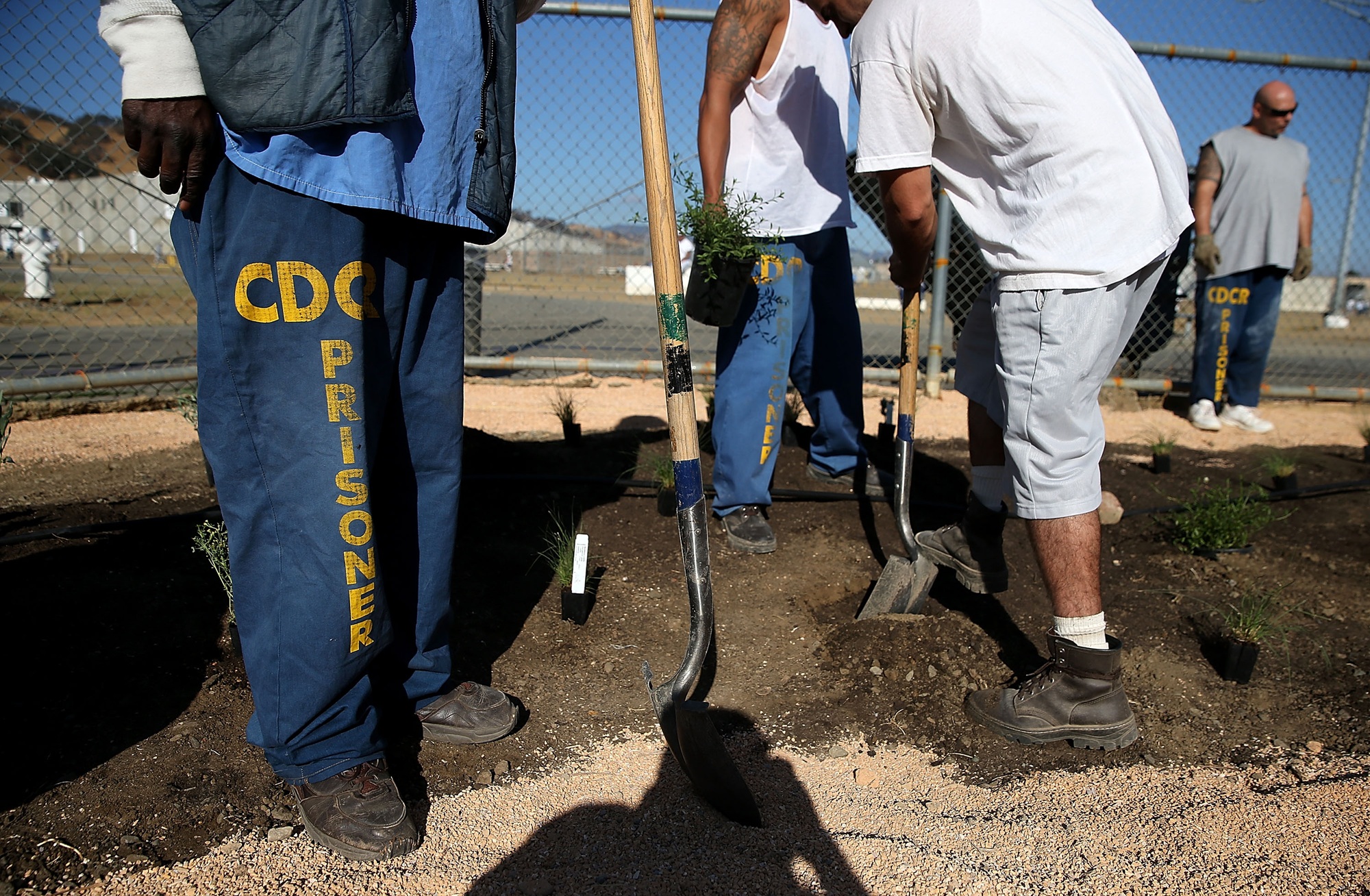
"caption": "California State Prison-Solano inmates install a drought-tolerant garden in the prison yard on Oct. 19, 2015, in Vacaville, California. Inmates at California State Prison-Solano installed a drought-tolerant garden as part of the Insight Garden program that teaches inmates environmental and gardening skills. The garden will be watered using reclaimed water from the prison's kitchen.",
"credit": "Justin Sullivan/Getty Images",
"altTag": null,
"description": null,
"imgSizes": {
"thumbnail": {
"file": "https://cdn.kqed.org/wp-content/uploads/sites/10/2026/03/California-State-Prison-Solano-Getty-160x105.jpg",
"width": 160,
"height": 105,
"mimeType": "image/jpeg"
},
"1536x1536": {
"file": "https://cdn.kqed.org/wp-content/uploads/sites/10/2026/03/California-State-Prison-Solano-Getty-1536x1005.jpg",
"width": 1536,
"height": 1005,
"mimeType": "image/jpeg"
},
"post-thumbnail": {
"file": "https://cdn.kqed.org/wp-content/uploads/sites/10/2026/03/California-State-Prison-Solano-Getty-672x372.jpg",
"width": 672,
"height": 372,
"mimeType": "image/jpeg"
},
"twentyfourteen-full-width": {
"file": "https://cdn.kqed.org/wp-content/uploads/sites/10/2026/03/California-State-Prison-Solano-Getty-1038x576.jpg",
"width": 1038,
"height": 576,
"mimeType": "image/jpeg"
},
"npr-cds-wide": {
"file": "https://cdn.kqed.org/wp-content/uploads/sites/10/2026/03/California-State-Prison-Solano-Getty-1200x675.jpg",
"width": 1200,
"height": 675,
"mimeType": "image/jpeg"
},
"kqedFullSize": {
"file": "https://cdn.kqed.org/wp-content/uploads/sites/10/2026/03/California-State-Prison-Solano-Getty.jpg",
"width": 2000,
"height": 1308
}
},
"fetchFailed": false,
"isLoading": false
}
},
"audioPlayerReducer": {
"postId": "stream_live",
"isPaused": true,
"isPlaying": false,
"pfsActive": false,
"pledgeModalIsOpen": true,
"playerDrawerIsOpen": false
},
"authorsReducer": {
"minakim": {
"type": "authors",
"id": "243",
"meta": {
"index": "authors_1716337520",
"id": "243",
"found": true
},
"name": "Mina Kim",
"firstName": "Mina",
"lastName": "Kim",
"slug": "minakim",
"email": "mkim@kqed.org",
"display_author_email": false,
"staff_mastheads": [
"news"
],
"title": "Host, Forum",
"bio": "Mina Kim is host of the 10 a.m. statewide hour of Forum; a live daily talk show for curious Californians on issues that matter to the state and nation, with a particular emphasis on race and equity.\r\n\r\nBefore joining the Forum team, Mina was KQED’s evening news anchor, and health reporter for The California Report. Her award-winning work has included natural disasters in Napa and gun violence in Oakland. Mina grew up in St. John’s, Newfoundland.",
"avatar": "https://secure.gravatar.com/avatar/145ce657a2d08cb86d93686beb958982?s=600&d=blank&r=g",
"twitter": "mkimreporter",
"facebook": null,
"instagram": null,
"linkedin": null,
"sites": [
{
"site": "news",
"roles": [
"contributor"
]
},
{
"site": "stateofhealth",
"roles": [
"author"
]
},
{
"site": "forum",
"roles": [
"editor"
]
}
],
"headData": {
"title": "Mina Kim | KQED",
"description": "Host, Forum",
"ogImgSrc": "https://secure.gravatar.com/avatar/145ce657a2d08cb86d93686beb958982?s=600&d=blank&r=g",
"twImgSrc": "https://secure.gravatar.com/avatar/145ce657a2d08cb86d93686beb958982?s=600&d=blank&r=g"
},
"isLoading": false,
"link": "/author/minakim"
},
"fjhabvala": {
"type": "authors",
"id": "8659",
"meta": {
"index": "authors_1716337520",
"id": "8659",
"found": true
},
"name": "Farida Jhabvala Romero",
"firstName": "Farida",
"lastName": "Jhabvala Romero",
"slug": "fjhabvala",
"email": "fjhabvala@kqed.org",
"display_author_email": true,
"staff_mastheads": [
"news"
],
"title": "KQED Contributor",
"bio": "\u003cspan style=\"font-weight: 400;\">Farida Jhabvala Romero is a Labor Correspondent for KQED. She previously covered immigration. Farida was \u003ca href=\"https://www.ccnma.org/2022-most-influential-latina-journalists\">named\u003c/a> one of the 10 Most Influential Latina Journalists in California in 2022 by the California Chicano News Media Association. Her work has won awards from the Society of Professional Journalists (Northern California), as well as a national and regional Edward M. Murrow Award for the collaborative reporting projects “Dangerous Air” and “Graying California.” \u003c/span>\u003cspan style=\"font-weight: 400;\">Before joining KQED, Farida worked as a producer at Radio Bilingüe, a national public radio network. Farida earned her master’s degree in journalism from Stanford University.\u003c/span>",
"avatar": "https://secure.gravatar.com/avatar/c3ab27c5554b67b478f80971e515aa02?s=600&d=blank&r=g",
"twitter": "FaridaJhabvala",
"facebook": null,
"instagram": null,
"linkedin": "https://www.linkedin.com/in/faridajhabvala/",
"sites": [
{
"site": "news",
"roles": [
"editor"
]
},
{
"site": "stateofhealth",
"roles": [
"author"
]
}
],
"headData": {
"title": "Farida Jhabvala Romero | KQED",
"description": "KQED Contributor",
"ogImgSrc": "https://secure.gravatar.com/avatar/c3ab27c5554b67b478f80971e515aa02?s=600&d=blank&r=g",
"twImgSrc": "https://secure.gravatar.com/avatar/c3ab27c5554b67b478f80971e515aa02?s=600&d=blank&r=g"
},
"isLoading": false,
"link": "/author/fjhabvala"
},
"dcronin": {
"type": "authors",
"id": "11362",
"meta": {
"index": "authors_1716337520",
"id": "11362",
"found": true
},
"name": "Dana Cronin",
"firstName": "Dana",
"lastName": "Cronin",
"slug": "dcronin",
"email": "dcronin@KQED.org",
"display_author_email": true,
"staff_mastheads": [],
"title": "KQED Contributor",
"bio": "Dana Cronin is a reporter for KQED News. She loves writing stories about climate change, environmental issues, food and agriculture. She's reported across the country, from Colorado to Washington D.C. to Illinois, and has won numerous awards for her coverage. Her work is regularly featured on national broadcasts, including NPR’s Morning Edition, All Things Considered, PBS Newshour and Science Friday. She lives in Oakland and has an avocado tree in her back yard.",
"avatar": "https://secure.gravatar.com/avatar/bcf89e3455ff7235f96ab6fa7258dd95?s=600&d=blank&r=g",
"twitter": "DanaHCronin",
"facebook": null,
"instagram": null,
"linkedin": null,
"sites": [
{
"site": "arts",
"roles": [
"author"
]
},
{
"site": "news",
"roles": [
"editor"
]
},
{
"site": "science",
"roles": [
"author"
]
},
{
"site": "liveblog",
"roles": [
"author"
]
}
],
"headData": {
"title": "Dana Cronin | KQED",
"description": "KQED Contributor",
"ogImgSrc": "https://secure.gravatar.com/avatar/bcf89e3455ff7235f96ab6fa7258dd95?s=600&d=blank&r=g",
"twImgSrc": "https://secure.gravatar.com/avatar/bcf89e3455ff7235f96ab6fa7258dd95?s=600&d=blank&r=g"
},
"isLoading": false,
"link": "/author/dcronin"
},
"eromero": {
"type": "authors",
"id": "11746",
"meta": {
"index": "authors_1716337520",
"id": "11746",
"found": true
},
"name": "Ezra David Romero",
"firstName": "Ezra David",
"lastName": "Romero",
"slug": "eromero",
"email": "eromero@kqed.org",
"display_author_email": true,
"staff_mastheads": [
"news",
"science"
],
"title": "Climate Reporter",
"bio": "Ezra David Romero is a climate reporter for KQED News. He covers the absence and excess of water in the Bay Area — think sea level rise, flooding and drought. For nearly a decade he’s covered how warming temperatures are altering the lives of Californians. He’s reported on farmers worried their pistachio trees aren’t getting enough sleep, families desperate for water, scientists studying dying giant sequoias, and alongside firefighters containing wildfires. His work has appeared on local stations across California and nationally on public radio shows like Morning Edition, Here and Now, All Things Considered and Science Friday. ",
"avatar": "https://secure.gravatar.com/avatar/9c15bb8bab267e058708a9eeaeef16bf?s=600&d=blank&r=g",
"twitter": "ezraromero",
"bluesky": null,
"facebook": null,
"instagram": null,
"linkedin": null,
"sites": [
{
"site": "arts",
"roles": [
"editor"
]
},
{
"site": "news",
"roles": [
"editor"
]
},
{
"site": "science",
"roles": [
"editor"
]
},
{
"site": "liveblog",
"roles": [
"author"
]
}
],
"headData": {
"title": "Ezra David Romero | KQED",
"description": "Climate Reporter",
"ogImgSrc": "https://secure.gravatar.com/avatar/9c15bb8bab267e058708a9eeaeef16bf?s=600&d=blank&r=g",
"twImgSrc": "https://secure.gravatar.com/avatar/9c15bb8bab267e058708a9eeaeef16bf?s=600&d=blank&r=g"
},
"isLoading": false,
"link": "/author/eromero"
},
"kdebenedetti": {
"type": "authors",
"id": "11913",
"meta": {
"index": "authors_1716337520",
"id": "11913",
"found": true
},
"name": "Katie DeBenedetti",
"firstName": "Katie",
"lastName": "DeBenedetti",
"slug": "kdebenedetti",
"email": "kdebenedetti@kqed.org",
"display_author_email": false,
"staff_mastheads": [
"news",
"science"
],
"title": "KQED Contributor",
"bio": "Katie DeBenedetti is a digital reporter covering daily news for the Express Desk. Prior to joining KQED as a culture reporting intern in January 2024, she covered education and city government for the Napa Valley Register.",
"avatar": "https://secure.gravatar.com/avatar/6e31073cb8f7e4214ab03f42771d0f45?s=600&d=blank&r=g",
"twitter": null,
"facebook": null,
"instagram": null,
"linkedin": null,
"sites": [
{
"site": "news",
"roles": [
"author"
]
},
{
"site": "science",
"roles": [
"author"
]
},
{
"site": "liveblog",
"roles": [
"author"
]
}
],
"headData": {
"title": "Katie DeBenedetti | KQED",
"description": "KQED Contributor",
"ogImgSrc": "https://secure.gravatar.com/avatar/6e31073cb8f7e4214ab03f42771d0f45?s=600&d=blank&r=g",
"twImgSrc": "https://secure.gravatar.com/avatar/6e31073cb8f7e4214ab03f42771d0f45?s=600&d=blank&r=g"
},
"isLoading": false,
"link": "/author/kdebenedetti"
},
"sarahwright": {
"type": "authors",
"id": "11956",
"meta": {
"index": "authors_1716337520",
"id": "11956",
"found": true
},
"name": "Sarah Wright",
"firstName": "Sarah",
"lastName": "Wright",
"slug": "sarahwright",
"email": "swright@kqed.org",
"display_author_email": true,
"staff_mastheads": [],
"title": "Outdoors Engagement Reporter",
"bio": "Sarah Wright is KQED's Outdoors Engagement Reporter. Originally from Lake Tahoe, she completed a thru-hike of the Pacific Crest Trail in 2019 and was a U.S. Fulbright Program grantee to Argentina in 2023. Her journalism has appeared in The Guardian, The San Francisco Standard, The Palo Alto Weekly and the Half Moon Bay Review.",
"avatar": "https://secure.gravatar.com/avatar/585b7a53f459b86d1d3ca1561541ab4b?s=600&d=blank&r=g",
"twitter": null,
"bluesky": null,
"facebook": null,
"instagram": null,
"linkedin": null,
"sites": [
{
"site": "arts",
"roles": [
"editor"
]
},
{
"site": "news",
"roles": [
"editor"
]
},
{
"site": "science",
"roles": [
"contributor",
"author"
]
},
{
"site": "forum",
"roles": [
"editor"
]
}
],
"headData": {
"title": "Sarah Wright | KQED",
"description": "Outdoors Engagement Reporter",
"ogImgSrc": "https://secure.gravatar.com/avatar/585b7a53f459b86d1d3ca1561541ab4b?s=600&d=blank&r=g",
"twImgSrc": "https://secure.gravatar.com/avatar/585b7a53f459b86d1d3ca1561541ab4b?s=600&d=blank&r=g"
},
"isLoading": false,
"link": "/author/sarahwright"
},
"sprabha": {
"type": "authors",
"id": "11976",
"meta": {
"index": "authors_1716337520",
"id": "11976",
"found": true
},
"name": "Srishti Prabha",
"firstName": "Srishti",
"lastName": "Prabha",
"slug": "sprabha",
"email": "sprabha@KQED.org",
"display_author_email": false,
"staff_mastheads": [],
"title": "KQED Contributor",
"bio": null,
"avatar": "https://secure.gravatar.com/avatar/b43fc7b79ceee6fb1a0daf698cc4c915?s=600&d=blank&r=g",
"twitter": null,
"facebook": null,
"instagram": null,
"linkedin": null,
"sites": [
{
"site": "news",
"roles": [
"contributor"
]
}
],
"headData": {
"title": "Srishti Prabha | KQED",
"description": "KQED Contributor",
"ogImgSrc": "https://secure.gravatar.com/avatar/b43fc7b79ceee6fb1a0daf698cc4c915?s=600&d=blank&r=g",
"twImgSrc": "https://secure.gravatar.com/avatar/b43fc7b79ceee6fb1a0daf698cc4c915?s=600&d=blank&r=g"
},
"isLoading": false,
"link": "/author/sprabha"
}
},
"breakingNewsReducer": {},
"pagesReducer": {},
"postsReducer": {
"stream_live": {
"type": "live",
"id": "stream_live",
"audioUrl": "https://streams.kqed.org/kqedradio",
"title": "Live Stream",
"excerpt": "Live Stream information currently unavailable.",
"link": "/radio",
"featImg": "",
"label": {
"name": "KQED Live",
"link": "/"
}
},
"stream_kqedNewscast": {
"type": "posts",
"id": "stream_kqedNewscast",
"audioUrl": "https://www.kqed.org/.stream/anon/radio/RDnews/newscast.mp3?_=1",
"title": "KQED Newscast",
"featImg": "",
"label": {
"name": "88.5 FM",
"link": "/"
}
},
"news_12078181": {
"type": "posts",
"id": "news_12078181",
"meta": {
"index": "posts_1716263798",
"site": "news",
"id": "12078181",
"score": null,
"sort": [
1775232033000
]
},
"guestAuthors": [],
"slug": "new-film-follows-indigenous-teens-kayaking-the-klamath-river-after-dam-removal",
"title": "New Film Follows Indigenous Teens Kayaking the Klamath River After Dam Removal",
"publishDate": 1775232033,
"format": "standard",
"headTitle": "New Film Follows Indigenous Teens Kayaking the Klamath River After Dam Removal | KQED",
"labelTerm": {
"term": 26731,
"site": "news"
},
"content": "\u003cp>Last summer, 28 Indigenous teenagers became the first in a century to kayak the full length of the\u003ca href=\"https://www.kqed.org/news/tag/klamath-river\"> Klamath River\u003c/a> — traveling\u003ca href=\"https://www.kqed.org/news/12048228/native-american-teens-kayak-major-us-river-to-celebrate-removal-of-dams-and-return-of-salmon\"> more than 300 miles\u003c/a> from the river’s headwaters in southern Oregon to the Pacific Ocean in Northern California.\u003c/p>\n\u003cp>Their journey follows decades of advocacy by Klamath River tribes to remove a series of dams that had reshaped the river since the early 1900s, disrupting salmon runs, water quality and cultural practices tied to the river. In 2024, four of those dams were removed in what is considered the largest\u003ca href=\"https://www.kqed.org/news/12046844/klamath-river-bounces-back-following-dam-removal\"> dam removal project in U.S. history\u003c/a>, allowing the\u003ca href=\"https://www.kqed.org/news/12002229/salmon-will-swim-freely-as-nations-largest-dam-removal-project-nears-end\"> river to flow freely\u003c/a> for the first time in generations.\u003c/p>\n\u003cp>“Before I came on this trip, my uncle was saying bye to me, and he said, ‘Go be historic,’” said 16-year-old paddler and Karuk tribe member Tasia Linwood. “This moment has been prayed for.”\u003c/p>\n\u003cp>[ad fullwidth]\u003c/p>\n\u003cp>The teens — ages 13-20 — embarked on a month-long expedition documented by producer and Karuk tribe member Jessie Sears in the Oregon Public Broadcast film \u003ca href=\"https://www.opb.org/article/2025/11/13/first-descent-klamath-documentary/\">\u003cem>First Descent: Kayaking the Klamath\u003c/em>\u003c/a>.\u003c/p>\n\u003cp>Sears and paddler Tasia Linwood spoke with \u003ca href=\"https://www.kqed.org/californiareportmagazine\">\u003cem>The California Report Magazine\u003c/em>\u003c/a> about what it took to make the journey — and what it means to move through a river that is still finding its way back.\u003c/p>\n\u003cfigure id=\"attachment_12002231\" class=\"wp-caption aligncenter\" style=\"max-width: 2560px\">\u003ca href=\"https://cdn.kqed.org/wp-content/uploads/sites/10/2024/08/AP24240704731912-scaled.jpg\">\u003cimg loading=\"lazy\" decoding=\"async\" class=\"size-full wp-image-12002231\" src=\"https://cdn.kqed.org/wp-content/uploads/sites/10/2024/08/AP24240704731912-scaled.jpg\" alt=\"An aerial view of a river, trees and mountains.\" width=\"2560\" height=\"1706\" srcset=\"https://cdn.kqed.org/wp-content/uploads/sites/10/2024/08/AP24240704731912-scaled.jpg 2560w, https://cdn.kqed.org/wp-content/uploads/sites/10/2024/08/AP24240704731912-800x533.jpg 800w, https://cdn.kqed.org/wp-content/uploads/sites/10/2024/08/AP24240704731912-1020x680.jpg 1020w, https://cdn.kqed.org/wp-content/uploads/sites/10/2024/08/AP24240704731912-160x107.jpg 160w, https://cdn.kqed.org/wp-content/uploads/sites/10/2024/08/AP24240704731912-1536x1023.jpg 1536w, https://cdn.kqed.org/wp-content/uploads/sites/10/2024/08/AP24240704731912-2048x1365.jpg 2048w, https://cdn.kqed.org/wp-content/uploads/sites/10/2024/08/AP24240704731912-1920x1279.jpg 1920w\" sizes=\"auto, (max-width: 2560px) 100vw, 2560px\">\u003c/a>\u003cfigcaption class=\"wp-caption-text\">The Klamath River winds run along Highway 96 on June 7, 2021, near Siskiyou County’s Happy Camp. With dams removed from the Klamath River, a group of Indigenous youth descended the full length, through Oregon and California. \u003ccite>(Nathan Howard/Associated Press)\u003c/cite>\u003c/figcaption>\u003c/figure>\n\u003ch2>\u003cstrong>On finding the story \u003c/strong>\u003c/h2>\n\u003cp>\u003cstrong>Sears:\u003c/strong> I had heard of the first descent when I was actually on the Klamath filming the removal of the dams. I had heard through the grapevine that kids were training to kayak the Klamath, and I just thought that was going to be so cool. I hope that actually happens.\u003c/p>\n\u003ch2>\u003cstrong>On paddling the river\u003c/strong>\u003c/h2>\n\u003cp>\u003cstrong>Linwood:\u003c/strong> I wanted to do this because of my family, my parents, my grandparents, my great-grandparents, and, of course, everyone who didn’t get to see the river undammed and everyone who fought for the river to be undammed, and for my younger siblings to have someone to look up to.\u003c/p>\n\u003cp>I trained for about two years from 2023 to 2025. Part of the preparation for this was a semester-long academy program. For six weeks, I was in Chile kayaking and going to school down there and I did that twice, once my 8th grade year and then once my freshman year. I think I was as prepared and as ready as I could have been.\u003c/p>\n\u003ch2>\u003cstrong>On reconnecting with the river\u003c/strong>\u003c/h2>\n\u003cp>\u003cstrong>Linwood:\u003c/strong> I grew up having ceremonies along the Klamath River … and dipping my feet in every once in a while. The river runs through my cousin’s backyard and now runs through my backyard. So, it was closely tied into my childhood.\u003c/p>\n\u003cp>[aside postID=news_12074674 hero='https://cdn.kqed.org/wp-content/uploads/sites/10/2026/01/012326_SINGINGHEALTH_GH_011-KQED.jpg']\u003c/p>\n\u003cp>But the Klamath was so dirty when I was a kid … and it wasn’t somewhere that we really swam in all the time.\u003c/p>\n\u003cp>\u003cstrong>Sears:\u003c/strong> I was born and raised in Portland, and so I felt really disconnected from the river for most of my life until I had heard that the dams were being removed. I was able to, as a filmmaker, film the dams, the deconstruction of them and then to come back later and film the first descent.\u003c/p>\n\u003cp>It was really remarkable to see the difference and how the river was already starting to heal. With that, I felt like I was also beginning to heal in a way.\u003c/p>\n\u003ch2>\u003cstrong>On what the journey demanded\u003c/strong>\u003c/h2>\n\u003cp>\u003cstrong>Linwood:\u003c/strong> The 19.2-mile day was definitely physically challenging. It was hard. It was painful. It was long and tiring.\u003c/p>\n\u003cp>\u003cstrong>Sears:\u003c/strong> The most difficult day to film was actually also that same day because we were actually in a canoe and … canoes are not as fast as kayaks, so keeping up on a 19.2-mile day in a canoe is very, very difficult. And then when we got to the lake, it felt like an ocean. I thought I was prepared. We were not prepared. There was water coming over the sides of the canoe, splashing on the camera gear. It was really rough.\u003c/p>\n\u003ch2>\u003cstrong>On moving through a changed landscape\u003c/strong>\u003c/h2>\n\u003cp>\u003cstrong>Linwood: \u003c/strong>There’s definitely some places where you could see exactly where [the dam] was. I think that’s just so powerful. It’s like, wow, there was this giant, giant structure right here that would have been blocking my path, and I just get to go through it like it never existed.\u003c/p>\n\u003cp>\u003cstrong>Sears:\u003c/strong> You can kind of tell that the dam was once there; you had to really look. And it was cool to see because I was standing on top of that dam not too long ago, and to just be going through [the river] like, oh my gosh, you almost can’t even tell.\u003c/p>\n\u003cfigure id=\"attachment_12078247\" class=\"wp-caption aligncenter\" style=\"max-width: 2560px\">\u003ca href=\"https://cdn.kqed.org/wp-content/uploads/sites/10/2026/03/FirstDescent_Kayaks_CreditAnnaLueck-OPB-scaled.jpg\">\u003cimg loading=\"lazy\" decoding=\"async\" class=\"size-full wp-image-12078247\" src=\"https://cdn.kqed.org/wp-content/uploads/sites/10/2026/03/FirstDescent_Kayaks_CreditAnnaLueck-OPB-scaled.jpg\" alt=\"\" width=\"2560\" height=\"1700\" srcset=\"https://cdn.kqed.org/wp-content/uploads/sites/10/2026/03/FirstDescent_Kayaks_CreditAnnaLueck-OPB-scaled.jpg 2560w, https://cdn.kqed.org/wp-content/uploads/sites/10/2026/03/FirstDescent_Kayaks_CreditAnnaLueck-OPB-2000x1328.jpg 2000w, https://cdn.kqed.org/wp-content/uploads/sites/10/2026/03/FirstDescent_Kayaks_CreditAnnaLueck-OPB-160x106.jpg 160w, https://cdn.kqed.org/wp-content/uploads/sites/10/2026/03/FirstDescent_Kayaks_CreditAnnaLueck-OPB-1536x1020.jpg 1536w, https://cdn.kqed.org/wp-content/uploads/sites/10/2026/03/FirstDescent_Kayaks_CreditAnnaLueck-OPB-2048x1360.jpg 2048w\" sizes=\"auto, (max-width: 2560px) 100vw, 2560px\">\u003c/a>\u003cfigcaption class=\"wp-caption-text\">From left, Paddle Tribal Waters instructor Jaren Roberson, who is Hopi and Navajo, unloads boats on the banks of the Klamath River with participant Tasia Linwood, who has Karuk, Okanagan, Ojibwe, and Wampanoag ancestry, June 22, 2025. \u003ccite>(Courtesy of Anna Lueck/OPB)\u003c/cite>\u003c/figcaption>\u003c/figure>\n\u003ch2>\u003cstrong>On reaching the ocean\u003c/strong>\u003c/h2>\n\u003cp>\u003cstrong>Linwood:\u003c/strong> It’s so hard to put words to emotions. It was amazing and there were so many people there to support us, and we had done it, and it was so powerful and emotional, coming to an end of that journey, and an end to everything we had prepared for. It was definitely a little bittersweet.\u003c/p>\n\u003ch2>\u003cstrong>On what they carry forward\u003c/strong>\u003c/h2>\n\u003cp>\u003cstrong>Linwood:\u003c/strong> I learned so much from so many different people, and I met so many people from a lot of different places and a lot different backgrounds, and so I got to hear a lot of different people’s perspectives on how other people see the world. I think it’s so important to continue to listen, even to people who are younger than you.\u003c/p>\n\u003cp>\u003cstrong>Sears:\u003c/strong> Most of what I learned was actually from the kayakers who are doing something greater than themselves. And it just made me recognize that making films that center Indigenous communities is definitely what I need to be doing. And I hope that audiences can watch this and recognize indigenous success while also understanding what it takes to get there.\u003c/p>\n\u003cp>[ad floatright]\u003c/p>\n",
"blocks": [],
"excerpt": "A native filmmaker and one of the kayakers reflect on what it meant to make the 2025 journey from source to sea in Northern California.",
"status": "publish",
"parent": 0,
"modified": 1775163840,
"stats": {
"hasAudio": false,
"hasVideo": false,
"hasChartOrMap": false,
"iframeSrcs": [],
"hasGoogleForm": false,
"hasGallery": false,
"hasHearkenModule": false,
"hasPolis": false,
"paragraphCount": 22,
"wordCount": 1095
},
"headData": {
"title": "New Film Follows Indigenous Teens Kayaking the Klamath River After Dam Removal | KQED",
"description": "A native filmmaker and one of the kayakers reflect on what it meant to make the 2025 journey from source to sea in Northern California.",
"ogTitle": "",
"ogDescription": "",
"ogImgId": "",
"twTitle": "",
"twDescription": "",
"twImgId": "",
"schema": {
"@context": "https://schema.org",
"@type": "NewsArticle",
"headline": "New Film Follows Indigenous Teens Kayaking the Klamath River After Dam Removal",
"datePublished": "2026-04-03T09:00:33-07:00",
"dateModified": "2026-04-02T14:04:00-07:00",
"image": "https://cdn.kqed.org/wp-content/uploads/2020/02/KQED-OG-Image@1x.png",
"isAccessibleForFree": "True",
"publisher": {
"@type": "NewsMediaOrganization",
"@id": "https://www.kqed.org/#organization",
"name": "KQED",
"logo": "https://cdn.kqed.org/wp-content/uploads/2020/02/KQED-OG-Image@1x.png",
"url": "https://www.kqed.org",
"sameAs": [
"https://www.facebook.com/KQED",
"https://twitter.com/KQED",
"https://www.instagram.com/kqed/",
"https://www.tiktok.com/@kqedofficial",
"https://www.linkedin.com/company/kqed",
"https://www.youtube.com/channel/UCeC0IOo7i1P_61zVUWbJ4nw"
]
}
}
},
"primaryCategory": {
"termId": 34165,
"slug": "climate",
"name": "Climate"
},
"audioUrl": "https://traffic.omny.fm/d/clips/0af137ef-751e-4b19-a055-aaef00d2d578/ffca7e9f-6831-41c5-bcaf-aaef00f5a073/cf85d633-7d7e-490a-92ef-b41f012aef31/audio.mp3",
"sticky": false,
"nprStoryId": "kqed-12058091",
"templateType": "standard",
"featuredImageType": "standard",
"excludeFromSiteSearch": "Include",
"showOnAuthorArchivePages": "No",
"articleAge": "0",
"path": "/news/12078181/new-film-follows-indigenous-teens-kayaking-the-klamath-river-after-dam-removal",
"audioTrackLength": null,
"parsedContent": [
{
"type": "contentString",
"content": "\u003cdiv class=\"post-body\">\u003cp>\u003cp>Last summer, 28 Indigenous teenagers became the first in a century to kayak the full length of the\u003ca href=\"https://www.kqed.org/news/tag/klamath-river\"> Klamath River\u003c/a> — traveling\u003ca href=\"https://www.kqed.org/news/12048228/native-american-teens-kayak-major-us-river-to-celebrate-removal-of-dams-and-return-of-salmon\"> more than 300 miles\u003c/a> from the river’s headwaters in southern Oregon to the Pacific Ocean in Northern California.\u003c/p>\n\u003cp>Their journey follows decades of advocacy by Klamath River tribes to remove a series of dams that had reshaped the river since the early 1900s, disrupting salmon runs, water quality and cultural practices tied to the river. In 2024, four of those dams were removed in what is considered the largest\u003ca href=\"https://www.kqed.org/news/12046844/klamath-river-bounces-back-following-dam-removal\"> dam removal project in U.S. history\u003c/a>, allowing the\u003ca href=\"https://www.kqed.org/news/12002229/salmon-will-swim-freely-as-nations-largest-dam-removal-project-nears-end\"> river to flow freely\u003c/a> for the first time in generations.\u003c/p>\n\u003cp>“Before I came on this trip, my uncle was saying bye to me, and he said, ‘Go be historic,’” said 16-year-old paddler and Karuk tribe member Tasia Linwood. “This moment has been prayed for.”\u003c/p>\n\u003cp>\u003c/p>\u003c/div>",
"attributes": {
"named": {},
"numeric": []
}
},
{
"type": "component",
"content": "",
"name": "ad",
"attributes": {
"named": {
"label": "fullwidth"
},
"numeric": [
"fullwidth"
]
}
},
{
"type": "contentString",
"content": "\u003cdiv class=\"post-body\">\u003cp>\u003c/p>\n\u003cp>The teens — ages 13-20 — embarked on a month-long expedition documented by producer and Karuk tribe member Jessie Sears in the Oregon Public Broadcast film \u003ca href=\"https://www.opb.org/article/2025/11/13/first-descent-klamath-documentary/\">\u003cem>First Descent: Kayaking the Klamath\u003c/em>\u003c/a>.\u003c/p>\n\u003cp>Sears and paddler Tasia Linwood spoke with \u003ca href=\"https://www.kqed.org/californiareportmagazine\">\u003cem>The California Report Magazine\u003c/em>\u003c/a> about what it took to make the journey — and what it means to move through a river that is still finding its way back.\u003c/p>\n\u003cfigure id=\"attachment_12002231\" class=\"wp-caption aligncenter\" style=\"max-width: 2560px\">\u003ca href=\"https://cdn.kqed.org/wp-content/uploads/sites/10/2024/08/AP24240704731912-scaled.jpg\">\u003cimg loading=\"lazy\" decoding=\"async\" class=\"size-full wp-image-12002231\" src=\"https://cdn.kqed.org/wp-content/uploads/sites/10/2024/08/AP24240704731912-scaled.jpg\" alt=\"An aerial view of a river, trees and mountains.\" width=\"2560\" height=\"1706\" srcset=\"https://cdn.kqed.org/wp-content/uploads/sites/10/2024/08/AP24240704731912-scaled.jpg 2560w, https://cdn.kqed.org/wp-content/uploads/sites/10/2024/08/AP24240704731912-800x533.jpg 800w, https://cdn.kqed.org/wp-content/uploads/sites/10/2024/08/AP24240704731912-1020x680.jpg 1020w, https://cdn.kqed.org/wp-content/uploads/sites/10/2024/08/AP24240704731912-160x107.jpg 160w, https://cdn.kqed.org/wp-content/uploads/sites/10/2024/08/AP24240704731912-1536x1023.jpg 1536w, https://cdn.kqed.org/wp-content/uploads/sites/10/2024/08/AP24240704731912-2048x1365.jpg 2048w, https://cdn.kqed.org/wp-content/uploads/sites/10/2024/08/AP24240704731912-1920x1279.jpg 1920w\" sizes=\"auto, (max-width: 2560px) 100vw, 2560px\">\u003c/a>\u003cfigcaption class=\"wp-caption-text\">The Klamath River winds run along Highway 96 on June 7, 2021, near Siskiyou County’s Happy Camp. With dams removed from the Klamath River, a group of Indigenous youth descended the full length, through Oregon and California. \u003ccite>(Nathan Howard/Associated Press)\u003c/cite>\u003c/figcaption>\u003c/figure>\n\u003ch2>\u003cstrong>On finding the story \u003c/strong>\u003c/h2>\n\u003cp>\u003cstrong>Sears:\u003c/strong> I had heard of the first descent when I was actually on the Klamath filming the removal of the dams. I had heard through the grapevine that kids were training to kayak the Klamath, and I just thought that was going to be so cool. I hope that actually happens.\u003c/p>\n\u003ch2>\u003cstrong>On paddling the river\u003c/strong>\u003c/h2>\n\u003cp>\u003cstrong>Linwood:\u003c/strong> I wanted to do this because of my family, my parents, my grandparents, my great-grandparents, and, of course, everyone who didn’t get to see the river undammed and everyone who fought for the river to be undammed, and for my younger siblings to have someone to look up to.\u003c/p>\n\u003cp>I trained for about two years from 2023 to 2025. Part of the preparation for this was a semester-long academy program. For six weeks, I was in Chile kayaking and going to school down there and I did that twice, once my 8th grade year and then once my freshman year. I think I was as prepared and as ready as I could have been.\u003c/p>\n\u003ch2>\u003cstrong>On reconnecting with the river\u003c/strong>\u003c/h2>\n\u003cp>\u003cstrong>Linwood:\u003c/strong> I grew up having ceremonies along the Klamath River … and dipping my feet in every once in a while. The river runs through my cousin’s backyard and now runs through my backyard. So, it was closely tied into my childhood.\u003c/p>\n\u003cp>\u003c/p>\u003c/div>",
"attributes": {
"named": {},
"numeric": []
}
},
{
"type": "component",
"content": "",
"name": "aside",
"attributes": {
"named": {
"postid": "news_12074674",
"hero": "https://cdn.kqed.org/wp-content/uploads/sites/10/2026/01/012326_SINGINGHEALTH_GH_011-KQED.jpg",
"label": ""
},
"numeric": []
}
},
{
"type": "contentString",
"content": "\u003cdiv class=\"post-body\">\u003cp>\u003c/p>\n\u003cp>But the Klamath was so dirty when I was a kid … and it wasn’t somewhere that we really swam in all the time.\u003c/p>\n\u003cp>\u003cstrong>Sears:\u003c/strong> I was born and raised in Portland, and so I felt really disconnected from the river for most of my life until I had heard that the dams were being removed. I was able to, as a filmmaker, film the dams, the deconstruction of them and then to come back later and film the first descent.\u003c/p>\n\u003cp>It was really remarkable to see the difference and how the river was already starting to heal. With that, I felt like I was also beginning to heal in a way.\u003c/p>\n\u003ch2>\u003cstrong>On what the journey demanded\u003c/strong>\u003c/h2>\n\u003cp>\u003cstrong>Linwood:\u003c/strong> The 19.2-mile day was definitely physically challenging. It was hard. It was painful. It was long and tiring.\u003c/p>\n\u003cp>\u003cstrong>Sears:\u003c/strong> The most difficult day to film was actually also that same day because we were actually in a canoe and … canoes are not as fast as kayaks, so keeping up on a 19.2-mile day in a canoe is very, very difficult. And then when we got to the lake, it felt like an ocean. I thought I was prepared. We were not prepared. There was water coming over the sides of the canoe, splashing on the camera gear. It was really rough.\u003c/p>\n\u003ch2>\u003cstrong>On moving through a changed landscape\u003c/strong>\u003c/h2>\n\u003cp>\u003cstrong>Linwood: \u003c/strong>There’s definitely some places where you could see exactly where [the dam] was. I think that’s just so powerful. It’s like, wow, there was this giant, giant structure right here that would have been blocking my path, and I just get to go through it like it never existed.\u003c/p>\n\u003cp>\u003cstrong>Sears:\u003c/strong> You can kind of tell that the dam was once there; you had to really look. And it was cool to see because I was standing on top of that dam not too long ago, and to just be going through [the river] like, oh my gosh, you almost can’t even tell.\u003c/p>\n\u003cfigure id=\"attachment_12078247\" class=\"wp-caption aligncenter\" style=\"max-width: 2560px\">\u003ca href=\"https://cdn.kqed.org/wp-content/uploads/sites/10/2026/03/FirstDescent_Kayaks_CreditAnnaLueck-OPB-scaled.jpg\">\u003cimg loading=\"lazy\" decoding=\"async\" class=\"size-full wp-image-12078247\" src=\"https://cdn.kqed.org/wp-content/uploads/sites/10/2026/03/FirstDescent_Kayaks_CreditAnnaLueck-OPB-scaled.jpg\" alt=\"\" width=\"2560\" height=\"1700\" srcset=\"https://cdn.kqed.org/wp-content/uploads/sites/10/2026/03/FirstDescent_Kayaks_CreditAnnaLueck-OPB-scaled.jpg 2560w, https://cdn.kqed.org/wp-content/uploads/sites/10/2026/03/FirstDescent_Kayaks_CreditAnnaLueck-OPB-2000x1328.jpg 2000w, https://cdn.kqed.org/wp-content/uploads/sites/10/2026/03/FirstDescent_Kayaks_CreditAnnaLueck-OPB-160x106.jpg 160w, https://cdn.kqed.org/wp-content/uploads/sites/10/2026/03/FirstDescent_Kayaks_CreditAnnaLueck-OPB-1536x1020.jpg 1536w, https://cdn.kqed.org/wp-content/uploads/sites/10/2026/03/FirstDescent_Kayaks_CreditAnnaLueck-OPB-2048x1360.jpg 2048w\" sizes=\"auto, (max-width: 2560px) 100vw, 2560px\">\u003c/a>\u003cfigcaption class=\"wp-caption-text\">From left, Paddle Tribal Waters instructor Jaren Roberson, who is Hopi and Navajo, unloads boats on the banks of the Klamath River with participant Tasia Linwood, who has Karuk, Okanagan, Ojibwe, and Wampanoag ancestry, June 22, 2025. \u003ccite>(Courtesy of Anna Lueck/OPB)\u003c/cite>\u003c/figcaption>\u003c/figure>\n\u003ch2>\u003cstrong>On reaching the ocean\u003c/strong>\u003c/h2>\n\u003cp>\u003cstrong>Linwood:\u003c/strong> It’s so hard to put words to emotions. It was amazing and there were so many people there to support us, and we had done it, and it was so powerful and emotional, coming to an end of that journey, and an end to everything we had prepared for. It was definitely a little bittersweet.\u003c/p>\n\u003ch2>\u003cstrong>On what they carry forward\u003c/strong>\u003c/h2>\n\u003cp>\u003cstrong>Linwood:\u003c/strong> I learned so much from so many different people, and I met so many people from a lot of different places and a lot different backgrounds, and so I got to hear a lot of different people’s perspectives on how other people see the world. I think it’s so important to continue to listen, even to people who are younger than you.\u003c/p>\n\u003cp>\u003cstrong>Sears:\u003c/strong> Most of what I learned was actually from the kayakers who are doing something greater than themselves. And it just made me recognize that making films that center Indigenous communities is definitely what I need to be doing. And I hope that audiences can watch this and recognize indigenous success while also understanding what it takes to get there.\u003c/p>\n\u003cp>\u003c/p>\u003c/div>",
"attributes": {
"named": {},
"numeric": []
}
},
{
"type": "component",
"content": "",
"name": "ad",
"attributes": {
"named": {
"label": "floatright"
},
"numeric": [
"floatright"
]
}
},
{
"type": "contentString",
"content": "\u003cdiv class=\"post-body\">\u003cp>\u003c/p>\n\u003c/div>\u003c/p>",
"attributes": {
"named": {},
"numeric": []
}
}
],
"link": "/news/12078181/new-film-follows-indigenous-teens-kayaking-the-klamath-river-after-dam-removal",
"authors": [
"11976"
],
"programs": [
"news_26731"
],
"categories": [
"news_31795",
"news_34165",
"news_19906",
"news_8",
"news_33520"
],
"tags": [
"news_18538",
"news_18299",
"news_27626",
"news_27966",
"news_6801",
"news_5930",
"news_30162"
],
"featImg": "news_12078246",
"label": "news_26731"
},
"news_12078438": {
"type": "posts",
"id": "news_12078438",
"meta": {
"index": "posts_1716263798",
"site": "news",
"id": "12078438",
"score": null,
"sort": [
1775175522000
]
},
"guestAuthors": [],
"slug": "4-6-magnitude-earthquake-in-santa-cruz-mountains-shakes-bay-area-awake",
"title": "4.6 Magnitude Earthquake in Santa Cruz Mountains Shakes Bay Area Awake",
"publishDate": 1775175522,
"format": "standard",
"headTitle": "4.6 Magnitude Earthquake in Santa Cruz Mountains Shakes Bay Area Awake | KQED",
"labelTerm": {
"site": "news"
},
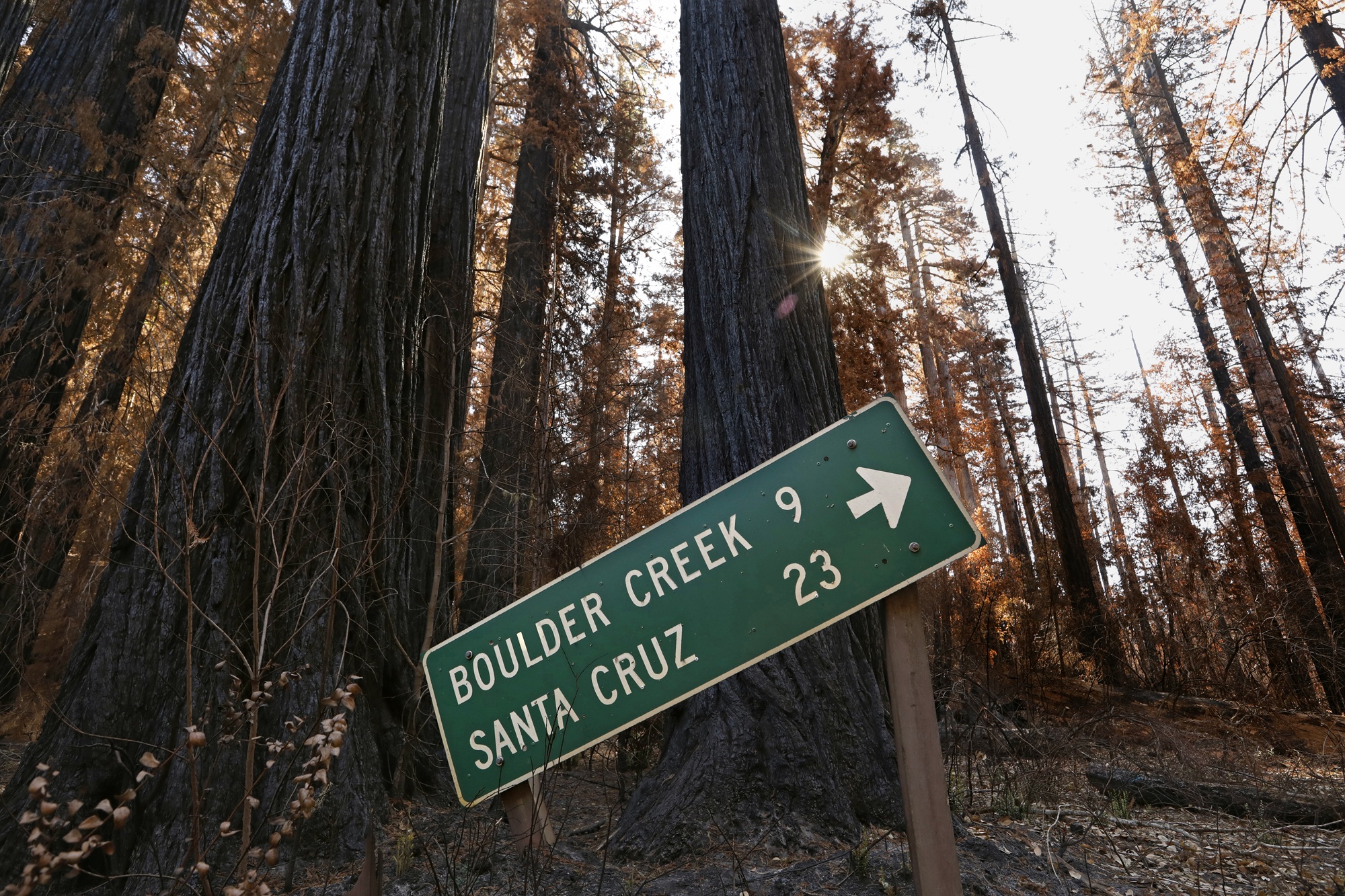
"content": "\u003cp>Bay Area residents were jolted awake by a magnitude 4.6 \u003ca href=\"https://www.kqed.org/earthquakes\">earthquake\u003c/a> early Thursday morning.\u003c/p>\n\u003cp>The U.S. Geological Survey reported the quake, which was centered about a mile from Boulder Creek in the Santa Cruz Mountains, around 1:40 a.m.\u003c/p>\n\u003cp>South Bay residents reported feeling the strongest tremors, with some saying they felt a sharp jolt followed by about 30 seconds of rolling and shaking. Across the Bay Area, the quake’s impacts were felt in San Francisco and Oakland, and as far north as Santa Rosa.\u003c/p>\n\u003cp>[ad fullwidth]\u003c/p>\n\u003cp>It was originally recorded as a magnitude of 5.1, but was downgraded to 4.6 by the USGS.\u003c/p>\n\u003cp>Early reports indicated little damage and no injuries as a result.[aside postID=news_11999982 hero='https://cdn.kqed.org/wp-content/uploads/sites/10/2024/08/MyShakeUCBerkeley-1020x679.jpg']It’s not clear what fault the quake occurred on. The San Andreas Fault, which caused the 1989 Loma Prieta earthquake, and the Hayward Fault, which has spurred multiple smaller seismic events over the last year, both run through the area.\u003c/p>\n\u003cp>As of 8 a.m., no significant aftershocks have been reported. While any earthquake can be a foreshock of a larger one to come, the likelihood is generally quite low.\u003c/p>\n\u003cp>According to USGS, there’s about a 25% chance of a magnitude 3.0 or greater quake in the next week, but the likelihood of a stronger 4.0 magnitude quake in that time drops to just 3%.\u003c/p>\n\u003cp>\u003c/p>\n",
"blocks": [],
"excerpt": "According to the U.S. Geological Survey, the tremors mean there’s about a 25% chance of another magnitude 3.0 or greater quake in the next week.",
"status": "publish",
"parent": 0,
"modified": 1775175487,
"stats": {
"hasAudio": false,
"hasVideo": false,
"hasChartOrMap": false,
"iframeSrcs": [],
"hasGoogleForm": false,
"hasGallery": false,
"hasHearkenModule": false,
"hasPolis": false,
"paragraphCount": 9,
"wordCount": 249
},
"headData": {
"title": "4.6 Magnitude Earthquake in Santa Cruz Mountains Shakes Bay Area Awake | KQED",
"description": "According to the U.S. Geological Survey, the tremors mean there’s about a 25% chance of another magnitude 3.0 or greater quake in the next week.",
"ogTitle": "",
"ogDescription": "",
"ogImgId": "",
"twTitle": "",
"twDescription": "",
"twImgId": "",
"schema": {
"@context": "https://schema.org",
"@type": "NewsArticle",
"headline": "4.6 Magnitude Earthquake in Santa Cruz Mountains Shakes Bay Area Awake",
"datePublished": "2026-04-02T17:18:42-07:00",
"dateModified": "2026-04-02T17:18:07-07:00",
"image": "https://cdn.kqed.org/wp-content/uploads/2020/02/KQED-OG-Image@1x.png",
"isAccessibleForFree": "True",
"publisher": {
"@type": "NewsMediaOrganization",
"@id": "https://www.kqed.org/#organization",
"name": "KQED",
"logo": "https://cdn.kqed.org/wp-content/uploads/2020/02/KQED-OG-Image@1x.png",
"url": "https://www.kqed.org",
"sameAs": [
"https://www.facebook.com/KQED",
"https://twitter.com/KQED",
"https://www.instagram.com/kqed/",
"https://www.tiktok.com/@kqedofficial",
"https://www.linkedin.com/company/kqed",
"https://www.youtube.com/channel/UCeC0IOo7i1P_61zVUWbJ4nw"
]
}
}
},
"primaryCategory": {
"termId": 19906,
"slug": "environment",
"name": "Environment"
},
"sticky": false,
"nprStoryId": "kqed-12078438",
"templateType": "standard",
"featuredImageType": "standard",
"excludeFromSiteSearch": "Include",
"articleAge": "0",
"path": "/news/12078438/4-6-magnitude-earthquake-in-santa-cruz-mountains-shakes-bay-area-awake",
"audioTrackLength": null,
"parsedContent": [
{
"type": "contentString",
"content": "\u003cdiv class=\"post-body\">\u003cp>\u003cp>Bay Area residents were jolted awake by a magnitude 4.6 \u003ca href=\"https://www.kqed.org/earthquakes\">earthquake\u003c/a> early Thursday morning.\u003c/p>\n\u003cp>The U.S. Geological Survey reported the quake, which was centered about a mile from Boulder Creek in the Santa Cruz Mountains, around 1:40 a.m.\u003c/p>\n\u003cp>South Bay residents reported feeling the strongest tremors, with some saying they felt a sharp jolt followed by about 30 seconds of rolling and shaking. Across the Bay Area, the quake’s impacts were felt in San Francisco and Oakland, and as far north as Santa Rosa.\u003c/p>\n\u003cp>\u003c/p>\u003c/div>",
"attributes": {
"named": {},
"numeric": []
}
},
{
"type": "component",
"content": "",
"name": "ad",
"attributes": {
"named": {
"label": "fullwidth"
},
"numeric": [
"fullwidth"
]
}
},
{
"type": "contentString",
"content": "\u003cdiv class=\"post-body\">\u003cp>\u003c/p>\n\u003cp>It was originally recorded as a magnitude of 5.1, but was downgraded to 4.6 by the USGS.\u003c/p>\n\u003cp>Early reports indicated little damage and no injuries as a result.\u003c/p>\u003c/div>",
"attributes": {
"named": {},
"numeric": []
}
},
{
"type": "component",
"content": "",
"name": "aside",
"attributes": {
"named": {
"postid": "news_11999982",
"hero": "https://cdn.kqed.org/wp-content/uploads/sites/10/2024/08/MyShakeUCBerkeley-1020x679.jpg",
"label": ""
},
"numeric": []
}
},
{
"type": "contentString",
"content": "\u003cdiv class=\"post-body\">\u003cp>It’s not clear what fault the quake occurred on. The San Andreas Fault, which caused the 1989 Loma Prieta earthquake, and the Hayward Fault, which has spurred multiple smaller seismic events over the last year, both run through the area.\u003c/p>\n\u003cp>As of 8 a.m., no significant aftershocks have been reported. While any earthquake can be a foreshock of a larger one to come, the likelihood is generally quite low.\u003c/p>\n\u003cp>According to USGS, there’s about a 25% chance of a magnitude 3.0 or greater quake in the next week, but the likelihood of a stronger 4.0 magnitude quake in that time drops to just 3%.\u003c/p>\n\u003cp>\u003c/p>\n\u003c/div>\u003c/p>",
"attributes": {
"named": {},
"numeric": []
}
}
],
"link": "/news/12078438/4-6-magnitude-earthquake-in-santa-cruz-mountains-shakes-bay-area-awake",
"authors": [
"11913"
],
"categories": [
"news_31795",
"news_34165",
"news_19906",
"news_28250",
"news_8"
],
"tags": [
"news_1386",
"news_18538",
"news_1463",
"news_19204",
"news_17826",
"news_20023",
"news_28199",
"news_34054",
"news_18541",
"news_721",
"news_3187",
"news_21285"
],
"featImg": "news_12078455",
"label": "news"
},
"news_11953504": {
"type": "posts",
"id": "news_11953504",
"meta": {
"index": "posts_1716263798",
"site": "news",
"id": "11953504",
"score": null,
"sort": [
1775124046000
]
},
"guestAuthors": [],
"slug": "the-bay-areas-famous-redwood-trees-are-struggling",
"title": "The Bay Area's Famous Redwood Trees Are Struggling",
"publishDate": 1775124046,
"format": "audio",
"headTitle": "The Bay Area’s Famous Redwood Trees Are Struggling | KQED",
"labelTerm": {},
"content": "\u003cp>\u003cem>\u003ca href=\"#Viewthefullepisodetranscript\">View the full episode transcript.\u003c/a>\u003c/em>\u003c/p>\n\u003cp>\u003cem>This article originally published in June of 2023. It has been lightly updated for republication.\u003c/em>\u003c/p>\n\u003cp>There were many things Bay Curious listener Julie Menter loved about her Oakland home when she first moved there in 2017. Chief among them were the three towering redwood trees in her backyard, which Menter estimated had been there longer than the house itself.\u003c/p>\n\u003cp>Last year, one of the trees started to look sick. It had lost almost all of its leaves and, despite Menter watering it, it wasn’t bouncing back. So Menter and her husband decided it had to come down. [baycuriouspodcastinfo]\u003c/p>\n\u003cp>“It was so sad,” she said. “And I think it’s sad both for the tree because they’re such beautiful trees, they’re so old and majestic. But also scary to be like, ‘Whoa, this tree is not doing well, the one next to it isn’t, the ones in my neighborhood don’t seem to be doing well.’”\u003c/p>\n\u003cp>[ad fullwidth]\u003c/p>\n\u003cp>She’s noticed, not just in her backyard but all around Oakland, redwood trees are looking dry and scraggly.\u003c/p>\n\u003cp>“So I’m wondering, is something happening to the redwood trees in the Bay Area? And if so, what is it and is there anything we can do about it?”\u003c/p>\n\u003ch2>Magical trees\u003c/h2>\n\u003cp>To answer Menter’s question, we first have to understand why redwood trees are unique to the Bay Area. Coast redwoods — which we’re focusing on for this story — stretch up and down the Northern California coast and grow no more than 50 miles from the coastline.\u003c/p>\n\u003cp>“I don’t think I fully appreciated the redwoods until I went away to school and then came back as an adult,” said Deborah Zierten, an educator with \u003ca href=\"https://www.savetheredwoods.org/\">Save the Redwoods League\u003c/a>. “This was the place that I would hike to clear my head. So it is a very special place for me here.”\u003c/p>\n\u003cp>The quiet, cool, almost prehistoric feel of these redwood forests have provided solace to humans for millennia.\u003c/p>\n\u003cp>The earliest redwood trees existed more than 200 million years ago alongside dinosaurs in the Jurassic period. Their natural range has shrunk a lot in that time, however. Now they live primarily along the coast between Big Sur and the California-Oregon border.\u003c/p>\n\u003cfigure id=\"attachment_11953536\" class=\"wp-caption aligncenter\" style=\"max-width: 800px\">\u003ca href=\"https://ww2.kqed.org/app/uploads/sites/10/2023/06/redwood-logging.jpg\">\u003cimg loading=\"lazy\" decoding=\"async\" class=\"size-medium wp-image-11953536\" src=\"https://ww2.kqed.org/app/uploads/sites/10/2023/06/redwood-logging-800x610.jpg\" alt=\"Black and white archival photo shows loggers standing around and laying in a notch cut into a massive redwood tree as the prepare to fell it. The tree may be around 20 feet in diameter and of unknown height, though it could be as tall as 300 feet.\" width=\"800\" height=\"610\" srcset=\"https://cdn.kqed.org/wp-content/uploads/sites/10/2023/06/redwood-logging-800x610.jpg 800w, https://cdn.kqed.org/wp-content/uploads/sites/10/2023/06/redwood-logging-1020x778.jpg 1020w, https://cdn.kqed.org/wp-content/uploads/sites/10/2023/06/redwood-logging-160x122.jpg 160w, https://cdn.kqed.org/wp-content/uploads/sites/10/2023/06/redwood-logging.jpg 1160w\" sizes=\"auto, (max-width: 800px) 100vw, 800px\">\u003c/a>\u003cfigcaption class=\"wp-caption-text\">In the early 20th century, redwoods endured a period of intense logging activity. Most of the redwoods you see today have grown since that period, and pale in comparison to the massive size of the trees that once stood along the California coast. \u003ccite>(Ericson Collection/Humboldt State University Library)\u003c/cite>\u003c/figcaption>\u003c/figure>\n\u003cp>Their range used to extend more broadly, until they endured a period of \u003ca href=\"https://www.savetheredwoods.org/about-us/mission-history/redwoods-timeline/\">severe logging in the late 19th century\u003c/a>. After the Gold Rush, San Francisco was booming and timber was in high demand. Millions of trees were logged and used to build homes and other structures around the Bay Area. Most of the trees here now have grown since then. Even by conservative estimates we’ve lost about 90 percent of what once was. Now, California is down to about 100,000 acres of old growth redwood forest.\u003c/p>\n\u003cp>Perhaps their most identifiable feature — besides their reddish-brown bark — is their height. They can grow up to 300 feet tall, a feat that requires some teamwork.\u003c/p>\n\u003cp>“One of the things that makes redwoods so unique is that they actually hold hands with their roots underneath the ground, and that’s how they’re able to grow to be so tall and not fall down, is that they help each other,” said Zierten.\u003c/p>\n\u003cp>Their shallow but wide root systems allow them to grow to be the tallest trees on the planet. And the intertwining of their roots helps them exchange nutrients with one another. Their trunks can grow to be immense, up to nearly 30 feet in diameter.\u003c/p>\n\u003cp>Redwoods can live a very long time, too. In fact, some of the \u003ca href=\"https://www.nps.gov/parkhistory/online_books/shirley/sec11.htm\">oldest coastal redwoods\u003c/a> today were alive during the Roman Empire. Those stands of \u003ca href=\"https://sempervirens.org/news/old-growth-what-it-means-and-why-it-matters/#:~:text=What%20Is%20The,redwood%E2%80%99s%20highest%20reaches.\">old-growth redwoods\u003c/a>, which now account for only 5% of all redwood trees, can \u003ca href=\"https://www.parks.ca.gov/?page_id=26107#\">store more carbon\u003c/a> than any other forest on the planet.\u003c/p>\n\u003cp>They have unique ways of reproducing. They produce seeds, like any other tree, but they can also sprout new trees from their roots.\u003c/p>\n\u003cp>“So, often you will find them in circles that we call fairy rings. Because if a parent tree gets hurt or injured, it will send out these baby sprouts into these circles. And it’s kind of like a little family growing,” said Zierten.\u003c/p>\n\u003cfigure id=\"attachment_11953639\" class=\"wp-caption aligncenter\" style=\"max-width: 800px\">\u003ca href=\"https://ww2.kqed.org/app/uploads/sites/10/2023/06/Deborah-without-kids-scaled.jpg\">\u003cimg loading=\"lazy\" decoding=\"async\" class=\"size-medium wp-image-11953639\" src=\"https://ww2.kqed.org/app/uploads/sites/10/2023/06/Deborah-without-kids-800x845.jpg\" alt=\"A child dressing in a redwood tree costumes stands next to a woman in a bright blue sweater. In the background, a redwood forest is visible.\" width=\"800\" height=\"845\" srcset=\"https://cdn.kqed.org/wp-content/uploads/sites/10/2023/06/Deborah-without-kids-800x845.jpg 800w, https://cdn.kqed.org/wp-content/uploads/sites/10/2023/06/Deborah-without-kids-1020x1077.jpg 1020w, https://cdn.kqed.org/wp-content/uploads/sites/10/2023/06/Deborah-without-kids-160x169.jpg 160w, https://cdn.kqed.org/wp-content/uploads/sites/10/2023/06/Deborah-without-kids-1455x1536.jpg 1455w, https://cdn.kqed.org/wp-content/uploads/sites/10/2023/06/Deborah-without-kids-1940x2048.jpg 1940w, https://cdn.kqed.org/wp-content/uploads/sites/10/2023/06/Deborah-without-kids-1920x2027.jpg 1920w\" sizes=\"auto, (max-width: 800px) 100vw, 800px\">\u003c/a>\u003cfigcaption class=\"wp-caption-text\">Deborah Zierten teaches a group of fifth graders about redwood trees in Reinhardt Redwood Regional Park in Oakland. \u003ccite>(Dana Cronin/KQED)\u003c/cite>\u003c/figcaption>\u003c/figure>\n\u003cp>Redwoods prefer cool, moist climates, which is why they’re now primarily found in Northern California. In the summer months, when there’s a lack of rainfall, redwood trees rely on another iconic California phenomenon: coastal fog.\u003c/p>\n\u003cp>“It’s almost like a sponge sucking in that water,” Zierten said. “Then when their needles get full, also like a sponge, any of that excess water will drip to the ground. And it’s almost as if they’re creating their own rain.”\u003c/p>\n\u003cp>They’ve adapted to other characteristics of this region, including wildfires. Take the 2020 CZU Lightning Complex fires, for example, which burned through most of Big Basin Redwoods State Park near Santa Cruz. Three years later, that forest is green again and \u003ca href=\"https://www.kqed.org/news/11835124/some-good-news-many-of-big-basins-ancient-redwoods-appear-to-have-survived\">the old-growth redwood trees there are still standing strong\u003c/a>.\u003c/p>\n\u003cp>Now many redwood forests — including 80% of the surviving old-growth trees — are protected either by state and local governments or nonprofits, like Zierten’s Save the Redwoods League.\u003c/p>\n\u003ch2>New challenges\u003c/h2>\n\u003cp>It’s not just Menter’s imagination: Redwood trees are indeed struggling across the Bay Area.[emailsignup newslettername=\"baycurious\" align=\"right\"]“If you look up now, in most urban areas, I think everybody can pretty much see that there’s some tops that are dying back. There’s a lot of brown foliage in the crowns of these trees,” said \u003ca href=\"https://ib.berkeley.edu/people/faculty/dawsont\">Todd Dawson\u003c/a>, an environmental scientist at UC Berkeley who has been studying redwoods for decades.\u003c/p>\n\u003cp>One reason for that suffering is urbanization and the subsequent proliferation of concrete and pollution. Roadways and sidewalks, in particular, are impinging on redwoods’ root systems, essentially suffocating them.\u003c/p>\n\u003cp>“[Concrete has] a very, very negative impact on the ability of that tree to get the water it needs, get the nutrients it needs,” said Dawson.\u003c/p>\n\u003cp>In addition to urbanization, climate change is wreaking havoc on redwood trees’ ideal growing conditions. Coastal fog, for example, upon which redwood trees rely for water, is on the decline. In fact, since the 1950s, Dawson said, fog has declined about 30% during the summertime, when redwoods really need it.\u003c/p>\n\u003cfigure id=\"attachment_11953610\" class=\"wp-caption aligncenter\" style=\"max-width: 800px\">\u003ca href=\"https://ww2.kqed.org/app/uploads/sites/10/2023/06/IMG_5107-scaled.jpg\">\u003cimg loading=\"lazy\" decoding=\"async\" class=\"size-medium wp-image-11953610\" src=\"https://ww2.kqed.org/app/uploads/sites/10/2023/06/IMG_5107-800x1067.jpg\" alt=\"Tall, bright green redwood trees and ferns surround a hiking path. The air is misty and grey.\" width=\"800\" height=\"1067\" srcset=\"https://cdn.kqed.org/wp-content/uploads/sites/10/2023/06/IMG_5107-800x1067.jpg 800w, https://cdn.kqed.org/wp-content/uploads/sites/10/2023/06/IMG_5107-1020x1360.jpg 1020w, https://cdn.kqed.org/wp-content/uploads/sites/10/2023/06/IMG_5107-160x213.jpg 160w, https://cdn.kqed.org/wp-content/uploads/sites/10/2023/06/IMG_5107-1152x1536.jpg 1152w, https://cdn.kqed.org/wp-content/uploads/sites/10/2023/06/IMG_5107-1536x2048.jpg 1536w, https://cdn.kqed.org/wp-content/uploads/sites/10/2023/06/IMG_5107-scaled.jpg 1920w\" sizes=\"auto, (max-width: 800px) 100vw, 800px\">\u003c/a>\u003cfigcaption class=\"wp-caption-text\">A foggy day in Joaquin Miller Park in the Oakland hills. In the summertime, redwoods ‘drink’ the coastal fog. \u003ccite>(Amanda Font/KQED)\u003c/cite>\u003c/figcaption>\u003c/figure>\n\u003cp>That decline, coupled with periods of severe drought in California, is putting a lot of stress on the trees — especially giant sequoias, another type of redwood that lives mostly in the Sierra Nevada. Thousands of trees there have died due to a lack of water.\u003c/p>\n\u003cp>“The water deficit itself didn’t really kill all those trees,” Dawson said. “It weakened them in a way where other pests and pathogens got in there and basically wiped them out.”\u003c/p>\n\u003cp>In addition to a lack of water, more intense fires are also affecting redwoods. Though they have adapted to fire over the centuries, they can’t handle the extreme fires we’re seeing now caused by climate change and inadequate forest management.\u003c/p>\n\u003cp>All in all, Dawson said redwood forests are struggling along their perimeters. As the wildland-urban interface stretches farther and farther into the wild, redwood trees are increasingly exposed to human impacts. They’re losing their buffer.\u003c/p>\n\u003cp>“I think we’re going to see a patchier world,” Dawson said. “And that’s really disappointing and concerning for me because we sit at the heart of that. Humans are really the ones that are in control and are having the negative impacts that we now see.”\u003c/p>\n\u003ch2>What can we do?\u003c/h2>\n\u003cp>As Menter asked, is there anything we can do to save the redwoods?\u003c/p>\n\u003cp>As for backyard redwood trees, Dawson said irrigation might work, but it’s more of a Band-Aid solution because “the trees require so much water. They also require pretty special microclimates, meaning that they like it cooler, they like these moist, foggy summers,” he said, “and I think you can’t really recreate those conditions as a person.”\u003c/p>\n\u003cp>The problems redwood trees are facing now are much more systemic, said Dawson, and that’s how we should approach solutions.\u003c/p>\n\u003cp>One way to help protect redwood forests is by getting them in the hands of governments and nonprofits, which Dawson said is critical to ensuring the trees’ survival here in Northern California.\u003c/p>\n\u003cp>“The forests are just so special, these big cathedrals with these amazing, gigantic trees. There’s just nothing like that. And I think anybody who’s ever walked through a forest for the first time just is in awe of what a special place and what a special feel it has. So I’m really concerned about them and I’d love to see those forests protected in perpetuity,” he said.\u003c/p>\n\u003cp>[baycuriousquestion]\u003c/p>\n\u003ch2>\u003ca id=\"Viewthefullepisodetranscript\">\u003c/a>Episode transcript\u003c/h2>\n\u003cp>\u003cb>Olivia Allen-Price:\u003c/b>\u003cspan style=\"font-weight: 400;\"> This is Bay Curious. I’m Olivia Allen-Price.\u003c/span>\u003c/p>\n\u003cp>\u003cspan style=\"font-weight: 400;\">Have you ever paused a moment, to fully take in a redwood tree? Stared up at its towering trunk. Cupping around a single ridge of its massive bark. Inhaling that warm, woody, slightly sweet scent…\u003c/span>\u003c/p>\n\u003cp>\u003cspan style=\"font-weight: 400;\">Bay Curious listener Christy Dundon has.\u003c/span>\u003c/p>\n\u003cp>\u003cb>Christy Dundon:\u003c/b>\u003cspan style=\"font-weight: 400;\"> Back when I was in high school, just a long time ago, I worked for the Alameda Recreation and Park Department and we had a day camp and we would take kids up to the Redwood Regional Park.\u003c/span>\u003c/p>\n\u003cp>\u003cb>Olivia Allen-Price: \u003c/b>\u003cspan style=\"font-weight: 400;\">The redwoods in the park now are mostly younger, second-growth redwoods – but there are signs left of the old growth redwoods that once stood.\u003c/span>\u003c/p>\n\u003cp>\u003cb>Christy Dundon:\u003c/b>\u003cspan style=\"font-weight: 400;\"> I remember showing them the stumps that were there, which were pretty big with usually trees in a circle around them … sometimes I’d have them lie down and it was, you know, its diameter was wider than they are tall. \u003c/span>\u003c/p>\n\u003cp>\u003cb>Olivia Allen-Price: \u003c/b>\u003cspan style=\"font-weight: 400;\">Seeing these stumps got Christy wondering about when these trees were cut down and why. And also how many redwood forests once stood in the Bay Area.\u003c/span>\u003c/p>\n\u003cp>\u003cb>Christy Dundon:\u003c/b>\u003cspan style=\"font-weight: 400;\"> I would love to know how extensive it was, what, I mean, did they just somebody got the idea this is where we’re going to get our lumber, and then how much was actually cut down.\u003c/span>\u003c/p>\n\u003cp>\u003cb>Olivia Allen-Price:\u003c/b>\u003cspan style=\"font-weight: 400;\"> For this story on old growth redwoods, we called up an old friend, Daniel Potter. Hi, Daniel!\u003c/span>\u003c/p>\n\u003cp>\u003cb>Daniel Potter:\u003c/b>\u003cspan style=\"font-weight: 400;\"> Olivia, hi!\u003c/span>\u003c/p>\n\u003cp>\u003cb>Olivia Allen-Price: \u003c/b>\u003cspan style=\"font-weight: 400;\">Daniel has done a few stories for us on natural history and trees… And he even wrote a bit on redwoods for the Bay Curious book. (which, ahem, is still available wherever books are sold.) So Daniel, redwoods. They come in a few varieties.\u003c/span>\u003c/p>\n\u003cp>\u003cb>Daniel Potter:\u003c/b>\u003cspan style=\"font-weight: 400;\"> Right. They’re a phenomenon almost exclusive to California. By that I mean there are three species—a somewhat shorter one from central China—and then the two familiar to Californians. Inland, we have the massive Sierra redwoods, also known as giant sequoias, and the kind we’ll be focusing on today, which is actually even taller.\u003c/span>\u003c/p>\n\u003cp>\u003cb>Olivia Allen-Price:\u003c/b>\u003cspan style=\"font-weight: 400;\"> That’s the coast redwood, or the one a lot of folks just call… redwoods.\u003c/span>\u003c/p>\n\u003cp>\u003cb>Daniel Potter:\u003c/b>\u003cspan style=\"font-weight: 400;\"> The scientific name is Sequoia sempervirens. These trees can grow taller than the Statue of Liberty, including the pedestal and torch. Taller than a football field is long. And they can live around 2,000 years. \u003c/span>\u003c/p>\n\u003cp>\u003cb>Olivia Allen-Price:\u003c/b>\u003cspan style=\"font-weight: 400;\"> And true to their name, you tend to find them along the coast, in the fog belt, from Monterey County up to around the Oregon border.\u003c/span>\u003c/p>\n\u003cp>\u003cb>Daniel Potter:\u003c/b>\u003cspan style=\"font-weight: 400;\"> One of my favorite Bay Area spots for wow’ing out-of-towners with them has always been Muir Woods, in Marin County. That’s one of the few places in the region where people left old redwoods standing in the last few centuries.\u003c/span>\u003c/p>\n\u003cp>\u003cb>Olivia Allen-Price:\u003c/b>\u003cspan style=\"font-weight: 400;\"> So there were once more? \u003c/span>\u003c/p>\n\u003cp>\u003cb>Daniel Potter:\u003c/b>\u003cspan style=\"font-weight: 400;\"> So many more! Logging of the redwoods started long before the Gold Rush, in the time of Spanish settlers and Russian traders… but the Gold Rush really kicked it into high gear. For 19th-century people building a city like San Francisco in a hurry, old redwood was ideal. In his book Trees in Paradise, historian Jared Farmer writes “it was easy to work with, hard to wreck. No other lumber matched its combination of lightness, evenness, and durability.” \u003c/span>\u003c/p>\n\u003cp>\u003cb>Olivia Allen-Price:\u003c/b>\u003cspan style=\"font-weight: 400;\"> In addition to the stumps Christy saw, you also see little hints of this logging history around. ..Like down on the Peninsula, where you’ll find ‘Redwood City.’\u003c/span>\u003c/p>\n\u003cp>\u003cb>Daniel Potter:\u003c/b>\u003cspan style=\"font-weight: 400;\"> Yes! Sawyers would cut down redwoods on the east side of the Santa Cruz mountains, and use the port there to float that wood up toward a growing San Francisco. In his book, Farmer writes “by the mid 1850s, San Francisco had exhausted the easy-to-reach redwood, including pocket stands in the Berkeley Hills.” Loggers then worked their way north up the coast. \u003c/span>\u003c/p>\n\u003cp>\u003cb>Olivia Allen-Price:\u003c/b>\u003cspan style=\"font-weight: 400;\"> Okay, let’s fast forward to after the 1906 earthquake and fire. The city is devastated, people need to rebuild, concrete and steel aren’t yet ubiquitous for construction. What happens? \u003c/span>\u003c/p>\n\u003cp>\u003cb>Daniel Potter:\u003c/b>\u003cspan style=\"font-weight: 400;\"> People cut down even more trees. They constructed tens of thousands of buildings in the decade after the quake, almost all of them with wood frames. Redwood was the rule—literally. Officials believed using redwood had kept the fire from being even worse, so afterward, builders had to get a permit to use anything else. The demand was epic, on the order of hundreds of millions of square feet, an inch thick.\u003c/span>\u003c/p>\n\u003cp>\u003cb>Olivia Allen-Price: \u003c/b>\u003cspan style=\"font-weight: 400;\">So our question-asker wanted some sense of what was lost here. And it sounds like… a lot.\u003c/span>\u003c/p>\n\u003cp>\u003cb>Daniel Potter:\u003c/b>\u003cspan style=\"font-weight: 400;\"> Yeah, exactly how much depends a little on whether you’re just counting the heavy stands of redwoods, like the awesome cathedral stands up toward the North Coast, or also the spots where they’re more mixed in with other trees. But ballpark, before the Gold Rush, there were 1 or 2 million acres of old growth redwood forests, whereas now we’re down to less than 100 thousand acres. So even by a conservative estimate, we’ve lost about 90% of what once was.\u003c/span>\u003c/p>\n\u003cp>\u003cb>Olivia Allen-Price:\u003c/b>\u003cspan style=\"font-weight: 400;\"> 90%! And most of it now makes up the skeleton of San Francisco?\u003c/span>\u003c/p>\n\u003cp>\u003cb>Daniel Potter: \u003c/b>\u003cspan style=\"font-weight: 400;\">Yeah, it’s a weird way to think about it, isn’t it?\u003c/span>\u003c/p>\n\u003cp>\u003cb>Olivia Allen-Price:\u003c/b>\u003cspan style=\"font-weight: 400;\"> Well… on the bright side, at least there’s still some standing for us to visit.\u003c/span>\u003c/p>\n\u003cp>\u003cb>Daniel Potter: \u003c/b>\u003cspan style=\"font-weight: 400;\">Yeah! My wife and I did the iconic California road trip for our honeymoon a few years ago, and visiting the redwoods up along the Avenue of the Giants was sublime. \u003c/span>\u003c/p>\n\u003cp>\u003cb>Olivia Allen-Price:\u003c/b>\u003cspan style=\"font-weight: 400;\"> Mm! Daniel Potter… Longtime friend of the show, now making a podcast called Bug Note about the wiggly, wild, weird world of bugs. Find it on YouTube. Daniel – thank you as always.\u003c/span>\u003c/p>\n\u003cp>\u003cb>Daniel Potter:\u003c/b>\u003cspan style=\"font-weight: 400;\"> Olivia, a pleasure as always.\u003c/span>\u003c/p>\n\u003cp>\u003cb>Olivia Allen-Price:\u003c/b>\u003cspan style=\"font-weight: 400;\"> When we return a deep dive on what makes Coast Redwoods so special, and how they’re fairing in the age of climate change. Stay with us.\u003c/span>\u003c/p>\n\u003cp>\u003ci>\u003cspan style=\"font-weight: 400;\">Sponsor Message\u003c/span>\u003c/i>\u003c/p>\n\u003cp>\u003cb>Olivia Allen-Price:\u003c/b>\u003cspan style=\"font-weight: 400;\"> We have received a bevy of listener questions about redwoods over the years. One came from Julie Menter. She and her husband moved into a house in Oakland in 2017. There were lots of things they loved about their new home, but especially the three big redwood trees in the backyard. \u003c/span>\u003c/p>\n\u003cp>\u003cb>Julie Menter: \u003c/b>\u003cspan style=\"font-weight: 400;\">It feels like it’s a really big part of the identity to me of the city of Oakland. Like if you look at the hills and the trees…being able to go in nature while being in a city feels really important to me for my mental health and balance. \u003c/span>\u003c/p>\n\u003cp>\u003cb>Olivia Allen-Price:\u003c/b>\u003cspan style=\"font-weight: 400;\"> Last year, Julie started to worry about the trees. One of them had lost almost all of its leaves and, despite watering it, it wasn’t bouncing back. It had to come down.\u003c/span>\u003c/p>\n\u003cp>\u003cb>Julie Menter:\u003c/b>\u003cspan style=\"font-weight: 400;\"> It’s so sad. And I think it’s sad both for the tree because, you know, they’re such beautiful trees, they’re so old and majestic. But also scary to be like, “Whoa, this tree is not doing well, the one next to it isn’t, the ones in my neighborhood don’t seem to be doing well.”\u003c/span>\u003c/p>\n\u003cp>\u003cb>Olivia Allen-Price:\u003c/b>\u003cspan style=\"font-weight: 400;\"> Julie’s noticed not just in her backyard, but all around Oakland, redwood trees don’t look so good. Around her neighborhood… off highways… really all over the East Bay, Julie has noticed the trees looking dry and scraggly.\u003c/span>\u003c/p>\n\u003cp>\u003cb>Julie Menter:\u003c/b>\u003cspan style=\"font-weight: 400;\"> So I’m wondering, is something happening to the redwood trees in the Bay Area? And if so, what is it and is there anything we can do about it?\u003c/span>\u003c/p>\n\u003cp>\u003cb>Olivia Allen-Price:\u003c/b> \u003cspan style=\"font-weight: 400;\">For this next story, we’re spending more time with California’s state tree: the coast redwood. We’ll dig into why it’s unique to this area, what makes it so special and also how it’s adapting to challenges like climate change and urbanization. \u003c/span>\u003c/p>\n\u003cp>\u003cspan style=\"font-weight: 400;\">KQED’s Dana Cronin takes it from here.\u003c/span>\u003c/p>\n\u003cp>\u003ci>\u003cspan style=\"font-weight: 400;\">Sound of walking through a forest \u003c/span>\u003c/i>\u003c/p>\n\u003cp>\u003cb>Dana Cronin: \u003c/b>\u003cspan style=\"font-weight: 400;\">There’s a really special feeling I get every time I walk through a redwood forest. My mind goes quiet, the only audible sound coming from the crunch of my footsteps. The temperature is always perfect; even on the hottest day, it’s still cool among the trees. And the smell.\u003c/span>\u003c/p>\n\u003cp>\u003cb>Dana Cronin (in scene)\u003c/b>\u003cspan style=\"font-weight: 400;\">: It smells so good. There’s just no, like, even just stepping outside of my car in the parking lot, I was like (breathes in, breathes out) It’s just so good.\u003c/span>\u003c/p>\n\u003cp>\u003cb>Dana Cronin: \u003c/b>\u003cspan style=\"font-weight: 400;\">I’m in the middle of the Roberts Redwood Recreational forest in the Oakland hills… hiking with Deborah Ziertan, who works for Save the Redwoods League. She’s gonna help me teach you all about redwood trees and why they’re unique to our region. Then, later on, we’ll get to the heart of Julie’s question … what’s happening to them? And just a note – for this episode we’ll mostly focus on coastal redwoods, which grow no more than 50 miles from the coastline. Now, Deborah grew up here in Oakland and visited these redwoods frequently as a kid. \u003c/span>\u003c/p>\n\u003cp>\u003cb>Deborah Ziertan:\u003c/b>\u003cspan style=\"font-weight: 400;\"> I don’t think I fully appreciated the redwoods until I went away to school and then came back as an adult. And this was the place that I would hike to clear my head. And these were the forests that I came to. And so it is a very special place for me here.\u003c/span>\u003c/p>\n\u003cp>\u003cb>Dana Cronin: \u003c/b>\u003cspan style=\"font-weight: 400;\">Deborah has now dedicated her life to these trees. She’s an educator with Save the Redwoods League. Her job is to teach school-aged kids about them. \u003c/span>\u003c/p>\n\u003cp>\u003ci>\u003cspan style=\"font-weight: 400;\">Sounds of children in a forest\u003c/span>\u003c/i>\u003c/p>\n\u003cp>\u003cb>Deborah Ziertan:\u003c/b>\u003cspan style=\"font-weight: 400;\"> Good morning students!\u003c/span>\u003c/p>\n\u003cp>\u003cb>Students:\u003c/b>\u003cspan style=\"font-weight: 400;\"> Good morning.\u003c/span>\u003c/p>\n\u003cp>\u003cb>Dana Cronin: \u003c/b>\u003cspan style=\"font-weight: 400;\">I tagged along recently with Deborah, as she guided about thirty fifth graders from a local elementary school through the Reinhardt Redwood Regional Park. The students are spread out across three wooden picnic tables, fidgeting in their seats. \u003c/span>\u003c/p>\n\u003cp>\u003cb>Deborah Ziertan:\u003c/b>\u003cspan style=\"font-weight: 400;\">Can I have everyone’s eyes up here? Ok. Will everyone look up and take a look? We are in a little redwood grove. So these are all redwood trees. \u003c/span>\u003c/p>\n\u003cp>\u003cb>Dana Cronin: \u003c/b>\u003cspan style=\"font-weight: 400;\">After setting a few ground rules… no touching plants… be quiet while others are talking… Miss Deborah — as they call her — launches into the lesson. \u003c/span>\u003c/p>\n\u003cp>\u003cb>Deborah Ziertan:\u003c/b>\u003cspan style=\"font-weight: 400;\"> Do you know anything about redwood trees at all? Raise your hand if you know anything about redwoods. \u003c/span>\u003c/p>\n\u003cp>\u003cb>Dana Cronin: \u003c/b>\u003cspan style=\"font-weight: 400;\">A student’s hand shoots up.\u003c/span>\u003c/p>\n\u003cp>\u003cb>Deborah Ziertan:\u003c/b>\u003cspan style=\"font-weight: 400;\"> Yes. They are really tall. They are. Redwoods are the tallest tree in the whole entire world. \u003c/span>\u003c/p>\n\u003cp>\u003cb>Dana Cronin: \u003c/b>\u003cspan style=\"font-weight: 400;\">Redwood trees can grow more than 300 feet tall. That’s taller than a 30-story skyscraper. And not only are they the tallest tree in the world, they’re also among the biggest. Their trucks can grow nearly 30 feet wide. So, how are they able to get so big?\u003c/span>\u003c/p>\n\u003cp>\u003cb>Deborah Ziertan: \u003c/b>\u003cspan style=\"font-weight: 400;\">So everyone do this with your arms. It’s okay if you kind of lightly touch your neighbors.\u003c/span>\u003c/p>\n\u003cp>\u003cb>Dana Cronin: \u003c/b>\u003cspan style=\"font-weight: 400;\">Deborah holds her arms out straight to the sides, like a scarecrow. \u003c/span>\u003c/p>\n\u003cp>\u003cb>Deborah Ziertan: \u003c/b>\u003cspan style=\"font-weight: 400;\">One of the things that makes redwoods so unique is that they actually hold hands with their roots underneath the ground, and that’s how they’re able to grow to be so tall and not fall down is that they help each other. \u003c/span>\u003c/p>\n\u003cp>\u003cb>Dana Cronin: \u003c/b>\u003cspan style=\"font-weight: 400;\">Redwood roots are shallow and extend outward instead of down. Their roots extend out almost as far as the tree is tall … and they essentially hold each other up. In addition to being really big… redwoods can also live a very long time… like more than 2,000 years. That means some coastal redwoods today were alive during the Roman Empire. Those old-growth redwoods, which now only account for 5 percent of all redwood trees, can store more carbon than any other forest on the planet.\u003c/span>\u003c/p>\n\u003cp>\u003cb>Deborah Ziertan:\u003c/b>\u003cspan style=\"font-weight: 400;\"> So we are pretty lucky to have redwood trees here in Oakland. And people travel from all over the world to come and see redwood trees.\u003c/span>\u003c/p>\n\u003cp>\u003ci>\u003cspan style=\"font-weight: 400;\">Magical sounding music\u003cbr>\n\u003c/span>\u003c/i>\u003cspan style=\"font-weight: 400;\">\u003cbr>\n\u003c/span>\u003cb>Dana Cronin: \u003c/b>\u003cspan style=\"font-weight: 400;\">Redwood trees also have unique ways of reproducing. They produce seeds, like any other tree, but they can also sprout new trees from their roots. \u003c/span>\u003c/p>\n\u003cp>\u003cb>Deborah Ziertan:\u003c/b>\u003cspan style=\"font-weight: 400;\"> So often redwood trees, you will find them in circles that we call fairy rings. Because if a parent tree gets hurt or injured, it will send out these baby sprouts into these circles. And it’s kind of like a little family growing.\u003c/span>\u003c/p>\n\u003cp>\u003cb>Dana Cronin: \u003c/b>\u003cspan style=\"font-weight: 400;\">They’re basically clones of their parents. That’s why you rarely see redwood trees standing alone, and more often see them together in a circle formation. \u003c/span>\u003c/p>\n\u003cp>\u003cb>Dana Cronin: \u003c/b>\u003cspan style=\"font-weight: 400;\">Deborah tells the students we can learn a lot from redwood trees. They exist in communities and rely on each other for support. They have hard exteriors that protect them from things like wildfires, but they’re soft on the inside. Deborah says… they’re not so different from us.\u003c/span>\u003c/p>\n\u003cp>\u003ci>\u003cspan style=\"font-weight: 400;\">Music ends\u003c/span>\u003c/i>\u003c/p>\n\u003cp>\u003cb>Dana Cronin: \u003c/b>\u003cspan style=\"font-weight: 400;\">The earliest redwood trees existed more than 200 million years ago… alongside dinosaurs in the Jurassic period. Their natural range has shrunk a lot in that time… now they mostly stretch up and down the northern California coast… as far north as the Oregon border and down to about Big Sur. \u003c/span>\u003c/p>\n\u003cp>\u003cb>Dana Cronin: \u003c/b>\u003cspan style=\"font-weight: 400;\">Their distribution tracks with another iconic California phenomenon… coastal fog. So, in the summer months, when there’s a lack of rainfall, redwood trees essentially drink the fog.\u003c/span>\u003c/p>\n\u003cp>\u003cb>Deborah Ziertan:\u003c/b>\u003cspan style=\"font-weight: 400;\"> It’s almost like a sponge sucking in that water. And then when their needles get full, also like a sponge, any of that excess water will drip to the ground. And it’s almost as if they’re creating their own rain. \u003c/span>\u003c/p>\n\u003cp>\u003cb>Dana Cronin: \u003c/b>\u003cspan style=\"font-weight: 400;\">And they’ve adapted to this region in other ways, too. They’re highly adapted to fire. Take the 2020 CZU Lightning Complex fire, for example, which burned through most of Big Basin Redwoods near Santa Cruz. Three years later, that forest is green again… and the old-growth redwood trees there are still standing strong. \u003c/span>\u003c/p>\n\u003cp>\u003cb>Dana Cronin: \u003c/b>\u003cspan style=\"font-weight: 400;\">Redwoods also survived a period of severe logging in the late 18-hundreds when, after the Gold Rush, San Francisco was booming and timber was in high demand. Many trees didn’t survive, though. In fact, most of the trees now living in the Oakland hills are ones that have grown since that period of logging… young, by redwoods standards. \u003c/span>\u003c/p>\n\u003cp>\u003cb>Dana Cronin: \u003c/b>\u003cspan style=\"font-weight: 400;\">Luckily, a movement was underway to protect redwood forests. Save the Redwoods League… where Deborah works… was founded in 1918… and helped to accelerate the preservation of redwood trees across Northern California. \u003c/span>\u003c/p>\n\u003cp>\u003cb>Deborah Ziertan:\u003c/b>\u003cspan style=\"font-weight: 400;\"> People started to see the value in recreation and see the value in these trees not as lumber, but for health and wellness and for preservation purposes. \u003c/span>\u003c/p>\n\u003cp>\u003ci>\u003cspan style=\"font-weight: 400;\">Music in \u003c/span>\u003c/i>\u003c/p>\n\u003cp>\u003cb>Dana Cronin: \u003c/b>\u003cspan style=\"font-weight: 400;\">But now they’re facing new challenges. As our question-asker Julie noticed… Redwood trees in the Bay Area are struggling.\u003c/span>\u003c/p>\n\u003cp>\u003cb>Todd Dawson:\u003c/b>\u003cspan style=\"font-weight: 400;\"> If you walk and you look up now, in most urban areas, I think everybody can pretty much see that, you know, there’s some tops that are dying back. There’s a lot of, you know, brown foliage in the crowns of these trees.\u003c/span>\u003c/p>\n\u003cp>\u003cb>Dana Cronin: \u003c/b>\u003cspan style=\"font-weight: 400;\">That’s Todd Dawson. He’s an environmental scientist and professor at UC Berkeley and has been studying redwood trees for decades. We met up on a foggy morning at the UC Berkeley campus… home to many unhealthy-looking redwood trees.\u003c/span>\u003c/p>\n\u003cp>\u003cb>Todd Dawson:\u003c/b>\u003cspan style=\"font-weight: 400;\"> See the thinning crowns of the one right out there in the distance? \u003c/span>\u003cspan style=\"font-weight: 400;\">\u003c/span>\u003c/p>\n\u003cp>\u003cb>Dana Cronin (in scene): \u003c/b>\u003cspan style=\"font-weight: 400;\">Yeah.\u003c/span>\u003cspan style=\"font-weight: 400;\">\u003cbr>\n\u003c/span>\u003c/p>\n\u003cp>\u003cb>Todd Dawson:\u003c/b>\u003cspan style=\"font-weight: 400;\"> There you go. And you just see that over and over and over, repeated in so many places. \u003c/span>\u003c/p>\n\u003cp>\u003cb>Dana Cronin: \u003c/b>\u003cspan style=\"font-weight: 400;\">Todd says trees are suffering all over the Bay Area… even up through Santa Rosa. \u003c/span>\u003c/p>\n\u003cp>\u003cb>Dana Cronin: \u003c/b>\u003cspan style=\"font-weight: 400;\">And, there are two main reasons for that suffering. Let’s take them one at a time.\u003c/span>\u003c/p>\n\u003cp>\u003ci>\u003cspan style=\"font-weight: 400;\">Music ends\u003c/span>\u003c/i>\u003c/p>\n\u003cp>\u003cb>Dana Cronin: \u003c/b>\u003cspan style=\"font-weight: 400;\">The first reason is urbanization. The Bay Area has gone through a drastic transformation over the last century…\u003c/span>\u003c/p>\n\u003cp>\u003cb>Todd Dawson:\u003c/b>\u003cspan style=\"font-weight: 400;\"> And with all the concrete and all the pollution that’s associated with urban sprawl, the trees are suffering. \u003c/span>\u003c/p>\n\u003cp>\u003cb>Dana Cronin: \u003c/b>\u003cspan style=\"font-weight: 400;\">That’s mostly because sidewalks and roadways are impinging on redwoods’ root systems. Remember how their roots extend out really wide?\u003c/span>\u003c/p>\n\u003cp>\u003cb>Todd Dawson:\u003c/b>\u003cspan style=\"font-weight: 400;\"> Here we are standing ten feet away from a redwood tree on a concrete sidewalk. And we’ve set concrete on top of a big part of the root system. And so it’s really going to have a very, very negative impact on the ability of that tree to get the water it needs, get the nutrients it needs.\u003c/span>\u003c/p>\n\u003cp>\u003cb>Dana Cronin: \u003c/b>\u003cspan style=\"font-weight: 400;\">We’re basically suffocating them. And on top of that, we have reason number two… climate change… which is impacting redwood trees in different ways. That fog that redwoods drink in, well, it turns out it’s on the decline. In fact, since the 1950’s it’s declined about 30% during the summertime… when redwoods really need it. \u003c/span>\u003c/p>\n\u003cp>\u003cb>Dana Cronin: \u003c/b>\u003cspan style=\"font-weight: 400;\">That decline, coupled with periods of severe drought in California, is putting a lot of stress on the trees. Especially Giant Sequoias… another type of redwood that mostly lives in the Sierra Nevada. Thousands of trees there have died due to a lack of water. \u003c/span>\u003c/p>\n\u003cp>\u003cb>Todd Dawson:\u003c/b>\u003cspan style=\"font-weight: 400;\"> The water deficit itself didn’t really kill all those trees. It weakened them in a way where other pests and pathogens got in there and basically wiped them out like beetles, fungi, other things like that. \u003c/span>\u003c/p>\n\u003cp>\u003cb>Dana Cronin: \u003c/b>\u003cspan style=\"font-weight: 400;\">In addition to a lack of water… more intense fires are also impacting those trees. Although they have adapted to fire over the centuries… they can’t handle the extreme fires we’re seeing now caused by climate change and bad forest management. \u003c/span>\u003c/p>\n\u003cp>\u003cb>Dana Cronin: \u003c/b>\u003cspan style=\"font-weight: 400;\">All in all, Todd says redwood forests are struggling along their perimeters. As the wildland-urban interface stretches further and further into the wild… redwood trees are increasingly exposed to human impacts. They’re losing their buffer. \u003c/span>\u003c/p>\n\u003cp>\u003cb>Todd Dawson:\u003c/b>\u003cspan style=\"font-weight: 400;\"> I think that’s the future, is we’re going to see a patchier world. And that’s really disappointing and concerning for me because, you know, we sit at the heart of that. Humans are really the ones that are in control and are having the negative impacts that we now see. \u003c/span>\u003c/p>\n\u003cp>\u003cb>Dana Cronin: \u003c/b>\u003cspan style=\"font-weight: 400;\">Now, I think we’ve answered most of Julie’s questions… except for one. What can we do about it? Todd has a couple thoughts on that. First, Julie, regarding your backyard redwood trees… Todd says you can try watering them…. But…\u003c/span>\u003c/p>\n\u003cp>\u003cb>Todd Dawson:\u003c/b>\u003cspan style=\"font-weight: 400;\"> The trees require so much water. They also require pretty special microclimates, meaning that they like it cooler. They like these moist, foggy summers like we’re seeing today. You know, And I think you can’t really recreate those conditions as a person. Right. \u003c/span>\u003c/p>\n\u003cp>\u003cb>Dana Cronin: \u003c/b>\u003cspan style=\"font-weight: 400;\">Unfortunately, he says, irrigation is a band-aid solution at best. Because the problems redwood trees are facing now are much more systemic. And that’s how we need to think about solutions, Todd says.\u003c/span>\u003c/p>\n\u003cp>\u003cb>Dana Cronin: \u003c/b>\u003cspan style=\"font-weight: 400;\">One of those solutions is to protect redwood forests by getting them in the hands of governments and nonprofits… like Deborah’s Save the Redwoods League. Todd says that work is critical to ensuring the trees’ survival here in Northern California. \u003c/span>\u003cspan style=\"font-weight: 400;\">\u003cbr>\n\u003c/span>\u003cspan style=\"font-weight: 400;\">\u003cbr>\n\u003c/span> \u003ci>\u003cspan style=\"font-weight: 400;\">Whimsical music begins\u003c/span>\u003c/i>\u003c/p>\n\u003cp>\u003cb>Todd Dawson:\u003c/b>\u003cspan style=\"font-weight: 400;\"> The forests are just so special, these big cathedrals with these amazing and gigantic trees that there’s just nothing like that. And I think anybody who’s ever walked through a forest for the first time just is in awe of what a special place and what a special feel it has. And so I’m really concerned about them and I want to keep working with them and I’d love to see those forests protected, you know, in perpetuity. \u003c/span>\u003c/p>\n\u003cp>\u003cb>Dana Cronin: \u003c/b>\u003cspan style=\"font-weight: 400;\">Protecting them now means securing their existence for our kids, grandkids… and maybe even humans two THOUSAND years from now. \u003c/span>\u003c/p>\n\u003cp>\u003cb>Olivia Allen-Price:\u003c/b>\u003cspan style=\"font-weight: 400;\"> \u003c/span>\u003cspan style=\"font-weight: 400;\">That was KQED’s Dana Cronin.\u003c/span>\u003c/p>\n\u003cp>\u003cspan style=\"font-weight: 400;\">Bay Curious is made in San Francisco at KQED. We are a member-supported public media station and we really need your help. Give today at KQED.org/donate. \u003c/span>\u003c/p>\n\u003cp>\u003cspan style=\"font-weight: 400;\">Bay Curious is produced by Katrina Schwartz, Christopher Beale and me, Olivia Allen-Price. Extra support from Maha Sanad, Katie Sprenger, Jen Chien, Ethan Toven-Lindsey and everyone on Team KQED. \u003c/span>\u003c/p>\n\u003cp>\u003cspan style=\"font-weight: 400;\">Some members of the KQED podcast team are represented by The Screen Actors Guild, American Federation of Television and Radio Artists, San Francisco Northern California Local.\u003c/span>\u003c/p>\n\u003cp>[ad floatright]\u003c/p>\n\u003cp>\u003cspan style=\"font-weight: 400;\">I’m Olivia Allen-Price. Have a fantastic week. \u003c/span>\u003c/p>\n\n",
"blocks": [],
"excerpt": "Northern California's redwood forests are world-renowned. But some of these spectacularly tall and long-lived trees aren't doing as well as they once were.",
"status": "publish",
"parent": 0,
"modified": 1775089465,
"stats": {
"hasAudio": false,
"hasVideo": false,
"hasChartOrMap": false,
"iframeSrcs": [],
"hasGoogleForm": false,
"hasGallery": false,
"hasHearkenModule": true,
"hasPolis": false,
"paragraphCount": 143,
"wordCount": 5391
},
"headData": {
"title": "The Bay Area's Famous Redwood Trees Are Struggling | KQED",
"description": "Northern California's redwood forests are world-renowned. But some of these spectacularly tall and long-lived trees aren't doing as well as they once were.",
"ogTitle": "",
"ogDescription": "",
"ogImgId": "",
"twTitle": "",
"twDescription": "",
"twImgId": "",
"schema": {
"@context": "https://schema.org",
"@type": "NewsArticle",
"headline": "The Bay Area's Famous Redwood Trees Are Struggling",
"datePublished": "2026-04-02T03:00:46-07:00",
"dateModified": "2026-04-01T17:24:25-07:00",
"image": "https://cdn.kqed.org/wp-content/uploads/2020/02/KQED-OG-Image@1x.png",
"isAccessibleForFree": "True",
"publisher": {
"@type": "NewsMediaOrganization",
"@id": "https://www.kqed.org/#organization",
"name": "KQED",
"logo": "https://cdn.kqed.org/wp-content/uploads/2020/02/KQED-OG-Image@1x.png",
"url": "https://www.kqed.org",
"sameAs": [
"https://www.facebook.com/KQED",
"https://twitter.com/KQED",
"https://www.instagram.com/kqed/",
"https://www.tiktok.com/@kqedofficial",
"https://www.linkedin.com/company/kqed",
"https://www.youtube.com/channel/UCeC0IOo7i1P_61zVUWbJ4nw"
]
}
}
},
"primaryCategory": {
"termId": 34165,
"slug": "climate",
"name": "Climate"
},
"source": "Bay Curious",
"sourceUrl": "https://www.kqed.org/podcasts/baycurious",
"audioUrl": "https://dcs-cached.megaphone.fm/KQINC5110218373.mp3?key=aa603c85601d2d9794410f95971aceb6&request_event_id=22f46d61-116b-4c93-8b6f-39430c0bcafd&session_id=22f46d61-116b-4c93-8b6f-39430c0bcafd&timetoken=1775096595_3F7802CADA4ACCE70D4B4E51FA920E63",
"sticky": false,
"templateType": "standard",
"featuredImageType": "standard",
"excludeFromSiteSearch": "Include",
"articleAge": "0",
"path": "/news/11953504/the-bay-areas-famous-redwood-trees-are-struggling",
"audioTrackLength": null,
"parsedContent": [
{
"type": "contentString",
"content": "\u003cdiv class=\"post-body\">\u003cp>\u003cp>\u003cem>\u003ca href=\"#Viewthefullepisodetranscript\">View the full episode transcript.\u003c/a>\u003c/em>\u003c/p>\n\u003cp>\u003cem>This article originally published in June of 2023. It has been lightly updated for republication.\u003c/em>\u003c/p>\n\u003cp>There were many things Bay Curious listener Julie Menter loved about her Oakland home when she first moved there in 2017. Chief among them were the three towering redwood trees in her backyard, which Menter estimated had been there longer than the house itself.\u003c/p>\n\u003cp>Last year, one of the trees started to look sick. It had lost almost all of its leaves and, despite Menter watering it, it wasn’t bouncing back. So Menter and her husband decided it had to come down. \u003c/p>\u003cp>\u003caside class=\"alignleft utils-parseShortcode-shortcodes-__bayCuriousPodcastShortcode__bayCurious\">\u003cimg src=https://cdn.kqed.org/wp-content/uploads/2023/02/bayCuriousLogo.png alt=\"Bay Curious Podcast\" loading=\"lazy\" />\n \u003ca href=\"/news/series/baycurious\">Bay Curious\u003c/a> is a podcast that answers your questions about the Bay Area.\n Subscribe on \u003ca href=\"https://itunes.apple.com/us/podcast/bay-curious/id1172473406\" target=\"_blank\" rel=\"noopener noreferrer\">Apple Podcasts\u003c/a>,\n \u003ca href=\"http://www.npr.org/podcasts/500557090/bay-curious\" target=\"_blank\" rel=\"noopener noreferrer\">NPR One\u003c/a> or your favorite podcast platform.\u003c/aside>\u003c/p>\u003cp>\u003c/p>\n\u003cp>“It was so sad,” she said. “And I think it’s sad both for the tree because they’re such beautiful trees, they’re so old and majestic. But also scary to be like, ‘Whoa, this tree is not doing well, the one next to it isn’t, the ones in my neighborhood don’t seem to be doing well.’”\u003c/p>\n\u003cp>\u003c/p>\u003c/div>",
"attributes": {
"named": {},
"numeric": []
}
},
{
"type": "component",
"content": "",
"name": "ad",
"attributes": {
"named": {
"label": "fullwidth"
},
"numeric": [
"fullwidth"
]
}
},
{
"type": "contentString",
"content": "\u003cdiv class=\"post-body\">\u003cp>\u003c/p>\n\u003cp>She’s noticed, not just in her backyard but all around Oakland, redwood trees are looking dry and scraggly.\u003c/p>\n\u003cp>“So I’m wondering, is something happening to the redwood trees in the Bay Area? And if so, what is it and is there anything we can do about it?”\u003c/p>\n\u003ch2>Magical trees\u003c/h2>\n\u003cp>To answer Menter’s question, we first have to understand why redwood trees are unique to the Bay Area. Coast redwoods — which we’re focusing on for this story — stretch up and down the Northern California coast and grow no more than 50 miles from the coastline.\u003c/p>\n\u003cp>“I don’t think I fully appreciated the redwoods until I went away to school and then came back as an adult,” said Deborah Zierten, an educator with \u003ca href=\"https://www.savetheredwoods.org/\">Save the Redwoods League\u003c/a>. “This was the place that I would hike to clear my head. So it is a very special place for me here.”\u003c/p>\n\u003cp>The quiet, cool, almost prehistoric feel of these redwood forests have provided solace to humans for millennia.\u003c/p>\n\u003cp>The earliest redwood trees existed more than 200 million years ago alongside dinosaurs in the Jurassic period. Their natural range has shrunk a lot in that time, however. Now they live primarily along the coast between Big Sur and the California-Oregon border.\u003c/p>\n\u003cfigure id=\"attachment_11953536\" class=\"wp-caption aligncenter\" style=\"max-width: 800px\">\u003ca href=\"https://ww2.kqed.org/app/uploads/sites/10/2023/06/redwood-logging.jpg\">\u003cimg loading=\"lazy\" decoding=\"async\" class=\"size-medium wp-image-11953536\" src=\"https://ww2.kqed.org/app/uploads/sites/10/2023/06/redwood-logging-800x610.jpg\" alt=\"Black and white archival photo shows loggers standing around and laying in a notch cut into a massive redwood tree as the prepare to fell it. The tree may be around 20 feet in diameter and of unknown height, though it could be as tall as 300 feet.\" width=\"800\" height=\"610\" srcset=\"https://cdn.kqed.org/wp-content/uploads/sites/10/2023/06/redwood-logging-800x610.jpg 800w, https://cdn.kqed.org/wp-content/uploads/sites/10/2023/06/redwood-logging-1020x778.jpg 1020w, https://cdn.kqed.org/wp-content/uploads/sites/10/2023/06/redwood-logging-160x122.jpg 160w, https://cdn.kqed.org/wp-content/uploads/sites/10/2023/06/redwood-logging.jpg 1160w\" sizes=\"auto, (max-width: 800px) 100vw, 800px\">\u003c/a>\u003cfigcaption class=\"wp-caption-text\">In the early 20th century, redwoods endured a period of intense logging activity. Most of the redwoods you see today have grown since that period, and pale in comparison to the massive size of the trees that once stood along the California coast. \u003ccite>(Ericson Collection/Humboldt State University Library)\u003c/cite>\u003c/figcaption>\u003c/figure>\n\u003cp>Their range used to extend more broadly, until they endured a period of \u003ca href=\"https://www.savetheredwoods.org/about-us/mission-history/redwoods-timeline/\">severe logging in the late 19th century\u003c/a>. After the Gold Rush, San Francisco was booming and timber was in high demand. Millions of trees were logged and used to build homes and other structures around the Bay Area. Most of the trees here now have grown since then. Even by conservative estimates we’ve lost about 90 percent of what once was. Now, California is down to about 100,000 acres of old growth redwood forest.\u003c/p>\n\u003cp>Perhaps their most identifiable feature — besides their reddish-brown bark — is their height. They can grow up to 300 feet tall, a feat that requires some teamwork.\u003c/p>\n\u003cp>“One of the things that makes redwoods so unique is that they actually hold hands with their roots underneath the ground, and that’s how they’re able to grow to be so tall and not fall down, is that they help each other,” said Zierten.\u003c/p>\n\u003cp>Their shallow but wide root systems allow them to grow to be the tallest trees on the planet. And the intertwining of their roots helps them exchange nutrients with one another. Their trunks can grow to be immense, up to nearly 30 feet in diameter.\u003c/p>\n\u003cp>Redwoods can live a very long time, too. In fact, some of the \u003ca href=\"https://www.nps.gov/parkhistory/online_books/shirley/sec11.htm\">oldest coastal redwoods\u003c/a> today were alive during the Roman Empire. Those stands of \u003ca href=\"https://sempervirens.org/news/old-growth-what-it-means-and-why-it-matters/#:~:text=What%20Is%20The,redwood%E2%80%99s%20highest%20reaches.\">old-growth redwoods\u003c/a>, which now account for only 5% of all redwood trees, can \u003ca href=\"https://www.parks.ca.gov/?page_id=26107#\">store more carbon\u003c/a> than any other forest on the planet.\u003c/p>\n\u003cp>They have unique ways of reproducing. They produce seeds, like any other tree, but they can also sprout new trees from their roots.\u003c/p>\n\u003cp>“So, often you will find them in circles that we call fairy rings. Because if a parent tree gets hurt or injured, it will send out these baby sprouts into these circles. And it’s kind of like a little family growing,” said Zierten.\u003c/p>\n\u003cfigure id=\"attachment_11953639\" class=\"wp-caption aligncenter\" style=\"max-width: 800px\">\u003ca href=\"https://ww2.kqed.org/app/uploads/sites/10/2023/06/Deborah-without-kids-scaled.jpg\">\u003cimg loading=\"lazy\" decoding=\"async\" class=\"size-medium wp-image-11953639\" src=\"https://ww2.kqed.org/app/uploads/sites/10/2023/06/Deborah-without-kids-800x845.jpg\" alt=\"A child dressing in a redwood tree costumes stands next to a woman in a bright blue sweater. In the background, a redwood forest is visible.\" width=\"800\" height=\"845\" srcset=\"https://cdn.kqed.org/wp-content/uploads/sites/10/2023/06/Deborah-without-kids-800x845.jpg 800w, https://cdn.kqed.org/wp-content/uploads/sites/10/2023/06/Deborah-without-kids-1020x1077.jpg 1020w, https://cdn.kqed.org/wp-content/uploads/sites/10/2023/06/Deborah-without-kids-160x169.jpg 160w, https://cdn.kqed.org/wp-content/uploads/sites/10/2023/06/Deborah-without-kids-1455x1536.jpg 1455w, https://cdn.kqed.org/wp-content/uploads/sites/10/2023/06/Deborah-without-kids-1940x2048.jpg 1940w, https://cdn.kqed.org/wp-content/uploads/sites/10/2023/06/Deborah-without-kids-1920x2027.jpg 1920w\" sizes=\"auto, (max-width: 800px) 100vw, 800px\">\u003c/a>\u003cfigcaption class=\"wp-caption-text\">Deborah Zierten teaches a group of fifth graders about redwood trees in Reinhardt Redwood Regional Park in Oakland. \u003ccite>(Dana Cronin/KQED)\u003c/cite>\u003c/figcaption>\u003c/figure>\n\u003cp>Redwoods prefer cool, moist climates, which is why they’re now primarily found in Northern California. In the summer months, when there’s a lack of rainfall, redwood trees rely on another iconic California phenomenon: coastal fog.\u003c/p>\n\u003cp>“It’s almost like a sponge sucking in that water,” Zierten said. “Then when their needles get full, also like a sponge, any of that excess water will drip to the ground. And it’s almost as if they’re creating their own rain.”\u003c/p>\n\u003cp>They’ve adapted to other characteristics of this region, including wildfires. Take the 2020 CZU Lightning Complex fires, for example, which burned through most of Big Basin Redwoods State Park near Santa Cruz. Three years later, that forest is green again and \u003ca href=\"https://www.kqed.org/news/11835124/some-good-news-many-of-big-basins-ancient-redwoods-appear-to-have-survived\">the old-growth redwood trees there are still standing strong\u003c/a>.\u003c/p>\n\u003cp>Now many redwood forests — including 80% of the surviving old-growth trees — are protected either by state and local governments or nonprofits, like Zierten’s Save the Redwoods League.\u003c/p>\n\u003ch2>New challenges\u003c/h2>\n\u003cp>It’s not just Menter’s imagination: Redwood trees are indeed struggling across the Bay Area.\u003c/p>\u003c/div>",
"attributes": {
"named": {},
"numeric": []
}
},
{
"type": "component",
"content": "",
"name": "emailsignup",
"attributes": {
"named": {
"newslettername": "baycurious",
"align": "right",
"label": ""
},
"numeric": []
}
},
{
"type": "contentString",
"content": "\u003cdiv class=\"post-body\">\u003cp>“If you look up now, in most urban areas, I think everybody can pretty much see that there’s some tops that are dying back. There’s a lot of brown foliage in the crowns of these trees,” said \u003ca href=\"https://ib.berkeley.edu/people/faculty/dawsont\">Todd Dawson\u003c/a>, an environmental scientist at UC Berkeley who has been studying redwoods for decades.\u003c/p>\n\u003cp>One reason for that suffering is urbanization and the subsequent proliferation of concrete and pollution. Roadways and sidewalks, in particular, are impinging on redwoods’ root systems, essentially suffocating them.\u003c/p>\n\u003cp>“[Concrete has] a very, very negative impact on the ability of that tree to get the water it needs, get the nutrients it needs,” said Dawson.\u003c/p>\n\u003cp>In addition to urbanization, climate change is wreaking havoc on redwood trees’ ideal growing conditions. Coastal fog, for example, upon which redwood trees rely for water, is on the decline. In fact, since the 1950s, Dawson said, fog has declined about 30% during the summertime, when redwoods really need it.\u003c/p>\n\u003cfigure id=\"attachment_11953610\" class=\"wp-caption aligncenter\" style=\"max-width: 800px\">\u003ca href=\"https://ww2.kqed.org/app/uploads/sites/10/2023/06/IMG_5107-scaled.jpg\">\u003cimg loading=\"lazy\" decoding=\"async\" class=\"size-medium wp-image-11953610\" src=\"https://ww2.kqed.org/app/uploads/sites/10/2023/06/IMG_5107-800x1067.jpg\" alt=\"Tall, bright green redwood trees and ferns surround a hiking path. The air is misty and grey.\" width=\"800\" height=\"1067\" srcset=\"https://cdn.kqed.org/wp-content/uploads/sites/10/2023/06/IMG_5107-800x1067.jpg 800w, https://cdn.kqed.org/wp-content/uploads/sites/10/2023/06/IMG_5107-1020x1360.jpg 1020w, https://cdn.kqed.org/wp-content/uploads/sites/10/2023/06/IMG_5107-160x213.jpg 160w, https://cdn.kqed.org/wp-content/uploads/sites/10/2023/06/IMG_5107-1152x1536.jpg 1152w, https://cdn.kqed.org/wp-content/uploads/sites/10/2023/06/IMG_5107-1536x2048.jpg 1536w, https://cdn.kqed.org/wp-content/uploads/sites/10/2023/06/IMG_5107-scaled.jpg 1920w\" sizes=\"auto, (max-width: 800px) 100vw, 800px\">\u003c/a>\u003cfigcaption class=\"wp-caption-text\">A foggy day in Joaquin Miller Park in the Oakland hills. In the summertime, redwoods ‘drink’ the coastal fog. \u003ccite>(Amanda Font/KQED)\u003c/cite>\u003c/figcaption>\u003c/figure>\n\u003cp>That decline, coupled with periods of severe drought in California, is putting a lot of stress on the trees — especially giant sequoias, another type of redwood that lives mostly in the Sierra Nevada. Thousands of trees there have died due to a lack of water.\u003c/p>\n\u003cp>“The water deficit itself didn’t really kill all those trees,” Dawson said. “It weakened them in a way where other pests and pathogens got in there and basically wiped them out.”\u003c/p>\n\u003cp>In addition to a lack of water, more intense fires are also affecting redwoods. Though they have adapted to fire over the centuries, they can’t handle the extreme fires we’re seeing now caused by climate change and inadequate forest management.\u003c/p>\n\u003cp>All in all, Dawson said redwood forests are struggling along their perimeters. As the wildland-urban interface stretches farther and farther into the wild, redwood trees are increasingly exposed to human impacts. They’re losing their buffer.\u003c/p>\n\u003cp>“I think we’re going to see a patchier world,” Dawson said. “And that’s really disappointing and concerning for me because we sit at the heart of that. Humans are really the ones that are in control and are having the negative impacts that we now see.”\u003c/p>\n\u003ch2>What can we do?\u003c/h2>\n\u003cp>As Menter asked, is there anything we can do to save the redwoods?\u003c/p>\n\u003cp>As for backyard redwood trees, Dawson said irrigation might work, but it’s more of a Band-Aid solution because “the trees require so much water. They also require pretty special microclimates, meaning that they like it cooler, they like these moist, foggy summers,” he said, “and I think you can’t really recreate those conditions as a person.”\u003c/p>\n\u003cp>The problems redwood trees are facing now are much more systemic, said Dawson, and that’s how we should approach solutions.\u003c/p>\n\u003cp>One way to help protect redwood forests is by getting them in the hands of governments and nonprofits, which Dawson said is critical to ensuring the trees’ survival here in Northern California.\u003c/p>\n\u003cp>“The forests are just so special, these big cathedrals with these amazing, gigantic trees. There’s just nothing like that. And I think anybody who’s ever walked through a forest for the first time just is in awe of what a special place and what a special feel it has. So I’m really concerned about them and I’d love to see those forests protected in perpetuity,” he said.\u003c/p>\n\u003cp>\u003c/p>\u003c/div>",
"attributes": {
"named": {},
"numeric": []
}
},
{
"type": "component",
"content": "",
"name": "baycuriousquestion",
"attributes": {
"named": {
"label": ""
},
"numeric": []
}
},
{
"type": "contentString",
"content": "\u003cdiv class=\"post-body\">\u003cp>\u003c/p>\n\u003ch2>\u003ca id=\"Viewthefullepisodetranscript\">\u003c/a>Episode transcript\u003c/h2>\n\u003cp>\u003cb>Olivia Allen-Price:\u003c/b>\u003cspan style=\"font-weight: 400;\"> This is Bay Curious. I’m Olivia Allen-Price.\u003c/span>\u003c/p>\n\u003cp>\u003cspan style=\"font-weight: 400;\">Have you ever paused a moment, to fully take in a redwood tree? Stared up at its towering trunk. Cupping around a single ridge of its massive bark. Inhaling that warm, woody, slightly sweet scent…\u003c/span>\u003c/p>\n\u003cp>\u003cspan style=\"font-weight: 400;\">Bay Curious listener Christy Dundon has.\u003c/span>\u003c/p>\n\u003cp>\u003cb>Christy Dundon:\u003c/b>\u003cspan style=\"font-weight: 400;\"> Back when I was in high school, just a long time ago, I worked for the Alameda Recreation and Park Department and we had a day camp and we would take kids up to the Redwood Regional Park.\u003c/span>\u003c/p>\n\u003cp>\u003cb>Olivia Allen-Price: \u003c/b>\u003cspan style=\"font-weight: 400;\">The redwoods in the park now are mostly younger, second-growth redwoods – but there are signs left of the old growth redwoods that once stood.\u003c/span>\u003c/p>\n\u003cp>\u003cb>Christy Dundon:\u003c/b>\u003cspan style=\"font-weight: 400;\"> I remember showing them the stumps that were there, which were pretty big with usually trees in a circle around them … sometimes I’d have them lie down and it was, you know, its diameter was wider than they are tall. \u003c/span>\u003c/p>\n\u003cp>\u003cb>Olivia Allen-Price: \u003c/b>\u003cspan style=\"font-weight: 400;\">Seeing these stumps got Christy wondering about when these trees were cut down and why. And also how many redwood forests once stood in the Bay Area.\u003c/span>\u003c/p>\n\u003cp>\u003cb>Christy Dundon:\u003c/b>\u003cspan style=\"font-weight: 400;\"> I would love to know how extensive it was, what, I mean, did they just somebody got the idea this is where we’re going to get our lumber, and then how much was actually cut down.\u003c/span>\u003c/p>\n\u003cp>\u003cb>Olivia Allen-Price:\u003c/b>\u003cspan style=\"font-weight: 400;\"> For this story on old growth redwoods, we called up an old friend, Daniel Potter. Hi, Daniel!\u003c/span>\u003c/p>\n\u003cp>\u003cb>Daniel Potter:\u003c/b>\u003cspan style=\"font-weight: 400;\"> Olivia, hi!\u003c/span>\u003c/p>\n\u003cp>\u003cb>Olivia Allen-Price: \u003c/b>\u003cspan style=\"font-weight: 400;\">Daniel has done a few stories for us on natural history and trees… And he even wrote a bit on redwoods for the Bay Curious book. (which, ahem, is still available wherever books are sold.) So Daniel, redwoods. They come in a few varieties.\u003c/span>\u003c/p>\n\u003cp>\u003cb>Daniel Potter:\u003c/b>\u003cspan style=\"font-weight: 400;\"> Right. They’re a phenomenon almost exclusive to California. By that I mean there are three species—a somewhat shorter one from central China—and then the two familiar to Californians. Inland, we have the massive Sierra redwoods, also known as giant sequoias, and the kind we’ll be focusing on today, which is actually even taller.\u003c/span>\u003c/p>\n\u003cp>\u003cb>Olivia Allen-Price:\u003c/b>\u003cspan style=\"font-weight: 400;\"> That’s the coast redwood, or the one a lot of folks just call… redwoods.\u003c/span>\u003c/p>\n\u003cp>\u003cb>Daniel Potter:\u003c/b>\u003cspan style=\"font-weight: 400;\"> The scientific name is Sequoia sempervirens. These trees can grow taller than the Statue of Liberty, including the pedestal and torch. Taller than a football field is long. And they can live around 2,000 years. \u003c/span>\u003c/p>\n\u003cp>\u003cb>Olivia Allen-Price:\u003c/b>\u003cspan style=\"font-weight: 400;\"> And true to their name, you tend to find them along the coast, in the fog belt, from Monterey County up to around the Oregon border.\u003c/span>\u003c/p>\n\u003cp>\u003cb>Daniel Potter:\u003c/b>\u003cspan style=\"font-weight: 400;\"> One of my favorite Bay Area spots for wow’ing out-of-towners with them has always been Muir Woods, in Marin County. That’s one of the few places in the region where people left old redwoods standing in the last few centuries.\u003c/span>\u003c/p>\n\u003cp>\u003cb>Olivia Allen-Price:\u003c/b>\u003cspan style=\"font-weight: 400;\"> So there were once more? \u003c/span>\u003c/p>\n\u003cp>\u003cb>Daniel Potter:\u003c/b>\u003cspan style=\"font-weight: 400;\"> So many more! Logging of the redwoods started long before the Gold Rush, in the time of Spanish settlers and Russian traders… but the Gold Rush really kicked it into high gear. For 19th-century people building a city like San Francisco in a hurry, old redwood was ideal. In his book Trees in Paradise, historian Jared Farmer writes “it was easy to work with, hard to wreck. No other lumber matched its combination of lightness, evenness, and durability.” \u003c/span>\u003c/p>\n\u003cp>\u003cb>Olivia Allen-Price:\u003c/b>\u003cspan style=\"font-weight: 400;\"> In addition to the stumps Christy saw, you also see little hints of this logging history around. ..Like down on the Peninsula, where you’ll find ‘Redwood City.’\u003c/span>\u003c/p>\n\u003cp>\u003cb>Daniel Potter:\u003c/b>\u003cspan style=\"font-weight: 400;\"> Yes! Sawyers would cut down redwoods on the east side of the Santa Cruz mountains, and use the port there to float that wood up toward a growing San Francisco. In his book, Farmer writes “by the mid 1850s, San Francisco had exhausted the easy-to-reach redwood, including pocket stands in the Berkeley Hills.” Loggers then worked their way north up the coast. \u003c/span>\u003c/p>\n\u003cp>\u003cb>Olivia Allen-Price:\u003c/b>\u003cspan style=\"font-weight: 400;\"> Okay, let’s fast forward to after the 1906 earthquake and fire. The city is devastated, people need to rebuild, concrete and steel aren’t yet ubiquitous for construction. What happens? \u003c/span>\u003c/p>\n\u003cp>\u003cb>Daniel Potter:\u003c/b>\u003cspan style=\"font-weight: 400;\"> People cut down even more trees. They constructed tens of thousands of buildings in the decade after the quake, almost all of them with wood frames. Redwood was the rule—literally. Officials believed using redwood had kept the fire from being even worse, so afterward, builders had to get a permit to use anything else. The demand was epic, on the order of hundreds of millions of square feet, an inch thick.\u003c/span>\u003c/p>\n\u003cp>\u003cb>Olivia Allen-Price: \u003c/b>\u003cspan style=\"font-weight: 400;\">So our question-asker wanted some sense of what was lost here. And it sounds like… a lot.\u003c/span>\u003c/p>\n\u003cp>\u003cb>Daniel Potter:\u003c/b>\u003cspan style=\"font-weight: 400;\"> Yeah, exactly how much depends a little on whether you’re just counting the heavy stands of redwoods, like the awesome cathedral stands up toward the North Coast, or also the spots where they’re more mixed in with other trees. But ballpark, before the Gold Rush, there were 1 or 2 million acres of old growth redwood forests, whereas now we’re down to less than 100 thousand acres. So even by a conservative estimate, we’ve lost about 90% of what once was.\u003c/span>\u003c/p>\n\u003cp>\u003cb>Olivia Allen-Price:\u003c/b>\u003cspan style=\"font-weight: 400;\"> 90%! And most of it now makes up the skeleton of San Francisco?\u003c/span>\u003c/p>\n\u003cp>\u003cb>Daniel Potter: \u003c/b>\u003cspan style=\"font-weight: 400;\">Yeah, it’s a weird way to think about it, isn’t it?\u003c/span>\u003c/p>\n\u003cp>\u003cb>Olivia Allen-Price:\u003c/b>\u003cspan style=\"font-weight: 400;\"> Well… on the bright side, at least there’s still some standing for us to visit.\u003c/span>\u003c/p>\n\u003cp>\u003cb>Daniel Potter: \u003c/b>\u003cspan style=\"font-weight: 400;\">Yeah! My wife and I did the iconic California road trip for our honeymoon a few years ago, and visiting the redwoods up along the Avenue of the Giants was sublime. \u003c/span>\u003c/p>\n\u003cp>\u003cb>Olivia Allen-Price:\u003c/b>\u003cspan style=\"font-weight: 400;\"> Mm! Daniel Potter… Longtime friend of the show, now making a podcast called Bug Note about the wiggly, wild, weird world of bugs. Find it on YouTube. Daniel – thank you as always.\u003c/span>\u003c/p>\n\u003cp>\u003cb>Daniel Potter:\u003c/b>\u003cspan style=\"font-weight: 400;\"> Olivia, a pleasure as always.\u003c/span>\u003c/p>\n\u003cp>\u003cb>Olivia Allen-Price:\u003c/b>\u003cspan style=\"font-weight: 400;\"> When we return a deep dive on what makes Coast Redwoods so special, and how they’re fairing in the age of climate change. Stay with us.\u003c/span>\u003c/p>\n\u003cp>\u003ci>\u003cspan style=\"font-weight: 400;\">Sponsor Message\u003c/span>\u003c/i>\u003c/p>\n\u003cp>\u003cb>Olivia Allen-Price:\u003c/b>\u003cspan style=\"font-weight: 400;\"> We have received a bevy of listener questions about redwoods over the years. One came from Julie Menter. She and her husband moved into a house in Oakland in 2017. There were lots of things they loved about their new home, but especially the three big redwood trees in the backyard. \u003c/span>\u003c/p>\n\u003cp>\u003cb>Julie Menter: \u003c/b>\u003cspan style=\"font-weight: 400;\">It feels like it’s a really big part of the identity to me of the city of Oakland. Like if you look at the hills and the trees…being able to go in nature while being in a city feels really important to me for my mental health and balance. \u003c/span>\u003c/p>\n\u003cp>\u003cb>Olivia Allen-Price:\u003c/b>\u003cspan style=\"font-weight: 400;\"> Last year, Julie started to worry about the trees. One of them had lost almost all of its leaves and, despite watering it, it wasn’t bouncing back. It had to come down.\u003c/span>\u003c/p>\n\u003cp>\u003cb>Julie Menter:\u003c/b>\u003cspan style=\"font-weight: 400;\"> It’s so sad. And I think it’s sad both for the tree because, you know, they’re such beautiful trees, they’re so old and majestic. But also scary to be like, “Whoa, this tree is not doing well, the one next to it isn’t, the ones in my neighborhood don’t seem to be doing well.”\u003c/span>\u003c/p>\n\u003cp>\u003cb>Olivia Allen-Price:\u003c/b>\u003cspan style=\"font-weight: 400;\"> Julie’s noticed not just in her backyard, but all around Oakland, redwood trees don’t look so good. Around her neighborhood… off highways… really all over the East Bay, Julie has noticed the trees looking dry and scraggly.\u003c/span>\u003c/p>\n\u003cp>\u003cb>Julie Menter:\u003c/b>\u003cspan style=\"font-weight: 400;\"> So I’m wondering, is something happening to the redwood trees in the Bay Area? And if so, what is it and is there anything we can do about it?\u003c/span>\u003c/p>\n\u003cp>\u003cb>Olivia Allen-Price:\u003c/b> \u003cspan style=\"font-weight: 400;\">For this next story, we’re spending more time with California’s state tree: the coast redwood. We’ll dig into why it’s unique to this area, what makes it so special and also how it’s adapting to challenges like climate change and urbanization. \u003c/span>\u003c/p>\n\u003cp>\u003cspan style=\"font-weight: 400;\">KQED’s Dana Cronin takes it from here.\u003c/span>\u003c/p>\n\u003cp>\u003ci>\u003cspan style=\"font-weight: 400;\">Sound of walking through a forest \u003c/span>\u003c/i>\u003c/p>\n\u003cp>\u003cb>Dana Cronin: \u003c/b>\u003cspan style=\"font-weight: 400;\">There’s a really special feeling I get every time I walk through a redwood forest. My mind goes quiet, the only audible sound coming from the crunch of my footsteps. The temperature is always perfect; even on the hottest day, it’s still cool among the trees. And the smell.\u003c/span>\u003c/p>\n\u003cp>\u003cb>Dana Cronin (in scene)\u003c/b>\u003cspan style=\"font-weight: 400;\">: It smells so good. There’s just no, like, even just stepping outside of my car in the parking lot, I was like (breathes in, breathes out) It’s just so good.\u003c/span>\u003c/p>\n\u003cp>\u003cb>Dana Cronin: \u003c/b>\u003cspan style=\"font-weight: 400;\">I’m in the middle of the Roberts Redwood Recreational forest in the Oakland hills… hiking with Deborah Ziertan, who works for Save the Redwoods League. She’s gonna help me teach you all about redwood trees and why they’re unique to our region. Then, later on, we’ll get to the heart of Julie’s question … what’s happening to them? And just a note – for this episode we’ll mostly focus on coastal redwoods, which grow no more than 50 miles from the coastline. Now, Deborah grew up here in Oakland and visited these redwoods frequently as a kid. \u003c/span>\u003c/p>\n\u003cp>\u003cb>Deborah Ziertan:\u003c/b>\u003cspan style=\"font-weight: 400;\"> I don’t think I fully appreciated the redwoods until I went away to school and then came back as an adult. And this was the place that I would hike to clear my head. And these were the forests that I came to. And so it is a very special place for me here.\u003c/span>\u003c/p>\n\u003cp>\u003cb>Dana Cronin: \u003c/b>\u003cspan style=\"font-weight: 400;\">Deborah has now dedicated her life to these trees. She’s an educator with Save the Redwoods League. Her job is to teach school-aged kids about them. \u003c/span>\u003c/p>\n\u003cp>\u003ci>\u003cspan style=\"font-weight: 400;\">Sounds of children in a forest\u003c/span>\u003c/i>\u003c/p>\n\u003cp>\u003cb>Deborah Ziertan:\u003c/b>\u003cspan style=\"font-weight: 400;\"> Good morning students!\u003c/span>\u003c/p>\n\u003cp>\u003cb>Students:\u003c/b>\u003cspan style=\"font-weight: 400;\"> Good morning.\u003c/span>\u003c/p>\n\u003cp>\u003cb>Dana Cronin: \u003c/b>\u003cspan style=\"font-weight: 400;\">I tagged along recently with Deborah, as she guided about thirty fifth graders from a local elementary school through the Reinhardt Redwood Regional Park. The students are spread out across three wooden picnic tables, fidgeting in their seats. \u003c/span>\u003c/p>\n\u003cp>\u003cb>Deborah Ziertan:\u003c/b>\u003cspan style=\"font-weight: 400;\">Can I have everyone’s eyes up here? Ok. Will everyone look up and take a look? We are in a little redwood grove. So these are all redwood trees. \u003c/span>\u003c/p>\n\u003cp>\u003cb>Dana Cronin: \u003c/b>\u003cspan style=\"font-weight: 400;\">After setting a few ground rules… no touching plants… be quiet while others are talking… Miss Deborah — as they call her — launches into the lesson. \u003c/span>\u003c/p>\n\u003cp>\u003cb>Deborah Ziertan:\u003c/b>\u003cspan style=\"font-weight: 400;\"> Do you know anything about redwood trees at all? Raise your hand if you know anything about redwoods. \u003c/span>\u003c/p>\n\u003cp>\u003cb>Dana Cronin: \u003c/b>\u003cspan style=\"font-weight: 400;\">A student’s hand shoots up.\u003c/span>\u003c/p>\n\u003cp>\u003cb>Deborah Ziertan:\u003c/b>\u003cspan style=\"font-weight: 400;\"> Yes. They are really tall. They are. Redwoods are the tallest tree in the whole entire world. \u003c/span>\u003c/p>\n\u003cp>\u003cb>Dana Cronin: \u003c/b>\u003cspan style=\"font-weight: 400;\">Redwood trees can grow more than 300 feet tall. That’s taller than a 30-story skyscraper. And not only are they the tallest tree in the world, they’re also among the biggest. Their trucks can grow nearly 30 feet wide. So, how are they able to get so big?\u003c/span>\u003c/p>\n\u003cp>\u003cb>Deborah Ziertan: \u003c/b>\u003cspan style=\"font-weight: 400;\">So everyone do this with your arms. It’s okay if you kind of lightly touch your neighbors.\u003c/span>\u003c/p>\n\u003cp>\u003cb>Dana Cronin: \u003c/b>\u003cspan style=\"font-weight: 400;\">Deborah holds her arms out straight to the sides, like a scarecrow. \u003c/span>\u003c/p>\n\u003cp>\u003cb>Deborah Ziertan: \u003c/b>\u003cspan style=\"font-weight: 400;\">One of the things that makes redwoods so unique is that they actually hold hands with their roots underneath the ground, and that’s how they’re able to grow to be so tall and not fall down is that they help each other. \u003c/span>\u003c/p>\n\u003cp>\u003cb>Dana Cronin: \u003c/b>\u003cspan style=\"font-weight: 400;\">Redwood roots are shallow and extend outward instead of down. Their roots extend out almost as far as the tree is tall … and they essentially hold each other up. In addition to being really big… redwoods can also live a very long time… like more than 2,000 years. That means some coastal redwoods today were alive during the Roman Empire. Those old-growth redwoods, which now only account for 5 percent of all redwood trees, can store more carbon than any other forest on the planet.\u003c/span>\u003c/p>\n\u003cp>\u003cb>Deborah Ziertan:\u003c/b>\u003cspan style=\"font-weight: 400;\"> So we are pretty lucky to have redwood trees here in Oakland. And people travel from all over the world to come and see redwood trees.\u003c/span>\u003c/p>\n\u003cp>\u003ci>\u003cspan style=\"font-weight: 400;\">Magical sounding music\u003cbr>\n\u003c/span>\u003c/i>\u003cspan style=\"font-weight: 400;\">\u003cbr>\n\u003c/span>\u003cb>Dana Cronin: \u003c/b>\u003cspan style=\"font-weight: 400;\">Redwood trees also have unique ways of reproducing. They produce seeds, like any other tree, but they can also sprout new trees from their roots. \u003c/span>\u003c/p>\n\u003cp>\u003cb>Deborah Ziertan:\u003c/b>\u003cspan style=\"font-weight: 400;\"> So often redwood trees, you will find them in circles that we call fairy rings. Because if a parent tree gets hurt or injured, it will send out these baby sprouts into these circles. And it’s kind of like a little family growing.\u003c/span>\u003c/p>\n\u003cp>\u003cb>Dana Cronin: \u003c/b>\u003cspan style=\"font-weight: 400;\">They’re basically clones of their parents. That’s why you rarely see redwood trees standing alone, and more often see them together in a circle formation. \u003c/span>\u003c/p>\n\u003cp>\u003cb>Dana Cronin: \u003c/b>\u003cspan style=\"font-weight: 400;\">Deborah tells the students we can learn a lot from redwood trees. They exist in communities and rely on each other for support. They have hard exteriors that protect them from things like wildfires, but they’re soft on the inside. Deborah says… they’re not so different from us.\u003c/span>\u003c/p>\n\u003cp>\u003ci>\u003cspan style=\"font-weight: 400;\">Music ends\u003c/span>\u003c/i>\u003c/p>\n\u003cp>\u003cb>Dana Cronin: \u003c/b>\u003cspan style=\"font-weight: 400;\">The earliest redwood trees existed more than 200 million years ago… alongside dinosaurs in the Jurassic period. Their natural range has shrunk a lot in that time… now they mostly stretch up and down the northern California coast… as far north as the Oregon border and down to about Big Sur. \u003c/span>\u003c/p>\n\u003cp>\u003cb>Dana Cronin: \u003c/b>\u003cspan style=\"font-weight: 400;\">Their distribution tracks with another iconic California phenomenon… coastal fog. So, in the summer months, when there’s a lack of rainfall, redwood trees essentially drink the fog.\u003c/span>\u003c/p>\n\u003cp>\u003cb>Deborah Ziertan:\u003c/b>\u003cspan style=\"font-weight: 400;\"> It’s almost like a sponge sucking in that water. And then when their needles get full, also like a sponge, any of that excess water will drip to the ground. And it’s almost as if they’re creating their own rain. \u003c/span>\u003c/p>\n\u003cp>\u003cb>Dana Cronin: \u003c/b>\u003cspan style=\"font-weight: 400;\">And they’ve adapted to this region in other ways, too. They’re highly adapted to fire. Take the 2020 CZU Lightning Complex fire, for example, which burned through most of Big Basin Redwoods near Santa Cruz. Three years later, that forest is green again… and the old-growth redwood trees there are still standing strong. \u003c/span>\u003c/p>\n\u003cp>\u003cb>Dana Cronin: \u003c/b>\u003cspan style=\"font-weight: 400;\">Redwoods also survived a period of severe logging in the late 18-hundreds when, after the Gold Rush, San Francisco was booming and timber was in high demand. Many trees didn’t survive, though. In fact, most of the trees now living in the Oakland hills are ones that have grown since that period of logging… young, by redwoods standards. \u003c/span>\u003c/p>\n\u003cp>\u003cb>Dana Cronin: \u003c/b>\u003cspan style=\"font-weight: 400;\">Luckily, a movement was underway to protect redwood forests. Save the Redwoods League… where Deborah works… was founded in 1918… and helped to accelerate the preservation of redwood trees across Northern California. \u003c/span>\u003c/p>\n\u003cp>\u003cb>Deborah Ziertan:\u003c/b>\u003cspan style=\"font-weight: 400;\"> People started to see the value in recreation and see the value in these trees not as lumber, but for health and wellness and for preservation purposes. \u003c/span>\u003c/p>\n\u003cp>\u003ci>\u003cspan style=\"font-weight: 400;\">Music in \u003c/span>\u003c/i>\u003c/p>\n\u003cp>\u003cb>Dana Cronin: \u003c/b>\u003cspan style=\"font-weight: 400;\">But now they’re facing new challenges. As our question-asker Julie noticed… Redwood trees in the Bay Area are struggling.\u003c/span>\u003c/p>\n\u003cp>\u003cb>Todd Dawson:\u003c/b>\u003cspan style=\"font-weight: 400;\"> If you walk and you look up now, in most urban areas, I think everybody can pretty much see that, you know, there’s some tops that are dying back. There’s a lot of, you know, brown foliage in the crowns of these trees.\u003c/span>\u003c/p>\n\u003cp>\u003cb>Dana Cronin: \u003c/b>\u003cspan style=\"font-weight: 400;\">That’s Todd Dawson. He’s an environmental scientist and professor at UC Berkeley and has been studying redwood trees for decades. We met up on a foggy morning at the UC Berkeley campus… home to many unhealthy-looking redwood trees.\u003c/span>\u003c/p>\n\u003cp>\u003cb>Todd Dawson:\u003c/b>\u003cspan style=\"font-weight: 400;\"> See the thinning crowns of the one right out there in the distance? \u003c/span>\u003cspan style=\"font-weight: 400;\">\u003c/span>\u003c/p>\n\u003cp>\u003cb>Dana Cronin (in scene): \u003c/b>\u003cspan style=\"font-weight: 400;\">Yeah.\u003c/span>\u003cspan style=\"font-weight: 400;\">\u003cbr>\n\u003c/span>\u003c/p>\n\u003cp>\u003cb>Todd Dawson:\u003c/b>\u003cspan style=\"font-weight: 400;\"> There you go. And you just see that over and over and over, repeated in so many places. \u003c/span>\u003c/p>\n\u003cp>\u003cb>Dana Cronin: \u003c/b>\u003cspan style=\"font-weight: 400;\">Todd says trees are suffering all over the Bay Area… even up through Santa Rosa. \u003c/span>\u003c/p>\n\u003cp>\u003cb>Dana Cronin: \u003c/b>\u003cspan style=\"font-weight: 400;\">And, there are two main reasons for that suffering. Let’s take them one at a time.\u003c/span>\u003c/p>\n\u003cp>\u003ci>\u003cspan style=\"font-weight: 400;\">Music ends\u003c/span>\u003c/i>\u003c/p>\n\u003cp>\u003cb>Dana Cronin: \u003c/b>\u003cspan style=\"font-weight: 400;\">The first reason is urbanization. The Bay Area has gone through a drastic transformation over the last century…\u003c/span>\u003c/p>\n\u003cp>\u003cb>Todd Dawson:\u003c/b>\u003cspan style=\"font-weight: 400;\"> And with all the concrete and all the pollution that’s associated with urban sprawl, the trees are suffering. \u003c/span>\u003c/p>\n\u003cp>\u003cb>Dana Cronin: \u003c/b>\u003cspan style=\"font-weight: 400;\">That’s mostly because sidewalks and roadways are impinging on redwoods’ root systems. Remember how their roots extend out really wide?\u003c/span>\u003c/p>\n\u003cp>\u003cb>Todd Dawson:\u003c/b>\u003cspan style=\"font-weight: 400;\"> Here we are standing ten feet away from a redwood tree on a concrete sidewalk. And we’ve set concrete on top of a big part of the root system. And so it’s really going to have a very, very negative impact on the ability of that tree to get the water it needs, get the nutrients it needs.\u003c/span>\u003c/p>\n\u003cp>\u003cb>Dana Cronin: \u003c/b>\u003cspan style=\"font-weight: 400;\">We’re basically suffocating them. And on top of that, we have reason number two… climate change… which is impacting redwood trees in different ways. That fog that redwoods drink in, well, it turns out it’s on the decline. In fact, since the 1950’s it’s declined about 30% during the summertime… when redwoods really need it. \u003c/span>\u003c/p>\n\u003cp>\u003cb>Dana Cronin: \u003c/b>\u003cspan style=\"font-weight: 400;\">That decline, coupled with periods of severe drought in California, is putting a lot of stress on the trees. Especially Giant Sequoias… another type of redwood that mostly lives in the Sierra Nevada. Thousands of trees there have died due to a lack of water. \u003c/span>\u003c/p>\n\u003cp>\u003cb>Todd Dawson:\u003c/b>\u003cspan style=\"font-weight: 400;\"> The water deficit itself didn’t really kill all those trees. It weakened them in a way where other pests and pathogens got in there and basically wiped them out like beetles, fungi, other things like that. \u003c/span>\u003c/p>\n\u003cp>\u003cb>Dana Cronin: \u003c/b>\u003cspan style=\"font-weight: 400;\">In addition to a lack of water… more intense fires are also impacting those trees. Although they have adapted to fire over the centuries… they can’t handle the extreme fires we’re seeing now caused by climate change and bad forest management. \u003c/span>\u003c/p>\n\u003cp>\u003cb>Dana Cronin: \u003c/b>\u003cspan style=\"font-weight: 400;\">All in all, Todd says redwood forests are struggling along their perimeters. As the wildland-urban interface stretches further and further into the wild… redwood trees are increasingly exposed to human impacts. They’re losing their buffer. \u003c/span>\u003c/p>\n\u003cp>\u003cb>Todd Dawson:\u003c/b>\u003cspan style=\"font-weight: 400;\"> I think that’s the future, is we’re going to see a patchier world. And that’s really disappointing and concerning for me because, you know, we sit at the heart of that. Humans are really the ones that are in control and are having the negative impacts that we now see. \u003c/span>\u003c/p>\n\u003cp>\u003cb>Dana Cronin: \u003c/b>\u003cspan style=\"font-weight: 400;\">Now, I think we’ve answered most of Julie’s questions… except for one. What can we do about it? Todd has a couple thoughts on that. First, Julie, regarding your backyard redwood trees… Todd says you can try watering them…. But…\u003c/span>\u003c/p>\n\u003cp>\u003cb>Todd Dawson:\u003c/b>\u003cspan style=\"font-weight: 400;\"> The trees require so much water. They also require pretty special microclimates, meaning that they like it cooler. They like these moist, foggy summers like we’re seeing today. You know, And I think you can’t really recreate those conditions as a person. Right. \u003c/span>\u003c/p>\n\u003cp>\u003cb>Dana Cronin: \u003c/b>\u003cspan style=\"font-weight: 400;\">Unfortunately, he says, irrigation is a band-aid solution at best. Because the problems redwood trees are facing now are much more systemic. And that’s how we need to think about solutions, Todd says.\u003c/span>\u003c/p>\n\u003cp>\u003cb>Dana Cronin: \u003c/b>\u003cspan style=\"font-weight: 400;\">One of those solutions is to protect redwood forests by getting them in the hands of governments and nonprofits… like Deborah’s Save the Redwoods League. Todd says that work is critical to ensuring the trees’ survival here in Northern California. \u003c/span>\u003cspan style=\"font-weight: 400;\">\u003cbr>\n\u003c/span>\u003cspan style=\"font-weight: 400;\">\u003cbr>\n\u003c/span> \u003ci>\u003cspan style=\"font-weight: 400;\">Whimsical music begins\u003c/span>\u003c/i>\u003c/p>\n\u003cp>\u003cb>Todd Dawson:\u003c/b>\u003cspan style=\"font-weight: 400;\"> The forests are just so special, these big cathedrals with these amazing and gigantic trees that there’s just nothing like that. And I think anybody who’s ever walked through a forest for the first time just is in awe of what a special place and what a special feel it has. And so I’m really concerned about them and I want to keep working with them and I’d love to see those forests protected, you know, in perpetuity. \u003c/span>\u003c/p>\n\u003cp>\u003cb>Dana Cronin: \u003c/b>\u003cspan style=\"font-weight: 400;\">Protecting them now means securing their existence for our kids, grandkids… and maybe even humans two THOUSAND years from now. \u003c/span>\u003c/p>\n\u003cp>\u003cb>Olivia Allen-Price:\u003c/b>\u003cspan style=\"font-weight: 400;\"> \u003c/span>\u003cspan style=\"font-weight: 400;\">That was KQED’s Dana Cronin.\u003c/span>\u003c/p>\n\u003cp>\u003cspan style=\"font-weight: 400;\">Bay Curious is made in San Francisco at KQED. We are a member-supported public media station and we really need your help. Give today at KQED.org/donate. \u003c/span>\u003c/p>\n\u003cp>\u003cspan style=\"font-weight: 400;\">Bay Curious is produced by Katrina Schwartz, Christopher Beale and me, Olivia Allen-Price. Extra support from Maha Sanad, Katie Sprenger, Jen Chien, Ethan Toven-Lindsey and everyone on Team KQED. \u003c/span>\u003c/p>\n\u003cp>\u003cspan style=\"font-weight: 400;\">Some members of the KQED podcast team are represented by The Screen Actors Guild, American Federation of Television and Radio Artists, San Francisco Northern California Local.\u003c/span>\u003c/p>\n\u003cp>\u003c/p>\u003c/div>",
"attributes": {
"named": {},
"numeric": []
}
},
{
"type": "component",
"content": "",
"name": "ad",
"attributes": {
"named": {
"label": "floatright"
},
"numeric": [
"floatright"
]
}
},
{
"type": "contentString",
"content": "\u003cdiv class=\"post-body\">\u003cp>\u003c/p>\n\u003cp>\u003cspan style=\"font-weight: 400;\">I’m Olivia Allen-Price. Have a fantastic week. \u003c/span>\u003c/p>\n\n\u003c/div>\u003c/p>",
"attributes": {
"named": {},
"numeric": []
}
}
],
"link": "/news/11953504/the-bay-areas-famous-redwood-trees-are-struggling",
"authors": [
"11362"
],
"programs": [
"news_33523",
"news_34552",
"news_28779"
],
"series": [
"news_17986"
],
"categories": [
"news_34165",
"news_8",
"news_33520"
],
"tags": [
"news_255",
"news_21176"
],
"featImg": "news_11953579",
"label": "source_news_11953504"
},
"news_12078060": {
"type": "posts",
"id": "news_12078060",
"meta": {
"index": "posts_1716263798",
"site": "news",
"id": "12078060",
"score": null,
"sort": [
1774904300000
]
},
"guestAuthors": [],
"slug": "bay-area-weather-forecast-rain-snow-storms-tahoe-this-week-conditions-resorts-open",
"title": "Cold Weather Is Back in the Bay Area and Tahoe. Here’s What the Storms Could Bring",
"publishDate": 1774904300,
"format": "standard",
"headTitle": "Cold Weather Is Back in the Bay Area and Tahoe. Here’s What the Storms Could Bring | KQED",
"labelTerm": {
"site": "news"
},
"content": "\u003cp>The early-season \u003ca href=\"https://www.kqed.org/science/2000445/yikes-bay-area-heat-lingers-sierra-nevada-snowpack-melting-fast\">summer-time temperatures\u003c/a> that baked the Bay Area and \u003ca href=\"https://www.kqed.org/science/2000372/snow-eater-heat-wave-behind-big-sierra-melt-is-a-look-at-our-climate-future\">rapidly melted the Sierra Nevada snowpack\u003c/a> are coming to an end this week — but only for a couple of days.\u003c/p>\n\u003cp>National Weather Service forecasters said two back-to-back storms this week will wet the state and push out the ridge of high pressure that created the recent heat wave.\u003c/p>\n\u003cp>That period broke the all-time March high-temperature records at every major Bay Area climate station, and saw Lake Tahoe also get its warmest March day on record.\u003c/p>\n\u003cp>[ad fullwidth]\u003c/p>\n\u003cp>“It’s not like we barely beat the records, either — we really shattered the records,” said Dylan Flynn, a meteorologist with the weather service’s Bay Area office.\u003c/p>\n\u003cp>This two-week run of warm temperatures caused Bay Area residents to \u003ca href=\"https://www.kqed.org/news/12076391/best-beaches-near-san-francisco-bay-area-weather-heat-wave-how-to-check-tides-wind\">flock to local beaches\u003c/a> or travel to the Sierra for the chance to ski in shorts. However, the exceptionally hot and dry March spelled the \u003ca href=\"https://www.kqed.org/news/12077367/tahoe-ski-resorts-closing-dates-2026-heavenly-palisades-homewood-closed-weather-snow-forecast-storms\">end of the ski season for many Tahoe resorts, w\u003c/a>hich have since closed\u003ca href=\"https://www.kqed.org/news/12077367/tahoe-ski-resorts-closing-dates-2026-heavenly-palisades-homewood-closed-weather-snow-forecast-storms\">.\u003c/a>\u003c/p>\n\u003cfigure id=\"attachment_12063989\" class=\"wp-caption aligncenter\" style=\"max-width: 2000px\">\u003cimg loading=\"lazy\" decoding=\"async\" class=\"size-full wp-image-12063989\" src=\"https://cdn.kqed.org/wp-content/uploads/sites/10/2025/11/251113-RAIN-FILE-MD-04-KQED.jpg\" alt=\"\" width=\"2000\" height=\"1334\" srcset=\"https://cdn.kqed.org/wp-content/uploads/sites/10/2025/11/251113-RAIN-FILE-MD-04-KQED.jpg 2000w, https://cdn.kqed.org/wp-content/uploads/sites/10/2025/11/251113-RAIN-FILE-MD-04-KQED-160x107.jpg 160w, https://cdn.kqed.org/wp-content/uploads/sites/10/2025/11/251113-RAIN-FILE-MD-04-KQED-1536x1025.jpg 1536w\" sizes=\"auto, (max-width: 2000px) 100vw, 2000px\">\u003cfigcaption class=\"wp-caption-text\">A person waits to cross the street in the Fruitvale neighborhood of Oakland on Nov. 13, 2025. \u003ccite>(Martin do Nascimento/KQED)\u003c/cite>\u003c/figcaption>\u003c/figure>\n\u003cp>But for the resorts that remain open, it ain’t over yet. With rain and snow in the forecast this week, incoming cooler weather could give diehard skiers one last chance to hit fresh powder this spring.\u003c/p>\n\u003cp>“You can never count on winter to be done in the High Sierra,” said Carly Mangan, spokesperson for Vail Resorts in Tahoe.\u003c/p>\n\u003cp>Keep reading for what we know about this week’s weather change, and what anyone contemplating heading to the Sierra for one last ride should know.\u003c/p>\n\u003ch2>What’s the weather forecast for the Bay Area this week?\u003c/h2>\n\u003cp>Flynn said the Bay Area cooldown will begin Monday, with a first storm from the tropics that could bring a chance of “novelty drops” of rain across the region through Tuesday.\u003c/p>\n\u003cp>But the second storm, a cold system dipping down from the Pacific Northwest on Wednesday and Thursday, is the region’s “best chance for rain,” Flynn said.\u003c/p>\n\u003cfigure id=\"attachment_12077403\" class=\"wp-caption aligncenter\" style=\"max-width: 2000px\">\u003cimg loading=\"lazy\" decoding=\"async\" class=\"size-full wp-image-12077403\" src=\"https://cdn.kqed.org/wp-content/uploads/sites/10/2026/03/TahoeSnowGetty.jpg\" alt=\"\" width=\"2000\" height=\"1333\" srcset=\"https://cdn.kqed.org/wp-content/uploads/sites/10/2026/03/TahoeSnowGetty.jpg 2000w, https://cdn.kqed.org/wp-content/uploads/sites/10/2026/03/TahoeSnowGetty-160x107.jpg 160w, https://cdn.kqed.org/wp-content/uploads/sites/10/2026/03/TahoeSnowGetty-1536x1024.jpg 1536w\" sizes=\"auto, (max-width: 2000px) 100vw, 2000px\">\u003cfigcaption class=\"wp-caption-text\">The ski area at Homewood has closed due to poor snow conditions as viewed on April 14, 2021, in Homewood, California. \u003ccite>(George Rose/Getty Images)\u003c/cite>\u003c/figcaption>\u003c/figure>\n\u003cp>As much as a quarter inch of rain could fall across the Bay Area, which Flynn said is important owing to the fact that it’s been “one of the driest Marches on record, too.”\u003c/p>\n\u003cp>“In fact, in San Francisco, it’s the driest March in over 100 years,” he noted.\u003c/p>\n\u003cp>Flynn said most of the rain will be “focused south of the Golden Gate Bridge” across the Peninsula, the East Bay and the Central Coast. \u003ca href=\"https://forecast.weather.gov/product.php?format=ci&glossary=1&issuedby=mtr&product=afd&site=mtr&version=1\">Read the full forecast from the NWS’s Bay Area office. \u003c/a>\u003c/p>\n\u003ch2>After this week’s rain, what can we expect in the Bay for early April?\u003c/h2>\n\u003cp>The cooldown is only temporary, Flynn said. This weekend, as a new ridge of high pressure builds over the region, temperatures will spike back into the 80s in inland areas and into the 70s along the coast.\u003c/p>\n\u003cp>“Unfortunately, after the next three days, the sun comes back out, and it gets hot again,” Flynn said.\u003c/p>\n\u003cp>Flynn expects temperatures to continue to be warm into early next week, but said “there’s a lot of uncertainty” over what the weather will be like after Monday.\u003c/p>\n\u003cp>“What I can say is after this cool stretch, we go right back above normal temperatures,” Flynn said.\u003c/p>\n\u003ch2>What kind of snow will Tahoe see this week?\u003c/h2>\n\u003cp>By the end of Thursday, this week’s storms could drop as much as a foot or more of snow on the height of the Sierra Nevada, said Gigi Giralte, a meteorologist with the NWS’s Reno office.\u003c/p>\n\u003cp>The new snow is a big deal for the state’s dwindling snowpack, which as of Monday sat at a meager \u003ca href=\"https://snow.water.ca.gov/\">18% of the April 1\u003c/a> average. But Giralte warned that the snow may have trouble sticking to the ground because of the recent warmth and lack of snow.\u003c/p>\n\u003cp>https://twitter.com/NWSSacramento/status/2038685187270169013\u003c/p>\n\u003cp>After the storms end, Giralte expects the snowpack to “be about the same, because we’re not getting feet and feet of snow” this week.\u003c/p>\n\u003cp>“We would need a much more significant storm to greatly impact the snowpack that we currently have,” she said.\u003c/p>\n\u003cp>Since temperatures are forecast to warm up after Thursday into the low 60s in the Tahoe area, Giralte said anyone heading up to the area should still “definitely expect spring skiing” conditions.\u003c/p>\n\u003cp>People traveling to the region can expect \u003ca href=\"https://x.com/NWSSacramento/status/2038685187270169013/photo/2\">minor snow impacts\u003c/a>, “but it’s still going to be a switch-up from the warm and dry weather we’ve been experiencing for most of March,” said Kate Forrest, a meteorologist with the weather service’s Sacramento office.\u003c/p>\n\u003ch2>What do Tahoe ski resorts expect, and is it worth it to go up from the Bay this weekend?\u003c/h2>\n\u003cp>For many Tahoe resorts whose lifts have already \u003ca href=\"https://www.kqed.org/news/12077367/tahoe-ski-resorts-closing-dates-2026-heavenly-palisades-homewood-closed-weather-snow-forecast-storms\">stopped spinning for the season\u003c/a>, this storm is too little, too late.\u003c/p>\n\u003cp>But some Tahoe ski areas are still open — and are embracing this April storm.\u003c/p>\n\u003cp>That includes the three Vail-owned resorts in Tahoe: Kirkwood, Heavenly and Northstar. Spokesperson Mangan said they’re hoping for significant snowfall this week — up to 18 inches according to Monday’s projections — especially at Kirkwood.\u003c/p>\n\u003cfigure id=\"attachment_12071091\" class=\"wp-caption aligncenter\" style=\"max-width: 2000px\">\u003cimg loading=\"lazy\" decoding=\"async\" class=\"wp-image-12071091 size-full\" src=\"https://cdn.kqed.org/wp-content/uploads/sites/10/2026/01/GettyImages-2253947921-scaled-e1769466571155.jpg\" alt=\"\" width=\"2000\" height=\"1334\">\u003cfigcaption class=\"wp-caption-text\">Professional skier Molly Armanino lands Dan’s Cliff at Kirkwood Ski Resort in Kirkwood, California, on Jan. 3, 2026. \u003ccite>(Brontë Wittpenn/San Francisco Chronicle via Getty Images)\u003c/cite>\u003c/figcaption>\u003c/figure>\n\u003cp>“Kirkwood does kind of seem like right now in the eye of the storm,” Mangan said on Monday.\u003c/p>\n\u003cp>Palisades Tahoe’s Olympic Valley side is also still open. OpenSnow forecaster Bryan Allegretto \u003ca href=\"https://blog.palisadestahoe.com/weather/rain-snow-with-mountain-accumulations/\">wrote on the Palisades Tahoe blog\u003c/a> that the resort is expecting snow to start early Tuesday morning and to last through Thursday. But he said it’s still unclear whether the heaviest snowfall will head north or south.[aside postID=news_12075796 hero='https://cdn.kqed.org/wp-content/uploads/sites/10/2026/03/GettyImages-1262723899.jpg']At present, Allegretto predicts high temperatures in the 30s up on the mountain, with ridgetop winds up to 50 miles per hour to start — increasing to up to 100 miles per hour overnight on Wednesday, which could affect lift operations on Wednesday or Thursday. Allegretto expects up to 16 inches of snow at the Palisades’ highest elevations.\u003c/p>\n\u003cp>Perhaps more importantly, Mangan said, are the cold temperatures the region is expecting overnight this week, which could not only help slow snowmelt and assist resort operations in grooming more terrain, but also produce loose, soft “corn” snow, which is a springtime Tahoe staple.\u003c/p>\n\u003cp>“Any of that is just going to help immensely at this time in the season for us to get through to our closing days,” she said. “We’ll take anything we can get.”\u003c/p>\n\u003cp>While Northstar is slated to close after Sunday, Heavenly and Kirkwood are aiming for an April 19 closing date, Mangan said. And while she doesn’t expect this storm to open a bunch of new terrain in the mountains, this week’s storm could help keep the season alive until then, she said.\u003c/p>\n\u003ch2>What should skiers and snowboarders know about conditions right now?\u003c/h2>\n\u003cp>The sun may return this weekend, Allegretto said, bringing highs in the 60s at the village in Olympic Valley and in the 40s up top at Palisades.\u003c/p>\n\u003cp>But “given that we are seeing low coverage across different areas on all of our resorts in the Tahoe region,” Mangan warned that anyone skiing this weekend should “be aware of the potential for \u003ca href=\"https://www.reddit.com/r/kirkwood/comments/1s7u04a/psa_for_anyone_coming_next_weekend/?share_id=YCA72Zd-_0_IkERkwh3_a&utm_content=1&utm_medium=ios_app&utm_name=ioscss&utm_source=share&utm_term=1\">unmarked hazards\u003c/a> hidden just below the snow,” concealed by the injection of fresh powder. She advised skiing with caution and within one’s ability level.\u003c/p>\n\u003cfigure id=\"attachment_12077406\" class=\"wp-caption aligncenter\" style=\"max-width: 2000px\">\u003cimg loading=\"lazy\" decoding=\"async\" class=\"wp-image-12077406 size-full\" src=\"https://cdn.kqed.org/wp-content/uploads/sites/10/2026/03/TahoeGetty.jpg\" alt=\"\" width=\"2000\" height=\"1333\" srcset=\"https://cdn.kqed.org/wp-content/uploads/sites/10/2026/03/TahoeGetty.jpg 2000w, https://cdn.kqed.org/wp-content/uploads/sites/10/2026/03/TahoeGetty-160x107.jpg 160w, https://cdn.kqed.org/wp-content/uploads/sites/10/2026/03/TahoeGetty-1536x1024.jpg 1536w\" sizes=\"auto, (max-width: 2000px) 100vw, 2000px\">\u003cfigcaption class=\"wp-caption-text\">Snow and trees along Lake Tahoe on Dec. 31, 2025, in Glenbrook, Nevada. Lake Tahoe is the largest alpine lake in North America, straddling the border between California and Nevada. \u003ccite>(Al Drago/Getty Images)\u003c/cite>\u003c/figcaption>\u003c/figure>\n\u003cp>While Heavenly and Northstar’s lower mountains are closed, they benefit from gondolas to bring skiers to the upper mountains, terrain which Mangan said is “ holding up really well.”\u003c/p>\n\u003cp>Kirkwood, meanwhile, has a higher base level, so it’s still open from top to bottom with 60% of terrain open — but nonetheless, “it’s melting out fast,” Mangan said.\u003c/p>\n\u003cp>So if you want to get “that one last hurrah” for the season, you may be able to get it this weekend, she said.\u003c/p>\n\u003cp>“Everybody loves a little April powder,” Mangan said.\u003c/p>\n\u003ch2>Beyond this week, is there any more snow in the long-range forecast?\u003c/h2>\n\u003cp>The simple answer is not really, Giralte said — but it has “snowed in May before, so it’s not out of the question.”\u003c/p>\n\u003cp>The Climate Prediction Center’s \u003ca href=\"https://www.cpc.ncep.noaa.gov/products/predictions/814day/\">8-to-14-day outlook\u003c/a> shows California and most of Nevada will likely experience above-normal temperatures and below-average precipitation for around the first two weeks of April.\u003c/p>\n\u003cp>“In the long range, we don’t really see some snow coming as high pressure sets back and lingers,” Giralte said, “which will help bring those temperatures back up and dry us out again, like we saw last week.”\u003c/p>\n\u003cp>[ad floatright]\u003c/p>\n",
"blocks": [],
"excerpt": "Incoming rain and snow could salvage Bay Area residents' final ski trip to Tahoe. Here’s what to know if you’re heading to the slopes.",
"status": "publish",
"parent": 0,
"modified": 1774908215,
"stats": {
"hasAudio": false,
"hasVideo": false,
"hasChartOrMap": false,
"iframeSrcs": [],
"hasGoogleForm": false,
"hasGallery": false,
"hasHearkenModule": false,
"hasPolis": false,
"paragraphCount": 42,
"wordCount": 1620
},
"headData": {
"title": "Cold Weather Is Back in the Bay Area and Tahoe. Here’s What the Storms Could Bring | KQED",
"description": "Incoming rain and snow could salvage Bay Area residents' final ski trip to Tahoe. Here’s what to know if you’re heading to the slopes.",
"ogTitle": "",
"ogDescription": "",
"ogImgId": "",
"twTitle": "",
"twDescription": "",
"twImgId": "",
"schema": {
"@context": "https://schema.org",
"@type": "NewsArticle",
"headline": "Cold Weather Is Back in the Bay Area and Tahoe. Here’s What the Storms Could Bring",
"datePublished": "2026-03-30T13:58:20-07:00",
"dateModified": "2026-03-30T15:03:35-07:00",
"image": "https://cdn.kqed.org/wp-content/uploads/2020/02/KQED-OG-Image@1x.png",
"isAccessibleForFree": "True",
"publisher": {
"@type": "NewsMediaOrganization",
"@id": "https://www.kqed.org/#organization",
"name": "KQED",
"logo": "https://cdn.kqed.org/wp-content/uploads/2020/02/KQED-OG-Image@1x.png",
"url": "https://www.kqed.org",
"sameAs": [
"https://www.facebook.com/KQED",
"https://twitter.com/KQED",
"https://www.instagram.com/kqed/",
"https://www.tiktok.com/@kqedofficial",
"https://www.linkedin.com/company/kqed",
"https://www.youtube.com/channel/UCeC0IOo7i1P_61zVUWbJ4nw"
]
}
}
},
"primaryCategory": {
"termId": 34168,
"slug": "guides-and-explainers",
"name": "Guides and Explainers"
},
"sticky": false,
"nprStoryId": "kqed-12078060",
"templateType": "standard",
"featuredImageType": "standard",
"excludeFromSiteSearch": "Include",
"articleAge": "0",
"path": "/news/12078060/bay-area-weather-forecast-rain-snow-storms-tahoe-this-week-conditions-resorts-open",
"audioTrackLength": null,
"parsedContent": [
{
"type": "contentString",
"content": "\u003cdiv class=\"post-body\">\u003cp>\u003cp>The early-season \u003ca href=\"https://www.kqed.org/science/2000445/yikes-bay-area-heat-lingers-sierra-nevada-snowpack-melting-fast\">summer-time temperatures\u003c/a> that baked the Bay Area and \u003ca href=\"https://www.kqed.org/science/2000372/snow-eater-heat-wave-behind-big-sierra-melt-is-a-look-at-our-climate-future\">rapidly melted the Sierra Nevada snowpack\u003c/a> are coming to an end this week — but only for a couple of days.\u003c/p>\n\u003cp>National Weather Service forecasters said two back-to-back storms this week will wet the state and push out the ridge of high pressure that created the recent heat wave.\u003c/p>\n\u003cp>That period broke the all-time March high-temperature records at every major Bay Area climate station, and saw Lake Tahoe also get its warmest March day on record.\u003c/p>\n\u003cp>\u003c/p>\u003c/div>",
"attributes": {
"named": {},
"numeric": []
}
},
{
"type": "component",
"content": "",
"name": "ad",
"attributes": {
"named": {
"label": "fullwidth"
},
"numeric": [
"fullwidth"
]
}
},
{
"type": "contentString",
"content": "\u003cdiv class=\"post-body\">\u003cp>\u003c/p>\n\u003cp>“It’s not like we barely beat the records, either — we really shattered the records,” said Dylan Flynn, a meteorologist with the weather service’s Bay Area office.\u003c/p>\n\u003cp>This two-week run of warm temperatures caused Bay Area residents to \u003ca href=\"https://www.kqed.org/news/12076391/best-beaches-near-san-francisco-bay-area-weather-heat-wave-how-to-check-tides-wind\">flock to local beaches\u003c/a> or travel to the Sierra for the chance to ski in shorts. However, the exceptionally hot and dry March spelled the \u003ca href=\"https://www.kqed.org/news/12077367/tahoe-ski-resorts-closing-dates-2026-heavenly-palisades-homewood-closed-weather-snow-forecast-storms\">end of the ski season for many Tahoe resorts, w\u003c/a>hich have since closed\u003ca href=\"https://www.kqed.org/news/12077367/tahoe-ski-resorts-closing-dates-2026-heavenly-palisades-homewood-closed-weather-snow-forecast-storms\">.\u003c/a>\u003c/p>\n\u003cfigure id=\"attachment_12063989\" class=\"wp-caption aligncenter\" style=\"max-width: 2000px\">\u003cimg loading=\"lazy\" decoding=\"async\" class=\"size-full wp-image-12063989\" src=\"https://cdn.kqed.org/wp-content/uploads/sites/10/2025/11/251113-RAIN-FILE-MD-04-KQED.jpg\" alt=\"\" width=\"2000\" height=\"1334\" srcset=\"https://cdn.kqed.org/wp-content/uploads/sites/10/2025/11/251113-RAIN-FILE-MD-04-KQED.jpg 2000w, https://cdn.kqed.org/wp-content/uploads/sites/10/2025/11/251113-RAIN-FILE-MD-04-KQED-160x107.jpg 160w, https://cdn.kqed.org/wp-content/uploads/sites/10/2025/11/251113-RAIN-FILE-MD-04-KQED-1536x1025.jpg 1536w\" sizes=\"auto, (max-width: 2000px) 100vw, 2000px\">\u003cfigcaption class=\"wp-caption-text\">A person waits to cross the street in the Fruitvale neighborhood of Oakland on Nov. 13, 2025. \u003ccite>(Martin do Nascimento/KQED)\u003c/cite>\u003c/figcaption>\u003c/figure>\n\u003cp>But for the resorts that remain open, it ain’t over yet. With rain and snow in the forecast this week, incoming cooler weather could give diehard skiers one last chance to hit fresh powder this spring.\u003c/p>\n\u003cp>“You can never count on winter to be done in the High Sierra,” said Carly Mangan, spokesperson for Vail Resorts in Tahoe.\u003c/p>\n\u003cp>Keep reading for what we know about this week’s weather change, and what anyone contemplating heading to the Sierra for one last ride should know.\u003c/p>\n\u003ch2>What’s the weather forecast for the Bay Area this week?\u003c/h2>\n\u003cp>Flynn said the Bay Area cooldown will begin Monday, with a first storm from the tropics that could bring a chance of “novelty drops” of rain across the region through Tuesday.\u003c/p>\n\u003cp>But the second storm, a cold system dipping down from the Pacific Northwest on Wednesday and Thursday, is the region’s “best chance for rain,” Flynn said.\u003c/p>\n\u003cfigure id=\"attachment_12077403\" class=\"wp-caption aligncenter\" style=\"max-width: 2000px\">\u003cimg loading=\"lazy\" decoding=\"async\" class=\"size-full wp-image-12077403\" src=\"https://cdn.kqed.org/wp-content/uploads/sites/10/2026/03/TahoeSnowGetty.jpg\" alt=\"\" width=\"2000\" height=\"1333\" srcset=\"https://cdn.kqed.org/wp-content/uploads/sites/10/2026/03/TahoeSnowGetty.jpg 2000w, https://cdn.kqed.org/wp-content/uploads/sites/10/2026/03/TahoeSnowGetty-160x107.jpg 160w, https://cdn.kqed.org/wp-content/uploads/sites/10/2026/03/TahoeSnowGetty-1536x1024.jpg 1536w\" sizes=\"auto, (max-width: 2000px) 100vw, 2000px\">\u003cfigcaption class=\"wp-caption-text\">The ski area at Homewood has closed due to poor snow conditions as viewed on April 14, 2021, in Homewood, California. \u003ccite>(George Rose/Getty Images)\u003c/cite>\u003c/figcaption>\u003c/figure>\n\u003cp>As much as a quarter inch of rain could fall across the Bay Area, which Flynn said is important owing to the fact that it’s been “one of the driest Marches on record, too.”\u003c/p>\n\u003cp>“In fact, in San Francisco, it’s the driest March in over 100 years,” he noted.\u003c/p>\n\u003cp>Flynn said most of the rain will be “focused south of the Golden Gate Bridge” across the Peninsula, the East Bay and the Central Coast. \u003ca href=\"https://forecast.weather.gov/product.php?format=ci&glossary=1&issuedby=mtr&product=afd&site=mtr&version=1\">Read the full forecast from the NWS’s Bay Area office. \u003c/a>\u003c/p>\n\u003ch2>After this week’s rain, what can we expect in the Bay for early April?\u003c/h2>\n\u003cp>The cooldown is only temporary, Flynn said. This weekend, as a new ridge of high pressure builds over the region, temperatures will spike back into the 80s in inland areas and into the 70s along the coast.\u003c/p>\n\u003cp>“Unfortunately, after the next three days, the sun comes back out, and it gets hot again,” Flynn said.\u003c/p>\n\u003cp>Flynn expects temperatures to continue to be warm into early next week, but said “there’s a lot of uncertainty” over what the weather will be like after Monday.\u003c/p>\n\u003cp>“What I can say is after this cool stretch, we go right back above normal temperatures,” Flynn said.\u003c/p>\n\u003ch2>What kind of snow will Tahoe see this week?\u003c/h2>\n\u003cp>By the end of Thursday, this week’s storms could drop as much as a foot or more of snow on the height of the Sierra Nevada, said Gigi Giralte, a meteorologist with the NWS’s Reno office.\u003c/p>\n\u003cp>The new snow is a big deal for the state’s dwindling snowpack, which as of Monday sat at a meager \u003ca href=\"https://snow.water.ca.gov/\">18% of the April 1\u003c/a> average. But Giralte warned that the snow may have trouble sticking to the ground because of the recent warmth and lack of snow.\u003c/p>\u003c/p>\u003c/div>",
"attributes": {
"named": {},
"numeric": []
}
},
{
"type": "component",
"content": "",
"name": "singleTwitterStatus",
"attributes": {
"named": {
"id": "2038685187270169013"
},
"numeric": []
}
},
{
"type": "contentString",
"content": "\u003cdiv class=\"post-body\">\u003cp>\n\u003cp>After the storms end, Giralte expects the snowpack to “be about the same, because we’re not getting feet and feet of snow” this week.\u003c/p>\n\u003cp>“We would need a much more significant storm to greatly impact the snowpack that we currently have,” she said.\u003c/p>\n\u003cp>Since temperatures are forecast to warm up after Thursday into the low 60s in the Tahoe area, Giralte said anyone heading up to the area should still “definitely expect spring skiing” conditions.\u003c/p>\n\u003cp>People traveling to the region can expect \u003ca href=\"https://x.com/NWSSacramento/status/2038685187270169013/photo/2\">minor snow impacts\u003c/a>, “but it’s still going to be a switch-up from the warm and dry weather we’ve been experiencing for most of March,” said Kate Forrest, a meteorologist with the weather service’s Sacramento office.\u003c/p>\n\u003ch2>What do Tahoe ski resorts expect, and is it worth it to go up from the Bay this weekend?\u003c/h2>\n\u003cp>For many Tahoe resorts whose lifts have already \u003ca href=\"https://www.kqed.org/news/12077367/tahoe-ski-resorts-closing-dates-2026-heavenly-palisades-homewood-closed-weather-snow-forecast-storms\">stopped spinning for the season\u003c/a>, this storm is too little, too late.\u003c/p>\n\u003cp>But some Tahoe ski areas are still open — and are embracing this April storm.\u003c/p>\n\u003cp>That includes the three Vail-owned resorts in Tahoe: Kirkwood, Heavenly and Northstar. Spokesperson Mangan said they’re hoping for significant snowfall this week — up to 18 inches according to Monday’s projections — especially at Kirkwood.\u003c/p>\n\u003cfigure id=\"attachment_12071091\" class=\"wp-caption aligncenter\" style=\"max-width: 2000px\">\u003cimg loading=\"lazy\" decoding=\"async\" class=\"wp-image-12071091 size-full\" src=\"https://cdn.kqed.org/wp-content/uploads/sites/10/2026/01/GettyImages-2253947921-scaled-e1769466571155.jpg\" alt=\"\" width=\"2000\" height=\"1334\">\u003cfigcaption class=\"wp-caption-text\">Professional skier Molly Armanino lands Dan’s Cliff at Kirkwood Ski Resort in Kirkwood, California, on Jan. 3, 2026. \u003ccite>(Brontë Wittpenn/San Francisco Chronicle via Getty Images)\u003c/cite>\u003c/figcaption>\u003c/figure>\n\u003cp>“Kirkwood does kind of seem like right now in the eye of the storm,” Mangan said on Monday.\u003c/p>\n\u003cp>Palisades Tahoe’s Olympic Valley side is also still open. OpenSnow forecaster Bryan Allegretto \u003ca href=\"https://blog.palisadestahoe.com/weather/rain-snow-with-mountain-accumulations/\">wrote on the Palisades Tahoe blog\u003c/a> that the resort is expecting snow to start early Tuesday morning and to last through Thursday. But he said it’s still unclear whether the heaviest snowfall will head north or south.\u003c/p>\u003c/div>",
"attributes": {
"named": {},
"numeric": []
}
},
{
"type": "component",
"content": "",
"name": "aside",
"attributes": {
"named": {
"postid": "news_12075796",
"hero": "https://cdn.kqed.org/wp-content/uploads/sites/10/2026/03/GettyImages-1262723899.jpg",
"label": ""
},
"numeric": []
}
},
{
"type": "contentString",
"content": "\u003cdiv class=\"post-body\">\u003cp>At present, Allegretto predicts high temperatures in the 30s up on the mountain, with ridgetop winds up to 50 miles per hour to start — increasing to up to 100 miles per hour overnight on Wednesday, which could affect lift operations on Wednesday or Thursday. Allegretto expects up to 16 inches of snow at the Palisades’ highest elevations.\u003c/p>\n\u003cp>Perhaps more importantly, Mangan said, are the cold temperatures the region is expecting overnight this week, which could not only help slow snowmelt and assist resort operations in grooming more terrain, but also produce loose, soft “corn” snow, which is a springtime Tahoe staple.\u003c/p>\n\u003cp>“Any of that is just going to help immensely at this time in the season for us to get through to our closing days,” she said. “We’ll take anything we can get.”\u003c/p>\n\u003cp>While Northstar is slated to close after Sunday, Heavenly and Kirkwood are aiming for an April 19 closing date, Mangan said. And while she doesn’t expect this storm to open a bunch of new terrain in the mountains, this week’s storm could help keep the season alive until then, she said.\u003c/p>\n\u003ch2>What should skiers and snowboarders know about conditions right now?\u003c/h2>\n\u003cp>The sun may return this weekend, Allegretto said, bringing highs in the 60s at the village in Olympic Valley and in the 40s up top at Palisades.\u003c/p>\n\u003cp>But “given that we are seeing low coverage across different areas on all of our resorts in the Tahoe region,” Mangan warned that anyone skiing this weekend should “be aware of the potential for \u003ca href=\"https://www.reddit.com/r/kirkwood/comments/1s7u04a/psa_for_anyone_coming_next_weekend/?share_id=YCA72Zd-_0_IkERkwh3_a&utm_content=1&utm_medium=ios_app&utm_name=ioscss&utm_source=share&utm_term=1\">unmarked hazards\u003c/a> hidden just below the snow,” concealed by the injection of fresh powder. She advised skiing with caution and within one’s ability level.\u003c/p>\n\u003cfigure id=\"attachment_12077406\" class=\"wp-caption aligncenter\" style=\"max-width: 2000px\">\u003cimg loading=\"lazy\" decoding=\"async\" class=\"wp-image-12077406 size-full\" src=\"https://cdn.kqed.org/wp-content/uploads/sites/10/2026/03/TahoeGetty.jpg\" alt=\"\" width=\"2000\" height=\"1333\" srcset=\"https://cdn.kqed.org/wp-content/uploads/sites/10/2026/03/TahoeGetty.jpg 2000w, https://cdn.kqed.org/wp-content/uploads/sites/10/2026/03/TahoeGetty-160x107.jpg 160w, https://cdn.kqed.org/wp-content/uploads/sites/10/2026/03/TahoeGetty-1536x1024.jpg 1536w\" sizes=\"auto, (max-width: 2000px) 100vw, 2000px\">\u003cfigcaption class=\"wp-caption-text\">Snow and trees along Lake Tahoe on Dec. 31, 2025, in Glenbrook, Nevada. Lake Tahoe is the largest alpine lake in North America, straddling the border between California and Nevada. \u003ccite>(Al Drago/Getty Images)\u003c/cite>\u003c/figcaption>\u003c/figure>\n\u003cp>While Heavenly and Northstar’s lower mountains are closed, they benefit from gondolas to bring skiers to the upper mountains, terrain which Mangan said is “ holding up really well.”\u003c/p>\n\u003cp>Kirkwood, meanwhile, has a higher base level, so it’s still open from top to bottom with 60% of terrain open — but nonetheless, “it’s melting out fast,” Mangan said.\u003c/p>\n\u003cp>So if you want to get “that one last hurrah” for the season, you may be able to get it this weekend, she said.\u003c/p>\n\u003cp>“Everybody loves a little April powder,” Mangan said.\u003c/p>\n\u003ch2>Beyond this week, is there any more snow in the long-range forecast?\u003c/h2>\n\u003cp>The simple answer is not really, Giralte said — but it has “snowed in May before, so it’s not out of the question.”\u003c/p>\n\u003cp>The Climate Prediction Center’s \u003ca href=\"https://www.cpc.ncep.noaa.gov/products/predictions/814day/\">8-to-14-day outlook\u003c/a> shows California and most of Nevada will likely experience above-normal temperatures and below-average precipitation for around the first two weeks of April.\u003c/p>\n\u003cp>“In the long range, we don’t really see some snow coming as high pressure sets back and lingers,” Giralte said, “which will help bring those temperatures back up and dry us out again, like we saw last week.”\u003c/p>\n\u003cp>\u003c/p>\u003c/div>",
"attributes": {
"named": {},
"numeric": []
}
},
{
"type": "component",
"content": "",
"name": "ad",
"attributes": {
"named": {
"label": "floatright"
},
"numeric": [
"floatright"
]
}
},
{
"type": "contentString",
"content": "\u003cdiv class=\"post-body\">\u003cp>\u003c/p>\n\u003c/div>\u003c/p>",
"attributes": {
"named": {},
"numeric": []
}
}
],
"link": "/news/12078060/bay-area-weather-forecast-rain-snow-storms-tahoe-this-week-conditions-resorts-open",
"authors": [
"11746",
"11956"
],
"categories": [
"news_31795",
"news_34165",
"news_34168",
"news_28250"
],
"tags": [
"news_32707",
"news_18538",
"news_23064",
"news_19204",
"news_35888",
"news_28199",
"news_1430",
"news_3187",
"news_466",
"news_25259",
"news_29871",
"news_35737",
"news_3"
],
"featImg": "news_12078062",
"label": "news"
},
"news_12077367": {
"type": "posts",
"id": "news_12077367",
"meta": {
"index": "posts_1716263798",
"site": "news",
"id": "12077367",
"score": null,
"sort": [
1774387856000
]
},
"guestAuthors": [],
"slug": "tahoe-ski-resorts-closing-dates-2026-heavenly-palisades-homewood-closed-weather-snow-forecast-storms",
"title": "Many Tahoe Ski Resorts Just Closed Early. What Happened to the Season?",
"publishDate": 1774387856,
"format": "standard",
"headTitle": "Many Tahoe Ski Resorts Just Closed Early. What Happened to the Season? | KQED",
"labelTerm": {
"site": "news"
},
"content": "\u003cp>It’s been a rough winter for Tahoe-area skiers.\u003c/p>\n\u003cp>An early, record-breaking spring \u003ca href=\"https://www.kqed.org/science/2000348/heat-wave-will-blast-more-bay-area-temperature-records-friday\">heat wave\u003c/a> — and the \u003ca href=\"https://www.kqed.org/science/2000372/snow-eater-heat-wave-behind-big-sierra-melt-is-a-look-at-our-climate-future\">rapidly melting snowpack \u003c/a>as a result — have prematurely closed many Tahoe ski resorts, and caused others to announce early end dates for the 2025-26 season. On Tuesday, California’s largest ski resort Palisades joined the list, \u003ca href=\"https://blog.palisadestahoe.com/operations/march-24-operations-update/?_gl=1*1cf2u2z*_gcl_au*MTg5ODM5Mzg3OC4xNzc0MDQ0ODcy*_ga*MTU1OTc4NzEwNS4xNzc0MDQ0ODcy*_ga_GTTH59TYTP*czE3NzQzODczMDQkbzIkZzEkdDE3NzQzODg1ODMkajU2JGwwJGgw*_ga_XD955YZFMQ*czE3NzQzODczMDQkbzIkZzEkdDE3NzQzODg1ODMkajU2JGwwJGgw\">announcing\u003c/a> the location’s plans to close ahead of schedule in late April.\u003c/p>\n\u003cp>This state of affairs is even more pronounced after the relatively wet start to the season, with heavy precipitation in November, a big snowstorm over the Christmas and New Year’s holiday and a \u003ca href=\"https://www.kqed.org/news/12073593/heavy-rain-and-snow-shut-down-roads-across-bay-area-and-sierra-nevada\">record-setting dump of snow in mid-February. \u003c/a>\u003c/p>\n\u003cp>[ad fullwidth]\u003c/p>\n\u003cp>But a severe dry spell early in the year, and then a second one in March — with temperatures running 9 degrees above average — has ultimately sealed the deal for many resorts, said Bryan Allegretto, California forecaster for \u003ca href=\"https://opensnow.com/dailysnow/tahoe\">OpenSnow.\u003c/a>\u003c/p>\n\u003cp>“That snow has melted at a record pace here in the month of March,” he said. “So that is really what is shutting everyone down early.”\u003c/p>\n\u003cp>Here’s what you need to know about which Tahoe ski resorts are still open, which locations are now closed and what this season’s quick end could spell for the future of the region.\u003c/p>\n\u003cp>\u003cstrong>Jump straight to: \u003c/strong>\u003c/p>\n\u003cul>\n\u003cli>\u003cstrong>\u003ca href=\"#WhatTahoeareaskiresortsarestillopen\">What Tahoe-area ski resorts are still open?\u003c/a>\u003c/strong>\u003c/li>\n\u003cli>\u003cstrong>\u003ca href=\"#Isthereanymoresnowintheforecast\">Is there any more snow in the forecast?\u003c/a>\u003c/strong>\u003c/li>\n\u003cli>\u003cstrong>\u003ca href=\"#WhatdoesthismeanforthefutureofskiinginTahoe\">What does this mean for the future of skiing in Tahoe?\u003c/a>\u003c/strong>\u003c/li>\n\u003c/ul>\n\u003ch2>\u003ca id=\"WhatTahoeareaskiresortsarestillopen\">\u003c/a>Which Tahoe ski resorts are closed already?\u003c/h2>\n\u003cp>Among the resorts that have already closed are:\u003c/p>\n\u003cul>\n\u003cli>Sierra-at-Tahoe\u003c/li>\n\u003cli>Tahoe Donner\u003c/li>\n\u003cli>Homewood\u003c/li>\n\u003cli>Dodge Ridge\u003c/li>\n\u003cli>Mount Shasta.\u003c/li>\n\u003c/ul>\n\u003cp>Closing this weekend is Diamond Peak and Bear Valley has closed temporarily to preserve its snowpack.\u003c/p>\n\u003cp>These resorts represent about half the ski areas in the Northern Sierra, Allegretto said.\u003c/p>\n\u003cfigure id=\"attachment_12077406\" class=\"wp-caption aligncenter\" style=\"max-width: 2000px\">\u003cimg loading=\"lazy\" decoding=\"async\" class=\"size-full wp-image-12077406\" src=\"https://cdn.kqed.org/wp-content/uploads/sites/10/2026/03/TahoeGetty.jpg\" alt=\"\" width=\"2000\" height=\"1333\" srcset=\"https://cdn.kqed.org/wp-content/uploads/sites/10/2026/03/TahoeGetty.jpg 2000w, https://cdn.kqed.org/wp-content/uploads/sites/10/2026/03/TahoeGetty-160x107.jpg 160w, https://cdn.kqed.org/wp-content/uploads/sites/10/2026/03/TahoeGetty-1536x1024.jpg 1536w\" sizes=\"auto, (max-width: 2000px) 100vw, 2000px\">\u003cfigcaption class=\"wp-caption-text\">Snow and trees along Lake Tahoe on Dec. 31, 2025, in Glenbrook, Nevada. Lake Tahoe is the largest alpine lake in North America, straddling the border between California and Nevada. \u003ccite>(Al Drago/Getty Images)\u003c/cite>\u003c/figcaption>\u003c/figure>\n\u003cp>The other half are trying to stretch their seasons until mid-April, like:\u003c/p>\n\u003cul>\n\u003cli>Sugar Bowl (current closing date April 12)\u003c/li>\n\u003cli>Northstar (current closing date April 12)\u003c/li>\n\u003cli>Mount Rose (current closing date April 26)\u003c/li>\n\u003cli>Boreal (current closing date April 19)\u003c/li>\n\u003cli>June Mountain (current closing date April 12)\u003c/li>\n\u003cli>Kirkwood (current closing date April 19)\u003c/li>\n\u003cli>Heavenly current closing date (April 21)\u003c/li>\n\u003c/ul>\n\u003cp>Like Mammoth, Palisades Tahoe was originally hoping to extend its season as late as Memorial Day on May 25. But on Tuesday the resort announced that it was “targeting late April” for early closure.\u003c/p>\n\u003cp>These resorts are looking ahead to colder temperatures in the next week or two and even hoping for a final dusting of snow around March 31, but it’s far from guaranteed.\u003c/p>\n\u003cp>Meanwhile, the \u003ca href=\"https://www.kqed.org/science/2000445/yikes-bay-area-heat-lingers-sierra-nevada-snowpack-melting-fast\">snowpack “has crashed,”\u003c/a> Allegretto said.\u003c/p>\n\u003cp>“The snowpack, which peaked at 75% of average just four weeks ago, has crashed down to 15%,” he said. “We’ve lost 60% of the median in just four weeks.”\u003c/p>\n\u003ch2>Why can’t ski resorts just make more snow?\u003c/h2>\n\u003cp>Much of the resorts’ own snowmaking happens at the beginning of the season, Allegretto said — when snow machines that blow very dense, low snow to create a base that freezes solid and slowly melts all spring long.[aside postID=science_2000372 hero='https://cdn.kqed.org/wp-content/uploads/sites/35/2016/01/Skier_Tahoe_OAP_1923-1440x1080.jpeg']But many of the resorts weren’t able to establish a very big base before the storm at the end of December, noted Allegretto, because it simply wasn’t cold enough.\u003c/p>\n\u003cp>And once that natural snow fell on top during the Christmas period, he said, it was at risk of melting away faster without a strong base.\u003c/p>\n\u003cp>Cole Zimmerman, spokesperson for Vail Resorts — which includes Heavenly, Northstar and Kirkwood — said that despite Heavenly’s best efforts, “it hasn’t been easy. We’re getting scrappy,” he said.\u003c/p>\n\u003cp>The South Lake Tahoe resort has hundreds of snowmaking guns, he said, but this machinery is dependent on the temperature and the humidity — meaning they can only be run when it’s cold enough for the water and compressed air to freeze into snow.\u003c/p>\n\u003cp>Sometimes, snowmaking is only possible at high-elevation areas of a ski resort, which is why much of the lower resort areas are looking particularly bald at the moment.\u003c/p>\n\u003ch2>How do ski resorts decide when to close?\u003c/h2>\n\u003cp>With temperatures high all month long, Andy Buckley, general manager at Homewood, said his resort made the tough call to close in mid-March based on guest safety. Even as their higher-elevation skiing remained good, he said, not enough snow at the base of the mountain was raising safety concerns.\u003c/p>\n\u003cp>“We’re looking at the ability for our patrol team to be able to egress in the event of an emergency to bring people down should they need to,” he said.\u003c/p>\n\u003cfigure id=\"attachment_12018143\" class=\"wp-caption aligncenter\" style=\"max-width: 2000px\">\u003cimg loading=\"lazy\" decoding=\"async\" class=\"size-full wp-image-12018143\" src=\"https://cdn.kqed.org/wp-content/uploads/sites/10/2024/12/SouthLakeTahoeHeavenlySkiGetty.jpg\" alt=\"\" width=\"2000\" height=\"1333\" srcset=\"https://cdn.kqed.org/wp-content/uploads/sites/10/2024/12/SouthLakeTahoeHeavenlySkiGetty.jpg 2000w, https://cdn.kqed.org/wp-content/uploads/sites/10/2024/12/SouthLakeTahoeHeavenlySkiGetty-800x533.jpg 800w, https://cdn.kqed.org/wp-content/uploads/sites/10/2024/12/SouthLakeTahoeHeavenlySkiGetty-1020x680.jpg 1020w, https://cdn.kqed.org/wp-content/uploads/sites/10/2024/12/SouthLakeTahoeHeavenlySkiGetty-160x107.jpg 160w, https://cdn.kqed.org/wp-content/uploads/sites/10/2024/12/SouthLakeTahoeHeavenlySkiGetty-1536x1024.jpg 1536w, https://cdn.kqed.org/wp-content/uploads/sites/10/2024/12/SouthLakeTahoeHeavenlySkiGetty-1920x1280.jpg 1920w\" sizes=\"auto, (max-width: 2000px) 100vw, 2000px\">\u003cfigcaption class=\"wp-caption-text\">A view of Heavenly gondola of Heavenly ski resort in South Lake Tahoe, California, on Jan. 14, 2024. \u003ccite>(Tayfun Coskun/Anadolu via Getty Images)\u003c/cite>\u003c/figcaption>\u003c/figure>\n\u003cp>Heavenly, by contrast, can stay open a few more weeks because its gondola can bring skiers up to 9,000 feet and back down \u003cem>without \u003c/em>needing snow at the base of the mountain.\u003c/p>\n\u003cp>Homewood is planning to \u003ca href=\"https://skihomewood.com/gondola/\">install its own gondola this year,\u003c/a> Buckley said, and is exploring some other technologies on the horizon out of Europe that may help elongate the season.\u003c/p>\n\u003cp>But these efforts are expensive — and could potentially mean resorts further raise the price of tickets and season passes for visitors.\u003c/p>\n\u003cp>“This industry tends to be a capital carnivore,” he said.\u003c/p>\n\u003ch2>\u003ca id=\"Isthereanymoresnowintheforecast\">\u003c/a>Is there \u003cem>any\u003c/em> more snow in the Tahoe forecast?\u003c/h2>\n\u003cp>While the sunny weather is set to continue through the weekend, Allegretto’s forecast on Tuesday reported that cold temperatures should start to roll in early next week, and “significant snowfall is possible on the mountains” between March 31 and April 3.\u003c/p>\n\u003cp>“We are gonna get colder next week — we may even see some measurable snowfall,” Allegretto said. “So that’ll rapidly decrease the melting and may even start adding back some snow from a storm or two the first week of April.”\u003c/p>\n\u003cp>But Allegretto said it’s not typical to have giant dumps in April, so it’s unlikely that the snow will come in the magnitude of feet.\u003c/p>\n\u003cp>But “it will definitely slow down the melting and help extend the seasons if [resorts] are trying to make it to the middle of April,” he said.\u003c/p>\n\u003ch2>\u003ca id=\"WhatdoesthismeanforthefutureofskiinginTahoe\">\u003c/a>Is Tahoe’s dismal snow season the new normal?\u003c/h2>\n\u003cp>In the last 10 years, Tahoe has seen its \u003ca href=\"https://www.kqed.org/science/611159/california-may-be-in-for-greater-weather-extremes\">lowest snowfall year on record\u003c/a> and its \u003ca href=\"https://www.kqed.org/news/11984385/californias-2023-snow-deluge-was-a-freak-event-study-says\">highest snowfall year on record\u003c/a>, Allegretto said.\u003c/p>\n\u003cp>“We’re seeing more variability, and we’re seeing slowly warming temperatures,” he said.\u003c/p>\n\u003cp>But it’s hard to see those swings in the data, Allegretto said, because “the big snow years are offsetting the low snow years. The 10-year average for snowfall is higher than the 50-year average,” despite global warming, he said.\u003c/p>\n\u003cfigure id=\"attachment_12075347\" class=\"wp-caption aligncenter\" style=\"max-width: 2000px\">\u003cimg loading=\"lazy\" decoding=\"async\" class=\"size-full wp-image-12075347\" src=\"https://cdn.kqed.org/wp-content/uploads/sites/10/2026/03/251209-SNOWY-TAHOE-CS-KQED.jpg\" alt=\"\" width=\"2000\" height=\"1500\" srcset=\"https://cdn.kqed.org/wp-content/uploads/sites/10/2026/03/251209-SNOWY-TAHOE-CS-KQED.jpg 2000w, https://cdn.kqed.org/wp-content/uploads/sites/10/2026/03/251209-SNOWY-TAHOE-CS-KQED-160x120.jpg 160w, https://cdn.kqed.org/wp-content/uploads/sites/10/2026/03/251209-SNOWY-TAHOE-CS-KQED-1536x1152.jpg 1536w\" sizes=\"auto, (max-width: 2000px) 100vw, 2000px\">\u003cfigcaption class=\"wp-caption-text\">Kings Beach on the north shore of Lake Tahoe in 2022. \u003ccite>(Carly Severn/KQED)\u003c/cite>\u003c/figcaption>\u003c/figure>\n\u003cp>“But the average doesn’t matter when there’s a 9-degree above-average March,” melting away all the big storms we got this year, he said.\u003c/p>\n\u003cp>Buckley said Homewood — which is at a lower elevation right by the lake — struggled to retain any snow it received this season. Each storm came just in time to rescue their base, but the last big one in February was followed by rain, which washed away almost all they had gained.\u003c/p>\n\u003cp>That is affecting not just on the resorts’ bottom lines, Buckley said, but on the entire area’s industry, whose restaurants, hotels and other service-oriented businesses often rely on ski tourism.\u003c/p>\n\u003cp>“It is a very unusual anomaly,” he said. “It is tense and tough for the people working in the industry and tough on the community.”\u003c/p>\n\u003cp>Despite this year’s conditions, snowmaking technology \u003cem>is \u003c/em>getting better and more possible in warmer temperatures, Allegretto said — creating more potential opportunities for skiing even in record-breaking heat years.\u003c/p>\n\u003cp>But Vail spokesperson Zimmerman said the key is to “be flexible” and “prepare ourselves for whatever Mother Nature may or may not bring.\u003c/p>\n\u003cp>[ad floatright]\u003c/p>\n",
"blocks": [],
"excerpt": "Tahoe’s ski season was cut short. Will skiers get any last-minute chance to hit the slopes, and could this be the new normal?",
"status": "publish",
"parent": 0,
"modified": 1774400423,
"stats": {
"hasAudio": false,
"hasVideo": false,
"hasChartOrMap": false,
"iframeSrcs": [],
"hasGoogleForm": false,
"hasGallery": false,
"hasHearkenModule": false,
"hasPolis": false,
"paragraphCount": 41,
"wordCount": 1446
},
"headData": {
"title": "Many Tahoe Ski Resorts Just Closed Early. What Happened to the Season? | KQED",
"description": "Tahoe’s ski season was cut short. Will skiers get any last-minute chance to hit the slopes, and could this be the new normal?",
"ogTitle": "",
"ogDescription": "",
"ogImgId": "",
"twTitle": "",
"twDescription": "",
"twImgId": "",
"schema": {
"@context": "https://schema.org",
"@type": "NewsArticle",
"headline": "Many Tahoe Ski Resorts Just Closed Early. What Happened to the Season?",
"datePublished": "2026-03-24T14:30:56-07:00",
"dateModified": "2026-03-24T18:00:23-07:00",
"image": "https://cdn.kqed.org/wp-content/uploads/2020/02/KQED-OG-Image@1x.png",
"isAccessibleForFree": "True",
"publisher": {
"@type": "NewsMediaOrganization",
"@id": "https://www.kqed.org/#organization",
"name": "KQED",
"logo": "https://cdn.kqed.org/wp-content/uploads/2020/02/KQED-OG-Image@1x.png",
"url": "https://www.kqed.org",
"sameAs": [
"https://www.facebook.com/KQED",
"https://twitter.com/KQED",
"https://www.instagram.com/kqed/",
"https://www.tiktok.com/@kqedofficial",
"https://www.linkedin.com/company/kqed",
"https://www.youtube.com/channel/UCeC0IOo7i1P_61zVUWbJ4nw"
]
}
}
},
"primaryCategory": {
"termId": 34168,
"slug": "guides-and-explainers",
"name": "Guides and Explainers"
},
"sticky": false,
"nprStoryId": "kqed-12077367",
"templateType": "standard",
"featuredImageType": "standard",
"excludeFromSiteSearch": "Include",
"articleAge": "0",
"path": "/news/12077367/tahoe-ski-resorts-closing-dates-2026-heavenly-palisades-homewood-closed-weather-snow-forecast-storms",
"audioTrackLength": null,
"parsedContent": [
{
"type": "contentString",
"content": "\u003cdiv class=\"post-body\">\u003cp>\u003cp>It’s been a rough winter for Tahoe-area skiers.\u003c/p>\n\u003cp>An early, record-breaking spring \u003ca href=\"https://www.kqed.org/science/2000348/heat-wave-will-blast-more-bay-area-temperature-records-friday\">heat wave\u003c/a> — and the \u003ca href=\"https://www.kqed.org/science/2000372/snow-eater-heat-wave-behind-big-sierra-melt-is-a-look-at-our-climate-future\">rapidly melting snowpack \u003c/a>as a result — have prematurely closed many Tahoe ski resorts, and caused others to announce early end dates for the 2025-26 season. On Tuesday, California’s largest ski resort Palisades joined the list, \u003ca href=\"https://blog.palisadestahoe.com/operations/march-24-operations-update/?_gl=1*1cf2u2z*_gcl_au*MTg5ODM5Mzg3OC4xNzc0MDQ0ODcy*_ga*MTU1OTc4NzEwNS4xNzc0MDQ0ODcy*_ga_GTTH59TYTP*czE3NzQzODczMDQkbzIkZzEkdDE3NzQzODg1ODMkajU2JGwwJGgw*_ga_XD955YZFMQ*czE3NzQzODczMDQkbzIkZzEkdDE3NzQzODg1ODMkajU2JGwwJGgw\">announcing\u003c/a> the location’s plans to close ahead of schedule in late April.\u003c/p>\n\u003cp>This state of affairs is even more pronounced after the relatively wet start to the season, with heavy precipitation in November, a big snowstorm over the Christmas and New Year’s holiday and a \u003ca href=\"https://www.kqed.org/news/12073593/heavy-rain-and-snow-shut-down-roads-across-bay-area-and-sierra-nevada\">record-setting dump of snow in mid-February. \u003c/a>\u003c/p>\n\u003cp>\u003c/p>\u003c/div>",
"attributes": {
"named": {},
"numeric": []
}
},
{
"type": "component",
"content": "",
"name": "ad",
"attributes": {
"named": {
"label": "fullwidth"
},
"numeric": [
"fullwidth"
]
}
},
{
"type": "contentString",
"content": "\u003cdiv class=\"post-body\">\u003cp>\u003c/p>\n\u003cp>But a severe dry spell early in the year, and then a second one in March — with temperatures running 9 degrees above average — has ultimately sealed the deal for many resorts, said Bryan Allegretto, California forecaster for \u003ca href=\"https://opensnow.com/dailysnow/tahoe\">OpenSnow.\u003c/a>\u003c/p>\n\u003cp>“That snow has melted at a record pace here in the month of March,” he said. “So that is really what is shutting everyone down early.”\u003c/p>\n\u003cp>Here’s what you need to know about which Tahoe ski resorts are still open, which locations are now closed and what this season’s quick end could spell for the future of the region.\u003c/p>\n\u003cp>\u003cstrong>Jump straight to: \u003c/strong>\u003c/p>\n\u003cul>\n\u003cli>\u003cstrong>\u003ca href=\"#WhatTahoeareaskiresortsarestillopen\">What Tahoe-area ski resorts are still open?\u003c/a>\u003c/strong>\u003c/li>\n\u003cli>\u003cstrong>\u003ca href=\"#Isthereanymoresnowintheforecast\">Is there any more snow in the forecast?\u003c/a>\u003c/strong>\u003c/li>\n\u003cli>\u003cstrong>\u003ca href=\"#WhatdoesthismeanforthefutureofskiinginTahoe\">What does this mean for the future of skiing in Tahoe?\u003c/a>\u003c/strong>\u003c/li>\n\u003c/ul>\n\u003ch2>\u003ca id=\"WhatTahoeareaskiresortsarestillopen\">\u003c/a>Which Tahoe ski resorts are closed already?\u003c/h2>\n\u003cp>Among the resorts that have already closed are:\u003c/p>\n\u003cul>\n\u003cli>Sierra-at-Tahoe\u003c/li>\n\u003cli>Tahoe Donner\u003c/li>\n\u003cli>Homewood\u003c/li>\n\u003cli>Dodge Ridge\u003c/li>\n\u003cli>Mount Shasta.\u003c/li>\n\u003c/ul>\n\u003cp>Closing this weekend is Diamond Peak and Bear Valley has closed temporarily to preserve its snowpack.\u003c/p>\n\u003cp>These resorts represent about half the ski areas in the Northern Sierra, Allegretto said.\u003c/p>\n\u003cfigure id=\"attachment_12077406\" class=\"wp-caption aligncenter\" style=\"max-width: 2000px\">\u003cimg loading=\"lazy\" decoding=\"async\" class=\"size-full wp-image-12077406\" src=\"https://cdn.kqed.org/wp-content/uploads/sites/10/2026/03/TahoeGetty.jpg\" alt=\"\" width=\"2000\" height=\"1333\" srcset=\"https://cdn.kqed.org/wp-content/uploads/sites/10/2026/03/TahoeGetty.jpg 2000w, https://cdn.kqed.org/wp-content/uploads/sites/10/2026/03/TahoeGetty-160x107.jpg 160w, https://cdn.kqed.org/wp-content/uploads/sites/10/2026/03/TahoeGetty-1536x1024.jpg 1536w\" sizes=\"auto, (max-width: 2000px) 100vw, 2000px\">\u003cfigcaption class=\"wp-caption-text\">Snow and trees along Lake Tahoe on Dec. 31, 2025, in Glenbrook, Nevada. Lake Tahoe is the largest alpine lake in North America, straddling the border between California and Nevada. \u003ccite>(Al Drago/Getty Images)\u003c/cite>\u003c/figcaption>\u003c/figure>\n\u003cp>The other half are trying to stretch their seasons until mid-April, like:\u003c/p>\n\u003cul>\n\u003cli>Sugar Bowl (current closing date April 12)\u003c/li>\n\u003cli>Northstar (current closing date April 12)\u003c/li>\n\u003cli>Mount Rose (current closing date April 26)\u003c/li>\n\u003cli>Boreal (current closing date April 19)\u003c/li>\n\u003cli>June Mountain (current closing date April 12)\u003c/li>\n\u003cli>Kirkwood (current closing date April 19)\u003c/li>\n\u003cli>Heavenly current closing date (April 21)\u003c/li>\n\u003c/ul>\n\u003cp>Like Mammoth, Palisades Tahoe was originally hoping to extend its season as late as Memorial Day on May 25. But on Tuesday the resort announced that it was “targeting late April” for early closure.\u003c/p>\n\u003cp>These resorts are looking ahead to colder temperatures in the next week or two and even hoping for a final dusting of snow around March 31, but it’s far from guaranteed.\u003c/p>\n\u003cp>Meanwhile, the \u003ca href=\"https://www.kqed.org/science/2000445/yikes-bay-area-heat-lingers-sierra-nevada-snowpack-melting-fast\">snowpack “has crashed,”\u003c/a> Allegretto said.\u003c/p>\n\u003cp>“The snowpack, which peaked at 75% of average just four weeks ago, has crashed down to 15%,” he said. “We’ve lost 60% of the median in just four weeks.”\u003c/p>\n\u003ch2>Why can’t ski resorts just make more snow?\u003c/h2>\n\u003cp>Much of the resorts’ own snowmaking happens at the beginning of the season, Allegretto said — when snow machines that blow very dense, low snow to create a base that freezes solid and slowly melts all spring long.\u003c/p>\u003c/div>",
"attributes": {
"named": {},
"numeric": []
}
},
{
"type": "component",
"content": "",
"name": "aside",
"attributes": {
"named": {
"postid": "science_2000372",
"hero": "https://cdn.kqed.org/wp-content/uploads/sites/35/2016/01/Skier_Tahoe_OAP_1923-1440x1080.jpeg",
"label": ""
},
"numeric": []
}
},
{
"type": "contentString",
"content": "\u003cdiv class=\"post-body\">\u003cp>But many of the resorts weren’t able to establish a very big base before the storm at the end of December, noted Allegretto, because it simply wasn’t cold enough.\u003c/p>\n\u003cp>And once that natural snow fell on top during the Christmas period, he said, it was at risk of melting away faster without a strong base.\u003c/p>\n\u003cp>Cole Zimmerman, spokesperson for Vail Resorts — which includes Heavenly, Northstar and Kirkwood — said that despite Heavenly’s best efforts, “it hasn’t been easy. We’re getting scrappy,” he said.\u003c/p>\n\u003cp>The South Lake Tahoe resort has hundreds of snowmaking guns, he said, but this machinery is dependent on the temperature and the humidity — meaning they can only be run when it’s cold enough for the water and compressed air to freeze into snow.\u003c/p>\n\u003cp>Sometimes, snowmaking is only possible at high-elevation areas of a ski resort, which is why much of the lower resort areas are looking particularly bald at the moment.\u003c/p>\n\u003ch2>How do ski resorts decide when to close?\u003c/h2>\n\u003cp>With temperatures high all month long, Andy Buckley, general manager at Homewood, said his resort made the tough call to close in mid-March based on guest safety. Even as their higher-elevation skiing remained good, he said, not enough snow at the base of the mountain was raising safety concerns.\u003c/p>\n\u003cp>“We’re looking at the ability for our patrol team to be able to egress in the event of an emergency to bring people down should they need to,” he said.\u003c/p>\n\u003cfigure id=\"attachment_12018143\" class=\"wp-caption aligncenter\" style=\"max-width: 2000px\">\u003cimg loading=\"lazy\" decoding=\"async\" class=\"size-full wp-image-12018143\" src=\"https://cdn.kqed.org/wp-content/uploads/sites/10/2024/12/SouthLakeTahoeHeavenlySkiGetty.jpg\" alt=\"\" width=\"2000\" height=\"1333\" srcset=\"https://cdn.kqed.org/wp-content/uploads/sites/10/2024/12/SouthLakeTahoeHeavenlySkiGetty.jpg 2000w, https://cdn.kqed.org/wp-content/uploads/sites/10/2024/12/SouthLakeTahoeHeavenlySkiGetty-800x533.jpg 800w, https://cdn.kqed.org/wp-content/uploads/sites/10/2024/12/SouthLakeTahoeHeavenlySkiGetty-1020x680.jpg 1020w, https://cdn.kqed.org/wp-content/uploads/sites/10/2024/12/SouthLakeTahoeHeavenlySkiGetty-160x107.jpg 160w, https://cdn.kqed.org/wp-content/uploads/sites/10/2024/12/SouthLakeTahoeHeavenlySkiGetty-1536x1024.jpg 1536w, https://cdn.kqed.org/wp-content/uploads/sites/10/2024/12/SouthLakeTahoeHeavenlySkiGetty-1920x1280.jpg 1920w\" sizes=\"auto, (max-width: 2000px) 100vw, 2000px\">\u003cfigcaption class=\"wp-caption-text\">A view of Heavenly gondola of Heavenly ski resort in South Lake Tahoe, California, on Jan. 14, 2024. \u003ccite>(Tayfun Coskun/Anadolu via Getty Images)\u003c/cite>\u003c/figcaption>\u003c/figure>\n\u003cp>Heavenly, by contrast, can stay open a few more weeks because its gondola can bring skiers up to 9,000 feet and back down \u003cem>without \u003c/em>needing snow at the base of the mountain.\u003c/p>\n\u003cp>Homewood is planning to \u003ca href=\"https://skihomewood.com/gondola/\">install its own gondola this year,\u003c/a> Buckley said, and is exploring some other technologies on the horizon out of Europe that may help elongate the season.\u003c/p>\n\u003cp>But these efforts are expensive — and could potentially mean resorts further raise the price of tickets and season passes for visitors.\u003c/p>\n\u003cp>“This industry tends to be a capital carnivore,” he said.\u003c/p>\n\u003ch2>\u003ca id=\"Isthereanymoresnowintheforecast\">\u003c/a>Is there \u003cem>any\u003c/em> more snow in the Tahoe forecast?\u003c/h2>\n\u003cp>While the sunny weather is set to continue through the weekend, Allegretto’s forecast on Tuesday reported that cold temperatures should start to roll in early next week, and “significant snowfall is possible on the mountains” between March 31 and April 3.\u003c/p>\n\u003cp>“We are gonna get colder next week — we may even see some measurable snowfall,” Allegretto said. “So that’ll rapidly decrease the melting and may even start adding back some snow from a storm or two the first week of April.”\u003c/p>\n\u003cp>But Allegretto said it’s not typical to have giant dumps in April, so it’s unlikely that the snow will come in the magnitude of feet.\u003c/p>\n\u003cp>But “it will definitely slow down the melting and help extend the seasons if [resorts] are trying to make it to the middle of April,” he said.\u003c/p>\n\u003ch2>\u003ca id=\"WhatdoesthismeanforthefutureofskiinginTahoe\">\u003c/a>Is Tahoe’s dismal snow season the new normal?\u003c/h2>\n\u003cp>In the last 10 years, Tahoe has seen its \u003ca href=\"https://www.kqed.org/science/611159/california-may-be-in-for-greater-weather-extremes\">lowest snowfall year on record\u003c/a> and its \u003ca href=\"https://www.kqed.org/news/11984385/californias-2023-snow-deluge-was-a-freak-event-study-says\">highest snowfall year on record\u003c/a>, Allegretto said.\u003c/p>\n\u003cp>“We’re seeing more variability, and we’re seeing slowly warming temperatures,” he said.\u003c/p>\n\u003cp>But it’s hard to see those swings in the data, Allegretto said, because “the big snow years are offsetting the low snow years. The 10-year average for snowfall is higher than the 50-year average,” despite global warming, he said.\u003c/p>\n\u003cfigure id=\"attachment_12075347\" class=\"wp-caption aligncenter\" style=\"max-width: 2000px\">\u003cimg loading=\"lazy\" decoding=\"async\" class=\"size-full wp-image-12075347\" src=\"https://cdn.kqed.org/wp-content/uploads/sites/10/2026/03/251209-SNOWY-TAHOE-CS-KQED.jpg\" alt=\"\" width=\"2000\" height=\"1500\" srcset=\"https://cdn.kqed.org/wp-content/uploads/sites/10/2026/03/251209-SNOWY-TAHOE-CS-KQED.jpg 2000w, https://cdn.kqed.org/wp-content/uploads/sites/10/2026/03/251209-SNOWY-TAHOE-CS-KQED-160x120.jpg 160w, https://cdn.kqed.org/wp-content/uploads/sites/10/2026/03/251209-SNOWY-TAHOE-CS-KQED-1536x1152.jpg 1536w\" sizes=\"auto, (max-width: 2000px) 100vw, 2000px\">\u003cfigcaption class=\"wp-caption-text\">Kings Beach on the north shore of Lake Tahoe in 2022. \u003ccite>(Carly Severn/KQED)\u003c/cite>\u003c/figcaption>\u003c/figure>\n\u003cp>“But the average doesn’t matter when there’s a 9-degree above-average March,” melting away all the big storms we got this year, he said.\u003c/p>\n\u003cp>Buckley said Homewood — which is at a lower elevation right by the lake — struggled to retain any snow it received this season. Each storm came just in time to rescue their base, but the last big one in February was followed by rain, which washed away almost all they had gained.\u003c/p>\n\u003cp>That is affecting not just on the resorts’ bottom lines, Buckley said, but on the entire area’s industry, whose restaurants, hotels and other service-oriented businesses often rely on ski tourism.\u003c/p>\n\u003cp>“It is a very unusual anomaly,” he said. “It is tense and tough for the people working in the industry and tough on the community.”\u003c/p>\n\u003cp>Despite this year’s conditions, snowmaking technology \u003cem>is \u003c/em>getting better and more possible in warmer temperatures, Allegretto said — creating more potential opportunities for skiing even in record-breaking heat years.\u003c/p>\n\u003cp>But Vail spokesperson Zimmerman said the key is to “be flexible” and “prepare ourselves for whatever Mother Nature may or may not bring.\u003c/p>\n\u003cp>\u003c/p>\u003c/div>",
"attributes": {
"named": {},
"numeric": []
}
},
{
"type": "component",
"content": "",
"name": "ad",
"attributes": {
"named": {
"label": "floatright"
},
"numeric": [
"floatright"
]
}
},
{
"type": "contentString",
"content": "\u003cdiv class=\"post-body\">\u003cp>\u003c/p>\n\u003c/div>\u003c/p>",
"attributes": {
"named": {},
"numeric": []
}
}
],
"link": "/news/12077367/tahoe-ski-resorts-closing-dates-2026-heavenly-palisades-homewood-closed-weather-snow-forecast-storms",
"authors": [
"11956",
"243"
],
"categories": [
"news_31795",
"news_34165",
"news_34168"
],
"tags": [
"news_32707",
"news_18538",
"news_19204",
"news_35888",
"news_27626",
"news_1430",
"news_466",
"news_25259",
"news_29871",
"news_35737"
],
"featImg": "news_12077403",
"label": "news"
},
"news_12046806": {
"type": "posts",
"id": "news_12046806",
"meta": {
"index": "posts_1716263798",
"site": "news",
"id": "12046806",
"score": null,
"sort": [
1774295128000
]
},
"guestAuthors": [],
"slug": "coyotes-are-in-pupping-season-in-the-bay-area-heres-how-to-keep-yourself-and-your-dog-safe",
"title": "Coyotes Are in Pupping Season in the Bay Area. Here’s How to Keep Yourself and Your Dog Safe",
"publishDate": 1774295128,
"format": "standard",
"headTitle": "Coyotes Are in Pupping Season in the Bay Area. Here’s How to Keep Yourself and Your Dog Safe | KQED",
"labelTerm": {
"site": "news"
},
"content": "\u003cp>The Presidio Trust announced on Monday that it’s closing parts of its trails to dog walkers due to the start of \u003ca href=\"https://presidio.gov/about/sustainability/coyotes-in-the-presidio\">coyote pupping season\u003c/a>.\u003c/p>\n\u003cp>This annual period in springtime is when hikers and dog walkers should be especially aware of the potential for coyote encounters — and prioritize their safety.\u003c/p>\n\u003cp>While “\u003ca href=\"https://www.ebparks.org/safety/living-with-coyotes\">coyotes are part of the landscape\u003c/a>,” said Dave Mason, a spokesperson for East Bay Regional Parks, and aren’t inherently dangerous to humans, these animals can pose a threat to dogs in particular.\u003c/p>\n\u003cp>Across the bay, \u003ca href=\"https://www.kqed.org/news/12042228/learning-to-live-with-san-franciscos-coyotes\">San Francisco’s own coyotes have been back\u003c/a> for several decades after an eradication campaign at the turn of the 20th century. And while \u003ca href=\"https://www.nytimes.com/2025/05/19/us/coyotes-san-francisco-california.html\">the reasons for their return may elude us\u003c/a>, these coyotes, which have been spotted roaming parks, encountering humans and \u003ca href=\"https://www.kqed.org/news/12025959/san-francisco-coyotes-now-theyre-in-the-subway-too\">even strolling in a Muni tunnel\u003c/a>, certainly don’t.\u003c/p>\n\u003cp>[ad fullwidth]\u003c/p>\n\u003cp>\u003ca href=\"https://www.nytimes.com/2025/05/19/us/coyotes-san-francisco-california.html\">While the reemergence of coyotes in the city has some residents divided,\u003c/a> their presence across the entire Bay Area has become a reality, both for the coyotes themselves and the people that interact with them in parks, neighborhoods and their backyards. And during the summer months, known as “pupping season,” human-coyote interactions can increase.\u003c/p>\n\u003cp>But even though a coyote that’s protecting its young may seem threatening, the animals are unlikely to actually get aggressive.\u003c/p>\n\u003cp>\u003ca href=\"https://bayareacoyote.org/\">Many local agencies, researchers and jurisdictions are working together\u003c/a> to manage coyote populations and help educate residents on the animals and their behaviors. Keep reading for what to know about coyotes and safety in the Bay Area, especially for pet owners.\u003c/p>\n\u003cp>\u003cstrong>Jump straight to:\u003c/strong>\u003c/p>\n\u003cul>\n\u003cli>\u003cstrong>\u003ca href=\"#Arecoyotesdangeroustomeormypets\">Are coyotes dangerous to me or my pets?\u003c/a>\u003c/strong>\u003c/li>\n\u003cli>\u003cstrong>\u003ca href=\"#WhatshouldIknowabouttheirpuprearingseason\">What should I know about their pup-rearing season?\u003c/a>\u003c/strong>\u003c/li>\n\u003cli>\u003cstrong>\u003ca href=\"#WhatdoIdoifIseeacoyote\">What do I do if I see a coyote?\u003c/a>\u003c/strong>\u003c/li>\n\u003cli>\u003cstrong>\u003ca href=\"#MyfavoritetrailisclosedforpuppingseasonWhatshouldIdo\">My favorite trail is closed for pupping season. What should I do?\u003c/a>\u003c/strong>\u003c/li>\n\u003c/ul>\n\u003ch2>What’s with all the coyotes in the Bay Area?\u003c/h2>\n\u003cp>“They are part of our native ecosystem,” said Phoebe Parker-Shames, wildlife ecologist for The Presidio Trust.\u003c/p>\n\u003cp>Coyotes naturally control pests, like rats, mice and gophers, and studies have shown that they also \u003ca href=\"https://projectcoyote.org/wp-content/uploads/2020/08/PC_SAB_Coyote-Facts_FINAL_2020_08.pdf\">contribute to bird biodiversity\u003c/a> by keeping feral cats and other small predator populations in check, Parker-Shames said. Plus, they don’t need much to survive: \u003ca href=\"https://discoverwildcare.org/understanding-coyote-denning-behavior/\">all they really need is a small burrow or opening to raise their infants, called a “den,”\u003c/a> and food, which also comes in the form of human trash. And with few natural predators in populated areas, they can actually thrive.\u003c/p>\n\u003cfigure id=\"attachment_12046810\" class=\"wp-caption aligncenter\" style=\"max-width: 2000px\">\u003cimg loading=\"lazy\" decoding=\"async\" class=\"wp-image-12046810 size-full\" src=\"https://cdn.kqed.org/wp-content/uploads/sites/10/2025/07/CoyotePresidioTrust2.jpg\" alt=\"\" width=\"2000\" height=\"1500\" srcset=\"https://cdn.kqed.org/wp-content/uploads/sites/10/2025/07/CoyotePresidioTrust2.jpg 2000w, https://cdn.kqed.org/wp-content/uploads/sites/10/2025/07/CoyotePresidioTrust2-160x120.jpg 160w, https://cdn.kqed.org/wp-content/uploads/sites/10/2025/07/CoyotePresidioTrust2-1536x1152.jpg 1536w\" sizes=\"auto, (max-width: 2000px) 100vw, 2000px\">\u003cfigcaption class=\"wp-caption-text\">Coyotes aren’t taking over the city anytime soon, said Phoebe Parker-Shames, a wildlife ecologist for The Presidio Trust. “We did see an increase when they first reestablished themselves into the city. But at this point in time, it will be and it has been stable.” \u003ccite>(Courtesy of The Presidio Trust)\u003c/cite>\u003c/figcaption>\u003c/figure>\n\u003cp>Parker-Shames said \u003ca href=\"https://presidio.gov/about/sustainability/coyotes-in-the-presidio\">the Presidio is working toward human-coyote “coexistence”\u003c/a> so humans and coyotes can share space in the city and beyond.\u003c/p>\n\u003cp>She said that due to their reemergence in San Francisco in particular, there’s a common misconception that coyote populations are out of control or going to “take over the city.”\u003c/p>\n\u003cp>But once juvenile coyotes learn to fend for themselves as early as 10 months old, they tend to separate from their families and find their own territory, so there’s never a huge number of animals occupying the same space at once.\u003c/p>\n\u003cp>“The reality is because coyotes are very territorial animals, it keeps the population stable year over year,” Parker-Shames said. “We did see an increase when they first reestablished themselves into the city. But at this point in time, it will be and it has been stable.”\u003c/p>\n\u003cp>In the Presidio, Parker-Shames said, coyotes den in the center of the park, near the golf course. “That’s an area that has much less dog activity.”\u003c/p>\n\u003ch2>Are coyotes dangerous to me or \u003ca id=\"Arecoyotesdangeroustomeormypets\">\u003c/a>my pets?\u003c/h2>\n\u003cp>Another point of confusion is the personal risk a coyote poses, Parker-Shames said. The biggest coyotes are only around 30 pounds, so “there’s a pretty good overlap between the largest raccoons and the smaller coyotes,” she said. “These are not fundamentally dangerous animals.”[aside postID=news_12046061 hero='https://cdn.kqed.org/wp-content/uploads/sites/10/2025/06/Tahoe1.jpg']“\u003ca href=\"https://besjournals.onlinelibrary.wiley.com/doi/full/10.1002/pan3.10549\">It’s incredibly rare for people to be hurt by coyotes\u003c/a>,” Parker-Shames said, but they do pose a real threat to dogs.\u003c/p>\n\u003cp>That’s because a coyote’s instinct is to see other canines, usually other coyotes or wolves, as dangerous to them, their pups and their territory. So when a coyote meets a dog, “it’s seeing: ‘This is a threat to myself and to my baby,’” Parker-Shames said.\u003c/p>\n\u003cp>That’s why coyotes will often go after dogs, even if they’re afraid of the humans nearby. It’s also why keeping your dog on a leash can be so effective in preventing interactions that could put your dog in danger, both because your presence may deter the coyote and also\u003ca href=\"https://coyoteyipps.com/2019/06/24/please-leash-up-coyotes-are-entitled-to-defend-their-den-areas-here-in-san-francisco/\"> prevent your dog from checking out den sites or engaging with coyotes,\u003c/a> which may be more defensive around their young.\u003c/p>\n\u003cp>“Our data indicates that if you’ve got a leash on your dog, you are far, far less likely to have a negative encounter with a coyote,” Parker-Shames said.\u003c/p>\n\u003ch2>What should I know during coyote \u003ca id=\"WhatshouldIknowabouttheirpuprearingseason\">\u003c/a>pupping season?\u003c/h2>\n\u003cp>Pup-rearing season, when the coyote pups are born and eventually start to get big enough to go out on their own, stretches from springtime to fall, and this is when lots of activity occurs, Parker-Shames said.\u003c/p>\n\u003cp>“Coyotes are creating dens, having pups, and then the pup is getting bigger and starting to get a little bit more independent and curious and exploring the spaces around them,” Parker-Shames said. “And then eventually, [the pups are] starting to be fully independent and dispersing and trying to find their own territories.”\u003c/p>\n\u003cfigure id=\"attachment_12046819\" class=\"wp-caption aligncenter\" style=\"max-width: 1003px\">\u003cimg loading=\"lazy\" decoding=\"async\" class=\"wp-image-12046819 size-full\" src=\"https://cdn.kqed.org/wp-content/uploads/sites/10/2025/07/alphamale_InfantryTerraceMay2020DH.png\" alt=\"\" width=\"1003\" height=\"753\" srcset=\"https://cdn.kqed.org/wp-content/uploads/sites/10/2025/07/alphamale_InfantryTerraceMay2020DH.png 1003w, https://cdn.kqed.org/wp-content/uploads/sites/10/2025/07/alphamale_InfantryTerraceMay2020DH-160x120.png 160w\" sizes=\"auto, (max-width: 1003px) 100vw, 1003px\">\u003cfigcaption class=\"wp-caption-text\">Near the main denning area in the Presidio, a few trails are currently closed preemptively during the height of pupping season. \u003ccite>(Courtesy of The Presidio Trust)\u003c/cite>\u003c/figcaption>\u003c/figure>\n\u003cp>What hikers and dog walkers should know: Pupping season is also when coyote parents can be more protective of their pups, Mason said. Plus, with kids out of school, more people are out on trails, so sightings can be common.\u003c/p>\n\u003cp>If you notice a coyote trailing you, that’s a behavior known as “escorting,” when the animal “follows at a closer distance than usual to encourage departure from the area,” Mason said. And while the parent may bare its teeth or growl, escorting isn’t typically aggressive — the coyote is usually just making sure you’re heading out of the vicinity of its pups. “The best course of action is to leave the area calmly and without running,” Mason advised.\u003c/p>\n\u003cp>Near the main denning area in the Presidio, \u003ca href=\"https://presidio.gov/visit/dogs-in-the-presidio\">a few trails are currently closed preemptively\u003c/a> during the height of pupping season, with some closed only to dogs. On other trails throughout the Bay Area, signage will typically alert visitors to coyote activity in the area.\u003c/p>\n\u003ch2>What do I do \u003ca id=\"WhatdoIdoifIseeacoyote\">\u003c/a>if I see a coyote?\u003c/h2>\n\u003cp>“The most important thing is just keep a distance,” Mason said. “It’s best to walk calmly away and leave the area immediately,” — but don’t run.\u003c/p>\n\u003cp>Coyotes are more active at dawn or dusk, but they usually observe you from afar, Mason said. So if you want to avoid an interaction, keep your dog leashed and any kids close by — and don’t go off-trail into their natural hiding spots, like brush. Do not ever feed a coyote.\u003c/p>\n\u003cfigure id=\"attachment_12046817\" class=\"wp-caption aligncenter\" style=\"max-width: 964px\">\u003cimg loading=\"lazy\" decoding=\"async\" class=\"wp-image-12046817 size-full\" src=\"https://cdn.kqed.org/wp-content/uploads/sites/10/2025/07/alphafemale_InfantryTerrace_March2020DH.png\" alt=\"\" width=\"964\" height=\"721\" srcset=\"https://cdn.kqed.org/wp-content/uploads/sites/10/2025/07/alphafemale_InfantryTerrace_March2020DH.png 964w, https://cdn.kqed.org/wp-content/uploads/sites/10/2025/07/alphafemale_InfantryTerrace_March2020DH-160x120.png 160w\" sizes=\"auto, (max-width: 964px) 100vw, 964px\">\u003cfigcaption class=\"wp-caption-text\">Coyotes are more active at dawn or dusk and will usually observe people from afar, East Bay Regional Parks spokesperson Dave Mason said. He advises staying on trails, keeping dogs leashed and children close — and avoiding off-trail areas where coyotes may be hiding, such as dense brush. \u003ccite>(Courtesy of The Presidio Trust)\u003c/cite>\u003c/figcaption>\u003c/figure>\n\u003cp>If you’re with a dog, your best bet is to immediately get your dog under control on a leash or by picking it up without turning your back on the coyote.\u003c/p>\n\u003cp>“Then make eye contact with a coyote, be big and loud, and then back away with your dog,” Parker-Shames said. This is called “\u003ca href=\"https://nrm.dfg.ca.gov/FileHandler.ashx?DocumentID=123886\">hazing,\u003c/a>” and should scare the coyote away. Never let your dog play or chase a coyote.\u003c/p>\n\u003cp>Cats are also at risk of being killed by coyotes, so keeping them indoors can prevent any encounters. Keeping your trash, pet food and fruit from trees contained can help minimize coyote activity in your neighborhood.\u003c/p>\n\u003ch2>\u003ca id=\"MyfavoritetrailisclosedforpuppingseasonWhatshouldIdo\">\u003c/a>My favorite trail is closed. What should I do?\u003c/h2>\n\u003cp>Two segments of the Park Trail and the Bay Area Ridge Trail in the Presidio are closed to dogs — on or off-leash — from March 27 to early October. Be sure to abide by the signs and take a different route through the park. (Hikers without dogs can still use these trails.)\u003c/p>\n\u003cp>Alternative trails through this area of the park for dog walkers are highlighted in green on the Presidio Trust’s map below. These detours help reduce the risk of encounters with coyotes near their denning sites, where they are the most protective.\u003c/p>\n\u003cfigure id=\"attachment_12077325\" class=\"wp-caption aligncenter\" style=\"max-width: 2000px\">\u003cimg loading=\"lazy\" decoding=\"async\" class=\"size-full wp-image-12077325\" src=\"https://cdn.kqed.org/wp-content/uploads/sites/10/2025/07/presidio_closure_pupping.jpg\" alt=\"\" width=\"2000\" height=\"1841\" srcset=\"https://cdn.kqed.org/wp-content/uploads/sites/10/2025/07/presidio_closure_pupping.jpg 2000w, https://cdn.kqed.org/wp-content/uploads/sites/10/2025/07/presidio_closure_pupping-160x147.jpg 160w, https://cdn.kqed.org/wp-content/uploads/sites/10/2025/07/presidio_closure_pupping-1536x1414.jpg 1536w\" sizes=\"auto, (max-width: 2000px) 100vw, 2000px\">\u003cfigcaption class=\"wp-caption-text\">A map of the temporarily closed trails in the Presidio during coyote pupping season. \u003ccite>(Courtesy Presidio Trust)\u003c/cite>\u003c/figcaption>\u003c/figure>\n\u003cp>“The goal of the closure is to reduce conflicts between coyotes, dogs and people,” the Presidio Trust said in the announcement.\u003c/p>\n\u003cp>During the spring and summer, visitors are also asked to securely throw away their trash and avoid leaving human or pet food outside.\u003c/p>\n\u003ch2>If I do have an aggressive encounter with a coyote, how should I report it?\u003c/h2>\n\u003cp>The Presidio Trust is hosting a \u003ca href=\"https://presidio.gov/explore/events/coyote-conversations-free-community-meeting-2\">free community meeting on April 12\u003c/a> from 10:30 a.m. to 12 p.m. at the Crissy Field Center p.m. Experts like Parker-Shames will share information about coyote behavior, safety and their role in local ecosystems.\u003c/p>\n\u003cp>If an aggressive encounter with a coyote does happen in the Presidio, you can report it to the Presidio Trust at (415) 561-4270 or \u003ca href=\"mailto:coyote@presidiotrust.gov\">coyote@presidiotrust.gov\u003c/a>.\u003c/p>\n\u003cp>To report an aggressive encounter or coyote in need of help in East Bay Regional Parks, contact (510) 881-1833. \u003ca href=\"https://www.kqed.org/news/12042615/animal-rescue-what-to-do-if-you-find-a-sick-or-lost-critter-in-the-bay-area\">If you find a sick or injured coyote elsewhere in the Bay Area\u003c/a>, contact a wildlife hospital like \u003ca href=\"https://discoverwildcare.org/\">WildCare\u003c/a>, which may be able to help.\u003c/p>\n\u003cp>To report a sighting in San Francisco, \u003ca href=\"https://www.sfanimalcare.org/living-with-urban-wildlife/coyote-sightings/\">you can alert Animal Care & Control\u003c/a>, \u003ca href=\"https://bayareacoyote.org/report/\">or fill out this form for a sighting outside of the city\u003c/a>.\u003c/p>\n\u003cp>For any emergencies, call 911.\u003c/p>\n\u003cp>https://docs.google.com/forms/d/e/1FAIpQLSeCeDp_MY_h4G6VWj_-VPl-BJlQ3Uya2H0vxRZZd_47BpXwVA/viewform?embedded=true\u003c/p>\n\u003cp>[ad floatright]\u003c/p>\n",
"blocks": [],
"excerpt": "Dog owners: Here’s what to know about safety during coyote pupping season, and what to do if you encounter a coyote.",
"status": "publish",
"parent": 0,
"modified": 1774295225,
"stats": {
"hasAudio": false,
"hasVideo": false,
"hasChartOrMap": false,
"iframeSrcs": [],
"hasGoogleForm": true,
"hasGallery": false,
"hasHearkenModule": false,
"hasPolis": false,
"paragraphCount": 40,
"wordCount": 1845
},
"headData": {
"title": "Coyotes Are in Pupping Season in the Bay Area. Here’s How to Keep Yourself and Your Dog Safe | KQED",
"description": "Dog owners: Here’s what to know about safety during coyote pupping season, and what to do if you encounter a coyote.",
"ogTitle": "",
"ogDescription": "",
"ogImgId": "",
"twTitle": "",
"twDescription": "",
"twImgId": "",
"schema": {
"@context": "https://schema.org",
"@type": "NewsArticle",
"headline": "Coyotes Are in Pupping Season in the Bay Area. Here’s How to Keep Yourself and Your Dog Safe",
"datePublished": "2026-03-23T12:45:28-07:00",
"dateModified": "2026-03-23T12:47:05-07:00",
"image": "https://cdn.kqed.org/wp-content/uploads/2020/02/KQED-OG-Image@1x.png",
"isAccessibleForFree": "True",
"publisher": {
"@type": "NewsMediaOrganization",
"@id": "https://www.kqed.org/#organization",
"name": "KQED",
"logo": "https://cdn.kqed.org/wp-content/uploads/2020/02/KQED-OG-Image@1x.png",
"url": "https://www.kqed.org",
"sameAs": [
"https://www.facebook.com/KQED",
"https://twitter.com/KQED",
"https://www.instagram.com/kqed/",
"https://www.tiktok.com/@kqedofficial",
"https://www.linkedin.com/company/kqed",
"https://www.youtube.com/channel/UCeC0IOo7i1P_61zVUWbJ4nw"
]
}
}
},
"primaryCategory": {
"termId": 34168,
"slug": "guides-and-explainers",
"name": "Guides and Explainers"
},
"sticky": false,
"nprStoryId": "kqed-12046806",
"templateType": "standard",
"featuredImageType": "standard",
"excludeFromSiteSearch": "Include",
"articleAge": "0",
"path": "/news/12046806/coyotes-are-in-pupping-season-in-the-bay-area-heres-how-to-keep-yourself-and-your-dog-safe",
"audioTrackLength": null,
"parsedContent": [
{
"type": "contentString",
"content": "\u003cdiv class=\"post-body\">\u003cp>\u003cp>The Presidio Trust announced on Monday that it’s closing parts of its trails to dog walkers due to the start of \u003ca href=\"https://presidio.gov/about/sustainability/coyotes-in-the-presidio\">coyote pupping season\u003c/a>.\u003c/p>\n\u003cp>This annual period in springtime is when hikers and dog walkers should be especially aware of the potential for coyote encounters — and prioritize their safety.\u003c/p>\n\u003cp>While “\u003ca href=\"https://www.ebparks.org/safety/living-with-coyotes\">coyotes are part of the landscape\u003c/a>,” said Dave Mason, a spokesperson for East Bay Regional Parks, and aren’t inherently dangerous to humans, these animals can pose a threat to dogs in particular.\u003c/p>\n\u003cp>Across the bay, \u003ca href=\"https://www.kqed.org/news/12042228/learning-to-live-with-san-franciscos-coyotes\">San Francisco’s own coyotes have been back\u003c/a> for several decades after an eradication campaign at the turn of the 20th century. And while \u003ca href=\"https://www.nytimes.com/2025/05/19/us/coyotes-san-francisco-california.html\">the reasons for their return may elude us\u003c/a>, these coyotes, which have been spotted roaming parks, encountering humans and \u003ca href=\"https://www.kqed.org/news/12025959/san-francisco-coyotes-now-theyre-in-the-subway-too\">even strolling in a Muni tunnel\u003c/a>, certainly don’t.\u003c/p>\n\u003cp>\u003c/p>\u003c/div>",
"attributes": {
"named": {},
"numeric": []
}
},
{
"type": "component",
"content": "",
"name": "ad",
"attributes": {
"named": {
"label": "fullwidth"
},
"numeric": [
"fullwidth"
]
}
},
{
"type": "contentString",
"content": "\u003cdiv class=\"post-body\">\u003cp>\u003c/p>\n\u003cp>\u003ca href=\"https://www.nytimes.com/2025/05/19/us/coyotes-san-francisco-california.html\">While the reemergence of coyotes in the city has some residents divided,\u003c/a> their presence across the entire Bay Area has become a reality, both for the coyotes themselves and the people that interact with them in parks, neighborhoods and their backyards. And during the summer months, known as “pupping season,” human-coyote interactions can increase.\u003c/p>\n\u003cp>But even though a coyote that’s protecting its young may seem threatening, the animals are unlikely to actually get aggressive.\u003c/p>\n\u003cp>\u003ca href=\"https://bayareacoyote.org/\">Many local agencies, researchers and jurisdictions are working together\u003c/a> to manage coyote populations and help educate residents on the animals and their behaviors. Keep reading for what to know about coyotes and safety in the Bay Area, especially for pet owners.\u003c/p>\n\u003cp>\u003cstrong>Jump straight to:\u003c/strong>\u003c/p>\n\u003cul>\n\u003cli>\u003cstrong>\u003ca href=\"#Arecoyotesdangeroustomeormypets\">Are coyotes dangerous to me or my pets?\u003c/a>\u003c/strong>\u003c/li>\n\u003cli>\u003cstrong>\u003ca href=\"#WhatshouldIknowabouttheirpuprearingseason\">What should I know about their pup-rearing season?\u003c/a>\u003c/strong>\u003c/li>\n\u003cli>\u003cstrong>\u003ca href=\"#WhatdoIdoifIseeacoyote\">What do I do if I see a coyote?\u003c/a>\u003c/strong>\u003c/li>\n\u003cli>\u003cstrong>\u003ca href=\"#MyfavoritetrailisclosedforpuppingseasonWhatshouldIdo\">My favorite trail is closed for pupping season. What should I do?\u003c/a>\u003c/strong>\u003c/li>\n\u003c/ul>\n\u003ch2>What’s with all the coyotes in the Bay Area?\u003c/h2>\n\u003cp>“They are part of our native ecosystem,” said Phoebe Parker-Shames, wildlife ecologist for The Presidio Trust.\u003c/p>\n\u003cp>Coyotes naturally control pests, like rats, mice and gophers, and studies have shown that they also \u003ca href=\"https://projectcoyote.org/wp-content/uploads/2020/08/PC_SAB_Coyote-Facts_FINAL_2020_08.pdf\">contribute to bird biodiversity\u003c/a> by keeping feral cats and other small predator populations in check, Parker-Shames said. Plus, they don’t need much to survive: \u003ca href=\"https://discoverwildcare.org/understanding-coyote-denning-behavior/\">all they really need is a small burrow or opening to raise their infants, called a “den,”\u003c/a> and food, which also comes in the form of human trash. And with few natural predators in populated areas, they can actually thrive.\u003c/p>\n\u003cfigure id=\"attachment_12046810\" class=\"wp-caption aligncenter\" style=\"max-width: 2000px\">\u003cimg loading=\"lazy\" decoding=\"async\" class=\"wp-image-12046810 size-full\" src=\"https://cdn.kqed.org/wp-content/uploads/sites/10/2025/07/CoyotePresidioTrust2.jpg\" alt=\"\" width=\"2000\" height=\"1500\" srcset=\"https://cdn.kqed.org/wp-content/uploads/sites/10/2025/07/CoyotePresidioTrust2.jpg 2000w, https://cdn.kqed.org/wp-content/uploads/sites/10/2025/07/CoyotePresidioTrust2-160x120.jpg 160w, https://cdn.kqed.org/wp-content/uploads/sites/10/2025/07/CoyotePresidioTrust2-1536x1152.jpg 1536w\" sizes=\"auto, (max-width: 2000px) 100vw, 2000px\">\u003cfigcaption class=\"wp-caption-text\">Coyotes aren’t taking over the city anytime soon, said Phoebe Parker-Shames, a wildlife ecologist for The Presidio Trust. “We did see an increase when they first reestablished themselves into the city. But at this point in time, it will be and it has been stable.” \u003ccite>(Courtesy of The Presidio Trust)\u003c/cite>\u003c/figcaption>\u003c/figure>\n\u003cp>Parker-Shames said \u003ca href=\"https://presidio.gov/about/sustainability/coyotes-in-the-presidio\">the Presidio is working toward human-coyote “coexistence”\u003c/a> so humans and coyotes can share space in the city and beyond.\u003c/p>\n\u003cp>She said that due to their reemergence in San Francisco in particular, there’s a common misconception that coyote populations are out of control or going to “take over the city.”\u003c/p>\n\u003cp>But once juvenile coyotes learn to fend for themselves as early as 10 months old, they tend to separate from their families and find their own territory, so there’s never a huge number of animals occupying the same space at once.\u003c/p>\n\u003cp>“The reality is because coyotes are very territorial animals, it keeps the population stable year over year,” Parker-Shames said. “We did see an increase when they first reestablished themselves into the city. But at this point in time, it will be and it has been stable.”\u003c/p>\n\u003cp>In the Presidio, Parker-Shames said, coyotes den in the center of the park, near the golf course. “That’s an area that has much less dog activity.”\u003c/p>\n\u003ch2>Are coyotes dangerous to me or \u003ca id=\"Arecoyotesdangeroustomeormypets\">\u003c/a>my pets?\u003c/h2>\n\u003cp>Another point of confusion is the personal risk a coyote poses, Parker-Shames said. The biggest coyotes are only around 30 pounds, so “there’s a pretty good overlap between the largest raccoons and the smaller coyotes,” she said. “These are not fundamentally dangerous animals.”\u003c/p>\u003c/div>",
"attributes": {
"named": {},
"numeric": []
}
},
{
"type": "component",
"content": "",
"name": "aside",
"attributes": {
"named": {
"postid": "news_12046061",
"hero": "https://cdn.kqed.org/wp-content/uploads/sites/10/2025/06/Tahoe1.jpg",
"label": ""
},
"numeric": []
}
},
{
"type": "contentString",
"content": "\u003cdiv class=\"post-body\">\u003cp>“\u003ca href=\"https://besjournals.onlinelibrary.wiley.com/doi/full/10.1002/pan3.10549\">It’s incredibly rare for people to be hurt by coyotes\u003c/a>,” Parker-Shames said, but they do pose a real threat to dogs.\u003c/p>\n\u003cp>That’s because a coyote’s instinct is to see other canines, usually other coyotes or wolves, as dangerous to them, their pups and their territory. So when a coyote meets a dog, “it’s seeing: ‘This is a threat to myself and to my baby,’” Parker-Shames said.\u003c/p>\n\u003cp>That’s why coyotes will often go after dogs, even if they’re afraid of the humans nearby. It’s also why keeping your dog on a leash can be so effective in preventing interactions that could put your dog in danger, both because your presence may deter the coyote and also\u003ca href=\"https://coyoteyipps.com/2019/06/24/please-leash-up-coyotes-are-entitled-to-defend-their-den-areas-here-in-san-francisco/\"> prevent your dog from checking out den sites or engaging with coyotes,\u003c/a> which may be more defensive around their young.\u003c/p>\n\u003cp>“Our data indicates that if you’ve got a leash on your dog, you are far, far less likely to have a negative encounter with a coyote,” Parker-Shames said.\u003c/p>\n\u003ch2>What should I know during coyote \u003ca id=\"WhatshouldIknowabouttheirpuprearingseason\">\u003c/a>pupping season?\u003c/h2>\n\u003cp>Pup-rearing season, when the coyote pups are born and eventually start to get big enough to go out on their own, stretches from springtime to fall, and this is when lots of activity occurs, Parker-Shames said.\u003c/p>\n\u003cp>“Coyotes are creating dens, having pups, and then the pup is getting bigger and starting to get a little bit more independent and curious and exploring the spaces around them,” Parker-Shames said. “And then eventually, [the pups are] starting to be fully independent and dispersing and trying to find their own territories.”\u003c/p>\n\u003cfigure id=\"attachment_12046819\" class=\"wp-caption aligncenter\" style=\"max-width: 1003px\">\u003cimg loading=\"lazy\" decoding=\"async\" class=\"wp-image-12046819 size-full\" src=\"https://cdn.kqed.org/wp-content/uploads/sites/10/2025/07/alphamale_InfantryTerraceMay2020DH.png\" alt=\"\" width=\"1003\" height=\"753\" srcset=\"https://cdn.kqed.org/wp-content/uploads/sites/10/2025/07/alphamale_InfantryTerraceMay2020DH.png 1003w, https://cdn.kqed.org/wp-content/uploads/sites/10/2025/07/alphamale_InfantryTerraceMay2020DH-160x120.png 160w\" sizes=\"auto, (max-width: 1003px) 100vw, 1003px\">\u003cfigcaption class=\"wp-caption-text\">Near the main denning area in the Presidio, a few trails are currently closed preemptively during the height of pupping season. \u003ccite>(Courtesy of The Presidio Trust)\u003c/cite>\u003c/figcaption>\u003c/figure>\n\u003cp>What hikers and dog walkers should know: Pupping season is also when coyote parents can be more protective of their pups, Mason said. Plus, with kids out of school, more people are out on trails, so sightings can be common.\u003c/p>\n\u003cp>If you notice a coyote trailing you, that’s a behavior known as “escorting,” when the animal “follows at a closer distance than usual to encourage departure from the area,” Mason said. And while the parent may bare its teeth or growl, escorting isn’t typically aggressive — the coyote is usually just making sure you’re heading out of the vicinity of its pups. “The best course of action is to leave the area calmly and without running,” Mason advised.\u003c/p>\n\u003cp>Near the main denning area in the Presidio, \u003ca href=\"https://presidio.gov/visit/dogs-in-the-presidio\">a few trails are currently closed preemptively\u003c/a> during the height of pupping season, with some closed only to dogs. On other trails throughout the Bay Area, signage will typically alert visitors to coyote activity in the area.\u003c/p>\n\u003ch2>What do I do \u003ca id=\"WhatdoIdoifIseeacoyote\">\u003c/a>if I see a coyote?\u003c/h2>\n\u003cp>“The most important thing is just keep a distance,” Mason said. “It’s best to walk calmly away and leave the area immediately,” — but don’t run.\u003c/p>\n\u003cp>Coyotes are more active at dawn or dusk, but they usually observe you from afar, Mason said. So if you want to avoid an interaction, keep your dog leashed and any kids close by — and don’t go off-trail into their natural hiding spots, like brush. Do not ever feed a coyote.\u003c/p>\n\u003cfigure id=\"attachment_12046817\" class=\"wp-caption aligncenter\" style=\"max-width: 964px\">\u003cimg loading=\"lazy\" decoding=\"async\" class=\"wp-image-12046817 size-full\" src=\"https://cdn.kqed.org/wp-content/uploads/sites/10/2025/07/alphafemale_InfantryTerrace_March2020DH.png\" alt=\"\" width=\"964\" height=\"721\" srcset=\"https://cdn.kqed.org/wp-content/uploads/sites/10/2025/07/alphafemale_InfantryTerrace_March2020DH.png 964w, https://cdn.kqed.org/wp-content/uploads/sites/10/2025/07/alphafemale_InfantryTerrace_March2020DH-160x120.png 160w\" sizes=\"auto, (max-width: 964px) 100vw, 964px\">\u003cfigcaption class=\"wp-caption-text\">Coyotes are more active at dawn or dusk and will usually observe people from afar, East Bay Regional Parks spokesperson Dave Mason said. He advises staying on trails, keeping dogs leashed and children close — and avoiding off-trail areas where coyotes may be hiding, such as dense brush. \u003ccite>(Courtesy of The Presidio Trust)\u003c/cite>\u003c/figcaption>\u003c/figure>\n\u003cp>If you’re with a dog, your best bet is to immediately get your dog under control on a leash or by picking it up without turning your back on the coyote.\u003c/p>\n\u003cp>“Then make eye contact with a coyote, be big and loud, and then back away with your dog,” Parker-Shames said. This is called “\u003ca href=\"https://nrm.dfg.ca.gov/FileHandler.ashx?DocumentID=123886\">hazing,\u003c/a>” and should scare the coyote away. Never let your dog play or chase a coyote.\u003c/p>\n\u003cp>Cats are also at risk of being killed by coyotes, so keeping them indoors can prevent any encounters. Keeping your trash, pet food and fruit from trees contained can help minimize coyote activity in your neighborhood.\u003c/p>\n\u003ch2>\u003ca id=\"MyfavoritetrailisclosedforpuppingseasonWhatshouldIdo\">\u003c/a>My favorite trail is closed. What should I do?\u003c/h2>\n\u003cp>Two segments of the Park Trail and the Bay Area Ridge Trail in the Presidio are closed to dogs — on or off-leash — from March 27 to early October. Be sure to abide by the signs and take a different route through the park. (Hikers without dogs can still use these trails.)\u003c/p>\n\u003cp>Alternative trails through this area of the park for dog walkers are highlighted in green on the Presidio Trust’s map below. These detours help reduce the risk of encounters with coyotes near their denning sites, where they are the most protective.\u003c/p>\n\u003cfigure id=\"attachment_12077325\" class=\"wp-caption aligncenter\" style=\"max-width: 2000px\">\u003cimg loading=\"lazy\" decoding=\"async\" class=\"size-full wp-image-12077325\" src=\"https://cdn.kqed.org/wp-content/uploads/sites/10/2025/07/presidio_closure_pupping.jpg\" alt=\"\" width=\"2000\" height=\"1841\" srcset=\"https://cdn.kqed.org/wp-content/uploads/sites/10/2025/07/presidio_closure_pupping.jpg 2000w, https://cdn.kqed.org/wp-content/uploads/sites/10/2025/07/presidio_closure_pupping-160x147.jpg 160w, https://cdn.kqed.org/wp-content/uploads/sites/10/2025/07/presidio_closure_pupping-1536x1414.jpg 1536w\" sizes=\"auto, (max-width: 2000px) 100vw, 2000px\">\u003cfigcaption class=\"wp-caption-text\">A map of the temporarily closed trails in the Presidio during coyote pupping season. \u003ccite>(Courtesy Presidio Trust)\u003c/cite>\u003c/figcaption>\u003c/figure>\n\u003cp>“The goal of the closure is to reduce conflicts between coyotes, dogs and people,” the Presidio Trust said in the announcement.\u003c/p>\n\u003cp>During the spring and summer, visitors are also asked to securely throw away their trash and avoid leaving human or pet food outside.\u003c/p>\n\u003ch2>If I do have an aggressive encounter with a coyote, how should I report it?\u003c/h2>\n\u003cp>The Presidio Trust is hosting a \u003ca href=\"https://presidio.gov/explore/events/coyote-conversations-free-community-meeting-2\">free community meeting on April 12\u003c/a> from 10:30 a.m. to 12 p.m. at the Crissy Field Center p.m. Experts like Parker-Shames will share information about coyote behavior, safety and their role in local ecosystems.\u003c/p>\n\u003cp>If an aggressive encounter with a coyote does happen in the Presidio, you can report it to the Presidio Trust at (415) 561-4270 or \u003ca href=\"mailto:coyote@presidiotrust.gov\">coyote@presidiotrust.gov\u003c/a>.\u003c/p>\n\u003cp>To report an aggressive encounter or coyote in need of help in East Bay Regional Parks, contact (510) 881-1833. \u003ca href=\"https://www.kqed.org/news/12042615/animal-rescue-what-to-do-if-you-find-a-sick-or-lost-critter-in-the-bay-area\">If you find a sick or injured coyote elsewhere in the Bay Area\u003c/a>, contact a wildlife hospital like \u003ca href=\"https://discoverwildcare.org/\">WildCare\u003c/a>, which may be able to help.\u003c/p>\n\u003cp>To report a sighting in San Francisco, \u003ca href=\"https://www.sfanimalcare.org/living-with-urban-wildlife/coyote-sightings/\">you can alert Animal Care & Control\u003c/a>, \u003ca href=\"https://bayareacoyote.org/report/\">or fill out this form for a sighting outside of the city\u003c/a>.\u003c/p>\n\u003cp>For any emergencies, call 911.\u003c/p>\u003c/p>\u003cp>\u003cdiv class='utils-parseShortcode-shortcodes-__shortcodes__shortcodeWrapper'>\n \u003ciframe\n src='https://docs.google.com/forms/d/e/1FAIpQLSeCeDp_MY_h4G6VWj_-VPl-BJlQ3Uya2H0vxRZZd_47BpXwVA/viewform?embedded=true?embedded=true'\n title='https://docs.google.com/forms/d/e/1FAIpQLSeCeDp_MY_h4G6VWj_-VPl-BJlQ3Uya2H0vxRZZd_47BpXwVA/viewform?embedded=true'\n width='760' height='500'\n frameborder='0'\n marginheight='0' marginwidth='0'>\u003c/iframe>\u003c/div>\u003c/p>\u003cp>\u003cp>\u003c/p>\u003c/div>",
"attributes": {
"named": {},
"numeric": []
}
},
{
"type": "component",
"content": "",
"name": "ad",
"attributes": {
"named": {
"label": "floatright"
},
"numeric": [
"floatright"
]
}
},
{
"type": "contentString",
"content": "\u003cdiv class=\"post-body\">\u003cp>\u003c/p>\n\u003c/div>\u003c/p>",
"attributes": {
"named": {},
"numeric": []
}
}
],
"link": "/news/12046806/coyotes-are-in-pupping-season-in-the-bay-area-heres-how-to-keep-yourself-and-your-dog-safe",
"authors": [
"11956"
],
"categories": [
"news_31795",
"news_34165",
"news_34168",
"news_28250"
],
"tags": [
"news_32707",
"news_1386",
"news_24345",
"news_34985",
"news_18352",
"news_6938",
"news_35888",
"news_17925",
"news_2715",
"news_2905",
"news_5663",
"news_22456",
"news_38",
"news_4170"
],
"featImg": "news_12046809",
"label": "news"
},
"news_12076857": {
"type": "posts",
"id": "news_12076857",
"meta": {
"index": "posts_1716263798",
"site": "news",
"id": "12076857",
"score": null,
"sort": [
1773870397000
]
},
"guestAuthors": [],
"slug": "bay-area-weather-forecast-heatwave-phone-apps-national-weather-service",
"title": "Feel Like Your Phone’s Weather App Often Gets It Wrong? Experts Say You Aren't Imagining It",
"publishDate": 1773870397,
"format": "standard",
"headTitle": "Feel Like Your Phone’s Weather App Often Gets It Wrong? Experts Say You Aren’t Imagining It | KQED",
"labelTerm": {
"site": "news"
},
"content": "\u003cp>The Bay Area is in the grip of a \u003ca href=\"https://www.kqed.org/science/2000315/record-breaking-heat-wave-bakes-the-bay-area-through-friday\">heat wave right now.\u003c/a>\u003c/p>\n\u003cp>But if you’re feeling like it’s even hotter out there than your phone’s weather app says it is, there’s a good chance you’re not imagining it.\u003c/p>\n\u003cp>That’s because the phone apps we rely on to tell us how hot it is — or when rain is coming — aren’t actually super accurate in reality, said Daniel Swain, climate scientist with the California Institute for Water Resources at the University of California Agriculture and Natural Resources.\u003c/p>\n\u003cp>“Any self-respecting meteorologist doesn’t use those types of apps,” Swain said.\u003c/p>\n\u003cp>[ad fullwidth]\u003c/p>\n\u003cp>And make no mistake: It \u003cem>is \u003c/em>really hot out there. \u003ca href=\"https://www.kqed.org/science/2000315/record-breaking-heat-wave-bakes-the-bay-area-through-friday\">This week’s heat wave\u003c/a> is totally “unprecedented” for March, \u003ca href=\"https://www.kqed.org/forum/2010101913281/were-in-for-a-major-heat-wave\">Swain told KQED Forum on Monday\u003c/a>, and it’s not just affecting the Bay Area or Northern California.\u003c/p>\n\u003cp>This temperature spike is stretching all the way across the Great Plains to Kansas and Nebraska, south to Mexico, and all the way north to Canada, Swain said.\u003c/p>\n\u003cul>\n\u003cli>\u003cstrong>Jump straight to: \u003ca href=\"#HowcanIgetthemostaccurateweatherforecastonmyphone\">How can I get the most accurate weather forecast on my phone?\u003c/a>\u003c/strong>\u003c/li>\n\u003c/ul>\n\u003cp>“This looks like a legitimately summer-like heat wave in the middle of March,” he said. “And that is an incredible anomaly.”\u003c/p>\n\u003cp>“It’s going to be 80, even 90 degrees in some places that would, at this time of year, typically be seeing snow.”\u003c/p>\n\u003ch2>So why \u003cem>isn’t \u003c/em>my phone’s weather app super accurate?\u003c/h2>\n\u003cp>The weather apps that are automatically downloaded on a person’s phone — like the iPhone’s Weather app — undoubtedly offer their users a speedy and convenient way to get a general sense of the weather forecast in their city, without having to leave their phone. In addition, there is \u003ca href=\"https://www.apple.com/us/search/weather?src=globalnav\">a large range of weather apps \u003c/a>available that a person can choose to download.\u003c/p>\n\u003cp>And for many casual situations — like deciding whether to bring a sweater or not — these apps might well be enough for some people, Swain said.\u003c/p>\n\u003cfigure id=\"attachment_12076408\" class=\"wp-caption aligncenter\" style=\"max-width: 2000px\">\u003cimg loading=\"lazy\" decoding=\"async\" class=\"size-full wp-image-12076408\" src=\"https://cdn.kqed.org/wp-content/uploads/sites/10/2026/03/SFBeachesGetty.jpg\" alt=\"\" width=\"2000\" height=\"1333\" srcset=\"https://cdn.kqed.org/wp-content/uploads/sites/10/2026/03/SFBeachesGetty.jpg 2000w, https://cdn.kqed.org/wp-content/uploads/sites/10/2026/03/SFBeachesGetty-160x107.jpg 160w, https://cdn.kqed.org/wp-content/uploads/sites/10/2026/03/SFBeachesGetty-1536x1024.jpg 1536w\" sizes=\"auto, (max-width: 2000px) 100vw, 2000px\">\u003cfigcaption class=\"wp-caption-text\">Crowds gather to enjoy the warm weather and ocean waves at Stinson Beach in Stinson Beach, California, on Oct. 16, 2020. Temperatures across the Bay Area reached record highs this week, drawing inland residents to the coasts to beat the heat. \u003ccite>(Jessica Christian/The San Francisco Chronicle via Getty Images)\u003c/cite>\u003c/figcaption>\u003c/figure>\n\u003cp>But Swain said we can’t solely rely on our phones’ own weather apps, or nearly any weather app at all, to give us accurate information about this “record-shattering” heat wave — or to make predictions that will actually pan out. And so, if you’re in some kind of situation in which an accurate weather forecast is crucial, like any kind of outdoor adventure, “then you actually do need to dig a little bit deeper” than phone apps, Swain said.\u003c/p>\n\u003cp>“All of the weather apps out there — including the flagship ones for big tech companies who dominate the smartphone market and have a base weather app that shows up on your phone — they’re really not good,” he said. “They’re quite bad.”\u003c/p>\n\u003cp>But \u003cem>why \u003c/em>can the weather information on phone apps be unreliable? It’s because those apps are fully automated and use algorithms that aren’t “sufficiently dynamic,” Swain said — and in a nutshell, they’re lacking human expertise and customization behind the scenes.[aside postID=science_2000315 hero='https://cdn.kqed.org/wp-content/uploads/sites/35/2026/03/BayAreaHeatWaveGetty2.jpg']First off, the app may not even be telling you its readings of the weather where you are, Swain said, but rather feeding you a forecast of what it was \u003cem>supposed \u003c/em>to be like. Or they are pulling just one of the hundreds of models that run every few hours and “calling it a day,” he said.\u003c/p>\n\u003cp>And it turns out that these guesses “can cascade into major differences in a forecast that’s days out,” Swain said.\u003c/p>\n\u003cp>Apple, Google and Samsung did not respond to KQED’s requests for comment on criticism of their own weather apps’ accuracy. Apple’s \u003ca href=\"https://support.apple.com/en-us/105038\">website\u003c/a> said that Apple Weather provides the iPhone’s Weather app 10-day forecast, but that National Weather Service information informs its severe weather alerts.\u003c/p>\n\u003cp>Jan Null, a meteorologist who founded the Golden Gate Weather Service, echoed Swain’s concerns.\u003c/p>\n\u003cp>“The problem with most weather apps is that they’re using some sort of universal computer model to forecast what’s going to happen \u003cem>somewhere\u003c/em>,” Null said. “So it’s the same computer model that’s being used back in Pennsylvania that’s being used here. And all computer models are not equal.”\u003c/p>\n\u003cp>Additionally, weather apps are often ingesting data and spitting it right out without any filter, “even though that’s not how that data was meant to be used,” Swain said. “There’s no human making a weather forecast behind that weather app data.”\u003c/p>\n\u003cp>The reason why having a human to read that data and interpret it matters is because humans can make “manual adjustments” for places “where conditions are known to diverge from the models,” Swain said — just like they can in the Bay Area. Since those divergences can be somewhat systematic, “human forecasters have a good sense for when to throw the model data out,” he said.\u003c/p>\n\u003cfigure id=\"attachment_12047560\" class=\"wp-caption aligncenter\" style=\"max-width: 2000px\">\u003cimg loading=\"lazy\" decoding=\"async\" class=\"size-full wp-image-12047560\" src=\"https://cdn.kqed.org/wp-content/uploads/sites/10/2025/07/Heat-Wave-SF-Getty.jpg\" alt=\"\" width=\"2000\" height=\"1358\" srcset=\"https://cdn.kqed.org/wp-content/uploads/sites/10/2025/07/Heat-Wave-SF-Getty.jpg 2000w, https://cdn.kqed.org/wp-content/uploads/sites/10/2025/07/Heat-Wave-SF-Getty-160x109.jpg 160w, https://cdn.kqed.org/wp-content/uploads/sites/10/2025/07/Heat-Wave-SF-Getty-1536x1043.jpg 1536w\" sizes=\"auto, (max-width: 2000px) 100vw, 2000px\">\u003cfigcaption class=\"wp-caption-text\">People enjoying the sun at the Palace of Fine Arts as a heat wave rolls through San Francisco on July 11, 2024. \u003ccite>(Tayfun Coskun/Anadolu via Getty Images)\u003c/cite>\u003c/figcaption>\u003c/figure>\n\u003cp>Not only that, Null said, but some weather apps might just pull from the closest airport or weather station, without accounting for the many microclimates that naturally occur.\u003c/p>\n\u003cp>“If you want to see what the weather is in San Mateo, it’s probably going to give you San Francisco International Airport,” he said. “And there can be quite a difference.”\u003c/p>\n\u003cp>And in the city, “it’s classic in San Francisco when the computer models miss when the sea breeze comes in after a warm spell,” Null said. “I’ve seen it dozens and dozens of times in my career.”\u003c/p>\n\u003cp>All of this creates real confusion for users, Swain said.\u003c/p>\n\u003cp>“Sometimes, you look out the window, and it’s completely different than what the app shows,” Swain said — or “the forecast bounces around a lot from hour to hour, and day to day.”\u003c/p>\n\u003ch2>Weather apps vs. extreme weather\u003c/h2>\n\u003cp>A 2025 study led by University of Chicago researchers in collaboration with University of California, Santa Cruz and New York University \u003ca href=\"http://universityofcalifornia.edu/news/ai-good-weather-forecasting-can-it-predict-freak-weather-events\">reported\u003c/a> that while AI-powered weather models perform well for day-to-day weather, they often underestimate the scale of more extreme, unprecedented weather events.\u003c/p>\n\u003cp>While sometimes the differences in the data are negligible, other times these discrepancies “can result in real problems where people aren’t getting the right information,” Swain said. He particularly pointed to the sudden \u003ca href=\"https://www.kqed.org/news/12045531/lake-tahoe-boat-accidents-7th-victim-is-found-by-divers-1-person-still-missing\">summer storm\u003c/a> that hit Lake Tahoe last year, not forecasted on many people’s weather apps, that killed eight people.\u003c/p>\n\u003cp>“Ultimately, [a phone’s weather app] just doesn’t offer enough nuance,” Swain said.\u003c/p>\n\u003cfigure id=\"attachment_11992382\" class=\"wp-caption aligncenter\" style=\"max-width: 2000px\">\u003cimg loading=\"lazy\" decoding=\"async\" class=\"size-full wp-image-11992382\" src=\"https://cdn.kqed.org/wp-content/uploads/sites/10/2024/06/026_KQED_HeatWaveConcord_09082022_qed.jpg\" alt=\"\" width=\"2000\" height=\"1333\" srcset=\"https://cdn.kqed.org/wp-content/uploads/sites/10/2024/06/026_KQED_HeatWaveConcord_09082022_qed.jpg 2000w, https://cdn.kqed.org/wp-content/uploads/sites/10/2024/06/026_KQED_HeatWaveConcord_09082022_qed-800x533.jpg 800w, https://cdn.kqed.org/wp-content/uploads/sites/10/2024/06/026_KQED_HeatWaveConcord_09082022_qed-1020x680.jpg 1020w, https://cdn.kqed.org/wp-content/uploads/sites/10/2024/06/026_KQED_HeatWaveConcord_09082022_qed-160x107.jpg 160w, https://cdn.kqed.org/wp-content/uploads/sites/10/2024/06/026_KQED_HeatWaveConcord_09082022_qed-1536x1024.jpg 1536w, https://cdn.kqed.org/wp-content/uploads/sites/10/2024/06/026_KQED_HeatWaveConcord_09082022_qed-1920x1280.jpg 1920w\" sizes=\"auto, (max-width: 2000px) 100vw, 2000px\">\u003cfigcaption class=\"wp-caption-text\">Children play in sprinklers at Meadow Homes Park in Concord on Sept. 8, 2022, as the temperature soared to 108 degrees. \u003ccite>(Beth LaBerge/KQED)\u003c/cite>\u003c/figcaption>\u003c/figure>\n\u003cp>Several \u003ca href=\"https://apnews.com/article/winter-storm-apps-forecast-accuracy-snow-weather-9768afec5fc53b4faba19f3cfd06a86c\">meteorologists interviewed by \u003cem>The Associated Press \u003c/em>\u003c/a>earlier this year, as a series of strong winter storms swept the United States, echoed these sentiments. “For extreme weather events, it is especially important to know there are human forecasters interpreting the data and making the best localized forecasts for your area,” University of Oklahoma meteorology professor Jason Furtado told AP.\u003c/p>\n\u003cp>Like Swain and Null, Furtado warned of “the potential for significant errors” being introduced by the fact that “many of the weather forecast apps use AI methods to either make the forecast or ‘interpolate’ from larger grids to your hometown.”\u003c/p>\n\u003cp>What’s more, Swain argues, inaccurate app weather reports are even reducing public trust in professional meteorology — because of the gulf between what a person’s phone is telling them about today’s weather and what a meteorologist is reporting.\u003c/p>\n\u003cp>This gap means an increasing number of people “think that our ability to predict the weather is much worse than it actually is,” Swain said.\u003c/p>\n\u003ch2>\u003ca id=\"HowcanIgetthemostaccurateweatherforecastonmyphone\">\u003c/a>Where else can I get accurate weather information on my phone?\u003c/h2>\n\u003cp>Instead of relying on the icons in your phone apps, Swain advises you turn to your \u003ca href=\"https://www.weather.gov/mtr/\">local National Weather Service\u003c/a> office’s website. With reports driven by human meteorologists rather than algorithms, the analysis from these offices drives crucial alerts — like the current \u003ca href=\"https://forecast.weather.gov/showsigwx.php?warnzone=CAZ006&warncounty=CAC075&firewxzone=CAZ006&local_place1=San%20Francisco%20CA&product1=Heat+Advisory&lat=37.7596&lon=-122.4338\">heat advisory\u003c/a> in effect — during dangerous weather.\u003c/p>\n\u003cp>“There are meteorologists working for the weather service in the San Francisco Bay Area or in Los Angeles or any number of other locations who have been forecasting the weather for this particular corner of the world for 20, 30, even 40 years,” Swain said.\u003c/p>\n\u003cp>“They are world experts in the weather in your backyard.”\u003c/p>\n\u003cfigure id=\"attachment_12053297\" class=\"wp-caption aligncenter\" style=\"max-width: 2000px\">\u003cimg loading=\"lazy\" decoding=\"async\" class=\"size-full wp-image-12053297\" src=\"https://cdn.kqed.org/wp-content/uploads/sites/10/2025/08/250821-FRUITVALE-HEAT-MD-01-KQED.jpg\" alt=\"\" width=\"2000\" height=\"1333\" srcset=\"https://cdn.kqed.org/wp-content/uploads/sites/10/2025/08/250821-FRUITVALE-HEAT-MD-01-KQED.jpg 2000w, https://cdn.kqed.org/wp-content/uploads/sites/10/2025/08/250821-FRUITVALE-HEAT-MD-01-KQED-160x107.jpg 160w, https://cdn.kqed.org/wp-content/uploads/sites/10/2025/08/250821-FRUITVALE-HEAT-MD-01-KQED-1536x1024.jpg 1536w\" sizes=\"auto, (max-width: 2000px) 100vw, 2000px\">\u003cfigcaption class=\"wp-caption-text\">People walk along International Boulevard in Oakland during a heat wave on Aug. 21, 2025. \u003ccite>(Martin do Nascimento/KQED)\u003c/cite>\u003c/figcaption>\u003c/figure>\n\u003cp>And if you really want those forecasts on your mobile phone, there’s an app for that. Null suggests downloading \u003ca href=\"https://everythingwx.com/\">EverythingWeather,\u003c/a> a new app that, rather than aggregating nationwide info, pulls in local NWS reports — essentially a mobile-friendly version of the office reports.\u003c/p>\n\u003cp>While it’s not an official NWS app, it was \u003ca href=\"https://apnews.com/article/winter-storm-apps-forecast-accuracy-snow-weather-9768afec5fc53b4faba19f3cfd06a86c\">created by off-duty NWS employee \u003c/a>Cory Mottice, and it’s frequently maintained, Null said.\u003c/p>\n\u003cp>The NWS staff are nonetheless under threat due to federal \u003ca href=\"https://www.pbs.org/newshour/show/the-scientific-impact-of-trumps-cuts-to-noaa-and-the-national-weather-service\">defunding\u003c/a>, Swain warned, even as their experience becomes even more valuable during unprecedented events like this heat wave.\u003c/p>\n\u003cp>“There’s a lot of expert interpolation that goes into reading and interpreting the raw numerical data from a weather model,” he said. “That is the art and the skill of forecasting.”\u003c/p>\n\u003cp>NWS forecasters can’t predict individual weather events more than a week or two in advance, Swain said — so he recommends you don’t depend on \u003cem>any \u003c/em>forecast that’s not in the immediate future.\u003c/p>\n\u003cp>So what does that mean for the remainder of this unprecedented March heat wave and when it might let up?\u003c/p>\n\u003cp>“Statistically, it probably should rain again following this extreme heat,” he said. “There’s no immediate indication of significant storms, which is frustrating.”\u003c/p>\n\u003cp>\u003cem>KQED’s \u003c/em>\u003ca href=\"https://www.kqed.org/author/amadrigal\">\u003cem>Alexis Madrigal\u003c/em>\u003c/a>\u003cem> and Carly Severn contributed to this report.\u003c/em>\u003c/p>\n\u003cp>[ad floatright]\u003c/p>\n",
"blocks": [],
"excerpt": "If you’re surprised by current high temperatures — compared to what your phone’s weather app reports — these meteorologists say there’s a reason for that.",
"status": "publish",
"parent": 0,
"modified": 1773873252,
"stats": {
"hasAudio": false,
"hasVideo": false,
"hasChartOrMap": false,
"iframeSrcs": [],
"hasGoogleForm": false,
"hasGallery": false,
"hasHearkenModule": false,
"hasPolis": false,
"paragraphCount": 44,
"wordCount": 1851
},
"headData": {
"title": "Feel Like Your Phone’s Weather App Often Gets It Wrong? Experts Say You Aren't Imagining It | KQED",
"description": "If you’re surprised by current high temperatures — compared to what your phone’s weather app reports — these meteorologists say there’s a reason for that.",
"ogTitle": "",
"ogDescription": "",
"ogImgId": "",
"twTitle": "",
"twDescription": "",
"twImgId": "",
"schema": {
"@context": "https://schema.org",
"@type": "NewsArticle",
"headline": "Feel Like Your Phone’s Weather App Often Gets It Wrong? Experts Say You Aren't Imagining It",
"datePublished": "2026-03-18T14:46:37-07:00",
"dateModified": "2026-03-18T15:34:12-07:00",
"image": "https://cdn.kqed.org/wp-content/uploads/2020/02/KQED-OG-Image@1x.png",
"isAccessibleForFree": "True",
"publisher": {
"@type": "NewsMediaOrganization",
"@id": "https://www.kqed.org/#organization",
"name": "KQED",
"logo": "https://cdn.kqed.org/wp-content/uploads/2020/02/KQED-OG-Image@1x.png",
"url": "https://www.kqed.org",
"sameAs": [
"https://www.facebook.com/KQED",
"https://twitter.com/KQED",
"https://www.instagram.com/kqed/",
"https://www.tiktok.com/@kqedofficial",
"https://www.linkedin.com/company/kqed",
"https://www.youtube.com/channel/UCeC0IOo7i1P_61zVUWbJ4nw"
]
}
}
},
"primaryCategory": {
"termId": 34168,
"slug": "guides-and-explainers",
"name": "Guides and Explainers"
},
"sticky": false,
"nprStoryId": "kqed-12076857",
"templateType": "standard",
"featuredImageType": "standard",
"excludeFromSiteSearch": "Include",
"articleAge": "0",
"path": "/news/12076857/bay-area-weather-forecast-heatwave-phone-apps-national-weather-service",
"audioTrackLength": null,
"parsedContent": [
{
"type": "contentString",
"content": "\u003cdiv class=\"post-body\">\u003cp>\u003cp>The Bay Area is in the grip of a \u003ca href=\"https://www.kqed.org/science/2000315/record-breaking-heat-wave-bakes-the-bay-area-through-friday\">heat wave right now.\u003c/a>\u003c/p>\n\u003cp>But if you’re feeling like it’s even hotter out there than your phone’s weather app says it is, there’s a good chance you’re not imagining it.\u003c/p>\n\u003cp>That’s because the phone apps we rely on to tell us how hot it is — or when rain is coming — aren’t actually super accurate in reality, said Daniel Swain, climate scientist with the California Institute for Water Resources at the University of California Agriculture and Natural Resources.\u003c/p>\n\u003cp>“Any self-respecting meteorologist doesn’t use those types of apps,” Swain said.\u003c/p>\n\u003cp>\u003c/p>\u003c/div>",
"attributes": {
"named": {},
"numeric": []
}
},
{
"type": "component",
"content": "",
"name": "ad",
"attributes": {
"named": {
"label": "fullwidth"
},
"numeric": [
"fullwidth"
]
}
},
{
"type": "contentString",
"content": "\u003cdiv class=\"post-body\">\u003cp>\u003c/p>\n\u003cp>And make no mistake: It \u003cem>is \u003c/em>really hot out there. \u003ca href=\"https://www.kqed.org/science/2000315/record-breaking-heat-wave-bakes-the-bay-area-through-friday\">This week’s heat wave\u003c/a> is totally “unprecedented” for March, \u003ca href=\"https://www.kqed.org/forum/2010101913281/were-in-for-a-major-heat-wave\">Swain told KQED Forum on Monday\u003c/a>, and it’s not just affecting the Bay Area or Northern California.\u003c/p>\n\u003cp>This temperature spike is stretching all the way across the Great Plains to Kansas and Nebraska, south to Mexico, and all the way north to Canada, Swain said.\u003c/p>\n\u003cul>\n\u003cli>\u003cstrong>Jump straight to: \u003ca href=\"#HowcanIgetthemostaccurateweatherforecastonmyphone\">How can I get the most accurate weather forecast on my phone?\u003c/a>\u003c/strong>\u003c/li>\n\u003c/ul>\n\u003cp>“This looks like a legitimately summer-like heat wave in the middle of March,” he said. “And that is an incredible anomaly.”\u003c/p>\n\u003cp>“It’s going to be 80, even 90 degrees in some places that would, at this time of year, typically be seeing snow.”\u003c/p>\n\u003ch2>So why \u003cem>isn’t \u003c/em>my phone’s weather app super accurate?\u003c/h2>\n\u003cp>The weather apps that are automatically downloaded on a person’s phone — like the iPhone’s Weather app — undoubtedly offer their users a speedy and convenient way to get a general sense of the weather forecast in their city, without having to leave their phone. In addition, there is \u003ca href=\"https://www.apple.com/us/search/weather?src=globalnav\">a large range of weather apps \u003c/a>available that a person can choose to download.\u003c/p>\n\u003cp>And for many casual situations — like deciding whether to bring a sweater or not — these apps might well be enough for some people, Swain said.\u003c/p>\n\u003cfigure id=\"attachment_12076408\" class=\"wp-caption aligncenter\" style=\"max-width: 2000px\">\u003cimg loading=\"lazy\" decoding=\"async\" class=\"size-full wp-image-12076408\" src=\"https://cdn.kqed.org/wp-content/uploads/sites/10/2026/03/SFBeachesGetty.jpg\" alt=\"\" width=\"2000\" height=\"1333\" srcset=\"https://cdn.kqed.org/wp-content/uploads/sites/10/2026/03/SFBeachesGetty.jpg 2000w, https://cdn.kqed.org/wp-content/uploads/sites/10/2026/03/SFBeachesGetty-160x107.jpg 160w, https://cdn.kqed.org/wp-content/uploads/sites/10/2026/03/SFBeachesGetty-1536x1024.jpg 1536w\" sizes=\"auto, (max-width: 2000px) 100vw, 2000px\">\u003cfigcaption class=\"wp-caption-text\">Crowds gather to enjoy the warm weather and ocean waves at Stinson Beach in Stinson Beach, California, on Oct. 16, 2020. Temperatures across the Bay Area reached record highs this week, drawing inland residents to the coasts to beat the heat. \u003ccite>(Jessica Christian/The San Francisco Chronicle via Getty Images)\u003c/cite>\u003c/figcaption>\u003c/figure>\n\u003cp>But Swain said we can’t solely rely on our phones’ own weather apps, or nearly any weather app at all, to give us accurate information about this “record-shattering” heat wave — or to make predictions that will actually pan out. And so, if you’re in some kind of situation in which an accurate weather forecast is crucial, like any kind of outdoor adventure, “then you actually do need to dig a little bit deeper” than phone apps, Swain said.\u003c/p>\n\u003cp>“All of the weather apps out there — including the flagship ones for big tech companies who dominate the smartphone market and have a base weather app that shows up on your phone — they’re really not good,” he said. “They’re quite bad.”\u003c/p>\n\u003cp>But \u003cem>why \u003c/em>can the weather information on phone apps be unreliable? It’s because those apps are fully automated and use algorithms that aren’t “sufficiently dynamic,” Swain said — and in a nutshell, they’re lacking human expertise and customization behind the scenes.\u003c/p>\u003c/div>",
"attributes": {
"named": {},
"numeric": []
}
},
{
"type": "component",
"content": "",
"name": "aside",
"attributes": {
"named": {
"postid": "science_2000315",
"hero": "https://cdn.kqed.org/wp-content/uploads/sites/35/2026/03/BayAreaHeatWaveGetty2.jpg",
"label": ""
},
"numeric": []
}
},
{
"type": "contentString",
"content": "\u003cdiv class=\"post-body\">\u003cp>First off, the app may not even be telling you its readings of the weather where you are, Swain said, but rather feeding you a forecast of what it was \u003cem>supposed \u003c/em>to be like. Or they are pulling just one of the hundreds of models that run every few hours and “calling it a day,” he said.\u003c/p>\n\u003cp>And it turns out that these guesses “can cascade into major differences in a forecast that’s days out,” Swain said.\u003c/p>\n\u003cp>Apple, Google and Samsung did not respond to KQED’s requests for comment on criticism of their own weather apps’ accuracy. Apple’s \u003ca href=\"https://support.apple.com/en-us/105038\">website\u003c/a> said that Apple Weather provides the iPhone’s Weather app 10-day forecast, but that National Weather Service information informs its severe weather alerts.\u003c/p>\n\u003cp>Jan Null, a meteorologist who founded the Golden Gate Weather Service, echoed Swain’s concerns.\u003c/p>\n\u003cp>“The problem with most weather apps is that they’re using some sort of universal computer model to forecast what’s going to happen \u003cem>somewhere\u003c/em>,” Null said. “So it’s the same computer model that’s being used back in Pennsylvania that’s being used here. And all computer models are not equal.”\u003c/p>\n\u003cp>Additionally, weather apps are often ingesting data and spitting it right out without any filter, “even though that’s not how that data was meant to be used,” Swain said. “There’s no human making a weather forecast behind that weather app data.”\u003c/p>\n\u003cp>The reason why having a human to read that data and interpret it matters is because humans can make “manual adjustments” for places “where conditions are known to diverge from the models,” Swain said — just like they can in the Bay Area. Since those divergences can be somewhat systematic, “human forecasters have a good sense for when to throw the model data out,” he said.\u003c/p>\n\u003cfigure id=\"attachment_12047560\" class=\"wp-caption aligncenter\" style=\"max-width: 2000px\">\u003cimg loading=\"lazy\" decoding=\"async\" class=\"size-full wp-image-12047560\" src=\"https://cdn.kqed.org/wp-content/uploads/sites/10/2025/07/Heat-Wave-SF-Getty.jpg\" alt=\"\" width=\"2000\" height=\"1358\" srcset=\"https://cdn.kqed.org/wp-content/uploads/sites/10/2025/07/Heat-Wave-SF-Getty.jpg 2000w, https://cdn.kqed.org/wp-content/uploads/sites/10/2025/07/Heat-Wave-SF-Getty-160x109.jpg 160w, https://cdn.kqed.org/wp-content/uploads/sites/10/2025/07/Heat-Wave-SF-Getty-1536x1043.jpg 1536w\" sizes=\"auto, (max-width: 2000px) 100vw, 2000px\">\u003cfigcaption class=\"wp-caption-text\">People enjoying the sun at the Palace of Fine Arts as a heat wave rolls through San Francisco on July 11, 2024. \u003ccite>(Tayfun Coskun/Anadolu via Getty Images)\u003c/cite>\u003c/figcaption>\u003c/figure>\n\u003cp>Not only that, Null said, but some weather apps might just pull from the closest airport or weather station, without accounting for the many microclimates that naturally occur.\u003c/p>\n\u003cp>“If you want to see what the weather is in San Mateo, it’s probably going to give you San Francisco International Airport,” he said. “And there can be quite a difference.”\u003c/p>\n\u003cp>And in the city, “it’s classic in San Francisco when the computer models miss when the sea breeze comes in after a warm spell,” Null said. “I’ve seen it dozens and dozens of times in my career.”\u003c/p>\n\u003cp>All of this creates real confusion for users, Swain said.\u003c/p>\n\u003cp>“Sometimes, you look out the window, and it’s completely different than what the app shows,” Swain said — or “the forecast bounces around a lot from hour to hour, and day to day.”\u003c/p>\n\u003ch2>Weather apps vs. extreme weather\u003c/h2>\n\u003cp>A 2025 study led by University of Chicago researchers in collaboration with University of California, Santa Cruz and New York University \u003ca href=\"http://universityofcalifornia.edu/news/ai-good-weather-forecasting-can-it-predict-freak-weather-events\">reported\u003c/a> that while AI-powered weather models perform well for day-to-day weather, they often underestimate the scale of more extreme, unprecedented weather events.\u003c/p>\n\u003cp>While sometimes the differences in the data are negligible, other times these discrepancies “can result in real problems where people aren’t getting the right information,” Swain said. He particularly pointed to the sudden \u003ca href=\"https://www.kqed.org/news/12045531/lake-tahoe-boat-accidents-7th-victim-is-found-by-divers-1-person-still-missing\">summer storm\u003c/a> that hit Lake Tahoe last year, not forecasted on many people’s weather apps, that killed eight people.\u003c/p>\n\u003cp>“Ultimately, [a phone’s weather app] just doesn’t offer enough nuance,” Swain said.\u003c/p>\n\u003cfigure id=\"attachment_11992382\" class=\"wp-caption aligncenter\" style=\"max-width: 2000px\">\u003cimg loading=\"lazy\" decoding=\"async\" class=\"size-full wp-image-11992382\" src=\"https://cdn.kqed.org/wp-content/uploads/sites/10/2024/06/026_KQED_HeatWaveConcord_09082022_qed.jpg\" alt=\"\" width=\"2000\" height=\"1333\" srcset=\"https://cdn.kqed.org/wp-content/uploads/sites/10/2024/06/026_KQED_HeatWaveConcord_09082022_qed.jpg 2000w, https://cdn.kqed.org/wp-content/uploads/sites/10/2024/06/026_KQED_HeatWaveConcord_09082022_qed-800x533.jpg 800w, https://cdn.kqed.org/wp-content/uploads/sites/10/2024/06/026_KQED_HeatWaveConcord_09082022_qed-1020x680.jpg 1020w, https://cdn.kqed.org/wp-content/uploads/sites/10/2024/06/026_KQED_HeatWaveConcord_09082022_qed-160x107.jpg 160w, https://cdn.kqed.org/wp-content/uploads/sites/10/2024/06/026_KQED_HeatWaveConcord_09082022_qed-1536x1024.jpg 1536w, https://cdn.kqed.org/wp-content/uploads/sites/10/2024/06/026_KQED_HeatWaveConcord_09082022_qed-1920x1280.jpg 1920w\" sizes=\"auto, (max-width: 2000px) 100vw, 2000px\">\u003cfigcaption class=\"wp-caption-text\">Children play in sprinklers at Meadow Homes Park in Concord on Sept. 8, 2022, as the temperature soared to 108 degrees. \u003ccite>(Beth LaBerge/KQED)\u003c/cite>\u003c/figcaption>\u003c/figure>\n\u003cp>Several \u003ca href=\"https://apnews.com/article/winter-storm-apps-forecast-accuracy-snow-weather-9768afec5fc53b4faba19f3cfd06a86c\">meteorologists interviewed by \u003cem>The Associated Press \u003c/em>\u003c/a>earlier this year, as a series of strong winter storms swept the United States, echoed these sentiments. “For extreme weather events, it is especially important to know there are human forecasters interpreting the data and making the best localized forecasts for your area,” University of Oklahoma meteorology professor Jason Furtado told AP.\u003c/p>\n\u003cp>Like Swain and Null, Furtado warned of “the potential for significant errors” being introduced by the fact that “many of the weather forecast apps use AI methods to either make the forecast or ‘interpolate’ from larger grids to your hometown.”\u003c/p>\n\u003cp>What’s more, Swain argues, inaccurate app weather reports are even reducing public trust in professional meteorology — because of the gulf between what a person’s phone is telling them about today’s weather and what a meteorologist is reporting.\u003c/p>\n\u003cp>This gap means an increasing number of people “think that our ability to predict the weather is much worse than it actually is,” Swain said.\u003c/p>\n\u003ch2>\u003ca id=\"HowcanIgetthemostaccurateweatherforecastonmyphone\">\u003c/a>Where else can I get accurate weather information on my phone?\u003c/h2>\n\u003cp>Instead of relying on the icons in your phone apps, Swain advises you turn to your \u003ca href=\"https://www.weather.gov/mtr/\">local National Weather Service\u003c/a> office’s website. With reports driven by human meteorologists rather than algorithms, the analysis from these offices drives crucial alerts — like the current \u003ca href=\"https://forecast.weather.gov/showsigwx.php?warnzone=CAZ006&warncounty=CAC075&firewxzone=CAZ006&local_place1=San%20Francisco%20CA&product1=Heat+Advisory&lat=37.7596&lon=-122.4338\">heat advisory\u003c/a> in effect — during dangerous weather.\u003c/p>\n\u003cp>“There are meteorologists working for the weather service in the San Francisco Bay Area or in Los Angeles or any number of other locations who have been forecasting the weather for this particular corner of the world for 20, 30, even 40 years,” Swain said.\u003c/p>\n\u003cp>“They are world experts in the weather in your backyard.”\u003c/p>\n\u003cfigure id=\"attachment_12053297\" class=\"wp-caption aligncenter\" style=\"max-width: 2000px\">\u003cimg loading=\"lazy\" decoding=\"async\" class=\"size-full wp-image-12053297\" src=\"https://cdn.kqed.org/wp-content/uploads/sites/10/2025/08/250821-FRUITVALE-HEAT-MD-01-KQED.jpg\" alt=\"\" width=\"2000\" height=\"1333\" srcset=\"https://cdn.kqed.org/wp-content/uploads/sites/10/2025/08/250821-FRUITVALE-HEAT-MD-01-KQED.jpg 2000w, https://cdn.kqed.org/wp-content/uploads/sites/10/2025/08/250821-FRUITVALE-HEAT-MD-01-KQED-160x107.jpg 160w, https://cdn.kqed.org/wp-content/uploads/sites/10/2025/08/250821-FRUITVALE-HEAT-MD-01-KQED-1536x1024.jpg 1536w\" sizes=\"auto, (max-width: 2000px) 100vw, 2000px\">\u003cfigcaption class=\"wp-caption-text\">People walk along International Boulevard in Oakland during a heat wave on Aug. 21, 2025. \u003ccite>(Martin do Nascimento/KQED)\u003c/cite>\u003c/figcaption>\u003c/figure>\n\u003cp>And if you really want those forecasts on your mobile phone, there’s an app for that. Null suggests downloading \u003ca href=\"https://everythingwx.com/\">EverythingWeather,\u003c/a> a new app that, rather than aggregating nationwide info, pulls in local NWS reports — essentially a mobile-friendly version of the office reports.\u003c/p>\n\u003cp>While it’s not an official NWS app, it was \u003ca href=\"https://apnews.com/article/winter-storm-apps-forecast-accuracy-snow-weather-9768afec5fc53b4faba19f3cfd06a86c\">created by off-duty NWS employee \u003c/a>Cory Mottice, and it’s frequently maintained, Null said.\u003c/p>\n\u003cp>The NWS staff are nonetheless under threat due to federal \u003ca href=\"https://www.pbs.org/newshour/show/the-scientific-impact-of-trumps-cuts-to-noaa-and-the-national-weather-service\">defunding\u003c/a>, Swain warned, even as their experience becomes even more valuable during unprecedented events like this heat wave.\u003c/p>\n\u003cp>“There’s a lot of expert interpolation that goes into reading and interpreting the raw numerical data from a weather model,” he said. “That is the art and the skill of forecasting.”\u003c/p>\n\u003cp>NWS forecasters can’t predict individual weather events more than a week or two in advance, Swain said — so he recommends you don’t depend on \u003cem>any \u003c/em>forecast that’s not in the immediate future.\u003c/p>\n\u003cp>So what does that mean for the remainder of this unprecedented March heat wave and when it might let up?\u003c/p>\n\u003cp>“Statistically, it probably should rain again following this extreme heat,” he said. “There’s no immediate indication of significant storms, which is frustrating.”\u003c/p>\n\u003cp>\u003cem>KQED’s \u003c/em>\u003ca href=\"https://www.kqed.org/author/amadrigal\">\u003cem>Alexis Madrigal\u003c/em>\u003c/a>\u003cem> and Carly Severn contributed to this report.\u003c/em>\u003c/p>\n\u003cp>\u003c/p>\u003c/div>",
"attributes": {
"named": {},
"numeric": []
}
},
{
"type": "component",
"content": "",
"name": "ad",
"attributes": {
"named": {
"label": "floatright"
},
"numeric": [
"floatright"
]
}
},
{
"type": "contentString",
"content": "\u003cdiv class=\"post-body\">\u003cp>\u003c/p>\n\u003c/div>\u003c/p>",
"attributes": {
"named": {},
"numeric": []
}
}
],
"link": "/news/12076857/bay-area-weather-forecast-heatwave-phone-apps-national-weather-service",
"authors": [
"11956"
],
"categories": [
"news_34165",
"news_34168",
"news_28250"
],
"tags": [
"news_32707",
"news_34945",
"news_2958",
"news_19204",
"news_35888",
"news_18578",
"news_34507",
"news_4950",
"news_1631",
"news_1855",
"news_3"
],
"featImg": "news_12076946",
"label": "news"
},
"news_12076391": {
"type": "posts",
"id": "news_12076391",
"meta": {
"index": "posts_1716263798",
"site": "news",
"id": "12076391",
"score": null,
"sort": [
1773768360000
]
},
"guestAuthors": [],
"slug": "best-beaches-near-san-francisco-bay-area-weather-heat-wave-how-to-check-tides-wind",
"title": "During This Heat Wave, What’s the Best Beach to Visit Near San Francisco?",
"publishDate": 1773768360,
"format": "standard",
"headTitle": "During This Heat Wave, What’s the Best Beach to Visit Near San Francisco? | KQED",
"labelTerm": {
"site": "news"
},
"content": "\u003cp>\u003ca href=\"https://www.kqed.org/news/tag/california\">California\u003c/a> is in the middle of a \u003ca href=\"https://www.kqed.org/science/2000315/record-breaking-heat-wave-bakes-the-bay-area-through-friday\">heat wave\u003c/a>, bringing premature summertime temperatures to what’s barely meteorological spring.\u003c/p>\n\u003cp>San José could peak into the 90s for the first time ever in March, and San Francisco could reach the 80s this week. And forecasters say the heat could even linger through Friday, before slightly decreasing in temperature this weekend\u003c/p>\n\u003cp>Daniel Swain, a climate scientist with UC Agriculture and Natural Resources, said in his Monday \u003ca href=\"https://www.youtube.com/live/6kHJxVavDXk?si=VSE-ZrSlYZ5zeq6h\">office hours on YouTube\u003c/a>, that temperatures in San Francisco this week could be the “kind of peak summer temperatures” normally felt much later in the year.\u003c/p>\n\u003cp>“This week you will need to have the A.C. turned on just as much as if it were July for a lot of the West,” Swain said.\u003c/p>\n\u003cp>[ad fullwidth]\u003c/p>\n\u003cp>The National Weather Service issued its \u003ca href=\"https://www.weather.gov/mtr/\">earliest heat advisory\u003c/a> of the calendar year, which is now in effect through Friday at 8 p.m., and warns that these temperatures will increase residents’ risk of heat-related illness.\u003c/p>\n\u003cp>“We’ve never issued a heat advisory in March, and it just highlights how impressive this event will be,” said Joe Merchant, a meteorologist with the weather service’s Bay Area office.\u003c/p>\n\u003cp>These are the kinds of temperatures that will have many looking to hopefully find some chill in \u003ca href=\"https://www.kqed.org/news/12076459/best-san-francisco-bay-area-weather-hikes-forests-redwoods-coast-heat-wave-forecast\">the Bay Area’s cool and shaded spots\u003c/a> — or at the \u003ca href=\"https://www.kqed.org/arts/13976437/best-swimming-spots-public-pools-rivers-lakes-beaches-holes-bay-area\">beach\u003c/a>. But if you’re one of those hoping to sneakily call out of work next week for some sunshine and sand, Merchant warned you won’t be the only one, since the warm, summer-like temperatures will likely draw thousands to beaches to experience perfect weather, prop up an umbrella and wade into frigid coastal waters.\u003c/p>\n\u003cfigure id=\"attachment_12047560\" class=\"wp-caption aligncenter\" style=\"max-width: 2000px\">\u003cimg loading=\"lazy\" decoding=\"async\" class=\"size-full wp-image-12047560\" src=\"https://cdn.kqed.org/wp-content/uploads/sites/10/2025/07/Heat-Wave-SF-Getty.jpg\" alt=\"\" width=\"2000\" height=\"1358\" srcset=\"https://cdn.kqed.org/wp-content/uploads/sites/10/2025/07/Heat-Wave-SF-Getty.jpg 2000w, https://cdn.kqed.org/wp-content/uploads/sites/10/2025/07/Heat-Wave-SF-Getty-160x109.jpg 160w, https://cdn.kqed.org/wp-content/uploads/sites/10/2025/07/Heat-Wave-SF-Getty-1536x1043.jpg 1536w\" sizes=\"auto, (max-width: 2000px) 100vw, 2000px\">\u003cfigcaption class=\"wp-caption-text\">People enjoying the sun at the Palace of Fine Arts as a heat wave rolls through San Francisco on July 11, 2024. \u003ccite>(Tayfun Coskun/Anadolu via Getty Images)\u003c/cite>\u003c/figcaption>\u003c/figure>\n\u003cp>“When it’s warm, San Francisco becomes this magical place where everyone is outside and enjoying it, and it’s really nice to go to the beach those days,” said Nina Atkind, manager of the San Francisco chapter of the Surfrider Foundation.\u003c/p>\n\u003cp>And crowds aren’t your only beach day challenge. As San Franciscans know, it’s not always sunny or warm on the city’s west side when inland neighborhoods are sweltering. San Francisco’s multiple microclimates mean that while the Mission District and Dolores Park might be steamy, the Sunset or Richmond Neighborhoods could be inundated with \u003ca href=\"https://www.kqed.org/news/11682057/how-the-bay-areas-fog-came-to-be-named-karl\">Karl the Fog\u003c/a>, our beloved marine layer.\u003c/p>\n\u003cul>\n\u003cli>\u003cstrong>Jump straight to: \u003ca href=\"#GreatBayAreabeachesaccessiblebypublictransit\">Great Bay Area beaches accessible by public transit\u003c/a>\u003c/strong>\u003c/li>\n\u003c/ul>\n\u003cp>If you’re among those who are eager for a beach day, we’ve got you covered. Read on for our expert-approved tips as we let you in on our decision-making process when we want to sink our feet into the sand.\u003c/p>\n\u003ch2>1. Decide which beach you want to visit\u003c/h2>\n\u003cp>If you’re hoping to soak up some sun during the heat wave, deciding \u003cem>which \u003c/em>beach location to go to is the hardest decision you will have to make.\u003c/p>\n\u003cp>Firstly, consider: What kind of experience do you want, and what vibe are you looking for? The Bay Area offers it all — family-friendly parks by the sea, dog-friendly spaces, sprawling cliff-lined swaths of sand and even nude beaches.\u003c/p>\n\u003cp>In the North Bay, check out spots like Stinson Beach, China Beach, Rodeo Beach or even Heart’s Desire on Tomales Bay.\u003c/p>\n\u003cfigure id=\"attachment_12076411\" class=\"wp-caption aligncenter\" style=\"max-width: 2000px\">\u003cimg loading=\"lazy\" decoding=\"async\" class=\"size-full wp-image-12076411\" src=\"https://cdn.kqed.org/wp-content/uploads/sites/10/2026/03/BayAreaHeatWaveGetty.jpg\" alt=\"\" width=\"2000\" height=\"1333\" srcset=\"https://cdn.kqed.org/wp-content/uploads/sites/10/2026/03/BayAreaHeatWaveGetty.jpg 2000w, https://cdn.kqed.org/wp-content/uploads/sites/10/2026/03/BayAreaHeatWaveGetty-160x107.jpg 160w, https://cdn.kqed.org/wp-content/uploads/sites/10/2026/03/BayAreaHeatWaveGetty-1536x1024.jpg 1536w\" sizes=\"auto, (max-width: 2000px) 100vw, 2000px\">\u003cfigcaption class=\"wp-caption-text\">People enjoy the beach at Crissy Field as a heat wave warning was issued in San Francisco, California, on July 11, 2024. \u003ccite>(Tayfun Coskun/Anadolu via Getty Images)\u003c/cite>\u003c/figcaption>\u003c/figure>\n\u003cp>And don’t forget about the Peninsula, with its abundance of options up and down the coastline from San Francisco’s Ocean Beach to Fort Funston, Pacifica, Montara, Half Moon Bay and beyond.\u003c/p>\n\u003cp>But Scott Havard, a lifeguard at Angel Island who created a \u003ca href=\"https://www.sfbayswim.info/\">website\u003c/a> on safe swimming data in the San Francisco Bay, said you don’t have to go all the way to the coast to get a great beach experience. In fact, he recommends spending a day soaking up the sun at any of the East Bay’s shorelines like Keller Beach Park in Richmond, Crown Beach in Alameda, the Berkeley Marina — or even his “home” beaches on Angel Island, \u003ca href=\"https://www.kqed.org/news/12065289/this-thanksgiving-weekend-why-not-hop-on-a-ferry\">accessible by ferry\u003c/a>.\u003c/p>\n\u003cp>“If they don’t want to have to cross the bridge and they’re in the East Bay, just try to try out some of the regional shorelines and the Bay because they’re really gorgeous,” Havard said.\u003c/p>\n\u003cp>And don’t be deterred from swimming in the San Francisco Bay itself, he said. Havard’s site pulls water quality information from sources all around the Bay Area, including the \u003ca href=\"https://webapps.sfpuc.org/sapps/beachesandbay.html\">San Francisco Public Utilities Commission’s Beach Water Quality Survey\u003c/a>, where you can check the daily status of the area you’re headed to.\u003c/p>\n\u003cp>“A lot of the Bay Area communities do a really, really good job of making sure that the Bay stays clean,” he said. “And the rule of thumb for 90% of the time, maybe even 99% of time, is: ‘just don’t swim after a big rain’” — for risk you’ll be swimming with sewage.\u003c/p>\n\u003ch2>2: Research the weather forecast (and change course on decision 1 if need be)\u003c/h2>\n\u003cp>After you’ve got your beach in mind, your next step is the weather forecast. This is as easy as typing “weather” and the “beach name” into a search engine like Google, or your phone’s weather app or visiting the \u003ca href=\"https://www.weather.gov/mtr/\">National Weather Service Bay Area office’s website\u003c/a> for a more detailed breakdown of the regional weather. If you want to get really nerdy, read the \u003ca href=\"https://forecast.weather.gov/product.php?site=mtr&issuedby=MTR&product=AFD\">Forecast Discussion\u003c/a> that Bay Area meteorologists update several times a day.\u003c/p>\n\u003cp>But you’ll need to go beyond basic temperatures and also look into factors like wind, the marine layer and when those temperatures may turn cooler during the day.\u003c/p>\n\u003cp>Online tools like \u003ca href=\"https://www.windy.com/?37.751,-122.412,5\">Windy\u003c/a> can help you understand wind strength at beaches, which is helpful for traditional beachgoers as well as for surfers, kitesurfers, sailors and other extreme sportspeople.\u003c/p>\n\u003cfigure id=\"attachment_12033006\" class=\"wp-caption aligncenter\" style=\"max-width: 2000px\">\u003cimg loading=\"lazy\" decoding=\"async\" class=\"size-full wp-image-12033006\" src=\"https://cdn.kqed.org/wp-content/uploads/sites/10/2025/03/250325-APARTMENTSONWESTSIDE-10-BL-KQED.jpg\" alt=\"\" width=\"2000\" height=\"1333\" srcset=\"https://cdn.kqed.org/wp-content/uploads/sites/10/2025/03/250325-APARTMENTSONWESTSIDE-10-BL-KQED.jpg 2000w, https://cdn.kqed.org/wp-content/uploads/sites/10/2025/03/250325-APARTMENTSONWESTSIDE-10-BL-KQED-800x533.jpg 800w, https://cdn.kqed.org/wp-content/uploads/sites/10/2025/03/250325-APARTMENTSONWESTSIDE-10-BL-KQED-1020x680.jpg 1020w, https://cdn.kqed.org/wp-content/uploads/sites/10/2025/03/250325-APARTMENTSONWESTSIDE-10-BL-KQED-160x107.jpg 160w, https://cdn.kqed.org/wp-content/uploads/sites/10/2025/03/250325-APARTMENTSONWESTSIDE-10-BL-KQED-1536x1024.jpg 1536w, https://cdn.kqed.org/wp-content/uploads/sites/10/2025/03/250325-APARTMENTSONWESTSIDE-10-BL-KQED-1920x1280.jpg 1920w\" sizes=\"auto, (max-width: 2000px) 100vw, 2000px\">\u003cfigcaption class=\"wp-caption-text\">A view of the Sunset District and Ocean Beach in San Francisco on March 25, 2025. \u003ccite>(Beth LaBerge/KQED)\u003c/cite>\u003c/figcaption>\u003c/figure>\n\u003cp>Sylvia Lacock, co-owner of \u003ca href=\"https://www.pacificswim.co/about-pacific-open-water/\">Pacific Open Water Swim Company\u003c/a> in San Francisco, said she uses \u003ca href=\"https://www.windfinder.com/#3/39.5000/-98.3500/spot\">Windfinder\u003c/a> to learn how strong the wind will be before she swims in the ocean — or hangs out at the beach.\u003c/p>\n\u003cp>Lacock’s own yardstick: A wind speed forecast of 5 miles per hour or less usually means “it’s going to be a pretty nice day,” she said.\u003c/p>\n\u003cp>Atkind said surfers like her use two sources to figure out whether to surf out at Ocean Beach, near her home in the Outer Sunset neighborhood: \u003ca href=\"https://www.ventusky.com/\">Ventuksy\u003c/a> for wind conditions and \u003ca href=\"https://www.surfline.com/\">Surfline\u003c/a> for wave conditions.\u003c/p>\n\u003cp>The number one thing Atkind is paying attention to is the fog, noting that shifting winds can quickly change the temperature.\u003c/p>\n\u003cp>“It can be really hot one second, and then five minutes later, a 20-degree drop,” Atkind said. “I often bring a pair of socks, a beanie, a sweater, and maybe a jacket too. It feels crazy in the moment when it’s hot, and then every time — I always need it.”\u003c/p>\n\u003cp>If anything in the forecast is a major deterrent, then go back to step 1 and look up another beach or a different part of the Bay Area to visit.\u003c/p>\n\u003ch2>3. Scout your chosen beach using webcams\u003c/h2>\n\u003cp>Many of us have had the experience of getting stoked to visit the beach, picking up an artisanal sandwich and some drinks … and then, upon arrival, the shoreline instead proves cold and windy, and the waves look scary.\u003c/p>\n\u003cp>That’s why truthing the weather with a live webcam of the exact beach or area you want to visit is an important step in deciding what beach to lounge at.\u003c/p>\n\u003cp>Atkind uses \u003ca href=\"https://www.surfline.com/\">Surfline\u003c/a>’s webcams to help her decide if she should head to the beach, but it comes at a pretty penny, requiring a subscription. She said that often friends split the subscription fee.\u003c/p>\n\u003cfigure id=\"attachment_12007456\" class=\"wp-caption aligncenter\" style=\"max-width: 2000px\">\u003cimg loading=\"lazy\" decoding=\"async\" class=\"size-full wp-image-12007456\" src=\"https://cdn.kqed.org/wp-content/uploads/sites/10/2024/09/GettyImages-2175344883-scaled-e1773420511511.jpg\" alt=\"\" width=\"2000\" height=\"1334\">\u003cfigcaption class=\"wp-caption-text\">Douglas Williams leads his son, DJ, 2, through a pool of water at Crissy Field in San Francisco on Tuesday, October 1, 2024. \u003ccite>(Scott Strazzante/San Francisco Chronicle via Getty Images)\u003c/cite>\u003c/figcaption>\u003c/figure>\n\u003cp>“I use it to see if it’s foggy or sunny or what 75-degree day I’m missing at the beach,” Atkind said.\u003c/p>\n\u003cp>The Golden Gate National Parks Conservancy website lists \u003ca href=\"https://www.parksconservancy.org/parks/park-web-cams\">webcams across San Francisco\u003c/a>. They are particularly helpful in determining whether the fog bank is moving toward the Golden Gate Bridge.\u003c/p>\n\u003cp>\u003ca href=\"https://alertcalifornia.org/\">ALERTCalifornia\u003c/a>, a camera network operated by UC San Diego, also offers webcams across the state, including many in the Bay Area, to better understand natural disasters and inform management decisions.\u003c/p>\n\u003cp>One particularly compelling view is from \u003ca href=\"https://ops.alertcalifornia.org/cam-console/2192\">Mt. Tamalpais\u003c/a>, where you can see the Pacific Ocean, San Francisco and all the way down to Pacifica. There’s also a view from \u003ca href=\"https://ops.alertcalifornia.org/cam-console/2429\">Sutro Tower\u003c/a> that offers a birds-eye view of San Francisco.\u003c/p>\n\u003cp>What about webcams pointed at beaches themselves? Luckily, cameras are installed across the state at many beaches, including \u003ca href=\"https://www.skylinewebcams.com/en/webcam/united-states/california/pacifica/pacifica-sharp-park-beach.html\">Pacifica\u003c/a> and a slew of others listed \u003ca href=\"https://sfcam.live/\">publicly online\u003c/a>.\u003c/p>\n\u003cp>And just like the steps above, if something you see in a webcam looks like a reason not to go to a particular beach, go back to step one and find another option.\u003c/p>\n\u003ch2>4. Look up the tides\u003c/h2>\n\u003cp>Checking out the tides is especially important if you’re going to visit a place that’s remote, rocky, or where high tides can cut off access, like \u003ca href=\"https://presidio.gov/explore/attractions/marshalls-beach\">San Francisco’s Marshall’s Beach\u003c/a>. They’re also essential for understanding if you plan to swim.\u003c/p>\n\u003cp>As a surfer, Atkind uses Surfline to understand how tides will affect the waves, and she often looks at \u003ca href=\"https://tidealert.app/\">Tide Alert\u003c/a>, a free app that uses a “really cool visual graphic” of the phase of the moon and when high and low tides will occur, as well as wind and temperature data and swell size.\u003c/p>\n\u003cp>When you get to the beach, Atkind’s last step is to look at the water and follow your gut once you’ve looked into everything above.\u003c/p>\n\u003cfigure id=\"attachment_12055163\" class=\"wp-caption aligncenter\" style=\"max-width: 2000px\">\u003cimg loading=\"lazy\" decoding=\"async\" class=\"size-full wp-image-12055163\" src=\"https://cdn.kqed.org/wp-content/uploads/sites/10/2025/09/AngelIslandGGBridgeGetty.jpg\" alt=\"\" width=\"2000\" height=\"1333\" srcset=\"https://cdn.kqed.org/wp-content/uploads/sites/10/2025/09/AngelIslandGGBridgeGetty.jpg 2000w, https://cdn.kqed.org/wp-content/uploads/sites/10/2025/09/AngelIslandGGBridgeGetty-160x107.jpg 160w, https://cdn.kqed.org/wp-content/uploads/sites/10/2025/09/AngelIslandGGBridgeGetty-1536x1024.jpg 1536w\" sizes=\"auto, (max-width: 2000px) 100vw, 2000px\">\u003cfigcaption class=\"wp-caption-text\">The Golden Gate Bridge as seen from Angel Island, California, on March 8, 2019. \u003ccite>(Sundry Photography/Getty Images)\u003c/cite>\u003c/figcaption>\u003c/figure>\n\u003cp>And if the tides feel like they are too high or too low for you to visit a specific beach, Lacock suggests people who are nervous about entering the Pacific Ocean or San Francisco Bay visit places like Aquatic Park in San Francisco, Alameda Beach or Crown Beach in the City of Alameda because they offer a more controlled environment.\u003c/p>\n\u003cp>Also, while temperatures will spike during the heat wave, the Pacific Ocean \u003cem>will \u003c/em>remain frigid, warned Lacock.\u003c/p>\n\u003cp>She recommended taking measures to stay warm to avoid hypothermia.\u003c/p>\n\u003cp>“People don’t realize until it’s too late to get out of the water and someone might have mild \u003ca href=\"https://pacificswimco.substack.com/p/hypothermia-what-every-open-water\">hypothermia\u003c/a>,” Lacock said. “Even when it’s warm outside, when you get out of the water, get warmed up quickly and put warm layers on.”\u003c/p>\n\u003cp>And remember: as well as being cold, the ocean can be highly unpredictable. “Don’t treat the Pacific Ocean like a lake,” Lacock said, especially if you visit spots like Ocean Beach, where \u003ca href=\"https://www.kqed.org/science/1978061/after-their-son-was-swept-into-the-ocean-this-fremont-family-turned-their-grief-into-advocacy\">rip currents or sneaker waves \u003c/a>can catch a person by surprise and tow you out into the sea.\u003c/p>\n\u003ch2>\u003ca id=\"GreatBayAreabeachesaccessiblebypublictransit\">\u003c/a>5. Think about the best mode of transportation (knowing parking can suck)\u003c/h2>\n\u003cp>What’s more posh than taking the bus to the beach? But seriously, there’s nothing worse than packing your tote and donning your sunnies only to arrive at a \u003cem>very \u003c/em>full parking lot.\u003c/p>\n\u003cp>Not only can that extra 15-20 minutes spent looking for parking completely kill your carefree mood, but you run the risk of not being able to find parking at all.\u003c/p>\n\u003cp>Luckily, the Bay Area has more than its fair share of transit-accessible beaches — some of which the ride is nearly as pleasant as the destination itself. We’ve got a few suggestions below:\u003c/p>\n\u003cp>\u003cstrong>Take the ferry to Angel Island’s Ayala Cove\u003c/strong>\u003c/p>\n\u003cp>Not only is Ayala Cove one of the Bay Area’s \u003ca href=\"https://www.kqed.org/arts/13976437/best-swimming-spots-public-pools-rivers-lakes-beaches-holes-bay-area#bay-area-beaches-to-swim\">best beaches to swim at\u003c/a>, but it’s also just a short walk from the ferry terminal at Angel Island, serviced by both San Francisco and Tiburon. The ferry ride itself is a complete joy, and your Clipper card — \u003ca href=\"https://www.kqed.org/news/12065714/clipper-card-new-bart-caltrain-login-next-generation-discounts\">or even a credit/debit card \u003c/a>— works, so you don’t have to worry about buying a ticket in advance.\u003c/p>\n\u003cp>The beach is in a small cove of the island, where the bay currents aren’t as strong. There are also bathrooms, tables, barbecues and a cafe if you forgot your picnic.\u003c/p>\n\u003cp>And if you’re seeking some extra adventure and a slightly quieter beach, Havard recommends strolling a couple of miles to \u003ca href=\"https://www.parks.ca.gov/?page_id=1313\">Quarry Beach\u003c/a>.[aside postID=arts_13976437 hero='https://cdn.kqed.org/wp-content/uploads/sites/2/2025/05/GettyImages-1298780633-1020x736.jpg']“For those that are willing to put in the effort, Quarry Beach is one of the best beaches in the Bay,” he said. “It’s a nice white sand beach facing away from the wind, which is kind of hard to find.”\u003c/p>\n\u003cp>\u003cstrong>Take the N Judah to San Francisco’s Ocean Beach\u003c/strong>\u003c/p>\n\u003cp>There’s almost nothing better than a sunny day spent in San Francisco’s Sunset District, and the N Judah gets you there without a hitch. Hop off early to grab lunch or do some browsing at the boutiques around 45th Avenue before walking to the new \u003ca href=\"https://www.kqed.org/news/tag/sunset-dunes\">Sunset Dunes park\u003c/a> and finding a spot along the vast beach below.\u003c/p>\n\u003cp>Just be warned: Ocean Beach may be great for lying out, walking and all sorts of beach sports and activities, but \u003ca href=\"https://www.parksconservancy.org/park-e-ventures-article/hidden-dangers-ocean-beach\">swimming typically isn’t one of them\u003c/a> — as the currents there, especially in the winter, can be dangerous.\u003c/p>\n\u003cp>“Any swell can take people off guard, especially at Ocean Beach,” Havard said.\u003c/p>\n\u003cp>\u003cstrong>Take SamTrans to Pacifica State Beach\u003c/strong>\u003c/p>\n\u003cp>Want to go to a real surfer’s beach, but without the headache of waiting in traffic on Highway 1? The \u003ca href=\"https://www.samtrans.com/media/21404\">110 SamTrans bus\u003c/a> is that girl.\u003c/p>\n\u003cp>Take BART to Daly City and switch to the 110, which will take you all the way to Linda Mar and Pacifica State Beach. Hit the beachfront Taco Bell Cantina, Humble Sea Brewing, or any of the local restaurants, shops and cafes before relaxing on the beach.\u003c/p>\n\u003cp>Taking the bus will not only remove the stress of navigating traffic; it also means you don’t have to pay the $9 parking fee at the beach.\u003c/p>\n\u003cp>https://docs.google.com/forms/d/e/1FAIpQLSeeeKhyuk-_odJH80iw5eAlpLBF-YWJnOi_Yqs4BEN9fY1YJA/viewform?usp=publish-editor\u003c/p>\n\u003cp>[ad floatright]\u003c/p>\n",
"blocks": [],
"excerpt": "How to use webcams, forecasts and tide charts to pick the perfect Bay Area beach for your day out — to ensure toasty temperatures and no fog.",
"status": "publish",
"parent": 0,
"modified": 1773768373,
"stats": {
"hasAudio": false,
"hasVideo": false,
"hasChartOrMap": false,
"iframeSrcs": [],
"hasGoogleForm": true,
"hasGallery": false,
"hasHearkenModule": false,
"hasPolis": false,
"paragraphCount": 61,
"wordCount": 2573
},
"headData": {
"title": "During This Heat Wave, What’s the Best Beach to Visit Near San Francisco? | KQED",
"description": "How to use webcams, forecasts and tide charts to pick the perfect Bay Area beach for your day out — to ensure toasty temperatures and no fog.",
"ogTitle": "",
"ogDescription": "",
"ogImgId": "",
"twTitle": "",
"twDescription": "",
"twImgId": "",
"schema": {
"@context": "https://schema.org",
"@type": "NewsArticle",
"headline": "During This Heat Wave, What’s the Best Beach to Visit Near San Francisco?",
"datePublished": "2026-03-17T10:26:00-07:00",
"dateModified": "2026-03-17T10:26:13-07:00",
"image": "https://cdn.kqed.org/wp-content/uploads/2020/02/KQED-OG-Image@1x.png",
"isAccessibleForFree": "True",
"publisher": {
"@type": "NewsMediaOrganization",
"@id": "https://www.kqed.org/#organization",
"name": "KQED",
"logo": "https://cdn.kqed.org/wp-content/uploads/2020/02/KQED-OG-Image@1x.png",
"url": "https://www.kqed.org",
"sameAs": [
"https://www.facebook.com/KQED",
"https://twitter.com/KQED",
"https://www.instagram.com/kqed/",
"https://www.tiktok.com/@kqedofficial",
"https://www.linkedin.com/company/kqed",
"https://www.youtube.com/channel/UCeC0IOo7i1P_61zVUWbJ4nw"
]
}
}
},
"primaryCategory": {
"termId": 34168,
"slug": "guides-and-explainers",
"name": "Guides and Explainers"
},
"sticky": false,
"nprStoryId": "kqed-12076391",
"templateType": "standard",
"featuredImageType": "standard",
"excludeFromSiteSearch": "Include",
"articleAge": "0",
"path": "/news/12076391/best-beaches-near-san-francisco-bay-area-weather-heat-wave-how-to-check-tides-wind",
"audioTrackLength": null,
"parsedContent": [
{
"type": "contentString",
"content": "\u003cdiv class=\"post-body\">\u003cp>\u003cp>\u003ca href=\"https://www.kqed.org/news/tag/california\">California\u003c/a> is in the middle of a \u003ca href=\"https://www.kqed.org/science/2000315/record-breaking-heat-wave-bakes-the-bay-area-through-friday\">heat wave\u003c/a>, bringing premature summertime temperatures to what’s barely meteorological spring.\u003c/p>\n\u003cp>San José could peak into the 90s for the first time ever in March, and San Francisco could reach the 80s this week. And forecasters say the heat could even linger through Friday, before slightly decreasing in temperature this weekend\u003c/p>\n\u003cp>Daniel Swain, a climate scientist with UC Agriculture and Natural Resources, said in his Monday \u003ca href=\"https://www.youtube.com/live/6kHJxVavDXk?si=VSE-ZrSlYZ5zeq6h\">office hours on YouTube\u003c/a>, that temperatures in San Francisco this week could be the “kind of peak summer temperatures” normally felt much later in the year.\u003c/p>\n\u003cp>“This week you will need to have the A.C. turned on just as much as if it were July for a lot of the West,” Swain said.\u003c/p>\n\u003cp>\u003c/p>\u003c/div>",
"attributes": {
"named": {},
"numeric": []
}
},
{
"type": "component",
"content": "",
"name": "ad",
"attributes": {
"named": {
"label": "fullwidth"
},
"numeric": [
"fullwidth"
]
}
},
{
"type": "contentString",
"content": "\u003cdiv class=\"post-body\">\u003cp>\u003c/p>\n\u003cp>The National Weather Service issued its \u003ca href=\"https://www.weather.gov/mtr/\">earliest heat advisory\u003c/a> of the calendar year, which is now in effect through Friday at 8 p.m., and warns that these temperatures will increase residents’ risk of heat-related illness.\u003c/p>\n\u003cp>“We’ve never issued a heat advisory in March, and it just highlights how impressive this event will be,” said Joe Merchant, a meteorologist with the weather service’s Bay Area office.\u003c/p>\n\u003cp>These are the kinds of temperatures that will have many looking to hopefully find some chill in \u003ca href=\"https://www.kqed.org/news/12076459/best-san-francisco-bay-area-weather-hikes-forests-redwoods-coast-heat-wave-forecast\">the Bay Area’s cool and shaded spots\u003c/a> — or at the \u003ca href=\"https://www.kqed.org/arts/13976437/best-swimming-spots-public-pools-rivers-lakes-beaches-holes-bay-area\">beach\u003c/a>. But if you’re one of those hoping to sneakily call out of work next week for some sunshine and sand, Merchant warned you won’t be the only one, since the warm, summer-like temperatures will likely draw thousands to beaches to experience perfect weather, prop up an umbrella and wade into frigid coastal waters.\u003c/p>\n\u003cfigure id=\"attachment_12047560\" class=\"wp-caption aligncenter\" style=\"max-width: 2000px\">\u003cimg loading=\"lazy\" decoding=\"async\" class=\"size-full wp-image-12047560\" src=\"https://cdn.kqed.org/wp-content/uploads/sites/10/2025/07/Heat-Wave-SF-Getty.jpg\" alt=\"\" width=\"2000\" height=\"1358\" srcset=\"https://cdn.kqed.org/wp-content/uploads/sites/10/2025/07/Heat-Wave-SF-Getty.jpg 2000w, https://cdn.kqed.org/wp-content/uploads/sites/10/2025/07/Heat-Wave-SF-Getty-160x109.jpg 160w, https://cdn.kqed.org/wp-content/uploads/sites/10/2025/07/Heat-Wave-SF-Getty-1536x1043.jpg 1536w\" sizes=\"auto, (max-width: 2000px) 100vw, 2000px\">\u003cfigcaption class=\"wp-caption-text\">People enjoying the sun at the Palace of Fine Arts as a heat wave rolls through San Francisco on July 11, 2024. \u003ccite>(Tayfun Coskun/Anadolu via Getty Images)\u003c/cite>\u003c/figcaption>\u003c/figure>\n\u003cp>“When it’s warm, San Francisco becomes this magical place where everyone is outside and enjoying it, and it’s really nice to go to the beach those days,” said Nina Atkind, manager of the San Francisco chapter of the Surfrider Foundation.\u003c/p>\n\u003cp>And crowds aren’t your only beach day challenge. As San Franciscans know, it’s not always sunny or warm on the city’s west side when inland neighborhoods are sweltering. San Francisco’s multiple microclimates mean that while the Mission District and Dolores Park might be steamy, the Sunset or Richmond Neighborhoods could be inundated with \u003ca href=\"https://www.kqed.org/news/11682057/how-the-bay-areas-fog-came-to-be-named-karl\">Karl the Fog\u003c/a>, our beloved marine layer.\u003c/p>\n\u003cul>\n\u003cli>\u003cstrong>Jump straight to: \u003ca href=\"#GreatBayAreabeachesaccessiblebypublictransit\">Great Bay Area beaches accessible by public transit\u003c/a>\u003c/strong>\u003c/li>\n\u003c/ul>\n\u003cp>If you’re among those who are eager for a beach day, we’ve got you covered. Read on for our expert-approved tips as we let you in on our decision-making process when we want to sink our feet into the sand.\u003c/p>\n\u003ch2>1. Decide which beach you want to visit\u003c/h2>\n\u003cp>If you’re hoping to soak up some sun during the heat wave, deciding \u003cem>which \u003c/em>beach location to go to is the hardest decision you will have to make.\u003c/p>\n\u003cp>Firstly, consider: What kind of experience do you want, and what vibe are you looking for? The Bay Area offers it all — family-friendly parks by the sea, dog-friendly spaces, sprawling cliff-lined swaths of sand and even nude beaches.\u003c/p>\n\u003cp>In the North Bay, check out spots like Stinson Beach, China Beach, Rodeo Beach or even Heart’s Desire on Tomales Bay.\u003c/p>\n\u003cfigure id=\"attachment_12076411\" class=\"wp-caption aligncenter\" style=\"max-width: 2000px\">\u003cimg loading=\"lazy\" decoding=\"async\" class=\"size-full wp-image-12076411\" src=\"https://cdn.kqed.org/wp-content/uploads/sites/10/2026/03/BayAreaHeatWaveGetty.jpg\" alt=\"\" width=\"2000\" height=\"1333\" srcset=\"https://cdn.kqed.org/wp-content/uploads/sites/10/2026/03/BayAreaHeatWaveGetty.jpg 2000w, https://cdn.kqed.org/wp-content/uploads/sites/10/2026/03/BayAreaHeatWaveGetty-160x107.jpg 160w, https://cdn.kqed.org/wp-content/uploads/sites/10/2026/03/BayAreaHeatWaveGetty-1536x1024.jpg 1536w\" sizes=\"auto, (max-width: 2000px) 100vw, 2000px\">\u003cfigcaption class=\"wp-caption-text\">People enjoy the beach at Crissy Field as a heat wave warning was issued in San Francisco, California, on July 11, 2024. \u003ccite>(Tayfun Coskun/Anadolu via Getty Images)\u003c/cite>\u003c/figcaption>\u003c/figure>\n\u003cp>And don’t forget about the Peninsula, with its abundance of options up and down the coastline from San Francisco’s Ocean Beach to Fort Funston, Pacifica, Montara, Half Moon Bay and beyond.\u003c/p>\n\u003cp>But Scott Havard, a lifeguard at Angel Island who created a \u003ca href=\"https://www.sfbayswim.info/\">website\u003c/a> on safe swimming data in the San Francisco Bay, said you don’t have to go all the way to the coast to get a great beach experience. In fact, he recommends spending a day soaking up the sun at any of the East Bay’s shorelines like Keller Beach Park in Richmond, Crown Beach in Alameda, the Berkeley Marina — or even his “home” beaches on Angel Island, \u003ca href=\"https://www.kqed.org/news/12065289/this-thanksgiving-weekend-why-not-hop-on-a-ferry\">accessible by ferry\u003c/a>.\u003c/p>\n\u003cp>“If they don’t want to have to cross the bridge and they’re in the East Bay, just try to try out some of the regional shorelines and the Bay because they’re really gorgeous,” Havard said.\u003c/p>\n\u003cp>And don’t be deterred from swimming in the San Francisco Bay itself, he said. Havard’s site pulls water quality information from sources all around the Bay Area, including the \u003ca href=\"https://webapps.sfpuc.org/sapps/beachesandbay.html\">San Francisco Public Utilities Commission’s Beach Water Quality Survey\u003c/a>, where you can check the daily status of the area you’re headed to.\u003c/p>\n\u003cp>“A lot of the Bay Area communities do a really, really good job of making sure that the Bay stays clean,” he said. “And the rule of thumb for 90% of the time, maybe even 99% of time, is: ‘just don’t swim after a big rain’” — for risk you’ll be swimming with sewage.\u003c/p>\n\u003ch2>2: Research the weather forecast (and change course on decision 1 if need be)\u003c/h2>\n\u003cp>After you’ve got your beach in mind, your next step is the weather forecast. This is as easy as typing “weather” and the “beach name” into a search engine like Google, or your phone’s weather app or visiting the \u003ca href=\"https://www.weather.gov/mtr/\">National Weather Service Bay Area office’s website\u003c/a> for a more detailed breakdown of the regional weather. If you want to get really nerdy, read the \u003ca href=\"https://forecast.weather.gov/product.php?site=mtr&issuedby=MTR&product=AFD\">Forecast Discussion\u003c/a> that Bay Area meteorologists update several times a day.\u003c/p>\n\u003cp>But you’ll need to go beyond basic temperatures and also look into factors like wind, the marine layer and when those temperatures may turn cooler during the day.\u003c/p>\n\u003cp>Online tools like \u003ca href=\"https://www.windy.com/?37.751,-122.412,5\">Windy\u003c/a> can help you understand wind strength at beaches, which is helpful for traditional beachgoers as well as for surfers, kitesurfers, sailors and other extreme sportspeople.\u003c/p>\n\u003cfigure id=\"attachment_12033006\" class=\"wp-caption aligncenter\" style=\"max-width: 2000px\">\u003cimg loading=\"lazy\" decoding=\"async\" class=\"size-full wp-image-12033006\" src=\"https://cdn.kqed.org/wp-content/uploads/sites/10/2025/03/250325-APARTMENTSONWESTSIDE-10-BL-KQED.jpg\" alt=\"\" width=\"2000\" height=\"1333\" srcset=\"https://cdn.kqed.org/wp-content/uploads/sites/10/2025/03/250325-APARTMENTSONWESTSIDE-10-BL-KQED.jpg 2000w, https://cdn.kqed.org/wp-content/uploads/sites/10/2025/03/250325-APARTMENTSONWESTSIDE-10-BL-KQED-800x533.jpg 800w, https://cdn.kqed.org/wp-content/uploads/sites/10/2025/03/250325-APARTMENTSONWESTSIDE-10-BL-KQED-1020x680.jpg 1020w, https://cdn.kqed.org/wp-content/uploads/sites/10/2025/03/250325-APARTMENTSONWESTSIDE-10-BL-KQED-160x107.jpg 160w, https://cdn.kqed.org/wp-content/uploads/sites/10/2025/03/250325-APARTMENTSONWESTSIDE-10-BL-KQED-1536x1024.jpg 1536w, https://cdn.kqed.org/wp-content/uploads/sites/10/2025/03/250325-APARTMENTSONWESTSIDE-10-BL-KQED-1920x1280.jpg 1920w\" sizes=\"auto, (max-width: 2000px) 100vw, 2000px\">\u003cfigcaption class=\"wp-caption-text\">A view of the Sunset District and Ocean Beach in San Francisco on March 25, 2025. \u003ccite>(Beth LaBerge/KQED)\u003c/cite>\u003c/figcaption>\u003c/figure>\n\u003cp>Sylvia Lacock, co-owner of \u003ca href=\"https://www.pacificswim.co/about-pacific-open-water/\">Pacific Open Water Swim Company\u003c/a> in San Francisco, said she uses \u003ca href=\"https://www.windfinder.com/#3/39.5000/-98.3500/spot\">Windfinder\u003c/a> to learn how strong the wind will be before she swims in the ocean — or hangs out at the beach.\u003c/p>\n\u003cp>Lacock’s own yardstick: A wind speed forecast of 5 miles per hour or less usually means “it’s going to be a pretty nice day,” she said.\u003c/p>\n\u003cp>Atkind said surfers like her use two sources to figure out whether to surf out at Ocean Beach, near her home in the Outer Sunset neighborhood: \u003ca href=\"https://www.ventusky.com/\">Ventuksy\u003c/a> for wind conditions and \u003ca href=\"https://www.surfline.com/\">Surfline\u003c/a> for wave conditions.\u003c/p>\n\u003cp>The number one thing Atkind is paying attention to is the fog, noting that shifting winds can quickly change the temperature.\u003c/p>\n\u003cp>“It can be really hot one second, and then five minutes later, a 20-degree drop,” Atkind said. “I often bring a pair of socks, a beanie, a sweater, and maybe a jacket too. It feels crazy in the moment when it’s hot, and then every time — I always need it.”\u003c/p>\n\u003cp>If anything in the forecast is a major deterrent, then go back to step 1 and look up another beach or a different part of the Bay Area to visit.\u003c/p>\n\u003ch2>3. Scout your chosen beach using webcams\u003c/h2>\n\u003cp>Many of us have had the experience of getting stoked to visit the beach, picking up an artisanal sandwich and some drinks … and then, upon arrival, the shoreline instead proves cold and windy, and the waves look scary.\u003c/p>\n\u003cp>That’s why truthing the weather with a live webcam of the exact beach or area you want to visit is an important step in deciding what beach to lounge at.\u003c/p>\n\u003cp>Atkind uses \u003ca href=\"https://www.surfline.com/\">Surfline\u003c/a>’s webcams to help her decide if she should head to the beach, but it comes at a pretty penny, requiring a subscription. She said that often friends split the subscription fee.\u003c/p>\n\u003cfigure id=\"attachment_12007456\" class=\"wp-caption aligncenter\" style=\"max-width: 2000px\">\u003cimg loading=\"lazy\" decoding=\"async\" class=\"size-full wp-image-12007456\" src=\"https://cdn.kqed.org/wp-content/uploads/sites/10/2024/09/GettyImages-2175344883-scaled-e1773420511511.jpg\" alt=\"\" width=\"2000\" height=\"1334\">\u003cfigcaption class=\"wp-caption-text\">Douglas Williams leads his son, DJ, 2, through a pool of water at Crissy Field in San Francisco on Tuesday, October 1, 2024. \u003ccite>(Scott Strazzante/San Francisco Chronicle via Getty Images)\u003c/cite>\u003c/figcaption>\u003c/figure>\n\u003cp>“I use it to see if it’s foggy or sunny or what 75-degree day I’m missing at the beach,” Atkind said.\u003c/p>\n\u003cp>The Golden Gate National Parks Conservancy website lists \u003ca href=\"https://www.parksconservancy.org/parks/park-web-cams\">webcams across San Francisco\u003c/a>. They are particularly helpful in determining whether the fog bank is moving toward the Golden Gate Bridge.\u003c/p>\n\u003cp>\u003ca href=\"https://alertcalifornia.org/\">ALERTCalifornia\u003c/a>, a camera network operated by UC San Diego, also offers webcams across the state, including many in the Bay Area, to better understand natural disasters and inform management decisions.\u003c/p>\n\u003cp>One particularly compelling view is from \u003ca href=\"https://ops.alertcalifornia.org/cam-console/2192\">Mt. Tamalpais\u003c/a>, where you can see the Pacific Ocean, San Francisco and all the way down to Pacifica. There’s also a view from \u003ca href=\"https://ops.alertcalifornia.org/cam-console/2429\">Sutro Tower\u003c/a> that offers a birds-eye view of San Francisco.\u003c/p>\n\u003cp>What about webcams pointed at beaches themselves? Luckily, cameras are installed across the state at many beaches, including \u003ca href=\"https://www.skylinewebcams.com/en/webcam/united-states/california/pacifica/pacifica-sharp-park-beach.html\">Pacifica\u003c/a> and a slew of others listed \u003ca href=\"https://sfcam.live/\">publicly online\u003c/a>.\u003c/p>\n\u003cp>And just like the steps above, if something you see in a webcam looks like a reason not to go to a particular beach, go back to step one and find another option.\u003c/p>\n\u003ch2>4. Look up the tides\u003c/h2>\n\u003cp>Checking out the tides is especially important if you’re going to visit a place that’s remote, rocky, or where high tides can cut off access, like \u003ca href=\"https://presidio.gov/explore/attractions/marshalls-beach\">San Francisco’s Marshall’s Beach\u003c/a>. They’re also essential for understanding if you plan to swim.\u003c/p>\n\u003cp>As a surfer, Atkind uses Surfline to understand how tides will affect the waves, and she often looks at \u003ca href=\"https://tidealert.app/\">Tide Alert\u003c/a>, a free app that uses a “really cool visual graphic” of the phase of the moon and when high and low tides will occur, as well as wind and temperature data and swell size.\u003c/p>\n\u003cp>When you get to the beach, Atkind’s last step is to look at the water and follow your gut once you’ve looked into everything above.\u003c/p>\n\u003cfigure id=\"attachment_12055163\" class=\"wp-caption aligncenter\" style=\"max-width: 2000px\">\u003cimg loading=\"lazy\" decoding=\"async\" class=\"size-full wp-image-12055163\" src=\"https://cdn.kqed.org/wp-content/uploads/sites/10/2025/09/AngelIslandGGBridgeGetty.jpg\" alt=\"\" width=\"2000\" height=\"1333\" srcset=\"https://cdn.kqed.org/wp-content/uploads/sites/10/2025/09/AngelIslandGGBridgeGetty.jpg 2000w, https://cdn.kqed.org/wp-content/uploads/sites/10/2025/09/AngelIslandGGBridgeGetty-160x107.jpg 160w, https://cdn.kqed.org/wp-content/uploads/sites/10/2025/09/AngelIslandGGBridgeGetty-1536x1024.jpg 1536w\" sizes=\"auto, (max-width: 2000px) 100vw, 2000px\">\u003cfigcaption class=\"wp-caption-text\">The Golden Gate Bridge as seen from Angel Island, California, on March 8, 2019. \u003ccite>(Sundry Photography/Getty Images)\u003c/cite>\u003c/figcaption>\u003c/figure>\n\u003cp>And if the tides feel like they are too high or too low for you to visit a specific beach, Lacock suggests people who are nervous about entering the Pacific Ocean or San Francisco Bay visit places like Aquatic Park in San Francisco, Alameda Beach or Crown Beach in the City of Alameda because they offer a more controlled environment.\u003c/p>\n\u003cp>Also, while temperatures will spike during the heat wave, the Pacific Ocean \u003cem>will \u003c/em>remain frigid, warned Lacock.\u003c/p>\n\u003cp>She recommended taking measures to stay warm to avoid hypothermia.\u003c/p>\n\u003cp>“People don’t realize until it’s too late to get out of the water and someone might have mild \u003ca href=\"https://pacificswimco.substack.com/p/hypothermia-what-every-open-water\">hypothermia\u003c/a>,” Lacock said. “Even when it’s warm outside, when you get out of the water, get warmed up quickly and put warm layers on.”\u003c/p>\n\u003cp>And remember: as well as being cold, the ocean can be highly unpredictable. “Don’t treat the Pacific Ocean like a lake,” Lacock said, especially if you visit spots like Ocean Beach, where \u003ca href=\"https://www.kqed.org/science/1978061/after-their-son-was-swept-into-the-ocean-this-fremont-family-turned-their-grief-into-advocacy\">rip currents or sneaker waves \u003c/a>can catch a person by surprise and tow you out into the sea.\u003c/p>\n\u003ch2>\u003ca id=\"GreatBayAreabeachesaccessiblebypublictransit\">\u003c/a>5. Think about the best mode of transportation (knowing parking can suck)\u003c/h2>\n\u003cp>What’s more posh than taking the bus to the beach? But seriously, there’s nothing worse than packing your tote and donning your sunnies only to arrive at a \u003cem>very \u003c/em>full parking lot.\u003c/p>\n\u003cp>Not only can that extra 15-20 minutes spent looking for parking completely kill your carefree mood, but you run the risk of not being able to find parking at all.\u003c/p>\n\u003cp>Luckily, the Bay Area has more than its fair share of transit-accessible beaches — some of which the ride is nearly as pleasant as the destination itself. We’ve got a few suggestions below:\u003c/p>\n\u003cp>\u003cstrong>Take the ferry to Angel Island’s Ayala Cove\u003c/strong>\u003c/p>\n\u003cp>Not only is Ayala Cove one of the Bay Area’s \u003ca href=\"https://www.kqed.org/arts/13976437/best-swimming-spots-public-pools-rivers-lakes-beaches-holes-bay-area#bay-area-beaches-to-swim\">best beaches to swim at\u003c/a>, but it’s also just a short walk from the ferry terminal at Angel Island, serviced by both San Francisco and Tiburon. The ferry ride itself is a complete joy, and your Clipper card — \u003ca href=\"https://www.kqed.org/news/12065714/clipper-card-new-bart-caltrain-login-next-generation-discounts\">or even a credit/debit card \u003c/a>— works, so you don’t have to worry about buying a ticket in advance.\u003c/p>\n\u003cp>The beach is in a small cove of the island, where the bay currents aren’t as strong. There are also bathrooms, tables, barbecues and a cafe if you forgot your picnic.\u003c/p>\n\u003cp>And if you’re seeking some extra adventure and a slightly quieter beach, Havard recommends strolling a couple of miles to \u003ca href=\"https://www.parks.ca.gov/?page_id=1313\">Quarry Beach\u003c/a>.\u003c/p>\u003c/div>",
"attributes": {
"named": {},
"numeric": []
}
},
{
"type": "component",
"content": "",
"name": "aside",
"attributes": {
"named": {
"postid": "arts_13976437",
"hero": "https://cdn.kqed.org/wp-content/uploads/sites/2/2025/05/GettyImages-1298780633-1020x736.jpg",
"label": ""
},
"numeric": []
}
},
{
"type": "contentString",
"content": "\u003cdiv class=\"post-body\">\u003cp>“For those that are willing to put in the effort, Quarry Beach is one of the best beaches in the Bay,” he said. “It’s a nice white sand beach facing away from the wind, which is kind of hard to find.”\u003c/p>\n\u003cp>\u003cstrong>Take the N Judah to San Francisco’s Ocean Beach\u003c/strong>\u003c/p>\n\u003cp>There’s almost nothing better than a sunny day spent in San Francisco’s Sunset District, and the N Judah gets you there without a hitch. Hop off early to grab lunch or do some browsing at the boutiques around 45th Avenue before walking to the new \u003ca href=\"https://www.kqed.org/news/tag/sunset-dunes\">Sunset Dunes park\u003c/a> and finding a spot along the vast beach below.\u003c/p>\n\u003cp>Just be warned: Ocean Beach may be great for lying out, walking and all sorts of beach sports and activities, but \u003ca href=\"https://www.parksconservancy.org/park-e-ventures-article/hidden-dangers-ocean-beach\">swimming typically isn’t one of them\u003c/a> — as the currents there, especially in the winter, can be dangerous.\u003c/p>\n\u003cp>“Any swell can take people off guard, especially at Ocean Beach,” Havard said.\u003c/p>\n\u003cp>\u003cstrong>Take SamTrans to Pacifica State Beach\u003c/strong>\u003c/p>\n\u003cp>Want to go to a real surfer’s beach, but without the headache of waiting in traffic on Highway 1? The \u003ca href=\"https://www.samtrans.com/media/21404\">110 SamTrans bus\u003c/a> is that girl.\u003c/p>\n\u003cp>Take BART to Daly City and switch to the 110, which will take you all the way to Linda Mar and Pacifica State Beach. Hit the beachfront Taco Bell Cantina, Humble Sea Brewing, or any of the local restaurants, shops and cafes before relaxing on the beach.\u003c/p>\n\u003cp>Taking the bus will not only remove the stress of navigating traffic; it also means you don’t have to pay the $9 parking fee at the beach.\u003c/p>\u003c/p>\u003cp>\u003cdiv class='utils-parseShortcode-shortcodes-__shortcodes__shortcodeWrapper'>\n \u003ciframe\n src='https://docs.google.com/forms/d/e/1FAIpQLSeeeKhyuk-_odJH80iw5eAlpLBF-YWJnOi_Yqs4BEN9fY1YJA/viewform?usp=publish-editor?embedded=true'\n title='https://docs.google.com/forms/d/e/1FAIpQLSeeeKhyuk-_odJH80iw5eAlpLBF-YWJnOi_Yqs4BEN9fY1YJA/viewform?usp=publish-editor'\n width='760' height='500'\n frameborder='0'\n marginheight='0' marginwidth='0'>\u003c/iframe>\u003c/div>\u003c/p>\u003cp>\u003cp>\u003c/p>\u003c/div>",
"attributes": {
"named": {},
"numeric": []
}
},
{
"type": "component",
"content": "",
"name": "ad",
"attributes": {
"named": {
"label": "floatright"
},
"numeric": [
"floatright"
]
}
},
{
"type": "contentString",
"content": "\u003cdiv class=\"post-body\">\u003cp>\u003c/p>\n\u003c/div>\u003c/p>",
"attributes": {
"named": {},
"numeric": []
}
}
],
"link": "/news/12076391/best-beaches-near-san-francisco-bay-area-weather-heat-wave-how-to-check-tides-wind",
"authors": [
"11746",
"11956"
],
"categories": [
"news_34165",
"news_34168",
"news_28250"
],
"tags": [
"news_32707",
"news_1386",
"news_34945",
"news_3242",
"news_19204",
"news_2929",
"news_18578",
"news_34507",
"news_38",
"news_1855"
],
"featImg": "news_12076408",
"label": "news"
},
"news_12076597": {
"type": "posts",
"id": "news_12076597",
"meta": {
"index": "posts_1716263798",
"site": "news",
"id": "12076597",
"score": null,
"sort": [
1773766258000
]
},
"guestAuthors": [],
"slug": "california-proposes-ending-prison-heat-rule-exemption-as-temperatures-rise",
"title": "California Proposes Ending Prison Heat Rule Exemption as Temperatures Rise",
"publishDate": 1773766258,
"format": "standard",
"headTitle": "California Proposes Ending Prison Heat Rule Exemption as Temperatures Rise | KQED",
"labelTerm": {
"site": "news"
},
"content": "\u003cp>The potentially record-shattering heat wave roasting \u003ca href=\"https://www.kqed.org/news/tag/california\">California\u003c/a> this week reminds Lawrence Cox of the people locked in suffocating state prison cells with no windows.\u003c/p>\n\u003cp>Temperatures inside aging prison buildings can climb much higher than outdoors, with little to no relief, said Cox, who was formerly incarcerated at correctional facilities in Solano, Kern and Imperial counties.\u003c/p>\n\u003cp>The 41-year-old used to soak a bed sheet with water and wrap it around himself to try to keep cool during triple-digit summer temperatures. The fans that he and his cellmates were provided with just “pushed hot air,” he said.\u003c/p>\n\u003cp>[ad fullwidth]\u003c/p>\n\u003cp>“It was extremely uncomfortable, headaches, feeling closed in, like you’re in a furnace,” said Cox, now an organizer with the Oakland-based nonprofit Legal Services for Prisoners with Children. “If it’s 100 degrees outside, it’s at least 115 degrees inside these cells, and there’s no air conditioner\u003cem>.\u003c/em>”\u003c/p>\n\u003cp>The California Department of Corrections and Rehabilitation holds nearly 90,000 incarcerated people, many of whom are required to work, and more than 58,000 employees. But the state’s largest agency has been exempted from required worker protections against dangerous heat that apply to most other job sites in California\u003cem>.\u003c/em>\u003c/p>\n\u003cp>State workplace safety regulators are now proposing to end that carve-out. \u003ca href=\"https://www.dir.ca.gov/dosh/doshreg/heat-illness-corrections/\">Draft regulations \u003c/a>released earlier this month would require CDCR to provide employees, including incarcerated workers, with drinking water and rest breaks in cool-down areas when indoor temperatures reach or exceed 87 degrees Fahrenheit.\u003c/p>\n\u003cfigure id=\"attachment_12076614\" class=\"wp-caption aligncenter\" style=\"max-width: 2000px\">\u003cimg loading=\"lazy\" decoding=\"async\" class=\"size-full wp-image-12076614\" src=\"https://cdn.kqed.org/wp-content/uploads/sites/10/2026/03/230726-SAN-QUENTIN-MHN-09_qed.jpg\" alt=\"\" width=\"2000\" height=\"1333\" srcset=\"https://cdn.kqed.org/wp-content/uploads/sites/10/2026/03/230726-SAN-QUENTIN-MHN-09_qed.jpg 2000w, https://cdn.kqed.org/wp-content/uploads/sites/10/2026/03/230726-SAN-QUENTIN-MHN-09_qed-160x107.jpg 160w, https://cdn.kqed.org/wp-content/uploads/sites/10/2026/03/230726-SAN-QUENTIN-MHN-09_qed-1536x1024.jpg 1536w\" sizes=\"auto, (max-width: 2000px) 100vw, 2000px\">\u003cfigcaption class=\"wp-caption-text\">Inmates perform yard work at San Quentin State Prison in San Quentin on July 26, 2023. \u003ccite>(Martin do Nascimento/KQED)\u003c/cite>\u003c/figcaption>\u003c/figure>\n\u003cp>The department should reduce temperatures in indoor work areas to below 87 degrees or limit workers’ exposure to heat, such as by changing their shifts. But employers could skirt the requirements, which would also cover local jails and juvenile detention facilities, if they can demonstrate that the measures are unfeasible or would imperil safety.\u003c/p>\n\u003cp>For Cox, Cal/OSHA’s draft represents a much-awaited first step to kickstart the rulemaking process, which can take months or years. It’s unclear how much tens of thousands of incarcerated workers would be protected if large exemptions are allowed, he said.\u003c/p>\n\u003cp>“The proposal appears to protect staff way more than protecting the incarcerated population,” Cox said. “With a more refined and intentional approach, I think we could do better. Because what’s proposed now basically can delay or dilute real relief and turn this rule basically into a paper rule, leaving it largely up to discretion.”\u003c/p>\n\u003cp>Mary Xjimenez, a spokesperson for CDCR, said safety is a priority and the department takes proactive steps to prevent excessive heat exposure for workers at its facilities.\u003cbr>\n“If the new indoor heat regulations are implemented, CDCR will work with the Administration to assess impacts and follow the existing state budget processes to the extent additional state resources are needed,” Xjimenez said in a statement. [aside postID=news_12071751 hero='https://cdn.kqed.org/wp-content/uploads/sites/10/2026/02/EchoesOfIsolation_01.jpg']Cal/OSHA spokesperson Denisse Gómez said feedback from stakeholders and others will inform the proposed regulation, which will be discussed next at a public meeting on May 7.\u003c/p>\n\u003cp>CDCR operates dozens of correctional and rehabilitation facilities, many of them \u003ca href=\"https://www.cdcr.ca.gov/bph/divisions/severe-mental-health-disorder/mdo-evaluators/map-of-californias-correctional-and-rehabilitation-institutions/\">located\u003c/a> in the Central Valley, Inland Empire and other regions that often reach triple digits during the summer. Climate change is expected to exacerbate the risks of very high temperatures, which can result in heat stroke and death.\u003c/p>\n\u003cp>A coalition of workplace safety advocates and unions representing prison staffers backs a state bill that would require CDCR to implement minimum relief measures during excessive weather events. AB 2499 would also mandate cooling systems at correctional facilities’ living quarters, work areas, and recreational spaces. The Assembly’s public safety committee plans to hear the proposed legislation on March 24.\u003c/p>\n\u003cp>State prison officials have estimated that it would cost \u003ca href=\"https://www.cdcr.ca.gov/green/wp-content/uploads/sites/176/2025/06/Climate-and-the-Impact-on-CDCR.pdf\">about $6 billion\u003c/a> to implement effective air cooling mechanisms to protect prison workers from extreme heat. Cost concerns led policymakers \u003ca href=\"https://www.kqed.org/news/11991314/california-board-approves-long-awaited-heat-protections-for-most-indoor-workers\">to exclude CDCR\u003c/a> from indoor heat rules issued in 2024 for restaurants, warehouses, manufacturing plants and other indoor workplaces.\u003c/p>\n\u003cp>Those\u003ca href=\"https://www.dir.ca.gov/DOSH/HeatIllnessInfo.html\"> regulations\u003c/a> have a lower temperature trigger than the current proposal for prisons and jails, as businesses are required to provide workers with drinking water and cool-down options when indoor temperatures climb to 82 degrees. If an area reaches 87 degrees, employers must lower the temperature through air conditioning, ventilation and other measures, or reduce worker exposure to the heat.\u003c/p>\n\u003cfigure id=\"attachment_12007882\" class=\"wp-caption aligncenter\" style=\"max-width: 1973px\">\u003cimg loading=\"lazy\" decoding=\"async\" class=\"size-full wp-image-12007882\" src=\"https://cdn.kqed.org/wp-content/uploads/sites/10/2024/10/107520204_qed.jpg\" alt=\"Imprisoned people wearing orange outfits hang out in an outdoor area of the prison, while a guard watches from a tower overhead.\" width=\"1973\" height=\"1333\" srcset=\"https://cdn.kqed.org/wp-content/uploads/sites/10/2024/10/107520204_qed.jpg 1973w, https://cdn.kqed.org/wp-content/uploads/sites/10/2024/10/107520204_qed-800x540.jpg 800w, https://cdn.kqed.org/wp-content/uploads/sites/10/2024/10/107520204_qed-1020x689.jpg 1020w, https://cdn.kqed.org/wp-content/uploads/sites/10/2024/10/107520204_qed-160x108.jpg 160w, https://cdn.kqed.org/wp-content/uploads/sites/10/2024/10/107520204_qed-1536x1038.jpg 1536w, https://cdn.kqed.org/wp-content/uploads/sites/10/2024/10/107520204_qed-1920x1297.jpg 1920w\" sizes=\"auto, (max-width: 1973px) 100vw, 1973px\">\u003cfigcaption class=\"wp-caption-text\">California Department of Corrections officer looks on as inmates at Chino State Prison exercise in the yard Dec. 10, 2010, in Chino, California. \u003ccite>(Kevork Djansezian/Getty Images)\u003c/cite>\u003c/figcaption>\u003c/figure>\n\u003cp>CDCR has been working on a $38 million\u003ca href=\"https://calmatters.org/politics/2025/09/california-prison-heat-death-pilot/\"> pilot program \u003c/a>to test insulation and cooling system improvements at three prisons in Madera, Kern and Los Angeles counties. Results are not expected until 2028 at the earliest. The department is also working on projects to improve cooling at housing units in five institutions, at a cost of about \u003ca href=\"https://www.cdcr.ca.gov/green/wp-content/uploads/sites/176/2025/06/Climate-and-the-Impact-on-CDCR.pdf\">$246 million\u003c/a>. \u003c/p>\n\u003cp>Last year, the Office of the Inspector General \u003ca href=\"https://www.oig.ca.gov/wp-content/uploads/2025/09/Audit-of-the-California-Department-of-Corrections-and-Rehabilitations-Management-of-Temperature-Conditions-Within-Californias-Prisons.pdf\">reviewed\u003c/a> the department’s preparedness for extremely hot and cold temperatures at three prisons — High Desert State Prison, California State Prison, Corcoran and California State Prison, Los Angeles County — and found CDCR was failing to take steps to protect vulnerable incarcerated people. Old cooling and heating equipment commonly failed, as some systems were more than 30 years old, the review found.\u003c/p>\n\u003cp>“The department has long acknowledged the challenges it has with its aging infrastructure, including heating and cooling systems,” the report said.\u003c/p>\n\u003cp>\u003c/p>\n",
"blocks": [],
"excerpt": "California regulators are considering new heat protections for prison employees and incarcerated workers, requiring water, rest breaks and cooling measures as extreme temperatures rise in state facilities. ",
"status": "publish",
"parent": 0,
"modified": 1773877689,
"stats": {
"hasAudio": false,
"hasVideo": false,
"hasChartOrMap": false,
"iframeSrcs": [],
"hasGoogleForm": false,
"hasGallery": false,
"hasHearkenModule": false,
"hasPolis": false,
"paragraphCount": 19,
"wordCount": 955
},
"headData": {
"title": "California Proposes Ending Prison Heat Rule Exemption as Temperatures Rise | KQED",
"description": "California regulators are considering new heat protections for prison employees and incarcerated workers, requiring water, rest breaks and cooling measures as extreme temperatures rise in state facilities. ",
"ogTitle": "",
"ogDescription": "",
"ogImgId": "",
"twTitle": "",
"twDescription": "",
"twImgId": "",
"schema": {
"@context": "https://schema.org",
"@type": "NewsArticle",
"headline": "California Proposes Ending Prison Heat Rule Exemption as Temperatures Rise",
"datePublished": "2026-03-17T09:50:58-07:00",
"dateModified": "2026-03-18T16:48:09-07:00",
"image": "https://cdn.kqed.org/wp-content/uploads/2020/02/KQED-OG-Image@1x.png",
"isAccessibleForFree": "True",
"publisher": {
"@type": "NewsMediaOrganization",
"@id": "https://www.kqed.org/#organization",
"name": "KQED",
"logo": "https://cdn.kqed.org/wp-content/uploads/2020/02/KQED-OG-Image@1x.png",
"url": "https://www.kqed.org",
"sameAs": [
"https://www.facebook.com/KQED",
"https://twitter.com/KQED",
"https://www.instagram.com/kqed/",
"https://www.tiktok.com/@kqedofficial",
"https://www.linkedin.com/company/kqed",
"https://www.youtube.com/channel/UCeC0IOo7i1P_61zVUWbJ4nw"
]
}
}
},
"primaryCategory": {
"termId": 34551,
"slug": "labor",
"name": "Labor"
},
"audioUrl": "https://traffic.omny.fm/d/clips/0af137ef-751e-4b19-a055-aaef00d2d578/ffca7e9f-6831-4[…]f-aaef00f5a073/9a0ae83d-859a-4526-a19a-b410011c07d7/audio.mp3",
"sticky": false,
"nprStoryId": "kqed-12076597",
"templateType": "standard",
"featuredImageType": "standard",
"excludeFromSiteSearch": "Include",
"articleAge": "0",
"path": "/news/12076597/california-proposes-ending-prison-heat-rule-exemption-as-temperatures-rise",
"audioTrackLength": null,
"parsedContent": [
{
"type": "contentString",
"content": "\u003cdiv class=\"post-body\">\u003cp>\u003cp>The potentially record-shattering heat wave roasting \u003ca href=\"https://www.kqed.org/news/tag/california\">California\u003c/a> this week reminds Lawrence Cox of the people locked in suffocating state prison cells with no windows.\u003c/p>\n\u003cp>Temperatures inside aging prison buildings can climb much higher than outdoors, with little to no relief, said Cox, who was formerly incarcerated at correctional facilities in Solano, Kern and Imperial counties.\u003c/p>\n\u003cp>The 41-year-old used to soak a bed sheet with water and wrap it around himself to try to keep cool during triple-digit summer temperatures. The fans that he and his cellmates were provided with just “pushed hot air,” he said.\u003c/p>\n\u003cp>\u003c/p>\u003c/div>",
"attributes": {
"named": {},
"numeric": []
}
},
{
"type": "component",
"content": "",
"name": "ad",
"attributes": {
"named": {
"label": "fullwidth"
},
"numeric": [
"fullwidth"
]
}
},
{
"type": "contentString",
"content": "\u003cdiv class=\"post-body\">\u003cp>\u003c/p>\n\u003cp>“It was extremely uncomfortable, headaches, feeling closed in, like you’re in a furnace,” said Cox, now an organizer with the Oakland-based nonprofit Legal Services for Prisoners with Children. “If it’s 100 degrees outside, it’s at least 115 degrees inside these cells, and there’s no air conditioner\u003cem>.\u003c/em>”\u003c/p>\n\u003cp>The California Department of Corrections and Rehabilitation holds nearly 90,000 incarcerated people, many of whom are required to work, and more than 58,000 employees. But the state’s largest agency has been exempted from required worker protections against dangerous heat that apply to most other job sites in California\u003cem>.\u003c/em>\u003c/p>\n\u003cp>State workplace safety regulators are now proposing to end that carve-out. \u003ca href=\"https://www.dir.ca.gov/dosh/doshreg/heat-illness-corrections/\">Draft regulations \u003c/a>released earlier this month would require CDCR to provide employees, including incarcerated workers, with drinking water and rest breaks in cool-down areas when indoor temperatures reach or exceed 87 degrees Fahrenheit.\u003c/p>\n\u003cfigure id=\"attachment_12076614\" class=\"wp-caption aligncenter\" style=\"max-width: 2000px\">\u003cimg loading=\"lazy\" decoding=\"async\" class=\"size-full wp-image-12076614\" src=\"https://cdn.kqed.org/wp-content/uploads/sites/10/2026/03/230726-SAN-QUENTIN-MHN-09_qed.jpg\" alt=\"\" width=\"2000\" height=\"1333\" srcset=\"https://cdn.kqed.org/wp-content/uploads/sites/10/2026/03/230726-SAN-QUENTIN-MHN-09_qed.jpg 2000w, https://cdn.kqed.org/wp-content/uploads/sites/10/2026/03/230726-SAN-QUENTIN-MHN-09_qed-160x107.jpg 160w, https://cdn.kqed.org/wp-content/uploads/sites/10/2026/03/230726-SAN-QUENTIN-MHN-09_qed-1536x1024.jpg 1536w\" sizes=\"auto, (max-width: 2000px) 100vw, 2000px\">\u003cfigcaption class=\"wp-caption-text\">Inmates perform yard work at San Quentin State Prison in San Quentin on July 26, 2023. \u003ccite>(Martin do Nascimento/KQED)\u003c/cite>\u003c/figcaption>\u003c/figure>\n\u003cp>The department should reduce temperatures in indoor work areas to below 87 degrees or limit workers’ exposure to heat, such as by changing their shifts. But employers could skirt the requirements, which would also cover local jails and juvenile detention facilities, if they can demonstrate that the measures are unfeasible or would imperil safety.\u003c/p>\n\u003cp>For Cox, Cal/OSHA’s draft represents a much-awaited first step to kickstart the rulemaking process, which can take months or years. It’s unclear how much tens of thousands of incarcerated workers would be protected if large exemptions are allowed, he said.\u003c/p>\n\u003cp>“The proposal appears to protect staff way more than protecting the incarcerated population,” Cox said. “With a more refined and intentional approach, I think we could do better. Because what’s proposed now basically can delay or dilute real relief and turn this rule basically into a paper rule, leaving it largely up to discretion.”\u003c/p>\n\u003cp>Mary Xjimenez, a spokesperson for CDCR, said safety is a priority and the department takes proactive steps to prevent excessive heat exposure for workers at its facilities.\u003cbr>\n“If the new indoor heat regulations are implemented, CDCR will work with the Administration to assess impacts and follow the existing state budget processes to the extent additional state resources are needed,” Xjimenez said in a statement. \u003c/p>\u003c/div>",
"attributes": {
"named": {},
"numeric": []
}
},
{
"type": "component",
"content": "",
"name": "aside",
"attributes": {
"named": {
"postid": "news_12071751",
"hero": "https://cdn.kqed.org/wp-content/uploads/sites/10/2026/02/EchoesOfIsolation_01.jpg",
"label": ""
},
"numeric": []
}
},
{
"type": "contentString",
"content": "\u003cdiv class=\"post-body\">\u003cp>Cal/OSHA spokesperson Denisse Gómez said feedback from stakeholders and others will inform the proposed regulation, which will be discussed next at a public meeting on May 7.\u003c/p>\n\u003cp>CDCR operates dozens of correctional and rehabilitation facilities, many of them \u003ca href=\"https://www.cdcr.ca.gov/bph/divisions/severe-mental-health-disorder/mdo-evaluators/map-of-californias-correctional-and-rehabilitation-institutions/\">located\u003c/a> in the Central Valley, Inland Empire and other regions that often reach triple digits during the summer. Climate change is expected to exacerbate the risks of very high temperatures, which can result in heat stroke and death.\u003c/p>\n\u003cp>A coalition of workplace safety advocates and unions representing prison staffers backs a state bill that would require CDCR to implement minimum relief measures during excessive weather events. AB 2499 would also mandate cooling systems at correctional facilities’ living quarters, work areas, and recreational spaces. The Assembly’s public safety committee plans to hear the proposed legislation on March 24.\u003c/p>\n\u003cp>State prison officials have estimated that it would cost \u003ca href=\"https://www.cdcr.ca.gov/green/wp-content/uploads/sites/176/2025/06/Climate-and-the-Impact-on-CDCR.pdf\">about $6 billion\u003c/a> to implement effective air cooling mechanisms to protect prison workers from extreme heat. Cost concerns led policymakers \u003ca href=\"https://www.kqed.org/news/11991314/california-board-approves-long-awaited-heat-protections-for-most-indoor-workers\">to exclude CDCR\u003c/a> from indoor heat rules issued in 2024 for restaurants, warehouses, manufacturing plants and other indoor workplaces.\u003c/p>\n\u003cp>Those\u003ca href=\"https://www.dir.ca.gov/DOSH/HeatIllnessInfo.html\"> regulations\u003c/a> have a lower temperature trigger than the current proposal for prisons and jails, as businesses are required to provide workers with drinking water and cool-down options when indoor temperatures climb to 82 degrees. If an area reaches 87 degrees, employers must lower the temperature through air conditioning, ventilation and other measures, or reduce worker exposure to the heat.\u003c/p>\n\u003cfigure id=\"attachment_12007882\" class=\"wp-caption aligncenter\" style=\"max-width: 1973px\">\u003cimg loading=\"lazy\" decoding=\"async\" class=\"size-full wp-image-12007882\" src=\"https://cdn.kqed.org/wp-content/uploads/sites/10/2024/10/107520204_qed.jpg\" alt=\"Imprisoned people wearing orange outfits hang out in an outdoor area of the prison, while a guard watches from a tower overhead.\" width=\"1973\" height=\"1333\" srcset=\"https://cdn.kqed.org/wp-content/uploads/sites/10/2024/10/107520204_qed.jpg 1973w, https://cdn.kqed.org/wp-content/uploads/sites/10/2024/10/107520204_qed-800x540.jpg 800w, https://cdn.kqed.org/wp-content/uploads/sites/10/2024/10/107520204_qed-1020x689.jpg 1020w, https://cdn.kqed.org/wp-content/uploads/sites/10/2024/10/107520204_qed-160x108.jpg 160w, https://cdn.kqed.org/wp-content/uploads/sites/10/2024/10/107520204_qed-1536x1038.jpg 1536w, https://cdn.kqed.org/wp-content/uploads/sites/10/2024/10/107520204_qed-1920x1297.jpg 1920w\" sizes=\"auto, (max-width: 1973px) 100vw, 1973px\">\u003cfigcaption class=\"wp-caption-text\">California Department of Corrections officer looks on as inmates at Chino State Prison exercise in the yard Dec. 10, 2010, in Chino, California. \u003ccite>(Kevork Djansezian/Getty Images)\u003c/cite>\u003c/figcaption>\u003c/figure>\n\u003cp>CDCR has been working on a $38 million\u003ca href=\"https://calmatters.org/politics/2025/09/california-prison-heat-death-pilot/\"> pilot program \u003c/a>to test insulation and cooling system improvements at three prisons in Madera, Kern and Los Angeles counties. Results are not expected until 2028 at the earliest. The department is also working on projects to improve cooling at housing units in five institutions, at a cost of about \u003ca href=\"https://www.cdcr.ca.gov/green/wp-content/uploads/sites/176/2025/06/Climate-and-the-Impact-on-CDCR.pdf\">$246 million\u003c/a>. \u003c/p>\n\u003cp>Last year, the Office of the Inspector General \u003ca href=\"https://www.oig.ca.gov/wp-content/uploads/2025/09/Audit-of-the-California-Department-of-Corrections-and-Rehabilitations-Management-of-Temperature-Conditions-Within-Californias-Prisons.pdf\">reviewed\u003c/a> the department’s preparedness for extremely hot and cold temperatures at three prisons — High Desert State Prison, California State Prison, Corcoran and California State Prison, Los Angeles County — and found CDCR was failing to take steps to protect vulnerable incarcerated people. Old cooling and heating equipment commonly failed, as some systems were more than 30 years old, the review found.\u003c/p>\n\u003cp>“The department has long acknowledged the challenges it has with its aging infrastructure, including heating and cooling systems,” the report said.\u003c/p>\n\u003cp>\u003c/p>\n\u003c/div>\u003c/p>",
"attributes": {
"named": {},
"numeric": []
}
}
],
"link": "/news/12076597/california-proposes-ending-prison-heat-rule-exemption-as-temperatures-rise",
"authors": [
"8659"
],
"categories": [
"news_31795",
"news_34165",
"news_34551",
"news_8"
],
"tags": [
"news_6145",
"news_5043",
"news_19204",
"news_27626",
"news_2929",
"news_31551",
"news_18578",
"news_35487",
"news_34387",
"news_19904",
"news_35037",
"news_1305",
"news_1471"
],
"featImg": "news_12076617",
"label": "news"
}
},
"programsReducer": {
"all-things-considered": {
"id": "all-things-considered",
"title": "All Things Considered",
"info": "Every weekday, \u003cem>All Things Considered\u003c/em> hosts Robert Siegel, Audie Cornish, Ari Shapiro, and Kelly McEvers present the program's trademark mix of news, interviews, commentaries, reviews, and offbeat features. Michel Martin hosts on the weekends.",
"airtime": "MON-FRI 1pm-2pm, 4:30pm-6:30pm\u003cbr />SAT-SUN 5pm-6pm",
"imageSrc": "https://cdn.kqed.org/wp-content/uploads/2024/04/All-Things-Considered-Podcast-Tile-360x360-1.jpg",
"officialWebsiteLink": "https://www.npr.org/programs/all-things-considered/",
"meta": {
"site": "news",
"source": "npr"
},
"link": "/radio/program/all-things-considered"
},
"american-suburb-podcast": {
"id": "american-suburb-podcast",
"title": "American Suburb: The Podcast",
"tagline": "The flip side of gentrification, told through one town",
"info": "Gentrification is changing cities across America, forcing people from neighborhoods they have long called home. Call them the displaced. Now those priced out of the Bay Area are looking for a better life in an unlikely place. American Suburb follows this migration to one California town along the Delta, 45 miles from San Francisco. But is this once sleepy suburb ready for them?",
"imageSrc": "https://cdn.kqed.org/wp-content/uploads/2024/04/American-Suburb-Podcast-Tile-703x703-1.jpg",
"officialWebsiteLink": "/news/series/american-suburb-podcast",
"meta": {
"site": "news",
"source": "kqed",
"order": 19
},
"link": "/news/series/american-suburb-podcast/",
"subscribe": {
"npr": "https://rpb3r.app.goo.gl/RBrW",
"apple": "https://itunes.apple.com/WebObjects/MZStore.woa/wa/viewPodcast?mt=2&id=1287748328",
"tuneIn": "https://tunein.com/radio/American-Suburb-p1086805/",
"rss": "https://ww2.kqed.org/news/series/american-suburb-podcast/feed/podcast",
"google": "https://podcasts.google.com/feed/aHR0cHM6Ly9mZWVkcy5tZWdhcGhvbmUuZm0vS1FJTkMzMDExODgxNjA5"
}
},
"baycurious": {
"id": "baycurious",
"title": "Bay Curious",
"tagline": "Exploring the Bay Area, one question at a time",
"info": "KQED’s new podcast, Bay Curious, gets to the bottom of the mysteries — both profound and peculiar — that give the Bay Area its unique identity. And we’ll do it with your help! You ask the questions. You decide what Bay Curious investigates. And you join us on the journey to find the answers.",
"imageSrc": "https://cdn.kqed.org/wp-content/uploads/2024/04/Bay-Curious-Podcast-Tile-703x703-1.jpg",
"imageAlt": "\"KQED Bay Curious",
"officialWebsiteLink": "/news/series/baycurious",
"meta": {
"site": "news",
"source": "kqed",
"order": 3
},
"link": "/podcasts/baycurious",
"subscribe": {
"apple": "https://podcasts.apple.com/us/podcast/bay-curious/id1172473406",
"npr": "https://www.npr.org/podcasts/500557090/bay-curious",
"rss": "https://ww2.kqed.org/news/category/bay-curious-podcast/feed/podcast",
"google": "https://podcasts.google.com/feed/aHR0cHM6Ly93dzIua3FlZC5vcmcvbmV3cy9jYXRlZ29yeS9iYXktY3VyaW91cy1wb2RjYXN0L2ZlZWQvcG9kY2FzdA",
"stitcher": "https://www.stitcher.com/podcast/kqed/bay-curious",
"spotify": "https://open.spotify.com/show/6O76IdmhixfijmhTZLIJ8k"
}
},
"bbc-world-service": {
"id": "bbc-world-service",
"title": "BBC World Service",
"info": "The day's top stories from BBC News compiled twice daily in the week, once at weekends.",
"airtime": "MON-FRI 9pm-10pm, TUE-FRI 1am-2am",
"imageSrc": "https://cdn.kqed.org/wp-content/uploads/2024/04/BBC-World-Service-Podcast-Tile-360x360-1.jpg",
"officialWebsiteLink": "https://www.bbc.co.uk/sounds/play/live:bbc_world_service",
"meta": {
"site": "news",
"source": "BBC World Service"
},
"link": "/radio/program/bbc-world-service",
"subscribe": {
"apple": "https://itunes.apple.com/us/podcast/global-news-podcast/id135067274?mt=2",
"tuneIn": "https://tunein.com/radio/BBC-World-Service-p455581/",
"rss": "https://podcasts.files.bbci.co.uk/p02nq0gn.rss"
}
},
"californiareport": {
"id": "californiareport",
"title": "The California Report",
"tagline": "California, day by day",
"info": "KQED’s statewide radio news program providing daily coverage of issues, trends and public policy decisions.",
"imageSrc": "https://cdn.kqed.org/wp-content/uploads/2024/04/The-California-Report-Podcast-Tile-703x703-1.jpg",
"imageAlt": "KQED The California Report",
"officialWebsiteLink": "/californiareport",
"meta": {
"site": "news",
"source": "kqed",
"order": 8
},
"link": "/californiareport",
"subscribe": {
"apple": "https://podcasts.apple.com/us/podcast/kqeds-the-california-report/id79681292",
"google": "https://podcasts.google.com/feed/aHR0cHM6Ly9mZWVkcy5tZWdhcGhvbmUuZm0vS1FJTkM1MDAyODE4NTgz",
"npr": "https://www.npr.org/podcasts/432285393/the-california-report",
"stitcher": "https://www.stitcher.com/podcast/kqedfm-kqeds-the-california-report-podcast-8838",
"rss": "https://ww2.kqed.org/news/tag/tcram/feed/podcast"
}
},
"californiareportmagazine": {
"id": "californiareportmagazine",
"title": "The California Report Magazine",
"tagline": "Your state, your stories",
"info": "Every week, The California Report Magazine takes you on a road trip for the ears: to visit the places and meet the people who make California unique. The in-depth storytelling podcast from the California Report.",
"airtime": "FRI 4:30pm-5pm, 6:30pm-7pm, 11pm-11:30pm",
"imageSrc": "https://cdn.kqed.org/wp-content/uploads/2024/04/The-California-Report-Magazine-Podcast-Tile-703x703-1.jpg",
"imageAlt": "KQED The California Report Magazine",
"officialWebsiteLink": "/californiareportmagazine",
"meta": {
"site": "news",
"source": "kqed",
"order": 10
},
"link": "/californiareportmagazine",
"subscribe": {
"apple": "https://podcasts.apple.com/us/podcast/the-california-report-magazine/id1314750545",
"google": "https://podcasts.google.com/feed/aHR0cHM6Ly9mZWVkcy5tZWdhcGhvbmUuZm0vS1FJTkM3NjkwNjk1OTAz",
"npr": "https://www.npr.org/podcasts/564733126/the-california-report-magazine",
"stitcher": "https://www.stitcher.com/podcast/kqed/the-california-report-magazine",
"rss": "https://ww2.kqed.org/news/tag/tcrmag/feed/podcast"
}
},
"city-arts": {
"id": "city-arts",
"title": "City Arts & Lectures",
"info": "A one-hour radio program to hear celebrated writers, artists and thinkers address contemporary ideas and values, often discussing the creative process. Please note: tapes or transcripts are not available",
"imageSrc": "https://ww2.kqed.org/radio/wp-content/uploads/sites/50/2018/05/cityartsandlecture-300x300.jpg",
"officialWebsiteLink": "https://www.cityarts.net/",
"airtime": "SUN 1pm-2pm, TUE 10pm, WED 1am",
"meta": {
"site": "news",
"source": "City Arts & Lectures"
},
"link": "https://www.cityarts.net",
"subscribe": {
"tuneIn": "https://tunein.com/radio/City-Arts-and-Lectures-p692/",
"rss": "https://www.cityarts.net/feed/"
}
},
"closealltabs": {
"id": "closealltabs",
"title": "Close All Tabs",
"tagline": "Your irreverent guide to the trends redefining our world",
"info": "Close All Tabs breaks down how digital culture shapes our world through thoughtful insights and irreverent humor.",
"imageSrc": "https://cdn.kqed.org/wp-content/uploads/2025/02/CAT_2_Tile-scaled.jpg",
"imageAlt": "\"KQED Close All Tabs",
"officialWebsiteLink": "/podcasts/closealltabs",
"meta": {
"site": "news",
"source": "kqed",
"order": 1
},
"link": "/podcasts/closealltabs",
"subscribe": {
"apple": "https://podcasts.apple.com/us/podcast/close-all-tabs/id214663465",
"rss": "https://feeds.megaphone.fm/KQINC6993880386",
"amazon": "https://music.amazon.com/podcasts/92d9d4ac-67a3-4eed-b10a-fb45d45b1ef2/close-all-tabs",
"spotify": "https://open.spotify.com/show/6LAJFHnGK1pYXYzv6SIol6?si=deb0cae19813417c"
}
},
"code-switch-life-kit": {
"id": "code-switch-life-kit",
"title": "Code Switch / Life Kit",
"info": "\u003cem>Code Switch\u003c/em>, which listeners will hear in the first part of the hour, has fearless and much-needed conversations about race. Hosted by journalists of color, the show tackles the subject of race head-on, exploring how it impacts every part of society — from politics and pop culture to history, sports and more.\u003cbr />\u003cbr />\u003cem>Life Kit\u003c/em>, which will be in the second part of the hour, guides you through spaces and feelings no one prepares you for — from finances to mental health, from workplace microaggressions to imposter syndrome, from relationships to parenting. The show features experts with real world experience and shares their knowledge. Because everyone needs a little help being human.\u003cbr />\u003cbr />\u003ca href=\"https://www.npr.org/podcasts/510312/codeswitch\">\u003cem>Code Switch\u003c/em> offical site and podcast\u003c/a>\u003cbr />\u003ca href=\"https://www.npr.org/lifekit\">\u003cem>Life Kit\u003c/em> offical site and podcast\u003c/a>\u003cbr />",
"airtime": "SUN 9pm-10pm",
"imageSrc": "https://cdn.kqed.org/wp-content/uploads/2024/04/Code-Switch-Life-Kit-Podcast-Tile-360x360-1.jpg",
"meta": {
"site": "radio",
"source": "npr"
},
"link": "/radio/program/code-switch-life-kit",
"subscribe": {
"apple": "https://podcasts.apple.com/podcast/1112190608?mt=2&at=11l79Y&ct=nprdirectory",
"google": "https://podcasts.google.com/feed/aHR0cHM6Ly93d3cubnByLm9yZy9yc3MvcG9kY2FzdC5waHA_aWQ9NTEwMzEy",
"spotify": "https://open.spotify.com/show/3bExJ9JQpkwNhoHvaIIuyV",
"rss": "https://feeds.npr.org/510312/podcast.xml"
}
},
"commonwealth-club": {
"id": "commonwealth-club",
"title": "Commonwealth Club of California Podcast",
"info": "The Commonwealth Club of California is the nation's oldest and largest public affairs forum. As a non-partisan forum, The Club brings to the public airwaves diverse viewpoints on important topics. The Club's weekly radio broadcast - the oldest in the U.S., dating back to 1924 - is carried across the nation on public radio stations and is now podcasting. Our website archive features audio of our recent programs, as well as selected speeches from our long and distinguished history. This podcast feed is usually updated twice a week and is always un-edited.",
"airtime": "THU 10pm, FRI 1am",
"imageSrc": "https://cdn.kqed.org/wp-content/uploads/2024/04/Commonwealth-Club-Podcast-Tile-360x360-1.jpg",
"officialWebsiteLink": "https://www.commonwealthclub.org/podcasts",
"meta": {
"site": "news",
"source": "Commonwealth Club of California"
},
"link": "/radio/program/commonwealth-club",
"subscribe": {
"apple": "https://itunes.apple.com/us/podcast/commonwealth-club-of-california-podcast/id976334034?mt=2",
"google": "https://podcasts.google.com/feed/aHR0cDovL3d3dy5jb21tb253ZWFsdGhjbHViLm9yZy9hdWRpby9wb2RjYXN0L3dlZWtseS54bWw",
"tuneIn": "https://tunein.com/radio/Commonwealth-Club-of-California-p1060/"
}
},
"forum": {
"id": "forum",
"title": "Forum",
"tagline": "The conversation starts here",
"info": "KQED’s live call-in program discussing local, state, national and international issues, as well as in-depth interviews.",
"airtime": "MON-FRI 9am-11am, 10pm-11pm",
"imageSrc": "https://cdn.kqed.org/wp-content/uploads/2024/04/Forum-Podcast-Tile-703x703-1.jpg",
"imageAlt": "KQED Forum with Mina Kim and Alexis Madrigal",
"officialWebsiteLink": "/forum",
"meta": {
"site": "news",
"source": "kqed",
"order": 9
},
"link": "/forum",
"subscribe": {
"apple": "https://podcasts.apple.com/us/podcast/kqeds-forum/id73329719",
"google": "https://podcasts.google.com/feed/aHR0cHM6Ly9mZWVkcy5tZWdhcGhvbmUuZm0vS1FJTkM5NTU3MzgxNjMz",
"npr": "https://www.npr.org/podcasts/432307980/forum",
"stitcher": "https://www.stitcher.com/podcast/kqedfm-kqeds-forum-podcast",
"rss": "https://feeds.megaphone.fm/KQINC9557381633"
}
},
"freakonomics-radio": {
"id": "freakonomics-radio",
"title": "Freakonomics Radio",
"info": "Freakonomics Radio is a one-hour award-winning podcast and public-radio project hosted by Stephen Dubner, with co-author Steve Levitt as a regular guest. It is produced in partnership with WNYC.",
"imageSrc": "https://ww2.kqed.org/news/wp-content/uploads/sites/10/2018/05/freakonomicsRadio.png",
"officialWebsiteLink": "http://freakonomics.com/",
"airtime": "SUN 1am-2am, SAT 3pm-4pm",
"meta": {
"site": "radio",
"source": "WNYC"
},
"link": "/radio/program/freakonomics-radio",
"subscribe": {
"npr": "https://rpb3r.app.goo.gl/4s8b",
"apple": "https://itunes.apple.com/us/podcast/freakonomics-radio/id354668519",
"tuneIn": "https://tunein.com/podcasts/WNYC-Podcasts/Freakonomics-Radio-p272293/",
"rss": "https://feeds.feedburner.com/freakonomicsradio"
}
},
"fresh-air": {
"id": "fresh-air",
"title": "Fresh Air",
"info": "Hosted by Terry Gross, \u003cem>Fresh Air from WHYY\u003c/em> is the Peabody Award-winning weekday magazine of contemporary arts and issues. One of public radio's most popular programs, Fresh Air features intimate conversations with today's biggest luminaries.",
"airtime": "MON-FRI 7pm-8pm",
"imageSrc": "https://cdn.kqed.org/wp-content/uploads/2024/04/Fresh-Air-Podcast-Tile-360x360-1.jpg",
"officialWebsiteLink": "https://www.npr.org/programs/fresh-air/",
"meta": {
"site": "radio",
"source": "npr"
},
"link": "/radio/program/fresh-air",
"subscribe": {
"npr": "https://rpb3r.app.goo.gl/4s8b",
"apple": "https://itunes.apple.com/WebObjects/MZStore.woa/wa/viewPodcast?s=143441&mt=2&id=214089682&at=11l79Y&ct=nprdirectory",
"tuneIn": "https://tunein.com/radio/Fresh-Air-p17/",
"rss": "https://feeds.npr.org/381444908/podcast.xml"
}
},
"here-and-now": {
"id": "here-and-now",
"title": "Here & Now",
"info": "A live production of NPR and WBUR Boston, in collaboration with stations across the country, Here & Now reflects the fluid world of news as it's happening in the middle of the day, with timely, in-depth news, interviews and conversation. Hosted by Robin Young, Jeremy Hobson and Tonya Mosley.",
"airtime": "MON-THU 11am-12pm",
"imageSrc": "https://cdn.kqed.org/wp-content/uploads/2024/04/Here-And-Now-Podcast-Tile-360x360-1.jpg",
"officialWebsiteLink": "http://www.wbur.org/hereandnow",
"meta": {
"site": "news",
"source": "npr"
},
"link": "/radio/program/here-and-now",
"subsdcribe": {
"apple": "https://itunes.apple.com/WebObjects/MZStore.woa/wa/viewPodcast?mt=2&id=426698661",
"tuneIn": "https://tunein.com/radio/Here--Now-p211/",
"rss": "https://feeds.npr.org/510051/podcast.xml"
}
},
"hidden-brain": {
"id": "hidden-brain",
"title": "Hidden Brain",
"info": "Shankar Vedantam uses science and storytelling to reveal the unconscious patterns that drive human behavior, shape our choices and direct our relationships.",
"imageSrc": "https://ww2.kqed.org/radio/wp-content/uploads/sites/50/2018/05/hiddenbrain.jpg",
"officialWebsiteLink": "https://www.npr.org/series/423302056/hidden-brain",
"airtime": "SUN 7pm-8pm",
"meta": {
"site": "news",
"source": "NPR"
},
"link": "/radio/program/hidden-brain",
"subscribe": {
"apple": "https://itunes.apple.com/us/podcast/hidden-brain/id1028908750?mt=2",
"tuneIn": "https://tunein.com/podcasts/Science-Podcasts/Hidden-Brain-p787503/",
"rss": "https://feeds.npr.org/510308/podcast.xml"
}
},
"how-i-built-this": {
"id": "how-i-built-this",
"title": "How I Built This with Guy Raz",
"info": "Guy Raz dives into the stories behind some of the world's best known companies. How I Built This weaves a narrative journey about innovators, entrepreneurs and idealists—and the movements they built.",
"imageSrc": "https://ww2.kqed.org/news/wp-content/uploads/sites/10/2018/05/howIBuiltThis.png",
"officialWebsiteLink": "https://www.npr.org/podcasts/510313/how-i-built-this",
"airtime": "SUN 7:30pm-8pm",
"meta": {
"site": "news",
"source": "npr"
},
"link": "/radio/program/how-i-built-this",
"subscribe": {
"npr": "https://rpb3r.app.goo.gl/3zxy",
"apple": "https://itunes.apple.com/us/podcast/how-i-built-this-with-guy-raz/id1150510297?mt=2",
"tuneIn": "https://tunein.com/podcasts/Arts--Culture-Podcasts/How-I-Built-This-p910896/",
"rss": "https://feeds.npr.org/510313/podcast.xml"
}
},
"hyphenacion": {
"id": "hyphenacion",
"title": "Hyphenación",
"tagline": "Where conversation and cultura meet",
"info": "What kind of no sabo word is Hyphenación? For us, it’s about living within a hyphenation. Like being a third-gen Mexican-American from the Texas border now living that Bay Area Chicano life. Like Xorje! Each week we bring together a couple of hyphenated Latinos to talk all about personal life choices: family, careers, relationships, belonging … everything is on the table. ",
"imageSrc": "https://cdn.kqed.org/wp-content/uploads/2025/03/Hyphenacion_FinalAssets_PodcastTile.png",
"imageAlt": "KQED Hyphenación",
"officialWebsiteLink": "/podcasts/hyphenacion",
"meta": {
"site": "news",
"source": "kqed",
"order": 15
},
"link": "/podcasts/hyphenacion",
"subscribe": {
"apple": "https://podcasts.apple.com/us/podcast/hyphenaci%C3%B3n/id1191591838",
"spotify": "https://open.spotify.com/show/2p3Fifq96nw9BPcmFdIq0o?si=39209f7b25774f38",
"youtube": "https://www.youtube.com/c/kqedarts",
"amazon": "https://music.amazon.com/podcasts/6c3dd23c-93fb-4aab-97ba-1725fa6315f1/hyphenaci%C3%B3n",
"rss": "https://feeds.megaphone.fm/KQINC2275451163"
}
},
"jerrybrown": {
"id": "jerrybrown",
"title": "The Political Mind of Jerry Brown",
"tagline": "Lessons from a lifetime in politics",
"info": "The Political Mind of Jerry Brown brings listeners the wisdom of the former Governor, Mayor, and presidential candidate. Scott Shafer interviewed Brown for more than 40 hours, covering the former governor's life and half-century in the political game – and Brown has some lessons he'd like to share. ",
"imageSrc": "https://cdn.kqed.org/wp-content/uploads/2024/04/The-Political-Mind-of-Jerry-Brown-Podcast-Tile-703x703-1.jpg",
"imageAlt": "KQED The Political Mind of Jerry Brown",
"officialWebsiteLink": "/podcasts/jerrybrown",
"meta": {
"site": "news",
"source": "kqed",
"order": 18
},
"link": "/podcasts/jerrybrown",
"subscribe": {
"npr": "https://www.npr.org/podcasts/790253322/the-political-mind-of-jerry-brown",
"apple": "https://itunes.apple.com/us/podcast/id1492194549",
"rss": "https://ww2.kqed.org/news/series/jerrybrown/feed/podcast/",
"tuneIn": "http://tun.in/pjGcK",
"stitcher": "https://www.stitcher.com/podcast/kqed/the-political-mind-of-jerry-brown",
"spotify": "https://open.spotify.com/show/54C1dmuyFyKMFttY6X2j6r?si=K8SgRCoISNK6ZbjpXrX5-w",
"google": "https://podcasts.google.com/feed/aHR0cHM6Ly93dzIua3FlZC5vcmcvbmV3cy9zZXJpZXMvamVycnlicm93bi9mZWVkL3BvZGNhc3Qv"
}
},
"latino-usa": {
"id": "latino-usa",
"title": "Latino USA",
"airtime": "MON 1am-2am, SUN 6pm-7pm",
"info": "Latino USA, the radio journal of news and culture, is the only national, English-language radio program produced from a Latino perspective.",
"imageSrc": "https://ww2.kqed.org/radio/wp-content/uploads/sites/50/2018/04/latinoUsa.jpg",
"officialWebsiteLink": "http://latinousa.org/",
"meta": {
"site": "news",
"source": "npr"
},
"link": "/radio/program/latino-usa",
"subscribe": {
"npr": "https://rpb3r.app.goo.gl/xtTd",
"apple": "https://itunes.apple.com/WebObjects/MZStore.woa/wa/viewPodcast?s=143441&mt=2&id=79681317&at=11l79Y&ct=nprdirectory",
"tuneIn": "https://tunein.com/radio/Latino-USA-p621/",
"rss": "https://feeds.npr.org/510016/podcast.xml"
}
},
"marketplace": {
"id": "marketplace",
"title": "Marketplace",
"info": "Our flagship program, helmed by Kai Ryssdal, examines what the day in money delivered, through stories, conversations, newsworthy numbers and more. Updated Monday through Friday at about 3:30 p.m. PT.",
"airtime": "MON-FRI 4pm-4:30pm, MON-WED 6:30pm-7pm",
"imageSrc": "https://cdn.kqed.org/wp-content/uploads/2024/04/Marketplace-Podcast-Tile-360x360-1.jpg",
"officialWebsiteLink": "https://www.marketplace.org/",
"meta": {
"site": "news",
"source": "American Public Media"
},
"link": "/radio/program/marketplace",
"subscribe": {
"apple": "https://itunes.apple.com/WebObjects/MZStore.woa/wa/viewPodcast?s=143441&mt=2&id=201853034&at=11l79Y&ct=nprdirectory",
"tuneIn": "https://tunein.com/radio/APM-Marketplace-p88/",
"rss": "https://feeds.publicradio.org/public_feeds/marketplace-pm/rss/rss"
}
},
"masters-of-scale": {
"id": "masters-of-scale",
"title": "Masters of Scale",
"info": "Masters of Scale is an original podcast in which LinkedIn co-founder and Greylock Partner Reid Hoffman sets out to describe and prove theories that explain how great entrepreneurs take their companies from zero to a gazillion in ingenious fashion.",
"airtime": "Every other Wednesday June 12 through October 16 at 8pm (repeats Thursdays at 2am)",
"imageSrc": "https://cdn.kqed.org/wp-content/uploads/2024/04/Masters-of-Scale-Podcast-Tile-360x360-1.jpg",
"officialWebsiteLink": "https://mastersofscale.com/",
"meta": {
"site": "radio",
"source": "WaitWhat"
},
"link": "/radio/program/masters-of-scale",
"subscribe": {
"apple": "http://mastersofscale.app.link/",
"rss": "https://rss.art19.com/masters-of-scale"
}
},
"mindshift": {
"id": "mindshift",
"title": "MindShift",
"tagline": "A podcast about the future of learning and how we raise our kids",
"info": "The MindShift podcast explores the innovations in education that are shaping how kids learn. Hosts Ki Sung and Katrina Schwartz introduce listeners to educators, researchers, parents and students who are developing effective ways to improve how kids learn. We cover topics like how fed-up administrators are developing surprising tactics to deal with classroom disruptions; how listening to podcasts are helping kids develop reading skills; the consequences of overparenting; and why interdisciplinary learning can engage students on all ends of the traditional achievement spectrum. This podcast is part of the MindShift education site, a division of KQED News. KQED is an NPR/PBS member station based in San Francisco. You can also visit the MindShift website for episodes and supplemental blog posts or tweet us \u003ca href=\"https://twitter.com/MindShiftKQED\">@MindShiftKQED\u003c/a> or visit us at \u003ca href=\"/mindshift\">MindShift.KQED.org\u003c/a>",
"imageSrc": "https://cdn.kqed.org/wp-content/uploads/2024/04/Mindshift-Podcast-Tile-703x703-1.jpg",
"imageAlt": "KQED MindShift: How We Will Learn",
"officialWebsiteLink": "/mindshift/",
"meta": {
"site": "news",
"source": "kqed",
"order": 12
},
"link": "/podcasts/mindshift",
"subscribe": {
"apple": "https://podcasts.apple.com/us/podcast/mindshift-podcast/id1078765985",
"google": "https://podcasts.google.com/feed/aHR0cHM6Ly9mZWVkcy5tZWdhcGhvbmUuZm0vS1FJTkM1NzY0NjAwNDI5",
"npr": "https://www.npr.org/podcasts/464615685/mind-shift-podcast",
"stitcher": "https://www.stitcher.com/podcast/kqed/stories-teachers-share",
"spotify": "https://open.spotify.com/show/0MxSpNYZKNprFLCl7eEtyx"
}
},
"morning-edition": {
"id": "morning-edition",
"title": "Morning Edition",
"info": "\u003cem>Morning Edition\u003c/em> takes listeners around the country and the world with multi-faceted stories and commentaries every weekday. Hosts Steve Inskeep, David Greene and Rachel Martin bring you the latest breaking news and features to prepare you for the day.",
"airtime": "MON-FRI 3am-9am",
"imageSrc": "https://cdn.kqed.org/wp-content/uploads/2024/04/Morning-Edition-Podcast-Tile-360x360-1.jpg",
"officialWebsiteLink": "https://www.npr.org/programs/morning-edition/",
"meta": {
"site": "news",
"source": "npr"
},
"link": "/radio/program/morning-edition"
},
"onourwatch": {
"id": "onourwatch",
"title": "On Our Watch",
"tagline": "Deeply-reported investigative journalism",
"info": "For decades, the process for how police police themselves has been inconsistent – if not opaque. In some states, like California, these proceedings were completely hidden. After a new police transparency law unsealed scores of internal affairs files, our reporters set out to examine these cases and the shadow world of police discipline. On Our Watch brings listeners into the rooms where officers are questioned and witnesses are interrogated to find out who this system is really protecting. Is it the officers, or the public they've sworn to serve?",
"imageSrc": "https://cdn.kqed.org/wp-content/uploads/2024/04/On-Our-Watch-Podcast-Tile-703x703-1.jpg",
"imageAlt": "On Our Watch from NPR and KQED",
"officialWebsiteLink": "/podcasts/onourwatch",
"meta": {
"site": "news",
"source": "kqed",
"order": 11
},
"link": "/podcasts/onourwatch",
"subscribe": {
"apple": "https://podcasts.apple.com/podcast/id1567098962",
"google": "https://podcasts.google.com/feed/aHR0cHM6Ly9mZWVkcy5ucHIub3JnLzUxMDM2MC9wb2RjYXN0LnhtbD9zYz1nb29nbGVwb2RjYXN0cw",
"npr": "https://rpb3r.app.goo.gl/onourwatch",
"spotify": "https://open.spotify.com/show/0OLWoyizopu6tY1XiuX70x",
"tuneIn": "https://tunein.com/radio/On-Our-Watch-p1436229/",
"stitcher": "https://www.stitcher.com/show/on-our-watch",
"rss": "https://feeds.npr.org/510360/podcast.xml"
}
},
"on-the-media": {
"id": "on-the-media",
"title": "On The Media",
"info": "Our weekly podcast explores how the media 'sausage' is made, casts an incisive eye on fluctuations in the marketplace of ideas, and examines threats to the freedom of information and expression in America and abroad. For one hour a week, the show tries to lift the veil from the process of \"making media,\" especially news media, because it's through that lens that we see the world and the world sees us",
"airtime": "SUN 2pm-3pm, MON 12am-1am",
"imageSrc": "https://ww2.kqed.org/radio/wp-content/uploads/sites/50/2018/04/onTheMedia.png",
"officialWebsiteLink": "https://www.wnycstudios.org/shows/otm",
"meta": {
"site": "news",
"source": "wnyc"
},
"link": "/radio/program/on-the-media",
"subscribe": {
"apple": "https://itunes.apple.com/us/podcast/on-the-media/id73330715?mt=2",
"tuneIn": "https://tunein.com/radio/On-the-Media-p69/",
"rss": "http://feeds.wnyc.org/onthemedia"
}
},
"pbs-newshour": {
"id": "pbs-newshour",
"title": "PBS NewsHour",
"info": "Analysis, background reports and updates from the PBS NewsHour putting today's news in context.",
"airtime": "MON-FRI 3pm-4pm",
"imageSrc": "https://cdn.kqed.org/wp-content/uploads/2024/04/PBS-News-Hour-Podcast-Tile-360x360-1.jpg",
"officialWebsiteLink": "https://www.pbs.org/newshour/",
"meta": {
"site": "news",
"source": "pbs"
},
"link": "/radio/program/pbs-newshour",
"subscribe": {
"apple": "https://itunes.apple.com/us/podcast/pbs-newshour-full-show/id394432287?mt=2",
"tuneIn": "https://tunein.com/radio/PBS-NewsHour---Full-Show-p425698/",
"rss": "https://www.pbs.org/newshour/feeds/rss/podcasts/show"
}
},
"perspectives": {
"id": "perspectives",
"title": "Perspectives",
"tagline": "KQED's series of daily listener commentaries since 1991",
"info": "KQED's series of daily listener commentaries since 1991.",
"imageSrc": "https://cdn.kqed.org/wp-content/uploads/2025/01/Perspectives_Tile_Final.jpg",
"officialWebsiteLink": "/perspectives/",
"meta": {
"site": "radio",
"source": "kqed",
"order": 14
},
"link": "/perspectives",
"subscribe": {
"apple": "https://podcasts.apple.com/us/podcast/id73801135",
"npr": "https://www.npr.org/podcasts/432309616/perspectives",
"rss": "https://ww2.kqed.org/perspectives/category/perspectives/feed/",
"google": "https://podcasts.google.com/feed/aHR0cHM6Ly93dzIua3FlZC5vcmcvcGVyc3BlY3RpdmVzL2NhdGVnb3J5L3BlcnNwZWN0aXZlcy9mZWVkLw"
}
},
"planet-money": {
"id": "planet-money",
"title": "Planet Money",
"info": "The economy explained. Imagine you could call up a friend and say, Meet me at the bar and tell me what's going on with the economy. Now imagine that's actually a fun evening.",
"airtime": "SUN 3pm-4pm",
"imageSrc": "https://ww2.kqed.org/radio/wp-content/uploads/sites/50/2018/04/planetmoney.jpg",
"officialWebsiteLink": "https://www.npr.org/sections/money/",
"meta": {
"site": "news",
"source": "npr"
},
"link": "/radio/program/planet-money",
"subscribe": {
"npr": "https://rpb3r.app.goo.gl/M4f5",
"apple": "https://itunes.apple.com/us/podcast/planet-money/id290783428?mt=2",
"tuneIn": "https://tunein.com/podcasts/Business--Economics-Podcasts/Planet-Money-p164680/",
"rss": "https://feeds.npr.org/510289/podcast.xml"
}
},
"politicalbreakdown": {
"id": "politicalbreakdown",
"title": "Political Breakdown",
"tagline": "Politics from a personal perspective",
"info": "Political Breakdown is a new series that explores the political intersection of California and the nation. Each week hosts Scott Shafer and Marisa Lagos are joined with a new special guest to unpack politics -- with personality — and offer an insider’s glimpse at how politics happens.",
"airtime": "THU 6:30pm-7pm",
"imageSrc": "https://cdn.kqed.org/wp-content/uploads/2024/04/Political-Breakdown-2024-Podcast-Tile-703x703-1.jpg",
"imageAlt": "KQED Political Breakdown",
"officialWebsiteLink": "/podcasts/politicalbreakdown",
"meta": {
"site": "radio",
"source": "kqed",
"order": 5
},
"link": "/podcasts/politicalbreakdown",
"subscribe": {
"apple": "https://podcasts.apple.com/us/podcast/political-breakdown/id1327641087",
"google": "https://podcasts.google.com/feed/aHR0cHM6Ly9mZWVkcy5tZWdhcGhvbmUuZm0vS1FJTkM5Nzk2MzI2MTEx",
"npr": "https://www.npr.org/podcasts/572155894/political-breakdown",
"stitcher": "https://www.stitcher.com/podcast/kqed/political-breakdown",
"spotify": "https://open.spotify.com/show/07RVyIjIdk2WDuVehvBMoN",
"rss": "https://ww2.kqed.org/news/tag/political-breakdown/feed/podcast"
}
},
"possible": {
"id": "possible",
"title": "Possible",
"info": "Possible is hosted by entrepreneur Reid Hoffman and writer Aria Finger. Together in Possible, Hoffman and Finger lead enlightening discussions about building a brighter collective future. The show features interviews with visionary guests like Trevor Noah, Sam Altman and Janette Sadik-Khan. Possible paints an optimistic portrait of the world we can create through science, policy, business, art and our shared humanity. It asks: What if everything goes right for once? How can we get there? Each episode also includes a short fiction story generated by advanced AI GPT-4, serving as a thought-provoking springboard to speculate how humanity could leverage technology for good.",
"airtime": "SUN 2pm",
"imageSrc": "https://cdn.kqed.org/wp-content/uploads/2024/04/Possible-Podcast-Tile-360x360-1.jpg",
"officialWebsiteLink": "https://www.possible.fm/",
"meta": {
"site": "news",
"source": "Possible"
},
"link": "/radio/program/possible",
"subscribe": {
"apple": "https://podcasts.apple.com/us/podcast/possible/id1677184070",
"spotify": "https://open.spotify.com/show/730YpdUSNlMyPQwNnyjp4k"
}
},
"pri-the-world": {
"id": "pri-the-world",
"title": "PRI's The World: Latest Edition",
"info": "Each weekday, host Marco Werman and his team of producers bring you the world's most interesting stories in an hour of radio that reminds us just how small our planet really is.",
"airtime": "MON-FRI 2pm-3pm",
"imageSrc": "https://cdn.kqed.org/wp-content/uploads/2024/04/The-World-Podcast-Tile-360x360-1.jpg",
"officialWebsiteLink": "https://www.pri.org/programs/the-world",
"meta": {
"site": "news",
"source": "PRI"
},
"link": "/radio/program/pri-the-world",
"subscribe": {
"apple": "https://itunes.apple.com/us/podcast/pris-the-world-latest-edition/id278196007?mt=2",
"tuneIn": "https://tunein.com/podcasts/News--Politics-Podcasts/PRIs-The-World-p24/",
"rss": "http://feeds.feedburner.com/pri/theworld"
}
},
"radiolab": {
"id": "radiolab",
"title": "Radiolab",
"info": "A two-time Peabody Award-winner, Radiolab is an investigation told through sounds and stories, and centered around one big idea. In the Radiolab world, information sounds like music and science and culture collide. Hosted by Jad Abumrad and Robert Krulwich, the show is designed for listeners who demand skepticism, but appreciate wonder. WNYC Studios is the producer of other leading podcasts including Freakonomics Radio, Death, Sex & Money, On the Media and many more.",
"airtime": "SUN 12am-1am, SAT 2pm-3pm",
"imageSrc": "https://ww2.kqed.org/radio/wp-content/uploads/sites/50/2018/04/radiolab1400.png",
"officialWebsiteLink": "https://www.wnycstudios.org/shows/radiolab/",
"meta": {
"site": "science",
"source": "WNYC"
},
"link": "/radio/program/radiolab",
"subscribe": {
"apple": "https://itunes.apple.com/us/podcast/radiolab/id152249110?mt=2",
"tuneIn": "https://tunein.com/radio/RadioLab-p68032/",
"rss": "https://feeds.wnyc.org/radiolab"
}
},
"reveal": {
"id": "reveal",
"title": "Reveal",
"info": "Created by The Center for Investigative Reporting and PRX, Reveal is public radios first one-hour weekly radio show and podcast dedicated to investigative reporting. Credible, fact based and without a partisan agenda, Reveal combines the power and artistry of driveway moment storytelling with data-rich reporting on critically important issues. The result is stories that inform and inspire, arming our listeners with information to right injustices, hold the powerful accountable and improve lives.Reveal is hosted by Al Letson and showcases the award-winning work of CIR and newsrooms large and small across the nation. In a radio and podcast market crowded with choices, Reveal focuses on important and often surprising stories that illuminate the world for our listeners.",
"airtime": "SAT 4pm-5pm",
"imageSrc": "https://ww2.kqed.org/radio/wp-content/uploads/sites/50/2018/04/reveal300px.png",
"officialWebsiteLink": "https://www.revealnews.org/episodes/",
"meta": {
"site": "news",
"source": "npr"
},
"link": "/radio/program/reveal",
"subscribe": {
"apple": "https://itunes.apple.com/us/podcast/reveal/id886009669",
"tuneIn": "https://tunein.com/radio/Reveal-p679597/",
"rss": "http://feeds.revealradio.org/revealpodcast"
}
},
"rightnowish": {
"id": "rightnowish",
"title": "Rightnowish",
"tagline": "Art is where you find it",
"info": "Rightnowish digs into life in the Bay Area right now… ish. Journalist Pendarvis Harshaw takes us to galleries painted on the sides of liquor stores in West Oakland. We'll dance in warehouses in the Bayview, make smoothies with kids in South Berkeley, and listen to classical music in a 1984 Cutlass Supreme in Richmond. Every week, Pen talks to movers and shakers about how the Bay Area shapes what they create, and how they shape the place we call home.",
"imageSrc": "https://cdn.kqed.org/wp-content/uploads/2024/04/Rightnowish-Podcast-Tile-500x500-1.jpg",
"imageAlt": "KQED Rightnowish with Pendarvis Harshaw",
"officialWebsiteLink": "/podcasts/rightnowish",
"meta": {
"site": "arts",
"source": "kqed",
"order": 16
},
"link": "/podcasts/rightnowish",
"subscribe": {
"npr": "https://www.npr.org/podcasts/721590300/rightnowish",
"rss": "https://ww2.kqed.org/arts/programs/rightnowish/feed/podcast",
"apple": "https://podcasts.apple.com/us/podcast/rightnowish/id1482187648",
"stitcher": "https://www.stitcher.com/podcast/kqed/rightnowish",
"google": "https://podcasts.google.com/feed/aHR0cHM6Ly9mZWVkcy5tZWdhcGhvbmUuZm0vS1FJTkMxMjU5MTY3NDc4",
"spotify": "https://open.spotify.com/show/7kEJuafTzTVan7B78ttz1I"
}
},
"science-friday": {
"id": "science-friday",
"title": "Science Friday",
"info": "Science Friday is a weekly science talk show, broadcast live over public radio stations nationwide. Each week, the show focuses on science topics that are in the news and tries to bring an educated, balanced discussion to bear on the scientific issues at hand. Panels of expert guests join host Ira Flatow, a veteran science journalist, to discuss science and to take questions from listeners during the call-in portion of the program.",
"airtime": "FRI 11am-1pm",
"imageSrc": "https://cdn.kqed.org/wp-content/uploads/2024/04/Science-Friday-Podcast-Tile-360x360-1.jpg",
"officialWebsiteLink": "https://www.wnycstudios.org/shows/science-friday",
"meta": {
"site": "news",
"source": "npr"
},
"link": "/radio/program/science-friday",
"subscribe": {
"apple": "https://itunes.apple.com/WebObjects/MZStore.woa/wa/viewPodcast?s=143441&mt=2&id=73329284&at=11l79Y&ct=nprdirectory",
"tuneIn": "https://tunein.com/radio/Science-Friday-p394/",
"rss": "http://feeds.wnyc.org/science-friday"
}
},
"snap-judgment": {
"id": "snap-judgment",
"title": "Snap Judgment",
"tagline": "Real stories with killer beats",
"info": "The Snap Judgment radio show and podcast mixes real stories with killer beats to produce cinematic, dramatic radio. Snap's musical brand of storytelling dares listeners to see the world through the eyes of another. This is storytelling... with a BEAT!! Snap first aired on public radio stations nationwide in July 2010. Today, Snap Judgment airs on over 450 public radio stations and is brought to the airwaves by KQED & PRX.",
"airtime": "SAT 1pm-2pm, 9pm-10pm",
"imageSrc": "https://cdn.kqed.org/wp-content/uploads/2024/05/Snap-Judgment-Podcast-Tile-703x703-1.jpg",
"officialWebsiteLink": "https://snapjudgment.org",
"meta": {
"site": "arts",
"source": "kqed",
"order": 4
},
"link": "https://snapjudgment.org",
"subscribe": {
"apple": "https://podcasts.apple.com/us/podcast/snap-judgment/id283657561",
"npr": "https://www.npr.org/podcasts/449018144/snap-judgment",
"stitcher": "https://www.pandora.com/podcast/snap-judgment/PC:241?source=stitcher-sunset",
"spotify": "https://open.spotify.com/show/3Cct7ZWmxHNAtLgBTqjC5v",
"rss": "https://snap.feed.snapjudgment.org/"
}
},
"soldout": {
"id": "soldout",
"title": "SOLD OUT: Rethinking Housing in America",
"tagline": "A new future for housing",
"info": "Sold Out: Rethinking Housing in America",
"imageSrc": "https://cdn.kqed.org/wp-content/uploads/2024/04/Sold-Out-Podcast-Tile-703x703-1.jpg",
"imageAlt": "KQED Sold Out: Rethinking Housing in America",
"officialWebsiteLink": "/podcasts/soldout",
"meta": {
"site": "news",
"source": "kqed",
"order": 13
},
"link": "/podcasts/soldout",
"subscribe": {
"npr": "https://www.npr.org/podcasts/911586047/s-o-l-d-o-u-t-a-new-future-for-housing",
"apple": "https://podcasts.apple.com/us/podcast/introducing-sold-out-rethinking-housing-in-america/id1531354937",
"rss": "https://feeds.megaphone.fm/soldout",
"spotify": "https://open.spotify.com/show/38dTBSk2ISFoPiyYNoKn1X",
"stitcher": "https://www.stitcher.com/podcast/kqed/sold-out-rethinking-housing-in-america",
"tunein": "https://tunein.com/radio/SOLD-OUT-Rethinking-Housing-in-America-p1365871/",
"google": "https://podcasts.google.com/feed/aHR0cHM6Ly9mZWVkcy5tZWdhcGhvbmUuZm0vc29sZG91dA"
}
},
"spooked": {
"id": "spooked",
"title": "Spooked",
"tagline": "True-life supernatural stories",
"info": "",
"imageSrc": "https://cdn.kqed.org/wp-content/uploads/2024/10/Spooked-Podcast-Tile-703x703-1.jpg",
"imageAlt": "",
"officialWebsiteLink": "https://spookedpodcast.org/",
"meta": {
"site": "news",
"source": "kqed",
"order": 7
},
"link": "https://spookedpodcast.org/",
"subscribe": {
"apple": "https://podcasts.apple.com/us/podcast/spooked/id1279361017",
"npr": "https://www.npr.org/podcasts/549547848/snap-judgment-presents-spooked",
"spotify": "https://open.spotify.com/show/76571Rfl3m7PLJQZKQIGCT",
"rss": "https://feeds.simplecast.com/TBotaapn"
}
},
"tech-nation": {
"id": "tech-nation",
"title": "Tech Nation Radio Podcast",
"info": "Tech Nation is a weekly public radio program, hosted by Dr. Moira Gunn. Founded in 1993, it has grown from a simple interview show to a multi-faceted production, featuring conversations with noted technology and science leaders, and a weekly science and technology-related commentary.",
"airtime": "FRI 10pm",
"imageSrc": "https://cdn.kqed.org/wp-content/uploads/2024/04/Tech-Nation-Radio-Podcast-Tile-360x360-1.jpg",
"officialWebsiteLink": "http://technation.podomatic.com/",
"meta": {
"site": "science",
"source": "Tech Nation Media"
},
"link": "/radio/program/tech-nation",
"subscribe": {
"rss": "https://technation.podomatic.com/rss2.xml"
}
},
"ted-radio-hour": {
"id": "ted-radio-hour",
"title": "TED Radio Hour",
"info": "The TED Radio Hour is a journey through fascinating ideas, astonishing inventions, fresh approaches to old problems, and new ways to think and create.",
"airtime": "SUN 3pm-4pm, SAT 10pm-11pm",
"imageSrc": "https://ww2.kqed.org/radio/wp-content/uploads/sites/50/2018/04/tedRadioHour.jpg",
"officialWebsiteLink": "https://www.npr.org/programs/ted-radio-hour/?showDate=2018-06-22",
"meta": {
"site": "news",
"source": "npr"
},
"link": "/radio/program/ted-radio-hour",
"subscribe": {
"npr": "https://rpb3r.app.goo.gl/8vsS",
"apple": "https://itunes.apple.com/WebObjects/MZStore.woa/wa/viewPodcast?s=143441&mt=2&id=523121474&at=11l79Y&ct=nprdirectory",
"tuneIn": "https://tunein.com/radio/TED-Radio-Hour-p418021/",
"rss": "https://feeds.npr.org/510298/podcast.xml"
}
},
"thebay": {
"id": "thebay",
"title": "The Bay",
"tagline": "Local news to keep you rooted",
"info": "Host Devin Katayama walks you through the biggest story of the day with reporters and newsmakers.",
"imageSrc": "https://cdn.kqed.org/wp-content/uploads/2024/04/The-Bay-Podcast-Tile-703x703-1.jpg",
"imageAlt": "KQED The Bay",
"officialWebsiteLink": "/podcasts/thebay",
"meta": {
"site": "radio",
"source": "kqed",
"order": 2
},
"link": "/podcasts/thebay",
"subscribe": {
"apple": "https://podcasts.apple.com/us/podcast/the-bay/id1350043452",
"google": "https://podcasts.google.com/feed/aHR0cHM6Ly9mZWVkcy5tZWdhcGhvbmUuZm0vS1FJTkM4MjU5Nzg2MzI3",
"npr": "https://www.npr.org/podcasts/586725995/the-bay",
"stitcher": "https://www.stitcher.com/podcast/kqed/the-bay",
"spotify": "https://open.spotify.com/show/4BIKBKIujizLHlIlBNaAqQ",
"rss": "https://feeds.megaphone.fm/KQINC8259786327"
}
},
"thelatest": {
"id": "thelatest",
"title": "The Latest",
"tagline": "Trusted local news in real time",
"info": "",
"imageSrc": "https://cdn.kqed.org/wp-content/uploads/2025/05/The-Latest-2025-Podcast-Tile-703x703-1.jpg",
"imageAlt": "KQED The Latest",
"officialWebsiteLink": "/thelatest",
"meta": {
"site": "news",
"source": "kqed",
"order": 6
},
"link": "/thelatest",
"subscribe": {
"apple": "https://podcasts.apple.com/us/podcast/the-latest-from-kqed/id1197721799",
"npr": "https://www.npr.org/podcasts/1257949365/the-latest-from-k-q-e-d",
"spotify": "https://open.spotify.com/show/5KIIXMgM9GTi5AepwOYvIZ?si=bd3053fec7244dba",
"rss": "https://feeds.megaphone.fm/KQINC9137121918"
}
},
"theleap": {
"id": "theleap",
"title": "The Leap",
"tagline": "What if you closed your eyes, and jumped?",
"info": "Stories about people making dramatic, risky changes, told by award-winning public radio reporter Judy Campbell.",
"imageSrc": "https://cdn.kqed.org/wp-content/uploads/2024/04/The-Leap-Podcast-Tile-703x703-1.jpg",
"imageAlt": "KQED The Leap",
"officialWebsiteLink": "/podcasts/theleap",
"meta": {
"site": "news",
"source": "kqed",
"order": 17
},
"link": "/podcasts/theleap",
"subscribe": {
"apple": "https://podcasts.apple.com/us/podcast/the-leap/id1046668171",
"google": "https://podcasts.google.com/feed/aHR0cHM6Ly9mZWVkcy5tZWdhcGhvbmUuZm0vS1FJTkM0NTcwODQ2MjY2",
"npr": "https://www.npr.org/podcasts/447248267/the-leap",
"stitcher": "https://www.stitcher.com/podcast/kqed/the-leap",
"spotify": "https://open.spotify.com/show/3sSlVHHzU0ytLwuGs1SD1U",
"rss": "https://ww2.kqed.org/news/programs/the-leap/feed/podcast"
}
},
"the-moth-radio-hour": {
"id": "the-moth-radio-hour",
"title": "The Moth Radio Hour",
"info": "Since its launch in 1997, The Moth has presented thousands of true stories, told live and without notes, to standing-room-only crowds worldwide. Moth storytellers stand alone, under a spotlight, with only a microphone and a roomful of strangers. The storyteller and the audience embark on a high-wire act of shared experience which is both terrifying and exhilarating. Since 2008, The Moth podcast has featured many of our favorite stories told live on Moth stages around the country. For information on all of our programs and live events, visit themoth.org.",
"airtime": "SAT 8pm-9pm and SUN 11am-12pm",
"imageSrc": "https://ww2.kqed.org/radio/wp-content/uploads/sites/50/2018/04/theMoth.jpg",
"officialWebsiteLink": "https://themoth.org/",
"meta": {
"site": "arts",
"source": "prx"
},
"link": "/radio/program/the-moth-radio-hour",
"subscribe": {
"apple": "https://itunes.apple.com/us/podcast/the-moth-podcast/id275699983?mt=2",
"tuneIn": "https://tunein.com/radio/The-Moth-p273888/",
"rss": "http://feeds.themoth.org/themothpodcast"
}
},
"the-new-yorker-radio-hour": {
"id": "the-new-yorker-radio-hour",
"title": "The New Yorker Radio Hour",
"info": "The New Yorker Radio Hour is a weekly program presented by the magazine's editor, David Remnick, and produced by WNYC Studios and The New Yorker. Each episode features a diverse mix of interviews, profiles, storytelling, and an occasional burst of humor inspired by the magazine, and shaped by its writers, artists, and editors. This isn't a radio version of a magazine, but something all its own, reflecting the rich possibilities of audio storytelling and conversation. Theme music for the show was composed and performed by Merrill Garbus of tUnE-YArDs.",
"airtime": "SAT 10am-11am",
"imageSrc": "https://cdn.kqed.org/wp-content/uploads/2024/04/The-New-Yorker-Podcast-Tile-360x360-1.jpg",
"officialWebsiteLink": "https://www.wnycstudios.org/shows/tnyradiohour",
"meta": {
"site": "arts",
"source": "WNYC"
},
"link": "/radio/program/the-new-yorker-radio-hour",
"subscribe": {
"apple": "https://itunes.apple.com/us/podcast/id1050430296",
"tuneIn": "https://tunein.com/podcasts/WNYC-Podcasts/New-Yorker-Radio-Hour-p803804/",
"rss": "https://feeds.feedburner.com/newyorkerradiohour"
}
},
"the-sam-sanders-show": {
"id": "the-sam-sanders-show",
"title": "The Sam Sanders Show",
"info": "One of public radio's most dynamic voices, Sam Sanders helped launch The NPR Politics Podcast and hosted NPR's hit show It's Been A Minute. Now, the award-winning host returns with something brand new, The Sam Sanders Show. Every week, Sam Sanders and friends dig into the culture that shapes our lives: what's driving the biggest trends, how artists really think, and even the memes you can't stop scrolling past. Sam is beloved for his way of unpacking the world and bringing you up close to fresh currents and engaging conversations. The Sam Sanders Show is smart, funny and always a good time.",
"airtime": "FRI 12-1pm AND SAT 11am-12pm",
"imageSrc": "https://cdn.kqed.org/wp-content/uploads/2025/11/The-Sam-Sanders-Show-Podcast-Tile-400x400-1.jpg",
"officialWebsiteLink": "https://www.kcrw.com/shows/the-sam-sanders-show/latest",
"meta": {
"site": "arts",
"source": "KCRW"
},
"link": "https://www.kcrw.com/shows/the-sam-sanders-show/latest",
"subscribe": {
"rss": "https://feed.cdnstream1.com/zjb/feed/download/ac/28/59/ac28594c-e1d0-4231-8728-61865cdc80e8.xml"
}
},
"the-splendid-table": {
"id": "the-splendid-table",
"title": "The Splendid Table",
"info": "\u003cem>The Splendid Table\u003c/em> hosts our nation's conversations about cooking, sustainability and food culture.",
"imageSrc": "https://cdn.kqed.org/wp-content/uploads/2024/04/The-Splendid-Table-Podcast-Tile-360x360-1.jpg",
"officialWebsiteLink": "https://www.splendidtable.org/",
"airtime": "SUN 10-11 pm",
"meta": {
"site": "radio",
"source": "npr"
},
"link": "/radio/program/the-splendid-table"
},
"this-american-life": {
"id": "this-american-life",
"title": "This American Life",
"info": "This American Life is a weekly public radio show, heard by 2.2 million people on more than 500 stations. Another 2.5 million people download the weekly podcast. It is hosted by Ira Glass, produced in collaboration with Chicago Public Media, delivered to stations by PRX The Public Radio Exchange, and has won all of the major broadcasting awards.",
"airtime": "SAT 12pm-1pm, 7pm-8pm",
"imageSrc": "https://ww2.kqed.org/radio/wp-content/uploads/sites/50/2018/04/thisAmericanLife.png",
"officialWebsiteLink": "https://www.thisamericanlife.org/",
"meta": {
"site": "news",
"source": "wbez"
},
"link": "/radio/program/this-american-life",
"subscribe": {
"apple": "https://itunes.apple.com/WebObjects/MZStore.woa/wa/viewPodcast?s=143441&mt=2&id=201671138&at=11l79Y&ct=nprdirectory",
"rss": "https://www.thisamericanlife.org/podcast/rss.xml"
}
},
"tinydeskradio": {
"id": "tinydeskradio",
"title": "Tiny Desk Radio",
"info": "We're bringing the best of Tiny Desk to the airwaves, only on public radio.",
"airtime": "SUN 8pm and SAT 9pm",
"imageSrc": "https://cdn.kqed.org/wp-content/uploads/2025/04/300x300-For-Member-Station-Logo-Tiny-Desk-Radio-@2x.png",
"officialWebsiteLink": "https://www.npr.org/series/g-s1-52030/tiny-desk-radio",
"meta": {
"site": "news",
"source": "npr"
},
"link": "/radio/program/tinydeskradio",
"subscribe": {
"rss": "https://feeds.npr.org/g-s1-52030/rss.xml"
}
},
"wait-wait-dont-tell-me": {
"id": "wait-wait-dont-tell-me",
"title": "Wait Wait... Don't Tell Me!",
"info": "Peter Sagal and Bill Kurtis host the weekly NPR News quiz show alongside some of the best and brightest news and entertainment personalities.",
"airtime": "SUN 10am-11am, SAT 11am-12pm, SAT 6pm-7pm",
"imageSrc": "https://cdn.kqed.org/wp-content/uploads/2024/04/Wait-Wait-Podcast-Tile-300x300-1.jpg",
"officialWebsiteLink": "https://www.npr.org/programs/wait-wait-dont-tell-me/",
"meta": {
"site": "news",
"source": "npr"
},
"link": "/radio/program/wait-wait-dont-tell-me",
"subscribe": {
"npr": "https://rpb3r.app.goo.gl/Xogv",
"apple": "https://itunes.apple.com/WebObjects/MZStore.woa/wa/viewPodcast?s=143441&mt=2&id=121493804&at=11l79Y&ct=nprdirectory",
"tuneIn": "https://tunein.com/radio/Wait-Wait-Dont-Tell-Me-p46/",
"rss": "https://feeds.npr.org/344098539/podcast.xml"
}
},
"weekend-edition-saturday": {
"id": "weekend-edition-saturday",
"title": "Weekend Edition Saturday",
"info": "Weekend Edition Saturday wraps up the week's news and offers a mix of analysis and features on a wide range of topics, including arts, sports, entertainment, and human interest stories. The two-hour program is hosted by NPR's Peabody Award-winning Scott Simon.",
"airtime": "SAT 5am-10am",
"imageSrc": "https://cdn.kqed.org/wp-content/uploads/2024/04/Weekend-Edition-Podcast-Tile-360x360-1.jpg",
"officialWebsiteLink": "https://www.npr.org/programs/weekend-edition-saturday/",
"meta": {
"site": "news",
"source": "npr"
},
"link": "/radio/program/weekend-edition-saturday"
},
"weekend-edition-sunday": {
"id": "weekend-edition-sunday",
"title": "Weekend Edition Sunday",
"info": "Weekend Edition Sunday features interviews with newsmakers, artists, scientists, politicians, musicians, writers, theologians and historians. The program has covered news events from Nelson Mandela's 1990 release from a South African prison to the capture of Saddam Hussein.",
"airtime": "SUN 5am-10am",
"imageSrc": "https://cdn.kqed.org/wp-content/uploads/2024/04/Weekend-Edition-Podcast-Tile-360x360-1.jpg",
"officialWebsiteLink": "https://www.npr.org/programs/weekend-edition-sunday/",
"meta": {
"site": "news",
"source": "npr"
},
"link": "/radio/program/weekend-edition-sunday"
}
},
"racesReducer": {},
"racesGenElectionReducer": {},
"radioSchedulesReducer": {},
"listsReducer": {
"posts/news?category=climate": {
"isFetching": false,
"latestQuery": {
"from": 0,
"postsToRender": 9
},
"tag": null,
"vitalsOnly": true,
"totalRequested": 9,
"isLoading": false,
"isLoadingMore": true,
"total": {
"value": 688,
"relation": "eq"
},
"items": [
"news_12078181",
"news_12078438",
"news_11953504",
"news_12078060",
"news_12077367",
"news_12046806",
"news_12076857",
"news_12076391",
"news_12076597"
]
}
},
"recallGuideReducer": {
"intros": {},
"policy": {},
"candidates": {}
},
"savedArticleReducer": {
"articles": [],
"status": {}
},
"pfsSessionReducer": {},
"subscriptionsReducer": {},
"termsReducer": {
"about": {
"name": "About",
"type": "terms",
"id": "about",
"slug": "about",
"link": "/about",
"taxonomy": "site"
},
"arts": {
"name": "Arts & Culture",
"grouping": [
"arts",
"pop",
"trulyca"
],
"description": "KQED Arts provides daily in-depth coverage of the Bay Area's music, art, film, performing arts, literature and arts news, as well as cultural commentary and criticism.",
"type": "terms",
"id": "arts",
"slug": "arts",
"link": "/arts",
"taxonomy": "site"
},
"artschool": {
"name": "Art School",
"parent": "arts",
"type": "terms",
"id": "artschool",
"slug": "artschool",
"link": "/artschool",
"taxonomy": "site"
},
"bayareabites": {
"name": "KQED food",
"grouping": [
"food",
"bayareabites",
"checkplease"
],
"parent": "food",
"type": "terms",
"id": "bayareabites",
"slug": "bayareabites",
"link": "/food",
"taxonomy": "site"
},
"bayareahiphop": {
"name": "Bay Area Hiphop",
"type": "terms",
"id": "bayareahiphop",
"slug": "bayareahiphop",
"link": "/bayareahiphop",
"taxonomy": "site"
},
"campaign21": {
"name": "Campaign 21",
"type": "terms",
"id": "campaign21",
"slug": "campaign21",
"link": "/campaign21",
"taxonomy": "site"
},
"checkplease": {
"name": "KQED food",
"grouping": [
"food",
"bayareabites",
"checkplease"
],
"parent": "food",
"type": "terms",
"id": "checkplease",
"slug": "checkplease",
"link": "/food",
"taxonomy": "site"
},
"education": {
"name": "Education",
"grouping": [
"education"
],
"type": "terms",
"id": "education",
"slug": "education",
"link": "/education",
"taxonomy": "site"
},
"elections": {
"name": "Elections",
"type": "terms",
"id": "elections",
"slug": "elections",
"link": "/elections",
"taxonomy": "site"
},
"events": {
"name": "Events",
"type": "terms",
"id": "events",
"slug": "events",
"link": "/events",
"taxonomy": "site"
},
"event": {
"name": "Event",
"alias": "events",
"type": "terms",
"id": "event",
"slug": "event",
"link": "/event",
"taxonomy": "site"
},
"filmschoolshorts": {
"name": "Film School Shorts",
"type": "terms",
"id": "filmschoolshorts",
"slug": "filmschoolshorts",
"link": "/filmschoolshorts",
"taxonomy": "site"
},
"food": {
"name": "KQED food",
"grouping": [
"food",
"bayareabites",
"checkplease"
],
"type": "terms",
"id": "food",
"slug": "food",
"link": "/food",
"taxonomy": "site"
},
"forum": {
"name": "Forum",
"relatedContentQuery": "posts/forum?",
"parent": "news",
"type": "terms",
"id": "forum",
"slug": "forum",
"link": "/forum",
"taxonomy": "site"
},
"futureofyou": {
"name": "Future of You",
"grouping": [
"science",
"futureofyou"
],
"parent": "science",
"type": "terms",
"id": "futureofyou",
"slug": "futureofyou",
"link": "/futureofyou",
"taxonomy": "site"
},
"jpepinheart": {
"name": "KQED food",
"relatedContentQuery": "posts/food,bayareabites,checkplease",
"parent": "food",
"type": "terms",
"id": "jpepinheart",
"slug": "jpepinheart",
"link": "/food",
"taxonomy": "site"
},
"liveblog": {
"name": "Live Blog",
"type": "terms",
"id": "liveblog",
"slug": "liveblog",
"link": "/liveblog",
"taxonomy": "site"
},
"livetv": {
"name": "Live TV",
"parent": "tv",
"type": "terms",
"id": "livetv",
"slug": "livetv",
"link": "/livetv",
"taxonomy": "site"
},
"lowdown": {
"name": "The Lowdown",
"relatedContentQuery": "posts/lowdown?",
"parent": "news",
"type": "terms",
"id": "lowdown",
"slug": "lowdown",
"link": "/lowdown",
"taxonomy": "site"
},
"mindshift": {
"name": "Mindshift",
"parent": "news",
"description": "MindShift explores the future of education by highlighting the innovative – and sometimes counterintuitive – ways educators and parents are helping all children succeed.",
"type": "terms",
"id": "mindshift",
"slug": "mindshift",
"link": "/mindshift",
"taxonomy": "site"
},
"news": {
"name": "News",
"grouping": [
"news",
"forum"
],
"type": "terms",
"id": "news",
"slug": "news",
"link": "/news",
"taxonomy": "site"
},
"perspectives": {
"name": "Perspectives",
"parent": "radio",
"type": "terms",
"id": "perspectives",
"slug": "perspectives",
"link": "/perspectives",
"taxonomy": "site"
},
"podcasts": {
"name": "Podcasts",
"type": "terms",
"id": "podcasts",
"slug": "podcasts",
"link": "/podcasts",
"taxonomy": "site"
},
"pop": {
"name": "Pop",
"parent": "arts",
"type": "terms",
"id": "pop",
"slug": "pop",
"link": "/pop",
"taxonomy": "site"
},
"pressroom": {
"name": "Pressroom",
"type": "terms",
"id": "pressroom",
"slug": "pressroom",
"link": "/pressroom",
"taxonomy": "site"
},
"quest": {
"name": "Quest",
"parent": "science",
"type": "terms",
"id": "quest",
"slug": "quest",
"link": "/quest",
"taxonomy": "site"
},
"radio": {
"name": "Radio",
"grouping": [
"forum",
"perspectives"
],
"description": "Listen to KQED Public Radio – home of Forum and The California Report – on 88.5 FM in San Francisco, 89.3 FM in Sacramento, 88.3 FM in Santa Rosa and 88.1 FM in Martinez.",
"type": "terms",
"id": "radio",
"slug": "radio",
"link": "/radio",
"taxonomy": "site"
},
"root": {
"name": "KQED",
"image": "https://ww2.kqed.org/app/uploads/2020/02/KQED-OG-Image@1x.png",
"imageWidth": 1200,
"imageHeight": 630,
"headData": {
"title": "KQED | News, Radio, Podcasts, TV | Public Media for Northern California",
"description": "KQED provides public radio, television, and independent reporting on issues that matter to the Bay Area. We’re the NPR and PBS member station for Northern California."
},
"type": "terms",
"id": "root",
"slug": "root",
"link": "/root",
"taxonomy": "site"
},
"science": {
"name": "Science",
"grouping": [
"science",
"futureofyou"
],
"description": "KQED Science brings you award-winning science and environment coverage from the Bay Area and beyond.",
"type": "terms",
"id": "science",
"slug": "science",
"link": "/science",
"taxonomy": "site"
},
"stateofhealth": {
"name": "State of Health",
"parent": "science",
"type": "terms",
"id": "stateofhealth",
"slug": "stateofhealth",
"link": "/stateofhealth",
"taxonomy": "site"
},
"support": {
"name": "Support",
"type": "terms",
"id": "support",
"slug": "support",
"link": "/support",
"taxonomy": "site"
},
"thedolist": {
"name": "The Do List",
"parent": "arts",
"type": "terms",
"id": "thedolist",
"slug": "thedolist",
"link": "/thedolist",
"taxonomy": "site"
},
"trulyca": {
"name": "Truly CA",
"grouping": [
"arts",
"pop",
"trulyca"
],
"parent": "arts",
"type": "terms",
"id": "trulyca",
"slug": "trulyca",
"link": "/trulyca",
"taxonomy": "site"
},
"tv": {
"name": "TV",
"type": "terms",
"id": "tv",
"slug": "tv",
"link": "/tv",
"taxonomy": "site"
},
"voterguide": {
"name": "Voter Guide",
"parent": "elections",
"alias": "elections",
"type": "terms",
"id": "voterguide",
"slug": "voterguide",
"link": "/voterguide",
"taxonomy": "site"
},
"guiaelectoral": {
"name": "Guia Electoral",
"parent": "elections",
"alias": "elections",
"type": "terms",
"id": "guiaelectoral",
"slug": "guiaelectoral",
"link": "/guiaelectoral",
"taxonomy": "site"
},
"news_34165": {
"type": "terms",
"id": "news_34165",
"meta": {
"index": "terms_1716263798",
"site": "news",
"id": "34165",
"found": true
},
"relationships": {},
"name": "Climate",
"slug": "climate",
"taxonomy": "category",
"description": null,
"featImg": null,
"headData": {
"title": "Climate Archives | KQED News",
"description": null,
"ogTitle": null,
"ogDescription": null,
"ogImgId": null,
"twTitle": null,
"twDescription": null,
"twImgId": null,
"imageData": {
"ogImageSize": {
"file": "https://cdn.kqed.org/wp-content/uploads/2020/02/KQED-OG-Image@1x.png",
"width": 1200,
"height": 630
},
"twImageSize": {
"file": "https://cdn.kqed.org/wp-content/uploads/2020/02/KQED-OG-Image@1x.png"
},
"twitterCard": "summary_large_image"
}
},
"ttid": 34182,
"isLoading": false,
"link": "/news/category/climate"
},
"source_news_11953504": {
"type": "terms",
"id": "source_news_11953504",
"meta": {
"override": true
},
"name": "Bay Curious",
"link": "https://www.kqed.org/podcasts/baycurious",
"isLoading": false
},
"news_26731": {
"type": "terms",
"id": "news_26731",
"meta": {
"index": "terms_1716263798",
"site": "news",
"id": "26731",
"found": true
},
"relationships": {},
"featImg": null,
"name": "The California Report Magazine",
"description": null,
"taxonomy": "program",
"headData": {
"twImgId": null,
"twTitle": null,
"ogTitle": null,
"ogImgId": null,
"twDescription": null,
"description": null,
"title": "The California Report Magazine Archives | KQED News",
"ogDescription": null
},
"ttid": 26748,
"slug": "the-california-report-magazine",
"isLoading": false,
"link": "/news/program/the-california-report-magazine"
},
"news_31795": {
"type": "terms",
"id": "news_31795",
"meta": {
"index": "terms_1716263798",
"site": "news",
"id": "31795",
"found": true
},
"relationships": {},
"featImg": null,
"name": "California",
"description": null,
"taxonomy": "category",
"headData": {
"twImgId": null,
"twTitle": null,
"ogTitle": null,
"ogImgId": null,
"twDescription": null,
"description": null,
"title": "California Archives | KQED News",
"ogDescription": null
},
"ttid": 31812,
"slug": "california",
"isLoading": false,
"link": "/news/category/california"
},
"news_19906": {
"type": "terms",
"id": "news_19906",
"meta": {
"index": "terms_1716263798",
"site": "news",
"id": "19906",
"found": true
},
"relationships": {},
"featImg": null,
"name": "Environment",
"description": null,
"taxonomy": "category",
"headData": {
"twImgId": null,
"twTitle": null,
"ogTitle": null,
"ogImgId": null,
"twDescription": null,
"description": null,
"title": "Environment Archives | KQED News",
"ogDescription": null
},
"ttid": 19923,
"slug": "environment",
"isLoading": false,
"link": "/news/category/environment"
},
"news_8": {
"type": "terms",
"id": "news_8",
"meta": {
"index": "terms_1716263798",
"site": "news",
"id": "8",
"found": true
},
"relationships": {},
"featImg": null,
"name": "News",
"description": null,
"taxonomy": "category",
"headData": {
"twImgId": null,
"twTitle": null,
"ogTitle": null,
"ogImgId": null,
"twDescription": null,
"description": null,
"title": "News Archives | KQED News",
"ogDescription": null
},
"ttid": 8,
"slug": "news",
"isLoading": false,
"link": "/news/category/news"
},
"news_33520": {
"type": "terms",
"id": "news_33520",
"meta": {
"index": "terms_1716263798",
"site": "news",
"id": "33520",
"found": true
},
"relationships": {},
"featImg": null,
"name": "Podcast",
"description": null,
"taxonomy": "category",
"headData": {
"twImgId": null,
"twTitle": null,
"ogTitle": null,
"ogImgId": null,
"twDescription": null,
"description": null,
"title": "Podcast Archives | KQED News",
"ogDescription": null
},
"ttid": 33537,
"slug": "podcast",
"isLoading": false,
"link": "/news/category/podcast"
},
"news_18538": {
"type": "terms",
"id": "news_18538",
"meta": {
"index": "terms_1716263798",
"site": "news",
"id": "18538",
"found": true
},
"relationships": {},
"featImg": null,
"name": "California",
"description": null,
"taxonomy": "tag",
"headData": {
"twImgId": null,
"twTitle": null,
"ogTitle": null,
"ogImgId": null,
"twDescription": null,
"description": null,
"title": "California Archives | KQED News",
"ogDescription": null
},
"ttid": 31,
"slug": "california",
"isLoading": false,
"link": "/news/tag/california"
},
"news_18299": {
"type": "terms",
"id": "news_18299",
"meta": {
"index": "terms_1716263798",
"site": "news",
"id": "18299",
"found": true
},
"relationships": {},
"featImg": null,
"name": "environmental justice",
"description": null,
"taxonomy": "tag",
"headData": {
"twImgId": null,
"twTitle": null,
"ogTitle": null,
"ogImgId": null,
"twDescription": null,
"description": null,
"title": "environmental justice Archives | KQED News",
"ogDescription": null
},
"ttid": 18333,
"slug": "environmental-justice",
"isLoading": false,
"link": "/news/tag/environmental-justice"
},
"news_27626": {
"type": "terms",
"id": "news_27626",
"meta": {
"index": "terms_1716263798",
"site": "news",
"id": "27626",
"found": true
},
"relationships": {},
"featImg": null,
"name": "featured-news",
"description": null,
"taxonomy": "tag",
"headData": {
"twImgId": null,
"twTitle": null,
"ogTitle": null,
"ogImgId": null,
"twDescription": null,
"description": null,
"title": "featured-news Archives | KQED News",
"ogDescription": null
},
"ttid": 27643,
"slug": "featured-news",
"isLoading": false,
"link": "/news/tag/featured-news"
},
"news_27966": {
"type": "terms",
"id": "news_27966",
"meta": {
"index": "terms_1716263798",
"site": "news",
"id": "27966",
"found": true
},
"relationships": {},
"featImg": null,
"name": "indigenous",
"description": null,
"taxonomy": "tag",
"headData": {
"twImgId": null,
"twTitle": null,
"ogTitle": null,
"ogImgId": null,
"twDescription": null,
"description": null,
"title": "indigenous Archives | KQED News",
"ogDescription": null
},
"ttid": 27983,
"slug": "indigenous",
"isLoading": false,
"link": "/news/tag/indigenous"
},
"news_6801": {
"type": "terms",
"id": "news_6801",
"meta": {
"index": "terms_1716263798",
"site": "news",
"id": "6801",
"found": true
},
"relationships": {},
"featImg": null,
"name": "Klamath River",
"description": null,
"taxonomy": "tag",
"headData": {
"twImgId": null,
"twTitle": null,
"ogTitle": null,
"ogImgId": null,
"twDescription": null,
"description": null,
"title": "Klamath River Archives | KQED News",
"ogDescription": null
},
"ttid": 6825,
"slug": "klamath-river",
"isLoading": false,
"link": "/news/tag/klamath-river"
},
"news_5930": {
"type": "terms",
"id": "news_5930",
"meta": {
"index": "terms_1716263798",
"site": "news",
"id": "5930",
"found": true
},
"relationships": {},
"featImg": null,
"name": "Northern California",
"description": null,
"taxonomy": "tag",
"headData": {
"twImgId": null,
"twTitle": null,
"ogTitle": null,
"ogImgId": null,
"twDescription": null,
"description": null,
"title": "Northern California Archives | KQED News",
"ogDescription": null
},
"ttid": 5954,
"slug": "northern-california",
"isLoading": false,
"link": "/news/tag/northern-california"
},
"news_30162": {
"type": "terms",
"id": "news_30162",
"meta": {
"index": "terms_1716263798",
"site": "news",
"id": "30162",
"found": true
},
"relationships": {},
"featImg": null,
"name": "The California Report Magazine",
"description": null,
"taxonomy": "tag",
"headData": {
"twImgId": null,
"twTitle": null,
"ogTitle": null,
"ogImgId": null,
"twDescription": null,
"description": null,
"title": "The California Report Magazine Archives | KQED News",
"ogDescription": null
},
"ttid": 30179,
"slug": "the-california-report-magazine",
"isLoading": false,
"link": "/news/tag/the-california-report-magazine"
},
"news_33738": {
"type": "terms",
"id": "news_33738",
"meta": {
"index": "terms_1716263798",
"site": "news",
"id": "33738",
"found": true
},
"relationships": {},
"featImg": null,
"name": "California",
"description": null,
"taxonomy": "interest",
"headData": {
"twImgId": null,
"twTitle": null,
"ogTitle": null,
"ogImgId": null,
"twDescription": null,
"description": null,
"title": "California Archives | KQED News",
"ogDescription": null
},
"ttid": 33755,
"slug": "california",
"isLoading": false,
"link": "/news/interest/california"
},
"news_33750": {
"type": "terms",
"id": "news_33750",
"meta": {
"index": "terms_1716263798",
"site": "news",
"id": "33750",
"found": true
},
"relationships": {},
"featImg": null,
"name": "Climate",
"description": null,
"taxonomy": "interest",
"headData": {
"twImgId": null,
"twTitle": null,
"ogTitle": null,
"ogImgId": null,
"twDescription": null,
"description": null,
"title": "Climate Archives | KQED News",
"ogDescription": null
},
"ttid": 33767,
"slug": "climate",
"isLoading": false,
"link": "/news/interest/climate"
},
"news_33733": {
"type": "terms",
"id": "news_33733",
"meta": {
"index": "terms_1716263798",
"site": "news",
"id": "33733",
"found": true
},
"relationships": {},
"featImg": null,
"name": "News",
"description": null,
"taxonomy": "interest",
"headData": {
"twImgId": null,
"twTitle": null,
"ogTitle": null,
"ogImgId": null,
"twDescription": null,
"description": null,
"title": "News Archives | KQED News",
"ogDescription": null
},
"ttid": 33750,
"slug": "news",
"isLoading": false,
"link": "/news/interest/news"
},
"news_28250": {
"type": "terms",
"id": "news_28250",
"meta": {
"index": "terms_1716263798",
"site": "news",
"id": "28250",
"found": true
},
"relationships": {},
"featImg": null,
"name": "Local",
"description": null,
"taxonomy": "category",
"headData": {
"twImgId": null,
"twTitle": null,
"ogTitle": null,
"ogImgId": null,
"twDescription": null,
"description": null,
"title": "Local Archives | KQED News",
"ogDescription": null
},
"ttid": 28267,
"slug": "local",
"isLoading": false,
"link": "/news/category/local"
},
"news_1386": {
"type": "terms",
"id": "news_1386",
"meta": {
"index": "terms_1716263798",
"site": "news",
"id": "1386",
"found": true
},
"relationships": {},
"featImg": null,
"name": "Bay Area",
"description": null,
"taxonomy": "tag",
"headData": {
"twImgId": null,
"twTitle": null,
"ogTitle": null,
"ogImgId": null,
"twDescription": null,
"description": null,
"title": "Bay Area Archives | KQED News",
"ogDescription": null
},
"ttid": 1398,
"slug": "bay-area",
"isLoading": false,
"link": "/news/tag/bay-area"
},
"news_1463": {
"type": "terms",
"id": "news_1463",
"meta": {
"index": "terms_1716263798",
"site": "news",
"id": "1463",
"found": true
},
"relationships": {},
"featImg": null,
"name": "California Geological Survey",
"description": null,
"taxonomy": "tag",
"headData": {
"twImgId": null,
"twTitle": null,
"ogTitle": null,
"ogImgId": null,
"twDescription": null,
"description": null,
"title": "California Geological Survey Archives | KQED News",
"ogDescription": null
},
"ttid": 1475,
"slug": "california-geological-survey",
"isLoading": false,
"link": "/news/tag/california-geological-survey"
},
"news_19204": {
"type": "terms",
"id": "news_19204",
"meta": {
"index": "terms_1716263798",
"site": "news",
"id": "19204",
"found": true
},
"relationships": {},
"featImg": null,
"name": "climate",
"description": null,
"taxonomy": "tag",
"headData": {
"twImgId": null,
"twTitle": null,
"ogTitle": null,
"ogImgId": null,
"twDescription": null,
"description": null,
"title": "climate Archives | KQED News",
"ogDescription": null
},
"ttid": 19221,
"slug": "climate",
"isLoading": false,
"link": "/news/tag/climate"
},
"news_17826": {
"type": "terms",
"id": "news_17826",
"meta": {
"index": "terms_1716263798",
"site": "news",
"id": "17826",
"found": true
},
"relationships": {},
"featImg": null,
"name": "earthquakes",
"description": null,
"taxonomy": "tag",
"headData": {
"twImgId": null,
"twTitle": null,
"ogTitle": null,
"ogImgId": null,
"twDescription": null,
"description": null,
"title": "earthquakes Archives | KQED News",
"ogDescription": null
},
"ttid": 17860,
"slug": "earthquakes",
"isLoading": false,
"link": "/news/tag/earthquakes"
},
"news_20023": {
"type": "terms",
"id": "news_20023",
"meta": {
"index": "terms_1716263798",
"site": "news",
"id": "20023",
"found": true
},
"relationships": {},
"featImg": null,
"name": "environment",
"description": null,
"taxonomy": "tag",
"headData": {
"twImgId": null,
"twTitle": null,
"ogTitle": null,
"ogImgId": null,
"twDescription": null,
"description": null,
"title": "environment Archives | KQED News",
"ogDescription": null
},
"ttid": 20040,
"slug": "environment",
"isLoading": false,
"link": "/news/tag/environment"
},
"news_28199": {
"type": "terms",
"id": "news_28199",
"meta": {
"index": "terms_1716263798",
"site": "news",
"id": "28199",
"found": true
},
"relationships": {},
"featImg": null,
"name": "featured-science",
"description": null,
"taxonomy": "tag",
"headData": {
"twImgId": null,
"twTitle": null,
"ogTitle": null,
"ogImgId": null,
"twDescription": null,
"description": null,
"title": "featured-science Archives | KQED News",
"ogDescription": null
},
"ttid": 28216,
"slug": "featured-science",
"isLoading": false,
"link": "/news/tag/featured-science"
},
"news_34054": {
"type": "terms",
"id": "news_34054",
"meta": {
"index": "terms_1716263798",
"site": "news",
"id": "34054",
"found": true
},
"relationships": {},
"featImg": null,
"name": "oakland",
"description": null,
"taxonomy": "tag",
"headData": {
"twImgId": null,
"twTitle": null,
"ogTitle": null,
"ogImgId": null,
"twDescription": null,
"description": null,
"title": "oakland Archives | KQED News",
"ogDescription": null
},
"ttid": 34071,
"slug": "oakland",
"isLoading": false,
"link": "/news/tag/oakland"
},
"news_18541": {
"type": "terms",
"id": "news_18541",
"meta": {
"index": "terms_1716263798",
"site": "news",
"id": "18541",
"found": true
},
"relationships": {},
"featImg": null,
"name": "San Jose",
"description": null,
"taxonomy": "tag",
"headData": {
"twImgId": null,
"twTitle": null,
"ogTitle": null,
"ogImgId": null,
"twDescription": null,
"description": null,
"title": "San Jose Archives | KQED News",
"ogDescription": null
},
"ttid": 91,
"slug": "san-jose",
"isLoading": false,
"link": "/news/tag/san-jose"
},
"news_721": {
"type": "terms",
"id": "news_721",
"meta": {
"index": "terms_1716263798",
"site": "news",
"id": "721",
"found": true
},
"relationships": {},
"featImg": null,
"name": "Santa Cruz",
"description": null,
"taxonomy": "tag",
"headData": {
"twImgId": null,
"twTitle": null,
"ogTitle": null,
"ogImgId": null,
"twDescription": null,
"description": null,
"title": "Santa Cruz Archives | KQED News",
"ogDescription": null
},
"ttid": 730,
"slug": "santa-cruz",
"isLoading": false,
"link": "/news/tag/santa-cruz"
},
"news_3187": {
"type": "terms",
"id": "news_3187",
"meta": {
"index": "terms_1716263798",
"site": "news",
"id": "3187",
"found": true
},
"relationships": {},
"featImg": null,
"name": "science",
"description": null,
"taxonomy": "tag",
"headData": {
"twImgId": null,
"twTitle": null,
"ogTitle": null,
"ogImgId": null,
"twDescription": null,
"description": null,
"title": "science Archives | KQED News",
"ogDescription": null
},
"ttid": 3205,
"slug": "science-2",
"isLoading": false,
"link": "/news/tag/science-2"
},
"news_21285": {
"type": "terms",
"id": "news_21285",
"meta": {
"index": "terms_1716263798",
"site": "news",
"id": "21285",
"found": true
},
"relationships": {},
"featImg": null,
"name": "South Bay",
"description": null,
"taxonomy": "tag",
"headData": {
"twImgId": null,
"twTitle": null,
"ogTitle": null,
"ogImgId": null,
"twDescription": null,
"description": null,
"title": "South Bay Archives | KQED News",
"ogDescription": null
},
"ttid": 21302,
"slug": "south-bay",
"isLoading": false,
"link": "/news/tag/south-bay"
},
"news_33731": {
"type": "terms",
"id": "news_33731",
"meta": {
"index": "terms_1716263798",
"site": "news",
"id": "33731",
"found": true
},
"relationships": {},
"featImg": null,
"name": "South Bay",
"description": null,
"taxonomy": "interest",
"headData": {
"twImgId": null,
"twTitle": null,
"ogTitle": null,
"ogImgId": null,
"twDescription": null,
"description": null,
"title": "South Bay Archives | KQED News",
"ogDescription": null
},
"ttid": 33748,
"slug": "south-bay",
"isLoading": false,
"link": "/news/interest/south-bay"
},
"news_33523": {
"type": "terms",
"id": "news_33523",
"meta": {
"index": "terms_1716263798",
"site": "news",
"id": "33523",
"found": true
},
"relationships": {},
"featImg": null,
"name": "Bay Curious",
"description": null,
"taxonomy": "program",
"headData": {
"twImgId": null,
"twTitle": null,
"ogTitle": null,
"ogImgId": null,
"twDescription": null,
"description": null,
"title": "Bay Curious Archives | KQED News",
"ogDescription": null
},
"ttid": 33540,
"slug": "bay-curious",
"isLoading": false,
"link": "/news/program/bay-curious"
},
"news_34552": {
"type": "terms",
"id": "news_34552",
"meta": {
"index": "terms_1716263798",
"site": "news",
"id": "34552",
"found": true
},
"relationships": {},
"name": "baycurious",
"slug": "baycurious",
"taxonomy": "program",
"description": null,
"featImg": null,
"headData": {
"title": "baycurious | KQED News",
"description": null,
"ogTitle": null,
"ogDescription": null,
"ogImgId": null,
"twTitle": null,
"twDescription": null,
"twImgId": null
},
"ttid": 34569,
"isLoading": false,
"link": "/news/program/baycurious"
},
"news_28779": {
"type": "terms",
"id": "news_28779",
"meta": {
"index": "terms_1716263798",
"site": "news",
"id": "28779",
"found": true
},
"relationships": {},
"featImg": null,
"name": "The Bay",
"description": null,
"taxonomy": "program",
"headData": {
"twImgId": null,
"twTitle": null,
"ogTitle": null,
"ogImgId": null,
"twDescription": null,
"description": "The Bay is a daily news and culture program from KQED that covers the latest headlines, trends, and stories that matter to the Bay Area.",
"title": "The Bay Area Archives | KQED",
"ogDescription": null
},
"ttid": 28796,
"slug": "the-bay",
"isLoading": false,
"link": "/news/program/the-bay"
},
"news_17986": {
"type": "terms",
"id": "news_17986",
"meta": {
"index": "terms_1716263798",
"site": "news",
"id": "17986",
"found": true
},
"relationships": {},
"featImg": "https://ww2.kqed.org/app/uploads/sites/10/2016/11/BayCuriousLogoFinal01-e1493662037229.png",
"name": "Bay Curious",
"description": "\u003ch2>A podcast exploring the Bay Area one question at a time\u003c/h2>\r\n\r\n\u003caside>\r\n\u003cdiv style=\"width: 100%; padding-right: 20px;\">\r\n\r\nKQED’s \u003cstrong>Bay Curious\u003c/strong> gets to the bottom of the mysteries — both profound and peculiar — that give the Bay Area its unique identity. And we’ll do it with your help! You ask the questions. You decide what Bay Curious investigates. And you join us on the journey to find the answers.\r\n\u003cbr />\r\n\u003cspan class=\"alignleft\">\u003ca href=\"https://itunes.apple.com/us/podcast/id1172473406\">\u003cimg width=\"75px\" src=\"https://ww2.kqed.org/news/wp-content/uploads/sites/10/2016/11/DownloadOniTunes_100x100.png\">\u003c/a> \u003ca href=\"https://goo.gl/app/playmusic?ibi=com.google.PlayMusic&isi=691797987&ius=googleplaymusic&link=https://play.google.com/music/m/Ipi2mc5aqfen4nr2daayiziiyuy?t%3DBay_Curious\">\u003cimg width=\"75px\" src=\"https://ww2.kqed.org/news/wp-content/uploads/sites/10/2016/11/Google_Play_100x100.png\">\u003c/a>\u003c/span>\u003c/div>\r\n\u003c/aside> \r\n\u003ch2>What's your question?\u003c/h2>\r\n\u003cdiv id=\"huxq6\" class=\"curiosity-module\" data-pym-src=\"//modules.wearehearken.com/kqed/curiosity_modules/133\">\u003c/div>\r\n\u003cscript src=\"//assets.wearehearken.com/production/thirdparty/p.m.js\">\u003c/script>\r\n\u003ch2>Bay Curious monthly newsletter\u003c/h2>\r\nWe're launching it soon! \u003ca href=\"https://docs.google.com/forms/d/e/1FAIpQLSdEtzbyNbSQkRHCCAkKhoGiAl3Bd0zWxhk0ZseJ1KH_o_ZDjQ/viewform\" target=\"_blank\">Sign up\u003c/a> so you don't miss it when it drops.\r\n",
"taxonomy": "series",
"headData": {
"twImgId": null,
"twTitle": null,
"ogTitle": null,
"ogImgId": null,
"twDescription": null,
"description": "A podcast exploring the Bay Area one question at a time KQED’s Bay Curious gets to the bottom of the mysteries — both profound and peculiar — that give the Bay Area its unique identity. And we’ll do it with your help! You ask the questions. You decide what Bay Curious investigates. And you join us on the journey to find the answers. What's your question? Bay Curious monthly newsletter We're launching it soon! Sign up so you don't miss it when it drops.",
"title": "Bay Curious Archives | KQED News",
"ogDescription": null
},
"ttid": 18020,
"slug": "baycurious",
"isLoading": false,
"link": "/news/series/baycurious"
},
"news_255": {
"type": "terms",
"id": "news_255",
"meta": {
"index": "terms_1716263798",
"site": "news",
"id": "255",
"found": true
},
"relationships": {},
"featImg": null,
"name": "climate change",
"description": null,
"taxonomy": "tag",
"headData": {
"twImgId": null,
"twTitle": null,
"ogTitle": null,
"ogImgId": null,
"twDescription": null,
"description": null,
"title": "climate change Archives | KQED News",
"ogDescription": null
},
"ttid": 263,
"slug": "climate-change",
"isLoading": false,
"link": "/news/tag/climate-change"
},
"news_21176": {
"type": "terms",
"id": "news_21176",
"meta": {
"index": "terms_1716263798",
"site": "news",
"id": "21176",
"found": true
},
"relationships": {},
"featImg": null,
"name": "redwoods",
"description": null,
"taxonomy": "tag",
"headData": {
"twImgId": null,
"twTitle": null,
"ogTitle": null,
"ogImgId": null,
"twDescription": null,
"description": null,
"title": "redwoods Archives | KQED News",
"ogDescription": null
},
"ttid": 21193,
"slug": "redwoods",
"isLoading": false,
"link": "/news/tag/redwoods"
},
"news_34168": {
"type": "terms",
"id": "news_34168",
"meta": {
"index": "terms_1716263798",
"site": "news",
"id": "34168",
"found": true
},
"relationships": {},
"name": "Guides and Explainers",
"slug": "guides-and-explainers",
"taxonomy": "category",
"description": null,
"featImg": null,
"headData": {
"title": "Guides and Explainers Archives | KQED News",
"description": null,
"ogTitle": null,
"ogDescription": null,
"ogImgId": null,
"twTitle": null,
"twDescription": null,
"twImgId": null
},
"ttid": 34185,
"isLoading": false,
"link": "/news/category/guides-and-explainers"
},
"news_32707": {
"type": "terms",
"id": "news_32707",
"meta": {
"index": "terms_1716263798",
"site": "news",
"id": "32707",
"found": true
},
"relationships": {},
"featImg": null,
"name": "audience-news",
"description": null,
"taxonomy": "tag",
"headData": {
"twImgId": null,
"twTitle": null,
"ogTitle": null,
"ogImgId": null,
"twDescription": null,
"description": null,
"title": "audience-news Archives | KQED News",
"ogDescription": null
},
"ttid": 32724,
"slug": "audience-news",
"isLoading": false,
"link": "/news/tag/audience-news"
},
"news_23064": {
"type": "terms",
"id": "news_23064",
"meta": {
"index": "terms_1716263798",
"site": "news",
"id": "23064",
"found": true
},
"relationships": {},
"featImg": null,
"name": "California weather",
"description": null,
"taxonomy": "tag",
"headData": {
"twImgId": null,
"twTitle": null,
"ogTitle": null,
"ogImgId": null,
"twDescription": null,
"description": null,
"title": "California weather Archives | KQED News",
"ogDescription": null
},
"ttid": 23081,
"slug": "california-weather",
"isLoading": false,
"link": "/news/tag/california-weather"
},
"news_35888": {
"type": "terms",
"id": "news_35888",
"meta": {
"index": "terms_1716263798",
"site": "news",
"id": "35888",
"found": true
},
"relationships": {},
"name": "featured-audience-news",
"slug": "featured-audience-news",
"taxonomy": "tag",
"description": null,
"featImg": null,
"headData": {
"title": "featured-audience-news | KQED News",
"description": null,
"ogTitle": null,
"ogDescription": null,
"ogImgId": null,
"twTitle": null,
"twDescription": null,
"twImgId": null
},
"ttid": 35905,
"isLoading": false,
"link": "/news/tag/featured-audience-news"
},
"news_1430": {
"type": "terms",
"id": "news_1430",
"meta": {
"index": "terms_1716263798",
"site": "news",
"id": "1430",
"found": true
},
"relationships": {},
"featImg": null,
"name": "Lake Tahoe",
"description": null,
"taxonomy": "tag",
"headData": {
"twImgId": null,
"twTitle": null,
"ogTitle": null,
"ogImgId": null,
"twDescription": null,
"description": null,
"title": "Lake Tahoe Archives | KQED News",
"ogDescription": null
},
"ttid": 1442,
"slug": "lake-tahoe",
"isLoading": false,
"link": "/news/tag/lake-tahoe"
},
"news_466": {
"type": "terms",
"id": "news_466",
"meta": {
"index": "terms_1716263798",
"site": "news",
"id": "466",
"found": true
},
"relationships": {},
"featImg": null,
"name": "snow",
"description": null,
"taxonomy": "tag",
"headData": {
"twImgId": null,
"twTitle": null,
"ogTitle": null,
"ogImgId": null,
"twDescription": null,
"description": null,
"title": "snow Archives | KQED News",
"ogDescription": null
},
"ttid": 475,
"slug": "snow",
"isLoading": false,
"link": "/news/tag/snow"
},
"news_25259": {
"type": "terms",
"id": "news_25259",
"meta": {
"index": "terms_1716263798",
"site": "news",
"id": "25259",
"found": true
},
"relationships": {},
"featImg": null,
"name": "South Lake Tahoe",
"description": null,
"taxonomy": "tag",
"headData": {
"twImgId": null,
"twTitle": null,
"ogTitle": null,
"ogImgId": null,
"twDescription": null,
"description": null,
"title": "South Lake Tahoe Archives | KQED News",
"ogDescription": null
},
"ttid": 25276,
"slug": "south-lake-tahoe",
"isLoading": false,
"link": "/news/tag/south-lake-tahoe"
},
"news_29871": {
"type": "terms",
"id": "news_29871",
"meta": {
"index": "terms_1716263798",
"site": "news",
"id": "29871",
"found": true
},
"relationships": {},
"featImg": null,
"name": "tahoe",
"description": null,
"taxonomy": "tag",
"headData": {
"twImgId": null,
"twTitle": null,
"ogTitle": null,
"ogImgId": null,
"twDescription": null,
"description": null,
"title": "tahoe Archives | KQED News",
"ogDescription": null
},
"ttid": 29888,
"slug": "tahoe",
"isLoading": false,
"link": "/news/tag/tahoe"
},
"news_35737": {
"type": "terms",
"id": "news_35737",
"meta": {
"index": "terms_1716263798",
"site": "news",
"id": "35737",
"found": true
},
"relationships": {},
"name": "Tahoe Summit",
"slug": "tahoe-summit",
"taxonomy": "tag",
"description": null,
"featImg": null,
"headData": {
"title": "Tahoe Summit | KQED News",
"description": null,
"ogTitle": null,
"ogDescription": null,
"ogImgId": null,
"twTitle": null,
"twDescription": null,
"twImgId": null
},
"ttid": 35754,
"isLoading": false,
"link": "/news/tag/tahoe-summit"
},
"news_3": {
"type": "terms",
"id": "news_3",
"meta": {
"index": "terms_1716263798",
"site": "news",
"id": "3",
"found": true
},
"relationships": {},
"featImg": null,
"name": "weather",
"description": null,
"taxonomy": "tag",
"headData": {
"twImgId": null,
"twTitle": null,
"ogTitle": null,
"ogImgId": null,
"twDescription": null,
"description": null,
"title": "weather Archives | KQED News",
"ogDescription": null
},
"ttid": 3,
"slug": "weather",
"isLoading": false,
"link": "/news/tag/weather"
},
"news_24345": {
"type": "terms",
"id": "news_24345",
"meta": {
"index": "terms_1716263798",
"site": "news",
"id": "24345",
"found": true
},
"relationships": {},
"featImg": null,
"name": "California State Parks",
"description": null,
"taxonomy": "tag",
"headData": {
"twImgId": null,
"twTitle": null,
"ogTitle": null,
"ogImgId": null,
"twDescription": null,
"description": null,
"title": "California State Parks Archives | KQED News",
"ogDescription": null
},
"ttid": 24362,
"slug": "california-state-parks",
"isLoading": false,
"link": "/news/tag/california-state-parks"
},
"news_34985": {
"type": "terms",
"id": "news_34985",
"meta": {
"index": "terms_1716263798",
"site": "news",
"id": "34985",
"found": true
},
"relationships": {},
"name": "coyotes",
"slug": "coyotes",
"taxonomy": "tag",
"description": null,
"featImg": null,
"headData": {
"title": "coyotes | KQED News",
"description": null,
"ogTitle": null,
"ogDescription": null,
"ogImgId": null,
"twTitle": null,
"twDescription": null,
"twImgId": null
},
"ttid": 35002,
"isLoading": false,
"link": "/news/tag/coyotes"
},
"news_18352": {
"type": "terms",
"id": "news_18352",
"meta": {
"index": "terms_1716263798",
"site": "news",
"id": "18352",
"found": true
},
"relationships": {},
"featImg": null,
"name": "East Bay",
"description": null,
"taxonomy": "tag",
"headData": {
"twImgId": null,
"twTitle": null,
"ogTitle": null,
"ogImgId": null,
"twDescription": null,
"description": null,
"title": "East Bay Archives | KQED News",
"ogDescription": null
},
"ttid": 18386,
"slug": "east-bay",
"isLoading": false,
"link": "/news/tag/east-bay"
},
"news_6938": {
"type": "terms",
"id": "news_6938",
"meta": {
"index": "terms_1716263798",
"site": "news",
"id": "6938",
"found": true
},
"relationships": {},
"featImg": null,
"name": "East Bay Regional Park District",
"description": null,
"taxonomy": "tag",
"headData": {
"twImgId": null,
"twTitle": null,
"ogTitle": null,
"ogImgId": null,
"twDescription": null,
"description": null,
"title": "East Bay Regional Park District Archives | KQED News",
"ogDescription": null
},
"ttid": 6962,
"slug": "east-bay-regional-park-district",
"isLoading": false,
"link": "/news/tag/east-bay-regional-park-district"
},
"news_17925": {
"type": "terms",
"id": "news_17925",
"meta": {
"index": "terms_1716263798",
"site": "news",
"id": "17925",
"found": true
},
"relationships": {},
"featImg": null,
"name": "hiking",
"description": null,
"taxonomy": "tag",
"headData": {
"twImgId": null,
"twTitle": null,
"ogTitle": null,
"ogImgId": null,
"twDescription": null,
"description": null,
"title": "hiking Archives | KQED News",
"ogDescription": null
},
"ttid": 17959,
"slug": "hiking",
"isLoading": false,
"link": "/news/tag/hiking"
},
"news_2715": {
"type": "terms",
"id": "news_2715",
"meta": {
"index": "terms_1716263798",
"site": "news",
"id": "2715",
"found": true
},
"relationships": {},
"featImg": null,
"name": "national parks",
"description": null,
"taxonomy": "tag",
"headData": {
"twImgId": null,
"twTitle": null,
"ogTitle": null,
"ogImgId": null,
"twDescription": null,
"description": null,
"title": "national parks Archives | KQED News",
"ogDescription": null
},
"ttid": 2733,
"slug": "national-parks",
"isLoading": false,
"link": "/news/tag/national-parks"
},
"news_2905": {
"type": "terms",
"id": "news_2905",
"meta": {
"index": "terms_1716263798",
"site": "news",
"id": "2905",
"found": true
},
"relationships": {},
"featImg": null,
"name": "parks",
"description": null,
"taxonomy": "tag",
"headData": {
"twImgId": null,
"twTitle": null,
"ogTitle": null,
"ogImgId": null,
"twDescription": null,
"description": null,
"title": "parks Archives | KQED News",
"ogDescription": null
},
"ttid": 2923,
"slug": "parks",
"isLoading": false,
"link": "/news/tag/parks"
},
"news_5663": {
"type": "terms",
"id": "news_5663",
"meta": {
"index": "terms_1716263798",
"site": "news",
"id": "5663",
"found": true
},
"relationships": {},
"featImg": null,
"name": "Presidio",
"description": null,
"taxonomy": "tag",
"headData": {
"twImgId": null,
"twTitle": null,
"ogTitle": null,
"ogImgId": null,
"twDescription": null,
"description": null,
"title": "Presidio Archives | KQED News",
"ogDescription": null
},
"ttid": 5687,
"slug": "presidio",
"isLoading": false,
"link": "/news/tag/presidio"
},
"news_22456": {
"type": "terms",
"id": "news_22456",
"meta": {
"index": "terms_1716263798",
"site": "news",
"id": "22456",
"found": true
},
"relationships": {},
"featImg": null,
"name": "public safety",
"description": null,
"taxonomy": "tag",
"headData": {
"twImgId": null,
"twTitle": null,
"ogTitle": null,
"ogImgId": null,
"twDescription": null,
"description": null,
"title": "public safety Archives | KQED News",
"ogDescription": null
},
"ttid": 22473,
"slug": "public-safety",
"isLoading": false,
"link": "/news/tag/public-safety"
},
"news_38": {
"type": "terms",
"id": "news_38",
"meta": {
"index": "terms_1716263798",
"site": "news",
"id": "38",
"found": true
},
"relationships": {},
"featImg": null,
"name": "San Francisco",
"description": null,
"taxonomy": "tag",
"headData": {
"twImgId": null,
"twTitle": null,
"ogTitle": null,
"ogImgId": null,
"twDescription": null,
"description": null,
"title": "San Francisco Archives | KQED News",
"ogDescription": null
},
"ttid": 58,
"slug": "san-francisco",
"isLoading": false,
"link": "/news/tag/san-francisco"
},
"news_4170": {
"type": "terms",
"id": "news_4170",
"meta": {
"index": "terms_1716263798",
"site": "news",
"id": "4170",
"found": true
},
"relationships": {},
"featImg": null,
"name": "the Presidio",
"description": null,
"taxonomy": "tag",
"headData": {
"twImgId": null,
"twTitle": null,
"ogTitle": null,
"ogImgId": null,
"twDescription": null,
"description": null,
"title": "the Presidio Archives | KQED News",
"ogDescription": null
},
"ttid": 4189,
"slug": "the-presidio",
"isLoading": false,
"link": "/news/tag/the-presidio"
},
"news_33729": {
"type": "terms",
"id": "news_33729",
"meta": {
"index": "terms_1716263798",
"site": "news",
"id": "33729",
"found": true
},
"relationships": {},
"featImg": null,
"name": "San Francisco",
"description": null,
"taxonomy": "interest",
"headData": {
"twImgId": null,
"twTitle": null,
"ogTitle": null,
"ogImgId": null,
"twDescription": null,
"description": null,
"title": "San Francisco Archives | KQED News",
"ogDescription": null
},
"ttid": 33746,
"slug": "san-francisco",
"isLoading": false,
"link": "/news/interest/san-francisco"
},
"news_34945": {
"type": "terms",
"id": "news_34945",
"meta": {
"index": "terms_1716263798",
"site": "news",
"id": "34945",
"found": true
},
"relationships": {},
"name": "bay area weather",
"slug": "bay-area-weather",
"taxonomy": "tag",
"description": null,
"featImg": null,
"headData": {
"title": "bay area weather | KQED News",
"description": null,
"ogTitle": null,
"ogDescription": null,
"ogImgId": null,
"twTitle": null,
"twDescription": null,
"twImgId": null
},
"ttid": 34962,
"isLoading": false,
"link": "/news/tag/bay-area-weather"
},
"news_2958": {
"type": "terms",
"id": "news_2958",
"meta": {
"index": "terms_1716263798",
"site": "news",
"id": "2958",
"found": true
},
"relationships": {},
"featImg": null,
"name": "cell phones",
"description": null,
"taxonomy": "tag",
"headData": {
"twImgId": null,
"twTitle": null,
"ogTitle": null,
"ogImgId": null,
"twDescription": null,
"description": null,
"title": "cell phones Archives | KQED News",
"ogDescription": null
},
"ttid": 2976,
"slug": "cell-phones",
"isLoading": false,
"link": "/news/tag/cell-phones"
},
"news_18578": {
"type": "terms",
"id": "news_18578",
"meta": {
"index": "terms_1716263798",
"site": "news",
"id": "18578",
"found": true
},
"relationships": {},
"featImg": null,
"name": "heat wave",
"description": null,
"taxonomy": "tag",
"headData": {
"twImgId": null,
"twTitle": null,
"ogTitle": null,
"ogImgId": null,
"twDescription": null,
"description": null,
"title": "heat wave Archives | KQED News",
"ogDescription": null
},
"ttid": 18595,
"slug": "heat-wave",
"isLoading": false,
"link": "/news/tag/heat-wave"
},
"news_34507": {
"type": "terms",
"id": "news_34507",
"meta": {
"index": "terms_1716263798",
"site": "news",
"id": "34507",
"found": true
},
"relationships": {},
"name": "hot weather",
"slug": "hot-weather",
"taxonomy": "tag",
"description": null,
"featImg": null,
"headData": {
"title": "hot weather | KQED News",
"description": null,
"ogTitle": null,
"ogDescription": null,
"ogImgId": null,
"twTitle": null,
"twDescription": null,
"twImgId": null
},
"ttid": 34524,
"isLoading": false,
"link": "/news/tag/hot-weather"
},
"news_4950": {
"type": "terms",
"id": "news_4950",
"meta": {
"index": "terms_1716263798",
"site": "news",
"id": "4950",
"found": true
},
"relationships": {},
"featImg": null,
"name": "smartphones",
"description": null,
"taxonomy": "tag",
"headData": {
"twImgId": null,
"twTitle": null,
"ogTitle": null,
"ogImgId": null,
"twDescription": null,
"description": null,
"title": "smartphones Archives | KQED News",
"ogDescription": null
},
"ttid": 4969,
"slug": "smartphones",
"isLoading": false,
"link": "/news/tag/smartphones"
},
"news_1631": {
"type": "terms",
"id": "news_1631",
"meta": {
"index": "terms_1716263798",
"site": "news",
"id": "1631",
"found": true
},
"relationships": {},
"name": "Technology",
"slug": "technology",
"taxonomy": "tag",
"description": null,
"featImg": null,
"headData": {
"title": "Technology | KQED News",
"description": null,
"ogTitle": null,
"ogDescription": null,
"ogImgId": null,
"twTitle": null,
"twDescription": null,
"twImgId": null
},
"ttid": 1643,
"isLoading": false,
"link": "/news/tag/technology"
},
"news_1855": {
"type": "terms",
"id": "news_1855",
"meta": {
"index": "terms_1716263798",
"site": "news",
"id": "1855",
"found": true
},
"relationships": {},
"featImg": null,
"name": "travel",
"description": null,
"taxonomy": "tag",
"headData": {
"twImgId": null,
"twTitle": null,
"ogTitle": null,
"ogImgId": null,
"twDescription": null,
"description": null,
"title": "travel Archives | KQED News",
"ogDescription": null
},
"ttid": 1870,
"slug": "travel",
"isLoading": false,
"link": "/news/tag/travel"
},
"news_33732": {
"type": "terms",
"id": "news_33732",
"meta": {
"index": "terms_1716263798",
"site": "news",
"id": "33732",
"found": true
},
"relationships": {},
"featImg": null,
"name": "Technology",
"description": null,
"taxonomy": "interest",
"headData": {
"twImgId": null,
"twTitle": null,
"ogTitle": null,
"ogImgId": null,
"twDescription": null,
"description": null,
"title": "Technology Archives | KQED News",
"ogDescription": null
},
"ttid": 33749,
"slug": "technology",
"isLoading": false,
"link": "/news/interest/technology"
},
"news_3242": {
"type": "terms",
"id": "news_3242",
"meta": {
"index": "terms_1716263798",
"site": "news",
"id": "3242",
"found": true
},
"relationships": {},
"featImg": null,
"name": "beaches",
"description": null,
"taxonomy": "tag",
"headData": {
"twImgId": null,
"twTitle": null,
"ogTitle": null,
"ogImgId": null,
"twDescription": null,
"description": null,
"title": "beaches Archives | KQED News",
"ogDescription": null
},
"ttid": 3260,
"slug": "beaches",
"isLoading": false,
"link": "/news/tag/beaches"
},
"news_2929": {
"type": "terms",
"id": "news_2929",
"meta": {
"index": "terms_1716263798",
"site": "news",
"id": "2929",
"found": true
},
"relationships": {},
"featImg": null,
"name": "heat",
"description": null,
"taxonomy": "tag",
"headData": {
"twImgId": null,
"twTitle": null,
"ogTitle": null,
"ogImgId": null,
"twDescription": null,
"description": null,
"title": "heat Archives | KQED News",
"ogDescription": null
},
"ttid": 2947,
"slug": "heat",
"isLoading": false,
"link": "/news/tag/heat"
},
"news_34551": {
"type": "terms",
"id": "news_34551",
"meta": {
"index": "terms_1716263798",
"site": "news",
"id": "34551",
"found": true
},
"relationships": {},
"name": "Labor",
"slug": "labor",
"taxonomy": "category",
"description": "We examine worker safety, workplace regulation, employment trends and union organizing.",
"featImg": null,
"headData": {
"title": "Labor | KQED News",
"description": "We examine worker safety, workplace regulation, employment trends and union organizing.",
"ogTitle": null,
"ogDescription": null,
"ogImgId": null,
"twTitle": null,
"twDescription": null,
"twImgId": null
},
"ttid": 34568,
"isLoading": false,
"link": "/news/category/labor"
},
"news_6145": {
"type": "terms",
"id": "news_6145",
"meta": {
"index": "terms_1716263798",
"site": "news",
"id": "6145",
"found": true
},
"relationships": {},
"featImg": null,
"name": "Cal-OSHA",
"description": null,
"taxonomy": "tag",
"headData": {
"twImgId": null,
"twTitle": null,
"ogTitle": null,
"ogImgId": null,
"twDescription": null,
"description": null,
"title": "Cal-OSHA Archives | KQED News",
"ogDescription": null
},
"ttid": 6169,
"slug": "cal-osha",
"isLoading": false,
"link": "/news/tag/cal-osha"
},
"news_5043": {
"type": "terms",
"id": "news_5043",
"meta": {
"index": "terms_1716263798",
"site": "news",
"id": "5043",
"found": true
},
"relationships": {},
"featImg": null,
"name": "CalOSHA",
"description": null,
"taxonomy": "tag",
"headData": {
"twImgId": null,
"twTitle": null,
"ogTitle": null,
"ogImgId": null,
"twDescription": null,
"description": null,
"title": "CalOSHA Archives | KQED News",
"ogDescription": null
},
"ttid": 5063,
"slug": "calosha",
"isLoading": false,
"link": "/news/tag/calosha"
},
"news_31551": {
"type": "terms",
"id": "news_31551",
"meta": {
"index": "terms_1716263798",
"site": "news",
"id": "31551",
"found": true
},
"relationships": {},
"featImg": null,
"name": "heat illness",
"description": null,
"taxonomy": "tag",
"headData": {
"twImgId": null,
"twTitle": null,
"ogTitle": null,
"ogImgId": null,
"twDescription": null,
"description": null,
"title": "heat illness Archives | KQED News",
"ogDescription": null
},
"ttid": 31568,
"slug": "heat-illness",
"isLoading": false,
"link": "/news/tag/heat-illness"
},
"news_35487": {
"type": "terms",
"id": "news_35487",
"meta": {
"index": "terms_1716263798",
"site": "news",
"id": "35487",
"found": true
},
"relationships": {},
"name": "incarcerated workers",
"slug": "incarcerated-workers",
"taxonomy": "tag",
"description": null,
"featImg": null,
"headData": {
"title": "incarcerated workers | KQED News",
"description": null,
"ogTitle": null,
"ogDescription": null,
"ogImgId": null,
"twTitle": null,
"twDescription": null,
"twImgId": null
},
"ttid": 35504,
"isLoading": false,
"link": "/news/tag/incarcerated-workers"
},
"news_34387": {
"type": "terms",
"id": "news_34387",
"meta": {
"index": "terms_1716263798",
"site": "news",
"id": "34387",
"found": true
},
"relationships": {},
"name": "indoor workers",
"slug": "indoor-workers",
"taxonomy": "tag",
"description": null,
"featImg": null,
"headData": {
"title": "indoor workers | KQED News",
"description": null,
"ogTitle": null,
"ogDescription": null,
"ogImgId": null,
"twTitle": null,
"twDescription": null,
"twImgId": null,
"metaRobotsNoIndex": "noindex"
},
"ttid": 34404,
"isLoading": false,
"link": "/news/tag/indoor-workers"
},
"news_19904": {
"type": "terms",
"id": "news_19904",
"meta": {
"index": "terms_1716263798",
"site": "news",
"id": "19904",
"found": true
},
"relationships": {},
"name": "Labor",
"slug": "labor",
"taxonomy": "tag",
"description": null,
"featImg": null,
"headData": {
"title": "Labor | KQED News",
"description": null,
"ogTitle": null,
"ogDescription": null,
"ogImgId": null,
"twTitle": null,
"twDescription": null,
"twImgId": null
},
"ttid": 19921,
"isLoading": false,
"link": "/news/tag/labor"
},
"news_35037": {
"type": "terms",
"id": "news_35037",
"meta": {
"index": "terms_1716263798",
"site": "news",
"id": "35037",
"found": true
},
"relationships": {},
"name": "prison",
"slug": "prison",
"taxonomy": "tag",
"description": null,
"featImg": null,
"headData": {
"title": "prison | KQED News",
"description": null,
"ogTitle": null,
"ogDescription": null,
"ogImgId": null,
"twTitle": null,
"twDescription": null,
"twImgId": null
},
"ttid": 35054,
"isLoading": false,
"link": "/news/tag/prison"
},
"news_1305": {
"type": "terms",
"id": "news_1305",
"meta": {
"index": "terms_1716263798",
"site": "news",
"id": "1305",
"found": true
},
"relationships": {},
"featImg": null,
"name": "prison guards",
"description": null,
"taxonomy": "tag",
"headData": {
"twImgId": null,
"twTitle": null,
"ogTitle": null,
"ogImgId": null,
"twDescription": null,
"description": null,
"title": "prison guards Archives | KQED News",
"ogDescription": null
},
"ttid": 1317,
"slug": "prison-guards",
"isLoading": false,
"link": "/news/tag/prison-guards"
},
"news_1471": {
"type": "terms",
"id": "news_1471",
"meta": {
"index": "terms_1716263798",
"site": "news",
"id": "1471",
"found": true
},
"relationships": {},
"featImg": null,
"name": "prisons",
"description": null,
"taxonomy": "tag",
"headData": {
"twImgId": null,
"twTitle": null,
"ogTitle": null,
"ogImgId": null,
"twDescription": null,
"description": null,
"title": "prisons Archives | KQED News",
"ogDescription": null
},
"ttid": 1483,
"slug": "prisons",
"isLoading": false,
"link": "/news/tag/prisons"
},
"news_33747": {
"type": "terms",
"id": "news_33747",
"meta": {
"index": "terms_1716263798",
"site": "news",
"id": "33747",
"found": true
},
"relationships": {},
"featImg": null,
"name": "Health",
"description": null,
"taxonomy": "interest",
"headData": {
"twImgId": null,
"twTitle": null,
"ogTitle": null,
"ogImgId": null,
"twDescription": null,
"description": null,
"title": "Health Archives | KQED News",
"ogDescription": null
},
"ttid": 33764,
"slug": "health",
"isLoading": false,
"link": "/news/interest/health"
}
},
"userAgentReducer": {
"userAgent": "Mozilla/5.0 AppleWebKit/537.36 (KHTML, like Gecko; compatible; ClaudeBot/1.0; +claudebot@anthropic.com)",
"isBot": true
},
"userPermissionsReducer": {
"wpLoggedIn": false
},
"localStorageReducer": {},
"browserHistoryReducer": [],
"eventsReducer": {},
"fssReducer": {},
"tvDailyScheduleReducer": {},
"tvWeeklyScheduleReducer": {},
"tvPrimetimeScheduleReducer": {},
"tvMonthlyScheduleReducer": {},
"userAccountReducer": {
"user": {
"email": null,
"emailStatus": "EMAIL_UNVALIDATED",
"loggedStatus": "LOGGED_OUT",
"loggingChecked": false,
"articles": [],
"firstName": null,
"lastName": null,
"phoneNumber": null,
"fetchingMembership": false,
"membershipError": false,
"memberships": [
{
"id": null,
"startDate": null,
"firstName": null,
"lastName": null,
"familyNumber": null,
"memberNumber": null,
"memberSince": null,
"expirationDate": null,
"pfsEligible": false,
"isSustaining": false,
"membershipLevel": "Prospect",
"membershipStatus": "Non Member",
"lastGiftDate": null,
"renewalDate": null,
"lastDonationAmount": null
}
]
},
"authModal": {
"isOpen": false,
"view": "LANDING_VIEW"
},
"error": null
},
"youthMediaReducer": {},
"checkPleaseReducer": {
"filterData": {
"region": {
"key": "Restaurant Region",
"filters": [
"Any Region"
]
},
"cuisine": {
"key": "Restaurant Cuisine",
"filters": [
"Any Cuisine"
]
}
},
"restaurantDataById": {},
"restaurantIdsSorted": [],
"error": null
},
"location": {
"pathname": "/news/category/climate",
"previousPathname": "/"
}
}