San Francisco Approves Cannabis Cafés, a First for the Bay Area
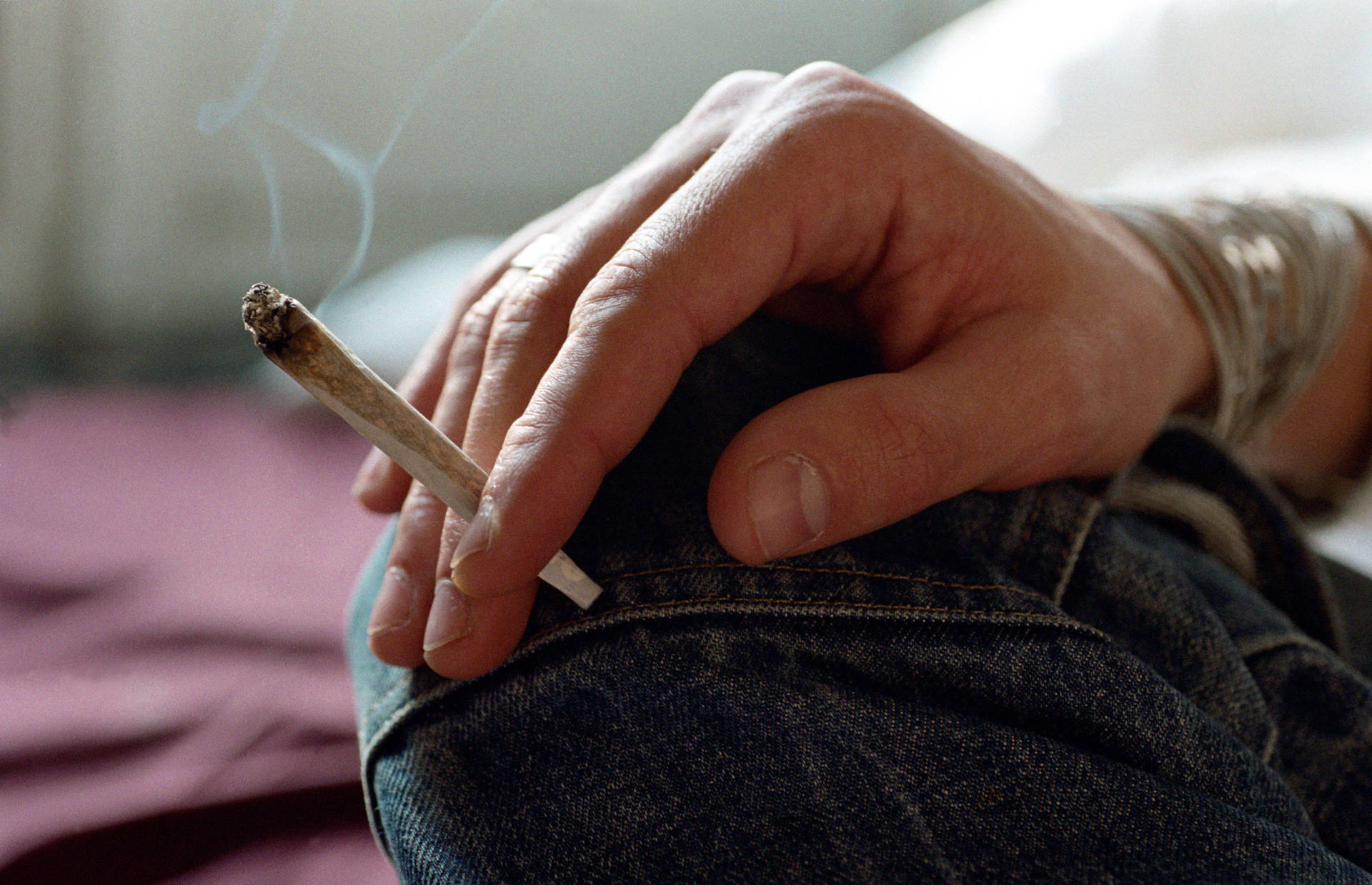
San Francisco will become the first Bay Area city to allow Amsterdam-style cannabis cafés, after the Board of Supervisors voted Tuesday to let licensed cannabis retailers serve food and nonalcoholic drinks alongside on-site consumption.
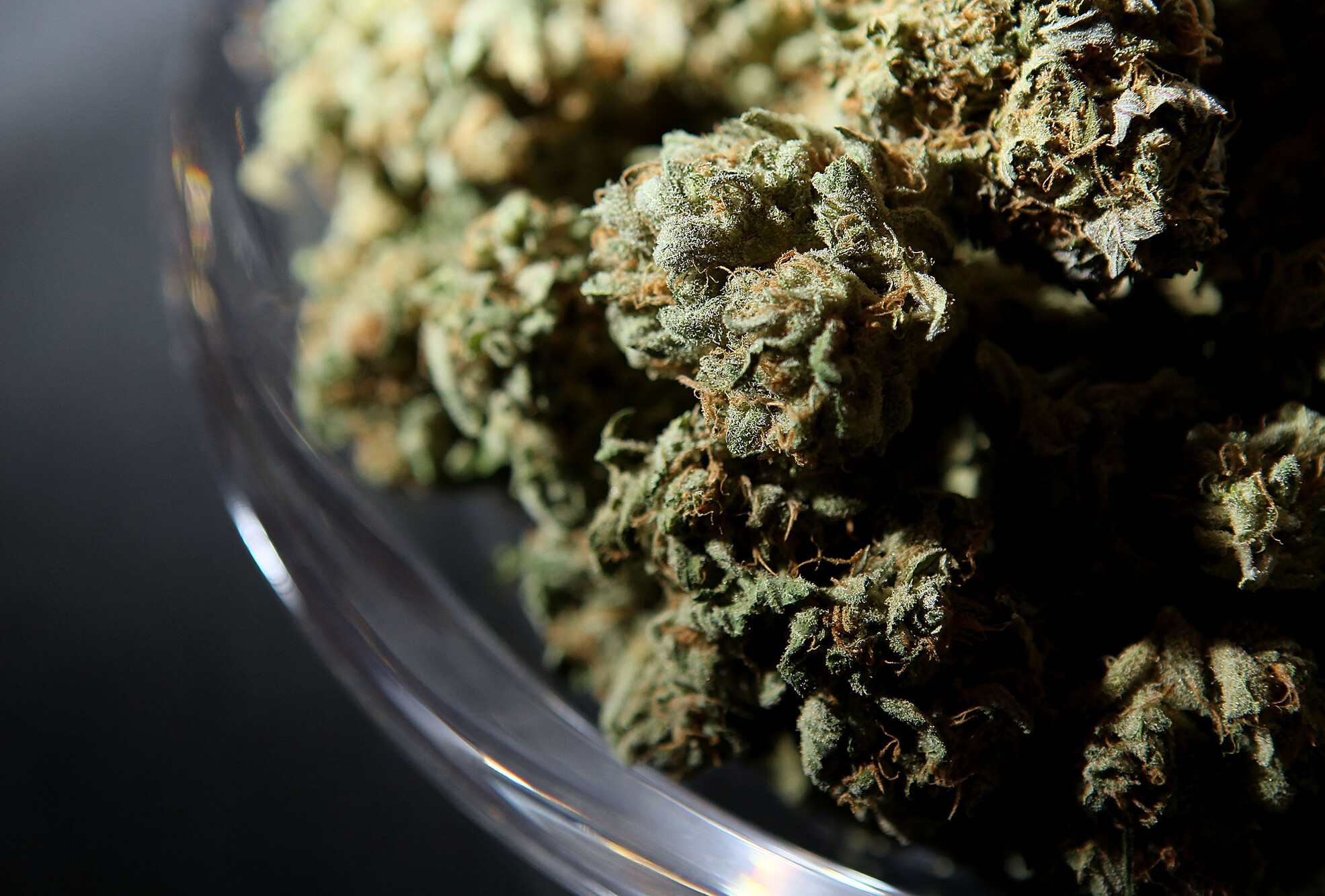
The measure implements AB 1775, a 2024 state law that allows cities to issue licenses to cannabis cafés. Supporters framed it as a lifeline for a legal industry squeezed by high taxes, falling prices and a stubborn illicit market that, by the state’s estimate, still accounts for roughly 60% of cannabis sold in California.
Under the ordinance, cafés may sell cannabis only for consumption on the premises — nothing may leave the building — and no alcohol or tobacco is allowed. Operators must carry a Department of Public Health consumption permit alongside their Office of Cannabis permit, meet the same food safety standards as any restaurant, and verify every customer’s age electronically at the door.
The ordinance, authored by Board President Rafael Mandelman, was approved in a 7-4 vote, with Supervisors Connie Chan, Chyanne Chen, Alan Wong and Myrna Melgar opposing it.
“San Francisco just gave our legal cannabis industry a real tool to compete and grow,” Mandelman said in a statement, situating the cafés alongside entertainment zones and free concerts as part of the city’s economic recovery. “There’s no reason our operators shouldn’t have the same tools to compete and help bring people back into our neighborhoods.”
The legislation establishes the cannabis café within its own permit category, separate from a standard cannabis retailer — the code is amended explicitly so that a “cannabis retailer” no longer includes a café.
This distinction ensures that a café will not sell anything to go, and, as a brand-new license, eventually creates a new entrance into the market rather than simply expanding what current shops can do. For the first year, only existing storefront retailers and their equity partners can apply. After that, new operators may apply.
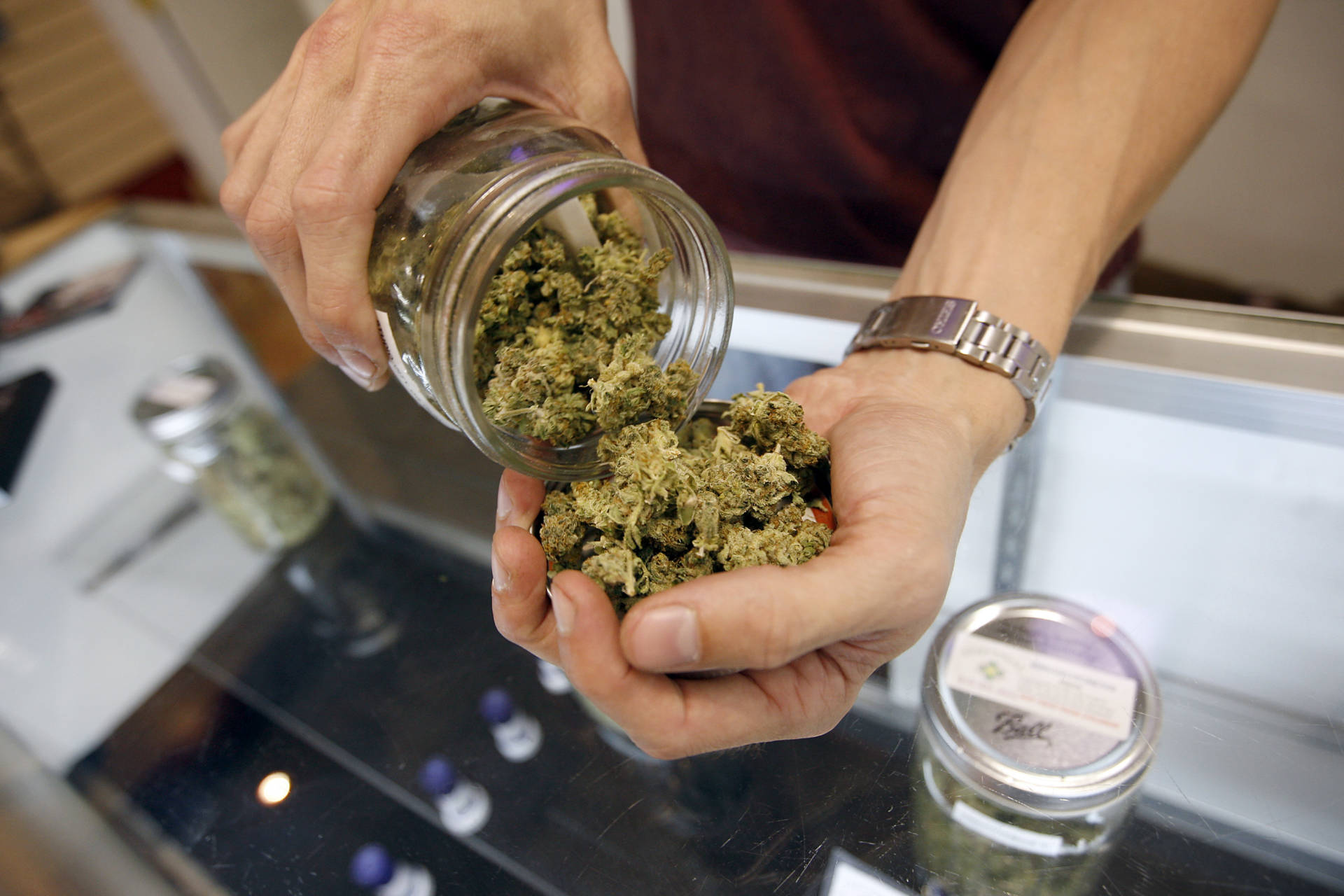
The city has issued 79 cannabis retailer permits, 66 of which were active as of earlier this year.
Will Dolan, CEO of the Sunset District’s HYRBA Dispensary, said the change lets the industry “create a full-service cannabis hospitality experience” and “provide our customers with safe, highly regulated spaces.”
“No worker should have to choose between earning a paycheck and protecting their health,” wrote Kesa Bruce, the Lung Association’s advocacy director, who noted that the ordinance carves an exception into rules the state has built up since it banned smoking in restaurants in 1995.
Ventilation, she added in the letter, “cannot eliminate the health risks associated with secondhand smoke.”
But the ordinance drew written opposition from different directions. Public health groups warned it would puncture the city’s smoke-free workplace protections. The American Lung Association and the American Cancer Society Cancer Action Network each sent letters urging a “no” vote, arguing that cannabis cafés would expose workers and patrons to secondhand smoke for hours at a time.
The other objection came from within the industry. Some veteran operators wrote that the city was expanding a market that it hasn’t yet stabilized — a concern turned largely on that new license type. Kevin Reed, founder of The Green Cross and a two-decade veteran of the city’s cannabis politics, urged the board in a letter to permanently limit eligibility to existing retailers or delay new entrants until the market recovers.
“This is the first time in my career that I have felt compelled to ask the City to slow the expansion of cannabis businesses,” Reed wrote, pointing to operators who have “closed” or “struggle every day under excessive taxation, burdensome regulation, declining sales.”
David Goldman, president of the Brownie Mary club’s San Francisco chapter, wrote that he supported allowing current retailers to add food and entertainment, but opposed creating a wholly new license type in an oversaturated market. He noted in his letter that 23 cannabis retail storefronts and 21 delivery services have already closed since the city allowed those permits.
He asked the board to wait for the city to release an economic impact report on the industry, due by mid-2027, before letting new operators in. The one-year head start was the ordinance’s answer to those concerns.
The measure is now headed to Mayor Daniel Lurie’s desk for his signature.
If Lurie signs it, the ordinance takes effect 31 days later, at which point the Office of Cannabis will begin accepting café applications.