San José State Grad Student Charged for ‘Hateful and Threatening’ Message
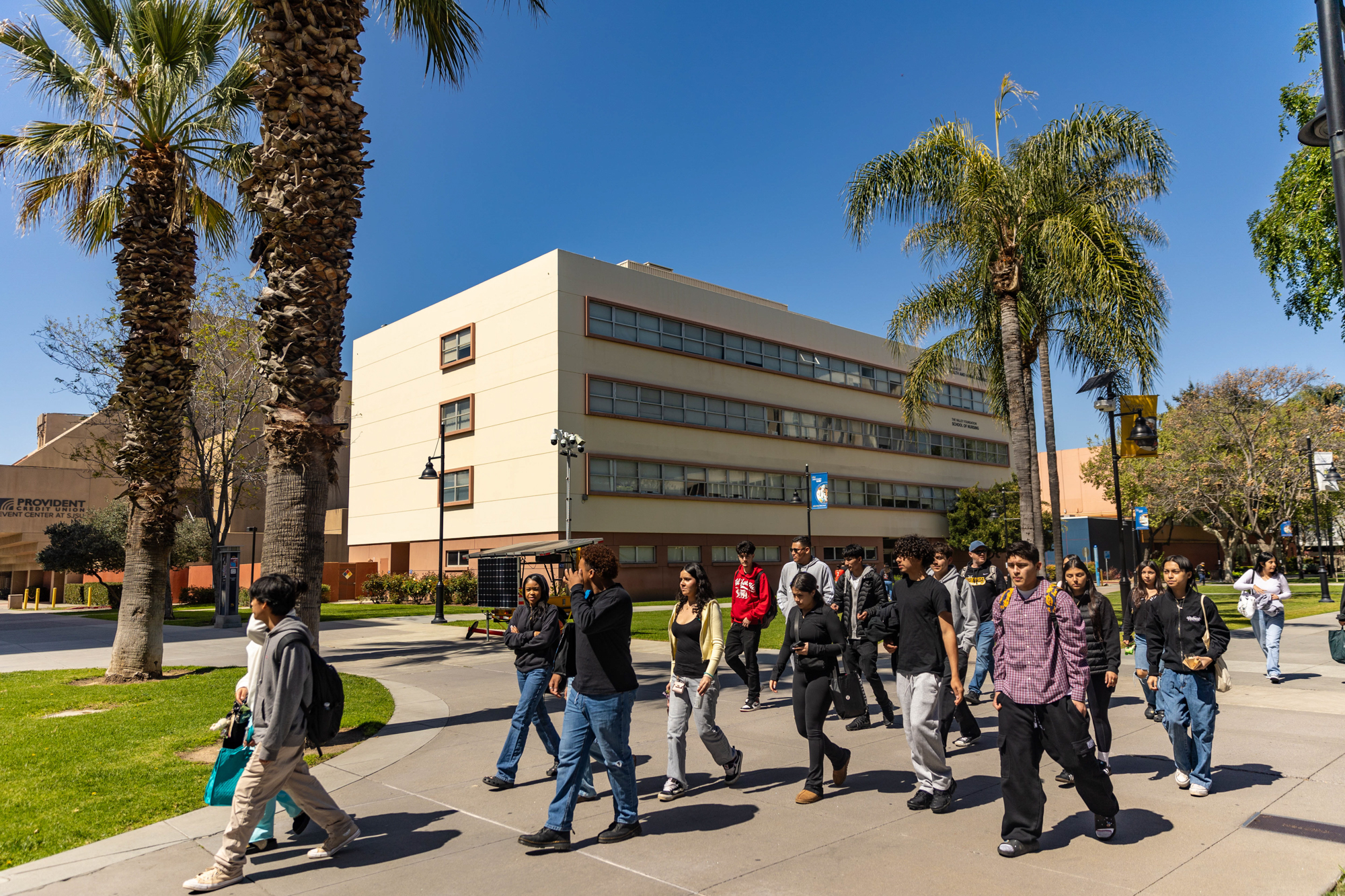
Federal prosecutors have charged a San José State University graduate student for allegedly posting a “hateful and threatening” message in a school bathroom last fall, and have linked him to a string of other similar postings and graffiti scrawls at the campus.
Authorities say Ziheng “Tony” Fang, 30, of San José, wrote on a piece of paper “!Warning! Mass Bomb Next Week,” as well as “Kill all Muslims and [Chinese people],” while using a slur to describe Chinese people.
The page was placed in a plastic cover sheet and taped to the bathroom wall of a men’s restroom on the campus before it was discovered on Nov. 5, 2025.
The page also had swastikas drawn on it, “MAGA 2028,” and “Kill Zohran,” in an apparent reference to then-New York City Mayor-Elect Zohran Mamdani, along with the sentence, “This is a white nation.”
Another message on the wall of the bathroom was found at the same time, also calling for the killing of Muslims and Chinese people, as well as Jewish and Mexican people, and added possible dates of violence with the words, “Mass bombing 11/11 and 11/12 guess.”

The U.S. Attorney’s Office for the Northern District of California alleged Fang’s fingerprint was found on the paper, which serves as the basis for one charge of spreading false information and hoaxes that indicated a bombing would take place. If convicted, he could face up to five years in prison, along with a fine of up to $250,000, authorities said.
“The incidents of graffiti containing threats of violence, along with antisemitic, Islamophobic, racial and other discriminatory slurs against members of our campus community, caused real fear and harmed every member of the San José State Spartan community,” Michelle Smith McDonald, a spokesperson for the school, said in an emailed statement.
“Our Jewish and Muslim students, faculty and staff experienced these hateful acts in deeply personal ways,” she said.
Fang was a graduate student at SJSU, pursuing a master’s degree in data science. Smith McDonald said Fang is currently banned from campus, but could not share information about his academic status due to student privacy laws.
He was arrested last week and is being held in federal custody. He appeared in federal court in San José on July 10 and July 13, and is scheduled for a detention hearing on Thursday. His attorney did not immediately respond to a request for comment on Tuesday.
In an affidavit supporting the criminal complaint, an FBI special agent said the school’s police department has recorded more than twenty “similar hateful and threatening messages written in men’s and gender-neutral restrooms around the SJSU campus” from Oct. 24, 2024 through May 14 of this year.
“In many instances, these messages included threats specifying a particular date that an attack was allegedly intended to take place and/or weapons and methods that would be used such as bombs, knives and shooting,” the affidavit said.
On several occasions after the discovery of these messages, the SJSU President’s Office “put out alerts to notify students and staff before dates that attacks were allegedly set to take place,” and “SJSU professors independently decided whether to cancel class or hold it virtually,” the affidavit said.
While Fang is currently only charged for one of these instances, investigations from the FBI and campus police appear to be closely tying Fang to many of the other messages.
Fang, authorities said, was logged through his campus key card as being in buildings days before threatening messages were found in them on 16 different occasions, out of 18 times such messages were found in places requiring key card access.
He also reported a graffiti incident to campus police on Oct. 30, 2024.
The FBI and SJSU IT department also installed surveillance cameras outside of some campus restrooms in March. Following the installation of the cameras, four more threatening or hateful messages were discovered on campus.
In three of those instances, Fang was seen “entering and exiting the restrooms or restroom areas where the messages were written up to a day before their discovery,” the affidavit said.
In an interview with campus police on May 20, Fang agreed he was in the buildings where these incidents took place, but told officers “he did not know anything about how the graffiti got there or who was doing it,” the affidavit said.