Here are the morning’s top stories on Friday, July 3, 2026
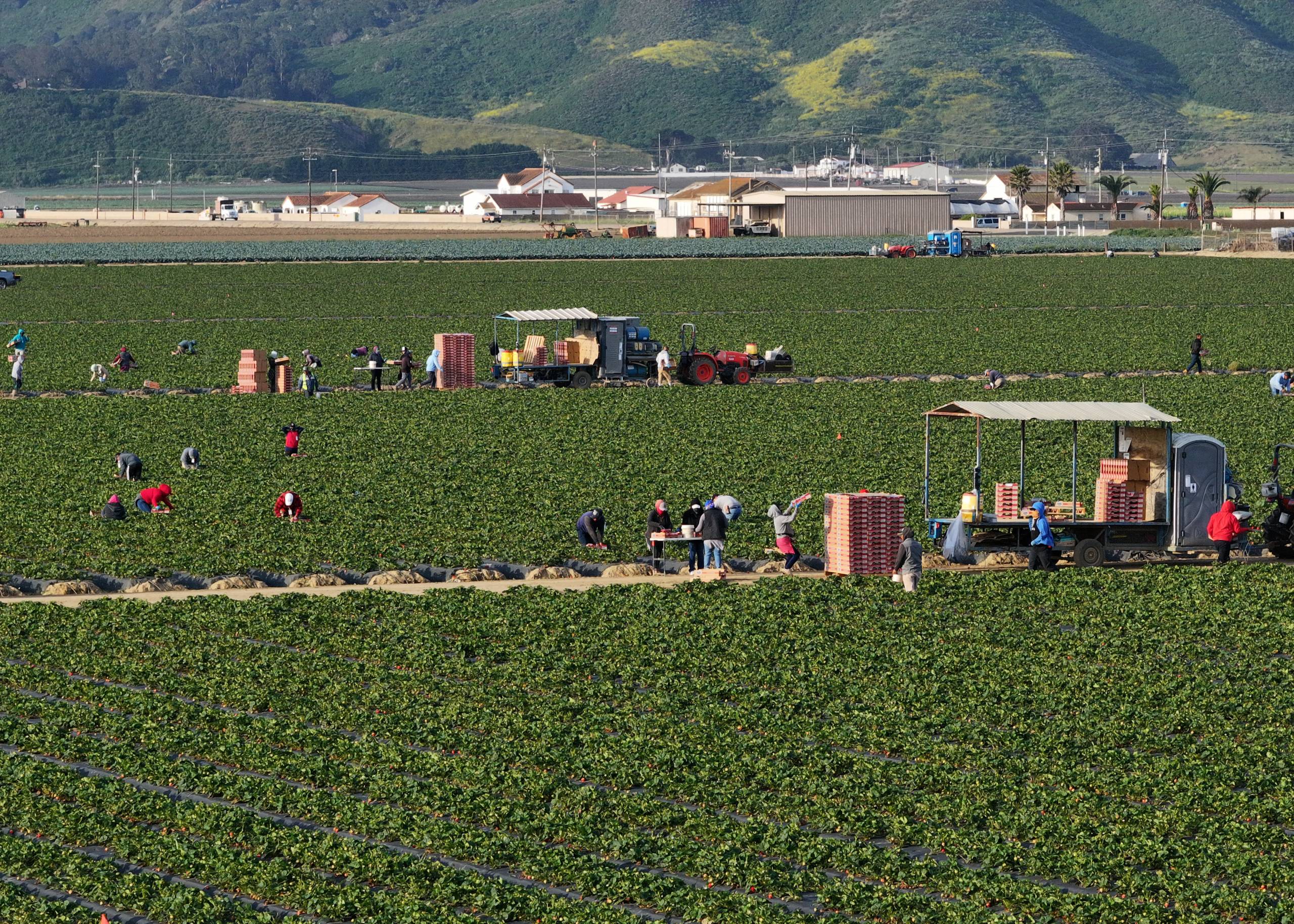
- California may be famous for Hollywood and high tech, but did you know nearly half the nation’s vegetables and more than three quarters of the country’s fruits are grown right here in the Golden State? That means Californians have a big stake in what happens with the farm bill, which is overdue for renewal and in front of the Senate now. From Yuba County to the Central Valley to Wine Country, communities up and down the state will be following what happens with that Farm Bill, and we’ll bring you their stories this summer.
As farm bill stalls, California’s farming industry awaits what it will bring
Earlier this year, the Farm, Food, and National Security Act of 2026—also known as the farm bill— cleared the U.S. House of Representatives.
The farm bill is a massive piece of federal legislation. The first one was passed in 1933. And over the years, it’s evolved. The farm bill developed all kinds of different programs to help farmers all over the country. And then beginning in the 1970s, Congress added nutrition programs into the farm bill, and this was a strategic move. Food and farming go together, but the people who supported the farm bill mostly were in less populated rural states with lots of farms, and the nutrition programs were largely supporting people. And for Californians, there’s so much agriculture that almost every aspect of the industry is touched by the farm bill in some way.
The current farm bill expired in 2023, and it has been limping along since then. There is a bill in the Senate. It’s different from the House bill. And so even if it manages to get through the Senate, which is a big if, it will need to be reconciled with the House version.
The uncertainty around the farm bill has left much of California’s agricultural industry in limbo. That includes researchers. The Lindcove Research and Extension Center is about an hour north of Bakersfield. The center has thousands of orange, lemon and pomelo trees. But the fruit isn’t being grown to be sold – it’s to be studied. Ashraf El-Kereamy directs the research center. “Our mission is to provide the growers and the Californians with science‑based information for their issues,” he said.