Here are the morning’s top stories on Thursday, July 2, 2026
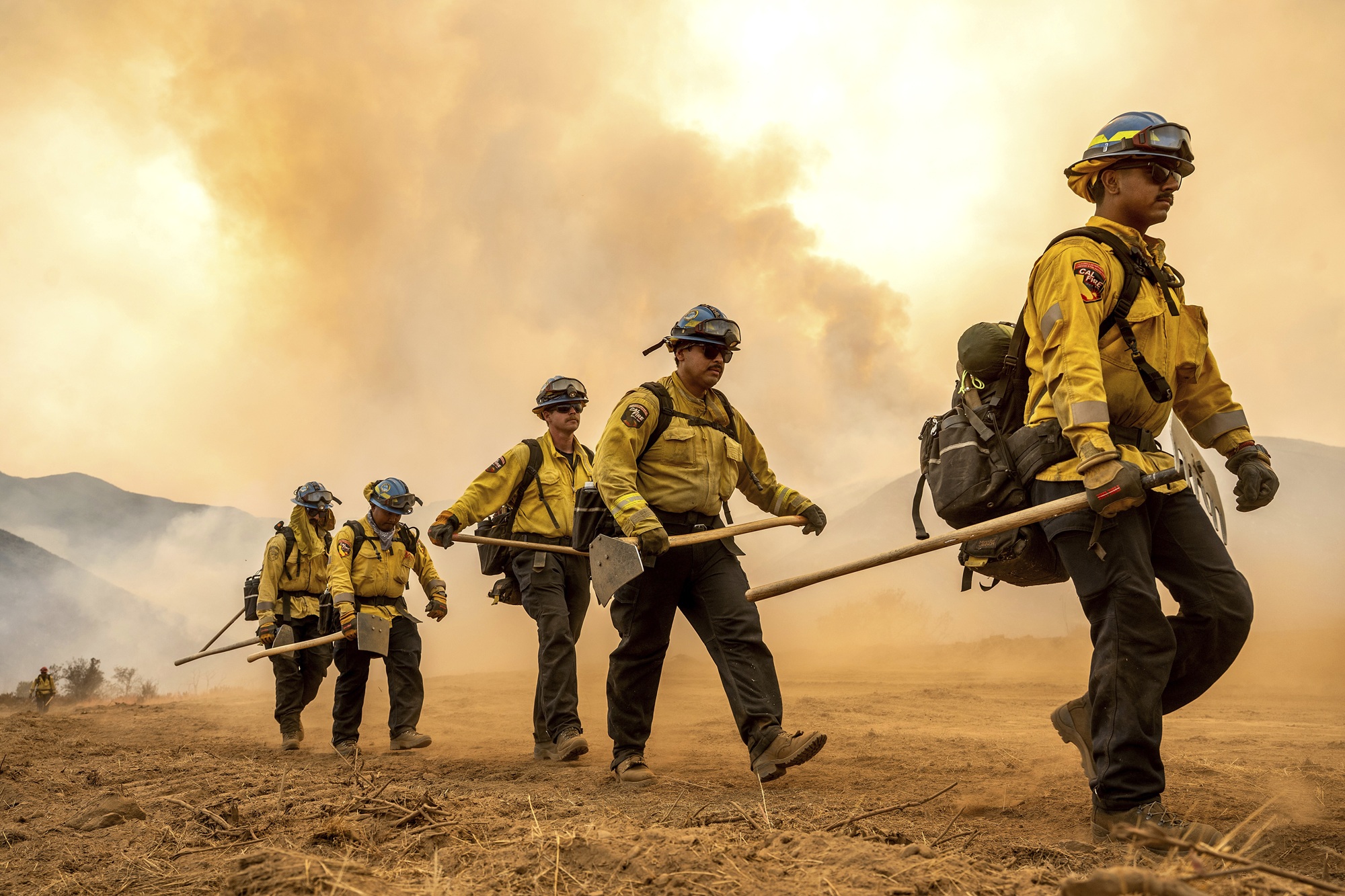
- Fourth of July weekend is almost here and many of us are pulling out the grills and the barbecue sauce. But across the state, fire crews are bracing for a very different kind of heat. California’s weather has become more unpredictable, drier in some places and potentially wetter in others, and that’s due to the El Nino weather pattern. But what does that mean for potential wildfires?
- California’s Department of Motor Vehicles is on track to share driver’s license data with a national database. The plan is moving forward despite concerns from immigrant advocates that the information could expose people to deportation.
El Niño among the factors that could play into severity of wildfires this year
With summer well underway, California has seen fairly mild weather. But the federal agency that puts together long-term fire outlooks said that the danger or the potential for bad fires is going to be above normal, north of the Bay Area and normal south of that.
Normal fire danger can still be bad in California. And it’s still unclear how the influence of our strong El Niño that we’re seeing is going to affect fire season. Daniel Swain, a climate scientist with UC Agriculture and Natural Resources said that California’s on this razor’s edge of whether El Niño will make fires worse or better this season. “If we get summer showers, autumn downpours, like we did with the tropical storm Dolores or Hillary twice in the past decade, then we might shut down Southern California’s fire season early,” he said.
But there are far worse scenarios as well. California could get a combination of atmospheric conditions that can lead to thunderstorms. With dry lightning, a lot of wind and not a lot of water, that combo can lead to very bad fire conditions. In 2020, when we were still in the full swing of the pandemic, California had tens of thousands of dry lightning strikes during a tropical storm. It was called Tropical Storm Fausto. And the state had hundreds and hundreds of fires that sprang up overnight. Firefighting equipment personnel was taxed, drawn down like it really had never been before or since.
California to share driver license data despite fears it could expose unauthorized immigrants
The Department of Motor Vehicles is on track to share driver’s license and identification data with an outside network despite concerns from immigrant advocates that the information could expose people to deportation.