upper waypoint

California Labeling Bill Could Help Increase Demand for Local Wine Grapes

It would require wine that's labeled American to be made entirely from domestic grapes.  
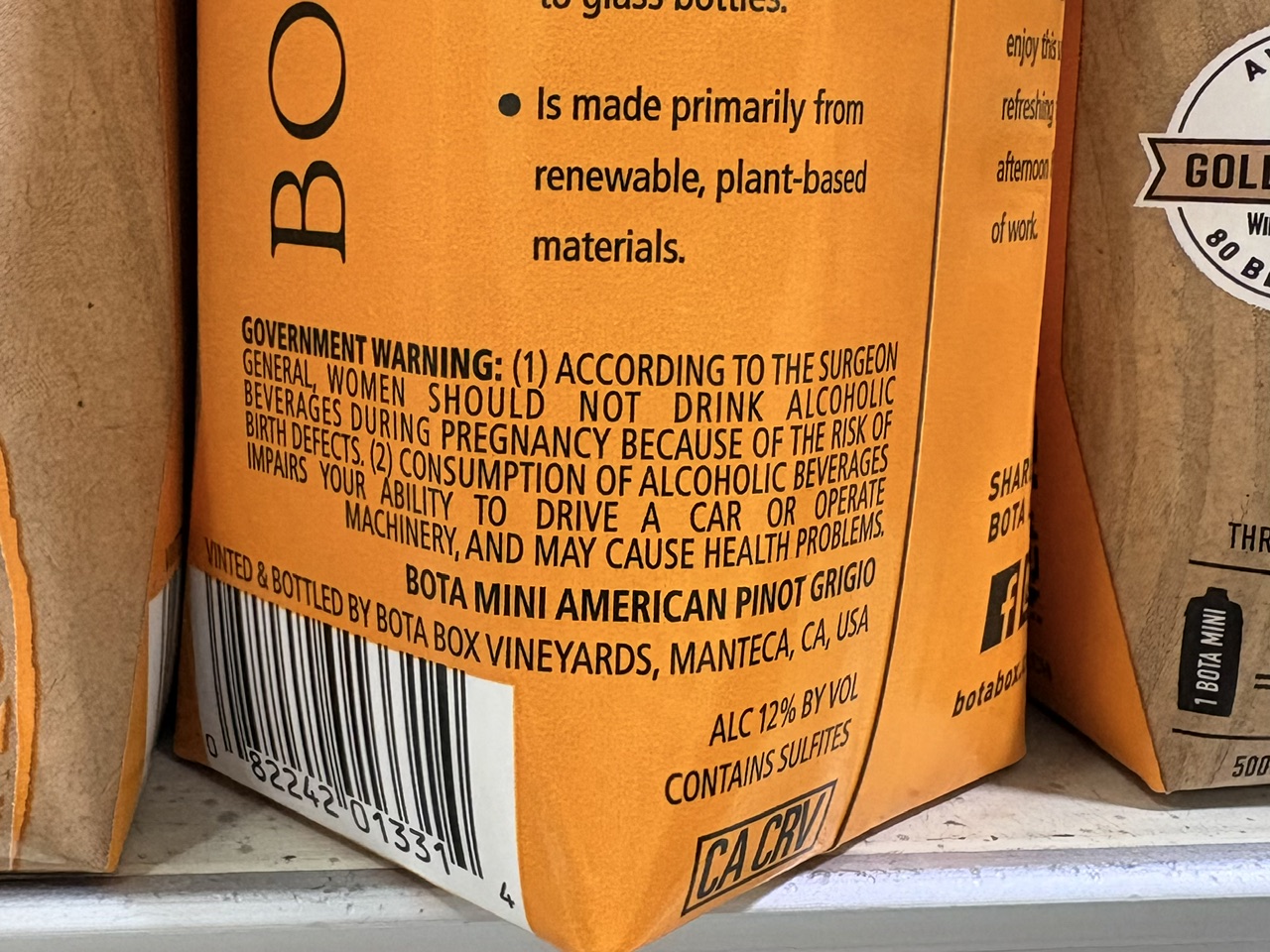
An American appellation wine label at a California grocery store. (Tina Caputo)

Here are the morning’s top stories on Tuesday, June 22, 2026

  • Americans are drinking less wine, but growers say there’s another reason demand is down for California grapes. It’s a law that allows U.S. wineries to include cheaper imported wines in products labeled as American. On Tuesday, the State Senate will vote on  a bill sponsored by California grape growers that aims to close that international blending loophole. 
  • California is suing the Trump administration over its latest attempt to undo Clean Air Act waivers, which govern many of the state’s auto emission standards.

Wine industry could face changes if labeling bill passes

California’s wine industry is facing numerous challenges. Among them – Americans are just drinking less wine. But there might be another reason demand is down for California grapes.

It’s a law that allows U.S. wineries to include cheaper imported wines in products labeled as American. But a bill in Sacramento could close that loophole. AB 1585 would require wine that’s labeled American and sold or bottled in California to be made entirely from domestic grapes.

In the last few years, grape grower Craig Ledbetter’s family has pulled out about a third of their vineyard acreage near Lodi due to poor demand. Ledbetter considers himself lucky. “We have clients in this area as well who have taken almost 100% of their vineyards out of the ground and have ground sitting fallow,” he said.

He said the state’s largest wine companies could be buying more local fruit — but instead, they’re replacing it with cheaper foreign bulk wines to cut costs. Under federal law, domestic wines labeled with the “American” appellation can include up to 25% imported bulk wines. Those are wines shipped in large containers and bottled at their destination. Ledbetter said the blending practice is bad for growers and misleading for consumers. “You would think that if you’re picking up a product that says American on it, you would think it’s 100% American. And it’s not,” Ledbetter said.

GinaLisa Tomayo is the board president of Family Winemakers of California. The organization is a co-sponsor of the labeling bill. “What this bill could accomplish, or what we’re hoping it could accomplish, is it would encourage those wineries who are currently importing foreign bulk wine to buy from their neighbors,” she said. “Because California wine grape growers are struggling right now.”

But not everyone sees the bill as a good thing for the struggling California wine industry. Some argue that the stricter standard would make it harder for wineries to manage costs and fill supply gaps during challenging harvest years. Tim Schmelzer is the vice president of California State Relations at Wine Institute, a California winery association and the bill’s main opponent. “Very few winemakers actually make this so-called American wine appellation—but the idea of allowing for that flexibility is to allow those that do, to deal with the ups-and-downs of agriculture. And also to be able to make wine that customers demand,” he said.

The bill is currently in front of the state senate.

California sues Trump administration over Clean Air Act waivers

California is suing the Trump administration over its latest attempt to undo Clean Air Act waivers, which govern many of the state’s auto emission standards.

Attorney General Rob Bonta said the Environmental Protection Agency is ignoring more than 50 years of precedent. “EPA reclassified these waivers as rules and submitted them to Congress for review, no doubt with the hope that Congress will disapprove the waivers and stymie our climate and clean air progress,” he said.

The federal government has argued that the waivers should be subject to congressional review. But Bonta says the EPA has always taken the position that Clean Air Act waivers are orders and not rules.

The waivers consist of four regulations that allow California to stay in compliance with its 2008 greenhouse gas emissions plan for cars. And one from 2024 upholds a ban on the sale of most gas-powered leaf-blowers and lawn mowers.

lower waypoint
next waypoint
Player sponsored by