Here are the morning’s top stories on Thursday, June 11, 2026
- This week, the FBI served a search warrant at the GKN Aerospace plant in Orange County. That’s the facility where a near-explosion triggered an evacuation of more than 50-thousand residents last month.
- The California Department of Fish & Wildlife is celebrating the survival of five rehabilitated bear cubs. CDFW says the orphaned black bears were released last November and have successfully hibernated through the winter and returned healthy and active.
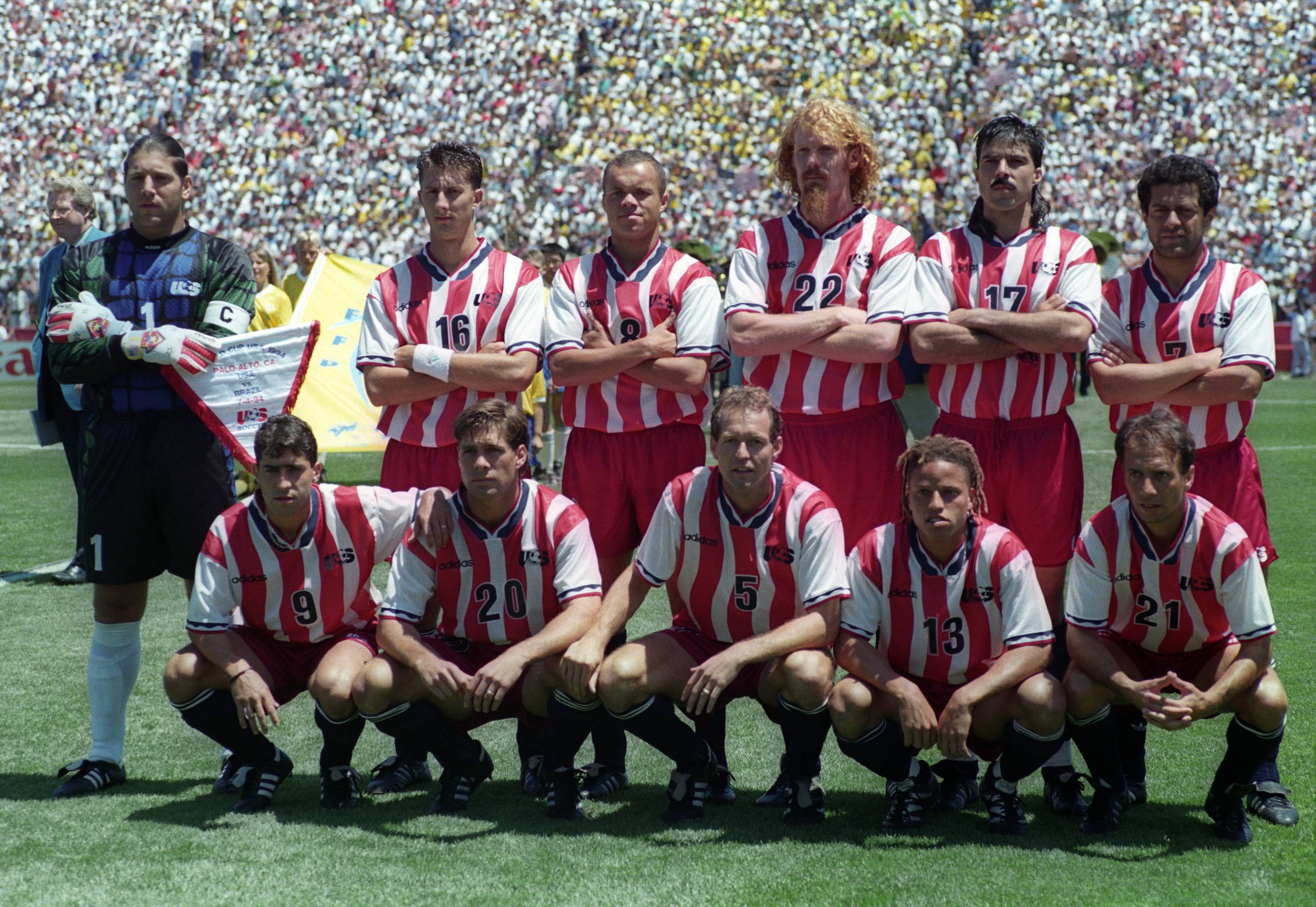
- The U-S Men’s Soccer Team takes the field this evening [[fri]] at SoFi Stadium for their opening World Cup match. They’ll be taking on Paraguay. It’s the first time the U-S has hosted the global event since 1994. Cobi Jones was a midfielder for that 1994 team, before starring with Major League Soccer’s LA Galaxy. Jones spoke with my California Report colleague Keith Mizuguchi about his experiences in 1994.
The chemical that caused the Garden Grove evacuations is stored all over California
In Alameda County in Hayward and in the Los Angeles County cities of Compton, Commerce, and Torrance, four other companies store at least 100,000 pounds of the chemical methylmethacrylate, according to federal data.
That chemical can react to heat and become highly flammable and explosive.
The companies all say they follow environmental and safety requirements, but CalMatters found that state and federal safety programs meant to protect against industrial accidents mostly leave this chemical out.
The search warrant served this week at GKN Aerospace indicates the FBI is investigating criminal violations of environmental laws, though it’s not clear which ones might apply.
The facility says that it’s cooperating with the investigation
Experimental Bear Release Program Bodes Well
The bears were part of an experiment to test releasing rehabilitated young black bears in the fall instead of the typical spring release. Peter Tira [[TIER-uh]] with CDFW says releasing them sooner means less time in a facility around humans.
All five bears were tagged, microchipped, and fitted with GPS collars for study and identification. Based on collar data, all five bears successfully established dens, hibernated during the winter, and reemerged this spring.
With successes in Washington and Nevada, CDFW began to test the fall releases for their cohort of bears. Peter Tira with the California Department of Fish and Wildlife says the fall season allows cubs to drastically reduce their time spent in a facility over the winter, teaching them natural survival skills that can’t be learned in a cage. It also keeps them uncomfortable around humans.
Tira said, “Probably the ultimate survival skill Black Bear can have in California is the healthy fear of human beings.”
CDFW hopes to have more release opportunities later this fall.
“That ’94 team was the foundation…”
Cobi Jones says before that World Cup, soccer didn’t have the audience in the States that it does now.
“I look back at that time and it truly is amazing what we were able to accomplish when we’re talking about a sport that really hadn’t taken hold yet here within the United States. So it was a bunch of college kids and some pros from overseas. We did the impossible because no one thought that we were gonna make it out of our group. And a lot of the pressure was we didn’t wanna be the first host nation not to get out of the group.”
But even back then, there was a swell in support from American fans.