Here are the morning’s top stories on Tuesday, April 28, 2026:
- A health care labor union in California submitted more than 1.5 million signatures this week to place a billionaire tax on the November ballot.
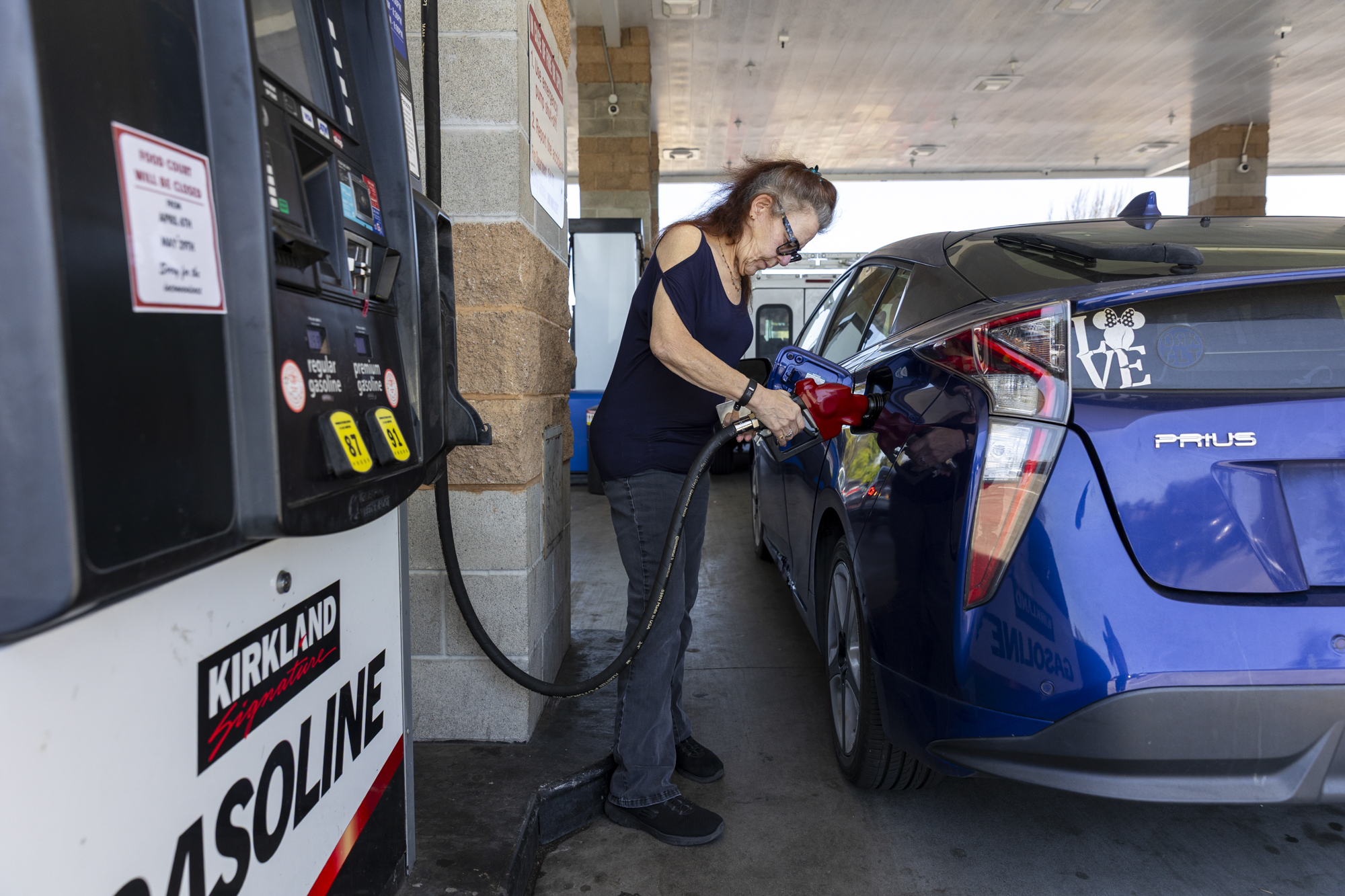
- It’s been two months since the war in Iran began, and the resulting energy crisis has made the cost of driving a major concern here for millions of Californians. In a state where people rely heavily on cars, the rising costs are forcing some drivers to make financial sacrifices, with some giving up the car altogether.
CA Billionaire Tax May Soon Be on Ballot
A proposed California billionaire tax is one step closer to making the November ballot, according to backers of the controversial measure.
The healthcare labor union backing the proposal announced Monday that it submitted to election officials more than 1.5 million signatures supporting the measure, nearly twice as many as required.
If the secretary of state validates 850,000 signatures of registered California voters, the measure, called the 2026 Billionaire Tax Act, will appear on the November ballot.
Voters will then decide whether to impose a one-time, 5% tax on the assets of California’s roughly 200 billionaires, who would have the option to pay either in a lump sum or over five years.
As Driving Costs Rise, Californians Face Tough Decisions
The Bay Area and California have long had some of the country’s highest gas prices, and they’ve soared in recent weeks, driven in part by the war with Iran. But sky-high gas prices are only one piece of a broader surge in driving costs that is reshaping life in the Bay Area, where residents already endure grueling, car-dependent commutes.