Here are the morning’s top stories on Monday, February 16, 2026
- The Trump administration is making changes to how it treats unaccompanied migrant children who are pregnant, and that’s raising alarm bells inside the government. Since last July, the administration has been concentrating pregnant kids in one shelter in South Texas, even if they’re apprehended in California or other states. This comes over objections from the government’s own health and child welfare officials. They say neither the facility nor the region can provide the specialized care the girls need.
- Firefighters across the state are working with scientists at the University of California to minimize their risk to cancer.
Trump Administration Sends Pregnant Unaccompanied Minors to Texas Shelter
The Trump administration is sending all pregnant unaccompanied minors apprehended by immigration enforcement to a single group shelter in South Texas. The decision was made over urgent objections from the government’s own health and child welfare officials, who say both the facility and the region lack the specialized care the girls need.
That’s according to seven sources who work at the Office of Refugee Resettlement within the U.S. Department of Health and Human Services, which handles the custody and care of children who cross the border without a parent or legal guardian, or are separated from family by immigration authorities. All of the sources declined to be named for fear of retaliation.
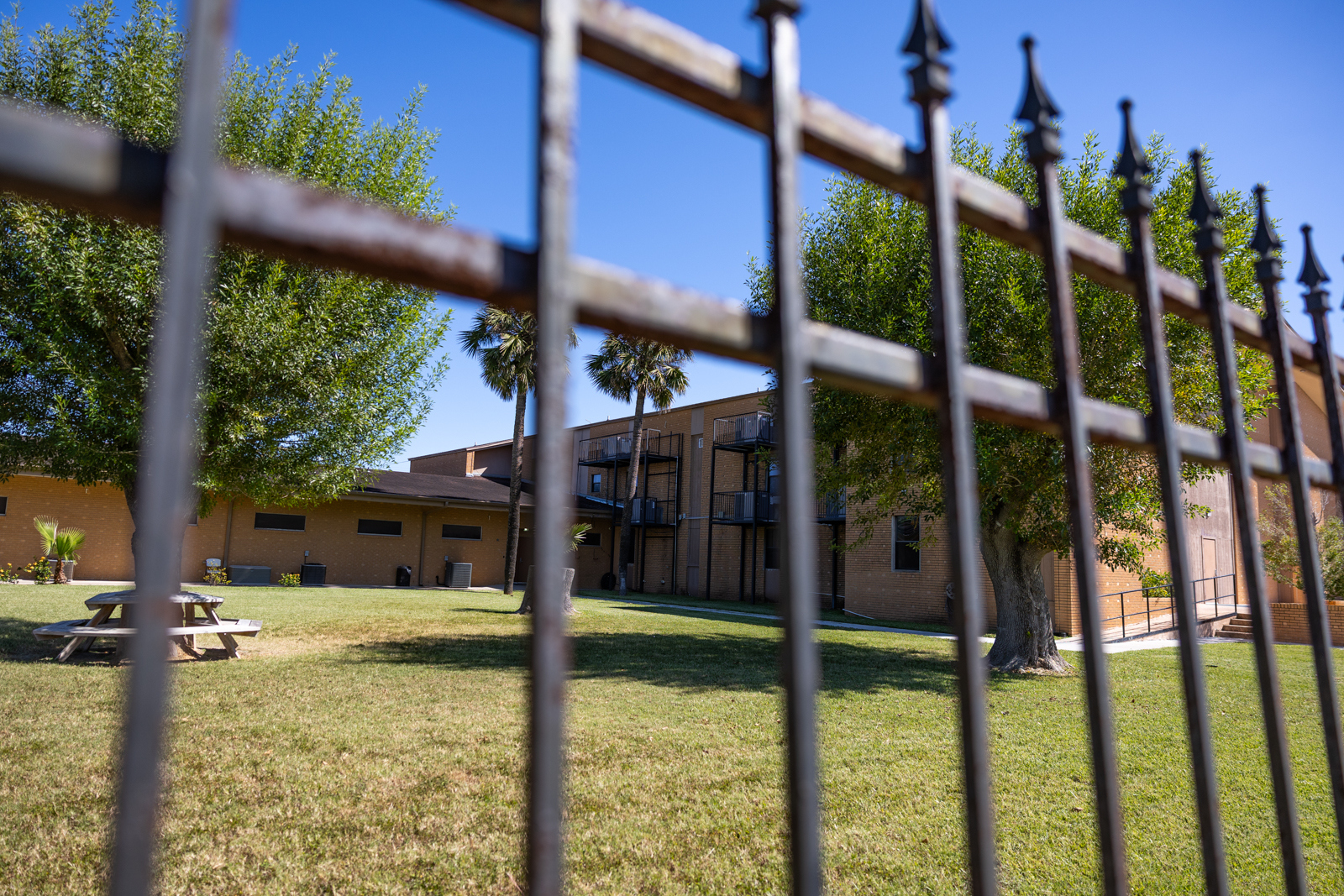
Since late July, more than a dozen pregnant minors have been placed at the Texas facility, which is located in the small border city of San Benito. Some were as young as 13, and at least half of those taken in so far became pregnant as a result of rape, sources said. Their pregnancies are considered high risk by definition, particularly for the youngest girls. “This group of kids is clearly recognized as our most vulnerable,” one of the sources said. Rank-and-file staff, the source said, are “losing sleep over it, wondering if kids are going to be placed in programs where they’re not going to have access to the care they need.”
The move marks a sharp departure from longstanding federal practice, which placed pregnant, unaccompanied migrant children in ORR shelters or foster homes around the country that are equipped to handle high-risk pregnancies. ORR sources, along with more than a dozen former government officials, health care professionals, migrant advocates and civil rights attorneys, said they worry the Trump administration is putting children in danger at the San Benito shelter to advance an ideological goal: denying them access to abortion by placing them in a state where it’s virtually banned.