Here are the morning’s top stories on Tuesday, January 6, 2026
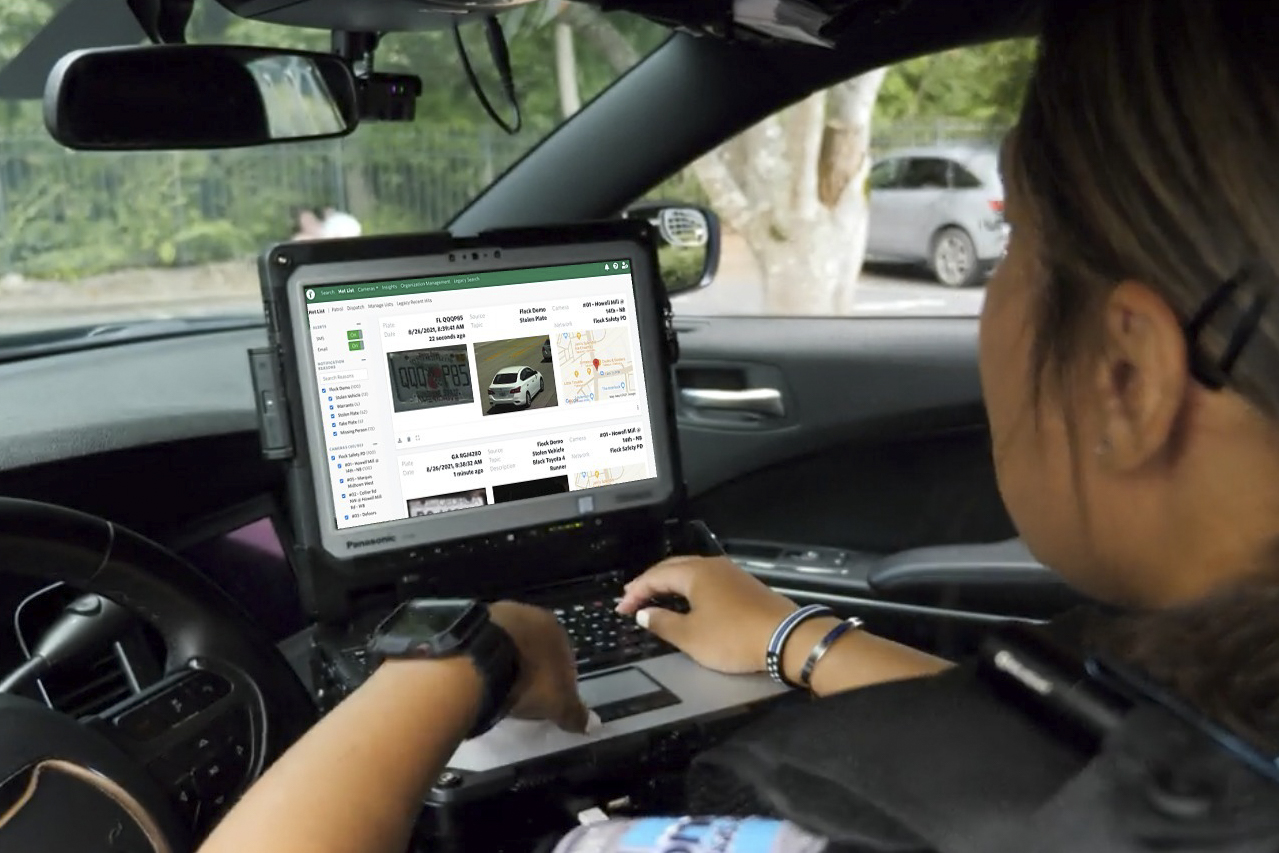
- The debate over automated license plate readers in California has increasingly shifted from local crime fighting to concerns about data privacy, when it comes to federal crackdowns on immigration and people seeking abortions or gender-related healthcare. The license plate readers are now in use in hundreds of law enforcement agencies across the state, not to mention thousands of homeowner associations and business districts. So what does this all mean for civil liberties in 2026?
- Venezuelans in California are going through a whole range of feelings after the Trump administration’s military attack to remove President Nicolas Maduro. There’s celebration, outrage and a lot of questions.
California Cities Double Down On License-Plate Readers As Federal Surveillance Grows
Over the past decade, automated license-plate readers have quietly become a standard tool for law enforcement across California, adopted by more than 200 city police departments, sheriff’s departments and other agencies.
That’s despite a series of media reports demonstrating local AI-enabled ALPR databases are feeding a federal surveillance system used by the Trump administration against immigrants and others. While a short list of municipalities in other states, including in Texas and Oregon, have responded by canceling contracts, most California officials appear to be digging their heels in.
Under SB 34, California law enforcement agencies are required to adopt detailed usage and privacy policies governing ALPR data, restrict access to authorized purposes, and regularly audit searches to prevent misuse. Privacy advocate Brian Hofer calls many local approaches “performative,” arguing that city councils and city attorneys frequently approve surveillance programs without providing effective oversight. His concerns echo findings by the California Attorney General’s office two years ago, after a state audit found “the majority of California law enforcement agencies collect and use images captured by ALPR cameras, but few have appropriate usage and privacy policies in place.”
Even if they do, federal laws supersede state laws. “If we get a federal court warrant, we’re still going to have to respond to it. We’re gonna still have to turn over the data,” Hofer said. “That’s why privacy folks like me are, like, don’t collect the data in the first place. Any data collected is data at risk,” Hofer said.
‘A Really Confusing Moment’: Bay Area Venezuelans Struggle To Make Sense Of US Attack
At Pica Pica, a Venezuelan restaurant in San Francisco where expatriates have gathered in recent days to make sense of the U.S. military attack on Saturday that removed Venezuela’s President Nicolás Maduro, an employee named Alejandro was taking orders for arepas at the counter and thinking about the news. He said everyone he knows is a jumble of emotions. “We feel joy but also bewilderment. And we’re worried for our families,” he said. “It’s a really confusing moment.”