Here are the morning’s top stories on Monday, November 10, 2025…
- California legislators considered dozens of bills related to artificial intelligence this year. Those numbers have spiked as lawmakers grapple with the technology’s increasing presence and possible negative consequences. One point of concern: the impact that generative AI will have on the state’s natural resources as it becomes an everyday tool for Californians.
- Environmental activists are celebrating the retirement of a Southern California oil rig, with a celebration at San Francisco’s waterfront. The California State Lands Commission officially finalized the decommission last week.
With The Rise Of AI, California’s Data Centers Require More Water, Energy. But By How Much?
Earlier this year, Governor Gavin Newsom signed into law Senate Bill 53, which would require large model developers like Anthropic and Open AI to be transparent about safety measures they put in place to prevent catastrophic events. The legislation would also create CalCompute, a public cloud infrastructure that expands access to AI resources for researchers, startups and public institutions.
This was one of several bills lawmakers introduced in Sacramento to regulate the AI industry. Assemblymember Rebecca Bauer-Kahan authored a bill requiring data centers to report their energy usage. It failed to pass. But she said the work for the bill began with that question, and a desire for more transparency. “As I started to ask questions about what kind of data was going into our understanding around the energy needs of the growing data center industry, it seemed like the answer was there wasn’t great data,” Bauer-Kahan said.
Assemblymember Diane Papan authored a similar bill looking to track water use at data centers. It required centers to provide estimates of their expected water use when applying for a business license, and an annual water use report thereafter. These centers generally require large amounts of water to cool down servers and other equipment. “I feel that the more information we have, it’ll help us integrate the growth of data centers into that broader task of climate resilient resource management, particularly as it relates to water,” Papan said. The bill passed through the legislature but was vetoed by Governor Newsom. In a statement, Newsom said he was “reluctant to impose rigid reporting requirements about operational details on this sector without understanding the full impact on businesses and the consumers of this technology.” The decision surprised Papan, who originally described the bill as one that was sure to pass given legislators’ desire to optimize California’s water planning. She said she disagrees with his thinking.
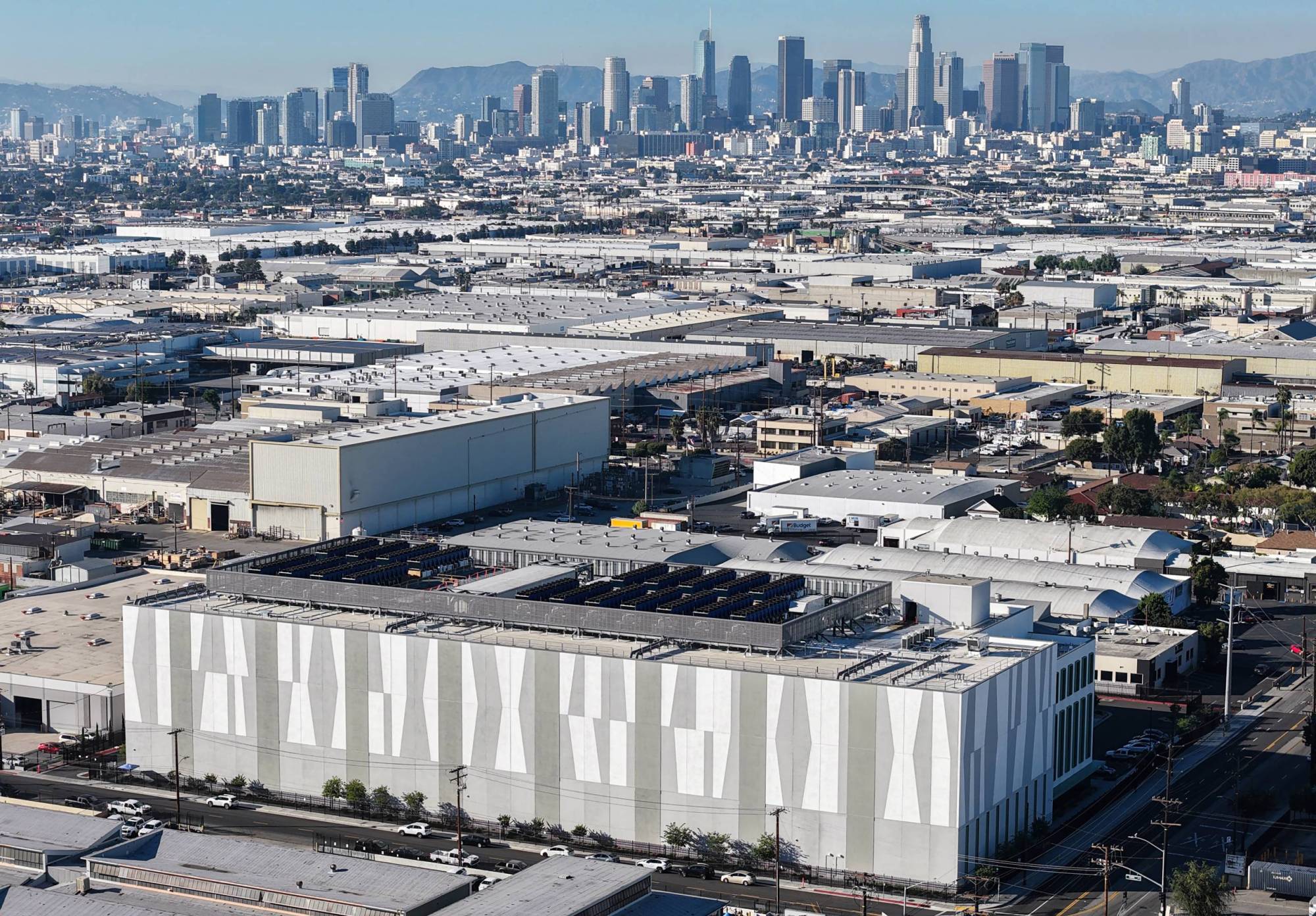
Data centers are places that contain the servers needed to provide essential services online, like web searches and video streaming. Large-scale data centers have been around for decades, first coming into existence about thirty years ago. But with the more recent rise of generative AI — the kind used for chatbots like ChatGPT — the water and energy these centers demand has gone up. Shaolei Ren, an associate professor of electrical and computer engineering at UC Riverside, said discussions about the environmental impacts associated with increasing AI use aren’t completely new. Artificial intelligence has been integrated in online platforms for years now — like with YouTube, for example, where AI is used to give tailored video recommendations. But Ren said it wasn’t until after 2020, when the general public became more aware of the integration of generative AI online, that these conversations really took hold. And with the technology’s growth comes a greater demand on resources – in California and the rest of the country. Citing a Lawrence Berkeley National Laboratory report, Ren said data centers accounted for 3% of the nation’s energy use in 2020. That’s projected to increase by up to 12% by 2028. Ren said the way in which data centers consume these resources also plays a part in their impact on state resources. A data center may consume the same amount of water in a year as an office building, for example. But if most of that consumption happens during one hot summer month instead of evenly throughout the year, he said that could create a different kind of stress on water resources.
Environmentalists Celebrate ‘Retirement’ Of Platform Esther, A SoCal Oil Rig
Environmental activists partied outside the San Francisco Ferry Building on Friday to celebrate the decommission of a Southern California oil rig. The Center for Biological Diversity called the event a “retirement party” for Platform Esther, a soon-to-be decommissioned oil rig off the coast of Orange County.