Here are the morning’s top stories on Monday, October 13th:
- The Trump Administration is considering a change to the federal Endangered Species Act that could create new risks for an area in California that has more sea otters than any other in the state.
- Last October, the state finished removing four dams from Klamath River up in far Northern California. In the year since the removal, there has been drastic changes to the area’s fish population, and overall water quality.
California’s Otter Oasis Could Face New Risks if Trump Admin. Changes Endangered Species Act
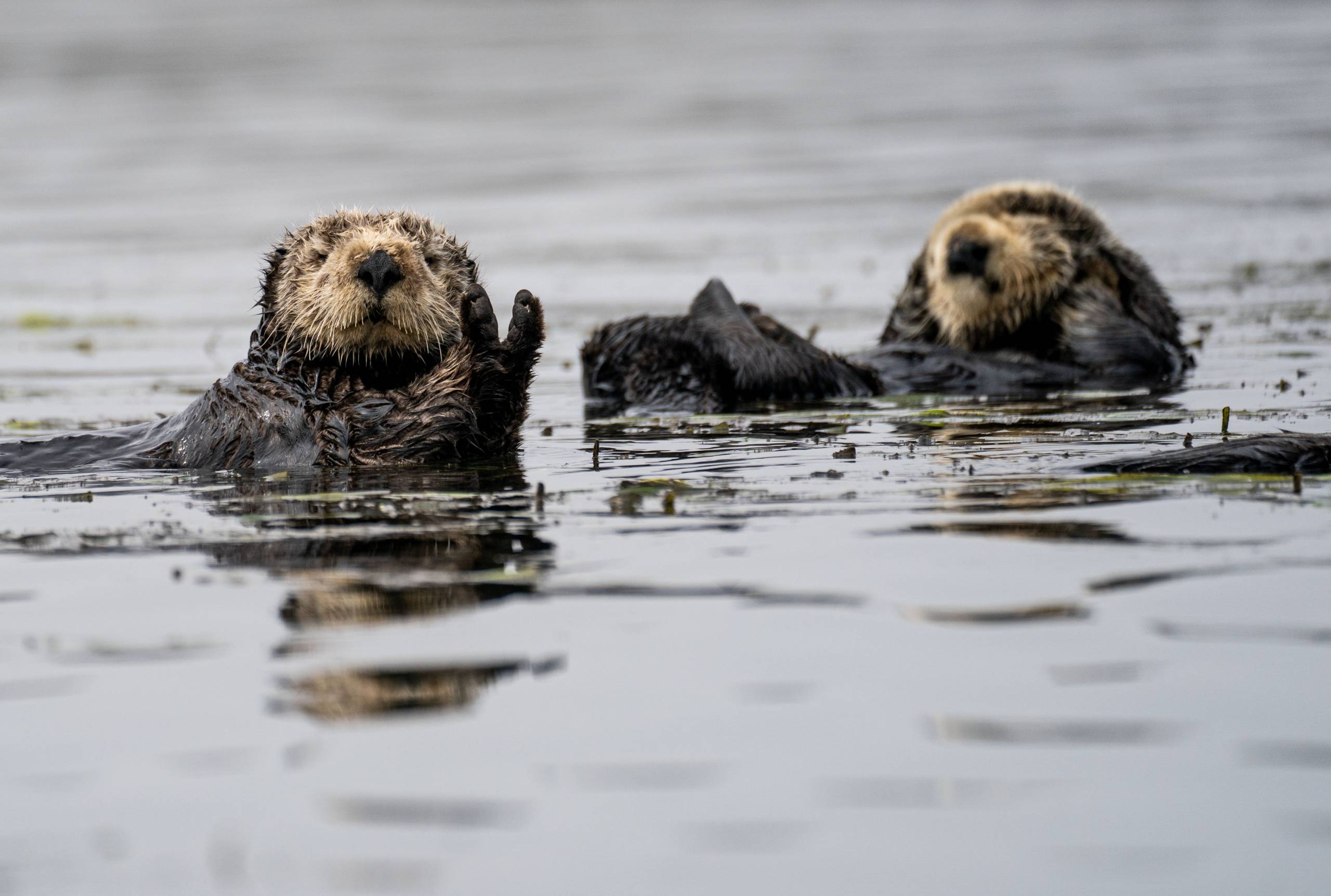
Along California’s coast, between Santa Cruz and Monterey, sits a body of water named Elkhorn Slough–a place that has become a bastions for the state’s sea otters. With its abundance of fish and relatively undisturbed natural habitat, this seven-mile stretch of coast has become a go-to for otters looking to mate, raise their young, and play.
While restoration efforts have brought California’s sea otter population from the brink of extinction, after they were hunted for their furs through the 18th and 19th centuries, a new threat may be on the horizon.
Under the Endangered Species Act, it is illegal to “take” an endangered species. As a legal term, “take” refers to actions that would lead to the species being harassed, harmed or killed. In the legislation’s 52-year history, “harm” included actions that erased natural habitats.