Located near Hayward in Alameda County, Russell City was once home to mostly Black, Latino and poor white families boxed out of other Bay Area neighborhoods by redlining and the cost of living. But in the 1960s, after the county refused to extend water and sewer service to Russell City, it was declared it a “blight,” and used eminent domain laws to bulldoze the community and displace more than 1,000 residents.
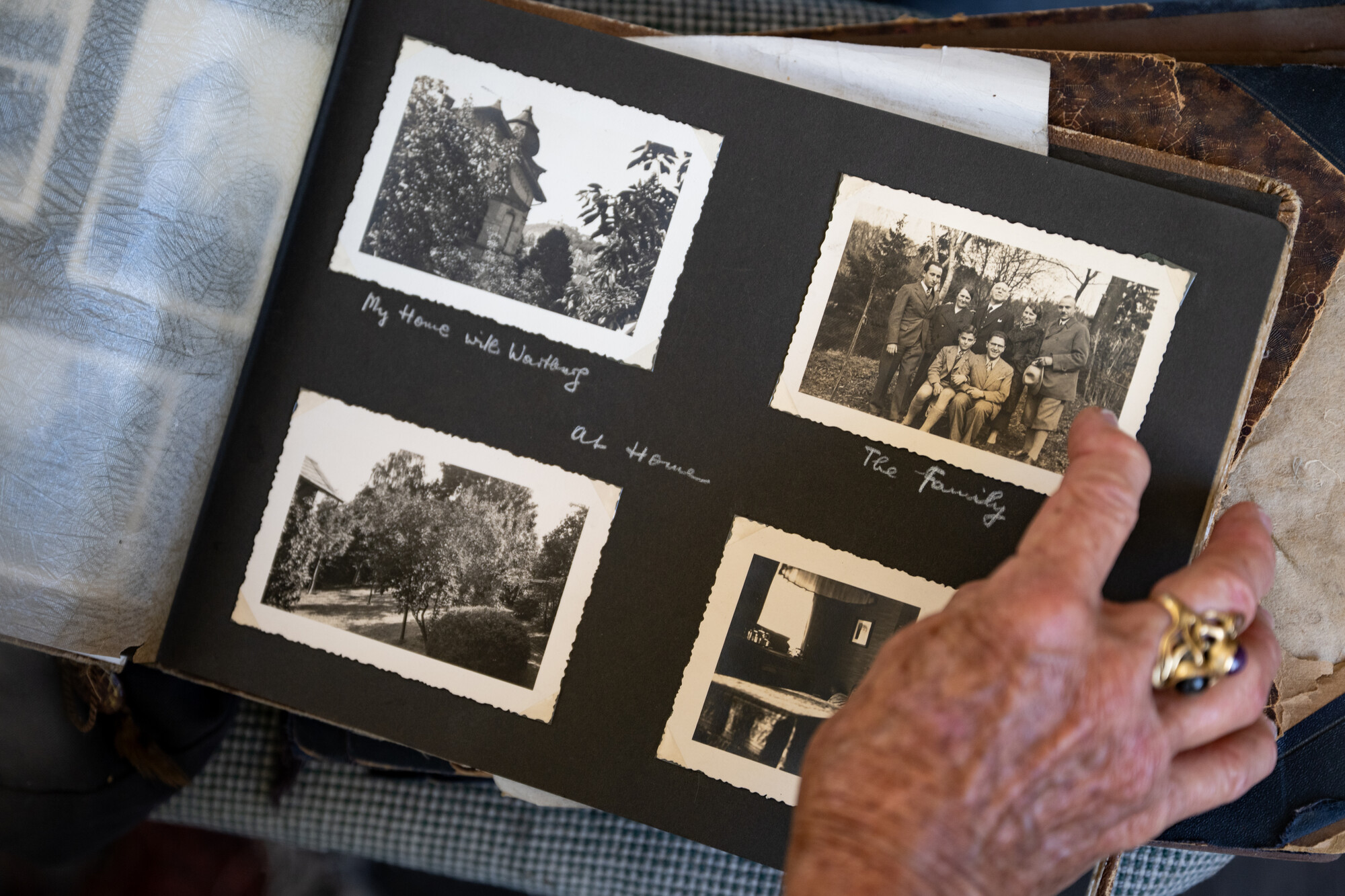
A few years ago, the City of Hayward made a formal apology to former residents, acknowledging that the destruction of Russell City was part of a nationwide pattern of displacing communities of color. And this year, lawmakers are considering a program that would give people in similar situations a chance to apply for money or land as compensation. It’s called Assembly Bill 62, and it’s part of California’s wider reparations proposal. It would be the first of its kind in the United States, but it builds on the legacy of reparations efforts around the world, including Germany’s decades-long programs for Holocaust survivors. KQED’s Annelise Finney explains how the German model might guide reparations efforts in California.
And for the podcast Bay Curious, KQED’s Spencer Whitney visits with former residents and other people with deep ties to Russell City to learn about the lasting pain of losing the place they called home.