Sponsor MessageBecome a KQED sponsor
upper waypoint

Sonoma Wineries Prepare For Possible Impacts from Immigration Enforcement

Save ArticleSave Article
Failed to save article

Please try again

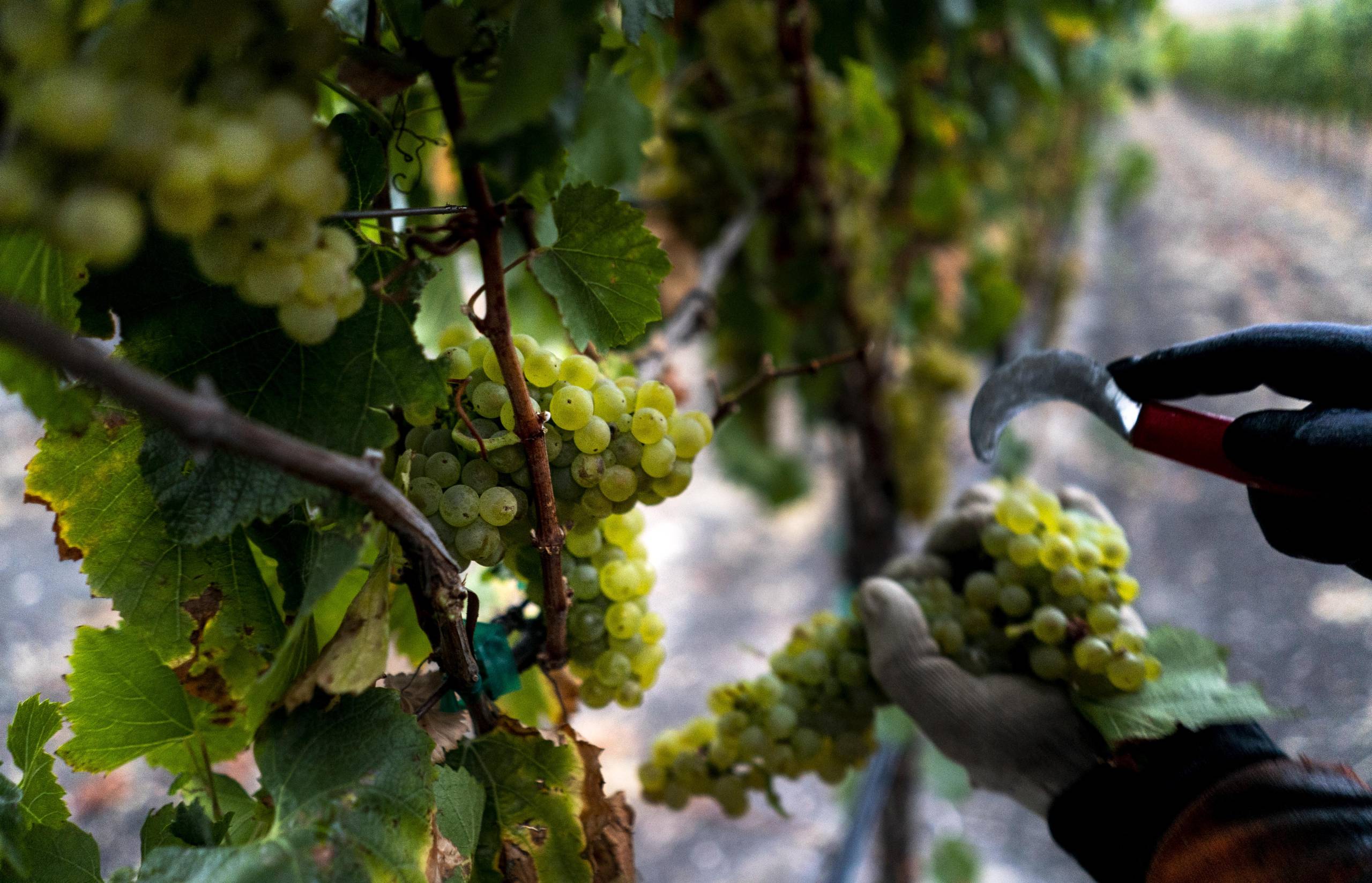
SONOMA, CALIFORNIA - SEPTEMBER 3, 2020: As the sun rises over a cloudy Sonoma Valley farm workers pick grapes at the Roche Winery in Sonoma, California on Thursday September 3, 2020.  (Photo by Melina Mara/The Washington Post via Getty Images)

Here are the morning’s top stories on Wednesday, September 3, 2025…

  • The federal budget allocated a record-setting $170 billion for immigration enforcement. The money is set to go toward expanding detention facilities and hiring new agents for Immigration and Customs Enforcement. After pledging in June to protect the agriculture industry from crackdowns, President Trump reversed course a few days later. Now, as California’s annual grape harvest begins, the state’s wine community is on edge. 
  • The only emergency room in a rural North State county is closing its doors on October 21. Glenn Medical Center serves some 30,000 people in Glenn County but federal regulators have pulled its funding.
  • Cal Fire crews are battling a series of wildfires sparked by lightning Tuesday in Calaveras, Tuolumne and Stanislaus counties.

Sonoma Wine Industry Faces Uncertainty Over Possible Immigration Enforcement

The federal budget allocated a record-setting $170 billion for immigration enforcement. The money is set to go toward expanding detention facilities and hiring new agents for Immigration and Customs Enforcement. After pledging in June to protect the agriculture industry from crackdowns, President Trump reversed course a few days later. Now, as California’s annual grape harvest begins, the state’s wine community is on edge.

The U.S. Department of Labor estimates that undocumented immigrants make up more than half of California’s agricultural workforce. “We largely haven’t seen many large-scale farming operations hit yet, but it’s only a matter of time before they do that,” said Michael Kaiser, vice president of WineAmerica in Washington, D.C.

To prepare for potential ICE visits, California vintners and growers are hosting workshops for employees, putting up NO TRESSPASSING signs, and keeping their gates locked during business hours. Kaiser said even employees with proper documentation are worried about getting caught up in immigration sweeps. And if vineyard crews stay home, there are no American workers to replace them. “If there’s nobody to pick the grapes, they’re not going to get picked. Grapes will just rot on the vine,” he said.

Glenn County Left Without An ER As Hospital Set To Close

Glenn County’s only emergency room is closing its doors, after fighting to retain extra Medicare funding.

Sponsored

The closure follows a federal decision by the Centers for Medicare and Medicaid Services (CMS) to pull the hospital’s Critical Access Hospital (CAH) status. The agency says the hospital is too close to Colusa Medical Center in the next county. That CAH status is what brought in the extra Medicare funding Glenn Medical depended on, said Lauren Still, the hospital’s administrator. “It costs about $15 million a year to keep that ER open,” Still said, “but we don’t make $15 million a year reimbursement in that ER.”

The closure will leave about 150 employees without jobs and force residents to travel farther for emergency care. But administrators at Glenn Medical warn the facility may not make it to its planned Oct. 21 closure date. “In about six weeks our staffing in the ER is going to hit a critical juncture,” Still said. “And once we are no longer able to staff and safely staff emergency medical services, we must shut our doors.”

Lightning-Sparked Fires Tear Through Historic California Gold Rush Town

Firefighters are battling a rapidly growing wildfire complex that ripped through a town in California’s Gold Country after a major lightning storm on Tuesday sparked more than 20 blazes in the region.

Residents in Tuolumne and Calaveras counties are under evacuation orders due to the TCU Lightning Complex, which has burned 12,000 acres of rural terrain, threatening ancestral tribal lands and the historic Gold Rush town of Chinese Camp.

“Everything is burned down,” said Add Beale, who owns a convenience store in Chinese Camp. She said her store is still standing, but the flames have flattened the buildings that once flanked the 1934 structure. Beale and her husband, Richard, bought the store nine years ago after falling in love with Chinese Camp’s community. Her family was evacuated Tuesday morning after watching distant flames advance toward their property.


lower waypoint
next waypoint