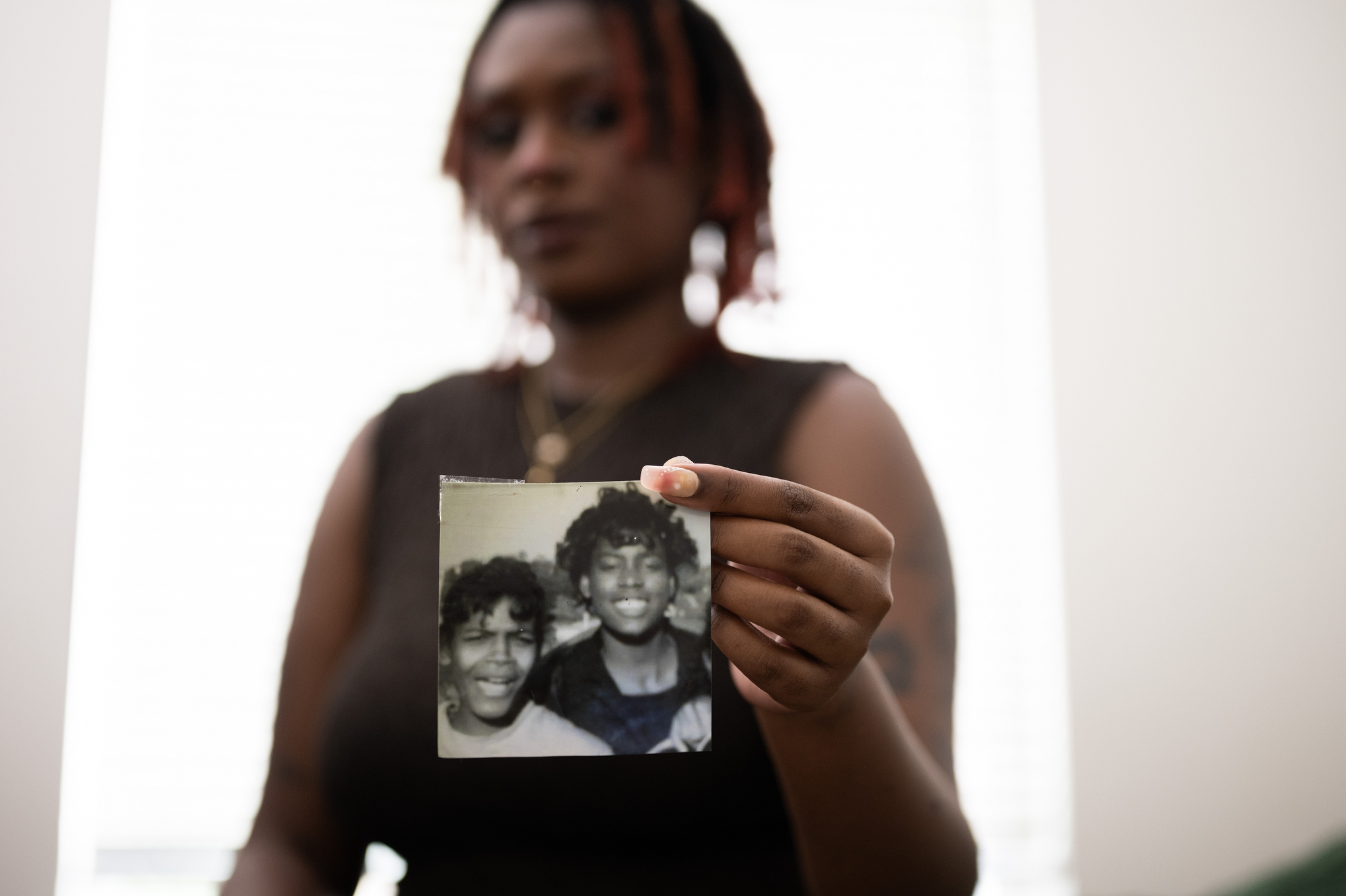
In May, the Golden State Valkyries kicked off their inaugural season. Even though they just started playing games in front of Bay Area fans, the team is said to be valued at $500 million dollars, the most of any franchise in the WNBA. And the team just had their first player named to the All-Star team: Forward Kayla Thornton was named as a reserve. These days the WNBA is on fire with record viewership and attendance. And more sold out games than ever. But that growth has taken nearly 28 years since the league launched in 1997. And while Caitlin Clark has become a household name, we rarely hear about the early players who fought for professional women’s basketball to get respect. Judy Mosley McAfee was one of them. She was the sixth woman drafted into the WNBA. Her daughter, reporter Audy McAfee, brings us this tribute.
San Francisco’s Castro District is home to Maitri Compassionate Care Center. In addition to providing hospice care for people living with AIDS, for the last several years, it’s provided affordable care for those preparing for or recovering from gender affirmation surgery. At a moment when the Trump administration is issuing executive orders to dismantle protections for transgender people, Maitri remains committed to their work. KQED’s Kyana Moghadam takes us inside the center to learn about its legacy, and what it means to provide care in the heart of San Francisco..