According to the Teamsters, the strike vote, which passed by more than 90%, was fueled by Republic Services’ refusal to match workers’ wages and benefits to those offered by their competitors, like Capitol Waste and Star Waste Systems.
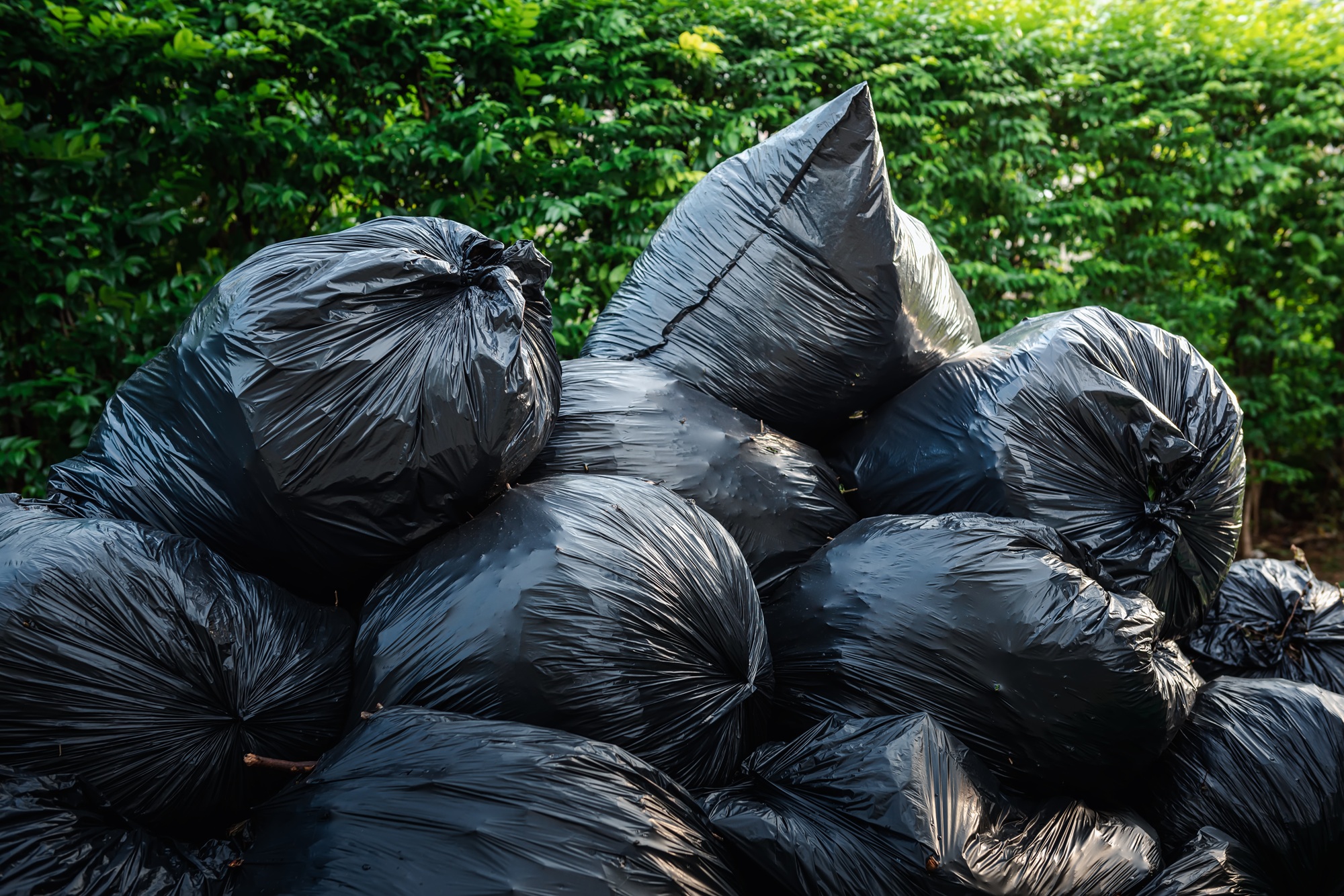
This week, Bay Area workers joined their East Coast counterparts in solidarity, causing a three-day pileup outside of countless homes and businesses.
“They drag for months, then they come back and offer nothing,” said Gilbert Gomez, a representative for Teamsters Local 439 in Stockton.
Gomez said watching the garbage service company rake in record profits, all while negotiations continue to stall, has only exacerbated workers’ frustration. Republic Services reported a net income of around $500 million for the first three months of 2025 alone.
“Your management is getting these big bonuses and these guys want to come in and lowball you,” Gomez said. “And it’s pretty much like a slap in the face.”
A spokesperson for Republic Services responded in a statement, apologizing for “this inconvenience,” also stating that the company is “ready to continue discussions with the union to reach an agreement.”
Affected areas include Half Moon Bay, Daly City, San José and many cities in the East Bay, like Piedmont and Richmond.
Gomez said tangible impacts of the strike aren’t just from the absence of trash pickups alone, but also from drivers who are honoring the picket line by abstaining from transporting waste to landfills.
“The Bay Area is pretty solid when it comes to labor workers, and they’re real supportive,” Gomez said.
Regarding residents’ reactions to the garbage buildup, Gomez said, despite expressing concern, they have been supportive of the workers’ strike overall.
“I hope they get what they’re asking for,” said Michael Chang, a Daly City resident. His street’s regular trash pickup day is Wednesday.
Chang admitted his surprise when Thursday morning rolled around and his street was still lined with trash bins. But he believes “the real fundamental issue is with the company.”
“If there’s a strike or anything like that, I think it just kind of breaks the system,” Chang said. “And there’s no alternative option.”
Chang said that although the trash buildup hasn’t caused any significant smells or inconveniences, he can expect that to change should the strike persist through the week.
“It’s also going to start causing some parking issues, maybe people will have to start moving neighbors’ trash cans to park their cars,” Chang said.
He said he may end up taking his trash out to the landfill himself, but he’s trying to avoid that.
Brenda Muñoz is the UC Berkeley Labor Center’s executive director. She said this effort sheds an important light on the role that essential workers play, but also on the broader implications of private companies leveraging power over those workers.
She asked, “How do you boast about your company doing well if workers are being left behind, and not keeping up with the pace of that growth from the company?”
Muñoz emphasized the increasingly steep costs of living in California, particularly the Bay Area, as a driving force behind the necessity of striking.
She said that where essential workers are otherwise invisible, actions like this one bring their significance to light, and there exists the “valid concern that they should be making more in the face of increasing costs of living and the company making a good profit.”
Muñoz, like Chang, has also been directly impacted by the strike. She lives in Hercules, and said her area, rife with raccoons, has experienced trash pileup this week.
“Trash picked up is a benefit that we get,” Muñoz said. “But it doesn’t come to us without also seeing that the workers get their fair share.”