When questioned about the move during a budget presentation on Wednesday, Newsom denied this characterization and said the proposed spending is “absolutely consistent” with the rules established by the ballot measure.
Newsom repeatedly blamed Prop. 35 for causing part of the state’s budget shortfall and called it and other recent ballot measures “unfunded initiatives.”
The governor said Medi-Cal has a growth problem that the state cannot afford.
State spending on Medi-Cal has more than doubled since 2017 and is now projected to cost $76.8 billion in the 2024–25 budget year. Earlier this year lawmakers approved an extra $6 billion for unexpected Medi-Cal costs.
Linnea Koopmans, chief executive of the Local Health Plans of California and chair of the Prop. 35 advisory committee, said in a statement to CalMatters that Newsom’s budget does not reflect California’s values.
“Undoubtedly, the state budget challenge is real, but sweeping more than $1 billion of (Prop. 35) revenue is not an option. These funds must be used to support Medi-Cal investments in providers and workforce that are necessary to improve access to care,” Koopmans said.
The Prop. 35 advisory committee was established by the ballot initiative to oversee how the state spends the money.
Industry supporters of the measure say Newsom’s proposal doesn’t actually pay doctors more; it conflates increased costs associated with Medi-Cal’s growing enrollment with payment.
Molly Weedn, a spokesperson for the Yes on 35 campaign, said in a statement that the budget proposal raises “serious legal concerns.”
“The Governor proposes using Prop. 35 funding to cover already incurred costs in Medi-Cal and not for increasing provider payments to increase access to health care,” Weedn said.
The most contentious part of the debate comes down to whether he’s using the Prop. 35 money to pay the state’s general expenses, not just health care.
The Newsom administration’s finance department said in a document shared with CalMatters that doctors’ pay is reviewed and increased annually, which aligns with Prop. 35’s requirements. The department also denies that using the money to pay for Medi-Cal would replace general fund spending because the amount that the state is taking from the general fund for Medi-Cal continues to grow.
Critics say these standard adjustments are not necessarily a true rate increase for doctors — they mostly reflect increased Medi-Cal costs as a result of more patients enrolling (PDF) or more expensive care being provided. In order to substantially increase how much doctors get paid, the state would have to submit an application for federal approval, which it has not done.
“It appears the caseload growth in Medi-Cal is being used to justify the need for these funds,” said Jennifer Kent, an advisor to the Prop. 35 campaign and former director of the health care services department.
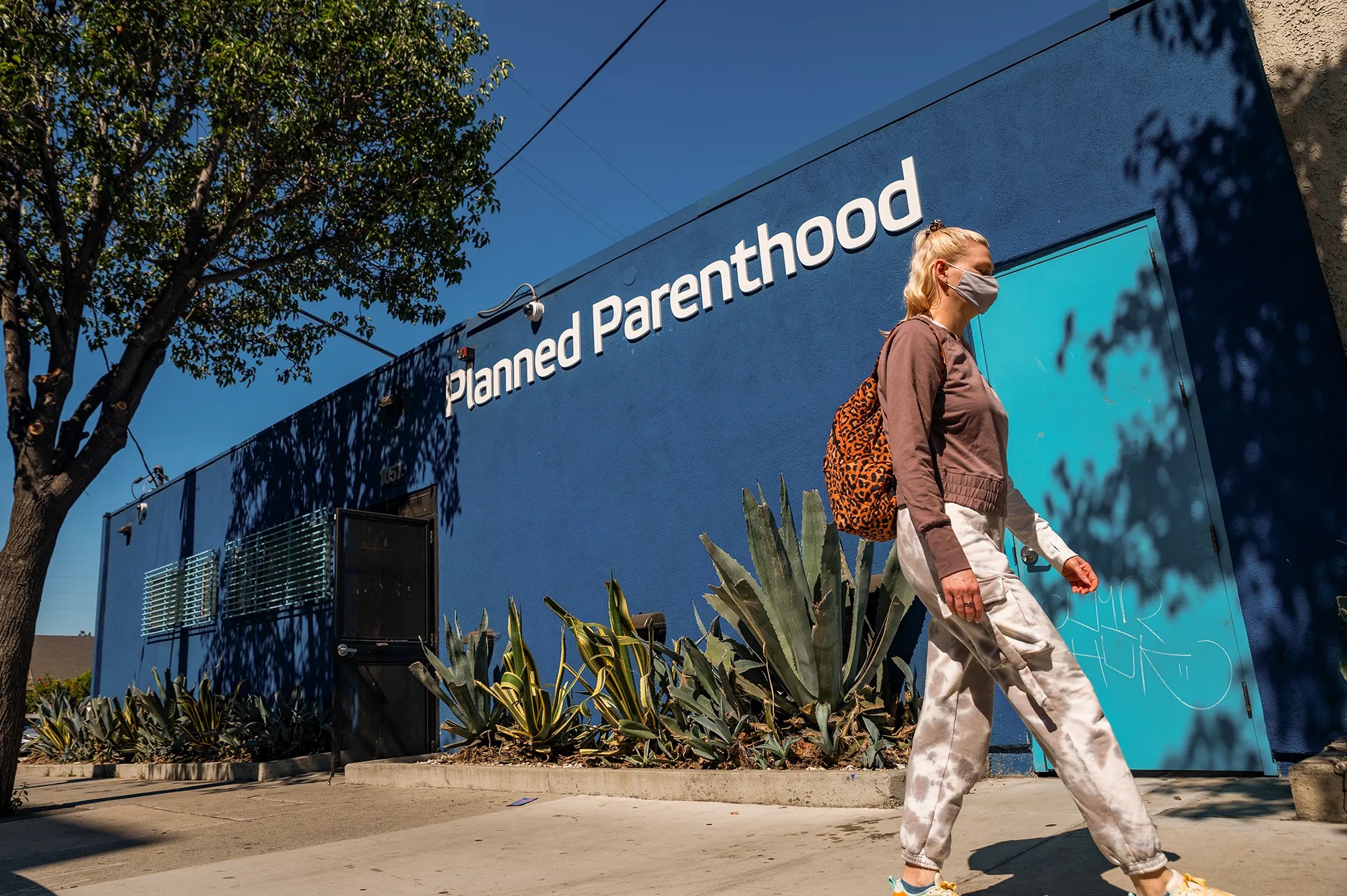
Newsom isn’t the first governor to sweep money approved by voters into the general fund, and his budget proposal also mirrors a move made by his predecessor, Jerry Brown, in 2017 to eliminate payments made for family planning, women’s health and dentistry by the state tobacco tax.
The governor’s office told CalMatters that their proposal would not remove tobacco tax monies, but would reduce the amount of other state funds that the administration has used to supplement that tax and pay for reproductive care.
Amy Moy, co-chief executive of Essential Access Health, which provides grants to clinics for reproductive health care, said the governor’s proposed cuts jeopardize California’s commitment to making abortion, contraceptives and other reproductive health services accessible.
Moy, a member of the Proposition 35 stakeholder advisory committee, said she is confident the final budget approved by the Legislature will pull back some of Newsom’s proposed cuts.
“Ultimately we believe that California’s commitment, including our administration’s commitment, to sexual and reproductive health will be reflected in the final budget.”
This article was updated on May 20 to include more information from the governor’s office to clarify their proposal related to the tobacco tax.
Supported by the California Health Care Foundation (CHCF), which works to ensure that people have access to the care they need, when they need it, at a price they can afford. Visit www.chcf.org to learn more.
This article was originally published on CalMatters and was republished under the Creative Commons Attribution-NonCommercial-NoDerivatives license.