Thousands of California workers whose employers collectively owe them millions of dollars in unpaid wages are at risk of never seeing the money they earned, as the state watchdog agency investigating wage-theft cases is failing to resolve them in a timely way, according to labor enforcement experts and worker advocates.
Many of the businesses in question were cited by the California Labor Commissioner’s Office for systematically dodging labor laws, after investigators conducted lengthy reviews, including payroll record audits and interviews with employees.
Employers have the right to appeal those citations — which typically come with hefty fines — and most do, said worker attorneys. The next step is a hearing at the Labor Commissioner’s Office. But the agency, whose mission is to combat wage theft, can take years to schedule those hearings, delaying restitution for workers, most of whom are in lower-wage industries.
The longer the cases drag on, the harder it is for workers to collect what’s owed them, advocates said. The backlog has only worsened during the pandemic.
State Sen. Dave Cortese, D-San Jose, said the delays at the agency, also known as the Division of Labor Standards Enforcement, are “unacceptable.”
“This is exactly the opposite of what the government is supposed to be doing,” said Cortese, who chairs the state Senate Labor, Employment and Retirement Committee. “Government should be stepping in and policing these employers that are ripping people off, and it’s not happening. And it’s causing real pain.”
For workers living paycheck to paycheck, that pain is palpable.
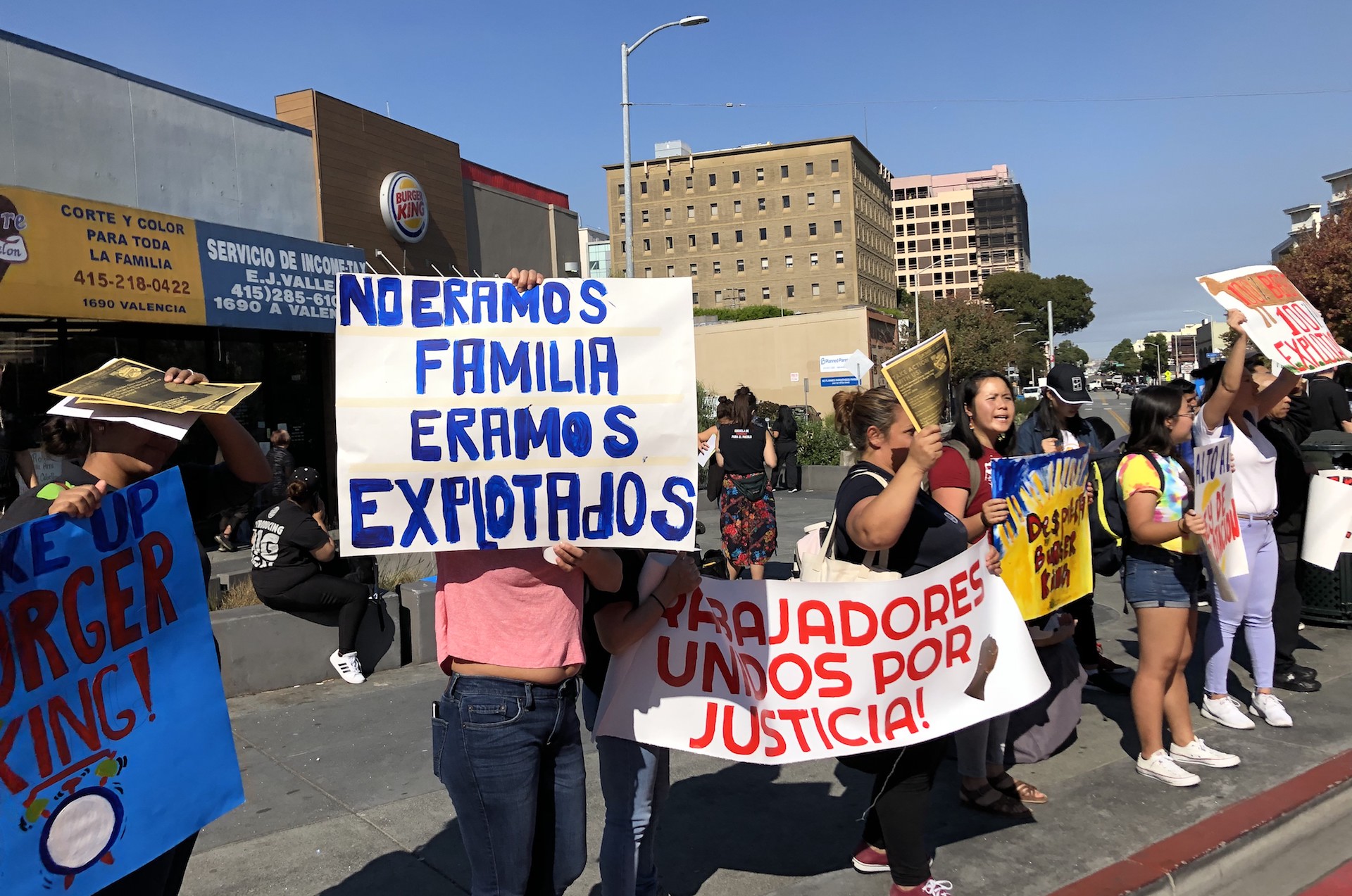
Sonia Crisostomo, a 47-year-old single mother, worked as a prep cook and cashier at a San Francisco Burger King franchise from 2016 to 2019. But her boss consistently shorted her paychecks, and she is now owed more than $38,000, according to a June 2020 citation issued by state investigators.
If she had received at least some of that money in a timely manner, it could have saved her family from losing their apartment, she said. Instead, when her next job, cleaning offices, ended during the pandemic, Crisostomo was unable to make rent. She and her children moved into the crowded home of a relative and relied on food banks to eat, she said.
“I was left with nothing,” said Crisostomo, who said she’s not eligible for unemployment benefits. “It was really hard. … With at least some of that money, we wouldn’t have had so many limitations. I wouldn’t have left my apartment, I wouldn’t have gotten into debt with rent, with bills.”
Crisostomo’s former employer, Golden Gate Restaurant Group Inc., was found liable for a total of nearly $2 million for failing to pay more than 230 of its employees minimum wage, overtime or meal and rest breaks at several of the Burger King restaurants it operated in the city.
None of the wronged employees has collected a cent from that citation, because — 19 months later — the state Labor Commissioner’s Office has not yet scheduled a hearing on the company’s appeal, said attorneys representing workers. Until that happens, the case cannot move forward, unless the employer chooses to settle.
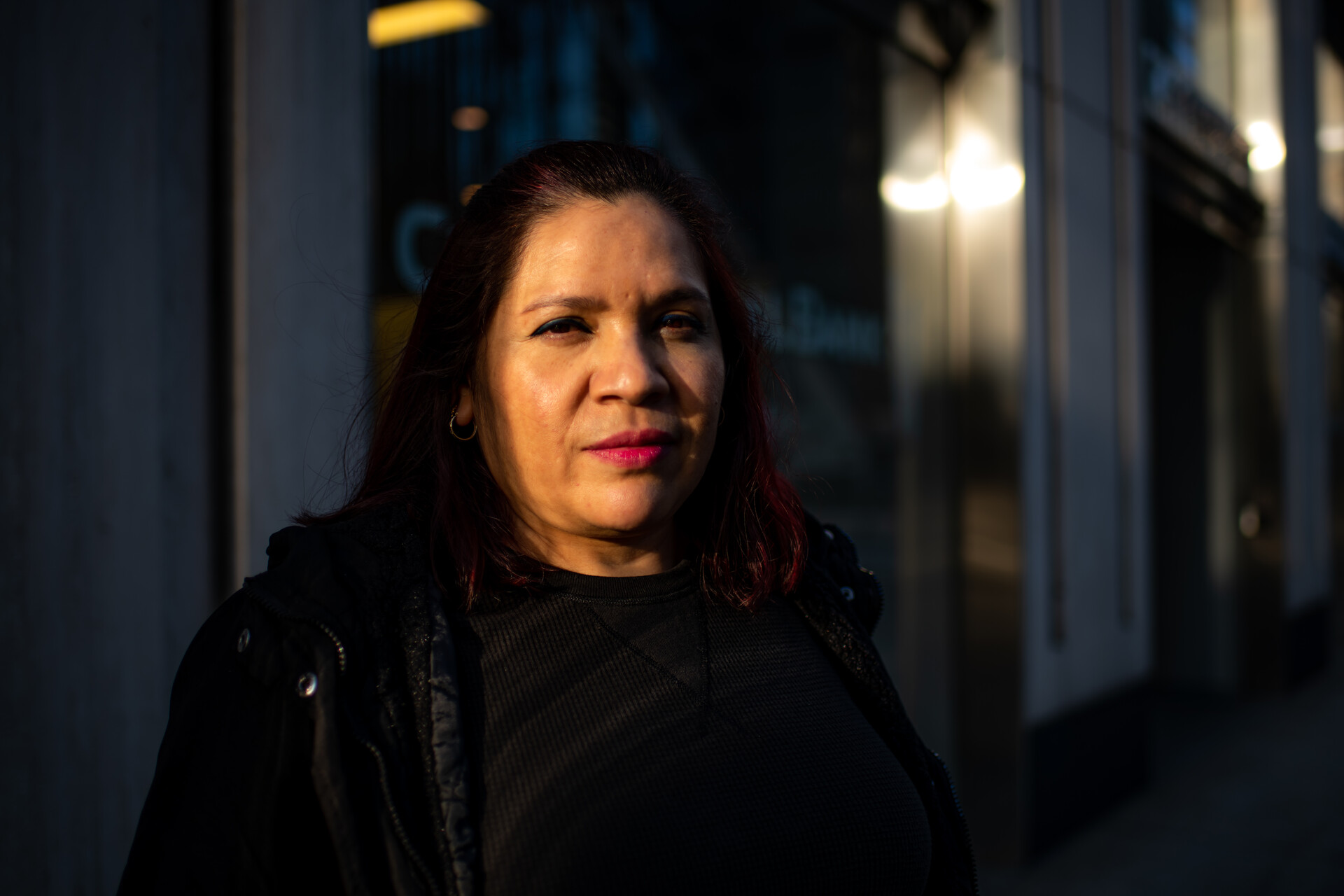
“It’s so unfair that the state is not trying to speed this up,” said Crisostomo, an immigrant from El Salvador, speaking in Spanish. “They should be more strict with this type of employer and pressure them to follow the law. If it’s true that workers have rights, the state should enforce them.”
Neither Monu Singh, Golden Gate Restaurant Group’s CEO and president, nor Sanjay Ahuja, its secretary at the time of the investigation, returned KQED’s requests for comment.
Meanwhile, the company has taken advantage of the delay to shield its assets, which doesn’t bode well for the cheated employees, said Alexx Campbell, who is representing workers in the case.
“The company that did this to them has been starting to move assets around and to shut down restaurants in San Francisco and is potentially making moves to avoid payment altogether,” said Campbell, an attorney with the nonprofit group Legal Aid at Work.
The Labor Commissioner’s Office declined several interview requests, and would not comment on hearing delays for this case or others investigated by its Bureau of Field Enforcement (BOFE), the branch of the agency that handles pay violations affecting multiple employees at a single company.
However, in 2019, agency officials acknowledged that delays were hurting workers. They said changes in the law had given them new tools to combat wage theft but made the process take longer. And they asked the Legislature for a budget increase to hire more staff for its Wage Claim Adjudication (WCA) unit, whose officers generally handle appeals of both big BOFE citations and wage claims brought by individual workers — the latter of which totaled more than 32,000 in 2018. WCA may also refer more complex BOFE cases to the Labor Commissioner’s legal unit for an attorney to act as a hearing officer.