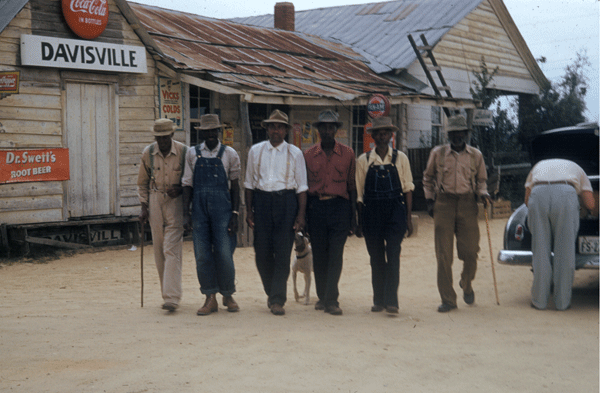
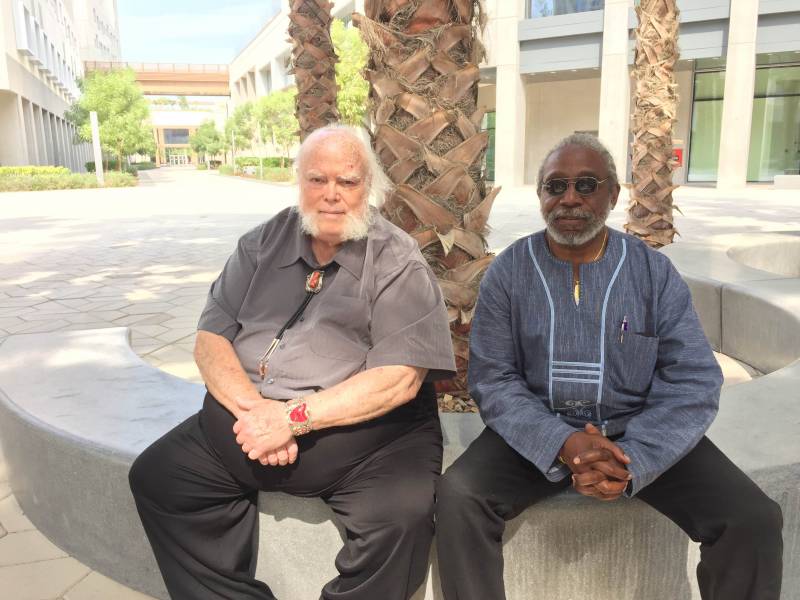
As more surveys come out showing that Black Americans are more hesitant than white Americans to get the coronavirus vaccine, more journalists, politicians and health officials — from New York Gov. Andrew Cuomo to Dr. Anthony Fauci — are invoking the infamous Tuskegee syphilis study to explain why.
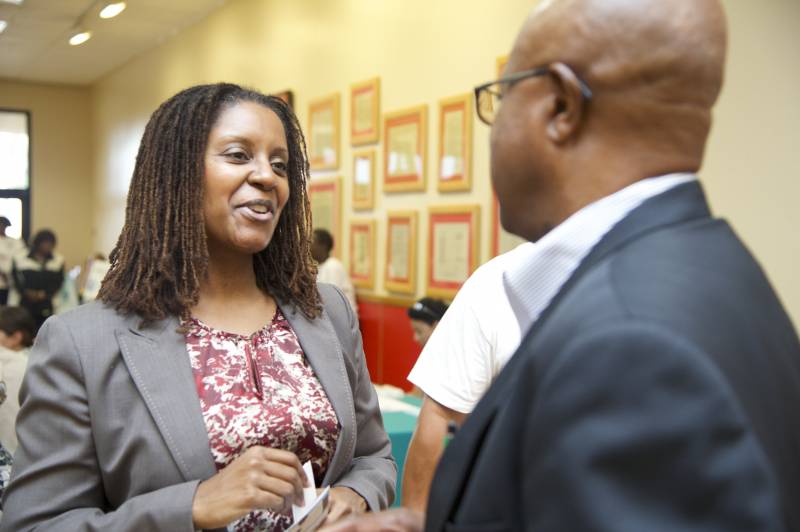
“It’s ‘Oh, Tuskegee, Tuskegee, Tuskegee,’ and it’s mentioned every single time,” says Karen Lincoln, a professor of social work at the University of Southern California. “We make these assumptions that it’s Tuskegee. We don’t ask people.”
When she asks the Black seniors she works with in Los Angeles about the vaccine, Tuskegee rarely comes up. People in the community are more interested in talking about contemporary racism and barriers to health care, she says, while it seems to be mainly academics and officials who are preoccupied with the history of Tuskegee.
“It’s a scapegoat,” Lincoln says. “It’s an excuse. If you continue to use it as a way of explaining why many African Americans are hesitant, it almost absolves you of having to learn more, do more, involve other people – admit that racism is actually a thing today.”
It’s the health inequities of today that Maxine Toler, 72, hears about when she talks to her friends and neighbors in LA about the vaccine. Toler is president of her city’s senior advocacy council and her neighborhood block club. She and most of the other Black seniors she talks to want the vaccine, but are having trouble getting it, she says, and that alone is sowing mistrust.
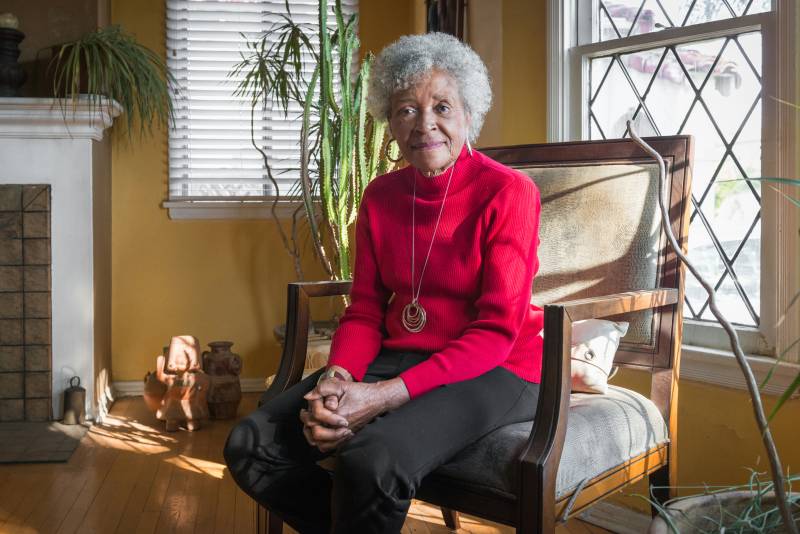
Those who don’t want the vaccine have very modern reasons for not wanting it. They tell Toler it’s because of religious beliefs, safety concerns or distrust for the former U.S. president and his relationship to science. Only a handful mention Tuskegee, she says, and when they do, they’re fuzzy on the details of what happened during the 40-year study.