A note from the KQED en Español team: In this conversation, we'll use "Latinx," "Latino" and "Latina" when referring to communities of Latin America and the Latin American diaspora. We'll use "Latinx" as as a nod toward greater inclusion of women, LGBTQ+ and nonbinary people. We've left each speaker's word choice consistent with the terms they used in this conversation.
Inspired by the outcry we heard following the 2020 elections, particularly around generalizations made by national media and politicians about who Latinx voters are, the team behind KQED en Español thought it was time for a conversation.
We wanted to bring together knowledgeable voices to talk about what the “Latino vote” is — if it exists at all — and what matters most to Latinx communities in the United States.
To explore the myths that the media and political pundits carry about Latinx voters and communities when it comes to election season, KQED en Español journalist Adriana Morga sat down with:
- Christian Arana, policy director from Latino Community Foundation
- Dr. Lisa García Bedolla, UC Berkeley's vice provost for graduate studies and dean of the graduate division
- Sonja Diaz, founding director of UCLA Latino Policy and Politics Initiative
Portions of this interview have been edited for length and clarity. You can listen to the full conversation here.
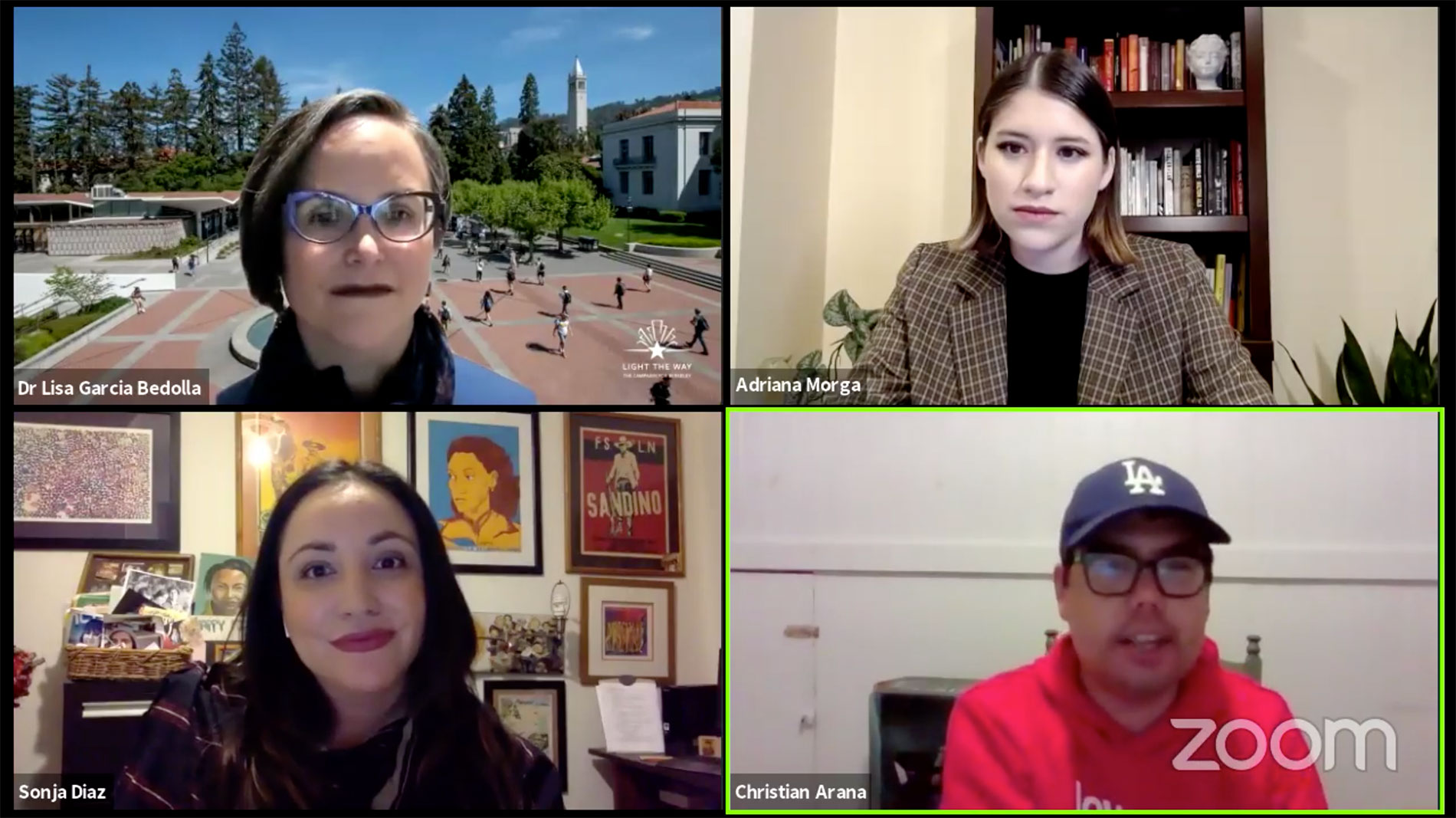
Adriana Morga: What comes to your mind when you hear people refer to the "Latino Vote” — if there is such a thing — during election season?
Christian Arana: Too often what we see in American politics is that there's kind of a laziness to campaigning. Back in 2008, between the election between John McCain and Barack Obama, we were all talking about this Joe the Plumber guy. And who is this guy, and what does he care about? And where does he live, and what does he think? Well, when do we ever do that for Latinos?
We're right in front of you every single day, as Latinos. But when are you ever going to stop to ask what we care about, and how you're going to win us over as voters?
Dr. Lisa García Bedolla: I don't think [politicians are] lazy. I think they don't prioritize us. I study voter mobilization. And I've worked with campaigns as they're thinking about how to strategize — and in every instance, funding to look how to reach out to our voters is always at the last minute, after the real strategy gets put into place. Which is likely a white voter strategy.
Any extra money that comes at the end, then that money gets put towards our community. And that's part of why it's so superficial. Because it's done quickly and without any real thought.
Sonja Diaz: Thinking about the invisibility of Latinos, that this is not simply a political issue, but goes across all parts of our institutions, among society — not just newsrooms — but Hollywood and media and entertainment. To academia, to philanthropy. The lack of understanding about Latinos has generally led to this invisibility. Which has shown us during COVID-19 a disposability, and a lack of importance in the dignity — and the sacredness — of life.
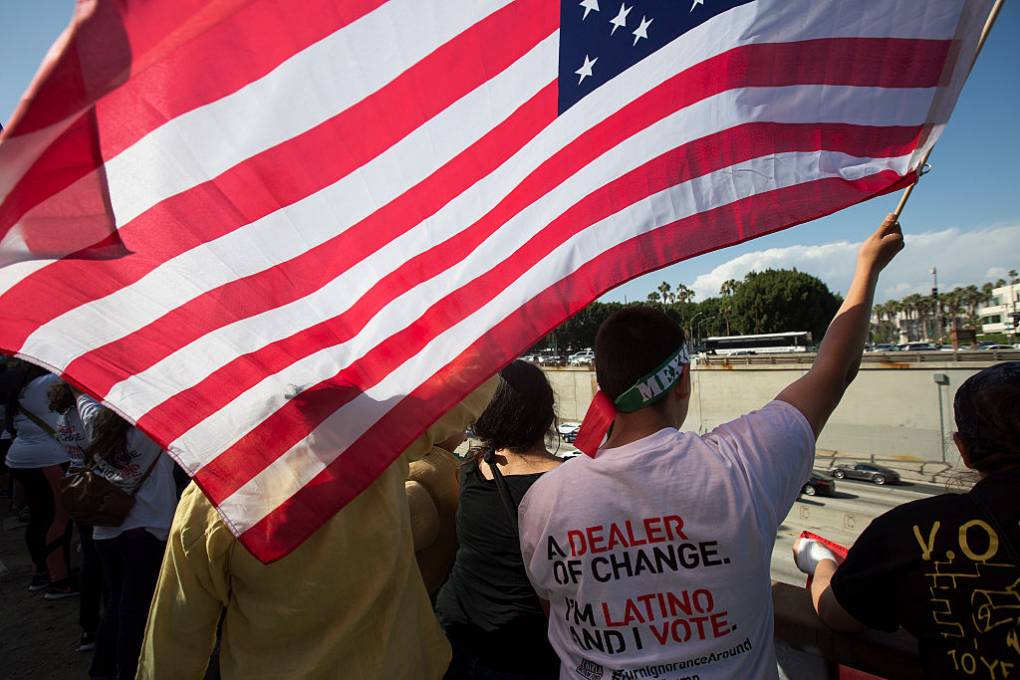
Morga: We've repeatedly told pundits that Latinx people are not a monolith. What are some of the biggest misconceptions that you see when it comes to Latinx people voting?
Diaz: There’s this idea that we're the sleeping giant. From our research at UCLA's Latino Policy and Politics Initiative, we found in the 2018 midterms, Latinos were really starting to show their might. They were essential in flipping half of the House seats from Republican control to Democratic control.
We released new research that showed almost twice the amount — in terms of voter turnout — for Latinos [in 2020]. When you compare it to all Americans who turned out, this was a historic turnout all around.
The second misconception is that our policy preferences are singular — and that flies in the face of evidence. Poll after poll, Latinos care about bread-and-butter issues. They care about good jobs, about health care. And under Donald Trump, they want a leader that is not going to divide them, [and] that is going to deal with discrimination. These are not issues that are typically talked about when it comes to Latinos, which is one issue all the time. And that is not what empirical science has been showing.
- Got thoughts? Want to continue the conversation? Comment or DM us on Instagram: we're @kqedenespanol.
Arana: Time and time and time again, people pigeonhole us and our community into immigration. While yes, immigration is an important issue, it's a very emotional issue for our community. But it's not the top issue at this point.
Often, what rises to number one is health care — just like every other voter. Can we get health care? Is it affordable? [But] when a presidential candidate, for example, does come to the community, they spend most of their time talking about immigration when in fact it's so much more than that.