
Lake Tahoe is the fullest it has been in nearly two decades.
Officials say the alpine lake on the California-Nevada border is approaching the legal limit after snowmelt from a stormy winter left enough water to potentially last through three summers of drought.
For three weeks, Tahoe has been within an inch (25 millimeters) of its maximum allowed surface elevation of 6,229.1 feet (1,898 meters) above sea level. It crept to within a half-inch (13 millimeters) earlier this week.
Chad Blanchard, a federal water master in Reno responsible for managing the water, told the Reno Gazette Journal it's the longest he has seen the lake stay that high for so long.
"This is a rare year," he said. "I've been doing this for 26 years, and we've had big (snow) years, but this one is unique as far as being up within an inch of being full and it's just hanging there. ... It's a product of still having so much snow up there."
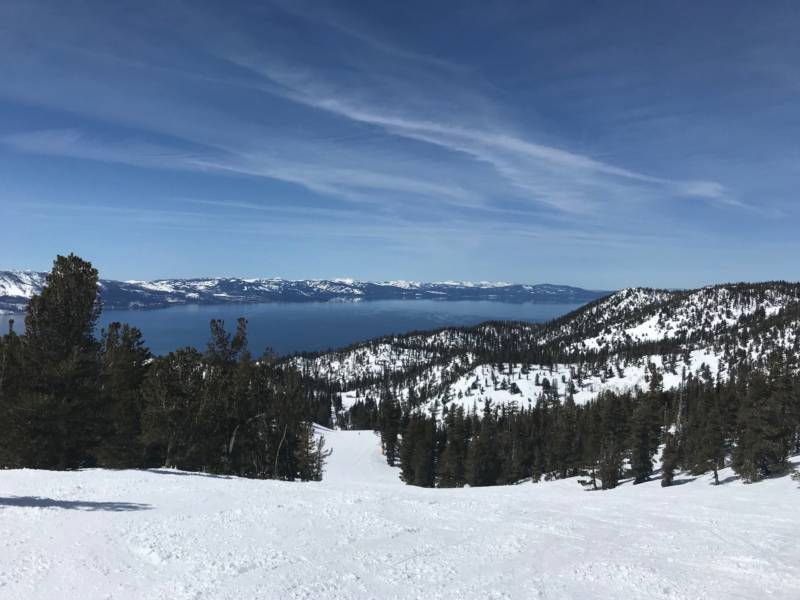
Lake Tahoe, the second-deepest lake in the U.S. at about 1,645 feet (501 meters), typically holds enough water to cover the entire state of California with 14 inches (35 centimeters) of the wet stuff. Only Oregon's Crater Lake is deeper.
As winter snow continues to melt from mountaintops and into Tahoe, the rate of summertime surface evaporation is beginning to pick up.
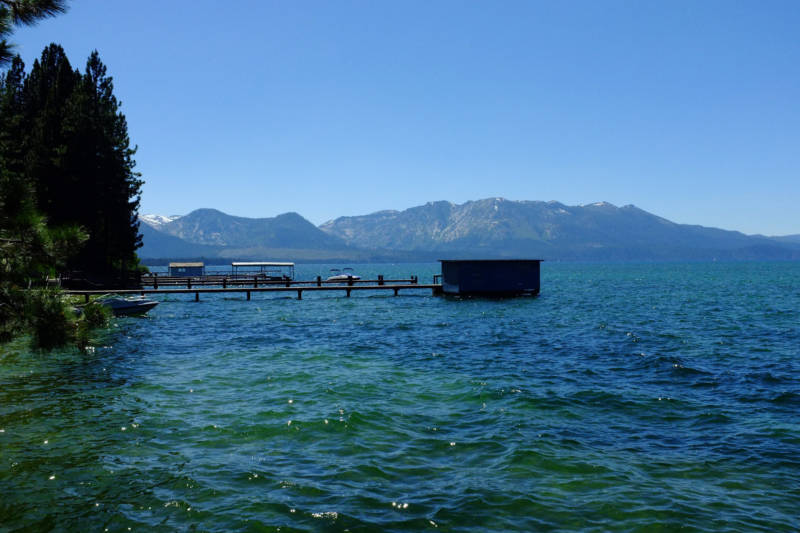
Blanchard says the lake soon will reach a point of equilibrium when snowmelt slows and the rate of evaporation increases. Then, the lake level will begin to drop.