Reader advisory: Some accounts of sexual abuse in this story contain explicit details and strong language that some may find upsetting or objectionable.
D
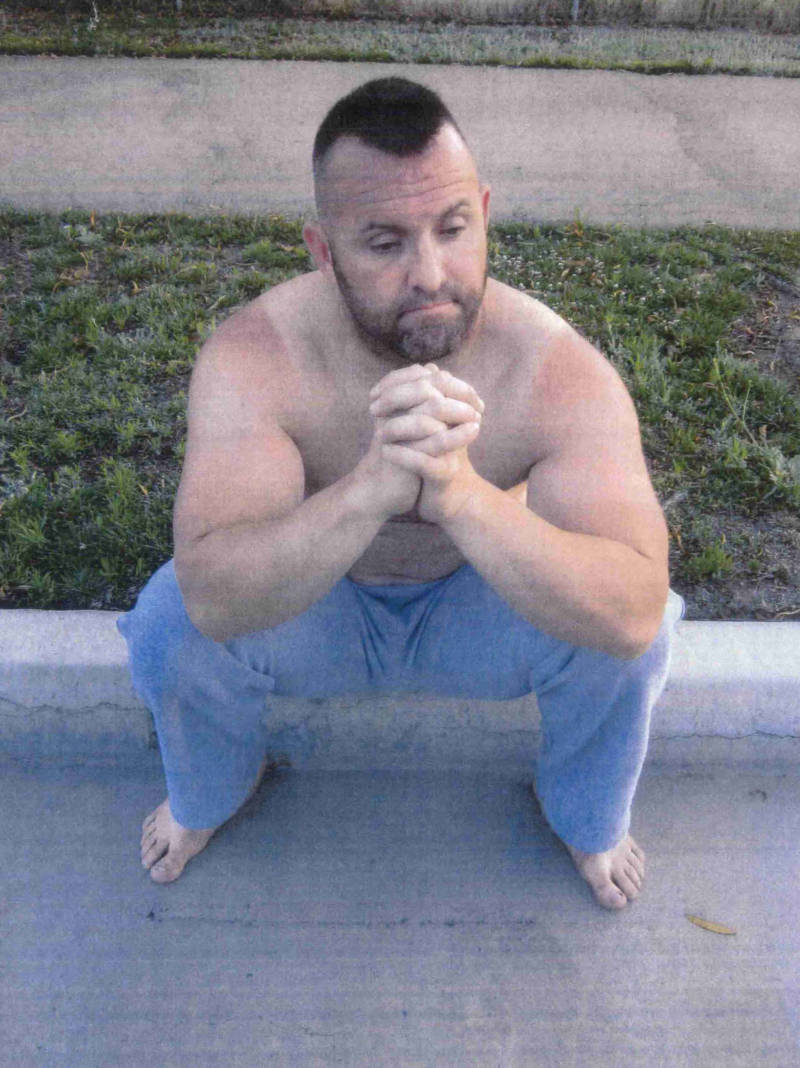
esiree Martinez ran down a residential street in the small Central Valley town of Sanger, trying to escape. A muscular man wearing gray sweatpants and no shirt chased after her: her boyfriend, Kyle Pennington.
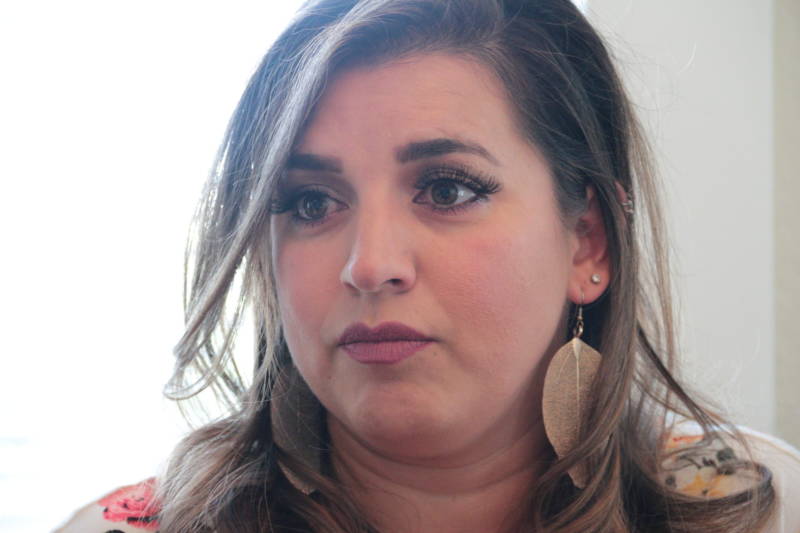
“I was like crying and yelling and screaming,” she said during a recent interview. But she could hardly produce any sound. “I had been choked, so I couldn't even talk.”
The police, responding to a neighbor’s call, arrived around 5:20 a.m. It was June 4, 2013.
“I just felt like such a relief,” Martinez said. “Like, oh my gosh, it's over. It's done.”
Martinez told Sanger police Officer Angela Yambupah that Pennington had placed a pillow over her face and tried to choke her with her own arm before she escaped the home through the garage. The officer told her that Pennington was going to be arrested, according to Martinez.
Then a senior officer, Sgt. Fred Sanders, intervened.
"He says, ‘No we’re not,’ " Martinez said. " ‘They're good people, I know the Penningtons and we're not going to arrest them.’ "
Sanders knew Pennington’s family because his father was a cop with the Sanger Police Department — and Pennington himself was a police officer in the neighboring city of Clovis. Pennington had also served in the military for more than a decade.
Sanger police did not arrest Pennington that morning. As a result, Martinez said, she was sent back into their house, where her boyfriend then beat, sexually degraded and raped her. Pennington denies these allegations.
"I was like, I’m trapped," Martinez said. "He [Pennington] said no one's going to believe me and no one's gonna help me and, you know, he's right."
The 9th U.S. Circuit Court of Appeals is currently considering whether responding police officers can be held accountable for repeated failures to arrest Pennington or otherwise help Martinez during any one of a string of domestic violence calls in 2013. A lower court dismissed much of Martinez’s lawsuit in 2017, but she appealed.
Appellate Judge Robert Lasnik laid out the issue on appeal at a hearing in January.
“The policing is horrible,” Lasnik said. “There is no question about that. But was it a clearly established constitutional violation or was it just really poor policing?”
The “poor policing” in Martinez’s case is not unique, according to some experts, who say it is part of a larger pattern of willful blindness, interference and even cover-ups that can occur when law enforcement is called to investigate one of its own for domestic violence. And when police fail to intervene in these cases, they place victims at an even greater risk.
Against Protocol
In Martinez’s lawsuit, she alleges that both Sanger and Clovis police officers repeatedly failed to comply with the requirements of the federal Violence Against Women Act and their own protocols.