window.__IS_SSR__=true
window.__INITIAL_STATE__={
"attachmentsReducer": {
"audio_0": {
"type": "attachments",
"id": "audio_0",
"imgSizes": {
"kqedFullSize": {
"file": "https://ww2.kqed.org/news/wp-content/themes/KQED-unified/img/audio_bgs/background0.jpg"
}
}
},
"audio_1": {
"type": "attachments",
"id": "audio_1",
"imgSizes": {
"kqedFullSize": {
"file": "https://ww2.kqed.org/news/wp-content/themes/KQED-unified/img/audio_bgs/background1.jpg"
}
}
},
"audio_2": {
"type": "attachments",
"id": "audio_2",
"imgSizes": {
"kqedFullSize": {
"file": "https://ww2.kqed.org/news/wp-content/themes/KQED-unified/img/audio_bgs/background2.jpg"
}
}
},
"audio_3": {
"type": "attachments",
"id": "audio_3",
"imgSizes": {
"kqedFullSize": {
"file": "https://ww2.kqed.org/news/wp-content/themes/KQED-unified/img/audio_bgs/background3.jpg"
}
}
},
"audio_4": {
"type": "attachments",
"id": "audio_4",
"imgSizes": {
"kqedFullSize": {
"file": "https://ww2.kqed.org/news/wp-content/themes/KQED-unified/img/audio_bgs/background4.jpg"
}
}
},
"placeholder": {
"type": "attachments",
"id": "placeholder",
"imgSizes": {
"thumbnail": {
"file": "https://cdn.kqed.org/wp-content/uploads/2024/12/KQED-Default-Image-816638274-2000x1333-1-160x107.jpg",
"width": 160,
"height": 107,
"mimeType": "image/jpeg"
},
"medium": {
"file": "https://cdn.kqed.org/wp-content/uploads/2024/12/KQED-Default-Image-816638274-2000x1333-1-800x533.jpg",
"width": 800,
"height": 533,
"mimeType": "image/jpeg"
},
"medium_large": {
"file": "https://cdn.kqed.org/wp-content/uploads/2024/12/KQED-Default-Image-816638274-2000x1333-1-768x512.jpg",
"width": 768,
"height": 512,
"mimeType": "image/jpeg"
},
"large": {
"file": "https://cdn.kqed.org/wp-content/uploads/2024/12/KQED-Default-Image-816638274-2000x1333-1-1020x680.jpg",
"width": 1020,
"height": 680,
"mimeType": "image/jpeg"
},
"1536x1536": {
"file": "https://cdn.kqed.org/wp-content/uploads/2024/12/KQED-Default-Image-816638274-2000x1333-1-1536x1024.jpg",
"width": 1536,
"height": 1024,
"mimeType": "image/jpeg"
},
"fd-lrg": {
"file": "https://cdn.kqed.org/wp-content/uploads/2024/12/KQED-Default-Image-816638274-2000x1333-1-1536x1024.jpg",
"width": 1536,
"height": 1024,
"mimeType": "image/jpeg"
},
"fd-med": {
"file": "https://cdn.kqed.org/wp-content/uploads/2024/12/KQED-Default-Image-816638274-2000x1333-1-1020x680.jpg",
"width": 1020,
"height": 680,
"mimeType": "image/jpeg"
},
"fd-sm": {
"file": "https://cdn.kqed.org/wp-content/uploads/2024/12/KQED-Default-Image-816638274-2000x1333-1-800x533.jpg",
"width": 800,
"height": 533,
"mimeType": "image/jpeg"
},
"post-thumbnail": {
"file": "https://cdn.kqed.org/wp-content/uploads/2024/12/KQED-Default-Image-816638274-2000x1333-1-672x372.jpg",
"width": 672,
"height": 372,
"mimeType": "image/jpeg"
},
"twentyfourteen-full-width": {
"file": "https://cdn.kqed.org/wp-content/uploads/2024/12/KQED-Default-Image-816638274-2000x1333-1-1038x576.jpg",
"width": 1038,
"height": 576,
"mimeType": "image/jpeg"
},
"xxsmall": {
"file": "https://cdn.kqed.org/wp-content/uploads/2024/12/KQED-Default-Image-816638274-2000x1333-1-160x107.jpg",
"width": 160,
"height": 107,
"mimeType": "image/jpeg"
},
"xsmall": {
"file": "https://cdn.kqed.org/wp-content/uploads/2024/12/KQED-Default-Image-816638274-2000x1333-1-672x372.jpg",
"width": 672,
"height": 372,
"mimeType": "image/jpeg"
},
"small": {
"file": "https://cdn.kqed.org/wp-content/uploads/2024/12/KQED-Default-Image-816638274-2000x1333-1-672x372.jpg",
"width": 672,
"height": 372,
"mimeType": "image/jpeg"
},
"xlarge": {
"file": "https://cdn.kqed.org/wp-content/uploads/2024/12/KQED-Default-Image-816638274-2000x1333-1-1020x680.jpg",
"width": 1020,
"height": 680,
"mimeType": "image/jpeg"
},
"full-width": {
"file": "https://cdn.kqed.org/wp-content/uploads/2024/12/KQED-Default-Image-816638274-2000x1333-1-1920x1280.jpg",
"width": 1920,
"height": 1280,
"mimeType": "image/jpeg"
},
"guest-author-32": {
"file": "https://cdn.kqed.org/wp-content/uploads/2025/01/KQED-Default-Image-816638274-1333x1333-1-160x160.jpg",
"width": 32,
"height": 32,
"mimeType": "image/jpeg"
},
"guest-author-50": {
"file": "https://cdn.kqed.org/wp-content/uploads/2025/01/KQED-Default-Image-816638274-1333x1333-1-160x160.jpg",
"width": 50,
"height": 50,
"mimeType": "image/jpeg"
},
"guest-author-64": {
"file": "https://cdn.kqed.org/wp-content/uploads/2025/01/KQED-Default-Image-816638274-1333x1333-1-160x160.jpg",
"width": 64,
"height": 64,
"mimeType": "image/jpeg"
},
"guest-author-96": {
"file": "https://cdn.kqed.org/wp-content/uploads/2025/01/KQED-Default-Image-816638274-1333x1333-1-160x160.jpg",
"width": 96,
"height": 96,
"mimeType": "image/jpeg"
},
"guest-author-128": {
"file": "https://cdn.kqed.org/wp-content/uploads/2025/01/KQED-Default-Image-816638274-1333x1333-1-160x160.jpg",
"width": 128,
"height": 128,
"mimeType": "image/jpeg"
},
"detail": {
"file": "https://cdn.kqed.org/wp-content/uploads/2025/01/KQED-Default-Image-816638274-1333x1333-1-160x160.jpg",
"width": 160,
"height": 160,
"mimeType": "image/jpeg"
},
"kqedFullSize": {
"file": "https://cdn.kqed.org/wp-content/uploads/2024/12/KQED-Default-Image-816638274-2000x1333-1.jpg",
"width": 2000,
"height": 1333
}
}
},
"mindshift_39399": {
"type": "attachments",
"id": "mindshift_39399",
"meta": {
"index": "attachments_1716263798",
"site": "mindshift",
"id": "39399",
"found": true
},
"parent": 39397,
"imgSizes": {
"twentyfourteen-full-width": {
"file": "https://ww2.kqed.org/app/uploads/sites/23/2015/02/Alpha-2-1038x576.gif",
"width": 1038,
"mimeType": "image/gif",
"height": 576
},
"thumbnail": {
"file": "https://ww2.kqed.org/app/uploads/sites/23/2015/02/Alpha-2-400x267.gif",
"width": 400,
"mimeType": "image/gif",
"height": 267
},
"fd-sm": {
"file": "https://ww2.kqed.org/app/uploads/sites/23/2015/02/Alpha-2-320x214.gif",
"width": 320,
"mimeType": "image/gif",
"height": 214
},
"post-thumbnail": {
"file": "https://ww2.kqed.org/app/uploads/sites/23/2015/02/Alpha-2-672x372.gif",
"width": 672,
"mimeType": "image/gif",
"height": 372
},
"kqedFullSize": {
"file": "https://ww2.kqed.org/app/uploads/sites/23/2015/02/Alpha-2.gif",
"width": 1438,
"height": 960
},
"fd-lrg": {
"file": "https://ww2.kqed.org/app/uploads/sites/23/2015/02/Alpha-2-1180x788.gif",
"width": 1180,
"mimeType": "image/gif",
"height": 788
},
"fd-med": {
"file": "https://ww2.kqed.org/app/uploads/sites/23/2015/02/Alpha-2-768x513.gif",
"width": 768,
"mimeType": "image/gif",
"height": 513
},
"guest-author-96": {
"file": "https://ww2.kqed.org/app/uploads/sites/23/2015/02/Alpha-2-96x96.gif",
"width": 96,
"mimeType": "image/gif",
"height": 96
},
"medium": {
"file": "https://ww2.kqed.org/app/uploads/sites/23/2015/02/Alpha-2-800x534.gif",
"width": 800,
"mimeType": "image/gif",
"height": 534
},
"guest-author-64": {
"file": "https://ww2.kqed.org/app/uploads/sites/23/2015/02/Alpha-2-64x64.gif",
"width": 64,
"mimeType": "image/gif",
"height": 64
},
"guest-author-32": {
"file": "https://ww2.kqed.org/app/uploads/sites/23/2015/02/Alpha-2-32x32.gif",
"width": 32,
"mimeType": "image/gif",
"height": 32
},
"guest-author-128": {
"file": "https://ww2.kqed.org/app/uploads/sites/23/2015/02/Alpha-2-128x128.gif",
"width": 128,
"mimeType": "image/gif",
"height": 128
}
},
"publishDate": 1424385636,
"modified": 1424385652,
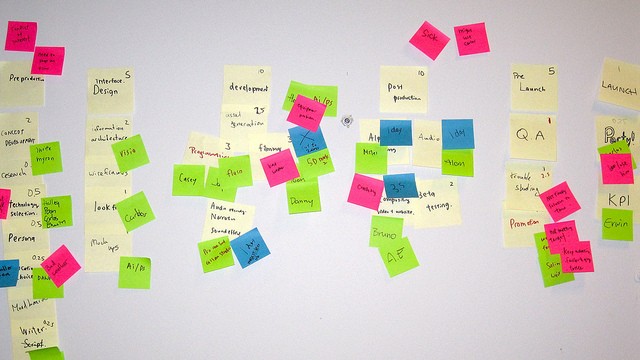
"caption": "High School design team members check out ideas written on post-it notes during a brainstorming session. (Photo: Courtesy of Will Eden)\n",
"description": null,
"title": "Alpha-2",
"credit": null,
"status": "inherit",
"isLoading": false,
"fetchFailed": false
},
"mindshift_38555": {
"type": "attachments",
"id": "mindshift_38555",
"meta": {
"index": "attachments_1716263798",
"site": "mindshift",
"id": "38555",
"found": true
},
"parent": 38553,
"imgSizes": {
"twentyfourteen-full-width": {
"file": "https://ww2.kqed.org/app/uploads/sites/23/2014/11/Scavenged-Casters-Earthworm-1038x576.gif",
"width": 1038,
"mimeType": "image/gif",
"height": 576
},
"thumbnail": {
"file": "https://ww2.kqed.org/app/uploads/sites/23/2014/11/Scavenged-Casters-Earthworm-400x225.gif",
"width": 400,
"mimeType": "image/gif",
"height": 225
},
"fd-sm": {
"file": "https://ww2.kqed.org/app/uploads/sites/23/2014/11/Scavenged-Casters-Earthworm-320x180.gif",
"width": 320,
"mimeType": "image/gif",
"height": 180
},
"post-thumbnail": {
"file": "https://ww2.kqed.org/app/uploads/sites/23/2014/11/Scavenged-Casters-Earthworm-672x372.gif",
"width": 672,
"mimeType": "image/gif",
"height": 372
},
"kqedFullSize": {
"file": "https://ww2.kqed.org/app/uploads/sites/23/2014/11/Scavenged-Casters-Earthworm.gif",
"width": 1280,
"height": 720
},
"fd-lrg": {
"file": "https://ww2.kqed.org/app/uploads/sites/23/2014/11/Scavenged-Casters-Earthworm-1180x664.gif",
"width": 1180,
"mimeType": "image/gif",
"height": 664
},
"fd-med": {
"file": "https://ww2.kqed.org/app/uploads/sites/23/2014/11/Scavenged-Casters-Earthworm-768x432.gif",
"width": 768,
"mimeType": "image/gif",
"height": 432
},
"guest-author-96": {
"file": "https://ww2.kqed.org/app/uploads/sites/23/2014/11/Scavenged-Casters-Earthworm-96x96.gif",
"width": 96,
"mimeType": "image/gif",
"height": 96
},
"medium": {
"file": "https://ww2.kqed.org/app/uploads/sites/23/2014/11/Scavenged-Casters-Earthworm-800x450.gif",
"width": 800,
"mimeType": "image/gif",
"height": 450
},
"guest-author-64": {
"file": "https://ww2.kqed.org/app/uploads/sites/23/2014/11/Scavenged-Casters-Earthworm-64x64.gif",
"width": 64,
"mimeType": "image/gif",
"height": 64
},
"guest-author-32": {
"file": "https://ww2.kqed.org/app/uploads/sites/23/2014/11/Scavenged-Casters-Earthworm-32x32.gif",
"width": 32,
"mimeType": "image/gif",
"height": 32
},
"guest-author-128": {
"file": "https://ww2.kqed.org/app/uploads/sites/23/2014/11/Scavenged-Casters-Earthworm-128x128.gif",
"width": 128,
"mimeType": "image/gif",
"height": 128
}
},
"publishDate": 1417008293,
"modified": 1417008293,
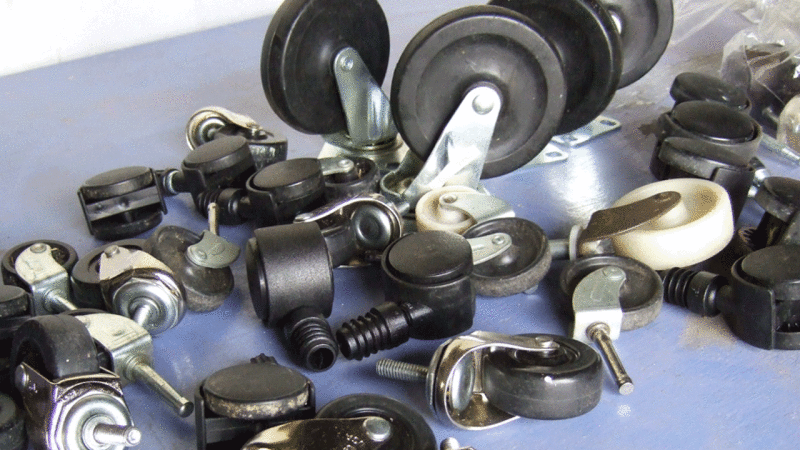
"caption": "Scavenged casters. (Courtesy of Earthworm)",
"description": null,
"title": "Scavenged-Casters-Earthworm",
"credit": null,
"status": "inherit",
"isLoading": false,
"fetchFailed": false
},
"mindshift_38500": {
"type": "attachments",
"id": "mindshift_38500",
"meta": {
"index": "attachments_1716263798",
"site": "mindshift",
"id": "38500",
"found": true
},
"parent": 38418,
"imgSizes": {
"twentyfourteen-full-width": {
"file": "https://ww2.kqed.org/app/uploads/sites/23/2014/11/ETSY-photo-1-1038x576.gif",
"width": 1038,
"mimeType": "image/gif",
"height": 576
},
"thumbnail": {
"file": "https://ww2.kqed.org/app/uploads/sites/23/2014/11/ETSY-photo-1-400x225.gif",
"width": 400,
"mimeType": "image/gif",
"height": 225
},
"fd-sm": {
"file": "https://ww2.kqed.org/app/uploads/sites/23/2014/11/ETSY-photo-1-320x180.gif",
"width": 320,
"mimeType": "image/gif",
"height": 180
},
"post-thumbnail": {
"file": "https://ww2.kqed.org/app/uploads/sites/23/2014/11/ETSY-photo-1-672x372.gif",
"width": 672,
"mimeType": "image/gif",
"height": 372
},
"kqedFullSize": {
"file": "https://ww2.kqed.org/app/uploads/sites/23/2014/11/ETSY-photo-1.gif",
"width": 1280,
"height": 720
},
"fd-lrg": {
"file": "https://ww2.kqed.org/app/uploads/sites/23/2014/11/ETSY-photo-1-1180x664.gif",
"width": 1180,
"mimeType": "image/gif",
"height": 664
},
"fd-med": {
"file": "https://ww2.kqed.org/app/uploads/sites/23/2014/11/ETSY-photo-1-768x432.gif",
"width": 768,
"mimeType": "image/gif",
"height": 432
},
"guest-author-96": {
"file": "https://ww2.kqed.org/app/uploads/sites/23/2014/11/ETSY-photo-1-96x96.gif",
"width": 96,
"mimeType": "image/gif",
"height": 96
},
"medium": {
"file": "https://ww2.kqed.org/app/uploads/sites/23/2014/11/ETSY-photo-1-800x450.gif",
"width": 800,
"mimeType": "image/gif",
"height": 450
},
"guest-author-64": {
"file": "https://ww2.kqed.org/app/uploads/sites/23/2014/11/ETSY-photo-1-64x64.gif",
"width": 64,
"mimeType": "image/gif",
"height": 64
},
"guest-author-32": {
"file": "https://ww2.kqed.org/app/uploads/sites/23/2014/11/ETSY-photo-1-32x32.gif",
"width": 32,
"mimeType": "image/gif",
"height": 32
},
"guest-author-128": {
"file": "https://ww2.kqed.org/app/uploads/sites/23/2014/11/ETSY-photo-1-128x128.gif",
"width": 128,
"mimeType": "image/gif",
"height": 128
}
},
"publishDate": 1416493755,
"modified": 1416493755,
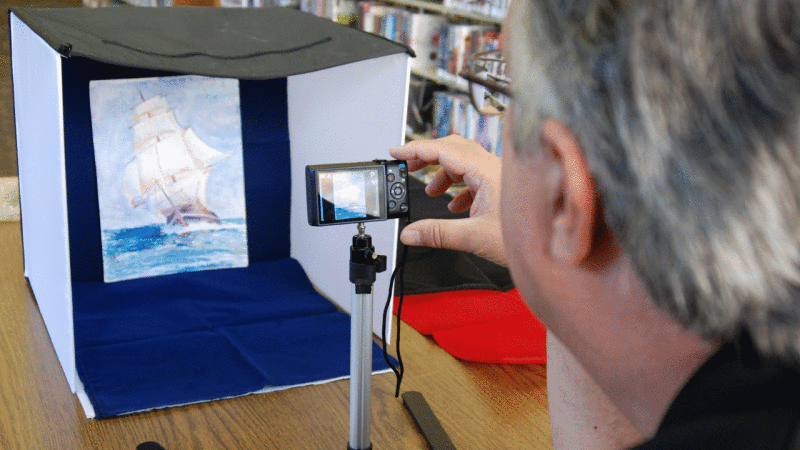
"caption": "Students learn how to take great product photographs using equipment provided by Etsy’s pilot Craft Entrepreneurship program held at the Chattanooga Public Library. (Courtesy of Mary Barnett)",
"description": null,
"title": "ETSY-photo-1",
"credit": null,
"status": "inherit",
"isLoading": false,
"fetchFailed": false
},
"mindshift_34217": {
"type": "attachments",
"id": "mindshift_34217",
"meta": {
"index": "attachments_1716263798",
"site": "mindshift",
"id": "34217",
"found": true
},
"parent": 34210,
"imgSizes": {
"thumbnail": {
"file": "https://ww2.kqed.org/app/uploads/sites/23/2014/02/Screen-Shot-2014-02-24-at-11.40.11-AM-400x210.png",
"width": 400,
"mimeType": "image/png",
"height": 210
},
"fd-sm": {
"file": "https://ww2.kqed.org/app/uploads/sites/23/2014/02/Screen-Shot-2014-02-24-at-11.40.11-AM-320x168.png",
"width": 320,
"mimeType": "image/png",
"height": 168
},
"kqedFullSize": {
"file": "https://ww2.kqed.org/app/uploads/sites/23/2014/02/Screen-Shot-2014-02-24-at-11.40.11-AM.png",
"width": 627,
"height": 329
},
"guest-author-96": {
"file": "https://ww2.kqed.org/app/uploads/sites/23/2014/02/Screen-Shot-2014-02-24-at-11.40.11-AM-96x96.png",
"width": 96,
"mimeType": "image/png",
"height": 96
},
"guest-author-64": {
"file": "https://ww2.kqed.org/app/uploads/sites/23/2014/02/Screen-Shot-2014-02-24-at-11.40.11-AM-64x64.png",
"width": 64,
"mimeType": "image/png",
"height": 64
},
"guest-author-32": {
"file": "https://ww2.kqed.org/app/uploads/sites/23/2014/02/Screen-Shot-2014-02-24-at-11.40.11-AM-32x32.png",
"width": 32,
"mimeType": "image/png",
"height": 32
},
"guest-author-128": {
"file": "https://ww2.kqed.org/app/uploads/sites/23/2014/02/Screen-Shot-2014-02-24-at-11.40.11-AM-128x128.png",
"width": 128,
"mimeType": "image/png",
"height": 128
}
},
"publishDate": 1393274539,
"modified": 1393274539,
"caption": null,
"description": null,
"title": "Screen Shot 2014-02-24 at 11.40.11 AM",
"credit": null,
"status": "inherit",
"isLoading": false,
"fetchFailed": false
},
"mindshift_32148": {
"type": "attachments",
"id": "mindshift_32148",
"meta": {
"index": "attachments_1716263798",
"site": "mindshift",
"id": "32148",
"found": true
},
"parent": 32129,
"imgSizes": {
"thumbnail": {
"file": "https://ww2.kqed.org/app/uploads/sites/23/2013/10/5396691102_dd3d157676_z-e1381942302207-400x225.jpg",
"width": 400,
"mimeType": "image/jpeg",
"height": 225
},
"fd-sm": {
"file": "https://ww2.kqed.org/app/uploads/sites/23/2013/10/5396691102_dd3d157676_z-e1381942302207-320x180.jpg",
"width": 320,
"mimeType": "image/jpeg",
"height": 180
},
"kqedFullSize": {
"file": "https://ww2.kqed.org/app/uploads/sites/23/2013/10/5396691102_dd3d157676_z-e1381942302207.jpg",
"width": 640,
"height": 360
},
"guest-author-96": {
"file": "https://ww2.kqed.org/app/uploads/sites/23/2013/10/5396691102_dd3d157676_z-e1381942302207-96x96.jpg",
"width": 96,
"mimeType": "image/jpeg",
"height": 96
},
"guest-author-64": {
"file": "https://ww2.kqed.org/app/uploads/sites/23/2013/10/5396691102_dd3d157676_z-e1381942302207-64x64.jpg",
"width": 64,
"mimeType": "image/jpeg",
"height": 64
},
"detail": {
"file": "https://ww2.kqed.org/app/uploads/sites/23/2013/10/5396691102_dd3d157676_z-e1381942302207-75x75.jpg",
"width": 75,
"mimeType": "image/jpeg",
"height": 75
},
"guest-author-32": {
"file": "https://ww2.kqed.org/app/uploads/sites/23/2013/10/5396691102_dd3d157676_z-e1381942302207-32x32.jpg",
"width": 32,
"mimeType": "image/jpeg",
"height": 32
},
"guest-author-128": {
"file": "https://ww2.kqed.org/app/uploads/sites/23/2013/10/5396691102_dd3d157676_z-e1381942302207-128x128.jpg",
"width": 128,
"mimeType": "image/jpeg",
"height": 128
}
},
"publishDate": 1381942266,
"modified": 1381942266,
"caption": null,
"description": null,
"title": "5396691102_dd3d157676_z",
"credit": null,
"status": "inherit",
"isLoading": false,
"fetchFailed": false
},
"mindshift_31410": {
"type": "attachments",
"id": "mindshift_31410",
"meta": {
"index": "attachments_1716263798",
"site": "mindshift",
"id": "31410",
"found": true
},
"parent": 31408,
"imgSizes": {
"thumbnail": {
"file": "https://ww2.kqed.org/app/uploads/sites/23/2013/09/pittsburgkid360-400x225.jpg",
"width": 400,
"mimeType": "image/jpeg",
"height": 225
},
"fd-sm": {
"file": "https://ww2.kqed.org/app/uploads/sites/23/2013/09/pittsburgkid360-320x180.jpg",
"width": 320,
"mimeType": "image/jpeg",
"height": 180
},
"kqedFullSize": {
"file": "https://ww2.kqed.org/app/uploads/sites/23/2013/09/pittsburgkid360.jpg",
"width": 640,
"height": 360
},
"guest-author-96": {
"file": "https://ww2.kqed.org/app/uploads/sites/23/2013/09/pittsburgkid360-96x96.jpg",
"width": 96,
"mimeType": "image/jpeg",
"height": 96
},
"guest-author-64": {
"file": "https://ww2.kqed.org/app/uploads/sites/23/2013/09/pittsburgkid360-64x64.jpg",
"width": 64,
"mimeType": "image/jpeg",
"height": 64
},
"detail": {
"file": "https://ww2.kqed.org/app/uploads/sites/23/2013/09/pittsburgkid360-75x75.jpg",
"width": 75,
"mimeType": "image/jpeg",
"height": 75
},
"guest-author-32": {
"file": "https://ww2.kqed.org/app/uploads/sites/23/2013/09/pittsburgkid360-32x32.jpg",
"width": 32,
"mimeType": "image/jpeg",
"height": 32
},
"guest-author-128": {
"file": "https://ww2.kqed.org/app/uploads/sites/23/2013/09/pittsburgkid360-128x128.jpg",
"width": 128,
"mimeType": "image/jpeg",
"height": 128
}
},
"publishDate": 1379440837,
"modified": 1379440837,
"caption": null,
"description": null,
"title": "pittsburgkid360",
"credit": null,
"status": "inherit",
"isLoading": false,
"fetchFailed": false
},
"mindshift_30615": {
"type": "attachments",
"id": "mindshift_30615",
"meta": {
"index": "attachments_1716263798",
"site": "mindshift",
"id": "30615",
"found": true
},
"parent": 30611,
"imgSizes": {
"thumbnail": {
"file": "https://ww2.kqed.org/app/uploads/sites/23/2013/08/back-to-school-400x225.jpg",
"width": 400,
"mimeType": "image/jpeg",
"height": 225
},
"fd-sm": {
"file": "https://ww2.kqed.org/app/uploads/sites/23/2013/08/back-to-school-320x180.jpg",
"width": 320,
"mimeType": "image/jpeg",
"height": 180
},
"kqedFullSize": {
"file": "https://ww2.kqed.org/app/uploads/sites/23/2013/08/back-to-school.jpg",
"width": 640,
"height": 360
},
"guest-author-96": {
"file": "https://ww2.kqed.org/app/uploads/sites/23/2013/08/back-to-school-96x96.jpg",
"width": 96,
"mimeType": "image/jpeg",
"height": 96
},
"guest-author-64": {
"file": "https://ww2.kqed.org/app/uploads/sites/23/2013/08/back-to-school-64x64.jpg",
"width": 64,
"mimeType": "image/jpeg",
"height": 64
},
"detail": {
"file": "https://ww2.kqed.org/app/uploads/sites/23/2013/08/back-to-school-75x75.jpg",
"width": 75,
"mimeType": "image/jpeg",
"height": 75
},
"guest-author-32": {
"file": "https://ww2.kqed.org/app/uploads/sites/23/2013/08/back-to-school-32x32.jpg",
"width": 32,
"mimeType": "image/jpeg",
"height": 32
},
"guest-author-128": {
"file": "https://ww2.kqed.org/app/uploads/sites/23/2013/08/back-to-school-128x128.jpg",
"width": 128,
"mimeType": "image/jpeg",
"height": 128
}
},
"publishDate": 1376441571,
"modified": 1376441571,
"caption": null,
"description": null,
"title": "back-to-school",
"credit": null,
"status": "inherit",
"isLoading": false,
"fetchFailed": false
},
"mindshift_29804": {
"type": "attachments",
"id": "mindshift_29804",
"meta": {
"index": "attachments_1716263798",
"site": "mindshift",
"id": "29804",
"found": true
},
"parent": 29797,
"imgSizes": {
"thumbnail": {
"file": "https://ww2.kqed.org/app/uploads/sites/23/2013/07/making-400x225.jpg",
"width": 400,
"mimeType": "image/jpeg",
"height": 225
},
"fd-sm": {
"file": "https://ww2.kqed.org/app/uploads/sites/23/2013/07/making-320x180.jpg",
"width": 320,
"mimeType": "image/jpeg",
"height": 180
},
"kqedFullSize": {
"file": "https://ww2.kqed.org/app/uploads/sites/23/2013/07/making.jpg",
"width": 640,
"height": 360
},
"guest-author-96": {
"file": "https://ww2.kqed.org/app/uploads/sites/23/2013/07/making-96x96.jpg",
"width": 96,
"mimeType": "image/jpeg",
"height": 96
},
"guest-author-64": {
"file": "https://ww2.kqed.org/app/uploads/sites/23/2013/07/making-64x64.jpg",
"width": 64,
"mimeType": "image/jpeg",
"height": 64
},
"detail": {
"file": "https://ww2.kqed.org/app/uploads/sites/23/2013/07/making-75x75.jpg",
"width": 75,
"mimeType": "image/jpeg",
"height": 75
},
"guest-author-32": {
"file": "https://ww2.kqed.org/app/uploads/sites/23/2013/07/making-32x32.jpg",
"width": 32,
"mimeType": "image/jpeg",
"height": 32
},
"guest-author-128": {
"file": "https://ww2.kqed.org/app/uploads/sites/23/2013/07/making-128x128.jpg",
"width": 128,
"mimeType": "image/jpeg",
"height": 128
}
},
"publishDate": 1372808500,
"modified": 1372808500,
"caption": null,
"description": null,
"title": "making",
"credit": null,
"status": "inherit",
"isLoading": false,
"fetchFailed": false
},
"mindshift_29682": {
"type": "attachments",
"id": "mindshift_29682",
"meta": {
"index": "attachments_1716263798",
"site": "mindshift",
"id": "29682",
"found": true
},
"parent": 29642,
"imgSizes": {
"thumbnail": {
"file": "https://ww2.kqed.org/app/uploads/sites/23/2013/06/134031979-400x225.jpg",
"width": 400,
"mimeType": "image/jpeg",
"height": 225
},
"fd-sm": {
"file": "https://ww2.kqed.org/app/uploads/sites/23/2013/06/134031979-320x180.jpg",
"width": 320,
"mimeType": "image/jpeg",
"height": 180
},
"kqedFullSize": {
"file": "https://ww2.kqed.org/app/uploads/sites/23/2013/06/134031979.jpg",
"width": 640,
"height": 360
},
"guest-author-96": {
"file": "https://ww2.kqed.org/app/uploads/sites/23/2013/06/134031979-96x96.jpg",
"width": 96,
"mimeType": "image/jpeg",
"height": 96
},
"guest-author-64": {
"file": "https://ww2.kqed.org/app/uploads/sites/23/2013/06/134031979-64x64.jpg",
"width": 64,
"mimeType": "image/jpeg",
"height": 64
},
"detail": {
"file": "https://ww2.kqed.org/app/uploads/sites/23/2013/06/134031979-75x75.jpg",
"width": 75,
"mimeType": "image/jpeg",
"height": 75
},
"guest-author-32": {
"file": "https://ww2.kqed.org/app/uploads/sites/23/2013/06/134031979-32x32.jpg",
"width": 32,
"mimeType": "image/jpeg",
"height": 32
},
"guest-author-128": {
"file": "https://ww2.kqed.org/app/uploads/sites/23/2013/06/134031979-128x128.jpg",
"width": 128,
"mimeType": "image/jpeg",
"height": 128
}
},
"publishDate": 1372197442,
"modified": 1372197442,
"caption": null,
"description": "Human brain and colorful question mark",
"title": "134031979",
"credit": null,
"status": "inherit",
"isLoading": false,
"fetchFailed": false
},
"mindshift_27852": {
"type": "attachments",
"id": "mindshift_27852",
"meta": {
"index": "attachments_1716263798",
"site": "mindshift",
"id": "27852",
"found": true
},
"parent": 27768,
"imgSizes": {
"thumbnail": {
"file": "https://ww2.kqed.org/app/uploads/sites/23/2013/03/robotics-poetry-400x234.gif",
"width": 400,
"mimeType": "image/gif",
"height": 234
},
"fd-sm": {
"file": "https://ww2.kqed.org/app/uploads/sites/23/2013/03/robotics-poetry-320x187.gif",
"width": 320,
"mimeType": "image/gif",
"height": 187
},
"post-thumbnail": {
"file": "https://ww2.kqed.org/app/uploads/sites/23/2013/03/robotics-poetry-672x372.gif",
"width": 672,
"mimeType": "image/gif",
"height": 372
},
"kqedFullSize": {
"file": "https://ww2.kqed.org/app/uploads/sites/23/2013/03/robotics-poetry.gif",
"width": 690,
"height": 403
},
"guest-author-96": {
"file": "https://ww2.kqed.org/app/uploads/sites/23/2013/03/robotics-poetry-96x96.gif",
"width": 96,
"mimeType": "image/gif",
"height": 96
},
"guest-author-64": {
"file": "https://ww2.kqed.org/app/uploads/sites/23/2013/03/robotics-poetry-64x64.gif",
"width": 64,
"mimeType": "image/gif",
"height": 64
},
"detail": {
"file": "https://ww2.kqed.org/app/uploads/sites/23/2013/03/robotics-poetry-75x75.gif",
"width": 75,
"mimeType": "image/gif",
"height": 75
},
"guest-author-32": {
"file": "https://ww2.kqed.org/app/uploads/sites/23/2013/03/robotics-poetry-32x32.gif",
"width": 32,
"mimeType": "image/gif",
"height": 32
},
"guest-author-128": {
"file": "https://ww2.kqed.org/app/uploads/sites/23/2013/03/robotics-poetry-128x128.gif",
"width": 128,
"mimeType": "image/gif",
"height": 128
}
},
"publishDate": 1363836446,
"modified": 1363836446,
"caption": null,
"description": null,
"title": "robotics-poetry",
"credit": null,
"status": "inherit",
"isLoading": false,
"fetchFailed": false
},
"mindshift_27968": {
"type": "attachments",
"id": "mindshift_27968",
"meta": {
"index": "attachments_1716263798",
"site": "mindshift",
"id": "27968",
"found": true
},
"parent": 27762,
"imgSizes": {
"twentyfourteen-full-width": {
"file": "https://ww2.kqed.org/app/uploads/sites/23/2013/03/Q2L_1-900x576.png",
"width": 900,
"mimeType": "image/png",
"height": 576
},
"thumbnail": {
"file": "https://ww2.kqed.org/app/uploads/sites/23/2013/03/Q2L_1-400x267.png",
"width": 400,
"mimeType": "image/png",
"height": 267
},
"fd-sm": {
"file": "https://ww2.kqed.org/app/uploads/sites/23/2013/03/Q2L_1-320x213.png",
"width": 320,
"mimeType": "image/png",
"height": 213
},
"post-thumbnail": {
"file": "https://ww2.kqed.org/app/uploads/sites/23/2013/03/Q2L_1-672x372.png",
"width": 672,
"mimeType": "image/png",
"height": 372
},
"kqedFullSize": {
"file": "https://ww2.kqed.org/app/uploads/sites/23/2013/03/Q2L_1.png",
"width": 900,
"height": 600
},
"fd-med": {
"file": "https://ww2.kqed.org/app/uploads/sites/23/2013/03/Q2L_1-768x512.png",
"width": 768,
"mimeType": "image/png",
"height": 512
},
"guest-author-96": {
"file": "https://ww2.kqed.org/app/uploads/sites/23/2013/03/Q2L_1-96x96.png",
"width": 96,
"mimeType": "image/png",
"height": 96
},
"medium": {
"file": "https://ww2.kqed.org/app/uploads/sites/23/2013/03/Q2L_1-800x533.png",
"width": 800,
"mimeType": "image/png",
"height": 533
},
"guest-author-64": {
"file": "https://ww2.kqed.org/app/uploads/sites/23/2013/03/Q2L_1-64x64.png",
"width": 64,
"mimeType": "image/png",
"height": 64
},
"detail": {
"file": "https://ww2.kqed.org/app/uploads/sites/23/2013/03/Q2L_1-75x75.png",
"width": 75,
"mimeType": "image/png",
"height": 75
},
"guest-author-32": {
"file": "https://ww2.kqed.org/app/uploads/sites/23/2013/03/Q2L_1-32x32.png",
"width": 32,
"mimeType": "image/png",
"height": 32
},
"guest-author-128": {
"file": "https://ww2.kqed.org/app/uploads/sites/23/2013/03/Q2L_1-128x128.png",
"width": 128,
"mimeType": "image/png",
"height": 128
}
},
"publishDate": 1363988742,
"modified": 1363988742,
"caption": null,
"description": null,
"title": "Q2L_1",
"credit": null,
"status": "inherit",
"isLoading": false,
"fetchFailed": false
},
"mindshift_27872": {
"type": "attachments",
"id": "mindshift_27872",
"meta": {
"index": "attachments_1716263798",
"site": "mindshift",
"id": "27872",
"found": true
},
"parent": 27769,
"imgSizes": {
"twentyfourteen-full-width": {
"file": "https://ww2.kqed.org/app/uploads/sites/23/2013/03/hand-1024x576.jpg",
"width": 1024,
"mimeType": "image/jpeg",
"height": 576
},
"fd-sm": {
"file": "https://ww2.kqed.org/app/uploads/sites/23/2013/03/hand-320x240.jpg",
"width": 320,
"mimeType": "image/jpeg",
"height": 240
},
"post-thumbnail": {
"file": "https://ww2.kqed.org/app/uploads/sites/23/2013/03/hand-672x372.jpg",
"width": 672,
"mimeType": "image/jpeg",
"height": 372
},
"kqedFullSize": {
"file": "https://ww2.kqed.org/app/uploads/sites/23/2013/03/hand.jpg",
"width": 1024,
"height": 768
},
"fd-med": {
"file": "https://ww2.kqed.org/app/uploads/sites/23/2013/03/hand-768x576.jpg",
"width": 768,
"mimeType": "image/jpeg",
"height": 576
},
"guest-author-96": {
"file": "https://ww2.kqed.org/app/uploads/sites/23/2013/03/hand-96x96.jpg",
"width": 96,
"mimeType": "image/jpeg",
"height": 96
},
"medium": {
"file": "https://ww2.kqed.org/app/uploads/sites/23/2013/03/hand-800x600.jpg",
"width": 800,
"mimeType": "image/jpeg",
"height": 600
},
"guest-author-64": {
"file": "https://ww2.kqed.org/app/uploads/sites/23/2013/03/hand-64x64.jpg",
"width": 64,
"mimeType": "image/jpeg",
"height": 64
},
"detail": {
"file": "https://ww2.kqed.org/app/uploads/sites/23/2013/03/hand-75x75.jpg",
"width": 75,
"mimeType": "image/jpeg",
"height": 75
},
"guest-author-32": {
"file": "https://ww2.kqed.org/app/uploads/sites/23/2013/03/hand-32x32.jpg",
"width": 32,
"mimeType": "image/jpeg",
"height": 32
},
"guest-author-128": {
"file": "https://ww2.kqed.org/app/uploads/sites/23/2013/03/hand-128x128.jpg",
"width": 128,
"mimeType": "image/jpeg",
"height": 128
}
},
"publishDate": 1363841105,
"modified": 1363841105,
"caption": null,
"description": null,
"title": "hand",
"credit": null,
"status": "inherit",
"isLoading": false,
"fetchFailed": false
}
},
"audioPlayerReducer": {
"postId": "stream_live",
"isPaused": true,
"isPlaying": false,
"pfsActive": false,
"pledgeModalIsOpen": true,
"playerDrawerIsOpen": false,
"liveAudioPlayStartedAt": 0,
"liveAudioPlayContext": ""
},
"authorsReducer": {
"tbarseghian": {
"type": "authors",
"id": "180",
"meta": {
"index": "authors_1716337520",
"id": "180",
"found": true
},
"name": "Tina Barseghian",
"firstName": "Tina",
"lastName": "Barseghian",
"slug": "tbarseghian",
"email": "tbarseghian@kqed.org",
"display_author_email": false,
"staff_mastheads": [],
"title": null,
"bio": null,
"avatar": "https://secure.gravatar.com/avatar/de7e6ced1239b7018fe4d2b61f723c90?s=600&d=blank&r=g",
"twitter": null,
"facebook": null,
"instagram": null,
"linkedin": null,
"sites": [
{
"site": "styleguide",
"roles": [
"contributor"
]
},
{
"site": "news",
"roles": [
"subscriber"
]
},
{
"site": "mindshift",
"roles": [
"subscriber"
]
},
{
"site": "bayareabites",
"roles": [
"subscriber"
]
}
],
"headData": {
"title": "Tina Barseghian | KQED",
"description": null,
"ogImgSrc": "https://secure.gravatar.com/avatar/de7e6ced1239b7018fe4d2b61f723c90?s=600&d=blank&r=g",
"twImgSrc": "https://secure.gravatar.com/avatar/de7e6ced1239b7018fe4d2b61f723c90?s=600&d=blank&r=g"
},
"isLoading": false,
"link": "/author/tbarseghian"
},
"katrinaschwartz": {
"type": "authors",
"id": "234",
"meta": {
"index": "authors_1716337520",
"id": "234",
"found": true
},
"name": "Katrina Schwartz",
"firstName": "Katrina",
"lastName": "Schwartz",
"slug": "katrinaschwartz",
"email": "kschwartz@kqed.org",
"display_author_email": false,
"staff_mastheads": [
"news"
],
"title": "Producer",
"bio": "Katrina Schwartz is a journalist based in San Francisco. She's worked at KPCC public radio in LA and has reported on air and online for KQED since 2010. She covered how teaching and learning is changing for MindShift between 2012 and 2020. She is the co-host of the MindShift podcast and now produces KQED's Bay Curious podcast.",
"avatar": "https://secure.gravatar.com/avatar/edb4ee79070447a018538c9aae6eeecf28786515b8a0c30e43b6b7dce5aa44c8?s=600&d=blank&r=g",
"twitter": "kschwart",
"bluesky": null,
"facebook": null,
"instagram": null,
"linkedin": null,
"sites": [
{
"site": "",
"roles": [
"editor"
]
},
{
"site": "news",
"roles": [
"editor"
]
},
{
"site": "mindshift",
"roles": [
"administrator"
]
},
{
"site": "stateofhealth",
"roles": [
"author"
]
},
{
"site": "science",
"roles": [
"editor"
]
}
],
"headData": {
"title": "Katrina Schwartz | KQED",
"description": "Producer",
"ogImgSrc": "https://secure.gravatar.com/avatar/edb4ee79070447a018538c9aae6eeecf28786515b8a0c30e43b6b7dce5aa44c8?s=600&d=blank&r=g",
"twImgSrc": "https://secure.gravatar.com/avatar/edb4ee79070447a018538c9aae6eeecf28786515b8a0c30e43b6b7dce5aa44c8?s=600&d=blank&r=g"
},
"isLoading": false,
"link": "/author/katrinaschwartz"
},
"hollykorbey": {
"type": "authors",
"id": "4445",
"meta": {
"index": "authors_1716337520",
"id": "4445",
"found": true
},
"name": "Holly Korbey",
"firstName": "Holly",
"lastName": "Korbey",
"slug": "hollykorbey",
"email": "holly@hollykorbey.com",
"display_author_email": false,
"staff_mastheads": [],
"title": null,
"bio": "Holly Korbey's work on parenting and education has appeared in The New York Times, The Atlantic, Babble, Brain, Child Magazine, and others. She lives in Nashville with her family. Follow her on Twitter: @HKorbey",
"avatar": "https://secure.gravatar.com/avatar/f385f7a3b90e52ecd5e85c24fbd0a363?s=600&d=blank&r=g",
"twitter": null,
"facebook": null,
"instagram": null,
"linkedin": null,
"sites": [
{
"site": "mindshift",
"roles": [
"contributor"
]
}
],
"headData": {
"title": "Holly Korbey | KQED",
"description": null,
"ogImgSrc": "https://secure.gravatar.com/avatar/f385f7a3b90e52ecd5e85c24fbd0a363?s=600&d=blank&r=g",
"twImgSrc": "https://secure.gravatar.com/avatar/f385f7a3b90e52ecd5e85c24fbd0a363?s=600&d=blank&r=g"
},
"isLoading": false,
"link": "/author/hollykorbey"
}
},
"pagesReducer": {
"mindshift_tag_design-thinking": {
"type": "terms",
"id": "mindshift_167",
"meta": {
"index": "terms_1716263798",
"site": "mindshift",
"id": "167",
"score": 9.892588
},
"featImg": null,
"name": "design thinking",
"description": null,
"taxonomy": "tag",
"headData": {
"twImgId": null,
"twTitle": null,
"ogTitle": null,
"ogImgId": null,
"twDescription": null,
"description": null,
"title": "design thinking Archives | KQED Mindshift",
"ogDescription": null
},
"ttid": 167,
"slug": "design-thinking",
"isLoading": false,
"title": "design thinking",
"pageMeta": {
"site": "mindshift",
"WpPageTemplate": "page-topic-editorial",
"currentPage": 2
},
"blocks": [
{
"blockName": "kqed/post-list",
"attrs": {
"layout": "cardArticle2",
"query": "posts/mindshift?tag=design-thinking",
"seeMore": false,
"paginated": true,
"page": 2
}
},
{
"blockName": "kqed/ad"
}
]
}
},
"pfsSessionReducer": {},
"postsReducer": {
"stream_live": {
"type": "live",
"id": "stream_live",
"audioUrl": "https://streams.kqed.org/kqedradio",
"title": "Live Stream",
"excerpt": "Live Stream information currently unavailable.",
"link": "/radio",
"featImg": "",
"label": {
"name": "KQED Live",
"link": "/"
}
},
"stream_kqedNewscast": {
"type": "posts",
"id": "stream_kqedNewscast",
"audioUrl": "https://www.kqed.org/.stream/anon/radio/RDnews/newscast.mp3?_=1",
"title": "KQED Newscast",
"featImg": "",
"label": {
"name": "88.5 FM",
"link": "/"
}
},
"mindshift_39397": {
"type": "posts",
"id": "mindshift_39397",
"meta": {
"index": "posts_1716263798",
"site": "mindshift",
"id": "39397",
"score": null,
"sort": [
1424697546000
]
},
"parent": 0,
"labelTerm": {
"site": "mindshift"
},
"blocks": [],
"publishDate": 1424697546,
"format": "aside",
"disqusTitle": "Steps for Applying Design Thinking to Build and Evolve Schools",
"title": "Steps for Applying Design Thinking to Build and Evolve Schools",
"headTitle": "MindShift | KQED News",
"content": "\u003cfigure id=\"attachment_39399\" class=\"wp-caption alignnone\" style=\"max-width: 640px\">\u003ca href=\"http://ww2.kqed.org/mindshift/2015/02/steps-for-applying-design-thinking-to-build-and-evolve-schools/alpha-2/\" rel=\"attachment wp-att-39399\">\u003cimg class=\"size-full wp-image-39399\" src=\"http://ww2.kqed.org/mindshift/wp-content/uploads/sites/23/2015/02/Alpha-2.gif\" alt=\"High School design team members check out ideas written on post-it notes during a brainstorming session. (Photo: Courtesy of Will Eden) \" width=\"640\" height=\"960\">\u003c/a>\u003cfigcaption class=\"wp-caption-text\">High School design team members check out ideas written on post-it notes during a brainstorming session. (Photo: Courtesy of Will Eden)\u003c/figcaption>\u003c/figure>\n\u003cp>\u003cstrong>By Lillian Mongeau, \u003ca href=\"http://hechingerreport.org/\">The Hechinger Report\u003c/a>\u003c/strong>\u003c/p>\n\u003cp class=\"dropcap-serif\">Students don’t usually get to design their own high schools. Neither do parents or community members who lack experience in education. But, in what could become a national model, all of these people have been asked to weigh in on the plan for a new high school in San Jose, Calif.\u003c/p>\n\u003cp>That’s because the school, soon to be the first high school in the \u003ca href=\"http://www.alphapublicschools.org/\">Alpha Public Schools charter network\u003c/a>, is using a process called “design thinking,” which puts the user’s needs first. In this case, the users will be students and parents.\u003c/p>\n\u003cp>“Every community is unique and presents unique assets and unique challenges and we needed to be ready to leverage those assets and address those challenges,” said Will Eden, who will be the principal of Alpha: Cindy Avitia High School.\u003c/p>\n\u003cp>Design thinking is a method of problem solving developed largely by Stanford University professors who sought to codify a product design process that emphasized creative solutions to meet users’ needs. Since its conception under the tiled roofs of Stanford, the idea has spread across the country and across disciplines. Eden first heard about design thinking in an undergraduate class on urban planning at the University of Virginia. As a teacher, he used the process with his students to develop a disciplinary system that made sense to them. When he was hired to launch Alpha’s first high school, in the heart of Silicon Valley, he decided to apply design thinking to the entire process.\u003c/p>\n\u003cp>[ad fullwidth]\u003c/p>\n\u003cp>“I heard it’s never been used for a whole high school,” he said.\u003c/p>\n\u003cp>The steps of design thinking can be described in several ways, but a basic list asks that designers:\u003c/p>\n\u003col>\n\u003cli>Understand the users.\u003c/li>\n\u003cli>Observe the current status quo.\u003c/li>\n\u003cli>Define the problem.\u003c/li>\n\u003cli>Brainstorm solutions.\u003c/li>\n\u003cli>Sketch or build a model of a rough plan.\u003c/li>\n\u003cli>Test new solutions.\u003c/li>\n\u003c/ol>\n\u003cp>In San Jose, Eden said following the process meant conducting dozens of student and parent interviews, holding extended discussions on how to define the problems with current high school offerings in the neighborhood, brainstorming long lists of possible solutions and, finally, pulling all that work together into a cohesive plan that will, it is hoped, successfully educate the school’s inaugural class of ninth graders next school year.\u003c/p>\n\u003cp>Using design thinking to solve education problems may not come naturally, said Susie Wise, director of the \u003ca href=\"http://www.k12lab.org/\">K12 Lab\u003c/a> at the Hasso Plattner Institute of Design at Stanford, known on campus as the d.school.\u003c/p>\n\u003cp>“Education is not that nimble,” Wise said. But she thinks it can be.\u003c/p>\n\u003cp>[contextly_sidebar id=\"DAmfkdjvJfWRdgautBoyBcfVUfcKQ9ER\"]\u003c/p>\n\u003cp>Wise said she and her team at the d.school’s K12 Lab, which focuses on helping teachers apply design thinking in their classrooms, were already experimenting with the idea of expanding this training to school leaders when they heard about Eden’s school design project.\u003c/p>\n\u003cp>At the time, Wise said she thought, “Oh, here’s someone already using it. I wonder what we can learn from him?”\u003c/p>\n\u003cp>Intrigued, Wise invited Eden to participate in a one-day d.school seminar for school leaders that her team conducted last October. Wise said Eden’s participation in the seminar may have helped the other Bay Area school leaders in attendance more than it helped him. He was already a year into his two-year planning process for Cindy Avitia High School, so he was able to explain to other principals how the somewhat esoteric methods of design thinking could be applied to real life issues at schools.\u003c/p>\n\u003cp>Wise was so pleased with the response she received from school leaders at the October seminar, and at a few other one-day seminars held at the d.school, that she’s now expanding the program. A three-month fellowship, dubbed “\u003ca href=\"http://www.schoolretool.org/\">School Retool\u003c/a>” will launch this month with 20 Bay Area principals. The idea is to help leaders change the way their schools operate by making small, transformative changes, called “hacks” in d.school parlance, without overhauling the whole system at once—something Wise sees far too often.\u003c/p>\n\u003cp>“[Principals] start to create these huge programs and we’re like, ‘No, no, what could you do next week?’” Wise said.\u003c/p>\n\u003cp>For example, one middle school principal who attended the seminars wanted to hear more student voices on campus, not just those of the kids on the student council. Rather than create a new student association or attempt to survey all of her students or some other “huge program,” she tried a hack. The principal asked a random selection of students from different social groups to join her for snacks and a movie after school, Wise said. Conversation flowed naturally after that. The next day, a student who had attended came to the principal and asked for help improving study habits -- something the principal told Wise wouldn’t have happened otherwise.\u003c/p>\n\u003cp>“It was a very different way of working for her,” Wise said. “It was a whole new way of thinking about what role she could have at her school. We fundamentally changed her perspective on many things.”\u003c/p>\n\u003cp>Principals participating in the upcoming School Retool fellowship will meet at the K12 Lab for five days of training and collaboration over the course of the program. In the meantime, they’ll be putting their new hacks into practice at their schools.\u003c/p>\n\u003cp>If it’s a success, Wise said she will consider expanding again, to a national program with locally funded fellowships for regional groups of principals.\u003c/p>\n\u003cp>Eden said the most powerful part of the process was the early effort he and his team made to understand where local students and parents were coming from. Before making any plans about how the San Jose high school would be run, the design team interviewed 80 community members about what they needed from a neighborhood high school.\u003c/p>\n\u003cp>Gloria Sermeno, a member of the design team and the mother of an eighth grader at one of Alpha’s middle schools, said this was an opportunity for parents and others to talk openly about problems.\u003c/p>\n\u003cp>“[People] have such a low expectation of Latinos here in our community,” Sermeno said. “We have minds. We have smart kids. And that was the purpose of planning for a high school -- to show that our kids are going to go to college.”\u003c/p>\n\u003cp>Sermeno was one of a group of \u003ca href=\"http://www.mercurynews.com/ci_18874407\">parents who petitioned in 2010 for the Alpha middle schools\u003c/a> as an alternative to the traditional public school available in her low-income, largely Hispanic neighborhood. The first Alpha school opened in 2012 with a focus on blended learning, using digital and online media in the classroom. Set to open at the beginning of the 2015-2016 school year, Cindy Avitia High will be the first high school in the Alpha charter network.\u003c/p>\n\u003cfigure id=\"attachment_39420\" class=\"wp-caption alignnone\" style=\"max-width: 640px\">\u003ca href=\"http://ww2.kqed.org/mindshift/2015/02/steps-for-applying-design-thinking-to-build-and-evolve-schools/alpha-2-2/\" rel=\"attachment wp-att-39420\">\u003cimg src=\"http://ww2.kqed.org/mindshift/wp-content/uploads/sites/23/2015/02/Alpha-2.2.gif\" alt=\"Soon-to-be principal Will Eden, left, and student Ana Wallace, a member of the Alpha: Cindy Avitia High School design team, stand outside one of two Alpha middle schools in East San Jose, Calif. (Photo: Lillian Mongeau)\" width=\"640\" height=\"960\" class=\"size-full wp-image-39420\">\u003c/a>\u003cfigcaption class=\"wp-caption-text\">Soon-to-be principal Will Eden, left, and student Ana Wallace, a member of the Alpha: Cindy Avitia High School design team, stand outside one of two Alpha middle schools in East San Jose, Calif. (Photo by Lillian Mongeau)\u003c/figcaption>\u003c/figure>\n\u003cp>Eden said he wasn’t surprised to hear in design team discussions that getting kids to attend and then stick with college was an issue. But he was surprised to find out he didn’t really understand the crux of the problem as local parents understood it.\u003c/p>\n\u003cp>For one thing, it turned out many parents completely misunderstood what their children needed to accomplish in high school to qualify for a state college or university. A shortage of high school counselors in California has resulted in many students completing high school without sufficient credits to move on to college, often to the bewilderment of their parents.\u003c/p>\n\u003cp>“Some parents come here and they are farmers and they trust you blind,” Sermeno said. “They assume the school is going to take care of their kid.”\u003c/p>\n\u003cp>And then there’s the problem of students who get into to college but flounder soon after arriving on campus. Many of the families Eden and his team interviewed told stories of college freshmen they knew who “called home to ask for help, and mom or dad told them they should [quit school and] come home,” Eden said. “Even when the financial end was in place, when the academic end was in place, that emotional end was frequently what stifled the success of these kids.”\u003c/p>\n\u003cp>Eden and his team realized offering families a few sessions that explain financial aid options for college would not be enough. Parents and families need support earlier, and more of it. That realization led to the creation of the Cindy Avitia High School Parent Center, which will provide parents with information on things like required credits and financial aid forms, as well as guidance on how to deal with the sudden physical separation from their children. The center is to be staffed primarily by parent volunteers who understand the process and can help teach other parents how to help their children navigate the system.\u003c/p>\n\u003cp>The details of how the parent center will work are still being hammered out, but that’s part of the process. With design thinking, the goal is to try things that might work on a small scale and then quickly ditch the ideas that don’t work.\u003c/p>\n\u003cp>Charter schools have often been slammed for using similar small-change processes. Some educators argue the frequent changes can be disruptive for students, who can start to feel like lab rats. Ana Wallace, a student member of the Alpha design team who attended school in a different charter system, said she wouldn’t use that term exactly, but she knows what it’s like to be “experimented” on.\u003c/p>\n\u003cp>“I saw what didn’t work and what was working at my school because they were basically trying out all these different models on us,” Wallace said.\u003c/p>\n\u003cp>Wallace, 18, is too old to have attended an Alpha middle school. She’s a senior at a nearby Summit Academy charter school. Wallace said that despite the rough start, she’s loved her time at Summit and, overall, feels she’s received a strong education. Her brother Jesus, 13, now attends an Alpha middle school; Wallace is glad she can contribute her thoughts on how his high school should be run.\u003c/p>\n\u003cp>“At my school and at Alpha they want to know, ‘What is working for you? What can we do to make it better?’” she said. “Finally, students have that voice and parents have that voice, which is fantastic.”\u003c/p>\n\u003cp>[ad floatright]\u003c/p>\n\u003cp>\u003cem>This story was written by \u003c/em>\u003ca href=\"http://hechingerreport.org/\">The Hechinger Report\u003c/a>\u003cem>, a nonprofit, independent news organization focused on inequality and innovation in education. Read more about \u003c/em>\u003ca href=\"http://hechingerreport.org/special-reports/california/\">\u003cem>California schools.\u003c/em>\u003c/a>\u003c/p>\n\n",
"disqusIdentifier": "39397 http://blogs.kqed.org/mindshift/?p=39397",
"disqusUrl": "https://ww2.kqed.org/mindshift/2015/02/23/steps-for-applying-design-thinking-to-build-and-evolve-schools/",
"stats": {
"hasVideo": false,
"hasChartOrMap": false,
"hasAudio": false,
"hasPolis": false,
"wordCount": 1866,
"hasGoogleForm": false,
"hasGallery": false,
"hasHearkenModule": false,
"iframeSrcs": [],
"paragraphCount": 36
},
"modified": 1424697549,
"excerpt": "Asking users about their needs can open up the possibilities of what can be addressed by schools. As a result of design thinking, one school created a separate parents' center. ",
"headData": {
"twImgId": "",
"twTitle": "",
"ogTitle": "",
"ogImgId": "",
"twDescription": "",
"description": "Asking users about their needs can open up the possibilities of what can be addressed by schools. As a result of design thinking, one school created a separate parents' center. ",
"title": "Steps for Applying Design Thinking to Build and Evolve Schools | KQED",
"ogDescription": "",
"schema": {
"@context": "https://schema.org",
"@type": "Article",
"headline": "Steps for Applying Design Thinking to Build and Evolve Schools",
"datePublished": "2015-02-23T05:19:06-08:00",
"dateModified": "2015-02-23T05:19:09-08:00",
"image": "https://cdn.kqed.org/wp-content/uploads/2020/02/KQED-OG-Image@1x.png"
}
},
"guestAuthors": [],
"slug": "steps-for-applying-design-thinking-to-build-and-evolve-schools",
"status": "publish",
"path": "/mindshift/39397/steps-for-applying-design-thinking-to-build-and-evolve-schools",
"audioTrackLength": null,
"parsedContent": [
{
"type": "contentString",
"content": "\u003cdiv class=\"post-body\">\u003cp>\u003cfigure id=\"attachment_39399\" class=\"wp-caption alignnone\" style=\"max-width: 640px\">\u003ca href=\"http://ww2.kqed.org/mindshift/2015/02/steps-for-applying-design-thinking-to-build-and-evolve-schools/alpha-2/\" rel=\"attachment wp-att-39399\">\u003cimg class=\"size-full wp-image-39399\" src=\"http://ww2.kqed.org/mindshift/wp-content/uploads/sites/23/2015/02/Alpha-2.gif\" alt=\"High School design team members check out ideas written on post-it notes during a brainstorming session. (Photo: Courtesy of Will Eden) \" width=\"640\" height=\"960\">\u003c/a>\u003cfigcaption class=\"wp-caption-text\">High School design team members check out ideas written on post-it notes during a brainstorming session. (Photo: Courtesy of Will Eden)\u003c/figcaption>\u003c/figure>\n\u003cp>\u003cstrong>By Lillian Mongeau, \u003ca href=\"http://hechingerreport.org/\">The Hechinger Report\u003c/a>\u003c/strong>\u003c/p>\n\u003cp class=\"dropcap-serif\">Students don’t usually get to design their own high schools. Neither do parents or community members who lack experience in education. But, in what could become a national model, all of these people have been asked to weigh in on the plan for a new high school in San Jose, Calif.\u003c/p>\n\u003cp>That’s because the school, soon to be the first high school in the \u003ca href=\"http://www.alphapublicschools.org/\">Alpha Public Schools charter network\u003c/a>, is using a process called “design thinking,” which puts the user’s needs first. In this case, the users will be students and parents.\u003c/p>\n\u003cp>“Every community is unique and presents unique assets and unique challenges and we needed to be ready to leverage those assets and address those challenges,” said Will Eden, who will be the principal of Alpha: Cindy Avitia High School.\u003c/p>\n\u003cp>Design thinking is a method of problem solving developed largely by Stanford University professors who sought to codify a product design process that emphasized creative solutions to meet users’ needs. Since its conception under the tiled roofs of Stanford, the idea has spread across the country and across disciplines. Eden first heard about design thinking in an undergraduate class on urban planning at the University of Virginia. As a teacher, he used the process with his students to develop a disciplinary system that made sense to them. When he was hired to launch Alpha’s first high school, in the heart of Silicon Valley, he decided to apply design thinking to the entire process.\u003c/p>\n\u003cp>\u003c/p>\u003c/div>",
"attributes": {
"named": {},
"numeric": []
}
},
{
"type": "component",
"content": "",
"name": "ad",
"attributes": {
"named": {
"label": "fullwidth"
},
"numeric": [
"fullwidth"
]
}
},
{
"type": "contentString",
"content": "\u003cdiv class=\"post-body\">\u003cp>\u003c/p>\n\u003cp>“I heard it’s never been used for a whole high school,” he said.\u003c/p>\n\u003cp>The steps of design thinking can be described in several ways, but a basic list asks that designers:\u003c/p>\n\u003col>\n\u003cli>Understand the users.\u003c/li>\n\u003cli>Observe the current status quo.\u003c/li>\n\u003cli>Define the problem.\u003c/li>\n\u003cli>Brainstorm solutions.\u003c/li>\n\u003cli>Sketch or build a model of a rough plan.\u003c/li>\n\u003cli>Test new solutions.\u003c/li>\n\u003c/ol>\n\u003cp>In San Jose, Eden said following the process meant conducting dozens of student and parent interviews, holding extended discussions on how to define the problems with current high school offerings in the neighborhood, brainstorming long lists of possible solutions and, finally, pulling all that work together into a cohesive plan that will, it is hoped, successfully educate the school’s inaugural class of ninth graders next school year.\u003c/p>\n\u003cp>Using design thinking to solve education problems may not come naturally, said Susie Wise, director of the \u003ca href=\"http://www.k12lab.org/\">K12 Lab\u003c/a> at the Hasso Plattner Institute of Design at Stanford, known on campus as the d.school.\u003c/p>\n\u003cp>“Education is not that nimble,” Wise said. But she thinks it can be.\u003c/p>\n\u003cp>\u003c/p>\u003cp>\u003c/p>\u003cp>\u003c/p>\n\u003cp>Wise said she and her team at the d.school’s K12 Lab, which focuses on helping teachers apply design thinking in their classrooms, were already experimenting with the idea of expanding this training to school leaders when they heard about Eden’s school design project.\u003c/p>\n\u003cp>At the time, Wise said she thought, “Oh, here’s someone already using it. I wonder what we can learn from him?”\u003c/p>\n\u003cp>Intrigued, Wise invited Eden to participate in a one-day d.school seminar for school leaders that her team conducted last October. Wise said Eden’s participation in the seminar may have helped the other Bay Area school leaders in attendance more than it helped him. He was already a year into his two-year planning process for Cindy Avitia High School, so he was able to explain to other principals how the somewhat esoteric methods of design thinking could be applied to real life issues at schools.\u003c/p>\n\u003cp>Wise was so pleased with the response she received from school leaders at the October seminar, and at a few other one-day seminars held at the d.school, that she’s now expanding the program. A three-month fellowship, dubbed “\u003ca href=\"http://www.schoolretool.org/\">School Retool\u003c/a>” will launch this month with 20 Bay Area principals. The idea is to help leaders change the way their schools operate by making small, transformative changes, called “hacks” in d.school parlance, without overhauling the whole system at once—something Wise sees far too often.\u003c/p>\n\u003cp>“[Principals] start to create these huge programs and we’re like, ‘No, no, what could you do next week?’” Wise said.\u003c/p>\n\u003cp>For example, one middle school principal who attended the seminars wanted to hear more student voices on campus, not just those of the kids on the student council. Rather than create a new student association or attempt to survey all of her students or some other “huge program,” she tried a hack. The principal asked a random selection of students from different social groups to join her for snacks and a movie after school, Wise said. Conversation flowed naturally after that. The next day, a student who had attended came to the principal and asked for help improving study habits -- something the principal told Wise wouldn’t have happened otherwise.\u003c/p>\n\u003cp>“It was a very different way of working for her,” Wise said. “It was a whole new way of thinking about what role she could have at her school. We fundamentally changed her perspective on many things.”\u003c/p>\n\u003cp>Principals participating in the upcoming School Retool fellowship will meet at the K12 Lab for five days of training and collaboration over the course of the program. In the meantime, they’ll be putting their new hacks into practice at their schools.\u003c/p>\n\u003cp>If it’s a success, Wise said she will consider expanding again, to a national program with locally funded fellowships for regional groups of principals.\u003c/p>\n\u003cp>Eden said the most powerful part of the process was the early effort he and his team made to understand where local students and parents were coming from. Before making any plans about how the San Jose high school would be run, the design team interviewed 80 community members about what they needed from a neighborhood high school.\u003c/p>\n\u003cp>Gloria Sermeno, a member of the design team and the mother of an eighth grader at one of Alpha’s middle schools, said this was an opportunity for parents and others to talk openly about problems.\u003c/p>\n\u003cp>“[People] have such a low expectation of Latinos here in our community,” Sermeno said. “We have minds. We have smart kids. And that was the purpose of planning for a high school -- to show that our kids are going to go to college.”\u003c/p>\n\u003cp>Sermeno was one of a group of \u003ca href=\"http://www.mercurynews.com/ci_18874407\">parents who petitioned in 2010 for the Alpha middle schools\u003c/a> as an alternative to the traditional public school available in her low-income, largely Hispanic neighborhood. The first Alpha school opened in 2012 with a focus on blended learning, using digital and online media in the classroom. Set to open at the beginning of the 2015-2016 school year, Cindy Avitia High will be the first high school in the Alpha charter network.\u003c/p>\n\u003cfigure id=\"attachment_39420\" class=\"wp-caption alignnone\" style=\"max-width: 640px\">\u003ca href=\"http://ww2.kqed.org/mindshift/2015/02/steps-for-applying-design-thinking-to-build-and-evolve-schools/alpha-2-2/\" rel=\"attachment wp-att-39420\">\u003cimg src=\"http://ww2.kqed.org/mindshift/wp-content/uploads/sites/23/2015/02/Alpha-2.2.gif\" alt=\"Soon-to-be principal Will Eden, left, and student Ana Wallace, a member of the Alpha: Cindy Avitia High School design team, stand outside one of two Alpha middle schools in East San Jose, Calif. (Photo: Lillian Mongeau)\" width=\"640\" height=\"960\" class=\"size-full wp-image-39420\">\u003c/a>\u003cfigcaption class=\"wp-caption-text\">Soon-to-be principal Will Eden, left, and student Ana Wallace, a member of the Alpha: Cindy Avitia High School design team, stand outside one of two Alpha middle schools in East San Jose, Calif. (Photo by Lillian Mongeau)\u003c/figcaption>\u003c/figure>\n\u003cp>Eden said he wasn’t surprised to hear in design team discussions that getting kids to attend and then stick with college was an issue. But he was surprised to find out he didn’t really understand the crux of the problem as local parents understood it.\u003c/p>\n\u003cp>For one thing, it turned out many parents completely misunderstood what their children needed to accomplish in high school to qualify for a state college or university. A shortage of high school counselors in California has resulted in many students completing high school without sufficient credits to move on to college, often to the bewilderment of their parents.\u003c/p>\n\u003cp>“Some parents come here and they are farmers and they trust you blind,” Sermeno said. “They assume the school is going to take care of their kid.”\u003c/p>\n\u003cp>And then there’s the problem of students who get into to college but flounder soon after arriving on campus. Many of the families Eden and his team interviewed told stories of college freshmen they knew who “called home to ask for help, and mom or dad told them they should [quit school and] come home,” Eden said. “Even when the financial end was in place, when the academic end was in place, that emotional end was frequently what stifled the success of these kids.”\u003c/p>\n\u003cp>Eden and his team realized offering families a few sessions that explain financial aid options for college would not be enough. Parents and families need support earlier, and more of it. That realization led to the creation of the Cindy Avitia High School Parent Center, which will provide parents with information on things like required credits and financial aid forms, as well as guidance on how to deal with the sudden physical separation from their children. The center is to be staffed primarily by parent volunteers who understand the process and can help teach other parents how to help their children navigate the system.\u003c/p>\n\u003cp>The details of how the parent center will work are still being hammered out, but that’s part of the process. With design thinking, the goal is to try things that might work on a small scale and then quickly ditch the ideas that don’t work.\u003c/p>\n\u003cp>Charter schools have often been slammed for using similar small-change processes. Some educators argue the frequent changes can be disruptive for students, who can start to feel like lab rats. Ana Wallace, a student member of the Alpha design team who attended school in a different charter system, said she wouldn’t use that term exactly, but she knows what it’s like to be “experimented” on.\u003c/p>\n\u003cp>“I saw what didn’t work and what was working at my school because they were basically trying out all these different models on us,” Wallace said.\u003c/p>\n\u003cp>Wallace, 18, is too old to have attended an Alpha middle school. She’s a senior at a nearby Summit Academy charter school. Wallace said that despite the rough start, she’s loved her time at Summit and, overall, feels she’s received a strong education. Her brother Jesus, 13, now attends an Alpha middle school; Wallace is glad she can contribute her thoughts on how his high school should be run.\u003c/p>\n\u003cp>“At my school and at Alpha they want to know, ‘What is working for you? What can we do to make it better?’” she said. “Finally, students have that voice and parents have that voice, which is fantastic.”\u003c/p>\n\u003cp>\u003c/p>\u003c/div>",
"attributes": {
"named": {},
"numeric": []
}
},
{
"type": "component",
"content": "",
"name": "ad",
"attributes": {
"named": {
"label": "floatright"
},
"numeric": [
"floatright"
]
}
},
{
"type": "contentString",
"content": "\u003cdiv class=\"post-body\">\u003cp>\u003c/p>\n\u003cp>\u003cem>This story was written by \u003c/em>\u003ca href=\"http://hechingerreport.org/\">The Hechinger Report\u003c/a>\u003cem>, a nonprofit, independent news organization focused on inequality and innovation in education. Read more about \u003c/em>\u003ca href=\"http://hechingerreport.org/special-reports/california/\">\u003cem>California schools.\u003c/em>\u003c/a>\u003c/p>\n\n\u003c/div>\u003c/p>",
"attributes": {
"named": {},
"numeric": []
}
}
],
"link": "/mindshift/39397/steps-for-applying-design-thinking-to-build-and-evolve-schools",
"authors": [
"4354"
],
"categories": [
"mindshift_20523"
],
"tags": [
"mindshift_167",
"mindshift_20784",
"mindshift_1040"
],
"featImg": "mindshift_39399",
"label": "mindshift"
},
"mindshift_38553": {
"type": "posts",
"id": "mindshift_38553",
"meta": {
"index": "posts_1716263798",
"site": "mindshift",
"id": "38553",
"score": null,
"sort": [
1417012788000
]
},
"parent": 0,
"labelTerm": {
"site": "mindshift"
},
"blocks": [],
"publishDate": 1417012788,
"format": "aside",
"disqusTitle": "How a Moveable Space Can Ignite Creativity in the Classroom",
"title": "How a Moveable Space Can Ignite Creativity in the Classroom",
"headTitle": "MindShift | KQED News",
"content": "\u003cfigure id=\"attachment_38555\" class=\"wp-caption alignnone\" style=\"max-width: 1280px\">\u003ca href=\"http://ww2.kqed.org/mindshift/wp-content/uploads/sites/23/2014/11/Scavenged-Casters-Earthworm.gif\">\u003cimg src=\"http://ww2.kqed.org/mindshift/wp-content/uploads/sites/23/2014/11/Scavenged-Casters-Earthworm.gif\" alt=\"Scavenged casters. (Courtesy of Earthworm)\" width=\"1280\" height=\"720\" class=\"size-full wp-image-38555\">\u003c/a>\u003cfigcaption class=\"wp-caption-text\">Scavenged casters. (Courtesy of Earthworm)\u003c/figcaption>\u003c/figure>\n\u003cp>\u003cstrong>By Peter Pfau, FAIA\u003c/strong>\u003c/p>\n\u003cp class=\"dropcap-serif\">One of the most exciting models of learning is “design thinking.” It combines hands on learning (tinkering) with independent problem solving methodologies. This concept is basically the same as the problem solving-based creative process taught in many design disciplines, like architecture, engineering, and game design. The basic steps of design thinking can be characterized as follows:\u003c/p>\n\u003cp>1.\tIdentify the problem and research to understand the problem better\u003cbr>\n2.\tBrainstorm possible strategies and identify solutions\u003cbr>\n3.\tTest these solutions (welcoming failure as a learning tool)\u003cbr>\n4.\tApply what you learn to evolve best solutions\u003c/p>\n\u003cp>When students practice design-thinking projects in the classroom, they not only master the concepts within the project, they exercise their skills of collaborating with teammates, investigating their topic thoroughly, using empathy to generate ideas for solutions, prototyping, and testing. Most importantly, they learn that failure is not a setback. This activity fosters the lifelong skill and mindset that learning new things to help solve problems is part of day-to-day practice and no longer confined to the classroom. Because this quest for knowledge is self-initiated and involves the direct application of learned skills, the retention of information that kids have as a result of this process is significantly higher. \u003c/p>\n\u003caside class=\"pullquote alignleft\"> Everyone who cares deeply about education wants to find creative ways to engage the next generation of learners. The thinking about these spaces will continue to evolve and change as we try them out and learn from these experiences.\u003c/aside>\n\u003cp>A challenge for many public and cash-strapped schools is that this hands-on, project-based learning approach needs to be directly supported by the spaces where the learning occurs. Design thinking in education requires open spaces with flexible, moveable pieces that can be used in different ways each day depending on the topic being explored. Schools like Brightworks in San Francisco and the Nueva School in Hillsborough have fashioned their learning spaces and laboratories specifically for this type of culture, but similar results can be achieved without renovating your classroom or school. Here are six ideas that any school can implement.\u003c/p>\n\u003cp>[ad fullwidth]\u003c/p>\n\u003cp>\u003cstrong>1. Put wheels on classroom furniture.\u003c/strong>\u003cbr>\nSpaces need to be flexible to accommodate a wide variety of student-use scenarios and project-driven set ups. Furniture that can be easily rolled out of the way can go from collaboration lounge to prototype lab with little effort. A variety of casters can be found at IKEA or your local hardware store. Use casters with stems for desks and tables. These have sleeves that can be inserted into the legs. Plate mounted casters can be screwed directly into the base of the furniture. Look for wheels that swivel in all directions so that students can move them easily. Many casters have locks which help to keep them from moving once you’ve got them in place. \u003c/p>\n\u003cp>\u003cstrong>2. Create comfortable and customizable “break-out spaces” with couches or soft chairs where students can work together. \u003c/strong>\u003cbr>\nStanford University's “d.school” (design and engineering school), where the current design thinking trend was jump started, exemplifies the importance of comfortable collaboration spaces. d.school students draw from a mobile “kit of parts” to assemble work environments shaped to their project based activities and then put them all back afterwards. d.school has created a culture of creating the space for the environment you need. Furniture here easily rolls or stacks out of the way to leave an open room after the activity is finished. Working in this space requires presence of mind of how you will interact and how the space should be shaped to accommodate that. \u003c/p>\n\u003cp>\u003cstrong>3. Look for spaces on your campus that can be transformed into a student-driven collaboration classroom. \u003c/strong>\u003cbr>\nThe \u003ca href=\"https://asms.sa.edu.au/\">Australian Science and Mathematics School\u003c/a>, a public high school in Adelaide, repurposed a basement storeroom as their innovation “shed.” The shed supports 17 students in self-organized learning and tinkering on Thursday mornings and was designed to be a “funky” place teenagers would be comfortable perusing what they are interested in. Sivam Krish directs programs at the shed, but does not teach in the traditional sense. He encourages peer-to-peer learning in the space. The shed is furnished with cheap garage equipment and relatively inexpensive technology. Nothing is fixed: monitors, 3-D printers, computer workstations, and other equipment are mounted on wheeled scaffolding carts so that students can frequently adjust their space to suit their projects. \u003c/p>\n\u003cp>\u003cstrong>4. Create a shared design-thinking space for all students to use.\u003c/strong>\u003cbr>\nBy being inclusive of all students, the program can serve as a compliment to the rest of the curriculum. At \u003ca href=\"http://www.mpms.org/\">Marin Primary and Middle School in Northern California\u003c/a>, the kindergarten through 8th grade classroom curriculum links to hands-on projects that kids do in the school’s “Projects Lab.” The lab is a locus where all the equipment that can facilitate student tinkering and prototyping is concentrated, with some inherent flexibility in its layout to accommodate student creativity. \u003c/p>\n\u003cp>[contextly_sidebar id=\"du40aWLme4cEBCytbfwkf4z5TctMcRqG\"]\u003c/p>\n\u003cp>In San Francisco, \u003ca href=\"http://www.lwhs.org/page/Curriculum/Departments/Technical-Arts\">Lick-Wilmerding High School’s Design and Technology Center\u003c/a> takes sharing a step further by bringing together many of the schools communal resources. The center houses teaching workspaces and shops for wood, metal, glass and electronics, as well as a multi-purpose room, computer lab, and two conference rooms. The central, single level, configuration of the spaces allows for a shared work area between disciplines and encourages student interaction and interdisciplinary collaboration. \u003c/p>\n\u003cp>\u003cstrong>5. Create a design-thinking space is a design-thinking exercise.\u003c/strong>\u003cbr>\nAssign students the task of designing the design-thinking environment. Groups of the students enrolled in the one-semester design-thinking course at \u003ca href=\"http://www.flinthill.org/\">Flint Hill School in Oakton, Virginia\u003c/a> came up with blue-sky proposals for redesigning the school library. At the end of the semester, two 11th grade participants, Jack Morrissette and Zane Homsi, used an independent study credit to further consider how design thinking could be expanded at the school. Their study culminated in a more feasible library redesign based on the collective ideas from their classmates—including a proposal to free up space for design-thinking environments by going completely digital. With no more shelves full of hard copy books, there would be room for comfy chairs and moveable white board walls for collaboration spaces, and an innovation lab with 3-D printers, visual design technology and other tools. Their proposal is currently being considered by the school board.\u003c/p>\n\u003cp>\u003cstrong>6. Ask for help.\u003c/strong>\u003cbr>\nAsk students’ families and the community to donate gently used furniture, construction tools, sewing machines, fabric, wood remnants, and other tools and materials they no longer use. Power tools, an integral component of any decent maker-studio space, empower kids with confidence and the independence to prototype and test their ideas. Ask parent volunteers to demonstrate how to use them correctly and with the necessary safety equipment. Ask the PTA or your board to help raise the funds for your program. \u003c/p>\n\u003cp>You can also ask to visit design thinking programs other schools. The \u003ca href=\"http://www.thewillows.org/\">Willows Community School\u003c/a> in Culver City, California visited Castilleja High School's \u003ca href=\"http://www.castilleja.org/page.cfm?p=941600\">Bourn Idea Lab\u003c/a> in Palo Alto where parent and resident tinkerer, Diego Fonstad, showed the space and offered insights into how the school integrates the classroom learning and physical aspects of making into one project. \u003c/p>\n\u003cp>Rethinking learning environments will play an important role in education in the years to come. Are you rehashing old models or covering new ground? Everyone who cares deeply about education wants to find creative ways to engage the next generation of learners. The thinking about these spaces will continue to evolve and change as we try them out and learn from these experiences. This is the design-thinking process for creating the next generation of learning environments. \u003c/p>\n\u003cp>Let’s keep this conversation going. What ideas for bringing design thinking into schools have you tried? \u003c/p>\n\u003cp>[ad floatright]\u003c/p>\n\u003cp>\u003cem>Peter Pfau, FAIA, is the founding Principal of \u003ca href=\"http://pfaulong.com/\">Pfau Long Architecture\u003c/a> in San Francisco and a member of the AIA’s National Committee on Architecture for Education. Pfau is a modernist who balances conceptual rigor with a love for building.\u003c/em>\u003c/p>\n\n",
"disqusIdentifier": "38553 http://blogs.kqed.org/mindshift/?p=38553",
"disqusUrl": "https://ww2.kqed.org/mindshift/2014/11/26/how-a-moveable-space-can-ignite-creativity-in-the-classroom/",
"stats": {
"hasVideo": false,
"hasChartOrMap": false,
"hasAudio": false,
"hasPolis": false,
"wordCount": 1377,
"hasGoogleForm": false,
"hasGallery": false,
"hasHearkenModule": false,
"iframeSrcs": [],
"paragraphCount": 18
},
"modified": 1417013574,
"excerpt": "Break-out spaces and furniture on wheels can do wonders to enhance a person's learning experience. Here are six low-cost ideas for creating those environments in the classroom. ",
"headData": {
"twImgId": "",
"twTitle": "",
"ogTitle": "",
"ogImgId": "",
"twDescription": "",
"description": "Break-out spaces and furniture on wheels can do wonders to enhance a person's learning experience. Here are six low-cost ideas for creating those environments in the classroom. ",
"title": "How a Moveable Space Can Ignite Creativity in the Classroom | KQED",
"ogDescription": "",
"schema": {
"@context": "https://schema.org",
"@type": "Article",
"headline": "How a Moveable Space Can Ignite Creativity in the Classroom",
"datePublished": "2014-11-26T06:39:48-08:00",
"dateModified": "2014-11-26T06:52:54-08:00",
"image": "https://cdn.kqed.org/wp-content/uploads/2020/02/KQED-OG-Image@1x.png"
}
},
"guestAuthors": [],
"slug": "how-a-moveable-space-can-ignite-creativity-in-the-classroom",
"status": "publish",
"path": "/mindshift/38553/how-a-moveable-space-can-ignite-creativity-in-the-classroom",
"audioTrackLength": null,
"parsedContent": [
{
"type": "contentString",
"content": "\u003cdiv class=\"post-body\">\u003cp>\u003cfigure id=\"attachment_38555\" class=\"wp-caption alignnone\" style=\"max-width: 1280px\">\u003ca href=\"http://ww2.kqed.org/mindshift/wp-content/uploads/sites/23/2014/11/Scavenged-Casters-Earthworm.gif\">\u003cimg src=\"http://ww2.kqed.org/mindshift/wp-content/uploads/sites/23/2014/11/Scavenged-Casters-Earthworm.gif\" alt=\"Scavenged casters. (Courtesy of Earthworm)\" width=\"1280\" height=\"720\" class=\"size-full wp-image-38555\">\u003c/a>\u003cfigcaption class=\"wp-caption-text\">Scavenged casters. (Courtesy of Earthworm)\u003c/figcaption>\u003c/figure>\n\u003cp>\u003cstrong>By Peter Pfau, FAIA\u003c/strong>\u003c/p>\n\u003cp class=\"dropcap-serif\">One of the most exciting models of learning is “design thinking.” It combines hands on learning (tinkering) with independent problem solving methodologies. This concept is basically the same as the problem solving-based creative process taught in many design disciplines, like architecture, engineering, and game design. The basic steps of design thinking can be characterized as follows:\u003c/p>\n\u003cp>1.\tIdentify the problem and research to understand the problem better\u003cbr>\n2.\tBrainstorm possible strategies and identify solutions\u003cbr>\n3.\tTest these solutions (welcoming failure as a learning tool)\u003cbr>\n4.\tApply what you learn to evolve best solutions\u003c/p>\n\u003cp>When students practice design-thinking projects in the classroom, they not only master the concepts within the project, they exercise their skills of collaborating with teammates, investigating their topic thoroughly, using empathy to generate ideas for solutions, prototyping, and testing. Most importantly, they learn that failure is not a setback. This activity fosters the lifelong skill and mindset that learning new things to help solve problems is part of day-to-day practice and no longer confined to the classroom. Because this quest for knowledge is self-initiated and involves the direct application of learned skills, the retention of information that kids have as a result of this process is significantly higher. \u003c/p>\n\u003caside class=\"pullquote alignleft\"> Everyone who cares deeply about education wants to find creative ways to engage the next generation of learners. The thinking about these spaces will continue to evolve and change as we try them out and learn from these experiences.\u003c/aside>\n\u003cp>A challenge for many public and cash-strapped schools is that this hands-on, project-based learning approach needs to be directly supported by the spaces where the learning occurs. Design thinking in education requires open spaces with flexible, moveable pieces that can be used in different ways each day depending on the topic being explored. Schools like Brightworks in San Francisco and the Nueva School in Hillsborough have fashioned their learning spaces and laboratories specifically for this type of culture, but similar results can be achieved without renovating your classroom or school. Here are six ideas that any school can implement.\u003c/p>\n\u003cp>\u003c/p>\u003c/div>",
"attributes": {
"named": {},
"numeric": []
}
},
{
"type": "component",
"content": "",
"name": "ad",
"attributes": {
"named": {
"label": "fullwidth"
},
"numeric": [
"fullwidth"
]
}
},
{
"type": "contentString",
"content": "\u003cdiv class=\"post-body\">\u003cp>\u003c/p>\n\u003cp>\u003cstrong>1. Put wheels on classroom furniture.\u003c/strong>\u003cbr>\nSpaces need to be flexible to accommodate a wide variety of student-use scenarios and project-driven set ups. Furniture that can be easily rolled out of the way can go from collaboration lounge to prototype lab with little effort. A variety of casters can be found at IKEA or your local hardware store. Use casters with stems for desks and tables. These have sleeves that can be inserted into the legs. Plate mounted casters can be screwed directly into the base of the furniture. Look for wheels that swivel in all directions so that students can move them easily. Many casters have locks which help to keep them from moving once you’ve got them in place. \u003c/p>\n\u003cp>\u003cstrong>2. Create comfortable and customizable “break-out spaces” with couches or soft chairs where students can work together. \u003c/strong>\u003cbr>\nStanford University's “d.school” (design and engineering school), where the current design thinking trend was jump started, exemplifies the importance of comfortable collaboration spaces. d.school students draw from a mobile “kit of parts” to assemble work environments shaped to their project based activities and then put them all back afterwards. d.school has created a culture of creating the space for the environment you need. Furniture here easily rolls or stacks out of the way to leave an open room after the activity is finished. Working in this space requires presence of mind of how you will interact and how the space should be shaped to accommodate that. \u003c/p>\n\u003cp>\u003cstrong>3. Look for spaces on your campus that can be transformed into a student-driven collaboration classroom. \u003c/strong>\u003cbr>\nThe \u003ca href=\"https://asms.sa.edu.au/\">Australian Science and Mathematics School\u003c/a>, a public high school in Adelaide, repurposed a basement storeroom as their innovation “shed.” The shed supports 17 students in self-organized learning and tinkering on Thursday mornings and was designed to be a “funky” place teenagers would be comfortable perusing what they are interested in. Sivam Krish directs programs at the shed, but does not teach in the traditional sense. He encourages peer-to-peer learning in the space. The shed is furnished with cheap garage equipment and relatively inexpensive technology. Nothing is fixed: monitors, 3-D printers, computer workstations, and other equipment are mounted on wheeled scaffolding carts so that students can frequently adjust their space to suit their projects. \u003c/p>\n\u003cp>\u003cstrong>4. Create a shared design-thinking space for all students to use.\u003c/strong>\u003cbr>\nBy being inclusive of all students, the program can serve as a compliment to the rest of the curriculum. At \u003ca href=\"http://www.mpms.org/\">Marin Primary and Middle School in Northern California\u003c/a>, the kindergarten through 8th grade classroom curriculum links to hands-on projects that kids do in the school’s “Projects Lab.” The lab is a locus where all the equipment that can facilitate student tinkering and prototyping is concentrated, with some inherent flexibility in its layout to accommodate student creativity. \u003c/p>\n\u003cp>\u003c/p>\u003cp>\u003c/p>\u003cp>\u003c/p>\n\u003cp>In San Francisco, \u003ca href=\"http://www.lwhs.org/page/Curriculum/Departments/Technical-Arts\">Lick-Wilmerding High School’s Design and Technology Center\u003c/a> takes sharing a step further by bringing together many of the schools communal resources. The center houses teaching workspaces and shops for wood, metal, glass and electronics, as well as a multi-purpose room, computer lab, and two conference rooms. The central, single level, configuration of the spaces allows for a shared work area between disciplines and encourages student interaction and interdisciplinary collaboration. \u003c/p>\n\u003cp>\u003cstrong>5. Create a design-thinking space is a design-thinking exercise.\u003c/strong>\u003cbr>\nAssign students the task of designing the design-thinking environment. Groups of the students enrolled in the one-semester design-thinking course at \u003ca href=\"http://www.flinthill.org/\">Flint Hill School in Oakton, Virginia\u003c/a> came up with blue-sky proposals for redesigning the school library. At the end of the semester, two 11th grade participants, Jack Morrissette and Zane Homsi, used an independent study credit to further consider how design thinking could be expanded at the school. Their study culminated in a more feasible library redesign based on the collective ideas from their classmates—including a proposal to free up space for design-thinking environments by going completely digital. With no more shelves full of hard copy books, there would be room for comfy chairs and moveable white board walls for collaboration spaces, and an innovation lab with 3-D printers, visual design technology and other tools. Their proposal is currently being considered by the school board.\u003c/p>\n\u003cp>\u003cstrong>6. Ask for help.\u003c/strong>\u003cbr>\nAsk students’ families and the community to donate gently used furniture, construction tools, sewing machines, fabric, wood remnants, and other tools and materials they no longer use. Power tools, an integral component of any decent maker-studio space, empower kids with confidence and the independence to prototype and test their ideas. Ask parent volunteers to demonstrate how to use them correctly and with the necessary safety equipment. Ask the PTA or your board to help raise the funds for your program. \u003c/p>\n\u003cp>You can also ask to visit design thinking programs other schools. The \u003ca href=\"http://www.thewillows.org/\">Willows Community School\u003c/a> in Culver City, California visited Castilleja High School's \u003ca href=\"http://www.castilleja.org/page.cfm?p=941600\">Bourn Idea Lab\u003c/a> in Palo Alto where parent and resident tinkerer, Diego Fonstad, showed the space and offered insights into how the school integrates the classroom learning and physical aspects of making into one project. \u003c/p>\n\u003cp>Rethinking learning environments will play an important role in education in the years to come. Are you rehashing old models or covering new ground? Everyone who cares deeply about education wants to find creative ways to engage the next generation of learners. The thinking about these spaces will continue to evolve and change as we try them out and learn from these experiences. This is the design-thinking process for creating the next generation of learning environments. \u003c/p>\n\u003cp>Let’s keep this conversation going. What ideas for bringing design thinking into schools have you tried? \u003c/p>\n\u003cp>\u003c/p>\u003c/div>",
"attributes": {
"named": {},
"numeric": []
}
},
{
"type": "component",
"content": "",
"name": "ad",
"attributes": {
"named": {
"label": "floatright"
},
"numeric": [
"floatright"
]
}
},
{
"type": "contentString",
"content": "\u003cdiv class=\"post-body\">\u003cp>\u003c/p>\n\u003cp>\u003cem>Peter Pfau, FAIA, is the founding Principal of \u003ca href=\"http://pfaulong.com/\">Pfau Long Architecture\u003c/a> in San Francisco and a member of the AIA’s National Committee on Architecture for Education. Pfau is a modernist who balances conceptual rigor with a love for building.\u003c/em>\u003c/p>\n\n\u003c/div>\u003c/p>",
"attributes": {
"named": {},
"numeric": []
}
}
],
"link": "/mindshift/38553/how-a-moveable-space-can-ignite-creativity-in-the-classroom",
"authors": [
"4354"
],
"categories": [
"mindshift_20579",
"mindshift_20523"
],
"tags": [
"mindshift_564",
"mindshift_20538",
"mindshift_167",
"mindshift_20784",
"mindshift_1040",
"mindshift_20569"
],
"featImg": "mindshift_38555",
"label": "mindshift"
},
"mindshift_38418": {
"type": "posts",
"id": "mindshift_38418",
"meta": {
"index": "posts_1716263798",
"site": "mindshift",
"id": "38418",
"score": null,
"sort": [
1416510022000
]
},
"parent": 0,
"labelTerm": {
"site": "mindshift"
},
"blocks": [],
"publishDate": 1416510022,
"format": "aside",
"disqusTitle": "How Libraries are Advancing and Inspiring Schools and Communities ",
"title": "How Libraries are Advancing and Inspiring Schools and Communities ",
"headTitle": "MindShift | KQED News",
"content": "\u003cfigure id=\"attachment_38500\" class=\"wp-caption alignnone\" style=\"max-width: 1280px\">\u003ca href=\"http://ww2.kqed.org/mindshift/wp-content/uploads/sites/23/2014/11/ETSY-photo-1.gif\">\u003cimg src=\"http://ww2.kqed.org/mindshift/wp-content/uploads/sites/23/2014/11/ETSY-photo-1.gif\" alt=\"Students learn how to take great product photographs using equipment provided by Etsy’s pilot Craft Entrepreneurship program held at the Chattanooga Public Library. (Courtesy of Mary Barnett)\" width=\"1280\" height=\"720\" class=\"size-full wp-image-38500\">\u003c/a>\u003cfigcaption class=\"wp-caption-text\">Students learn how to take great product photographs using equipment provided by Etsy’s pilot Craft Entrepreneurship program held at the Chattanooga Public Library. (Courtesy of Mary Barnett)\u003c/figcaption>\u003c/figure>\n\u003cp class=\"dropcap-serif\">It's well known that public libraries are no longer just about the books -- even e-books. Many community libraries are receiving 21st century digital-age makeovers: Numerous digital technologies, maker spaces to invite creation, even video production suites and 3-D printers now inhabit many libraries across the country.\u003c/p>\n\u003cp>But a report just released by the Aspen Institute Dialogue on Public Libraries asks us again to reconsider how the library can serve communities in the 21st century. \"\u003ca href=\"http://csreports.aspeninstitute.org/documents//AspenLibrariesReport.pdf\">Rising to the Challenge: Re-Envisioning Public Libraries\u003c/a>\" aims to “capture the momentum and excitement of the innovations taking place in public libraries across the country, and the impact these are having on communities,” said the group’s director, Amy Garmer. The report asks: With all the new technology and layered networks, what can be done beyond current advancements?\u003c/p>\n\u003caside class=\"pullquote alignleft\">\"We are a place for the curious, for creativity, a place for learning, a place to experiment. It’s always been the mission of the library. We’re just using different tools.”\u003c/aside>\n\u003cp>The Dialogue on Public Libraries \u003ca href=\"http://csreports.aspeninstitute.org/Dialogue-on-Public-Libraries/2014/participants\">group\u003c/a> is supported by the Bill & Melinda Gates Foundation’s Global Libraries Program and is made up of 34 library field leaders, business executives, government officials, education experts and community development visionaries. The group aims for more than just holding up great examples of libraries working well in the digital age.\u003c/p>\n\u003cp>“We want to provide a catalyst for new thinking about libraries as platforms for learning, creativity and innovation in their communities, and the creation of new networked forms of libraries,” Garmer said. If the report could spark engagement at the local, state and national levels to rethink how to use libraries and then constructively act on it, Garmer said, then the group's goal will have been achieved.\u003c/p>\n\u003cfigure id=\"attachment_38505\" class=\"wp-caption alignnone\" style=\"max-width: 640px\">\u003ca href=\"http://ww2.kqed.org/mindshift/wp-content/uploads/sites/23/2014/11/Chattanooga-in-the-right-place.gif\">\u003cimg src=\"http://ww2.kqed.org/mindshift/wp-content/uploads/sites/23/2014/11/Chattanooga-in-the-right-place-640x606.gif\" alt=\"The Chattanooga Public Library. (Courtesy of Mary Barnett)\" width=\"640\" height=\"606\" class=\"size-large wp-image-38505\">\u003c/a>\u003cfigcaption class=\"wp-caption-text\">The Chattanooga Public Library. (Courtesy of \u003ca href=\"https://www.flickr.com/photos/chattlibrary/12351824914/in/set-72157631269756074\">Mary Barnett\u003c/a>)\u003c/figcaption>\u003c/figure>\n\u003cp>\u003cstrong>\u003cstrong>Meeting Real-World Needs\u003c/strong>\u003c/strong>\u003c/p>\n\u003cp>[ad fullwidth]\u003c/p>\n\u003cp>Two cities in the state of Tennessee, Nashville and Chattanooga, were highlighted in the report for their bold reimagining of what a library could be, and how their communities have responded in overwhelmingly positive and successful ways to the changes.\u003c/p>\n\u003cp>When Corinne Hill got appointed executive director of the Chattanooga Public Library in 2012, the city had just received a harrowing report on the state of its library. “It was a really bad report,” Hill said. “The consultant came in and basically said the system was broken.” Because the library needed rebuilding from the ground up, she said, the board was open to doing something really different, and she saw an opportunity.\u003c/p>\n\u003cfigure id=\"attachment_38507\" class=\"wp-caption alignright\" style=\"max-width: 300px\">\u003ca href=\"http://ww2.kqed.org/mindshift/wp-content/uploads/sites/23/2014/11/Chattanooga-library-loom.gif\">\u003cimg src=\"http://ww2.kqed.org/mindshift/wp-content/uploads/sites/23/2014/11/Chattanooga-library-loom-300x284.gif\" alt=\"Visitors from New Zealand check out the Chattanooga Public Library's loom, in addition to the library's digital capabilities. (Courtesy of Mary Barnett)\" width=\"300\" height=\"284\" class=\"size-medium wp-image-38507\">\u003c/a>\u003cfigcaption class=\"wp-caption-text\">Visitors from New Zealand check out the Chattanooga Public Library's loom, in addition to the library's digital capabilities. (Courtesy of Mary Barnett)\u003c/figcaption>\u003c/figure>\n\u003cp>At the same time, Chattanooga was undergoing a transformation. City leaders had recently provided the entire city with a one-gigabit-per-second Internet speed as a municipal utility, the first in the Western Hemisphere. Hill saw a great opportunity to leverage the brand-new \u003ca href=\"http://www.thegigcity.com/\">“GigCity”\u003c/a> to improve -- and expand -- the library.\u003c/p>\n\u003cp>“Having that kind of speed in a library is crazy-ridiculous-amazing,” Hill said. With the help of grants and the library’s operating budget, she invested in outfitting the downtown library with infrastructure to handle the highest-speed Internet, and then got to work on what they would offer.\u003c/p>\n\u003cp>The fourth floor of the library had historically been used as storage, but Hill decided to rip it all out and transform it into a space the community could use. “We emptied all of that [storage] out, and turned it into a raw space with all the appeal of a 1930s factory space, with concrete floors and everything that goes along with it,” she said. “It’s now a public space. If you’ve got an idea, you can develop it here.”\u003c/p>\n\u003cp>Currently, the fourth floor is home to several businesses, including a wedding-dress maker who uses the space to cut out patterns, and a writer in residence. One of Hill’s goals was not only to offer the high tech -- like a popular 3-D printer available to the public -- but the decidedly low tech, too. “We’ve got sewing classes, we’ve developed these popular programs about making stuff, which is a natural extension of the space,” she said. “And we’re now in the textile market! We brought in a loom and it’s really popular. We’re becoming where the community can come and make stuff. Yes, the gig is sexy, but this other stuff is very real, very much a maker movement.”\u003c/p>\n\u003cp class=\"p1\">And very soon, the fourth floor will be adding the GigLab, \"a separate but inclusive gig-connected space designed specifically for gigabit-related experimentation and learning,\" according the \u003ca href=\"http://blog.giglab.io/2014/09/13/begin/\">\u003cspan class=\"s1\">website\u003c/span>\u003c/a>. That level of connectivity, according to Hill, will create new opportunities. “Our job then will be to help the community figure out what to do when you got a gig,” Hill said. “It’s like back in the days when electricity was new. Once you turn the lights on, what do you want to do next? What do you do with all that electricity? We’re doing the same thing.”\u003c/p>\n\u003cp>[youtube http://www.youtube.com/watch?v=3cdGlX0jEVc&w=560&h=315]\u003c/p>\n\u003cp> \u003c/p>\n\u003cp>Nearly 700 kids and teens per day pour through the library’s second floor, which is dedicated to youth. Not only are kids enticed by the 3-D printer and video arcade, but they can also learn how to edit video using software provided by Mozilla, go to coding camp or lay down on the floor with a Chromebook and do research for a school project. Hill and her team have also joined with the online craft marketplace Etsy to help teens get their own Etsy stores off the ground. “When I was 14, I worked at a pizza place. Can you imagine if your first job can be your own shop?” Hill said.\u003c/p>\n\u003cp>While many parents and teachers worry that all the tech gadgets will draw students away from reading books, Hill said, she’s finding that reality is the opposite: So many students now associate technology with school that they find reading print books pure pleasure.\u003c/p>\n\u003cp>Much like the missions of Nashville’s Limitless Library and the Aspen Institute’s report, Hill said she hopes to transform the Chattanooga library “into a catalyst for lifelong learning, especially in the age that we live in.\"\u003c/p>\n\u003cp>“Giving people access in a public space is a great use of tax dollars,\" Hill said. \"We’re not really expanding the role of libraries. It’s doing what we’ve always done, we’re just using different stuff. We are a place for the curious, for creativity, a place for learning, a place to experiment. It’s always been the mission of the library. We’re just using different tools.”\u003c/p>\n\u003cp>\u003cstrong>Beyond Mobile Libraries\u003c/strong>\u003c/p>\n\u003cp>In Nashville, Mayor Karl Dean had an idea to “break down the walls” between the public library and the public school libraries. Dean, who is also a member of the Dialogue on Libraries group, noticed that technology changed how students received information in every area of their lives, but school libraries struggled to keep up both in the quality and relevance of the materials they could offer.\u003c/p>\n\u003cfigure id=\"attachment_38499\" class=\"wp-caption alignright\" style=\"max-width: 300px\">\u003ca href=\"http://ww2.kqed.org/mindshift/wp-content/uploads/sites/23/2014/11/Nashville-Library.gif\">\u003cimg src=\"http://ww2.kqed.org/mindshift/wp-content/uploads/sites/23/2014/11/Nashville-Library-300x300.gif\" alt=\"Nashville Mayor Karl Dean (left) with a student at Dupont Tyler Middle School. The school participates in the Limitless Library program and recently had its library renovated through the program. \" width=\"300\" height=\"300\" class=\"size-medium wp-image-38499\">\u003c/a>\u003cfigcaption class=\"wp-caption-text\">Nashville Mayor Karl Dean (left) with a student at Dupont Tyler Middle School. The school participates in the Limitless Library program and recently had its library renovated through the program.\u003c/figcaption>\u003c/figure>\n\u003cp>So together with then-Library Director Donna Nicely, Dean created the \u003ca href=\"http://www.limitlesslibraries.org/\">Limitless Libraries \u003c/a>program, a way for public school students to access the entire public library catalog without ever having to leave school. Students can check out any material the public library has to offer -- including books, music and DVDs, but also iPads and e-readers -- through their school library, and the public libraries deliver the materials directly to the schools every day.\u003c/p>\n\u003cp>Beginning as a pilot program in 2009 with just a handful of schools, Dean can proudly say that Limitless Libraries is now available in every Nashville public school. The effects on the students and the libraries have been staggering. “Out of 28,000 students who have registered [for the program],” said Dean, “15,000 have used the public library for the first time because of Limitless Libraries. And circulation at school libraries has increased by 79 percent.”\u003c/p>\n\u003cp>Limitless Libraries has also helped teachers, Dean notes, by giving students access to the millions of volumes in the public libraries, which means better access to quality materials for research papers and projects. And, above all, the program gives access to books and materials to many kids who can’t afford them on their own, or have difficulty getting to a library from home.\u003c/p>\n\u003cp>Dean said he is a “big believer” in libraries, and they are far from becoming irrelevant. “People need to have access to computers, digital books and DVDs,” Dean said. “Libraries are also gathering places for a number of reasons,” he said, which is why he’s building two new Nashville libraries, one as part of a community center inside an abandoned shopping mall. “They’re tremendously popular, every community wants one, and the demand isn’t going away,” he said. “They’ll play an even more important role in cities going forward.”\u003c/p>\n\u003cp>Garmer said Dean is a “visionary leader when it comes to connecting and supporting the public library in the community,” and a great example for the report. While schools are an obvious partner for libraries, she said, because they come out of different parts of the budget and are part of two different professional communities, their “silos” are difficult to break down. “When leaders step outside of the box and really reimagine what a library is capable of doing in the community,” she said, “the new partnerships and collaborations will start to flow naturally.”\u003c/p>\n\u003cp>[ad floatright]\u003c/p>\n\u003cp>Looking to the future, Dean has even more plans for the limitless nature of Nashville’s school libraries, investing in the physical places to make them “the coolest spaces in the school,” as well as upgrading their technology. “If what you want a city to be is filled with lifelong learners, and be a creative place, you have to have libraries,” Dean said. “Libraries are the best way to get that done.”\u003c/p>\n\n",
"disqusIdentifier": "38418 http://blogs.kqed.org/mindshift/?p=38418",
"disqusUrl": "https://ww2.kqed.org/mindshift/2014/11/20/how-libraries-are-advancing-and-inspiring-communities/",
"stats": {
"hasVideo": true,
"hasChartOrMap": false,
"hasAudio": false,
"hasPolis": false,
"wordCount": 1834,
"hasGoogleForm": false,
"hasGallery": false,
"hasHearkenModule": false,
"iframeSrcs": [],
"paragraphCount": 25
},
"modified": 1416510122,
"excerpt": "Libraries are experimenting with some exciting ways to inspire and engage the community by creating meeting and maker spaces with old technology and new. ",
"headData": {
"twImgId": "",
"twTitle": "",
"ogTitle": "",
"ogImgId": "",
"twDescription": "",
"description": "Libraries are experimenting with some exciting ways to inspire and engage the community by creating meeting and maker spaces with old technology and new. ",
"title": "How Libraries are Advancing and Inspiring Schools and Communities | KQED",
"ogDescription": "",
"schema": {
"@context": "https://schema.org",
"@type": "Article",
"headline": "How Libraries are Advancing and Inspiring Schools and Communities ",
"datePublished": "2014-11-20T11:00:22-08:00",
"dateModified": "2014-11-20T11:02:02-08:00",
"image": "https://cdn.kqed.org/wp-content/uploads/2020/02/KQED-OG-Image@1x.png"
}
},
"guestAuthors": [],
"slug": "how-libraries-are-advancing-and-inspiring-communities",
"status": "publish",
"path": "/mindshift/38418/how-libraries-are-advancing-and-inspiring-communities",
"audioTrackLength": null,
"parsedContent": [
{
"type": "contentString",
"content": "\u003cdiv class=\"post-body\">\u003cp>\u003cfigure id=\"attachment_38500\" class=\"wp-caption alignnone\" style=\"max-width: 1280px\">\u003ca href=\"http://ww2.kqed.org/mindshift/wp-content/uploads/sites/23/2014/11/ETSY-photo-1.gif\">\u003cimg src=\"http://ww2.kqed.org/mindshift/wp-content/uploads/sites/23/2014/11/ETSY-photo-1.gif\" alt=\"Students learn how to take great product photographs using equipment provided by Etsy’s pilot Craft Entrepreneurship program held at the Chattanooga Public Library. (Courtesy of Mary Barnett)\" width=\"1280\" height=\"720\" class=\"size-full wp-image-38500\">\u003c/a>\u003cfigcaption class=\"wp-caption-text\">Students learn how to take great product photographs using equipment provided by Etsy’s pilot Craft Entrepreneurship program held at the Chattanooga Public Library. (Courtesy of Mary Barnett)\u003c/figcaption>\u003c/figure>\n\u003cp class=\"dropcap-serif\">It's well known that public libraries are no longer just about the books -- even e-books. Many community libraries are receiving 21st century digital-age makeovers: Numerous digital technologies, maker spaces to invite creation, even video production suites and 3-D printers now inhabit many libraries across the country.\u003c/p>\n\u003cp>But a report just released by the Aspen Institute Dialogue on Public Libraries asks us again to reconsider how the library can serve communities in the 21st century. \"\u003ca href=\"http://csreports.aspeninstitute.org/documents//AspenLibrariesReport.pdf\">Rising to the Challenge: Re-Envisioning Public Libraries\u003c/a>\" aims to “capture the momentum and excitement of the innovations taking place in public libraries across the country, and the impact these are having on communities,” said the group’s director, Amy Garmer. The report asks: With all the new technology and layered networks, what can be done beyond current advancements?\u003c/p>\n\u003caside class=\"pullquote alignleft\">\"We are a place for the curious, for creativity, a place for learning, a place to experiment. It’s always been the mission of the library. We’re just using different tools.”\u003c/aside>\n\u003cp>The Dialogue on Public Libraries \u003ca href=\"http://csreports.aspeninstitute.org/Dialogue-on-Public-Libraries/2014/participants\">group\u003c/a> is supported by the Bill & Melinda Gates Foundation’s Global Libraries Program and is made up of 34 library field leaders, business executives, government officials, education experts and community development visionaries. The group aims for more than just holding up great examples of libraries working well in the digital age.\u003c/p>\n\u003cp>“We want to provide a catalyst for new thinking about libraries as platforms for learning, creativity and innovation in their communities, and the creation of new networked forms of libraries,” Garmer said. If the report could spark engagement at the local, state and national levels to rethink how to use libraries and then constructively act on it, Garmer said, then the group's goal will have been achieved.\u003c/p>\n\u003cfigure id=\"attachment_38505\" class=\"wp-caption alignnone\" style=\"max-width: 640px\">\u003ca href=\"http://ww2.kqed.org/mindshift/wp-content/uploads/sites/23/2014/11/Chattanooga-in-the-right-place.gif\">\u003cimg src=\"http://ww2.kqed.org/mindshift/wp-content/uploads/sites/23/2014/11/Chattanooga-in-the-right-place-640x606.gif\" alt=\"The Chattanooga Public Library. (Courtesy of Mary Barnett)\" width=\"640\" height=\"606\" class=\"size-large wp-image-38505\">\u003c/a>\u003cfigcaption class=\"wp-caption-text\">The Chattanooga Public Library. (Courtesy of \u003ca href=\"https://www.flickr.com/photos/chattlibrary/12351824914/in/set-72157631269756074\">Mary Barnett\u003c/a>)\u003c/figcaption>\u003c/figure>\n\u003cp>\u003cstrong>\u003cstrong>Meeting Real-World Needs\u003c/strong>\u003c/strong>\u003c/p>\n\u003cp>\u003c/p>\u003c/div>",
"attributes": {
"named": {},
"numeric": []
}
},
{
"type": "component",
"content": "",
"name": "ad",
"attributes": {
"named": {
"label": "fullwidth"
},
"numeric": [
"fullwidth"
]
}
},
{
"type": "contentString",
"content": "\u003cdiv class=\"post-body\">\u003cp>\u003c/p>\n\u003cp>Two cities in the state of Tennessee, Nashville and Chattanooga, were highlighted in the report for their bold reimagining of what a library could be, and how their communities have responded in overwhelmingly positive and successful ways to the changes.\u003c/p>\n\u003cp>When Corinne Hill got appointed executive director of the Chattanooga Public Library in 2012, the city had just received a harrowing report on the state of its library. “It was a really bad report,” Hill said. “The consultant came in and basically said the system was broken.” Because the library needed rebuilding from the ground up, she said, the board was open to doing something really different, and she saw an opportunity.\u003c/p>\n\u003cfigure id=\"attachment_38507\" class=\"wp-caption alignright\" style=\"max-width: 300px\">\u003ca href=\"http://ww2.kqed.org/mindshift/wp-content/uploads/sites/23/2014/11/Chattanooga-library-loom.gif\">\u003cimg src=\"http://ww2.kqed.org/mindshift/wp-content/uploads/sites/23/2014/11/Chattanooga-library-loom-300x284.gif\" alt=\"Visitors from New Zealand check out the Chattanooga Public Library's loom, in addition to the library's digital capabilities. (Courtesy of Mary Barnett)\" width=\"300\" height=\"284\" class=\"size-medium wp-image-38507\">\u003c/a>\u003cfigcaption class=\"wp-caption-text\">Visitors from New Zealand check out the Chattanooga Public Library's loom, in addition to the library's digital capabilities. (Courtesy of Mary Barnett)\u003c/figcaption>\u003c/figure>\n\u003cp>At the same time, Chattanooga was undergoing a transformation. City leaders had recently provided the entire city with a one-gigabit-per-second Internet speed as a municipal utility, the first in the Western Hemisphere. Hill saw a great opportunity to leverage the brand-new \u003ca href=\"http://www.thegigcity.com/\">“GigCity”\u003c/a> to improve -- and expand -- the library.\u003c/p>\n\u003cp>“Having that kind of speed in a library is crazy-ridiculous-amazing,” Hill said. With the help of grants and the library’s operating budget, she invested in outfitting the downtown library with infrastructure to handle the highest-speed Internet, and then got to work on what they would offer.\u003c/p>\n\u003cp>The fourth floor of the library had historically been used as storage, but Hill decided to rip it all out and transform it into a space the community could use. “We emptied all of that [storage] out, and turned it into a raw space with all the appeal of a 1930s factory space, with concrete floors and everything that goes along with it,” she said. “It’s now a public space. If you’ve got an idea, you can develop it here.”\u003c/p>\n\u003cp>Currently, the fourth floor is home to several businesses, including a wedding-dress maker who uses the space to cut out patterns, and a writer in residence. One of Hill’s goals was not only to offer the high tech -- like a popular 3-D printer available to the public -- but the decidedly low tech, too. “We’ve got sewing classes, we’ve developed these popular programs about making stuff, which is a natural extension of the space,” she said. “And we’re now in the textile market! We brought in a loom and it’s really popular. We’re becoming where the community can come and make stuff. Yes, the gig is sexy, but this other stuff is very real, very much a maker movement.”\u003c/p>\n\u003cp class=\"p1\">And very soon, the fourth floor will be adding the GigLab, \"a separate but inclusive gig-connected space designed specifically for gigabit-related experimentation and learning,\" according the \u003ca href=\"http://blog.giglab.io/2014/09/13/begin/\">\u003cspan class=\"s1\">website\u003c/span>\u003c/a>. That level of connectivity, according to Hill, will create new opportunities. “Our job then will be to help the community figure out what to do when you got a gig,” Hill said. “It’s like back in the days when electricity was new. Once you turn the lights on, what do you want to do next? What do you do with all that electricity? We’re doing the same thing.”\u003c/p>\n\u003cp>\u003c/p>\u003cp>\u003cspan class='utils-parseShortcode-shortcodes-__youtubeShortcode__embedYoutube'>\n \u003cspan class='utils-parseShortcode-shortcodes-__youtubeShortcode__embedYoutubeInside'>\n \u003ciframe\n loading='lazy'\n class='utils-parseShortcode-shortcodes-__youtubeShortcode__youtubePlayer'\n type='text/html'\n src='//www.youtube.com/embed/3cdGlX0jEVc'\n title='//www.youtube.com/embed/3cdGlX0jEVc'\n allowfullscreen='true'\n style='border:0;'>\u003c/iframe>\n \u003c/span>\n \u003c/span>\u003c/p>\u003cp>\u003c/p>\n\u003cp> \u003c/p>\n\u003cp>Nearly 700 kids and teens per day pour through the library’s second floor, which is dedicated to youth. Not only are kids enticed by the 3-D printer and video arcade, but they can also learn how to edit video using software provided by Mozilla, go to coding camp or lay down on the floor with a Chromebook and do research for a school project. Hill and her team have also joined with the online craft marketplace Etsy to help teens get their own Etsy stores off the ground. “When I was 14, I worked at a pizza place. Can you imagine if your first job can be your own shop?” Hill said.\u003c/p>\n\u003cp>While many parents and teachers worry that all the tech gadgets will draw students away from reading books, Hill said, she’s finding that reality is the opposite: So many students now associate technology with school that they find reading print books pure pleasure.\u003c/p>\n\u003cp>Much like the missions of Nashville’s Limitless Library and the Aspen Institute’s report, Hill said she hopes to transform the Chattanooga library “into a catalyst for lifelong learning, especially in the age that we live in.\"\u003c/p>\n\u003cp>“Giving people access in a public space is a great use of tax dollars,\" Hill said. \"We’re not really expanding the role of libraries. It’s doing what we’ve always done, we’re just using different stuff. We are a place for the curious, for creativity, a place for learning, a place to experiment. It’s always been the mission of the library. We’re just using different tools.”\u003c/p>\n\u003cp>\u003cstrong>Beyond Mobile Libraries\u003c/strong>\u003c/p>\n\u003cp>In Nashville, Mayor Karl Dean had an idea to “break down the walls” between the public library and the public school libraries. Dean, who is also a member of the Dialogue on Libraries group, noticed that technology changed how students received information in every area of their lives, but school libraries struggled to keep up both in the quality and relevance of the materials they could offer.\u003c/p>\n\u003cfigure id=\"attachment_38499\" class=\"wp-caption alignright\" style=\"max-width: 300px\">\u003ca href=\"http://ww2.kqed.org/mindshift/wp-content/uploads/sites/23/2014/11/Nashville-Library.gif\">\u003cimg src=\"http://ww2.kqed.org/mindshift/wp-content/uploads/sites/23/2014/11/Nashville-Library-300x300.gif\" alt=\"Nashville Mayor Karl Dean (left) with a student at Dupont Tyler Middle School. The school participates in the Limitless Library program and recently had its library renovated through the program. \" width=\"300\" height=\"300\" class=\"size-medium wp-image-38499\">\u003c/a>\u003cfigcaption class=\"wp-caption-text\">Nashville Mayor Karl Dean (left) with a student at Dupont Tyler Middle School. The school participates in the Limitless Library program and recently had its library renovated through the program.\u003c/figcaption>\u003c/figure>\n\u003cp>So together with then-Library Director Donna Nicely, Dean created the \u003ca href=\"http://www.limitlesslibraries.org/\">Limitless Libraries \u003c/a>program, a way for public school students to access the entire public library catalog without ever having to leave school. Students can check out any material the public library has to offer -- including books, music and DVDs, but also iPads and e-readers -- through their school library, and the public libraries deliver the materials directly to the schools every day.\u003c/p>\n\u003cp>Beginning as a pilot program in 2009 with just a handful of schools, Dean can proudly say that Limitless Libraries is now available in every Nashville public school. The effects on the students and the libraries have been staggering. “Out of 28,000 students who have registered [for the program],” said Dean, “15,000 have used the public library for the first time because of Limitless Libraries. And circulation at school libraries has increased by 79 percent.”\u003c/p>\n\u003cp>Limitless Libraries has also helped teachers, Dean notes, by giving students access to the millions of volumes in the public libraries, which means better access to quality materials for research papers and projects. And, above all, the program gives access to books and materials to many kids who can’t afford them on their own, or have difficulty getting to a library from home.\u003c/p>\n\u003cp>Dean said he is a “big believer” in libraries, and they are far from becoming irrelevant. “People need to have access to computers, digital books and DVDs,” Dean said. “Libraries are also gathering places for a number of reasons,” he said, which is why he’s building two new Nashville libraries, one as part of a community center inside an abandoned shopping mall. “They’re tremendously popular, every community wants one, and the demand isn’t going away,” he said. “They’ll play an even more important role in cities going forward.”\u003c/p>\n\u003cp>Garmer said Dean is a “visionary leader when it comes to connecting and supporting the public library in the community,” and a great example for the report. While schools are an obvious partner for libraries, she said, because they come out of different parts of the budget and are part of two different professional communities, their “silos” are difficult to break down. “When leaders step outside of the box and really reimagine what a library is capable of doing in the community,” she said, “the new partnerships and collaborations will start to flow naturally.”\u003c/p>\n\u003cp>\u003c/p>\u003c/div>",
"attributes": {
"named": {},
"numeric": []
}
},
{
"type": "component",
"content": "",
"name": "ad",
"attributes": {
"named": {
"label": "floatright"
},
"numeric": [
"floatright"
]
}
},
{
"type": "contentString",
"content": "\u003cdiv class=\"post-body\">\u003cp>\u003c/p>\n\u003cp>Looking to the future, Dean has even more plans for the limitless nature of Nashville’s school libraries, investing in the physical places to make them “the coolest spaces in the school,” as well as upgrading their technology. “If what you want a city to be is filled with lifelong learners, and be a creative place, you have to have libraries,” Dean said. “Libraries are the best way to get that done.”\u003c/p>\n\n\u003c/div>\u003c/p>",
"attributes": {
"named": {},
"numeric": []
}
}
],
"link": "/mindshift/38418/how-libraries-are-advancing-and-inspiring-communities",
"authors": [
"4445"
],
"categories": [
"mindshift_20523"
],
"tags": [
"mindshift_25",
"mindshift_167",
"mindshift_20784",
"mindshift_1040",
"mindshift_895"
],
"featImg": "mindshift_38500",
"label": "mindshift"
},
"mindshift_34210": {
"type": "posts",
"id": "mindshift_34210",
"meta": {
"index": "posts_1716263798",
"site": "mindshift",
"id": "34210",
"score": null,
"sort": [
1393275606000
]
},
"parent": 0,
"labelTerm": {
"site": "mindshift"
},
"blocks": [],
"publishDate": 1393275606,
"format": "aside",
"disqusTitle": "Putting Power In the Hands of Kids Through Design Thinking",
"title": "Putting Power In the Hands of Kids Through Design Thinking",
"headTitle": "MindShift | KQED News",
"content": "\u003cp>[youtube //www.youtube.com/watch?v=lovNaojdXYY]\u003c/p>\n\u003cp>Using design thinking to get teenagers to reimagine their learning environment, design firms and educators show kids how the process can help them make a difference in their neighborhoods, all the while giving them control over their own learning. \"You need to challenge students because they will rise to the occasion,\" says educator and designer Ange Wang in this Edutopia video.\u003c/p>\n\u003cp>[ad fullwidth]\u003c/p>\u003cp>\u003c/p>\n",
"disqusIdentifier": "34210 http://blogs.kqed.org/mindshift/?p=34210",
"disqusUrl": "https://ww2.kqed.org/mindshift/2014/02/24/putting-power-in-the-hands-of-kids-through-design-thinking/",
"stats": {
"hasVideo": true,
"hasChartOrMap": false,
"hasAudio": false,
"hasPolis": false,
"wordCount": 70,
"hasGoogleForm": false,
"hasGallery": false,
"hasHearkenModule": false,
"iframeSrcs": [],
"paragraphCount": 4
},
"modified": 1393274614,
"excerpt": null,
"headData": {
"twImgId": "",
"twTitle": "",
"ogTitle": "",
"ogImgId": "",
"twDescription": "",
"description": " Using design thinking to get teenagers to reimagine their learning environment, design firms and educators show kids how the process can help them make a difference in their neighborhoods, all the while giving them control over their own learning. "You need to challenge students because they will rise to the occasion," says educator",
"title": "Putting Power In the Hands of Kids Through Design Thinking | KQED",
"ogDescription": "",
"schema": {
"@context": "https://schema.org",
"@type": "Article",
"headline": "Putting Power In the Hands of Kids Through Design Thinking",
"datePublished": "2014-02-24T13:00:06-08:00",
"dateModified": "2014-02-24T12:43:34-08:00",
"image": "https://cdn.kqed.org/wp-content/uploads/2020/02/KQED-OG-Image@1x.png"
}
},
"guestAuthors": [],
"slug": "putting-power-in-the-hands-of-kids-through-design-thinking",
"status": "publish",
"path": "/mindshift/34210/putting-power-in-the-hands-of-kids-through-design-thinking",
"audioTrackLength": null,
"parsedContent": [
{
"type": "contentString",
"content": "\u003cdiv class=\"post-body\">\u003cp>\u003cp>\u003c/p>\u003cp>\u003cspan class='utils-parseShortcode-shortcodes-__youtubeShortcode__embedYoutube'>\n \u003cspan class='utils-parseShortcode-shortcodes-__youtubeShortcode__embedYoutubeInside'>\n \u003ciframe\n loading='lazy'\n class='utils-parseShortcode-shortcodes-__youtubeShortcode__youtubePlayer'\n type='text/html'\n src='//www.youtube.com/embed/lovNaojdXYY'\n title='//www.youtube.com/embed/lovNaojdXYY'\n allowfullscreen='true'\n style='border:0;'>\u003c/iframe>\n \u003c/span>\n \u003c/span>\u003c/p>\u003cp>\u003c/p>\n\u003cp>Using design thinking to get teenagers to reimagine their learning environment, design firms and educators show kids how the process can help them make a difference in their neighborhoods, all the while giving them control over their own learning. \"You need to challenge students because they will rise to the occasion,\" says educator and designer Ange Wang in this Edutopia video.\u003c/p>\n\u003cp>\u003c/p>\u003c/div>",
"attributes": {
"named": {},
"numeric": []
}
},
{
"type": "component",
"content": "",
"name": "ad",
"attributes": {
"named": {
"label": "fullwidth"
},
"numeric": [
"fullwidth"
]
}
},
{
"type": "contentString",
"content": "\u003cdiv class=\"post-body\">\u003cp>\u003c/p>\u003cp>\u003c/p>\n\u003c/div>\u003c/p>",
"attributes": {
"named": {},
"numeric": []
}
}
],
"link": "/mindshift/34210/putting-power-in-the-hands-of-kids-through-design-thinking",
"authors": [
"180"
],
"categories": [
"mindshift_20523",
"mindshift_193"
],
"tags": [
"mindshift_167",
"mindshift_1040"
],
"featImg": "mindshift_34217",
"label": "mindshift"
},
"mindshift_32129": {
"type": "posts",
"id": "mindshift_32129",
"meta": {
"index": "posts_1716263798",
"site": "mindshift",
"id": "32129",
"score": null,
"sort": [
1381940974000
]
},
"parent": 0,
"labelTerm": {
"site": "mindshift"
},
"blocks": [],
"publishDate": 1381940974,
"format": "aside",
"disqusTitle": "Design Thinking, Deconstructed",
"title": "Design Thinking, Deconstructed",
"headTitle": "MindShift | KQED News",
"content": "\u003cp>\u003ca href=\"http://ww2.kqed.org/mindshift/wp-content/uploads/sites/23/2013/10/iLab_infographic_11x171.pdf\">\u003cimg src=\"http://ww2.kqed.org/mindshift/wp-content/uploads/sites/23/2013/10/Screen-Shot-2013-10-16-at-9.53.23-AM.png\" alt=\"Screen Shot 2013-10-16 at 9.53.23 AM\" width=\"786\" height=\"596\" class=\"size-full wp-image-32149\" srcset=\"https://ww2.kqed.org/app/uploads/sites/23/2013/10/Screen-Shot-2013-10-16-at-9.53.23-AM.png 786w, https://ww2.kqed.org/app/uploads/sites/23/2013/10/Screen-Shot-2013-10-16-at-9.53.23-AM-400x303.png 400w, https://ww2.kqed.org/app/uploads/sites/23/2013/10/Screen-Shot-2013-10-16-at-9.53.23-AM-768x582.png 768w, https://ww2.kqed.org/app/uploads/sites/23/2013/10/Screen-Shot-2013-10-16-at-9.53.23-AM-320x243.png 320w\" sizes=\"(max-width: 786px) 100vw, 786px\">\u003c/a>\u003c/p>\n\u003cp>At the \u003ca href=\"http://www.nuevaschool.org/\">Nueva School\u003c/a> in Hillsborough, Calif., design thinking is built into students' and teachers' everyday lives. The process, which is an approach to learning that includes considering real-world problems, research, analysis, building by hand, and lots of experimentation, is documented and shared among staff.\u003c/p>\n\u003cp>The infographic (click on the image to see the full \u003ca href=\"http://ww2.kqed.org/mindshift/wp-content/uploads/sites/23/2013/10/iLab_infographic_11x171.pdf\">PDF\u003c/a>) was created by Kim Saxe, director of Nueva’s iLab, and one of the champions of design thinking. To learn more about the process, read \u003ca href=\"http://ww2.kqed.org/mindshift/2013/03/what-does-design-thinking-look-like-in-school/\">What Design Thinking Looks Like In School, \u003c/a> \u003ca href=\"http://ww2.kqed.org/mindshift/2013/06/how-to-use-design-thinking-in-class-step-by-step/\">How to Apply Design Thinking In Class, Step By Step\u003c/a>, and our entire collection of articles \u003ca href=\"http://ww2.kqed.org/mindshift/tag/design-thinking/\">about design thinking\u003c/a>.\u003c/p>\n\u003cp>[ad fullwidth]\u003c/p>\u003cp>\u003c/p>\n",
"disqusIdentifier": "32129 http://blogs.kqed.org/mindshift/?p=32129",
"disqusUrl": "https://ww2.kqed.org/mindshift/2013/10/16/design-thinking-deconstructed/",
"stats": {
"hasVideo": false,
"hasChartOrMap": false,
"hasAudio": false,
"hasPolis": false,
"wordCount": 112,
"hasGoogleForm": false,
"hasGallery": false,
"hasHearkenModule": false,
"iframeSrcs": [],
"paragraphCount": 5
},
"modified": 1381942628,
"excerpt": "At the Nueva School in Hillsborough, Calif., design thinking is built into students' and teachers' everyday lives. The process, which is an approach to learning that includes considering real-world problems, research, analysis, building by hand, and lots of experimentation, is documented and shared among staff.",
"headData": {
"twImgId": "",
"twTitle": "",
"ogTitle": "",
"ogImgId": "",
"twDescription": "",
"description": "At the Nueva School in Hillsborough, Calif., design thinking is built into students' and teachers' everyday lives. The process, which is an approach to learning that includes considering real-world problems, research, analysis, building by hand, and lots of experimentation, is documented and shared among staff.",
"title": "Design Thinking, Deconstructed | KQED",
"ogDescription": "",
"schema": {
"@context": "https://schema.org",
"@type": "Article",
"headline": "Design Thinking, Deconstructed",
"datePublished": "2013-10-16T09:29:34-07:00",
"dateModified": "2013-10-16T09:57:08-07:00",
"image": "https://cdn.kqed.org/wp-content/uploads/2020/02/KQED-OG-Image@1x.png"
}
},
"guestAuthors": [],
"slug": "design-thinking-deconstructed",
"status": "publish",
"path": "/mindshift/32129/design-thinking-deconstructed",
"audioTrackLength": null,
"parsedContent": [
{
"type": "contentString",
"content": "\u003cdiv class=\"post-body\">\u003cp>\u003cp>\u003ca href=\"http://ww2.kqed.org/mindshift/wp-content/uploads/sites/23/2013/10/iLab_infographic_11x171.pdf\">\u003cimg src=\"http://ww2.kqed.org/mindshift/wp-content/uploads/sites/23/2013/10/Screen-Shot-2013-10-16-at-9.53.23-AM.png\" alt=\"Screen Shot 2013-10-16 at 9.53.23 AM\" width=\"786\" height=\"596\" class=\"size-full wp-image-32149\" srcset=\"https://ww2.kqed.org/app/uploads/sites/23/2013/10/Screen-Shot-2013-10-16-at-9.53.23-AM.png 786w, https://ww2.kqed.org/app/uploads/sites/23/2013/10/Screen-Shot-2013-10-16-at-9.53.23-AM-400x303.png 400w, https://ww2.kqed.org/app/uploads/sites/23/2013/10/Screen-Shot-2013-10-16-at-9.53.23-AM-768x582.png 768w, https://ww2.kqed.org/app/uploads/sites/23/2013/10/Screen-Shot-2013-10-16-at-9.53.23-AM-320x243.png 320w\" sizes=\"(max-width: 786px) 100vw, 786px\">\u003c/a>\u003c/p>\n\u003cp>At the \u003ca href=\"http://www.nuevaschool.org/\">Nueva School\u003c/a> in Hillsborough, Calif., design thinking is built into students' and teachers' everyday lives. The process, which is an approach to learning that includes considering real-world problems, research, analysis, building by hand, and lots of experimentation, is documented and shared among staff.\u003c/p>\n\u003cp>The infographic (click on the image to see the full \u003ca href=\"http://ww2.kqed.org/mindshift/wp-content/uploads/sites/23/2013/10/iLab_infographic_11x171.pdf\">PDF\u003c/a>) was created by Kim Saxe, director of Nueva’s iLab, and one of the champions of design thinking. To learn more about the process, read \u003ca href=\"http://ww2.kqed.org/mindshift/2013/03/what-does-design-thinking-look-like-in-school/\">What Design Thinking Looks Like In School, \u003c/a> \u003ca href=\"http://ww2.kqed.org/mindshift/2013/06/how-to-use-design-thinking-in-class-step-by-step/\">How to Apply Design Thinking In Class, Step By Step\u003c/a>, and our entire collection of articles \u003ca href=\"http://ww2.kqed.org/mindshift/tag/design-thinking/\">about design thinking\u003c/a>.\u003c/p>\n\u003cp>\u003c/p>\u003c/div>",
"attributes": {
"named": {},
"numeric": []
}
},
{
"type": "component",
"content": "",
"name": "ad",
"attributes": {
"named": {
"label": "fullwidth"
},
"numeric": [
"fullwidth"
]
}
},
{
"type": "contentString",
"content": "\u003cdiv class=\"post-body\">\u003cp>\u003c/p>\u003cp>\u003c/p>\n\u003c/div>\u003c/p>",
"attributes": {
"named": {},
"numeric": []
}
}
],
"link": "/mindshift/32129/design-thinking-deconstructed",
"authors": [
"180"
],
"categories": [
"mindshift_20523",
"mindshift_193"
],
"tags": [
"mindshift_167",
"mindshift_1040",
"mindshift_20569"
],
"featImg": "mindshift_32148",
"label": "mindshift"
},
"mindshift_31408": {
"type": "posts",
"id": "mindshift_31408",
"meta": {
"index": "posts_1716263798",
"site": "mindshift",
"id": "31408",
"score": null,
"sort": [
1379455409000
]
},
"parent": 0,
"labelTerm": {
"site": "mindshift"
},
"blocks": [],
"publishDate": 1379455409,
"format": "aside",
"disqusTitle": "The Maker Movement Finds Its Way Into Urban Classrooms",
"title": "The Maker Movement Finds Its Way Into Urban Classrooms",
"headTitle": "MindShift | KQED News",
"content": "\u003cfigure id=\"attachment_31409\" class=\"wp-caption center\" style=\"max-width: 640px\">\u003cimg class=\"size-full wp-image-31409\" src=\"http://ww2.kqed.org/mindshift/wp-content/uploads/sites/23/2013/09/Pitt-kid300.jpg\" alt=\"Pitt-kid300\" width=\"640\" height=\"300\" srcset=\"https://ww2.kqed.org/app/uploads/sites/23/2013/09/Pitt-kid300.jpg 640w, https://ww2.kqed.org/app/uploads/sites/23/2013/09/Pitt-kid300-400x188.jpg 400w, https://ww2.kqed.org/app/uploads/sites/23/2013/09/Pitt-kid300-320x150.jpg 320w\" sizes=\"(max-width: 640px) 100vw, 640px\">\u003cfigcaption class=\"wp-caption-text\"> \u003c/figcaption>\u003c/figure>\n\u003cp>\u003cstrong>By Kathleen Costanza, \u003ca href=\"http://remakelearning.org/blog/2013/08/26/the-maker-movement-finds-its-way-into-pittsburgh-classrooms/\">Remake Learning\u003c/a>\u003c/strong>\u003c/p>\n\u003cp class=\"dropcap-serif\">A school library might not be the most obvious place to find kids building robots. But this year, Miriam Klein, a librarian and English teacher in the Cornell School District outside of Pittsburgh, is planning to use her district’s brand new \u003ca href=\"http://www.hummingbirdkit.com/\">Hummingbird robotics kits\u003c/a> in the classroom to build characters from stories her students read. Using cardboard, pipe cleaners, and whatever else they come up with, along with the equipment in the kit (motors, LED lights, digital sensors), created by C\u003ca href=\"http://remakelearning.org/organization/carnegie-mellon/carnegie-mellon-school-computer-science/robotics-institute/create-lab/\">arnegie Mellon’s CREATE lab\u003c/a>, the kids will bring their characters to life.\u003c/p>\n\u003cp>The infectious enthusiasm Klein and hordes of teachers around the country have for hands-on projects echoes that of the maker movement, a growing network of DIY and making enthusiasts building everything from \u003ca href=\"http://www.washingtonpost.com/lifestyle/style/president-fires-marshmallow-cannon/2012/02/07/gIQA5yqvwQ_gallery.html%23photo=1\">marshmallow cannons\u003c/a> to \u003ca href=\"http://makezine.com/2012/05/18/delorean-hovercraft/\">hovercrafts\u003c/a> in garages, at \u003ca href=\"http://remakelearning.org/blog/2012/09/29/whats-happening-at-world-maker-faire/\">Maker Faires\u003c/a>, and state-of-the-art makeshops. Leveraging kids’ natural inclination to tinker, the maker movement has found its way into classrooms. In Pittsburgh and around the country, educators are encouraging kids to experiment, building \u003ca href=\"http://remakelearning.org/blog/2013/03/04/for-todays-students-creativity-matters/\">imperative skills in STEAM subjects\u003c/a> and spurring lifelong interests that will hopefully one day lead to careers.\u003c/p>\n\u003caside class=\"pullquote alignleft\">“If they don’t reach the goal the first time, after taking suggestions, they try again. I think that’s a change.”\u003c/aside>\n\u003cp>Further encouraging Klein’s plans for this year is a two-week professional development camp she attended in July, \u003ca href=\"http://remakelearning.org/blog/2013/07/30/game-on-teachers-learn-to-bring-gaming-and-play-into-the-classroom/\">MobileQuest CoLab\u003c/a>, organized by the \u003ca href=\"http://www.instituteofplay.org/\">Institute of Play\u003c/a>. The program taught educators and students the basics of game design. But the games weren’t necessarily played on devices—many were hands-on, puzzle-like games such as tossing a ping-pong ball down a flight of stairs into cups. They then often incorporated an element of technology like a stopwatch or QR code scanner.\u003c/p>\n\u003cp>During MobileQuest, Klein saw students owning their ideas in a way she’d only seen in her creative writing classes. Witnessing that ownership, she says, is what excites her most about the hands-on projects and game design she’s envisioning for her classroom this year.\u003c/p>\n\u003cp>[ad fullwidth]\u003c/p>\n\u003cp style=\"text-align: center\">\u003cstrong>\u003cspan style=\"color: #808080\">[RELATED READING: \u003ca href=\"http://ww2.kqed.org/mindshift/2013/07/why-we-need-to-value-spatial-creativity/\">Why We Need to Value Students' Spatial Creativity\u003c/a>]\u003c/span>\u003c/strong>\u003c/p>\n\u003cp>“My idea of hands-on learning is sort of controlled chaos and then learning to accept chaos,” Klein says. Like proponents of the maker movement, she believes that in an environment conducive to hands-on learning a teacher acts as a facilitator rather than instructor, encouraging collaboration and ensuring everyone’s voices are heard.\u003c/p>\n\u003cp>Chris Foster, a Business, Computer and Information Technology teacher at Elizabeth Forward Middle School in Elizabeth, Pennsylvania, is also looking ahead and developing ideas for hands-on learning this year. As part of his school’s new program called the Dream Factory, students will have access to a 3D printer. The students get to experiment with digital and physical materials to create the inventions of their dreams. Foster is planning ways to encourage them to think creatively about what they create, for example by having students wear blindfolds while they hold objects in order to use all their senses in brainstorming possible iterations.\u003c/p>\n\u003caside class=\"pullquote alignright\">\"I'm not surprised when kids do extraordinary things.. I'm surprised when adults are surprised at kids doing extraordinary things.\"\u003c/aside>\n\u003cp>“If they don’t reach the goal the first time, after taking suggestions, they try again. I think that’s a change,” Foster says of the difference he’s seen between project-based learning and more traditional pedagogy. He’s seen students dread revising assignments, but an environment and culture embracing hands-on learning and making alters the meaning of “revisions” altogether. “If you build this kind of atmosphere and environment in a class from the very beginning, I think students are more apt to take suggestions from their classmates and teachers and go back to create a better product.”\u003c/p>\n\u003cp>As maker-expert and educator Gary Stager explains in his new book with co-author Sylvia Libow Martinez, “\u003ca href=\"http://www.inventtolearn.com/\">Invent to Learn: Making, Tinkering, and Engineering in the Classroom\u003c/a>,” learning through making and inventing isn’t new. But its use is gaining renewed emphasis among educators, fueled by the tools and technology we can now put into kids’ hands.\u003c/p>\n\u003cp>Stager and Libow Martinez call these technologies—specifically fabrication, computing and computer science—“game changers.”\u003c/p>\n\u003cp style=\"text-align: center\">\u003cstrong>\u003cspan style=\"color: #808080\">[RELATED READING: \u003ca href=\"http://ww2.kqed.org/mindshift/2013/07/before-reading-or-watching-videos-students-should-first-experiment/\">Before Reading or Watching Videos, Students Should Experiment\u003c/a>]\u003c/span>\u003c/strong>\u003c/p>\n\u003cp>“The excitement about these new technologies will reanimate the best traditions of progressive education in classrooms, of learning by doing, of working on meaningful projects, of developing agency and becoming lost in the flow of something you care about,” Stager writes.\u003c/p>\n\u003cp>He points to a student in Australia who wrote a computer program that drew complex, geometric shapes and then sporadically teleported them into a black hole. Letting students follow their own interests and creative urges encourages them to be self-directed, Stager says, and prepares them for an outside world where problems are not multiple choice.\u003c/p>\n\u003cp>“At the core, I think the goal of teachers and schooling in general is to prepare kids to solve problems that teachers and the curriculum never even anticipated,” Stager says.\u003c/p>\n\u003cp>“[Making] is intrinsic, whereas a lot of traditional, formal school is motivated by extrinsic measures, such as grades,” Dale Dougherty, founder of \u003ca href=\"http://makezine.com/\">MAKE Magazine\u003c/a>, says in the short documentary “\u003ca href=\"http://www.wearemakers.org/\">We Are Makers\u003c/a>.” “Shifting that control from the teacher or the expert to the participant to the non-expert, the student, that’s the real big difference here.”\u003c/p>\n\u003cp>\u003ciframe src=\"//player.vimeo.com/video/66162292\" width=\"500\" height=\"281\">\u003c/iframe>\u003c/p>\n\u003cp>Teachers and makers have seen firsthand how kids develop agency by making. Now, researchers are heading out into makerspaces and classrooms to delve into how and why making fosters this kind of agency and excitement.\u003c/p>\n\u003cp>With support from the National Science Foundation, Erica Halverson, an education professor at the University of Wisconsin-Madison, is embarking on \u003ca href=\"http://cehd.gmu.edu/news/stories/makerspaces01\">a study\u003c/a> of environments that foster creativity and learning. The goal is to understand the difference, if there is any, between the culture of makerspaces and the act of making. What exactly fosters learning? Is the making itself enough to drive learning, or does the culture of a makerspace impart a sense of agency in kids, empowering them to explore and tinker? What Halverson and her team find will have implications for how to further move making into classrooms.\u003c/p>\n\u003cp>To answer their questions, Halverson’s team is using the \u003ca href=\"https://pittsburghkids.org/exhibits/makeshop\">Makeshop\u003c/a> at the Children’s Museum of Pittsburgh as their laboratory. The Makeshop includes woodworking tools, circuitry, sewing materials, and animation tools, plus experts who can help kids and their families out with projects.\u003c/p>\n\u003cp>“More than any other children’s museum, they’re committed to the maker culture as a part of their mission,” Halverson said. “I didn’t know much about children’s museums before I started this project, but \u003ca href=\"http://remakelearning.org/blog/2013/04/30/qa-jane-werner-on-reimagining-childrens-museums-and-the-future-of-learning/\">[Museum Director] Jane Werner is the queen of children’s museums\u003c/a>. She’s forward-thinking and has invested so much time in the development of Makeshop as something distinct from the typical arts/crafts space in their museum—it’s an amazing place.”\u003c/p>\n\u003cp style=\"text-align: center\">\u003cstrong>\u003cspan style=\"color: #808080\">[RELATED READING: \u003ca href=\"http://ww2.kqed.org/mindshift/2013/02/want-to-start-a-makerspace-at-school-tips-to-get-started/\">Want to Start a Maker Space at School? Tips to Get Started\u003c/a>]\u003c/span>\u003c/strong>\u003c/p>\n\u003cp>Kylie Peppler, an assistant professor of learning sciences at Indiana University, Bloomington, and the head of the \u003ca href=\"http://m2l.indiana.edu/\">Make to Learn Initiative\u003c/a>, is developing a white paper on making and its guiding learning theories.\u003c/p>\n\u003cp>Peppler said making is so exciting because “the act of construction externalizes what kids know, and allows them to reflect on the designing and action. The externalizing of your ideas is really productive for learning and connecting with other people.”\u003c/p>\n\u003cp>The interests hands-on learning sparks are sometimes a beeline to a career.\u003c/p>\n\u003cp>Peppler points out that “Ninety percent of the time you talk to an engineer, the experience of making a boat in eighth grade was what sparked their interest in engineering.”\u003c/p>\n\u003cp>“We as educators try to make our lectures engaging, but when we allow people to make something, it’s completely transformative. You don’t have to fight for kids’ attention when making,” Peppler said.\u003c/p>\n\u003cp>Stager echoed Peppler’s belief that making is intrinsically motivating for kids. He recalled a group of three 10-year-old girls who, after Stager charged their fifth grade class with the challenge, came back two days later with a computer program they wrote that drew any fraction as pieces of a circle.\u003c/p>\n\u003cp>[ad floatright]\u003c/p>\n\u003cp>“I’m not surprised when kids do extraordinary things,” Stager said. “I’m surprised when adults are surprised at kids doing extraordinary things.”\u003c/p>\n\n",
"disqusIdentifier": "31408 http://blogs.kqed.org/mindshift/?p=31408",
"disqusUrl": "https://ww2.kqed.org/mindshift/2013/09/17/the-maker-movement-finds-its-way-into-urban-classrooms/",
"stats": {
"hasVideo": true,
"hasChartOrMap": true,
"hasAudio": false,
"hasPolis": false,
"wordCount": 1476,
"hasGoogleForm": false,
"hasGallery": false,
"hasHearkenModule": false,
"iframeSrcs": [
"//player.vimeo.com/video/66162292"
],
"paragraphCount": 27
},
"modified": 1379455409,
"excerpt": "As kids head back school this fall, educators and researchers are teaming up to figure out what kids learn from tinkering, and how it may help prepare them for the future.",
"headData": {
"twImgId": "",
"twTitle": "",
"ogTitle": "",
"ogImgId": "",
"twDescription": "",
"description": "As kids head back school this fall, educators and researchers are teaming up to figure out what kids learn from tinkering, and how it may help prepare them for the future.",
"title": "The Maker Movement Finds Its Way Into Urban Classrooms | KQED",
"ogDescription": "",
"schema": {
"@context": "https://schema.org",
"@type": "Article",
"headline": "The Maker Movement Finds Its Way Into Urban Classrooms",
"datePublished": "2013-09-17T15:03:29-07:00",
"dateModified": "2013-09-17T15:03:29-07:00",
"image": "https://cdn.kqed.org/wp-content/uploads/2020/02/KQED-OG-Image@1x.png"
}
},
"guestAuthors": [],
"slug": "the-maker-movement-finds-its-way-into-urban-classrooms",
"status": "publish",
"path": "/mindshift/31408/the-maker-movement-finds-its-way-into-urban-classrooms",
"audioTrackLength": null,
"parsedContent": [
{
"type": "contentString",
"content": "\u003cdiv class=\"post-body\">\u003cp>\u003cfigure id=\"attachment_31409\" class=\"wp-caption center\" style=\"max-width: 640px\">\u003cimg class=\"size-full wp-image-31409\" src=\"http://ww2.kqed.org/mindshift/wp-content/uploads/sites/23/2013/09/Pitt-kid300.jpg\" alt=\"Pitt-kid300\" width=\"640\" height=\"300\" srcset=\"https://ww2.kqed.org/app/uploads/sites/23/2013/09/Pitt-kid300.jpg 640w, https://ww2.kqed.org/app/uploads/sites/23/2013/09/Pitt-kid300-400x188.jpg 400w, https://ww2.kqed.org/app/uploads/sites/23/2013/09/Pitt-kid300-320x150.jpg 320w\" sizes=\"(max-width: 640px) 100vw, 640px\">\u003cfigcaption class=\"wp-caption-text\"> \u003c/figcaption>\u003c/figure>\n\u003cp>\u003cstrong>By Kathleen Costanza, \u003ca href=\"http://remakelearning.org/blog/2013/08/26/the-maker-movement-finds-its-way-into-pittsburgh-classrooms/\">Remake Learning\u003c/a>\u003c/strong>\u003c/p>\n\u003cp class=\"dropcap-serif\">A school library might not be the most obvious place to find kids building robots. But this year, Miriam Klein, a librarian and English teacher in the Cornell School District outside of Pittsburgh, is planning to use her district’s brand new \u003ca href=\"http://www.hummingbirdkit.com/\">Hummingbird robotics kits\u003c/a> in the classroom to build characters from stories her students read. Using cardboard, pipe cleaners, and whatever else they come up with, along with the equipment in the kit (motors, LED lights, digital sensors), created by C\u003ca href=\"http://remakelearning.org/organization/carnegie-mellon/carnegie-mellon-school-computer-science/robotics-institute/create-lab/\">arnegie Mellon’s CREATE lab\u003c/a>, the kids will bring their characters to life.\u003c/p>\n\u003cp>The infectious enthusiasm Klein and hordes of teachers around the country have for hands-on projects echoes that of the maker movement, a growing network of DIY and making enthusiasts building everything from \u003ca href=\"http://www.washingtonpost.com/lifestyle/style/president-fires-marshmallow-cannon/2012/02/07/gIQA5yqvwQ_gallery.html%23photo=1\">marshmallow cannons\u003c/a> to \u003ca href=\"http://makezine.com/2012/05/18/delorean-hovercraft/\">hovercrafts\u003c/a> in garages, at \u003ca href=\"http://remakelearning.org/blog/2012/09/29/whats-happening-at-world-maker-faire/\">Maker Faires\u003c/a>, and state-of-the-art makeshops. Leveraging kids’ natural inclination to tinker, the maker movement has found its way into classrooms. In Pittsburgh and around the country, educators are encouraging kids to experiment, building \u003ca href=\"http://remakelearning.org/blog/2013/03/04/for-todays-students-creativity-matters/\">imperative skills in STEAM subjects\u003c/a> and spurring lifelong interests that will hopefully one day lead to careers.\u003c/p>\n\u003caside class=\"pullquote alignleft\">“If they don’t reach the goal the first time, after taking suggestions, they try again. I think that’s a change.”\u003c/aside>\n\u003cp>Further encouraging Klein’s plans for this year is a two-week professional development camp she attended in July, \u003ca href=\"http://remakelearning.org/blog/2013/07/30/game-on-teachers-learn-to-bring-gaming-and-play-into-the-classroom/\">MobileQuest CoLab\u003c/a>, organized by the \u003ca href=\"http://www.instituteofplay.org/\">Institute of Play\u003c/a>. The program taught educators and students the basics of game design. But the games weren’t necessarily played on devices—many were hands-on, puzzle-like games such as tossing a ping-pong ball down a flight of stairs into cups. They then often incorporated an element of technology like a stopwatch or QR code scanner.\u003c/p>\n\u003cp>During MobileQuest, Klein saw students owning their ideas in a way she’d only seen in her creative writing classes. Witnessing that ownership, she says, is what excites her most about the hands-on projects and game design she’s envisioning for her classroom this year.\u003c/p>\n\u003cp>\u003c/p>\u003c/div>",
"attributes": {
"named": {},
"numeric": []
}
},
{
"type": "component",
"content": "",
"name": "ad",
"attributes": {
"named": {
"label": "fullwidth"
},
"numeric": [
"fullwidth"
]
}
},
{
"type": "contentString",
"content": "\u003cdiv class=\"post-body\">\u003cp>\u003c/p>\n\u003cp style=\"text-align: center\">\u003cstrong>\u003cspan style=\"color: #808080\">[RELATED READING: \u003ca href=\"http://ww2.kqed.org/mindshift/2013/07/why-we-need-to-value-spatial-creativity/\">Why We Need to Value Students' Spatial Creativity\u003c/a>]\u003c/span>\u003c/strong>\u003c/p>\n\u003cp>“My idea of hands-on learning is sort of controlled chaos and then learning to accept chaos,” Klein says. Like proponents of the maker movement, she believes that in an environment conducive to hands-on learning a teacher acts as a facilitator rather than instructor, encouraging collaboration and ensuring everyone’s voices are heard.\u003c/p>\n\u003cp>Chris Foster, a Business, Computer and Information Technology teacher at Elizabeth Forward Middle School in Elizabeth, Pennsylvania, is also looking ahead and developing ideas for hands-on learning this year. As part of his school’s new program called the Dream Factory, students will have access to a 3D printer. The students get to experiment with digital and physical materials to create the inventions of their dreams. Foster is planning ways to encourage them to think creatively about what they create, for example by having students wear blindfolds while they hold objects in order to use all their senses in brainstorming possible iterations.\u003c/p>\n\u003caside class=\"pullquote alignright\">\"I'm not surprised when kids do extraordinary things.. I'm surprised when adults are surprised at kids doing extraordinary things.\"\u003c/aside>\n\u003cp>“If they don’t reach the goal the first time, after taking suggestions, they try again. I think that’s a change,” Foster says of the difference he’s seen between project-based learning and more traditional pedagogy. He’s seen students dread revising assignments, but an environment and culture embracing hands-on learning and making alters the meaning of “revisions” altogether. “If you build this kind of atmosphere and environment in a class from the very beginning, I think students are more apt to take suggestions from their classmates and teachers and go back to create a better product.”\u003c/p>\n\u003cp>As maker-expert and educator Gary Stager explains in his new book with co-author Sylvia Libow Martinez, “\u003ca href=\"http://www.inventtolearn.com/\">Invent to Learn: Making, Tinkering, and Engineering in the Classroom\u003c/a>,” learning through making and inventing isn’t new. But its use is gaining renewed emphasis among educators, fueled by the tools and technology we can now put into kids’ hands.\u003c/p>\n\u003cp>Stager and Libow Martinez call these technologies—specifically fabrication, computing and computer science—“game changers.”\u003c/p>\n\u003cp style=\"text-align: center\">\u003cstrong>\u003cspan style=\"color: #808080\">[RELATED READING: \u003ca href=\"http://ww2.kqed.org/mindshift/2013/07/before-reading-or-watching-videos-students-should-first-experiment/\">Before Reading or Watching Videos, Students Should Experiment\u003c/a>]\u003c/span>\u003c/strong>\u003c/p>\n\u003cp>“The excitement about these new technologies will reanimate the best traditions of progressive education in classrooms, of learning by doing, of working on meaningful projects, of developing agency and becoming lost in the flow of something you care about,” Stager writes.\u003c/p>\n\u003cp>He points to a student in Australia who wrote a computer program that drew complex, geometric shapes and then sporadically teleported them into a black hole. Letting students follow their own interests and creative urges encourages them to be self-directed, Stager says, and prepares them for an outside world where problems are not multiple choice.\u003c/p>\n\u003cp>“At the core, I think the goal of teachers and schooling in general is to prepare kids to solve problems that teachers and the curriculum never even anticipated,” Stager says.\u003c/p>\n\u003cp>“[Making] is intrinsic, whereas a lot of traditional, formal school is motivated by extrinsic measures, such as grades,” Dale Dougherty, founder of \u003ca href=\"http://makezine.com/\">MAKE Magazine\u003c/a>, says in the short documentary “\u003ca href=\"http://www.wearemakers.org/\">We Are Makers\u003c/a>.” “Shifting that control from the teacher or the expert to the participant to the non-expert, the student, that’s the real big difference here.”\u003c/p>\n\u003cp>\u003ciframe src=\"//player.vimeo.com/video/66162292\" width=\"500\" height=\"281\">\u003c/iframe>\u003c/p>\n\u003cp>Teachers and makers have seen firsthand how kids develop agency by making. Now, researchers are heading out into makerspaces and classrooms to delve into how and why making fosters this kind of agency and excitement.\u003c/p>\n\u003cp>With support from the National Science Foundation, Erica Halverson, an education professor at the University of Wisconsin-Madison, is embarking on \u003ca href=\"http://cehd.gmu.edu/news/stories/makerspaces01\">a study\u003c/a> of environments that foster creativity and learning. The goal is to understand the difference, if there is any, between the culture of makerspaces and the act of making. What exactly fosters learning? Is the making itself enough to drive learning, or does the culture of a makerspace impart a sense of agency in kids, empowering them to explore and tinker? What Halverson and her team find will have implications for how to further move making into classrooms.\u003c/p>\n\u003cp>To answer their questions, Halverson’s team is using the \u003ca href=\"https://pittsburghkids.org/exhibits/makeshop\">Makeshop\u003c/a> at the Children’s Museum of Pittsburgh as their laboratory. The Makeshop includes woodworking tools, circuitry, sewing materials, and animation tools, plus experts who can help kids and their families out with projects.\u003c/p>\n\u003cp>“More than any other children’s museum, they’re committed to the maker culture as a part of their mission,” Halverson said. “I didn’t know much about children’s museums before I started this project, but \u003ca href=\"http://remakelearning.org/blog/2013/04/30/qa-jane-werner-on-reimagining-childrens-museums-and-the-future-of-learning/\">[Museum Director] Jane Werner is the queen of children’s museums\u003c/a>. She’s forward-thinking and has invested so much time in the development of Makeshop as something distinct from the typical arts/crafts space in their museum—it’s an amazing place.”\u003c/p>\n\u003cp style=\"text-align: center\">\u003cstrong>\u003cspan style=\"color: #808080\">[RELATED READING: \u003ca href=\"http://ww2.kqed.org/mindshift/2013/02/want-to-start-a-makerspace-at-school-tips-to-get-started/\">Want to Start a Maker Space at School? Tips to Get Started\u003c/a>]\u003c/span>\u003c/strong>\u003c/p>\n\u003cp>Kylie Peppler, an assistant professor of learning sciences at Indiana University, Bloomington, and the head of the \u003ca href=\"http://m2l.indiana.edu/\">Make to Learn Initiative\u003c/a>, is developing a white paper on making and its guiding learning theories.\u003c/p>\n\u003cp>Peppler said making is so exciting because “the act of construction externalizes what kids know, and allows them to reflect on the designing and action. The externalizing of your ideas is really productive for learning and connecting with other people.”\u003c/p>\n\u003cp>The interests hands-on learning sparks are sometimes a beeline to a career.\u003c/p>\n\u003cp>Peppler points out that “Ninety percent of the time you talk to an engineer, the experience of making a boat in eighth grade was what sparked their interest in engineering.”\u003c/p>\n\u003cp>“We as educators try to make our lectures engaging, but when we allow people to make something, it’s completely transformative. You don’t have to fight for kids’ attention when making,” Peppler said.\u003c/p>\n\u003cp>Stager echoed Peppler’s belief that making is intrinsically motivating for kids. He recalled a group of three 10-year-old girls who, after Stager charged their fifth grade class with the challenge, came back two days later with a computer program they wrote that drew any fraction as pieces of a circle.\u003c/p>\n\u003cp>\u003c/p>\u003c/div>",
"attributes": {
"named": {},
"numeric": []
}
},
{
"type": "component",
"content": "",
"name": "ad",
"attributes": {
"named": {
"label": "floatright"
},
"numeric": [
"floatright"
]
}
},
{
"type": "contentString",
"content": "\u003cdiv class=\"post-body\">\u003cp>\u003c/p>\n\u003cp>“I’m not surprised when kids do extraordinary things,” Stager said. “I’m surprised when adults are surprised at kids doing extraordinary things.”\u003c/p>\n\n\u003c/div>\u003c/p>",
"attributes": {
"named": {},
"numeric": []
}
}
],
"link": "/mindshift/31408/the-maker-movement-finds-its-way-into-urban-classrooms",
"authors": [
"4354"
],
"categories": [
"mindshift_20523",
"mindshift_193"
],
"tags": [
"mindshift_167",
"mindshift_980",
"mindshift_256"
],
"featImg": "mindshift_31410",
"label": "mindshift"
},
"mindshift_30611": {
"type": "posts",
"id": "mindshift_30611",
"meta": {
"index": "posts_1716263798",
"site": "mindshift",
"id": "30611",
"score": null,
"sort": [
1376575240000
]
},
"parent": 0,
"labelTerm": {
"site": "mindshift"
},
"blocks": [],
"publishDate": 1376575240,
"format": "aside",
"disqusTitle": "10 Ideas to Get Those Back-to-School Juices Flowing",
"title": "10 Ideas to Get Those Back-to-School Juices Flowing",
"headTitle": "MindShift | KQED News",
"content": "\u003cfigure id=\"attachment_30615\" class=\"wp-caption center\" style=\"max-width: 640px\">\u003ca href=\"http://www.flickr.com/photos/amyalana/4863519603/sizes/l/in/photolist-8pLNWg-8pLN3z-8pLL62-9S73Xe-9S9ZPN-9S74tx-9S9XeC-9S9Z6S-7LfcXB-a7UGxh-9iQ7th-bVLrv5-a7RPuz-a7U1xR-br86US-cHLGMN-cHLHWf-7AXtMU-dyPmQY-cLPqno-9cNZeq-dmesR6-dmeruK-8YVT28-9PmGuP-8xkL73-ewLJqK-9UnuG3-9FaqhG-9qUNwf-aheXYJ-aY68MM-c8wrbf/\">\u003cimg class=\"size-full wp-image-30615\" src=\"http://ww2.kqed.org/mindshift/wp-content/uploads/sites/23/2013/08/back-to-school.jpg\" alt=\"back-to-school\" width=\"640\" height=\"360\" srcset=\"https://ww2.kqed.org/app/uploads/sites/23/2013/08/back-to-school.jpg 640w, https://ww2.kqed.org/app/uploads/sites/23/2013/08/back-to-school-400x225.jpg 400w, https://ww2.kqed.org/app/uploads/sites/23/2013/08/back-to-school-320x180.jpg 320w\" sizes=\"(max-width: 640px) 100vw, 640px\">\u003c/a>\u003cfigcaption class=\"wp-caption-text\"> \u003c/figcaption>\u003c/figure>\n\u003cp class=\"dropcap-serif\">Educators are getting prepared to welcome students back to school this month. Many have spent the summer reading up on new teaching strategies or getting inspired by colleagues across the country. To help get those idea juices flowing, here are some MindShift articles that delve into creative work, tools, and methodologies. Happy back to school!\u003c/p>\n\u003cul>\n\u003cli>\u003cstrong>\u003ca href=\"http://ww2.kqed.org/mindshift/2013/04/for-storytelling-projects-cool-new-multimedia-tools/\">FOR STORYTELLING PROJECTS, COOL NEW MULTIMEDIA TOOLS\u003c/a>:\u003c/strong> Writing will always be important, but weaving text, images, sound, and presentation together can give students more and different ways to express themselves. Easy-to-use online tools allow students the opportunity to create multimedia projects that demonstrate knowledge and develop useful skills. Check out three tools on the scene.\u003c/li>\n\u003c/ul>\n\u003cul>\n\u003cli>\u003cstrong>\u003ca href=\"http://ww2.kqed.org/mindshift/2013/07/13-free-web-tools-students-and-teachers-should-know-about/\">13 FREE WEB TOOLS STUDENTS AND TEACHERS SHOULD KNOW ABOUT\u003c/a>:\u003c/strong> Web-based tools continue to proliferate, giving teachers more to add to their arsenal, but it can be hard to determine which resources are worth spending time exploring. Here are some tried-and-true favorites of ed-tech veterans Adam Bellow and Steve Dembo.\u003c/li>\n\u003c/ul>\n\u003cul>\n\u003cli>\u003cstrong>\u003ca href=\"http://ww2.kqed.org/mindshift/2012/11/5-ways-to-inspire-students-through-global-collaboration/\">5 WAYS TO INSPIRE STUDENTS THROUGH GLOBAL COLLABORATION\u003c/a>:\u003c/strong> The Internet has made the world smaller. Teachers can now collaborate with classrooms around the world to expose students to different cultures. Some advantages of investing in a globally connected classroom include motivating students through international friendships and inspiring independent learning as students become curious about different cultures.\u003c/li>\n\u003c/ul>\n\u003cul>\n\u003cli>\u003cstrong>\u003ca href=\"http://ww2.kqed.org/mindshift/2013/06/how-to-use-design-thinking-in-class-step-by-step/\">HOW TO APPLY DESIGN THINKING IN CLASS, STEP-BY-STEP\u003c/a>:\u003c/strong> Adding elements of design thinking to the classroom doesn't necessarily require a huge classroom redesign or an expensive 3D printer. There are plenty of ways to bring the creativity and energy of designing thinking into class, helping to inspire students and teachers alike. Here are some ideas for integrating different components of a design learning experience into familiar, pre-existing scenarios that play out in every school.\u003c/li>\n\u003c/ul>\n\u003cul>\n\u003cli>\u003cstrong>\u003ca href=\"http://ww2.kqed.org/mindshift/2013/07/how-to-trigger-students-inquiry-through-projects/\">HOW TO TRIGGER STUDENTS' INQUIRY THROUGH PROJECTS\u003c/a>:\u003c/strong> Project-based learning has got a lot of educators excited about the future of education. It's easy to get excited about what students could make without thinking through the learning outcomes that are the ultimate goal. In this article a project-based learning experts Suzie Boss and Jane Krauss walk through simple steps to set up effective projects.\u003c/li>\n\u003c/ul>\n\u003cul>\n\u003cli>\u003cstrong>\u003ca href=\"http://ww2.kqed.org/mindshift/2013/01/why-sleeping-may-be-more-important-than-studying/\">WHY SLEEPING MAY BE MORE IMPORTANT THAN STUDYING\u003c/a>:\u003c/strong> Part of the excitement of going back to school is imagining all the ways to stimulate student curiosity and passion through classroom work. But it's also important to keep in mind how overwhelmed students can be with homework, extracurricular activities and other commitments. Sleep is a huge part of the learning process and both parents and teachers should keep it in mind as kids move through the school year.\u003c/li>\n\u003c/ul>\n\u003cul>\n\u003cli>\u003cstrong>\u003ca href=\"http://ww2.kqed.org/mindshift/2013/05/to-get-students-invested-involve-them-in-decisions-big-and-small/\">TO GET STUDENTS INVESTED, INVOLVE THEM IN DECISIONS BIG AND SMALL\u003c/a>:\u003c/strong> Technology is becoming an inherent part of many classrooms, but that doesn't mean educators can stop thinking about how to integrate it effectively into learning goals. A big challenge can be how to frame curriculum design using the technology so that it moves beyond novelty and engagement into deep learning. One way to get students engaged is to involve them in designing their own learning. It can be eye-opening to see how students understand learning and engagement.\u003c/li>\n\u003c/ul>\n\u003cul>\n\u003cli>\u003cstrong>\u003ca href=\"http://ww2.kqed.org/mindshift/2013/05/why-reading-aloud-to-older-children-is-valuable/\">WHY READING ALOUD TO OLDER CHILDREN IS VALUABLE\u003c/a>:\u003c/strong> Storytime often disappears in school after first or second grade. But some teachers are finding that reading aloud to older children can help them understand literary devices and nuance that they might otherwise miss. And research shows that it can enhance interest in and attention to reading.\u003c/li>\n\u003c/ul>\n\u003cul>\n\u003cli>\u003cstrong>\u003ca href=\"http://ww2.kqed.org/mindshift/2013/05/why-programming-teaches-so-much-more-than-technical-skills/\">WHY CODING TEACHES SO MUCH MORE THAN TECHNICAL SKILLS\u003c/a>:\u003c/strong> Computer programming is often seen as a technical skill, but at its heart, learning to code is just like learning another language. And, once kids speak the language, their power to create expands. Learn about some of the specific benefits coding offers.\u003c/li>\n\u003c/ul>\n\u003cul>\n\u003cli>\u003cstrong>\u003ca href=\"http://ww2.kqed.org/mindshift/2011/10/can-playing-games-teach-literacy/\">IS GAMING THE NEW ESSENTIAL LITERACY\u003c/a>?\u003c/strong> Game-based learning has taken off in the last several years, often offering students fun ways to problem solve and achieve mastery in a subject. Educators are finding value not only in the game, but also in the \u003ca href=\"http://ww2.kqed.org/mindshift/2013/03/world-of-warcraft-finds-its-way-into-class/\">meta-cultures that surround games\u003c/a>, inspiring fan-fiction, collaboration and peer-editing from a diverse set of students. Gaming has become so popular that some big names in education are even hoping to \u003ca href=\"http://ww2.kqed.org/mindshift/2013/03/video-games-as-assessment-tools-game-changer/\">assess learning \u003c/a>through games.\u003c/li>\n\u003c/ul>\n\u003cp>[ad fullwidth]\u003c/p>\u003cp>\u003c/p>\n",
"disqusIdentifier": "30611 http://blogs.kqed.org/mindshift/?p=30611",
"disqusUrl": "https://ww2.kqed.org/mindshift/2013/08/15/10-ideas-to-get-those-back-to-school-juices-flowing/",
"stats": {
"hasVideo": false,
"hasChartOrMap": false,
"hasAudio": false,
"hasPolis": false,
"wordCount": 723,
"hasGoogleForm": false,
"hasGallery": false,
"hasHearkenModule": false,
"iframeSrcs": [],
"paragraphCount": 2
},
"modified": 1377190447,
"excerpt": "Educators are getting prepared to welcome students back to school this month. Many have spent the summer reading up on new teaching strategies or getting inspired by colleagues across the country. To help get those idea juices flowing, here are some MindShift articles that delve into creative work, tools, and methodologies.\r\n\r\n",
"headData": {
"twImgId": "",
"twTitle": "",
"ogTitle": "",
"ogImgId": "",
"twDescription": "",
"description": "Educators are getting prepared to welcome students back to school this month. Many have spent the summer reading up on new teaching strategies or getting inspired by colleagues across the country. To help get those idea juices flowing, here are some MindShift articles that delve into creative work, tools, and methodologies.\r\n\r\n",
"title": "10 Ideas to Get Those Back-to-School Juices Flowing | KQED",
"ogDescription": "",
"schema": {
"@context": "https://schema.org",
"@type": "Article",
"headline": "10 Ideas to Get Those Back-to-School Juices Flowing",
"datePublished": "2013-08-15T07:00:40-07:00",
"dateModified": "2013-08-22T09:54:07-07:00",
"image": "https://cdn.kqed.org/wp-content/uploads/2020/02/KQED-OG-Image@1x.png"
}
},
"guestAuthors": [],
"slug": "10-ideas-to-get-those-back-to-school-juices-flowing",
"status": "publish",
"path": "/mindshift/30611/10-ideas-to-get-those-back-to-school-juices-flowing",
"audioTrackLength": null,
"parsedContent": [
{
"type": "contentString",
"content": "\u003cdiv class=\"post-body\">\u003cp>\u003cfigure id=\"attachment_30615\" class=\"wp-caption center\" style=\"max-width: 640px\">\u003ca href=\"http://www.flickr.com/photos/amyalana/4863519603/sizes/l/in/photolist-8pLNWg-8pLN3z-8pLL62-9S73Xe-9S9ZPN-9S74tx-9S9XeC-9S9Z6S-7LfcXB-a7UGxh-9iQ7th-bVLrv5-a7RPuz-a7U1xR-br86US-cHLGMN-cHLHWf-7AXtMU-dyPmQY-cLPqno-9cNZeq-dmesR6-dmeruK-8YVT28-9PmGuP-8xkL73-ewLJqK-9UnuG3-9FaqhG-9qUNwf-aheXYJ-aY68MM-c8wrbf/\">\u003cimg class=\"size-full wp-image-30615\" src=\"http://ww2.kqed.org/mindshift/wp-content/uploads/sites/23/2013/08/back-to-school.jpg\" alt=\"back-to-school\" width=\"640\" height=\"360\" srcset=\"https://ww2.kqed.org/app/uploads/sites/23/2013/08/back-to-school.jpg 640w, https://ww2.kqed.org/app/uploads/sites/23/2013/08/back-to-school-400x225.jpg 400w, https://ww2.kqed.org/app/uploads/sites/23/2013/08/back-to-school-320x180.jpg 320w\" sizes=\"(max-width: 640px) 100vw, 640px\">\u003c/a>\u003cfigcaption class=\"wp-caption-text\"> \u003c/figcaption>\u003c/figure>\n\u003cp class=\"dropcap-serif\">Educators are getting prepared to welcome students back to school this month. Many have spent the summer reading up on new teaching strategies or getting inspired by colleagues across the country. To help get those idea juices flowing, here are some MindShift articles that delve into creative work, tools, and methodologies. Happy back to school!\u003c/p>\n\u003cul>\n\u003cli>\u003cstrong>\u003ca href=\"http://ww2.kqed.org/mindshift/2013/04/for-storytelling-projects-cool-new-multimedia-tools/\">FOR STORYTELLING PROJECTS, COOL NEW MULTIMEDIA TOOLS\u003c/a>:\u003c/strong> Writing will always be important, but weaving text, images, sound, and presentation together can give students more and different ways to express themselves. Easy-to-use online tools allow students the opportunity to create multimedia projects that demonstrate knowledge and develop useful skills. Check out three tools on the scene.\u003c/li>\n\u003c/ul>\n\u003cul>\n\u003cli>\u003cstrong>\u003ca href=\"http://ww2.kqed.org/mindshift/2013/07/13-free-web-tools-students-and-teachers-should-know-about/\">13 FREE WEB TOOLS STUDENTS AND TEACHERS SHOULD KNOW ABOUT\u003c/a>:\u003c/strong> Web-based tools continue to proliferate, giving teachers more to add to their arsenal, but it can be hard to determine which resources are worth spending time exploring. Here are some tried-and-true favorites of ed-tech veterans Adam Bellow and Steve Dembo.\u003c/li>\n\u003c/ul>\n\u003cul>\n\u003cli>\u003cstrong>\u003ca href=\"http://ww2.kqed.org/mindshift/2012/11/5-ways-to-inspire-students-through-global-collaboration/\">5 WAYS TO INSPIRE STUDENTS THROUGH GLOBAL COLLABORATION\u003c/a>:\u003c/strong> The Internet has made the world smaller. Teachers can now collaborate with classrooms around the world to expose students to different cultures. Some advantages of investing in a globally connected classroom include motivating students through international friendships and inspiring independent learning as students become curious about different cultures.\u003c/li>\n\u003c/ul>\n\u003cul>\n\u003cli>\u003cstrong>\u003ca href=\"http://ww2.kqed.org/mindshift/2013/06/how-to-use-design-thinking-in-class-step-by-step/\">HOW TO APPLY DESIGN THINKING IN CLASS, STEP-BY-STEP\u003c/a>:\u003c/strong> Adding elements of design thinking to the classroom doesn't necessarily require a huge classroom redesign or an expensive 3D printer. There are plenty of ways to bring the creativity and energy of designing thinking into class, helping to inspire students and teachers alike. Here are some ideas for integrating different components of a design learning experience into familiar, pre-existing scenarios that play out in every school.\u003c/li>\n\u003c/ul>\n\u003cul>\n\u003cli>\u003cstrong>\u003ca href=\"http://ww2.kqed.org/mindshift/2013/07/how-to-trigger-students-inquiry-through-projects/\">HOW TO TRIGGER STUDENTS' INQUIRY THROUGH PROJECTS\u003c/a>:\u003c/strong> Project-based learning has got a lot of educators excited about the future of education. It's easy to get excited about what students could make without thinking through the learning outcomes that are the ultimate goal. In this article a project-based learning experts Suzie Boss and Jane Krauss walk through simple steps to set up effective projects.\u003c/li>\n\u003c/ul>\n\u003cul>\n\u003cli>\u003cstrong>\u003ca href=\"http://ww2.kqed.org/mindshift/2013/01/why-sleeping-may-be-more-important-than-studying/\">WHY SLEEPING MAY BE MORE IMPORTANT THAN STUDYING\u003c/a>:\u003c/strong> Part of the excitement of going back to school is imagining all the ways to stimulate student curiosity and passion through classroom work. But it's also important to keep in mind how overwhelmed students can be with homework, extracurricular activities and other commitments. Sleep is a huge part of the learning process and both parents and teachers should keep it in mind as kids move through the school year.\u003c/li>\n\u003c/ul>\n\u003cul>\n\u003cli>\u003cstrong>\u003ca href=\"http://ww2.kqed.org/mindshift/2013/05/to-get-students-invested-involve-them-in-decisions-big-and-small/\">TO GET STUDENTS INVESTED, INVOLVE THEM IN DECISIONS BIG AND SMALL\u003c/a>:\u003c/strong> Technology is becoming an inherent part of many classrooms, but that doesn't mean educators can stop thinking about how to integrate it effectively into learning goals. A big challenge can be how to frame curriculum design using the technology so that it moves beyond novelty and engagement into deep learning. One way to get students engaged is to involve them in designing their own learning. It can be eye-opening to see how students understand learning and engagement.\u003c/li>\n\u003c/ul>\n\u003cul>\n\u003cli>\u003cstrong>\u003ca href=\"http://ww2.kqed.org/mindshift/2013/05/why-reading-aloud-to-older-children-is-valuable/\">WHY READING ALOUD TO OLDER CHILDREN IS VALUABLE\u003c/a>:\u003c/strong> Storytime often disappears in school after first or second grade. But some teachers are finding that reading aloud to older children can help them understand literary devices and nuance that they might otherwise miss. And research shows that it can enhance interest in and attention to reading.\u003c/li>\n\u003c/ul>\n\u003cul>\n\u003cli>\u003cstrong>\u003ca href=\"http://ww2.kqed.org/mindshift/2013/05/why-programming-teaches-so-much-more-than-technical-skills/\">WHY CODING TEACHES SO MUCH MORE THAN TECHNICAL SKILLS\u003c/a>:\u003c/strong> Computer programming is often seen as a technical skill, but at its heart, learning to code is just like learning another language. And, once kids speak the language, their power to create expands. Learn about some of the specific benefits coding offers.\u003c/li>\n\u003c/ul>\n\u003cul>\n\u003cli>\u003cstrong>\u003ca href=\"http://ww2.kqed.org/mindshift/2011/10/can-playing-games-teach-literacy/\">IS GAMING THE NEW ESSENTIAL LITERACY\u003c/a>?\u003c/strong> Game-based learning has taken off in the last several years, often offering students fun ways to problem solve and achieve mastery in a subject. Educators are finding value not only in the game, but also in the \u003ca href=\"http://ww2.kqed.org/mindshift/2013/03/world-of-warcraft-finds-its-way-into-class/\">meta-cultures that surround games\u003c/a>, inspiring fan-fiction, collaboration and peer-editing from a diverse set of students. Gaming has become so popular that some big names in education are even hoping to \u003ca href=\"http://ww2.kqed.org/mindshift/2013/03/video-games-as-assessment-tools-game-changer/\">assess learning \u003c/a>through games.\u003c/li>\n\u003c/ul>\n\u003cp>\u003c/p>\u003c/div>",
"attributes": {
"named": {},
"numeric": []
}
},
{
"type": "component",
"content": "",
"name": "ad",
"attributes": {
"named": {
"label": "fullwidth"
},
"numeric": [
"fullwidth"
]
}
},
{
"type": "contentString",
"content": "\u003cdiv class=\"post-body\">\u003cp>\u003c/p>\u003cp>\u003c/p>\n\u003c/div>\u003c/p>",
"attributes": {
"named": {},
"numeric": []
}
}
],
"link": "/mindshift/30611/10-ideas-to-get-those-back-to-school-juices-flowing",
"authors": [
"234"
],
"categories": [
"mindshift_193"
],
"tags": [
"mindshift_981",
"mindshift_167",
"mindshift_1040",
"mindshift_548",
"mindshift_243",
"mindshift_256",
"mindshift_125"
],
"featImg": "mindshift_30615",
"label": "mindshift"
},
"mindshift_29797": {
"type": "posts",
"id": "mindshift_29797",
"meta": {
"index": "posts_1716263798",
"site": "mindshift",
"id": "29797",
"score": null,
"sort": [
1373472893000
]
},
"parent": 0,
"labelTerm": {
"site": "mindshift"
},
"blocks": [],
"publishDate": 1373472893,
"format": "aside",
"disqusTitle": "Breaking the Mold: School Fosters Design and Discovery ",
"title": "Breaking the Mold: School Fosters Design and Discovery ",
"headTitle": "MindShift | KQED News",
"content": "\u003cdiv id=\"attachment_29804\" class=\"module image mceTemp\">\n\u003cp>\u003cimg class=\"size-full wp-image-29804\" src=\"http://ww2.kqed.org/mindshift/wp-content/uploads/sites/23/2013/07/making.jpg\" alt=\"making\" width=\"640\" height=\"360\" srcset=\"https://ww2.kqed.org/app/uploads/sites/23/2013/07/making.jpg 640w, https://ww2.kqed.org/app/uploads/sites/23/2013/07/making-400x225.jpg 400w, https://ww2.kqed.org/app/uploads/sites/23/2013/07/making-320x180.jpg 320w\" sizes=\"(max-width: 640px) 100vw, 640px\">\u003c/p>\n\u003cp class=\"wp-media-credit\">Flickr: Exploratorium\u003c/p>\n\u003cp class=\"dropcap-serif\">What do we do in a world where learning is no longer directly tied to an institution, and is being placed into the hands of the learner?\u003c/p>\n\u003cp>\u003ca href=\"http://ww2.kqed.org/mindshift/tag/will-richardson/\">Will Richardson \u003c/a>posed this perennial question to educators recently at the \u003ca href=\"https://www.iste.org/\">ISTE\u003c/a> conference. His question highlights a key tension: those with control over education policy are making decisions on the old model of schooling -- knowledge held by teachers who deliver information to students -- while young learners are clamoring for something different.\u003c/p>\n\u003c/div>\n\u003cp>“There’s not much I need you for when it comes to my child learning something,” Richardson said to teachers. If most test questions could be answered with a quick Google search, are they worth teaching?\u003c/p>\n\u003cp>“Modern learning is more about discovery,” Richardson said. “It’s not so much waiting as doing.” Learners should be empowered to continue learning and to use their interests and passion to fuel projects that they care about. Richardson had some ideas about how teachers can begin to move away from content delivery and towards a model that is supportive of individual learners.\u003c/p>\n\u003caside class=\"pullquote alignleft\">\u003cstrong>“We don’t need school to be better, we need schools to be really, really different.”\u003c/strong>\u003c/aside>\n\u003cp>“We don’t need school to be better, we need schools to be really, really different,” he said.\u003c/p>\n\u003cp>Richardson’s three ideas for changing the way society thinks about learning that have nothing to do with student achievement on test scores.\u003c/p>\n\u003cp>\u003cstrong>1. “Knowmadic” schooling:\u003c/strong> Learning should be self-directed and based on the individual’s interests and passions, not curriculum or standards. This way, students will leave school with deep mastery of one subject instead of a little bit of information about a lot of things. Students could work in different contexts, produce new ideas, and transcend geographical limitations. Their interest in the subject would feed their motivation and by working with other students across the world, they'll be able to enhance networking skills. With this conception of “knowmadic” schooling, knowledge would be fluid and continuous, with kids revising initial understandings as they gain more information.\u003c/p>\n\u003cp>[ad fullwidth]\u003c/p>\n\u003cp>“In modern learning it’s all about producing and iterating, figuring out what’s working and not working, revising, trying again,” said Richardson. In a “knowmadic” learning environment kids could constantly relearning and will be less afraid of failure.\u003c/p>\n\u003cp>\u003cstrong>2. Design Thinking:\u003c/strong> This idea isn’t new, but Richardson says it’s one of the most productive ways to think about learning in the future. In design thinking students solve real problems, think for themselves, discover knowledge and continually revise and change their models and prototypes, just like they might if working on a project at work. With design thinking, students can learn how to interpret information they've learned, and continue to iterate and experiment different solutions and ideas. In the process, students gain the confidence that everyone can be part of designing a better future.\u003c/p>\n\u003cp>\u003cstrong>3. The Maker Movement:\u003c/strong> While not confined to school, the \u003ca href=\"http://ww2.kqed.org/mindshift/tag/maker-movement/\">Maker Movement\u003c/a> offers a fun avenue for kids to make real products. “It’s easier now to have an idea and make it come to fruition,” Richardson said. New technology like 3D printers and laser cutters are more available and enable students to produce what they’ve imagined. “How cool is it that a kid can make stuff, solve problems and gain a reputation as an innovator as an eight, nine or ten-year-old solving real problems,” Richardson said.\u003c/p>\n\u003cp>These ideas all put students in the driver seat, allowing them to learn the self-confidence, research skills, inter-personal facility and hands-on aptitude that will serve them beyond school walls. The individual bits of knowledge that they’ll need to complete these projects and to gain perspective on how an idea fits in with others already designed can be acquired when the time is right. And teachers are key role players throughout the process, as guides that point out holes in the thinking and prod continued innovation.\u003c/p>\n\u003cp>If many of Richardson's ideas don’t look like they’d be possible in today’s classrooms, that’s the point. For Richardson, today’s classrooms are outdated, full of kids waiting to be told what to do, asking what will be on a test. While the ideas are big, Richardson maintains there are ways to approach this type of learning slowly.\u003c/p>\n\u003cp>\u003c/p>\n\u003cp>“You can do it in small ways; just pick your spots,” he said.\u003c/p>\n\n",
"disqusIdentifier": "29797 http://blogs.kqed.org/mindshift/?p=29797",
"disqusUrl": "https://ww2.kqed.org/mindshift/2013/07/10/breaking-the-mold-school-fosters-design-and-discovery/",
"stats": {
"hasVideo": false,
"hasChartOrMap": false,
"hasAudio": false,
"hasPolis": false,
"wordCount": 777,
"hasGoogleForm": false,
"hasGallery": false,
"hasHearkenModule": false,
"iframeSrcs": [],
"paragraphCount": 15
},
"modified": 1373572254,
"excerpt": "Modern learning is more about discovery. It’s not so much waiting as doing, says Will Richardson. Learners should be empowered to continue learning and to use their interests to fuel projects that they care about. Richardson had some ideas about how teachers can begin to move away from content delivery and towards a model that is supportive of individual learners.",
"headData": {
"twImgId": "",
"twTitle": "",
"ogTitle": "",
"ogImgId": "",
"twDescription": "",
"description": "Modern learning is more about discovery. It’s not so much waiting as doing, says Will Richardson. Learners should be empowered to continue learning and to use their interests to fuel projects that they care about. Richardson had some ideas about how teachers can begin to move away from content delivery and towards a model that is supportive of individual learners.",
"title": "Breaking the Mold: School Fosters Design and Discovery | KQED",
"ogDescription": "",
"schema": {
"@context": "https://schema.org",
"@type": "Article",
"headline": "Breaking the Mold: School Fosters Design and Discovery ",
"datePublished": "2013-07-10T09:14:53-07:00",
"dateModified": "2013-07-11T12:50:54-07:00",
"image": "https://cdn.kqed.org/wp-content/uploads/2020/02/KQED-OG-Image@1x.png"
}
},
"guestAuthors": [],
"slug": "breaking-the-mold-school-fosters-design-and-discovery",
"status": "publish",
"path": "/mindshift/29797/breaking-the-mold-school-fosters-design-and-discovery",
"audioTrackLength": null,
"parsedContent": [
{
"type": "contentString",
"content": "\u003cdiv class=\"post-body\">\u003cp>\u003cdiv id=\"attachment_29804\" class=\"module image mceTemp\">\n\u003cp>\u003cimg class=\"size-full wp-image-29804\" src=\"http://ww2.kqed.org/mindshift/wp-content/uploads/sites/23/2013/07/making.jpg\" alt=\"making\" width=\"640\" height=\"360\" srcset=\"https://ww2.kqed.org/app/uploads/sites/23/2013/07/making.jpg 640w, https://ww2.kqed.org/app/uploads/sites/23/2013/07/making-400x225.jpg 400w, https://ww2.kqed.org/app/uploads/sites/23/2013/07/making-320x180.jpg 320w\" sizes=\"(max-width: 640px) 100vw, 640px\">\u003c/p>\n\u003cp class=\"wp-media-credit\">Flickr: Exploratorium\u003c/p>\n\u003cp class=\"dropcap-serif\">What do we do in a world where learning is no longer directly tied to an institution, and is being placed into the hands of the learner?\u003c/p>\n\u003cp>\u003ca href=\"http://ww2.kqed.org/mindshift/tag/will-richardson/\">Will Richardson \u003c/a>posed this perennial question to educators recently at the \u003ca href=\"https://www.iste.org/\">ISTE\u003c/a> conference. His question highlights a key tension: those with control over education policy are making decisions on the old model of schooling -- knowledge held by teachers who deliver information to students -- while young learners are clamoring for something different.\u003c/p>\n\u003c/div>\n\u003cp>“There’s not much I need you for when it comes to my child learning something,” Richardson said to teachers. If most test questions could be answered with a quick Google search, are they worth teaching?\u003c/p>\n\u003cp>“Modern learning is more about discovery,” Richardson said. “It’s not so much waiting as doing.” Learners should be empowered to continue learning and to use their interests and passion to fuel projects that they care about. Richardson had some ideas about how teachers can begin to move away from content delivery and towards a model that is supportive of individual learners.\u003c/p>\n\u003caside class=\"pullquote alignleft\">\u003cstrong>“We don’t need school to be better, we need schools to be really, really different.”\u003c/strong>\u003c/aside>\n\u003cp>“We don’t need school to be better, we need schools to be really, really different,” he said.\u003c/p>\n\u003cp>Richardson’s three ideas for changing the way society thinks about learning that have nothing to do with student achievement on test scores.\u003c/p>\n\u003cp>\u003cstrong>1. “Knowmadic” schooling:\u003c/strong> Learning should be self-directed and based on the individual’s interests and passions, not curriculum or standards. This way, students will leave school with deep mastery of one subject instead of a little bit of information about a lot of things. Students could work in different contexts, produce new ideas, and transcend geographical limitations. Their interest in the subject would feed their motivation and by working with other students across the world, they'll be able to enhance networking skills. With this conception of “knowmadic” schooling, knowledge would be fluid and continuous, with kids revising initial understandings as they gain more information.\u003c/p>\n\u003cp>\u003c/p>\u003c/div>",
"attributes": {
"named": {},
"numeric": []
}
},
{
"type": "component",
"content": "",
"name": "ad",
"attributes": {
"named": {
"label": "fullwidth"
},
"numeric": [
"fullwidth"
]
}
},
{
"type": "contentString",
"content": "\u003cdiv class=\"post-body\">\u003cp>\u003c/p>\n\u003cp>“In modern learning it’s all about producing and iterating, figuring out what’s working and not working, revising, trying again,” said Richardson. In a “knowmadic” learning environment kids could constantly relearning and will be less afraid of failure.\u003c/p>\n\u003cp>\u003cstrong>2. Design Thinking:\u003c/strong> This idea isn’t new, but Richardson says it’s one of the most productive ways to think about learning in the future. In design thinking students solve real problems, think for themselves, discover knowledge and continually revise and change their models and prototypes, just like they might if working on a project at work. With design thinking, students can learn how to interpret information they've learned, and continue to iterate and experiment different solutions and ideas. In the process, students gain the confidence that everyone can be part of designing a better future.\u003c/p>\n\u003cp>\u003cstrong>3. The Maker Movement:\u003c/strong> While not confined to school, the \u003ca href=\"http://ww2.kqed.org/mindshift/tag/maker-movement/\">Maker Movement\u003c/a> offers a fun avenue for kids to make real products. “It’s easier now to have an idea and make it come to fruition,” Richardson said. New technology like 3D printers and laser cutters are more available and enable students to produce what they’ve imagined. “How cool is it that a kid can make stuff, solve problems and gain a reputation as an innovator as an eight, nine or ten-year-old solving real problems,” Richardson said.\u003c/p>\n\u003cp>These ideas all put students in the driver seat, allowing them to learn the self-confidence, research skills, inter-personal facility and hands-on aptitude that will serve them beyond school walls. The individual bits of knowledge that they’ll need to complete these projects and to gain perspective on how an idea fits in with others already designed can be acquired when the time is right. And teachers are key role players throughout the process, as guides that point out holes in the thinking and prod continued innovation.\u003c/p>\n\u003cp>If many of Richardson's ideas don’t look like they’d be possible in today’s classrooms, that’s the point. For Richardson, today’s classrooms are outdated, full of kids waiting to be told what to do, asking what will be on a test. While the ideas are big, Richardson maintains there are ways to approach this type of learning slowly.\u003c/p>\n\u003cp>\u003c/p>\n\u003cp>“You can do it in small ways; just pick your spots,” he said.\u003c/p>\n\n\u003c/div>\u003c/p>",
"attributes": {
"named": {},
"numeric": []
}
}
],
"link": "/mindshift/29797/breaking-the-mold-school-fosters-design-and-discovery",
"authors": [
"234"
],
"categories": [
"mindshift_192"
],
"tags": [
"mindshift_167",
"mindshift_1040",
"mindshift_980",
"mindshift_109"
],
"featImg": "mindshift_29804",
"label": "mindshift"
},
"mindshift_29642": {
"type": "posts",
"id": "mindshift_29642",
"meta": {
"index": "posts_1716263798",
"site": "mindshift",
"id": "29642",
"score": null,
"sort": [
1372255207000
]
},
"parent": 0,
"labelTerm": {
"site": "mindshift"
},
"blocks": [],
"publishDate": 1372255207,
"format": "aside",
"disqusTitle": "How to Apply Design Thinking in Class, Step By Step",
"title": "How to Apply Design Thinking in Class, Step By Step",
"headTitle": "MindShift | KQED News",
"content": "\u003cfigure id=\"attachment_29649\" class=\"wp-caption alignnone\" style=\"max-width: 640px\">\u003cimg class=\"size-full wp-image-29649\" src=\"http://ww2.kqed.org/mindshift/wp-content/uploads/sites/23/2013/06/designthinking.jpg\" alt=\"designthinking\" width=\"640\" height=\"360\" srcset=\"https://ww2.kqed.org/app/uploads/sites/23/2013/06/designthinking.jpg 640w, https://ww2.kqed.org/app/uploads/sites/23/2013/06/designthinking-400x225.jpg 400w, https://ww2.kqed.org/app/uploads/sites/23/2013/06/designthinking-320x180.jpg 320w\" sizes=\"(max-width: 640px) 100vw, 640px\">\u003cfigcaption class=\"wp-caption-text\"> \" credit=\"Studio H/Berkeley\u003c/figcaption>\u003c/figure>\n\u003cp>\u003cstrong>By Anne Stevens\u003c/strong>\u003c/p>\n\u003cp class=\"dropcap-serif\">For educators ready to try the idea of design thinking, you'll be glad to know it does not require extensive transformation of your classroom. That said, it \u003cem>can\u003c/em> be a transformative experience for all involved. Here, we try to answer your questions about integrating different components of a design learning experience into familiar, pre-existing scenarios that play out in every school.\u003c/p>\n\u003ch4>\u003cstrong>Can my classroom become a space of possibility?\u003c/strong>\u003c/h4>\n\u003cp>For students, the best classroom experience is a space of possibility. Students enter knowing that they may make and do new things today that will surprise and engage them. In schools without art or music rooms or a stage, the best example of a \"space of possibility\" could be the gym. The gym is an empty room where, with the addition of a ball and some kids, a new drama will unfold, with the students as the protagonists. Kids love gym not just because they get to play and move, but because they are the actors, and they produce the entire experience. Time flies in a classroom that is a space of possibility.\u003c/p>\n\u003cp>It can be challenging to transition a traditional classroom into a space of possibility. The traditional classroom is ordered, moves efficiently, and rules and expectations are clearly delineated. In the traditional classroom, kids are asked to adjust their learning styles and bodies and voice tones to the expectations of the teacher.\u003c/p>\n\u003cp>But in a classroom that is a space of possibility, the students have agency, and the products and processes can be moving targets. You can all this student-centered space “Studio Time,” when students adjust to a new set of expectations that go with the privilege of freely creating with materials. Allen Trent, who wrote in “\u003ca href=\"http://www.tandfonline.com/doi/abs/10.1080/1354060032000097226#preview\">De-centering the Teacher: a Practitioner’s Account\u003c/a>” about his experience de-centering himself in the classroom, said he opened up discussion of the class routines to the students, who thoughtfully re-designed their classroom experience, thereby creating a space of possibility.\u003c/p>\n\u003cp>[ad fullwidth]\u003c/p>\n\u003cp>\u003cstrong>Can I run a design thinking classroom on Tuesdays from 1-3pm?\u003c/strong>\u003c/p>\n\u003cp>You \u003cem>can\u003c/em> run a flexible studio space in your classroom for a certain part of the day. “Choice time” is a common example of a modified space of possibility in a traditional classroom. If you extend the duration of “choice time” and give your students some simple materials and real-world challenges to choose from, you are on your way to running a problem-based learning design studio.\u003c/p>\n\u003ch4>\u003cstrong>I am not a designer. Where do I find curriculum?\u003c/strong>\u003c/h4>\n\u003cp>The first place to seek the curriculum is in your \u003ca href=\"http://www.designthinkingforeducators.com/design-examples\">classroom’s daily activities\u003c/a>. You can start by talking about what designers do in the world. Ask the students if they know about careers that use design. Talk about and define engineering, architecture, interior design, product design. Then ask them to start thinking like designers. Look around you. What would you like to change or improve about the classroom? Is there a new tool your classroom could use? If they could re-design the classroom, how would they configure it? What kind of furniture is best for learning? What does it look like? If we wanted to design a rainwater storage system for our school, what would it look like? What about school buses or cars of the future? These are questions that your students will have lots of ideas about. Brainstorming ideas on the board can help students develop concepts on their own.\u003c/p>\n\u003ch4>\u003cstrong>How much time do I need?\u003c/strong>\u003c/h4>\n\u003cp>A good studio experience is about \u003ca href=\"http://ww2.kqed.org/mindshift/2013/04/combining-robotics-with-poetry-art-and-engineering-can-co-exist/\">5-15 minutes of presentation\u003c/a> and discussion and then about a 45-60 minutes of hands-on work time, plus 10-15 minutes of peer critique. During studio time the teacher circulates, assists students, and helps keep them engaged.\u003c/p>\n\u003ch4>\u003cstrong>I am not an artist. What materials do I need and how do I help the kids?\u003c/strong>\u003c/h4>\n\u003cp>Most professional designers work with simple materials in the design process, and kids should too. Arrange the room so kids can work on flat surfaces in flexible groups. I recommend tag board, tape, and scissors for 3D building and large sheets of construction paper, pencils, and markers as 2D design studio tools. It's best to keep these tools off to the side so students can gather them as they need and keep their studio surfaces uncluttered.\u003c/p>\n\u003cp>You can best assist the students by answering their questions with questions. If a student asks, “What should I do?” you can answer with, “ If you wanted to improve the design of (insert a common object), what would you change?” This is higher-level inquiry, because you do not have the right answer. The answer lies in the student’s perceptions of the world and his design ideas. This is \u003ca href=\"http://inservice.ascd.org/teaching/five-steps-to-create-a-progressive-student-centered-classroom/\">student-centered\u003c/a> learning. You may have to ask questions to understand a student model or drawing, and then the student can explain their work to you.\u003c/p>\n\u003cdiv class=\"lcp_catlist aside half left cats-by-2\">\n\u003ch2 class=\"feat-title\">DIG INTO DESIGN THINKING\u003c/h2>\n\u003cp>[catlist categorypage=\"yes\" numberposts=\"5\" thumbnail=\"yes\" excludeposts=\"this\" class=\"\" title_tag=\"h3\" title_class=\"post-title\" thumbnail_class=\"thumbnail\"]\u003c/p>\n\u003c/div>\n\u003ch4>\u003cstrong>Wow, it gets loud in here and some students are distracted. How do I keep order?\u003c/strong>\u003c/h4>\n\u003cp>As in gym, the studio works best with a clear set of rules laid out before students begin. It can be useful to show students pictures of \u003ca href=\"http://studiogang.net/studio\">adults working in studios\u003c/a>, and to show them how these kinds of workplaces look. You can describe how these adults work in their studios: They walk over to a colleague to ask a question, they ask their peers for help instead of waiting for their boss, and they use quiet voices while they are working so their colleagues can focus. Set specific expectations regarding what you want to see when they are finished (perhaps one drawing and/or one model). A good closing exercise after the first Design Studio is to discuss how the work environment functioned. Were shared tools in a good place? Did we have all the tools we needed? What can we do as a group to make our studio a better work environment?\u003c/p>\n\u003ch4>\u003cstrong>OK, now I have a room full of cardboard constructions and drawings. What have the students learned? \u003c/strong>\u003c/h4>\n\u003cp>Assessing studio learning is effectively done through \u003ca href=\"http://www.hightechhigh.org/unboxed/issue6/collaboration/\">peer critique\u003c/a>. This echoes portfolio review and other innovative processes for student-centered assessment, and is used throughout the design professions. Peer critique can go quickly and efficiently with students grade 3 and above. Here’s how it works:\u003c/p>\n\u003cul>\n\u003cli>Students get a ten-minute warning to wrap up.\u003c/li>\n\u003cli>Students clean up the studio and leave out a drawing and/or a model.\u003c/li>\n\u003cli>Students gather around one table group with their work in front of them.\u003c/li>\n\u003c/ul>\n\u003cp>The instructor is facilitator. The instructor asks, \"Look around at your classmate’s work. Pick out a model or drawing that shows an interesting solution to the design challenge. I will ask you to share two reasons why you think it is an effective solution.”\u003c/p>\n\u003cp>When hands go up, call on a students and ask them to explain why it is effective. Once they have made one or two good points, say “thank you!” and move onto the next student. Keep the discussion moving, and encourage the students to say, “this is successful because…” rather than “I like.” You will hear the students using the language of design and note that they are comparing their own work to that of their peers. This dialogue reveals student understanding and can often reveal student intent that is hard to gauge from the product alone. If you have a large class, do peer critique on a few projects each week instead of all at once.\u003c/p>\n\u003ch4>\u003cstrong>Some parts worked, but some parts didn’t. I think my students need more structure. How can I modify this to fit my students’ abilities?\u003c/strong>\u003c/h4>\n\u003cp>The kind of product students make can be vastly variable. You can simply start with a discussion of design and brainstorming. This is a core element of design process. You can also work with very specific challenges, like \u003ca href=\"http://www.thetech.org/sites/default/files/pdfs/Design-Challenge-Learning-Lessons/Freestanding_Structures.pdf\">this one\u003c/a>, to introduce the design process with very clear constraints. Small steps towards working on open-ended problems will help scaffold students who are unaccustomed to working this way at school.\u003c/p>\n\u003cp>There are many great resources online for design thinking. See the links at the bottom of this post.\u003c/p>\n\u003ch4>\u003cstrong>OK, the kids liked it, and I liked it. How do I explain the benefits to my school and parents?\u003c/strong>\u003c/h4>\n\u003cp>Design thinking, which is a variation of problem based learning, is an effective means of differentiating for student strengths. It reveals strengths in 2D and 3D spatial reasoning. It reveals inventiveness, collaboration, empathy and resilience. It encourages self-direction, ideation, and collaboration. Design thinking can become a part of your teaching toolkit and a means for sharing student capacities that are not usually assessed. The most significant investment is in the educator’s shift to a student-centered space of possibility, even if just for one afternoon a week. This reveals to students that you trust them with their learning.\u003c/p>\n\u003ch4>More Resources on Design Thinking\u003c/h4>\n\u003cul>\n\u003cli>\u003ca href=\"http://www.designthinkingforeducators.com\">Design Thinking For Educators\u003c/a>\u003c/li>\n\u003cli>\u003ca href=\"https://dschool.stanford.edu/groups/k12/\">Stanford's Design School for Educators\u003c/a>\u003c/li>\n\u003cli>\u003ca href=\"http://www.thetech.org/educator-resources/design-challenge-lessons\">Design Challenge Lessons\u003c/a>\u003c/li>\n\u003cli>\u003ca href=\"http://en.wikipedia.org/wiki/Design_thinking\">Wikipedia's Design Thinking\u003c/a>\u003c/li>\n\u003cli>\u003ca href=\"http://legacy.mos.org/designchallenges/\">Museum of Science: Design Challenges \u003c/a>\u003c/li>\n\u003cli>\u003ca href=\"http://pbskids.org/designsquad/parentseducators/resources/index.html\">PBS Kids Design Squad \u003c/a>\u003c/li>\n\u003c/ul>\n\u003cp> \u003c/p>\n\u003cp>[ad floatright]\u003c/p>\n\u003cp>\u003cem>Anne Hayden Stevens is the Coordinator of \u003ca href=\"http://www.ctd.northwestern.edu/programs/creativestudies/\">Creative Studies\u003c/a> at Northwestern University’s \u003ca href=\"http://www.ctd.northwestern.edu\">Center for Talent Development\u003c/a>, a gifted enrichment program in the Midwest. Stevens developed these strategies working with teachers from diverse backgrounds at CTD who are teaching an arts integrated \u003ca href=\"http://stemtosteam.org\">STEM to STEAM\u003c/a> curriculum. Stevens practices art and teaching in the Chicago area.\u003c/em>\u003c/p>\n\n",
"disqusIdentifier": "29642 http://blogs.kqed.org/mindshift/?p=29642",
"disqusUrl": "https://ww2.kqed.org/mindshift/2013/06/26/how-to-use-design-thinking-in-class-step-by-step/",
"stats": {
"hasVideo": false,
"hasChartOrMap": false,
"hasAudio": false,
"hasPolis": false,
"wordCount": 1634,
"hasGoogleForm": false,
"hasGallery": false,
"hasHearkenModule": false,
"iframeSrcs": [],
"paragraphCount": 21
},
"modified": 1448996243,
"excerpt": "For educators ready to try the idea of design thinking, you'll be glad to know it does not require extensive transformation of your classroom. That said, it can be a transformative experience for all involved. Here, we try to answer your questions about the different integrating components of a design learning experience into familiar, pre-existing scenarios that play out in every school.",
"headData": {
"twImgId": "",
"twTitle": "",
"ogTitle": "",
"ogImgId": "",
"twDescription": "",
"description": "For educators ready to try the idea of design thinking, you'll be glad to know it does not require extensive transformation of your classroom. That said, it can be a transformative experience for all involved. Here, we try to answer your questions about the different integrating components of a design learning experience into familiar, pre-existing scenarios that play out in every school.",
"title": "How to Apply Design Thinking in Class, Step By Step | KQED",
"ogDescription": "",
"schema": {
"@context": "https://schema.org",
"@type": "Article",
"headline": "How to Apply Design Thinking in Class, Step By Step",
"datePublished": "2013-06-26T07:00:07-07:00",
"dateModified": "2015-12-01T10:57:23-08:00",
"image": "https://cdn.kqed.org/wp-content/uploads/2020/02/KQED-OG-Image@1x.png"
}
},
"guestAuthors": [],
"slug": "how-to-use-design-thinking-in-class-step-by-step",
"status": "publish",
"path": "/mindshift/29642/how-to-use-design-thinking-in-class-step-by-step",
"audioTrackLength": null,
"parsedContent": [
{
"type": "contentString",
"content": "\u003cdiv class=\"post-body\">\u003cp>\u003cfigure id=\"attachment_29649\" class=\"wp-caption alignnone\" style=\"max-width: 640px\">\u003cimg class=\"size-full wp-image-29649\" src=\"http://ww2.kqed.org/mindshift/wp-content/uploads/sites/23/2013/06/designthinking.jpg\" alt=\"designthinking\" width=\"640\" height=\"360\" srcset=\"https://ww2.kqed.org/app/uploads/sites/23/2013/06/designthinking.jpg 640w, https://ww2.kqed.org/app/uploads/sites/23/2013/06/designthinking-400x225.jpg 400w, https://ww2.kqed.org/app/uploads/sites/23/2013/06/designthinking-320x180.jpg 320w\" sizes=\"(max-width: 640px) 100vw, 640px\">\u003cfigcaption class=\"wp-caption-text\"> \" credit=\"Studio H/Berkeley\u003c/figcaption>\u003c/figure>\n\u003cp>\u003cstrong>By Anne Stevens\u003c/strong>\u003c/p>\n\u003cp class=\"dropcap-serif\">For educators ready to try the idea of design thinking, you'll be glad to know it does not require extensive transformation of your classroom. That said, it \u003cem>can\u003c/em> be a transformative experience for all involved. Here, we try to answer your questions about integrating different components of a design learning experience into familiar, pre-existing scenarios that play out in every school.\u003c/p>\n\u003ch4>\u003cstrong>Can my classroom become a space of possibility?\u003c/strong>\u003c/h4>\n\u003cp>For students, the best classroom experience is a space of possibility. Students enter knowing that they may make and do new things today that will surprise and engage them. In schools without art or music rooms or a stage, the best example of a \"space of possibility\" could be the gym. The gym is an empty room where, with the addition of a ball and some kids, a new drama will unfold, with the students as the protagonists. Kids love gym not just because they get to play and move, but because they are the actors, and they produce the entire experience. Time flies in a classroom that is a space of possibility.\u003c/p>\n\u003cp>It can be challenging to transition a traditional classroom into a space of possibility. The traditional classroom is ordered, moves efficiently, and rules and expectations are clearly delineated. In the traditional classroom, kids are asked to adjust their learning styles and bodies and voice tones to the expectations of the teacher.\u003c/p>\n\u003cp>But in a classroom that is a space of possibility, the students have agency, and the products and processes can be moving targets. You can all this student-centered space “Studio Time,” when students adjust to a new set of expectations that go with the privilege of freely creating with materials. Allen Trent, who wrote in “\u003ca href=\"http://www.tandfonline.com/doi/abs/10.1080/1354060032000097226#preview\">De-centering the Teacher: a Practitioner’s Account\u003c/a>” about his experience de-centering himself in the classroom, said he opened up discussion of the class routines to the students, who thoughtfully re-designed their classroom experience, thereby creating a space of possibility.\u003c/p>\n\u003cp>\u003c/p>\u003c/div>",
"attributes": {
"named": {},
"numeric": []
}
},
{
"type": "component",
"content": "",
"name": "ad",
"attributes": {
"named": {
"label": "fullwidth"
},
"numeric": [
"fullwidth"
]
}
},
{
"type": "contentString",
"content": "\u003cdiv class=\"post-body\">\u003cp>\u003c/p>\n\u003cp>\u003cstrong>Can I run a design thinking classroom on Tuesdays from 1-3pm?\u003c/strong>\u003c/p>\n\u003cp>You \u003cem>can\u003c/em> run a flexible studio space in your classroom for a certain part of the day. “Choice time” is a common example of a modified space of possibility in a traditional classroom. If you extend the duration of “choice time” and give your students some simple materials and real-world challenges to choose from, you are on your way to running a problem-based learning design studio.\u003c/p>\n\u003ch4>\u003cstrong>I am not a designer. Where do I find curriculum?\u003c/strong>\u003c/h4>\n\u003cp>The first place to seek the curriculum is in your \u003ca href=\"http://www.designthinkingforeducators.com/design-examples\">classroom’s daily activities\u003c/a>. You can start by talking about what designers do in the world. Ask the students if they know about careers that use design. Talk about and define engineering, architecture, interior design, product design. Then ask them to start thinking like designers. Look around you. What would you like to change or improve about the classroom? Is there a new tool your classroom could use? If they could re-design the classroom, how would they configure it? What kind of furniture is best for learning? What does it look like? If we wanted to design a rainwater storage system for our school, what would it look like? What about school buses or cars of the future? These are questions that your students will have lots of ideas about. Brainstorming ideas on the board can help students develop concepts on their own.\u003c/p>\n\u003ch4>\u003cstrong>How much time do I need?\u003c/strong>\u003c/h4>\n\u003cp>A good studio experience is about \u003ca href=\"http://ww2.kqed.org/mindshift/2013/04/combining-robotics-with-poetry-art-and-engineering-can-co-exist/\">5-15 minutes of presentation\u003c/a> and discussion and then about a 45-60 minutes of hands-on work time, plus 10-15 minutes of peer critique. During studio time the teacher circulates, assists students, and helps keep them engaged.\u003c/p>\n\u003ch4>\u003cstrong>I am not an artist. What materials do I need and how do I help the kids?\u003c/strong>\u003c/h4>\n\u003cp>Most professional designers work with simple materials in the design process, and kids should too. Arrange the room so kids can work on flat surfaces in flexible groups. I recommend tag board, tape, and scissors for 3D building and large sheets of construction paper, pencils, and markers as 2D design studio tools. It's best to keep these tools off to the side so students can gather them as they need and keep their studio surfaces uncluttered.\u003c/p>\n\u003cp>You can best assist the students by answering their questions with questions. If a student asks, “What should I do?” you can answer with, “ If you wanted to improve the design of (insert a common object), what would you change?” This is higher-level inquiry, because you do not have the right answer. The answer lies in the student’s perceptions of the world and his design ideas. This is \u003ca href=\"http://inservice.ascd.org/teaching/five-steps-to-create-a-progressive-student-centered-classroom/\">student-centered\u003c/a> learning. You may have to ask questions to understand a student model or drawing, and then the student can explain their work to you.\u003c/p>\n\u003cdiv class=\"lcp_catlist aside half left cats-by-2\">\n\u003ch2 class=\"feat-title\">DIG INTO DESIGN THINKING\u003c/h2>\n\u003cp>[catlist categorypage=\"yes\" numberposts=\"5\" thumbnail=\"yes\" excludeposts=\"this\" class=\"\" title_tag=\"h3\" title_class=\"post-title\" thumbnail_class=\"thumbnail\"]\u003c/p>\n\u003c/div>\n\u003ch4>\u003cstrong>Wow, it gets loud in here and some students are distracted. How do I keep order?\u003c/strong>\u003c/h4>\n\u003cp>As in gym, the studio works best with a clear set of rules laid out before students begin. It can be useful to show students pictures of \u003ca href=\"http://studiogang.net/studio\">adults working in studios\u003c/a>, and to show them how these kinds of workplaces look. You can describe how these adults work in their studios: They walk over to a colleague to ask a question, they ask their peers for help instead of waiting for their boss, and they use quiet voices while they are working so their colleagues can focus. Set specific expectations regarding what you want to see when they are finished (perhaps one drawing and/or one model). A good closing exercise after the first Design Studio is to discuss how the work environment functioned. Were shared tools in a good place? Did we have all the tools we needed? What can we do as a group to make our studio a better work environment?\u003c/p>\n\u003ch4>\u003cstrong>OK, now I have a room full of cardboard constructions and drawings. What have the students learned? \u003c/strong>\u003c/h4>\n\u003cp>Assessing studio learning is effectively done through \u003ca href=\"http://www.hightechhigh.org/unboxed/issue6/collaboration/\">peer critique\u003c/a>. This echoes portfolio review and other innovative processes for student-centered assessment, and is used throughout the design professions. Peer critique can go quickly and efficiently with students grade 3 and above. Here’s how it works:\u003c/p>\n\u003cul>\n\u003cli>Students get a ten-minute warning to wrap up.\u003c/li>\n\u003cli>Students clean up the studio and leave out a drawing and/or a model.\u003c/li>\n\u003cli>Students gather around one table group with their work in front of them.\u003c/li>\n\u003c/ul>\n\u003cp>The instructor is facilitator. The instructor asks, \"Look around at your classmate’s work. Pick out a model or drawing that shows an interesting solution to the design challenge. I will ask you to share two reasons why you think it is an effective solution.”\u003c/p>\n\u003cp>When hands go up, call on a students and ask them to explain why it is effective. Once they have made one or two good points, say “thank you!” and move onto the next student. Keep the discussion moving, and encourage the students to say, “this is successful because…” rather than “I like.” You will hear the students using the language of design and note that they are comparing their own work to that of their peers. This dialogue reveals student understanding and can often reveal student intent that is hard to gauge from the product alone. If you have a large class, do peer critique on a few projects each week instead of all at once.\u003c/p>\n\u003ch4>\u003cstrong>Some parts worked, but some parts didn’t. I think my students need more structure. How can I modify this to fit my students’ abilities?\u003c/strong>\u003c/h4>\n\u003cp>The kind of product students make can be vastly variable. You can simply start with a discussion of design and brainstorming. This is a core element of design process. You can also work with very specific challenges, like \u003ca href=\"http://www.thetech.org/sites/default/files/pdfs/Design-Challenge-Learning-Lessons/Freestanding_Structures.pdf\">this one\u003c/a>, to introduce the design process with very clear constraints. Small steps towards working on open-ended problems will help scaffold students who are unaccustomed to working this way at school.\u003c/p>\n\u003cp>There are many great resources online for design thinking. See the links at the bottom of this post.\u003c/p>\n\u003ch4>\u003cstrong>OK, the kids liked it, and I liked it. How do I explain the benefits to my school and parents?\u003c/strong>\u003c/h4>\n\u003cp>Design thinking, which is a variation of problem based learning, is an effective means of differentiating for student strengths. It reveals strengths in 2D and 3D spatial reasoning. It reveals inventiveness, collaboration, empathy and resilience. It encourages self-direction, ideation, and collaboration. Design thinking can become a part of your teaching toolkit and a means for sharing student capacities that are not usually assessed. The most significant investment is in the educator’s shift to a student-centered space of possibility, even if just for one afternoon a week. This reveals to students that you trust them with their learning.\u003c/p>\n\u003ch4>More Resources on Design Thinking\u003c/h4>\n\u003cul>\n\u003cli>\u003ca href=\"http://www.designthinkingforeducators.com\">Design Thinking For Educators\u003c/a>\u003c/li>\n\u003cli>\u003ca href=\"https://dschool.stanford.edu/groups/k12/\">Stanford's Design School for Educators\u003c/a>\u003c/li>\n\u003cli>\u003ca href=\"http://www.thetech.org/educator-resources/design-challenge-lessons\">Design Challenge Lessons\u003c/a>\u003c/li>\n\u003cli>\u003ca href=\"http://en.wikipedia.org/wiki/Design_thinking\">Wikipedia's Design Thinking\u003c/a>\u003c/li>\n\u003cli>\u003ca href=\"http://legacy.mos.org/designchallenges/\">Museum of Science: Design Challenges \u003c/a>\u003c/li>\n\u003cli>\u003ca href=\"http://pbskids.org/designsquad/parentseducators/resources/index.html\">PBS Kids Design Squad \u003c/a>\u003c/li>\n\u003c/ul>\n\u003cp> \u003c/p>\n\u003cp>\u003c/p>\u003c/div>",
"attributes": {
"named": {},
"numeric": []
}
},
{
"type": "component",
"content": "",
"name": "ad",
"attributes": {
"named": {
"label": "floatright"
},
"numeric": [
"floatright"
]
}
},
{
"type": "contentString",
"content": "\u003cdiv class=\"post-body\">\u003cp>\u003c/p>\n\u003cp>\u003cem>Anne Hayden Stevens is the Coordinator of \u003ca href=\"http://www.ctd.northwestern.edu/programs/creativestudies/\">Creative Studies\u003c/a> at Northwestern University’s \u003ca href=\"http://www.ctd.northwestern.edu\">Center for Talent Development\u003c/a>, a gifted enrichment program in the Midwest. Stevens developed these strategies working with teachers from diverse backgrounds at CTD who are teaching an arts integrated \u003ca href=\"http://stemtosteam.org\">STEM to STEAM\u003c/a> curriculum. Stevens practices art and teaching in the Chicago area.\u003c/em>\u003c/p>\n\n\u003c/div>\u003c/p>",
"attributes": {
"named": {},
"numeric": []
}
}
],
"link": "/mindshift/29642/how-to-use-design-thinking-in-class-step-by-step",
"authors": [
"4354"
],
"categories": [
"mindshift_20523"
],
"tags": [
"mindshift_167",
"mindshift_1040",
"mindshift_256"
],
"featImg": "mindshift_29682",
"label": "mindshift"
},
"mindshift_27768": {
"type": "posts",
"id": "mindshift_27768",
"meta": {
"index": "posts_1716263798",
"site": "mindshift",
"id": "27768",
"score": null,
"sort": [
1365087651000
]
},
"parent": 0,
"labelTerm": {
"site": "mindshift"
},
"blocks": [],
"publishDate": 1365087651,
"format": "aside",
"disqusTitle": "Combining Robotics With Poetry? Art and Engineering Can Co-Exist",
"title": "Combining Robotics With Poetry? Art and Engineering Can Co-Exist",
"headTitle": "MindShift | KQED News",
"content": "\u003cfigure id=\"attachment_27961\" class=\"wp-caption left\" style=\"max-width: 620px\">\u003cimg class=\"size-large wp-image-27961\" title=\"\" src=\"http://ww2.kqed.org/mindshift/wp-content/uploads/sites/23/2013/03/sun_has_long_been_set-620x370.jpg\" alt=\"sun_has_long_been_set\" width=\"620\" height=\"370\">\u003cfigcaption class=\"wp-caption-text\"> \u003c/figcaption>\u003c/figure>\n\u003cp>\u003ca href=\"http://remakelearning.org/blog/2013/03/04/for-todays-students-creativity-matters/\">By Barbara Ray\u003c/a>\u003c/p>\n\u003cp class=\"dropcap-serif\">At the beginning, people thought she was nuts. Sue Mellon, gifted support coordinator for Springdale Junior and Senior High/Colfax School in the Allegheny Valley School District, thought 7\u003csup>th\u003c/sup> and 8\u003csup>th\u003c/sup>graders could develop a deeper understanding of poetry by playing around with robotics.\u003c/p>\n\u003cp>“Originally, people looked at me like I was crazy,” Mellon said. Now, two years later, Robotics Poetry is a staple of language arts classes at Springdale and a new grant has students preparing to be peer mentors.\u003c/p>\n\u003cp>Poetry isn’t always easy for students. But with hands-on engagement, they gain new understanding. Take Robert Frost’s “Pasture.” Instead of just reading and discussing the work in a typical classroom setting, \u003ca href=\"http://robotdiaries.posterous.com/tag/video\">students made 21st-century dioramas\u003c/a> with \u003ca href=\"http://www.hummingbirdkit.com\">robotic tool kits\u003c/a> containing sensors, motors, LEDs, and a controller. One student made a blue plastic wrap lake in an old cardboard photocopy-paper box that vibrated, thanks to the motor, and, lit up, thanks to the LED. When the student said the word “water”—students record themselves reading the poems aloud in the audio-editing program \u003ca href=\"http://audacity.sourceforge.net\">Audacity\u003c/a>—the LED turned the plastic wrap a deeper shade of blue. When he got to the bit about the “tottering” calf, the motor made the toy calf vibrate.\u003c/p>\n\u003cp>\u003cstrong>\u003c/strong>\u003c/p>\n\u003caside class=\"pullquote alignleft\">“Science, technology, engineering, math, art—that’s all really important. But really, integration is what’s the issue. That’s the critical piece.”\u003c/aside>\n\u003cp>\u003c/p>\n\u003cp>[ad fullwidth]\u003c/p>\n\u003cp>“A lot of kids aren’t crazy about poetry,” Mellon said. “But we have to help them engage with it. After spending two weeks analyzing the poem and creating visual imagery and symbolism for their dioramas, they really understand the work and get quite passionate.”\u003c!--more-->\u003c/p>\n\u003cp>Stories like Mellon’s can be found all around the Allegheny School District these days as the area, already renowned for its groundbreaking work in STEM, takes on STEAM.\u003c/p>\n\u003cp style=\"text-align: center\">\u003cstrong>\u003cspan style=\"color: #808080\">[RELATED READING: \u003ca href=\"http://ww2.kqed.org/mindshift/2012/01/girls-and-math-busting-the-stereotype/\">Girls and Math: Busting the Stereotype\u003c/a>]\u003c/span>\u003c/strong>\u003c/p>\n\u003cp>STEM stands for science, technology, engineering, and math; it’s become a shorthand way for talking about how to prepare American students for a 21st-century, globalized economy. But, as STEM took hold, some begun to wonder if there was a component missing. Enter the STEAM movement, championed by people like John Maeda, president of the prestigious Rhode Island School of Design, and former engineer Georgette Yakman. The idea is fairly simple: STEM needs to include art and design.\u003c/p>\n\u003cp>“STEAM is not a new curriculum,” Yakman said. “It’s a framework for teaching.” On February 14, the idea got the Beltway stamp of approval when the \u003ca href=\"http://stemtosteam.org/events/congressional-steam-caucus/\">Congressional STEAM Caucus\u003c/a> launched.\u003c/p>\n\u003cp>\u003cstrong>CRITICAL FOR INNOVATION\u003c/strong>\u003c/p>\n\u003cp>The move to include art and design in the push to advance science, engineering, and math is not just a “feel-good” move. It’s critical to the future economy and families’ standard of living. \u003ca href=\"https://www.wm.edu/research/ideation/professions/smart-yes.-creative-not-so-much.5890.php\">Researchers are finding\u003c/a> that although children’s IQ scores have been steadily rising, results on the Torrance Tests of Creative Thinking—a key measure of creativity—have been on the decline since 1990, just as the demand for more creative thinkers is rising. In a \u003ca href=\"http://www-03.ibm.com/press/us/en/pressrelease/31670.wss\">2010 IBM survey\u003c/a>, 1,500 CEOs identified creativity as a top leadership competency of the future.\u003c/p>\n\u003cp>That’s why the “A” for arts is so important, and why Pittsburgh’s school districts and afterschool networks are \u003ca href=\"http://remakelearning.org/blog/2013/02/15/pittsburgh-educators-marry-art-with-technology-in-new-steam-learning-projects/\">taking arts and design so seriously\u003c/a>.\u003c/p>\n\u003cfigure id=\"attachment_27863\" class=\"wp-caption alignright\" style=\"max-width: 250px\">\u003cimg class=\"size-full wp-image-27863\" title=\"\" src=\"http://ww2.kqed.org/mindshift/wp-content/uploads/sites/23/2013/03/art-bots.jpg\" alt=\"art bots\" width=\"250\" height=\"188\">\u003cfigcaption class=\"wp-caption-text\"> \u003c/figcaption>\u003c/figure>\n\u003cp>For some members of the Allegheny Valley School District, that extra A isn’t as radical as it may seem.\u003c/p>\n\u003cp>“We’ve always been STEAM based,” said Ed McKaveney, technology director for the Hampton Township School District. “It just didn’t have a name before.”\u003c/p>\n\u003cp>For others, it has slightly different meanings.\u003c/p>\n\u003cp>“The A is the creative element,” said Jennifer Vecchio, assistant elementary principal at Colfax Upper Elementary. “It’s looking at birds flying and understanding what that has to do with velocity.”\u003c/p>\n\u003cp>Bart Rocco, superintendent of the Elizabeth Forward School District, said the transition from STEM to STEAM isn’t really about adding anything at all.\u003c/p>\n\u003cp>“Personally, I’m not a big acronym guy,” Rocco said. “Science, technology, engineering, math, art—that’s all really important. But really, integration is what’s the issue. That’s the critical piece.”\u003c/p>\n\u003cp>Both Vecchio and Rocco are right, according to Linda Hippert, executive director of the Allegheny Intermediate Unit (AIU), a state agency that supports school districts in Allegheny County. Together with Intermediate Unit 1 in neighboring counties, the AIU oversees the \u003ca href=\"http://centerforcreativity.net/\">Center for Creativity\u003c/a>, an initiative that offers STEAM grants to enable teachers and administrators to implement classroom-based programs integrating left-brain and right-brain learning.\u003c/p>\n\u003cp style=\"text-align: center\">\u003cstrong>\u003cspan style=\"color: #808080\">[RELATED READING: \u003ca href=\"http://ww2.kqed.org/mindshift/2013/03/nurturing-the-next-van-gogh-start-with-small-steps/\">Nurturing the Next Van Gogh? Start With Small Steps\u003c/a>]\u003c/span>\u003c/strong>\u003c/p>\n\u003cp>For Hippert, the story really started one October afternoon six years ago at a professional development event for local superintendents. They’d all read Daniel Pink’s book, “\u003ca href=\"http://www.danpink.com/books/whole-new-mind\">A Whole New Mind\u003c/a>,” and then Pink came in to discuss the importance of creativity. He spoke to them about the importance of “right-brain qualities” like empathy and inventiveness.\u003c/p>\n\u003cp>“The message was loud and clear,” Hippert said. “And that’s when the movement started. Being strong in math and science wasn’t enough. To meet future workforce needs, we had to address the whole-brain needs of our students.”\u003c/p>\n\u003cp>That kind of thinking is absolutely right.\u003c/p>\n\u003cp>\u003cstrong>REAL WORLD PROJECTS\u003c/strong>\u003c/p>\n\u003cp>As Enrico Moretti in his book, “\u003ca href=\"http://www.amazon.com/New-Geography-Jobs-Enrico-Moretti/dp/0547750110\">The New Geography of Jobs\u003c/a>,” notes, for the first time in history, “the factor that is scarce is not physical capital, but creativity.” The decline is driving the divergence in economies and in families’ wallets. The majority of a product’s value today, he writes, comes from its original idea, not the manufacturing of it. The latter can be done cheaply almost anywhere else, but the “good” jobs lie in innovation, design, and engineering.\u003c/p>\n\u003cp>As Pittsburgh well knows, the sector responsible for raising the wages of American workers was once manufacturing. Today, as Moretti writes, “the innovation sector determines the salary of many Americans, whether they work in innovation or not.”\u003c/p>\n\u003cp style=\"text-align: center\">\u003cstrong>\u003cspan style=\"color: #808080\">[RELATED READING: \u003ca href=\"http://ww2.kqed.org/mindshift/2012/06/should-hands-on-science-experiments-replace-bubble-tests/\">Hands-On Science Exams Reveal Students' Skills\u003c/a>]\u003c/span>\u003c/strong>\u003c/p>\n\u003cp>This thinking is evident throughout the Allegheny School District.\u003c/p>\n\u003cp>“The question is how do we keep our students competitive,” said Bille Rondinelli, superintendent of the South Fayette School District. “The answer is whole-brain thinking.”\u003c/p>\n\u003cp>One of the keys to success in implementing these ideas lies in collaborations and partnerships.\u003c/p>\n\u003cp>In South Fayette, students work with kitchenware maker All-Clad. Five years ago, when the partnership started, it focused on manufacturing and ran under a STEM grant. Now, students are helping design the pots and pans of the future and considering issues of environmental packaging. This new, more creative work is being done under a STEAM grant.\u003c/p>\n\u003cp>\u003cstrong>\u003c/strong>\u003c/p>\n\u003caside class=\"pullquote alignleft\">“I talk for five minutes and I work one-on-one, but I’m not the ‘sage on the stage’ anymore; really the students are their own guides.”\u003c/aside>\n\u003cp>\u003c/p>\n\u003cp>The Allegheny Valley School District is using its STEAM grant to start a Living Class Room for upper elementary students. At the beginning of this school year, students started building an outdoor space where they designed and planted a garden. They’re also working on environmental issues like rain collection, solar cells, and composting. They design and make their own tables to use in the garden and use of iPads to identify birdcalls and keep their digital journals.\u003c/p>\n\u003cp>“STEAM offers a total experience for children,” said Cheryl Griffith, superintendent of Allegheny Valley School District, which is also home to Sue Mellon’s Robotics Poetry.\u003c/p>\n\u003cp>In the West Allegheny School District, high school students can take an electronic and acoustic sound class where they learn the science of sound, but, instead of sitting at their desk reading from a textbook, they’re studying and modifying different instruments.\u003c/p>\n\u003cp>Next year, the West Allegheny School District hopes to start a middle school game center. Chris Assetta, assistant superintendent for curriculum and instruction, has a date on her calendar to go visit the Elizabeth Forward School District, \u003ca href=\"http://remakelearning.org/blog/2013/02/14/serious-fun-and-games-in-pittsburgh/\">which launched one in January 2012\u003c/a>.\u003c/p>\n\u003cp>Heather Hibner is an English teacher who now teaches in the Elizabeth Forward Entertainment Technology Academy (ETA). If you walked by the four long windows of her classroom you’d see “people getting things done,” Hibner said. “If you walk by what I now call a boring classroom, it looks more orderly but really everyone is just zoned out.”\u003c/p>\n\u003cp style=\"text-align: center\">\u003cstrong>\u003cspan style=\"color: #808080\">[RELATED READING: \u003ca href=\"http://ww2.kqed.org/mindshift/2012/10/why-learning-should-be-messy/\">Why Learning Should be Messy\u003c/a>]\u003c/span>\u003c/strong>\u003c/p>\n\u003cp>It’s a lot messier in her classroom, Hibner said, but that’s because the students are engaged. They’re working in teams and at their own pace. They’re doing independent projects, modding games, and coming up with stories.\u003c/p>\n\u003cp>Curriculum for the ETA starts with a history of games going back to ancient Babylon. Then students go on to learn things like 3D design, scripting, storytelling, and computer programming.\u003c/p>\n\u003cp>“Today, you need teachers who can integrate both sides of the brain,” Rocco said.\u003c/p>\n\u003cp>According to Hibner, doing whole-brain teaching isn’t difficult but actually feels more natural. The real key, she said, is getting out of the way. “I’m a facilitator really,” she said. “I talk for five minutes and I work one-on-one, but I’m not the ‘sage on the stage’ anymore; really the students are their own guides.”\u003c/p>\n\u003cp>[ad floatright]\u003c/p>\n\u003cp>\u003cem>This post originally appeared on \u003ca href=\"http://remakelearning.org/blog/2013/03/04/for-todays-students-creativity-matters/\">Remake Learning\u003c/a>.\u003c/em>\u003c/p>\n\n",
"disqusIdentifier": "27768 http://blogs.kqed.org/mindshift/?p=27768",
"disqusUrl": "https://ww2.kqed.org/mindshift/2013/04/04/combining-robotics-with-poetry-art-and-engineering-can-co-exist/",
"stats": {
"hasVideo": false,
"hasChartOrMap": false,
"hasAudio": false,
"hasPolis": false,
"wordCount": 1668,
"hasGoogleForm": false,
"hasGallery": false,
"hasHearkenModule": false,
"iframeSrcs": [],
"paragraphCount": 43
},
"modified": 1365087651,
"excerpt": null,
"headData": {
"twImgId": "",
"twTitle": "",
"ogTitle": "",
"ogImgId": "",
"twDescription": "",
"description": "By Barbara Ray At the beginning, people thought she was nuts. Sue Mellon, gifted support coordinator for Springdale Junior and Senior High/Colfax School in the Allegheny Valley School District, thought 7th and 8thgraders could develop a deeper understanding of poetry by playing around with robotics. “Originally, people looked at me like I was crazy,” Mellon said. Now, two",
"title": "Combining Robotics With Poetry? Art and Engineering Can Co-Exist | KQED",
"ogDescription": "",
"schema": {
"@context": "https://schema.org",
"@type": "Article",
"headline": "Combining Robotics With Poetry? Art and Engineering Can Co-Exist",
"datePublished": "2013-04-04T08:00:51-07:00",
"dateModified": "2013-04-04T08:00:51-07:00",
"image": "https://cdn.kqed.org/wp-content/uploads/2020/02/KQED-OG-Image@1x.png"
}
},
"guestAuthors": [],
"slug": "combining-robotics-with-poetry-art-and-engineering-can-co-exist",
"status": "publish",
"path": "/mindshift/27768/combining-robotics-with-poetry-art-and-engineering-can-co-exist",
"audioTrackLength": null,
"parsedContent": [
{
"type": "contentString",
"content": "\u003cdiv class=\"post-body\">\u003cp>\u003cfigure id=\"attachment_27961\" class=\"wp-caption left\" style=\"max-width: 620px\">\u003cimg class=\"size-large wp-image-27961\" title=\"\" src=\"http://ww2.kqed.org/mindshift/wp-content/uploads/sites/23/2013/03/sun_has_long_been_set-620x370.jpg\" alt=\"sun_has_long_been_set\" width=\"620\" height=\"370\">\u003cfigcaption class=\"wp-caption-text\"> \u003c/figcaption>\u003c/figure>\n\u003cp>\u003ca href=\"http://remakelearning.org/blog/2013/03/04/for-todays-students-creativity-matters/\">By Barbara Ray\u003c/a>\u003c/p>\n\u003cp class=\"dropcap-serif\">At the beginning, people thought she was nuts. Sue Mellon, gifted support coordinator for Springdale Junior and Senior High/Colfax School in the Allegheny Valley School District, thought 7\u003csup>th\u003c/sup> and 8\u003csup>th\u003c/sup>graders could develop a deeper understanding of poetry by playing around with robotics.\u003c/p>\n\u003cp>“Originally, people looked at me like I was crazy,” Mellon said. Now, two years later, Robotics Poetry is a staple of language arts classes at Springdale and a new grant has students preparing to be peer mentors.\u003c/p>\n\u003cp>Poetry isn’t always easy for students. But with hands-on engagement, they gain new understanding. Take Robert Frost’s “Pasture.” Instead of just reading and discussing the work in a typical classroom setting, \u003ca href=\"http://robotdiaries.posterous.com/tag/video\">students made 21st-century dioramas\u003c/a> with \u003ca href=\"http://www.hummingbirdkit.com\">robotic tool kits\u003c/a> containing sensors, motors, LEDs, and a controller. One student made a blue plastic wrap lake in an old cardboard photocopy-paper box that vibrated, thanks to the motor, and, lit up, thanks to the LED. When the student said the word “water”—students record themselves reading the poems aloud in the audio-editing program \u003ca href=\"http://audacity.sourceforge.net\">Audacity\u003c/a>—the LED turned the plastic wrap a deeper shade of blue. When he got to the bit about the “tottering” calf, the motor made the toy calf vibrate.\u003c/p>\n\u003cp>\u003cstrong>\u003c/strong>\u003c/p>\n\u003caside class=\"pullquote alignleft\">“Science, technology, engineering, math, art—that’s all really important. But really, integration is what’s the issue. That’s the critical piece.”\u003c/aside>\n\u003cp>\u003c/p>\n\u003cp>\u003c/p>\u003c/div>",
"attributes": {
"named": {},
"numeric": []
}
},
{
"type": "component",
"content": "",
"name": "ad",
"attributes": {
"named": {
"label": "fullwidth"
},
"numeric": [
"fullwidth"
]
}
},
{
"type": "contentString",
"content": "\u003cdiv class=\"post-body\">\u003cp>\u003c/p>\n\u003cp>“A lot of kids aren’t crazy about poetry,” Mellon said. “But we have to help them engage with it. After spending two weeks analyzing the poem and creating visual imagery and symbolism for their dioramas, they really understand the work and get quite passionate.”\u003c!--more-->\u003c/p>\n\u003cp>Stories like Mellon’s can be found all around the Allegheny School District these days as the area, already renowned for its groundbreaking work in STEM, takes on STEAM.\u003c/p>\n\u003cp style=\"text-align: center\">\u003cstrong>\u003cspan style=\"color: #808080\">[RELATED READING: \u003ca href=\"http://ww2.kqed.org/mindshift/2012/01/girls-and-math-busting-the-stereotype/\">Girls and Math: Busting the Stereotype\u003c/a>]\u003c/span>\u003c/strong>\u003c/p>\n\u003cp>STEM stands for science, technology, engineering, and math; it’s become a shorthand way for talking about how to prepare American students for a 21st-century, globalized economy. But, as STEM took hold, some begun to wonder if there was a component missing. Enter the STEAM movement, championed by people like John Maeda, president of the prestigious Rhode Island School of Design, and former engineer Georgette Yakman. The idea is fairly simple: STEM needs to include art and design.\u003c/p>\n\u003cp>“STEAM is not a new curriculum,” Yakman said. “It’s a framework for teaching.” On February 14, the idea got the Beltway stamp of approval when the \u003ca href=\"http://stemtosteam.org/events/congressional-steam-caucus/\">Congressional STEAM Caucus\u003c/a> launched.\u003c/p>\n\u003cp>\u003cstrong>CRITICAL FOR INNOVATION\u003c/strong>\u003c/p>\n\u003cp>The move to include art and design in the push to advance science, engineering, and math is not just a “feel-good” move. It’s critical to the future economy and families’ standard of living. \u003ca href=\"https://www.wm.edu/research/ideation/professions/smart-yes.-creative-not-so-much.5890.php\">Researchers are finding\u003c/a> that although children’s IQ scores have been steadily rising, results on the Torrance Tests of Creative Thinking—a key measure of creativity—have been on the decline since 1990, just as the demand for more creative thinkers is rising. In a \u003ca href=\"http://www-03.ibm.com/press/us/en/pressrelease/31670.wss\">2010 IBM survey\u003c/a>, 1,500 CEOs identified creativity as a top leadership competency of the future.\u003c/p>\n\u003cp>That’s why the “A” for arts is so important, and why Pittsburgh’s school districts and afterschool networks are \u003ca href=\"http://remakelearning.org/blog/2013/02/15/pittsburgh-educators-marry-art-with-technology-in-new-steam-learning-projects/\">taking arts and design so seriously\u003c/a>.\u003c/p>\n\u003cfigure id=\"attachment_27863\" class=\"wp-caption alignright\" style=\"max-width: 250px\">\u003cimg class=\"size-full wp-image-27863\" title=\"\" src=\"http://ww2.kqed.org/mindshift/wp-content/uploads/sites/23/2013/03/art-bots.jpg\" alt=\"art bots\" width=\"250\" height=\"188\">\u003cfigcaption class=\"wp-caption-text\"> \u003c/figcaption>\u003c/figure>\n\u003cp>For some members of the Allegheny Valley School District, that extra A isn’t as radical as it may seem.\u003c/p>\n\u003cp>“We’ve always been STEAM based,” said Ed McKaveney, technology director for the Hampton Township School District. “It just didn’t have a name before.”\u003c/p>\n\u003cp>For others, it has slightly different meanings.\u003c/p>\n\u003cp>“The A is the creative element,” said Jennifer Vecchio, assistant elementary principal at Colfax Upper Elementary. “It’s looking at birds flying and understanding what that has to do with velocity.”\u003c/p>\n\u003cp>Bart Rocco, superintendent of the Elizabeth Forward School District, said the transition from STEM to STEAM isn’t really about adding anything at all.\u003c/p>\n\u003cp>“Personally, I’m not a big acronym guy,” Rocco said. “Science, technology, engineering, math, art—that’s all really important. But really, integration is what’s the issue. That’s the critical piece.”\u003c/p>\n\u003cp>Both Vecchio and Rocco are right, according to Linda Hippert, executive director of the Allegheny Intermediate Unit (AIU), a state agency that supports school districts in Allegheny County. Together with Intermediate Unit 1 in neighboring counties, the AIU oversees the \u003ca href=\"http://centerforcreativity.net/\">Center for Creativity\u003c/a>, an initiative that offers STEAM grants to enable teachers and administrators to implement classroom-based programs integrating left-brain and right-brain learning.\u003c/p>\n\u003cp style=\"text-align: center\">\u003cstrong>\u003cspan style=\"color: #808080\">[RELATED READING: \u003ca href=\"http://ww2.kqed.org/mindshift/2013/03/nurturing-the-next-van-gogh-start-with-small-steps/\">Nurturing the Next Van Gogh? Start With Small Steps\u003c/a>]\u003c/span>\u003c/strong>\u003c/p>\n\u003cp>For Hippert, the story really started one October afternoon six years ago at a professional development event for local superintendents. They’d all read Daniel Pink’s book, “\u003ca href=\"http://www.danpink.com/books/whole-new-mind\">A Whole New Mind\u003c/a>,” and then Pink came in to discuss the importance of creativity. He spoke to them about the importance of “right-brain qualities” like empathy and inventiveness.\u003c/p>\n\u003cp>“The message was loud and clear,” Hippert said. “And that’s when the movement started. Being strong in math and science wasn’t enough. To meet future workforce needs, we had to address the whole-brain needs of our students.”\u003c/p>\n\u003cp>That kind of thinking is absolutely right.\u003c/p>\n\u003cp>\u003cstrong>REAL WORLD PROJECTS\u003c/strong>\u003c/p>\n\u003cp>As Enrico Moretti in his book, “\u003ca href=\"http://www.amazon.com/New-Geography-Jobs-Enrico-Moretti/dp/0547750110\">The New Geography of Jobs\u003c/a>,” notes, for the first time in history, “the factor that is scarce is not physical capital, but creativity.” The decline is driving the divergence in economies and in families’ wallets. The majority of a product’s value today, he writes, comes from its original idea, not the manufacturing of it. The latter can be done cheaply almost anywhere else, but the “good” jobs lie in innovation, design, and engineering.\u003c/p>\n\u003cp>As Pittsburgh well knows, the sector responsible for raising the wages of American workers was once manufacturing. Today, as Moretti writes, “the innovation sector determines the salary of many Americans, whether they work in innovation or not.”\u003c/p>\n\u003cp style=\"text-align: center\">\u003cstrong>\u003cspan style=\"color: #808080\">[RELATED READING: \u003ca href=\"http://ww2.kqed.org/mindshift/2012/06/should-hands-on-science-experiments-replace-bubble-tests/\">Hands-On Science Exams Reveal Students' Skills\u003c/a>]\u003c/span>\u003c/strong>\u003c/p>\n\u003cp>This thinking is evident throughout the Allegheny School District.\u003c/p>\n\u003cp>“The question is how do we keep our students competitive,” said Bille Rondinelli, superintendent of the South Fayette School District. “The answer is whole-brain thinking.”\u003c/p>\n\u003cp>One of the keys to success in implementing these ideas lies in collaborations and partnerships.\u003c/p>\n\u003cp>In South Fayette, students work with kitchenware maker All-Clad. Five years ago, when the partnership started, it focused on manufacturing and ran under a STEM grant. Now, students are helping design the pots and pans of the future and considering issues of environmental packaging. This new, more creative work is being done under a STEAM grant.\u003c/p>\n\u003cp>\u003cstrong>\u003c/strong>\u003c/p>\n\u003caside class=\"pullquote alignleft\">“I talk for five minutes and I work one-on-one, but I’m not the ‘sage on the stage’ anymore; really the students are their own guides.”\u003c/aside>\n\u003cp>\u003c/p>\n\u003cp>The Allegheny Valley School District is using its STEAM grant to start a Living Class Room for upper elementary students. At the beginning of this school year, students started building an outdoor space where they designed and planted a garden. They’re also working on environmental issues like rain collection, solar cells, and composting. They design and make their own tables to use in the garden and use of iPads to identify birdcalls and keep their digital journals.\u003c/p>\n\u003cp>“STEAM offers a total experience for children,” said Cheryl Griffith, superintendent of Allegheny Valley School District, which is also home to Sue Mellon’s Robotics Poetry.\u003c/p>\n\u003cp>In the West Allegheny School District, high school students can take an electronic and acoustic sound class where they learn the science of sound, but, instead of sitting at their desk reading from a textbook, they’re studying and modifying different instruments.\u003c/p>\n\u003cp>Next year, the West Allegheny School District hopes to start a middle school game center. Chris Assetta, assistant superintendent for curriculum and instruction, has a date on her calendar to go visit the Elizabeth Forward School District, \u003ca href=\"http://remakelearning.org/blog/2013/02/14/serious-fun-and-games-in-pittsburgh/\">which launched one in January 2012\u003c/a>.\u003c/p>\n\u003cp>Heather Hibner is an English teacher who now teaches in the Elizabeth Forward Entertainment Technology Academy (ETA). If you walked by the four long windows of her classroom you’d see “people getting things done,” Hibner said. “If you walk by what I now call a boring classroom, it looks more orderly but really everyone is just zoned out.”\u003c/p>\n\u003cp style=\"text-align: center\">\u003cstrong>\u003cspan style=\"color: #808080\">[RELATED READING: \u003ca href=\"http://ww2.kqed.org/mindshift/2012/10/why-learning-should-be-messy/\">Why Learning Should be Messy\u003c/a>]\u003c/span>\u003c/strong>\u003c/p>\n\u003cp>It’s a lot messier in her classroom, Hibner said, but that’s because the students are engaged. They’re working in teams and at their own pace. They’re doing independent projects, modding games, and coming up with stories.\u003c/p>\n\u003cp>Curriculum for the ETA starts with a history of games going back to ancient Babylon. Then students go on to learn things like 3D design, scripting, storytelling, and computer programming.\u003c/p>\n\u003cp>“Today, you need teachers who can integrate both sides of the brain,” Rocco said.\u003c/p>\n\u003cp>According to Hibner, doing whole-brain teaching isn’t difficult but actually feels more natural. The real key, she said, is getting out of the way. “I’m a facilitator really,” she said. “I talk for five minutes and I work one-on-one, but I’m not the ‘sage on the stage’ anymore; really the students are their own guides.”\u003c/p>\n\u003cp>\u003c/p>\u003c/div>",
"attributes": {
"named": {},
"numeric": []
}
},
{
"type": "component",
"content": "",
"name": "ad",
"attributes": {
"named": {
"label": "floatright"
},
"numeric": [
"floatright"
]
}
},
{
"type": "contentString",
"content": "\u003cdiv class=\"post-body\">\u003cp>\u003c/p>\n\u003cp>\u003cem>This post originally appeared on \u003ca href=\"http://remakelearning.org/blog/2013/03/04/for-todays-students-creativity-matters/\">Remake Learning\u003c/a>.\u003c/em>\u003c/p>\n\n\u003c/div>\u003c/p>",
"attributes": {
"named": {},
"numeric": []
}
}
],
"link": "/mindshift/27768/combining-robotics-with-poetry-art-and-engineering-can-co-exist",
"authors": [
"4354"
],
"categories": [
"mindshift_192",
"mindshift_194",
"mindshift_193"
],
"tags": [
"mindshift_121",
"mindshift_167",
"mindshift_391"
],
"featImg": "mindshift_27852",
"label": "mindshift"
},
"mindshift_27762": {
"type": "posts",
"id": "mindshift_27762",
"meta": {
"index": "posts_1716263798",
"site": "mindshift",
"id": "27762",
"score": null,
"sort": [
1365001205000
]
},
"parent": 0,
"labelTerm": {
"site": "mindshift"
},
"blocks": [],
"publishDate": 1365001205,
"format": "aside",
"disqusTitle": "Connected Learning: Tying Student Passions to School Subjects",
"title": "Connected Learning: Tying Student Passions to School Subjects",
"headTitle": "MindShift | KQED News",
"content": "\u003cfigure id=\"attachment_27968\" class=\"wp-caption left\" style=\"max-width: 620px\">\u003cimg class=\"size-large wp-image-27968\" title=\"\" src=\"http://ww2.kqed.org/mindshift/wp-content/uploads/sites/23/2013/03/Q2L_1-620x413.png\" alt=\"Q2L_1\" width=\"620\" height=\"413\">\u003cfigcaption class=\"wp-caption-text\"> \u003c/figcaption>\u003c/figure>\n\u003ch5>\u003ca href=\"http://www.youthradio.org/news/connected-learninglearning-inside-and-outside-classroom\">By Ashley Williams, Youth Radio\u003c/a>\u003c/h5>\n\u003cp class=\"dropcap-serif\">What if your extracurricular activities weren't just extra but a part of your academics too? New thinking on education intends to bring students' interests into the classroom. It's called Connected Learning and promotes the idea that students will excel in school if what they are learning is relevant to their lives, experiences, and passions. This plan is spelled out in a new \u003ca href=\"http://dmlhub.net/publications/connected-learning-agenda-research-and-design\">report\u003c/a>, by Mimi Ito, the research director of the Digital Media and Learning Hub at the University of California Irvine.\u003c/p>\n\u003cp>While students would still learn core subjects like math and science, \u003ca href=\"http://www.itofisher.com/mito/weblog/2012/03/connected_learning.html\">Connected Learning\u003c/a> provides ways for students to link their classroom lessons to their lives outside the school. Ito says the objective of Connected Learning is to, “meet young people where they are in terms of their peer culture, their interest in popular culture, social media, rather than say you have to meet us where we are as adults.”\u003c/p>\n\u003cp>\u003cstrong>\u003c/strong>\u003c/p>\n\u003caside class=\"pullquote alignleft\">“It’s important to diversify the kinds of entry points for the kinds of pathways that young people have.”\u003c/aside>\n\u003cp>\u003c/p>\n\u003cp>Ito uses the \u003ca href=\"http://thehpalliance.org/\">Harry Potter Alliance\u003c/a> to demonstrate how Connected Learning’s can be effective. She says, “the HPA connects young people who are inspired by the civic virtues portrayed in the Harry Potter books, and want to apply them to the real world.” This fan network organizes over social media platforms (Facebook, Livestream, Youtube, Twitter) to spread awareness and solutions to issues like, equality, and human rights, and to support of charitable causes. Literacy has been a central focus of the group. Their annual book drive has brought 85,000 donations since 2009 and contributions have helped build a library for a charter school in NYC.\u003c/p>\n\u003cp>[ad fullwidth]\u003c/p>\n\u003cp>Ito says another prime example of Connected Learning is at Youth Radio. The youth-driven media organization channels young peoples' passions into education and job training. For instance, the poetry group inside Youth Radio, Remix Your Life, helps strengthen students’ writing skills, public speaking and presentation skills while providing an outlet for us to express what we're passionate about.\u003c/p>\n\u003cp>\u003cstrong>\u003c/strong>\u003c/p>\n\u003caside class=\"pullquote alignright\">\"Meet young people where they are in terms of their peer culture, their interest in popular culture, social media, rather than say you have to meet us where we are as adults.”\u003c/aside>\n\u003cp>\u003c/p>\n\u003cp>Here’s where Connected Learning could help close the opportunity gap. Ito says, “it’s important to diversify the kinds of entry points for the kinds of pathways that young people have.” She adds that “having their interests, their identities validated in the context of academic achievement, civic engagement” is essential to keeping students engaged. This could lead to better student \u003c!--more-->performance. But even more than improved grades, the goal for Connected Learning Ito states, is “not about individual achievement, it’s about contributing in the real world.”\u003c/p>\n\u003cp>\u003cstrong>EXCERPT FROM \u003cem>\u003ca href=\"http://dmlhub.net/publications/connected-learning-agenda-research-and-design\">CONNECTED LEARNING: AN AGENDA FOR RESEARCH AND DESIGN\u003c/a>\u003cbr>\n\u003c/em>\u003c/strong>\u003c/p>\n\u003cp>\u003cstrong>CASE STUDY:\u003c/strong>\u003c/p>\n\u003cp>A toy replica of a 1950s pickup truck with a 100-gram cast iron weight in its bed races down a wooden plank and crashes into an upright textbook that rests precariously on the edge of a high stool. The book wobbles and then topples several feet before smacking the floor with a loud slap. As it falls, the book collides with the raised end of a yardstick whose middle rests over a makeshift fulcrum, creating a seesaw-like lever. The impact catapults a small bottle of hand-sanitizer a few inches into the air before falling and bouncing on the floor. “Hmm,” says the 11-year-old student who released the car. The student and her classmates have been challenged to build a Rube Goldberg machine—a complex machine that performs a simple task—that can dispense hand sanitizer from a bottle with a pump-top. One of the student’s teammates suggests, “Let’s try a larger stool.”\u003c/p>\n\u003cp>This is Boss Level, a special two-week period that takes place at the end of each trimester at \u003ca href=\"http://q2l.org/\">Quest to Learn\u003c/a>, a 6th- through 12th-grade public school that opened in Manhattan in the fall of 2009. Quest is the first school in the country to organize its entire curriculum to be “game-like.” It is also attempting to incorporate many of the connected learning principles into an urban public school. Boss Levels are the times during the school year when these principles are most fully realized. During Boss Level, regular classes are suspended, classrooms are rearranged into work spaces, teachers fall into the background, and students work in small teams on a single “challenge” that culminates in a showcase and party for the school’s educators, staff, and family members. In addition to Rube Goldberg machines, Quest educators have challenged\u003cbr>\nstudents to write and perform short plays based on fairy tales, to design and orchestrate a series of outdoor games for an end-of-the-year field day, to research and construct a travel website featuring three NYC neighborhoods, to build a sculpture from recycled materials, and so forth. In each case, Boss Levels attempt to weave together connected learning principles with the strictures of school-based practices.\u003c/p>\n\u003cp>\u003cstrong>PEER SUPPORTED\u003c/strong>\u003c/p>\n\u003cp>Students drive activity during Boss Levels more than at any other time during the year. While educators put students onto teams and define the challenges, students take the lead in designing, discovering, and evaluating possible solutions. Students provide each other with ongoing feedback about each other’s ideas and work styles. They engage in delicate, and often difficult, negotiations over what their team should try next, who should do what, and who can tell or ask someone else to do something. While failure is commonplace, and while conflicts sometimes arise, educators resist intervening extensively. In general, students are active and highly engaged, and the classroom is often vibrant and boisterous.\u003c/p>\n\u003cp>\u003cstrong>INTEREST POWERED\u003c/strong>\u003c/p>\n\u003cp>While Quest educators define Boss Level challenges, students have extensive opportunities for connecting Boss Level projects to their own interests, many of which are dissociated from conventional schooling practices. For example, when a Boss Level challenge asked students to write, stage, and perform short plays based on fairy tales, students wove numerous interests and cultural forms from their out-of-school lives into the productions. One scene took place in a medieval coffee shop called “Moonbucks”; plots and characters drew inspiration from popular books, video games, music, and movies; several students with an interest in fashion worked on costumes; a student who was enrolled in an after school program for gymnastics helped choreograph stage fights; students who participated in online fan fiction communities worked on scripts; students who were interested in media production helped with recording and mixing sound effects; all students produced daily podcasts that provided updates about their projects to family members. In doing so, Boss Level blurred conventional divisions between education and peer cultures.\u003c/p>\n\u003cp>\u003cstrong>ACADEMICALLY ORIENTED\u003c/strong>\u003c/p>\n\u003cp>Boss Levels confer academic legitimacy on creative activities that are typically absent or marginalized at conventional schools. By treating Boss Level as the culminating academic experience for every trimester, and by showcasing the students’ work to family members and members of the New York City design community, Quest bestows academic legitimacy on forms of work that are not easily measured by standardized assessments.\u003c/p>\n\u003cp>At the same time, Quest attempts to link Boss Level challenges to more widely recognized academic domains and competencies. For example, the Rube Goldberg machine challenge required students to put into practice knowledge about physics and simple machines that they had been learning about over the course of the trimester. Similarly, Boss Levels encourage students to approach design challenges from the perspective of “systems thinking,” a twenty-first century literacy that educators emphasize in their instruction throughout the year. So, for instance, when tinkering with a Rube Goldberg machine, or when writing a play, or when designing a game for the field day, educators encouraged students to think of each design challenge in terms of its components, rules, goals, feedback mechanisms, and other aspects of a dynamic system. In doing so, they connect hands-on activity with forms of knowledge that are recognized in various academic and professional contexts.\u003c/p>\n\u003cp>\u003cstrong>CHALLENGES AND OPPORTUNITIES\u003c/strong>\u003c/p>\n\u003cp>Realizing connected learning principles in a public school setting is not without its challenges. For one, Boss Levels can be seen as taking time away from preparing for state tests. While Quest hopes its students will score highly on tests, its students are evaluated against students who attend schools that place greater emphasis on testing. If the school cannot produce competitive test scores, many families will not apply to the school and the Department of Education could force it to change its leadership or even close its doors. Given these realities, Quest is under constant pressure to scale back on less canonical offerings such as Boss Level, and it has had to diminish the number and duration of Boss Levels as it has matured.\u003c/p>\n\u003cp>Additionally, the school has had to educate some parents about the educational value of experiences like Boss Level. Less-privileged families, in particular, have pushed the school to focus more on canonical pedagogic offerings, in part because their children’s options in the NYC school system largely depend on test scores. Further, families from various backgrounds have expressed unease with some of the student-centered aspects of Boss Level. The frenetic, messy, and often noisy character of Boss Levels can appear to some as chaotic and undisciplined rather than as engaging and invigorating.\u003c/p>\n\u003cp>Quest educators have responded to these challenges by attempting to educate parents about the forms of learning supported by Boss Levels, and over time many parents have come to see, and even celebrate, Boss Levels as important and unique educational opportunities. Educators have also had to make Boss Levels more structured and adult-managed as the school has matured, partly to ease parental concerns.\u003c/p>\n\u003cp>[ad floatright]\u003c/p>\n\u003cp>Despite these challenges, Boss Levels offer an encouraging example of how connected learning principles can be integrated into public schooling. Unlike most canonical schooling practices, Boss Levels organize students’ activity around a shared purpose, and they provide students with numerous opportunities for active and creative problem solving. Students, rather than educators, drive the process. Solutions are not defined beforehand and resources are not bound by the school’s walls. As a result, students have the opportunity to participate in the challenging, messy, collaborative, and open-ended processes that we believe characterize connected learning at its best.\u003c/p>\n\n",
"disqusIdentifier": "27762 http://blogs.kqed.org/mindshift/?p=27762",
"disqusUrl": "https://ww2.kqed.org/mindshift/2013/04/03/connected-learning-tying-to-student-passions-to-school-subjects/",
"stats": {
"hasVideo": false,
"hasChartOrMap": false,
"hasAudio": false,
"hasPolis": false,
"wordCount": 1773,
"hasGoogleForm": false,
"hasGallery": false,
"hasHearkenModule": false,
"iframeSrcs": [],
"paragraphCount": 26
},
"modified": 1365441896,
"excerpt": null,
"headData": {
"twImgId": "",
"twTitle": "",
"ogTitle": "",
"ogImgId": "",
"twDescription": "",
"description": "By Ashley Williams, Youth Radio What if your extracurricular activities weren't just extra but a part of your academics too? New thinking on education intends to bring students' interests into the classroom. It's called Connected Learning and promotes the idea that students will excel in school if what they are learning is relevant to their",
"title": "Connected Learning: Tying Student Passions to School Subjects | KQED",
"ogDescription": "",
"schema": {
"@context": "https://schema.org",
"@type": "Article",
"headline": "Connected Learning: Tying Student Passions to School Subjects",
"datePublished": "2013-04-03T08:00:05-07:00",
"dateModified": "2013-04-08T10:24:56-07:00",
"image": "https://cdn.kqed.org/wp-content/uploads/2020/02/KQED-OG-Image@1x.png"
}
},
"guestAuthors": [],
"slug": "connected-learning-tying-to-student-passions-to-school-subjects",
"status": "publish",
"path": "/mindshift/27762/connected-learning-tying-to-student-passions-to-school-subjects",
"audioTrackLength": null,
"parsedContent": [
{
"type": "contentString",
"content": "\u003cdiv class=\"post-body\">\u003cp>\u003cfigure id=\"attachment_27968\" class=\"wp-caption left\" style=\"max-width: 620px\">\u003cimg class=\"size-large wp-image-27968\" title=\"\" src=\"http://ww2.kqed.org/mindshift/wp-content/uploads/sites/23/2013/03/Q2L_1-620x413.png\" alt=\"Q2L_1\" width=\"620\" height=\"413\">\u003cfigcaption class=\"wp-caption-text\"> \u003c/figcaption>\u003c/figure>\n\u003ch5>\u003ca href=\"http://www.youthradio.org/news/connected-learninglearning-inside-and-outside-classroom\">By Ashley Williams, Youth Radio\u003c/a>\u003c/h5>\n\u003cp class=\"dropcap-serif\">What if your extracurricular activities weren't just extra but a part of your academics too? New thinking on education intends to bring students' interests into the classroom. It's called Connected Learning and promotes the idea that students will excel in school if what they are learning is relevant to their lives, experiences, and passions. This plan is spelled out in a new \u003ca href=\"http://dmlhub.net/publications/connected-learning-agenda-research-and-design\">report\u003c/a>, by Mimi Ito, the research director of the Digital Media and Learning Hub at the University of California Irvine.\u003c/p>\n\u003cp>While students would still learn core subjects like math and science, \u003ca href=\"http://www.itofisher.com/mito/weblog/2012/03/connected_learning.html\">Connected Learning\u003c/a> provides ways for students to link their classroom lessons to their lives outside the school. Ito says the objective of Connected Learning is to, “meet young people where they are in terms of their peer culture, their interest in popular culture, social media, rather than say you have to meet us where we are as adults.”\u003c/p>\n\u003cp>\u003cstrong>\u003c/strong>\u003c/p>\n\u003caside class=\"pullquote alignleft\">“It’s important to diversify the kinds of entry points for the kinds of pathways that young people have.”\u003c/aside>\n\u003cp>\u003c/p>\n\u003cp>Ito uses the \u003ca href=\"http://thehpalliance.org/\">Harry Potter Alliance\u003c/a> to demonstrate how Connected Learning’s can be effective. She says, “the HPA connects young people who are inspired by the civic virtues portrayed in the Harry Potter books, and want to apply them to the real world.” This fan network organizes over social media platforms (Facebook, Livestream, Youtube, Twitter) to spread awareness and solutions to issues like, equality, and human rights, and to support of charitable causes. Literacy has been a central focus of the group. Their annual book drive has brought 85,000 donations since 2009 and contributions have helped build a library for a charter school in NYC.\u003c/p>\n\u003cp>\u003c/p>\u003c/div>",
"attributes": {
"named": {},
"numeric": []
}
},
{
"type": "component",
"content": "",
"name": "ad",
"attributes": {
"named": {
"label": "fullwidth"
},
"numeric": [
"fullwidth"
]
}
},
{
"type": "contentString",
"content": "\u003cdiv class=\"post-body\">\u003cp>\u003c/p>\n\u003cp>Ito says another prime example of Connected Learning is at Youth Radio. The youth-driven media organization channels young peoples' passions into education and job training. For instance, the poetry group inside Youth Radio, Remix Your Life, helps strengthen students’ writing skills, public speaking and presentation skills while providing an outlet for us to express what we're passionate about.\u003c/p>\n\u003cp>\u003cstrong>\u003c/strong>\u003c/p>\n\u003caside class=\"pullquote alignright\">\"Meet young people where they are in terms of their peer culture, their interest in popular culture, social media, rather than say you have to meet us where we are as adults.”\u003c/aside>\n\u003cp>\u003c/p>\n\u003cp>Here’s where Connected Learning could help close the opportunity gap. Ito says, “it’s important to diversify the kinds of entry points for the kinds of pathways that young people have.” She adds that “having their interests, their identities validated in the context of academic achievement, civic engagement” is essential to keeping students engaged. This could lead to better student \u003c!--more-->performance. But even more than improved grades, the goal for Connected Learning Ito states, is “not about individual achievement, it’s about contributing in the real world.”\u003c/p>\n\u003cp>\u003cstrong>EXCERPT FROM \u003cem>\u003ca href=\"http://dmlhub.net/publications/connected-learning-agenda-research-and-design\">CONNECTED LEARNING: AN AGENDA FOR RESEARCH AND DESIGN\u003c/a>\u003cbr>\n\u003c/em>\u003c/strong>\u003c/p>\n\u003cp>\u003cstrong>CASE STUDY:\u003c/strong>\u003c/p>\n\u003cp>A toy replica of a 1950s pickup truck with a 100-gram cast iron weight in its bed races down a wooden plank and crashes into an upright textbook that rests precariously on the edge of a high stool. The book wobbles and then topples several feet before smacking the floor with a loud slap. As it falls, the book collides with the raised end of a yardstick whose middle rests over a makeshift fulcrum, creating a seesaw-like lever. The impact catapults a small bottle of hand-sanitizer a few inches into the air before falling and bouncing on the floor. “Hmm,” says the 11-year-old student who released the car. The student and her classmates have been challenged to build a Rube Goldberg machine—a complex machine that performs a simple task—that can dispense hand sanitizer from a bottle with a pump-top. One of the student’s teammates suggests, “Let’s try a larger stool.”\u003c/p>\n\u003cp>This is Boss Level, a special two-week period that takes place at the end of each trimester at \u003ca href=\"http://q2l.org/\">Quest to Learn\u003c/a>, a 6th- through 12th-grade public school that opened in Manhattan in the fall of 2009. Quest is the first school in the country to organize its entire curriculum to be “game-like.” It is also attempting to incorporate many of the connected learning principles into an urban public school. Boss Levels are the times during the school year when these principles are most fully realized. During Boss Level, regular classes are suspended, classrooms are rearranged into work spaces, teachers fall into the background, and students work in small teams on a single “challenge” that culminates in a showcase and party for the school’s educators, staff, and family members. In addition to Rube Goldberg machines, Quest educators have challenged\u003cbr>\nstudents to write and perform short plays based on fairy tales, to design and orchestrate a series of outdoor games for an end-of-the-year field day, to research and construct a travel website featuring three NYC neighborhoods, to build a sculpture from recycled materials, and so forth. In each case, Boss Levels attempt to weave together connected learning principles with the strictures of school-based practices.\u003c/p>\n\u003cp>\u003cstrong>PEER SUPPORTED\u003c/strong>\u003c/p>\n\u003cp>Students drive activity during Boss Levels more than at any other time during the year. While educators put students onto teams and define the challenges, students take the lead in designing, discovering, and evaluating possible solutions. Students provide each other with ongoing feedback about each other’s ideas and work styles. They engage in delicate, and often difficult, negotiations over what their team should try next, who should do what, and who can tell or ask someone else to do something. While failure is commonplace, and while conflicts sometimes arise, educators resist intervening extensively. In general, students are active and highly engaged, and the classroom is often vibrant and boisterous.\u003c/p>\n\u003cp>\u003cstrong>INTEREST POWERED\u003c/strong>\u003c/p>\n\u003cp>While Quest educators define Boss Level challenges, students have extensive opportunities for connecting Boss Level projects to their own interests, many of which are dissociated from conventional schooling practices. For example, when a Boss Level challenge asked students to write, stage, and perform short plays based on fairy tales, students wove numerous interests and cultural forms from their out-of-school lives into the productions. One scene took place in a medieval coffee shop called “Moonbucks”; plots and characters drew inspiration from popular books, video games, music, and movies; several students with an interest in fashion worked on costumes; a student who was enrolled in an after school program for gymnastics helped choreograph stage fights; students who participated in online fan fiction communities worked on scripts; students who were interested in media production helped with recording and mixing sound effects; all students produced daily podcasts that provided updates about their projects to family members. In doing so, Boss Level blurred conventional divisions between education and peer cultures.\u003c/p>\n\u003cp>\u003cstrong>ACADEMICALLY ORIENTED\u003c/strong>\u003c/p>\n\u003cp>Boss Levels confer academic legitimacy on creative activities that are typically absent or marginalized at conventional schools. By treating Boss Level as the culminating academic experience for every trimester, and by showcasing the students’ work to family members and members of the New York City design community, Quest bestows academic legitimacy on forms of work that are not easily measured by standardized assessments.\u003c/p>\n\u003cp>At the same time, Quest attempts to link Boss Level challenges to more widely recognized academic domains and competencies. For example, the Rube Goldberg machine challenge required students to put into practice knowledge about physics and simple machines that they had been learning about over the course of the trimester. Similarly, Boss Levels encourage students to approach design challenges from the perspective of “systems thinking,” a twenty-first century literacy that educators emphasize in their instruction throughout the year. So, for instance, when tinkering with a Rube Goldberg machine, or when writing a play, or when designing a game for the field day, educators encouraged students to think of each design challenge in terms of its components, rules, goals, feedback mechanisms, and other aspects of a dynamic system. In doing so, they connect hands-on activity with forms of knowledge that are recognized in various academic and professional contexts.\u003c/p>\n\u003cp>\u003cstrong>CHALLENGES AND OPPORTUNITIES\u003c/strong>\u003c/p>\n\u003cp>Realizing connected learning principles in a public school setting is not without its challenges. For one, Boss Levels can be seen as taking time away from preparing for state tests. While Quest hopes its students will score highly on tests, its students are evaluated against students who attend schools that place greater emphasis on testing. If the school cannot produce competitive test scores, many families will not apply to the school and the Department of Education could force it to change its leadership or even close its doors. Given these realities, Quest is under constant pressure to scale back on less canonical offerings such as Boss Level, and it has had to diminish the number and duration of Boss Levels as it has matured.\u003c/p>\n\u003cp>Additionally, the school has had to educate some parents about the educational value of experiences like Boss Level. Less-privileged families, in particular, have pushed the school to focus more on canonical pedagogic offerings, in part because their children’s options in the NYC school system largely depend on test scores. Further, families from various backgrounds have expressed unease with some of the student-centered aspects of Boss Level. The frenetic, messy, and often noisy character of Boss Levels can appear to some as chaotic and undisciplined rather than as engaging and invigorating.\u003c/p>\n\u003cp>Quest educators have responded to these challenges by attempting to educate parents about the forms of learning supported by Boss Levels, and over time many parents have come to see, and even celebrate, Boss Levels as important and unique educational opportunities. Educators have also had to make Boss Levels more structured and adult-managed as the school has matured, partly to ease parental concerns.\u003c/p>\n\u003cp>\u003c/p>\u003c/div>",
"attributes": {
"named": {},
"numeric": []
}
},
{
"type": "component",
"content": "",
"name": "ad",
"attributes": {
"named": {
"label": "floatright"
},
"numeric": [
"floatright"
]
}
},
{
"type": "contentString",
"content": "\u003cdiv class=\"post-body\">\u003cp>\u003c/p>\n\u003cp>Despite these challenges, Boss Levels offer an encouraging example of how connected learning principles can be integrated into public schooling. Unlike most canonical schooling practices, Boss Levels organize students’ activity around a shared purpose, and they provide students with numerous opportunities for active and creative problem solving. Students, rather than educators, drive the process. Solutions are not defined beforehand and resources are not bound by the school’s walls. As a result, students have the opportunity to participate in the challenging, messy, collaborative, and open-ended processes that we believe characterize connected learning at its best.\u003c/p>\n\n\u003c/div>\u003c/p>",
"attributes": {
"named": {},
"numeric": []
}
}
],
"link": "/mindshift/27762/connected-learning-tying-to-student-passions-to-school-subjects",
"authors": [
"4354"
],
"categories": [
"mindshift_192",
"mindshift_193"
],
"tags": [
"mindshift_1015",
"mindshift_167",
"mindshift_787",
"mindshift_594",
"mindshift_256",
"mindshift_930"
],
"featImg": "mindshift_27968",
"label": "mindshift"
},
"mindshift_27769": {
"type": "posts",
"id": "mindshift_27769",
"meta": {
"index": "posts_1716263798",
"site": "mindshift",
"id": "27769",
"score": null,
"sort": [
1364914847000
]
},
"parent": 0,
"labelTerm": {
"site": "mindshift"
},
"blocks": [],
"publishDate": 1364914847,
"format": "aside",
"disqusTitle": "How to Inspire Students to Design, Invent, and Make an Impact",
"title": "How to Inspire Students to Design, Invent, and Make an Impact",
"headTitle": "MindShift | KQED News",
"content": "\u003cdiv id=\"attachment_27877\" class=\"module image aligncenter mceTemp mceIEcenter\" style=\"width: 620px\">\u003cimg class=\"size-large wp-image-27877\" title=\"\" src=\"http://ww2.kqed.org/mindshift/wp-content/uploads/sites/23/2013/03/hand-cropped-620x366.gif\" alt=\"hand-cropped\" width=\"620\" height=\"366\">\n\u003cp class=\"wp-media-credit\">Scientist Profile: Inventor\u003c/p>\n\u003c/div>\n\u003ch5>By Almetria Vaba\u003c/h5>\n\u003cp class=\"dropcap-serif\">Spark your students' curiosity in engineering and technology by introducing them to the designers, inventors, and clever thinkers featured in \u003ca href=\"http://www.pbslearningmedia.org/?utm_source=21913&utm_medium=newsletter&utm_campaign=affinity&utm_source=SilverpopMailing&utm_medium=email&utm_campaign=newsletter-pbsed-02202013%20(1)&utm_content=&spMailingID=5643743&spUserID=MjY3OTQ2MjgzNDQS1&spJobID=66731312&spReportId=NjY3MzEzMTIS1\">PBS LearningMedia\u003c/a>. Use their stories to illustrate various themes of study like the engineering design process and the impact of technology.\u003c/p>\n\u003cul>\n\u003cli>\u003cstrong>\u003ca href=\"http://links.silverpop.eb2b.vtrnz.com/ctt?kn=14&ms=NTY0Mzc0MwS2&r=MjY3OTQ2MjgzNDQS1&b=0&j=NjY3MzEzMTIS1&mt=1&rt=0\">DESIGNING A WHEELCHAIR FOR RUGBY\u003c/a>\u003c/strong>\u003c/li>\n\u003c/ul>\n\u003cp>See what happens when a U.S. Paralympic athlete challenges two teams of high school students to build an automated wheelchair. Use this segment to initiate a design challenge in your own classroom. \u003cstrong>Grades 6-12\u003c/strong>\u003cstrong>\u003c/strong>\u003c/p>\n\u003cul>\n\u003cli>\u003cstrong>\u003ca href=\"http://links.silverpop.eb2b.vtrnz.com/ctt?kn=21&ms=NTY0Mzc0MwS2&r=MjY3OTQ2MjgzNDQS1&b=0&j=NjY3MzEzMTIS1&mt=1&rt=0\">WIND ENERGY FUELS JOBS FOR OKLAHOMA YOUTH\u003c/a> \u003ca name=\"www_pbslearningmedia_org__1\" href=\"http://links.silverpop.eb2b.vtrnz.com/ctt?kn=21&ms=NTY0Mzc0MwS2&r=MjY3OTQ2MjgzNDQS1&b=0&j=NjY3MzEzMTIS1&mt=1&rt=0\">\u003c/a>\u003c/strong>\u003c/li>\n\u003c/ul>\n\u003cp>\u003cstrong>\u003c/strong>How can your students affect the world around them? Use this video segment about wind energy to illustrate the real-world impact of an innovative idea. \u003cstrong>Grades 6-13+\u003c/strong>\u003c/p>\n\u003cul>\n\u003cli>\u003cstrong>\u003ca href=\"http://links.silverpop.eb2b.vtrnz.com/ctt?kn=5&ms=NTY0Mzc0MwS2&r=MjY3OTQ2MjgzNDQS1&b=0&j=NjY3MzEzMTIS1&mt=1&rt=0\">SCIENTIST PROFILE: INVENTOR\u003c/a> \u003ca name=\"www_pbslearningmedia_org__4\" href=\"http://links.silverpop.eb2b.vtrnz.com/ctt?kn=5&ms=NTY0Mzc0MwS2&r=MjY3OTQ2MjgzNDQS1&b=0&j=NjY3MzEzMTIS1&mt=1&rt=0\">\u003c/a>\u003c/strong>\u003c/li>\n\u003c/ul>\n\u003cp>\u003cstrong>\u003c/strong>Get your class excited about great ideas! Introduce them to Ryan Patterson, teen scientist and inventor of an electronic sign language translator glove. \u003cstrong>Grades 4-6\u003c/strong>\u003c/p>\n\u003cp>\u003c!--more-->\u003c/p>\n\u003cul>\n\u003cli>\u003cstrong>\u003ca href=\"http://links.silverpop.eb2b.vtrnz.com/ctt?kn=6&ms=NTY0Mzc0MwS2&r=MjY3OTQ2MjgzNDQS1&b=0&j=NjY3MzEzMTIS1&mt=1&rt=0\">KID DESIGNER: A COMFORTABLE CARDBOARD CHAIR\u003c/a>\u003c/strong>\u003c/li>\n\u003c/ul>\n\u003cp>\u003cstrong>\u003c/strong>\u003cbr>\nIntroduce your class to this industrious young designer who demonstrates how to construct a sturdy chair out of cardboard. \u003cstrong>Grades 3-12\u003c/strong>\u003c/p>\n\u003cul>\n\u003cli>\u003cstrong>\u003ca href=\"http://links.silverpop.eb2b.vtrnz.com/ctt?kn=2&ms=NTY0Mzc0MwS2&r=MjY3OTQ2MjgzNDQS1&b=0&j=NjY3MzEzMTIS1&mt=1&rt=0\">A HOUSE FOR A TEDDY BEAR \u003c/a>\u003c/strong>\u003c/li>\n\u003c/ul>\n\u003cp>See these young learners engaged in problem solving and trial-and-error design! Consider replicating this project in your own classroom to reinforce lessons on design, construction, and experimentation. \u003cstrong>Grades K-2.\u003c/strong>\u003c/p>\n\u003cul>\n\u003cli>\u003cstrong>\u003ca href=\"http://links.silverpop.eb2b.vtrnz.com/ctt?kn=3&ms=NTY0Mzc0MwS2&r=MjY3OTQ2MjgzNDQS1&b=0&j=NjY3MzEzMTIS1&mt=1&rt=0\">SID'S AMAZING INVENTION\u003c/a> \u003ca name=\"www_pbslearningmedia_org__7\" href=\"http://links.silverpop.eb2b.vtrnz.com/ctt?kn=3&ms=NTY0Mzc0MwS2&r=MjY3OTQ2MjgzNDQS1&b=0&j=NjY3MzEzMTIS1&mt=1&rt=0\">\u003c/a>\u003c/strong>\u003cstrong>\u003c/strong>\u003c/li>\n\u003c/ul>\n\u003cp>Sid believes that he has invented the ultimate solution to putting away his toys, later to learn that his invention is actually a simple machine called a lever. Invite young learners to explore the function of a lever alongside Sid and his friends. \u003cstrong>Grades PreK-1\u003c/strong>\u003c/p>\n\u003cp>[ad fullwidth]\u003c/p>\u003cp>\u003c/p>\n",
"disqusIdentifier": "27769 http://blogs.kqed.org/mindshift/?p=27769",
"disqusUrl": "https://ww2.kqed.org/mindshift/2013/04/02/how-to-inspire-students-to-design-invent-and-make-an-impact/",
"stats": {
"hasVideo": false,
"hasChartOrMap": false,
"hasAudio": false,
"hasPolis": false,
"wordCount": 275,
"hasGoogleForm": false,
"hasGallery": false,
"hasHearkenModule": false,
"iframeSrcs": [],
"paragraphCount": 9
},
"modified": 1364914849,
"excerpt": null,
"headData": {
"twImgId": "",
"twTitle": "",
"ogTitle": "",
"ogImgId": "",
"twDescription": "",
"description": "Scientist Profile: Inventor By Almetria Vaba Spark your students' curiosity in engineering and technology by introducing them to the designers, inventors, and clever thinkers featured in PBS LearningMedia. Use their stories to illustrate various themes of study like the engineering design process and the impact of technology. DESIGNING A WHEELCHAIR FOR RUGBY See what happens",
"title": "How to Inspire Students to Design, Invent, and Make an Impact | KQED",
"ogDescription": "",
"schema": {
"@context": "https://schema.org",
"@type": "Article",
"headline": "How to Inspire Students to Design, Invent, and Make an Impact",
"datePublished": "2013-04-02T08:00:47-07:00",
"dateModified": "2013-04-02T08:00:49-07:00",
"image": "https://cdn.kqed.org/wp-content/uploads/2020/02/KQED-OG-Image@1x.png"
}
},
"guestAuthors": [],
"slug": "how-to-inspire-students-to-design-invent-and-make-an-impact",
"status": "publish",
"path": "/mindshift/27769/how-to-inspire-students-to-design-invent-and-make-an-impact",
"audioTrackLength": null,
"parsedContent": [
{
"type": "contentString",
"content": "\u003cdiv class=\"post-body\">\u003cp>\u003cdiv id=\"attachment_27877\" class=\"module image aligncenter mceTemp mceIEcenter\" style=\"width: 620px\">\u003cimg class=\"size-large wp-image-27877\" title=\"\" src=\"http://ww2.kqed.org/mindshift/wp-content/uploads/sites/23/2013/03/hand-cropped-620x366.gif\" alt=\"hand-cropped\" width=\"620\" height=\"366\">\n\u003cp class=\"wp-media-credit\">Scientist Profile: Inventor\u003c/p>\n\u003c/div>\n\u003ch5>By Almetria Vaba\u003c/h5>\n\u003cp class=\"dropcap-serif\">Spark your students' curiosity in engineering and technology by introducing them to the designers, inventors, and clever thinkers featured in \u003ca href=\"http://www.pbslearningmedia.org/?utm_source=21913&utm_medium=newsletter&utm_campaign=affinity&utm_source=SilverpopMailing&utm_medium=email&utm_campaign=newsletter-pbsed-02202013%20(1)&utm_content=&spMailingID=5643743&spUserID=MjY3OTQ2MjgzNDQS1&spJobID=66731312&spReportId=NjY3MzEzMTIS1\">PBS LearningMedia\u003c/a>. Use their stories to illustrate various themes of study like the engineering design process and the impact of technology.\u003c/p>\n\u003cul>\n\u003cli>\u003cstrong>\u003ca href=\"http://links.silverpop.eb2b.vtrnz.com/ctt?kn=14&ms=NTY0Mzc0MwS2&r=MjY3OTQ2MjgzNDQS1&b=0&j=NjY3MzEzMTIS1&mt=1&rt=0\">DESIGNING A WHEELCHAIR FOR RUGBY\u003c/a>\u003c/strong>\u003c/li>\n\u003c/ul>\n\u003cp>See what happens when a U.S. Paralympic athlete challenges two teams of high school students to build an automated wheelchair. Use this segment to initiate a design challenge in your own classroom. \u003cstrong>Grades 6-12\u003c/strong>\u003cstrong>\u003c/strong>\u003c/p>\n\u003cul>\n\u003cli>\u003cstrong>\u003ca href=\"http://links.silverpop.eb2b.vtrnz.com/ctt?kn=21&ms=NTY0Mzc0MwS2&r=MjY3OTQ2MjgzNDQS1&b=0&j=NjY3MzEzMTIS1&mt=1&rt=0\">WIND ENERGY FUELS JOBS FOR OKLAHOMA YOUTH\u003c/a> \u003ca name=\"www_pbslearningmedia_org__1\" href=\"http://links.silverpop.eb2b.vtrnz.com/ctt?kn=21&ms=NTY0Mzc0MwS2&r=MjY3OTQ2MjgzNDQS1&b=0&j=NjY3MzEzMTIS1&mt=1&rt=0\">\u003c/a>\u003c/strong>\u003c/li>\n\u003c/ul>\n\u003cp>\u003cstrong>\u003c/strong>How can your students affect the world around them? Use this video segment about wind energy to illustrate the real-world impact of an innovative idea. \u003cstrong>Grades 6-13+\u003c/strong>\u003c/p>\n\u003cul>\n\u003cli>\u003cstrong>\u003ca href=\"http://links.silverpop.eb2b.vtrnz.com/ctt?kn=5&ms=NTY0Mzc0MwS2&r=MjY3OTQ2MjgzNDQS1&b=0&j=NjY3MzEzMTIS1&mt=1&rt=0\">SCIENTIST PROFILE: INVENTOR\u003c/a> \u003ca name=\"www_pbslearningmedia_org__4\" href=\"http://links.silverpop.eb2b.vtrnz.com/ctt?kn=5&ms=NTY0Mzc0MwS2&r=MjY3OTQ2MjgzNDQS1&b=0&j=NjY3MzEzMTIS1&mt=1&rt=0\">\u003c/a>\u003c/strong>\u003c/li>\n\u003c/ul>\n\u003cp>\u003cstrong>\u003c/strong>Get your class excited about great ideas! Introduce them to Ryan Patterson, teen scientist and inventor of an electronic sign language translator glove. \u003cstrong>Grades 4-6\u003c/strong>\u003c/p>\n\u003cp>\u003c!--more-->\u003c/p>\n\u003cul>\n\u003cli>\u003cstrong>\u003ca href=\"http://links.silverpop.eb2b.vtrnz.com/ctt?kn=6&ms=NTY0Mzc0MwS2&r=MjY3OTQ2MjgzNDQS1&b=0&j=NjY3MzEzMTIS1&mt=1&rt=0\">KID DESIGNER: A COMFORTABLE CARDBOARD CHAIR\u003c/a>\u003c/strong>\u003c/li>\n\u003c/ul>\n\u003cp>\u003cstrong>\u003c/strong>\u003cbr>\nIntroduce your class to this industrious young designer who demonstrates how to construct a sturdy chair out of cardboard. \u003cstrong>Grades 3-12\u003c/strong>\u003c/p>\n\u003cul>\n\u003cli>\u003cstrong>\u003ca href=\"http://links.silverpop.eb2b.vtrnz.com/ctt?kn=2&ms=NTY0Mzc0MwS2&r=MjY3OTQ2MjgzNDQS1&b=0&j=NjY3MzEzMTIS1&mt=1&rt=0\">A HOUSE FOR A TEDDY BEAR \u003c/a>\u003c/strong>\u003c/li>\n\u003c/ul>\n\u003cp>See these young learners engaged in problem solving and trial-and-error design! Consider replicating this project in your own classroom to reinforce lessons on design, construction, and experimentation. \u003cstrong>Grades K-2.\u003c/strong>\u003c/p>\n\u003cul>\n\u003cli>\u003cstrong>\u003ca href=\"http://links.silverpop.eb2b.vtrnz.com/ctt?kn=3&ms=NTY0Mzc0MwS2&r=MjY3OTQ2MjgzNDQS1&b=0&j=NjY3MzEzMTIS1&mt=1&rt=0\">SID'S AMAZING INVENTION\u003c/a> \u003ca name=\"www_pbslearningmedia_org__7\" href=\"http://links.silverpop.eb2b.vtrnz.com/ctt?kn=3&ms=NTY0Mzc0MwS2&r=MjY3OTQ2MjgzNDQS1&b=0&j=NjY3MzEzMTIS1&mt=1&rt=0\">\u003c/a>\u003c/strong>\u003cstrong>\u003c/strong>\u003c/li>\n\u003c/ul>\n\u003cp>Sid believes that he has invented the ultimate solution to putting away his toys, later to learn that his invention is actually a simple machine called a lever. Invite young learners to explore the function of a lever alongside Sid and his friends. \u003cstrong>Grades PreK-1\u003c/strong>\u003c/p>\n\u003cp>\u003c/p>\u003c/div>",
"attributes": {
"named": {},
"numeric": []
}
},
{
"type": "component",
"content": "",
"name": "ad",
"attributes": {
"named": {
"label": "fullwidth"
},
"numeric": [
"fullwidth"
]
}
},
{
"type": "contentString",
"content": "\u003cdiv class=\"post-body\">\u003cp>\u003c/p>\u003cp>\u003c/p>\n\u003c/div>\u003c/p>",
"attributes": {
"named": {},
"numeric": []
}
}
],
"link": "/mindshift/27769/how-to-inspire-students-to-design-invent-and-make-an-impact",
"authors": [
"4354"
],
"categories": [
"mindshift_193"
],
"tags": [
"mindshift_167",
"mindshift_602",
"mindshift_256"
],
"featImg": "mindshift_27872",
"label": "mindshift"
}
},
"podcastsReducer": {
"isFetching": false,
"fetchFailed": false,
"hasFetched": false,
"podcasts": {}
},
"radioProgramsReducer": {
"isFetching": false,
"fetchFailed": false,
"hasFetched": false,
"radioPrograms": {}
},
"radioSearchSegmentsReducer": {},
"programsReducer": {
"all-things-considered": {
"id": "all-things-considered",
"title": "All Things Considered",
"info": "Every weekday, \u003cem>All Things Considered\u003c/em> hosts Robert Siegel, Audie Cornish, Ari Shapiro, and Kelly McEvers present the program's trademark mix of news, interviews, commentaries, reviews, and offbeat features. Michel Martin hosts on the weekends.",
"airtime": "MON-FRI 1pm-2pm, 4:30pm-6:30pm\u003cbr />SAT-SUN 5pm-6pm",
"imageSrc": "https://cdn.kqed.org/wp-content/uploads/2024/04/All-Things-Considered-Podcast-Tile-360x360-1.jpg",
"officialWebsiteLink": "https://www.npr.org/programs/all-things-considered/",
"meta": {
"site": "news",
"source": "npr"
},
"link": "/radio/program/all-things-considered"
},
"american-suburb-podcast": {
"id": "american-suburb-podcast",
"title": "American Suburb: The Podcast",
"tagline": "The flip side of gentrification, told through one town",
"info": "Gentrification is changing cities across America, forcing people from neighborhoods they have long called home. Call them the displaced. Now those priced out of the Bay Area are looking for a better life in an unlikely place. American Suburb follows this migration to one California town along the Delta, 45 miles from San Francisco. But is this once sleepy suburb ready for them?",
"imageSrc": "https://cdn.kqed.org/wp-content/uploads/2024/04/American-Suburb-Podcast-Tile-703x703-1.jpg",
"officialWebsiteLink": "/news/series/american-suburb-podcast",
"meta": {
"site": "news",
"source": "kqed",
"order": 19
},
"link": "/news/series/american-suburb-podcast/",
"subscribe": {
"npr": "https://rpb3r.app.goo.gl/RBrW",
"apple": "https://itunes.apple.com/WebObjects/MZStore.woa/wa/viewPodcast?mt=2&id=1287748328",
"tuneIn": "https://tunein.com/radio/American-Suburb-p1086805/",
"rss": "https://ww2.kqed.org/news/series/american-suburb-podcast/feed/podcast",
"google": "https://podcasts.google.com/feed/aHR0cHM6Ly9mZWVkcy5tZWdhcGhvbmUuZm0vS1FJTkMzMDExODgxNjA5"
}
},
"baycurious": {
"id": "baycurious",
"title": "Bay Curious",
"tagline": "Exploring the Bay Area, one question at a time",
"info": "KQED’s new podcast, Bay Curious, gets to the bottom of the mysteries — both profound and peculiar — that give the Bay Area its unique identity. And we’ll do it with your help! You ask the questions. You decide what Bay Curious investigates. And you join us on the journey to find the answers.",
"imageSrc": "https://cdn.kqed.org/wp-content/uploads/2024/04/Bay-Curious-Podcast-Tile-703x703-1.jpg",
"imageAlt": "KQED Bay Curious",
"officialWebsiteLink": "/news/series/baycurious",
"meta": {
"site": "news",
"source": "kqed",
"order": 3
},
"link": "/podcasts/baycurious",
"subscribe": {
"apple": "https://podcasts.apple.com/us/podcast/bay-curious/id1172473406",
"npr": "https://www.npr.org/podcasts/500557090/bay-curious",
"rss": "https://ww2.kqed.org/news/category/bay-curious-podcast/feed/podcast",
"amazon": "https://music.amazon.com/podcasts/9a90d476-aa04-455d-9a4c-0871ed6216d4/bay-curious",
"stitcher": "https://www.stitcher.com/podcast/kqed/bay-curious",
"spotify": "https://open.spotify.com/show/6O76IdmhixfijmhTZLIJ8k"
}
},
"bbc-world-service": {
"id": "bbc-world-service",
"title": "BBC World Service",
"info": "The day's top stories from BBC News compiled twice daily in the week, once at weekends.",
"airtime": "MON-FRI 9pm-10pm, TUE-FRI 1am-2am",
"imageSrc": "https://cdn.kqed.org/wp-content/uploads/2024/04/BBC-World-Service-Podcast-Tile-360x360-1.jpg",
"officialWebsiteLink": "https://www.bbc.co.uk/sounds/play/live:bbc_world_service",
"meta": {
"site": "news",
"source": "BBC World Service"
},
"link": "/radio/program/bbc-world-service",
"subscribe": {
"apple": "https://itunes.apple.com/us/podcast/global-news-podcast/id135067274?mt=2",
"tuneIn": "https://tunein.com/radio/BBC-World-Service-p455581/",
"rss": "https://podcasts.files.bbci.co.uk/p02nq0gn.rss"
}
},
"californiareport": {
"id": "californiareport",
"title": "The California Report",
"tagline": "California, day by day",
"info": "KQED’s statewide radio news program providing daily coverage of issues, trends and public policy decisions.",
"imageSrc": "https://cdn.kqed.org/wp-content/uploads/2024/04/The-California-Report-Podcast-Tile-703x703-1.jpg",
"imageAlt": "KQED The California Report",
"officialWebsiteLink": "/californiareport",
"meta": {
"site": "news",
"source": "kqed",
"order": 8
},
"link": "/californiareport",
"subscribe": {
"apple": "https://podcasts.apple.com/us/podcast/kqeds-the-california-report/id79681292",
"amazon": "https://music.amazon.com/podcasts/26099305-72af-4542-9dde-ac1807fe36d5/kqed-s-the-california-report",
"npr": "https://www.npr.org/podcasts/432285393/the-california-report",
"stitcher": "https://www.stitcher.com/podcast/kqedfm-kqeds-the-california-report-podcast-8838",
"rss": "https://ww2.kqed.org/news/tag/tcram/feed/podcast"
}
},
"californiareportmagazine": {
"id": "californiareportmagazine",
"title": "The California Report Magazine",
"tagline": "Your state, your stories",
"info": "Every week, The California Report Magazine takes you on a road trip for the ears: to visit the places and meet the people who make California unique. The in-depth storytelling podcast from the California Report.",
"airtime": "FRI 4:30pm-5pm, 6:30pm-7pm, 11pm-11:30pm",
"imageSrc": "https://cdn.kqed.org/wp-content/uploads/2024/04/The-California-Report-Magazine-Podcast-Tile-703x703-1.jpg",
"imageAlt": "KQED The California Report Magazine",
"officialWebsiteLink": "/californiareportmagazine",
"meta": {
"site": "news",
"source": "kqed",
"order": 10
},
"link": "/californiareportmagazine",
"subscribe": {
"apple": "https://podcasts.apple.com/us/podcast/the-california-report-magazine/id1314750545",
"google": "https://podcasts.google.com/feed/aHR0cHM6Ly9mZWVkcy5tZWdhcGhvbmUuZm0vS1FJTkM3NjkwNjk1OTAz",
"npr": "https://www.npr.org/podcasts/564733126/the-california-report-magazine",
"stitcher": "https://www.stitcher.com/podcast/kqed/the-california-report-magazine",
"rss": "https://ww2.kqed.org/news/tag/tcrmag/feed/podcast"
}
},
"city-arts": {
"id": "city-arts",
"title": "City Arts & Lectures",
"info": "A one-hour radio program to hear celebrated writers, artists and thinkers address contemporary ideas and values, often discussing the creative process. Please note: tapes or transcripts are not available",
"imageSrc": "https://ww2.kqed.org/radio/wp-content/uploads/sites/50/2018/05/cityartsandlecture-300x300.jpg",
"officialWebsiteLink": "https://www.cityarts.net/",
"airtime": "SUN 1pm-2pm, TUE 10pm, WED 1am",
"meta": {
"site": "news",
"source": "City Arts & Lectures"
},
"link": "https://www.cityarts.net",
"subscribe": {
"tuneIn": "https://tunein.com/radio/City-Arts-and-Lectures-p692/",
"rss": "https://www.cityarts.net/feed/"
}
},
"closealltabs": {
"id": "closealltabs",
"title": "Close All Tabs",
"tagline": "Your irreverent guide to the trends redefining our world",
"info": "Close All Tabs breaks down how digital culture shapes our world through thoughtful insights and irreverent humor.",
"imageSrc": "https://cdn.kqed.org/wp-content/uploads/2025/02/CAT_2_Tile-scaled.jpg",
"imageAlt": "KQED Close All Tabs",
"officialWebsiteLink": "/podcasts/closealltabs",
"meta": {
"site": "news",
"source": "kqed",
"order": 1
},
"link": "/podcasts/closealltabs",
"subscribe": {
"apple": "https://podcasts.apple.com/us/podcast/close-all-tabs/id214663465",
"rss": "https://feeds.megaphone.fm/KQINC6993880386",
"amazon": "https://music.amazon.com/podcasts/92d9d4ac-67a3-4eed-b10a-fb45d45b1ef2/close-all-tabs",
"spotify": "https://open.spotify.com/show/6LAJFHnGK1pYXYzv6SIol6?si=deb0cae19813417c"
}
},
"code-switch-life-kit": {
"id": "code-switch-life-kit",
"title": "Code Switch / Life Kit",
"info": "\u003cem>Code Switch\u003c/em>, which listeners will hear in the first part of the hour, has fearless and much-needed conversations about race. Hosted by journalists of color, the show tackles the subject of race head-on, exploring how it impacts every part of society — from politics and pop culture to history, sports and more.\u003cbr />\u003cbr />\u003cem>Life Kit\u003c/em>, which will be in the second part of the hour, guides you through spaces and feelings no one prepares you for — from finances to mental health, from workplace microaggressions to imposter syndrome, from relationships to parenting. The show features experts with real world experience and shares their knowledge. Because everyone needs a little help being human.\u003cbr />\u003cbr />\u003ca href=\"https://www.npr.org/podcasts/510312/codeswitch\">\u003cem>Code Switch\u003c/em> offical site and podcast\u003c/a>\u003cbr />\u003ca href=\"https://www.npr.org/lifekit\">\u003cem>Life Kit\u003c/em> offical site and podcast\u003c/a>\u003cbr />",
"airtime": "SUN 9pm-10pm",
"imageSrc": "https://cdn.kqed.org/wp-content/uploads/2024/04/Code-Switch-Life-Kit-Podcast-Tile-360x360-1.jpg",
"meta": {
"site": "radio",
"source": "npr"
},
"link": "/radio/program/code-switch-life-kit",
"subscribe": {
"apple": "https://podcasts.apple.com/podcast/1112190608?mt=2&at=11l79Y&ct=nprdirectory",
"google": "https://podcasts.google.com/feed/aHR0cHM6Ly93d3cubnByLm9yZy9yc3MvcG9kY2FzdC5waHA_aWQ9NTEwMzEy",
"spotify": "https://open.spotify.com/show/3bExJ9JQpkwNhoHvaIIuyV",
"rss": "https://feeds.npr.org/510312/podcast.xml"
}
},
"commonwealth-club": {
"id": "commonwealth-club",
"title": "Commonwealth Club of California Podcast",
"info": "The Commonwealth Club of California is the nation's oldest and largest public affairs forum. As a non-partisan forum, The Club brings to the public airwaves diverse viewpoints on important topics. The Club's weekly radio broadcast - the oldest in the U.S., dating back to 1924 - is carried across the nation on public radio stations and is now podcasting. Our website archive features audio of our recent programs, as well as selected speeches from our long and distinguished history. This podcast feed is usually updated twice a week and is always un-edited.",
"airtime": "THU 10pm, FRI 1am",
"imageSrc": "https://cdn.kqed.org/wp-content/uploads/2024/04/Commonwealth-Club-Podcast-Tile-360x360-1.jpg",
"officialWebsiteLink": "https://www.commonwealthclub.org/podcasts",
"meta": {
"site": "news",
"source": "Commonwealth Club of California"
},
"link": "/radio/program/commonwealth-club",
"subscribe": {
"apple": "https://itunes.apple.com/us/podcast/commonwealth-club-of-california-podcast/id976334034?mt=2",
"google": "https://podcasts.google.com/feed/aHR0cDovL3d3dy5jb21tb253ZWFsdGhjbHViLm9yZy9hdWRpby9wb2RjYXN0L3dlZWtseS54bWw",
"tuneIn": "https://tunein.com/radio/Commonwealth-Club-of-California-p1060/"
}
},
"forum": {
"id": "forum",
"title": "Forum",
"tagline": "The conversation starts here",
"info": "KQED’s live call-in program discussing local, state, national and international issues, as well as in-depth interviews.",
"airtime": "MON-FRI 9am-11am, 10pm-11pm",
"imageSrc": "https://cdn.kqed.org/wp-content/uploads/2024/04/Forum-Podcast-Tile-703x703-1.jpg",
"imageAlt": "KQED Forum with Mina Kim and Alexis Madrigal",
"officialWebsiteLink": "/forum",
"meta": {
"site": "news",
"source": "kqed",
"order": 9
},
"link": "/forum",
"subscribe": {
"apple": "https://podcasts.apple.com/us/podcast/kqeds-forum/id73329719",
"google": "https://podcasts.google.com/feed/aHR0cHM6Ly9mZWVkcy5tZWdhcGhvbmUuZm0vS1FJTkM5NTU3MzgxNjMz",
"npr": "https://www.npr.org/podcasts/432307980/forum",
"stitcher": "https://www.stitcher.com/podcast/kqedfm-kqeds-forum-podcast",
"rss": "https://feeds.megaphone.fm/KQINC9557381633"
}
},
"freakonomics-radio": {
"id": "freakonomics-radio",
"title": "Freakonomics Radio",
"info": "Freakonomics Radio is a one-hour award-winning podcast and public-radio project hosted by Stephen Dubner, with co-author Steve Levitt as a regular guest. It is produced in partnership with WNYC.",
"imageSrc": "https://ww2.kqed.org/news/wp-content/uploads/sites/10/2018/05/freakonomicsRadio.png",
"officialWebsiteLink": "http://freakonomics.com/",
"airtime": "SUN 1am-2am, SAT 3pm-4pm",
"meta": {
"site": "radio",
"source": "WNYC"
},
"link": "/radio/program/freakonomics-radio",
"subscribe": {
"npr": "https://rpb3r.app.goo.gl/4s8b",
"apple": "https://itunes.apple.com/us/podcast/freakonomics-radio/id354668519",
"tuneIn": "https://tunein.com/podcasts/WNYC-Podcasts/Freakonomics-Radio-p272293/",
"rss": "https://feeds.feedburner.com/freakonomicsradio"
}
},
"fresh-air": {
"id": "fresh-air",
"title": "Fresh Air",
"info": "Hosted by Terry Gross, \u003cem>Fresh Air from WHYY\u003c/em> is the Peabody Award-winning weekday magazine of contemporary arts and issues. One of public radio's most popular programs, Fresh Air features intimate conversations with today's biggest luminaries.",
"airtime": "MON-FRI 7pm-8pm",
"imageSrc": "https://cdn.kqed.org/wp-content/uploads/2024/04/Fresh-Air-Podcast-Tile-360x360-1.jpg",
"officialWebsiteLink": "https://www.npr.org/programs/fresh-air/",
"meta": {
"site": "radio",
"source": "npr"
},
"link": "/radio/program/fresh-air",
"subscribe": {
"npr": "https://rpb3r.app.goo.gl/4s8b",
"apple": "https://itunes.apple.com/WebObjects/MZStore.woa/wa/viewPodcast?s=143441&mt=2&id=214089682&at=11l79Y&ct=nprdirectory",
"tuneIn": "https://tunein.com/radio/Fresh-Air-p17/",
"rss": "https://feeds.npr.org/381444908/podcast.xml"
}
},
"here-and-now": {
"id": "here-and-now",
"title": "Here & Now",
"info": "A live production of NPR and WBUR Boston, in collaboration with stations across the country, Here & Now reflects the fluid world of news as it's happening in the middle of the day, with timely, in-depth news, interviews and conversation. Hosted by Robin Young, Jeremy Hobson and Tonya Mosley.",
"airtime": "MON-THU 11am-12pm",
"imageSrc": "https://cdn.kqed.org/wp-content/uploads/2024/04/Here-And-Now-Podcast-Tile-360x360-1.jpg",
"officialWebsiteLink": "http://www.wbur.org/hereandnow",
"meta": {
"site": "news",
"source": "npr"
},
"link": "/radio/program/here-and-now",
"subsdcribe": {
"apple": "https://itunes.apple.com/WebObjects/MZStore.woa/wa/viewPodcast?mt=2&id=426698661",
"tuneIn": "https://tunein.com/radio/Here--Now-p211/",
"rss": "https://feeds.npr.org/510051/podcast.xml"
}
},
"hidden-brain": {
"id": "hidden-brain",
"title": "Hidden Brain",
"info": "Shankar Vedantam uses science and storytelling to reveal the unconscious patterns that drive human behavior, shape our choices and direct our relationships.",
"imageSrc": "https://ww2.kqed.org/radio/wp-content/uploads/sites/50/2018/05/hiddenbrain.jpg",
"officialWebsiteLink": "https://www.npr.org/series/423302056/hidden-brain",
"airtime": "SUN 7pm-8pm",
"meta": {
"site": "news",
"source": "NPR"
},
"link": "/radio/program/hidden-brain",
"subscribe": {
"apple": "https://itunes.apple.com/us/podcast/hidden-brain/id1028908750?mt=2",
"tuneIn": "https://tunein.com/podcasts/Science-Podcasts/Hidden-Brain-p787503/",
"rss": "https://feeds.npr.org/510308/podcast.xml"
}
},
"how-i-built-this": {
"id": "how-i-built-this",
"title": "How I Built This with Guy Raz",
"info": "Guy Raz dives into the stories behind some of the world's best known companies. How I Built This weaves a narrative journey about innovators, entrepreneurs and idealists—and the movements they built.",
"imageSrc": "https://ww2.kqed.org/news/wp-content/uploads/sites/10/2018/05/howIBuiltThis.png",
"officialWebsiteLink": "https://www.npr.org/podcasts/510313/how-i-built-this",
"airtime": "SUN 7:30pm-8pm",
"meta": {
"site": "news",
"source": "npr"
},
"link": "/radio/program/how-i-built-this",
"subscribe": {
"npr": "https://rpb3r.app.goo.gl/3zxy",
"apple": "https://itunes.apple.com/us/podcast/how-i-built-this-with-guy-raz/id1150510297?mt=2",
"tuneIn": "https://tunein.com/podcasts/Arts--Culture-Podcasts/How-I-Built-This-p910896/",
"rss": "https://feeds.npr.org/510313/podcast.xml"
}
},
"hyphenacion": {
"id": "hyphenacion",
"title": "Hyphenación",
"tagline": "Where conversation and cultura meet",
"info": "What kind of no sabo word is Hyphenación? For us, it’s about living within a hyphenation. Like being a third-gen Mexican-American from the Texas border now living that Bay Area Chicano life. Like Xorje! Each week we bring together a couple of hyphenated Latinos to talk all about personal life choices: family, careers, relationships, belonging … everything is on the table. ",
"imageSrc": "https://cdn.kqed.org/wp-content/uploads/2025/03/Hyphenacion_FinalAssets_PodcastTile.png",
"imageAlt": "KQED Hyphenación",
"officialWebsiteLink": "/podcasts/hyphenacion",
"meta": {
"site": "news",
"source": "kqed",
"order": 15
},
"link": "/podcasts/hyphenacion",
"subscribe": {
"apple": "https://podcasts.apple.com/us/podcast/hyphenaci%C3%B3n/id1191591838",
"spotify": "https://open.spotify.com/show/2p3Fifq96nw9BPcmFdIq0o?si=39209f7b25774f38",
"youtube": "https://www.youtube.com/c/kqedarts",
"amazon": "https://music.amazon.com/podcasts/6c3dd23c-93fb-4aab-97ba-1725fa6315f1/hyphenaci%C3%B3n",
"rss": "https://feeds.megaphone.fm/KQINC2275451163"
}
},
"jerrybrown": {
"id": "jerrybrown",
"title": "The Political Mind of Jerry Brown",
"tagline": "Lessons from a lifetime in politics",
"info": "The Political Mind of Jerry Brown brings listeners the wisdom of the former Governor, Mayor, and presidential candidate. Scott Shafer interviewed Brown for more than 40 hours, covering the former governor's life and half-century in the political game – and Brown has some lessons he'd like to share. ",
"imageSrc": "https://cdn.kqed.org/wp-content/uploads/2024/04/The-Political-Mind-of-Jerry-Brown-Podcast-Tile-703x703-1.jpg",
"imageAlt": "KQED The Political Mind of Jerry Brown",
"officialWebsiteLink": "/podcasts/jerrybrown",
"meta": {
"site": "news",
"source": "kqed",
"order": 18
},
"link": "/podcasts/jerrybrown",
"subscribe": {
"npr": "https://www.npr.org/podcasts/790253322/the-political-mind-of-jerry-brown",
"apple": "https://itunes.apple.com/us/podcast/id1492194549",
"rss": "https://ww2.kqed.org/news/series/jerrybrown/feed/podcast/",
"tuneIn": "http://tun.in/pjGcK",
"stitcher": "https://www.stitcher.com/podcast/kqed/the-political-mind-of-jerry-brown",
"spotify": "https://open.spotify.com/show/54C1dmuyFyKMFttY6X2j6r?si=K8SgRCoISNK6ZbjpXrX5-w",
"amazon": "https://music.amazon.com/podcasts/44420f75-3b0e-4301-ab3b-16da6b09e543/the-political-mind-of-jerry-brown"
}
},
"latino-usa": {
"id": "latino-usa",
"title": "Latino USA",
"airtime": "MON 1am-2am, SUN 6pm-7pm",
"info": "Latino USA, the radio journal of news and culture, is the only national, English-language radio program produced from a Latino perspective.",
"imageSrc": "https://ww2.kqed.org/radio/wp-content/uploads/sites/50/2018/04/latinoUsa.jpg",
"officialWebsiteLink": "http://latinousa.org/",
"meta": {
"site": "news",
"source": "npr"
},
"link": "/radio/program/latino-usa",
"subscribe": {
"npr": "https://rpb3r.app.goo.gl/xtTd",
"apple": "https://itunes.apple.com/WebObjects/MZStore.woa/wa/viewPodcast?s=143441&mt=2&id=79681317&at=11l79Y&ct=nprdirectory",
"tuneIn": "https://tunein.com/radio/Latino-USA-p621/",
"rss": "https://feeds.npr.org/510016/podcast.xml"
}
},
"marketplace": {
"id": "marketplace",
"title": "Marketplace",
"info": "Our flagship program, helmed by Kai Ryssdal, examines what the day in money delivered, through stories, conversations, newsworthy numbers and more. Updated Monday through Friday at about 3:30 p.m. PT.",
"airtime": "MON-FRI 4pm-4:30pm, MON-WED 6:30pm-7pm",
"imageSrc": "https://cdn.kqed.org/wp-content/uploads/2024/04/Marketplace-Podcast-Tile-360x360-1.jpg",
"officialWebsiteLink": "https://www.marketplace.org/",
"meta": {
"site": "news",
"source": "American Public Media"
},
"link": "/radio/program/marketplace",
"subscribe": {
"apple": "https://itunes.apple.com/WebObjects/MZStore.woa/wa/viewPodcast?s=143441&mt=2&id=201853034&at=11l79Y&ct=nprdirectory",
"tuneIn": "https://tunein.com/radio/APM-Marketplace-p88/",
"rss": "https://feeds.publicradio.org/public_feeds/marketplace-pm/rss/rss"
}
},
"masters-of-scale": {
"id": "masters-of-scale",
"title": "Masters of Scale",
"info": "Masters of Scale is an original podcast in which LinkedIn co-founder and Greylock Partner Reid Hoffman sets out to describe and prove theories that explain how great entrepreneurs take their companies from zero to a gazillion in ingenious fashion.",
"airtime": "Every other Wednesday June 12 through October 16 at 8pm (repeats Thursdays at 2am)",
"imageSrc": "https://cdn.kqed.org/wp-content/uploads/2024/04/Masters-of-Scale-Podcast-Tile-360x360-1.jpg",
"officialWebsiteLink": "https://mastersofscale.com/",
"meta": {
"site": "radio",
"source": "WaitWhat"
},
"link": "/radio/program/masters-of-scale",
"subscribe": {
"apple": "http://mastersofscale.app.link/",
"rss": "https://rss.art19.com/masters-of-scale"
}
},
"mindshift": {
"id": "mindshift",
"title": "MindShift",
"tagline": "A podcast about the future of learning and how we raise our kids",
"info": "The MindShift podcast explores the innovations in education that are shaping how kids learn. Hosts Ki Sung and Katrina Schwartz introduce listeners to educators, researchers, parents and students who are developing effective ways to improve how kids learn. We cover topics like how fed-up administrators are developing surprising tactics to deal with classroom disruptions; how listening to podcasts are helping kids develop reading skills; the consequences of overparenting; and why interdisciplinary learning can engage students on all ends of the traditional achievement spectrum. This podcast is part of the MindShift education site, a division of KQED News. KQED is an NPR/PBS member station based in San Francisco. You can also visit the MindShift website for episodes and supplemental blog posts or tweet us \u003ca href=\"https://twitter.com/MindShiftKQED\">@MindShiftKQED\u003c/a> or visit us at \u003ca href=\"/mindshift\">MindShift.KQED.org\u003c/a>",
"imageSrc": "https://cdn.kqed.org/wp-content/uploads/2024/04/Mindshift-Podcast-Tile-703x703-1.jpg",
"imageAlt": "KQED MindShift: How We Will Learn",
"officialWebsiteLink": "/mindshift/",
"meta": {
"site": "news",
"source": "kqed",
"order": 12
},
"link": "/podcasts/mindshift",
"subscribe": {
"apple": "https://podcasts.apple.com/us/podcast/mindshift-podcast/id1078765985",
"google": "https://podcasts.google.com/feed/aHR0cHM6Ly9mZWVkcy5tZWdhcGhvbmUuZm0vS1FJTkM1NzY0NjAwNDI5",
"npr": "https://www.npr.org/podcasts/464615685/mind-shift-podcast",
"stitcher": "https://www.stitcher.com/podcast/kqed/stories-teachers-share",
"spotify": "https://open.spotify.com/show/0MxSpNYZKNprFLCl7eEtyx"
}
},
"morning-edition": {
"id": "morning-edition",
"title": "Morning Edition",
"info": "\u003cem>Morning Edition\u003c/em> takes listeners around the country and the world with multi-faceted stories and commentaries every weekday. Hosts Steve Inskeep, David Greene and Rachel Martin bring you the latest breaking news and features to prepare you for the day.",
"airtime": "MON-FRI 3am-9am",
"imageSrc": "https://cdn.kqed.org/wp-content/uploads/2024/04/Morning-Edition-Podcast-Tile-360x360-1.jpg",
"officialWebsiteLink": "https://www.npr.org/programs/morning-edition/",
"meta": {
"site": "news",
"source": "npr"
},
"link": "/radio/program/morning-edition"
},
"onourwatch": {
"id": "onourwatch",
"title": "On Our Watch",
"tagline": "Deeply-reported investigative journalism",
"info": "For decades, the process for how police police themselves has been inconsistent – if not opaque. In some states, like California, these proceedings were completely hidden. After a new police transparency law unsealed scores of internal affairs files, our reporters set out to examine these cases and the shadow world of police discipline. On Our Watch brings listeners into the rooms where officers are questioned and witnesses are interrogated to find out who this system is really protecting. Is it the officers, or the public they've sworn to serve?",
"imageSrc": "https://cdn.kqed.org/wp-content/uploads/2024/04/On-Our-Watch-Podcast-Tile-703x703-1.jpg",
"imageAlt": "On Our Watch from NPR and KQED",
"officialWebsiteLink": "/podcasts/onourwatch",
"meta": {
"site": "news",
"source": "kqed",
"order": 11
},
"link": "/podcasts/onourwatch",
"subscribe": {
"apple": "https://podcasts.apple.com/podcast/id1567098962",
"google": "https://podcasts.google.com/feed/aHR0cHM6Ly9mZWVkcy5ucHIub3JnLzUxMDM2MC9wb2RjYXN0LnhtbD9zYz1nb29nbGVwb2RjYXN0cw",
"npr": "https://rpb3r.app.goo.gl/onourwatch",
"spotify": "https://open.spotify.com/show/0OLWoyizopu6tY1XiuX70x",
"tuneIn": "https://tunein.com/radio/On-Our-Watch-p1436229/",
"stitcher": "https://www.stitcher.com/show/on-our-watch",
"rss": "https://feeds.npr.org/510360/podcast.xml"
}
},
"on-the-media": {
"id": "on-the-media",
"title": "On The Media",
"info": "Our weekly podcast explores how the media 'sausage' is made, casts an incisive eye on fluctuations in the marketplace of ideas, and examines threats to the freedom of information and expression in America and abroad. For one hour a week, the show tries to lift the veil from the process of \"making media,\" especially news media, because it's through that lens that we see the world and the world sees us",
"airtime": "SUN 2pm-3pm, MON 12am-1am",
"imageSrc": "https://ww2.kqed.org/radio/wp-content/uploads/sites/50/2018/04/onTheMedia.png",
"officialWebsiteLink": "https://www.wnycstudios.org/shows/otm",
"meta": {
"site": "news",
"source": "wnyc"
},
"link": "/radio/program/on-the-media",
"subscribe": {
"apple": "https://itunes.apple.com/us/podcast/on-the-media/id73330715?mt=2",
"tuneIn": "https://tunein.com/radio/On-the-Media-p69/",
"rss": "http://feeds.wnyc.org/onthemedia"
}
},
"pbs-newshour": {
"id": "pbs-newshour",
"title": "PBS NewsHour",
"info": "Analysis, background reports and updates from the PBS NewsHour putting today's news in context.",
"airtime": "MON-FRI 3pm-4pm",
"imageSrc": "https://cdn.kqed.org/wp-content/uploads/2024/04/PBS-News-Hour-Podcast-Tile-360x360-1.jpg",
"officialWebsiteLink": "https://www.pbs.org/newshour/",
"meta": {
"site": "news",
"source": "pbs"
},
"link": "/radio/program/pbs-newshour",
"subscribe": {
"apple": "https://itunes.apple.com/us/podcast/pbs-newshour-full-show/id394432287?mt=2",
"tuneIn": "https://tunein.com/radio/PBS-NewsHour---Full-Show-p425698/",
"rss": "https://www.pbs.org/newshour/feeds/rss/podcasts/show"
}
},
"perspectives": {
"id": "perspectives",
"title": "Perspectives",
"tagline": "KQED's series of daily listener commentaries since 1991",
"info": "KQED's series of daily listener commentaries since 1991.",
"imageSrc": "https://cdn.kqed.org/wp-content/uploads/2025/01/Perspectives_Tile_Final.jpg",
"imageAlt": "KQED Perspectives",
"officialWebsiteLink": "/perspectives/",
"meta": {
"site": "radio",
"source": "kqed",
"order": 14
},
"link": "/perspectives",
"subscribe": {
"apple": "https://podcasts.apple.com/us/podcast/id73801135",
"npr": "https://www.npr.org/podcasts/432309616/perspectives",
"rss": "https://ww2.kqed.org/perspectives/category/perspectives/feed/",
"google": "https://podcasts.google.com/feed/aHR0cHM6Ly93dzIua3FlZC5vcmcvcGVyc3BlY3RpdmVzL2NhdGVnb3J5L3BlcnNwZWN0aXZlcy9mZWVkLw"
}
},
"planet-money": {
"id": "planet-money",
"title": "Planet Money",
"info": "The economy explained. Imagine you could call up a friend and say, Meet me at the bar and tell me what's going on with the economy. Now imagine that's actually a fun evening.",
"airtime": "SUN 3pm-4pm",
"imageSrc": "https://ww2.kqed.org/radio/wp-content/uploads/sites/50/2018/04/planetmoney.jpg",
"officialWebsiteLink": "https://www.npr.org/sections/money/",
"meta": {
"site": "news",
"source": "npr"
},
"link": "/radio/program/planet-money",
"subscribe": {
"npr": "https://rpb3r.app.goo.gl/M4f5",
"apple": "https://itunes.apple.com/us/podcast/planet-money/id290783428?mt=2",
"tuneIn": "https://tunein.com/podcasts/Business--Economics-Podcasts/Planet-Money-p164680/",
"rss": "https://feeds.npr.org/510289/podcast.xml"
}
},
"politicalbreakdown": {
"id": "politicalbreakdown",
"title": "Political Breakdown",
"tagline": "Politics from a personal perspective",
"info": "Political Breakdown is a new series that explores the political intersection of California and the nation. Each week hosts Scott Shafer and Marisa Lagos are joined with a new special guest to unpack politics -- with personality — and offer an insider’s glimpse at how politics happens.",
"airtime": "THU 6:30pm-7pm",
"imageSrc": "https://cdn.kqed.org/wp-content/uploads/2024/04/Political-Breakdown-2024-Podcast-Tile-703x703-1.jpg",
"imageAlt": "KQED Political Breakdown",
"officialWebsiteLink": "/podcasts/politicalbreakdown",
"meta": {
"site": "radio",
"source": "kqed",
"order": 5
},
"link": "/podcasts/politicalbreakdown",
"subscribe": {
"apple": "https://podcasts.apple.com/us/podcast/political-breakdown/id1327641087",
"amazon": "https://music.amazon.com/podcasts/e0c2d153-ad36-4c8d-901d-f1da6a724824/political-breakdown",
"npr": "https://www.npr.org/podcasts/572155894/political-breakdown",
"stitcher": "https://www.stitcher.com/podcast/kqed/political-breakdown",
"spotify": "https://open.spotify.com/show/07RVyIjIdk2WDuVehvBMoN",
"rss": "https://ww2.kqed.org/news/tag/political-breakdown/feed/podcast"
}
},
"possible": {
"id": "possible",
"title": "Possible",
"info": "Possible is hosted by entrepreneur Reid Hoffman and writer Aria Finger. Together in Possible, Hoffman and Finger lead enlightening discussions about building a brighter collective future. The show features interviews with visionary guests like Trevor Noah, Sam Altman and Janette Sadik-Khan. Possible paints an optimistic portrait of the world we can create through science, policy, business, art and our shared humanity. It asks: What if everything goes right for once? How can we get there? Each episode also includes a short fiction story generated by advanced AI GPT-4, serving as a thought-provoking springboard to speculate how humanity could leverage technology for good.",
"airtime": "SUN 2pm",
"imageSrc": "https://cdn.kqed.org/wp-content/uploads/2024/04/Possible-Podcast-Tile-360x360-1.jpg",
"officialWebsiteLink": "https://www.possible.fm/",
"meta": {
"site": "news",
"source": "Possible"
},
"link": "/radio/program/possible",
"subscribe": {
"apple": "https://podcasts.apple.com/us/podcast/possible/id1677184070",
"spotify": "https://open.spotify.com/show/730YpdUSNlMyPQwNnyjp4k"
}
},
"pri-the-world": {
"id": "pri-the-world",
"title": "PRI's The World: Latest Edition",
"info": "Each weekday, host Marco Werman and his team of producers bring you the world's most interesting stories in an hour of radio that reminds us just how small our planet really is.",
"airtime": "MON-FRI 2pm-3pm",
"imageSrc": "https://cdn.kqed.org/wp-content/uploads/2024/04/The-World-Podcast-Tile-360x360-1.jpg",
"officialWebsiteLink": "https://www.pri.org/programs/the-world",
"meta": {
"site": "news",
"source": "PRI"
},
"link": "/radio/program/pri-the-world",
"subscribe": {
"apple": "https://itunes.apple.com/us/podcast/pris-the-world-latest-edition/id278196007?mt=2",
"tuneIn": "https://tunein.com/podcasts/News--Politics-Podcasts/PRIs-The-World-p24/",
"rss": "http://feeds.feedburner.com/pri/theworld"
}
},
"radiolab": {
"id": "radiolab",
"title": "Radiolab",
"info": "A two-time Peabody Award-winner, Radiolab is an investigation told through sounds and stories, and centered around one big idea. In the Radiolab world, information sounds like music and science and culture collide. Hosted by Jad Abumrad and Robert Krulwich, the show is designed for listeners who demand skepticism, but appreciate wonder. WNYC Studios is the producer of other leading podcasts including Freakonomics Radio, Death, Sex & Money, On the Media and many more.",
"airtime": "SUN 12am-1am, SAT 2pm-3pm",
"imageSrc": "https://ww2.kqed.org/radio/wp-content/uploads/sites/50/2018/04/radiolab1400.png",
"officialWebsiteLink": "https://www.wnycstudios.org/shows/radiolab/",
"meta": {
"site": "science",
"source": "WNYC"
},
"link": "/radio/program/radiolab",
"subscribe": {
"apple": "https://itunes.apple.com/us/podcast/radiolab/id152249110?mt=2",
"tuneIn": "https://tunein.com/radio/RadioLab-p68032/",
"rss": "https://feeds.wnyc.org/radiolab"
}
},
"reveal": {
"id": "reveal",
"title": "Reveal",
"info": "Created by The Center for Investigative Reporting and PRX, Reveal is public radios first one-hour weekly radio show and podcast dedicated to investigative reporting. Credible, fact based and without a partisan agenda, Reveal combines the power and artistry of driveway moment storytelling with data-rich reporting on critically important issues. The result is stories that inform and inspire, arming our listeners with information to right injustices, hold the powerful accountable and improve lives.Reveal is hosted by Al Letson and showcases the award-winning work of CIR and newsrooms large and small across the nation. In a radio and podcast market crowded with choices, Reveal focuses on important and often surprising stories that illuminate the world for our listeners.",
"airtime": "SAT 4pm-5pm",
"imageSrc": "https://ww2.kqed.org/radio/wp-content/uploads/sites/50/2018/04/reveal300px.png",
"officialWebsiteLink": "https://www.revealnews.org/episodes/",
"meta": {
"site": "news",
"source": "npr"
},
"link": "/radio/program/reveal",
"subscribe": {
"apple": "https://itunes.apple.com/us/podcast/reveal/id886009669",
"tuneIn": "https://tunein.com/radio/Reveal-p679597/",
"rss": "http://feeds.revealradio.org/revealpodcast"
}
},
"rightnowish": {
"id": "rightnowish",
"title": "Rightnowish",
"tagline": "Art is where you find it",
"info": "Rightnowish digs into life in the Bay Area right now… ish. Journalist Pendarvis Harshaw takes us to galleries painted on the sides of liquor stores in West Oakland. We'll dance in warehouses in the Bayview, make smoothies with kids in South Berkeley, and listen to classical music in a 1984 Cutlass Supreme in Richmond. Every week, Pen talks to movers and shakers about how the Bay Area shapes what they create, and how they shape the place we call home.",
"imageSrc": "https://cdn.kqed.org/wp-content/uploads/2024/04/Rightnowish-Podcast-Tile-500x500-1.jpg",
"imageAlt": "KQED Rightnowish with Pendarvis Harshaw",
"officialWebsiteLink": "/podcasts/rightnowish",
"meta": {
"site": "arts",
"source": "kqed",
"order": 16
},
"link": "/podcasts/rightnowish",
"subscribe": {
"npr": "https://www.npr.org/podcasts/721590300/rightnowish",
"rss": "https://ww2.kqed.org/arts/programs/rightnowish/feed/podcast",
"apple": "https://podcasts.apple.com/us/podcast/rightnowish/id1482187648",
"stitcher": "https://www.stitcher.com/podcast/kqed/rightnowish",
"google": "https://podcasts.google.com/feed/aHR0cHM6Ly9mZWVkcy5tZWdhcGhvbmUuZm0vS1FJTkMxMjU5MTY3NDc4",
"spotify": "https://open.spotify.com/show/7kEJuafTzTVan7B78ttz1I"
}
},
"science-friday": {
"id": "science-friday",
"title": "Science Friday",
"info": "Science Friday is a weekly science talk show, broadcast live over public radio stations nationwide. Each week, the show focuses on science topics that are in the news and tries to bring an educated, balanced discussion to bear on the scientific issues at hand. Panels of expert guests join host Ira Flatow, a veteran science journalist, to discuss science and to take questions from listeners during the call-in portion of the program.",
"airtime": "FRI 11am-1pm",
"imageSrc": "https://cdn.kqed.org/wp-content/uploads/2024/04/Science-Friday-Podcast-Tile-360x360-1.jpg",
"officialWebsiteLink": "https://www.wnycstudios.org/shows/science-friday",
"meta": {
"site": "news",
"source": "npr"
},
"link": "/radio/program/science-friday",
"subscribe": {
"apple": "https://itunes.apple.com/WebObjects/MZStore.woa/wa/viewPodcast?s=143441&mt=2&id=73329284&at=11l79Y&ct=nprdirectory",
"tuneIn": "https://tunein.com/radio/Science-Friday-p394/",
"rss": "http://feeds.wnyc.org/science-friday"
}
},
"snap-judgment": {
"id": "snap-judgment",
"title": "Snap Judgment",
"tagline": "Real stories with killer beats",
"info": "The Snap Judgment radio show and podcast mixes real stories with killer beats to produce cinematic, dramatic radio. Snap's musical brand of storytelling dares listeners to see the world through the eyes of another. This is storytelling... with a BEAT!! Snap first aired on public radio stations nationwide in July 2010. Today, Snap Judgment airs on over 450 public radio stations and is brought to the airwaves by KQED & PRX.",
"airtime": "SAT 1pm-2pm, 9pm-10pm",
"imageSrc": "https://cdn.kqed.org/wp-content/uploads/2024/05/Snap-Judgment-Podcast-Tile-703x703-1.jpg",
"imageAlt": "KQED Snap Judgment",
"officialWebsiteLink": "https://snapjudgment.org",
"meta": {
"site": "arts",
"source": "kqed",
"order": 4
},
"link": "https://snapjudgment.org",
"subscribe": {
"apple": "https://podcasts.apple.com/us/podcast/snap-judgment/id283657561",
"npr": "https://www.npr.org/podcasts/449018144/snap-judgment",
"stitcher": "https://www.pandora.com/podcast/snap-judgment/PC:241?source=stitcher-sunset",
"spotify": "https://open.spotify.com/show/3Cct7ZWmxHNAtLgBTqjC5v",
"rss": "https://snap.feed.snapjudgment.org/"
}
},
"soldout": {
"id": "soldout",
"title": "SOLD OUT: Rethinking Housing in America",
"tagline": "A new future for housing",
"info": "Sold Out: Rethinking Housing in America",
"imageSrc": "https://cdn.kqed.org/wp-content/uploads/2024/04/Sold-Out-Podcast-Tile-703x703-1.jpg",
"imageAlt": "KQED Sold Out: Rethinking Housing in America",
"officialWebsiteLink": "/podcasts/soldout",
"meta": {
"site": "news",
"source": "kqed",
"order": 13
},
"link": "/podcasts/soldout",
"subscribe": {
"npr": "https://www.npr.org/podcasts/911586047/s-o-l-d-o-u-t-a-new-future-for-housing",
"apple": "https://podcasts.apple.com/us/podcast/introducing-sold-out-rethinking-housing-in-america/id1531354937",
"rss": "https://feeds.megaphone.fm/soldout",
"spotify": "https://open.spotify.com/show/38dTBSk2ISFoPiyYNoKn1X",
"stitcher": "https://www.stitcher.com/podcast/kqed/sold-out-rethinking-housing-in-america",
"tunein": "https://tunein.com/radio/SOLD-OUT-Rethinking-Housing-in-America-p1365871/"
}
},
"spooked": {
"id": "spooked",
"title": "Spooked",
"tagline": "True-life supernatural stories",
"info": "",
"imageSrc": "https://cdn.kqed.org/wp-content/uploads/2024/10/Spooked-Podcast-Tile-703x703-1.jpg",
"imageAlt": "KQED Spooked",
"officialWebsiteLink": "https://spookedpodcast.org/",
"meta": {
"site": "news",
"source": "kqed",
"order": 7
},
"link": "https://spookedpodcast.org/",
"subscribe": {
"apple": "https://podcasts.apple.com/us/podcast/spooked/id1279361017",
"npr": "https://www.npr.org/podcasts/549547848/snap-judgment-presents-spooked",
"spotify": "https://open.spotify.com/show/76571Rfl3m7PLJQZKQIGCT",
"rss": "https://feeds.simplecast.com/TBotaapn"
}
},
"tech-nation": {
"id": "tech-nation",
"title": "Tech Nation Radio Podcast",
"info": "Tech Nation is a weekly public radio program, hosted by Dr. Moira Gunn. Founded in 1993, it has grown from a simple interview show to a multi-faceted production, featuring conversations with noted technology and science leaders, and a weekly science and technology-related commentary.",
"airtime": "FRI 10pm",
"imageSrc": "https://cdn.kqed.org/wp-content/uploads/2024/04/Tech-Nation-Radio-Podcast-Tile-360x360-1.jpg",
"officialWebsiteLink": "http://technation.podomatic.com/",
"meta": {
"site": "science",
"source": "Tech Nation Media"
},
"link": "/radio/program/tech-nation",
"subscribe": {
"rss": "https://technation.podomatic.com/rss2.xml"
}
},
"ted-radio-hour": {
"id": "ted-radio-hour",
"title": "TED Radio Hour",
"info": "The TED Radio Hour is a journey through fascinating ideas, astonishing inventions, fresh approaches to old problems, and new ways to think and create.",
"airtime": "SUN 3pm-4pm, SAT 10pm-11pm",
"imageSrc": "https://ww2.kqed.org/radio/wp-content/uploads/sites/50/2018/04/tedRadioHour.jpg",
"officialWebsiteLink": "https://www.npr.org/programs/ted-radio-hour/?showDate=2018-06-22",
"meta": {
"site": "news",
"source": "npr"
},
"link": "/radio/program/ted-radio-hour",
"subscribe": {
"npr": "https://rpb3r.app.goo.gl/8vsS",
"apple": "https://itunes.apple.com/WebObjects/MZStore.woa/wa/viewPodcast?s=143441&mt=2&id=523121474&at=11l79Y&ct=nprdirectory",
"tuneIn": "https://tunein.com/radio/TED-Radio-Hour-p418021/",
"rss": "https://feeds.npr.org/510298/podcast.xml"
}
},
"thebay": {
"id": "thebay",
"title": "The Bay",
"tagline": "Local news to keep you rooted",
"info": "Host Devin Katayama walks you through the biggest story of the day with reporters and newsmakers.",
"imageSrc": "https://cdn.kqed.org/wp-content/uploads/2024/04/The-Bay-Podcast-Tile-703x703-1.jpg",
"imageAlt": "KQED The Bay",
"officialWebsiteLink": "/podcasts/thebay",
"meta": {
"site": "radio",
"source": "kqed",
"order": 2
},
"link": "/podcasts/thebay",
"subscribe": {
"apple": "https://podcasts.apple.com/us/podcast/the-bay/id1350043452",
"amazon": "https://music.amazon.com/podcasts/d800ea4c-7a2c-42f2-b861-edaf78a5db0b/the-bay",
"npr": "https://www.npr.org/podcasts/586725995/the-bay",
"stitcher": "https://www.stitcher.com/podcast/kqed/the-bay",
"spotify": "https://open.spotify.com/show/4BIKBKIujizLHlIlBNaAqQ",
"rss": "https://feeds.megaphone.fm/KQINC8259786327"
}
},
"thelatest": {
"id": "thelatest",
"title": "The Latest",
"tagline": "Trusted local news in real time",
"info": "",
"imageSrc": "https://cdn.kqed.org/wp-content/uploads/2025/05/The-Latest-2025-Podcast-Tile-703x703-1.jpg",
"imageAlt": "KQED The Latest",
"officialWebsiteLink": "/thelatest",
"meta": {
"site": "news",
"source": "kqed",
"order": 6
},
"link": "/thelatest",
"subscribe": {
"apple": "https://podcasts.apple.com/us/podcast/the-latest-from-kqed/id1197721799",
"npr": "https://www.npr.org/podcasts/1257949365/the-latest-from-k-q-e-d",
"spotify": "https://open.spotify.com/show/5KIIXMgM9GTi5AepwOYvIZ?si=bd3053fec7244dba",
"rss": "https://feeds.megaphone.fm/KQINC9137121918"
}
},
"theleap": {
"id": "theleap",
"title": "The Leap",
"tagline": "What if you closed your eyes, and jumped?",
"info": "Stories about people making dramatic, risky changes, told by award-winning public radio reporter Judy Campbell.",
"imageSrc": "https://cdn.kqed.org/wp-content/uploads/2024/04/The-Leap-Podcast-Tile-703x703-1.jpg",
"imageAlt": "KQED The Leap",
"officialWebsiteLink": "/podcasts/theleap",
"meta": {
"site": "news",
"source": "kqed",
"order": 17
},
"link": "/podcasts/theleap",
"subscribe": {
"apple": "https://podcasts.apple.com/us/podcast/the-leap/id1046668171",
"npr": "https://www.npr.org/podcasts/447248267/the-leap",
"stitcher": "https://www.stitcher.com/podcast/kqed/the-leap",
"spotify": "https://open.spotify.com/show/3sSlVHHzU0ytLwuGs1SD1U",
"rss": "https://ww2.kqed.org/news/programs/the-leap/feed/podcast"
}
},
"the-moth-radio-hour": {
"id": "the-moth-radio-hour",
"title": "The Moth Radio Hour",
"info": "Since its launch in 1997, The Moth has presented thousands of true stories, told live and without notes, to standing-room-only crowds worldwide. Moth storytellers stand alone, under a spotlight, with only a microphone and a roomful of strangers. The storyteller and the audience embark on a high-wire act of shared experience which is both terrifying and exhilarating. Since 2008, The Moth podcast has featured many of our favorite stories told live on Moth stages around the country. For information on all of our programs and live events, visit themoth.org.",
"airtime": "SAT 8pm-9pm and SUN 11am-12pm",
"imageSrc": "https://ww2.kqed.org/radio/wp-content/uploads/sites/50/2018/04/theMoth.jpg",
"officialWebsiteLink": "https://themoth.org/",
"meta": {
"site": "arts",
"source": "prx"
},
"link": "/radio/program/the-moth-radio-hour",
"subscribe": {
"apple": "https://itunes.apple.com/us/podcast/the-moth-podcast/id275699983?mt=2",
"tuneIn": "https://tunein.com/radio/The-Moth-p273888/",
"rss": "http://feeds.themoth.org/themothpodcast"
}
},
"the-new-yorker-radio-hour": {
"id": "the-new-yorker-radio-hour",
"title": "The New Yorker Radio Hour",
"info": "The New Yorker Radio Hour is a weekly program presented by the magazine's editor, David Remnick, and produced by WNYC Studios and The New Yorker. Each episode features a diverse mix of interviews, profiles, storytelling, and an occasional burst of humor inspired by the magazine, and shaped by its writers, artists, and editors. This isn't a radio version of a magazine, but something all its own, reflecting the rich possibilities of audio storytelling and conversation. Theme music for the show was composed and performed by Merrill Garbus of tUnE-YArDs.",
"airtime": "SAT 10am-11am",
"imageSrc": "https://cdn.kqed.org/wp-content/uploads/2024/04/The-New-Yorker-Podcast-Tile-360x360-1.jpg",
"officialWebsiteLink": "https://www.wnycstudios.org/shows/tnyradiohour",
"meta": {
"site": "arts",
"source": "WNYC"
},
"link": "/radio/program/the-new-yorker-radio-hour",
"subscribe": {
"apple": "https://itunes.apple.com/us/podcast/id1050430296",
"tuneIn": "https://tunein.com/podcasts/WNYC-Podcasts/New-Yorker-Radio-Hour-p803804/",
"rss": "https://feeds.feedburner.com/newyorkerradiohour"
}
},
"the-sam-sanders-show": {
"id": "the-sam-sanders-show",
"title": "The Sam Sanders Show",
"info": "One of public radio's most dynamic voices, Sam Sanders helped launch The NPR Politics Podcast and hosted NPR's hit show It's Been A Minute. Now, the award-winning host returns with something brand new, The Sam Sanders Show. Every week, Sam Sanders and friends dig into the culture that shapes our lives: what's driving the biggest trends, how artists really think, and even the memes you can't stop scrolling past. Sam is beloved for his way of unpacking the world and bringing you up close to fresh currents and engaging conversations. The Sam Sanders Show is smart, funny and always a good time.",
"airtime": "FRI 12-1pm AND SAT 11am-12pm",
"imageSrc": "https://cdn.kqed.org/wp-content/uploads/2025/11/The-Sam-Sanders-Show-Podcast-Tile-400x400-1.jpg",
"officialWebsiteLink": "https://www.kcrw.com/shows/the-sam-sanders-show/latest",
"meta": {
"site": "arts",
"source": "KCRW"
},
"link": "https://www.kcrw.com/shows/the-sam-sanders-show/latest",
"subscribe": {
"rss": "https://feed.cdnstream1.com/zjb/feed/download/ac/28/59/ac28594c-e1d0-4231-8728-61865cdc80e8.xml"
}
},
"the-splendid-table": {
"id": "the-splendid-table",
"title": "The Splendid Table",
"info": "\u003cem>The Splendid Table\u003c/em> hosts our nation's conversations about cooking, sustainability and food culture.",
"imageSrc": "https://cdn.kqed.org/wp-content/uploads/2024/04/The-Splendid-Table-Podcast-Tile-360x360-1.jpg",
"officialWebsiteLink": "https://www.splendidtable.org/",
"airtime": "SUN 10-11 pm",
"meta": {
"site": "radio",
"source": "npr"
},
"link": "/radio/program/the-splendid-table"
},
"this-american-life": {
"id": "this-american-life",
"title": "This American Life",
"info": "This American Life is a weekly public radio show, heard by 2.2 million people on more than 500 stations. Another 2.5 million people download the weekly podcast. It is hosted by Ira Glass, produced in collaboration with Chicago Public Media, delivered to stations by PRX The Public Radio Exchange, and has won all of the major broadcasting awards.",
"airtime": "SAT 12pm-1pm, 7pm-8pm",
"imageSrc": "https://ww2.kqed.org/radio/wp-content/uploads/sites/50/2018/04/thisAmericanLife.png",
"officialWebsiteLink": "https://www.thisamericanlife.org/",
"meta": {
"site": "news",
"source": "wbez"
},
"link": "/radio/program/this-american-life",
"subscribe": {
"apple": "https://itunes.apple.com/WebObjects/MZStore.woa/wa/viewPodcast?s=143441&mt=2&id=201671138&at=11l79Y&ct=nprdirectory",
"rss": "https://www.thisamericanlife.org/podcast/rss.xml"
}
},
"tinydeskradio": {
"id": "tinydeskradio",
"title": "Tiny Desk Radio",
"info": "We're bringing the best of Tiny Desk to the airwaves, only on public radio.",
"airtime": "SUN 8pm and SAT 9pm",
"imageSrc": "https://cdn.kqed.org/wp-content/uploads/2025/04/300x300-For-Member-Station-Logo-Tiny-Desk-Radio-@2x.png",
"officialWebsiteLink": "https://www.npr.org/series/g-s1-52030/tiny-desk-radio",
"meta": {
"site": "news",
"source": "npr"
},
"link": "/radio/program/tinydeskradio",
"subscribe": {
"rss": "https://feeds.npr.org/g-s1-52030/rss.xml"
}
},
"wait-wait-dont-tell-me": {
"id": "wait-wait-dont-tell-me",
"title": "Wait Wait... Don't Tell Me!",
"info": "Peter Sagal and Bill Kurtis host the weekly NPR News quiz show alongside some of the best and brightest news and entertainment personalities.",
"airtime": "SUN 10am-11am, SAT 11am-12pm, SAT 6pm-7pm",
"imageSrc": "https://cdn.kqed.org/wp-content/uploads/2024/04/Wait-Wait-Podcast-Tile-300x300-1.jpg",
"officialWebsiteLink": "https://www.npr.org/programs/wait-wait-dont-tell-me/",
"meta": {
"site": "news",
"source": "npr"
},
"link": "/radio/program/wait-wait-dont-tell-me",
"subscribe": {
"npr": "https://rpb3r.app.goo.gl/Xogv",
"apple": "https://itunes.apple.com/WebObjects/MZStore.woa/wa/viewPodcast?s=143441&mt=2&id=121493804&at=11l79Y&ct=nprdirectory",
"tuneIn": "https://tunein.com/radio/Wait-Wait-Dont-Tell-Me-p46/",
"rss": "https://feeds.npr.org/344098539/podcast.xml"
}
},
"weekend-edition-saturday": {
"id": "weekend-edition-saturday",
"title": "Weekend Edition Saturday",
"info": "Weekend Edition Saturday wraps up the week's news and offers a mix of analysis and features on a wide range of topics, including arts, sports, entertainment, and human interest stories. The two-hour program is hosted by NPR's Peabody Award-winning Scott Simon.",
"airtime": "SAT 5am-10am",
"imageSrc": "https://cdn.kqed.org/wp-content/uploads/2024/04/Weekend-Edition-Podcast-Tile-360x360-1.jpg",
"officialWebsiteLink": "https://www.npr.org/programs/weekend-edition-saturday/",
"meta": {
"site": "news",
"source": "npr"
},
"link": "/radio/program/weekend-edition-saturday"
},
"weekend-edition-sunday": {
"id": "weekend-edition-sunday",
"title": "Weekend Edition Sunday",
"info": "Weekend Edition Sunday features interviews with newsmakers, artists, scientists, politicians, musicians, writers, theologians and historians. The program has covered news events from Nelson Mandela's 1990 release from a South African prison to the capture of Saddam Hussein.",
"airtime": "SUN 5am-10am",
"imageSrc": "https://cdn.kqed.org/wp-content/uploads/2024/04/Weekend-Edition-Podcast-Tile-360x360-1.jpg",
"officialWebsiteLink": "https://www.npr.org/programs/weekend-edition-sunday/",
"meta": {
"site": "news",
"source": "npr"
},
"link": "/radio/program/weekend-edition-sunday"
}
},
"racesReducer": {},
"racesGenElectionReducer": {},
"racesGenElection2026Reducer": {},
"radioSchedulesReducer": {},
"listsReducer": {
"posts/mindshift?tag=design-thinking": {
"isFetching": false,
"latestQuery": {
"from": 12,
"size": 12
},
"vitalsOnly": false,
"totalRequested": 12,
"isLoading": false,
"isLoadingMore": true,
"total": {
"value": 36,
"relation": "eq"
},
"items": [
"mindshift_39397",
"mindshift_38553",
"mindshift_38418",
"mindshift_34210",
"mindshift_32129",
"mindshift_31408",
"mindshift_30611",
"mindshift_29797",
"mindshift_29642",
"mindshift_27768",
"mindshift_27762",
"mindshift_27769"
],
"complete": true
}
},
"recallGuideReducer": {
"intros": {},
"policy": {},
"candidates": {}
},
"savedArticleReducer": {
"articles": [],
"status": {}
},
"newslettersReducer": {
"isFetching": false,
"fetchFailed": false,
"hasFetched": false,
"newsletters": {},
"isSubscribing": false,
"isUnsubscribing": false,
"subscribedNewsletters": {}
},
"termsReducer": {
"about": {
"name": "About",
"type": "terms",
"id": "about",
"slug": "about",
"link": "/about",
"taxonomy": "site"
},
"arts": {
"name": "Arts & Culture",
"grouping": [
"arts",
"pop",
"trulyca"
],
"description": "KQED Arts provides daily in-depth coverage of the Bay Area's music, art, film, performing arts, literature and arts news, as well as cultural commentary and criticism.",
"type": "terms",
"id": "arts",
"slug": "arts",
"link": "/arts",
"taxonomy": "site"
},
"artschool": {
"name": "Art School",
"parent": "arts",
"type": "terms",
"id": "artschool",
"slug": "artschool",
"link": "/artschool",
"taxonomy": "site"
},
"bayareabites": {
"name": "KQED food",
"grouping": [
"food",
"bayareabites",
"checkplease"
],
"parent": "food",
"type": "terms",
"id": "bayareabites",
"slug": "bayareabites",
"link": "/food",
"taxonomy": "site"
},
"bayareahiphop": {
"name": "Bay Area Hiphop",
"type": "terms",
"id": "bayareahiphop",
"slug": "bayareahiphop",
"link": "/bayareahiphop",
"taxonomy": "site"
},
"campaign21": {
"name": "Campaign 21",
"type": "terms",
"id": "campaign21",
"slug": "campaign21",
"link": "/campaign21",
"taxonomy": "site"
},
"careers": {
"name": "Careers",
"type": "terms",
"id": "careers",
"slug": "careers",
"link": "/careers",
"taxonomy": "site"
},
"checkplease": {
"name": "KQED food",
"grouping": [
"food",
"bayareabites",
"checkplease"
],
"parent": "food",
"type": "terms",
"id": "checkplease",
"slug": "checkplease",
"link": "/food",
"taxonomy": "site"
},
"education": {
"name": "Education",
"grouping": [
"education"
],
"type": "terms",
"id": "education",
"slug": "education",
"link": "/education",
"taxonomy": "site"
},
"elections": {
"name": "Elections",
"type": "terms",
"id": "elections",
"slug": "elections",
"link": "/elections",
"taxonomy": "site"
},
"events": {
"name": "Events",
"type": "terms",
"id": "events",
"slug": "events",
"link": "/events",
"taxonomy": "site"
},
"event": {
"name": "Event",
"alias": "events",
"type": "terms",
"id": "event",
"slug": "event",
"link": "/event",
"taxonomy": "site"
},
"filmschoolshorts": {
"name": "Film School Shorts",
"type": "terms",
"id": "filmschoolshorts",
"slug": "filmschoolshorts",
"link": "/filmschoolshorts",
"taxonomy": "site"
},
"food": {
"name": "KQED food",
"grouping": [
"food",
"bayareabites",
"checkplease"
],
"type": "terms",
"id": "food",
"slug": "food",
"link": "/food",
"taxonomy": "site"
},
"forum": {
"name": "Forum",
"relatedContentQuery": "posts/forum?",
"parent": "news",
"type": "terms",
"id": "forum",
"slug": "forum",
"link": "/forum",
"taxonomy": "site"
},
"futureofyou": {
"name": "Future of You",
"grouping": [
"science",
"futureofyou"
],
"parent": "science",
"type": "terms",
"id": "futureofyou",
"slug": "futureofyou",
"link": "/futureofyou",
"taxonomy": "site"
},
"jpepinheart": {
"name": "KQED food",
"relatedContentQuery": "posts/food,bayareabites,checkplease",
"parent": "food",
"type": "terms",
"id": "jpepinheart",
"slug": "jpepinheart",
"link": "/food",
"taxonomy": "site"
},
"liveblog": {
"name": "Live Blog",
"type": "terms",
"id": "liveblog",
"slug": "liveblog",
"link": "/liveblog",
"taxonomy": "site"
},
"livetv": {
"name": "Live TV",
"parent": "tv",
"type": "terms",
"id": "livetv",
"slug": "livetv",
"link": "/livetv",
"taxonomy": "site"
},
"lowdown": {
"name": "The Lowdown",
"relatedContentQuery": "posts/lowdown?",
"parent": "news",
"type": "terms",
"id": "lowdown",
"slug": "lowdown",
"link": "/lowdown",
"taxonomy": "site"
},
"mindshift": {
"name": "Mindshift",
"parent": "news",
"description": "MindShift explores the future of education by highlighting the innovative – and sometimes counterintuitive – ways educators and parents are helping all children succeed.",
"type": "terms",
"id": "mindshift",
"slug": "mindshift",
"link": "/mindshift",
"taxonomy": "site"
},
"news": {
"name": "News",
"grouping": [
"news",
"forum"
],
"type": "terms",
"id": "news",
"slug": "news",
"link": "/news",
"taxonomy": "site"
},
"newsletters": {
"name": "newsletters",
"type": "terms",
"id": "newsletters",
"slug": "newsletters",
"link": "/newsletters",
"taxonomy": "site"
},
"perspectives": {
"name": "Perspectives",
"parent": "radio",
"type": "terms",
"id": "perspectives",
"slug": "perspectives",
"link": "/perspectives",
"taxonomy": "site"
},
"podcasts": {
"name": "Podcasts",
"type": "terms",
"id": "podcasts",
"slug": "podcasts",
"link": "/podcasts",
"taxonomy": "site"
},
"pop": {
"name": "Pop",
"parent": "arts",
"type": "terms",
"id": "pop",
"slug": "pop",
"link": "/pop",
"taxonomy": "site"
},
"pressroom": {
"name": "Pressroom",
"type": "terms",
"id": "pressroom",
"slug": "pressroom",
"link": "/pressroom",
"taxonomy": "site"
},
"quest": {
"name": "Quest",
"parent": "science",
"type": "terms",
"id": "quest",
"slug": "quest",
"link": "/quest",
"taxonomy": "site"
},
"radio": {
"name": "Radio",
"grouping": [
"forum",
"perspectives"
],
"description": "Listen to KQED Public Radio – home of Forum and The California Report – on 88.5 FM in San Francisco, 89.3 FM in Sacramento, 88.3 FM in Santa Rosa and 88.1 FM in Martinez.",
"type": "terms",
"id": "radio",
"slug": "radio",
"link": "/radio",
"taxonomy": "site"
},
"root": {
"name": "KQED",
"image": "https://ww2.kqed.org/app/uploads/2020/02/KQED-OG-Image@1x.png",
"imageWidth": 1200,
"imageHeight": 630,
"headData": {
"title": "KQED | News, Radio, Podcasts, TV | Public Media for Northern California",
"description": "KQED provides public radio, television, and independent reporting on issues that matter to the Bay Area. We’re the NPR and PBS member station for Northern California."
},
"type": "terms",
"id": "root",
"slug": "root",
"link": "/root",
"taxonomy": "site"
},
"science": {
"name": "Science",
"grouping": [
"science",
"futureofyou"
],
"description": "KQED Science brings you award-winning science and environment coverage from the Bay Area and beyond.",
"type": "terms",
"id": "science",
"slug": "science",
"link": "/science",
"taxonomy": "site"
},
"stateofhealth": {
"name": "State of Health",
"parent": "science",
"type": "terms",
"id": "stateofhealth",
"slug": "stateofhealth",
"link": "/stateofhealth",
"taxonomy": "site"
},
"support": {
"name": "Support",
"type": "terms",
"id": "support",
"slug": "support",
"link": "/support",
"taxonomy": "site"
},
"thedolist": {
"name": "The Do List",
"parent": "arts",
"type": "terms",
"id": "thedolist",
"slug": "thedolist",
"link": "/thedolist",
"taxonomy": "site"
},
"trulyca": {
"name": "Truly CA",
"grouping": [
"arts",
"pop",
"trulyca"
],
"parent": "arts",
"type": "terms",
"id": "trulyca",
"slug": "trulyca",
"link": "/trulyca",
"taxonomy": "site"
},
"tv": {
"name": "TV",
"type": "terms",
"id": "tv",
"slug": "tv",
"link": "/tv",
"taxonomy": "site"
},
"voterguide": {
"name": "Voter Guide",
"parent": "elections",
"alias": "elections",
"type": "terms",
"id": "voterguide",
"slug": "voterguide",
"link": "/voterguide",
"taxonomy": "site"
},
"guiaelectoral": {
"name": "Guia Electoral",
"parent": "elections",
"alias": "elections",
"type": "terms",
"id": "guiaelectoral",
"slug": "guiaelectoral",
"link": "/guiaelectoral",
"taxonomy": "site"
},
"mindshift_tag_design-thinking": {
"isLoading": true
},
"mindshift_167": {
"type": "terms",
"id": "mindshift_167",
"meta": {
"index": "terms_1716263798",
"site": "mindshift",
"id": "167",
"found": true
},
"relationships": {},
"featImg": null,
"name": "design thinking",
"description": null,
"taxonomy": "tag",
"headData": {
"twImgId": null,
"twTitle": null,
"ogTitle": null,
"ogImgId": null,
"twDescription": null,
"description": null,
"title": "design thinking Archives | KQED Mindshift",
"ogDescription": null
},
"ttid": 167,
"slug": "design-thinking",
"isLoading": false,
"link": "/mindshift/tag/design-thinking"
},
"mindshift_20523": {
"type": "terms",
"id": "mindshift_20523",
"meta": {
"index": "terms_1716263798",
"site": "mindshift",
"id": "20523",
"found": true
},
"relationships": {},
"featImg": null,
"name": "Design Thinking",
"description": null,
"taxonomy": "category",
"headData": {
"twImgId": null,
"twTitle": null,
"ogTitle": null,
"ogImgId": null,
"twDescription": null,
"description": null,
"title": "Design Thinking Archives | KQED Mindshift",
"ogDescription": null
},
"ttid": 19800,
"slug": "design-thinking-2",
"isLoading": false,
"link": "/mindshift/category/design-thinking-2"
},
"mindshift_20784": {
"type": "terms",
"id": "mindshift_20784",
"meta": {
"index": "terms_1716263798",
"site": "mindshift",
"id": "20784",
"found": true
},
"relationships": {},
"featImg": null,
"name": "featured",
"description": null,
"taxonomy": "tag",
"headData": {
"twImgId": null,
"twTitle": null,
"ogTitle": null,
"ogImgId": null,
"twDescription": null,
"description": null,
"title": "featured Archives | KQED Mindshift",
"ogDescription": null
},
"ttid": 20061,
"slug": "featured",
"isLoading": false,
"link": "/mindshift/tag/featured"
},
"mindshift_1040": {
"type": "terms",
"id": "mindshift_1040",
"meta": {
"index": "terms_1716263798",
"site": "mindshift",
"id": "1040",
"found": true
},
"relationships": {},
"featImg": null,
"name": "full-image",
"description": null,
"taxonomy": "tag",
"headData": {
"twImgId": null,
"twTitle": null,
"ogTitle": null,
"ogImgId": null,
"twDescription": null,
"description": null,
"title": "full-image Archives | KQED Mindshift",
"ogDescription": null
},
"ttid": 1045,
"slug": "full-image",
"isLoading": false,
"link": "/mindshift/tag/full-image"
},
"mindshift_20579": {
"type": "terms",
"id": "mindshift_20579",
"meta": {
"index": "terms_1716263798",
"site": "mindshift",
"id": "20579",
"found": true
},
"relationships": {},
"featImg": null,
"name": "Creativity",
"description": null,
"taxonomy": "category",
"headData": {
"twImgId": null,
"twTitle": null,
"ogTitle": null,
"ogImgId": null,
"twDescription": null,
"description": null,
"title": "Creativity Archives | KQED Mindshift",
"ogDescription": null
},
"ttid": 19856,
"slug": "creativity-3",
"isLoading": false,
"link": "/mindshift/category/creativity-3"
},
"mindshift_564": {
"type": "terms",
"id": "mindshift_564",
"meta": {
"index": "terms_1716263798",
"site": "mindshift",
"id": "564",
"found": true
},
"relationships": {},
"featImg": null,
"name": "Brightworks",
"description": null,
"taxonomy": "tag",
"headData": {
"twImgId": null,
"twTitle": null,
"ogTitle": null,
"ogImgId": null,
"twDescription": null,
"description": null,
"title": "Brightworks Archives | KQED Mindshift",
"ogDescription": null
},
"ttid": 567,
"slug": "brightworks",
"isLoading": false,
"link": "/mindshift/tag/brightworks"
},
"mindshift_20538": {
"type": "terms",
"id": "mindshift_20538",
"meta": {
"index": "terms_1716263798",
"site": "mindshift",
"id": "20538",
"found": true
},
"relationships": {},
"featImg": null,
"name": "classroom design",
"description": null,
"taxonomy": "tag",
"headData": {
"twImgId": null,
"twTitle": null,
"ogTitle": null,
"ogImgId": null,
"twDescription": null,
"description": null,
"title": "classroom design Archives | KQED Mindshift",
"ogDescription": null
},
"ttid": 19815,
"slug": "classroom-design",
"isLoading": false,
"link": "/mindshift/tag/classroom-design"
},
"mindshift_20569": {
"type": "terms",
"id": "mindshift_20569",
"meta": {
"index": "terms_1716263798",
"site": "mindshift",
"id": "20569",
"found": true
},
"relationships": {},
"featImg": null,
"name": "Nueva School",
"description": null,
"taxonomy": "tag",
"headData": {
"twImgId": null,
"twTitle": null,
"ogTitle": null,
"ogImgId": null,
"twDescription": null,
"description": null,
"title": "Nueva School Archives | KQED Mindshift",
"ogDescription": null
},
"ttid": 19846,
"slug": "nueva-school",
"isLoading": false,
"link": "/mindshift/tag/nueva-school"
},
"mindshift_25": {
"type": "terms",
"id": "mindshift_25",
"meta": {
"index": "terms_1716263798",
"site": "mindshift",
"id": "25",
"found": true
},
"relationships": {},
"featImg": null,
"name": "Bill and Melinda Gates Foundation",
"description": null,
"taxonomy": "tag",
"headData": {
"twImgId": null,
"twTitle": null,
"ogTitle": null,
"ogImgId": null,
"twDescription": null,
"description": null,
"title": "Bill and Melinda Gates Foundation Archives | KQED Mindshift",
"ogDescription": null
},
"ttid": 25,
"slug": "bill-melinda-gates-foundation",
"isLoading": false,
"link": "/mindshift/tag/bill-melinda-gates-foundation"
},
"mindshift_895": {
"type": "terms",
"id": "mindshift_895",
"meta": {
"index": "terms_1716263798",
"site": "mindshift",
"id": "895",
"found": true
},
"relationships": {},
"featImg": null,
"name": "libraries",
"description": null,
"taxonomy": "tag",
"headData": {
"twImgId": null,
"twTitle": null,
"ogTitle": null,
"ogImgId": null,
"twDescription": null,
"description": null,
"title": "libraries Archives | KQED Mindshift",
"ogDescription": null
},
"ttid": 899,
"slug": "libraries",
"isLoading": false,
"link": "/mindshift/tag/libraries"
},
"mindshift_193": {
"type": "terms",
"id": "mindshift_193",
"meta": {
"index": "terms_1716263798",
"site": "mindshift",
"id": "193",
"found": true
},
"relationships": {},
"featImg": null,
"name": "Teaching Strategies",
"description": "Innovative ideas - projects, processes, curricula, and more - that are transforming how we teach and learn.",
"taxonomy": "category",
"headData": {
"twImgId": null,
"twTitle": null,
"ogTitle": null,
"ogImgId": null,
"twDescription": null,
"description": "Innovative ideas - projects, processes, curricula, and more - that are transforming how we teach and learn.",
"title": "Teaching Strategies Archives | KQED Mindshift",
"ogDescription": null
},
"ttid": 193,
"slug": "teaching-strategies",
"isLoading": false,
"link": "/mindshift/category/teaching-strategies"
},
"mindshift_980": {
"type": "terms",
"id": "mindshift_980",
"meta": {
"index": "terms_1716263798",
"site": "mindshift",
"id": "980",
"found": true
},
"relationships": {},
"featImg": null,
"name": "maker movement",
"description": null,
"taxonomy": "tag",
"headData": {
"twImgId": null,
"twTitle": null,
"ogTitle": null,
"ogImgId": null,
"twDescription": null,
"description": null,
"title": "maker movement Archives | KQED Mindshift",
"ogDescription": null
},
"ttid": 985,
"slug": "maker-movement",
"isLoading": false,
"link": "/mindshift/tag/maker-movement"
},
"mindshift_256": {
"type": "terms",
"id": "mindshift_256",
"meta": {
"index": "terms_1716263798",
"site": "mindshift",
"id": "256",
"found": true
},
"relationships": {},
"featImg": null,
"name": "Project Based Learning",
"description": "Educators use Project Based Learning to allow students to make projects as they learn certain subjects.",
"taxonomy": "tag",
"headData": {
"twImgId": null,
"twTitle": null,
"ogTitle": null,
"ogImgId": null,
"twDescription": null,
"description": "Educators use Project Based Learning to allow students to make projects as they learn certain subjects.",
"title": "Project Based Learning Archives - KQED Mindshift",
"ogDescription": null
},
"ttid": 256,
"slug": "project-based-learning",
"isLoading": false,
"link": "/mindshift/tag/project-based-learning"
},
"mindshift_981": {
"type": "terms",
"id": "mindshift_981",
"meta": {
"index": "terms_1716263798",
"site": "mindshift",
"id": "981",
"found": true
},
"relationships": {},
"featImg": null,
"name": "coding",
"description": null,
"taxonomy": "tag",
"headData": {
"twImgId": null,
"twTitle": null,
"ogTitle": null,
"ogImgId": null,
"twDescription": null,
"description": null,
"title": "coding Archives | KQED Mindshift",
"ogDescription": null
},
"ttid": 986,
"slug": "coding",
"isLoading": false,
"link": "/mindshift/tag/coding"
},
"mindshift_548": {
"type": "terms",
"id": "mindshift_548",
"meta": {
"index": "terms_1716263798",
"site": "mindshift",
"id": "548",
"found": true
},
"relationships": {},
"featImg": null,
"name": "game-based learning",
"description": null,
"taxonomy": "tag",
"headData": {
"twImgId": null,
"twTitle": null,
"ogTitle": null,
"ogImgId": null,
"twDescription": null,
"description": null,
"title": "game-based learning Archives | KQED Mindshift",
"ogDescription": null
},
"ttid": 551,
"slug": "game-based-learning",
"isLoading": false,
"link": "/mindshift/tag/game-based-learning"
},
"mindshift_243": {
"type": "terms",
"id": "mindshift_243",
"meta": {
"index": "terms_1716263798",
"site": "mindshift",
"id": "243",
"found": true
},
"relationships": {},
"featImg": null,
"name": "multimedia",
"description": null,
"taxonomy": "tag",
"headData": {
"twImgId": null,
"twTitle": null,
"ogTitle": null,
"ogImgId": null,
"twDescription": null,
"description": null,
"title": "multimedia Archives | KQED Mindshift",
"ogDescription": null
},
"ttid": 243,
"slug": "multimedia",
"isLoading": false,
"link": "/mindshift/tag/multimedia"
},
"mindshift_125": {
"type": "terms",
"id": "mindshift_125",
"meta": {
"index": "terms_1716263798",
"site": "mindshift",
"id": "125",
"found": true
},
"relationships": {},
"featImg": null,
"name": "tech tools",
"description": null,
"taxonomy": "tag",
"headData": {
"twImgId": null,
"twTitle": null,
"ogTitle": null,
"ogImgId": null,
"twDescription": null,
"description": null,
"title": "tech tools Archives | KQED Mindshift",
"ogDescription": null
},
"ttid": 125,
"slug": "tech-tools",
"isLoading": false,
"link": "/mindshift/tag/tech-tools"
},
"mindshift_192": {
"type": "terms",
"id": "mindshift_192",
"meta": {
"index": "terms_1716263798",
"site": "mindshift",
"id": "192",
"found": true
},
"relationships": {},
"featImg": null,
"name": "Big Ideas",
"description": "The latest findings from experts in the field related to the future of learning.",
"taxonomy": "category",
"headData": {
"twImgId": null,
"twTitle": null,
"ogTitle": null,
"ogImgId": null,
"twDescription": null,
"description": "The latest findings from experts in the field related to the future of learning.",
"title": "Big Ideas Archives | KQED Mindshift",
"ogDescription": null
},
"ttid": 192,
"slug": "big-ideas",
"isLoading": false,
"link": "/mindshift/category/big-ideas"
},
"mindshift_109": {
"type": "terms",
"id": "mindshift_109",
"meta": {
"index": "terms_1716263798",
"site": "mindshift",
"id": "109",
"found": true
},
"relationships": {},
"featImg": null,
"name": "Will Richardson",
"description": null,
"taxonomy": "tag",
"headData": {
"twImgId": null,
"twTitle": null,
"ogTitle": null,
"ogImgId": null,
"twDescription": null,
"description": null,
"title": "Will Richardson Archives | KQED Mindshift",
"ogDescription": null
},
"ttid": 109,
"slug": "will-richardson",
"isLoading": false,
"link": "/mindshift/tag/will-richardson"
},
"mindshift_194": {
"type": "terms",
"id": "mindshift_194",
"meta": {
"index": "terms_1716263798",
"site": "mindshift",
"id": "194",
"found": true
},
"relationships": {},
"featImg": null,
"name": "Culture",
"description": "How trends in technology – social networks, Internet privacy, cyberbullying – influence education.",
"taxonomy": "category",
"headData": {
"twImgId": null,
"twTitle": null,
"ogTitle": null,
"ogImgId": null,
"twDescription": null,
"description": "How trends in technology – social networks, Internet privacy, cyberbullying – influence education.",
"title": "Culture Archives | KQED Mindshift",
"ogDescription": null
},
"ttid": 194,
"slug": "culture",
"isLoading": false,
"link": "/mindshift/category/culture"
},
"mindshift_121": {
"type": "terms",
"id": "mindshift_121",
"meta": {
"index": "terms_1716263798",
"site": "mindshift",
"id": "121",
"found": true
},
"relationships": {},
"featImg": null,
"name": "collaborative learning",
"description": null,
"taxonomy": "tag",
"headData": {
"twImgId": null,
"twTitle": null,
"ogTitle": null,
"ogImgId": null,
"twDescription": null,
"description": null,
"title": "collaborative learning Archives | KQED Mindshift",
"ogDescription": null
},
"ttid": 121,
"slug": "collaborative-learning",
"isLoading": false,
"link": "/mindshift/tag/collaborative-learning"
},
"mindshift_391": {
"type": "terms",
"id": "mindshift_391",
"meta": {
"index": "terms_1716263798",
"site": "mindshift",
"id": "391",
"found": true
},
"relationships": {},
"featImg": null,
"name": "STEM education",
"description": null,
"taxonomy": "tag",
"headData": {
"twImgId": null,
"twTitle": null,
"ogTitle": null,
"ogImgId": null,
"twDescription": null,
"description": null,
"title": "STEM education Archives | KQED Mindshift",
"ogDescription": null
},
"ttid": 392,
"slug": "stem-education",
"isLoading": false,
"link": "/mindshift/tag/stem-education"
},
"mindshift_1015": {
"type": "terms",
"id": "mindshift_1015",
"meta": {
"index": "terms_1716263798",
"site": "mindshift",
"id": "1015",
"found": true
},
"relationships": {},
"featImg": null,
"name": "connected learning",
"description": null,
"taxonomy": "tag",
"headData": {
"twImgId": null,
"twTitle": null,
"ogTitle": null,
"ogImgId": null,
"twDescription": null,
"description": null,
"title": "connected learning Archives | KQED Mindshift",
"ogDescription": null
},
"ttid": 1020,
"slug": "connected-learning",
"isLoading": false,
"link": "/mindshift/tag/connected-learning"
},
"mindshift_787": {
"type": "terms",
"id": "mindshift_787",
"meta": {
"index": "terms_1716263798",
"site": "mindshift",
"id": "787",
"found": true
},
"relationships": {},
"featImg": null,
"name": "DML",
"description": null,
"taxonomy": "tag",
"headData": {
"twImgId": null,
"twTitle": null,
"ogTitle": null,
"ogImgId": null,
"twDescription": null,
"description": null,
"title": "DML Archives | KQED Mindshift",
"ogDescription": null
},
"ttid": 790,
"slug": "dml",
"isLoading": false,
"link": "/mindshift/tag/dml"
},
"mindshift_594": {
"type": "terms",
"id": "mindshift_594",
"meta": {
"index": "terms_1716263798",
"site": "mindshift",
"id": "594",
"found": true
},
"relationships": {},
"featImg": null,
"name": "Mimi Ito",
"description": null,
"taxonomy": "tag",
"headData": {
"twImgId": null,
"twTitle": null,
"ogTitle": null,
"ogImgId": null,
"twDescription": null,
"description": null,
"title": "Mimi Ito Archives | KQED Mindshift",
"ogDescription": null
},
"ttid": 597,
"slug": "mimi-ito",
"isLoading": false,
"link": "/mindshift/tag/mimi-ito"
},
"mindshift_930": {
"type": "terms",
"id": "mindshift_930",
"meta": {
"index": "terms_1716263798",
"site": "mindshift",
"id": "930",
"found": true
},
"relationships": {},
"featImg": null,
"name": "Quest to Learn",
"description": null,
"taxonomy": "tag",
"headData": {
"twImgId": null,
"twTitle": null,
"ogTitle": null,
"ogImgId": null,
"twDescription": null,
"description": null,
"title": "Quest to Learn Archives | KQED Mindshift",
"ogDescription": null
},
"ttid": 934,
"slug": "quest-to-learn",
"isLoading": false,
"link": "/mindshift/tag/quest-to-learn"
},
"mindshift_602": {
"type": "terms",
"id": "mindshift_602",
"meta": {
"index": "terms_1716263798",
"site": "mindshift",
"id": "602",
"found": true
},
"relationships": {},
"featImg": null,
"name": "PBS LearningMedia",
"description": null,
"taxonomy": "tag",
"headData": {
"twImgId": null,
"twTitle": null,
"ogTitle": null,
"ogImgId": null,
"twDescription": null,
"description": null,
"title": "PBS LearningMedia Archives | KQED Mindshift",
"ogDescription": null
},
"ttid": 605,
"slug": "pbs-learningmedia",
"isLoading": false,
"link": "/mindshift/tag/pbs-learningmedia"
}
},
"userPermissionsReducer": {
"wpLoggedIn": false
},
"eventsReducer": {},
"fssReducer": {},
"tvDailyScheduleReducer": {},
"tvWeeklyScheduleReducer": {},
"tvPrimetimeScheduleReducer": {},
"tvMonthlyScheduleReducer": {},
"userAccountReducer": {
"user": {
"email": null,
"emailStatus": "EMAIL_UNVALIDATED",
"loggedStatus": "LOGGED_OUT",
"loggingChecked": false,
"articles": [],
"firstName": null,
"lastName": null,
"phoneNumber": null,
"fetchingMembership": false,
"membershipError": false,
"memberships": [
{
"id": null,
"startDate": null,
"firstName": null,
"lastName": null,
"familyNumber": null,
"memberNumber": null,
"memberSince": null,
"expirationDate": null,
"pfsEligible": false,
"isSustaining": false,
"membershipLevel": "Prospect",
"membershipStatus": "Non Member",
"lastGiftDate": null,
"renewalDate": null,
"lastDonationAmount": null
}
]
},
"authModal": {
"isOpen": false,
"view": "LANDING_VIEW"
},
"error": null
},
"youthMediaReducer": {},
"checkPleaseReducer": {
"filterData": {
"region": {
"key": "Restaurant Region",
"filters": [
"Any Region"
]
},
"cuisine": {
"key": "Restaurant Cuisine",
"filters": [
"Any Cuisine"
]
}
},
"restaurantDataById": {},
"restaurantIdsSorted": [],
"error": null
},
"userAgentReducer": {
"userAgent": "Mozilla/5.0 AppleWebKit/537.36 (KHTML, like Gecko; compatible; ClaudeBot/1.0; +claudebot@anthropic.com)",
"isBot": true
},
"requestOutcomesReducer": {
"notFound": []
}
}