window.__IS_SSR__=true
window.__INITIAL_STATE__={
"attachmentsReducer": {
"audio_0": {
"type": "attachments",
"id": "audio_0",
"imgSizes": {
"kqedFullSize": {
"file": "https://ww2.kqed.org/news/wp-content/themes/KQED-unified/img/audio_bgs/background0.jpg"
}
}
},
"audio_1": {
"type": "attachments",
"id": "audio_1",
"imgSizes": {
"kqedFullSize": {
"file": "https://ww2.kqed.org/news/wp-content/themes/KQED-unified/img/audio_bgs/background1.jpg"
}
}
},
"audio_2": {
"type": "attachments",
"id": "audio_2",
"imgSizes": {
"kqedFullSize": {
"file": "https://ww2.kqed.org/news/wp-content/themes/KQED-unified/img/audio_bgs/background2.jpg"
}
}
},
"audio_3": {
"type": "attachments",
"id": "audio_3",
"imgSizes": {
"kqedFullSize": {
"file": "https://ww2.kqed.org/news/wp-content/themes/KQED-unified/img/audio_bgs/background3.jpg"
}
}
},
"audio_4": {
"type": "attachments",
"id": "audio_4",
"imgSizes": {
"kqedFullSize": {
"file": "https://ww2.kqed.org/news/wp-content/themes/KQED-unified/img/audio_bgs/background4.jpg"
}
}
},
"placeholder": {
"type": "attachments",
"id": "placeholder",
"imgSizes": {
"thumbnail": {
"file": "https://cdn.kqed.org/wp-content/uploads/2024/12/KQED-Default-Image-816638274-2000x1333-1-160x107.jpg",
"width": 160,
"height": 107,
"mimeType": "image/jpeg"
},
"medium": {
"file": "https://cdn.kqed.org/wp-content/uploads/2024/12/KQED-Default-Image-816638274-2000x1333-1-800x533.jpg",
"width": 800,
"height": 533,
"mimeType": "image/jpeg"
},
"medium_large": {
"file": "https://cdn.kqed.org/wp-content/uploads/2024/12/KQED-Default-Image-816638274-2000x1333-1-768x512.jpg",
"width": 768,
"height": 512,
"mimeType": "image/jpeg"
},
"large": {
"file": "https://cdn.kqed.org/wp-content/uploads/2024/12/KQED-Default-Image-816638274-2000x1333-1-1020x680.jpg",
"width": 1020,
"height": 680,
"mimeType": "image/jpeg"
},
"1536x1536": {
"file": "https://cdn.kqed.org/wp-content/uploads/2024/12/KQED-Default-Image-816638274-2000x1333-1-1536x1024.jpg",
"width": 1536,
"height": 1024,
"mimeType": "image/jpeg"
},
"fd-lrg": {
"file": "https://cdn.kqed.org/wp-content/uploads/2024/12/KQED-Default-Image-816638274-2000x1333-1-1536x1024.jpg",
"width": 1536,
"height": 1024,
"mimeType": "image/jpeg"
},
"fd-med": {
"file": "https://cdn.kqed.org/wp-content/uploads/2024/12/KQED-Default-Image-816638274-2000x1333-1-1020x680.jpg",
"width": 1020,
"height": 680,
"mimeType": "image/jpeg"
},
"fd-sm": {
"file": "https://cdn.kqed.org/wp-content/uploads/2024/12/KQED-Default-Image-816638274-2000x1333-1-800x533.jpg",
"width": 800,
"height": 533,
"mimeType": "image/jpeg"
},
"post-thumbnail": {
"file": "https://cdn.kqed.org/wp-content/uploads/2024/12/KQED-Default-Image-816638274-2000x1333-1-672x372.jpg",
"width": 672,
"height": 372,
"mimeType": "image/jpeg"
},
"twentyfourteen-full-width": {
"file": "https://cdn.kqed.org/wp-content/uploads/2024/12/KQED-Default-Image-816638274-2000x1333-1-1038x576.jpg",
"width": 1038,
"height": 576,
"mimeType": "image/jpeg"
},
"xxsmall": {
"file": "https://cdn.kqed.org/wp-content/uploads/2024/12/KQED-Default-Image-816638274-2000x1333-1-160x107.jpg",
"width": 160,
"height": 107,
"mimeType": "image/jpeg"
},
"xsmall": {
"file": "https://cdn.kqed.org/wp-content/uploads/2024/12/KQED-Default-Image-816638274-2000x1333-1-672x372.jpg",
"width": 672,
"height": 372,
"mimeType": "image/jpeg"
},
"small": {
"file": "https://cdn.kqed.org/wp-content/uploads/2024/12/KQED-Default-Image-816638274-2000x1333-1-672x372.jpg",
"width": 672,
"height": 372,
"mimeType": "image/jpeg"
},
"xlarge": {
"file": "https://cdn.kqed.org/wp-content/uploads/2024/12/KQED-Default-Image-816638274-2000x1333-1-1020x680.jpg",
"width": 1020,
"height": 680,
"mimeType": "image/jpeg"
},
"full-width": {
"file": "https://cdn.kqed.org/wp-content/uploads/2024/12/KQED-Default-Image-816638274-2000x1333-1-1920x1280.jpg",
"width": 1920,
"height": 1280,
"mimeType": "image/jpeg"
},
"guest-author-32": {
"file": "https://cdn.kqed.org/wp-content/uploads/2025/01/KQED-Default-Image-816638274-1333x1333-1-160x160.jpg",
"width": 32,
"height": 32,
"mimeType": "image/jpeg"
},
"guest-author-50": {
"file": "https://cdn.kqed.org/wp-content/uploads/2025/01/KQED-Default-Image-816638274-1333x1333-1-160x160.jpg",
"width": 50,
"height": 50,
"mimeType": "image/jpeg"
},
"guest-author-64": {
"file": "https://cdn.kqed.org/wp-content/uploads/2025/01/KQED-Default-Image-816638274-1333x1333-1-160x160.jpg",
"width": 64,
"height": 64,
"mimeType": "image/jpeg"
},
"guest-author-96": {
"file": "https://cdn.kqed.org/wp-content/uploads/2025/01/KQED-Default-Image-816638274-1333x1333-1-160x160.jpg",
"width": 96,
"height": 96,
"mimeType": "image/jpeg"
},
"guest-author-128": {
"file": "https://cdn.kqed.org/wp-content/uploads/2025/01/KQED-Default-Image-816638274-1333x1333-1-160x160.jpg",
"width": 128,
"height": 128,
"mimeType": "image/jpeg"
},
"detail": {
"file": "https://cdn.kqed.org/wp-content/uploads/2025/01/KQED-Default-Image-816638274-1333x1333-1-160x160.jpg",
"width": 160,
"height": 160,
"mimeType": "image/jpeg"
},
"kqedFullSize": {
"file": "https://cdn.kqed.org/wp-content/uploads/2024/12/KQED-Default-Image-816638274-2000x1333-1.jpg",
"width": 2000,
"height": 1333
}
}
},
"bayareabites_120118": {
"type": "attachments",
"id": "bayareabites_120118",
"meta": {
"index": "attachments_1716263798",
"site": "bayareabites",
"id": "120118",
"found": true
},
"parent": 120033,
"imgSizes": {
"small": {
"file": "https://ww2.kqed.org/app/uploads/sites/24/2017/08/1-sandwiches-520x316.jpg",
"width": 520,
"mimeType": "image/jpeg",
"height": 316
},
"twentyfourteen-full-width": {
"file": "https://ww2.kqed.org/app/uploads/sites/24/2017/08/1-sandwiches-1038x576.jpg",
"width": 1038,
"mimeType": "image/jpeg",
"height": 576
},
"thumbnail": {
"file": "https://ww2.kqed.org/app/uploads/sites/24/2017/08/1-sandwiches-160x97.jpg",
"width": 160,
"mimeType": "image/jpeg",
"height": 97
},
"fd-sm": {
"file": "https://ww2.kqed.org/app/uploads/sites/24/2017/08/1-sandwiches-960x584.jpg",
"width": 960,
"mimeType": "image/jpeg",
"height": 584
},
"post-thumbnail": {
"file": "https://ww2.kqed.org/app/uploads/sites/24/2017/08/1-sandwiches-672x372.jpg",
"width": 672,
"mimeType": "image/jpeg",
"height": 372
},
"xsmall": {
"file": "https://ww2.kqed.org/app/uploads/sites/24/2017/08/1-sandwiches-375x228.jpg",
"width": 375,
"mimeType": "image/jpeg",
"height": 228
},
"kqedFullSize": {
"file": "https://ww2.kqed.org/app/uploads/sites/24/2017/08/1-sandwiches.jpg",
"width": 3264,
"height": 1986
},
"large": {
"file": "https://ww2.kqed.org/app/uploads/sites/24/2017/08/1-sandwiches-1020x621.jpg",
"width": 1020,
"mimeType": "image/jpeg",
"height": 621
},
"xlarge": {
"file": "https://ww2.kqed.org/app/uploads/sites/24/2017/08/1-sandwiches-1180x718.jpg",
"width": 1180,
"mimeType": "image/jpeg",
"height": 718
},
"guest-author-50": {
"file": "https://ww2.kqed.org/app/uploads/sites/24/2017/08/1-sandwiches-50x50.jpg",
"width": 50,
"mimeType": "image/jpeg",
"height": 50
},
"guest-author-96": {
"file": "https://ww2.kqed.org/app/uploads/sites/24/2017/08/1-sandwiches-96x96.jpg",
"width": 96,
"mimeType": "image/jpeg",
"height": 96
},
"medium": {
"file": "https://ww2.kqed.org/app/uploads/sites/24/2017/08/1-sandwiches-800x487.jpg",
"width": 800,
"mimeType": "image/jpeg",
"height": 487
},
"guest-author-64": {
"file": "https://ww2.kqed.org/app/uploads/sites/24/2017/08/1-sandwiches-64x64.jpg",
"width": 64,
"mimeType": "image/jpeg",
"height": 64
},
"guest-author-32": {
"file": "https://ww2.kqed.org/app/uploads/sites/24/2017/08/1-sandwiches-32x32.jpg",
"width": 32,
"mimeType": "image/jpeg",
"height": 32
},
"fd-lrg": {
"file": "https://ww2.kqed.org/app/uploads/sites/24/2017/08/1-sandwiches-1920x1168.jpg",
"width": 1920,
"mimeType": "image/jpeg",
"height": 1168
},
"fd-med": {
"file": "https://ww2.kqed.org/app/uploads/sites/24/2017/08/1-sandwiches-1180x718.jpg",
"width": 1180,
"mimeType": "image/jpeg",
"height": 718
},
"full-width": {
"file": "https://ww2.kqed.org/app/uploads/sites/24/2017/08/1-sandwiches-1920x1168.jpg",
"width": 1920,
"mimeType": "image/jpeg",
"height": 1168
},
"detail": {
"file": "https://ww2.kqed.org/app/uploads/sites/24/2017/08/1-sandwiches-150x150.jpg",
"width": 150,
"mimeType": "image/jpeg",
"height": 150
},
"medium_large": {
"file": "https://ww2.kqed.org/app/uploads/sites/24/2017/08/1-sandwiches-768x467.jpg",
"width": 768,
"mimeType": "image/jpeg",
"height": 467
},
"guest-author-128": {
"file": "https://ww2.kqed.org/app/uploads/sites/24/2017/08/1-sandwiches-128x128.jpg",
"width": 128,
"mimeType": "image/jpeg",
"height": 128
},
"xxsmall": {
"file": "https://ww2.kqed.org/app/uploads/sites/24/2017/08/1-sandwiches-240x146.jpg",
"width": 240,
"mimeType": "image/jpeg",
"height": 146
}
},
"publishDate": 1503423722,
"modified": 1503575141,
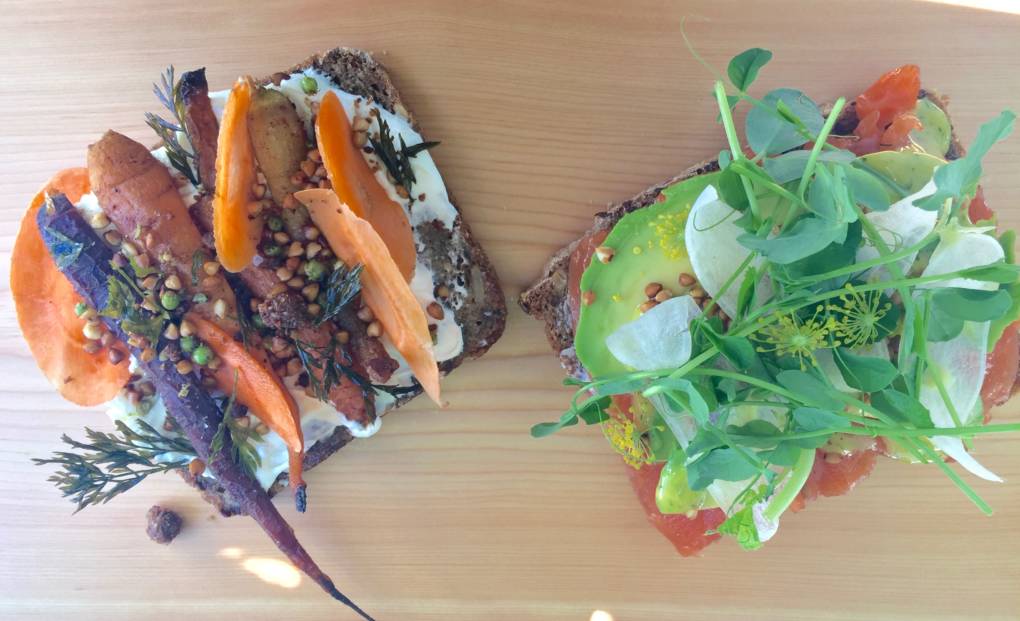
"caption": "(L) Roasted pomegranate-cured carrots, toasted buckwheat, tahini and lebna, crispy carrot greens and (R) salmon, avocado, icicle radishes, micro greens, dill honey mustard, flowering fennel. Both smørrebrød sandwiches created by Kristen Rasmussen on her homemade rye bread.",
"description": null,
"title": "1 sandwiches",
"credit": "Anna Mindess",
"status": "inherit",
"isLoading": false,
"fetchFailed": false
},
"bayareabites_87968": {
"type": "attachments",
"id": "bayareabites_87968",
"meta": {
"index": "attachments_1716263798",
"site": "bayareabites",
"id": "87968",
"found": true
},
"parent": 87967,
"imgSizes": {
"kqedFullSize": {
"file": "https://ww2.kqed.org/app/uploads/sites/24/2014/09/foodwaste1_wide-08b72696fde1808588ec4a63ed50ae995027c332-e1411579377876.jpg",
"width": 1000,
"height": 563
}
},
"publishDate": 1411578911,
"modified": 1411578911,
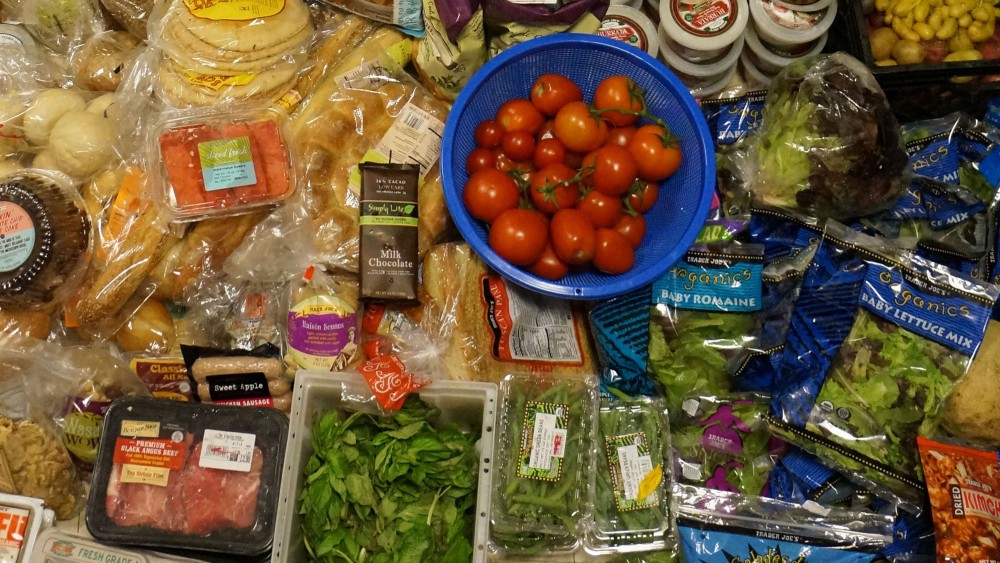
"caption": "Bounty from the bin: Thaler says you can find plenty of tasty, edible produce that's tossed out. Plastic-wrapped produce tends to be a safe bet, he says. Photo: Courtesy of Maximus Thaler ",
"description": "Bounty from the bin: Thaler says you can find plenty of tasty, edible produce that's tossed out. Plastic-wrapped produce tends to be a safe bet, he says.",
"title": "Bounty from the bin: Thaler says you can find plenty of tasty, edible produce that's tossed out. Plastic-wrapped produce tends to be a safe bet, he says.",
"credit": null,
"status": "inherit",
"isLoading": false,
"fetchFailed": false
},
"bayareabites_74772": {
"type": "attachments",
"id": "bayareabites_74772",
"meta": {
"index": "attachments_1716263798",
"site": "bayareabites",
"id": "74772",
"found": true
},
"parent": 74764,
"imgSizes": {
"kqedFullSize": {
"file": "https://ww2.kqed.org/app/uploads/sites/24/2013/12/mushroom-forage.jpg",
"width": 624,
"height": 350
}
},
"publishDate": 1386194550,
"modified": 1386194550,
"caption": null,
"description": null,
"title": "mushroom-forage",
"credit": null,
"status": "inherit",
"isLoading": false,
"fetchFailed": false
},
"bayareabites_69630": {
"type": "attachments",
"id": "bayareabites_69630",
"meta": {
"index": "attachments_1716263798",
"site": "bayareabites",
"id": "69630",
"found": true
},
"parent": 69582,
"imgSizes": {
"kqedFullSize": {
"file": "https://ww2.kqed.org/app/uploads/sites/24/2013/09/original-fare-640x360.jpg",
"width": 640,
"height": 360
}
},
"publishDate": 1378408643,
"modified": 1378408643,
"caption": null,
"description": null,
"title": "original-fare-640x360",
"credit": null,
"status": "inherit",
"isLoading": false,
"fetchFailed": false
},
"bayareabites_68007": {
"type": "attachments",
"id": "bayareabites_68007",
"meta": {
"index": "attachments_1716263798",
"site": "bayareabites",
"id": "68007",
"found": true
},
"parent": 67982,
"imgSizes": {
"kqedFullSize": {
"file": "https://ww2.kqed.org/app/uploads/sites/24/2013/08/foraged-640.jpg",
"width": 640,
"height": 480
}
},
"publishDate": 1376156045,
"modified": 1376156045,
"caption": "A display of wild foods gathered by Chef Kory Stewart and foraging expert Connie Green at the third annual Wild Foods dinner on June 6.",
"description": null,
"title": "foraged-640",
"credit": null,
"status": "inherit",
"isLoading": false,
"fetchFailed": false
},
"bayareabites_65064": {
"type": "attachments",
"id": "bayareabites_65064",
"meta": {
"index": "attachments_1716263798",
"site": "bayareabites",
"id": "65064",
"found": true
},
"parent": 65054,
"imgSizes": {
"kqedFullSize": {
"file": "https://ww2.kqed.org/app/uploads/sites/24/2013/07/eating-wild-side.jpg",
"width": 300,
"height": 465
}
},
"publishDate": 1373503769,
"modified": 1373503769,
"caption": null,
"description": null,
"title": "eating-wild-side",
"credit": null,
"status": "inherit",
"isLoading": false,
"fetchFailed": false
},
"bayareabites_63129": {
"type": "attachments",
"id": "bayareabites_63129",
"meta": {
"index": "attachments_1716263798",
"site": "bayareabites",
"id": "63129",
"found": true
},
"parent": 63066,
"imgSizes": {
"kqedFullSize": {
"file": "https://ww2.kqed.org/app/uploads/sites/24/2013/06/wildfooddinner640x360.jpg",
"width": 640,
"height": 360
}
},
"publishDate": 1370642092,
"modified": 1370642092,
"caption": null,
"description": null,
"title": "wildfooddinner640x360",
"credit": null,
"status": "inherit",
"isLoading": false,
"fetchFailed": false
},
"bayareabites_60535": {
"type": "attachments",
"id": "bayareabites_60535",
"meta": {
"index": "attachments_1716263798",
"site": "bayareabites",
"id": "60535",
"found": true
},
"parent": 60534,
"imgSizes": {
"kqedFullSize": {
"file": "https://ww2.kqed.org/app/uploads/sites/24/2013/04/peachpicker-c27616dcf637bf36cdb55f9f146164dde2037318.jpg",
"width": 200,
"height": 149
}
},
"publishDate": 1366747515,
"modified": 1366747515,
"caption": null,
"description": "Falling Fruit tells you where you can pick peaches and other foods free for the taking around the world.",
"title": "Falling Fruit tells you where you can pick peaches and other foods free for the taking around the world.",
"credit": null,
"status": "inherit",
"isLoading": false,
"fetchFailed": false
},
"bayareabites_60344": {
"type": "attachments",
"id": "bayareabites_60344",
"meta": {
"index": "attachments_1716263798",
"site": "bayareabites",
"id": "60344",
"found": true
},
"parent": 60331,
"imgSizes": {
"kqedFullSize": {
"file": "https://ww2.kqed.org/app/uploads/sites/24/2013/04/Lee-brothers.jpg",
"width": 1120,
"height": 630
}
},
"publishDate": 1366349321,
"modified": 1366349321,
"caption": "Matt Lee (left) and Ted Lee (right) grew up in Charleston, S.C. After leaving the South as young adults, they founded a mail-order food company, The Lee Bros. Boiled Peanut Catalogue. They have written two previous cookbooks of Southern cuisine. Photo: Squire Fox/Clarkson Potter",
"description": "Matt Lee (left) and Ted Lee (right) grew up in Charleston, S.C. After leaving the South as young adults, they founded a mail-order food company, The Lee Bros. Boiled Peanut Catalogue. They have written two previous cookbooks of Southern cuisine.",
"title": "mattleftandtedright_cred-squire-fox",
"credit": null,
"status": "inherit",
"isLoading": false,
"fetchFailed": false
},
"bayareabites_42713": {
"type": "attachments",
"id": "bayareabites_42713",
"meta": {
"index": "attachments_1716263798",
"site": "bayareabites",
"id": "42713",
"found": true
},
"parent": 42712,
"imgSizes": {
"kqedFullSize": {
"file": "https://ww2.kqed.org/app/uploads/sites/24/2012/05/20120502_BABHomemadeCrackers-109.jpg",
"width": 560,
"height": 373
}
},
"publishDate": 1336000979,
"modified": 1336000979,
"caption": null,
"description": null,
"title": "Homemade Crackers",
"credit": null,
"status": "inherit",
"isLoading": false,
"fetchFailed": false
},
"bayareabites_31340": {
"type": "attachments",
"id": "bayareabites_31340",
"meta": {
"index": "attachments_1716263798",
"site": "bayareabites",
"id": "31340",
"found": true
},
"parent": 31323,
"imgSizes": {
"kqedFullSize": {
"file": "https://ww2.kqed.org/app/uploads/sites/24/2011/08/Holly-Heyser-600-p1.jpg",
"width": 400,
"height": 443
}
},
"publishDate": 1313176241,
"modified": 1313176241,
"caption": null,
"description": "Holly Heyser",
"title": "Holly Heyser",
"credit": null,
"status": "inherit",
"isLoading": false,
"fetchFailed": false
},
"bayareabites_29784": {
"type": "attachments",
"id": "bayareabites_29784",
"meta": {
"index": "attachments_1716263798",
"site": "bayareabites",
"id": "29784",
"found": true
},
"parent": 29749,
"imgSizes": {
"kqedFullSize": {
"file": "https://ww2.kqed.org/app/uploads/sites/24/2011/06/daniel-samin500.jpg",
"width": 500,
"height": 335
}
},
"publishDate": 1309375219,
"modified": 1309375219,
"caption": null,
"description": null,
"title": "Daniel Klein and Samin Nostrat cook Harvest dinner at Tartine Bakery in San Francisco",
"credit": null,
"status": "inherit",
"isLoading": false,
"fetchFailed": false
}
},
"audioPlayerReducer": {
"postId": "stream_live",
"isPaused": true,
"isPlaying": false,
"pfsActive": false,
"pledgeModalIsOpen": true,
"playerDrawerIsOpen": false,
"liveAudioPlayStartedAt": 0,
"liveAudioPlayContext": ""
},
"authorsReducer": {
"byline_bayareabites_87967": {
"type": "authors",
"id": "byline_bayareabites_87967",
"meta": {
"override": true
},
"slug": "byline_bayareabites_87967",
"name": "Alison Bruzek",
"isLoading": false
},
"byline_bayareabites_74764": {
"type": "authors",
"id": "byline_bayareabites_74764",
"meta": {
"override": true
},
"slug": "byline_bayareabites_74764",
"name": "Alastair Bland",
"isLoading": false
},
"byline_bayareabites_60534": {
"type": "authors",
"id": "byline_bayareabites_60534",
"meta": {
"override": true
},
"slug": "byline_bayareabites_60534",
"name": "Kristofor Husted",
"isLoading": false
},
"byline_bayareabites_60331": {
"type": "authors",
"id": "byline_bayareabites_60331",
"meta": {
"override": true
},
"slug": "byline_bayareabites_60331",
"name": "NPR Staff",
"isLoading": false
},
"kdomara": {
"type": "authors",
"id": "1459",
"meta": {
"index": "authors_1716337520",
"id": "1459",
"found": true
},
"name": "Kelly O'Mara",
"firstName": "Kelly",
"lastName": "O'Mara",
"slug": "kdomara",
"email": "komara@kqed.org",
"display_author_email": false,
"staff_mastheads": [
"news"
],
"title": "KQED Contributor",
"bio": "Kelly O'Mara is a writer and reporter in the San Francisco Bay Area. She writes about food, health, sports, travel, business and California news. Her work has appeared on KQED, online for Outside Magazine, epsnW, VICE and in Competitor Magazine, among others. Follow Kelly on Twitter \u003ca href=\"https://twitter.com/kellydomara\">@kellydomara\u003c/a>.",
"avatar": "https://secure.gravatar.com/avatar/768fec7412028b72f13bdd0f5f9d8186?s=600&d=blank&r=g",
"twitter": null,
"facebook": null,
"instagram": null,
"linkedin": null,
"sites": [
{
"site": "arts",
"roles": []
},
{
"site": "news",
"roles": []
},
{
"site": "bayareabites",
"roles": []
},
{
"site": "stateofhealth",
"roles": []
},
{
"site": "science",
"roles": []
},
{
"site": "checkplease",
"roles": [
"editor"
]
},
{
"site": "food",
"roles": []
},
{
"site": "forum",
"roles": [
"editor"
]
},
{
"site": "liveblog",
"roles": [
"editor"
]
}
],
"headData": {
"title": "Kelly O'Mara | KQED",
"description": "KQED Contributor",
"ogImgSrc": "https://secure.gravatar.com/avatar/768fec7412028b72f13bdd0f5f9d8186?s=600&d=blank&r=g",
"twImgSrc": "https://secure.gravatar.com/avatar/768fec7412028b72f13bdd0f5f9d8186?s=600&d=blank&r=g"
},
"isLoading": false,
"link": "/author/kdomara"
},
"ginascialabba": {
"type": "authors",
"id": "2451",
"meta": {
"index": "authors_1716337520",
"id": "2451",
"found": true
},
"name": "Gina Scialabba",
"firstName": "Gina",
"lastName": "Scialabba",
"slug": "ginascialabba",
"email": "ginajournalist@gmail.com",
"display_author_email": false,
"staff_mastheads": [],
"title": null,
"bio": "Gina Scialabba is a journalist and practicing attorney based in San Francisco. She's a regular contributor to KQED Pop and now Bay Area Bites. When she's not reading a novel, newspaper or watching Mad Men, Sons of Anarchy or Anthony Bourdain, she's taking advantage of the richness and diversity of Bay Area culinary life. She also loves to travel. Next Stop: Vietnam, Thailand and Korea.",
"avatar": "https://secure.gravatar.com/avatar/e4df716be95aadc7807274c2405ccac8?s=600&d=blank&r=g",
"twitter": "Journalist_Gina",
"facebook": null,
"instagram": null,
"linkedin": null,
"sites": [
{
"site": "pop",
"roles": [
"contributor"
]
},
{
"site": "bayareabites",
"roles": [
"contributor"
]
}
],
"headData": {
"title": "Gina Scialabba | KQED",
"description": null,
"ogImgSrc": "https://secure.gravatar.com/avatar/e4df716be95aadc7807274c2405ccac8?s=600&d=blank&r=g",
"twImgSrc": "https://secure.gravatar.com/avatar/e4df716be95aadc7807274c2405ccac8?s=600&d=blank&r=g"
},
"isLoading": false,
"link": "/author/ginascialabba"
},
"wendy-goodfriend": {
"type": "authors",
"id": "5014",
"meta": {
"index": "authors_1716337520",
"id": "5014",
"found": true
},
"name": "Wendy Goodfriend",
"firstName": "Wendy",
"lastName": "Goodfriend",
"slug": "wendy-goodfriend",
"email": "wendy@wendygoodfriend.com",
"display_author_email": false,
"staff_mastheads": [],
"title": "KQED Contributor",
"bio": "I was the Senior Digital Producer for KQED Food up until July, 2018. Since 2001, I designed, produced, managed and contributed to mostly food-related websites and blogs for KQED including: KQED.org; KQED Food; Bay Area Bites; Check, Please! Bay Area; Taste This; Celebrity Chefs; seven of Jacques Pepin's TV series websites; and Joanne Weir's Cooking in the City. I initiated the majority of KQED Food's social media feeds and maintained them up until 2017. As far as content creation, photography is my passion and I also shoot video and write stories. My photos have been used in articles for KQED Food, News, Arts, and Science as well as for promotional purposes in print and online. Professional education and training includes: clinical psychology, photography, commercial cooking, web design, information architecture and UX.",
"avatar": "https://secure.gravatar.com/avatar/dfba64372339cc34cf17e446e6f18fa8?s=600&d=blank&r=g",
"twitter": null,
"facebook": "bayareabites",
"instagram": null,
"linkedin": "wendygoodfriend",
"sites": [
{
"site": "jpepinheart",
"roles": []
},
{
"site": "about",
"roles": [
"editor"
]
},
{
"site": "bayareabites",
"roles": [
"subscriber"
]
},
{
"site": "science",
"roles": [
"administrator"
]
},
{
"site": "checkplease",
"roles": [
"subscriber"
]
},
{
"site": "food",
"roles": [
"author"
]
},
{
"site": "essentialpepin",
"roles": [
"administrator"
]
}
],
"headData": {
"title": "Wendy Goodfriend | KQED",
"description": "KQED Contributor",
"ogImgSrc": "https://secure.gravatar.com/avatar/dfba64372339cc34cf17e446e6f18fa8?s=600&d=blank&r=g",
"twImgSrc": "https://secure.gravatar.com/avatar/dfba64372339cc34cf17e446e6f18fa8?s=600&d=blank&r=g"
},
"isLoading": false,
"link": "/author/wendy-goodfriend"
},
"megangordon": {
"type": "authors",
"id": "5072",
"meta": {
"index": "authors_1716337520",
"id": "5072",
"found": true
},
"name": "Megan Gordon",
"firstName": "Megan",
"lastName": "Gordon",
"slug": "megangordon",
"email": "meganjgordon@gmail.com",
"display_author_email": false,
"staff_mastheads": [],
"title": null,
"bio": "Megan Gordon is originally from Eureka, CA although she's lived in numerous college towns around the country (another story altogether). A freelance food and travel writer, Megan has written for publications like \u003cem>Ready Made Magazine\u003c/em>, \u003cem>The San Francisco Examiner\u003c/em>, \u003cem>Edible SF\u003c/em> and \u003cem>Edible Marin & Wine Country\u003c/em>, \u003cem>Olive Oil Times\u003c/em> and \u003cem>The San Francisco Bay Guardian\u003c/em>. She writes regularly for Apartment Therapy's \u003ca href=\"http://www.thekitchn.com/thekitchn/author/megang\">The Kitchn\u003c/a> and maintains her own local food blog, \u003ca href=\"http://asweetspoonful.com/\">A Sweet Spoonful\u003c/a>. Yes, Megan even tweets \u003ca href=\"http://twitter.com/#!/meganjanesf\">@meganjanesf\u003c/a>. In addition to writing and photographing food, Megan is the founder (and head baker) of \u003ca href=\"http://www.margebakery.com/\">Marge\u003c/a>, a Bay Area baking company specializing in classic American pies and nostalgic desserts.",
"avatar": "https://secure.gravatar.com/avatar/22ee897e8f9c116d49655fe9cd376ec4?s=600&d=blank&r=g",
"twitter": null,
"facebook": null,
"instagram": null,
"linkedin": null,
"sites": [
{
"site": "bayareabites",
"roles": [
"contributor"
]
}
],
"headData": {
"title": "Megan Gordon | KQED",
"description": null,
"ogImgSrc": "https://secure.gravatar.com/avatar/22ee897e8f9c116d49655fe9cd376ec4?s=600&d=blank&r=g",
"twImgSrc": "https://secure.gravatar.com/avatar/22ee897e8f9c116d49655fe9cd376ec4?s=600&d=blank&r=g"
},
"isLoading": false,
"link": "/author/megangordon"
},
"stephaniestiavetti": {
"type": "authors",
"id": "5120",
"meta": {
"index": "authors_1716337520",
"id": "5120",
"found": true
},
"name": "Stephanie Stiavetti",
"firstName": "Stephanie",
"lastName": "Stiavetti",
"slug": "stephaniestiavetti",
"email": "steph@theculinarylife.com",
"display_author_email": false,
"staff_mastheads": [],
"title": null,
"bio": "Stephanie is a writer and cookbook author recovering from her former tech-startup life. On the side she's also a media consultant, specializing in all forms of digital goodness: audio, video, print, design, and social media.\r\n\r\nAfter leaving the tech world nearly a decade ago, \u003ca title=\"The Culinary Life Comfort Food Blog\" href=\"http://www.theculinarylife.com/\">Stephanie\u003c/a> made a career jump to her lifetime love, writing. She currently writes for the Huffington Post, KQED's Bay Area Bites, NPR, and other select media outlets. Her first cookbook,\u003ca title=\"Melt Macaroni and Cheese Website\" href=\"http://www.meltmacaroni.com/\">Melt: The Art of Macaroni and Cheese\u003c/a>, is due out in fall 2013 on Little, Brown with coauthor Garrett McCord.\r\n\r\nBeing a recovering techy leaves an indelible mark, and everything Stephanie does is infused with her deep fascination with digital technology. She has been blogging since 1999, before blog engines even existed and a great readership consisted of a handful of friends who occasionally thought to check out your site. In 2005 she started her first food blog, which she repurposed in 2007 to become \u003ca title=\"The Culinary Life Newsletter\" href=\"http://www.theculinarylife.com/the-culinary-life-newsletter/\">The Culinary Life\u003c/a>.\r\n\r\nStephanie can be called many things: food writer, essayist, professional recipe developer, cookbook author, social media consultant, videographer, documentary maker, website developer, archivist of life. Despite all of these titles, she most commonly responds to \u003cem>Steph\u003c/em>.",
"avatar": "https://secure.gravatar.com/avatar/4e633bfddf4ed76efe897ef25d046d6a?s=600&d=blank&r=g",
"twitter": "sstiavetti",
"facebook": "sstiavetti",
"instagram": null,
"linkedin": "sstiavetti",
"sites": [
{
"site": "bayareabites",
"roles": [
"contributor"
]
}
],
"headData": {
"title": "Stephanie Stiavetti | KQED",
"description": null,
"ogImgSrc": "https://secure.gravatar.com/avatar/4e633bfddf4ed76efe897ef25d046d6a?s=600&d=blank&r=g",
"twImgSrc": "https://secure.gravatar.com/avatar/4e633bfddf4ed76efe897ef25d046d6a?s=600&d=blank&r=g"
},
"isLoading": false,
"link": "/author/stephaniestiavetti"
},
"sarahhenry": {
"type": "authors",
"id": "5125",
"meta": {
"index": "authors_1716337520",
"id": "5125",
"found": true
},
"name": "Sarah Henry",
"firstName": "Sarah",
"lastName": "Henry",
"slug": "sarahhenry",
"email": "sarahhenry0509@gmail.com",
"display_author_email": false,
"staff_mastheads": [],
"title": null,
"bio": "\u003ca href=\"http://www.sarahhenrywriter.com/\">Sarah Henry\u003c/a> hails from Sydney, Australia, where she grew up eating lamingtons, Vegemite, and prawns (not shrimp) on the barbie (barbecue). Sarah has called the Bay Area home for the past two decades and remembers how delighted she was when a modest farmers' market sprouted in downtown San Francisco years ago. As a freelance writer Sarah has covered local food people, places, politics, culture, and news for the \u003ca href=\"http://www.sfgate.com/food/article/Latina-entrepreneurs-share-wealth-knowledge-2693764.php\">San Francisco Chronicle\u003c/a>, \u003ca href=\"http://www.mercurynews.com/food-wine/ci_21619882/good-eggs-pie-subscriptions-and-seafood-deliveries\">San Jose Mercury News\u003c/a>, \u003ca href=\"http://alumni.berkeley.edu/news/california-magazine/fall-2011-good-fight/justice%E2%80%94and-good-grub%E2%80%94-all\">California\u003c/a>, \u003ca href=\"http://www.modernluxury.com/san-francisco\">San Francisco\u003c/a>, \u003ca href=\"http://www.diablomag.com/Diablo-Magazine/November-2012/Artisan-Eats/\">Diablo\u003c/a>, \u003ca href=\"http://www.ediblecommunities.com/eastbay/fall-2012/school-lunch-20.htm\">Edible East Bay\u003c/a>, \u003ca href=\"http://www.ediblecommunities.com/marinandwinecountry/summer-2012-issue-14/getting-wild-at-a-west-marin-supper-club.htm\">Edible Marin & Wine Country\u003c/a>, and \u003ca href=\"http://www.berkeleyside.com/\">Berkeleyside\u003c/a>. A contributor to the national food policy site \u003ca href=\"http://civileats.com/\">Civil Eats\u003c/a>, her stories have also appeared in \u003ca href=\"http://www.theatlantic.com/sarah-henry/\">The Atlantic\u003c/a>, \u003ca href=\"http://www.afar.com/highlights/kamal-mouzawaks-beirut-lebanon\">AFAR\u003c/a>, \u003ca href=\"http://www.gilttaste.com/stories/5207-a-family-tied-together-by-apron-strings\">Gilt Taste\u003c/a>, \u003ca href=\"http://www.lhj.com/community/your-stories/whats-for-dinner-dude/?page=1\">Ladies' Home Journal\u003c/a>, \u003ca href=\"http://grist.org/author/sarah-henry/\">Grist\u003c/a>, \u003ca href=\"http://www.shareable.net/users/sarah-henry\">Shareable\u003c/a>, and \u003ca href=\"http://www.eatingwell.com/food_news_origins/green_sustainable/host_a_diy_food_swap\">Eating Well\u003c/a>. An epicurean tour guide for \u003ca href=\"http://edibleexcursions.net/\">Edible Excursions\u003c/a>, Sarah is the voice behind the blog \u003ca href=\"http://lettuceeatkale.com/\">Lettuce Eat Kale\u003c/a> and \u003ca href=\"http://twitter.com/lettuceeatkale\">tweets\u003c/a> under that moniker too.",
"avatar": "https://secure.gravatar.com/avatar/3fcd7301e44f9b621f8c9fc7ad678ac7?s=600&d=blank&r=g",
"twitter": "lettuceeatkale",
"facebook": "pages/Lettuce-Eat-Kale/239312194611",
"instagram": null,
"linkedin": null,
"sites": [
{
"site": "bayareabites",
"roles": [
"contributor"
]
},
{
"site": "food",
"roles": [
"contributor"
]
}
],
"headData": {
"title": "Sarah Henry | KQED",
"description": null,
"ogImgSrc": "https://secure.gravatar.com/avatar/3fcd7301e44f9b621f8c9fc7ad678ac7?s=600&d=blank&r=g",
"twImgSrc": "https://secure.gravatar.com/avatar/3fcd7301e44f9b621f8c9fc7ad678ac7?s=600&d=blank&r=g"
},
"isLoading": false,
"link": "/author/sarahhenry"
},
"annamindess": {
"type": "authors",
"id": "5283",
"meta": {
"index": "authors_1716337520",
"id": "5283",
"found": true
},
"name": "Anna Mindess",
"firstName": "Anna",
"lastName": "Mindess",
"slug": "annamindess",
"email": "amindess@aol.com",
"display_author_email": false,
"staff_mastheads": [],
"title": "KQED Contributor",
"bio": "My passion is exploring the connections between food, travel and culture. I am a regular contributor to AFAR, Edible East Bay Magazine, Oakland Magazine, Berkeleyside's NOSH and other publications. I usually take a route that's slightly off the beaten path, like \u003ca href=\"http://edibleeastbay.com/online-magazine/fall-harvest-2017/fun-with-food-insults/\">collecting food-related insults\u003c/a> around the world or \u003ca href=\"https://www.afar.com/magazine/what-i-learned-hawking-sweet-potatoes-with-a-street-vendor-in-taiwan?email=amindess%40aol.com&utm_source=Sailthru&utm_medium=email&utm_campaign=Doctors%20Without%20Borders&utm_term=Daily%20Wander%20Newsletter\">volunteering with a Sweet Potato Mama\u003c/a> (street food seller) in Tapei.\r\n\r\nCulture is the thread that ties together my several careers. I also work as a sign language interpreter, educator and author. My study of Deaf culture has taken me around the world, where I am always on a quest to find Deaf-owned restaurants. I love making connections between my different worlds, for example in this AFAR story where I share \u003ca href=\"https://www.afar.com/magazine/tips-from-a-sign-language-interpreter-for-overcoming-language-barriers\">tips for communicating across cultures\u003c/a> that I learned from the real experts, Deaf people. Or this \u003ca href=\"http://edibleeastbay.com/online-magazine/fall-harvest-2017/deaf-chefs-compete/\">profile of a Deaf chef and culinary arts instructor\u003c/a> at the California School for the Deaf.\r\n\r\nTo see my visual/edible take on the world, follow me on Instagram: \u003ca href=\"https://www.instagram.com/annamindess/\">annamindess. \u003c/a>\r\n\r\nFor more of my stories: visit Contently \u003ca href=\"http://annamindess.contently.com\">annamindess.contently.com\u003c/a>",
"avatar": "https://secure.gravatar.com/avatar/23c79f04bf3d58b2e727d35ca471d184e8945f6ed82e41a0c062eab5e7dc2bb5?s=600&d=blank&r=g",
"twitter": null,
"bluesky": null,
"facebook": null,
"instagram": null,
"linkedin": null,
"sites": [
{
"site": "arts",
"roles": [
"subscriber"
]
},
{
"site": "bayareabites",
"roles": [
"author"
]
},
{
"site": "food",
"roles": [
"contributor"
]
}
],
"headData": {
"title": "Anna Mindess | KQED",
"description": "KQED Contributor",
"ogImgSrc": "https://secure.gravatar.com/avatar/23c79f04bf3d58b2e727d35ca471d184e8945f6ed82e41a0c062eab5e7dc2bb5?s=600&d=blank&r=g",
"twImgSrc": "https://secure.gravatar.com/avatar/23c79f04bf3d58b2e727d35ca471d184e8945f6ed82e41a0c062eab5e7dc2bb5?s=600&d=blank&r=g"
},
"isLoading": false,
"link": "/author/annamindess"
},
"nprfood": {
"type": "authors",
"id": "5403",
"meta": {
"index": "authors_1716337520",
"id": "5403",
"found": true
},
"name": "NPR Food",
"firstName": "NPR Food",
"lastName": null,
"slug": "nprfood",
"email": "nprfood@kqed.org",
"display_author_email": false,
"staff_mastheads": [],
"title": null,
"bio": "Food and Health-related stories from NPR including NPR Radio; NPR's food blog, \"The Salt\"; NPR's Health News blog, \"Shots\"; NPR's Breaking News blog \"The Two-Way\"; NPR's global stories blog \"Goats and Soda,\" NPR's economy explainer \"Planet Money\"; food-related technology news from NPR's \"All Tech Considered\"; and food series \"Kitchen Window.\"",
"avatar": "https://secure.gravatar.com/avatar/c4b735bb26404fa18ce2447d32e64291?s=600&d=blank&r=g",
"twitter": "nprfood",
"facebook": null,
"instagram": null,
"linkedin": null,
"sites": [
{
"site": "bayareabites",
"roles": [
"contributor"
]
},
{
"site": "food",
"roles": [
"contributor"
]
}
],
"headData": {
"title": "NPR Food | KQED",
"description": null,
"ogImgSrc": "https://secure.gravatar.com/avatar/c4b735bb26404fa18ce2447d32e64291?s=600&d=blank&r=g",
"twImgSrc": "https://secure.gravatar.com/avatar/c4b735bb26404fa18ce2447d32e64291?s=600&d=blank&r=g"
},
"isLoading": false,
"link": "/author/nprfood"
}
},
"pagesReducer": {
"bayareabites_tag_foraging": {
"type": "terms",
"id": "bayareabites_472",
"meta": {
"index": "terms_1716263798",
"site": "bayareabites",
"id": "472",
"score": 9.305994
},
"featImg": null,
"name": "foraging",
"description": null,
"taxonomy": "tag",
"headData": {
"twImgId": null,
"twTitle": null,
"ogTitle": null,
"ogImgId": null,
"twDescription": null,
"description": null,
"title": "foraging Archives | KQED Bay Area Bites",
"ogDescription": null
},
"ttid": 437,
"slug": "foraging",
"isLoading": false,
"title": "foraging",
"pageMeta": {
"site": "bayareabites",
"WpPageTemplate": "page-topic-editorial",
"currentPage": 1
},
"blocks": [
{
"blockName": "kqed/post-list",
"attrs": {
"layout": "cardArticle2",
"query": "posts/bayareabites?tag=foraging",
"seeMore": false,
"paginated": true,
"page": 1
}
},
{
"blockName": "kqed/ad"
}
]
}
},
"pfsSessionReducer": {},
"postsReducer": {
"stream_live": {
"type": "live",
"id": "stream_live",
"audioUrl": "https://streams.kqed.org/kqedradio",
"title": "Live Stream",
"excerpt": "Live Stream information currently unavailable.",
"link": "/radio",
"featImg": "",
"label": {
"name": "KQED Live",
"link": "/"
}
},
"stream_kqedNewscast": {
"type": "posts",
"id": "stream_kqedNewscast",
"audioUrl": "https://www.kqed.org/.stream/anon/radio/RDnews/newscast.mp3?_=1",
"title": "KQED Newscast",
"featImg": "",
"label": {
"name": "88.5 FM",
"link": "/"
}
},
"bayareabites_120033": {
"type": "posts",
"id": "bayareabites_120033",
"meta": {
"index": "posts_1716263798",
"site": "bayareabites",
"id": "120033",
"score": null,
"sort": [
1503581292000
]
},
"parent": 0,
"labelTerm": {},
"blocks": [],
"publishDate": 1503581292,
"format": "image",
"disqusTitle": "Kristen Rasmussen Creates Smørrebrød Sandwiches with a West Coast Spin",
"title": "Kristen Rasmussen Creates Smørrebrød Sandwiches with a West Coast Spin",
"headTitle": "Bay Area Bites | KQED Food",
"content": "\u003cp>Some people create art by applying oil paint to canvas. \u003ca href=\"http://www.rootedfood.com/about/\">Kristen Rasmussen\u003c/a> fashions edible artwork by applying pomegranate-cured carrots, shaved icicle radishes and foraged fennel flowers to a canvas of dense rye bread. At her recent pair of Berkeley pop-ups, Rasmussen served two of her sandwich creations. These are clearly not your ho-hum ham and swiss or PB&J; but rather a west-coast riff on \u003cem>smørrebrød\u003c/em>, the traditional Danish lunch, \u003ca href=\"http://www.saveur.com/how-to-make-smorrebrod\">whose popularity\u003c/a> is spreading like the thick smear of creamy butter that’s a necessary element in each artistic assemblage.\u003c/p>\n\u003cp>Along with sleek modern chairs, Havarti cheese and the cozy concept of \u003ca href=\"https://www.nytimes.com/2017/02/24/books/review/hygge-is-where-the-heart-is.html\">\u003cem>hygge\u003c/em>\u003c/a>, smørrebrød is one of Denmark’s gifts to the world. In the 19\u003csup>th\u003c/sup> century, when Danish factory workers couldn’t return home for their midday meal, they packed a practical lunch of open-faced buttered bread topped with leftovers of cold meat or smoked fish. Gradually, these morphed into more elaborate creations, especially at Christmastime. Classic combinations might include pickled herring with a twist of lemon plus a mini-bouquet of fried parsley or chicken salad layered with smoked potatoes and bacon, topped by a haystack of fried carrot shreds.\u003c/p>\n\u003cfigure id=\"attachment_120196\" class=\"wp-caption aligncenter\" style=\"max-width: 1000px\">\u003cimg src=\"https://ww2.kqed.org/bayareabites/wp-content/uploads/sites/24/2017/08/Kristen-new.jpg\" alt=\"Kristen Rasmussen shares her Danish-inspired dishes at local pop-ups.\" width=\"1000\" height=\"1333\" class=\"size-full wp-image-120196\" srcset=\"https://ww2.kqed.org/app/uploads/sites/24/2017/08/Kristen-new.jpg 1000w, https://ww2.kqed.org/app/uploads/sites/24/2017/08/Kristen-new-160x213.jpg 160w, https://ww2.kqed.org/app/uploads/sites/24/2017/08/Kristen-new-800x1066.jpg 800w, https://ww2.kqed.org/app/uploads/sites/24/2017/08/Kristen-new-768x1024.jpg 768w, https://ww2.kqed.org/app/uploads/sites/24/2017/08/Kristen-new-960x1280.jpg 960w, https://ww2.kqed.org/app/uploads/sites/24/2017/08/Kristen-new-240x320.jpg 240w, https://ww2.kqed.org/app/uploads/sites/24/2017/08/Kristen-new-375x500.jpg 375w, https://ww2.kqed.org/app/uploads/sites/24/2017/08/Kristen-new-520x693.jpg 520w\" sizes=\"(max-width: 1000px) 100vw, 1000px\">\u003cfigcaption class=\"wp-caption-text\">Kristen Rasmussen shares her Danish-inspired dishes at local pop-ups. \u003ccite>(Anna Mindess)\u003c/cite>\u003c/figcaption>\u003c/figure>\n\u003cp>Although she can trace her last name and family roots back to Denmark, Rasmussen admits to “growing up very American in Humboldt County.” The only connection to her Nordic heritage was her grandmother’s homemade Danish butter cookies at Christmas. Four years ago, when she finally visited Denmark, Rasmussen says, “I fell in love with smørrebrød because it’s delicious, aesthetically pleasing, nurturing, and can be made gluten-free, vegan, decadent, and portable.”\u003c/p>\n\u003cfigure id=\"attachment_120199\" class=\"wp-caption aligncenter\" style=\"max-width: 1920px\">\u003cimg src=\"https://ww2.kqed.org/bayareabites/wp-content/uploads/sites/24/2017/08/3-view-new.jpg\" alt=\"Rasmussen and assistants set up for pop-up lunch on a rooftop in Berkeley, amid the organic garden plots of Top Leaf Farms.\" width=\"1920\" height=\"1526\" class=\"size-full wp-image-120199\" srcset=\"https://ww2.kqed.org/app/uploads/sites/24/2017/08/3-view-new.jpg 1920w, https://ww2.kqed.org/app/uploads/sites/24/2017/08/3-view-new-160x127.jpg 160w, https://ww2.kqed.org/app/uploads/sites/24/2017/08/3-view-new-800x636.jpg 800w, https://ww2.kqed.org/app/uploads/sites/24/2017/08/3-view-new-768x610.jpg 768w, https://ww2.kqed.org/app/uploads/sites/24/2017/08/3-view-new-1020x811.jpg 1020w, https://ww2.kqed.org/app/uploads/sites/24/2017/08/3-view-new-1180x938.jpg 1180w, https://ww2.kqed.org/app/uploads/sites/24/2017/08/3-view-new-960x763.jpg 960w, https://ww2.kqed.org/app/uploads/sites/24/2017/08/3-view-new-240x191.jpg 240w, https://ww2.kqed.org/app/uploads/sites/24/2017/08/3-view-new-375x298.jpg 375w, https://ww2.kqed.org/app/uploads/sites/24/2017/08/3-view-new-520x413.jpg 520w\" sizes=\"(max-width: 1920px) 100vw, 1920px\">\u003cfigcaption class=\"wp-caption-text\">Rasmussen and assistants set up for pop-up lunch on a rooftop in Berkeley, amid the organic garden plots of Top Leaf Farms. \u003ccite>(Anna Mindess)\u003c/cite>\u003c/figcaption>\u003c/figure>\n\u003cp>August's pop-up lunches could not have taken place in a more striking setting: on a Berkeley rooftop with a killer view, amidst \u003ca href=\"http://www.topleaffarms.com/index.html\">Top Leaf Farms’\u003c/a> 16 lush garden plots, which practically erupt in edible vegetation. Rasmussen, a Registered Dietitian Nutritionist, has taught food science at UC Berkeley and the Culinary Institute of America and worked in restaurants. She consults on menu design, recipe development and sustainable sourcing. Since she is totally behind the hyper-local, bio-intensive growing techniques of Top Leaf Farms and often includes their micro-greens, herbs and roots in her menus, she decided to have her smørrebrød pop-ups a stone’s throw from the beds where many of her ingredients are grown.\u003c/p>\n\u003cfigure id=\"attachment_120201\" class=\"wp-caption aligncenter\" style=\"max-width: 1920px\">\u003cimg src=\"https://ww2.kqed.org/bayareabites/wp-content/uploads/sites/24/2017/08/4-Benjamin-new.jpg\" alt=\"Top Leaf Farm's founder, ecological designer and organic farmer Benjamin Fahrer, introduces some of his bounty. His hyper-local rooftop farm, delivers to customers within a 3 mile radius, including Pizzaiolo, Gather and Chez Panisse.\" width=\"1920\" height=\"1697\" class=\"size-full wp-image-120201\" srcset=\"https://ww2.kqed.org/app/uploads/sites/24/2017/08/4-Benjamin-new.jpg 1920w, https://ww2.kqed.org/app/uploads/sites/24/2017/08/4-Benjamin-new-160x141.jpg 160w, https://ww2.kqed.org/app/uploads/sites/24/2017/08/4-Benjamin-new-800x707.jpg 800w, https://ww2.kqed.org/app/uploads/sites/24/2017/08/4-Benjamin-new-768x679.jpg 768w, https://ww2.kqed.org/app/uploads/sites/24/2017/08/4-Benjamin-new-1020x902.jpg 1020w, https://ww2.kqed.org/app/uploads/sites/24/2017/08/4-Benjamin-new-1180x1043.jpg 1180w, https://ww2.kqed.org/app/uploads/sites/24/2017/08/4-Benjamin-new-960x849.jpg 960w, https://ww2.kqed.org/app/uploads/sites/24/2017/08/4-Benjamin-new-240x212.jpg 240w, https://ww2.kqed.org/app/uploads/sites/24/2017/08/4-Benjamin-new-375x331.jpg 375w, https://ww2.kqed.org/app/uploads/sites/24/2017/08/4-Benjamin-new-520x460.jpg 520w\" sizes=\"(max-width: 1920px) 100vw, 1920px\">\u003cfigcaption class=\"wp-caption-text\">Top Leaf Farm's founder, ecological designer and organic farmer Benjamin Fahrer, introduces some of his bounty. His hyper-local rooftop farm, delivers to customers within a 3 mile radius, including Pizzaiolo, Gather and Chez Panisse. \u003ccite>(Anna Mindess)\u003c/cite>\u003c/figcaption>\u003c/figure>\n\u003cp>The fruits of foraging, another of her passions, also enlivened her smørrebrød and the famous Danish dessert (and infamous Danish tongue twister) \u003cem>Rødgrød med fløde\u003c/em>\u003cem>. \u003c/em>Spidery yellow fennel flowers festooned salmon sandwiches. She made a cordial from elder flowers she had collected in Tilden Park to flavor the whipped cream cupping the raspberries. (Here is her \u003ca href=\"http://edibleeastbay.com/recipes/beverages/classic-elderflower-cordial/\">recipe for making elderflower cordial.\u003c/a>)\u003c/p>\n\u003cfigure id=\"attachment_120202\" class=\"wp-caption aligncenter\" style=\"max-width: 1920px\">\u003cimg src=\"https://ww2.kqed.org/bayareabites/wp-content/uploads/sites/24/2017/08/5-sandwich-elements-new.jpg\" alt=\"Rasmussen cures her own herb-salted salmon and pomegranate-cured carrots. She foraged the fennel flowers in her Oakland neighborhood.\" width=\"1920\" height=\"1365\" class=\"size-full wp-image-120202\" srcset=\"https://ww2.kqed.org/app/uploads/sites/24/2017/08/5-sandwich-elements-new.jpg 1920w, https://ww2.kqed.org/app/uploads/sites/24/2017/08/5-sandwich-elements-new-160x114.jpg 160w, https://ww2.kqed.org/app/uploads/sites/24/2017/08/5-sandwich-elements-new-800x569.jpg 800w, https://ww2.kqed.org/app/uploads/sites/24/2017/08/5-sandwich-elements-new-768x546.jpg 768w, https://ww2.kqed.org/app/uploads/sites/24/2017/08/5-sandwich-elements-new-1020x725.jpg 1020w, https://ww2.kqed.org/app/uploads/sites/24/2017/08/5-sandwich-elements-new-1180x839.jpg 1180w, https://ww2.kqed.org/app/uploads/sites/24/2017/08/5-sandwich-elements-new-960x683.jpg 960w, https://ww2.kqed.org/app/uploads/sites/24/2017/08/5-sandwich-elements-new-240x171.jpg 240w, https://ww2.kqed.org/app/uploads/sites/24/2017/08/5-sandwich-elements-new-375x267.jpg 375w, https://ww2.kqed.org/app/uploads/sites/24/2017/08/5-sandwich-elements-new-520x370.jpg 520w\" sizes=\"(max-width: 1920px) 100vw, 1920px\">\u003cfigcaption class=\"wp-caption-text\">Rasmussen cures her own herb-salted salmon and pomegranate-cured carrots. She foraged the fennel flowers in her Oakland neighborhood. \u003ccite>(Anna Mindess)\u003c/cite>\u003c/figcaption>\u003c/figure>\n\u003cp>“I have always foraged things,” says Rasmussen. “Growing up in Humboldt County, I picked wild blackberries. When I lived in Arizona, I noticed large numbers of Seville orange trees that no one was harvesting. So I picked oranges, made marmalade and sold it. Then I got into dates and cactus. Foraging is a fun way to connect to season and environment, with edible flowers (such as borage, nasturtiums, and mustard flowers), roots, seeds and even pesto made from dandelion greens.” Rasmussen is involved with Wild and Feral Food Week (WFFW) and \u003ca href=\"https://forage.berkeley.edu/\">Berkeley Open Source Food\u003c/a>.\u003c/p>\n\u003cp>[ad fullwidth]\u003c/p>\n\u003cp>The forager also became a “porridge-er” after visiting \u003ca href=\"http://groed.com/en/our-restaurants/\">Grød,\u003c/a> a famous Danish restaurant chain that specializes in savory as well as sweet porridges. Besides smørrebrød themed lunches, Rasmussen also holds\u003ca href=\"http://www.sfchronicle.com/food/article/Kristen-Rasmussen-finds-comfort-in-a-bowl-of-11273927.php\"> porridge-focused pop-ups\u003c/a> and is seriously flirting with the idea of opening a restaurant combining her two obsessions.\u003c/p>\n\u003cp>With her strong belief in seasonality and eating local, Rasmussen admits that she doesn’t make Danish dishes exactly the way they are made in Denmark. She calls her approach West-Coast Nordic, and may include ingredients such as avocados, mayo with chives and tahini.\u003c/p>\n\u003cp>In fact, while she wants to introduce Californians to the goodness of Danish dishes, she is equally drawn to bringing Californian goodies to Denmark. In July, she did a stage at Selma, a prize-winning smørrebrød restaurant in Copenhagen. “The chef invited me to do a West Coast Nordic pop-up and I made a California BLT with bacon, little gem lettuce, tomato, charred avocado with Serrano aioli and shiso. And for dessert, a S'mores smørrebrød: flamed beach rose-scented marshmallow, crispy rye and cardamom chocolate.\"\u003c/p>\n\u003cfigure id=\"attachment_120198\" class=\"wp-caption aligncenter\" style=\"max-width: 1920px\">\u003cimg src=\"https://ww2.kqed.org/bayareabites/wp-content/uploads/sites/24/2017/08/6-rye-bread-new.jpg\" alt=\"Rasmussen's homemade sourdough rye bread with flax and sunflower seeds provides the perfect base for her creations.\" width=\"1920\" height=\"1450\" class=\"size-full wp-image-120198\" srcset=\"https://ww2.kqed.org/app/uploads/sites/24/2017/08/6-rye-bread-new.jpg 1920w, https://ww2.kqed.org/app/uploads/sites/24/2017/08/6-rye-bread-new-160x121.jpg 160w, https://ww2.kqed.org/app/uploads/sites/24/2017/08/6-rye-bread-new-800x604.jpg 800w, https://ww2.kqed.org/app/uploads/sites/24/2017/08/6-rye-bread-new-768x580.jpg 768w, https://ww2.kqed.org/app/uploads/sites/24/2017/08/6-rye-bread-new-1020x770.jpg 1020w, https://ww2.kqed.org/app/uploads/sites/24/2017/08/6-rye-bread-new-1180x891.jpg 1180w, https://ww2.kqed.org/app/uploads/sites/24/2017/08/6-rye-bread-new-960x725.jpg 960w, https://ww2.kqed.org/app/uploads/sites/24/2017/08/6-rye-bread-new-240x181.jpg 240w, https://ww2.kqed.org/app/uploads/sites/24/2017/08/6-rye-bread-new-375x283.jpg 375w, https://ww2.kqed.org/app/uploads/sites/24/2017/08/6-rye-bread-new-520x393.jpg 520w\" sizes=\"(max-width: 1920px) 100vw, 1920px\">\u003cfigcaption class=\"wp-caption-text\">Rasmussen's homemade sourdough rye bread with flax and sunflower seeds provides the perfect base for her creations. \u003ccite>(Anna Mindess)\u003c/cite>\u003c/figcaption>\u003c/figure>\n\u003cp>The backbone of smørrebrød (which literally means “buttered bread”) is the dark, dense rye that serves as base and ballast for fanciful combinations of varied toppings. It’s practically impossible to find the classic Danish rugbrød in these parts. But leave it to Rasmussen to figure out how to recreate the dark, sour loaves herself. “It's a time-intensive process that takes three days,” she explains, “but that is mostly waiting for it to ferment.” It also requires a sourdough rye starter, although Rasmussen says she just uses the spores from the air.\u003c/p>\n\u003cfigure id=\"attachment_120200\" class=\"wp-caption aligncenter\" style=\"max-width: 1000px\">\u003cimg src=\"https://ww2.kqed.org/bayareabites/wp-content/uploads/sites/24/2017/08/7-boards-new.jpg\" alt=\"Steve Thompson of Euclidean Building crafted wood platters and bowls for the pop-up lunch. Guests were invited to take them home.\" width=\"1000\" height=\"1054\" class=\"size-full wp-image-120200\" srcset=\"https://ww2.kqed.org/app/uploads/sites/24/2017/08/7-boards-new.jpg 1000w, https://ww2.kqed.org/app/uploads/sites/24/2017/08/7-boards-new-160x169.jpg 160w, https://ww2.kqed.org/app/uploads/sites/24/2017/08/7-boards-new-800x843.jpg 800w, https://ww2.kqed.org/app/uploads/sites/24/2017/08/7-boards-new-768x809.jpg 768w, https://ww2.kqed.org/app/uploads/sites/24/2017/08/7-boards-new-960x1012.jpg 960w, https://ww2.kqed.org/app/uploads/sites/24/2017/08/7-boards-new-240x253.jpg 240w, https://ww2.kqed.org/app/uploads/sites/24/2017/08/7-boards-new-375x395.jpg 375w, https://ww2.kqed.org/app/uploads/sites/24/2017/08/7-boards-new-520x548.jpg 520w\" sizes=\"(max-width: 1000px) 100vw, 1000px\">\u003cfigcaption class=\"wp-caption-text\">Steve Thompson of Euclidean Building crafted wood platters and bowls for the pop-up lunch. Guests were invited to take them home. \u003ccite>(Anna Mindess)\u003c/cite>\u003c/figcaption>\u003c/figure>\n\u003cfigure id=\"attachment_120197\" class=\"wp-caption aligncenter\" style=\"max-width: 1920px\">\u003cimg src=\"https://ww2.kqed.org/bayareabites/wp-content/uploads/sites/24/2017/08/8-dessert-new-1.jpg\" alt=\"Octagonal cup by Steve Thompson holds classic Danish dessert, <em>Rødgrød med fløde,</em> raspberries, elderflower cream with brown butter rye crumbles.\" width=\"1920\" height=\"2191\" class=\"size-full wp-image-120197\" srcset=\"https://ww2.kqed.org/app/uploads/sites/24/2017/08/8-dessert-new-1.jpg 1920w, https://ww2.kqed.org/app/uploads/sites/24/2017/08/8-dessert-new-1-160x183.jpg 160w, https://ww2.kqed.org/app/uploads/sites/24/2017/08/8-dessert-new-1-800x913.jpg 800w, https://ww2.kqed.org/app/uploads/sites/24/2017/08/8-dessert-new-1-768x876.jpg 768w, https://ww2.kqed.org/app/uploads/sites/24/2017/08/8-dessert-new-1-1020x1164.jpg 1020w, https://ww2.kqed.org/app/uploads/sites/24/2017/08/8-dessert-new-1-1180x1347.jpg 1180w, https://ww2.kqed.org/app/uploads/sites/24/2017/08/8-dessert-new-1-960x1096.jpg 960w, https://ww2.kqed.org/app/uploads/sites/24/2017/08/8-dessert-new-1-240x274.jpg 240w, https://ww2.kqed.org/app/uploads/sites/24/2017/08/8-dessert-new-1-375x428.jpg 375w, https://ww2.kqed.org/app/uploads/sites/24/2017/08/8-dessert-new-1-520x593.jpg 520w\" sizes=\"(max-width: 1920px) 100vw, 1920px\">\u003cfigcaption class=\"wp-caption-text\">Octagonal cup by Steve Thompson holds classic Danish dessert, \u003cem>Rødgrød med fløde,\u003c/em> raspberries, elderflower cream with brown butter rye crumbles. \u003ccite>(Anna Mindess)\u003c/cite>\u003c/figcaption>\u003c/figure>\n\u003cp>The culinary nutrition expert is all about collaboration, whether that encompasses working with spores in the air, seasonal plants, weeds and flowers that spring up on her path or her fellow artists. For the August smørrebrød pop-up, her friend Steve Thompson of \u003ca href=\"http://www.euclideanbuilding.com/portfolio-1/\">Euclidean Building\u003c/a> fashioned sturdy plates and cups from Douglas fir which guests could take home.\u003c/p>\n\u003cp>[ad floatright]\u003c/p>\n\u003cp>For the next smørrebrød pop-up in Oakland on September 30, ceramicist\u003ca href=\"http://sarahkoik.com/\"> Sarah Koik\u003c/a> will make mugs and bowls. See Rasmussen's website \u003ca href=\"http://www.rootedfood.com/\">Rootedfood.com\u003c/a> for details on upcoming events and links to purchase tickets.\u003c/p>\n\n",
"disqusIdentifier": "120033 https://ww2.kqed.org/bayareabites/?p=120033",
"disqusUrl": "https://ww2.kqed.org/bayareabites/2017/08/24/kristen-rasmussen-creates-smorrebrod-sandwiches-with-a-west-coast-spin/",
"stats": {
"hasVideo": false,
"hasChartOrMap": false,
"hasAudio": false,
"hasPolis": false,
"wordCount": 1192,
"hasGoogleForm": false,
"hasGallery": false,
"hasHearkenModule": false,
"iframeSrcs": [],
"paragraphCount": 14
},
"modified": 1503710492,
"excerpt": "Smørrebrød are composed Danish open-faced sandwiches that double as artistic creations. Try them at East Bay culinary nutrition expert Kristen Rasmussen's pop-up lunches. ",
"headData": {
"twImgId": "",
"twTitle": "",
"ogTitle": "",
"ogImgId": "",
"twDescription": "",
"description": "Smørrebrød are composed Danish open-faced sandwiches that double as artistic creations. Try them at East Bay culinary nutrition expert Kristen Rasmussen's pop-up lunches. ",
"title": "Kristen Rasmussen Creates Smørrebrød Sandwiches with a West Coast Spin | KQED",
"ogDescription": "",
"schema": {
"@context": "https://schema.org",
"@type": "Article",
"headline": "Kristen Rasmussen Creates Smørrebrød Sandwiches with a West Coast Spin",
"datePublished": "2017-08-24T06:28:12-07:00",
"dateModified": "2017-08-25T18:21:32-07:00",
"image": "https://cdn.kqed.org/wp-content/uploads/2020/02/KQED-OG-Image@1x.png"
}
},
"guestAuthors": [],
"slug": "kristen-rasmussen-creates-smorrebrod-sandwiches-with-a-west-coast-spin",
"status": "publish",
"sourceUrl": "https://ww2.kqed.org/bayareabites/category/restaurants-and-bars/",
"source": "Restaurants, Bars, Cafes, Pop-Ups",
"path": "/bayareabites/120033/kristen-rasmussen-creates-smorrebrod-sandwiches-with-a-west-coast-spin",
"audioTrackLength": null,
"parsedContent": [
{
"type": "contentString",
"content": "\u003cdiv class=\"post-body\">\u003cp>\u003cp>Some people create art by applying oil paint to canvas. \u003ca href=\"http://www.rootedfood.com/about/\">Kristen Rasmussen\u003c/a> fashions edible artwork by applying pomegranate-cured carrots, shaved icicle radishes and foraged fennel flowers to a canvas of dense rye bread. At her recent pair of Berkeley pop-ups, Rasmussen served two of her sandwich creations. These are clearly not your ho-hum ham and swiss or PB&J; but rather a west-coast riff on \u003cem>smørrebrød\u003c/em>, the traditional Danish lunch, \u003ca href=\"http://www.saveur.com/how-to-make-smorrebrod\">whose popularity\u003c/a> is spreading like the thick smear of creamy butter that’s a necessary element in each artistic assemblage.\u003c/p>\n\u003cp>Along with sleek modern chairs, Havarti cheese and the cozy concept of \u003ca href=\"https://www.nytimes.com/2017/02/24/books/review/hygge-is-where-the-heart-is.html\">\u003cem>hygge\u003c/em>\u003c/a>, smørrebrød is one of Denmark’s gifts to the world. In the 19\u003csup>th\u003c/sup> century, when Danish factory workers couldn’t return home for their midday meal, they packed a practical lunch of open-faced buttered bread topped with leftovers of cold meat or smoked fish. Gradually, these morphed into more elaborate creations, especially at Christmastime. Classic combinations might include pickled herring with a twist of lemon plus a mini-bouquet of fried parsley or chicken salad layered with smoked potatoes and bacon, topped by a haystack of fried carrot shreds.\u003c/p>\n\u003cfigure id=\"attachment_120196\" class=\"wp-caption aligncenter\" style=\"max-width: 1000px\">\u003cimg src=\"https://ww2.kqed.org/bayareabites/wp-content/uploads/sites/24/2017/08/Kristen-new.jpg\" alt=\"Kristen Rasmussen shares her Danish-inspired dishes at local pop-ups.\" width=\"1000\" height=\"1333\" class=\"size-full wp-image-120196\" srcset=\"https://ww2.kqed.org/app/uploads/sites/24/2017/08/Kristen-new.jpg 1000w, https://ww2.kqed.org/app/uploads/sites/24/2017/08/Kristen-new-160x213.jpg 160w, https://ww2.kqed.org/app/uploads/sites/24/2017/08/Kristen-new-800x1066.jpg 800w, https://ww2.kqed.org/app/uploads/sites/24/2017/08/Kristen-new-768x1024.jpg 768w, https://ww2.kqed.org/app/uploads/sites/24/2017/08/Kristen-new-960x1280.jpg 960w, https://ww2.kqed.org/app/uploads/sites/24/2017/08/Kristen-new-240x320.jpg 240w, https://ww2.kqed.org/app/uploads/sites/24/2017/08/Kristen-new-375x500.jpg 375w, https://ww2.kqed.org/app/uploads/sites/24/2017/08/Kristen-new-520x693.jpg 520w\" sizes=\"(max-width: 1000px) 100vw, 1000px\">\u003cfigcaption class=\"wp-caption-text\">Kristen Rasmussen shares her Danish-inspired dishes at local pop-ups. \u003ccite>(Anna Mindess)\u003c/cite>\u003c/figcaption>\u003c/figure>\n\u003cp>Although she can trace her last name and family roots back to Denmark, Rasmussen admits to “growing up very American in Humboldt County.” The only connection to her Nordic heritage was her grandmother’s homemade Danish butter cookies at Christmas. Four years ago, when she finally visited Denmark, Rasmussen says, “I fell in love with smørrebrød because it’s delicious, aesthetically pleasing, nurturing, and can be made gluten-free, vegan, decadent, and portable.”\u003c/p>\n\u003cfigure id=\"attachment_120199\" class=\"wp-caption aligncenter\" style=\"max-width: 1920px\">\u003cimg src=\"https://ww2.kqed.org/bayareabites/wp-content/uploads/sites/24/2017/08/3-view-new.jpg\" alt=\"Rasmussen and assistants set up for pop-up lunch on a rooftop in Berkeley, amid the organic garden plots of Top Leaf Farms.\" width=\"1920\" height=\"1526\" class=\"size-full wp-image-120199\" srcset=\"https://ww2.kqed.org/app/uploads/sites/24/2017/08/3-view-new.jpg 1920w, https://ww2.kqed.org/app/uploads/sites/24/2017/08/3-view-new-160x127.jpg 160w, https://ww2.kqed.org/app/uploads/sites/24/2017/08/3-view-new-800x636.jpg 800w, https://ww2.kqed.org/app/uploads/sites/24/2017/08/3-view-new-768x610.jpg 768w, https://ww2.kqed.org/app/uploads/sites/24/2017/08/3-view-new-1020x811.jpg 1020w, https://ww2.kqed.org/app/uploads/sites/24/2017/08/3-view-new-1180x938.jpg 1180w, https://ww2.kqed.org/app/uploads/sites/24/2017/08/3-view-new-960x763.jpg 960w, https://ww2.kqed.org/app/uploads/sites/24/2017/08/3-view-new-240x191.jpg 240w, https://ww2.kqed.org/app/uploads/sites/24/2017/08/3-view-new-375x298.jpg 375w, https://ww2.kqed.org/app/uploads/sites/24/2017/08/3-view-new-520x413.jpg 520w\" sizes=\"(max-width: 1920px) 100vw, 1920px\">\u003cfigcaption class=\"wp-caption-text\">Rasmussen and assistants set up for pop-up lunch on a rooftop in Berkeley, amid the organic garden plots of Top Leaf Farms. \u003ccite>(Anna Mindess)\u003c/cite>\u003c/figcaption>\u003c/figure>\n\u003cp>August's pop-up lunches could not have taken place in a more striking setting: on a Berkeley rooftop with a killer view, amidst \u003ca href=\"http://www.topleaffarms.com/index.html\">Top Leaf Farms’\u003c/a> 16 lush garden plots, which practically erupt in edible vegetation. Rasmussen, a Registered Dietitian Nutritionist, has taught food science at UC Berkeley and the Culinary Institute of America and worked in restaurants. She consults on menu design, recipe development and sustainable sourcing. Since she is totally behind the hyper-local, bio-intensive growing techniques of Top Leaf Farms and often includes their micro-greens, herbs and roots in her menus, she decided to have her smørrebrød pop-ups a stone’s throw from the beds where many of her ingredients are grown.\u003c/p>\n\u003cfigure id=\"attachment_120201\" class=\"wp-caption aligncenter\" style=\"max-width: 1920px\">\u003cimg src=\"https://ww2.kqed.org/bayareabites/wp-content/uploads/sites/24/2017/08/4-Benjamin-new.jpg\" alt=\"Top Leaf Farm's founder, ecological designer and organic farmer Benjamin Fahrer, introduces some of his bounty. His hyper-local rooftop farm, delivers to customers within a 3 mile radius, including Pizzaiolo, Gather and Chez Panisse.\" width=\"1920\" height=\"1697\" class=\"size-full wp-image-120201\" srcset=\"https://ww2.kqed.org/app/uploads/sites/24/2017/08/4-Benjamin-new.jpg 1920w, https://ww2.kqed.org/app/uploads/sites/24/2017/08/4-Benjamin-new-160x141.jpg 160w, https://ww2.kqed.org/app/uploads/sites/24/2017/08/4-Benjamin-new-800x707.jpg 800w, https://ww2.kqed.org/app/uploads/sites/24/2017/08/4-Benjamin-new-768x679.jpg 768w, https://ww2.kqed.org/app/uploads/sites/24/2017/08/4-Benjamin-new-1020x902.jpg 1020w, https://ww2.kqed.org/app/uploads/sites/24/2017/08/4-Benjamin-new-1180x1043.jpg 1180w, https://ww2.kqed.org/app/uploads/sites/24/2017/08/4-Benjamin-new-960x849.jpg 960w, https://ww2.kqed.org/app/uploads/sites/24/2017/08/4-Benjamin-new-240x212.jpg 240w, https://ww2.kqed.org/app/uploads/sites/24/2017/08/4-Benjamin-new-375x331.jpg 375w, https://ww2.kqed.org/app/uploads/sites/24/2017/08/4-Benjamin-new-520x460.jpg 520w\" sizes=\"(max-width: 1920px) 100vw, 1920px\">\u003cfigcaption class=\"wp-caption-text\">Top Leaf Farm's founder, ecological designer and organic farmer Benjamin Fahrer, introduces some of his bounty. His hyper-local rooftop farm, delivers to customers within a 3 mile radius, including Pizzaiolo, Gather and Chez Panisse. \u003ccite>(Anna Mindess)\u003c/cite>\u003c/figcaption>\u003c/figure>\n\u003cp>The fruits of foraging, another of her passions, also enlivened her smørrebrød and the famous Danish dessert (and infamous Danish tongue twister) \u003cem>Rødgrød med fløde\u003c/em>\u003cem>. \u003c/em>Spidery yellow fennel flowers festooned salmon sandwiches. She made a cordial from elder flowers she had collected in Tilden Park to flavor the whipped cream cupping the raspberries. (Here is her \u003ca href=\"http://edibleeastbay.com/recipes/beverages/classic-elderflower-cordial/\">recipe for making elderflower cordial.\u003c/a>)\u003c/p>\n\u003cfigure id=\"attachment_120202\" class=\"wp-caption aligncenter\" style=\"max-width: 1920px\">\u003cimg src=\"https://ww2.kqed.org/bayareabites/wp-content/uploads/sites/24/2017/08/5-sandwich-elements-new.jpg\" alt=\"Rasmussen cures her own herb-salted salmon and pomegranate-cured carrots. She foraged the fennel flowers in her Oakland neighborhood.\" width=\"1920\" height=\"1365\" class=\"size-full wp-image-120202\" srcset=\"https://ww2.kqed.org/app/uploads/sites/24/2017/08/5-sandwich-elements-new.jpg 1920w, https://ww2.kqed.org/app/uploads/sites/24/2017/08/5-sandwich-elements-new-160x114.jpg 160w, https://ww2.kqed.org/app/uploads/sites/24/2017/08/5-sandwich-elements-new-800x569.jpg 800w, https://ww2.kqed.org/app/uploads/sites/24/2017/08/5-sandwich-elements-new-768x546.jpg 768w, https://ww2.kqed.org/app/uploads/sites/24/2017/08/5-sandwich-elements-new-1020x725.jpg 1020w, https://ww2.kqed.org/app/uploads/sites/24/2017/08/5-sandwich-elements-new-1180x839.jpg 1180w, https://ww2.kqed.org/app/uploads/sites/24/2017/08/5-sandwich-elements-new-960x683.jpg 960w, https://ww2.kqed.org/app/uploads/sites/24/2017/08/5-sandwich-elements-new-240x171.jpg 240w, https://ww2.kqed.org/app/uploads/sites/24/2017/08/5-sandwich-elements-new-375x267.jpg 375w, https://ww2.kqed.org/app/uploads/sites/24/2017/08/5-sandwich-elements-new-520x370.jpg 520w\" sizes=\"(max-width: 1920px) 100vw, 1920px\">\u003cfigcaption class=\"wp-caption-text\">Rasmussen cures her own herb-salted salmon and pomegranate-cured carrots. She foraged the fennel flowers in her Oakland neighborhood. \u003ccite>(Anna Mindess)\u003c/cite>\u003c/figcaption>\u003c/figure>\n\u003cp>“I have always foraged things,” says Rasmussen. “Growing up in Humboldt County, I picked wild blackberries. When I lived in Arizona, I noticed large numbers of Seville orange trees that no one was harvesting. So I picked oranges, made marmalade and sold it. Then I got into dates and cactus. Foraging is a fun way to connect to season and environment, with edible flowers (such as borage, nasturtiums, and mustard flowers), roots, seeds and even pesto made from dandelion greens.” Rasmussen is involved with Wild and Feral Food Week (WFFW) and \u003ca href=\"https://forage.berkeley.edu/\">Berkeley Open Source Food\u003c/a>.\u003c/p>\n\u003cp>\u003c/p>\u003c/div>",
"attributes": {
"named": {},
"numeric": []
}
},
{
"type": "component",
"content": "",
"name": "ad",
"attributes": {
"named": {
"label": "fullwidth"
},
"numeric": [
"fullwidth"
]
}
},
{
"type": "contentString",
"content": "\u003cdiv class=\"post-body\">\u003cp>\u003c/p>\n\u003cp>The forager also became a “porridge-er” after visiting \u003ca href=\"http://groed.com/en/our-restaurants/\">Grød,\u003c/a> a famous Danish restaurant chain that specializes in savory as well as sweet porridges. Besides smørrebrød themed lunches, Rasmussen also holds\u003ca href=\"http://www.sfchronicle.com/food/article/Kristen-Rasmussen-finds-comfort-in-a-bowl-of-11273927.php\"> porridge-focused pop-ups\u003c/a> and is seriously flirting with the idea of opening a restaurant combining her two obsessions.\u003c/p>\n\u003cp>With her strong belief in seasonality and eating local, Rasmussen admits that she doesn’t make Danish dishes exactly the way they are made in Denmark. She calls her approach West-Coast Nordic, and may include ingredients such as avocados, mayo with chives and tahini.\u003c/p>\n\u003cp>In fact, while she wants to introduce Californians to the goodness of Danish dishes, she is equally drawn to bringing Californian goodies to Denmark. In July, she did a stage at Selma, a prize-winning smørrebrød restaurant in Copenhagen. “The chef invited me to do a West Coast Nordic pop-up and I made a California BLT with bacon, little gem lettuce, tomato, charred avocado with Serrano aioli and shiso. And for dessert, a S'mores smørrebrød: flamed beach rose-scented marshmallow, crispy rye and cardamom chocolate.\"\u003c/p>\n\u003cfigure id=\"attachment_120198\" class=\"wp-caption aligncenter\" style=\"max-width: 1920px\">\u003cimg src=\"https://ww2.kqed.org/bayareabites/wp-content/uploads/sites/24/2017/08/6-rye-bread-new.jpg\" alt=\"Rasmussen's homemade sourdough rye bread with flax and sunflower seeds provides the perfect base for her creations.\" width=\"1920\" height=\"1450\" class=\"size-full wp-image-120198\" srcset=\"https://ww2.kqed.org/app/uploads/sites/24/2017/08/6-rye-bread-new.jpg 1920w, https://ww2.kqed.org/app/uploads/sites/24/2017/08/6-rye-bread-new-160x121.jpg 160w, https://ww2.kqed.org/app/uploads/sites/24/2017/08/6-rye-bread-new-800x604.jpg 800w, https://ww2.kqed.org/app/uploads/sites/24/2017/08/6-rye-bread-new-768x580.jpg 768w, https://ww2.kqed.org/app/uploads/sites/24/2017/08/6-rye-bread-new-1020x770.jpg 1020w, https://ww2.kqed.org/app/uploads/sites/24/2017/08/6-rye-bread-new-1180x891.jpg 1180w, https://ww2.kqed.org/app/uploads/sites/24/2017/08/6-rye-bread-new-960x725.jpg 960w, https://ww2.kqed.org/app/uploads/sites/24/2017/08/6-rye-bread-new-240x181.jpg 240w, https://ww2.kqed.org/app/uploads/sites/24/2017/08/6-rye-bread-new-375x283.jpg 375w, https://ww2.kqed.org/app/uploads/sites/24/2017/08/6-rye-bread-new-520x393.jpg 520w\" sizes=\"(max-width: 1920px) 100vw, 1920px\">\u003cfigcaption class=\"wp-caption-text\">Rasmussen's homemade sourdough rye bread with flax and sunflower seeds provides the perfect base for her creations. \u003ccite>(Anna Mindess)\u003c/cite>\u003c/figcaption>\u003c/figure>\n\u003cp>The backbone of smørrebrød (which literally means “buttered bread”) is the dark, dense rye that serves as base and ballast for fanciful combinations of varied toppings. It’s practically impossible to find the classic Danish rugbrød in these parts. But leave it to Rasmussen to figure out how to recreate the dark, sour loaves herself. “It's a time-intensive process that takes three days,” she explains, “but that is mostly waiting for it to ferment.” It also requires a sourdough rye starter, although Rasmussen says she just uses the spores from the air.\u003c/p>\n\u003cfigure id=\"attachment_120200\" class=\"wp-caption aligncenter\" style=\"max-width: 1000px\">\u003cimg src=\"https://ww2.kqed.org/bayareabites/wp-content/uploads/sites/24/2017/08/7-boards-new.jpg\" alt=\"Steve Thompson of Euclidean Building crafted wood platters and bowls for the pop-up lunch. Guests were invited to take them home.\" width=\"1000\" height=\"1054\" class=\"size-full wp-image-120200\" srcset=\"https://ww2.kqed.org/app/uploads/sites/24/2017/08/7-boards-new.jpg 1000w, https://ww2.kqed.org/app/uploads/sites/24/2017/08/7-boards-new-160x169.jpg 160w, https://ww2.kqed.org/app/uploads/sites/24/2017/08/7-boards-new-800x843.jpg 800w, https://ww2.kqed.org/app/uploads/sites/24/2017/08/7-boards-new-768x809.jpg 768w, https://ww2.kqed.org/app/uploads/sites/24/2017/08/7-boards-new-960x1012.jpg 960w, https://ww2.kqed.org/app/uploads/sites/24/2017/08/7-boards-new-240x253.jpg 240w, https://ww2.kqed.org/app/uploads/sites/24/2017/08/7-boards-new-375x395.jpg 375w, https://ww2.kqed.org/app/uploads/sites/24/2017/08/7-boards-new-520x548.jpg 520w\" sizes=\"(max-width: 1000px) 100vw, 1000px\">\u003cfigcaption class=\"wp-caption-text\">Steve Thompson of Euclidean Building crafted wood platters and bowls for the pop-up lunch. Guests were invited to take them home. \u003ccite>(Anna Mindess)\u003c/cite>\u003c/figcaption>\u003c/figure>\n\u003cfigure id=\"attachment_120197\" class=\"wp-caption aligncenter\" style=\"max-width: 1920px\">\u003cimg src=\"https://ww2.kqed.org/bayareabites/wp-content/uploads/sites/24/2017/08/8-dessert-new-1.jpg\" alt=\"Octagonal cup by Steve Thompson holds classic Danish dessert, <em>Rødgrød med fløde,</em> raspberries, elderflower cream with brown butter rye crumbles.\" width=\"1920\" height=\"2191\" class=\"size-full wp-image-120197\" srcset=\"https://ww2.kqed.org/app/uploads/sites/24/2017/08/8-dessert-new-1.jpg 1920w, https://ww2.kqed.org/app/uploads/sites/24/2017/08/8-dessert-new-1-160x183.jpg 160w, https://ww2.kqed.org/app/uploads/sites/24/2017/08/8-dessert-new-1-800x913.jpg 800w, https://ww2.kqed.org/app/uploads/sites/24/2017/08/8-dessert-new-1-768x876.jpg 768w, https://ww2.kqed.org/app/uploads/sites/24/2017/08/8-dessert-new-1-1020x1164.jpg 1020w, https://ww2.kqed.org/app/uploads/sites/24/2017/08/8-dessert-new-1-1180x1347.jpg 1180w, https://ww2.kqed.org/app/uploads/sites/24/2017/08/8-dessert-new-1-960x1096.jpg 960w, https://ww2.kqed.org/app/uploads/sites/24/2017/08/8-dessert-new-1-240x274.jpg 240w, https://ww2.kqed.org/app/uploads/sites/24/2017/08/8-dessert-new-1-375x428.jpg 375w, https://ww2.kqed.org/app/uploads/sites/24/2017/08/8-dessert-new-1-520x593.jpg 520w\" sizes=\"(max-width: 1920px) 100vw, 1920px\">\u003cfigcaption class=\"wp-caption-text\">Octagonal cup by Steve Thompson holds classic Danish dessert, \u003cem>Rødgrød med fløde,\u003c/em> raspberries, elderflower cream with brown butter rye crumbles. \u003ccite>(Anna Mindess)\u003c/cite>\u003c/figcaption>\u003c/figure>\n\u003cp>The culinary nutrition expert is all about collaboration, whether that encompasses working with spores in the air, seasonal plants, weeds and flowers that spring up on her path or her fellow artists. For the August smørrebrød pop-up, her friend Steve Thompson of \u003ca href=\"http://www.euclideanbuilding.com/portfolio-1/\">Euclidean Building\u003c/a> fashioned sturdy plates and cups from Douglas fir which guests could take home.\u003c/p>\n\u003cp>\u003c/p>\u003c/div>",
"attributes": {
"named": {},
"numeric": []
}
},
{
"type": "component",
"content": "",
"name": "ad",
"attributes": {
"named": {
"label": "floatright"
},
"numeric": [
"floatright"
]
}
},
{
"type": "contentString",
"content": "\u003cdiv class=\"post-body\">\u003cp>\u003c/p>\n\u003cp>For the next smørrebrød pop-up in Oakland on September 30, ceramicist\u003ca href=\"http://sarahkoik.com/\"> Sarah Koik\u003c/a> will make mugs and bowls. See Rasmussen's website \u003ca href=\"http://www.rootedfood.com/\">Rootedfood.com\u003c/a> for details on upcoming events and links to purchase tickets.\u003c/p>\n\n\u003c/div>\u003c/p>",
"attributes": {
"named": {},
"numeric": []
}
}
],
"link": "/bayareabites/120033/kristen-rasmussen-creates-smorrebrod-sandwiches-with-a-west-coast-spin",
"authors": [
"5283"
],
"categories": [
"bayareabites_109",
"bayareabites_264",
"bayareabites_2638",
"bayareabites_8770",
"bayareabites_50",
"bayareabites_11028",
"bayareabites_10028",
"bayareabites_2554",
"bayareabites_1763",
"bayareabites_1875",
"bayareabites_366",
"bayareabites_1807"
],
"tags": [
"bayareabites_9960",
"bayareabites_472",
"bayareabites_15943",
"bayareabites_4043",
"bayareabites_10609",
"bayareabites_15944"
],
"featImg": "bayareabites_120118",
"label": "source_bayareabites_120033"
},
"bayareabites_87967": {
"type": "posts",
"id": "bayareabites_87967",
"meta": {
"index": "posts_1716263798",
"site": "bayareabites",
"id": "87967",
"score": null,
"sort": [
1411579703000
]
},
"parent": 0,
"labelTerm": {
"site": "bayareabites"
},
"blocks": [],
"publishDate": 1411579703,
"format": "aside",
"disqusTitle": "Your Guide To Dining From The Dumpster",
"title": "Your Guide To Dining From The Dumpster",
"headTitle": "Bay Area Bites | KQED Food",
"content": "\u003cp>by Alison Bruzek, \u003ca href=\"http://www.npr.org/blogs/thesalt/2014/09/23/350565050/your-guide-to-dining-from-the-dump\" target=\"_blank\">The Salt at NPR Food\u003c/a> (9/23/14)\u003c/p>\n\u003cp>When you think of a dumpster diver, you might think of someone like this:\u003c/p>\n\u003cp>[youtube //www.youtube.com/watch?v=vuD1oDth6es]\u003c/p>\n\u003cp>And while you wouldn't be totally wrong, you also wouldn't exactly be describing Maximus Thaler.\u003c/p>\n\u003cp>A 24-year-old graduate of Tufts University, Thaler is a semiprofessional dumpster diver with a moral purpose. \"At some point, I found I could get everything I wanted to eat from a dumpster,\" he tells The Salt.\u003c/p>\n\u003cp>[ad fullwidth]\u003c/p>\n\u003cp>Thaler is also the founder of The Gleaners' Kitchen — gleaner being Thaler's euphemism for dumpster diver, derived from the agricultural practice of taking leftover produce and grains from the fields after the harvest. He started the group in Massachusetts to serve dumpster-sourced dinners, but they only managed to host a few meals before the landlord kicked them out.\u003c/p>\n\u003cfigure id=\"attachment_87969\" class=\"wp-caption aligncenter\" style=\"max-width: 1000px\">\u003ca href=\"http://ww2.kqed.org/bayareabites/wp-content/uploads/sites/24/2014/09/crop_custom-bbbee10e17e01f865c88575a29fa22f0a14bc013-e1411579317415.jpg\">\u003cimg src=\"http://ww2.kqed.org/bayareabites/wp-content/uploads/sites/24/2014/09/crop_custom-bbbee10e17e01f865c88575a29fa22f0a14bc013-e1411579317415.jpg\" alt=\"Maximus Thaler. Photo: Hallie Gluk/http://halliegluk.tumblr.com/\" width=\"1000\" height=\"779\" class=\"size-full wp-image-87969\">\u003c/a>\u003cfigcaption class=\"wp-caption-text\">Maximus Thaler. Photo: Hallie Gluk/http://halliegluk.tumblr.com/\u003c/figcaption>\u003c/figure>\n\u003cp>For a period in his life, while running The Gleaners' Kitchen, Thaler says he was eating 100 percent of his meals from the dumpster.\u003c/p>\n\u003cp>\"Most of the dumpstering I would do was at Trader Joe's,\" he says, introducing me to a new verb. \"They — more than any other grocery store — they plastic-wrap their food a lot,\" so the chucked goods are still safe to eat. Some grocery stores, like Whole Foods, compact their food right away, mixing plastics and food together, leaving much less treasure for picking, he explains.\u003c/p>\n\u003cp>A \u003ca href=\"http://vimeo.com/101050308\">documentary\u003c/a> about Thaler and his friends, not yet released, shows them digging in a surprisingly efficient manner — throwing full, multicolored Odwalla bottles into a milk crate and carefully moving half-filled trash bags and papers to pick out vegetables.\u003c/p>\n\u003cp>[vimeo 101050308]\u003c/p>\n\u003cp>\"I've never found rats, and I've never gotten sick,\" he says.\u003c/p>\n\u003cp>And while he agrees it may take a little training to dive, he suggests the rules regarding finding food that's still good enough to eat are much easier to navigate than those about private property.\u003c/p>\n\u003cfigure id=\"attachment_87968\" class=\"wp-caption aligncenter\" style=\"max-width: 1000px\">\u003ca href=\"http://ww2.kqed.org/bayareabites/wp-content/uploads/sites/24/2014/09/foodwaste1_wide-08b72696fde1808588ec4a63ed50ae995027c332-e1411579377876.jpg\">\u003cimg src=\"http://ww2.kqed.org/bayareabites/wp-content/uploads/sites/24/2014/09/foodwaste1_wide-08b72696fde1808588ec4a63ed50ae995027c332-e1411579377876.jpg\" alt=\"Bounty from the bin: Thaler says you can find plenty of tasty, edible produce that's tossed out. Plastic-wrapped produce tends to be a safe bet, he says. Photo: Courtesy of Maximus Thaler\" width=\"1000\" height=\"563\" class=\"size-full wp-image-87968\">\u003c/a>\u003cfigcaption class=\"wp-caption-text\">Bounty from the bin: Thaler says you can find plenty of tasty, edible produce that's tossed out. Plastic-wrapped produce tends to be a safe bet, he says. Photo: Courtesy of Maximus Thaler\u003c/figcaption>\u003c/figure>\n\u003cp>\"You look at the food, and you smell the food. ... Using your senses is really important,\" Thaler says.\u003c/p>\n\u003cp>While vegetables may get mushy and cheeses might mold, it's nothing that Thaler can't cut off or cook up. He says the only thing that's really risky is meat.\u003c/p>\n\u003cp>\"I would never eat a rare steak out of the dumpster,\" he says. \"Don't take the meat that's obvious discolored,\" he advises. Eggs, on the other hand, are fine, he says, as long as they don't smell absurdly strong of sulfur.\u003c/p>\n\u003cp>Dumpster divers are protected by a Supreme Court case, \u003cem>California v. Greenwood\u003c/em>, in which the court ruled that the \u003ca href=\"http://www.law.cornell.edu/constitution/fourth_amendment\">Fourth Amendment\u003c/a> (the one that bans unreasonable searches and seizures)\u003cstrong> \u003c/strong>doesn't protect a person's trash left out for public collection. However, foraging in dumpsters on private property \u003cem>does\u003c/em> carry the risk of violating trespassing laws.\u003c/p>\n\u003cp>At the height of his dumpstering, Thaler and his friends would break out the gloves (also from dumpsters), magnetic LED lights and milk crates (for storage) to quest for food in the middle of the night.\u003c/p>\n\u003cp>\"You want to go really, really quickly,\" he explains, so you don't get caught.\u003c/p>\n\u003cfigure id=\"attachment_87970\" class=\"wp-caption aligncenter\" style=\"max-width: 1000px\">\u003ca href=\"http://ww2.kqed.org/bayareabites/wp-content/uploads/sites/24/2014/09/foodwaste4_custom-a6297cec5f5649cf8b60c0beaaee6f27936fe9c6-e1411579442543.jpg\">\u003cimg src=\"http://ww2.kqed.org/bayareabites/wp-content/uploads/sites/24/2014/09/foodwaste4_custom-a6297cec5f5649cf8b60c0beaaee6f27936fe9c6-e1411579442543.jpg\" alt=\"These fruits rescued from the dump look pretty palatable, don't they? Photo: Courtesy of Maximus Thaler\" width=\"1000\" height=\"939\" class=\"size-full wp-image-87970\">\u003c/a>\u003cfigcaption class=\"wp-caption-text\">These fruits rescued from the dump look pretty palatable, don't they? Photo: Courtesy of Maximus Thaler\u003c/figcaption>\u003c/figure>\n\u003cp>Cooking for a full house, Thaler could often gather as much as $1,000 worth of food in 20 to 30 minutes. The longer part of the process was sorting the food, cutting away the bad parts of mushy tomatoes or moldy bread, and figuring out what to do with preposterous quantities of one particular item he'd sometimes pick up (he recalls once stumbling upon \"thousands of bananas\").\u003c/p>\n\u003cp>For Thaler, the practice is as much philosophical as it is practical. He writes via email:\u003c/p>\n\u003cp>\"There are complex systemic reasons why there is so much food waste in this country, but at their core is the fact that most Americans have forgotten what good food is.\" He argues that humans have evolved to know what good food is, and we don't need the Food and Drug Administration or sell-by dates to tell us that.\u003c/p>\n\u003cp>Thaler's friends, he says, are also people who have embraced this \"waste not\" philosophy: \"A lot of my closest friendships have been forged in the dumpster in a lot of ways.\"\u003c/p>\n\u003cp>Now living in Berkeley, Calif., Thaler still hasn't been to the grocery store in \"a very long time.\" But he has released a cookbook, \u003ca href=\"http://www.amazon.com/Curious-Harvest-Practical-Cooking-Everything/dp/1592539289\" target=\"_blank\">\u003cem>A Curious Harvest: The Practical Art of Cooking Everything\u003c/em>\u003c/a>. The book offers advice for using and storing common ingredients, so nothing goes to waste. For instance, a page on the pineapple notes that when ripe, it will be slightly soft, and it tastes great grilled and served on a burger like tomato slices.\u003c/p>\n\u003cp>But neither the book nor Thaler's lifestyle is necessarily about legislative activism or publicity — he's just wearing his heart on his tongue.\u003c/p>\n\u003cp>\"I'm trying to build the world that I want to live in,\" he says, calling it cultural activism. \"I start by changing the tiny little world that I live in.\"\u003c/p>\n\u003cp>\u003cem>All this week, our friends at Harvest Public Media are examining the issue of food waste in America. \u003ca href=\"http://harvestpublicmedia.org/content/tossed-out\">Check out their special report.\u003c/a>\u003c/em> \u003c/p>\n\u003cp>\u003c/p>\n\u003cp> \u003cem>Copyright 2014 \u003ca href=\"http://www.npr.org/\" target=\"_blank\">NPR\u003c/a>.\u003c/em> \u003c/p>\n\n",
"disqusIdentifier": "87967 http://blogs.kqed.org/bayareabites/?p=87967",
"disqusUrl": "https://ww2.kqed.org/bayareabites/2014/09/24/your-guide-to-dining-from-the-dump/",
"stats": {
"hasVideo": true,
"hasChartOrMap": false,
"hasAudio": false,
"hasPolis": false,
"wordCount": 934,
"hasGoogleForm": false,
"hasGallery": false,
"hasHearkenModule": false,
"iframeSrcs": [],
"paragraphCount": 29
},
"modified": 1411580992,
"excerpt": "Maximus Thaler really puts his money (or, at least, his morals) where his mouth is when it comes to food waste. He's a dumpster diver. And he's happy to share tips for foraging from trash bins safely.",
"headData": {
"twImgId": "",
"twTitle": "",
"ogTitle": "",
"ogImgId": "",
"twDescription": "",
"description": "Maximus Thaler really puts his money (or, at least, his morals) where his mouth is when it comes to food waste. He's a dumpster diver. And he's happy to share tips for foraging from trash bins safely.",
"title": "Your Guide To Dining From The Dumpster | KQED",
"ogDescription": "",
"schema": {
"@context": "https://schema.org",
"@type": "Article",
"headline": "Your Guide To Dining From The Dumpster",
"datePublished": "2014-09-24T10:28:23-07:00",
"dateModified": "2014-09-24T10:49:52-07:00",
"image": "https://cdn.kqed.org/wp-content/uploads/2020/02/KQED-OG-Image@1x.png"
}
},
"guestAuthors": [],
"slug": "your-guide-to-dining-from-the-dump",
"status": "publish",
"nprApiLink": "http://api.npr.org/query?id=350565050&apiKey=MDAxOTAwOTE4MDEyMTkxMDAzNjczZDljZA004",
"nprByline": "Alison Bruzek",
"nprStoryDate": "Tue, 23 Sep 2014 10:49:00 -0400",
"nprLastModifiedDate": "Tue, 23 Sep 2014 17:40:03 -0400",
"nprHtmlLink": "http://www.npr.org/blogs/thesalt/2014/09/23/350565050/your-guide-to-dining-from-the-dump?ft=3&f=350565050",
"nprStoryId": "350565050",
"nprRetrievedStory": "1",
"nprPubDate": "Tue, 23 Sep 2014 17:40:00 -0400",
"path": "/bayareabites/87967/your-guide-to-dining-from-the-dump",
"audioTrackLength": null,
"parsedContent": [
{
"type": "contentString",
"content": "\u003cdiv class=\"post-body\">\u003cp>\u003cp>by Alison Bruzek, \u003ca href=\"http://www.npr.org/blogs/thesalt/2014/09/23/350565050/your-guide-to-dining-from-the-dump\" target=\"_blank\">The Salt at NPR Food\u003c/a> (9/23/14)\u003c/p>\n\u003cp>When you think of a dumpster diver, you might think of someone like this:\u003c/p>\n\u003cp>\u003c/p>\u003cp>\u003cspan class='utils-parseShortcode-shortcodes-__youtubeShortcode__embedYoutube'>\n \u003cspan class='utils-parseShortcode-shortcodes-__youtubeShortcode__embedYoutubeInside'>\n \u003ciframe\n loading='lazy'\n class='utils-parseShortcode-shortcodes-__youtubeShortcode__youtubePlayer'\n type='text/html'\n src='//www.youtube.com/embed/vuD1oDth6es'\n title='//www.youtube.com/embed/vuD1oDth6es'\n allowfullscreen='true'\n style='border:0;'>\u003c/iframe>\n \u003c/span>\n \u003c/span>\u003c/p>\u003cp>\u003c/p>\n\u003cp>And while you wouldn't be totally wrong, you also wouldn't exactly be describing Maximus Thaler.\u003c/p>\n\u003cp>A 24-year-old graduate of Tufts University, Thaler is a semiprofessional dumpster diver with a moral purpose. \"At some point, I found I could get everything I wanted to eat from a dumpster,\" he tells The Salt.\u003c/p>\n\u003cp>\u003c/p>\u003c/div>",
"attributes": {
"named": {},
"numeric": []
}
},
{
"type": "component",
"content": "",
"name": "ad",
"attributes": {
"named": {
"label": "fullwidth"
},
"numeric": [
"fullwidth"
]
}
},
{
"type": "contentString",
"content": "\u003cdiv class=\"post-body\">\u003cp>\u003c/p>\n\u003cp>Thaler is also the founder of The Gleaners' Kitchen — gleaner being Thaler's euphemism for dumpster diver, derived from the agricultural practice of taking leftover produce and grains from the fields after the harvest. He started the group in Massachusetts to serve dumpster-sourced dinners, but they only managed to host a few meals before the landlord kicked them out.\u003c/p>\n\u003cfigure id=\"attachment_87969\" class=\"wp-caption aligncenter\" style=\"max-width: 1000px\">\u003ca href=\"http://ww2.kqed.org/bayareabites/wp-content/uploads/sites/24/2014/09/crop_custom-bbbee10e17e01f865c88575a29fa22f0a14bc013-e1411579317415.jpg\">\u003cimg src=\"http://ww2.kqed.org/bayareabites/wp-content/uploads/sites/24/2014/09/crop_custom-bbbee10e17e01f865c88575a29fa22f0a14bc013-e1411579317415.jpg\" alt=\"Maximus Thaler. Photo: Hallie Gluk/http://halliegluk.tumblr.com/\" width=\"1000\" height=\"779\" class=\"size-full wp-image-87969\">\u003c/a>\u003cfigcaption class=\"wp-caption-text\">Maximus Thaler. Photo: Hallie Gluk/http://halliegluk.tumblr.com/\u003c/figcaption>\u003c/figure>\n\u003cp>For a period in his life, while running The Gleaners' Kitchen, Thaler says he was eating 100 percent of his meals from the dumpster.\u003c/p>\n\u003cp>\"Most of the dumpstering I would do was at Trader Joe's,\" he says, introducing me to a new verb. \"They — more than any other grocery store — they plastic-wrap their food a lot,\" so the chucked goods are still safe to eat. Some grocery stores, like Whole Foods, compact their food right away, mixing plastics and food together, leaving much less treasure for picking, he explains.\u003c/p>\n\u003cp>A \u003ca href=\"http://vimeo.com/101050308\">documentary\u003c/a> about Thaler and his friends, not yet released, shows them digging in a surprisingly efficient manner — throwing full, multicolored Odwalla bottles into a milk crate and carefully moving half-filled trash bags and papers to pick out vegetables.\u003c/p>\n\u003cp>\u003c/p>\u003c/div>",
"attributes": {
"named": {},
"numeric": []
}
},
{
"type": "component",
"content": "",
"name": "vimeo",
"attributes": {
"named": {
"label": "101050308"
},
"numeric": [
"101050308"
]
}
},
{
"type": "contentString",
"content": "\u003cdiv class=\"post-body\">\u003cp>\u003c/p>\n\u003cp>\"I've never found rats, and I've never gotten sick,\" he says.\u003c/p>\n\u003cp>And while he agrees it may take a little training to dive, he suggests the rules regarding finding food that's still good enough to eat are much easier to navigate than those about private property.\u003c/p>\n\u003cfigure id=\"attachment_87968\" class=\"wp-caption aligncenter\" style=\"max-width: 1000px\">\u003ca href=\"http://ww2.kqed.org/bayareabites/wp-content/uploads/sites/24/2014/09/foodwaste1_wide-08b72696fde1808588ec4a63ed50ae995027c332-e1411579377876.jpg\">\u003cimg src=\"http://ww2.kqed.org/bayareabites/wp-content/uploads/sites/24/2014/09/foodwaste1_wide-08b72696fde1808588ec4a63ed50ae995027c332-e1411579377876.jpg\" alt=\"Bounty from the bin: Thaler says you can find plenty of tasty, edible produce that's tossed out. Plastic-wrapped produce tends to be a safe bet, he says. Photo: Courtesy of Maximus Thaler\" width=\"1000\" height=\"563\" class=\"size-full wp-image-87968\">\u003c/a>\u003cfigcaption class=\"wp-caption-text\">Bounty from the bin: Thaler says you can find plenty of tasty, edible produce that's tossed out. Plastic-wrapped produce tends to be a safe bet, he says. Photo: Courtesy of Maximus Thaler\u003c/figcaption>\u003c/figure>\n\u003cp>\"You look at the food, and you smell the food. ... Using your senses is really important,\" Thaler says.\u003c/p>\n\u003cp>While vegetables may get mushy and cheeses might mold, it's nothing that Thaler can't cut off or cook up. He says the only thing that's really risky is meat.\u003c/p>\n\u003cp>\"I would never eat a rare steak out of the dumpster,\" he says. \"Don't take the meat that's obvious discolored,\" he advises. Eggs, on the other hand, are fine, he says, as long as they don't smell absurdly strong of sulfur.\u003c/p>\n\u003cp>Dumpster divers are protected by a Supreme Court case, \u003cem>California v. Greenwood\u003c/em>, in which the court ruled that the \u003ca href=\"http://www.law.cornell.edu/constitution/fourth_amendment\">Fourth Amendment\u003c/a> (the one that bans unreasonable searches and seizures)\u003cstrong> \u003c/strong>doesn't protect a person's trash left out for public collection. However, foraging in dumpsters on private property \u003cem>does\u003c/em> carry the risk of violating trespassing laws.\u003c/p>\n\u003cp>At the height of his dumpstering, Thaler and his friends would break out the gloves (also from dumpsters), magnetic LED lights and milk crates (for storage) to quest for food in the middle of the night.\u003c/p>\n\u003cp>\"You want to go really, really quickly,\" he explains, so you don't get caught.\u003c/p>\n\u003cfigure id=\"attachment_87970\" class=\"wp-caption aligncenter\" style=\"max-width: 1000px\">\u003ca href=\"http://ww2.kqed.org/bayareabites/wp-content/uploads/sites/24/2014/09/foodwaste4_custom-a6297cec5f5649cf8b60c0beaaee6f27936fe9c6-e1411579442543.jpg\">\u003cimg src=\"http://ww2.kqed.org/bayareabites/wp-content/uploads/sites/24/2014/09/foodwaste4_custom-a6297cec5f5649cf8b60c0beaaee6f27936fe9c6-e1411579442543.jpg\" alt=\"These fruits rescued from the dump look pretty palatable, don't they? Photo: Courtesy of Maximus Thaler\" width=\"1000\" height=\"939\" class=\"size-full wp-image-87970\">\u003c/a>\u003cfigcaption class=\"wp-caption-text\">These fruits rescued from the dump look pretty palatable, don't they? Photo: Courtesy of Maximus Thaler\u003c/figcaption>\u003c/figure>\n\u003cp>Cooking for a full house, Thaler could often gather as much as $1,000 worth of food in 20 to 30 minutes. The longer part of the process was sorting the food, cutting away the bad parts of mushy tomatoes or moldy bread, and figuring out what to do with preposterous quantities of one particular item he'd sometimes pick up (he recalls once stumbling upon \"thousands of bananas\").\u003c/p>\n\u003cp>For Thaler, the practice is as much philosophical as it is practical. He writes via email:\u003c/p>\n\u003cp>\"There are complex systemic reasons why there is so much food waste in this country, but at their core is the fact that most Americans have forgotten what good food is.\" He argues that humans have evolved to know what good food is, and we don't need the Food and Drug Administration or sell-by dates to tell us that.\u003c/p>\n\u003cp>Thaler's friends, he says, are also people who have embraced this \"waste not\" philosophy: \"A lot of my closest friendships have been forged in the dumpster in a lot of ways.\"\u003c/p>\n\u003cp>Now living in Berkeley, Calif., Thaler still hasn't been to the grocery store in \"a very long time.\" But he has released a cookbook, \u003ca href=\"http://www.amazon.com/Curious-Harvest-Practical-Cooking-Everything/dp/1592539289\" target=\"_blank\">\u003cem>A Curious Harvest: The Practical Art of Cooking Everything\u003c/em>\u003c/a>. The book offers advice for using and storing common ingredients, so nothing goes to waste. For instance, a page on the pineapple notes that when ripe, it will be slightly soft, and it tastes great grilled and served on a burger like tomato slices.\u003c/p>\n\u003cp>But neither the book nor Thaler's lifestyle is necessarily about legislative activism or publicity — he's just wearing his heart on his tongue.\u003c/p>\n\u003cp>\"I'm trying to build the world that I want to live in,\" he says, calling it cultural activism. \"I start by changing the tiny little world that I live in.\"\u003c/p>\n\u003cp>\u003cem>All this week, our friends at Harvest Public Media are examining the issue of food waste in America. \u003ca href=\"http://harvestpublicmedia.org/content/tossed-out\">Check out their special report.\u003c/a>\u003c/em> \u003c/p>\n\u003cp>\u003c/p>\n\u003cp> \u003cem>Copyright 2014 \u003ca href=\"http://www.npr.org/\" target=\"_blank\">NPR\u003c/a>.\u003c/em> \u003c/p>\n\n\u003c/div>\u003c/p>",
"attributes": {
"named": {},
"numeric": []
}
}
],
"link": "/bayareabites/87967/your-guide-to-dining-from-the-dump",
"authors": [
"byline_bayareabites_87967"
],
"categories": [
"bayareabites_2638",
"bayareabites_1962",
"bayareabites_4084",
"bayareabites_10916",
"bayareabites_2035",
"bayareabites_60",
"bayareabites_316"
],
"tags": [
"bayareabites_11003",
"bayareabites_3707",
"bayareabites_472",
"bayareabites_8572",
"bayareabites_13833",
"bayareabites_13834"
],
"featImg": "bayareabites_87968",
"label": "bayareabites"
},
"bayareabites_74764": {
"type": "posts",
"id": "bayareabites_74764",
"meta": {
"index": "posts_1716263798",
"site": "bayareabites",
"id": "74764",
"score": null,
"sort": [
1386194698000
]
},
"parent": 0,
"labelTerm": {
"site": "bayareabites"
},
"blocks": [],
"publishDate": 1386194698,
"format": "aside",
"disqusTitle": "Mushroom Foraging: When The Fun(gi) Hunt Gets Out Of Hand",
"title": "Mushroom Foraging: When The Fun(gi) Hunt Gets Out Of Hand",
"headTitle": "Bay Area Bites | KQED Food",
"content": "\u003cfigure id=\"attachment_74765\" class=\"wp-caption aligncenter\" style=\"max-width: 1024px\">\u003ca href=\"http://ww2.kqed.org/bayareabites/wp-content/uploads/sites/24/2013/12/mushroom_wide-9f36a133d3b3ff1038ef743cae3bc685b47c1dfb.jpg\">\u003cimg src=\"http://ww2.kqed.org/bayareabites/wp-content/uploads/sites/24/2013/12/mushroom_wide-9f36a133d3b3ff1038ef743cae3bc685b47c1dfb-1024x575.jpg\" alt=\"Hank Shaw, author of Hunt, Gather, Cook, snaps the end off a mushroom in a Washington, D.C.-area park. When broken, the inside turns blue, identifying it as an inedible species of bolete. Photo: The Washington Post/Getty Images\" width=\"1024\" height=\"575\" class=\"size-large wp-image-74765\">\u003c/a>\u003cfigcaption class=\"wp-caption-text\">Hank Shaw, author of Hunt, Gather, Cook, snaps the end off a mushroom in a Washington, D.C.-area park. When broken, the inside turns blue, identifying it as an inedible species of bolete. Photo: The Washington Post/Getty Images\u003c/figcaption>\u003c/figure>\n\u003cp>Post by Alastair Bland, \u003ca href=\"http://www.npr.org/blogs/thesalt/2013/12/03/248582278/mushroom-foraging-when-the-fun-gi-hunt-gets-out-of-hand\">The Salt at NPR Food\u003c/a> (12/4/13)\u003c/p>\n\u003cp>The first heavy rains of the season fell two weeks ago at Salt Point State Park, on the northern California coast, and now ranger Todd Farcau is waiting anxiously for the forest floor to erupt with mushrooms.\u003c/p>\n\u003cp>That first bloom of fungi, which has been delayed by drought, will draw mushroom hunters — crowds of them — and that is what Farcau is nervous about. Mushroom hunting, which is legal in Salt Point State Park but prohibited in most other California parks, has grown in popularity in the past five years, thanks to foraging classes and tours, word-of-mouth publicity and hype from chefs who are featuring wild mushrooms in their restaurants.\u003c/p>\n\u003cp>As a result, known mushroom grounds are taking a beating. At Salt Point State Park, mushroom hunters sometimes carve new trails into the forest, trample small plants, and illegally use rakes and shovels to turn over the forest floor in search of young, budding mushrooms, according to Farcau. Some, he adds, leave trash piles by the road and toilet paper in the woods.\u003c/p>\n\u003cp>\"It looks like a rock festival has passed through,\" Farcau says.\u003c/p>\n\u003cp>[ad fullwidth]\u003c/p>\n\u003cp>Mushroom hunting has grown more popular elsewhere, too. \u003ca href=\"http://www.kingofmushrooms.com/\">Todd Spanier\u003c/a>, a San Francisco-based commercial mushroom collector and vendor, tells The Salt that \"it's a global thing.\" The slow food movement, Spanier says, combined with the Internet age, is inspiring foodies everywhere to walk into the woods with their eyes on the ground.\u003c/p>\n\u003cp>Sure enough, concerns have grown in places as scattered as \u003ca href=\"http://www.telegraph.co.uk/foodanddrink/seasonal-food-and-drink/10374629/Mushrooms-Fun-foraging-for-fungi.html\">England\u003c/a> and \u003ca href=\"http://www.nps.gov/cue/publications/NCRO_Morel_socsci_GTR_ESB10Mar10_Web_Version.pdf%20\">Washington, D.C.-area parks\u003c/a> about the burgeoning numbers of fungi foragers, both commercial and recreational, and the effect they may be having on the land.\u003c/p>\n\u003cp>Foragers are hungry for more than mushrooms, too. In the eastern U.S., the number of people \u003ca href=\"http://ww2.kqed.org/bayareabites/2013/05/10/in-the-land-of-wild-ramps-its-festival-time/\">hunting for ramps\u003c/a>, a fragrant onion-odored wild bulb, has increased dramatically — perhaps even unsustainably. In New York City's Central Park as well, how-to tours like those of \"Wildman\" Steve Brill have reportedly caused a boom in the number of \u003ca href=\"http://www.nytimes.com/2011/07/30/nyregion/new-york-moves-to-stop-foraging-in-citys-parks.html?pagewanted=all&_r=0.\">urban foragers\u003c/a> seeking edible greens and roots, creating a nuisance for city gardeners and park rangers.\u003c/p>\n\u003cp>In Salt Point, Farcau believes mushroom-collecting tours are having a powerful multiplying effect. \"These tour leaders will take out 10 or 15 people, and each of them will tell 10 or 15 people, and each of them will tell 10 or 15 people,\" he says.\u003c/p>\n\u003cp>Not that mushroom hunting is anything new. Across Europe and Asia, generations of families have returned to the same forested places to collect edible fungi. These mushrooms — including famed truffles, morels, porcini, chanterelles and matsutake — attract people with their unique flavors and aromas, which cultivated species tend to lack.\u003c/p>\n\u003cp>In California, the core of the mushroom hunting culture was traditionally European immigrants and a small community of eccentric hobbyists. But foraging classes, guidebooks, Internet buzz and even mushroom-identification smartphone apps have brought mushroom hunting into mainstream foodie culture.\u003c/p>\n\u003cp>David Campbell, who leads mushroom hunting outings with his company, \u003ca href=\"http://www.mycoventures.com/MycoVentures/Home.html\">MycoVentures\u003c/a>, has made Salt Point State Park the location of monthly forays. He says he recognizes that he is \"guilty\" of helping to fuel the foraging craze.\u003c/p>\n\u003cp>\"It's a delicate balance between sharing, which I like to do, and protecting your [mushroom] patches from public knowledge,\" says Campbell, who charges $45 a head for one-day outings.\u003c/p>\n\u003cp>Another regular Salt Point mushroom hunting tour leader, \u003ca href=\"http://foragesf.com/wild-mushroom-adventures/\">Patrick Hamilton\u003c/a>, concedes that his guided walks in the woods, which cost $90 a head, may be having an impact on a limited resource.\u003c/p>\n\u003cp>\"I have been personally responsible for turning a lot of restaurant chefs on to wild mushrooms, and I've sometimes asked myself, 'Is this really what we want to be doing?' \" Hamilton says.\u003c/p>\n\u003cp>In most areas open to mushroom hunting, collectors must abide by strict limits. At Salt Point State Park, for example, hunters cannot take more than 5 pounds of mushrooms per day — though many people break this rule, ranger Farcau says.\u003c/p>\n\u003cp>Mushroom collecting is prohibited in most county, state and national parks in California, and while there has been informal discussion of closing off remaining legal collecting areas, some mushroom hunting enthusiasts say the best thing to do would be the opposite — that is, legalize the activity in more places.\u003c/p>\n\u003cp>\"Salt Point gets hit so hard because it's the only place left to go,\" says Ken Litchfield, a hobbyist collector and teacher at Merritt Community College in Oakland, Calif.\u003c/p>\n\u003cp>Hamilton envisions a similar solution to alleviating the pressure on Salt Point State Park:\u003c/p>\n\u003cp>\"If they would just open up all the parks to [mushroom] hunting, you wouldn't even notice us.\" \u003c/p>\n\u003cp>\u003c/p>\n\u003cp>\u003cem>Copyright 2013 \u003ca href=\"http://www.npr.org/\">NPR\u003c/a>.\u003c/em> \u003c/p>\n\n",
"disqusIdentifier": "74764 http://blogs.kqed.org/bayareabites/?p=74764",
"disqusUrl": "https://ww2.kqed.org/bayareabites/2013/12/04/mushroom-foraging-when-the-fungi-hunt-gets-out-of-hand/",
"stats": {
"hasVideo": false,
"hasChartOrMap": false,
"hasAudio": false,
"hasPolis": false,
"wordCount": 835,
"hasGoogleForm": false,
"hasGallery": false,
"hasHearkenModule": false,
"iframeSrcs": [],
"paragraphCount": 23
},
"modified": 1386194698,
"excerpt": "Foraging for fungi and other wild edibles has grown in popularity in the U.S. and abroad in recent years, fueled by guidebooks, Internet buzz and hype from chefs. As a result, some known mushroom hunting grounds are taking a beating.",
"headData": {
"twImgId": "",
"twTitle": "",
"ogTitle": "",
"ogImgId": "",
"twDescription": "",
"description": "Foraging for fungi and other wild edibles has grown in popularity in the U.S. and abroad in recent years, fueled by guidebooks, Internet buzz and hype from chefs. As a result, some known mushroom hunting grounds are taking a beating.",
"title": "Mushroom Foraging: When The Fun(gi) Hunt Gets Out Of Hand | KQED",
"ogDescription": "",
"schema": {
"@context": "https://schema.org",
"@type": "Article",
"headline": "Mushroom Foraging: When The Fun(gi) Hunt Gets Out Of Hand",
"datePublished": "2013-12-04T14:04:58-08:00",
"dateModified": "2013-12-04T14:04:58-08:00",
"image": "https://cdn.kqed.org/wp-content/uploads/2020/02/KQED-OG-Image@1x.png"
}
},
"guestAuthors": [],
"slug": "mushroom-foraging-when-the-fungi-hunt-gets-out-of-hand",
"status": "publish",
"nprApiLink": "http://api.npr.org/query?id=248582278&apiKey=MDAxOTAwOTE4MDEyMTkxMDAzNjczZDljZA004",
"nprByline": "Alastair Bland",
"nprStoryDate": "Wed, 04 Dec 2013 13:18:00 -0500",
"nprLastModifiedDate": "Wed, 04 Dec 2013 15:17:12 -0500",
"nprHtmlLink": "http://www.npr.org/blogs/thesalt/2013/12/03/248582278/mushroom-foraging-when-the-fun-gi-hunt-gets-out-of-hand?ft=3&f=248582278",
"nprStoryId": "248582278",
"nprRetrievedStory": "1",
"nprPubDate": "Wed, 04 Dec 2013 15:17:00 -0500",
"path": "/bayareabites/74764/mushroom-foraging-when-the-fungi-hunt-gets-out-of-hand",
"audioTrackLength": null,
"parsedContent": [
{
"type": "contentString",
"content": "\u003cdiv class=\"post-body\">\u003cp>\u003cfigure id=\"attachment_74765\" class=\"wp-caption aligncenter\" style=\"max-width: 1024px\">\u003ca href=\"http://ww2.kqed.org/bayareabites/wp-content/uploads/sites/24/2013/12/mushroom_wide-9f36a133d3b3ff1038ef743cae3bc685b47c1dfb.jpg\">\u003cimg src=\"http://ww2.kqed.org/bayareabites/wp-content/uploads/sites/24/2013/12/mushroom_wide-9f36a133d3b3ff1038ef743cae3bc685b47c1dfb-1024x575.jpg\" alt=\"Hank Shaw, author of Hunt, Gather, Cook, snaps the end off a mushroom in a Washington, D.C.-area park. When broken, the inside turns blue, identifying it as an inedible species of bolete. Photo: The Washington Post/Getty Images\" width=\"1024\" height=\"575\" class=\"size-large wp-image-74765\">\u003c/a>\u003cfigcaption class=\"wp-caption-text\">Hank Shaw, author of Hunt, Gather, Cook, snaps the end off a mushroom in a Washington, D.C.-area park. When broken, the inside turns blue, identifying it as an inedible species of bolete. Photo: The Washington Post/Getty Images\u003c/figcaption>\u003c/figure>\n\u003cp>Post by Alastair Bland, \u003ca href=\"http://www.npr.org/blogs/thesalt/2013/12/03/248582278/mushroom-foraging-when-the-fun-gi-hunt-gets-out-of-hand\">The Salt at NPR Food\u003c/a> (12/4/13)\u003c/p>\n\u003cp>The first heavy rains of the season fell two weeks ago at Salt Point State Park, on the northern California coast, and now ranger Todd Farcau is waiting anxiously for the forest floor to erupt with mushrooms.\u003c/p>\n\u003cp>That first bloom of fungi, which has been delayed by drought, will draw mushroom hunters — crowds of them — and that is what Farcau is nervous about. Mushroom hunting, which is legal in Salt Point State Park but prohibited in most other California parks, has grown in popularity in the past five years, thanks to foraging classes and tours, word-of-mouth publicity and hype from chefs who are featuring wild mushrooms in their restaurants.\u003c/p>\n\u003cp>As a result, known mushroom grounds are taking a beating. At Salt Point State Park, mushroom hunters sometimes carve new trails into the forest, trample small plants, and illegally use rakes and shovels to turn over the forest floor in search of young, budding mushrooms, according to Farcau. Some, he adds, leave trash piles by the road and toilet paper in the woods.\u003c/p>\n\u003cp>\"It looks like a rock festival has passed through,\" Farcau says.\u003c/p>\n\u003cp>\u003c/p>\u003c/div>",
"attributes": {
"named": {},
"numeric": []
}
},
{
"type": "component",
"content": "",
"name": "ad",
"attributes": {
"named": {
"label": "fullwidth"
},
"numeric": [
"fullwidth"
]
}
},
{
"type": "contentString",
"content": "\u003cdiv class=\"post-body\">\u003cp>\u003c/p>\n\u003cp>Mushroom hunting has grown more popular elsewhere, too. \u003ca href=\"http://www.kingofmushrooms.com/\">Todd Spanier\u003c/a>, a San Francisco-based commercial mushroom collector and vendor, tells The Salt that \"it's a global thing.\" The slow food movement, Spanier says, combined with the Internet age, is inspiring foodies everywhere to walk into the woods with their eyes on the ground.\u003c/p>\n\u003cp>Sure enough, concerns have grown in places as scattered as \u003ca href=\"http://www.telegraph.co.uk/foodanddrink/seasonal-food-and-drink/10374629/Mushrooms-Fun-foraging-for-fungi.html\">England\u003c/a> and \u003ca href=\"http://www.nps.gov/cue/publications/NCRO_Morel_socsci_GTR_ESB10Mar10_Web_Version.pdf%20\">Washington, D.C.-area parks\u003c/a> about the burgeoning numbers of fungi foragers, both commercial and recreational, and the effect they may be having on the land.\u003c/p>\n\u003cp>Foragers are hungry for more than mushrooms, too. In the eastern U.S., the number of people \u003ca href=\"http://ww2.kqed.org/bayareabites/2013/05/10/in-the-land-of-wild-ramps-its-festival-time/\">hunting for ramps\u003c/a>, a fragrant onion-odored wild bulb, has increased dramatically — perhaps even unsustainably. In New York City's Central Park as well, how-to tours like those of \"Wildman\" Steve Brill have reportedly caused a boom in the number of \u003ca href=\"http://www.nytimes.com/2011/07/30/nyregion/new-york-moves-to-stop-foraging-in-citys-parks.html?pagewanted=all&_r=0.\">urban foragers\u003c/a> seeking edible greens and roots, creating a nuisance for city gardeners and park rangers.\u003c/p>\n\u003cp>In Salt Point, Farcau believes mushroom-collecting tours are having a powerful multiplying effect. \"These tour leaders will take out 10 or 15 people, and each of them will tell 10 or 15 people, and each of them will tell 10 or 15 people,\" he says.\u003c/p>\n\u003cp>Not that mushroom hunting is anything new. Across Europe and Asia, generations of families have returned to the same forested places to collect edible fungi. These mushrooms — including famed truffles, morels, porcini, chanterelles and matsutake — attract people with their unique flavors and aromas, which cultivated species tend to lack.\u003c/p>\n\u003cp>In California, the core of the mushroom hunting culture was traditionally European immigrants and a small community of eccentric hobbyists. But foraging classes, guidebooks, Internet buzz and even mushroom-identification smartphone apps have brought mushroom hunting into mainstream foodie culture.\u003c/p>\n\u003cp>David Campbell, who leads mushroom hunting outings with his company, \u003ca href=\"http://www.mycoventures.com/MycoVentures/Home.html\">MycoVentures\u003c/a>, has made Salt Point State Park the location of monthly forays. He says he recognizes that he is \"guilty\" of helping to fuel the foraging craze.\u003c/p>\n\u003cp>\"It's a delicate balance between sharing, which I like to do, and protecting your [mushroom] patches from public knowledge,\" says Campbell, who charges $45 a head for one-day outings.\u003c/p>\n\u003cp>Another regular Salt Point mushroom hunting tour leader, \u003ca href=\"http://foragesf.com/wild-mushroom-adventures/\">Patrick Hamilton\u003c/a>, concedes that his guided walks in the woods, which cost $90 a head, may be having an impact on a limited resource.\u003c/p>\n\u003cp>\"I have been personally responsible for turning a lot of restaurant chefs on to wild mushrooms, and I've sometimes asked myself, 'Is this really what we want to be doing?' \" Hamilton says.\u003c/p>\n\u003cp>In most areas open to mushroom hunting, collectors must abide by strict limits. At Salt Point State Park, for example, hunters cannot take more than 5 pounds of mushrooms per day — though many people break this rule, ranger Farcau says.\u003c/p>\n\u003cp>Mushroom collecting is prohibited in most county, state and national parks in California, and while there has been informal discussion of closing off remaining legal collecting areas, some mushroom hunting enthusiasts say the best thing to do would be the opposite — that is, legalize the activity in more places.\u003c/p>\n\u003cp>\"Salt Point gets hit so hard because it's the only place left to go,\" says Ken Litchfield, a hobbyist collector and teacher at Merritt Community College in Oakland, Calif.\u003c/p>\n\u003cp>Hamilton envisions a similar solution to alleviating the pressure on Salt Point State Park:\u003c/p>\n\u003cp>\"If they would just open up all the parks to [mushroom] hunting, you wouldn't even notice us.\" \u003c/p>\n\u003cp>\u003c/p>\n\u003cp>\u003cem>Copyright 2013 \u003ca href=\"http://www.npr.org/\">NPR\u003c/a>.\u003c/em> \u003c/p>\n\n\u003c/div>\u003c/p>",
"attributes": {
"named": {},
"numeric": []
}
}
],
"link": "/bayareabites/74764/mushroom-foraging-when-the-fungi-hunt-gets-out-of-hand",
"authors": [
"byline_bayareabites_74764"
],
"categories": [
"bayareabites_2638",
"bayareabites_4084",
"bayareabites_10916"
],
"tags": [
"bayareabites_11071",
"bayareabites_472",
"bayareabites_12746",
"bayareabites_8437",
"bayareabites_12747",
"bayareabites_538",
"bayareabites_10921",
"bayareabites_12689"
],
"featImg": "bayareabites_74772",
"label": "bayareabites"
},
"bayareabites_69582": {
"type": "posts",
"id": "bayareabites_69582",
"meta": {
"index": "posts_1716263798",
"site": "bayareabites",
"id": "69582",
"score": null,
"sort": [
1378408239000
]
},
"parent": 0,
"labelTerm": {
"site": "bayareabites"
},
"blocks": [],
"publishDate": 1378408239,
"format": "aside",
"disqusTitle": "Watch An Episode of PBS's New Video Food Series \"Original Fare\": Bodega Bay Campside Clams with Hank Shaw",
"title": "Watch An Episode of PBS's New Video Food Series \"Original Fare\": Bodega Bay Campside Clams with Hank Shaw",
"headTitle": "Bay Area Bites | KQED Food",
"content": "\u003cp> \u003ca href=\"http://ww2.kqed.org/bayareabites/wp-content/uploads/sites/24/2013/09/ORIGINAL-FARE-TITLE.jpg\">\u003cimg src=\"http://ww2.kqed.org/bayareabites/wp-content/uploads/sites/24/2013/09/ORIGINAL-FARE-TITLE.jpg\" alt=\"Original Fare - These are stories about real food and real people. You've been warned\" width=\"851\" height=\"452\" class=\"aligncenter size-full wp-image-69609\">\u003c/a>\u003c/p>\n\u003cp>PBS Food recently launched a new web series called \u003ca href=\"http://theoriginalfare.com/\">Original Fare\u003c/a>: a travel video series for eating, drinking, and discovering local craft fare. \u003ca href=\"http://theoriginalfare.com/about/\">Iron Way Films\u003c/a>, the creators of Original Fare produces digital stories from traveling around the world searching out unique and interesting people and places to highlight. Co-Founder and award-winning director Lucas Longacre is the cinematographer and co-founder/creator Kelly Cox is the host/storyteller for this new PBS series. In this episode \"Bodega Bay Campside Clams\" Kelly joins hunter, angler, gardener, cook and forager \u003ca href=\"http://honest-food.net/\">Hank Shaw\u003c/a> in Bodega Bay California on the hunt for gaper clams. After a down and dirty clam dig (complete with food porn jokes), Hank uses their bounty to make a nontraditional clam chowder with white wine and \u003ca href=\"http://en.wikipedia.org/wiki/Salicornia\">sea beans\u003c/a> on a camp stove. \u003c/p>\n\u003cp>\u003ca href=\"http://ww2.kqed.org/bayareabites/wp-content/uploads/sites/24/2013/09/Original-Fare.jpg\">\u003cimg src=\"http://ww2.kqed.org/bayareabites/wp-content/uploads/sites/24/2013/09/Original-Fare-190x190.jpg\" alt=\"Original Fare - Hank Shaw and Kelly Cox dig for clams\" width=\"190\" height=\"190\" class=\"alignnone size-thumbnail wp-image-69610\">\u003c/a>\u003ca href=\"http://ww2.kqed.org/bayareabites/wp-content/uploads/sites/24/2013/09/kelly-clamming.jpg\">\u003cimg src=\"http://ww2.kqed.org/bayareabites/wp-content/uploads/sites/24/2013/09/kelly-clamming-190x190.jpg\" alt=\"Kelly Cox digging for clams in Original Fare with Hank Shaw. Photo: Lucas Longacre theoriginalfare.com\" width=\"190\" height=\"190\" class=\"alignnone size-thumbnail wp-image-69612\">\u003c/a>\u003ca href=\"http://ww2.kqed.org/bayareabites/wp-content/uploads/sites/24/2013/09/CLAM-CHOWDER.jpg\">\u003cimg src=\"http://ww2.kqed.org/bayareabites/wp-content/uploads/sites/24/2013/09/CLAM-CHOWDER-190x190.jpg\" alt=\"Hank Shaw makes a nontraditional clam chowder in Orignal Fare\" width=\"190\" height=\"190\" class=\"alignnone size-thumbnail wp-image-69613\">\u003c/a>\u003c/p>\n\u003cp>This new online series shares the genre popularized by \u003ca href=\"http://www.theperennialplate.com/\">The Perennial Plate\u003c/a>, Daniel Klein and Mirra Fine's James Beard Award winning online video adventure series in sustainable eating.\u003c/p>\n\u003ch2>Watch the episode: Bodega Bay Campside Clams\u003c/h2>\n\u003cp>[youtube //www.youtube.com/watch?v=HMF3kiNS3JQ]\u003c/p>\n\u003cp>Kelly Cox is also blogging about her experience making each episode. Read about \u003ca href=\"http://theoriginalfare.com/hunting-with-hank-in-bodega-bay/\">Hunting with Hank in Bodega Bay\u003c/a>.\u003c/p>\n\u003cp>[ad fullwidth]\u003c/p>\u003cp>\u003c/p>\n",
"disqusIdentifier": "69582 http://blogs.kqed.org/bayareabites/?p=69582",
"disqusUrl": "https://ww2.kqed.org/bayareabites/2013/09/05/watch-an-episode-of-pbss-new-video-food-series-original-fare-bodega-bay-campside-clams-with-hank-shaw/",
"stats": {
"hasVideo": true,
"hasChartOrMap": false,
"hasAudio": false,
"hasPolis": false,
"wordCount": 198,
"hasGoogleForm": false,
"hasGallery": false,
"hasHearkenModule": false,
"iframeSrcs": [],
"paragraphCount": 8
},
"modified": 1383234220,
"excerpt": "PBS Food recently launched a new web series called Original Fare: a travel video series for eating, drinking, and discovering local craft fare. Watch “Bodega Bay Campside Clams” where host/storyteller Kelly Cox joins hunter, angler, gardener, cook and forager Hank Shaw in Bodega Bay California on the hunt for gaper clams.",
"headData": {
"twImgId": "",
"twTitle": "",
"ogTitle": "",
"ogImgId": "",
"twDescription": "",
"description": "PBS Food recently launched a new web series called Original Fare: a travel video series for eating, drinking, and discovering local craft fare. Watch “Bodega Bay Campside Clams” where host/storyteller Kelly Cox joins hunter, angler, gardener, cook and forager Hank Shaw in Bodega Bay California on the hunt for gaper clams.",
"title": "Watch An Episode of PBS's New Video Food Series \"Original Fare\": Bodega Bay Campside Clams with Hank Shaw | KQED",
"ogDescription": "",
"schema": {
"@context": "https://schema.org",
"@type": "Article",
"headline": "Watch An Episode of PBS's New Video Food Series \"Original Fare\": Bodega Bay Campside Clams with Hank Shaw",
"datePublished": "2013-09-05T12:10:39-07:00",
"dateModified": "2013-10-31T08:43:40-07:00",
"image": "https://cdn.kqed.org/wp-content/uploads/2020/02/KQED-OG-Image@1x.png"
}
},
"guestAuthors": [],
"slug": "watch-an-episode-of-pbss-new-video-food-series-original-fare-bodega-bay-campside-clams-with-hank-shaw",
"status": "publish",
"path": "/bayareabites/69582/watch-an-episode-of-pbss-new-video-food-series-original-fare-bodega-bay-campside-clams-with-hank-shaw",
"audioTrackLength": null,
"parsedContent": [
{
"type": "contentString",
"content": "\u003cdiv class=\"post-body\">\u003cp>\u003cp> \u003ca href=\"http://ww2.kqed.org/bayareabites/wp-content/uploads/sites/24/2013/09/ORIGINAL-FARE-TITLE.jpg\">\u003cimg src=\"http://ww2.kqed.org/bayareabites/wp-content/uploads/sites/24/2013/09/ORIGINAL-FARE-TITLE.jpg\" alt=\"Original Fare - These are stories about real food and real people. You've been warned\" width=\"851\" height=\"452\" class=\"aligncenter size-full wp-image-69609\">\u003c/a>\u003c/p>\n\u003cp>PBS Food recently launched a new web series called \u003ca href=\"http://theoriginalfare.com/\">Original Fare\u003c/a>: a travel video series for eating, drinking, and discovering local craft fare. \u003ca href=\"http://theoriginalfare.com/about/\">Iron Way Films\u003c/a>, the creators of Original Fare produces digital stories from traveling around the world searching out unique and interesting people and places to highlight. Co-Founder and award-winning director Lucas Longacre is the cinematographer and co-founder/creator Kelly Cox is the host/storyteller for this new PBS series. In this episode \"Bodega Bay Campside Clams\" Kelly joins hunter, angler, gardener, cook and forager \u003ca href=\"http://honest-food.net/\">Hank Shaw\u003c/a> in Bodega Bay California on the hunt for gaper clams. After a down and dirty clam dig (complete with food porn jokes), Hank uses their bounty to make a nontraditional clam chowder with white wine and \u003ca href=\"http://en.wikipedia.org/wiki/Salicornia\">sea beans\u003c/a> on a camp stove. \u003c/p>\n\u003cp>\u003ca href=\"http://ww2.kqed.org/bayareabites/wp-content/uploads/sites/24/2013/09/Original-Fare.jpg\">\u003cimg src=\"http://ww2.kqed.org/bayareabites/wp-content/uploads/sites/24/2013/09/Original-Fare-190x190.jpg\" alt=\"Original Fare - Hank Shaw and Kelly Cox dig for clams\" width=\"190\" height=\"190\" class=\"alignnone size-thumbnail wp-image-69610\">\u003c/a>\u003ca href=\"http://ww2.kqed.org/bayareabites/wp-content/uploads/sites/24/2013/09/kelly-clamming.jpg\">\u003cimg src=\"http://ww2.kqed.org/bayareabites/wp-content/uploads/sites/24/2013/09/kelly-clamming-190x190.jpg\" alt=\"Kelly Cox digging for clams in Original Fare with Hank Shaw. Photo: Lucas Longacre theoriginalfare.com\" width=\"190\" height=\"190\" class=\"alignnone size-thumbnail wp-image-69612\">\u003c/a>\u003ca href=\"http://ww2.kqed.org/bayareabites/wp-content/uploads/sites/24/2013/09/CLAM-CHOWDER.jpg\">\u003cimg src=\"http://ww2.kqed.org/bayareabites/wp-content/uploads/sites/24/2013/09/CLAM-CHOWDER-190x190.jpg\" alt=\"Hank Shaw makes a nontraditional clam chowder in Orignal Fare\" width=\"190\" height=\"190\" class=\"alignnone size-thumbnail wp-image-69613\">\u003c/a>\u003c/p>\n\u003cp>This new online series shares the genre popularized by \u003ca href=\"http://www.theperennialplate.com/\">The Perennial Plate\u003c/a>, Daniel Klein and Mirra Fine's James Beard Award winning online video adventure series in sustainable eating.\u003c/p>\n\u003ch2>Watch the episode: Bodega Bay Campside Clams\u003c/h2>\n\u003cp>\u003c/p>\u003cp>\u003cspan class='utils-parseShortcode-shortcodes-__youtubeShortcode__embedYoutube'>\n \u003cspan class='utils-parseShortcode-shortcodes-__youtubeShortcode__embedYoutubeInside'>\n \u003ciframe\n loading='lazy'\n class='utils-parseShortcode-shortcodes-__youtubeShortcode__youtubePlayer'\n type='text/html'\n src='//www.youtube.com/embed/HMF3kiNS3JQ'\n title='//www.youtube.com/embed/HMF3kiNS3JQ'\n allowfullscreen='true'\n style='border:0;'>\u003c/iframe>\n \u003c/span>\n \u003c/span>\u003c/p>\u003cp>\u003c/p>\n\u003cp>Kelly Cox is also blogging about her experience making each episode. Read about \u003ca href=\"http://theoriginalfare.com/hunting-with-hank-in-bodega-bay/\">Hunting with Hank in Bodega Bay\u003c/a>.\u003c/p>\n\u003cp>\u003c/p>\u003c/div>",
"attributes": {
"named": {},
"numeric": []
}
},
{
"type": "component",
"content": "",
"name": "ad",
"attributes": {
"named": {
"label": "fullwidth"
},
"numeric": [
"fullwidth"
]
}
},
{
"type": "contentString",
"content": "\u003cdiv class=\"post-body\">\u003cp>\u003c/p>\u003cp>\u003c/p>\n\u003c/div>\u003c/p>",
"attributes": {
"named": {},
"numeric": []
}
}
],
"link": "/bayareabites/69582/watch-an-episode-of-pbss-new-video-food-series-original-fare-bodega-bay-campside-clams-with-hank-shaw",
"authors": [
"5014"
],
"categories": [
"bayareabites_2638",
"bayareabites_1865",
"bayareabites_61",
"bayareabites_1593",
"bayareabites_316"
],
"tags": [
"bayareabites_12324",
"bayareabites_12323",
"bayareabites_472",
"bayareabites_8437",
"bayareabites_12325",
"bayareabites_12326",
"bayareabites_10292",
"bayareabites_12322",
"bayareabites_8916"
],
"featImg": "bayareabites_69630",
"label": "bayareabites"
},
"bayareabites_67982": {
"type": "posts",
"id": "bayareabites_67982",
"meta": {
"index": "posts_1716263798",
"site": "bayareabites",
"id": "67982",
"score": null,
"sort": [
1376157525000
]
},
"parent": 0,
"labelTerm": {
"site": "bayareabites"
},
"blocks": [],
"publishDate": 1376157525,
"format": "aside",
"disqusTitle": "A Field Guide to Foraging: KQED's Forum",
"title": "A Field Guide to Foraging: KQED's Forum",
"headTitle": "Bay Area Bites | KQED Food",
"content": "\u003cfigure id=\"attachment_68006\" class=\"wp-caption aligncenter\" style=\"max-width: 1280px\">\u003ca href=\"http://ww2.kqed.org/bayareabites/wp-content/uploads/sites/24/2013/08/foraged.jpg\">\u003cimg class=\"size-full wp-image-68006\" src=\"http://ww2.kqed.org/bayareabites/wp-content/uploads/sites/24/2013/08/foraged.jpg\" alt=\"A display of wild foods gathered by Chef Kory Stewart and foraging expert Connie Green at the third annual Wild Foods dinner on June 6.\" width=\"1280\" height=\"960\">\u003c/a>\u003cfigcaption class=\"wp-caption-text\">A display of wild foods gathered by Chef Kory Stewart and foraging expert Connie Green at the third annual Wild Foods dinner on June 6.\u003c/figcaption>\u003c/figure>\n\u003cp>Urban foraging is not a new topic for Bay Area Bites readers. It's actually not that new, period, since foraging is one of the original ways people found food. But, what was once the domain of cave people is now the hottest trend for hip food-lovers. And, the Bay Area has become \u003ca href=\"http://ww2.kqed.org/bayareabites/2013/06/07/modern-day-food-foraging-comes-to-san-francisco-2/\" target=\"_blank\">the hot spot\u003c/a> for top chefs crafting five-star meals from what they found in the wild.\u003c/p>\n\u003cp>Of course, there's always more to learn about the best places to find foraged food, the best recipes for your finds and the secrets of crafting delicious, healthy meals from what others might ignore.\u003c/p>\n\u003cp>Friday afternoon, \u003ca href=\"http://www.kqed.org/a/forum/R201308091000\" target=\"_blank\">KQED Forum\u003c/a> host Rachael Myrow sat down with \u003ca href=\"http://ww2.kqed.org/bayareabites/2010/11/20/the-california-report-the-fine-art-of-foraging/\" target=\"_blank\">Connie Green\u003c/a>, author of \u003cem>The Wild Table\u003c/em> and owner of Wine Forest Wild Foods; \u003ca href=\"http://ww2.kqed.org/bayareabites/2011/02/22/bay-area-foraging-with-hank-shaw/\" target=\"_blank\">Hank Shaw\u003c/a>, author of \u003cem>Hunt, Gather, Cook: Finding the Forgotten Feast\u003c/em>; Iso Rabins, founder of ForageSF, Forage Kitchen, Underground Market and Batch Made Market; Kirk Lombard, fisherman and forager, and operater of \"Sea Forager,\" a tour business; and \u003ca href=\"http://ww2.kqed.org/bayareabites/2013/06/07/modern-day-food-foraging-comes-to-san-francisco-2/\" target=\"_blank\">Kory Stewart\u003c/a>, chef at Americano Restaurant and Bar.\u003c/p>\n\u003cp>\u003cobject width=\"335\" height=\"85\" classid=\"clsid:d27cdb6e-ae6d-11cf-96b8-444553540000\" codebase=\"http://download.macromedia.com/pub/shockwave/cabs/flash/swflash.cab#version=6,0,40,0\">\u003cparam name=\"flashvars\" value=\"file=http://www.kqed.org/radio/archives/R201308091000.xml\">\u003cparam name=\"src\" value=\"http://www.kqed.org/assets/flash/kqedplayer.swf\">\u003cembed width=\"335\" height=\"85\" type=\"application/x-shockwave-flash\" src=\"http://www.kqed.org/assets/flash/kqedplayer.swf\" flashvars=\"file=http://www.kqed.org/radio/archives/R201308091000.xml\">\u003c/embed>\u003c/object>\u003c/p>\n\u003cp>Before you head out on your own, \u003ca href=\"http://ww2.kqed.org/bayareabites/2013/04/23/want-to-forage-in-your-city-theres-a-map-for-that/\" target=\"_blank\">check out the Falling Fruit app\u003c/a> that identifies locations around the world where fruits and vegetables are available for the taking. Clicking on pinpoints on the map brings up information like what can be found there and when the best time to forage is. The map is done through crowd-sourcing, so if you find any particularly good spots, consider sharing the information with your fellow foragers.\u003c/p>\n\u003cp>[ad fullwidth]\u003c/p>\n\u003cp>Along with foraging tips, the guests on KQED's Forum also shared recipes for your foraged food, including a nettle soup recipe from Rabins. Nettles, Rabins says, are nutritious and easy to find around here.\u003c/p>\n\u003cblockquote>\u003cp>River nettle (diocea) is much more intense in both sting and flavor. Whereas farm (urens) will give you a bit of a prick, river nettle will bite you, a searing pain that, instead of going away after several hours of throbbing, actually seems to turn into a general numbness/tingle for as much as 48 hours (hint: use vinegar to get rid of the sting). If you're using it in soup, river nettles are really the best. The intensity comes through in the soup in all the best ways.\u003c/p>\u003c/blockquote>\n\u003cp>See the rest of the recipes -- mushroom soup, candy cap crowned sidecar, Turkish washcloth raspberry chocolate pudding and candy cap mushroom ice cream sandwich -- \u003ca href=\"http://www.kqed.org/a/forum/R201308091000\" target=\"_blank\">on the Forum page\u003c/a>.\u003c/p>\n\u003ch2>Recipe for Nettle Soup:\u003c/h2>\n\u003cp>Food:\u003c/p>\n\u003cp>-1 lb nettle (collect it, or you can often find it at farmers markets in season)\u003c/p>\n\u003cp>-1 lb russet potatoes\u003c/p>\n\u003cp>-1 lb leek\u003c/p>\n\u003cp>-6 Cups chicken stock\u003c/p>\n\u003cp>-2 Tbsp butter\u003c/p>\n\u003cp>-Salt/pepper to taste\u003c/p>\n\u003cp>-Small tub crème fraiche\u003c/p>\n\u003cp>Equipment:\u003c/p>\n\u003cp>-Heavy gloves (seriously. If you're using the thin latex kind, so popular in restaurant kitchens and the nether regions of the airport security line, wear double, or even triple. A good thick pair of dishwashing gloves works perfectly)\u003c/p>\n\u003cp>-Heavy bottomed soup pot\u003c/p>\n\u003cp>-Stand up or hand (immersion) blender\u003c/p>\n\u003cp>-Wooden spoon\u003c/p>\n\u003cp>-Scissors\u003c/p>\n\u003cp>-mixing bowl\u003c/p>\n\u003cp>1.First, you've got to deal with the nettle. Put a pot of salted water on to boil. With your gloves on, use scissors to cut the leaves from the woody stem, discarding any brown leaves. Wash under cold water. Get a mixing bowl, and fill it with iced and salted water. Throw nettle into boiling water for 5 minutes, drain, then immediately place in ice water. This is called blanching and shocking. The boil gets rid of the nettle sting, and the ice water helps it retain its vibrant green color. Once they're cold, squeeze water out of nettles, and reserve.\u003c/p>\n\u003cp>2. Cut off the white section of the leeks, slice them lengthwise, and wash very well. Tons of dirt likes to get stuck in leeks, and it's the last thing you want in your soup. After they're clean, chop them and reserve.\u003c/p>\n\u003cp>3. Dice potatoes.\u003c/p>\n\u003cp>4. Melt butter in pot over medium heat, making sure not to let it burn. When it begins to bubble, throw in the leeks, cook 5 minutes (if they start to brown, turn down the flame, you want them to sweat). Add potatoes, cook 5 minutes. Add nettle, cook 5 minutes.\u003c/p>\n\u003cp>5. Pour in chicken stock, mix, turn up heat until it comes to a boil, then turn down to a simmer.\u003c/p>\n\u003cp>6. Allow to simmer 20-30 minutes, until potatoes are tender. Turn off heat and either blend with you immersion blender, or if using a stand-up, blend in batches with a ventilated blender (take that little plastic thing out of the middle of the lid), and a towel on top. With the danger sounding too much like you dad, BE CAREFUL! Hot soup on the face is not fun.\u003c/p>\n\u003cp>7. When its blended, add two spoonsfulls of crème fraiche, mix. Serve hot with a drizzle of crème fraiche on top. This soup will taste quite ?green?. Crème fraiche will balance it to your liking.\u003c/p>\n\u003cp>\u003c/p>\n\u003cp>8. Enjoy! And regal your friends with your daring tales of nettle foraging, they'll be impressed.\u003c/p>\n\u003cfigure id=\"attachment_67983\" class=\"wp-caption aligncenter\" style=\"max-width: 640px\">\u003ca href=\"http://ww2.kqed.org/bayareabites/wp-content/uploads/sites/24/2013/08/ForagedMushrooms.jpg\">\u003cimg class=\"size-full wp-image-67983\" src=\"http://ww2.kqed.org/bayareabites/wp-content/uploads/sites/24/2013/08/ForagedMushrooms.jpg\" alt=\"Foraged mushrooms. Photo: kattebelletje/Flickr\" width=\"640\" height=\"360\">\u003c/a>\u003cfigcaption class=\"wp-caption-text\">Foraged mushrooms. Photo: kattebelletje/Flickr\u003c/figcaption>\u003c/figure>\n\n",
"disqusIdentifier": "67982 http://blogs.kqed.org/bayareabites/?p=67982",
"disqusUrl": "https://ww2.kqed.org/bayareabites/2013/08/10/a-field-guide-to-foraging-kqeds-forum/",
"stats": {
"hasVideo": false,
"hasChartOrMap": false,
"hasAudio": false,
"hasPolis": false,
"wordCount": 886,
"hasGoogleForm": false,
"hasGallery": false,
"hasHearkenModule": false,
"iframeSrcs": [],
"paragraphCount": 33
},
"modified": 1377106963,
"excerpt": "Foraging experts Connie Green, Hank Shaw, Iso Rabins, Kirk Lombard and Kory Stewart sat down with KQED's Forum on Friday to talk about the basics of urban foraging. Listen and learn before testing our their recipes.",
"headData": {
"twImgId": "",
"twTitle": "",
"ogTitle": "",
"ogImgId": "",
"twDescription": "",
"description": "Foraging experts Connie Green, Hank Shaw, Iso Rabins, Kirk Lombard and Kory Stewart sat down with KQED's Forum on Friday to talk about the basics of urban foraging. Listen and learn before testing our their recipes.",
"title": "A Field Guide to Foraging: KQED's Forum | KQED",
"ogDescription": "",
"schema": {
"@context": "https://schema.org",
"@type": "Article",
"headline": "A Field Guide to Foraging: KQED's Forum",
"datePublished": "2013-08-10T10:58:45-07:00",
"dateModified": "2013-08-21T10:42:43-07:00",
"image": "https://cdn.kqed.org/wp-content/uploads/2020/02/KQED-OG-Image@1x.png"
}
},
"guestAuthors": [],
"slug": "a-field-guide-to-foraging-kqeds-forum",
"status": "publish",
"path": "/bayareabites/67982/a-field-guide-to-foraging-kqeds-forum",
"audioTrackLength": null,
"parsedContent": [
{
"type": "contentString",
"content": "\u003cdiv class=\"post-body\">\u003cp>\u003cfigure id=\"attachment_68006\" class=\"wp-caption aligncenter\" style=\"max-width: 1280px\">\u003ca href=\"http://ww2.kqed.org/bayareabites/wp-content/uploads/sites/24/2013/08/foraged.jpg\">\u003cimg class=\"size-full wp-image-68006\" src=\"http://ww2.kqed.org/bayareabites/wp-content/uploads/sites/24/2013/08/foraged.jpg\" alt=\"A display of wild foods gathered by Chef Kory Stewart and foraging expert Connie Green at the third annual Wild Foods dinner on June 6.\" width=\"1280\" height=\"960\">\u003c/a>\u003cfigcaption class=\"wp-caption-text\">A display of wild foods gathered by Chef Kory Stewart and foraging expert Connie Green at the third annual Wild Foods dinner on June 6.\u003c/figcaption>\u003c/figure>\n\u003cp>Urban foraging is not a new topic for Bay Area Bites readers. It's actually not that new, period, since foraging is one of the original ways people found food. But, what was once the domain of cave people is now the hottest trend for hip food-lovers. And, the Bay Area has become \u003ca href=\"http://ww2.kqed.org/bayareabites/2013/06/07/modern-day-food-foraging-comes-to-san-francisco-2/\" target=\"_blank\">the hot spot\u003c/a> for top chefs crafting five-star meals from what they found in the wild.\u003c/p>\n\u003cp>Of course, there's always more to learn about the best places to find foraged food, the best recipes for your finds and the secrets of crafting delicious, healthy meals from what others might ignore.\u003c/p>\n\u003cp>Friday afternoon, \u003ca href=\"http://www.kqed.org/a/forum/R201308091000\" target=\"_blank\">KQED Forum\u003c/a> host Rachael Myrow sat down with \u003ca href=\"http://ww2.kqed.org/bayareabites/2010/11/20/the-california-report-the-fine-art-of-foraging/\" target=\"_blank\">Connie Green\u003c/a>, author of \u003cem>The Wild Table\u003c/em> and owner of Wine Forest Wild Foods; \u003ca href=\"http://ww2.kqed.org/bayareabites/2011/02/22/bay-area-foraging-with-hank-shaw/\" target=\"_blank\">Hank Shaw\u003c/a>, author of \u003cem>Hunt, Gather, Cook: Finding the Forgotten Feast\u003c/em>; Iso Rabins, founder of ForageSF, Forage Kitchen, Underground Market and Batch Made Market; Kirk Lombard, fisherman and forager, and operater of \"Sea Forager,\" a tour business; and \u003ca href=\"http://ww2.kqed.org/bayareabites/2013/06/07/modern-day-food-foraging-comes-to-san-francisco-2/\" target=\"_blank\">Kory Stewart\u003c/a>, chef at Americano Restaurant and Bar.\u003c/p>\n\u003cp>\u003cobject width=\"335\" height=\"85\" classid=\"clsid:d27cdb6e-ae6d-11cf-96b8-444553540000\" codebase=\"http://download.macromedia.com/pub/shockwave/cabs/flash/swflash.cab#version=6,0,40,0\">\u003cparam name=\"flashvars\" value=\"file=http://www.kqed.org/radio/archives/R201308091000.xml\">\u003cparam name=\"src\" value=\"http://www.kqed.org/assets/flash/kqedplayer.swf\">\u003cembed width=\"335\" height=\"85\" type=\"application/x-shockwave-flash\" src=\"http://www.kqed.org/assets/flash/kqedplayer.swf\" flashvars=\"file=http://www.kqed.org/radio/archives/R201308091000.xml\">\u003c/embed>\u003c/object>\u003c/p>\n\u003cp>Before you head out on your own, \u003ca href=\"http://ww2.kqed.org/bayareabites/2013/04/23/want-to-forage-in-your-city-theres-a-map-for-that/\" target=\"_blank\">check out the Falling Fruit app\u003c/a> that identifies locations around the world where fruits and vegetables are available for the taking. Clicking on pinpoints on the map brings up information like what can be found there and when the best time to forage is. The map is done through crowd-sourcing, so if you find any particularly good spots, consider sharing the information with your fellow foragers.\u003c/p>\n\u003cp>\u003c/p>\u003c/div>",
"attributes": {
"named": {},
"numeric": []
}
},
{
"type": "component",
"content": "",
"name": "ad",
"attributes": {
"named": {
"label": "fullwidth"
},
"numeric": [
"fullwidth"
]
}
},
{
"type": "contentString",
"content": "\u003cdiv class=\"post-body\">\u003cp>\u003c/p>\n\u003cp>Along with foraging tips, the guests on KQED's Forum also shared recipes for your foraged food, including a nettle soup recipe from Rabins. Nettles, Rabins says, are nutritious and easy to find around here.\u003c/p>\n\u003cblockquote>\u003cp>River nettle (diocea) is much more intense in both sting and flavor. Whereas farm (urens) will give you a bit of a prick, river nettle will bite you, a searing pain that, instead of going away after several hours of throbbing, actually seems to turn into a general numbness/tingle for as much as 48 hours (hint: use vinegar to get rid of the sting). If you're using it in soup, river nettles are really the best. The intensity comes through in the soup in all the best ways.\u003c/p>\u003c/blockquote>\n\u003cp>See the rest of the recipes -- mushroom soup, candy cap crowned sidecar, Turkish washcloth raspberry chocolate pudding and candy cap mushroom ice cream sandwich -- \u003ca href=\"http://www.kqed.org/a/forum/R201308091000\" target=\"_blank\">on the Forum page\u003c/a>.\u003c/p>\n\u003ch2>Recipe for Nettle Soup:\u003c/h2>\n\u003cp>Food:\u003c/p>\n\u003cp>-1 lb nettle (collect it, or you can often find it at farmers markets in season)\u003c/p>\n\u003cp>-1 lb russet potatoes\u003c/p>\n\u003cp>-1 lb leek\u003c/p>\n\u003cp>-6 Cups chicken stock\u003c/p>\n\u003cp>-2 Tbsp butter\u003c/p>\n\u003cp>-Salt/pepper to taste\u003c/p>\n\u003cp>-Small tub crème fraiche\u003c/p>\n\u003cp>Equipment:\u003c/p>\n\u003cp>-Heavy gloves (seriously. If you're using the thin latex kind, so popular in restaurant kitchens and the nether regions of the airport security line, wear double, or even triple. A good thick pair of dishwashing gloves works perfectly)\u003c/p>\n\u003cp>-Heavy bottomed soup pot\u003c/p>\n\u003cp>-Stand up or hand (immersion) blender\u003c/p>\n\u003cp>-Wooden spoon\u003c/p>\n\u003cp>-Scissors\u003c/p>\n\u003cp>-mixing bowl\u003c/p>\n\u003cp>1.First, you've got to deal with the nettle. Put a pot of salted water on to boil. With your gloves on, use scissors to cut the leaves from the woody stem, discarding any brown leaves. Wash under cold water. Get a mixing bowl, and fill it with iced and salted water. Throw nettle into boiling water for 5 minutes, drain, then immediately place in ice water. This is called blanching and shocking. The boil gets rid of the nettle sting, and the ice water helps it retain its vibrant green color. Once they're cold, squeeze water out of nettles, and reserve.\u003c/p>\n\u003cp>2. Cut off the white section of the leeks, slice them lengthwise, and wash very well. Tons of dirt likes to get stuck in leeks, and it's the last thing you want in your soup. After they're clean, chop them and reserve.\u003c/p>\n\u003cp>3. Dice potatoes.\u003c/p>\n\u003cp>4. Melt butter in pot over medium heat, making sure not to let it burn. When it begins to bubble, throw in the leeks, cook 5 minutes (if they start to brown, turn down the flame, you want them to sweat). Add potatoes, cook 5 minutes. Add nettle, cook 5 minutes.\u003c/p>\n\u003cp>5. Pour in chicken stock, mix, turn up heat until it comes to a boil, then turn down to a simmer.\u003c/p>\n\u003cp>6. Allow to simmer 20-30 minutes, until potatoes are tender. Turn off heat and either blend with you immersion blender, or if using a stand-up, blend in batches with a ventilated blender (take that little plastic thing out of the middle of the lid), and a towel on top. With the danger sounding too much like you dad, BE CAREFUL! Hot soup on the face is not fun.\u003c/p>\n\u003cp>7. When its blended, add two spoonsfulls of crème fraiche, mix. Serve hot with a drizzle of crème fraiche on top. This soup will taste quite ?green?. Crème fraiche will balance it to your liking.\u003c/p>\n\u003cp>\u003c/p>\n\u003cp>8. Enjoy! And regal your friends with your daring tales of nettle foraging, they'll be impressed.\u003c/p>\n\u003cfigure id=\"attachment_67983\" class=\"wp-caption aligncenter\" style=\"max-width: 640px\">\u003ca href=\"http://ww2.kqed.org/bayareabites/wp-content/uploads/sites/24/2013/08/ForagedMushrooms.jpg\">\u003cimg class=\"size-full wp-image-67983\" src=\"http://ww2.kqed.org/bayareabites/wp-content/uploads/sites/24/2013/08/ForagedMushrooms.jpg\" alt=\"Foraged mushrooms. Photo: kattebelletje/Flickr\" width=\"640\" height=\"360\">\u003c/a>\u003cfigcaption class=\"wp-caption-text\">Foraged mushrooms. Photo: kattebelletje/Flickr\u003c/figcaption>\u003c/figure>\n\n\u003c/div>\u003c/p>",
"attributes": {
"named": {},
"numeric": []
}
}
],
"link": "/bayareabites/67982/a-field-guide-to-foraging-kqeds-forum",
"authors": [
"1459"
],
"categories": [
"bayareabites_109",
"bayareabites_752",
"bayareabites_2638",
"bayareabites_45",
"bayareabites_34",
"bayareabites_12"
],
"tags": [
"bayareabites_472",
"bayareabites_1325",
"bayareabites_11449",
"bayareabites_2197"
],
"featImg": "bayareabites_68007",
"label": "bayareabites"
},
"bayareabites_65054": {
"type": "posts",
"id": "bayareabites_65054",
"meta": {
"index": "posts_1716263798",
"site": "bayareabites",
"id": "65054",
"score": null,
"sort": [
1373504539000
]
},
"parent": 0,
"labelTerm": {
"site": "bayareabites"
},
"blocks": [],
"publishDate": 1373504539,
"format": "aside",
"disqusTitle": "'Eating On The Wild Side:' A Field Guide To Nutritious Food",
"title": "'Eating On The Wild Side:' A Field Guide To Nutritious Food",
"headTitle": "Bay Area Bites | KQED Food",
"content": "\u003cp>\u003cstrong>Listen to the Story\u003c/strong> on \u003ca href=\"http://www.npr.org/blogs/thesalt/2013/07/10/195592468/Eating-On-The-Wild-Side-A-Field-Guide-To-Nutritious-Food?ft=1&f=13\">Fresh Air WHYY\u003c/a> [audio src=\"http://pd.npr.org/anon.npr-mp3/npr/fa/2013/07/20130710_fa_02.mp3\"] \u003c/p>\n\u003cp>\u003ca href=\"http://www.npr.org/books/titles/195582692/eating-on-the-wild-side-the-missing-link-to-optimum-health\">\u003cimg src=\"http://ww2.kqed.org/bayareabites/wp-content/uploads/sites/24/2013/07/eating-wild-side.jpg\" alt=\"Eating on the Wild Side\" width=\"300\" height=\"465\" class=\"alignleft size-full wp-image-65064\">\u003c/a>We like to think that if we eat our recommended daily allowance of fruits and vegetables, we're doing right by our bodies. Think again, says health writer Jo Robinson.\u003c/p>\n\u003cp>In her \u003ca href=\"http://www.amazon.com/Eating-Wild-Side-Missing-Optimum/dp/0316227943\">new book\u003c/a>, \u003cem>Eating on the Wild Side\u003c/em>, Robinson argues that our prehistoric ancestors picked and gathered wild plants that were in many ways far healthier than the stuff we buy today at farmers' markets.\u003c/p>\n\u003cp>But this change, she says, isn't the result of the much-bemoaned modern, industrial food system. It has been thousands of years in the making — ever since humans first took up farming (some \u003ca href=\"http://ww2.kqed.org/bayareabites/2013/07/05/farming-got-hip-in-iran-some-12000-years-ago-ancient-seeds-reveal/\">12,000 years ago\u003c/a>, more or less) and decided to \"cultivate the wild plants that were the most pleasurable to eat,\" she writes. More pleasurable generally meant less bitter and higher in sugar, starch or oil.\u003c/p>\n\u003cp>\"Basically,\" Robinson tells \u003cem>Fresh Air\u003c/em>'s Dave Davies, \"we looked around at all this wild food that we had been eating for millennia, forever, and we kind of said to each other, 'We're getting tired of eating this bitter, chewy, fibrous, low-sugar food, and we can do better than that!'\"\u003c/p>\n\u003cp>[ad fullwidth]\u003c/p>\n\u003cp>But over the centuries, Robinson says, those choices in human agriculture led to a dramatic loss in the nutrient value of the plants we eat most commonly — something she says we had no way of knowing until recently, when modern technology made it possible to do so.\u003c/p>\n\u003cp>But Robinson isn't arguing that we should all go back to foraging for our dinner. Rather, she calls her book \"a field guide to nutritious food.\" Drawing on hundreds of scientific studies, she uses her book to lay out which commonly available foods offer the best nutritional bang for the bite.\u003c/p>\n\u003cp>We learn, for example, that longer cooking can boost tomatoes' health benefits. And that broccoli begins to lose cancer-fighting compounds within 24 hours of harvest — that's why it's one of the foods that Robinson suggests people eat \"as fresh as possible.\"\u003c/p>\n\u003chr>\n\u003ch3>Interview Highlights\u003c/h3>\n\u003cfigure id=\"attachment_65067\" class=\"wp-caption alignleft\" style=\"max-width: 300px\">\u003cimg src=\"http://ww2.kqed.org/bayareabites/wp-content/uploads/sites/24/2013/07/robinson-author.jpg\" alt=\"For 15 years, author and journalist Jo Robinson has been researching the foods we eat and the nutritional losses they've undergone over thousands of years. Photo: Frances Robinson /Little Brown and Co.\" width=\"300\" class=\"size-full wp-image-65067\">\u003cfigcaption class=\"wp-caption-text\">For 15 years, author and journalist Jo Robinson has been researching the foods we eat and the nutritional losses they've undergone over thousands of years. Photo: Frances Robinson /Little Brown and Co.\u003c/figcaption>\u003c/figure>\n\u003cp>\u003cstrong>On prehistoric bananas\u003c/strong>\u003cbr>\n\"To peel them you had to get a machete or something similar to that to take off the skins, so we looked around and one of our remote ancestors came upon a mutant banana. This was nature's mutant — nature is making mutations all the time — and that's how we get all of the varieties that we have in our fruits and vegetables. Well, this particular mutation did away with the seeds, so that the seeds had been diminished to tiny black dots, and if you look at the bananas in our supermarket, that's what you'll see: no viable seeds but just these little dots.\"\u003c/p>\n\u003cp>\u003cstrong> On her focus on 'phytonutrients'\u003c/strong>\u003cbr>\n\"These are molecular nutrients; they're not macronutrients, and the reason that I'm focusing on them is that we're just beginning to realize that these plant compounds — the technical name for them is 'polyphenols' [but] I call them 'phytonutrients' — they play a role in every cell and system of our bodies, and every month, new information is published showing these phytonutrients are really essential for optimum health. ... [T]hese are the things we've reduced more than any of the other nutrients.\"\u003c/p>\n\u003cp>\u003cstrong> On why we should eat dandelions\u003c/strong>\u003cbr>\n\"[G]o out and find a dandelion leaf, rinse it well, and take a bite, and pay attention to your senses. For the first 10 seconds you won't sense much at all, except you'll notice that the leaf is hairy, and quite dense, quite chewy. Then, this bloom of bitterness [will] come at the roof of your mouth and go down your throat, and it's going to stay there for about 10 minutes. And many of the wild plants that we used to eat had levels of bitterness similar to that dandelion. ... Compared to spinach, which we consider a superfood, [a dandelion] has twice as much calcium, and three times as much vitamin A, five times more vitamins K and E, and eight times more antioxidants.\"\u003c/p>\n\u003cp>\u003cstrong> On maximizing the nutrients in lettuce\u003c/strong>\u003cbr>\n\"If you take your lettuce right from the store and rinse it and dry it and then, if you rip it into bite-sized pieces before you store it, you're going to increase the antioxidant activity ... fourfold. The next time you eat it, it's going to have four times as many antioxidants.\"\u003c/p>\n\u003cp>\u003cstrong>On which produce you should eat as fresh as possible\u003c/strong>\u003cbr>\n\"There [are] fruits and vegetables that also burn up their antioxidants and their sugar at a really rapid rate, and they happen to be those superstars of nutrition that we're all encouraged to eat. So I'm just going to give you a list of things you should get as fresh as possible, perhaps from a farmers' market, which ... is going to be probably fresher than from the supermarket, and eat as soon as possible. So it would be artichokes, arugula, asparagus, broccoli, Brussels sprouts, kale, lettuce, parsley, mushrooms and spinach. ...\u003c/p>\n\u003cp>I think you should have an 'Eat Me First' list on your refrigerator of those [foods] that you should eat the day you bring them home, or the next day. It could [make] a measurable difference in your health.\"\u003c/p>\n\u003cp>\u003ca href=\"http://www.npr.org/books/titles/195582692/eating-on-the-wild-side-the-missing-link-to-optimum-health#excerpt\">Read an Excerpt from \u003cem>Eating On The Wild Side\u003c/em>\u003c/a> (NPR.org)\u003c/p>\n\u003cp>\u003c/p>\n\u003cp>\u003cem>Copyright 2013 \u003ca href=\"http://www.npr.org/\">NPR\u003c/a>.\u003c/em> \u003c/p>\n\n",
"disqusIdentifier": "65054 http://blogs.kqed.org/bayareabites/?p=65054",
"disqusUrl": "https://ww2.kqed.org/bayareabites/2013/07/10/eating-on-the-wild-side-a-field-guide-to-nutritious-food/",
"stats": {
"hasVideo": false,
"hasChartOrMap": false,
"hasAudio": true,
"hasPolis": false,
"wordCount": 948,
"hasGoogleForm": false,
"hasGallery": false,
"hasHearkenModule": false,
"iframeSrcs": [],
"paragraphCount": 18
},
"modified": 1373504540,
"excerpt": "Our modern fruits, grains and vegetables aren't nearly as nutrition-packed as their wild counterparts were thousands of years ago, says health writer Jo Robinson. Her new book offers advice on how to shop the produce aisle to select for foods that offer the best nutritional bang for the bite.",
"headData": {
"twImgId": "",
"twTitle": "",
"ogTitle": "",
"ogImgId": "",
"twDescription": "",
"description": "Our modern fruits, grains and vegetables aren't nearly as nutrition-packed as their wild counterparts were thousands of years ago, says health writer Jo Robinson. Her new book offers advice on how to shop the produce aisle to select for foods that offer the best nutritional bang for the bite.",
"title": "'Eating On The Wild Side:' A Field Guide To Nutritious Food | KQED",
"ogDescription": "",
"schema": {
"@context": "https://schema.org",
"@type": "Article",
"headline": "'Eating On The Wild Side:' A Field Guide To Nutritious Food",
"datePublished": "2013-07-10T18:02:19-07:00",
"dateModified": "2013-07-10T18:02:20-07:00",
"image": "https://cdn.kqed.org/wp-content/uploads/2020/02/KQED-OG-Image@1x.png"
}
},
"guestAuthors": [],
"slug": "eating-on-the-wild-side-a-field-guide-to-nutritious-food",
"status": "publish",
"nprApiLink": "http://api.npr.org/query?id=195592468&apiKey=MDAxOTAwOTE4MDEyMTkxMDAzNjczZDljZA004",
"nprStoryDate": "Wed, 10 Jul 2013 11:00:00 -0400",
"nprLastModifiedDate": "Wed, 10 Jul 2013 15:36:41 -0400",
"nprHtmlLink": "http://www.npr.org/blogs/thesalt/2013/07/10/195592468/Eating-On-The-Wild-Side-A-Field-Guide-To-Nutritious-Food?ft=3&f=195592468",
"nprAudio": "http://pd.npr.org/anon.npr-mp3/npr/fa/2013/07/20130710_fa_02.mp3?orgId=1&topicId=1032&ft=3&f=195592468",
"nprAudioM3u": "http://api.npr.org/m3u/1200762909-ff5ea4.m3u?orgId=1&topicId=1032&ft=3&f=195592468",
"nprStoryId": "195592468",
"nprRetrievedStory": "1",
"nprPubDate": "Wed, 10 Jul 2013 15:36:00 -0400",
"path": "/bayareabites/65054/eating-on-the-wild-side-a-field-guide-to-nutritious-food",
"audioUrl": "http://pd.npr.org/anon.npr-mp3/npr/fa/2013/07/20130710_fa_02.mp3?orgId=1&topicId=1032&ft=3&f=195592468",
"audioDuration": null,
"audioTrackLength": null,
"parsedContent": [
{
"type": "contentString",
"content": "\u003cdiv class=\"post-body\">\u003cp>\u003cp>\u003cstrong>Listen to the Story\u003c/strong> on \u003ca href=\"http://www.npr.org/blogs/thesalt/2013/07/10/195592468/Eating-On-The-Wild-Side-A-Field-Guide-To-Nutritious-Food?ft=1&f=13\">Fresh Air WHYY\u003c/a> \u003c/p>\u003c/div>",
"attributes": {
"named": {},
"numeric": []
}
},
{
"type": "component",
"content": "",
"name": "audio",
"attributes": {
"named": {
"src": "http://pd.npr.org/anon.npr-mp3/npr/fa/2013/07/20130710_fa_02.mp3",
"label": ""
},
"numeric": []
}
},
{
"type": "contentString",
"content": "\u003cdiv class=\"post-body\">\u003cp> \u003c/p>\n\u003cp>\u003ca href=\"http://www.npr.org/books/titles/195582692/eating-on-the-wild-side-the-missing-link-to-optimum-health\">\u003cimg src=\"http://ww2.kqed.org/bayareabites/wp-content/uploads/sites/24/2013/07/eating-wild-side.jpg\" alt=\"Eating on the Wild Side\" width=\"300\" height=\"465\" class=\"alignleft size-full wp-image-65064\">\u003c/a>We like to think that if we eat our recommended daily allowance of fruits and vegetables, we're doing right by our bodies. Think again, says health writer Jo Robinson.\u003c/p>\n\u003cp>In her \u003ca href=\"http://www.amazon.com/Eating-Wild-Side-Missing-Optimum/dp/0316227943\">new book\u003c/a>, \u003cem>Eating on the Wild Side\u003c/em>, Robinson argues that our prehistoric ancestors picked and gathered wild plants that were in many ways far healthier than the stuff we buy today at farmers' markets.\u003c/p>\n\u003cp>But this change, she says, isn't the result of the much-bemoaned modern, industrial food system. It has been thousands of years in the making — ever since humans first took up farming (some \u003ca href=\"http://ww2.kqed.org/bayareabites/2013/07/05/farming-got-hip-in-iran-some-12000-years-ago-ancient-seeds-reveal/\">12,000 years ago\u003c/a>, more or less) and decided to \"cultivate the wild plants that were the most pleasurable to eat,\" she writes. More pleasurable generally meant less bitter and higher in sugar, starch or oil.\u003c/p>\n\u003cp>\"Basically,\" Robinson tells \u003cem>Fresh Air\u003c/em>'s Dave Davies, \"we looked around at all this wild food that we had been eating for millennia, forever, and we kind of said to each other, 'We're getting tired of eating this bitter, chewy, fibrous, low-sugar food, and we can do better than that!'\"\u003c/p>\n\u003cp>\u003c/p>\u003c/div>",
"attributes": {
"named": {},
"numeric": []
}
},
{
"type": "component",
"content": "",
"name": "ad",
"attributes": {
"named": {
"label": "fullwidth"
},
"numeric": [
"fullwidth"
]
}
},
{
"type": "contentString",
"content": "\u003cdiv class=\"post-body\">\u003cp>\u003c/p>\n\u003cp>But over the centuries, Robinson says, those choices in human agriculture led to a dramatic loss in the nutrient value of the plants we eat most commonly — something she says we had no way of knowing until recently, when modern technology made it possible to do so.\u003c/p>\n\u003cp>But Robinson isn't arguing that we should all go back to foraging for our dinner. Rather, she calls her book \"a field guide to nutritious food.\" Drawing on hundreds of scientific studies, she uses her book to lay out which commonly available foods offer the best nutritional bang for the bite.\u003c/p>\n\u003cp>We learn, for example, that longer cooking can boost tomatoes' health benefits. And that broccoli begins to lose cancer-fighting compounds within 24 hours of harvest — that's why it's one of the foods that Robinson suggests people eat \"as fresh as possible.\"\u003c/p>\n\u003chr>\n\u003ch3>Interview Highlights\u003c/h3>\n\u003cfigure id=\"attachment_65067\" class=\"wp-caption alignleft\" style=\"max-width: 300px\">\u003cimg src=\"http://ww2.kqed.org/bayareabites/wp-content/uploads/sites/24/2013/07/robinson-author.jpg\" alt=\"For 15 years, author and journalist Jo Robinson has been researching the foods we eat and the nutritional losses they've undergone over thousands of years. Photo: Frances Robinson /Little Brown and Co.\" width=\"300\" class=\"size-full wp-image-65067\">\u003cfigcaption class=\"wp-caption-text\">For 15 years, author and journalist Jo Robinson has been researching the foods we eat and the nutritional losses they've undergone over thousands of years. Photo: Frances Robinson /Little Brown and Co.\u003c/figcaption>\u003c/figure>\n\u003cp>\u003cstrong>On prehistoric bananas\u003c/strong>\u003cbr>\n\"To peel them you had to get a machete or something similar to that to take off the skins, so we looked around and one of our remote ancestors came upon a mutant banana. This was nature's mutant — nature is making mutations all the time — and that's how we get all of the varieties that we have in our fruits and vegetables. Well, this particular mutation did away with the seeds, so that the seeds had been diminished to tiny black dots, and if you look at the bananas in our supermarket, that's what you'll see: no viable seeds but just these little dots.\"\u003c/p>\n\u003cp>\u003cstrong> On her focus on 'phytonutrients'\u003c/strong>\u003cbr>\n\"These are molecular nutrients; they're not macronutrients, and the reason that I'm focusing on them is that we're just beginning to realize that these plant compounds — the technical name for them is 'polyphenols' [but] I call them 'phytonutrients' — they play a role in every cell and system of our bodies, and every month, new information is published showing these phytonutrients are really essential for optimum health. ... [T]hese are the things we've reduced more than any of the other nutrients.\"\u003c/p>\n\u003cp>\u003cstrong> On why we should eat dandelions\u003c/strong>\u003cbr>\n\"[G]o out and find a dandelion leaf, rinse it well, and take a bite, and pay attention to your senses. For the first 10 seconds you won't sense much at all, except you'll notice that the leaf is hairy, and quite dense, quite chewy. Then, this bloom of bitterness [will] come at the roof of your mouth and go down your throat, and it's going to stay there for about 10 minutes. And many of the wild plants that we used to eat had levels of bitterness similar to that dandelion. ... Compared to spinach, which we consider a superfood, [a dandelion] has twice as much calcium, and three times as much vitamin A, five times more vitamins K and E, and eight times more antioxidants.\"\u003c/p>\n\u003cp>\u003cstrong> On maximizing the nutrients in lettuce\u003c/strong>\u003cbr>\n\"If you take your lettuce right from the store and rinse it and dry it and then, if you rip it into bite-sized pieces before you store it, you're going to increase the antioxidant activity ... fourfold. The next time you eat it, it's going to have four times as many antioxidants.\"\u003c/p>\n\u003cp>\u003cstrong>On which produce you should eat as fresh as possible\u003c/strong>\u003cbr>\n\"There [are] fruits and vegetables that also burn up their antioxidants and their sugar at a really rapid rate, and they happen to be those superstars of nutrition that we're all encouraged to eat. So I'm just going to give you a list of things you should get as fresh as possible, perhaps from a farmers' market, which ... is going to be probably fresher than from the supermarket, and eat as soon as possible. So it would be artichokes, arugula, asparagus, broccoli, Brussels sprouts, kale, lettuce, parsley, mushrooms and spinach. ...\u003c/p>\n\u003cp>I think you should have an 'Eat Me First' list on your refrigerator of those [foods] that you should eat the day you bring them home, or the next day. It could [make] a measurable difference in your health.\"\u003c/p>\n\u003cp>\u003ca href=\"http://www.npr.org/books/titles/195582692/eating-on-the-wild-side-the-missing-link-to-optimum-health#excerpt\">Read an Excerpt from \u003cem>Eating On The Wild Side\u003c/em>\u003c/a> (NPR.org)\u003c/p>\n\u003cp>\u003c/p>\n\u003cp>\u003cem>Copyright 2013 \u003ca href=\"http://www.npr.org/\">NPR\u003c/a>.\u003c/em> \u003c/p>\n\n\u003c/div>\u003c/p>",
"attributes": {
"named": {},
"numeric": []
}
}
],
"link": "/bayareabites/65054/eating-on-the-wild-side-a-field-guide-to-nutritious-food",
"authors": [
"5403"
],
"categories": [
"bayareabites_2254",
"bayareabites_2638",
"bayareabites_1874",
"bayareabites_2090",
"bayareabites_4084",
"bayareabites_1245",
"bayareabites_10916",
"bayareabites_34"
],
"tags": [
"bayareabites_11981",
"bayareabites_11979",
"bayareabites_472",
"bayareabites_11278",
"bayareabites_11945",
"bayareabites_11980",
"bayareabites_10921",
"bayareabites_11279"
],
"featImg": "bayareabites_65064",
"label": "bayareabites"
},
"bayareabites_63066": {
"type": "posts",
"id": "bayareabites_63066",
"meta": {
"index": "posts_1716263798",
"site": "bayareabites",
"id": "63066",
"score": null,
"sort": [
1370648016000
]
},
"parent": 0,
"labelTerm": {
"site": "bayareabites"
},
"blocks": [],
"publishDate": 1370648016,
"format": "aside",
"disqusTitle": "Modern Day Food Foraging Comes to San Francisco",
"title": "Modern Day Food Foraging Comes to San Francisco",
"headTitle": "Bay Area Bites | KQED Food",
"content": "\u003cfigure id=\"attachment_63115\" class=\"wp-caption aligncenter\" style=\"max-width: 1024px\">\u003ca href=\"http://ww2.kqed.org/bayareabites/wp-content/uploads/sites/24/2013/06/RS5026_DSCN4675.jpg\">\u003cimg src=\"http://ww2.kqed.org/bayareabites/wp-content/uploads/sites/24/2013/06/RS5026_DSCN4675-1024x768.jpg\" alt=\"A display of wild foods gathered by Chef Kory Stewart and foraging expert Connie Green.\" width=\"1024\" height=\"768\" class=\"size-large wp-image-63115\">\u003c/a>\u003cfigcaption class=\"wp-caption-text\">A display of wild foods gathered by Chef Kory Stewart and foraging expert Connie Green.\u003c/figcaption>\u003c/figure>\n\u003cp>There are so many food crazes these days it’s really hard to keep up. Food trucks, pop-up restaurants, kombucha, Sriracha, low-carb meal plans, gluten-free diets. I get dizzy just thinking about it. \u003c/p>\n\u003cp>Add food foraging to the list. It’s a popular culinary trend, taking us back to our hunter-gatherer roots. What does it mean? Simple. You go out into the wild, find edibles in Mother Nature’s pantry and whip up a meal. It’s the closest a consumer can get to their ancestors and the abundance of local, sustainable dishes surrounding them.\u003c/p>\n\u003cp>Foraging for your next meal isn’t anything new. Cave people did it. Animals in the nature still do it. And now, droves of hungry foodies can partake in it too. \u003c/p>\n\u003cp>This trend is coming to a table and television near you. On a recent episode of No Reservations, \u003ca href=\"https://twitter.com/Bourdain\">Anthony Bourdain\u003c/a> held a competition where chefs from around the world were tasked with getting back to their roots, literally, and cooking a whole meal. There was foraging, fishing, hunting ducks with big nets and tromping through the Japanese woods.\u003c/p>\n\u003cdiv class=\"single-video\">\u003ciframe frameborder=\"0\" width=\"560\" height=\"315\" src=\"http://www.dailymotion.com/embed/video/xqx84t\">\u003c/iframe>\u003c/div>\n\u003cp>You don’t need to fly to Japan to experience this type of primitive dining. Locally, Americano’s Executive Chef Kory Stewart did the same Thursday night, June 6 during the third annual Wild Foods Dinner at the Hotel Vitale located on the Embarcadero in San Francisco. He and food foraging expert \u003ca href=\"http://ww2.kqed.org/bayareabites/2010/11/20/the-california-report-the-fine-art-of-foraging/\">Connie Green\u003c/a>, author of \u003ca href=\"http://www.thewildtable.net/about.html\" title=\"The Wild Table\">The Wild Table\u003c/a>, took a food-gathering excursion out to the Sierra Nevada for this experiment. \u003c/p>\n\u003cblockquote>\u003cp>“Wild foods are special because they grow and proliferate with little human intervention,” Stewart said. “The range of flavors and textures found in many of these foods cannot be found elsewhere.”\u003c/p>\u003c/blockquote>\n\u003cp>Indeed, over 50 guests dined on a unique six-course meal that was shaped largely by the bounty they located in nature. \u003c/p>\n\u003cfigure id=\"attachment_63116\" class=\"wp-caption aligncenter\" style=\"max-width: 1024px\">\u003ca href=\"http://ww2.kqed.org/bayareabites/wp-content/uploads/sites/24/2013/06/RS5027_DSCN4686.jpg\">\u003cimg src=\"http://ww2.kqed.org/bayareabites/wp-content/uploads/sites/24/2013/06/RS5027_DSCN4686-1024x768.jpg\" alt=\"The six course menu included such items as roasted venison with fiddlehead fern, local king salmon with nettle and huitlacoche and candy cap mushroom S’mores.\" width=\"1024\" height=\"768\" class=\"size-large wp-image-63116\">\u003c/a>\u003cfigcaption class=\"wp-caption-text\">The six course menu included such items as roasted venison with fiddlehead fern, local king salmon with nettle and huitlacoche and candy cap mushroom S’mores.\u003c/figcaption>\u003c/figure>\n\u003cp>“We found porcinis, a variety of miner’s lettuce,” Stewart said. “We also found sheep sorrel, elderflower and a nice amount of fir tips for a cocktail we are serving.” \u003c/p>\n\u003cfigure id=\"attachment_63117\" class=\"wp-caption aligncenter\" style=\"max-width: 500px\">\u003ca href=\"http://ww2.kqed.org/bayareabites/wp-content/uploads/sites/24/2013/06/RS5028_DSCN4673.jpg\">\u003cimg src=\"http://ww2.kqed.org/bayareabites/wp-content/uploads/sites/24/2013/06/RS5028_DSCN4673.jpg\" alt=\"A display of the various edibles Stewart found in the Sierra Nevada. From bottom to top: a bowl of wild pecans, elderberries, Sierra porcinis and huitlacoche which he describes as corn infected with fungus.\" width=\"500\" class=\"size-full wp-image-63117\">\u003c/a>\u003cfigcaption class=\"wp-caption-text\">A display of the various edibles Stewart found in the Sierra Nevada. From bottom to top: a bowl of wild pecans, elderberries, Sierra porcinis and huitlacoche which he describes as corn infected with fungus.\u003c/figcaption>\u003c/figure>\n\u003cp>Putting blind faith in their chef, patrons knew little of the menu ahead of time, but didn’t seem to mind.\u003c/p>\n\u003cfigure id=\"attachment_63118\" class=\"wp-caption aligncenter\" style=\"max-width: 1024px\">\u003ca href=\"http://ww2.kqed.org/bayareabites/wp-content/uploads/sites/24/2013/06/RS5029_DSCN4722.jpg\">\u003cimg src=\"http://ww2.kqed.org/bayareabites/wp-content/uploads/sites/24/2013/06/RS5029_DSCN4722-1024x768.jpg\" alt=\"Guests paid $85 per person to eat and drink foods found in nature.\" width=\"1024\" height=\"768\" class=\"size-large wp-image-63118\">\u003c/a>\u003cfigcaption class=\"wp-caption-text\">Guests paid $85 per person to eat and drink foods found in nature.\u003c/figcaption>\u003c/figure>\n\u003cp>The night started off with a refreshing cucumber gin sour, flavored with Douglas fir from the forest. Yes, the same Douglas fir that invades your home every December, harboring Christmas presents for the kiddies. \u003c/p>\n\u003cfigure id=\"attachment_63119\" class=\"wp-caption aligncenter\" style=\"max-width: 1024px\">\u003ca href=\"http://ww2.kqed.org/bayareabites/wp-content/uploads/sites/24/2013/06/RS5030_DSCN4690.jpg\">\u003cimg src=\"http://ww2.kqed.org/bayareabites/wp-content/uploads/sites/24/2013/06/RS5030_DSCN4690-1024x768.jpg\" alt=\"Douglas fir and Cucumber Gin Sours kicked off the evening on the Hotel Vitale Terrace.\" width=\"1024\" height=\"768\" class=\"size-large wp-image-63119\">\u003c/a>\u003cfigcaption class=\"wp-caption-text\">Douglas fir and Cucumber Gin Sours kicked off the evening on the Hotel Vitale Terrace.\u003c/figcaption>\u003c/figure>\n\u003cp>Guests slurped fresh oysters on the half shell and indulged in grilled wild boar meatballs served by white-gloved waiters. Stewart himself poured the libations and helped serve the hungry guests. \u003c/p>\n\u003cfigure id=\"attachment_63120\" class=\"wp-caption aligncenter\" style=\"max-width: 1024px\">\u003ca href=\"http://ww2.kqed.org/bayareabites/wp-content/uploads/sites/24/2013/06/RS5031_DSCN4701.jpg\">\u003cimg src=\"http://ww2.kqed.org/bayareabites/wp-content/uploads/sites/24/2013/06/RS5031_DSCN4701-1024x768.jpg\" alt=\"Oysters on a half shell with grilled ramp mignonette were a hit with this group.\" width=\"1024\" height=\"768\" class=\"size-large wp-image-63120\">\u003c/a>\u003cfigcaption class=\"wp-caption-text\">Oysters on a half shell with grilled ramp mignonette were a hit with this group.\u003c/figcaption>\u003c/figure>\n\u003cfigure id=\"attachment_63121\" class=\"wp-caption aligncenter\" style=\"max-width: 1024px\">\u003ca href=\"http://ww2.kqed.org/bayareabites/wp-content/uploads/sites/24/2013/06/RS5032_DSCN4702.jpg\">\u003cimg src=\"http://ww2.kqed.org/bayareabites/wp-content/uploads/sites/24/2013/06/RS5032_DSCN4702-1024x768.jpg\" alt=\"Grilled wild boar meatballs and morels with green harissa couldn't come out fast enough.\" width=\"1024\" height=\"768\" class=\"size-large wp-image-63121\">\u003c/a>\u003cfigcaption class=\"wp-caption-text\">Grilled wild boar meatballs and morels with green harissa couldn't come out fast enough.\u003c/figcaption>\u003c/figure>\n\u003cp>“It’s a rarity to see a chef serving the food himself, but Kory is that type of person. He’s very down to earth,” said Green, his foraging companion. \u003c/p>\n\u003cfigure id=\"attachment_63122\" class=\"wp-caption aligncenter\" style=\"max-width: 500px\">\u003ca href=\"http://ww2.kqed.org/bayareabites/wp-content/uploads/sites/24/2013/06/RS5033_DSCN4687.jpg\">\u003cimg src=\"http://ww2.kqed.org/bayareabites/wp-content/uploads/sites/24/2013/06/RS5033_DSCN4687.jpg\" alt=\"Stewart serving refreshing glasses of cucumber gin sours on a beautiful San Francisco evening.\" width=\"500\" class=\"size-full wp-image-63122\">\u003c/a>\u003cfigcaption class=\"wp-caption-text\">Stewart serving refreshing glasses of cucumber gin sours on a beautiful San Francisco evening.\u003c/figcaption>\u003c/figure>\n\u003cp>That was a just a taste of what these adventurous food enthusiasts were in for. \u003c/p>\n\u003cfigure id=\"attachment_63123\" class=\"wp-caption aligncenter\" style=\"max-width: 1024px\">\u003ca href=\"http://ww2.kqed.org/bayareabites/wp-content/uploads/sites/24/2013/06/RS5034_DSCN4699.jpg\">\u003cimg src=\"http://ww2.kqed.org/bayareabites/wp-content/uploads/sites/24/2013/06/RS5034_DSCN4699-1024x768.jpg\" alt=\"From left to right: Josh Perez, Chef de Cuisine, Connie Green, Kory Stewart, Executive Chef and local producer, Ames Morison.\" width=\"1024\" height=\"768\" class=\"size-large wp-image-63123\">\u003c/a>\u003cfigcaption class=\"wp-caption-text\">From left to right: Josh Perez, Chef de Cuisine, Connie Green, Kory Stewart, Executive Chef and local producer, Ames Morison.\u003c/figcaption>\u003c/figure>\n\u003cp>Patrons sat at tables in the main dining room and were treated to an amuse of fresh halibut crudo...Delectable.\u003c/p>\n\u003cfigure id=\"attachment_63124\" class=\"wp-caption aligncenter\" style=\"max-width: 1280px\">\u003ca href=\"http://ww2.kqed.org/bayareabites/wp-content/uploads/sites/24/2013/06/RS5035_DSCN4724.jpg\">\u003cimg src=\"http://ww2.kqed.org/bayareabites/wp-content/uploads/sites/24/2013/06/RS5035_DSCN4724.jpg\" alt=\"Halibut Crudo\" width=\"1280\" height=\"960\" class=\"size-full wp-image-63124\">\u003c/a>\u003cfigcaption class=\"wp-caption-text\">Halibut Crudo\u003c/figcaption>\u003c/figure>\n\u003cp>“I’ve always wanted to try something like this,” Robert Graves, a first time Wild Foods guest said. \"I haven’t been disappointed.\" \u003c/p>\n\u003cp>[ad fullwidth]\u003c/p>\n\u003cp>Each dish was carefully paired with organic wines courtesy of Medlock Ames, a local winery in nearby Bell Mountain. \u003c/p>\n\u003cfigure id=\"attachment_63125\" class=\"wp-caption aligncenter\" style=\"max-width: 1024px\">\u003ca href=\"http://ww2.kqed.org/bayareabites/wp-content/uploads/sites/24/2013/06/RS5036_DSCN4661.jpg\">\u003cimg src=\"http://ww2.kqed.org/bayareabites/wp-content/uploads/sites/24/2013/06/RS5036_DSCN4661-1024x768.jpg\" alt=\"Medlock Ames Wine was served at the Wild Foods Dinner\" width=\"1024\" height=\"768\" class=\"size-large wp-image-63125\">\u003c/a>\u003cfigcaption class=\"wp-caption-text\">Medlock Ames Wine was served at the Wild Foods Dinner\u003c/figcaption>\u003c/figure>\n\u003cp>The dishes leading up to the main course included everything from smoked mackerel escabeche with grilled octopus, seared sea scallops and watercress to house-made ricotta tortellini. \u003c/p>\n\u003cfigure id=\"attachment_63126\" class=\"wp-caption aligncenter\" style=\"max-width: 360px\">\u003ca href=\"http://ww2.kqed.org/bayareabites/wp-content/uploads/sites/24/2013/06/RS5037_Wild_Foods_Dinner_03.jpg\">\u003cimg src=\"http://ww2.kqed.org/bayareabites/wp-content/uploads/sites/24/2013/06/RS5037_Wild_Foods_Dinner_03.jpg\" alt=\"House-made ricotta tortellini with Sierra porcini, wild pecans and honey\" width=\"360\" height=\"270\" class=\"size-full wp-image-63126\">\u003c/a>\u003cfigcaption class=\"wp-caption-text\">House-made ricotta tortellini with Sierra porcini, wild pecans and honey\u003c/figcaption>\u003c/figure>\n\u003cp>The two main courses were certainly worth the price of admission: local king salmon with nettle and huitlacoche dumplings, fried seabeans and fresh corn polenta, followed by roasted venison with fiddlehead fern, elderberry mustard, morels and Douglas fir jus. \u003c/p>\n\u003cfigure id=\"attachment_63127\" class=\"wp-caption aligncenter\" style=\"max-width: 1280px\">\u003ca href=\"http://ww2.kqed.org/bayareabites/wp-content/uploads/sites/24/2013/06/RS5038_DSCN4667.jpg\">\u003cimg src=\"http://ww2.kqed.org/bayareabites/wp-content/uploads/sites/24/2013/06/RS5038_DSCN4667.jpg\" alt=\"Local, fresh king Salmon\" width=\"1280\" height=\"960\" class=\"size-full wp-image-63127\">\u003c/a>\u003cfigcaption class=\"wp-caption-text\">Local, fresh king Salmon\u003c/figcaption>\u003c/figure>\n\u003cfigure id=\"attachment_63128\" class=\"wp-caption aligncenter\" style=\"max-width: 360px\">\u003ca href=\"http://ww2.kqed.org/bayareabites/wp-content/uploads/sites/24/2013/06/RS5039_Wild_Foods_Dinner_04.jpg\">\u003cimg src=\"http://ww2.kqed.org/bayareabites/wp-content/uploads/sites/24/2013/06/RS5039_Wild_Foods_Dinner_04.jpg\" alt=\"Vension, also known as deer, is very thin and should never be overcooked, Stewart said. If you do, it turns into jerky. Photo: Sara Bloomberg\" width=\"360\" height=\"270\" class=\"size-full wp-image-63128\">\u003c/a>\u003cfigcaption class=\"wp-caption-text\">Vension, also known as deer, is very thin and should never be overcooked, Stewart said. If you do, it turns into jerky. Photo: Sara Bloomberg\u003c/figcaption>\u003c/figure>\n\u003cp>Dinner wouldn’t be complete without Stewart’s famous candy cap mushroom S’mores with roasted white chocolate. \u003c/p>\n\u003cfigure id=\"attachment_63258\" class=\"wp-caption aligncenter\" style=\"max-width: 360px\">\u003ca href=\"http://ww2.kqed.org/bayareabites/wp-content/uploads/sites/24/2013/06/Wild_Foods_Dinner_05.jpg\">\u003cimg src=\"http://ww2.kqed.org/bayareabites/wp-content/uploads/sites/24/2013/06/Wild_Foods_Dinner_05.jpg\" alt=\"Candy cap mushroom S'mores with roasted white chocolate. Photo: Sara Bloomberg\" width=\"360\" height=\"270\" class=\"size-full wp-image-63258\">\u003c/a>\u003cfigcaption class=\"wp-caption-text\">Candy cap mushroom S'mores with roasted white chocolate.\u003cbr>Photo: Sara Bloomberg\u003c/figcaption>\u003c/figure>\n\u003cp>All in all, the dinner was a huge success and Stewart looks forward to many more wild food events. \u003c/p>\n\u003cp>This certainly wasn't Stewart's first time gathering food in the wilderness. \u003c/p>\n\u003cp>His love of wild foods began when he was only 9 years old growing up on Whidbey Island, 30 miles north of Seattle. He, his father and grandfather would find clams, mussel and wild oysters everywhere. \u003c/p>\n\u003cp>“I remember at super low tides we would pick Dungeness crab out of knee-deep water” he recalled. \u003c/p>\n\u003cp>It wasn’t just seafood. Stewart would pick wild blackberries, filling up 5 gallon buckets to bring to his grandmother who made pies from the bounty. \u003c/p>\n\u003cp>\u003c/p>\n\u003cp>Despite San Francisco’s rich culinary tradition, it isn’t quite as abundant in edible vegetation as Washington. Nowdays, he has to work a little harder to pursue food in the wild, although as Stewart says, “It’s all worth it.” \u003c/p>\n\n",
"disqusIdentifier": "63066 http://blogs.kqed.org/bayareabites/?p=63066",
"disqusUrl": "https://ww2.kqed.org/bayareabites/2013/06/07/modern-day-food-foraging-comes-to-san-francisco-2/",
"stats": {
"hasVideo": false,
"hasChartOrMap": true,
"hasAudio": false,
"hasPolis": false,
"wordCount": 1043,
"hasGoogleForm": false,
"hasGallery": false,
"hasHearkenModule": false,
"iframeSrcs": [
"http://www.dailymotion.com/embed/video/xqx84t"
],
"paragraphCount": 27
},
"modified": 1371001245,
"excerpt": "Gina Scialabba attended the third annual Wild Foods Dinner at the Hotel Vitale. Americano’s Executive Chef Kory Stewart and food foraging expert Connie Green, author of \"The Wild Table\" prepared a unique six-course meal that was shaped largely by the bounty they located in nature. ",
"headData": {
"twImgId": "",
"twTitle": "",
"ogTitle": "",
"ogImgId": "",
"twDescription": "",
"description": "Gina Scialabba attended the third annual Wild Foods Dinner at the Hotel Vitale. Americano’s Executive Chef Kory Stewart and food foraging expert Connie Green, author of "The Wild Table" prepared a unique six-course meal that was shaped largely by the bounty they located in nature. ",
"title": "Modern Day Food Foraging Comes to San Francisco | KQED",
"ogDescription": "",
"schema": {
"@context": "https://schema.org",
"@type": "Article",
"headline": "Modern Day Food Foraging Comes to San Francisco",
"datePublished": "2013-06-07T16:33:36-07:00",
"dateModified": "2013-06-11T18:40:45-07:00",
"image": "https://cdn.kqed.org/wp-content/uploads/2020/02/KQED-OG-Image@1x.png"
}
},
"guestAuthors": [],
"slug": "modern-day-food-foraging-comes-to-san-francisco-2",
"status": "publish",
"path": "/bayareabites/63066/modern-day-food-foraging-comes-to-san-francisco-2",
"audioTrackLength": null,
"parsedContent": [
{
"type": "contentString",
"content": "\u003cdiv class=\"post-body\">\u003cp>\u003cfigure id=\"attachment_63115\" class=\"wp-caption aligncenter\" style=\"max-width: 1024px\">\u003ca href=\"http://ww2.kqed.org/bayareabites/wp-content/uploads/sites/24/2013/06/RS5026_DSCN4675.jpg\">\u003cimg src=\"http://ww2.kqed.org/bayareabites/wp-content/uploads/sites/24/2013/06/RS5026_DSCN4675-1024x768.jpg\" alt=\"A display of wild foods gathered by Chef Kory Stewart and foraging expert Connie Green.\" width=\"1024\" height=\"768\" class=\"size-large wp-image-63115\">\u003c/a>\u003cfigcaption class=\"wp-caption-text\">A display of wild foods gathered by Chef Kory Stewart and foraging expert Connie Green.\u003c/figcaption>\u003c/figure>\n\u003cp>There are so many food crazes these days it’s really hard to keep up. Food trucks, pop-up restaurants, kombucha, Sriracha, low-carb meal plans, gluten-free diets. I get dizzy just thinking about it. \u003c/p>\n\u003cp>Add food foraging to the list. It’s a popular culinary trend, taking us back to our hunter-gatherer roots. What does it mean? Simple. You go out into the wild, find edibles in Mother Nature’s pantry and whip up a meal. It’s the closest a consumer can get to their ancestors and the abundance of local, sustainable dishes surrounding them.\u003c/p>\n\u003cp>Foraging for your next meal isn’t anything new. Cave people did it. Animals in the nature still do it. And now, droves of hungry foodies can partake in it too. \u003c/p>\n\u003cp>This trend is coming to a table and television near you. On a recent episode of No Reservations, \u003ca href=\"https://twitter.com/Bourdain\">Anthony Bourdain\u003c/a> held a competition where chefs from around the world were tasked with getting back to their roots, literally, and cooking a whole meal. There was foraging, fishing, hunting ducks with big nets and tromping through the Japanese woods.\u003c/p>\n\u003cdiv class=\"single-video\">\u003ciframe frameborder=\"0\" width=\"560\" height=\"315\" src=\"http://www.dailymotion.com/embed/video/xqx84t\">\u003c/iframe>\u003c/div>\n\u003cp>You don’t need to fly to Japan to experience this type of primitive dining. Locally, Americano’s Executive Chef Kory Stewart did the same Thursday night, June 6 during the third annual Wild Foods Dinner at the Hotel Vitale located on the Embarcadero in San Francisco. He and food foraging expert \u003ca href=\"http://ww2.kqed.org/bayareabites/2010/11/20/the-california-report-the-fine-art-of-foraging/\">Connie Green\u003c/a>, author of \u003ca href=\"http://www.thewildtable.net/about.html\" title=\"The Wild Table\">The Wild Table\u003c/a>, took a food-gathering excursion out to the Sierra Nevada for this experiment. \u003c/p>\n\u003cblockquote>\u003cp>“Wild foods are special because they grow and proliferate with little human intervention,” Stewart said. “The range of flavors and textures found in many of these foods cannot be found elsewhere.”\u003c/p>\u003c/blockquote>\n\u003cp>Indeed, over 50 guests dined on a unique six-course meal that was shaped largely by the bounty they located in nature. \u003c/p>\n\u003cfigure id=\"attachment_63116\" class=\"wp-caption aligncenter\" style=\"max-width: 1024px\">\u003ca href=\"http://ww2.kqed.org/bayareabites/wp-content/uploads/sites/24/2013/06/RS5027_DSCN4686.jpg\">\u003cimg src=\"http://ww2.kqed.org/bayareabites/wp-content/uploads/sites/24/2013/06/RS5027_DSCN4686-1024x768.jpg\" alt=\"The six course menu included such items as roasted venison with fiddlehead fern, local king salmon with nettle and huitlacoche and candy cap mushroom S’mores.\" width=\"1024\" height=\"768\" class=\"size-large wp-image-63116\">\u003c/a>\u003cfigcaption class=\"wp-caption-text\">The six course menu included such items as roasted venison with fiddlehead fern, local king salmon with nettle and huitlacoche and candy cap mushroom S’mores.\u003c/figcaption>\u003c/figure>\n\u003cp>“We found porcinis, a variety of miner’s lettuce,” Stewart said. “We also found sheep sorrel, elderflower and a nice amount of fir tips for a cocktail we are serving.” \u003c/p>\n\u003cfigure id=\"attachment_63117\" class=\"wp-caption aligncenter\" style=\"max-width: 500px\">\u003ca href=\"http://ww2.kqed.org/bayareabites/wp-content/uploads/sites/24/2013/06/RS5028_DSCN4673.jpg\">\u003cimg src=\"http://ww2.kqed.org/bayareabites/wp-content/uploads/sites/24/2013/06/RS5028_DSCN4673.jpg\" alt=\"A display of the various edibles Stewart found in the Sierra Nevada. From bottom to top: a bowl of wild pecans, elderberries, Sierra porcinis and huitlacoche which he describes as corn infected with fungus.\" width=\"500\" class=\"size-full wp-image-63117\">\u003c/a>\u003cfigcaption class=\"wp-caption-text\">A display of the various edibles Stewart found in the Sierra Nevada. From bottom to top: a bowl of wild pecans, elderberries, Sierra porcinis and huitlacoche which he describes as corn infected with fungus.\u003c/figcaption>\u003c/figure>\n\u003cp>Putting blind faith in their chef, patrons knew little of the menu ahead of time, but didn’t seem to mind.\u003c/p>\n\u003cfigure id=\"attachment_63118\" class=\"wp-caption aligncenter\" style=\"max-width: 1024px\">\u003ca href=\"http://ww2.kqed.org/bayareabites/wp-content/uploads/sites/24/2013/06/RS5029_DSCN4722.jpg\">\u003cimg src=\"http://ww2.kqed.org/bayareabites/wp-content/uploads/sites/24/2013/06/RS5029_DSCN4722-1024x768.jpg\" alt=\"Guests paid $85 per person to eat and drink foods found in nature.\" width=\"1024\" height=\"768\" class=\"size-large wp-image-63118\">\u003c/a>\u003cfigcaption class=\"wp-caption-text\">Guests paid $85 per person to eat and drink foods found in nature.\u003c/figcaption>\u003c/figure>\n\u003cp>The night started off with a refreshing cucumber gin sour, flavored with Douglas fir from the forest. Yes, the same Douglas fir that invades your home every December, harboring Christmas presents for the kiddies. \u003c/p>\n\u003cfigure id=\"attachment_63119\" class=\"wp-caption aligncenter\" style=\"max-width: 1024px\">\u003ca href=\"http://ww2.kqed.org/bayareabites/wp-content/uploads/sites/24/2013/06/RS5030_DSCN4690.jpg\">\u003cimg src=\"http://ww2.kqed.org/bayareabites/wp-content/uploads/sites/24/2013/06/RS5030_DSCN4690-1024x768.jpg\" alt=\"Douglas fir and Cucumber Gin Sours kicked off the evening on the Hotel Vitale Terrace.\" width=\"1024\" height=\"768\" class=\"size-large wp-image-63119\">\u003c/a>\u003cfigcaption class=\"wp-caption-text\">Douglas fir and Cucumber Gin Sours kicked off the evening on the Hotel Vitale Terrace.\u003c/figcaption>\u003c/figure>\n\u003cp>Guests slurped fresh oysters on the half shell and indulged in grilled wild boar meatballs served by white-gloved waiters. Stewart himself poured the libations and helped serve the hungry guests. \u003c/p>\n\u003cfigure id=\"attachment_63120\" class=\"wp-caption aligncenter\" style=\"max-width: 1024px\">\u003ca href=\"http://ww2.kqed.org/bayareabites/wp-content/uploads/sites/24/2013/06/RS5031_DSCN4701.jpg\">\u003cimg src=\"http://ww2.kqed.org/bayareabites/wp-content/uploads/sites/24/2013/06/RS5031_DSCN4701-1024x768.jpg\" alt=\"Oysters on a half shell with grilled ramp mignonette were a hit with this group.\" width=\"1024\" height=\"768\" class=\"size-large wp-image-63120\">\u003c/a>\u003cfigcaption class=\"wp-caption-text\">Oysters on a half shell with grilled ramp mignonette were a hit with this group.\u003c/figcaption>\u003c/figure>\n\u003cfigure id=\"attachment_63121\" class=\"wp-caption aligncenter\" style=\"max-width: 1024px\">\u003ca href=\"http://ww2.kqed.org/bayareabites/wp-content/uploads/sites/24/2013/06/RS5032_DSCN4702.jpg\">\u003cimg src=\"http://ww2.kqed.org/bayareabites/wp-content/uploads/sites/24/2013/06/RS5032_DSCN4702-1024x768.jpg\" alt=\"Grilled wild boar meatballs and morels with green harissa couldn't come out fast enough.\" width=\"1024\" height=\"768\" class=\"size-large wp-image-63121\">\u003c/a>\u003cfigcaption class=\"wp-caption-text\">Grilled wild boar meatballs and morels with green harissa couldn't come out fast enough.\u003c/figcaption>\u003c/figure>\n\u003cp>“It’s a rarity to see a chef serving the food himself, but Kory is that type of person. He’s very down to earth,” said Green, his foraging companion. \u003c/p>\n\u003cfigure id=\"attachment_63122\" class=\"wp-caption aligncenter\" style=\"max-width: 500px\">\u003ca href=\"http://ww2.kqed.org/bayareabites/wp-content/uploads/sites/24/2013/06/RS5033_DSCN4687.jpg\">\u003cimg src=\"http://ww2.kqed.org/bayareabites/wp-content/uploads/sites/24/2013/06/RS5033_DSCN4687.jpg\" alt=\"Stewart serving refreshing glasses of cucumber gin sours on a beautiful San Francisco evening.\" width=\"500\" class=\"size-full wp-image-63122\">\u003c/a>\u003cfigcaption class=\"wp-caption-text\">Stewart serving refreshing glasses of cucumber gin sours on a beautiful San Francisco evening.\u003c/figcaption>\u003c/figure>\n\u003cp>That was a just a taste of what these adventurous food enthusiasts were in for. \u003c/p>\n\u003cfigure id=\"attachment_63123\" class=\"wp-caption aligncenter\" style=\"max-width: 1024px\">\u003ca href=\"http://ww2.kqed.org/bayareabites/wp-content/uploads/sites/24/2013/06/RS5034_DSCN4699.jpg\">\u003cimg src=\"http://ww2.kqed.org/bayareabites/wp-content/uploads/sites/24/2013/06/RS5034_DSCN4699-1024x768.jpg\" alt=\"From left to right: Josh Perez, Chef de Cuisine, Connie Green, Kory Stewart, Executive Chef and local producer, Ames Morison.\" width=\"1024\" height=\"768\" class=\"size-large wp-image-63123\">\u003c/a>\u003cfigcaption class=\"wp-caption-text\">From left to right: Josh Perez, Chef de Cuisine, Connie Green, Kory Stewart, Executive Chef and local producer, Ames Morison.\u003c/figcaption>\u003c/figure>\n\u003cp>Patrons sat at tables in the main dining room and were treated to an amuse of fresh halibut crudo...Delectable.\u003c/p>\n\u003cfigure id=\"attachment_63124\" class=\"wp-caption aligncenter\" style=\"max-width: 1280px\">\u003ca href=\"http://ww2.kqed.org/bayareabites/wp-content/uploads/sites/24/2013/06/RS5035_DSCN4724.jpg\">\u003cimg src=\"http://ww2.kqed.org/bayareabites/wp-content/uploads/sites/24/2013/06/RS5035_DSCN4724.jpg\" alt=\"Halibut Crudo\" width=\"1280\" height=\"960\" class=\"size-full wp-image-63124\">\u003c/a>\u003cfigcaption class=\"wp-caption-text\">Halibut Crudo\u003c/figcaption>\u003c/figure>\n\u003cp>“I’ve always wanted to try something like this,” Robert Graves, a first time Wild Foods guest said. \"I haven’t been disappointed.\" \u003c/p>\n\u003cp>\u003c/p>\u003c/div>",
"attributes": {
"named": {},
"numeric": []
}
},
{
"type": "component",
"content": "",
"name": "ad",
"attributes": {
"named": {
"label": "fullwidth"
},
"numeric": [
"fullwidth"
]
}
},
{
"type": "contentString",
"content": "\u003cdiv class=\"post-body\">\u003cp>\u003c/p>\n\u003cp>Each dish was carefully paired with organic wines courtesy of Medlock Ames, a local winery in nearby Bell Mountain. \u003c/p>\n\u003cfigure id=\"attachment_63125\" class=\"wp-caption aligncenter\" style=\"max-width: 1024px\">\u003ca href=\"http://ww2.kqed.org/bayareabites/wp-content/uploads/sites/24/2013/06/RS5036_DSCN4661.jpg\">\u003cimg src=\"http://ww2.kqed.org/bayareabites/wp-content/uploads/sites/24/2013/06/RS5036_DSCN4661-1024x768.jpg\" alt=\"Medlock Ames Wine was served at the Wild Foods Dinner\" width=\"1024\" height=\"768\" class=\"size-large wp-image-63125\">\u003c/a>\u003cfigcaption class=\"wp-caption-text\">Medlock Ames Wine was served at the Wild Foods Dinner\u003c/figcaption>\u003c/figure>\n\u003cp>The dishes leading up to the main course included everything from smoked mackerel escabeche with grilled octopus, seared sea scallops and watercress to house-made ricotta tortellini. \u003c/p>\n\u003cfigure id=\"attachment_63126\" class=\"wp-caption aligncenter\" style=\"max-width: 360px\">\u003ca href=\"http://ww2.kqed.org/bayareabites/wp-content/uploads/sites/24/2013/06/RS5037_Wild_Foods_Dinner_03.jpg\">\u003cimg src=\"http://ww2.kqed.org/bayareabites/wp-content/uploads/sites/24/2013/06/RS5037_Wild_Foods_Dinner_03.jpg\" alt=\"House-made ricotta tortellini with Sierra porcini, wild pecans and honey\" width=\"360\" height=\"270\" class=\"size-full wp-image-63126\">\u003c/a>\u003cfigcaption class=\"wp-caption-text\">House-made ricotta tortellini with Sierra porcini, wild pecans and honey\u003c/figcaption>\u003c/figure>\n\u003cp>The two main courses were certainly worth the price of admission: local king salmon with nettle and huitlacoche dumplings, fried seabeans and fresh corn polenta, followed by roasted venison with fiddlehead fern, elderberry mustard, morels and Douglas fir jus. \u003c/p>\n\u003cfigure id=\"attachment_63127\" class=\"wp-caption aligncenter\" style=\"max-width: 1280px\">\u003ca href=\"http://ww2.kqed.org/bayareabites/wp-content/uploads/sites/24/2013/06/RS5038_DSCN4667.jpg\">\u003cimg src=\"http://ww2.kqed.org/bayareabites/wp-content/uploads/sites/24/2013/06/RS5038_DSCN4667.jpg\" alt=\"Local, fresh king Salmon\" width=\"1280\" height=\"960\" class=\"size-full wp-image-63127\">\u003c/a>\u003cfigcaption class=\"wp-caption-text\">Local, fresh king Salmon\u003c/figcaption>\u003c/figure>\n\u003cfigure id=\"attachment_63128\" class=\"wp-caption aligncenter\" style=\"max-width: 360px\">\u003ca href=\"http://ww2.kqed.org/bayareabites/wp-content/uploads/sites/24/2013/06/RS5039_Wild_Foods_Dinner_04.jpg\">\u003cimg src=\"http://ww2.kqed.org/bayareabites/wp-content/uploads/sites/24/2013/06/RS5039_Wild_Foods_Dinner_04.jpg\" alt=\"Vension, also known as deer, is very thin and should never be overcooked, Stewart said. If you do, it turns into jerky. Photo: Sara Bloomberg\" width=\"360\" height=\"270\" class=\"size-full wp-image-63128\">\u003c/a>\u003cfigcaption class=\"wp-caption-text\">Vension, also known as deer, is very thin and should never be overcooked, Stewart said. If you do, it turns into jerky. Photo: Sara Bloomberg\u003c/figcaption>\u003c/figure>\n\u003cp>Dinner wouldn’t be complete without Stewart’s famous candy cap mushroom S’mores with roasted white chocolate. \u003c/p>\n\u003cfigure id=\"attachment_63258\" class=\"wp-caption aligncenter\" style=\"max-width: 360px\">\u003ca href=\"http://ww2.kqed.org/bayareabites/wp-content/uploads/sites/24/2013/06/Wild_Foods_Dinner_05.jpg\">\u003cimg src=\"http://ww2.kqed.org/bayareabites/wp-content/uploads/sites/24/2013/06/Wild_Foods_Dinner_05.jpg\" alt=\"Candy cap mushroom S'mores with roasted white chocolate. Photo: Sara Bloomberg\" width=\"360\" height=\"270\" class=\"size-full wp-image-63258\">\u003c/a>\u003cfigcaption class=\"wp-caption-text\">Candy cap mushroom S'mores with roasted white chocolate.\u003cbr>Photo: Sara Bloomberg\u003c/figcaption>\u003c/figure>\n\u003cp>All in all, the dinner was a huge success and Stewart looks forward to many more wild food events. \u003c/p>\n\u003cp>This certainly wasn't Stewart's first time gathering food in the wilderness. \u003c/p>\n\u003cp>His love of wild foods began when he was only 9 years old growing up on Whidbey Island, 30 miles north of Seattle. He, his father and grandfather would find clams, mussel and wild oysters everywhere. \u003c/p>\n\u003cp>“I remember at super low tides we would pick Dungeness crab out of knee-deep water” he recalled. \u003c/p>\n\u003cp>It wasn’t just seafood. Stewart would pick wild blackberries, filling up 5 gallon buckets to bring to his grandmother who made pies from the bounty. \u003c/p>\n\u003cp>\u003c/p>\n\u003cp>Despite San Francisco’s rich culinary tradition, it isn’t quite as abundant in edible vegetation as Washington. Nowdays, he has to work a little harder to pursue food in the wild, although as Stewart says, “It’s all worth it.” \u003c/p>\n\n\u003c/div>\u003c/p>",
"attributes": {
"named": {},
"numeric": []
}
}
],
"link": "/bayareabites/63066/modern-day-food-foraging-comes-to-san-francisco-2",
"authors": [
"2451"
],
"categories": [
"bayareabites_109",
"bayareabites_752",
"bayareabites_63",
"bayareabites_2638",
"bayareabites_10851",
"bayareabites_119"
],
"tags": [
"bayareabites_11812",
"bayareabites_8525",
"bayareabites_472",
"bayareabites_11449",
"bayareabites_11797",
"bayareabites_10575",
"bayareabites_11811",
"bayareabites_11798"
],
"featImg": "bayareabites_63129",
"label": "bayareabites"
},
"bayareabites_60534": {
"type": "posts",
"id": "bayareabites_60534",
"meta": {
"index": "posts_1716263798",
"site": "bayareabites",
"id": "60534",
"score": null,
"sort": [
1366748117000
]
},
"parent": 0,
"labelTerm": {
"site": "bayareabites"
},
"blocks": [],
"publishDate": 1366748117,
"format": "aside",
"disqusTitle": "Want To Forage In Your City? There's A Map For That",
"title": "Want To Forage In Your City? There's A Map For That",
"headTitle": "Bay Area Bites | KQED Food",
"content": "\u003cfigure id=\"attachment_60543\" class=\"wp-caption aligncenter\" style=\"max-width: 1024px\">\u003ca href=\"http://ww2.kqed.org/bayareabites/wp-content/uploads/sites/24/2013/04/peachpicker.jpg\">\u003cimg src=\"http://ww2.kqed.org/bayareabites/wp-content/uploads/sites/24/2013/04/peachpicker-1024x767.jpg\" alt=\"Falling Fruit tells you where you can pick peaches and other foods free for the taking around the world. Photo: istockphoto.com\" width=\"1024\" height=\"767\" class=\"size-large wp-image-60543\">\u003c/a>\u003cfigcaption class=\"wp-caption-text\">Falling Fruit tells you where you can pick peaches and other foods free for the taking around the world. Photo: istockphoto.com\u003c/figcaption>\u003c/figure>\n\u003cp>Post by \u003ca href=\"http://kbia.org/people/kristofor-husted\">Kristofor Husted\u003c/a>, \u003ca href=\"http://www.npr.org/blogs/thesalt/2013/04/23/178603623/want-to-forage-in-your-city-theres-a-map-for-that\">The Salt at NPR Food\u003c/a> (4/23/13)\u003c/p>\n\u003cp>If you really love your peaches and want to shake a tree, there's a map to help you find one. That goes for veggies, nuts, berries and hundreds of other edible plant species, too.\u003c/p>\n\u003cp>Avid foragers \u003ca href=\"http://smallwhitecube.com/doku.php?id=about\">Caleb Philips\u003c/a> and \u003ca href=\"http://www.weltyphotography.com/about.html\">Ethan Welty\u003c/a> launched an interactive map last month that identifies more than a half-million locations across the globe where fruits and veggies are free for the taking. The project, dubbed \"\u003ca href=\"http://fallingfruit.org/\">Falling Fruit\u003c/a>,\" pinpoints all sorts of tasty trees in public parks, lining city streets and even hanging over fences from the U.K. to New Zealand.\u003c/p>\n\u003cp>The map looks like a typical Google map. Foraging locations are pinned with dots. Zoom in and click on one, and up pops a box with a description of what tree or bush you can find there. The description often includes information on the best season to pluck the produce, the quality and yield of the plant, a link to the species profile on the U.S. Department of Agriculture's website, and any additional advice on accessing the spot.\u003c/p>\n\u003cfigure id=\"attachment_60542\" class=\"wp-caption alignleft\" style=\"max-width: 290px\">\u003ca href=\"http://fallingfruit.org/\">\u003cimg src=\"http://ww2.kqed.org/bayareabites/wp-content/uploads/sites/24/2013/04/fullmapscreengrab-290x162.jpg\" alt=\"A screenshot of the Falling Fruit interactive map\" width=\"290\" height=\"162\" class=\"size-medium wp-image-60542\">\u003c/a>\u003cfigcaption class=\"wp-caption-text\">A screenshot of the Falling Fruit interactive map\u003c/figcaption>\u003c/figure>\n\u003cp>Welty, a photographer and geographer based in Boulder, Colo., compiled most of the locations from various municipal databases, local foraging organizations and urban gardening groups. Additionally, the map is open for public editing – Wikipedia-style.\u003c/p>\n\u003cp>[ad fullwidth]\u003c/p>\n\u003cp>\"I'm a data geek,\" Welty says. \"I feel like there is power in getting everything onto one map. A map is like a very narrow lens on the world, but I think it's very powerful because of how narrow it is.\"\u003c/p>\n\u003cp>Clearly, with dozens of countries boasting thousands of foraging destinations, it's practically impossible for Welty and Philips to verify all of the spots. Welty says they have to rely on the honesty of the contributors when it comes to listing trees in potentially off-limits locations, like private properties or fenced-in parks. In many of those cases, the entry contributors tell potential foragers to ask the property owners for permission. The map has more than 6,700 crowdsourced entries so far.\u003c/p>\n\u003cfigure id=\"attachment_60541\" class=\"wp-caption alignleft\" style=\"max-width: 216px\">\u003ca href=\"http://ww2.kqed.org/bayareabites/wp-content/uploads/sites/24/2013/04/fallenfruitguy.jpg\">\u003cimg src=\"http://ww2.kqed.org/bayareabites/wp-content/uploads/sites/24/2013/04/fallenfruitguy-216x290.jpg\" alt=\"Jeff Wanner stands among the 500 pounds of apples he picked from neighborhood trees in a couple of hours with Falling Fruit co-founder Ethan Welty in Boulder, Colo., last fall. Photo: Ethan Welty/Falling Fruit\" width=\"216\" height=\"290\" class=\"size-medium wp-image-60541\">\u003c/a>\u003cfigcaption class=\"wp-caption-text\">Jeff Wanner stands among the 500 pounds of apples he picked from neighborhood trees in a couple of hours with Falling Fruit co-founder Ethan Welty in Boulder, Colo., last fall. Photo: Ethan Welty/Falling Fruit\u003c/figcaption>\u003c/figure>\n\u003cp>The duo says they created Falling Fruit essentially to form a community for novice and pro foragers alike. Philips, who is a computer scientist based in the San Francisco Bay Area, says there's value in pulling a carrot from the ground or an apple from a tree to eat.\u003c/p>\n\u003cp>\"If I can apply my skills to help people realize that there is a fruit tree down the street that they can pick, then that's just a simple thing I can do to reconnect people with how food works and get them away from the notion that food is only in a grocery store,\" he says.\u003c/p>\n\u003cp>Now, the map doesn't limit its entries to fruits and veggies. Welty says it also lists beehives, public water wells, and even dumpsters with excess food waste.\u003c/p>\n\u003cp>\"There is someone who posted a squirrel with a recipe for him,\" he says. \"Gray squirrel is an invasive species. He's encouraging people to hunt for squirrels, so hey, why not?\"\u003c/p>\n\u003cp>Welty says he hopes the map and its stable of contributors will keep growing — so much so that it ends up influencing cities' land use and management plans.\u003c/p>\n\u003cp>\"The big goal, in a way,\" he says, \"is to make people realize that there is potential [for foraging in cities] and deliberately create food forests, like the \u003ca href=\"http://www.npr.org/blogs/thesalt/2012/02/29/147668557/seattles-first-urban-food-forest-will-be-free-to-forage\">Beacon Food Forest\u003c/a> and others around the country — to rethink what a city should look like.\" \u003c/p>\n\u003cp>\u003c/p>\n\u003cp>\u003cem>Copyright 2013 \u003ca href=\"http://www.npr.org/\">NPR\u003c/a>.\u003c/em> \u003c/p>\n\n",
"disqusIdentifier": "60534 http://blogs.kqed.org/bayareabites/?p=60534",
"disqusUrl": "https://ww2.kqed.org/bayareabites/2013/04/23/want-to-forage-in-your-city-theres-a-map-for-that/",
"stats": {
"hasVideo": false,
"hasChartOrMap": false,
"hasAudio": false,
"hasPolis": false,
"wordCount": 663,
"hasGoogleForm": false,
"hasGallery": false,
"hasHearkenModule": false,
"iframeSrcs": [],
"paragraphCount": 16
},
"modified": 1366757812,
"excerpt": "Apples, oranges and ... squirrel? A new interactive map pinpoints more than a half-million locations around the world open to foraging for typical and not-so-typical free foods.",
"headData": {
"twImgId": "",
"twTitle": "",
"ogTitle": "",
"ogImgId": "",
"twDescription": "",
"description": "Apples, oranges and ... squirrel? A new interactive map pinpoints more than a half-million locations around the world open to foraging for typical and not-so-typical free foods.",
"title": "Want To Forage In Your City? There's A Map For That | KQED",
"ogDescription": "",
"schema": {
"@context": "https://schema.org",
"@type": "Article",
"headline": "Want To Forage In Your City? There's A Map For That",
"datePublished": "2013-04-23T13:15:17-07:00",
"dateModified": "2013-04-23T15:56:52-07:00",
"image": "https://cdn.kqed.org/wp-content/uploads/2020/02/KQED-OG-Image@1x.png"
}
},
"guestAuthors": [],
"slug": "want-to-forage-in-your-city-theres-a-map-for-that",
"status": "publish",
"nprApiLink": "http://api.npr.org/query?id=178603623&apiKey=MDAxOTAwOTE4MDEyMTkxMDAzNjczZDljZA004",
"nprByline": "Kristofor Husted",
"nprStoryDate": "Tue, 23 Apr 2013 14:26:00 -0400",
"nprLastModifiedDate": "Tue, 23 Apr 2013 14:58:04 -0400",
"nprHtmlLink": "http://www.npr.org/blogs/thesalt/2013/04/23/178603623/want-to-forage-in-your-city-theres-a-map-for-that?ft=3&f=178603623",
"nprStoryId": "178603623",
"nprRetrievedStory": "1",
"nprPubDate": "Tue, 23 Apr 2013 14:58:00 -0400",
"path": "/bayareabites/60534/want-to-forage-in-your-city-theres-a-map-for-that",
"audioTrackLength": null,
"parsedContent": [
{
"type": "contentString",
"content": "\u003cdiv class=\"post-body\">\u003cp>\u003cfigure id=\"attachment_60543\" class=\"wp-caption aligncenter\" style=\"max-width: 1024px\">\u003ca href=\"http://ww2.kqed.org/bayareabites/wp-content/uploads/sites/24/2013/04/peachpicker.jpg\">\u003cimg src=\"http://ww2.kqed.org/bayareabites/wp-content/uploads/sites/24/2013/04/peachpicker-1024x767.jpg\" alt=\"Falling Fruit tells you where you can pick peaches and other foods free for the taking around the world. Photo: istockphoto.com\" width=\"1024\" height=\"767\" class=\"size-large wp-image-60543\">\u003c/a>\u003cfigcaption class=\"wp-caption-text\">Falling Fruit tells you where you can pick peaches and other foods free for the taking around the world. Photo: istockphoto.com\u003c/figcaption>\u003c/figure>\n\u003cp>Post by \u003ca href=\"http://kbia.org/people/kristofor-husted\">Kristofor Husted\u003c/a>, \u003ca href=\"http://www.npr.org/blogs/thesalt/2013/04/23/178603623/want-to-forage-in-your-city-theres-a-map-for-that\">The Salt at NPR Food\u003c/a> (4/23/13)\u003c/p>\n\u003cp>If you really love your peaches and want to shake a tree, there's a map to help you find one. That goes for veggies, nuts, berries and hundreds of other edible plant species, too.\u003c/p>\n\u003cp>Avid foragers \u003ca href=\"http://smallwhitecube.com/doku.php?id=about\">Caleb Philips\u003c/a> and \u003ca href=\"http://www.weltyphotography.com/about.html\">Ethan Welty\u003c/a> launched an interactive map last month that identifies more than a half-million locations across the globe where fruits and veggies are free for the taking. The project, dubbed \"\u003ca href=\"http://fallingfruit.org/\">Falling Fruit\u003c/a>,\" pinpoints all sorts of tasty trees in public parks, lining city streets and even hanging over fences from the U.K. to New Zealand.\u003c/p>\n\u003cp>The map looks like a typical Google map. Foraging locations are pinned with dots. Zoom in and click on one, and up pops a box with a description of what tree or bush you can find there. The description often includes information on the best season to pluck the produce, the quality and yield of the plant, a link to the species profile on the U.S. Department of Agriculture's website, and any additional advice on accessing the spot.\u003c/p>\n\u003cfigure id=\"attachment_60542\" class=\"wp-caption alignleft\" style=\"max-width: 290px\">\u003ca href=\"http://fallingfruit.org/\">\u003cimg src=\"http://ww2.kqed.org/bayareabites/wp-content/uploads/sites/24/2013/04/fullmapscreengrab-290x162.jpg\" alt=\"A screenshot of the Falling Fruit interactive map\" width=\"290\" height=\"162\" class=\"size-medium wp-image-60542\">\u003c/a>\u003cfigcaption class=\"wp-caption-text\">A screenshot of the Falling Fruit interactive map\u003c/figcaption>\u003c/figure>\n\u003cp>Welty, a photographer and geographer based in Boulder, Colo., compiled most of the locations from various municipal databases, local foraging organizations and urban gardening groups. Additionally, the map is open for public editing – Wikipedia-style.\u003c/p>\n\u003cp>\u003c/p>\u003c/div>",
"attributes": {
"named": {},
"numeric": []
}
},
{
"type": "component",
"content": "",
"name": "ad",
"attributes": {
"named": {
"label": "fullwidth"
},
"numeric": [
"fullwidth"
]
}
},
{
"type": "contentString",
"content": "\u003cdiv class=\"post-body\">\u003cp>\u003c/p>\n\u003cp>\"I'm a data geek,\" Welty says. \"I feel like there is power in getting everything onto one map. A map is like a very narrow lens on the world, but I think it's very powerful because of how narrow it is.\"\u003c/p>\n\u003cp>Clearly, with dozens of countries boasting thousands of foraging destinations, it's practically impossible for Welty and Philips to verify all of the spots. Welty says they have to rely on the honesty of the contributors when it comes to listing trees in potentially off-limits locations, like private properties or fenced-in parks. In many of those cases, the entry contributors tell potential foragers to ask the property owners for permission. The map has more than 6,700 crowdsourced entries so far.\u003c/p>\n\u003cfigure id=\"attachment_60541\" class=\"wp-caption alignleft\" style=\"max-width: 216px\">\u003ca href=\"http://ww2.kqed.org/bayareabites/wp-content/uploads/sites/24/2013/04/fallenfruitguy.jpg\">\u003cimg src=\"http://ww2.kqed.org/bayareabites/wp-content/uploads/sites/24/2013/04/fallenfruitguy-216x290.jpg\" alt=\"Jeff Wanner stands among the 500 pounds of apples he picked from neighborhood trees in a couple of hours with Falling Fruit co-founder Ethan Welty in Boulder, Colo., last fall. Photo: Ethan Welty/Falling Fruit\" width=\"216\" height=\"290\" class=\"size-medium wp-image-60541\">\u003c/a>\u003cfigcaption class=\"wp-caption-text\">Jeff Wanner stands among the 500 pounds of apples he picked from neighborhood trees in a couple of hours with Falling Fruit co-founder Ethan Welty in Boulder, Colo., last fall. Photo: Ethan Welty/Falling Fruit\u003c/figcaption>\u003c/figure>\n\u003cp>The duo says they created Falling Fruit essentially to form a community for novice and pro foragers alike. Philips, who is a computer scientist based in the San Francisco Bay Area, says there's value in pulling a carrot from the ground or an apple from a tree to eat.\u003c/p>\n\u003cp>\"If I can apply my skills to help people realize that there is a fruit tree down the street that they can pick, then that's just a simple thing I can do to reconnect people with how food works and get them away from the notion that food is only in a grocery store,\" he says.\u003c/p>\n\u003cp>Now, the map doesn't limit its entries to fruits and veggies. Welty says it also lists beehives, public water wells, and even dumpsters with excess food waste.\u003c/p>\n\u003cp>\"There is someone who posted a squirrel with a recipe for him,\" he says. \"Gray squirrel is an invasive species. He's encouraging people to hunt for squirrels, so hey, why not?\"\u003c/p>\n\u003cp>Welty says he hopes the map and its stable of contributors will keep growing — so much so that it ends up influencing cities' land use and management plans.\u003c/p>\n\u003cp>\"The big goal, in a way,\" he says, \"is to make people realize that there is potential [for foraging in cities] and deliberately create food forests, like the \u003ca href=\"http://www.npr.org/blogs/thesalt/2012/02/29/147668557/seattles-first-urban-food-forest-will-be-free-to-forage\">Beacon Food Forest\u003c/a> and others around the country — to rethink what a city should look like.\" \u003c/p>\n\u003cp>\u003c/p>\n\u003cp>\u003cem>Copyright 2013 \u003ca href=\"http://www.npr.org/\">NPR\u003c/a>.\u003c/em> \u003c/p>\n\n\u003c/div>\u003c/p>",
"attributes": {
"named": {},
"numeric": []
}
}
],
"link": "/bayareabites/60534/want-to-forage-in-your-city-theres-a-map-for-that",
"authors": [
"byline_bayareabites_60534"
],
"categories": [
"bayareabites_2638",
"bayareabites_4084",
"bayareabites_2554",
"bayareabites_10916",
"bayareabites_60"
],
"tags": [
"bayareabites_11595",
"bayareabites_11596",
"bayareabites_11597",
"bayareabites_472",
"bayareabites_11599",
"bayareabites_11598",
"bayareabites_11239",
"bayareabites_10921"
],
"featImg": "bayareabites_60535",
"label": "bayareabites"
},
"bayareabites_60331": {
"type": "posts",
"id": "bayareabites_60331",
"meta": {
"index": "posts_1716263798",
"site": "bayareabites",
"id": "60331",
"score": null,
"sort": [
1366350017000
]
},
"parent": 0,
"labelTerm": {
"site": "bayareabites"
},
"blocks": [],
"publishDate": 1366350017,
"format": "aside",
"disqusTitle": "A 'Charleston Kitchen' Full Of Foraged And Forgotten Foods",
"title": "A 'Charleston Kitchen' Full Of Foraged And Forgotten Foods",
"headTitle": "Bay Area Bites | KQED Food",
"content": "\u003cfigure id=\"attachment_60344\" class=\"wp-caption aligncenter\" style=\"max-width: 1024px\">\u003ca href=\"http://ww2.kqed.org/bayareabites/wp-content/uploads/sites/24/2013/04/Lee-brothers.jpg\">\u003cimg src=\"http://ww2.kqed.org/bayareabites/wp-content/uploads/sites/24/2013/04/Lee-brothers-1024x576.jpg\" alt=\"Matt Lee (left) and Ted Lee (right) grew up in Charleston, S.C. After leaving the South as young adults, they founded a mail-order food company, The Lee Bros. Boiled Peanut Catalogue. They have written two previous cookbooks of Southern cuisine. Photo: Squire Fox/Clarkson Potter\" width=\"1024\" height=\"576\" class=\"size-large wp-image-60344\">\u003c/a>\u003cfigcaption class=\"wp-caption-text\">Matt Lee (left) and Ted Lee (right) grew up in Charleston, S.C. After leaving the South as young adults, they founded a mail-order food company, The Lee Bros. Boiled Peanut Catalogue. They have written two previous cookbooks of Southern cuisine. Photo: Squire Fox/Clarkson Potter\u003c/figcaption>\u003c/figure>\n\u003cp>\u003cstrong>Listen to the Story\u003c/strong> on \u003ca href=\"http://www.npr.org/2013/04/18/177367797/a-charleston-kitchen-full-of-foraged-and-forgotten-foods\">All Things Considered\u003c/a>\u003cbr>\n [audio src=\"http://pd.npr.org/anon.npr-mp3/npr/atc/2013/04/20130418_atc_15.mp3\"] \u003c/p>\n\u003cp>Post by NPR Staff, \u003ca href=\"http://www.npr.org/2013/04/18/177367797/a-charleston-kitchen-full-of-foraged-and-forgotten-foods\">NPR Food\u003c/a> (4/18/13)\u003c/p>\n\u003cp>A new cookbook by the Lee brothers just might inspire daydreams of a food-centric vacation to South Carolina. It's called \u003cem>The Lee Bros. Charleston Kitchen\u003c/em>, and in it, Matt and Ted Lee feature recipes and stories from the Southern port city they grew up in. The brothers joined NPR's Melissa Block to talk about Charleston's distinctive food culture, starting with the dishes that they'd put on a typical Charleston menu.\u003c/p>\n\u003cp>\"I would start with kumquat sparklers, with the flavor of backyard kumquats, which are like tangerines,\" Matt says. \"Also, classic Charleston cheese biscuits with a single pecan pressed into it, and savory benne wafers — sesame seed wafers.\"\u003c/p>\n\u003cp>\u003ca href=\"http://www.npr.org/books/titles/177362137/the-lee-bros-charleston-kitchen\">\u003cimg src=\"http://ww2.kqed.org/bayareabites/wp-content/uploads/sites/24/2013/04/lee-brothers-bookcover.jpg\" alt=\"The Lee Bros. Charleston Kitchen\" width=\"300\" height=\"314\" class=\"alignleft size-full wp-image-60345\">\u003c/a>For the second course, Ted says, \"we'd do a she-crab soup, and then we'd do a shrimp and grits,\" he says. \"For vegetables, I think this is the perfect time to do chainey briar; it's growing really well out on Sullivan's Island. We'd do some \u003ca href=\"#briar\">Grilled Chainey Briar\u003c/a>.\"\u003c/p>\n\u003cp>[ad fullwidth]\u003c/p>\n\u003cp>\"Chainey briar is a native weed or vine,\" Ted explains. \"It's \u003cem>Smilax\u003c/em> botanically. It's something that grows on fence lines, it grows on sand dunes at the beaches and it has, in the spring right about now, a tender tip, a shoot that is delicious.\"\u003c/p>\n\u003cp>It looks, quite frankly, like a weed, and might be a bit of an acquired taste — but the brothers say it's worth acquiring. \"It's pretty rangy, and that's the appeal, in terms of flavor,\" Matt says. It tastes like asparagus but with this extra sort of reckless green thing. Sometimes we describe it as tasting like asparagus with olive oil already on it.\"\u003c/p>\n\u003cp>For dessert, the brothers would serve \u003ca href=\"#torte\">Huguenot Torte\u003c/a>, an iconic Charleston dish. \"Hugeonot torte has this nice meringue-like crisp top, but then a sludgy caramel and apple and pecan bottom to it,\" Matt says. \"It's got flour but tons of leavening — so it just puffs up in the oven, then collapses and creates this very interesting and uniquely Charleston dessert.\"\u003c/p>\n\u003cp>\u003cstrong>Southern Food With Less Pork And More Loquats\u003c/strong>\u003c/p>\n\u003cp>The Lee brothers, who were born in New York but grew up in Charleston, have written two previous cookbooks highlighting Southern cuisine. This is their first to focus just on the city of their youth, and their choice is more than just hometown favoritism: Charleston's culinary tradition is unusual, with dishes and traditions you won't find in other parts of the South.\u003c/p>\n\u003cp>\"It's naturally about the seafood and also about the poultry,\" Matt explains. \"The much-heralded, like, 'porkopolis' of the South doesn't really exist so much in Charleston, because it was never a place to raise cattle or pigs, being so marshy.\"\u003c/p>\n\u003cp>It's not just the meat that makes Charleston stand out; there's also a rich variety of local produce. \"I think another thing that visitors to Charleston are surprised by is just how close the farms are — the rural part of Charleston — to the city,\" Ted says.\u003c/p>\n\u003cp>You might not even need to find a farmer to get fresh food. \"Even downtown — we grew up downtown in the historic district — we're surrounded by fruits of all kinds, like kumquats, loquats, mulberries, figs, pomegranates, bananas, citrus,\" Ted says. \"They all grow downtown, and you grow up sort of knowing where the trees are and which ones taste best.\"\u003c/p>\n\u003cp>Call it \"foraging\" or call it \"stealing,\" snagging fruit off someone else's tree is certainly possible in Charleston. \"There are a lot of secrets in back alleys in Charleston that yield great fruits and herbs.\" The trick to harvesting that bounty without ruining your neighborly relations? \"Be very polite,\" Ted says — and, Matt adds, be sure to smile. \"That's awfully disarming,\" he says.\u003c/p>\n\u003cp>\u003cstrong>Taking Cues From The Past\u003c/strong>\u003c/p>\n\u003cp>In addition to highlighting Charleston's current food culture, Matt and Ted Lee also looked to Charleston's history to find old recipes that might have been forgotten. Cookbooks from the 19th century were particularly inspiring, Ted says. \"They tell a story so diverse and varied about the different types of vegetables that were grown in the low country, some of which are rarely found, like salsify, tania — it's a root vegetable,\" he says. \"It's nice to be able to draw from the past to inform your kitchen in the present.\"\u003c/p>\n\u003cp>One recipe in the new cookbook comes from an even more distant past — a dessert from the 1700s called \u003ca href=\"#syllabub\">Syllabub\u003c/a>. \"Despite the fact that it appears in all the old cookbooks, Matt and I have never been served it — either in a Charleston restaurant or a Charleston home,\" Ted says. \"So we just tried it ourselves. It's basically very simple — it's fortified wine that's been seasoned with lemon juice and lemon peel, a little bit of sugar, sometimes spices, and whipped with cream until it's sort of this airy, fluffy, alcoholic whipped cream that goes really well with fruit.\"\u003c/p>\n\u003cp>If you want to follow Matt and Ted and take a stab at Syllabub, a recipe is below, as well as recipes for Huguenot Torte and Grilled Chainey Briar. But be warned: You might need to plan a trip to Charleston to enjoy that chainey briar. You won't find it in grocery stores or farmers markets, and will have better luck harvesting it yourself. Like fresh kumquats off the tree or oysters from the ocean, it's a location-bound delicacy. As Matt Lee, who lives in Charleston today, puts it, \"it's just one of those things that you have to live here to really appreciate.\"\u003c/p>\n\u003chr>\n\u003ch3>\u003ca name=\"briar\">\u003c/a>Recipe: Grilled Chainey Briar\u003c/h3>\n\u003cfigure id=\"attachment_60346\" class=\"wp-caption alignleft\" style=\"max-width: 290px\">\u003ca href=\"http://ww2.kqed.org/bayareabites/wp-content/uploads/sites/24/2013/04/lee-brothers-chaineybriar.jpg\">\u003cimg src=\"http://ww2.kqed.org/bayareabites/wp-content/uploads/sites/24/2013/04/lee-brothers-chaineybriar-290x290.jpg\" alt=\"Chainey briar grows wild around Charleston, S.C. Photo: Matt Lee and Ted Lee/Clarkson Potter\" width=\"290\" height=\"290\" class=\"size-medium wp-image-60346\">\u003c/a>\u003cfigcaption class=\"wp-caption-text\">Chainey briar grows wild around Charleston, S.C. Photo: Matt Lee and Ted Lee/Clarkson Potter\u003c/figcaption>\u003c/figure>\n\u003cp>Chainey briar is what Charlestonians of a certain age call the tender shoots of the smilax (aka cat briar) vine, which can be found growing in the dunes and along sandy fence lines throughout the area. The distinctive spade-shaped leaves distinguish smilax from other vines growing in the same terrain. When raw, chainey briar has a delicious asparagus-and-olive-oil flavor that is fresh and green; lightly cooked, it is even more appetizing and tender. Chainey briar appears most often in community cookbooks of the rural sea islands, like Edisto and Yonge's.\u003c/p>\n\u003cp>Most chainey briar found among the dunes or in metropolitan Charleston are thin, curly tendrils, although our friend Tom, who gentleman-farms on Johns Island, recently introduced us to \"bull briar,\" the thicker sprouts of mature smilax vines that grow in the forested areas of the sea islands. Bull briar, which truly resembles large asparagus, would seem to represent more vegetable for one's effort, but it is found so high in the trees that a pole pruner is usually required to harvest it. We're just as happy to spend the afternoon on a path to the beach, eating every third tendril we pick, until the basket is full.\u003c/p>\n\u003cp>Chainey briar almost never appears in the farmer's markets, so you must forage for it yourself (or ingratiate yourself to farmer Sidi Limehouse [see page 94 of The Lee Bros. Charleston Kitchen], who will occasionally indulge good friends with a basketful). Its flavor is robust enough that it grills well, wilting and charring in places. Dressed with oil and lemon, it makes for an exciting side dish with pre-colonial roots.\u003c/p>\n\u003cp>1 pound chainey briar\u003cbr>1 tablespoon extra-virgin olive oil, plus more for the pan\u003cbr>Kosher salt and freshly ground black pepper\u003cbr>2 teaspoons fresh lemon juice\u003c/p>\n\u003cp>1. Thoroughly wash the chainey briar, removing any ants or foreign matter and pinching off the stem ends (which will toughen as they age) so only the tender parts remain. Toss the chainey briar in a large bowl with the olive oil to coat, scatter 1/2 teaspoon salt over the bowl, and toss again.\u003c/p>\n\u003cp>2. Lightly oil a grill pan, and place it over high heat. When a drop of water sizzles when dropped on the pan, spread the chainey briar in an even layer about 1/2 inch high (you may have to grill multiple batches, depending on the size of your pan). Allow the chainey briar to sizzle and pop for a minute or two, until the tips of some begin to blacken. Use tongs to shuffle the chainey briar on the grill pan and allow them to cook a minute or two more, until almost all the fronds show signs of wilting. Reserve the chainey briar in a large covered bowl as you move on to grill another batch.\u003c/p>\n\u003cp>3. When all the chainey briar is wilted and charred, dress it with the lemon juice, toss lightly, and season to taste with salt and black pepper. Serve warm or at room temperature.\u003c/p>\n\u003chr>\n\u003ch3>\u003ca name=\"torte\">\u003c/a>Recipe: Huguenot Torte\u003c/h3>\n\u003cfigure id=\"attachment_60347\" class=\"wp-caption alignleft\" style=\"max-width: 290px\">\u003ca href=\"http://ww2.kqed.org/bayareabites/wp-content/uploads/sites/24/2013/04/lee-brothershuguenot-torte.jpg\">\u003cimg src=\"http://ww2.kqed.org/bayareabites/wp-content/uploads/sites/24/2013/04/lee-brothershuguenot-torte-290x290.jpg\" alt=\"Huguenot torte has gooey caramel beneath a crackly top Photo: Squire Fox/Clarkson Potter\" width=\"290\" height=\"290\" class=\"size-medium wp-image-60347\">\u003c/a>\u003cfigcaption class=\"wp-caption-text\">Huguenot torte has gooey caramel beneath a crackly top Photo: Squire Fox/Clarkson Potter\u003c/figcaption>\u003c/figure>\n\u003cp>\u003cem>Serves: 6 to 8\u003c/em>\u003cbr>\u003cem>Time: 55 minutes, 10 minutes cooling\u003c/em>\u003c/p>\n\u003cp>Imagine that a blondie and an apple-pecan pie got into a crusty-gooey, sticky-delicious accident in a baking dish, and you'll approximate the ultra-decadence of this dessert. Until relatively recently, Charlestonians believed that this confection, as the title might suggest, came to Charleston with the French Huguenots, who settled in the city in the eighteenth century, and that it was a rustic cousin of elegant pâtisseries. But in the 1990s, the culinary historian and Lowcountry native John Martin Taylor tracked down the woman to whom the recipe is attributed in Charleston Receipts, and learned that she'd encountered the dish as \"Ozark Pudding\" while visiting relatives in Arkansas in the 1940s. She had brought the recipe back to Charleston, and put the dessert on the menu of the Huguenot Tavern, where she was a cook.\u003c/p>\n\u003cp>The fact that this dessert has become as much an icon of Charleston home cooking as Charleston Okra Soup [see page 74 of The Lee Bros. Charleston Kitchen] and She-Crab Soup [page 77] seems odd — but it's all part of \"Charleston's food pattern,\" as May A. Pyatt wrote in a 1950 review of Charleston Receipts in the News and Courier. Another interesting note: not many Charleston restaurants these days offer the torte — or even variants upon it — but it is almost always offered on menus at the tea rooms [see page 79] that open in the spring throughout the area. You should master it yourself; it's easy to make and easy to eat, and nice to have in your repertoire.\u003c/p>\n\u003cp>When we're serving this dish for guests, we often temper its sweetness by whipping a small amount of buttermilk or sour cream into the whipped cream garnish.\u003c/p>\n\u003cp>unsalted butter for greasing the dish\u003cbr>2 large eggs\u003cbr>1 1/3 cups sugar\u003cbr>1/4 cup all-purpose flour\u003cbr>2 1/2 teaspoons baking powder\u003cbr>1/4 teaspoon kosher salt\u003cbr>1 Granny Smith or other tart apple, cored, peeled, and diced (1 cup)\u003cbr>1 cup chopped pecans\u003cbr>1 teaspoon pure vanilla extract\u003cbr>1/2 cup heavy cream\u003cbr>2 tablespoons whole buttermilk or sour cream\u003c/p>\n\u003cp>1. Preheat the oven to 325 degrees F. Grease a 2-quart baking dish.\u003c/p>\n\u003cp>2. In a large bowl, beat the eggs with a whisk until they're creamy and frothy. Add the sugar, flour, baking powder, salt, apple, pecans, and vanilla, whisking to combine after each addition.\u003c/p>\n\u003cp>3. Pour the batter into the prepared baking dish and bake for 45 minutes, or until the top of the torte is crusty. Remove the torte from the oven and let cool for about 10 minutes.\u003c/p>\n\u003cp>4. Whip the cream with the buttermilk until stiff peaks form. Cut into individual portions — they will be lumpen and misshapen, with shards of crust and spoonfuls of ooze, but no matter — and serve with dollops of the whipped cream.\u003c/p>\n\u003chr>\n\u003ch3>\u003ca name=\"syllabub\">\u003c/a>Recipe: Syllabub With Rosemary-Glazed Figs\u003c/h3>\n\u003cfigure id=\"attachment_60343\" class=\"wp-caption aligncenter\" style=\"max-width: 666px\">\u003ca href=\"http://ww2.kqed.org/bayareabites/wp-content/uploads/sites/24/2013/04/lee-brothers-syllabub.jpg\">\u003cimg src=\"http://ww2.kqed.org/bayareabites/wp-content/uploads/sites/24/2013/04/lee-brothers-syllabub.jpg\" alt=\"Syllabub is a traditional dessert featuring sherry, cream and sugar. Photo: Squire Fox/Clarkson Potter\" width=\"666\" height=\"500\" class=\"size-full wp-image-60343\">\u003c/a>\u003cfigcaption class=\"wp-caption-text\">Syllabub is a traditional dessert featuring sherry, cream and sugar. Photo: Squire Fox/Clarkson Potter\u003c/figcaption>\u003c/figure>\n\u003cp>\u003cem>Serves: 4 \u003c/em>\u003cbr>\u003cem>Time: 1 hour 15 minutes, including chilling\u003c/em>\u003c/p>\n\u003cp>\u003cstrong>Syllabub\u003c/strong>\u003c/p>\n\u003cp>1/2 cup Sercial Madeira or Amontillado sherry\u003cbr>Peel of 1/2 lemon\u003cbr>1 tablespoon fresh lemon juice\u003cbr>1 1/2 tablespoons sugar\u003cbr>Pinch of kosher salt\u003cbr>1 cup heavy cream, cold\u003cstrong> \u003c/strong>\u003c/p>\n\u003cp>\u003cstrong>Rosemary-glazed figs\u003c/strong>\u003c/p>\n\u003cp>1/2 cup sugar\u003cbr>2 (3-inch) long sprigs rosemary\u003cbr>Pinch of kosher salt\u003cbr>4 ounces fresh figs (about 4 large), stemmed and quartered\u003c/p>\n\u003cp>1. Make the syllabub: Put all syllabub ingredients except for the cream into a large bowl, and whisk until the sugar has dissolved, about a minute. Let stand in the fridge, about 1 hour.\u003c/p>\n\u003cp>2.\u003cstrong> \u003c/strong>Make the rosemary-glazed figs: Heat the sugar and 1/4 cup of water in a small saucepan over medium heat, stirring until the sugar dissolves. Add the rosemary and the salt, stir for about 30 seconds to dissolve the salt and bruise the rosemary, and turn off the heat. Cover and let cool to room temperature, about 20 minutes.\u003c/p>\n\u003cp>3\u003cstrong>. \u003c/strong>Put the figs in a small bowl, drizzle 2 to 3 tablespoons of the rosemary syrup over them, and toss gently to coat. (If the figs are less than ripe, let them stand in the syrup for 30 minutes to sweeten.) Reserve the remaining syrup for another use, such as sweetening lemonade.\u003c/p>\n\u003cp>4. Remove the lemon peel from the wine mixture. Pour the cream into the wine and whisk by hand until the cream is thick and holds its shape, about 2 minutes. Divide the syllabub among four wine glasses or sundae cups and spoon the rosemary-glazed figs over each serving.\u003c/p>\n\u003cp>\u003cstrong>Syllabub with Strawberries and Black Pepper\u003c/strong>\u003c/p>\n\u003cp>For a springtime variation on Syllabub with Rosemary-Glazed Figs, make Syllabub with Strawberries and Black Pepper. Simply substitute for the rosemary-glazed figs 4 ounces strawberries that have been quartered and tossed a few times with sugar to taste (a teaspoon or two) until the sugar has dissolved. (Add a few drops water, if needed, to dissolve). Spoon the strawberries over each serving of Syllabub, then grind a bit of black pepper over the top of each and serve.\u003c/p>\n\u003cp>\u003cem>Recipes from \u003c/em>The Lee Bros. Charleston Cookbook\u003cem> by Matt Lee and Ted Lee. Copyright 2013 by Matt Lee and Ted Lee. Excerpted by permission of Clarkson Potter, an imprint of the Crown Publishing Group, a division of Random House. \u003c/em> \u003c/p>\n\u003cul>\n\u003cstrong>More on the Lee Bros.\u003c/strong>\n\u003cli>\u003ca href=\"http://www.npr.org/templates/story/story.php?storyId=125832027\">Classic Southern Food Gets A Makeover\u003c/a> (NPR Food)\u003c/li>\n\u003cli>\u003ca href=\"http://www.npr.org/templates/story/story.php?storyId=6650215\">Recipes That Passed a Cookbook Critic's Test\u003c/a> (Kitchen Window, NPR Food)\u003c/li>\n\u003c/ul>\n\u003cp>[ad floatright]\u003c/p>\n\u003cp>\u003cem>Copyright 2013 \u003ca href=\"http://www.npr.org/\">NPR\u003c/a>.\u003c/em> \u003c/p>\n\n",
"disqusIdentifier": "60331 http://blogs.kqed.org/bayareabites/?p=60331",
"disqusUrl": "https://ww2.kqed.org/bayareabites/2013/04/18/a-charleston-kitchen-full-of-foraged-and-forgotten-foods/",
"stats": {
"hasVideo": false,
"hasChartOrMap": false,
"hasAudio": true,
"hasPolis": false,
"wordCount": 2498,
"hasGoogleForm": false,
"hasGallery": false,
"hasHearkenModule": false,
"iframeSrcs": [],
"paragraphCount": 49
},
"modified": 1366351205,
"excerpt": "The Lee brothers, Matt and Ted, have written two cookbooks about Southern cuisine, but now they've turned their attention to a more specific region: Charleston, the city they grew up in. Their new book contains recipes and stories from a seafood-centric community with a rich culinary history.",
"headData": {
"twImgId": "",
"twTitle": "",
"ogTitle": "",
"ogImgId": "",
"twDescription": "",
"description": "The Lee brothers, Matt and Ted, have written two cookbooks about Southern cuisine, but now they've turned their attention to a more specific region: Charleston, the city they grew up in. Their new book contains recipes and stories from a seafood-centric community with a rich culinary history.",
"title": "A 'Charleston Kitchen' Full Of Foraged And Forgotten Foods | KQED",
"ogDescription": "",
"schema": {
"@context": "https://schema.org",
"@type": "Article",
"headline": "A 'Charleston Kitchen' Full Of Foraged And Forgotten Foods",
"datePublished": "2013-04-18T22:40:17-07:00",
"dateModified": "2013-04-18T23:00:05-07:00",
"image": "https://cdn.kqed.org/wp-content/uploads/2020/02/KQED-OG-Image@1x.png"
}
},
"guestAuthors": [],
"slug": "a-charleston-kitchen-full-of-foraged-and-forgotten-foods",
"status": "publish",
"nprApiLink": "http://api.npr.org/query?id=177367797&apiKey=MDAxOTAwOTE4MDEyMTkxMDAzNjczZDljZA004",
"nprByline": "NPR Staff",
"nprStoryDate": "Thu, 18 Apr 2013 15:00:00 -0400",
"nprLastModifiedDate": "Thu, 18 Apr 2013 22:26:00 -0400",
"nprHtmlLink": "http://www.npr.org/2013/04/18/177367797/a-charleston-kitchen-full-of-foraged-and-forgotten-foods?ft=3&f=177367797",
"nprAudio": "http://pd.npr.org/anon.npr-mp3/npr/atc/2013/04/20130418_atc_15.mp3?orgId=1&topicId=1033&ft=3&f=177367797",
"nprAudioM3u": "http://api.npr.org/m3u/1177826067-b30d22.m3u?orgId=1&topicId=1033&ft=3&f=177367797",
"nprStoryId": "177367797",
"nprRetrievedStory": "1",
"nprPubDate": "Thu, 18 Apr 2013 22:26:00 -0400",
"path": "/bayareabites/60331/a-charleston-kitchen-full-of-foraged-and-forgotten-foods",
"audioUrl": "http://pd.npr.org/anon.npr-mp3/npr/atc/2013/04/20130418_atc_15.mp3?orgId=1&topicId=1033&ft=3&f=177367797",
"audioDuration": null,
"audioTrackLength": null,
"parsedContent": [
{
"type": "contentString",
"content": "\u003cdiv class=\"post-body\">\u003cp>\u003cfigure id=\"attachment_60344\" class=\"wp-caption aligncenter\" style=\"max-width: 1024px\">\u003ca href=\"http://ww2.kqed.org/bayareabites/wp-content/uploads/sites/24/2013/04/Lee-brothers.jpg\">\u003cimg src=\"http://ww2.kqed.org/bayareabites/wp-content/uploads/sites/24/2013/04/Lee-brothers-1024x576.jpg\" alt=\"Matt Lee (left) and Ted Lee (right) grew up in Charleston, S.C. After leaving the South as young adults, they founded a mail-order food company, The Lee Bros. Boiled Peanut Catalogue. They have written two previous cookbooks of Southern cuisine. Photo: Squire Fox/Clarkson Potter\" width=\"1024\" height=\"576\" class=\"size-large wp-image-60344\">\u003c/a>\u003cfigcaption class=\"wp-caption-text\">Matt Lee (left) and Ted Lee (right) grew up in Charleston, S.C. After leaving the South as young adults, they founded a mail-order food company, The Lee Bros. Boiled Peanut Catalogue. They have written two previous cookbooks of Southern cuisine. Photo: Squire Fox/Clarkson Potter\u003c/figcaption>\u003c/figure>\n\u003cp>\u003cstrong>Listen to the Story\u003c/strong> on \u003ca href=\"http://www.npr.org/2013/04/18/177367797/a-charleston-kitchen-full-of-foraged-and-forgotten-foods\">All Things Considered\u003c/a>\u003cbr>\n \u003c/p>\u003c/div>",
"attributes": {
"named": {},
"numeric": []
}
},
{
"type": "component",
"content": "",
"name": "audio",
"attributes": {
"named": {
"src": "http://pd.npr.org/anon.npr-mp3/npr/atc/2013/04/20130418_atc_15.mp3",
"label": ""
},
"numeric": []
}
},
{
"type": "contentString",
"content": "\u003cdiv class=\"post-body\">\u003cp> \u003c/p>\n\u003cp>Post by NPR Staff, \u003ca href=\"http://www.npr.org/2013/04/18/177367797/a-charleston-kitchen-full-of-foraged-and-forgotten-foods\">NPR Food\u003c/a> (4/18/13)\u003c/p>\n\u003cp>A new cookbook by the Lee brothers just might inspire daydreams of a food-centric vacation to South Carolina. It's called \u003cem>The Lee Bros. Charleston Kitchen\u003c/em>, and in it, Matt and Ted Lee feature recipes and stories from the Southern port city they grew up in. The brothers joined NPR's Melissa Block to talk about Charleston's distinctive food culture, starting with the dishes that they'd put on a typical Charleston menu.\u003c/p>\n\u003cp>\"I would start with kumquat sparklers, with the flavor of backyard kumquats, which are like tangerines,\" Matt says. \"Also, classic Charleston cheese biscuits with a single pecan pressed into it, and savory benne wafers — sesame seed wafers.\"\u003c/p>\n\u003cp>\u003ca href=\"http://www.npr.org/books/titles/177362137/the-lee-bros-charleston-kitchen\">\u003cimg src=\"http://ww2.kqed.org/bayareabites/wp-content/uploads/sites/24/2013/04/lee-brothers-bookcover.jpg\" alt=\"The Lee Bros. Charleston Kitchen\" width=\"300\" height=\"314\" class=\"alignleft size-full wp-image-60345\">\u003c/a>For the second course, Ted says, \"we'd do a she-crab soup, and then we'd do a shrimp and grits,\" he says. \"For vegetables, I think this is the perfect time to do chainey briar; it's growing really well out on Sullivan's Island. We'd do some \u003ca href=\"#briar\">Grilled Chainey Briar\u003c/a>.\"\u003c/p>\n\u003cp>\u003c/p>\u003c/div>",
"attributes": {
"named": {},
"numeric": []
}
},
{
"type": "component",
"content": "",
"name": "ad",
"attributes": {
"named": {
"label": "fullwidth"
},
"numeric": [
"fullwidth"
]
}
},
{
"type": "contentString",
"content": "\u003cdiv class=\"post-body\">\u003cp>\u003c/p>\n\u003cp>\"Chainey briar is a native weed or vine,\" Ted explains. \"It's \u003cem>Smilax\u003c/em> botanically. It's something that grows on fence lines, it grows on sand dunes at the beaches and it has, in the spring right about now, a tender tip, a shoot that is delicious.\"\u003c/p>\n\u003cp>It looks, quite frankly, like a weed, and might be a bit of an acquired taste — but the brothers say it's worth acquiring. \"It's pretty rangy, and that's the appeal, in terms of flavor,\" Matt says. It tastes like asparagus but with this extra sort of reckless green thing. Sometimes we describe it as tasting like asparagus with olive oil already on it.\"\u003c/p>\n\u003cp>For dessert, the brothers would serve \u003ca href=\"#torte\">Huguenot Torte\u003c/a>, an iconic Charleston dish. \"Hugeonot torte has this nice meringue-like crisp top, but then a sludgy caramel and apple and pecan bottom to it,\" Matt says. \"It's got flour but tons of leavening — so it just puffs up in the oven, then collapses and creates this very interesting and uniquely Charleston dessert.\"\u003c/p>\n\u003cp>\u003cstrong>Southern Food With Less Pork And More Loquats\u003c/strong>\u003c/p>\n\u003cp>The Lee brothers, who were born in New York but grew up in Charleston, have written two previous cookbooks highlighting Southern cuisine. This is their first to focus just on the city of their youth, and their choice is more than just hometown favoritism: Charleston's culinary tradition is unusual, with dishes and traditions you won't find in other parts of the South.\u003c/p>\n\u003cp>\"It's naturally about the seafood and also about the poultry,\" Matt explains. \"The much-heralded, like, 'porkopolis' of the South doesn't really exist so much in Charleston, because it was never a place to raise cattle or pigs, being so marshy.\"\u003c/p>\n\u003cp>It's not just the meat that makes Charleston stand out; there's also a rich variety of local produce. \"I think another thing that visitors to Charleston are surprised by is just how close the farms are — the rural part of Charleston — to the city,\" Ted says.\u003c/p>\n\u003cp>You might not even need to find a farmer to get fresh food. \"Even downtown — we grew up downtown in the historic district — we're surrounded by fruits of all kinds, like kumquats, loquats, mulberries, figs, pomegranates, bananas, citrus,\" Ted says. \"They all grow downtown, and you grow up sort of knowing where the trees are and which ones taste best.\"\u003c/p>\n\u003cp>Call it \"foraging\" or call it \"stealing,\" snagging fruit off someone else's tree is certainly possible in Charleston. \"There are a lot of secrets in back alleys in Charleston that yield great fruits and herbs.\" The trick to harvesting that bounty without ruining your neighborly relations? \"Be very polite,\" Ted says — and, Matt adds, be sure to smile. \"That's awfully disarming,\" he says.\u003c/p>\n\u003cp>\u003cstrong>Taking Cues From The Past\u003c/strong>\u003c/p>\n\u003cp>In addition to highlighting Charleston's current food culture, Matt and Ted Lee also looked to Charleston's history to find old recipes that might have been forgotten. Cookbooks from the 19th century were particularly inspiring, Ted says. \"They tell a story so diverse and varied about the different types of vegetables that were grown in the low country, some of which are rarely found, like salsify, tania — it's a root vegetable,\" he says. \"It's nice to be able to draw from the past to inform your kitchen in the present.\"\u003c/p>\n\u003cp>One recipe in the new cookbook comes from an even more distant past — a dessert from the 1700s called \u003ca href=\"#syllabub\">Syllabub\u003c/a>. \"Despite the fact that it appears in all the old cookbooks, Matt and I have never been served it — either in a Charleston restaurant or a Charleston home,\" Ted says. \"So we just tried it ourselves. It's basically very simple — it's fortified wine that's been seasoned with lemon juice and lemon peel, a little bit of sugar, sometimes spices, and whipped with cream until it's sort of this airy, fluffy, alcoholic whipped cream that goes really well with fruit.\"\u003c/p>\n\u003cp>If you want to follow Matt and Ted and take a stab at Syllabub, a recipe is below, as well as recipes for Huguenot Torte and Grilled Chainey Briar. But be warned: You might need to plan a trip to Charleston to enjoy that chainey briar. You won't find it in grocery stores or farmers markets, and will have better luck harvesting it yourself. Like fresh kumquats off the tree or oysters from the ocean, it's a location-bound delicacy. As Matt Lee, who lives in Charleston today, puts it, \"it's just one of those things that you have to live here to really appreciate.\"\u003c/p>\n\u003chr>\n\u003ch3>\u003ca name=\"briar\">\u003c/a>Recipe: Grilled Chainey Briar\u003c/h3>\n\u003cfigure id=\"attachment_60346\" class=\"wp-caption alignleft\" style=\"max-width: 290px\">\u003ca href=\"http://ww2.kqed.org/bayareabites/wp-content/uploads/sites/24/2013/04/lee-brothers-chaineybriar.jpg\">\u003cimg src=\"http://ww2.kqed.org/bayareabites/wp-content/uploads/sites/24/2013/04/lee-brothers-chaineybriar-290x290.jpg\" alt=\"Chainey briar grows wild around Charleston, S.C. Photo: Matt Lee and Ted Lee/Clarkson Potter\" width=\"290\" height=\"290\" class=\"size-medium wp-image-60346\">\u003c/a>\u003cfigcaption class=\"wp-caption-text\">Chainey briar grows wild around Charleston, S.C. Photo: Matt Lee and Ted Lee/Clarkson Potter\u003c/figcaption>\u003c/figure>\n\u003cp>Chainey briar is what Charlestonians of a certain age call the tender shoots of the smilax (aka cat briar) vine, which can be found growing in the dunes and along sandy fence lines throughout the area. The distinctive spade-shaped leaves distinguish smilax from other vines growing in the same terrain. When raw, chainey briar has a delicious asparagus-and-olive-oil flavor that is fresh and green; lightly cooked, it is even more appetizing and tender. Chainey briar appears most often in community cookbooks of the rural sea islands, like Edisto and Yonge's.\u003c/p>\n\u003cp>Most chainey briar found among the dunes or in metropolitan Charleston are thin, curly tendrils, although our friend Tom, who gentleman-farms on Johns Island, recently introduced us to \"bull briar,\" the thicker sprouts of mature smilax vines that grow in the forested areas of the sea islands. Bull briar, which truly resembles large asparagus, would seem to represent more vegetable for one's effort, but it is found so high in the trees that a pole pruner is usually required to harvest it. We're just as happy to spend the afternoon on a path to the beach, eating every third tendril we pick, until the basket is full.\u003c/p>\n\u003cp>Chainey briar almost never appears in the farmer's markets, so you must forage for it yourself (or ingratiate yourself to farmer Sidi Limehouse [see page 94 of The Lee Bros. Charleston Kitchen], who will occasionally indulge good friends with a basketful). Its flavor is robust enough that it grills well, wilting and charring in places. Dressed with oil and lemon, it makes for an exciting side dish with pre-colonial roots.\u003c/p>\n\u003cp>1 pound chainey briar\u003cbr>1 tablespoon extra-virgin olive oil, plus more for the pan\u003cbr>Kosher salt and freshly ground black pepper\u003cbr>2 teaspoons fresh lemon juice\u003c/p>\n\u003cp>1. Thoroughly wash the chainey briar, removing any ants or foreign matter and pinching off the stem ends (which will toughen as they age) so only the tender parts remain. Toss the chainey briar in a large bowl with the olive oil to coat, scatter 1/2 teaspoon salt over the bowl, and toss again.\u003c/p>\n\u003cp>2. Lightly oil a grill pan, and place it over high heat. When a drop of water sizzles when dropped on the pan, spread the chainey briar in an even layer about 1/2 inch high (you may have to grill multiple batches, depending on the size of your pan). Allow the chainey briar to sizzle and pop for a minute or two, until the tips of some begin to blacken. Use tongs to shuffle the chainey briar on the grill pan and allow them to cook a minute or two more, until almost all the fronds show signs of wilting. Reserve the chainey briar in a large covered bowl as you move on to grill another batch.\u003c/p>\n\u003cp>3. When all the chainey briar is wilted and charred, dress it with the lemon juice, toss lightly, and season to taste with salt and black pepper. Serve warm or at room temperature.\u003c/p>\n\u003chr>\n\u003ch3>\u003ca name=\"torte\">\u003c/a>Recipe: Huguenot Torte\u003c/h3>\n\u003cfigure id=\"attachment_60347\" class=\"wp-caption alignleft\" style=\"max-width: 290px\">\u003ca href=\"http://ww2.kqed.org/bayareabites/wp-content/uploads/sites/24/2013/04/lee-brothershuguenot-torte.jpg\">\u003cimg src=\"http://ww2.kqed.org/bayareabites/wp-content/uploads/sites/24/2013/04/lee-brothershuguenot-torte-290x290.jpg\" alt=\"Huguenot torte has gooey caramel beneath a crackly top Photo: Squire Fox/Clarkson Potter\" width=\"290\" height=\"290\" class=\"size-medium wp-image-60347\">\u003c/a>\u003cfigcaption class=\"wp-caption-text\">Huguenot torte has gooey caramel beneath a crackly top Photo: Squire Fox/Clarkson Potter\u003c/figcaption>\u003c/figure>\n\u003cp>\u003cem>Serves: 6 to 8\u003c/em>\u003cbr>\u003cem>Time: 55 minutes, 10 minutes cooling\u003c/em>\u003c/p>\n\u003cp>Imagine that a blondie and an apple-pecan pie got into a crusty-gooey, sticky-delicious accident in a baking dish, and you'll approximate the ultra-decadence of this dessert. Until relatively recently, Charlestonians believed that this confection, as the title might suggest, came to Charleston with the French Huguenots, who settled in the city in the eighteenth century, and that it was a rustic cousin of elegant pâtisseries. But in the 1990s, the culinary historian and Lowcountry native John Martin Taylor tracked down the woman to whom the recipe is attributed in Charleston Receipts, and learned that she'd encountered the dish as \"Ozark Pudding\" while visiting relatives in Arkansas in the 1940s. She had brought the recipe back to Charleston, and put the dessert on the menu of the Huguenot Tavern, where she was a cook.\u003c/p>\n\u003cp>The fact that this dessert has become as much an icon of Charleston home cooking as Charleston Okra Soup [see page 74 of The Lee Bros. Charleston Kitchen] and She-Crab Soup [page 77] seems odd — but it's all part of \"Charleston's food pattern,\" as May A. Pyatt wrote in a 1950 review of Charleston Receipts in the News and Courier. Another interesting note: not many Charleston restaurants these days offer the torte — or even variants upon it — but it is almost always offered on menus at the tea rooms [see page 79] that open in the spring throughout the area. You should master it yourself; it's easy to make and easy to eat, and nice to have in your repertoire.\u003c/p>\n\u003cp>When we're serving this dish for guests, we often temper its sweetness by whipping a small amount of buttermilk or sour cream into the whipped cream garnish.\u003c/p>\n\u003cp>unsalted butter for greasing the dish\u003cbr>2 large eggs\u003cbr>1 1/3 cups sugar\u003cbr>1/4 cup all-purpose flour\u003cbr>2 1/2 teaspoons baking powder\u003cbr>1/4 teaspoon kosher salt\u003cbr>1 Granny Smith or other tart apple, cored, peeled, and diced (1 cup)\u003cbr>1 cup chopped pecans\u003cbr>1 teaspoon pure vanilla extract\u003cbr>1/2 cup heavy cream\u003cbr>2 tablespoons whole buttermilk or sour cream\u003c/p>\n\u003cp>1. Preheat the oven to 325 degrees F. Grease a 2-quart baking dish.\u003c/p>\n\u003cp>2. In a large bowl, beat the eggs with a whisk until they're creamy and frothy. Add the sugar, flour, baking powder, salt, apple, pecans, and vanilla, whisking to combine after each addition.\u003c/p>\n\u003cp>3. Pour the batter into the prepared baking dish and bake for 45 minutes, or until the top of the torte is crusty. Remove the torte from the oven and let cool for about 10 minutes.\u003c/p>\n\u003cp>4. Whip the cream with the buttermilk until stiff peaks form. Cut into individual portions — they will be lumpen and misshapen, with shards of crust and spoonfuls of ooze, but no matter — and serve with dollops of the whipped cream.\u003c/p>\n\u003chr>\n\u003ch3>\u003ca name=\"syllabub\">\u003c/a>Recipe: Syllabub With Rosemary-Glazed Figs\u003c/h3>\n\u003cfigure id=\"attachment_60343\" class=\"wp-caption aligncenter\" style=\"max-width: 666px\">\u003ca href=\"http://ww2.kqed.org/bayareabites/wp-content/uploads/sites/24/2013/04/lee-brothers-syllabub.jpg\">\u003cimg src=\"http://ww2.kqed.org/bayareabites/wp-content/uploads/sites/24/2013/04/lee-brothers-syllabub.jpg\" alt=\"Syllabub is a traditional dessert featuring sherry, cream and sugar. Photo: Squire Fox/Clarkson Potter\" width=\"666\" height=\"500\" class=\"size-full wp-image-60343\">\u003c/a>\u003cfigcaption class=\"wp-caption-text\">Syllabub is a traditional dessert featuring sherry, cream and sugar. Photo: Squire Fox/Clarkson Potter\u003c/figcaption>\u003c/figure>\n\u003cp>\u003cem>Serves: 4 \u003c/em>\u003cbr>\u003cem>Time: 1 hour 15 minutes, including chilling\u003c/em>\u003c/p>\n\u003cp>\u003cstrong>Syllabub\u003c/strong>\u003c/p>\n\u003cp>1/2 cup Sercial Madeira or Amontillado sherry\u003cbr>Peel of 1/2 lemon\u003cbr>1 tablespoon fresh lemon juice\u003cbr>1 1/2 tablespoons sugar\u003cbr>Pinch of kosher salt\u003cbr>1 cup heavy cream, cold\u003cstrong> \u003c/strong>\u003c/p>\n\u003cp>\u003cstrong>Rosemary-glazed figs\u003c/strong>\u003c/p>\n\u003cp>1/2 cup sugar\u003cbr>2 (3-inch) long sprigs rosemary\u003cbr>Pinch of kosher salt\u003cbr>4 ounces fresh figs (about 4 large), stemmed and quartered\u003c/p>\n\u003cp>1. Make the syllabub: Put all syllabub ingredients except for the cream into a large bowl, and whisk until the sugar has dissolved, about a minute. Let stand in the fridge, about 1 hour.\u003c/p>\n\u003cp>2.\u003cstrong> \u003c/strong>Make the rosemary-glazed figs: Heat the sugar and 1/4 cup of water in a small saucepan over medium heat, stirring until the sugar dissolves. Add the rosemary and the salt, stir for about 30 seconds to dissolve the salt and bruise the rosemary, and turn off the heat. Cover and let cool to room temperature, about 20 minutes.\u003c/p>\n\u003cp>3\u003cstrong>. \u003c/strong>Put the figs in a small bowl, drizzle 2 to 3 tablespoons of the rosemary syrup over them, and toss gently to coat. (If the figs are less than ripe, let them stand in the syrup for 30 minutes to sweeten.) Reserve the remaining syrup for another use, such as sweetening lemonade.\u003c/p>\n\u003cp>4. Remove the lemon peel from the wine mixture. Pour the cream into the wine and whisk by hand until the cream is thick and holds its shape, about 2 minutes. Divide the syllabub among four wine glasses or sundae cups and spoon the rosemary-glazed figs over each serving.\u003c/p>\n\u003cp>\u003cstrong>Syllabub with Strawberries and Black Pepper\u003c/strong>\u003c/p>\n\u003cp>For a springtime variation on Syllabub with Rosemary-Glazed Figs, make Syllabub with Strawberries and Black Pepper. Simply substitute for the rosemary-glazed figs 4 ounces strawberries that have been quartered and tossed a few times with sugar to taste (a teaspoon or two) until the sugar has dissolved. (Add a few drops water, if needed, to dissolve). Spoon the strawberries over each serving of Syllabub, then grind a bit of black pepper over the top of each and serve.\u003c/p>\n\u003cp>\u003cem>Recipes from \u003c/em>The Lee Bros. Charleston Cookbook\u003cem> by Matt Lee and Ted Lee. Copyright 2013 by Matt Lee and Ted Lee. Excerpted by permission of Clarkson Potter, an imprint of the Crown Publishing Group, a division of Random House. \u003c/em> \u003c/p>\n\u003cul>\n\u003cstrong>More on the Lee Bros.\u003c/strong>\n\u003cli>\u003ca href=\"http://www.npr.org/templates/story/story.php?storyId=125832027\">Classic Southern Food Gets A Makeover\u003c/a> (NPR Food)\u003c/li>\n\u003cli>\u003ca href=\"http://www.npr.org/templates/story/story.php?storyId=6650215\">Recipes That Passed a Cookbook Critic's Test\u003c/a> (Kitchen Window, NPR Food)\u003c/li>\n\u003c/ul>\n\u003cp>\u003c/p>\u003c/div>",
"attributes": {
"named": {},
"numeric": []
}
},
{
"type": "component",
"content": "",
"name": "ad",
"attributes": {
"named": {
"label": "floatright"
},
"numeric": [
"floatright"
]
}
},
{
"type": "contentString",
"content": "\u003cdiv class=\"post-body\">\u003cp>\u003c/p>\n\u003cp>\u003cem>Copyright 2013 \u003ca href=\"http://www.npr.org/\">NPR\u003c/a>.\u003c/em> \u003c/p>\n\n\u003c/div>\u003c/p>",
"attributes": {
"named": {},
"numeric": []
}
}
],
"link": "/bayareabites/60331/a-charleston-kitchen-full-of-foraged-and-forgotten-foods",
"authors": [
"byline_bayareabites_60331"
],
"categories": [
"bayareabites_2254",
"bayareabites_588",
"bayareabites_2638",
"bayareabites_10916",
"bayareabites_34",
"bayareabites_12"
],
"tags": [
"bayareabites_472",
"bayareabites_11588",
"bayareabites_422",
"bayareabites_11587",
"bayareabites_10921"
],
"featImg": "bayareabites_60344",
"label": "bayareabites"
},
"bayareabites_42712": {
"type": "posts",
"id": "bayareabites_42712",
"meta": {
"index": "posts_1716263798",
"site": "bayareabites",
"id": "42712",
"score": null,
"sort": [
1339167616000
]
},
"parent": 0,
"labelTerm": {
"site": "bayareabites"
},
"blocks": [],
"publishDate": 1339167616,
"format": "aside",
"disqusTitle": "The Homemade Pantry by Alana Chernila: Review and Recipe for Homemade Wheat Crackers",
"title": "The Homemade Pantry by Alana Chernila: Review and Recipe for Homemade Wheat Crackers",
"headTitle": "Bay Area Bites | KQED Food",
"content": "\u003cp>\u003ca href=\"http://ww2.kqed.org/bayareabites/wp-content/uploads/sites/24/2012/05/IMG_0283.jpg\">\u003cimg src=\"http://ww2.kqed.org/bayareabites/wp-content/uploads/sites/24/2012/05/IMG_0283.jpg\" alt=\"The Homemade Pantry\" title=\"The Homemade Pantry\" width=\"560\" height=\"373\" class=\"alignnone size-full wp-image-42721\">\u003c/a>\u003c/p>\n\u003cp>In the introduction to her book, \u003ca href=\"http://www.amazon.com/The-Homemade-Pantry-Buying-Making/dp/030788726X\">The Homemade Pantry: 101 Foods You Can Stop Buying and Start Making\u003c/a>, Alana Chernila says, “This is my kitchen. Come on in, but be prepared—it might not be quite what you expect.” Which begs the question, of course, what \u003cem>do\u003c/em> we expect? A lot of DIY-type books of this sort can be a little preachy, taking themselves quite seriously and explaining why it is so important that we start making staples at home. That doesn't happen here. What we \u003cem>do\u003c/em> find is the real-life kitchen of a mother and a writer with two young girls who aims to make many staples at home rather than buying them at the store. This is a genuine book of a busy mom cooking for her family, juggling, navigating, and balancing all that comes with those two endeavors. It's also a likeable and charming book, regardless of your station in life. Mother or not, home cook or not: everyone will find something useful here. \u003c/p>\n\u003cp>\u003ca href=\"http://ww2.kqed.org/bayareabites/wp-content/uploads/sites/24/2012/05/20120502_BABHomemadeCrackers-109.jpg\">\u003cimg src=\"http://ww2.kqed.org/bayareabites/wp-content/uploads/sites/24/2012/05/20120502_BABHomemadeCrackers-109.jpg\" alt=\"Homemade Crackers\" title=\"Homemade Crackers\" width=\"560\" height=\"373\" class=\"alignnone size-full wp-image-42713\">\u003c/a>\u003c/p>\n\u003cp>Chernila starts off her discussion of the recipes and her approach to food by listing the reasons why she makes a great deal of the food her family eats at home:\u003c/p>\n\u003cul>\n\u003cli>Food made at home is better for you.\u003c/li>\n\u003cli>Food made at home tastes better.\u003c/li>\n\u003cli>Food made at home usually costs less.\u003c/li>\n\u003cli>Food made at home eliminates unnecessary packaging.\u003c/li>\n\u003cli>Food made at home will change the way you think about food.\u003c/li>\n\u003c/ul>\n\u003cp>\u003c/p>\n\u003cp>[ad fullwidth]\u003c/p>\n\u003cp>In short, it's better for us and our health and also better for the planet. Of all the reasons though, I love the last one, the one that insists you'll start thinking differently about food. I think this is true anytime you step into the kitchen to prepare a recipe. You're taking the care to feed yourself and your family, to try a new recipe or technique, or simply to chop herbs and wash greens for the week's lunches. It's all about intention and setting aside a little chunk of time to prioritize the way we feed ourselves. In this sense, the book stays close to home, with stories about raising daughters, Chernila's relationship with her husband, and life on the farm. Chernila discusses how she came to certain recipes, why she likes them, and walks you through more difficult tasks and techniques. While she stays close to home, there is a hint of a broader, more global discussion: \u003c/p>\n\u003cblockquote>\u003cp>“If we are to become people who make butter, we might have to shift the way we see ourselves a bit. We might have to get into the adventurous spirit and unearth our own curiosity about where our food comes from.” \u003c/p>\u003c/blockquote>\n\u003cp>So yes, it's fun to make ketchup at home. But beyond fun: it's important, too, because we know where exactly the tomatoes came from and what they looked like when they were picked. We were there when it was made -- heck, we made it--and it's got to taste better for it. \u003c/p>\n\u003cp>Now as with anything, there has to be a balance. It's not likely that most of us have the time (or energy) to make all of our own condiments, bread, pasta noodles, ice cream, butter, and yogurt. Even Chernila says that any given week looks different. Some weeks she'll have a rockstar few days of tackling lots of pantry staples and getting homemade dinners on the table. Other weeks, it'll be all she can do to make a homemade batch of granola and granola bars for the girls to eat on the ride home from school. Such is life. For all of us, I think. And I like Chernila's honesty about this; it makes the book and her approach to cooking seem much more inviting and exciting rather than overwhelming and discouraging. \u003c/p>\n\u003cp>\u003ca href=\"http://ww2.kqed.org/bayareabites/wp-content/uploads/sites/24/2012/05/20120502_BABHomemadeCrackers-100.jpg\">\u003cimg src=\"http://ww2.kqed.org/bayareabites/wp-content/uploads/sites/24/2012/05/20120502_BABHomemadeCrackers-100.jpg\" alt=\"Making Homemade Crackers\" title=\"Making Homemade Crackers\" width=\"560\" height=\"373\" class=\"alignnone size-full wp-image-42714\">\u003c/a>\u003cbr>\n\u003cem>Mixing the Cracker Dough: As Easy as a Flip of a Fork (or Hand)\u003c/em>\u003c/p>\n\u003cp>Flipping through the cookbook, numerous recipes stick out as things I can't wait to try. There is the homemade ricotta, Car Snacks (different nutty bars for the ride home from school), homemade ketchup & mustard, veggie burgers, hamburger buns, graham crackers, easiest chocolates, fruit roll-ups, toaster pastries, and chocolate sandwich cookies. Where to begin? The thing that strikes me about the recipes is the overall simplicity here. You’ll see a recipe for Ravioli, not Stinging Nettle and Aged Gouda Ravioli. Just ravioli. Sometimes after reading a batch of the newest food magazines, the ways in which people try to reinvent very good, basic foods to make them more marketable, new, and interesting can become tiresome. That won’t happen here. You’ll find recipes for applesauce, lasagne, and oatmeal. That’s not to say this is a boring book or that these recipes are all intuitive -- they’re not in the least. But they’re also not trying to be something they’re not.\u003c/p>\n\u003cp>\u003ca href=\"http://ww2.kqed.org/bayareabites/wp-content/uploads/sites/24/2012/05/20120502_BABHomemadeCrackers-103.jpg\">\u003cimg src=\"http://ww2.kqed.org/bayareabites/wp-content/uploads/sites/24/2012/05/20120502_BABHomemadeCrackers-103.jpg\" alt=\"Rolling Out Crackers\" title=\"Rolling Out Crackers\" width=\"540\" height=\"360\" class=\"alignnone size-full wp-image-42715\">\u003c/a>\u003cbr>\n\u003cem>Rolling Out Crackers\u003c/em>\u003c/p>\n\u003cp>One such simple, delightful recipe are the homemade crackers. Now I should preface this by saying I eat crackers often at home in the late afternoon. I have a weakness for Triscuits, but I'm really not too discerning. A good cheese cracker or rye cracker does the trick, too. So when I came across the recipe for Wheat Crackers in \u003cem>The Homemade Pantry\u003c/em>, I knew I had to make them. And after making them and discovering how simple and delicious they are, I knew I had to share them with you. These crackers contain millet and flax seed. They're made with olive oil and two different kinds of flour, are super simple to roll out, and are infinitely adaptable with any kind of herbs you'd like to add, grated cheeses or ground nuts. Also: they're way, way better than a store-bought cracker and cheaper to make. While I think the homemade butter is next on my list, the crackers were a good place to start. They make the kitchen smell toasty and inviting, and yield a week's worth of 4 p.m. snacks. All good things. \u003c/p>\n\u003cp>Before we get to snacks and homemade crackers, I took a moment to ask Alana a few questions about the process of writing the book and coming up with the recipes. Here's what she had to say:\u003c/p>\n\u003cp>\u003cstrong>1. Can you describe what a typical day was like in writing the cookbook?\u003c/strong>\u003cbr>\nThe book really did come straight out of our kitchen as it is on any given day. So a typical day involved all of the craziness in any other day of living and working and feeding a family, plus a whole lot of recipe testing and writing. There were days when I would start right after Joey and the girls left for school -- cooking, sitting down on the couch to write, then going back to cook. Then I'd take a break and maybe cobble together some dinner, and then I'd work deep into the night. It was great work, but all-encompassing. And my family was very, very patient. There was a fair amount of pizza (not homemade) for dinner because I would have spent the whole day trying to figure out the best way to fill a homemade twinkie. The irony did not escape me that I was so busy writing about food at home, that I didn't have time to actually make food at home! It was a huge day when that manuscript was finished.\u003cbr>\n\u003cstrong>\u003cbr>\n2. What's been the biggest surprise or challenge you faced in the process of writing and promoting the book?\u003c/strong>\u003cbr>\nI found that a first book is a lot like a first child-- everything is a surprise! I think that because working on the headnotes of this particular book was a lot like writing a memoir of sorts; I was unprepared for how emotional the process of actually writing those headnotes would be...I've never been so immersed in the process of writing. The process of promoting the book has been a challenge, I think because I'm not always a natural saleswoman. But there's been this wonderful aspect to it-- I've gotten emails from people all over the country who are so excited to make their own staples at home. I love these emails! They tell me what they've made, and how their families react (always positively, so far!). It's just so great to feel like I get to hang out with so many people in their kitchens. It really does feel like an honor.\u003c/p>\n\u003cp>\u003cstrong>3. What are your favorite recipes in the book--the ones you make over and over again? And why?\u003c/strong>\u003cbr>\nThere are several recipes in the book that are mainstays of our weekly diet. I wrote the book because I felt like it was a book I needed to have on my own shelf, and sure enough, I cook from it all the time. My favorites are granola, car snacks (each family member has their favorite), yogurt, ricotta, butter, and crackers. I also have a sweet spot in my heart for the graham cracker recipe. I had such a specific taste and crunch level in my head for that one, and I feel pretty great that I found the right combination of elements. \u003c/p>\n\u003cp>\u003cstrong>4. What do your girls think about seeing their faces in print?\u003c/strong>\u003cbr>\nThey've been so great about all of this--mostly I think because they've had some ownership over the process. They really think of this as their book, and I agree. Jennifer May, the photographer who shot the book, became part of our family over the course of that year. The girls loved her, and they got to see the photos at every step in the process. They like to show their friends the book, and each of the girls have their favorite photos. I've tried to be really sensitive throughout the process though. Just recently Sadie (who is now nine) has put limits on how much of her life is shared online or in print. She has requested that I ask her permission if I plan to share a photo of her or a story that concerns her on the blog. Especially now that she's started cooking and coming into the kitchen as her own person with her own tastes and style, I think it's great that she's decided to draw that boundary. I can see that as they get older, it will be more of a partnership when I want to write about them.\u003c/p>\n\u003cp>\u003ca href=\"http://ww2.kqed.org/bayareabites/wp-content/uploads/sites/24/2012/05/20120502_BABHomemadeCrackers-111.jpg\">\u003cimg src=\"http://ww2.kqed.org/bayareabites/wp-content/uploads/sites/24/2012/05/20120502_BABHomemadeCrackers-111.jpg\" alt=\"Free-Form Square Crackers\" title=\"Free-Form Square Crackers\" width=\"560\" height=\"373\" class=\"alignnone size-full wp-image-42716\">\u003c/a>\u003cbr>\n\u003cem>Choose Your Shape: Little Free-Form Square Crackers\u003c/em>\u003cbr>\n\u003cstrong>\u003cbr>\nWheat Crackers\u003c/strong>\u003cbr>\nFrom:\u003ca href=\"http://www.amazon.com/The-Homemade-Pantry-Buying-Making/dp/030788726X\"> The Homemade Pantry: 101 Foods You Can Stop Buying and Start Making \u003c/a>\u003c/p>\n\u003cp>\u003cem>Makes: 50-60 small crackers or 20 large crackers\u003c/em>\u003c/p>\n\u003cp>1 cup (5 ounces) all-purpose flour, plus additional for the counter\u003cbr>\n1 cup (4.75 ounces) spelt flour or whole wheat flour (4.5 ounces)\u003cbr>\n1/2 teaspoon baking powder\u003cbr>\n1/3 cup whole, uncooked millet\u003cbr>\n1/3 cup ground flax seeds\u003cbr>\n1/2 teaspoon kosher salt, plus additional for sprinkling\u003cbr>\nOptional: 5 medium garlic cloves, minced, and 1 tablespoon fresh rosemary\u003cbr>\n1/2 cup plus 2 tablespoons olive oil\u003cbr>\nFreshly ground pepper\u003c/p>\n\u003cp>1. Preheat the oven to 350 F. In a medium bowl, combine the two flours, baking powder, millet, flax, salt, and garlic and rosemary, if using. Add the olive oil and combine with a fork. Slowly add 1/2 cup water, mixing with your hands as you go. Continue to add more water (up to 1/4 cup additional water) to the dough until it holds together. Knead the dough with your hands in the bowl for 2 minutes until it is smooth and very workable.\u003c/p>\n\u003cp>2. Turn out the dough onto a floured surface, press into a flat disc, and roll with a rolling pin until the dough is 1/8 to 1/4 inch thick. For square crackers, use a pizza wheel or sharp knife and cut the dough into 2-inch squares. For round crackers, use a 2-inch biscuit cutter. Any leftover dough can be rerolled for more crackers. \u003c/p>\n\u003cp>3. With a spatula, transfer the cut dough to ungreased cooking sheets and sprinkle each cracker with salt and pepper. Bake for 20-22 minutes, switching the position of the sheets and rotating them midway through, until the crackers are hard to the touch. Transfer to a wire rack. \u003c/p>\n\u003cp>\u003cem>Storage: Room temperature, covered, 7 days; Freezer: Freezer-safe container or bag, 3 months. \u003c/em>\u003cbr>\n\u003cem>\u003cbr>\nRecipe reprinted with permission from Random House, Inc.\u003c/em>\u003c/p>\n\u003cp>[ad floatright]\u003c/p>\n\u003cp>\u003cstrong>Buy the Book:\u003c/strong> \u003ca href=\"http://www.amazon.com/The-Homemade-Pantry-Buying-Making/dp/030788726X\">The Homemade Pantry: 101 Foods You Can Stop Buying and Start Making \u003c/a>\u003cbr>\n\u003cstrong>Read Alana Chernila's Blog:\u003c/strong>\u003ca href=\"http://www.eatingfromthegroundup.com/\"> Eating From the Ground Up\u003c/a>\u003c/p>\n\n",
"disqusIdentifier": "42712 http://blogs.kqed.org/bayareabites/?p=42712",
"disqusUrl": "https://ww2.kqed.org/bayareabites/2012/06/08/the-homemade-pantry-by-alana-chernila-review-and-recipe-for-homemade-wheat-crackers/",
"stats": {
"hasVideo": false,
"hasChartOrMap": false,
"hasAudio": false,
"hasPolis": false,
"wordCount": 2134,
"hasGoogleForm": false,
"hasGallery": false,
"hasHearkenModule": false,
"iframeSrcs": [],
"paragraphCount": 27
},
"modified": 1339119656,
"excerpt": "Megan Gordon shares her thoughts on Alana Chernila's new book, The Homemade Pantry: 101 Foods You Can Stop Buying and Start Making. And Alana agreed to share her recipe for Wheat Crackers with Bay Area Bites, and chats with us about the process of writing the book. ",
"headData": {
"twImgId": "",
"twTitle": "",
"ogTitle": "",
"ogImgId": "",
"twDescription": "",
"description": "Megan Gordon shares her thoughts on Alana Chernila's new book, The Homemade Pantry: 101 Foods You Can Stop Buying and Start Making. And Alana agreed to share her recipe for Wheat Crackers with Bay Area Bites, and chats with us about the process of writing the book. ",
"title": "The Homemade Pantry by Alana Chernila: Review and Recipe for Homemade Wheat Crackers | KQED",
"ogDescription": "",
"schema": {
"@context": "https://schema.org",
"@type": "Article",
"headline": "The Homemade Pantry by Alana Chernila: Review and Recipe for Homemade Wheat Crackers",
"datePublished": "2012-06-08T08:00:16-07:00",
"dateModified": "2012-06-07T18:40:56-07:00",
"image": "https://cdn.kqed.org/wp-content/uploads/2020/02/KQED-OG-Image@1x.png"
}
},
"guestAuthors": [],
"slug": "the-homemade-pantry-by-alana-chernila-review-and-recipe-for-homemade-wheat-crackers",
"status": "publish",
"path": "/bayareabites/42712/the-homemade-pantry-by-alana-chernila-review-and-recipe-for-homemade-wheat-crackers",
"audioTrackLength": null,
"parsedContent": [
{
"type": "contentString",
"content": "\u003cdiv class=\"post-body\">\u003cp>\u003cp>\u003ca href=\"http://ww2.kqed.org/bayareabites/wp-content/uploads/sites/24/2012/05/IMG_0283.jpg\">\u003cimg src=\"http://ww2.kqed.org/bayareabites/wp-content/uploads/sites/24/2012/05/IMG_0283.jpg\" alt=\"The Homemade Pantry\" title=\"The Homemade Pantry\" width=\"560\" height=\"373\" class=\"alignnone size-full wp-image-42721\">\u003c/a>\u003c/p>\n\u003cp>In the introduction to her book, \u003ca href=\"http://www.amazon.com/The-Homemade-Pantry-Buying-Making/dp/030788726X\">The Homemade Pantry: 101 Foods You Can Stop Buying and Start Making\u003c/a>, Alana Chernila says, “This is my kitchen. Come on in, but be prepared—it might not be quite what you expect.” Which begs the question, of course, what \u003cem>do\u003c/em> we expect? A lot of DIY-type books of this sort can be a little preachy, taking themselves quite seriously and explaining why it is so important that we start making staples at home. That doesn't happen here. What we \u003cem>do\u003c/em> find is the real-life kitchen of a mother and a writer with two young girls who aims to make many staples at home rather than buying them at the store. This is a genuine book of a busy mom cooking for her family, juggling, navigating, and balancing all that comes with those two endeavors. It's also a likeable and charming book, regardless of your station in life. Mother or not, home cook or not: everyone will find something useful here. \u003c/p>\n\u003cp>\u003ca href=\"http://ww2.kqed.org/bayareabites/wp-content/uploads/sites/24/2012/05/20120502_BABHomemadeCrackers-109.jpg\">\u003cimg src=\"http://ww2.kqed.org/bayareabites/wp-content/uploads/sites/24/2012/05/20120502_BABHomemadeCrackers-109.jpg\" alt=\"Homemade Crackers\" title=\"Homemade Crackers\" width=\"560\" height=\"373\" class=\"alignnone size-full wp-image-42713\">\u003c/a>\u003c/p>\n\u003cp>Chernila starts off her discussion of the recipes and her approach to food by listing the reasons why she makes a great deal of the food her family eats at home:\u003c/p>\n\u003cul>\n\u003cli>Food made at home is better for you.\u003c/li>\n\u003cli>Food made at home tastes better.\u003c/li>\n\u003cli>Food made at home usually costs less.\u003c/li>\n\u003cli>Food made at home eliminates unnecessary packaging.\u003c/li>\n\u003cli>Food made at home will change the way you think about food.\u003c/li>\n\u003c/ul>\n\u003cp>\u003c/p>\n\u003cp>\u003c/p>\u003c/div>",
"attributes": {
"named": {},
"numeric": []
}
},
{
"type": "component",
"content": "",
"name": "ad",
"attributes": {
"named": {
"label": "fullwidth"
},
"numeric": [
"fullwidth"
]
}
},
{
"type": "contentString",
"content": "\u003cdiv class=\"post-body\">\u003cp>\u003c/p>\n\u003cp>In short, it's better for us and our health and also better for the planet. Of all the reasons though, I love the last one, the one that insists you'll start thinking differently about food. I think this is true anytime you step into the kitchen to prepare a recipe. You're taking the care to feed yourself and your family, to try a new recipe or technique, or simply to chop herbs and wash greens for the week's lunches. It's all about intention and setting aside a little chunk of time to prioritize the way we feed ourselves. In this sense, the book stays close to home, with stories about raising daughters, Chernila's relationship with her husband, and life on the farm. Chernila discusses how she came to certain recipes, why she likes them, and walks you through more difficult tasks and techniques. While she stays close to home, there is a hint of a broader, more global discussion: \u003c/p>\n\u003cblockquote>\u003cp>“If we are to become people who make butter, we might have to shift the way we see ourselves a bit. We might have to get into the adventurous spirit and unearth our own curiosity about where our food comes from.” \u003c/p>\u003c/blockquote>\n\u003cp>So yes, it's fun to make ketchup at home. But beyond fun: it's important, too, because we know where exactly the tomatoes came from and what they looked like when they were picked. We were there when it was made -- heck, we made it--and it's got to taste better for it. \u003c/p>\n\u003cp>Now as with anything, there has to be a balance. It's not likely that most of us have the time (or energy) to make all of our own condiments, bread, pasta noodles, ice cream, butter, and yogurt. Even Chernila says that any given week looks different. Some weeks she'll have a rockstar few days of tackling lots of pantry staples and getting homemade dinners on the table. Other weeks, it'll be all she can do to make a homemade batch of granola and granola bars for the girls to eat on the ride home from school. Such is life. For all of us, I think. And I like Chernila's honesty about this; it makes the book and her approach to cooking seem much more inviting and exciting rather than overwhelming and discouraging. \u003c/p>\n\u003cp>\u003ca href=\"http://ww2.kqed.org/bayareabites/wp-content/uploads/sites/24/2012/05/20120502_BABHomemadeCrackers-100.jpg\">\u003cimg src=\"http://ww2.kqed.org/bayareabites/wp-content/uploads/sites/24/2012/05/20120502_BABHomemadeCrackers-100.jpg\" alt=\"Making Homemade Crackers\" title=\"Making Homemade Crackers\" width=\"560\" height=\"373\" class=\"alignnone size-full wp-image-42714\">\u003c/a>\u003cbr>\n\u003cem>Mixing the Cracker Dough: As Easy as a Flip of a Fork (or Hand)\u003c/em>\u003c/p>\n\u003cp>Flipping through the cookbook, numerous recipes stick out as things I can't wait to try. There is the homemade ricotta, Car Snacks (different nutty bars for the ride home from school), homemade ketchup & mustard, veggie burgers, hamburger buns, graham crackers, easiest chocolates, fruit roll-ups, toaster pastries, and chocolate sandwich cookies. Where to begin? The thing that strikes me about the recipes is the overall simplicity here. You’ll see a recipe for Ravioli, not Stinging Nettle and Aged Gouda Ravioli. Just ravioli. Sometimes after reading a batch of the newest food magazines, the ways in which people try to reinvent very good, basic foods to make them more marketable, new, and interesting can become tiresome. That won’t happen here. You’ll find recipes for applesauce, lasagne, and oatmeal. That’s not to say this is a boring book or that these recipes are all intuitive -- they’re not in the least. But they’re also not trying to be something they’re not.\u003c/p>\n\u003cp>\u003ca href=\"http://ww2.kqed.org/bayareabites/wp-content/uploads/sites/24/2012/05/20120502_BABHomemadeCrackers-103.jpg\">\u003cimg src=\"http://ww2.kqed.org/bayareabites/wp-content/uploads/sites/24/2012/05/20120502_BABHomemadeCrackers-103.jpg\" alt=\"Rolling Out Crackers\" title=\"Rolling Out Crackers\" width=\"540\" height=\"360\" class=\"alignnone size-full wp-image-42715\">\u003c/a>\u003cbr>\n\u003cem>Rolling Out Crackers\u003c/em>\u003c/p>\n\u003cp>One such simple, delightful recipe are the homemade crackers. Now I should preface this by saying I eat crackers often at home in the late afternoon. I have a weakness for Triscuits, but I'm really not too discerning. A good cheese cracker or rye cracker does the trick, too. So when I came across the recipe for Wheat Crackers in \u003cem>The Homemade Pantry\u003c/em>, I knew I had to make them. And after making them and discovering how simple and delicious they are, I knew I had to share them with you. These crackers contain millet and flax seed. They're made with olive oil and two different kinds of flour, are super simple to roll out, and are infinitely adaptable with any kind of herbs you'd like to add, grated cheeses or ground nuts. Also: they're way, way better than a store-bought cracker and cheaper to make. While I think the homemade butter is next on my list, the crackers were a good place to start. They make the kitchen smell toasty and inviting, and yield a week's worth of 4 p.m. snacks. All good things. \u003c/p>\n\u003cp>Before we get to snacks and homemade crackers, I took a moment to ask Alana a few questions about the process of writing the book and coming up with the recipes. Here's what she had to say:\u003c/p>\n\u003cp>\u003cstrong>1. Can you describe what a typical day was like in writing the cookbook?\u003c/strong>\u003cbr>\nThe book really did come straight out of our kitchen as it is on any given day. So a typical day involved all of the craziness in any other day of living and working and feeding a family, plus a whole lot of recipe testing and writing. There were days when I would start right after Joey and the girls left for school -- cooking, sitting down on the couch to write, then going back to cook. Then I'd take a break and maybe cobble together some dinner, and then I'd work deep into the night. It was great work, but all-encompassing. And my family was very, very patient. There was a fair amount of pizza (not homemade) for dinner because I would have spent the whole day trying to figure out the best way to fill a homemade twinkie. The irony did not escape me that I was so busy writing about food at home, that I didn't have time to actually make food at home! It was a huge day when that manuscript was finished.\u003cbr>\n\u003cstrong>\u003cbr>\n2. What's been the biggest surprise or challenge you faced in the process of writing and promoting the book?\u003c/strong>\u003cbr>\nI found that a first book is a lot like a first child-- everything is a surprise! I think that because working on the headnotes of this particular book was a lot like writing a memoir of sorts; I was unprepared for how emotional the process of actually writing those headnotes would be...I've never been so immersed in the process of writing. The process of promoting the book has been a challenge, I think because I'm not always a natural saleswoman. But there's been this wonderful aspect to it-- I've gotten emails from people all over the country who are so excited to make their own staples at home. I love these emails! They tell me what they've made, and how their families react (always positively, so far!). It's just so great to feel like I get to hang out with so many people in their kitchens. It really does feel like an honor.\u003c/p>\n\u003cp>\u003cstrong>3. What are your favorite recipes in the book--the ones you make over and over again? And why?\u003c/strong>\u003cbr>\nThere are several recipes in the book that are mainstays of our weekly diet. I wrote the book because I felt like it was a book I needed to have on my own shelf, and sure enough, I cook from it all the time. My favorites are granola, car snacks (each family member has their favorite), yogurt, ricotta, butter, and crackers. I also have a sweet spot in my heart for the graham cracker recipe. I had such a specific taste and crunch level in my head for that one, and I feel pretty great that I found the right combination of elements. \u003c/p>\n\u003cp>\u003cstrong>4. What do your girls think about seeing their faces in print?\u003c/strong>\u003cbr>\nThey've been so great about all of this--mostly I think because they've had some ownership over the process. They really think of this as their book, and I agree. Jennifer May, the photographer who shot the book, became part of our family over the course of that year. The girls loved her, and they got to see the photos at every step in the process. They like to show their friends the book, and each of the girls have their favorite photos. I've tried to be really sensitive throughout the process though. Just recently Sadie (who is now nine) has put limits on how much of her life is shared online or in print. She has requested that I ask her permission if I plan to share a photo of her or a story that concerns her on the blog. Especially now that she's started cooking and coming into the kitchen as her own person with her own tastes and style, I think it's great that she's decided to draw that boundary. I can see that as they get older, it will be more of a partnership when I want to write about them.\u003c/p>\n\u003cp>\u003ca href=\"http://ww2.kqed.org/bayareabites/wp-content/uploads/sites/24/2012/05/20120502_BABHomemadeCrackers-111.jpg\">\u003cimg src=\"http://ww2.kqed.org/bayareabites/wp-content/uploads/sites/24/2012/05/20120502_BABHomemadeCrackers-111.jpg\" alt=\"Free-Form Square Crackers\" title=\"Free-Form Square Crackers\" width=\"560\" height=\"373\" class=\"alignnone size-full wp-image-42716\">\u003c/a>\u003cbr>\n\u003cem>Choose Your Shape: Little Free-Form Square Crackers\u003c/em>\u003cbr>\n\u003cstrong>\u003cbr>\nWheat Crackers\u003c/strong>\u003cbr>\nFrom:\u003ca href=\"http://www.amazon.com/The-Homemade-Pantry-Buying-Making/dp/030788726X\"> The Homemade Pantry: 101 Foods You Can Stop Buying and Start Making \u003c/a>\u003c/p>\n\u003cp>\u003cem>Makes: 50-60 small crackers or 20 large crackers\u003c/em>\u003c/p>\n\u003cp>1 cup (5 ounces) all-purpose flour, plus additional for the counter\u003cbr>\n1 cup (4.75 ounces) spelt flour or whole wheat flour (4.5 ounces)\u003cbr>\n1/2 teaspoon baking powder\u003cbr>\n1/3 cup whole, uncooked millet\u003cbr>\n1/3 cup ground flax seeds\u003cbr>\n1/2 teaspoon kosher salt, plus additional for sprinkling\u003cbr>\nOptional: 5 medium garlic cloves, minced, and 1 tablespoon fresh rosemary\u003cbr>\n1/2 cup plus 2 tablespoons olive oil\u003cbr>\nFreshly ground pepper\u003c/p>\n\u003cp>1. Preheat the oven to 350 F. In a medium bowl, combine the two flours, baking powder, millet, flax, salt, and garlic and rosemary, if using. Add the olive oil and combine with a fork. Slowly add 1/2 cup water, mixing with your hands as you go. Continue to add more water (up to 1/4 cup additional water) to the dough until it holds together. Knead the dough with your hands in the bowl for 2 minutes until it is smooth and very workable.\u003c/p>\n\u003cp>2. Turn out the dough onto a floured surface, press into a flat disc, and roll with a rolling pin until the dough is 1/8 to 1/4 inch thick. For square crackers, use a pizza wheel or sharp knife and cut the dough into 2-inch squares. For round crackers, use a 2-inch biscuit cutter. Any leftover dough can be rerolled for more crackers. \u003c/p>\n\u003cp>3. With a spatula, transfer the cut dough to ungreased cooking sheets and sprinkle each cracker with salt and pepper. Bake for 20-22 minutes, switching the position of the sheets and rotating them midway through, until the crackers are hard to the touch. Transfer to a wire rack. \u003c/p>\n\u003cp>\u003cem>Storage: Room temperature, covered, 7 days; Freezer: Freezer-safe container or bag, 3 months. \u003c/em>\u003cbr>\n\u003cem>\u003cbr>\nRecipe reprinted with permission from Random House, Inc.\u003c/em>\u003c/p>\n\u003cp>\u003c/p>\u003c/div>",
"attributes": {
"named": {},
"numeric": []
}
},
{
"type": "component",
"content": "",
"name": "ad",
"attributes": {
"named": {
"label": "floatright"
},
"numeric": [
"floatright"
]
}
},
{
"type": "contentString",
"content": "\u003cdiv class=\"post-body\">\u003cp>\u003c/p>\n\u003cp>\u003cstrong>Buy the Book:\u003c/strong> \u003ca href=\"http://www.amazon.com/The-Homemade-Pantry-Buying-Making/dp/030788726X\">The Homemade Pantry: 101 Foods You Can Stop Buying and Start Making \u003c/a>\u003cbr>\n\u003cstrong>Read Alana Chernila's Blog:\u003c/strong>\u003ca href=\"http://www.eatingfromthegroundup.com/\"> Eating From the Ground Up\u003c/a>\u003c/p>\n\n\u003c/div>\u003c/p>",
"attributes": {
"named": {},
"numeric": []
}
}
],
"link": "/bayareabites/42712/the-homemade-pantry-by-alana-chernila-review-and-recipe-for-homemade-wheat-crackers",
"authors": [
"5072"
],
"categories": [
"bayareabites_1516",
"bayareabites_2254",
"bayareabites_588",
"bayareabites_2638",
"bayareabites_12",
"bayareabites_10"
],
"tags": [
"bayareabites_253",
"bayareabites_112",
"bayareabites_3688",
"bayareabites_987",
"bayareabites_472",
"bayareabites_9162"
],
"featImg": "bayareabites_42713",
"label": "bayareabites"
},
"bayareabites_31323": {
"type": "posts",
"id": "bayareabites_31323",
"meta": {
"index": "posts_1716263798",
"site": "bayareabites",
"id": "31323",
"score": null,
"sort": [
1315314006000
]
},
"parent": 0,
"labelTerm": {
"site": "bayareabites"
},
"blocks": [],
"publishDate": 1315314006,
"format": "aside",
"disqusTitle": "Holly Heyser: Becoming the NorCal Cazadora",
"title": "Holly Heyser: Becoming the NorCal Cazadora",
"headTitle": "Bay Area Bites | KQED Food",
"content": "\u003cp>\u003ca href=\"http://ww2.kqed.org/bayareabites/wp-content/uploads/sites/24/2011/08/Holly-Heyser-600-p1.jpg\">\u003cimg src=\"http://ww2.kqed.org/bayareabites/wp-content/uploads/sites/24/2011/08/Holly-Heyser-600-p1.jpg\" alt=\"Holly Heyser\" title=\"Holly Heyser\" width=\"400\" height=\"443\" class=\"alignnone size-full wp-image-31340\">\u003c/a>\u003cbr>\n\u003cem>\u003cstrong>Holly Heyser.\u003c/strong> Photo courtesy of Holly A. Heyser\u003c/em>\u003c/p>\n\u003cp>There are hunters, and then there are \u003cem>hunters\u003c/em>. There's a big difference between the people who sit around with guns, shooting at whatever moves in the distance, and those who carefully consider the philosophy of what they're doing, completing their bloody business with integrity. In the latter camp is Holly Heyser, known to many as \u003ca href=\"http://norcalcazadora.blogspot.com/\" title=\"Holly Heyser\">NorCal Cazadora\u003c/a>. (The term \u003cem>cazadora\u003c/em> means \"huntress\" in Spanish, in case you were wondering.)\u003c/p>\n\u003cp>Since hunting and eating are so closely linked -- at least for some -- I thought I'd interview Holly to get her viewpoints on hunting, wild food, and what it means to be a girl in the field with a gun. She's got some valuable viewpoints here. I think you'll relate to a lot of what she has to say.\u003c/p>\n\u003cp>\u003ca href=\"http://ww2.kqed.org/bayareabites/wp-content/uploads/sites/24/2011/08/doves560.jpg\">\u003cimg src=\"http://ww2.kqed.org/bayareabites/wp-content/uploads/sites/24/2011/08/doves560.jpg\" alt=\"Doves. Photo courtesy of Holly A. Heyser\" title=\"Doves. Photo courtesy of Holly A. Heyser\" width=\"560\" height=\"370\" class=\"alignnone size-full wp-image-32541\">\u003c/a>\u003cbr>\n\u003cem>\u003cstrong>Doves.\u003c/strong> Photo courtesy of Holly A. Heyser\u003c/em>\u003c/p>\n\u003cp>\u003cstrong>How did you get your start in hunting? What prompted you to try it to begin with?\u003c/strong>\u003c/p>\n\u003cp>[ad fullwidth]\u003c/p>\n\u003cp>Ten years ago, I never would have guessed that I’d become a hunter. I always assumed that I’d eventually raise animals for food, because that’s what my family did when I was a kid, and I knew that doing so produced better meat, and better lives for the animals. But I thought hunting was a bit creepy. I mean, killing animals \u003cem>for fun\u003c/em>? Besides, guns scared me.\u003c/p>\n\u003cp>Then my boyfriend, \u003ca href=\"http://www.wasabimon.com/archive/an-interview-with-hank-shaw/\" title=\"Hank Shaw\">Hank Shaw\u003c/a>, started hunting, and from the very start, he invited me to join him. I was baffled. I mean, I was fine with him hunting because he was hunting for food, not for kicks, but I didn’t understand the logic of spending hours and hours in the field to get a couple ducks or rabbits when we could raise them in the back yard much more easily.\u003c/p>\n\u003cp>I remember asking him once, after he’d discovered he’d pulled rabbits he’d shot out of poison oak and was paying the price (he was from the East Coast and had never seen poison oak), “Wouldn’t it be easier to raise them in the backyard?” He said, “It’s not the same.” I didn’t get it.\u003c/p>\n\u003cp>What finally motivated me to join him was ducks. Wild ducks taste amazing, and you can’t get anything like them in any store, or even from your backyard. I decided that if I could eat them, I could damn well take responsibility for hunting them too. So I dove in.\u003c/p>\n\u003cp>\u003cstrong>What are your priorities when it comes to finding your own food?\u003c/strong>\u003c/p>\n\u003cp>I didn’t set out to design my hunting this way, but this is how it has worked out: What I love to eat the most, I love to hunt the most. I won’t hunt anything that I won’t eat.\u003c/p>\n\u003cp>But the force that motivates me to go out, and to endure sometimes harsh conditions, and the very real possibility of failure, is a bit more mysterious, and not driven directly by food. I love hunting. It is absolutely joyful. With rare exceptions -- like having a migraine, or shooting really, really badly -- I am blissful when I’m in the field.\u003c/p>\n\u003cp>Creepy, eh? How can I find killing to be joyful? The answer is, I don’t. Killing is unpleasant, at best, and can be really horrible if you do a bad job of it and the animal doesn’t die quickly. Yes, I’m excited when I have been successful, because a lot of planning and practice goes into that success. But I almost always put myself in the animal’s shoes as it dies, and it’s nauseating.\u003c/p>\n\u003cp>I have spent a lot of time trying to figure out why I love it so much, given the painful reality of inflicting death, and I have two explanations. One is that there is something fulfilling about doing what it is we’re supposed to do. Civilization has turned us into a species of dependents; very few of us know how to feed ourselves in a natural environment. Amazingly, we accept this as normal, when it’s actually insane. While civilization has given us lots of comforts and conveniences, it has also inflicted on us -- and the planet -- a lot of disease, physical and mental. Returning to how we’re designed to live is a brief reprieve from that insanity, even if we can’t truly escape civilization.\u003c/p>\n\u003cp>Reason No. 2 is the biological origin of the mental state I’ve described above: Love for hunting is a result of natural selection. In the past, those who loved hunting were more likely to bring home lots of meat, which led to healthier families, and a higher survival rate of offspring than for those who didn’t love hunting. Therefore, nature selected for those who love hunting. Ten thousand years of a more sedentary agricultural lifestyle can’t trump a million years of our genetic history.\u003c/p>\n\u003cp>\u003ca href=\"http://ww2.kqed.org/bayareabites/wp-content/uploads/sites/24/2011/08/plucking-wild-turkey400.jpg\">\u003cimg src=\"http://ww2.kqed.org/bayareabites/wp-content/uploads/sites/24/2011/08/plucking-wild-turkey400.jpg\" alt=\"Plucking Wild Turkey. Photo courtesy of Holly A. Heyser\" title=\"Plucking Wild Turkey. Photo courtesy of Holly A. Heyser\" width=\"400\" height=\"533\" class=\"alignnone size-full wp-image-32543\">\u003c/a>\u003cbr>\n\u003cem>\u003cstrong>Plucking Wild Turkey.\u003c/strong> Photo courtesy of Holly A. Heyser\u003c/em>\u003c/p>\n\u003cp>\u003cstrong>What's your favorite creature to hunt, and why? \u003c/strong>\u003c/p>\n\u003cp>\u003ca href=\"http://norcalcazadora.blogspot.com/2011/04/guilty-as-charged-i-love-whole-ducks.html\" title=\"Hunting and Eating Ducks\">Ducks, ducks, ducks, ducks, ducks\u003c/a>. They taste the best. We hunt primarily in the Sacramento Valley, where the ducks get fat all winter on the rice that remains in harvested fields, and fat is flavor. My favorite way to cook them is taking a dressed whole bird, salting it, browning it in duck fat, roasting it until the meat in the breast reaches 135 degrees, tenting it in foil for five minutes, then digging in. It’s eyes-rolling-back-in-your-head good.\u003c/p>\n\u003cp>They’re also fun to hunt because they’re challenging. They have a thousand ways to thwart me, which makes me laugh at myself. Ruddy ducks are some of the best at that. For duck hunting, I hide in clumps of cattails and lure ducks in range with decoys and duck calls. We’ll see ruddies barreling in from a quarter mile away, and they’re so fast that they’re almost impossible to shoot. They’ll fly low over the water, then lift just a little bit to zoom over us, often close enough for us to grab them. I’ve watched ruddies fly just a foot over my hunting partner’s head, or even \u003cem>between\u003c/em> my hunting partner and me. I’m pretty sure they have a sense of humor.\u003c/p>\n\u003cp>\u003ca href=\"http://ww2.kqed.org/bayareabites/wp-content/uploads/sites/24/2011/08/Kung-pao-pheasant560.jpg\">\u003cimg src=\"http://ww2.kqed.org/bayareabites/wp-content/uploads/sites/24/2011/08/Kung-pao-pheasant560.jpg\" alt=\"Kung Pao Pheasant. Photo courtesy of Holly A. Heyser\" title=\"Kung Pao Pheasant. Photo courtesy of Holly A. Heyser\" width=\"560\" height=\"370\" class=\"alignnone size-full wp-image-32542\">\u003c/a>\u003cbr>\n\u003cem>\u003cstrong>Kung Pao Pheasant.\u003c/strong> Photo courtesy of Holly A. Heyser\u003c/em>\u003c/p>\n\u003cp>\u003cstrong>Do you think your diet has improved since you started eating wild game/fowl?\u003c/strong>\u003c/p>\n\u003cp>Absolutely! I eat a more varied diet than I used to, not sticking to the chicken-pork-beef diet of most meat eaters. We eat rabbit, hare, dove, pigeon, snipe, squirrel, turkey, duck, goose, pig, deer, bear, elk and antelope. All of those animals taste different from one another, and even within each species, there are flavor differences rooted in each animal’s particular diet. Beyond that, I eat more \u003cem>parts\u003c/em> of animals, including livers, hearts and gizzards, which can bring different nutrients to the table. (Literally!)\u003c/p>\n\u003cp>Also, I’m not ingesting all the hormones and antibiotics that go into the meats most meat-eaters consume. I can’t say the meat we eat is totally organic, because animals we hunt definitely feast at least in part in agricultural fields where pesticides and herbicides may have been used. But I suspect the meat we eat is far less polluted than what’s available in most stores.\u003c/p>\n\u003cp>And here’s a fun fact: My exercise regimen has gone out the window in the past five years (related to other factors in my life, not hunting), and I’ve abandoned the hideous low-fat diet I used to follow. I eat as much fat as I want, particularly duck fat, which we render during duck season and use to flavor foods year-round. But my cholesterol tests are nothing short of amazing -- the numbers are always in the “unusually good” range.\u003c/p>\n\u003cp>\u003ca href=\"http://ww2.kqed.org/bayareabites/wp-content/uploads/sites/24/2011/08/blue-camas-bulbs560.jpg\">\u003cimg src=\"http://ww2.kqed.org/bayareabites/wp-content/uploads/sites/24/2011/08/blue-camas-bulbs560.jpg\" alt=\"Blue Camas Bulbs. Photo courtesy of Holly A. Heyser\" title=\"Blue Camas Bulbs. Photo courtesy of Holly A. Heyser\" width=\"560\" height=\"371\" class=\"alignnone size-full wp-image-32540\">\u003c/a>\u003cbr>\n\u003cem>\u003cstrong>Blue Camas Bulbs.\u003c/strong> Photo courtesy of Holly A. Heyser\u003c/em>\u003c/p>\n\u003cp>\u003cstrong>Why do you chronicle your experiences on your blog, NorCal Cazadora?\u003c/strong>\u003c/p>\n\u003cp>I started the blog on a lark --– I was looking for a platform for teaching my students a little HTML (I’m a journalism lecturer at Sacramento State), and I found Blogger so easy to use that I thought, “Hey, I can do this!”\u003c/p>\n\u003cp>At first I thought no one would read it. I mean, what hunter would look to a total newbie for advice or information? But I quickly found out that seasoned hunters really enjoyed reliving the experiences of a beginner through me. And people who were interested in taking up hunting – \u003ca href=\"http://norcalcazadora.blogspot.com/2009/02/swamp-witches-my-sistahs-in-mississippi.html\" title=\"Mississippi Huntresses\">particularly women\u003c/a> -- enjoyed having a role model who made them feel like they could do it too.\u003c/p>\n\u003cp>The basic story-telling on my blog very quickly evolved into a great ongoing conversation with my readers about why we hunt, and what \u003ca href=\"http://norcalcazadora.blogspot.com/p/my-hunting-ethics.html\">ethical rules\u003c/a> we should follow. I didn’t grow up hunting, so I’ve had to find my own way. It’s my readers who have helped me do that, and I am so grateful for this extended community I’ve found.\u003c/p>\n\u003cp>\u003ca href=\"http://ww2.kqed.org/bayareabites/wp-content/uploads/sites/24/2011/08/Wild-boar-liver-creme-caramel560.jpg\">\u003cimg src=\"http://ww2.kqed.org/bayareabites/wp-content/uploads/sites/24/2011/08/Wild-boar-liver-creme-caramel560.jpg\" alt=\"Wild Boar Liver Creme Caramel. Photo courtesy of Holly A. Heyser\" title=\"Wild Boar Liver Creme Caramel. Photo courtesy of Holly A. Heyser\" width=\"560\" height=\"370\" class=\"alignnone size-full wp-image-32539\">\u003c/a>\u003cbr>\n\u003cem>\u003cstrong>Wild Boar Liver Creme Caramel.\u003c/strong> Photo courtesy of Holly A. Heyser\u003c/em>\u003c/p>\n\u003cp>\u003cstrong>What advice would you give to women who want to try hunting, but are unsure, intimidated, or any number of other feelings that might keep them from picking up a gun? \u003c/strong>\u003c/p>\n\u003cp>Let’s take these one at a time:\u003c/p>\n\u003cp>Fear of guns? I get that. But a gun is a tool, like a kitchen knife. You can cause tremendous harm with it if you’re careless, but there are rules that keep us safe with them, \u003cem>when we follow those rules\u003c/em>. A huge part of learning to hunt is learning gun safety, so you can’t start hunting without learning those rules. A key one is always knowing where the muzzle of your gun is pointed, and making sure it’s not pointed at a human. I’ve had new hunters accidentally hit the trigger of their guns twice in the past few years, and the fact that their muzzle was pointed in a safe direction meant that the mishap, while disconcerting, was not harmful. \u003c/p>\n\u003cp>Intimidated? A lot of women worry about looking stupid shooting or hunting around more experienced people, particularly around men. For them, there are lots of programs where they can learn to shoot, take their hunter education course and even go on their \u003ca href=\"http://norcalcazadora.blogspot.com/2011/04/womens-hunting-and-shooting-events.html\" title=\"Women's Hunting and Shooting Events\">first hunt in women-only groups\u003c/a>. \u003ca href=\"http://www.calwaterfowl.org/\" title=\"California Waterfowl\">California Waterfowl\u003c/a> does a ton of programs like that. I work with Cal Waterfowl on one held each September in which women do hunter ed, shooting instruction and a first hunt in one weekend -- a process that took me six weeks when I first started. It’s worth noting that Cal Waterfowl also has programs to help adult men, who can be equally intimidated, possibly even more so, because as men, they’re expected to be comfortable around firearms.\u003c/p>\n\u003cp>Unsure? This is the most important one. Can I kill? Can I gut an animal? Many women I meet say, “Oh, I couldn’t do that,” and I tell them they’d be very surprised about what they can do. That said, hunting \u003cem>isn’t\u003c/em> for everyone. I strongly recommend that women (or men, for that matter) go along on a hunt before deciding to commit to hunting. They’re either going to hate it or they’re going to feel that electricity that I felt when I went along on a hunt -- the feeling that told me \u003cem>I must do this\u003c/em>. If it’s not for you, that’s fine. You don’t have to apologize for it. There are other ways to acquire meat that’s been raised outside of the factory farms that many of us find so repugnant. And frankly, going vegetarian is an option too, if you really find the killing that upsetting. \u003c/p>\n\u003cp>One obstacle you don’t mention is money. Hunting isn’t cheap. Licenses, stamps and tags are expensive. Guns are expensive. Ammunition is expensive. Guides are expensive (you don’t have to hunt with them, but you’ll learn faster if you start with them). Gas is expensive, and unless you live in a place where you can step outside your back door and hunt, you’re going to have to drive to your hunting spots.\u003c/p>\n\u003cp>I won’t lie: The meat we eat in our house costs more than the meat we would buy at the store. It’s worth it to us because the meat is so good, and the experience adds so much to our lives. The upside is that we can take pride in the fact that the taxes and fees we pay on equipment, the hunting license fees and the public land use fees go \u003cem>directly\u003c/em> into supporting habitat, not just for the animals we hunt, but for \u003cem>all\u003c/em> the animals in those ecosystems. It isn’t a stretch in any way to say that the tremendous rebound we’ve seen in many wild animal populations is due to the contributions of hunters, not something achieved in spite of us. Urban and suburban land development takes habitat away; hunters give land back.\u003c/p>\n\u003cp>\u003cstrong>Related Video:\u003c/strong>\u003c/p>\n\u003cp>\u003cstrong>QUEST:\u003c/strong> \u003ca href=\"http://science.kqed.org/quest/video/hog-wild/\">Hog Wild\u003c/a>\u003cbr>\nVideo on Jul 14, 2009 by \u003ca href=\"http://science.kqed.org/quest/author/chris-bauer/\">Chris Bauer\u003c/a> from QUEST Northern California\u003c/p>\n\u003cp>[ad floatright]\u003c/p>\n\u003cp>\u003cembed src=\"http://science.kqed.org/quest/files/jw-player-plugin-for-wordpress/player/player.swf\" height=\"315\" width=\"560\" allowscriptaccess=\"always\" allowfullscreen=\"true\" flashvars=\"&bandwidth=2841&controlbar=over&dock=false&file=312a_hogwild.flv&image=http%3A%2F%2Fscience.kqed.org%2Fquest%2Ffiles%2F2009%2F07%2F312a_hogwild560.jpg&gapro.accountid=UA-1538528-1&gapro.height=315&gapro.pluginmode=FLASH&gapro.trackpercentage=true&gapro.trackstarts=true&gapro.tracktime=true&gapro.visible=true&gapro.width=640&gapro.x=0&gapro.y=0&plugins=gapro-1&skin=http%3A%2F%2Fscience.kqed.org%2Fquest%2Fwp-content%2Fplugins%2Fjw-player-plugin-for-wordpress%2Fskins%2Fglow.zip&streamer=rtmp%3A%2F%2Fkqed-flash02.streamguys.us%2Fquest%2F&viral.allowmenu=true&viral.bgcolor=0x333333&viral.fgcolor=0xffffff&viral.functions=embed&viral.matchplayercolors=true&viral.oncomplete=false&viral.pluginmode=FLASH\">\u003c/embed>\u003c/p>\n\n",
"disqusIdentifier": "31323 http://blogs.kqed.org/bayareabites/?p=31323",
"disqusUrl": "https://ww2.kqed.org/bayareabites/2011/09/06/holly-heyser-becoming-the-norcal-cazadora/",
"stats": {
"hasVideo": false,
"hasChartOrMap": false,
"hasAudio": false,
"hasPolis": false,
"wordCount": 2303,
"hasGoogleForm": false,
"hasGallery": false,
"hasHearkenModule": false,
"iframeSrcs": [],
"paragraphCount": 42
},
"modified": 1315342899,
"excerpt": "Holly Heyser is a Northern California huntress with a lot to say on the philosophy of hunting and eating wild animals. She may change your view of hunting, or hunters themselves.",
"headData": {
"twImgId": "",
"twTitle": "",
"ogTitle": "",
"ogImgId": "",
"twDescription": "",
"description": "Holly Heyser is a Northern California huntress with a lot to say on the philosophy of hunting and eating wild animals. She may change your view of hunting, or hunters themselves.",
"title": "Holly Heyser: Becoming the NorCal Cazadora | KQED",
"ogDescription": "",
"schema": {
"@context": "https://schema.org",
"@type": "Article",
"headline": "Holly Heyser: Becoming the NorCal Cazadora",
"datePublished": "2011-09-06T06:00:06-07:00",
"dateModified": "2011-09-06T14:01:39-07:00",
"image": "https://cdn.kqed.org/wp-content/uploads/2020/02/KQED-OG-Image@1x.png"
}
},
"guestAuthors": [],
"slug": "holly-heyser-becoming-the-norcal-cazadora",
"status": "publish",
"path": "/bayareabites/31323/holly-heyser-becoming-the-norcal-cazadora",
"audioTrackLength": null,
"parsedContent": [
{
"type": "contentString",
"content": "\u003cdiv class=\"post-body\">\u003cp>\u003cp>\u003ca href=\"http://ww2.kqed.org/bayareabites/wp-content/uploads/sites/24/2011/08/Holly-Heyser-600-p1.jpg\">\u003cimg src=\"http://ww2.kqed.org/bayareabites/wp-content/uploads/sites/24/2011/08/Holly-Heyser-600-p1.jpg\" alt=\"Holly Heyser\" title=\"Holly Heyser\" width=\"400\" height=\"443\" class=\"alignnone size-full wp-image-31340\">\u003c/a>\u003cbr>\n\u003cem>\u003cstrong>Holly Heyser.\u003c/strong> Photo courtesy of Holly A. Heyser\u003c/em>\u003c/p>\n\u003cp>There are hunters, and then there are \u003cem>hunters\u003c/em>. There's a big difference between the people who sit around with guns, shooting at whatever moves in the distance, and those who carefully consider the philosophy of what they're doing, completing their bloody business with integrity. In the latter camp is Holly Heyser, known to many as \u003ca href=\"http://norcalcazadora.blogspot.com/\" title=\"Holly Heyser\">NorCal Cazadora\u003c/a>. (The term \u003cem>cazadora\u003c/em> means \"huntress\" in Spanish, in case you were wondering.)\u003c/p>\n\u003cp>Since hunting and eating are so closely linked -- at least for some -- I thought I'd interview Holly to get her viewpoints on hunting, wild food, and what it means to be a girl in the field with a gun. She's got some valuable viewpoints here. I think you'll relate to a lot of what she has to say.\u003c/p>\n\u003cp>\u003ca href=\"http://ww2.kqed.org/bayareabites/wp-content/uploads/sites/24/2011/08/doves560.jpg\">\u003cimg src=\"http://ww2.kqed.org/bayareabites/wp-content/uploads/sites/24/2011/08/doves560.jpg\" alt=\"Doves. Photo courtesy of Holly A. Heyser\" title=\"Doves. Photo courtesy of Holly A. Heyser\" width=\"560\" height=\"370\" class=\"alignnone size-full wp-image-32541\">\u003c/a>\u003cbr>\n\u003cem>\u003cstrong>Doves.\u003c/strong> Photo courtesy of Holly A. Heyser\u003c/em>\u003c/p>\n\u003cp>\u003cstrong>How did you get your start in hunting? What prompted you to try it to begin with?\u003c/strong>\u003c/p>\n\u003cp>\u003c/p>\u003c/div>",
"attributes": {
"named": {},
"numeric": []
}
},
{
"type": "component",
"content": "",
"name": "ad",
"attributes": {
"named": {
"label": "fullwidth"
},
"numeric": [
"fullwidth"
]
}
},
{
"type": "contentString",
"content": "\u003cdiv class=\"post-body\">\u003cp>\u003c/p>\n\u003cp>Ten years ago, I never would have guessed that I’d become a hunter. I always assumed that I’d eventually raise animals for food, because that’s what my family did when I was a kid, and I knew that doing so produced better meat, and better lives for the animals. But I thought hunting was a bit creepy. I mean, killing animals \u003cem>for fun\u003c/em>? Besides, guns scared me.\u003c/p>\n\u003cp>Then my boyfriend, \u003ca href=\"http://www.wasabimon.com/archive/an-interview-with-hank-shaw/\" title=\"Hank Shaw\">Hank Shaw\u003c/a>, started hunting, and from the very start, he invited me to join him. I was baffled. I mean, I was fine with him hunting because he was hunting for food, not for kicks, but I didn’t understand the logic of spending hours and hours in the field to get a couple ducks or rabbits when we could raise them in the back yard much more easily.\u003c/p>\n\u003cp>I remember asking him once, after he’d discovered he’d pulled rabbits he’d shot out of poison oak and was paying the price (he was from the East Coast and had never seen poison oak), “Wouldn’t it be easier to raise them in the backyard?” He said, “It’s not the same.” I didn’t get it.\u003c/p>\n\u003cp>What finally motivated me to join him was ducks. Wild ducks taste amazing, and you can’t get anything like them in any store, or even from your backyard. I decided that if I could eat them, I could damn well take responsibility for hunting them too. So I dove in.\u003c/p>\n\u003cp>\u003cstrong>What are your priorities when it comes to finding your own food?\u003c/strong>\u003c/p>\n\u003cp>I didn’t set out to design my hunting this way, but this is how it has worked out: What I love to eat the most, I love to hunt the most. I won’t hunt anything that I won’t eat.\u003c/p>\n\u003cp>But the force that motivates me to go out, and to endure sometimes harsh conditions, and the very real possibility of failure, is a bit more mysterious, and not driven directly by food. I love hunting. It is absolutely joyful. With rare exceptions -- like having a migraine, or shooting really, really badly -- I am blissful when I’m in the field.\u003c/p>\n\u003cp>Creepy, eh? How can I find killing to be joyful? The answer is, I don’t. Killing is unpleasant, at best, and can be really horrible if you do a bad job of it and the animal doesn’t die quickly. Yes, I’m excited when I have been successful, because a lot of planning and practice goes into that success. But I almost always put myself in the animal’s shoes as it dies, and it’s nauseating.\u003c/p>\n\u003cp>I have spent a lot of time trying to figure out why I love it so much, given the painful reality of inflicting death, and I have two explanations. One is that there is something fulfilling about doing what it is we’re supposed to do. Civilization has turned us into a species of dependents; very few of us know how to feed ourselves in a natural environment. Amazingly, we accept this as normal, when it’s actually insane. While civilization has given us lots of comforts and conveniences, it has also inflicted on us -- and the planet -- a lot of disease, physical and mental. Returning to how we’re designed to live is a brief reprieve from that insanity, even if we can’t truly escape civilization.\u003c/p>\n\u003cp>Reason No. 2 is the biological origin of the mental state I’ve described above: Love for hunting is a result of natural selection. In the past, those who loved hunting were more likely to bring home lots of meat, which led to healthier families, and a higher survival rate of offspring than for those who didn’t love hunting. Therefore, nature selected for those who love hunting. Ten thousand years of a more sedentary agricultural lifestyle can’t trump a million years of our genetic history.\u003c/p>\n\u003cp>\u003ca href=\"http://ww2.kqed.org/bayareabites/wp-content/uploads/sites/24/2011/08/plucking-wild-turkey400.jpg\">\u003cimg src=\"http://ww2.kqed.org/bayareabites/wp-content/uploads/sites/24/2011/08/plucking-wild-turkey400.jpg\" alt=\"Plucking Wild Turkey. Photo courtesy of Holly A. Heyser\" title=\"Plucking Wild Turkey. Photo courtesy of Holly A. Heyser\" width=\"400\" height=\"533\" class=\"alignnone size-full wp-image-32543\">\u003c/a>\u003cbr>\n\u003cem>\u003cstrong>Plucking Wild Turkey.\u003c/strong> Photo courtesy of Holly A. Heyser\u003c/em>\u003c/p>\n\u003cp>\u003cstrong>What's your favorite creature to hunt, and why? \u003c/strong>\u003c/p>\n\u003cp>\u003ca href=\"http://norcalcazadora.blogspot.com/2011/04/guilty-as-charged-i-love-whole-ducks.html\" title=\"Hunting and Eating Ducks\">Ducks, ducks, ducks, ducks, ducks\u003c/a>. They taste the best. We hunt primarily in the Sacramento Valley, where the ducks get fat all winter on the rice that remains in harvested fields, and fat is flavor. My favorite way to cook them is taking a dressed whole bird, salting it, browning it in duck fat, roasting it until the meat in the breast reaches 135 degrees, tenting it in foil for five minutes, then digging in. It’s eyes-rolling-back-in-your-head good.\u003c/p>\n\u003cp>They’re also fun to hunt because they’re challenging. They have a thousand ways to thwart me, which makes me laugh at myself. Ruddy ducks are some of the best at that. For duck hunting, I hide in clumps of cattails and lure ducks in range with decoys and duck calls. We’ll see ruddies barreling in from a quarter mile away, and they’re so fast that they’re almost impossible to shoot. They’ll fly low over the water, then lift just a little bit to zoom over us, often close enough for us to grab them. I’ve watched ruddies fly just a foot over my hunting partner’s head, or even \u003cem>between\u003c/em> my hunting partner and me. I’m pretty sure they have a sense of humor.\u003c/p>\n\u003cp>\u003ca href=\"http://ww2.kqed.org/bayareabites/wp-content/uploads/sites/24/2011/08/Kung-pao-pheasant560.jpg\">\u003cimg src=\"http://ww2.kqed.org/bayareabites/wp-content/uploads/sites/24/2011/08/Kung-pao-pheasant560.jpg\" alt=\"Kung Pao Pheasant. Photo courtesy of Holly A. Heyser\" title=\"Kung Pao Pheasant. Photo courtesy of Holly A. Heyser\" width=\"560\" height=\"370\" class=\"alignnone size-full wp-image-32542\">\u003c/a>\u003cbr>\n\u003cem>\u003cstrong>Kung Pao Pheasant.\u003c/strong> Photo courtesy of Holly A. Heyser\u003c/em>\u003c/p>\n\u003cp>\u003cstrong>Do you think your diet has improved since you started eating wild game/fowl?\u003c/strong>\u003c/p>\n\u003cp>Absolutely! I eat a more varied diet than I used to, not sticking to the chicken-pork-beef diet of most meat eaters. We eat rabbit, hare, dove, pigeon, snipe, squirrel, turkey, duck, goose, pig, deer, bear, elk and antelope. All of those animals taste different from one another, and even within each species, there are flavor differences rooted in each animal’s particular diet. Beyond that, I eat more \u003cem>parts\u003c/em> of animals, including livers, hearts and gizzards, which can bring different nutrients to the table. (Literally!)\u003c/p>\n\u003cp>Also, I’m not ingesting all the hormones and antibiotics that go into the meats most meat-eaters consume. I can’t say the meat we eat is totally organic, because animals we hunt definitely feast at least in part in agricultural fields where pesticides and herbicides may have been used. But I suspect the meat we eat is far less polluted than what’s available in most stores.\u003c/p>\n\u003cp>And here’s a fun fact: My exercise regimen has gone out the window in the past five years (related to other factors in my life, not hunting), and I’ve abandoned the hideous low-fat diet I used to follow. I eat as much fat as I want, particularly duck fat, which we render during duck season and use to flavor foods year-round. But my cholesterol tests are nothing short of amazing -- the numbers are always in the “unusually good” range.\u003c/p>\n\u003cp>\u003ca href=\"http://ww2.kqed.org/bayareabites/wp-content/uploads/sites/24/2011/08/blue-camas-bulbs560.jpg\">\u003cimg src=\"http://ww2.kqed.org/bayareabites/wp-content/uploads/sites/24/2011/08/blue-camas-bulbs560.jpg\" alt=\"Blue Camas Bulbs. Photo courtesy of Holly A. Heyser\" title=\"Blue Camas Bulbs. Photo courtesy of Holly A. Heyser\" width=\"560\" height=\"371\" class=\"alignnone size-full wp-image-32540\">\u003c/a>\u003cbr>\n\u003cem>\u003cstrong>Blue Camas Bulbs.\u003c/strong> Photo courtesy of Holly A. Heyser\u003c/em>\u003c/p>\n\u003cp>\u003cstrong>Why do you chronicle your experiences on your blog, NorCal Cazadora?\u003c/strong>\u003c/p>\n\u003cp>I started the blog on a lark --– I was looking for a platform for teaching my students a little HTML (I’m a journalism lecturer at Sacramento State), and I found Blogger so easy to use that I thought, “Hey, I can do this!”\u003c/p>\n\u003cp>At first I thought no one would read it. I mean, what hunter would look to a total newbie for advice or information? But I quickly found out that seasoned hunters really enjoyed reliving the experiences of a beginner through me. And people who were interested in taking up hunting – \u003ca href=\"http://norcalcazadora.blogspot.com/2009/02/swamp-witches-my-sistahs-in-mississippi.html\" title=\"Mississippi Huntresses\">particularly women\u003c/a> -- enjoyed having a role model who made them feel like they could do it too.\u003c/p>\n\u003cp>The basic story-telling on my blog very quickly evolved into a great ongoing conversation with my readers about why we hunt, and what \u003ca href=\"http://norcalcazadora.blogspot.com/p/my-hunting-ethics.html\">ethical rules\u003c/a> we should follow. I didn’t grow up hunting, so I’ve had to find my own way. It’s my readers who have helped me do that, and I am so grateful for this extended community I’ve found.\u003c/p>\n\u003cp>\u003ca href=\"http://ww2.kqed.org/bayareabites/wp-content/uploads/sites/24/2011/08/Wild-boar-liver-creme-caramel560.jpg\">\u003cimg src=\"http://ww2.kqed.org/bayareabites/wp-content/uploads/sites/24/2011/08/Wild-boar-liver-creme-caramel560.jpg\" alt=\"Wild Boar Liver Creme Caramel. Photo courtesy of Holly A. Heyser\" title=\"Wild Boar Liver Creme Caramel. Photo courtesy of Holly A. Heyser\" width=\"560\" height=\"370\" class=\"alignnone size-full wp-image-32539\">\u003c/a>\u003cbr>\n\u003cem>\u003cstrong>Wild Boar Liver Creme Caramel.\u003c/strong> Photo courtesy of Holly A. Heyser\u003c/em>\u003c/p>\n\u003cp>\u003cstrong>What advice would you give to women who want to try hunting, but are unsure, intimidated, or any number of other feelings that might keep them from picking up a gun? \u003c/strong>\u003c/p>\n\u003cp>Let’s take these one at a time:\u003c/p>\n\u003cp>Fear of guns? I get that. But a gun is a tool, like a kitchen knife. You can cause tremendous harm with it if you’re careless, but there are rules that keep us safe with them, \u003cem>when we follow those rules\u003c/em>. A huge part of learning to hunt is learning gun safety, so you can’t start hunting without learning those rules. A key one is always knowing where the muzzle of your gun is pointed, and making sure it’s not pointed at a human. I’ve had new hunters accidentally hit the trigger of their guns twice in the past few years, and the fact that their muzzle was pointed in a safe direction meant that the mishap, while disconcerting, was not harmful. \u003c/p>\n\u003cp>Intimidated? A lot of women worry about looking stupid shooting or hunting around more experienced people, particularly around men. For them, there are lots of programs where they can learn to shoot, take their hunter education course and even go on their \u003ca href=\"http://norcalcazadora.blogspot.com/2011/04/womens-hunting-and-shooting-events.html\" title=\"Women's Hunting and Shooting Events\">first hunt in women-only groups\u003c/a>. \u003ca href=\"http://www.calwaterfowl.org/\" title=\"California Waterfowl\">California Waterfowl\u003c/a> does a ton of programs like that. I work with Cal Waterfowl on one held each September in which women do hunter ed, shooting instruction and a first hunt in one weekend -- a process that took me six weeks when I first started. It’s worth noting that Cal Waterfowl also has programs to help adult men, who can be equally intimidated, possibly even more so, because as men, they’re expected to be comfortable around firearms.\u003c/p>\n\u003cp>Unsure? This is the most important one. Can I kill? Can I gut an animal? Many women I meet say, “Oh, I couldn’t do that,” and I tell them they’d be very surprised about what they can do. That said, hunting \u003cem>isn’t\u003c/em> for everyone. I strongly recommend that women (or men, for that matter) go along on a hunt before deciding to commit to hunting. They’re either going to hate it or they’re going to feel that electricity that I felt when I went along on a hunt -- the feeling that told me \u003cem>I must do this\u003c/em>. If it’s not for you, that’s fine. You don’t have to apologize for it. There are other ways to acquire meat that’s been raised outside of the factory farms that many of us find so repugnant. And frankly, going vegetarian is an option too, if you really find the killing that upsetting. \u003c/p>\n\u003cp>One obstacle you don’t mention is money. Hunting isn’t cheap. Licenses, stamps and tags are expensive. Guns are expensive. Ammunition is expensive. Guides are expensive (you don’t have to hunt with them, but you’ll learn faster if you start with them). Gas is expensive, and unless you live in a place where you can step outside your back door and hunt, you’re going to have to drive to your hunting spots.\u003c/p>\n\u003cp>I won’t lie: The meat we eat in our house costs more than the meat we would buy at the store. It’s worth it to us because the meat is so good, and the experience adds so much to our lives. The upside is that we can take pride in the fact that the taxes and fees we pay on equipment, the hunting license fees and the public land use fees go \u003cem>directly\u003c/em> into supporting habitat, not just for the animals we hunt, but for \u003cem>all\u003c/em> the animals in those ecosystems. It isn’t a stretch in any way to say that the tremendous rebound we’ve seen in many wild animal populations is due to the contributions of hunters, not something achieved in spite of us. Urban and suburban land development takes habitat away; hunters give land back.\u003c/p>\n\u003cp>\u003cstrong>Related Video:\u003c/strong>\u003c/p>\n\u003cp>\u003cstrong>QUEST:\u003c/strong> \u003ca href=\"http://science.kqed.org/quest/video/hog-wild/\">Hog Wild\u003c/a>\u003cbr>\nVideo on Jul 14, 2009 by \u003ca href=\"http://science.kqed.org/quest/author/chris-bauer/\">Chris Bauer\u003c/a> from QUEST Northern California\u003c/p>\n\u003cp>\u003c/p>\u003c/div>",
"attributes": {
"named": {},
"numeric": []
}
},
{
"type": "component",
"content": "",
"name": "ad",
"attributes": {
"named": {
"label": "floatright"
},
"numeric": [
"floatright"
]
}
},
{
"type": "contentString",
"content": "\u003cdiv class=\"post-body\">\u003cp>\u003c/p>\n\u003cp>\u003cembed src=\"http://science.kqed.org/quest/files/jw-player-plugin-for-wordpress/player/player.swf\" height=\"315\" width=\"560\" allowscriptaccess=\"always\" allowfullscreen=\"true\" flashvars=\"&bandwidth=2841&controlbar=over&dock=false&file=312a_hogwild.flv&image=http%3A%2F%2Fscience.kqed.org%2Fquest%2Ffiles%2F2009%2F07%2F312a_hogwild560.jpg&gapro.accountid=UA-1538528-1&gapro.height=315&gapro.pluginmode=FLASH&gapro.trackpercentage=true&gapro.trackstarts=true&gapro.tracktime=true&gapro.visible=true&gapro.width=640&gapro.x=0&gapro.y=0&plugins=gapro-1&skin=http%3A%2F%2Fscience.kqed.org%2Fquest%2Fwp-content%2Fplugins%2Fjw-player-plugin-for-wordpress%2Fskins%2Fglow.zip&streamer=rtmp%3A%2F%2Fkqed-flash02.streamguys.us%2Fquest%2F&viral.allowmenu=true&viral.bgcolor=0x333333&viral.fgcolor=0xffffff&viral.functions=embed&viral.matchplayercolors=true&viral.oncomplete=false&viral.pluginmode=FLASH\">\u003c/embed>\u003c/p>\n\n\u003c/div>\u003c/p>",
"attributes": {
"named": {},
"numeric": []
}
}
],
"link": "/bayareabites/31323/holly-heyser-becoming-the-norcal-cazadora",
"authors": [
"5120"
],
"categories": [
"bayareabites_752",
"bayareabites_2638"
],
"tags": [
"bayareabites_9637",
"bayareabites_9602",
"bayareabites_472",
"bayareabites_8437",
"bayareabites_9636",
"bayareabites_9638",
"bayareabites_9601"
],
"featImg": "bayareabites_31340",
"label": "bayareabites"
},
"bayareabites_29749": {
"type": "posts",
"id": "bayareabites_29749",
"meta": {
"index": "posts_1716263798",
"site": "bayareabites",
"id": "29749",
"score": null,
"sort": [
1309378211000
]
},
"parent": 0,
"labelTerm": {
"site": "bayareabites"
},
"blocks": [],
"publishDate": 1309378211,
"format": "aside",
"disqusTitle": "5 Questions for The Perennial Plate's Daniel Klein at Tartine Dinner",
"title": "5 Questions for The Perennial Plate's Daniel Klein at Tartine Dinner",
"headTitle": "Bay Area Bites | KQED Food",
"content": "\u003cp>\u003ca href=\"http://ww2.kqed.org/bayareabites/wp-content/uploads/sites/24/2011/06/daniel2.jpg\">\u003cimg src=\"http://ww2.kqed.org/bayareabites/wp-content/uploads/sites/24/2011/06/daniel2.jpg\" alt=\"Daniel Klein - The Perennial Plate - in Tartine Bakery Kitchen in San Francisco. Photo by Wendy Goodfriend\" title=\"Daniel Klein - The Perennial Plate - in Tartine Bakery Kitchen in San Francisco. Photo by Wendy Goodfriend\" width=\"500\" height=\"335\" class=\"alignnone size-full wp-image-29781\">\u003c/a>\u003cbr>\n\u003cem>\u003cstrong>Daniel Klein in Tartine Bakery kitchen in San Francisco.\u003c/strong>\u003c/em>\u003cbr>\n \u003cem>All Photos: \u003ca href=\"http://ww2.kqed.org/bayareabites/author/wendy-goodfriend/\">Wendy Goodfriend\u003c/a>\u003c/em>\u003c/p>\n\u003cp>Regular Bay Area Bites readers will be familiar with the edible explorations of \u003ca href=\"http://ww2.kqed.org/bayareabites/author/danielklein/\">BAB contributor Daniel Klein\u003c/a>. The omnivorous chef and his vegetarian girlfriend/cameragal Mirra Fine are the dynamic duo behind \u003ca href=\"http://www.theperennialplate.com/\">The Perennial Plate\u003c/a>, a web-based, weekly documentary real food romp devoted to socially responsible, sustainable and adventurous eating. \u003c/p>\n\u003cp>As you may recall, season one of the good grub chronicles introduced video viewers to a year of food finds in Minnesota, a state that Klein and Fine used to call home. Klein wants people to see where their meat comes from, so he documents rabbit, pig, and turkey killings, along with deer hunting, squirrel slaughtering and bison butchering, often set to a haunting soundtrack. For the more squeamish among us, there's also cranberry harvesting, morel mushroom gathering, and wild food foraging, typically accompanied by more uptempo tunes.\u003c/p>\n\u003cp>\u003ca href=\"http://ww2.kqed.org/bayareabites/wp-content/uploads/sites/24/2011/06/back-kitchen500b.jpg\">\u003cimg src=\"http://ww2.kqed.org/bayareabites/wp-content/uploads/sites/24/2011/06/back-kitchen500b.jpg\" alt=\"Mirra Fine filming Perennial Plate dinner prep in Tartine Bakery kitchen. Photo by Wendy Goodfriend\" title=\"Mirra Fine filming Perennial Plate dinner prep in Tartine Bakery kitchen. Photo by Wendy Goodfriend\" width=\"500\" height=\"335\" class=\"alignnone size-full wp-image-29791\">\u003c/a>\u003cbr>\n\u003cem>\u003cstrong>Mirra Fine filming Perennial Plate's dinner prep in Tartine Bakery kitchen.\u003c/strong>\u003c/em>\u003c/p>\n\u003cp>In season two, which began in early May, the culinary couple took their show on the road for a \u003ca href=\"http://ww2.kqed.org/bayareabites/2011/03/21/the-perennial-plates-real-food-road-trip-qa-with-daniel-klein/\">six-month journey across America\u003c/a> in search of stories (and the people behind them) that speak to the heart of food and farming practices in the nation. To date their eating expeditions have led them to harvesting produce in urban farms in New Orleans, hunting feral pigs in Texas, and catching frogs in Arkansas. \u003c/p>\n\u003cp>[ad fullwidth]\u003c/p>\n\u003cp>Funding for these mini food films has come from Klein's fans via \u003ca href=\"http://www.kickstarter.com/projects/588580164/the-perennial-plate-sustainable-food-series-films\">Kickstarter\u003c/a> and the \u003ca href=\"https://www.ncga.coop/\">National Cooperative Grocers Association\u003c/a>. Some 15,000 people see the weekly videos, with Californian viewers coming in second behind Minnesotans as top watchers. The savvy shooter distributes his web work via \u003ca href=\"http://www.huffingtonpost.com/2011/02/03/the-perennial-plate-daniel-klein_n_817874.html\">The Huffington Post\u003c/a>, \u003ca href=\"http://www.grist.org/article/food-2010-11-12-the-perennial-plate\">Grist\u003c/a>, \u003ca href=\"http://www.seriouseats.com/2011/03/how-to-kill-a-squirrel-and-eat-it-video-perennial-plate.html\">Serious Eats\u003c/a> and \u003ca href=\"http://www.takepart.com/news/tag/perennial-plate\">Take Part\u003c/a>.\u003c/p>\n\u003cp>\u003ca href=\"http://ww2.kqed.org/bayareabites/wp-content/uploads/sites/24/2011/06/daniel-samin500.jpg\">\u003cimg src=\"http://ww2.kqed.org/bayareabites/wp-content/uploads/sites/24/2011/06/daniel-samin500.jpg\" alt=\"Daniel Klein and Samin Nostrat cook dinner at Tartine Bakery in San Francisco. Photo by Wendy Goodfriend\" title=\"Daniel Klein and Samin Nostrat cook Harvest dinner at Tartine Bakery in San Francisco. Photo by Wendy Goodfriend\" width=\"500\" height=\"335\" class=\"alignnone size-full wp-image-29784\">\u003c/a>\u003cbr>\n\u003cem>\u003cstrong>Daniel Klein and Samin Nostrat cook dinner at Tartine Bakery in San Francisco.\u003c/strong>\u003c/em>\u003c/p>\n\u003cp>In the Bay Area this week, Klein teamed up with Tartine Afterhours chef \u003ca href=\"http://www.ciaosamin.com/\">Samin Nosrat\u003c/a> to cook a memorable family-style meal for 40 last night at \u003ca href=\"http://www.tartinebakery.com/\">Tartine Bakery\u003c/a> in San Francisco. The guest list, gleaned from Nosrat's considerable good food advocate contact list, included \u003ca href=\"http://www.chezpanissefoundation.org/\">Chez Panisse Foundation\u003c/a> folk, \u003ca href=\"http://eatrealfest.com/\">Eat Real Festival \u003c/a>organizers, and a \u003ca href=\"http://www.cuesa.org/\">CUESA\u003c/a> staffer. On the menu: Simple yet satisfying salads featuring new potatoes, roasted beets, and shaved summer squash. Followed by bronze-cut rigatoni served with \u003ca href=\"http://www.riverdogfarm.com/\">Riverdog Farm\u003c/a> pork for the meat eaters and cherry tomatoes generously doused in oregano from Oakland's \u003ca href=\"http://pluckandfeather.com/\">Pluck and Feather Farm\u003c/a> for the veg heads. \u003c/p>\n\u003cp>\u003ca href=\"http://ww2.kqed.org/bayareabites/wp-content/uploads/sites/24/2011/06/bread500.jpg\">\u003cimg src=\"http://ww2.kqed.org/bayareabites/wp-content/uploads/sites/24/2011/06/bread500.jpg\" alt=\"Chad Robertson famed rustic bread at Tartine Bakery. Photo by Wendy Goodfriend\" title=\"Chad Robertson famed rustic bread at Tartine Bakery. Photo by Wendy Goodfriend\" width=\"500\" height=\"335\" class=\"alignnone size-full wp-image-29793\">\u003c/a>\u003cbr>\n\u003cem>\u003cstrong>Chad Robertson's famed rustic bread at Tartine Bakery.\u003c/strong>\u003c/em>\u003c/p>\n\u003cp>Oh, and some \"little snacks\" to nibble on initially, mostly seasonal veggies sparingly and elegantly presented with a posse of boiled eggs topped with herbs that wowed the gourmet cooking crowd. Did I mention that \u003ca href=\"http://ww2.kqed.org/bayareabites/tag/chad-robertson/\">Chad Robertson's famed rustic bread\u003c/a> was in abundance (and went home with diners)? Don't get me started on the \u003ca href=\"http://sunnyslopeorchard.blogspot.com/p/contact-us.html\">Sunny Slope Orchard's\u003c/a> apricots \u003cem>al cartoccio\u003c/em> (think parchment paper) with whipped cream and lavender shortbread that provided the sweet end note to the meal.\u003c/p>\n\u003cp>\u003ca href=\"http://ww2.kqed.org/bayareabites/wp-content/uploads/sites/24/2011/06/lavender-shortbread.jpg\">\u003cimg src=\"http://ww2.kqed.org/bayareabites/wp-content/uploads/sites/24/2011/06/lavender-shortbread.jpg\" alt=\"Lavender Shortbread at Perennial Plate Harvest dinner at Tartine Bakery. Photo by Wendy Goodfriend\" title=\"Lavender Shortbread at Perennial Plate Harvest dinner at Tartine Bakery. Photo by Wendy Goodfriend\" width=\"500\" height=\"335\" class=\"alignnone size-full wp-image-29787\">\u003c/a>\u003cbr>\n\u003cem>\u003cstrong>Lavender Shortbread at Perennial Plate dinner at Tartine Bakery.\u003c/strong>\u003c/em>\u003c/p>\n\u003cp>Klein and Nosrat swung through the temporary dining room, gracious, grateful and generous hosts both. Fine filmed the event, which featured music by Sonya Cotton and Gabe Dominguez. The 28-year-old chef, who has trained and worked in many top Michelin starred restaurants around the world (The Fat Duck, St. John, Mugaritz, Bouchon, Applewood, and Craft) and made films about Africa and oil politics, took some time at the end of the evening to chat about year two of his real food tour.\u003c/p>\n\u003cp>\u003ca href=\"http://ww2.kqed.org/bayareabites/wp-content/uploads/sites/24/2011/06/diners-500.jpg\">\u003cimg src=\"http://ww2.kqed.org/bayareabites/wp-content/uploads/sites/24/2011/06/diners-500.jpg\" alt=\"Guests feast at The Perennial Plates Harvest dinner at Tartine Bakery in San Francisco. Photo by Wendy Goodfriend\" title=\"Guests feast at The Perennial Plates Harvest dinner at Tartine Bakery in San Francisco. Photo by Wendy Goodfriend\" width=\"500\" height=\"335\" class=\"alignnone size-full wp-image-29789\">\u003c/a>\u003cbr>\n\u003cem>\u003cstrong>Guests feast at The Perennial Plate's dinner at Tartine Bakery in San Francisco.\u003c/strong>\u003c/em>\u003c/p>\n\u003cp>\u003cstrong>Can you give us some of your initial impressions of the food scene in the Bay Area?\u003c/strong>\u003c/p>\n\u003cp>Obviously, local food here is huge, it's easy and everywhere. There are even some people who are tired of the whole idea. But I could do another 52 week series right here.\u003c/p>\n\u003cp>\u003cstrong>How about some highlights from your visit so far?\u003c/strong>\u003c/p>\n\u003cp>On the farms: Riverdog is huge but they've been able to get big without sacrificing their values or quality. Sunny Slopes is small and I ate a plum there that was probably the most delicious plum I've ever tasted. Those apricots speak for themselves. And then there's the local urban farming phenomenon personified by Esperanza Pallana of Pluck and Feather.\u003c/p>\n\u003cp>On the food front: We had a very good meal at \u003ca href=\"http://www.gatherrestaurant.com/\">Gather\u003c/a>. It's refreshing when a high-quality chef does really interesting things with vegetables.\u003c/p>\n\u003cp>As for people: \u003ca href=\"http://lettuceeatkale.com/2010/berkeley-bites-samin-nosrat-ex-eccolo-chef-co-creator-of-the-pop-up-general-store/\">Samin\u003c/a> is the most generous, relaxed, fun-filled, well-connected person to work with -- she organized this whole event -- and she's a great chef as well. And then there's the incredible generosity of the woman in Glen Park, a random stranger, who heard we needed a place to stay and put us up for three nights.\u003c/p>\n\u003cp>\u003cstrong>Has anything surprised you in your travels?\u003c/strong>\u003c/p>\n\u003cp>People's generosity and willingness to share their stories. We've met people who work really hard and maybe don't have much but they still take the time to show us their world and teach us new things about food. People have fed us, given us a bed, and while we've certainly been in situations where some subjects are off limits, nobody has murdered us. \u003c/p>\n\u003cp>\u003cstrong>What's the message you want viewers to take away from your films?\u003c/strong>\u003c/p>\n\u003cp>We want to educate and entertain and project a positive image of food around the country, without making it seem like things are perfect out there, because they're not. We're not trying to tell people what to do. We're trying to make people think about their food and become more engaged with what they eat.\u003c/p>\n\u003cp>\u003cstrong>What's next?\u003c/strong>\u003c/p>\n\u003cp>Foraging with \u003ca href=\"http://ww2.kqed.org/bayareabites/2011/02/22/bay-area-foraging-with-hank-shaw/\">Hank Shaw\u003c/a> before we head to Ashland for a coop cookout on July 3rd. Once the road trip is over we'll have time to think about related projects like a cookbook or a long-form film based on our travels. But right now we're only a third of the way into it, so we're busy hitting the road, editing en route, and meeting and eating with a diverse range of food and farming people around the country. The adventure continues.\u003c/p>\n\u003cp>Stay tuned for The Perennial Plate's Bay Area installment coming soon in this space.\u003c/p>\n\u003cp>Check out \u003ca href=\"http://www.theperennialplate.com/\">The Perennial Plate's website\u003c/a> and \u003ca href=\"http://www.theperennialplate.com/blog/\">blog\u003c/a>.\u003c/p>\n\u003cp>[ad floatright]\u003c/p>\n\u003cp>\u003ca href=\"http://ww2.kqed.org/bayareabites/wp-content/uploads/sites/24/2011/06/bread-perennial-plate.jpg\">\u003cimg src=\"http://ww2.kqed.org/bayareabites/wp-content/uploads/sites/24/2011/06/bread-perennial-plate.jpg\" alt=\"Chad Robertson famed rustic bread Perennial Plate souvenir. Photo by Wendy Goodfriend\" title=\"Chad Robertson famed rustic bread Perennial Plate souvenir. Photo by Wendy Goodfriend\" width=\"500\" height=\"335\" class=\"alignnone size-full wp-image-29795\">\u003c/a>\u003cbr>\n\u003cem>\u003cstrong>Chad Robertson's famed rustic bread Perennial Plate souvenir.\u003c/strong> \u003c/em>\u003c/p>\n\n",
"disqusIdentifier": "29749 http://blogs.kqed.org/bayareabites/?p=29749",
"disqusUrl": "https://ww2.kqed.org/bayareabites/2011/06/29/5-questions-for-the-perennial-plates-daniel-klein/",
"stats": {
"hasVideo": false,
"hasChartOrMap": false,
"hasAudio": false,
"hasPolis": false,
"wordCount": 1089,
"hasGoogleForm": false,
"hasGallery": false,
"hasHearkenModule": false,
"iframeSrcs": [],
"paragraphCount": 30
},
"modified": 1490819158,
"excerpt": "The Perennial Plate, the weekly web series documenting a real food road trip around the country, takes a culinary spin through the Bay Area this week. Find out what's cooking here for edible adventurer Daniel Klein.\r\n",
"headData": {
"twImgId": "",
"twTitle": "",
"ogTitle": "",
"ogImgId": "",
"twDescription": "",
"description": "The Perennial Plate, the weekly web series documenting a real food road trip around the country, takes a culinary spin through the Bay Area this week. Find out what's cooking here for edible adventurer Daniel Klein.\r\n",
"title": "5 Questions for The Perennial Plate's Daniel Klein at Tartine Dinner | KQED",
"ogDescription": "",
"schema": {
"@context": "https://schema.org",
"@type": "Article",
"headline": "5 Questions for The Perennial Plate's Daniel Klein at Tartine Dinner",
"datePublished": "2011-06-29T13:10:11-07:00",
"dateModified": "2017-03-29T13:25:58-07:00",
"image": "https://cdn.kqed.org/wp-content/uploads/2020/02/KQED-OG-Image@1x.png"
}
},
"guestAuthors": [],
"slug": "5-questions-for-the-perennial-plates-daniel-klein",
"status": "publish",
"path": "/bayareabites/29749/5-questions-for-the-perennial-plates-daniel-klein",
"audioTrackLength": null,
"parsedContent": [
{
"type": "contentString",
"content": "\u003cdiv class=\"post-body\">\u003cp>\u003cp>\u003ca href=\"http://ww2.kqed.org/bayareabites/wp-content/uploads/sites/24/2011/06/daniel2.jpg\">\u003cimg src=\"http://ww2.kqed.org/bayareabites/wp-content/uploads/sites/24/2011/06/daniel2.jpg\" alt=\"Daniel Klein - The Perennial Plate - in Tartine Bakery Kitchen in San Francisco. Photo by Wendy Goodfriend\" title=\"Daniel Klein - The Perennial Plate - in Tartine Bakery Kitchen in San Francisco. Photo by Wendy Goodfriend\" width=\"500\" height=\"335\" class=\"alignnone size-full wp-image-29781\">\u003c/a>\u003cbr>\n\u003cem>\u003cstrong>Daniel Klein in Tartine Bakery kitchen in San Francisco.\u003c/strong>\u003c/em>\u003cbr>\n \u003cem>All Photos: \u003ca href=\"http://ww2.kqed.org/bayareabites/author/wendy-goodfriend/\">Wendy Goodfriend\u003c/a>\u003c/em>\u003c/p>\n\u003cp>Regular Bay Area Bites readers will be familiar with the edible explorations of \u003ca href=\"http://ww2.kqed.org/bayareabites/author/danielklein/\">BAB contributor Daniel Klein\u003c/a>. The omnivorous chef and his vegetarian girlfriend/cameragal Mirra Fine are the dynamic duo behind \u003ca href=\"http://www.theperennialplate.com/\">The Perennial Plate\u003c/a>, a web-based, weekly documentary real food romp devoted to socially responsible, sustainable and adventurous eating. \u003c/p>\n\u003cp>As you may recall, season one of the good grub chronicles introduced video viewers to a year of food finds in Minnesota, a state that Klein and Fine used to call home. Klein wants people to see where their meat comes from, so he documents rabbit, pig, and turkey killings, along with deer hunting, squirrel slaughtering and bison butchering, often set to a haunting soundtrack. For the more squeamish among us, there's also cranberry harvesting, morel mushroom gathering, and wild food foraging, typically accompanied by more uptempo tunes.\u003c/p>\n\u003cp>\u003ca href=\"http://ww2.kqed.org/bayareabites/wp-content/uploads/sites/24/2011/06/back-kitchen500b.jpg\">\u003cimg src=\"http://ww2.kqed.org/bayareabites/wp-content/uploads/sites/24/2011/06/back-kitchen500b.jpg\" alt=\"Mirra Fine filming Perennial Plate dinner prep in Tartine Bakery kitchen. Photo by Wendy Goodfriend\" title=\"Mirra Fine filming Perennial Plate dinner prep in Tartine Bakery kitchen. Photo by Wendy Goodfriend\" width=\"500\" height=\"335\" class=\"alignnone size-full wp-image-29791\">\u003c/a>\u003cbr>\n\u003cem>\u003cstrong>Mirra Fine filming Perennial Plate's dinner prep in Tartine Bakery kitchen.\u003c/strong>\u003c/em>\u003c/p>\n\u003cp>In season two, which began in early May, the culinary couple took their show on the road for a \u003ca href=\"http://ww2.kqed.org/bayareabites/2011/03/21/the-perennial-plates-real-food-road-trip-qa-with-daniel-klein/\">six-month journey across America\u003c/a> in search of stories (and the people behind them) that speak to the heart of food and farming practices in the nation. To date their eating expeditions have led them to harvesting produce in urban farms in New Orleans, hunting feral pigs in Texas, and catching frogs in Arkansas. \u003c/p>\n\u003cp>\u003c/p>\u003c/div>",
"attributes": {
"named": {},
"numeric": []
}
},
{
"type": "component",
"content": "",
"name": "ad",
"attributes": {
"named": {
"label": "fullwidth"
},
"numeric": [
"fullwidth"
]
}
},
{
"type": "contentString",
"content": "\u003cdiv class=\"post-body\">\u003cp>\u003c/p>\n\u003cp>Funding for these mini food films has come from Klein's fans via \u003ca href=\"http://www.kickstarter.com/projects/588580164/the-perennial-plate-sustainable-food-series-films\">Kickstarter\u003c/a> and the \u003ca href=\"https://www.ncga.coop/\">National Cooperative Grocers Association\u003c/a>. Some 15,000 people see the weekly videos, with Californian viewers coming in second behind Minnesotans as top watchers. The savvy shooter distributes his web work via \u003ca href=\"http://www.huffingtonpost.com/2011/02/03/the-perennial-plate-daniel-klein_n_817874.html\">The Huffington Post\u003c/a>, \u003ca href=\"http://www.grist.org/article/food-2010-11-12-the-perennial-plate\">Grist\u003c/a>, \u003ca href=\"http://www.seriouseats.com/2011/03/how-to-kill-a-squirrel-and-eat-it-video-perennial-plate.html\">Serious Eats\u003c/a> and \u003ca href=\"http://www.takepart.com/news/tag/perennial-plate\">Take Part\u003c/a>.\u003c/p>\n\u003cp>\u003ca href=\"http://ww2.kqed.org/bayareabites/wp-content/uploads/sites/24/2011/06/daniel-samin500.jpg\">\u003cimg src=\"http://ww2.kqed.org/bayareabites/wp-content/uploads/sites/24/2011/06/daniel-samin500.jpg\" alt=\"Daniel Klein and Samin Nostrat cook dinner at Tartine Bakery in San Francisco. Photo by Wendy Goodfriend\" title=\"Daniel Klein and Samin Nostrat cook Harvest dinner at Tartine Bakery in San Francisco. Photo by Wendy Goodfriend\" width=\"500\" height=\"335\" class=\"alignnone size-full wp-image-29784\">\u003c/a>\u003cbr>\n\u003cem>\u003cstrong>Daniel Klein and Samin Nostrat cook dinner at Tartine Bakery in San Francisco.\u003c/strong>\u003c/em>\u003c/p>\n\u003cp>In the Bay Area this week, Klein teamed up with Tartine Afterhours chef \u003ca href=\"http://www.ciaosamin.com/\">Samin Nosrat\u003c/a> to cook a memorable family-style meal for 40 last night at \u003ca href=\"http://www.tartinebakery.com/\">Tartine Bakery\u003c/a> in San Francisco. The guest list, gleaned from Nosrat's considerable good food advocate contact list, included \u003ca href=\"http://www.chezpanissefoundation.org/\">Chez Panisse Foundation\u003c/a> folk, \u003ca href=\"http://eatrealfest.com/\">Eat Real Festival \u003c/a>organizers, and a \u003ca href=\"http://www.cuesa.org/\">CUESA\u003c/a> staffer. On the menu: Simple yet satisfying salads featuring new potatoes, roasted beets, and shaved summer squash. Followed by bronze-cut rigatoni served with \u003ca href=\"http://www.riverdogfarm.com/\">Riverdog Farm\u003c/a> pork for the meat eaters and cherry tomatoes generously doused in oregano from Oakland's \u003ca href=\"http://pluckandfeather.com/\">Pluck and Feather Farm\u003c/a> for the veg heads. \u003c/p>\n\u003cp>\u003ca href=\"http://ww2.kqed.org/bayareabites/wp-content/uploads/sites/24/2011/06/bread500.jpg\">\u003cimg src=\"http://ww2.kqed.org/bayareabites/wp-content/uploads/sites/24/2011/06/bread500.jpg\" alt=\"Chad Robertson famed rustic bread at Tartine Bakery. Photo by Wendy Goodfriend\" title=\"Chad Robertson famed rustic bread at Tartine Bakery. Photo by Wendy Goodfriend\" width=\"500\" height=\"335\" class=\"alignnone size-full wp-image-29793\">\u003c/a>\u003cbr>\n\u003cem>\u003cstrong>Chad Robertson's famed rustic bread at Tartine Bakery.\u003c/strong>\u003c/em>\u003c/p>\n\u003cp>Oh, and some \"little snacks\" to nibble on initially, mostly seasonal veggies sparingly and elegantly presented with a posse of boiled eggs topped with herbs that wowed the gourmet cooking crowd. Did I mention that \u003ca href=\"http://ww2.kqed.org/bayareabites/tag/chad-robertson/\">Chad Robertson's famed rustic bread\u003c/a> was in abundance (and went home with diners)? Don't get me started on the \u003ca href=\"http://sunnyslopeorchard.blogspot.com/p/contact-us.html\">Sunny Slope Orchard's\u003c/a> apricots \u003cem>al cartoccio\u003c/em> (think parchment paper) with whipped cream and lavender shortbread that provided the sweet end note to the meal.\u003c/p>\n\u003cp>\u003ca href=\"http://ww2.kqed.org/bayareabites/wp-content/uploads/sites/24/2011/06/lavender-shortbread.jpg\">\u003cimg src=\"http://ww2.kqed.org/bayareabites/wp-content/uploads/sites/24/2011/06/lavender-shortbread.jpg\" alt=\"Lavender Shortbread at Perennial Plate Harvest dinner at Tartine Bakery. Photo by Wendy Goodfriend\" title=\"Lavender Shortbread at Perennial Plate Harvest dinner at Tartine Bakery. Photo by Wendy Goodfriend\" width=\"500\" height=\"335\" class=\"alignnone size-full wp-image-29787\">\u003c/a>\u003cbr>\n\u003cem>\u003cstrong>Lavender Shortbread at Perennial Plate dinner at Tartine Bakery.\u003c/strong>\u003c/em>\u003c/p>\n\u003cp>Klein and Nosrat swung through the temporary dining room, gracious, grateful and generous hosts both. Fine filmed the event, which featured music by Sonya Cotton and Gabe Dominguez. The 28-year-old chef, who has trained and worked in many top Michelin starred restaurants around the world (The Fat Duck, St. John, Mugaritz, Bouchon, Applewood, and Craft) and made films about Africa and oil politics, took some time at the end of the evening to chat about year two of his real food tour.\u003c/p>\n\u003cp>\u003ca href=\"http://ww2.kqed.org/bayareabites/wp-content/uploads/sites/24/2011/06/diners-500.jpg\">\u003cimg src=\"http://ww2.kqed.org/bayareabites/wp-content/uploads/sites/24/2011/06/diners-500.jpg\" alt=\"Guests feast at The Perennial Plates Harvest dinner at Tartine Bakery in San Francisco. Photo by Wendy Goodfriend\" title=\"Guests feast at The Perennial Plates Harvest dinner at Tartine Bakery in San Francisco. Photo by Wendy Goodfriend\" width=\"500\" height=\"335\" class=\"alignnone size-full wp-image-29789\">\u003c/a>\u003cbr>\n\u003cem>\u003cstrong>Guests feast at The Perennial Plate's dinner at Tartine Bakery in San Francisco.\u003c/strong>\u003c/em>\u003c/p>\n\u003cp>\u003cstrong>Can you give us some of your initial impressions of the food scene in the Bay Area?\u003c/strong>\u003c/p>\n\u003cp>Obviously, local food here is huge, it's easy and everywhere. There are even some people who are tired of the whole idea. But I could do another 52 week series right here.\u003c/p>\n\u003cp>\u003cstrong>How about some highlights from your visit so far?\u003c/strong>\u003c/p>\n\u003cp>On the farms: Riverdog is huge but they've been able to get big without sacrificing their values or quality. Sunny Slopes is small and I ate a plum there that was probably the most delicious plum I've ever tasted. Those apricots speak for themselves. And then there's the local urban farming phenomenon personified by Esperanza Pallana of Pluck and Feather.\u003c/p>\n\u003cp>On the food front: We had a very good meal at \u003ca href=\"http://www.gatherrestaurant.com/\">Gather\u003c/a>. It's refreshing when a high-quality chef does really interesting things with vegetables.\u003c/p>\n\u003cp>As for people: \u003ca href=\"http://lettuceeatkale.com/2010/berkeley-bites-samin-nosrat-ex-eccolo-chef-co-creator-of-the-pop-up-general-store/\">Samin\u003c/a> is the most generous, relaxed, fun-filled, well-connected person to work with -- she organized this whole event -- and she's a great chef as well. And then there's the incredible generosity of the woman in Glen Park, a random stranger, who heard we needed a place to stay and put us up for three nights.\u003c/p>\n\u003cp>\u003cstrong>Has anything surprised you in your travels?\u003c/strong>\u003c/p>\n\u003cp>People's generosity and willingness to share their stories. We've met people who work really hard and maybe don't have much but they still take the time to show us their world and teach us new things about food. People have fed us, given us a bed, and while we've certainly been in situations where some subjects are off limits, nobody has murdered us. \u003c/p>\n\u003cp>\u003cstrong>What's the message you want viewers to take away from your films?\u003c/strong>\u003c/p>\n\u003cp>We want to educate and entertain and project a positive image of food around the country, without making it seem like things are perfect out there, because they're not. We're not trying to tell people what to do. We're trying to make people think about their food and become more engaged with what they eat.\u003c/p>\n\u003cp>\u003cstrong>What's next?\u003c/strong>\u003c/p>\n\u003cp>Foraging with \u003ca href=\"http://ww2.kqed.org/bayareabites/2011/02/22/bay-area-foraging-with-hank-shaw/\">Hank Shaw\u003c/a> before we head to Ashland for a coop cookout on July 3rd. Once the road trip is over we'll have time to think about related projects like a cookbook or a long-form film based on our travels. But right now we're only a third of the way into it, so we're busy hitting the road, editing en route, and meeting and eating with a diverse range of food and farming people around the country. The adventure continues.\u003c/p>\n\u003cp>Stay tuned for The Perennial Plate's Bay Area installment coming soon in this space.\u003c/p>\n\u003cp>Check out \u003ca href=\"http://www.theperennialplate.com/\">The Perennial Plate's website\u003c/a> and \u003ca href=\"http://www.theperennialplate.com/blog/\">blog\u003c/a>.\u003c/p>\n\u003cp>\u003c/p>\u003c/div>",
"attributes": {
"named": {},
"numeric": []
}
},
{
"type": "component",
"content": "",
"name": "ad",
"attributes": {
"named": {
"label": "floatright"
},
"numeric": [
"floatright"
]
}
},
{
"type": "contentString",
"content": "\u003cdiv class=\"post-body\">\u003cp>\u003c/p>\n\u003cp>\u003ca href=\"http://ww2.kqed.org/bayareabites/wp-content/uploads/sites/24/2011/06/bread-perennial-plate.jpg\">\u003cimg src=\"http://ww2.kqed.org/bayareabites/wp-content/uploads/sites/24/2011/06/bread-perennial-plate.jpg\" alt=\"Chad Robertson famed rustic bread Perennial Plate souvenir. Photo by Wendy Goodfriend\" title=\"Chad Robertson famed rustic bread Perennial Plate souvenir. Photo by Wendy Goodfriend\" width=\"500\" height=\"335\" class=\"alignnone size-full wp-image-29795\">\u003c/a>\u003cbr>\n\u003cem>\u003cstrong>Chad Robertson's famed rustic bread Perennial Plate souvenir.\u003c/strong> \u003c/em>\u003c/p>\n\n\u003c/div>\u003c/p>",
"attributes": {
"named": {},
"numeric": []
}
}
],
"link": "/bayareabites/29749/5-questions-for-the-perennial-plates-daniel-klein",
"authors": [
"5125",
"5014"
],
"categories": [
"bayareabites_1516",
"bayareabites_752",
"bayareabites_63",
"bayareabites_50",
"bayareabites_1875",
"bayareabites_1807",
"bayareabites_1593"
],
"tags": [
"bayareabites_8917",
"bayareabites_472",
"bayareabites_8437",
"bayareabites_9452",
"bayareabites_9454",
"bayareabites_4149",
"bayareabites_9455",
"bayareabites_9456",
"bayareabites_9056",
"bayareabites_8916"
],
"featImg": "bayareabites_29784",
"label": "bayareabites"
}
},
"podcastsReducer": {
"isFetching": false,
"fetchFailed": false,
"hasFetched": false,
"podcasts": {}
},
"radioProgramsReducer": {
"isFetching": false,
"fetchFailed": false,
"hasFetched": false,
"radioPrograms": {}
},
"radioSearchSegmentsReducer": {},
"programsReducer": {
"all-things-considered": {
"id": "all-things-considered",
"title": "All Things Considered",
"info": "Every weekday, \u003cem>All Things Considered\u003c/em> hosts Robert Siegel, Audie Cornish, Ari Shapiro, and Kelly McEvers present the program's trademark mix of news, interviews, commentaries, reviews, and offbeat features. Michel Martin hosts on the weekends.",
"airtime": "MON-FRI 1pm-2pm, 4:30pm-6:30pm\u003cbr />SAT-SUN 5pm-6pm",
"imageSrc": "https://cdn.kqed.org/wp-content/uploads/2024/04/All-Things-Considered-Podcast-Tile-360x360-1.jpg",
"officialWebsiteLink": "https://www.npr.org/programs/all-things-considered/",
"meta": {
"site": "news",
"source": "npr"
},
"link": "/radio/program/all-things-considered"
},
"american-suburb-podcast": {
"id": "american-suburb-podcast",
"title": "American Suburb: The Podcast",
"tagline": "The flip side of gentrification, told through one town",
"info": "Gentrification is changing cities across America, forcing people from neighborhoods they have long called home. Call them the displaced. Now those priced out of the Bay Area are looking for a better life in an unlikely place. American Suburb follows this migration to one California town along the Delta, 45 miles from San Francisco. But is this once sleepy suburb ready for them?",
"imageSrc": "https://cdn.kqed.org/wp-content/uploads/2024/04/American-Suburb-Podcast-Tile-703x703-1.jpg",
"officialWebsiteLink": "/news/series/american-suburb-podcast",
"meta": {
"site": "news",
"source": "kqed",
"order": 19
},
"link": "/news/series/american-suburb-podcast/",
"subscribe": {
"npr": "https://rpb3r.app.goo.gl/RBrW",
"apple": "https://itunes.apple.com/WebObjects/MZStore.woa/wa/viewPodcast?mt=2&id=1287748328",
"tuneIn": "https://tunein.com/radio/American-Suburb-p1086805/",
"rss": "https://ww2.kqed.org/news/series/american-suburb-podcast/feed/podcast",
"google": "https://podcasts.google.com/feed/aHR0cHM6Ly9mZWVkcy5tZWdhcGhvbmUuZm0vS1FJTkMzMDExODgxNjA5"
}
},
"baycurious": {
"id": "baycurious",
"title": "Bay Curious",
"tagline": "Exploring the Bay Area, one question at a time",
"info": "KQED’s new podcast, Bay Curious, gets to the bottom of the mysteries — both profound and peculiar — that give the Bay Area its unique identity. And we’ll do it with your help! You ask the questions. You decide what Bay Curious investigates. And you join us on the journey to find the answers.",
"imageSrc": "https://cdn.kqed.org/wp-content/uploads/2024/04/Bay-Curious-Podcast-Tile-703x703-1.jpg",
"imageAlt": "KQED Bay Curious",
"officialWebsiteLink": "/news/series/baycurious",
"meta": {
"site": "news",
"source": "kqed",
"order": 3
},
"link": "/podcasts/baycurious",
"subscribe": {
"apple": "https://podcasts.apple.com/us/podcast/bay-curious/id1172473406",
"npr": "https://www.npr.org/podcasts/500557090/bay-curious",
"rss": "https://ww2.kqed.org/news/category/bay-curious-podcast/feed/podcast",
"amazon": "https://music.amazon.com/podcasts/9a90d476-aa04-455d-9a4c-0871ed6216d4/bay-curious",
"stitcher": "https://www.stitcher.com/podcast/kqed/bay-curious",
"spotify": "https://open.spotify.com/show/6O76IdmhixfijmhTZLIJ8k"
}
},
"bbc-world-service": {
"id": "bbc-world-service",
"title": "BBC World Service",
"info": "The day's top stories from BBC News compiled twice daily in the week, once at weekends.",
"airtime": "MON-FRI 9pm-10pm, TUE-FRI 1am-2am",
"imageSrc": "https://cdn.kqed.org/wp-content/uploads/2024/04/BBC-World-Service-Podcast-Tile-360x360-1.jpg",
"officialWebsiteLink": "https://www.bbc.co.uk/sounds/play/live:bbc_world_service",
"meta": {
"site": "news",
"source": "BBC World Service"
},
"link": "/radio/program/bbc-world-service",
"subscribe": {
"apple": "https://itunes.apple.com/us/podcast/global-news-podcast/id135067274?mt=2",
"tuneIn": "https://tunein.com/radio/BBC-World-Service-p455581/",
"rss": "https://podcasts.files.bbci.co.uk/p02nq0gn.rss"
}
},
"californiareport": {
"id": "californiareport",
"title": "The California Report",
"tagline": "California, day by day",
"info": "KQED’s statewide radio news program providing daily coverage of issues, trends and public policy decisions.",
"imageSrc": "https://cdn.kqed.org/wp-content/uploads/2024/04/The-California-Report-Podcast-Tile-703x703-1.jpg",
"imageAlt": "KQED The California Report",
"officialWebsiteLink": "/californiareport",
"meta": {
"site": "news",
"source": "kqed",
"order": 8
},
"link": "/californiareport",
"subscribe": {
"apple": "https://podcasts.apple.com/us/podcast/kqeds-the-california-report/id79681292",
"amazon": "https://music.amazon.com/podcasts/26099305-72af-4542-9dde-ac1807fe36d5/kqed-s-the-california-report",
"npr": "https://www.npr.org/podcasts/432285393/the-california-report",
"stitcher": "https://www.stitcher.com/podcast/kqedfm-kqeds-the-california-report-podcast-8838",
"rss": "https://ww2.kqed.org/news/tag/tcram/feed/podcast"
}
},
"californiareportmagazine": {
"id": "californiareportmagazine",
"title": "The California Report Magazine",
"tagline": "Your state, your stories",
"info": "Every week, The California Report Magazine takes you on a road trip for the ears: to visit the places and meet the people who make California unique. The in-depth storytelling podcast from the California Report.",
"airtime": "FRI 4:30pm-5pm, 6:30pm-7pm, 11pm-11:30pm",
"imageSrc": "https://cdn.kqed.org/wp-content/uploads/2024/04/The-California-Report-Magazine-Podcast-Tile-703x703-1.jpg",
"imageAlt": "KQED The California Report Magazine",
"officialWebsiteLink": "/californiareportmagazine",
"meta": {
"site": "news",
"source": "kqed",
"order": 10
},
"link": "/californiareportmagazine",
"subscribe": {
"apple": "https://podcasts.apple.com/us/podcast/the-california-report-magazine/id1314750545",
"google": "https://podcasts.google.com/feed/aHR0cHM6Ly9mZWVkcy5tZWdhcGhvbmUuZm0vS1FJTkM3NjkwNjk1OTAz",
"npr": "https://www.npr.org/podcasts/564733126/the-california-report-magazine",
"stitcher": "https://www.stitcher.com/podcast/kqed/the-california-report-magazine",
"rss": "https://ww2.kqed.org/news/tag/tcrmag/feed/podcast"
}
},
"city-arts": {
"id": "city-arts",
"title": "City Arts & Lectures",
"info": "A one-hour radio program to hear celebrated writers, artists and thinkers address contemporary ideas and values, often discussing the creative process. Please note: tapes or transcripts are not available",
"imageSrc": "https://ww2.kqed.org/radio/wp-content/uploads/sites/50/2018/05/cityartsandlecture-300x300.jpg",
"officialWebsiteLink": "https://www.cityarts.net/",
"airtime": "SUN 1pm-2pm, TUE 10pm, WED 1am",
"meta": {
"site": "news",
"source": "City Arts & Lectures"
},
"link": "https://www.cityarts.net",
"subscribe": {
"tuneIn": "https://tunein.com/radio/City-Arts-and-Lectures-p692/",
"rss": "https://www.cityarts.net/feed/"
}
},
"closealltabs": {
"id": "closealltabs",
"title": "Close All Tabs",
"tagline": "Your irreverent guide to the trends redefining our world",
"info": "Close All Tabs breaks down how digital culture shapes our world through thoughtful insights and irreverent humor.",
"imageSrc": "https://cdn.kqed.org/wp-content/uploads/2025/02/CAT_2_Tile-scaled.jpg",
"imageAlt": "KQED Close All Tabs",
"officialWebsiteLink": "/podcasts/closealltabs",
"meta": {
"site": "news",
"source": "kqed",
"order": 1
},
"link": "/podcasts/closealltabs",
"subscribe": {
"apple": "https://podcasts.apple.com/us/podcast/close-all-tabs/id214663465",
"rss": "https://feeds.megaphone.fm/KQINC6993880386",
"amazon": "https://music.amazon.com/podcasts/92d9d4ac-67a3-4eed-b10a-fb45d45b1ef2/close-all-tabs",
"spotify": "https://open.spotify.com/show/6LAJFHnGK1pYXYzv6SIol6?si=deb0cae19813417c"
}
},
"code-switch-life-kit": {
"id": "code-switch-life-kit",
"title": "Code Switch / Life Kit",
"info": "\u003cem>Code Switch\u003c/em>, which listeners will hear in the first part of the hour, has fearless and much-needed conversations about race. Hosted by journalists of color, the show tackles the subject of race head-on, exploring how it impacts every part of society — from politics and pop culture to history, sports and more.\u003cbr />\u003cbr />\u003cem>Life Kit\u003c/em>, which will be in the second part of the hour, guides you through spaces and feelings no one prepares you for — from finances to mental health, from workplace microaggressions to imposter syndrome, from relationships to parenting. The show features experts with real world experience and shares their knowledge. Because everyone needs a little help being human.\u003cbr />\u003cbr />\u003ca href=\"https://www.npr.org/podcasts/510312/codeswitch\">\u003cem>Code Switch\u003c/em> offical site and podcast\u003c/a>\u003cbr />\u003ca href=\"https://www.npr.org/lifekit\">\u003cem>Life Kit\u003c/em> offical site and podcast\u003c/a>\u003cbr />",
"airtime": "SUN 9pm-10pm",
"imageSrc": "https://cdn.kqed.org/wp-content/uploads/2024/04/Code-Switch-Life-Kit-Podcast-Tile-360x360-1.jpg",
"meta": {
"site": "radio",
"source": "npr"
},
"link": "/radio/program/code-switch-life-kit",
"subscribe": {
"apple": "https://podcasts.apple.com/podcast/1112190608?mt=2&at=11l79Y&ct=nprdirectory",
"google": "https://podcasts.google.com/feed/aHR0cHM6Ly93d3cubnByLm9yZy9yc3MvcG9kY2FzdC5waHA_aWQ9NTEwMzEy",
"spotify": "https://open.spotify.com/show/3bExJ9JQpkwNhoHvaIIuyV",
"rss": "https://feeds.npr.org/510312/podcast.xml"
}
},
"commonwealth-club": {
"id": "commonwealth-club",
"title": "Commonwealth Club of California Podcast",
"info": "The Commonwealth Club of California is the nation's oldest and largest public affairs forum. As a non-partisan forum, The Club brings to the public airwaves diverse viewpoints on important topics. The Club's weekly radio broadcast - the oldest in the U.S., dating back to 1924 - is carried across the nation on public radio stations and is now podcasting. Our website archive features audio of our recent programs, as well as selected speeches from our long and distinguished history. This podcast feed is usually updated twice a week and is always un-edited.",
"airtime": "THU 10pm, FRI 1am",
"imageSrc": "https://cdn.kqed.org/wp-content/uploads/2024/04/Commonwealth-Club-Podcast-Tile-360x360-1.jpg",
"officialWebsiteLink": "https://www.commonwealthclub.org/podcasts",
"meta": {
"site": "news",
"source": "Commonwealth Club of California"
},
"link": "/radio/program/commonwealth-club",
"subscribe": {
"apple": "https://itunes.apple.com/us/podcast/commonwealth-club-of-california-podcast/id976334034?mt=2",
"google": "https://podcasts.google.com/feed/aHR0cDovL3d3dy5jb21tb253ZWFsdGhjbHViLm9yZy9hdWRpby9wb2RjYXN0L3dlZWtseS54bWw",
"tuneIn": "https://tunein.com/radio/Commonwealth-Club-of-California-p1060/"
}
},
"forum": {
"id": "forum",
"title": "Forum",
"tagline": "The conversation starts here",
"info": "KQED’s live call-in program discussing local, state, national and international issues, as well as in-depth interviews.",
"airtime": "MON-FRI 9am-11am, 10pm-11pm",
"imageSrc": "https://cdn.kqed.org/wp-content/uploads/2024/04/Forum-Podcast-Tile-703x703-1.jpg",
"imageAlt": "KQED Forum with Mina Kim and Alexis Madrigal",
"officialWebsiteLink": "/forum",
"meta": {
"site": "news",
"source": "kqed",
"order": 9
},
"link": "/forum",
"subscribe": {
"apple": "https://podcasts.apple.com/us/podcast/kqeds-forum/id73329719",
"google": "https://podcasts.google.com/feed/aHR0cHM6Ly9mZWVkcy5tZWdhcGhvbmUuZm0vS1FJTkM5NTU3MzgxNjMz",
"npr": "https://www.npr.org/podcasts/432307980/forum",
"stitcher": "https://www.stitcher.com/podcast/kqedfm-kqeds-forum-podcast",
"rss": "https://feeds.megaphone.fm/KQINC9557381633"
}
},
"freakonomics-radio": {
"id": "freakonomics-radio",
"title": "Freakonomics Radio",
"info": "Freakonomics Radio is a one-hour award-winning podcast and public-radio project hosted by Stephen Dubner, with co-author Steve Levitt as a regular guest. It is produced in partnership with WNYC.",
"imageSrc": "https://ww2.kqed.org/news/wp-content/uploads/sites/10/2018/05/freakonomicsRadio.png",
"officialWebsiteLink": "http://freakonomics.com/",
"airtime": "SUN 1am-2am, SAT 3pm-4pm",
"meta": {
"site": "radio",
"source": "WNYC"
},
"link": "/radio/program/freakonomics-radio",
"subscribe": {
"npr": "https://rpb3r.app.goo.gl/4s8b",
"apple": "https://itunes.apple.com/us/podcast/freakonomics-radio/id354668519",
"tuneIn": "https://tunein.com/podcasts/WNYC-Podcasts/Freakonomics-Radio-p272293/",
"rss": "https://feeds.feedburner.com/freakonomicsradio"
}
},
"fresh-air": {
"id": "fresh-air",
"title": "Fresh Air",
"info": "Hosted by Terry Gross, \u003cem>Fresh Air from WHYY\u003c/em> is the Peabody Award-winning weekday magazine of contemporary arts and issues. One of public radio's most popular programs, Fresh Air features intimate conversations with today's biggest luminaries.",
"airtime": "MON-FRI 7pm-8pm",
"imageSrc": "https://cdn.kqed.org/wp-content/uploads/2024/04/Fresh-Air-Podcast-Tile-360x360-1.jpg",
"officialWebsiteLink": "https://www.npr.org/programs/fresh-air/",
"meta": {
"site": "radio",
"source": "npr"
},
"link": "/radio/program/fresh-air",
"subscribe": {
"npr": "https://rpb3r.app.goo.gl/4s8b",
"apple": "https://itunes.apple.com/WebObjects/MZStore.woa/wa/viewPodcast?s=143441&mt=2&id=214089682&at=11l79Y&ct=nprdirectory",
"tuneIn": "https://tunein.com/radio/Fresh-Air-p17/",
"rss": "https://feeds.npr.org/381444908/podcast.xml"
}
},
"here-and-now": {
"id": "here-and-now",
"title": "Here & Now",
"info": "A live production of NPR and WBUR Boston, in collaboration with stations across the country, Here & Now reflects the fluid world of news as it's happening in the middle of the day, with timely, in-depth news, interviews and conversation. Hosted by Robin Young, Jeremy Hobson and Tonya Mosley.",
"airtime": "MON-THU 11am-12pm",
"imageSrc": "https://cdn.kqed.org/wp-content/uploads/2024/04/Here-And-Now-Podcast-Tile-360x360-1.jpg",
"officialWebsiteLink": "http://www.wbur.org/hereandnow",
"meta": {
"site": "news",
"source": "npr"
},
"link": "/radio/program/here-and-now",
"subsdcribe": {
"apple": "https://itunes.apple.com/WebObjects/MZStore.woa/wa/viewPodcast?mt=2&id=426698661",
"tuneIn": "https://tunein.com/radio/Here--Now-p211/",
"rss": "https://feeds.npr.org/510051/podcast.xml"
}
},
"hidden-brain": {
"id": "hidden-brain",
"title": "Hidden Brain",
"info": "Shankar Vedantam uses science and storytelling to reveal the unconscious patterns that drive human behavior, shape our choices and direct our relationships.",
"imageSrc": "https://ww2.kqed.org/radio/wp-content/uploads/sites/50/2018/05/hiddenbrain.jpg",
"officialWebsiteLink": "https://www.npr.org/series/423302056/hidden-brain",
"airtime": "SUN 7pm-8pm",
"meta": {
"site": "news",
"source": "NPR"
},
"link": "/radio/program/hidden-brain",
"subscribe": {
"apple": "https://itunes.apple.com/us/podcast/hidden-brain/id1028908750?mt=2",
"tuneIn": "https://tunein.com/podcasts/Science-Podcasts/Hidden-Brain-p787503/",
"rss": "https://feeds.npr.org/510308/podcast.xml"
}
},
"how-i-built-this": {
"id": "how-i-built-this",
"title": "How I Built This with Guy Raz",
"info": "Guy Raz dives into the stories behind some of the world's best known companies. How I Built This weaves a narrative journey about innovators, entrepreneurs and idealists—and the movements they built.",
"imageSrc": "https://ww2.kqed.org/news/wp-content/uploads/sites/10/2018/05/howIBuiltThis.png",
"officialWebsiteLink": "https://www.npr.org/podcasts/510313/how-i-built-this",
"airtime": "SUN 7:30pm-8pm",
"meta": {
"site": "news",
"source": "npr"
},
"link": "/radio/program/how-i-built-this",
"subscribe": {
"npr": "https://rpb3r.app.goo.gl/3zxy",
"apple": "https://itunes.apple.com/us/podcast/how-i-built-this-with-guy-raz/id1150510297?mt=2",
"tuneIn": "https://tunein.com/podcasts/Arts--Culture-Podcasts/How-I-Built-This-p910896/",
"rss": "https://feeds.npr.org/510313/podcast.xml"
}
},
"hyphenacion": {
"id": "hyphenacion",
"title": "Hyphenación",
"tagline": "Where conversation and cultura meet",
"info": "What kind of no sabo word is Hyphenación? For us, it’s about living within a hyphenation. Like being a third-gen Mexican-American from the Texas border now living that Bay Area Chicano life. Like Xorje! Each week we bring together a couple of hyphenated Latinos to talk all about personal life choices: family, careers, relationships, belonging … everything is on the table. ",
"imageSrc": "https://cdn.kqed.org/wp-content/uploads/2025/03/Hyphenacion_FinalAssets_PodcastTile.png",
"imageAlt": "KQED Hyphenación",
"officialWebsiteLink": "/podcasts/hyphenacion",
"meta": {
"site": "news",
"source": "kqed",
"order": 15
},
"link": "/podcasts/hyphenacion",
"subscribe": {
"apple": "https://podcasts.apple.com/us/podcast/hyphenaci%C3%B3n/id1191591838",
"spotify": "https://open.spotify.com/show/2p3Fifq96nw9BPcmFdIq0o?si=39209f7b25774f38",
"youtube": "https://www.youtube.com/c/kqedarts",
"amazon": "https://music.amazon.com/podcasts/6c3dd23c-93fb-4aab-97ba-1725fa6315f1/hyphenaci%C3%B3n",
"rss": "https://feeds.megaphone.fm/KQINC2275451163"
}
},
"jerrybrown": {
"id": "jerrybrown",
"title": "The Political Mind of Jerry Brown",
"tagline": "Lessons from a lifetime in politics",
"info": "The Political Mind of Jerry Brown brings listeners the wisdom of the former Governor, Mayor, and presidential candidate. Scott Shafer interviewed Brown for more than 40 hours, covering the former governor's life and half-century in the political game – and Brown has some lessons he'd like to share. ",
"imageSrc": "https://cdn.kqed.org/wp-content/uploads/2024/04/The-Political-Mind-of-Jerry-Brown-Podcast-Tile-703x703-1.jpg",
"imageAlt": "KQED The Political Mind of Jerry Brown",
"officialWebsiteLink": "/podcasts/jerrybrown",
"meta": {
"site": "news",
"source": "kqed",
"order": 18
},
"link": "/podcasts/jerrybrown",
"subscribe": {
"npr": "https://www.npr.org/podcasts/790253322/the-political-mind-of-jerry-brown",
"apple": "https://itunes.apple.com/us/podcast/id1492194549",
"rss": "https://ww2.kqed.org/news/series/jerrybrown/feed/podcast/",
"tuneIn": "http://tun.in/pjGcK",
"stitcher": "https://www.stitcher.com/podcast/kqed/the-political-mind-of-jerry-brown",
"spotify": "https://open.spotify.com/show/54C1dmuyFyKMFttY6X2j6r?si=K8SgRCoISNK6ZbjpXrX5-w",
"amazon": "https://music.amazon.com/podcasts/44420f75-3b0e-4301-ab3b-16da6b09e543/the-political-mind-of-jerry-brown"
}
},
"latino-usa": {
"id": "latino-usa",
"title": "Latino USA",
"airtime": "MON 1am-2am, SUN 6pm-7pm",
"info": "Latino USA, the radio journal of news and culture, is the only national, English-language radio program produced from a Latino perspective.",
"imageSrc": "https://ww2.kqed.org/radio/wp-content/uploads/sites/50/2018/04/latinoUsa.jpg",
"officialWebsiteLink": "http://latinousa.org/",
"meta": {
"site": "news",
"source": "npr"
},
"link": "/radio/program/latino-usa",
"subscribe": {
"npr": "https://rpb3r.app.goo.gl/xtTd",
"apple": "https://itunes.apple.com/WebObjects/MZStore.woa/wa/viewPodcast?s=143441&mt=2&id=79681317&at=11l79Y&ct=nprdirectory",
"tuneIn": "https://tunein.com/radio/Latino-USA-p621/",
"rss": "https://feeds.npr.org/510016/podcast.xml"
}
},
"marketplace": {
"id": "marketplace",
"title": "Marketplace",
"info": "Our flagship program, helmed by Kai Ryssdal, examines what the day in money delivered, through stories, conversations, newsworthy numbers and more. Updated Monday through Friday at about 3:30 p.m. PT.",
"airtime": "MON-FRI 4pm-4:30pm, MON-WED 6:30pm-7pm",
"imageSrc": "https://cdn.kqed.org/wp-content/uploads/2024/04/Marketplace-Podcast-Tile-360x360-1.jpg",
"officialWebsiteLink": "https://www.marketplace.org/",
"meta": {
"site": "news",
"source": "American Public Media"
},
"link": "/radio/program/marketplace",
"subscribe": {
"apple": "https://itunes.apple.com/WebObjects/MZStore.woa/wa/viewPodcast?s=143441&mt=2&id=201853034&at=11l79Y&ct=nprdirectory",
"tuneIn": "https://tunein.com/radio/APM-Marketplace-p88/",
"rss": "https://feeds.publicradio.org/public_feeds/marketplace-pm/rss/rss"
}
},
"masters-of-scale": {
"id": "masters-of-scale",
"title": "Masters of Scale",
"info": "Masters of Scale is an original podcast in which LinkedIn co-founder and Greylock Partner Reid Hoffman sets out to describe and prove theories that explain how great entrepreneurs take their companies from zero to a gazillion in ingenious fashion.",
"airtime": "Every other Wednesday June 12 through October 16 at 8pm (repeats Thursdays at 2am)",
"imageSrc": "https://cdn.kqed.org/wp-content/uploads/2024/04/Masters-of-Scale-Podcast-Tile-360x360-1.jpg",
"officialWebsiteLink": "https://mastersofscale.com/",
"meta": {
"site": "radio",
"source": "WaitWhat"
},
"link": "/radio/program/masters-of-scale",
"subscribe": {
"apple": "http://mastersofscale.app.link/",
"rss": "https://rss.art19.com/masters-of-scale"
}
},
"mindshift": {
"id": "mindshift",
"title": "MindShift",
"tagline": "A podcast about the future of learning and how we raise our kids",
"info": "The MindShift podcast explores the innovations in education that are shaping how kids learn. Hosts Ki Sung and Katrina Schwartz introduce listeners to educators, researchers, parents and students who are developing effective ways to improve how kids learn. We cover topics like how fed-up administrators are developing surprising tactics to deal with classroom disruptions; how listening to podcasts are helping kids develop reading skills; the consequences of overparenting; and why interdisciplinary learning can engage students on all ends of the traditional achievement spectrum. This podcast is part of the MindShift education site, a division of KQED News. KQED is an NPR/PBS member station based in San Francisco. You can also visit the MindShift website for episodes and supplemental blog posts or tweet us \u003ca href=\"https://twitter.com/MindShiftKQED\">@MindShiftKQED\u003c/a> or visit us at \u003ca href=\"/mindshift\">MindShift.KQED.org\u003c/a>",
"imageSrc": "https://cdn.kqed.org/wp-content/uploads/2024/04/Mindshift-Podcast-Tile-703x703-1.jpg",
"imageAlt": "KQED MindShift: How We Will Learn",
"officialWebsiteLink": "/mindshift/",
"meta": {
"site": "news",
"source": "kqed",
"order": 12
},
"link": "/podcasts/mindshift",
"subscribe": {
"apple": "https://podcasts.apple.com/us/podcast/mindshift-podcast/id1078765985",
"google": "https://podcasts.google.com/feed/aHR0cHM6Ly9mZWVkcy5tZWdhcGhvbmUuZm0vS1FJTkM1NzY0NjAwNDI5",
"npr": "https://www.npr.org/podcasts/464615685/mind-shift-podcast",
"stitcher": "https://www.stitcher.com/podcast/kqed/stories-teachers-share",
"spotify": "https://open.spotify.com/show/0MxSpNYZKNprFLCl7eEtyx"
}
},
"morning-edition": {
"id": "morning-edition",
"title": "Morning Edition",
"info": "\u003cem>Morning Edition\u003c/em> takes listeners around the country and the world with multi-faceted stories and commentaries every weekday. Hosts Steve Inskeep, David Greene and Rachel Martin bring you the latest breaking news and features to prepare you for the day.",
"airtime": "MON-FRI 3am-9am",
"imageSrc": "https://cdn.kqed.org/wp-content/uploads/2024/04/Morning-Edition-Podcast-Tile-360x360-1.jpg",
"officialWebsiteLink": "https://www.npr.org/programs/morning-edition/",
"meta": {
"site": "news",
"source": "npr"
},
"link": "/radio/program/morning-edition"
},
"onourwatch": {
"id": "onourwatch",
"title": "On Our Watch",
"tagline": "Deeply-reported investigative journalism",
"info": "For decades, the process for how police police themselves has been inconsistent – if not opaque. In some states, like California, these proceedings were completely hidden. After a new police transparency law unsealed scores of internal affairs files, our reporters set out to examine these cases and the shadow world of police discipline. On Our Watch brings listeners into the rooms where officers are questioned and witnesses are interrogated to find out who this system is really protecting. Is it the officers, or the public they've sworn to serve?",
"imageSrc": "https://cdn.kqed.org/wp-content/uploads/2024/04/On-Our-Watch-Podcast-Tile-703x703-1.jpg",
"imageAlt": "On Our Watch from NPR and KQED",
"officialWebsiteLink": "/podcasts/onourwatch",
"meta": {
"site": "news",
"source": "kqed",
"order": 11
},
"link": "/podcasts/onourwatch",
"subscribe": {
"apple": "https://podcasts.apple.com/podcast/id1567098962",
"google": "https://podcasts.google.com/feed/aHR0cHM6Ly9mZWVkcy5ucHIub3JnLzUxMDM2MC9wb2RjYXN0LnhtbD9zYz1nb29nbGVwb2RjYXN0cw",
"npr": "https://rpb3r.app.goo.gl/onourwatch",
"spotify": "https://open.spotify.com/show/0OLWoyizopu6tY1XiuX70x",
"tuneIn": "https://tunein.com/radio/On-Our-Watch-p1436229/",
"stitcher": "https://www.stitcher.com/show/on-our-watch",
"rss": "https://feeds.npr.org/510360/podcast.xml"
}
},
"on-the-media": {
"id": "on-the-media",
"title": "On The Media",
"info": "Our weekly podcast explores how the media 'sausage' is made, casts an incisive eye on fluctuations in the marketplace of ideas, and examines threats to the freedom of information and expression in America and abroad. For one hour a week, the show tries to lift the veil from the process of \"making media,\" especially news media, because it's through that lens that we see the world and the world sees us",
"airtime": "SUN 2pm-3pm, MON 12am-1am",
"imageSrc": "https://ww2.kqed.org/radio/wp-content/uploads/sites/50/2018/04/onTheMedia.png",
"officialWebsiteLink": "https://www.wnycstudios.org/shows/otm",
"meta": {
"site": "news",
"source": "wnyc"
},
"link": "/radio/program/on-the-media",
"subscribe": {
"apple": "https://itunes.apple.com/us/podcast/on-the-media/id73330715?mt=2",
"tuneIn": "https://tunein.com/radio/On-the-Media-p69/",
"rss": "http://feeds.wnyc.org/onthemedia"
}
},
"pbs-newshour": {
"id": "pbs-newshour",
"title": "PBS NewsHour",
"info": "Analysis, background reports and updates from the PBS NewsHour putting today's news in context.",
"airtime": "MON-FRI 3pm-4pm",
"imageSrc": "https://cdn.kqed.org/wp-content/uploads/2024/04/PBS-News-Hour-Podcast-Tile-360x360-1.jpg",
"officialWebsiteLink": "https://www.pbs.org/newshour/",
"meta": {
"site": "news",
"source": "pbs"
},
"link": "/radio/program/pbs-newshour",
"subscribe": {
"apple": "https://itunes.apple.com/us/podcast/pbs-newshour-full-show/id394432287?mt=2",
"tuneIn": "https://tunein.com/radio/PBS-NewsHour---Full-Show-p425698/",
"rss": "https://www.pbs.org/newshour/feeds/rss/podcasts/show"
}
},
"perspectives": {
"id": "perspectives",
"title": "Perspectives",
"tagline": "KQED's series of daily listener commentaries since 1991",
"info": "KQED's series of daily listener commentaries since 1991.",
"imageSrc": "https://cdn.kqed.org/wp-content/uploads/2025/01/Perspectives_Tile_Final.jpg",
"imageAlt": "KQED Perspectives",
"officialWebsiteLink": "/perspectives/",
"meta": {
"site": "radio",
"source": "kqed",
"order": 14
},
"link": "/perspectives",
"subscribe": {
"apple": "https://podcasts.apple.com/us/podcast/id73801135",
"npr": "https://www.npr.org/podcasts/432309616/perspectives",
"rss": "https://ww2.kqed.org/perspectives/category/perspectives/feed/",
"google": "https://podcasts.google.com/feed/aHR0cHM6Ly93dzIua3FlZC5vcmcvcGVyc3BlY3RpdmVzL2NhdGVnb3J5L3BlcnNwZWN0aXZlcy9mZWVkLw"
}
},
"planet-money": {
"id": "planet-money",
"title": "Planet Money",
"info": "The economy explained. Imagine you could call up a friend and say, Meet me at the bar and tell me what's going on with the economy. Now imagine that's actually a fun evening.",
"airtime": "SUN 3pm-4pm",
"imageSrc": "https://ww2.kqed.org/radio/wp-content/uploads/sites/50/2018/04/planetmoney.jpg",
"officialWebsiteLink": "https://www.npr.org/sections/money/",
"meta": {
"site": "news",
"source": "npr"
},
"link": "/radio/program/planet-money",
"subscribe": {
"npr": "https://rpb3r.app.goo.gl/M4f5",
"apple": "https://itunes.apple.com/us/podcast/planet-money/id290783428?mt=2",
"tuneIn": "https://tunein.com/podcasts/Business--Economics-Podcasts/Planet-Money-p164680/",
"rss": "https://feeds.npr.org/510289/podcast.xml"
}
},
"politicalbreakdown": {
"id": "politicalbreakdown",
"title": "Political Breakdown",
"tagline": "Politics from a personal perspective",
"info": "Political Breakdown is a new series that explores the political intersection of California and the nation. Each week hosts Scott Shafer and Marisa Lagos are joined with a new special guest to unpack politics -- with personality — and offer an insider’s glimpse at how politics happens.",
"airtime": "THU 6:30pm-7pm",
"imageSrc": "https://cdn.kqed.org/wp-content/uploads/2024/04/Political-Breakdown-2024-Podcast-Tile-703x703-1.jpg",
"imageAlt": "KQED Political Breakdown",
"officialWebsiteLink": "/podcasts/politicalbreakdown",
"meta": {
"site": "radio",
"source": "kqed",
"order": 5
},
"link": "/podcasts/politicalbreakdown",
"subscribe": {
"apple": "https://podcasts.apple.com/us/podcast/political-breakdown/id1327641087",
"amazon": "https://music.amazon.com/podcasts/e0c2d153-ad36-4c8d-901d-f1da6a724824/political-breakdown",
"npr": "https://www.npr.org/podcasts/572155894/political-breakdown",
"stitcher": "https://www.stitcher.com/podcast/kqed/political-breakdown",
"spotify": "https://open.spotify.com/show/07RVyIjIdk2WDuVehvBMoN",
"rss": "https://ww2.kqed.org/news/tag/political-breakdown/feed/podcast"
}
},
"possible": {
"id": "possible",
"title": "Possible",
"info": "Possible is hosted by entrepreneur Reid Hoffman and writer Aria Finger. Together in Possible, Hoffman and Finger lead enlightening discussions about building a brighter collective future. The show features interviews with visionary guests like Trevor Noah, Sam Altman and Janette Sadik-Khan. Possible paints an optimistic portrait of the world we can create through science, policy, business, art and our shared humanity. It asks: What if everything goes right for once? How can we get there? Each episode also includes a short fiction story generated by advanced AI GPT-4, serving as a thought-provoking springboard to speculate how humanity could leverage technology for good.",
"airtime": "SUN 2pm",
"imageSrc": "https://cdn.kqed.org/wp-content/uploads/2024/04/Possible-Podcast-Tile-360x360-1.jpg",
"officialWebsiteLink": "https://www.possible.fm/",
"meta": {
"site": "news",
"source": "Possible"
},
"link": "/radio/program/possible",
"subscribe": {
"apple": "https://podcasts.apple.com/us/podcast/possible/id1677184070",
"spotify": "https://open.spotify.com/show/730YpdUSNlMyPQwNnyjp4k"
}
},
"pri-the-world": {
"id": "pri-the-world",
"title": "PRI's The World: Latest Edition",
"info": "Each weekday, host Marco Werman and his team of producers bring you the world's most interesting stories in an hour of radio that reminds us just how small our planet really is.",
"airtime": "MON-FRI 2pm-3pm",
"imageSrc": "https://cdn.kqed.org/wp-content/uploads/2024/04/The-World-Podcast-Tile-360x360-1.jpg",
"officialWebsiteLink": "https://www.pri.org/programs/the-world",
"meta": {
"site": "news",
"source": "PRI"
},
"link": "/radio/program/pri-the-world",
"subscribe": {
"apple": "https://itunes.apple.com/us/podcast/pris-the-world-latest-edition/id278196007?mt=2",
"tuneIn": "https://tunein.com/podcasts/News--Politics-Podcasts/PRIs-The-World-p24/",
"rss": "http://feeds.feedburner.com/pri/theworld"
}
},
"radiolab": {
"id": "radiolab",
"title": "Radiolab",
"info": "A two-time Peabody Award-winner, Radiolab is an investigation told through sounds and stories, and centered around one big idea. In the Radiolab world, information sounds like music and science and culture collide. Hosted by Jad Abumrad and Robert Krulwich, the show is designed for listeners who demand skepticism, but appreciate wonder. WNYC Studios is the producer of other leading podcasts including Freakonomics Radio, Death, Sex & Money, On the Media and many more.",
"airtime": "SUN 12am-1am, SAT 2pm-3pm",
"imageSrc": "https://ww2.kqed.org/radio/wp-content/uploads/sites/50/2018/04/radiolab1400.png",
"officialWebsiteLink": "https://www.wnycstudios.org/shows/radiolab/",
"meta": {
"site": "science",
"source": "WNYC"
},
"link": "/radio/program/radiolab",
"subscribe": {
"apple": "https://itunes.apple.com/us/podcast/radiolab/id152249110?mt=2",
"tuneIn": "https://tunein.com/radio/RadioLab-p68032/",
"rss": "https://feeds.wnyc.org/radiolab"
}
},
"reveal": {
"id": "reveal",
"title": "Reveal",
"info": "Created by The Center for Investigative Reporting and PRX, Reveal is public radios first one-hour weekly radio show and podcast dedicated to investigative reporting. Credible, fact based and without a partisan agenda, Reveal combines the power and artistry of driveway moment storytelling with data-rich reporting on critically important issues. The result is stories that inform and inspire, arming our listeners with information to right injustices, hold the powerful accountable and improve lives.Reveal is hosted by Al Letson and showcases the award-winning work of CIR and newsrooms large and small across the nation. In a radio and podcast market crowded with choices, Reveal focuses on important and often surprising stories that illuminate the world for our listeners.",
"airtime": "SAT 4pm-5pm",
"imageSrc": "https://ww2.kqed.org/radio/wp-content/uploads/sites/50/2018/04/reveal300px.png",
"officialWebsiteLink": "https://www.revealnews.org/episodes/",
"meta": {
"site": "news",
"source": "npr"
},
"link": "/radio/program/reveal",
"subscribe": {
"apple": "https://itunes.apple.com/us/podcast/reveal/id886009669",
"tuneIn": "https://tunein.com/radio/Reveal-p679597/",
"rss": "http://feeds.revealradio.org/revealpodcast"
}
},
"rightnowish": {
"id": "rightnowish",
"title": "Rightnowish",
"tagline": "Art is where you find it",
"info": "Rightnowish digs into life in the Bay Area right now… ish. Journalist Pendarvis Harshaw takes us to galleries painted on the sides of liquor stores in West Oakland. We'll dance in warehouses in the Bayview, make smoothies with kids in South Berkeley, and listen to classical music in a 1984 Cutlass Supreme in Richmond. Every week, Pen talks to movers and shakers about how the Bay Area shapes what they create, and how they shape the place we call home.",
"imageSrc": "https://cdn.kqed.org/wp-content/uploads/2024/04/Rightnowish-Podcast-Tile-500x500-1.jpg",
"imageAlt": "KQED Rightnowish with Pendarvis Harshaw",
"officialWebsiteLink": "/podcasts/rightnowish",
"meta": {
"site": "arts",
"source": "kqed",
"order": 16
},
"link": "/podcasts/rightnowish",
"subscribe": {
"npr": "https://www.npr.org/podcasts/721590300/rightnowish",
"rss": "https://ww2.kqed.org/arts/programs/rightnowish/feed/podcast",
"apple": "https://podcasts.apple.com/us/podcast/rightnowish/id1482187648",
"stitcher": "https://www.stitcher.com/podcast/kqed/rightnowish",
"google": "https://podcasts.google.com/feed/aHR0cHM6Ly9mZWVkcy5tZWdhcGhvbmUuZm0vS1FJTkMxMjU5MTY3NDc4",
"spotify": "https://open.spotify.com/show/7kEJuafTzTVan7B78ttz1I"
}
},
"science-friday": {
"id": "science-friday",
"title": "Science Friday",
"info": "Science Friday is a weekly science talk show, broadcast live over public radio stations nationwide. Each week, the show focuses on science topics that are in the news and tries to bring an educated, balanced discussion to bear on the scientific issues at hand. Panels of expert guests join host Ira Flatow, a veteran science journalist, to discuss science and to take questions from listeners during the call-in portion of the program.",
"airtime": "FRI 11am-1pm",
"imageSrc": "https://cdn.kqed.org/wp-content/uploads/2024/04/Science-Friday-Podcast-Tile-360x360-1.jpg",
"officialWebsiteLink": "https://www.wnycstudios.org/shows/science-friday",
"meta": {
"site": "news",
"source": "npr"
},
"link": "/radio/program/science-friday",
"subscribe": {
"apple": "https://itunes.apple.com/WebObjects/MZStore.woa/wa/viewPodcast?s=143441&mt=2&id=73329284&at=11l79Y&ct=nprdirectory",
"tuneIn": "https://tunein.com/radio/Science-Friday-p394/",
"rss": "http://feeds.wnyc.org/science-friday"
}
},
"snap-judgment": {
"id": "snap-judgment",
"title": "Snap Judgment",
"tagline": "Real stories with killer beats",
"info": "The Snap Judgment radio show and podcast mixes real stories with killer beats to produce cinematic, dramatic radio. Snap's musical brand of storytelling dares listeners to see the world through the eyes of another. This is storytelling... with a BEAT!! Snap first aired on public radio stations nationwide in July 2010. Today, Snap Judgment airs on over 450 public radio stations and is brought to the airwaves by KQED & PRX.",
"airtime": "SAT 1pm-2pm, 9pm-10pm",
"imageSrc": "https://cdn.kqed.org/wp-content/uploads/2024/05/Snap-Judgment-Podcast-Tile-703x703-1.jpg",
"imageAlt": "KQED Snap Judgment",
"officialWebsiteLink": "https://snapjudgment.org",
"meta": {
"site": "arts",
"source": "kqed",
"order": 4
},
"link": "https://snapjudgment.org",
"subscribe": {
"apple": "https://podcasts.apple.com/us/podcast/snap-judgment/id283657561",
"npr": "https://www.npr.org/podcasts/449018144/snap-judgment",
"stitcher": "https://www.pandora.com/podcast/snap-judgment/PC:241?source=stitcher-sunset",
"spotify": "https://open.spotify.com/show/3Cct7ZWmxHNAtLgBTqjC5v",
"rss": "https://snap.feed.snapjudgment.org/"
}
},
"soldout": {
"id": "soldout",
"title": "SOLD OUT: Rethinking Housing in America",
"tagline": "A new future for housing",
"info": "Sold Out: Rethinking Housing in America",
"imageSrc": "https://cdn.kqed.org/wp-content/uploads/2024/04/Sold-Out-Podcast-Tile-703x703-1.jpg",
"imageAlt": "KQED Sold Out: Rethinking Housing in America",
"officialWebsiteLink": "/podcasts/soldout",
"meta": {
"site": "news",
"source": "kqed",
"order": 13
},
"link": "/podcasts/soldout",
"subscribe": {
"npr": "https://www.npr.org/podcasts/911586047/s-o-l-d-o-u-t-a-new-future-for-housing",
"apple": "https://podcasts.apple.com/us/podcast/introducing-sold-out-rethinking-housing-in-america/id1531354937",
"rss": "https://feeds.megaphone.fm/soldout",
"spotify": "https://open.spotify.com/show/38dTBSk2ISFoPiyYNoKn1X",
"stitcher": "https://www.stitcher.com/podcast/kqed/sold-out-rethinking-housing-in-america",
"tunein": "https://tunein.com/radio/SOLD-OUT-Rethinking-Housing-in-America-p1365871/"
}
},
"spooked": {
"id": "spooked",
"title": "Spooked",
"tagline": "True-life supernatural stories",
"info": "",
"imageSrc": "https://cdn.kqed.org/wp-content/uploads/2024/10/Spooked-Podcast-Tile-703x703-1.jpg",
"imageAlt": "KQED Spooked",
"officialWebsiteLink": "https://spookedpodcast.org/",
"meta": {
"site": "news",
"source": "kqed",
"order": 7
},
"link": "https://spookedpodcast.org/",
"subscribe": {
"apple": "https://podcasts.apple.com/us/podcast/spooked/id1279361017",
"npr": "https://www.npr.org/podcasts/549547848/snap-judgment-presents-spooked",
"spotify": "https://open.spotify.com/show/76571Rfl3m7PLJQZKQIGCT",
"rss": "https://feeds.simplecast.com/TBotaapn"
}
},
"tech-nation": {
"id": "tech-nation",
"title": "Tech Nation Radio Podcast",
"info": "Tech Nation is a weekly public radio program, hosted by Dr. Moira Gunn. Founded in 1993, it has grown from a simple interview show to a multi-faceted production, featuring conversations with noted technology and science leaders, and a weekly science and technology-related commentary.",
"airtime": "FRI 10pm",
"imageSrc": "https://cdn.kqed.org/wp-content/uploads/2024/04/Tech-Nation-Radio-Podcast-Tile-360x360-1.jpg",
"officialWebsiteLink": "http://technation.podomatic.com/",
"meta": {
"site": "science",
"source": "Tech Nation Media"
},
"link": "/radio/program/tech-nation",
"subscribe": {
"rss": "https://technation.podomatic.com/rss2.xml"
}
},
"ted-radio-hour": {
"id": "ted-radio-hour",
"title": "TED Radio Hour",
"info": "The TED Radio Hour is a journey through fascinating ideas, astonishing inventions, fresh approaches to old problems, and new ways to think and create.",
"airtime": "SUN 3pm-4pm, SAT 10pm-11pm",
"imageSrc": "https://ww2.kqed.org/radio/wp-content/uploads/sites/50/2018/04/tedRadioHour.jpg",
"officialWebsiteLink": "https://www.npr.org/programs/ted-radio-hour/?showDate=2018-06-22",
"meta": {
"site": "news",
"source": "npr"
},
"link": "/radio/program/ted-radio-hour",
"subscribe": {
"npr": "https://rpb3r.app.goo.gl/8vsS",
"apple": "https://itunes.apple.com/WebObjects/MZStore.woa/wa/viewPodcast?s=143441&mt=2&id=523121474&at=11l79Y&ct=nprdirectory",
"tuneIn": "https://tunein.com/radio/TED-Radio-Hour-p418021/",
"rss": "https://feeds.npr.org/510298/podcast.xml"
}
},
"thebay": {
"id": "thebay",
"title": "The Bay",
"tagline": "Local news to keep you rooted",
"info": "Host Devin Katayama walks you through the biggest story of the day with reporters and newsmakers.",
"imageSrc": "https://cdn.kqed.org/wp-content/uploads/2024/04/The-Bay-Podcast-Tile-703x703-1.jpg",
"imageAlt": "KQED The Bay",
"officialWebsiteLink": "/podcasts/thebay",
"meta": {
"site": "radio",
"source": "kqed",
"order": 2
},
"link": "/podcasts/thebay",
"subscribe": {
"apple": "https://podcasts.apple.com/us/podcast/the-bay/id1350043452",
"amazon": "https://music.amazon.com/podcasts/d800ea4c-7a2c-42f2-b861-edaf78a5db0b/the-bay",
"npr": "https://www.npr.org/podcasts/586725995/the-bay",
"stitcher": "https://www.stitcher.com/podcast/kqed/the-bay",
"spotify": "https://open.spotify.com/show/4BIKBKIujizLHlIlBNaAqQ",
"rss": "https://feeds.megaphone.fm/KQINC8259786327"
}
},
"thelatest": {
"id": "thelatest",
"title": "The Latest",
"tagline": "Trusted local news in real time",
"info": "",
"imageSrc": "https://cdn.kqed.org/wp-content/uploads/2025/05/The-Latest-2025-Podcast-Tile-703x703-1.jpg",
"imageAlt": "KQED The Latest",
"officialWebsiteLink": "/thelatest",
"meta": {
"site": "news",
"source": "kqed",
"order": 6
},
"link": "/thelatest",
"subscribe": {
"apple": "https://podcasts.apple.com/us/podcast/the-latest-from-kqed/id1197721799",
"npr": "https://www.npr.org/podcasts/1257949365/the-latest-from-k-q-e-d",
"spotify": "https://open.spotify.com/show/5KIIXMgM9GTi5AepwOYvIZ?si=bd3053fec7244dba",
"rss": "https://feeds.megaphone.fm/KQINC9137121918"
}
},
"theleap": {
"id": "theleap",
"title": "The Leap",
"tagline": "What if you closed your eyes, and jumped?",
"info": "Stories about people making dramatic, risky changes, told by award-winning public radio reporter Judy Campbell.",
"imageSrc": "https://cdn.kqed.org/wp-content/uploads/2024/04/The-Leap-Podcast-Tile-703x703-1.jpg",
"imageAlt": "KQED The Leap",
"officialWebsiteLink": "/podcasts/theleap",
"meta": {
"site": "news",
"source": "kqed",
"order": 17
},
"link": "/podcasts/theleap",
"subscribe": {
"apple": "https://podcasts.apple.com/us/podcast/the-leap/id1046668171",
"npr": "https://www.npr.org/podcasts/447248267/the-leap",
"stitcher": "https://www.stitcher.com/podcast/kqed/the-leap",
"spotify": "https://open.spotify.com/show/3sSlVHHzU0ytLwuGs1SD1U",
"rss": "https://ww2.kqed.org/news/programs/the-leap/feed/podcast"
}
},
"the-moth-radio-hour": {
"id": "the-moth-radio-hour",
"title": "The Moth Radio Hour",
"info": "Since its launch in 1997, The Moth has presented thousands of true stories, told live and without notes, to standing-room-only crowds worldwide. Moth storytellers stand alone, under a spotlight, with only a microphone and a roomful of strangers. The storyteller and the audience embark on a high-wire act of shared experience which is both terrifying and exhilarating. Since 2008, The Moth podcast has featured many of our favorite stories told live on Moth stages around the country. For information on all of our programs and live events, visit themoth.org.",
"airtime": "SAT 8pm-9pm and SUN 11am-12pm",
"imageSrc": "https://ww2.kqed.org/radio/wp-content/uploads/sites/50/2018/04/theMoth.jpg",
"officialWebsiteLink": "https://themoth.org/",
"meta": {
"site": "arts",
"source": "prx"
},
"link": "/radio/program/the-moth-radio-hour",
"subscribe": {
"apple": "https://itunes.apple.com/us/podcast/the-moth-podcast/id275699983?mt=2",
"tuneIn": "https://tunein.com/radio/The-Moth-p273888/",
"rss": "http://feeds.themoth.org/themothpodcast"
}
},
"the-new-yorker-radio-hour": {
"id": "the-new-yorker-radio-hour",
"title": "The New Yorker Radio Hour",
"info": "The New Yorker Radio Hour is a weekly program presented by the magazine's editor, David Remnick, and produced by WNYC Studios and The New Yorker. Each episode features a diverse mix of interviews, profiles, storytelling, and an occasional burst of humor inspired by the magazine, and shaped by its writers, artists, and editors. This isn't a radio version of a magazine, but something all its own, reflecting the rich possibilities of audio storytelling and conversation. Theme music for the show was composed and performed by Merrill Garbus of tUnE-YArDs.",
"airtime": "SAT 10am-11am",
"imageSrc": "https://cdn.kqed.org/wp-content/uploads/2024/04/The-New-Yorker-Podcast-Tile-360x360-1.jpg",
"officialWebsiteLink": "https://www.wnycstudios.org/shows/tnyradiohour",
"meta": {
"site": "arts",
"source": "WNYC"
},
"link": "/radio/program/the-new-yorker-radio-hour",
"subscribe": {
"apple": "https://itunes.apple.com/us/podcast/id1050430296",
"tuneIn": "https://tunein.com/podcasts/WNYC-Podcasts/New-Yorker-Radio-Hour-p803804/",
"rss": "https://feeds.feedburner.com/newyorkerradiohour"
}
},
"the-sam-sanders-show": {
"id": "the-sam-sanders-show",
"title": "The Sam Sanders Show",
"info": "One of public radio's most dynamic voices, Sam Sanders helped launch The NPR Politics Podcast and hosted NPR's hit show It's Been A Minute. Now, the award-winning host returns with something brand new, The Sam Sanders Show. Every week, Sam Sanders and friends dig into the culture that shapes our lives: what's driving the biggest trends, how artists really think, and even the memes you can't stop scrolling past. Sam is beloved for his way of unpacking the world and bringing you up close to fresh currents and engaging conversations. The Sam Sanders Show is smart, funny and always a good time.",
"airtime": "FRI 12-1pm AND SAT 11am-12pm",
"imageSrc": "https://cdn.kqed.org/wp-content/uploads/2025/11/The-Sam-Sanders-Show-Podcast-Tile-400x400-1.jpg",
"officialWebsiteLink": "https://www.kcrw.com/shows/the-sam-sanders-show/latest",
"meta": {
"site": "arts",
"source": "KCRW"
},
"link": "https://www.kcrw.com/shows/the-sam-sanders-show/latest",
"subscribe": {
"rss": "https://feed.cdnstream1.com/zjb/feed/download/ac/28/59/ac28594c-e1d0-4231-8728-61865cdc80e8.xml"
}
},
"the-splendid-table": {
"id": "the-splendid-table",
"title": "The Splendid Table",
"info": "\u003cem>The Splendid Table\u003c/em> hosts our nation's conversations about cooking, sustainability and food culture.",
"imageSrc": "https://cdn.kqed.org/wp-content/uploads/2024/04/The-Splendid-Table-Podcast-Tile-360x360-1.jpg",
"officialWebsiteLink": "https://www.splendidtable.org/",
"airtime": "SUN 10-11 pm",
"meta": {
"site": "radio",
"source": "npr"
},
"link": "/radio/program/the-splendid-table"
},
"this-american-life": {
"id": "this-american-life",
"title": "This American Life",
"info": "This American Life is a weekly public radio show, heard by 2.2 million people on more than 500 stations. Another 2.5 million people download the weekly podcast. It is hosted by Ira Glass, produced in collaboration with Chicago Public Media, delivered to stations by PRX The Public Radio Exchange, and has won all of the major broadcasting awards.",
"airtime": "SAT 12pm-1pm, 7pm-8pm",
"imageSrc": "https://ww2.kqed.org/radio/wp-content/uploads/sites/50/2018/04/thisAmericanLife.png",
"officialWebsiteLink": "https://www.thisamericanlife.org/",
"meta": {
"site": "news",
"source": "wbez"
},
"link": "/radio/program/this-american-life",
"subscribe": {
"apple": "https://itunes.apple.com/WebObjects/MZStore.woa/wa/viewPodcast?s=143441&mt=2&id=201671138&at=11l79Y&ct=nprdirectory",
"rss": "https://www.thisamericanlife.org/podcast/rss.xml"
}
},
"tinydeskradio": {
"id": "tinydeskradio",
"title": "Tiny Desk Radio",
"info": "We're bringing the best of Tiny Desk to the airwaves, only on public radio.",
"airtime": "SUN 8pm and SAT 9pm",
"imageSrc": "https://cdn.kqed.org/wp-content/uploads/2025/04/300x300-For-Member-Station-Logo-Tiny-Desk-Radio-@2x.png",
"officialWebsiteLink": "https://www.npr.org/series/g-s1-52030/tiny-desk-radio",
"meta": {
"site": "news",
"source": "npr"
},
"link": "/radio/program/tinydeskradio",
"subscribe": {
"rss": "https://feeds.npr.org/g-s1-52030/rss.xml"
}
},
"wait-wait-dont-tell-me": {
"id": "wait-wait-dont-tell-me",
"title": "Wait Wait... Don't Tell Me!",
"info": "Peter Sagal and Bill Kurtis host the weekly NPR News quiz show alongside some of the best and brightest news and entertainment personalities.",
"airtime": "SUN 10am-11am, SAT 11am-12pm, SAT 6pm-7pm",
"imageSrc": "https://cdn.kqed.org/wp-content/uploads/2024/04/Wait-Wait-Podcast-Tile-300x300-1.jpg",
"officialWebsiteLink": "https://www.npr.org/programs/wait-wait-dont-tell-me/",
"meta": {
"site": "news",
"source": "npr"
},
"link": "/radio/program/wait-wait-dont-tell-me",
"subscribe": {
"npr": "https://rpb3r.app.goo.gl/Xogv",
"apple": "https://itunes.apple.com/WebObjects/MZStore.woa/wa/viewPodcast?s=143441&mt=2&id=121493804&at=11l79Y&ct=nprdirectory",
"tuneIn": "https://tunein.com/radio/Wait-Wait-Dont-Tell-Me-p46/",
"rss": "https://feeds.npr.org/344098539/podcast.xml"
}
},
"weekend-edition-saturday": {
"id": "weekend-edition-saturday",
"title": "Weekend Edition Saturday",
"info": "Weekend Edition Saturday wraps up the week's news and offers a mix of analysis and features on a wide range of topics, including arts, sports, entertainment, and human interest stories. The two-hour program is hosted by NPR's Peabody Award-winning Scott Simon.",
"airtime": "SAT 5am-10am",
"imageSrc": "https://cdn.kqed.org/wp-content/uploads/2024/04/Weekend-Edition-Podcast-Tile-360x360-1.jpg",
"officialWebsiteLink": "https://www.npr.org/programs/weekend-edition-saturday/",
"meta": {
"site": "news",
"source": "npr"
},
"link": "/radio/program/weekend-edition-saturday"
},
"weekend-edition-sunday": {
"id": "weekend-edition-sunday",
"title": "Weekend Edition Sunday",
"info": "Weekend Edition Sunday features interviews with newsmakers, artists, scientists, politicians, musicians, writers, theologians and historians. The program has covered news events from Nelson Mandela's 1990 release from a South African prison to the capture of Saddam Hussein.",
"airtime": "SUN 5am-10am",
"imageSrc": "https://cdn.kqed.org/wp-content/uploads/2024/04/Weekend-Edition-Podcast-Tile-360x360-1.jpg",
"officialWebsiteLink": "https://www.npr.org/programs/weekend-edition-sunday/",
"meta": {
"site": "news",
"source": "npr"
},
"link": "/radio/program/weekend-edition-sunday"
}
},
"racesReducer": {},
"racesGenElectionReducer": {},
"racesGenElection2026Reducer": {},
"racesGenElection2026PresidentialReducer": {},
"radioSchedulesReducer": {},
"listsReducer": {
"posts/bayareabites?tag=foraging": {
"isFetching": false,
"latestQuery": {
"from": 0,
"size": 12
},
"vitalsOnly": false,
"totalRequested": 12,
"isLoading": false,
"isLoadingMore": true,
"total": {
"value": 20,
"relation": "eq"
},
"items": [
"bayareabites_120033",
"bayareabites_87967",
"bayareabites_74764",
"bayareabites_69582",
"bayareabites_67982",
"bayareabites_65054",
"bayareabites_63066",
"bayareabites_60534",
"bayareabites_60331",
"bayareabites_42712",
"bayareabites_31323",
"bayareabites_29749"
],
"complete": true
}
},
"recallGuideReducer": {
"intros": {},
"policy": {},
"candidates": {}
},
"savedArticleReducer": {
"articles": [],
"status": {}
},
"newslettersReducer": {
"isFetching": false,
"fetchFailed": false,
"hasFetched": false,
"newsletters": {},
"isSubscribing": false,
"isUnsubscribing": false,
"subscribedNewsletters": {}
},
"termsReducer": {
"about": {
"name": "About",
"type": "terms",
"id": "about",
"slug": "about",
"link": "/about",
"taxonomy": "site"
},
"arts": {
"name": "Arts & Culture",
"grouping": [
"arts",
"pop",
"trulyca"
],
"description": "KQED Arts provides daily in-depth coverage of the Bay Area's music, art, film, performing arts, literature and arts news, as well as cultural commentary and criticism.",
"type": "terms",
"id": "arts",
"slug": "arts",
"link": "/arts",
"taxonomy": "site"
},
"artschool": {
"name": "Art School",
"parent": "arts",
"type": "terms",
"id": "artschool",
"slug": "artschool",
"link": "/artschool",
"taxonomy": "site"
},
"bayareabites": {
"name": "KQED food",
"grouping": [
"food",
"bayareabites",
"checkplease"
],
"parent": "food",
"type": "terms",
"id": "bayareabites",
"slug": "bayareabites",
"link": "/food",
"taxonomy": "site"
},
"bayareahiphop": {
"name": "Bay Area Hiphop",
"type": "terms",
"id": "bayareahiphop",
"slug": "bayareahiphop",
"link": "/bayareahiphop",
"taxonomy": "site"
},
"campaign21": {
"name": "Campaign 21",
"type": "terms",
"id": "campaign21",
"slug": "campaign21",
"link": "/campaign21",
"taxonomy": "site"
},
"careers": {
"name": "Careers",
"type": "terms",
"id": "careers",
"slug": "careers",
"link": "/careers",
"taxonomy": "site"
},
"checkplease": {
"name": "KQED food",
"grouping": [
"food",
"bayareabites",
"checkplease"
],
"parent": "food",
"type": "terms",
"id": "checkplease",
"slug": "checkplease",
"link": "/food",
"taxonomy": "site"
},
"education": {
"name": "Education",
"grouping": [
"education"
],
"type": "terms",
"id": "education",
"slug": "education",
"link": "/education",
"taxonomy": "site"
},
"elections": {
"name": "Elections",
"type": "terms",
"id": "elections",
"slug": "elections",
"link": "/elections",
"taxonomy": "site"
},
"events": {
"name": "Events",
"type": "terms",
"id": "events",
"slug": "events",
"link": "/events",
"taxonomy": "site"
},
"event": {
"name": "Event",
"alias": "events",
"type": "terms",
"id": "event",
"slug": "event",
"link": "/event",
"taxonomy": "site"
},
"filmschoolshorts": {
"name": "Film School Shorts",
"type": "terms",
"id": "filmschoolshorts",
"slug": "filmschoolshorts",
"link": "/filmschoolshorts",
"taxonomy": "site"
},
"food": {
"name": "KQED food",
"grouping": [
"food",
"bayareabites",
"checkplease"
],
"type": "terms",
"id": "food",
"slug": "food",
"link": "/food",
"taxonomy": "site"
},
"forum": {
"name": "Forum",
"relatedContentQuery": "posts/forum?",
"parent": "news",
"type": "terms",
"id": "forum",
"slug": "forum",
"link": "/forum",
"taxonomy": "site"
},
"futureofyou": {
"name": "Future of You",
"grouping": [
"science",
"futureofyou"
],
"parent": "science",
"type": "terms",
"id": "futureofyou",
"slug": "futureofyou",
"link": "/futureofyou",
"taxonomy": "site"
},
"jpepinheart": {
"name": "KQED food",
"relatedContentQuery": "posts/food,bayareabites,checkplease",
"parent": "food",
"type": "terms",
"id": "jpepinheart",
"slug": "jpepinheart",
"link": "/food",
"taxonomy": "site"
},
"liveblog": {
"name": "Live Blog",
"type": "terms",
"id": "liveblog",
"slug": "liveblog",
"link": "/liveblog",
"taxonomy": "site"
},
"livetv": {
"name": "Live TV",
"parent": "tv",
"type": "terms",
"id": "livetv",
"slug": "livetv",
"link": "/livetv",
"taxonomy": "site"
},
"lowdown": {
"name": "The Lowdown",
"relatedContentQuery": "posts/lowdown?",
"parent": "news",
"type": "terms",
"id": "lowdown",
"slug": "lowdown",
"link": "/lowdown",
"taxonomy": "site"
},
"mindshift": {
"name": "Mindshift",
"parent": "news",
"description": "MindShift explores the future of education by highlighting the innovative – and sometimes counterintuitive – ways educators and parents are helping all children succeed.",
"type": "terms",
"id": "mindshift",
"slug": "mindshift",
"link": "/mindshift",
"taxonomy": "site"
},
"news": {
"name": "News",
"grouping": [
"news",
"forum"
],
"type": "terms",
"id": "news",
"slug": "news",
"link": "/news",
"taxonomy": "site"
},
"newsletters": {
"name": "newsletters",
"type": "terms",
"id": "newsletters",
"slug": "newsletters",
"link": "/newsletters",
"taxonomy": "site"
},
"perspectives": {
"name": "Perspectives",
"parent": "radio",
"type": "terms",
"id": "perspectives",
"slug": "perspectives",
"link": "/perspectives",
"taxonomy": "site"
},
"podcasts": {
"name": "Podcasts",
"type": "terms",
"id": "podcasts",
"slug": "podcasts",
"link": "/podcasts",
"taxonomy": "site"
},
"pop": {
"name": "Pop",
"parent": "arts",
"type": "terms",
"id": "pop",
"slug": "pop",
"link": "/pop",
"taxonomy": "site"
},
"pressroom": {
"name": "Pressroom",
"type": "terms",
"id": "pressroom",
"slug": "pressroom",
"link": "/pressroom",
"taxonomy": "site"
},
"quest": {
"name": "Quest",
"parent": "science",
"type": "terms",
"id": "quest",
"slug": "quest",
"link": "/quest",
"taxonomy": "site"
},
"radio": {
"name": "Radio",
"grouping": [
"forum",
"perspectives"
],
"description": "Listen to KQED Public Radio – home of Forum and The California Report – on 88.5 FM in San Francisco, 89.3 FM in Sacramento, 88.3 FM in Santa Rosa and 88.1 FM in Martinez.",
"type": "terms",
"id": "radio",
"slug": "radio",
"link": "/radio",
"taxonomy": "site"
},
"root": {
"name": "KQED",
"image": "https://ww2.kqed.org/app/uploads/2020/02/KQED-OG-Image@1x.png",
"imageWidth": 1200,
"imageHeight": 630,
"headData": {
"title": "KQED | News, Radio, Podcasts, TV | Public Media for Northern California",
"description": "KQED provides public radio, television, and independent reporting on issues that matter to the Bay Area. We’re the NPR and PBS member station for Northern California."
},
"type": "terms",
"id": "root",
"slug": "root",
"link": "/root",
"taxonomy": "site"
},
"science": {
"name": "Science",
"grouping": [
"science",
"futureofyou"
],
"description": "KQED Science brings you award-winning science and environment coverage from the Bay Area and beyond.",
"type": "terms",
"id": "science",
"slug": "science",
"link": "/science",
"taxonomy": "site"
},
"stateofhealth": {
"name": "State of Health",
"parent": "science",
"type": "terms",
"id": "stateofhealth",
"slug": "stateofhealth",
"link": "/stateofhealth",
"taxonomy": "site"
},
"support": {
"name": "Support",
"type": "terms",
"id": "support",
"slug": "support",
"link": "/support",
"taxonomy": "site"
},
"thedolist": {
"name": "The Do List",
"parent": "arts",
"type": "terms",
"id": "thedolist",
"slug": "thedolist",
"link": "/thedolist",
"taxonomy": "site"
},
"trulyca": {
"name": "Truly CA",
"grouping": [
"arts",
"pop",
"trulyca"
],
"parent": "arts",
"type": "terms",
"id": "trulyca",
"slug": "trulyca",
"link": "/trulyca",
"taxonomy": "site"
},
"tv": {
"name": "TV",
"type": "terms",
"id": "tv",
"slug": "tv",
"link": "/tv",
"taxonomy": "site"
},
"voterguide": {
"name": "Voter Guide",
"parent": "elections",
"alias": "elections",
"type": "terms",
"id": "voterguide",
"slug": "voterguide",
"link": "/voterguide",
"taxonomy": "site"
},
"guiaelectoral": {
"name": "Guia Electoral",
"parent": "elections",
"alias": "elections",
"type": "terms",
"id": "guiaelectoral",
"slug": "guiaelectoral",
"link": "/guiaelectoral",
"taxonomy": "site"
},
"bayareabites_tag_foraging": {
"isLoading": true
},
"bayareabites_472": {
"type": "terms",
"id": "bayareabites_472",
"meta": {
"index": "terms_1716263798",
"site": "bayareabites",
"id": "472",
"found": true
},
"relationships": {},
"featImg": null,
"name": "foraging",
"description": null,
"taxonomy": "tag",
"headData": {
"twImgId": null,
"twTitle": null,
"ogTitle": null,
"ogImgId": null,
"twDescription": null,
"description": null,
"title": "foraging Archives | KQED Bay Area Bites",
"ogDescription": null
},
"ttid": 437,
"slug": "foraging",
"isLoading": false,
"link": "/bayareabites/tag/foraging"
},
"source_bayareabites_120033": {
"type": "terms",
"id": "source_bayareabites_120033",
"meta": {
"override": true
},
"name": "Restaurants, Bars, Cafes, Pop-Ups",
"link": "https://ww2.kqed.org/bayareabites/category/restaurants-and-bars/",
"isLoading": false
},
"bayareabites_109": {
"type": "terms",
"id": "bayareabites_109",
"meta": {
"index": "terms_1716263798",
"site": "bayareabites",
"id": "109",
"found": true
},
"relationships": {},
"featImg": null,
"name": "bay area",
"description": null,
"taxonomy": "category",
"headData": {
"twImgId": null,
"twTitle": null,
"ogTitle": null,
"ogImgId": null,
"twDescription": null,
"description": null,
"title": "bay area Archives | KQED Bay Area Bites",
"ogDescription": null
},
"ttid": 73,
"slug": "bay-area",
"isLoading": false,
"link": "/bayareabites/category/bay-area"
},
"bayareabites_264": {
"type": "terms",
"id": "bayareabites_264",
"meta": {
"index": "terms_1716263798",
"site": "bayareabites",
"id": "264",
"found": true
},
"relationships": {},
"featImg": null,
"name": "berkeley",
"description": null,
"taxonomy": "category",
"headData": {
"twImgId": null,
"twTitle": null,
"ogTitle": null,
"ogImgId": null,
"twDescription": null,
"description": null,
"title": "berkeley Archives | KQED Bay Area Bites",
"ogDescription": null
},
"ttid": 7636,
"slug": "berkeley",
"isLoading": false,
"link": "/bayareabites/category/berkeley"
},
"bayareabites_2638": {
"type": "terms",
"id": "bayareabites_2638",
"meta": {
"index": "terms_1716263798",
"site": "bayareabites",
"id": "2638",
"found": true
},
"relationships": {},
"featImg": null,
"name": "DIY, foraging, urban homesteading",
"description": null,
"taxonomy": "category",
"headData": {
"twImgId": null,
"twTitle": null,
"ogTitle": null,
"ogImgId": null,
"twDescription": null,
"description": null,
"title": "DIY, foraging, urban homesteading Archives | KQED Bay Area Bites",
"ogDescription": null
},
"ttid": 1880,
"slug": "diy-and-urban-homesteading",
"isLoading": false,
"link": "/bayareabites/category/diy-and-urban-homesteading"
},
"bayareabites_8770": {
"type": "terms",
"id": "bayareabites_8770",
"meta": {
"index": "terms_1716263798",
"site": "bayareabites",
"id": "8770",
"found": true
},
"relationships": {},
"featImg": null,
"name": "east bay",
"description": null,
"taxonomy": "category",
"headData": {
"twImgId": null,
"twTitle": null,
"ogTitle": null,
"ogImgId": null,
"twDescription": null,
"description": null,
"title": "east bay Archives | KQED Bay Area Bites",
"ogDescription": null
},
"ttid": 7634,
"slug": "east-bay",
"isLoading": false,
"link": "/bayareabites/category/east-bay"
},
"bayareabites_50": {
"type": "terms",
"id": "bayareabites_50",
"meta": {
"index": "terms_1716263798",
"site": "bayareabites",
"id": "50",
"found": true
},
"relationships": {},
"featImg": null,
"name": "events",
"description": null,
"taxonomy": "category",
"headData": {
"twImgId": null,
"twTitle": null,
"ogTitle": null,
"ogImgId": null,
"twDescription": null,
"description": null,
"title": "events Archives | KQED Bay Area Bites",
"ogDescription": null
},
"ttid": 750,
"slug": "events",
"isLoading": false,
"link": "/bayareabites/category/events"
},
"bayareabites_11028": {
"type": "terms",
"id": "bayareabites_11028",
"meta": {
"index": "terms_1716263798",
"site": "bayareabites",
"id": "11028",
"found": true
},
"relationships": {},
"featImg": null,
"name": "food art",
"description": null,
"taxonomy": "category",
"headData": {
"twImgId": null,
"twTitle": null,
"ogTitle": null,
"ogImgId": null,
"twDescription": null,
"description": null,
"title": "food art Archives | KQED Bay Area Bites",
"ogDescription": null
},
"ttid": 7736,
"slug": "food-art",
"isLoading": false,
"link": "/bayareabites/category/food-art"
},
"bayareabites_10028": {
"type": "terms",
"id": "bayareabites_10028",
"meta": {
"index": "terms_1716263798",
"site": "bayareabites",
"id": "10028",
"found": true
},
"relationships": {},
"featImg": null,
"name": "food news",
"description": null,
"taxonomy": "category",
"headData": {
"twImgId": null,
"twTitle": null,
"ogTitle": null,
"ogImgId": null,
"twDescription": null,
"description": null,
"title": "food news Archives | KQED Bay Area Bites",
"ogDescription": null
},
"ttid": 8301,
"slug": "food-news",
"isLoading": false,
"link": "/bayareabites/category/food-news"
},
"bayareabites_2554": {
"type": "terms",
"id": "bayareabites_2554",
"meta": {
"index": "terms_1716263798",
"site": "bayareabites",
"id": "2554",
"found": true
},
"relationships": {},
"featImg": null,
"name": "gardening and urban farming",
"description": null,
"taxonomy": "category",
"headData": {
"twImgId": null,
"twTitle": null,
"ogTitle": null,
"ogImgId": null,
"twDescription": null,
"description": null,
"title": "gardening and urban farming Archives | KQED Bay Area Bites",
"ogDescription": null
},
"ttid": 1016,
"slug": "gardening-and-urban-farming",
"isLoading": false,
"link": "/bayareabites/category/gardening-and-urban-farming"
},
"bayareabites_1763": {
"type": "terms",
"id": "bayareabites_1763",
"meta": {
"index": "terms_1716263798",
"site": "bayareabites",
"id": "1763",
"found": true
},
"relationships": {},
"featImg": null,
"name": "holidays and traditions",
"description": null,
"taxonomy": "category",
"headData": {
"twImgId": null,
"twTitle": null,
"ogTitle": null,
"ogImgId": null,
"twDescription": null,
"description": null,
"title": "holidays and traditions Archives | KQED Bay Area Bites",
"ogDescription": null
},
"ttid": 1254,
"slug": "holidays-and-traditions",
"isLoading": false,
"link": "/bayareabites/category/holidays-and-traditions"
},
"bayareabites_1875": {
"type": "terms",
"id": "bayareabites_1875",
"meta": {
"index": "terms_1716263798",
"site": "bayareabites",
"id": "1875",
"found": true
},
"relationships": {},
"featImg": null,
"name": "local food businesses",
"description": null,
"taxonomy": "category",
"headData": {
"twImgId": null,
"twTitle": null,
"ogTitle": null,
"ogImgId": null,
"twDescription": null,
"description": null,
"title": "local food businesses Archives | KQED Bay Area Bites",
"ogDescription": null
},
"ttid": 1453,
"slug": "local-food-businesses",
"isLoading": false,
"link": "/bayareabites/category/local-food-businesses"
},
"bayareabites_366": {
"type": "terms",
"id": "bayareabites_366",
"meta": {
"index": "terms_1716263798",
"site": "bayareabites",
"id": "366",
"found": true
},
"relationships": {},
"featImg": null,
"name": "oakland",
"description": null,
"taxonomy": "category",
"headData": {
"twImgId": null,
"twTitle": null,
"ogTitle": null,
"ogImgId": null,
"twDescription": null,
"description": null,
"title": "oakland Archives | KQED Bay Area Bites",
"ogDescription": null
},
"ttid": 7635,
"slug": "oakland",
"isLoading": false,
"link": "/bayareabites/category/oakland"
},
"bayareabites_1807": {
"type": "terms",
"id": "bayareabites_1807",
"meta": {
"index": "terms_1716263798",
"site": "bayareabites",
"id": "1807",
"found": true
},
"relationships": {},
"featImg": null,
"name": "restaurants, bars, cafes, pop-ups",
"description": null,
"taxonomy": "category",
"headData": {
"twImgId": null,
"twTitle": null,
"ogTitle": null,
"ogImgId": null,
"twDescription": null,
"description": null,
"title": "restaurants, bars, cafes, pop-ups Archives | KQED Bay Area Bites",
"ogDescription": null
},
"ttid": 56,
"slug": "restaurants-and-bars",
"isLoading": false,
"link": "/bayareabites/category/restaurants-and-bars"
},
"bayareabites_9960": {
"type": "terms",
"id": "bayareabites_9960",
"meta": {
"index": "terms_1716263798",
"site": "bayareabites",
"id": "9960",
"found": true
},
"relationships": {},
"featImg": null,
"name": "Danish food",
"description": null,
"taxonomy": "tag",
"headData": {
"twImgId": null,
"twTitle": null,
"ogTitle": null,
"ogImgId": null,
"twDescription": null,
"description": null,
"title": "Danish food Archives | KQED Bay Area Bites",
"ogDescription": null
},
"ttid": 4414,
"slug": "danish-food",
"isLoading": false,
"link": "/bayareabites/tag/danish-food"
},
"bayareabites_15943": {
"type": "terms",
"id": "bayareabites_15943",
"meta": {
"index": "terms_1716263798",
"site": "bayareabites",
"id": "15943",
"found": true
},
"relationships": {},
"featImg": null,
"name": "Kristen Rasmussen",
"description": null,
"taxonomy": "tag",
"headData": {
"twImgId": null,
"twTitle": null,
"ogTitle": null,
"ogImgId": null,
"twDescription": null,
"description": null,
"title": "Kristen Rasmussen Archives | KQED Bay Area Bites",
"ogDescription": null
},
"ttid": 100273,
"slug": "kristen-rasmussen",
"isLoading": false,
"link": "/bayareabites/tag/kristen-rasmussen"
},
"bayareabites_4043": {
"type": "terms",
"id": "bayareabites_4043",
"meta": {
"index": "terms_1716263798",
"site": "bayareabites",
"id": "4043",
"found": true
},
"relationships": {},
"featImg": null,
"name": "pop-ups",
"description": null,
"taxonomy": "tag",
"headData": {
"twImgId": null,
"twTitle": null,
"ogTitle": null,
"ogImgId": null,
"twDescription": null,
"description": null,
"title": "pop-ups Archives | KQED Bay Area Bites",
"ogDescription": null
},
"ttid": 2548,
"slug": "pop-ups",
"isLoading": false,
"link": "/bayareabites/tag/pop-ups"
},
"bayareabites_10609": {
"type": "terms",
"id": "bayareabites_10609",
"meta": {
"index": "terms_1716263798",
"site": "bayareabites",
"id": "10609",
"found": true
},
"relationships": {},
"featImg": null,
"name": "smorrebrod",
"description": null,
"taxonomy": "tag",
"headData": {
"twImgId": null,
"twTitle": null,
"ogTitle": null,
"ogImgId": null,
"twDescription": null,
"description": null,
"title": "smorrebrod Archives | KQED Bay Area Bites",
"ogDescription": null
},
"ttid": 5063,
"slug": "smorrebrod",
"isLoading": false,
"link": "/bayareabites/tag/smorrebrod"
},
"bayareabites_15944": {
"type": "terms",
"id": "bayareabites_15944",
"meta": {
"index": "terms_1716263798",
"site": "bayareabites",
"id": "15944",
"found": true
},
"relationships": {},
"featImg": null,
"name": "Top Leaf Farms",
"description": null,
"taxonomy": "tag",
"headData": {
"twImgId": null,
"twTitle": null,
"ogTitle": null,
"ogImgId": null,
"twDescription": null,
"description": null,
"title": "Top Leaf Farms Archives | KQED Bay Area Bites",
"ogDescription": null
},
"ttid": 100274,
"slug": "top-leaf-farms",
"isLoading": false,
"link": "/bayareabites/tag/top-leaf-farms"
},
"bayareabites_1962": {
"type": "terms",
"id": "bayareabites_1962",
"meta": {
"index": "terms_1716263798",
"site": "bayareabites",
"id": "1962",
"found": true
},
"relationships": {},
"featImg": null,
"name": "economy and food costs",
"description": null,
"taxonomy": "category",
"headData": {
"twImgId": null,
"twTitle": null,
"ogTitle": null,
"ogImgId": null,
"twDescription": null,
"description": null,
"title": "economy and food costs Archives | KQED Bay Area Bites",
"ogDescription": null
},
"ttid": 1488,
"slug": "economy-and-food-costs",
"isLoading": false,
"link": "/bayareabites/category/economy-and-food-costs"
},
"bayareabites_4084": {
"type": "terms",
"id": "bayareabites_4084",
"meta": {
"index": "terms_1716263798",
"site": "bayareabites",
"id": "4084",
"found": true
},
"relationships": {},
"featImg": null,
"name": "food trends and technology",
"description": null,
"taxonomy": "category",
"headData": {
"twImgId": null,
"twTitle": null,
"ogTitle": null,
"ogImgId": null,
"twDescription": null,
"description": null,
"title": "food trends and technology Archives | KQED Bay Area Bites",
"ogDescription": null
},
"ttid": 2573,
"slug": "food-and-technology",
"isLoading": false,
"link": "/bayareabites/category/food-and-technology"
},
"bayareabites_10916": {
"type": "terms",
"id": "bayareabites_10916",
"meta": {
"index": "terms_1716263798",
"site": "bayareabites",
"id": "10916",
"found": true
},
"relationships": {},
"featImg": null,
"name": "NPR food",
"description": null,
"taxonomy": "category",
"headData": {
"twImgId": null,
"twTitle": null,
"ogTitle": null,
"ogImgId": null,
"twDescription": null,
"description": null,
"title": "NPR food Archives | KQED Bay Area Bites",
"ogDescription": null
},
"ttid": 5375,
"slug": "npr-food",
"isLoading": false,
"link": "/bayareabites/category/npr-food"
},
"bayareabites_2035": {
"type": "terms",
"id": "bayareabites_2035",
"meta": {
"index": "terms_1716263798",
"site": "bayareabites",
"id": "2035",
"found": true
},
"relationships": {},
"featImg": null,
"name": "politics, activism, food safety",
"description": null,
"taxonomy": "category",
"headData": {
"twImgId": null,
"twTitle": null,
"ogTitle": null,
"ogImgId": null,
"twDescription": null,
"description": null,
"title": "politics, activism, food safety Archives | KQED Bay Area Bites",
"ogDescription": null
},
"ttid": 943,
"slug": "politics-activism-food-safety",
"isLoading": false,
"link": "/bayareabites/category/politics-activism-food-safety"
},
"bayareabites_60": {
"type": "terms",
"id": "bayareabites_60",
"meta": {
"index": "terms_1716263798",
"site": "bayareabites",
"id": "60",
"found": true
},
"relationships": {},
"featImg": null,
"name": "sustainability, environment, climate change",
"description": null,
"taxonomy": "category",
"headData": {
"twImgId": null,
"twTitle": null,
"ogTitle": null,
"ogImgId": null,
"twDescription": null,
"description": null,
"title": "sustainability, environment, climate change Archives | KQED Bay Area Bites",
"ogDescription": null
},
"ttid": 23,
"slug": "sustainability",
"isLoading": false,
"link": "/bayareabites/category/sustainability"
},
"bayareabites_316": {
"type": "terms",
"id": "bayareabites_316",
"meta": {
"index": "terms_1716263798",
"site": "bayareabites",
"id": "316",
"found": true
},
"relationships": {},
"featImg": null,
"name": "video",
"description": null,
"taxonomy": "category",
"headData": {
"twImgId": null,
"twTitle": null,
"ogTitle": null,
"ogImgId": null,
"twDescription": null,
"description": null,
"title": "video Archives | KQED Bay Area Bites",
"ogDescription": null
},
"ttid": 5360,
"slug": "video",
"isLoading": false,
"link": "/bayareabites/category/video"
},
"bayareabites_11003": {
"type": "terms",
"id": "bayareabites_11003",
"meta": {
"index": "terms_1716263798",
"site": "bayareabites",
"id": "11003",
"found": true
},
"relationships": {},
"featImg": null,
"name": "dumpster diving",
"description": null,
"taxonomy": "tag",
"headData": {
"twImgId": null,
"twTitle": null,
"ogTitle": null,
"ogImgId": null,
"twDescription": null,
"description": null,
"title": "dumpster diving Archives | KQED Bay Area Bites",
"ogDescription": null
},
"ttid": 5462,
"slug": "dumpster-diving",
"isLoading": false,
"link": "/bayareabites/tag/dumpster-diving"
},
"bayareabites_3707": {
"type": "terms",
"id": "bayareabites_3707",
"meta": {
"index": "terms_1716263798",
"site": "bayareabites",
"id": "3707",
"found": true
},
"relationships": {},
"featImg": null,
"name": "food waste",
"description": null,
"taxonomy": "tag",
"headData": {
"twImgId": null,
"twTitle": null,
"ogTitle": null,
"ogImgId": null,
"twDescription": null,
"description": null,
"title": "food waste Archives | KQED Bay Area Bites",
"ogDescription": null
},
"ttid": 2448,
"slug": "food-waste",
"isLoading": false,
"link": "/bayareabites/tag/food-waste"
},
"bayareabites_8572": {
"type": "terms",
"id": "bayareabites_8572",
"meta": {
"index": "terms_1716263798",
"site": "bayareabites",
"id": "8572",
"found": true
},
"relationships": {},
"featImg": null,
"name": "gleaning",
"description": null,
"taxonomy": "tag",
"headData": {
"twImgId": null,
"twTitle": null,
"ogTitle": null,
"ogImgId": null,
"twDescription": null,
"description": null,
"title": "gleaning Archives | KQED Bay Area Bites",
"ogDescription": null
},
"ttid": 3025,
"slug": "gleaning",
"isLoading": false,
"link": "/bayareabites/tag/gleaning"
},
"bayareabites_13833": {
"type": "terms",
"id": "bayareabites_13833",
"meta": {
"index": "terms_1716263798",
"site": "bayareabites",
"id": "13833",
"found": true
},
"relationships": {},
"featImg": null,
"name": "Maximus Thaler",
"description": null,
"taxonomy": "tag",
"headData": {
"twImgId": null,
"twTitle": null,
"ogTitle": null,
"ogImgId": null,
"twDescription": null,
"description": null,
"title": "Maximus Thaler Archives | KQED Bay Area Bites",
"ogDescription": null
},
"ttid": 8307,
"slug": "maximus-thaler",
"isLoading": false,
"link": "/bayareabites/tag/maximus-thaler"
},
"bayareabites_13834": {
"type": "terms",
"id": "bayareabites_13834",
"meta": {
"index": "terms_1716263798",
"site": "bayareabites",
"id": "13834",
"found": true
},
"relationships": {},
"featImg": null,
"name": "The Gleaners' Kitchen",
"description": null,
"taxonomy": "tag",
"headData": {
"twImgId": null,
"twTitle": null,
"ogTitle": null,
"ogImgId": null,
"twDescription": null,
"description": null,
"title": "The Gleaners' Kitchen Archives | KQED Bay Area Bites",
"ogDescription": null
},
"ttid": 8308,
"slug": "the-gleaners-kitchen",
"isLoading": false,
"link": "/bayareabites/tag/the-gleaners-kitchen"
},
"bayareabites_11071": {
"type": "terms",
"id": "bayareabites_11071",
"meta": {
"index": "terms_1716263798",
"site": "bayareabites",
"id": "11071",
"found": true
},
"relationships": {},
"featImg": null,
"name": "black truffles",
"description": null,
"taxonomy": "tag",
"headData": {
"twImgId": null,
"twTitle": null,
"ogTitle": null,
"ogImgId": null,
"twDescription": null,
"description": null,
"title": "black truffles Archives | KQED Bay Area Bites",
"ogDescription": null
},
"ttid": 5530,
"slug": "black-truffles",
"isLoading": false,
"link": "/bayareabites/tag/black-truffles"
},
"bayareabites_12746": {
"type": "terms",
"id": "bayareabites_12746",
"meta": {
"index": "terms_1716263798",
"site": "bayareabites",
"id": "12746",
"found": true
},
"relationships": {},
"featImg": null,
"name": "fungi",
"description": null,
"taxonomy": "tag",
"headData": {
"twImgId": null,
"twTitle": null,
"ogTitle": null,
"ogImgId": null,
"twDescription": null,
"description": null,
"title": "fungi Archives | KQED Bay Area Bites",
"ogDescription": null
},
"ttid": 7209,
"slug": "fungi",
"isLoading": false,
"link": "/bayareabites/tag/fungi"
},
"bayareabites_8437": {
"type": "terms",
"id": "bayareabites_8437",
"meta": {
"index": "terms_1716263798",
"site": "bayareabites",
"id": "8437",
"found": true
},
"relationships": {},
"featImg": null,
"name": "Hank Shaw",
"description": null,
"taxonomy": "tag",
"headData": {
"twImgId": null,
"twTitle": null,
"ogTitle": null,
"ogImgId": null,
"twDescription": null,
"description": null,
"title": "Hank Shaw Archives | KQED Bay Area Bites",
"ogDescription": null
},
"ttid": 2890,
"slug": "hank-shaw",
"isLoading": false,
"link": "/bayareabites/tag/hank-shaw"
},
"bayareabites_12747": {
"type": "terms",
"id": "bayareabites_12747",
"meta": {
"index": "terms_1716263798",
"site": "bayareabites",
"id": "12747",
"found": true
},
"relationships": {},
"featImg": null,
"name": "matsutake",
"description": null,
"taxonomy": "tag",
"headData": {
"twImgId": null,
"twTitle": null,
"ogTitle": null,
"ogImgId": null,
"twDescription": null,
"description": null,
"title": "matsutake Archives | KQED Bay Area Bites",
"ogDescription": null
},
"ttid": 7210,
"slug": "matsutake",
"isLoading": false,
"link": "/bayareabites/tag/matsutake"
},
"bayareabites_538": {
"type": "terms",
"id": "bayareabites_538",
"meta": {
"index": "terms_1716263798",
"site": "bayareabites",
"id": "538",
"found": true
},
"relationships": {},
"featImg": null,
"name": "mushrooms",
"description": null,
"taxonomy": "tag",
"headData": {
"twImgId": null,
"twTitle": null,
"ogTitle": null,
"ogImgId": null,
"twDescription": null,
"description": null,
"title": "mushrooms Archives | KQED Bay Area Bites",
"ogDescription": null
},
"ttid": 503,
"slug": "mushrooms",
"isLoading": false,
"link": "/bayareabites/tag/mushrooms"
},
"bayareabites_10921": {
"type": "terms",
"id": "bayareabites_10921",
"meta": {
"index": "terms_1716263798",
"site": "bayareabites",
"id": "10921",
"found": true
},
"relationships": {},
"featImg": null,
"name": "the salt",
"description": null,
"taxonomy": "tag",
"headData": {
"twImgId": null,
"twTitle": null,
"ogTitle": null,
"ogImgId": null,
"twDescription": null,
"description": null,
"title": "the salt Archives | KQED Bay Area Bites",
"ogDescription": null
},
"ttid": 5380,
"slug": "the-salt",
"isLoading": false,
"link": "/bayareabites/tag/the-salt"
},
"bayareabites_12689": {
"type": "terms",
"id": "bayareabites_12689",
"meta": {
"index": "terms_1716263798",
"site": "bayareabites",
"id": "12689",
"found": true
},
"relationships": {},
"featImg": null,
"name": "wild mushrooms",
"description": null,
"taxonomy": "tag",
"headData": {
"twImgId": null,
"twTitle": null,
"ogTitle": null,
"ogImgId": null,
"twDescription": null,
"description": null,
"title": "wild mushrooms Archives | KQED Bay Area Bites",
"ogDescription": null
},
"ttid": 7152,
"slug": "wild-mushrooms",
"isLoading": false,
"link": "/bayareabites/tag/wild-mushrooms"
},
"bayareabites_1865": {
"type": "terms",
"id": "bayareabites_1865",
"meta": {
"index": "terms_1716263798",
"site": "bayareabites",
"id": "1865",
"found": true
},
"relationships": {},
"featImg": null,
"name": "food bloggers and social media",
"description": null,
"taxonomy": "category",
"headData": {
"twImgId": null,
"twTitle": null,
"ogTitle": null,
"ogImgId": null,
"twDescription": null,
"description": null,
"title": "food bloggers and social media Archives | KQED Bay Area Bites",
"ogDescription": null
},
"ttid": 1240,
"slug": "food-bloggers-and-social-media",
"isLoading": false,
"link": "/bayareabites/category/food-bloggers-and-social-media"
},
"bayareabites_61": {
"type": "terms",
"id": "bayareabites_61",
"meta": {
"index": "terms_1716263798",
"site": "bayareabites",
"id": "61",
"found": true
},
"relationships": {},
"featImg": null,
"name": "travel",
"description": null,
"taxonomy": "category",
"headData": {
"twImgId": null,
"twTitle": null,
"ogTitle": null,
"ogImgId": null,
"twDescription": null,
"description": null,
"title": "travel Archives | KQED Bay Area Bites",
"ogDescription": null
},
"ttid": 1216,
"slug": "travel",
"isLoading": false,
"link": "/bayareabites/category/travel"
},
"bayareabites_1593": {
"type": "terms",
"id": "bayareabites_1593",
"meta": {
"index": "terms_1716263798",
"site": "bayareabites",
"id": "1593",
"found": true
},
"relationships": {},
"featImg": null,
"name": "tv, film, video, photography",
"description": null,
"taxonomy": "category",
"headData": {
"twImgId": null,
"twTitle": null,
"ogTitle": null,
"ogImgId": null,
"twDescription": null,
"description": null,
"title": "tv, film, video, photography Archives | KQED Bay Area Bites",
"ogDescription": null
},
"ttid": 9,
"slug": "tv-film-video",
"isLoading": false,
"link": "/bayareabites/category/tv-film-video"
},
"bayareabites_12324": {
"type": "terms",
"id": "bayareabites_12324",
"meta": {
"index": "terms_1716263798",
"site": "bayareabites",
"id": "12324",
"found": true
},
"relationships": {},
"featImg": null,
"name": "bodega bay",
"description": null,
"taxonomy": "tag",
"headData": {
"twImgId": null,
"twTitle": null,
"ogTitle": null,
"ogImgId": null,
"twDescription": null,
"description": null,
"title": "bodega bay Archives | KQED Bay Area Bites",
"ogDescription": null
},
"ttid": 6786,
"slug": "bodega-bay",
"isLoading": false,
"link": "/bayareabites/tag/bodega-bay"
},
"bayareabites_12323": {
"type": "terms",
"id": "bayareabites_12323",
"meta": {
"index": "terms_1716263798",
"site": "bayareabites",
"id": "12323",
"found": true
},
"relationships": {},
"featImg": null,
"name": "clams",
"description": null,
"taxonomy": "tag",
"headData": {
"twImgId": null,
"twTitle": null,
"ogTitle": null,
"ogImgId": null,
"twDescription": null,
"description": null,
"title": "clams Archives | KQED Bay Area Bites",
"ogDescription": null
},
"ttid": 6785,
"slug": "clams",
"isLoading": false,
"link": "/bayareabites/tag/clams"
},
"bayareabites_12325": {
"type": "terms",
"id": "bayareabites_12325",
"meta": {
"index": "terms_1716263798",
"site": "bayareabites",
"id": "12325",
"found": true
},
"relationships": {},
"featImg": null,
"name": "kelly cox",
"description": null,
"taxonomy": "tag",
"headData": {
"twImgId": null,
"twTitle": null,
"ogTitle": null,
"ogImgId": null,
"twDescription": null,
"description": null,
"title": "kelly cox Archives | KQED Bay Area Bites",
"ogDescription": null
},
"ttid": 6787,
"slug": "kelly-cox",
"isLoading": false,
"link": "/bayareabites/tag/kelly-cox"
},
"bayareabites_12326": {
"type": "terms",
"id": "bayareabites_12326",
"meta": {
"index": "terms_1716263798",
"site": "bayareabites",
"id": "12326",
"found": true
},
"relationships": {},
"featImg": null,
"name": "original fare",
"description": null,
"taxonomy": "tag",
"headData": {
"twImgId": null,
"twTitle": null,
"ogTitle": null,
"ogImgId": null,
"twDescription": null,
"description": null,
"title": "original fare Archives | KQED Bay Area Bites",
"ogDescription": null
},
"ttid": 6788,
"slug": "original-fare",
"isLoading": false,
"link": "/bayareabites/tag/original-fare"
},
"bayareabites_10292": {
"type": "terms",
"id": "bayareabites_10292",
"meta": {
"index": "terms_1716263798",
"site": "bayareabites",
"id": "10292",
"found": true
},
"relationships": {},
"featImg": null,
"name": "PBS",
"description": null,
"taxonomy": "tag",
"headData": {
"twImgId": null,
"twTitle": null,
"ogTitle": null,
"ogImgId": null,
"twDescription": null,
"description": null,
"title": "PBS Archives | KQED Bay Area Bites",
"ogDescription": null
},
"ttid": 4746,
"slug": "pbs",
"isLoading": false,
"link": "/bayareabites/tag/pbs"
},
"bayareabites_12322": {
"type": "terms",
"id": "bayareabites_12322",
"meta": {
"index": "terms_1716263798",
"site": "bayareabites",
"id": "12322",
"found": true
},
"relationships": {},
"featImg": null,
"name": "PBS Food",
"description": null,
"taxonomy": "tag",
"headData": {
"twImgId": null,
"twTitle": null,
"ogTitle": null,
"ogImgId": null,
"twDescription": null,
"description": null,
"title": "PBS Food Archives | KQED Bay Area Bites",
"ogDescription": null
},
"ttid": 6784,
"slug": "pbs-food",
"isLoading": false,
"link": "/bayareabites/tag/pbs-food"
},
"bayareabites_8916": {
"type": "terms",
"id": "bayareabites_8916",
"meta": {
"index": "terms_1716263798",
"site": "bayareabites",
"id": "8916",
"found": true
},
"relationships": {},
"featImg": null,
"name": "the perennial plate",
"description": null,
"taxonomy": "tag",
"headData": {
"twImgId": null,
"twTitle": null,
"ogTitle": null,
"ogImgId": null,
"twDescription": null,
"description": null,
"title": "the perennial plate Archives | KQED Bay Area Bites",
"ogDescription": null
},
"ttid": 3369,
"slug": "the-perennial-plate",
"isLoading": false,
"link": "/bayareabites/tag/the-perennial-plate"
},
"bayareabites_752": {
"type": "terms",
"id": "bayareabites_752",
"meta": {
"index": "terms_1716263798",
"site": "bayareabites",
"id": "752",
"found": true
},
"relationships": {},
"featImg": null,
"name": "Bay Area Bites Food + Drink",
"description": null,
"taxonomy": "category",
"headData": {
"twImgId": null,
"twTitle": null,
"ogTitle": null,
"ogImgId": null,
"twDescription": null,
"description": null,
"title": "Bay Area Bites Food + Drink Archives | KQED Bay Area Bites",
"ogDescription": null
},
"ttid": 1,
"slug": "food-and-drink",
"isLoading": false,
"link": "/bayareabites/category/food-and-drink"
},
"bayareabites_45": {
"type": "terms",
"id": "bayareabites_45",
"meta": {
"index": "terms_1716263798",
"site": "bayareabites",
"id": "45",
"found": true
},
"relationships": {},
"featImg": null,
"name": "KQED",
"description": null,
"taxonomy": "category",
"headData": {
"twImgId": null,
"twTitle": null,
"ogTitle": null,
"ogImgId": null,
"twDescription": null,
"description": null,
"title": "KQED Archives | KQED Bay Area Bites",
"ogDescription": null
},
"ttid": 7,
"slug": "kqed",
"isLoading": false,
"link": "/bayareabites/category/kqed"
},
"bayareabites_34": {
"type": "terms",
"id": "bayareabites_34",
"meta": {
"index": "terms_1716263798",
"site": "bayareabites",
"id": "34",
"found": true
},
"relationships": {},
"featImg": null,
"name": "radio",
"description": null,
"taxonomy": "category",
"headData": {
"twImgId": null,
"twTitle": null,
"ogTitle": null,
"ogImgId": null,
"twDescription": null,
"description": null,
"title": "radio Archives | KQED Bay Area Bites",
"ogDescription": null
},
"ttid": 1158,
"slug": "radio",
"isLoading": false,
"link": "/bayareabites/category/radio"
},
"bayareabites_12": {
"type": "terms",
"id": "bayareabites_12",
"meta": {
"index": "terms_1716263798",
"site": "bayareabites",
"id": "12",
"found": true
},
"relationships": {},
"featImg": null,
"name": "recipes",
"description": null,
"taxonomy": "category",
"headData": {
"twImgId": null,
"twTitle": null,
"ogTitle": null,
"ogImgId": null,
"twDescription": null,
"description": null,
"title": "recipes Archives | KQED Bay Area Bites",
"ogDescription": null
},
"ttid": 10,
"slug": "recipes",
"isLoading": false,
"link": "/bayareabites/category/recipes"
},
"bayareabites_1325": {
"type": "terms",
"id": "bayareabites_1325",
"meta": {
"index": "terms_1716263798",
"site": "bayareabites",
"id": "1325",
"found": true
},
"relationships": {},
"featImg": null,
"name": "forum",
"description": null,
"taxonomy": "tag",
"headData": {
"twImgId": null,
"twTitle": null,
"ogTitle": null,
"ogImgId": null,
"twDescription": null,
"description": null,
"title": "forum Archives | KQED Bay Area Bites",
"ogDescription": null
},
"ttid": 1159,
"slug": "forum",
"isLoading": false,
"link": "/bayareabites/tag/forum"
},
"bayareabites_11449": {
"type": "terms",
"id": "bayareabites_11449",
"meta": {
"index": "terms_1716263798",
"site": "bayareabites",
"id": "11449",
"found": true
},
"relationships": {},
"featImg": null,
"name": "full-image",
"description": null,
"taxonomy": "tag",
"headData": {
"twImgId": null,
"twTitle": null,
"ogTitle": null,
"ogImgId": null,
"twDescription": null,
"description": null,
"title": "full-image Archives | KQED Bay Area Bites",
"ogDescription": null
},
"ttid": 5909,
"slug": "full-image",
"isLoading": false,
"link": "/bayareabites/tag/full-image"
},
"bayareabites_2197": {
"type": "terms",
"id": "bayareabites_2197",
"meta": {
"index": "terms_1716263798",
"site": "bayareabites",
"id": "2197",
"found": true
},
"relationships": {},
"featImg": null,
"name": "urban food foraging",
"description": null,
"taxonomy": "tag",
"headData": {
"twImgId": null,
"twTitle": null,
"ogTitle": null,
"ogImgId": null,
"twDescription": null,
"description": null,
"title": "urban food foraging Archives | KQED Bay Area Bites",
"ogDescription": null
},
"ttid": 1633,
"slug": "urban-food-foraging",
"isLoading": false,
"link": "/bayareabites/tag/urban-food-foraging"
},
"bayareabites_2254": {
"type": "terms",
"id": "bayareabites_2254",
"meta": {
"index": "terms_1716263798",
"site": "bayareabites",
"id": "2254",
"found": true
},
"relationships": {},
"featImg": null,
"name": "books, magazines, newspapers",
"description": null,
"taxonomy": "category",
"headData": {
"twImgId": null,
"twTitle": null,
"ogTitle": null,
"ogImgId": null,
"twDescription": null,
"description": null,
"title": "books, magazines, newspapers Archives | KQED Bay Area Bites",
"ogDescription": null
},
"ttid": 11,
"slug": "books-and-magazines",
"isLoading": false,
"link": "/bayareabites/category/books-and-magazines"
},
"bayareabites_1874": {
"type": "terms",
"id": "bayareabites_1874",
"meta": {
"index": "terms_1716263798",
"site": "bayareabites",
"id": "1874",
"found": true
},
"relationships": {},
"featImg": null,
"name": "farmers and farms",
"description": null,
"taxonomy": "category",
"headData": {
"twImgId": null,
"twTitle": null,
"ogTitle": null,
"ogImgId": null,
"twDescription": null,
"description": null,
"title": "farmers and farms Archives | KQED Bay Area Bites",
"ogDescription": null
},
"ttid": 1452,
"slug": "farmers-farmers-markets",
"isLoading": false,
"link": "/bayareabites/category/farmers-farmers-markets"
},
"bayareabites_2090": {
"type": "terms",
"id": "bayareabites_2090",
"meta": {
"index": "terms_1716263798",
"site": "bayareabites",
"id": "2090",
"found": true
},
"relationships": {},
"featImg": null,
"name": "food history and celebrities",
"description": null,
"taxonomy": "category",
"headData": {
"twImgId": null,
"twTitle": null,
"ogTitle": null,
"ogImgId": null,
"twDescription": null,
"description": null,
"title": "food history and celebrities Archives | KQED Bay Area Bites",
"ogDescription": null
},
"ttid": 1561,
"slug": "food-history-and-celebrities",
"isLoading": false,
"link": "/bayareabites/category/food-history-and-celebrities"
},
"bayareabites_1245": {
"type": "terms",
"id": "bayareabites_1245",
"meta": {
"index": "terms_1716263798",
"site": "bayareabites",
"id": "1245",
"found": true
},
"relationships": {},
"featImg": null,
"name": "health and nutrition",
"description": null,
"taxonomy": "category",
"headData": {
"twImgId": null,
"twTitle": null,
"ogTitle": null,
"ogImgId": null,
"twDescription": null,
"description": null,
"title": "health and nutrition Archives | KQED Bay Area Bites",
"ogDescription": null
},
"ttid": 1078,
"slug": "health-and-nutrition",
"isLoading": false,
"link": "/bayareabites/category/health-and-nutrition"
},
"bayareabites_11981": {
"type": "terms",
"id": "bayareabites_11981",
"meta": {
"index": "terms_1716263798",
"site": "bayareabites",
"id": "11981",
"found": true
},
"relationships": {},
"featImg": null,
"name": "Dave Davies",
"description": null,
"taxonomy": "tag",
"headData": {
"twImgId": null,
"twTitle": null,
"ogTitle": null,
"ogImgId": null,
"twDescription": null,
"description": null,
"title": "Dave Davies Archives | KQED Bay Area Bites",
"ogDescription": null
},
"ttid": 6443,
"slug": "dave-davies",
"isLoading": false,
"link": "/bayareabites/tag/dave-davies"
},
"bayareabites_11979": {
"type": "terms",
"id": "bayareabites_11979",
"meta": {
"index": "terms_1716263798",
"site": "bayareabites",
"id": "11979",
"found": true
},
"relationships": {},
"featImg": null,
"name": "Eating On The Wild Side",
"description": null,
"taxonomy": "tag",
"headData": {
"twImgId": null,
"twTitle": null,
"ogTitle": null,
"ogImgId": null,
"twDescription": null,
"description": null,
"title": "Eating On The Wild Side Archives | KQED Bay Area Bites",
"ogDescription": null
},
"ttid": 6441,
"slug": "eating-on-the-wild-side",
"isLoading": false,
"link": "/bayareabites/tag/eating-on-the-wild-side"
},
"bayareabites_11278": {
"type": "terms",
"id": "bayareabites_11278",
"meta": {
"index": "terms_1716263798",
"site": "bayareabites",
"id": "11278",
"found": true
},
"relationships": {},
"featImg": null,
"name": "Fresh Air",
"description": null,
"taxonomy": "tag",
"headData": {
"twImgId": null,
"twTitle": null,
"ogTitle": null,
"ogImgId": null,
"twDescription": null,
"description": null,
"title": "Fresh Air Archives | KQED Bay Area Bites",
"ogDescription": null
},
"ttid": 5737,
"slug": "fresh-air",
"isLoading": false,
"link": "/bayareabites/tag/fresh-air"
},
"bayareabites_11945": {
"type": "terms",
"id": "bayareabites_11945",
"meta": {
"index": "terms_1716263798",
"site": "bayareabites",
"id": "11945",
"found": true
},
"relationships": {},
"featImg": null,
"name": "iran",
"description": null,
"taxonomy": "tag",
"headData": {
"twImgId": null,
"twTitle": null,
"ogTitle": null,
"ogImgId": null,
"twDescription": null,
"description": null,
"title": "iran Archives | KQED Bay Area Bites",
"ogDescription": null
},
"ttid": 6407,
"slug": "iran",
"isLoading": false,
"link": "/bayareabites/tag/iran"
},
"bayareabites_11980": {
"type": "terms",
"id": "bayareabites_11980",
"meta": {
"index": "terms_1716263798",
"site": "bayareabites",
"id": "11980",
"found": true
},
"relationships": {},
"featImg": null,
"name": "Jo Robinson",
"description": null,
"taxonomy": "tag",
"headData": {
"twImgId": null,
"twTitle": null,
"ogTitle": null,
"ogImgId": null,
"twDescription": null,
"description": null,
"title": "Jo Robinson Archives | KQED Bay Area Bites",
"ogDescription": null
},
"ttid": 6442,
"slug": "jo-robinson",
"isLoading": false,
"link": "/bayareabites/tag/jo-robinson"
},
"bayareabites_11279": {
"type": "terms",
"id": "bayareabites_11279",
"meta": {
"index": "terms_1716263798",
"site": "bayareabites",
"id": "11279",
"found": true
},
"relationships": {},
"featImg": null,
"name": "whyy",
"description": null,
"taxonomy": "tag",
"headData": {
"twImgId": null,
"twTitle": null,
"ogTitle": null,
"ogImgId": null,
"twDescription": null,
"description": null,
"title": "whyy Archives | KQED Bay Area Bites",
"ogDescription": null
},
"ttid": 5738,
"slug": "whyy",
"isLoading": false,
"link": "/bayareabites/tag/whyy"
},
"bayareabites_63": {
"type": "terms",
"id": "bayareabites_63",
"meta": {
"index": "terms_1716263798",
"site": "bayareabites",
"id": "63",
"found": true
},
"relationships": {},
"featImg": null,
"name": "chefs",
"description": null,
"taxonomy": "category",
"headData": {
"twImgId": null,
"twTitle": null,
"ogTitle": null,
"ogImgId": null,
"twDescription": null,
"description": null,
"title": "chefs Archives | KQED Bay Area Bites",
"ogDescription": null
},
"ttid": 27,
"slug": "chefs",
"isLoading": false,
"link": "/bayareabites/category/chefs"
},
"bayareabites_10851": {
"type": "terms",
"id": "bayareabites_10851",
"meta": {
"index": "terms_1716263798",
"site": "bayareabites",
"id": "10851",
"found": true
},
"relationships": {},
"featImg": null,
"name": "photo gallery",
"description": null,
"taxonomy": "category",
"headData": {
"twImgId": null,
"twTitle": null,
"ogTitle": null,
"ogImgId": null,
"twDescription": null,
"description": null,
"title": "photo gallery Archives | KQED Bay Area Bites",
"ogDescription": null
},
"ttid": 5305,
"slug": "photo-gallery",
"isLoading": false,
"link": "/bayareabites/category/photo-gallery"
},
"bayareabites_119": {
"type": "terms",
"id": "bayareabites_119",
"meta": {
"index": "terms_1716263798",
"site": "bayareabites",
"id": "119",
"found": true
},
"relationships": {},
"featImg": null,
"name": "wine",
"description": null,
"taxonomy": "category",
"headData": {
"twImgId": null,
"twTitle": null,
"ogTitle": null,
"ogImgId": null,
"twDescription": null,
"description": null,
"title": "wine Archives | KQED Bay Area Bites",
"ogDescription": null
},
"ttid": 83,
"slug": "wine",
"isLoading": false,
"link": "/bayareabites/category/wine"
},
"bayareabites_11812": {
"type": "terms",
"id": "bayareabites_11812",
"meta": {
"index": "terms_1716263798",
"site": "bayareabites",
"id": "11812",
"found": true
},
"relationships": {},
"featImg": null,
"name": "Ames Morison",
"description": null,
"taxonomy": "tag",
"headData": {
"twImgId": null,
"twTitle": null,
"ogTitle": null,
"ogImgId": null,
"twDescription": null,
"description": null,
"title": "Ames Morison Archives | KQED Bay Area Bites",
"ogDescription": null
},
"ttid": 6274,
"slug": "ames-morison",
"isLoading": false,
"link": "/bayareabites/tag/ames-morison"
},
"bayareabites_8525": {
"type": "terms",
"id": "bayareabites_8525",
"meta": {
"index": "terms_1716263798",
"site": "bayareabites",
"id": "8525",
"found": true
},
"relationships": {},
"featImg": null,
"name": "connie green",
"description": null,
"taxonomy": "tag",
"headData": {
"twImgId": null,
"twTitle": null,
"ogTitle": null,
"ogImgId": null,
"twDescription": null,
"description": null,
"title": "connie green Archives | KQED Bay Area Bites",
"ogDescription": null
},
"ttid": 2978,
"slug": "connie-green",
"isLoading": false,
"link": "/bayareabites/tag/connie-green"
},
"bayareabites_11797": {
"type": "terms",
"id": "bayareabites_11797",
"meta": {
"index": "terms_1716263798",
"site": "bayareabites",
"id": "11797",
"found": true
},
"relationships": {},
"featImg": null,
"name": "kory stewart",
"description": null,
"taxonomy": "tag",
"headData": {
"twImgId": null,
"twTitle": null,
"ogTitle": null,
"ogImgId": null,
"twDescription": null,
"description": null,
"title": "kory stewart Archives | KQED Bay Area Bites",
"ogDescription": null
},
"ttid": 6259,
"slug": "kory-stewart",
"isLoading": false,
"link": "/bayareabites/tag/kory-stewart"
},
"bayareabites_10575": {
"type": "terms",
"id": "bayareabites_10575",
"meta": {
"index": "terms_1716263798",
"site": "bayareabites",
"id": "10575",
"found": true
},
"relationships": {},
"featImg": null,
"name": "Medlock Ames",
"description": null,
"taxonomy": "tag",
"headData": {
"twImgId": null,
"twTitle": null,
"ogTitle": null,
"ogImgId": null,
"twDescription": null,
"description": null,
"title": "Medlock Ames Archives | KQED Bay Area Bites",
"ogDescription": null
},
"ttid": 5029,
"slug": "medlock-ames",
"isLoading": false,
"link": "/bayareabites/tag/medlock-ames"
},
"bayareabites_11811": {
"type": "terms",
"id": "bayareabites_11811",
"meta": {
"index": "terms_1716263798",
"site": "bayareabites",
"id": "11811",
"found": true
},
"relationships": {},
"featImg": null,
"name": "Medlock Ames Wine",
"description": null,
"taxonomy": "tag",
"headData": {
"twImgId": null,
"twTitle": null,
"ogTitle": null,
"ogImgId": null,
"twDescription": null,
"description": null,
"title": "Medlock Ames Wine Archives | KQED Bay Area Bites",
"ogDescription": null
},
"ttid": 6273,
"slug": "medlock-ames-wine",
"isLoading": false,
"link": "/bayareabites/tag/medlock-ames-wine"
},
"bayareabites_11798": {
"type": "terms",
"id": "bayareabites_11798",
"meta": {
"index": "terms_1716263798",
"site": "bayareabites",
"id": "11798",
"found": true
},
"relationships": {},
"featImg": null,
"name": "Wild Food Dinner",
"description": null,
"taxonomy": "tag",
"headData": {
"twImgId": null,
"twTitle": null,
"ogTitle": null,
"ogImgId": null,
"twDescription": null,
"description": null,
"title": "Wild Food Dinner Archives | KQED Bay Area Bites",
"ogDescription": null
},
"ttid": 6260,
"slug": "wild-food-dinner",
"isLoading": false,
"link": "/bayareabites/tag/wild-food-dinner"
},
"bayareabites_11595": {
"type": "terms",
"id": "bayareabites_11595",
"meta": {
"index": "terms_1716263798",
"site": "bayareabites",
"id": "11595",
"found": true
},
"relationships": {},
"featImg": null,
"name": "Caleb Philips",
"description": null,
"taxonomy": "tag",
"headData": {
"twImgId": null,
"twTitle": null,
"ogTitle": null,
"ogImgId": null,
"twDescription": null,
"description": null,
"title": "Caleb Philips Archives | KQED Bay Area Bites",
"ogDescription": null
},
"ttid": 6057,
"slug": "caleb-philips",
"isLoading": false,
"link": "/bayareabites/tag/caleb-philips"
},
"bayareabites_11596": {
"type": "terms",
"id": "bayareabites_11596",
"meta": {
"index": "terms_1716263798",
"site": "bayareabites",
"id": "11596",
"found": true
},
"relationships": {},
"featImg": null,
"name": "Ethan Welty",
"description": null,
"taxonomy": "tag",
"headData": {
"twImgId": null,
"twTitle": null,
"ogTitle": null,
"ogImgId": null,
"twDescription": null,
"description": null,
"title": "Ethan Welty Archives | KQED Bay Area Bites",
"ogDescription": null
},
"ttid": 6058,
"slug": "ethan-welty",
"isLoading": false,
"link": "/bayareabites/tag/ethan-welty"
},
"bayareabites_11597": {
"type": "terms",
"id": "bayareabites_11597",
"meta": {
"index": "terms_1716263798",
"site": "bayareabites",
"id": "11597",
"found": true
},
"relationships": {},
"featImg": null,
"name": "Falling Fruit",
"description": null,
"taxonomy": "tag",
"headData": {
"twImgId": null,
"twTitle": null,
"ogTitle": null,
"ogImgId": null,
"twDescription": null,
"description": null,
"title": "Falling Fruit Archives | KQED Bay Area Bites",
"ogDescription": null
},
"ttid": 6059,
"slug": "falling-fruit",
"isLoading": false,
"link": "/bayareabites/tag/falling-fruit"
},
"bayareabites_11599": {
"type": "terms",
"id": "bayareabites_11599",
"meta": {
"index": "terms_1716263798",
"site": "bayareabites",
"id": "11599",
"found": true
},
"relationships": {},
"featImg": null,
"name": "interactive map",
"description": null,
"taxonomy": "tag",
"headData": {
"twImgId": null,
"twTitle": null,
"ogTitle": null,
"ogImgId": null,
"twDescription": null,
"description": null,
"title": "interactive map Archives | KQED Bay Area Bites",
"ogDescription": null
},
"ttid": 6061,
"slug": "interactive-map",
"isLoading": false,
"link": "/bayareabites/tag/interactive-map"
},
"bayareabites_11598": {
"type": "terms",
"id": "bayareabites_11598",
"meta": {
"index": "terms_1716263798",
"site": "bayareabites",
"id": "11598",
"found": true
},
"relationships": {},
"featImg": null,
"name": "Kristofor Husted",
"description": null,
"taxonomy": "tag",
"headData": {
"twImgId": null,
"twTitle": null,
"ogTitle": null,
"ogImgId": null,
"twDescription": null,
"description": null,
"title": "Kristofor Husted Archives | KQED Bay Area Bites",
"ogDescription": null
},
"ttid": 6060,
"slug": "kristofor-husted",
"isLoading": false,
"link": "/bayareabites/tag/kristofor-husted"
},
"bayareabites_11239": {
"type": "terms",
"id": "bayareabites_11239",
"meta": {
"index": "terms_1716263798",
"site": "bayareabites",
"id": "11239",
"found": true
},
"relationships": {},
"featImg": null,
"name": "MAP",
"description": null,
"taxonomy": "tag",
"headData": {
"twImgId": null,
"twTitle": null,
"ogTitle": null,
"ogImgId": null,
"twDescription": null,
"description": null,
"title": "MAP Archives | KQED Bay Area Bites",
"ogDescription": null
},
"ttid": 5698,
"slug": "map",
"isLoading": false,
"link": "/bayareabites/tag/map"
},
"bayareabites_588": {
"type": "terms",
"id": "bayareabites_588",
"meta": {
"index": "terms_1716263798",
"site": "bayareabites",
"id": "588",
"found": true
},
"relationships": {},
"featImg": null,
"name": "cookbooks",
"description": null,
"taxonomy": "category",
"headData": {
"twImgId": null,
"twTitle": null,
"ogTitle": null,
"ogImgId": null,
"twDescription": null,
"description": null,
"title": "cookbooks Archives | KQED Bay Area Bites",
"ogDescription": null
},
"ttid": 76,
"slug": "cookbooks",
"isLoading": false,
"link": "/bayareabites/category/cookbooks"
},
"bayareabites_11588": {
"type": "terms",
"id": "bayareabites_11588",
"meta": {
"index": "terms_1716263798",
"site": "bayareabites",
"id": "11588",
"found": true
},
"relationships": {},
"featImg": null,
"name": "southern cuisine",
"description": null,
"taxonomy": "tag",
"headData": {
"twImgId": null,
"twTitle": null,
"ogTitle": null,
"ogImgId": null,
"twDescription": null,
"description": null,
"title": "southern cuisine Archives | KQED Bay Area Bites",
"ogDescription": null
},
"ttid": 6050,
"slug": "southern-cuisine",
"isLoading": false,
"link": "/bayareabites/tag/southern-cuisine"
},
"bayareabites_422": {
"type": "terms",
"id": "bayareabites_422",
"meta": {
"index": "terms_1716263798",
"site": "bayareabites",
"id": "422",
"found": true
},
"relationships": {},
"featImg": null,
"name": "Southern food",
"description": null,
"taxonomy": "tag",
"headData": {
"twImgId": null,
"twTitle": null,
"ogTitle": null,
"ogImgId": null,
"twDescription": null,
"description": null,
"title": "Southern food Archives | KQED Bay Area Bites",
"ogDescription": null
},
"ttid": 387,
"slug": "southern-food",
"isLoading": false,
"link": "/bayareabites/tag/southern-food"
},
"bayareabites_11587": {
"type": "terms",
"id": "bayareabites_11587",
"meta": {
"index": "terms_1716263798",
"site": "bayareabites",
"id": "11587",
"found": true
},
"relationships": {},
"featImg": null,
"name": "The Lee Bros. Charleston Kitchen. The Lee Brothers",
"description": null,
"taxonomy": "tag",
"headData": {
"twImgId": null,
"twTitle": null,
"ogTitle": null,
"ogImgId": null,
"twDescription": null,
"description": null,
"title": "The Lee Bros. Charleston Kitchen. The Lee Brothers Archives | KQED Bay Area Bites",
"ogDescription": null
},
"ttid": 6049,
"slug": "the-lee-bros-charleston-kitchen-the-lee-brothers",
"isLoading": false,
"link": "/bayareabites/tag/the-lee-bros-charleston-kitchen-the-lee-brothers"
},
"bayareabites_1516": {
"type": "terms",
"id": "bayareabites_1516",
"meta": {
"index": "terms_1716263798",
"site": "bayareabites",
"id": "1516",
"found": true
},
"relationships": {},
"featImg": null,
"name": "baking and bakeries",
"description": null,
"taxonomy": "category",
"headData": {
"twImgId": null,
"twTitle": null,
"ogTitle": null,
"ogImgId": null,
"twDescription": null,
"description": null,
"title": "baking and bakeries Archives | KQED Bay Area Bites",
"ogDescription": null
},
"ttid": 1253,
"slug": "baking-and-bakeries",
"isLoading": false,
"link": "/bayareabites/category/baking-and-bakeries"
},
"bayareabites_10": {
"type": "terms",
"id": "bayareabites_10",
"meta": {
"index": "terms_1716263798",
"site": "bayareabites",
"id": "10",
"found": true
},
"relationships": {},
"featImg": null,
"name": "reviews",
"description": null,
"taxonomy": "category",
"headData": {
"twImgId": null,
"twTitle": null,
"ogTitle": null,
"ogImgId": null,
"twDescription": null,
"description": null,
"title": "reviews Archives | KQED Bay Area Bites",
"ogDescription": null
},
"ttid": 24,
"slug": "reviews",
"isLoading": false,
"link": "/bayareabites/category/reviews"
},
"bayareabites_253": {
"type": "terms",
"id": "bayareabites_253",
"meta": {
"index": "terms_1716263798",
"site": "bayareabites",
"id": "253",
"found": true
},
"relationships": {},
"featImg": null,
"name": "baking",
"description": null,
"taxonomy": "tag",
"headData": {
"twImgId": null,
"twTitle": null,
"ogTitle": null,
"ogImgId": null,
"twDescription": null,
"description": null,
"title": "baking Archives | KQED Bay Area Bites",
"ogDescription": null
},
"ttid": 218,
"slug": "baking",
"isLoading": false,
"link": "/bayareabites/tag/baking"
},
"bayareabites_112": {
"type": "terms",
"id": "bayareabites_112",
"meta": {
"index": "terms_1716263798",
"site": "bayareabites",
"id": "112",
"found": true
},
"relationships": {},
"featImg": null,
"name": "cookbook",
"description": null,
"taxonomy": "tag",
"headData": {
"twImgId": null,
"twTitle": null,
"ogTitle": null,
"ogImgId": null,
"twDescription": null,
"description": null,
"title": "cookbook Archives | KQED Bay Area Bites",
"ogDescription": null
},
"ttid": 786,
"slug": "cookbook",
"isLoading": false,
"link": "/bayareabites/tag/cookbook"
},
"bayareabites_3688": {
"type": "terms",
"id": "bayareabites_3688",
"meta": {
"index": "terms_1716263798",
"site": "bayareabites",
"id": "3688",
"found": true
},
"relationships": {},
"featImg": null,
"name": "crackers",
"description": null,
"taxonomy": "tag",
"headData": {
"twImgId": null,
"twTitle": null,
"ogTitle": null,
"ogImgId": null,
"twDescription": null,
"description": null,
"title": "crackers Archives | KQED Bay Area Bites",
"ogDescription": null
},
"ttid": 2439,
"slug": "crackers",
"isLoading": false,
"link": "/bayareabites/tag/crackers"
},
"bayareabites_987": {
"type": "terms",
"id": "bayareabites_987",
"meta": {
"index": "terms_1716263798",
"site": "bayareabites",
"id": "987",
"found": true
},
"relationships": {},
"featImg": null,
"name": "DIY",
"description": null,
"taxonomy": "tag",
"headData": {
"twImgId": null,
"twTitle": null,
"ogTitle": null,
"ogImgId": null,
"twDescription": null,
"description": null,
"title": "DIY Archives | KQED Bay Area Bites",
"ogDescription": null
},
"ttid": 898,
"slug": "diy",
"isLoading": false,
"link": "/bayareabites/tag/diy"
},
"bayareabites_9162": {
"type": "terms",
"id": "bayareabites_9162",
"meta": {
"index": "terms_1716263798",
"site": "bayareabites",
"id": "9162",
"found": true
},
"relationships": {},
"featImg": null,
"name": "urban homesteading",
"description": null,
"taxonomy": "tag",
"headData": {
"twImgId": null,
"twTitle": null,
"ogTitle": null,
"ogImgId": null,
"twDescription": null,
"description": null,
"title": "urban homesteading Archives | KQED Bay Area Bites",
"ogDescription": null
},
"ttid": 3616,
"slug": "urban-homesteading",
"isLoading": false,
"link": "/bayareabites/tag/urban-homesteading"
},
"bayareabites_9637": {
"type": "terms",
"id": "bayareabites_9637",
"meta": {
"index": "terms_1716263798",
"site": "bayareabites",
"id": "9637",
"found": true
},
"relationships": {},
"featImg": null,
"name": "cazadora",
"description": null,
"taxonomy": "tag",
"headData": {
"twImgId": null,
"twTitle": null,
"ogTitle": null,
"ogImgId": null,
"twDescription": null,
"description": null,
"title": "cazadora Archives | KQED Bay Area Bites",
"ogDescription": null
},
"ttid": 4091,
"slug": "cazadora",
"isLoading": false,
"link": "/bayareabites/tag/cazadora"
},
"bayareabites_9602": {
"type": "terms",
"id": "bayareabites_9602",
"meta": {
"index": "terms_1716263798",
"site": "bayareabites",
"id": "9602",
"found": true
},
"relationships": {},
"featImg": null,
"name": "ducks",
"description": null,
"taxonomy": "tag",
"headData": {
"twImgId": null,
"twTitle": null,
"ogTitle": null,
"ogImgId": null,
"twDescription": null,
"description": null,
"title": "ducks Archives | KQED Bay Area Bites",
"ogDescription": null
},
"ttid": 4056,
"slug": "ducks",
"isLoading": false,
"link": "/bayareabites/tag/ducks"
},
"bayareabites_9636": {
"type": "terms",
"id": "bayareabites_9636",
"meta": {
"index": "terms_1716263798",
"site": "bayareabites",
"id": "9636",
"found": true
},
"relationships": {},
"featImg": null,
"name": "Holly Heysey",
"description": null,
"taxonomy": "tag",
"headData": {
"twImgId": null,
"twTitle": null,
"ogTitle": null,
"ogImgId": null,
"twDescription": null,
"description": null,
"title": "Holly Heysey Archives | KQED Bay Area Bites",
"ogDescription": null
},
"ttid": 4090,
"slug": "holly-heysey",
"isLoading": false,
"link": "/bayareabites/tag/holly-heysey"
},
"bayareabites_9638": {
"type": "terms",
"id": "bayareabites_9638",
"meta": {
"index": "terms_1716263798",
"site": "bayareabites",
"id": "9638",
"found": true
},
"relationships": {},
"featImg": null,
"name": "hunter",
"description": null,
"taxonomy": "tag",
"headData": {
"twImgId": null,
"twTitle": null,
"ogTitle": null,
"ogImgId": null,
"twDescription": null,
"description": null,
"title": "hunter Archives | KQED Bay Area Bites",
"ogDescription": null
},
"ttid": 4092,
"slug": "hunter",
"isLoading": false,
"link": "/bayareabites/tag/hunter"
},
"bayareabites_9601": {
"type": "terms",
"id": "bayareabites_9601",
"meta": {
"index": "terms_1716263798",
"site": "bayareabites",
"id": "9601",
"found": true
},
"relationships": {},
"featImg": null,
"name": "hunting",
"description": null,
"taxonomy": "tag",
"headData": {
"twImgId": null,
"twTitle": null,
"ogTitle": null,
"ogImgId": null,
"twDescription": null,
"description": null,
"title": "hunting Archives | KQED Bay Area Bites",
"ogDescription": null
},
"ttid": 4055,
"slug": "hunting",
"isLoading": false,
"link": "/bayareabites/tag/hunting"
},
"bayareabites_8917": {
"type": "terms",
"id": "bayareabites_8917",
"meta": {
"index": "terms_1716263798",
"site": "bayareabites",
"id": "8917",
"found": true
},
"relationships": {},
"featImg": null,
"name": "daniel klein",
"description": null,
"taxonomy": "tag",
"headData": {
"twImgId": null,
"twTitle": null,
"ogTitle": null,
"ogImgId": null,
"twDescription": null,
"description": null,
"title": "daniel klein Archives | KQED Bay Area Bites",
"ogDescription": null
},
"ttid": 3370,
"slug": "daniel-klein",
"isLoading": false,
"link": "/bayareabites/tag/daniel-klein"
},
"bayareabites_9452": {
"type": "terms",
"id": "bayareabites_9452",
"meta": {
"index": "terms_1716263798",
"site": "bayareabites",
"id": "9452",
"found": true
},
"relationships": {},
"featImg": null,
"name": "Mirra Fine",
"description": null,
"taxonomy": "tag",
"headData": {
"twImgId": null,
"twTitle": null,
"ogTitle": null,
"ogImgId": null,
"twDescription": null,
"description": null,
"title": "Mirra Fine Archives | KQED Bay Area Bites",
"ogDescription": null
},
"ttid": 3906,
"slug": "mirra-fine",
"isLoading": false,
"link": "/bayareabites/tag/mirra-fine"
},
"bayareabites_9454": {
"type": "terms",
"id": "bayareabites_9454",
"meta": {
"index": "terms_1716263798",
"site": "bayareabites",
"id": "9454",
"found": true
},
"relationships": {},
"featImg": null,
"name": "Riverdog Farm",
"description": null,
"taxonomy": "tag",
"headData": {
"twImgId": null,
"twTitle": null,
"ogTitle": null,
"ogImgId": null,
"twDescription": null,
"description": null,
"title": "Riverdog Farm Archives | KQED Bay Area Bites",
"ogDescription": null
},
"ttid": 3908,
"slug": "riverdog-farm",
"isLoading": false,
"link": "/bayareabites/tag/riverdog-farm"
},
"bayareabites_4149": {
"type": "terms",
"id": "bayareabites_4149",
"meta": {
"index": "terms_1716263798",
"site": "bayareabites",
"id": "4149",
"found": true
},
"relationships": {},
"featImg": null,
"name": "samin nosrat",
"description": null,
"taxonomy": "tag",
"headData": {
"twImgId": null,
"twTitle": null,
"ogTitle": null,
"ogImgId": null,
"twDescription": null,
"description": null,
"title": "samin nosrat Archives | KQED Bay Area Bites",
"ogDescription": null
},
"ttid": 2601,
"slug": "samin-nosrat",
"isLoading": false,
"link": "/bayareabites/tag/samin-nosrat"
},
"bayareabites_9455": {
"type": "terms",
"id": "bayareabites_9455",
"meta": {
"index": "terms_1716263798",
"site": "bayareabites",
"id": "9455",
"found": true
},
"relationships": {},
"featImg": null,
"name": "Sunny Slope Orchards",
"description": null,
"taxonomy": "tag",
"headData": {
"twImgId": null,
"twTitle": null,
"ogTitle": null,
"ogImgId": null,
"twDescription": null,
"description": null,
"title": "Sunny Slope Orchards Archives | KQED Bay Area Bites",
"ogDescription": null
},
"ttid": 3909,
"slug": "sunny-slope-orchards",
"isLoading": false,
"link": "/bayareabites/tag/sunny-slope-orchards"
},
"bayareabites_9456": {
"type": "terms",
"id": "bayareabites_9456",
"meta": {
"index": "terms_1716263798",
"site": "bayareabites",
"id": "9456",
"found": true
},
"relationships": {},
"featImg": null,
"name": "Tartine Afterhours",
"description": null,
"taxonomy": "tag",
"headData": {
"twImgId": null,
"twTitle": null,
"ogTitle": null,
"ogImgId": null,
"twDescription": null,
"description": null,
"title": "Tartine Afterhours Archives | KQED Bay Area Bites",
"ogDescription": null
},
"ttid": 3910,
"slug": "tartine-afterhours",
"isLoading": false,
"link": "/bayareabites/tag/tartine-afterhours"
},
"bayareabites_9056": {
"type": "terms",
"id": "bayareabites_9056",
"meta": {
"index": "terms_1716263798",
"site": "bayareabites",
"id": "9056",
"found": true
},
"relationships": {},
"featImg": null,
"name": "tartine bakery",
"description": null,
"taxonomy": "tag",
"headData": {
"twImgId": null,
"twTitle": null,
"ogTitle": null,
"ogImgId": null,
"twDescription": null,
"description": null,
"title": "tartine bakery Archives | KQED Bay Area Bites",
"ogDescription": null
},
"ttid": 3510,
"slug": "tartine-bakery",
"isLoading": false,
"link": "/bayareabites/tag/tartine-bakery"
}
},
"userPermissionsReducer": {
"wpLoggedIn": false
},
"eventsReducer": {},
"fssReducer": {},
"tvDailyScheduleReducer": {},
"tvWeeklyScheduleReducer": {},
"tvPrimetimeScheduleReducer": {},
"tvMonthlyScheduleReducer": {},
"userAccountReducer": {
"user": {
"email": null,
"emailStatus": "EMAIL_UNVALIDATED",
"loggedStatus": "LOGGED_OUT",
"loggingChecked": false,
"articles": [],
"firstName": null,
"lastName": null,
"phoneNumber": null,
"fetchingMembership": false,
"membershipError": false,
"memberships": [
{
"id": null,
"startDate": null,
"firstName": null,
"lastName": null,
"familyNumber": null,
"memberNumber": null,
"memberSince": null,
"expirationDate": null,
"pfsEligible": false,
"isSustaining": false,
"membershipLevel": "Prospect",
"membershipStatus": "Non Member",
"lastGiftDate": null,
"renewalDate": null,
"lastDonationAmount": null
}
]
},
"authModal": {
"isOpen": false,
"view": "LANDING_VIEW"
},
"error": null
},
"youthMediaReducer": {},
"checkPleaseReducer": {
"filterData": {
"region": {
"key": "Restaurant Region",
"filters": [
"Any Region"
]
},
"cuisine": {
"key": "Restaurant Cuisine",
"filters": [
"Any Cuisine"
]
}
},
"restaurantDataById": {},
"restaurantIdsSorted": [],
"error": null
},
"userAgentReducer": {
"userAgent": "Mozilla/5.0 AppleWebKit/537.36 (KHTML, like Gecko; compatible; ClaudeBot/1.0; +claudebot@anthropic.com)",
"isBot": true
},
"requestOutcomesReducer": {
"notFound": []
}
}