window.__IS_SSR__=true
window.__INITIAL_STATE__={
"attachmentsReducer": {
"audio_0": {
"type": "attachments",
"id": "audio_0",
"imgSizes": {
"kqedFullSize": {
"file": "https://ww2.kqed.org/news/wp-content/themes/KQED-unified/img/audio_bgs/background0.jpg"
}
}
},
"audio_1": {
"type": "attachments",
"id": "audio_1",
"imgSizes": {
"kqedFullSize": {
"file": "https://ww2.kqed.org/news/wp-content/themes/KQED-unified/img/audio_bgs/background1.jpg"
}
}
},
"audio_2": {
"type": "attachments",
"id": "audio_2",
"imgSizes": {
"kqedFullSize": {
"file": "https://ww2.kqed.org/news/wp-content/themes/KQED-unified/img/audio_bgs/background2.jpg"
}
}
},
"audio_3": {
"type": "attachments",
"id": "audio_3",
"imgSizes": {
"kqedFullSize": {
"file": "https://ww2.kqed.org/news/wp-content/themes/KQED-unified/img/audio_bgs/background3.jpg"
}
}
},
"audio_4": {
"type": "attachments",
"id": "audio_4",
"imgSizes": {
"kqedFullSize": {
"file": "https://ww2.kqed.org/news/wp-content/themes/KQED-unified/img/audio_bgs/background4.jpg"
}
}
},
"placeholder": {
"type": "attachments",
"id": "placeholder",
"imgSizes": {
"thumbnail": {
"file": "https://cdn.kqed.org/wp-content/uploads/2024/12/KQED-Default-Image-816638274-2000x1333-1-160x107.jpg",
"width": 160,
"height": 107,
"mimeType": "image/jpeg"
},
"medium": {
"file": "https://cdn.kqed.org/wp-content/uploads/2024/12/KQED-Default-Image-816638274-2000x1333-1-800x533.jpg",
"width": 800,
"height": 533,
"mimeType": "image/jpeg"
},
"medium_large": {
"file": "https://cdn.kqed.org/wp-content/uploads/2024/12/KQED-Default-Image-816638274-2000x1333-1-768x512.jpg",
"width": 768,
"height": 512,
"mimeType": "image/jpeg"
},
"large": {
"file": "https://cdn.kqed.org/wp-content/uploads/2024/12/KQED-Default-Image-816638274-2000x1333-1-1020x680.jpg",
"width": 1020,
"height": 680,
"mimeType": "image/jpeg"
},
"1536x1536": {
"file": "https://cdn.kqed.org/wp-content/uploads/2024/12/KQED-Default-Image-816638274-2000x1333-1-1536x1024.jpg",
"width": 1536,
"height": 1024,
"mimeType": "image/jpeg"
},
"fd-lrg": {
"file": "https://cdn.kqed.org/wp-content/uploads/2024/12/KQED-Default-Image-816638274-2000x1333-1-1536x1024.jpg",
"width": 1536,
"height": 1024,
"mimeType": "image/jpeg"
},
"fd-med": {
"file": "https://cdn.kqed.org/wp-content/uploads/2024/12/KQED-Default-Image-816638274-2000x1333-1-1020x680.jpg",
"width": 1020,
"height": 680,
"mimeType": "image/jpeg"
},
"fd-sm": {
"file": "https://cdn.kqed.org/wp-content/uploads/2024/12/KQED-Default-Image-816638274-2000x1333-1-800x533.jpg",
"width": 800,
"height": 533,
"mimeType": "image/jpeg"
},
"post-thumbnail": {
"file": "https://cdn.kqed.org/wp-content/uploads/2024/12/KQED-Default-Image-816638274-2000x1333-1-672x372.jpg",
"width": 672,
"height": 372,
"mimeType": "image/jpeg"
},
"twentyfourteen-full-width": {
"file": "https://cdn.kqed.org/wp-content/uploads/2024/12/KQED-Default-Image-816638274-2000x1333-1-1038x576.jpg",
"width": 1038,
"height": 576,
"mimeType": "image/jpeg"
},
"xxsmall": {
"file": "https://cdn.kqed.org/wp-content/uploads/2024/12/KQED-Default-Image-816638274-2000x1333-1-160x107.jpg",
"width": 160,
"height": 107,
"mimeType": "image/jpeg"
},
"xsmall": {
"file": "https://cdn.kqed.org/wp-content/uploads/2024/12/KQED-Default-Image-816638274-2000x1333-1-672x372.jpg",
"width": 672,
"height": 372,
"mimeType": "image/jpeg"
},
"small": {
"file": "https://cdn.kqed.org/wp-content/uploads/2024/12/KQED-Default-Image-816638274-2000x1333-1-672x372.jpg",
"width": 672,
"height": 372,
"mimeType": "image/jpeg"
},
"xlarge": {
"file": "https://cdn.kqed.org/wp-content/uploads/2024/12/KQED-Default-Image-816638274-2000x1333-1-1020x680.jpg",
"width": 1020,
"height": 680,
"mimeType": "image/jpeg"
},
"full-width": {
"file": "https://cdn.kqed.org/wp-content/uploads/2024/12/KQED-Default-Image-816638274-2000x1333-1-1920x1280.jpg",
"width": 1920,
"height": 1280,
"mimeType": "image/jpeg"
},
"guest-author-32": {
"file": "https://cdn.kqed.org/wp-content/uploads/2025/01/KQED-Default-Image-816638274-1333x1333-1-160x160.jpg",
"width": 32,
"height": 32,
"mimeType": "image/jpeg"
},
"guest-author-50": {
"file": "https://cdn.kqed.org/wp-content/uploads/2025/01/KQED-Default-Image-816638274-1333x1333-1-160x160.jpg",
"width": 50,
"height": 50,
"mimeType": "image/jpeg"
},
"guest-author-64": {
"file": "https://cdn.kqed.org/wp-content/uploads/2025/01/KQED-Default-Image-816638274-1333x1333-1-160x160.jpg",
"width": 64,
"height": 64,
"mimeType": "image/jpeg"
},
"guest-author-96": {
"file": "https://cdn.kqed.org/wp-content/uploads/2025/01/KQED-Default-Image-816638274-1333x1333-1-160x160.jpg",
"width": 96,
"height": 96,
"mimeType": "image/jpeg"
},
"guest-author-128": {
"file": "https://cdn.kqed.org/wp-content/uploads/2025/01/KQED-Default-Image-816638274-1333x1333-1-160x160.jpg",
"width": 128,
"height": 128,
"mimeType": "image/jpeg"
},
"detail": {
"file": "https://cdn.kqed.org/wp-content/uploads/2025/01/KQED-Default-Image-816638274-1333x1333-1-160x160.jpg",
"width": 160,
"height": 160,
"mimeType": "image/jpeg"
},
"kqedFullSize": {
"file": "https://cdn.kqed.org/wp-content/uploads/2024/12/KQED-Default-Image-816638274-2000x1333-1.jpg",
"width": 2000,
"height": 1333
}
}
},
"arts_13850996": {
"type": "attachments",
"id": "arts_13850996",
"meta": {
"index": "attachments_1716263798",
"site": "arts",
"id": "13850996",
"found": true
},
"parent": 13850950,
"imgSizes": {
"twentyfourteen-full-width": {
"file": "https://ww2.kqed.org/app/uploads/sites/2/2019/02/RS35281_43162166811_242d411b97_o-qut-1038x576.jpg",
"width": 1038,
"mimeType": "image/jpeg",
"height": 576
},
"thumbnail": {
"file": "https://ww2.kqed.org/app/uploads/sites/2/2019/02/RS35281_43162166811_242d411b97_o-qut-160x106.jpg",
"width": 160,
"mimeType": "image/jpeg",
"height": 106
},
"post-thumbnail": {
"file": "https://ww2.kqed.org/app/uploads/sites/2/2019/02/RS35281_43162166811_242d411b97_o-qut-672x372.jpg",
"width": 672,
"mimeType": "image/jpeg",
"height": 372
},
"kqedFullSize": {
"file": "https://ww2.kqed.org/app/uploads/sites/2/2019/02/RS35281_43162166811_242d411b97_o-qut.jpg",
"width": 1920,
"height": 1277
},
"large": {
"file": "https://ww2.kqed.org/app/uploads/sites/2/2019/02/RS35281_43162166811_242d411b97_o-qut-1020x678.jpg",
"width": 1020,
"mimeType": "image/jpeg",
"height": 678
},
"complete_open_graph": {
"file": "https://ww2.kqed.org/app/uploads/sites/2/2019/02/RS35281_43162166811_242d411b97_o-qut-1200x798.jpg",
"width": 1200,
"mimeType": "image/jpeg",
"height": 798
},
"guest-author-50": {
"file": "https://ww2.kqed.org/app/uploads/sites/2/2019/02/RS35281_43162166811_242d411b97_o-qut-50x50.jpg",
"width": 50,
"mimeType": "image/jpeg",
"height": 50
},
"guest-author-96": {
"file": "https://ww2.kqed.org/app/uploads/sites/2/2019/02/RS35281_43162166811_242d411b97_o-qut-96x96.jpg",
"width": 96,
"mimeType": "image/jpeg",
"height": 96
},
"medium": {
"file": "https://ww2.kqed.org/app/uploads/sites/2/2019/02/RS35281_43162166811_242d411b97_o-qut-800x532.jpg",
"width": 800,
"mimeType": "image/jpeg",
"height": 532
},
"guest-author-64": {
"file": "https://ww2.kqed.org/app/uploads/sites/2/2019/02/RS35281_43162166811_242d411b97_o-qut-64x64.jpg",
"width": 64,
"mimeType": "image/jpeg",
"height": 64
},
"guest-author-32": {
"file": "https://ww2.kqed.org/app/uploads/sites/2/2019/02/RS35281_43162166811_242d411b97_o-qut-32x32.jpg",
"width": 32,
"mimeType": "image/jpeg",
"height": 32
},
"full-width": {
"file": "https://ww2.kqed.org/app/uploads/sites/2/2019/02/RS35281_43162166811_242d411b97_o-qut-1920x1277.jpg",
"width": 1920,
"mimeType": "image/jpeg",
"height": 1277
},
"detail": {
"file": "https://ww2.kqed.org/app/uploads/sites/2/2019/02/RS35281_43162166811_242d411b97_o-qut-150x150.jpg",
"width": 150,
"mimeType": "image/jpeg",
"height": 150
},
"medium_large": {
"file": "https://ww2.kqed.org/app/uploads/sites/2/2019/02/RS35281_43162166811_242d411b97_o-qut-768x511.jpg",
"width": 768,
"mimeType": "image/jpeg",
"height": 511
},
"guest-author-128": {
"file": "https://ww2.kqed.org/app/uploads/sites/2/2019/02/RS35281_43162166811_242d411b97_o-qut-128x128.jpg",
"width": 128,
"mimeType": "image/jpeg",
"height": 128
}
},
"publishDate": 1550328690,
"modified": 1550328753,
"caption": "Detail of Crossing the Farther Shore, 2014. Found photographs, thread, and linen tape.",
"description": "Detail of Crossing the Farther Shore, 2014. Found photographs, thread, and linen tape.",
"title": "RS35281_43162166811_242d411b97_o-qut",
"credit": "Courtesy of Nash Baker",
"status": "inherit",
"isLoading": false,
"fetchFailed": false
},
"arts_13838189": {
"type": "attachments",
"id": "arts_13838189",
"meta": {
"index": "attachments_1716263798",
"site": "arts",
"id": "13838189",
"found": true
},
"parent": 13838187,
"imgSizes": {
"small": {
"file": "https://ww2.kqed.org/app/uploads/sites/2/2018/08/beswecoulddo_p248-249_wide-97056becaa7b8d768fbbbdec6033a3fa481fa766-520x292.jpg",
"width": 520,
"mimeType": "image/jpeg",
"height": 292
},
"twentyfourteen-full-width": {
"file": "https://ww2.kqed.org/app/uploads/sites/2/2018/08/beswecoulddo_p248-249_wide-97056becaa7b8d768fbbbdec6033a3fa481fa766-1038x576.jpg",
"width": 1038,
"mimeType": "image/jpeg",
"height": 576
},
"thumbnail": {
"file": "https://ww2.kqed.org/app/uploads/sites/2/2018/08/beswecoulddo_p248-249_wide-97056becaa7b8d768fbbbdec6033a3fa481fa766-160x90.jpg",
"width": 160,
"mimeType": "image/jpeg",
"height": 90
},
"fd-sm": {
"file": "https://ww2.kqed.org/app/uploads/sites/2/2018/08/beswecoulddo_p248-249_wide-97056becaa7b8d768fbbbdec6033a3fa481fa766-960x540.jpg",
"width": 960,
"mimeType": "image/jpeg",
"height": 540
},
"post-thumbnail": {
"file": "https://ww2.kqed.org/app/uploads/sites/2/2018/08/beswecoulddo_p248-249_wide-97056becaa7b8d768fbbbdec6033a3fa481fa766-672x372.jpg",
"width": 672,
"mimeType": "image/jpeg",
"height": 372
},
"xsmall": {
"file": "https://ww2.kqed.org/app/uploads/sites/2/2018/08/beswecoulddo_p248-249_wide-97056becaa7b8d768fbbbdec6033a3fa481fa766-375x211.jpg",
"width": 375,
"mimeType": "image/jpeg",
"height": 211
},
"kqedFullSize": {
"file": "https://ww2.kqed.org/app/uploads/sites/2/2018/08/beswecoulddo_p248-249_wide-97056becaa7b8d768fbbbdec6033a3fa481fa766-e1533232277130.jpg",
"width": 1920,
"height": 1080
},
"large": {
"file": "https://ww2.kqed.org/app/uploads/sites/2/2018/08/beswecoulddo_p248-249_wide-97056becaa7b8d768fbbbdec6033a3fa481fa766-1020x574.jpg",
"width": 1020,
"mimeType": "image/jpeg",
"height": 574
},
"xlarge": {
"file": "https://ww2.kqed.org/app/uploads/sites/2/2018/08/beswecoulddo_p248-249_wide-97056becaa7b8d768fbbbdec6033a3fa481fa766-1180x664.jpg",
"width": 1180,
"mimeType": "image/jpeg",
"height": 664
},
"complete_open_graph": {
"file": "https://ww2.kqed.org/app/uploads/sites/2/2018/08/beswecoulddo_p248-249_wide-97056becaa7b8d768fbbbdec6033a3fa481fa766-1200x675.jpg",
"width": 1200,
"mimeType": "image/jpeg",
"height": 675
},
"guest-author-50": {
"file": "https://ww2.kqed.org/app/uploads/sites/2/2018/08/beswecoulddo_p248-249_wide-97056becaa7b8d768fbbbdec6033a3fa481fa766-50x50.jpg",
"width": 50,
"mimeType": "image/jpeg",
"height": 50
},
"guest-author-96": {
"file": "https://ww2.kqed.org/app/uploads/sites/2/2018/08/beswecoulddo_p248-249_wide-97056becaa7b8d768fbbbdec6033a3fa481fa766-96x96.jpg",
"width": 96,
"mimeType": "image/jpeg",
"height": 96
},
"medium": {
"file": "https://ww2.kqed.org/app/uploads/sites/2/2018/08/beswecoulddo_p248-249_wide-97056becaa7b8d768fbbbdec6033a3fa481fa766-800x450.jpg",
"width": 800,
"mimeType": "image/jpeg",
"height": 450
},
"guest-author-64": {
"file": "https://ww2.kqed.org/app/uploads/sites/2/2018/08/beswecoulddo_p248-249_wide-97056becaa7b8d768fbbbdec6033a3fa481fa766-64x64.jpg",
"width": 64,
"mimeType": "image/jpeg",
"height": 64
},
"guest-author-32": {
"file": "https://ww2.kqed.org/app/uploads/sites/2/2018/08/beswecoulddo_p248-249_wide-97056becaa7b8d768fbbbdec6033a3fa481fa766-32x32.jpg",
"width": 32,
"mimeType": "image/jpeg",
"height": 32
},
"fd-lrg": {
"file": "https://ww2.kqed.org/app/uploads/sites/2/2018/08/beswecoulddo_p248-249_wide-97056becaa7b8d768fbbbdec6033a3fa481fa766-1920x1080.jpg",
"width": 1920,
"mimeType": "image/jpeg",
"height": 1080
},
"fd-med": {
"file": "https://ww2.kqed.org/app/uploads/sites/2/2018/08/beswecoulddo_p248-249_wide-97056becaa7b8d768fbbbdec6033a3fa481fa766-1180x664.jpg",
"width": 1180,
"mimeType": "image/jpeg",
"height": 664
},
"full-width": {
"file": "https://ww2.kqed.org/app/uploads/sites/2/2018/08/beswecoulddo_p248-249_wide-97056becaa7b8d768fbbbdec6033a3fa481fa766-1920x1080.jpg",
"width": 1920,
"mimeType": "image/jpeg",
"height": 1080
},
"detail": {
"file": "https://ww2.kqed.org/app/uploads/sites/2/2018/08/beswecoulddo_p248-249_wide-97056becaa7b8d768fbbbdec6033a3fa481fa766-150x150.jpg",
"width": 150,
"mimeType": "image/jpeg",
"height": 150
},
"medium_large": {
"file": "https://ww2.kqed.org/app/uploads/sites/2/2018/08/beswecoulddo_p248-249_wide-97056becaa7b8d768fbbbdec6033a3fa481fa766-768x432.jpg",
"width": 768,
"mimeType": "image/jpeg",
"height": 432
},
"guest-author-128": {
"file": "https://ww2.kqed.org/app/uploads/sites/2/2018/08/beswecoulddo_p248-249_wide-97056becaa7b8d768fbbbdec6033a3fa481fa766-128x128.jpg",
"width": 128,
"mimeType": "image/jpeg",
"height": 128
},
"xxsmall": {
"file": "https://ww2.kqed.org/app/uploads/sites/2/2018/08/beswecoulddo_p248-249_wide-97056becaa7b8d768fbbbdec6033a3fa481fa766-240x135.jpg",
"width": 240,
"mimeType": "image/jpeg",
"height": 135
}
},
"publishDate": 1533230994,
"modified": 1533231523,
"caption": "Thi Bui asked her parents very specific questions about the boat in which they left Vietnam.",
"description": "Thi Bui asked her parents very specific questions about the boat in which they left Vietnam.",
"title": "Thi Bui asked her parents very specific questions about the boat in which they left Vietnam.",
"credit": "Abrams",
"status": "inherit",
"isLoading": false,
"fetchFailed": false
},
"arts_13818439": {
"type": "attachments",
"id": "arts_13818439",
"meta": {
"index": "attachments_1716263798",
"site": "arts",
"id": "13818439",
"found": true
},
"parent": 13818435,
"imgSizes": {
"small": {
"file": "https://ww2.kqed.org/app/uploads/sites/2/2018/01/1._tpg3_group_portrait-2-520x292.jpg",
"width": 520,
"mimeType": "image/jpeg",
"height": 292
},
"thumbnail": {
"file": "https://ww2.kqed.org/app/uploads/sites/2/2018/01/1._tpg3_group_portrait-2-160x90.jpg",
"width": 160,
"mimeType": "image/jpeg",
"height": 90
},
"post-thumbnail": {
"file": "https://ww2.kqed.org/app/uploads/sites/2/2018/01/1._tpg3_group_portrait-2-672x372.jpg",
"width": 672,
"mimeType": "image/jpeg",
"height": 372
},
"xsmall": {
"file": "https://ww2.kqed.org/app/uploads/sites/2/2018/01/1._tpg3_group_portrait-2-375x211.jpg",
"width": 375,
"mimeType": "image/jpeg",
"height": 211
},
"kqedFullSize": {
"file": "https://ww2.kqed.org/app/uploads/sites/2/2018/01/1._tpg3_group_portrait-2.jpg",
"width": 900,
"height": 506
},
"guest-author-50": {
"file": "https://ww2.kqed.org/app/uploads/sites/2/2018/01/1._tpg3_group_portrait-2-50x50.jpg",
"width": 50,
"mimeType": "image/jpeg",
"height": 50
},
"guest-author-96": {
"file": "https://ww2.kqed.org/app/uploads/sites/2/2018/01/1._tpg3_group_portrait-2-96x96.jpg",
"width": 96,
"mimeType": "image/jpeg",
"height": 96
},
"medium": {
"file": "https://ww2.kqed.org/app/uploads/sites/2/2018/01/1._tpg3_group_portrait-2-800x450.jpg",
"width": 800,
"mimeType": "image/jpeg",
"height": 450
},
"guest-author-64": {
"file": "https://ww2.kqed.org/app/uploads/sites/2/2018/01/1._tpg3_group_portrait-2-64x64.jpg",
"width": 64,
"mimeType": "image/jpeg",
"height": 64
},
"guest-author-32": {
"file": "https://ww2.kqed.org/app/uploads/sites/2/2018/01/1._tpg3_group_portrait-2-32x32.jpg",
"width": 32,
"mimeType": "image/jpeg",
"height": 32
},
"detail": {
"file": "https://ww2.kqed.org/app/uploads/sites/2/2018/01/1._tpg3_group_portrait-2-150x150.jpg",
"width": 150,
"mimeType": "image/jpeg",
"height": 150
},
"medium_large": {
"file": "https://ww2.kqed.org/app/uploads/sites/2/2018/01/1._tpg3_group_portrait-2-768x432.jpg",
"width": 768,
"mimeType": "image/jpeg",
"height": 432
},
"guest-author-128": {
"file": "https://ww2.kqed.org/app/uploads/sites/2/2018/01/1._tpg3_group_portrait-2-128x128.jpg",
"width": 128,
"mimeType": "image/jpeg",
"height": 128
},
"xxsmall": {
"file": "https://ww2.kqed.org/app/uploads/sites/2/2018/01/1._tpg3_group_portrait-2-240x135.jpg",
"width": 240,
"mimeType": "image/jpeg",
"height": 135
}
},
"publishDate": 1515025753,
"modified": 1515028460,
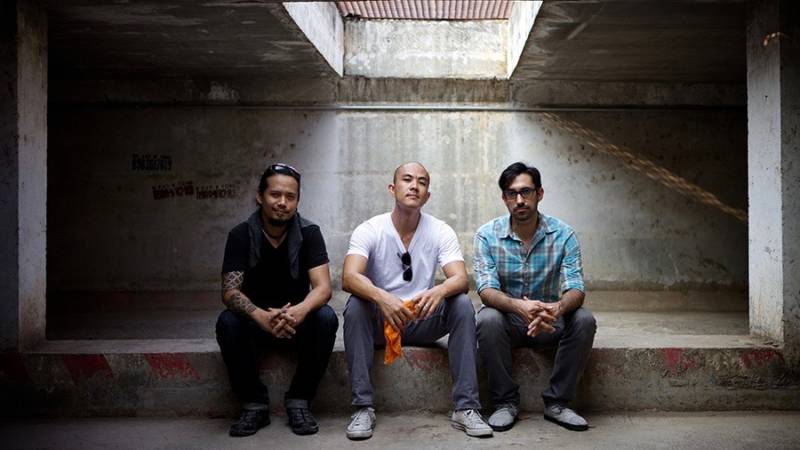
"caption": "The Propeller Group, (left to right): Phunam, Tuan Andrew Nguyen and Matt Lucero. ",
"description": "The Propeller Group, (left to right): Phunam, Tuan Andrew Nguyen and Matt Lucero. ",
"title": "1._tpg3_group_portrait 2",
"credit": "Photo: Courtesy the Propeller Group",
"status": "inherit",
"isLoading": false,
"fetchFailed": false
},
"arts_13810776": {
"type": "attachments",
"id": "arts_13810776",
"meta": {
"index": "attachments_1716263798",
"site": "arts",
"id": "13810776",
"found": true
},
"parent": 13810754,
"imgSizes": {
"small": {
"file": "https://ww2.kqed.org/app/uploads/sites/2/2017/10/Rubin2-520x275.jpg",
"width": 520,
"mimeType": "image/jpeg",
"height": 275
},
"twentyfourteen-full-width": {
"file": "https://ww2.kqed.org/app/uploads/sites/2/2017/10/Rubin2-1038x570.jpg",
"width": 1038,
"mimeType": "image/jpeg",
"height": 570
},
"thumbnail": {
"file": "https://ww2.kqed.org/app/uploads/sites/2/2017/10/Rubin2-160x85.jpg",
"width": 160,
"mimeType": "image/jpeg",
"height": 85
},
"fd-sm": {
"file": "https://ww2.kqed.org/app/uploads/sites/2/2017/10/Rubin2-960x507.jpg",
"width": 960,
"mimeType": "image/jpeg",
"height": 507
},
"post-thumbnail": {
"file": "https://ww2.kqed.org/app/uploads/sites/2/2017/10/Rubin2-672x372.jpg",
"width": 672,
"mimeType": "image/jpeg",
"height": 372
},
"xsmall": {
"file": "https://ww2.kqed.org/app/uploads/sites/2/2017/10/Rubin2-375x198.jpg",
"width": 375,
"mimeType": "image/jpeg",
"height": 198
},
"kqedFullSize": {
"file": "https://ww2.kqed.org/app/uploads/sites/2/2017/10/Rubin2.jpg",
"width": 1079,
"height": 570
},
"large": {
"file": "https://ww2.kqed.org/app/uploads/sites/2/2017/10/Rubin2-1020x539.jpg",
"width": 1020,
"mimeType": "image/jpeg",
"height": 539
},
"guest-author-50": {
"file": "https://ww2.kqed.org/app/uploads/sites/2/2017/10/Rubin2-50x50.jpg",
"width": 50,
"mimeType": "image/jpeg",
"height": 50
},
"guest-author-96": {
"file": "https://ww2.kqed.org/app/uploads/sites/2/2017/10/Rubin2-96x96.jpg",
"width": 96,
"mimeType": "image/jpeg",
"height": 96
},
"medium": {
"file": "https://ww2.kqed.org/app/uploads/sites/2/2017/10/Rubin2-800x423.jpg",
"width": 800,
"mimeType": "image/jpeg",
"height": 423
},
"guest-author-64": {
"file": "https://ww2.kqed.org/app/uploads/sites/2/2017/10/Rubin2-64x64.jpg",
"width": 64,
"mimeType": "image/jpeg",
"height": 64
},
"guest-author-32": {
"file": "https://ww2.kqed.org/app/uploads/sites/2/2017/10/Rubin2-32x32.jpg",
"width": 32,
"mimeType": "image/jpeg",
"height": 32
},
"detail": {
"file": "https://ww2.kqed.org/app/uploads/sites/2/2017/10/Rubin2-150x150.jpg",
"width": 150,
"mimeType": "image/jpeg",
"height": 150
},
"medium_large": {
"file": "https://ww2.kqed.org/app/uploads/sites/2/2017/10/Rubin2-768x406.jpg",
"width": 768,
"mimeType": "image/jpeg",
"height": 406
},
"guest-author-128": {
"file": "https://ww2.kqed.org/app/uploads/sites/2/2017/10/Rubin2-128x128.jpg",
"width": 128,
"mimeType": "image/jpeg",
"height": 128
},
"xxsmall": {
"file": "https://ww2.kqed.org/app/uploads/sites/2/2017/10/Rubin2-240x127.jpg",
"width": 240,
"mimeType": "image/jpeg",
"height": 127
}
},
"publishDate": 1507332385,
"modified": 1507332519,
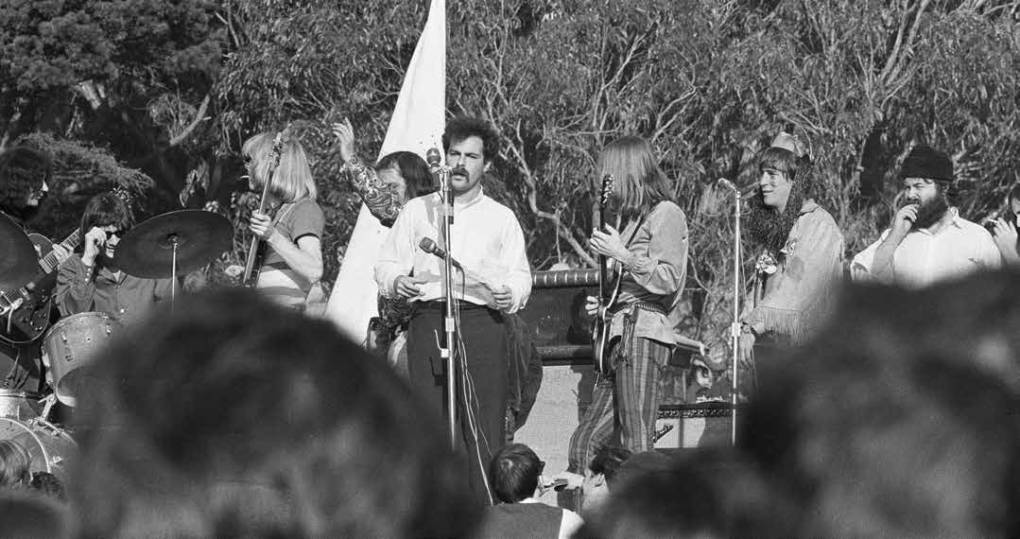
"caption": "Rubin hopping the stage at a Grateful Dead concert for the Human Be-In in 1967.",
"description": "Rubin hopping the stage at a Grateful Dead concert for the Human Be-In in 1967",
"title": "Rubin2",
"credit": "Fantagraphics Books",
"status": "inherit",
"isLoading": false,
"fetchFailed": false
},
"arts_13810783": {
"type": "attachments",
"id": "arts_13810783",
"meta": {
"index": "attachments_1716263798",
"site": "arts",
"id": "13810783",
"found": true
},
"parent": 13810513,
"imgSizes": {
"small": {
"file": "https://ww2.kqed.org/app/uploads/sites/2/2017/10/vn-unknownCROP-520x293.jpg",
"width": 520,
"mimeType": "image/jpeg",
"height": 293
},
"twentyfourteen-full-width": {
"file": "https://ww2.kqed.org/app/uploads/sites/2/2017/10/vn-unknownCROP-1038x576.jpg",
"width": 1038,
"mimeType": "image/jpeg",
"height": 576
},
"thumbnail": {
"file": "https://ww2.kqed.org/app/uploads/sites/2/2017/10/vn-unknownCROP-160x90.jpg",
"width": 160,
"mimeType": "image/jpeg",
"height": 90
},
"fd-sm": {
"file": "https://ww2.kqed.org/app/uploads/sites/2/2017/10/vn-unknownCROP-960x540.jpg",
"width": 960,
"mimeType": "image/jpeg",
"height": 540
},
"post-thumbnail": {
"file": "https://ww2.kqed.org/app/uploads/sites/2/2017/10/vn-unknownCROP-672x372.jpg",
"width": 672,
"mimeType": "image/jpeg",
"height": 372
},
"xsmall": {
"file": "https://ww2.kqed.org/app/uploads/sites/2/2017/10/vn-unknownCROP-375x211.jpg",
"width": 375,
"mimeType": "image/jpeg",
"height": 211
},
"kqedFullSize": {
"file": "https://ww2.kqed.org/app/uploads/sites/2/2017/10/vn-unknownCROP.jpg",
"width": 1920,
"height": 1080
},
"large": {
"file": "https://ww2.kqed.org/app/uploads/sites/2/2017/10/vn-unknownCROP-1020x574.jpg",
"width": 1020,
"mimeType": "image/jpeg",
"height": 574
},
"xlarge": {
"file": "https://ww2.kqed.org/app/uploads/sites/2/2017/10/vn-unknownCROP-1180x664.jpg",
"width": 1180,
"mimeType": "image/jpeg",
"height": 664
},
"guest-author-50": {
"file": "https://ww2.kqed.org/app/uploads/sites/2/2017/10/vn-unknownCROP-50x50.jpg",
"width": 50,
"mimeType": "image/jpeg",
"height": 50
},
"guest-author-96": {
"file": "https://ww2.kqed.org/app/uploads/sites/2/2017/10/vn-unknownCROP-96x96.jpg",
"width": 96,
"mimeType": "image/jpeg",
"height": 96
},
"medium": {
"file": "https://ww2.kqed.org/app/uploads/sites/2/2017/10/vn-unknownCROP-800x450.jpg",
"width": 800,
"mimeType": "image/jpeg",
"height": 450
},
"guest-author-64": {
"file": "https://ww2.kqed.org/app/uploads/sites/2/2017/10/vn-unknownCROP-64x64.jpg",
"width": 64,
"mimeType": "image/jpeg",
"height": 64
},
"guest-author-32": {
"file": "https://ww2.kqed.org/app/uploads/sites/2/2017/10/vn-unknownCROP-32x32.jpg",
"width": 32,
"mimeType": "image/jpeg",
"height": 32
},
"fd-lrg": {
"file": "https://ww2.kqed.org/app/uploads/sites/2/2017/10/vn-unknownCROP-1920x1080.jpg",
"width": 1920,
"mimeType": "image/jpeg",
"height": 1080
},
"fd-med": {
"file": "https://ww2.kqed.org/app/uploads/sites/2/2017/10/vn-unknownCROP-1180x664.jpg",
"width": 1180,
"mimeType": "image/jpeg",
"height": 664
},
"full-width": {
"file": "https://ww2.kqed.org/app/uploads/sites/2/2017/10/vn-unknownCROP-1920x1080.jpg",
"width": 1920,
"mimeType": "image/jpeg",
"height": 1080
},
"detail": {
"file": "https://ww2.kqed.org/app/uploads/sites/2/2017/10/vn-unknownCROP-150x150.jpg",
"width": 150,
"mimeType": "image/jpeg",
"height": 150
},
"medium_large": {
"file": "https://ww2.kqed.org/app/uploads/sites/2/2017/10/vn-unknownCROP-768x432.jpg",
"width": 768,
"mimeType": "image/jpeg",
"height": 432
},
"guest-author-128": {
"file": "https://ww2.kqed.org/app/uploads/sites/2/2017/10/vn-unknownCROP-128x128.jpg",
"width": 128,
"mimeType": "image/jpeg",
"height": 128
},
"xxsmall": {
"file": "https://ww2.kqed.org/app/uploads/sites/2/2017/10/vn-unknownCROP-240x135.jpg",
"width": 240,
"mimeType": "image/jpeg",
"height": 135
}
},
"publishDate": 1507334669,
"modified": 1507334899,
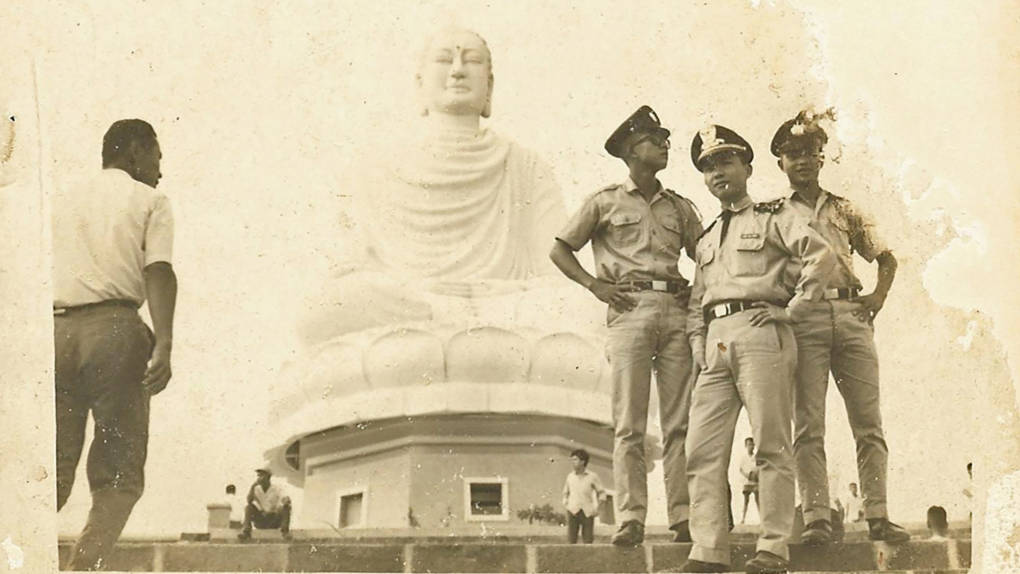
"caption": "No one in my family seems to know who the people are in this photo or why this pic was taken",
"description": "No one in my family seems to know who the people are in this photo or why this pic was taken",
"title": "vn-unknownCROP",
"credit": "Courtesy of Beth Nguyen",
"status": "inherit",
"isLoading": false,
"fetchFailed": false
},
"arts_13810034": {
"type": "attachments",
"id": "arts_13810034",
"meta": {
"index": "attachments_1716263798",
"site": "arts",
"id": "13810034",
"found": true
},
"parent": 13809968,
"imgSizes": {
"small": {
"file": "https://ww2.kqed.org/app/uploads/sites/2/2017/09/SusieandSteve1969-anti-war-marchCROP-520x293.jpg",
"width": 520,
"mimeType": "image/jpeg",
"height": 293
},
"twentyfourteen-full-width": {
"file": "https://ww2.kqed.org/app/uploads/sites/2/2017/09/SusieandSteve1969-anti-war-marchCROP-1038x576.jpg",
"width": 1038,
"mimeType": "image/jpeg",
"height": 576
},
"thumbnail": {
"file": "https://ww2.kqed.org/app/uploads/sites/2/2017/09/SusieandSteve1969-anti-war-marchCROP-160x90.jpg",
"width": 160,
"mimeType": "image/jpeg",
"height": 90
},
"fd-sm": {
"file": "https://ww2.kqed.org/app/uploads/sites/2/2017/09/SusieandSteve1969-anti-war-marchCROP-960x540.jpg",
"width": 960,
"mimeType": "image/jpeg",
"height": 540
},
"post-thumbnail": {
"file": "https://ww2.kqed.org/app/uploads/sites/2/2017/09/SusieandSteve1969-anti-war-marchCROP-672x372.jpg",
"width": 672,
"mimeType": "image/jpeg",
"height": 372
},
"xsmall": {
"file": "https://ww2.kqed.org/app/uploads/sites/2/2017/09/SusieandSteve1969-anti-war-marchCROP-375x211.jpg",
"width": 375,
"mimeType": "image/jpeg",
"height": 211
},
"kqedFullSize": {
"file": "https://ww2.kqed.org/app/uploads/sites/2/2017/09/SusieandSteve1969-anti-war-marchCROP.jpg",
"width": 1920,
"height": 1080
},
"large": {
"file": "https://ww2.kqed.org/app/uploads/sites/2/2017/09/SusieandSteve1969-anti-war-marchCROP-1020x574.jpg",
"width": 1020,
"mimeType": "image/jpeg",
"height": 574
},
"xlarge": {
"file": "https://ww2.kqed.org/app/uploads/sites/2/2017/09/SusieandSteve1969-anti-war-marchCROP-1180x664.jpg",
"width": 1180,
"mimeType": "image/jpeg",
"height": 664
},
"guest-author-50": {
"file": "https://ww2.kqed.org/app/uploads/sites/2/2017/09/SusieandSteve1969-anti-war-marchCROP-50x50.jpg",
"width": 50,
"mimeType": "image/jpeg",
"height": 50
},
"guest-author-96": {
"file": "https://ww2.kqed.org/app/uploads/sites/2/2017/09/SusieandSteve1969-anti-war-marchCROP-96x96.jpg",
"width": 96,
"mimeType": "image/jpeg",
"height": 96
},
"medium": {
"file": "https://ww2.kqed.org/app/uploads/sites/2/2017/09/SusieandSteve1969-anti-war-marchCROP-800x450.jpg",
"width": 800,
"mimeType": "image/jpeg",
"height": 450
},
"guest-author-64": {
"file": "https://ww2.kqed.org/app/uploads/sites/2/2017/09/SusieandSteve1969-anti-war-marchCROP-64x64.jpg",
"width": 64,
"mimeType": "image/jpeg",
"height": 64
},
"guest-author-32": {
"file": "https://ww2.kqed.org/app/uploads/sites/2/2017/09/SusieandSteve1969-anti-war-marchCROP-32x32.jpg",
"width": 32,
"mimeType": "image/jpeg",
"height": 32
},
"fd-lrg": {
"file": "https://ww2.kqed.org/app/uploads/sites/2/2017/09/SusieandSteve1969-anti-war-marchCROP-1920x1080.jpg",
"width": 1920,
"mimeType": "image/jpeg",
"height": 1080
},
"fd-med": {
"file": "https://ww2.kqed.org/app/uploads/sites/2/2017/09/SusieandSteve1969-anti-war-marchCROP-1180x664.jpg",
"width": 1180,
"mimeType": "image/jpeg",
"height": 664
},
"full-width": {
"file": "https://ww2.kqed.org/app/uploads/sites/2/2017/09/SusieandSteve1969-anti-war-marchCROP-1920x1080.jpg",
"width": 1920,
"mimeType": "image/jpeg",
"height": 1080
},
"detail": {
"file": "https://ww2.kqed.org/app/uploads/sites/2/2017/09/SusieandSteve1969-anti-war-marchCROP-150x150.jpg",
"width": 150,
"mimeType": "image/jpeg",
"height": 150
},
"medium_large": {
"file": "https://ww2.kqed.org/app/uploads/sites/2/2017/09/SusieandSteve1969-anti-war-marchCROP-768x432.jpg",
"width": 768,
"mimeType": "image/jpeg",
"height": 432
},
"guest-author-128": {
"file": "https://ww2.kqed.org/app/uploads/sites/2/2017/09/SusieandSteve1969-anti-war-marchCROP-128x128.jpg",
"width": 128,
"mimeType": "image/jpeg",
"height": 128
},
"xxsmall": {
"file": "https://ww2.kqed.org/app/uploads/sites/2/2017/09/SusieandSteve1969-anti-war-marchCROP-240x135.jpg",
"width": 240,
"mimeType": "image/jpeg",
"height": 135
}
},
"publishDate": 1506718087,
"modified": 1506729334,
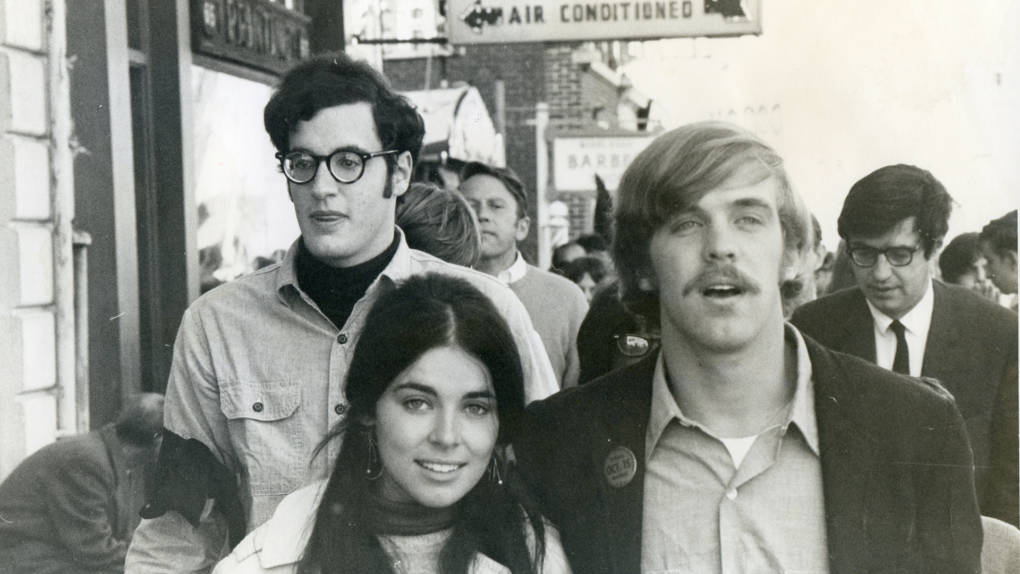
"caption": "Stephen Talbot leading an anti-war march in Middletown, Conn. on October 15, 1969, with his then girlfriend Susan Heldfond -- as part of the National Moratorium Day",
"description": "Stephen Talbot leading an anti-war march in Middletown, Conn. on October 15, 1969, with his then girlfriend Susan Heldfond -- as part of the National Moratorium Day",
"title": "SusieandSteve1969 anti-war marchCROP",
"credit": "Courtesy of Stephen Talbot",
"status": "inherit",
"isLoading": false,
"fetchFailed": false
},
"arts_13809044": {
"type": "attachments",
"id": "arts_13809044",
"meta": {
"index": "attachments_1716263798",
"site": "arts",
"id": "13809044",
"found": true
},
"parent": 13809038,
"imgSizes": {
"small": {
"file": "https://ww2.kqed.org/app/uploads/sites/2/2017/09/ZenWolfSmile-520x293.jpeg",
"width": 520,
"mimeType": "image/jpeg",
"height": 293
},
"twentyfourteen-full-width": {
"file": "https://ww2.kqed.org/app/uploads/sites/2/2017/09/ZenWolfSmile-1038x576.jpeg",
"width": 1038,
"mimeType": "image/jpeg",
"height": 576
},
"thumbnail": {
"file": "https://ww2.kqed.org/app/uploads/sites/2/2017/09/ZenWolfSmile-160x90.jpeg",
"width": 160,
"mimeType": "image/jpeg",
"height": 90
},
"fd-sm": {
"file": "https://ww2.kqed.org/app/uploads/sites/2/2017/09/ZenWolfSmile-960x540.jpeg",
"width": 960,
"mimeType": "image/jpeg",
"height": 540
},
"post-thumbnail": {
"file": "https://ww2.kqed.org/app/uploads/sites/2/2017/09/ZenWolfSmile-672x372.jpeg",
"width": 672,
"mimeType": "image/jpeg",
"height": 372
},
"xsmall": {
"file": "https://ww2.kqed.org/app/uploads/sites/2/2017/09/ZenWolfSmile-375x211.jpeg",
"width": 375,
"mimeType": "image/jpeg",
"height": 211
},
"kqedFullSize": {
"file": "https://ww2.kqed.org/app/uploads/sites/2/2017/09/ZenWolfSmile.jpeg",
"width": 1920,
"height": 1080
},
"large": {
"file": "https://ww2.kqed.org/app/uploads/sites/2/2017/09/ZenWolfSmile-1020x574.jpeg",
"width": 1020,
"mimeType": "image/jpeg",
"height": 574
},
"xlarge": {
"file": "https://ww2.kqed.org/app/uploads/sites/2/2017/09/ZenWolfSmile-1180x664.jpeg",
"width": 1180,
"mimeType": "image/jpeg",
"height": 664
},
"guest-author-50": {
"file": "https://ww2.kqed.org/app/uploads/sites/2/2017/09/ZenWolfSmile-50x50.jpeg",
"width": 50,
"mimeType": "image/jpeg",
"height": 50
},
"guest-author-96": {
"file": "https://ww2.kqed.org/app/uploads/sites/2/2017/09/ZenWolfSmile-96x96.jpeg",
"width": 96,
"mimeType": "image/jpeg",
"height": 96
},
"medium": {
"file": "https://ww2.kqed.org/app/uploads/sites/2/2017/09/ZenWolfSmile-800x450.jpeg",
"width": 800,
"mimeType": "image/jpeg",
"height": 450
},
"guest-author-64": {
"file": "https://ww2.kqed.org/app/uploads/sites/2/2017/09/ZenWolfSmile-64x64.jpeg",
"width": 64,
"mimeType": "image/jpeg",
"height": 64
},
"guest-author-32": {
"file": "https://ww2.kqed.org/app/uploads/sites/2/2017/09/ZenWolfSmile-32x32.jpeg",
"width": 32,
"mimeType": "image/jpeg",
"height": 32
},
"fd-lrg": {
"file": "https://ww2.kqed.org/app/uploads/sites/2/2017/09/ZenWolfSmile-1920x1080.jpeg",
"width": 1920,
"mimeType": "image/jpeg",
"height": 1080
},
"fd-med": {
"file": "https://ww2.kqed.org/app/uploads/sites/2/2017/09/ZenWolfSmile-1180x664.jpeg",
"width": 1180,
"mimeType": "image/jpeg",
"height": 664
},
"full-width": {
"file": "https://ww2.kqed.org/app/uploads/sites/2/2017/09/ZenWolfSmile-1920x1080.jpeg",
"width": 1920,
"mimeType": "image/jpeg",
"height": 1080
},
"detail": {
"file": "https://ww2.kqed.org/app/uploads/sites/2/2017/09/ZenWolfSmile-150x150.jpeg",
"width": 150,
"mimeType": "image/jpeg",
"height": 150
},
"medium_large": {
"file": "https://ww2.kqed.org/app/uploads/sites/2/2017/09/ZenWolfSmile-768x432.jpeg",
"width": 768,
"mimeType": "image/jpeg",
"height": 432
},
"guest-author-128": {
"file": "https://ww2.kqed.org/app/uploads/sites/2/2017/09/ZenWolfSmile-128x128.jpeg",
"width": 128,
"mimeType": "image/jpeg",
"height": 128
},
"xxsmall": {
"file": "https://ww2.kqed.org/app/uploads/sites/2/2017/09/ZenWolfSmile-240x135.jpeg",
"width": 240,
"mimeType": "image/jpeg",
"height": 135
}
},
"publishDate": 1505934133,
"modified": 1505934171,
"caption": "Peter Coyote ",
"description": "Peter Coyote ",
"title": "ZenWolfSmile",
"credit": "Courtesy of Peter Coyote",
"status": "inherit",
"isLoading": false,
"fetchFailed": false
},
"news_11617331": {
"type": "attachments",
"id": "news_11617331",
"meta": {
"index": "attachments_1716263798",
"site": "news",
"id": "11617331",
"found": true
},
"parent": 11617329,
"imgSizes": {
"small": {
"file": "https://ww2.kqed.org/app/uploads/sites/10/2017/09/Mezzanine_1920x1080-520x293.jpg",
"width": 520,
"mimeType": "image/jpeg",
"height": 293
},
"twentyfourteen-full-width": {
"file": "https://ww2.kqed.org/app/uploads/sites/10/2017/09/Mezzanine_1920x1080-1038x576.jpg",
"width": 1038,
"mimeType": "image/jpeg",
"height": 576
},
"thumbnail": {
"file": "https://ww2.kqed.org/app/uploads/sites/10/2017/09/Mezzanine_1920x1080-160x90.jpg",
"width": 160,
"mimeType": "image/jpeg",
"height": 90
},
"fd-sm": {
"file": "https://ww2.kqed.org/app/uploads/sites/10/2017/09/Mezzanine_1920x1080-960x540.jpg",
"width": 960,
"mimeType": "image/jpeg",
"height": 540
},
"post-thumbnail": {
"file": "https://ww2.kqed.org/app/uploads/sites/10/2017/09/Mezzanine_1920x1080-672x372.jpg",
"width": 672,
"mimeType": "image/jpeg",
"height": 372
},
"xsmall": {
"file": "https://ww2.kqed.org/app/uploads/sites/10/2017/09/Mezzanine_1920x1080-375x211.jpg",
"width": 375,
"mimeType": "image/jpeg",
"height": 211
},
"kqedFullSize": {
"file": "https://ww2.kqed.org/app/uploads/sites/10/2017/09/Mezzanine_1920x1080.jpg",
"width": 1920,
"height": 1080
},
"large": {
"file": "https://ww2.kqed.org/app/uploads/sites/10/2017/09/Mezzanine_1920x1080-1020x574.jpg",
"width": 1020,
"mimeType": "image/jpeg",
"height": 574
},
"xlarge": {
"file": "https://ww2.kqed.org/app/uploads/sites/10/2017/09/Mezzanine_1920x1080-1180x664.jpg",
"width": 1180,
"mimeType": "image/jpeg",
"height": 664
},
"guest-author-50": {
"file": "https://ww2.kqed.org/app/uploads/sites/10/2017/09/Mezzanine_1920x1080-50x50.jpg",
"width": 50,
"mimeType": "image/jpeg",
"height": 50
},
"guest-author-96": {
"file": "https://ww2.kqed.org/app/uploads/sites/10/2017/09/Mezzanine_1920x1080-96x96.jpg",
"width": 96,
"mimeType": "image/jpeg",
"height": 96
},
"medium": {
"file": "https://ww2.kqed.org/app/uploads/sites/10/2017/09/Mezzanine_1920x1080-800x450.jpg",
"width": 800,
"mimeType": "image/jpeg",
"height": 450
},
"guest-author-64": {
"file": "https://ww2.kqed.org/app/uploads/sites/10/2017/09/Mezzanine_1920x1080-64x64.jpg",
"width": 64,
"mimeType": "image/jpeg",
"height": 64
},
"guest-author-32": {
"file": "https://ww2.kqed.org/app/uploads/sites/10/2017/09/Mezzanine_1920x1080-32x32.jpg",
"width": 32,
"mimeType": "image/jpeg",
"height": 32
},
"fd-lrg": {
"file": "https://ww2.kqed.org/app/uploads/sites/10/2017/09/Mezzanine_1920x1080-1920x1080.jpg",
"width": 1920,
"mimeType": "image/jpeg",
"height": 1080
},
"fd-med": {
"file": "https://ww2.kqed.org/app/uploads/sites/10/2017/09/Mezzanine_1920x1080-1180x664.jpg",
"width": 1180,
"mimeType": "image/jpeg",
"height": 664
},
"full-width": {
"file": "https://ww2.kqed.org/app/uploads/sites/10/2017/09/Mezzanine_1920x1080-1920x1080.jpg",
"width": 1920,
"mimeType": "image/jpeg",
"height": 1080
},
"detail": {
"file": "https://ww2.kqed.org/app/uploads/sites/10/2017/09/Mezzanine_1920x1080-150x150.jpg",
"width": 150,
"mimeType": "image/jpeg",
"height": 150
},
"guest-author-128": {
"file": "https://ww2.kqed.org/app/uploads/sites/10/2017/09/Mezzanine_1920x1080-128x128.jpg",
"width": 128,
"mimeType": "image/jpeg",
"height": 128
},
"xxsmall": {
"file": "https://ww2.kqed.org/app/uploads/sites/10/2017/09/Mezzanine_1920x1080-240x135.jpg",
"width": 240,
"mimeType": "image/jpeg",
"height": 135
}
},
"publishDate": 1505515809,
"modified": 1505515840,
"caption": null,
"description": null,
"title": "The Vietnam War",
"credit": null,
"status": "inherit",
"isLoading": false,
"fetchFailed": false
},
"arts_13808628": {
"type": "attachments",
"id": "arts_13808628",
"meta": {
"index": "attachments_1716263798",
"site": "arts",
"id": "13808628",
"found": true
},
"parent": 13808627,
"imgSizes": {
"small": {
"file": "https://ww2.kqed.org/app/uploads/sites/2/2017/09/RS26520_DAVE_SANDERS-2-520x293.jpg",
"width": 520,
"mimeType": "image/jpeg",
"height": 293
},
"twentyfourteen-full-width": {
"file": "https://ww2.kqed.org/app/uploads/sites/2/2017/09/RS26520_DAVE_SANDERS-2-1038x576.jpg",
"width": 1038,
"mimeType": "image/jpeg",
"height": 576
},
"thumbnail": {
"file": "https://ww2.kqed.org/app/uploads/sites/2/2017/09/RS26520_DAVE_SANDERS-2-160x90.jpg",
"width": 160,
"mimeType": "image/jpeg",
"height": 90
},
"fd-sm": {
"file": "https://ww2.kqed.org/app/uploads/sites/2/2017/09/RS26520_DAVE_SANDERS-2-960x540.jpg",
"width": 960,
"mimeType": "image/jpeg",
"height": 540
},
"post-thumbnail": {
"file": "https://ww2.kqed.org/app/uploads/sites/2/2017/09/RS26520_DAVE_SANDERS-2-672x372.jpg",
"width": 672,
"mimeType": "image/jpeg",
"height": 372
},
"xsmall": {
"file": "https://ww2.kqed.org/app/uploads/sites/2/2017/09/RS26520_DAVE_SANDERS-2-375x211.jpg",
"width": 375,
"mimeType": "image/jpeg",
"height": 211
},
"kqedFullSize": {
"file": "https://ww2.kqed.org/app/uploads/sites/2/2017/09/RS26520_DAVE_SANDERS-2.jpg",
"width": 3840,
"height": 2160
},
"large": {
"file": "https://ww2.kqed.org/app/uploads/sites/2/2017/09/RS26520_DAVE_SANDERS-2-1020x574.jpg",
"width": 1020,
"mimeType": "image/jpeg",
"height": 574
},
"xlarge": {
"file": "https://ww2.kqed.org/app/uploads/sites/2/2017/09/RS26520_DAVE_SANDERS-2-1180x664.jpg",
"width": 1180,
"mimeType": "image/jpeg",
"height": 664
},
"guest-author-50": {
"file": "https://ww2.kqed.org/app/uploads/sites/2/2017/09/RS26520_DAVE_SANDERS-2-50x50.jpg",
"width": 50,
"mimeType": "image/jpeg",
"height": 50
},
"guest-author-96": {
"file": "https://ww2.kqed.org/app/uploads/sites/2/2017/09/RS26520_DAVE_SANDERS-2-96x96.jpg",
"width": 96,
"mimeType": "image/jpeg",
"height": 96
},
"medium": {
"file": "https://ww2.kqed.org/app/uploads/sites/2/2017/09/RS26520_DAVE_SANDERS-2-800x450.jpg",
"width": 800,
"mimeType": "image/jpeg",
"height": 450
},
"guest-author-64": {
"file": "https://ww2.kqed.org/app/uploads/sites/2/2017/09/RS26520_DAVE_SANDERS-2-64x64.jpg",
"width": 64,
"mimeType": "image/jpeg",
"height": 64
},
"guest-author-32": {
"file": "https://ww2.kqed.org/app/uploads/sites/2/2017/09/RS26520_DAVE_SANDERS-2-32x32.jpg",
"width": 32,
"mimeType": "image/jpeg",
"height": 32
},
"fd-lrg": {
"file": "https://ww2.kqed.org/app/uploads/sites/2/2017/09/RS26520_DAVE_SANDERS-2-1920x1080.jpg",
"width": 1920,
"mimeType": "image/jpeg",
"height": 1080
},
"fd-med": {
"file": "https://ww2.kqed.org/app/uploads/sites/2/2017/09/RS26520_DAVE_SANDERS-2-1180x664.jpg",
"width": 1180,
"mimeType": "image/jpeg",
"height": 664
},
"full-width": {
"file": "https://ww2.kqed.org/app/uploads/sites/2/2017/09/RS26520_DAVE_SANDERS-2-1920x1080.jpg",
"width": 1920,
"mimeType": "image/jpeg",
"height": 1080
},
"detail": {
"file": "https://ww2.kqed.org/app/uploads/sites/2/2017/09/RS26520_DAVE_SANDERS-2-150x150.jpg",
"width": 150,
"mimeType": "image/jpeg",
"height": 150
},
"medium_large": {
"file": "https://ww2.kqed.org/app/uploads/sites/2/2017/09/RS26520_DAVE_SANDERS-2-768x432.jpg",
"width": 768,
"mimeType": "image/jpeg",
"height": 432
},
"guest-author-128": {
"file": "https://ww2.kqed.org/app/uploads/sites/2/2017/09/RS26520_DAVE_SANDERS-2-128x128.jpg",
"width": 128,
"mimeType": "image/jpeg",
"height": 128
},
"xxsmall": {
"file": "https://ww2.kqed.org/app/uploads/sites/2/2017/09/RS26520_DAVE_SANDERS-2-240x135.jpg",
"width": 240,
"mimeType": "image/jpeg",
"height": 135
}
},
"publishDate": 1505455508,
"modified": 1505455898,
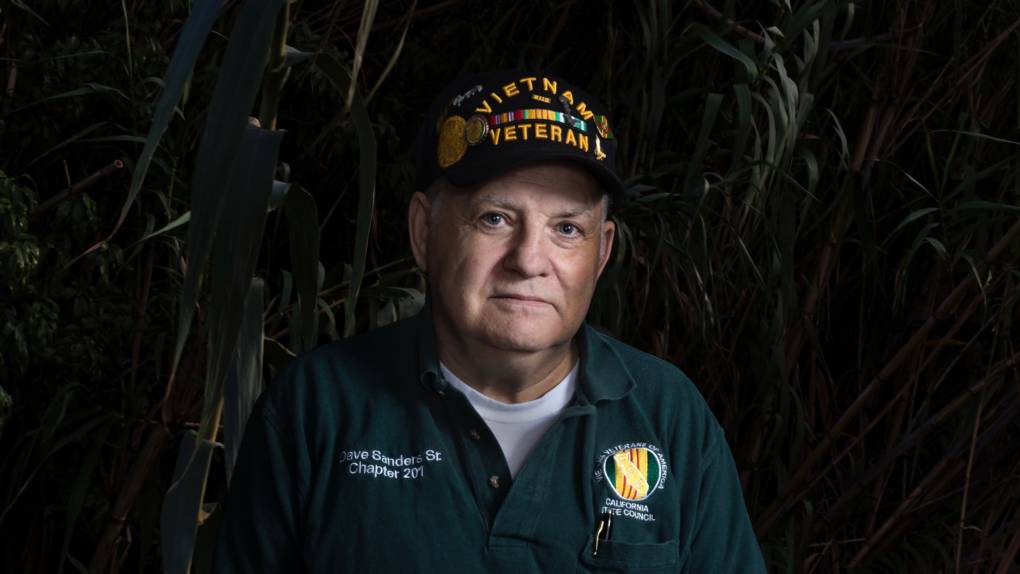
"caption": "Dave Sanders doesn’t regret his willingness to enlist. \"We did what our country wanted - the military portion of our country and the politicians. But, you know, the more I know, the sadder I get.\"",
"description": "Dave Sanders doesn’t regret his willingness to enlist. \"We did what our country wanted - the military portion of our country and the politicians. But, you know, the more I know, the sadder I get.\"",
"title": "RS26520_DAVE_SANDERS-2",
"credit": "Courtesy of Thomas Sanders",
"status": "inherit",
"isLoading": false,
"fetchFailed": false
},
"arts_13807369": {
"type": "attachments",
"id": "arts_13807369",
"meta": {
"index": "attachments_1716263798",
"site": "arts",
"id": "13807369",
"found": true
},
"parent": 13807168,
"imgSizes": {
"small": {
"file": "https://ww2.kqed.org/app/uploads/sites/2/2017/09/Thao.MAIN_-520x293.jpg",
"width": 520,
"mimeType": "image/jpeg",
"height": 293
},
"thumbnail": {
"file": "https://ww2.kqed.org/app/uploads/sites/2/2017/09/Thao.MAIN_-160x90.jpg",
"width": 160,
"mimeType": "image/jpeg",
"height": 90
},
"post-thumbnail": {
"file": "https://ww2.kqed.org/app/uploads/sites/2/2017/09/Thao.MAIN_-672x372.jpg",
"width": 672,
"mimeType": "image/jpeg",
"height": 372
},
"xsmall": {
"file": "https://ww2.kqed.org/app/uploads/sites/2/2017/09/Thao.MAIN_-375x211.jpg",
"width": 375,
"mimeType": "image/jpeg",
"height": 211
},
"kqedFullSize": {
"file": "https://ww2.kqed.org/app/uploads/sites/2/2017/09/Thao.MAIN_.jpg",
"width": 800,
"height": 450
},
"guest-author-50": {
"file": "https://ww2.kqed.org/app/uploads/sites/2/2017/09/Thao.MAIN_-50x50.jpg",
"width": 50,
"mimeType": "image/jpeg",
"height": 50
},
"guest-author-96": {
"file": "https://ww2.kqed.org/app/uploads/sites/2/2017/09/Thao.MAIN_-96x96.jpg",
"width": 96,
"mimeType": "image/jpeg",
"height": 96
},
"medium": {
"file": "https://ww2.kqed.org/app/uploads/sites/2/2017/09/Thao.MAIN_-800x450.jpg",
"width": 800,
"mimeType": "image/jpeg",
"height": 450
},
"guest-author-64": {
"file": "https://ww2.kqed.org/app/uploads/sites/2/2017/09/Thao.MAIN_-64x64.jpg",
"width": 64,
"mimeType": "image/jpeg",
"height": 64
},
"guest-author-32": {
"file": "https://ww2.kqed.org/app/uploads/sites/2/2017/09/Thao.MAIN_-32x32.jpg",
"width": 32,
"mimeType": "image/jpeg",
"height": 32
},
"detail": {
"file": "https://ww2.kqed.org/app/uploads/sites/2/2017/09/Thao.MAIN_-150x150.jpg",
"width": 150,
"mimeType": "image/jpeg",
"height": 150
},
"medium_large": {
"file": "https://ww2.kqed.org/app/uploads/sites/2/2017/09/Thao.MAIN_-768x432.jpg",
"width": 768,
"mimeType": "image/jpeg",
"height": 432
},
"guest-author-128": {
"file": "https://ww2.kqed.org/app/uploads/sites/2/2017/09/Thao.MAIN_-128x128.jpg",
"width": 128,
"mimeType": "image/jpeg",
"height": 128
},
"xxsmall": {
"file": "https://ww2.kqed.org/app/uploads/sites/2/2017/09/Thao.MAIN_-240x135.jpg",
"width": 240,
"mimeType": "image/jpeg",
"height": 135
}
},
"publishDate": 1504413837,
"modified": 1504413879,
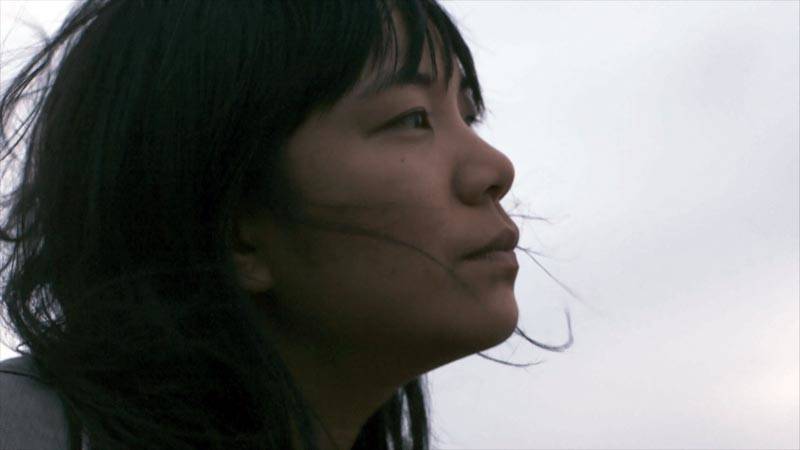
"caption": "San Francisco folk musician Thao Nguyen, the subject of the documentary 'Nobody Dies.'",
"description": "San Francisco folk musician Thao Nguyen, the subject of the documentary 'Nobody Dies.'",
"title": "Thao.MAIN",
"credit": "Courtesy of CAAM",
"status": "inherit",
"isLoading": false,
"fetchFailed": false
},
"arts_13791629": {
"type": "attachments",
"id": "arts_13791629",
"meta": {
"index": "attachments_1716263798",
"site": "arts",
"id": "13791629",
"found": true
},
"parent": 13790473,
"imgSizes": {
"small": {
"file": "https://ww2.kqed.org/app/uploads/sites/2/2017/08/S2773jpg-e1504298074820-520x292.jpeg",
"width": 520,
"mimeType": "image/jpeg",
"height": 292
},
"twentyfourteen-full-width": {
"file": "https://ww2.kqed.org/app/uploads/sites/2/2017/08/S2773jpg-e1504298074820-1038x576.jpeg",
"width": 1038,
"mimeType": "image/jpeg",
"height": 576
},
"thumbnail": {
"file": "https://ww2.kqed.org/app/uploads/sites/2/2017/08/S2773jpg-e1504298074820-160x90.jpeg",
"width": 160,
"mimeType": "image/jpeg",
"height": 90
},
"fd-sm": {
"file": "https://ww2.kqed.org/app/uploads/sites/2/2017/08/S2773jpg-e1504298074820-960x540.jpeg",
"width": 960,
"mimeType": "image/jpeg",
"height": 540
},
"post-thumbnail": {
"file": "https://ww2.kqed.org/app/uploads/sites/2/2017/08/S2773jpg-e1504298074820-672x372.jpeg",
"width": 672,
"mimeType": "image/jpeg",
"height": 372
},
"xsmall": {
"file": "https://ww2.kqed.org/app/uploads/sites/2/2017/08/S2773jpg-e1504298074820-375x211.jpeg",
"width": 375,
"mimeType": "image/jpeg",
"height": 211
},
"kqedFullSize": {
"file": "https://ww2.kqed.org/app/uploads/sites/2/2017/08/S2773jpg-e1504298074820.jpeg",
"width": 1261,
"height": 709
},
"large": {
"file": "https://ww2.kqed.org/app/uploads/sites/2/2017/08/S2773jpg-e1504298074820-1020x573.jpeg",
"width": 1020,
"mimeType": "image/jpeg",
"height": 573
},
"xlarge": {
"file": "https://ww2.kqed.org/app/uploads/sites/2/2017/08/S2773jpg-e1504298074820-1180x663.jpeg",
"width": 1180,
"mimeType": "image/jpeg",
"height": 663
},
"guest-author-50": {
"file": "https://ww2.kqed.org/app/uploads/sites/2/2017/08/S2773jpg-e1504298074820-50x50.jpeg",
"width": 50,
"mimeType": "image/jpeg",
"height": 50
},
"guest-author-96": {
"file": "https://ww2.kqed.org/app/uploads/sites/2/2017/08/S2773jpg-e1504298074820-96x96.jpeg",
"width": 96,
"mimeType": "image/jpeg",
"height": 96
},
"medium": {
"file": "https://ww2.kqed.org/app/uploads/sites/2/2017/08/S2773jpg-e1504298074820-800x450.jpeg",
"width": 800,
"mimeType": "image/jpeg",
"height": 450
},
"guest-author-64": {
"file": "https://ww2.kqed.org/app/uploads/sites/2/2017/08/S2773jpg-e1504298074820-64x64.jpeg",
"width": 64,
"mimeType": "image/jpeg",
"height": 64
},
"guest-author-32": {
"file": "https://ww2.kqed.org/app/uploads/sites/2/2017/08/S2773jpg-e1504298074820-32x32.jpeg",
"width": 32,
"mimeType": "image/jpeg",
"height": 32
},
"fd-med": {
"file": "https://ww2.kqed.org/app/uploads/sites/2/2017/08/S2773jpg-e1504298074820-1180x663.jpeg",
"width": 1180,
"mimeType": "image/jpeg",
"height": 663
},
"detail": {
"file": "https://ww2.kqed.org/app/uploads/sites/2/2017/08/S2773jpg-e1504298074820-150x150.jpeg",
"width": 150,
"mimeType": "image/jpeg",
"height": 150
},
"medium_large": {
"file": "https://ww2.kqed.org/app/uploads/sites/2/2017/08/S2773jpg-e1504298074820-768x432.jpeg",
"width": 768,
"mimeType": "image/jpeg",
"height": 432
},
"guest-author-128": {
"file": "https://ww2.kqed.org/app/uploads/sites/2/2017/08/S2773jpg-e1504298074820-128x128.jpeg",
"width": 128,
"mimeType": "image/jpeg",
"height": 128
},
"xxsmall": {
"file": "https://ww2.kqed.org/app/uploads/sites/2/2017/08/S2773jpg-e1504298074820-240x135.jpeg",
"width": 240,
"mimeType": "image/jpeg",
"height": 135
}
},
"publishDate": 1501651304,
"modified": 1501651614,
"caption": "Marines marching in Danang, March 15, 1965",
"description": "Marines marching in Danang",
"title": "S2773jpg",
"credit": "Courtesy of Associated Press",
"status": "inherit",
"isLoading": false,
"fetchFailed": false
},
"arts_13042307": {
"type": "attachments",
"id": "arts_13042307",
"meta": {
"index": "attachments_1716263798",
"site": "arts",
"id": "13042307",
"found": true
},
"parent": 13039627,
"imgSizes": {
"small": {
"file": "https://ww2.kqed.org/app/uploads/sites/2/2017/04/1086-Deyoung-COVER-520x293.jpg",
"width": 520,
"mimeType": "image/jpeg",
"height": 293
},
"twentyfourteen-full-width": {
"file": "https://ww2.kqed.org/app/uploads/sites/2/2017/04/1086-Deyoung-COVER-1038x576.jpg",
"width": 1038,
"mimeType": "image/jpeg",
"height": 576
},
"thumbnail": {
"file": "https://ww2.kqed.org/app/uploads/sites/2/2017/04/1086-Deyoung-COVER-160x90.jpg",
"width": 160,
"mimeType": "image/jpeg",
"height": 90
},
"fd-sm": {
"file": "https://ww2.kqed.org/app/uploads/sites/2/2017/04/1086-Deyoung-COVER-960x540.jpg",
"width": 960,
"mimeType": "image/jpeg",
"height": 540
},
"post-thumbnail": {
"file": "https://ww2.kqed.org/app/uploads/sites/2/2017/04/1086-Deyoung-COVER-672x372.jpg",
"width": 672,
"mimeType": "image/jpeg",
"height": 372
},
"xsmall": {
"file": "https://ww2.kqed.org/app/uploads/sites/2/2017/04/1086-Deyoung-COVER-375x211.jpg",
"width": 375,
"mimeType": "image/jpeg",
"height": 211
},
"kqedFullSize": {
"file": "https://ww2.kqed.org/app/uploads/sites/2/2017/04/1086-Deyoung-COVER.jpg",
"width": 1920,
"height": 1080
},
"large": {
"file": "https://ww2.kqed.org/app/uploads/sites/2/2017/04/1086-Deyoung-COVER-1020x574.jpg",
"width": 1020,
"mimeType": "image/jpeg",
"height": 574
},
"xlarge": {
"file": "https://ww2.kqed.org/app/uploads/sites/2/2017/04/1086-Deyoung-COVER-1180x664.jpg",
"width": 1180,
"mimeType": "image/jpeg",
"height": 664
},
"guest-author-50": {
"file": "https://ww2.kqed.org/app/uploads/sites/2/2017/04/1086-Deyoung-COVER-50x50.jpg",
"width": 50,
"mimeType": "image/jpeg",
"height": 50
},
"guest-author-96": {
"file": "https://ww2.kqed.org/app/uploads/sites/2/2017/04/1086-Deyoung-COVER-96x96.jpg",
"width": 96,
"mimeType": "image/jpeg",
"height": 96
},
"medium": {
"file": "https://ww2.kqed.org/app/uploads/sites/2/2017/04/1086-Deyoung-COVER-800x450.jpg",
"width": 800,
"mimeType": "image/jpeg",
"height": 450
},
"guest-author-64": {
"file": "https://ww2.kqed.org/app/uploads/sites/2/2017/04/1086-Deyoung-COVER-64x64.jpg",
"width": 64,
"mimeType": "image/jpeg",
"height": 64
},
"guest-author-32": {
"file": "https://ww2.kqed.org/app/uploads/sites/2/2017/04/1086-Deyoung-COVER-32x32.jpg",
"width": 32,
"mimeType": "image/jpeg",
"height": 32
},
"fd-lrg": {
"file": "https://ww2.kqed.org/app/uploads/sites/2/2017/04/1086-Deyoung-COVER-1920x1080.jpg",
"width": 1920,
"mimeType": "image/jpeg",
"height": 1080
},
"fd-med": {
"file": "https://ww2.kqed.org/app/uploads/sites/2/2017/04/1086-Deyoung-COVER-1180x664.jpg",
"width": 1180,
"mimeType": "image/jpeg",
"height": 664
},
"full-width": {
"file": "https://ww2.kqed.org/app/uploads/sites/2/2017/04/1086-Deyoung-COVER-1920x1080.jpg",
"width": 1920,
"mimeType": "image/jpeg",
"height": 1080
},
"detail": {
"file": "https://ww2.kqed.org/app/uploads/sites/2/2017/04/1086-Deyoung-COVER-150x150.jpg",
"width": 150,
"mimeType": "image/jpeg",
"height": 150
},
"medium_large": {
"file": "https://ww2.kqed.org/app/uploads/sites/2/2017/04/1086-Deyoung-COVER-768x432.jpg",
"width": 768,
"mimeType": "image/jpeg",
"height": 432
},
"guest-author-128": {
"file": "https://ww2.kqed.org/app/uploads/sites/2/2017/04/1086-Deyoung-COVER-128x128.jpg",
"width": 128,
"mimeType": "image/jpeg",
"height": 128
},
"xxsmall": {
"file": "https://ww2.kqed.org/app/uploads/sites/2/2017/04/1086-Deyoung-COVER-240x135.jpg",
"width": 240,
"mimeType": "image/jpeg",
"height": 135
}
},
"publishDate": 1492022385,
"modified": 1492022438,
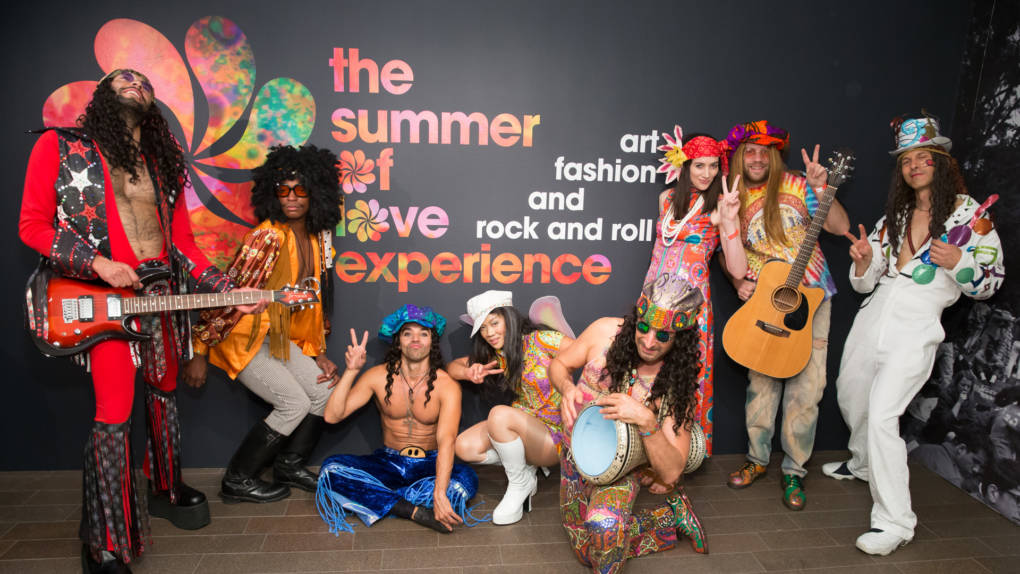
"caption": "Performers at 'The Summer of Love Experience' donor reception at de Young Museum.",
"description": "Performers at 'The Summer of Love Experience' donor reception at de Young Museum.",
"title": "The Summer of Love Experience Donor Reception",
"credit": "Devlin Shand for Drew Altizer Photography",
"status": "inherit",
"isLoading": false,
"fetchFailed": false
}
},
"audioPlayerReducer": {
"postId": "stream_live",
"isPaused": true,
"isPlaying": false,
"pfsActive": false,
"pledgeModalIsOpen": true,
"playerDrawerIsOpen": false,
"liveAudioPlayStartedAt": 0,
"liveAudioPlayContext": ""
},
"authorsReducer": {
"byline_arts_13838187": {
"type": "authors",
"id": "byline_arts_13838187",
"meta": {
"override": true
},
"slug": "byline_arts_13838187",
"name": "Mallory Yu",
"isLoading": false
},
"byline_arts_13810513": {
"type": "authors",
"id": "byline_arts_13810513",
"meta": {
"override": true
},
"slug": "byline_arts_13810513",
"name": "Beth Nguyen",
"isLoading": false
},
"byline_arts_13809968": {
"type": "authors",
"id": "byline_arts_13809968",
"meta": {
"override": true
},
"slug": "byline_arts_13809968",
"name": "Stephen Talbot",
"isLoading": false
},
"shotchkiss": {
"type": "authors",
"id": "61",
"meta": {
"index": "authors_1716337520",
"id": "61",
"found": true
},
"name": "Sarah Hotchkiss",
"firstName": "Sarah",
"lastName": "Hotchkiss",
"slug": "shotchkiss",
"email": "shotchkiss@kqed.org",
"display_author_email": true,
"staff_mastheads": [
"arts"
],
"title": "Senior Editor",
"bio": "Sarah Hotchkiss is a San Francisco \u003ca href=\"http://www.sarahhotchkiss.com\">artist\u003c/a> and arts writer. In 2019, she received the Dorothea & Leo Rabkin Foundation grant for visual art journalism and in 2020 she received a Society of Professional Journalists, Northern California award for excellence in arts and culture reporting.",
"avatar": "https://secure.gravatar.com/avatar/bc662df144b3d27fd8b1b6f1c2a420d34e91e53154d411bb7ad353cc8b6cea8d?s=600&d=blank&r=g",
"twitter": null,
"bluesky": null,
"facebook": null,
"instagram": null,
"linkedin": null,
"sites": [
{
"site": "",
"roles": [
"editor"
]
},
{
"site": "arts",
"roles": [
"Contributor",
"administrator"
]
},
{
"site": "artschool",
"roles": [
"administrator"
]
},
{
"site": "news",
"roles": [
"editor"
]
},
{
"site": "pop",
"roles": [
"administrator"
]
},
{
"site": "bayareabites",
"roles": [
"editor"
]
},
{
"site": "spark",
"roles": [
"editor"
]
},
{
"site": "checkplease",
"roles": [
"editor"
]
}
],
"headData": {
"title": "Sarah Hotchkiss | KQED",
"description": "Senior Editor",
"ogImgSrc": "https://secure.gravatar.com/avatar/bc662df144b3d27fd8b1b6f1c2a420d34e91e53154d411bb7ad353cc8b6cea8d?s=600&d=blank&r=g",
"twImgSrc": "https://secure.gravatar.com/avatar/bc662df144b3d27fd8b1b6f1c2a420d34e91e53154d411bb7ad353cc8b6cea8d?s=600&d=blank&r=g"
},
"isLoading": false,
"link": "/author/shotchkiss"
},
"kjones": {
"type": "authors",
"id": "93",
"meta": {
"index": "authors_1716337520",
"id": "93",
"found": true
},
"name": "Kevin L. Jones",
"firstName": "Kevin",
"lastName": "Jones",
"slug": "kjones",
"email": "kjones@kqed.org",
"display_author_email": false,
"staff_mastheads": [],
"title": null,
"bio": null,
"avatar": "https://secure.gravatar.com/avatar/12c65b5633ed39d0a59bb7f497eff645?s=600&d=blank&r=g",
"twitter": null,
"facebook": null,
"instagram": null,
"linkedin": null,
"sites": [
{
"site": "arts",
"roles": [
"subscriber"
]
},
{
"site": "styleguide",
"roles": [
"contributor"
]
},
{
"site": "artschool",
"roles": [
"subscriber"
]
},
{
"site": "news",
"roles": [
"subscriber"
]
},
{
"site": "pop",
"roles": [
"subscriber"
]
}
],
"headData": {
"title": "Kevin L. Jones | KQED",
"description": null,
"ogImgSrc": "https://secure.gravatar.com/avatar/12c65b5633ed39d0a59bb7f497eff645?s=600&d=blank&r=g",
"twImgSrc": "https://secure.gravatar.com/avatar/12c65b5633ed39d0a59bb7f497eff645?s=600&d=blank&r=g"
},
"isLoading": false,
"link": "/author/kjones"
},
"kqed": {
"type": "authors",
"id": "236",
"meta": {
"index": "authors_1716337520",
"id": "236",
"found": true
},
"name": "KQED News Staff",
"firstName": "KQED News Staff",
"lastName": null,
"slug": "kqed",
"email": "faq@kqed.org",
"display_author_email": false,
"staff_mastheads": [],
"title": null,
"bio": null,
"avatar": "https://secure.gravatar.com/avatar/ef0e801a68c4c54afa9180db14084167?s=600&d=blank&r=g",
"twitter": null,
"facebook": null,
"instagram": null,
"linkedin": null,
"sites": [
{
"site": "arts",
"roles": [
"contributor"
]
},
{
"site": "news",
"roles": [
"editor"
]
},
{
"site": "futureofyou",
"roles": [
"author"
]
}
],
"headData": {
"title": "KQED News Staff | KQED",
"description": null,
"ogImgSrc": "https://secure.gravatar.com/avatar/ef0e801a68c4c54afa9180db14084167?s=600&d=blank&r=g",
"twImgSrc": "https://secure.gravatar.com/avatar/ef0e801a68c4c54afa9180db14084167?s=600&d=blank&r=g"
},
"isLoading": false,
"link": "/author/kqed"
},
"rachael-myrow": {
"type": "authors",
"id": "251",
"meta": {
"index": "authors_1716337520",
"id": "251",
"found": true
},
"name": "Rachael Myrow",
"firstName": "Rachael",
"lastName": "Myrow",
"slug": "rachael-myrow",
"email": "rmyrow@kqed.org",
"display_author_email": true,
"staff_mastheads": [
"news"
],
"title": "Senior Editor of KQED's Silicon Valley News Desk",
"bio": "• I write and edit stories about how Silicon Valley power and policies shape everyday life in California. I’m also passionate about making Bay Area history and culture more accessible to a broad public. • I’ve been a journalist for most of my life, starting in high school with The Franklin Press in Los Angeles, where I grew up. While earning my first degree in English at UC Berkeley, I got my start in public radio at KALX-FM. After completing a second degree in journalism at Cal, I landed my first professional job at Marketplace, then moved on to KPCC (now LAist), and then KQED, where I hosted The California Report for more than seven years. • My reporting has appeared on NPR, The World, WBUR’s \u003ci>Here & Now\u003c/i>, and the BBC. I also guest host for KQED’s \u003ci>Forum\u003c/i>, as well as the Commonwealth Club in San Francisco. • I speak periodically on media, democracy and technology issues, and do voiceover work for documentaries and educational video projects. • Outside of the studio, you'll find me hiking Bay Area trails and whipping up Insta-ready meals in my kitchen. • I do not accept gifts, money, or favors from anyone connected to my reporting, I don't pay people for information, and I do not support or donate to political causes. • I strive to treat the people I report on with fairness, honesty, and respect. I also recognize there are often multiple sides to a story and work to verify information through multiple sources and documentation. If I get something wrong, I correct it.",
"avatar": "https://secure.gravatar.com/avatar/3ed8a3c5f26025e4a805ba634cda8cd764906b97438a6d9ce216b044e340da4e?s=600&d=blank&r=g",
"twitter": "rachaelmyrow",
"bluesky": null,
"facebook": null,
"instagram": null,
"linkedin": "https://www.linkedin.com/in/rachaelmyrow/",
"sites": [
{
"site": "arts",
"roles": [
"administrator"
]
},
{
"site": "news",
"roles": [
"edit_others_posts",
"editor"
]
},
{
"site": "futureofyou",
"roles": [
"editor"
]
},
{
"site": "bayareabites",
"roles": [
"editor"
]
},
{
"site": "stateofhealth",
"roles": [
"editor"
]
},
{
"site": "science",
"roles": [
"editor"
]
},
{
"site": "food",
"roles": [
"editor"
]
},
{
"site": "forum",
"roles": [
"editor"
]
},
{
"site": "liveblog",
"roles": [
"author"
]
}
],
"headData": {
"title": "Rachael Myrow | KQED",
"description": "Senior Editor of KQED's Silicon Valley News Desk",
"ogImgSrc": "https://secure.gravatar.com/avatar/3ed8a3c5f26025e4a805ba634cda8cd764906b97438a6d9ce216b044e340da4e?s=600&d=blank&r=g",
"twImgSrc": "https://secure.gravatar.com/avatar/3ed8a3c5f26025e4a805ba634cda8cd764906b97438a6d9ce216b044e340da4e?s=600&d=blank&r=g"
},
"isLoading": false,
"link": "/author/rachael-myrow"
},
"esilvers": {
"type": "authors",
"id": "7237",
"meta": {
"index": "authors_1716337520",
"id": "7237",
"found": true
},
"name": "Emma Silvers",
"firstName": "Emma",
"lastName": "Silvers",
"slug": "esilvers",
"email": "esilvers@kqed.org",
"display_author_email": false,
"staff_mastheads": [],
"title": "KQED Contributor",
"bio": "Emma Silvers is an editor at KQED Arts and a former digital producer at KQED News. Born and raised in the Bay Area, she has previously been an arts and entertainment editor at the \u003cem>San Francisco Chronicle\u003c/em>, \u003cem>SF Weekly\u003c/em> and the \u003cem>San Francisco Bay Guardian.\u003c/em> \u003ca href=\"https://www.emmasilvers.com\">Her work\u003c/a> has also appeared in \u003cem>Rolling Stone\u003c/em>, Pitchfork and \u003cem>Mother Jones\u003c/em>. In 2017 she was the recipient of the Society of Professional Journalists-Northern California's award for arts and culture reporting. In 1993 she \u003ca href=\"https://www.kqed.org/pop/16759/wait-what-my-coworker-was-a-voice-over-hyperventilator-for-jurassic-park\">hyperventilated in \u003cem>Jurassic Park\u003c/em>\u003c/a>.",
"avatar": "https://secure.gravatar.com/avatar/247beada39b88ea5759db1f51dba05cf?s=600&d=blank&r=g",
"twitter": "emmaruthless",
"facebook": null,
"instagram": null,
"linkedin": null,
"sites": [
{
"site": "arts",
"roles": [
"editor"
]
},
{
"site": "news",
"roles": [
"editor"
]
},
{
"site": "pop",
"roles": [
"contributor"
]
},
{
"site": "bayareabites",
"roles": [
"editor"
]
},
{
"site": "food",
"roles": [
"contributor"
]
},
{
"site": "liveblog",
"roles": [
"editor"
]
}
],
"headData": {
"title": "Emma Silvers | KQED",
"description": "KQED Contributor",
"ogImgSrc": "https://secure.gravatar.com/avatar/247beada39b88ea5759db1f51dba05cf?s=600&d=blank&r=g",
"twImgSrc": "https://secure.gravatar.com/avatar/247beada39b88ea5759db1f51dba05cf?s=600&d=blank&r=g"
},
"isLoading": false,
"link": "/author/esilvers"
},
"jbote": {
"type": "authors",
"id": "11371",
"meta": {
"index": "authors_1716337520",
"id": "11371",
"found": true
},
"name": "Joshua Bote",
"firstName": "Joshua",
"lastName": "Bote",
"slug": "jbote",
"email": "jbote@kqed.org",
"display_author_email": false,
"staff_mastheads": [],
"title": null,
"bio": "\u003cp class=\"p1\">Joshua Bote is an intern for KQED Arts. A senior at UC Berkeley, Joshua previously served as the Arts & Entertainment Editor at \u003ci>The Daily Californian\u003c/i>, UC Berkeley’s independently-run student newspaper. His work has been published in the \u003cem>East Bay Express.\u003c/em>\u003c/p>\r\n\u003cp class=\"p1\">He’s deeply enamored with Twitter culture, Carly Rae Jepsen, and love-oriented podcasts. He's also slowly learning to appreciate bad award shows. Follow him on Twitter \u003ca href=\"http://twitter.com/joshuaboat\">@joshuaboat\u003c/a>.\u003c/p>",
"avatar": "https://secure.gravatar.com/avatar/f060759cb27bc8b191022334ab99fc5a?s=600&d=blank&r=g",
"twitter": null,
"facebook": null,
"instagram": null,
"linkedin": null,
"sites": [
{
"site": "arts",
"roles": [
"author"
]
}
],
"headData": {
"title": "Joshua Bote | KQED",
"description": null,
"ogImgSrc": "https://secure.gravatar.com/avatar/f060759cb27bc8b191022334ab99fc5a?s=600&d=blank&r=g",
"twImgSrc": "https://secure.gravatar.com/avatar/f060759cb27bc8b191022334ab99fc5a?s=600&d=blank&r=g"
},
"isLoading": false,
"link": "/author/jbote"
}
},
"pagesReducer": {
"arts_tag_vietnam": {
"type": "terms",
"id": "arts_2473",
"meta": {
"index": "terms_1716263798",
"site": "arts",
"id": "2473",
"score": 8.937703
},
"featImg": null,
"name": "Vietnam",
"description": null,
"taxonomy": "tag",
"headData": {
"twImgId": null,
"twTitle": null,
"ogTitle": null,
"ogImgId": null,
"twDescription": null,
"description": null,
"title": "Vietnam Archives | KQED Arts",
"ogDescription": null
},
"ttid": 2485,
"slug": "vietnam",
"isLoading": false,
"title": "Vietnam",
"pageMeta": {
"site": "arts",
"WpPageTemplate": "page-topic-editorial",
"currentPage": 2
},
"blocks": [
{
"blockName": "kqed/post-list",
"attrs": {
"layout": "cardArticle2",
"query": "posts/arts?tag=vietnam",
"seeMore": false,
"paginated": true,
"page": 2
}
},
{
"blockName": "kqed/ad"
}
]
}
},
"pfsSessionReducer": {},
"postsReducer": {
"stream_live": {
"type": "live",
"id": "stream_live",
"audioUrl": "https://streams.kqed.org/kqedradio",
"title": "Live Stream",
"excerpt": "Live Stream information currently unavailable.",
"link": "/radio",
"featImg": "",
"label": {
"name": "KQED Live",
"link": "/"
}
},
"stream_kqedNewscast": {
"type": "posts",
"id": "stream_kqedNewscast",
"audioUrl": "https://www.kqed.org/.stream/anon/radio/RDnews/newscast.mp3?_=1",
"title": "KQED Newscast",
"featImg": "",
"label": {
"name": "88.5 FM",
"link": "/"
}
},
"arts_13850950": {
"type": "posts",
"id": "arts_13850950",
"meta": {
"index": "posts_1716263798",
"site": "arts",
"id": "13850950",
"score": null,
"sort": [
1550332082000
]
},
"parent": 0,
"labelTerm": {
"site": "arts",
"term": 140
},
"blocks": [],
"publishDate": 1550332082,
"format": "audio",
"title": "Dinh Q. Lê and the Art of Weaving Memory",
"headTitle": "Dinh Q. Lê and the Art of Weaving Memory | KQED",
"content": "\u003cp>Dinh Q. Lê was born in Vietnam. He lives there now, since moving back there in 1997. But he also grew up a refugee in Simi Valley, California after the end of the Vietnam War. His memories of the Vietnam War, or what the Vietnamese call the American War, are as much informed by American news and movies as his life experience.\u003c/p>\n\u003cp>As Lê told Western Washington University students a couple of years ago (about 22 minutes in to the video below), it came as a shock to him to realize he “remembered” helicopters he never saw.\u003cbr>\n[youtube https://www.youtube.com/watch?v=wLEHheUf-QI]\u003cbr>\n“From \u003cem>Apocalypse Now\u003c/em>! It’s not my personal experience! So where is my memory of the Vietnam War today?” he said.\u003c/p>\n\u003cp>He’s working on it, literally. The Vietnamese American artist has made a career weaving together photographs using a technique his aunt taught him to make grass mats. He pairs disparate images to highlight the argument or conversation between disparate views of history and culture.\u003c/p>\n\u003cp>\u003ca href=\"https://sjmusart.org/exhibition/dinh-q-le-true-journey-return\" target=\"_blank\" rel=\"noopener\">\u003ci>True Journey is Return\u003c/i>\u003c/a> on view at the San Jose Museum of Art offers a wide-ranging collection of Lê’s work, perhaps none more striking than \u003cem>Crossing the Farther Shore\u003c/em>.\u003c/p>\n\u003cp>Lê strings together Vietnamese family photographs taken in Vietnam during the 1940s-1980s into structures resembling mosquito nets.\u003c/p>\n\u003cp>[ad fullwidth]\u003c/p>\n\u003cp>They aren’t Lê’s family photos, but they might as well be, abandoned by families like his, fleeing South Vietnam after the fall of Saigon. The images depict weddings, vacations, first days of school: the quotidian stories that constitute history as much as any war.\u003c/p>\n\u003cp>Some of the cards are flipped to feature original notes, but also snippets of recollections that speak to the South Vietnamese experience before the end of the Vietnam War. The text was drawn from interviews conducted by the \u003ca href=\"https://sites.uci.edu/vaohp/\" target=\"_blank\" rel=\"noopener\">Vietnamese-American Oral History Project \u003c/a>as well as the \u003ca href=\"https://haaa.rice.edu\" target=\"_blank\" rel=\"noopener\">Houston Asian American Archives\u003c/a>.\u003c/p>\n\u003cfigure id=\"attachment_13850997\" class=\"wp-caption aligncenter\" style=\"max-width: 800px\">\u003cimg loading=\"lazy\" decoding=\"async\" class=\"size-medium wp-image-13850997\" src=\"https://ww2.kqed.org/arts/wp-content/uploads/sites/2/2019/02/RS35282_44129490425_f538f4c9d4_o-qut-800x533.jpg\" alt=\"In Crossing the Farther Shore, Dinh Q. Lê strings together Vietnamese family photographs taken in Vietnam during the 1940s-1980s into structures resembling mosquito nets. Some of the cards are flipped to feature snippets of poetry and other ideas that speak to the South Vietnamese experience before the end of the Vietnam War. \" width=\"800\" height=\"533\" srcset=\"https://cdn.kqed.org/wp-content/uploads/sites/2/2019/02/RS35282_44129490425_f538f4c9d4_o-qut-800x533.jpg 800w, https://cdn.kqed.org/wp-content/uploads/sites/2/2019/02/RS35282_44129490425_f538f4c9d4_o-qut-160x107.jpg 160w, https://cdn.kqed.org/wp-content/uploads/sites/2/2019/02/RS35282_44129490425_f538f4c9d4_o-qut-768x512.jpg 768w, https://cdn.kqed.org/wp-content/uploads/sites/2/2019/02/RS35282_44129490425_f538f4c9d4_o-qut-1020x680.jpg 1020w, https://cdn.kqed.org/wp-content/uploads/sites/2/2019/02/RS35282_44129490425_f538f4c9d4_o-qut-1200x800.jpg 1200w, https://cdn.kqed.org/wp-content/uploads/sites/2/2019/02/RS35282_44129490425_f538f4c9d4_o-qut.jpg 1920w\" sizes=\"(max-width: 800px) 100vw, 800px\">\u003cfigcaption class=\"wp-caption-text\">In Crossing the Farther Shore, Dinh Q. Lê strings together Vietnamese family photographs taken in Vietnam during the 1940s-1980s into structures resembling mosquito nets. Some of the cards are flipped to feature snippets of poetry and other ideas that speak to the South Vietnamese experience before the end of the Vietnam War. \u003ccite>(Photo: Courtesy of Ben Blackwell)\u003c/cite>\u003c/figcaption>\u003c/figure>\n\u003cp>Those who read Vietnamese will also recognize passages from the epic poem, \u003cem>The Tale of Kieu\u003c/em>, by Nguyên Du (1766-1820). The poem tells the story of Thúy Kiêu, a beautiful woman who sold herself into a grim marriage to save her family from ruin. After trials and tribulation, she makes it home to reunite with her original family.\u003c/p>\n\u003cp>“Lê honors the past. He honors all of those lives that were lost. But he also celebrates those that are living and are thriving,” says Associate Curator Rory Padeken.\u003c/p>\n\u003cp>This show also celebrates Lê’s more abstract works. “I’m a big fan of abstraction because I think it can speak to many different issues, particularly difficult ones like loss, trauma, death. There’s no one image that’s dominating. It’s always in flux, because that’s how memory functions in the human mind,” Padeken says.\u003c/p>\n\u003cp>The exhibition also features documentary work by Lê, including \u003cem>Light and Belief\u003c/em>, a survey of the work of Communist Vietnamese artists who drew bucolic tableaus and portraits of soldiers in moments of rest between battles. The illustrations seem ripped from a children’s book, and collectively, they build a narrative as fictional as \u003cem>Apocalypse Now \u003c/em>and other Hollywood films.\u003c/p>\n\u003cfigure id=\"attachment_13851001\" class=\"wp-caption aligncenter\" style=\"max-width: 800px\">\u003cimg loading=\"lazy\" decoding=\"async\" class=\"size-medium wp-image-13851001\" src=\"https://ww2.kqed.org/arts/wp-content/uploads/sites/2/2019/02/RS35280_30210673628_e6357dca24_o-1-800x553.jpeg\" alt=\"Still from Dinh Q. Lê's "Light and Belief: Voices and Sketches of Life from the Vietnam War" (2012)\" width=\"800\" height=\"553\" srcset=\"https://cdn.kqed.org/wp-content/uploads/sites/2/2019/02/RS35280_30210673628_e6357dca24_o-1-800x553.jpeg 800w, https://cdn.kqed.org/wp-content/uploads/sites/2/2019/02/RS35280_30210673628_e6357dca24_o-1-160x111.jpeg 160w, https://cdn.kqed.org/wp-content/uploads/sites/2/2019/02/RS35280_30210673628_e6357dca24_o-1-768x531.jpeg 768w, https://cdn.kqed.org/wp-content/uploads/sites/2/2019/02/RS35280_30210673628_e6357dca24_o-1.jpeg 921w\" sizes=\"(max-width: 800px) 100vw, 800px\">\u003cfigcaption class=\"wp-caption-text\">Still from Dinh Q. Lê’s “Light and Belief: Voices and Sketches of Life from the Vietnam War” (2012) \u003ccite>(Photo: Courtesy of Dinh Q. Lê)\u003c/cite>\u003c/figcaption>\u003c/figure>\n\u003cp>But unlike American fictions, typically focused on white men working out their psychological travails in a country foreign to them, these paintings served a practical purpose: depicting men and women as they might want to be remembered in the event of their death at war. Lê is drawing attention to their work as a genuine, if contested, version of history.\u003c/p>\n\u003cp>Lê co-founded a collective called \u003ca href=\"https://www.facebook.com/SanArtVN/\" target=\"_blank\" rel=\"noopener\">San Art\u003c/a> in Ho Chi Minh City, one of several institutions launched in recent years as young Vietnamese educated abroad immigrate back and breathe new life into the fine art scene in Vietnam.\u003c/p>\n\u003cp>\u003c/p>\n\u003cp>There’s local benefit but a lot of the work travels, too. Lê and the other artists of San Art, including \u003ca href=\"http://www.trfineart.com/artist/tiffany-chung/\" target=\"_blank\" rel=\"noopener\">Tiffany Chung\u003c/a> and \u003ca href=\"https://www.tuanandrewnguyen.com\" target=\"_blank\" rel=\"noopener\">Tuan Andrew Nguyen\u003c/a> of the \u003ca href=\"https://www.the-propeller-group.com\" target=\"_blank\" rel=\"noopener\">Propeller Group\u003c/a>, are crafting new narratives of Vietnam’s past and present for consumption at home and abroad.\u003c/p>\n\u003cdiv class=\"src-routes-Site-routes-Post-components-Post-___Post__post_Body___Bkfwv\">\n\u003cp>\u003cimg loading=\"lazy\" decoding=\"async\" class=\"aligncenter size-full wp-image-12127869\" src=\"https://ww2.kqed.org/arts/wp-content/uploads/sites/2/2016/09/Q.Logo_.Break_.jpg\" alt=\"\" width=\"800\" height=\"78\" srcset=\"https://cdn.kqed.org/wp-content/uploads/sites/2/2016/09/Q.Logo_.Break_.jpg 800w, https://cdn.kqed.org/wp-content/uploads/sites/2/2016/09/Q.Logo_.Break_-400x39.jpg 400w, https://cdn.kqed.org/wp-content/uploads/sites/2/2016/09/Q.Logo_.Break_-768x75.jpg 768w\" sizes=\"(max-width: 800px) 100vw, 800px\">\u003c/p>\n\u003c/div>\n\u003cdiv class=\"src-routes-Site-routes-Post-components-Post-___Post__post_Body___Bkfwv\">\n\u003cp>\u003cem>‘Dinh Q. Lê: True Journey is Return’ is on view at the San Jose Museum of Art through April 7, 2019. \u003ca href=\"https://sjmusart.org/exhibition/dinh-q-le-true-journey-return\" target=\"_blank\" rel=\"noopener\">Details here\u003c/a>.\u003c/em>\u003c/p>\n\u003c/div>\n\n",
"stats": {
"hasVideo": true,
"hasChartOrMap": false,
"hasAudio": false,
"hasPolis": false,
"wordCount": 839,
"hasGoogleForm": false,
"hasGallery": false,
"hasHearkenModule": false,
"iframeSrcs": [],
"paragraphCount": 18
},
"modified": 1705026587,
"excerpt": "Dinh Q. Lê's work explores suffering, loss and resilience in Vietnam during and after the war.",
"headData": {
"twImgId": "",
"twTitle": "",
"ogTitle": "",
"ogImgId": "",
"twDescription": "",
"description": "Dinh Q. Lê's work explores suffering, loss and resilience in Vietnam during and after the war.",
"title": "Dinh Q. Lê and the Art of Weaving Memory | KQED",
"ogDescription": "",
"schema": {
"@context": "https://schema.org",
"@type": "Article",
"headline": "Dinh Q. Lê and the Art of Weaving Memory",
"datePublished": "2019-02-16T07:48:02-08:00",
"dateModified": "2024-01-11T18:29:47-08:00",
"image": "https://cdn.kqed.org/wp-content/uploads/2020/02/KQED-OG-Image@1x.png"
}
},
"guestAuthors": [],
"slug": "dinh-q-le-and-the-art-of-weaving-memory",
"status": "publish",
"audioUrl": "https://www.kqed.org/.stream/anon/radio//2019/02/20190216local935AM.mp3",
"sticky": false,
"audioTrackLength": 100,
"path": "/arts/13850950/dinh-q-le-and-the-art-of-weaving-memory",
"parsedContent": [
{
"type": "contentString",
"content": "\u003cdiv class=\"post-body\">\u003cp>\u003cp>Dinh Q. Lê was born in Vietnam. He lives there now, since moving back there in 1997. But he also grew up a refugee in Simi Valley, California after the end of the Vietnam War. His memories of the Vietnam War, or what the Vietnamese call the American War, are as much informed by American news and movies as his life experience.\u003c/p>\n\u003cp>As Lê told Western Washington University students a couple of years ago (about 22 minutes in to the video below), it came as a shock to him to realize he “remembered” helicopters he never saw.\u003cbr>\n\u003c/p>\u003cp>\u003cspan class='utils-parseShortcode-shortcodes-__youtubeShortcode__embedYoutube'>\n \u003cspan class='utils-parseShortcode-shortcodes-__youtubeShortcode__embedYoutubeInside'>\n \u003ciframe\n loading='lazy'\n class='utils-parseShortcode-shortcodes-__youtubeShortcode__youtubePlayer'\n type='text/html'\n src='//www.youtube.com/embed/wLEHheUf-QI'\n title='//www.youtube.com/embed/wLEHheUf-QI'\n allowfullscreen='true'\n style='border:0;'>\u003c/iframe>\n \u003c/span>\n \u003c/span>\u003c/p>\u003cp>\u003cbr>\n“From \u003cem>Apocalypse Now\u003c/em>! It’s not my personal experience! So where is my memory of the Vietnam War today?” he said.\u003c/p>\n\u003cp>He’s working on it, literally. The Vietnamese American artist has made a career weaving together photographs using a technique his aunt taught him to make grass mats. He pairs disparate images to highlight the argument or conversation between disparate views of history and culture.\u003c/p>\n\u003cp>\u003ca href=\"https://sjmusart.org/exhibition/dinh-q-le-true-journey-return\" target=\"_blank\" rel=\"noopener\">\u003ci>True Journey is Return\u003c/i>\u003c/a> on view at the San Jose Museum of Art offers a wide-ranging collection of Lê’s work, perhaps none more striking than \u003cem>Crossing the Farther Shore\u003c/em>.\u003c/p>\n\u003cp>Lê strings together Vietnamese family photographs taken in Vietnam during the 1940s-1980s into structures resembling mosquito nets.\u003c/p>\n\u003cp>\u003c/p>\u003c/div>",
"attributes": {
"named": {},
"numeric": []
}
},
{
"type": "component",
"content": "",
"name": "ad",
"attributes": {
"named": {
"label": "fullwidth"
},
"numeric": [
"fullwidth"
]
}
},
{
"type": "contentString",
"content": "\u003cdiv class=\"post-body\">\u003cp>\u003c/p>\n\u003cp>They aren’t Lê’s family photos, but they might as well be, abandoned by families like his, fleeing South Vietnam after the fall of Saigon. The images depict weddings, vacations, first days of school: the quotidian stories that constitute history as much as any war.\u003c/p>\n\u003cp>Some of the cards are flipped to feature original notes, but also snippets of recollections that speak to the South Vietnamese experience before the end of the Vietnam War. The text was drawn from interviews conducted by the \u003ca href=\"https://sites.uci.edu/vaohp/\" target=\"_blank\" rel=\"noopener\">Vietnamese-American Oral History Project \u003c/a>as well as the \u003ca href=\"https://haaa.rice.edu\" target=\"_blank\" rel=\"noopener\">Houston Asian American Archives\u003c/a>.\u003c/p>\n\u003cfigure id=\"attachment_13850997\" class=\"wp-caption aligncenter\" style=\"max-width: 800px\">\u003cimg loading=\"lazy\" decoding=\"async\" class=\"size-medium wp-image-13850997\" src=\"https://ww2.kqed.org/arts/wp-content/uploads/sites/2/2019/02/RS35282_44129490425_f538f4c9d4_o-qut-800x533.jpg\" alt=\"In Crossing the Farther Shore, Dinh Q. Lê strings together Vietnamese family photographs taken in Vietnam during the 1940s-1980s into structures resembling mosquito nets. Some of the cards are flipped to feature snippets of poetry and other ideas that speak to the South Vietnamese experience before the end of the Vietnam War. \" width=\"800\" height=\"533\" srcset=\"https://cdn.kqed.org/wp-content/uploads/sites/2/2019/02/RS35282_44129490425_f538f4c9d4_o-qut-800x533.jpg 800w, https://cdn.kqed.org/wp-content/uploads/sites/2/2019/02/RS35282_44129490425_f538f4c9d4_o-qut-160x107.jpg 160w, https://cdn.kqed.org/wp-content/uploads/sites/2/2019/02/RS35282_44129490425_f538f4c9d4_o-qut-768x512.jpg 768w, https://cdn.kqed.org/wp-content/uploads/sites/2/2019/02/RS35282_44129490425_f538f4c9d4_o-qut-1020x680.jpg 1020w, https://cdn.kqed.org/wp-content/uploads/sites/2/2019/02/RS35282_44129490425_f538f4c9d4_o-qut-1200x800.jpg 1200w, https://cdn.kqed.org/wp-content/uploads/sites/2/2019/02/RS35282_44129490425_f538f4c9d4_o-qut.jpg 1920w\" sizes=\"(max-width: 800px) 100vw, 800px\">\u003cfigcaption class=\"wp-caption-text\">In Crossing the Farther Shore, Dinh Q. Lê strings together Vietnamese family photographs taken in Vietnam during the 1940s-1980s into structures resembling mosquito nets. Some of the cards are flipped to feature snippets of poetry and other ideas that speak to the South Vietnamese experience before the end of the Vietnam War. \u003ccite>(Photo: Courtesy of Ben Blackwell)\u003c/cite>\u003c/figcaption>\u003c/figure>\n\u003cp>Those who read Vietnamese will also recognize passages from the epic poem, \u003cem>The Tale of Kieu\u003c/em>, by Nguyên Du (1766-1820). The poem tells the story of Thúy Kiêu, a beautiful woman who sold herself into a grim marriage to save her family from ruin. After trials and tribulation, she makes it home to reunite with her original family.\u003c/p>\n\u003cp>“Lê honors the past. He honors all of those lives that were lost. But he also celebrates those that are living and are thriving,” says Associate Curator Rory Padeken.\u003c/p>\n\u003cp>This show also celebrates Lê’s more abstract works. “I’m a big fan of abstraction because I think it can speak to many different issues, particularly difficult ones like loss, trauma, death. There’s no one image that’s dominating. It’s always in flux, because that’s how memory functions in the human mind,” Padeken says.\u003c/p>\n\u003cp>The exhibition also features documentary work by Lê, including \u003cem>Light and Belief\u003c/em>, a survey of the work of Communist Vietnamese artists who drew bucolic tableaus and portraits of soldiers in moments of rest between battles. The illustrations seem ripped from a children’s book, and collectively, they build a narrative as fictional as \u003cem>Apocalypse Now \u003c/em>and other Hollywood films.\u003c/p>\n\u003cfigure id=\"attachment_13851001\" class=\"wp-caption aligncenter\" style=\"max-width: 800px\">\u003cimg loading=\"lazy\" decoding=\"async\" class=\"size-medium wp-image-13851001\" src=\"https://ww2.kqed.org/arts/wp-content/uploads/sites/2/2019/02/RS35280_30210673628_e6357dca24_o-1-800x553.jpeg\" alt=\"Still from Dinh Q. Lê's "Light and Belief: Voices and Sketches of Life from the Vietnam War" (2012)\" width=\"800\" height=\"553\" srcset=\"https://cdn.kqed.org/wp-content/uploads/sites/2/2019/02/RS35280_30210673628_e6357dca24_o-1-800x553.jpeg 800w, https://cdn.kqed.org/wp-content/uploads/sites/2/2019/02/RS35280_30210673628_e6357dca24_o-1-160x111.jpeg 160w, https://cdn.kqed.org/wp-content/uploads/sites/2/2019/02/RS35280_30210673628_e6357dca24_o-1-768x531.jpeg 768w, https://cdn.kqed.org/wp-content/uploads/sites/2/2019/02/RS35280_30210673628_e6357dca24_o-1.jpeg 921w\" sizes=\"(max-width: 800px) 100vw, 800px\">\u003cfigcaption class=\"wp-caption-text\">Still from Dinh Q. Lê’s “Light and Belief: Voices and Sketches of Life from the Vietnam War” (2012) \u003ccite>(Photo: Courtesy of Dinh Q. Lê)\u003c/cite>\u003c/figcaption>\u003c/figure>\n\u003cp>But unlike American fictions, typically focused on white men working out their psychological travails in a country foreign to them, these paintings served a practical purpose: depicting men and women as they might want to be remembered in the event of their death at war. Lê is drawing attention to their work as a genuine, if contested, version of history.\u003c/p>\n\u003cp>Lê co-founded a collective called \u003ca href=\"https://www.facebook.com/SanArtVN/\" target=\"_blank\" rel=\"noopener\">San Art\u003c/a> in Ho Chi Minh City, one of several institutions launched in recent years as young Vietnamese educated abroad immigrate back and breathe new life into the fine art scene in Vietnam.\u003c/p>\n\u003cp>\u003c/p>\n\u003cp>There’s local benefit but a lot of the work travels, too. Lê and the other artists of San Art, including \u003ca href=\"http://www.trfineart.com/artist/tiffany-chung/\" target=\"_blank\" rel=\"noopener\">Tiffany Chung\u003c/a> and \u003ca href=\"https://www.tuanandrewnguyen.com\" target=\"_blank\" rel=\"noopener\">Tuan Andrew Nguyen\u003c/a> of the \u003ca href=\"https://www.the-propeller-group.com\" target=\"_blank\" rel=\"noopener\">Propeller Group\u003c/a>, are crafting new narratives of Vietnam’s past and present for consumption at home and abroad.\u003c/p>\n\u003cdiv class=\"src-routes-Site-routes-Post-components-Post-___Post__post_Body___Bkfwv\">\n\u003cp>\u003cimg loading=\"lazy\" decoding=\"async\" class=\"aligncenter size-full wp-image-12127869\" src=\"https://ww2.kqed.org/arts/wp-content/uploads/sites/2/2016/09/Q.Logo_.Break_.jpg\" alt=\"\" width=\"800\" height=\"78\" srcset=\"https://cdn.kqed.org/wp-content/uploads/sites/2/2016/09/Q.Logo_.Break_.jpg 800w, https://cdn.kqed.org/wp-content/uploads/sites/2/2016/09/Q.Logo_.Break_-400x39.jpg 400w, https://cdn.kqed.org/wp-content/uploads/sites/2/2016/09/Q.Logo_.Break_-768x75.jpg 768w\" sizes=\"(max-width: 800px) 100vw, 800px\">\u003c/p>\n\u003c/div>\n\u003cdiv class=\"src-routes-Site-routes-Post-components-Post-___Post__post_Body___Bkfwv\">\n\u003cp>\u003cem>‘Dinh Q. Lê: True Journey is Return’ is on view at the San Jose Museum of Art through April 7, 2019. \u003ca href=\"https://sjmusart.org/exhibition/dinh-q-le-true-journey-return\" target=\"_blank\" rel=\"noopener\">Details here\u003c/a>.\u003c/em>\u003c/p>\n\u003c/div>\n\n\u003c/div>\u003c/p>",
"attributes": {
"named": {},
"numeric": []
}
}
],
"link": "/arts/13850950/dinh-q-le-and-the-art-of-weaving-memory",
"authors": [
"251"
],
"programs": [
"arts_140"
],
"categories": [
"arts_1",
"arts_235",
"arts_70"
],
"tags": [
"arts_1118",
"arts_596",
"arts_4642",
"arts_1084",
"arts_2473"
],
"featImg": "arts_13850996",
"label": "arts_140"
},
"arts_13838187": {
"type": "posts",
"id": "arts_13838187",
"meta": {
"index": "posts_1716263798",
"site": "arts",
"id": "13838187",
"score": null,
"sort": [
1533231723000
]
},
"parent": 0,
"labelTerm": {
"site": "arts",
"term": 137
},
"blocks": [],
"publishDate": 1533231723,
"format": "standard",
"title": "Cartoonist Thi Bui Weaves Together Personal And Political History",
"headTitle": "Cartoonist Thi Bui Weaves Together Personal And Political History | KQED",
"content": "\u003cp>Cartoonist \u003ca href=\"https://www.kqed.org/arts/13807203/a-vietnam-story-told-through-the-eyes-of-refugee-parents\" target=\"_blank\" rel=\"noopener\">Thi Bui\u003c/a>‘s Eisner Award-nominated graphic memoir is called \u003ca href=\"https://www.kqed.org/forum/2010101861939/struggles-of-a-vietnamese-refugee-family-told-in-illustrated-memoir\" target=\"_blank\" rel=\"noopener\">\u003cem>The Best We Could Do\u003c/em>\u003c/a>; it’s the story of her family in the years before, during and after the Vietnam War. The Eisners — mainstream comics’ top award — are given out every year at San Diego Comic-Con, where Bui was one of this year’s featured guests.\u003c/p>\n\u003cp>Alone on stage for her spotlight panel at the convention, Bui invites audience members to come up and read passages from her novel. “There are several voices and I would like to not do them all,” she says. “I’m going to try to entertain you before I make you sad.” And her story is sad. Her parents lost nearly everything during the war, and ended up fleeing Vietnam in the late 1970s, when Bui was just a small child.\u003c/p>\n\u003cfigure id=\"attachment_13838190\" class=\"wp-caption alignright\" style=\"max-width: 640px\">\u003cimg loading=\"lazy\" decoding=\"async\" class=\"wp-image-13838190 size-large\" src=\"https://ww2.kqed.org/arts/wp-content/uploads/sites/2/2018/08/thibuiheadshota-4023f8963dfd8e34f9160570b1c182e6e325c833-1020x765.jpg\" alt=\"Thi Bui says telling her parents she was writing a book about their lives helped break the ice.\" width=\"640\" height=\"480\" srcset=\"https://cdn.kqed.org/wp-content/uploads/sites/2/2018/08/thibuiheadshota-4023f8963dfd8e34f9160570b1c182e6e325c833-1020x765.jpg 1020w, https://cdn.kqed.org/wp-content/uploads/sites/2/2018/08/thibuiheadshota-4023f8963dfd8e34f9160570b1c182e6e325c833-160x120.jpg 160w, https://cdn.kqed.org/wp-content/uploads/sites/2/2018/08/thibuiheadshota-4023f8963dfd8e34f9160570b1c182e6e325c833-800x600.jpg 800w, https://cdn.kqed.org/wp-content/uploads/sites/2/2018/08/thibuiheadshota-4023f8963dfd8e34f9160570b1c182e6e325c833-768x576.jpg 768w, https://cdn.kqed.org/wp-content/uploads/sites/2/2018/08/thibuiheadshota-4023f8963dfd8e34f9160570b1c182e6e325c833-1200x900.jpg 1200w, https://cdn.kqed.org/wp-content/uploads/sites/2/2018/08/thibuiheadshota-4023f8963dfd8e34f9160570b1c182e6e325c833-1180x885.jpg 1180w, https://cdn.kqed.org/wp-content/uploads/sites/2/2018/08/thibuiheadshota-4023f8963dfd8e34f9160570b1c182e6e325c833-960x720.jpg 960w, https://cdn.kqed.org/wp-content/uploads/sites/2/2018/08/thibuiheadshota-4023f8963dfd8e34f9160570b1c182e6e325c833-240x180.jpg 240w, https://cdn.kqed.org/wp-content/uploads/sites/2/2018/08/thibuiheadshota-4023f8963dfd8e34f9160570b1c182e6e325c833-375x281.jpg 375w, https://cdn.kqed.org/wp-content/uploads/sites/2/2018/08/thibuiheadshota-4023f8963dfd8e34f9160570b1c182e6e325c833-520x390.jpg 520w, https://cdn.kqed.org/wp-content/uploads/sites/2/2018/08/thibuiheadshota-4023f8963dfd8e34f9160570b1c182e6e325c833.jpg 1664w\" sizes=\"(max-width: 640px) 100vw, 640px\">\u003cfigcaption class=\"wp-caption-text\">Thi Bui says telling her parents she was writing a book about their lives helped break the ice. \u003ccite>(Gabe Clark)\u003c/cite>\u003c/figcaption>\u003c/figure>\n\u003cp> \u003c/p>\n\u003cp>I meet up with Bui outside the San Diego Convention Center, as people in costumes rush to line up for more panels, and men ring bells on ice cream carts. She says the novel began with a grad school project. “I was a graduate student at NYU, deconstructing all of the bad representations of Vietnamese people in the Vietnam War in movies and pop culture and American scholarship, so it was a very academic grumpiness that I had at the beginning.”\u003c/p>\n\u003cp>[contextly_sidebar id=”yT7lEVAlqsuEmn7bLjt5grsxzvPiujUs”]\u003c/p>\n\u003cp>Bui wanted to do more with that research, to make it accessible to a wider audience. And she says graphic memoirs — like Art Spiegelman’s \u003cem>Maus\u003c/em>, about the Holocaust, and Marjane Satrapi’s \u003cem>Persepolis\u003c/em>, about growing up during Iran’s Islamic Revolution — inspired her. “I really wanted to do what they did,” she says, “weave the personal and the political and the historical to tell a story of the Vietnam War and all the things that caused it, in a way that I felt like I hadn’t seen before.”\u003c/p>\n\u003cblockquote>\u003cp>“I’d heard a lot of the stories growing up, and the stories were pretty heavy … so I had this kind of heaviness that I grew up with, and I wanted to make sense of the stories.” — Thi Bui\u003c/p>\u003c/blockquote>\n\u003cp>So Bui interviewed the closest sources she had — her parents. She says telling them she was writing a book about their lives helped break the ice. “It’s really hard to sit your parents down and say ‘Tell me all about your painful history,’ but if you tell them, ‘I’m working on a book, could you help me with my school project,’ then they’ll oblige … your oblique Asian strategies!”\u003c/p>\n\u003cfigure id=\"attachment_13838188\" class=\"wp-caption alignright\" style=\"max-width: 901px\">\u003cimg loading=\"lazy\" decoding=\"async\" class=\"wp-image-13838188 size-full\" src=\"https://ww2.kqed.org/arts/wp-content/uploads/sites/2/2018/08/thibui-ab8eac79ca7a8fb7996464665bf53dde2f9c8fe7.jpg\" alt=\"'The Best We Could Do,' by Thi Bui\" width=\"901\" height=\"675\" srcset=\"https://cdn.kqed.org/wp-content/uploads/sites/2/2018/08/thibui-ab8eac79ca7a8fb7996464665bf53dde2f9c8fe7.jpg 901w, https://cdn.kqed.org/wp-content/uploads/sites/2/2018/08/thibui-ab8eac79ca7a8fb7996464665bf53dde2f9c8fe7-160x120.jpg 160w, https://cdn.kqed.org/wp-content/uploads/sites/2/2018/08/thibui-ab8eac79ca7a8fb7996464665bf53dde2f9c8fe7-800x599.jpg 800w, https://cdn.kqed.org/wp-content/uploads/sites/2/2018/08/thibui-ab8eac79ca7a8fb7996464665bf53dde2f9c8fe7-768x575.jpg 768w, https://cdn.kqed.org/wp-content/uploads/sites/2/2018/08/thibui-ab8eac79ca7a8fb7996464665bf53dde2f9c8fe7-240x180.jpg 240w, https://cdn.kqed.org/wp-content/uploads/sites/2/2018/08/thibui-ab8eac79ca7a8fb7996464665bf53dde2f9c8fe7-375x281.jpg 375w, https://cdn.kqed.org/wp-content/uploads/sites/2/2018/08/thibui-ab8eac79ca7a8fb7996464665bf53dde2f9c8fe7-520x390.jpg 520w\" sizes=\"(max-width: 901px) 100vw, 901px\">\u003cfigcaption class=\"wp-caption-text\">‘The Best We Could Do,’ by Thi Bui\u003c/figcaption>\u003c/figure>\n\u003cp>The book delves as much into her family’s history as it does Vietnam’s; traumatic things her parents had seen as children and young adults in the years before and during the war. Bui says she asked basic questions to get the connective tissue of her parents’ stories: “Was it hot, were you hungry, how did the sand feel on your feet after you lost your slippers in the boat?” These questions helped her parents recall rich details that Bui wove into the graphic novel. Details like the executions of political prisoners her father witnessed, how much money her mother got for selling her valuables, the dimensions of the boat her family took to flee Vietnam.\u003c/p>\n\u003cp>[ad fullwidth]\u003c/p>\n\u003cp>“I’d heard a lot of the stories growing up, and the stories were pretty heavy, and I would often hear them at times when I wasn’t ready, so I had this kind of heaviness that I grew up with, and I wanted to make sense of the stories.” Bui says she struggled with those stories of war and trauma and hardship, that they cast a shadow over her life. Then she had a son, and that experience shifted the way she approached \u003cem>The Best We Could Do\u003c/em>. “I think that maybe if I had done it as not a parent, I might have been happy to just dwell in my trauma, but with a baby in hand, I was really concerned with not passing on that trauma myself, and so I needed to filter stuff out so I could pass on something cleaner.”\u003c/p>\n\u003cp>And part of that healing came from examining her identity as a child of survivors, and especially as a person who’d left the place she’d been born. “That identity is like being the child of two divorced parents who won’t talk to each other,” Bui says. “I really yearn for reconciliation between people on both sides of that civil war. It’s been my whole life, so understanding that your perspective is not the entire truth is an important stepping stone to getting there.”\u003c/p>\n\u003cp>For now, she’s reconciled her story with her parents’ — and she says hopes her book can provide a starting point for others to do the same.\u003c/p>\n\u003cp>\u003c/p>\n\u003cp>\u003cem>This story was edited for radio by Jolie Myers and adapted for the Web by Petra Mayer.\u003c/em>\u003c/p>\n\u003cdiv class=\"fullattribution\">Copyright 2018 NPR. To see more, visit http://www.npr.org/.\u003cimg decoding=\"async\" src=\"https://www.google-analytics.com/__utm.gif?utmac=UA-5828686-4&utmdt=Cartoonist+Thi+Bui+Weaves+Together+Personal+And+Political+History&utme=8(APIKey)9(MDAxOTAwOTE4MDEyMTkxMDAzNjczZDljZA004)\">\u003c/div>\n\n",
"stats": {
"hasVideo": false,
"hasChartOrMap": false,
"hasAudio": false,
"hasPolis": false,
"wordCount": 923,
"hasGoogleForm": false,
"hasGallery": false,
"hasHearkenModule": false,
"iframeSrcs": [],
"paragraphCount": 14
},
"modified": 1705027422,
"excerpt": "Bui's Eisner Award-nominated graphic memoir 'The Best We Could Do' chronicles her family's struggles in fleeing war-torn Vietnam to immigrate to the United States.",
"headData": {
"twImgId": "",
"twTitle": "",
"ogTitle": "",
"ogImgId": "",
"twDescription": "",
"description": "Bui's Eisner Award-nominated graphic memoir 'The Best We Could Do' chronicles her family's struggles in fleeing war-torn Vietnam to immigrate to the United States.",
"title": "Cartoonist Thi Bui Weaves Together Personal And Political History | KQED",
"ogDescription": "",
"schema": {
"@context": "https://schema.org",
"@type": "Article",
"headline": "Cartoonist Thi Bui Weaves Together Personal And Political History",
"datePublished": "2018-08-02T10:42:03-07:00",
"dateModified": "2024-01-11T18:43:42-08:00",
"image": "https://cdn.kqed.org/wp-content/uploads/2020/02/KQED-OG-Image@1x.png"
}
},
"guestAuthors": [],
"slug": "cartoonist-thi-bui-weaves-together-personal-and-political-history",
"status": "publish",
"nprApiLink": "http://api.npr.org/query?id=634606313&apiKey=MDAxOTAwOTE4MDEyMTkxMDAzNjczZDljZA004",
"templateType": "standard",
"nprStoryDate": "Wed, 01 Aug 2018 17:53:00 -0400",
"nprLastModifiedDate": "Thu, 02 Aug 2018 05:58:23 -0400",
"featuredImageType": "standard",
"nprHtmlLink": "https://www.npr.org/2018/08/01/634606313/cartoonist-thi-bui-weaves-together-personal-and-political-history?ft=nprml&f=634606313",
"nprAudio": "https://ondemand.npr.org/anon.npr-mp3/npr/atc/2018/08/20180801_atc_cartoonist_thi_bui_weaves_together_personal_and_political_history.mp3?orgId=1&topicId=1033&d=254&p=2&story=634606313&ft=nprml&f=634606313",
"nprImageAgency": " ",
"nprAudioM3u": "http://api.npr.org/m3u/1634696420-65b9cf.m3u?orgId=1&topicId=1033&d=254&p=2&story=634606313&ft=nprml&f=634606313",
"nprStoryId": "634606313",
"nprByline": "Mallory Yu",
"sticky": false,
"audioTrackLength": 255,
"nprRetrievedStory": "1",
"nprPubDate": "Wed, 01 Aug 2018 19:28:00 -0400",
"path": "/arts/13838187/cartoonist-thi-bui-weaves-together-personal-and-political-history",
"audioUrl": "https://ondemand.npr.org/anon.npr-mp3/npr/atc/2018/08/20180801_atc_cartoonist_thi_bui_weaves_together_personal_and_political_history.mp3?orgId=1&topicId=1033&d=254&p=2&story=634606313&ft=nprml&f=634606313",
"parsedContent": [
{
"type": "contentString",
"content": "\u003cdiv class=\"post-body\">\u003cp>\u003cp>Cartoonist \u003ca href=\"https://www.kqed.org/arts/13807203/a-vietnam-story-told-through-the-eyes-of-refugee-parents\" target=\"_blank\" rel=\"noopener\">Thi Bui\u003c/a>‘s Eisner Award-nominated graphic memoir is called \u003ca href=\"https://www.kqed.org/forum/2010101861939/struggles-of-a-vietnamese-refugee-family-told-in-illustrated-memoir\" target=\"_blank\" rel=\"noopener\">\u003cem>The Best We Could Do\u003c/em>\u003c/a>; it’s the story of her family in the years before, during and after the Vietnam War. The Eisners — mainstream comics’ top award — are given out every year at San Diego Comic-Con, where Bui was one of this year’s featured guests.\u003c/p>\n\u003cp>Alone on stage for her spotlight panel at the convention, Bui invites audience members to come up and read passages from her novel. “There are several voices and I would like to not do them all,” she says. “I’m going to try to entertain you before I make you sad.” And her story is sad. Her parents lost nearly everything during the war, and ended up fleeing Vietnam in the late 1970s, when Bui was just a small child.\u003c/p>\n\u003cfigure id=\"attachment_13838190\" class=\"wp-caption alignright\" style=\"max-width: 640px\">\u003cimg loading=\"lazy\" decoding=\"async\" class=\"wp-image-13838190 size-large\" src=\"https://ww2.kqed.org/arts/wp-content/uploads/sites/2/2018/08/thibuiheadshota-4023f8963dfd8e34f9160570b1c182e6e325c833-1020x765.jpg\" alt=\"Thi Bui says telling her parents she was writing a book about their lives helped break the ice.\" width=\"640\" height=\"480\" srcset=\"https://cdn.kqed.org/wp-content/uploads/sites/2/2018/08/thibuiheadshota-4023f8963dfd8e34f9160570b1c182e6e325c833-1020x765.jpg 1020w, https://cdn.kqed.org/wp-content/uploads/sites/2/2018/08/thibuiheadshota-4023f8963dfd8e34f9160570b1c182e6e325c833-160x120.jpg 160w, https://cdn.kqed.org/wp-content/uploads/sites/2/2018/08/thibuiheadshota-4023f8963dfd8e34f9160570b1c182e6e325c833-800x600.jpg 800w, https://cdn.kqed.org/wp-content/uploads/sites/2/2018/08/thibuiheadshota-4023f8963dfd8e34f9160570b1c182e6e325c833-768x576.jpg 768w, https://cdn.kqed.org/wp-content/uploads/sites/2/2018/08/thibuiheadshota-4023f8963dfd8e34f9160570b1c182e6e325c833-1200x900.jpg 1200w, https://cdn.kqed.org/wp-content/uploads/sites/2/2018/08/thibuiheadshota-4023f8963dfd8e34f9160570b1c182e6e325c833-1180x885.jpg 1180w, https://cdn.kqed.org/wp-content/uploads/sites/2/2018/08/thibuiheadshota-4023f8963dfd8e34f9160570b1c182e6e325c833-960x720.jpg 960w, https://cdn.kqed.org/wp-content/uploads/sites/2/2018/08/thibuiheadshota-4023f8963dfd8e34f9160570b1c182e6e325c833-240x180.jpg 240w, https://cdn.kqed.org/wp-content/uploads/sites/2/2018/08/thibuiheadshota-4023f8963dfd8e34f9160570b1c182e6e325c833-375x281.jpg 375w, https://cdn.kqed.org/wp-content/uploads/sites/2/2018/08/thibuiheadshota-4023f8963dfd8e34f9160570b1c182e6e325c833-520x390.jpg 520w, https://cdn.kqed.org/wp-content/uploads/sites/2/2018/08/thibuiheadshota-4023f8963dfd8e34f9160570b1c182e6e325c833.jpg 1664w\" sizes=\"(max-width: 640px) 100vw, 640px\">\u003cfigcaption class=\"wp-caption-text\">Thi Bui says telling her parents she was writing a book about their lives helped break the ice. \u003ccite>(Gabe Clark)\u003c/cite>\u003c/figcaption>\u003c/figure>\n\u003cp> \u003c/p>\n\u003cp>I meet up with Bui outside the San Diego Convention Center, as people in costumes rush to line up for more panels, and men ring bells on ice cream carts. She says the novel began with a grad school project. “I was a graduate student at NYU, deconstructing all of the bad representations of Vietnamese people in the Vietnam War in movies and pop culture and American scholarship, so it was a very academic grumpiness that I had at the beginning.”\u003c/p>\n\u003cp>\u003c/p>\u003cp>\u003c/p>\u003cp>\u003c/p>\n\u003cp>Bui wanted to do more with that research, to make it accessible to a wider audience. And she says graphic memoirs — like Art Spiegelman’s \u003cem>Maus\u003c/em>, about the Holocaust, and Marjane Satrapi’s \u003cem>Persepolis\u003c/em>, about growing up during Iran’s Islamic Revolution — inspired her. “I really wanted to do what they did,” she says, “weave the personal and the political and the historical to tell a story of the Vietnam War and all the things that caused it, in a way that I felt like I hadn’t seen before.”\u003c/p>\n\u003cblockquote>\u003cp>“I’d heard a lot of the stories growing up, and the stories were pretty heavy … so I had this kind of heaviness that I grew up with, and I wanted to make sense of the stories.” — Thi Bui\u003c/p>\u003c/blockquote>\n\u003cp>So Bui interviewed the closest sources she had — her parents. She says telling them she was writing a book about their lives helped break the ice. “It’s really hard to sit your parents down and say ‘Tell me all about your painful history,’ but if you tell them, ‘I’m working on a book, could you help me with my school project,’ then they’ll oblige … your oblique Asian strategies!”\u003c/p>\n\u003cfigure id=\"attachment_13838188\" class=\"wp-caption alignright\" style=\"max-width: 901px\">\u003cimg loading=\"lazy\" decoding=\"async\" class=\"wp-image-13838188 size-full\" src=\"https://ww2.kqed.org/arts/wp-content/uploads/sites/2/2018/08/thibui-ab8eac79ca7a8fb7996464665bf53dde2f9c8fe7.jpg\" alt=\"'The Best We Could Do,' by Thi Bui\" width=\"901\" height=\"675\" srcset=\"https://cdn.kqed.org/wp-content/uploads/sites/2/2018/08/thibui-ab8eac79ca7a8fb7996464665bf53dde2f9c8fe7.jpg 901w, https://cdn.kqed.org/wp-content/uploads/sites/2/2018/08/thibui-ab8eac79ca7a8fb7996464665bf53dde2f9c8fe7-160x120.jpg 160w, https://cdn.kqed.org/wp-content/uploads/sites/2/2018/08/thibui-ab8eac79ca7a8fb7996464665bf53dde2f9c8fe7-800x599.jpg 800w, https://cdn.kqed.org/wp-content/uploads/sites/2/2018/08/thibui-ab8eac79ca7a8fb7996464665bf53dde2f9c8fe7-768x575.jpg 768w, https://cdn.kqed.org/wp-content/uploads/sites/2/2018/08/thibui-ab8eac79ca7a8fb7996464665bf53dde2f9c8fe7-240x180.jpg 240w, https://cdn.kqed.org/wp-content/uploads/sites/2/2018/08/thibui-ab8eac79ca7a8fb7996464665bf53dde2f9c8fe7-375x281.jpg 375w, https://cdn.kqed.org/wp-content/uploads/sites/2/2018/08/thibui-ab8eac79ca7a8fb7996464665bf53dde2f9c8fe7-520x390.jpg 520w\" sizes=\"(max-width: 901px) 100vw, 901px\">\u003cfigcaption class=\"wp-caption-text\">‘The Best We Could Do,’ by Thi Bui\u003c/figcaption>\u003c/figure>\n\u003cp>The book delves as much into her family’s history as it does Vietnam’s; traumatic things her parents had seen as children and young adults in the years before and during the war. Bui says she asked basic questions to get the connective tissue of her parents’ stories: “Was it hot, were you hungry, how did the sand feel on your feet after you lost your slippers in the boat?” These questions helped her parents recall rich details that Bui wove into the graphic novel. Details like the executions of political prisoners her father witnessed, how much money her mother got for selling her valuables, the dimensions of the boat her family took to flee Vietnam.\u003c/p>\n\u003cp>\u003c/p>\u003c/div>",
"attributes": {
"named": {},
"numeric": []
}
},
{
"type": "component",
"content": "",
"name": "ad",
"attributes": {
"named": {
"label": "fullwidth"
},
"numeric": [
"fullwidth"
]
}
},
{
"type": "contentString",
"content": "\u003cdiv class=\"post-body\">\u003cp>\u003c/p>\n\u003cp>“I’d heard a lot of the stories growing up, and the stories were pretty heavy, and I would often hear them at times when I wasn’t ready, so I had this kind of heaviness that I grew up with, and I wanted to make sense of the stories.” Bui says she struggled with those stories of war and trauma and hardship, that they cast a shadow over her life. Then she had a son, and that experience shifted the way she approached \u003cem>The Best We Could Do\u003c/em>. “I think that maybe if I had done it as not a parent, I might have been happy to just dwell in my trauma, but with a baby in hand, I was really concerned with not passing on that trauma myself, and so I needed to filter stuff out so I could pass on something cleaner.”\u003c/p>\n\u003cp>And part of that healing came from examining her identity as a child of survivors, and especially as a person who’d left the place she’d been born. “That identity is like being the child of two divorced parents who won’t talk to each other,” Bui says. “I really yearn for reconciliation between people on both sides of that civil war. It’s been my whole life, so understanding that your perspective is not the entire truth is an important stepping stone to getting there.”\u003c/p>\n\u003cp>For now, she’s reconciled her story with her parents’ — and she says hopes her book can provide a starting point for others to do the same.\u003c/p>\n\u003cp>\u003c/p>\n\u003cp>\u003cem>This story was edited for radio by Jolie Myers and adapted for the Web by Petra Mayer.\u003c/em>\u003c/p>\n\u003cdiv class=\"fullattribution\">Copyright 2018 NPR. To see more, visit http://www.npr.org/.\u003cimg decoding=\"async\" src=\"https://www.google-analytics.com/__utm.gif?utmac=UA-5828686-4&utmdt=Cartoonist+Thi+Bui+Weaves+Together+Personal+And+Political+History&utme=8(APIKey)9(MDAxOTAwOTE4MDEyMTkxMDAzNjczZDljZA004)\">\u003c/div>\n\n\u003c/div>\u003c/p>",
"attributes": {
"named": {},
"numeric": []
}
}
],
"link": "/arts/13838187/cartoonist-thi-bui-weaves-together-personal-and-political-history",
"authors": [
"byline_arts_13838187"
],
"categories": [
"arts_73"
],
"tags": [
"arts_928",
"arts_1942",
"arts_1118",
"arts_4566",
"arts_596",
"arts_2473"
],
"affiliates": [
"arts_137"
],
"featImg": "arts_13838189",
"label": "arts_137"
},
"arts_13818435": {
"type": "posts",
"id": "arts_13818435",
"meta": {
"index": "posts_1716263798",
"site": "arts",
"id": "13818435",
"score": null,
"sort": [
1515028778000
]
},
"parent": 0,
"labelTerm": {
"site": "arts",
"term": 140
},
"blocks": [],
"publishDate": 1515028778,
"format": "standard",
"title": "The Propeller Group Brings an Artistic View of Vietnam to San Jose",
"headTitle": "The Propeller Group Brings an Artistic View of Vietnam to San Jose | KQED",
"content": "\u003cp>\u003ca href=\"http://www.the-propeller-group.com\" target=\"_blank\" rel=\"noopener noreferrer\">The Propeller Group\u003c/a> was established in 2006 as a cross-disciplinary art collective. With backgrounds in visual art, film, and video, Phunam, Matt Lucero, and Tuan Andrew Nguyen produce work themselves and collaborate with others from their dual headquarters in Ho Chi Minh City and Los Angeles.\u003c/p>\n\u003cp>They’ve shown work all over the globe and now they’re at the \u003ca href=\"https://sjmusart.org/exhibition/propeller-group\" target=\"_blank\" rel=\"noopener noreferrer\">San Jose Museum of Art\u003c/a> with a provocative survey of projects including video, installation, and sculptural works. One highlight of the exhibition is \u003ci>The Living Need Light, the Dead Need Music, \u003c/i>a short film journeying through the funeral traditions and rituals of south Vietnam.\u003c/p>\n\u003cp>[youtube https://www.youtube.com/watch?v=oxiyEp1xtXA]\u003c/p>\n\u003cp>In collaboration with internationally acclaimed graffiti writer El Mac and local artists, the Propeller Group also presented a new public mural at the Children’s Discovery Museum in downtown San Jose in collaboration with El Mac, a public artist based in Los Angeles.\u003c/p>\n\u003cp>The Propeller Group at the San Jose Museum of Art continues through March 25. \u003ca href=\"https://sjmusart.org/exhibition/propeller-group\" target=\"_blank\" rel=\"noopener noreferrer\">Details here.\u003c/a>\u003c/p>\n\u003cp>[ad fullwidth]\u003c/p>\u003cp>\u003c/p>\n",
"stats": {
"hasVideo": true,
"hasChartOrMap": false,
"hasAudio": false,
"hasPolis": false,
"wordCount": 182,
"hasGoogleForm": false,
"hasGallery": false,
"hasHearkenModule": false,
"iframeSrcs": [],
"paragraphCount": 7
},
"modified": 1705028834,
"excerpt": "The trio's work in short films, murals and more tell a multi-disciplinary story of Vietnam.",
"headData": {
"twImgId": "",
"twTitle": "",
"ogTitle": "",
"ogImgId": "",
"twDescription": "",
"description": "The trio's work in short films, murals and more tell a multi-disciplinary story of Vietnam.",
"title": "The Propeller Group Brings an Artistic View of Vietnam to San Jose | KQED",
"ogDescription": "",
"schema": {
"@context": "https://schema.org",
"@type": "Article",
"headline": "The Propeller Group Brings an Artistic View of Vietnam to San Jose",
"datePublished": "2018-01-03T17:19:38-08:00",
"dateModified": "2024-01-11T19:07:14-08:00",
"image": "https://cdn.kqed.org/wp-content/uploads/2020/02/KQED-OG-Image@1x.png"
}
},
"guestAuthors": [],
"slug": "the-propeller-group-brings-an-artistic-view-of-vietnam-to-san-jose",
"status": "publish",
"sticky": false,
"path": "/arts/13818435/the-propeller-group-brings-an-artistic-view-of-vietnam-to-san-jose",
"audioTrackLength": null,
"parsedContent": [
{
"type": "contentString",
"content": "\u003cdiv class=\"post-body\">\u003cp>\u003cp>\u003ca href=\"http://www.the-propeller-group.com\" target=\"_blank\" rel=\"noopener noreferrer\">The Propeller Group\u003c/a> was established in 2006 as a cross-disciplinary art collective. With backgrounds in visual art, film, and video, Phunam, Matt Lucero, and Tuan Andrew Nguyen produce work themselves and collaborate with others from their dual headquarters in Ho Chi Minh City and Los Angeles.\u003c/p>\n\u003cp>They’ve shown work all over the globe and now they’re at the \u003ca href=\"https://sjmusart.org/exhibition/propeller-group\" target=\"_blank\" rel=\"noopener noreferrer\">San Jose Museum of Art\u003c/a> with a provocative survey of projects including video, installation, and sculptural works. One highlight of the exhibition is \u003ci>The Living Need Light, the Dead Need Music, \u003c/i>a short film journeying through the funeral traditions and rituals of south Vietnam.\u003c/p>\n\u003cp>\u003c/p>\u003cp>\u003cspan class='utils-parseShortcode-shortcodes-__youtubeShortcode__embedYoutube'>\n \u003cspan class='utils-parseShortcode-shortcodes-__youtubeShortcode__embedYoutubeInside'>\n \u003ciframe\n loading='lazy'\n class='utils-parseShortcode-shortcodes-__youtubeShortcode__youtubePlayer'\n type='text/html'\n src='//www.youtube.com/embed/oxiyEp1xtXA'\n title='//www.youtube.com/embed/oxiyEp1xtXA'\n allowfullscreen='true'\n style='border:0;'>\u003c/iframe>\n \u003c/span>\n \u003c/span>\u003c/p>\u003cp>\u003c/p>\n\u003cp>In collaboration with internationally acclaimed graffiti writer El Mac and local artists, the Propeller Group also presented a new public mural at the Children’s Discovery Museum in downtown San Jose in collaboration with El Mac, a public artist based in Los Angeles.\u003c/p>\n\u003cp>The Propeller Group at the San Jose Museum of Art continues through March 25. \u003ca href=\"https://sjmusart.org/exhibition/propeller-group\" target=\"_blank\" rel=\"noopener noreferrer\">Details here.\u003c/a>\u003c/p>\n\u003cp>\u003c/p>\u003c/div>",
"attributes": {
"named": {},
"numeric": []
}
},
{
"type": "component",
"content": "",
"name": "ad",
"attributes": {
"named": {
"label": "fullwidth"
},
"numeric": [
"fullwidth"
]
}
},
{
"type": "contentString",
"content": "\u003cdiv class=\"post-body\">\u003cp>\u003c/p>\u003cp>\u003c/p>\n\u003c/div>\u003c/p>",
"attributes": {
"named": {},
"numeric": []
}
}
],
"link": "/arts/13818435/the-propeller-group-brings-an-artistic-view-of-vietnam-to-san-jose",
"authors": [
"251"
],
"programs": [
"arts_140"
],
"categories": [
"arts_70"
],
"tags": [
"arts_3648",
"arts_596",
"arts_4642",
"arts_1084",
"arts_1187",
"arts_1334",
"arts_2473",
"arts_4385"
],
"featImg": "arts_13818439",
"label": "arts_140"
},
"arts_13810754": {
"type": "posts",
"id": "arts_13810754",
"meta": {
"index": "posts_1716263798",
"site": "arts",
"id": "13810754",
"score": null,
"sort": [
1508252438000
]
},
"guestAuthors": [],
"slug": "looking-back-at-jerry-rubin-the-yippie-turned-yuppie",
"title": "Looking Back at Jerry Rubin, the Yippie-Turned-Yuppie",
"publishDate": 1508252438,
"format": "image",
"headTitle": "Looking Back at Jerry Rubin, the Yippie-Turned-Yuppie | KQED",
"labelTerm": {
"site": "arts"
},
"content": "\u003cp>Jerry Rubin gets a bad rap. He was a lot of things: an activist, a provocateur, a showman who orchestrated media blitzes with the expert precision.\u003c/p>\n\u003cp>But for a lot of people familiar with Rubin through his facetious, rabble-rousing activism, he devolved into a sellout. For all the legend-making surrounding Abbie Hoffman, Rubin’s collaborator, creative partner and eventual sparring partner in the Yippie vs. Yuppie debates, his mythos survived only because he remained true to his ideology up to his untimely death by suicide in 1989. It’s a narrative that lends itself to lore. Not so with Rubin.\u003c/p>\n\u003cp>“He’s been pretty much written out of the history books,” said Pat Thomas in an interview with KQED. Thomas, who wrote \u003cem>Did It!\u003c/em> — the first biography dedicated in Rubin’s honor — captures Rubin’s life in painstaking detail.\u003c/p>\n\u003cp>Thomas interviewed upwards of 70 people who knew Rubin closely, from exes to fellow activists to his younger brother, Gil. Every page is laden with Thomas’ quest to cohere the contradictions between Rubin as ‘60s revolutionary and Rubin as ‘80s yuppie.\u003c/p>\n\u003cp>\u003ca href=\"https://ww2.kqed.org/arts/programs/vietnamwar/\">\u003cimg loading=\"lazy\" decoding=\"async\" class=\"alignright size-full wp-image-13810077\" src=\"https://ww2.kqed.org/arts/wp-content/uploads/sites/2/2017/10/TheVietnamWar_web_banners-1180x177-Ver_3-e1506839982941.png\" alt=\"\" width=\"301\" height=\"301\">\u003c/a>\u003c/p>\n\u003cp>[ad fullwidth]\u003c/p>\n\u003cp>With Hoffman and master snarksmith Paul Krassner, Rubin co-founded the Youth International Party in 1967. Members of the Party — who branded themselves the Yippies — were notorious for their flair for the theatric. They staged endless interludes within the political theater of Capitol Hill.\u003c/p>\n\u003cp>Among their list of “accomplishments,” the Yippies ran a pig for president, levitated the Pentagon, and staged protests at the 1968 Democratic National Convention that resulted in a violent retaliation by police — and the \u003ca href=\"http://www.chicagotribune.com/news/nationworld/politics/chi-chicagodays-seventrial-story-story.html\" rel=\"noopener\" target=\"_blank\">Chicago Seven trials\u003c/a> that followed.\u003c/p>\n\u003cp>If the SDS were the straight-and-narrow honor roll students of ’60s-era activism, Rubin and the ragtag collective of Yippies were the guileless class clowns. And, according to Thomas, the true legacy of Rubin was the sense of humor embedded into his political action.\u003c/p>\n\u003cp>“[Humor] can win people over way more than dogmatic rhetoric or browbeating people in a classroom or the jury room,” said Thomas. “Rubin’s great legacy is humor disarms you.”\u003c/p>\n\u003cp>The ground zero for his irreverent, oftentimes off-color form of protest was born right on the UC Berkeley campus — a site that remains rife with \u003ca href=\"http://www.npr.org/2017/09/22/552427627/why-a-potential-free-speech-week-at-berkeley-is-causing-a-stir\" target=\"_blank\" rel=\"noopener\">political tension\u003c/a>.\u003c/p>\n\u003ch3>One Step Further\u003c/h3>\n\u003cp>Rubin became fascinated with spectacle-driven activism while he attended Cal. After a stint as a cub reporter for the \u003ci>Cincinnati Post,\u003c/i> he entered the graduate sociology program at UC Berkeley. But but his zeal for front-line protesting outweighed his ambitions in academia, so Rubin dropped out of Berkeley after a six weeks. It was then he became a full-time protestor. At the height of the Berkeley Free Speech Movement, captured by Mario Savio and his acerbic polemics, Rubin staged what would become the largest teach-in on the UC Berkeley campus.\u003c/p>\n\u003cfigure id=\"attachment_13810775\" class=\"wp-caption alignright\" style=\"max-width: 800px\">\u003cimg loading=\"lazy\" decoding=\"async\" class=\"size-medium wp-image-13810775\" src=\"https://ww2.kqed.org/arts/wp-content/uploads/sites/2/2017/10/Rubin1-800x494.jpg\" alt=\"'60s activist Jerry Rubin protesting with the Vietnam Day Committee.\" width=\"800\" height=\"494\" srcset=\"https://cdn.kqed.org/wp-content/uploads/sites/2/2017/10/Rubin1-800x494.jpg 800w, https://cdn.kqed.org/wp-content/uploads/sites/2/2017/10/Rubin1-160x99.jpg 160w, https://cdn.kqed.org/wp-content/uploads/sites/2/2017/10/Rubin1-768x474.jpg 768w, https://cdn.kqed.org/wp-content/uploads/sites/2/2017/10/Rubin1-1020x630.jpg 1020w, https://cdn.kqed.org/wp-content/uploads/sites/2/2017/10/Rubin1-960x593.jpg 960w, https://cdn.kqed.org/wp-content/uploads/sites/2/2017/10/Rubin1-240x148.jpg 240w, https://cdn.kqed.org/wp-content/uploads/sites/2/2017/10/Rubin1-375x232.jpg 375w, https://cdn.kqed.org/wp-content/uploads/sites/2/2017/10/Rubin1-520x321.jpg 520w, https://cdn.kqed.org/wp-content/uploads/sites/2/2017/10/Rubin1.jpg 1078w\" sizes=\"(max-width: 800px) 100vw, 800px\">\u003cfigcaption class=\"wp-caption-text\">’60s activist Jerry Rubin protesting with the Vietnam Day Committee. \u003ccite>(Fantagraphics Books)\u003c/cite>\u003c/figcaption>\u003c/figure>\n\u003cp>“Rubin took the Free Speech Movement one step further, taking Savio’s message and turned it against what was happening in Vietnam,” Thomas said.\u003c/p>\n\u003cp>With renowned mathematician and Berkeley professor Stephen Smale and his then-partner, fellow activist Barbara Gullahorn, he co-founded the Vietnam Day Committee (VDC). A loose organization of activists based out of Victorian home on Fulton St., the VDC lasted for a year.\u003c/p>\n\u003cp>The organization’s most outsized impact was facilitating the Vietnam Day Teach-In. Nearly 30,000 students and residents were in attendance during the three-day event held right on Sproul Plaza. It was the largest teach-in to ever take place in American history.\u003c/p>\n\u003cp>Folks like novelist Norman Mailer, comedian Dick Gregory and folk crooner Phil Ochs were among those who participated in the torrent of lectures, musical performances and assorted rallying cries over the three days.\u003c/p>\n\u003cp>The momentum following the Teach-In was enormous; it was the catalyst, according to Thomas, with which the larger anti-war movement in the Bay Area and the New Left was born.\u003c/p>\n\u003cp>At a certain point, however, Rubin’s vision shifted from public intellectualism to public performance.\u003c/p>\n\u003ch3>All for Good Causes\u003c/h3>\n\u003cp>For Rubin, a protest was only as impactful as the media attention that it could garner — a belief that lingered during his time as a cub reporter for the \u003cem>Cincinnati Post\u003c/em>. His stunts included dressing up as a Viet Cong member, portraying a Founding Father at the House Un-American Activities Committee (HUAC), and, later on with the Yippies, levitating the Pentagon.\u003c/p>\n\u003cp>Rubin’s first big shift into political theater was inspired by a Yale professor who urged for mass civil disobedience at the VDC teach-in. Trains filled with troops and war munitions being shipped off to Vietnam would travel through Berkeley en route to the Port of Oakland; Rubin and a mass of his friends in the VDC, says Thomas, “started literally lying down on the tracks.”\u003c/p>\n\u003cp>Later, Rubin would man a truck that would follow anonymous vehicles filled with Napalm, which was manufactured in the Bay Area. Attached to the side of the truck was a banner that read “Danger! Napalm! Bombs Ahead.”\u003c/p>\n\u003cp>Rubin was in pursuit of mobilizing a critical mass of the Bay Area into a united front, from middle-class folks who drove by the napalm trucks, to the hippies whose concerns for peace were overshadowed by the lust for the Summer of Love. At the Human Be-In, Rubin hopped on stage with the Grateful Dead and Jefferson Airplane, taking the occasion to foment anti-war sentiment among the largely apolitical San Francisco hippies. Rubin even ran for mayor of Berkeley.\u003c/p>\n\u003cfigure id=\"attachment_13810778\" class=\"wp-caption alignright\" style=\"max-width: 800px\">\u003cimg loading=\"lazy\" decoding=\"async\" class=\"size-medium wp-image-13810778\" src=\"https://ww2.kqed.org/arts/wp-content/uploads/sites/2/2017/10/Rubin4-800x1011.jpg\" alt=\"A campaign poster from Jerry Rubin's efforts to become the mayor of Berkeley\" width=\"800\" height=\"1011\" srcset=\"https://cdn.kqed.org/wp-content/uploads/sites/2/2017/10/Rubin4-800x1011.jpg 800w, https://cdn.kqed.org/wp-content/uploads/sites/2/2017/10/Rubin4-160x202.jpg 160w, https://cdn.kqed.org/wp-content/uploads/sites/2/2017/10/Rubin4-768x970.jpg 768w, https://cdn.kqed.org/wp-content/uploads/sites/2/2017/10/Rubin4-240x303.jpg 240w, https://cdn.kqed.org/wp-content/uploads/sites/2/2017/10/Rubin4-375x474.jpg 375w, https://cdn.kqed.org/wp-content/uploads/sites/2/2017/10/Rubin4-520x657.jpg 520w, https://cdn.kqed.org/wp-content/uploads/sites/2/2017/10/Rubin4.jpg 952w\" sizes=\"(max-width: 800px) 100vw, 800px\">\u003cfigcaption class=\"wp-caption-text\">A campaign poster from Jerry Rubin’s efforts to become the mayor of Berkeley \u003ccite>(Fantagraphics Books)\u003c/cite>\u003c/figcaption>\u003c/figure>\n\u003cp>But in his pursuit to get the hippies involved, he butted heads. Jerry Garcia, Thomas notes in the book, wasn’t a fan of his antics. The hippies he preached to at the Human Be-In resisted his aggressive diatribes. Ronald Reagan, who was still an actor-turned-conservative pundit in the late ’60s, stumped against Rubin and his ilk, condemning them as Communist traitors. Even Jack Kurzweil, a core member of the Vietnam Day Committee, grew distrustful of Rubin after an incident at the Port of Oakland where a man nearly got killed on the tracks.\u003c/p>\n\u003cp>“Jerry’s response,” according to Kurzweil’s account in the book, “was ‘Oh no, let him stay there. If he dies, it will be great publicity!”\u003c/p>\n\u003cp>Rubin would abandon Berkeley to find notoriety elsewhere. After his stint at Berkeley, he went to New York and dropped dollar bills all over the New York Stock Exchange, which caused so much chaos the exchange shut down. It became an \u003ca href=\"https://www.washingtonpost.com/archive/lifestyle/1981/10/18/jerry-rubin/beb88e6b-ba7e-4839-80ac-4442f6d47809/?utm_term=.1940a061f7ae\" target=\"_blank\" rel=\"noopener\">international incident — Rubin’s first of many.\u003c/a>\u003c/p>\n\u003cp>The New Left was splintered by Rubin’s antics. It was clear he was driven by this endless quest for publicity — a fact that Thomas will readily admit to.\u003c/p>\n\u003cp>“Jerry had a big ego,” he admits. “You got to have a big ego to want to get up on a soapbox, and it was ego that drove Jerry. But it was all for good causes.”\u003c/p>\n\u003cp>\u003cimg loading=\"lazy\" decoding=\"async\" class=\"aligncenter size-medium wp-image-12127869\" src=\"https://ww2.kqed.org/arts/wp-content/uploads/sites/2/2016/09/Q.Logo_.Break_-800x78.jpg\" alt=\"\" width=\"800\" height=\"78\" srcset=\"https://cdn.kqed.org/wp-content/uploads/sites/2/2016/09/Q.Logo_.Break_.jpg 800w, https://cdn.kqed.org/wp-content/uploads/sites/2/2016/09/Q.Logo_.Break_-400x39.jpg 400w, https://cdn.kqed.org/wp-content/uploads/sites/2/2016/09/Q.Logo_.Break_-768x75.jpg 768w\" sizes=\"(max-width: 800px) 100vw, 800px\">\u003c/p>\n\u003cp>[ad floatright]\u003c/p>\n\u003cp>\u003ci>Pat Thomas will be appearing at Green Apple Books in \u003ca href=\"http://www.greenapplebooks.com/event/9th-ave-pat-thomas\" rel=\"noopener\" target=\"_blank\">San Francisco on Nov. 8\u003c/a> and Pegasus Books in \u003ca href=\"http://www.pegasusbookstore.com/event/pat-rubin\" rel=\"noopener\" target=\"_blank\">Berkeley on Nov. 12\u003c/a>.>\n\n<em>To see more stories and photographs from KQED’s series about the impact of the Vietnam War on the Bay Area and other communities in California, visit \u003ca href=\"https://ww2.kqed.org/arts/programs/vietnamwar/\" target=\"_blank\" rel=\"noopener noreferrer\">kqed.org/vietnamwar\u003c/a>. \u003c/i>\u003c/p>\n\n",
"blocks": [],
"excerpt": "Pat Thomas, the author of the first biography on Rubin, describes how his time in Berkeley shaped his career as an activist. ",
"status": "publish",
"parent": 0,
"modified": 1726708301,
"stats": {
"hasAudio": false,
"hasVideo": false,
"hasChartOrMap": false,
"iframeSrcs": [],
"hasGoogleForm": false,
"hasGallery": false,
"hasHearkenModule": false,
"hasPolis": false,
"paragraphCount": 30,
"wordCount": 1293
},
"headData": {
"title": "Looking Back at Jerry Rubin, the Yippie-Turned-Yuppie | KQED",
"description": "Pat Thomas, the author of the first biography on Rubin, describes how his time in Berkeley shaped his career as an activist. ",
"ogTitle": "",
"ogDescription": "",
"ogImgId": "",
"twTitle": "",
"twDescription": "",
"twImgId": "",
"schema": {
"@context": "https://schema.org",
"@type": "Article",
"headline": "Looking Back at Jerry Rubin, the Yippie-Turned-Yuppie",
"datePublished": "2017-10-17T08:00:38-07:00",
"dateModified": "2024-09-18T18:11:41-07:00",
"image": "https://cdn.kqed.org/wp-content/uploads/2020/02/KQED-OG-Image@1x.png"
}
},
"sticky": false,
"path": "/arts/13810754/looking-back-at-jerry-rubin-the-yippie-turned-yuppie",
"audioTrackLength": null,
"parsedContent": [
{
"type": "contentString",
"content": "\u003cdiv class=\"post-body\">\u003cp>\u003cp>Jerry Rubin gets a bad rap. He was a lot of things: an activist, a provocateur, a showman who orchestrated media blitzes with the expert precision.\u003c/p>\n\u003cp>But for a lot of people familiar with Rubin through his facetious, rabble-rousing activism, he devolved into a sellout. For all the legend-making surrounding Abbie Hoffman, Rubin’s collaborator, creative partner and eventual sparring partner in the Yippie vs. Yuppie debates, his mythos survived only because he remained true to his ideology up to his untimely death by suicide in 1989. It’s a narrative that lends itself to lore. Not so with Rubin.\u003c/p>\n\u003cp>“He’s been pretty much written out of the history books,” said Pat Thomas in an interview with KQED. Thomas, who wrote \u003cem>Did It!\u003c/em> — the first biography dedicated in Rubin’s honor — captures Rubin’s life in painstaking detail.\u003c/p>\n\u003cp>Thomas interviewed upwards of 70 people who knew Rubin closely, from exes to fellow activists to his younger brother, Gil. Every page is laden with Thomas’ quest to cohere the contradictions between Rubin as ‘60s revolutionary and Rubin as ‘80s yuppie.\u003c/p>\n\u003cp>\u003ca href=\"https://ww2.kqed.org/arts/programs/vietnamwar/\">\u003cimg loading=\"lazy\" decoding=\"async\" class=\"alignright size-full wp-image-13810077\" src=\"https://ww2.kqed.org/arts/wp-content/uploads/sites/2/2017/10/TheVietnamWar_web_banners-1180x177-Ver_3-e1506839982941.png\" alt=\"\" width=\"301\" height=\"301\">\u003c/a>\u003c/p>\n\u003cp>\u003c/p>\u003c/div>",
"attributes": {
"named": {},
"numeric": []
}
},
{
"type": "component",
"content": "",
"name": "ad",
"attributes": {
"named": {
"label": "fullwidth"
},
"numeric": [
"fullwidth"
]
}
},
{
"type": "contentString",
"content": "\u003cdiv class=\"post-body\">\u003cp>\u003c/p>\n\u003cp>With Hoffman and master snarksmith Paul Krassner, Rubin co-founded the Youth International Party in 1967. Members of the Party — who branded themselves the Yippies — were notorious for their flair for the theatric. They staged endless interludes within the political theater of Capitol Hill.\u003c/p>\n\u003cp>Among their list of “accomplishments,” the Yippies ran a pig for president, levitated the Pentagon, and staged protests at the 1968 Democratic National Convention that resulted in a violent retaliation by police — and the \u003ca href=\"http://www.chicagotribune.com/news/nationworld/politics/chi-chicagodays-seventrial-story-story.html\" rel=\"noopener\" target=\"_blank\">Chicago Seven trials\u003c/a> that followed.\u003c/p>\n\u003cp>If the SDS were the straight-and-narrow honor roll students of ’60s-era activism, Rubin and the ragtag collective of Yippies were the guileless class clowns. And, according to Thomas, the true legacy of Rubin was the sense of humor embedded into his political action.\u003c/p>\n\u003cp>“[Humor] can win people over way more than dogmatic rhetoric or browbeating people in a classroom or the jury room,” said Thomas. “Rubin’s great legacy is humor disarms you.”\u003c/p>\n\u003cp>The ground zero for his irreverent, oftentimes off-color form of protest was born right on the UC Berkeley campus — a site that remains rife with \u003ca href=\"http://www.npr.org/2017/09/22/552427627/why-a-potential-free-speech-week-at-berkeley-is-causing-a-stir\" target=\"_blank\" rel=\"noopener\">political tension\u003c/a>.\u003c/p>\n\u003ch3>One Step Further\u003c/h3>\n\u003cp>Rubin became fascinated with spectacle-driven activism while he attended Cal. After a stint as a cub reporter for the \u003ci>Cincinnati Post,\u003c/i> he entered the graduate sociology program at UC Berkeley. But but his zeal for front-line protesting outweighed his ambitions in academia, so Rubin dropped out of Berkeley after a six weeks. It was then he became a full-time protestor. At the height of the Berkeley Free Speech Movement, captured by Mario Savio and his acerbic polemics, Rubin staged what would become the largest teach-in on the UC Berkeley campus.\u003c/p>\n\u003cfigure id=\"attachment_13810775\" class=\"wp-caption alignright\" style=\"max-width: 800px\">\u003cimg loading=\"lazy\" decoding=\"async\" class=\"size-medium wp-image-13810775\" src=\"https://ww2.kqed.org/arts/wp-content/uploads/sites/2/2017/10/Rubin1-800x494.jpg\" alt=\"'60s activist Jerry Rubin protesting with the Vietnam Day Committee.\" width=\"800\" height=\"494\" srcset=\"https://cdn.kqed.org/wp-content/uploads/sites/2/2017/10/Rubin1-800x494.jpg 800w, https://cdn.kqed.org/wp-content/uploads/sites/2/2017/10/Rubin1-160x99.jpg 160w, https://cdn.kqed.org/wp-content/uploads/sites/2/2017/10/Rubin1-768x474.jpg 768w, https://cdn.kqed.org/wp-content/uploads/sites/2/2017/10/Rubin1-1020x630.jpg 1020w, https://cdn.kqed.org/wp-content/uploads/sites/2/2017/10/Rubin1-960x593.jpg 960w, https://cdn.kqed.org/wp-content/uploads/sites/2/2017/10/Rubin1-240x148.jpg 240w, https://cdn.kqed.org/wp-content/uploads/sites/2/2017/10/Rubin1-375x232.jpg 375w, https://cdn.kqed.org/wp-content/uploads/sites/2/2017/10/Rubin1-520x321.jpg 520w, https://cdn.kqed.org/wp-content/uploads/sites/2/2017/10/Rubin1.jpg 1078w\" sizes=\"(max-width: 800px) 100vw, 800px\">\u003cfigcaption class=\"wp-caption-text\">’60s activist Jerry Rubin protesting with the Vietnam Day Committee. \u003ccite>(Fantagraphics Books)\u003c/cite>\u003c/figcaption>\u003c/figure>\n\u003cp>“Rubin took the Free Speech Movement one step further, taking Savio’s message and turned it against what was happening in Vietnam,” Thomas said.\u003c/p>\n\u003cp>With renowned mathematician and Berkeley professor Stephen Smale and his then-partner, fellow activist Barbara Gullahorn, he co-founded the Vietnam Day Committee (VDC). A loose organization of activists based out of Victorian home on Fulton St., the VDC lasted for a year.\u003c/p>\n\u003cp>The organization’s most outsized impact was facilitating the Vietnam Day Teach-In. Nearly 30,000 students and residents were in attendance during the three-day event held right on Sproul Plaza. It was the largest teach-in to ever take place in American history.\u003c/p>\n\u003cp>Folks like novelist Norman Mailer, comedian Dick Gregory and folk crooner Phil Ochs were among those who participated in the torrent of lectures, musical performances and assorted rallying cries over the three days.\u003c/p>\n\u003cp>The momentum following the Teach-In was enormous; it was the catalyst, according to Thomas, with which the larger anti-war movement in the Bay Area and the New Left was born.\u003c/p>\n\u003cp>At a certain point, however, Rubin’s vision shifted from public intellectualism to public performance.\u003c/p>\n\u003ch3>All for Good Causes\u003c/h3>\n\u003cp>For Rubin, a protest was only as impactful as the media attention that it could garner — a belief that lingered during his time as a cub reporter for the \u003cem>Cincinnati Post\u003c/em>. His stunts included dressing up as a Viet Cong member, portraying a Founding Father at the House Un-American Activities Committee (HUAC), and, later on with the Yippies, levitating the Pentagon.\u003c/p>\n\u003cp>Rubin’s first big shift into political theater was inspired by a Yale professor who urged for mass civil disobedience at the VDC teach-in. Trains filled with troops and war munitions being shipped off to Vietnam would travel through Berkeley en route to the Port of Oakland; Rubin and a mass of his friends in the VDC, says Thomas, “started literally lying down on the tracks.”\u003c/p>\n\u003cp>Later, Rubin would man a truck that would follow anonymous vehicles filled with Napalm, which was manufactured in the Bay Area. Attached to the side of the truck was a banner that read “Danger! Napalm! Bombs Ahead.”\u003c/p>\n\u003cp>Rubin was in pursuit of mobilizing a critical mass of the Bay Area into a united front, from middle-class folks who drove by the napalm trucks, to the hippies whose concerns for peace were overshadowed by the lust for the Summer of Love. At the Human Be-In, Rubin hopped on stage with the Grateful Dead and Jefferson Airplane, taking the occasion to foment anti-war sentiment among the largely apolitical San Francisco hippies. Rubin even ran for mayor of Berkeley.\u003c/p>\n\u003cfigure id=\"attachment_13810778\" class=\"wp-caption alignright\" style=\"max-width: 800px\">\u003cimg loading=\"lazy\" decoding=\"async\" class=\"size-medium wp-image-13810778\" src=\"https://ww2.kqed.org/arts/wp-content/uploads/sites/2/2017/10/Rubin4-800x1011.jpg\" alt=\"A campaign poster from Jerry Rubin's efforts to become the mayor of Berkeley\" width=\"800\" height=\"1011\" srcset=\"https://cdn.kqed.org/wp-content/uploads/sites/2/2017/10/Rubin4-800x1011.jpg 800w, https://cdn.kqed.org/wp-content/uploads/sites/2/2017/10/Rubin4-160x202.jpg 160w, https://cdn.kqed.org/wp-content/uploads/sites/2/2017/10/Rubin4-768x970.jpg 768w, https://cdn.kqed.org/wp-content/uploads/sites/2/2017/10/Rubin4-240x303.jpg 240w, https://cdn.kqed.org/wp-content/uploads/sites/2/2017/10/Rubin4-375x474.jpg 375w, https://cdn.kqed.org/wp-content/uploads/sites/2/2017/10/Rubin4-520x657.jpg 520w, https://cdn.kqed.org/wp-content/uploads/sites/2/2017/10/Rubin4.jpg 952w\" sizes=\"(max-width: 800px) 100vw, 800px\">\u003cfigcaption class=\"wp-caption-text\">A campaign poster from Jerry Rubin’s efforts to become the mayor of Berkeley \u003ccite>(Fantagraphics Books)\u003c/cite>\u003c/figcaption>\u003c/figure>\n\u003cp>But in his pursuit to get the hippies involved, he butted heads. Jerry Garcia, Thomas notes in the book, wasn’t a fan of his antics. The hippies he preached to at the Human Be-In resisted his aggressive diatribes. Ronald Reagan, who was still an actor-turned-conservative pundit in the late ’60s, stumped against Rubin and his ilk, condemning them as Communist traitors. Even Jack Kurzweil, a core member of the Vietnam Day Committee, grew distrustful of Rubin after an incident at the Port of Oakland where a man nearly got killed on the tracks.\u003c/p>\n\u003cp>“Jerry’s response,” according to Kurzweil’s account in the book, “was ‘Oh no, let him stay there. If he dies, it will be great publicity!”\u003c/p>\n\u003cp>Rubin would abandon Berkeley to find notoriety elsewhere. After his stint at Berkeley, he went to New York and dropped dollar bills all over the New York Stock Exchange, which caused so much chaos the exchange shut down. It became an \u003ca href=\"https://www.washingtonpost.com/archive/lifestyle/1981/10/18/jerry-rubin/beb88e6b-ba7e-4839-80ac-4442f6d47809/?utm_term=.1940a061f7ae\" target=\"_blank\" rel=\"noopener\">international incident — Rubin’s first of many.\u003c/a>\u003c/p>\n\u003cp>The New Left was splintered by Rubin’s antics. It was clear he was driven by this endless quest for publicity — a fact that Thomas will readily admit to.\u003c/p>\n\u003cp>“Jerry had a big ego,” he admits. “You got to have a big ego to want to get up on a soapbox, and it was ego that drove Jerry. But it was all for good causes.”\u003c/p>\n\u003cp>\u003cimg loading=\"lazy\" decoding=\"async\" class=\"aligncenter size-medium wp-image-12127869\" src=\"https://ww2.kqed.org/arts/wp-content/uploads/sites/2/2016/09/Q.Logo_.Break_-800x78.jpg\" alt=\"\" width=\"800\" height=\"78\" srcset=\"https://cdn.kqed.org/wp-content/uploads/sites/2/2016/09/Q.Logo_.Break_.jpg 800w, https://cdn.kqed.org/wp-content/uploads/sites/2/2016/09/Q.Logo_.Break_-400x39.jpg 400w, https://cdn.kqed.org/wp-content/uploads/sites/2/2016/09/Q.Logo_.Break_-768x75.jpg 768w\" sizes=\"(max-width: 800px) 100vw, 800px\">\u003c/p>\n\u003cp>\u003c/p>\u003c/div>",
"attributes": {
"named": {},
"numeric": []
}
},
{
"type": "component",
"content": "",
"name": "ad",
"attributes": {
"named": {
"label": "floatright"
},
"numeric": [
"floatright"
]
}
},
{
"type": "contentString",
"content": "\u003cdiv class=\"post-body\">\u003cp>\u003c/p>\n\u003cp>\u003ci>Pat Thomas will be appearing at Green Apple Books in \u003ca href=\"http://www.greenapplebooks.com/event/9th-ave-pat-thomas\" rel=\"noopener\" target=\"_blank\">San Francisco on Nov. 8\u003c/a> and Pegasus Books in \u003ca href=\"http://www.pegasusbookstore.com/event/pat-rubin\" rel=\"noopener\" target=\"_blank\">Berkeley on Nov. 12\u003c/a>.>\n\n<em>To see more stories and photographs from KQED’s series about the impact of the Vietnam War on the Bay Area and other communities in California, visit \u003ca href=\"https://ww2.kqed.org/arts/programs/vietnamwar/\" target=\"_blank\" rel=\"noopener noreferrer\">kqed.org/vietnamwar\u003c/a>. \u003c/i>\u003c/p>\n\n\u003c/div>\u003c/p>",
"attributes": {
"named": {},
"numeric": []
}
}
],
"link": "/arts/13810754/looking-back-at-jerry-rubin-the-yippie-turned-yuppie",
"authors": [
"11371"
],
"categories": [
"arts_73"
],
"tags": [
"arts_1118",
"arts_596",
"arts_4360",
"arts_2473"
],
"featImg": "arts_13810776",
"label": "arts"
},
"arts_13810513": {
"type": "posts",
"id": "arts_13810513",
"meta": {
"index": "posts_1716263798",
"site": "arts",
"id": "13810513",
"score": null,
"sort": [
1507647652000
]
},
"guestAuthors": [],
"slug": "definitive-for-americans-a-refugees-review-of-the-vietnam-war",
"title": "Definitive For Americans: A Refugee's Review of 'The Vietnam War'",
"publishDate": 1507647652,
"format": "image",
"headTitle": "Definitive For Americans: A Refugee’s Review of ‘The Vietnam War’ | KQED",
"labelTerm": {
"site": "arts"
},
"content": "\u003cp>I am a Vietnamese American, a refugee, and I grew up learning about the Vietnam War the same way most people do here: through movies like \u003cem>Platoon\u003c/em> and \u003cem>Born on the Fourth of July\u003c/em> and \u003cem>Forrest Gump\u003c/em>, and during the brief amount of time spent on the war in history classes. Everything I learned focused on American lives lost and on how the war divided America. No one dwelled on Vietnamese lives lost. People talked about Vietnam as an object, a strategy, a source of tragic upheaval. There was no idea of it without war.\u003c/p>\n\u003cp>My family had been refugees twice. The first time was in 1954, when they left Hanoi for Saigon. Then my father and his three brothers became soldiers in the South Vietnamese Army. They weren’t high-ranking officials who might have been promised evacuation (promises, we now know, that would have been hollow). Yet on April 29, 1975, the night before the end of Saigon, they found a way out — a boat on the river that would take them to a naval ship in the South China Seas.\u003c/p>\n\u003cp>We became refugees. I was 8 months old; my sister was 2 years old. We would grow up in the American Midwest, with another language and culture.\u003c/p>\n\u003cp>Imagine realizing you have to leave your country. Not just your house and home but your entire country. Imagine leaving in the night, in a city gripped with panic and chaos. You don’t know where you will go or if you will even survive. But you know that it is safer to try than it is to stay. So you leave everything you’ve known. You take what you can and you go.\u003c/p>\n\u003cfigure id=\"attachment_13811061\" class=\"wp-caption alignright\" style=\"max-width: 800px\">\u003cimg loading=\"lazy\" decoding=\"async\" class=\"size-medium wp-image-13811061\" src=\"https://ww2.kqed.org/arts/wp-content/uploads/sites/2/2017/10/grandmother-children-800x1076.jpg\" alt=\"Nguyen's grandmother with her children, not too long after they moved from the north to the south in 1954\" width=\"800\" height=\"1076\" srcset=\"https://cdn.kqed.org/wp-content/uploads/sites/2/2017/10/grandmother-children-800x1076.jpg 800w, https://cdn.kqed.org/wp-content/uploads/sites/2/2017/10/grandmother-children-160x215.jpg 160w, https://cdn.kqed.org/wp-content/uploads/sites/2/2017/10/grandmother-children-768x1033.jpg 768w, https://cdn.kqed.org/wp-content/uploads/sites/2/2017/10/grandmother-children-1020x1372.jpg 1020w, https://cdn.kqed.org/wp-content/uploads/sites/2/2017/10/grandmother-children-1180x1587.jpg 1180w, https://cdn.kqed.org/wp-content/uploads/sites/2/2017/10/grandmother-children-960x1291.jpg 960w, https://cdn.kqed.org/wp-content/uploads/sites/2/2017/10/grandmother-children-240x323.jpg 240w, https://cdn.kqed.org/wp-content/uploads/sites/2/2017/10/grandmother-children-375x504.jpg 375w, https://cdn.kqed.org/wp-content/uploads/sites/2/2017/10/grandmother-children-520x699.jpg 520w, https://cdn.kqed.org/wp-content/uploads/sites/2/2017/10/grandmother-children.jpg 1200w\" sizes=\"(max-width: 800px) 100vw, 800px\">\u003cfigcaption class=\"wp-caption-text\">Nguyen’s grandmother with her children, not too long after they moved from the north to the south in 1954 \u003ccite>(Courtesy of Beth Nguyen)\u003c/cite>\u003c/figcaption>\u003c/figure>\n\u003cp>I told myself I had to watch \u003cem>The Vietnam War\u003c/em> by Ken Burns and Lynn Novick because it would surely be hailed as “definitive” (which it has been by several reviewers) and because I needed to understand what much of America would think and see as “definitive.” I didn’t want to watch. I didn’t want to face what I knew would come: 18 hours that focused mainly on (white) American pain and relegated Vietnamese people, as ever, to being secondary in their own story.\u003c/p>\n\u003cp>[ad fullwidth]\u003c/p>\n\u003cp>Most people in the United States who, like me, have ideas of Vietnam informed by Hollywood, are used to seeing Vietnamese people depicted and referred to as gooks, violent guerillas, and whores. This is so expected that I fear it’s what people actually believe.\u003c/p>\n\u003cp>\u003cem>The Vietnam War\u003c/em> doesn’t quite dispel this notion, but Burns and Novick do bring in commentary from both North Vietnamese and South Vietnamese people. This inclusion of Vietnamese voices has been lauded, but maybe that’s because prior texts on the war are so lacking in Vietnamese voices that any inclusion is seen as a profound advancement. Still, the film heavily favors white American voices. And while it doesn’t avoid violence, it does try to avoid discussing inherent racism on the part of the Americans and, except for a section on My Lai, issues of sexual assault, rape, and the treatment of women. It mentions, in one sentence, the thousands of half-American children who were left in Vietnam after U.S. troops left.\u003c/p>\n\u003cp>I keep saying to people that the documentary should be subtitled “The American Experience” (or more accurately, “The Mostly White American Experience”). But perhaps that would be redundant. I do not think that the filmmakers intended offense, in the way that most good liberals never intend offense. It’s more that their perspective is so trenchant, so supported, that they seem to have had no need to reconsider it.\u003c/p>\n\u003cp>So I watched the first episode as it premiered. Within the first ten minutes, the filmmakers opt for a strange reverse-sequence of events. We see the famous image of the naked, napalmed Vietnamese girl, running backward instead of forward. We see helicopters coming up from the water instead of being pushed into it. I suppose these reversed moments could be seen as a literal notion of rewind, a way to start at the beginning. But the visual result is awkward and even accidentally mocking. The rest of the episode is worse. At first, it seems that the filmmakers will provide a history of Vietnam, possibly covering the complicated history of colonization. Yet the filmmakers interject this history with flash-forwards to images of combat in 1960s, when the U.S. is very much involved in Vietnam. The message is clear: the Americans think of the war as their experience; the history of Vietnam on its own doesn’t matter. To me, it feels like the same erasure or diminishment of the Vietnamese experience that we have always seen.\u003c/p>\n\u003cfigure id=\"attachment_13811060\" class=\"wp-caption alignright\" style=\"max-width: 800px\">\u003cimg loading=\"lazy\" decoding=\"async\" class=\"size-medium wp-image-13811060\" src=\"https://ww2.kqed.org/arts/wp-content/uploads/sites/2/2017/10/Uncle-statueofliberty-800x1161.jpg\" alt=\"Nguyen's uncle in the United States\" width=\"800\" height=\"1161\" srcset=\"https://cdn.kqed.org/wp-content/uploads/sites/2/2017/10/Uncle-statueofliberty-800x1161.jpg 800w, https://cdn.kqed.org/wp-content/uploads/sites/2/2017/10/Uncle-statueofliberty-160x232.jpg 160w, https://cdn.kqed.org/wp-content/uploads/sites/2/2017/10/Uncle-statueofliberty-768x1115.jpg 768w, https://cdn.kqed.org/wp-content/uploads/sites/2/2017/10/Uncle-statueofliberty-1020x1481.jpg 1020w, https://cdn.kqed.org/wp-content/uploads/sites/2/2017/10/Uncle-statueofliberty-960x1394.jpg 960w, https://cdn.kqed.org/wp-content/uploads/sites/2/2017/10/Uncle-statueofliberty-240x348.jpg 240w, https://cdn.kqed.org/wp-content/uploads/sites/2/2017/10/Uncle-statueofliberty-375x544.jpg 375w, https://cdn.kqed.org/wp-content/uploads/sites/2/2017/10/Uncle-statueofliberty-520x755.jpg 520w, https://cdn.kqed.org/wp-content/uploads/sites/2/2017/10/Uncle-statueofliberty.jpg 1100w\" sizes=\"(max-width: 800px) 100vw, 800px\">\u003cfigcaption class=\"wp-caption-text\">Nguyen’s uncle in the United States \u003ccite>(Courtesy of Beth Nguyen)\u003c/cite>\u003c/figcaption>\u003c/figure>\n\u003cp>Still, I had resolved to watch this entire series. I tried to focus on the footage and photos, which are extraordinary and prove once again how heroic and necessary journalists are. I tried to focus, too, on what I could learn. I found myself wanting to hear so much more from Bao Ninh, author of \u003cem>The Sorrow of War\u003c/em>, who provides beautiful and moving commentary throughout the series. I wanted to hear more from African American soldiers and non-white soldiers, who had to endure racism no matter their rank and no matter where they went. I wished for a more explicit discussion of how much U.S. involvement hinged on the fear of Communism spreading and its toxic masculinity, and how the Americans could not bear the thought of losing or surrendering, so they kept going even when they knew they shouldn’t. I tried to focus on all the now-iconic music that emerged from the Vietnam war era. (Much of it now seems cliché but that’s not the music’s fault.) I was glad to take a break from the violent images to consider presidential power, protest power, and Nixon’s idea of the “silent majority.”\u003c/p>\n\u003cp>Though no Vietnamese person in this 18-hour documentary gets a profile on a scale equal to any white American who is profiled, I tried to get as much as I could from their limited time on screen. What it was like to be North Vietnamese during the war? What it was like to be South Vietnamese during the war? I kept hoping to see more commentary from those who fought, especially on the South Vietnamese side, but that hope was not fulfilled.\u003c/p>\n\u003cp>It is painful to hear Lyndon Johnson saying, “There ain’t no daylight in Vietnam.” To hear Kissinger say to Nixon that soon Vietnam will be a backwater. To hear Maj. Charles Beckwith quoted as saying, “You can shoot the little brown men outside the wire. You may not shoot the little brown men inside the wire. They are mine.” It is difficult to hear a U.S. veteran say about those left dead after a battle: “I wouldn’t let the Vietnamese touch the Americans.”\u003c/p>\n\u003cp>This is not painful because it is new information but because the words, spoken out loud, confirm what I’ve always known — what I’ve always read in the faces of so many white Americans. As a Vietnamese refugee says in the documentary about the humiliation of loss: “I carry that humiliation with me to the United States, when I get in line to sign up for jobs. I remind them of the war in Vietnam, which the Americans hate.”\u003c/p>\n\u003cp>The Americans were not in Vietnam, fighting a war, for the love of Vietnamese people — the American soldiers were fighting because they’d been told to. In episode three, a screen image of a once-top secret plan of action document shows that 70 percent of U.S. aims were “to avoid a humiliating U.S. defeat (to our reputation).” To the Americans, the South Vietnamese will always be seen as incompetent and corrupt, while the Americans were supposed to be the providers and the saviors. And when that failed, they didn’t know what to do. Failure and retreat go against all the exceptionalism we are taught in American schools.\u003c/p>\n\u003cfigure id=\"attachment_13811058\" class=\"wp-caption alignright\" style=\"max-width: 800px\">\u003cimg loading=\"lazy\" decoding=\"async\" class=\"size-medium wp-image-13811058\" src=\"https://ww2.kqed.org/arts/wp-content/uploads/sites/2/2017/10/Dad-motorcycle-800x1138.jpg\" alt=\"Nguyen's dad with a motorcycle in Vietnam\" width=\"800\" height=\"1138\" srcset=\"https://cdn.kqed.org/wp-content/uploads/sites/2/2017/10/Dad-motorcycle-800x1138.jpg 800w, https://cdn.kqed.org/wp-content/uploads/sites/2/2017/10/Dad-motorcycle-160x228.jpg 160w, https://cdn.kqed.org/wp-content/uploads/sites/2/2017/10/Dad-motorcycle-768x1092.jpg 768w, https://cdn.kqed.org/wp-content/uploads/sites/2/2017/10/Dad-motorcycle-240x341.jpg 240w, https://cdn.kqed.org/wp-content/uploads/sites/2/2017/10/Dad-motorcycle-375x533.jpg 375w, https://cdn.kqed.org/wp-content/uploads/sites/2/2017/10/Dad-motorcycle-520x740.jpg 520w, https://cdn.kqed.org/wp-content/uploads/sites/2/2017/10/Dad-motorcycle.jpg 900w\" sizes=\"(max-width: 800px) 100vw, 800px\">\u003cfigcaption class=\"wp-caption-text\">Nguyen: “My dad and the motorcycle he would end up using to get us to the Saigon river where we would find passage toward refugee life” \u003ccite>(Courtesy of Beth Nguyen)\u003c/cite>\u003c/figcaption>\u003c/figure>\n\u003cp>The last episode of the series spends fewer than 15 minutes on the refugee crisis and what life was in like in Vietnam after 1975. Any sense of reconciliation or “healing” — that old phrase “healing wounds” is invoked more than once — is for the Americans. You can do aerial shots of a country that is green again, the scorch of napalm replaced by new growth. You can do pans of a city in the midst of bustle. It can look like the present, the future — it can look like reconciliation. Plenty of time is given to the Vietnam Veterans Memorial in Washington DC and the experience of U.S. soldiers who visit it. More time is given to the stories of soldiers who returned to Vietnam, twenty years after the end of the war, to see former battlegrounds and to shake hands and smile with former enemies. It is beyond jarring, beyond disconcerting, to see this after so many hours of violence.\u003c/p>\n\u003cp>And so the Americans can get a little more healing. As for the Vietnamese… Well, it’s unclear. Their lives and experiences aren’t given as much space for viewers to find out. Vietnam may exist on its own now but the Americans still view it through their own lens: as a place for closure or tourism or commerce. The country, as ever, matters only in terms of what it can do for the Americans.\u003c/p>\n\u003cp>In \u003cem>The Vietnam War\u003c/em>, white American men get the first and last words in the film, and most of the profiles and words in between. In the United States, I grew up understanding that no Vietnamese life is worth the same as an American life; that over two million Vietnamese dead is always overshadowed by 58,000 U.S. soldiers dead. I grew up respecting U.S. veterans but seeing no respect given to Vietnamese veterans.\u003c/p>\n\u003cp>For years, even still, people have asked me what “side” my family was on. The question always baffles me. Isn’t it obvious that if we’re in the United States as refugees, having lost a war and a country — isn’t it obvious what “side” we were on? Somehow, many Americans still don’t know the history of what in Vietnam is called The American War. Burns and Novick had a chance to change that in a more substantial, equitable way, one that did not fall back on the same old assumption that the American perspective must be dominant.\u003c/p>\n\u003cp>My father, a veteran — a South Vietnamese who found a way for his family to leave Saigon, who has been here for decades now and has grown his family and his community, does not want to watch this documentary. I can’t blame him. The film tells us to feel sorry for the Vietnamese, but it demands that we feel for the Americans.\u003c/p>\n\u003cp>My father and my uncles and every Vietnamese refugee in America live with the shame that Americans feel about the war in Vietnam. We are seen as reminders of that shame, and we are asked to bear it with no word in return except gratitude. I remind them of the war in Vietnam, which the Americans hate. I have felt this my whole life.\u003c/p>\n\u003cp>\u003cimg loading=\"lazy\" decoding=\"async\" class=\"aligncenter size-medium wp-image-12127869\" src=\"https://ww2.kqed.org/arts/wp-content/uploads/sites/2/2016/09/Q.Logo_.Break_-800x78.jpg\" alt=\"\" width=\"800\" height=\"78\" srcset=\"https://cdn.kqed.org/wp-content/uploads/sites/2/2016/09/Q.Logo_.Break_.jpg 800w, https://cdn.kqed.org/wp-content/uploads/sites/2/2016/09/Q.Logo_.Break_-400x39.jpg 400w, https://cdn.kqed.org/wp-content/uploads/sites/2/2016/09/Q.Logo_.Break_-768x75.jpg 768w\" sizes=\"(max-width: 800px) 100vw, 800px\">\u003c/p>\n\u003cp>\u003cem>\u003cbr>\n\u003ca href=\"http://www.bichminhnguyen.com/about-me/\" target=\"_blank\" rel=\"noopener noreferrer\">Beth Nguyen \u003c/a>is the author of three books, including ‘Stealing Buddha’s Dinner.’ She teaches in and directs the MFA in Writing Program at the University of San Francisco.\u003c/em>\u003c/p>\n\u003cp>[ad floatright]\u003c/p>\n\u003cp>\u003cem>To see more stories and photographs from KQED’s series about the impact of the Vietnam War on the Bay Area and other communities in California, visit \u003ca href=\"https://ww2.kqed.org/arts/programs/vietnamwar/\" target=\"_blank\" rel=\"noopener noreferrer\">kqed.org/vietnamwar\u003c/a>. \u003c/em>\u003c/p>\n\n",
"blocks": [],
"excerpt": "The documentary is called 'The Vietnam War', but for refugee Beth Nguyen, the series doesn't focus enough on her country of bitrth.",
"status": "publish",
"parent": 0,
"modified": 1726782031,
"stats": {
"hasAudio": false,
"hasVideo": false,
"hasChartOrMap": false,
"iframeSrcs": [],
"hasGoogleForm": false,
"hasGallery": false,
"hasHearkenModule": false,
"hasPolis": false,
"paragraphCount": 25,
"wordCount": 2094
},
"headData": {
"title": "Definitive For Americans: A Refugee's Review of 'The Vietnam War' | KQED",
"description": "The documentary is called 'The Vietnam War', but for refugee Beth Nguyen, the series doesn't focus enough on her country of bitrth.",
"ogTitle": "",
"ogDescription": "",
"ogImgId": "",
"twTitle": "",
"twDescription": "",
"twImgId": "",
"schema": {
"@context": "https://schema.org",
"@type": "Article",
"headline": "Definitive For Americans: A Refugee's Review of 'The Vietnam War'",
"datePublished": "2017-10-10T08:00:52-07:00",
"dateModified": "2024-09-19T14:40:31-07:00",
"image": "https://cdn.kqed.org/wp-content/uploads/2020/02/KQED-OG-Image@1x.png"
}
},
"sticky": false,
"nprByline": "Beth Nguyen",
"excludeFromSiteSearch": "Include",
"showOnAuthorArchivePages": "No",
"articleAge": "0",
"path": "/arts/13810513/definitive-for-americans-a-refugees-review-of-the-vietnam-war",
"audioTrackLength": null,
"parsedContent": [
{
"type": "contentString",
"content": "\u003cdiv class=\"post-body\">\u003cp>\u003cp>I am a Vietnamese American, a refugee, and I grew up learning about the Vietnam War the same way most people do here: through movies like \u003cem>Platoon\u003c/em> and \u003cem>Born on the Fourth of July\u003c/em> and \u003cem>Forrest Gump\u003c/em>, and during the brief amount of time spent on the war in history classes. Everything I learned focused on American lives lost and on how the war divided America. No one dwelled on Vietnamese lives lost. People talked about Vietnam as an object, a strategy, a source of tragic upheaval. There was no idea of it without war.\u003c/p>\n\u003cp>My family had been refugees twice. The first time was in 1954, when they left Hanoi for Saigon. Then my father and his three brothers became soldiers in the South Vietnamese Army. They weren’t high-ranking officials who might have been promised evacuation (promises, we now know, that would have been hollow). Yet on April 29, 1975, the night before the end of Saigon, they found a way out — a boat on the river that would take them to a naval ship in the South China Seas.\u003c/p>\n\u003cp>We became refugees. I was 8 months old; my sister was 2 years old. We would grow up in the American Midwest, with another language and culture.\u003c/p>\n\u003cp>Imagine realizing you have to leave your country. Not just your house and home but your entire country. Imagine leaving in the night, in a city gripped with panic and chaos. You don’t know where you will go or if you will even survive. But you know that it is safer to try than it is to stay. So you leave everything you’ve known. You take what you can and you go.\u003c/p>\n\u003cfigure id=\"attachment_13811061\" class=\"wp-caption alignright\" style=\"max-width: 800px\">\u003cimg loading=\"lazy\" decoding=\"async\" class=\"size-medium wp-image-13811061\" src=\"https://ww2.kqed.org/arts/wp-content/uploads/sites/2/2017/10/grandmother-children-800x1076.jpg\" alt=\"Nguyen's grandmother with her children, not too long after they moved from the north to the south in 1954\" width=\"800\" height=\"1076\" srcset=\"https://cdn.kqed.org/wp-content/uploads/sites/2/2017/10/grandmother-children-800x1076.jpg 800w, https://cdn.kqed.org/wp-content/uploads/sites/2/2017/10/grandmother-children-160x215.jpg 160w, https://cdn.kqed.org/wp-content/uploads/sites/2/2017/10/grandmother-children-768x1033.jpg 768w, https://cdn.kqed.org/wp-content/uploads/sites/2/2017/10/grandmother-children-1020x1372.jpg 1020w, https://cdn.kqed.org/wp-content/uploads/sites/2/2017/10/grandmother-children-1180x1587.jpg 1180w, https://cdn.kqed.org/wp-content/uploads/sites/2/2017/10/grandmother-children-960x1291.jpg 960w, https://cdn.kqed.org/wp-content/uploads/sites/2/2017/10/grandmother-children-240x323.jpg 240w, https://cdn.kqed.org/wp-content/uploads/sites/2/2017/10/grandmother-children-375x504.jpg 375w, https://cdn.kqed.org/wp-content/uploads/sites/2/2017/10/grandmother-children-520x699.jpg 520w, https://cdn.kqed.org/wp-content/uploads/sites/2/2017/10/grandmother-children.jpg 1200w\" sizes=\"(max-width: 800px) 100vw, 800px\">\u003cfigcaption class=\"wp-caption-text\">Nguyen’s grandmother with her children, not too long after they moved from the north to the south in 1954 \u003ccite>(Courtesy of Beth Nguyen)\u003c/cite>\u003c/figcaption>\u003c/figure>\n\u003cp>I told myself I had to watch \u003cem>The Vietnam War\u003c/em> by Ken Burns and Lynn Novick because it would surely be hailed as “definitive” (which it has been by several reviewers) and because I needed to understand what much of America would think and see as “definitive.” I didn’t want to watch. I didn’t want to face what I knew would come: 18 hours that focused mainly on (white) American pain and relegated Vietnamese people, as ever, to being secondary in their own story.\u003c/p>\n\u003cp>\u003c/p>\u003c/div>",
"attributes": {
"named": {},
"numeric": []
}
},
{
"type": "component",
"content": "",
"name": "ad",
"attributes": {
"named": {
"label": "fullwidth"
},
"numeric": [
"fullwidth"
]
}
},
{
"type": "contentString",
"content": "\u003cdiv class=\"post-body\">\u003cp>\u003c/p>\n\u003cp>Most people in the United States who, like me, have ideas of Vietnam informed by Hollywood, are used to seeing Vietnamese people depicted and referred to as gooks, violent guerillas, and whores. This is so expected that I fear it’s what people actually believe.\u003c/p>\n\u003cp>\u003cem>The Vietnam War\u003c/em> doesn’t quite dispel this notion, but Burns and Novick do bring in commentary from both North Vietnamese and South Vietnamese people. This inclusion of Vietnamese voices has been lauded, but maybe that’s because prior texts on the war are so lacking in Vietnamese voices that any inclusion is seen as a profound advancement. Still, the film heavily favors white American voices. And while it doesn’t avoid violence, it does try to avoid discussing inherent racism on the part of the Americans and, except for a section on My Lai, issues of sexual assault, rape, and the treatment of women. It mentions, in one sentence, the thousands of half-American children who were left in Vietnam after U.S. troops left.\u003c/p>\n\u003cp>I keep saying to people that the documentary should be subtitled “The American Experience” (or more accurately, “The Mostly White American Experience”). But perhaps that would be redundant. I do not think that the filmmakers intended offense, in the way that most good liberals never intend offense. It’s more that their perspective is so trenchant, so supported, that they seem to have had no need to reconsider it.\u003c/p>\n\u003cp>So I watched the first episode as it premiered. Within the first ten minutes, the filmmakers opt for a strange reverse-sequence of events. We see the famous image of the naked, napalmed Vietnamese girl, running backward instead of forward. We see helicopters coming up from the water instead of being pushed into it. I suppose these reversed moments could be seen as a literal notion of rewind, a way to start at the beginning. But the visual result is awkward and even accidentally mocking. The rest of the episode is worse. At first, it seems that the filmmakers will provide a history of Vietnam, possibly covering the complicated history of colonization. Yet the filmmakers interject this history with flash-forwards to images of combat in 1960s, when the U.S. is very much involved in Vietnam. The message is clear: the Americans think of the war as their experience; the history of Vietnam on its own doesn’t matter. To me, it feels like the same erasure or diminishment of the Vietnamese experience that we have always seen.\u003c/p>\n\u003cfigure id=\"attachment_13811060\" class=\"wp-caption alignright\" style=\"max-width: 800px\">\u003cimg loading=\"lazy\" decoding=\"async\" class=\"size-medium wp-image-13811060\" src=\"https://ww2.kqed.org/arts/wp-content/uploads/sites/2/2017/10/Uncle-statueofliberty-800x1161.jpg\" alt=\"Nguyen's uncle in the United States\" width=\"800\" height=\"1161\" srcset=\"https://cdn.kqed.org/wp-content/uploads/sites/2/2017/10/Uncle-statueofliberty-800x1161.jpg 800w, https://cdn.kqed.org/wp-content/uploads/sites/2/2017/10/Uncle-statueofliberty-160x232.jpg 160w, https://cdn.kqed.org/wp-content/uploads/sites/2/2017/10/Uncle-statueofliberty-768x1115.jpg 768w, https://cdn.kqed.org/wp-content/uploads/sites/2/2017/10/Uncle-statueofliberty-1020x1481.jpg 1020w, https://cdn.kqed.org/wp-content/uploads/sites/2/2017/10/Uncle-statueofliberty-960x1394.jpg 960w, https://cdn.kqed.org/wp-content/uploads/sites/2/2017/10/Uncle-statueofliberty-240x348.jpg 240w, https://cdn.kqed.org/wp-content/uploads/sites/2/2017/10/Uncle-statueofliberty-375x544.jpg 375w, https://cdn.kqed.org/wp-content/uploads/sites/2/2017/10/Uncle-statueofliberty-520x755.jpg 520w, https://cdn.kqed.org/wp-content/uploads/sites/2/2017/10/Uncle-statueofliberty.jpg 1100w\" sizes=\"(max-width: 800px) 100vw, 800px\">\u003cfigcaption class=\"wp-caption-text\">Nguyen’s uncle in the United States \u003ccite>(Courtesy of Beth Nguyen)\u003c/cite>\u003c/figcaption>\u003c/figure>\n\u003cp>Still, I had resolved to watch this entire series. I tried to focus on the footage and photos, which are extraordinary and prove once again how heroic and necessary journalists are. I tried to focus, too, on what I could learn. I found myself wanting to hear so much more from Bao Ninh, author of \u003cem>The Sorrow of War\u003c/em>, who provides beautiful and moving commentary throughout the series. I wanted to hear more from African American soldiers and non-white soldiers, who had to endure racism no matter their rank and no matter where they went. I wished for a more explicit discussion of how much U.S. involvement hinged on the fear of Communism spreading and its toxic masculinity, and how the Americans could not bear the thought of losing or surrendering, so they kept going even when they knew they shouldn’t. I tried to focus on all the now-iconic music that emerged from the Vietnam war era. (Much of it now seems cliché but that’s not the music’s fault.) I was glad to take a break from the violent images to consider presidential power, protest power, and Nixon’s idea of the “silent majority.”\u003c/p>\n\u003cp>Though no Vietnamese person in this 18-hour documentary gets a profile on a scale equal to any white American who is profiled, I tried to get as much as I could from their limited time on screen. What it was like to be North Vietnamese during the war? What it was like to be South Vietnamese during the war? I kept hoping to see more commentary from those who fought, especially on the South Vietnamese side, but that hope was not fulfilled.\u003c/p>\n\u003cp>It is painful to hear Lyndon Johnson saying, “There ain’t no daylight in Vietnam.” To hear Kissinger say to Nixon that soon Vietnam will be a backwater. To hear Maj. Charles Beckwith quoted as saying, “You can shoot the little brown men outside the wire. You may not shoot the little brown men inside the wire. They are mine.” It is difficult to hear a U.S. veteran say about those left dead after a battle: “I wouldn’t let the Vietnamese touch the Americans.”\u003c/p>\n\u003cp>This is not painful because it is new information but because the words, spoken out loud, confirm what I’ve always known — what I’ve always read in the faces of so many white Americans. As a Vietnamese refugee says in the documentary about the humiliation of loss: “I carry that humiliation with me to the United States, when I get in line to sign up for jobs. I remind them of the war in Vietnam, which the Americans hate.”\u003c/p>\n\u003cp>The Americans were not in Vietnam, fighting a war, for the love of Vietnamese people — the American soldiers were fighting because they’d been told to. In episode three, a screen image of a once-top secret plan of action document shows that 70 percent of U.S. aims were “to avoid a humiliating U.S. defeat (to our reputation).” To the Americans, the South Vietnamese will always be seen as incompetent and corrupt, while the Americans were supposed to be the providers and the saviors. And when that failed, they didn’t know what to do. Failure and retreat go against all the exceptionalism we are taught in American schools.\u003c/p>\n\u003cfigure id=\"attachment_13811058\" class=\"wp-caption alignright\" style=\"max-width: 800px\">\u003cimg loading=\"lazy\" decoding=\"async\" class=\"size-medium wp-image-13811058\" src=\"https://ww2.kqed.org/arts/wp-content/uploads/sites/2/2017/10/Dad-motorcycle-800x1138.jpg\" alt=\"Nguyen's dad with a motorcycle in Vietnam\" width=\"800\" height=\"1138\" srcset=\"https://cdn.kqed.org/wp-content/uploads/sites/2/2017/10/Dad-motorcycle-800x1138.jpg 800w, https://cdn.kqed.org/wp-content/uploads/sites/2/2017/10/Dad-motorcycle-160x228.jpg 160w, https://cdn.kqed.org/wp-content/uploads/sites/2/2017/10/Dad-motorcycle-768x1092.jpg 768w, https://cdn.kqed.org/wp-content/uploads/sites/2/2017/10/Dad-motorcycle-240x341.jpg 240w, https://cdn.kqed.org/wp-content/uploads/sites/2/2017/10/Dad-motorcycle-375x533.jpg 375w, https://cdn.kqed.org/wp-content/uploads/sites/2/2017/10/Dad-motorcycle-520x740.jpg 520w, https://cdn.kqed.org/wp-content/uploads/sites/2/2017/10/Dad-motorcycle.jpg 900w\" sizes=\"(max-width: 800px) 100vw, 800px\">\u003cfigcaption class=\"wp-caption-text\">Nguyen: “My dad and the motorcycle he would end up using to get us to the Saigon river where we would find passage toward refugee life” \u003ccite>(Courtesy of Beth Nguyen)\u003c/cite>\u003c/figcaption>\u003c/figure>\n\u003cp>The last episode of the series spends fewer than 15 minutes on the refugee crisis and what life was in like in Vietnam after 1975. Any sense of reconciliation or “healing” — that old phrase “healing wounds” is invoked more than once — is for the Americans. You can do aerial shots of a country that is green again, the scorch of napalm replaced by new growth. You can do pans of a city in the midst of bustle. It can look like the present, the future — it can look like reconciliation. Plenty of time is given to the Vietnam Veterans Memorial in Washington DC and the experience of U.S. soldiers who visit it. More time is given to the stories of soldiers who returned to Vietnam, twenty years after the end of the war, to see former battlegrounds and to shake hands and smile with former enemies. It is beyond jarring, beyond disconcerting, to see this after so many hours of violence.\u003c/p>\n\u003cp>And so the Americans can get a little more healing. As for the Vietnamese… Well, it’s unclear. Their lives and experiences aren’t given as much space for viewers to find out. Vietnam may exist on its own now but the Americans still view it through their own lens: as a place for closure or tourism or commerce. The country, as ever, matters only in terms of what it can do for the Americans.\u003c/p>\n\u003cp>In \u003cem>The Vietnam War\u003c/em>, white American men get the first and last words in the film, and most of the profiles and words in between. In the United States, I grew up understanding that no Vietnamese life is worth the same as an American life; that over two million Vietnamese dead is always overshadowed by 58,000 U.S. soldiers dead. I grew up respecting U.S. veterans but seeing no respect given to Vietnamese veterans.\u003c/p>\n\u003cp>For years, even still, people have asked me what “side” my family was on. The question always baffles me. Isn’t it obvious that if we’re in the United States as refugees, having lost a war and a country — isn’t it obvious what “side” we were on? Somehow, many Americans still don’t know the history of what in Vietnam is called The American War. Burns and Novick had a chance to change that in a more substantial, equitable way, one that did not fall back on the same old assumption that the American perspective must be dominant.\u003c/p>\n\u003cp>My father, a veteran — a South Vietnamese who found a way for his family to leave Saigon, who has been here for decades now and has grown his family and his community, does not want to watch this documentary. I can’t blame him. The film tells us to feel sorry for the Vietnamese, but it demands that we feel for the Americans.\u003c/p>\n\u003cp>My father and my uncles and every Vietnamese refugee in America live with the shame that Americans feel about the war in Vietnam. We are seen as reminders of that shame, and we are asked to bear it with no word in return except gratitude. I remind them of the war in Vietnam, which the Americans hate. I have felt this my whole life.\u003c/p>\n\u003cp>\u003cimg loading=\"lazy\" decoding=\"async\" class=\"aligncenter size-medium wp-image-12127869\" src=\"https://ww2.kqed.org/arts/wp-content/uploads/sites/2/2016/09/Q.Logo_.Break_-800x78.jpg\" alt=\"\" width=\"800\" height=\"78\" srcset=\"https://cdn.kqed.org/wp-content/uploads/sites/2/2016/09/Q.Logo_.Break_.jpg 800w, https://cdn.kqed.org/wp-content/uploads/sites/2/2016/09/Q.Logo_.Break_-400x39.jpg 400w, https://cdn.kqed.org/wp-content/uploads/sites/2/2016/09/Q.Logo_.Break_-768x75.jpg 768w\" sizes=\"(max-width: 800px) 100vw, 800px\">\u003c/p>\n\u003cp>\u003cem>\u003cbr>\n\u003ca href=\"http://www.bichminhnguyen.com/about-me/\" target=\"_blank\" rel=\"noopener noreferrer\">Beth Nguyen \u003c/a>is the author of three books, including ‘Stealing Buddha’s Dinner.’ She teaches in and directs the MFA in Writing Program at the University of San Francisco.\u003c/em>\u003c/p>\n\u003cp>\u003c/p>\u003c/div>",
"attributes": {
"named": {},
"numeric": []
}
},
{
"type": "component",
"content": "",
"name": "ad",
"attributes": {
"named": {
"label": "floatright"
},
"numeric": [
"floatright"
]
}
},
{
"type": "contentString",
"content": "\u003cdiv class=\"post-body\">\u003cp>\u003c/p>\n\u003cp>\u003cem>To see more stories and photographs from KQED’s series about the impact of the Vietnam War on the Bay Area and other communities in California, visit \u003ca href=\"https://ww2.kqed.org/arts/programs/vietnamwar/\" target=\"_blank\" rel=\"noopener noreferrer\">kqed.org/vietnamwar\u003c/a>. \u003c/em>\u003c/p>\n\n\u003c/div>\u003c/p>",
"attributes": {
"named": {},
"numeric": []
}
}
],
"link": "/arts/13810513/definitive-for-americans-a-refugees-review-of-the-vietnam-war",
"authors": [
"byline_arts_13810513"
],
"categories": [
"arts_2303",
"arts_74",
"arts_235"
],
"tags": [
"arts_2767",
"arts_1118",
"arts_596",
"arts_2473"
],
"featImg": "arts_13810783",
"label": "arts"
},
"arts_13809968": {
"type": "posts",
"id": "arts_13809968",
"meta": {
"index": "posts_1716263798",
"site": "arts",
"id": "13809968",
"score": null,
"sort": [
1506870007000
]
},
"guestAuthors": [],
"slug": "jerry-mathers-died-steve-talbot",
"title": "The Day the Beaver Died: Reflections on Becoming an Anti-War Activist",
"publishDate": 1506870007,
"format": "image",
"headTitle": "The Day the Beaver Died: Reflections on Becoming an Anti-War Activist | KQED",
"labelTerm": {
"site": "arts"
},
"content": "\u003cp>“Did you hear that the Beaver got killed in Vietnam?” \u003c/p>\n\u003cp>I was visiting Amherst College in Massachusetts in the late ’60s, attending some sort of anti-war gathering, and this older student took me aside to give me the bad news. In those days I didn’t like talking about my past as a child actor, including my years on TV playing Beaver’s best friend, Gilbert, on \u003cem>Leave it to Beaver\u003c/em>. It seemed too superficial and irrelevant and just plain embarrassing when the country was at war, and cities and campuses were on fire. \u003c/p>\n\u003cp>But this guy knew my secret and he wanted to tell me the awful truth. \u003c/p>\n\u003cp>His words stopped me cold. I didn’t believe him, or at least I didn’t want to. Even though I was living in Connecticut while I was going to Wesleyan University, far from my family and friends in Los Angeles, surely I would have heard if my TV buddy had died. Then again, there had been so many deaths, assassinations and shocking events in the 1960s that maybe this was just one more surreal, tragic loss. \u003c/p>\n\u003cp>\u003cimg loading=\"lazy\" decoding=\"async\" src=\"https://ww2.kqed.org/arts/wp-content/uploads/sites/2/2017/10/TheVietnamWar_web_banners-1180x177-Ver_3-e1506839982941.png\" alt=\"\" width=\"301\" height=\"301\" class=\"alignright size-full wp-image-13810077\">\u003c/p>\n\u003cp>[ad fullwidth]\u003c/p>\n\u003cp>“It was in the papers,” he said, “people are talking about it on the radio.”\u003c/p>\n\u003cp>“Maybe,” he added, “this will wake people up. Nobody’s safe anymore, even Beaver Cleaver.”\u003c/p>\n\u003cp>He was right. The death of a TV icon in Vietnam would probably strike home with many Americans, especially those in suburbia and the heartland. Just the people we needed to reach. Maybe more would turn against the war.\u003c/p>\n\u003cp>But it was hard to think that way at the moment. \u003c/p>\n\u003cp>I felt sick. I was stung by guilt. Jerry and I had become friends in the course of the five years and more than 50 episodes of TV we’d worked on together. After the show was cancelled in the summer of 1963, we’d stayed in touch. I’d spent the night at his family’s house. We’d gone to a “Twist” party when that dance was all the rage. We ate lunch at Bob’s Big Boy. But when we went to different high schools in the San Fernando Valley, we drifted apart. By the time I left for college back East, I hadn’t seen him for several years. \u003c/p>\n\u003cfigure id=\"attachment_13810037\" class=\"wp-caption alignright\" style=\"max-width: 600px\">\u003cimg loading=\"lazy\" decoding=\"async\" src=\"https://ww2.kqed.org/arts/wp-content/uploads/sites/2/2017/09/Jerry_Mathers.jpg\" alt=\" Jerry Mathers in his Air Force Reserve uniform\" width=\"600\" height=\"648\" class=\"size-full wp-image-13810037\" srcset=\"https://cdn.kqed.org/wp-content/uploads/sites/2/2017/09/Jerry_Mathers.jpg 600w, https://cdn.kqed.org/wp-content/uploads/sites/2/2017/09/Jerry_Mathers-160x173.jpg 160w, https://cdn.kqed.org/wp-content/uploads/sites/2/2017/09/Jerry_Mathers-240x259.jpg 240w, https://cdn.kqed.org/wp-content/uploads/sites/2/2017/09/Jerry_Mathers-375x405.jpg 375w, https://cdn.kqed.org/wp-content/uploads/sites/2/2017/09/Jerry_Mathers-520x562.jpg 520w\" sizes=\"(max-width: 600px) 100vw, 600px\">\u003cfigcaption class=\"wp-caption-text\">Jerry Mathers in his Air Force Reserve uniform \u003ccite>(Public Domain)\u003c/cite>\u003c/figcaption>\u003c/figure>\n\u003cp>I’d known he’d signed up for some sort of military service. In 1967 he handed out an Emmy to Gene Kelly, and I saw him in a newspaper wearing his Air Force uniform and sporting a shaved head. Now he was dead? Why hadn’t I reached out to him, and tried to convince him not to put his life at risk in what I had come to regard as an immoral, unjust, unnecessary conflict? \u003c/p>\n\u003cp>Back in my dorm, I made some calls and wrote some letters. No one seemed to know for sure if he was dead. It was all so depressing, so “heavy,” as we used to say, and it felt almost too symbolic. For my baby boomer TV generation, the character of the Beaver was nearly as iconic as Tom Sawyer. He was the all-American suburban kid, constantly getting into scrapes and mishaps, often misled by his prankish pal Gilbert (played by me), and yet thanks to his basic goodness and loving (if sometimes clueless) parents he always emerged unscathed, perhaps even having learned a lesson or two. Now he’d grown up only to be killed in Vietnam? \u003c/p>\n\u003cp>You might say the Beaver was a symbol of late 1950s, early ’60s American innocence — cute, freckled, playful, a little gullible. Just a few months after the last episode of “Beaver” aired on ABC, President John Kennedy was assassinated. The innocence of the \u003cem>Leave it to Beaver\u003c/em> era was shattered. Now the war in Vietnam was tearing the country asunder and Beaver was its latest victim. Things were falling apart. I was an English major and I kept hearing those lines of Yeats: “The blood-dimmed tide is loosed, and everywhere / The ceremony of innocence is drowned.” \u003c/p>\n\u003cfigure id=\"attachment_13810035\" class=\"wp-caption aligncenter\" style=\"max-width: 632px\">\u003cimg loading=\"lazy\" decoding=\"async\" src=\"https://ww2.kqed.org/arts/wp-content/uploads/sites/2/2017/09/GILBERT-beaver.jpg\" alt=\"Scene from a TV episode of 'Leave it to Beaver' -- the regular trio of friends (left to right): Beaver (Jerry Mathers), Gilbert (Stephen Talbot) and Whitey (Stanley Fafara)\" width=\"632\" height=\"383\" class=\"size-full wp-image-13810035\" srcset=\"https://cdn.kqed.org/wp-content/uploads/sites/2/2017/09/GILBERT-beaver.jpg 632w, https://cdn.kqed.org/wp-content/uploads/sites/2/2017/09/GILBERT-beaver-160x97.jpg 160w, https://cdn.kqed.org/wp-content/uploads/sites/2/2017/09/GILBERT-beaver-240x145.jpg 240w, https://cdn.kqed.org/wp-content/uploads/sites/2/2017/09/GILBERT-beaver-375x227.jpg 375w, https://cdn.kqed.org/wp-content/uploads/sites/2/2017/09/GILBERT-beaver-520x315.jpg 520w\" sizes=\"(max-width: 632px) 100vw, 632px\">\u003cfigcaption class=\"wp-caption-text\">Scene from a TV episode of ‘Leave it to Beaver’ — the regular trio of friends (left to right): Beaver (Jerry Mathers), Gilbert (Stephen Talbot) and Whitey (Stanley Fafara) \u003ccite>(Courtesy of Stephen Talbot)\u003c/cite>\u003c/figcaption>\u003c/figure>\n\u003cp>In the end, it wasn’t true. Beaver was alive, much to my relief. \u003c/p>\n\u003cp>Jerry Mathers had joined the Air Force Reserves, but he never left the United States. He never fought in Vietnam. But the rumor of his death lived on. It became an urban myth. (Weirdly, the “Beaver” series generated more than its share of these myths. For example, \u003ca href=\"https://en.wikipedia.org/wiki/Ken_Osmond\" rel=\"noopener\" target=\"_blank\">Ken Osmond\u003c/a>, who played the famously two-faced Eddie Haskell character, did not grow up to be a porn star like the urban legend said. He actually became an LAPD motorcycle cop.)\u003c/p>\n\u003cp>Tracing back the origins of Beaver’s alleged death, it turns out there was a 21-year-old Sgt. Steven Mathers who was killed in Vietnam in October of ’68. Associated Press and UPI stories erroneously reported this was the Beaver, and the case of mistaken identity spread from there — actress Shelly Winters even announced it to Johnny Carson on \u003cem>The Tonight Show\u003c/em>. Jerry Mathers said later the rumor was so prevalent that his good friend Tony Dow, who played his TV brother Wally, actually sent bereavement flowers to his parents’ home.\u003c/p>\n\u003cfigure id=\"attachment_13810036\" class=\"wp-caption alignright\" style=\"max-width: 800px\">\u003cimg loading=\"lazy\" decoding=\"async\" src=\"https://ww2.kqed.org/arts/wp-content/uploads/sites/2/2017/09/Steve-at-Harvard-1965-66-800x1071.jpg\" alt=\"Stephen Talbot in his high school yearbook, 1965-1966, in my Jr. ROTC uniform\" width=\"800\" height=\"1071\" class=\"size-medium wp-image-13810036\" srcset=\"https://cdn.kqed.org/wp-content/uploads/sites/2/2017/09/Steve-at-Harvard-1965-66-800x1071.jpg 800w, https://cdn.kqed.org/wp-content/uploads/sites/2/2017/09/Steve-at-Harvard-1965-66-160x214.jpg 160w, https://cdn.kqed.org/wp-content/uploads/sites/2/2017/09/Steve-at-Harvard-1965-66-768x1028.jpg 768w, https://cdn.kqed.org/wp-content/uploads/sites/2/2017/09/Steve-at-Harvard-1965-66-1020x1366.jpg 1020w, https://cdn.kqed.org/wp-content/uploads/sites/2/2017/09/Steve-at-Harvard-1965-66-1920x2571.jpg 1920w, https://cdn.kqed.org/wp-content/uploads/sites/2/2017/09/Steve-at-Harvard-1965-66-1180x1580.jpg 1180w, https://cdn.kqed.org/wp-content/uploads/sites/2/2017/09/Steve-at-Harvard-1965-66-960x1285.jpg 960w, https://cdn.kqed.org/wp-content/uploads/sites/2/2017/09/Steve-at-Harvard-1965-66-240x321.jpg 240w, https://cdn.kqed.org/wp-content/uploads/sites/2/2017/09/Steve-at-Harvard-1965-66-375x502.jpg 375w, https://cdn.kqed.org/wp-content/uploads/sites/2/2017/09/Steve-at-Harvard-1965-66-520x696.jpg 520w, https://cdn.kqed.org/wp-content/uploads/sites/2/2017/09/Steve-at-Harvard-1965-66.jpg 1936w\" sizes=\"(max-width: 800px) 100vw, 800px\">\u003cfigcaption class=\"wp-caption-text\">Stephen Talbot in his high school yearbook, 1965-1966, in my Jr. ROTC uniform \u003ccite>(Courtesy of Stephen Talbot)\u003c/cite>\u003c/figcaption>\u003c/figure>\n\u003cp>Grateful that Jerry was really alive, I redoubled my efforts in the anti-war movement. Others I knew were being drafted. Everyone seemed to know someone who had been wounded or killed in Vietnam. In a few short years I’d gone from being a cadet in a military school (the all-boys Harvard School in North Hollywood) to becoming an anti-war activist, who would be teargassed and arrested in protests, and worked closely with groups like Vietnam Veterans Against the War. Thankfully Nixon’s lottery system, installed just as I graduated from college in 1970, randomly gave me such a low number that I escaped the draft. Watching the lottery picks on TV felt like a surreal episode of \u003cem>You Bet Your Life\u003c/em>.\u003c/p>\n\u003cp>The violent death in a controversial war of a cherished TV star was a difficult rumor to put to rest. But that’s all it was, just a nightmare rumor. Unfortunately, the Vietnam War itself was all too real. Somewhere between 2.5 and 3.5 million Vietnamese soldiers and civilians perished in that conflict, as well as some 58,000 Americans. My friend Jerry was fortunately not one those casualties. But the widespread rumor of his death reflected something very real about the anxiety and despair that had settled over the United States during the Vietnam War. My generation’s innocence was dead, replaced with anger and cynicism.\u003c/p>\n\u003cp>\u003cimg loading=\"lazy\" decoding=\"async\" src=\"https://ww2.kqed.org/arts/wp-content/uploads/sites/2/2016/09/Q.Logo_.Break_-800x78.jpg\" alt=\"\" width=\"800\" height=\"78\" class=\"aligncenter size-medium wp-image-12127869\" srcset=\"https://cdn.kqed.org/wp-content/uploads/sites/2/2016/09/Q.Logo_.Break_.jpg 800w, https://cdn.kqed.org/wp-content/uploads/sites/2/2016/09/Q.Logo_.Break_-400x39.jpg 400w, https://cdn.kqed.org/wp-content/uploads/sites/2/2016/09/Q.Logo_.Break_-768x75.jpg 768w\" sizes=\"(max-width: 800px) 100vw, 800px\">\u003c/p>\n\u003cp>[ad floatright]\u003c/p>\n\u003cp>\u003cem>To see more stories and photographs from KQED’s series about the impact of the Vietnam War on the Bay Area and other communities in California, visit \u003ca href=\"https://ww2.kqed.org/arts/programs/vietnamwar/\" target=\"_blank\" rel=\"noopener noreferrer\">kqed.org/vietnamwar\u003c/a>. \u003c/em>\u003c/p>\n\n",
"blocks": [],
"excerpt": "Former child TV star Stephen Talbot remembers the time his good buddy from 'Leave It To Beaver' was reportedly killed in Vietnam.",
"status": "publish",
"parent": 0,
"modified": 1726708317,
"stats": {
"hasAudio": false,
"hasVideo": false,
"hasChartOrMap": false,
"iframeSrcs": [],
"hasGoogleForm": false,
"hasGallery": false,
"hasHearkenModule": false,
"hasPolis": false,
"paragraphCount": 22,
"wordCount": 1240
},
"headData": {
"title": "The Day the Beaver Died: Reflections on Becoming an Anti-War Activist | KQED",
"description": "Former child TV star Stephen Talbot remembers the time his good buddy from 'Leave It To Beaver' was reportedly killed in Vietnam.",
"ogTitle": "",
"ogDescription": "",
"ogImgId": "",
"twTitle": "",
"twDescription": "",
"twImgId": "",
"schema": {
"@context": "https://schema.org",
"@type": "Article",
"headline": "The Day the Beaver Died: Reflections on Becoming an Anti-War Activist",
"datePublished": "2017-10-01T08:00:07-07:00",
"dateModified": "2024-09-18T18:11:57-07:00",
"image": "https://cdn.kqed.org/wp-content/uploads/2020/02/KQED-OG-Image@1x.png"
}
},
"sticky": false,
"nprByline": "Stephen Talbot",
"path": "/arts/13809968/jerry-mathers-died-steve-talbot",
"audioTrackLength": null,
"parsedContent": [
{
"type": "contentString",
"content": "\u003cdiv class=\"post-body\">\u003cp>\u003cp>“Did you hear that the Beaver got killed in Vietnam?” \u003c/p>\n\u003cp>I was visiting Amherst College in Massachusetts in the late ’60s, attending some sort of anti-war gathering, and this older student took me aside to give me the bad news. In those days I didn’t like talking about my past as a child actor, including my years on TV playing Beaver’s best friend, Gilbert, on \u003cem>Leave it to Beaver\u003c/em>. It seemed too superficial and irrelevant and just plain embarrassing when the country was at war, and cities and campuses were on fire. \u003c/p>\n\u003cp>But this guy knew my secret and he wanted to tell me the awful truth. \u003c/p>\n\u003cp>His words stopped me cold. I didn’t believe him, or at least I didn’t want to. Even though I was living in Connecticut while I was going to Wesleyan University, far from my family and friends in Los Angeles, surely I would have heard if my TV buddy had died. Then again, there had been so many deaths, assassinations and shocking events in the 1960s that maybe this was just one more surreal, tragic loss. \u003c/p>\n\u003cp>\u003cimg loading=\"lazy\" decoding=\"async\" src=\"https://ww2.kqed.org/arts/wp-content/uploads/sites/2/2017/10/TheVietnamWar_web_banners-1180x177-Ver_3-e1506839982941.png\" alt=\"\" width=\"301\" height=\"301\" class=\"alignright size-full wp-image-13810077\">\u003c/p>\n\u003cp>\u003c/p>\u003c/div>",
"attributes": {
"named": {},
"numeric": []
}
},
{
"type": "component",
"content": "",
"name": "ad",
"attributes": {
"named": {
"label": "fullwidth"
},
"numeric": [
"fullwidth"
]
}
},
{
"type": "contentString",
"content": "\u003cdiv class=\"post-body\">\u003cp>\u003c/p>\n\u003cp>“It was in the papers,” he said, “people are talking about it on the radio.”\u003c/p>\n\u003cp>“Maybe,” he added, “this will wake people up. Nobody’s safe anymore, even Beaver Cleaver.”\u003c/p>\n\u003cp>He was right. The death of a TV icon in Vietnam would probably strike home with many Americans, especially those in suburbia and the heartland. Just the people we needed to reach. Maybe more would turn against the war.\u003c/p>\n\u003cp>But it was hard to think that way at the moment. \u003c/p>\n\u003cp>I felt sick. I was stung by guilt. Jerry and I had become friends in the course of the five years and more than 50 episodes of TV we’d worked on together. After the show was cancelled in the summer of 1963, we’d stayed in touch. I’d spent the night at his family’s house. We’d gone to a “Twist” party when that dance was all the rage. We ate lunch at Bob’s Big Boy. But when we went to different high schools in the San Fernando Valley, we drifted apart. By the time I left for college back East, I hadn’t seen him for several years. \u003c/p>\n\u003cfigure id=\"attachment_13810037\" class=\"wp-caption alignright\" style=\"max-width: 600px\">\u003cimg loading=\"lazy\" decoding=\"async\" src=\"https://ww2.kqed.org/arts/wp-content/uploads/sites/2/2017/09/Jerry_Mathers.jpg\" alt=\" Jerry Mathers in his Air Force Reserve uniform\" width=\"600\" height=\"648\" class=\"size-full wp-image-13810037\" srcset=\"https://cdn.kqed.org/wp-content/uploads/sites/2/2017/09/Jerry_Mathers.jpg 600w, https://cdn.kqed.org/wp-content/uploads/sites/2/2017/09/Jerry_Mathers-160x173.jpg 160w, https://cdn.kqed.org/wp-content/uploads/sites/2/2017/09/Jerry_Mathers-240x259.jpg 240w, https://cdn.kqed.org/wp-content/uploads/sites/2/2017/09/Jerry_Mathers-375x405.jpg 375w, https://cdn.kqed.org/wp-content/uploads/sites/2/2017/09/Jerry_Mathers-520x562.jpg 520w\" sizes=\"(max-width: 600px) 100vw, 600px\">\u003cfigcaption class=\"wp-caption-text\">Jerry Mathers in his Air Force Reserve uniform \u003ccite>(Public Domain)\u003c/cite>\u003c/figcaption>\u003c/figure>\n\u003cp>I’d known he’d signed up for some sort of military service. In 1967 he handed out an Emmy to Gene Kelly, and I saw him in a newspaper wearing his Air Force uniform and sporting a shaved head. Now he was dead? Why hadn’t I reached out to him, and tried to convince him not to put his life at risk in what I had come to regard as an immoral, unjust, unnecessary conflict? \u003c/p>\n\u003cp>Back in my dorm, I made some calls and wrote some letters. No one seemed to know for sure if he was dead. It was all so depressing, so “heavy,” as we used to say, and it felt almost too symbolic. For my baby boomer TV generation, the character of the Beaver was nearly as iconic as Tom Sawyer. He was the all-American suburban kid, constantly getting into scrapes and mishaps, often misled by his prankish pal Gilbert (played by me), and yet thanks to his basic goodness and loving (if sometimes clueless) parents he always emerged unscathed, perhaps even having learned a lesson or two. Now he’d grown up only to be killed in Vietnam? \u003c/p>\n\u003cp>You might say the Beaver was a symbol of late 1950s, early ’60s American innocence — cute, freckled, playful, a little gullible. Just a few months after the last episode of “Beaver” aired on ABC, President John Kennedy was assassinated. The innocence of the \u003cem>Leave it to Beaver\u003c/em> era was shattered. Now the war in Vietnam was tearing the country asunder and Beaver was its latest victim. Things were falling apart. I was an English major and I kept hearing those lines of Yeats: “The blood-dimmed tide is loosed, and everywhere / The ceremony of innocence is drowned.” \u003c/p>\n\u003cfigure id=\"attachment_13810035\" class=\"wp-caption aligncenter\" style=\"max-width: 632px\">\u003cimg loading=\"lazy\" decoding=\"async\" src=\"https://ww2.kqed.org/arts/wp-content/uploads/sites/2/2017/09/GILBERT-beaver.jpg\" alt=\"Scene from a TV episode of 'Leave it to Beaver' -- the regular trio of friends (left to right): Beaver (Jerry Mathers), Gilbert (Stephen Talbot) and Whitey (Stanley Fafara)\" width=\"632\" height=\"383\" class=\"size-full wp-image-13810035\" srcset=\"https://cdn.kqed.org/wp-content/uploads/sites/2/2017/09/GILBERT-beaver.jpg 632w, https://cdn.kqed.org/wp-content/uploads/sites/2/2017/09/GILBERT-beaver-160x97.jpg 160w, https://cdn.kqed.org/wp-content/uploads/sites/2/2017/09/GILBERT-beaver-240x145.jpg 240w, https://cdn.kqed.org/wp-content/uploads/sites/2/2017/09/GILBERT-beaver-375x227.jpg 375w, https://cdn.kqed.org/wp-content/uploads/sites/2/2017/09/GILBERT-beaver-520x315.jpg 520w\" sizes=\"(max-width: 632px) 100vw, 632px\">\u003cfigcaption class=\"wp-caption-text\">Scene from a TV episode of ‘Leave it to Beaver’ — the regular trio of friends (left to right): Beaver (Jerry Mathers), Gilbert (Stephen Talbot) and Whitey (Stanley Fafara) \u003ccite>(Courtesy of Stephen Talbot)\u003c/cite>\u003c/figcaption>\u003c/figure>\n\u003cp>In the end, it wasn’t true. Beaver was alive, much to my relief. \u003c/p>\n\u003cp>Jerry Mathers had joined the Air Force Reserves, but he never left the United States. He never fought in Vietnam. But the rumor of his death lived on. It became an urban myth. (Weirdly, the “Beaver” series generated more than its share of these myths. For example, \u003ca href=\"https://en.wikipedia.org/wiki/Ken_Osmond\" rel=\"noopener\" target=\"_blank\">Ken Osmond\u003c/a>, who played the famously two-faced Eddie Haskell character, did not grow up to be a porn star like the urban legend said. He actually became an LAPD motorcycle cop.)\u003c/p>\n\u003cp>Tracing back the origins of Beaver’s alleged death, it turns out there was a 21-year-old Sgt. Steven Mathers who was killed in Vietnam in October of ’68. Associated Press and UPI stories erroneously reported this was the Beaver, and the case of mistaken identity spread from there — actress Shelly Winters even announced it to Johnny Carson on \u003cem>The Tonight Show\u003c/em>. Jerry Mathers said later the rumor was so prevalent that his good friend Tony Dow, who played his TV brother Wally, actually sent bereavement flowers to his parents’ home.\u003c/p>\n\u003cfigure id=\"attachment_13810036\" class=\"wp-caption alignright\" style=\"max-width: 800px\">\u003cimg loading=\"lazy\" decoding=\"async\" src=\"https://ww2.kqed.org/arts/wp-content/uploads/sites/2/2017/09/Steve-at-Harvard-1965-66-800x1071.jpg\" alt=\"Stephen Talbot in his high school yearbook, 1965-1966, in my Jr. ROTC uniform\" width=\"800\" height=\"1071\" class=\"size-medium wp-image-13810036\" srcset=\"https://cdn.kqed.org/wp-content/uploads/sites/2/2017/09/Steve-at-Harvard-1965-66-800x1071.jpg 800w, https://cdn.kqed.org/wp-content/uploads/sites/2/2017/09/Steve-at-Harvard-1965-66-160x214.jpg 160w, https://cdn.kqed.org/wp-content/uploads/sites/2/2017/09/Steve-at-Harvard-1965-66-768x1028.jpg 768w, https://cdn.kqed.org/wp-content/uploads/sites/2/2017/09/Steve-at-Harvard-1965-66-1020x1366.jpg 1020w, https://cdn.kqed.org/wp-content/uploads/sites/2/2017/09/Steve-at-Harvard-1965-66-1920x2571.jpg 1920w, https://cdn.kqed.org/wp-content/uploads/sites/2/2017/09/Steve-at-Harvard-1965-66-1180x1580.jpg 1180w, https://cdn.kqed.org/wp-content/uploads/sites/2/2017/09/Steve-at-Harvard-1965-66-960x1285.jpg 960w, https://cdn.kqed.org/wp-content/uploads/sites/2/2017/09/Steve-at-Harvard-1965-66-240x321.jpg 240w, https://cdn.kqed.org/wp-content/uploads/sites/2/2017/09/Steve-at-Harvard-1965-66-375x502.jpg 375w, https://cdn.kqed.org/wp-content/uploads/sites/2/2017/09/Steve-at-Harvard-1965-66-520x696.jpg 520w, https://cdn.kqed.org/wp-content/uploads/sites/2/2017/09/Steve-at-Harvard-1965-66.jpg 1936w\" sizes=\"(max-width: 800px) 100vw, 800px\">\u003cfigcaption class=\"wp-caption-text\">Stephen Talbot in his high school yearbook, 1965-1966, in my Jr. ROTC uniform \u003ccite>(Courtesy of Stephen Talbot)\u003c/cite>\u003c/figcaption>\u003c/figure>\n\u003cp>Grateful that Jerry was really alive, I redoubled my efforts in the anti-war movement. Others I knew were being drafted. Everyone seemed to know someone who had been wounded or killed in Vietnam. In a few short years I’d gone from being a cadet in a military school (the all-boys Harvard School in North Hollywood) to becoming an anti-war activist, who would be teargassed and arrested in protests, and worked closely with groups like Vietnam Veterans Against the War. Thankfully Nixon’s lottery system, installed just as I graduated from college in 1970, randomly gave me such a low number that I escaped the draft. Watching the lottery picks on TV felt like a surreal episode of \u003cem>You Bet Your Life\u003c/em>.\u003c/p>\n\u003cp>The violent death in a controversial war of a cherished TV star was a difficult rumor to put to rest. But that’s all it was, just a nightmare rumor. Unfortunately, the Vietnam War itself was all too real. Somewhere between 2.5 and 3.5 million Vietnamese soldiers and civilians perished in that conflict, as well as some 58,000 Americans. My friend Jerry was fortunately not one those casualties. But the widespread rumor of his death reflected something very real about the anxiety and despair that had settled over the United States during the Vietnam War. My generation’s innocence was dead, replaced with anger and cynicism.\u003c/p>\n\u003cp>\u003cimg loading=\"lazy\" decoding=\"async\" src=\"https://ww2.kqed.org/arts/wp-content/uploads/sites/2/2016/09/Q.Logo_.Break_-800x78.jpg\" alt=\"\" width=\"800\" height=\"78\" class=\"aligncenter size-medium wp-image-12127869\" srcset=\"https://cdn.kqed.org/wp-content/uploads/sites/2/2016/09/Q.Logo_.Break_.jpg 800w, https://cdn.kqed.org/wp-content/uploads/sites/2/2016/09/Q.Logo_.Break_-400x39.jpg 400w, https://cdn.kqed.org/wp-content/uploads/sites/2/2016/09/Q.Logo_.Break_-768x75.jpg 768w\" sizes=\"(max-width: 800px) 100vw, 800px\">\u003c/p>\n\u003cp>\u003c/p>\u003c/div>",
"attributes": {
"named": {},
"numeric": []
}
},
{
"type": "component",
"content": "",
"name": "ad",
"attributes": {
"named": {
"label": "floatright"
},
"numeric": [
"floatright"
]
}
},
{
"type": "contentString",
"content": "\u003cdiv class=\"post-body\">\u003cp>\u003c/p>\n\u003cp>\u003cem>To see more stories and photographs from KQED’s series about the impact of the Vietnam War on the Bay Area and other communities in California, visit \u003ca href=\"https://ww2.kqed.org/arts/programs/vietnamwar/\" target=\"_blank\" rel=\"noopener noreferrer\">kqed.org/vietnamwar\u003c/a>. \u003c/em>\u003c/p>\n\n\u003c/div>\u003c/p>",
"attributes": {
"named": {},
"numeric": []
}
}
],
"link": "/arts/13809968/jerry-mathers-died-steve-talbot",
"authors": [
"byline_arts_13809968"
],
"categories": [
"arts_235",
"arts_75",
"arts_990"
],
"tags": [
"arts_1118",
"arts_596",
"arts_2792",
"arts_2473"
],
"featImg": "arts_13810034",
"label": "arts"
},
"arts_13809038": {
"type": "posts",
"id": "arts_13809038",
"meta": {
"index": "posts_1716263798",
"site": "arts",
"id": "13809038",
"score": null,
"sort": [
1505941221000
]
},
"guestAuthors": [],
"slug": "the-summer-of-crap-peter-coyote-on-vietnam-and-life-in-the-60s",
"title": "'The Summer of Crap': Peter Coyote on Vietnam and Life in the '60s",
"publishDate": 1505941221,
"format": "image",
"headTitle": "‘The Summer of Crap’: Peter Coyote on Vietnam and Life in the ’60s | KQED",
"labelTerm": {
"site": "arts"
},
"content": "\u003cp>After 50 years, Peter Coyote still hasn’t changed his opinion on the Summer of Love. \u003c/p>\n\u003cp>“It was crap,” the 75-year-old Coyote says. “Who cares?”\u003c/p>\n\u003cp>Coyote’s talked a lot about the ’60s this past year — in case you hadn’t heard, it’s the \u003ca href=\"https://ww2.kqed.org/arts/programs/summer-of-love/\" target=\"_blank\" rel=\"noopener\">Summer of Love’s 50th anniversary\u003c/a> — and to hear Coyote tell it, the experience has been miserable. Cable news channels and other organizations have “dragged” Coyote “out of the old hippie diorama to talk,” and they rarely discuss the revolutionary ideas he helped germinate with the \u003ca href=\"http://www.diggers.org/\" target=\"_blank\" rel=\"noopener\">radical theater group the Diggers\u003c/a>. Instead, “all they wanted was the fashions, the rock and roll posters, and the music,” he says.\u003c/p>\n\u003cp>“I went to \u003ca href=\"https://ww2.kqed.org/arts/2017/04/12/de-young-summer-of-love-50th-anniversary/\" target=\"_blank\" rel=\"noopener\">the deYoung show\u003c/a>, which I narrated, and it was an embarrassment,” Coyote adds. “There were a lot of people who were putting their lives on the line to make change, and you would think everyone was just going to rock and roll shows and wearing bellbottom pants.”\u003c/p>\n\u003cp>But at least one project this year focuses on what was “really important” to Coyote in the 1960s: Ken Burns’ \u003ci>The Vietnam War.\u003c/i> The 18-hour long documentary series, which Coyote narrates, examines in detail the history of the conflict, its causes, and its impact on both Americans and the Vietnamese. And when Coyote looks back at his work with the Diggers, fighting the causes of the Vietnam War was at the heart of it.\u003c/p>\n\u003cp>[ad fullwidth]\u003c/p>\n\u003cp>\u003ca href=\"https://ww2.kqed.org/arts/programs/vietnamwar/\">\u003cimg loading=\"lazy\" decoding=\"async\" src=\"https://ww2.kqed.org/arts/wp-content/uploads/sites/2/2017/09/TheVietnamWar_web_banners-1180x177-Ver_2-e1505759581455.png\" alt=\"\" width=\"401\" height=\"401\" class=\"alignright size-full wp-image-13808862\">\u003c/a>\u003c/p>\n\u003cp>“It wasn’t trying to be ‘radical,'” Coyote says today. “It was trying to get people to understand that the core organizing principle of American culture was profit and private property, and that led directly to the war in Vietnam.”\u003c/p>\n\u003ch3>Confronting the War\u003c/h3>\n\u003cp>In 1961, Coyote — then a student at Grinnell College — joined 11 other classmates on a trip to Washington D.C., where they held a three-day hunger strike against the continued testing of nuclear weapons. The protest caught the attention of then-President John F. Kennedy, who invited the group to visit the White House — the first time a picketing group received such an invitation from a president, according to Coyote.\u003c/p>\n\u003cp>At the time, Kennedy was in Arizona, so they met with McGeorge Bundy, a special advisor to the president.\u003c/p>\n\u003cp>“We had gone to Washington thinking we had brought information from the field to the White House. We were going to tell them what young people were thinking,” Coyote said. “I’m sitting in front of Bundy, and I realize that we are nothing to him. We are a problem for his president, and we needed to be solved.”\u003c/p>\n\u003cp>Coyote adds, “I realized the only way I was going to get this guy’s attention was to come back with an army. Two years later, I thought the counterculture was going to be that army.”\u003c/p>\n\u003cfigure id=\"attachment_13809051\" class=\"wp-caption alignright\" style=\"max-width: 800px\">\u003cimg loading=\"lazy\" decoding=\"async\" src=\"https://ww2.kqed.org/arts/wp-content/uploads/sites/2/2017/09/Mime-Troupe-800x1120.jpg\" alt=\"San Francisco Mime Troupe, c. 1966. Photo by Gene Anthony; Collection of the California Historical Society.\" width=\"800\" height=\"1120\" class=\"size-medium wp-image-13809051\" srcset=\"https://cdn.kqed.org/wp-content/uploads/sites/2/2017/09/Mime-Troupe.jpg 800w, https://cdn.kqed.org/wp-content/uploads/sites/2/2017/09/Mime-Troupe-160x224.jpg 160w, https://cdn.kqed.org/wp-content/uploads/sites/2/2017/09/Mime-Troupe-768x1075.jpg 768w, https://cdn.kqed.org/wp-content/uploads/sites/2/2017/09/Mime-Troupe-240x336.jpg 240w, https://cdn.kqed.org/wp-content/uploads/sites/2/2017/09/Mime-Troupe-375x525.jpg 375w, https://cdn.kqed.org/wp-content/uploads/sites/2/2017/09/Mime-Troupe-520x728.jpg 520w\" sizes=\"(max-width: 800px) 100vw, 800px\">\u003cfigcaption class=\"wp-caption-text\">San Francisco Mime Troupe, c. 1966. Photo by Gene Anthony; Collection of the California Historical Society. \u003ccite>(Gene Anthony/Collection of the California Historical Society. )\u003c/cite>\u003c/figcaption>\u003c/figure>\n\u003cp>After graduating from Grinnell, Coyote moved to San Francisco to study under the poet Robert Duncan at San Francisco State University. But he didn’t stay in school for long, as the counterculture and his acting with the guerilla theater group the San Francisco Mime Troupe became his focus. \u003c/p>\n\u003cp>No longer a student, Coyote was called in for a military service exam in order to be drafted for Vietnam. He had applied for conscientious objector status, and even offered to be a medic, but those appeals were rejected. It looked like Coyote was going to war. \u003c/p>\n\u003cp>Except that by then, Coyote was an experienced actor. \u003c/p>\n\u003cp>“I actually pretended I was completely sane,” Coyote says. “I insisted that I would do whatever they wanted — rape, looting, killing — but I would keep what I caught.”\u003c/p>\n\u003cp>His performance convinced the military service examiners that he was unfit for duty, and so Coyote went back to theater in the park instead of war in a far-off land. Today, Coyote says he would’ve fought for his country, but only if it was the one being invaded.\u003c/p>\n\u003cp>“We invaded Vietnam. People forget that,” Coyote said.\u003c/p>\n\u003ch3>Getting Revolutionary\u003c/h3>\n\u003cp>During the late ’60s, Coyote traveled all over the nation causing a ruckus with the San Francisco Mime Troupe’s brand of free, outdoor “guerilla theater.” In 1967, still using the last name Cohon (he adopted the name Coyote after peyote trip), he co-wrote and starred in a short play called \u003ci>Olive Pits\u003c/i>, based on a 16th-century commedia that Coyote updated to reflect the Vietnam War and other current events. The play was a hit, receiving rave reviews and winning the troupe its first OBIE Award from the \u003ci>Village Voice\u003c/i>.\u003c/p>\n\u003cp>[contextly_sidebar id=”A4jOe4ynIVAy29Hb1MT3rqBetuePb6i7″]\u003c/p>\n\u003cp>But Coyote became dissatisfied with theater, even with the guerrilla theater the San Francisco Mime Troupe staged.\u003c/p>\n\u003cp>“It felt too safe to be on a stage where you can control everything,“ Coyote said.\u003c/p>\n\u003cp>Coyote and six others splintered off and formed the Diggers, an anarchist collective determined to incite change through theater. But instead of staging plays, the Diggers hosted events with subliminal messages. For example, they gave away free food, but in order to be fed, one had to walk through a large yellow square called “Free Frame of Reference.” \u003c/p>\n\u003cfigure id=\"attachment_13809052\" class=\"wp-caption alignright\" style=\"max-width: 800px\">\u003cimg loading=\"lazy\" decoding=\"async\" src=\"https://ww2.kqed.org/arts/wp-content/uploads/sites/2/2017/09/Diggers-meal-800x1133.jpg\" alt=\"Digger Free Meal in the Panhandle, c. 1966.\" width=\"800\" height=\"1133\" class=\"size-medium wp-image-13809052\" srcset=\"https://cdn.kqed.org/wp-content/uploads/sites/2/2017/09/Diggers-meal.jpg 800w, https://cdn.kqed.org/wp-content/uploads/sites/2/2017/09/Diggers-meal-160x227.jpg 160w, https://cdn.kqed.org/wp-content/uploads/sites/2/2017/09/Diggers-meal-768x1088.jpg 768w, https://cdn.kqed.org/wp-content/uploads/sites/2/2017/09/Diggers-meal-240x340.jpg 240w, https://cdn.kqed.org/wp-content/uploads/sites/2/2017/09/Diggers-meal-375x531.jpg 375w, https://cdn.kqed.org/wp-content/uploads/sites/2/2017/09/Diggers-meal-520x736.jpg 520w\" sizes=\"(max-width: 800px) 100vw, 800px\">\u003cfigcaption class=\"wp-caption-text\">Digger Free Meal in the Panhandle, c. 1966. \u003ccite>(Photo by Gene Anthony; Collection of the California Historical Society.)\u003c/cite>\u003c/figcaption>\u003c/figure>\n\u003cp>“It was like a ceremony. You stepped through it and imagined yourself in a world with free food,” Coyote said.\u003c/p>\n\u003cp>The point of the Free Frame of Reference and later, the Free Store, was to show others what the world could be like if everything was free. Such experiments saw the Diggers not only rebelling against capitalism, but the political tactics of the established left wing.\u003c/p>\n\u003cp>“We challenged ourselves and others to imagine a world that we’d like to live in, and then make it real,” Coyote said. “We felt that if people had a life that they liked, they might be willing to defend it. They were not going to throw themselves on the barricades because they read Mao’s little red book.”\u003c/p>\n\u003cp>The Diggers evolved into the Free Family, which established a series of communes that reached from Northern California to the Pacific Northwest, and throughout the Southwest. Coyote says he loved those days, even though they subsisted on little — he averaged about $2,500 a year, and much of the commune’s funds came from welfare. But everyone seemed to do their part in terms of chores and other responsibilities, the entertainment came from board games and being with each other, and the group learned it didn’t need much to be happy. For Coyote, it was “a wonderful life.”\u003c/p>\n\u003cp>“It was the perfect confluence of living the life your art described,” Coyote said. “If I didn’t need health insurance, I would still be living on a commune.”\u003c/p>\n\u003cp>But it couldn’t last, especially after commune members began having children. Coyote says that those with families came to resent the free spirits who wanted to hang around getting high all day. And when conflicts arose, those in the commune didn’t have the tools to resolve them. In the end, members began separating themselves from the rest of the group.\u003c/p>\n\u003cp>“What we learned is that we are the problem. We grew up in this culture, with bad habits, impulses, egoism, selfishness and everything else. We could pretend we didn’t but it wasn’t actually true,” Coyote said. “We were so intent on building a new world, we didn’t concentrate as fully as we should’ve on building our lives.”\u003c/p>\n\u003cfigure id=\"attachment_13809057\" class=\"wp-caption aligncenter\" style=\"max-width: 800px\">\u003cimg loading=\"lazy\" decoding=\"async\" src=\"https://ww2.kqed.org/arts/wp-content/uploads/sites/2/2017/09/Coyote-and-Parks-800x534.jpg\" alt=\" (L-R) Park Rangers Gerard Baker, Shelton Johnson, director Ken Burns, writer Dayton Duncan, Lee Stetson, and actor Peter Coyote attend a National Parks celebration hosted by the National Parks Conservation Association and PBS at Central Park on September 23, 2009 in New York City. \" width=\"800\" height=\"534\" class=\"size-medium wp-image-13809057\" srcset=\"https://cdn.kqed.org/wp-content/uploads/sites/2/2017/09/Coyote-and-Parks-800x534.jpg 800w, https://cdn.kqed.org/wp-content/uploads/sites/2/2017/09/Coyote-and-Parks-160x107.jpg 160w, https://cdn.kqed.org/wp-content/uploads/sites/2/2017/09/Coyote-and-Parks-768x513.jpg 768w, https://cdn.kqed.org/wp-content/uploads/sites/2/2017/09/Coyote-and-Parks-1020x681.jpg 1020w, https://cdn.kqed.org/wp-content/uploads/sites/2/2017/09/Coyote-and-Parks.jpg 1920w, https://cdn.kqed.org/wp-content/uploads/sites/2/2017/09/Coyote-and-Parks-1180x788.jpg 1180w, https://cdn.kqed.org/wp-content/uploads/sites/2/2017/09/Coyote-and-Parks-960x641.jpg 960w, https://cdn.kqed.org/wp-content/uploads/sites/2/2017/09/Coyote-and-Parks-240x160.jpg 240w, https://cdn.kqed.org/wp-content/uploads/sites/2/2017/09/Coyote-and-Parks-375x250.jpg 375w, https://cdn.kqed.org/wp-content/uploads/sites/2/2017/09/Coyote-and-Parks-520x347.jpg 520w\" sizes=\"(max-width: 800px) 100vw, 800px\">\u003cfigcaption class=\"wp-caption-text\">(L-R) Park Rangers Gerard Baker, Shelton Johnson, director Ken Burns, writer Dayton Duncan, Lee Stetson, and actor Peter Coyote attend a National Parks celebration hosted by the National Parks Conservation Association and PBS at Central Park on September 23, 2009 in New York City. \u003ccite>(Thos Robinson/Getty Images for NPCA)\u003c/cite>\u003c/figcaption>\u003c/figure>\n\u003ch3>Looking Back\u003c/h3>\n\u003cp>In 1978, Coyote returned to theater, which led to a successful acting career — he’s since been in over 70 films, including blockbusters like \u003ci>E.T. the Extra-Terrestrial\u003c/i> and \u003ci>Erin Brockovich\u003c/i>.\u003c/p>\n\u003cp>He also began a fruitful career in voice work, which has led him to become the go-to voice for documentarians such as Alex Gibney and Ken Burns. Burns and Coyote started worked together in 1992 on the documentary \u003ci>The West,\u003c/i> which Burns produced. Coyote has gone on to narrate nine of Burns’ documentaries.\u003c/p>\n\u003cp>\u003ci>The Vietnam War,\u003c/i> Burns’ newest series, is already being \u003ca href=\"https://ww2.kqed.org/arts/2017/08/02/the-vietnam-war-a-harrowing-look-back-for-viewers-and-filmmakers-alike/\" target=\"_blank\" rel=\"noopener\">hailed as his best yet\u003c/a>. Coyote narrated all 18 hours of the documentary, and he says that while working on it, “there was a lot of re-living.” \u003c/p>\n\u003cp>“I was amazed how passionately my memories and feelings about the war came up,” Coyote said. \u003c/p>\n\u003cp>He also had a major discovery from the series: that the North Vietnamese weren’t the good guys Coyote assumed they were back when he was protesting the war.\u003c/p>\n\u003cp>“People had all these romantic ideas about the VietCong and the Viet Minh. Well, those guys were just as bad as our guys,” Coyote said. “They were murdering civilians over ideological disputes, and burying them alive because they didn’t want to waste bullets.” \u003c/p>\n\u003cp>Even though Coyote can admit that he was wrong in some ways, he remains angry that the work of the counterculture was later portrayed in the media as a failure. He blames Reagan-era conservatives for shutting down surpluses and doing all they could to ensure that a left-wing counterculture never saw prominence again.\u003c/p>\n\u003cp>“It’s true that the free lifestyle is unsustainable, but it doesn’t mean you have to give up your values. Most of our kids became nurses, healers, doctors, and environmentalists, and I’m really proud of them,” Coyote says. \u003c/p>\n\u003cp>\u003cimg loading=\"lazy\" decoding=\"async\" src=\"https://ww2.kqed.org/arts/wp-content/uploads/sites/2/2016/09/Q.Logo_.Break_-800x78.jpg\" alt=\"\" width=\"800\" height=\"78\" class=\"aligncenter size-medium wp-image-12127869\" srcset=\"https://cdn.kqed.org/wp-content/uploads/sites/2/2016/09/Q.Logo_.Break_.jpg 800w, https://cdn.kqed.org/wp-content/uploads/sites/2/2016/09/Q.Logo_.Break_-400x39.jpg 400w, https://cdn.kqed.org/wp-content/uploads/sites/2/2016/09/Q.Logo_.Break_-768x75.jpg 768w\" sizes=\"(max-width: 800px) 100vw, 800px\">\u003c/p>\n\u003cp>[ad floatright]\u003c/p>\n\u003cp>\u003cem>To see more stories and photographs from KQED’s series about the impact of the Vietnam War on the Bay Area and other communities in California, visit \u003ca href=\"https://ww2.kqed.org/arts/programs/vietnamwar/\" target=\"_blank\" rel=\"noopener noreferrer\">kqed.org/vietnamwar\u003c/a>. \u003c/em>\u003c/p>\n\n",
"blocks": [],
"excerpt": "The narrator of Ken Burns' 'The Vietnam War' discusses the war, the 1960s counterculture, and what he's learned in the past 50 years.",
"status": "publish",
"parent": 0,
"modified": 1726782048,
"stats": {
"hasAudio": false,
"hasVideo": false,
"hasChartOrMap": false,
"iframeSrcs": [],
"hasGoogleForm": false,
"hasGallery": false,
"hasHearkenModule": false,
"hasPolis": false,
"paragraphCount": 41,
"wordCount": 1772
},
"headData": {
"title": "'The Summer of Crap': Peter Coyote on Vietnam and Life in the '60s | KQED",
"description": "The narrator of Ken Burns' 'The Vietnam War' discusses the war, the 1960s counterculture, and what he's learned in the past 50 years.",
"ogTitle": "",
"ogDescription": "",
"ogImgId": "",
"twTitle": "",
"twDescription": "",
"twImgId": "",
"schema": {
"@context": "https://schema.org",
"@type": "Article",
"headline": "'The Summer of Crap': Peter Coyote on Vietnam and Life in the '60s",
"datePublished": "2017-09-20T14:00:21-07:00",
"dateModified": "2024-09-19T14:40:48-07:00",
"image": "https://cdn.kqed.org/wp-content/uploads/2020/02/KQED-OG-Image@1x.png"
}
},
"sticky": false,
"path": "/arts/13809038/the-summer-of-crap-peter-coyote-on-vietnam-and-life-in-the-60s",
"audioTrackLength": null,
"parsedContent": [
{
"type": "contentString",
"content": "\u003cdiv class=\"post-body\">\u003cp>\u003cp>After 50 years, Peter Coyote still hasn’t changed his opinion on the Summer of Love. \u003c/p>\n\u003cp>“It was crap,” the 75-year-old Coyote says. “Who cares?”\u003c/p>\n\u003cp>Coyote’s talked a lot about the ’60s this past year — in case you hadn’t heard, it’s the \u003ca href=\"https://ww2.kqed.org/arts/programs/summer-of-love/\" target=\"_blank\" rel=\"noopener\">Summer of Love’s 50th anniversary\u003c/a> — and to hear Coyote tell it, the experience has been miserable. Cable news channels and other organizations have “dragged” Coyote “out of the old hippie diorama to talk,” and they rarely discuss the revolutionary ideas he helped germinate with the \u003ca href=\"http://www.diggers.org/\" target=\"_blank\" rel=\"noopener\">radical theater group the Diggers\u003c/a>. Instead, “all they wanted was the fashions, the rock and roll posters, and the music,” he says.\u003c/p>\n\u003cp>“I went to \u003ca href=\"https://ww2.kqed.org/arts/2017/04/12/de-young-summer-of-love-50th-anniversary/\" target=\"_blank\" rel=\"noopener\">the deYoung show\u003c/a>, which I narrated, and it was an embarrassment,” Coyote adds. “There were a lot of people who were putting their lives on the line to make change, and you would think everyone was just going to rock and roll shows and wearing bellbottom pants.”\u003c/p>\n\u003cp>But at least one project this year focuses on what was “really important” to Coyote in the 1960s: Ken Burns’ \u003ci>The Vietnam War.\u003c/i> The 18-hour long documentary series, which Coyote narrates, examines in detail the history of the conflict, its causes, and its impact on both Americans and the Vietnamese. And when Coyote looks back at his work with the Diggers, fighting the causes of the Vietnam War was at the heart of it.\u003c/p>\n\u003cp>\u003c/p>\u003c/div>",
"attributes": {
"named": {},
"numeric": []
}
},
{
"type": "component",
"content": "",
"name": "ad",
"attributes": {
"named": {
"label": "fullwidth"
},
"numeric": [
"fullwidth"
]
}
},
{
"type": "contentString",
"content": "\u003cdiv class=\"post-body\">\u003cp>\u003c/p>\n\u003cp>\u003ca href=\"https://ww2.kqed.org/arts/programs/vietnamwar/\">\u003cimg loading=\"lazy\" decoding=\"async\" src=\"https://ww2.kqed.org/arts/wp-content/uploads/sites/2/2017/09/TheVietnamWar_web_banners-1180x177-Ver_2-e1505759581455.png\" alt=\"\" width=\"401\" height=\"401\" class=\"alignright size-full wp-image-13808862\">\u003c/a>\u003c/p>\n\u003cp>“It wasn’t trying to be ‘radical,'” Coyote says today. “It was trying to get people to understand that the core organizing principle of American culture was profit and private property, and that led directly to the war in Vietnam.”\u003c/p>\n\u003ch3>Confronting the War\u003c/h3>\n\u003cp>In 1961, Coyote — then a student at Grinnell College — joined 11 other classmates on a trip to Washington D.C., where they held a three-day hunger strike against the continued testing of nuclear weapons. The protest caught the attention of then-President John F. Kennedy, who invited the group to visit the White House — the first time a picketing group received such an invitation from a president, according to Coyote.\u003c/p>\n\u003cp>At the time, Kennedy was in Arizona, so they met with McGeorge Bundy, a special advisor to the president.\u003c/p>\n\u003cp>“We had gone to Washington thinking we had brought information from the field to the White House. We were going to tell them what young people were thinking,” Coyote said. “I’m sitting in front of Bundy, and I realize that we are nothing to him. We are a problem for his president, and we needed to be solved.”\u003c/p>\n\u003cp>Coyote adds, “I realized the only way I was going to get this guy’s attention was to come back with an army. Two years later, I thought the counterculture was going to be that army.”\u003c/p>\n\u003cfigure id=\"attachment_13809051\" class=\"wp-caption alignright\" style=\"max-width: 800px\">\u003cimg loading=\"lazy\" decoding=\"async\" src=\"https://ww2.kqed.org/arts/wp-content/uploads/sites/2/2017/09/Mime-Troupe-800x1120.jpg\" alt=\"San Francisco Mime Troupe, c. 1966. Photo by Gene Anthony; Collection of the California Historical Society.\" width=\"800\" height=\"1120\" class=\"size-medium wp-image-13809051\" srcset=\"https://cdn.kqed.org/wp-content/uploads/sites/2/2017/09/Mime-Troupe.jpg 800w, https://cdn.kqed.org/wp-content/uploads/sites/2/2017/09/Mime-Troupe-160x224.jpg 160w, https://cdn.kqed.org/wp-content/uploads/sites/2/2017/09/Mime-Troupe-768x1075.jpg 768w, https://cdn.kqed.org/wp-content/uploads/sites/2/2017/09/Mime-Troupe-240x336.jpg 240w, https://cdn.kqed.org/wp-content/uploads/sites/2/2017/09/Mime-Troupe-375x525.jpg 375w, https://cdn.kqed.org/wp-content/uploads/sites/2/2017/09/Mime-Troupe-520x728.jpg 520w\" sizes=\"(max-width: 800px) 100vw, 800px\">\u003cfigcaption class=\"wp-caption-text\">San Francisco Mime Troupe, c. 1966. Photo by Gene Anthony; Collection of the California Historical Society. \u003ccite>(Gene Anthony/Collection of the California Historical Society. )\u003c/cite>\u003c/figcaption>\u003c/figure>\n\u003cp>After graduating from Grinnell, Coyote moved to San Francisco to study under the poet Robert Duncan at San Francisco State University. But he didn’t stay in school for long, as the counterculture and his acting with the guerilla theater group the San Francisco Mime Troupe became his focus. \u003c/p>\n\u003cp>No longer a student, Coyote was called in for a military service exam in order to be drafted for Vietnam. He had applied for conscientious objector status, and even offered to be a medic, but those appeals were rejected. It looked like Coyote was going to war. \u003c/p>\n\u003cp>Except that by then, Coyote was an experienced actor. \u003c/p>\n\u003cp>“I actually pretended I was completely sane,” Coyote says. “I insisted that I would do whatever they wanted — rape, looting, killing — but I would keep what I caught.”\u003c/p>\n\u003cp>His performance convinced the military service examiners that he was unfit for duty, and so Coyote went back to theater in the park instead of war in a far-off land. Today, Coyote says he would’ve fought for his country, but only if it was the one being invaded.\u003c/p>\n\u003cp>“We invaded Vietnam. People forget that,” Coyote said.\u003c/p>\n\u003ch3>Getting Revolutionary\u003c/h3>\n\u003cp>During the late ’60s, Coyote traveled all over the nation causing a ruckus with the San Francisco Mime Troupe’s brand of free, outdoor “guerilla theater.” In 1967, still using the last name Cohon (he adopted the name Coyote after peyote trip), he co-wrote and starred in a short play called \u003ci>Olive Pits\u003c/i>, based on a 16th-century commedia that Coyote updated to reflect the Vietnam War and other current events. The play was a hit, receiving rave reviews and winning the troupe its first OBIE Award from the \u003ci>Village Voice\u003c/i>.\u003c/p>\n\u003cp>\u003c/p>\u003cp>\u003c/p>\u003cp>\u003c/p>\n\u003cp>But Coyote became dissatisfied with theater, even with the guerrilla theater the San Francisco Mime Troupe staged.\u003c/p>\n\u003cp>“It felt too safe to be on a stage where you can control everything,“ Coyote said.\u003c/p>\n\u003cp>Coyote and six others splintered off and formed the Diggers, an anarchist collective determined to incite change through theater. But instead of staging plays, the Diggers hosted events with subliminal messages. For example, they gave away free food, but in order to be fed, one had to walk through a large yellow square called “Free Frame of Reference.” \u003c/p>\n\u003cfigure id=\"attachment_13809052\" class=\"wp-caption alignright\" style=\"max-width: 800px\">\u003cimg loading=\"lazy\" decoding=\"async\" src=\"https://ww2.kqed.org/arts/wp-content/uploads/sites/2/2017/09/Diggers-meal-800x1133.jpg\" alt=\"Digger Free Meal in the Panhandle, c. 1966.\" width=\"800\" height=\"1133\" class=\"size-medium wp-image-13809052\" srcset=\"https://cdn.kqed.org/wp-content/uploads/sites/2/2017/09/Diggers-meal.jpg 800w, https://cdn.kqed.org/wp-content/uploads/sites/2/2017/09/Diggers-meal-160x227.jpg 160w, https://cdn.kqed.org/wp-content/uploads/sites/2/2017/09/Diggers-meal-768x1088.jpg 768w, https://cdn.kqed.org/wp-content/uploads/sites/2/2017/09/Diggers-meal-240x340.jpg 240w, https://cdn.kqed.org/wp-content/uploads/sites/2/2017/09/Diggers-meal-375x531.jpg 375w, https://cdn.kqed.org/wp-content/uploads/sites/2/2017/09/Diggers-meal-520x736.jpg 520w\" sizes=\"(max-width: 800px) 100vw, 800px\">\u003cfigcaption class=\"wp-caption-text\">Digger Free Meal in the Panhandle, c. 1966. \u003ccite>(Photo by Gene Anthony; Collection of the California Historical Society.)\u003c/cite>\u003c/figcaption>\u003c/figure>\n\u003cp>“It was like a ceremony. You stepped through it and imagined yourself in a world with free food,” Coyote said.\u003c/p>\n\u003cp>The point of the Free Frame of Reference and later, the Free Store, was to show others what the world could be like if everything was free. Such experiments saw the Diggers not only rebelling against capitalism, but the political tactics of the established left wing.\u003c/p>\n\u003cp>“We challenged ourselves and others to imagine a world that we’d like to live in, and then make it real,” Coyote said. “We felt that if people had a life that they liked, they might be willing to defend it. They were not going to throw themselves on the barricades because they read Mao’s little red book.”\u003c/p>\n\u003cp>The Diggers evolved into the Free Family, which established a series of communes that reached from Northern California to the Pacific Northwest, and throughout the Southwest. Coyote says he loved those days, even though they subsisted on little — he averaged about $2,500 a year, and much of the commune’s funds came from welfare. But everyone seemed to do their part in terms of chores and other responsibilities, the entertainment came from board games and being with each other, and the group learned it didn’t need much to be happy. For Coyote, it was “a wonderful life.”\u003c/p>\n\u003cp>“It was the perfect confluence of living the life your art described,” Coyote said. “If I didn’t need health insurance, I would still be living on a commune.”\u003c/p>\n\u003cp>But it couldn’t last, especially after commune members began having children. Coyote says that those with families came to resent the free spirits who wanted to hang around getting high all day. And when conflicts arose, those in the commune didn’t have the tools to resolve them. In the end, members began separating themselves from the rest of the group.\u003c/p>\n\u003cp>“What we learned is that we are the problem. We grew up in this culture, with bad habits, impulses, egoism, selfishness and everything else. We could pretend we didn’t but it wasn’t actually true,” Coyote said. “We were so intent on building a new world, we didn’t concentrate as fully as we should’ve on building our lives.”\u003c/p>\n\u003cfigure id=\"attachment_13809057\" class=\"wp-caption aligncenter\" style=\"max-width: 800px\">\u003cimg loading=\"lazy\" decoding=\"async\" src=\"https://ww2.kqed.org/arts/wp-content/uploads/sites/2/2017/09/Coyote-and-Parks-800x534.jpg\" alt=\" (L-R) Park Rangers Gerard Baker, Shelton Johnson, director Ken Burns, writer Dayton Duncan, Lee Stetson, and actor Peter Coyote attend a National Parks celebration hosted by the National Parks Conservation Association and PBS at Central Park on September 23, 2009 in New York City. \" width=\"800\" height=\"534\" class=\"size-medium wp-image-13809057\" srcset=\"https://cdn.kqed.org/wp-content/uploads/sites/2/2017/09/Coyote-and-Parks-800x534.jpg 800w, https://cdn.kqed.org/wp-content/uploads/sites/2/2017/09/Coyote-and-Parks-160x107.jpg 160w, https://cdn.kqed.org/wp-content/uploads/sites/2/2017/09/Coyote-and-Parks-768x513.jpg 768w, https://cdn.kqed.org/wp-content/uploads/sites/2/2017/09/Coyote-and-Parks-1020x681.jpg 1020w, https://cdn.kqed.org/wp-content/uploads/sites/2/2017/09/Coyote-and-Parks.jpg 1920w, https://cdn.kqed.org/wp-content/uploads/sites/2/2017/09/Coyote-and-Parks-1180x788.jpg 1180w, https://cdn.kqed.org/wp-content/uploads/sites/2/2017/09/Coyote-and-Parks-960x641.jpg 960w, https://cdn.kqed.org/wp-content/uploads/sites/2/2017/09/Coyote-and-Parks-240x160.jpg 240w, https://cdn.kqed.org/wp-content/uploads/sites/2/2017/09/Coyote-and-Parks-375x250.jpg 375w, https://cdn.kqed.org/wp-content/uploads/sites/2/2017/09/Coyote-and-Parks-520x347.jpg 520w\" sizes=\"(max-width: 800px) 100vw, 800px\">\u003cfigcaption class=\"wp-caption-text\">(L-R) Park Rangers Gerard Baker, Shelton Johnson, director Ken Burns, writer Dayton Duncan, Lee Stetson, and actor Peter Coyote attend a National Parks celebration hosted by the National Parks Conservation Association and PBS at Central Park on September 23, 2009 in New York City. \u003ccite>(Thos Robinson/Getty Images for NPCA)\u003c/cite>\u003c/figcaption>\u003c/figure>\n\u003ch3>Looking Back\u003c/h3>\n\u003cp>In 1978, Coyote returned to theater, which led to a successful acting career — he’s since been in over 70 films, including blockbusters like \u003ci>E.T. the Extra-Terrestrial\u003c/i> and \u003ci>Erin Brockovich\u003c/i>.\u003c/p>\n\u003cp>He also began a fruitful career in voice work, which has led him to become the go-to voice for documentarians such as Alex Gibney and Ken Burns. Burns and Coyote started worked together in 1992 on the documentary \u003ci>The West,\u003c/i> which Burns produced. Coyote has gone on to narrate nine of Burns’ documentaries.\u003c/p>\n\u003cp>\u003ci>The Vietnam War,\u003c/i> Burns’ newest series, is already being \u003ca href=\"https://ww2.kqed.org/arts/2017/08/02/the-vietnam-war-a-harrowing-look-back-for-viewers-and-filmmakers-alike/\" target=\"_blank\" rel=\"noopener\">hailed as his best yet\u003c/a>. Coyote narrated all 18 hours of the documentary, and he says that while working on it, “there was a lot of re-living.” \u003c/p>\n\u003cp>“I was amazed how passionately my memories and feelings about the war came up,” Coyote said. \u003c/p>\n\u003cp>He also had a major discovery from the series: that the North Vietnamese weren’t the good guys Coyote assumed they were back when he was protesting the war.\u003c/p>\n\u003cp>“People had all these romantic ideas about the VietCong and the Viet Minh. Well, those guys were just as bad as our guys,” Coyote said. “They were murdering civilians over ideological disputes, and burying them alive because they didn’t want to waste bullets.” \u003c/p>\n\u003cp>Even though Coyote can admit that he was wrong in some ways, he remains angry that the work of the counterculture was later portrayed in the media as a failure. He blames Reagan-era conservatives for shutting down surpluses and doing all they could to ensure that a left-wing counterculture never saw prominence again.\u003c/p>\n\u003cp>“It’s true that the free lifestyle is unsustainable, but it doesn’t mean you have to give up your values. Most of our kids became nurses, healers, doctors, and environmentalists, and I’m really proud of them,” Coyote says. \u003c/p>\n\u003cp>\u003cimg loading=\"lazy\" decoding=\"async\" src=\"https://ww2.kqed.org/arts/wp-content/uploads/sites/2/2016/09/Q.Logo_.Break_-800x78.jpg\" alt=\"\" width=\"800\" height=\"78\" class=\"aligncenter size-medium wp-image-12127869\" srcset=\"https://cdn.kqed.org/wp-content/uploads/sites/2/2016/09/Q.Logo_.Break_.jpg 800w, https://cdn.kqed.org/wp-content/uploads/sites/2/2016/09/Q.Logo_.Break_-400x39.jpg 400w, https://cdn.kqed.org/wp-content/uploads/sites/2/2016/09/Q.Logo_.Break_-768x75.jpg 768w\" sizes=\"(max-width: 800px) 100vw, 800px\">\u003c/p>\n\u003cp>\u003c/p>\u003c/div>",
"attributes": {
"named": {},
"numeric": []
}
},
{
"type": "component",
"content": "",
"name": "ad",
"attributes": {
"named": {
"label": "floatright"
},
"numeric": [
"floatright"
]
}
},
{
"type": "contentString",
"content": "\u003cdiv class=\"post-body\">\u003cp>\u003c/p>\n\u003cp>\u003cem>To see more stories and photographs from KQED’s series about the impact of the Vietnam War on the Bay Area and other communities in California, visit \u003ca href=\"https://ww2.kqed.org/arts/programs/vietnamwar/\" target=\"_blank\" rel=\"noopener noreferrer\">kqed.org/vietnamwar\u003c/a>. \u003c/em>\u003c/p>\n\n\u003c/div>\u003c/p>",
"attributes": {
"named": {},
"numeric": []
}
}
],
"link": "/arts/13809038/the-summer-of-crap-peter-coyote-on-vietnam-and-life-in-the-60s",
"authors": [
"93"
],
"categories": [
"arts_74",
"arts_235"
],
"tags": [
"arts_1118",
"arts_596",
"arts_1761",
"arts_2473"
],
"featImg": "arts_13809044",
"label": "arts"
},
"news_11617329": {
"type": "posts",
"id": "news_11617329",
"meta": {
"index": "posts_1716263798",
"site": "news",
"id": "11617329",
"score": null,
"sort": [
1505518857000
]
},
"guestAuthors": [],
"slug": "co-directors-of-the-vietnam-war-discuss-emotional-interviews",
"title": "Co-Directors of 'The Vietnam War' Discuss Emotional Interviews",
"publishDate": 1505518857,
"format": "video",
"headTitle": "Co-Directors of ‘The Vietnam War’ Discuss Emotional Interviews | KQED",
"labelTerm": {
"term": 7052,
"site": "news"
},
"content": "\u003cp>\u003cspan style=\"font-weight: 400\">Decades after the brutal conflict divided soldiers and civilians both on and off the battlefield, filmmakers Ken Burns and Lynn Novick take on the history of the Vietnam War in a 10-part,\u003c/span> \u003cspan style=\"font-weight: 400\">18-hour documentary series. \u003c/span>\u003c/p>\n\u003cp>\u003ci>\u003cspan style=\"font-weight: 400\">The Vietnam War\u003c/span>\u003c/i>\u003cspan style=\"font-weight: 400\"> premieres on national PBS on Sunday, Sept. 17 and airs through Sept. 28. Check local listings for exact times.\u003c/span>\u003c/p>\n\u003cp>[ad fullwidth]\u003c/p>\u003cp>\u003c/p>\n",
"blocks": [],
"excerpt": "Co-Directors Ken Burns and Lynn Novick discuss the making of \"The Vietnam War\"",
"status": "publish",
"parent": 0,
"modified": 1721111986,
"stats": {
"hasAudio": false,
"hasVideo": false,
"hasChartOrMap": false,
"iframeSrcs": [],
"hasGoogleForm": false,
"hasGallery": false,
"hasHearkenModule": false,
"hasPolis": false,
"paragraphCount": 4,
"wordCount": 61
},
"headData": {
"title": "Co-Directors of 'The Vietnam War' Discuss Emotional Interviews | KQED",
"description": "Co-Directors Ken Burns and Lynn Novick discuss the making of "The Vietnam War"",
"ogTitle": "",
"ogDescription": "",
"ogImgId": "",
"twTitle": "",
"twDescription": "",
"twImgId": "",
"schema": {
"@context": "https://schema.org",
"@type": "NewsArticle",
"headline": "Co-Directors of 'The Vietnam War' Discuss Emotional Interviews",
"datePublished": "2017-09-15T16:40:57-07:00",
"dateModified": "2024-07-15T23:39:46-07:00",
"image": "https://cdn.kqed.org/wp-content/uploads/2020/02/KQED-OG-Image@1x.png",
"isAccessibleForFree": "True",
"publisher": {
"@type": "NewsMediaOrganization",
"@id": "https://www.kqed.org/#organization",
"name": "KQED",
"logo": "https://cdn.kqed.org/wp-content/uploads/2020/02/KQED-OG-Image@1x.png",
"url": "https://www.kqed.org",
"sameAs": [
"https://www.facebook.com/KQED",
"https://twitter.com/KQED",
"https://www.instagram.com/kqed/",
"https://www.tiktok.com/@kqedofficial",
"https://www.linkedin.com/company/kqed",
"https://www.youtube.com/channel/UCeC0IOo7i1P_61zVUWbJ4nw"
]
}
}
},
"videoEmbed": "https://youtu.be/cCdyrhV63Gc",
"sticky": false,
"path": "/news/11617329/co-directors-of-the-vietnam-war-discuss-emotional-interviews",
"audioTrackLength": null,
"parsedContent": [
{
"type": "contentString",
"content": "\u003cdiv class=\"post-body\">\u003cp>\u003cp>\u003cspan style=\"font-weight: 400\">Decades after the brutal conflict divided soldiers and civilians both on and off the battlefield, filmmakers Ken Burns and Lynn Novick take on the history of the Vietnam War in a 10-part,\u003c/span> \u003cspan style=\"font-weight: 400\">18-hour documentary series. \u003c/span>\u003c/p>\n\u003cp>\u003ci>\u003cspan style=\"font-weight: 400\">The Vietnam War\u003c/span>\u003c/i>\u003cspan style=\"font-weight: 400\"> premieres on national PBS on Sunday, Sept. 17 and airs through Sept. 28. Check local listings for exact times.\u003c/span>\u003c/p>\n\u003cp>\u003c/p>\u003c/div>",
"attributes": {
"named": {},
"numeric": []
}
},
{
"type": "component",
"content": "",
"name": "ad",
"attributes": {
"named": {
"label": "fullwidth"
},
"numeric": [
"fullwidth"
]
}
},
{
"type": "contentString",
"content": "\u003cdiv class=\"post-body\">\u003cp>\u003c/p>\u003cp>\u003c/p>\n\u003c/div>\u003c/p>",
"attributes": {
"named": {},
"numeric": []
}
}
],
"link": "/news/11617329/co-directors-of-the-vietnam-war-discuss-emotional-interviews",
"authors": [
"236"
],
"programs": [
"news_7052"
],
"categories": [
"news_8"
],
"tags": [
"news_19374",
"news_5579",
"news_17968",
"news_5067"
],
"featImg": "news_11617331",
"label": "news_7052"
},
"arts_13808627": {
"type": "posts",
"id": "arts_13808627",
"meta": {
"index": "posts_1716263798",
"site": "arts",
"id": "13808627",
"score": null,
"sort": [
1505494810000
]
},
"guestAuthors": [],
"slug": "photographic-portraits-bring-you-face-to-face-with-the-vietnam-war",
"title": "Photographic Portraits Bring You Face to Face With the Vietnam War",
"publishDate": 1505494810,
"format": "image",
"headTitle": "Photographic Portraits Bring You Face to Face With the Vietnam War | KQED",
"labelTerm": {
"site": "arts"
},
"content": "\u003cp>They’re older and grayer now, the men and women who stare unsmiling into the camera. Their figures, shot against a black background, are superimposed on jungle foliage. It looks as if they’ve been surprised, at night, in a private moment: remembering the Vietnam War.\u003c/p>\n\u003cp>That’s the feeling San Francisco Bay Area photographer \u003ca href=\"http://tomsandersphoto.com\" target=\"_blank\" rel=\"noopener noreferrer\">Thomas Sanders\u003c/a> is aiming for. As an undergraduate at Cal Poly San Luis Obispo, he started a series of portraits of World War II veterans that would eventually lead to a book called \u003ca href=\"http://tomsandersphoto.com/portfolio/\" target=\"_blank\" rel=\"noopener noreferrer\">\u003cem>The Last Good War\u003c/em>\u003c/a>. As a graduate student at San Jose State, Sanders launched \u003ca href=\"http://tomsandersphoto.com/vietnam-war/\" target=\"_blank\" rel=\"noopener noreferrer\">something similar\u003c/a> with U.S. veterans of the Vietnam War, as well as South Vietnamese veterans, and other Vietnamese refugees who came to California.\u003c/p>\n\u003cp>“The idea is that the viewer becomes emotionally enthralled by the portrait,” Sanders says. “Then, right next to the photo, is a brief history on that veteran or immigrant, and they get to learn an individual story about them.”\u003c/p>\n\u003cfigure id=\"attachment_13815358\" class=\"wp-caption aligncenter\" style=\"max-width: 800px\">\u003cimg loading=\"lazy\" decoding=\"async\" class=\"size-medium wp-image-13815358\" src=\"https://ww2.kqed.org/arts/wp-content/uploads/sites/2/2017/09/Thuy-B-800x450.jpg\" alt='Thuy B. says she will always miss her home country. During the Vietnam War, her family was forced to flee south to escape the advancing Viet Cong. \"People got panic-stricken. More and more people evacuated every day. My mother also made decision to leave for Saigon. It was a long, exhausting journey full of pain, stress, and fear.\"' width=\"800\" height=\"450\" srcset=\"https://cdn.kqed.org/wp-content/uploads/sites/2/2017/09/Thuy-B.jpg 800w, https://cdn.kqed.org/wp-content/uploads/sites/2/2017/09/Thuy-B-160x90.jpg 160w, https://cdn.kqed.org/wp-content/uploads/sites/2/2017/09/Thuy-B-768x432.jpg 768w, https://cdn.kqed.org/wp-content/uploads/sites/2/2017/09/Thuy-B-240x135.jpg 240w, https://cdn.kqed.org/wp-content/uploads/sites/2/2017/09/Thuy-B-375x211.jpg 375w, https://cdn.kqed.org/wp-content/uploads/sites/2/2017/09/Thuy-B-520x293.jpg 520w\" sizes=\"(max-width: 800px) 100vw, 800px\">\u003cfigcaption class=\"wp-caption-text\">Thuy B. says she will always miss her home country. During the Vietnam War, her family was forced to flee south to escape the advancing Viet Cong. “People got panic-stricken. More and more people evacuated every day. My mother also made decision to leave for Saigon. It was a long, exhausting journey full of pain, stress, and fear.” \u003ccite>(Thomas Sanders)\u003c/cite>\u003c/figcaption>\u003c/figure>\n\u003cp>Sanders has been working with veterans groups and the \u003ca href=\"http://www.sjelks.com/home/\" target=\"_blank\" rel=\"noopener noreferrer\">San Jose Elks Club\u003c/a> to identify people like 69 year-old Dave Sanders — no relation to Thomas — who brought a piece of shrapnel with him to the photo shoot. “From a 122 millimeter rocket that almost got me. Almost!”\u003c/p>\n\u003cp>Dave Sanders doesn’t have any illusions about the war, but he’s proud that he enlisted. He volunteered for military service right out of high school. “All of our friends were being drafted. So the inevitable was coming,” he says.\u003c/p>\n\u003cfigure id=\"attachment_13815359\" class=\"wp-caption alignright\" style=\"max-width: 800px\">\u003cimg loading=\"lazy\" decoding=\"async\" class=\"size-medium wp-image-13815359\" src=\"https://ww2.kqed.org/arts/wp-content/uploads/sites/2/2017/09/Rob-Petty-800x1200.jpg\" alt=\"Ron Petty was a helicopter pilot. The necklace he's holding is the bullet that hit him while he was flying in Vietnam. After medics pulled that bullet out of him, he put it on a chain. Photographer Thomas Sanders says he’s been taken by the fact many of his subjects carry grim mementos. "I think, the Vietnam veterans - some of them carry their war relics with them as a reminder that they’re living," he says.\" width=\"800\" height=\"1200\" srcset=\"https://cdn.kqed.org/wp-content/uploads/sites/2/2017/09/Rob-Petty.jpg 800w, https://cdn.kqed.org/wp-content/uploads/sites/2/2017/09/Rob-Petty-160x240.jpg 160w, https://cdn.kqed.org/wp-content/uploads/sites/2/2017/09/Rob-Petty-768x1152.jpg 768w, https://cdn.kqed.org/wp-content/uploads/sites/2/2017/09/Rob-Petty-240x360.jpg 240w, https://cdn.kqed.org/wp-content/uploads/sites/2/2017/09/Rob-Petty-375x563.jpg 375w, https://cdn.kqed.org/wp-content/uploads/sites/2/2017/09/Rob-Petty-520x780.jpg 520w\" sizes=\"(max-width: 800px) 100vw, 800px\">\u003cfigcaption class=\"wp-caption-text\">Ron Petty was a helicopter pilot. The necklace he’s holding is the bullet that hit him while he was flying in Vietnam. After medics pulled that bullet out of him, he put it on a chain. Photographer Thomas Sanders says he’s been taken by the fact many of his subjects carry grim mementos. “I think, the Vietnam veterans – some of them carry their war relics with them as a reminder that they’re living,” he says. \u003ccite>(Thomas Sanders)\u003c/cite>\u003c/figcaption>\u003c/figure>\n\u003cp>Sanders made it back in one piece from Vietnam after a one -year tour of duty from May of 1967 to May of 1968. He returned home 50 pounds lighter, but carrying the weight of post traumatic stress disorder.\u003c/p>\n\u003cp>[ad fullwidth]\u003c/p>\n\u003cp>“We did what our country wanted – the military portion of our country and the politicians – but, you know, the more I know, the sadder I get,” Sanders reflects. “I really have a lot of hate and discontent in my mind for people like McNamara, Westmoreland: those that sent other people to die.”\u003c/p>\n\u003cp>Army General William Westmoreland commanded U.S. forces from 1964 to 1968. Defense Secretary Robert McNamara was in charge in the administration in Washington , D.C.\u003c/p>\n\u003cp>I ask Dave Sanders, “If you had Robert McNamara sitting in front of you right now, what would you say to him?” He thinks for a moment, gathering himself. Then he says emphatically, “I’d kill the son-of-a-bitch, for the 58,000 guys that we have on a wall.\u003c/p>\n\u003cp>He’s talking about the American service members who died or went missing. Their names are etched on the polished black rock of the \u003ca href=\"https://www.nps.gov/vive/index.htm\" target=\"_blank\" rel=\"noopener noreferrer\">Vietnam Veterans Memorial\u003c/a> in Washington, D.C.\u003c/p>\n\u003cp>Thomas Sanders has photographed about 200 people for the Vietnam project so far, mostly in and around San Jose. The region is home to one of the largest populations of expatriate Vietnamese in the United States.\u003c/p>\n\u003cfigure id=\"attachment_13815357\" class=\"wp-caption aligncenter\" style=\"max-width: 800px\">\u003cimg loading=\"lazy\" decoding=\"async\" class=\"size-medium wp-image-13815357\" src=\"https://ww2.kqed.org/arts/wp-content/uploads/sites/2/2017/09/Vet-photos-Loc-800x450.jpg\" alt='Loc Vu, an 85-year-old retired colonel who served in the Army of the Republic of Vietnam, holds a bust of a South Vietnamese soldier at the Viet Museum in San Jose. \"This is a beautiful work from the museum,\" he says. \"It reminds me of the unknown soldier.\"' width=\"800\" height=\"450\" srcset=\"https://cdn.kqed.org/wp-content/uploads/sites/2/2017/09/Vet-photos-Loc.jpg 800w, https://cdn.kqed.org/wp-content/uploads/sites/2/2017/09/Vet-photos-Loc-160x90.jpg 160w, https://cdn.kqed.org/wp-content/uploads/sites/2/2017/09/Vet-photos-Loc-768x432.jpg 768w, https://cdn.kqed.org/wp-content/uploads/sites/2/2017/09/Vet-photos-Loc-240x135.jpg 240w, https://cdn.kqed.org/wp-content/uploads/sites/2/2017/09/Vet-photos-Loc-375x211.jpg 375w, https://cdn.kqed.org/wp-content/uploads/sites/2/2017/09/Vet-photos-Loc-520x293.jpg 520w\" sizes=\"(max-width: 800px) 100vw, 800px\">\u003cfigcaption class=\"wp-caption-text\">Loc Vu, an 85-year-old retired colonel who served in the Army of the Republic of Vietnam, holds a bust of a South Vietnamese soldier at the Viet Museum in San Jose. “This is a beautiful work from the museum,” he says. “It reminds me of the unknown soldier.” \u003ccite>(Thomas Sanders)\u003c/cite>\u003c/figcaption>\u003c/figure>\n\u003cp>People like Loc Vu, an 85-year-old retired colonel who served in the Army of the Republic of Vietnam, are eager to participate in the project.\u003c/p>\n\u003cp>Vu has a history of taking leadership roles. Not long after he arrived in San Jose in the mid-1970s, Vu took the helm of the \u003ca href=\"https://www.facebook.com/irccsanjose/\" target=\"_blank\" rel=\"noopener noreferrer\">Immigrant Resettlement and Cultural Center\u003c/a>. Now he runs the \u003ca href=\"http://www.mercurynews.com/2007/08/25/san-joses-new-vietnamese-museum-elicits-deep-emotions/\" target=\"_blank\" rel=\"noopener noreferrer\">Viet Museum\u003c/a> in San Jose’s History Park, a modest, re-purposed Victorian house stuffed to the gills with framed photos, maps, artwork, and other mementos from the Vietnam War.\u003c/p>\n\u003cp>[audio src=\"https://www.kqed.org/.stream/anon/radio/tcrmag/2017/09/TCRPM20170915seg2VietnamPortraits.mp3\" title=\"Vietnam Portraits\" program=\"The California Report\" image=\"https://ww2.kqed.org/arts/wp-content/uploads/sites/2/2017/09/RS26520_DAVE_SANDERS-2-1920x1080.jpg\"]\u003c/p>\n\u003cp>Every item, Vu says, tells a story. Four machine guns mounted on the wall, for instance, serve as pointed reminders of multi-national meddling in Vietnam. “One make by France. One make by Russia. One make by [the] Americans. One make by Chinese Communists. Given to the young Vietnamese, North and South, to die in the Vietnam War,” he says.\u003c/p>\n\u003cp>He adds that the concepts of “winning” or “losing” a war mean nothing to those who fight and die in them. “That is the lesson I want to bring to our children,” he says.\u003c/p>\n\u003cp>Vu has been a helpful community liaison for photographer Thomas Sanders, who is too young to have experienced the war, even as a news story.\u003c/p>\n\u003cfigure id=\"attachment_13815361\" class=\"wp-caption alignright\" style=\"max-width: 800px\">\u003cimg loading=\"lazy\" decoding=\"async\" class=\"size-medium wp-image-13815361\" src=\"https://ww2.kqed.org/arts/wp-content/uploads/sites/2/2017/09/Meal-LEtter-800x1200.jpg\" alt=\"Humidity disintegrated paper in the jungles of Vietnam. Resourceful American soldiers used alternatives like the sturdy cardboard wrappers their food rations came in to write letters home to loved ones.\" width=\"800\" height=\"1200\" srcset=\"https://cdn.kqed.org/wp-content/uploads/sites/2/2017/09/Meal-LEtter.jpg 800w, https://cdn.kqed.org/wp-content/uploads/sites/2/2017/09/Meal-LEtter-160x240.jpg 160w, https://cdn.kqed.org/wp-content/uploads/sites/2/2017/09/Meal-LEtter-768x1152.jpg 768w, https://cdn.kqed.org/wp-content/uploads/sites/2/2017/09/Meal-LEtter-240x360.jpg 240w, https://cdn.kqed.org/wp-content/uploads/sites/2/2017/09/Meal-LEtter-375x563.jpg 375w, https://cdn.kqed.org/wp-content/uploads/sites/2/2017/09/Meal-LEtter-520x780.jpg 520w\" sizes=\"(max-width: 800px) 100vw, 800px\">\u003cfigcaption class=\"wp-caption-text\">Humidity disintegrated paper in the jungles of Vietnam. Resourceful American soldiers used alternatives like the sturdy cardboard wrappers their food rations came in to write letters home to loved ones. \u003ccite>(Thomas Sanders)\u003c/cite>\u003c/figcaption>\u003c/figure>\n\u003cp>This project has taught Sanders some of that history.\u003c/p>\n\u003cp>Vu counts that as a personal win. He wants that kind of history lesson for second generation Vietnamese-Americans as well.\u003c/p>\n\u003cp>“I’m very worried our next generation in the United States do not remember why the Vietnamese are here: where they came from, when, and the reasons why,” he says.\u003c/p>\n\u003cp>As for Thomas Sanders, he hopes to publish some of the portraits in a book. He wants them to serve as a document for those too young to remember the war, and a memento for those too old to forget.\u003c/p>\n\u003cp>“It’s important that these Vietnam veterans and the immigrants get the opportunity to tell their story,” he says. “It’s therapeutic. It gives them the opportunity to be honored.”\u003c/p>\n\u003cp>\u003cimg loading=\"lazy\" decoding=\"async\" class=\"alignright size-medium wp-image-12127869\" src=\"https://ww2.kqed.org/arts/wp-content/uploads/sites/2/2016/09/Q.Logo_.Break_-800x78.jpg\" alt=\"\" width=\"800\" height=\"78\" srcset=\"https://cdn.kqed.org/wp-content/uploads/sites/2/2016/09/Q.Logo_.Break_.jpg 800w, https://cdn.kqed.org/wp-content/uploads/sites/2/2016/09/Q.Logo_.Break_-400x39.jpg 400w, https://cdn.kqed.org/wp-content/uploads/sites/2/2016/09/Q.Logo_.Break_-768x75.jpg 768w\" sizes=\"(max-width: 800px) 100vw, 800px\">\u003c/p>\n\u003cp>[ad floatright]\u003c/p>\n\u003cp>\u003cem>To see more stories and photographs from KQED’s series about the impact of the Vietnam War on the Bay Area and other communities in California, visit \u003ca href=\"https://ww2.kqed.org/arts/programs/vietnamwar/\" target=\"_blank\" rel=\"noopener noreferrer\">kqed.org/vietnamwar\u003c/a>. \u003c/em>\u003c/p>\n\n",
"blocks": [],
"excerpt": "Photographer Thomas Sanders is working on a series of portraits of those who survived the Vietnam War.",
"status": "publish",
"parent": 0,
"modified": 1729112024,
"stats": {
"hasAudio": true,
"hasVideo": false,
"hasChartOrMap": false,
"iframeSrcs": [],
"hasGoogleForm": false,
"hasGallery": false,
"hasHearkenModule": false,
"hasPolis": false,
"paragraphCount": 25,
"wordCount": 1210
},
"headData": {
"title": "Photographic Portraits Bring You Face to Face With the Vietnam War | KQED",
"description": "Photographer Thomas Sanders is working on a series of portraits of those who survived the Vietnam War.",
"ogTitle": "",
"ogDescription": "",
"ogImgId": "",
"twTitle": "",
"twDescription": "",
"twImgId": "",
"schema": {
"@context": "https://schema.org",
"@type": "Article",
"headline": "Photographic Portraits Bring You Face to Face With the Vietnam War",
"datePublished": "2017-09-15T10:00:10-07:00",
"dateModified": "2024-10-16T13:53:44-07:00",
"image": "https://cdn.kqed.org/wp-content/uploads/2020/02/KQED-OG-Image@1x.png"
}
},
"audioUrl": "https://www.kqed.org/.stream/anon/radio/tcrmag/2017/09/TCRPM20170915seg2VietnamPortraits.mp3",
"sticky": false,
"path": "/arts/13808627/photographic-portraits-bring-you-face-to-face-with-the-vietnam-war",
"audioDuration": null,
"audioTrackLength": null,
"parsedContent": [
{
"type": "contentString",
"content": "\u003cdiv class=\"post-body\">\u003cp>\u003cp>They’re older and grayer now, the men and women who stare unsmiling into the camera. Their figures, shot against a black background, are superimposed on jungle foliage. It looks as if they’ve been surprised, at night, in a private moment: remembering the Vietnam War.\u003c/p>\n\u003cp>That’s the feeling San Francisco Bay Area photographer \u003ca href=\"http://tomsandersphoto.com\" target=\"_blank\" rel=\"noopener noreferrer\">Thomas Sanders\u003c/a> is aiming for. As an undergraduate at Cal Poly San Luis Obispo, he started a series of portraits of World War II veterans that would eventually lead to a book called \u003ca href=\"http://tomsandersphoto.com/portfolio/\" target=\"_blank\" rel=\"noopener noreferrer\">\u003cem>The Last Good War\u003c/em>\u003c/a>. As a graduate student at San Jose State, Sanders launched \u003ca href=\"http://tomsandersphoto.com/vietnam-war/\" target=\"_blank\" rel=\"noopener noreferrer\">something similar\u003c/a> with U.S. veterans of the Vietnam War, as well as South Vietnamese veterans, and other Vietnamese refugees who came to California.\u003c/p>\n\u003cp>“The idea is that the viewer becomes emotionally enthralled by the portrait,” Sanders says. “Then, right next to the photo, is a brief history on that veteran or immigrant, and they get to learn an individual story about them.”\u003c/p>\n\u003cfigure id=\"attachment_13815358\" class=\"wp-caption aligncenter\" style=\"max-width: 800px\">\u003cimg loading=\"lazy\" decoding=\"async\" class=\"size-medium wp-image-13815358\" src=\"https://ww2.kqed.org/arts/wp-content/uploads/sites/2/2017/09/Thuy-B-800x450.jpg\" alt='Thuy B. says she will always miss her home country. During the Vietnam War, her family was forced to flee south to escape the advancing Viet Cong. \"People got panic-stricken. More and more people evacuated every day. My mother also made decision to leave for Saigon. It was a long, exhausting journey full of pain, stress, and fear.\"' width=\"800\" height=\"450\" srcset=\"https://cdn.kqed.org/wp-content/uploads/sites/2/2017/09/Thuy-B.jpg 800w, https://cdn.kqed.org/wp-content/uploads/sites/2/2017/09/Thuy-B-160x90.jpg 160w, https://cdn.kqed.org/wp-content/uploads/sites/2/2017/09/Thuy-B-768x432.jpg 768w, https://cdn.kqed.org/wp-content/uploads/sites/2/2017/09/Thuy-B-240x135.jpg 240w, https://cdn.kqed.org/wp-content/uploads/sites/2/2017/09/Thuy-B-375x211.jpg 375w, https://cdn.kqed.org/wp-content/uploads/sites/2/2017/09/Thuy-B-520x293.jpg 520w\" sizes=\"(max-width: 800px) 100vw, 800px\">\u003cfigcaption class=\"wp-caption-text\">Thuy B. says she will always miss her home country. During the Vietnam War, her family was forced to flee south to escape the advancing Viet Cong. “People got panic-stricken. More and more people evacuated every day. My mother also made decision to leave for Saigon. It was a long, exhausting journey full of pain, stress, and fear.” \u003ccite>(Thomas Sanders)\u003c/cite>\u003c/figcaption>\u003c/figure>\n\u003cp>Sanders has been working with veterans groups and the \u003ca href=\"http://www.sjelks.com/home/\" target=\"_blank\" rel=\"noopener noreferrer\">San Jose Elks Club\u003c/a> to identify people like 69 year-old Dave Sanders — no relation to Thomas — who brought a piece of shrapnel with him to the photo shoot. “From a 122 millimeter rocket that almost got me. Almost!”\u003c/p>\n\u003cp>Dave Sanders doesn’t have any illusions about the war, but he’s proud that he enlisted. He volunteered for military service right out of high school. “All of our friends were being drafted. So the inevitable was coming,” he says.\u003c/p>\n\u003cfigure id=\"attachment_13815359\" class=\"wp-caption alignright\" style=\"max-width: 800px\">\u003cimg loading=\"lazy\" decoding=\"async\" class=\"size-medium wp-image-13815359\" src=\"https://ww2.kqed.org/arts/wp-content/uploads/sites/2/2017/09/Rob-Petty-800x1200.jpg\" alt=\"Ron Petty was a helicopter pilot. The necklace he's holding is the bullet that hit him while he was flying in Vietnam. After medics pulled that bullet out of him, he put it on a chain. Photographer Thomas Sanders says he’s been taken by the fact many of his subjects carry grim mementos. "I think, the Vietnam veterans - some of them carry their war relics with them as a reminder that they’re living," he says.\" width=\"800\" height=\"1200\" srcset=\"https://cdn.kqed.org/wp-content/uploads/sites/2/2017/09/Rob-Petty.jpg 800w, https://cdn.kqed.org/wp-content/uploads/sites/2/2017/09/Rob-Petty-160x240.jpg 160w, https://cdn.kqed.org/wp-content/uploads/sites/2/2017/09/Rob-Petty-768x1152.jpg 768w, https://cdn.kqed.org/wp-content/uploads/sites/2/2017/09/Rob-Petty-240x360.jpg 240w, https://cdn.kqed.org/wp-content/uploads/sites/2/2017/09/Rob-Petty-375x563.jpg 375w, https://cdn.kqed.org/wp-content/uploads/sites/2/2017/09/Rob-Petty-520x780.jpg 520w\" sizes=\"(max-width: 800px) 100vw, 800px\">\u003cfigcaption class=\"wp-caption-text\">Ron Petty was a helicopter pilot. The necklace he’s holding is the bullet that hit him while he was flying in Vietnam. After medics pulled that bullet out of him, he put it on a chain. Photographer Thomas Sanders says he’s been taken by the fact many of his subjects carry grim mementos. “I think, the Vietnam veterans – some of them carry their war relics with them as a reminder that they’re living,” he says. \u003ccite>(Thomas Sanders)\u003c/cite>\u003c/figcaption>\u003c/figure>\n\u003cp>Sanders made it back in one piece from Vietnam after a one -year tour of duty from May of 1967 to May of 1968. He returned home 50 pounds lighter, but carrying the weight of post traumatic stress disorder.\u003c/p>\n\u003cp>\u003c/p>\u003c/div>",
"attributes": {
"named": {},
"numeric": []
}
},
{
"type": "component",
"content": "",
"name": "ad",
"attributes": {
"named": {
"label": "fullwidth"
},
"numeric": [
"fullwidth"
]
}
},
{
"type": "contentString",
"content": "\u003cdiv class=\"post-body\">\u003cp>\u003c/p>\n\u003cp>“We did what our country wanted – the military portion of our country and the politicians – but, you know, the more I know, the sadder I get,” Sanders reflects. “I really have a lot of hate and discontent in my mind for people like McNamara, Westmoreland: those that sent other people to die.”\u003c/p>\n\u003cp>Army General William Westmoreland commanded U.S. forces from 1964 to 1968. Defense Secretary Robert McNamara was in charge in the administration in Washington , D.C.\u003c/p>\n\u003cp>I ask Dave Sanders, “If you had Robert McNamara sitting in front of you right now, what would you say to him?” He thinks for a moment, gathering himself. Then he says emphatically, “I’d kill the son-of-a-bitch, for the 58,000 guys that we have on a wall.\u003c/p>\n\u003cp>He’s talking about the American service members who died or went missing. Their names are etched on the polished black rock of the \u003ca href=\"https://www.nps.gov/vive/index.htm\" target=\"_blank\" rel=\"noopener noreferrer\">Vietnam Veterans Memorial\u003c/a> in Washington, D.C.\u003c/p>\n\u003cp>Thomas Sanders has photographed about 200 people for the Vietnam project so far, mostly in and around San Jose. The region is home to one of the largest populations of expatriate Vietnamese in the United States.\u003c/p>\n\u003cfigure id=\"attachment_13815357\" class=\"wp-caption aligncenter\" style=\"max-width: 800px\">\u003cimg loading=\"lazy\" decoding=\"async\" class=\"size-medium wp-image-13815357\" src=\"https://ww2.kqed.org/arts/wp-content/uploads/sites/2/2017/09/Vet-photos-Loc-800x450.jpg\" alt='Loc Vu, an 85-year-old retired colonel who served in the Army of the Republic of Vietnam, holds a bust of a South Vietnamese soldier at the Viet Museum in San Jose. \"This is a beautiful work from the museum,\" he says. \"It reminds me of the unknown soldier.\"' width=\"800\" height=\"450\" srcset=\"https://cdn.kqed.org/wp-content/uploads/sites/2/2017/09/Vet-photos-Loc.jpg 800w, https://cdn.kqed.org/wp-content/uploads/sites/2/2017/09/Vet-photos-Loc-160x90.jpg 160w, https://cdn.kqed.org/wp-content/uploads/sites/2/2017/09/Vet-photos-Loc-768x432.jpg 768w, https://cdn.kqed.org/wp-content/uploads/sites/2/2017/09/Vet-photos-Loc-240x135.jpg 240w, https://cdn.kqed.org/wp-content/uploads/sites/2/2017/09/Vet-photos-Loc-375x211.jpg 375w, https://cdn.kqed.org/wp-content/uploads/sites/2/2017/09/Vet-photos-Loc-520x293.jpg 520w\" sizes=\"(max-width: 800px) 100vw, 800px\">\u003cfigcaption class=\"wp-caption-text\">Loc Vu, an 85-year-old retired colonel who served in the Army of the Republic of Vietnam, holds a bust of a South Vietnamese soldier at the Viet Museum in San Jose. “This is a beautiful work from the museum,” he says. “It reminds me of the unknown soldier.” \u003ccite>(Thomas Sanders)\u003c/cite>\u003c/figcaption>\u003c/figure>\n\u003cp>People like Loc Vu, an 85-year-old retired colonel who served in the Army of the Republic of Vietnam, are eager to participate in the project.\u003c/p>\n\u003cp>Vu has a history of taking leadership roles. Not long after he arrived in San Jose in the mid-1970s, Vu took the helm of the \u003ca href=\"https://www.facebook.com/irccsanjose/\" target=\"_blank\" rel=\"noopener noreferrer\">Immigrant Resettlement and Cultural Center\u003c/a>. Now he runs the \u003ca href=\"http://www.mercurynews.com/2007/08/25/san-joses-new-vietnamese-museum-elicits-deep-emotions/\" target=\"_blank\" rel=\"noopener noreferrer\">Viet Museum\u003c/a> in San Jose’s History Park, a modest, re-purposed Victorian house stuffed to the gills with framed photos, maps, artwork, and other mementos from the Vietnam War.\u003c/p>\n\u003cp>\u003c/p>\u003c/div>",
"attributes": {
"named": {},
"numeric": []
}
},
{
"type": "component",
"content": "",
"name": "audio",
"attributes": {
"named": {
"src": "https://www.kqed.org/.stream/anon/radio/tcrmag/2017/09/TCRPM20170915seg2VietnamPortraits.mp3",
"title": "Vietnam Portraits",
"program": "The California Report",
"image": "https://ww2.kqed.org/arts/wp-content/uploads/sites/2/2017/09/RS26520_DAVE_SANDERS-2-1920x1080.jpg",
"label": ""
},
"numeric": []
}
},
{
"type": "contentString",
"content": "\u003cdiv class=\"post-body\">\u003cp>\u003c/p>\n\u003cp>Every item, Vu says, tells a story. Four machine guns mounted on the wall, for instance, serve as pointed reminders of multi-national meddling in Vietnam. “One make by France. One make by Russia. One make by [the] Americans. One make by Chinese Communists. Given to the young Vietnamese, North and South, to die in the Vietnam War,” he says.\u003c/p>\n\u003cp>He adds that the concepts of “winning” or “losing” a war mean nothing to those who fight and die in them. “That is the lesson I want to bring to our children,” he says.\u003c/p>\n\u003cp>Vu has been a helpful community liaison for photographer Thomas Sanders, who is too young to have experienced the war, even as a news story.\u003c/p>\n\u003cfigure id=\"attachment_13815361\" class=\"wp-caption alignright\" style=\"max-width: 800px\">\u003cimg loading=\"lazy\" decoding=\"async\" class=\"size-medium wp-image-13815361\" src=\"https://ww2.kqed.org/arts/wp-content/uploads/sites/2/2017/09/Meal-LEtter-800x1200.jpg\" alt=\"Humidity disintegrated paper in the jungles of Vietnam. Resourceful American soldiers used alternatives like the sturdy cardboard wrappers their food rations came in to write letters home to loved ones.\" width=\"800\" height=\"1200\" srcset=\"https://cdn.kqed.org/wp-content/uploads/sites/2/2017/09/Meal-LEtter.jpg 800w, https://cdn.kqed.org/wp-content/uploads/sites/2/2017/09/Meal-LEtter-160x240.jpg 160w, https://cdn.kqed.org/wp-content/uploads/sites/2/2017/09/Meal-LEtter-768x1152.jpg 768w, https://cdn.kqed.org/wp-content/uploads/sites/2/2017/09/Meal-LEtter-240x360.jpg 240w, https://cdn.kqed.org/wp-content/uploads/sites/2/2017/09/Meal-LEtter-375x563.jpg 375w, https://cdn.kqed.org/wp-content/uploads/sites/2/2017/09/Meal-LEtter-520x780.jpg 520w\" sizes=\"(max-width: 800px) 100vw, 800px\">\u003cfigcaption class=\"wp-caption-text\">Humidity disintegrated paper in the jungles of Vietnam. Resourceful American soldiers used alternatives like the sturdy cardboard wrappers their food rations came in to write letters home to loved ones. \u003ccite>(Thomas Sanders)\u003c/cite>\u003c/figcaption>\u003c/figure>\n\u003cp>This project has taught Sanders some of that history.\u003c/p>\n\u003cp>Vu counts that as a personal win. He wants that kind of history lesson for second generation Vietnamese-Americans as well.\u003c/p>\n\u003cp>“I’m very worried our next generation in the United States do not remember why the Vietnamese are here: where they came from, when, and the reasons why,” he says.\u003c/p>\n\u003cp>As for Thomas Sanders, he hopes to publish some of the portraits in a book. He wants them to serve as a document for those too young to remember the war, and a memento for those too old to forget.\u003c/p>\n\u003cp>“It’s important that these Vietnam veterans and the immigrants get the opportunity to tell their story,” he says. “It’s therapeutic. It gives them the opportunity to be honored.”\u003c/p>\n\u003cp>\u003cimg loading=\"lazy\" decoding=\"async\" class=\"alignright size-medium wp-image-12127869\" src=\"https://ww2.kqed.org/arts/wp-content/uploads/sites/2/2016/09/Q.Logo_.Break_-800x78.jpg\" alt=\"\" width=\"800\" height=\"78\" srcset=\"https://cdn.kqed.org/wp-content/uploads/sites/2/2016/09/Q.Logo_.Break_.jpg 800w, https://cdn.kqed.org/wp-content/uploads/sites/2/2016/09/Q.Logo_.Break_-400x39.jpg 400w, https://cdn.kqed.org/wp-content/uploads/sites/2/2016/09/Q.Logo_.Break_-768x75.jpg 768w\" sizes=\"(max-width: 800px) 100vw, 800px\">\u003c/p>\n\u003cp>\u003c/p>\u003c/div>",
"attributes": {
"named": {},
"numeric": []
}
},
{
"type": "component",
"content": "",
"name": "ad",
"attributes": {
"named": {
"label": "floatright"
},
"numeric": [
"floatright"
]
}
},
{
"type": "contentString",
"content": "\u003cdiv class=\"post-body\">\u003cp>\u003c/p>\n\u003cp>\u003cem>To see more stories and photographs from KQED’s series about the impact of the Vietnam War on the Bay Area and other communities in California, visit \u003ca href=\"https://ww2.kqed.org/arts/programs/vietnamwar/\" target=\"_blank\" rel=\"noopener noreferrer\">kqed.org/vietnamwar\u003c/a>. \u003c/em>\u003c/p>\n\n\u003c/div>\u003c/p>",
"attributes": {
"named": {},
"numeric": []
}
}
],
"link": "/arts/13808627/photographic-portraits-bring-you-face-to-face-with-the-vietnam-war",
"authors": [
"251"
],
"categories": [
"arts_22352",
"arts_235",
"arts_70"
],
"tags": [
"arts_1118",
"arts_1773",
"arts_596",
"arts_822",
"arts_4642",
"arts_1084",
"arts_2475",
"arts_2473"
],
"featImg": "arts_13808628",
"label": "arts"
},
"arts_13807168": {
"type": "posts",
"id": "arts_13807168",
"meta": {
"index": "posts_1716263798",
"site": "arts",
"id": "13807168",
"score": null,
"sort": [
1504450810000
]
},
"guestAuthors": [],
"slug": "thao-nguyen-tells-her-own-story-in-intimate-doc-nobody-dies",
"title": "Thao Nguyen Tells Her Own Story in Intimate Doc ‘Nobody Dies’",
"publishDate": 1504450810,
"format": "standard",
"headTitle": "Thao Nguyen Tells Her Own Story in Intimate Doc ‘Nobody Dies’ | KQED",
"labelTerm": {
"site": "arts"
},
"content": "\u003cp>For many, it is discomfiting to talk about the experience of migration. It can be doubly hard to expose the scar tissue that comes with being an immigrant or a refugee — the constant miscommunication and code switching, the collision of the traditional and unfamiliar, and in recent months, the exposure to white nationalist ideologies that have trickled down from the top of the American body politic.\u003c/p>\n\u003cp>San Francisco-based folk musician and songwriter Thao Nguyen, with her band the \u003ca href=\"http://www.thaoandthegetdownstaydown.com/\" target=\"_blank\" rel=\"noopener noreferrer\">Get Down Stay Down\u003c/a>, is still learning to open up about her own experience as the daughter of Vietnamese refugees. “My career has been an ongoing experiment with being more forthright about my family and my biography,” says Nguyen.\u003c/p>\n\u003cp>\u003cem>Nobody Dies\u003c/em>, a new documentary premiering on KQED \u003ca href=\"https://www.kqed.org/tv/programs/index.jsp?pgmid=24500\" target=\"_blank\" rel=\"noopener noreferrer\">Sept. 10 at 6:30pm\u003c/a>, is perhaps the most direct of Nguyen’s ventures into first-person frankness — a profound short documentary that lays bare the bittersweet joy of returning to a homeland tarnished by personal and political loss.\u003c/p>\n\u003cp>\u003cimg loading=\"lazy\" decoding=\"async\" class=\"alignnone size-medium wp-image-13807175\" src=\"https://ww2.kqed.org/arts/wp-content/uploads/sites/2/2017/08/ND5-800x450.jpg\" alt=\"\" width=\"800\" height=\"450\" srcset=\"https://cdn.kqed.org/wp-content/uploads/sites/2/2017/08/ND5-800x450.jpg 800w, https://cdn.kqed.org/wp-content/uploads/sites/2/2017/08/ND5-160x90.jpg 160w, https://cdn.kqed.org/wp-content/uploads/sites/2/2017/08/ND5-768x432.jpg 768w, https://cdn.kqed.org/wp-content/uploads/sites/2/2017/08/ND5-1020x574.jpg 1020w, https://cdn.kqed.org/wp-content/uploads/sites/2/2017/08/ND5-1920x1080.jpg 1920w, https://cdn.kqed.org/wp-content/uploads/sites/2/2017/08/ND5-1180x664.jpg 1180w, https://cdn.kqed.org/wp-content/uploads/sites/2/2017/08/ND5-960x540.jpg 960w, https://cdn.kqed.org/wp-content/uploads/sites/2/2017/08/ND5-240x135.jpg 240w, https://cdn.kqed.org/wp-content/uploads/sites/2/2017/08/ND5-375x211.jpg 375w, https://cdn.kqed.org/wp-content/uploads/sites/2/2017/08/ND5-520x293.jpg 520w\" sizes=\"(max-width: 800px) 100vw, 800px\">\u003c/p>\n\u003cp>The film documents a trip Thao and the Get Down Stay Down took to Vietnam in the summer of 2015 — a tour timed to commemorate 20 years since the normalization of relations between the United States and Vietnam. It would be Nguyen’s first visit to Vietnam. She, in turn, invited her mother, Nhan, who hadn’t returned to her homeland since migrating to the U.S. in 1973. It took a bit of nudging to get her mother to accompany the band.\u003c/p>\n\u003cp>[ad fullwidth]\u003c/p>\n\u003cp>“There’s a lot of uncertainty and fear about going back to a place that you had to leave in such a manner,” Nguyen says. “The country she loved was lost in a lot of ways.”\u003c/p>\n\u003cp>Rather than place emphasis on the band’s shows or even linger upon the impact of the Vietnam War on Nguyen’s family, \u003cem>Nobody Dies\u003c/em> plays out as a love letter to Nhan. For the first time, she says, Nguyen got to witness a lightness in her mother.\u003c/p>\n\u003cp>“My entire life, I’ve known my mom especially through the lens of a refugee and this working immigrant,” she says. “To see her navigate life the way she was in her old home and to see that kind of confidence … It was so incredible to see her have that kind of vibrancy in taking care of situations and being able to follow her lead.”\u003c/p>\n\u003cp>\u003cimg loading=\"lazy\" decoding=\"async\" class=\"alignnone size-medium wp-image-13807173\" src=\"https://ww2.kqed.org/arts/wp-content/uploads/sites/2/2017/08/ND3-800x450.jpg\" alt=\"\" width=\"800\" height=\"450\" srcset=\"https://cdn.kqed.org/wp-content/uploads/sites/2/2017/08/ND3-800x450.jpg 800w, https://cdn.kqed.org/wp-content/uploads/sites/2/2017/08/ND3-160x90.jpg 160w, https://cdn.kqed.org/wp-content/uploads/sites/2/2017/08/ND3-768x432.jpg 768w, https://cdn.kqed.org/wp-content/uploads/sites/2/2017/08/ND3-1020x574.jpg 1020w, https://cdn.kqed.org/wp-content/uploads/sites/2/2017/08/ND3.jpg 1920w, https://cdn.kqed.org/wp-content/uploads/sites/2/2017/08/ND3-1180x664.jpg 1180w, https://cdn.kqed.org/wp-content/uploads/sites/2/2017/08/ND3-960x540.jpg 960w, https://cdn.kqed.org/wp-content/uploads/sites/2/2017/08/ND3-240x135.jpg 240w, https://cdn.kqed.org/wp-content/uploads/sites/2/2017/08/ND3-375x211.jpg 375w, https://cdn.kqed.org/wp-content/uploads/sites/2/2017/08/ND3-520x293.jpg 520w\" sizes=\"(max-width: 800px) 100vw, 800px\">\u003c/p>\n\u003cp>Director Todd Krolczyk wanders through the streets of Vietnam with the same assured eye. He’s a filmmaker who values intimacy: slow, wide shots balance against shots that focus on the faces of the two Nguyens. Nguyen’s voice, in song or conversation, accompanies each scene. Krolczyk’s close friendship with Nguyen is palpable, and \u003cem>Nobody Dies\u003c/em> benefits from his ability to imbue every shot with purpose and feeling through interviews, trip footage and songs that span the course of Nguyen’s decade-long career.\u003c/p>\n\u003cp>Importantly, \u003cem>Nobody Dies\u003c/em> also shows the understated details that are always felt but often go unseen in media representation of Asian families, and especially Southeast Asian families. It’s the small, tacit reminders of care and devotion that the documentary gets right: the elder Nguyen offering her daughter lychee fruit in their hotel room, extended family gatherings where everyone in the room somehow feels familiar. With this level of in-the-know specificity, \u003cem>Nobody Dies\u003c/em> is elevated beyond ordinary documentary fare.\u003c/p>\n\u003cp>Nguyen herself is an illuminating presence in \u003cem>Nobody Dies\u003c/em>. Even when she broaches sensitive subjects, like the matter of her largely-absent father, she’s treated like a companion in the narrative rather than its subject.\u003c/p>\n\u003cp>Nguyen’s father served in the South Vietnamese air force during the Vietnam War and met her mother, who worked for the Vietnamese government in Laos, in a Guamanian refugee camp. The two moved to Virginia, where Nguyen was born and raised with her younger brother. By the time she turned 12, her father had abandoned the family. His eyes are never shown in the pictures of him scattered throughout the film.\u003c/p>\n\u003cp>\u003cimg loading=\"lazy\" decoding=\"async\" class=\"alignnone size-medium wp-image-13807174\" src=\"https://ww2.kqed.org/arts/wp-content/uploads/sites/2/2017/08/ND4-800x450.jpg\" alt=\"\" width=\"800\" height=\"450\" srcset=\"https://cdn.kqed.org/wp-content/uploads/sites/2/2017/08/ND4-800x450.jpg 800w, https://cdn.kqed.org/wp-content/uploads/sites/2/2017/08/ND4-160x90.jpg 160w, https://cdn.kqed.org/wp-content/uploads/sites/2/2017/08/ND4-768x432.jpg 768w, https://cdn.kqed.org/wp-content/uploads/sites/2/2017/08/ND4-1020x574.jpg 1020w, https://cdn.kqed.org/wp-content/uploads/sites/2/2017/08/ND4-1920x1080.jpg 1920w, https://cdn.kqed.org/wp-content/uploads/sites/2/2017/08/ND4-1180x664.jpg 1180w, https://cdn.kqed.org/wp-content/uploads/sites/2/2017/08/ND4-960x540.jpg 960w, https://cdn.kqed.org/wp-content/uploads/sites/2/2017/08/ND4-240x135.jpg 240w, https://cdn.kqed.org/wp-content/uploads/sites/2/2017/08/ND4-375x211.jpg 375w, https://cdn.kqed.org/wp-content/uploads/sites/2/2017/08/ND4-520x293.jpg 520w\" sizes=\"(max-width: 800px) 100vw, 800px\">\u003c/p>\n\u003cp>Nguyen processed the emotions of the trip by recording her fifth album, \u003cem>\u003ca href=\"http://www.thaoandthegetdownstaydown.com/music/a-man-alive/\" target=\"_blank\" rel=\"noopener noreferrer\">A Man Alive\u003c/a>\u003c/em>. It details her relationship with her father in no uncertain terms, treating the subject with a vulnerability that was often shrouded by metaphor in her previous work. The album is buoyed by vibrant production from her friend Merrill Garbus of tUnE-yArDs. In the film, as in the album, Nguyen is empathetic and exhausted when she talks about her father.\u003c/p>\n\u003cp>“I wonder a lot more about the impact of that war on him,” Nguyen says, “and what kind of trauma and what kind of post-traumatic stress impacted him, and, in turn, impacted the rest of us. I’m trying to have a more compassionate and expansive look into what he was, and it helped to go where he was from.”\u003c/p>\n\u003cp>There’s an arresting moment in \u003cem>Nobody Dies\u003c/em> when Nguyen talks about a khaki Perry Ellis jacket her father left behind when he left the family. Nguyen tears up as she conjures her father’s memory like a specter. Despite all of her emotional directness, it’s clear that Nguyen still had so much to sift through.\u003c/p>\n\u003cp>A story like Nguyen’s doesn’t lend itself to directness, and it’s understandable that it’s taken years for her to fully offer it up for public consumption. Nguyen’s had to excise the multiple layers of intergenerational and historical grief that get brushed under the surface in family dealings.\u003c/p>\n\u003cp>For her to open up lends itself to tired stereotypes: of women who occupy the realm of first-person storytelling only to be deemed less groundbreaking than their male peers, of refugee stories such as Nguyen’s needing to be simultaneously transcendent and grounded so as to be welcomed by the masses.\u003c/p>\n\u003cp>\u003cem>Nobody Dies\u003c/em> is not a political statement, nor does it really set it out to be one. But to document this journey and share it with an audience is, in itself, an act of power and subversion.\u003c/p>\n\u003cp>\u003cimg loading=\"lazy\" decoding=\"async\" class=\"aligncenter size-full wp-image-12127869\" src=\"https://ww2.kqed.org/arts/wp-content/uploads/sites/2/2016/09/Q.Logo_.Break_.jpg\" alt=\"\" width=\"800\" height=\"78\" srcset=\"https://cdn.kqed.org/wp-content/uploads/sites/2/2016/09/Q.Logo_.Break_.jpg 800w, https://cdn.kqed.org/wp-content/uploads/sites/2/2016/09/Q.Logo_.Break_-400x39.jpg 400w, https://cdn.kqed.org/wp-content/uploads/sites/2/2016/09/Q.Logo_.Break_-768x75.jpg 768w\" sizes=\"(max-width: 800px) 100vw, 800px\">\u003c/p>\n\u003cp>[ad floatright]\u003c/p>\n\u003cp>\u003ci>‘Nobody Dies: A Film About A Musician Her Mom And Vietnam’ airs on KQED 9, Sunday, Sept. 10 at 6:30pm. \u003ca href=\"https://www.kqed.org/tv/programs/index.jsp?pgmid=24500\" target=\"_blank\" rel=\"noopener noreferrer\">Click here\u003c/a> for details.\u003c/i>\u003c/p>\n\n",
"blocks": [],
"excerpt": "In the heart-rending documentary, Nguyen unravels her complex family dynamic through a Vietnam homecoming.",
"status": "publish",
"parent": 0,
"modified": 1726708353,
"stats": {
"hasAudio": false,
"hasVideo": false,
"hasChartOrMap": false,
"iframeSrcs": [],
"hasGoogleForm": false,
"hasGallery": false,
"hasHearkenModule": false,
"hasPolis": false,
"paragraphCount": 24,
"wordCount": 1085
},
"headData": {
"title": "Thao Nguyen Tells Her Own Story in Intimate Doc ‘Nobody Dies’ | KQED",
"description": "In the heart-rending documentary, Nguyen unravels her complex family dynamic through a Vietnam homecoming.",
"ogTitle": "",
"ogDescription": "",
"ogImgId": "",
"twTitle": "",
"twDescription": "",
"twImgId": "",
"schema": {
"@context": "https://schema.org",
"@type": "Article",
"headline": "Thao Nguyen Tells Her Own Story in Intimate Doc ‘Nobody Dies’",
"datePublished": "2017-09-03T08:00:10-07:00",
"dateModified": "2024-09-18T18:12:33-07:00",
"image": "https://cdn.kqed.org/wp-content/uploads/2020/02/KQED-OG-Image@1x.png"
}
},
"sticky": false,
"path": "/arts/13807168/thao-nguyen-tells-her-own-story-in-intimate-doc-nobody-dies",
"audioTrackLength": null,
"parsedContent": [
{
"type": "contentString",
"content": "\u003cdiv class=\"post-body\">\u003cp>\u003cp>For many, it is discomfiting to talk about the experience of migration. It can be doubly hard to expose the scar tissue that comes with being an immigrant or a refugee — the constant miscommunication and code switching, the collision of the traditional and unfamiliar, and in recent months, the exposure to white nationalist ideologies that have trickled down from the top of the American body politic.\u003c/p>\n\u003cp>San Francisco-based folk musician and songwriter Thao Nguyen, with her band the \u003ca href=\"http://www.thaoandthegetdownstaydown.com/\" target=\"_blank\" rel=\"noopener noreferrer\">Get Down Stay Down\u003c/a>, is still learning to open up about her own experience as the daughter of Vietnamese refugees. “My career has been an ongoing experiment with being more forthright about my family and my biography,” says Nguyen.\u003c/p>\n\u003cp>\u003cem>Nobody Dies\u003c/em>, a new documentary premiering on KQED \u003ca href=\"https://www.kqed.org/tv/programs/index.jsp?pgmid=24500\" target=\"_blank\" rel=\"noopener noreferrer\">Sept. 10 at 6:30pm\u003c/a>, is perhaps the most direct of Nguyen’s ventures into first-person frankness — a profound short documentary that lays bare the bittersweet joy of returning to a homeland tarnished by personal and political loss.\u003c/p>\n\u003cp>\u003cimg loading=\"lazy\" decoding=\"async\" class=\"alignnone size-medium wp-image-13807175\" src=\"https://ww2.kqed.org/arts/wp-content/uploads/sites/2/2017/08/ND5-800x450.jpg\" alt=\"\" width=\"800\" height=\"450\" srcset=\"https://cdn.kqed.org/wp-content/uploads/sites/2/2017/08/ND5-800x450.jpg 800w, https://cdn.kqed.org/wp-content/uploads/sites/2/2017/08/ND5-160x90.jpg 160w, https://cdn.kqed.org/wp-content/uploads/sites/2/2017/08/ND5-768x432.jpg 768w, https://cdn.kqed.org/wp-content/uploads/sites/2/2017/08/ND5-1020x574.jpg 1020w, https://cdn.kqed.org/wp-content/uploads/sites/2/2017/08/ND5-1920x1080.jpg 1920w, https://cdn.kqed.org/wp-content/uploads/sites/2/2017/08/ND5-1180x664.jpg 1180w, https://cdn.kqed.org/wp-content/uploads/sites/2/2017/08/ND5-960x540.jpg 960w, https://cdn.kqed.org/wp-content/uploads/sites/2/2017/08/ND5-240x135.jpg 240w, https://cdn.kqed.org/wp-content/uploads/sites/2/2017/08/ND5-375x211.jpg 375w, https://cdn.kqed.org/wp-content/uploads/sites/2/2017/08/ND5-520x293.jpg 520w\" sizes=\"(max-width: 800px) 100vw, 800px\">\u003c/p>\n\u003cp>The film documents a trip Thao and the Get Down Stay Down took to Vietnam in the summer of 2015 — a tour timed to commemorate 20 years since the normalization of relations between the United States and Vietnam. It would be Nguyen’s first visit to Vietnam. She, in turn, invited her mother, Nhan, who hadn’t returned to her homeland since migrating to the U.S. in 1973. It took a bit of nudging to get her mother to accompany the band.\u003c/p>\n\u003cp>\u003c/p>\u003c/div>",
"attributes": {
"named": {},
"numeric": []
}
},
{
"type": "component",
"content": "",
"name": "ad",
"attributes": {
"named": {
"label": "fullwidth"
},
"numeric": [
"fullwidth"
]
}
},
{
"type": "contentString",
"content": "\u003cdiv class=\"post-body\">\u003cp>\u003c/p>\n\u003cp>“There’s a lot of uncertainty and fear about going back to a place that you had to leave in such a manner,” Nguyen says. “The country she loved was lost in a lot of ways.”\u003c/p>\n\u003cp>Rather than place emphasis on the band’s shows or even linger upon the impact of the Vietnam War on Nguyen’s family, \u003cem>Nobody Dies\u003c/em> plays out as a love letter to Nhan. For the first time, she says, Nguyen got to witness a lightness in her mother.\u003c/p>\n\u003cp>“My entire life, I’ve known my mom especially through the lens of a refugee and this working immigrant,” she says. “To see her navigate life the way she was in her old home and to see that kind of confidence … It was so incredible to see her have that kind of vibrancy in taking care of situations and being able to follow her lead.”\u003c/p>\n\u003cp>\u003cimg loading=\"lazy\" decoding=\"async\" class=\"alignnone size-medium wp-image-13807173\" src=\"https://ww2.kqed.org/arts/wp-content/uploads/sites/2/2017/08/ND3-800x450.jpg\" alt=\"\" width=\"800\" height=\"450\" srcset=\"https://cdn.kqed.org/wp-content/uploads/sites/2/2017/08/ND3-800x450.jpg 800w, https://cdn.kqed.org/wp-content/uploads/sites/2/2017/08/ND3-160x90.jpg 160w, https://cdn.kqed.org/wp-content/uploads/sites/2/2017/08/ND3-768x432.jpg 768w, https://cdn.kqed.org/wp-content/uploads/sites/2/2017/08/ND3-1020x574.jpg 1020w, https://cdn.kqed.org/wp-content/uploads/sites/2/2017/08/ND3.jpg 1920w, https://cdn.kqed.org/wp-content/uploads/sites/2/2017/08/ND3-1180x664.jpg 1180w, https://cdn.kqed.org/wp-content/uploads/sites/2/2017/08/ND3-960x540.jpg 960w, https://cdn.kqed.org/wp-content/uploads/sites/2/2017/08/ND3-240x135.jpg 240w, https://cdn.kqed.org/wp-content/uploads/sites/2/2017/08/ND3-375x211.jpg 375w, https://cdn.kqed.org/wp-content/uploads/sites/2/2017/08/ND3-520x293.jpg 520w\" sizes=\"(max-width: 800px) 100vw, 800px\">\u003c/p>\n\u003cp>Director Todd Krolczyk wanders through the streets of Vietnam with the same assured eye. He’s a filmmaker who values intimacy: slow, wide shots balance against shots that focus on the faces of the two Nguyens. Nguyen’s voice, in song or conversation, accompanies each scene. Krolczyk’s close friendship with Nguyen is palpable, and \u003cem>Nobody Dies\u003c/em> benefits from his ability to imbue every shot with purpose and feeling through interviews, trip footage and songs that span the course of Nguyen’s decade-long career.\u003c/p>\n\u003cp>Importantly, \u003cem>Nobody Dies\u003c/em> also shows the understated details that are always felt but often go unseen in media representation of Asian families, and especially Southeast Asian families. It’s the small, tacit reminders of care and devotion that the documentary gets right: the elder Nguyen offering her daughter lychee fruit in their hotel room, extended family gatherings where everyone in the room somehow feels familiar. With this level of in-the-know specificity, \u003cem>Nobody Dies\u003c/em> is elevated beyond ordinary documentary fare.\u003c/p>\n\u003cp>Nguyen herself is an illuminating presence in \u003cem>Nobody Dies\u003c/em>. Even when she broaches sensitive subjects, like the matter of her largely-absent father, she’s treated like a companion in the narrative rather than its subject.\u003c/p>\n\u003cp>Nguyen’s father served in the South Vietnamese air force during the Vietnam War and met her mother, who worked for the Vietnamese government in Laos, in a Guamanian refugee camp. The two moved to Virginia, where Nguyen was born and raised with her younger brother. By the time she turned 12, her father had abandoned the family. His eyes are never shown in the pictures of him scattered throughout the film.\u003c/p>\n\u003cp>\u003cimg loading=\"lazy\" decoding=\"async\" class=\"alignnone size-medium wp-image-13807174\" src=\"https://ww2.kqed.org/arts/wp-content/uploads/sites/2/2017/08/ND4-800x450.jpg\" alt=\"\" width=\"800\" height=\"450\" srcset=\"https://cdn.kqed.org/wp-content/uploads/sites/2/2017/08/ND4-800x450.jpg 800w, https://cdn.kqed.org/wp-content/uploads/sites/2/2017/08/ND4-160x90.jpg 160w, https://cdn.kqed.org/wp-content/uploads/sites/2/2017/08/ND4-768x432.jpg 768w, https://cdn.kqed.org/wp-content/uploads/sites/2/2017/08/ND4-1020x574.jpg 1020w, https://cdn.kqed.org/wp-content/uploads/sites/2/2017/08/ND4-1920x1080.jpg 1920w, https://cdn.kqed.org/wp-content/uploads/sites/2/2017/08/ND4-1180x664.jpg 1180w, https://cdn.kqed.org/wp-content/uploads/sites/2/2017/08/ND4-960x540.jpg 960w, https://cdn.kqed.org/wp-content/uploads/sites/2/2017/08/ND4-240x135.jpg 240w, https://cdn.kqed.org/wp-content/uploads/sites/2/2017/08/ND4-375x211.jpg 375w, https://cdn.kqed.org/wp-content/uploads/sites/2/2017/08/ND4-520x293.jpg 520w\" sizes=\"(max-width: 800px) 100vw, 800px\">\u003c/p>\n\u003cp>Nguyen processed the emotions of the trip by recording her fifth album, \u003cem>\u003ca href=\"http://www.thaoandthegetdownstaydown.com/music/a-man-alive/\" target=\"_blank\" rel=\"noopener noreferrer\">A Man Alive\u003c/a>\u003c/em>. It details her relationship with her father in no uncertain terms, treating the subject with a vulnerability that was often shrouded by metaphor in her previous work. The album is buoyed by vibrant production from her friend Merrill Garbus of tUnE-yArDs. In the film, as in the album, Nguyen is empathetic and exhausted when she talks about her father.\u003c/p>\n\u003cp>“I wonder a lot more about the impact of that war on him,” Nguyen says, “and what kind of trauma and what kind of post-traumatic stress impacted him, and, in turn, impacted the rest of us. I’m trying to have a more compassionate and expansive look into what he was, and it helped to go where he was from.”\u003c/p>\n\u003cp>There’s an arresting moment in \u003cem>Nobody Dies\u003c/em> when Nguyen talks about a khaki Perry Ellis jacket her father left behind when he left the family. Nguyen tears up as she conjures her father’s memory like a specter. Despite all of her emotional directness, it’s clear that Nguyen still had so much to sift through.\u003c/p>\n\u003cp>A story like Nguyen’s doesn’t lend itself to directness, and it’s understandable that it’s taken years for her to fully offer it up for public consumption. Nguyen’s had to excise the multiple layers of intergenerational and historical grief that get brushed under the surface in family dealings.\u003c/p>\n\u003cp>For her to open up lends itself to tired stereotypes: of women who occupy the realm of first-person storytelling only to be deemed less groundbreaking than their male peers, of refugee stories such as Nguyen’s needing to be simultaneously transcendent and grounded so as to be welcomed by the masses.\u003c/p>\n\u003cp>\u003cem>Nobody Dies\u003c/em> is not a political statement, nor does it really set it out to be one. But to document this journey and share it with an audience is, in itself, an act of power and subversion.\u003c/p>\n\u003cp>\u003cimg loading=\"lazy\" decoding=\"async\" class=\"aligncenter size-full wp-image-12127869\" src=\"https://ww2.kqed.org/arts/wp-content/uploads/sites/2/2016/09/Q.Logo_.Break_.jpg\" alt=\"\" width=\"800\" height=\"78\" srcset=\"https://cdn.kqed.org/wp-content/uploads/sites/2/2016/09/Q.Logo_.Break_.jpg 800w, https://cdn.kqed.org/wp-content/uploads/sites/2/2016/09/Q.Logo_.Break_-400x39.jpg 400w, https://cdn.kqed.org/wp-content/uploads/sites/2/2016/09/Q.Logo_.Break_-768x75.jpg 768w\" sizes=\"(max-width: 800px) 100vw, 800px\">\u003c/p>\n\u003cp>\u003c/p>\u003c/div>",
"attributes": {
"named": {},
"numeric": []
}
},
{
"type": "component",
"content": "",
"name": "ad",
"attributes": {
"named": {
"label": "floatright"
},
"numeric": [
"floatright"
]
}
},
{
"type": "contentString",
"content": "\u003cdiv class=\"post-body\">\u003cp>\u003c/p>\n\u003cp>\u003ci>‘Nobody Dies: A Film About A Musician Her Mom And Vietnam’ airs on KQED 9, Sunday, Sept. 10 at 6:30pm. \u003ca href=\"https://www.kqed.org/tv/programs/index.jsp?pgmid=24500\" target=\"_blank\" rel=\"noopener noreferrer\">Click here\u003c/a> for details.\u003c/i>\u003c/p>\n\n\u003c/div>\u003c/p>",
"attributes": {
"named": {},
"numeric": []
}
}
],
"link": "/arts/13807168/thao-nguyen-tells-her-own-story-in-intimate-doc-nobody-dies",
"authors": [
"11371"
],
"categories": [
"arts_74",
"arts_69"
],
"tags": [
"arts_1118",
"arts_596",
"arts_769",
"arts_1583",
"arts_2473"
],
"featImg": "arts_13807369",
"label": "arts"
},
"arts_13790473": {
"type": "posts",
"id": "arts_13790473",
"meta": {
"index": "posts_1716263798",
"site": "arts",
"id": "13790473",
"score": null,
"sort": [
1501711238000
]
},
"guestAuthors": [],
"slug": "the-vietnam-war-a-harrowing-look-back-for-viewers-and-filmmakers-alike",
"title": "'The Vietnam War' a Harrowing Look Back for Viewers and Filmmakers Alike",
"publishDate": 1501711238,
"format": "image",
"headTitle": "‘The Vietnam War’ a Harrowing Look Back for Viewers and Filmmakers Alike | KQED",
"labelTerm": {
"site": "arts"
},
"content": "\u003cp>If the truth hurts, then the new Ken Burns documentary \u003ci>The Vietnam War\u003c/i> is a kick in the stomach.\u003c/p>\n\u003cp>Burns and his co-director Lynn Novick spent 10 years making the 18-hour-long series \u003cem>The Vietnam War\u003c/em>, resulting in an extensive report on the decades-long conflict. Across 10 episodes, Burns and Novick’s lens focuses on our country’s mistakes and the horrors of modern warfare. Burns describes the work as “emotional archaeology,” and plenty of emotions are dug up throughout series: from the participants in the film, its viewers and even the filmmakers themselves.\u003c/p>\n\u003cp>“This film was exponentially more difficult and more challenging intellectually, emotionally, creatively, organizationally — just everything about it,” Novick said during an interview with both filmmakers at KQED last week. “We’re not really the same people we were 10 years ago.”\u003c/p>\n\u003cp>https://www.youtube.com/watch?v=3j-3Xi5BcKs\u003c/p>\n\u003cp>\u003ci>The Vietnam War\u003c/i>, which premieres on PBS in September, portrays the American government as missing the bigger picture, fatally focused on the spread of communism rather than the country’s desire for independence. The filmmakers establish this narrative in the first episode, which oscillates between France’s struggle to keep its hold on Vietnam and bloody scenes of America’s war in the same country a decade later. From the get-go, the documentary becomes frustrating for the viewer, who knows what’s going to happen but can’t do anything to stop it.\u003c/p>\n\u003cp>[ad fullwidth]\u003c/p>\n\u003cp>“It’s like a horror film where you see the teenager in her nightgown hearing a noise and coming out of a room, and you’re going, ‘Stay in your room. Don’t walk over there. Don’t go into the bathroom,’” Burns said.\u003c/p>\n\u003cp>Burns and Novick interviewed 80 sources for the film on a subject that scarred many, both physically or emotionally. Novick said that the reporting took a personal emotional toll, as she and Burns heard dozens of devastating stories and pored over thousands of images and hours of footage from a war that resulted in millions of civilians being killed, many of them women and children.\u003c/p>\n\u003cp>“When we’re looking at a piece of footage or a still photograph, it’s real to us. You hear the sounds, you see a child screaming — that sort of gets under your skin,” Novick said. “It’s almost hard to find words to explain how you’ve changed from just being exposed to this material, let alone trying to organize and make sense out of it.”\u003c/p>\n\u003cfigure id=\"attachment_13792214\" class=\"wp-caption aligncenter\" style=\"max-width: 800px\">\u003cimg loading=\"lazy\" decoding=\"async\" src=\"https://ww2.kqed.org/arts/wp-content/uploads/sites/2/2017/08/S3575-800x563.jpg\" alt=\"Civilians huddle together after an attack by South Vietnamese forces. Dong Xoai, June 1965.\" width=\"800\" height=\"563\" class=\"size-medium wp-image-13792214\" srcset=\"https://cdn.kqed.org/wp-content/uploads/sites/2/2017/08/S3575-800x563.jpg 800w, https://cdn.kqed.org/wp-content/uploads/sites/2/2017/08/S3575-160x113.jpg 160w, https://cdn.kqed.org/wp-content/uploads/sites/2/2017/08/S3575-768x540.jpg 768w, https://cdn.kqed.org/wp-content/uploads/sites/2/2017/08/S3575-1020x718.jpg 1020w, https://cdn.kqed.org/wp-content/uploads/sites/2/2017/08/S3575.jpg 1920w, https://cdn.kqed.org/wp-content/uploads/sites/2/2017/08/S3575-1180x830.jpg 1180w, https://cdn.kqed.org/wp-content/uploads/sites/2/2017/08/S3575-960x676.jpg 960w, https://cdn.kqed.org/wp-content/uploads/sites/2/2017/08/S3575-240x169.jpg 240w, https://cdn.kqed.org/wp-content/uploads/sites/2/2017/08/S3575-375x264.jpg 375w, https://cdn.kqed.org/wp-content/uploads/sites/2/2017/08/S3575-520x366.jpg 520w\" sizes=\"(max-width: 800px) 100vw, 800px\">\u003cfigcaption class=\"wp-caption-text\">Civilians huddle together after an attack by South Vietnamese forces. Dong Xoai, June 1965. \u003ccite>(Courtesy of AP/Horst Faas)\u003c/cite>\u003c/figcaption>\u003c/figure>\n\u003cp>But the filmmakers were on a mission. Assisting them was the fact that enough time had passed since the conflict, and many who were affected by it at home and abroad were ready to tell their stories. They also made a concerted effort to speak with Vietnamese people on both sides of the conflict — North and South — ensuring for a more comprehensive viewpoint and moving away from most other American-centered documentaries on the war.\u003c/p>\n\u003cp>“What we need, not just in our understanding of Vietnam, but what we need right now in our understanding of ourselves, is an ability to tolerate a view that that isn’t quite our own — that’s just even a couple degrees different,” Burns said. \u003c/p>\n\u003cp>Indeed, statements from North Vietnamese soldiers prove to be the most poignant. While discussing how Americans reacted to their fellow soldiers, Viet Cong veteran Le Cong Huan notes that they “cried and held each other. When one was killed, the others stuck together.”\u003c/p>\n\u003cp>Added Cong Huan, “Americans, like Vietnamese, have a profound sense of humanity.'”\u003c/p>\n\u003cp>That humanization in the film extends to all parties involved in the war. For example, Burns and Novick said that they “obsessed” over the use of the term Viet Cong to describe the North Vietnamese army, who called themselves the National Liberation Front. Viet Cong has its origins as \u003ca href=\"https://en.wikipedia.org/wiki/Viet_Cong#Names\" target=\"_blank\" rel=\"noopener\">a derogatory term\u003c/a> meaning “Communist Traitors to Vietnam.” (They ended up using the term in the film, but not the accompanying book.)\u003c/p>\n\u003cfigure id=\"attachment_13790476\" class=\"wp-caption aligncenter\" style=\"max-width: 800px\">\u003cimg loading=\"lazy\" decoding=\"async\" src=\"https://ww2.kqed.org/arts/wp-content/uploads/sites/2/2017/08/Lynn-Novick-Ken-Burns-800x450.jpg\" alt=\"Director Lynn Novick (L) and director/producer Ken Burns speak onstage during a panel discussion at 'The Vietnam War' premiere during the 2017 Tribeca Film Festival\" width=\"800\" height=\"450\" class=\"size-medium wp-image-13790476\" srcset=\"https://cdn.kqed.org/wp-content/uploads/sites/2/2017/08/Lynn-Novick-Ken-Burns-800x450.jpg 800w, https://cdn.kqed.org/wp-content/uploads/sites/2/2017/08/Lynn-Novick-Ken-Burns-160x90.jpg 160w, https://cdn.kqed.org/wp-content/uploads/sites/2/2017/08/Lynn-Novick-Ken-Burns-768x432.jpg 768w, https://cdn.kqed.org/wp-content/uploads/sites/2/2017/08/Lynn-Novick-Ken-Burns-1020x574.jpg 1020w, https://cdn.kqed.org/wp-content/uploads/sites/2/2017/08/Lynn-Novick-Ken-Burns.jpg 1920w, https://cdn.kqed.org/wp-content/uploads/sites/2/2017/08/Lynn-Novick-Ken-Burns-1180x664.jpg 1180w, https://cdn.kqed.org/wp-content/uploads/sites/2/2017/08/Lynn-Novick-Ken-Burns-960x540.jpg 960w, https://cdn.kqed.org/wp-content/uploads/sites/2/2017/08/Lynn-Novick-Ken-Burns-240x135.jpg 240w, https://cdn.kqed.org/wp-content/uploads/sites/2/2017/08/Lynn-Novick-Ken-Burns-375x211.jpg 375w, https://cdn.kqed.org/wp-content/uploads/sites/2/2017/08/Lynn-Novick-Ken-Burns-520x293.jpg 520w\" sizes=\"(max-width: 800px) 100vw, 800px\">\u003cfigcaption class=\"wp-caption-text\">Director Lynn Novick (L) and director/producer Ken Burns speak onstage during a panel discussion at ‘The Vietnam War’ premiere during the 2017 Tribeca Film Festival. \u003ccite>(Photo: Dia Dipasupil/Getty Images for Tribeca Film Festival)\u003c/cite>\u003c/figcaption>\u003c/figure>\n\u003cp>These past few weeks, Burns and Novick have been touring the film, showing it across the nation to critical acclaim — some publications are calling \u003ci>The Vietnam War\u003c/i> \u003ca href=\"http://www.mercurynews.com/2017/07/30/is-the-vietnam-war-ken-burns-best-work-yet/\" target=\"_blank\" rel=\"noopener\">their best work yet\u003c/a>. Novick has even expressed concern that she and Burns would never work on a project “this important ever again.” (Burns insists that they will.) \u003c/p>\n\u003cp>For now, the two are enjoying the fruits of their labor, witnessing the overwhelming impact it has an audiences all over the nation. \u003c/p>\n\u003cp>“The first time we watched the whole film in one fell swoop — over four days — with some of the people who are in it, no one could talk when it was done. People were sobbing. I was sobbing so much I had to leave the room,” Novick said.\u003c/p>\n\u003cp>“In that moment we were overcome with the fact that we had relived the war with a group of people, some of whom had been in it,” Burns said. “It was the opposite of trauma — it was catharsis.”\u003c/p>\n\u003cp>\u003cimg loading=\"lazy\" decoding=\"async\" src=\"https://ww2.kqed.org/arts/wp-content/uploads/sites/2/2016/09/Q.Logo_.Break_-800x78.jpg\" alt=\"\" width=\"800\" height=\"78\" class=\"aligncenter size-medium wp-image-12127869\" srcset=\"https://cdn.kqed.org/wp-content/uploads/sites/2/2016/09/Q.Logo_.Break_.jpg 800w, https://cdn.kqed.org/wp-content/uploads/sites/2/2016/09/Q.Logo_.Break_-400x39.jpg 400w, https://cdn.kqed.org/wp-content/uploads/sites/2/2016/09/Q.Logo_.Break_-768x75.jpg 768w\" sizes=\"(max-width: 800px) 100vw, 800px\">\u003c/p>\n\u003cp>\u003c/p>\n\u003cp>\u003ci>‘The Vietnam War,’ a new 10-part, 18-hour documentary film series directed by Ken Burns and Lynn Novick, premieres Sept. 17, 2017, on PBS stations nationwide. Check your local listings for times.\u003c/i>\u003c/p>\n\n",
"blocks": [],
"excerpt": "Ken Burns and Lynn Novick discuss their latest documentary: a deep, 18-hour examination of the Vietnam War, already hailed as their best work yet.",
"status": "publish",
"parent": 0,
"modified": 1726708367,
"stats": {
"hasAudio": false,
"hasVideo": true,
"hasChartOrMap": false,
"iframeSrcs": [],
"hasGoogleForm": false,
"hasGallery": false,
"hasHearkenModule": false,
"hasPolis": false,
"paragraphCount": 20,
"wordCount": 978
},
"headData": {
"title": "'The Vietnam War' a Harrowing Look Back for Viewers and Filmmakers Alike | KQED",
"description": "Ken Burns and Lynn Novick discuss their latest documentary: a deep, 18-hour examination of the Vietnam War, already hailed as their best work yet.",
"ogTitle": "",
"ogDescription": "",
"ogImgId": "",
"twTitle": "",
"twDescription": "",
"twImgId": "",
"schema": {
"@context": "https://schema.org",
"@type": "Article",
"headline": "'The Vietnam War' a Harrowing Look Back for Viewers and Filmmakers Alike",
"datePublished": "2017-08-02T15:00:38-07:00",
"dateModified": "2024-09-18T18:12:47-07:00",
"image": "https://cdn.kqed.org/wp-content/uploads/2020/02/KQED-OG-Image@1x.png"
}
},
"sticky": false,
"path": "/arts/13790473/the-vietnam-war-a-harrowing-look-back-for-viewers-and-filmmakers-alike",
"audioTrackLength": null,
"parsedContent": [
{
"type": "contentString",
"content": "\u003cdiv class=\"post-body\">\u003cp>\u003cp>If the truth hurts, then the new Ken Burns documentary \u003ci>The Vietnam War\u003c/i> is a kick in the stomach.\u003c/p>\n\u003cp>Burns and his co-director Lynn Novick spent 10 years making the 18-hour-long series \u003cem>The Vietnam War\u003c/em>, resulting in an extensive report on the decades-long conflict. Across 10 episodes, Burns and Novick’s lens focuses on our country’s mistakes and the horrors of modern warfare. Burns describes the work as “emotional archaeology,” and plenty of emotions are dug up throughout series: from the participants in the film, its viewers and even the filmmakers themselves.\u003c/p>\n\u003cp>“This film was exponentially more difficult and more challenging intellectually, emotionally, creatively, organizationally — just everything about it,” Novick said during an interview with both filmmakers at KQED last week. “We’re not really the same people we were 10 years ago.”\u003c/p>\u003c/p>\u003cp>\u003cspan class='utils-parseShortcode-shortcodes-__youtubeShortcode__embedYoutube'>\n \u003cspan class='utils-parseShortcode-shortcodes-__youtubeShortcode__embedYoutubeInside'>\n \u003ciframe\n loading='lazy'\n class='utils-parseShortcode-shortcodes-__youtubeShortcode__youtubePlayer'\n type='text/html'\n src='//www.youtube.com/embed/3j-3Xi5BcKs'\n title='//www.youtube.com/embed/3j-3Xi5BcKs'\n allowfullscreen='true'\n style='border:0;'>\u003c/iframe>\n \u003c/span>\n \u003c/span>\u003c/p>\u003cp>\u003cp>\u003ci>The Vietnam War\u003c/i>, which premieres on PBS in September, portrays the American government as missing the bigger picture, fatally focused on the spread of communism rather than the country’s desire for independence. The filmmakers establish this narrative in the first episode, which oscillates between France’s struggle to keep its hold on Vietnam and bloody scenes of America’s war in the same country a decade later. From the get-go, the documentary becomes frustrating for the viewer, who knows what’s going to happen but can’t do anything to stop it.\u003c/p>\n\u003cp>\u003c/p>\u003c/div>",
"attributes": {
"named": {},
"numeric": []
}
},
{
"type": "component",
"content": "",
"name": "ad",
"attributes": {
"named": {
"label": "fullwidth"
},
"numeric": [
"fullwidth"
]
}
},
{
"type": "contentString",
"content": "\u003cdiv class=\"post-body\">\u003cp>\u003c/p>\n\u003cp>“It’s like a horror film where you see the teenager in her nightgown hearing a noise and coming out of a room, and you’re going, ‘Stay in your room. Don’t walk over there. Don’t go into the bathroom,’” Burns said.\u003c/p>\n\u003cp>Burns and Novick interviewed 80 sources for the film on a subject that scarred many, both physically or emotionally. Novick said that the reporting took a personal emotional toll, as she and Burns heard dozens of devastating stories and pored over thousands of images and hours of footage from a war that resulted in millions of civilians being killed, many of them women and children.\u003c/p>\n\u003cp>“When we’re looking at a piece of footage or a still photograph, it’s real to us. You hear the sounds, you see a child screaming — that sort of gets under your skin,” Novick said. “It’s almost hard to find words to explain how you’ve changed from just being exposed to this material, let alone trying to organize and make sense out of it.”\u003c/p>\n\u003cfigure id=\"attachment_13792214\" class=\"wp-caption aligncenter\" style=\"max-width: 800px\">\u003cimg loading=\"lazy\" decoding=\"async\" src=\"https://ww2.kqed.org/arts/wp-content/uploads/sites/2/2017/08/S3575-800x563.jpg\" alt=\"Civilians huddle together after an attack by South Vietnamese forces. Dong Xoai, June 1965.\" width=\"800\" height=\"563\" class=\"size-medium wp-image-13792214\" srcset=\"https://cdn.kqed.org/wp-content/uploads/sites/2/2017/08/S3575-800x563.jpg 800w, https://cdn.kqed.org/wp-content/uploads/sites/2/2017/08/S3575-160x113.jpg 160w, https://cdn.kqed.org/wp-content/uploads/sites/2/2017/08/S3575-768x540.jpg 768w, https://cdn.kqed.org/wp-content/uploads/sites/2/2017/08/S3575-1020x718.jpg 1020w, https://cdn.kqed.org/wp-content/uploads/sites/2/2017/08/S3575.jpg 1920w, https://cdn.kqed.org/wp-content/uploads/sites/2/2017/08/S3575-1180x830.jpg 1180w, https://cdn.kqed.org/wp-content/uploads/sites/2/2017/08/S3575-960x676.jpg 960w, https://cdn.kqed.org/wp-content/uploads/sites/2/2017/08/S3575-240x169.jpg 240w, https://cdn.kqed.org/wp-content/uploads/sites/2/2017/08/S3575-375x264.jpg 375w, https://cdn.kqed.org/wp-content/uploads/sites/2/2017/08/S3575-520x366.jpg 520w\" sizes=\"(max-width: 800px) 100vw, 800px\">\u003cfigcaption class=\"wp-caption-text\">Civilians huddle together after an attack by South Vietnamese forces. Dong Xoai, June 1965. \u003ccite>(Courtesy of AP/Horst Faas)\u003c/cite>\u003c/figcaption>\u003c/figure>\n\u003cp>But the filmmakers were on a mission. Assisting them was the fact that enough time had passed since the conflict, and many who were affected by it at home and abroad were ready to tell their stories. They also made a concerted effort to speak with Vietnamese people on both sides of the conflict — North and South — ensuring for a more comprehensive viewpoint and moving away from most other American-centered documentaries on the war.\u003c/p>\n\u003cp>“What we need, not just in our understanding of Vietnam, but what we need right now in our understanding of ourselves, is an ability to tolerate a view that that isn’t quite our own — that’s just even a couple degrees different,” Burns said. \u003c/p>\n\u003cp>Indeed, statements from North Vietnamese soldiers prove to be the most poignant. While discussing how Americans reacted to their fellow soldiers, Viet Cong veteran Le Cong Huan notes that they “cried and held each other. When one was killed, the others stuck together.”\u003c/p>\n\u003cp>Added Cong Huan, “Americans, like Vietnamese, have a profound sense of humanity.'”\u003c/p>\n\u003cp>That humanization in the film extends to all parties involved in the war. For example, Burns and Novick said that they “obsessed” over the use of the term Viet Cong to describe the North Vietnamese army, who called themselves the National Liberation Front. Viet Cong has its origins as \u003ca href=\"https://en.wikipedia.org/wiki/Viet_Cong#Names\" target=\"_blank\" rel=\"noopener\">a derogatory term\u003c/a> meaning “Communist Traitors to Vietnam.” (They ended up using the term in the film, but not the accompanying book.)\u003c/p>\n\u003cfigure id=\"attachment_13790476\" class=\"wp-caption aligncenter\" style=\"max-width: 800px\">\u003cimg loading=\"lazy\" decoding=\"async\" src=\"https://ww2.kqed.org/arts/wp-content/uploads/sites/2/2017/08/Lynn-Novick-Ken-Burns-800x450.jpg\" alt=\"Director Lynn Novick (L) and director/producer Ken Burns speak onstage during a panel discussion at 'The Vietnam War' premiere during the 2017 Tribeca Film Festival\" width=\"800\" height=\"450\" class=\"size-medium wp-image-13790476\" srcset=\"https://cdn.kqed.org/wp-content/uploads/sites/2/2017/08/Lynn-Novick-Ken-Burns-800x450.jpg 800w, https://cdn.kqed.org/wp-content/uploads/sites/2/2017/08/Lynn-Novick-Ken-Burns-160x90.jpg 160w, https://cdn.kqed.org/wp-content/uploads/sites/2/2017/08/Lynn-Novick-Ken-Burns-768x432.jpg 768w, https://cdn.kqed.org/wp-content/uploads/sites/2/2017/08/Lynn-Novick-Ken-Burns-1020x574.jpg 1020w, https://cdn.kqed.org/wp-content/uploads/sites/2/2017/08/Lynn-Novick-Ken-Burns.jpg 1920w, https://cdn.kqed.org/wp-content/uploads/sites/2/2017/08/Lynn-Novick-Ken-Burns-1180x664.jpg 1180w, https://cdn.kqed.org/wp-content/uploads/sites/2/2017/08/Lynn-Novick-Ken-Burns-960x540.jpg 960w, https://cdn.kqed.org/wp-content/uploads/sites/2/2017/08/Lynn-Novick-Ken-Burns-240x135.jpg 240w, https://cdn.kqed.org/wp-content/uploads/sites/2/2017/08/Lynn-Novick-Ken-Burns-375x211.jpg 375w, https://cdn.kqed.org/wp-content/uploads/sites/2/2017/08/Lynn-Novick-Ken-Burns-520x293.jpg 520w\" sizes=\"(max-width: 800px) 100vw, 800px\">\u003cfigcaption class=\"wp-caption-text\">Director Lynn Novick (L) and director/producer Ken Burns speak onstage during a panel discussion at ‘The Vietnam War’ premiere during the 2017 Tribeca Film Festival. \u003ccite>(Photo: Dia Dipasupil/Getty Images for Tribeca Film Festival)\u003c/cite>\u003c/figcaption>\u003c/figure>\n\u003cp>These past few weeks, Burns and Novick have been touring the film, showing it across the nation to critical acclaim — some publications are calling \u003ci>The Vietnam War\u003c/i> \u003ca href=\"http://www.mercurynews.com/2017/07/30/is-the-vietnam-war-ken-burns-best-work-yet/\" target=\"_blank\" rel=\"noopener\">their best work yet\u003c/a>. Novick has even expressed concern that she and Burns would never work on a project “this important ever again.” (Burns insists that they will.) \u003c/p>\n\u003cp>For now, the two are enjoying the fruits of their labor, witnessing the overwhelming impact it has an audiences all over the nation. \u003c/p>\n\u003cp>“The first time we watched the whole film in one fell swoop — over four days — with some of the people who are in it, no one could talk when it was done. People were sobbing. I was sobbing so much I had to leave the room,” Novick said.\u003c/p>\n\u003cp>“In that moment we were overcome with the fact that we had relived the war with a group of people, some of whom had been in it,” Burns said. “It was the opposite of trauma — it was catharsis.”\u003c/p>\n\u003cp>\u003cimg loading=\"lazy\" decoding=\"async\" src=\"https://ww2.kqed.org/arts/wp-content/uploads/sites/2/2016/09/Q.Logo_.Break_-800x78.jpg\" alt=\"\" width=\"800\" height=\"78\" class=\"aligncenter size-medium wp-image-12127869\" srcset=\"https://cdn.kqed.org/wp-content/uploads/sites/2/2016/09/Q.Logo_.Break_.jpg 800w, https://cdn.kqed.org/wp-content/uploads/sites/2/2016/09/Q.Logo_.Break_-400x39.jpg 400w, https://cdn.kqed.org/wp-content/uploads/sites/2/2016/09/Q.Logo_.Break_-768x75.jpg 768w\" sizes=\"(max-width: 800px) 100vw, 800px\">\u003c/p>\n\u003cp>\u003c/p>\n\u003cp>\u003ci>‘The Vietnam War,’ a new 10-part, 18-hour documentary film series directed by Ken Burns and Lynn Novick, premieres Sept. 17, 2017, on PBS stations nationwide. Check your local listings for times.\u003c/i>\u003c/p>\n\n\u003c/div>\u003c/p>",
"attributes": {
"named": {},
"numeric": []
}
}
],
"link": "/arts/13790473/the-vietnam-war-a-harrowing-look-back-for-viewers-and-filmmakers-alike",
"authors": [
"93"
],
"categories": [
"arts_74",
"arts_235"
],
"tags": [
"arts_1118",
"arts_2041",
"arts_596",
"arts_989",
"arts_2473"
],
"featImg": "arts_13791629",
"label": "arts"
},
"arts_13039627": {
"type": "posts",
"id": "arts_13039627",
"meta": {
"index": "posts_1716263798",
"site": "arts",
"id": "13039627",
"score": null,
"sort": [
1492030784000
]
},
"guestAuthors": [],
"slug": "de-young-summer-of-love-50th-anniversary",
"title": "At the de Young, the 'Summer of Love Experience' Is a Broken Record",
"publishDate": 1492030784,
"format": "image",
"headTitle": "At the de Young, the ‘Summer of Love Experience’ Is a Broken Record | KQED",
"labelTerm": {
"site": "arts"
},
"content": "\u003cp>It was a stormy evening on Thursday, April 6, but inside the lobby of the \u003ca href=\"https://deyoung.famsf.org/\" target=\"_blank\" rel=\"noopener noreferrer\">de Young Museum\u003c/a>, a warm glow emanated from lava lamps propped on the makeshift bar. Large, flower-adorned peace signs topped a pair of appetizer tables (pita and hummus, couscous salads, goblets of shrimp) while an ambiguous psychedelic tribute band—decked out in bell-bottoms, colorful vests and questionable Afro wigs—swayed on platforms and played bongos in front of a neon-lit wall.\u003c/p>\n\u003cp>Yes, this was the press preview/donor reception for the museum’s new exhibit celebrating the 50th anniversary of the Summer of Love. \u003ca href=\"https://deyoung.famsf.org/summer-love-art-fashion-and-rock-roll\" target=\"_blank\" rel=\"noopener noreferrer\">\u003ci>The Summer of Love Experience: Art, Fashion, and Rock & Roll\u003c/i>\u003c/a>, on view now through Aug. 20, is the kind of programming every San Francisco institution is apparently required to produce by law (a.k.a. a strong promotion from \u003ca href=\"http://www.sftravel.com/summer-love-2017\" target=\"_blank\" rel=\"noopener noreferrer\">the city’s tourism bureau\u003c/a>) during the summer of 2017. Haven’t you heard? There are concerts, talks, and photo shows. There’s a \u003ca href=\"https://magicbussf.com/tour/anniversary-summer-of-love/\" target=\"_blank\" rel=\"noopener noreferrer\">Magic Bus Experience\u003c/a>. There’s an ongoing \u003ca href=\"http://summerof.love/event/love-boutique-opening-reception-penthouse-five-inside-neiman-marcus-union-square/\" target=\"_blank\" rel=\"noopener noreferrer\">’60s fashion boutique at the Neiman Marcus penthouse in Union Square\u003c/a>.\u003c/p>\n\u003cfigure id=\"attachment_13042303\" class=\"wp-caption aligncenter\" style=\"max-width: 1200px\">\u003cimg loading=\"lazy\" decoding=\"async\" class=\"size-full wp-image-13042303\" src=\"https://ww2.kqed.org/arts/wp-content/uploads/sites/2/2017/04/0864-Deyoung-170406_1200.jpg\" alt=\"Performers "protesting" at 'The Summer of Love Experience' donor reception at de Young Museum.\" width=\"1200\" height=\"800\" srcset=\"https://cdn.kqed.org/wp-content/uploads/sites/2/2017/04/0864-Deyoung-170406_1200.jpg 1200w, https://cdn.kqed.org/wp-content/uploads/sites/2/2017/04/0864-Deyoung-170406_1200-160x107.jpg 160w, https://cdn.kqed.org/wp-content/uploads/sites/2/2017/04/0864-Deyoung-170406_1200-800x533.jpg 800w, https://cdn.kqed.org/wp-content/uploads/sites/2/2017/04/0864-Deyoung-170406_1200-768x512.jpg 768w, https://cdn.kqed.org/wp-content/uploads/sites/2/2017/04/0864-Deyoung-170406_1200-1020x680.jpg 1020w, https://cdn.kqed.org/wp-content/uploads/sites/2/2017/04/0864-Deyoung-170406_1200-1180x787.jpg 1180w, https://cdn.kqed.org/wp-content/uploads/sites/2/2017/04/0864-Deyoung-170406_1200-960x640.jpg 960w, https://cdn.kqed.org/wp-content/uploads/sites/2/2017/04/0864-Deyoung-170406_1200-240x160.jpg 240w, https://cdn.kqed.org/wp-content/uploads/sites/2/2017/04/0864-Deyoung-170406_1200-375x250.jpg 375w, https://cdn.kqed.org/wp-content/uploads/sites/2/2017/04/0864-Deyoung-170406_1200-520x347.jpg 520w\" sizes=\"auto, (max-width: 1200px) 100vw, 1200px\">\u003cfigcaption class=\"wp-caption-text\">Performers “protesting” at ‘The Summer of Love Experience’ donor reception at de Young Museum. \u003ccite>(Devlin Shand for Drew Altizer Photography)\u003c/cite>\u003c/figcaption>\u003c/figure>\n\u003cp>And, for an hour or so on Thursday night at the de Young—as the band turned into a team of cutesy, costumed “protesters” who picked up “Make Love Not War” signs and paraded groovily through the party with their bongos \u003ci>at the precise moment\u003c/i> every journalist in the room got a push notification announcing the U.S. had just launched missiles into Syria—there was a degree of tone-deafness that bordered on surreal. It was, in fact, the perfect encapsulation of the entire exhibition’s myopia.\u003c/p>\n\u003cp>Let’s get one thing out of the way: We are not convinced any of this summer’s grand re-telling is necessary. As California natives in our early 30s, we’ve grown up in the persistent shadow of the Summer of Love, a specter of San Francisco in the sixties as sacred text—the prophets Jerry Garcia, Ken Kesey and Bill Graham untouchable in their retroactive glory. These people, and this era, are not lacking memorialization: the stories of the Haight-Ashbury, the Human Be-In, the drugs, the free love—they have been told many times, by many people, in books and movies and American history courses.\u003c/p>\n\u003cfigure id=\"attachment_13042313\" class=\"wp-caption aligncenter\" style=\"max-width: 1200px\">\u003cimg loading=\"lazy\" decoding=\"async\" class=\"size-full wp-image-13042313\" src=\"https://ww2.kqed.org/arts/wp-content/uploads/sites/2/2017/04/2017_DEY_SOL_Exhibition_Install_V59_1200.jpg\" alt=\"Installation view of Haight Street Gallery in 'The Summer of Love Experience.'\" width=\"1200\" height=\"900\" srcset=\"https://cdn.kqed.org/wp-content/uploads/sites/2/2017/04/2017_DEY_SOL_Exhibition_Install_V59_1200.jpg 1200w, https://cdn.kqed.org/wp-content/uploads/sites/2/2017/04/2017_DEY_SOL_Exhibition_Install_V59_1200-160x120.jpg 160w, https://cdn.kqed.org/wp-content/uploads/sites/2/2017/04/2017_DEY_SOL_Exhibition_Install_V59_1200-800x600.jpg 800w, https://cdn.kqed.org/wp-content/uploads/sites/2/2017/04/2017_DEY_SOL_Exhibition_Install_V59_1200-768x576.jpg 768w, https://cdn.kqed.org/wp-content/uploads/sites/2/2017/04/2017_DEY_SOL_Exhibition_Install_V59_1200-1020x765.jpg 1020w, https://cdn.kqed.org/wp-content/uploads/sites/2/2017/04/2017_DEY_SOL_Exhibition_Install_V59_1200-1180x885.jpg 1180w, https://cdn.kqed.org/wp-content/uploads/sites/2/2017/04/2017_DEY_SOL_Exhibition_Install_V59_1200-960x720.jpg 960w, https://cdn.kqed.org/wp-content/uploads/sites/2/2017/04/2017_DEY_SOL_Exhibition_Install_V59_1200-240x180.jpg 240w, https://cdn.kqed.org/wp-content/uploads/sites/2/2017/04/2017_DEY_SOL_Exhibition_Install_V59_1200-375x281.jpg 375w, https://cdn.kqed.org/wp-content/uploads/sites/2/2017/04/2017_DEY_SOL_Exhibition_Install_V59_1200-520x390.jpg 520w\" sizes=\"auto, (max-width: 1200px) 100vw, 1200px\">\u003cfigcaption class=\"wp-caption-text\">Installation view of Haight Street Gallery in ‘The Summer of Love Experience.’ \u003ccite>(Courtesy of FAMSF)\u003c/cite>\u003c/figcaption>\u003c/figure>\n\u003cp>The way yet another rehashing might justify itself, then, is by adding something new to this fairly recent history. (See BAMPFA’s excellent \u003ci>\u003ca href=\"https://ww2.kqed.org/arts/2017/02/28/at-bampfa-hippie-modernism-proves-the-fight-for-utopia-is-far-from-over/\" target=\"_blank\" rel=\"noopener noreferrer\">Hippie Modernism: The Struggle for Utopia\u003c/a>\u003c/i>, for example.) Give us an exhibit that offers a clear-eyed critique of what truthfully was a brief social experiment, notes its shortcomings along with its joys. Give us context. At the very least, give us some intellectual honesty: an exploration of what really happened, who it affected, why it ended, and how it shaped the San Francisco (and United States) we currently inhabit.\u003c/p>\n\u003cp>[ad fullwidth]\u003c/p>\n\u003cp>Perhaps some of this summer’s yet-unopened exhibits will offer this. \u003ci>The Summer of Love Experience\u003c/i> at the de Young does not.\u003c/p>\n\u003cfigure id=\"attachment_13042304\" class=\"wp-caption aligncenter\" style=\"max-width: 1200px\">\u003cimg loading=\"lazy\" decoding=\"async\" class=\"size-full wp-image-13042304\" src=\"https://ww2.kqed.org/arts/wp-content/uploads/sites/2/2017/04/1202-DeYoung-170406_1200.jpg\" alt=\"A museum-goer inside Bill Ham's 'Kinetic Light Painting, 2016-2017.\" width=\"1200\" height=\"800\" srcset=\"https://cdn.kqed.org/wp-content/uploads/sites/2/2017/04/1202-DeYoung-170406_1200.jpg 1200w, https://cdn.kqed.org/wp-content/uploads/sites/2/2017/04/1202-DeYoung-170406_1200-160x107.jpg 160w, https://cdn.kqed.org/wp-content/uploads/sites/2/2017/04/1202-DeYoung-170406_1200-800x533.jpg 800w, https://cdn.kqed.org/wp-content/uploads/sites/2/2017/04/1202-DeYoung-170406_1200-768x512.jpg 768w, https://cdn.kqed.org/wp-content/uploads/sites/2/2017/04/1202-DeYoung-170406_1200-1020x680.jpg 1020w, https://cdn.kqed.org/wp-content/uploads/sites/2/2017/04/1202-DeYoung-170406_1200-1180x787.jpg 1180w, https://cdn.kqed.org/wp-content/uploads/sites/2/2017/04/1202-DeYoung-170406_1200-960x640.jpg 960w, https://cdn.kqed.org/wp-content/uploads/sites/2/2017/04/1202-DeYoung-170406_1200-240x160.jpg 240w, https://cdn.kqed.org/wp-content/uploads/sites/2/2017/04/1202-DeYoung-170406_1200-375x250.jpg 375w, https://cdn.kqed.org/wp-content/uploads/sites/2/2017/04/1202-DeYoung-170406_1200-520x347.jpg 520w\" sizes=\"auto, (max-width: 1200px) 100vw, 1200px\">\u003cfigcaption class=\"wp-caption-text\">A museum-goer inside Bill Ham’s ‘Kinetic Light Painting, 2016-2017. \u003ccite>(Drew Altizer Photography)\u003c/cite>\u003c/figcaption>\u003c/figure>\n\u003cp>What it does provide is a bright, colorful celebration of the aesthetics of the time period, and if you are fascinated by those, as many will be, by all means go see it. Over the long, weaving course of 10 galleries—including one selfie-ready space designed by liquid light show veteran Bill Ham—we get psychedelic rock show posters on top of posters, a giant bedspread once intended for Grateful Dead guitarist Bob Weir, record sleeves, book covers, and pins (so many pins). Somehow overwhelming without diving beneath the surface of the era’s aesthetics, the show seems intent on proving it’s possible to have, at the same time, too much and not enough.\u003c/p>\n\u003cp>We’ll allow there are interesting artifacts to behold: The collection of nearly 150 posters and handbills from Bay Area music venues anchors the exhibition, and many of them are indeed beautiful. The area devoted to demonstrating the lithographic process by which they were made is also worthwhile; Stanley Mouse, Wes Wilson and their compatriots from this era of poster art deserve all the recognition they’ve received over the past 50 years.\u003c/p>\n\u003cfigure id=\"attachment_13042306\" class=\"wp-caption aligncenter\" style=\"max-width: 1200px\">\u003cimg loading=\"lazy\" decoding=\"async\" class=\"size-full wp-image-13042306\" src=\"https://ww2.kqed.org/arts/wp-content/uploads/sites/2/2017/04/Schnepf_Summer-of-Love_1200.jpg\" alt=\"Left: Bob Schnepf, 'Summer of Love/City of San Francisco,' 1967. Right: Victor Moscoso, Pablo Ferro film advertisement, 1967.\" width=\"1200\" height=\"802\" srcset=\"https://cdn.kqed.org/wp-content/uploads/sites/2/2017/04/Schnepf_Summer-of-Love_1200.jpg 1200w, https://cdn.kqed.org/wp-content/uploads/sites/2/2017/04/Schnepf_Summer-of-Love_1200-160x107.jpg 160w, https://cdn.kqed.org/wp-content/uploads/sites/2/2017/04/Schnepf_Summer-of-Love_1200-800x535.jpg 800w, https://cdn.kqed.org/wp-content/uploads/sites/2/2017/04/Schnepf_Summer-of-Love_1200-768x513.jpg 768w, https://cdn.kqed.org/wp-content/uploads/sites/2/2017/04/Schnepf_Summer-of-Love_1200-1020x682.jpg 1020w, https://cdn.kqed.org/wp-content/uploads/sites/2/2017/04/Schnepf_Summer-of-Love_1200-1180x789.jpg 1180w, https://cdn.kqed.org/wp-content/uploads/sites/2/2017/04/Schnepf_Summer-of-Love_1200-960x642.jpg 960w, https://cdn.kqed.org/wp-content/uploads/sites/2/2017/04/Schnepf_Summer-of-Love_1200-240x160.jpg 240w, https://cdn.kqed.org/wp-content/uploads/sites/2/2017/04/Schnepf_Summer-of-Love_1200-375x251.jpg 375w, https://cdn.kqed.org/wp-content/uploads/sites/2/2017/04/Schnepf_Summer-of-Love_1200-520x348.jpg 520w\" sizes=\"auto, (max-width: 1200px) 100vw, 1200px\">\u003cfigcaption class=\"wp-caption-text\">Left: Bob Schnepf, ‘Summer of Love/City of San Francisco,’ 1967. Right: Victor Moscoso, Pablo Ferro film advertisement, 1967. \u003ccite>(Courtesy of FAMSF)\u003c/cite>\u003c/figcaption>\u003c/figure>\n\u003cp>But after reading a short explanation of \u003ca href=\"https://ww2.kqed.org/arts/2016/11/10/hyde-street-rock-how-wally-heider-and-the-tenderloin-shaped-the-san-francisco-sound/\" target=\"_blank\" rel=\"noopener noreferrer\">The San Francisco Sound\u003c/a>, one is also left with the feeling that we’re being asked (yet again) to revere this era for the sake of reverence, in the name of pure rose-colored folklore, and in the dullest kind of vacuum. Sure, the Grateful Dead and Jefferson Airplane have come to represent not just a musical moment but a tribe, a lifestyle. Can we discuss what came after? What bands they influenced, or even what they stood for? Where can their nonconformist message still be felt in present-day San Francisco, where capitalism run amok has made it difficult if not impossible for artists to survive? Put bluntly: \u003cem>Why are we still talking about this\u003c/em>? If it’s for reasons other than to tickle donors and tourists who came of age during this period and will smile fondly at the memories, please show us those.\u003c/p>\n\u003cp>In the meantime: Right this way, please. We have Jerry Garcia’s hat.\u003c/p>\n\u003cp>\u003ci>The Summer of Love Experience\u003c/i> does devote a considerable amount of floorspace to the era’s clothing designers and trends, a welcome bit of tangibility in an otherwise ephemera-filled exhibition. Mannequins sport customized jeans, maxi peasant dresses and Native American-inspired leather fringe; Birgitta Bjerke’s crocheted work is a standout. Behind this vitrine—drumroll please—we even have the companion piece to Garcia’s Uncle Sam headgear: Janis Joplin’s handbag, intricately embroidered by Linda Gravenites.\u003c/p>\n\u003cfigure id=\"attachment_13042314\" class=\"wp-caption aligncenter\" style=\"max-width: 1200px\">\u003cimg loading=\"lazy\" decoding=\"async\" class=\"size-full wp-image-13042314\" src=\"https://ww2.kqed.org/arts/wp-content/uploads/sites/2/2017/04/L16_56_6_2_V5_8_1200.jpg\" alt=\"Linda Gravenites, Handbag, ca. 1967.\" width=\"1200\" height=\"1883\" srcset=\"https://cdn.kqed.org/wp-content/uploads/sites/2/2017/04/L16_56_6_2_V5_8_1200.jpg 1200w, https://cdn.kqed.org/wp-content/uploads/sites/2/2017/04/L16_56_6_2_V5_8_1200-160x251.jpg 160w, https://cdn.kqed.org/wp-content/uploads/sites/2/2017/04/L16_56_6_2_V5_8_1200-800x1255.jpg 800w, https://cdn.kqed.org/wp-content/uploads/sites/2/2017/04/L16_56_6_2_V5_8_1200-768x1205.jpg 768w, https://cdn.kqed.org/wp-content/uploads/sites/2/2017/04/L16_56_6_2_V5_8_1200-1020x1601.jpg 1020w, https://cdn.kqed.org/wp-content/uploads/sites/2/2017/04/L16_56_6_2_V5_8_1200-1180x1852.jpg 1180w, https://cdn.kqed.org/wp-content/uploads/sites/2/2017/04/L16_56_6_2_V5_8_1200-960x1506.jpg 960w, https://cdn.kqed.org/wp-content/uploads/sites/2/2017/04/L16_56_6_2_V5_8_1200-240x377.jpg 240w, https://cdn.kqed.org/wp-content/uploads/sites/2/2017/04/L16_56_6_2_V5_8_1200-375x588.jpg 375w, https://cdn.kqed.org/wp-content/uploads/sites/2/2017/04/L16_56_6_2_V5_8_1200-520x816.jpg 520w\" sizes=\"auto, (max-width: 1200px) 100vw, 1200px\">\u003cfigcaption class=\"wp-caption-text\">Linda Gravenites, Handbag, ca. 1967. \u003ccite>(Courtesy of FAMSF)\u003c/cite>\u003c/figcaption>\u003c/figure>\n\u003cp>But in these textiles, another missed opportunity: The exhibition catalog mentions the San Francisco Redevelopment Agency’s 1960s campaign to destroy the historically black Fillmore neighborhood—but only in the context of the boon this displacement provided to the city’s thrift stores, and hence, to the hippies fashioning creative costumes from flea market finds. Really. In the exhibition itself, this shameful “urban renewal” in the Fillmore bears no mention. (Also in the catalog but not in the show: the draft-dodging origins of tie-dye at the Haight’s Free Store, explored in Detour’s immersive \u003ca href=\"https://ww2.kqed.org/arts/2016/01/13/haight-ashbury-peter-coyote-tour/\" target=\"_blank\" rel=\"noopener noreferrer\">Haight-Ashbury Walking Tour\u003c/a>.)\u003c/p>\n\u003cp>The final gallery, before the exhibition empties into \u003ci>The Summer of Love Experience\u003c/i> gift shop, tries to sum up the politics of the era in a grab-bag of issues: the Black Panthers, the Pill, Vietnam War protests, draft resistance, sex positivity. If it’s intended to be a summation, a nod to the era’s enduring legacy and a connecting thread to the present, the result is tepid at best—especially with the wall text’s vague rah-rah claim that “fifty years later, government policies resulting from such interventions render a way of life in the West that would have been unimaginable to all but the surest of sixties visionaries.” This final gallery would have benefited from a few more pieces and a lot more breathing room, especially considering the overwhelming whiteness and maleness of the characters we’ve been taught to celebrate from this time period in San Francisco’s history—none of whom receive substantial critique in the preceding rooms.\u003c/p>\n\u003cfigure id=\"attachment_13042305\" class=\"wp-caption aligncenter\" style=\"max-width: 1200px\">\u003cimg loading=\"lazy\" decoding=\"async\" class=\"size-full wp-image-13042305\" src=\"https://ww2.kqed.org/arts/wp-content/uploads/sites/2/2017/04/L16_56_15_1_V1_8_1200.jpg\" alt=\"Birgitta Bjerke (100% Birgitta), 'Pioneer,' ca. 1972-1973.\" width=\"1200\" height=\"959\" srcset=\"https://cdn.kqed.org/wp-content/uploads/sites/2/2017/04/L16_56_15_1_V1_8_1200.jpg 1200w, https://cdn.kqed.org/wp-content/uploads/sites/2/2017/04/L16_56_15_1_V1_8_1200-160x128.jpg 160w, https://cdn.kqed.org/wp-content/uploads/sites/2/2017/04/L16_56_15_1_V1_8_1200-800x639.jpg 800w, https://cdn.kqed.org/wp-content/uploads/sites/2/2017/04/L16_56_15_1_V1_8_1200-768x614.jpg 768w, https://cdn.kqed.org/wp-content/uploads/sites/2/2017/04/L16_56_15_1_V1_8_1200-1020x815.jpg 1020w, https://cdn.kqed.org/wp-content/uploads/sites/2/2017/04/L16_56_15_1_V1_8_1200-1180x943.jpg 1180w, https://cdn.kqed.org/wp-content/uploads/sites/2/2017/04/L16_56_15_1_V1_8_1200-960x767.jpg 960w, https://cdn.kqed.org/wp-content/uploads/sites/2/2017/04/L16_56_15_1_V1_8_1200-240x192.jpg 240w, https://cdn.kqed.org/wp-content/uploads/sites/2/2017/04/L16_56_15_1_V1_8_1200-375x300.jpg 375w, https://cdn.kqed.org/wp-content/uploads/sites/2/2017/04/L16_56_15_1_V1_8_1200-520x416.jpg 520w\" sizes=\"auto, (max-width: 1200px) 100vw, 1200px\">\u003cfigcaption class=\"wp-caption-text\">Birgitta Bjerke (100% Birgitta), ‘Pioneer,’ ca. 1972-1973. \u003ccite>(Courtesy of FAMSF)\u003c/cite>\u003c/figcaption>\u003c/figure>\n\u003cp>The Panthers, in particular—who had, by the summer of 1967, opened a storefront in Oakland, published their Ten-Point Program, and garnered national attention for entering the California State Assembly carrying guns to protest the Mulford Act—are represented only by a handful of Ruth Marion Baruch and Pirkle Jones photographs, unless we missed something. The movement was far better represented in the \u003ca href=\"http://museumca.org/gallery/all-power-people-black-panthers-50\" target=\"_blank\" rel=\"noopener noreferrer\">Oakland Museum of California’s sprawling and comprehensive 2016 exhibit\u003c/a>.\u003c/p>\n\u003cp>Back upstairs on Thursday night, the party—“anti-war protesters” and all—was just getting going. While attendees drank lime green Midori-and-tequila cocktails labeled “battery acid” to the sounds of “White Rabbit,” we asked one of the sign-carrying protesters if he was, in fact, pulling double duty as part of the band. The be-wigged gentleman, carrying light-up bowling pins, answered, “We’re all in the band called life, man.”\u003c/p>\n\u003cp>Near the exit, a de Young employee handed us each a bright Gerbera daisy. Then we made our way through the rain and wind to the faux street signs marking the entrance to the building—each one noting an “intersection” of the past and present: hippie and hipster, free love and marriage equality. A strong gust whipped the flowers from our hands right about then, which was fine. There were new notifications on our phones to check. Likely, there was something fresh worth protesting.\u003c/p>\n\u003cp>\u003cimg loading=\"lazy\" decoding=\"async\" class=\"aligncenter size-full wp-image-12127869\" src=\"https://ww2.kqed.org/arts/wp-content/uploads/sites/2/2016/09/Q.Logo_.Break_.jpg\" alt=\"Q.Logo.Break\" width=\"800\" height=\"78\" srcset=\"https://cdn.kqed.org/wp-content/uploads/sites/2/2016/09/Q.Logo_.Break_.jpg 800w, https://cdn.kqed.org/wp-content/uploads/sites/2/2016/09/Q.Logo_.Break_-400x39.jpg 400w, https://cdn.kqed.org/wp-content/uploads/sites/2/2016/09/Q.Logo_.Break_-768x75.jpg 768w\" sizes=\"auto, (max-width: 800px) 100vw, 800px\">\u003c/p>\n\u003cp>[ad floatright]\u003c/p>\n\u003cp>\u003ci>‘The Summer of Love Experience: Art, Fashion, and Rock & Roll’ is on view at San Francisco’s de Young Museum through Aug. 20. For tickets and more information, \u003ca href=\"https://deyoung.famsf.org/summer-love-art-fashion-and-rock-roll\" target=\"_blank\" rel=\"noopener noreferrer\">click here\u003c/a>.\u003c/i>\u003c/p>\n\n",
"blocks": [],
"excerpt": "In honor of the Summer of Love's 50th anniversary, the museum rehashes surface-level aesthetics, fashion and ephemera from 1967 — with barely any connection to today.",
"status": "publish",
"parent": 0,
"modified": 1753208817,
"stats": {
"hasAudio": false,
"hasVideo": false,
"hasChartOrMap": false,
"iframeSrcs": [],
"hasGoogleForm": false,
"hasGallery": false,
"hasHearkenModule": false,
"hasPolis": false,
"paragraphCount": 20,
"wordCount": 1656
},
"headData": {
"title": "At the de Young, the 'Summer of Love Experience' Is a Broken Record | KQED",
"description": "In honor of the Summer of Love's 50th anniversary, the museum rehashes surface-level aesthetics, fashion and ephemera from 1967 — with barely any connection to today.",
"ogTitle": "",
"ogDescription": "",
"ogImgId": "",
"twTitle": "",
"twDescription": "",
"twImgId": "",
"schema": {
"@context": "https://schema.org",
"@type": "Article",
"headline": "At the de Young, the 'Summer of Love Experience' Is a Broken Record",
"datePublished": "2017-04-12T13:59:44-07:00",
"dateModified": "2025-07-22T11:26:57-07:00",
"image": "https://cdn.kqed.org/wp-content/uploads/2020/02/KQED-OG-Image@1x.png"
}
},
"sticky": false,
"templateType": "standard",
"featuredImageType": "standard",
"excludeFromSiteSearch": "Include",
"path": "/arts/13039627/de-young-summer-of-love-50th-anniversary",
"audioTrackLength": null,
"parsedContent": [
{
"type": "contentString",
"content": "\u003cdiv class=\"post-body\">\u003cp>\u003cp>It was a stormy evening on Thursday, April 6, but inside the lobby of the \u003ca href=\"https://deyoung.famsf.org/\" target=\"_blank\" rel=\"noopener noreferrer\">de Young Museum\u003c/a>, a warm glow emanated from lava lamps propped on the makeshift bar. Large, flower-adorned peace signs topped a pair of appetizer tables (pita and hummus, couscous salads, goblets of shrimp) while an ambiguous psychedelic tribute band—decked out in bell-bottoms, colorful vests and questionable Afro wigs—swayed on platforms and played bongos in front of a neon-lit wall.\u003c/p>\n\u003cp>Yes, this was the press preview/donor reception for the museum’s new exhibit celebrating the 50th anniversary of the Summer of Love. \u003ca href=\"https://deyoung.famsf.org/summer-love-art-fashion-and-rock-roll\" target=\"_blank\" rel=\"noopener noreferrer\">\u003ci>The Summer of Love Experience: Art, Fashion, and Rock & Roll\u003c/i>\u003c/a>, on view now through Aug. 20, is the kind of programming every San Francisco institution is apparently required to produce by law (a.k.a. a strong promotion from \u003ca href=\"http://www.sftravel.com/summer-love-2017\" target=\"_blank\" rel=\"noopener noreferrer\">the city’s tourism bureau\u003c/a>) during the summer of 2017. Haven’t you heard? There are concerts, talks, and photo shows. There’s a \u003ca href=\"https://magicbussf.com/tour/anniversary-summer-of-love/\" target=\"_blank\" rel=\"noopener noreferrer\">Magic Bus Experience\u003c/a>. There’s an ongoing \u003ca href=\"http://summerof.love/event/love-boutique-opening-reception-penthouse-five-inside-neiman-marcus-union-square/\" target=\"_blank\" rel=\"noopener noreferrer\">’60s fashion boutique at the Neiman Marcus penthouse in Union Square\u003c/a>.\u003c/p>\n\u003cfigure id=\"attachment_13042303\" class=\"wp-caption aligncenter\" style=\"max-width: 1200px\">\u003cimg loading=\"lazy\" decoding=\"async\" class=\"size-full wp-image-13042303\" src=\"https://ww2.kqed.org/arts/wp-content/uploads/sites/2/2017/04/0864-Deyoung-170406_1200.jpg\" alt=\"Performers "protesting" at 'The Summer of Love Experience' donor reception at de Young Museum.\" width=\"1200\" height=\"800\" srcset=\"https://cdn.kqed.org/wp-content/uploads/sites/2/2017/04/0864-Deyoung-170406_1200.jpg 1200w, https://cdn.kqed.org/wp-content/uploads/sites/2/2017/04/0864-Deyoung-170406_1200-160x107.jpg 160w, https://cdn.kqed.org/wp-content/uploads/sites/2/2017/04/0864-Deyoung-170406_1200-800x533.jpg 800w, https://cdn.kqed.org/wp-content/uploads/sites/2/2017/04/0864-Deyoung-170406_1200-768x512.jpg 768w, https://cdn.kqed.org/wp-content/uploads/sites/2/2017/04/0864-Deyoung-170406_1200-1020x680.jpg 1020w, https://cdn.kqed.org/wp-content/uploads/sites/2/2017/04/0864-Deyoung-170406_1200-1180x787.jpg 1180w, https://cdn.kqed.org/wp-content/uploads/sites/2/2017/04/0864-Deyoung-170406_1200-960x640.jpg 960w, https://cdn.kqed.org/wp-content/uploads/sites/2/2017/04/0864-Deyoung-170406_1200-240x160.jpg 240w, https://cdn.kqed.org/wp-content/uploads/sites/2/2017/04/0864-Deyoung-170406_1200-375x250.jpg 375w, https://cdn.kqed.org/wp-content/uploads/sites/2/2017/04/0864-Deyoung-170406_1200-520x347.jpg 520w\" sizes=\"auto, (max-width: 1200px) 100vw, 1200px\">\u003cfigcaption class=\"wp-caption-text\">Performers “protesting” at ‘The Summer of Love Experience’ donor reception at de Young Museum. \u003ccite>(Devlin Shand for Drew Altizer Photography)\u003c/cite>\u003c/figcaption>\u003c/figure>\n\u003cp>And, for an hour or so on Thursday night at the de Young—as the band turned into a team of cutesy, costumed “protesters” who picked up “Make Love Not War” signs and paraded groovily through the party with their bongos \u003ci>at the precise moment\u003c/i> every journalist in the room got a push notification announcing the U.S. had just launched missiles into Syria—there was a degree of tone-deafness that bordered on surreal. It was, in fact, the perfect encapsulation of the entire exhibition’s myopia.\u003c/p>\n\u003cp>Let’s get one thing out of the way: We are not convinced any of this summer’s grand re-telling is necessary. As California natives in our early 30s, we’ve grown up in the persistent shadow of the Summer of Love, a specter of San Francisco in the sixties as sacred text—the prophets Jerry Garcia, Ken Kesey and Bill Graham untouchable in their retroactive glory. These people, and this era, are not lacking memorialization: the stories of the Haight-Ashbury, the Human Be-In, the drugs, the free love—they have been told many times, by many people, in books and movies and American history courses.\u003c/p>\n\u003cfigure id=\"attachment_13042313\" class=\"wp-caption aligncenter\" style=\"max-width: 1200px\">\u003cimg loading=\"lazy\" decoding=\"async\" class=\"size-full wp-image-13042313\" src=\"https://ww2.kqed.org/arts/wp-content/uploads/sites/2/2017/04/2017_DEY_SOL_Exhibition_Install_V59_1200.jpg\" alt=\"Installation view of Haight Street Gallery in 'The Summer of Love Experience.'\" width=\"1200\" height=\"900\" srcset=\"https://cdn.kqed.org/wp-content/uploads/sites/2/2017/04/2017_DEY_SOL_Exhibition_Install_V59_1200.jpg 1200w, https://cdn.kqed.org/wp-content/uploads/sites/2/2017/04/2017_DEY_SOL_Exhibition_Install_V59_1200-160x120.jpg 160w, https://cdn.kqed.org/wp-content/uploads/sites/2/2017/04/2017_DEY_SOL_Exhibition_Install_V59_1200-800x600.jpg 800w, https://cdn.kqed.org/wp-content/uploads/sites/2/2017/04/2017_DEY_SOL_Exhibition_Install_V59_1200-768x576.jpg 768w, https://cdn.kqed.org/wp-content/uploads/sites/2/2017/04/2017_DEY_SOL_Exhibition_Install_V59_1200-1020x765.jpg 1020w, https://cdn.kqed.org/wp-content/uploads/sites/2/2017/04/2017_DEY_SOL_Exhibition_Install_V59_1200-1180x885.jpg 1180w, https://cdn.kqed.org/wp-content/uploads/sites/2/2017/04/2017_DEY_SOL_Exhibition_Install_V59_1200-960x720.jpg 960w, https://cdn.kqed.org/wp-content/uploads/sites/2/2017/04/2017_DEY_SOL_Exhibition_Install_V59_1200-240x180.jpg 240w, https://cdn.kqed.org/wp-content/uploads/sites/2/2017/04/2017_DEY_SOL_Exhibition_Install_V59_1200-375x281.jpg 375w, https://cdn.kqed.org/wp-content/uploads/sites/2/2017/04/2017_DEY_SOL_Exhibition_Install_V59_1200-520x390.jpg 520w\" sizes=\"auto, (max-width: 1200px) 100vw, 1200px\">\u003cfigcaption class=\"wp-caption-text\">Installation view of Haight Street Gallery in ‘The Summer of Love Experience.’ \u003ccite>(Courtesy of FAMSF)\u003c/cite>\u003c/figcaption>\u003c/figure>\n\u003cp>The way yet another rehashing might justify itself, then, is by adding something new to this fairly recent history. (See BAMPFA’s excellent \u003ci>\u003ca href=\"https://ww2.kqed.org/arts/2017/02/28/at-bampfa-hippie-modernism-proves-the-fight-for-utopia-is-far-from-over/\" target=\"_blank\" rel=\"noopener noreferrer\">Hippie Modernism: The Struggle for Utopia\u003c/a>\u003c/i>, for example.) Give us an exhibit that offers a clear-eyed critique of what truthfully was a brief social experiment, notes its shortcomings along with its joys. Give us context. At the very least, give us some intellectual honesty: an exploration of what really happened, who it affected, why it ended, and how it shaped the San Francisco (and United States) we currently inhabit.\u003c/p>\n\u003cp>\u003c/p>\u003c/div>",
"attributes": {
"named": {},
"numeric": []
}
},
{
"type": "component",
"content": "",
"name": "ad",
"attributes": {
"named": {
"label": "fullwidth"
},
"numeric": [
"fullwidth"
]
}
},
{
"type": "contentString",
"content": "\u003cdiv class=\"post-body\">\u003cp>\u003c/p>\n\u003cp>Perhaps some of this summer’s yet-unopened exhibits will offer this. \u003ci>The Summer of Love Experience\u003c/i> at the de Young does not.\u003c/p>\n\u003cfigure id=\"attachment_13042304\" class=\"wp-caption aligncenter\" style=\"max-width: 1200px\">\u003cimg loading=\"lazy\" decoding=\"async\" class=\"size-full wp-image-13042304\" src=\"https://ww2.kqed.org/arts/wp-content/uploads/sites/2/2017/04/1202-DeYoung-170406_1200.jpg\" alt=\"A museum-goer inside Bill Ham's 'Kinetic Light Painting, 2016-2017.\" width=\"1200\" height=\"800\" srcset=\"https://cdn.kqed.org/wp-content/uploads/sites/2/2017/04/1202-DeYoung-170406_1200.jpg 1200w, https://cdn.kqed.org/wp-content/uploads/sites/2/2017/04/1202-DeYoung-170406_1200-160x107.jpg 160w, https://cdn.kqed.org/wp-content/uploads/sites/2/2017/04/1202-DeYoung-170406_1200-800x533.jpg 800w, https://cdn.kqed.org/wp-content/uploads/sites/2/2017/04/1202-DeYoung-170406_1200-768x512.jpg 768w, https://cdn.kqed.org/wp-content/uploads/sites/2/2017/04/1202-DeYoung-170406_1200-1020x680.jpg 1020w, https://cdn.kqed.org/wp-content/uploads/sites/2/2017/04/1202-DeYoung-170406_1200-1180x787.jpg 1180w, https://cdn.kqed.org/wp-content/uploads/sites/2/2017/04/1202-DeYoung-170406_1200-960x640.jpg 960w, https://cdn.kqed.org/wp-content/uploads/sites/2/2017/04/1202-DeYoung-170406_1200-240x160.jpg 240w, https://cdn.kqed.org/wp-content/uploads/sites/2/2017/04/1202-DeYoung-170406_1200-375x250.jpg 375w, https://cdn.kqed.org/wp-content/uploads/sites/2/2017/04/1202-DeYoung-170406_1200-520x347.jpg 520w\" sizes=\"auto, (max-width: 1200px) 100vw, 1200px\">\u003cfigcaption class=\"wp-caption-text\">A museum-goer inside Bill Ham’s ‘Kinetic Light Painting, 2016-2017. \u003ccite>(Drew Altizer Photography)\u003c/cite>\u003c/figcaption>\u003c/figure>\n\u003cp>What it does provide is a bright, colorful celebration of the aesthetics of the time period, and if you are fascinated by those, as many will be, by all means go see it. Over the long, weaving course of 10 galleries—including one selfie-ready space designed by liquid light show veteran Bill Ham—we get psychedelic rock show posters on top of posters, a giant bedspread once intended for Grateful Dead guitarist Bob Weir, record sleeves, book covers, and pins (so many pins). Somehow overwhelming without diving beneath the surface of the era’s aesthetics, the show seems intent on proving it’s possible to have, at the same time, too much and not enough.\u003c/p>\n\u003cp>We’ll allow there are interesting artifacts to behold: The collection of nearly 150 posters and handbills from Bay Area music venues anchors the exhibition, and many of them are indeed beautiful. The area devoted to demonstrating the lithographic process by which they were made is also worthwhile; Stanley Mouse, Wes Wilson and their compatriots from this era of poster art deserve all the recognition they’ve received over the past 50 years.\u003c/p>\n\u003cfigure id=\"attachment_13042306\" class=\"wp-caption aligncenter\" style=\"max-width: 1200px\">\u003cimg loading=\"lazy\" decoding=\"async\" class=\"size-full wp-image-13042306\" src=\"https://ww2.kqed.org/arts/wp-content/uploads/sites/2/2017/04/Schnepf_Summer-of-Love_1200.jpg\" alt=\"Left: Bob Schnepf, 'Summer of Love/City of San Francisco,' 1967. Right: Victor Moscoso, Pablo Ferro film advertisement, 1967.\" width=\"1200\" height=\"802\" srcset=\"https://cdn.kqed.org/wp-content/uploads/sites/2/2017/04/Schnepf_Summer-of-Love_1200.jpg 1200w, https://cdn.kqed.org/wp-content/uploads/sites/2/2017/04/Schnepf_Summer-of-Love_1200-160x107.jpg 160w, https://cdn.kqed.org/wp-content/uploads/sites/2/2017/04/Schnepf_Summer-of-Love_1200-800x535.jpg 800w, https://cdn.kqed.org/wp-content/uploads/sites/2/2017/04/Schnepf_Summer-of-Love_1200-768x513.jpg 768w, https://cdn.kqed.org/wp-content/uploads/sites/2/2017/04/Schnepf_Summer-of-Love_1200-1020x682.jpg 1020w, https://cdn.kqed.org/wp-content/uploads/sites/2/2017/04/Schnepf_Summer-of-Love_1200-1180x789.jpg 1180w, https://cdn.kqed.org/wp-content/uploads/sites/2/2017/04/Schnepf_Summer-of-Love_1200-960x642.jpg 960w, https://cdn.kqed.org/wp-content/uploads/sites/2/2017/04/Schnepf_Summer-of-Love_1200-240x160.jpg 240w, https://cdn.kqed.org/wp-content/uploads/sites/2/2017/04/Schnepf_Summer-of-Love_1200-375x251.jpg 375w, https://cdn.kqed.org/wp-content/uploads/sites/2/2017/04/Schnepf_Summer-of-Love_1200-520x348.jpg 520w\" sizes=\"auto, (max-width: 1200px) 100vw, 1200px\">\u003cfigcaption class=\"wp-caption-text\">Left: Bob Schnepf, ‘Summer of Love/City of San Francisco,’ 1967. Right: Victor Moscoso, Pablo Ferro film advertisement, 1967. \u003ccite>(Courtesy of FAMSF)\u003c/cite>\u003c/figcaption>\u003c/figure>\n\u003cp>But after reading a short explanation of \u003ca href=\"https://ww2.kqed.org/arts/2016/11/10/hyde-street-rock-how-wally-heider-and-the-tenderloin-shaped-the-san-francisco-sound/\" target=\"_blank\" rel=\"noopener noreferrer\">The San Francisco Sound\u003c/a>, one is also left with the feeling that we’re being asked (yet again) to revere this era for the sake of reverence, in the name of pure rose-colored folklore, and in the dullest kind of vacuum. Sure, the Grateful Dead and Jefferson Airplane have come to represent not just a musical moment but a tribe, a lifestyle. Can we discuss what came after? What bands they influenced, or even what they stood for? Where can their nonconformist message still be felt in present-day San Francisco, where capitalism run amok has made it difficult if not impossible for artists to survive? Put bluntly: \u003cem>Why are we still talking about this\u003c/em>? If it’s for reasons other than to tickle donors and tourists who came of age during this period and will smile fondly at the memories, please show us those.\u003c/p>\n\u003cp>In the meantime: Right this way, please. We have Jerry Garcia’s hat.\u003c/p>\n\u003cp>\u003ci>The Summer of Love Experience\u003c/i> does devote a considerable amount of floorspace to the era’s clothing designers and trends, a welcome bit of tangibility in an otherwise ephemera-filled exhibition. Mannequins sport customized jeans, maxi peasant dresses and Native American-inspired leather fringe; Birgitta Bjerke’s crocheted work is a standout. Behind this vitrine—drumroll please—we even have the companion piece to Garcia’s Uncle Sam headgear: Janis Joplin’s handbag, intricately embroidered by Linda Gravenites.\u003c/p>\n\u003cfigure id=\"attachment_13042314\" class=\"wp-caption aligncenter\" style=\"max-width: 1200px\">\u003cimg loading=\"lazy\" decoding=\"async\" class=\"size-full wp-image-13042314\" src=\"https://ww2.kqed.org/arts/wp-content/uploads/sites/2/2017/04/L16_56_6_2_V5_8_1200.jpg\" alt=\"Linda Gravenites, Handbag, ca. 1967.\" width=\"1200\" height=\"1883\" srcset=\"https://cdn.kqed.org/wp-content/uploads/sites/2/2017/04/L16_56_6_2_V5_8_1200.jpg 1200w, https://cdn.kqed.org/wp-content/uploads/sites/2/2017/04/L16_56_6_2_V5_8_1200-160x251.jpg 160w, https://cdn.kqed.org/wp-content/uploads/sites/2/2017/04/L16_56_6_2_V5_8_1200-800x1255.jpg 800w, https://cdn.kqed.org/wp-content/uploads/sites/2/2017/04/L16_56_6_2_V5_8_1200-768x1205.jpg 768w, https://cdn.kqed.org/wp-content/uploads/sites/2/2017/04/L16_56_6_2_V5_8_1200-1020x1601.jpg 1020w, https://cdn.kqed.org/wp-content/uploads/sites/2/2017/04/L16_56_6_2_V5_8_1200-1180x1852.jpg 1180w, https://cdn.kqed.org/wp-content/uploads/sites/2/2017/04/L16_56_6_2_V5_8_1200-960x1506.jpg 960w, https://cdn.kqed.org/wp-content/uploads/sites/2/2017/04/L16_56_6_2_V5_8_1200-240x377.jpg 240w, https://cdn.kqed.org/wp-content/uploads/sites/2/2017/04/L16_56_6_2_V5_8_1200-375x588.jpg 375w, https://cdn.kqed.org/wp-content/uploads/sites/2/2017/04/L16_56_6_2_V5_8_1200-520x816.jpg 520w\" sizes=\"auto, (max-width: 1200px) 100vw, 1200px\">\u003cfigcaption class=\"wp-caption-text\">Linda Gravenites, Handbag, ca. 1967. \u003ccite>(Courtesy of FAMSF)\u003c/cite>\u003c/figcaption>\u003c/figure>\n\u003cp>But in these textiles, another missed opportunity: The exhibition catalog mentions the San Francisco Redevelopment Agency’s 1960s campaign to destroy the historically black Fillmore neighborhood—but only in the context of the boon this displacement provided to the city’s thrift stores, and hence, to the hippies fashioning creative costumes from flea market finds. Really. In the exhibition itself, this shameful “urban renewal” in the Fillmore bears no mention. (Also in the catalog but not in the show: the draft-dodging origins of tie-dye at the Haight’s Free Store, explored in Detour’s immersive \u003ca href=\"https://ww2.kqed.org/arts/2016/01/13/haight-ashbury-peter-coyote-tour/\" target=\"_blank\" rel=\"noopener noreferrer\">Haight-Ashbury Walking Tour\u003c/a>.)\u003c/p>\n\u003cp>The final gallery, before the exhibition empties into \u003ci>The Summer of Love Experience\u003c/i> gift shop, tries to sum up the politics of the era in a grab-bag of issues: the Black Panthers, the Pill, Vietnam War protests, draft resistance, sex positivity. If it’s intended to be a summation, a nod to the era’s enduring legacy and a connecting thread to the present, the result is tepid at best—especially with the wall text’s vague rah-rah claim that “fifty years later, government policies resulting from such interventions render a way of life in the West that would have been unimaginable to all but the surest of sixties visionaries.” This final gallery would have benefited from a few more pieces and a lot more breathing room, especially considering the overwhelming whiteness and maleness of the characters we’ve been taught to celebrate from this time period in San Francisco’s history—none of whom receive substantial critique in the preceding rooms.\u003c/p>\n\u003cfigure id=\"attachment_13042305\" class=\"wp-caption aligncenter\" style=\"max-width: 1200px\">\u003cimg loading=\"lazy\" decoding=\"async\" class=\"size-full wp-image-13042305\" src=\"https://ww2.kqed.org/arts/wp-content/uploads/sites/2/2017/04/L16_56_15_1_V1_8_1200.jpg\" alt=\"Birgitta Bjerke (100% Birgitta), 'Pioneer,' ca. 1972-1973.\" width=\"1200\" height=\"959\" srcset=\"https://cdn.kqed.org/wp-content/uploads/sites/2/2017/04/L16_56_15_1_V1_8_1200.jpg 1200w, https://cdn.kqed.org/wp-content/uploads/sites/2/2017/04/L16_56_15_1_V1_8_1200-160x128.jpg 160w, https://cdn.kqed.org/wp-content/uploads/sites/2/2017/04/L16_56_15_1_V1_8_1200-800x639.jpg 800w, https://cdn.kqed.org/wp-content/uploads/sites/2/2017/04/L16_56_15_1_V1_8_1200-768x614.jpg 768w, https://cdn.kqed.org/wp-content/uploads/sites/2/2017/04/L16_56_15_1_V1_8_1200-1020x815.jpg 1020w, https://cdn.kqed.org/wp-content/uploads/sites/2/2017/04/L16_56_15_1_V1_8_1200-1180x943.jpg 1180w, https://cdn.kqed.org/wp-content/uploads/sites/2/2017/04/L16_56_15_1_V1_8_1200-960x767.jpg 960w, https://cdn.kqed.org/wp-content/uploads/sites/2/2017/04/L16_56_15_1_V1_8_1200-240x192.jpg 240w, https://cdn.kqed.org/wp-content/uploads/sites/2/2017/04/L16_56_15_1_V1_8_1200-375x300.jpg 375w, https://cdn.kqed.org/wp-content/uploads/sites/2/2017/04/L16_56_15_1_V1_8_1200-520x416.jpg 520w\" sizes=\"auto, (max-width: 1200px) 100vw, 1200px\">\u003cfigcaption class=\"wp-caption-text\">Birgitta Bjerke (100% Birgitta), ‘Pioneer,’ ca. 1972-1973. \u003ccite>(Courtesy of FAMSF)\u003c/cite>\u003c/figcaption>\u003c/figure>\n\u003cp>The Panthers, in particular—who had, by the summer of 1967, opened a storefront in Oakland, published their Ten-Point Program, and garnered national attention for entering the California State Assembly carrying guns to protest the Mulford Act—are represented only by a handful of Ruth Marion Baruch and Pirkle Jones photographs, unless we missed something. The movement was far better represented in the \u003ca href=\"http://museumca.org/gallery/all-power-people-black-panthers-50\" target=\"_blank\" rel=\"noopener noreferrer\">Oakland Museum of California’s sprawling and comprehensive 2016 exhibit\u003c/a>.\u003c/p>\n\u003cp>Back upstairs on Thursday night, the party—“anti-war protesters” and all—was just getting going. While attendees drank lime green Midori-and-tequila cocktails labeled “battery acid” to the sounds of “White Rabbit,” we asked one of the sign-carrying protesters if he was, in fact, pulling double duty as part of the band. The be-wigged gentleman, carrying light-up bowling pins, answered, “We’re all in the band called life, man.”\u003c/p>\n\u003cp>Near the exit, a de Young employee handed us each a bright Gerbera daisy. Then we made our way through the rain and wind to the faux street signs marking the entrance to the building—each one noting an “intersection” of the past and present: hippie and hipster, free love and marriage equality. A strong gust whipped the flowers from our hands right about then, which was fine. There were new notifications on our phones to check. Likely, there was something fresh worth protesting.\u003c/p>\n\u003cp>\u003cimg loading=\"lazy\" decoding=\"async\" class=\"aligncenter size-full wp-image-12127869\" src=\"https://ww2.kqed.org/arts/wp-content/uploads/sites/2/2016/09/Q.Logo_.Break_.jpg\" alt=\"Q.Logo.Break\" width=\"800\" height=\"78\" srcset=\"https://cdn.kqed.org/wp-content/uploads/sites/2/2016/09/Q.Logo_.Break_.jpg 800w, https://cdn.kqed.org/wp-content/uploads/sites/2/2016/09/Q.Logo_.Break_-400x39.jpg 400w, https://cdn.kqed.org/wp-content/uploads/sites/2/2016/09/Q.Logo_.Break_-768x75.jpg 768w\" sizes=\"auto, (max-width: 800px) 100vw, 800px\">\u003c/p>\n\u003cp>\u003c/p>\u003c/div>",
"attributes": {
"named": {},
"numeric": []
}
},
{
"type": "component",
"content": "",
"name": "ad",
"attributes": {
"named": {
"label": "floatright"
},
"numeric": [
"floatright"
]
}
},
{
"type": "contentString",
"content": "\u003cdiv class=\"post-body\">\u003cp>\u003c/p>\n\u003cp>\u003ci>‘The Summer of Love Experience: Art, Fashion, and Rock & Roll’ is on view at San Francisco’s de Young Museum through Aug. 20. For tickets and more information, \u003ca href=\"https://deyoung.famsf.org/summer-love-art-fashion-and-rock-roll\" target=\"_blank\" rel=\"noopener noreferrer\">click here\u003c/a>.\u003c/i>\u003c/p>\n\n\u003c/div>\u003c/p>",
"attributes": {
"named": {},
"numeric": []
}
}
],
"link": "/arts/13039627/de-young-summer-of-love-50th-anniversary",
"authors": [
"7237",
"61"
],
"categories": [
"arts_76",
"arts_69",
"arts_70"
],
"tags": [
"arts_5426",
"arts_1346",
"arts_1210",
"arts_1118",
"arts_1845",
"arts_1846",
"arts_6387",
"arts_596",
"arts_769",
"arts_1146",
"arts_1761",
"arts_2996",
"arts_2473"
],
"featImg": "arts_13042307",
"label": "arts"
}
},
"podcastsReducer": {
"isFetching": false,
"fetchFailed": false,
"hasFetched": false,
"podcasts": {}
},
"radioProgramsReducer": {
"isFetching": false,
"fetchFailed": false,
"hasFetched": false,
"radioPrograms": {}
},
"radioSearchSegmentsReducer": {},
"programsReducer": {
"all-things-considered": {
"id": "all-things-considered",
"title": "All Things Considered",
"info": "Every weekday, \u003cem>All Things Considered\u003c/em> hosts Robert Siegel, Audie Cornish, Ari Shapiro, and Kelly McEvers present the program's trademark mix of news, interviews, commentaries, reviews, and offbeat features. Michel Martin hosts on the weekends.",
"airtime": "MON-FRI 1pm-2pm, 4:30pm-6:30pm\u003cbr />SAT-SUN 5pm-6pm",
"imageSrc": "https://cdn.kqed.org/wp-content/uploads/2024/04/All-Things-Considered-Podcast-Tile-360x360-1.jpg",
"officialWebsiteLink": "https://www.npr.org/programs/all-things-considered/",
"meta": {
"site": "news",
"source": "npr"
},
"link": "/radio/program/all-things-considered"
},
"american-suburb-podcast": {
"id": "american-suburb-podcast",
"title": "American Suburb: The Podcast",
"tagline": "The flip side of gentrification, told through one town",
"info": "Gentrification is changing cities across America, forcing people from neighborhoods they have long called home. Call them the displaced. Now those priced out of the Bay Area are looking for a better life in an unlikely place. American Suburb follows this migration to one California town along the Delta, 45 miles from San Francisco. But is this once sleepy suburb ready for them?",
"imageSrc": "https://cdn.kqed.org/wp-content/uploads/2024/04/American-Suburb-Podcast-Tile-703x703-1.jpg",
"officialWebsiteLink": "/news/series/american-suburb-podcast",
"meta": {
"site": "news",
"source": "kqed",
"order": 19
},
"link": "/news/series/american-suburb-podcast/",
"subscribe": {
"npr": "https://rpb3r.app.goo.gl/RBrW",
"apple": "https://itunes.apple.com/WebObjects/MZStore.woa/wa/viewPodcast?mt=2&id=1287748328",
"tuneIn": "https://tunein.com/radio/American-Suburb-p1086805/",
"rss": "https://ww2.kqed.org/news/series/american-suburb-podcast/feed/podcast",
"google": "https://podcasts.google.com/feed/aHR0cHM6Ly9mZWVkcy5tZWdhcGhvbmUuZm0vS1FJTkMzMDExODgxNjA5"
}
},
"baycurious": {
"id": "baycurious",
"title": "Bay Curious",
"tagline": "Exploring the Bay Area, one question at a time",
"info": "KQED’s new podcast, Bay Curious, gets to the bottom of the mysteries — both profound and peculiar — that give the Bay Area its unique identity. And we’ll do it with your help! You ask the questions. You decide what Bay Curious investigates. And you join us on the journey to find the answers.",
"imageSrc": "https://cdn.kqed.org/wp-content/uploads/2024/04/Bay-Curious-Podcast-Tile-703x703-1.jpg",
"imageAlt": "KQED Bay Curious",
"officialWebsiteLink": "/news/series/baycurious",
"meta": {
"site": "news",
"source": "kqed",
"order": 3
},
"link": "/podcasts/baycurious",
"subscribe": {
"apple": "https://podcasts.apple.com/us/podcast/bay-curious/id1172473406",
"npr": "https://www.npr.org/podcasts/500557090/bay-curious",
"rss": "https://ww2.kqed.org/news/category/bay-curious-podcast/feed/podcast",
"amazon": "https://music.amazon.com/podcasts/9a90d476-aa04-455d-9a4c-0871ed6216d4/bay-curious",
"stitcher": "https://www.stitcher.com/podcast/kqed/bay-curious",
"spotify": "https://open.spotify.com/show/6O76IdmhixfijmhTZLIJ8k"
}
},
"bbc-world-service": {
"id": "bbc-world-service",
"title": "BBC World Service",
"info": "The day's top stories from BBC News compiled twice daily in the week, once at weekends.",
"airtime": "MON-FRI 9pm-10pm, TUE-FRI 1am-2am",
"imageSrc": "https://cdn.kqed.org/wp-content/uploads/2024/04/BBC-World-Service-Podcast-Tile-360x360-1.jpg",
"officialWebsiteLink": "https://www.bbc.co.uk/sounds/play/live:bbc_world_service",
"meta": {
"site": "news",
"source": "BBC World Service"
},
"link": "/radio/program/bbc-world-service",
"subscribe": {
"apple": "https://itunes.apple.com/us/podcast/global-news-podcast/id135067274?mt=2",
"tuneIn": "https://tunein.com/radio/BBC-World-Service-p455581/",
"rss": "https://podcasts.files.bbci.co.uk/p02nq0gn.rss"
}
},
"californiareport": {
"id": "californiareport",
"title": "The California Report",
"tagline": "California, day by day",
"info": "KQED’s statewide radio news program providing daily coverage of issues, trends and public policy decisions.",
"imageSrc": "https://cdn.kqed.org/wp-content/uploads/2024/04/The-California-Report-Podcast-Tile-703x703-1.jpg",
"imageAlt": "KQED The California Report",
"officialWebsiteLink": "/californiareport",
"meta": {
"site": "news",
"source": "kqed",
"order": 8
},
"link": "/californiareport",
"subscribe": {
"apple": "https://podcasts.apple.com/us/podcast/kqeds-the-california-report/id79681292",
"amazon": "https://music.amazon.com/podcasts/26099305-72af-4542-9dde-ac1807fe36d5/kqed-s-the-california-report",
"npr": "https://www.npr.org/podcasts/432285393/the-california-report",
"stitcher": "https://www.stitcher.com/podcast/kqedfm-kqeds-the-california-report-podcast-8838",
"rss": "https://ww2.kqed.org/news/tag/tcram/feed/podcast"
}
},
"californiareportmagazine": {
"id": "californiareportmagazine",
"title": "The California Report Magazine",
"tagline": "Your state, your stories",
"info": "Every week, The California Report Magazine takes you on a road trip for the ears: to visit the places and meet the people who make California unique. The in-depth storytelling podcast from the California Report.",
"airtime": "FRI 4:30pm-5pm, 6:30pm-7pm, 11pm-11:30pm",
"imageSrc": "https://cdn.kqed.org/wp-content/uploads/2024/04/The-California-Report-Magazine-Podcast-Tile-703x703-1.jpg",
"imageAlt": "KQED The California Report Magazine",
"officialWebsiteLink": "/californiareportmagazine",
"meta": {
"site": "news",
"source": "kqed",
"order": 10
},
"link": "/californiareportmagazine",
"subscribe": {
"apple": "https://podcasts.apple.com/us/podcast/the-california-report-magazine/id1314750545",
"google": "https://podcasts.google.com/feed/aHR0cHM6Ly9mZWVkcy5tZWdhcGhvbmUuZm0vS1FJTkM3NjkwNjk1OTAz",
"npr": "https://www.npr.org/podcasts/564733126/the-california-report-magazine",
"stitcher": "https://www.stitcher.com/podcast/kqed/the-california-report-magazine",
"rss": "https://ww2.kqed.org/news/tag/tcrmag/feed/podcast"
}
},
"city-arts": {
"id": "city-arts",
"title": "City Arts & Lectures",
"info": "A one-hour radio program to hear celebrated writers, artists and thinkers address contemporary ideas and values, often discussing the creative process. Please note: tapes or transcripts are not available",
"imageSrc": "https://ww2.kqed.org/radio/wp-content/uploads/sites/50/2018/05/cityartsandlecture-300x300.jpg",
"officialWebsiteLink": "https://www.cityarts.net/",
"airtime": "SUN 1pm-2pm, TUE 10pm, WED 1am",
"meta": {
"site": "news",
"source": "City Arts & Lectures"
},
"link": "https://www.cityarts.net",
"subscribe": {
"tuneIn": "https://tunein.com/radio/City-Arts-and-Lectures-p692/",
"rss": "https://www.cityarts.net/feed/"
}
},
"closealltabs": {
"id": "closealltabs",
"title": "Close All Tabs",
"tagline": "Your irreverent guide to the trends redefining our world",
"info": "Close All Tabs breaks down how digital culture shapes our world through thoughtful insights and irreverent humor.",
"imageSrc": "https://cdn.kqed.org/wp-content/uploads/2025/02/CAT_2_Tile-scaled.jpg",
"imageAlt": "KQED Close All Tabs",
"officialWebsiteLink": "/podcasts/closealltabs",
"meta": {
"site": "news",
"source": "kqed",
"order": 1
},
"link": "/podcasts/closealltabs",
"subscribe": {
"apple": "https://podcasts.apple.com/us/podcast/close-all-tabs/id214663465",
"rss": "https://feeds.megaphone.fm/KQINC6993880386",
"amazon": "https://music.amazon.com/podcasts/92d9d4ac-67a3-4eed-b10a-fb45d45b1ef2/close-all-tabs",
"spotify": "https://open.spotify.com/show/6LAJFHnGK1pYXYzv6SIol6?si=deb0cae19813417c"
}
},
"code-switch-life-kit": {
"id": "code-switch-life-kit",
"title": "Code Switch / Life Kit",
"info": "\u003cem>Code Switch\u003c/em>, which listeners will hear in the first part of the hour, has fearless and much-needed conversations about race. Hosted by journalists of color, the show tackles the subject of race head-on, exploring how it impacts every part of society — from politics and pop culture to history, sports and more.\u003cbr />\u003cbr />\u003cem>Life Kit\u003c/em>, which will be in the second part of the hour, guides you through spaces and feelings no one prepares you for — from finances to mental health, from workplace microaggressions to imposter syndrome, from relationships to parenting. The show features experts with real world experience and shares their knowledge. Because everyone needs a little help being human.\u003cbr />\u003cbr />\u003ca href=\"https://www.npr.org/podcasts/510312/codeswitch\">\u003cem>Code Switch\u003c/em> offical site and podcast\u003c/a>\u003cbr />\u003ca href=\"https://www.npr.org/lifekit\">\u003cem>Life Kit\u003c/em> offical site and podcast\u003c/a>\u003cbr />",
"airtime": "SUN 9pm-10pm",
"imageSrc": "https://cdn.kqed.org/wp-content/uploads/2024/04/Code-Switch-Life-Kit-Podcast-Tile-360x360-1.jpg",
"meta": {
"site": "radio",
"source": "npr"
},
"link": "/radio/program/code-switch-life-kit",
"subscribe": {
"apple": "https://podcasts.apple.com/podcast/1112190608?mt=2&at=11l79Y&ct=nprdirectory",
"google": "https://podcasts.google.com/feed/aHR0cHM6Ly93d3cubnByLm9yZy9yc3MvcG9kY2FzdC5waHA_aWQ9NTEwMzEy",
"spotify": "https://open.spotify.com/show/3bExJ9JQpkwNhoHvaIIuyV",
"rss": "https://feeds.npr.org/510312/podcast.xml"
}
},
"commonwealth-club": {
"id": "commonwealth-club",
"title": "Commonwealth Club of California Podcast",
"info": "The Commonwealth Club of California is the nation's oldest and largest public affairs forum. As a non-partisan forum, The Club brings to the public airwaves diverse viewpoints on important topics. The Club's weekly radio broadcast - the oldest in the U.S., dating back to 1924 - is carried across the nation on public radio stations and is now podcasting. Our website archive features audio of our recent programs, as well as selected speeches from our long and distinguished history. This podcast feed is usually updated twice a week and is always un-edited.",
"airtime": "THU 10pm, FRI 1am",
"imageSrc": "https://cdn.kqed.org/wp-content/uploads/2024/04/Commonwealth-Club-Podcast-Tile-360x360-1.jpg",
"officialWebsiteLink": "https://www.commonwealthclub.org/podcasts",
"meta": {
"site": "news",
"source": "Commonwealth Club of California"
},
"link": "/radio/program/commonwealth-club",
"subscribe": {
"apple": "https://itunes.apple.com/us/podcast/commonwealth-club-of-california-podcast/id976334034?mt=2",
"google": "https://podcasts.google.com/feed/aHR0cDovL3d3dy5jb21tb253ZWFsdGhjbHViLm9yZy9hdWRpby9wb2RjYXN0L3dlZWtseS54bWw",
"tuneIn": "https://tunein.com/radio/Commonwealth-Club-of-California-p1060/"
}
},
"forum": {
"id": "forum",
"title": "Forum",
"tagline": "The conversation starts here",
"info": "KQED’s live call-in program discussing local, state, national and international issues, as well as in-depth interviews.",
"airtime": "MON-FRI 9am-11am, 10pm-11pm",
"imageSrc": "https://cdn.kqed.org/wp-content/uploads/2024/04/Forum-Podcast-Tile-703x703-1.jpg",
"imageAlt": "KQED Forum with Mina Kim and Alexis Madrigal",
"officialWebsiteLink": "/forum",
"meta": {
"site": "news",
"source": "kqed",
"order": 9
},
"link": "/forum",
"subscribe": {
"apple": "https://podcasts.apple.com/us/podcast/kqeds-forum/id73329719",
"google": "https://podcasts.google.com/feed/aHR0cHM6Ly9mZWVkcy5tZWdhcGhvbmUuZm0vS1FJTkM5NTU3MzgxNjMz",
"npr": "https://www.npr.org/podcasts/432307980/forum",
"stitcher": "https://www.stitcher.com/podcast/kqedfm-kqeds-forum-podcast",
"rss": "https://feeds.megaphone.fm/KQINC9557381633"
}
},
"freakonomics-radio": {
"id": "freakonomics-radio",
"title": "Freakonomics Radio",
"info": "Freakonomics Radio is a one-hour award-winning podcast and public-radio project hosted by Stephen Dubner, with co-author Steve Levitt as a regular guest. It is produced in partnership with WNYC.",
"imageSrc": "https://ww2.kqed.org/news/wp-content/uploads/sites/10/2018/05/freakonomicsRadio.png",
"officialWebsiteLink": "http://freakonomics.com/",
"airtime": "SUN 1am-2am, SAT 3pm-4pm",
"meta": {
"site": "radio",
"source": "WNYC"
},
"link": "/radio/program/freakonomics-radio",
"subscribe": {
"npr": "https://rpb3r.app.goo.gl/4s8b",
"apple": "https://itunes.apple.com/us/podcast/freakonomics-radio/id354668519",
"tuneIn": "https://tunein.com/podcasts/WNYC-Podcasts/Freakonomics-Radio-p272293/",
"rss": "https://feeds.feedburner.com/freakonomicsradio"
}
},
"fresh-air": {
"id": "fresh-air",
"title": "Fresh Air",
"info": "Hosted by Terry Gross, \u003cem>Fresh Air from WHYY\u003c/em> is the Peabody Award-winning weekday magazine of contemporary arts and issues. One of public radio's most popular programs, Fresh Air features intimate conversations with today's biggest luminaries.",
"airtime": "MON-FRI 7pm-8pm",
"imageSrc": "https://cdn.kqed.org/wp-content/uploads/2024/04/Fresh-Air-Podcast-Tile-360x360-1.jpg",
"officialWebsiteLink": "https://www.npr.org/programs/fresh-air/",
"meta": {
"site": "radio",
"source": "npr"
},
"link": "/radio/program/fresh-air",
"subscribe": {
"npr": "https://rpb3r.app.goo.gl/4s8b",
"apple": "https://itunes.apple.com/WebObjects/MZStore.woa/wa/viewPodcast?s=143441&mt=2&id=214089682&at=11l79Y&ct=nprdirectory",
"tuneIn": "https://tunein.com/radio/Fresh-Air-p17/",
"rss": "https://feeds.npr.org/381444908/podcast.xml"
}
},
"here-and-now": {
"id": "here-and-now",
"title": "Here & Now",
"info": "A live production of NPR and WBUR Boston, in collaboration with stations across the country, Here & Now reflects the fluid world of news as it's happening in the middle of the day, with timely, in-depth news, interviews and conversation. Hosted by Robin Young, Jeremy Hobson and Tonya Mosley.",
"airtime": "MON-THU 11am-12pm",
"imageSrc": "https://cdn.kqed.org/wp-content/uploads/2024/04/Here-And-Now-Podcast-Tile-360x360-1.jpg",
"officialWebsiteLink": "http://www.wbur.org/hereandnow",
"meta": {
"site": "news",
"source": "npr"
},
"link": "/radio/program/here-and-now",
"subsdcribe": {
"apple": "https://itunes.apple.com/WebObjects/MZStore.woa/wa/viewPodcast?mt=2&id=426698661",
"tuneIn": "https://tunein.com/radio/Here--Now-p211/",
"rss": "https://feeds.npr.org/510051/podcast.xml"
}
},
"hidden-brain": {
"id": "hidden-brain",
"title": "Hidden Brain",
"info": "Shankar Vedantam uses science and storytelling to reveal the unconscious patterns that drive human behavior, shape our choices and direct our relationships.",
"imageSrc": "https://ww2.kqed.org/radio/wp-content/uploads/sites/50/2018/05/hiddenbrain.jpg",
"officialWebsiteLink": "https://www.npr.org/series/423302056/hidden-brain",
"airtime": "SUN 7pm-8pm",
"meta": {
"site": "news",
"source": "NPR"
},
"link": "/radio/program/hidden-brain",
"subscribe": {
"apple": "https://itunes.apple.com/us/podcast/hidden-brain/id1028908750?mt=2",
"tuneIn": "https://tunein.com/podcasts/Science-Podcasts/Hidden-Brain-p787503/",
"rss": "https://feeds.npr.org/510308/podcast.xml"
}
},
"how-i-built-this": {
"id": "how-i-built-this",
"title": "How I Built This with Guy Raz",
"info": "Guy Raz dives into the stories behind some of the world's best known companies. How I Built This weaves a narrative journey about innovators, entrepreneurs and idealists—and the movements they built.",
"imageSrc": "https://ww2.kqed.org/news/wp-content/uploads/sites/10/2018/05/howIBuiltThis.png",
"officialWebsiteLink": "https://www.npr.org/podcasts/510313/how-i-built-this",
"airtime": "SUN 7:30pm-8pm",
"meta": {
"site": "news",
"source": "npr"
},
"link": "/radio/program/how-i-built-this",
"subscribe": {
"npr": "https://rpb3r.app.goo.gl/3zxy",
"apple": "https://itunes.apple.com/us/podcast/how-i-built-this-with-guy-raz/id1150510297?mt=2",
"tuneIn": "https://tunein.com/podcasts/Arts--Culture-Podcasts/How-I-Built-This-p910896/",
"rss": "https://feeds.npr.org/510313/podcast.xml"
}
},
"hyphenacion": {
"id": "hyphenacion",
"title": "Hyphenación",
"tagline": "Where conversation and cultura meet",
"info": "What kind of no sabo word is Hyphenación? For us, it’s about living within a hyphenation. Like being a third-gen Mexican-American from the Texas border now living that Bay Area Chicano life. Like Xorje! Each week we bring together a couple of hyphenated Latinos to talk all about personal life choices: family, careers, relationships, belonging … everything is on the table. ",
"imageSrc": "https://cdn.kqed.org/wp-content/uploads/2025/03/Hyphenacion_FinalAssets_PodcastTile.png",
"imageAlt": "KQED Hyphenación",
"officialWebsiteLink": "/podcasts/hyphenacion",
"meta": {
"site": "news",
"source": "kqed",
"order": 15
},
"link": "/podcasts/hyphenacion",
"subscribe": {
"apple": "https://podcasts.apple.com/us/podcast/hyphenaci%C3%B3n/id1191591838",
"spotify": "https://open.spotify.com/show/2p3Fifq96nw9BPcmFdIq0o?si=39209f7b25774f38",
"youtube": "https://www.youtube.com/c/kqedarts",
"amazon": "https://music.amazon.com/podcasts/6c3dd23c-93fb-4aab-97ba-1725fa6315f1/hyphenaci%C3%B3n",
"rss": "https://feeds.megaphone.fm/KQINC2275451163"
}
},
"jerrybrown": {
"id": "jerrybrown",
"title": "The Political Mind of Jerry Brown",
"tagline": "Lessons from a lifetime in politics",
"info": "The Political Mind of Jerry Brown brings listeners the wisdom of the former Governor, Mayor, and presidential candidate. Scott Shafer interviewed Brown for more than 40 hours, covering the former governor's life and half-century in the political game – and Brown has some lessons he'd like to share. ",
"imageSrc": "https://cdn.kqed.org/wp-content/uploads/2024/04/The-Political-Mind-of-Jerry-Brown-Podcast-Tile-703x703-1.jpg",
"imageAlt": "KQED The Political Mind of Jerry Brown",
"officialWebsiteLink": "/podcasts/jerrybrown",
"meta": {
"site": "news",
"source": "kqed",
"order": 18
},
"link": "/podcasts/jerrybrown",
"subscribe": {
"npr": "https://www.npr.org/podcasts/790253322/the-political-mind-of-jerry-brown",
"apple": "https://itunes.apple.com/us/podcast/id1492194549",
"rss": "https://ww2.kqed.org/news/series/jerrybrown/feed/podcast/",
"tuneIn": "http://tun.in/pjGcK",
"stitcher": "https://www.stitcher.com/podcast/kqed/the-political-mind-of-jerry-brown",
"spotify": "https://open.spotify.com/show/54C1dmuyFyKMFttY6X2j6r?si=K8SgRCoISNK6ZbjpXrX5-w",
"amazon": "https://music.amazon.com/podcasts/44420f75-3b0e-4301-ab3b-16da6b09e543/the-political-mind-of-jerry-brown"
}
},
"latino-usa": {
"id": "latino-usa",
"title": "Latino USA",
"airtime": "MON 1am-2am, SUN 6pm-7pm",
"info": "Latino USA, the radio journal of news and culture, is the only national, English-language radio program produced from a Latino perspective.",
"imageSrc": "https://ww2.kqed.org/radio/wp-content/uploads/sites/50/2018/04/latinoUsa.jpg",
"officialWebsiteLink": "http://latinousa.org/",
"meta": {
"site": "news",
"source": "npr"
},
"link": "/radio/program/latino-usa",
"subscribe": {
"npr": "https://rpb3r.app.goo.gl/xtTd",
"apple": "https://itunes.apple.com/WebObjects/MZStore.woa/wa/viewPodcast?s=143441&mt=2&id=79681317&at=11l79Y&ct=nprdirectory",
"tuneIn": "https://tunein.com/radio/Latino-USA-p621/",
"rss": "https://feeds.npr.org/510016/podcast.xml"
}
},
"marketplace": {
"id": "marketplace",
"title": "Marketplace",
"info": "Our flagship program, helmed by Kai Ryssdal, examines what the day in money delivered, through stories, conversations, newsworthy numbers and more. Updated Monday through Friday at about 3:30 p.m. PT.",
"airtime": "MON-FRI 4pm-4:30pm, MON-WED 6:30pm-7pm",
"imageSrc": "https://cdn.kqed.org/wp-content/uploads/2024/04/Marketplace-Podcast-Tile-360x360-1.jpg",
"officialWebsiteLink": "https://www.marketplace.org/",
"meta": {
"site": "news",
"source": "American Public Media"
},
"link": "/radio/program/marketplace",
"subscribe": {
"apple": "https://itunes.apple.com/WebObjects/MZStore.woa/wa/viewPodcast?s=143441&mt=2&id=201853034&at=11l79Y&ct=nprdirectory",
"tuneIn": "https://tunein.com/radio/APM-Marketplace-p88/",
"rss": "https://feeds.publicradio.org/public_feeds/marketplace-pm/rss/rss"
}
},
"masters-of-scale": {
"id": "masters-of-scale",
"title": "Masters of Scale",
"info": "Masters of Scale is an original podcast in which LinkedIn co-founder and Greylock Partner Reid Hoffman sets out to describe and prove theories that explain how great entrepreneurs take their companies from zero to a gazillion in ingenious fashion.",
"airtime": "Every other Wednesday June 12 through October 16 at 8pm (repeats Thursdays at 2am)",
"imageSrc": "https://cdn.kqed.org/wp-content/uploads/2024/04/Masters-of-Scale-Podcast-Tile-360x360-1.jpg",
"officialWebsiteLink": "https://mastersofscale.com/",
"meta": {
"site": "radio",
"source": "WaitWhat"
},
"link": "/radio/program/masters-of-scale",
"subscribe": {
"apple": "http://mastersofscale.app.link/",
"rss": "https://rss.art19.com/masters-of-scale"
}
},
"mindshift": {
"id": "mindshift",
"title": "MindShift",
"tagline": "A podcast about the future of learning and how we raise our kids",
"info": "The MindShift podcast explores the innovations in education that are shaping how kids learn. Hosts Ki Sung and Katrina Schwartz introduce listeners to educators, researchers, parents and students who are developing effective ways to improve how kids learn. We cover topics like how fed-up administrators are developing surprising tactics to deal with classroom disruptions; how listening to podcasts are helping kids develop reading skills; the consequences of overparenting; and why interdisciplinary learning can engage students on all ends of the traditional achievement spectrum. This podcast is part of the MindShift education site, a division of KQED News. KQED is an NPR/PBS member station based in San Francisco. You can also visit the MindShift website for episodes and supplemental blog posts or tweet us \u003ca href=\"https://twitter.com/MindShiftKQED\">@MindShiftKQED\u003c/a> or visit us at \u003ca href=\"/mindshift\">MindShift.KQED.org\u003c/a>",
"imageSrc": "https://cdn.kqed.org/wp-content/uploads/2024/04/Mindshift-Podcast-Tile-703x703-1.jpg",
"imageAlt": "KQED MindShift: How We Will Learn",
"officialWebsiteLink": "/mindshift/",
"meta": {
"site": "news",
"source": "kqed",
"order": 12
},
"link": "/podcasts/mindshift",
"subscribe": {
"apple": "https://podcasts.apple.com/us/podcast/mindshift-podcast/id1078765985",
"google": "https://podcasts.google.com/feed/aHR0cHM6Ly9mZWVkcy5tZWdhcGhvbmUuZm0vS1FJTkM1NzY0NjAwNDI5",
"npr": "https://www.npr.org/podcasts/464615685/mind-shift-podcast",
"stitcher": "https://www.stitcher.com/podcast/kqed/stories-teachers-share",
"spotify": "https://open.spotify.com/show/0MxSpNYZKNprFLCl7eEtyx"
}
},
"morning-edition": {
"id": "morning-edition",
"title": "Morning Edition",
"info": "\u003cem>Morning Edition\u003c/em> takes listeners around the country and the world with multi-faceted stories and commentaries every weekday. Hosts Steve Inskeep, David Greene and Rachel Martin bring you the latest breaking news and features to prepare you for the day.",
"airtime": "MON-FRI 3am-9am",
"imageSrc": "https://cdn.kqed.org/wp-content/uploads/2024/04/Morning-Edition-Podcast-Tile-360x360-1.jpg",
"officialWebsiteLink": "https://www.npr.org/programs/morning-edition/",
"meta": {
"site": "news",
"source": "npr"
},
"link": "/radio/program/morning-edition"
},
"onourwatch": {
"id": "onourwatch",
"title": "On Our Watch",
"tagline": "Deeply-reported investigative journalism",
"info": "For decades, the process for how police police themselves has been inconsistent – if not opaque. In some states, like California, these proceedings were completely hidden. After a new police transparency law unsealed scores of internal affairs files, our reporters set out to examine these cases and the shadow world of police discipline. On Our Watch brings listeners into the rooms where officers are questioned and witnesses are interrogated to find out who this system is really protecting. Is it the officers, or the public they've sworn to serve?",
"imageSrc": "https://cdn.kqed.org/wp-content/uploads/2024/04/On-Our-Watch-Podcast-Tile-703x703-1.jpg",
"imageAlt": "On Our Watch from NPR and KQED",
"officialWebsiteLink": "/podcasts/onourwatch",
"meta": {
"site": "news",
"source": "kqed",
"order": 11
},
"link": "/podcasts/onourwatch",
"subscribe": {
"apple": "https://podcasts.apple.com/podcast/id1567098962",
"google": "https://podcasts.google.com/feed/aHR0cHM6Ly9mZWVkcy5ucHIub3JnLzUxMDM2MC9wb2RjYXN0LnhtbD9zYz1nb29nbGVwb2RjYXN0cw",
"npr": "https://rpb3r.app.goo.gl/onourwatch",
"spotify": "https://open.spotify.com/show/0OLWoyizopu6tY1XiuX70x",
"tuneIn": "https://tunein.com/radio/On-Our-Watch-p1436229/",
"stitcher": "https://www.stitcher.com/show/on-our-watch",
"rss": "https://feeds.npr.org/510360/podcast.xml"
}
},
"on-the-media": {
"id": "on-the-media",
"title": "On The Media",
"info": "Our weekly podcast explores how the media 'sausage' is made, casts an incisive eye on fluctuations in the marketplace of ideas, and examines threats to the freedom of information and expression in America and abroad. For one hour a week, the show tries to lift the veil from the process of \"making media,\" especially news media, because it's through that lens that we see the world and the world sees us",
"airtime": "SUN 2pm-3pm, MON 12am-1am",
"imageSrc": "https://ww2.kqed.org/radio/wp-content/uploads/sites/50/2018/04/onTheMedia.png",
"officialWebsiteLink": "https://www.wnycstudios.org/shows/otm",
"meta": {
"site": "news",
"source": "wnyc"
},
"link": "/radio/program/on-the-media",
"subscribe": {
"apple": "https://itunes.apple.com/us/podcast/on-the-media/id73330715?mt=2",
"tuneIn": "https://tunein.com/radio/On-the-Media-p69/",
"rss": "http://feeds.wnyc.org/onthemedia"
}
},
"pbs-newshour": {
"id": "pbs-newshour",
"title": "PBS NewsHour",
"info": "Analysis, background reports and updates from the PBS NewsHour putting today's news in context.",
"airtime": "MON-FRI 3pm-4pm",
"imageSrc": "https://cdn.kqed.org/wp-content/uploads/2024/04/PBS-News-Hour-Podcast-Tile-360x360-1.jpg",
"officialWebsiteLink": "https://www.pbs.org/newshour/",
"meta": {
"site": "news",
"source": "pbs"
},
"link": "/radio/program/pbs-newshour",
"subscribe": {
"apple": "https://itunes.apple.com/us/podcast/pbs-newshour-full-show/id394432287?mt=2",
"tuneIn": "https://tunein.com/radio/PBS-NewsHour---Full-Show-p425698/",
"rss": "https://www.pbs.org/newshour/feeds/rss/podcasts/show"
}
},
"perspectives": {
"id": "perspectives",
"title": "Perspectives",
"tagline": "KQED's series of daily listener commentaries since 1991",
"info": "KQED's series of daily listener commentaries since 1991.",
"imageSrc": "https://cdn.kqed.org/wp-content/uploads/2025/01/Perspectives_Tile_Final.jpg",
"imageAlt": "KQED Perspectives",
"officialWebsiteLink": "/perspectives/",
"meta": {
"site": "radio",
"source": "kqed",
"order": 14
},
"link": "/perspectives",
"subscribe": {
"apple": "https://podcasts.apple.com/us/podcast/id73801135",
"npr": "https://www.npr.org/podcasts/432309616/perspectives",
"rss": "https://ww2.kqed.org/perspectives/category/perspectives/feed/",
"google": "https://podcasts.google.com/feed/aHR0cHM6Ly93dzIua3FlZC5vcmcvcGVyc3BlY3RpdmVzL2NhdGVnb3J5L3BlcnNwZWN0aXZlcy9mZWVkLw"
}
},
"planet-money": {
"id": "planet-money",
"title": "Planet Money",
"info": "The economy explained. Imagine you could call up a friend and say, Meet me at the bar and tell me what's going on with the economy. Now imagine that's actually a fun evening.",
"airtime": "SUN 3pm-4pm",
"imageSrc": "https://ww2.kqed.org/radio/wp-content/uploads/sites/50/2018/04/planetmoney.jpg",
"officialWebsiteLink": "https://www.npr.org/sections/money/",
"meta": {
"site": "news",
"source": "npr"
},
"link": "/radio/program/planet-money",
"subscribe": {
"npr": "https://rpb3r.app.goo.gl/M4f5",
"apple": "https://itunes.apple.com/us/podcast/planet-money/id290783428?mt=2",
"tuneIn": "https://tunein.com/podcasts/Business--Economics-Podcasts/Planet-Money-p164680/",
"rss": "https://feeds.npr.org/510289/podcast.xml"
}
},
"politicalbreakdown": {
"id": "politicalbreakdown",
"title": "Political Breakdown",
"tagline": "Politics from a personal perspective",
"info": "Political Breakdown is a new series that explores the political intersection of California and the nation. Each week hosts Scott Shafer and Marisa Lagos are joined with a new special guest to unpack politics -- with personality — and offer an insider’s glimpse at how politics happens.",
"airtime": "THU 6:30pm-7pm",
"imageSrc": "https://cdn.kqed.org/wp-content/uploads/2024/04/Political-Breakdown-2024-Podcast-Tile-703x703-1.jpg",
"imageAlt": "KQED Political Breakdown",
"officialWebsiteLink": "/podcasts/politicalbreakdown",
"meta": {
"site": "radio",
"source": "kqed",
"order": 5
},
"link": "/podcasts/politicalbreakdown",
"subscribe": {
"apple": "https://podcasts.apple.com/us/podcast/political-breakdown/id1327641087",
"amazon": "https://music.amazon.com/podcasts/e0c2d153-ad36-4c8d-901d-f1da6a724824/political-breakdown",
"npr": "https://www.npr.org/podcasts/572155894/political-breakdown",
"stitcher": "https://www.stitcher.com/podcast/kqed/political-breakdown",
"spotify": "https://open.spotify.com/show/07RVyIjIdk2WDuVehvBMoN",
"rss": "https://ww2.kqed.org/news/tag/political-breakdown/feed/podcast"
}
},
"possible": {
"id": "possible",
"title": "Possible",
"info": "Possible is hosted by entrepreneur Reid Hoffman and writer Aria Finger. Together in Possible, Hoffman and Finger lead enlightening discussions about building a brighter collective future. The show features interviews with visionary guests like Trevor Noah, Sam Altman and Janette Sadik-Khan. Possible paints an optimistic portrait of the world we can create through science, policy, business, art and our shared humanity. It asks: What if everything goes right for once? How can we get there? Each episode also includes a short fiction story generated by advanced AI GPT-4, serving as a thought-provoking springboard to speculate how humanity could leverage technology for good.",
"airtime": "SUN 2pm",
"imageSrc": "https://cdn.kqed.org/wp-content/uploads/2024/04/Possible-Podcast-Tile-360x360-1.jpg",
"officialWebsiteLink": "https://www.possible.fm/",
"meta": {
"site": "news",
"source": "Possible"
},
"link": "/radio/program/possible",
"subscribe": {
"apple": "https://podcasts.apple.com/us/podcast/possible/id1677184070",
"spotify": "https://open.spotify.com/show/730YpdUSNlMyPQwNnyjp4k"
}
},
"pri-the-world": {
"id": "pri-the-world",
"title": "PRI's The World: Latest Edition",
"info": "Each weekday, host Marco Werman and his team of producers bring you the world's most interesting stories in an hour of radio that reminds us just how small our planet really is.",
"airtime": "MON-FRI 2pm-3pm",
"imageSrc": "https://cdn.kqed.org/wp-content/uploads/2024/04/The-World-Podcast-Tile-360x360-1.jpg",
"officialWebsiteLink": "https://www.pri.org/programs/the-world",
"meta": {
"site": "news",
"source": "PRI"
},
"link": "/radio/program/pri-the-world",
"subscribe": {
"apple": "https://itunes.apple.com/us/podcast/pris-the-world-latest-edition/id278196007?mt=2",
"tuneIn": "https://tunein.com/podcasts/News--Politics-Podcasts/PRIs-The-World-p24/",
"rss": "http://feeds.feedburner.com/pri/theworld"
}
},
"radiolab": {
"id": "radiolab",
"title": "Radiolab",
"info": "A two-time Peabody Award-winner, Radiolab is an investigation told through sounds and stories, and centered around one big idea. In the Radiolab world, information sounds like music and science and culture collide. Hosted by Jad Abumrad and Robert Krulwich, the show is designed for listeners who demand skepticism, but appreciate wonder. WNYC Studios is the producer of other leading podcasts including Freakonomics Radio, Death, Sex & Money, On the Media and many more.",
"airtime": "SUN 12am-1am, SAT 2pm-3pm",
"imageSrc": "https://ww2.kqed.org/radio/wp-content/uploads/sites/50/2018/04/radiolab1400.png",
"officialWebsiteLink": "https://www.wnycstudios.org/shows/radiolab/",
"meta": {
"site": "science",
"source": "WNYC"
},
"link": "/radio/program/radiolab",
"subscribe": {
"apple": "https://itunes.apple.com/us/podcast/radiolab/id152249110?mt=2",
"tuneIn": "https://tunein.com/radio/RadioLab-p68032/",
"rss": "https://feeds.wnyc.org/radiolab"
}
},
"reveal": {
"id": "reveal",
"title": "Reveal",
"info": "Created by The Center for Investigative Reporting and PRX, Reveal is public radios first one-hour weekly radio show and podcast dedicated to investigative reporting. Credible, fact based and without a partisan agenda, Reveal combines the power and artistry of driveway moment storytelling with data-rich reporting on critically important issues. The result is stories that inform and inspire, arming our listeners with information to right injustices, hold the powerful accountable and improve lives.Reveal is hosted by Al Letson and showcases the award-winning work of CIR and newsrooms large and small across the nation. In a radio and podcast market crowded with choices, Reveal focuses on important and often surprising stories that illuminate the world for our listeners.",
"airtime": "SAT 4pm-5pm",
"imageSrc": "https://ww2.kqed.org/radio/wp-content/uploads/sites/50/2018/04/reveal300px.png",
"officialWebsiteLink": "https://www.revealnews.org/episodes/",
"meta": {
"site": "news",
"source": "npr"
},
"link": "/radio/program/reveal",
"subscribe": {
"apple": "https://itunes.apple.com/us/podcast/reveal/id886009669",
"tuneIn": "https://tunein.com/radio/Reveal-p679597/",
"rss": "http://feeds.revealradio.org/revealpodcast"
}
},
"rightnowish": {
"id": "rightnowish",
"title": "Rightnowish",
"tagline": "Art is where you find it",
"info": "Rightnowish digs into life in the Bay Area right now… ish. Journalist Pendarvis Harshaw takes us to galleries painted on the sides of liquor stores in West Oakland. We'll dance in warehouses in the Bayview, make smoothies with kids in South Berkeley, and listen to classical music in a 1984 Cutlass Supreme in Richmond. Every week, Pen talks to movers and shakers about how the Bay Area shapes what they create, and how they shape the place we call home.",
"imageSrc": "https://cdn.kqed.org/wp-content/uploads/2024/04/Rightnowish-Podcast-Tile-500x500-1.jpg",
"imageAlt": "KQED Rightnowish with Pendarvis Harshaw",
"officialWebsiteLink": "/podcasts/rightnowish",
"meta": {
"site": "arts",
"source": "kqed",
"order": 16
},
"link": "/podcasts/rightnowish",
"subscribe": {
"npr": "https://www.npr.org/podcasts/721590300/rightnowish",
"rss": "https://ww2.kqed.org/arts/programs/rightnowish/feed/podcast",
"apple": "https://podcasts.apple.com/us/podcast/rightnowish/id1482187648",
"stitcher": "https://www.stitcher.com/podcast/kqed/rightnowish",
"google": "https://podcasts.google.com/feed/aHR0cHM6Ly9mZWVkcy5tZWdhcGhvbmUuZm0vS1FJTkMxMjU5MTY3NDc4",
"spotify": "https://open.spotify.com/show/7kEJuafTzTVan7B78ttz1I"
}
},
"science-friday": {
"id": "science-friday",
"title": "Science Friday",
"info": "Science Friday is a weekly science talk show, broadcast live over public radio stations nationwide. Each week, the show focuses on science topics that are in the news and tries to bring an educated, balanced discussion to bear on the scientific issues at hand. Panels of expert guests join host Ira Flatow, a veteran science journalist, to discuss science and to take questions from listeners during the call-in portion of the program.",
"airtime": "FRI 11am-1pm",
"imageSrc": "https://cdn.kqed.org/wp-content/uploads/2024/04/Science-Friday-Podcast-Tile-360x360-1.jpg",
"officialWebsiteLink": "https://www.wnycstudios.org/shows/science-friday",
"meta": {
"site": "news",
"source": "npr"
},
"link": "/radio/program/science-friday",
"subscribe": {
"apple": "https://itunes.apple.com/WebObjects/MZStore.woa/wa/viewPodcast?s=143441&mt=2&id=73329284&at=11l79Y&ct=nprdirectory",
"tuneIn": "https://tunein.com/radio/Science-Friday-p394/",
"rss": "http://feeds.wnyc.org/science-friday"
}
},
"snap-judgment": {
"id": "snap-judgment",
"title": "Snap Judgment",
"tagline": "Real stories with killer beats",
"info": "The Snap Judgment radio show and podcast mixes real stories with killer beats to produce cinematic, dramatic radio. Snap's musical brand of storytelling dares listeners to see the world through the eyes of another. This is storytelling... with a BEAT!! Snap first aired on public radio stations nationwide in July 2010. Today, Snap Judgment airs on over 450 public radio stations and is brought to the airwaves by KQED & PRX.",
"airtime": "SAT 1pm-2pm, 9pm-10pm",
"imageSrc": "https://cdn.kqed.org/wp-content/uploads/2024/05/Snap-Judgment-Podcast-Tile-703x703-1.jpg",
"imageAlt": "KQED Snap Judgment",
"officialWebsiteLink": "https://snapjudgment.org",
"meta": {
"site": "arts",
"source": "kqed",
"order": 4
},
"link": "https://snapjudgment.org",
"subscribe": {
"apple": "https://podcasts.apple.com/us/podcast/snap-judgment/id283657561",
"npr": "https://www.npr.org/podcasts/449018144/snap-judgment",
"stitcher": "https://www.pandora.com/podcast/snap-judgment/PC:241?source=stitcher-sunset",
"spotify": "https://open.spotify.com/show/3Cct7ZWmxHNAtLgBTqjC5v",
"rss": "https://snap.feed.snapjudgment.org/"
}
},
"soldout": {
"id": "soldout",
"title": "SOLD OUT: Rethinking Housing in America",
"tagline": "A new future for housing",
"info": "Sold Out: Rethinking Housing in America",
"imageSrc": "https://cdn.kqed.org/wp-content/uploads/2024/04/Sold-Out-Podcast-Tile-703x703-1.jpg",
"imageAlt": "KQED Sold Out: Rethinking Housing in America",
"officialWebsiteLink": "/podcasts/soldout",
"meta": {
"site": "news",
"source": "kqed",
"order": 13
},
"link": "/podcasts/soldout",
"subscribe": {
"npr": "https://www.npr.org/podcasts/911586047/s-o-l-d-o-u-t-a-new-future-for-housing",
"apple": "https://podcasts.apple.com/us/podcast/introducing-sold-out-rethinking-housing-in-america/id1531354937",
"rss": "https://feeds.megaphone.fm/soldout",
"spotify": "https://open.spotify.com/show/38dTBSk2ISFoPiyYNoKn1X",
"stitcher": "https://www.stitcher.com/podcast/kqed/sold-out-rethinking-housing-in-america",
"tunein": "https://tunein.com/radio/SOLD-OUT-Rethinking-Housing-in-America-p1365871/"
}
},
"spooked": {
"id": "spooked",
"title": "Spooked",
"tagline": "True-life supernatural stories",
"info": "",
"imageSrc": "https://cdn.kqed.org/wp-content/uploads/2024/10/Spooked-Podcast-Tile-703x703-1.jpg",
"imageAlt": "KQED Spooked",
"officialWebsiteLink": "https://spookedpodcast.org/",
"meta": {
"site": "news",
"source": "kqed",
"order": 7
},
"link": "https://spookedpodcast.org/",
"subscribe": {
"apple": "https://podcasts.apple.com/us/podcast/spooked/id1279361017",
"npr": "https://www.npr.org/podcasts/549547848/snap-judgment-presents-spooked",
"spotify": "https://open.spotify.com/show/76571Rfl3m7PLJQZKQIGCT",
"rss": "https://feeds.simplecast.com/TBotaapn"
}
},
"tech-nation": {
"id": "tech-nation",
"title": "Tech Nation Radio Podcast",
"info": "Tech Nation is a weekly public radio program, hosted by Dr. Moira Gunn. Founded in 1993, it has grown from a simple interview show to a multi-faceted production, featuring conversations with noted technology and science leaders, and a weekly science and technology-related commentary.",
"airtime": "FRI 10pm",
"imageSrc": "https://cdn.kqed.org/wp-content/uploads/2024/04/Tech-Nation-Radio-Podcast-Tile-360x360-1.jpg",
"officialWebsiteLink": "http://technation.podomatic.com/",
"meta": {
"site": "science",
"source": "Tech Nation Media"
},
"link": "/radio/program/tech-nation",
"subscribe": {
"rss": "https://technation.podomatic.com/rss2.xml"
}
},
"ted-radio-hour": {
"id": "ted-radio-hour",
"title": "TED Radio Hour",
"info": "The TED Radio Hour is a journey through fascinating ideas, astonishing inventions, fresh approaches to old problems, and new ways to think and create.",
"airtime": "SUN 3pm-4pm, SAT 10pm-11pm",
"imageSrc": "https://ww2.kqed.org/radio/wp-content/uploads/sites/50/2018/04/tedRadioHour.jpg",
"officialWebsiteLink": "https://www.npr.org/programs/ted-radio-hour/?showDate=2018-06-22",
"meta": {
"site": "news",
"source": "npr"
},
"link": "/radio/program/ted-radio-hour",
"subscribe": {
"npr": "https://rpb3r.app.goo.gl/8vsS",
"apple": "https://itunes.apple.com/WebObjects/MZStore.woa/wa/viewPodcast?s=143441&mt=2&id=523121474&at=11l79Y&ct=nprdirectory",
"tuneIn": "https://tunein.com/radio/TED-Radio-Hour-p418021/",
"rss": "https://feeds.npr.org/510298/podcast.xml"
}
},
"thebay": {
"id": "thebay",
"title": "The Bay",
"tagline": "Local news to keep you rooted",
"info": "Host Devin Katayama walks you through the biggest story of the day with reporters and newsmakers.",
"imageSrc": "https://cdn.kqed.org/wp-content/uploads/2024/04/The-Bay-Podcast-Tile-703x703-1.jpg",
"imageAlt": "KQED The Bay",
"officialWebsiteLink": "/podcasts/thebay",
"meta": {
"site": "radio",
"source": "kqed",
"order": 2
},
"link": "/podcasts/thebay",
"subscribe": {
"apple": "https://podcasts.apple.com/us/podcast/the-bay/id1350043452",
"amazon": "https://music.amazon.com/podcasts/d800ea4c-7a2c-42f2-b861-edaf78a5db0b/the-bay",
"npr": "https://www.npr.org/podcasts/586725995/the-bay",
"stitcher": "https://www.stitcher.com/podcast/kqed/the-bay",
"spotify": "https://open.spotify.com/show/4BIKBKIujizLHlIlBNaAqQ",
"rss": "https://feeds.megaphone.fm/KQINC8259786327"
}
},
"thelatest": {
"id": "thelatest",
"title": "The Latest",
"tagline": "Trusted local news in real time",
"info": "",
"imageSrc": "https://cdn.kqed.org/wp-content/uploads/2025/05/The-Latest-2025-Podcast-Tile-703x703-1.jpg",
"imageAlt": "KQED The Latest",
"officialWebsiteLink": "/thelatest",
"meta": {
"site": "news",
"source": "kqed",
"order": 6
},
"link": "/thelatest",
"subscribe": {
"apple": "https://podcasts.apple.com/us/podcast/the-latest-from-kqed/id1197721799",
"npr": "https://www.npr.org/podcasts/1257949365/the-latest-from-k-q-e-d",
"spotify": "https://open.spotify.com/show/5KIIXMgM9GTi5AepwOYvIZ?si=bd3053fec7244dba",
"rss": "https://feeds.megaphone.fm/KQINC9137121918"
}
},
"theleap": {
"id": "theleap",
"title": "The Leap",
"tagline": "What if you closed your eyes, and jumped?",
"info": "Stories about people making dramatic, risky changes, told by award-winning public radio reporter Judy Campbell.",
"imageSrc": "https://cdn.kqed.org/wp-content/uploads/2024/04/The-Leap-Podcast-Tile-703x703-1.jpg",
"imageAlt": "KQED The Leap",
"officialWebsiteLink": "/podcasts/theleap",
"meta": {
"site": "news",
"source": "kqed",
"order": 17
},
"link": "/podcasts/theleap",
"subscribe": {
"apple": "https://podcasts.apple.com/us/podcast/the-leap/id1046668171",
"npr": "https://www.npr.org/podcasts/447248267/the-leap",
"stitcher": "https://www.stitcher.com/podcast/kqed/the-leap",
"spotify": "https://open.spotify.com/show/3sSlVHHzU0ytLwuGs1SD1U",
"rss": "https://ww2.kqed.org/news/programs/the-leap/feed/podcast"
}
},
"the-moth-radio-hour": {
"id": "the-moth-radio-hour",
"title": "The Moth Radio Hour",
"info": "Since its launch in 1997, The Moth has presented thousands of true stories, told live and without notes, to standing-room-only crowds worldwide. Moth storytellers stand alone, under a spotlight, with only a microphone and a roomful of strangers. The storyteller and the audience embark on a high-wire act of shared experience which is both terrifying and exhilarating. Since 2008, The Moth podcast has featured many of our favorite stories told live on Moth stages around the country. For information on all of our programs and live events, visit themoth.org.",
"airtime": "SAT 8pm-9pm and SUN 11am-12pm",
"imageSrc": "https://ww2.kqed.org/radio/wp-content/uploads/sites/50/2018/04/theMoth.jpg",
"officialWebsiteLink": "https://themoth.org/",
"meta": {
"site": "arts",
"source": "prx"
},
"link": "/radio/program/the-moth-radio-hour",
"subscribe": {
"apple": "https://itunes.apple.com/us/podcast/the-moth-podcast/id275699983?mt=2",
"tuneIn": "https://tunein.com/radio/The-Moth-p273888/",
"rss": "http://feeds.themoth.org/themothpodcast"
}
},
"the-new-yorker-radio-hour": {
"id": "the-new-yorker-radio-hour",
"title": "The New Yorker Radio Hour",
"info": "The New Yorker Radio Hour is a weekly program presented by the magazine's editor, David Remnick, and produced by WNYC Studios and The New Yorker. Each episode features a diverse mix of interviews, profiles, storytelling, and an occasional burst of humor inspired by the magazine, and shaped by its writers, artists, and editors. This isn't a radio version of a magazine, but something all its own, reflecting the rich possibilities of audio storytelling and conversation. Theme music for the show was composed and performed by Merrill Garbus of tUnE-YArDs.",
"airtime": "SAT 10am-11am",
"imageSrc": "https://cdn.kqed.org/wp-content/uploads/2024/04/The-New-Yorker-Podcast-Tile-360x360-1.jpg",
"officialWebsiteLink": "https://www.wnycstudios.org/shows/tnyradiohour",
"meta": {
"site": "arts",
"source": "WNYC"
},
"link": "/radio/program/the-new-yorker-radio-hour",
"subscribe": {
"apple": "https://itunes.apple.com/us/podcast/id1050430296",
"tuneIn": "https://tunein.com/podcasts/WNYC-Podcasts/New-Yorker-Radio-Hour-p803804/",
"rss": "https://feeds.feedburner.com/newyorkerradiohour"
}
},
"the-sam-sanders-show": {
"id": "the-sam-sanders-show",
"title": "The Sam Sanders Show",
"info": "One of public radio's most dynamic voices, Sam Sanders helped launch The NPR Politics Podcast and hosted NPR's hit show It's Been A Minute. Now, the award-winning host returns with something brand new, The Sam Sanders Show. Every week, Sam Sanders and friends dig into the culture that shapes our lives: what's driving the biggest trends, how artists really think, and even the memes you can't stop scrolling past. Sam is beloved for his way of unpacking the world and bringing you up close to fresh currents and engaging conversations. The Sam Sanders Show is smart, funny and always a good time.",
"airtime": "FRI 12-1pm AND SAT 11am-12pm",
"imageSrc": "https://cdn.kqed.org/wp-content/uploads/2025/11/The-Sam-Sanders-Show-Podcast-Tile-400x400-1.jpg",
"officialWebsiteLink": "https://www.kcrw.com/shows/the-sam-sanders-show/latest",
"meta": {
"site": "arts",
"source": "KCRW"
},
"link": "https://www.kcrw.com/shows/the-sam-sanders-show/latest",
"subscribe": {
"rss": "https://feed.cdnstream1.com/zjb/feed/download/ac/28/59/ac28594c-e1d0-4231-8728-61865cdc80e8.xml"
}
},
"the-splendid-table": {
"id": "the-splendid-table",
"title": "The Splendid Table",
"info": "\u003cem>The Splendid Table\u003c/em> hosts our nation's conversations about cooking, sustainability and food culture.",
"imageSrc": "https://cdn.kqed.org/wp-content/uploads/2024/04/The-Splendid-Table-Podcast-Tile-360x360-1.jpg",
"officialWebsiteLink": "https://www.splendidtable.org/",
"airtime": "SUN 10-11 pm",
"meta": {
"site": "radio",
"source": "npr"
},
"link": "/radio/program/the-splendid-table"
},
"this-american-life": {
"id": "this-american-life",
"title": "This American Life",
"info": "This American Life is a weekly public radio show, heard by 2.2 million people on more than 500 stations. Another 2.5 million people download the weekly podcast. It is hosted by Ira Glass, produced in collaboration with Chicago Public Media, delivered to stations by PRX The Public Radio Exchange, and has won all of the major broadcasting awards.",
"airtime": "SAT 12pm-1pm, 7pm-8pm",
"imageSrc": "https://ww2.kqed.org/radio/wp-content/uploads/sites/50/2018/04/thisAmericanLife.png",
"officialWebsiteLink": "https://www.thisamericanlife.org/",
"meta": {
"site": "news",
"source": "wbez"
},
"link": "/radio/program/this-american-life",
"subscribe": {
"apple": "https://itunes.apple.com/WebObjects/MZStore.woa/wa/viewPodcast?s=143441&mt=2&id=201671138&at=11l79Y&ct=nprdirectory",
"rss": "https://www.thisamericanlife.org/podcast/rss.xml"
}
},
"tinydeskradio": {
"id": "tinydeskradio",
"title": "Tiny Desk Radio",
"info": "We're bringing the best of Tiny Desk to the airwaves, only on public radio.",
"airtime": "SUN 8pm and SAT 9pm",
"imageSrc": "https://cdn.kqed.org/wp-content/uploads/2025/04/300x300-For-Member-Station-Logo-Tiny-Desk-Radio-@2x.png",
"officialWebsiteLink": "https://www.npr.org/series/g-s1-52030/tiny-desk-radio",
"meta": {
"site": "news",
"source": "npr"
},
"link": "/radio/program/tinydeskradio",
"subscribe": {
"rss": "https://feeds.npr.org/g-s1-52030/rss.xml"
}
},
"wait-wait-dont-tell-me": {
"id": "wait-wait-dont-tell-me",
"title": "Wait Wait... Don't Tell Me!",
"info": "Peter Sagal and Bill Kurtis host the weekly NPR News quiz show alongside some of the best and brightest news and entertainment personalities.",
"airtime": "SUN 10am-11am, SAT 11am-12pm, SAT 6pm-7pm",
"imageSrc": "https://cdn.kqed.org/wp-content/uploads/2024/04/Wait-Wait-Podcast-Tile-300x300-1.jpg",
"officialWebsiteLink": "https://www.npr.org/programs/wait-wait-dont-tell-me/",
"meta": {
"site": "news",
"source": "npr"
},
"link": "/radio/program/wait-wait-dont-tell-me",
"subscribe": {
"npr": "https://rpb3r.app.goo.gl/Xogv",
"apple": "https://itunes.apple.com/WebObjects/MZStore.woa/wa/viewPodcast?s=143441&mt=2&id=121493804&at=11l79Y&ct=nprdirectory",
"tuneIn": "https://tunein.com/radio/Wait-Wait-Dont-Tell-Me-p46/",
"rss": "https://feeds.npr.org/344098539/podcast.xml"
}
},
"weekend-edition-saturday": {
"id": "weekend-edition-saturday",
"title": "Weekend Edition Saturday",
"info": "Weekend Edition Saturday wraps up the week's news and offers a mix of analysis and features on a wide range of topics, including arts, sports, entertainment, and human interest stories. The two-hour program is hosted by NPR's Peabody Award-winning Scott Simon.",
"airtime": "SAT 5am-10am",
"imageSrc": "https://cdn.kqed.org/wp-content/uploads/2024/04/Weekend-Edition-Podcast-Tile-360x360-1.jpg",
"officialWebsiteLink": "https://www.npr.org/programs/weekend-edition-saturday/",
"meta": {
"site": "news",
"source": "npr"
},
"link": "/radio/program/weekend-edition-saturday"
},
"weekend-edition-sunday": {
"id": "weekend-edition-sunday",
"title": "Weekend Edition Sunday",
"info": "Weekend Edition Sunday features interviews with newsmakers, artists, scientists, politicians, musicians, writers, theologians and historians. The program has covered news events from Nelson Mandela's 1990 release from a South African prison to the capture of Saddam Hussein.",
"airtime": "SUN 5am-10am",
"imageSrc": "https://cdn.kqed.org/wp-content/uploads/2024/04/Weekend-Edition-Podcast-Tile-360x360-1.jpg",
"officialWebsiteLink": "https://www.npr.org/programs/weekend-edition-sunday/",
"meta": {
"site": "news",
"source": "npr"
},
"link": "/radio/program/weekend-edition-sunday"
}
},
"racesReducer": {},
"racesGenElectionReducer": {},
"racesGenElection2026Reducer": {},
"radioSchedulesReducer": {},
"listsReducer": {
"posts/arts?tag=vietnam": {
"isFetching": false,
"latestQuery": {
"from": 12,
"size": 12
},
"vitalsOnly": false,
"totalRequested": 12,
"isLoading": false,
"isLoadingMore": true,
"total": {
"value": 24,
"relation": "eq"
},
"items": [
"arts_13850950",
"arts_13838187",
"arts_13818435",
"arts_13810754",
"arts_13810513",
"arts_13809968",
"arts_13809038",
"news_11617329",
"arts_13808627",
"arts_13807168",
"arts_13790473",
"arts_13039627"
],
"complete": true
}
},
"recallGuideReducer": {
"intros": {},
"policy": {},
"candidates": {}
},
"savedArticleReducer": {
"articles": [],
"status": {}
},
"newslettersReducer": {
"isFetching": false,
"fetchFailed": false,
"hasFetched": false,
"newsletters": {},
"isSubscribing": false,
"isUnsubscribing": false,
"subscribedNewsletters": {}
},
"termsReducer": {
"about": {
"name": "About",
"type": "terms",
"id": "about",
"slug": "about",
"link": "/about",
"taxonomy": "site"
},
"arts": {
"name": "Arts & Culture",
"grouping": [
"arts",
"pop",
"trulyca"
],
"description": "KQED Arts provides daily in-depth coverage of the Bay Area's music, art, film, performing arts, literature and arts news, as well as cultural commentary and criticism.",
"type": "terms",
"id": "arts",
"slug": "arts",
"link": "/arts",
"taxonomy": "site"
},
"artschool": {
"name": "Art School",
"parent": "arts",
"type": "terms",
"id": "artschool",
"slug": "artschool",
"link": "/artschool",
"taxonomy": "site"
},
"bayareabites": {
"name": "KQED food",
"grouping": [
"food",
"bayareabites",
"checkplease"
],
"parent": "food",
"type": "terms",
"id": "bayareabites",
"slug": "bayareabites",
"link": "/food",
"taxonomy": "site"
},
"bayareahiphop": {
"name": "Bay Area Hiphop",
"type": "terms",
"id": "bayareahiphop",
"slug": "bayareahiphop",
"link": "/bayareahiphop",
"taxonomy": "site"
},
"campaign21": {
"name": "Campaign 21",
"type": "terms",
"id": "campaign21",
"slug": "campaign21",
"link": "/campaign21",
"taxonomy": "site"
},
"careers": {
"name": "Careers",
"type": "terms",
"id": "careers",
"slug": "careers",
"link": "/careers",
"taxonomy": "site"
},
"checkplease": {
"name": "KQED food",
"grouping": [
"food",
"bayareabites",
"checkplease"
],
"parent": "food",
"type": "terms",
"id": "checkplease",
"slug": "checkplease",
"link": "/food",
"taxonomy": "site"
},
"education": {
"name": "Education",
"grouping": [
"education"
],
"type": "terms",
"id": "education",
"slug": "education",
"link": "/education",
"taxonomy": "site"
},
"elections": {
"name": "Elections",
"type": "terms",
"id": "elections",
"slug": "elections",
"link": "/elections",
"taxonomy": "site"
},
"events": {
"name": "Events",
"type": "terms",
"id": "events",
"slug": "events",
"link": "/events",
"taxonomy": "site"
},
"event": {
"name": "Event",
"alias": "events",
"type": "terms",
"id": "event",
"slug": "event",
"link": "/event",
"taxonomy": "site"
},
"filmschoolshorts": {
"name": "Film School Shorts",
"type": "terms",
"id": "filmschoolshorts",
"slug": "filmschoolshorts",
"link": "/filmschoolshorts",
"taxonomy": "site"
},
"food": {
"name": "KQED food",
"grouping": [
"food",
"bayareabites",
"checkplease"
],
"type": "terms",
"id": "food",
"slug": "food",
"link": "/food",
"taxonomy": "site"
},
"forum": {
"name": "Forum",
"relatedContentQuery": "posts/forum?",
"parent": "news",
"type": "terms",
"id": "forum",
"slug": "forum",
"link": "/forum",
"taxonomy": "site"
},
"futureofyou": {
"name": "Future of You",
"grouping": [
"science",
"futureofyou"
],
"parent": "science",
"type": "terms",
"id": "futureofyou",
"slug": "futureofyou",
"link": "/futureofyou",
"taxonomy": "site"
},
"jpepinheart": {
"name": "KQED food",
"relatedContentQuery": "posts/food,bayareabites,checkplease",
"parent": "food",
"type": "terms",
"id": "jpepinheart",
"slug": "jpepinheart",
"link": "/food",
"taxonomy": "site"
},
"liveblog": {
"name": "Live Blog",
"type": "terms",
"id": "liveblog",
"slug": "liveblog",
"link": "/liveblog",
"taxonomy": "site"
},
"livetv": {
"name": "Live TV",
"parent": "tv",
"type": "terms",
"id": "livetv",
"slug": "livetv",
"link": "/livetv",
"taxonomy": "site"
},
"lowdown": {
"name": "The Lowdown",
"relatedContentQuery": "posts/lowdown?",
"parent": "news",
"type": "terms",
"id": "lowdown",
"slug": "lowdown",
"link": "/lowdown",
"taxonomy": "site"
},
"mindshift": {
"name": "Mindshift",
"parent": "news",
"description": "MindShift explores the future of education by highlighting the innovative – and sometimes counterintuitive – ways educators and parents are helping all children succeed.",
"type": "terms",
"id": "mindshift",
"slug": "mindshift",
"link": "/mindshift",
"taxonomy": "site"
},
"news": {
"name": "News",
"grouping": [
"news",
"forum"
],
"type": "terms",
"id": "news",
"slug": "news",
"link": "/news",
"taxonomy": "site"
},
"newsletters": {
"name": "newsletters",
"type": "terms",
"id": "newsletters",
"slug": "newsletters",
"link": "/newsletters",
"taxonomy": "site"
},
"perspectives": {
"name": "Perspectives",
"parent": "radio",
"type": "terms",
"id": "perspectives",
"slug": "perspectives",
"link": "/perspectives",
"taxonomy": "site"
},
"podcasts": {
"name": "Podcasts",
"type": "terms",
"id": "podcasts",
"slug": "podcasts",
"link": "/podcasts",
"taxonomy": "site"
},
"pop": {
"name": "Pop",
"parent": "arts",
"type": "terms",
"id": "pop",
"slug": "pop",
"link": "/pop",
"taxonomy": "site"
},
"pressroom": {
"name": "Pressroom",
"type": "terms",
"id": "pressroom",
"slug": "pressroom",
"link": "/pressroom",
"taxonomy": "site"
},
"quest": {
"name": "Quest",
"parent": "science",
"type": "terms",
"id": "quest",
"slug": "quest",
"link": "/quest",
"taxonomy": "site"
},
"radio": {
"name": "Radio",
"grouping": [
"forum",
"perspectives"
],
"description": "Listen to KQED Public Radio – home of Forum and The California Report – on 88.5 FM in San Francisco, 89.3 FM in Sacramento, 88.3 FM in Santa Rosa and 88.1 FM in Martinez.",
"type": "terms",
"id": "radio",
"slug": "radio",
"link": "/radio",
"taxonomy": "site"
},
"root": {
"name": "KQED",
"image": "https://ww2.kqed.org/app/uploads/2020/02/KQED-OG-Image@1x.png",
"imageWidth": 1200,
"imageHeight": 630,
"headData": {
"title": "KQED | News, Radio, Podcasts, TV | Public Media for Northern California",
"description": "KQED provides public radio, television, and independent reporting on issues that matter to the Bay Area. We’re the NPR and PBS member station for Northern California."
},
"type": "terms",
"id": "root",
"slug": "root",
"link": "/root",
"taxonomy": "site"
},
"science": {
"name": "Science",
"grouping": [
"science",
"futureofyou"
],
"description": "KQED Science brings you award-winning science and environment coverage from the Bay Area and beyond.",
"type": "terms",
"id": "science",
"slug": "science",
"link": "/science",
"taxonomy": "site"
},
"stateofhealth": {
"name": "State of Health",
"parent": "science",
"type": "terms",
"id": "stateofhealth",
"slug": "stateofhealth",
"link": "/stateofhealth",
"taxonomy": "site"
},
"support": {
"name": "Support",
"type": "terms",
"id": "support",
"slug": "support",
"link": "/support",
"taxonomy": "site"
},
"thedolist": {
"name": "The Do List",
"parent": "arts",
"type": "terms",
"id": "thedolist",
"slug": "thedolist",
"link": "/thedolist",
"taxonomy": "site"
},
"trulyca": {
"name": "Truly CA",
"grouping": [
"arts",
"pop",
"trulyca"
],
"parent": "arts",
"type": "terms",
"id": "trulyca",
"slug": "trulyca",
"link": "/trulyca",
"taxonomy": "site"
},
"tv": {
"name": "TV",
"type": "terms",
"id": "tv",
"slug": "tv",
"link": "/tv",
"taxonomy": "site"
},
"voterguide": {
"name": "Voter Guide",
"parent": "elections",
"alias": "elections",
"type": "terms",
"id": "voterguide",
"slug": "voterguide",
"link": "/voterguide",
"taxonomy": "site"
},
"guiaelectoral": {
"name": "Guia Electoral",
"parent": "elections",
"alias": "elections",
"type": "terms",
"id": "guiaelectoral",
"slug": "guiaelectoral",
"link": "/guiaelectoral",
"taxonomy": "site"
},
"arts_tag_vietnam": {
"isLoading": true
},
"arts_2473": {
"type": "terms",
"id": "arts_2473",
"meta": {
"index": "terms_1716263798",
"site": "arts",
"id": "2473",
"found": true
},
"relationships": {},
"featImg": null,
"name": "Vietnam",
"description": null,
"taxonomy": "tag",
"headData": {
"twImgId": null,
"twTitle": null,
"ogTitle": null,
"ogImgId": null,
"twDescription": null,
"description": null,
"title": "Vietnam Archives | KQED Arts",
"ogDescription": null
},
"ttid": 2485,
"slug": "vietnam",
"isLoading": false,
"link": "/arts/tag/vietnam"
},
"arts_140": {
"type": "terms",
"id": "arts_140",
"meta": {
"index": "terms_1716263798",
"site": "arts",
"id": "140",
"found": true
},
"relationships": {},
"name": "The Do List",
"slug": "the-do-list",
"taxonomy": "program",
"description": null,
"featImg": "https://cdn.kqed.org/wp-content/uploads/sites/2/2015/11/The-Do-LIst-logo-2014-horizontal-015.png",
"headData": {
"title": "The Do List Archives | KQED Arts",
"description": null,
"ogTitle": null,
"ogDescription": null,
"ogImgId": null,
"twTitle": null,
"twDescription": null,
"twImgId": null
},
"ttid": 141,
"isLoading": false,
"link": "/arts/program/the-do-list"
},
"arts_1": {
"type": "terms",
"id": "arts_1",
"meta": {
"index": "terms_1716263798",
"site": "arts",
"id": "1",
"found": true
},
"relationships": {},
"featImg": null,
"name": "Arts",
"description": null,
"taxonomy": "category",
"headData": {
"twImgId": null,
"twTitle": null,
"ogTitle": null,
"ogImgId": null,
"twDescription": null,
"description": null,
"title": "Arts Archives | KQED Arts",
"ogDescription": null
},
"ttid": 1,
"slug": "arts",
"isLoading": false,
"link": "/arts/category/arts"
},
"arts_235": {
"type": "terms",
"id": "arts_235",
"meta": {
"index": "terms_1716263798",
"site": "arts",
"id": "235",
"found": true
},
"relationships": {},
"featImg": null,
"name": "News",
"description": null,
"taxonomy": "category",
"headData": {
"twImgId": null,
"twTitle": null,
"ogTitle": null,
"ogImgId": null,
"twDescription": null,
"description": null,
"title": "News Archives | KQED Arts",
"ogDescription": null
},
"ttid": 236,
"slug": "news",
"isLoading": false,
"link": "/arts/category/news"
},
"arts_70": {
"type": "terms",
"id": "arts_70",
"meta": {
"index": "terms_1716263798",
"site": "arts",
"id": "70",
"found": true
},
"relationships": {},
"featImg": null,
"name": "Visual Arts",
"description": null,
"taxonomy": "category",
"headData": {
"twImgId": null,
"twTitle": null,
"ogTitle": null,
"ogImgId": null,
"twDescription": null,
"description": null,
"title": "Visual Arts Archives | KQED Arts",
"ogDescription": null
},
"ttid": 71,
"slug": "visualarts",
"isLoading": false,
"link": "/arts/category/visualarts"
},
"arts_1118": {
"type": "terms",
"id": "arts_1118",
"meta": {
"index": "terms_1716263798",
"site": "arts",
"id": "1118",
"found": true
},
"relationships": {},
"featImg": null,
"name": "featured",
"description": null,
"taxonomy": "tag",
"headData": {
"twImgId": null,
"twTitle": null,
"ogTitle": null,
"ogImgId": null,
"twDescription": null,
"description": null,
"title": "featured Archives | KQED Arts",
"ogDescription": null
},
"ttid": 1135,
"slug": "featured",
"isLoading": false,
"link": "/arts/tag/featured"
},
"arts_596": {
"type": "terms",
"id": "arts_596",
"meta": {
"index": "terms_1716263798",
"site": "arts",
"id": "596",
"found": true
},
"relationships": {},
"featImg": null,
"name": "ntv",
"description": null,
"taxonomy": "tag",
"headData": {
"twImgId": null,
"twTitle": null,
"ogTitle": null,
"ogImgId": null,
"twDescription": null,
"description": null,
"title": "ntv Archives | KQED Arts",
"ogDescription": null
},
"ttid": 602,
"slug": "ntv",
"isLoading": false,
"link": "/arts/tag/ntv"
},
"arts_4642": {
"type": "terms",
"id": "arts_4642",
"meta": {
"index": "terms_1716263798",
"site": "arts",
"id": "4642",
"found": true
},
"relationships": {},
"featImg": null,
"name": "Rachael Myrow",
"description": null,
"taxonomy": "tag",
"headData": {
"twImgId": null,
"twTitle": null,
"ogTitle": null,
"ogImgId": null,
"twDescription": null,
"description": null,
"title": "Rachael Myrow Archives | KQED Arts",
"ogDescription": null
},
"ttid": 4654,
"slug": "rachael-myrow",
"isLoading": false,
"link": "/arts/tag/rachael-myrow"
},
"arts_1084": {
"type": "terms",
"id": "arts_1084",
"meta": {
"index": "terms_1716263798",
"site": "arts",
"id": "1084",
"found": true
},
"relationships": {},
"featImg": null,
"name": "San Jose",
"description": null,
"taxonomy": "tag",
"headData": {
"twImgId": null,
"twTitle": null,
"ogTitle": null,
"ogImgId": null,
"twDescription": null,
"description": null,
"title": "San Jose Archives | KQED Arts",
"ogDescription": null
},
"ttid": 1101,
"slug": "san-jose",
"isLoading": false,
"link": "/arts/tag/san-jose"
},
"arts_73": {
"type": "terms",
"id": "arts_73",
"meta": {
"index": "terms_1716263798",
"site": "arts",
"id": "73",
"found": true
},
"relationships": {},
"featImg": null,
"name": "Books",
"description": null,
"taxonomy": "category",
"headData": {
"twImgId": null,
"twTitle": null,
"ogTitle": null,
"ogImgId": null,
"twDescription": null,
"description": null,
"title": "Books Archives | KQED Arts",
"ogDescription": null
},
"ttid": 74,
"slug": "literature",
"isLoading": false,
"link": "/arts/category/literature"
},
"arts_928": {
"type": "terms",
"id": "arts_928",
"meta": {
"index": "terms_1716263798",
"site": "arts",
"id": "928",
"found": true
},
"relationships": {},
"featImg": null,
"name": "books",
"description": null,
"taxonomy": "tag",
"headData": {
"twImgId": null,
"twTitle": null,
"ogTitle": null,
"ogImgId": null,
"twDescription": null,
"description": null,
"title": "books Archives | KQED Arts",
"ogDescription": null
},
"ttid": 946,
"slug": "books",
"isLoading": false,
"link": "/arts/tag/books"
},
"arts_1942": {
"type": "terms",
"id": "arts_1942",
"meta": {
"index": "terms_1716263798",
"site": "arts",
"id": "1942",
"found": true
},
"relationships": {},
"featImg": null,
"name": "comics",
"description": null,
"taxonomy": "tag",
"headData": {
"twImgId": null,
"twTitle": null,
"ogTitle": null,
"ogImgId": null,
"twDescription": null,
"description": null,
"title": "comics Archives | KQED Arts",
"ogDescription": null
},
"ttid": 1954,
"slug": "comics",
"isLoading": false,
"link": "/arts/tag/comics"
},
"arts_4566": {
"type": "terms",
"id": "arts_4566",
"meta": {
"index": "terms_1716263798",
"site": "arts",
"id": "4566",
"found": true
},
"relationships": {},
"featImg": null,
"name": "literature",
"description": null,
"taxonomy": "tag",
"headData": {
"twImgId": null,
"twTitle": null,
"ogTitle": null,
"ogImgId": null,
"twDescription": null,
"description": null,
"title": "literature Archives | KQED Arts",
"ogDescription": null
},
"ttid": 4578,
"slug": "literature",
"isLoading": false,
"link": "/arts/tag/literature"
},
"arts_137": {
"type": "terms",
"id": "arts_137",
"meta": {
"index": "terms_1716263798",
"site": "arts",
"id": "137",
"found": true
},
"relationships": {},
"featImg": "https://ww2.kqed.org/app/uploads/sites/2/2014/04/logo-npr-lg1.png",
"name": "NPR",
"description": null,
"taxonomy": "affiliate",
"headData": {
"twImgId": null,
"twTitle": null,
"ogTitle": null,
"ogImgId": null,
"twDescription": null,
"description": null,
"title": "NPR Archives | KQED Arts",
"ogDescription": null
},
"ttid": 138,
"slug": "npr",
"isLoading": false,
"link": "/arts/affiliate/npr"
},
"arts_3648": {
"type": "terms",
"id": "arts_3648",
"meta": {
"index": "terms_1716263798",
"site": "arts",
"id": "3648",
"found": true
},
"relationships": {},
"featImg": null,
"name": "museums",
"description": null,
"taxonomy": "tag",
"headData": {
"twImgId": null,
"twTitle": null,
"ogTitle": null,
"ogImgId": null,
"twDescription": null,
"description": null,
"title": "museums Archives | KQED Arts",
"ogDescription": null
},
"ttid": 3660,
"slug": "museums",
"isLoading": false,
"link": "/arts/tag/museums"
},
"arts_1187": {
"type": "terms",
"id": "arts_1187",
"meta": {
"index": "terms_1716263798",
"site": "arts",
"id": "1187",
"found": true
},
"relationships": {},
"name": "San José Museum of Art",
"slug": "san-jose-museum-of-art",
"taxonomy": "tag",
"description": null,
"featImg": null,
"headData": {
"title": "San José Museum of Art | KQED Arts",
"description": null,
"ogTitle": null,
"ogDescription": null,
"ogImgId": null,
"twTitle": null,
"twDescription": null,
"twImgId": null
},
"ttid": 1199,
"isLoading": false,
"link": "/arts/tag/san-jose-museum-of-art"
},
"arts_1334": {
"type": "terms",
"id": "arts_1334",
"meta": {
"index": "terms_1716263798",
"site": "arts",
"id": "1334",
"found": true
},
"relationships": {},
"featImg": null,
"name": "the do list",
"description": null,
"taxonomy": "tag",
"headData": {
"twImgId": null,
"twTitle": null,
"ogTitle": null,
"ogImgId": null,
"twDescription": null,
"description": null,
"title": "the do list Archives | KQED Arts",
"ogDescription": null
},
"ttid": 1346,
"slug": "the-do-list",
"isLoading": false,
"link": "/arts/tag/the-do-list"
},
"arts_4385": {
"type": "terms",
"id": "arts_4385",
"meta": {
"index": "terms_1716263798",
"site": "arts",
"id": "4385",
"found": true
},
"relationships": {},
"featImg": null,
"name": "Vietnamese",
"description": null,
"taxonomy": "tag",
"headData": {
"twImgId": null,
"twTitle": null,
"ogTitle": null,
"ogImgId": null,
"twDescription": null,
"description": null,
"title": "Vietnamese Archives | KQED Arts",
"ogDescription": null
},
"ttid": 4397,
"slug": "vietnamese",
"isLoading": false,
"link": "/arts/tag/vietnamese"
},
"arts_4360": {
"type": "terms",
"id": "arts_4360",
"meta": {
"index": "terms_1716263798",
"site": "arts",
"id": "4360",
"found": true
},
"relationships": {},
"featImg": null,
"name": "TGAR-int",
"description": null,
"taxonomy": "tag",
"headData": {
"twImgId": null,
"twTitle": null,
"ogTitle": null,
"ogImgId": null,
"twDescription": null,
"description": null,
"title": "TGAR-int Archives | KQED Arts",
"ogDescription": null
},
"ttid": 4372,
"slug": "tgar-int",
"isLoading": false,
"link": "/arts/tag/tgar-int"
},
"arts_2303": {
"type": "terms",
"id": "arts_2303",
"meta": {
"index": "terms_1716263798",
"site": "arts",
"id": "2303",
"found": true
},
"relationships": {},
"featImg": null,
"name": "Commentary",
"description": null,
"taxonomy": "category",
"headData": {
"twImgId": null,
"twTitle": null,
"ogTitle": null,
"ogImgId": null,
"twDescription": null,
"description": null,
"title": "Commentary Archives | KQED Arts",
"ogDescription": null
},
"ttid": 2315,
"slug": "commentary",
"isLoading": false,
"link": "/arts/category/commentary"
},
"arts_74": {
"type": "terms",
"id": "arts_74",
"meta": {
"index": "terms_1716263798",
"site": "arts",
"id": "74",
"found": true
},
"relationships": {},
"featImg": null,
"name": "Movies",
"description": null,
"taxonomy": "category",
"headData": {
"twImgId": null,
"twTitle": null,
"ogTitle": null,
"ogImgId": null,
"twDescription": null,
"description": null,
"title": "Movies Archives | KQED Arts",
"ogDescription": null
},
"ttid": 75,
"slug": "movies",
"isLoading": false,
"link": "/arts/category/movies"
},
"arts_2767": {
"type": "terms",
"id": "arts_2767",
"meta": {
"index": "terms_1716263798",
"site": "arts",
"id": "2767",
"found": true
},
"relationships": {},
"featImg": null,
"name": "commentary",
"description": null,
"taxonomy": "tag",
"headData": {
"twImgId": null,
"twTitle": null,
"ogTitle": null,
"ogImgId": null,
"twDescription": null,
"description": null,
"title": "commentary Archives | KQED Arts",
"ogDescription": null
},
"ttid": 2779,
"slug": "commentary",
"isLoading": false,
"link": "/arts/tag/commentary"
},
"arts_75": {
"type": "terms",
"id": "arts_75",
"meta": {
"index": "terms_1716263798",
"site": "arts",
"id": "75",
"found": true
},
"relationships": {},
"featImg": null,
"name": "Pop Culture",
"description": null,
"taxonomy": "category",
"headData": {
"twImgId": null,
"twTitle": null,
"ogTitle": null,
"ogImgId": null,
"twDescription": null,
"description": null,
"title": "Pop Culture Archives | KQED Arts",
"ogDescription": null
},
"ttid": 76,
"slug": "popculture",
"isLoading": false,
"link": "/arts/category/popculture"
},
"arts_990": {
"type": "terms",
"id": "arts_990",
"meta": {
"index": "terms_1716263798",
"site": "arts",
"id": "990",
"found": true
},
"relationships": {},
"featImg": null,
"name": "TV",
"description": null,
"taxonomy": "category",
"headData": {
"twImgId": null,
"twTitle": null,
"ogTitle": null,
"ogImgId": null,
"twDescription": null,
"description": null,
"title": "TV Archives | KQED Arts",
"ogDescription": null
},
"ttid": 1008,
"slug": "tv",
"isLoading": false,
"link": "/arts/category/tv"
},
"arts_2792": {
"type": "terms",
"id": "arts_2792",
"meta": {
"index": "terms_1716263798",
"site": "arts",
"id": "2792",
"found": true
},
"relationships": {},
"featImg": null,
"name": "tv",
"description": null,
"taxonomy": "tag",
"headData": {
"twImgId": null,
"twTitle": null,
"ogTitle": null,
"ogImgId": null,
"twDescription": null,
"description": null,
"title": "tv Archives | KQED Arts",
"ogDescription": null
},
"ttid": 2804,
"slug": "tv",
"isLoading": false,
"link": "/arts/tag/tv"
},
"arts_1761": {
"type": "terms",
"id": "arts_1761",
"meta": {
"index": "terms_1716263798",
"site": "arts",
"id": "1761",
"found": true
},
"relationships": {},
"featImg": null,
"name": "summer of love",
"description": null,
"taxonomy": "tag",
"headData": {
"twImgId": null,
"twTitle": null,
"ogTitle": null,
"ogImgId": null,
"twDescription": null,
"description": null,
"title": "summer of love Archives | KQED Arts",
"ogDescription": null
},
"ttid": 1773,
"slug": "summer-of-love",
"isLoading": false,
"link": "/arts/tag/summer-of-love"
},
"news_7052": {
"type": "terms",
"id": "news_7052",
"meta": {
"index": "terms_1716263798",
"site": "news",
"id": "7052",
"found": true
},
"relationships": {
"ogImgId": {
"data": {
"type": "attachments",
"id": "news_117396"
}
}
},
"featImg": "https://ww2.kqed.org/app/uploads/sites/10/2014/10/KQED-Newsroom-Logo-Web-Banners-051.png",
"name": "KQED Newsroom",
"description": null,
"taxonomy": "program",
"headData": {
"twImgId": null,
"twTitle": null,
"ogTitle": "KQED Newsroom",
"ogImgId": "news_117396",
"twDescription": null,
"description": "KQED Newsroom airs every Friday on KQED-9",
"title": "KQED Newsroom | KQED Arts",
"ogDescription": "KQED Newsroom is our weekly show highlighting the issues that matter most to the people of Northern California."
},
"ttid": 7078,
"slug": "kqed-newsroom",
"isLoading": false,
"link": "/news/program/kqed-newsroom"
},
"news_8": {
"type": "terms",
"id": "news_8",
"meta": {
"index": "terms_1716263798",
"site": "news",
"id": "8",
"found": true
},
"relationships": {},
"featImg": null,
"name": "News",
"description": null,
"taxonomy": "category",
"headData": {
"twImgId": null,
"twTitle": null,
"ogTitle": null,
"ogImgId": null,
"twDescription": null,
"description": null,
"title": "News Archives | KQED News",
"ogDescription": null
},
"ttid": 8,
"slug": "news",
"isLoading": false,
"link": "/news/category/news"
},
"news_19374": {
"type": "terms",
"id": "news_19374",
"meta": {
"index": "terms_1716263798",
"site": "news",
"id": "19374",
"found": true
},
"relationships": {},
"featImg": null,
"name": "documentary film",
"description": null,
"taxonomy": "tag",
"headData": {
"twImgId": null,
"twTitle": null,
"ogTitle": null,
"ogImgId": null,
"twDescription": null,
"description": null,
"title": "documentary film Archives | KQED News",
"ogDescription": null
},
"ttid": 19391,
"slug": "documentary-film",
"isLoading": false,
"link": "/news/tag/documentary-film"
},
"news_5579": {
"type": "terms",
"id": "news_5579",
"meta": {
"index": "terms_1716263798",
"site": "news",
"id": "5579",
"found": true
},
"relationships": {},
"featImg": null,
"name": "Ken Burns",
"description": null,
"taxonomy": "tag",
"headData": {
"twImgId": null,
"twTitle": null,
"ogTitle": null,
"ogImgId": null,
"twDescription": null,
"description": null,
"title": "Ken Burns Archives | KQED News",
"ogDescription": null
},
"ttid": 5603,
"slug": "ken-burns",
"isLoading": false,
"link": "/news/tag/ken-burns"
},
"news_17968": {
"type": "terms",
"id": "news_17968",
"meta": {
"index": "terms_1716263798",
"site": "news",
"id": "17968",
"found": true
},
"relationships": {},
"name": "Politics",
"slug": "politics",
"taxonomy": "tag",
"description": null,
"featImg": null,
"headData": {
"title": "Politics | KQED News",
"description": null,
"ogTitle": null,
"ogDescription": null,
"ogImgId": null,
"twTitle": null,
"twDescription": null,
"twImgId": null
},
"ttid": 18002,
"isLoading": false,
"link": "/news/tag/politics"
},
"news_5067": {
"type": "terms",
"id": "news_5067",
"meta": {
"index": "terms_1716263798",
"site": "news",
"id": "5067",
"found": true
},
"relationships": {},
"featImg": null,
"name": "Vietnam War",
"description": null,
"taxonomy": "tag",
"headData": {
"twImgId": null,
"twTitle": null,
"ogTitle": null,
"ogImgId": null,
"twDescription": null,
"description": null,
"title": "Vietnam War Archives | KQED News",
"ogDescription": null
},
"ttid": 5088,
"slug": "vietnam-war",
"isLoading": false,
"link": "/news/tag/vietnam-war"
},
"arts_22352": {
"type": "terms",
"id": "arts_22352",
"meta": {
"index": "terms_1716263798",
"site": "arts",
"id": "22352",
"found": true
},
"relationships": {},
"name": "Immigration",
"slug": "immigration",
"taxonomy": "category",
"description": null,
"featImg": null,
"headData": {
"title": "Immigration | KQED Arts",
"description": null,
"ogTitle": null,
"ogDescription": null,
"ogImgId": null,
"twTitle": null,
"twDescription": null,
"twImgId": null
},
"ttid": 22364,
"isLoading": false,
"link": "/arts/category/immigration"
},
"arts_1773": {
"type": "terms",
"id": "arts_1773",
"meta": {
"index": "terms_1716263798",
"site": "arts",
"id": "1773",
"found": true
},
"relationships": {},
"featImg": null,
"name": "immigration",
"description": null,
"taxonomy": "tag",
"headData": {
"twImgId": null,
"twTitle": null,
"ogTitle": null,
"ogImgId": null,
"twDescription": null,
"description": null,
"title": "immigration Archives | KQED Arts",
"ogDescription": null
},
"ttid": 1785,
"slug": "immigration",
"isLoading": false,
"link": "/arts/tag/immigration"
},
"arts_822": {
"type": "terms",
"id": "arts_822",
"meta": {
"index": "terms_1716263798",
"site": "arts",
"id": "822",
"found": true
},
"relationships": {},
"featImg": null,
"name": "photography",
"description": null,
"taxonomy": "tag",
"headData": {
"twImgId": null,
"twTitle": null,
"ogTitle": null,
"ogImgId": null,
"twDescription": null,
"description": null,
"title": "photography Archives | KQED Arts",
"ogDescription": null
},
"ttid": 840,
"slug": "photography",
"isLoading": false,
"link": "/arts/tag/photography"
},
"arts_2475": {
"type": "terms",
"id": "arts_2475",
"meta": {
"index": "terms_1716263798",
"site": "arts",
"id": "2475",
"found": true
},
"relationships": {},
"featImg": null,
"name": "South Bay",
"description": null,
"taxonomy": "tag",
"headData": {
"twImgId": null,
"twTitle": null,
"ogTitle": null,
"ogImgId": null,
"twDescription": null,
"description": null,
"title": "South Bay Archives | KQED Arts",
"ogDescription": null
},
"ttid": 2487,
"slug": "south-bay",
"isLoading": false,
"link": "/arts/tag/south-bay"
},
"arts_69": {
"type": "terms",
"id": "arts_69",
"meta": {
"index": "terms_1716263798",
"site": "arts",
"id": "69",
"found": true
},
"relationships": {},
"featImg": null,
"name": "Music",
"description": null,
"taxonomy": "category",
"headData": {
"twImgId": null,
"twTitle": null,
"ogTitle": null,
"ogImgId": null,
"twDescription": null,
"description": null,
"title": "Music Archives | KQED Arts",
"ogDescription": null
},
"ttid": 70,
"slug": "music",
"isLoading": false,
"link": "/arts/category/music"
},
"arts_769": {
"type": "terms",
"id": "arts_769",
"meta": {
"index": "terms_1716263798",
"site": "arts",
"id": "769",
"found": true
},
"relationships": {},
"featImg": null,
"name": "review",
"description": null,
"taxonomy": "tag",
"headData": {
"twImgId": null,
"twTitle": null,
"ogTitle": null,
"ogImgId": null,
"twDescription": null,
"description": null,
"title": "review Archives | KQED Arts",
"ogDescription": null
},
"ttid": 787,
"slug": "review",
"isLoading": false,
"link": "/arts/tag/review"
},
"arts_1583": {
"type": "terms",
"id": "arts_1583",
"meta": {
"index": "terms_1716263798",
"site": "arts",
"id": "1583",
"found": true
},
"relationships": {},
"featImg": null,
"name": "thao and the get down stay down",
"description": null,
"taxonomy": "tag",
"headData": {
"twImgId": null,
"twTitle": null,
"ogTitle": null,
"ogImgId": null,
"twDescription": null,
"description": null,
"title": "thao and the get down stay down Archives | KQED Arts",
"ogDescription": null
},
"ttid": 1595,
"slug": "thao-and-the-get-down-stay-down",
"isLoading": false,
"link": "/arts/tag/thao-and-the-get-down-stay-down"
},
"arts_2041": {
"type": "terms",
"id": "arts_2041",
"meta": {
"index": "terms_1716263798",
"site": "arts",
"id": "2041",
"found": true
},
"relationships": {},
"featImg": null,
"name": "Ken Burns",
"description": null,
"taxonomy": "tag",
"headData": {
"twImgId": null,
"twTitle": null,
"ogTitle": null,
"ogImgId": null,
"twDescription": null,
"description": null,
"title": "Ken Burns Archives | KQED Arts",
"ogDescription": null
},
"ttid": 2053,
"slug": "ken-burns",
"isLoading": false,
"link": "/arts/tag/ken-burns"
},
"arts_989": {
"type": "terms",
"id": "arts_989",
"meta": {
"index": "terms_1716263798",
"site": "arts",
"id": "989",
"found": true
},
"relationships": {},
"featImg": null,
"name": "Q&A",
"description": null,
"taxonomy": "tag",
"headData": {
"twImgId": null,
"twTitle": null,
"ogTitle": null,
"ogImgId": null,
"twDescription": null,
"description": null,
"title": "Q&A Archives | KQED Arts",
"ogDescription": null
},
"ttid": 1007,
"slug": "qa",
"isLoading": false,
"link": "/arts/tag/qa"
},
"arts_76": {
"type": "terms",
"id": "arts_76",
"meta": {
"index": "terms_1716263798",
"site": "arts",
"id": "76",
"found": true
},
"relationships": {},
"featImg": null,
"name": "Fashion/Design",
"description": null,
"taxonomy": "category",
"headData": {
"twImgId": null,
"twTitle": null,
"ogTitle": null,
"ogImgId": null,
"twDescription": null,
"description": null,
"title": "Fashion/Design Archives | KQED Arts",
"ogDescription": null
},
"ttid": 77,
"slug": "design",
"isLoading": false,
"link": "/arts/category/design"
},
"arts_5426": {
"type": "terms",
"id": "arts_5426",
"meta": {
"index": "terms_1716263798",
"site": "arts",
"id": "5426",
"found": true
},
"relationships": {},
"name": "1960s",
"slug": "1960s",
"taxonomy": "tag",
"description": null,
"featImg": null,
"headData": {
"title": "1960s | KQED Arts",
"description": null,
"ogTitle": null,
"ogDescription": null,
"ogImgId": null,
"twTitle": null,
"twDescription": null,
"twImgId": null
},
"ttid": 5438,
"isLoading": false,
"link": "/arts/tag/1960s"
},
"arts_1346": {
"type": "terms",
"id": "arts_1346",
"meta": {
"index": "terms_1716263798",
"site": "arts",
"id": "1346",
"found": true
},
"relationships": {},
"featImg": null,
"name": "Black Panthers",
"description": null,
"taxonomy": "tag",
"headData": {
"twImgId": null,
"twTitle": null,
"ogTitle": null,
"ogImgId": null,
"twDescription": null,
"description": null,
"title": "Black Panthers Archives | KQED Arts",
"ogDescription": null
},
"ttid": 1358,
"slug": "black-panthers",
"isLoading": false,
"link": "/arts/tag/black-panthers"
},
"arts_1210": {
"type": "terms",
"id": "arts_1210",
"meta": {
"index": "terms_1716263798",
"site": "arts",
"id": "1210",
"found": true
},
"relationships": {},
"featImg": null,
"name": "de Young Museum",
"description": null,
"taxonomy": "tag",
"headData": {
"twImgId": null,
"twTitle": null,
"ogTitle": null,
"ogImgId": null,
"twDescription": null,
"description": null,
"title": "de Young Museum Archives | KQED Arts",
"ogDescription": null
},
"ttid": 1222,
"slug": "de-young-museum",
"isLoading": false,
"link": "/arts/tag/de-young-museum"
},
"arts_1845": {
"type": "terms",
"id": "arts_1845",
"meta": {
"index": "terms_1716263798",
"site": "arts",
"id": "1845",
"found": true
},
"relationships": {},
"featImg": null,
"name": "Grateful Dead",
"description": null,
"taxonomy": "tag",
"headData": {
"twImgId": null,
"twTitle": null,
"ogTitle": null,
"ogImgId": null,
"twDescription": null,
"description": null,
"title": "Grateful Dead Archives | KQED Arts",
"ogDescription": null
},
"ttid": 1857,
"slug": "grateful-dead",
"isLoading": false,
"link": "/arts/tag/grateful-dead"
},
"arts_1846": {
"type": "terms",
"id": "arts_1846",
"meta": {
"index": "terms_1716263798",
"site": "arts",
"id": "1846",
"found": true
},
"relationships": {},
"featImg": null,
"name": "Janis Joplin",
"description": null,
"taxonomy": "tag",
"headData": {
"twImgId": null,
"twTitle": null,
"ogTitle": null,
"ogImgId": null,
"twDescription": null,
"description": null,
"title": "Janis Joplin Archives | KQED Arts",
"ogDescription": null
},
"ttid": 1858,
"slug": "janis-joplin",
"isLoading": false,
"link": "/arts/tag/janis-joplin"
},
"arts_6387": {
"type": "terms",
"id": "arts_6387",
"meta": {
"index": "terms_1716263798",
"site": "arts",
"id": "6387",
"found": true
},
"relationships": {},
"featImg": null,
"name": "music venues",
"description": null,
"taxonomy": "tag",
"headData": {
"twImgId": null,
"twTitle": null,
"ogTitle": null,
"ogImgId": null,
"twDescription": null,
"description": null,
"title": "music venues Archives | KQED Arts",
"ogDescription": null
},
"ttid": 6399,
"slug": "music-venues",
"isLoading": false,
"link": "/arts/tag/music-venues"
},
"arts_1146": {
"type": "terms",
"id": "arts_1146",
"meta": {
"index": "terms_1716263798",
"site": "arts",
"id": "1146",
"found": true
},
"relationships": {},
"featImg": null,
"name": "San Francisco",
"description": null,
"taxonomy": "tag",
"headData": {
"twImgId": null,
"twTitle": null,
"ogTitle": null,
"ogImgId": null,
"twDescription": null,
"description": null,
"title": "San Francisco Archives | KQED Arts",
"ogDescription": null
},
"ttid": 701,
"slug": "san-francisco",
"isLoading": false,
"link": "/arts/tag/san-francisco"
},
"arts_2996": {
"type": "terms",
"id": "arts_2996",
"meta": {
"index": "terms_1716263798",
"site": "arts",
"id": "2996",
"found": true
},
"relationships": {},
"featImg": null,
"name": "the fillmore",
"description": null,
"taxonomy": "tag",
"headData": {
"twImgId": null,
"twTitle": null,
"ogTitle": null,
"ogImgId": null,
"twDescription": null,
"description": null,
"title": "the fillmore Archives | KQED Arts",
"ogDescription": null
},
"ttid": 3008,
"slug": "the-fillmore",
"isLoading": false,
"link": "/arts/tag/the-fillmore"
}
},
"userPermissionsReducer": {
"wpLoggedIn": false
},
"eventsReducer": {},
"fssReducer": {},
"tvDailyScheduleReducer": {},
"tvWeeklyScheduleReducer": {},
"tvPrimetimeScheduleReducer": {},
"tvMonthlyScheduleReducer": {},
"userAccountReducer": {
"user": {
"email": null,
"emailStatus": "EMAIL_UNVALIDATED",
"loggedStatus": "LOGGED_OUT",
"loggingChecked": false,
"articles": [],
"firstName": null,
"lastName": null,
"phoneNumber": null,
"fetchingMembership": false,
"membershipError": false,
"memberships": [
{
"id": null,
"startDate": null,
"firstName": null,
"lastName": null,
"familyNumber": null,
"memberNumber": null,
"memberSince": null,
"expirationDate": null,
"pfsEligible": false,
"isSustaining": false,
"membershipLevel": "Prospect",
"membershipStatus": "Non Member",
"lastGiftDate": null,
"renewalDate": null,
"lastDonationAmount": null
}
]
},
"authModal": {
"isOpen": false,
"view": "LANDING_VIEW"
},
"error": null
},
"youthMediaReducer": {},
"checkPleaseReducer": {
"filterData": {
"region": {
"key": "Restaurant Region",
"filters": [
"Any Region"
]
},
"cuisine": {
"key": "Restaurant Cuisine",
"filters": [
"Any Cuisine"
]
}
},
"restaurantDataById": {},
"restaurantIdsSorted": [],
"error": null
},
"userAgentReducer": {
"userAgent": "Mozilla/5.0 AppleWebKit/537.36 (KHTML, like Gecko; compatible; ClaudeBot/1.0; +claudebot@anthropic.com)",
"isBot": true
},
"requestOutcomesReducer": {
"notFound": []
}
}