window.__IS_SSR__=true
window.__INITIAL_STATE__={
"attachmentsReducer": {
"audio_0": {
"type": "attachments",
"id": "audio_0",
"imgSizes": {
"kqedFullSize": {
"file": "https://ww2.kqed.org/news/wp-content/themes/KQED-unified/img/audio_bgs/background0.jpg"
}
}
},
"audio_1": {
"type": "attachments",
"id": "audio_1",
"imgSizes": {
"kqedFullSize": {
"file": "https://ww2.kqed.org/news/wp-content/themes/KQED-unified/img/audio_bgs/background1.jpg"
}
}
},
"audio_2": {
"type": "attachments",
"id": "audio_2",
"imgSizes": {
"kqedFullSize": {
"file": "https://ww2.kqed.org/news/wp-content/themes/KQED-unified/img/audio_bgs/background2.jpg"
}
}
},
"audio_3": {
"type": "attachments",
"id": "audio_3",
"imgSizes": {
"kqedFullSize": {
"file": "https://ww2.kqed.org/news/wp-content/themes/KQED-unified/img/audio_bgs/background3.jpg"
}
}
},
"audio_4": {
"type": "attachments",
"id": "audio_4",
"imgSizes": {
"kqedFullSize": {
"file": "https://ww2.kqed.org/news/wp-content/themes/KQED-unified/img/audio_bgs/background4.jpg"
}
}
},
"placeholder": {
"type": "attachments",
"id": "placeholder",
"imgSizes": {
"thumbnail": {
"file": "https://cdn.kqed.org/wp-content/uploads/2024/12/KQED-Default-Image-816638274-2000x1333-1-160x107.jpg",
"width": 160,
"height": 107,
"mimeType": "image/jpeg"
},
"medium": {
"file": "https://cdn.kqed.org/wp-content/uploads/2024/12/KQED-Default-Image-816638274-2000x1333-1-800x533.jpg",
"width": 800,
"height": 533,
"mimeType": "image/jpeg"
},
"medium_large": {
"file": "https://cdn.kqed.org/wp-content/uploads/2024/12/KQED-Default-Image-816638274-2000x1333-1-768x512.jpg",
"width": 768,
"height": 512,
"mimeType": "image/jpeg"
},
"large": {
"file": "https://cdn.kqed.org/wp-content/uploads/2024/12/KQED-Default-Image-816638274-2000x1333-1-1020x680.jpg",
"width": 1020,
"height": 680,
"mimeType": "image/jpeg"
},
"1536x1536": {
"file": "https://cdn.kqed.org/wp-content/uploads/2024/12/KQED-Default-Image-816638274-2000x1333-1-1536x1024.jpg",
"width": 1536,
"height": 1024,
"mimeType": "image/jpeg"
},
"fd-lrg": {
"file": "https://cdn.kqed.org/wp-content/uploads/2024/12/KQED-Default-Image-816638274-2000x1333-1-1536x1024.jpg",
"width": 1536,
"height": 1024,
"mimeType": "image/jpeg"
},
"fd-med": {
"file": "https://cdn.kqed.org/wp-content/uploads/2024/12/KQED-Default-Image-816638274-2000x1333-1-1020x680.jpg",
"width": 1020,
"height": 680,
"mimeType": "image/jpeg"
},
"fd-sm": {
"file": "https://cdn.kqed.org/wp-content/uploads/2024/12/KQED-Default-Image-816638274-2000x1333-1-800x533.jpg",
"width": 800,
"height": 533,
"mimeType": "image/jpeg"
},
"post-thumbnail": {
"file": "https://cdn.kqed.org/wp-content/uploads/2024/12/KQED-Default-Image-816638274-2000x1333-1-672x372.jpg",
"width": 672,
"height": 372,
"mimeType": "image/jpeg"
},
"twentyfourteen-full-width": {
"file": "https://cdn.kqed.org/wp-content/uploads/2024/12/KQED-Default-Image-816638274-2000x1333-1-1038x576.jpg",
"width": 1038,
"height": 576,
"mimeType": "image/jpeg"
},
"xxsmall": {
"file": "https://cdn.kqed.org/wp-content/uploads/2024/12/KQED-Default-Image-816638274-2000x1333-1-160x107.jpg",
"width": 160,
"height": 107,
"mimeType": "image/jpeg"
},
"xsmall": {
"file": "https://cdn.kqed.org/wp-content/uploads/2024/12/KQED-Default-Image-816638274-2000x1333-1-672x372.jpg",
"width": 672,
"height": 372,
"mimeType": "image/jpeg"
},
"small": {
"file": "https://cdn.kqed.org/wp-content/uploads/2024/12/KQED-Default-Image-816638274-2000x1333-1-672x372.jpg",
"width": 672,
"height": 372,
"mimeType": "image/jpeg"
},
"xlarge": {
"file": "https://cdn.kqed.org/wp-content/uploads/2024/12/KQED-Default-Image-816638274-2000x1333-1-1020x680.jpg",
"width": 1020,
"height": 680,
"mimeType": "image/jpeg"
},
"full-width": {
"file": "https://cdn.kqed.org/wp-content/uploads/2024/12/KQED-Default-Image-816638274-2000x1333-1-1920x1280.jpg",
"width": 1920,
"height": 1280,
"mimeType": "image/jpeg"
},
"guest-author-32": {
"file": "https://cdn.kqed.org/wp-content/uploads/2025/01/KQED-Default-Image-816638274-1333x1333-1-160x160.jpg",
"width": 32,
"height": 32,
"mimeType": "image/jpeg"
},
"guest-author-50": {
"file": "https://cdn.kqed.org/wp-content/uploads/2025/01/KQED-Default-Image-816638274-1333x1333-1-160x160.jpg",
"width": 50,
"height": 50,
"mimeType": "image/jpeg"
},
"guest-author-64": {
"file": "https://cdn.kqed.org/wp-content/uploads/2025/01/KQED-Default-Image-816638274-1333x1333-1-160x160.jpg",
"width": 64,
"height": 64,
"mimeType": "image/jpeg"
},
"guest-author-96": {
"file": "https://cdn.kqed.org/wp-content/uploads/2025/01/KQED-Default-Image-816638274-1333x1333-1-160x160.jpg",
"width": 96,
"height": 96,
"mimeType": "image/jpeg"
},
"guest-author-128": {
"file": "https://cdn.kqed.org/wp-content/uploads/2025/01/KQED-Default-Image-816638274-1333x1333-1-160x160.jpg",
"width": 128,
"height": 128,
"mimeType": "image/jpeg"
},
"detail": {
"file": "https://cdn.kqed.org/wp-content/uploads/2025/01/KQED-Default-Image-816638274-1333x1333-1-160x160.jpg",
"width": 160,
"height": 160,
"mimeType": "image/jpeg"
},
"kqedFullSize": {
"file": "https://cdn.kqed.org/wp-content/uploads/2024/12/KQED-Default-Image-816638274-2000x1333-1.jpg",
"width": 2000,
"height": 1333
}
}
},
"arts_13984294": {
"type": "attachments",
"id": "arts_13984294",
"meta": {
"index": "attachments_1716263798",
"site": "arts",
"id": "13984294",
"found": true
},
"title": "Daniel-Duque-Estrada-and-Sean-San-Jose-in-Aztlan-by-Luis-Alfaro-scaled",
"publishDate": 1764663253,
"status": "inherit",
"parent": 13984286,
"modified": 1764663317,
"caption": "Daniel Duque Estrada and Sean San José in ‘Aztlan’ at the Magic Theatre.",
"credit": "Jay Yamada/Magic Theatre",
"altTag": null,
"description": null,
"imgSizes": {
"thumbnail": {
"file": "https://cdn.kqed.org/wp-content/uploads/sites/2/2025/12/Daniel-Duque-Estrada-and-Sean-San-Jose-in-Aztlan-by-Luis-Alfaro-scaled-1-160x107.jpg",
"width": 160,
"height": 107,
"mimeType": "image/jpeg"
},
"medium_large": {
"file": "https://cdn.kqed.org/wp-content/uploads/sites/2/2025/12/Daniel-Duque-Estrada-and-Sean-San-Jose-in-Aztlan-by-Luis-Alfaro-scaled-1-768x512.jpg",
"width": 768,
"height": 512,
"mimeType": "image/jpeg"
},
"1536x1536": {
"file": "https://cdn.kqed.org/wp-content/uploads/sites/2/2025/12/Daniel-Duque-Estrada-and-Sean-San-Jose-in-Aztlan-by-Luis-Alfaro-scaled-1-1536x1025.jpg",
"width": 1536,
"height": 1025,
"mimeType": "image/jpeg"
},
"post-thumbnail": {
"file": "https://cdn.kqed.org/wp-content/uploads/sites/2/2025/12/Daniel-Duque-Estrada-and-Sean-San-Jose-in-Aztlan-by-Luis-Alfaro-scaled-1-672x372.jpg",
"width": 672,
"height": 372,
"mimeType": "image/jpeg"
},
"twentyfourteen-full-width": {
"file": "https://cdn.kqed.org/wp-content/uploads/sites/2/2025/12/Daniel-Duque-Estrada-and-Sean-San-Jose-in-Aztlan-by-Luis-Alfaro-scaled-1-1038x576.jpg",
"width": 1038,
"height": 576,
"mimeType": "image/jpeg"
},
"npr-cds-wide": {
"file": "https://cdn.kqed.org/wp-content/uploads/sites/2/2025/12/Daniel-Duque-Estrada-and-Sean-San-Jose-in-Aztlan-by-Luis-Alfaro-scaled-1-1200x675.jpg",
"width": 1200,
"height": 675,
"mimeType": "image/jpeg"
},
"kqedFullSize": {
"file": "https://cdn.kqed.org/wp-content/uploads/sites/2/2025/12/Daniel-Duque-Estrada-and-Sean-San-Jose-in-Aztlan-by-Luis-Alfaro-scaled-1.jpg",
"width": 2000,
"height": 1334
}
},
"fetchFailed": false,
"isLoading": false
},
"arts_13979640": {
"type": "attachments",
"id": "arts_13979640",
"meta": {
"index": "attachments_1716263798",
"site": "arts",
"id": "13979640",
"found": true
},
"title": "SF-Playhouse_Home_048A2935_Photo-Credit_Jessica_Palopoli-scaled",
"publishDate": 1754522856,
"status": "inherit",
"parent": 13979629,
"modified": 1754523410,
"caption": "Hend Ayoub recounts her journey for belonging, as a Palestinian raised in Israel, in San Francisco Playhouse's world premiere of ‘Home? A Palestinian Woman's Pursuit of Life, Liberty & Happiness,’ running through Aug. 16 at Z Below. ",
"credit": "Jessica Palopoli",
"altTag": "A woman in a pink dress sits on the floor, leaning against a chair, with tears rolling down her face.",
"description": null,
"imgSizes": {
"medium": {
"file": "https://cdn.kqed.org/wp-content/uploads/sites/2/2025/08/SF-Playhouse_Home_048A2935_Photo-Credit_Jessica_Palopoli-scaled-1-2000x1334.jpg",
"width": 2000,
"height": 1334,
"mimeType": "image/jpeg"
},
"large": {
"file": "https://cdn.kqed.org/wp-content/uploads/sites/2/2025/08/SF-Playhouse_Home_048A2935_Photo-Credit_Jessica_Palopoli-scaled-1-2000x1334.jpg",
"width": 2000,
"height": 1334,
"mimeType": "image/jpeg"
},
"thumbnail": {
"file": "https://cdn.kqed.org/wp-content/uploads/sites/2/2025/08/SF-Playhouse_Home_048A2935_Photo-Credit_Jessica_Palopoli-scaled-1-160x107.jpg",
"width": 160,
"height": 107,
"mimeType": "image/jpeg"
},
"medium_large": {
"file": "https://cdn.kqed.org/wp-content/uploads/sites/2/2025/08/SF-Playhouse_Home_048A2935_Photo-Credit_Jessica_Palopoli-scaled-1-768x512.jpg",
"width": 768,
"height": 512,
"mimeType": "image/jpeg"
},
"1536x1536": {
"file": "https://cdn.kqed.org/wp-content/uploads/sites/2/2025/08/SF-Playhouse_Home_048A2935_Photo-Credit_Jessica_Palopoli-scaled-1-1536x1024.jpg",
"width": 1536,
"height": 1024,
"mimeType": "image/jpeg"
},
"2048x2048": {
"file": "https://cdn.kqed.org/wp-content/uploads/sites/2/2025/08/SF-Playhouse_Home_048A2935_Photo-Credit_Jessica_Palopoli-scaled-1-2048x1366.jpg",
"width": 2048,
"height": 1366,
"mimeType": "image/jpeg"
},
"post-thumbnail": {
"file": "https://cdn.kqed.org/wp-content/uploads/sites/2/2025/08/SF-Playhouse_Home_048A2935_Photo-Credit_Jessica_Palopoli-scaled-1-672x372.jpg",
"width": 672,
"height": 372,
"mimeType": "image/jpeg"
},
"twentyfourteen-full-width": {
"file": "https://cdn.kqed.org/wp-content/uploads/sites/2/2025/08/SF-Playhouse_Home_048A2935_Photo-Credit_Jessica_Palopoli-scaled-1-1038x576.jpg",
"width": 1038,
"height": 576,
"mimeType": "image/jpeg"
},
"full-width": {
"file": "https://cdn.kqed.org/wp-content/uploads/sites/2/2025/08/SF-Playhouse_Home_048A2935_Photo-Credit_Jessica_Palopoli-scaled-1-2000x1334.jpg",
"width": 2000,
"height": 1334,
"mimeType": "image/jpeg"
},
"kqedFullSize": {
"file": "https://cdn.kqed.org/wp-content/uploads/sites/2/2025/08/SF-Playhouse_Home_048A2935_Photo-Credit_Jessica_Palopoli-scaled-1.jpg",
"width": 2560,
"height": 1707
}
},
"fetchFailed": false,
"isLoading": false
},
"arts_13905149": {
"type": "attachments",
"id": "arts_13905149",
"meta": {
"index": "attachments_1716263798",
"site": "arts",
"id": "13905149",
"found": true
},
"parent": 13905144,
"imgSizes": {
"twentyfourteen-full-width": {
"file": "https://ww2.kqed.org/app/uploads/sites/2/2021/10/TheGreatKhan_LeonJones_BrianRivera_photocredit_JessicaPalopoli-1038x576.jpg",
"width": 1038,
"mimeType": "image/jpeg",
"height": 576
},
"thumbnail": {
"file": "https://ww2.kqed.org/app/uploads/sites/2/2021/10/TheGreatKhan_LeonJones_BrianRivera_photocredit_JessicaPalopoli-160x110.jpg",
"width": 160,
"mimeType": "image/jpeg",
"height": 110
},
"post-thumbnail": {
"file": "https://ww2.kqed.org/app/uploads/sites/2/2021/10/TheGreatKhan_LeonJones_BrianRivera_photocredit_JessicaPalopoli-672x372.jpg",
"width": 672,
"mimeType": "image/jpeg",
"height": 372
},
"kqedFullSize": {
"file": "https://ww2.kqed.org/app/uploads/sites/2/2021/10/TheGreatKhan_LeonJones_BrianRivera_photocredit_JessicaPalopoli.jpg",
"width": 2000,
"height": 1371
},
"large": {
"file": "https://ww2.kqed.org/app/uploads/sites/2/2021/10/TheGreatKhan_LeonJones_BrianRivera_photocredit_JessicaPalopoli-1020x699.jpg",
"width": 1020,
"mimeType": "image/jpeg",
"height": 699
},
"1536x1536": {
"file": "https://ww2.kqed.org/app/uploads/sites/2/2021/10/TheGreatKhan_LeonJones_BrianRivera_photocredit_JessicaPalopoli-1536x1053.jpg",
"width": 1536,
"mimeType": "image/jpeg",
"height": 1053
},
"full-width": {
"file": "https://ww2.kqed.org/app/uploads/sites/2/2021/10/TheGreatKhan_LeonJones_BrianRivera_photocredit_JessicaPalopoli-1920x1316.jpg",
"width": 1920,
"mimeType": "image/jpeg",
"height": 1316
},
"medium": {
"file": "https://ww2.kqed.org/app/uploads/sites/2/2021/10/TheGreatKhan_LeonJones_BrianRivera_photocredit_JessicaPalopoli-800x548.jpg",
"width": 800,
"mimeType": "image/jpeg",
"height": 548
},
"medium_large": {
"file": "https://ww2.kqed.org/app/uploads/sites/2/2021/10/TheGreatKhan_LeonJones_BrianRivera_photocredit_JessicaPalopoli-768x526.jpg",
"width": 768,
"mimeType": "image/jpeg",
"height": 526
}
},
"publishDate": 1635182399,
"modified": 1635379951,
"caption": "Leon Jones and Brian Rivera in 'The Great Khan' at SF Playhouse.",
"description": "Leon Jones and Brian Rivera in The Great Khan at SF Playhouse",
"title": "TheGreatKhan_LeonJones_BrianRivera_photocredit_JessicaPalopoli",
"credit": "Jessica Palopoli",
"status": "inherit",
"altTag": null,
"fetchFailed": false,
"isLoading": false
},
"arts_13867484": {
"type": "attachments",
"id": "arts_13867484",
"meta": {
"index": "attachments_1716263798",
"site": "arts",
"id": "13867484",
"found": true
},
"parent": 13867481,
"imgSizes": {
"twentyfourteen-full-width": {
"file": "https://ww2.kqed.org/app/uploads/sites/2/2019/10/DanceNation_feralBryanMunar_JuliaBrothers_LaurenSpencer_Ash-Malloy_MohanaRajagopal_credit_Jessica-Palopoli-1038x576.jpg",
"width": 1038,
"mimeType": "image/jpeg",
"height": 576
},
"thumbnail": {
"file": "https://ww2.kqed.org/app/uploads/sites/2/2019/10/DanceNation_feralBryanMunar_JuliaBrothers_LaurenSpencer_Ash-Malloy_MohanaRajagopal_credit_Jessica-Palopoli-160x107.jpg",
"width": 160,
"mimeType": "image/jpeg",
"height": 107
},
"post-thumbnail": {
"file": "https://ww2.kqed.org/app/uploads/sites/2/2019/10/DanceNation_feralBryanMunar_JuliaBrothers_LaurenSpencer_Ash-Malloy_MohanaRajagopal_credit_Jessica-Palopoli-672x372.jpg",
"width": 672,
"mimeType": "image/jpeg",
"height": 372
},
"kqedFullSize": {
"file": "https://ww2.kqed.org/app/uploads/sites/2/2019/10/DanceNation_feralBryanMunar_JuliaBrothers_LaurenSpencer_Ash-Malloy_MohanaRajagopal_credit_Jessica-Palopoli.jpg",
"width": 1920,
"height": 1280
},
"large": {
"file": "https://ww2.kqed.org/app/uploads/sites/2/2019/10/DanceNation_feralBryanMunar_JuliaBrothers_LaurenSpencer_Ash-Malloy_MohanaRajagopal_credit_Jessica-Palopoli-1020x680.jpg",
"width": 1020,
"mimeType": "image/jpeg",
"height": 680
},
"complete_open_graph": {
"file": "https://ww2.kqed.org/app/uploads/sites/2/2019/10/DanceNation_feralBryanMunar_JuliaBrothers_LaurenSpencer_Ash-Malloy_MohanaRajagopal_credit_Jessica-Palopoli-1200x800.jpg",
"width": 1200,
"mimeType": "image/jpeg",
"height": 800
},
"full-width": {
"file": "https://ww2.kqed.org/app/uploads/sites/2/2019/10/DanceNation_feralBryanMunar_JuliaBrothers_LaurenSpencer_Ash-Malloy_MohanaRajagopal_credit_Jessica-Palopoli-1920x1280.jpg",
"width": 1920,
"mimeType": "image/jpeg",
"height": 1280
},
"medium": {
"file": "https://ww2.kqed.org/app/uploads/sites/2/2019/10/DanceNation_feralBryanMunar_JuliaBrothers_LaurenSpencer_Ash-Malloy_MohanaRajagopal_credit_Jessica-Palopoli-800x533.jpg",
"width": 800,
"mimeType": "image/jpeg",
"height": 533
},
"medium_large": {
"file": "https://ww2.kqed.org/app/uploads/sites/2/2019/10/DanceNation_feralBryanMunar_JuliaBrothers_LaurenSpencer_Ash-Malloy_MohanaRajagopal_credit_Jessica-Palopoli-768x512.jpg",
"width": 768,
"mimeType": "image/jpeg",
"height": 512
}
},
"publishDate": 1570004007,
"modified": 1570004151,
"caption": "A feral moment in Dance Nation at SF Playhouse. (l to r) Bryan Munar, Julia Brothers, Lauren Spencer, Ash Malloy, Mohana Rajagopal.",
"description": "A feral moment in Dance Nation at SF Playhouse. (l to r) Bryan Munar, Julia Brothers, Lauren Spencer, Ash Malloy, Mohana Rajagopal.",
"title": "DanceNation_feralBryanMunar_JuliaBrothers_LaurenSpencer_Ash Malloy_MohanaRajagopal_credit_Jessica Palopoli",
"credit": "Jessica Palopoli",
"status": "inherit",
"fetchFailed": false,
"isLoading": false
},
"arts_13850345": {
"type": "attachments",
"id": "arts_13850345",
"meta": {
"index": "attachments_1716263798",
"site": "arts",
"id": "13850345",
"found": true
},
"parent": 13850094,
"imgSizes": {
"twentyfourteen-full-width": {
"file": "https://ww2.kqed.org/app/uploads/sites/2/2019/02/KingoftheYee.MAIN_-1038x576.jpg",
"width": 1038,
"mimeType": "image/jpeg",
"height": 576
},
"thumbnail": {
"file": "https://ww2.kqed.org/app/uploads/sites/2/2019/02/KingoftheYee.MAIN_-160x90.jpg",
"width": 160,
"mimeType": "image/jpeg",
"height": 90
},
"post-thumbnail": {
"file": "https://ww2.kqed.org/app/uploads/sites/2/2019/02/KingoftheYee.MAIN_-672x372.jpg",
"width": 672,
"mimeType": "image/jpeg",
"height": 372
},
"kqedFullSize": {
"file": "https://ww2.kqed.org/app/uploads/sites/2/2019/02/KingoftheYee.MAIN_.jpg",
"width": 1920,
"height": 1080
},
"large": {
"file": "https://ww2.kqed.org/app/uploads/sites/2/2019/02/KingoftheYee.MAIN_-1020x574.jpg",
"width": 1020,
"mimeType": "image/jpeg",
"height": 574
},
"complete_open_graph": {
"file": "https://ww2.kqed.org/app/uploads/sites/2/2019/02/KingoftheYee.MAIN_-1200x675.jpg",
"width": 1200,
"mimeType": "image/jpeg",
"height": 675
},
"guest-author-50": {
"file": "https://ww2.kqed.org/app/uploads/sites/2/2019/02/KingoftheYee.MAIN_-50x50.jpg",
"width": 50,
"mimeType": "image/jpeg",
"height": 50
},
"guest-author-96": {
"file": "https://ww2.kqed.org/app/uploads/sites/2/2019/02/KingoftheYee.MAIN_-96x96.jpg",
"width": 96,
"mimeType": "image/jpeg",
"height": 96
},
"medium": {
"file": "https://ww2.kqed.org/app/uploads/sites/2/2019/02/KingoftheYee.MAIN_-800x450.jpg",
"width": 800,
"mimeType": "image/jpeg",
"height": 450
},
"guest-author-64": {
"file": "https://ww2.kqed.org/app/uploads/sites/2/2019/02/KingoftheYee.MAIN_-64x64.jpg",
"width": 64,
"mimeType": "image/jpeg",
"height": 64
},
"guest-author-32": {
"file": "https://ww2.kqed.org/app/uploads/sites/2/2019/02/KingoftheYee.MAIN_-32x32.jpg",
"width": 32,
"mimeType": "image/jpeg",
"height": 32
},
"full-width": {
"file": "https://ww2.kqed.org/app/uploads/sites/2/2019/02/KingoftheYee.MAIN_-1920x1080.jpg",
"width": 1920,
"mimeType": "image/jpeg",
"height": 1080
},
"detail": {
"file": "https://ww2.kqed.org/app/uploads/sites/2/2019/02/KingoftheYee.MAIN_-150x150.jpg",
"width": 150,
"mimeType": "image/jpeg",
"height": 150
},
"medium_large": {
"file": "https://ww2.kqed.org/app/uploads/sites/2/2019/02/KingoftheYee.MAIN_-768x432.jpg",
"width": 768,
"mimeType": "image/jpeg",
"height": 432
},
"guest-author-128": {
"file": "https://ww2.kqed.org/app/uploads/sites/2/2019/02/KingoftheYee.MAIN_-128x128.jpg",
"width": 128,
"mimeType": "image/jpeg",
"height": 128
}
},
"publishDate": 1549528152,
"modified": 1549528325,
"caption": "Lauren Yee (Krystle Piamonte) and Larry Yee (Francis Jue) share the stage in 'King of the Yees.'",
"description": "Lauren Yee (Krystle Piamonte) and Larry Yee (Francis Jue) share the stage in 'King of the Yees.'",
"title": "KingoftheYee.MAIN",
"credit": "Ken Levin",
"status": "inherit",
"fetchFailed": false,
"isLoading": false
},
"arts_13825725": {
"type": "attachments",
"id": "arts_13825725",
"meta": {
"index": "attachments_1716263798",
"site": "arts",
"id": "13825725",
"found": true
},
"parent": 13825717,
"imgSizes": {
"small": {
"file": "https://ww2.kqed.org/app/uploads/sites/2/2018/02/NonPlayer.MAIN_-520x293.jpg",
"width": 520,
"mimeType": "image/jpeg",
"height": 293
},
"twentyfourteen-full-width": {
"file": "https://ww2.kqed.org/app/uploads/sites/2/2018/02/NonPlayer.MAIN_-1038x576.jpg",
"width": 1038,
"mimeType": "image/jpeg",
"height": 576
},
"thumbnail": {
"file": "https://ww2.kqed.org/app/uploads/sites/2/2018/02/NonPlayer.MAIN_-160x90.jpg",
"width": 160,
"mimeType": "image/jpeg",
"height": 90
},
"fd-sm": {
"file": "https://ww2.kqed.org/app/uploads/sites/2/2018/02/NonPlayer.MAIN_-960x540.jpg",
"width": 960,
"mimeType": "image/jpeg",
"height": 540
},
"post-thumbnail": {
"file": "https://ww2.kqed.org/app/uploads/sites/2/2018/02/NonPlayer.MAIN_-672x372.jpg",
"width": 672,
"mimeType": "image/jpeg",
"height": 372
},
"xsmall": {
"file": "https://ww2.kqed.org/app/uploads/sites/2/2018/02/NonPlayer.MAIN_-375x211.jpg",
"width": 375,
"mimeType": "image/jpeg",
"height": 211
},
"kqedFullSize": {
"file": "https://ww2.kqed.org/app/uploads/sites/2/2018/02/NonPlayer.MAIN_.jpg",
"width": 1920,
"height": 1080
},
"large": {
"file": "https://ww2.kqed.org/app/uploads/sites/2/2018/02/NonPlayer.MAIN_-1020x574.jpg",
"width": 1020,
"mimeType": "image/jpeg",
"height": 574
},
"xlarge": {
"file": "https://ww2.kqed.org/app/uploads/sites/2/2018/02/NonPlayer.MAIN_-1180x664.jpg",
"width": 1180,
"mimeType": "image/jpeg",
"height": 664
},
"guest-author-50": {
"file": "https://ww2.kqed.org/app/uploads/sites/2/2018/02/NonPlayer.MAIN_-50x50.jpg",
"width": 50,
"mimeType": "image/jpeg",
"height": 50
},
"guest-author-96": {
"file": "https://ww2.kqed.org/app/uploads/sites/2/2018/02/NonPlayer.MAIN_-96x96.jpg",
"width": 96,
"mimeType": "image/jpeg",
"height": 96
},
"medium": {
"file": "https://ww2.kqed.org/app/uploads/sites/2/2018/02/NonPlayer.MAIN_-800x450.jpg",
"width": 800,
"mimeType": "image/jpeg",
"height": 450
},
"guest-author-64": {
"file": "https://ww2.kqed.org/app/uploads/sites/2/2018/02/NonPlayer.MAIN_-64x64.jpg",
"width": 64,
"mimeType": "image/jpeg",
"height": 64
},
"guest-author-32": {
"file": "https://ww2.kqed.org/app/uploads/sites/2/2018/02/NonPlayer.MAIN_-32x32.jpg",
"width": 32,
"mimeType": "image/jpeg",
"height": 32
},
"fd-lrg": {
"file": "https://ww2.kqed.org/app/uploads/sites/2/2018/02/NonPlayer.MAIN_-1920x1080.jpg",
"width": 1920,
"mimeType": "image/jpeg",
"height": 1080
},
"fd-med": {
"file": "https://ww2.kqed.org/app/uploads/sites/2/2018/02/NonPlayer.MAIN_-1180x664.jpg",
"width": 1180,
"mimeType": "image/jpeg",
"height": 664
},
"full-width": {
"file": "https://ww2.kqed.org/app/uploads/sites/2/2018/02/NonPlayer.MAIN_-1920x1080.jpg",
"width": 1920,
"mimeType": "image/jpeg",
"height": 1080
},
"detail": {
"file": "https://ww2.kqed.org/app/uploads/sites/2/2018/02/NonPlayer.MAIN_-150x150.jpg",
"width": 150,
"mimeType": "image/jpeg",
"height": 150
},
"medium_large": {
"file": "https://ww2.kqed.org/app/uploads/sites/2/2018/02/NonPlayer.MAIN_-768x432.jpg",
"width": 768,
"mimeType": "image/jpeg",
"height": 432
},
"guest-author-128": {
"file": "https://ww2.kqed.org/app/uploads/sites/2/2018/02/NonPlayer.MAIN_-128x128.jpg",
"width": 128,
"mimeType": "image/jpeg",
"height": 128
},
"xxsmall": {
"file": "https://ww2.kqed.org/app/uploads/sites/2/2018/02/NonPlayer.MAIN_-240x135.jpg",
"width": 240,
"mimeType": "image/jpeg",
"height": 135
}
},
"publishDate": 1519690077,
"modified": 1519690181,
"caption": "Aspiring video game designer Katja (Emily Radosevich) creates a virtual world in 'Non-Player Character.'",
"description": "Aspiring video game designer Katja (Emily Radosevich) creates a virtual world in 'Non-Player Character.'",
"title": "NonPlayer.MAIN",
"credit": "Jessica Palopoli",
"status": "inherit",
"fetchFailed": false,
"isLoading": false
},
"arts_13817026": {
"type": "attachments",
"id": "arts_13817026",
"meta": {
"index": "attachments_1716263798",
"site": "arts",
"id": "13817026",
"found": true
},
"parent": 13816631,
"imgSizes": {
"small": {
"file": "https://ww2.kqed.org/app/uploads/sites/2/2017/12/XmasStory.MAIN_-520x293.jpg",
"width": 520,
"mimeType": "image/jpeg",
"height": 293
},
"twentyfourteen-full-width": {
"file": "https://ww2.kqed.org/app/uploads/sites/2/2017/12/XmasStory.MAIN_-1038x576.jpg",
"width": 1038,
"mimeType": "image/jpeg",
"height": 576
},
"thumbnail": {
"file": "https://ww2.kqed.org/app/uploads/sites/2/2017/12/XmasStory.MAIN_-160x90.jpg",
"width": 160,
"mimeType": "image/jpeg",
"height": 90
},
"fd-sm": {
"file": "https://ww2.kqed.org/app/uploads/sites/2/2017/12/XmasStory.MAIN_-960x540.jpg",
"width": 960,
"mimeType": "image/jpeg",
"height": 540
},
"post-thumbnail": {
"file": "https://ww2.kqed.org/app/uploads/sites/2/2017/12/XmasStory.MAIN_-672x372.jpg",
"width": 672,
"mimeType": "image/jpeg",
"height": 372
},
"xsmall": {
"file": "https://ww2.kqed.org/app/uploads/sites/2/2017/12/XmasStory.MAIN_-375x211.jpg",
"width": 375,
"mimeType": "image/jpeg",
"height": 211
},
"kqedFullSize": {
"file": "https://ww2.kqed.org/app/uploads/sites/2/2017/12/XmasStory.MAIN_.jpg",
"width": 1920,
"height": 1080
},
"large": {
"file": "https://ww2.kqed.org/app/uploads/sites/2/2017/12/XmasStory.MAIN_-1020x574.jpg",
"width": 1020,
"mimeType": "image/jpeg",
"height": 574
},
"xlarge": {
"file": "https://ww2.kqed.org/app/uploads/sites/2/2017/12/XmasStory.MAIN_-1180x664.jpg",
"width": 1180,
"mimeType": "image/jpeg",
"height": 664
},
"guest-author-50": {
"file": "https://ww2.kqed.org/app/uploads/sites/2/2017/12/XmasStory.MAIN_-50x50.jpg",
"width": 50,
"mimeType": "image/jpeg",
"height": 50
},
"guest-author-96": {
"file": "https://ww2.kqed.org/app/uploads/sites/2/2017/12/XmasStory.MAIN_-96x96.jpg",
"width": 96,
"mimeType": "image/jpeg",
"height": 96
},
"medium": {
"file": "https://ww2.kqed.org/app/uploads/sites/2/2017/12/XmasStory.MAIN_-800x450.jpg",
"width": 800,
"mimeType": "image/jpeg",
"height": 450
},
"guest-author-64": {
"file": "https://ww2.kqed.org/app/uploads/sites/2/2017/12/XmasStory.MAIN_-64x64.jpg",
"width": 64,
"mimeType": "image/jpeg",
"height": 64
},
"guest-author-32": {
"file": "https://ww2.kqed.org/app/uploads/sites/2/2017/12/XmasStory.MAIN_-32x32.jpg",
"width": 32,
"mimeType": "image/jpeg",
"height": 32
},
"fd-lrg": {
"file": "https://ww2.kqed.org/app/uploads/sites/2/2017/12/XmasStory.MAIN_-1920x1080.jpg",
"width": 1920,
"mimeType": "image/jpeg",
"height": 1080
},
"fd-med": {
"file": "https://ww2.kqed.org/app/uploads/sites/2/2017/12/XmasStory.MAIN_-1180x664.jpg",
"width": 1180,
"mimeType": "image/jpeg",
"height": 664
},
"full-width": {
"file": "https://ww2.kqed.org/app/uploads/sites/2/2017/12/XmasStory.MAIN_-1920x1080.jpg",
"width": 1920,
"mimeType": "image/jpeg",
"height": 1080
},
"detail": {
"file": "https://ww2.kqed.org/app/uploads/sites/2/2017/12/XmasStory.MAIN_-150x150.jpg",
"width": 150,
"mimeType": "image/jpeg",
"height": 150
},
"medium_large": {
"file": "https://ww2.kqed.org/app/uploads/sites/2/2017/12/XmasStory.MAIN_-768x432.jpg",
"width": 768,
"mimeType": "image/jpeg",
"height": 432
},
"guest-author-128": {
"file": "https://ww2.kqed.org/app/uploads/sites/2/2017/12/XmasStory.MAIN_-128x128.jpg",
"width": 128,
"mimeType": "image/jpeg",
"height": 128
},
"xxsmall": {
"file": "https://ww2.kqed.org/app/uploads/sites/2/2017/12/XmasStory.MAIN_-240x135.jpg",
"width": 240,
"mimeType": "image/jpeg",
"height": 135
}
},
"publishDate": 1512696103,
"modified": 1512696163,
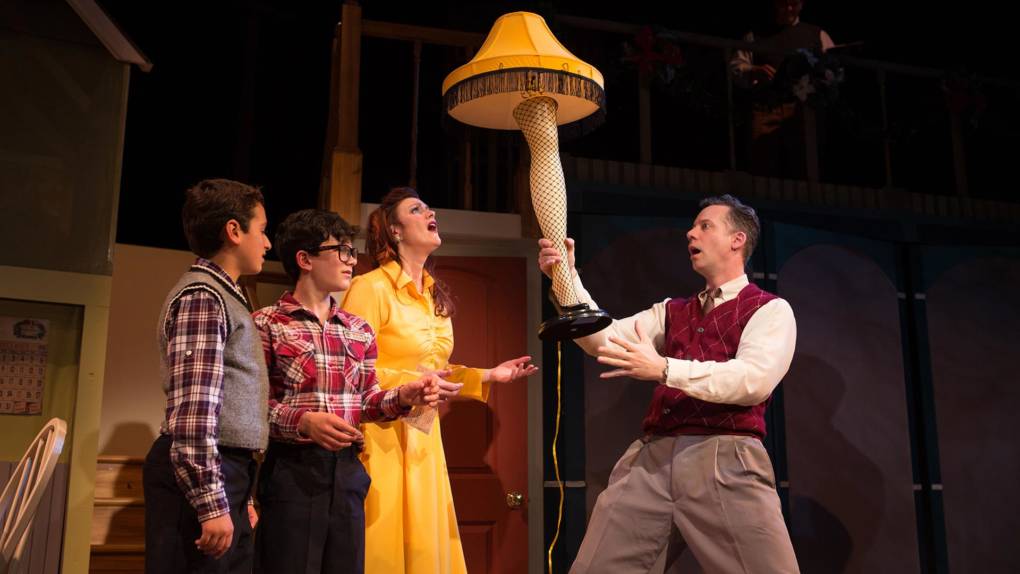
"caption": "The Old Man (Ryan Drummond, right) unveils his major award as Randy (Jake Miller), Ralphie (Jonah Broscow), and Mother (Abby Haug) express their puzzlement in 'A Christmas Story: The Musical' at SF Playhouse.",
"description": "The Old Man (Ryan Drummond, right) unveils his major award as Randy (Jake Miller), Ralphie (Jonah Broscow), and Mother (Abby Haug) express their puzzlement in 'A Christmas Story: The Musical' at SF Playhouse.",
"title": "XmasStory.MAIN",
"credit": "Jessica Palopoli",
"status": "inherit",
"fetchFailed": false,
"isLoading": false
},
"arts_13806770": {
"type": "attachments",
"id": "arts_13806770",
"meta": {
"index": "attachments_1716263798",
"site": "arts",
"id": "13806770",
"found": true
},
"parent": 13806766,
"imgSizes": {
"small": {
"file": "https://ww2.kqed.org/app/uploads/sites/2/2017/08/Zenith1-e1503995155526-520x287.jpg",
"width": 520,
"mimeType": "image/jpeg",
"height": 287
},
"twentyfourteen-full-width": {
"file": "https://ww2.kqed.org/app/uploads/sites/2/2017/08/Zenith1-e1503995155526-1038x576.jpg",
"width": 1038,
"mimeType": "image/jpeg",
"height": 576
},
"thumbnail": {
"file": "https://ww2.kqed.org/app/uploads/sites/2/2017/08/Zenith1-e1503995155526-160x88.jpg",
"width": 160,
"mimeType": "image/jpeg",
"height": 88
},
"fd-sm": {
"file": "https://ww2.kqed.org/app/uploads/sites/2/2017/08/Zenith1-e1503995155526-960x530.jpg",
"width": 960,
"mimeType": "image/jpeg",
"height": 530
},
"post-thumbnail": {
"file": "https://ww2.kqed.org/app/uploads/sites/2/2017/08/Zenith1-e1503995155526-672x372.jpg",
"width": 672,
"mimeType": "image/jpeg",
"height": 372
},
"xsmall": {
"file": "https://ww2.kqed.org/app/uploads/sites/2/2017/08/Zenith1-e1503995155526-375x207.jpg",
"width": 375,
"mimeType": "image/jpeg",
"height": 207
},
"kqedFullSize": {
"file": "https://ww2.kqed.org/app/uploads/sites/2/2017/08/Zenith1-e1503995155526.jpg",
"width": 1500,
"height": 828
},
"large": {
"file": "https://ww2.kqed.org/app/uploads/sites/2/2017/08/Zenith1-e1503995155526-1020x563.jpg",
"width": 1020,
"mimeType": "image/jpeg",
"height": 563
},
"xlarge": {
"file": "https://ww2.kqed.org/app/uploads/sites/2/2017/08/Zenith1-e1503995155526-1180x651.jpg",
"width": 1180,
"mimeType": "image/jpeg",
"height": 651
},
"guest-author-50": {
"file": "https://ww2.kqed.org/app/uploads/sites/2/2017/08/Zenith1-e1503995155526-50x50.jpg",
"width": 50,
"mimeType": "image/jpeg",
"height": 50
},
"guest-author-96": {
"file": "https://ww2.kqed.org/app/uploads/sites/2/2017/08/Zenith1-e1503995155526-96x96.jpg",
"width": 96,
"mimeType": "image/jpeg",
"height": 96
},
"medium": {
"file": "https://ww2.kqed.org/app/uploads/sites/2/2017/08/Zenith1-e1503995155526-800x442.jpg",
"width": 800,
"mimeType": "image/jpeg",
"height": 442
},
"guest-author-64": {
"file": "https://ww2.kqed.org/app/uploads/sites/2/2017/08/Zenith1-e1503995155526-64x64.jpg",
"width": 64,
"mimeType": "image/jpeg",
"height": 64
},
"guest-author-32": {
"file": "https://ww2.kqed.org/app/uploads/sites/2/2017/08/Zenith1-e1503995155526-32x32.jpg",
"width": 32,
"mimeType": "image/jpeg",
"height": 32
},
"fd-med": {
"file": "https://ww2.kqed.org/app/uploads/sites/2/2017/08/Zenith1-e1503995155526-1180x651.jpg",
"width": 1180,
"mimeType": "image/jpeg",
"height": 651
},
"detail": {
"file": "https://ww2.kqed.org/app/uploads/sites/2/2017/08/Zenith1-e1503995155526-150x150.jpg",
"width": 150,
"mimeType": "image/jpeg",
"height": 150
},
"medium_large": {
"file": "https://ww2.kqed.org/app/uploads/sites/2/2017/08/Zenith1-e1503995155526-768x424.jpg",
"width": 768,
"mimeType": "image/jpeg",
"height": 424
},
"guest-author-128": {
"file": "https://ww2.kqed.org/app/uploads/sites/2/2017/08/Zenith1-e1503995155526-128x128.jpg",
"width": 128,
"mimeType": "image/jpeg",
"height": 128
},
"xxsmall": {
"file": "https://ww2.kqed.org/app/uploads/sites/2/2017/08/Zenith1-e1503995155526-240x132.jpg",
"width": 240,
"mimeType": "image/jpeg",
"height": 132
}
},
"publishDate": 1503994846,
"modified": 1503995196,
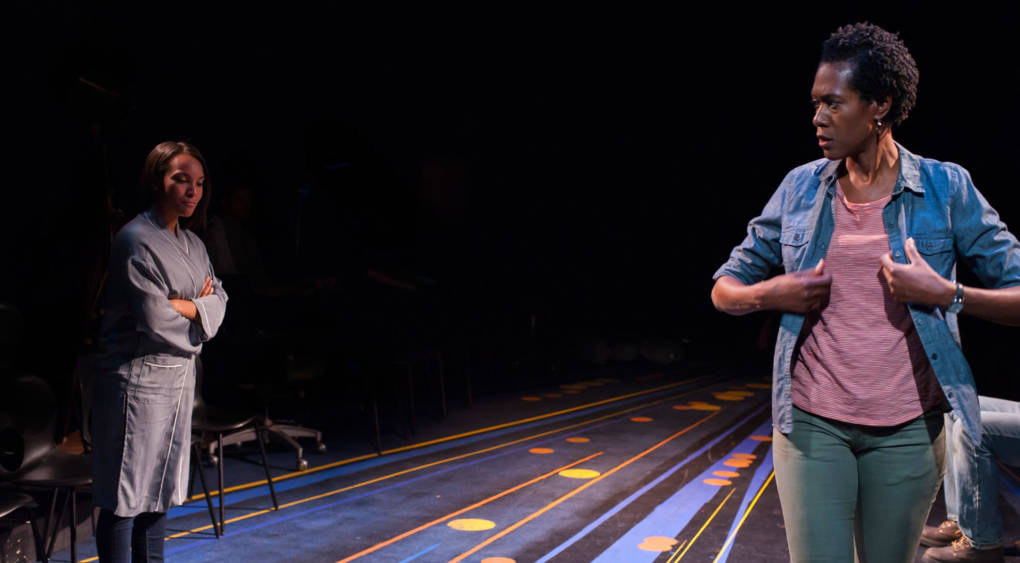
"caption": "Angela (Atim Udoffia) and Hazel (Nia Fairweather) in a tense stand off over fun.",
"description": "Angela (Atim Udoffia) and Hazel (Nia Fairweather) in a tense stand off over fun.",
"title": "Zenith1",
"credit": "Photo: Ken Levin",
"status": "inherit",
"fetchFailed": false,
"isLoading": false
}
},
"audioPlayerReducer": {
"postId": "stream_live",
"isPaused": true,
"isPlaying": false,
"pfsActive": false,
"pledgeModalIsOpen": true,
"playerDrawerIsOpen": false
},
"authorsReducer": {
"byline_arts_13825717": {
"type": "authors",
"id": "byline_arts_13825717",
"meta": {
"override": true
},
"slug": "byline_arts_13825717",
"name": "Nicole Gluckstern",
"isLoading": false
},
"jwilkins": {
"type": "authors",
"id": "8668",
"meta": {
"index": "authors_1716337520",
"id": "8668",
"found": true
},
"name": "John Wilkins",
"firstName": "John",
"lastName": "Wilkins",
"slug": "jwilkins",
"email": "Johnrwilkins@aol.com",
"display_author_email": false,
"staff_mastheads": [],
"title": null,
"bio": "John Wilkins is the theater critic for KQED Arts. He was the Artistic Director of Last Planet Theatre for ten years and teaches in the Writing and Literature program at CCA. Follow him on Twitter @johnrwilkins2",
"avatar": "https://secure.gravatar.com/avatar/7798fcc8a10bee0e04387b724b492df7?s=600&d=blank&r=g",
"twitter": null,
"facebook": null,
"instagram": null,
"linkedin": null,
"sites": [
{
"site": "arts",
"roles": [
"subscriber"
]
}
],
"headData": {
"title": "John Wilkins | KQED",
"description": null,
"ogImgSrc": "https://secure.gravatar.com/avatar/7798fcc8a10bee0e04387b724b492df7?s=600&d=blank&r=g",
"twImgSrc": "https://secure.gravatar.com/avatar/7798fcc8a10bee0e04387b724b492df7?s=600&d=blank&r=g"
},
"isLoading": false,
"link": "/author/jwilkins"
},
"ngluckstern": {
"type": "authors",
"id": "11497",
"meta": {
"index": "authors_1716337520",
"id": "11497",
"found": true
},
"name": "Nicole Gluckstern",
"firstName": "Nicole",
"lastName": "Gluckstern",
"slug": "ngluckstern",
"email": "gluckstern.nicole@gmail.com",
"display_author_email": false,
"staff_mastheads": [],
"title": null,
"bio": null,
"avatar": "https://secure.gravatar.com/avatar/4fa7e0128404fc3d06ce5f9e27ab9e5a?s=600&d=blank&r=g",
"twitter": null,
"facebook": null,
"instagram": null,
"linkedin": null,
"sites": [
{
"site": "arts",
"roles": [
"author"
]
}
],
"headData": {
"title": "Nicole Gluckstern | KQED",
"description": null,
"ogImgSrc": "https://secure.gravatar.com/avatar/4fa7e0128404fc3d06ce5f9e27ab9e5a?s=600&d=blank&r=g",
"twImgSrc": "https://secure.gravatar.com/avatar/4fa7e0128404fc3d06ce5f9e27ab9e5a?s=600&d=blank&r=g"
},
"isLoading": false,
"link": "/author/ngluckstern"
},
"djchavez": {
"type": "authors",
"id": "11905",
"meta": {
"index": "authors_1716337520",
"id": "11905",
"found": true
},
"name": "David John Chávez",
"firstName": "David John",
"lastName": "Chávez",
"slug": "djchavez",
"email": "theatrechavez@gmail.com",
"display_author_email": false,
"staff_mastheads": [],
"title": "KQED Contributor",
"bio": "Based in San José, David is a theater critic and reporter who serves as Executive Chair of the American Theatre Critics/Journalists Association, as well as a regular theater contributor to The Mercury News, San Francisco Chronicle, American Theatre Magazine and KQED, among other publications. He is a two-time juror for the Pulitzer Prize for Drama (’22-’23) and a 2020 fellow of the Eugene O'Neill National Critics Institute.",
"avatar": "https://secure.gravatar.com/avatar/fabc2bc243ff109345d5c43867bc0b76?s=600&d=blank&r=g",
"twitter": null,
"facebook": "https://www.facebook.com/bydavidjchavez",
"instagram": "https://www.instagram.com/davidjchavez/",
"linkedin": null,
"sites": [
{
"site": "arts",
"roles": [
"author"
]
}
],
"headData": {
"title": "David John Chávez | KQED",
"description": "KQED Contributor",
"ogImgSrc": "https://secure.gravatar.com/avatar/fabc2bc243ff109345d5c43867bc0b76?s=600&d=blank&r=g",
"twImgSrc": "https://secure.gravatar.com/avatar/fabc2bc243ff109345d5c43867bc0b76?s=600&d=blank&r=g"
},
"isLoading": false,
"link": "/author/djchavez"
}
},
"breakingNewsReducer": {},
"pagesReducer": {},
"postsReducer": {
"stream_live": {
"type": "live",
"id": "stream_live",
"audioUrl": "https://streams.kqed.org/kqedradio",
"title": "Live Stream",
"excerpt": "Live Stream information currently unavailable.",
"link": "/radio",
"featImg": "",
"label": {
"name": "KQED Live",
"link": "/"
}
},
"stream_kqedNewscast": {
"type": "posts",
"id": "stream_kqedNewscast",
"audioUrl": "https://www.kqed.org/.stream/anon/radio/RDnews/newscast.mp3?_=1",
"title": "KQED Newscast",
"featImg": "",
"label": {
"name": "88.5 FM",
"link": "/"
}
},
"arts_13984286": {
"type": "posts",
"id": "arts_13984286",
"meta": {
"index": "posts_1716263798",
"site": "arts",
"id": "13984286",
"score": null,
"sort": [
1764691217000
]
},
"guestAuthors": [],
"slug": "best-bay-area-theater-plays-musicals-2025",
"title": "The Best Bay Area Theater We Saw in 2025",
"publishDate": 1764691217,
"format": "standard",
"headTitle": "The Best Bay Area Theater We Saw in 2025 | KQED",
"labelTerm": {},
"content": "\u003cp>\u003cem>This week, we’re looking back on the best art, music, food, movies and more from the year. \u003ca href=\"https://www.kqed.org/arts/tag/best-of-2025\">See our entire Best of 2025 guide here\u003c/a>. \u003c/em>\u003c/p>\n\u003cp>In 2025, Bay Area theater was loaded with innovative artists producing great shows, coupled with a hope that the local scene will soon see healthier days.\u003c/p>\n\u003cp>During a spate of theater closures, funding challenges and diminished audiences, there’s been \u003ca href=\"https://www.kqed.org/arts/13978734/how-to-save-bay-area-theater-from-collapse-and-closures\">no shortage of ideas\u003c/a> from the Bay Area’s top theater brass as to how Bay Area theater can survive. There were also plenty of victories to be had on our region’s stages in 2025.\u003c/p>\n\u003cp>Below, theater critics and regular KQED contributors Nicole Gluckstern and David John Chávez share their most significant Bay Area theater happenings of 2025.\u003c/p>\n\u003cfigure id=\"attachment_13984280\" class=\"wp-caption aligncenter\" style=\"max-width: 1600px\">\u003cimg loading=\"lazy\" decoding=\"async\" src=\"https://cdn.kqed.org/wp-content/uploads/sites/2/2025/12/unnamed.jpg\" alt=\"\" width=\"1600\" height=\"1047\" class=\"size-full wp-image-13984280\" srcset=\"https://cdn.kqed.org/wp-content/uploads/sites/2/2025/12/unnamed.jpg 1600w, https://cdn.kqed.org/wp-content/uploads/sites/2/2025/12/unnamed-160x105.jpg 160w, https://cdn.kqed.org/wp-content/uploads/sites/2/2025/12/unnamed-768x503.jpg 768w, https://cdn.kqed.org/wp-content/uploads/sites/2/2025/12/unnamed-1536x1005.jpg 1536w\" sizes=\"auto, (max-width: 1600px) 100vw, 1600px\">\u003cfigcaption class=\"wp-caption-text\">Syrian-Armenian-American artist Sona Tatoyan talks about her friend, Turkish political activist Osman Kavala, as renowned oud player Ara Dinkjian accompanies her in ‘AZAD,’ at Golden Thread.\u003cbr> \u003ccite>(David Allen Studio)\u003c/cite>\u003c/figcaption>\u003c/figure>\n\u003ch2>The beautiful spectacle of ‘AZAD’ at Golden Thread\u003c/h2>\n\u003cp>Written and performed by Sona Tatoyan, a Syrian Armenian American theatre-maker and Storyteller, \u003ci>AZAD\u003c/i> defied categorization in its April premiere at Golden Thread. With its compelling personal narrative, it presented like a solo show but relied on a taut ensemble of puppeteers, centenarian Karagöz puppets and a live musician to create an expansive, visionary performance.\u003c/p>\n\u003cp>[ad fullwidth]\u003c/p>\n\u003cp>\u003cem>AZAD\u003c/em> excavated painful, rigorously researched histories that rarely see the spotlight, putting the audience and performer through an intense emotional wringer that never relied on cliché or manipulation to elicit a response. With atmospheric projections designed by Camilla Tassi, and meticulous scenic design by Marcelo Martínez García, this Jared Mezzocchi-directed piece was a visual and virtuosic standout. —\u003ci>Nicole Gluckstern\u003c/i>\u003c/p>\n\u003cfigure id=\"attachment_13984283\" class=\"wp-caption aligncenter\" style=\"max-width: 960px\">\u003cimg loading=\"lazy\" decoding=\"async\" src=\"https://cdn.kqed.org/wp-content/uploads/sites/2/2025/12/unnamed-6.jpg\" alt=\"\" width=\"960\" height=\"640\" class=\"size-full wp-image-13984283\" srcset=\"https://cdn.kqed.org/wp-content/uploads/sites/2/2025/12/unnamed-6.jpg 960w, https://cdn.kqed.org/wp-content/uploads/sites/2/2025/12/unnamed-6-160x107.jpg 160w, https://cdn.kqed.org/wp-content/uploads/sites/2/2025/12/unnamed-6-768x512.jpg 768w\" sizes=\"auto, (max-width: 960px) 100vw, 960px\">\u003cfigcaption class=\"wp-caption-text\">Mona (Lauren Marcus, left) and waitress Edna Louise (Ashley Cowl, center) get reacquainted with Joanne (Shakina) in the musical ‘Come Back to the 5 & Dime, Jimmy Dean, Jimmy Dean: A New Musical’ at TheatreWorks Silicon Valley.\u003cbr> \u003ccite>(Kevin Berne)\u003c/cite>\u003c/figcaption>\u003c/figure>\n\u003ch2>‘Jimmy Dean’ came back to Mountain View\u003c/h2>\n\u003cp>It is insanely hard to write a new hit musical. Just take a peek at the constant stream of revivals that have hit theaters in recent years. That’s what made TheatreWorks Silicon Valley’s \u003ci>Come Back to the 5 & Dime, Jimmy Dean, Jimmy Dean: A New Musical\u003c/i> such an achievement. A darling of the company’s 2024 New Works Festival, the show premiered this past summer, featuring every component of what makes a musical unforgettable.\u003c/p>\n\u003cp>Start with the insightful book from Ashley Robinson, the playful, fierce music from Dan Gillespie Sells and unbeatable lyrics by Shakina. Add a terrific creative team led by director Giovanna Sardelli, and you’ve got a magical show. As an added bonus, it was thrilling to see an unapologetic transgender narrative, with Shakina stunning as a vision in white. —\u003cem>David John Chávez\u003c/em>\u003c/p>\n\u003cfigure id=\"attachment_13984276\" class=\"wp-caption aligncenter\" style=\"max-width: 1600px\">\u003cimg loading=\"lazy\" decoding=\"async\" src=\"https://cdn.kqed.org/wp-content/uploads/sites/2/2025/12/unnamed-2.jpg\" alt=\"\" width=\"1600\" height=\"1065\" class=\"size-full wp-image-13984276\" srcset=\"https://cdn.kqed.org/wp-content/uploads/sites/2/2025/12/unnamed-2.jpg 1600w, https://cdn.kqed.org/wp-content/uploads/sites/2/2025/12/unnamed-2-160x107.jpg 160w, https://cdn.kqed.org/wp-content/uploads/sites/2/2025/12/unnamed-2-768x511.jpg 768w, https://cdn.kqed.org/wp-content/uploads/sites/2/2025/12/unnamed-2-1536x1022.jpg 1536w\" sizes=\"auto, (max-width: 1600px) 100vw, 1600px\">\u003cfigcaption class=\"wp-caption-text\">Juicy (Devin A. Cunningham) stares down the ghost of Pap (Ron Chapman) in ‘Fat Ham’ at SF Playhouse.\u003cbr> \u003ccite>(Jessica Palopoli)\u003c/cite>\u003c/figcaption>\u003c/figure>\n\u003ch2>The Pulitzer-winning ‘Fat Ham’ astounded at SF Playhouse\u003c/h2>\n\u003cp>A singular upside of the COVID lockdown was the rare chance to stream innovative performances from around the world. One such toothsome treat was the world premiere of the Pulitzer-winning \u003ci>Fat Ham\u003c/i>, by James Ijames, staged as a digital production by Philadelphia’s Wilma Theater. This first taste whetted my appetite for more. At SF Playhouse, \u003ci>Fat Ham\u003c/i> brought a deeply humorous, deeply human reimagining of \u003ci>Hamlet\u003c/i>, in which a grieving Juicy (Devin Cunningham) contemplated mortality and morality as his mother (Jenn Stephens) and new stepfather-uncle (Ron Chapman) celebrated their hasty nuptials with a backyard barbeque.\u003c/p>\n\u003cp>Deftly directed by Margo Hall, the actors pushed each punchline and outrageous misfortune to its absolute limit, flipping the existential dread of Denmark’s saddest prince into a flamboyant embrace of life’s possibilities. —\u003ci>Nicole Gluckstern\u003c/i>\u003c/p>\n\u003cfigure id=\"attachment_13984278\" class=\"wp-caption aligncenter\" style=\"max-width: 800px\">\u003cimg loading=\"lazy\" decoding=\"async\" src=\"https://cdn.kqed.org/wp-content/uploads/sites/2/2025/12/unnamed-3.jpg\" alt=\"\" width=\"800\" height=\"560\" class=\"size-full wp-image-13984278\" srcset=\"https://cdn.kqed.org/wp-content/uploads/sites/2/2025/12/unnamed-3.jpg 800w, https://cdn.kqed.org/wp-content/uploads/sites/2/2025/12/unnamed-3-160x112.jpg 160w, https://cdn.kqed.org/wp-content/uploads/sites/2/2025/12/unnamed-3-768x538.jpg 768w\" sizes=\"auto, (max-width: 800px) 100vw, 800px\">\u003cfigcaption class=\"wp-caption-text\">Tshembe (Jeuneé Simon) faces guard Eric (Monique Crawford) as Madame Nielsen (Jacinta Kaumbulu) sits and looks on in Oakland Theater Project’s production of ‘Les Blancs.’\u003cbr> \u003ccite>(Ben Krantz Studio)\u003c/cite>\u003c/figcaption>\u003c/figure>\n\u003ch2>A powerful Lorraine Hansberry revival in Oakland\u003c/h2>\n\u003cp>If there’s any Bay Area company outgrowing their britches faster than a teenager on a growth spurt, it’s Oakland Theater Project. In their charming space at the Flax Art & Design building, their current production of \u003ci>Cabaret\u003c/i> is sold out for the entire run weeks before closing. Ideally, they’d be able to move into a permanent space worthy of their fierce, bold reputation.\u003c/p>\n\u003cp>Take their fantastic production of \u003ci>Les Blancs\u003c/i>. Though it lacks the name recognition of \u003ci>A Raisin in the Sun\u003c/i>, it carries major weight in the theater world as Lorraine Hansberry’s final work, adapted by her ex-husband Robert Nemiroff. The story is also the only one of Hansberry’s to be set in Africa, using beats, rhythms and dance to signify Black and African cultures. Presenting a clash between white colonialism and Black liberation, the story and production were both memorable and explosive. —\u003ci>David John Chávez\u003c/i>\u003c/p>\n\u003cfigure id=\"attachment_13984281\" class=\"wp-caption aligncenter\" style=\"max-width: 1600px\">\u003cimg loading=\"lazy\" decoding=\"async\" src=\"https://cdn.kqed.org/wp-content/uploads/sites/2/2025/12/unnamed-4.jpg\" alt=\"\" width=\"1600\" height=\"1065\" class=\"size-full wp-image-13984281\" srcset=\"https://cdn.kqed.org/wp-content/uploads/sites/2/2025/12/unnamed-4.jpg 1600w, https://cdn.kqed.org/wp-content/uploads/sites/2/2025/12/unnamed-4-160x107.jpg 160w, https://cdn.kqed.org/wp-content/uploads/sites/2/2025/12/unnamed-4-768x511.jpg 768w, https://cdn.kqed.org/wp-content/uploads/sites/2/2025/12/unnamed-4-1536x1022.jpg 1536w\" sizes=\"auto, (max-width: 1600px) 100vw, 1600px\">\u003cfigcaption class=\"wp-caption-text\">Marga Gomez in ‘The Search for Signs\u003cbr>of Intelligent Life in the Universe,’ the last production at famed Berkeley institution Aurora Theatre before the company ceased operations.\u003cbr> \u003ccite>(Kevin Berne)\u003c/cite>\u003c/figcaption>\u003c/figure>\n\u003ch2>Marga Gomez helped bid goodnight to Aurora Theatre\u003c/h2>\n\u003cp>The first play I bought as a teenage theatre nerd, Jane Wagner’s inventive \u003ci>The Search for Signs of Intelligent Life In the Universe\u003c/i> was written to showcase the versatile talents of her wife, Lily Tomlin — a tough act to follow in any era. Thankfully, Aurora Theatre made the inspired move to cast Bay Area powerhouse Marga Gomez in its 2025 revival.\u003c/p>\n\u003cp>A comedian, MC, actor and seasoned solo show creator/performer, Gomez switches seamlessly between characters, scenarios and timelines without elaborate props or costume changes — making her a stellar choice to fill Tomlin’s cosmic shoes. Adding to the pressure of the performance was the concurrent announcement that Aurora Theatre would cease operations for the foreseeable future. At least Gomez ensured they went out with a (big) bang. \u003ci>—Nicole Gluckstern\u003c/i>\u003c/p>\n\u003cfigure id=\"attachment_13984279\" class=\"wp-caption aligncenter\" style=\"max-width: 1116px\">\u003cimg loading=\"lazy\" decoding=\"async\" src=\"https://cdn.kqed.org/wp-content/uploads/sites/2/2025/12/unnamed-5.jpg\" alt=\"\" width=\"1116\" height=\"735\" class=\"size-full wp-image-13984279\" srcset=\"https://cdn.kqed.org/wp-content/uploads/sites/2/2025/12/unnamed-5.jpg 1116w, https://cdn.kqed.org/wp-content/uploads/sites/2/2025/12/unnamed-5-160x105.jpg 160w, https://cdn.kqed.org/wp-content/uploads/sites/2/2025/12/unnamed-5-768x506.jpg 768w\" sizes=\"auto, (max-width: 1116px) 100vw, 1116px\">\u003cfigcaption class=\"wp-caption-text\">Theoretical physicist Marianne (Vivienne Truong) and beekeeper Roland (George Alexander K.), one of three couples with the same names and dialogue in ‘Constellations’ at the Pear Theatre in Mountain View.\u003cbr> \u003ccite>(Reed Flores)\u003c/cite>\u003c/figcaption>\u003c/figure>\n\u003ch2>‘Constellations’ offered a terrific way forward\u003c/h2>\n\u003cp>On the surface, there was nothing terribly flashy about Nick Payne’s \u003ci>Constellations\u003c/i> at the Pear Theatre in Palo Alto. A group of actors — George Alexander K., Raven Douglas, Thomas Nguyen, Sahil Singh, Elana Swartz and Vivienne Truong — enter an open space, pair off and begin spilling their guts. The pairings were different at each performance, and at the end of the show, the audience got to make decisions for the next audience coming in the following night. \u003c/p>\n\u003cp>You’d be forgiven in thinking this sounds gimmicky. But under the direction of Reed Flores, it proved that theater need not have bells and whistles, just a great story and fantastic performances that grip the audience. If Bay Area theater is going to survive, phenomenal shows like this one will need to be at its forefront. —\u003ci>David John Chávez\u003c/i>\u003c/p>\n\u003cfigure id=\"attachment_13984284\" class=\"wp-caption aligncenter\" style=\"max-width: 1600px\">\u003cimg loading=\"lazy\" decoding=\"async\" src=\"https://cdn.kqed.org/wp-content/uploads/sites/2/2025/12/unnamed-1.jpg\" alt=\"\" width=\"1600\" height=\"1066\" class=\"size-full wp-image-13984284\" srcset=\"https://cdn.kqed.org/wp-content/uploads/sites/2/2025/12/unnamed-1.jpg 1600w, https://cdn.kqed.org/wp-content/uploads/sites/2/2025/12/unnamed-1-160x107.jpg 160w, https://cdn.kqed.org/wp-content/uploads/sites/2/2025/12/unnamed-1-768x512.jpg 768w, https://cdn.kqed.org/wp-content/uploads/sites/2/2025/12/unnamed-1-1536x1023.jpg 1536w\" sizes=\"auto, (max-width: 1600px) 100vw, 1600px\">\u003cfigcaption class=\"wp-caption-text\">Katherine Park, Elana Swartz, Carl Lucania and Alejandra Wahl took their ‘Tempest’ to the ocean with Berkeley Shakespeare Company.\u003cbr> \u003ccite>(Sara Nicole Mindful)\u003c/cite>\u003c/figcaption>\u003c/figure>\n\u003ch2>Fabulous backdrops that reinvigorated the classics\u003c/h2>\n\u003cp>Theatre-makers love a copyright-free classic, but some productions really push their source material to exciting extremes. This year, standouts included Nate Currier’s first-time adaptation of \u003ci>The Epic of Gilgamesh\u003c/i> at Marin Shakespeare Company, and a site-expansive production of \u003ci>The Tempest\u003c/i> at the windswept Point Montara Lighthouse and Hostel.\u003c/p>\n\u003cp>Currier’s \u003ci>Gilgamesh\u003c/i> combined action-hero vigor with bare-bones physical staging, honoring the poetry of the 4,000-year-old original with a modern vernacular — somewhat reminiscent of Maria Dahvana Headley’s “bro”-tinged \u003ci>Beowulf\u003c/i>. Meanwhile, Stuart Bousel’s \u003ci>Tempest\u003c/i>, produced by Berkeley Shakespeare Company, utilized its proximity to the ocean and uniquely intimate interiors to create a truly magical realm for its artists and audiences alike. —\u003ci>Nicole Gluckstern\u003c/i>\u003c/p>\n\u003cfigure id=\"attachment_13984282\" class=\"wp-caption aligncenter\" style=\"max-width: 1452px\">\u003cimg loading=\"lazy\" decoding=\"async\" src=\"https://cdn.kqed.org/wp-content/uploads/sites/2/2025/12/24sanfrancisco1-superJumbo.jpg\" alt=\"\" width=\"1452\" height=\"1040\" class=\"size-full wp-image-13984282\" srcset=\"https://cdn.kqed.org/wp-content/uploads/sites/2/2025/12/24sanfrancisco1-superJumbo.jpg 1452w, https://cdn.kqed.org/wp-content/uploads/sites/2/2025/12/24sanfrancisco1-superJumbo-160x115.jpg 160w, https://cdn.kqed.org/wp-content/uploads/sites/2/2025/12/24sanfrancisco1-superJumbo-768x550.jpg 768w\" sizes=\"auto, (max-width: 1452px) 100vw, 1452px\">\u003cfigcaption class=\"wp-caption-text\">(L–R) Outgoing American Conservatory Theater artistic director Pam MacKinnon and incoming Golden Thread Productions artistic director Nabra Nelson. \u003ccite>(ACT / Golden Thread)\u003c/cite>\u003c/figcaption>\u003c/figure>\n\u003ch2>Seismic comings and goings in San Francisco\u003c/h2>\n\u003cp>Two theater companies are going into the new year with big shifts at the top. Sahar Assaf, who’s made Golden Thread Productions her artistic home for the past four years, is turning over the reins as artistic director to Nabra Nelson, who has a wealth of experience in arts administration. Nelson is a multi-hyphenate artist, having delved into playwriting, dramaturgy, consultant, director and community engagement, among other roles. \u003c/p>\n\u003cp>Meanwhile, Pam MacKinnon concludes her eight years leading American Conservatory Theater at the end of the 2025-2026 season. Soon returning to New York City, she plans to rekindle her freelance directing career. Succeeding longtime A.C.T. leader Carey Perloff, MacKinnon dove deeply into commissions with big names, and oversaw some tough times for the company, including the COVID shutdown and the closure of A.C.T.’s highly regarded MFA program. —\u003ci>David John Chávez\u003c/i>\u003c/p>\n\u003cfigure id=\"attachment_13984293\" class=\"wp-caption aligncenter\" style=\"max-width: 1060px\">\u003cimg loading=\"lazy\" decoding=\"async\" src=\"https://cdn.kqed.org/wp-content/uploads/sites/2/2025/12/113301VdVSD-Opening-Night2025-09-05-21_59_03Philip-Pavliger_Web_654x390.jpg\" alt=\"\" width=\"1060\" height=\"632\" class=\"size-full wp-image-13984293\" srcset=\"https://cdn.kqed.org/wp-content/uploads/sites/2/2025/12/113301VdVSD-Opening-Night2025-09-05-21_59_03Philip-Pavliger_Web_654x390.jpg 1060w, https://cdn.kqed.org/wp-content/uploads/sites/2/2025/12/113301VdVSD-Opening-Night2025-09-05-21_59_03Philip-Pavliger_Web_654x390-160x95.jpg 160w, https://cdn.kqed.org/wp-content/uploads/sites/2/2025/12/113301VdVSD-Opening-Night2025-09-05-21_59_03Philip-Pavliger_Web_654x390-768x458.jpg 768w\" sizes=\"auto, (max-width: 1060px) 100vw, 1060px\">\u003cfigcaption class=\"wp-caption-text\">Joan Baez joined the circus and starred in ‘The Soiled Dove’ in Alameda. \u003ccite>(Philip Pavliger / Vau de Vire Society)\u003c/cite>\u003c/figcaption>\u003c/figure>\n\u003ch2>‘The Soiled Dove’ flew high in Alameda\u003c/h2>\n\u003cp>Is there anything more synonymous with the Bay Area performing arts than circuses and sin? I hope not, because I’m here for all of it. The Vau de Vire Society’s wicked and wonderful Barbary Coast dinner theatre extravaganza, \u003ci>The Soiled Dove\u003c/i>, has been a perennial crowd-pleaser for over 10 years.\u003c/p>\n\u003cp>This year’s Alameda revival prominently featured legendary singer-songwriter and social activist Joan Baez — whose six-decade career continues to flourish — while the seasoned circus and cabaret performers who make up Vau de Vire’s core company soared. Viva, Vau de Vire! —\u003ci>Nicole Gluckstern\u003c/i>\u003c/p>\n\u003cfigure id=\"attachment_13984277\" class=\"wp-caption aligncenter\" style=\"max-width: 803px\">\u003cimg loading=\"lazy\" decoding=\"async\" src=\"https://cdn.kqed.org/wp-content/uploads/sites/2/2025/12/unnamed-7.jpg\" alt=\"\" width=\"803\" height=\"630\" class=\"size-full wp-image-13984277\" srcset=\"https://cdn.kqed.org/wp-content/uploads/sites/2/2025/12/unnamed-7.jpg 803w, https://cdn.kqed.org/wp-content/uploads/sites/2/2025/12/unnamed-7-160x126.jpg 160w, https://cdn.kqed.org/wp-content/uploads/sites/2/2025/12/unnamed-7-768x603.jpg 768w\" sizes=\"auto, (max-width: 803px) 100vw, 803px\">\u003cfigcaption class=\"wp-caption-text\">Magic Theatre’s artistic director Sean San José made a return to the Fort Mason stage in ‘Aztlan’ by Luis Alfaro.\u003cbr> \u003ccite>(Jay Yamada)\u003c/cite>\u003c/figcaption>\u003c/figure>\n\u003ch2>Life after prison in the poetic ‘Aztlán’\u003c/h2>\n\u003cp>Anytime transcendent poet and playwright Luis Alfaro collaborates with the Magic Theatre, it’s a massive win. This past summer, their pairing yielded the powerful \u003ci>Aztlán\u003c/i>, rooted in Alfaro’s intimate knowledge of the Central Valley. With imagery from Mayan and Mexica folklore, the story of a parolee trying to reinvent his life outside of prison walls was aided by David Arevalo’s costume design, Alejandro Acosta’s sharp lighting design, and dazzling scenic design by Tanya Orellana.\u003c/p>\n\u003cp>[ad floatright]\u003c/p>\n\u003cp>Beautifully directed by El Teatro Campesino’s Kinan Valdez, Alfaro’s story featured a great cast of Magic regulars. An added bonus? Sean San José’s thrilling return to the stage as an evil-minded deity. —\u003ci>David John Chávez\u003c/i>\u003c/p>\n\n",
"blocks": [],
"excerpt": "New musicals, world premieres and invigorating storytelling illuminated Bay Area stages this year.",
"status": "publish",
"parent": 0,
"modified": 1764797146,
"stats": {
"hasAudio": false,
"hasVideo": false,
"hasChartOrMap": false,
"iframeSrcs": [],
"hasGoogleForm": false,
"hasGallery": false,
"hasHearkenModule": false,
"hasPolis": false,
"paragraphCount": 26,
"wordCount": 1876
},
"headData": {
"title": "The Best Bay Area Theater We Saw in 2025 | KQED",
"description": "New musicals, world premieres and invigorating storytelling illuminated Bay Area stages this year.",
"ogTitle": "",
"ogDescription": "",
"ogImgId": "",
"twTitle": "",
"twDescription": "",
"twImgId": "",
"schema": {
"@context": "https://schema.org",
"@type": "Article",
"headline": "The Best Bay Area Theater We Saw in 2025",
"datePublished": "2025-12-02T08:00:17-08:00",
"dateModified": "2025-12-03T13:25:46-08:00",
"image": "https://cdn.kqed.org/wp-content/uploads/2020/02/KQED-OG-Image@1x.png"
}
},
"primaryCategory": {
"termId": 1,
"slug": "arts",
"name": "Arts"
},
"source": "Best of 2025",
"sourceUrl": "https://www.kqed.org/arts/tag/best-of-2025",
"sticky": false,
"nprStoryId": "kqed-13984286",
"templateType": "standard",
"featuredImageType": "standard",
"excludeFromSiteSearch": "Include",
"articleAge": "0",
"path": "/arts/13984286/best-bay-area-theater-plays-musicals-2025",
"audioTrackLength": null,
"parsedContent": [
{
"type": "contentString",
"content": "\u003cdiv class=\"post-body\">\u003cp>\u003cp>\u003cem>This week, we’re looking back on the best art, music, food, movies and more from the year. \u003ca href=\"https://www.kqed.org/arts/tag/best-of-2025\">See our entire Best of 2025 guide here\u003c/a>. \u003c/em>\u003c/p>\n\u003cp>In 2025, Bay Area theater was loaded with innovative artists producing great shows, coupled with a hope that the local scene will soon see healthier days.\u003c/p>\n\u003cp>During a spate of theater closures, funding challenges and diminished audiences, there’s been \u003ca href=\"https://www.kqed.org/arts/13978734/how-to-save-bay-area-theater-from-collapse-and-closures\">no shortage of ideas\u003c/a> from the Bay Area’s top theater brass as to how Bay Area theater can survive. There were also plenty of victories to be had on our region’s stages in 2025.\u003c/p>\n\u003cp>Below, theater critics and regular KQED contributors Nicole Gluckstern and David John Chávez share their most significant Bay Area theater happenings of 2025.\u003c/p>\n\u003cfigure id=\"attachment_13984280\" class=\"wp-caption aligncenter\" style=\"max-width: 1600px\">\u003cimg loading=\"lazy\" decoding=\"async\" src=\"https://cdn.kqed.org/wp-content/uploads/sites/2/2025/12/unnamed.jpg\" alt=\"\" width=\"1600\" height=\"1047\" class=\"size-full wp-image-13984280\" srcset=\"https://cdn.kqed.org/wp-content/uploads/sites/2/2025/12/unnamed.jpg 1600w, https://cdn.kqed.org/wp-content/uploads/sites/2/2025/12/unnamed-160x105.jpg 160w, https://cdn.kqed.org/wp-content/uploads/sites/2/2025/12/unnamed-768x503.jpg 768w, https://cdn.kqed.org/wp-content/uploads/sites/2/2025/12/unnamed-1536x1005.jpg 1536w\" sizes=\"auto, (max-width: 1600px) 100vw, 1600px\">\u003cfigcaption class=\"wp-caption-text\">Syrian-Armenian-American artist Sona Tatoyan talks about her friend, Turkish political activist Osman Kavala, as renowned oud player Ara Dinkjian accompanies her in ‘AZAD,’ at Golden Thread.\u003cbr> \u003ccite>(David Allen Studio)\u003c/cite>\u003c/figcaption>\u003c/figure>\n\u003ch2>The beautiful spectacle of ‘AZAD’ at Golden Thread\u003c/h2>\n\u003cp>Written and performed by Sona Tatoyan, a Syrian Armenian American theatre-maker and Storyteller, \u003ci>AZAD\u003c/i> defied categorization in its April premiere at Golden Thread. With its compelling personal narrative, it presented like a solo show but relied on a taut ensemble of puppeteers, centenarian Karagöz puppets and a live musician to create an expansive, visionary performance.\u003c/p>\n\u003cp>\u003c/p>\u003c/div>",
"attributes": {
"named": {},
"numeric": []
}
},
{
"type": "component",
"content": "",
"name": "ad",
"attributes": {
"named": {
"label": "fullwidth"
},
"numeric": [
"fullwidth"
]
}
},
{
"type": "contentString",
"content": "\u003cdiv class=\"post-body\">\u003cp>\u003c/p>\n\u003cp>\u003cem>AZAD\u003c/em> excavated painful, rigorously researched histories that rarely see the spotlight, putting the audience and performer through an intense emotional wringer that never relied on cliché or manipulation to elicit a response. With atmospheric projections designed by Camilla Tassi, and meticulous scenic design by Marcelo Martínez García, this Jared Mezzocchi-directed piece was a visual and virtuosic standout. —\u003ci>Nicole Gluckstern\u003c/i>\u003c/p>\n\u003cfigure id=\"attachment_13984283\" class=\"wp-caption aligncenter\" style=\"max-width: 960px\">\u003cimg loading=\"lazy\" decoding=\"async\" src=\"https://cdn.kqed.org/wp-content/uploads/sites/2/2025/12/unnamed-6.jpg\" alt=\"\" width=\"960\" height=\"640\" class=\"size-full wp-image-13984283\" srcset=\"https://cdn.kqed.org/wp-content/uploads/sites/2/2025/12/unnamed-6.jpg 960w, https://cdn.kqed.org/wp-content/uploads/sites/2/2025/12/unnamed-6-160x107.jpg 160w, https://cdn.kqed.org/wp-content/uploads/sites/2/2025/12/unnamed-6-768x512.jpg 768w\" sizes=\"auto, (max-width: 960px) 100vw, 960px\">\u003cfigcaption class=\"wp-caption-text\">Mona (Lauren Marcus, left) and waitress Edna Louise (Ashley Cowl, center) get reacquainted with Joanne (Shakina) in the musical ‘Come Back to the 5 & Dime, Jimmy Dean, Jimmy Dean: A New Musical’ at TheatreWorks Silicon Valley.\u003cbr> \u003ccite>(Kevin Berne)\u003c/cite>\u003c/figcaption>\u003c/figure>\n\u003ch2>‘Jimmy Dean’ came back to Mountain View\u003c/h2>\n\u003cp>It is insanely hard to write a new hit musical. Just take a peek at the constant stream of revivals that have hit theaters in recent years. That’s what made TheatreWorks Silicon Valley’s \u003ci>Come Back to the 5 & Dime, Jimmy Dean, Jimmy Dean: A New Musical\u003c/i> such an achievement. A darling of the company’s 2024 New Works Festival, the show premiered this past summer, featuring every component of what makes a musical unforgettable.\u003c/p>\n\u003cp>Start with the insightful book from Ashley Robinson, the playful, fierce music from Dan Gillespie Sells and unbeatable lyrics by Shakina. Add a terrific creative team led by director Giovanna Sardelli, and you’ve got a magical show. As an added bonus, it was thrilling to see an unapologetic transgender narrative, with Shakina stunning as a vision in white. —\u003cem>David John Chávez\u003c/em>\u003c/p>\n\u003cfigure id=\"attachment_13984276\" class=\"wp-caption aligncenter\" style=\"max-width: 1600px\">\u003cimg loading=\"lazy\" decoding=\"async\" src=\"https://cdn.kqed.org/wp-content/uploads/sites/2/2025/12/unnamed-2.jpg\" alt=\"\" width=\"1600\" height=\"1065\" class=\"size-full wp-image-13984276\" srcset=\"https://cdn.kqed.org/wp-content/uploads/sites/2/2025/12/unnamed-2.jpg 1600w, https://cdn.kqed.org/wp-content/uploads/sites/2/2025/12/unnamed-2-160x107.jpg 160w, https://cdn.kqed.org/wp-content/uploads/sites/2/2025/12/unnamed-2-768x511.jpg 768w, https://cdn.kqed.org/wp-content/uploads/sites/2/2025/12/unnamed-2-1536x1022.jpg 1536w\" sizes=\"auto, (max-width: 1600px) 100vw, 1600px\">\u003cfigcaption class=\"wp-caption-text\">Juicy (Devin A. Cunningham) stares down the ghost of Pap (Ron Chapman) in ‘Fat Ham’ at SF Playhouse.\u003cbr> \u003ccite>(Jessica Palopoli)\u003c/cite>\u003c/figcaption>\u003c/figure>\n\u003ch2>The Pulitzer-winning ‘Fat Ham’ astounded at SF Playhouse\u003c/h2>\n\u003cp>A singular upside of the COVID lockdown was the rare chance to stream innovative performances from around the world. One such toothsome treat was the world premiere of the Pulitzer-winning \u003ci>Fat Ham\u003c/i>, by James Ijames, staged as a digital production by Philadelphia’s Wilma Theater. This first taste whetted my appetite for more. At SF Playhouse, \u003ci>Fat Ham\u003c/i> brought a deeply humorous, deeply human reimagining of \u003ci>Hamlet\u003c/i>, in which a grieving Juicy (Devin Cunningham) contemplated mortality and morality as his mother (Jenn Stephens) and new stepfather-uncle (Ron Chapman) celebrated their hasty nuptials with a backyard barbeque.\u003c/p>\n\u003cp>Deftly directed by Margo Hall, the actors pushed each punchline and outrageous misfortune to its absolute limit, flipping the existential dread of Denmark’s saddest prince into a flamboyant embrace of life’s possibilities. —\u003ci>Nicole Gluckstern\u003c/i>\u003c/p>\n\u003cfigure id=\"attachment_13984278\" class=\"wp-caption aligncenter\" style=\"max-width: 800px\">\u003cimg loading=\"lazy\" decoding=\"async\" src=\"https://cdn.kqed.org/wp-content/uploads/sites/2/2025/12/unnamed-3.jpg\" alt=\"\" width=\"800\" height=\"560\" class=\"size-full wp-image-13984278\" srcset=\"https://cdn.kqed.org/wp-content/uploads/sites/2/2025/12/unnamed-3.jpg 800w, https://cdn.kqed.org/wp-content/uploads/sites/2/2025/12/unnamed-3-160x112.jpg 160w, https://cdn.kqed.org/wp-content/uploads/sites/2/2025/12/unnamed-3-768x538.jpg 768w\" sizes=\"auto, (max-width: 800px) 100vw, 800px\">\u003cfigcaption class=\"wp-caption-text\">Tshembe (Jeuneé Simon) faces guard Eric (Monique Crawford) as Madame Nielsen (Jacinta Kaumbulu) sits and looks on in Oakland Theater Project’s production of ‘Les Blancs.’\u003cbr> \u003ccite>(Ben Krantz Studio)\u003c/cite>\u003c/figcaption>\u003c/figure>\n\u003ch2>A powerful Lorraine Hansberry revival in Oakland\u003c/h2>\n\u003cp>If there’s any Bay Area company outgrowing their britches faster than a teenager on a growth spurt, it’s Oakland Theater Project. In their charming space at the Flax Art & Design building, their current production of \u003ci>Cabaret\u003c/i> is sold out for the entire run weeks before closing. Ideally, they’d be able to move into a permanent space worthy of their fierce, bold reputation.\u003c/p>\n\u003cp>Take their fantastic production of \u003ci>Les Blancs\u003c/i>. Though it lacks the name recognition of \u003ci>A Raisin in the Sun\u003c/i>, it carries major weight in the theater world as Lorraine Hansberry’s final work, adapted by her ex-husband Robert Nemiroff. The story is also the only one of Hansberry’s to be set in Africa, using beats, rhythms and dance to signify Black and African cultures. Presenting a clash between white colonialism and Black liberation, the story and production were both memorable and explosive. —\u003ci>David John Chávez\u003c/i>\u003c/p>\n\u003cfigure id=\"attachment_13984281\" class=\"wp-caption aligncenter\" style=\"max-width: 1600px\">\u003cimg loading=\"lazy\" decoding=\"async\" src=\"https://cdn.kqed.org/wp-content/uploads/sites/2/2025/12/unnamed-4.jpg\" alt=\"\" width=\"1600\" height=\"1065\" class=\"size-full wp-image-13984281\" srcset=\"https://cdn.kqed.org/wp-content/uploads/sites/2/2025/12/unnamed-4.jpg 1600w, https://cdn.kqed.org/wp-content/uploads/sites/2/2025/12/unnamed-4-160x107.jpg 160w, https://cdn.kqed.org/wp-content/uploads/sites/2/2025/12/unnamed-4-768x511.jpg 768w, https://cdn.kqed.org/wp-content/uploads/sites/2/2025/12/unnamed-4-1536x1022.jpg 1536w\" sizes=\"auto, (max-width: 1600px) 100vw, 1600px\">\u003cfigcaption class=\"wp-caption-text\">Marga Gomez in ‘The Search for Signs\u003cbr>of Intelligent Life in the Universe,’ the last production at famed Berkeley institution Aurora Theatre before the company ceased operations.\u003cbr> \u003ccite>(Kevin Berne)\u003c/cite>\u003c/figcaption>\u003c/figure>\n\u003ch2>Marga Gomez helped bid goodnight to Aurora Theatre\u003c/h2>\n\u003cp>The first play I bought as a teenage theatre nerd, Jane Wagner’s inventive \u003ci>The Search for Signs of Intelligent Life In the Universe\u003c/i> was written to showcase the versatile talents of her wife, Lily Tomlin — a tough act to follow in any era. Thankfully, Aurora Theatre made the inspired move to cast Bay Area powerhouse Marga Gomez in its 2025 revival.\u003c/p>\n\u003cp>A comedian, MC, actor and seasoned solo show creator/performer, Gomez switches seamlessly between characters, scenarios and timelines without elaborate props or costume changes — making her a stellar choice to fill Tomlin’s cosmic shoes. Adding to the pressure of the performance was the concurrent announcement that Aurora Theatre would cease operations for the foreseeable future. At least Gomez ensured they went out with a (big) bang. \u003ci>—Nicole Gluckstern\u003c/i>\u003c/p>\n\u003cfigure id=\"attachment_13984279\" class=\"wp-caption aligncenter\" style=\"max-width: 1116px\">\u003cimg loading=\"lazy\" decoding=\"async\" src=\"https://cdn.kqed.org/wp-content/uploads/sites/2/2025/12/unnamed-5.jpg\" alt=\"\" width=\"1116\" height=\"735\" class=\"size-full wp-image-13984279\" srcset=\"https://cdn.kqed.org/wp-content/uploads/sites/2/2025/12/unnamed-5.jpg 1116w, https://cdn.kqed.org/wp-content/uploads/sites/2/2025/12/unnamed-5-160x105.jpg 160w, https://cdn.kqed.org/wp-content/uploads/sites/2/2025/12/unnamed-5-768x506.jpg 768w\" sizes=\"auto, (max-width: 1116px) 100vw, 1116px\">\u003cfigcaption class=\"wp-caption-text\">Theoretical physicist Marianne (Vivienne Truong) and beekeeper Roland (George Alexander K.), one of three couples with the same names and dialogue in ‘Constellations’ at the Pear Theatre in Mountain View.\u003cbr> \u003ccite>(Reed Flores)\u003c/cite>\u003c/figcaption>\u003c/figure>\n\u003ch2>‘Constellations’ offered a terrific way forward\u003c/h2>\n\u003cp>On the surface, there was nothing terribly flashy about Nick Payne’s \u003ci>Constellations\u003c/i> at the Pear Theatre in Palo Alto. A group of actors — George Alexander K., Raven Douglas, Thomas Nguyen, Sahil Singh, Elana Swartz and Vivienne Truong — enter an open space, pair off and begin spilling their guts. The pairings were different at each performance, and at the end of the show, the audience got to make decisions for the next audience coming in the following night. \u003c/p>\n\u003cp>You’d be forgiven in thinking this sounds gimmicky. But under the direction of Reed Flores, it proved that theater need not have bells and whistles, just a great story and fantastic performances that grip the audience. If Bay Area theater is going to survive, phenomenal shows like this one will need to be at its forefront. —\u003ci>David John Chávez\u003c/i>\u003c/p>\n\u003cfigure id=\"attachment_13984284\" class=\"wp-caption aligncenter\" style=\"max-width: 1600px\">\u003cimg loading=\"lazy\" decoding=\"async\" src=\"https://cdn.kqed.org/wp-content/uploads/sites/2/2025/12/unnamed-1.jpg\" alt=\"\" width=\"1600\" height=\"1066\" class=\"size-full wp-image-13984284\" srcset=\"https://cdn.kqed.org/wp-content/uploads/sites/2/2025/12/unnamed-1.jpg 1600w, https://cdn.kqed.org/wp-content/uploads/sites/2/2025/12/unnamed-1-160x107.jpg 160w, https://cdn.kqed.org/wp-content/uploads/sites/2/2025/12/unnamed-1-768x512.jpg 768w, https://cdn.kqed.org/wp-content/uploads/sites/2/2025/12/unnamed-1-1536x1023.jpg 1536w\" sizes=\"auto, (max-width: 1600px) 100vw, 1600px\">\u003cfigcaption class=\"wp-caption-text\">Katherine Park, Elana Swartz, Carl Lucania and Alejandra Wahl took their ‘Tempest’ to the ocean with Berkeley Shakespeare Company.\u003cbr> \u003ccite>(Sara Nicole Mindful)\u003c/cite>\u003c/figcaption>\u003c/figure>\n\u003ch2>Fabulous backdrops that reinvigorated the classics\u003c/h2>\n\u003cp>Theatre-makers love a copyright-free classic, but some productions really push their source material to exciting extremes. This year, standouts included Nate Currier’s first-time adaptation of \u003ci>The Epic of Gilgamesh\u003c/i> at Marin Shakespeare Company, and a site-expansive production of \u003ci>The Tempest\u003c/i> at the windswept Point Montara Lighthouse and Hostel.\u003c/p>\n\u003cp>Currier’s \u003ci>Gilgamesh\u003c/i> combined action-hero vigor with bare-bones physical staging, honoring the poetry of the 4,000-year-old original with a modern vernacular — somewhat reminiscent of Maria Dahvana Headley’s “bro”-tinged \u003ci>Beowulf\u003c/i>. Meanwhile, Stuart Bousel’s \u003ci>Tempest\u003c/i>, produced by Berkeley Shakespeare Company, utilized its proximity to the ocean and uniquely intimate interiors to create a truly magical realm for its artists and audiences alike. —\u003ci>Nicole Gluckstern\u003c/i>\u003c/p>\n\u003cfigure id=\"attachment_13984282\" class=\"wp-caption aligncenter\" style=\"max-width: 1452px\">\u003cimg loading=\"lazy\" decoding=\"async\" src=\"https://cdn.kqed.org/wp-content/uploads/sites/2/2025/12/24sanfrancisco1-superJumbo.jpg\" alt=\"\" width=\"1452\" height=\"1040\" class=\"size-full wp-image-13984282\" srcset=\"https://cdn.kqed.org/wp-content/uploads/sites/2/2025/12/24sanfrancisco1-superJumbo.jpg 1452w, https://cdn.kqed.org/wp-content/uploads/sites/2/2025/12/24sanfrancisco1-superJumbo-160x115.jpg 160w, https://cdn.kqed.org/wp-content/uploads/sites/2/2025/12/24sanfrancisco1-superJumbo-768x550.jpg 768w\" sizes=\"auto, (max-width: 1452px) 100vw, 1452px\">\u003cfigcaption class=\"wp-caption-text\">(L–R) Outgoing American Conservatory Theater artistic director Pam MacKinnon and incoming Golden Thread Productions artistic director Nabra Nelson. \u003ccite>(ACT / Golden Thread)\u003c/cite>\u003c/figcaption>\u003c/figure>\n\u003ch2>Seismic comings and goings in San Francisco\u003c/h2>\n\u003cp>Two theater companies are going into the new year with big shifts at the top. Sahar Assaf, who’s made Golden Thread Productions her artistic home for the past four years, is turning over the reins as artistic director to Nabra Nelson, who has a wealth of experience in arts administration. Nelson is a multi-hyphenate artist, having delved into playwriting, dramaturgy, consultant, director and community engagement, among other roles. \u003c/p>\n\u003cp>Meanwhile, Pam MacKinnon concludes her eight years leading American Conservatory Theater at the end of the 2025-2026 season. Soon returning to New York City, she plans to rekindle her freelance directing career. Succeeding longtime A.C.T. leader Carey Perloff, MacKinnon dove deeply into commissions with big names, and oversaw some tough times for the company, including the COVID shutdown and the closure of A.C.T.’s highly regarded MFA program. —\u003ci>David John Chávez\u003c/i>\u003c/p>\n\u003cfigure id=\"attachment_13984293\" class=\"wp-caption aligncenter\" style=\"max-width: 1060px\">\u003cimg loading=\"lazy\" decoding=\"async\" src=\"https://cdn.kqed.org/wp-content/uploads/sites/2/2025/12/113301VdVSD-Opening-Night2025-09-05-21_59_03Philip-Pavliger_Web_654x390.jpg\" alt=\"\" width=\"1060\" height=\"632\" class=\"size-full wp-image-13984293\" srcset=\"https://cdn.kqed.org/wp-content/uploads/sites/2/2025/12/113301VdVSD-Opening-Night2025-09-05-21_59_03Philip-Pavliger_Web_654x390.jpg 1060w, https://cdn.kqed.org/wp-content/uploads/sites/2/2025/12/113301VdVSD-Opening-Night2025-09-05-21_59_03Philip-Pavliger_Web_654x390-160x95.jpg 160w, https://cdn.kqed.org/wp-content/uploads/sites/2/2025/12/113301VdVSD-Opening-Night2025-09-05-21_59_03Philip-Pavliger_Web_654x390-768x458.jpg 768w\" sizes=\"auto, (max-width: 1060px) 100vw, 1060px\">\u003cfigcaption class=\"wp-caption-text\">Joan Baez joined the circus and starred in ‘The Soiled Dove’ in Alameda. \u003ccite>(Philip Pavliger / Vau de Vire Society)\u003c/cite>\u003c/figcaption>\u003c/figure>\n\u003ch2>‘The Soiled Dove’ flew high in Alameda\u003c/h2>\n\u003cp>Is there anything more synonymous with the Bay Area performing arts than circuses and sin? I hope not, because I’m here for all of it. The Vau de Vire Society’s wicked and wonderful Barbary Coast dinner theatre extravaganza, \u003ci>The Soiled Dove\u003c/i>, has been a perennial crowd-pleaser for over 10 years.\u003c/p>\n\u003cp>This year’s Alameda revival prominently featured legendary singer-songwriter and social activist Joan Baez — whose six-decade career continues to flourish — while the seasoned circus and cabaret performers who make up Vau de Vire’s core company soared. Viva, Vau de Vire! —\u003ci>Nicole Gluckstern\u003c/i>\u003c/p>\n\u003cfigure id=\"attachment_13984277\" class=\"wp-caption aligncenter\" style=\"max-width: 803px\">\u003cimg loading=\"lazy\" decoding=\"async\" src=\"https://cdn.kqed.org/wp-content/uploads/sites/2/2025/12/unnamed-7.jpg\" alt=\"\" width=\"803\" height=\"630\" class=\"size-full wp-image-13984277\" srcset=\"https://cdn.kqed.org/wp-content/uploads/sites/2/2025/12/unnamed-7.jpg 803w, https://cdn.kqed.org/wp-content/uploads/sites/2/2025/12/unnamed-7-160x126.jpg 160w, https://cdn.kqed.org/wp-content/uploads/sites/2/2025/12/unnamed-7-768x603.jpg 768w\" sizes=\"auto, (max-width: 803px) 100vw, 803px\">\u003cfigcaption class=\"wp-caption-text\">Magic Theatre’s artistic director Sean San José made a return to the Fort Mason stage in ‘Aztlan’ by Luis Alfaro.\u003cbr> \u003ccite>(Jay Yamada)\u003c/cite>\u003c/figcaption>\u003c/figure>\n\u003ch2>Life after prison in the poetic ‘Aztlán’\u003c/h2>\n\u003cp>Anytime transcendent poet and playwright Luis Alfaro collaborates with the Magic Theatre, it’s a massive win. This past summer, their pairing yielded the powerful \u003ci>Aztlán\u003c/i>, rooted in Alfaro’s intimate knowledge of the Central Valley. With imagery from Mayan and Mexica folklore, the story of a parolee trying to reinvent his life outside of prison walls was aided by David Arevalo’s costume design, Alejandro Acosta’s sharp lighting design, and dazzling scenic design by Tanya Orellana.\u003c/p>\n\u003cp>\u003c/p>\u003c/div>",
"attributes": {
"named": {},
"numeric": []
}
},
{
"type": "component",
"content": "",
"name": "ad",
"attributes": {
"named": {
"label": "floatright"
},
"numeric": [
"floatright"
]
}
},
{
"type": "contentString",
"content": "\u003cdiv class=\"post-body\">\u003cp>\u003c/p>\n\u003cp>Beautifully directed by El Teatro Campesino’s Kinan Valdez, Alfaro’s story featured a great cast of Magic regulars. An added bonus? Sean San José’s thrilling return to the stage as an evil-minded deity. —\u003ci>David John Chávez\u003c/i>\u003c/p>\n\n\u003c/div>\u003c/p>",
"attributes": {
"named": {},
"numeric": []
}
}
],
"link": "/arts/13984286/best-bay-area-theater-plays-musicals-2025",
"authors": [
"11905",
"11497"
],
"categories": [
"arts_1",
"arts_967"
],
"tags": [
"arts_1238",
"arts_21925",
"arts_22600",
"arts_10342",
"arts_10278",
"arts_21783",
"arts_2020",
"arts_21781",
"arts_2295",
"arts_2323"
],
"featImg": "arts_13984294",
"label": "source_arts_13984286"
},
"arts_13979629": {
"type": "posts",
"id": "arts_13979629",
"meta": {
"index": "posts_1716263798",
"site": "arts",
"id": "13979629",
"score": null,
"sort": [
1754524025000
]
},
"guestAuthors": [],
"slug": "hend-ayoub-home-review-san-francisco-playhouse-premiere",
"title": "Torn Between Identities, an Israeli-Raised Palestinian Actress Searches for ‘Home’",
"publishDate": 1754524025,
"format": "standard",
"headTitle": "Torn Between Identities, an Israeli-Raised Palestinian Actress Searches for ‘Home’ | KQED",
"labelTerm": {
"site": "arts"
},
"content": "\u003cp>One of the most heartbreaking scenes in Hend Ayoub’s solo show \u003cem>Home? A Palestinian Woman’s Pursuit of Life, Liberty and Happiness\u003c/em> comes early, when young Hend giddily attends a party to celebrate Purim. The holiday, commemorating the defeat of the plot to massacre the Jews at the hands of Haman, is expressed by Hend as “the best holiday in Israel” as the Israeli children at the party enjoy costumes, crowns and snacks.\u003c/p>\n\u003cp>There’s one major problem. Hend, who lives as a citizen of Israel, is still an outsider as a Palestinian — or, in more dismissive terms used by those around her, an Arab. At the celebration, she tries to recoup the joy she possessed just moments prior by reminding other attendees that she too has a crown, and a wand, but gives up as tears explode from her young eyes. She makes a heart-wrenching request: “I want my mama.”\u003c/p>\n\u003cp>[aside postID='arts_13978734']It’s a painful moment, and a critical piece of writing by Ayoub that sets in motion the story’s plot. \u003cem>Home\u003c/em>, a one-woman autobiographical show about trying to make it as an actress split between Israeli citizenship and Palestinian identity, is a co-production between Z Space and San Francisco Playhouse that already has people talking ahead of its \u003ca href=\"https://playbill.com/production/home-a-palestinian-womans-pursuit-of-life-liberty-happiness-off-broadway-59e59-theater-c-2025\">New York opening off Broadway in September\u003c/a>. \u003c/p>\n\u003cp>Veteran director Carey Perloff lends a smooth hand to the play’s staging, moving the action with controlled freneticism. While some of Ayoub’s characterizations lean into tropes (the old woman with the hand on her back is a tired cliché), her story of a young girl who becomes a woman while searching for a home is poignant and timely. As added weight, it’s impossible to ignore the context that surrounds the play: devastating images of war and starvation that continue to pour out of Ayoub’s native region. \u003c/p>\n\u003cfigure id=\"attachment_13979638\" class=\"wp-caption aligncenter\" style=\"max-width: 2450px\">\u003cimg loading=\"lazy\" decoding=\"async\" src=\"https://cdn.kqed.org/wp-content/uploads/sites/2/2025/08/SF-Playhouse_Home_048A2806_Photo-Credit_Jessica_Palopoli.jpg\" alt=\"\" width=\"2450\" height=\"1633\" class=\"size-full wp-image-13979638\" srcset=\"https://cdn.kqed.org/wp-content/uploads/sites/2/2025/08/SF-Playhouse_Home_048A2806_Photo-Credit_Jessica_Palopoli.jpg 2450w, https://cdn.kqed.org/wp-content/uploads/sites/2/2025/08/SF-Playhouse_Home_048A2806_Photo-Credit_Jessica_Palopoli-2000x1333.jpg 2000w, https://cdn.kqed.org/wp-content/uploads/sites/2/2025/08/SF-Playhouse_Home_048A2806_Photo-Credit_Jessica_Palopoli-160x107.jpg 160w, https://cdn.kqed.org/wp-content/uploads/sites/2/2025/08/SF-Playhouse_Home_048A2806_Photo-Credit_Jessica_Palopoli-768x512.jpg 768w, https://cdn.kqed.org/wp-content/uploads/sites/2/2025/08/SF-Playhouse_Home_048A2806_Photo-Credit_Jessica_Palopoli-1536x1024.jpg 1536w, https://cdn.kqed.org/wp-content/uploads/sites/2/2025/08/SF-Playhouse_Home_048A2806_Photo-Credit_Jessica_Palopoli-2048x1365.jpg 2048w\" sizes=\"auto, (max-width: 2450px) 100vw, 2450px\">\u003cfigcaption class=\"wp-caption-text\">Hend Ayoub reenacts a childhood party in ‘Home? A Palestinian Woman’s Pursuit of Life, Liberty & Happiness.’ \u003ccite>(Jessica Palopoli)\u003c/cite>\u003c/figcaption>\u003c/figure>\n\u003cp>Ayoub’s words spend most of their capital making the case for humanity, and her script does a stellar job of avoiding pitfalls that might have strayed from the story’s core. There’s an American-dream quality to the narrative, right down to striving for a glamorous Carrie Bradshaw existence in New York. But Carrie is white with a nice American accent, and casting directors aren’t necessarily smitten with Hend’s Hebrew mastery of Strindberg’s Miss Julie or Shakespeare’s Feste the Fool. \u003c/p>\n\u003cp>[ad fullwidth]\u003c/p>\n\u003cp>There are more immediate characters that need to be cast, anyway: Hend has her pick of Middle Eastern terrorists if she wants, with some random Iranians thrown in. A repetition of the word “next” from various casting directors invites her to strip down her dignity for each audition. For Hend, being typecast is simply another indignity along the way to fulfilling her passions.\u003c/p>\n\u003cp>[aside postID='arts_13979142']What may be Ayoub’s most powerful attribute is how she lives and plays her truth. One-person shows depend so much on characters the audience can’t see, which is where much of Ayoub’s affect resides. Her emotions are extremely rich, be they tragic, funny or charming, and ride the coattails of honesty. \u003c/p>\n\u003cp>Hend looks to Egypt, which offers new opportunities for acting. But in many ways, the same demeaning roles come calling; not untypical for a woman of color trying to move past society’s preconceived images. (This time, Hend quips that to really show her acting skills, maybe it’s time to play a prostitute.) \u003c/p>\n\u003cfigure id=\"attachment_13979637\" class=\"wp-caption aligncenter\" style=\"max-width: 2450px\">\u003cimg loading=\"lazy\" decoding=\"async\" src=\"https://cdn.kqed.org/wp-content/uploads/sites/2/2025/08/SF-Playhouse_Home_7407_Photo-Credit_Jessica_Palopoli.jpg\" alt=\"\" width=\"2450\" height=\"1630\" class=\"size-full wp-image-13979637\" srcset=\"https://cdn.kqed.org/wp-content/uploads/sites/2/2025/08/SF-Playhouse_Home_7407_Photo-Credit_Jessica_Palopoli.jpg 2450w, https://cdn.kqed.org/wp-content/uploads/sites/2/2025/08/SF-Playhouse_Home_7407_Photo-Credit_Jessica_Palopoli-2000x1331.jpg 2000w, https://cdn.kqed.org/wp-content/uploads/sites/2/2025/08/SF-Playhouse_Home_7407_Photo-Credit_Jessica_Palopoli-160x106.jpg 160w, https://cdn.kqed.org/wp-content/uploads/sites/2/2025/08/SF-Playhouse_Home_7407_Photo-Credit_Jessica_Palopoli-768x511.jpg 768w, https://cdn.kqed.org/wp-content/uploads/sites/2/2025/08/SF-Playhouse_Home_7407_Photo-Credit_Jessica_Palopoli-1536x1022.jpg 1536w, https://cdn.kqed.org/wp-content/uploads/sites/2/2025/08/SF-Playhouse_Home_7407_Photo-Credit_Jessica_Palopoli-2048x1363.jpg 2048w\" sizes=\"auto, (max-width: 2450px) 100vw, 2450px\">\u003cfigcaption class=\"wp-caption-text\">Hend Ayoub in the one-woman show ‘Home? A Palestinian Woman’s Pursuit of Life, Liberty & Happiness.’ \u003ccite>(Jessica Palopoli)\u003c/cite>\u003c/figcaption>\u003c/figure>\n\u003cp>The power that Hend begins to unearth comes in what she’s truly striving for. Hend’s family were medical professionals and pharmacists — why can’t she play those truths? Who might be willing to see her whole self? The answer comes in the form of her own words. Ayoub is an Israeli, a Palestinian, an actor, a daughter, and a friend.\u003c/p>\n\u003cp>Nowadays, Ayoub’s childhood wand and crown manifest in the words she chooses as a playwright. They present themselves in honest Arabic and Israeli accents, and in fabricated American accents, too. \u003c/p>\n\u003cp>While Ayoub spends the 90-minute play searching and exploring the concept of home, what she may come to realize is the stage that rests beneath her nimble feet might be the best kind of home anyone could ask for — the one that was hers all along. \u003c/p>\n\u003chr>\n\u003cp>\u003c/p>\n\u003cp>\u003cem>‘\u003ca href=\"https://www.sfplayhouse.org/sfph/home-hend-ayoub/\">Home? A Palestinian Woman’s Pursuit of Life, Liberty and Happiness\u003c/a>’ runs through Aug. 16 at Z Below (470 Florida St., San Francisco).\u003c/em>\u003c/p>\n\n",
"blocks": [],
"excerpt": "Hend Ayoub’s one-woman show, headed to New York this fall, is a portrait of honesty, humor and emotion.",
"status": "publish",
"parent": 0,
"modified": 1754524025,
"stats": {
"hasAudio": false,
"hasVideo": false,
"hasChartOrMap": false,
"iframeSrcs": [],
"hasGoogleForm": false,
"hasGallery": false,
"hasHearkenModule": false,
"hasPolis": false,
"paragraphCount": 14,
"wordCount": 824
},
"headData": {
"title": "Torn Between Identities, an Israeli-Raised Palestinian Actress Searches for ‘Home’ | KQED",
"description": "Hend Ayoub’s one-woman show, headed to New York this fall, is a portrait of honesty, humor and emotion.",
"ogTitle": "",
"ogDescription": "",
"ogImgId": "",
"twTitle": "",
"twDescription": "",
"twImgId": "",
"schema": {
"@context": "https://schema.org",
"@type": "Article",
"headline": "Torn Between Identities, an Israeli-Raised Palestinian Actress Searches for ‘Home’",
"datePublished": "2025-08-06T16:47:05-07:00",
"dateModified": "2025-08-06T16:47:05-07:00",
"image": "https://cdn.kqed.org/wp-content/uploads/2020/02/KQED-OG-Image@1x.png"
}
},
"primaryCategory": {
"termId": 1,
"slug": "arts",
"name": "Arts"
},
"sticky": false,
"nprStoryId": "kqed-13979629",
"templateType": "standard",
"featuredImageType": "standard",
"excludeFromSiteSearch": "Include",
"articleAge": "0",
"path": "/arts/13979629/hend-ayoub-home-review-san-francisco-playhouse-premiere",
"audioTrackLength": null,
"parsedContent": [
{
"type": "contentString",
"content": "\u003cdiv class=\"post-body\">\u003cp>\u003cp>One of the most heartbreaking scenes in Hend Ayoub’s solo show \u003cem>Home? A Palestinian Woman’s Pursuit of Life, Liberty and Happiness\u003c/em> comes early, when young Hend giddily attends a party to celebrate Purim. The holiday, commemorating the defeat of the plot to massacre the Jews at the hands of Haman, is expressed by Hend as “the best holiday in Israel” as the Israeli children at the party enjoy costumes, crowns and snacks.\u003c/p>\n\u003cp>There’s one major problem. Hend, who lives as a citizen of Israel, is still an outsider as a Palestinian — or, in more dismissive terms used by those around her, an Arab. At the celebration, she tries to recoup the joy she possessed just moments prior by reminding other attendees that she too has a crown, and a wand, but gives up as tears explode from her young eyes. She makes a heart-wrenching request: “I want my mama.”\u003c/p>\n\u003cp>\u003c/p>\u003c/div>",
"attributes": {
"named": {},
"numeric": []
}
},
{
"type": "component",
"content": "",
"name": "aside",
"attributes": {
"named": {
"postid": "arts_13978734",
"label": ""
},
"numeric": []
}
},
{
"type": "contentString",
"content": "\u003cdiv class=\"post-body\">\u003cp>It’s a painful moment, and a critical piece of writing by Ayoub that sets in motion the story’s plot. \u003cem>Home\u003c/em>, a one-woman autobiographical show about trying to make it as an actress split between Israeli citizenship and Palestinian identity, is a co-production between Z Space and San Francisco Playhouse that already has people talking ahead of its \u003ca href=\"https://playbill.com/production/home-a-palestinian-womans-pursuit-of-life-liberty-happiness-off-broadway-59e59-theater-c-2025\">New York opening off Broadway in September\u003c/a>. \u003c/p>\n\u003cp>Veteran director Carey Perloff lends a smooth hand to the play’s staging, moving the action with controlled freneticism. While some of Ayoub’s characterizations lean into tropes (the old woman with the hand on her back is a tired cliché), her story of a young girl who becomes a woman while searching for a home is poignant and timely. As added weight, it’s impossible to ignore the context that surrounds the play: devastating images of war and starvation that continue to pour out of Ayoub’s native region. \u003c/p>\n\u003cfigure id=\"attachment_13979638\" class=\"wp-caption aligncenter\" style=\"max-width: 2450px\">\u003cimg loading=\"lazy\" decoding=\"async\" src=\"https://cdn.kqed.org/wp-content/uploads/sites/2/2025/08/SF-Playhouse_Home_048A2806_Photo-Credit_Jessica_Palopoli.jpg\" alt=\"\" width=\"2450\" height=\"1633\" class=\"size-full wp-image-13979638\" srcset=\"https://cdn.kqed.org/wp-content/uploads/sites/2/2025/08/SF-Playhouse_Home_048A2806_Photo-Credit_Jessica_Palopoli.jpg 2450w, https://cdn.kqed.org/wp-content/uploads/sites/2/2025/08/SF-Playhouse_Home_048A2806_Photo-Credit_Jessica_Palopoli-2000x1333.jpg 2000w, https://cdn.kqed.org/wp-content/uploads/sites/2/2025/08/SF-Playhouse_Home_048A2806_Photo-Credit_Jessica_Palopoli-160x107.jpg 160w, https://cdn.kqed.org/wp-content/uploads/sites/2/2025/08/SF-Playhouse_Home_048A2806_Photo-Credit_Jessica_Palopoli-768x512.jpg 768w, https://cdn.kqed.org/wp-content/uploads/sites/2/2025/08/SF-Playhouse_Home_048A2806_Photo-Credit_Jessica_Palopoli-1536x1024.jpg 1536w, https://cdn.kqed.org/wp-content/uploads/sites/2/2025/08/SF-Playhouse_Home_048A2806_Photo-Credit_Jessica_Palopoli-2048x1365.jpg 2048w\" sizes=\"auto, (max-width: 2450px) 100vw, 2450px\">\u003cfigcaption class=\"wp-caption-text\">Hend Ayoub reenacts a childhood party in ‘Home? A Palestinian Woman’s Pursuit of Life, Liberty & Happiness.’ \u003ccite>(Jessica Palopoli)\u003c/cite>\u003c/figcaption>\u003c/figure>\n\u003cp>Ayoub’s words spend most of their capital making the case for humanity, and her script does a stellar job of avoiding pitfalls that might have strayed from the story’s core. There’s an American-dream quality to the narrative, right down to striving for a glamorous Carrie Bradshaw existence in New York. But Carrie is white with a nice American accent, and casting directors aren’t necessarily smitten with Hend’s Hebrew mastery of Strindberg’s Miss Julie or Shakespeare’s Feste the Fool. \u003c/p>\n\u003cp>\u003c/p>\u003c/div>",
"attributes": {
"named": {},
"numeric": []
}
},
{
"type": "component",
"content": "",
"name": "ad",
"attributes": {
"named": {
"label": "fullwidth"
},
"numeric": [
"fullwidth"
]
}
},
{
"type": "contentString",
"content": "\u003cdiv class=\"post-body\">\u003cp>\u003c/p>\n\u003cp>There are more immediate characters that need to be cast, anyway: Hend has her pick of Middle Eastern terrorists if she wants, with some random Iranians thrown in. A repetition of the word “next” from various casting directors invites her to strip down her dignity for each audition. For Hend, being typecast is simply another indignity along the way to fulfilling her passions.\u003c/p>\n\u003cp>\u003c/p>\u003c/div>",
"attributes": {
"named": {},
"numeric": []
}
},
{
"type": "component",
"content": "",
"name": "aside",
"attributes": {
"named": {
"postid": "arts_13979142",
"label": ""
},
"numeric": []
}
},
{
"type": "contentString",
"content": "\u003cdiv class=\"post-body\">\u003cp>What may be Ayoub’s most powerful attribute is how she lives and plays her truth. One-person shows depend so much on characters the audience can’t see, which is where much of Ayoub’s affect resides. Her emotions are extremely rich, be they tragic, funny or charming, and ride the coattails of honesty. \u003c/p>\n\u003cp>Hend looks to Egypt, which offers new opportunities for acting. But in many ways, the same demeaning roles come calling; not untypical for a woman of color trying to move past society’s preconceived images. (This time, Hend quips that to really show her acting skills, maybe it’s time to play a prostitute.) \u003c/p>\n\u003cfigure id=\"attachment_13979637\" class=\"wp-caption aligncenter\" style=\"max-width: 2450px\">\u003cimg loading=\"lazy\" decoding=\"async\" src=\"https://cdn.kqed.org/wp-content/uploads/sites/2/2025/08/SF-Playhouse_Home_7407_Photo-Credit_Jessica_Palopoli.jpg\" alt=\"\" width=\"2450\" height=\"1630\" class=\"size-full wp-image-13979637\" srcset=\"https://cdn.kqed.org/wp-content/uploads/sites/2/2025/08/SF-Playhouse_Home_7407_Photo-Credit_Jessica_Palopoli.jpg 2450w, https://cdn.kqed.org/wp-content/uploads/sites/2/2025/08/SF-Playhouse_Home_7407_Photo-Credit_Jessica_Palopoli-2000x1331.jpg 2000w, https://cdn.kqed.org/wp-content/uploads/sites/2/2025/08/SF-Playhouse_Home_7407_Photo-Credit_Jessica_Palopoli-160x106.jpg 160w, https://cdn.kqed.org/wp-content/uploads/sites/2/2025/08/SF-Playhouse_Home_7407_Photo-Credit_Jessica_Palopoli-768x511.jpg 768w, https://cdn.kqed.org/wp-content/uploads/sites/2/2025/08/SF-Playhouse_Home_7407_Photo-Credit_Jessica_Palopoli-1536x1022.jpg 1536w, https://cdn.kqed.org/wp-content/uploads/sites/2/2025/08/SF-Playhouse_Home_7407_Photo-Credit_Jessica_Palopoli-2048x1363.jpg 2048w\" sizes=\"auto, (max-width: 2450px) 100vw, 2450px\">\u003cfigcaption class=\"wp-caption-text\">Hend Ayoub in the one-woman show ‘Home? A Palestinian Woman’s Pursuit of Life, Liberty & Happiness.’ \u003ccite>(Jessica Palopoli)\u003c/cite>\u003c/figcaption>\u003c/figure>\n\u003cp>The power that Hend begins to unearth comes in what she’s truly striving for. Hend’s family were medical professionals and pharmacists — why can’t she play those truths? Who might be willing to see her whole self? The answer comes in the form of her own words. Ayoub is an Israeli, a Palestinian, an actor, a daughter, and a friend.\u003c/p>\n\u003cp>Nowadays, Ayoub’s childhood wand and crown manifest in the words she chooses as a playwright. They present themselves in honest Arabic and Israeli accents, and in fabricated American accents, too. \u003c/p>\n\u003cp>While Ayoub spends the 90-minute play searching and exploring the concept of home, what she may come to realize is the stage that rests beneath her nimble feet might be the best kind of home anyone could ask for — the one that was hers all along. \u003c/p>\n\u003chr>\n\u003cp>\u003c/p>\n\u003cp>\u003cem>‘\u003ca href=\"https://www.sfplayhouse.org/sfph/home-hend-ayoub/\">Home? A Palestinian Woman’s Pursuit of Life, Liberty and Happiness\u003c/a>’ runs through Aug. 16 at Z Below (470 Florida St., San Francisco).\u003c/em>\u003c/p>\n\n\u003c/div>\u003c/p>",
"attributes": {
"named": {},
"numeric": []
}
}
],
"link": "/arts/13979629/hend-ayoub-home-review-san-francisco-playhouse-premiere",
"authors": [
"11905"
],
"categories": [
"arts_1",
"arts_967"
],
"tags": [
"arts_22421",
"arts_21682",
"arts_769",
"arts_2295",
"arts_585",
"arts_1240"
],
"featImg": "arts_13979640",
"label": "arts"
},
"arts_13905144": {
"type": "posts",
"id": "arts_13905144",
"meta": {
"index": "posts_1716263798",
"site": "arts",
"id": "13905144",
"score": null,
"sort": [
1635380236000
]
},
"parent": 0,
"labelTerm": {
"site": "arts",
"term": 140
},
"blocks": [],
"publishDate": 1635380236,
"format": "standard",
"title": "'The Great Khan': A Better Superhero Origin Story than History Lesson",
"headTitle": "‘The Great Khan’: A Better Superhero Origin Story than History Lesson | KQED",
"content": "\u003cp>You may have read that history is “written by the winners”—those who conveniently leave whole populations out of their selective narratives, and turn their enemies into monsters. European History, often taught as “de facto” history, frequently elides whole continents and accomplishments from its focus. Even so, you’ve probably heard of the Mongol leader Genghis Khan, who built an empire so large and so notable it simply refuses to be forgotten.\u003c/p>\n\u003cp>In Michael Gene Sullivan’s \u003cem>The Great Khan\u003c/em>, co-produced by San Francisco Playhouse and the San Francisco Mime Troupe, audiences not only get a kind of superhero origin story for Khan (played by an affable Brian Rivera), but a close encounter, as he pops in through the window to “hang out” with a teenager named Jayden (a thoroughly convincing Leon Jones). Not only has Jayden been assigned a school report on Khan, but in the process of doing so, he’s come to \u003cem>really\u003c/em> admire Khan’s facility for waging war. (Jayden’s own warrior skills have been mainly confined to his GameBoy, a device he eagerly introduces to Khan in an attempt at bonding.)\u003c/p>\n\u003cfigure id=\"attachment_13905146\" class=\"wp-caption aligncenter\" style=\"max-width: 800px\">\u003cimg loading=\"lazy\" decoding=\"async\" class=\"size-medium wp-image-13905146\" src=\"https://ww2.kqed.org/app/uploads/sites/2/2021/10/TheGreatKhan_LeonJones_BrianRivera_videogames_photocredit_JessicaPalopoli-800x534.jpg\" alt=\"\" width=\"800\" height=\"534\" srcset=\"https://cdn.kqed.org/wp-content/uploads/sites/2/2021/10/TheGreatKhan_LeonJones_BrianRivera_videogames_photocredit_JessicaPalopoli-800x534.jpg 800w, https://cdn.kqed.org/wp-content/uploads/sites/2/2021/10/TheGreatKhan_LeonJones_BrianRivera_videogames_photocredit_JessicaPalopoli-160x107.jpg 160w, https://cdn.kqed.org/wp-content/uploads/sites/2/2021/10/TheGreatKhan_LeonJones_BrianRivera_videogames_photocredit_JessicaPalopoli-768x512.jpg 768w, https://cdn.kqed.org/wp-content/uploads/sites/2/2021/10/TheGreatKhan_LeonJones_BrianRivera_videogames_photocredit_JessicaPalopoli.jpg 1000w\" sizes=\"(max-width: 800px) 100vw, 800px\">\u003cfigcaption class=\"wp-caption-text\">Leon Jones introduces Genghis Khan to his video game collection in ‘The Great Khan’ at SF Playhouse. \u003ccite>(Jessica Palopoli)\u003c/cite>\u003c/figcaption>\u003c/figure>\n\u003cp>But Jayden has his own superhero origin story, having performed a fairly heroic act in his old neighborhood. It’s an act so bold and so brave that he’s been effectively forced to change schools, cut ties, and lay low. No wonder he’s drawn to the seemingly fearless Khan—so much so, he’s perhaps summoned him from the afterlife to play “Call of Duty,” and talk battle tactics. In his eyes, Khan represents the “baddest of the bad.” And if there’s one thing being the baddest will protect you from, it’s a schoolyard vendetta.\u003c/p>\n\u003cp>Meanwhile, Jayden’s overly enthusiastic history report partner Gao-Ming (Kina Kantor) has been busy researching Khan’s backstory for their class presentation. Gao-Ming pops in and out of the action to deliver a series of impassioned monologues: about Khan’s periods of imprisonment and exile, the violent murders of his parents, his admittedly swoon-y first love. True to the format, we get a high school report–level of mostly benign anecdotes, conveniently glossing over the reasons Gao-Ming’s mother might call him “just like Hitler,” and Jayden’s one moment of pushback on Khan’s own personal revisionism.\u003c/p>\n\u003cfigure id=\"attachment_13905147\" class=\"wp-caption aligncenter\" style=\"max-width: 800px\">\u003cimg loading=\"lazy\" decoding=\"async\" class=\"size-medium wp-image-13905147\" src=\"https://ww2.kqed.org/app/uploads/sites/2/2021/10/TheGreatKhan_KinaKantor_photocredit_JessicaPalopoli-800x534.jpg\" alt=\"\" width=\"800\" height=\"534\" srcset=\"https://cdn.kqed.org/wp-content/uploads/sites/2/2021/10/TheGreatKhan_KinaKantor_photocredit_JessicaPalopoli-800x534.jpg 800w, https://cdn.kqed.org/wp-content/uploads/sites/2/2021/10/TheGreatKhan_KinaKantor_photocredit_JessicaPalopoli-160x107.jpg 160w, https://cdn.kqed.org/wp-content/uploads/sites/2/2021/10/TheGreatKhan_KinaKantor_photocredit_JessicaPalopoli-768x512.jpg 768w, https://cdn.kqed.org/wp-content/uploads/sites/2/2021/10/TheGreatKhan_KinaKantor_photocredit_JessicaPalopoli.jpg 1000w\" sizes=\"(max-width: 800px) 100vw, 800px\">\u003cfigcaption class=\"wp-caption-text\">Kina Kantor gives a presentation in ‘The Great Khan’ at SF Playhouse. \u003ccite>(Jessica Palopoli)\u003c/cite>\u003c/figcaption>\u003c/figure>\n\u003cp>Ultimately, Genghis Khan’s exploits—triumphal or terrible—are beside the point, despite his being the play’s titular character. What’s more central to the plot is that Jayden is navigating a particularly tough year with as much equanimity as he can muster without succumbing entirely to depression and rage. Working on the class project with Gao-Ming occasionally helps bring him out of his defensive shell, as do abrupt, often antagonistic midnight visits from the equally pent-up Ant (Jamella Cross), his last connection to his old neighborhood and school. Cross and Kantor flesh out their roles with engaging energy and believable fluster, tempering teenage angst with humor and candor.\u003c/p>\n\u003cfigure id=\"attachment_13905148\" class=\"wp-caption aligncenter\" style=\"max-width: 800px\">\u003cimg loading=\"lazy\" decoding=\"async\" class=\"size-medium wp-image-13905148\" src=\"https://ww2.kqed.org/app/uploads/sites/2/2021/10/TheGreatKhan_JamellaCross_LeonJones_photocredit_JessicaPalopoli-800x534.jpg\" alt=\"\" width=\"800\" height=\"534\" srcset=\"https://cdn.kqed.org/wp-content/uploads/sites/2/2021/10/TheGreatKhan_JamellaCross_LeonJones_photocredit_JessicaPalopoli-800x534.jpg 800w, https://cdn.kqed.org/wp-content/uploads/sites/2/2021/10/TheGreatKhan_JamellaCross_LeonJones_photocredit_JessicaPalopoli-160x107.jpg 160w, https://cdn.kqed.org/wp-content/uploads/sites/2/2021/10/TheGreatKhan_JamellaCross_LeonJones_photocredit_JessicaPalopoli-768x512.jpg 768w, https://cdn.kqed.org/wp-content/uploads/sites/2/2021/10/TheGreatKhan_JamellaCross_LeonJones_photocredit_JessicaPalopoli.jpg 1000w\" sizes=\"(max-width: 800px) 100vw, 800px\">\u003cfigcaption class=\"wp-caption-text\">Jamella Cross and Leon Jones in ‘The Great Khan’ at SF Playhouse. \u003ccite>(Jessica Palopoli)\u003c/cite>\u003c/figcaption>\u003c/figure>\n\u003cp>It’s when Jayden navigates his increasingly complicated relationship with his single mother, Crystal (Velina Brown), that his character really comes alive. The natural onstage chemistry between Jones and Brown is the play’s beating heart. Brown with her bear hugs and gentle teasing. Jones with his sulky teenage reticence and reluctant affection. The way they size each other up in the moment, each testing the boundaries of how far they can push each other, and how far they can reach out and hold tight. Director Darryl V. Jones gives them plenty of space to breathe, and their familial bond is stronger for it.\u003c/p>\n\u003cfigure id=\"attachment_13905150\" class=\"wp-caption aligncenter\" style=\"max-width: 800px\">\u003cimg loading=\"lazy\" decoding=\"async\" class=\"size-medium wp-image-13905150\" src=\"https://ww2.kqed.org/app/uploads/sites/2/2021/10/TheGreatKhan_VelinaBrown_LeonJones_photocredit_JessicaPalopoli-800x534.jpg\" alt=\"\" width=\"800\" height=\"534\" srcset=\"https://cdn.kqed.org/wp-content/uploads/sites/2/2021/10/TheGreatKhan_VelinaBrown_LeonJones_photocredit_JessicaPalopoli-800x534.jpg 800w, https://cdn.kqed.org/wp-content/uploads/sites/2/2021/10/TheGreatKhan_VelinaBrown_LeonJones_photocredit_JessicaPalopoli-160x107.jpg 160w, https://cdn.kqed.org/wp-content/uploads/sites/2/2021/10/TheGreatKhan_VelinaBrown_LeonJones_photocredit_JessicaPalopoli-768x512.jpg 768w, https://cdn.kqed.org/wp-content/uploads/sites/2/2021/10/TheGreatKhan_VelinaBrown_LeonJones_photocredit_JessicaPalopoli.jpg 1000w\" sizes=\"(max-width: 800px) 100vw, 800px\">\u003cfigcaption class=\"wp-caption-text\">Velina Brown and Leon Jones play video games in ‘The Great Khan’ at SF Playhouse. \u003ccite>(Jessica Palopoli)\u003c/cite>\u003c/figcaption>\u003c/figure>\n\u003cp>Less strong is Jayden’s bond with his unexpected warlord guest, who never quite settles into the mundane rhythms of Jayden’s undercover life. No matter how often Khan reassures Jayden that they are “much the same,” as Jayden does his best to contextualize the contemporary Black experience for him, it never quite feels that they are on the same page, or even reading the same book. Sullivan stuffs his script with so many weighted histories—from the Mongols to MOVE—they start to blend into the background, adding detail but not depth.\u003c/p>\n\u003cp>[ad fullwidth]\u003c/p>\n\u003cp>Overall, what Sullivan is best at is giving his teenage characters dimension and vulnerability in a way that never strikes a cloying note. They are moving into adulthood while still clinging on to the remnants of childhood. They are wise and witty and weird, and when the chips are down they frequently turn to technology: games, Youtube, Discord. I could see \u003cem>The Great Khan\u003c/em> as a great choice for high school students looking for scripts to read or to perform that speak more immediately to their lived experiences. It might not teach them everything there is to know about Genghis Khan—but it will definitely provide a lesson in self-acceptance and survival.\u003c/p>\n\u003cp>\u003cimg loading=\"lazy\" decoding=\"async\" src=\"https://ww2.kqed.org/app/uploads/sites/2/2017/03/Q.Logo_.Break_-400x39.jpg\" alt=\"\" width=\"400\" height=\"39\" class=\"aligncenter size-full wp-image-12904247\" srcset=\"https://cdn.kqed.org/wp-content/uploads/sites/2/2017/03/Q.Logo_.Break_-400x39.jpg 400w, https://cdn.kqed.org/wp-content/uploads/sites/2/2017/03/Q.Logo_.Break_-400x39-160x16.jpg 160w, https://cdn.kqed.org/wp-content/uploads/sites/2/2017/03/Q.Logo_.Break_-400x39-240x23.jpg 240w, https://cdn.kqed.org/wp-content/uploads/sites/2/2017/03/Q.Logo_.Break_-400x39-375x37.jpg 375w\" sizes=\"(max-width: 400px) 100vw, 400px\">\u003c/p>\n\u003cp>\u003c/p>\n\u003cp>\u003cem>‘The Great Khan’ runs through Nov. 13 at SF Playhouse. Vaccinations required. Tickets and details \u003ca href=\"https://www.sfplayhouse.org/sfph/2021-2022-season/the-great-khan/\">here\u003c/a>.\u003c/em>\u003c/p>\n\n",
"stats": {
"hasVideo": false,
"hasChartOrMap": false,
"hasAudio": false,
"hasPolis": false,
"wordCount": 949,
"hasGoogleForm": false,
"hasGallery": false,
"hasHearkenModule": false,
"iframeSrcs": [],
"paragraphCount": 12
},
"modified": 1705007554,
"excerpt": "The Mongol leader hangs out with a present-day Black teenager in Michael Gene Sullivan’s new play at SF Playhouse. ",
"headData": {
"twImgId": "",
"twTitle": "",
"ogTitle": "",
"ogImgId": "",
"twDescription": "",
"description": "The Mongol leader hangs out with a present-day Black teenager in Michael Gene Sullivan’s new play at SF Playhouse. ",
"title": "'The Great Khan': A Better Superhero Origin Story than History Lesson | KQED",
"ogDescription": "",
"schema": {
"@context": "https://schema.org",
"@type": "Article",
"headline": "'The Great Khan': A Better Superhero Origin Story than History Lesson",
"datePublished": "2021-10-27T17:17:16-07:00",
"dateModified": "2024-01-11T13:12:34-08:00",
"image": "https://cdn.kqed.org/wp-content/uploads/2020/02/KQED-OG-Image@1x.png"
}
},
"guestAuthors": [],
"slug": "the-great-khan-a-better-superhero-origin-story-than-history-lesson",
"status": "publish",
"templateType": "standard",
"excludeFromSiteSearch": "Include",
"featuredImageType": "standard",
"sticky": false,
"path": "/arts/13905144/the-great-khan-a-better-superhero-origin-story-than-history-lesson",
"audioTrackLength": null,
"parsedContent": [
{
"type": "contentString",
"content": "\u003cdiv class=\"post-body\">\u003cp>\u003cp>You may have read that history is “written by the winners”—those who conveniently leave whole populations out of their selective narratives, and turn their enemies into monsters. European History, often taught as “de facto” history, frequently elides whole continents and accomplishments from its focus. Even so, you’ve probably heard of the Mongol leader Genghis Khan, who built an empire so large and so notable it simply refuses to be forgotten.\u003c/p>\n\u003cp>In Michael Gene Sullivan’s \u003cem>The Great Khan\u003c/em>, co-produced by San Francisco Playhouse and the San Francisco Mime Troupe, audiences not only get a kind of superhero origin story for Khan (played by an affable Brian Rivera), but a close encounter, as he pops in through the window to “hang out” with a teenager named Jayden (a thoroughly convincing Leon Jones). Not only has Jayden been assigned a school report on Khan, but in the process of doing so, he’s come to \u003cem>really\u003c/em> admire Khan’s facility for waging war. (Jayden’s own warrior skills have been mainly confined to his GameBoy, a device he eagerly introduces to Khan in an attempt at bonding.)\u003c/p>\n\u003cfigure id=\"attachment_13905146\" class=\"wp-caption aligncenter\" style=\"max-width: 800px\">\u003cimg loading=\"lazy\" decoding=\"async\" class=\"size-medium wp-image-13905146\" src=\"https://ww2.kqed.org/app/uploads/sites/2/2021/10/TheGreatKhan_LeonJones_BrianRivera_videogames_photocredit_JessicaPalopoli-800x534.jpg\" alt=\"\" width=\"800\" height=\"534\" srcset=\"https://cdn.kqed.org/wp-content/uploads/sites/2/2021/10/TheGreatKhan_LeonJones_BrianRivera_videogames_photocredit_JessicaPalopoli-800x534.jpg 800w, https://cdn.kqed.org/wp-content/uploads/sites/2/2021/10/TheGreatKhan_LeonJones_BrianRivera_videogames_photocredit_JessicaPalopoli-160x107.jpg 160w, https://cdn.kqed.org/wp-content/uploads/sites/2/2021/10/TheGreatKhan_LeonJones_BrianRivera_videogames_photocredit_JessicaPalopoli-768x512.jpg 768w, https://cdn.kqed.org/wp-content/uploads/sites/2/2021/10/TheGreatKhan_LeonJones_BrianRivera_videogames_photocredit_JessicaPalopoli.jpg 1000w\" sizes=\"(max-width: 800px) 100vw, 800px\">\u003cfigcaption class=\"wp-caption-text\">Leon Jones introduces Genghis Khan to his video game collection in ‘The Great Khan’ at SF Playhouse. \u003ccite>(Jessica Palopoli)\u003c/cite>\u003c/figcaption>\u003c/figure>\n\u003cp>But Jayden has his own superhero origin story, having performed a fairly heroic act in his old neighborhood. It’s an act so bold and so brave that he’s been effectively forced to change schools, cut ties, and lay low. No wonder he’s drawn to the seemingly fearless Khan—so much so, he’s perhaps summoned him from the afterlife to play “Call of Duty,” and talk battle tactics. In his eyes, Khan represents the “baddest of the bad.” And if there’s one thing being the baddest will protect you from, it’s a schoolyard vendetta.\u003c/p>\n\u003cp>Meanwhile, Jayden’s overly enthusiastic history report partner Gao-Ming (Kina Kantor) has been busy researching Khan’s backstory for their class presentation. Gao-Ming pops in and out of the action to deliver a series of impassioned monologues: about Khan’s periods of imprisonment and exile, the violent murders of his parents, his admittedly swoon-y first love. True to the format, we get a high school report–level of mostly benign anecdotes, conveniently glossing over the reasons Gao-Ming’s mother might call him “just like Hitler,” and Jayden’s one moment of pushback on Khan’s own personal revisionism.\u003c/p>\n\u003cfigure id=\"attachment_13905147\" class=\"wp-caption aligncenter\" style=\"max-width: 800px\">\u003cimg loading=\"lazy\" decoding=\"async\" class=\"size-medium wp-image-13905147\" src=\"https://ww2.kqed.org/app/uploads/sites/2/2021/10/TheGreatKhan_KinaKantor_photocredit_JessicaPalopoli-800x534.jpg\" alt=\"\" width=\"800\" height=\"534\" srcset=\"https://cdn.kqed.org/wp-content/uploads/sites/2/2021/10/TheGreatKhan_KinaKantor_photocredit_JessicaPalopoli-800x534.jpg 800w, https://cdn.kqed.org/wp-content/uploads/sites/2/2021/10/TheGreatKhan_KinaKantor_photocredit_JessicaPalopoli-160x107.jpg 160w, https://cdn.kqed.org/wp-content/uploads/sites/2/2021/10/TheGreatKhan_KinaKantor_photocredit_JessicaPalopoli-768x512.jpg 768w, https://cdn.kqed.org/wp-content/uploads/sites/2/2021/10/TheGreatKhan_KinaKantor_photocredit_JessicaPalopoli.jpg 1000w\" sizes=\"(max-width: 800px) 100vw, 800px\">\u003cfigcaption class=\"wp-caption-text\">Kina Kantor gives a presentation in ‘The Great Khan’ at SF Playhouse. \u003ccite>(Jessica Palopoli)\u003c/cite>\u003c/figcaption>\u003c/figure>\n\u003cp>Ultimately, Genghis Khan’s exploits—triumphal or terrible—are beside the point, despite his being the play’s titular character. What’s more central to the plot is that Jayden is navigating a particularly tough year with as much equanimity as he can muster without succumbing entirely to depression and rage. Working on the class project with Gao-Ming occasionally helps bring him out of his defensive shell, as do abrupt, often antagonistic midnight visits from the equally pent-up Ant (Jamella Cross), his last connection to his old neighborhood and school. Cross and Kantor flesh out their roles with engaging energy and believable fluster, tempering teenage angst with humor and candor.\u003c/p>\n\u003cfigure id=\"attachment_13905148\" class=\"wp-caption aligncenter\" style=\"max-width: 800px\">\u003cimg loading=\"lazy\" decoding=\"async\" class=\"size-medium wp-image-13905148\" src=\"https://ww2.kqed.org/app/uploads/sites/2/2021/10/TheGreatKhan_JamellaCross_LeonJones_photocredit_JessicaPalopoli-800x534.jpg\" alt=\"\" width=\"800\" height=\"534\" srcset=\"https://cdn.kqed.org/wp-content/uploads/sites/2/2021/10/TheGreatKhan_JamellaCross_LeonJones_photocredit_JessicaPalopoli-800x534.jpg 800w, https://cdn.kqed.org/wp-content/uploads/sites/2/2021/10/TheGreatKhan_JamellaCross_LeonJones_photocredit_JessicaPalopoli-160x107.jpg 160w, https://cdn.kqed.org/wp-content/uploads/sites/2/2021/10/TheGreatKhan_JamellaCross_LeonJones_photocredit_JessicaPalopoli-768x512.jpg 768w, https://cdn.kqed.org/wp-content/uploads/sites/2/2021/10/TheGreatKhan_JamellaCross_LeonJones_photocredit_JessicaPalopoli.jpg 1000w\" sizes=\"(max-width: 800px) 100vw, 800px\">\u003cfigcaption class=\"wp-caption-text\">Jamella Cross and Leon Jones in ‘The Great Khan’ at SF Playhouse. \u003ccite>(Jessica Palopoli)\u003c/cite>\u003c/figcaption>\u003c/figure>\n\u003cp>It’s when Jayden navigates his increasingly complicated relationship with his single mother, Crystal (Velina Brown), that his character really comes alive. The natural onstage chemistry between Jones and Brown is the play’s beating heart. Brown with her bear hugs and gentle teasing. Jones with his sulky teenage reticence and reluctant affection. The way they size each other up in the moment, each testing the boundaries of how far they can push each other, and how far they can reach out and hold tight. Director Darryl V. Jones gives them plenty of space to breathe, and their familial bond is stronger for it.\u003c/p>\n\u003cfigure id=\"attachment_13905150\" class=\"wp-caption aligncenter\" style=\"max-width: 800px\">\u003cimg loading=\"lazy\" decoding=\"async\" class=\"size-medium wp-image-13905150\" src=\"https://ww2.kqed.org/app/uploads/sites/2/2021/10/TheGreatKhan_VelinaBrown_LeonJones_photocredit_JessicaPalopoli-800x534.jpg\" alt=\"\" width=\"800\" height=\"534\" srcset=\"https://cdn.kqed.org/wp-content/uploads/sites/2/2021/10/TheGreatKhan_VelinaBrown_LeonJones_photocredit_JessicaPalopoli-800x534.jpg 800w, https://cdn.kqed.org/wp-content/uploads/sites/2/2021/10/TheGreatKhan_VelinaBrown_LeonJones_photocredit_JessicaPalopoli-160x107.jpg 160w, https://cdn.kqed.org/wp-content/uploads/sites/2/2021/10/TheGreatKhan_VelinaBrown_LeonJones_photocredit_JessicaPalopoli-768x512.jpg 768w, https://cdn.kqed.org/wp-content/uploads/sites/2/2021/10/TheGreatKhan_VelinaBrown_LeonJones_photocredit_JessicaPalopoli.jpg 1000w\" sizes=\"(max-width: 800px) 100vw, 800px\">\u003cfigcaption class=\"wp-caption-text\">Velina Brown and Leon Jones play video games in ‘The Great Khan’ at SF Playhouse. \u003ccite>(Jessica Palopoli)\u003c/cite>\u003c/figcaption>\u003c/figure>\n\u003cp>Less strong is Jayden’s bond with his unexpected warlord guest, who never quite settles into the mundane rhythms of Jayden’s undercover life. No matter how often Khan reassures Jayden that they are “much the same,” as Jayden does his best to contextualize the contemporary Black experience for him, it never quite feels that they are on the same page, or even reading the same book. Sullivan stuffs his script with so many weighted histories—from the Mongols to MOVE—they start to blend into the background, adding detail but not depth.\u003c/p>\n\u003cp>\u003c/p>\u003c/div>",
"attributes": {
"named": {},
"numeric": []
}
},
{
"type": "component",
"content": "",
"name": "ad",
"attributes": {
"named": {
"label": "fullwidth"
},
"numeric": [
"fullwidth"
]
}
},
{
"type": "contentString",
"content": "\u003cdiv class=\"post-body\">\u003cp>\u003c/p>\n\u003cp>Overall, what Sullivan is best at is giving his teenage characters dimension and vulnerability in a way that never strikes a cloying note. They are moving into adulthood while still clinging on to the remnants of childhood. They are wise and witty and weird, and when the chips are down they frequently turn to technology: games, Youtube, Discord. I could see \u003cem>The Great Khan\u003c/em> as a great choice for high school students looking for scripts to read or to perform that speak more immediately to their lived experiences. It might not teach them everything there is to know about Genghis Khan—but it will definitely provide a lesson in self-acceptance and survival.\u003c/p>\n\u003cp>\u003cimg loading=\"lazy\" decoding=\"async\" src=\"https://ww2.kqed.org/app/uploads/sites/2/2017/03/Q.Logo_.Break_-400x39.jpg\" alt=\"\" width=\"400\" height=\"39\" class=\"aligncenter size-full wp-image-12904247\" srcset=\"https://cdn.kqed.org/wp-content/uploads/sites/2/2017/03/Q.Logo_.Break_-400x39.jpg 400w, https://cdn.kqed.org/wp-content/uploads/sites/2/2017/03/Q.Logo_.Break_-400x39-160x16.jpg 160w, https://cdn.kqed.org/wp-content/uploads/sites/2/2017/03/Q.Logo_.Break_-400x39-240x23.jpg 240w, https://cdn.kqed.org/wp-content/uploads/sites/2/2017/03/Q.Logo_.Break_-400x39-375x37.jpg 375w\" sizes=\"(max-width: 400px) 100vw, 400px\">\u003c/p>\n\u003cp>\u003c/p>\n\u003cp>\u003cem>‘The Great Khan’ runs through Nov. 13 at SF Playhouse. Vaccinations required. Tickets and details \u003ca href=\"https://www.sfplayhouse.org/sfph/2021-2022-season/the-great-khan/\">here\u003c/a>.\u003c/em>\u003c/p>\n\n\u003c/div>\u003c/p>",
"attributes": {
"named": {},
"numeric": []
}
}
],
"link": "/arts/13905144/the-great-khan-a-better-superhero-origin-story-than-history-lesson",
"authors": [
"11497"
],
"programs": [
"arts_140"
],
"categories": [
"arts_1",
"arts_967"
],
"tags": [
"arts_10278",
"arts_2295",
"arts_585"
],
"featImg": "arts_13905149",
"label": "arts_140"
},
"arts_13867481": {
"type": "posts",
"id": "arts_13867481",
"meta": {
"index": "posts_1716263798",
"site": "arts",
"id": "13867481",
"score": null,
"sort": [
1570147229000
]
},
"parent": 0,
"labelTerm": {
"site": "arts"
},
"blocks": [],
"publishDate": 1570147229,
"format": "standard",
"title": "Dancing On Our Own: SF Playhouse’s 'Dance Nation' Leaves Audience in the Dark",
"headTitle": "Dancing On Our Own: SF Playhouse’s ‘Dance Nation’ Leaves Audience in the Dark | KQED",
"content": "\u003cp>Over the past few years, the theater world has seen the rise of fully human teenage protagonists, whose complexities and life experiences actively work against a popular narrative of female fragility.\u003c/p>\n\u003cp>Riding that wave is a whole subset of plays using athletic competition as a frame for the powerful fears and ambitions of their central characters. Ruby Ray Spiegel’s \u003cem>Dry Land\u003c/em> (\u003ca href=\"https://www.kqed.org/arts/13833611/ruby-rae-spiegels-dry-land-packs-a-punch-at-shotgun-players\" rel=\"noopener\" target=\"_blank\">produced last year\u003c/a> by Shotgun Players) belongs to this subset, as does Sarah DeLappe’s \u003cem>The Wolves \u003c/em>(currently playing at City Lights Theater Company) and the upcoming \u003cem>Test Match\u003c/em>, by Kate Atwell (to be performed at A.C.T.’s Strand Theater in November).\u003c/p>\n\u003cp>To this specific canon we can add Clare Barron’s 2018 \u003cem>Dance Nation\u003c/em>, currently receiving its Bay Area premiere at SF Playhouse.\u003c/p>\n\u003cfigure id=\"attachment_13867486\" class=\"wp-caption aligncenter\" style=\"max-width: 800px\">\u003cimg loading=\"lazy\" decoding=\"async\" class=\"size-medium wp-image-13867486\" src=\"https://ww2.kqed.org/arts/wp-content/uploads/sites/2/2019/10/DanceNation_AshMalloy_LiamRoberston_MohanaRajagopal_JuliaBrothers_LaurenSpencer_IndiiaWilmott_credit_JessicaPalopoli-800x533.jpg\" alt=\"\" width=\"800\" height=\"533\" srcset=\"https://cdn.kqed.org/wp-content/uploads/sites/2/2019/10/DanceNation_AshMalloy_LiamRoberston_MohanaRajagopal_JuliaBrothers_LaurenSpencer_IndiiaWilmott_credit_JessicaPalopoli-800x533.jpg 800w, https://cdn.kqed.org/wp-content/uploads/sites/2/2019/10/DanceNation_AshMalloy_LiamRoberston_MohanaRajagopal_JuliaBrothers_LaurenSpencer_IndiiaWilmott_credit_JessicaPalopoli-160x107.jpg 160w, https://cdn.kqed.org/wp-content/uploads/sites/2/2019/10/DanceNation_AshMalloy_LiamRoberston_MohanaRajagopal_JuliaBrothers_LaurenSpencer_IndiiaWilmott_credit_JessicaPalopoli-768x512.jpg 768w, https://cdn.kqed.org/wp-content/uploads/sites/2/2019/10/DanceNation_AshMalloy_LiamRoberston_MohanaRajagopal_JuliaBrothers_LaurenSpencer_IndiiaWilmott_credit_JessicaPalopoli-1020x680.jpg 1020w, https://cdn.kqed.org/wp-content/uploads/sites/2/2019/10/DanceNation_AshMalloy_LiamRoberston_MohanaRajagopal_JuliaBrothers_LaurenSpencer_IndiiaWilmott_credit_JessicaPalopoli-1200x800.jpg 1200w, https://cdn.kqed.org/wp-content/uploads/sites/2/2019/10/DanceNation_AshMalloy_LiamRoberston_MohanaRajagopal_JuliaBrothers_LaurenSpencer_IndiiaWilmott_credit_JessicaPalopoli.jpg 1920w\" sizes=\"(max-width: 800px) 100vw, 800px\">\u003cfigcaption class=\"wp-caption-text\">A feral moment in ‘Dance Nation’ at SF Playhouse. (L–R) Ash Malloy, Liam Robertson, Mohana Rajagopal, Julia Brothers, Lauren Spencer, Indiia Wilmott. \u003ccite>(Jessica Palopoli)\u003c/cite>\u003c/figcaption>\u003c/figure>\n\u003cp>Set on the competitive dance circuit—which will seem familiar to anyone with a passing knowledge of the reality show \u003cem>Dance Moms\u003c/em>—\u003cem>Dance Nation\u003c/em> focuses on a troupe of tweens whose dream of making it to the nationals is just a few more wins away. Taking a page from other playwrights whose vision extends to non-traditional casting (Jaclyn Backhaus, Leah Nanako Winkler), Barron’s script was written for a cast of grown women of varying ages to play the 13-year-old squad members. This allowed her to write the kinds of monologues most teenagers would never dare to deliver of their own volition: a mature appraisal of one’s own “perfect ass,” a locker-room assertion that the true pleasure of masturbation lies in “mostly just thinking,” a passionate condemnation of male circumcision.\u003c/p>\n\u003cp>At certain moments, adult voices take over, as when Julia Brother’s teenage Maeve tells Krystle Piamonte’s Zuzu that she can fly, and then tells the audience, as adult Maeve, that she \u003cem>used\u003c/em> to be able to fly—but now she can’t even remember that she could. Onstage, it plays out as confusingly as it sounds. Whether by accident or design, it’s hard to keep track of who’s narrating each moment, or even why that moment needs narrating.\u003c/p>\n\u003cp>[ad fullwidth]\u003c/p>\n\u003cp>And here we come to the problematic crux of SF Playhouse’s production.\u003c/p>\n\u003cfigure id=\"attachment_13867485\" class=\"wp-caption aligncenter\" style=\"max-width: 800px\">\u003cimg loading=\"lazy\" decoding=\"async\" class=\"size-medium wp-image-13867485\" src=\"https://ww2.kqed.org/arts/wp-content/uploads/sites/2/2019/10/DanceNation_IndiiaWilmott_JuliaBrothers_KrystalePiamonte_BryanMunar_AshMalloy_MohanaRajagopal_credit_JessicaPalopoli-800x533.jpg\" alt=\"\" width=\"800\" height=\"533\" srcset=\"https://cdn.kqed.org/wp-content/uploads/sites/2/2019/10/DanceNation_IndiiaWilmott_JuliaBrothers_KrystalePiamonte_BryanMunar_AshMalloy_MohanaRajagopal_credit_JessicaPalopoli-800x533.jpg 800w, https://cdn.kqed.org/wp-content/uploads/sites/2/2019/10/DanceNation_IndiiaWilmott_JuliaBrothers_KrystalePiamonte_BryanMunar_AshMalloy_MohanaRajagopal_credit_JessicaPalopoli-160x107.jpg 160w, https://cdn.kqed.org/wp-content/uploads/sites/2/2019/10/DanceNation_IndiiaWilmott_JuliaBrothers_KrystalePiamonte_BryanMunar_AshMalloy_MohanaRajagopal_credit_JessicaPalopoli-768x512.jpg 768w, https://cdn.kqed.org/wp-content/uploads/sites/2/2019/10/DanceNation_IndiiaWilmott_JuliaBrothers_KrystalePiamonte_BryanMunar_AshMalloy_MohanaRajagopal_credit_JessicaPalopoli-1020x680.jpg 1020w, https://cdn.kqed.org/wp-content/uploads/sites/2/2019/10/DanceNation_IndiiaWilmott_JuliaBrothers_KrystalePiamonte_BryanMunar_AshMalloy_MohanaRajagopal_credit_JessicaPalopoli-1200x800.jpg 1200w, https://cdn.kqed.org/wp-content/uploads/sites/2/2019/10/DanceNation_IndiiaWilmott_JuliaBrothers_KrystalePiamonte_BryanMunar_AshMalloy_MohanaRajagopal_credit_JessicaPalopoli.jpg 1920w\" sizes=\"(max-width: 800px) 100vw, 800px\">\u003cfigcaption class=\"wp-caption-text\">Dance rehearsal victory in ‘Dance Nation.’ (L–R) Indiia Wilmott, Julia Brothers, Krystle Piamonte, Bryan Munar, Ash Malloy, Mohana Rajagopal. \u003ccite>(Jessica Palopoli)\u003c/cite>\u003c/figcaption>\u003c/figure>\n\u003cp>Under Becca Wolff’s ponderous direction, much of the humor of the script disappears. What might read on the page like transgressive satire becomes an earnest depiction of a \u003cem>notion\u003c/em> of teenagers that neither jibes with my own lived experience, nor of the play’s reputation as a dark comedy. These characters take themselves so seriously that you can’t even poke fun at their terminal seriousness. While there are flashes of levity, such as when they make a “magic potion” out of a cup of coffee and pass it around, the amusement as well as the teenage perspective is quickly subsumed by an adult voice ruminating on suicidal ideation.\u003c/p>\n\u003cp>A fantastically feral sequence of a dance rehearsal gone wild gets cut short by an occasionally hilarious, occasionally frightening monologue boldly voiced by Lauren Spencer that unfortunately fails to connect with the action before or after she delivers it. The dictatorial cliché that is Dance Teacher Pat (Liam Robertson) is just that—a cipher—who berates his charges, smacks them inappropriately on their perfect asses, and is generally a stand-in for the petty tyrants who dominate so much of a teenager’s life, real and imagined.\u003c/p>\n\u003cfigure id=\"attachment_13867483\" class=\"wp-caption aligncenter\" style=\"max-width: 800px\">\u003cimg loading=\"lazy\" decoding=\"async\" class=\"size-medium wp-image-13867483\" src=\"https://ww2.kqed.org/arts/wp-content/uploads/sites/2/2019/10/DanceNation__AshMalloy_JuliaBrothers_IndiiaWilmott_LaurenSpencer_KrystalePiamonte__MohanaRajagopal_credit_JessicaPalopoli-800x533.jpg\" alt=\"\" width=\"800\" height=\"533\" srcset=\"https://cdn.kqed.org/wp-content/uploads/sites/2/2019/10/DanceNation__AshMalloy_JuliaBrothers_IndiiaWilmott_LaurenSpencer_KrystalePiamonte__MohanaRajagopal_credit_JessicaPalopoli-800x533.jpg 800w, https://cdn.kqed.org/wp-content/uploads/sites/2/2019/10/DanceNation__AshMalloy_JuliaBrothers_IndiiaWilmott_LaurenSpencer_KrystalePiamonte__MohanaRajagopal_credit_JessicaPalopoli-160x107.jpg 160w, https://cdn.kqed.org/wp-content/uploads/sites/2/2019/10/DanceNation__AshMalloy_JuliaBrothers_IndiiaWilmott_LaurenSpencer_KrystalePiamonte__MohanaRajagopal_credit_JessicaPalopoli-768x512.jpg 768w, https://cdn.kqed.org/wp-content/uploads/sites/2/2019/10/DanceNation__AshMalloy_JuliaBrothers_IndiiaWilmott_LaurenSpencer_KrystalePiamonte__MohanaRajagopal_credit_JessicaPalopoli-1020x680.jpg 1020w, https://cdn.kqed.org/wp-content/uploads/sites/2/2019/10/DanceNation__AshMalloy_JuliaBrothers_IndiiaWilmott_LaurenSpencer_KrystalePiamonte__MohanaRajagopal_credit_JessicaPalopoli-1200x800.jpg 1200w, https://cdn.kqed.org/wp-content/uploads/sites/2/2019/10/DanceNation__AshMalloy_JuliaBrothers_IndiiaWilmott_LaurenSpencer_KrystalePiamonte__MohanaRajagopal_credit_JessicaPalopoli.jpg 1920w\" sizes=\"(max-width: 800px) 100vw, 800px\">\u003cfigcaption class=\"wp-caption-text\">A powerhouse assemblage for ‘Dance Nation’ at SF Playhouse. (L–R) Ash Malloy, Julia Brothers, Indiia Wilmott, Lauren Spencer, Krystle Piamonte, Mohana Rajagopal. \u003ccite>(Jessica Palopoli)\u003c/cite>\u003c/figcaption>\u003c/figure>\n\u003cp>The cast, a powerhouse assemblage of some of the Bay Area’s best talents, are further hampered by Angrette McCloskey’s set, an unwieldy structure of beams and struts placed on a revolving platform, which steals focus from the actors almost every time it’s pushed solemnly into place by the stage crew. It’s an especially egregious interruption between scenes that last just a few lines before the plodding revolution of the set pieces begins again. Any energy that might have built up from scene to scene is squandered and lost with every turn. \u003c/p>\n\u003cp>In fairness, I did attend a Sunday matinee performance. Without a critical mass of audience, it can be difficult to generate the requisite energy onstage to propel both performers and audience forward. There appeared to be a couple of moments where audience participation was being encouraged, but without being directly invited to participate, it was hard to tell.\u003c/p>\n\u003cp>Would those moments have played out differently on a Saturday night? Perhaps. But among the several walkouts was a young teenager who’d been sitting in front of me. I could see from her face as she left that she hadn’t seen her teenage self reflected in any of the characters onstage. And as an adult, I didn’t either.\u003c/p>\n\u003cp>\u003c/p>\n\u003cp>\u003cem>‘Dance Nation’ runs through Nov. 9 at SF Playhouse. \u003ca href=\"https://www.sfplayhouse.org/sfph/2019-2020-season/dance-nation/\">Details here.\u003c/a>\u003c/em>\u003c/p>\n\n",
"stats": {
"hasVideo": false,
"hasChartOrMap": false,
"hasAudio": false,
"hasPolis": false,
"wordCount": 900,
"hasGoogleForm": false,
"hasGallery": false,
"hasHearkenModule": false,
"iframeSrcs": [],
"paragraphCount": 14
},
"modified": 1705022038,
"excerpt": "The latest in a trend of plays centered on young women in extreme physical competition, 'Dance Nation' comes up short.",
"headData": {
"twImgId": "",
"twTitle": "",
"ogTitle": "",
"ogImgId": "",
"twDescription": "",
"description": "The latest in a trend of plays centered on young women in extreme physical competition, 'Dance Nation' comes up short.",
"title": "Dancing On Our Own: SF Playhouse’s 'Dance Nation' Leaves Audience in the Dark | KQED",
"ogDescription": "",
"schema": {
"@context": "https://schema.org",
"@type": "Article",
"headline": "Dancing On Our Own: SF Playhouse’s 'Dance Nation' Leaves Audience in the Dark",
"datePublished": "2019-10-03T17:00:29-07:00",
"dateModified": "2024-01-11T17:13:58-08:00",
"image": "https://cdn.kqed.org/wp-content/uploads/2020/02/KQED-OG-Image@1x.png"
}
},
"guestAuthors": [],
"slug": "dancing-on-our-own-sf-playhouses-dance-nation-leaves-audience-in-the-dark",
"status": "publish",
"templateType": "standard",
"featuredImageType": "standard",
"sticky": false,
"path": "/arts/13867481/dancing-on-our-own-sf-playhouses-dance-nation-leaves-audience-in-the-dark",
"audioTrackLength": null,
"parsedContent": [
{
"type": "contentString",
"content": "\u003cdiv class=\"post-body\">\u003cp>\u003cp>Over the past few years, the theater world has seen the rise of fully human teenage protagonists, whose complexities and life experiences actively work against a popular narrative of female fragility.\u003c/p>\n\u003cp>Riding that wave is a whole subset of plays using athletic competition as a frame for the powerful fears and ambitions of their central characters. Ruby Ray Spiegel’s \u003cem>Dry Land\u003c/em> (\u003ca href=\"https://www.kqed.org/arts/13833611/ruby-rae-spiegels-dry-land-packs-a-punch-at-shotgun-players\" rel=\"noopener\" target=\"_blank\">produced last year\u003c/a> by Shotgun Players) belongs to this subset, as does Sarah DeLappe’s \u003cem>The Wolves \u003c/em>(currently playing at City Lights Theater Company) and the upcoming \u003cem>Test Match\u003c/em>, by Kate Atwell (to be performed at A.C.T.’s Strand Theater in November).\u003c/p>\n\u003cp>To this specific canon we can add Clare Barron’s 2018 \u003cem>Dance Nation\u003c/em>, currently receiving its Bay Area premiere at SF Playhouse.\u003c/p>\n\u003cfigure id=\"attachment_13867486\" class=\"wp-caption aligncenter\" style=\"max-width: 800px\">\u003cimg loading=\"lazy\" decoding=\"async\" class=\"size-medium wp-image-13867486\" src=\"https://ww2.kqed.org/arts/wp-content/uploads/sites/2/2019/10/DanceNation_AshMalloy_LiamRoberston_MohanaRajagopal_JuliaBrothers_LaurenSpencer_IndiiaWilmott_credit_JessicaPalopoli-800x533.jpg\" alt=\"\" width=\"800\" height=\"533\" srcset=\"https://cdn.kqed.org/wp-content/uploads/sites/2/2019/10/DanceNation_AshMalloy_LiamRoberston_MohanaRajagopal_JuliaBrothers_LaurenSpencer_IndiiaWilmott_credit_JessicaPalopoli-800x533.jpg 800w, https://cdn.kqed.org/wp-content/uploads/sites/2/2019/10/DanceNation_AshMalloy_LiamRoberston_MohanaRajagopal_JuliaBrothers_LaurenSpencer_IndiiaWilmott_credit_JessicaPalopoli-160x107.jpg 160w, https://cdn.kqed.org/wp-content/uploads/sites/2/2019/10/DanceNation_AshMalloy_LiamRoberston_MohanaRajagopal_JuliaBrothers_LaurenSpencer_IndiiaWilmott_credit_JessicaPalopoli-768x512.jpg 768w, https://cdn.kqed.org/wp-content/uploads/sites/2/2019/10/DanceNation_AshMalloy_LiamRoberston_MohanaRajagopal_JuliaBrothers_LaurenSpencer_IndiiaWilmott_credit_JessicaPalopoli-1020x680.jpg 1020w, https://cdn.kqed.org/wp-content/uploads/sites/2/2019/10/DanceNation_AshMalloy_LiamRoberston_MohanaRajagopal_JuliaBrothers_LaurenSpencer_IndiiaWilmott_credit_JessicaPalopoli-1200x800.jpg 1200w, https://cdn.kqed.org/wp-content/uploads/sites/2/2019/10/DanceNation_AshMalloy_LiamRoberston_MohanaRajagopal_JuliaBrothers_LaurenSpencer_IndiiaWilmott_credit_JessicaPalopoli.jpg 1920w\" sizes=\"(max-width: 800px) 100vw, 800px\">\u003cfigcaption class=\"wp-caption-text\">A feral moment in ‘Dance Nation’ at SF Playhouse. (L–R) Ash Malloy, Liam Robertson, Mohana Rajagopal, Julia Brothers, Lauren Spencer, Indiia Wilmott. \u003ccite>(Jessica Palopoli)\u003c/cite>\u003c/figcaption>\u003c/figure>\n\u003cp>Set on the competitive dance circuit—which will seem familiar to anyone with a passing knowledge of the reality show \u003cem>Dance Moms\u003c/em>—\u003cem>Dance Nation\u003c/em> focuses on a troupe of tweens whose dream of making it to the nationals is just a few more wins away. Taking a page from other playwrights whose vision extends to non-traditional casting (Jaclyn Backhaus, Leah Nanako Winkler), Barron’s script was written for a cast of grown women of varying ages to play the 13-year-old squad members. This allowed her to write the kinds of monologues most teenagers would never dare to deliver of their own volition: a mature appraisal of one’s own “perfect ass,” a locker-room assertion that the true pleasure of masturbation lies in “mostly just thinking,” a passionate condemnation of male circumcision.\u003c/p>\n\u003cp>At certain moments, adult voices take over, as when Julia Brother’s teenage Maeve tells Krystle Piamonte’s Zuzu that she can fly, and then tells the audience, as adult Maeve, that she \u003cem>used\u003c/em> to be able to fly—but now she can’t even remember that she could. Onstage, it plays out as confusingly as it sounds. Whether by accident or design, it’s hard to keep track of who’s narrating each moment, or even why that moment needs narrating.\u003c/p>\n\u003cp>\u003c/p>\u003c/div>",
"attributes": {
"named": {},
"numeric": []
}
},
{
"type": "component",
"content": "",
"name": "ad",
"attributes": {
"named": {
"label": "fullwidth"
},
"numeric": [
"fullwidth"
]
}
},
{
"type": "contentString",
"content": "\u003cdiv class=\"post-body\">\u003cp>\u003c/p>\n\u003cp>And here we come to the problematic crux of SF Playhouse’s production.\u003c/p>\n\u003cfigure id=\"attachment_13867485\" class=\"wp-caption aligncenter\" style=\"max-width: 800px\">\u003cimg loading=\"lazy\" decoding=\"async\" class=\"size-medium wp-image-13867485\" src=\"https://ww2.kqed.org/arts/wp-content/uploads/sites/2/2019/10/DanceNation_IndiiaWilmott_JuliaBrothers_KrystalePiamonte_BryanMunar_AshMalloy_MohanaRajagopal_credit_JessicaPalopoli-800x533.jpg\" alt=\"\" width=\"800\" height=\"533\" srcset=\"https://cdn.kqed.org/wp-content/uploads/sites/2/2019/10/DanceNation_IndiiaWilmott_JuliaBrothers_KrystalePiamonte_BryanMunar_AshMalloy_MohanaRajagopal_credit_JessicaPalopoli-800x533.jpg 800w, https://cdn.kqed.org/wp-content/uploads/sites/2/2019/10/DanceNation_IndiiaWilmott_JuliaBrothers_KrystalePiamonte_BryanMunar_AshMalloy_MohanaRajagopal_credit_JessicaPalopoli-160x107.jpg 160w, https://cdn.kqed.org/wp-content/uploads/sites/2/2019/10/DanceNation_IndiiaWilmott_JuliaBrothers_KrystalePiamonte_BryanMunar_AshMalloy_MohanaRajagopal_credit_JessicaPalopoli-768x512.jpg 768w, https://cdn.kqed.org/wp-content/uploads/sites/2/2019/10/DanceNation_IndiiaWilmott_JuliaBrothers_KrystalePiamonte_BryanMunar_AshMalloy_MohanaRajagopal_credit_JessicaPalopoli-1020x680.jpg 1020w, https://cdn.kqed.org/wp-content/uploads/sites/2/2019/10/DanceNation_IndiiaWilmott_JuliaBrothers_KrystalePiamonte_BryanMunar_AshMalloy_MohanaRajagopal_credit_JessicaPalopoli-1200x800.jpg 1200w, https://cdn.kqed.org/wp-content/uploads/sites/2/2019/10/DanceNation_IndiiaWilmott_JuliaBrothers_KrystalePiamonte_BryanMunar_AshMalloy_MohanaRajagopal_credit_JessicaPalopoli.jpg 1920w\" sizes=\"(max-width: 800px) 100vw, 800px\">\u003cfigcaption class=\"wp-caption-text\">Dance rehearsal victory in ‘Dance Nation.’ (L–R) Indiia Wilmott, Julia Brothers, Krystle Piamonte, Bryan Munar, Ash Malloy, Mohana Rajagopal. \u003ccite>(Jessica Palopoli)\u003c/cite>\u003c/figcaption>\u003c/figure>\n\u003cp>Under Becca Wolff’s ponderous direction, much of the humor of the script disappears. What might read on the page like transgressive satire becomes an earnest depiction of a \u003cem>notion\u003c/em> of teenagers that neither jibes with my own lived experience, nor of the play’s reputation as a dark comedy. These characters take themselves so seriously that you can’t even poke fun at their terminal seriousness. While there are flashes of levity, such as when they make a “magic potion” out of a cup of coffee and pass it around, the amusement as well as the teenage perspective is quickly subsumed by an adult voice ruminating on suicidal ideation.\u003c/p>\n\u003cp>A fantastically feral sequence of a dance rehearsal gone wild gets cut short by an occasionally hilarious, occasionally frightening monologue boldly voiced by Lauren Spencer that unfortunately fails to connect with the action before or after she delivers it. The dictatorial cliché that is Dance Teacher Pat (Liam Robertson) is just that—a cipher—who berates his charges, smacks them inappropriately on their perfect asses, and is generally a stand-in for the petty tyrants who dominate so much of a teenager’s life, real and imagined.\u003c/p>\n\u003cfigure id=\"attachment_13867483\" class=\"wp-caption aligncenter\" style=\"max-width: 800px\">\u003cimg loading=\"lazy\" decoding=\"async\" class=\"size-medium wp-image-13867483\" src=\"https://ww2.kqed.org/arts/wp-content/uploads/sites/2/2019/10/DanceNation__AshMalloy_JuliaBrothers_IndiiaWilmott_LaurenSpencer_KrystalePiamonte__MohanaRajagopal_credit_JessicaPalopoli-800x533.jpg\" alt=\"\" width=\"800\" height=\"533\" srcset=\"https://cdn.kqed.org/wp-content/uploads/sites/2/2019/10/DanceNation__AshMalloy_JuliaBrothers_IndiiaWilmott_LaurenSpencer_KrystalePiamonte__MohanaRajagopal_credit_JessicaPalopoli-800x533.jpg 800w, https://cdn.kqed.org/wp-content/uploads/sites/2/2019/10/DanceNation__AshMalloy_JuliaBrothers_IndiiaWilmott_LaurenSpencer_KrystalePiamonte__MohanaRajagopal_credit_JessicaPalopoli-160x107.jpg 160w, https://cdn.kqed.org/wp-content/uploads/sites/2/2019/10/DanceNation__AshMalloy_JuliaBrothers_IndiiaWilmott_LaurenSpencer_KrystalePiamonte__MohanaRajagopal_credit_JessicaPalopoli-768x512.jpg 768w, https://cdn.kqed.org/wp-content/uploads/sites/2/2019/10/DanceNation__AshMalloy_JuliaBrothers_IndiiaWilmott_LaurenSpencer_KrystalePiamonte__MohanaRajagopal_credit_JessicaPalopoli-1020x680.jpg 1020w, https://cdn.kqed.org/wp-content/uploads/sites/2/2019/10/DanceNation__AshMalloy_JuliaBrothers_IndiiaWilmott_LaurenSpencer_KrystalePiamonte__MohanaRajagopal_credit_JessicaPalopoli-1200x800.jpg 1200w, https://cdn.kqed.org/wp-content/uploads/sites/2/2019/10/DanceNation__AshMalloy_JuliaBrothers_IndiiaWilmott_LaurenSpencer_KrystalePiamonte__MohanaRajagopal_credit_JessicaPalopoli.jpg 1920w\" sizes=\"(max-width: 800px) 100vw, 800px\">\u003cfigcaption class=\"wp-caption-text\">A powerhouse assemblage for ‘Dance Nation’ at SF Playhouse. (L–R) Ash Malloy, Julia Brothers, Indiia Wilmott, Lauren Spencer, Krystle Piamonte, Mohana Rajagopal. \u003ccite>(Jessica Palopoli)\u003c/cite>\u003c/figcaption>\u003c/figure>\n\u003cp>The cast, a powerhouse assemblage of some of the Bay Area’s best talents, are further hampered by Angrette McCloskey’s set, an unwieldy structure of beams and struts placed on a revolving platform, which steals focus from the actors almost every time it’s pushed solemnly into place by the stage crew. It’s an especially egregious interruption between scenes that last just a few lines before the plodding revolution of the set pieces begins again. Any energy that might have built up from scene to scene is squandered and lost with every turn. \u003c/p>\n\u003cp>In fairness, I did attend a Sunday matinee performance. Without a critical mass of audience, it can be difficult to generate the requisite energy onstage to propel both performers and audience forward. There appeared to be a couple of moments where audience participation was being encouraged, but without being directly invited to participate, it was hard to tell.\u003c/p>\n\u003cp>Would those moments have played out differently on a Saturday night? Perhaps. But among the several walkouts was a young teenager who’d been sitting in front of me. I could see from her face as she left that she hadn’t seen her teenage self reflected in any of the characters onstage. And as an adult, I didn’t either.\u003c/p>\n\u003cp>\u003c/p>\n\u003cp>\u003cem>‘Dance Nation’ runs through Nov. 9 at SF Playhouse. \u003ca href=\"https://www.sfplayhouse.org/sfph/2019-2020-season/dance-nation/\">Details here.\u003c/a>\u003c/em>\u003c/p>\n\n\u003c/div>\u003c/p>",
"attributes": {
"named": {},
"numeric": []
}
}
],
"link": "/arts/13867481/dancing-on-our-own-sf-playhouses-dance-nation-leaves-audience-in-the-dark",
"authors": [
"11497"
],
"categories": [
"arts_967"
],
"tags": [
"arts_879",
"arts_769",
"arts_2295"
],
"featImg": "arts_13867484",
"label": "arts"
},
"arts_13850094": {
"type": "posts",
"id": "arts_13850094",
"meta": {
"index": "posts_1716263798",
"site": "arts",
"id": "13850094",
"score": null,
"sort": [
1549569626000
]
},
"parent": 0,
"labelTerm": {
"site": "arts",
"term": 140
},
"blocks": [],
"publishDate": 1549569626,
"format": "standard",
"title": "Beyond 'Shrimp Boy': The Family Ties of Lauren Yee's 'King of the Yees'",
"headTitle": "Beyond ‘Shrimp Boy’: The Family Ties of Lauren Yee’s ‘King of the Yees’ | KQED",
"content": "\u003cp>Is there anything more exasperating than a proud parent? In Lauren Yee’s \u003cem>King of the Yees\u003c/em>—a meta-theatrical mashup of family dynamics, Chinatown power plays, and model ancestors—Lauren’s father Larry Yee takes his moment in the spotlight and runs with it to the farthest extreme, all while extolling the talents of his ambivalent daughter, who hadn’t invited him in the first place.\u003c/p>\n\u003cp>But there Lauren’s dad is anyway, bearing a giant poster of her face, along with another poster of politician Leland Yee (no relation) for whom he’s been a longtime volunteer. As a longtime member of the Yee Fung Toy Family Association, an “obsolescent family association” on Waverly Street, Larry is obsessed with all things Yee. So much so that he’s invaded the stage of his daughter’s play to talk about them.\u003c/p>\n\u003cfigure id=\"attachment_13850102\" class=\"wp-caption aligncenter\" style=\"max-width: 800px\">\u003cimg loading=\"lazy\" decoding=\"async\" class=\"size-medium wp-image-13850102\" src=\"https://ww2.kqed.org/arts/wp-content/uploads/sites/2/2019/02/KingoftheYees_cast_credit_KenLevin-800x534.jpg\" alt=\"\" width=\"800\" height=\"534\" srcset=\"https://cdn.kqed.org/wp-content/uploads/sites/2/2019/02/KingoftheYees_cast_credit_KenLevin-800x534.jpg 800w, https://cdn.kqed.org/wp-content/uploads/sites/2/2019/02/KingoftheYees_cast_credit_KenLevin-160x107.jpg 160w, https://cdn.kqed.org/wp-content/uploads/sites/2/2019/02/KingoftheYees_cast_credit_KenLevin-768x512.jpg 768w, https://cdn.kqed.org/wp-content/uploads/sites/2/2019/02/KingoftheYees_cast_credit_KenLevin.jpg 1000w\" sizes=\"(max-width: 800px) 100vw, 800px\">\u003cfigcaption class=\"wp-caption-text\">A two-hander becomes a cast of hundreds (with Jomar Tagatac, Francis Jue, Krystle Piamonte, Rinabeth Apostal, and Will Dao). \u003ccite>(Ken Levin)\u003c/cite>\u003c/figcaption>\u003c/figure>\n\u003cp>In fact, though Lauren (played empathetically by Krystale Piamonte) has originally conceived of the play as a “two-hander” between actors “2” and “1” (Rinabeth Apostal and Jomar Tagatac), the unexpected arrival of her “real” father (the superlative Francis Jue) causes the play to fracture into a cacophony of players set loose on the stage. Meanwhile, her complicated feelings for her complicated father—and the Chinatown milieu he represents—add emotional resonance to what could easily have been a mere madcap romp. (\u003cem>King of the Yees\u003c/em> runs at SF Playhouse through March 2.)\u003c/p>\n\u003cp>For Lauren, certain truths are unalienable. Her father, the “super volunteer,” is being used by Leland Yee; Chinatown is a dump; she might not have children. For Larry, “being used” is synonymous with “being useful”; Chinatown is a community rich with nuance and history; the Yee line is 36 generations strong and should not be allowed to die out.\u003c/p>\n\u003cp>The more the father and daughter talk over each other, the more distance they establish between themselves, even as their mutual fondness seeps through. But before they resolve their differences of opinion, a new crisis emerges. State Senator Leland Yee has been arrested on charges of corruption, and Larry has already been name-checked on the four o’clock news as a key supporter. With an ominous rumble of Mikhail Fiksel’s sound design and a flicker of Wen-Ling Liao’s lighting, Larry exits the stage, and the chase is on.\u003c/p>\n\u003cfigure id=\"attachment_13850099\" class=\"wp-caption aligncenter\" style=\"max-width: 800px\">\u003cimg loading=\"lazy\" decoding=\"async\" class=\"size-medium wp-image-13850099\" src=\"https://ww2.kqed.org/arts/wp-content/uploads/sites/2/2019/02/KingoftheYees_KrystlePiamonte_as_LaurenYee_credit_KenLevin-800x534.jpg\" alt=\"\" width=\"800\" height=\"534\" srcset=\"https://cdn.kqed.org/wp-content/uploads/sites/2/2019/02/KingoftheYees_KrystlePiamonte_as_LaurenYee_credit_KenLevin-800x534.jpg 800w, https://cdn.kqed.org/wp-content/uploads/sites/2/2019/02/KingoftheYees_KrystlePiamonte_as_LaurenYee_credit_KenLevin-160x107.jpg 160w, https://cdn.kqed.org/wp-content/uploads/sites/2/2019/02/KingoftheYees_KrystlePiamonte_as_LaurenYee_credit_KenLevin-768x512.jpg 768w, https://cdn.kqed.org/wp-content/uploads/sites/2/2019/02/KingoftheYees_KrystlePiamonte_as_LaurenYee_credit_KenLevin.jpg 1000w\" sizes=\"(max-width: 800px) 100vw, 800px\">\u003cfigcaption class=\"wp-caption-text\">Lauren Yee (Krystle Piamonte) on her quest to find her father, in King of the Yees. \u003ccite>(Ken Levin)\u003c/cite>\u003c/figcaption>\u003c/figure>\n\u003cp>Under Joshua Kahan Brody’s direction, the first act displays definite lags in pace (though no more than what one can expect anytime a playwright’s proud papa commandeers the stage with voter registration forms and a wealth of historical anecdotes). But by the second act, the production settles into an almost extravagant groove, as Lauren embarks on a hero’s quest to find her father through the alleyways and storefronts of Chinatown.\u003c/p>\n\u003cp>[ad fullwidth]\u003c/p>\n\u003cp>Along the way, she encounters the outrageously-attired racketeer Raymond “Shrimp Boy” Chow (Jomar Tagatac), the enigmatic “elders of Lum” who hang out in Portsmouth Square and subsist on fortune cookies, and a shopkeeper who has a stash of “good, cheap” whiskey that Lauren must convince to give her for free. There are lion dancers who boogie to Michael Jackson, FBI agents who dirty-dance their way to oblivion, and a “model” ancestor in heels (Will Dao) who speaks with the flamboyant patter of a queen gunning for a spot on \u003cem>RuPaul’s Drag Race\u003c/em>.\u003c/p>\n\u003cfigure id=\"attachment_13850100\" class=\"wp-caption aligncenter\" style=\"max-width: 800px\">\u003cimg loading=\"lazy\" decoding=\"async\" class=\"size-medium wp-image-13850100\" src=\"https://ww2.kqed.org/arts/wp-content/uploads/sites/2/2019/02/KingoftheYees_JomarTagatac_as_ShrimpBoy_credit_KenLevin-800x534.jpg\" alt=\"\" width=\"800\" height=\"534\" srcset=\"https://cdn.kqed.org/wp-content/uploads/sites/2/2019/02/KingoftheYees_JomarTagatac_as_ShrimpBoy_credit_KenLevin-800x534.jpg 800w, https://cdn.kqed.org/wp-content/uploads/sites/2/2019/02/KingoftheYees_JomarTagatac_as_ShrimpBoy_credit_KenLevin-160x107.jpg 160w, https://cdn.kqed.org/wp-content/uploads/sites/2/2019/02/KingoftheYees_JomarTagatac_as_ShrimpBoy_credit_KenLevin-768x512.jpg 768w, https://cdn.kqed.org/wp-content/uploads/sites/2/2019/02/KingoftheYees_JomarTagatac_as_ShrimpBoy_credit_KenLevin.jpg 1000w\" sizes=\"(max-width: 800px) 100vw, 800px\">\u003cfigcaption class=\"wp-caption-text\">A special appearance by Raymond “Shrimp Boy” Chow (Jomar Tagatac). \u003ccite>(Ken Levin)\u003c/cite>\u003c/figcaption>\u003c/figure>\n\u003cp>Shifting characters quickly, Apostal, Tagatac, and Dao make the stage seem as crowded as Stockton Street on a weekend. And the family bond between Jue and Piamonte is so skillfully interpreted, you’ll find yourself rooting for them to find each other again, no matter what the cost. Ratcheting up the stakes with creative staging (actors wandering out into the middle of the audience, a luridly-lit slo-mo fight scene, a Bill English-designed Chinatown doorway with a mind of its own), the cast and crew create an energetically absurd spectacle that still grabs hard at the heart.\u003c/p>\n\u003cfigure id=\"attachment_13850097\" class=\"wp-caption aligncenter\" style=\"max-width: 800px\">\u003cimg loading=\"lazy\" decoding=\"async\" class=\"size-medium wp-image-13850097\" src=\"https://ww2.kqed.org/arts/wp-content/uploads/sites/2/2019/02/KingoftheYees_RinabethApostalKrystlePiamonts_in_Chinatown_credit_KenLevin-800x534.jpg\" alt=\"\" width=\"800\" height=\"534\" srcset=\"https://cdn.kqed.org/wp-content/uploads/sites/2/2019/02/KingoftheYees_RinabethApostalKrystlePiamonts_in_Chinatown_credit_KenLevin-800x534.jpg 800w, https://cdn.kqed.org/wp-content/uploads/sites/2/2019/02/KingoftheYees_RinabethApostalKrystlePiamonts_in_Chinatown_credit_KenLevin-160x107.jpg 160w, https://cdn.kqed.org/wp-content/uploads/sites/2/2019/02/KingoftheYees_RinabethApostalKrystlePiamonts_in_Chinatown_credit_KenLevin-768x512.jpg 768w, https://cdn.kqed.org/wp-content/uploads/sites/2/2019/02/KingoftheYees_RinabethApostalKrystlePiamonts_in_Chinatown_credit_KenLevin.jpg 1000w\" sizes=\"(max-width: 800px) 100vw, 800px\">\u003cfigcaption class=\"wp-caption-text\">Chinatown shopkeeper realness (with Rinabeth Apostal and Krystle Piamonte). \u003ccite>(Ken Levin)\u003c/cite>\u003c/figcaption>\u003c/figure>\n\u003cp>For Lauren Yee, her desire to detach herself from the Yees of Chinatown by creating a play about them has forced her instead to examine her heritage from the inside out. It may smack at times of a self-conscious attempt to justify her own path away from the Chinatown of her San Francisco childhood. But it also evinces her need to build a bridge between her family’s ambitions for her and her dreams for herself.\u003c/p>\n\u003cp>Above all, even at its weirdest, \u003cem>King of the Yees\u003c/em> feels like a true labor of love on Lauren’s part, and a genuine desire to crown her father—the irrepressible Larry Yee—king for a day.\u003c/p>\n\u003cp>\u003cimg loading=\"lazy\" decoding=\"async\" src=\"https://ww2.kqed.org/arts/wp-content/uploads/sites/2/2016/09/Q.Logo_.Break_-800x78.jpg\" alt=\"\" width=\"800\" height=\"78\" class=\"aligncenter size-medium wp-image-12127869\" srcset=\"https://cdn.kqed.org/wp-content/uploads/sites/2/2016/09/Q.Logo_.Break_.jpg 800w, https://cdn.kqed.org/wp-content/uploads/sites/2/2016/09/Q.Logo_.Break_-400x39.jpg 400w, https://cdn.kqed.org/wp-content/uploads/sites/2/2016/09/Q.Logo_.Break_-768x75.jpg 768w\" sizes=\"(max-width: 800px) 100vw, 800px\">\u003c/p>\n\u003cp>\u003cem>‘King of the Yees’ runs through Saturday, March 2, at San Francisco Playhouse. \u003ca href=\"https://www.sfplayhouse.org/sfph/2018-2019-season/king-of-the-yees/\">Details here\u003c/a>.\u003c/em>\u003c/p>\n\u003cp>\u003c/p>\n\n",
"stats": {
"hasVideo": false,
"hasChartOrMap": false,
"hasAudio": false,
"hasPolis": false,
"wordCount": 899,
"hasGoogleForm": false,
"hasGallery": false,
"hasHearkenModule": false,
"iframeSrcs": [],
"paragraphCount": 14
},
"modified": 1705026637,
"excerpt": "'King of the Yees' is a meta-theatrical mashup of family dynamics, Chinatown, and model ancestors.",
"headData": {
"twImgId": "",
"twTitle": "",
"ogTitle": "",
"ogImgId": "",
"twDescription": "",
"description": "'King of the Yees' is a meta-theatrical mashup of family dynamics, Chinatown, and model ancestors.",
"title": "Beyond 'Shrimp Boy': The Family Ties of Lauren Yee's 'King of the Yees' | KQED",
"ogDescription": "",
"schema": {
"@context": "https://schema.org",
"@type": "Article",
"headline": "Beyond 'Shrimp Boy': The Family Ties of Lauren Yee's 'King of the Yees'",
"datePublished": "2019-02-07T12:00:26-08:00",
"dateModified": "2024-01-11T18:30:37-08:00",
"image": "https://cdn.kqed.org/wp-content/uploads/2020/02/KQED-OG-Image@1x.png"
}
},
"guestAuthors": [],
"slug": "beyond-shrimp-boy-the-family-ties-of-lauren-yees-king-of-the-yees",
"status": "publish",
"sticky": false,
"path": "/arts/13850094/beyond-shrimp-boy-the-family-ties-of-lauren-yees-king-of-the-yees",
"audioTrackLength": null,
"parsedContent": [
{
"type": "contentString",
"content": "\u003cdiv class=\"post-body\">\u003cp>\u003cp>Is there anything more exasperating than a proud parent? In Lauren Yee’s \u003cem>King of the Yees\u003c/em>—a meta-theatrical mashup of family dynamics, Chinatown power plays, and model ancestors—Lauren’s father Larry Yee takes his moment in the spotlight and runs with it to the farthest extreme, all while extolling the talents of his ambivalent daughter, who hadn’t invited him in the first place.\u003c/p>\n\u003cp>But there Lauren’s dad is anyway, bearing a giant poster of her face, along with another poster of politician Leland Yee (no relation) for whom he’s been a longtime volunteer. As a longtime member of the Yee Fung Toy Family Association, an “obsolescent family association” on Waverly Street, Larry is obsessed with all things Yee. So much so that he’s invaded the stage of his daughter’s play to talk about them.\u003c/p>\n\u003cfigure id=\"attachment_13850102\" class=\"wp-caption aligncenter\" style=\"max-width: 800px\">\u003cimg loading=\"lazy\" decoding=\"async\" class=\"size-medium wp-image-13850102\" src=\"https://ww2.kqed.org/arts/wp-content/uploads/sites/2/2019/02/KingoftheYees_cast_credit_KenLevin-800x534.jpg\" alt=\"\" width=\"800\" height=\"534\" srcset=\"https://cdn.kqed.org/wp-content/uploads/sites/2/2019/02/KingoftheYees_cast_credit_KenLevin-800x534.jpg 800w, https://cdn.kqed.org/wp-content/uploads/sites/2/2019/02/KingoftheYees_cast_credit_KenLevin-160x107.jpg 160w, https://cdn.kqed.org/wp-content/uploads/sites/2/2019/02/KingoftheYees_cast_credit_KenLevin-768x512.jpg 768w, https://cdn.kqed.org/wp-content/uploads/sites/2/2019/02/KingoftheYees_cast_credit_KenLevin.jpg 1000w\" sizes=\"(max-width: 800px) 100vw, 800px\">\u003cfigcaption class=\"wp-caption-text\">A two-hander becomes a cast of hundreds (with Jomar Tagatac, Francis Jue, Krystle Piamonte, Rinabeth Apostal, and Will Dao). \u003ccite>(Ken Levin)\u003c/cite>\u003c/figcaption>\u003c/figure>\n\u003cp>In fact, though Lauren (played empathetically by Krystale Piamonte) has originally conceived of the play as a “two-hander” between actors “2” and “1” (Rinabeth Apostal and Jomar Tagatac), the unexpected arrival of her “real” father (the superlative Francis Jue) causes the play to fracture into a cacophony of players set loose on the stage. Meanwhile, her complicated feelings for her complicated father—and the Chinatown milieu he represents—add emotional resonance to what could easily have been a mere madcap romp. (\u003cem>King of the Yees\u003c/em> runs at SF Playhouse through March 2.)\u003c/p>\n\u003cp>For Lauren, certain truths are unalienable. Her father, the “super volunteer,” is being used by Leland Yee; Chinatown is a dump; she might not have children. For Larry, “being used” is synonymous with “being useful”; Chinatown is a community rich with nuance and history; the Yee line is 36 generations strong and should not be allowed to die out.\u003c/p>\n\u003cp>The more the father and daughter talk over each other, the more distance they establish between themselves, even as their mutual fondness seeps through. But before they resolve their differences of opinion, a new crisis emerges. State Senator Leland Yee has been arrested on charges of corruption, and Larry has already been name-checked on the four o’clock news as a key supporter. With an ominous rumble of Mikhail Fiksel’s sound design and a flicker of Wen-Ling Liao’s lighting, Larry exits the stage, and the chase is on.\u003c/p>\n\u003cfigure id=\"attachment_13850099\" class=\"wp-caption aligncenter\" style=\"max-width: 800px\">\u003cimg loading=\"lazy\" decoding=\"async\" class=\"size-medium wp-image-13850099\" src=\"https://ww2.kqed.org/arts/wp-content/uploads/sites/2/2019/02/KingoftheYees_KrystlePiamonte_as_LaurenYee_credit_KenLevin-800x534.jpg\" alt=\"\" width=\"800\" height=\"534\" srcset=\"https://cdn.kqed.org/wp-content/uploads/sites/2/2019/02/KingoftheYees_KrystlePiamonte_as_LaurenYee_credit_KenLevin-800x534.jpg 800w, https://cdn.kqed.org/wp-content/uploads/sites/2/2019/02/KingoftheYees_KrystlePiamonte_as_LaurenYee_credit_KenLevin-160x107.jpg 160w, https://cdn.kqed.org/wp-content/uploads/sites/2/2019/02/KingoftheYees_KrystlePiamonte_as_LaurenYee_credit_KenLevin-768x512.jpg 768w, https://cdn.kqed.org/wp-content/uploads/sites/2/2019/02/KingoftheYees_KrystlePiamonte_as_LaurenYee_credit_KenLevin.jpg 1000w\" sizes=\"(max-width: 800px) 100vw, 800px\">\u003cfigcaption class=\"wp-caption-text\">Lauren Yee (Krystle Piamonte) on her quest to find her father, in King of the Yees. \u003ccite>(Ken Levin)\u003c/cite>\u003c/figcaption>\u003c/figure>\n\u003cp>Under Joshua Kahan Brody’s direction, the first act displays definite lags in pace (though no more than what one can expect anytime a playwright’s proud papa commandeers the stage with voter registration forms and a wealth of historical anecdotes). But by the second act, the production settles into an almost extravagant groove, as Lauren embarks on a hero’s quest to find her father through the alleyways and storefronts of Chinatown.\u003c/p>\n\u003cp>\u003c/p>\u003c/div>",
"attributes": {
"named": {},
"numeric": []
}
},
{
"type": "component",
"content": "",
"name": "ad",
"attributes": {
"named": {
"label": "fullwidth"
},
"numeric": [
"fullwidth"
]
}
},
{
"type": "contentString",
"content": "\u003cdiv class=\"post-body\">\u003cp>\u003c/p>\n\u003cp>Along the way, she encounters the outrageously-attired racketeer Raymond “Shrimp Boy” Chow (Jomar Tagatac), the enigmatic “elders of Lum” who hang out in Portsmouth Square and subsist on fortune cookies, and a shopkeeper who has a stash of “good, cheap” whiskey that Lauren must convince to give her for free. There are lion dancers who boogie to Michael Jackson, FBI agents who dirty-dance their way to oblivion, and a “model” ancestor in heels (Will Dao) who speaks with the flamboyant patter of a queen gunning for a spot on \u003cem>RuPaul’s Drag Race\u003c/em>.\u003c/p>\n\u003cfigure id=\"attachment_13850100\" class=\"wp-caption aligncenter\" style=\"max-width: 800px\">\u003cimg loading=\"lazy\" decoding=\"async\" class=\"size-medium wp-image-13850100\" src=\"https://ww2.kqed.org/arts/wp-content/uploads/sites/2/2019/02/KingoftheYees_JomarTagatac_as_ShrimpBoy_credit_KenLevin-800x534.jpg\" alt=\"\" width=\"800\" height=\"534\" srcset=\"https://cdn.kqed.org/wp-content/uploads/sites/2/2019/02/KingoftheYees_JomarTagatac_as_ShrimpBoy_credit_KenLevin-800x534.jpg 800w, https://cdn.kqed.org/wp-content/uploads/sites/2/2019/02/KingoftheYees_JomarTagatac_as_ShrimpBoy_credit_KenLevin-160x107.jpg 160w, https://cdn.kqed.org/wp-content/uploads/sites/2/2019/02/KingoftheYees_JomarTagatac_as_ShrimpBoy_credit_KenLevin-768x512.jpg 768w, https://cdn.kqed.org/wp-content/uploads/sites/2/2019/02/KingoftheYees_JomarTagatac_as_ShrimpBoy_credit_KenLevin.jpg 1000w\" sizes=\"(max-width: 800px) 100vw, 800px\">\u003cfigcaption class=\"wp-caption-text\">A special appearance by Raymond “Shrimp Boy” Chow (Jomar Tagatac). \u003ccite>(Ken Levin)\u003c/cite>\u003c/figcaption>\u003c/figure>\n\u003cp>Shifting characters quickly, Apostal, Tagatac, and Dao make the stage seem as crowded as Stockton Street on a weekend. And the family bond between Jue and Piamonte is so skillfully interpreted, you’ll find yourself rooting for them to find each other again, no matter what the cost. Ratcheting up the stakes with creative staging (actors wandering out into the middle of the audience, a luridly-lit slo-mo fight scene, a Bill English-designed Chinatown doorway with a mind of its own), the cast and crew create an energetically absurd spectacle that still grabs hard at the heart.\u003c/p>\n\u003cfigure id=\"attachment_13850097\" class=\"wp-caption aligncenter\" style=\"max-width: 800px\">\u003cimg loading=\"lazy\" decoding=\"async\" class=\"size-medium wp-image-13850097\" src=\"https://ww2.kqed.org/arts/wp-content/uploads/sites/2/2019/02/KingoftheYees_RinabethApostalKrystlePiamonts_in_Chinatown_credit_KenLevin-800x534.jpg\" alt=\"\" width=\"800\" height=\"534\" srcset=\"https://cdn.kqed.org/wp-content/uploads/sites/2/2019/02/KingoftheYees_RinabethApostalKrystlePiamonts_in_Chinatown_credit_KenLevin-800x534.jpg 800w, https://cdn.kqed.org/wp-content/uploads/sites/2/2019/02/KingoftheYees_RinabethApostalKrystlePiamonts_in_Chinatown_credit_KenLevin-160x107.jpg 160w, https://cdn.kqed.org/wp-content/uploads/sites/2/2019/02/KingoftheYees_RinabethApostalKrystlePiamonts_in_Chinatown_credit_KenLevin-768x512.jpg 768w, https://cdn.kqed.org/wp-content/uploads/sites/2/2019/02/KingoftheYees_RinabethApostalKrystlePiamonts_in_Chinatown_credit_KenLevin.jpg 1000w\" sizes=\"(max-width: 800px) 100vw, 800px\">\u003cfigcaption class=\"wp-caption-text\">Chinatown shopkeeper realness (with Rinabeth Apostal and Krystle Piamonte). \u003ccite>(Ken Levin)\u003c/cite>\u003c/figcaption>\u003c/figure>\n\u003cp>For Lauren Yee, her desire to detach herself from the Yees of Chinatown by creating a play about them has forced her instead to examine her heritage from the inside out. It may smack at times of a self-conscious attempt to justify her own path away from the Chinatown of her San Francisco childhood. But it also evinces her need to build a bridge between her family’s ambitions for her and her dreams for herself.\u003c/p>\n\u003cp>Above all, even at its weirdest, \u003cem>King of the Yees\u003c/em> feels like a true labor of love on Lauren’s part, and a genuine desire to crown her father—the irrepressible Larry Yee—king for a day.\u003c/p>\n\u003cp>\u003cimg loading=\"lazy\" decoding=\"async\" src=\"https://ww2.kqed.org/arts/wp-content/uploads/sites/2/2016/09/Q.Logo_.Break_-800x78.jpg\" alt=\"\" width=\"800\" height=\"78\" class=\"aligncenter size-medium wp-image-12127869\" srcset=\"https://cdn.kqed.org/wp-content/uploads/sites/2/2016/09/Q.Logo_.Break_.jpg 800w, https://cdn.kqed.org/wp-content/uploads/sites/2/2016/09/Q.Logo_.Break_-400x39.jpg 400w, https://cdn.kqed.org/wp-content/uploads/sites/2/2016/09/Q.Logo_.Break_-768x75.jpg 768w\" sizes=\"(max-width: 800px) 100vw, 800px\">\u003c/p>\n\u003cp>\u003cem>‘King of the Yees’ runs through Saturday, March 2, at San Francisco Playhouse. \u003ca href=\"https://www.sfplayhouse.org/sfph/2018-2019-season/king-of-the-yees/\">Details here\u003c/a>.\u003c/em>\u003c/p>\n\u003cp>\u003c/p>\n\n\u003c/div>\u003c/p>",
"attributes": {
"named": {},
"numeric": []
}
}
],
"link": "/arts/13850094/beyond-shrimp-boy-the-family-ties-of-lauren-yees-king-of-the-yees",
"authors": [
"11497"
],
"programs": [
"arts_140"
],
"categories": [
"arts_967"
],
"tags": [
"arts_1118",
"arts_596",
"arts_769",
"arts_2295",
"arts_1072"
],
"featImg": "arts_13850345",
"label": "arts_140"
},
"arts_13825717": {
"type": "posts",
"id": "arts_13825717",
"meta": {
"index": "posts_1716263798",
"site": "arts",
"id": "13825717",
"score": null,
"sort": [
1519747208000
]
},
"parent": 0,
"labelTerm": {
"site": "arts"
},
"blocks": [],
"publishDate": 1519747208,
"format": "image",
"title": "'Non-Player Character' Puts Gamergate on the Theater Stage",
"headTitle": "‘Non-Player Character’ Puts Gamergate on the Theater Stage | KQED",
"content": "\u003cp>Over the past week, teenage survivors of a mass shooting, perpetrated by a former classmate, were attacked online by self-proclaimed patriots; Russian twitter-bots were purged by the thousands; and social media pile-ons continued to rule the public discourse — all scenarios foreshadowed by the roiling 2014 controversy that was Gamergate.\u003c/p>\n\u003cp>Ostensibly a movement decrying “access journalism” between video-game developers and video-game reporters, Gamergate first focused on one female developer, Zoë Quinn, whose relationship with a journalist fueled suspicion that she’d gained favorable coverage for her games during the course of said relationship (a claim which later proved to be untrue). But it quickly spiraled outward, far beyond the gaming community, becoming an object lesson in both the act of online trolling and in the combating of same.\u003c/p>\n\u003cp>That’s an awful lot of baggage for one play to unpack, particularly a play written before the election of our Troller-in-Chief, so if Walt McGough’s San Francisco Playhouse premiere \u003cem>Non-Player Character\u003c/em> doesn’t quite empty the suitcase, it doesn’t feel like a deliberate omission. At its core, \u003cem>Non-Player Character\u003c/em> is just one of many possible stories that might illuminate the unintended consequences of revenge gone viral.\u003c/p>\n\u003cfigure id=\"attachment_13825728\" class=\"wp-caption aligncenter\" style=\"max-width: 800px\">\u003cimg loading=\"lazy\" decoding=\"async\" src=\"https://ww2.kqed.org/arts/wp-content/uploads/sites/2/2018/02/048A7750-2-800x533.jpg\" alt=\"Katja (Emily Radosevich, left) shows Naomi (Charisse Loriaux) the game she is creating.\" width=\"800\" height=\"533\" class=\"size-medium wp-image-13825728\" srcset=\"https://cdn.kqed.org/wp-content/uploads/sites/2/2018/02/048A7750-2-800x533.jpg 800w, https://cdn.kqed.org/wp-content/uploads/sites/2/2018/02/048A7750-2-160x107.jpg 160w, https://cdn.kqed.org/wp-content/uploads/sites/2/2018/02/048A7750-2-768x512.jpg 768w, https://cdn.kqed.org/wp-content/uploads/sites/2/2018/02/048A7750-2-1020x680.jpg 1020w, https://cdn.kqed.org/wp-content/uploads/sites/2/2018/02/048A7750-2.jpg 1920w, https://cdn.kqed.org/wp-content/uploads/sites/2/2018/02/048A7750-2-1180x787.jpg 1180w, https://cdn.kqed.org/wp-content/uploads/sites/2/2018/02/048A7750-2-960x640.jpg 960w, https://cdn.kqed.org/wp-content/uploads/sites/2/2018/02/048A7750-2-240x160.jpg 240w, https://cdn.kqed.org/wp-content/uploads/sites/2/2018/02/048A7750-2-375x250.jpg 375w, https://cdn.kqed.org/wp-content/uploads/sites/2/2018/02/048A7750-2-520x347.jpg 520w\" sizes=\"(max-width: 800px) 100vw, 800px\">\u003cfigcaption class=\"wp-caption-text\">Katja (Emily Radosevich, left) shows Naomi (Charisse Loriaux) the game she is creating. \u003ccite>(Jessica Palopoli)\u003c/cite>\u003c/figcaption>\u003c/figure>\n\u003cp>Upon entering the theater, the audience encounters a simple yet effective stage designed by Jacquelyn Scott, reminiscent of an old Atari game console: a glowing perspective grid delineates the floorspace, stretching into a flat where a single portal gapes; ambient 8-bit music blooping softly in the background.\u003c/p>\n\u003cp>From the first moment of the play, under the direction of Lauren English, we’re immersed in the world of Katja (Emily Radosevich), an aspiring video-game developer. She draws with a stylus into thin air, and on the “computer” screen behind her (projections and sound both superbly designed by Theodore J.H. Hulsker), a digital tree grows — the first of many iterations she’ll work on during the course of the play.\u003c/p>\n\u003cp>[ad fullwidth]\u003c/p>\n\u003cp>She breaks her design session to spend virtual time with an old high school buddy, Trent (Devin O’Brien). They haven’t really hung out in person in years, but they make regular dates to play role-playing computer games online. The playfulness of their relationship is further enhanced by their Ren Faire-worthy “quest” attire (courtesy of Leandra Watson) and their mock battle moves, as they sashay across the stage taking out virtual enemies by the dozens.\u003c/p>\n\u003cp>You don’t have to be a video-game aficionado to pick up on the basics: they’re good at this game, and equally good at the game of banter. They thrust and parry with their words, letting drop bits about their personal lives — hers in Seattle, his “stuck” in Lancaster, PA — then nimbly deflecting the other’s attempts to dig deeper. It’s an awkwardly familiar dance for anyone who’s ever outgrown a childhood friend, and both Radosevich and O’Brien play it with nuanced believability.\u003c/p>\n\u003cfigure id=\"attachment_13825727\" class=\"wp-caption aligncenter\" style=\"max-width: 800px\">\u003cimg loading=\"lazy\" decoding=\"async\" src=\"https://ww2.kqed.org/arts/wp-content/uploads/sites/2/2018/02/048A7784-2-800x533.jpg\" alt=\"The in-game avatars of Trent (Devin O’Brien), Morwyn (Annemaria Rajala), Feldrick (Tyler McKenna), and Katja (Emily Radosevich).\" width=\"800\" height=\"533\" class=\"size-medium wp-image-13825727\" srcset=\"https://cdn.kqed.org/wp-content/uploads/sites/2/2018/02/048A7784-2-800x533.jpg 800w, https://cdn.kqed.org/wp-content/uploads/sites/2/2018/02/048A7784-2-160x107.jpg 160w, https://cdn.kqed.org/wp-content/uploads/sites/2/2018/02/048A7784-2-768x512.jpg 768w, https://cdn.kqed.org/wp-content/uploads/sites/2/2018/02/048A7784-2-1020x680.jpg 1020w, https://cdn.kqed.org/wp-content/uploads/sites/2/2018/02/048A7784-2.jpg 1920w, https://cdn.kqed.org/wp-content/uploads/sites/2/2018/02/048A7784-2-1180x787.jpg 1180w, https://cdn.kqed.org/wp-content/uploads/sites/2/2018/02/048A7784-2-960x640.jpg 960w, https://cdn.kqed.org/wp-content/uploads/sites/2/2018/02/048A7784-2-240x160.jpg 240w, https://cdn.kqed.org/wp-content/uploads/sites/2/2018/02/048A7784-2-375x250.jpg 375w, https://cdn.kqed.org/wp-content/uploads/sites/2/2018/02/048A7784-2-520x347.jpg 520w\" sizes=\"(max-width: 800px) 100vw, 800px\">\u003cfigcaption class=\"wp-caption-text\">The in-game avatars of Trent (Devin O’Brien), Morwyn (Annemaria Rajala), Feldrick (Tyler McKenna), and Katja (Emily Radosevich). \u003ccite>(Jessica Palopoli)\u003c/cite>\u003c/figcaption>\u003c/figure>\n\u003cp>Much less nuanced are the other characters populating this mostly virtual world, in particular a blustering barbarian named Feldrick (Tyler McKenna), who is by turns sexist, violent, and willfully obtuse, and seemingly without any redeeming characteristics. In game-speak, a non-player character is a character written into the game and not controlled by any player, but rather by the programming; in theatrical parlance, it’s a character written solely to advance the storyline.\u003c/p>\n\u003cp>In McGough’s play, the non-player character is definitely Feldrick, whose misogynistic jargon and childish impatience fuels Trent’s sudden transformation from an introvert with an unrequited crush to a remorseless cyberbully who sets out to humiliate Katja, and sabotage her reputation with her new game-industry connections, accusing her via video feed, in possibly the most unintentionally hilarious line of the play, of being a “serial careerist.”\u003c/p>\n\u003cp>This sets a Gamergate-style situation into motion, in which Katja is stalked, doxxed, and threatened by a relentless mob of anonymous harassers. This wasn’t Trent’s intention, as he struggles to explain in subsequent videos. He only wanted things to be “fair,” but it’s too late to take it all back.\u003c/p>\n\u003cfigure id=\"attachment_13825729\" class=\"wp-caption aligncenter\" style=\"max-width: 800px\">\u003cimg loading=\"lazy\" decoding=\"async\" src=\"https://ww2.kqed.org/arts/wp-content/uploads/sites/2/2018/02/048A7684-2-800x533.jpg\" alt=\"Katja (Emily Radosevich) is taunted over video chat.\" width=\"800\" height=\"533\" class=\"size-medium wp-image-13825729\" srcset=\"https://cdn.kqed.org/wp-content/uploads/sites/2/2018/02/048A7684-2-800x533.jpg 800w, https://cdn.kqed.org/wp-content/uploads/sites/2/2018/02/048A7684-2-160x107.jpg 160w, https://cdn.kqed.org/wp-content/uploads/sites/2/2018/02/048A7684-2-768x512.jpg 768w, https://cdn.kqed.org/wp-content/uploads/sites/2/2018/02/048A7684-2-1020x680.jpg 1020w, https://cdn.kqed.org/wp-content/uploads/sites/2/2018/02/048A7684-2.jpg 1920w, https://cdn.kqed.org/wp-content/uploads/sites/2/2018/02/048A7684-2-1180x787.jpg 1180w, https://cdn.kqed.org/wp-content/uploads/sites/2/2018/02/048A7684-2-960x640.jpg 960w, https://cdn.kqed.org/wp-content/uploads/sites/2/2018/02/048A7684-2-240x160.jpg 240w, https://cdn.kqed.org/wp-content/uploads/sites/2/2018/02/048A7684-2-375x250.jpg 375w, https://cdn.kqed.org/wp-content/uploads/sites/2/2018/02/048A7684-2-520x347.jpg 520w\" sizes=\"(max-width: 800px) 100vw, 800px\">\u003cfigcaption class=\"wp-caption-text\">Katja (Emily Radosevich) is taunted over video chat. \u003ccite>(Jessica Palopoli)\u003c/cite>\u003c/figcaption>\u003c/figure>\n\u003cp>Even more frustrating for Katja is that from the moment Trent turns on her, she’s never given a chance to confront him, or even her now-complicated memories of him, and when she’s at last given an outraged speech of her own, she delivers it to the one character whose actions are merely pathetic rather than outright contemptible, sapping it of much of its impact. To those who followed the 4chan-fueled death threats made to feminist commentators like Anita Sarkeesian during Gamergate’s zenith, this will all seem too familiar. \u003c/p>\n\u003cp>Fortunately the play ends on a more transformative note, but it’s not transformative enough to entirely make up for the script’s reliance on a support system of two-dimensional characters without backstories, who undermine the creatively multi-layered world-building that dominates the first half of the piece.\u003c/p>\n\u003cp>As a part of SF Playhouse’s Sandbox series, a program designed to give new works an extra development push, \u003cem>Non-Player Character\u003c/em> displays a lot of potential. But the best plays, like the best video games, can take a number of iterations to get just right, and McGough’s feels like it could use a bit more beta-testing before it breaks out.\u003c/p>\n\u003cp>\u003cimg loading=\"lazy\" decoding=\"async\" src=\"https://ww2.kqed.org/arts/wp-content/uploads/sites/2/2016/09/Q.Logo_.Break_-800x78.jpg\" alt=\"\" width=\"800\" height=\"78\" class=\"aligncenter size-medium wp-image-12127869\" srcset=\"https://cdn.kqed.org/wp-content/uploads/sites/2/2016/09/Q.Logo_.Break_.jpg 800w, https://cdn.kqed.org/wp-content/uploads/sites/2/2016/09/Q.Logo_.Break_-400x39.jpg 400w, https://cdn.kqed.org/wp-content/uploads/sites/2/2016/09/Q.Logo_.Break_-768x75.jpg 768w\" sizes=\"(max-width: 800px) 100vw, 800px\">\u003c/p>\n\u003cp>\u003c/p>\n\u003cp>\u003cem>‘Non-Player Character’ runs through Saturday, March 3, at the Creativity Theater in San Francisco. \u003ca href=\"https://www.sfplayhouse.org/sfph/2017-2018-season/non-player-character/\" rel=\"noopener\" target=\"_blank\">Details here\u003c/a>. \u003c/em>\u003c/p>\n\n",
"stats": {
"hasVideo": false,
"hasChartOrMap": false,
"hasAudio": false,
"hasPolis": false,
"wordCount": 1009,
"hasGoogleForm": false,
"hasGallery": false,
"hasHearkenModule": false,
"iframeSrcs": [],
"paragraphCount": 17
},
"modified": 1705028407,
"excerpt": "Yes, there's a play about Gamergate, examining the pitfalls of being a woman in the video game world.",
"headData": {
"twImgId": "",
"twTitle": "",
"ogTitle": "",
"ogImgId": "",
"twDescription": "",
"description": "Yes, there's a play about Gamergate, examining the pitfalls of being a woman in the video game world.",
"title": "'Non-Player Character' Puts Gamergate on the Theater Stage | KQED",
"ogDescription": "",
"schema": {
"@context": "https://schema.org",
"@type": "Article",
"headline": "'Non-Player Character' Puts Gamergate on the Theater Stage",
"datePublished": "2018-02-27T08:00:08-08:00",
"dateModified": "2024-01-11T19:00:07-08:00",
"image": "https://cdn.kqed.org/wp-content/uploads/2020/02/KQED-OG-Image@1x.png"
}
},
"guestAuthors": [],
"slug": "non-player-character-puts-gamergate-on-the-theater-stage",
"status": "publish",
"nprByline": "Nicole Gluckstern",
"sticky": false,
"path": "/arts/13825717/non-player-character-puts-gamergate-on-the-theater-stage",
"audioTrackLength": null,
"parsedContent": [
{
"type": "contentString",
"content": "\u003cdiv class=\"post-body\">\u003cp>\u003cp>Over the past week, teenage survivors of a mass shooting, perpetrated by a former classmate, were attacked online by self-proclaimed patriots; Russian twitter-bots were purged by the thousands; and social media pile-ons continued to rule the public discourse — all scenarios foreshadowed by the roiling 2014 controversy that was Gamergate.\u003c/p>\n\u003cp>Ostensibly a movement decrying “access journalism” between video-game developers and video-game reporters, Gamergate first focused on one female developer, Zoë Quinn, whose relationship with a journalist fueled suspicion that she’d gained favorable coverage for her games during the course of said relationship (a claim which later proved to be untrue). But it quickly spiraled outward, far beyond the gaming community, becoming an object lesson in both the act of online trolling and in the combating of same.\u003c/p>\n\u003cp>That’s an awful lot of baggage for one play to unpack, particularly a play written before the election of our Troller-in-Chief, so if Walt McGough’s San Francisco Playhouse premiere \u003cem>Non-Player Character\u003c/em> doesn’t quite empty the suitcase, it doesn’t feel like a deliberate omission. At its core, \u003cem>Non-Player Character\u003c/em> is just one of many possible stories that might illuminate the unintended consequences of revenge gone viral.\u003c/p>\n\u003cfigure id=\"attachment_13825728\" class=\"wp-caption aligncenter\" style=\"max-width: 800px\">\u003cimg loading=\"lazy\" decoding=\"async\" src=\"https://ww2.kqed.org/arts/wp-content/uploads/sites/2/2018/02/048A7750-2-800x533.jpg\" alt=\"Katja (Emily Radosevich, left) shows Naomi (Charisse Loriaux) the game she is creating.\" width=\"800\" height=\"533\" class=\"size-medium wp-image-13825728\" srcset=\"https://cdn.kqed.org/wp-content/uploads/sites/2/2018/02/048A7750-2-800x533.jpg 800w, https://cdn.kqed.org/wp-content/uploads/sites/2/2018/02/048A7750-2-160x107.jpg 160w, https://cdn.kqed.org/wp-content/uploads/sites/2/2018/02/048A7750-2-768x512.jpg 768w, https://cdn.kqed.org/wp-content/uploads/sites/2/2018/02/048A7750-2-1020x680.jpg 1020w, https://cdn.kqed.org/wp-content/uploads/sites/2/2018/02/048A7750-2.jpg 1920w, https://cdn.kqed.org/wp-content/uploads/sites/2/2018/02/048A7750-2-1180x787.jpg 1180w, https://cdn.kqed.org/wp-content/uploads/sites/2/2018/02/048A7750-2-960x640.jpg 960w, https://cdn.kqed.org/wp-content/uploads/sites/2/2018/02/048A7750-2-240x160.jpg 240w, https://cdn.kqed.org/wp-content/uploads/sites/2/2018/02/048A7750-2-375x250.jpg 375w, https://cdn.kqed.org/wp-content/uploads/sites/2/2018/02/048A7750-2-520x347.jpg 520w\" sizes=\"(max-width: 800px) 100vw, 800px\">\u003cfigcaption class=\"wp-caption-text\">Katja (Emily Radosevich, left) shows Naomi (Charisse Loriaux) the game she is creating. \u003ccite>(Jessica Palopoli)\u003c/cite>\u003c/figcaption>\u003c/figure>\n\u003cp>Upon entering the theater, the audience encounters a simple yet effective stage designed by Jacquelyn Scott, reminiscent of an old Atari game console: a glowing perspective grid delineates the floorspace, stretching into a flat where a single portal gapes; ambient 8-bit music blooping softly in the background.\u003c/p>\n\u003cp>From the first moment of the play, under the direction of Lauren English, we’re immersed in the world of Katja (Emily Radosevich), an aspiring video-game developer. She draws with a stylus into thin air, and on the “computer” screen behind her (projections and sound both superbly designed by Theodore J.H. Hulsker), a digital tree grows — the first of many iterations she’ll work on during the course of the play.\u003c/p>\n\u003cp>\u003c/p>\u003c/div>",
"attributes": {
"named": {},
"numeric": []
}
},
{
"type": "component",
"content": "",
"name": "ad",
"attributes": {
"named": {
"label": "fullwidth"
},
"numeric": [
"fullwidth"
]
}
},
{
"type": "contentString",
"content": "\u003cdiv class=\"post-body\">\u003cp>\u003c/p>\n\u003cp>She breaks her design session to spend virtual time with an old high school buddy, Trent (Devin O’Brien). They haven’t really hung out in person in years, but they make regular dates to play role-playing computer games online. The playfulness of their relationship is further enhanced by their Ren Faire-worthy “quest” attire (courtesy of Leandra Watson) and their mock battle moves, as they sashay across the stage taking out virtual enemies by the dozens.\u003c/p>\n\u003cp>You don’t have to be a video-game aficionado to pick up on the basics: they’re good at this game, and equally good at the game of banter. They thrust and parry with their words, letting drop bits about their personal lives — hers in Seattle, his “stuck” in Lancaster, PA — then nimbly deflecting the other’s attempts to dig deeper. It’s an awkwardly familiar dance for anyone who’s ever outgrown a childhood friend, and both Radosevich and O’Brien play it with nuanced believability.\u003c/p>\n\u003cfigure id=\"attachment_13825727\" class=\"wp-caption aligncenter\" style=\"max-width: 800px\">\u003cimg loading=\"lazy\" decoding=\"async\" src=\"https://ww2.kqed.org/arts/wp-content/uploads/sites/2/2018/02/048A7784-2-800x533.jpg\" alt=\"The in-game avatars of Trent (Devin O’Brien), Morwyn (Annemaria Rajala), Feldrick (Tyler McKenna), and Katja (Emily Radosevich).\" width=\"800\" height=\"533\" class=\"size-medium wp-image-13825727\" srcset=\"https://cdn.kqed.org/wp-content/uploads/sites/2/2018/02/048A7784-2-800x533.jpg 800w, https://cdn.kqed.org/wp-content/uploads/sites/2/2018/02/048A7784-2-160x107.jpg 160w, https://cdn.kqed.org/wp-content/uploads/sites/2/2018/02/048A7784-2-768x512.jpg 768w, https://cdn.kqed.org/wp-content/uploads/sites/2/2018/02/048A7784-2-1020x680.jpg 1020w, https://cdn.kqed.org/wp-content/uploads/sites/2/2018/02/048A7784-2.jpg 1920w, https://cdn.kqed.org/wp-content/uploads/sites/2/2018/02/048A7784-2-1180x787.jpg 1180w, https://cdn.kqed.org/wp-content/uploads/sites/2/2018/02/048A7784-2-960x640.jpg 960w, https://cdn.kqed.org/wp-content/uploads/sites/2/2018/02/048A7784-2-240x160.jpg 240w, https://cdn.kqed.org/wp-content/uploads/sites/2/2018/02/048A7784-2-375x250.jpg 375w, https://cdn.kqed.org/wp-content/uploads/sites/2/2018/02/048A7784-2-520x347.jpg 520w\" sizes=\"(max-width: 800px) 100vw, 800px\">\u003cfigcaption class=\"wp-caption-text\">The in-game avatars of Trent (Devin O’Brien), Morwyn (Annemaria Rajala), Feldrick (Tyler McKenna), and Katja (Emily Radosevich). \u003ccite>(Jessica Palopoli)\u003c/cite>\u003c/figcaption>\u003c/figure>\n\u003cp>Much less nuanced are the other characters populating this mostly virtual world, in particular a blustering barbarian named Feldrick (Tyler McKenna), who is by turns sexist, violent, and willfully obtuse, and seemingly without any redeeming characteristics. In game-speak, a non-player character is a character written into the game and not controlled by any player, but rather by the programming; in theatrical parlance, it’s a character written solely to advance the storyline.\u003c/p>\n\u003cp>In McGough’s play, the non-player character is definitely Feldrick, whose misogynistic jargon and childish impatience fuels Trent’s sudden transformation from an introvert with an unrequited crush to a remorseless cyberbully who sets out to humiliate Katja, and sabotage her reputation with her new game-industry connections, accusing her via video feed, in possibly the most unintentionally hilarious line of the play, of being a “serial careerist.”\u003c/p>\n\u003cp>This sets a Gamergate-style situation into motion, in which Katja is stalked, doxxed, and threatened by a relentless mob of anonymous harassers. This wasn’t Trent’s intention, as he struggles to explain in subsequent videos. He only wanted things to be “fair,” but it’s too late to take it all back.\u003c/p>\n\u003cfigure id=\"attachment_13825729\" class=\"wp-caption aligncenter\" style=\"max-width: 800px\">\u003cimg loading=\"lazy\" decoding=\"async\" src=\"https://ww2.kqed.org/arts/wp-content/uploads/sites/2/2018/02/048A7684-2-800x533.jpg\" alt=\"Katja (Emily Radosevich) is taunted over video chat.\" width=\"800\" height=\"533\" class=\"size-medium wp-image-13825729\" srcset=\"https://cdn.kqed.org/wp-content/uploads/sites/2/2018/02/048A7684-2-800x533.jpg 800w, https://cdn.kqed.org/wp-content/uploads/sites/2/2018/02/048A7684-2-160x107.jpg 160w, https://cdn.kqed.org/wp-content/uploads/sites/2/2018/02/048A7684-2-768x512.jpg 768w, https://cdn.kqed.org/wp-content/uploads/sites/2/2018/02/048A7684-2-1020x680.jpg 1020w, https://cdn.kqed.org/wp-content/uploads/sites/2/2018/02/048A7684-2.jpg 1920w, https://cdn.kqed.org/wp-content/uploads/sites/2/2018/02/048A7684-2-1180x787.jpg 1180w, https://cdn.kqed.org/wp-content/uploads/sites/2/2018/02/048A7684-2-960x640.jpg 960w, https://cdn.kqed.org/wp-content/uploads/sites/2/2018/02/048A7684-2-240x160.jpg 240w, https://cdn.kqed.org/wp-content/uploads/sites/2/2018/02/048A7684-2-375x250.jpg 375w, https://cdn.kqed.org/wp-content/uploads/sites/2/2018/02/048A7684-2-520x347.jpg 520w\" sizes=\"(max-width: 800px) 100vw, 800px\">\u003cfigcaption class=\"wp-caption-text\">Katja (Emily Radosevich) is taunted over video chat. \u003ccite>(Jessica Palopoli)\u003c/cite>\u003c/figcaption>\u003c/figure>\n\u003cp>Even more frustrating for Katja is that from the moment Trent turns on her, she’s never given a chance to confront him, or even her now-complicated memories of him, and when she’s at last given an outraged speech of her own, she delivers it to the one character whose actions are merely pathetic rather than outright contemptible, sapping it of much of its impact. To those who followed the 4chan-fueled death threats made to feminist commentators like Anita Sarkeesian during Gamergate’s zenith, this will all seem too familiar. \u003c/p>\n\u003cp>Fortunately the play ends on a more transformative note, but it’s not transformative enough to entirely make up for the script’s reliance on a support system of two-dimensional characters without backstories, who undermine the creatively multi-layered world-building that dominates the first half of the piece.\u003c/p>\n\u003cp>As a part of SF Playhouse’s Sandbox series, a program designed to give new works an extra development push, \u003cem>Non-Player Character\u003c/em> displays a lot of potential. But the best plays, like the best video games, can take a number of iterations to get just right, and McGough’s feels like it could use a bit more beta-testing before it breaks out.\u003c/p>\n\u003cp>\u003cimg loading=\"lazy\" decoding=\"async\" src=\"https://ww2.kqed.org/arts/wp-content/uploads/sites/2/2016/09/Q.Logo_.Break_-800x78.jpg\" alt=\"\" width=\"800\" height=\"78\" class=\"aligncenter size-medium wp-image-12127869\" srcset=\"https://cdn.kqed.org/wp-content/uploads/sites/2/2016/09/Q.Logo_.Break_.jpg 800w, https://cdn.kqed.org/wp-content/uploads/sites/2/2016/09/Q.Logo_.Break_-400x39.jpg 400w, https://cdn.kqed.org/wp-content/uploads/sites/2/2016/09/Q.Logo_.Break_-768x75.jpg 768w\" sizes=\"(max-width: 800px) 100vw, 800px\">\u003c/p>\n\u003cp>\u003c/p>\n\u003cp>\u003cem>‘Non-Player Character’ runs through Saturday, March 3, at the Creativity Theater in San Francisco. \u003ca href=\"https://www.sfplayhouse.org/sfph/2017-2018-season/non-player-character/\" rel=\"noopener\" target=\"_blank\">Details here\u003c/a>. \u003c/em>\u003c/p>\n\n\u003c/div>\u003c/p>",
"attributes": {
"named": {},
"numeric": []
}
}
],
"link": "/arts/13825717/non-player-character-puts-gamergate-on-the-theater-stage",
"authors": [
"byline_arts_13825717"
],
"categories": [
"arts_967"
],
"tags": [
"arts_1118",
"arts_596",
"arts_769",
"arts_2295"
],
"featImg": "arts_13825725",
"label": "arts"
},
"arts_13816631": {
"type": "posts",
"id": "arts_13816631",
"meta": {
"index": "posts_1716263798",
"site": "arts",
"id": "13816631",
"score": null,
"sort": [
1512694826000
]
},
"guestAuthors": [],
"slug": "for-the-holidays-two-plays-adapted-from-movies-plus-one-winner",
"title": "For the Holidays, Two Plays Adapted From Movies — Plus One Winner",
"publishDate": 1512694826,
"format": "image",
"headTitle": "For the Holidays, Two Plays Adapted From Movies — Plus One Winner | KQED",
"labelTerm": {
"site": "arts"
},
"content": "\u003cp>I’m guessing here, but one of the main reasons \u003cem>A Christmas Carol\u003c/em> and \u003cem>It’s a Wonderful Life\u003c/em> are such great works of art is that their heroes are shattered, and they must put themselves back together in the coldest time of the year. As the days fall shorter in 2017, these classics are a sharp reminder that winter is brutal when your mind is ripped to pieces.\u003c/p>\n\u003cp>And so we should be thankful for Keith Hennessy’s dance-theater-circus shocker, \u003cem>Sink\u003c/em>. It’s full of Christmas spirit — not just a sense of redemption and hope for the future, but also a rage at what the world and we have become. At the Joe Goode Studio until Dec. 9th, it’s not really a holiday show, yet in that grand tradition it confronts injustice with wild bursts of sentimentality and moments of savage beauty and grace. In Hennessy, we have an unlikely and true heir to Dickens and Capra.\u003c/p>\n\u003cp>But before slipping into the world of \u003cem>Sink\u003c/em>, two major holiday shows, \u003cem>A Christmas Story: The Musical\u003c/em> and \u003cem>Shakespeare in Love\u003c/em> opened this week at the SF Playhouse and the Marin Theatre Company. Both shows are based on well-regarded, overrated movies. And both are hindered by a desire to please, rather than taking on the vast and gnarled emotions of the season.\u003c/p>\n\u003ch2>‘A Christmas Story: The Musical’\u003c/h2>\n\u003cfigure id=\"attachment_13816646\" class=\"wp-caption aligncenter\" style=\"max-width: 800px\">\u003cimg loading=\"lazy\" decoding=\"async\" class=\"size-medium wp-image-13816646\" src=\"https://ww2.kqed.org/arts/wp-content/uploads/sites/2/2017/12/048A4958-e1512442952112-800x450.jpg\" alt=\"Ralphie (Jonah Broscow) yearns for a Red Ryder B.B. gun.\" width=\"800\" height=\"450\" srcset=\"https://cdn.kqed.org/wp-content/uploads/sites/2/2017/12/048A4958-e1512442952112-800x450.jpg 800w, https://cdn.kqed.org/wp-content/uploads/sites/2/2017/12/048A4958-e1512442952112-160x90.jpg 160w, https://cdn.kqed.org/wp-content/uploads/sites/2/2017/12/048A4958-e1512442952112-768x432.jpg 768w, https://cdn.kqed.org/wp-content/uploads/sites/2/2017/12/048A4958-e1512442952112-1020x574.jpg 1020w, https://cdn.kqed.org/wp-content/uploads/sites/2/2017/12/048A4958-e1512442952112-1920x1080.jpg 1920w, https://cdn.kqed.org/wp-content/uploads/sites/2/2017/12/048A4958-e1512442952112-1180x664.jpg 1180w, https://cdn.kqed.org/wp-content/uploads/sites/2/2017/12/048A4958-e1512442952112-960x540.jpg 960w, https://cdn.kqed.org/wp-content/uploads/sites/2/2017/12/048A4958-e1512442952112-240x135.jpg 240w, https://cdn.kqed.org/wp-content/uploads/sites/2/2017/12/048A4958-e1512442952112-375x211.jpg 375w, https://cdn.kqed.org/wp-content/uploads/sites/2/2017/12/048A4958-e1512442952112-520x293.jpg 520w, https://cdn.kqed.org/wp-content/uploads/sites/2/2017/12/048A4958-e1512442952112.jpg 2016w\" sizes=\"(max-width: 800px) 100vw, 800px\">\u003cfigcaption class=\"wp-caption-text\">Ralphie (Jonah Broscow) yearns for a Red Ryder B.B. gun. \u003ccite>(Photo: Jessica Palopoli)\u003c/cite>\u003c/figcaption>\u003c/figure>\n\u003cp>We should all be wary of shows that take the title of a popular property, slap a colon behind it, and announce that it is “The Musical.” Whatever benefits singing might bring to a story, these additions are almost always more about business than art.\u003c/p>\n\u003cp>The story of nine-year-old Ralphie’s desperate and imaginative attempts to get a Red Ryder B.B. gun for Christmas has its charms, especially in the movie’s less hurried and more meandering aesthetic. We’re caught in the whirlwind of a boy’s dreams, willing to go along in his quest that is in many ways as tangled and vexing as Odysseus’ path home. For a child, everything is an epic journey.\u003c/p>\n\u003cp>[ad fullwidth]\u003c/p>\n\u003cp>There’s a case to be made that musical numbers could bring Ralphie’s story to greater life, that the best showtunes catch the split between the vibrant force of dreams and the bitter consolations of reality. The problem is that \u003cem>A Christmas Story: The Musical \u003c/em>isn’t so much interested in Ralphie as it is our memories of the movie about him.\u003c/p>\n\u003cp>The result is a vehicle and production that feels amped up for no discernible reasons. As the narrator, Christopher Reber delivers his lines with a forced jolliness that belies the off-key nature of the material. Ralphie’s simple wish often gets lost in production numbers that are overblown and indifferently staged. Even the ornate set, which includes a slide, seems out of focus, messy, and unfinished.\u003c/p>\n\u003cp>You want the piece and the production to relax, to give us a chance to feel Ralphie’s dreams on our own terms. But \u003cem>Christmas Story: The Musical\u003c/em> has an aggressive spirit that demands that we succumb to its ideas of fun and frivolity. I think even a child might want to resist that.\u003c/p>\n\u003ch2>‘Shakespeare in Love’\u003c/h2>\n\u003cfigure id=\"attachment_13816648\" class=\"wp-caption aligncenter\" style=\"max-width: 800px\">\u003cimg loading=\"lazy\" decoding=\"async\" class=\"size-medium wp-image-13816648\" src=\"https://ww2.kqed.org/arts/wp-content/uploads/sites/2/2017/12/MTC_SIL_Magill_Trout_2_HiRes-e1512443728344-800x451.jpg\" alt=\"William Shakespeare (Adam Magill) and Viola de Lessens (Megan Trout) share a love of language and more.\" width=\"800\" height=\"451\" srcset=\"https://cdn.kqed.org/wp-content/uploads/sites/2/2017/12/MTC_SIL_Magill_Trout_2_HiRes-e1512443728344-800x451.jpg 800w, https://cdn.kqed.org/wp-content/uploads/sites/2/2017/12/MTC_SIL_Magill_Trout_2_HiRes-e1512443728344-160x90.jpg 160w, https://cdn.kqed.org/wp-content/uploads/sites/2/2017/12/MTC_SIL_Magill_Trout_2_HiRes-e1512443728344-768x433.jpg 768w, https://cdn.kqed.org/wp-content/uploads/sites/2/2017/12/MTC_SIL_Magill_Trout_2_HiRes-e1512443728344-1020x575.jpg 1020w, https://cdn.kqed.org/wp-content/uploads/sites/2/2017/12/MTC_SIL_Magill_Trout_2_HiRes-e1512443728344-1920x1083.jpg 1920w, https://cdn.kqed.org/wp-content/uploads/sites/2/2017/12/MTC_SIL_Magill_Trout_2_HiRes-e1512443728344-1180x665.jpg 1180w, https://cdn.kqed.org/wp-content/uploads/sites/2/2017/12/MTC_SIL_Magill_Trout_2_HiRes-e1512443728344-960x541.jpg 960w, https://cdn.kqed.org/wp-content/uploads/sites/2/2017/12/MTC_SIL_Magill_Trout_2_HiRes-e1512443728344-240x135.jpg 240w, https://cdn.kqed.org/wp-content/uploads/sites/2/2017/12/MTC_SIL_Magill_Trout_2_HiRes-e1512443728344-375x211.jpg 375w, https://cdn.kqed.org/wp-content/uploads/sites/2/2017/12/MTC_SIL_Magill_Trout_2_HiRes-e1512443728344-520x293.jpg 520w\" sizes=\"(max-width: 800px) 100vw, 800px\">\u003cfigcaption class=\"wp-caption-text\">William Shakespeare (Adam Magill) and Viola de Lessens (Megan Trout) share a love of language and more. \u003ccite>(Photo: Kevin Berne)\u003c/cite>\u003c/figcaption>\u003c/figure>\n\u003cp>There was always something vaguely distasteful about Harvey Weinstein’s ability to muscle \u003cem>Shakespeare in Love\u003c/em> into a 1999 Best Picture Oscar, and now we can excise the “vaguely” part. The film has high-minded aspirations — Shakespeare, literary trivia, Judi Dench, the noteworthy presence of dramatist and screenwriter Tom Stoppard — but ultimately it’s less a movie to enjoy than to get behind.\u003c/p>\n\u003cp>So it’s a bit of a surprise that there’s some life to Lee Hall’s stage adaption. It’s certainly not the absurd premise, that Shakespeare is suffering from writer’s block while writing the supposedly lost-to-history \u003cem>Romeo and Ethel, The Pirate’s Daughter.\u003c/em> It’s that every once and a while, the backstage drama springs to life, and you get a sense of what it must have felt like to produce a play in the Elizabethan age.\u003c/p>\n\u003cp>Still, those are scant and fleeting pleasures. Our only true sense of what it means to live and experience the era comes from Megan Trout’s constantly surprising and committed performance as Viola de Lesseps, Shakespeare’s love interest and eventual muse (in the play, not reality).\u003c/p>\n\u003cp>Trout hurls herself around the stage with an athlete’s abandon and seems to be acting in an entirely different piece, as if any of this mattered. You feel the spirit of the season in her performance, and at times that’s enough to hold this professional, though uninspired, play and production aloft.\u003c/p>\n\u003cp>Nonetheless, I do wish that considering the Marin Theater Company’s adventurous 2017-18 season (plays by Thomas Bradshaw, Young Jean Lee, and Jordan Harrison), they had challenged our sense of holiday spirit, rather than pandering to its most mundane and well-worn concerns. Why should winter be bereft of ideas and revolution?\u003c/p>\n\u003ch2>‘Sink’\u003c/h2>\n\u003cfigure id=\"attachment_13816644\" class=\"wp-caption aligncenter\" style=\"max-width: 800px\">\u003cimg loading=\"lazy\" decoding=\"async\" class=\"wp-image-13816644 size-medium\" src=\"https://ww2.kqed.org/arts/wp-content/uploads/sites/2/2017/12/Sink1-e1512442132307-800x451.jpg\" alt=\"Keith Hennessy slow dances with himself in 'Sink' at the Joe Goode Studio.\" width=\"800\" height=\"451\" srcset=\"https://cdn.kqed.org/wp-content/uploads/sites/2/2017/12/Sink1-e1512442132307-800x451.jpg 800w, https://cdn.kqed.org/wp-content/uploads/sites/2/2017/12/Sink1-e1512442132307-160x90.jpg 160w, https://cdn.kqed.org/wp-content/uploads/sites/2/2017/12/Sink1-e1512442132307-768x433.jpg 768w, https://cdn.kqed.org/wp-content/uploads/sites/2/2017/12/Sink1-e1512442132307-1020x575.jpg 1020w, https://cdn.kqed.org/wp-content/uploads/sites/2/2017/12/Sink1-e1512442132307-1920x1083.jpg 1920w, https://cdn.kqed.org/wp-content/uploads/sites/2/2017/12/Sink1-e1512442132307-1180x666.jpg 1180w, https://cdn.kqed.org/wp-content/uploads/sites/2/2017/12/Sink1-e1512442132307-960x541.jpg 960w, https://cdn.kqed.org/wp-content/uploads/sites/2/2017/12/Sink1-e1512442132307-240x135.jpg 240w, https://cdn.kqed.org/wp-content/uploads/sites/2/2017/12/Sink1-e1512442132307-375x212.jpg 375w, https://cdn.kqed.org/wp-content/uploads/sites/2/2017/12/Sink1-e1512442132307-520x293.jpg 520w\" sizes=\"(max-width: 800px) 100vw, 800px\">\u003cfigcaption class=\"wp-caption-text\">Keith Hennessy slow-dances with himself in ‘Sink’ at the Joe Goode Studio. \u003ccite>(Photo: Robbie Sweeney)\u003c/cite>\u003c/figcaption>\u003c/figure>\n\u003cp>Keith Hennessey begins ‘Sink’ in a white Robert Cavalli sweatsuit and a goofy blond wig, while slowly dancing on a stool. In voiceover we hear a litany of his ideas, thoughts, and observations — “People who have been surprised by Trump haven’t read the comments section,” “What does it mean that Colin Kaepernick isn’t registered to vote?” It’s at this point that we’re invited — at first 10 volunteers, and then the rest of the audience — to step behind the makeshift curtain into what turns out to be a different kind of world.\u003c/p>\n\u003cp>Curtains are becoming increasingly rare in contemporary theater and dance. When Hennessey asks us to join him on the other side, you wonder both what’s there and what’s been missing — in all these other performances where curtains have vanished.\u003c/p>\n\u003cfigure id=\"attachment_13816642\" class=\"wp-caption aligncenter\" style=\"max-width: 800px\">\u003cimg loading=\"lazy\" decoding=\"async\" src=\"https://ww2.kqed.org/arts/wp-content/uploads/sites/2/2017/12/Sink4lastimage-e1512441726903-800x453.jpg\" alt=\"\" width=\"800\" height=\"453\" class=\"size-medium wp-image-13816642\" srcset=\"https://cdn.kqed.org/wp-content/uploads/sites/2/2017/12/Sink4lastimage-e1512441726903-800x453.jpg 800w, https://cdn.kqed.org/wp-content/uploads/sites/2/2017/12/Sink4lastimage-e1512441726903-160x91.jpg 160w, https://cdn.kqed.org/wp-content/uploads/sites/2/2017/12/Sink4lastimage-e1512441726903-768x435.jpg 768w, https://cdn.kqed.org/wp-content/uploads/sites/2/2017/12/Sink4lastimage-e1512441726903-1020x577.jpg 1020w, https://cdn.kqed.org/wp-content/uploads/sites/2/2017/12/Sink4lastimage-e1512441726903-1920x1087.jpg 1920w, https://cdn.kqed.org/wp-content/uploads/sites/2/2017/12/Sink4lastimage-e1512441726903-1180x668.jpg 1180w, https://cdn.kqed.org/wp-content/uploads/sites/2/2017/12/Sink4lastimage-e1512441726903-960x543.jpg 960w, https://cdn.kqed.org/wp-content/uploads/sites/2/2017/12/Sink4lastimage-e1512441726903-240x136.jpg 240w, https://cdn.kqed.org/wp-content/uploads/sites/2/2017/12/Sink4lastimage-e1512441726903-375x212.jpg 375w, https://cdn.kqed.org/wp-content/uploads/sites/2/2017/12/Sink4lastimage-e1512441726903-520x294.jpg 520w\" sizes=\"(max-width: 800px) 100vw, 800px\">\u003cfigcaption class=\"wp-caption-text\">Keith Hennessy jumps and jumps and jumps in ‘Sink’ at the Joe Goode Studio. \u003ccite>(Photo: Robbie Sweeney)\u003c/cite>\u003c/figcaption>\u003c/figure>\n\u003cp>\u003cem>Sink\u003c/em> is rather obliquely about the Las Vegas and Orlando mass shootings and, like the beginning of those tragedies, we make a choice: We walk behind a curtain, we enter a space, and we join a community. Among Hennessey’s many strange talents is his ability to talk us into a set of relations, something that feels real and of the world. He explains to us what is happening, makes us comfortable, and only then does he perform.\u003c/p>\n\u003cp>So if you have ever wanted to see a white shadow; the eruption of a pagan god dancing in the air before you; or a man falling through a Christmas tree of deformed disco balls, then \u003cem>Sink\u003c/em> is the gift you need. It is a clarion call for justice, the miracle of surviving, and an amazing journey that embraces a volcano of everyday emotions, especially the ones of December.\u003c/p>\n\u003cp>Here is a winter present worth unwrapping.\u003c/p>\n\u003cp>\u003cimg loading=\"lazy\" decoding=\"async\" src=\"https://ww2.kqed.org/arts/wp-content/uploads/sites/2/2016/09/Q.Logo_.Break_.jpg\" alt=\"\" width=\"800\" height=\"78\" class=\"aligncenter size-full wp-image-12127869\" srcset=\"https://cdn.kqed.org/wp-content/uploads/sites/2/2016/09/Q.Logo_.Break_.jpg 800w, https://cdn.kqed.org/wp-content/uploads/sites/2/2016/09/Q.Logo_.Break_-400x39.jpg 400w, https://cdn.kqed.org/wp-content/uploads/sites/2/2016/09/Q.Logo_.Break_-768x75.jpg 768w\" sizes=\"(max-width: 800px) 100vw, 800px\">\u003c/p>\n\u003cp>\u003cem>‘Sink’ runs through Saturday, Dec. 9, at the Joe Goode Studio in San Francisco. For tickets and information, \u003ca href=\"http://circozero.org/current#/sink/\">see here\u003c/a>.\u003c/em>\u003c/p>\n\u003cp>\u003cem>‘A Christmas Story: The Musical’ runs through Saturday, Jan. 13, at the SF Playhouse. For tickets and information, \u003ca href=\"https://www.sfplayhouse.org/sfph/\">see here\u003c/a>.\u003c/em>\u003c/p>\n\u003cp>[ad floatright]\u003c/p>\n\u003cp>\u003cem>‘Shakespeare in Love’ runs through Saturday, Dec. 23, at the Marin Theater Company in Mill Valley. For tickets and information, \u003ca href=\"http://www.marintheatre.org\">see here\u003c/a>.\u003c/em>\u003c/p>\n\n",
"blocks": [],
"excerpt": "'A Christmas Story' and 'Shakespeare in Love' hit Bay Area stages this month — but it's Keith Hennessey's 'Sink' that, in 2017, strikes the right holiday spirit.",
"status": "publish",
"parent": 0,
"modified": 1726701175,
"stats": {
"hasAudio": false,
"hasVideo": false,
"hasChartOrMap": false,
"iframeSrcs": [],
"hasGoogleForm": false,
"hasGallery": false,
"hasHearkenModule": false,
"hasPolis": false,
"paragraphCount": 24,
"wordCount": 1331
},
"headData": {
"title": "For the Holidays, Two Plays Adapted From Movies — Plus One Winner | KQED",
"description": "'A Christmas Story' and 'Shakespeare in Love' hit Bay Area stages this month — but it's Keith Hennessey's 'Sink' that, in 2017, strikes the right holiday spirit.",
"ogTitle": "",
"ogDescription": "",
"ogImgId": "",
"twTitle": "",
"twDescription": "",
"twImgId": "",
"schema": {
"@context": "https://schema.org",
"@type": "Article",
"headline": "For the Holidays, Two Plays Adapted From Movies — Plus One Winner",
"datePublished": "2017-12-07T17:00:26-08:00",
"dateModified": "2024-09-18T16:12:55-07:00",
"image": "https://cdn.kqed.org/wp-content/uploads/2020/02/KQED-OG-Image@1x.png"
}
},
"sticky": false,
"path": "/arts/13816631/for-the-holidays-two-plays-adapted-from-movies-plus-one-winner",
"audioTrackLength": null,
"parsedContent": [
{
"type": "contentString",
"content": "\u003cdiv class=\"post-body\">\u003cp>\u003cp>I’m guessing here, but one of the main reasons \u003cem>A Christmas Carol\u003c/em> and \u003cem>It’s a Wonderful Life\u003c/em> are such great works of art is that their heroes are shattered, and they must put themselves back together in the coldest time of the year. As the days fall shorter in 2017, these classics are a sharp reminder that winter is brutal when your mind is ripped to pieces.\u003c/p>\n\u003cp>And so we should be thankful for Keith Hennessy’s dance-theater-circus shocker, \u003cem>Sink\u003c/em>. It’s full of Christmas spirit — not just a sense of redemption and hope for the future, but also a rage at what the world and we have become. At the Joe Goode Studio until Dec. 9th, it’s not really a holiday show, yet in that grand tradition it confronts injustice with wild bursts of sentimentality and moments of savage beauty and grace. In Hennessy, we have an unlikely and true heir to Dickens and Capra.\u003c/p>\n\u003cp>But before slipping into the world of \u003cem>Sink\u003c/em>, two major holiday shows, \u003cem>A Christmas Story: The Musical\u003c/em> and \u003cem>Shakespeare in Love\u003c/em> opened this week at the SF Playhouse and the Marin Theatre Company. Both shows are based on well-regarded, overrated movies. And both are hindered by a desire to please, rather than taking on the vast and gnarled emotions of the season.\u003c/p>\n\u003ch2>‘A Christmas Story: The Musical’\u003c/h2>\n\u003cfigure id=\"attachment_13816646\" class=\"wp-caption aligncenter\" style=\"max-width: 800px\">\u003cimg loading=\"lazy\" decoding=\"async\" class=\"size-medium wp-image-13816646\" src=\"https://ww2.kqed.org/arts/wp-content/uploads/sites/2/2017/12/048A4958-e1512442952112-800x450.jpg\" alt=\"Ralphie (Jonah Broscow) yearns for a Red Ryder B.B. gun.\" width=\"800\" height=\"450\" srcset=\"https://cdn.kqed.org/wp-content/uploads/sites/2/2017/12/048A4958-e1512442952112-800x450.jpg 800w, https://cdn.kqed.org/wp-content/uploads/sites/2/2017/12/048A4958-e1512442952112-160x90.jpg 160w, https://cdn.kqed.org/wp-content/uploads/sites/2/2017/12/048A4958-e1512442952112-768x432.jpg 768w, https://cdn.kqed.org/wp-content/uploads/sites/2/2017/12/048A4958-e1512442952112-1020x574.jpg 1020w, https://cdn.kqed.org/wp-content/uploads/sites/2/2017/12/048A4958-e1512442952112-1920x1080.jpg 1920w, https://cdn.kqed.org/wp-content/uploads/sites/2/2017/12/048A4958-e1512442952112-1180x664.jpg 1180w, https://cdn.kqed.org/wp-content/uploads/sites/2/2017/12/048A4958-e1512442952112-960x540.jpg 960w, https://cdn.kqed.org/wp-content/uploads/sites/2/2017/12/048A4958-e1512442952112-240x135.jpg 240w, https://cdn.kqed.org/wp-content/uploads/sites/2/2017/12/048A4958-e1512442952112-375x211.jpg 375w, https://cdn.kqed.org/wp-content/uploads/sites/2/2017/12/048A4958-e1512442952112-520x293.jpg 520w, https://cdn.kqed.org/wp-content/uploads/sites/2/2017/12/048A4958-e1512442952112.jpg 2016w\" sizes=\"(max-width: 800px) 100vw, 800px\">\u003cfigcaption class=\"wp-caption-text\">Ralphie (Jonah Broscow) yearns for a Red Ryder B.B. gun. \u003ccite>(Photo: Jessica Palopoli)\u003c/cite>\u003c/figcaption>\u003c/figure>\n\u003cp>We should all be wary of shows that take the title of a popular property, slap a colon behind it, and announce that it is “The Musical.” Whatever benefits singing might bring to a story, these additions are almost always more about business than art.\u003c/p>\n\u003cp>The story of nine-year-old Ralphie’s desperate and imaginative attempts to get a Red Ryder B.B. gun for Christmas has its charms, especially in the movie’s less hurried and more meandering aesthetic. We’re caught in the whirlwind of a boy’s dreams, willing to go along in his quest that is in many ways as tangled and vexing as Odysseus’ path home. For a child, everything is an epic journey.\u003c/p>\n\u003cp>\u003c/p>\u003c/div>",
"attributes": {
"named": {},
"numeric": []
}
},
{
"type": "component",
"content": "",
"name": "ad",
"attributes": {
"named": {
"label": "fullwidth"
},
"numeric": [
"fullwidth"
]
}
},
{
"type": "contentString",
"content": "\u003cdiv class=\"post-body\">\u003cp>\u003c/p>\n\u003cp>There’s a case to be made that musical numbers could bring Ralphie’s story to greater life, that the best showtunes catch the split between the vibrant force of dreams and the bitter consolations of reality. The problem is that \u003cem>A Christmas Story: The Musical \u003c/em>isn’t so much interested in Ralphie as it is our memories of the movie about him.\u003c/p>\n\u003cp>The result is a vehicle and production that feels amped up for no discernible reasons. As the narrator, Christopher Reber delivers his lines with a forced jolliness that belies the off-key nature of the material. Ralphie’s simple wish often gets lost in production numbers that are overblown and indifferently staged. Even the ornate set, which includes a slide, seems out of focus, messy, and unfinished.\u003c/p>\n\u003cp>You want the piece and the production to relax, to give us a chance to feel Ralphie’s dreams on our own terms. But \u003cem>Christmas Story: The Musical\u003c/em> has an aggressive spirit that demands that we succumb to its ideas of fun and frivolity. I think even a child might want to resist that.\u003c/p>\n\u003ch2>‘Shakespeare in Love’\u003c/h2>\n\u003cfigure id=\"attachment_13816648\" class=\"wp-caption aligncenter\" style=\"max-width: 800px\">\u003cimg loading=\"lazy\" decoding=\"async\" class=\"size-medium wp-image-13816648\" src=\"https://ww2.kqed.org/arts/wp-content/uploads/sites/2/2017/12/MTC_SIL_Magill_Trout_2_HiRes-e1512443728344-800x451.jpg\" alt=\"William Shakespeare (Adam Magill) and Viola de Lessens (Megan Trout) share a love of language and more.\" width=\"800\" height=\"451\" srcset=\"https://cdn.kqed.org/wp-content/uploads/sites/2/2017/12/MTC_SIL_Magill_Trout_2_HiRes-e1512443728344-800x451.jpg 800w, https://cdn.kqed.org/wp-content/uploads/sites/2/2017/12/MTC_SIL_Magill_Trout_2_HiRes-e1512443728344-160x90.jpg 160w, https://cdn.kqed.org/wp-content/uploads/sites/2/2017/12/MTC_SIL_Magill_Trout_2_HiRes-e1512443728344-768x433.jpg 768w, https://cdn.kqed.org/wp-content/uploads/sites/2/2017/12/MTC_SIL_Magill_Trout_2_HiRes-e1512443728344-1020x575.jpg 1020w, https://cdn.kqed.org/wp-content/uploads/sites/2/2017/12/MTC_SIL_Magill_Trout_2_HiRes-e1512443728344-1920x1083.jpg 1920w, https://cdn.kqed.org/wp-content/uploads/sites/2/2017/12/MTC_SIL_Magill_Trout_2_HiRes-e1512443728344-1180x665.jpg 1180w, https://cdn.kqed.org/wp-content/uploads/sites/2/2017/12/MTC_SIL_Magill_Trout_2_HiRes-e1512443728344-960x541.jpg 960w, https://cdn.kqed.org/wp-content/uploads/sites/2/2017/12/MTC_SIL_Magill_Trout_2_HiRes-e1512443728344-240x135.jpg 240w, https://cdn.kqed.org/wp-content/uploads/sites/2/2017/12/MTC_SIL_Magill_Trout_2_HiRes-e1512443728344-375x211.jpg 375w, https://cdn.kqed.org/wp-content/uploads/sites/2/2017/12/MTC_SIL_Magill_Trout_2_HiRes-e1512443728344-520x293.jpg 520w\" sizes=\"(max-width: 800px) 100vw, 800px\">\u003cfigcaption class=\"wp-caption-text\">William Shakespeare (Adam Magill) and Viola de Lessens (Megan Trout) share a love of language and more. \u003ccite>(Photo: Kevin Berne)\u003c/cite>\u003c/figcaption>\u003c/figure>\n\u003cp>There was always something vaguely distasteful about Harvey Weinstein’s ability to muscle \u003cem>Shakespeare in Love\u003c/em> into a 1999 Best Picture Oscar, and now we can excise the “vaguely” part. The film has high-minded aspirations — Shakespeare, literary trivia, Judi Dench, the noteworthy presence of dramatist and screenwriter Tom Stoppard — but ultimately it’s less a movie to enjoy than to get behind.\u003c/p>\n\u003cp>So it’s a bit of a surprise that there’s some life to Lee Hall’s stage adaption. It’s certainly not the absurd premise, that Shakespeare is suffering from writer’s block while writing the supposedly lost-to-history \u003cem>Romeo and Ethel, The Pirate’s Daughter.\u003c/em> It’s that every once and a while, the backstage drama springs to life, and you get a sense of what it must have felt like to produce a play in the Elizabethan age.\u003c/p>\n\u003cp>Still, those are scant and fleeting pleasures. Our only true sense of what it means to live and experience the era comes from Megan Trout’s constantly surprising and committed performance as Viola de Lesseps, Shakespeare’s love interest and eventual muse (in the play, not reality).\u003c/p>\n\u003cp>Trout hurls herself around the stage with an athlete’s abandon and seems to be acting in an entirely different piece, as if any of this mattered. You feel the spirit of the season in her performance, and at times that’s enough to hold this professional, though uninspired, play and production aloft.\u003c/p>\n\u003cp>Nonetheless, I do wish that considering the Marin Theater Company’s adventurous 2017-18 season (plays by Thomas Bradshaw, Young Jean Lee, and Jordan Harrison), they had challenged our sense of holiday spirit, rather than pandering to its most mundane and well-worn concerns. Why should winter be bereft of ideas and revolution?\u003c/p>\n\u003ch2>‘Sink’\u003c/h2>\n\u003cfigure id=\"attachment_13816644\" class=\"wp-caption aligncenter\" style=\"max-width: 800px\">\u003cimg loading=\"lazy\" decoding=\"async\" class=\"wp-image-13816644 size-medium\" src=\"https://ww2.kqed.org/arts/wp-content/uploads/sites/2/2017/12/Sink1-e1512442132307-800x451.jpg\" alt=\"Keith Hennessy slow dances with himself in 'Sink' at the Joe Goode Studio.\" width=\"800\" height=\"451\" srcset=\"https://cdn.kqed.org/wp-content/uploads/sites/2/2017/12/Sink1-e1512442132307-800x451.jpg 800w, https://cdn.kqed.org/wp-content/uploads/sites/2/2017/12/Sink1-e1512442132307-160x90.jpg 160w, https://cdn.kqed.org/wp-content/uploads/sites/2/2017/12/Sink1-e1512442132307-768x433.jpg 768w, https://cdn.kqed.org/wp-content/uploads/sites/2/2017/12/Sink1-e1512442132307-1020x575.jpg 1020w, https://cdn.kqed.org/wp-content/uploads/sites/2/2017/12/Sink1-e1512442132307-1920x1083.jpg 1920w, https://cdn.kqed.org/wp-content/uploads/sites/2/2017/12/Sink1-e1512442132307-1180x666.jpg 1180w, https://cdn.kqed.org/wp-content/uploads/sites/2/2017/12/Sink1-e1512442132307-960x541.jpg 960w, https://cdn.kqed.org/wp-content/uploads/sites/2/2017/12/Sink1-e1512442132307-240x135.jpg 240w, https://cdn.kqed.org/wp-content/uploads/sites/2/2017/12/Sink1-e1512442132307-375x212.jpg 375w, https://cdn.kqed.org/wp-content/uploads/sites/2/2017/12/Sink1-e1512442132307-520x293.jpg 520w\" sizes=\"(max-width: 800px) 100vw, 800px\">\u003cfigcaption class=\"wp-caption-text\">Keith Hennessy slow-dances with himself in ‘Sink’ at the Joe Goode Studio. \u003ccite>(Photo: Robbie Sweeney)\u003c/cite>\u003c/figcaption>\u003c/figure>\n\u003cp>Keith Hennessey begins ‘Sink’ in a white Robert Cavalli sweatsuit and a goofy blond wig, while slowly dancing on a stool. In voiceover we hear a litany of his ideas, thoughts, and observations — “People who have been surprised by Trump haven’t read the comments section,” “What does it mean that Colin Kaepernick isn’t registered to vote?” It’s at this point that we’re invited — at first 10 volunteers, and then the rest of the audience — to step behind the makeshift curtain into what turns out to be a different kind of world.\u003c/p>\n\u003cp>Curtains are becoming increasingly rare in contemporary theater and dance. When Hennessey asks us to join him on the other side, you wonder both what’s there and what’s been missing — in all these other performances where curtains have vanished.\u003c/p>\n\u003cfigure id=\"attachment_13816642\" class=\"wp-caption aligncenter\" style=\"max-width: 800px\">\u003cimg loading=\"lazy\" decoding=\"async\" src=\"https://ww2.kqed.org/arts/wp-content/uploads/sites/2/2017/12/Sink4lastimage-e1512441726903-800x453.jpg\" alt=\"\" width=\"800\" height=\"453\" class=\"size-medium wp-image-13816642\" srcset=\"https://cdn.kqed.org/wp-content/uploads/sites/2/2017/12/Sink4lastimage-e1512441726903-800x453.jpg 800w, https://cdn.kqed.org/wp-content/uploads/sites/2/2017/12/Sink4lastimage-e1512441726903-160x91.jpg 160w, https://cdn.kqed.org/wp-content/uploads/sites/2/2017/12/Sink4lastimage-e1512441726903-768x435.jpg 768w, https://cdn.kqed.org/wp-content/uploads/sites/2/2017/12/Sink4lastimage-e1512441726903-1020x577.jpg 1020w, https://cdn.kqed.org/wp-content/uploads/sites/2/2017/12/Sink4lastimage-e1512441726903-1920x1087.jpg 1920w, https://cdn.kqed.org/wp-content/uploads/sites/2/2017/12/Sink4lastimage-e1512441726903-1180x668.jpg 1180w, https://cdn.kqed.org/wp-content/uploads/sites/2/2017/12/Sink4lastimage-e1512441726903-960x543.jpg 960w, https://cdn.kqed.org/wp-content/uploads/sites/2/2017/12/Sink4lastimage-e1512441726903-240x136.jpg 240w, https://cdn.kqed.org/wp-content/uploads/sites/2/2017/12/Sink4lastimage-e1512441726903-375x212.jpg 375w, https://cdn.kqed.org/wp-content/uploads/sites/2/2017/12/Sink4lastimage-e1512441726903-520x294.jpg 520w\" sizes=\"(max-width: 800px) 100vw, 800px\">\u003cfigcaption class=\"wp-caption-text\">Keith Hennessy jumps and jumps and jumps in ‘Sink’ at the Joe Goode Studio. \u003ccite>(Photo: Robbie Sweeney)\u003c/cite>\u003c/figcaption>\u003c/figure>\n\u003cp>\u003cem>Sink\u003c/em> is rather obliquely about the Las Vegas and Orlando mass shootings and, like the beginning of those tragedies, we make a choice: We walk behind a curtain, we enter a space, and we join a community. Among Hennessey’s many strange talents is his ability to talk us into a set of relations, something that feels real and of the world. He explains to us what is happening, makes us comfortable, and only then does he perform.\u003c/p>\n\u003cp>So if you have ever wanted to see a white shadow; the eruption of a pagan god dancing in the air before you; or a man falling through a Christmas tree of deformed disco balls, then \u003cem>Sink\u003c/em> is the gift you need. It is a clarion call for justice, the miracle of surviving, and an amazing journey that embraces a volcano of everyday emotions, especially the ones of December.\u003c/p>\n\u003cp>Here is a winter present worth unwrapping.\u003c/p>\n\u003cp>\u003cimg loading=\"lazy\" decoding=\"async\" src=\"https://ww2.kqed.org/arts/wp-content/uploads/sites/2/2016/09/Q.Logo_.Break_.jpg\" alt=\"\" width=\"800\" height=\"78\" class=\"aligncenter size-full wp-image-12127869\" srcset=\"https://cdn.kqed.org/wp-content/uploads/sites/2/2016/09/Q.Logo_.Break_.jpg 800w, https://cdn.kqed.org/wp-content/uploads/sites/2/2016/09/Q.Logo_.Break_-400x39.jpg 400w, https://cdn.kqed.org/wp-content/uploads/sites/2/2016/09/Q.Logo_.Break_-768x75.jpg 768w\" sizes=\"(max-width: 800px) 100vw, 800px\">\u003c/p>\n\u003cp>\u003cem>‘Sink’ runs through Saturday, Dec. 9, at the Joe Goode Studio in San Francisco. For tickets and information, \u003ca href=\"http://circozero.org/current#/sink/\">see here\u003c/a>.\u003c/em>\u003c/p>\n\u003cp>\u003cem>‘A Christmas Story: The Musical’ runs through Saturday, Jan. 13, at the SF Playhouse. For tickets and information, \u003ca href=\"https://www.sfplayhouse.org/sfph/\">see here\u003c/a>.\u003c/em>\u003c/p>\n\u003cp>\u003c/p>\u003c/div>",
"attributes": {
"named": {},
"numeric": []
}
},
{
"type": "component",
"content": "",
"name": "ad",
"attributes": {
"named": {
"label": "floatright"
},
"numeric": [
"floatright"
]
}
},
{
"type": "contentString",
"content": "\u003cdiv class=\"post-body\">\u003cp>\u003c/p>\n\u003cp>\u003cem>‘Shakespeare in Love’ runs through Saturday, Dec. 23, at the Marin Theater Company in Mill Valley. For tickets and information, \u003ca href=\"http://www.marintheatre.org\">see here\u003c/a>.\u003c/em>\u003c/p>\n\n\u003c/div>\u003c/p>",
"attributes": {
"named": {},
"numeric": []
}
}
],
"link": "/arts/13816631/for-the-holidays-two-plays-adapted-from-movies-plus-one-winner",
"authors": [
"8668"
],
"categories": [
"arts_966",
"arts_967"
],
"tags": [
"arts_3388",
"arts_879",
"arts_1118",
"arts_2331",
"arts_596",
"arts_2295"
],
"featImg": "arts_13817026",
"label": "arts"
},
"arts_13806766": {
"type": "posts",
"id": "arts_13806766",
"meta": {
"index": "posts_1716263798",
"site": "arts",
"id": "13806766",
"score": null,
"sort": [
1504656058000
]
},
"parent": 0,
"labelTerm": {
"site": "arts"
},
"blocks": [],
"publishDate": 1504656058,
"format": "standard",
"title": "Premieres From SF Playhouse and Ubuntu Jolt Our Sense of Goodness",
"headTitle": "Premieres From SF Playhouse and Ubuntu Jolt Our Sense of Goodness | KQED",
"content": "\u003cp>Just as the summer is winding down, along come two plays — strange fever dreams that jolt our sense of the good and the bad.\u003c/p>\n\u003cp>These world premieres — Kirsten Greenidge’s \u003cem>Zenith\u003c/em>, under the auspices of the SF Playhouse’s Sandbox series, and noted Bay Area playwright Philip Kan Gotanda’s \u003cem>Rashomon\u003c/em>, produced by the always-resourceful Ubuntu Theater Project — are welcome reminders that dread is a special emotion that should never be underestimated, even in the waning days of our brightest season.\u003c/p>\n\u003ch2>\u003cem>Zenith\u003c/em>: A no-escape tragedy\u003c/h2>\n\u003cfigure id=\"attachment_13806771\" class=\"wp-caption aligncenter\" style=\"max-width: 800px\">\u003cimg loading=\"lazy\" decoding=\"async\" class=\"size-medium wp-image-13806771\" src=\"https://ww2.kqed.org/arts/wp-content/uploads/sites/2/2017/08/Zenith2-e1503995454674-800x448.jpg\" alt=\"Angela (Atim Udoffia) caught in the haunted guise of a failed saint.\" width=\"800\" height=\"448\" srcset=\"https://cdn.kqed.org/wp-content/uploads/sites/2/2017/08/Zenith2-e1503995454674-800x448.jpg 800w, https://cdn.kqed.org/wp-content/uploads/sites/2/2017/08/Zenith2-e1503995454674-160x90.jpg 160w, https://cdn.kqed.org/wp-content/uploads/sites/2/2017/08/Zenith2-e1503995454674-768x430.jpg 768w, https://cdn.kqed.org/wp-content/uploads/sites/2/2017/08/Zenith2-e1503995454674-960x537.jpg 960w, https://cdn.kqed.org/wp-content/uploads/sites/2/2017/08/Zenith2-e1503995454674-240x134.jpg 240w, https://cdn.kqed.org/wp-content/uploads/sites/2/2017/08/Zenith2-e1503995454674-375x210.jpg 375w, https://cdn.kqed.org/wp-content/uploads/sites/2/2017/08/Zenith2-e1503995454674-520x291.jpg 520w, https://cdn.kqed.org/wp-content/uploads/sites/2/2017/08/Zenith2-e1503995454674.jpg 997w\" sizes=\"(max-width: 800px) 100vw, 800px\">\u003cfigcaption class=\"wp-caption-text\">Angela (Atim Udoffia) caught in the haunted guise of a failed saint. \u003ccite>(Photo: Ken Levin)\u003c/cite>\u003c/figcaption>\u003c/figure>\n\u003cp>\u003cem>Zenith\u003c/em> is a no-escape tragedy whose brutality is a function of increasing knowledge. The play begins with Angela (a remarkable Atim Udoffia), a woman who is overcome with terror when she gets a glimpse of one of those majestic baby chairs that the Whole Foods class loves. You know right away that things are going to end badly and that knowledge shades every moment that follows.\u003c/p>\n\u003cp>Angela turns out to be Aunt Angela, and she’s trying to convince her uptight and wealthier sister-in-law, Hazel, that what Hazel’s three girls need is a camping trip with their fun-loving, freedom-inspiring aunt. The hidden jabs of privilege and class slip through what should be a light-hearted conversation between two African-American women. After all, they’ve both managed to secure some part of what we might still call the American dream.\u003c/p>\n\u003cp>When Hazel panics at Angela giving her daughters knives, Angela’s response is an odd mix of concern, moral certainty, and aggression: “You cannot baby them you can not,” the character says. “My dad had us using those things when we were four. I told the girls we’ll bust them out first thing, so they’re getting them.” There it is, the first hint of pride that will destroy our hero, a woman who has lived a life of unparalleled goodness, a saint of sacrifice and shepherd of hope.\u003c/p>\n\u003cfigure id=\"attachment_13806773\" class=\"wp-caption aligncenter\" style=\"max-width: 800px\">\u003cimg loading=\"lazy\" decoding=\"async\" class=\"size-medium wp-image-13806773\" src=\"https://ww2.kqed.org/arts/wp-content/uploads/sites/2/2017/08/Zenith3-e1503996094954-800x442.jpg\" alt=\"Front and center, Angela (Atim Udoffia) drives (R to L) her sister-in-law Hazel (Nia Fairweather) and a friend (India Wilmott) for a night of fun.\" width=\"800\" height=\"442\" srcset=\"https://cdn.kqed.org/wp-content/uploads/sites/2/2017/08/Zenith3-e1503996094954-800x442.jpg 800w, https://cdn.kqed.org/wp-content/uploads/sites/2/2017/08/Zenith3-e1503996094954-160x88.jpg 160w, https://cdn.kqed.org/wp-content/uploads/sites/2/2017/08/Zenith3-e1503996094954-768x424.jpg 768w, https://cdn.kqed.org/wp-content/uploads/sites/2/2017/08/Zenith3-e1503996094954-1020x563.jpg 1020w, https://cdn.kqed.org/wp-content/uploads/sites/2/2017/08/Zenith3-e1503996094954-1180x651.jpg 1180w, https://cdn.kqed.org/wp-content/uploads/sites/2/2017/08/Zenith3-e1503996094954-960x530.jpg 960w, https://cdn.kqed.org/wp-content/uploads/sites/2/2017/08/Zenith3-e1503996094954-672x372.jpg 672w, https://cdn.kqed.org/wp-content/uploads/sites/2/2017/08/Zenith3-e1503996094954-240x132.jpg 240w, https://cdn.kqed.org/wp-content/uploads/sites/2/2017/08/Zenith3-e1503996094954-375x207.jpg 375w, https://cdn.kqed.org/wp-content/uploads/sites/2/2017/08/Zenith3-e1503996094954-520x287.jpg 520w, https://cdn.kqed.org/wp-content/uploads/sites/2/2017/08/Zenith3-e1503996094954.jpg 1500w\" sizes=\"(max-width: 800px) 100vw, 800px\">\u003cfigcaption class=\"wp-caption-text\">Front and center, Angela (Atim Udoffia) drives (R to L) her sister-in-law Hazel (Nia Fairweather) and a friend (India Wilmott) for a night of fun. \u003ccite>(Photo: Ken Levin)\u003c/cite>\u003c/figcaption>\u003c/figure>\n\u003cp>Greenidge understands that a life of good deeds is just as likely to end in total havoc as it will in graceful thanks and warm testimonials. At times her vision of Angela’s fall feels over-determined in the play’s headlong rush to tragedy, but at its best moments \u003cem>Zenith\u003c/em> bristles with a disarming naturalism.\u003c/p>\n\u003cp>[ad fullwidth]\u003c/p>\n\u003cp>You can feel it in the way the exceptionally talented cast seems to live calmly on the edge of disaster, as if their characters never quite imagine the dangers we so easily intuit. And then when the world comes crashing down, that quality is still there in the off-handed way they express great and lasting loss. It’s a languid, horrid vision of everyday despair and a primer on what happens when your most trusted saint cracks and fails.\u003c/p>\n\u003ch2>\u003cem>Rashomon\u003c/em>: A slippery treatise on the power of lying\u003c/h2>\n\u003cfigure id=\"attachment_13806802\" class=\"wp-caption aligncenter\" style=\"max-width: 800px\">\u003cimg loading=\"lazy\" decoding=\"async\" class=\"size-medium wp-image-13806802\" src=\"https://ww2.kqed.org/arts/wp-content/uploads/sites/2/2017/08/Rashomon_001h-Christine-Jamlig-Lady-and-Ogie-Zulueta-Bandit-in-Rashomon-1-e1504041479620-800x448.jpg\" alt=\"The Lady (Christine Jamlig) and the Bandit (Ogie Zulueta) replay their encounter over and over again.\" width=\"800\" height=\"448\" srcset=\"https://cdn.kqed.org/wp-content/uploads/sites/2/2017/08/Rashomon_001h-Christine-Jamlig-Lady-and-Ogie-Zulueta-Bandit-in-Rashomon-1-e1504041479620-800x448.jpg 800w, https://cdn.kqed.org/wp-content/uploads/sites/2/2017/08/Rashomon_001h-Christine-Jamlig-Lady-and-Ogie-Zulueta-Bandit-in-Rashomon-1-e1504041479620-160x90.jpg 160w, https://cdn.kqed.org/wp-content/uploads/sites/2/2017/08/Rashomon_001h-Christine-Jamlig-Lady-and-Ogie-Zulueta-Bandit-in-Rashomon-1-e1504041479620-768x430.jpg 768w, https://cdn.kqed.org/wp-content/uploads/sites/2/2017/08/Rashomon_001h-Christine-Jamlig-Lady-and-Ogie-Zulueta-Bandit-in-Rashomon-1-e1504041479620-1020x571.jpg 1020w, https://cdn.kqed.org/wp-content/uploads/sites/2/2017/08/Rashomon_001h-Christine-Jamlig-Lady-and-Ogie-Zulueta-Bandit-in-Rashomon-1-e1504041479620-1180x661.jpg 1180w, https://cdn.kqed.org/wp-content/uploads/sites/2/2017/08/Rashomon_001h-Christine-Jamlig-Lady-and-Ogie-Zulueta-Bandit-in-Rashomon-1-e1504041479620-960x537.jpg 960w, https://cdn.kqed.org/wp-content/uploads/sites/2/2017/08/Rashomon_001h-Christine-Jamlig-Lady-and-Ogie-Zulueta-Bandit-in-Rashomon-1-e1504041479620-240x134.jpg 240w, https://cdn.kqed.org/wp-content/uploads/sites/2/2017/08/Rashomon_001h-Christine-Jamlig-Lady-and-Ogie-Zulueta-Bandit-in-Rashomon-1-e1504041479620-375x210.jpg 375w, https://cdn.kqed.org/wp-content/uploads/sites/2/2017/08/Rashomon_001h-Christine-Jamlig-Lady-and-Ogie-Zulueta-Bandit-in-Rashomon-1-e1504041479620-520x291.jpg 520w, https://cdn.kqed.org/wp-content/uploads/sites/2/2017/08/Rashomon_001h-Christine-Jamlig-Lady-and-Ogie-Zulueta-Bandit-in-Rashomon-1-e1504041479620.jpg 1899w\" sizes=\"(max-width: 800px) 100vw, 800px\">\u003cfigcaption class=\"wp-caption-text\">The Lady (Christine Jamlig) and the Bandit (Ogie Zulueta) replay their encounter over and over again. \u003ccite>(Photo:)\u003c/cite>\u003c/figcaption>\u003c/figure>\n\u003cp>Akira Kurosowa’s \u003cem>Rashomon\u003c/em> has become cultural shorthand for the notion that everyone has a different take on the truth. Phillip Kan Gotanda’s adaptation of the famous 1950 what’s-actually-going-on-here crime film suggests that everyone lies to protect the truth and that the lies keep us from the disaster of total revelation. Or, flipped upside down, lies are the paradise we wish to preserve — and everything else, true or not, is filigree, a bit of honey, butter, and fancy flourishes to keep us going.\u003c/p>\n\u003cp>Like Kurosawa’s film, Gotanda gives us two sets of narrators — a priest, a woodcutter, and a wigmaker who tell the story of another set of narrators — a bandit, a samurai, and the samurai’s wife. The supposed questions are: who killed the samurai and why is everyone eager, including the dead samurai, to take the credit?\u003c/p>\n\u003cp>We also get another narrator, a writer, Akutagawa, an odd young man overly invested in these stories. He exists outside the main timeframe, might even be the creator of everything before us. Or for reasons undetermined, the samurai’s death might be overtaking him. Whatever the case, he’s fun. He mumbles the lines at the edge of the stage, comments on the action, finds some things gross, others enticing. He gets a kick out of the lies, and because he does, so do we.\u003c/p>\n\u003cfigure id=\"attachment_13807318\" class=\"wp-caption aligncenter\" style=\"max-width: 800px\">\u003cimg loading=\"lazy\" decoding=\"async\" class=\"size-medium wp-image-13807318\" src=\"https://ww2.kqed.org/arts/wp-content/uploads/sites/2/2017/09/Rashomon_0544-Jomar-Tagatac-Woodcutter-by-Simone-Finney-e1504313052933-800x450.jpg\" alt=\"The Samurai (Jomar Tagatac) is pensive and should be in 'Rashomon' by Phillip Kan Gotanda.\" width=\"800\" height=\"450\" srcset=\"https://cdn.kqed.org/wp-content/uploads/sites/2/2017/09/Rashomon_0544-Jomar-Tagatac-Woodcutter-by-Simone-Finney-e1504313052933-800x450.jpg 800w, https://cdn.kqed.org/wp-content/uploads/sites/2/2017/09/Rashomon_0544-Jomar-Tagatac-Woodcutter-by-Simone-Finney-e1504313052933-160x90.jpg 160w, https://cdn.kqed.org/wp-content/uploads/sites/2/2017/09/Rashomon_0544-Jomar-Tagatac-Woodcutter-by-Simone-Finney-e1504313052933-768x432.jpg 768w, https://cdn.kqed.org/wp-content/uploads/sites/2/2017/09/Rashomon_0544-Jomar-Tagatac-Woodcutter-by-Simone-Finney-e1504313052933-1020x574.jpg 1020w, https://cdn.kqed.org/wp-content/uploads/sites/2/2017/09/Rashomon_0544-Jomar-Tagatac-Woodcutter-by-Simone-Finney-e1504313052933-1920x1080.jpg 1920w, https://cdn.kqed.org/wp-content/uploads/sites/2/2017/09/Rashomon_0544-Jomar-Tagatac-Woodcutter-by-Simone-Finney-e1504313052933-1180x664.jpg 1180w, https://cdn.kqed.org/wp-content/uploads/sites/2/2017/09/Rashomon_0544-Jomar-Tagatac-Woodcutter-by-Simone-Finney-e1504313052933-960x540.jpg 960w, https://cdn.kqed.org/wp-content/uploads/sites/2/2017/09/Rashomon_0544-Jomar-Tagatac-Woodcutter-by-Simone-Finney-e1504313052933-240x135.jpg 240w, https://cdn.kqed.org/wp-content/uploads/sites/2/2017/09/Rashomon_0544-Jomar-Tagatac-Woodcutter-by-Simone-Finney-e1504313052933-375x211.jpg 375w, https://cdn.kqed.org/wp-content/uploads/sites/2/2017/09/Rashomon_0544-Jomar-Tagatac-Woodcutter-by-Simone-Finney-e1504313052933-520x293.jpg 520w, https://cdn.kqed.org/wp-content/uploads/sites/2/2017/09/Rashomon_0544-Jomar-Tagatac-Woodcutter-by-Simone-Finney-e1504313052933.jpg 2000w\" sizes=\"(max-width: 800px) 100vw, 800px\">\u003cfigcaption class=\"wp-caption-text\">The Samurai (Jomar Tagatac) is pensive and should be in ‘Rashomon’ by Phillip Kan Gotanda. \u003ccite>(Photo: Simone Finney)\u003c/cite>\u003c/figcaption>\u003c/figure>\n\u003cp>Gotanda can be a vexing writer, capable of graceful bits of daring and clunky exposition within the same scene. His \u003cem>Rashomon\u003c/em> jumps off the rails at least five times and then jumps right back on with equal force and vision. Michael Socrates Moran’s visually astute direction and a strong cast mute some of the play’s imperfections, but what carries the day is Gotanda’s outrage at a world of venal storytellers.\u003c/p>\n\u003cp>That their lies are also glorious, intoxicating, and kind of fun is more than a bit disquieting. It was the way of the world then, and it is the way of the world now.\u003c/p>\n\u003cp>\u003cimg loading=\"lazy\" decoding=\"async\" class=\"aligncenter size-full wp-image-12127869\" src=\"https://ww2.kqed.org/arts/wp-content/uploads/sites/2/2016/09/Q.Logo_.Break_.jpg\" alt=\"\" width=\"800\" height=\"78\" srcset=\"https://cdn.kqed.org/wp-content/uploads/sites/2/2016/09/Q.Logo_.Break_.jpg 800w, https://cdn.kqed.org/wp-content/uploads/sites/2/2016/09/Q.Logo_.Break_-400x39.jpg 400w, https://cdn.kqed.org/wp-content/uploads/sites/2/2016/09/Q.Logo_.Break_-768x75.jpg 768w\" sizes=\"(max-width: 800px) 100vw, 800px\">\u003c/p>\n\u003cp>\u003cem>‘Zenith’ runs through Sunday, Sept. 10 at the Costume Shop in San Francisco. For tickets and information \u003ca href=\"https://www.sfplayhouse.org/sfph/\">click here\u003c/a>.\u003c/em>\u003c/p>\n\u003cp>\u003c/p>\n\u003cp>\u003cem>‘Rashomon’ runs through Sunday, Sept. 17 at Brooklyn Grove in Oakland. For tickets and information \u003ca href=\"http://www.ubuntutheaterproject.com/rashomon/\">click here\u003c/a>.\u003c/em>\u003c/p>\n\n",
"stats": {
"hasVideo": false,
"hasChartOrMap": false,
"hasAudio": false,
"hasPolis": false,
"wordCount": 977,
"hasGoogleForm": false,
"hasGallery": false,
"hasHearkenModule": false,
"iframeSrcs": [],
"paragraphCount": 17
},
"modified": 1705029614,
"excerpt": "Kirsten Greenidge’s 'Zenith' and Philip Kan Gotanda’s 'Rashomon' are welcome reminders that dread is a special emotion that should never be underestimated.",
"headData": {
"twImgId": "",
"twTitle": "",
"ogTitle": "",
"ogImgId": "",
"twDescription": "",
"description": "Kirsten Greenidge’s 'Zenith' and Philip Kan Gotanda’s 'Rashomon' are welcome reminders that dread is a special emotion that should never be underestimated.",
"title": "Premieres From SF Playhouse and Ubuntu Jolt Our Sense of Goodness | KQED",
"ogDescription": "",
"schema": {
"@context": "https://schema.org",
"@type": "Article",
"headline": "Premieres From SF Playhouse and Ubuntu Jolt Our Sense of Goodness",
"datePublished": "2017-09-05T17:00:58-07:00",
"dateModified": "2024-01-11T19:20:14-08:00",
"image": "https://cdn.kqed.org/wp-content/uploads/2020/02/KQED-OG-Image@1x.png"
}
},
"guestAuthors": [],
"slug": "premieres-from-sf-playhouse-and-ubuntu-jolt-our-sense-of-goodness",
"status": "publish",
"sticky": false,
"path": "/arts/13806766/premieres-from-sf-playhouse-and-ubuntu-jolt-our-sense-of-goodness",
"audioTrackLength": null,
"parsedContent": [
{
"type": "contentString",
"content": "\u003cdiv class=\"post-body\">\u003cp>\u003cp>Just as the summer is winding down, along come two plays — strange fever dreams that jolt our sense of the good and the bad.\u003c/p>\n\u003cp>These world premieres — Kirsten Greenidge’s \u003cem>Zenith\u003c/em>, under the auspices of the SF Playhouse’s Sandbox series, and noted Bay Area playwright Philip Kan Gotanda’s \u003cem>Rashomon\u003c/em>, produced by the always-resourceful Ubuntu Theater Project — are welcome reminders that dread is a special emotion that should never be underestimated, even in the waning days of our brightest season.\u003c/p>\n\u003ch2>\u003cem>Zenith\u003c/em>: A no-escape tragedy\u003c/h2>\n\u003cfigure id=\"attachment_13806771\" class=\"wp-caption aligncenter\" style=\"max-width: 800px\">\u003cimg loading=\"lazy\" decoding=\"async\" class=\"size-medium wp-image-13806771\" src=\"https://ww2.kqed.org/arts/wp-content/uploads/sites/2/2017/08/Zenith2-e1503995454674-800x448.jpg\" alt=\"Angela (Atim Udoffia) caught in the haunted guise of a failed saint.\" width=\"800\" height=\"448\" srcset=\"https://cdn.kqed.org/wp-content/uploads/sites/2/2017/08/Zenith2-e1503995454674-800x448.jpg 800w, https://cdn.kqed.org/wp-content/uploads/sites/2/2017/08/Zenith2-e1503995454674-160x90.jpg 160w, https://cdn.kqed.org/wp-content/uploads/sites/2/2017/08/Zenith2-e1503995454674-768x430.jpg 768w, https://cdn.kqed.org/wp-content/uploads/sites/2/2017/08/Zenith2-e1503995454674-960x537.jpg 960w, https://cdn.kqed.org/wp-content/uploads/sites/2/2017/08/Zenith2-e1503995454674-240x134.jpg 240w, https://cdn.kqed.org/wp-content/uploads/sites/2/2017/08/Zenith2-e1503995454674-375x210.jpg 375w, https://cdn.kqed.org/wp-content/uploads/sites/2/2017/08/Zenith2-e1503995454674-520x291.jpg 520w, https://cdn.kqed.org/wp-content/uploads/sites/2/2017/08/Zenith2-e1503995454674.jpg 997w\" sizes=\"(max-width: 800px) 100vw, 800px\">\u003cfigcaption class=\"wp-caption-text\">Angela (Atim Udoffia) caught in the haunted guise of a failed saint. \u003ccite>(Photo: Ken Levin)\u003c/cite>\u003c/figcaption>\u003c/figure>\n\u003cp>\u003cem>Zenith\u003c/em> is a no-escape tragedy whose brutality is a function of increasing knowledge. The play begins with Angela (a remarkable Atim Udoffia), a woman who is overcome with terror when she gets a glimpse of one of those majestic baby chairs that the Whole Foods class loves. You know right away that things are going to end badly and that knowledge shades every moment that follows.\u003c/p>\n\u003cp>Angela turns out to be Aunt Angela, and she’s trying to convince her uptight and wealthier sister-in-law, Hazel, that what Hazel’s three girls need is a camping trip with their fun-loving, freedom-inspiring aunt. The hidden jabs of privilege and class slip through what should be a light-hearted conversation between two African-American women. After all, they’ve both managed to secure some part of what we might still call the American dream.\u003c/p>\n\u003cp>When Hazel panics at Angela giving her daughters knives, Angela’s response is an odd mix of concern, moral certainty, and aggression: “You cannot baby them you can not,” the character says. “My dad had us using those things when we were four. I told the girls we’ll bust them out first thing, so they’re getting them.” There it is, the first hint of pride that will destroy our hero, a woman who has lived a life of unparalleled goodness, a saint of sacrifice and shepherd of hope.\u003c/p>\n\u003cfigure id=\"attachment_13806773\" class=\"wp-caption aligncenter\" style=\"max-width: 800px\">\u003cimg loading=\"lazy\" decoding=\"async\" class=\"size-medium wp-image-13806773\" src=\"https://ww2.kqed.org/arts/wp-content/uploads/sites/2/2017/08/Zenith3-e1503996094954-800x442.jpg\" alt=\"Front and center, Angela (Atim Udoffia) drives (R to L) her sister-in-law Hazel (Nia Fairweather) and a friend (India Wilmott) for a night of fun.\" width=\"800\" height=\"442\" srcset=\"https://cdn.kqed.org/wp-content/uploads/sites/2/2017/08/Zenith3-e1503996094954-800x442.jpg 800w, https://cdn.kqed.org/wp-content/uploads/sites/2/2017/08/Zenith3-e1503996094954-160x88.jpg 160w, https://cdn.kqed.org/wp-content/uploads/sites/2/2017/08/Zenith3-e1503996094954-768x424.jpg 768w, https://cdn.kqed.org/wp-content/uploads/sites/2/2017/08/Zenith3-e1503996094954-1020x563.jpg 1020w, https://cdn.kqed.org/wp-content/uploads/sites/2/2017/08/Zenith3-e1503996094954-1180x651.jpg 1180w, https://cdn.kqed.org/wp-content/uploads/sites/2/2017/08/Zenith3-e1503996094954-960x530.jpg 960w, https://cdn.kqed.org/wp-content/uploads/sites/2/2017/08/Zenith3-e1503996094954-672x372.jpg 672w, https://cdn.kqed.org/wp-content/uploads/sites/2/2017/08/Zenith3-e1503996094954-240x132.jpg 240w, https://cdn.kqed.org/wp-content/uploads/sites/2/2017/08/Zenith3-e1503996094954-375x207.jpg 375w, https://cdn.kqed.org/wp-content/uploads/sites/2/2017/08/Zenith3-e1503996094954-520x287.jpg 520w, https://cdn.kqed.org/wp-content/uploads/sites/2/2017/08/Zenith3-e1503996094954.jpg 1500w\" sizes=\"(max-width: 800px) 100vw, 800px\">\u003cfigcaption class=\"wp-caption-text\">Front and center, Angela (Atim Udoffia) drives (R to L) her sister-in-law Hazel (Nia Fairweather) and a friend (India Wilmott) for a night of fun. \u003ccite>(Photo: Ken Levin)\u003c/cite>\u003c/figcaption>\u003c/figure>\n\u003cp>Greenidge understands that a life of good deeds is just as likely to end in total havoc as it will in graceful thanks and warm testimonials. At times her vision of Angela’s fall feels over-determined in the play’s headlong rush to tragedy, but at its best moments \u003cem>Zenith\u003c/em> bristles with a disarming naturalism.\u003c/p>\n\u003cp>\u003c/p>\u003c/div>",
"attributes": {
"named": {},
"numeric": []
}
},
{
"type": "component",
"content": "",
"name": "ad",
"attributes": {
"named": {
"label": "fullwidth"
},
"numeric": [
"fullwidth"
]
}
},
{
"type": "contentString",
"content": "\u003cdiv class=\"post-body\">\u003cp>\u003c/p>\n\u003cp>You can feel it in the way the exceptionally talented cast seems to live calmly on the edge of disaster, as if their characters never quite imagine the dangers we so easily intuit. And then when the world comes crashing down, that quality is still there in the off-handed way they express great and lasting loss. It’s a languid, horrid vision of everyday despair and a primer on what happens when your most trusted saint cracks and fails.\u003c/p>\n\u003ch2>\u003cem>Rashomon\u003c/em>: A slippery treatise on the power of lying\u003c/h2>\n\u003cfigure id=\"attachment_13806802\" class=\"wp-caption aligncenter\" style=\"max-width: 800px\">\u003cimg loading=\"lazy\" decoding=\"async\" class=\"size-medium wp-image-13806802\" src=\"https://ww2.kqed.org/arts/wp-content/uploads/sites/2/2017/08/Rashomon_001h-Christine-Jamlig-Lady-and-Ogie-Zulueta-Bandit-in-Rashomon-1-e1504041479620-800x448.jpg\" alt=\"The Lady (Christine Jamlig) and the Bandit (Ogie Zulueta) replay their encounter over and over again.\" width=\"800\" height=\"448\" srcset=\"https://cdn.kqed.org/wp-content/uploads/sites/2/2017/08/Rashomon_001h-Christine-Jamlig-Lady-and-Ogie-Zulueta-Bandit-in-Rashomon-1-e1504041479620-800x448.jpg 800w, https://cdn.kqed.org/wp-content/uploads/sites/2/2017/08/Rashomon_001h-Christine-Jamlig-Lady-and-Ogie-Zulueta-Bandit-in-Rashomon-1-e1504041479620-160x90.jpg 160w, https://cdn.kqed.org/wp-content/uploads/sites/2/2017/08/Rashomon_001h-Christine-Jamlig-Lady-and-Ogie-Zulueta-Bandit-in-Rashomon-1-e1504041479620-768x430.jpg 768w, https://cdn.kqed.org/wp-content/uploads/sites/2/2017/08/Rashomon_001h-Christine-Jamlig-Lady-and-Ogie-Zulueta-Bandit-in-Rashomon-1-e1504041479620-1020x571.jpg 1020w, https://cdn.kqed.org/wp-content/uploads/sites/2/2017/08/Rashomon_001h-Christine-Jamlig-Lady-and-Ogie-Zulueta-Bandit-in-Rashomon-1-e1504041479620-1180x661.jpg 1180w, https://cdn.kqed.org/wp-content/uploads/sites/2/2017/08/Rashomon_001h-Christine-Jamlig-Lady-and-Ogie-Zulueta-Bandit-in-Rashomon-1-e1504041479620-960x537.jpg 960w, https://cdn.kqed.org/wp-content/uploads/sites/2/2017/08/Rashomon_001h-Christine-Jamlig-Lady-and-Ogie-Zulueta-Bandit-in-Rashomon-1-e1504041479620-240x134.jpg 240w, https://cdn.kqed.org/wp-content/uploads/sites/2/2017/08/Rashomon_001h-Christine-Jamlig-Lady-and-Ogie-Zulueta-Bandit-in-Rashomon-1-e1504041479620-375x210.jpg 375w, https://cdn.kqed.org/wp-content/uploads/sites/2/2017/08/Rashomon_001h-Christine-Jamlig-Lady-and-Ogie-Zulueta-Bandit-in-Rashomon-1-e1504041479620-520x291.jpg 520w, https://cdn.kqed.org/wp-content/uploads/sites/2/2017/08/Rashomon_001h-Christine-Jamlig-Lady-and-Ogie-Zulueta-Bandit-in-Rashomon-1-e1504041479620.jpg 1899w\" sizes=\"(max-width: 800px) 100vw, 800px\">\u003cfigcaption class=\"wp-caption-text\">The Lady (Christine Jamlig) and the Bandit (Ogie Zulueta) replay their encounter over and over again. \u003ccite>(Photo:)\u003c/cite>\u003c/figcaption>\u003c/figure>\n\u003cp>Akira Kurosowa’s \u003cem>Rashomon\u003c/em> has become cultural shorthand for the notion that everyone has a different take on the truth. Phillip Kan Gotanda’s adaptation of the famous 1950 what’s-actually-going-on-here crime film suggests that everyone lies to protect the truth and that the lies keep us from the disaster of total revelation. Or, flipped upside down, lies are the paradise we wish to preserve — and everything else, true or not, is filigree, a bit of honey, butter, and fancy flourishes to keep us going.\u003c/p>\n\u003cp>Like Kurosawa’s film, Gotanda gives us two sets of narrators — a priest, a woodcutter, and a wigmaker who tell the story of another set of narrators — a bandit, a samurai, and the samurai’s wife. The supposed questions are: who killed the samurai and why is everyone eager, including the dead samurai, to take the credit?\u003c/p>\n\u003cp>We also get another narrator, a writer, Akutagawa, an odd young man overly invested in these stories. He exists outside the main timeframe, might even be the creator of everything before us. Or for reasons undetermined, the samurai’s death might be overtaking him. Whatever the case, he’s fun. He mumbles the lines at the edge of the stage, comments on the action, finds some things gross, others enticing. He gets a kick out of the lies, and because he does, so do we.\u003c/p>\n\u003cfigure id=\"attachment_13807318\" class=\"wp-caption aligncenter\" style=\"max-width: 800px\">\u003cimg loading=\"lazy\" decoding=\"async\" class=\"size-medium wp-image-13807318\" src=\"https://ww2.kqed.org/arts/wp-content/uploads/sites/2/2017/09/Rashomon_0544-Jomar-Tagatac-Woodcutter-by-Simone-Finney-e1504313052933-800x450.jpg\" alt=\"The Samurai (Jomar Tagatac) is pensive and should be in 'Rashomon' by Phillip Kan Gotanda.\" width=\"800\" height=\"450\" srcset=\"https://cdn.kqed.org/wp-content/uploads/sites/2/2017/09/Rashomon_0544-Jomar-Tagatac-Woodcutter-by-Simone-Finney-e1504313052933-800x450.jpg 800w, https://cdn.kqed.org/wp-content/uploads/sites/2/2017/09/Rashomon_0544-Jomar-Tagatac-Woodcutter-by-Simone-Finney-e1504313052933-160x90.jpg 160w, https://cdn.kqed.org/wp-content/uploads/sites/2/2017/09/Rashomon_0544-Jomar-Tagatac-Woodcutter-by-Simone-Finney-e1504313052933-768x432.jpg 768w, https://cdn.kqed.org/wp-content/uploads/sites/2/2017/09/Rashomon_0544-Jomar-Tagatac-Woodcutter-by-Simone-Finney-e1504313052933-1020x574.jpg 1020w, https://cdn.kqed.org/wp-content/uploads/sites/2/2017/09/Rashomon_0544-Jomar-Tagatac-Woodcutter-by-Simone-Finney-e1504313052933-1920x1080.jpg 1920w, https://cdn.kqed.org/wp-content/uploads/sites/2/2017/09/Rashomon_0544-Jomar-Tagatac-Woodcutter-by-Simone-Finney-e1504313052933-1180x664.jpg 1180w, https://cdn.kqed.org/wp-content/uploads/sites/2/2017/09/Rashomon_0544-Jomar-Tagatac-Woodcutter-by-Simone-Finney-e1504313052933-960x540.jpg 960w, https://cdn.kqed.org/wp-content/uploads/sites/2/2017/09/Rashomon_0544-Jomar-Tagatac-Woodcutter-by-Simone-Finney-e1504313052933-240x135.jpg 240w, https://cdn.kqed.org/wp-content/uploads/sites/2/2017/09/Rashomon_0544-Jomar-Tagatac-Woodcutter-by-Simone-Finney-e1504313052933-375x211.jpg 375w, https://cdn.kqed.org/wp-content/uploads/sites/2/2017/09/Rashomon_0544-Jomar-Tagatac-Woodcutter-by-Simone-Finney-e1504313052933-520x293.jpg 520w, https://cdn.kqed.org/wp-content/uploads/sites/2/2017/09/Rashomon_0544-Jomar-Tagatac-Woodcutter-by-Simone-Finney-e1504313052933.jpg 2000w\" sizes=\"(max-width: 800px) 100vw, 800px\">\u003cfigcaption class=\"wp-caption-text\">The Samurai (Jomar Tagatac) is pensive and should be in ‘Rashomon’ by Phillip Kan Gotanda. \u003ccite>(Photo: Simone Finney)\u003c/cite>\u003c/figcaption>\u003c/figure>\n\u003cp>Gotanda can be a vexing writer, capable of graceful bits of daring and clunky exposition within the same scene. His \u003cem>Rashomon\u003c/em> jumps off the rails at least five times and then jumps right back on with equal force and vision. Michael Socrates Moran’s visually astute direction and a strong cast mute some of the play’s imperfections, but what carries the day is Gotanda’s outrage at a world of venal storytellers.\u003c/p>\n\u003cp>That their lies are also glorious, intoxicating, and kind of fun is more than a bit disquieting. It was the way of the world then, and it is the way of the world now.\u003c/p>\n\u003cp>\u003cimg loading=\"lazy\" decoding=\"async\" class=\"aligncenter size-full wp-image-12127869\" src=\"https://ww2.kqed.org/arts/wp-content/uploads/sites/2/2016/09/Q.Logo_.Break_.jpg\" alt=\"\" width=\"800\" height=\"78\" srcset=\"https://cdn.kqed.org/wp-content/uploads/sites/2/2016/09/Q.Logo_.Break_.jpg 800w, https://cdn.kqed.org/wp-content/uploads/sites/2/2016/09/Q.Logo_.Break_-400x39.jpg 400w, https://cdn.kqed.org/wp-content/uploads/sites/2/2016/09/Q.Logo_.Break_-768x75.jpg 768w\" sizes=\"(max-width: 800px) 100vw, 800px\">\u003c/p>\n\u003cp>\u003cem>‘Zenith’ runs through Sunday, Sept. 10 at the Costume Shop in San Francisco. For tickets and information \u003ca href=\"https://www.sfplayhouse.org/sfph/\">click here\u003c/a>.\u003c/em>\u003c/p>\n\u003cp>\u003c/p>\n\u003cp>\u003cem>‘Rashomon’ runs through Sunday, Sept. 17 at Brooklyn Grove in Oakland. For tickets and information \u003ca href=\"http://www.ubuntutheaterproject.com/rashomon/\">click here\u003c/a>.\u003c/em>\u003c/p>\n\n\u003c/div>\u003c/p>",
"attributes": {
"named": {},
"numeric": []
}
}
],
"link": "/arts/13806766/premieres-from-sf-playhouse-and-ubuntu-jolt-our-sense-of-goodness",
"authors": [
"8668"
],
"categories": [
"arts_235",
"arts_967"
],
"tags": [
"arts_1118",
"arts_977",
"arts_596",
"arts_769",
"arts_2295"
],
"featImg": "arts_13806770",
"label": "arts"
}
},
"programsReducer": {
"all-things-considered": {
"id": "all-things-considered",
"title": "All Things Considered",
"info": "Every weekday, \u003cem>All Things Considered\u003c/em> hosts Robert Siegel, Audie Cornish, Ari Shapiro, and Kelly McEvers present the program's trademark mix of news, interviews, commentaries, reviews, and offbeat features. Michel Martin hosts on the weekends.",
"airtime": "MON-FRI 1pm-2pm, 4:30pm-6:30pm\u003cbr />SAT-SUN 5pm-6pm",
"imageSrc": "https://cdn.kqed.org/wp-content/uploads/2024/04/All-Things-Considered-Podcast-Tile-360x360-1.jpg",
"officialWebsiteLink": "https://www.npr.org/programs/all-things-considered/",
"meta": {
"site": "news",
"source": "npr"
},
"link": "/radio/program/all-things-considered"
},
"american-suburb-podcast": {
"id": "american-suburb-podcast",
"title": "American Suburb: The Podcast",
"tagline": "The flip side of gentrification, told through one town",
"info": "Gentrification is changing cities across America, forcing people from neighborhoods they have long called home. Call them the displaced. Now those priced out of the Bay Area are looking for a better life in an unlikely place. American Suburb follows this migration to one California town along the Delta, 45 miles from San Francisco. But is this once sleepy suburb ready for them?",
"imageSrc": "https://cdn.kqed.org/wp-content/uploads/2024/04/American-Suburb-Podcast-Tile-703x703-1.jpg",
"officialWebsiteLink": "/news/series/american-suburb-podcast",
"meta": {
"site": "news",
"source": "kqed",
"order": 19
},
"link": "/news/series/american-suburb-podcast/",
"subscribe": {
"npr": "https://rpb3r.app.goo.gl/RBrW",
"apple": "https://itunes.apple.com/WebObjects/MZStore.woa/wa/viewPodcast?mt=2&id=1287748328",
"tuneIn": "https://tunein.com/radio/American-Suburb-p1086805/",
"rss": "https://ww2.kqed.org/news/series/american-suburb-podcast/feed/podcast",
"google": "https://podcasts.google.com/feed/aHR0cHM6Ly9mZWVkcy5tZWdhcGhvbmUuZm0vS1FJTkMzMDExODgxNjA5"
}
},
"baycurious": {
"id": "baycurious",
"title": "Bay Curious",
"tagline": "Exploring the Bay Area, one question at a time",
"info": "KQED’s new podcast, Bay Curious, gets to the bottom of the mysteries — both profound and peculiar — that give the Bay Area its unique identity. And we’ll do it with your help! You ask the questions. You decide what Bay Curious investigates. And you join us on the journey to find the answers.",
"imageSrc": "https://cdn.kqed.org/wp-content/uploads/2024/04/Bay-Curious-Podcast-Tile-703x703-1.jpg",
"imageAlt": "\"KQED Bay Curious",
"officialWebsiteLink": "/news/series/baycurious",
"meta": {
"site": "news",
"source": "kqed",
"order": 3
},
"link": "/podcasts/baycurious",
"subscribe": {
"apple": "https://podcasts.apple.com/us/podcast/bay-curious/id1172473406",
"npr": "https://www.npr.org/podcasts/500557090/bay-curious",
"rss": "https://ww2.kqed.org/news/category/bay-curious-podcast/feed/podcast",
"google": "https://podcasts.google.com/feed/aHR0cHM6Ly93dzIua3FlZC5vcmcvbmV3cy9jYXRlZ29yeS9iYXktY3VyaW91cy1wb2RjYXN0L2ZlZWQvcG9kY2FzdA",
"stitcher": "https://www.stitcher.com/podcast/kqed/bay-curious",
"spotify": "https://open.spotify.com/show/6O76IdmhixfijmhTZLIJ8k"
}
},
"bbc-world-service": {
"id": "bbc-world-service",
"title": "BBC World Service",
"info": "The day's top stories from BBC News compiled twice daily in the week, once at weekends.",
"airtime": "MON-FRI 9pm-10pm, TUE-FRI 1am-2am",
"imageSrc": "https://cdn.kqed.org/wp-content/uploads/2024/04/BBC-World-Service-Podcast-Tile-360x360-1.jpg",
"officialWebsiteLink": "https://www.bbc.co.uk/sounds/play/live:bbc_world_service",
"meta": {
"site": "news",
"source": "BBC World Service"
},
"link": "/radio/program/bbc-world-service",
"subscribe": {
"apple": "https://itunes.apple.com/us/podcast/global-news-podcast/id135067274?mt=2",
"tuneIn": "https://tunein.com/radio/BBC-World-Service-p455581/",
"rss": "https://podcasts.files.bbci.co.uk/p02nq0gn.rss"
}
},
"californiareport": {
"id": "californiareport",
"title": "The California Report",
"tagline": "California, day by day",
"info": "KQED’s statewide radio news program providing daily coverage of issues, trends and public policy decisions.",
"imageSrc": "https://cdn.kqed.org/wp-content/uploads/2024/04/The-California-Report-Podcast-Tile-703x703-1.jpg",
"imageAlt": "KQED The California Report",
"officialWebsiteLink": "/californiareport",
"meta": {
"site": "news",
"source": "kqed",
"order": 8
},
"link": "/californiareport",
"subscribe": {
"apple": "https://podcasts.apple.com/us/podcast/kqeds-the-california-report/id79681292",
"google": "https://podcasts.google.com/feed/aHR0cHM6Ly9mZWVkcy5tZWdhcGhvbmUuZm0vS1FJTkM1MDAyODE4NTgz",
"npr": "https://www.npr.org/podcasts/432285393/the-california-report",
"stitcher": "https://www.stitcher.com/podcast/kqedfm-kqeds-the-california-report-podcast-8838",
"rss": "https://ww2.kqed.org/news/tag/tcram/feed/podcast"
}
},
"californiareportmagazine": {
"id": "californiareportmagazine",
"title": "The California Report Magazine",
"tagline": "Your state, your stories",
"info": "Every week, The California Report Magazine takes you on a road trip for the ears: to visit the places and meet the people who make California unique. The in-depth storytelling podcast from the California Report.",
"airtime": "FRI 4:30pm-5pm, 6:30pm-7pm, 11pm-11:30pm",
"imageSrc": "https://cdn.kqed.org/wp-content/uploads/2024/04/The-California-Report-Magazine-Podcast-Tile-703x703-1.jpg",
"imageAlt": "KQED The California Report Magazine",
"officialWebsiteLink": "/californiareportmagazine",
"meta": {
"site": "news",
"source": "kqed",
"order": 10
},
"link": "/californiareportmagazine",
"subscribe": {
"apple": "https://podcasts.apple.com/us/podcast/the-california-report-magazine/id1314750545",
"google": "https://podcasts.google.com/feed/aHR0cHM6Ly9mZWVkcy5tZWdhcGhvbmUuZm0vS1FJTkM3NjkwNjk1OTAz",
"npr": "https://www.npr.org/podcasts/564733126/the-california-report-magazine",
"stitcher": "https://www.stitcher.com/podcast/kqed/the-california-report-magazine",
"rss": "https://ww2.kqed.org/news/tag/tcrmag/feed/podcast"
}
},
"city-arts": {
"id": "city-arts",
"title": "City Arts & Lectures",
"info": "A one-hour radio program to hear celebrated writers, artists and thinkers address contemporary ideas and values, often discussing the creative process. Please note: tapes or transcripts are not available",
"imageSrc": "https://ww2.kqed.org/radio/wp-content/uploads/sites/50/2018/05/cityartsandlecture-300x300.jpg",
"officialWebsiteLink": "https://www.cityarts.net/",
"airtime": "SUN 1pm-2pm, TUE 10pm, WED 1am",
"meta": {
"site": "news",
"source": "City Arts & Lectures"
},
"link": "https://www.cityarts.net",
"subscribe": {
"tuneIn": "https://tunein.com/radio/City-Arts-and-Lectures-p692/",
"rss": "https://www.cityarts.net/feed/"
}
},
"closealltabs": {
"id": "closealltabs",
"title": "Close All Tabs",
"tagline": "Your irreverent guide to the trends redefining our world",
"info": "Close All Tabs breaks down how digital culture shapes our world through thoughtful insights and irreverent humor.",
"imageSrc": "https://cdn.kqed.org/wp-content/uploads/2025/02/CAT_2_Tile-scaled.jpg",
"imageAlt": "\"KQED Close All Tabs",
"officialWebsiteLink": "/podcasts/closealltabs",
"meta": {
"site": "news",
"source": "kqed",
"order": 1
},
"link": "/podcasts/closealltabs",
"subscribe": {
"apple": "https://podcasts.apple.com/us/podcast/close-all-tabs/id214663465",
"rss": "https://feeds.megaphone.fm/KQINC6993880386",
"amazon": "https://music.amazon.com/podcasts/92d9d4ac-67a3-4eed-b10a-fb45d45b1ef2/close-all-tabs",
"spotify": "https://open.spotify.com/show/6LAJFHnGK1pYXYzv6SIol6?si=deb0cae19813417c"
}
},
"code-switch-life-kit": {
"id": "code-switch-life-kit",
"title": "Code Switch / Life Kit",
"info": "\u003cem>Code Switch\u003c/em>, which listeners will hear in the first part of the hour, has fearless and much-needed conversations about race. Hosted by journalists of color, the show tackles the subject of race head-on, exploring how it impacts every part of society — from politics and pop culture to history, sports and more.\u003cbr />\u003cbr />\u003cem>Life Kit\u003c/em>, which will be in the second part of the hour, guides you through spaces and feelings no one prepares you for — from finances to mental health, from workplace microaggressions to imposter syndrome, from relationships to parenting. The show features experts with real world experience and shares their knowledge. Because everyone needs a little help being human.\u003cbr />\u003cbr />\u003ca href=\"https://www.npr.org/podcasts/510312/codeswitch\">\u003cem>Code Switch\u003c/em> offical site and podcast\u003c/a>\u003cbr />\u003ca href=\"https://www.npr.org/lifekit\">\u003cem>Life Kit\u003c/em> offical site and podcast\u003c/a>\u003cbr />",
"airtime": "SUN 9pm-10pm",
"imageSrc": "https://cdn.kqed.org/wp-content/uploads/2024/04/Code-Switch-Life-Kit-Podcast-Tile-360x360-1.jpg",
"meta": {
"site": "radio",
"source": "npr"
},
"link": "/radio/program/code-switch-life-kit",
"subscribe": {
"apple": "https://podcasts.apple.com/podcast/1112190608?mt=2&at=11l79Y&ct=nprdirectory",
"google": "https://podcasts.google.com/feed/aHR0cHM6Ly93d3cubnByLm9yZy9yc3MvcG9kY2FzdC5waHA_aWQ9NTEwMzEy",
"spotify": "https://open.spotify.com/show/3bExJ9JQpkwNhoHvaIIuyV",
"rss": "https://feeds.npr.org/510312/podcast.xml"
}
},
"commonwealth-club": {
"id": "commonwealth-club",
"title": "Commonwealth Club of California Podcast",
"info": "The Commonwealth Club of California is the nation's oldest and largest public affairs forum. As a non-partisan forum, The Club brings to the public airwaves diverse viewpoints on important topics. The Club's weekly radio broadcast - the oldest in the U.S., dating back to 1924 - is carried across the nation on public radio stations and is now podcasting. Our website archive features audio of our recent programs, as well as selected speeches from our long and distinguished history. This podcast feed is usually updated twice a week and is always un-edited.",
"airtime": "THU 10pm, FRI 1am",
"imageSrc": "https://cdn.kqed.org/wp-content/uploads/2024/04/Commonwealth-Club-Podcast-Tile-360x360-1.jpg",
"officialWebsiteLink": "https://www.commonwealthclub.org/podcasts",
"meta": {
"site": "news",
"source": "Commonwealth Club of California"
},
"link": "/radio/program/commonwealth-club",
"subscribe": {
"apple": "https://itunes.apple.com/us/podcast/commonwealth-club-of-california-podcast/id976334034?mt=2",
"google": "https://podcasts.google.com/feed/aHR0cDovL3d3dy5jb21tb253ZWFsdGhjbHViLm9yZy9hdWRpby9wb2RjYXN0L3dlZWtseS54bWw",
"tuneIn": "https://tunein.com/radio/Commonwealth-Club-of-California-p1060/"
}
},
"forum": {
"id": "forum",
"title": "Forum",
"tagline": "The conversation starts here",
"info": "KQED’s live call-in program discussing local, state, national and international issues, as well as in-depth interviews.",
"airtime": "MON-FRI 9am-11am, 10pm-11pm",
"imageSrc": "https://cdn.kqed.org/wp-content/uploads/2024/04/Forum-Podcast-Tile-703x703-1.jpg",
"imageAlt": "KQED Forum with Mina Kim and Alexis Madrigal",
"officialWebsiteLink": "/forum",
"meta": {
"site": "news",
"source": "kqed",
"order": 9
},
"link": "/forum",
"subscribe": {
"apple": "https://podcasts.apple.com/us/podcast/kqeds-forum/id73329719",
"google": "https://podcasts.google.com/feed/aHR0cHM6Ly9mZWVkcy5tZWdhcGhvbmUuZm0vS1FJTkM5NTU3MzgxNjMz",
"npr": "https://www.npr.org/podcasts/432307980/forum",
"stitcher": "https://www.stitcher.com/podcast/kqedfm-kqeds-forum-podcast",
"rss": "https://feeds.megaphone.fm/KQINC9557381633"
}
},
"freakonomics-radio": {
"id": "freakonomics-radio",
"title": "Freakonomics Radio",
"info": "Freakonomics Radio is a one-hour award-winning podcast and public-radio project hosted by Stephen Dubner, with co-author Steve Levitt as a regular guest. It is produced in partnership with WNYC.",
"imageSrc": "https://ww2.kqed.org/news/wp-content/uploads/sites/10/2018/05/freakonomicsRadio.png",
"officialWebsiteLink": "http://freakonomics.com/",
"airtime": "SUN 1am-2am, SAT 3pm-4pm",
"meta": {
"site": "radio",
"source": "WNYC"
},
"link": "/radio/program/freakonomics-radio",
"subscribe": {
"npr": "https://rpb3r.app.goo.gl/4s8b",
"apple": "https://itunes.apple.com/us/podcast/freakonomics-radio/id354668519",
"tuneIn": "https://tunein.com/podcasts/WNYC-Podcasts/Freakonomics-Radio-p272293/",
"rss": "https://feeds.feedburner.com/freakonomicsradio"
}
},
"fresh-air": {
"id": "fresh-air",
"title": "Fresh Air",
"info": "Hosted by Terry Gross, \u003cem>Fresh Air from WHYY\u003c/em> is the Peabody Award-winning weekday magazine of contemporary arts and issues. One of public radio's most popular programs, Fresh Air features intimate conversations with today's biggest luminaries.",
"airtime": "MON-FRI 7pm-8pm",
"imageSrc": "https://cdn.kqed.org/wp-content/uploads/2024/04/Fresh-Air-Podcast-Tile-360x360-1.jpg",
"officialWebsiteLink": "https://www.npr.org/programs/fresh-air/",
"meta": {
"site": "radio",
"source": "npr"
},
"link": "/radio/program/fresh-air",
"subscribe": {
"npr": "https://rpb3r.app.goo.gl/4s8b",
"apple": "https://itunes.apple.com/WebObjects/MZStore.woa/wa/viewPodcast?s=143441&mt=2&id=214089682&at=11l79Y&ct=nprdirectory",
"tuneIn": "https://tunein.com/radio/Fresh-Air-p17/",
"rss": "https://feeds.npr.org/381444908/podcast.xml"
}
},
"here-and-now": {
"id": "here-and-now",
"title": "Here & Now",
"info": "A live production of NPR and WBUR Boston, in collaboration with stations across the country, Here & Now reflects the fluid world of news as it's happening in the middle of the day, with timely, in-depth news, interviews and conversation. Hosted by Robin Young, Jeremy Hobson and Tonya Mosley.",
"airtime": "MON-THU 11am-12pm",
"imageSrc": "https://cdn.kqed.org/wp-content/uploads/2024/04/Here-And-Now-Podcast-Tile-360x360-1.jpg",
"officialWebsiteLink": "http://www.wbur.org/hereandnow",
"meta": {
"site": "news",
"source": "npr"
},
"link": "/radio/program/here-and-now",
"subsdcribe": {
"apple": "https://itunes.apple.com/WebObjects/MZStore.woa/wa/viewPodcast?mt=2&id=426698661",
"tuneIn": "https://tunein.com/radio/Here--Now-p211/",
"rss": "https://feeds.npr.org/510051/podcast.xml"
}
},
"hidden-brain": {
"id": "hidden-brain",
"title": "Hidden Brain",
"info": "Shankar Vedantam uses science and storytelling to reveal the unconscious patterns that drive human behavior, shape our choices and direct our relationships.",
"imageSrc": "https://ww2.kqed.org/radio/wp-content/uploads/sites/50/2018/05/hiddenbrain.jpg",
"officialWebsiteLink": "https://www.npr.org/series/423302056/hidden-brain",
"airtime": "SUN 7pm-8pm",
"meta": {
"site": "news",
"source": "NPR"
},
"link": "/radio/program/hidden-brain",
"subscribe": {
"apple": "https://itunes.apple.com/us/podcast/hidden-brain/id1028908750?mt=2",
"tuneIn": "https://tunein.com/podcasts/Science-Podcasts/Hidden-Brain-p787503/",
"rss": "https://feeds.npr.org/510308/podcast.xml"
}
},
"how-i-built-this": {
"id": "how-i-built-this",
"title": "How I Built This with Guy Raz",
"info": "Guy Raz dives into the stories behind some of the world's best known companies. How I Built This weaves a narrative journey about innovators, entrepreneurs and idealists—and the movements they built.",
"imageSrc": "https://ww2.kqed.org/news/wp-content/uploads/sites/10/2018/05/howIBuiltThis.png",
"officialWebsiteLink": "https://www.npr.org/podcasts/510313/how-i-built-this",
"airtime": "SUN 7:30pm-8pm",
"meta": {
"site": "news",
"source": "npr"
},
"link": "/radio/program/how-i-built-this",
"subscribe": {
"npr": "https://rpb3r.app.goo.gl/3zxy",
"apple": "https://itunes.apple.com/us/podcast/how-i-built-this-with-guy-raz/id1150510297?mt=2",
"tuneIn": "https://tunein.com/podcasts/Arts--Culture-Podcasts/How-I-Built-This-p910896/",
"rss": "https://feeds.npr.org/510313/podcast.xml"
}
},
"hyphenacion": {
"id": "hyphenacion",
"title": "Hyphenación",
"tagline": "Where conversation and cultura meet",
"info": "What kind of no sabo word is Hyphenación? For us, it’s about living within a hyphenation. Like being a third-gen Mexican-American from the Texas border now living that Bay Area Chicano life. Like Xorje! Each week we bring together a couple of hyphenated Latinos to talk all about personal life choices: family, careers, relationships, belonging … everything is on the table. ",
"imageSrc": "https://cdn.kqed.org/wp-content/uploads/2025/03/Hyphenacion_FinalAssets_PodcastTile.png",
"imageAlt": "KQED Hyphenación",
"officialWebsiteLink": "/podcasts/hyphenacion",
"meta": {
"site": "news",
"source": "kqed",
"order": 15
},
"link": "/podcasts/hyphenacion",
"subscribe": {
"apple": "https://podcasts.apple.com/us/podcast/hyphenaci%C3%B3n/id1191591838",
"spotify": "https://open.spotify.com/show/2p3Fifq96nw9BPcmFdIq0o?si=39209f7b25774f38",
"youtube": "https://www.youtube.com/c/kqedarts",
"amazon": "https://music.amazon.com/podcasts/6c3dd23c-93fb-4aab-97ba-1725fa6315f1/hyphenaci%C3%B3n",
"rss": "https://feeds.megaphone.fm/KQINC2275451163"
}
},
"jerrybrown": {
"id": "jerrybrown",
"title": "The Political Mind of Jerry Brown",
"tagline": "Lessons from a lifetime in politics",
"info": "The Political Mind of Jerry Brown brings listeners the wisdom of the former Governor, Mayor, and presidential candidate. Scott Shafer interviewed Brown for more than 40 hours, covering the former governor's life and half-century in the political game – and Brown has some lessons he'd like to share. ",
"imageSrc": "https://cdn.kqed.org/wp-content/uploads/2024/04/The-Political-Mind-of-Jerry-Brown-Podcast-Tile-703x703-1.jpg",
"imageAlt": "KQED The Political Mind of Jerry Brown",
"officialWebsiteLink": "/podcasts/jerrybrown",
"meta": {
"site": "news",
"source": "kqed",
"order": 18
},
"link": "/podcasts/jerrybrown",
"subscribe": {
"npr": "https://www.npr.org/podcasts/790253322/the-political-mind-of-jerry-brown",
"apple": "https://itunes.apple.com/us/podcast/id1492194549",
"rss": "https://ww2.kqed.org/news/series/jerrybrown/feed/podcast/",
"tuneIn": "http://tun.in/pjGcK",
"stitcher": "https://www.stitcher.com/podcast/kqed/the-political-mind-of-jerry-brown",
"spotify": "https://open.spotify.com/show/54C1dmuyFyKMFttY6X2j6r?si=K8SgRCoISNK6ZbjpXrX5-w",
"google": "https://podcasts.google.com/feed/aHR0cHM6Ly93dzIua3FlZC5vcmcvbmV3cy9zZXJpZXMvamVycnlicm93bi9mZWVkL3BvZGNhc3Qv"
}
},
"latino-usa": {
"id": "latino-usa",
"title": "Latino USA",
"airtime": "MON 1am-2am, SUN 6pm-7pm",
"info": "Latino USA, the radio journal of news and culture, is the only national, English-language radio program produced from a Latino perspective.",
"imageSrc": "https://ww2.kqed.org/radio/wp-content/uploads/sites/50/2018/04/latinoUsa.jpg",
"officialWebsiteLink": "http://latinousa.org/",
"meta": {
"site": "news",
"source": "npr"
},
"link": "/radio/program/latino-usa",
"subscribe": {
"npr": "https://rpb3r.app.goo.gl/xtTd",
"apple": "https://itunes.apple.com/WebObjects/MZStore.woa/wa/viewPodcast?s=143441&mt=2&id=79681317&at=11l79Y&ct=nprdirectory",
"tuneIn": "https://tunein.com/radio/Latino-USA-p621/",
"rss": "https://feeds.npr.org/510016/podcast.xml"
}
},
"marketplace": {
"id": "marketplace",
"title": "Marketplace",
"info": "Our flagship program, helmed by Kai Ryssdal, examines what the day in money delivered, through stories, conversations, newsworthy numbers and more. Updated Monday through Friday at about 3:30 p.m. PT.",
"airtime": "MON-FRI 4pm-4:30pm, MON-WED 6:30pm-7pm",
"imageSrc": "https://cdn.kqed.org/wp-content/uploads/2024/04/Marketplace-Podcast-Tile-360x360-1.jpg",
"officialWebsiteLink": "https://www.marketplace.org/",
"meta": {
"site": "news",
"source": "American Public Media"
},
"link": "/radio/program/marketplace",
"subscribe": {
"apple": "https://itunes.apple.com/WebObjects/MZStore.woa/wa/viewPodcast?s=143441&mt=2&id=201853034&at=11l79Y&ct=nprdirectory",
"tuneIn": "https://tunein.com/radio/APM-Marketplace-p88/",
"rss": "https://feeds.publicradio.org/public_feeds/marketplace-pm/rss/rss"
}
},
"masters-of-scale": {
"id": "masters-of-scale",
"title": "Masters of Scale",
"info": "Masters of Scale is an original podcast in which LinkedIn co-founder and Greylock Partner Reid Hoffman sets out to describe and prove theories that explain how great entrepreneurs take their companies from zero to a gazillion in ingenious fashion.",
"airtime": "Every other Wednesday June 12 through October 16 at 8pm (repeats Thursdays at 2am)",
"imageSrc": "https://cdn.kqed.org/wp-content/uploads/2024/04/Masters-of-Scale-Podcast-Tile-360x360-1.jpg",
"officialWebsiteLink": "https://mastersofscale.com/",
"meta": {
"site": "radio",
"source": "WaitWhat"
},
"link": "/radio/program/masters-of-scale",
"subscribe": {
"apple": "http://mastersofscale.app.link/",
"rss": "https://rss.art19.com/masters-of-scale"
}
},
"mindshift": {
"id": "mindshift",
"title": "MindShift",
"tagline": "A podcast about the future of learning and how we raise our kids",
"info": "The MindShift podcast explores the innovations in education that are shaping how kids learn. Hosts Ki Sung and Katrina Schwartz introduce listeners to educators, researchers, parents and students who are developing effective ways to improve how kids learn. We cover topics like how fed-up administrators are developing surprising tactics to deal with classroom disruptions; how listening to podcasts are helping kids develop reading skills; the consequences of overparenting; and why interdisciplinary learning can engage students on all ends of the traditional achievement spectrum. This podcast is part of the MindShift education site, a division of KQED News. KQED is an NPR/PBS member station based in San Francisco. You can also visit the MindShift website for episodes and supplemental blog posts or tweet us \u003ca href=\"https://twitter.com/MindShiftKQED\">@MindShiftKQED\u003c/a> or visit us at \u003ca href=\"/mindshift\">MindShift.KQED.org\u003c/a>",
"imageSrc": "https://cdn.kqed.org/wp-content/uploads/2024/04/Mindshift-Podcast-Tile-703x703-1.jpg",
"imageAlt": "KQED MindShift: How We Will Learn",
"officialWebsiteLink": "/mindshift/",
"meta": {
"site": "news",
"source": "kqed",
"order": 12
},
"link": "/podcasts/mindshift",
"subscribe": {
"apple": "https://podcasts.apple.com/us/podcast/mindshift-podcast/id1078765985",
"google": "https://podcasts.google.com/feed/aHR0cHM6Ly9mZWVkcy5tZWdhcGhvbmUuZm0vS1FJTkM1NzY0NjAwNDI5",
"npr": "https://www.npr.org/podcasts/464615685/mind-shift-podcast",
"stitcher": "https://www.stitcher.com/podcast/kqed/stories-teachers-share",
"spotify": "https://open.spotify.com/show/0MxSpNYZKNprFLCl7eEtyx"
}
},
"morning-edition": {
"id": "morning-edition",
"title": "Morning Edition",
"info": "\u003cem>Morning Edition\u003c/em> takes listeners around the country and the world with multi-faceted stories and commentaries every weekday. Hosts Steve Inskeep, David Greene and Rachel Martin bring you the latest breaking news and features to prepare you for the day.",
"airtime": "MON-FRI 3am-9am",
"imageSrc": "https://cdn.kqed.org/wp-content/uploads/2024/04/Morning-Edition-Podcast-Tile-360x360-1.jpg",
"officialWebsiteLink": "https://www.npr.org/programs/morning-edition/",
"meta": {
"site": "news",
"source": "npr"
},
"link": "/radio/program/morning-edition"
},
"onourwatch": {
"id": "onourwatch",
"title": "On Our Watch",
"tagline": "Deeply-reported investigative journalism",
"info": "For decades, the process for how police police themselves has been inconsistent – if not opaque. In some states, like California, these proceedings were completely hidden. After a new police transparency law unsealed scores of internal affairs files, our reporters set out to examine these cases and the shadow world of police discipline. On Our Watch brings listeners into the rooms where officers are questioned and witnesses are interrogated to find out who this system is really protecting. Is it the officers, or the public they've sworn to serve?",
"imageSrc": "https://cdn.kqed.org/wp-content/uploads/2024/04/On-Our-Watch-Podcast-Tile-703x703-1.jpg",
"imageAlt": "On Our Watch from NPR and KQED",
"officialWebsiteLink": "/podcasts/onourwatch",
"meta": {
"site": "news",
"source": "kqed",
"order": 11
},
"link": "/podcasts/onourwatch",
"subscribe": {
"apple": "https://podcasts.apple.com/podcast/id1567098962",
"google": "https://podcasts.google.com/feed/aHR0cHM6Ly9mZWVkcy5ucHIub3JnLzUxMDM2MC9wb2RjYXN0LnhtbD9zYz1nb29nbGVwb2RjYXN0cw",
"npr": "https://rpb3r.app.goo.gl/onourwatch",
"spotify": "https://open.spotify.com/show/0OLWoyizopu6tY1XiuX70x",
"tuneIn": "https://tunein.com/radio/On-Our-Watch-p1436229/",
"stitcher": "https://www.stitcher.com/show/on-our-watch",
"rss": "https://feeds.npr.org/510360/podcast.xml"
}
},
"on-the-media": {
"id": "on-the-media",
"title": "On The Media",
"info": "Our weekly podcast explores how the media 'sausage' is made, casts an incisive eye on fluctuations in the marketplace of ideas, and examines threats to the freedom of information and expression in America and abroad. For one hour a week, the show tries to lift the veil from the process of \"making media,\" especially news media, because it's through that lens that we see the world and the world sees us",
"airtime": "SUN 2pm-3pm, MON 12am-1am",
"imageSrc": "https://ww2.kqed.org/radio/wp-content/uploads/sites/50/2018/04/onTheMedia.png",
"officialWebsiteLink": "https://www.wnycstudios.org/shows/otm",
"meta": {
"site": "news",
"source": "wnyc"
},
"link": "/radio/program/on-the-media",
"subscribe": {
"apple": "https://itunes.apple.com/us/podcast/on-the-media/id73330715?mt=2",
"tuneIn": "https://tunein.com/radio/On-the-Media-p69/",
"rss": "http://feeds.wnyc.org/onthemedia"
}
},
"pbs-newshour": {
"id": "pbs-newshour",
"title": "PBS NewsHour",
"info": "Analysis, background reports and updates from the PBS NewsHour putting today's news in context.",
"airtime": "MON-FRI 3pm-4pm",
"imageSrc": "https://cdn.kqed.org/wp-content/uploads/2024/04/PBS-News-Hour-Podcast-Tile-360x360-1.jpg",
"officialWebsiteLink": "https://www.pbs.org/newshour/",
"meta": {
"site": "news",
"source": "pbs"
},
"link": "/radio/program/pbs-newshour",
"subscribe": {
"apple": "https://itunes.apple.com/us/podcast/pbs-newshour-full-show/id394432287?mt=2",
"tuneIn": "https://tunein.com/radio/PBS-NewsHour---Full-Show-p425698/",
"rss": "https://www.pbs.org/newshour/feeds/rss/podcasts/show"
}
},
"perspectives": {
"id": "perspectives",
"title": "Perspectives",
"tagline": "KQED's series of daily listener commentaries since 1991",
"info": "KQED's series of daily listener commentaries since 1991.",
"imageSrc": "https://cdn.kqed.org/wp-content/uploads/2025/01/Perspectives_Tile_Final.jpg",
"officialWebsiteLink": "/perspectives/",
"meta": {
"site": "radio",
"source": "kqed",
"order": 14
},
"link": "/perspectives",
"subscribe": {
"apple": "https://podcasts.apple.com/us/podcast/id73801135",
"npr": "https://www.npr.org/podcasts/432309616/perspectives",
"rss": "https://ww2.kqed.org/perspectives/category/perspectives/feed/",
"google": "https://podcasts.google.com/feed/aHR0cHM6Ly93dzIua3FlZC5vcmcvcGVyc3BlY3RpdmVzL2NhdGVnb3J5L3BlcnNwZWN0aXZlcy9mZWVkLw"
}
},
"planet-money": {
"id": "planet-money",
"title": "Planet Money",
"info": "The economy explained. Imagine you could call up a friend and say, Meet me at the bar and tell me what's going on with the economy. Now imagine that's actually a fun evening.",
"airtime": "SUN 3pm-4pm",
"imageSrc": "https://ww2.kqed.org/radio/wp-content/uploads/sites/50/2018/04/planetmoney.jpg",
"officialWebsiteLink": "https://www.npr.org/sections/money/",
"meta": {
"site": "news",
"source": "npr"
},
"link": "/radio/program/planet-money",
"subscribe": {
"npr": "https://rpb3r.app.goo.gl/M4f5",
"apple": "https://itunes.apple.com/us/podcast/planet-money/id290783428?mt=2",
"tuneIn": "https://tunein.com/podcasts/Business--Economics-Podcasts/Planet-Money-p164680/",
"rss": "https://feeds.npr.org/510289/podcast.xml"
}
},
"politicalbreakdown": {
"id": "politicalbreakdown",
"title": "Political Breakdown",
"tagline": "Politics from a personal perspective",
"info": "Political Breakdown is a new series that explores the political intersection of California and the nation. Each week hosts Scott Shafer and Marisa Lagos are joined with a new special guest to unpack politics -- with personality — and offer an insider’s glimpse at how politics happens.",
"airtime": "THU 6:30pm-7pm",
"imageSrc": "https://cdn.kqed.org/wp-content/uploads/2024/04/Political-Breakdown-2024-Podcast-Tile-703x703-1.jpg",
"imageAlt": "KQED Political Breakdown",
"officialWebsiteLink": "/podcasts/politicalbreakdown",
"meta": {
"site": "radio",
"source": "kqed",
"order": 5
},
"link": "/podcasts/politicalbreakdown",
"subscribe": {
"apple": "https://podcasts.apple.com/us/podcast/political-breakdown/id1327641087",
"google": "https://podcasts.google.com/feed/aHR0cHM6Ly9mZWVkcy5tZWdhcGhvbmUuZm0vS1FJTkM5Nzk2MzI2MTEx",
"npr": "https://www.npr.org/podcasts/572155894/political-breakdown",
"stitcher": "https://www.stitcher.com/podcast/kqed/political-breakdown",
"spotify": "https://open.spotify.com/show/07RVyIjIdk2WDuVehvBMoN",
"rss": "https://ww2.kqed.org/news/tag/political-breakdown/feed/podcast"
}
},
"possible": {
"id": "possible",
"title": "Possible",
"info": "Possible is hosted by entrepreneur Reid Hoffman and writer Aria Finger. Together in Possible, Hoffman and Finger lead enlightening discussions about building a brighter collective future. The show features interviews with visionary guests like Trevor Noah, Sam Altman and Janette Sadik-Khan. Possible paints an optimistic portrait of the world we can create through science, policy, business, art and our shared humanity. It asks: What if everything goes right for once? How can we get there? Each episode also includes a short fiction story generated by advanced AI GPT-4, serving as a thought-provoking springboard to speculate how humanity could leverage technology for good.",
"airtime": "SUN 2pm",
"imageSrc": "https://cdn.kqed.org/wp-content/uploads/2024/04/Possible-Podcast-Tile-360x360-1.jpg",
"officialWebsiteLink": "https://www.possible.fm/",
"meta": {
"site": "news",
"source": "Possible"
},
"link": "/radio/program/possible",
"subscribe": {
"apple": "https://podcasts.apple.com/us/podcast/possible/id1677184070",
"spotify": "https://open.spotify.com/show/730YpdUSNlMyPQwNnyjp4k"
}
},
"pri-the-world": {
"id": "pri-the-world",
"title": "PRI's The World: Latest Edition",
"info": "Each weekday, host Marco Werman and his team of producers bring you the world's most interesting stories in an hour of radio that reminds us just how small our planet really is.",
"airtime": "MON-FRI 2pm-3pm",
"imageSrc": "https://cdn.kqed.org/wp-content/uploads/2024/04/The-World-Podcast-Tile-360x360-1.jpg",
"officialWebsiteLink": "https://www.pri.org/programs/the-world",
"meta": {
"site": "news",
"source": "PRI"
},
"link": "/radio/program/pri-the-world",
"subscribe": {
"apple": "https://itunes.apple.com/us/podcast/pris-the-world-latest-edition/id278196007?mt=2",
"tuneIn": "https://tunein.com/podcasts/News--Politics-Podcasts/PRIs-The-World-p24/",
"rss": "http://feeds.feedburner.com/pri/theworld"
}
},
"radiolab": {
"id": "radiolab",
"title": "Radiolab",
"info": "A two-time Peabody Award-winner, Radiolab is an investigation told through sounds and stories, and centered around one big idea. In the Radiolab world, information sounds like music and science and culture collide. Hosted by Jad Abumrad and Robert Krulwich, the show is designed for listeners who demand skepticism, but appreciate wonder. WNYC Studios is the producer of other leading podcasts including Freakonomics Radio, Death, Sex & Money, On the Media and many more.",
"airtime": "SUN 12am-1am, SAT 2pm-3pm",
"imageSrc": "https://ww2.kqed.org/radio/wp-content/uploads/sites/50/2018/04/radiolab1400.png",
"officialWebsiteLink": "https://www.wnycstudios.org/shows/radiolab/",
"meta": {
"site": "science",
"source": "WNYC"
},
"link": "/radio/program/radiolab",
"subscribe": {
"apple": "https://itunes.apple.com/us/podcast/radiolab/id152249110?mt=2",
"tuneIn": "https://tunein.com/radio/RadioLab-p68032/",
"rss": "https://feeds.wnyc.org/radiolab"
}
},
"reveal": {
"id": "reveal",
"title": "Reveal",
"info": "Created by The Center for Investigative Reporting and PRX, Reveal is public radios first one-hour weekly radio show and podcast dedicated to investigative reporting. Credible, fact based and without a partisan agenda, Reveal combines the power and artistry of driveway moment storytelling with data-rich reporting on critically important issues. The result is stories that inform and inspire, arming our listeners with information to right injustices, hold the powerful accountable and improve lives.Reveal is hosted by Al Letson and showcases the award-winning work of CIR and newsrooms large and small across the nation. In a radio and podcast market crowded with choices, Reveal focuses on important and often surprising stories that illuminate the world for our listeners.",
"airtime": "SAT 4pm-5pm",
"imageSrc": "https://ww2.kqed.org/radio/wp-content/uploads/sites/50/2018/04/reveal300px.png",
"officialWebsiteLink": "https://www.revealnews.org/episodes/",
"meta": {
"site": "news",
"source": "npr"
},
"link": "/radio/program/reveal",
"subscribe": {
"apple": "https://itunes.apple.com/us/podcast/reveal/id886009669",
"tuneIn": "https://tunein.com/radio/Reveal-p679597/",
"rss": "http://feeds.revealradio.org/revealpodcast"
}
},
"rightnowish": {
"id": "rightnowish",
"title": "Rightnowish",
"tagline": "Art is where you find it",
"info": "Rightnowish digs into life in the Bay Area right now… ish. Journalist Pendarvis Harshaw takes us to galleries painted on the sides of liquor stores in West Oakland. We'll dance in warehouses in the Bayview, make smoothies with kids in South Berkeley, and listen to classical music in a 1984 Cutlass Supreme in Richmond. Every week, Pen talks to movers and shakers about how the Bay Area shapes what they create, and how they shape the place we call home.",
"imageSrc": "https://cdn.kqed.org/wp-content/uploads/2024/04/Rightnowish-Podcast-Tile-500x500-1.jpg",
"imageAlt": "KQED Rightnowish with Pendarvis Harshaw",
"officialWebsiteLink": "/podcasts/rightnowish",
"meta": {
"site": "arts",
"source": "kqed",
"order": 16
},
"link": "/podcasts/rightnowish",
"subscribe": {
"npr": "https://www.npr.org/podcasts/721590300/rightnowish",
"rss": "https://ww2.kqed.org/arts/programs/rightnowish/feed/podcast",
"apple": "https://podcasts.apple.com/us/podcast/rightnowish/id1482187648",
"stitcher": "https://www.stitcher.com/podcast/kqed/rightnowish",
"google": "https://podcasts.google.com/feed/aHR0cHM6Ly9mZWVkcy5tZWdhcGhvbmUuZm0vS1FJTkMxMjU5MTY3NDc4",
"spotify": "https://open.spotify.com/show/7kEJuafTzTVan7B78ttz1I"
}
},
"science-friday": {
"id": "science-friday",
"title": "Science Friday",
"info": "Science Friday is a weekly science talk show, broadcast live over public radio stations nationwide. Each week, the show focuses on science topics that are in the news and tries to bring an educated, balanced discussion to bear on the scientific issues at hand. Panels of expert guests join host Ira Flatow, a veteran science journalist, to discuss science and to take questions from listeners during the call-in portion of the program.",
"airtime": "FRI 11am-1pm",
"imageSrc": "https://cdn.kqed.org/wp-content/uploads/2024/04/Science-Friday-Podcast-Tile-360x360-1.jpg",
"officialWebsiteLink": "https://www.wnycstudios.org/shows/science-friday",
"meta": {
"site": "news",
"source": "npr"
},
"link": "/radio/program/science-friday",
"subscribe": {
"apple": "https://itunes.apple.com/WebObjects/MZStore.woa/wa/viewPodcast?s=143441&mt=2&id=73329284&at=11l79Y&ct=nprdirectory",
"tuneIn": "https://tunein.com/radio/Science-Friday-p394/",
"rss": "http://feeds.wnyc.org/science-friday"
}
},
"snap-judgment": {
"id": "snap-judgment",
"title": "Snap Judgment",
"tagline": "Real stories with killer beats",
"info": "The Snap Judgment radio show and podcast mixes real stories with killer beats to produce cinematic, dramatic radio. Snap's musical brand of storytelling dares listeners to see the world through the eyes of another. This is storytelling... with a BEAT!! Snap first aired on public radio stations nationwide in July 2010. Today, Snap Judgment airs on over 450 public radio stations and is brought to the airwaves by KQED & PRX.",
"airtime": "SAT 1pm-2pm, 9pm-10pm",
"imageSrc": "https://cdn.kqed.org/wp-content/uploads/2024/05/Snap-Judgment-Podcast-Tile-703x703-1.jpg",
"officialWebsiteLink": "https://snapjudgment.org",
"meta": {
"site": "arts",
"source": "kqed",
"order": 4
},
"link": "https://snapjudgment.org",
"subscribe": {
"apple": "https://podcasts.apple.com/us/podcast/snap-judgment/id283657561",
"npr": "https://www.npr.org/podcasts/449018144/snap-judgment",
"stitcher": "https://www.pandora.com/podcast/snap-judgment/PC:241?source=stitcher-sunset",
"spotify": "https://open.spotify.com/show/3Cct7ZWmxHNAtLgBTqjC5v",
"rss": "https://snap.feed.snapjudgment.org/"
}
},
"soldout": {
"id": "soldout",
"title": "SOLD OUT: Rethinking Housing in America",
"tagline": "A new future for housing",
"info": "Sold Out: Rethinking Housing in America",
"imageSrc": "https://cdn.kqed.org/wp-content/uploads/2024/04/Sold-Out-Podcast-Tile-703x703-1.jpg",
"imageAlt": "KQED Sold Out: Rethinking Housing in America",
"officialWebsiteLink": "/podcasts/soldout",
"meta": {
"site": "news",
"source": "kqed",
"order": 13
},
"link": "/podcasts/soldout",
"subscribe": {
"npr": "https://www.npr.org/podcasts/911586047/s-o-l-d-o-u-t-a-new-future-for-housing",
"apple": "https://podcasts.apple.com/us/podcast/introducing-sold-out-rethinking-housing-in-america/id1531354937",
"rss": "https://feeds.megaphone.fm/soldout",
"spotify": "https://open.spotify.com/show/38dTBSk2ISFoPiyYNoKn1X",
"stitcher": "https://www.stitcher.com/podcast/kqed/sold-out-rethinking-housing-in-america",
"tunein": "https://tunein.com/radio/SOLD-OUT-Rethinking-Housing-in-America-p1365871/",
"google": "https://podcasts.google.com/feed/aHR0cHM6Ly9mZWVkcy5tZWdhcGhvbmUuZm0vc29sZG91dA"
}
},
"spooked": {
"id": "spooked",
"title": "Spooked",
"tagline": "True-life supernatural stories",
"info": "",
"imageSrc": "https://cdn.kqed.org/wp-content/uploads/2024/10/Spooked-Podcast-Tile-703x703-1.jpg",
"imageAlt": "",
"officialWebsiteLink": "https://spookedpodcast.org/",
"meta": {
"site": "news",
"source": "kqed",
"order": 7
},
"link": "https://spookedpodcast.org/",
"subscribe": {
"apple": "https://podcasts.apple.com/us/podcast/spooked/id1279361017",
"npr": "https://www.npr.org/podcasts/549547848/snap-judgment-presents-spooked",
"spotify": "https://open.spotify.com/show/76571Rfl3m7PLJQZKQIGCT",
"rss": "https://feeds.simplecast.com/TBotaapn"
}
},
"tech-nation": {
"id": "tech-nation",
"title": "Tech Nation Radio Podcast",
"info": "Tech Nation is a weekly public radio program, hosted by Dr. Moira Gunn. Founded in 1993, it has grown from a simple interview show to a multi-faceted production, featuring conversations with noted technology and science leaders, and a weekly science and technology-related commentary.",
"airtime": "FRI 10pm",
"imageSrc": "https://cdn.kqed.org/wp-content/uploads/2024/04/Tech-Nation-Radio-Podcast-Tile-360x360-1.jpg",
"officialWebsiteLink": "http://technation.podomatic.com/",
"meta": {
"site": "science",
"source": "Tech Nation Media"
},
"link": "/radio/program/tech-nation",
"subscribe": {
"rss": "https://technation.podomatic.com/rss2.xml"
}
},
"ted-radio-hour": {
"id": "ted-radio-hour",
"title": "TED Radio Hour",
"info": "The TED Radio Hour is a journey through fascinating ideas, astonishing inventions, fresh approaches to old problems, and new ways to think and create.",
"airtime": "SUN 3pm-4pm, SAT 10pm-11pm",
"imageSrc": "https://ww2.kqed.org/radio/wp-content/uploads/sites/50/2018/04/tedRadioHour.jpg",
"officialWebsiteLink": "https://www.npr.org/programs/ted-radio-hour/?showDate=2018-06-22",
"meta": {
"site": "news",
"source": "npr"
},
"link": "/radio/program/ted-radio-hour",
"subscribe": {
"npr": "https://rpb3r.app.goo.gl/8vsS",
"apple": "https://itunes.apple.com/WebObjects/MZStore.woa/wa/viewPodcast?s=143441&mt=2&id=523121474&at=11l79Y&ct=nprdirectory",
"tuneIn": "https://tunein.com/radio/TED-Radio-Hour-p418021/",
"rss": "https://feeds.npr.org/510298/podcast.xml"
}
},
"thebay": {
"id": "thebay",
"title": "The Bay",
"tagline": "Local news to keep you rooted",
"info": "Host Devin Katayama walks you through the biggest story of the day with reporters and newsmakers.",
"imageSrc": "https://cdn.kqed.org/wp-content/uploads/2024/04/The-Bay-Podcast-Tile-703x703-1.jpg",
"imageAlt": "KQED The Bay",
"officialWebsiteLink": "/podcasts/thebay",
"meta": {
"site": "radio",
"source": "kqed",
"order": 2
},
"link": "/podcasts/thebay",
"subscribe": {
"apple": "https://podcasts.apple.com/us/podcast/the-bay/id1350043452",
"google": "https://podcasts.google.com/feed/aHR0cHM6Ly9mZWVkcy5tZWdhcGhvbmUuZm0vS1FJTkM4MjU5Nzg2MzI3",
"npr": "https://www.npr.org/podcasts/586725995/the-bay",
"stitcher": "https://www.stitcher.com/podcast/kqed/the-bay",
"spotify": "https://open.spotify.com/show/4BIKBKIujizLHlIlBNaAqQ",
"rss": "https://feeds.megaphone.fm/KQINC8259786327"
}
},
"thelatest": {
"id": "thelatest",
"title": "The Latest",
"tagline": "Trusted local news in real time",
"info": "",
"imageSrc": "https://cdn.kqed.org/wp-content/uploads/2025/05/The-Latest-2025-Podcast-Tile-703x703-1.jpg",
"imageAlt": "KQED The Latest",
"officialWebsiteLink": "/thelatest",
"meta": {
"site": "news",
"source": "kqed",
"order": 6
},
"link": "/thelatest",
"subscribe": {
"apple": "https://podcasts.apple.com/us/podcast/the-latest-from-kqed/id1197721799",
"npr": "https://www.npr.org/podcasts/1257949365/the-latest-from-k-q-e-d",
"spotify": "https://open.spotify.com/show/5KIIXMgM9GTi5AepwOYvIZ?si=bd3053fec7244dba",
"rss": "https://feeds.megaphone.fm/KQINC9137121918"
}
},
"theleap": {
"id": "theleap",
"title": "The Leap",
"tagline": "What if you closed your eyes, and jumped?",
"info": "Stories about people making dramatic, risky changes, told by award-winning public radio reporter Judy Campbell.",
"imageSrc": "https://cdn.kqed.org/wp-content/uploads/2024/04/The-Leap-Podcast-Tile-703x703-1.jpg",
"imageAlt": "KQED The Leap",
"officialWebsiteLink": "/podcasts/theleap",
"meta": {
"site": "news",
"source": "kqed",
"order": 17
},
"link": "/podcasts/theleap",
"subscribe": {
"apple": "https://podcasts.apple.com/us/podcast/the-leap/id1046668171",
"google": "https://podcasts.google.com/feed/aHR0cHM6Ly9mZWVkcy5tZWdhcGhvbmUuZm0vS1FJTkM0NTcwODQ2MjY2",
"npr": "https://www.npr.org/podcasts/447248267/the-leap",
"stitcher": "https://www.stitcher.com/podcast/kqed/the-leap",
"spotify": "https://open.spotify.com/show/3sSlVHHzU0ytLwuGs1SD1U",
"rss": "https://ww2.kqed.org/news/programs/the-leap/feed/podcast"
}
},
"the-moth-radio-hour": {
"id": "the-moth-radio-hour",
"title": "The Moth Radio Hour",
"info": "Since its launch in 1997, The Moth has presented thousands of true stories, told live and without notes, to standing-room-only crowds worldwide. Moth storytellers stand alone, under a spotlight, with only a microphone and a roomful of strangers. The storyteller and the audience embark on a high-wire act of shared experience which is both terrifying and exhilarating. Since 2008, The Moth podcast has featured many of our favorite stories told live on Moth stages around the country. For information on all of our programs and live events, visit themoth.org.",
"airtime": "SAT 8pm-9pm and SUN 11am-12pm",
"imageSrc": "https://ww2.kqed.org/radio/wp-content/uploads/sites/50/2018/04/theMoth.jpg",
"officialWebsiteLink": "https://themoth.org/",
"meta": {
"site": "arts",
"source": "prx"
},
"link": "/radio/program/the-moth-radio-hour",
"subscribe": {
"apple": "https://itunes.apple.com/us/podcast/the-moth-podcast/id275699983?mt=2",
"tuneIn": "https://tunein.com/radio/The-Moth-p273888/",
"rss": "http://feeds.themoth.org/themothpodcast"
}
},
"the-new-yorker-radio-hour": {
"id": "the-new-yorker-radio-hour",
"title": "The New Yorker Radio Hour",
"info": "The New Yorker Radio Hour is a weekly program presented by the magazine's editor, David Remnick, and produced by WNYC Studios and The New Yorker. Each episode features a diverse mix of interviews, profiles, storytelling, and an occasional burst of humor inspired by the magazine, and shaped by its writers, artists, and editors. This isn't a radio version of a magazine, but something all its own, reflecting the rich possibilities of audio storytelling and conversation. Theme music for the show was composed and performed by Merrill Garbus of tUnE-YArDs.",
"airtime": "SAT 10am-11am",
"imageSrc": "https://cdn.kqed.org/wp-content/uploads/2024/04/The-New-Yorker-Podcast-Tile-360x360-1.jpg",
"officialWebsiteLink": "https://www.wnycstudios.org/shows/tnyradiohour",
"meta": {
"site": "arts",
"source": "WNYC"
},
"link": "/radio/program/the-new-yorker-radio-hour",
"subscribe": {
"apple": "https://itunes.apple.com/us/podcast/id1050430296",
"tuneIn": "https://tunein.com/podcasts/WNYC-Podcasts/New-Yorker-Radio-Hour-p803804/",
"rss": "https://feeds.feedburner.com/newyorkerradiohour"
}
},
"the-sam-sanders-show": {
"id": "the-sam-sanders-show",
"title": "The Sam Sanders Show",
"info": "One of public radio's most dynamic voices, Sam Sanders helped launch The NPR Politics Podcast and hosted NPR's hit show It's Been A Minute. Now, the award-winning host returns with something brand new, The Sam Sanders Show. Every week, Sam Sanders and friends dig into the culture that shapes our lives: what's driving the biggest trends, how artists really think, and even the memes you can't stop scrolling past. Sam is beloved for his way of unpacking the world and bringing you up close to fresh currents and engaging conversations. The Sam Sanders Show is smart, funny and always a good time.",
"airtime": "FRI 12-1pm AND SAT 11am-12pm",
"imageSrc": "https://cdn.kqed.org/wp-content/uploads/2025/11/The-Sam-Sanders-Show-Podcast-Tile-400x400-1.jpg",
"officialWebsiteLink": "https://www.kcrw.com/shows/the-sam-sanders-show/latest",
"meta": {
"site": "arts",
"source": "KCRW"
},
"link": "https://www.kcrw.com/shows/the-sam-sanders-show/latest",
"subscribe": {
"rss": "https://feed.cdnstream1.com/zjb/feed/download/ac/28/59/ac28594c-e1d0-4231-8728-61865cdc80e8.xml"
}
},
"the-splendid-table": {
"id": "the-splendid-table",
"title": "The Splendid Table",
"info": "\u003cem>The Splendid Table\u003c/em> hosts our nation's conversations about cooking, sustainability and food culture.",
"imageSrc": "https://cdn.kqed.org/wp-content/uploads/2024/04/The-Splendid-Table-Podcast-Tile-360x360-1.jpg",
"officialWebsiteLink": "https://www.splendidtable.org/",
"airtime": "SUN 10-11 pm",
"meta": {
"site": "radio",
"source": "npr"
},
"link": "/radio/program/the-splendid-table"
},
"this-american-life": {
"id": "this-american-life",
"title": "This American Life",
"info": "This American Life is a weekly public radio show, heard by 2.2 million people on more than 500 stations. Another 2.5 million people download the weekly podcast. It is hosted by Ira Glass, produced in collaboration with Chicago Public Media, delivered to stations by PRX The Public Radio Exchange, and has won all of the major broadcasting awards.",
"airtime": "SAT 12pm-1pm, 7pm-8pm",
"imageSrc": "https://ww2.kqed.org/radio/wp-content/uploads/sites/50/2018/04/thisAmericanLife.png",
"officialWebsiteLink": "https://www.thisamericanlife.org/",
"meta": {
"site": "news",
"source": "wbez"
},
"link": "/radio/program/this-american-life",
"subscribe": {
"apple": "https://itunes.apple.com/WebObjects/MZStore.woa/wa/viewPodcast?s=143441&mt=2&id=201671138&at=11l79Y&ct=nprdirectory",
"rss": "https://www.thisamericanlife.org/podcast/rss.xml"
}
},
"tinydeskradio": {
"id": "tinydeskradio",
"title": "Tiny Desk Radio",
"info": "We're bringing the best of Tiny Desk to the airwaves, only on public radio.",
"airtime": "SUN 8pm and SAT 9pm",
"imageSrc": "https://cdn.kqed.org/wp-content/uploads/2025/04/300x300-For-Member-Station-Logo-Tiny-Desk-Radio-@2x.png",
"officialWebsiteLink": "https://www.npr.org/series/g-s1-52030/tiny-desk-radio",
"meta": {
"site": "news",
"source": "npr"
},
"link": "/radio/program/tinydeskradio",
"subscribe": {
"rss": "https://feeds.npr.org/g-s1-52030/rss.xml"
}
},
"wait-wait-dont-tell-me": {
"id": "wait-wait-dont-tell-me",
"title": "Wait Wait... Don't Tell Me!",
"info": "Peter Sagal and Bill Kurtis host the weekly NPR News quiz show alongside some of the best and brightest news and entertainment personalities.",
"airtime": "SUN 10am-11am, SAT 11am-12pm, SAT 6pm-7pm",
"imageSrc": "https://cdn.kqed.org/wp-content/uploads/2024/04/Wait-Wait-Podcast-Tile-300x300-1.jpg",
"officialWebsiteLink": "https://www.npr.org/programs/wait-wait-dont-tell-me/",
"meta": {
"site": "news",
"source": "npr"
},
"link": "/radio/program/wait-wait-dont-tell-me",
"subscribe": {
"npr": "https://rpb3r.app.goo.gl/Xogv",
"apple": "https://itunes.apple.com/WebObjects/MZStore.woa/wa/viewPodcast?s=143441&mt=2&id=121493804&at=11l79Y&ct=nprdirectory",
"tuneIn": "https://tunein.com/radio/Wait-Wait-Dont-Tell-Me-p46/",
"rss": "https://feeds.npr.org/344098539/podcast.xml"
}
},
"weekend-edition-saturday": {
"id": "weekend-edition-saturday",
"title": "Weekend Edition Saturday",
"info": "Weekend Edition Saturday wraps up the week's news and offers a mix of analysis and features on a wide range of topics, including arts, sports, entertainment, and human interest stories. The two-hour program is hosted by NPR's Peabody Award-winning Scott Simon.",
"airtime": "SAT 5am-10am",
"imageSrc": "https://cdn.kqed.org/wp-content/uploads/2024/04/Weekend-Edition-Podcast-Tile-360x360-1.jpg",
"officialWebsiteLink": "https://www.npr.org/programs/weekend-edition-saturday/",
"meta": {
"site": "news",
"source": "npr"
},
"link": "/radio/program/weekend-edition-saturday"
},
"weekend-edition-sunday": {
"id": "weekend-edition-sunday",
"title": "Weekend Edition Sunday",
"info": "Weekend Edition Sunday features interviews with newsmakers, artists, scientists, politicians, musicians, writers, theologians and historians. The program has covered news events from Nelson Mandela's 1990 release from a South African prison to the capture of Saddam Hussein.",
"airtime": "SUN 5am-10am",
"imageSrc": "https://cdn.kqed.org/wp-content/uploads/2024/04/Weekend-Edition-Podcast-Tile-360x360-1.jpg",
"officialWebsiteLink": "https://www.npr.org/programs/weekend-edition-sunday/",
"meta": {
"site": "news",
"source": "npr"
},
"link": "/radio/program/weekend-edition-sunday"
}
},
"racesReducer": {},
"racesGenElectionReducer": {},
"radioSchedulesReducer": {},
"listsReducer": {
"posts/arts?tag=sf-playhouse": {
"isFetching": false,
"latestQuery": {
"from": 0,
"postsToRender": 9
},
"tag": null,
"vitalsOnly": true,
"totalRequested": 8,
"isLoading": false,
"isLoadingMore": true,
"total": {
"value": 8,
"relation": "eq"
},
"items": [
"arts_13984286",
"arts_13979629",
"arts_13905144",
"arts_13867481",
"arts_13850094",
"arts_13825717",
"arts_13816631",
"arts_13806766"
]
}
},
"recallGuideReducer": {
"intros": {},
"policy": {},
"candidates": {}
},
"savedArticleReducer": {
"articles": [],
"status": {}
},
"pfsSessionReducer": {},
"subscriptionsReducer": {},
"termsReducer": {
"about": {
"name": "About",
"type": "terms",
"id": "about",
"slug": "about",
"link": "/about",
"taxonomy": "site"
},
"arts": {
"name": "Arts & Culture",
"grouping": [
"arts",
"pop",
"trulyca"
],
"description": "KQED Arts provides daily in-depth coverage of the Bay Area's music, art, film, performing arts, literature and arts news, as well as cultural commentary and criticism.",
"type": "terms",
"id": "arts",
"slug": "arts",
"link": "/arts",
"taxonomy": "site"
},
"artschool": {
"name": "Art School",
"parent": "arts",
"type": "terms",
"id": "artschool",
"slug": "artschool",
"link": "/artschool",
"taxonomy": "site"
},
"bayareabites": {
"name": "KQED food",
"grouping": [
"food",
"bayareabites",
"checkplease"
],
"parent": "food",
"type": "terms",
"id": "bayareabites",
"slug": "bayareabites",
"link": "/food",
"taxonomy": "site"
},
"bayareahiphop": {
"name": "Bay Area Hiphop",
"type": "terms",
"id": "bayareahiphop",
"slug": "bayareahiphop",
"link": "/bayareahiphop",
"taxonomy": "site"
},
"campaign21": {
"name": "Campaign 21",
"type": "terms",
"id": "campaign21",
"slug": "campaign21",
"link": "/campaign21",
"taxonomy": "site"
},
"checkplease": {
"name": "KQED food",
"grouping": [
"food",
"bayareabites",
"checkplease"
],
"parent": "food",
"type": "terms",
"id": "checkplease",
"slug": "checkplease",
"link": "/food",
"taxonomy": "site"
},
"education": {
"name": "Education",
"grouping": [
"education"
],
"type": "terms",
"id": "education",
"slug": "education",
"link": "/education",
"taxonomy": "site"
},
"elections": {
"name": "Elections",
"type": "terms",
"id": "elections",
"slug": "elections",
"link": "/elections",
"taxonomy": "site"
},
"events": {
"name": "Events",
"type": "terms",
"id": "events",
"slug": "events",
"link": "/events",
"taxonomy": "site"
},
"event": {
"name": "Event",
"alias": "events",
"type": "terms",
"id": "event",
"slug": "event",
"link": "/event",
"taxonomy": "site"
},
"filmschoolshorts": {
"name": "Film School Shorts",
"type": "terms",
"id": "filmschoolshorts",
"slug": "filmschoolshorts",
"link": "/filmschoolshorts",
"taxonomy": "site"
},
"food": {
"name": "KQED food",
"grouping": [
"food",
"bayareabites",
"checkplease"
],
"type": "terms",
"id": "food",
"slug": "food",
"link": "/food",
"taxonomy": "site"
},
"forum": {
"name": "Forum",
"relatedContentQuery": "posts/forum?",
"parent": "news",
"type": "terms",
"id": "forum",
"slug": "forum",
"link": "/forum",
"taxonomy": "site"
},
"futureofyou": {
"name": "Future of You",
"grouping": [
"science",
"futureofyou"
],
"parent": "science",
"type": "terms",
"id": "futureofyou",
"slug": "futureofyou",
"link": "/futureofyou",
"taxonomy": "site"
},
"jpepinheart": {
"name": "KQED food",
"relatedContentQuery": "posts/food,bayareabites,checkplease",
"parent": "food",
"type": "terms",
"id": "jpepinheart",
"slug": "jpepinheart",
"link": "/food",
"taxonomy": "site"
},
"liveblog": {
"name": "Live Blog",
"type": "terms",
"id": "liveblog",
"slug": "liveblog",
"link": "/liveblog",
"taxonomy": "site"
},
"livetv": {
"name": "Live TV",
"parent": "tv",
"type": "terms",
"id": "livetv",
"slug": "livetv",
"link": "/livetv",
"taxonomy": "site"
},
"lowdown": {
"name": "The Lowdown",
"relatedContentQuery": "posts/lowdown?",
"parent": "news",
"type": "terms",
"id": "lowdown",
"slug": "lowdown",
"link": "/lowdown",
"taxonomy": "site"
},
"mindshift": {
"name": "Mindshift",
"parent": "news",
"description": "MindShift explores the future of education by highlighting the innovative – and sometimes counterintuitive – ways educators and parents are helping all children succeed.",
"type": "terms",
"id": "mindshift",
"slug": "mindshift",
"link": "/mindshift",
"taxonomy": "site"
},
"news": {
"name": "News",
"grouping": [
"news",
"forum"
],
"type": "terms",
"id": "news",
"slug": "news",
"link": "/news",
"taxonomy": "site"
},
"perspectives": {
"name": "Perspectives",
"parent": "radio",
"type": "terms",
"id": "perspectives",
"slug": "perspectives",
"link": "/perspectives",
"taxonomy": "site"
},
"podcasts": {
"name": "Podcasts",
"type": "terms",
"id": "podcasts",
"slug": "podcasts",
"link": "/podcasts",
"taxonomy": "site"
},
"pop": {
"name": "Pop",
"parent": "arts",
"type": "terms",
"id": "pop",
"slug": "pop",
"link": "/pop",
"taxonomy": "site"
},
"pressroom": {
"name": "Pressroom",
"type": "terms",
"id": "pressroom",
"slug": "pressroom",
"link": "/pressroom",
"taxonomy": "site"
},
"quest": {
"name": "Quest",
"parent": "science",
"type": "terms",
"id": "quest",
"slug": "quest",
"link": "/quest",
"taxonomy": "site"
},
"radio": {
"name": "Radio",
"grouping": [
"forum",
"perspectives"
],
"description": "Listen to KQED Public Radio – home of Forum and The California Report – on 88.5 FM in San Francisco, 89.3 FM in Sacramento, 88.3 FM in Santa Rosa and 88.1 FM in Martinez.",
"type": "terms",
"id": "radio",
"slug": "radio",
"link": "/radio",
"taxonomy": "site"
},
"root": {
"name": "KQED",
"image": "https://ww2.kqed.org/app/uploads/2020/02/KQED-OG-Image@1x.png",
"imageWidth": 1200,
"imageHeight": 630,
"headData": {
"title": "KQED | News, Radio, Podcasts, TV | Public Media for Northern California",
"description": "KQED provides public radio, television, and independent reporting on issues that matter to the Bay Area. We’re the NPR and PBS member station for Northern California."
},
"type": "terms",
"id": "root",
"slug": "root",
"link": "/root",
"taxonomy": "site"
},
"science": {
"name": "Science",
"grouping": [
"science",
"futureofyou"
],
"description": "KQED Science brings you award-winning science and environment coverage from the Bay Area and beyond.",
"type": "terms",
"id": "science",
"slug": "science",
"link": "/science",
"taxonomy": "site"
},
"stateofhealth": {
"name": "State of Health",
"parent": "science",
"type": "terms",
"id": "stateofhealth",
"slug": "stateofhealth",
"link": "/stateofhealth",
"taxonomy": "site"
},
"support": {
"name": "Support",
"type": "terms",
"id": "support",
"slug": "support",
"link": "/support",
"taxonomy": "site"
},
"thedolist": {
"name": "The Do List",
"parent": "arts",
"type": "terms",
"id": "thedolist",
"slug": "thedolist",
"link": "/thedolist",
"taxonomy": "site"
},
"trulyca": {
"name": "Truly CA",
"grouping": [
"arts",
"pop",
"trulyca"
],
"parent": "arts",
"type": "terms",
"id": "trulyca",
"slug": "trulyca",
"link": "/trulyca",
"taxonomy": "site"
},
"tv": {
"name": "TV",
"type": "terms",
"id": "tv",
"slug": "tv",
"link": "/tv",
"taxonomy": "site"
},
"voterguide": {
"name": "Voter Guide",
"parent": "elections",
"alias": "elections",
"type": "terms",
"id": "voterguide",
"slug": "voterguide",
"link": "/voterguide",
"taxonomy": "site"
},
"guiaelectoral": {
"name": "Guia Electoral",
"parent": "elections",
"alias": "elections",
"type": "terms",
"id": "guiaelectoral",
"slug": "guiaelectoral",
"link": "/guiaelectoral",
"taxonomy": "site"
},
"arts_2295": {
"type": "terms",
"id": "arts_2295",
"meta": {
"index": "terms_1716263798",
"site": "arts",
"id": "2295",
"found": true
},
"relationships": {},
"featImg": null,
"name": "sf playhouse",
"description": null,
"taxonomy": "tag",
"headData": {
"twImgId": null,
"twTitle": null,
"ogTitle": null,
"ogImgId": null,
"twDescription": null,
"description": null,
"title": "sf playhouse Archives | KQED Arts",
"ogDescription": null,
"imageData": {
"ogImageSize": {
"file": "https://cdn.kqed.org/wp-content/uploads/2020/02/KQED-OG-Image@1x.png",
"width": 1200,
"height": 630
},
"twImageSize": {
"file": "https://cdn.kqed.org/wp-content/uploads/2020/02/KQED-OG-Image@1x.png"
},
"twitterCard": "summary_large_image"
}
},
"ttid": 2307,
"slug": "sf-playhouse",
"isLoading": false,
"link": "/arts/tag/sf-playhouse"
},
"source_arts_13984286": {
"type": "terms",
"id": "source_arts_13984286",
"meta": {
"override": true
},
"name": "Best of 2025",
"link": "https://www.kqed.org/arts/tag/best-of-2025",
"isLoading": false
},
"arts_1": {
"type": "terms",
"id": "arts_1",
"meta": {
"index": "terms_1716263798",
"site": "arts",
"id": "1",
"found": true
},
"relationships": {},
"featImg": null,
"name": "Arts",
"description": null,
"taxonomy": "category",
"headData": {
"twImgId": null,
"twTitle": null,
"ogTitle": null,
"ogImgId": null,
"twDescription": null,
"description": null,
"title": "Arts Archives | KQED Arts",
"ogDescription": null
},
"ttid": 1,
"slug": "arts",
"isLoading": false,
"link": "/arts/category/arts"
},
"arts_967": {
"type": "terms",
"id": "arts_967",
"meta": {
"index": "terms_1716263798",
"site": "arts",
"id": "967",
"found": true
},
"relationships": {},
"featImg": null,
"name": "Theater",
"description": null,
"taxonomy": "category",
"headData": {
"twImgId": null,
"twTitle": null,
"ogTitle": null,
"ogImgId": null,
"twDescription": null,
"description": null,
"title": "Theater Archives | KQED Arts",
"ogDescription": null
},
"ttid": 985,
"slug": "theater",
"isLoading": false,
"link": "/arts/category/theater"
},
"arts_1238": {
"type": "terms",
"id": "arts_1238",
"meta": {
"index": "terms_1716263798",
"site": "arts",
"id": "1238",
"found": true
},
"relationships": {},
"featImg": null,
"name": "ACT",
"description": null,
"taxonomy": "tag",
"headData": {
"twImgId": null,
"twTitle": null,
"ogTitle": null,
"ogImgId": null,
"twDescription": null,
"description": null,
"title": "ACT Archives | KQED Arts",
"ogDescription": null
},
"ttid": 1250,
"slug": "act",
"isLoading": false,
"link": "/arts/tag/act"
},
"arts_21925": {
"type": "terms",
"id": "arts_21925",
"meta": {
"index": "terms_1716263798",
"site": "arts",
"id": "21925",
"found": true
},
"relationships": {},
"featImg": null,
"name": "aurora theatre",
"description": null,
"taxonomy": "tag",
"headData": {
"twImgId": null,
"twTitle": null,
"ogTitle": null,
"ogImgId": null,
"twDescription": null,
"description": null,
"title": "aurora theatre Archives | KQED Arts",
"ogDescription": null
},
"ttid": 21937,
"slug": "aurora-theatre",
"isLoading": false,
"link": "/arts/tag/aurora-theatre"
},
"arts_22600": {
"type": "terms",
"id": "arts_22600",
"meta": {
"index": "terms_1716263798",
"site": "arts",
"id": "22600",
"found": true
},
"relationships": {},
"name": "Best of 2025",
"slug": "best-of-2025",
"taxonomy": "tag",
"description": "The best movies, books, music, art, meals and more from the year.",
"featImg": null,
"headData": {
"title": "Best of 2025 | KQED Arts",
"description": "The best movies, books, music, art, meals and more from the year.",
"ogTitle": null,
"ogDescription": null,
"ogImgId": null,
"twTitle": null,
"twDescription": null,
"twImgId": null
},
"ttid": 22612,
"isLoading": false,
"link": "/arts/tag/best-of-2025"
},
"arts_10342": {
"type": "terms",
"id": "arts_10342",
"meta": {
"index": "terms_1716263798",
"site": "arts",
"id": "10342",
"found": true
},
"relationships": {},
"featImg": null,
"name": "editorspick",
"description": null,
"taxonomy": "tag",
"headData": {
"twImgId": null,
"twTitle": null,
"ogTitle": null,
"ogImgId": null,
"twDescription": null,
"description": null,
"title": "editorspick Archives | KQED Arts",
"ogDescription": null
},
"ttid": 10354,
"slug": "editorspick",
"isLoading": false,
"link": "/arts/tag/editorspick"
},
"arts_10278": {
"type": "terms",
"id": "arts_10278",
"meta": {
"index": "terms_1716263798",
"site": "arts",
"id": "10278",
"found": true
},
"relationships": {},
"featImg": null,
"name": "featured-arts",
"description": null,
"taxonomy": "tag",
"headData": {
"twImgId": null,
"twTitle": null,
"ogTitle": null,
"ogImgId": null,
"twDescription": null,
"description": null,
"title": "featured-arts Archives | KQED Arts",
"ogDescription": null
},
"ttid": 10290,
"slug": "featured-arts",
"isLoading": false,
"link": "/arts/tag/featured-arts"
},
"arts_21783": {
"type": "terms",
"id": "arts_21783",
"meta": {
"index": "terms_1716263798",
"site": "arts",
"id": "21783",
"found": true
},
"relationships": {},
"featImg": null,
"name": "golden thread productions",
"description": null,
"taxonomy": "tag",
"headData": {
"twImgId": null,
"twTitle": null,
"ogTitle": null,
"ogImgId": null,
"twDescription": null,
"description": null,
"title": "golden thread productions Archives | KQED Arts",
"ogDescription": null
},
"ttid": 21795,
"slug": "golden-thread-productions",
"isLoading": false,
"link": "/arts/tag/golden-thread-productions"
},
"arts_2020": {
"type": "terms",
"id": "arts_2020",
"meta": {
"index": "terms_1716263798",
"site": "arts",
"id": "2020",
"found": true
},
"relationships": {},
"featImg": null,
"name": "magic theatre",
"description": null,
"taxonomy": "tag",
"headData": {
"twImgId": null,
"twTitle": null,
"ogTitle": null,
"ogImgId": null,
"twDescription": null,
"description": null,
"title": "magic theatre Archives | KQED Arts",
"ogDescription": null
},
"ttid": 2032,
"slug": "magic-theatre",
"isLoading": false,
"link": "/arts/tag/magic-theatre"
},
"arts_21781": {
"type": "terms",
"id": "arts_21781",
"meta": {
"index": "terms_1716263798",
"site": "arts",
"id": "21781",
"found": true
},
"relationships": {},
"featImg": null,
"name": "oakland theater project",
"description": null,
"taxonomy": "tag",
"headData": {
"twImgId": null,
"twTitle": null,
"ogTitle": null,
"ogImgId": null,
"twDescription": null,
"description": null,
"title": "oakland theater project Archives | KQED Arts",
"ogDescription": null
},
"ttid": 21793,
"slug": "oakland-theater-project",
"isLoading": false,
"link": "/arts/tag/oakland-theater-project"
},
"arts_2323": {
"type": "terms",
"id": "arts_2323",
"meta": {
"index": "terms_1716263798",
"site": "arts",
"id": "2323",
"found": true
},
"relationships": {},
"featImg": null,
"name": "Theatreworks",
"description": null,
"taxonomy": "tag",
"headData": {
"twImgId": null,
"twTitle": null,
"ogTitle": null,
"ogImgId": null,
"twDescription": null,
"description": null,
"title": "Theatreworks Archives | KQED Arts",
"ogDescription": null
},
"ttid": 2335,
"slug": "theatreworks",
"isLoading": false,
"link": "/arts/tag/theatreworks"
},
"arts_21866": {
"type": "terms",
"id": "arts_21866",
"meta": {
"index": "terms_1716263798",
"site": "arts",
"id": "21866",
"found": true
},
"relationships": {},
"featImg": null,
"name": "Arts and Culture",
"description": null,
"taxonomy": "interest",
"headData": {
"twImgId": null,
"twTitle": null,
"ogTitle": null,
"ogImgId": null,
"twDescription": null,
"description": null,
"title": "Arts and Culture Archives | KQED Arts",
"ogDescription": null
},
"ttid": 21878,
"slug": "arts-and-culture",
"isLoading": false,
"link": "/arts/interest/arts-and-culture"
},
"arts_21879": {
"type": "terms",
"id": "arts_21879",
"meta": {
"index": "terms_1716263798",
"site": "arts",
"id": "21879",
"found": true
},
"relationships": {},
"featImg": null,
"name": "Entertainment",
"description": null,
"taxonomy": "interest",
"headData": {
"twImgId": null,
"twTitle": null,
"ogTitle": null,
"ogImgId": null,
"twDescription": null,
"description": null,
"title": "Entertainment Archives | KQED Arts",
"ogDescription": null
},
"ttid": 21891,
"slug": "entertainment",
"isLoading": false,
"link": "/arts/interest/entertainment"
},
"arts_22421": {
"type": "terms",
"id": "arts_22421",
"meta": {
"index": "terms_1716263798",
"site": "arts",
"id": "22421",
"found": true
},
"relationships": {},
"name": "Israel",
"slug": "israel",
"taxonomy": "tag",
"description": null,
"featImg": null,
"headData": {
"title": "Israel | KQED Arts",
"description": null,
"ogTitle": null,
"ogDescription": null,
"ogImgId": null,
"twTitle": null,
"twDescription": null,
"twImgId": null
},
"ttid": 22433,
"isLoading": false,
"link": "/arts/tag/israel"
},
"arts_21682": {
"type": "terms",
"id": "arts_21682",
"meta": {
"index": "terms_1716263798",
"site": "arts",
"id": "21682",
"found": true
},
"relationships": {},
"featImg": null,
"name": "palestine",
"description": null,
"taxonomy": "tag",
"headData": {
"twImgId": null,
"twTitle": null,
"ogTitle": null,
"ogImgId": null,
"twDescription": null,
"description": null,
"title": "palestine Archives | KQED Arts",
"ogDescription": null
},
"ttid": 21694,
"slug": "palestine",
"isLoading": false,
"link": "/arts/tag/palestine"
},
"arts_769": {
"type": "terms",
"id": "arts_769",
"meta": {
"index": "terms_1716263798",
"site": "arts",
"id": "769",
"found": true
},
"relationships": {},
"featImg": null,
"name": "review",
"description": null,
"taxonomy": "tag",
"headData": {
"twImgId": null,
"twTitle": null,
"ogTitle": null,
"ogImgId": null,
"twDescription": null,
"description": null,
"title": "review Archives | KQED Arts",
"ogDescription": null
},
"ttid": 787,
"slug": "review",
"isLoading": false,
"link": "/arts/tag/review"
},
"arts_585": {
"type": "terms",
"id": "arts_585",
"meta": {
"index": "terms_1716263798",
"site": "arts",
"id": "585",
"found": true
},
"relationships": {},
"featImg": null,
"name": "thedolist",
"description": null,
"taxonomy": "tag",
"headData": {
"twImgId": null,
"twTitle": null,
"ogTitle": null,
"ogImgId": null,
"twDescription": null,
"description": null,
"title": "thedolist Archives | KQED Arts",
"ogDescription": null
},
"ttid": 590,
"slug": "thedolist",
"isLoading": false,
"link": "/arts/tag/thedolist"
},
"arts_1240": {
"type": "terms",
"id": "arts_1240",
"meta": {
"index": "terms_1716263798",
"site": "arts",
"id": "1240",
"found": true
},
"relationships": {},
"featImg": null,
"name": "Z Space",
"description": null,
"taxonomy": "tag",
"headData": {
"twImgId": null,
"twTitle": null,
"ogTitle": null,
"ogImgId": null,
"twDescription": null,
"description": null,
"title": "Z Space Archives | KQED Arts",
"ogDescription": null
},
"ttid": 1252,
"slug": "z-space",
"isLoading": false,
"link": "/arts/tag/z-space"
},
"arts_21859": {
"type": "terms",
"id": "arts_21859",
"meta": {
"index": "terms_1716263798",
"site": "arts",
"id": "21859",
"found": true
},
"relationships": {},
"featImg": null,
"name": "San Francisco",
"description": null,
"taxonomy": "interest",
"headData": {
"twImgId": null,
"twTitle": null,
"ogTitle": null,
"ogImgId": null,
"twDescription": null,
"description": null,
"title": "San Francisco Archives | KQED Arts",
"ogDescription": null
},
"ttid": 21871,
"slug": "san-francisco",
"isLoading": false,
"link": "/arts/interest/san-francisco"
},
"arts_140": {
"type": "terms",
"id": "arts_140",
"meta": {
"index": "terms_1716263798",
"site": "arts",
"id": "140",
"found": true
},
"relationships": {},
"name": "The Do List",
"slug": "the-do-list",
"taxonomy": "program",
"description": null,
"featImg": "https://cdn.kqed.org/wp-content/uploads/sites/2/2015/11/The-Do-LIst-logo-2014-horizontal-015.png",
"headData": {
"title": "The Do List Archives | KQED Arts",
"description": null,
"ogTitle": null,
"ogDescription": null,
"ogImgId": null,
"twTitle": null,
"twDescription": null,
"twImgId": null
},
"ttid": 141,
"isLoading": false,
"link": "/arts/program/the-do-list"
},
"arts_879": {
"type": "terms",
"id": "arts_879",
"meta": {
"index": "terms_1716263798",
"site": "arts",
"id": "879",
"found": true
},
"relationships": {},
"featImg": null,
"name": "dance",
"description": "Covering dance events in the Bay Area and more.",
"taxonomy": "tag",
"headData": {
"twImgId": null,
"twTitle": null,
"ogTitle": null,
"ogImgId": null,
"twDescription": null,
"description": "Covering dance events in the Bay Area and more.",
"title": "dance Archives | KQED Arts",
"ogDescription": null
},
"ttid": 897,
"slug": "dance",
"isLoading": false,
"link": "/arts/tag/dance"
},
"arts_1118": {
"type": "terms",
"id": "arts_1118",
"meta": {
"index": "terms_1716263798",
"site": "arts",
"id": "1118",
"found": true
},
"relationships": {},
"featImg": null,
"name": "featured",
"description": null,
"taxonomy": "tag",
"headData": {
"twImgId": null,
"twTitle": null,
"ogTitle": null,
"ogImgId": null,
"twDescription": null,
"description": null,
"title": "featured Archives | KQED Arts",
"ogDescription": null
},
"ttid": 1135,
"slug": "featured",
"isLoading": false,
"link": "/arts/tag/featured"
},
"arts_596": {
"type": "terms",
"id": "arts_596",
"meta": {
"index": "terms_1716263798",
"site": "arts",
"id": "596",
"found": true
},
"relationships": {},
"featImg": null,
"name": "ntv",
"description": null,
"taxonomy": "tag",
"headData": {
"twImgId": null,
"twTitle": null,
"ogTitle": null,
"ogImgId": null,
"twDescription": null,
"description": null,
"title": "ntv Archives | KQED Arts",
"ogDescription": null
},
"ttid": 602,
"slug": "ntv",
"isLoading": false,
"link": "/arts/tag/ntv"
},
"arts_1072": {
"type": "terms",
"id": "arts_1072",
"meta": {
"index": "terms_1716263798",
"site": "arts",
"id": "1072",
"found": true
},
"relationships": {},
"featImg": null,
"name": "theater",
"description": null,
"taxonomy": "tag",
"headData": {
"twImgId": null,
"twTitle": null,
"ogTitle": null,
"ogImgId": null,
"twDescription": null,
"description": null,
"title": "theater Archives | KQED Arts",
"ogDescription": null
},
"ttid": 1089,
"slug": "theater",
"isLoading": false,
"link": "/arts/tag/theater"
},
"arts_966": {
"type": "terms",
"id": "arts_966",
"meta": {
"index": "terms_1716263798",
"site": "arts",
"id": "966",
"found": true
},
"relationships": {},
"featImg": null,
"name": "Dance",
"description": null,
"taxonomy": "category",
"headData": {
"twImgId": null,
"twTitle": null,
"ogTitle": null,
"ogImgId": null,
"twDescription": null,
"description": null,
"title": "Dance Archives | KQED Arts",
"ogDescription": null
},
"ttid": 984,
"slug": "dance",
"isLoading": false,
"link": "/arts/category/dance"
},
"arts_3388": {
"type": "terms",
"id": "arts_3388",
"meta": {
"index": "terms_1716263798",
"site": "arts",
"id": "3388",
"found": true
},
"relationships": {},
"featImg": null,
"name": "christmas",
"description": null,
"taxonomy": "tag",
"headData": {
"twImgId": null,
"twTitle": null,
"ogTitle": null,
"ogImgId": null,
"twDescription": null,
"description": null,
"title": "christmas Archives | KQED Arts",
"ogDescription": null
},
"ttid": 3400,
"slug": "christmas",
"isLoading": false,
"link": "/arts/tag/christmas"
},
"arts_2331": {
"type": "terms",
"id": "arts_2331",
"meta": {
"index": "terms_1716263798",
"site": "arts",
"id": "2331",
"found": true
},
"relationships": {},
"featImg": null,
"name": "Marin Theatre Company",
"description": null,
"taxonomy": "tag",
"headData": {
"twImgId": null,
"twTitle": null,
"ogTitle": null,
"ogImgId": null,
"twDescription": null,
"description": null,
"title": "Marin Theatre Company Archives | KQED Arts",
"ogDescription": null
},
"ttid": 2343,
"slug": "marin-theatre-company",
"isLoading": false,
"link": "/arts/tag/marin-theatre-company"
},
"arts_235": {
"type": "terms",
"id": "arts_235",
"meta": {
"index": "terms_1716263798",
"site": "arts",
"id": "235",
"found": true
},
"relationships": {},
"featImg": null,
"name": "News",
"description": null,
"taxonomy": "category",
"headData": {
"twImgId": null,
"twTitle": null,
"ogTitle": null,
"ogImgId": null,
"twDescription": null,
"description": null,
"title": "News Archives | KQED Arts",
"ogDescription": null
},
"ttid": 236,
"slug": "news",
"isLoading": false,
"link": "/arts/category/news"
},
"arts_977": {
"type": "terms",
"id": "arts_977",
"meta": {
"index": "terms_1716263798",
"site": "arts",
"id": "977",
"found": true
},
"relationships": {},
"name": "Film",
"slug": "film",
"taxonomy": "tag",
"description": null,
"featImg": null,
"headData": {
"title": "Film Archives | KQED Arts",
"description": null,
"ogTitle": null,
"ogDescription": null,
"ogImgId": null,
"twTitle": null,
"twDescription": null,
"twImgId": null
},
"ttid": 995,
"isLoading": false,
"link": "/arts/tag/film"
}
},
"userAgentReducer": {
"userAgent": "Mozilla/5.0 AppleWebKit/537.36 (KHTML, like Gecko; compatible; ClaudeBot/1.0; +claudebot@anthropic.com)",
"isBot": true
},
"userPermissionsReducer": {
"wpLoggedIn": false
},
"localStorageReducer": {},
"browserHistoryReducer": [],
"eventsReducer": {},
"fssReducer": {},
"tvDailyScheduleReducer": {},
"tvWeeklyScheduleReducer": {},
"tvPrimetimeScheduleReducer": {},
"tvMonthlyScheduleReducer": {},
"userAccountReducer": {
"user": {
"email": null,
"emailStatus": "EMAIL_UNVALIDATED",
"loggedStatus": "LOGGED_OUT",
"loggingChecked": false,
"articles": [],
"firstName": null,
"lastName": null,
"phoneNumber": null,
"fetchingMembership": false,
"membershipError": false,
"memberships": [
{
"id": null,
"startDate": null,
"firstName": null,
"lastName": null,
"familyNumber": null,
"memberNumber": null,
"memberSince": null,
"expirationDate": null,
"pfsEligible": false,
"isSustaining": false,
"membershipLevel": "Prospect",
"membershipStatus": "Non Member",
"lastGiftDate": null,
"renewalDate": null,
"lastDonationAmount": null
}
]
},
"authModal": {
"isOpen": false,
"view": "LANDING_VIEW"
},
"error": null
},
"youthMediaReducer": {},
"checkPleaseReducer": {
"filterData": {
"region": {
"key": "Restaurant Region",
"filters": [
"Any Region"
]
},
"cuisine": {
"key": "Restaurant Cuisine",
"filters": [
"Any Cuisine"
]
}
},
"restaurantDataById": {},
"restaurantIdsSorted": [],
"error": null
},
"location": {
"pathname": "/arts/tag/sf-playhouse",
"previousPathname": "/"
}
}