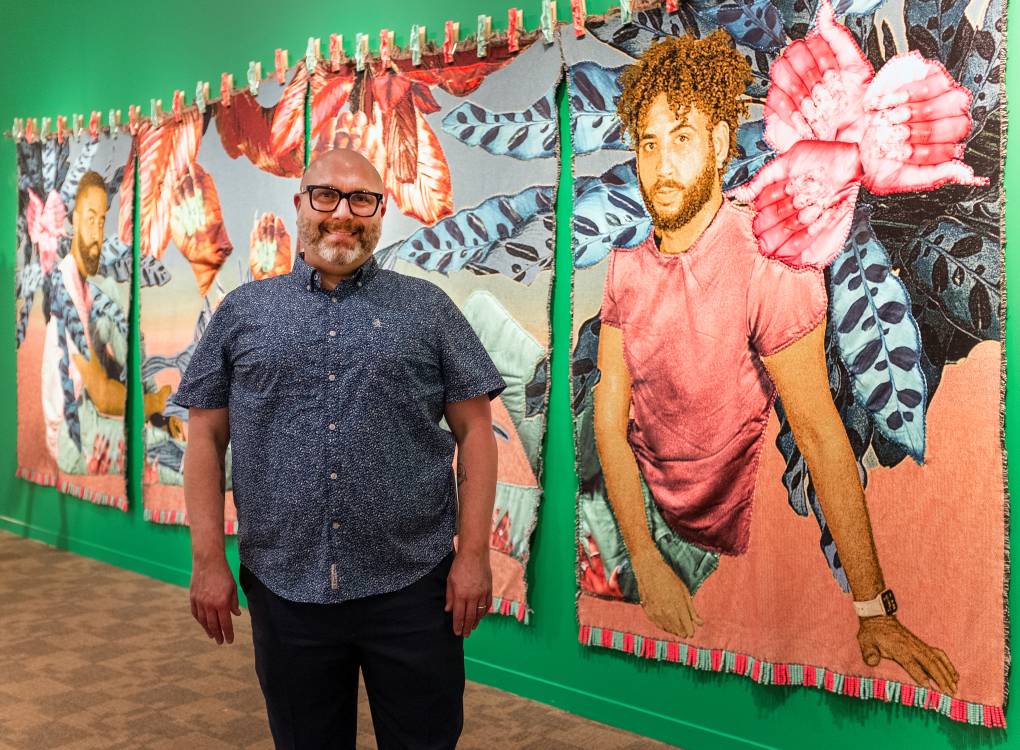
window.__IS_SSR__=true
window.__INITIAL_STATE__={
"attachmentsReducer": {
"audio_0": {
"type": "attachments",
"id": "audio_0",
"imgSizes": {
"kqedFullSize": {
"file": "https://ww2.kqed.org/news/wp-content/themes/KQED-unified/img/audio_bgs/background0.jpg"
}
}
},
"audio_1": {
"type": "attachments",
"id": "audio_1",
"imgSizes": {
"kqedFullSize": {
"file": "https://ww2.kqed.org/news/wp-content/themes/KQED-unified/img/audio_bgs/background1.jpg"
}
}
},
"audio_2": {
"type": "attachments",
"id": "audio_2",
"imgSizes": {
"kqedFullSize": {
"file": "https://ww2.kqed.org/news/wp-content/themes/KQED-unified/img/audio_bgs/background2.jpg"
}
}
},
"audio_3": {
"type": "attachments",
"id": "audio_3",
"imgSizes": {
"kqedFullSize": {
"file": "https://ww2.kqed.org/news/wp-content/themes/KQED-unified/img/audio_bgs/background3.jpg"
}
}
},
"audio_4": {
"type": "attachments",
"id": "audio_4",
"imgSizes": {
"kqedFullSize": {
"file": "https://ww2.kqed.org/news/wp-content/themes/KQED-unified/img/audio_bgs/background4.jpg"
}
}
},
"placeholder": {
"type": "attachments",
"id": "placeholder",
"imgSizes": {
"thumbnail": {
"file": "https://cdn.kqed.org/wp-content/uploads/2024/12/KQED-Default-Image-816638274-2000x1333-1-160x107.jpg",
"width": 160,
"height": 107,
"mimeType": "image/jpeg"
},
"medium": {
"file": "https://cdn.kqed.org/wp-content/uploads/2024/12/KQED-Default-Image-816638274-2000x1333-1-800x533.jpg",
"width": 800,
"height": 533,
"mimeType": "image/jpeg"
},
"medium_large": {
"file": "https://cdn.kqed.org/wp-content/uploads/2024/12/KQED-Default-Image-816638274-2000x1333-1-768x512.jpg",
"width": 768,
"height": 512,
"mimeType": "image/jpeg"
},
"large": {
"file": "https://cdn.kqed.org/wp-content/uploads/2024/12/KQED-Default-Image-816638274-2000x1333-1-1020x680.jpg",
"width": 1020,
"height": 680,
"mimeType": "image/jpeg"
},
"1536x1536": {
"file": "https://cdn.kqed.org/wp-content/uploads/2024/12/KQED-Default-Image-816638274-2000x1333-1-1536x1024.jpg",
"width": 1536,
"height": 1024,
"mimeType": "image/jpeg"
},
"fd-lrg": {
"file": "https://cdn.kqed.org/wp-content/uploads/2024/12/KQED-Default-Image-816638274-2000x1333-1-1536x1024.jpg",
"width": 1536,
"height": 1024,
"mimeType": "image/jpeg"
},
"fd-med": {
"file": "https://cdn.kqed.org/wp-content/uploads/2024/12/KQED-Default-Image-816638274-2000x1333-1-1020x680.jpg",
"width": 1020,
"height": 680,
"mimeType": "image/jpeg"
},
"fd-sm": {
"file": "https://cdn.kqed.org/wp-content/uploads/2024/12/KQED-Default-Image-816638274-2000x1333-1-800x533.jpg",
"width": 800,
"height": 533,
"mimeType": "image/jpeg"
},
"post-thumbnail": {
"file": "https://cdn.kqed.org/wp-content/uploads/2024/12/KQED-Default-Image-816638274-2000x1333-1-672x372.jpg",
"width": 672,
"height": 372,
"mimeType": "image/jpeg"
},
"twentyfourteen-full-width": {
"file": "https://cdn.kqed.org/wp-content/uploads/2024/12/KQED-Default-Image-816638274-2000x1333-1-1038x576.jpg",
"width": 1038,
"height": 576,
"mimeType": "image/jpeg"
},
"xxsmall": {
"file": "https://cdn.kqed.org/wp-content/uploads/2024/12/KQED-Default-Image-816638274-2000x1333-1-160x107.jpg",
"width": 160,
"height": 107,
"mimeType": "image/jpeg"
},
"xsmall": {
"file": "https://cdn.kqed.org/wp-content/uploads/2024/12/KQED-Default-Image-816638274-2000x1333-1-672x372.jpg",
"width": 672,
"height": 372,
"mimeType": "image/jpeg"
},
"small": {
"file": "https://cdn.kqed.org/wp-content/uploads/2024/12/KQED-Default-Image-816638274-2000x1333-1-672x372.jpg",
"width": 672,
"height": 372,
"mimeType": "image/jpeg"
},
"xlarge": {
"file": "https://cdn.kqed.org/wp-content/uploads/2024/12/KQED-Default-Image-816638274-2000x1333-1-1020x680.jpg",
"width": 1020,
"height": 680,
"mimeType": "image/jpeg"
},
"full-width": {
"file": "https://cdn.kqed.org/wp-content/uploads/2024/12/KQED-Default-Image-816638274-2000x1333-1-1920x1280.jpg",
"width": 1920,
"height": 1280,
"mimeType": "image/jpeg"
},
"guest-author-32": {
"file": "https://cdn.kqed.org/wp-content/uploads/2025/01/KQED-Default-Image-816638274-1333x1333-1-160x160.jpg",
"width": 32,
"height": 32,
"mimeType": "image/jpeg"
},
"guest-author-50": {
"file": "https://cdn.kqed.org/wp-content/uploads/2025/01/KQED-Default-Image-816638274-1333x1333-1-160x160.jpg",
"width": 50,
"height": 50,
"mimeType": "image/jpeg"
},
"guest-author-64": {
"file": "https://cdn.kqed.org/wp-content/uploads/2025/01/KQED-Default-Image-816638274-1333x1333-1-160x160.jpg",
"width": 64,
"height": 64,
"mimeType": "image/jpeg"
},
"guest-author-96": {
"file": "https://cdn.kqed.org/wp-content/uploads/2025/01/KQED-Default-Image-816638274-1333x1333-1-160x160.jpg",
"width": 96,
"height": 96,
"mimeType": "image/jpeg"
},
"guest-author-128": {
"file": "https://cdn.kqed.org/wp-content/uploads/2025/01/KQED-Default-Image-816638274-1333x1333-1-160x160.jpg",
"width": 128,
"height": 128,
"mimeType": "image/jpeg"
},
"detail": {
"file": "https://cdn.kqed.org/wp-content/uploads/2025/01/KQED-Default-Image-816638274-1333x1333-1-160x160.jpg",
"width": 160,
"height": 160,
"mimeType": "image/jpeg"
},
"kqedFullSize": {
"file": "https://cdn.kqed.org/wp-content/uploads/2024/12/KQED-Default-Image-816638274-2000x1333-1.jpg",
"width": 2000,
"height": 1333
}
}
},
"arts_13929653": {
"type": "attachments",
"id": "arts_13929653",
"meta": {
"index": "attachments_1716263798",
"site": "arts",
"id": "13929653",
"found": true
},
"parent": 13929422,
"imgSizes": {
"twentyfourteen-full-width": {
"file": "https://ww2.kqed.org/app/uploads/sites/2/2023/05/JohnChaich_portrait-1038x576.jpg",
"width": 1038,
"mimeType": "image/jpeg",
"height": 576
},
"thumbnail": {
"file": "https://ww2.kqed.org/app/uploads/sites/2/2023/05/JohnChaich_portrait-160x118.jpg",
"width": 160,
"mimeType": "image/jpeg",
"height": 118
},
"post-thumbnail": {
"file": "https://ww2.kqed.org/app/uploads/sites/2/2023/05/JohnChaich_portrait-672x372.jpg",
"width": 672,
"mimeType": "image/jpeg",
"height": 372
},
"kqedFullSize": {
"file": "https://ww2.kqed.org/app/uploads/sites/2/2023/05/JohnChaich_portrait-scaled.jpg",
"width": 2560,
"height": 1882
},
"2048x2048": {
"file": "https://ww2.kqed.org/app/uploads/sites/2/2023/05/JohnChaich_portrait-2048x1506.jpg",
"width": 2048,
"mimeType": "image/jpeg",
"height": 1506
},
"large": {
"file": "https://ww2.kqed.org/app/uploads/sites/2/2023/05/JohnChaich_portrait-1020x750.jpg",
"width": 1020,
"mimeType": "image/jpeg",
"height": 750
},
"1536x1536": {
"file": "https://ww2.kqed.org/app/uploads/sites/2/2023/05/JohnChaich_portrait-1536x1129.jpg",
"width": 1536,
"mimeType": "image/jpeg",
"height": 1129
},
"full-width": {
"file": "https://ww2.kqed.org/app/uploads/sites/2/2023/05/JohnChaich_portrait-1920x1412.jpg",
"width": 1920,
"mimeType": "image/jpeg",
"height": 1412
},
"medium": {
"file": "https://ww2.kqed.org/app/uploads/sites/2/2023/05/JohnChaich_portrait-800x588.jpg",
"width": 800,
"mimeType": "image/jpeg",
"height": 588
},
"medium_large": {
"file": "https://ww2.kqed.org/app/uploads/sites/2/2023/05/JohnChaich_portrait-768x565.jpg",
"width": 768,
"mimeType": "image/jpeg",
"height": 565
}
},
"publishDate": 1684968014,
"modified": 1685160404,
"caption": "Curator John Chaich with 'Guess Jeans: I Just Want to Have My Titties Out,' by April Bey. Digitally woven blanket with hand-sewn fabric and glitter, 80\" x 240\", 2022",
"description": null,
"title": "JohnChaich_portrait",
"credit": "Cherri Lakey",
"status": "inherit",
"altTag": "a man with glasses stands smiling in front of a painting in a museum",
"fetchFailed": false,
"isLoading": false
},
"arts_13872322": {
"type": "attachments",
"id": "arts_13872322",
"meta": {
"index": "attachments_1716263798",
"site": "arts",
"id": "13872322",
"found": true
},
"parent": 13872314,
"imgSizes": {
"twentyfourteen-full-width": {
"file": "https://ww2.kqed.org/app/uploads/sites/2/2020/01/Arose_Detail2-1000x576.jpg",
"width": 1000,
"mimeType": "image/jpeg",
"height": 576
},
"thumbnail": {
"file": "https://ww2.kqed.org/app/uploads/sites/2/2020/01/Arose_Detail2-160x160.jpg",
"width": 160,
"mimeType": "image/jpeg",
"height": 160
},
"post-thumbnail": {
"file": "https://ww2.kqed.org/app/uploads/sites/2/2020/01/Arose_Detail2-672x372.jpg",
"width": 672,
"mimeType": "image/jpeg",
"height": 372
},
"kqedFullSize": {
"file": "https://ww2.kqed.org/app/uploads/sites/2/2020/01/Arose_Detail2.jpg",
"width": 1000,
"height": 1000
},
"medium": {
"file": "https://ww2.kqed.org/app/uploads/sites/2/2020/01/Arose_Detail2-800x800.jpg",
"width": 800,
"mimeType": "image/jpeg",
"height": 800
},
"medium_large": {
"file": "https://ww2.kqed.org/app/uploads/sites/2/2020/01/Arose_Detail2-768x768.jpg",
"width": 768,
"mimeType": "image/jpeg",
"height": 768
}
},
"publishDate": 1577998567,
"modified": 1577998633,
"caption": "Kira Dominguez Hultgren, 'Arose,' 2019.",
"description": "Kira Dominguez Hultgren, 'Arose,' 2019.",
"title": "Arose_Detail2",
"credit": "Courtesy the artist and San Jose Museum of Quilts & Textiles",
"status": "inherit",
"fetchFailed": false,
"isLoading": false
},
"arts_13872320": {
"type": "attachments",
"id": "arts_13872320",
"meta": {
"index": "attachments_1716263798",
"site": "arts",
"id": "13872320",
"found": true
},
"parent": 13872314,
"imgSizes": {
"twentyfourteen-full-width": {
"file": "https://ww2.kqed.org/app/uploads/sites/2/2020/01/05_The-Bad-Clown_2003_COVER-1038x576.jpg",
"width": 1038,
"mimeType": "image/jpeg",
"height": 576
},
"thumbnail": {
"file": "https://ww2.kqed.org/app/uploads/sites/2/2020/01/05_The-Bad-Clown_2003_COVER-160x90.jpg",
"width": 160,
"mimeType": "image/jpeg",
"height": 90
},
"post-thumbnail": {
"file": "https://ww2.kqed.org/app/uploads/sites/2/2020/01/05_The-Bad-Clown_2003_COVER-672x372.jpg",
"width": 672,
"mimeType": "image/jpeg",
"height": 372
},
"kqedFullSize": {
"file": "https://ww2.kqed.org/app/uploads/sites/2/2020/01/05_The-Bad-Clown_2003_COVER.jpg",
"width": 1920,
"height": 1080
},
"large": {
"file": "https://ww2.kqed.org/app/uploads/sites/2/2020/01/05_The-Bad-Clown_2003_COVER-1020x574.jpg",
"width": 1020,
"mimeType": "image/jpeg",
"height": 574
},
"complete_open_graph": {
"file": "https://ww2.kqed.org/app/uploads/sites/2/2020/01/05_The-Bad-Clown_2003_COVER-1200x675.jpg",
"width": 1200,
"mimeType": "image/jpeg",
"height": 675
},
"full-width": {
"file": "https://ww2.kqed.org/app/uploads/sites/2/2020/01/05_The-Bad-Clown_2003_COVER-1920x1080.jpg",
"width": 1920,
"mimeType": "image/jpeg",
"height": 1080
},
"medium": {
"file": "https://ww2.kqed.org/app/uploads/sites/2/2020/01/05_The-Bad-Clown_2003_COVER-800x450.jpg",
"width": 800,
"mimeType": "image/jpeg",
"height": 450
},
"medium_large": {
"file": "https://ww2.kqed.org/app/uploads/sites/2/2020/01/05_The-Bad-Clown_2003_COVER-768x432.jpg",
"width": 768,
"mimeType": "image/jpeg",
"height": 432
}
},
"publishDate": 1577998076,
"modified": 1577998445,
"caption": "Ron Nagle, 'The Bad Clown,' 2003.",
"description": "Ron Nagle, 'The Bad Clown,' 2003.",
"title": "05_The-Bad-Clown_2003_COVER",
"credit": "Courtesy of the artist and BAMPFA",
"status": "inherit",
"fetchFailed": false,
"isLoading": false
},
"arts_13861838": {
"type": "attachments",
"id": "arts_13861838",
"meta": {
"index": "attachments_1716263798",
"site": "arts",
"id": "13861838",
"found": true
},
"parent": 13861823,
"imgSizes": {
"twentyfourteen-full-width": {
"file": "https://ww2.kqed.org/app/uploads/sites/2/2019/07/Photo-Jul-18-1-35-07-PM-1038x576.jpeg",
"width": 1038,
"mimeType": "image/jpeg",
"height": 576
},
"thumbnail": {
"file": "https://ww2.kqed.org/app/uploads/sites/2/2019/07/Photo-Jul-18-1-35-07-PM-160x160.jpeg",
"width": 160,
"mimeType": "image/jpeg",
"height": 160
},
"post-thumbnail": {
"file": "https://ww2.kqed.org/app/uploads/sites/2/2019/07/Photo-Jul-18-1-35-07-PM-672x372.jpeg",
"width": 672,
"mimeType": "image/jpeg",
"height": 372
},
"kqedFullSize": {
"file": "https://ww2.kqed.org/app/uploads/sites/2/2019/07/Photo-Jul-18-1-35-07-PM.jpeg",
"width": 2048,
"height": 2048
},
"large": {
"file": "https://ww2.kqed.org/app/uploads/sites/2/2019/07/Photo-Jul-18-1-35-07-PM-1020x1020.jpeg",
"width": 1020,
"mimeType": "image/jpeg",
"height": 1020
},
"complete_open_graph": {
"file": "https://ww2.kqed.org/app/uploads/sites/2/2019/07/Photo-Jul-18-1-35-07-PM-1200x1200.jpeg",
"width": 1200,
"mimeType": "image/jpeg",
"height": 1200
},
"full-width": {
"file": "https://ww2.kqed.org/app/uploads/sites/2/2019/07/Photo-Jul-18-1-35-07-PM-1920x1920.jpeg",
"width": 1920,
"mimeType": "image/jpeg",
"height": 1920
},
"medium": {
"file": "https://ww2.kqed.org/app/uploads/sites/2/2019/07/Photo-Jul-18-1-35-07-PM-800x800.jpeg",
"width": 800,
"mimeType": "image/jpeg",
"height": 800
},
"medium_large": {
"file": "https://ww2.kqed.org/app/uploads/sites/2/2019/07/Photo-Jul-18-1-35-07-PM-768x768.jpeg",
"width": 768,
"mimeType": "image/jpeg",
"height": 768
}
},
"publishDate": 1563639751,
"modified": 1563639814,
"caption": "Ceremonial huipil, made of cotton. Mayan Traje at the San Jose Museum of Quilts and Textiles surveys the changing language of traditional dress from the early 20th century to modern day. ",
"description": "Ceremonial huipil, made of cotton. Mayan Traje at the San Jose Museum of Quilts and Textiles surveys the changing language of traditional dress from the early 20th century to modern day. ",
"title": "Photo Jul 18, 1 35 07 PM",
"credit": "Rachael Myrow/KQED",
"status": "inherit",
"fetchFailed": false,
"isLoading": false
},
"arts_13836672": {
"type": "attachments",
"id": "arts_13836672",
"meta": {
"index": "attachments_1716263798",
"site": "arts",
"id": "13836672",
"found": true
},
"parent": 13836666,
"imgSizes": {
"small": {
"file": "https://ww2.kqed.org/app/uploads/sites/2/2018/07/RS31736_Photo-Jul-06-11-30-19-AM-qut-520x293.jpg",
"width": 520,
"mimeType": "image/jpeg",
"height": 293
},
"twentyfourteen-full-width": {
"file": "https://ww2.kqed.org/app/uploads/sites/2/2018/07/RS31736_Photo-Jul-06-11-30-19-AM-qut-1038x576.jpg",
"width": 1038,
"mimeType": "image/jpeg",
"height": 576
},
"thumbnail": {
"file": "https://ww2.kqed.org/app/uploads/sites/2/2018/07/RS31736_Photo-Jul-06-11-30-19-AM-qut-160x90.jpg",
"width": 160,
"mimeType": "image/jpeg",
"height": 90
},
"fd-sm": {
"file": "https://ww2.kqed.org/app/uploads/sites/2/2018/07/RS31736_Photo-Jul-06-11-30-19-AM-qut-960x540.jpg",
"width": 960,
"mimeType": "image/jpeg",
"height": 540
},
"post-thumbnail": {
"file": "https://ww2.kqed.org/app/uploads/sites/2/2018/07/RS31736_Photo-Jul-06-11-30-19-AM-qut-672x372.jpg",
"width": 672,
"mimeType": "image/jpeg",
"height": 372
},
"xsmall": {
"file": "https://ww2.kqed.org/app/uploads/sites/2/2018/07/RS31736_Photo-Jul-06-11-30-19-AM-qut-375x211.jpg",
"width": 375,
"mimeType": "image/jpeg",
"height": 211
},
"kqedFullSize": {
"file": "https://ww2.kqed.org/app/uploads/sites/2/2018/07/RS31736_Photo-Jul-06-11-30-19-AM-qut.jpg",
"width": 1920,
"height": 1080
},
"large": {
"file": "https://ww2.kqed.org/app/uploads/sites/2/2018/07/RS31736_Photo-Jul-06-11-30-19-AM-qut-1020x574.jpg",
"width": 1020,
"mimeType": "image/jpeg",
"height": 574
},
"xlarge": {
"file": "https://ww2.kqed.org/app/uploads/sites/2/2018/07/RS31736_Photo-Jul-06-11-30-19-AM-qut-1180x664.jpg",
"width": 1180,
"mimeType": "image/jpeg",
"height": 664
},
"complete_open_graph": {
"file": "https://ww2.kqed.org/app/uploads/sites/2/2018/07/RS31736_Photo-Jul-06-11-30-19-AM-qut-1200x675.jpg",
"width": 1200,
"mimeType": "image/jpeg",
"height": 675
},
"guest-author-50": {
"file": "https://ww2.kqed.org/app/uploads/sites/2/2018/07/RS31736_Photo-Jul-06-11-30-19-AM-qut-50x50.jpg",
"width": 50,
"mimeType": "image/jpeg",
"height": 50
},
"guest-author-96": {
"file": "https://ww2.kqed.org/app/uploads/sites/2/2018/07/RS31736_Photo-Jul-06-11-30-19-AM-qut-96x96.jpg",
"width": 96,
"mimeType": "image/jpeg",
"height": 96
},
"medium": {
"file": "https://ww2.kqed.org/app/uploads/sites/2/2018/07/RS31736_Photo-Jul-06-11-30-19-AM-qut-800x450.jpg",
"width": 800,
"mimeType": "image/jpeg",
"height": 450
},
"guest-author-64": {
"file": "https://ww2.kqed.org/app/uploads/sites/2/2018/07/RS31736_Photo-Jul-06-11-30-19-AM-qut-64x64.jpg",
"width": 64,
"mimeType": "image/jpeg",
"height": 64
},
"guest-author-32": {
"file": "https://ww2.kqed.org/app/uploads/sites/2/2018/07/RS31736_Photo-Jul-06-11-30-19-AM-qut-32x32.jpg",
"width": 32,
"mimeType": "image/jpeg",
"height": 32
},
"fd-lrg": {
"file": "https://ww2.kqed.org/app/uploads/sites/2/2018/07/RS31736_Photo-Jul-06-11-30-19-AM-qut-1920x1080.jpg",
"width": 1920,
"mimeType": "image/jpeg",
"height": 1080
},
"fd-med": {
"file": "https://ww2.kqed.org/app/uploads/sites/2/2018/07/RS31736_Photo-Jul-06-11-30-19-AM-qut-1180x664.jpg",
"width": 1180,
"mimeType": "image/jpeg",
"height": 664
},
"full-width": {
"file": "https://ww2.kqed.org/app/uploads/sites/2/2018/07/RS31736_Photo-Jul-06-11-30-19-AM-qut-1920x1080.jpg",
"width": 1920,
"mimeType": "image/jpeg",
"height": 1080
},
"detail": {
"file": "https://ww2.kqed.org/app/uploads/sites/2/2018/07/RS31736_Photo-Jul-06-11-30-19-AM-qut-150x150.jpg",
"width": 150,
"mimeType": "image/jpeg",
"height": 150
},
"medium_large": {
"file": "https://ww2.kqed.org/app/uploads/sites/2/2018/07/RS31736_Photo-Jul-06-11-30-19-AM-qut-768x432.jpg",
"width": 768,
"mimeType": "image/jpeg",
"height": 432
},
"guest-author-128": {
"file": "https://ww2.kqed.org/app/uploads/sites/2/2018/07/RS31736_Photo-Jul-06-11-30-19-AM-qut-128x128.jpg",
"width": 128,
"mimeType": "image/jpeg",
"height": 128
},
"xxsmall": {
"file": "https://ww2.kqed.org/app/uploads/sites/2/2018/07/RS31736_Photo-Jul-06-11-30-19-AM-qut-240x135.jpg",
"width": 240,
"mimeType": "image/jpeg",
"height": 135
}
},
"publishDate": 1530925166,
"modified": 1530925196,
"caption": "\"Quilted Reimagined American Flag Series III: Don't Live Matter?\" 2016 by Kelly Burke. The orange and yellow stripes signify caution. The fifty shades of red stars represent pain and suffering. Look closely and you can see the names of specific incidents written on the cloth.",
"description": "\"Quilted Reimagined American Flag Series III: Don't Live Matter?\" 2016 by Kelly Burke. The orange and yellow stripes signify caution. The fifty shades of red stars represent pain and suffering. Look closely and you can see the names of specific incidents written on the cloth.",
"title": "RS31736_Photo Jul 06, 11 30 19 AM-qut",
"credit": "Rachael Myrow/KQED",
"status": "inherit",
"fetchFailed": false,
"isLoading": false
},
"arts_13830395": {
"type": "attachments",
"id": "arts_13830395",
"meta": {
"index": "attachments_1716263798",
"site": "arts",
"id": "13830395",
"found": true
},
"parent": 13830393,
"imgSizes": {
"small": {
"file": "https://ww2.kqed.org/app/uploads/sites/2/2018/04/Outline-on-Asphalt-520x455.jpg",
"width": 520,
"mimeType": "image/jpeg",
"height": 455
},
"twentyfourteen-full-width": {
"file": "https://ww2.kqed.org/app/uploads/sites/2/2018/04/Outline-on-Asphalt-1038x576.jpg",
"width": 1038,
"mimeType": "image/jpeg",
"height": 576
},
"thumbnail": {
"file": "https://ww2.kqed.org/app/uploads/sites/2/2018/04/Outline-on-Asphalt-160x140.jpg",
"width": 160,
"mimeType": "image/jpeg",
"height": 140
},
"fd-sm": {
"file": "https://ww2.kqed.org/app/uploads/sites/2/2018/04/Outline-on-Asphalt-960x841.jpg",
"width": 960,
"mimeType": "image/jpeg",
"height": 841
},
"post-thumbnail": {
"file": "https://ww2.kqed.org/app/uploads/sites/2/2018/04/Outline-on-Asphalt-672x372.jpg",
"width": 672,
"mimeType": "image/jpeg",
"height": 372
},
"xsmall": {
"file": "https://ww2.kqed.org/app/uploads/sites/2/2018/04/Outline-on-Asphalt-375x328.jpg",
"width": 375,
"mimeType": "image/jpeg",
"height": 328
},
"kqedFullSize": {
"file": "https://ww2.kqed.org/app/uploads/sites/2/2018/04/Outline-on-Asphalt.jpg",
"width": 1600,
"height": 1401
},
"large": {
"file": "https://ww2.kqed.org/app/uploads/sites/2/2018/04/Outline-on-Asphalt-1020x893.jpg",
"width": 1020,
"mimeType": "image/jpeg",
"height": 893
},
"xlarge": {
"file": "https://ww2.kqed.org/app/uploads/sites/2/2018/04/Outline-on-Asphalt-1180x1033.jpg",
"width": 1180,
"mimeType": "image/jpeg",
"height": 1033
},
"complete_open_graph": {
"file": "https://ww2.kqed.org/app/uploads/sites/2/2018/04/Outline-on-Asphalt-1200x1051.jpg",
"width": 1200,
"mimeType": "image/jpeg",
"height": 1051
},
"guest-author-50": {
"file": "https://ww2.kqed.org/app/uploads/sites/2/2018/04/Outline-on-Asphalt-50x50.jpg",
"width": 50,
"mimeType": "image/jpeg",
"height": 50
},
"guest-author-96": {
"file": "https://ww2.kqed.org/app/uploads/sites/2/2018/04/Outline-on-Asphalt-96x96.jpg",
"width": 96,
"mimeType": "image/jpeg",
"height": 96
},
"medium": {
"file": "https://ww2.kqed.org/app/uploads/sites/2/2018/04/Outline-on-Asphalt-800x701.jpg",
"width": 800,
"mimeType": "image/jpeg",
"height": 701
},
"guest-author-64": {
"file": "https://ww2.kqed.org/app/uploads/sites/2/2018/04/Outline-on-Asphalt-64x64.jpg",
"width": 64,
"mimeType": "image/jpeg",
"height": 64
},
"guest-author-32": {
"file": "https://ww2.kqed.org/app/uploads/sites/2/2018/04/Outline-on-Asphalt-32x32.jpg",
"width": 32,
"mimeType": "image/jpeg",
"height": 32
},
"fd-med": {
"file": "https://ww2.kqed.org/app/uploads/sites/2/2018/04/Outline-on-Asphalt-1180x1033.jpg",
"width": 1180,
"mimeType": "image/jpeg",
"height": 1033
},
"detail": {
"file": "https://ww2.kqed.org/app/uploads/sites/2/2018/04/Outline-on-Asphalt-150x150.jpg",
"width": 150,
"mimeType": "image/jpeg",
"height": 150
},
"medium_large": {
"file": "https://ww2.kqed.org/app/uploads/sites/2/2018/04/Outline-on-Asphalt-768x672.jpg",
"width": 768,
"mimeType": "image/jpeg",
"height": 672
},
"guest-author-128": {
"file": "https://ww2.kqed.org/app/uploads/sites/2/2018/04/Outline-on-Asphalt-128x128.jpg",
"width": 128,
"mimeType": "image/jpeg",
"height": 128
},
"xxsmall": {
"file": "https://ww2.kqed.org/app/uploads/sites/2/2018/04/Outline-on-Asphalt-240x210.jpg",
"width": 240,
"mimeType": "image/jpeg",
"height": 210
}
},
"publishDate": 1524679846,
"modified": 1524684492,
"caption": "Outline on Asphalt by quiltmaker B.J. Adams",
"description": "Outline on Asphalt by quiltmaker B.J. Adams",
"title": "Outline on Asphalt by quiltmaker B.J. Adams",
"credit": "Greg Staley Photography",
"status": "inherit",
"fetchFailed": false,
"isLoading": false
}
},
"audioPlayerReducer": {
"postId": "stream_live",
"isPaused": true,
"isPlaying": false,
"pfsActive": false,
"pledgeModalIsOpen": true,
"playerDrawerIsOpen": false
},
"authorsReducer": {
"cmusiker": {
"type": "authors",
"id": "32",
"meta": {
"index": "authors_1716337520",
"id": "32",
"found": true
},
"name": "Cy Musiker",
"firstName": "Cy",
"lastName": "Musiker",
"slug": "cmusiker",
"email": "cmusiker@kqed.org",
"display_author_email": false,
"staff_mastheads": [],
"title": "KQED Contributor",
"bio": "Cy Musiker is a former co-host of The Do List and a former reporter covering the arts for KQED News and The California Report. He loves live performance, especially great theater, jazz, roots music, anything by Mahler. Cy has an MJ from UC Berkeley's School of Journalism, and got his BA from Hampshire College. His work has been recognized by the Society for Professional Journalists with their Sigma Delta Chi Award for Public Service in Journalism. When he can, Cy likes to swim in Tomales Bay, run with his dog in the East Bay Hills, and hike the Sierra.",
"avatar": "https://secure.gravatar.com/avatar/05eaba5c5696ce8f062e4ea2df428a43?s=600&d=blank&r=g",
"twitter": null,
"facebook": null,
"instagram": null,
"linkedin": null,
"sites": [
{
"site": "arts",
"roles": [
"Contributor",
"subscriber"
]
},
{
"site": "news",
"roles": [
"author"
]
},
{
"site": "bayareabites",
"roles": [
"contributor"
]
}
],
"headData": {
"title": "Cy Musiker | KQED",
"description": "KQED Contributor",
"ogImgSrc": "https://secure.gravatar.com/avatar/05eaba5c5696ce8f062e4ea2df428a43?s=600&d=blank&r=g",
"twImgSrc": "https://secure.gravatar.com/avatar/05eaba5c5696ce8f062e4ea2df428a43?s=600&d=blank&r=g"
},
"isLoading": false,
"link": "/author/cmusiker"
},
"shotchkiss": {
"type": "authors",
"id": "61",
"meta": {
"index": "authors_1716337520",
"id": "61",
"found": true
},
"name": "Sarah Hotchkiss",
"firstName": "Sarah",
"lastName": "Hotchkiss",
"slug": "shotchkiss",
"email": "shotchkiss@kqed.org",
"display_author_email": true,
"staff_mastheads": [
"arts"
],
"title": "Senior Editor",
"bio": "Sarah Hotchkiss is a San Francisco \u003ca href=\"http://www.sarahhotchkiss.com\">artist\u003c/a> and arts writer. In 2019, she received the Dorothea & Leo Rabkin Foundation grant for visual art journalism and in 2020 she received a Society of Professional Journalists, Northern California award for excellence in arts and culture reporting.",
"avatar": "https://secure.gravatar.com/avatar/ca38c7f54590856cd4947d26274f8a90?s=600&d=blank&r=g",
"twitter": null,
"facebook": null,
"instagram": null,
"linkedin": null,
"sites": [
{
"site": "",
"roles": [
"editor"
]
},
{
"site": "arts",
"roles": [
"Contributor",
"administrator"
]
},
{
"site": "artschool",
"roles": [
"administrator"
]
},
{
"site": "news",
"roles": [
"editor"
]
},
{
"site": "pop",
"roles": [
"administrator"
]
},
{
"site": "bayareabites",
"roles": [
"editor"
]
},
{
"site": "spark",
"roles": [
"editor"
]
},
{
"site": "checkplease",
"roles": [
"editor"
]
}
],
"headData": {
"title": "Sarah Hotchkiss | KQED",
"description": "Senior Editor",
"ogImgSrc": "https://secure.gravatar.com/avatar/ca38c7f54590856cd4947d26274f8a90?s=600&d=blank&r=g",
"twImgSrc": "https://secure.gravatar.com/avatar/ca38c7f54590856cd4947d26274f8a90?s=600&d=blank&r=g"
},
"isLoading": false,
"link": "/author/shotchkiss"
},
"clakey": {
"type": "authors",
"id": "191",
"meta": {
"index": "authors_1716337520",
"id": "191",
"found": true
},
"name": "Cherri Lakey",
"firstName": null,
"lastName": null,
"slug": "clakey",
"email": "cherri@galleryad.com",
"display_author_email": false,
"staff_mastheads": [],
"title": null,
"bio": "Co-owner/curator of urban contemporary art and culture gallery \u003ca href=\"http://www.galleryAD.com\">ANNO DOMINI\u003c/a> // the second coming of Art & Design and producer of a bunch of other cool projects with partner \u003ca href=\"http://ww2.kqed.org/arts/author/beder/\" target=\"_blank\">Brian Eder.\u003c/a> \u003ca class=\"twitter-follow-button\" href=\"https://twitter.com/astrogirl\" data-show-count=\"false\">Follow @astrogirl\u003c/a>\r\n\u003cscript>// \u003c![CDATA[\r\n!function(d,s,id){var js,fjs=d.getElementsByTagName(s)[0],p=/^http:/.test(d.location)?'http':'https';if(!d.getElementById(id)){js=d.createElement(s);js.id=id;js.src=p+'://platform.twitter.com/widgets.js';fjs.parentNode.insertBefore(js,fjs);}}(document, 'script', 'twitter-wjs');\r\n// ]]>\u003c/script>",
"avatar": "https://secure.gravatar.com/avatar/5a92919baa84da5ce8920beeaf078c67?s=600&d=blank&r=g",
"twitter": null,
"facebook": null,
"instagram": null,
"linkedin": null,
"sites": [
{
"site": "arts",
"roles": [
"contributor"
]
}
],
"headData": {
"title": "Cherri Lakey | KQED",
"description": null,
"ogImgSrc": "https://secure.gravatar.com/avatar/5a92919baa84da5ce8920beeaf078c67?s=600&d=blank&r=g",
"twImgSrc": "https://secure.gravatar.com/avatar/5a92919baa84da5ce8920beeaf078c67?s=600&d=blank&r=g"
},
"isLoading": false,
"link": "/author/clakey"
},
"rachael-myrow": {
"type": "authors",
"id": "251",
"meta": {
"index": "authors_1716337520",
"id": "251",
"found": true
},
"name": "Rachael Myrow",
"firstName": "Rachael",
"lastName": "Myrow",
"slug": "rachael-myrow",
"email": "rmyrow@kqed.org",
"display_author_email": true,
"staff_mastheads": [
"news"
],
"title": "Senior Editor of KQED's Silicon Valley News Desk",
"bio": "• I write and edit stories about how Silicon Valley power and policies shape everyday life in California. I’m also passionate about making Bay Area history and culture more accessible to a broad public. • I’ve been a journalist for most of my life, starting in high school with The Franklin Press in Los Angeles, where I grew up. While earning my first degree in English at UC Berkeley, I got my start in public radio at KALX-FM. After completing a second degree in journalism at Cal, I landed my first professional job at Marketplace, then moved on to KPCC (now LAist), and then KQED, where I hosted The California Report for more than seven years. • My reporting has appeared on NPR, The World, WBUR’s \u003ci>Here & Now\u003c/i>, and the BBC. I also guest host for KQED’s \u003ci>Forum\u003c/i>, as well as the Commonwealth Club in San Francisco. • I speak periodically on media, democracy and technology issues, and do voiceover work for documentaries and educational video projects. • Outside of the studio, you'll find me hiking Bay Area trails and whipping up Insta-ready meals in my kitchen. • I do not accept gifts, money, or favors from anyone connected to my reporting, I don't pay people for information, and I do not support or donate to political causes. • I strive to treat the people I report on with fairness, honesty, and respect. I also recognize there are often multiple sides to a story and work to verify information through multiple sources and documentation. If I get something wrong, I correct it.",
"avatar": "https://secure.gravatar.com/avatar/87bf8cb5874e045cdff430523a6d48b1?s=600&d=blank&r=g",
"twitter": "rachaelmyrow",
"facebook": null,
"instagram": null,
"linkedin": "https://www.linkedin.com/in/rachaelmyrow/",
"sites": [
{
"site": "arts",
"roles": [
"administrator"
]
},
{
"site": "news",
"roles": [
"edit_others_posts",
"editor"
]
},
{
"site": "futureofyou",
"roles": [
"editor"
]
},
{
"site": "bayareabites",
"roles": [
"editor"
]
},
{
"site": "stateofhealth",
"roles": [
"editor"
]
},
{
"site": "science",
"roles": [
"editor"
]
},
{
"site": "food",
"roles": [
"editor"
]
},
{
"site": "forum",
"roles": [
"editor"
]
},
{
"site": "liveblog",
"roles": [
"author"
]
}
],
"headData": {
"title": "Rachael Myrow | KQED",
"description": "Senior Editor of KQED's Silicon Valley News Desk",
"ogImgSrc": "https://secure.gravatar.com/avatar/87bf8cb5874e045cdff430523a6d48b1?s=600&d=blank&r=g",
"twImgSrc": "https://secure.gravatar.com/avatar/87bf8cb5874e045cdff430523a6d48b1?s=600&d=blank&r=g"
},
"isLoading": false,
"link": "/author/rachael-myrow"
}
},
"breakingNewsReducer": {},
"pagesReducer": {},
"postsReducer": {
"stream_live": {
"type": "live",
"id": "stream_live",
"audioUrl": "https://streams.kqed.org/kqedradio",
"title": "Live Stream",
"excerpt": "Live Stream information currently unavailable.",
"link": "/radio",
"featImg": "",
"label": {
"name": "KQED Live",
"link": "/"
}
},
"stream_kqedNewscast": {
"type": "posts",
"id": "stream_kqedNewscast",
"audioUrl": "https://www.kqed.org/.stream/anon/radio/RDnews/newscast.mp3?_=1",
"title": "KQED Newscast",
"featImg": "",
"label": {
"name": "88.5 FM",
"link": "/"
}
},
"arts_13929422": {
"type": "posts",
"id": "arts_13929422",
"meta": {
"index": "posts_1716263798",
"site": "arts",
"id": "13929422",
"score": null,
"sort": [
1685469635000
]
},
"guestAuthors": [],
"slug": "queer-threads-weaves-together-lgbtq-trauma-hope-and-resilience",
"title": "‘Queer Threads’ Weaves Together LGBTQ Trauma, Hope and Resilience",
"publishDate": 1685469635,
"format": "standard",
"headTitle": "‘Queer Threads’ Weaves Together LGBTQ Trauma, Hope and Resilience | KQED",
"labelTerm": {
"site": "arts"
},
"content": "\u003cp>Independent curator John Chaich’s fascination with textile arts traces back to the 1990s, when he witnessed the \u003ca href=\"https://www.aidsmemorial.org/quilt-history\">AIDS memorial quilt\u003c/a> at the Washington Monument. Chaich remembers thinking it was a magnificent and expansive narrative tribute — something crafted by countless anonymous hands, honoring numerous individuals.\u003c/p>\n\u003cp>Not only did it shape his sense of identity and deepen his understanding of the impact of HIV and AIDS on the gay community, it also left him profoundly moved. That pivotal moment helped ignite Chaich’s passion for textile arts and the LGBTQ artists working in this medium.\u003c/p>\n\u003cp>Chaich’s visionary exhibition, \u003cem>Queer Threads\u003c/em>, debuted in 2014 at the Leslie Lohman Museum in New York City, and has since traveled to Baltimore and Boston. Now, it showcases its fourth iteration at the San Jose Museum of Quilts and Textiles. The exhibition, which opened May 12, features 38 works by 37 artists primarily from the West Coast, with a diverse range of artistic techniques and narratives.\u003c/p>\n\u003cp>Traditional fiber textile methods like embroidery and weaving intersect with queer narratives, resulting in pieces where every stitch tells a story. The exhibition also embraces a “queer as a verb” approach, incorporating mixed media elements such as painting with felt, drawing with yarn, fabric collages and fabric sculptures. The choice of material in each artwork is intentionally intertwined with the meaning, adding layers of symbolism.\u003c/p>\n\u003cfigure id=\"attachment_13929434\" class=\"wp-caption aligncenter\" style=\"max-width: 640px\">\u003ca href=\"https://ww2.kqed.org/app/uploads/sites/2/2023/05/DSCF2331.jpg\">\u003cimg loading=\"lazy\" decoding=\"async\" class=\"size-large wp-image-13929434\" src=\"https://ww2.kqed.org/app/uploads/sites/2/2023/05/DSCF2331-1020x1002.jpg\" alt=\"\" width=\"640\" height=\"629\" srcset=\"https://cdn.kqed.org/wp-content/uploads/sites/2/2023/05/DSCF2331-1020x1002.jpg 1020w, https://cdn.kqed.org/wp-content/uploads/sites/2/2023/05/DSCF2331-800x786.jpg 800w, https://cdn.kqed.org/wp-content/uploads/sites/2/2023/05/DSCF2331-160x157.jpg 160w, https://cdn.kqed.org/wp-content/uploads/sites/2/2023/05/DSCF2331-768x755.jpg 768w, https://cdn.kqed.org/wp-content/uploads/sites/2/2023/05/DSCF2331-1536x1509.jpg 1536w, https://cdn.kqed.org/wp-content/uploads/sites/2/2023/05/DSCF2331-2048x2012.jpg 2048w, https://cdn.kqed.org/wp-content/uploads/sites/2/2023/05/DSCF2331-1920x1886.jpg 1920w\" sizes=\"auto, (max-width: 640px) 100vw, 640px\">\u003c/a>\u003cfigcaption class=\"wp-caption-text\">Erika Diamond, ‘Overshot Safety Blanket (lapghan),’ 2018. Bulletproof Kevlar thread, acrylic and linen yarn. 45″ x 35″. Collection of San Jose Museum of Quilts \u003ccite>(Photo by Cherri Lakey)\u003c/cite>\u003c/figcaption>\u003c/figure>\n\u003cp>This deliberate intertwining of material and message permeates \u003cem>Overshot Safety Blanket\u003c/em>, by Erika Diamond. Created in response to the \u003ca href=\"https://onepulsefoundation.org/onepulse-foundation-memorial/\">Pulse\u003c/a> nightclub massacre, the piece comments powerfully on queer visibility and safety with its use of Kevlar, the material used for bulletproof vests.\u003c/p>\n\u003cfigure id=\"attachment_13929450\" class=\"wp-caption aligncenter\" style=\"max-width: 640px\">\u003ca href=\"https://ww2.kqed.org/app/uploads/sites/2/2023/05/DSCF2667-Edit-scaled.jpg\">\u003cimg loading=\"lazy\" decoding=\"async\" class=\"size-large wp-image-13929450\" src=\"https://ww2.kqed.org/app/uploads/sites/2/2023/05/DSCF2667-Edit-1020x708.jpg\" alt=\"\" width=\"640\" height=\"444\" srcset=\"https://cdn.kqed.org/wp-content/uploads/sites/2/2023/05/DSCF2667-Edit-1020x708.jpg 1020w, https://cdn.kqed.org/wp-content/uploads/sites/2/2023/05/DSCF2667-Edit-800x555.jpg 800w, https://cdn.kqed.org/wp-content/uploads/sites/2/2023/05/DSCF2667-Edit-160x111.jpg 160w, https://cdn.kqed.org/wp-content/uploads/sites/2/2023/05/DSCF2667-Edit-768x533.jpg 768w, https://cdn.kqed.org/wp-content/uploads/sites/2/2023/05/DSCF2667-Edit-1536x1066.jpg 1536w, https://cdn.kqed.org/wp-content/uploads/sites/2/2023/05/DSCF2667-Edit-2048x1421.jpg 2048w, https://cdn.kqed.org/wp-content/uploads/sites/2/2023/05/DSCF2667-Edit-1920x1332.jpg 1920w\" sizes=\"auto, (max-width: 640px) 100vw, 640px\">\u003c/a>\u003cfigcaption class=\"wp-caption-text\">Angela Hennessy, “Black Rainbow,” 2017. Crocheted synthetic and human hair, artist’s hair, LED light strip, and frame. 10 x 15 x 5 feet. \u003ccite>(Photo by Cherri Lakey)\u003c/cite>\u003c/figcaption>\u003c/figure>\n\u003cp>Oakland artist Angela Hennessy’s colossal crocheted work, titled \u003cem>Black Rainbow, \u003c/em>incorporates hair, traditionally associated with mourning, as a signifier of cultural and personal identity, further enhanced by the intimate process of crochet.\u003c/p>\n\u003cp>[ad fullwidth]\u003c/p>\n\u003cp>Each artist’s dedication to their craft shines through in endless crocheting, weaving, sewing and meticulous work at the loom. The artworks evoke a range of emotions, from heart-wrenching narratives to humorous, celebratory and even spiritual expressions.\u003c/p>\n\u003cfigure id=\"attachment_13929449\" class=\"wp-caption aligncenter\" style=\"max-width: 640px\">\u003ca href=\"https://ww2.kqed.org/app/uploads/sites/2/2023/05/Brackens-scaled.jpg\">\u003cimg loading=\"lazy\" decoding=\"async\" class=\"size-large wp-image-13929449\" src=\"https://ww2.kqed.org/app/uploads/sites/2/2023/05/Brackens-1020x873.jpg\" alt=\"\" width=\"640\" height=\"548\" srcset=\"https://cdn.kqed.org/wp-content/uploads/sites/2/2023/05/Brackens-1020x873.jpg 1020w, https://cdn.kqed.org/wp-content/uploads/sites/2/2023/05/Brackens-800x685.jpg 800w, https://cdn.kqed.org/wp-content/uploads/sites/2/2023/05/Brackens-160x137.jpg 160w, https://cdn.kqed.org/wp-content/uploads/sites/2/2023/05/Brackens-768x657.jpg 768w, https://cdn.kqed.org/wp-content/uploads/sites/2/2023/05/Brackens-1536x1315.jpg 1536w, https://cdn.kqed.org/wp-content/uploads/sites/2/2023/05/Brackens-2048x1753.jpg 2048w, https://cdn.kqed.org/wp-content/uploads/sites/2/2023/05/Brackens-1920x1644.jpg 1920w\" sizes=\"auto, (max-width: 640px) 100vw, 640px\">\u003c/a>\u003cfigcaption class=\"wp-caption-text\">Diedrick Brackens, ‘summer somewhere (for Danez),’ 2020. Woven cotton and acrylic yarn, 100” x 105”. \u003ccite>(Photo by Cherri Lakey)\u003c/cite>\u003c/figcaption>\u003c/figure>\n\u003cp>Diedrick Brackens’ stunning \u003cem>summer somewhere (for Danez),\u003c/em> draws inspiration from Danez Smith’s poignant \u003ca href=\"https://www.poetryfoundation.org/poetrymagazine/poems/58645/from-summer-somewhere\">poem\u003c/a>. Together, the poem and Brackens’ weaving embark on an exploration of the experiences of Black and brown men who have sex with men, delving into the profound impact of HIV/AIDS on their lives. The solitary figure depicted evokes imagery reminiscent of William Blake’s haunting \u003cem>A Negro Hung Alive by the Ribs to a Gallows,\u003c/em> or the evocative visuals conjured by Billie Holiday’s iconic song, \u003cem>Strange Fruit.\u003c/em> However, Brackens’ artwork goes beyond these dark historical allusions and embraces the radiance of the sun and the fullness of the Tree of Life, symbolizing transcendence and exultation in the face of adversity.\u003c/p>\n\u003cp>Beyond their inherent LGBTQ themes, these artworks possess a universal quality — an “otherness,” as Chaich describes it — that has the power to stir empathy in all viewers. The artists skillfully weave storytelling into their fine art objects, inviting introspection and emotional engagement.\u003c/p>\n\u003cfigure id=\"attachment_13929425\" class=\"wp-caption aligncenter\" style=\"max-width: 640px\">\u003ca href=\"https://ww2.kqed.org/app/uploads/sites/2/2023/05/DSCF2555-Edit-scaled.jpg\">\u003cimg loading=\"lazy\" decoding=\"async\" class=\"size-large wp-image-13929425\" src=\"https://ww2.kqed.org/app/uploads/sites/2/2023/05/DSCF2555-Edit-1020x680.jpg\" alt=\"\" width=\"640\" height=\"427\" srcset=\"https://cdn.kqed.org/wp-content/uploads/sites/2/2023/05/DSCF2555-Edit-1020x680.jpg 1020w, https://cdn.kqed.org/wp-content/uploads/sites/2/2023/05/DSCF2555-Edit-800x533.jpg 800w, https://cdn.kqed.org/wp-content/uploads/sites/2/2023/05/DSCF2555-Edit-160x107.jpg 160w, https://cdn.kqed.org/wp-content/uploads/sites/2/2023/05/DSCF2555-Edit-768x512.jpg 768w, https://cdn.kqed.org/wp-content/uploads/sites/2/2023/05/DSCF2555-Edit-1536x1024.jpg 1536w, https://cdn.kqed.org/wp-content/uploads/sites/2/2023/05/DSCF2555-Edit-2048x1366.jpg 2048w, https://cdn.kqed.org/wp-content/uploads/sites/2/2023/05/DSCF2555-Edit-1920x1280.jpg 1920w\" sizes=\"auto, (max-width: 640px) 100vw, 640px\">\u003c/a>\u003cfigcaption class=\"wp-caption-text\">Artist Nathan Vincent, ‘Locker Room,’ 2011. Lion Brand yarn over Styrofoam and wood structure. 113″ x 209″ x 190.” \u003ccite>(Photo by Cherri Lakey)\u003c/cite>\u003c/figcaption>\u003c/figure>\n\u003cp>During the opening reception, a viewer shared with artist Nathan Vincent that his installation, \u003cem>Locker Room\u003c/em>, stirred up feelings of anxiety reminiscent of their high school experience. Chaich agrees that Vincent’s life-sized crocheted lockers, benches, urinals and showers might invite intensely personal reflections for viewers, especially aorund themes of inclusion, attraction and repulsion. “The gendered nature of locker rooms can raise thought-provoking questions about safety, potential for violence and even eroticism,” says Chaich.\u003c/p>\n\u003cp>Race, gender, sexuality and class all play a role in shaping one’s identity, and these factors are present throughout the exhibition, interwoven in intricate ways, challenging the viewer to think beyond simplistic labels.\u003cstrong> \u003c/strong>In a landscape marred by escalating violence and uncertainty for the LGBTQ community, the exhibition captures the spirit of the times, and themes of hope and healing alongside collective and individual trauma feel more resonant than ever.\u003c/p>\n\u003cp>Chaich’s curation makes space for it all. Over the past few decades, he notes, there has been a remarkable expansion in our language surrounding queerness, enabling a broader range of self-expression and identification. “The celebration of queer culture, and embracing LGBTQIA identities, has fostered a sense of belonging and unity within our community and among our allies,” he says. “However, it is crucial to acknowledge the recent setbacks and challenges that persist.”\u003c/p>\n\u003cfigure id=\"attachment_13929426\" class=\"wp-caption aligncenter\" style=\"max-width: 640px\">\u003ca href=\"https://ww2.kqed.org/app/uploads/sites/2/2023/05/DSCF2324-Edit-2-scaled.jpg\">\u003cimg loading=\"lazy\" decoding=\"async\" class=\"size-large wp-image-13929426\" src=\"https://ww2.kqed.org/app/uploads/sites/2/2023/05/DSCF2324-Edit-2-1020x1167.jpg\" alt=\"\" width=\"640\" height=\"732\" srcset=\"https://cdn.kqed.org/wp-content/uploads/sites/2/2023/05/DSCF2324-Edit-2-1020x1167.jpg 1020w, https://cdn.kqed.org/wp-content/uploads/sites/2/2023/05/DSCF2324-Edit-2-800x915.jpg 800w, https://cdn.kqed.org/wp-content/uploads/sites/2/2023/05/DSCF2324-Edit-2-160x183.jpg 160w, https://cdn.kqed.org/wp-content/uploads/sites/2/2023/05/DSCF2324-Edit-2-768x878.jpg 768w, https://cdn.kqed.org/wp-content/uploads/sites/2/2023/05/DSCF2324-Edit-2-1343x1536.jpg 1343w, https://cdn.kqed.org/wp-content/uploads/sites/2/2023/05/DSCF2324-Edit-2-1791x2048.jpg 1791w, https://cdn.kqed.org/wp-content/uploads/sites/2/2023/05/DSCF2324-Edit-2-1920x2196.jpg 1920w\" sizes=\"auto, (max-width: 640px) 100vw, 640px\">\u003c/a>\u003cfigcaption class=\"wp-caption-text\">Mikki Yamashiro, ‘Take Me to Your Leader,’ 2018. Acrylic, Yarn. 38″ x 26″. \u003ccite>(Photo by Cherri Lakey)\u003c/cite>\u003c/figcaption>\u003c/figure>\n\u003cp>That gets to the heart of why \u003cem>Queer Threads\u003c/em> is such a powerful and thought-provoking exhibition. It speaks to the ongoing struggles and triumphs of the queer community. It celebrates the beauty and diversity of queer culture while also highlighting the ongoing fight for acceptance and representation.\u003c/p>\n\u003cp>“As queer people we have this resilience and industriousness, and creativity and spirit, and a kind of vibrancy, to really fight forward,” says Chaich.\u003c/p>\n\u003cp>\u003cimg loading=\"lazy\" decoding=\"async\" class=\"aligncenter size-full wp-image-12127869\" src=\"https://ww2.kqed.org/app/uploads/sites/2/2016/09/Q.Logo_.Break_.jpg\" alt=\"\" width=\"800\" height=\"78\" srcset=\"https://cdn.kqed.org/wp-content/uploads/sites/2/2016/09/Q.Logo_.Break_.jpg 800w, https://cdn.kqed.org/wp-content/uploads/sites/2/2016/09/Q.Logo_.Break_-400x39.jpg 400w, https://cdn.kqed.org/wp-content/uploads/sites/2/2016/09/Q.Logo_.Break_-768x75.jpg 768w\" sizes=\"auto, (max-width: 800px) 100vw, 800px\">\u003c/p>\n\u003cp>\u003c/p>\n\u003cp>\u003cem>‘Queer Threads’ is on view at the San Jose Museum of Quilts and Textiles through Aug. 20, 2023.\u003c/em> \u003cem>\u003ca href=\"https://www.sjquiltmuseum.org/\"> Tickets and more info \u003c/a>\u003ca href=\"https://www.sjquiltmuseum.org/\">here\u003c/a>. The museum will host a drag show at 7:30 p.m. on June 2 as part of the SubZERO Festival. \u003ca href=\"https://www.subzerofestival.com/\">Details here\u003c/a>.\u003c/em>\u003c/p>\n\n",
"blocks": [],
"excerpt": "At the San Jose Museum of Quilts and Textiles, John Chaich's curation provokes profound, timely reflections.",
"status": "publish",
"parent": 0,
"modified": 1741366768,
"stats": {
"hasAudio": false,
"hasVideo": false,
"hasChartOrMap": false,
"iframeSrcs": [],
"hasGoogleForm": false,
"hasGallery": false,
"hasHearkenModule": false,
"hasPolis": false,
"paragraphCount": 18,
"wordCount": 1011
},
"headData": {
"title": "‘Queer Threads’ Weaves Together LGBTQ Trauma, Hope and Resilience | KQED",
"description": "At the San Jose Museum of Quilts and Textiles, John Chaich's curation provokes profound, timely reflections.",
"ogTitle": "",
"ogDescription": "",
"ogImgId": "",
"twTitle": "",
"twDescription": "",
"twImgId": "",
"schema": {
"@context": "https://schema.org",
"@type": "Article",
"headline": "‘Queer Threads’ Weaves Together LGBTQ Trauma, Hope and Resilience",
"datePublished": "2023-05-30T11:00:35-07:00",
"dateModified": "2025-03-07T08:59:28-08:00",
"image": "https://cdn.kqed.org/wp-content/uploads/2020/02/KQED-OG-Image@1x.png"
}
},
"sticky": false,
"excludeFromSiteSearch": "Include",
"articleAge": "0",
"path": "/arts/13929422/queer-threads-weaves-together-lgbtq-trauma-hope-and-resilience",
"audioTrackLength": null,
"parsedContent": [
{
"type": "contentString",
"content": "\u003cdiv class=\"post-body\">\u003cp>\u003cp>Independent curator John Chaich’s fascination with textile arts traces back to the 1990s, when he witnessed the \u003ca href=\"https://www.aidsmemorial.org/quilt-history\">AIDS memorial quilt\u003c/a> at the Washington Monument. Chaich remembers thinking it was a magnificent and expansive narrative tribute — something crafted by countless anonymous hands, honoring numerous individuals.\u003c/p>\n\u003cp>Not only did it shape his sense of identity and deepen his understanding of the impact of HIV and AIDS on the gay community, it also left him profoundly moved. That pivotal moment helped ignite Chaich’s passion for textile arts and the LGBTQ artists working in this medium.\u003c/p>\n\u003cp>Chaich’s visionary exhibition, \u003cem>Queer Threads\u003c/em>, debuted in 2014 at the Leslie Lohman Museum in New York City, and has since traveled to Baltimore and Boston. Now, it showcases its fourth iteration at the San Jose Museum of Quilts and Textiles. The exhibition, which opened May 12, features 38 works by 37 artists primarily from the West Coast, with a diverse range of artistic techniques and narratives.\u003c/p>\n\u003cp>Traditional fiber textile methods like embroidery and weaving intersect with queer narratives, resulting in pieces where every stitch tells a story. The exhibition also embraces a “queer as a verb” approach, incorporating mixed media elements such as painting with felt, drawing with yarn, fabric collages and fabric sculptures. The choice of material in each artwork is intentionally intertwined with the meaning, adding layers of symbolism.\u003c/p>\n\u003cfigure id=\"attachment_13929434\" class=\"wp-caption aligncenter\" style=\"max-width: 640px\">\u003ca href=\"https://ww2.kqed.org/app/uploads/sites/2/2023/05/DSCF2331.jpg\">\u003cimg loading=\"lazy\" decoding=\"async\" class=\"size-large wp-image-13929434\" src=\"https://ww2.kqed.org/app/uploads/sites/2/2023/05/DSCF2331-1020x1002.jpg\" alt=\"\" width=\"640\" height=\"629\" srcset=\"https://cdn.kqed.org/wp-content/uploads/sites/2/2023/05/DSCF2331-1020x1002.jpg 1020w, https://cdn.kqed.org/wp-content/uploads/sites/2/2023/05/DSCF2331-800x786.jpg 800w, https://cdn.kqed.org/wp-content/uploads/sites/2/2023/05/DSCF2331-160x157.jpg 160w, https://cdn.kqed.org/wp-content/uploads/sites/2/2023/05/DSCF2331-768x755.jpg 768w, https://cdn.kqed.org/wp-content/uploads/sites/2/2023/05/DSCF2331-1536x1509.jpg 1536w, https://cdn.kqed.org/wp-content/uploads/sites/2/2023/05/DSCF2331-2048x2012.jpg 2048w, https://cdn.kqed.org/wp-content/uploads/sites/2/2023/05/DSCF2331-1920x1886.jpg 1920w\" sizes=\"auto, (max-width: 640px) 100vw, 640px\">\u003c/a>\u003cfigcaption class=\"wp-caption-text\">Erika Diamond, ‘Overshot Safety Blanket (lapghan),’ 2018. Bulletproof Kevlar thread, acrylic and linen yarn. 45″ x 35″. Collection of San Jose Museum of Quilts \u003ccite>(Photo by Cherri Lakey)\u003c/cite>\u003c/figcaption>\u003c/figure>\n\u003cp>This deliberate intertwining of material and message permeates \u003cem>Overshot Safety Blanket\u003c/em>, by Erika Diamond. Created in response to the \u003ca href=\"https://onepulsefoundation.org/onepulse-foundation-memorial/\">Pulse\u003c/a> nightclub massacre, the piece comments powerfully on queer visibility and safety with its use of Kevlar, the material used for bulletproof vests.\u003c/p>\n\u003cfigure id=\"attachment_13929450\" class=\"wp-caption aligncenter\" style=\"max-width: 640px\">\u003ca href=\"https://ww2.kqed.org/app/uploads/sites/2/2023/05/DSCF2667-Edit-scaled.jpg\">\u003cimg loading=\"lazy\" decoding=\"async\" class=\"size-large wp-image-13929450\" src=\"https://ww2.kqed.org/app/uploads/sites/2/2023/05/DSCF2667-Edit-1020x708.jpg\" alt=\"\" width=\"640\" height=\"444\" srcset=\"https://cdn.kqed.org/wp-content/uploads/sites/2/2023/05/DSCF2667-Edit-1020x708.jpg 1020w, https://cdn.kqed.org/wp-content/uploads/sites/2/2023/05/DSCF2667-Edit-800x555.jpg 800w, https://cdn.kqed.org/wp-content/uploads/sites/2/2023/05/DSCF2667-Edit-160x111.jpg 160w, https://cdn.kqed.org/wp-content/uploads/sites/2/2023/05/DSCF2667-Edit-768x533.jpg 768w, https://cdn.kqed.org/wp-content/uploads/sites/2/2023/05/DSCF2667-Edit-1536x1066.jpg 1536w, https://cdn.kqed.org/wp-content/uploads/sites/2/2023/05/DSCF2667-Edit-2048x1421.jpg 2048w, https://cdn.kqed.org/wp-content/uploads/sites/2/2023/05/DSCF2667-Edit-1920x1332.jpg 1920w\" sizes=\"auto, (max-width: 640px) 100vw, 640px\">\u003c/a>\u003cfigcaption class=\"wp-caption-text\">Angela Hennessy, “Black Rainbow,” 2017. Crocheted synthetic and human hair, artist’s hair, LED light strip, and frame. 10 x 15 x 5 feet. \u003ccite>(Photo by Cherri Lakey)\u003c/cite>\u003c/figcaption>\u003c/figure>\n\u003cp>Oakland artist Angela Hennessy’s colossal crocheted work, titled \u003cem>Black Rainbow, \u003c/em>incorporates hair, traditionally associated with mourning, as a signifier of cultural and personal identity, further enhanced by the intimate process of crochet.\u003c/p>\n\u003cp>\u003c/p>\u003c/div>",
"attributes": {
"named": {},
"numeric": []
}
},
{
"type": "component",
"content": "",
"name": "ad",
"attributes": {
"named": {
"label": "fullwidth"
},
"numeric": [
"fullwidth"
]
}
},
{
"type": "contentString",
"content": "\u003cdiv class=\"post-body\">\u003cp>\u003c/p>\n\u003cp>Each artist’s dedication to their craft shines through in endless crocheting, weaving, sewing and meticulous work at the loom. The artworks evoke a range of emotions, from heart-wrenching narratives to humorous, celebratory and even spiritual expressions.\u003c/p>\n\u003cfigure id=\"attachment_13929449\" class=\"wp-caption aligncenter\" style=\"max-width: 640px\">\u003ca href=\"https://ww2.kqed.org/app/uploads/sites/2/2023/05/Brackens-scaled.jpg\">\u003cimg loading=\"lazy\" decoding=\"async\" class=\"size-large wp-image-13929449\" src=\"https://ww2.kqed.org/app/uploads/sites/2/2023/05/Brackens-1020x873.jpg\" alt=\"\" width=\"640\" height=\"548\" srcset=\"https://cdn.kqed.org/wp-content/uploads/sites/2/2023/05/Brackens-1020x873.jpg 1020w, https://cdn.kqed.org/wp-content/uploads/sites/2/2023/05/Brackens-800x685.jpg 800w, https://cdn.kqed.org/wp-content/uploads/sites/2/2023/05/Brackens-160x137.jpg 160w, https://cdn.kqed.org/wp-content/uploads/sites/2/2023/05/Brackens-768x657.jpg 768w, https://cdn.kqed.org/wp-content/uploads/sites/2/2023/05/Brackens-1536x1315.jpg 1536w, https://cdn.kqed.org/wp-content/uploads/sites/2/2023/05/Brackens-2048x1753.jpg 2048w, https://cdn.kqed.org/wp-content/uploads/sites/2/2023/05/Brackens-1920x1644.jpg 1920w\" sizes=\"auto, (max-width: 640px) 100vw, 640px\">\u003c/a>\u003cfigcaption class=\"wp-caption-text\">Diedrick Brackens, ‘summer somewhere (for Danez),’ 2020. Woven cotton and acrylic yarn, 100” x 105”. \u003ccite>(Photo by Cherri Lakey)\u003c/cite>\u003c/figcaption>\u003c/figure>\n\u003cp>Diedrick Brackens’ stunning \u003cem>summer somewhere (for Danez),\u003c/em> draws inspiration from Danez Smith’s poignant \u003ca href=\"https://www.poetryfoundation.org/poetrymagazine/poems/58645/from-summer-somewhere\">poem\u003c/a>. Together, the poem and Brackens’ weaving embark on an exploration of the experiences of Black and brown men who have sex with men, delving into the profound impact of HIV/AIDS on their lives. The solitary figure depicted evokes imagery reminiscent of William Blake’s haunting \u003cem>A Negro Hung Alive by the Ribs to a Gallows,\u003c/em> or the evocative visuals conjured by Billie Holiday’s iconic song, \u003cem>Strange Fruit.\u003c/em> However, Brackens’ artwork goes beyond these dark historical allusions and embraces the radiance of the sun and the fullness of the Tree of Life, symbolizing transcendence and exultation in the face of adversity.\u003c/p>\n\u003cp>Beyond their inherent LGBTQ themes, these artworks possess a universal quality — an “otherness,” as Chaich describes it — that has the power to stir empathy in all viewers. The artists skillfully weave storytelling into their fine art objects, inviting introspection and emotional engagement.\u003c/p>\n\u003cfigure id=\"attachment_13929425\" class=\"wp-caption aligncenter\" style=\"max-width: 640px\">\u003ca href=\"https://ww2.kqed.org/app/uploads/sites/2/2023/05/DSCF2555-Edit-scaled.jpg\">\u003cimg loading=\"lazy\" decoding=\"async\" class=\"size-large wp-image-13929425\" src=\"https://ww2.kqed.org/app/uploads/sites/2/2023/05/DSCF2555-Edit-1020x680.jpg\" alt=\"\" width=\"640\" height=\"427\" srcset=\"https://cdn.kqed.org/wp-content/uploads/sites/2/2023/05/DSCF2555-Edit-1020x680.jpg 1020w, https://cdn.kqed.org/wp-content/uploads/sites/2/2023/05/DSCF2555-Edit-800x533.jpg 800w, https://cdn.kqed.org/wp-content/uploads/sites/2/2023/05/DSCF2555-Edit-160x107.jpg 160w, https://cdn.kqed.org/wp-content/uploads/sites/2/2023/05/DSCF2555-Edit-768x512.jpg 768w, https://cdn.kqed.org/wp-content/uploads/sites/2/2023/05/DSCF2555-Edit-1536x1024.jpg 1536w, https://cdn.kqed.org/wp-content/uploads/sites/2/2023/05/DSCF2555-Edit-2048x1366.jpg 2048w, https://cdn.kqed.org/wp-content/uploads/sites/2/2023/05/DSCF2555-Edit-1920x1280.jpg 1920w\" sizes=\"auto, (max-width: 640px) 100vw, 640px\">\u003c/a>\u003cfigcaption class=\"wp-caption-text\">Artist Nathan Vincent, ‘Locker Room,’ 2011. Lion Brand yarn over Styrofoam and wood structure. 113″ x 209″ x 190.” \u003ccite>(Photo by Cherri Lakey)\u003c/cite>\u003c/figcaption>\u003c/figure>\n\u003cp>During the opening reception, a viewer shared with artist Nathan Vincent that his installation, \u003cem>Locker Room\u003c/em>, stirred up feelings of anxiety reminiscent of their high school experience. Chaich agrees that Vincent’s life-sized crocheted lockers, benches, urinals and showers might invite intensely personal reflections for viewers, especially aorund themes of inclusion, attraction and repulsion. “The gendered nature of locker rooms can raise thought-provoking questions about safety, potential for violence and even eroticism,” says Chaich.\u003c/p>\n\u003cp>Race, gender, sexuality and class all play a role in shaping one’s identity, and these factors are present throughout the exhibition, interwoven in intricate ways, challenging the viewer to think beyond simplistic labels.\u003cstrong> \u003c/strong>In a landscape marred by escalating violence and uncertainty for the LGBTQ community, the exhibition captures the spirit of the times, and themes of hope and healing alongside collective and individual trauma feel more resonant than ever.\u003c/p>\n\u003cp>Chaich’s curation makes space for it all. Over the past few decades, he notes, there has been a remarkable expansion in our language surrounding queerness, enabling a broader range of self-expression and identification. “The celebration of queer culture, and embracing LGBTQIA identities, has fostered a sense of belonging and unity within our community and among our allies,” he says. “However, it is crucial to acknowledge the recent setbacks and challenges that persist.”\u003c/p>\n\u003cfigure id=\"attachment_13929426\" class=\"wp-caption aligncenter\" style=\"max-width: 640px\">\u003ca href=\"https://ww2.kqed.org/app/uploads/sites/2/2023/05/DSCF2324-Edit-2-scaled.jpg\">\u003cimg loading=\"lazy\" decoding=\"async\" class=\"size-large wp-image-13929426\" src=\"https://ww2.kqed.org/app/uploads/sites/2/2023/05/DSCF2324-Edit-2-1020x1167.jpg\" alt=\"\" width=\"640\" height=\"732\" srcset=\"https://cdn.kqed.org/wp-content/uploads/sites/2/2023/05/DSCF2324-Edit-2-1020x1167.jpg 1020w, https://cdn.kqed.org/wp-content/uploads/sites/2/2023/05/DSCF2324-Edit-2-800x915.jpg 800w, https://cdn.kqed.org/wp-content/uploads/sites/2/2023/05/DSCF2324-Edit-2-160x183.jpg 160w, https://cdn.kqed.org/wp-content/uploads/sites/2/2023/05/DSCF2324-Edit-2-768x878.jpg 768w, https://cdn.kqed.org/wp-content/uploads/sites/2/2023/05/DSCF2324-Edit-2-1343x1536.jpg 1343w, https://cdn.kqed.org/wp-content/uploads/sites/2/2023/05/DSCF2324-Edit-2-1791x2048.jpg 1791w, https://cdn.kqed.org/wp-content/uploads/sites/2/2023/05/DSCF2324-Edit-2-1920x2196.jpg 1920w\" sizes=\"auto, (max-width: 640px) 100vw, 640px\">\u003c/a>\u003cfigcaption class=\"wp-caption-text\">Mikki Yamashiro, ‘Take Me to Your Leader,’ 2018. Acrylic, Yarn. 38″ x 26″. \u003ccite>(Photo by Cherri Lakey)\u003c/cite>\u003c/figcaption>\u003c/figure>\n\u003cp>That gets to the heart of why \u003cem>Queer Threads\u003c/em> is such a powerful and thought-provoking exhibition. It speaks to the ongoing struggles and triumphs of the queer community. It celebrates the beauty and diversity of queer culture while also highlighting the ongoing fight for acceptance and representation.\u003c/p>\n\u003cp>“As queer people we have this resilience and industriousness, and creativity and spirit, and a kind of vibrancy, to really fight forward,” says Chaich.\u003c/p>\n\u003cp>\u003cimg loading=\"lazy\" decoding=\"async\" class=\"aligncenter size-full wp-image-12127869\" src=\"https://ww2.kqed.org/app/uploads/sites/2/2016/09/Q.Logo_.Break_.jpg\" alt=\"\" width=\"800\" height=\"78\" srcset=\"https://cdn.kqed.org/wp-content/uploads/sites/2/2016/09/Q.Logo_.Break_.jpg 800w, https://cdn.kqed.org/wp-content/uploads/sites/2/2016/09/Q.Logo_.Break_-400x39.jpg 400w, https://cdn.kqed.org/wp-content/uploads/sites/2/2016/09/Q.Logo_.Break_-768x75.jpg 768w\" sizes=\"auto, (max-width: 800px) 100vw, 800px\">\u003c/p>\n\u003cp>\u003c/p>\n\u003cp>\u003cem>‘Queer Threads’ is on view at the San Jose Museum of Quilts and Textiles through Aug. 20, 2023.\u003c/em> \u003cem>\u003ca href=\"https://www.sjquiltmuseum.org/\"> Tickets and more info \u003c/a>\u003ca href=\"https://www.sjquiltmuseum.org/\">here\u003c/a>. The museum will host a drag show at 7:30 p.m. on June 2 as part of the SubZERO Festival. \u003ca href=\"https://www.subzerofestival.com/\">Details here\u003c/a>.\u003c/em>\u003c/p>\n\n\u003c/div>\u003c/p>",
"attributes": {
"named": {},
"numeric": []
}
}
],
"link": "/arts/13929422/queer-threads-weaves-together-lgbtq-trauma-hope-and-resilience",
"authors": [
"191"
],
"categories": [
"arts_1",
"arts_70"
],
"tags": [
"arts_11374",
"arts_5684",
"arts_10278",
"arts_3226",
"arts_4606",
"arts_5253"
],
"featImg": "arts_13929653",
"label": "arts"
},
"arts_13874380": {
"type": "posts",
"id": "arts_13874380",
"meta": {
"index": "posts_1716263798",
"site": "arts",
"id": "13874380",
"score": null,
"sort": [
1578010623000
]
},
"parent": 0,
"labelTerm": {
"site": "arts",
"term": 140
},
"blocks": [],
"publishDate": 1578010623,
"format": "standard",
"title": "'Embroidering Exoticism' at San Jose Museum of Quilts & Textiles",
"headTitle": "‘Embroidering Exoticism’ at San Jose Museum of Quilts & Textiles | KQED",
"content": "\u003cp>Using two Punjabi \u003cem>phulkaris\u003c/em> embroidered by a relative around 1925 as a starting point, Bay Area artist Kira Dominguez Hultgren traces themes of colonialism, contemporary exoticism and craft in \u003ci>I Was India: Embroidering Exoticism\u003c/i>. Her woven work, large-scale and vibrant, incorporates a variety of textures and materials, including climbing rope, wool, Indian cotton and Chinese silk. If you can’t wait until March to see her work in person, \u003ca href=\"http://eleanorharwood.com/exhibitions/kira-dominguez-hultgren-solo-exhibition/\" target=\"_blank\" rel=\"noopener noreferrer\">her solo show\u003c/a> at Eleanor Harwood Gallery opens Jan. 11. \u003ci>–Sarah Hotchkiss\u003c/i>\u003c/p>\n\u003cp>[ad fullwidth]\u003c/p>\u003cp>\u003c/p>\n",
"stats": {
"hasVideo": false,
"hasChartOrMap": false,
"hasAudio": false,
"hasPolis": false,
"wordCount": 86,
"hasGoogleForm": false,
"hasGallery": false,
"hasHearkenModule": false,
"iframeSrcs": [],
"paragraphCount": 3
},
"modified": 1705021577,
"excerpt": null,
"headData": {
"twImgId": "",
"twTitle": "",
"ogTitle": "",
"ogImgId": "",
"twDescription": "",
"description": "Using two Punjabi phulkaris embroidered by a relative around 1925 as a starting point, Bay Area artist Kira Dominguez Hultgren traces themes of colonialism, contemporary exoticism and craft in I Was India: Embroidering Exoticism. Her woven work, large-scale and vibrant, incorporates a variety of textures and materials, including climbing rope, wool, Indian cotton and Chinese",
"title": "'Embroidering Exoticism' at San Jose Museum of Quilts & Textiles | KQED",
"ogDescription": "",
"schema": {
"@context": "https://schema.org",
"@type": "Article",
"headline": "'Embroidering Exoticism' at San Jose Museum of Quilts & Textiles",
"datePublished": "2020-01-02T16:17:03-08:00",
"dateModified": "2024-01-11T17:06:17-08:00",
"image": "https://cdn.kqed.org/wp-content/uploads/2020/02/KQED-OG-Image@1x.png"
}
},
"guestAuthors": [],
"slug": "embroidering-exoticism-at-san-jose-museum-of-quilts-textiles",
"status": "publish",
"templateType": "event",
"venueName": "San Jose Museum of Quilts & Textiles",
"featuredImageType": "standard",
"sticky": false,
"startTime": 1583312400,
"endTime": 1586757600,
"startTimeString": "March 4–April 12",
"venueAddress": "520 S. First St., San Jose",
"eventLink": "https://www.sjquiltmuseum.org/upcoming-exhibitions",
"path": "/arts/13874380/embroidering-exoticism-at-san-jose-museum-of-quilts-textiles",
"audioTrackLength": null,
"parsedContent": [
{
"type": "contentString",
"content": "\u003cdiv class=\"post-body\">\u003cp>\u003cp>Using two Punjabi \u003cem>phulkaris\u003c/em> embroidered by a relative around 1925 as a starting point, Bay Area artist Kira Dominguez Hultgren traces themes of colonialism, contemporary exoticism and craft in \u003ci>I Was India: Embroidering Exoticism\u003c/i>. Her woven work, large-scale and vibrant, incorporates a variety of textures and materials, including climbing rope, wool, Indian cotton and Chinese silk. If you can’t wait until March to see her work in person, \u003ca href=\"http://eleanorharwood.com/exhibitions/kira-dominguez-hultgren-solo-exhibition/\" target=\"_blank\" rel=\"noopener noreferrer\">her solo show\u003c/a> at Eleanor Harwood Gallery opens Jan. 11. \u003ci>–Sarah Hotchkiss\u003c/i>\u003c/p>\n\u003cp>\u003c/p>\u003c/div>",
"attributes": {
"named": {},
"numeric": []
}
},
{
"type": "component",
"content": "",
"name": "ad",
"attributes": {
"named": {
"label": "fullwidth"
},
"numeric": [
"fullwidth"
]
}
},
{
"type": "contentString",
"content": "\u003cdiv class=\"post-body\">\u003cp>\u003c/p>\u003cp>\u003c/p>\n\u003c/div>\u003c/p>",
"attributes": {
"named": {},
"numeric": []
}
}
],
"link": "/arts/13874380/embroidering-exoticism-at-san-jose-museum-of-quilts-textiles",
"authors": [
"61"
],
"programs": [
"arts_140"
],
"categories": [
"arts_70"
],
"tags": [
"arts_4606",
"arts_1334"
],
"featImg": "arts_13872322",
"label": "arts_140"
},
"arts_13872314": {
"type": "posts",
"id": "arts_13872314",
"meta": {
"index": "posts_1716263798",
"site": "arts",
"id": "13872314",
"score": null,
"sort": [
1578006029000
]
},
"parent": 0,
"labelTerm": {
"site": "arts"
},
"blocks": [],
"publishDate": 1578006029,
"format": "standard",
"title": "Six Bay Area Art Shows to See in 2020",
"headTitle": "Six Bay Area Art Shows to See in 2020 | KQED",
"content": "\u003cp>2020 sounds like a year from science fiction.\u003c/p>\n\u003cp>If we’re taking our cues from Hollywood, this is a year in which we can expect machine-augmented humans battling aliens, interdimensional sea monsters and other humans (\u003ci>Edge of Tomorrow\u003c/i>, \u003ci>Pacific Rim\u003c/i> and \u003ci>Reel Steel\u003c/i>, respectively). It’s also the temporal setting of \u003ci>A Quiet Place\u003c/i>, which puts two cinematic predictions in the alien invasion bucket, so make of that what you will.\u003c/p>\n\u003cp>Speculative fiction aside, what I know for sure is that local art spaces have big plans for 2020, some of which are quickly approaching in the months ahead.\u003c/p>\n\u003cfigure id=\"attachment_13872315\" class=\"wp-caption aligncenter\" style=\"max-width: 803px\">\u003cimg loading=\"lazy\" decoding=\"async\" class=\"size-full wp-image-13872315\" src=\"https://ww2.kqed.org/app/uploads/sites/2/2020/01/r_newsome_be_real_smallslide.jpg\" alt=\"\" width=\"803\" height=\"572\" srcset=\"https://cdn.kqed.org/wp-content/uploads/sites/2/2020/01/r_newsome_be_real_smallslide.jpg 803w, https://cdn.kqed.org/wp-content/uploads/sites/2/2020/01/r_newsome_be_real_smallslide-160x114.jpg 160w, https://cdn.kqed.org/wp-content/uploads/sites/2/2020/01/r_newsome_be_real_smallslide-800x570.jpg 800w, https://cdn.kqed.org/wp-content/uploads/sites/2/2020/01/r_newsome_be_real_smallslide-768x547.jpg 768w\" sizes=\"(max-width: 803px) 100vw, 803px\">\u003cfigcaption class=\"wp-caption-text\">Rashaad Newsome, Installation view of ‘To Be Real’ at Philadelphia Photo Arts Center, 2019. \u003ccite>(Courtesy of Fort Mason Center for Arts & Culture)\u003c/cite>\u003c/figcaption>\u003c/figure>\n\u003ch2>Rashaad Newsome, ‘\u003ca href=\"https://fortmason.org/event/newsome/\" target=\"_blank\" rel=\"noopener noreferrer\">To Be Real\u003c/a>’\u003c/h2>\n\u003cp>\u003ci>Jan. 10–Feb. 23\u003cbr>\nSFAI Main Gallery, Fort Mason Center for Arts & Culture, San Francisco\u003c/i>\u003c/p>\n\u003cp>The preview for Rashaad Newsome’s upcoming exhibition actually came to town months ago, in the small screening room of an institution miles away from Fort Mason. The videos \u003ci>STOP PLAYING IN MY FACE!\u003c/i> and \u003ci>ICON\u003c/i>, both still on view at the \u003ca href=\"https://www.moadsf.org/exhibition/rashaad-newsome-stop-playing-in-my-face-and-icon/\" target=\"_blank\" rel=\"noopener noreferrer\">Museum of the African Diaspora\u003c/a>, are electrifying mergers of digital animation, spoken audio clips and pulsing beats. \u003ci>To Be Real\u003c/i> showcases Newsome’s work in other media, including collage, sculpture and an “AI work.” The exhibition draws from a variety of sources—black and queer culture, the internet, advertising—and promises to reflect on “the radical futurity of emerging identities.” Also! Special performances of Newsome’s piece \u003ci>\u003ca href=\"https://fortmason.org/event/newsome-running/\" target=\"_blank\" rel=\"noopener noreferrer\">Running\u003c/a>\u003c/i>, featuring live vocalists and samples from well-known singers, add a musical dimension to the satellite programming of the approaching \u003ca href=\"https://untitledartfairs.com/san-francisco\" target=\"_blank\" rel=\"noopener noreferrer\">Untitled\u003c/a> and \u003ca href=\"https://www.fogfair.com/\" target=\"_blank\" rel=\"noopener noreferrer\">FOG\u003c/a> art fairs.\u003c/p>\n\u003cfigure id=\"attachment_13872319\" class=\"wp-caption aligncenter\" style=\"max-width: 1200px\">\u003cimg loading=\"lazy\" decoding=\"async\" class=\"size-full wp-image-13872319\" src=\"https://ww2.kqed.org/app/uploads/sites/2/2020/01/22_Handsome-Drifter_2015_1200.jpg\" alt=\"\" width=\"1200\" height=\"1200\" srcset=\"https://cdn.kqed.org/wp-content/uploads/sites/2/2020/01/22_Handsome-Drifter_2015_1200.jpg 1200w, https://cdn.kqed.org/wp-content/uploads/sites/2/2020/01/22_Handsome-Drifter_2015_1200-160x160.jpg 160w, https://cdn.kqed.org/wp-content/uploads/sites/2/2020/01/22_Handsome-Drifter_2015_1200-800x800.jpg 800w, https://cdn.kqed.org/wp-content/uploads/sites/2/2020/01/22_Handsome-Drifter_2015_1200-768x768.jpg 768w, https://cdn.kqed.org/wp-content/uploads/sites/2/2020/01/22_Handsome-Drifter_2015_1200-1020x1020.jpg 1020w\" sizes=\"(max-width: 1200px) 100vw, 1200px\">\u003cfigcaption class=\"wp-caption-text\">Ron Nagle, ‘Handsome Drifter,’ 2015. \u003ccite>(Courtesy of the artist and BAMPFA)\u003c/cite>\u003c/figcaption>\u003c/figure>\n\u003ch2>Ron Nagle, ‘\u003ca href=\"https://bampfa.org/program/ron-nagle-handsome-drifter\" target=\"_blank\" rel=\"noopener noreferrer\">Handsome Drifter\u003c/a>’\u003c/h2>\n\u003cp>\u003ci>Jan. 15–June 14\u003cbr>\nBerkeley Art Museum and Pacific Film Archive, Berkeley\u003c/i>\u003c/p>\n\u003cp>The question here isn’t how many of Ron Nagle’s exquisitely crafted, small-scale sculptures can fit within BAMPFA’s galleries (so many!), but how many Nagle sculptures one human brain can handle. Each of his pieces—a combination, in recent years, of ceramics and other materials—exists as a perfectly considered balance of glossy and textured, organic and rigid, sensuous and silly. Parts of Nagle’s sculptures “look like” a number of things, but nothing so much as alien objects shaped by a wonderfully strange and pun-obsessed mind (please see his titles). Plan your visit wisely, you may need time to recover from an overload of aesthetic pleasure afterwards.\u003c/p>\n\u003cfigure id=\"attachment_13872318\" class=\"wp-caption aligncenter\" style=\"max-width: 1200px\">\u003cimg loading=\"lazy\" decoding=\"async\" class=\"size-full wp-image-13872318\" src=\"https://ww2.kqed.org/app/uploads/sites/2/2020/01/OPEN-AFTER-MY-DEATH_TC_Kaltenbach_1200.jpg\" alt=\"\" width=\"1200\" height=\"550\" srcset=\"https://cdn.kqed.org/wp-content/uploads/sites/2/2020/01/OPEN-AFTER-MY-DEATH_TC_Kaltenbach_1200.jpg 1200w, https://cdn.kqed.org/wp-content/uploads/sites/2/2020/01/OPEN-AFTER-MY-DEATH_TC_Kaltenbach_1200-160x73.jpg 160w, https://cdn.kqed.org/wp-content/uploads/sites/2/2020/01/OPEN-AFTER-MY-DEATH_TC_Kaltenbach_1200-800x367.jpg 800w, https://cdn.kqed.org/wp-content/uploads/sites/2/2020/01/OPEN-AFTER-MY-DEATH_TC_Kaltenbach_1200-768x352.jpg 768w, https://cdn.kqed.org/wp-content/uploads/sites/2/2020/01/OPEN-AFTER-MY-DEATH_TC_Kaltenbach_1200-1020x468.jpg 1020w\" sizes=\"(max-width: 1200px) 100vw, 1200px\">\u003cfigcaption class=\"wp-caption-text\">Stephen Kaltenbach, ‘OPEN AFTER MY DEATH,’ 1970. \u003ccite>(Courtesy of the artist)\u003c/cite>\u003c/figcaption>\u003c/figure>\n\u003ch2>Stephen Kaltenbach, ‘\u003ca href=\"https://manettishremmuseum.ucdavis.edu/current-exhibitions\" target=\"_blank\" rel=\"noopener noreferrer\">The Beginning and the End\u003c/a>’\u003c/h2>\n\u003cp>\u003ci>Jan. 26–May 10\u003cbr>\nJan Shrem and Maria Manetti Shrem Museum of Art, UC Davis\u003c/i>\u003c/p>\n\u003cp>Stephen Kaltenbach is a trickster. The artist behind multiple identities, with many modes of making, he’s the author of a long con that is his own art historical legacy. If you haven’t heard of him, here’s a possible reason: This will be his first solo museum exhibition in the United States in nearly 40 years. Once a promising artist in the New York conceptual scene of the 1960s, Kaltenbach “dropped out,” moved back to California (he studied at UC Davis) and began making work in a very different vein: psychedelic paintings, populist public art, classical-tinged sculpture. But all of this was part of a larger, lifelong project to play with the reception and interpretation of authorship. In a talk given at San Francisco Art Institute in 2011, Kaltenbach explained the strangeness of watching one of his adopted identities develop as an artist—the work had gotten to a place where he was starting to like it.\u003c/p>\n\u003cfigure id=\"attachment_13872321\" class=\"wp-caption aligncenter\" style=\"max-width: 1200px\">\u003cimg loading=\"lazy\" decoding=\"async\" class=\"size-full wp-image-13872321\" src=\"https://ww2.kqed.org/app/uploads/sites/2/2020/01/JeanShin_1200.jpg\" alt=\"\" width=\"1200\" height=\"900\" srcset=\"https://cdn.kqed.org/wp-content/uploads/sites/2/2020/01/JeanShin_1200.jpg 1200w, https://cdn.kqed.org/wp-content/uploads/sites/2/2020/01/JeanShin_1200-160x120.jpg 160w, https://cdn.kqed.org/wp-content/uploads/sites/2/2020/01/JeanShin_1200-800x600.jpg 800w, https://cdn.kqed.org/wp-content/uploads/sites/2/2020/01/JeanShin_1200-768x576.jpg 768w, https://cdn.kqed.org/wp-content/uploads/sites/2/2020/01/JeanShin_1200-1020x765.jpg 1020w\" sizes=\"(max-width: 1200px) 100vw, 1200px\">\u003cfigcaption class=\"wp-caption-text\">Jean Shin, Detail of ‘Pause,’ installation in progress in artist’s studio. \u003ccite>(Courtesy of the artist)\u003c/cite>\u003c/figcaption>\u003c/figure>\n\u003ch2>Jean Shin, ‘Pause’\u003c/h2>\n\u003cp>\u003ci>Feb. 6–May 24\u003cbr>\n\u003ca href=\"http://www.asianart.org/\" target=\"_blank\" rel=\"noopener noreferrer\">Asian Art Museum\u003c/a>, San Francisco\u003c/i>\u003c/p>\n\u003cp>We can’t escape technology (especially here in the Bay Area), and artists have long been grappling with its applications and effects. Yerba Buena Center for the Arts’ ongoing exhibition \u003ci>\u003ca href=\"https://ybca.org/event/the-body-electric/\" target=\"_blank\" rel=\"noopener noreferrer\">The Body Electric\u003c/a>\u003c/i> highlights both historic and contemporary works that address physical technologies, while the artists in the de Young’s upcoming \u003ci>\u003ca href=\"https://deyoung.famsf.org/exhibitions/uncanny-valley\" target=\"_blank\" rel=\"noopener noreferrer\">Uncanny Valley: Being Human in the Age of AI\u003c/a>\u003c/i> look at the invisible algorithms that govern our lives. Across town, in a new commission for the Asian Art Museum, New York artist \u003ca href=\"http://www.jeanshin.com/\" target=\"_blank\" rel=\"noopener noreferrer\">Jean Shin\u003c/a>’s \u003ci>Pause\u003c/i> assembles an installation from discarded e-waste (cell phones, smartphones, laptops and cables) to evoke the contemplative space of a garden retreat. Through abundance, she makes the environmental and psychic realities of technological progress tangible.\u003c/p>\n\u003cfigure id=\"attachment_13872317\" class=\"wp-caption aligncenter\" style=\"max-width: 1320px\">\u003cimg loading=\"lazy\" decoding=\"async\" class=\"size-full wp-image-13872317\" src=\"https://ww2.kqed.org/app/uploads/sites/2/2020/01/07-EX-SP20-OR-Gallery-1320x918.jpg\" alt=\"\" width=\"1320\" height=\"918\" srcset=\"https://cdn.kqed.org/wp-content/uploads/sites/2/2020/01/07-EX-SP20-OR-Gallery-1320x918.jpg 1320w, https://cdn.kqed.org/wp-content/uploads/sites/2/2020/01/07-EX-SP20-OR-Gallery-1320x918-160x111.jpg 160w, https://cdn.kqed.org/wp-content/uploads/sites/2/2020/01/07-EX-SP20-OR-Gallery-1320x918-800x556.jpg 800w, https://cdn.kqed.org/wp-content/uploads/sites/2/2020/01/07-EX-SP20-OR-Gallery-1320x918-768x534.jpg 768w, https://cdn.kqed.org/wp-content/uploads/sites/2/2020/01/07-EX-SP20-OR-Gallery-1320x918-1020x709.jpg 1020w, https://cdn.kqed.org/wp-content/uploads/sites/2/2020/01/07-EX-SP20-OR-Gallery-1320x918-1200x835.jpg 1200w\" sizes=\"(max-width: 1320px) 100vw, 1320px\">\u003cfigcaption class=\"wp-caption-text\">Preproduction image made by director Sally Potter to help secure funding for the film ‘Orlando,’ spring 1988. \u003ccite>(Courtesy the artist)\u003c/cite>\u003c/figcaption>\u003c/figure>\n\u003ch2>‘\u003ca href=\"https://www.mcevoyarts.org/exhibition/orlando/\" target=\"_blank\" rel=\"noopener noreferrer\">Orlando\u003c/a>’\u003c/h2>\n\u003cp>\u003ci>Feb. 7–May 2\u003cbr>\nMcEvoy Foundation for the Arts, San Francisco\u003c/i>\u003c/p>\n\u003cp>Not all celebrities should dabble in curation, but if anyone can helm an exhibition inspired by Virginia Woolf’s 1928 novel \u003ci>Orlando\u003c/i>, it would be Tilda Swinton, who starred in Sally Potter’s adaptation of the book. \u003ci>Orlando\u003c/i>, as a refresher, is the story of a poet who lives for centuries (without aging) and shifts gender along the way. Swinton’s selections address gender fluidity, reject limitations on portraiture and embody the perspective of longevity. This staging of the exhibition will include photographs from the McEvoy Family Collection in addition to pieces commissioned and chosen for the original show at the Aperture Foundation in New York. Will Swinton herself attend the opening? There’s one way to find out.\u003c/p>\n\u003cfigure id=\"attachment_13872322\" class=\"wp-caption aligncenter\" style=\"max-width: 1000px\">\u003cimg loading=\"lazy\" decoding=\"async\" class=\"size-full wp-image-13872322\" src=\"https://ww2.kqed.org/app/uploads/sites/2/2020/01/Arose_Detail2.jpg\" alt=\"\" width=\"1000\" height=\"1000\" srcset=\"https://cdn.kqed.org/wp-content/uploads/sites/2/2020/01/Arose_Detail2.jpg 1000w, https://cdn.kqed.org/wp-content/uploads/sites/2/2020/01/Arose_Detail2-160x160.jpg 160w, https://cdn.kqed.org/wp-content/uploads/sites/2/2020/01/Arose_Detail2-800x800.jpg 800w, https://cdn.kqed.org/wp-content/uploads/sites/2/2020/01/Arose_Detail2-768x768.jpg 768w\" sizes=\"(max-width: 1000px) 100vw, 1000px\">\u003cfigcaption class=\"wp-caption-text\">Kira Dominguez Hultgren, ‘Arose,’ 2019. \u003ccite>(Courtesy the artist and San Jose Museum of Quilts & Textiles)\u003c/cite>\u003c/figcaption>\u003c/figure>\n\u003ch2>Kira Dominguez Hultgren, ‘\u003ca href=\"https://www.sjquiltmuseum.org/upcoming-exhibitions\" target=\"_blank\" rel=\"noopener noreferrer\">I Was India: Embroidering Exoticism\u003c/a>’\u003c/h2>\n\u003cp>\u003ci>March 4–April 12\u003cbr>\nSan Jose Museum of Quilts & Textiles, San Jose\u003c/i>\u003c/p>\n\u003cp>Using two Punjabi \u003cem>phulkaris\u003c/em> embroidered by a relative around 1925 as a starting point, Bay Area artist Kira Dominguez Hultgren traces themes of colonialism, contemporary exoticism and craft. Her woven work, large-scale and vibrant, incorporates a variety of textures and materials, including climbing rope, wool, Indian cotton and Chinese silk. If you can’t wait until March to see her work in person, \u003ca href=\"http://eleanorharwood.com/exhibitions/kira-dominguez-hultgren-solo-exhibition/\" target=\"_blank\" rel=\"noopener noreferrer\">her solo show\u003c/a> at Eleanor Harwood Gallery opens Jan. 11.\u003c/p>\n\u003cp>[ad fullwidth]\u003c/p>\n\u003cp>\u003c/p>\n",
"stats": {
"hasVideo": false,
"hasChartOrMap": false,
"hasAudio": false,
"hasPolis": false,
"wordCount": 1091,
"hasGoogleForm": false,
"hasGallery": false,
"hasHearkenModule": false,
"iframeSrcs": [],
"paragraphCount": 17
},
"modified": 1705021586,
"excerpt": "The first few months of the year are jam-packed with visual arts programming well worth your viewing time.",
"headData": {
"twImgId": "",
"twTitle": "",
"ogTitle": "",
"ogImgId": "",
"twDescription": "",
"description": "The first few months of the year are jam-packed with visual arts programming well worth your viewing time.",
"title": "Six Bay Area Art Shows to See in 2020 | KQED",
"ogDescription": "",
"schema": {
"@context": "https://schema.org",
"@type": "Article",
"headline": "Six Bay Area Art Shows to See in 2020",
"datePublished": "2020-01-02T15:00:29-08:00",
"dateModified": "2024-01-11T17:06:26-08:00",
"image": "https://cdn.kqed.org/wp-content/uploads/2020/02/KQED-OG-Image@1x.png"
}
},
"guestAuthors": [],
"slug": "five-bay-area-art-shows-to-see-in-2020",
"status": "publish",
"templateType": "standard",
"featuredImageType": "standard",
"sticky": false,
"path": "/arts/13872314/five-bay-area-art-shows-to-see-in-2020",
"audioTrackLength": null,
"parsedContent": [
{
"type": "contentString",
"content": "\u003cdiv class=\"post-body\">\u003cp>\u003cp>2020 sounds like a year from science fiction.\u003c/p>\n\u003cp>If we’re taking our cues from Hollywood, this is a year in which we can expect machine-augmented humans battling aliens, interdimensional sea monsters and other humans (\u003ci>Edge of Tomorrow\u003c/i>, \u003ci>Pacific Rim\u003c/i> and \u003ci>Reel Steel\u003c/i>, respectively). It’s also the temporal setting of \u003ci>A Quiet Place\u003c/i>, which puts two cinematic predictions in the alien invasion bucket, so make of that what you will.\u003c/p>\n\u003cp>Speculative fiction aside, what I know for sure is that local art spaces have big plans for 2020, some of which are quickly approaching in the months ahead.\u003c/p>\n\u003cfigure id=\"attachment_13872315\" class=\"wp-caption aligncenter\" style=\"max-width: 803px\">\u003cimg loading=\"lazy\" decoding=\"async\" class=\"size-full wp-image-13872315\" src=\"https://ww2.kqed.org/app/uploads/sites/2/2020/01/r_newsome_be_real_smallslide.jpg\" alt=\"\" width=\"803\" height=\"572\" srcset=\"https://cdn.kqed.org/wp-content/uploads/sites/2/2020/01/r_newsome_be_real_smallslide.jpg 803w, https://cdn.kqed.org/wp-content/uploads/sites/2/2020/01/r_newsome_be_real_smallslide-160x114.jpg 160w, https://cdn.kqed.org/wp-content/uploads/sites/2/2020/01/r_newsome_be_real_smallslide-800x570.jpg 800w, https://cdn.kqed.org/wp-content/uploads/sites/2/2020/01/r_newsome_be_real_smallslide-768x547.jpg 768w\" sizes=\"(max-width: 803px) 100vw, 803px\">\u003cfigcaption class=\"wp-caption-text\">Rashaad Newsome, Installation view of ‘To Be Real’ at Philadelphia Photo Arts Center, 2019. \u003ccite>(Courtesy of Fort Mason Center for Arts & Culture)\u003c/cite>\u003c/figcaption>\u003c/figure>\n\u003ch2>Rashaad Newsome, ‘\u003ca href=\"https://fortmason.org/event/newsome/\" target=\"_blank\" rel=\"noopener noreferrer\">To Be Real\u003c/a>’\u003c/h2>\n\u003cp>\u003ci>Jan. 10–Feb. 23\u003cbr>\nSFAI Main Gallery, Fort Mason Center for Arts & Culture, San Francisco\u003c/i>\u003c/p>\n\u003cp>The preview for Rashaad Newsome’s upcoming exhibition actually came to town months ago, in the small screening room of an institution miles away from Fort Mason. The videos \u003ci>STOP PLAYING IN MY FACE!\u003c/i> and \u003ci>ICON\u003c/i>, both still on view at the \u003ca href=\"https://www.moadsf.org/exhibition/rashaad-newsome-stop-playing-in-my-face-and-icon/\" target=\"_blank\" rel=\"noopener noreferrer\">Museum of the African Diaspora\u003c/a>, are electrifying mergers of digital animation, spoken audio clips and pulsing beats. \u003ci>To Be Real\u003c/i> showcases Newsome’s work in other media, including collage, sculpture and an “AI work.” The exhibition draws from a variety of sources—black and queer culture, the internet, advertising—and promises to reflect on “the radical futurity of emerging identities.” Also! Special performances of Newsome’s piece \u003ci>\u003ca href=\"https://fortmason.org/event/newsome-running/\" target=\"_blank\" rel=\"noopener noreferrer\">Running\u003c/a>\u003c/i>, featuring live vocalists and samples from well-known singers, add a musical dimension to the satellite programming of the approaching \u003ca href=\"https://untitledartfairs.com/san-francisco\" target=\"_blank\" rel=\"noopener noreferrer\">Untitled\u003c/a> and \u003ca href=\"https://www.fogfair.com/\" target=\"_blank\" rel=\"noopener noreferrer\">FOG\u003c/a> art fairs.\u003c/p>\n\u003cfigure id=\"attachment_13872319\" class=\"wp-caption aligncenter\" style=\"max-width: 1200px\">\u003cimg loading=\"lazy\" decoding=\"async\" class=\"size-full wp-image-13872319\" src=\"https://ww2.kqed.org/app/uploads/sites/2/2020/01/22_Handsome-Drifter_2015_1200.jpg\" alt=\"\" width=\"1200\" height=\"1200\" srcset=\"https://cdn.kqed.org/wp-content/uploads/sites/2/2020/01/22_Handsome-Drifter_2015_1200.jpg 1200w, https://cdn.kqed.org/wp-content/uploads/sites/2/2020/01/22_Handsome-Drifter_2015_1200-160x160.jpg 160w, https://cdn.kqed.org/wp-content/uploads/sites/2/2020/01/22_Handsome-Drifter_2015_1200-800x800.jpg 800w, https://cdn.kqed.org/wp-content/uploads/sites/2/2020/01/22_Handsome-Drifter_2015_1200-768x768.jpg 768w, https://cdn.kqed.org/wp-content/uploads/sites/2/2020/01/22_Handsome-Drifter_2015_1200-1020x1020.jpg 1020w\" sizes=\"(max-width: 1200px) 100vw, 1200px\">\u003cfigcaption class=\"wp-caption-text\">Ron Nagle, ‘Handsome Drifter,’ 2015. \u003ccite>(Courtesy of the artist and BAMPFA)\u003c/cite>\u003c/figcaption>\u003c/figure>\n\u003ch2>Ron Nagle, ‘\u003ca href=\"https://bampfa.org/program/ron-nagle-handsome-drifter\" target=\"_blank\" rel=\"noopener noreferrer\">Handsome Drifter\u003c/a>’\u003c/h2>\n\u003cp>\u003ci>Jan. 15–June 14\u003cbr>\nBerkeley Art Museum and Pacific Film Archive, Berkeley\u003c/i>\u003c/p>\n\u003cp>The question here isn’t how many of Ron Nagle’s exquisitely crafted, small-scale sculptures can fit within BAMPFA’s galleries (so many!), but how many Nagle sculptures one human brain can handle. Each of his pieces—a combination, in recent years, of ceramics and other materials—exists as a perfectly considered balance of glossy and textured, organic and rigid, sensuous and silly. Parts of Nagle’s sculptures “look like” a number of things, but nothing so much as alien objects shaped by a wonderfully strange and pun-obsessed mind (please see his titles). Plan your visit wisely, you may need time to recover from an overload of aesthetic pleasure afterwards.\u003c/p>\n\u003cfigure id=\"attachment_13872318\" class=\"wp-caption aligncenter\" style=\"max-width: 1200px\">\u003cimg loading=\"lazy\" decoding=\"async\" class=\"size-full wp-image-13872318\" src=\"https://ww2.kqed.org/app/uploads/sites/2/2020/01/OPEN-AFTER-MY-DEATH_TC_Kaltenbach_1200.jpg\" alt=\"\" width=\"1200\" height=\"550\" srcset=\"https://cdn.kqed.org/wp-content/uploads/sites/2/2020/01/OPEN-AFTER-MY-DEATH_TC_Kaltenbach_1200.jpg 1200w, https://cdn.kqed.org/wp-content/uploads/sites/2/2020/01/OPEN-AFTER-MY-DEATH_TC_Kaltenbach_1200-160x73.jpg 160w, https://cdn.kqed.org/wp-content/uploads/sites/2/2020/01/OPEN-AFTER-MY-DEATH_TC_Kaltenbach_1200-800x367.jpg 800w, https://cdn.kqed.org/wp-content/uploads/sites/2/2020/01/OPEN-AFTER-MY-DEATH_TC_Kaltenbach_1200-768x352.jpg 768w, https://cdn.kqed.org/wp-content/uploads/sites/2/2020/01/OPEN-AFTER-MY-DEATH_TC_Kaltenbach_1200-1020x468.jpg 1020w\" sizes=\"(max-width: 1200px) 100vw, 1200px\">\u003cfigcaption class=\"wp-caption-text\">Stephen Kaltenbach, ‘OPEN AFTER MY DEATH,’ 1970. \u003ccite>(Courtesy of the artist)\u003c/cite>\u003c/figcaption>\u003c/figure>\n\u003ch2>Stephen Kaltenbach, ‘\u003ca href=\"https://manettishremmuseum.ucdavis.edu/current-exhibitions\" target=\"_blank\" rel=\"noopener noreferrer\">The Beginning and the End\u003c/a>’\u003c/h2>\n\u003cp>\u003ci>Jan. 26–May 10\u003cbr>\nJan Shrem and Maria Manetti Shrem Museum of Art, UC Davis\u003c/i>\u003c/p>\n\u003cp>Stephen Kaltenbach is a trickster. The artist behind multiple identities, with many modes of making, he’s the author of a long con that is his own art historical legacy. If you haven’t heard of him, here’s a possible reason: This will be his first solo museum exhibition in the United States in nearly 40 years. Once a promising artist in the New York conceptual scene of the 1960s, Kaltenbach “dropped out,” moved back to California (he studied at UC Davis) and began making work in a very different vein: psychedelic paintings, populist public art, classical-tinged sculpture. But all of this was part of a larger, lifelong project to play with the reception and interpretation of authorship. In a talk given at San Francisco Art Institute in 2011, Kaltenbach explained the strangeness of watching one of his adopted identities develop as an artist—the work had gotten to a place where he was starting to like it.\u003c/p>\n\u003cfigure id=\"attachment_13872321\" class=\"wp-caption aligncenter\" style=\"max-width: 1200px\">\u003cimg loading=\"lazy\" decoding=\"async\" class=\"size-full wp-image-13872321\" src=\"https://ww2.kqed.org/app/uploads/sites/2/2020/01/JeanShin_1200.jpg\" alt=\"\" width=\"1200\" height=\"900\" srcset=\"https://cdn.kqed.org/wp-content/uploads/sites/2/2020/01/JeanShin_1200.jpg 1200w, https://cdn.kqed.org/wp-content/uploads/sites/2/2020/01/JeanShin_1200-160x120.jpg 160w, https://cdn.kqed.org/wp-content/uploads/sites/2/2020/01/JeanShin_1200-800x600.jpg 800w, https://cdn.kqed.org/wp-content/uploads/sites/2/2020/01/JeanShin_1200-768x576.jpg 768w, https://cdn.kqed.org/wp-content/uploads/sites/2/2020/01/JeanShin_1200-1020x765.jpg 1020w\" sizes=\"(max-width: 1200px) 100vw, 1200px\">\u003cfigcaption class=\"wp-caption-text\">Jean Shin, Detail of ‘Pause,’ installation in progress in artist’s studio. \u003ccite>(Courtesy of the artist)\u003c/cite>\u003c/figcaption>\u003c/figure>\n\u003ch2>Jean Shin, ‘Pause’\u003c/h2>\n\u003cp>\u003ci>Feb. 6–May 24\u003cbr>\n\u003ca href=\"http://www.asianart.org/\" target=\"_blank\" rel=\"noopener noreferrer\">Asian Art Museum\u003c/a>, San Francisco\u003c/i>\u003c/p>\n\u003cp>We can’t escape technology (especially here in the Bay Area), and artists have long been grappling with its applications and effects. Yerba Buena Center for the Arts’ ongoing exhibition \u003ci>\u003ca href=\"https://ybca.org/event/the-body-electric/\" target=\"_blank\" rel=\"noopener noreferrer\">The Body Electric\u003c/a>\u003c/i> highlights both historic and contemporary works that address physical technologies, while the artists in the de Young’s upcoming \u003ci>\u003ca href=\"https://deyoung.famsf.org/exhibitions/uncanny-valley\" target=\"_blank\" rel=\"noopener noreferrer\">Uncanny Valley: Being Human in the Age of AI\u003c/a>\u003c/i> look at the invisible algorithms that govern our lives. Across town, in a new commission for the Asian Art Museum, New York artist \u003ca href=\"http://www.jeanshin.com/\" target=\"_blank\" rel=\"noopener noreferrer\">Jean Shin\u003c/a>’s \u003ci>Pause\u003c/i> assembles an installation from discarded e-waste (cell phones, smartphones, laptops and cables) to evoke the contemplative space of a garden retreat. Through abundance, she makes the environmental and psychic realities of technological progress tangible.\u003c/p>\n\u003cfigure id=\"attachment_13872317\" class=\"wp-caption aligncenter\" style=\"max-width: 1320px\">\u003cimg loading=\"lazy\" decoding=\"async\" class=\"size-full wp-image-13872317\" src=\"https://ww2.kqed.org/app/uploads/sites/2/2020/01/07-EX-SP20-OR-Gallery-1320x918.jpg\" alt=\"\" width=\"1320\" height=\"918\" srcset=\"https://cdn.kqed.org/wp-content/uploads/sites/2/2020/01/07-EX-SP20-OR-Gallery-1320x918.jpg 1320w, https://cdn.kqed.org/wp-content/uploads/sites/2/2020/01/07-EX-SP20-OR-Gallery-1320x918-160x111.jpg 160w, https://cdn.kqed.org/wp-content/uploads/sites/2/2020/01/07-EX-SP20-OR-Gallery-1320x918-800x556.jpg 800w, https://cdn.kqed.org/wp-content/uploads/sites/2/2020/01/07-EX-SP20-OR-Gallery-1320x918-768x534.jpg 768w, https://cdn.kqed.org/wp-content/uploads/sites/2/2020/01/07-EX-SP20-OR-Gallery-1320x918-1020x709.jpg 1020w, https://cdn.kqed.org/wp-content/uploads/sites/2/2020/01/07-EX-SP20-OR-Gallery-1320x918-1200x835.jpg 1200w\" sizes=\"(max-width: 1320px) 100vw, 1320px\">\u003cfigcaption class=\"wp-caption-text\">Preproduction image made by director Sally Potter to help secure funding for the film ‘Orlando,’ spring 1988. \u003ccite>(Courtesy the artist)\u003c/cite>\u003c/figcaption>\u003c/figure>\n\u003ch2>‘\u003ca href=\"https://www.mcevoyarts.org/exhibition/orlando/\" target=\"_blank\" rel=\"noopener noreferrer\">Orlando\u003c/a>’\u003c/h2>\n\u003cp>\u003ci>Feb. 7–May 2\u003cbr>\nMcEvoy Foundation for the Arts, San Francisco\u003c/i>\u003c/p>\n\u003cp>Not all celebrities should dabble in curation, but if anyone can helm an exhibition inspired by Virginia Woolf’s 1928 novel \u003ci>Orlando\u003c/i>, it would be Tilda Swinton, who starred in Sally Potter’s adaptation of the book. \u003ci>Orlando\u003c/i>, as a refresher, is the story of a poet who lives for centuries (without aging) and shifts gender along the way. Swinton’s selections address gender fluidity, reject limitations on portraiture and embody the perspective of longevity. This staging of the exhibition will include photographs from the McEvoy Family Collection in addition to pieces commissioned and chosen for the original show at the Aperture Foundation in New York. Will Swinton herself attend the opening? There’s one way to find out.\u003c/p>\n\u003cfigure id=\"attachment_13872322\" class=\"wp-caption aligncenter\" style=\"max-width: 1000px\">\u003cimg loading=\"lazy\" decoding=\"async\" class=\"size-full wp-image-13872322\" src=\"https://ww2.kqed.org/app/uploads/sites/2/2020/01/Arose_Detail2.jpg\" alt=\"\" width=\"1000\" height=\"1000\" srcset=\"https://cdn.kqed.org/wp-content/uploads/sites/2/2020/01/Arose_Detail2.jpg 1000w, https://cdn.kqed.org/wp-content/uploads/sites/2/2020/01/Arose_Detail2-160x160.jpg 160w, https://cdn.kqed.org/wp-content/uploads/sites/2/2020/01/Arose_Detail2-800x800.jpg 800w, https://cdn.kqed.org/wp-content/uploads/sites/2/2020/01/Arose_Detail2-768x768.jpg 768w\" sizes=\"(max-width: 1000px) 100vw, 1000px\">\u003cfigcaption class=\"wp-caption-text\">Kira Dominguez Hultgren, ‘Arose,’ 2019. \u003ccite>(Courtesy the artist and San Jose Museum of Quilts & Textiles)\u003c/cite>\u003c/figcaption>\u003c/figure>\n\u003ch2>Kira Dominguez Hultgren, ‘\u003ca href=\"https://www.sjquiltmuseum.org/upcoming-exhibitions\" target=\"_blank\" rel=\"noopener noreferrer\">I Was India: Embroidering Exoticism\u003c/a>’\u003c/h2>\n\u003cp>\u003ci>March 4–April 12\u003cbr>\nSan Jose Museum of Quilts & Textiles, San Jose\u003c/i>\u003c/p>\n\u003cp>Using two Punjabi \u003cem>phulkaris\u003c/em> embroidered by a relative around 1925 as a starting point, Bay Area artist Kira Dominguez Hultgren traces themes of colonialism, contemporary exoticism and craft. Her woven work, large-scale and vibrant, incorporates a variety of textures and materials, including climbing rope, wool, Indian cotton and Chinese silk. If you can’t wait until March to see her work in person, \u003ca href=\"http://eleanorharwood.com/exhibitions/kira-dominguez-hultgren-solo-exhibition/\" target=\"_blank\" rel=\"noopener noreferrer\">her solo show\u003c/a> at Eleanor Harwood Gallery opens Jan. 11.\u003c/p>\n\u003cp>\u003c/p>\u003c/div>",
"attributes": {
"named": {},
"numeric": []
}
},
{
"type": "component",
"content": "",
"name": "ad",
"attributes": {
"named": {
"label": "fullwidth"
},
"numeric": [
"fullwidth"
]
}
},
{
"type": "contentString",
"content": "\u003cdiv class=\"post-body\">\u003cp>\u003c/p>\n\u003cp>\u003c/p>\n\u003c/div>\u003c/p>",
"attributes": {
"named": {},
"numeric": []
}
}
],
"link": "/arts/13872314/five-bay-area-art-shows-to-see-in-2020",
"authors": [
"61"
],
"categories": [
"arts_70"
],
"tags": [
"arts_9535",
"arts_2250",
"arts_2227",
"arts_1118",
"arts_2013",
"arts_1006",
"arts_596",
"arts_4606"
],
"featImg": "arts_13872320",
"label": "arts"
},
"arts_13861823": {
"type": "posts",
"id": "arts_13861823",
"meta": {
"index": "posts_1716263798",
"site": "arts",
"id": "13861823",
"score": null,
"sort": [
1563638545000
]
},
"parent": 0,
"labelTerm": {
"site": "arts"
},
"blocks": [],
"publishDate": 1563638545,
"format": "audio",
"title": "Mayan Fashion a Feast for the Eyes in San Jose",
"headTitle": "Mayan Fashion a Feast for the Eyes in San Jose | KQED",
"content": "\u003cp>For thousands of years, Mayan women have woven their own fabrics, and embroidered on top of that to create works of art to wear on holidays and at religious ceremonies. In many ways, this dress has become iconic: what we think of when we think of modern Mayan culture.\u003c/p>\n\u003cp>The San Francisco Bay Area is home to a growing number of Mayans from Guatemala, including local members of a group called \u003ca href=\"http://www.ixchelfriends.org\" target=\"_blank\" rel=\"noopener\">Friends of the Ixchel Museum\u003c/a>, which is located in \u003ca href=\"https://museoixchel.org/home\" target=\"_blank\" rel=\"noopener\">Guatemala City\u003c/a>. (Ixchel is the Mayan goddess of weaving, among other things.)\u003c/p>\n\u003cp>So it was they made curator Amy DiPlacido of the \u003ca href=\"https://www.sjquiltmuseum.org\" target=\"_blank\" rel=\"noopener\">San Jose Museum of Quilts and Textiles\u003c/a> an offer she couldn’t refuse: an exhibition of Mayan traje (clothing), much of it dating back to the early 20th century, from their private collections here in the United States.\u003c/p>\n\u003cp>It’s not often you get the chance to move in close and stare at wearable art, but you can in San Jose, where the exhibition \u003cem>\u003ci>Mayan Traje: A Tradition in Transition\u003c/i> \u003c/em>presents the clothing on walls and manikins out in the open, not parked behind glass.\u003c/p>\n\u003cfigure id=\"attachment_13861828\" class=\"wp-caption aligncenter\" style=\"max-width: 1920px\">\u003cimg loading=\"lazy\" decoding=\"async\" class=\"size-full wp-image-13861828\" src=\"https://ww2.kqed.org/arts/wp-content/uploads/sites/2/2019/07/RS38164_Photo-Jul-18-1-37-43-PM-2-qut.jpg\" alt=\"Behold the Wall of Skirts. These fabrics feature ikat, a dyeing technique used to pattern textiles that employs resist dyeing on the yarns prior to dyeing and weaving the fabric.\" width=\"1920\" height=\"1440\" srcset=\"https://cdn.kqed.org/wp-content/uploads/sites/2/2019/07/RS38164_Photo-Jul-18-1-37-43-PM-2-qut.jpg 1920w, https://cdn.kqed.org/wp-content/uploads/sites/2/2019/07/RS38164_Photo-Jul-18-1-37-43-PM-2-qut-160x120.jpg 160w, https://cdn.kqed.org/wp-content/uploads/sites/2/2019/07/RS38164_Photo-Jul-18-1-37-43-PM-2-qut-800x600.jpg 800w, https://cdn.kqed.org/wp-content/uploads/sites/2/2019/07/RS38164_Photo-Jul-18-1-37-43-PM-2-qut-768x576.jpg 768w, https://cdn.kqed.org/wp-content/uploads/sites/2/2019/07/RS38164_Photo-Jul-18-1-37-43-PM-2-qut-1020x765.jpg 1020w, https://cdn.kqed.org/wp-content/uploads/sites/2/2019/07/RS38164_Photo-Jul-18-1-37-43-PM-2-qut-1200x900.jpg 1200w\" sizes=\"(max-width: 1920px) 100vw, 1920px\">\u003cfigcaption class=\"wp-caption-text\">Behold the Wall of Skirts. These fabrics feature ikat, a dyeing technique used to pattern textiles that employs resist dyeing on the yarns prior to dyeing and weaving the fabric. \u003ccite>(Rachael Myrow/KQED)\u003c/cite>\u003c/figcaption>\u003c/figure>\n\u003cp>This means you can really take in the quality of the weaving and embroidery; the creative choices made, the effort put in. It’s a feast for the eyes, for newbies and textile artists alike.\u003c/p>\n\u003cp>[ad fullwidth]\u003c/p>\n\u003cp>“Really, this show is focusing on pieces never made for the tourist market but very traditional to the indigenous people,” DiPlacido said.\u003c/p>\n\u003cp>She explained there are four parts to the traditional woman’s outfit, or \u003cem>traje\u003c/em>: the boxy blouse up top called the \u003cem>huipal\u003c/em>, the ankle length skirt underneath, the apron, or \u003cem>delantal,\u003c/em> worn over that, and a \u003cem>faje\u003c/em>, or embroidered belt, that ties it all together.\u003c/p>\n\u003cp>For centuries, each Mayan village cultivated a distinctive visual tradition, a point of pride and handy visual guide announcing a woman’s hometown when she traveled in the region.\u003c/p>\n\u003cfigure id=\"attachment_13861827\" class=\"wp-caption aligncenter\" style=\"max-width: 1920px\">\u003cimg loading=\"lazy\" decoding=\"async\" class=\"size-full wp-image-13861827\" src=\"https://ww2.kqed.org/arts/wp-content/uploads/sites/2/2019/07/RS38162_Photo-Jul-18-1-32-41-PM-qut.jpg\" alt=\"\" width=\"1920\" height=\"1331\" srcset=\"https://cdn.kqed.org/wp-content/uploads/sites/2/2019/07/RS38162_Photo-Jul-18-1-32-41-PM-qut.jpg 1920w, https://cdn.kqed.org/wp-content/uploads/sites/2/2019/07/RS38162_Photo-Jul-18-1-32-41-PM-qut-160x111.jpg 160w, https://cdn.kqed.org/wp-content/uploads/sites/2/2019/07/RS38162_Photo-Jul-18-1-32-41-PM-qut-800x555.jpg 800w, https://cdn.kqed.org/wp-content/uploads/sites/2/2019/07/RS38162_Photo-Jul-18-1-32-41-PM-qut-768x532.jpg 768w, https://cdn.kqed.org/wp-content/uploads/sites/2/2019/07/RS38162_Photo-Jul-18-1-32-41-PM-qut-1020x707.jpg 1020w, https://cdn.kqed.org/wp-content/uploads/sites/2/2019/07/RS38162_Photo-Jul-18-1-32-41-PM-qut-1200x832.jpg 1200w\" sizes=\"(max-width: 1920px) 100vw, 1920px\">\u003cfigcaption class=\"wp-caption-text\">A photograph of a Mayan weaver using a backstrap loom. So-called because the loom comes around the back of the weaver. The museum will feature a live demonstration on July 21, 2019, the opening date of the exhibit. \u003ccite>(Photo: Courtesy of Yolanda Alcorta)\u003c/cite>\u003c/figcaption>\u003c/figure>\n\u003cp>But Mayans have acquired smart phones and satellite dishes just like the rest of us, and this exhibition is keen to show how the tradition has adapted to changing modern tastes.\u003c/p>\n\u003cp>Today, cloth is often purchased instead of woven by backstrap loom. \u003cem>Huipals\u003c/em> and \u003cem>delentales\u003c/em> now feature computer generated designs, sparkly rhinestones, and even cell phone pockets.\u003c/p>\n\u003cp>Mayan women also no longer feel constrained to represent their village with their dress. They’re free to wear designs of all kinds, and do. That said, there’s a keen awareness of how their tradition has been \u003ca href=\"https://globalvoices.org/2017/09/25/after-years-of-cultural-appropriation-mayan-weavers-want-legal-protection-for-their-heritage/\" target=\"_blank\" rel=\"noopener\">culturally appropriated\u003c/a> by non-indigenous designers and even the Guatemalan government, keen to use the art form to promote tourism.\u003c/p>\n\u003cp>That’s despite its historic neglect of indigenous Guatemalans, who make up approximately 40 percent of the population but account for \u003ca href=\"http://www.americasquarterly.org/content/repression-resistance-and-indigenous-rights-guatemala\">80 percent of the country’s poor\u003c/a>.\u003c/p>\n\u003cfigure id=\"attachment_13861833\" class=\"wp-caption aligncenter\" style=\"max-width: 1920px\">\u003cimg loading=\"lazy\" decoding=\"async\" class=\"size-full wp-image-13861833\" src=\"https://ww2.kqed.org/arts/wp-content/uploads/sites/2/2019/07/RS38166_Photo-Jul-18-1-32-07-PM-qut.jpg\" alt=\"Modern Maya aprons, or delentales, are flashy creatures, often featuring lace, rhinestones and beads. Hidden pockets hold necessities like phones. Unlike antique clothing, modern fashions spread like wildfire through the highlands of Guatemala, then give way quickly to the new, new thing.\" width=\"1920\" height=\"1080\" srcset=\"https://cdn.kqed.org/wp-content/uploads/sites/2/2019/07/RS38166_Photo-Jul-18-1-32-07-PM-qut.jpg 1920w, https://cdn.kqed.org/wp-content/uploads/sites/2/2019/07/RS38166_Photo-Jul-18-1-32-07-PM-qut-160x90.jpg 160w, https://cdn.kqed.org/wp-content/uploads/sites/2/2019/07/RS38166_Photo-Jul-18-1-32-07-PM-qut-800x450.jpg 800w, https://cdn.kqed.org/wp-content/uploads/sites/2/2019/07/RS38166_Photo-Jul-18-1-32-07-PM-qut-768x432.jpg 768w, https://cdn.kqed.org/wp-content/uploads/sites/2/2019/07/RS38166_Photo-Jul-18-1-32-07-PM-qut-1020x574.jpg 1020w, https://cdn.kqed.org/wp-content/uploads/sites/2/2019/07/RS38166_Photo-Jul-18-1-32-07-PM-qut-1200x675.jpg 1200w\" sizes=\"(max-width: 1920px) 100vw, 1920px\">\u003cfigcaption class=\"wp-caption-text\">Modern Maya aprons, or delentales, are flashy creatures, often featuring lace, rhinestones and beads. Hidden pockets hold necessities like phones. Unlike antique clothing, modern fashions spread like wildfire through the highlands of Guatemala, then give way quickly to the new, new thing. \u003ccite>(Rachael Myrow/KQED)\u003c/cite>\u003c/figcaption>\u003c/figure>\n\u003cp>The Guatemalan Civil War that raged between 1960 and 1996 disproportionately victimized Mayans, and that’s a history you see reflected in the clothing as well. “The political upheaval changed the style of dress,” noted DiPlacido, adding something as basic as dyes were made of what was available.\u003c/p>\n\u003cp>The antique textiles have been through a lot: wear, washing, war. There are items that date to the 1850s, “but past that, you don’t usually see them anymore, because they do tend to wear down,” DiPlacido said.\u003c/p>\n\u003cp>The museum has posted explanatory text in English and Spanish, but perhaps it was a bridge too far to add Mam to the mix. Mam is a Mayan language spoken by about half a million people in throughout Central America. [youtube https://www.youtube.com/watch?v=j2WZsDB2LHM]\u003cbr>\nHere in the San Francisco Bay Area, there are just a few thousand Mam speakers. You can bet many of them will be making their way to this exhibition in the coming months.\u003c/p>\n\u003cp>\u003cem>\u003cimg loading=\"lazy\" decoding=\"async\" class=\"aligncenter size-full wp-image-12127869\" src=\"https://ww2.kqed.org/arts/wp-content/uploads/sites/2/2016/09/Q.Logo_.Break_.jpg\" alt=\"\" width=\"800\" height=\"78\" srcset=\"https://cdn.kqed.org/wp-content/uploads/sites/2/2016/09/Q.Logo_.Break_.jpg 800w, https://cdn.kqed.org/wp-content/uploads/sites/2/2016/09/Q.Logo_.Break_-400x39.jpg 400w, https://cdn.kqed.org/wp-content/uploads/sites/2/2016/09/Q.Logo_.Break_-768x75.jpg 768w\" sizes=\"(max-width: 800px) 100vw, 800px\">\u003c/em>\u003c/p>\n\u003cp class=\"site-name\">\u003cem>\u003cstrong>\u003ci>Mayan Traje: A Tradition in Transition\u003c/i>\u003c/strong> runs July 21 – October 13, 2019 at the San Jose Museum of Quilts and Textiles. For more information, click \u003cstrong>\u003ca href=\"https://www.sjquiltmuseum.org/current-exhibitions\" target=\"_blank\" rel=\"noopener\">here\u003c/a>\u003c/strong>.\u003c/em>\u003c/p>\n\u003cp>\u003c/p>\n\u003cp> \u003c/p>\n\n",
"stats": {
"hasVideo": true,
"hasChartOrMap": false,
"hasAudio": false,
"hasPolis": false,
"wordCount": 805,
"hasGoogleForm": false,
"hasGallery": false,
"hasHearkenModule": false,
"iframeSrcs": [],
"paragraphCount": 18
},
"modified": 1705022512,
"excerpt": "Mayan Traje at the San Jose Museum of Quilts and Textiles is a rare opportunity to explore the history and creativity of the dress form.",
"headData": {
"twImgId": "",
"twTitle": "",
"ogTitle": "",
"ogImgId": "",
"twDescription": "",
"description": "Mayan Traje at the San Jose Museum of Quilts and Textiles is a rare opportunity to explore the history and creativity of the dress form.",
"title": "Mayan Fashion a Feast for the Eyes in San Jose | KQED",
"ogDescription": "",
"schema": {
"@context": "https://schema.org",
"@type": "Article",
"headline": "Mayan Fashion a Feast for the Eyes in San Jose",
"datePublished": "2019-07-20T09:02:25-07:00",
"dateModified": "2024-01-11T17:21:52-08:00",
"image": "https://cdn.kqed.org/wp-content/uploads/2020/02/KQED-OG-Image@1x.png"
}
},
"guestAuthors": [],
"slug": "mayan-fashion-a-feast-for-the-eyes-in-san-jose",
"status": "publish",
"audioUrl": "https://www.kqed.org/.stream/anon/radio/RDnews/2019/07/MyrowMayanTraje.mp3",
"sticky": false,
"audioTrackLength": 112,
"path": "/arts/13861823/mayan-fashion-a-feast-for-the-eyes-in-san-jose",
"audioDuration": 112000,
"parsedContent": [
{
"type": "contentString",
"content": "\u003cdiv class=\"post-body\">\u003cp>\u003cp>For thousands of years, Mayan women have woven their own fabrics, and embroidered on top of that to create works of art to wear on holidays and at religious ceremonies. In many ways, this dress has become iconic: what we think of when we think of modern Mayan culture.\u003c/p>\n\u003cp>The San Francisco Bay Area is home to a growing number of Mayans from Guatemala, including local members of a group called \u003ca href=\"http://www.ixchelfriends.org\" target=\"_blank\" rel=\"noopener\">Friends of the Ixchel Museum\u003c/a>, which is located in \u003ca href=\"https://museoixchel.org/home\" target=\"_blank\" rel=\"noopener\">Guatemala City\u003c/a>. (Ixchel is the Mayan goddess of weaving, among other things.)\u003c/p>\n\u003cp>So it was they made curator Amy DiPlacido of the \u003ca href=\"https://www.sjquiltmuseum.org\" target=\"_blank\" rel=\"noopener\">San Jose Museum of Quilts and Textiles\u003c/a> an offer she couldn’t refuse: an exhibition of Mayan traje (clothing), much of it dating back to the early 20th century, from their private collections here in the United States.\u003c/p>\n\u003cp>It’s not often you get the chance to move in close and stare at wearable art, but you can in San Jose, where the exhibition \u003cem>\u003ci>Mayan Traje: A Tradition in Transition\u003c/i> \u003c/em>presents the clothing on walls and manikins out in the open, not parked behind glass.\u003c/p>\n\u003cfigure id=\"attachment_13861828\" class=\"wp-caption aligncenter\" style=\"max-width: 1920px\">\u003cimg loading=\"lazy\" decoding=\"async\" class=\"size-full wp-image-13861828\" src=\"https://ww2.kqed.org/arts/wp-content/uploads/sites/2/2019/07/RS38164_Photo-Jul-18-1-37-43-PM-2-qut.jpg\" alt=\"Behold the Wall of Skirts. These fabrics feature ikat, a dyeing technique used to pattern textiles that employs resist dyeing on the yarns prior to dyeing and weaving the fabric.\" width=\"1920\" height=\"1440\" srcset=\"https://cdn.kqed.org/wp-content/uploads/sites/2/2019/07/RS38164_Photo-Jul-18-1-37-43-PM-2-qut.jpg 1920w, https://cdn.kqed.org/wp-content/uploads/sites/2/2019/07/RS38164_Photo-Jul-18-1-37-43-PM-2-qut-160x120.jpg 160w, https://cdn.kqed.org/wp-content/uploads/sites/2/2019/07/RS38164_Photo-Jul-18-1-37-43-PM-2-qut-800x600.jpg 800w, https://cdn.kqed.org/wp-content/uploads/sites/2/2019/07/RS38164_Photo-Jul-18-1-37-43-PM-2-qut-768x576.jpg 768w, https://cdn.kqed.org/wp-content/uploads/sites/2/2019/07/RS38164_Photo-Jul-18-1-37-43-PM-2-qut-1020x765.jpg 1020w, https://cdn.kqed.org/wp-content/uploads/sites/2/2019/07/RS38164_Photo-Jul-18-1-37-43-PM-2-qut-1200x900.jpg 1200w\" sizes=\"(max-width: 1920px) 100vw, 1920px\">\u003cfigcaption class=\"wp-caption-text\">Behold the Wall of Skirts. These fabrics feature ikat, a dyeing technique used to pattern textiles that employs resist dyeing on the yarns prior to dyeing and weaving the fabric. \u003ccite>(Rachael Myrow/KQED)\u003c/cite>\u003c/figcaption>\u003c/figure>\n\u003cp>This means you can really take in the quality of the weaving and embroidery; the creative choices made, the effort put in. It’s a feast for the eyes, for newbies and textile artists alike.\u003c/p>\n\u003cp>\u003c/p>\u003c/div>",
"attributes": {
"named": {},
"numeric": []
}
},
{
"type": "component",
"content": "",
"name": "ad",
"attributes": {
"named": {
"label": "fullwidth"
},
"numeric": [
"fullwidth"
]
}
},
{
"type": "contentString",
"content": "\u003cdiv class=\"post-body\">\u003cp>\u003c/p>\n\u003cp>“Really, this show is focusing on pieces never made for the tourist market but very traditional to the indigenous people,” DiPlacido said.\u003c/p>\n\u003cp>She explained there are four parts to the traditional woman’s outfit, or \u003cem>traje\u003c/em>: the boxy blouse up top called the \u003cem>huipal\u003c/em>, the ankle length skirt underneath, the apron, or \u003cem>delantal,\u003c/em> worn over that, and a \u003cem>faje\u003c/em>, or embroidered belt, that ties it all together.\u003c/p>\n\u003cp>For centuries, each Mayan village cultivated a distinctive visual tradition, a point of pride and handy visual guide announcing a woman’s hometown when she traveled in the region.\u003c/p>\n\u003cfigure id=\"attachment_13861827\" class=\"wp-caption aligncenter\" style=\"max-width: 1920px\">\u003cimg loading=\"lazy\" decoding=\"async\" class=\"size-full wp-image-13861827\" src=\"https://ww2.kqed.org/arts/wp-content/uploads/sites/2/2019/07/RS38162_Photo-Jul-18-1-32-41-PM-qut.jpg\" alt=\"\" width=\"1920\" height=\"1331\" srcset=\"https://cdn.kqed.org/wp-content/uploads/sites/2/2019/07/RS38162_Photo-Jul-18-1-32-41-PM-qut.jpg 1920w, https://cdn.kqed.org/wp-content/uploads/sites/2/2019/07/RS38162_Photo-Jul-18-1-32-41-PM-qut-160x111.jpg 160w, https://cdn.kqed.org/wp-content/uploads/sites/2/2019/07/RS38162_Photo-Jul-18-1-32-41-PM-qut-800x555.jpg 800w, https://cdn.kqed.org/wp-content/uploads/sites/2/2019/07/RS38162_Photo-Jul-18-1-32-41-PM-qut-768x532.jpg 768w, https://cdn.kqed.org/wp-content/uploads/sites/2/2019/07/RS38162_Photo-Jul-18-1-32-41-PM-qut-1020x707.jpg 1020w, https://cdn.kqed.org/wp-content/uploads/sites/2/2019/07/RS38162_Photo-Jul-18-1-32-41-PM-qut-1200x832.jpg 1200w\" sizes=\"(max-width: 1920px) 100vw, 1920px\">\u003cfigcaption class=\"wp-caption-text\">A photograph of a Mayan weaver using a backstrap loom. So-called because the loom comes around the back of the weaver. The museum will feature a live demonstration on July 21, 2019, the opening date of the exhibit. \u003ccite>(Photo: Courtesy of Yolanda Alcorta)\u003c/cite>\u003c/figcaption>\u003c/figure>\n\u003cp>But Mayans have acquired smart phones and satellite dishes just like the rest of us, and this exhibition is keen to show how the tradition has adapted to changing modern tastes.\u003c/p>\n\u003cp>Today, cloth is often purchased instead of woven by backstrap loom. \u003cem>Huipals\u003c/em> and \u003cem>delentales\u003c/em> now feature computer generated designs, sparkly rhinestones, and even cell phone pockets.\u003c/p>\n\u003cp>Mayan women also no longer feel constrained to represent their village with their dress. They’re free to wear designs of all kinds, and do. That said, there’s a keen awareness of how their tradition has been \u003ca href=\"https://globalvoices.org/2017/09/25/after-years-of-cultural-appropriation-mayan-weavers-want-legal-protection-for-their-heritage/\" target=\"_blank\" rel=\"noopener\">culturally appropriated\u003c/a> by non-indigenous designers and even the Guatemalan government, keen to use the art form to promote tourism.\u003c/p>\n\u003cp>That’s despite its historic neglect of indigenous Guatemalans, who make up approximately 40 percent of the population but account for \u003ca href=\"http://www.americasquarterly.org/content/repression-resistance-and-indigenous-rights-guatemala\">80 percent of the country’s poor\u003c/a>.\u003c/p>\n\u003cfigure id=\"attachment_13861833\" class=\"wp-caption aligncenter\" style=\"max-width: 1920px\">\u003cimg loading=\"lazy\" decoding=\"async\" class=\"size-full wp-image-13861833\" src=\"https://ww2.kqed.org/arts/wp-content/uploads/sites/2/2019/07/RS38166_Photo-Jul-18-1-32-07-PM-qut.jpg\" alt=\"Modern Maya aprons, or delentales, are flashy creatures, often featuring lace, rhinestones and beads. Hidden pockets hold necessities like phones. Unlike antique clothing, modern fashions spread like wildfire through the highlands of Guatemala, then give way quickly to the new, new thing.\" width=\"1920\" height=\"1080\" srcset=\"https://cdn.kqed.org/wp-content/uploads/sites/2/2019/07/RS38166_Photo-Jul-18-1-32-07-PM-qut.jpg 1920w, https://cdn.kqed.org/wp-content/uploads/sites/2/2019/07/RS38166_Photo-Jul-18-1-32-07-PM-qut-160x90.jpg 160w, https://cdn.kqed.org/wp-content/uploads/sites/2/2019/07/RS38166_Photo-Jul-18-1-32-07-PM-qut-800x450.jpg 800w, https://cdn.kqed.org/wp-content/uploads/sites/2/2019/07/RS38166_Photo-Jul-18-1-32-07-PM-qut-768x432.jpg 768w, https://cdn.kqed.org/wp-content/uploads/sites/2/2019/07/RS38166_Photo-Jul-18-1-32-07-PM-qut-1020x574.jpg 1020w, https://cdn.kqed.org/wp-content/uploads/sites/2/2019/07/RS38166_Photo-Jul-18-1-32-07-PM-qut-1200x675.jpg 1200w\" sizes=\"(max-width: 1920px) 100vw, 1920px\">\u003cfigcaption class=\"wp-caption-text\">Modern Maya aprons, or delentales, are flashy creatures, often featuring lace, rhinestones and beads. Hidden pockets hold necessities like phones. Unlike antique clothing, modern fashions spread like wildfire through the highlands of Guatemala, then give way quickly to the new, new thing. \u003ccite>(Rachael Myrow/KQED)\u003c/cite>\u003c/figcaption>\u003c/figure>\n\u003cp>The Guatemalan Civil War that raged between 1960 and 1996 disproportionately victimized Mayans, and that’s a history you see reflected in the clothing as well. “The political upheaval changed the style of dress,” noted DiPlacido, adding something as basic as dyes were made of what was available.\u003c/p>\n\u003cp>The antique textiles have been through a lot: wear, washing, war. There are items that date to the 1850s, “but past that, you don’t usually see them anymore, because they do tend to wear down,” DiPlacido said.\u003c/p>\n\u003cp>The museum has posted explanatory text in English and Spanish, but perhaps it was a bridge too far to add Mam to the mix. Mam is a Mayan language spoken by about half a million people in throughout Central America. \u003c/p>\u003cp>\u003cspan class='utils-parseShortcode-shortcodes-__youtubeShortcode__embedYoutube'>\n \u003cspan class='utils-parseShortcode-shortcodes-__youtubeShortcode__embedYoutubeInside'>\n \u003ciframe\n loading='lazy'\n class='utils-parseShortcode-shortcodes-__youtubeShortcode__youtubePlayer'\n type='text/html'\n src='//www.youtube.com/embed/j2WZsDB2LHM'\n title='//www.youtube.com/embed/j2WZsDB2LHM'\n allowfullscreen='true'\n style='border:0;'>\u003c/iframe>\n \u003c/span>\n \u003c/span>\u003c/p>\u003cp>\u003cbr>\nHere in the San Francisco Bay Area, there are just a few thousand Mam speakers. You can bet many of them will be making their way to this exhibition in the coming months.\u003c/p>\n\u003cp>\u003cem>\u003cimg loading=\"lazy\" decoding=\"async\" class=\"aligncenter size-full wp-image-12127869\" src=\"https://ww2.kqed.org/arts/wp-content/uploads/sites/2/2016/09/Q.Logo_.Break_.jpg\" alt=\"\" width=\"800\" height=\"78\" srcset=\"https://cdn.kqed.org/wp-content/uploads/sites/2/2016/09/Q.Logo_.Break_.jpg 800w, https://cdn.kqed.org/wp-content/uploads/sites/2/2016/09/Q.Logo_.Break_-400x39.jpg 400w, https://cdn.kqed.org/wp-content/uploads/sites/2/2016/09/Q.Logo_.Break_-768x75.jpg 768w\" sizes=\"(max-width: 800px) 100vw, 800px\">\u003c/em>\u003c/p>\n\u003cp class=\"site-name\">\u003cem>\u003cstrong>\u003ci>Mayan Traje: A Tradition in Transition\u003c/i>\u003c/strong> runs July 21 – October 13, 2019 at the San Jose Museum of Quilts and Textiles. For more information, click \u003cstrong>\u003ca href=\"https://www.sjquiltmuseum.org/current-exhibitions\" target=\"_blank\" rel=\"noopener\">here\u003c/a>\u003c/strong>.\u003c/em>\u003c/p>\n\u003cp>\u003c/p>\n\u003cp> \u003c/p>\n\n\u003c/div>\u003c/p>",
"attributes": {
"named": {},
"numeric": []
}
}
],
"link": "/arts/13861823/mayan-fashion-a-feast-for-the-eyes-in-san-jose",
"authors": [
"251"
],
"categories": [
"arts_1",
"arts_76",
"arts_235"
],
"tags": [
"arts_1696",
"arts_1118",
"arts_596",
"arts_4642",
"arts_1084",
"arts_4606",
"arts_5253"
],
"featImg": "arts_13861838",
"label": "arts"
},
"arts_13836666": {
"type": "posts",
"id": "arts_13836666",
"meta": {
"index": "posts_1716263798",
"site": "arts",
"id": "13836666",
"score": null,
"sort": [
1530968458000
]
},
"guestAuthors": [],
"slug": "provocative-textile-art-in-san-jose-targets-americas-tolerance-for-mass-shootings",
"title": "Provocative Textile Art in San Jose Targets America's Tolerance for Mass Shootings",
"publishDate": 1530968458,
"format": "audio",
"headTitle": "Provocative Textile Art in San Jose Targets America’s Tolerance for Mass Shootings | KQED",
"labelTerm": {
"site": "arts"
},
"content": "\u003cp>You’ve got one more week to check out \u003ci>\u003ca href=\"https://www.sjquiltmuseum.org/current-exhibitions/\" target=\"_blank\" rel=\"noopener\">Guns: Loaded Conversations \u003c/a>\u003c/i>at the San Jose Museum of Quilts and Textiles. So go!\u003c/p>\n\u003cp>Few issues are so polarizing politically, but as the number of mass shootings mount, artists across the country are taking to their studios to comment, persuade and provoke.\u003c/p>\n\u003cp>“I had to use my platform as a curator,” says Amy DiPlacido, who says one of her first priorities upon getting the job in San Jose was to do something in response to the shootings at Pulse, a nightclub in Orlando, Florida, which \u003ca href=\"http://www.orlandosentinel.com/news/breaking-news/os-updates-shooting-at-pulse-nightclub-20160612-htmlstory.html\" target=\"_blank\" rel=\"noopener\">left 49 dead and 53 wounded\u003c/a> in 2016. But really, take your pick from a host of mass shootings before and after that.\u003c/p>\n\u003cp>DiPlacido collaborated with the nonprofit \u003ca href=\"http://www.saqa.com/memberArt-full.php?ID=3617\">Studio Art Quilt Associates\u003c/a>, adding local, Bay Area contributions to this international traveling exhibition addressing gun violence. The result is a comprehensive survey of emotion and politics in more than 40 works of textile art.\u003c/p>\n\u003cp>Most people think of quilts as folksy bed linens, but textile art has been political from the get-go. Think of Betsy Ross. Quilts were sold in the early 19th century to raise funds for the abolitionist movement. More recently, gay rights activist \u003ca href=\"https://www.kqed.org/arts/12827647/cleve-jones-on-when-we-rise-and-the-power-of-activism\">Cleve Jones\u003c/a> conceived of the AIDS Memorial Quilt in the mid-1980s.\u003c/p>\n\u003cfigure id=\"attachment_13836676\" class=\"wp-caption aligncenter\" style=\"max-width: 800px\">\u003cimg loading=\"lazy\" decoding=\"async\" class=\"size-medium wp-image-13836676\" src=\"https://ww2.kqed.org/arts/wp-content/uploads/sites/2/2018/07/RS31734_Photo-Jul-06-11-26-19-AM-qut-800x665.jpg\" alt=\"“Nothing Much Happened Today (for Eric and Dylan),” 2009 by Noelle Mason. \" width=\"800\" height=\"665\" srcset=\"https://cdn.kqed.org/wp-content/uploads/sites/2/2018/07/RS31734_Photo-Jul-06-11-26-19-AM-qut-800x665.jpg 800w, https://cdn.kqed.org/wp-content/uploads/sites/2/2018/07/RS31734_Photo-Jul-06-11-26-19-AM-qut-160x133.jpg 160w, https://cdn.kqed.org/wp-content/uploads/sites/2/2018/07/RS31734_Photo-Jul-06-11-26-19-AM-qut-768x638.jpg 768w, https://cdn.kqed.org/wp-content/uploads/sites/2/2018/07/RS31734_Photo-Jul-06-11-26-19-AM-qut-1020x847.jpg 1020w, https://cdn.kqed.org/wp-content/uploads/sites/2/2018/07/RS31734_Photo-Jul-06-11-26-19-AM-qut-1200x997.jpg 1200w, https://cdn.kqed.org/wp-content/uploads/sites/2/2018/07/RS31734_Photo-Jul-06-11-26-19-AM-qut.jpg 1920w, https://cdn.kqed.org/wp-content/uploads/sites/2/2018/07/RS31734_Photo-Jul-06-11-26-19-AM-qut-1180x980.jpg 1180w, https://cdn.kqed.org/wp-content/uploads/sites/2/2018/07/RS31734_Photo-Jul-06-11-26-19-AM-qut-960x798.jpg 960w, https://cdn.kqed.org/wp-content/uploads/sites/2/2018/07/RS31734_Photo-Jul-06-11-26-19-AM-qut-240x199.jpg 240w, https://cdn.kqed.org/wp-content/uploads/sites/2/2018/07/RS31734_Photo-Jul-06-11-26-19-AM-qut-375x312.jpg 375w, https://cdn.kqed.org/wp-content/uploads/sites/2/2018/07/RS31734_Photo-Jul-06-11-26-19-AM-qut-520x432.jpg 520w\" sizes=\"(max-width: 800px) 100vw, 800px\">\u003cfigcaption class=\"wp-caption-text\">“Nothing Much Happened Today (for Eric and Dylan),” 2009 by Noelle Mason. \u003ccite>(Photo: Rachael Myrow/KQED)\u003c/cite>\u003c/figcaption>\u003c/figure>\n\u003cp>It’s hard to pick which piece is most affecting. For me, it might be \u003ca href=\"https://noellemason.com/home.html\" target=\"_blank\" rel=\"noopener\">Noelle Mason\u003c/a>‘s “Nothing Much Happened Today (for Eric and Dylan),” a landscape-sized cross-stitch embroidery version of a still from security footage of the \u003ca href=\"https://en.wikipedia.org/wiki/Columbine_High_School_massacre\" target=\"_blank\" rel=\"noopener\">Columbine High School Massacre\u003c/a>.\u003c/p>\n\u003cp>[ad fullwidth]\u003c/p>\n\u003cp>It might be the disjuncture between this sedate art form, usually found on throw pillows and comfy beds, and the implied violence of the image — not to mention our memories of it. There’s no violence happening in the image itself, but I know the story, and so my throat clutches. The hair on the back of my neck rises.\u003c/p>\n\u003cp>I had a similar reaction to a real revolver covered in crochet, by the East Bay artist \u003ca href=\"https://www.modestocovarrubias.com/\" target=\"_blank\" rel=\"noopener\">Modesto Covarrubias\u003c/a>. He’s done this thing a number of times with guns and grenades.\u003c/p>\n\u003cp>DiPlacido says, “You have something very hard underneath, which is the gun. And then you have this kind of soft embrace of textures over this piece, so it doesn’t look so threatening anymore.”\u003c/p>\n\u003cp>This textile art may not be threatening, but it’s provocative.\u003c/p>\n\u003cfigure id=\"attachment_13836677\" class=\"wp-caption aligncenter\" style=\"max-width: 800px\">\u003cimg loading=\"lazy\" decoding=\"async\" class=\"size-medium wp-image-13836677\" src=\"https://ww2.kqed.org/arts/wp-content/uploads/sites/2/2018/07/RS31735_Photo-Jul-06-11-29-30-AM-qut-800x450.jpg\" alt='\"(The Value of) Happiness, (Silver I)\" 2018 by Modesto Covarrubias. Part of an ongoing series of cozy-covered weapons.' width=\"800\" height=\"450\" srcset=\"https://cdn.kqed.org/wp-content/uploads/sites/2/2018/07/RS31735_Photo-Jul-06-11-29-30-AM-qut-800x450.jpg 800w, https://cdn.kqed.org/wp-content/uploads/sites/2/2018/07/RS31735_Photo-Jul-06-11-29-30-AM-qut-160x90.jpg 160w, https://cdn.kqed.org/wp-content/uploads/sites/2/2018/07/RS31735_Photo-Jul-06-11-29-30-AM-qut-768x432.jpg 768w, https://cdn.kqed.org/wp-content/uploads/sites/2/2018/07/RS31735_Photo-Jul-06-11-29-30-AM-qut-1020x574.jpg 1020w, https://cdn.kqed.org/wp-content/uploads/sites/2/2018/07/RS31735_Photo-Jul-06-11-29-30-AM-qut-1200x675.jpg 1200w, https://cdn.kqed.org/wp-content/uploads/sites/2/2018/07/RS31735_Photo-Jul-06-11-29-30-AM-qut.jpg 1920w, https://cdn.kqed.org/wp-content/uploads/sites/2/2018/07/RS31735_Photo-Jul-06-11-29-30-AM-qut-1180x664.jpg 1180w, https://cdn.kqed.org/wp-content/uploads/sites/2/2018/07/RS31735_Photo-Jul-06-11-29-30-AM-qut-960x540.jpg 960w, https://cdn.kqed.org/wp-content/uploads/sites/2/2018/07/RS31735_Photo-Jul-06-11-29-30-AM-qut-240x135.jpg 240w, https://cdn.kqed.org/wp-content/uploads/sites/2/2018/07/RS31735_Photo-Jul-06-11-29-30-AM-qut-375x211.jpg 375w, https://cdn.kqed.org/wp-content/uploads/sites/2/2018/07/RS31735_Photo-Jul-06-11-29-30-AM-qut-520x293.jpg 520w\" sizes=\"(max-width: 800px) 100vw, 800px\">\u003cfigcaption class=\"wp-caption-text\">“(The Value of) Happiness, (Silver I)” 2018 by Modesto Covarrubias. Part of an ongoing series of cozy-covered weapons. \u003ccite>(Photo: Rachael Myrow/KQED)\u003c/cite>\u003c/figcaption>\u003c/figure>\n\u003cp>Not all the art is anti-gun, but most of it is. Or to be fair, the art is anti-gun violence. “Honestly, there have been a couple of people who didn’t like what we were presenting,” acknowledges DiPlacido. “If that’s happening, then you’re doing something right. You have a fruitful conversation happening,” she says.\u003c/p>\n\u003cp>The museum is also featuring a parallel exhibition by the Bay Area’s \u003ca href=\"http://www.sjsacademy.com\" target=\"_blank\" rel=\"noopener\">Social Justice Sewing Academy\u003c/a>, featuring cross-stitch and quilting by young people around the Bay Area whose work focuses on social justice issues.\u003c/p>\n\u003cp>\u003ca href=\"https://jewelrytoolery.wordpress.com\" target=\"_blank\" rel=\"noopener\">Angela Gleason\u003c/a> of Santa Cruz came up to San Jose to see this exhibition. She’s a jeweler and she makes necklaces that bear the names of people shot in America. “I’m especially moved by the pieces that were made by children and by people incarcerated in the Bay Area. That’s pretty powerful stuff.”\u003c/p>\n\u003cp>It’s not a given that the people who visit are all of one political opinion, either walking in or walking out. At the entrance, everyone is given a spent shell casing to cast a vote on whether gun control laws should be tighter — or not. One week out from the show’s close, the leading choice by far is: “Civilians should only own firearms for hunting and shooting sports.” A distant second: “Only the military and law enforcement.”\u003c/p>\n\u003cfigure id=\"attachment_13836678\" class=\"wp-caption aligncenter\" style=\"max-width: 800px\">\u003cimg loading=\"lazy\" decoding=\"async\" class=\"size-medium wp-image-13836678\" src=\"https://ww2.kqed.org/arts/wp-content/uploads/sites/2/2018/07/RS31737_Photo-Jul-06-11-26-59-AM-qut-800x600.jpg\" alt='\"Mending Gold: When Will It Be Enough?\" 2017 by Brooke Harris-Stevens. Each thread anchored into the brass casings signifies the number of mass shootings in an American city.' width=\"800\" height=\"600\" srcset=\"https://cdn.kqed.org/wp-content/uploads/sites/2/2018/07/RS31737_Photo-Jul-06-11-26-59-AM-qut-800x600.jpg 800w, https://cdn.kqed.org/wp-content/uploads/sites/2/2018/07/RS31737_Photo-Jul-06-11-26-59-AM-qut-160x120.jpg 160w, https://cdn.kqed.org/wp-content/uploads/sites/2/2018/07/RS31737_Photo-Jul-06-11-26-59-AM-qut-768x576.jpg 768w, https://cdn.kqed.org/wp-content/uploads/sites/2/2018/07/RS31737_Photo-Jul-06-11-26-59-AM-qut-1020x765.jpg 1020w, https://cdn.kqed.org/wp-content/uploads/sites/2/2018/07/RS31737_Photo-Jul-06-11-26-59-AM-qut-1200x900.jpg 1200w, https://cdn.kqed.org/wp-content/uploads/sites/2/2018/07/RS31737_Photo-Jul-06-11-26-59-AM-qut.jpg 1920w, https://cdn.kqed.org/wp-content/uploads/sites/2/2018/07/RS31737_Photo-Jul-06-11-26-59-AM-qut-1180x885.jpg 1180w, https://cdn.kqed.org/wp-content/uploads/sites/2/2018/07/RS31737_Photo-Jul-06-11-26-59-AM-qut-960x720.jpg 960w, https://cdn.kqed.org/wp-content/uploads/sites/2/2018/07/RS31737_Photo-Jul-06-11-26-59-AM-qut-240x180.jpg 240w, https://cdn.kqed.org/wp-content/uploads/sites/2/2018/07/RS31737_Photo-Jul-06-11-26-59-AM-qut-375x281.jpg 375w, https://cdn.kqed.org/wp-content/uploads/sites/2/2018/07/RS31737_Photo-Jul-06-11-26-59-AM-qut-520x390.jpg 520w\" sizes=\"(max-width: 800px) 100vw, 800px\">\u003cfigcaption class=\"wp-caption-text\">“Mending Gold: When Will It Be Enough?” 2017 by Brooke Harris-Stevens. Each thread anchored into the brass casings signifies the number of mass shootings in an American city. \u003ccite>(Photo: Rachael Myrow/KQED)\u003c/cite>\u003c/figcaption>\u003c/figure>\n\u003cp>To close out the show, the museum will host a talk led by Stanford law Prof. John J. Donohue called “Bang! Bang! Discussing America’s Second Amendment,” on July 15.\u003c/p>\n\u003cp>\u003c/p>\n\u003cp>“\u003ci>Guns: Loaded Conversations” runs through July 15 at the San Jose Museum of Quilts and Textiles. For more information, click \u003ca href=\"https://www.sjquiltmuseum.org/current-exhibitions/\" target=\"_blank\" rel=\"noopener\">\u003cstrong>here\u003c/strong>\u003c/a>.\u003c/i>\u003c/p>\n\n",
"blocks": [],
"excerpt": "More than 40 textile works ask how many mass shootings it will take before Americans demand more effective gun control laws.",
"status": "publish",
"parent": 0,
"modified": 1726771046,
"stats": {
"hasAudio": false,
"hasVideo": false,
"hasChartOrMap": false,
"iframeSrcs": [],
"hasGoogleForm": false,
"hasGallery": false,
"hasHearkenModule": false,
"hasPolis": false,
"paragraphCount": 18,
"wordCount": 801
},
"headData": {
"title": "Provocative Textile Art in San Jose Targets America's Tolerance for Mass Shootings | KQED",
"description": "More than 40 textile works ask how many mass shootings it will take before Americans demand more effective gun control laws.",
"ogTitle": "",
"ogDescription": "",
"ogImgId": "",
"twTitle": "",
"twDescription": "",
"twImgId": "",
"schema": {
"@context": "https://schema.org",
"@type": "Article",
"headline": "Provocative Textile Art in San Jose Targets America's Tolerance for Mass Shootings",
"datePublished": "2018-07-07T06:00:58-07:00",
"dateModified": "2024-09-19T11:37:26-07:00",
"image": "https://cdn.kqed.org/wp-content/uploads/2020/02/KQED-OG-Image@1x.png"
}
},
"audioUrl": "https://www.kqed.org/.stream/anon/radio/2018/07/myrowquilts.mp3",
"sticky": false,
"audioTrackLength": 110,
"path": "/arts/13836666/provocative-textile-art-in-san-jose-targets-americas-tolerance-for-mass-shootings",
"parsedContent": [
{
"type": "contentString",
"content": "\u003cdiv class=\"post-body\">\u003cp>\u003cp>You’ve got one more week to check out \u003ci>\u003ca href=\"https://www.sjquiltmuseum.org/current-exhibitions/\" target=\"_blank\" rel=\"noopener\">Guns: Loaded Conversations \u003c/a>\u003c/i>at the San Jose Museum of Quilts and Textiles. So go!\u003c/p>\n\u003cp>Few issues are so polarizing politically, but as the number of mass shootings mount, artists across the country are taking to their studios to comment, persuade and provoke.\u003c/p>\n\u003cp>“I had to use my platform as a curator,” says Amy DiPlacido, who says one of her first priorities upon getting the job in San Jose was to do something in response to the shootings at Pulse, a nightclub in Orlando, Florida, which \u003ca href=\"http://www.orlandosentinel.com/news/breaking-news/os-updates-shooting-at-pulse-nightclub-20160612-htmlstory.html\" target=\"_blank\" rel=\"noopener\">left 49 dead and 53 wounded\u003c/a> in 2016. But really, take your pick from a host of mass shootings before and after that.\u003c/p>\n\u003cp>DiPlacido collaborated with the nonprofit \u003ca href=\"http://www.saqa.com/memberArt-full.php?ID=3617\">Studio Art Quilt Associates\u003c/a>, adding local, Bay Area contributions to this international traveling exhibition addressing gun violence. The result is a comprehensive survey of emotion and politics in more than 40 works of textile art.\u003c/p>\n\u003cp>Most people think of quilts as folksy bed linens, but textile art has been political from the get-go. Think of Betsy Ross. Quilts were sold in the early 19th century to raise funds for the abolitionist movement. More recently, gay rights activist \u003ca href=\"https://www.kqed.org/arts/12827647/cleve-jones-on-when-we-rise-and-the-power-of-activism\">Cleve Jones\u003c/a> conceived of the AIDS Memorial Quilt in the mid-1980s.\u003c/p>\n\u003cfigure id=\"attachment_13836676\" class=\"wp-caption aligncenter\" style=\"max-width: 800px\">\u003cimg loading=\"lazy\" decoding=\"async\" class=\"size-medium wp-image-13836676\" src=\"https://ww2.kqed.org/arts/wp-content/uploads/sites/2/2018/07/RS31734_Photo-Jul-06-11-26-19-AM-qut-800x665.jpg\" alt=\"“Nothing Much Happened Today (for Eric and Dylan),” 2009 by Noelle Mason. \" width=\"800\" height=\"665\" srcset=\"https://cdn.kqed.org/wp-content/uploads/sites/2/2018/07/RS31734_Photo-Jul-06-11-26-19-AM-qut-800x665.jpg 800w, https://cdn.kqed.org/wp-content/uploads/sites/2/2018/07/RS31734_Photo-Jul-06-11-26-19-AM-qut-160x133.jpg 160w, https://cdn.kqed.org/wp-content/uploads/sites/2/2018/07/RS31734_Photo-Jul-06-11-26-19-AM-qut-768x638.jpg 768w, https://cdn.kqed.org/wp-content/uploads/sites/2/2018/07/RS31734_Photo-Jul-06-11-26-19-AM-qut-1020x847.jpg 1020w, https://cdn.kqed.org/wp-content/uploads/sites/2/2018/07/RS31734_Photo-Jul-06-11-26-19-AM-qut-1200x997.jpg 1200w, https://cdn.kqed.org/wp-content/uploads/sites/2/2018/07/RS31734_Photo-Jul-06-11-26-19-AM-qut.jpg 1920w, https://cdn.kqed.org/wp-content/uploads/sites/2/2018/07/RS31734_Photo-Jul-06-11-26-19-AM-qut-1180x980.jpg 1180w, https://cdn.kqed.org/wp-content/uploads/sites/2/2018/07/RS31734_Photo-Jul-06-11-26-19-AM-qut-960x798.jpg 960w, https://cdn.kqed.org/wp-content/uploads/sites/2/2018/07/RS31734_Photo-Jul-06-11-26-19-AM-qut-240x199.jpg 240w, https://cdn.kqed.org/wp-content/uploads/sites/2/2018/07/RS31734_Photo-Jul-06-11-26-19-AM-qut-375x312.jpg 375w, https://cdn.kqed.org/wp-content/uploads/sites/2/2018/07/RS31734_Photo-Jul-06-11-26-19-AM-qut-520x432.jpg 520w\" sizes=\"(max-width: 800px) 100vw, 800px\">\u003cfigcaption class=\"wp-caption-text\">“Nothing Much Happened Today (for Eric and Dylan),” 2009 by Noelle Mason. \u003ccite>(Photo: Rachael Myrow/KQED)\u003c/cite>\u003c/figcaption>\u003c/figure>\n\u003cp>It’s hard to pick which piece is most affecting. For me, it might be \u003ca href=\"https://noellemason.com/home.html\" target=\"_blank\" rel=\"noopener\">Noelle Mason\u003c/a>‘s “Nothing Much Happened Today (for Eric and Dylan),” a landscape-sized cross-stitch embroidery version of a still from security footage of the \u003ca href=\"https://en.wikipedia.org/wiki/Columbine_High_School_massacre\" target=\"_blank\" rel=\"noopener\">Columbine High School Massacre\u003c/a>.\u003c/p>\n\u003cp>\u003c/p>\u003c/div>",
"attributes": {
"named": {},
"numeric": []
}
},
{
"type": "component",
"content": "",
"name": "ad",
"attributes": {
"named": {
"label": "fullwidth"
},
"numeric": [
"fullwidth"
]
}
},
{
"type": "contentString",
"content": "\u003cdiv class=\"post-body\">\u003cp>\u003c/p>\n\u003cp>It might be the disjuncture between this sedate art form, usually found on throw pillows and comfy beds, and the implied violence of the image — not to mention our memories of it. There’s no violence happening in the image itself, but I know the story, and so my throat clutches. The hair on the back of my neck rises.\u003c/p>\n\u003cp>I had a similar reaction to a real revolver covered in crochet, by the East Bay artist \u003ca href=\"https://www.modestocovarrubias.com/\" target=\"_blank\" rel=\"noopener\">Modesto Covarrubias\u003c/a>. He’s done this thing a number of times with guns and grenades.\u003c/p>\n\u003cp>DiPlacido says, “You have something very hard underneath, which is the gun. And then you have this kind of soft embrace of textures over this piece, so it doesn’t look so threatening anymore.”\u003c/p>\n\u003cp>This textile art may not be threatening, but it’s provocative.\u003c/p>\n\u003cfigure id=\"attachment_13836677\" class=\"wp-caption aligncenter\" style=\"max-width: 800px\">\u003cimg loading=\"lazy\" decoding=\"async\" class=\"size-medium wp-image-13836677\" src=\"https://ww2.kqed.org/arts/wp-content/uploads/sites/2/2018/07/RS31735_Photo-Jul-06-11-29-30-AM-qut-800x450.jpg\" alt='\"(The Value of) Happiness, (Silver I)\" 2018 by Modesto Covarrubias. Part of an ongoing series of cozy-covered weapons.' width=\"800\" height=\"450\" srcset=\"https://cdn.kqed.org/wp-content/uploads/sites/2/2018/07/RS31735_Photo-Jul-06-11-29-30-AM-qut-800x450.jpg 800w, https://cdn.kqed.org/wp-content/uploads/sites/2/2018/07/RS31735_Photo-Jul-06-11-29-30-AM-qut-160x90.jpg 160w, https://cdn.kqed.org/wp-content/uploads/sites/2/2018/07/RS31735_Photo-Jul-06-11-29-30-AM-qut-768x432.jpg 768w, https://cdn.kqed.org/wp-content/uploads/sites/2/2018/07/RS31735_Photo-Jul-06-11-29-30-AM-qut-1020x574.jpg 1020w, https://cdn.kqed.org/wp-content/uploads/sites/2/2018/07/RS31735_Photo-Jul-06-11-29-30-AM-qut-1200x675.jpg 1200w, https://cdn.kqed.org/wp-content/uploads/sites/2/2018/07/RS31735_Photo-Jul-06-11-29-30-AM-qut.jpg 1920w, https://cdn.kqed.org/wp-content/uploads/sites/2/2018/07/RS31735_Photo-Jul-06-11-29-30-AM-qut-1180x664.jpg 1180w, https://cdn.kqed.org/wp-content/uploads/sites/2/2018/07/RS31735_Photo-Jul-06-11-29-30-AM-qut-960x540.jpg 960w, https://cdn.kqed.org/wp-content/uploads/sites/2/2018/07/RS31735_Photo-Jul-06-11-29-30-AM-qut-240x135.jpg 240w, https://cdn.kqed.org/wp-content/uploads/sites/2/2018/07/RS31735_Photo-Jul-06-11-29-30-AM-qut-375x211.jpg 375w, https://cdn.kqed.org/wp-content/uploads/sites/2/2018/07/RS31735_Photo-Jul-06-11-29-30-AM-qut-520x293.jpg 520w\" sizes=\"(max-width: 800px) 100vw, 800px\">\u003cfigcaption class=\"wp-caption-text\">“(The Value of) Happiness, (Silver I)” 2018 by Modesto Covarrubias. Part of an ongoing series of cozy-covered weapons. \u003ccite>(Photo: Rachael Myrow/KQED)\u003c/cite>\u003c/figcaption>\u003c/figure>\n\u003cp>Not all the art is anti-gun, but most of it is. Or to be fair, the art is anti-gun violence. “Honestly, there have been a couple of people who didn’t like what we were presenting,” acknowledges DiPlacido. “If that’s happening, then you’re doing something right. You have a fruitful conversation happening,” she says.\u003c/p>\n\u003cp>The museum is also featuring a parallel exhibition by the Bay Area’s \u003ca href=\"http://www.sjsacademy.com\" target=\"_blank\" rel=\"noopener\">Social Justice Sewing Academy\u003c/a>, featuring cross-stitch and quilting by young people around the Bay Area whose work focuses on social justice issues.\u003c/p>\n\u003cp>\u003ca href=\"https://jewelrytoolery.wordpress.com\" target=\"_blank\" rel=\"noopener\">Angela Gleason\u003c/a> of Santa Cruz came up to San Jose to see this exhibition. She’s a jeweler and she makes necklaces that bear the names of people shot in America. “I’m especially moved by the pieces that were made by children and by people incarcerated in the Bay Area. That’s pretty powerful stuff.”\u003c/p>\n\u003cp>It’s not a given that the people who visit are all of one political opinion, either walking in or walking out. At the entrance, everyone is given a spent shell casing to cast a vote on whether gun control laws should be tighter — or not. One week out from the show’s close, the leading choice by far is: “Civilians should only own firearms for hunting and shooting sports.” A distant second: “Only the military and law enforcement.”\u003c/p>\n\u003cfigure id=\"attachment_13836678\" class=\"wp-caption aligncenter\" style=\"max-width: 800px\">\u003cimg loading=\"lazy\" decoding=\"async\" class=\"size-medium wp-image-13836678\" src=\"https://ww2.kqed.org/arts/wp-content/uploads/sites/2/2018/07/RS31737_Photo-Jul-06-11-26-59-AM-qut-800x600.jpg\" alt='\"Mending Gold: When Will It Be Enough?\" 2017 by Brooke Harris-Stevens. Each thread anchored into the brass casings signifies the number of mass shootings in an American city.' width=\"800\" height=\"600\" srcset=\"https://cdn.kqed.org/wp-content/uploads/sites/2/2018/07/RS31737_Photo-Jul-06-11-26-59-AM-qut-800x600.jpg 800w, https://cdn.kqed.org/wp-content/uploads/sites/2/2018/07/RS31737_Photo-Jul-06-11-26-59-AM-qut-160x120.jpg 160w, https://cdn.kqed.org/wp-content/uploads/sites/2/2018/07/RS31737_Photo-Jul-06-11-26-59-AM-qut-768x576.jpg 768w, https://cdn.kqed.org/wp-content/uploads/sites/2/2018/07/RS31737_Photo-Jul-06-11-26-59-AM-qut-1020x765.jpg 1020w, https://cdn.kqed.org/wp-content/uploads/sites/2/2018/07/RS31737_Photo-Jul-06-11-26-59-AM-qut-1200x900.jpg 1200w, https://cdn.kqed.org/wp-content/uploads/sites/2/2018/07/RS31737_Photo-Jul-06-11-26-59-AM-qut.jpg 1920w, https://cdn.kqed.org/wp-content/uploads/sites/2/2018/07/RS31737_Photo-Jul-06-11-26-59-AM-qut-1180x885.jpg 1180w, https://cdn.kqed.org/wp-content/uploads/sites/2/2018/07/RS31737_Photo-Jul-06-11-26-59-AM-qut-960x720.jpg 960w, https://cdn.kqed.org/wp-content/uploads/sites/2/2018/07/RS31737_Photo-Jul-06-11-26-59-AM-qut-240x180.jpg 240w, https://cdn.kqed.org/wp-content/uploads/sites/2/2018/07/RS31737_Photo-Jul-06-11-26-59-AM-qut-375x281.jpg 375w, https://cdn.kqed.org/wp-content/uploads/sites/2/2018/07/RS31737_Photo-Jul-06-11-26-59-AM-qut-520x390.jpg 520w\" sizes=\"(max-width: 800px) 100vw, 800px\">\u003cfigcaption class=\"wp-caption-text\">“Mending Gold: When Will It Be Enough?” 2017 by Brooke Harris-Stevens. Each thread anchored into the brass casings signifies the number of mass shootings in an American city. \u003ccite>(Photo: Rachael Myrow/KQED)\u003c/cite>\u003c/figcaption>\u003c/figure>\n\u003cp>To close out the show, the museum will host a talk led by Stanford law Prof. John J. Donohue called “Bang! Bang! Discussing America’s Second Amendment,” on July 15.\u003c/p>\n\u003cp>\u003c/p>\n\u003cp>“\u003ci>Guns: Loaded Conversations” runs through July 15 at the San Jose Museum of Quilts and Textiles. For more information, click \u003ca href=\"https://www.sjquiltmuseum.org/current-exhibitions/\" target=\"_blank\" rel=\"noopener\">\u003cstrong>here\u003c/strong>\u003c/a>.\u003c/i>\u003c/p>\n\n\u003c/div>\u003c/p>",
"attributes": {
"named": {},
"numeric": []
}
}
],
"link": "/arts/13836666/provocative-textile-art-in-san-jose-targets-americas-tolerance-for-mass-shootings",
"authors": [
"251"
],
"categories": [
"arts_1",
"arts_235",
"arts_70"
],
"tags": [
"arts_1118",
"arts_3080",
"arts_3081",
"arts_596",
"arts_4642",
"arts_4606",
"arts_5165",
"arts_5164",
"arts_5253"
],
"featImg": "arts_13836672",
"label": "arts"
},
"arts_13830393": {
"type": "posts",
"id": "arts_13830393",
"meta": {
"index": "posts_1716263798",
"site": "arts",
"id": "13830393",
"score": null,
"sort": [
1524686568000
]
},
"guestAuthors": [],
"slug": "not-your-grandmothers-quilts-in-an-exhibition-on-gun-violence",
"title": "Not Your Grandmother's Quilts in an Exhibition on Gun Violence",
"publishDate": 1524686568,
"format": "standard",
"headTitle": "Not Your Grandmother’s Quilts in an Exhibition on Gun Violence | KQED",
"labelTerm": {
"term": 140,
"site": "arts"
},
"content": "\u003cp>The timing is, sadly, just right for a new show at the San Jose Museum of Quilts and Textiles. It’s called \u003ca href=\"http://www.saqa.com/memberArt-full.php?ID=3617\" target=\"_blank\" rel=\"noopener\">\u003cem>Guns: Loaded Conversations\u003c/em>\u003c/a>, and if you think quilts are just a collage of pretty patches for beds, museum director Nancy Bavor says think again.\u003c/p>\n\u003cp>“They are not your grandmother’s quilts,” Bavor says. “But what I like to remind people, is that quilt makers for 200 years created political quilts with a wide range of opinions on many different topics.”\u003c/p>\n\u003cp>Quilts were sold in the early 19th century to raise funds for the abolitionist movement, and of course gay rights \u003ca href=\"https://www.kqed.org/arts/12827647/cleve-jones-on-when-we-rise-and-the-power-of-activism\" target=\"_blank\" rel=\"noopener\">activist Cleve Jones\u003c/a> conceived of the Names Project and AIDS Memorial Quilt in San Francisco in the mid-1980s.\u003c/p>\n\u003cp>Bavor told me this gun violence show, organized by \u003ca id=\"yui_3_17_2_1_1524682718412_299\" href=\"http://www.saqa.com/memberArt.php?cat=8&ec=2&ex=82\" target=\"_blank\" rel=\"noopener\">Studio Art Quilt Associates\u003c/a>, has been in the planning for two years. It’s their way of marking the 19th anniversary of the Columbine shooting. But the horrors of Las Vegas and Parkland High School have made the exhibition even more relevant.\u003c/p>\n\u003cfigure id=\"attachment_13830501\" class=\"wp-caption alignright\" style=\"max-width: 800px\">\u003cimg loading=\"lazy\" decoding=\"async\" class=\"size-medium wp-image-13830501\" src=\"https://ww2.kqed.org/arts/wp-content/uploads/sites/2/2018/04/Michele-Mackinens-quilt-is-part-of-the-exhibition-Guns-A-Loaded-Conversation-at-the-San-Jose-Museum-of-Quilts-adn-Textiles-800x480.jpg\" alt=\"Michele Mackinen's quilt is part of the exhibition 'Guns: Loaded Conversations' at the San Jose Museum of Quilts and Textiles\" width=\"800\" height=\"480\" srcset=\"https://cdn.kqed.org/wp-content/uploads/sites/2/2018/04/Michele-Mackinens-quilt-is-part-of-the-exhibition-Guns-A-Loaded-Conversation-at-the-San-Jose-Museum-of-Quilts-adn-Textiles-800x480.jpg 800w, https://cdn.kqed.org/wp-content/uploads/sites/2/2018/04/Michele-Mackinens-quilt-is-part-of-the-exhibition-Guns-A-Loaded-Conversation-at-the-San-Jose-Museum-of-Quilts-adn-Textiles-160x96.jpg 160w, https://cdn.kqed.org/wp-content/uploads/sites/2/2018/04/Michele-Mackinens-quilt-is-part-of-the-exhibition-Guns-A-Loaded-Conversation-at-the-San-Jose-Museum-of-Quilts-adn-Textiles-768x461.jpg 768w, https://cdn.kqed.org/wp-content/uploads/sites/2/2018/04/Michele-Mackinens-quilt-is-part-of-the-exhibition-Guns-A-Loaded-Conversation-at-the-San-Jose-Museum-of-Quilts-adn-Textiles-1020x612.jpg 1020w, https://cdn.kqed.org/wp-content/uploads/sites/2/2018/04/Michele-Mackinens-quilt-is-part-of-the-exhibition-Guns-A-Loaded-Conversation-at-the-San-Jose-Museum-of-Quilts-adn-Textiles-1200x720.jpg 1200w, https://cdn.kqed.org/wp-content/uploads/sites/2/2018/04/Michele-Mackinens-quilt-is-part-of-the-exhibition-Guns-A-Loaded-Conversation-at-the-San-Jose-Museum-of-Quilts-adn-Textiles-1920x1152.jpg 1920w, https://cdn.kqed.org/wp-content/uploads/sites/2/2018/04/Michele-Mackinens-quilt-is-part-of-the-exhibition-Guns-A-Loaded-Conversation-at-the-San-Jose-Museum-of-Quilts-adn-Textiles-1180x708.jpg 1180w, https://cdn.kqed.org/wp-content/uploads/sites/2/2018/04/Michele-Mackinens-quilt-is-part-of-the-exhibition-Guns-A-Loaded-Conversation-at-the-San-Jose-Museum-of-Quilts-adn-Textiles-960x576.jpg 960w, https://cdn.kqed.org/wp-content/uploads/sites/2/2018/04/Michele-Mackinens-quilt-is-part-of-the-exhibition-Guns-A-Loaded-Conversation-at-the-San-Jose-Museum-of-Quilts-adn-Textiles-240x144.jpg 240w, https://cdn.kqed.org/wp-content/uploads/sites/2/2018/04/Michele-Mackinens-quilt-is-part-of-the-exhibition-Guns-A-Loaded-Conversation-at-the-San-Jose-Museum-of-Quilts-adn-Textiles-375x225.jpg 375w, https://cdn.kqed.org/wp-content/uploads/sites/2/2018/04/Michele-Mackinens-quilt-is-part-of-the-exhibition-Guns-A-Loaded-Conversation-at-the-San-Jose-Museum-of-Quilts-adn-Textiles-520x312.jpg 520w, https://cdn.kqed.org/wp-content/uploads/sites/2/2018/04/Michele-Mackinens-quilt-is-part-of-the-exhibition-Guns-A-Loaded-Conversation-at-the-San-Jose-Museum-of-Quilts-adn-Textiles.jpg 2048w\" sizes=\"(max-width: 800px) 100vw, 800px\">\u003cfigcaption class=\"wp-caption-text\">Michele Mackinen’s quilt is part of the exhibition ‘Guns: Loaded Conversations’ at the San Jose Museum of Quilts and Textiles \u003ccite>(Monika Wulfers)\u003c/cite>\u003c/figcaption>\u003c/figure>\n\u003cp>My co-host Nick Abraham, a junior at Sequoia High School in Redwood City, notes he joined a walk-out from his school on the one-month anniversary of the Parkland shooting. He was also glad to see the work by Oakland quiltmaker Alice Beasley called \u003cem>\u003ca href=\"http://www.saqa.com/memberArt-full.php?ID=3617\" target=\"_blank\" rel=\"noopener\">Remembering Trayvon\u003c/a>,\u003c/em> honoring the Florida teenager killed by a vigilante — an acknowledgment of the issues surrounding racially-motivated shootings.\u003c/p>\n\u003cp>[ad fullwidth]\u003c/p>\n\u003cp>The museum is also featuring a parallel exhibition by the Bay Area’s Social Justice Sewing Academy, featuring cross-stitch and quilting by young people around the Bay Area whose work focuses on social justice issues. It’s also sponsoring discussions on the second amendment and a gun buyback in which each person handing over a gun will get some money and a handmade quilt. Much cozier than the gun.\u003c/p>\n\u003cp>\u003c/p>\n\u003cp>The exhibition \u003cem>Guns: Loaded Conversations\u003c/em> continues at the San Jose Museum of Quilts and Textiles through July 15.\u003c/p>\n\n",
"blocks": [],
"excerpt": "Quiltmakers ask loaded questions about gun violence in a new San Jose Museum of Quilts and Textiles.",
"status": "publish",
"parent": 0,
"modified": 1726771152,
"stats": {
"hasAudio": false,
"hasVideo": false,
"hasChartOrMap": false,
"iframeSrcs": [],
"hasGoogleForm": false,
"hasGallery": false,
"hasHearkenModule": false,
"hasPolis": false,
"paragraphCount": 9,
"wordCount": 365
},
"headData": {
"title": "Not Your Grandmother's Quilts in an Exhibition on Gun Violence | KQED",
"description": "Quiltmakers ask loaded questions about gun violence in a new San Jose Museum of Quilts and Textiles.",
"ogTitle": "",
"ogDescription": "",
"ogImgId": "",
"twTitle": "",
"twDescription": "",
"twImgId": "",
"schema": {
"@context": "https://schema.org",
"@type": "Article",
"headline": "Not Your Grandmother's Quilts in an Exhibition on Gun Violence",
"datePublished": "2018-04-25T13:02:48-07:00",
"dateModified": "2024-09-19T11:39:12-07:00",
"image": "https://cdn.kqed.org/wp-content/uploads/2020/02/KQED-OG-Image@1x.png"
}
},
"sticky": false,
"path": "/arts/13830393/not-your-grandmothers-quilts-in-an-exhibition-on-gun-violence",
"audioTrackLength": null,
"parsedContent": [
{
"type": "contentString",
"content": "\u003cdiv class=\"post-body\">\u003cp>\u003cp>The timing is, sadly, just right for a new show at the San Jose Museum of Quilts and Textiles. It’s called \u003ca href=\"http://www.saqa.com/memberArt-full.php?ID=3617\" target=\"_blank\" rel=\"noopener\">\u003cem>Guns: Loaded Conversations\u003c/em>\u003c/a>, and if you think quilts are just a collage of pretty patches for beds, museum director Nancy Bavor says think again.\u003c/p>\n\u003cp>“They are not your grandmother’s quilts,” Bavor says. “But what I like to remind people, is that quilt makers for 200 years created political quilts with a wide range of opinions on many different topics.”\u003c/p>\n\u003cp>Quilts were sold in the early 19th century to raise funds for the abolitionist movement, and of course gay rights \u003ca href=\"https://www.kqed.org/arts/12827647/cleve-jones-on-when-we-rise-and-the-power-of-activism\" target=\"_blank\" rel=\"noopener\">activist Cleve Jones\u003c/a> conceived of the Names Project and AIDS Memorial Quilt in San Francisco in the mid-1980s.\u003c/p>\n\u003cp>Bavor told me this gun violence show, organized by \u003ca id=\"yui_3_17_2_1_1524682718412_299\" href=\"http://www.saqa.com/memberArt.php?cat=8&ec=2&ex=82\" target=\"_blank\" rel=\"noopener\">Studio Art Quilt Associates\u003c/a>, has been in the planning for two years. It’s their way of marking the 19th anniversary of the Columbine shooting. But the horrors of Las Vegas and Parkland High School have made the exhibition even more relevant.\u003c/p>\n\u003cfigure id=\"attachment_13830501\" class=\"wp-caption alignright\" style=\"max-width: 800px\">\u003cimg loading=\"lazy\" decoding=\"async\" class=\"size-medium wp-image-13830501\" src=\"https://ww2.kqed.org/arts/wp-content/uploads/sites/2/2018/04/Michele-Mackinens-quilt-is-part-of-the-exhibition-Guns-A-Loaded-Conversation-at-the-San-Jose-Museum-of-Quilts-adn-Textiles-800x480.jpg\" alt=\"Michele Mackinen's quilt is part of the exhibition 'Guns: Loaded Conversations' at the San Jose Museum of Quilts and Textiles\" width=\"800\" height=\"480\" srcset=\"https://cdn.kqed.org/wp-content/uploads/sites/2/2018/04/Michele-Mackinens-quilt-is-part-of-the-exhibition-Guns-A-Loaded-Conversation-at-the-San-Jose-Museum-of-Quilts-adn-Textiles-800x480.jpg 800w, https://cdn.kqed.org/wp-content/uploads/sites/2/2018/04/Michele-Mackinens-quilt-is-part-of-the-exhibition-Guns-A-Loaded-Conversation-at-the-San-Jose-Museum-of-Quilts-adn-Textiles-160x96.jpg 160w, https://cdn.kqed.org/wp-content/uploads/sites/2/2018/04/Michele-Mackinens-quilt-is-part-of-the-exhibition-Guns-A-Loaded-Conversation-at-the-San-Jose-Museum-of-Quilts-adn-Textiles-768x461.jpg 768w, https://cdn.kqed.org/wp-content/uploads/sites/2/2018/04/Michele-Mackinens-quilt-is-part-of-the-exhibition-Guns-A-Loaded-Conversation-at-the-San-Jose-Museum-of-Quilts-adn-Textiles-1020x612.jpg 1020w, https://cdn.kqed.org/wp-content/uploads/sites/2/2018/04/Michele-Mackinens-quilt-is-part-of-the-exhibition-Guns-A-Loaded-Conversation-at-the-San-Jose-Museum-of-Quilts-adn-Textiles-1200x720.jpg 1200w, https://cdn.kqed.org/wp-content/uploads/sites/2/2018/04/Michele-Mackinens-quilt-is-part-of-the-exhibition-Guns-A-Loaded-Conversation-at-the-San-Jose-Museum-of-Quilts-adn-Textiles-1920x1152.jpg 1920w, https://cdn.kqed.org/wp-content/uploads/sites/2/2018/04/Michele-Mackinens-quilt-is-part-of-the-exhibition-Guns-A-Loaded-Conversation-at-the-San-Jose-Museum-of-Quilts-adn-Textiles-1180x708.jpg 1180w, https://cdn.kqed.org/wp-content/uploads/sites/2/2018/04/Michele-Mackinens-quilt-is-part-of-the-exhibition-Guns-A-Loaded-Conversation-at-the-San-Jose-Museum-of-Quilts-adn-Textiles-960x576.jpg 960w, https://cdn.kqed.org/wp-content/uploads/sites/2/2018/04/Michele-Mackinens-quilt-is-part-of-the-exhibition-Guns-A-Loaded-Conversation-at-the-San-Jose-Museum-of-Quilts-adn-Textiles-240x144.jpg 240w, https://cdn.kqed.org/wp-content/uploads/sites/2/2018/04/Michele-Mackinens-quilt-is-part-of-the-exhibition-Guns-A-Loaded-Conversation-at-the-San-Jose-Museum-of-Quilts-adn-Textiles-375x225.jpg 375w, https://cdn.kqed.org/wp-content/uploads/sites/2/2018/04/Michele-Mackinens-quilt-is-part-of-the-exhibition-Guns-A-Loaded-Conversation-at-the-San-Jose-Museum-of-Quilts-adn-Textiles-520x312.jpg 520w, https://cdn.kqed.org/wp-content/uploads/sites/2/2018/04/Michele-Mackinens-quilt-is-part-of-the-exhibition-Guns-A-Loaded-Conversation-at-the-San-Jose-Museum-of-Quilts-adn-Textiles.jpg 2048w\" sizes=\"(max-width: 800px) 100vw, 800px\">\u003cfigcaption class=\"wp-caption-text\">Michele Mackinen’s quilt is part of the exhibition ‘Guns: Loaded Conversations’ at the San Jose Museum of Quilts and Textiles \u003ccite>(Monika Wulfers)\u003c/cite>\u003c/figcaption>\u003c/figure>\n\u003cp>My co-host Nick Abraham, a junior at Sequoia High School in Redwood City, notes he joined a walk-out from his school on the one-month anniversary of the Parkland shooting. He was also glad to see the work by Oakland quiltmaker Alice Beasley called \u003cem>\u003ca href=\"http://www.saqa.com/memberArt-full.php?ID=3617\" target=\"_blank\" rel=\"noopener\">Remembering Trayvon\u003c/a>,\u003c/em> honoring the Florida teenager killed by a vigilante — an acknowledgment of the issues surrounding racially-motivated shootings.\u003c/p>\n\u003cp>\u003c/p>\u003c/div>",
"attributes": {
"named": {},
"numeric": []
}
},
{
"type": "component",
"content": "",
"name": "ad",
"attributes": {
"named": {
"label": "fullwidth"
},
"numeric": [
"fullwidth"
]
}
},
{
"type": "contentString",
"content": "\u003cdiv class=\"post-body\">\u003cp>\u003c/p>\n\u003cp>The museum is also featuring a parallel exhibition by the Bay Area’s Social Justice Sewing Academy, featuring cross-stitch and quilting by young people around the Bay Area whose work focuses on social justice issues. It’s also sponsoring discussions on the second amendment and a gun buyback in which each person handing over a gun will get some money and a handmade quilt. Much cozier than the gun.\u003c/p>\n\u003cp>\u003c/p>\n\u003cp>The exhibition \u003cem>Guns: Loaded Conversations\u003c/em> continues at the San Jose Museum of Quilts and Textiles through July 15.\u003c/p>\n\n\u003c/div>\u003c/p>",
"attributes": {
"named": {},
"numeric": []
}
}
],
"link": "/arts/13830393/not-your-grandmothers-quilts-in-an-exhibition-on-gun-violence",
"authors": [
"32"
],
"programs": [
"arts_140"
],
"categories": [
"arts_1",
"arts_235",
"arts_70"
],
"tags": [
"arts_3156",
"arts_1006",
"arts_3081",
"arts_4604",
"arts_4606"
],
"featImg": "arts_13830395",
"label": "arts_140"
}
},
"programsReducer": {
"all-things-considered": {
"id": "all-things-considered",
"title": "All Things Considered",
"info": "Every weekday, \u003cem>All Things Considered\u003c/em> hosts Robert Siegel, Audie Cornish, Ari Shapiro, and Kelly McEvers present the program's trademark mix of news, interviews, commentaries, reviews, and offbeat features. Michel Martin hosts on the weekends.",
"airtime": "MON-FRI 1pm-2pm, 4:30pm-6:30pm\u003cbr />SAT-SUN 5pm-6pm",
"imageSrc": "https://cdn.kqed.org/wp-content/uploads/2024/04/All-Things-Considered-Podcast-Tile-360x360-1.jpg",
"officialWebsiteLink": "https://www.npr.org/programs/all-things-considered/",
"meta": {
"site": "news",
"source": "npr"
},
"link": "/radio/program/all-things-considered"
},
"american-suburb-podcast": {
"id": "american-suburb-podcast",
"title": "American Suburb: The Podcast",
"tagline": "The flip side of gentrification, told through one town",
"info": "Gentrification is changing cities across America, forcing people from neighborhoods they have long called home. Call them the displaced. Now those priced out of the Bay Area are looking for a better life in an unlikely place. American Suburb follows this migration to one California town along the Delta, 45 miles from San Francisco. But is this once sleepy suburb ready for them?",
"imageSrc": "https://cdn.kqed.org/wp-content/uploads/2024/04/American-Suburb-Podcast-Tile-703x703-1.jpg",
"officialWebsiteLink": "/news/series/american-suburb-podcast",
"meta": {
"site": "news",
"source": "kqed",
"order": 19
},
"link": "/news/series/american-suburb-podcast/",
"subscribe": {
"npr": "https://rpb3r.app.goo.gl/RBrW",
"apple": "https://itunes.apple.com/WebObjects/MZStore.woa/wa/viewPodcast?mt=2&id=1287748328",
"tuneIn": "https://tunein.com/radio/American-Suburb-p1086805/",
"rss": "https://ww2.kqed.org/news/series/american-suburb-podcast/feed/podcast",
"google": "https://podcasts.google.com/feed/aHR0cHM6Ly9mZWVkcy5tZWdhcGhvbmUuZm0vS1FJTkMzMDExODgxNjA5"
}
},
"baycurious": {
"id": "baycurious",
"title": "Bay Curious",
"tagline": "Exploring the Bay Area, one question at a time",
"info": "KQED’s new podcast, Bay Curious, gets to the bottom of the mysteries — both profound and peculiar — that give the Bay Area its unique identity. And we’ll do it with your help! You ask the questions. You decide what Bay Curious investigates. And you join us on the journey to find the answers.",
"imageSrc": "https://cdn.kqed.org/wp-content/uploads/2024/04/Bay-Curious-Podcast-Tile-703x703-1.jpg",
"imageAlt": "KQED Bay Curious",
"officialWebsiteLink": "/news/series/baycurious",
"meta": {
"site": "news",
"source": "kqed",
"order": 3
},
"link": "/podcasts/baycurious",
"subscribe": {
"apple": "https://podcasts.apple.com/us/podcast/bay-curious/id1172473406",
"npr": "https://www.npr.org/podcasts/500557090/bay-curious",
"rss": "https://ww2.kqed.org/news/category/bay-curious-podcast/feed/podcast",
"amazon": "https://music.amazon.com/podcasts/9a90d476-aa04-455d-9a4c-0871ed6216d4/bay-curious",
"stitcher": "https://www.stitcher.com/podcast/kqed/bay-curious",
"spotify": "https://open.spotify.com/show/6O76IdmhixfijmhTZLIJ8k"
}
},
"bbc-world-service": {
"id": "bbc-world-service",
"title": "BBC World Service",
"info": "The day's top stories from BBC News compiled twice daily in the week, once at weekends.",
"airtime": "MON-FRI 9pm-10pm, TUE-FRI 1am-2am",
"imageSrc": "https://cdn.kqed.org/wp-content/uploads/2024/04/BBC-World-Service-Podcast-Tile-360x360-1.jpg",
"officialWebsiteLink": "https://www.bbc.co.uk/sounds/play/live:bbc_world_service",
"meta": {
"site": "news",
"source": "BBC World Service"
},
"link": "/radio/program/bbc-world-service",
"subscribe": {
"apple": "https://itunes.apple.com/us/podcast/global-news-podcast/id135067274?mt=2",
"tuneIn": "https://tunein.com/radio/BBC-World-Service-p455581/",
"rss": "https://podcasts.files.bbci.co.uk/p02nq0gn.rss"
}
},
"californiareport": {
"id": "californiareport",
"title": "The California Report",
"tagline": "California, day by day",
"info": "KQED’s statewide radio news program providing daily coverage of issues, trends and public policy decisions.",
"imageSrc": "https://cdn.kqed.org/wp-content/uploads/2024/04/The-California-Report-Podcast-Tile-703x703-1.jpg",
"imageAlt": "KQED The California Report",
"officialWebsiteLink": "/californiareport",
"meta": {
"site": "news",
"source": "kqed",
"order": 8
},
"link": "/californiareport",
"subscribe": {
"apple": "https://podcasts.apple.com/us/podcast/kqeds-the-california-report/id79681292",
"google": "https://podcasts.google.com/feed/aHR0cHM6Ly9mZWVkcy5tZWdhcGhvbmUuZm0vS1FJTkM1MDAyODE4NTgz",
"npr": "https://www.npr.org/podcasts/432285393/the-california-report",
"stitcher": "https://www.stitcher.com/podcast/kqedfm-kqeds-the-california-report-podcast-8838",
"rss": "https://ww2.kqed.org/news/tag/tcram/feed/podcast"
}
},
"californiareportmagazine": {
"id": "californiareportmagazine",
"title": "The California Report Magazine",
"tagline": "Your state, your stories",
"info": "Every week, The California Report Magazine takes you on a road trip for the ears: to visit the places and meet the people who make California unique. The in-depth storytelling podcast from the California Report.",
"airtime": "FRI 4:30pm-5pm, 6:30pm-7pm, 11pm-11:30pm",
"imageSrc": "https://cdn.kqed.org/wp-content/uploads/2024/04/The-California-Report-Magazine-Podcast-Tile-703x703-1.jpg",
"imageAlt": "KQED The California Report Magazine",
"officialWebsiteLink": "/californiareportmagazine",
"meta": {
"site": "news",
"source": "kqed",
"order": 10
},
"link": "/californiareportmagazine",
"subscribe": {
"apple": "https://podcasts.apple.com/us/podcast/the-california-report-magazine/id1314750545",
"google": "https://podcasts.google.com/feed/aHR0cHM6Ly9mZWVkcy5tZWdhcGhvbmUuZm0vS1FJTkM3NjkwNjk1OTAz",
"npr": "https://www.npr.org/podcasts/564733126/the-california-report-magazine",
"stitcher": "https://www.stitcher.com/podcast/kqed/the-california-report-magazine",
"rss": "https://ww2.kqed.org/news/tag/tcrmag/feed/podcast"
}
},
"city-arts": {
"id": "city-arts",
"title": "City Arts & Lectures",
"info": "A one-hour radio program to hear celebrated writers, artists and thinkers address contemporary ideas and values, often discussing the creative process. Please note: tapes or transcripts are not available",
"imageSrc": "https://ww2.kqed.org/radio/wp-content/uploads/sites/50/2018/05/cityartsandlecture-300x300.jpg",
"officialWebsiteLink": "https://www.cityarts.net/",
"airtime": "SUN 1pm-2pm, TUE 10pm, WED 1am",
"meta": {
"site": "news",
"source": "City Arts & Lectures"
},
"link": "https://www.cityarts.net",
"subscribe": {
"tuneIn": "https://tunein.com/radio/City-Arts-and-Lectures-p692/",
"rss": "https://www.cityarts.net/feed/"
}
},
"closealltabs": {
"id": "closealltabs",
"title": "Close All Tabs",
"tagline": "Your irreverent guide to the trends redefining our world",
"info": "Close All Tabs breaks down how digital culture shapes our world through thoughtful insights and irreverent humor.",
"imageSrc": "https://cdn.kqed.org/wp-content/uploads/2025/02/CAT_2_Tile-scaled.jpg",
"imageAlt": "KQED Close All Tabs",
"officialWebsiteLink": "/podcasts/closealltabs",
"meta": {
"site": "news",
"source": "kqed",
"order": 1
},
"link": "/podcasts/closealltabs",
"subscribe": {
"apple": "https://podcasts.apple.com/us/podcast/close-all-tabs/id214663465",
"rss": "https://feeds.megaphone.fm/KQINC6993880386",
"amazon": "https://music.amazon.com/podcasts/92d9d4ac-67a3-4eed-b10a-fb45d45b1ef2/close-all-tabs",
"spotify": "https://open.spotify.com/show/6LAJFHnGK1pYXYzv6SIol6?si=deb0cae19813417c"
}
},
"code-switch-life-kit": {
"id": "code-switch-life-kit",
"title": "Code Switch / Life Kit",
"info": "\u003cem>Code Switch\u003c/em>, which listeners will hear in the first part of the hour, has fearless and much-needed conversations about race. Hosted by journalists of color, the show tackles the subject of race head-on, exploring how it impacts every part of society — from politics and pop culture to history, sports and more.\u003cbr />\u003cbr />\u003cem>Life Kit\u003c/em>, which will be in the second part of the hour, guides you through spaces and feelings no one prepares you for — from finances to mental health, from workplace microaggressions to imposter syndrome, from relationships to parenting. The show features experts with real world experience and shares their knowledge. Because everyone needs a little help being human.\u003cbr />\u003cbr />\u003ca href=\"https://www.npr.org/podcasts/510312/codeswitch\">\u003cem>Code Switch\u003c/em> offical site and podcast\u003c/a>\u003cbr />\u003ca href=\"https://www.npr.org/lifekit\">\u003cem>Life Kit\u003c/em> offical site and podcast\u003c/a>\u003cbr />",
"airtime": "SUN 9pm-10pm",
"imageSrc": "https://cdn.kqed.org/wp-content/uploads/2024/04/Code-Switch-Life-Kit-Podcast-Tile-360x360-1.jpg",
"meta": {
"site": "radio",
"source": "npr"
},
"link": "/radio/program/code-switch-life-kit",
"subscribe": {
"apple": "https://podcasts.apple.com/podcast/1112190608?mt=2&at=11l79Y&ct=nprdirectory",
"google": "https://podcasts.google.com/feed/aHR0cHM6Ly93d3cubnByLm9yZy9yc3MvcG9kY2FzdC5waHA_aWQ9NTEwMzEy",
"spotify": "https://open.spotify.com/show/3bExJ9JQpkwNhoHvaIIuyV",
"rss": "https://feeds.npr.org/510312/podcast.xml"
}
},
"commonwealth-club": {
"id": "commonwealth-club",
"title": "Commonwealth Club of California Podcast",
"info": "The Commonwealth Club of California is the nation's oldest and largest public affairs forum. As a non-partisan forum, The Club brings to the public airwaves diverse viewpoints on important topics. The Club's weekly radio broadcast - the oldest in the U.S., dating back to 1924 - is carried across the nation on public radio stations and is now podcasting. Our website archive features audio of our recent programs, as well as selected speeches from our long and distinguished history. This podcast feed is usually updated twice a week and is always un-edited.",
"airtime": "THU 10pm, FRI 1am",
"imageSrc": "https://cdn.kqed.org/wp-content/uploads/2024/04/Commonwealth-Club-Podcast-Tile-360x360-1.jpg",
"officialWebsiteLink": "https://www.commonwealthclub.org/podcasts",
"meta": {
"site": "news",
"source": "Commonwealth Club of California"
},
"link": "/radio/program/commonwealth-club",
"subscribe": {
"apple": "https://itunes.apple.com/us/podcast/commonwealth-club-of-california-podcast/id976334034?mt=2",
"google": "https://podcasts.google.com/feed/aHR0cDovL3d3dy5jb21tb253ZWFsdGhjbHViLm9yZy9hdWRpby9wb2RjYXN0L3dlZWtseS54bWw",
"tuneIn": "https://tunein.com/radio/Commonwealth-Club-of-California-p1060/"
}
},
"forum": {
"id": "forum",
"title": "Forum",
"tagline": "The conversation starts here",
"info": "KQED’s live call-in program discussing local, state, national and international issues, as well as in-depth interviews.",
"airtime": "MON-FRI 9am-11am, 10pm-11pm",
"imageSrc": "https://cdn.kqed.org/wp-content/uploads/2024/04/Forum-Podcast-Tile-703x703-1.jpg",
"imageAlt": "KQED Forum with Mina Kim and Alexis Madrigal",
"officialWebsiteLink": "/forum",
"meta": {
"site": "news",
"source": "kqed",
"order": 9
},
"link": "/forum",
"subscribe": {
"apple": "https://podcasts.apple.com/us/podcast/kqeds-forum/id73329719",
"google": "https://podcasts.google.com/feed/aHR0cHM6Ly9mZWVkcy5tZWdhcGhvbmUuZm0vS1FJTkM5NTU3MzgxNjMz",
"npr": "https://www.npr.org/podcasts/432307980/forum",
"stitcher": "https://www.stitcher.com/podcast/kqedfm-kqeds-forum-podcast",
"rss": "https://feeds.megaphone.fm/KQINC9557381633"
}
},
"freakonomics-radio": {
"id": "freakonomics-radio",
"title": "Freakonomics Radio",
"info": "Freakonomics Radio is a one-hour award-winning podcast and public-radio project hosted by Stephen Dubner, with co-author Steve Levitt as a regular guest. It is produced in partnership with WNYC.",
"imageSrc": "https://ww2.kqed.org/news/wp-content/uploads/sites/10/2018/05/freakonomicsRadio.png",
"officialWebsiteLink": "http://freakonomics.com/",
"airtime": "SUN 1am-2am, SAT 3pm-4pm",
"meta": {
"site": "radio",
"source": "WNYC"
},
"link": "/radio/program/freakonomics-radio",
"subscribe": {
"npr": "https://rpb3r.app.goo.gl/4s8b",
"apple": "https://itunes.apple.com/us/podcast/freakonomics-radio/id354668519",
"tuneIn": "https://tunein.com/podcasts/WNYC-Podcasts/Freakonomics-Radio-p272293/",
"rss": "https://feeds.feedburner.com/freakonomicsradio"
}
},
"fresh-air": {
"id": "fresh-air",
"title": "Fresh Air",
"info": "Hosted by Terry Gross, \u003cem>Fresh Air from WHYY\u003c/em> is the Peabody Award-winning weekday magazine of contemporary arts and issues. One of public radio's most popular programs, Fresh Air features intimate conversations with today's biggest luminaries.",
"airtime": "MON-FRI 7pm-8pm",
"imageSrc": "https://cdn.kqed.org/wp-content/uploads/2024/04/Fresh-Air-Podcast-Tile-360x360-1.jpg",
"officialWebsiteLink": "https://www.npr.org/programs/fresh-air/",
"meta": {
"site": "radio",
"source": "npr"
},
"link": "/radio/program/fresh-air",
"subscribe": {
"npr": "https://rpb3r.app.goo.gl/4s8b",
"apple": "https://itunes.apple.com/WebObjects/MZStore.woa/wa/viewPodcast?s=143441&mt=2&id=214089682&at=11l79Y&ct=nprdirectory",
"tuneIn": "https://tunein.com/radio/Fresh-Air-p17/",
"rss": "https://feeds.npr.org/381444908/podcast.xml"
}
},
"here-and-now": {
"id": "here-and-now",
"title": "Here & Now",
"info": "A live production of NPR and WBUR Boston, in collaboration with stations across the country, Here & Now reflects the fluid world of news as it's happening in the middle of the day, with timely, in-depth news, interviews and conversation. Hosted by Robin Young, Jeremy Hobson and Tonya Mosley.",
"airtime": "MON-THU 11am-12pm",
"imageSrc": "https://cdn.kqed.org/wp-content/uploads/2024/04/Here-And-Now-Podcast-Tile-360x360-1.jpg",
"officialWebsiteLink": "http://www.wbur.org/hereandnow",
"meta": {
"site": "news",
"source": "npr"
},
"link": "/radio/program/here-and-now",
"subsdcribe": {
"apple": "https://itunes.apple.com/WebObjects/MZStore.woa/wa/viewPodcast?mt=2&id=426698661",
"tuneIn": "https://tunein.com/radio/Here--Now-p211/",
"rss": "https://feeds.npr.org/510051/podcast.xml"
}
},
"hidden-brain": {
"id": "hidden-brain",
"title": "Hidden Brain",
"info": "Shankar Vedantam uses science and storytelling to reveal the unconscious patterns that drive human behavior, shape our choices and direct our relationships.",
"imageSrc": "https://ww2.kqed.org/radio/wp-content/uploads/sites/50/2018/05/hiddenbrain.jpg",
"officialWebsiteLink": "https://www.npr.org/series/423302056/hidden-brain",
"airtime": "SUN 7pm-8pm",
"meta": {
"site": "news",
"source": "NPR"
},
"link": "/radio/program/hidden-brain",
"subscribe": {
"apple": "https://itunes.apple.com/us/podcast/hidden-brain/id1028908750?mt=2",
"tuneIn": "https://tunein.com/podcasts/Science-Podcasts/Hidden-Brain-p787503/",
"rss": "https://feeds.npr.org/510308/podcast.xml"
}
},
"how-i-built-this": {
"id": "how-i-built-this",
"title": "How I Built This with Guy Raz",
"info": "Guy Raz dives into the stories behind some of the world's best known companies. How I Built This weaves a narrative journey about innovators, entrepreneurs and idealists—and the movements they built.",
"imageSrc": "https://ww2.kqed.org/news/wp-content/uploads/sites/10/2018/05/howIBuiltThis.png",
"officialWebsiteLink": "https://www.npr.org/podcasts/510313/how-i-built-this",
"airtime": "SUN 7:30pm-8pm",
"meta": {
"site": "news",
"source": "npr"
},
"link": "/radio/program/how-i-built-this",
"subscribe": {
"npr": "https://rpb3r.app.goo.gl/3zxy",
"apple": "https://itunes.apple.com/us/podcast/how-i-built-this-with-guy-raz/id1150510297?mt=2",
"tuneIn": "https://tunein.com/podcasts/Arts--Culture-Podcasts/How-I-Built-This-p910896/",
"rss": "https://feeds.npr.org/510313/podcast.xml"
}
},
"hyphenacion": {
"id": "hyphenacion",
"title": "Hyphenación",
"tagline": "Where conversation and cultura meet",
"info": "What kind of no sabo word is Hyphenación? For us, it’s about living within a hyphenation. Like being a third-gen Mexican-American from the Texas border now living that Bay Area Chicano life. Like Xorje! Each week we bring together a couple of hyphenated Latinos to talk all about personal life choices: family, careers, relationships, belonging … everything is on the table. ",
"imageSrc": "https://cdn.kqed.org/wp-content/uploads/2025/03/Hyphenacion_FinalAssets_PodcastTile.png",
"imageAlt": "KQED Hyphenación",
"officialWebsiteLink": "/podcasts/hyphenacion",
"meta": {
"site": "news",
"source": "kqed",
"order": 15
},
"link": "/podcasts/hyphenacion",
"subscribe": {
"apple": "https://podcasts.apple.com/us/podcast/hyphenaci%C3%B3n/id1191591838",
"spotify": "https://open.spotify.com/show/2p3Fifq96nw9BPcmFdIq0o?si=39209f7b25774f38",
"youtube": "https://www.youtube.com/c/kqedarts",
"amazon": "https://music.amazon.com/podcasts/6c3dd23c-93fb-4aab-97ba-1725fa6315f1/hyphenaci%C3%B3n",
"rss": "https://feeds.megaphone.fm/KQINC2275451163"
}
},
"jerrybrown": {
"id": "jerrybrown",
"title": "The Political Mind of Jerry Brown",
"tagline": "Lessons from a lifetime in politics",
"info": "The Political Mind of Jerry Brown brings listeners the wisdom of the former Governor, Mayor, and presidential candidate. Scott Shafer interviewed Brown for more than 40 hours, covering the former governor's life and half-century in the political game – and Brown has some lessons he'd like to share. ",
"imageSrc": "https://cdn.kqed.org/wp-content/uploads/2024/04/The-Political-Mind-of-Jerry-Brown-Podcast-Tile-703x703-1.jpg",
"imageAlt": "KQED The Political Mind of Jerry Brown",
"officialWebsiteLink": "/podcasts/jerrybrown",
"meta": {
"site": "news",
"source": "kqed",
"order": 18
},
"link": "/podcasts/jerrybrown",
"subscribe": {
"npr": "https://www.npr.org/podcasts/790253322/the-political-mind-of-jerry-brown",
"apple": "https://itunes.apple.com/us/podcast/id1492194549",
"rss": "https://ww2.kqed.org/news/series/jerrybrown/feed/podcast/",
"tuneIn": "http://tun.in/pjGcK",
"stitcher": "https://www.stitcher.com/podcast/kqed/the-political-mind-of-jerry-brown",
"spotify": "https://open.spotify.com/show/54C1dmuyFyKMFttY6X2j6r?si=K8SgRCoISNK6ZbjpXrX5-w",
"google": "https://podcasts.google.com/feed/aHR0cHM6Ly93dzIua3FlZC5vcmcvbmV3cy9zZXJpZXMvamVycnlicm93bi9mZWVkL3BvZGNhc3Qv"
}
},
"latino-usa": {
"id": "latino-usa",
"title": "Latino USA",
"airtime": "MON 1am-2am, SUN 6pm-7pm",
"info": "Latino USA, the radio journal of news and culture, is the only national, English-language radio program produced from a Latino perspective.",
"imageSrc": "https://ww2.kqed.org/radio/wp-content/uploads/sites/50/2018/04/latinoUsa.jpg",
"officialWebsiteLink": "http://latinousa.org/",
"meta": {
"site": "news",
"source": "npr"
},
"link": "/radio/program/latino-usa",
"subscribe": {
"npr": "https://rpb3r.app.goo.gl/xtTd",
"apple": "https://itunes.apple.com/WebObjects/MZStore.woa/wa/viewPodcast?s=143441&mt=2&id=79681317&at=11l79Y&ct=nprdirectory",
"tuneIn": "https://tunein.com/radio/Latino-USA-p621/",
"rss": "https://feeds.npr.org/510016/podcast.xml"
}
},
"marketplace": {
"id": "marketplace",
"title": "Marketplace",
"info": "Our flagship program, helmed by Kai Ryssdal, examines what the day in money delivered, through stories, conversations, newsworthy numbers and more. Updated Monday through Friday at about 3:30 p.m. PT.",
"airtime": "MON-FRI 4pm-4:30pm, MON-WED 6:30pm-7pm",
"imageSrc": "https://cdn.kqed.org/wp-content/uploads/2024/04/Marketplace-Podcast-Tile-360x360-1.jpg",
"officialWebsiteLink": "https://www.marketplace.org/",
"meta": {
"site": "news",
"source": "American Public Media"
},
"link": "/radio/program/marketplace",
"subscribe": {
"apple": "https://itunes.apple.com/WebObjects/MZStore.woa/wa/viewPodcast?s=143441&mt=2&id=201853034&at=11l79Y&ct=nprdirectory",
"tuneIn": "https://tunein.com/radio/APM-Marketplace-p88/",
"rss": "https://feeds.publicradio.org/public_feeds/marketplace-pm/rss/rss"
}
},
"masters-of-scale": {
"id": "masters-of-scale",
"title": "Masters of Scale",
"info": "Masters of Scale is an original podcast in which LinkedIn co-founder and Greylock Partner Reid Hoffman sets out to describe and prove theories that explain how great entrepreneurs take their companies from zero to a gazillion in ingenious fashion.",
"airtime": "Every other Wednesday June 12 through October 16 at 8pm (repeats Thursdays at 2am)",
"imageSrc": "https://cdn.kqed.org/wp-content/uploads/2024/04/Masters-of-Scale-Podcast-Tile-360x360-1.jpg",
"officialWebsiteLink": "https://mastersofscale.com/",
"meta": {
"site": "radio",
"source": "WaitWhat"
},
"link": "/radio/program/masters-of-scale",
"subscribe": {
"apple": "http://mastersofscale.app.link/",
"rss": "https://rss.art19.com/masters-of-scale"
}
},
"mindshift": {
"id": "mindshift",
"title": "MindShift",
"tagline": "A podcast about the future of learning and how we raise our kids",
"info": "The MindShift podcast explores the innovations in education that are shaping how kids learn. Hosts Ki Sung and Katrina Schwartz introduce listeners to educators, researchers, parents and students who are developing effective ways to improve how kids learn. We cover topics like how fed-up administrators are developing surprising tactics to deal with classroom disruptions; how listening to podcasts are helping kids develop reading skills; the consequences of overparenting; and why interdisciplinary learning can engage students on all ends of the traditional achievement spectrum. This podcast is part of the MindShift education site, a division of KQED News. KQED is an NPR/PBS member station based in San Francisco. You can also visit the MindShift website for episodes and supplemental blog posts or tweet us \u003ca href=\"https://twitter.com/MindShiftKQED\">@MindShiftKQED\u003c/a> or visit us at \u003ca href=\"/mindshift\">MindShift.KQED.org\u003c/a>",
"imageSrc": "https://cdn.kqed.org/wp-content/uploads/2024/04/Mindshift-Podcast-Tile-703x703-1.jpg",
"imageAlt": "KQED MindShift: How We Will Learn",
"officialWebsiteLink": "/mindshift/",
"meta": {
"site": "news",
"source": "kqed",
"order": 12
},
"link": "/podcasts/mindshift",
"subscribe": {
"apple": "https://podcasts.apple.com/us/podcast/mindshift-podcast/id1078765985",
"google": "https://podcasts.google.com/feed/aHR0cHM6Ly9mZWVkcy5tZWdhcGhvbmUuZm0vS1FJTkM1NzY0NjAwNDI5",
"npr": "https://www.npr.org/podcasts/464615685/mind-shift-podcast",
"stitcher": "https://www.stitcher.com/podcast/kqed/stories-teachers-share",
"spotify": "https://open.spotify.com/show/0MxSpNYZKNprFLCl7eEtyx"
}
},
"morning-edition": {
"id": "morning-edition",
"title": "Morning Edition",
"info": "\u003cem>Morning Edition\u003c/em> takes listeners around the country and the world with multi-faceted stories and commentaries every weekday. Hosts Steve Inskeep, David Greene and Rachel Martin bring you the latest breaking news and features to prepare you for the day.",
"airtime": "MON-FRI 3am-9am",
"imageSrc": "https://cdn.kqed.org/wp-content/uploads/2024/04/Morning-Edition-Podcast-Tile-360x360-1.jpg",
"officialWebsiteLink": "https://www.npr.org/programs/morning-edition/",
"meta": {
"site": "news",
"source": "npr"
},
"link": "/radio/program/morning-edition"
},
"onourwatch": {
"id": "onourwatch",
"title": "On Our Watch",
"tagline": "Deeply-reported investigative journalism",
"info": "For decades, the process for how police police themselves has been inconsistent – if not opaque. In some states, like California, these proceedings were completely hidden. After a new police transparency law unsealed scores of internal affairs files, our reporters set out to examine these cases and the shadow world of police discipline. On Our Watch brings listeners into the rooms where officers are questioned and witnesses are interrogated to find out who this system is really protecting. Is it the officers, or the public they've sworn to serve?",
"imageSrc": "https://cdn.kqed.org/wp-content/uploads/2024/04/On-Our-Watch-Podcast-Tile-703x703-1.jpg",
"imageAlt": "On Our Watch from NPR and KQED",
"officialWebsiteLink": "/podcasts/onourwatch",
"meta": {
"site": "news",
"source": "kqed",
"order": 11
},
"link": "/podcasts/onourwatch",
"subscribe": {
"apple": "https://podcasts.apple.com/podcast/id1567098962",
"google": "https://podcasts.google.com/feed/aHR0cHM6Ly9mZWVkcy5ucHIub3JnLzUxMDM2MC9wb2RjYXN0LnhtbD9zYz1nb29nbGVwb2RjYXN0cw",
"npr": "https://rpb3r.app.goo.gl/onourwatch",
"spotify": "https://open.spotify.com/show/0OLWoyizopu6tY1XiuX70x",
"tuneIn": "https://tunein.com/radio/On-Our-Watch-p1436229/",
"stitcher": "https://www.stitcher.com/show/on-our-watch",
"rss": "https://feeds.npr.org/510360/podcast.xml"
}
},
"on-the-media": {
"id": "on-the-media",
"title": "On The Media",
"info": "Our weekly podcast explores how the media 'sausage' is made, casts an incisive eye on fluctuations in the marketplace of ideas, and examines threats to the freedom of information and expression in America and abroad. For one hour a week, the show tries to lift the veil from the process of \"making media,\" especially news media, because it's through that lens that we see the world and the world sees us",
"airtime": "SUN 2pm-3pm, MON 12am-1am",
"imageSrc": "https://ww2.kqed.org/radio/wp-content/uploads/sites/50/2018/04/onTheMedia.png",
"officialWebsiteLink": "https://www.wnycstudios.org/shows/otm",
"meta": {
"site": "news",
"source": "wnyc"
},
"link": "/radio/program/on-the-media",
"subscribe": {
"apple": "https://itunes.apple.com/us/podcast/on-the-media/id73330715?mt=2",
"tuneIn": "https://tunein.com/radio/On-the-Media-p69/",
"rss": "http://feeds.wnyc.org/onthemedia"
}
},
"pbs-newshour": {
"id": "pbs-newshour",
"title": "PBS NewsHour",
"info": "Analysis, background reports and updates from the PBS NewsHour putting today's news in context.",
"airtime": "MON-FRI 3pm-4pm",
"imageSrc": "https://cdn.kqed.org/wp-content/uploads/2024/04/PBS-News-Hour-Podcast-Tile-360x360-1.jpg",
"officialWebsiteLink": "https://www.pbs.org/newshour/",
"meta": {
"site": "news",
"source": "pbs"
},
"link": "/radio/program/pbs-newshour",
"subscribe": {
"apple": "https://itunes.apple.com/us/podcast/pbs-newshour-full-show/id394432287?mt=2",
"tuneIn": "https://tunein.com/radio/PBS-NewsHour---Full-Show-p425698/",
"rss": "https://www.pbs.org/newshour/feeds/rss/podcasts/show"
}
},
"perspectives": {
"id": "perspectives",
"title": "Perspectives",
"tagline": "KQED's series of daily listener commentaries since 1991",
"info": "KQED's series of daily listener commentaries since 1991.",
"imageSrc": "https://cdn.kqed.org/wp-content/uploads/2025/01/Perspectives_Tile_Final.jpg",
"imageAlt": "KQED Perspectives",
"officialWebsiteLink": "/perspectives/",
"meta": {
"site": "radio",
"source": "kqed",
"order": 14
},
"link": "/perspectives",
"subscribe": {
"apple": "https://podcasts.apple.com/us/podcast/id73801135",
"npr": "https://www.npr.org/podcasts/432309616/perspectives",
"rss": "https://ww2.kqed.org/perspectives/category/perspectives/feed/",
"google": "https://podcasts.google.com/feed/aHR0cHM6Ly93dzIua3FlZC5vcmcvcGVyc3BlY3RpdmVzL2NhdGVnb3J5L3BlcnNwZWN0aXZlcy9mZWVkLw"
}
},
"planet-money": {
"id": "planet-money",
"title": "Planet Money",
"info": "The economy explained. Imagine you could call up a friend and say, Meet me at the bar and tell me what's going on with the economy. Now imagine that's actually a fun evening.",
"airtime": "SUN 3pm-4pm",
"imageSrc": "https://ww2.kqed.org/radio/wp-content/uploads/sites/50/2018/04/planetmoney.jpg",
"officialWebsiteLink": "https://www.npr.org/sections/money/",
"meta": {
"site": "news",
"source": "npr"
},
"link": "/radio/program/planet-money",
"subscribe": {
"npr": "https://rpb3r.app.goo.gl/M4f5",
"apple": "https://itunes.apple.com/us/podcast/planet-money/id290783428?mt=2",
"tuneIn": "https://tunein.com/podcasts/Business--Economics-Podcasts/Planet-Money-p164680/",
"rss": "https://feeds.npr.org/510289/podcast.xml"
}
},
"politicalbreakdown": {
"id": "politicalbreakdown",
"title": "Political Breakdown",
"tagline": "Politics from a personal perspective",
"info": "Political Breakdown is a new series that explores the political intersection of California and the nation. Each week hosts Scott Shafer and Marisa Lagos are joined with a new special guest to unpack politics -- with personality — and offer an insider’s glimpse at how politics happens.",
"airtime": "THU 6:30pm-7pm",
"imageSrc": "https://cdn.kqed.org/wp-content/uploads/2024/04/Political-Breakdown-2024-Podcast-Tile-703x703-1.jpg",
"imageAlt": "KQED Political Breakdown",
"officialWebsiteLink": "/podcasts/politicalbreakdown",
"meta": {
"site": "radio",
"source": "kqed",
"order": 5
},
"link": "/podcasts/politicalbreakdown",
"subscribe": {
"apple": "https://podcasts.apple.com/us/podcast/political-breakdown/id1327641087",
"google": "https://podcasts.google.com/feed/aHR0cHM6Ly9mZWVkcy5tZWdhcGhvbmUuZm0vS1FJTkM5Nzk2MzI2MTEx",
"npr": "https://www.npr.org/podcasts/572155894/political-breakdown",
"stitcher": "https://www.stitcher.com/podcast/kqed/political-breakdown",
"spotify": "https://open.spotify.com/show/07RVyIjIdk2WDuVehvBMoN",
"rss": "https://ww2.kqed.org/news/tag/political-breakdown/feed/podcast"
}
},
"possible": {
"id": "possible",
"title": "Possible",
"info": "Possible is hosted by entrepreneur Reid Hoffman and writer Aria Finger. Together in Possible, Hoffman and Finger lead enlightening discussions about building a brighter collective future. The show features interviews with visionary guests like Trevor Noah, Sam Altman and Janette Sadik-Khan. Possible paints an optimistic portrait of the world we can create through science, policy, business, art and our shared humanity. It asks: What if everything goes right for once? How can we get there? Each episode also includes a short fiction story generated by advanced AI GPT-4, serving as a thought-provoking springboard to speculate how humanity could leverage technology for good.",
"airtime": "SUN 2pm",
"imageSrc": "https://cdn.kqed.org/wp-content/uploads/2024/04/Possible-Podcast-Tile-360x360-1.jpg",
"officialWebsiteLink": "https://www.possible.fm/",
"meta": {
"site": "news",
"source": "Possible"
},
"link": "/radio/program/possible",
"subscribe": {
"apple": "https://podcasts.apple.com/us/podcast/possible/id1677184070",
"spotify": "https://open.spotify.com/show/730YpdUSNlMyPQwNnyjp4k"
}
},
"pri-the-world": {
"id": "pri-the-world",
"title": "PRI's The World: Latest Edition",
"info": "Each weekday, host Marco Werman and his team of producers bring you the world's most interesting stories in an hour of radio that reminds us just how small our planet really is.",
"airtime": "MON-FRI 2pm-3pm",
"imageSrc": "https://cdn.kqed.org/wp-content/uploads/2024/04/The-World-Podcast-Tile-360x360-1.jpg",
"officialWebsiteLink": "https://www.pri.org/programs/the-world",
"meta": {
"site": "news",
"source": "PRI"
},
"link": "/radio/program/pri-the-world",
"subscribe": {
"apple": "https://itunes.apple.com/us/podcast/pris-the-world-latest-edition/id278196007?mt=2",
"tuneIn": "https://tunein.com/podcasts/News--Politics-Podcasts/PRIs-The-World-p24/",
"rss": "http://feeds.feedburner.com/pri/theworld"
}
},
"radiolab": {
"id": "radiolab",
"title": "Radiolab",
"info": "A two-time Peabody Award-winner, Radiolab is an investigation told through sounds and stories, and centered around one big idea. In the Radiolab world, information sounds like music and science and culture collide. Hosted by Jad Abumrad and Robert Krulwich, the show is designed for listeners who demand skepticism, but appreciate wonder. WNYC Studios is the producer of other leading podcasts including Freakonomics Radio, Death, Sex & Money, On the Media and many more.",
"airtime": "SUN 12am-1am, SAT 2pm-3pm",
"imageSrc": "https://ww2.kqed.org/radio/wp-content/uploads/sites/50/2018/04/radiolab1400.png",
"officialWebsiteLink": "https://www.wnycstudios.org/shows/radiolab/",
"meta": {
"site": "science",
"source": "WNYC"
},
"link": "/radio/program/radiolab",
"subscribe": {
"apple": "https://itunes.apple.com/us/podcast/radiolab/id152249110?mt=2",
"tuneIn": "https://tunein.com/radio/RadioLab-p68032/",
"rss": "https://feeds.wnyc.org/radiolab"
}
},
"reveal": {
"id": "reveal",
"title": "Reveal",
"info": "Created by The Center for Investigative Reporting and PRX, Reveal is public radios first one-hour weekly radio show and podcast dedicated to investigative reporting. Credible, fact based and without a partisan agenda, Reveal combines the power and artistry of driveway moment storytelling with data-rich reporting on critically important issues. The result is stories that inform and inspire, arming our listeners with information to right injustices, hold the powerful accountable and improve lives.Reveal is hosted by Al Letson and showcases the award-winning work of CIR and newsrooms large and small across the nation. In a radio and podcast market crowded with choices, Reveal focuses on important and often surprising stories that illuminate the world for our listeners.",
"airtime": "SAT 4pm-5pm",
"imageSrc": "https://ww2.kqed.org/radio/wp-content/uploads/sites/50/2018/04/reveal300px.png",
"officialWebsiteLink": "https://www.revealnews.org/episodes/",
"meta": {
"site": "news",
"source": "npr"
},
"link": "/radio/program/reveal",
"subscribe": {
"apple": "https://itunes.apple.com/us/podcast/reveal/id886009669",
"tuneIn": "https://tunein.com/radio/Reveal-p679597/",
"rss": "http://feeds.revealradio.org/revealpodcast"
}
},
"rightnowish": {
"id": "rightnowish",
"title": "Rightnowish",
"tagline": "Art is where you find it",
"info": "Rightnowish digs into life in the Bay Area right now… ish. Journalist Pendarvis Harshaw takes us to galleries painted on the sides of liquor stores in West Oakland. We'll dance in warehouses in the Bayview, make smoothies with kids in South Berkeley, and listen to classical music in a 1984 Cutlass Supreme in Richmond. Every week, Pen talks to movers and shakers about how the Bay Area shapes what they create, and how they shape the place we call home.",
"imageSrc": "https://cdn.kqed.org/wp-content/uploads/2024/04/Rightnowish-Podcast-Tile-500x500-1.jpg",
"imageAlt": "KQED Rightnowish with Pendarvis Harshaw",
"officialWebsiteLink": "/podcasts/rightnowish",
"meta": {
"site": "arts",
"source": "kqed",
"order": 16
},
"link": "/podcasts/rightnowish",
"subscribe": {
"npr": "https://www.npr.org/podcasts/721590300/rightnowish",
"rss": "https://ww2.kqed.org/arts/programs/rightnowish/feed/podcast",
"apple": "https://podcasts.apple.com/us/podcast/rightnowish/id1482187648",
"stitcher": "https://www.stitcher.com/podcast/kqed/rightnowish",
"google": "https://podcasts.google.com/feed/aHR0cHM6Ly9mZWVkcy5tZWdhcGhvbmUuZm0vS1FJTkMxMjU5MTY3NDc4",
"spotify": "https://open.spotify.com/show/7kEJuafTzTVan7B78ttz1I"
}
},
"science-friday": {
"id": "science-friday",
"title": "Science Friday",
"info": "Science Friday is a weekly science talk show, broadcast live over public radio stations nationwide. Each week, the show focuses on science topics that are in the news and tries to bring an educated, balanced discussion to bear on the scientific issues at hand. Panels of expert guests join host Ira Flatow, a veteran science journalist, to discuss science and to take questions from listeners during the call-in portion of the program.",
"airtime": "FRI 11am-1pm",
"imageSrc": "https://cdn.kqed.org/wp-content/uploads/2024/04/Science-Friday-Podcast-Tile-360x360-1.jpg",
"officialWebsiteLink": "https://www.wnycstudios.org/shows/science-friday",
"meta": {
"site": "news",
"source": "npr"
},
"link": "/radio/program/science-friday",
"subscribe": {
"apple": "https://itunes.apple.com/WebObjects/MZStore.woa/wa/viewPodcast?s=143441&mt=2&id=73329284&at=11l79Y&ct=nprdirectory",
"tuneIn": "https://tunein.com/radio/Science-Friday-p394/",
"rss": "http://feeds.wnyc.org/science-friday"
}
},
"snap-judgment": {
"id": "snap-judgment",
"title": "Snap Judgment",
"tagline": "Real stories with killer beats",
"info": "The Snap Judgment radio show and podcast mixes real stories with killer beats to produce cinematic, dramatic radio. Snap's musical brand of storytelling dares listeners to see the world through the eyes of another. This is storytelling... with a BEAT!! Snap first aired on public radio stations nationwide in July 2010. Today, Snap Judgment airs on over 450 public radio stations and is brought to the airwaves by KQED & PRX.",
"airtime": "SAT 1pm-2pm, 9pm-10pm",
"imageSrc": "https://cdn.kqed.org/wp-content/uploads/2024/05/Snap-Judgment-Podcast-Tile-703x703-1.jpg",
"imageAlt": "KQED Snap Judgment",
"officialWebsiteLink": "https://snapjudgment.org",
"meta": {
"site": "arts",
"source": "kqed",
"order": 4
},
"link": "https://snapjudgment.org",
"subscribe": {
"apple": "https://podcasts.apple.com/us/podcast/snap-judgment/id283657561",
"npr": "https://www.npr.org/podcasts/449018144/snap-judgment",
"stitcher": "https://www.pandora.com/podcast/snap-judgment/PC:241?source=stitcher-sunset",
"spotify": "https://open.spotify.com/show/3Cct7ZWmxHNAtLgBTqjC5v",
"rss": "https://snap.feed.snapjudgment.org/"
}
},
"soldout": {
"id": "soldout",
"title": "SOLD OUT: Rethinking Housing in America",
"tagline": "A new future for housing",
"info": "Sold Out: Rethinking Housing in America",
"imageSrc": "https://cdn.kqed.org/wp-content/uploads/2024/04/Sold-Out-Podcast-Tile-703x703-1.jpg",
"imageAlt": "KQED Sold Out: Rethinking Housing in America",
"officialWebsiteLink": "/podcasts/soldout",
"meta": {
"site": "news",
"source": "kqed",
"order": 13
},
"link": "/podcasts/soldout",
"subscribe": {
"npr": "https://www.npr.org/podcasts/911586047/s-o-l-d-o-u-t-a-new-future-for-housing",
"apple": "https://podcasts.apple.com/us/podcast/introducing-sold-out-rethinking-housing-in-america/id1531354937",
"rss": "https://feeds.megaphone.fm/soldout",
"spotify": "https://open.spotify.com/show/38dTBSk2ISFoPiyYNoKn1X",
"stitcher": "https://www.stitcher.com/podcast/kqed/sold-out-rethinking-housing-in-america",
"tunein": "https://tunein.com/radio/SOLD-OUT-Rethinking-Housing-in-America-p1365871/",
"google": "https://podcasts.google.com/feed/aHR0cHM6Ly9mZWVkcy5tZWdhcGhvbmUuZm0vc29sZG91dA"
}
},
"spooked": {
"id": "spooked",
"title": "Spooked",
"tagline": "True-life supernatural stories",
"info": "",
"imageSrc": "https://cdn.kqed.org/wp-content/uploads/2024/10/Spooked-Podcast-Tile-703x703-1.jpg",
"imageAlt": "KQED Spooked",
"officialWebsiteLink": "https://spookedpodcast.org/",
"meta": {
"site": "news",
"source": "kqed",
"order": 7
},
"link": "https://spookedpodcast.org/",
"subscribe": {
"apple": "https://podcasts.apple.com/us/podcast/spooked/id1279361017",
"npr": "https://www.npr.org/podcasts/549547848/snap-judgment-presents-spooked",
"spotify": "https://open.spotify.com/show/76571Rfl3m7PLJQZKQIGCT",
"rss": "https://feeds.simplecast.com/TBotaapn"
}
},
"tech-nation": {
"id": "tech-nation",
"title": "Tech Nation Radio Podcast",
"info": "Tech Nation is a weekly public radio program, hosted by Dr. Moira Gunn. Founded in 1993, it has grown from a simple interview show to a multi-faceted production, featuring conversations with noted technology and science leaders, and a weekly science and technology-related commentary.",
"airtime": "FRI 10pm",
"imageSrc": "https://cdn.kqed.org/wp-content/uploads/2024/04/Tech-Nation-Radio-Podcast-Tile-360x360-1.jpg",
"officialWebsiteLink": "http://technation.podomatic.com/",
"meta": {
"site": "science",
"source": "Tech Nation Media"
},
"link": "/radio/program/tech-nation",
"subscribe": {
"rss": "https://technation.podomatic.com/rss2.xml"
}
},
"ted-radio-hour": {
"id": "ted-radio-hour",
"title": "TED Radio Hour",
"info": "The TED Radio Hour is a journey through fascinating ideas, astonishing inventions, fresh approaches to old problems, and new ways to think and create.",
"airtime": "SUN 3pm-4pm, SAT 10pm-11pm",
"imageSrc": "https://ww2.kqed.org/radio/wp-content/uploads/sites/50/2018/04/tedRadioHour.jpg",
"officialWebsiteLink": "https://www.npr.org/programs/ted-radio-hour/?showDate=2018-06-22",
"meta": {
"site": "news",
"source": "npr"
},
"link": "/radio/program/ted-radio-hour",
"subscribe": {
"npr": "https://rpb3r.app.goo.gl/8vsS",
"apple": "https://itunes.apple.com/WebObjects/MZStore.woa/wa/viewPodcast?s=143441&mt=2&id=523121474&at=11l79Y&ct=nprdirectory",
"tuneIn": "https://tunein.com/radio/TED-Radio-Hour-p418021/",
"rss": "https://feeds.npr.org/510298/podcast.xml"
}
},
"thebay": {
"id": "thebay",
"title": "The Bay",
"tagline": "Local news to keep you rooted",
"info": "Host Devin Katayama walks you through the biggest story of the day with reporters and newsmakers.",
"imageSrc": "https://cdn.kqed.org/wp-content/uploads/2024/04/The-Bay-Podcast-Tile-703x703-1.jpg",
"imageAlt": "KQED The Bay",
"officialWebsiteLink": "/podcasts/thebay",
"meta": {
"site": "radio",
"source": "kqed",
"order": 2
},
"link": "/podcasts/thebay",
"subscribe": {
"apple": "https://podcasts.apple.com/us/podcast/the-bay/id1350043452",
"google": "https://podcasts.google.com/feed/aHR0cHM6Ly9mZWVkcy5tZWdhcGhvbmUuZm0vS1FJTkM4MjU5Nzg2MzI3",
"npr": "https://www.npr.org/podcasts/586725995/the-bay",
"stitcher": "https://www.stitcher.com/podcast/kqed/the-bay",
"spotify": "https://open.spotify.com/show/4BIKBKIujizLHlIlBNaAqQ",
"rss": "https://feeds.megaphone.fm/KQINC8259786327"
}
},
"thelatest": {
"id": "thelatest",
"title": "The Latest",
"tagline": "Trusted local news in real time",
"info": "",
"imageSrc": "https://cdn.kqed.org/wp-content/uploads/2025/05/The-Latest-2025-Podcast-Tile-703x703-1.jpg",
"imageAlt": "KQED The Latest",
"officialWebsiteLink": "/thelatest",
"meta": {
"site": "news",
"source": "kqed",
"order": 6
},
"link": "/thelatest",
"subscribe": {
"apple": "https://podcasts.apple.com/us/podcast/the-latest-from-kqed/id1197721799",
"npr": "https://www.npr.org/podcasts/1257949365/the-latest-from-k-q-e-d",
"spotify": "https://open.spotify.com/show/5KIIXMgM9GTi5AepwOYvIZ?si=bd3053fec7244dba",
"rss": "https://feeds.megaphone.fm/KQINC9137121918"
}
},
"theleap": {
"id": "theleap",
"title": "The Leap",
"tagline": "What if you closed your eyes, and jumped?",
"info": "Stories about people making dramatic, risky changes, told by award-winning public radio reporter Judy Campbell.",
"imageSrc": "https://cdn.kqed.org/wp-content/uploads/2024/04/The-Leap-Podcast-Tile-703x703-1.jpg",
"imageAlt": "KQED The Leap",
"officialWebsiteLink": "/podcasts/theleap",
"meta": {
"site": "news",
"source": "kqed",
"order": 17
},
"link": "/podcasts/theleap",
"subscribe": {
"apple": "https://podcasts.apple.com/us/podcast/the-leap/id1046668171",
"google": "https://podcasts.google.com/feed/aHR0cHM6Ly9mZWVkcy5tZWdhcGhvbmUuZm0vS1FJTkM0NTcwODQ2MjY2",
"npr": "https://www.npr.org/podcasts/447248267/the-leap",
"stitcher": "https://www.stitcher.com/podcast/kqed/the-leap",
"spotify": "https://open.spotify.com/show/3sSlVHHzU0ytLwuGs1SD1U",
"rss": "https://ww2.kqed.org/news/programs/the-leap/feed/podcast"
}
},
"the-moth-radio-hour": {
"id": "the-moth-radio-hour",
"title": "The Moth Radio Hour",
"info": "Since its launch in 1997, The Moth has presented thousands of true stories, told live and without notes, to standing-room-only crowds worldwide. Moth storytellers stand alone, under a spotlight, with only a microphone and a roomful of strangers. The storyteller and the audience embark on a high-wire act of shared experience which is both terrifying and exhilarating. Since 2008, The Moth podcast has featured many of our favorite stories told live on Moth stages around the country. For information on all of our programs and live events, visit themoth.org.",
"airtime": "SAT 8pm-9pm and SUN 11am-12pm",
"imageSrc": "https://ww2.kqed.org/radio/wp-content/uploads/sites/50/2018/04/theMoth.jpg",
"officialWebsiteLink": "https://themoth.org/",
"meta": {
"site": "arts",
"source": "prx"
},
"link": "/radio/program/the-moth-radio-hour",
"subscribe": {
"apple": "https://itunes.apple.com/us/podcast/the-moth-podcast/id275699983?mt=2",
"tuneIn": "https://tunein.com/radio/The-Moth-p273888/",
"rss": "http://feeds.themoth.org/themothpodcast"
}
},
"the-new-yorker-radio-hour": {
"id": "the-new-yorker-radio-hour",
"title": "The New Yorker Radio Hour",
"info": "The New Yorker Radio Hour is a weekly program presented by the magazine's editor, David Remnick, and produced by WNYC Studios and The New Yorker. Each episode features a diverse mix of interviews, profiles, storytelling, and an occasional burst of humor inspired by the magazine, and shaped by its writers, artists, and editors. This isn't a radio version of a magazine, but something all its own, reflecting the rich possibilities of audio storytelling and conversation. Theme music for the show was composed and performed by Merrill Garbus of tUnE-YArDs.",
"airtime": "SAT 10am-11am",
"imageSrc": "https://cdn.kqed.org/wp-content/uploads/2024/04/The-New-Yorker-Podcast-Tile-360x360-1.jpg",
"officialWebsiteLink": "https://www.wnycstudios.org/shows/tnyradiohour",
"meta": {
"site": "arts",
"source": "WNYC"
},
"link": "/radio/program/the-new-yorker-radio-hour",
"subscribe": {
"apple": "https://itunes.apple.com/us/podcast/id1050430296",
"tuneIn": "https://tunein.com/podcasts/WNYC-Podcasts/New-Yorker-Radio-Hour-p803804/",
"rss": "https://feeds.feedburner.com/newyorkerradiohour"
}
},
"the-sam-sanders-show": {
"id": "the-sam-sanders-show",
"title": "The Sam Sanders Show",
"info": "One of public radio's most dynamic voices, Sam Sanders helped launch The NPR Politics Podcast and hosted NPR's hit show It's Been A Minute. Now, the award-winning host returns with something brand new, The Sam Sanders Show. Every week, Sam Sanders and friends dig into the culture that shapes our lives: what's driving the biggest trends, how artists really think, and even the memes you can't stop scrolling past. Sam is beloved for his way of unpacking the world and bringing you up close to fresh currents and engaging conversations. The Sam Sanders Show is smart, funny and always a good time.",
"airtime": "FRI 12-1pm AND SAT 11am-12pm",
"imageSrc": "https://cdn.kqed.org/wp-content/uploads/2025/11/The-Sam-Sanders-Show-Podcast-Tile-400x400-1.jpg",
"officialWebsiteLink": "https://www.kcrw.com/shows/the-sam-sanders-show/latest",
"meta": {
"site": "arts",
"source": "KCRW"
},
"link": "https://www.kcrw.com/shows/the-sam-sanders-show/latest",
"subscribe": {
"rss": "https://feed.cdnstream1.com/zjb/feed/download/ac/28/59/ac28594c-e1d0-4231-8728-61865cdc80e8.xml"
}
},
"the-splendid-table": {
"id": "the-splendid-table",
"title": "The Splendid Table",
"info": "\u003cem>The Splendid Table\u003c/em> hosts our nation's conversations about cooking, sustainability and food culture.",
"imageSrc": "https://cdn.kqed.org/wp-content/uploads/2024/04/The-Splendid-Table-Podcast-Tile-360x360-1.jpg",
"officialWebsiteLink": "https://www.splendidtable.org/",
"airtime": "SUN 10-11 pm",
"meta": {
"site": "radio",
"source": "npr"
},
"link": "/radio/program/the-splendid-table"
},
"this-american-life": {
"id": "this-american-life",
"title": "This American Life",
"info": "This American Life is a weekly public radio show, heard by 2.2 million people on more than 500 stations. Another 2.5 million people download the weekly podcast. It is hosted by Ira Glass, produced in collaboration with Chicago Public Media, delivered to stations by PRX The Public Radio Exchange, and has won all of the major broadcasting awards.",
"airtime": "SAT 12pm-1pm, 7pm-8pm",
"imageSrc": "https://ww2.kqed.org/radio/wp-content/uploads/sites/50/2018/04/thisAmericanLife.png",
"officialWebsiteLink": "https://www.thisamericanlife.org/",
"meta": {
"site": "news",
"source": "wbez"
},
"link": "/radio/program/this-american-life",
"subscribe": {
"apple": "https://itunes.apple.com/WebObjects/MZStore.woa/wa/viewPodcast?s=143441&mt=2&id=201671138&at=11l79Y&ct=nprdirectory",
"rss": "https://www.thisamericanlife.org/podcast/rss.xml"
}
},
"tinydeskradio": {
"id": "tinydeskradio",
"title": "Tiny Desk Radio",
"info": "We're bringing the best of Tiny Desk to the airwaves, only on public radio.",
"airtime": "SUN 8pm and SAT 9pm",
"imageSrc": "https://cdn.kqed.org/wp-content/uploads/2025/04/300x300-For-Member-Station-Logo-Tiny-Desk-Radio-@2x.png",
"officialWebsiteLink": "https://www.npr.org/series/g-s1-52030/tiny-desk-radio",
"meta": {
"site": "news",
"source": "npr"
},
"link": "/radio/program/tinydeskradio",
"subscribe": {
"rss": "https://feeds.npr.org/g-s1-52030/rss.xml"
}
},
"wait-wait-dont-tell-me": {
"id": "wait-wait-dont-tell-me",
"title": "Wait Wait... Don't Tell Me!",
"info": "Peter Sagal and Bill Kurtis host the weekly NPR News quiz show alongside some of the best and brightest news and entertainment personalities.",
"airtime": "SUN 10am-11am, SAT 11am-12pm, SAT 6pm-7pm",
"imageSrc": "https://cdn.kqed.org/wp-content/uploads/2024/04/Wait-Wait-Podcast-Tile-300x300-1.jpg",
"officialWebsiteLink": "https://www.npr.org/programs/wait-wait-dont-tell-me/",
"meta": {
"site": "news",
"source": "npr"
},
"link": "/radio/program/wait-wait-dont-tell-me",
"subscribe": {
"npr": "https://rpb3r.app.goo.gl/Xogv",
"apple": "https://itunes.apple.com/WebObjects/MZStore.woa/wa/viewPodcast?s=143441&mt=2&id=121493804&at=11l79Y&ct=nprdirectory",
"tuneIn": "https://tunein.com/radio/Wait-Wait-Dont-Tell-Me-p46/",
"rss": "https://feeds.npr.org/344098539/podcast.xml"
}
},
"weekend-edition-saturday": {
"id": "weekend-edition-saturday",
"title": "Weekend Edition Saturday",
"info": "Weekend Edition Saturday wraps up the week's news and offers a mix of analysis and features on a wide range of topics, including arts, sports, entertainment, and human interest stories. The two-hour program is hosted by NPR's Peabody Award-winning Scott Simon.",
"airtime": "SAT 5am-10am",
"imageSrc": "https://cdn.kqed.org/wp-content/uploads/2024/04/Weekend-Edition-Podcast-Tile-360x360-1.jpg",
"officialWebsiteLink": "https://www.npr.org/programs/weekend-edition-saturday/",
"meta": {
"site": "news",
"source": "npr"
},
"link": "/radio/program/weekend-edition-saturday"
},
"weekend-edition-sunday": {
"id": "weekend-edition-sunday",
"title": "Weekend Edition Sunday",
"info": "Weekend Edition Sunday features interviews with newsmakers, artists, scientists, politicians, musicians, writers, theologians and historians. The program has covered news events from Nelson Mandela's 1990 release from a South African prison to the capture of Saddam Hussein.",
"airtime": "SUN 5am-10am",
"imageSrc": "https://cdn.kqed.org/wp-content/uploads/2024/04/Weekend-Edition-Podcast-Tile-360x360-1.jpg",
"officialWebsiteLink": "https://www.npr.org/programs/weekend-edition-sunday/",
"meta": {
"site": "news",
"source": "npr"
},
"link": "/radio/program/weekend-edition-sunday"
}
},
"racesReducer": {},
"racesGenElectionReducer": {},
"radioSchedulesReducer": {},
"listsReducer": {
"posts/arts?tag=san-jose-museum-of-quilts-and-textiles": {
"isFetching": false,
"latestQuery": {
"from": 0,
"postsToRender": 9
},
"tag": null,
"vitalsOnly": true,
"totalRequested": 6,
"isLoading": false,
"isLoadingMore": true,
"total": {
"value": 6,
"relation": "eq"
},
"items": [
"arts_13929422",
"arts_13874380",
"arts_13872314",
"arts_13861823",
"arts_13836666",
"arts_13830393"
]
}
},
"recallGuideReducer": {
"intros": {},
"policy": {},
"candidates": {}
},
"savedArticleReducer": {
"articles": [],
"status": {}
},
"pfsSessionReducer": {},
"subscriptionsReducer": {},
"termsReducer": {
"about": {
"name": "About",
"type": "terms",
"id": "about",
"slug": "about",
"link": "/about",
"taxonomy": "site"
},
"arts": {
"name": "Arts & Culture",
"grouping": [
"arts",
"pop",
"trulyca"
],
"description": "KQED Arts provides daily in-depth coverage of the Bay Area's music, art, film, performing arts, literature and arts news, as well as cultural commentary and criticism.",
"type": "terms",
"id": "arts",
"slug": "arts",
"link": "/arts",
"taxonomy": "site"
},
"artschool": {
"name": "Art School",
"parent": "arts",
"type": "terms",
"id": "artschool",
"slug": "artschool",
"link": "/artschool",
"taxonomy": "site"
},
"bayareabites": {
"name": "KQED food",
"grouping": [
"food",
"bayareabites",
"checkplease"
],
"parent": "food",
"type": "terms",
"id": "bayareabites",
"slug": "bayareabites",
"link": "/food",
"taxonomy": "site"
},
"bayareahiphop": {
"name": "Bay Area Hiphop",
"type": "terms",
"id": "bayareahiphop",
"slug": "bayareahiphop",
"link": "/bayareahiphop",
"taxonomy": "site"
},
"campaign21": {
"name": "Campaign 21",
"type": "terms",
"id": "campaign21",
"slug": "campaign21",
"link": "/campaign21",
"taxonomy": "site"
},
"checkplease": {
"name": "KQED food",
"grouping": [
"food",
"bayareabites",
"checkplease"
],
"parent": "food",
"type": "terms",
"id": "checkplease",
"slug": "checkplease",
"link": "/food",
"taxonomy": "site"
},
"education": {
"name": "Education",
"grouping": [
"education"
],
"type": "terms",
"id": "education",
"slug": "education",
"link": "/education",
"taxonomy": "site"
},
"elections": {
"name": "Elections",
"type": "terms",
"id": "elections",
"slug": "elections",
"link": "/elections",
"taxonomy": "site"
},
"events": {
"name": "Events",
"type": "terms",
"id": "events",
"slug": "events",
"link": "/events",
"taxonomy": "site"
},
"event": {
"name": "Event",
"alias": "events",
"type": "terms",
"id": "event",
"slug": "event",
"link": "/event",
"taxonomy": "site"
},
"filmschoolshorts": {
"name": "Film School Shorts",
"type": "terms",
"id": "filmschoolshorts",
"slug": "filmschoolshorts",
"link": "/filmschoolshorts",
"taxonomy": "site"
},
"food": {
"name": "KQED food",
"grouping": [
"food",
"bayareabites",
"checkplease"
],
"type": "terms",
"id": "food",
"slug": "food",
"link": "/food",
"taxonomy": "site"
},
"forum": {
"name": "Forum",
"relatedContentQuery": "posts/forum?",
"parent": "news",
"type": "terms",
"id": "forum",
"slug": "forum",
"link": "/forum",
"taxonomy": "site"
},
"futureofyou": {
"name": "Future of You",
"grouping": [
"science",
"futureofyou"
],
"parent": "science",
"type": "terms",
"id": "futureofyou",
"slug": "futureofyou",
"link": "/futureofyou",
"taxonomy": "site"
},
"jpepinheart": {
"name": "KQED food",
"relatedContentQuery": "posts/food,bayareabites,checkplease",
"parent": "food",
"type": "terms",
"id": "jpepinheart",
"slug": "jpepinheart",
"link": "/food",
"taxonomy": "site"
},
"liveblog": {
"name": "Live Blog",
"type": "terms",
"id": "liveblog",
"slug": "liveblog",
"link": "/liveblog",
"taxonomy": "site"
},
"livetv": {
"name": "Live TV",
"parent": "tv",
"type": "terms",
"id": "livetv",
"slug": "livetv",
"link": "/livetv",
"taxonomy": "site"
},
"lowdown": {
"name": "The Lowdown",
"relatedContentQuery": "posts/lowdown?",
"parent": "news",
"type": "terms",
"id": "lowdown",
"slug": "lowdown",
"link": "/lowdown",
"taxonomy": "site"
},
"mindshift": {
"name": "Mindshift",
"parent": "news",
"description": "MindShift explores the future of education by highlighting the innovative – and sometimes counterintuitive – ways educators and parents are helping all children succeed.",
"type": "terms",
"id": "mindshift",
"slug": "mindshift",
"link": "/mindshift",
"taxonomy": "site"
},
"news": {
"name": "News",
"grouping": [
"news",
"forum"
],
"type": "terms",
"id": "news",
"slug": "news",
"link": "/news",
"taxonomy": "site"
},
"perspectives": {
"name": "Perspectives",
"parent": "radio",
"type": "terms",
"id": "perspectives",
"slug": "perspectives",
"link": "/perspectives",
"taxonomy": "site"
},
"podcasts": {
"name": "Podcasts",
"type": "terms",
"id": "podcasts",
"slug": "podcasts",
"link": "/podcasts",
"taxonomy": "site"
},
"pop": {
"name": "Pop",
"parent": "arts",
"type": "terms",
"id": "pop",
"slug": "pop",
"link": "/pop",
"taxonomy": "site"
},
"pressroom": {
"name": "Pressroom",
"type": "terms",
"id": "pressroom",
"slug": "pressroom",
"link": "/pressroom",
"taxonomy": "site"
},
"quest": {
"name": "Quest",
"parent": "science",
"type": "terms",
"id": "quest",
"slug": "quest",
"link": "/quest",
"taxonomy": "site"
},
"radio": {
"name": "Radio",
"grouping": [
"forum",
"perspectives"
],
"description": "Listen to KQED Public Radio – home of Forum and The California Report – on 88.5 FM in San Francisco, 89.3 FM in Sacramento, 88.3 FM in Santa Rosa and 88.1 FM in Martinez.",
"type": "terms",
"id": "radio",
"slug": "radio",
"link": "/radio",
"taxonomy": "site"
},
"root": {
"name": "KQED",
"image": "https://ww2.kqed.org/app/uploads/2020/02/KQED-OG-Image@1x.png",
"imageWidth": 1200,
"imageHeight": 630,
"headData": {
"title": "KQED | News, Radio, Podcasts, TV | Public Media for Northern California",
"description": "KQED provides public radio, television, and independent reporting on issues that matter to the Bay Area. We’re the NPR and PBS member station for Northern California."
},
"type": "terms",
"id": "root",
"slug": "root",
"link": "/root",
"taxonomy": "site"
},
"science": {
"name": "Science",
"grouping": [
"science",
"futureofyou"
],
"description": "KQED Science brings you award-winning science and environment coverage from the Bay Area and beyond.",
"type": "terms",
"id": "science",
"slug": "science",
"link": "/science",
"taxonomy": "site"
},
"stateofhealth": {
"name": "State of Health",
"parent": "science",
"type": "terms",
"id": "stateofhealth",
"slug": "stateofhealth",
"link": "/stateofhealth",
"taxonomy": "site"
},
"support": {
"name": "Support",
"type": "terms",
"id": "support",
"slug": "support",
"link": "/support",
"taxonomy": "site"
},
"thedolist": {
"name": "The Do List",
"parent": "arts",
"type": "terms",
"id": "thedolist",
"slug": "thedolist",
"link": "/thedolist",
"taxonomy": "site"
},
"trulyca": {
"name": "Truly CA",
"grouping": [
"arts",
"pop",
"trulyca"
],
"parent": "arts",
"type": "terms",
"id": "trulyca",
"slug": "trulyca",
"link": "/trulyca",
"taxonomy": "site"
},
"tv": {
"name": "TV",
"type": "terms",
"id": "tv",
"slug": "tv",
"link": "/tv",
"taxonomy": "site"
},
"voterguide": {
"name": "Voter Guide",
"parent": "elections",
"alias": "elections",
"type": "terms",
"id": "voterguide",
"slug": "voterguide",
"link": "/voterguide",
"taxonomy": "site"
},
"guiaelectoral": {
"name": "Guia Electoral",
"parent": "elections",
"alias": "elections",
"type": "terms",
"id": "guiaelectoral",
"slug": "guiaelectoral",
"link": "/guiaelectoral",
"taxonomy": "site"
},
"arts_4606": {
"type": "terms",
"id": "arts_4606",
"meta": {
"index": "terms_1716263798",
"site": "arts",
"id": "4606",
"found": true
},
"relationships": {},
"featImg": null,
"name": "San Jose Museum of Quilts and Textiles",
"description": null,
"taxonomy": "tag",
"headData": {
"twImgId": null,
"twTitle": null,
"ogTitle": null,
"ogImgId": null,
"twDescription": null,
"description": null,
"title": "San Jose Museum of Quilts and Textiles Archives | KQED Arts",
"ogDescription": null,
"imageData": {
"ogImageSize": {
"file": "https://cdn.kqed.org/wp-content/uploads/2020/02/KQED-OG-Image@1x.png",
"width": 1200,
"height": 630
},
"twImageSize": {
"file": "https://cdn.kqed.org/wp-content/uploads/2020/02/KQED-OG-Image@1x.png"
},
"twitterCard": "summary_large_image"
}
},
"ttid": 4618,
"slug": "san-jose-museum-of-quilts-and-textiles",
"isLoading": false,
"link": "/arts/tag/san-jose-museum-of-quilts-and-textiles"
},
"arts_1": {
"type": "terms",
"id": "arts_1",
"meta": {
"index": "terms_1716263798",
"site": "arts",
"id": "1",
"found": true
},
"relationships": {},
"featImg": null,
"name": "Arts",
"description": null,
"taxonomy": "category",
"headData": {
"twImgId": null,
"twTitle": null,
"ogTitle": null,
"ogImgId": null,
"twDescription": null,
"description": null,
"title": "Arts Archives | KQED Arts",
"ogDescription": null
},
"ttid": 1,
"slug": "arts",
"isLoading": false,
"link": "/arts/category/arts"
},
"arts_70": {
"type": "terms",
"id": "arts_70",
"meta": {
"index": "terms_1716263798",
"site": "arts",
"id": "70",
"found": true
},
"relationships": {},
"featImg": null,
"name": "Visual Arts",
"description": null,
"taxonomy": "category",
"headData": {
"twImgId": null,
"twTitle": null,
"ogTitle": null,
"ogImgId": null,
"twDescription": null,
"description": null,
"title": "Visual Arts Archives | KQED Arts",
"ogDescription": null
},
"ttid": 71,
"slug": "visualarts",
"isLoading": false,
"link": "/arts/category/visualarts"
},
"arts_11374": {
"type": "terms",
"id": "arts_11374",
"meta": {
"index": "terms_1716263798",
"site": "arts",
"id": "11374",
"found": true
},
"relationships": {},
"featImg": null,
"name": "arts-featured",
"description": null,
"taxonomy": "tag",
"headData": {
"twImgId": null,
"twTitle": null,
"ogTitle": null,
"ogImgId": null,
"twDescription": null,
"description": null,
"title": "arts-featured Archives | KQED Arts",
"ogDescription": null
},
"ttid": 11386,
"slug": "arts-featured",
"isLoading": false,
"link": "/arts/tag/arts-featured"
},
"arts_5684": {
"type": "terms",
"id": "arts_5684",
"meta": {
"index": "terms_1716263798",
"site": "arts",
"id": "5684",
"found": true
},
"relationships": {},
"featImg": null,
"name": "craft",
"description": null,
"taxonomy": "tag",
"headData": {
"twImgId": null,
"twTitle": null,
"ogTitle": null,
"ogImgId": null,
"twDescription": null,
"description": null,
"title": "craft Archives | KQED Arts",
"ogDescription": null
},
"ttid": 5696,
"slug": "craft",
"isLoading": false,
"link": "/arts/tag/craft"
},
"arts_10278": {
"type": "terms",
"id": "arts_10278",
"meta": {
"index": "terms_1716263798",
"site": "arts",
"id": "10278",
"found": true
},
"relationships": {},
"featImg": null,
"name": "featured-arts",
"description": null,
"taxonomy": "tag",
"headData": {
"twImgId": null,
"twTitle": null,
"ogTitle": null,
"ogImgId": null,
"twDescription": null,
"description": null,
"title": "featured-arts Archives | KQED Arts",
"ogDescription": null
},
"ttid": 10290,
"slug": "featured-arts",
"isLoading": false,
"link": "/arts/tag/featured-arts"
},
"arts_3226": {
"type": "terms",
"id": "arts_3226",
"meta": {
"index": "terms_1716263798",
"site": "arts",
"id": "3226",
"found": true
},
"relationships": {},
"name": "LGBTQ+",
"slug": "lgbtq",
"taxonomy": "tag",
"description": null,
"featImg": null,
"headData": {
"title": "LGBTQ+ | KQED Arts",
"description": null,
"ogTitle": null,
"ogDescription": null,
"ogImgId": null,
"twTitle": null,
"twDescription": null,
"twImgId": null
},
"ttid": 3238,
"isLoading": false,
"link": "/arts/tag/lgbtq"
},
"arts_5253": {
"type": "terms",
"id": "arts_5253",
"meta": {
"index": "terms_1716263798",
"site": "arts",
"id": "5253",
"found": true
},
"relationships": {},
"featImg": null,
"name": "textile art",
"description": null,
"taxonomy": "tag",
"headData": {
"twImgId": null,
"twTitle": null,
"ogTitle": null,
"ogImgId": null,
"twDescription": null,
"description": null,
"title": "textile art Archives | KQED Arts",
"ogDescription": null
},
"ttid": 5265,
"slug": "textile-art",
"isLoading": false,
"link": "/arts/tag/textile-art"
},
"arts_140": {
"type": "terms",
"id": "arts_140",
"meta": {
"index": "terms_1716263798",
"site": "arts",
"id": "140",
"found": true
},
"relationships": {},
"name": "The Do List",
"slug": "the-do-list",
"taxonomy": "program",
"description": null,
"featImg": "https://cdn.kqed.org/wp-content/uploads/sites/2/2015/11/The-Do-LIst-logo-2014-horizontal-015.png",
"headData": {
"title": "The Do List Archives | KQED Arts",
"description": null,
"ogTitle": null,
"ogDescription": null,
"ogImgId": null,
"twTitle": null,
"twDescription": null,
"twImgId": null
},
"ttid": 141,
"isLoading": false,
"link": "/arts/program/the-do-list"
},
"arts_1334": {
"type": "terms",
"id": "arts_1334",
"meta": {
"index": "terms_1716263798",
"site": "arts",
"id": "1334",
"found": true
},
"relationships": {},
"featImg": null,
"name": "the do list",
"description": null,
"taxonomy": "tag",
"headData": {
"twImgId": null,
"twTitle": null,
"ogTitle": null,
"ogImgId": null,
"twDescription": null,
"description": null,
"title": "the do list Archives | KQED Arts",
"ogDescription": null
},
"ttid": 1346,
"slug": "the-do-list",
"isLoading": false,
"link": "/arts/tag/the-do-list"
},
"arts_9535": {
"type": "terms",
"id": "arts_9535",
"meta": {
"index": "terms_1716263798",
"site": "arts",
"id": "9535",
"found": true
},
"relationships": {},
"featImg": null,
"name": "2020",
"description": null,
"taxonomy": "tag",
"headData": {
"twImgId": null,
"twTitle": null,
"ogTitle": null,
"ogImgId": null,
"twDescription": null,
"description": null,
"title": "2020 Archives | KQED Arts",
"ogDescription": null
},
"ttid": 9547,
"slug": "2020",
"isLoading": false,
"link": "/arts/tag/2020"
},
"arts_2250": {
"type": "terms",
"id": "arts_2250",
"meta": {
"index": "terms_1716263798",
"site": "arts",
"id": "2250",
"found": true
},
"relationships": {},
"name": "Asian Art Museum",
"slug": "asian-art-museum",
"taxonomy": "tag",
"description": null,
"featImg": null,
"headData": {
"title": "Asian Art Museum | KQED Arts",
"description": null,
"ogTitle": null,
"ogDescription": null,
"ogImgId": null,
"twTitle": null,
"twDescription": null,
"twImgId": null
},
"ttid": 2262,
"isLoading": false,
"link": "/arts/tag/asian-art-museum"
},
"arts_2227": {
"type": "terms",
"id": "arts_2227",
"meta": {
"index": "terms_1716263798",
"site": "arts",
"id": "2227",
"found": true
},
"relationships": {},
"featImg": null,
"name": "BAMPFA",
"description": null,
"taxonomy": "tag",
"headData": {
"twImgId": null,
"twTitle": null,
"ogTitle": null,
"ogImgId": null,
"twDescription": null,
"description": null,
"title": "BAMPFA Archives | KQED Arts",
"ogDescription": null
},
"ttid": 2239,
"slug": "bampfa",
"isLoading": false,
"link": "/arts/tag/bampfa"
},
"arts_1118": {
"type": "terms",
"id": "arts_1118",
"meta": {
"index": "terms_1716263798",
"site": "arts",
"id": "1118",
"found": true
},
"relationships": {},
"featImg": null,
"name": "featured",
"description": null,
"taxonomy": "tag",
"headData": {
"twImgId": null,
"twTitle": null,
"ogTitle": null,
"ogImgId": null,
"twDescription": null,
"description": null,
"title": "featured Archives | KQED Arts",
"ogDescription": null
},
"ttid": 1135,
"slug": "featured",
"isLoading": false,
"link": "/arts/tag/featured"
},
"arts_2013": {
"type": "terms",
"id": "arts_2013",
"meta": {
"index": "terms_1716263798",
"site": "arts",
"id": "2013",
"found": true
},
"relationships": {},
"featImg": null,
"name": "fort mason center for arts and culture",
"description": null,
"taxonomy": "tag",
"headData": {
"twImgId": null,
"twTitle": null,
"ogTitle": null,
"ogImgId": null,
"twDescription": null,
"description": null,
"title": "fort mason center for arts and culture Archives | KQED Arts",
"ogDescription": null
},
"ttid": 2025,
"slug": "fort-mason-center-for-arts-and-culture",
"isLoading": false,
"link": "/arts/tag/fort-mason-center-for-arts-and-culture"
},
"arts_1006": {
"type": "terms",
"id": "arts_1006",
"meta": {
"index": "terms_1716263798",
"site": "arts",
"id": "1006",
"found": true
},
"relationships": {},
"featImg": null,
"name": "guide",
"description": null,
"taxonomy": "tag",
"headData": {
"twImgId": null,
"twTitle": null,
"ogTitle": null,
"ogImgId": null,
"twDescription": null,
"description": null,
"title": "guide Archives | KQED Arts",
"ogDescription": null
},
"ttid": 1023,
"slug": "guide",
"isLoading": false,
"link": "/arts/tag/guide"
},
"arts_596": {
"type": "terms",
"id": "arts_596",
"meta": {
"index": "terms_1716263798",
"site": "arts",
"id": "596",
"found": true
},
"relationships": {},
"featImg": null,
"name": "ntv",
"description": null,
"taxonomy": "tag",
"headData": {
"twImgId": null,
"twTitle": null,
"ogTitle": null,
"ogImgId": null,
"twDescription": null,
"description": null,
"title": "ntv Archives | KQED Arts",
"ogDescription": null
},
"ttid": 602,
"slug": "ntv",
"isLoading": false,
"link": "/arts/tag/ntv"
},
"arts_76": {
"type": "terms",
"id": "arts_76",
"meta": {
"index": "terms_1716263798",
"site": "arts",
"id": "76",
"found": true
},
"relationships": {},
"featImg": null,
"name": "Fashion/Design",
"description": null,
"taxonomy": "category",
"headData": {
"twImgId": null,
"twTitle": null,
"ogTitle": null,
"ogImgId": null,
"twDescription": null,
"description": null,
"title": "Fashion/Design Archives | KQED Arts",
"ogDescription": null
},
"ttid": 77,
"slug": "design",
"isLoading": false,
"link": "/arts/category/design"
},
"arts_235": {
"type": "terms",
"id": "arts_235",
"meta": {
"index": "terms_1716263798",
"site": "arts",
"id": "235",
"found": true
},
"relationships": {},
"featImg": null,
"name": "News",
"description": null,
"taxonomy": "category",
"headData": {
"twImgId": null,
"twTitle": null,
"ogTitle": null,
"ogImgId": null,
"twDescription": null,
"description": null,
"title": "News Archives | KQED Arts",
"ogDescription": null
},
"ttid": 236,
"slug": "news",
"isLoading": false,
"link": "/arts/category/news"
},
"arts_1696": {
"type": "terms",
"id": "arts_1696",
"meta": {
"index": "terms_1716263798",
"site": "arts",
"id": "1696",
"found": true
},
"relationships": {},
"featImg": null,
"name": "fashion",
"description": null,
"taxonomy": "tag",
"headData": {
"twImgId": null,
"twTitle": null,
"ogTitle": null,
"ogImgId": null,
"twDescription": null,
"description": null,
"title": "fashion Archives | KQED Arts",
"ogDescription": null
},
"ttid": 1708,
"slug": "fashion",
"isLoading": false,
"link": "/arts/tag/fashion"
},
"arts_4642": {
"type": "terms",
"id": "arts_4642",
"meta": {
"index": "terms_1716263798",
"site": "arts",
"id": "4642",
"found": true
},
"relationships": {},
"featImg": null,
"name": "Rachael Myrow",
"description": null,
"taxonomy": "tag",
"headData": {
"twImgId": null,
"twTitle": null,
"ogTitle": null,
"ogImgId": null,
"twDescription": null,
"description": null,
"title": "Rachael Myrow Archives | KQED Arts",
"ogDescription": null
},
"ttid": 4654,
"slug": "rachael-myrow",
"isLoading": false,
"link": "/arts/tag/rachael-myrow"
},
"arts_1084": {
"type": "terms",
"id": "arts_1084",
"meta": {
"index": "terms_1716263798",
"site": "arts",
"id": "1084",
"found": true
},
"relationships": {},
"featImg": null,
"name": "San Jose",
"description": null,
"taxonomy": "tag",
"headData": {
"twImgId": null,
"twTitle": null,
"ogTitle": null,
"ogImgId": null,
"twDescription": null,
"description": null,
"title": "San Jose Archives | KQED Arts",
"ogDescription": null
},
"ttid": 1101,
"slug": "san-jose",
"isLoading": false,
"link": "/arts/tag/san-jose"
},
"arts_3080": {
"type": "terms",
"id": "arts_3080",
"meta": {
"index": "terms_1716263798",
"site": "arts",
"id": "3080",
"found": true
},
"relationships": {},
"featImg": null,
"name": "gun control",
"description": null,
"taxonomy": "tag",
"headData": {
"twImgId": null,
"twTitle": null,
"ogTitle": null,
"ogImgId": null,
"twDescription": null,
"description": null,
"title": "gun control Archives | KQED Arts",
"ogDescription": null
},
"ttid": 3092,
"slug": "gun-control",
"isLoading": false,
"link": "/arts/tag/gun-control"
},
"arts_3081": {
"type": "terms",
"id": "arts_3081",
"meta": {
"index": "terms_1716263798",
"site": "arts",
"id": "3081",
"found": true
},
"relationships": {},
"featImg": null,
"name": "gun violence",
"description": null,
"taxonomy": "tag",
"headData": {
"twImgId": null,
"twTitle": null,
"ogTitle": null,
"ogImgId": null,
"twDescription": null,
"description": null,
"title": "gun violence Archives | KQED Arts",
"ogDescription": null
},
"ttid": 3093,
"slug": "gun-violence",
"isLoading": false,
"link": "/arts/tag/gun-violence"
},
"arts_5165": {
"type": "terms",
"id": "arts_5165",
"meta": {
"index": "terms_1716263798",
"site": "arts",
"id": "5165",
"found": true
},
"relationships": {},
"featImg": null,
"name": "SV Feature",
"description": null,
"taxonomy": "tag",
"headData": {
"twImgId": null,
"twTitle": null,
"ogTitle": null,
"ogImgId": null,
"twDescription": null,
"description": null,
"title": "SV Feature Archives | KQED Arts",
"ogDescription": null
},
"ttid": 5177,
"slug": "sv-feature",
"isLoading": false,
"link": "/arts/tag/sv-feature"
},
"arts_5164": {
"type": "terms",
"id": "arts_5164",
"meta": {
"index": "terms_1716263798",
"site": "arts",
"id": "5164",
"found": true
},
"relationships": {},
"featImg": null,
"name": "SVCulture",
"description": null,
"taxonomy": "tag",
"headData": {
"twImgId": null,
"twTitle": null,
"ogTitle": null,
"ogImgId": null,
"twDescription": null,
"description": null,
"title": "SVCulture Archives | KQED Arts",
"ogDescription": null
},
"ttid": 5176,
"slug": "svculture",
"isLoading": false,
"link": "/arts/tag/svculture"
},
"arts_3156": {
"type": "terms",
"id": "arts_3156",
"meta": {
"index": "terms_1716263798",
"site": "arts",
"id": "3156",
"found": true
},
"relationships": {},
"featImg": null,
"name": "Black Lives Matter",
"description": null,
"taxonomy": "tag",
"headData": {
"twImgId": null,
"twTitle": null,
"ogTitle": null,
"ogImgId": null,
"twDescription": null,
"description": null,
"title": "Black Lives Matter Archives | KQED Arts",
"ogDescription": null
},
"ttid": 3168,
"slug": "black-lives-matter",
"isLoading": false,
"link": "/arts/tag/black-lives-matter"
},
"arts_4604": {
"type": "terms",
"id": "arts_4604",
"meta": {
"index": "terms_1716263798",
"site": "arts",
"id": "4604",
"found": true
},
"relationships": {},
"featImg": null,
"name": "Quilts",
"description": null,
"taxonomy": "tag",
"headData": {
"twImgId": null,
"twTitle": null,
"ogTitle": null,
"ogImgId": null,
"twDescription": null,
"description": null,
"title": "Quilts Archives | KQED Arts",
"ogDescription": null
},
"ttid": 4616,
"slug": "quilts",
"isLoading": false,
"link": "/arts/tag/quilts"
}
},
"userAgentReducer": {
"userAgent": "Mozilla/5.0 AppleWebKit/537.36 (KHTML, like Gecko; compatible; ClaudeBot/1.0; +claudebot@anthropic.com)",
"isBot": true
},
"userPermissionsReducer": {
"wpLoggedIn": false
},
"localStorageReducer": {},
"browserHistoryReducer": [],
"eventsReducer": {},
"fssReducer": {},
"tvDailyScheduleReducer": {},
"tvWeeklyScheduleReducer": {},
"tvPrimetimeScheduleReducer": {},
"tvMonthlyScheduleReducer": {},
"userAccountReducer": {
"user": {
"email": null,
"emailStatus": "EMAIL_UNVALIDATED",
"loggedStatus": "LOGGED_OUT",
"loggingChecked": false,
"articles": [],
"firstName": null,
"lastName": null,
"phoneNumber": null,
"fetchingMembership": false,
"membershipError": false,
"memberships": [
{
"id": null,
"startDate": null,
"firstName": null,
"lastName": null,
"familyNumber": null,
"memberNumber": null,
"memberSince": null,
"expirationDate": null,
"pfsEligible": false,
"isSustaining": false,
"membershipLevel": "Prospect",
"membershipStatus": "Non Member",
"lastGiftDate": null,
"renewalDate": null,
"lastDonationAmount": null
}
]
},
"authModal": {
"isOpen": false,
"view": "LANDING_VIEW"
},
"error": null
},
"youthMediaReducer": {},
"checkPleaseReducer": {
"filterData": {
"region": {
"key": "Restaurant Region",
"filters": [
"Any Region"
]
},
"cuisine": {
"key": "Restaurant Cuisine",
"filters": [
"Any Cuisine"
]
}
},
"restaurantDataById": {},
"restaurantIdsSorted": [],
"error": null
},
"location": {
"pathname": "/arts/tag/san-jose-museum-of-quilts-and-textiles",
"previousPathname": "/"
}
}