window.__IS_SSR__=true
window.__INITIAL_STATE__={
"attachmentsReducer": {
"audio_0": {
"type": "attachments",
"id": "audio_0",
"imgSizes": {
"kqedFullSize": {
"file": "https://ww2.kqed.org/news/wp-content/themes/KQED-unified/img/audio_bgs/background0.jpg"
}
}
},
"audio_1": {
"type": "attachments",
"id": "audio_1",
"imgSizes": {
"kqedFullSize": {
"file": "https://ww2.kqed.org/news/wp-content/themes/KQED-unified/img/audio_bgs/background1.jpg"
}
}
},
"audio_2": {
"type": "attachments",
"id": "audio_2",
"imgSizes": {
"kqedFullSize": {
"file": "https://ww2.kqed.org/news/wp-content/themes/KQED-unified/img/audio_bgs/background2.jpg"
}
}
},
"audio_3": {
"type": "attachments",
"id": "audio_3",
"imgSizes": {
"kqedFullSize": {
"file": "https://ww2.kqed.org/news/wp-content/themes/KQED-unified/img/audio_bgs/background3.jpg"
}
}
},
"audio_4": {
"type": "attachments",
"id": "audio_4",
"imgSizes": {
"kqedFullSize": {
"file": "https://ww2.kqed.org/news/wp-content/themes/KQED-unified/img/audio_bgs/background4.jpg"
}
}
},
"placeholder": {
"type": "attachments",
"id": "placeholder",
"imgSizes": {
"thumbnail": {
"file": "https://cdn.kqed.org/wp-content/uploads/2024/12/KQED-Default-Image-816638274-2000x1333-1-160x107.jpg",
"width": 160,
"height": 107,
"mimeType": "image/jpeg"
},
"medium": {
"file": "https://cdn.kqed.org/wp-content/uploads/2024/12/KQED-Default-Image-816638274-2000x1333-1-800x533.jpg",
"width": 800,
"height": 533,
"mimeType": "image/jpeg"
},
"medium_large": {
"file": "https://cdn.kqed.org/wp-content/uploads/2024/12/KQED-Default-Image-816638274-2000x1333-1-768x512.jpg",
"width": 768,
"height": 512,
"mimeType": "image/jpeg"
},
"large": {
"file": "https://cdn.kqed.org/wp-content/uploads/2024/12/KQED-Default-Image-816638274-2000x1333-1-1020x680.jpg",
"width": 1020,
"height": 680,
"mimeType": "image/jpeg"
},
"1536x1536": {
"file": "https://cdn.kqed.org/wp-content/uploads/2024/12/KQED-Default-Image-816638274-2000x1333-1-1536x1024.jpg",
"width": 1536,
"height": 1024,
"mimeType": "image/jpeg"
},
"fd-lrg": {
"file": "https://cdn.kqed.org/wp-content/uploads/2024/12/KQED-Default-Image-816638274-2000x1333-1-1536x1024.jpg",
"width": 1536,
"height": 1024,
"mimeType": "image/jpeg"
},
"fd-med": {
"file": "https://cdn.kqed.org/wp-content/uploads/2024/12/KQED-Default-Image-816638274-2000x1333-1-1020x680.jpg",
"width": 1020,
"height": 680,
"mimeType": "image/jpeg"
},
"fd-sm": {
"file": "https://cdn.kqed.org/wp-content/uploads/2024/12/KQED-Default-Image-816638274-2000x1333-1-800x533.jpg",
"width": 800,
"height": 533,
"mimeType": "image/jpeg"
},
"post-thumbnail": {
"file": "https://cdn.kqed.org/wp-content/uploads/2024/12/KQED-Default-Image-816638274-2000x1333-1-672x372.jpg",
"width": 672,
"height": 372,
"mimeType": "image/jpeg"
},
"twentyfourteen-full-width": {
"file": "https://cdn.kqed.org/wp-content/uploads/2024/12/KQED-Default-Image-816638274-2000x1333-1-1038x576.jpg",
"width": 1038,
"height": 576,
"mimeType": "image/jpeg"
},
"xxsmall": {
"file": "https://cdn.kqed.org/wp-content/uploads/2024/12/KQED-Default-Image-816638274-2000x1333-1-160x107.jpg",
"width": 160,
"height": 107,
"mimeType": "image/jpeg"
},
"xsmall": {
"file": "https://cdn.kqed.org/wp-content/uploads/2024/12/KQED-Default-Image-816638274-2000x1333-1-672x372.jpg",
"width": 672,
"height": 372,
"mimeType": "image/jpeg"
},
"small": {
"file": "https://cdn.kqed.org/wp-content/uploads/2024/12/KQED-Default-Image-816638274-2000x1333-1-672x372.jpg",
"width": 672,
"height": 372,
"mimeType": "image/jpeg"
},
"xlarge": {
"file": "https://cdn.kqed.org/wp-content/uploads/2024/12/KQED-Default-Image-816638274-2000x1333-1-1020x680.jpg",
"width": 1020,
"height": 680,
"mimeType": "image/jpeg"
},
"full-width": {
"file": "https://cdn.kqed.org/wp-content/uploads/2024/12/KQED-Default-Image-816638274-2000x1333-1-1920x1280.jpg",
"width": 1920,
"height": 1280,
"mimeType": "image/jpeg"
},
"guest-author-32": {
"file": "https://cdn.kqed.org/wp-content/uploads/2025/01/KQED-Default-Image-816638274-1333x1333-1-160x160.jpg",
"width": 32,
"height": 32,
"mimeType": "image/jpeg"
},
"guest-author-50": {
"file": "https://cdn.kqed.org/wp-content/uploads/2025/01/KQED-Default-Image-816638274-1333x1333-1-160x160.jpg",
"width": 50,
"height": 50,
"mimeType": "image/jpeg"
},
"guest-author-64": {
"file": "https://cdn.kqed.org/wp-content/uploads/2025/01/KQED-Default-Image-816638274-1333x1333-1-160x160.jpg",
"width": 64,
"height": 64,
"mimeType": "image/jpeg"
},
"guest-author-96": {
"file": "https://cdn.kqed.org/wp-content/uploads/2025/01/KQED-Default-Image-816638274-1333x1333-1-160x160.jpg",
"width": 96,
"height": 96,
"mimeType": "image/jpeg"
},
"guest-author-128": {
"file": "https://cdn.kqed.org/wp-content/uploads/2025/01/KQED-Default-Image-816638274-1333x1333-1-160x160.jpg",
"width": 128,
"height": 128,
"mimeType": "image/jpeg"
},
"detail": {
"file": "https://cdn.kqed.org/wp-content/uploads/2025/01/KQED-Default-Image-816638274-1333x1333-1-160x160.jpg",
"width": 160,
"height": 160,
"mimeType": "image/jpeg"
},
"kqedFullSize": {
"file": "https://cdn.kqed.org/wp-content/uploads/2024/12/KQED-Default-Image-816638274-2000x1333-1.jpg",
"width": 2000,
"height": 1333
}
}
},
"arts_13903971": {
"type": "attachments",
"id": "arts_13903971",
"meta": {
"index": "attachments_1716263798",
"site": "arts",
"id": "13903971",
"found": true
},
"parent": 13903966,
"imgSizes": {
"twentyfourteen-full-width": {
"file": "https://ww2.kqed.org/app/uploads/sites/2/2021/09/Screen-Shot-2021-09-29-at-11.12.14-AM-1038x576.png",
"width": 1038,
"mimeType": "image/png",
"height": 576
},
"thumbnail": {
"file": "https://ww2.kqed.org/app/uploads/sites/2/2021/09/Screen-Shot-2021-09-29-at-11.12.14-AM-160x106.png",
"width": 160,
"mimeType": "image/png",
"height": 106
},
"post-thumbnail": {
"file": "https://ww2.kqed.org/app/uploads/sites/2/2021/09/Screen-Shot-2021-09-29-at-11.12.14-AM-672x372.png",
"width": 672,
"mimeType": "image/png",
"height": 372
},
"kqedFullSize": {
"file": "https://ww2.kqed.org/app/uploads/sites/2/2021/09/Screen-Shot-2021-09-29-at-11.12.14-AM-e1632939195470.png",
"width": 1920,
"height": 1269
},
"2048x2048": {
"file": "https://ww2.kqed.org/app/uploads/sites/2/2021/09/Screen-Shot-2021-09-29-at-11.12.14-AM-2048x1353.png",
"width": 2048,
"mimeType": "image/png",
"height": 1353
},
"large": {
"file": "https://ww2.kqed.org/app/uploads/sites/2/2021/09/Screen-Shot-2021-09-29-at-11.12.14-AM-1020x674.png",
"width": 1020,
"mimeType": "image/png",
"height": 674
},
"1536x1536": {
"file": "https://ww2.kqed.org/app/uploads/sites/2/2021/09/Screen-Shot-2021-09-29-at-11.12.14-AM-1536x1015.png",
"width": 1536,
"mimeType": "image/png",
"height": 1015
},
"full-width": {
"file": "https://ww2.kqed.org/app/uploads/sites/2/2021/09/Screen-Shot-2021-09-29-at-11.12.14-AM-1920x1269.png",
"width": 1920,
"mimeType": "image/png",
"height": 1269
},
"medium": {
"file": "https://ww2.kqed.org/app/uploads/sites/2/2021/09/Screen-Shot-2021-09-29-at-11.12.14-AM-800x529.png",
"width": 800,
"mimeType": "image/png",
"height": 529
},
"medium_large": {
"file": "https://ww2.kqed.org/app/uploads/sites/2/2021/09/Screen-Shot-2021-09-29-at-11.12.14-AM-768x508.png",
"width": 768,
"mimeType": "image/png",
"height": 508
}
},
"publishDate": 1632939162,
"modified": 1632939302,
"caption": "A colorful artist's rendition of Tarana Burke on the cover of her new memoir, 'Unbound: My Story of Liberation and the Birth of the Me Too Movement.'",
"description": "A colorful artist's rendition of Tarana Burke on the cover of her new memoir, 'Unbound: My Story of Liberation and the Birth of the Me Too Movement.'",
"title": "A colorful artist's rendition of Tarana Burke on the cover of her new memoir, 'Unbound: My Story of Liberation and the Birth of the Me Too Movement.'",
"credit": null,
"status": "inherit",
"altTag": null,
"fetchFailed": false,
"isLoading": false
},
"arts_13863330": {
"type": "attachments",
"id": "arts_13863330",
"meta": {
"index": "attachments_1716263798",
"site": "arts",
"id": "13863330",
"found": true
},
"parent": 13863329,
"imgSizes": {
"twentyfourteen-full-width": {
"file": "https://ww2.kqed.org/app/uploads/sites/2/2019/08/ap_18143650855973-8dde7c98c6b14f5aa42c110d3334e3a8ab3d5dd4-1038x576.jpg",
"width": 1038,
"mimeType": "image/jpeg",
"height": 576
},
"thumbnail": {
"file": "https://ww2.kqed.org/app/uploads/sites/2/2019/08/ap_18143650855973-8dde7c98c6b14f5aa42c110d3334e3a8ab3d5dd4-160x120.jpg",
"width": 160,
"mimeType": "image/jpeg",
"height": 120
},
"post-thumbnail": {
"file": "https://ww2.kqed.org/app/uploads/sites/2/2019/08/ap_18143650855973-8dde7c98c6b14f5aa42c110d3334e3a8ab3d5dd4-672x372.jpg",
"width": 672,
"mimeType": "image/jpeg",
"height": 372
},
"kqedFullSize": {
"file": "https://ww2.kqed.org/app/uploads/sites/2/2019/08/ap_18143650855973-8dde7c98c6b14f5aa42c110d3334e3a8ab3d5dd4.jpg",
"width": 2048,
"height": 1535
},
"large": {
"file": "https://ww2.kqed.org/app/uploads/sites/2/2019/08/ap_18143650855973-8dde7c98c6b14f5aa42c110d3334e3a8ab3d5dd4-1020x765.jpg",
"width": 1020,
"mimeType": "image/jpeg",
"height": 765
},
"complete_open_graph": {
"file": "https://ww2.kqed.org/app/uploads/sites/2/2019/08/ap_18143650855973-8dde7c98c6b14f5aa42c110d3334e3a8ab3d5dd4-1200x900.jpg",
"width": 1200,
"mimeType": "image/jpeg",
"height": 900
},
"full-width": {
"file": "https://ww2.kqed.org/app/uploads/sites/2/2019/08/ap_18143650855973-8dde7c98c6b14f5aa42c110d3334e3a8ab3d5dd4-1920x1439.jpg",
"width": 1920,
"mimeType": "image/jpeg",
"height": 1439
},
"medium": {
"file": "https://ww2.kqed.org/app/uploads/sites/2/2019/08/ap_18143650855973-8dde7c98c6b14f5aa42c110d3334e3a8ab3d5dd4-800x600.jpg",
"width": 800,
"mimeType": "image/jpeg",
"height": 600
},
"medium_large": {
"file": "https://ww2.kqed.org/app/uploads/sites/2/2019/08/ap_18143650855973-8dde7c98c6b14f5aa42c110d3334e3a8ab3d5dd4-768x576.jpg",
"width": 768,
"mimeType": "image/jpeg",
"height": 576
}
},
"publishDate": 1565220173,
"modified": 1565220275,
"caption": "Cyntoia Brown, a woman serving a life sentence for killing a man when she was 16, appeared during her clemency hearing in May 2018. Brown and her supporters for years have maintained that the 2004 killing was an act of self-defense.",
"description": "Cyntoia Brown, a woman serving a life sentence for killing a man when she was 16, appeared during her clemency hearing in May 2018. Brown and her supporters for years have maintained that the 2004 killing was an act of self-defense",
"title": "Cyntoia Brown, a woman serving a life sentence for killing a man when she was 16, appeared during her clemency hearing in May 2018. Brown and her supporters for years have maintained that the 2004 killing was an act of self-defense.",
"credit": "Lacy Atkins/AP",
"status": "inherit",
"fetchFailed": false,
"isLoading": false
},
"arts_13859176": {
"type": "attachments",
"id": "arts_13859176",
"meta": {
"index": "attachments_1716263798",
"site": "arts",
"id": "13859176",
"found": true
},
"parent": 13859175,
"imgSizes": {
"twentyfourteen-full-width": {
"file": "https://ww2.kqed.org/app/uploads/sites/2/2019/06/gettyimages-55755796-1ed6285ce36eed1a05a9c0a9c93d333ba44ace23-1038x576.jpg",
"width": 1038,
"mimeType": "image/jpeg",
"height": 576
},
"thumbnail": {
"file": "https://ww2.kqed.org/app/uploads/sites/2/2019/06/gettyimages-55755796-1ed6285ce36eed1a05a9c0a9c93d333ba44ace23-160x120.jpg",
"width": 160,
"mimeType": "image/jpeg",
"height": 120
},
"post-thumbnail": {
"file": "https://ww2.kqed.org/app/uploads/sites/2/2019/06/gettyimages-55755796-1ed6285ce36eed1a05a9c0a9c93d333ba44ace23-672x372.jpg",
"width": 672,
"mimeType": "image/jpeg",
"height": 372
},
"kqedFullSize": {
"file": "https://ww2.kqed.org/app/uploads/sites/2/2019/06/gettyimages-55755796-1ed6285ce36eed1a05a9c0a9c93d333ba44ace23-e1559866373714.jpg",
"width": 1920,
"height": 1441
},
"large": {
"file": "https://ww2.kqed.org/app/uploads/sites/2/2019/06/gettyimages-55755796-1ed6285ce36eed1a05a9c0a9c93d333ba44ace23-1020x766.jpg",
"width": 1020,
"mimeType": "image/jpeg",
"height": 766
},
"complete_open_graph": {
"file": "https://ww2.kqed.org/app/uploads/sites/2/2019/06/gettyimages-55755796-1ed6285ce36eed1a05a9c0a9c93d333ba44ace23-1200x901.jpg",
"width": 1200,
"mimeType": "image/jpeg",
"height": 901
},
"full-width": {
"file": "https://ww2.kqed.org/app/uploads/sites/2/2019/06/gettyimages-55755796-1ed6285ce36eed1a05a9c0a9c93d333ba44ace23-1920x1441.jpg",
"width": 1920,
"mimeType": "image/jpeg",
"height": 1441
},
"medium": {
"file": "https://ww2.kqed.org/app/uploads/sites/2/2019/06/gettyimages-55755796-1ed6285ce36eed1a05a9c0a9c93d333ba44ace23-800x600.jpg",
"width": 800,
"mimeType": "image/jpeg",
"height": 600
},
"medium_large": {
"file": "https://ww2.kqed.org/app/uploads/sites/2/2019/06/gettyimages-55755796-1ed6285ce36eed1a05a9c0a9c93d333ba44ace23-768x576.jpg",
"width": 768,
"mimeType": "image/jpeg",
"height": 576
}
},
"publishDate": 1559866239,
"modified": 1559866366,
"caption": "Pablo Picasso and Francoise Gillot in 1951.",
"description": "Pablo Picasso and Francoise Gillot in 1951.",
"title": "Pablo Picasso and Francoise Gillot in 1951.",
"credit": "Lipnitzki/Roger Viollet/Getty Images",
"status": "inherit",
"fetchFailed": false,
"isLoading": false
},
"arts_13850447": {
"type": "attachments",
"id": "arts_13850447",
"meta": {
"index": "attachments_1716263798",
"site": "arts",
"id": "13850447",
"found": true
},
"parent": 13850444,
"imgSizes": {
"twentyfourteen-full-width": {
"file": "https://ww2.kqed.org/app/uploads/sites/2/2019/02/GettyImages-1069266766-1038x576.jpg",
"width": 1038,
"mimeType": "image/jpeg",
"height": 576
},
"thumbnail": {
"file": "https://ww2.kqed.org/app/uploads/sites/2/2019/02/GettyImages-1069266766-160x106.jpg",
"width": 160,
"mimeType": "image/jpeg",
"height": 106
},
"post-thumbnail": {
"file": "https://ww2.kqed.org/app/uploads/sites/2/2019/02/GettyImages-1069266766-672x372.jpg",
"width": 672,
"mimeType": "image/jpeg",
"height": 372
},
"kqedFullSize": {
"file": "https://ww2.kqed.org/app/uploads/sites/2/2019/02/GettyImages-1069266766-e1549829775858.jpg",
"width": 1920,
"height": 1276
},
"large": {
"file": "https://ww2.kqed.org/app/uploads/sites/2/2019/02/GettyImages-1069266766-1020x678.jpg",
"width": 1020,
"mimeType": "image/jpeg",
"height": 678
},
"complete_open_graph": {
"file": "https://ww2.kqed.org/app/uploads/sites/2/2019/02/GettyImages-1069266766-1200x798.jpg",
"width": 1200,
"mimeType": "image/jpeg",
"height": 798
},
"guest-author-50": {
"file": "https://ww2.kqed.org/app/uploads/sites/2/2019/02/GettyImages-1069266766-50x50.jpg",
"width": 50,
"mimeType": "image/jpeg",
"height": 50
},
"guest-author-96": {
"file": "https://ww2.kqed.org/app/uploads/sites/2/2019/02/GettyImages-1069266766-96x96.jpg",
"width": 96,
"mimeType": "image/jpeg",
"height": 96
},
"medium": {
"file": "https://ww2.kqed.org/app/uploads/sites/2/2019/02/GettyImages-1069266766-800x532.jpg",
"width": 800,
"mimeType": "image/jpeg",
"height": 532
},
"guest-author-64": {
"file": "https://ww2.kqed.org/app/uploads/sites/2/2019/02/GettyImages-1069266766-64x64.jpg",
"width": 64,
"mimeType": "image/jpeg",
"height": 64
},
"guest-author-32": {
"file": "https://ww2.kqed.org/app/uploads/sites/2/2019/02/GettyImages-1069266766-32x32.jpg",
"width": 32,
"mimeType": "image/jpeg",
"height": 32
},
"full-width": {
"file": "https://ww2.kqed.org/app/uploads/sites/2/2019/02/GettyImages-1069266766-1920x1276.jpg",
"width": 1920,
"mimeType": "image/jpeg",
"height": 1276
},
"detail": {
"file": "https://ww2.kqed.org/app/uploads/sites/2/2019/02/GettyImages-1069266766-150x150.jpg",
"width": 150,
"mimeType": "image/jpeg",
"height": 150
},
"medium_large": {
"file": "https://ww2.kqed.org/app/uploads/sites/2/2019/02/GettyImages-1069266766-768x510.jpg",
"width": 768,
"mimeType": "image/jpeg",
"height": 510
},
"guest-author-128": {
"file": "https://ww2.kqed.org/app/uploads/sites/2/2019/02/GettyImages-1069266766-128x128.jpg",
"width": 128,
"mimeType": "image/jpeg",
"height": 128
}
},
"publishDate": 1549829740,
"modified": 1549829817,
"caption": "On Thursday, pop star Ariana Grande, who's up for two awards — announced on Twitter that she won't even attend the ceremony.",
"description": "On Thursday, pop star Ariana Grande, who's up for two awards — announced on Twitter that she won't even attend the ceremony.",
"title": "On Thursday, pop star Ariana Grande, who's up for two awards — announced on Twitter that she won't even attend the ceremony.",
"credit": "Theo Wargo/Getty Images",
"status": "inherit",
"fetchFailed": false,
"isLoading": false
},
"arts_13848279": {
"type": "attachments",
"id": "arts_13848279",
"meta": {
"index": "attachments_1716263798",
"site": "arts",
"id": "13848279",
"found": true
},
"parent": 13848278,
"imgSizes": {
"twentyfourteen-full-width": {
"file": "https://ww2.kqed.org/app/uploads/sites/2/2019/01/gettyimages-490064598_custom-d7673c83e6e9cd3a9bbcbbe399ff9e53eb985c0c-e1546901406276-1038x576.jpg",
"width": 1038,
"mimeType": "image/jpeg",
"height": 576
},
"thumbnail": {
"file": "https://ww2.kqed.org/app/uploads/sites/2/2019/01/gettyimages-490064598_custom-d7673c83e6e9cd3a9bbcbbe399ff9e53eb985c0c-e1546901406276-160x111.jpg",
"width": 160,
"mimeType": "image/jpeg",
"height": 111
},
"post-thumbnail": {
"file": "https://ww2.kqed.org/app/uploads/sites/2/2019/01/gettyimages-490064598_custom-d7673c83e6e9cd3a9bbcbbe399ff9e53eb985c0c-e1546901406276-672x372.jpg",
"width": 672,
"mimeType": "image/jpeg",
"height": 372
},
"kqedFullSize": {
"file": "https://ww2.kqed.org/app/uploads/sites/2/2019/01/gettyimages-490064598_custom-d7673c83e6e9cd3a9bbcbbe399ff9e53eb985c0c-e1546901406276.jpg",
"width": 1920,
"height": 1328
},
"large": {
"file": "https://ww2.kqed.org/app/uploads/sites/2/2019/01/gettyimages-490064598_custom-d7673c83e6e9cd3a9bbcbbe399ff9e53eb985c0c-e1546901406276-1020x706.jpg",
"width": 1020,
"mimeType": "image/jpeg",
"height": 706
},
"complete_open_graph": {
"file": "https://ww2.kqed.org/app/uploads/sites/2/2019/01/gettyimages-490064598_custom-d7673c83e6e9cd3a9bbcbbe399ff9e53eb985c0c-e1546901406276-1200x830.jpg",
"width": 1200,
"mimeType": "image/jpeg",
"height": 830
},
"guest-author-50": {
"file": "https://ww2.kqed.org/app/uploads/sites/2/2019/01/gettyimages-490064598_custom-d7673c83e6e9cd3a9bbcbbe399ff9e53eb985c0c-e1546901406276-50x50.jpg",
"width": 50,
"mimeType": "image/jpeg",
"height": 50
},
"guest-author-96": {
"file": "https://ww2.kqed.org/app/uploads/sites/2/2019/01/gettyimages-490064598_custom-d7673c83e6e9cd3a9bbcbbe399ff9e53eb985c0c-e1546901406276-96x96.jpg",
"width": 96,
"mimeType": "image/jpeg",
"height": 96
},
"medium": {
"file": "https://ww2.kqed.org/app/uploads/sites/2/2019/01/gettyimages-490064598_custom-d7673c83e6e9cd3a9bbcbbe399ff9e53eb985c0c-e1546901406276-800x553.jpg",
"width": 800,
"mimeType": "image/jpeg",
"height": 553
},
"guest-author-64": {
"file": "https://ww2.kqed.org/app/uploads/sites/2/2019/01/gettyimages-490064598_custom-d7673c83e6e9cd3a9bbcbbe399ff9e53eb985c0c-e1546901406276-64x64.jpg",
"width": 64,
"mimeType": "image/jpeg",
"height": 64
},
"guest-author-32": {
"file": "https://ww2.kqed.org/app/uploads/sites/2/2019/01/gettyimages-490064598_custom-d7673c83e6e9cd3a9bbcbbe399ff9e53eb985c0c-e1546901406276-32x32.jpg",
"width": 32,
"mimeType": "image/jpeg",
"height": 32
},
"full-width": {
"file": "https://ww2.kqed.org/app/uploads/sites/2/2019/01/gettyimages-490064598_custom-d7673c83e6e9cd3a9bbcbbe399ff9e53eb985c0c-e1546901406276-1920x1328.jpg",
"width": 1920,
"mimeType": "image/jpeg",
"height": 1328
},
"detail": {
"file": "https://ww2.kqed.org/app/uploads/sites/2/2019/01/gettyimages-490064598_custom-d7673c83e6e9cd3a9bbcbbe399ff9e53eb985c0c-e1546901406276-150x150.jpg",
"width": 150,
"mimeType": "image/jpeg",
"height": 150
},
"medium_large": {
"file": "https://ww2.kqed.org/app/uploads/sites/2/2019/01/gettyimages-490064598_custom-d7673c83e6e9cd3a9bbcbbe399ff9e53eb985c0c-e1546901406276-768x531.jpg",
"width": 768,
"mimeType": "image/jpeg",
"height": 531
},
"guest-author-128": {
"file": "https://ww2.kqed.org/app/uploads/sites/2/2019/01/gettyimages-490064598_custom-d7673c83e6e9cd3a9bbcbbe399ff9e53eb985c0c-e1546901406276-128x128.jpg",
"width": 128,
"mimeType": "image/jpeg",
"height": 128
}
},
"publishDate": 1546901282,
"modified": 1546901393,
"caption": "R. Kelly onstage in Brooklyn in September 2015.",
"description": "R. Kelly onstage in Brooklyn in September 2015.",
"title": "R. Kelly onstage in Brooklyn in September 2015.",
"credit": "Mike Pont/Getty Images",
"status": "inherit",
"fetchFailed": false,
"isLoading": false
},
"arts_13842457": {
"type": "attachments",
"id": "arts_13842457",
"meta": {
"index": "attachments_1716263798",
"site": "arts",
"id": "13842457",
"found": true
},
"parent": 13842320,
"imgSizes": {
"small": {
"file": "https://ww2.kqed.org/app/uploads/sites/2/2018/10/sob-x-rbe-all-facts-not-1-opinion-520x293.png",
"width": 520,
"mimeType": "image/png",
"height": 293
},
"twentyfourteen-full-width": {
"file": "https://ww2.kqed.org/app/uploads/sites/2/2018/10/sob-x-rbe-all-facts-not-1-opinion-1038x576.png",
"width": 1038,
"mimeType": "image/png",
"height": 576
},
"thumbnail": {
"file": "https://ww2.kqed.org/app/uploads/sites/2/2018/10/sob-x-rbe-all-facts-not-1-opinion-160x90.png",
"width": 160,
"mimeType": "image/png",
"height": 90
},
"fd-sm": {
"file": "https://ww2.kqed.org/app/uploads/sites/2/2018/10/sob-x-rbe-all-facts-not-1-opinion-960x540.png",
"width": 960,
"mimeType": "image/png",
"height": 540
},
"post-thumbnail": {
"file": "https://ww2.kqed.org/app/uploads/sites/2/2018/10/sob-x-rbe-all-facts-not-1-opinion-672x372.png",
"width": 672,
"mimeType": "image/png",
"height": 372
},
"xsmall": {
"file": "https://ww2.kqed.org/app/uploads/sites/2/2018/10/sob-x-rbe-all-facts-not-1-opinion-375x211.png",
"width": 375,
"mimeType": "image/png",
"height": 211
},
"kqedFullSize": {
"file": "https://ww2.kqed.org/app/uploads/sites/2/2018/10/sob-x-rbe-all-facts-not-1-opinion.png",
"width": 1719,
"height": 967
},
"large": {
"file": "https://ww2.kqed.org/app/uploads/sites/2/2018/10/sob-x-rbe-all-facts-not-1-opinion-1020x574.png",
"width": 1020,
"mimeType": "image/png",
"height": 574
},
"xlarge": {
"file": "https://ww2.kqed.org/app/uploads/sites/2/2018/10/sob-x-rbe-all-facts-not-1-opinion-1180x664.png",
"width": 1180,
"mimeType": "image/png",
"height": 664
},
"complete_open_graph": {
"file": "https://ww2.kqed.org/app/uploads/sites/2/2018/10/sob-x-rbe-all-facts-not-1-opinion-1200x675.png",
"width": 1200,
"mimeType": "image/png",
"height": 675
},
"guest-author-50": {
"file": "https://ww2.kqed.org/app/uploads/sites/2/2018/10/sob-x-rbe-all-facts-not-1-opinion-50x50.png",
"width": 50,
"mimeType": "image/png",
"height": 50
},
"guest-author-96": {
"file": "https://ww2.kqed.org/app/uploads/sites/2/2018/10/sob-x-rbe-all-facts-not-1-opinion-96x96.png",
"width": 96,
"mimeType": "image/png",
"height": 96
},
"medium": {
"file": "https://ww2.kqed.org/app/uploads/sites/2/2018/10/sob-x-rbe-all-facts-not-1-opinion-800x450.png",
"width": 800,
"mimeType": "image/png",
"height": 450
},
"guest-author-64": {
"file": "https://ww2.kqed.org/app/uploads/sites/2/2018/10/sob-x-rbe-all-facts-not-1-opinion-64x64.png",
"width": 64,
"mimeType": "image/png",
"height": 64
},
"guest-author-32": {
"file": "https://ww2.kqed.org/app/uploads/sites/2/2018/10/sob-x-rbe-all-facts-not-1-opinion-32x32.png",
"width": 32,
"mimeType": "image/png",
"height": 32
},
"fd-med": {
"file": "https://ww2.kqed.org/app/uploads/sites/2/2018/10/sob-x-rbe-all-facts-not-1-opinion-1180x664.png",
"width": 1180,
"mimeType": "image/png",
"height": 664
},
"detail": {
"file": "https://ww2.kqed.org/app/uploads/sites/2/2018/10/sob-x-rbe-all-facts-not-1-opinion-150x150.png",
"width": 150,
"mimeType": "image/png",
"height": 150
},
"medium_large": {
"file": "https://ww2.kqed.org/app/uploads/sites/2/2018/10/sob-x-rbe-all-facts-not-1-opinion-768x432.png",
"width": 768,
"mimeType": "image/png",
"height": 432
},
"guest-author-128": {
"file": "https://ww2.kqed.org/app/uploads/sites/2/2018/10/sob-x-rbe-all-facts-not-1-opinion-128x128.png",
"width": 128,
"mimeType": "image/png",
"height": 128
},
"xxsmall": {
"file": "https://ww2.kqed.org/app/uploads/sites/2/2018/10/sob-x-rbe-all-facts-not-1-opinion-240x135.png",
"width": 240,
"mimeType": "image/png",
"height": 135
}
},
"publishDate": 1539125319,
"modified": 1539125470,
"caption": "Slimmy B (center) and DaBoii in SOB x RBE's music video for \"All Facts Not 1 Opinion.\"",
"description": "Slimmy B (center) and DaBoii in SOB x RBE's \"All Facts Not 1 Opinion\" video.",
"title": "sob x rbe all facts not 1 opinion",
"credit": "YouTube",
"status": "inherit",
"fetchFailed": false,
"isLoading": false
},
"arts_13838871": {
"type": "attachments",
"id": "arts_13838871",
"meta": {
"index": "attachments_1716263798",
"site": "arts",
"id": "13838871",
"found": true
},
"parent": 0,
"imgSizes": {
"small": {
"file": "https://ww2.kqed.org/app/uploads/sites/2/2018/08/MG_8546-1-520x347.jpg",
"width": 520,
"mimeType": "image/jpeg",
"height": 347
},
"twentyfourteen-full-width": {
"file": "https://ww2.kqed.org/app/uploads/sites/2/2018/08/MG_8546-1-1038x576.jpg",
"width": 1038,
"mimeType": "image/jpeg",
"height": 576
},
"thumbnail": {
"file": "https://ww2.kqed.org/app/uploads/sites/2/2018/08/MG_8546-1-160x107.jpg",
"width": 160,
"mimeType": "image/jpeg",
"height": 107
},
"fd-sm": {
"file": "https://ww2.kqed.org/app/uploads/sites/2/2018/08/MG_8546-1-960x640.jpg",
"width": 960,
"mimeType": "image/jpeg",
"height": 640
},
"post-thumbnail": {
"file": "https://ww2.kqed.org/app/uploads/sites/2/2018/08/MG_8546-1-672x372.jpg",
"width": 672,
"mimeType": "image/jpeg",
"height": 372
},
"xsmall": {
"file": "https://ww2.kqed.org/app/uploads/sites/2/2018/08/MG_8546-1-375x250.jpg",
"width": 375,
"mimeType": "image/jpeg",
"height": 250
},
"kqedFullSize": {
"file": "https://ww2.kqed.org/app/uploads/sites/2/2018/08/MG_8546-1.jpg",
"width": 1920,
"height": 1280
},
"large": {
"file": "https://ww2.kqed.org/app/uploads/sites/2/2018/08/MG_8546-1-1020x680.jpg",
"width": 1020,
"mimeType": "image/jpeg",
"height": 680
},
"xlarge": {
"file": "https://ww2.kqed.org/app/uploads/sites/2/2018/08/MG_8546-1-1180x787.jpg",
"width": 1180,
"mimeType": "image/jpeg",
"height": 787
},
"complete_open_graph": {
"file": "https://ww2.kqed.org/app/uploads/sites/2/2018/08/MG_8546-1-1200x800.jpg",
"width": 1200,
"mimeType": "image/jpeg",
"height": 800
},
"guest-author-50": {
"file": "https://ww2.kqed.org/app/uploads/sites/2/2018/08/MG_8546-1-50x50.jpg",
"width": 50,
"mimeType": "image/jpeg",
"height": 50
},
"guest-author-96": {
"file": "https://ww2.kqed.org/app/uploads/sites/2/2018/08/MG_8546-1-96x96.jpg",
"width": 96,
"mimeType": "image/jpeg",
"height": 96
},
"medium": {
"file": "https://ww2.kqed.org/app/uploads/sites/2/2018/08/MG_8546-1-800x533.jpg",
"width": 800,
"mimeType": "image/jpeg",
"height": 533
},
"guest-author-64": {
"file": "https://ww2.kqed.org/app/uploads/sites/2/2018/08/MG_8546-1-64x64.jpg",
"width": 64,
"mimeType": "image/jpeg",
"height": 64
},
"guest-author-32": {
"file": "https://ww2.kqed.org/app/uploads/sites/2/2018/08/MG_8546-1-32x32.jpg",
"width": 32,
"mimeType": "image/jpeg",
"height": 32
},
"fd-lrg": {
"file": "https://ww2.kqed.org/app/uploads/sites/2/2018/08/MG_8546-1-1920x1280.jpg",
"width": 1920,
"mimeType": "image/jpeg",
"height": 1280
},
"fd-med": {
"file": "https://ww2.kqed.org/app/uploads/sites/2/2018/08/MG_8546-1-1180x787.jpg",
"width": 1180,
"mimeType": "image/jpeg",
"height": 787
},
"full-width": {
"file": "https://ww2.kqed.org/app/uploads/sites/2/2018/08/MG_8546-1-1920x1280.jpg",
"width": 1920,
"mimeType": "image/jpeg",
"height": 1280
},
"detail": {
"file": "https://ww2.kqed.org/app/uploads/sites/2/2018/08/MG_8546-1-150x150.jpg",
"width": 150,
"mimeType": "image/jpeg",
"height": 150
},
"medium_large": {
"file": "https://ww2.kqed.org/app/uploads/sites/2/2018/08/MG_8546-1-768x512.jpg",
"width": 768,
"mimeType": "image/jpeg",
"height": 512
},
"guest-author-128": {
"file": "https://ww2.kqed.org/app/uploads/sites/2/2018/08/MG_8546-1-128x128.jpg",
"width": 128,
"mimeType": "image/jpeg",
"height": 128
},
"xxsmall": {
"file": "https://ww2.kqed.org/app/uploads/sites/2/2018/08/MG_8546-1-240x160.jpg",
"width": 240,
"mimeType": "image/jpeg",
"height": 160
}
},
"publishDate": 1534169394,
"modified": 1534171707,
"caption": "Janet Jackson performs at the Outside Lands music festival in San Francisco, Aug. 12, 2018.",
"description": "Janet Jackson performs at the Outside Lands music festival in San Francisco, Aug. 12, 2018.",
"title": "* SINGLE USE* Possible main",
"credit": "Estefany Gonzalez ",
"status": "inherit",
"fetchFailed": false,
"isLoading": false
},
"arts_13836832": {
"type": "attachments",
"id": "arts_13836832",
"meta": {
"index": "attachments_1716263798",
"site": "arts",
"id": "13836832",
"found": true
},
"parent": 13836799,
"imgSizes": {
"small": {
"file": "https://ww2.kqed.org/app/uploads/sites/2/2018/07/ybca-collage-520x293.jpg",
"width": 520,
"mimeType": "image/jpeg",
"height": 293
},
"twentyfourteen-full-width": {
"file": "https://ww2.kqed.org/app/uploads/sites/2/2018/07/ybca-collage-1038x576.jpg",
"width": 1038,
"mimeType": "image/jpeg",
"height": 576
},
"thumbnail": {
"file": "https://ww2.kqed.org/app/uploads/sites/2/2018/07/ybca-collage-160x90.jpg",
"width": 160,
"mimeType": "image/jpeg",
"height": 90
},
"fd-sm": {
"file": "https://ww2.kqed.org/app/uploads/sites/2/2018/07/ybca-collage-960x540.jpg",
"width": 960,
"mimeType": "image/jpeg",
"height": 540
},
"post-thumbnail": {
"file": "https://ww2.kqed.org/app/uploads/sites/2/2018/07/ybca-collage-672x372.jpg",
"width": 672,
"mimeType": "image/jpeg",
"height": 372
},
"xsmall": {
"file": "https://ww2.kqed.org/app/uploads/sites/2/2018/07/ybca-collage-375x211.jpg",
"width": 375,
"mimeType": "image/jpeg",
"height": 211
},
"kqedFullSize": {
"file": "https://ww2.kqed.org/app/uploads/sites/2/2018/07/ybca-collage.jpg",
"width": 1920,
"height": 1080
},
"large": {
"file": "https://ww2.kqed.org/app/uploads/sites/2/2018/07/ybca-collage-1020x574.jpg",
"width": 1020,
"mimeType": "image/jpeg",
"height": 574
},
"xlarge": {
"file": "https://ww2.kqed.org/app/uploads/sites/2/2018/07/ybca-collage-1180x664.jpg",
"width": 1180,
"mimeType": "image/jpeg",
"height": 664
},
"complete_open_graph": {
"file": "https://ww2.kqed.org/app/uploads/sites/2/2018/07/ybca-collage-1200x675.jpg",
"width": 1200,
"mimeType": "image/jpeg",
"height": 675
},
"guest-author-50": {
"file": "https://ww2.kqed.org/app/uploads/sites/2/2018/07/ybca-collage-50x50.jpg",
"width": 50,
"mimeType": "image/jpeg",
"height": 50
},
"guest-author-96": {
"file": "https://ww2.kqed.org/app/uploads/sites/2/2018/07/ybca-collage-96x96.jpg",
"width": 96,
"mimeType": "image/jpeg",
"height": 96
},
"medium": {
"file": "https://ww2.kqed.org/app/uploads/sites/2/2018/07/ybca-collage-800x450.jpg",
"width": 800,
"mimeType": "image/jpeg",
"height": 450
},
"guest-author-64": {
"file": "https://ww2.kqed.org/app/uploads/sites/2/2018/07/ybca-collage-64x64.jpg",
"width": 64,
"mimeType": "image/jpeg",
"height": 64
},
"guest-author-32": {
"file": "https://ww2.kqed.org/app/uploads/sites/2/2018/07/ybca-collage-32x32.jpg",
"width": 32,
"mimeType": "image/jpeg",
"height": 32
},
"fd-lrg": {
"file": "https://ww2.kqed.org/app/uploads/sites/2/2018/07/ybca-collage-1920x1080.jpg",
"width": 1920,
"mimeType": "image/jpeg",
"height": 1080
},
"fd-med": {
"file": "https://ww2.kqed.org/app/uploads/sites/2/2018/07/ybca-collage-1180x664.jpg",
"width": 1180,
"mimeType": "image/jpeg",
"height": 664
},
"full-width": {
"file": "https://ww2.kqed.org/app/uploads/sites/2/2018/07/ybca-collage-1920x1080.jpg",
"width": 1920,
"mimeType": "image/jpeg",
"height": 1080
},
"detail": {
"file": "https://ww2.kqed.org/app/uploads/sites/2/2018/07/ybca-collage-150x150.jpg",
"width": 150,
"mimeType": "image/jpeg",
"height": 150
},
"medium_large": {
"file": "https://ww2.kqed.org/app/uploads/sites/2/2018/07/ybca-collage-768x432.jpg",
"width": 768,
"mimeType": "image/jpeg",
"height": 432
},
"guest-author-128": {
"file": "https://ww2.kqed.org/app/uploads/sites/2/2018/07/ybca-collage-128x128.jpg",
"width": 128,
"mimeType": "image/jpeg",
"height": 128
},
"xxsmall": {
"file": "https://ww2.kqed.org/app/uploads/sites/2/2018/07/ybca-collage-240x135.jpg",
"width": 240,
"mimeType": "image/jpeg",
"height": 135
}
},
"publishDate": 1531251375,
"modified": 1531251471,
"caption": "Chinaka Hodge, Tarana Burke, Brittsense and Steve Kerr are four of the honorees on the YBCA 100 list of influencers.",
"description": "Chinaka Hodge, Tarana Burke, Brittsense and Steve Kerr are four of the honorees on the YBCA 100 list of influencers.",
"title": "ybca collage",
"credit": "Photos courtesy of YBCA; collage by Nastia Voynovskaya",
"status": "inherit",
"fetchFailed": false,
"isLoading": false
}
},
"audioPlayerReducer": {
"postId": "stream_live",
"isPaused": true,
"isPlaying": false,
"pfsActive": false,
"pledgeModalIsOpen": true,
"playerDrawerIsOpen": false
},
"authorsReducer": {
"byline_arts_13903966": {
"type": "authors",
"id": "byline_arts_13903966",
"meta": {
"override": true
},
"slug": "byline_arts_13903966",
"name": "Tonya Mosley",
"isLoading": false
},
"byline_arts_13863329": {
"type": "authors",
"id": "byline_arts_13863329",
"meta": {
"override": true
},
"slug": "byline_arts_13863329",
"name": "Bobby Allyn",
"isLoading": false
},
"byline_arts_13859175": {
"type": "authors",
"id": "byline_arts_13859175",
"meta": {
"override": true
},
"slug": "byline_arts_13859175",
"name": "Lily Meyer",
"isLoading": false
},
"byline_arts_13850444": {
"type": "authors",
"id": "byline_arts_13850444",
"meta": {
"override": true
},
"slug": "byline_arts_13850444",
"name": "Anastasia Tsioulcas",
"isLoading": false
},
"byline_arts_13848278": {
"type": "authors",
"id": "byline_arts_13848278",
"meta": {
"override": true
},
"slug": "byline_arts_13848278",
"name": "Eric Deggans",
"isLoading": false
},
"nvoynovskaya": {
"type": "authors",
"id": "11387",
"meta": {
"index": "authors_1716337520",
"id": "11387",
"found": true
},
"name": "Nastia Voynovskaya",
"firstName": "Nastia",
"lastName": "Voynovskaya",
"slug": "nvoynovskaya",
"email": "nvoynovskaya@kqed.org",
"display_author_email": false,
"staff_mastheads": [
"arts"
],
"title": "Editor and reporter",
"bio": "Nastia Voynovskaya is a reporter and editor at KQED Arts & Culture. She's been covering the arts in the Bay Area for over a decade, with a focus on music, queer culture, labor issues and grassroots organizing. She has edited KQED story series such as Trans Bay: A History of San Francisco's Gender-Diverse Community, and co-created KQED's Bay Area hip-hop history project, That's My Word. Nastia's work has been recognized by the Society of Professional Journalists and San Francisco Press Club. She holds a BA in comparative literature from UC Berkeley.",
"avatar": "https://secure.gravatar.com/avatar/310649817772dd2a98e5dfecb6b24842?s=600&d=blank&r=g",
"twitter": null,
"facebook": null,
"instagram": "https://www.instagram.com/nananastia/",
"linkedin": null,
"sites": [
{
"site": "arts",
"roles": [
"administrator"
]
},
{
"site": "news",
"roles": [
"editor"
]
},
{
"site": "pop",
"roles": [
"administrator"
]
},
{
"site": "bayareabites",
"roles": [
"editor"
]
},
{
"site": "podcasts",
"roles": [
"editor"
]
},
{
"site": "hiphop",
"roles": [
"editor"
]
}
],
"headData": {
"title": "Nastia Voynovskaya | KQED",
"description": "Editor and reporter",
"ogImgSrc": "https://secure.gravatar.com/avatar/310649817772dd2a98e5dfecb6b24842?s=600&d=blank&r=g",
"twImgSrc": "https://secure.gravatar.com/avatar/310649817772dd2a98e5dfecb6b24842?s=600&d=blank&r=g"
},
"isLoading": false,
"link": "/author/nvoynovskaya"
},
"mreeves": {
"type": "authors",
"id": "11855",
"meta": {
"index": "authors_1716337520",
"id": "11855",
"found": true
},
"name": "Mosi Reeves",
"firstName": "Mosi",
"lastName": "Reeves",
"slug": "mreeves",
"email": "infamous30@gmail.com",
"display_author_email": false,
"staff_mastheads": [],
"title": "KQED Contributor",
"bio": "Mosi Reeves is a journalist and cultural critic based in Oakland, California. In addition to KQED, his work has appeared in \u003cem>Rolling Stone\u003c/em>, \u003cem>The Wire\u003c/em>, Pitchfork, \u003cem>Billboard\u003c/em>, and Grammy.com.",
"avatar": "https://secure.gravatar.com/avatar/6f376003ca1cf7a873edc107f5f331f1?s=600&d=blank&r=g",
"twitter": null,
"facebook": null,
"instagram": null,
"linkedin": null,
"sites": [
{
"site": "arts",
"roles": [
"contributor"
]
},
{
"site": "pop",
"roles": [
"contributor"
]
}
],
"headData": {
"title": "Mosi Reeves | KQED",
"description": "KQED Contributor",
"ogImgSrc": "https://secure.gravatar.com/avatar/6f376003ca1cf7a873edc107f5f331f1?s=600&d=blank&r=g",
"twImgSrc": "https://secure.gravatar.com/avatar/6f376003ca1cf7a873edc107f5f331f1?s=600&d=blank&r=g"
},
"isLoading": false,
"link": "/author/mreeves"
}
},
"breakingNewsReducer": {},
"pagesReducer": {},
"postsReducer": {
"stream_live": {
"type": "live",
"id": "stream_live",
"audioUrl": "https://streams.kqed.org/kqedradio",
"title": "Live Stream",
"excerpt": "Live Stream information currently unavailable.",
"link": "/radio",
"featImg": "",
"label": {
"name": "KQED Live",
"link": "/"
}
},
"stream_kqedNewscast": {
"type": "posts",
"id": "stream_kqedNewscast",
"audioUrl": "https://www.kqed.org/.stream/anon/radio/RDnews/newscast.mp3?_=1",
"title": "KQED Newscast",
"featImg": "",
"label": {
"name": "88.5 FM",
"link": "/"
}
},
"arts_13903966": {
"type": "posts",
"id": "arts_13903966",
"meta": {
"index": "posts_1716263798",
"site": "arts",
"id": "13903966",
"score": null,
"sort": [
1632940359000
]
},
"parent": 0,
"labelTerm": {
"site": "arts",
"term": 137
},
"blocks": [],
"publishDate": 1632940359,
"format": "standard",
"title": "'Me Too' Founder Tarana Burke Says Black Girls' Trauma Shouldn't Be Ignored",
"headTitle": "‘Me Too’ Founder Tarana Burke Says Black Girls’ Trauma Shouldn’t Be Ignored | KQED",
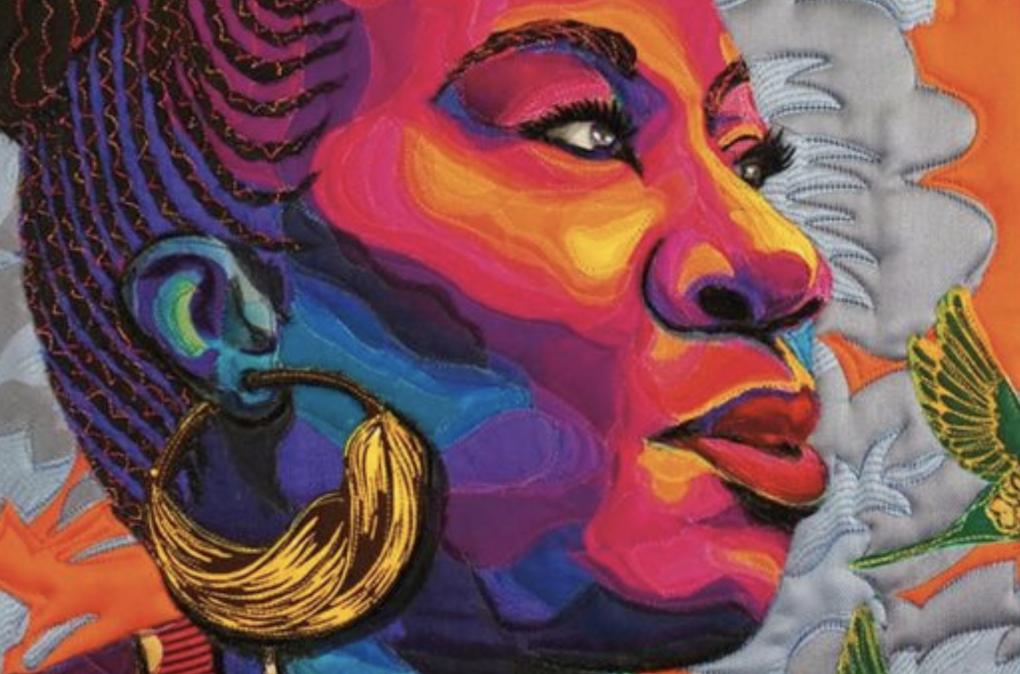
"content": "\u003cp>\u003cem>\u003cstrong>Editor’s note:\u003c/strong>\u003c/em> \u003cem>This interview includes a discussion of rape and sexual abuse\u003c/em>\u003c/p>\n\u003cp>In 2017, \u003cem>The New York Times\u003c/em> published \u003ca href=\"https://www.nytimes.com/2017/10/05/us/harvey-weinstein-harassment-allegations.html\" target=\"_blank\" rel=\"noopener noreferrer\">a story\u003c/a> chronicling decades of sexual harassment abuse against Hollywood producer Harvey Weinstein. Less than three years later, a Manhattan jury found Weinstein \u003ca href=\"https://www.npr.org/2020/02/24/805258433/harvey-weinstein-found-guilty-of-rape-but-acquitted-of-most-sexual-assault-charg\" target=\"_blank\" rel=\"noopener noreferrer\">guilty\u003c/a> of rape and sexual assault.\u003c/p>\n\u003cfigure id=\"attachment_13903968\" class=\"wp-caption alignright\" style=\"max-width: 431px\">\u003cimg loading=\"lazy\" decoding=\"async\" class=\"size-full wp-image-13903968\" src=\"https://ww2.kqed.org/app/uploads/sites/2/2021/09/taranaburkecreditdougal-macarthur-ca71c2d95db6227ac1d2112db8262bd0a6f3a274.jpg\" alt=\"\" width=\"431\" height=\"323\" srcset=\"https://cdn.kqed.org/wp-content/uploads/sites/2/2021/09/taranaburkecreditdougal-macarthur-ca71c2d95db6227ac1d2112db8262bd0a6f3a274.jpg 431w, https://cdn.kqed.org/wp-content/uploads/sites/2/2021/09/taranaburkecreditdougal-macarthur-ca71c2d95db6227ac1d2112db8262bd0a6f3a274-160x120.jpg 160w\" sizes=\"(max-width: 431px) 100vw, 431px\">\u003cfigcaption class=\"wp-caption-text\">Activist Tarana Burke founded the Me Too movement in 2006 as a way for Black girls to share their stories of sexual trauma. \u003ccite>(Dougal Macarthur/Flatiron Books)\u003c/cite>\u003c/figcaption>\u003c/figure>\n\u003cp>Activist \u003ca href=\"https://www.npr.org/2019/02/01/689483577/tarana-burke-how-can-we-build-a-world-where-people-dont-have-to-say-me-too\" target=\"_blank\" rel=\"noopener noreferrer\">Tarana Burke\u003c/a>, the founder of the “Me Too” movement, sees a stark contrast in the timeline of Weinstein’s case and that of R&B singer R. Kelly, who dodged accusations for more than 25 years before finally being \u003ca href=\"https://www.kqed.org/arts/13903808/r-kelly-found-guilty-of-racketeering-and-sex-trafficking\" target=\"_blank\" rel=\"noopener noreferrer\">convicted\u003c/a> on Sept. 28 of sexual exploitation of a child, bribery, racketeering and sex trafficking.\u003c/p>\n\u003cp>“We are socialized to respond to the vulnerability of white women, and it’s a truth that is hard for some people to look in the face, and they feel uncomfortable when I say things like that,” she says. “But it is true. … [There’s a] stark difference in what it takes to get attention around Black women and girls.”\u003c/p>\n\u003cp>Burke has spent decades listening to Black and minority communities. She originated the phrase and concept of “Me Too” in 2006 as a way for victims of sexual violence to share their stories and connect with others.\u003c/p>\n\u003cp>[ad fullwidth]\u003c/p>\n\u003cp>In 2017, when the #MeToo hashtag went viral in response to the Weinstein allegations, Burke worried that her work would be erased. She was also concerned that the women telling their stories on the internet were opening themselves up to harm.\u003c/p>\n\u003cp>“I thought, God, these people are going to cut and bleed all over the internet, which is the very worst place to be exposed and vulnerable in this moment,” she says.\u003c/p>\n\u003cp>But as she read the #MeToo stories women were sharing, she was blown away. Burke shifted her perspective to the “30,000 foot view,” and saw something much bigger than she had ever imagined unfolding. She also realized that in order to fully help women heal, she needed to tell her own “Me Too” story. She does that in the new memoir, \u003cem>Unbound: My Story of Liberation and the Birth of the Me Too Movement.\u003c/em>\u003c/p>\n\u003chr>\n\u003ch3>\u003cstrong>Interview highlights \u003c/strong>\u003c/h3>\n\u003cp>\u003cstrong>On the shame she experienced after being raped at age 7, and the duality of being good or bad \u003c/strong>\u003c/p>\n\u003cp>[The shame comes from] not being able to protect yourself, and then the shame of breaking the rules. When we’re children it’s sort of cut and dry: You’re either good or you’re bad. There’s not really an in between. And when you are given a message over and over and over and over again, it says, “Don’t let anybody touch your private parts. Those are nasty things. Those are fresh things. Those are things that fast girls or bad girls do.” And you find yourself in this situation at a very young age. You’re either one or the other: You’re good or you’re bad. And there’s a lot of shame attached to that.\u003c/p>\n\u003cp>\u003cstrong>On reading \u003c/strong>\u003ca href=\"https://www.kqed.org/arts/13875319/watch-maya-angelou-reciting-countee-cullens-poem-heritage\" target=\"_blank\" rel=\"noopener noreferrer\">\u003cstrong>Maya Angelou\u003c/strong>\u003c/a>\u003cstrong>‘s \u003c/strong>\u003cstrong>\u003cem>I Know Why the Caged Bird Sings\u003c/em>\u003c/strong>\u003cstrong> and learning for the first time she wasn’t alone in her experience of sexual assault \u003c/strong>\u003c/p>\n\u003cp>[aside postid='pop_108956']It opened my mind up to the idea that, first of all, that this could happen to other people. I didn’t even think about other girls. When I read it, I thought, even then, it’s just me and Maya Angelou, because this is somebody else that this happened to, and it made me wonder why God would let something like this happen to a good girl. Because in the book, I’m perceiving her as different than me. She was a good girl. She listened to her grandma. She did what she was supposed to do. She did her work. She got her chores. Why did this happen to her? It was such a beautiful thing for me to have that connection. I felt just less alone to have a story in the world that I could even connect to.\u003c/p>\n\u003cp>\u003cstrong>On doing a lot of self work to realize that the reason why she was abused had nothing to do with her \u003c/strong>\u003c/p>\n\u003cp>I often wonder why this person picked me. It could be something that he saw in my personality. It could be any number of things, but it’s all the depravity in his mind, it had nothing to do with who I was as a child or anything that I did as a child. There’s been all kinds of research, and we’ve seen stories, even anecdotal stories of predators telling about how they pick the children that they decide to go after and why. Maybe it’s the quiet child, maybe it’s the loud child. … They all have their reasons, but none of those reasons are connected to me, none of them were connected to me being a particular type of girl this happened to, which is what I put in my mind: “I’m the type of girl this happens to.” I had to work, go through a whole bunch of steps, to take the blame from myself and put it where it rightfully belonged. Take the burden from myself and lay it at the feet of the people who actually should hold that. That took a lot of work.\u003c/p>\n\u003cp>\u003cstrong>On seeing trauma in communities of color and how Black and brown girls are labeled as “angry” \u003c/strong>\u003c/p>\n\u003cp>I think when you couple the messages that we receive from the world about who we are and how we show up and how we should be valued with this kind of abuse, that it creates this really disturbing mixture of emotions and bad thoughts … And so I think a lot of little Black and brown girls internalize it, and then we see it come out in anger and behavior and things like that. But nobody tends to ask us those questions about where that came from. So it’s just a label, “these little Black girls with these attitudes,” “these little angry Black girls.” … We don’t get the questions that say, “Well, where did this come from?” …\u003c/p>\n\u003cp>This is a child, and children aren’t born angry. They aren’t born with attitudes. Something has to happen. Something has to have affected them in order to bring that about. Obviously, it’s not only sexual trauma, but there is trauma. And knowing that there’s so much trauma in communities of color, you would think that the first place that people would go is: “What happened?”\u003c/p>\n\u003cp>\u003cstrong>On how she coped with her own shame and trauma by being an overachiever \u003c/strong>\u003c/p>\n\u003cp>I think generally we’ve gotten so many messages about what sexual violence looks like and how it shows up in young survivors, in particular, and so we look for the sad girls and the girls who might be cutting or harming themselves in some way, or the girls who retreat from society. And those are also markers. But the overachieving perfectionists, melt-down-at-getting-a-B girls are also going through something. And that’s who I was.\u003c/p>\n\u003cp>\u003cstrong>On learning how to be an organizer and an activist at a young age in the “\u003ca href=\"https://www.alabama21cclc.org/\" target=\"_blank\" rel=\"noopener noreferrer\">21st Century\u003c/a>” program in Alabama \u003c/strong>\u003c/p>\n\u003cp>[aside postid='pop_98421']21st Century was life-changing from the moment I walked in the door and saw the young people dancing and singing freely to taking these sessions, going to these training sessions where I was literally learning to be an organizer, how to put together a campaign. … These were the first people to tell me, “You’re a leader now.” And it allowed me to exercise … a different kind of freedom to speak up and use my voice and say that my voice was valuable. And so it really just changed how I thought about myself, but also it gave me my vision of who I would be in the future. I had never seen anything like it, experienced anything like it. And I just wanted to be a part of it.\u003c/p>\n\u003cp>21st Century, the organization, was founded in Selma, Ala., and the founders were veterans of all of the civil rights movement, Black Power movement, labor movement, co-op movement. Like all of these various movements that came out of the ’60s and ’70s, these social justice movements. And so you’re no different than the young leaders in SNCC [the Student Nonviolent Coordinating Committee] in the 1960s—they were teenagers too. And [21st Century] told us stories of children, young people, who made a difference. They gave us leadership development, taught us organizing skills and sent us off into the world. I was like, “I have found my calling. This is it.” That was my tribe.\u003c/p>\n\u003cp>[ad floatright]\u003c/p>\n\u003cp>\u003cem>Ann Marie Baldonado and Thea Chaloner produced and edited this interview for broadcast. Bridget Bentz, Molly Seavy-Nesper and Meghan Sullivan adapted it for the Web.\u003c/em>\u003c/p>\n\u003cdiv class=\"fullattribution\">\u003cem>Copyright 2021 Fresh Air. To see more, visit \u003ca href=\"http://www.npr.org/programs/fresh-air/\" target=\"_blank\" rel=\"noopener noreferrer\">Fresh Air\u003c/a>.\u003cimg decoding=\"async\" src=\"https://www.google-analytics.com/__utm.gif?utmac=UA-5828686-4&utmdt=%27Me+Too%27+Founder+Tarana+Burke+Says+Black+Girls%27+Trauma+Shouldn%27t+Be+Ignored&utme=8(APIKey)9(MDAxOTAwOTE4MDEyMTkxMDAzNjczZDljZA004)\">\u003c/em>\u003c/div>\n\n",
"stats": {
"hasVideo": false,
"hasChartOrMap": false,
"hasAudio": false,
"hasPolis": false,
"wordCount": 1598,
"hasGoogleForm": false,
"hasGallery": false,
"hasHearkenModule": false,
"iframeSrcs": [],
"paragraphCount": 25
},
"modified": 1705007677,
"excerpt": "Burke says she was worried when #MeToo went viral that women would suffer abuse online—and that her work would be erased. ",
"headData": {
"twImgId": "",
"twTitle": "",
"ogTitle": "",
"ogImgId": "",
"twDescription": "",
"description": "Burke says she was worried when #MeToo went viral that women would suffer abuse online—and that her work would be erased. ",
"title": "'Me Too' Founder Tarana Burke Says Black Girls' Trauma Shouldn't Be Ignored | KQED",
"ogDescription": "",
"schema": {
"@context": "https://schema.org",
"@type": "Article",
"headline": "'Me Too' Founder Tarana Burke Says Black Girls' Trauma Shouldn't Be Ignored",
"datePublished": "2021-09-29T11:32:39-07:00",
"dateModified": "2024-01-11T13:14:37-08:00",
"image": "https://cdn.kqed.org/wp-content/uploads/2020/02/KQED-OG-Image@1x.png"
}
},
"guestAuthors": [],
"slug": "me-too-founder-tarana-burke-says-black-girls-trauma-shouldnt-be-ignored",
"status": "publish",
"nprApiLink": "http://api.npr.org/query?id=1041362145&apiKey=MDAxOTAwOTE4MDEyMTkxMDAzNjczZDljZA004",
"templateType": "standard",
"nprStoryDate": "Wed, 29 Sep 2021 12:12:01 -0400",
"nprLastModifiedDate": "Wed, 29 Sep 2021 12:16:06 -0400",
"featuredImageType": "standard",
"nprHtmlLink": "https://www.npr.org/2021/09/29/1041362145/me-too-founder-tarana-burke-says-black-girls-trauma-shouldnt-be-ignored?ft=nprml&f=1041362145",
"nprAudio": "https://ondemand.npr.org/anon.npr-mp3/npr/fa/2021/09/20210929_fa_01.mp3?orgId=427869011&topicId=1033&d=2640&p=13&story=1041362145&ft=nprml&f=1041362145",
"nprImageAgency": "Flatiron Books",
"nprAudioM3u": "http://api.npr.org/m3u/11041552963-cf0464.m3u?orgId=427869011&topicId=1033&d=2640&p=13&story=1041362145&ft=nprml&f=1041362145",
"nprStoryId": "1041362145",
"nprByline": "Tonya Mosley",
"sticky": false,
"nprRetrievedStory": "1",
"nprPubDate": "Wed, 29 Sep 2021 13:20:00 -0400",
"path": "/arts/13903966/me-too-founder-tarana-burke-says-black-girls-trauma-shouldnt-be-ignored",
"audioUrl": "https://ondemand.npr.org/anon.npr-mp3/npr/fa/2021/09/20210929_fa_01.mp3?orgId=427869011&topicId=1033&d=2640&p=13&story=1041362145&ft=nprml&f=1041362145",
"audioTrackLength": null,
"parsedContent": [
{
"type": "contentString",
"content": "\u003cdiv class=\"post-body\">\u003cp>\u003cp>\u003cem>\u003cstrong>Editor’s note:\u003c/strong>\u003c/em> \u003cem>This interview includes a discussion of rape and sexual abuse\u003c/em>\u003c/p>\n\u003cp>In 2017, \u003cem>The New York Times\u003c/em> published \u003ca href=\"https://www.nytimes.com/2017/10/05/us/harvey-weinstein-harassment-allegations.html\" target=\"_blank\" rel=\"noopener noreferrer\">a story\u003c/a> chronicling decades of sexual harassment abuse against Hollywood producer Harvey Weinstein. Less than three years later, a Manhattan jury found Weinstein \u003ca href=\"https://www.npr.org/2020/02/24/805258433/harvey-weinstein-found-guilty-of-rape-but-acquitted-of-most-sexual-assault-charg\" target=\"_blank\" rel=\"noopener noreferrer\">guilty\u003c/a> of rape and sexual assault.\u003c/p>\n\u003cfigure id=\"attachment_13903968\" class=\"wp-caption alignright\" style=\"max-width: 431px\">\u003cimg loading=\"lazy\" decoding=\"async\" class=\"size-full wp-image-13903968\" src=\"https://ww2.kqed.org/app/uploads/sites/2/2021/09/taranaburkecreditdougal-macarthur-ca71c2d95db6227ac1d2112db8262bd0a6f3a274.jpg\" alt=\"\" width=\"431\" height=\"323\" srcset=\"https://cdn.kqed.org/wp-content/uploads/sites/2/2021/09/taranaburkecreditdougal-macarthur-ca71c2d95db6227ac1d2112db8262bd0a6f3a274.jpg 431w, https://cdn.kqed.org/wp-content/uploads/sites/2/2021/09/taranaburkecreditdougal-macarthur-ca71c2d95db6227ac1d2112db8262bd0a6f3a274-160x120.jpg 160w\" sizes=\"(max-width: 431px) 100vw, 431px\">\u003cfigcaption class=\"wp-caption-text\">Activist Tarana Burke founded the Me Too movement in 2006 as a way for Black girls to share their stories of sexual trauma. \u003ccite>(Dougal Macarthur/Flatiron Books)\u003c/cite>\u003c/figcaption>\u003c/figure>\n\u003cp>Activist \u003ca href=\"https://www.npr.org/2019/02/01/689483577/tarana-burke-how-can-we-build-a-world-where-people-dont-have-to-say-me-too\" target=\"_blank\" rel=\"noopener noreferrer\">Tarana Burke\u003c/a>, the founder of the “Me Too” movement, sees a stark contrast in the timeline of Weinstein’s case and that of R&B singer R. Kelly, who dodged accusations for more than 25 years before finally being \u003ca href=\"https://www.kqed.org/arts/13903808/r-kelly-found-guilty-of-racketeering-and-sex-trafficking\" target=\"_blank\" rel=\"noopener noreferrer\">convicted\u003c/a> on Sept. 28 of sexual exploitation of a child, bribery, racketeering and sex trafficking.\u003c/p>\n\u003cp>“We are socialized to respond to the vulnerability of white women, and it’s a truth that is hard for some people to look in the face, and they feel uncomfortable when I say things like that,” she says. “But it is true. … [There’s a] stark difference in what it takes to get attention around Black women and girls.”\u003c/p>\n\u003cp>Burke has spent decades listening to Black and minority communities. She originated the phrase and concept of “Me Too” in 2006 as a way for victims of sexual violence to share their stories and connect with others.\u003c/p>\n\u003cp>\u003c/p>\u003c/div>",
"attributes": {
"named": {},
"numeric": []
}
},
{
"type": "component",
"content": "",
"name": "ad",
"attributes": {
"named": {
"label": "fullwidth"
},
"numeric": [
"fullwidth"
]
}
},
{
"type": "contentString",
"content": "\u003cdiv class=\"post-body\">\u003cp>\u003c/p>\n\u003cp>In 2017, when the #MeToo hashtag went viral in response to the Weinstein allegations, Burke worried that her work would be erased. She was also concerned that the women telling their stories on the internet were opening themselves up to harm.\u003c/p>\n\u003cp>“I thought, God, these people are going to cut and bleed all over the internet, which is the very worst place to be exposed and vulnerable in this moment,” she says.\u003c/p>\n\u003cp>But as she read the #MeToo stories women were sharing, she was blown away. Burke shifted her perspective to the “30,000 foot view,” and saw something much bigger than she had ever imagined unfolding. She also realized that in order to fully help women heal, she needed to tell her own “Me Too” story. She does that in the new memoir, \u003cem>Unbound: My Story of Liberation and the Birth of the Me Too Movement.\u003c/em>\u003c/p>\n\u003chr>\n\u003ch3>\u003cstrong>Interview highlights \u003c/strong>\u003c/h3>\n\u003cp>\u003cstrong>On the shame she experienced after being raped at age 7, and the duality of being good or bad \u003c/strong>\u003c/p>\n\u003cp>[The shame comes from] not being able to protect yourself, and then the shame of breaking the rules. When we’re children it’s sort of cut and dry: You’re either good or you’re bad. There’s not really an in between. And when you are given a message over and over and over and over again, it says, “Don’t let anybody touch your private parts. Those are nasty things. Those are fresh things. Those are things that fast girls or bad girls do.” And you find yourself in this situation at a very young age. You’re either one or the other: You’re good or you’re bad. And there’s a lot of shame attached to that.\u003c/p>\n\u003cp>\u003cstrong>On reading \u003c/strong>\u003ca href=\"https://www.kqed.org/arts/13875319/watch-maya-angelou-reciting-countee-cullens-poem-heritage\" target=\"_blank\" rel=\"noopener noreferrer\">\u003cstrong>Maya Angelou\u003c/strong>\u003c/a>\u003cstrong>‘s \u003c/strong>\u003cstrong>\u003cem>I Know Why the Caged Bird Sings\u003c/em>\u003c/strong>\u003cstrong> and learning for the first time she wasn’t alone in her experience of sexual assault \u003c/strong>\u003c/p>\n\u003cp>\u003c/p>\u003c/div>",
"attributes": {
"named": {},
"numeric": []
}
},
{
"type": "component",
"content": "",
"name": "aside",
"attributes": {
"named": {
"postid": "pop_108956",
"label": ""
},
"numeric": []
}
},
{
"type": "contentString",
"content": "\u003cdiv class=\"post-body\">\u003cp>It opened my mind up to the idea that, first of all, that this could happen to other people. I didn’t even think about other girls. When I read it, I thought, even then, it’s just me and Maya Angelou, because this is somebody else that this happened to, and it made me wonder why God would let something like this happen to a good girl. Because in the book, I’m perceiving her as different than me. She was a good girl. She listened to her grandma. She did what she was supposed to do. She did her work. She got her chores. Why did this happen to her? It was such a beautiful thing for me to have that connection. I felt just less alone to have a story in the world that I could even connect to.\u003c/p>\n\u003cp>\u003cstrong>On doing a lot of self work to realize that the reason why she was abused had nothing to do with her \u003c/strong>\u003c/p>\n\u003cp>I often wonder why this person picked me. It could be something that he saw in my personality. It could be any number of things, but it’s all the depravity in his mind, it had nothing to do with who I was as a child or anything that I did as a child. There’s been all kinds of research, and we’ve seen stories, even anecdotal stories of predators telling about how they pick the children that they decide to go after and why. Maybe it’s the quiet child, maybe it’s the loud child. … They all have their reasons, but none of those reasons are connected to me, none of them were connected to me being a particular type of girl this happened to, which is what I put in my mind: “I’m the type of girl this happens to.” I had to work, go through a whole bunch of steps, to take the blame from myself and put it where it rightfully belonged. Take the burden from myself and lay it at the feet of the people who actually should hold that. That took a lot of work.\u003c/p>\n\u003cp>\u003cstrong>On seeing trauma in communities of color and how Black and brown girls are labeled as “angry” \u003c/strong>\u003c/p>\n\u003cp>I think when you couple the messages that we receive from the world about who we are and how we show up and how we should be valued with this kind of abuse, that it creates this really disturbing mixture of emotions and bad thoughts … And so I think a lot of little Black and brown girls internalize it, and then we see it come out in anger and behavior and things like that. But nobody tends to ask us those questions about where that came from. So it’s just a label, “these little Black girls with these attitudes,” “these little angry Black girls.” … We don’t get the questions that say, “Well, where did this come from?” …\u003c/p>\n\u003cp>This is a child, and children aren’t born angry. They aren’t born with attitudes. Something has to happen. Something has to have affected them in order to bring that about. Obviously, it’s not only sexual trauma, but there is trauma. And knowing that there’s so much trauma in communities of color, you would think that the first place that people would go is: “What happened?”\u003c/p>\n\u003cp>\u003cstrong>On how she coped with her own shame and trauma by being an overachiever \u003c/strong>\u003c/p>\n\u003cp>I think generally we’ve gotten so many messages about what sexual violence looks like and how it shows up in young survivors, in particular, and so we look for the sad girls and the girls who might be cutting or harming themselves in some way, or the girls who retreat from society. And those are also markers. But the overachieving perfectionists, melt-down-at-getting-a-B girls are also going through something. And that’s who I was.\u003c/p>\n\u003cp>\u003cstrong>On learning how to be an organizer and an activist at a young age in the “\u003ca href=\"https://www.alabama21cclc.org/\" target=\"_blank\" rel=\"noopener noreferrer\">21st Century\u003c/a>” program in Alabama \u003c/strong>\u003c/p>\n\u003cp>\u003c/p>\u003c/div>",
"attributes": {
"named": {},
"numeric": []
}
},
{
"type": "component",
"content": "",
"name": "aside",
"attributes": {
"named": {
"postid": "pop_98421",
"label": ""
},
"numeric": []
}
},
{
"type": "contentString",
"content": "\u003cdiv class=\"post-body\">\u003cp>21st Century was life-changing from the moment I walked in the door and saw the young people dancing and singing freely to taking these sessions, going to these training sessions where I was literally learning to be an organizer, how to put together a campaign. … These were the first people to tell me, “You’re a leader now.” And it allowed me to exercise … a different kind of freedom to speak up and use my voice and say that my voice was valuable. And so it really just changed how I thought about myself, but also it gave me my vision of who I would be in the future. I had never seen anything like it, experienced anything like it. And I just wanted to be a part of it.\u003c/p>\n\u003cp>21st Century, the organization, was founded in Selma, Ala., and the founders were veterans of all of the civil rights movement, Black Power movement, labor movement, co-op movement. Like all of these various movements that came out of the ’60s and ’70s, these social justice movements. And so you’re no different than the young leaders in SNCC [the Student Nonviolent Coordinating Committee] in the 1960s—they were teenagers too. And [21st Century] told us stories of children, young people, who made a difference. They gave us leadership development, taught us organizing skills and sent us off into the world. I was like, “I have found my calling. This is it.” That was my tribe.\u003c/p>\n\u003cp>\u003c/p>\u003c/div>",
"attributes": {
"named": {},
"numeric": []
}
},
{
"type": "component",
"content": "",
"name": "ad",
"attributes": {
"named": {
"label": "floatright"
},
"numeric": [
"floatright"
]
}
},
{
"type": "contentString",
"content": "\u003cdiv class=\"post-body\">\u003cp>\u003c/p>\n\u003cp>\u003cem>Ann Marie Baldonado and Thea Chaloner produced and edited this interview for broadcast. Bridget Bentz, Molly Seavy-Nesper and Meghan Sullivan adapted it for the Web.\u003c/em>\u003c/p>\n\u003cdiv class=\"fullattribution\">\u003cem>Copyright 2021 Fresh Air. To see more, visit \u003ca href=\"http://www.npr.org/programs/fresh-air/\" target=\"_blank\" rel=\"noopener noreferrer\">Fresh Air\u003c/a>.\u003cimg decoding=\"async\" src=\"https://www.google-analytics.com/__utm.gif?utmac=UA-5828686-4&utmdt=%27Me+Too%27+Founder+Tarana+Burke+Says+Black+Girls%27+Trauma+Shouldn%27t+Be+Ignored&utme=8(APIKey)9(MDAxOTAwOTE4MDEyMTkxMDAzNjczZDljZA004)\">\u003c/em>\u003c/div>\n\n\u003c/div>\u003c/p>",
"attributes": {
"named": {},
"numeric": []
}
}
],
"link": "/arts/13903966/me-too-founder-tarana-burke-says-black-girls-trauma-shouldnt-be-ignored",
"authors": [
"byline_arts_13903966"
],
"categories": [
"arts_1",
"arts_73",
"arts_75"
],
"tags": [
"arts_2798",
"arts_879",
"arts_1962",
"arts_1680",
"arts_3532"
],
"affiliates": [
"arts_137"
],
"featImg": "arts_13903971",
"label": "arts_137"
},
"arts_13863329": {
"type": "posts",
"id": "arts_13863329",
"meta": {
"index": "posts_1716263798",
"site": "arts",
"id": "13863329",
"score": null,
"sort": [
1565220442000
]
},
"guestAuthors": [],
"slug": "cyntoia-brown-released-after-15-years-in-prison-for-murder",
"title": "Cyntoia Brown Released After 15 Years In Prison For Murder",
"publishDate": 1565220442,
"format": "standard",
"headTitle": "Cyntoia Brown Released After 15 Years In Prison For Murder | KQED",
"labelTerm": {
"term": 137,
"site": "arts"
},
"content": "\u003cp>Cyntoia Brown, who served 15 years of a life sentence for killing a man when she was 16, has been released from a Nashville prison, Tennessee officials \u003ca href=\"https://www.tn.gov/correction/news/2019/8/7/release-of-cyntoia-brown.html\">announced\u003c/a> early Wednesday.\u003c/p>\n\u003cp>Earlier this year, then-Gov. Bill Haslam took the unusual step of granting Brown clemency for what \u003ca href=\"https://www.npr.org/2019/01/07/682938808/cyntoia-brown-jailed-for-murder-is-granted-clemency-by-tenn-governor\">he called\u003c/a> a “tragic and complex case,” a major victory for Brown and her supporters, who for years have maintained that the 2004 killing was an act of self-defense.\u003c/p>\n\u003cp>Over the years, the fight for Brown’s release has brought prominent lawyers to her defense, a\u003ca href=\"http://www.pbs.org/independentlens/films/me-facing-life/\"> PBS documentary\u003c/a> and backing from celebrities including Kim Kardashian West and Rihanna. Her case also \u003ca href=\"https://www.nashvillepublicradio.org/post/cyntoia-brown-s-release-raises-questions-about-tennessee-s-strict-sentencing-rules#stream/0\">inspired the introduction\u003c/a> of state legislation aimed at protecting minors who are victims of sex trafficking.\u003c/p>\n\u003cp>In 2006, Brown was convicted of aggravated robbery and first-degree murder for killing 43-year-old real estate agent Johnny Allen, whom she went home with after he picked her up for sex at a Sonic Drive-In in Nashville.\u003c/p>\n\u003cp>She told police that she pulled a pistol out of her purse and fatally shot Allen because she thought he was reaching for a gun.\u003c/p>\n\u003cp>[ad fullwidth]\u003c/p>\n\u003cp>She then fled with Allen’s guns and money. She drove away in his pickup truck.\u003c/p>\n\u003cp>Prosecutors claimed that Brown shot Allen as part of a plan to rob him, but Brown told police she was acting to protect herself. She was convicted and sentenced to life in prison over the killing.\u003c/p>\n\u003cp>The U.S. Supreme Court\u003ca href=\"https://www.npr.org/2016/01/25/464338364/supreme-court-opens-door-to-parole-for-juvenile-lifers\"> has ruled that\u003c/a> mandatory life sentences without parole for juvenile offenders are not constitutional, but Tennessee prosecutors successfully argued that Brown would technically become eligible for parole after 51 years, in 2055.\u003c/p>\n\u003cp>Brown, now 31, was among \u003ca href=\"https://www.tennessean.com/story/news/politics/2019/03/07/tennessee-teen-lifers-tennessean-investigation-cyntoia-brown/3079107002/\">more than 180 inmates\u003c/a> serving life sentences in the state for crimes they committed as teenagers.\u003c/p>\n\u003cp>She never testified during her trial, but during her appeals process, Brown, who had been a teenage runaway, took the stand and described how at the time of the killing, she was ensnared in an abusive relationship with a drug dealer known as Cut Throat who forced her into prostitution.\u003c/p>\n\u003cp>Her case gained new scrutiny with the rise of the #MeToo movement, as her supporters drew attention to the case using the hashtag #FreeCyntoiaBrown. Criminal justice reform advocates portrayed Brown’s case as an example of the unreasonable incarceration of a teenager who was a victim of sex trafficking.\u003c/p>\n\u003cp>“Did we somehow change the definition of #JUSTICE along the way??” Rihanna asked in \u003ca href=\"https://www.instagram.com/p/Bbwi26PjHf7/?hl=en\">a 2017 Instagram post\u003c/a> about Brown that received nearly 2 million likes. “The system has failed,” Kardashian West \u003ca href=\"https://twitter.com/kimkardashian/status/933001503123554304?lang=en\">tweeted\u003c/a>.\u003c/p>\n\u003cp>While incarcerated, Brown earned her GED, finished a bachelor’s degree and mentored at-risk youth.\u003c/p>\n\u003cp>“Transformation should be accompanied by hope,” Haslam said when commuting her sentence to parole in January.\u003c/p>\n\u003cp>On Tuesday, the National Women’s Law Center \u003ca href=\"https://twitter.com/nwlc/status/1159101177415557123\">celebrated\u003c/a> the long legal battle that led to Brown’s release, but with a cautionary note.\u003c/p>\n\u003cp>“We’re glad Cyntoia has finally been freed — but we must not forget that she never should have been in prison in the first place. We must continue to seek justice for survivors like her,” the group said on Twitter.\u003c/p>\n\u003cp>\u003c/p>\n\u003cp>Her publisher \u003ca href=\"https://catalog.simonandschuster.com/TitleDetails/TitleDetails.aspx?cid=1300&isbn=9781982141103&FilterByName=&FilterBy=&FilterVal=&ob=0&pn=1&ed=&showcart=N&camefrom=&find=&a=\">announced\u003c/a> that Brown will release a memoir in October that will describe her traumatic childhood, how she transformed her life from behind bars and the events that led to her murder conviction and eventual release.\u003c/p>\n\u003cdiv class=\"fullattribution\">Copyright 2019 \u003ca href=\"https://www.npr.org\">NPR\u003c/a>.\u003c/div>\n\n",
"blocks": [],
"excerpt": "Brown, 31, was released from a Tennessee prison after serving 15 years of a life sentence for killing a man when she was a teenager. She was granted clemency in January.",
"status": "publish",
"parent": 0,
"modified": 1726766459,
"stats": {
"hasAudio": false,
"hasVideo": false,
"hasChartOrMap": false,
"iframeSrcs": [],
"hasGoogleForm": false,
"hasGallery": false,
"hasHearkenModule": false,
"hasPolis": false,
"paragraphCount": 19,
"wordCount": 589
},
"headData": {
"title": "Cyntoia Brown Released After 15 Years In Prison For Murder | KQED",
"description": "Brown, 31, was released from a Tennessee prison after serving 15 years of a life sentence for killing a man when she was a teenager. She was granted clemency in January.",
"ogTitle": "",
"ogDescription": "",
"ogImgId": "",
"twTitle": "",
"twDescription": "",
"twImgId": "",
"schema": {
"@context": "https://schema.org",
"@type": "Article",
"headline": "Cyntoia Brown Released After 15 Years In Prison For Murder",
"datePublished": "2019-08-07T16:27:22-07:00",
"dateModified": "2024-09-19T10:20:59-07:00",
"image": "https://cdn.kqed.org/wp-content/uploads/2020/02/KQED-OG-Image@1x.png"
}
},
"sticky": false,
"nprImageCredit": "Lacy Atkins",
"nprByline": "Bobby Allyn",
"nprImageAgency": "AP",
"nprStoryId": "749025458",
"nprApiLink": "http://api.npr.org/query?id=749025458&apiKey=MDAxOTAwOTE4MDEyMTkxMDAzNjczZDljZA004",
"nprHtmlLink": "https://www.npr.org/2019/08/07/749025458/cyntoia-brown-released-after-15-years-in-prison-for-murder?ft=nprml&f=749025458",
"nprRetrievedStory": "1",
"nprPubDate": "Wed, 07 Aug 2019 13:42:00 -0400",
"nprStoryDate": "Wed, 07 Aug 2019 12:24:00 -0400",
"nprLastModifiedDate": "Wed, 07 Aug 2019 13:42:45 -0400",
"path": "/arts/13863329/cyntoia-brown-released-after-15-years-in-prison-for-murder",
"audioTrackLength": null,
"parsedContent": [
{
"type": "contentString",
"content": "\u003cdiv class=\"post-body\">\u003cp>\u003cp>Cyntoia Brown, who served 15 years of a life sentence for killing a man when she was 16, has been released from a Nashville prison, Tennessee officials \u003ca href=\"https://www.tn.gov/correction/news/2019/8/7/release-of-cyntoia-brown.html\">announced\u003c/a> early Wednesday.\u003c/p>\n\u003cp>Earlier this year, then-Gov. Bill Haslam took the unusual step of granting Brown clemency for what \u003ca href=\"https://www.npr.org/2019/01/07/682938808/cyntoia-brown-jailed-for-murder-is-granted-clemency-by-tenn-governor\">he called\u003c/a> a “tragic and complex case,” a major victory for Brown and her supporters, who for years have maintained that the 2004 killing was an act of self-defense.\u003c/p>\n\u003cp>Over the years, the fight for Brown’s release has brought prominent lawyers to her defense, a\u003ca href=\"http://www.pbs.org/independentlens/films/me-facing-life/\"> PBS documentary\u003c/a> and backing from celebrities including Kim Kardashian West and Rihanna. Her case also \u003ca href=\"https://www.nashvillepublicradio.org/post/cyntoia-brown-s-release-raises-questions-about-tennessee-s-strict-sentencing-rules#stream/0\">inspired the introduction\u003c/a> of state legislation aimed at protecting minors who are victims of sex trafficking.\u003c/p>\n\u003cp>In 2006, Brown was convicted of aggravated robbery and first-degree murder for killing 43-year-old real estate agent Johnny Allen, whom she went home with after he picked her up for sex at a Sonic Drive-In in Nashville.\u003c/p>\n\u003cp>She told police that she pulled a pistol out of her purse and fatally shot Allen because she thought he was reaching for a gun.\u003c/p>\n\u003cp>\u003c/p>\u003c/div>",
"attributes": {
"named": {},
"numeric": []
}
},
{
"type": "component",
"content": "",
"name": "ad",
"attributes": {
"named": {
"label": "fullwidth"
},
"numeric": [
"fullwidth"
]
}
},
{
"type": "contentString",
"content": "\u003cdiv class=\"post-body\">\u003cp>\u003c/p>\n\u003cp>She then fled with Allen’s guns and money. She drove away in his pickup truck.\u003c/p>\n\u003cp>Prosecutors claimed that Brown shot Allen as part of a plan to rob him, but Brown told police she was acting to protect herself. She was convicted and sentenced to life in prison over the killing.\u003c/p>\n\u003cp>The U.S. Supreme Court\u003ca href=\"https://www.npr.org/2016/01/25/464338364/supreme-court-opens-door-to-parole-for-juvenile-lifers\"> has ruled that\u003c/a> mandatory life sentences without parole for juvenile offenders are not constitutional, but Tennessee prosecutors successfully argued that Brown would technically become eligible for parole after 51 years, in 2055.\u003c/p>\n\u003cp>Brown, now 31, was among \u003ca href=\"https://www.tennessean.com/story/news/politics/2019/03/07/tennessee-teen-lifers-tennessean-investigation-cyntoia-brown/3079107002/\">more than 180 inmates\u003c/a> serving life sentences in the state for crimes they committed as teenagers.\u003c/p>\n\u003cp>She never testified during her trial, but during her appeals process, Brown, who had been a teenage runaway, took the stand and described how at the time of the killing, she was ensnared in an abusive relationship with a drug dealer known as Cut Throat who forced her into prostitution.\u003c/p>\n\u003cp>Her case gained new scrutiny with the rise of the #MeToo movement, as her supporters drew attention to the case using the hashtag #FreeCyntoiaBrown. Criminal justice reform advocates portrayed Brown’s case as an example of the unreasonable incarceration of a teenager who was a victim of sex trafficking.\u003c/p>\n\u003cp>“Did we somehow change the definition of #JUSTICE along the way??” Rihanna asked in \u003ca href=\"https://www.instagram.com/p/Bbwi26PjHf7/?hl=en\">a 2017 Instagram post\u003c/a> about Brown that received nearly 2 million likes. “The system has failed,” Kardashian West \u003ca href=\"https://twitter.com/kimkardashian/status/933001503123554304?lang=en\">tweeted\u003c/a>.\u003c/p>\n\u003cp>While incarcerated, Brown earned her GED, finished a bachelor’s degree and mentored at-risk youth.\u003c/p>\n\u003cp>“Transformation should be accompanied by hope,” Haslam said when commuting her sentence to parole in January.\u003c/p>\n\u003cp>On Tuesday, the National Women’s Law Center \u003ca href=\"https://twitter.com/nwlc/status/1159101177415557123\">celebrated\u003c/a> the long legal battle that led to Brown’s release, but with a cautionary note.\u003c/p>\n\u003cp>“We’re glad Cyntoia has finally been freed — but we must not forget that she never should have been in prison in the first place. We must continue to seek justice for survivors like her,” the group said on Twitter.\u003c/p>\n\u003cp>\u003c/p>\n\u003cp>Her publisher \u003ca href=\"https://catalog.simonandschuster.com/TitleDetails/TitleDetails.aspx?cid=1300&isbn=9781982141103&FilterByName=&FilterBy=&FilterVal=&ob=0&pn=1&ed=&showcart=N&camefrom=&find=&a=\">announced\u003c/a> that Brown will release a memoir in October that will describe her traumatic childhood, how she transformed her life from behind bars and the events that led to her murder conviction and eventual release.\u003c/p>\n\u003cdiv class=\"fullattribution\">Copyright 2019 \u003ca href=\"https://www.npr.org\">NPR\u003c/a>.\u003c/div>\n\n\u003c/div>\u003c/p>",
"attributes": {
"named": {},
"numeric": []
}
}
],
"link": "/arts/13863329/cyntoia-brown-released-after-15-years-in-prison-for-murder",
"authors": [
"byline_arts_13863329"
],
"categories": [
"arts_1",
"arts_235"
],
"tags": [
"arts_2798",
"arts_3532",
"arts_746",
"arts_596"
],
"affiliates": [
"arts_137"
],
"featImg": "arts_13863330",
"label": "arts_137"
},
"arts_13859175": {
"type": "posts",
"id": "arts_13859175",
"meta": {
"index": "posts_1716263798",
"site": "arts",
"id": "13859175",
"score": null,
"sort": [
1559866946000
]
},
"parent": 0,
"labelTerm": {
"site": "arts",
"term": 137
},
"blocks": [],
"publishDate": 1559866946,
"format": "standard",
"title": "'Life With Picasso' Stands As An Invaluable Work Of Art History",
"headTitle": "‘Life With Picasso’ Stands As An Invaluable Work Of Art History | KQED",
"content": "\u003cp>When the French painter and writer Françoise Gilot was 21, she met an older artist at a Paris restaurant. He invited her to visit his studio, and they quickly fell in love.\u003c/p>\n\u003cp>She defied her bourgeois family by moving in with him, and they remained together for 10 years. They raised two children, and she slowed her own career to be his muse, manager and support system. But this became untenable, and she left him, becoming a highly successful painter in her own right. As for the older artist — well, he was Pablo Picasso.\u003c/p>\n\u003cfigure id=\"attachment_13859180\" class=\"wp-caption alignright\" style=\"max-width: 800px\">\u003cimg loading=\"lazy\" decoding=\"async\" class=\"size-full wp-image-13859180\" src=\"https://ww2.kqed.org/arts/wp-content/uploads/sites/2/2019/06/gilot_2_800.jpg\" alt=\"'Life With Picasso' by Francoise Gilot, Carlton Lake and Lisa Alther. \" width=\"800\" height=\"1274\" srcset=\"https://cdn.kqed.org/wp-content/uploads/sites/2/2019/06/gilot_2_800.jpg 800w, https://cdn.kqed.org/wp-content/uploads/sites/2/2019/06/gilot_2_800-160x255.jpg 160w, https://cdn.kqed.org/wp-content/uploads/sites/2/2019/06/gilot_2_800-768x1223.jpg 768w, https://cdn.kqed.org/wp-content/uploads/sites/2/2019/06/gilot_2_800-754x1200.jpg 754w\" sizes=\"(max-width: 800px) 100vw, 800px\">\u003cfigcaption class=\"wp-caption-text\">‘Life With Picasso’\u003cbr>by Francoise Gilot, Carlton Lake and Lisa Alther. \u003ccite>( Random House Inc)\u003c/cite>\u003c/figcaption>\u003c/figure>\n\u003cp>A decade after she and Picasso split, Gilot wrote a memoir of their time together, \u003cem>Life with Picasso\u003c/em>, newly reissued by NYRB Classics. When it first came out, Picasso launched three lawsuits trying to block its publication — and 40 French intellectuals signed a manifesto asking that it be banned. The novelist Lisa Alther writes in her introduction to the new edition that these intellectuals “evidently found it acceptable for Picasso to have used Gilot’s likeness in hundreds of his artworks — but scandalous if she portrayed him in hers.” Thankfully, the challenges to \u003cem>Life with Picasso\u003c/em> failed. Today, it stands as both an invaluable work of art history and a revealing precursor to the literature of #MeToo.\u003c/p>\n\u003cp>I have to admit to a certain temptation to read \u003cem>Life with Picasso \u003c/em>exclusively as the latter. In Gilot’s telling, which is without fail warm and empathic, Picasso emerges as domineering, sexist, and borderline abusive. Multiple times in the narrative, he prevents Gilot from seeking medical care. He tells her frequently that “there are only two kinds of women — goddesses and doormats.” But Gilot is neither. She is never a victim or an ingénue. In \u003cem>Life with Picasso\u003c/em>, she is a highly intelligent young artist to whom her former lover’s artwork is as intellectually exciting as their relationship was destructive.\u003c/p>\n\u003cp>Several of the best novels that have thus far emerged from the #MeToo movement, or been linked to it, have placed serious emphasis on their female protagonists’ intelligence or creativity as a source of agency, self-respect and liberation. Lisa Halliday’s \u003cem>Asymmetry \u003c/em>and Susan Choi’s \u003cem>Trust Exercise \u003c/em>excel on that front. Even the hapless protagonist of Erin Somers’ \u003cem>Stay Up with Hugo Best \u003c/em>out-talks the late-night host with whom she becomes entangled. \u003cem>Life with Picasso \u003c/em>prefigures these books. Throughout the memoir, Gilot takes control through her artistic intelligence. She describes Picasso’s methods and compares him to his contemporaries, filtering their work through her own exacting critical eye.\u003c/p>\n\u003cp>Gilot is exceptionally good at describing art. Often, she breaks an artwork into its essentials, as with a Picasso portrait that “had its planes brought over from the profile onto the front view, in blue and the black-gray-white gamut with ochre that is one of Pablo’s typical combinations.” But periodically she moves into full lyricism, as when she visits Giacometti’s studio:\u003c/p>\n\u003cblockquote>\u003cp>“One gets the feeling of life or movement because of the exceptional acuity of Giacometti’s sense of proportion. He makes us feel that his people are in motion, not by imitating any kind of gesture, but by the proportion himself and by the elongation of the material.”\u003c/p>\u003c/blockquote>\n\u003cp>At no point does she mention what Picasso thought of Giacometti’s work. It’s Gilot’s ideas that matter.\u003c/p>\n\u003cp>[aside postID='arts_13857445' hero='https://ww2.kqed.org/wp-content/uploads/sites/2/2019/05/09-TRIPLE-ELVIS_COVER-1920x1080.jpg' target='_blank']\u003c/p>\n\u003cp>That said, Gilot does spend significant time describing Picasso’s artistic methods and ideas. This seems not like subordination, but like study. It also underscores the extent to which her attraction to him relied on his art. “At the time I went to live with Pablo,” she writes, “I had felt that he was a person to whom I could, and should, devote myself entirely, but from whom I should expect to receive nothing beyond what he had given the world by means of his art. I consented to make my life with him on those terms.” From a contemporary perspective, this consent seems compromised, given how much older and more powerful Picasso was than Gilot. Soon enough, Gilot, too, starts to notice its flaws.\u003c/p>\n\u003cp>Only at the memoir’s start does Picasso treat Gilot at all well. Once he persuades her to have children, their relationship rapidly falls apart. Picasso becomes distant and cruel. He cheats on Gilot and isolates her from Paris, and from her family. He pressures her to submit fully to his will; watching their newborn daughter Paloma sleep, he comments, “She’ll be a perfect woman… Passive and submissive. That’s the way all girls should be.”\u003c/p>\n\u003cp>At this point, the narrative takes on a familiar shape. Picasso uses all his influence to prevent Gilot from leaving him and from speaking publicly about his treatment of her. Gilot does both. She maintains clear respect for her former lover as both man and artist, but it is difficult to read \u003cem>Life with Picasso \u003c/em>and not come away both disappointed in Picasso and deeply respectful of Gilot’s intelligence, writing talent and will.\u003c/p>\n\u003cp>At the end of \u003cem>Life with Picasso\u003c/em>, as Picasso tries to prevent Gilot from leaving, he sneers, “You imagine people will be interested in \u003cem>you\u003c/em>? … Even if you think people like you, it will only be a kind of curiosity they will have about a person whose life has touched mine.” Reading \u003cem>Life with Picasso \u003c/em>exclusively as art history or feminist history would fulfill Picasso’s cruel prophecy. The book’s intellectual heft is in its art criticism, even as its emotional arc lies in Picasso and Gilot’s unequal romance. Only by appreciating both can readers accord Gilot the respect she deserves.\u003c/p>\n\u003cp>\u003cem>Lily Meyer is a writer and translator living in Washington, D.C.\u003c/em>\u003c/p>\n\u003cdiv class=\"fullattribution\">Copyright 2019 \u003ca href=\"https://www.npr.org\" target=\"_blank\" rel=\"noopener\">NPR\u003c/a>.\u003c/div>\n\u003cp>[ad fullwidth]\u003c/p>\n\u003cp>\u003c/p>\n",
"stats": {
"hasVideo": false,
"hasChartOrMap": false,
"hasAudio": false,
"hasPolis": false,
"wordCount": 1040,
"hasGoogleForm": false,
"hasGallery": false,
"hasHearkenModule": false,
"iframeSrcs": [],
"paragraphCount": 16
},
"modified": 1705026075,
"excerpt": "Newly reissued, the intellectual heft of Françoise Gilot's now classic memoir is in its art criticism, even as its emotional arc lies in Picasso and Gilot's unequal romance.",
"headData": {
"twImgId": "",
"twTitle": "",
"ogTitle": "",
"ogImgId": "",
"twDescription": "",
"description": "Newly reissued, the intellectual heft of Françoise Gilot's now classic memoir is in its art criticism, even as its emotional arc lies in Picasso and Gilot's unequal romance.",
"title": "'Life With Picasso' Stands As An Invaluable Work Of Art History | KQED",
"ogDescription": "",
"schema": {
"@context": "https://schema.org",
"@type": "Article",
"headline": "'Life With Picasso' Stands As An Invaluable Work Of Art History",
"datePublished": "2019-06-06T17:22:26-07:00",
"dateModified": "2024-01-11T18:21:15-08:00",
"image": "https://cdn.kqed.org/wp-content/uploads/2020/02/KQED-OG-Image@1x.png"
}
},
"guestAuthors": [],
"slug": "life-with-picasso-stands-as-an-invaluable-work-of-art-history",
"status": "publish",
"nprApiLink": "http://api.npr.org/query?id=729956221&apiKey=MDAxOTAwOTE4MDEyMTkxMDAzNjczZDljZA004",
"nprByline": "Lily Meyer",
"nprStoryDate": "Thu, 06 Jun 2019 09:01:18 -0400",
"nprLastModifiedDate": "Thu, 06 Jun 2019 11:44:14 -0400",
"sticky": false,
"nprHtmlLink": "https://www.npr.org/2019/06/06/729956221/life-with-picasso-stands-as-an-invaluable-work-of-art-history?ft=nprml&f=729956221",
"nprImageAgency": "Roger Viollet/Getty Images",
"nprImageCredit": "Lipnitzki",
"nprStoryId": "729956221",
"nprRetrievedStory": "1",
"nprPubDate": "Thu, 06 Jun 2019 11:44:00 -0400",
"path": "/arts/13859175/life-with-picasso-stands-as-an-invaluable-work-of-art-history",
"audioTrackLength": null,
"parsedContent": [
{
"type": "contentString",
"content": "\u003cdiv class=\"post-body\">\u003cp>\u003cp>When the French painter and writer Françoise Gilot was 21, she met an older artist at a Paris restaurant. He invited her to visit his studio, and they quickly fell in love.\u003c/p>\n\u003cp>She defied her bourgeois family by moving in with him, and they remained together for 10 years. They raised two children, and she slowed her own career to be his muse, manager and support system. But this became untenable, and she left him, becoming a highly successful painter in her own right. As for the older artist — well, he was Pablo Picasso.\u003c/p>\n\u003cfigure id=\"attachment_13859180\" class=\"wp-caption alignright\" style=\"max-width: 800px\">\u003cimg loading=\"lazy\" decoding=\"async\" class=\"size-full wp-image-13859180\" src=\"https://ww2.kqed.org/arts/wp-content/uploads/sites/2/2019/06/gilot_2_800.jpg\" alt=\"'Life With Picasso' by Francoise Gilot, Carlton Lake and Lisa Alther. \" width=\"800\" height=\"1274\" srcset=\"https://cdn.kqed.org/wp-content/uploads/sites/2/2019/06/gilot_2_800.jpg 800w, https://cdn.kqed.org/wp-content/uploads/sites/2/2019/06/gilot_2_800-160x255.jpg 160w, https://cdn.kqed.org/wp-content/uploads/sites/2/2019/06/gilot_2_800-768x1223.jpg 768w, https://cdn.kqed.org/wp-content/uploads/sites/2/2019/06/gilot_2_800-754x1200.jpg 754w\" sizes=\"(max-width: 800px) 100vw, 800px\">\u003cfigcaption class=\"wp-caption-text\">‘Life With Picasso’\u003cbr>by Francoise Gilot, Carlton Lake and Lisa Alther. \u003ccite>( Random House Inc)\u003c/cite>\u003c/figcaption>\u003c/figure>\n\u003cp>A decade after she and Picasso split, Gilot wrote a memoir of their time together, \u003cem>Life with Picasso\u003c/em>, newly reissued by NYRB Classics. When it first came out, Picasso launched three lawsuits trying to block its publication — and 40 French intellectuals signed a manifesto asking that it be banned. The novelist Lisa Alther writes in her introduction to the new edition that these intellectuals “evidently found it acceptable for Picasso to have used Gilot’s likeness in hundreds of his artworks — but scandalous if she portrayed him in hers.” Thankfully, the challenges to \u003cem>Life with Picasso\u003c/em> failed. Today, it stands as both an invaluable work of art history and a revealing precursor to the literature of #MeToo.\u003c/p>\n\u003cp>I have to admit to a certain temptation to read \u003cem>Life with Picasso \u003c/em>exclusively as the latter. In Gilot’s telling, which is without fail warm and empathic, Picasso emerges as domineering, sexist, and borderline abusive. Multiple times in the narrative, he prevents Gilot from seeking medical care. He tells her frequently that “there are only two kinds of women — goddesses and doormats.” But Gilot is neither. She is never a victim or an ingénue. In \u003cem>Life with Picasso\u003c/em>, she is a highly intelligent young artist to whom her former lover’s artwork is as intellectually exciting as their relationship was destructive.\u003c/p>\n\u003cp>Several of the best novels that have thus far emerged from the #MeToo movement, or been linked to it, have placed serious emphasis on their female protagonists’ intelligence or creativity as a source of agency, self-respect and liberation. Lisa Halliday’s \u003cem>Asymmetry \u003c/em>and Susan Choi’s \u003cem>Trust Exercise \u003c/em>excel on that front. Even the hapless protagonist of Erin Somers’ \u003cem>Stay Up with Hugo Best \u003c/em>out-talks the late-night host with whom she becomes entangled. \u003cem>Life with Picasso \u003c/em>prefigures these books. Throughout the memoir, Gilot takes control through her artistic intelligence. She describes Picasso’s methods and compares him to his contemporaries, filtering their work through her own exacting critical eye.\u003c/p>\n\u003cp>Gilot is exceptionally good at describing art. Often, she breaks an artwork into its essentials, as with a Picasso portrait that “had its planes brought over from the profile onto the front view, in blue and the black-gray-white gamut with ochre that is one of Pablo’s typical combinations.” But periodically she moves into full lyricism, as when she visits Giacometti’s studio:\u003c/p>\n\u003cblockquote>\u003cp>“One gets the feeling of life or movement because of the exceptional acuity of Giacometti’s sense of proportion. He makes us feel that his people are in motion, not by imitating any kind of gesture, but by the proportion himself and by the elongation of the material.”\u003c/p>\u003c/blockquote>\n\u003cp>At no point does she mention what Picasso thought of Giacometti’s work. It’s Gilot’s ideas that matter.\u003c/p>\n\u003cp>\u003c/p>\u003c/div>",
"attributes": {
"named": {},
"numeric": []
}
},
{
"type": "component",
"content": "",
"name": "aside",
"attributes": {
"named": {
"postid": "arts_13857445",
"hero": "https://ww2.kqed.org/wp-content/uploads/sites/2/2019/05/09-TRIPLE-ELVIS_COVER-1920x1080.jpg",
"target": "_blank",
"label": ""
},
"numeric": []
}
},
{
"type": "contentString",
"content": "\u003cdiv class=\"post-body\">\u003cp>\u003c/p>\n\u003cp>That said, Gilot does spend significant time describing Picasso’s artistic methods and ideas. This seems not like subordination, but like study. It also underscores the extent to which her attraction to him relied on his art. “At the time I went to live with Pablo,” she writes, “I had felt that he was a person to whom I could, and should, devote myself entirely, but from whom I should expect to receive nothing beyond what he had given the world by means of his art. I consented to make my life with him on those terms.” From a contemporary perspective, this consent seems compromised, given how much older and more powerful Picasso was than Gilot. Soon enough, Gilot, too, starts to notice its flaws.\u003c/p>\n\u003cp>Only at the memoir’s start does Picasso treat Gilot at all well. Once he persuades her to have children, their relationship rapidly falls apart. Picasso becomes distant and cruel. He cheats on Gilot and isolates her from Paris, and from her family. He pressures her to submit fully to his will; watching their newborn daughter Paloma sleep, he comments, “She’ll be a perfect woman… Passive and submissive. That’s the way all girls should be.”\u003c/p>\n\u003cp>At this point, the narrative takes on a familiar shape. Picasso uses all his influence to prevent Gilot from leaving him and from speaking publicly about his treatment of her. Gilot does both. She maintains clear respect for her former lover as both man and artist, but it is difficult to read \u003cem>Life with Picasso \u003c/em>and not come away both disappointed in Picasso and deeply respectful of Gilot’s intelligence, writing talent and will.\u003c/p>\n\u003cp>At the end of \u003cem>Life with Picasso\u003c/em>, as Picasso tries to prevent Gilot from leaving, he sneers, “You imagine people will be interested in \u003cem>you\u003c/em>? … Even if you think people like you, it will only be a kind of curiosity they will have about a person whose life has touched mine.” Reading \u003cem>Life with Picasso \u003c/em>exclusively as art history or feminist history would fulfill Picasso’s cruel prophecy. The book’s intellectual heft is in its art criticism, even as its emotional arc lies in Picasso and Gilot’s unequal romance. Only by appreciating both can readers accord Gilot the respect she deserves.\u003c/p>\n\u003cp>\u003cem>Lily Meyer is a writer and translator living in Washington, D.C.\u003c/em>\u003c/p>\n\u003cdiv class=\"fullattribution\">Copyright 2019 \u003ca href=\"https://www.npr.org\" target=\"_blank\" rel=\"noopener\">NPR\u003c/a>.\u003c/div>\n\u003cp>\u003c/p>\u003c/div>",
"attributes": {
"named": {},
"numeric": []
}
},
{
"type": "component",
"content": "",
"name": "ad",
"attributes": {
"named": {
"label": "fullwidth"
},
"numeric": [
"fullwidth"
]
}
},
{
"type": "contentString",
"content": "\u003cdiv class=\"post-body\">\u003cp>\u003c/p>\n\u003cp>\u003c/p>\n\u003c/div>\u003c/p>",
"attributes": {
"named": {},
"numeric": []
}
}
],
"link": "/arts/13859175/life-with-picasso-stands-as-an-invaluable-work-of-art-history",
"authors": [
"byline_arts_13859175"
],
"categories": [
"arts_1",
"arts_73",
"arts_235"
],
"tags": [
"arts_7446",
"arts_928",
"arts_3532",
"arts_5898",
"arts_596",
"arts_7580",
"arts_901"
],
"affiliates": [
"arts_137"
],
"featImg": "arts_13859176",
"label": "arts_137"
},
"arts_13850444": {
"type": "posts",
"id": "arts_13850444",
"meta": {
"index": "posts_1716263798",
"site": "arts",
"id": "13850444",
"score": null,
"sort": [
1549829894000
]
},
"parent": 0,
"labelTerm": {
"site": "arts",
"term": 137
},
"blocks": [],
"publishDate": 1549829894,
"format": "standard",
"title": "A Year After The #MeToo Grammys, Women Are Still Missing In Music",
"headTitle": "A Year After The #MeToo Grammys, Women Are Still Missing In Music | KQED",
"content": "\u003cp>Winners of this year’s Grammy Awards will be announced Sunday, Feb. 10. It’s been a year since outrage erupted in the music business after Neil Portnow, president and CEO of the Recording Academy, the organization which gives out the Grammys, said in an interview that women should \u003ca href=\"https://www.npr.org/sections/therecord/2018/02/06/583464118/women-in-the-music-industry-call-for-evolution-at-the-grammys\">“step up”\u003c/a> if they wanted to be recognized in the music industry.\u003c/p>\n\u003cp>In the days and weeks that followed, there was a \u003ca href=\"https://www.npr.org/sections/therecord/2018/02/09/584506881/music-industry-men-join-cry-to-change-the-recording-academy\">volley\u003c/a> of calls for Portnow’s resignation, and for changes in the Grammy process. But gender inequality issues in the music business go far beyond one awards show.\u003c/p>\n\u003cp>The road to this year’s Grammy Awards show has been bumpy. On Thursday, pop star \u003ca href=\"https://www.npr.org/artists/522184181/ariana-grande\">Ariana Grande\u003c/a>, who’s up for two awards — announced on \u003ca href=\"https://twitter.com/ArianaGrande/status/1093627013762506752\">Twitter\u003c/a> that she won’t even attend the ceremony. She’d been slated to perform — but the show’s producers reportedly insisted that they would choose her set list. She wanted to make the decision. The show’s producer, Ken Ehrlich, reportedly told the AP on Thursday that the singer “felt it was \u003ca href=\"https://www.apnews.com/404b3a97ff434d919be6efc0e95fe859\">too late\u003c/a> for her to pull something together.”\u003c/p>\n\u003cp>Grande quickly fired back, accusing Ehrlich of \u003ca href=\"https://twitter.com/ArianaGrande/status/1093627215600734208\">lying\u003c/a>. In a series of tweets, she wrote: “i can pull together a performance over night and you know that, Ken. it was when my creativity & self expression was stifled by you, that i decided not to attend… i \u003ca href=\"https://twitter.com/ArianaGrande/status/1093627572598988800\">offered\u003c/a> 3 different songs.”\u003c/p>\n\u003cp>The Grande situation echoes a similar situation last year, when \u003ca href=\"https://www.npr.org/artists/227790178/lorde\">Lorde\u003c/a>, who was the one female nominee for Album of the Year, was not allowed to perform solo. That was one of the catalysts that led to Neil Portnow’s “step up” comments. Portnow, who has headed the Recording Academy since 2002, \u003ca href=\"https://www.npr.org/sections/therecord/2018/06/01/615889769/grammy-president-neil-portnow-to-step-down-in-2019\">announced\u003c/a> last May that he will be stepping down this July when his contract expires; he declined NPR’s request for an interview.\u003c/p>\n\u003cp>[ad fullwidth]\u003c/p>\n\u003cp>[contextly_sidebar id=”t8etDcRbbLTJXHKZNhPcwnJgySNqGQo6″]\u003c/p>\n\u003cp>Melinda Newman, West Coast editor of \u003cem>Billboard\u003c/em>, says that the Recording Academy is just part of a larger issue. “They don’t have any jurisdiction,” Newman observes. “They don’t put out content. They don’t make records themselves. So in some ways, a lot of the hue and cry that we’re seeing from Neil Portnow’s remarks really are reflective of just the general music industry and the lack of diversity in the general music industry.”\u003c/p>\n\u003cp>The numbers bear Newman’s argument out: Women are missing in popular music.\u003c/p>\n\u003cp>“They only represent about 21 percent of all artists,” notes Stacy L. Smith, the founder and director of the \u003ca href=\"https://annenberg.usc.edu/research/aii\">Annenberg Inclusion Initiative\u003c/a> at the University of Southern California. Earlier this week, her team released its \u003ca href=\"http://assets.uscannenberg.org/docs/aii-inclusion-recording-studio-2019.pdf\">second annual report\u003c/a> about the percentage of women working in the music industry, based on the Billboard Hot 100.\u003c/p>\n\u003cp>“Twenty three percent of the 700 songs in our sample had one of 10 male songwriters attached to them,” Smith continues. “So, culturally we’re allowing 10 men to set the norms — that really doesn’t represent the world that we live in.”\u003c/p>\n\u003cp>Smith says that lack of women’s voices really shapes pop music. “It directly translates to what is being told or communicated to audiences,” she continues, “about norms, about lived experiences — and we’re seeing females shut out from this process.”\u003c/p>\n\u003cp>Since the Annenberg researchers released its initial report last year, not much has changed in terms of the numbers of women working in the music business; Smith calls this year’s findings a “rinse and repeat” of the team’s 2018 report.\u003c/p>\n\u003cp>Katherine Pieper, another Annenberg researcher, says the group also interviewed women about working in music as part of its 2019 report. She notes that this same team has also studied the film business — an industry that has had some of its \u003ca href=\"https://www.npr.org/tags/570698249/-metoo\">#MeToo \u003c/a>and gender disparity issues quite publicly aired.\u003c/p>\n\u003cp>“We interviewed both female directors and executives in the film industry who were knowledgeable about the process of hiring female directors,” Pieper says. “We asked them some similar questions about the barriers facing female directors, and why there were so few women working behind the camera. And the answers that we heard there were very different. We heard a lot about the need to finance a film, and the difficulty that women had getting the resources to make their movies. We heard about women’s ambition, and the difficulty of networking.”\u003c/p>\n\u003cp>Pieper says that the music business is faring much worse than Hollywood.\u003c/p>\n\u003cp>“In this study of the music industry,” Pieper continues, “we heard much more about the lack of attention paid to women’s contributions and the way that they were treated in the studio. This was a very different set of barriers. They were hit on. They were the object of innuendo, they felt personally unsafe in certain situations. Oftentimes, their contributions were ignored, or not acknowledged — even dismissed by the people they were working with.”\u003c/p>\n\u003cp>[contextly_sidebar id=”yxpgSCGyiC4nabq0crlkOFAA7UG9opqV”]\u003c/p>\n\u003cp>The Grammy organization is hoping that it can emerge from last year’s condemnations as a leader. \u003ca href=\"https://buckleyfirm.com/people/tina-tchen\">Tina Tchen\u003c/a> is a co-founder of the Time’s Up Legal Defense Fund and was Michelle Obama’s chief of staff. Last spring, the Recording Academy asked Tchen to \u003ca href=\"https://www.npr.org/sections/therecord/2018/03/06/591213252/times-up-leader-tina-tchen-to-head-recording-academy-s-diversity-task-force\">lead its new task force\u003c/a> for inclusion and diversity.\u003c/p>\n\u003cp>Tchen is well aware that the music industry stats for women are abysmal.\u003c/p>\n\u003cp>“Of producers in the music industry, only two percent are women,” she says. “Of engineers in the music industry, only three percent are women. It’s the 21st Century, and we’re talking about in these key roles in the music industry.”\u003c/p>\n\u003cp>So, earlier this month, the Recording Academy announced a new program: It’s asking any business or individual who hires record producers or engineers to consider at least two women for any project. The initiative already has over 300 signatories; artists who have pledged to participate include Cardi B, Post Malone, Pharrell Williams … and Ariana Grande.\u003c/p>\n\u003cp>“We thought this was an important first step,” Tchen says. “Through this initiative, we really gave everybody something to do that’s really concrete, and is really going to make a difference.”\u003c/p>\n\u003cp>And though it’s a start, Tchen says, bigger shifts are going to much more time to achieve.\u003c/p>\n\u003cp>“We have taken decades, if not millennia, to get in this position with respect to how women advance in our broader culture, not just in this industry,” Tchen notes. “So it’s going to take us a lot more than one year to solve this issue.”\u003c/p>\n\u003cp>The Recording Academy has taken certain other concrete steps to repair the Grammy Awards as well, including attempting to expand the \u003ca href=\"https://www.npr.org/2018/11/19/669324103/seeking-greater-diversity-grammy-organization-alters-its-rules-for-membership\">diversity of its membership\u003c/a> and taking the number of possible nominees in its top four categories — Album of the Year, Record of the Year, Song of the Year and Best New Artist — from five to eight slots.\u003c/p>\n\u003cp>That last move has already paid dividends: five out of the eight nominees who could win Album of the Year on Sunday are \u003ca href=\"https://www.npr.org/2018/12/07/674493226/kendrick-lamar-female-nominees-lead-major-grammy-nominations\">women\u003c/a>, and female artists also form the majority of nominees in the Best New Artist category.\u003c/p>\n\u003cp>[ad floatright]\u003c/p>\n\u003cp>\u003c!-- iframe plugin v.4.3 wordpress.org/plugins/iframe/ -->\u003cbr>\n\u003ciframe loading=\"lazy\" src=\"https://www.npr.org/player/embed/692671099/692823703\" width=\"100%\" height=\"290\" frameborder=\"0\" scrolling=\"no\" class=\"iframe-class\">\u003c/iframe>\u003c/p>\n\u003cdiv class=\"fullattribution\">Copyright 2019 \u003ca href=\"https://www.npr.org\" target=\"_blank\" rel=\"noopener\">NPR\u003c/a>.\u003c/div>\n\n",
"stats": {
"hasVideo": false,
"hasChartOrMap": false,
"hasAudio": false,
"hasPolis": false,
"wordCount": 1275,
"hasGoogleForm": false,
"hasGallery": false,
"hasHearkenModule": false,
"iframeSrcs": [],
"paragraphCount": 29
},
"modified": 1705026626,
"excerpt": "After last year's Grammys, the president of the Recording Academy said that women needed to \"step up\" in the business. Women and men in the business pushed back, but what's actually changed?",
"headData": {
"twImgId": "",
"twTitle": "",
"ogTitle": "",
"ogImgId": "",
"twDescription": "",
"description": "After last year's Grammys, the president of the Recording Academy said that women needed to "step up" in the business. Women and men in the business pushed back, but what's actually changed?",
"title": "A Year After The #MeToo Grammys, Women Are Still Missing In Music | KQED",
"ogDescription": "",
"schema": {
"@context": "https://schema.org",
"@type": "Article",
"headline": "A Year After The #MeToo Grammys, Women Are Still Missing In Music",
"datePublished": "2019-02-10T12:18:14-08:00",
"dateModified": "2024-01-11T18:30:26-08:00",
"image": "https://cdn.kqed.org/wp-content/uploads/2020/02/KQED-OG-Image@1x.png"
}
},
"guestAuthors": [],
"slug": "a-year-after-the-metoo-grammys-women-are-still-missing-in-music",
"status": "publish",
"nprApiLink": "http://api.npr.org/query?id=692671099&apiKey=MDAxOTAwOTE4MDEyMTkxMDAzNjczZDljZA004",
"nprStoryDate": "Fri, 08 Feb 2019 13:30:00 -0500",
"nprLastModifiedDate": "Fri, 08 Feb 2019 19:06:28 -0500",
"nprHtmlLink": "https://www.npr.org/2019/02/08/692671099/a-year-after-the-metoo-grammys-women-are-still-missing-in-music?ft=nprml&f=692671099",
"nprAudio": "https://ondemand.npr.org/anon.npr-mp3/npr/atc/2019/02/20190208_atc_a_year_after_the_metoo_grammys_women_are_still_missing_in_music.mp3?orgId=1&topicId=1106&aggIds=5185410&d=248&p=2&story=692671099&ft=nprml&f=692671099",
"nprImageAgency": "AFP/Getty Images",
"nprAudioM3u": "http://api.npr.org/m3u/1692823703-b852fa.m3u?orgId=1&topicId=1106&aggIds=5185410&d=248&p=2&story=692671099&ft=nprml&f=692671099",
"nprStoryId": "692671099",
"nprByline": "Anastasia Tsioulcas",
"sticky": false,
"audioTrackLength": 248,
"nprImageCredit": "Don Emmert",
"nprRetrievedStory": "1",
"nprPubDate": "Fri, 08 Feb 2019 19:53:00 -0500",
"path": "/arts/13850444/a-year-after-the-metoo-grammys-women-are-still-missing-in-music",
"audioUrl": "https://ondemand.npr.org/anon.npr-mp3/npr/atc/2019/02/20190208_atc_a_year_after_the_metoo_grammys_women_are_still_missing_in_music.mp3?orgId=1&topicId=1106&aggIds=5185410&d=248&p=2&story=692671099&ft=nprml&f=692671099",
"parsedContent": [
{
"type": "contentString",
"content": "\u003cdiv class=\"post-body\">\u003cp>\u003cp>Winners of this year’s Grammy Awards will be announced Sunday, Feb. 10. It’s been a year since outrage erupted in the music business after Neil Portnow, president and CEO of the Recording Academy, the organization which gives out the Grammys, said in an interview that women should \u003ca href=\"https://www.npr.org/sections/therecord/2018/02/06/583464118/women-in-the-music-industry-call-for-evolution-at-the-grammys\">“step up”\u003c/a> if they wanted to be recognized in the music industry.\u003c/p>\n\u003cp>In the days and weeks that followed, there was a \u003ca href=\"https://www.npr.org/sections/therecord/2018/02/09/584506881/music-industry-men-join-cry-to-change-the-recording-academy\">volley\u003c/a> of calls for Portnow’s resignation, and for changes in the Grammy process. But gender inequality issues in the music business go far beyond one awards show.\u003c/p>\n\u003cp>The road to this year’s Grammy Awards show has been bumpy. On Thursday, pop star \u003ca href=\"https://www.npr.org/artists/522184181/ariana-grande\">Ariana Grande\u003c/a>, who’s up for two awards — announced on \u003ca href=\"https://twitter.com/ArianaGrande/status/1093627013762506752\">Twitter\u003c/a> that she won’t even attend the ceremony. She’d been slated to perform — but the show’s producers reportedly insisted that they would choose her set list. She wanted to make the decision. The show’s producer, Ken Ehrlich, reportedly told the AP on Thursday that the singer “felt it was \u003ca href=\"https://www.apnews.com/404b3a97ff434d919be6efc0e95fe859\">too late\u003c/a> for her to pull something together.”\u003c/p>\n\u003cp>Grande quickly fired back, accusing Ehrlich of \u003ca href=\"https://twitter.com/ArianaGrande/status/1093627215600734208\">lying\u003c/a>. In a series of tweets, she wrote: “i can pull together a performance over night and you know that, Ken. it was when my creativity & self expression was stifled by you, that i decided not to attend… i \u003ca href=\"https://twitter.com/ArianaGrande/status/1093627572598988800\">offered\u003c/a> 3 different songs.”\u003c/p>\n\u003cp>The Grande situation echoes a similar situation last year, when \u003ca href=\"https://www.npr.org/artists/227790178/lorde\">Lorde\u003c/a>, who was the one female nominee for Album of the Year, was not allowed to perform solo. That was one of the catalysts that led to Neil Portnow’s “step up” comments. Portnow, who has headed the Recording Academy since 2002, \u003ca href=\"https://www.npr.org/sections/therecord/2018/06/01/615889769/grammy-president-neil-portnow-to-step-down-in-2019\">announced\u003c/a> last May that he will be stepping down this July when his contract expires; he declined NPR’s request for an interview.\u003c/p>\n\u003cp>\u003c/p>\u003c/div>",
"attributes": {
"named": {},
"numeric": []
}
},
{
"type": "component",
"content": "",
"name": "ad",
"attributes": {
"named": {
"label": "fullwidth"
},
"numeric": [
"fullwidth"
]
}
},
{
"type": "contentString",
"content": "\u003cdiv class=\"post-body\">\u003cp>\u003c/p>\n\u003cp>\u003c/p>\u003cp>\u003c/p>\u003cp>\u003c/p>\n\u003cp>Melinda Newman, West Coast editor of \u003cem>Billboard\u003c/em>, says that the Recording Academy is just part of a larger issue. “They don’t have any jurisdiction,” Newman observes. “They don’t put out content. They don’t make records themselves. So in some ways, a lot of the hue and cry that we’re seeing from Neil Portnow’s remarks really are reflective of just the general music industry and the lack of diversity in the general music industry.”\u003c/p>\n\u003cp>The numbers bear Newman’s argument out: Women are missing in popular music.\u003c/p>\n\u003cp>“They only represent about 21 percent of all artists,” notes Stacy L. Smith, the founder and director of the \u003ca href=\"https://annenberg.usc.edu/research/aii\">Annenberg Inclusion Initiative\u003c/a> at the University of Southern California. Earlier this week, her team released its \u003ca href=\"http://assets.uscannenberg.org/docs/aii-inclusion-recording-studio-2019.pdf\">second annual report\u003c/a> about the percentage of women working in the music industry, based on the Billboard Hot 100.\u003c/p>\n\u003cp>“Twenty three percent of the 700 songs in our sample had one of 10 male songwriters attached to them,” Smith continues. “So, culturally we’re allowing 10 men to set the norms — that really doesn’t represent the world that we live in.”\u003c/p>\n\u003cp>Smith says that lack of women’s voices really shapes pop music. “It directly translates to what is being told or communicated to audiences,” she continues, “about norms, about lived experiences — and we’re seeing females shut out from this process.”\u003c/p>\n\u003cp>Since the Annenberg researchers released its initial report last year, not much has changed in terms of the numbers of women working in the music business; Smith calls this year’s findings a “rinse and repeat” of the team’s 2018 report.\u003c/p>\n\u003cp>Katherine Pieper, another Annenberg researcher, says the group also interviewed women about working in music as part of its 2019 report. She notes that this same team has also studied the film business — an industry that has had some of its \u003ca href=\"https://www.npr.org/tags/570698249/-metoo\">#MeToo \u003c/a>and gender disparity issues quite publicly aired.\u003c/p>\n\u003cp>“We interviewed both female directors and executives in the film industry who were knowledgeable about the process of hiring female directors,” Pieper says. “We asked them some similar questions about the barriers facing female directors, and why there were so few women working behind the camera. And the answers that we heard there were very different. We heard a lot about the need to finance a film, and the difficulty that women had getting the resources to make their movies. We heard about women’s ambition, and the difficulty of networking.”\u003c/p>\n\u003cp>Pieper says that the music business is faring much worse than Hollywood.\u003c/p>\n\u003cp>“In this study of the music industry,” Pieper continues, “we heard much more about the lack of attention paid to women’s contributions and the way that they were treated in the studio. This was a very different set of barriers. They were hit on. They were the object of innuendo, they felt personally unsafe in certain situations. Oftentimes, their contributions were ignored, or not acknowledged — even dismissed by the people they were working with.”\u003c/p>\n\u003cp>\u003c/p>\u003cp>\u003c/p>\u003cp>\u003c/p>\n\u003cp>The Grammy organization is hoping that it can emerge from last year’s condemnations as a leader. \u003ca href=\"https://buckleyfirm.com/people/tina-tchen\">Tina Tchen\u003c/a> is a co-founder of the Time’s Up Legal Defense Fund and was Michelle Obama’s chief of staff. Last spring, the Recording Academy asked Tchen to \u003ca href=\"https://www.npr.org/sections/therecord/2018/03/06/591213252/times-up-leader-tina-tchen-to-head-recording-academy-s-diversity-task-force\">lead its new task force\u003c/a> for inclusion and diversity.\u003c/p>\n\u003cp>Tchen is well aware that the music industry stats for women are abysmal.\u003c/p>\n\u003cp>“Of producers in the music industry, only two percent are women,” she says. “Of engineers in the music industry, only three percent are women. It’s the 21st Century, and we’re talking about in these key roles in the music industry.”\u003c/p>\n\u003cp>So, earlier this month, the Recording Academy announced a new program: It’s asking any business or individual who hires record producers or engineers to consider at least two women for any project. The initiative already has over 300 signatories; artists who have pledged to participate include Cardi B, Post Malone, Pharrell Williams … and Ariana Grande.\u003c/p>\n\u003cp>“We thought this was an important first step,” Tchen says. “Through this initiative, we really gave everybody something to do that’s really concrete, and is really going to make a difference.”\u003c/p>\n\u003cp>And though it’s a start, Tchen says, bigger shifts are going to much more time to achieve.\u003c/p>\n\u003cp>“We have taken decades, if not millennia, to get in this position with respect to how women advance in our broader culture, not just in this industry,” Tchen notes. “So it’s going to take us a lot more than one year to solve this issue.”\u003c/p>\n\u003cp>The Recording Academy has taken certain other concrete steps to repair the Grammy Awards as well, including attempting to expand the \u003ca href=\"https://www.npr.org/2018/11/19/669324103/seeking-greater-diversity-grammy-organization-alters-its-rules-for-membership\">diversity of its membership\u003c/a> and taking the number of possible nominees in its top four categories — Album of the Year, Record of the Year, Song of the Year and Best New Artist — from five to eight slots.\u003c/p>\n\u003cp>That last move has already paid dividends: five out of the eight nominees who could win Album of the Year on Sunday are \u003ca href=\"https://www.npr.org/2018/12/07/674493226/kendrick-lamar-female-nominees-lead-major-grammy-nominations\">women\u003c/a>, and female artists also form the majority of nominees in the Best New Artist category.\u003c/p>\n\u003cp>\u003c/p>\u003c/div>",
"attributes": {
"named": {},
"numeric": []
}
},
{
"type": "component",
"content": "",
"name": "ad",
"attributes": {
"named": {
"label": "floatright"
},
"numeric": [
"floatright"
]
}
},
{
"type": "contentString",
"content": "\u003cdiv class=\"post-body\">\u003cp>\u003c/p>\n\u003cp>\u003c!-- iframe plugin v.4.3 wordpress.org/plugins/iframe/ -->\u003cbr>\n\u003ciframe loading=\"lazy\" src=\"https://www.npr.org/player/embed/692671099/692823703\" width=\"100%\" height=\"290\" frameborder=\"0\" scrolling=\"no\" class=\"iframe-class\">\u003c/iframe>\u003c/p>\n\u003cdiv class=\"fullattribution\">Copyright 2019 \u003ca href=\"https://www.npr.org\" target=\"_blank\" rel=\"noopener\">NPR\u003c/a>.\u003c/div>\n\n\u003c/div>\u003c/p>",
"attributes": {
"named": {},
"numeric": []
}
}
],
"link": "/arts/13850444/a-year-after-the-metoo-grammys-women-are-still-missing-in-music",
"authors": [
"byline_arts_13850444"
],
"categories": [
"arts_69",
"arts_235"
],
"tags": [
"arts_2798",
"arts_6475",
"arts_1118",
"arts_1685",
"arts_3532",
"arts_596",
"arts_6012"
],
"affiliates": [
"arts_137"
],
"featImg": "arts_13850447",
"label": "arts_137"
},
"arts_13848980": {
"type": "posts",
"id": "arts_13848980",
"meta": {
"index": "posts_1716263798",
"site": "arts",
"id": "13848980",
"score": null,
"sort": [
1547841793000
]
},
"parent": 0,
"labelTerm": {
"site": "arts"
},
"blocks": [],
"publishDate": 1547841793,
"format": "image",
"title": "What Took Sony Music So Long to Drop R. Kelly?",
"headTitle": "What Took Sony Music So Long to Drop R. Kelly? | KQED",
"content": "\u003cp>Though allegations of abuse against R. Kelly have been public for two decades, it took dream hampton’s six-part Lifetime docuseries \u003cem>Surviving R. Kelly\u003c/em>—and the subsequent public outrage, including a \u003ca href=\"https://www.npr.org/2019/01/16/685912752/the-muterkelly-movement-takes-its-protest-to-the-steps-of-his-record-label\" target=\"_blank\" rel=\"noopener noreferrer\">protest\u003c/a> at Sony headquarters—to get the music industry to do anything about it.\u003c/p>\n\u003cp>\u003ca href=\"https://variety.com/2019/biz/news/r-kelly-dropped-sony-music-1203106180/\" target=\"_blank\" rel=\"noopener noreferrer\">\u003cem>Variety\u003c/em>\u003c/a> published a scoop today that R. Kelly’s label RCA (a subsidiary of Sony Music) has cut ties with the singer, according to a source inside the company. R. Kelly’s name has been removed from the artist roster on RCA’s website, though his back catalog will remain with the label.\u003c/p>\n\u003cp>What took Sony Music so long? According to an entertainment lawyer quoted in the \u003cem>Variety\u003c/em> article, most labels have a clause in their contracts which specifies that they may terminate an artist if they are \u003cem>convicted\u003c/em> of a crime of moral turpitude. [contextly_sidebar id=”0pBWHWRLjWflRXNkYJQyjBTbATdBa7vP”]\u003c/p>\n\u003cp>Though R. Kelly went to court on child pornography charges in 2000, he was acquitted in 2008. And despite several accusers who’ve brought \u003ca href=\"https://www.spin.com/2017/07/r-kelly-sexual-misconduct-allegations-timeline/\" target=\"_blank\" rel=\"noopener noreferrer\">civil suits\u003c/a> against R. Kelly to recoup damages for alleged abuse—and the numerous women who’ve gone public with stories about R. Kelly’s alleged \u003ca href=\"https://www.buzzfeednews.com/article/jimderogatis/parents-told-police-r-kelly-is-keeping-women-in-a-cult#.umLpRYlMDl\" target=\"_blank\" rel=\"noopener noreferrer\">sex cults\u003c/a> and predilection for underage girls—the music industry has, until \u003cem>Surviving R. Kelly\u003c/em>, proceeded with business as usual.\u003c/p>\n\u003cp>Many of these accusations have been known for over 20 years, which is why the industry’s belated response feels like too little, too late to many advocates of women’s rights. Lady Gaga, for instance, \u003ca href=\"https://www.rollingstone.com/music/music-features/r-kelly-lady-gaga-chance-rapper-apology-777782/\" target=\"_blank\" rel=\"noopener noreferrer\">came under fire\u003c/a> this week for collaborating with Kelly in 2013; she removed the track from streaming platforms only after \u003cem>Surviving R. Kelly\u003c/em>‘s release. (Gaga has since apologized.) Meanwhile, Chance the Rapper incensed many of his fans when he bluntly explained of collaborating with R. Kelly in 2015, “Maybe I didn’t care because I didn’t value the accusers’ stories, because they were black women.” [contextly_sidebar id=”DtMQmNl1MpuVNFurjbdwBvYApyjNhQeH”]\u003c/p>\n\u003cp>Chance’s admission, though jarring, speaks to the big-picture reasons for why the hip-hop and R&B worlds have been slow to oust abusers and advocate for alleged victims amid the ongoing #MeToo movement.\u003c/p>\n\u003cp>As cultural critic Sylvia O’Bell writes in her excellent BuzzFeed essay, “\u003ca href=\"https://www.buzzfeednews.com/article/sylviaobell/times-up-metoo-abusive-men-hip-hop\" target=\"_blank\" rel=\"noopener noreferrer\">Will Time Ever Be Up for Abusive Men in Hip-Hop?\u003c/a>“: “It is fair to deduce that these alleged predators face fewer consequences because the majority of their victims are black women who are, as Malcolm X accurately noted, ‘the most unprotected person in America.’ Would R. Kelly have gotten away with decades of allegations of illegal sexual relationships with underage girls and keeping a ‘cult’ of young women away from their families if they were all white? Would record labels and radio stations continue to support Chris Brown’s career if it had been Taylor Swift’s beat-up face in those pictures?”\u003c/p>\n\u003cp>These factors, O’Bell notes, and the desire to protect powerful black men from a racist criminal justice system are the reasons people like R. Kelly often go unchecked.\u003c/p>\n\u003cp>The #MeToo movement is redefining how we as a society view domestic violence and sexual assault, and dispelling myths about how victims should behave in order to be believed (for instance, the notion that victims aren’t credible if they take years to come forward due to trauma). Though the industry’s lack of action about R. Kelly might be appalling in retrospect, the impact \u003cem>Surviving R. Kelly\u003c/em> has had, and continues to have, is a hopeful sign of a growing culture shift.\u003c/p>\n\u003cp>[ad fullwidth]\u003c/p>\n\u003cp>\u003c/p>\n",
"stats": {
"hasVideo": false,
"hasChartOrMap": false,
"hasAudio": false,
"hasPolis": false,
"wordCount": 630,
"hasGoogleForm": false,
"hasGallery": false,
"hasHearkenModule": false,
"iframeSrcs": [],
"paragraphCount": 11
},
"modified": 1705026730,
"excerpt": "Despite decades of allegations, it took Lifetime's 'Surviving R. Kelly' to shame the industry into action.",
"headData": {
"twImgId": "",
"twTitle": "",
"ogTitle": "",
"ogImgId": "",
"twDescription": "",
"description": "Despite decades of allegations, it took Lifetime's 'Surviving R. Kelly' to shame the industry into action.",
"title": "What Took Sony Music So Long to Drop R. Kelly? | KQED",
"ogDescription": "",
"schema": {
"@context": "https://schema.org",
"@type": "Article",
"headline": "What Took Sony Music So Long to Drop R. Kelly?",
"datePublished": "2019-01-18T12:03:13-08:00",
"dateModified": "2024-01-11T18:32:10-08:00",
"image": "https://cdn.kqed.org/wp-content/uploads/2020/02/KQED-OG-Image@1x.png"
}
},
"guestAuthors": [],
"slug": "what-took-sony-music-so-long-to-drop-r-kelly",
"status": "publish",
"excludeFromSiteSearch": "Include",
"sticky": false,
"articleAge": "0",
"path": "/arts/13848980/what-took-sony-music-so-long-to-drop-r-kelly",
"audioTrackLength": null,
"parsedContent": [
{
"type": "contentString",
"content": "\u003cdiv class=\"post-body\">\u003cp>\u003cp>Though allegations of abuse against R. Kelly have been public for two decades, it took dream hampton’s six-part Lifetime docuseries \u003cem>Surviving R. Kelly\u003c/em>—and the subsequent public outrage, including a \u003ca href=\"https://www.npr.org/2019/01/16/685912752/the-muterkelly-movement-takes-its-protest-to-the-steps-of-his-record-label\" target=\"_blank\" rel=\"noopener noreferrer\">protest\u003c/a> at Sony headquarters—to get the music industry to do anything about it.\u003c/p>\n\u003cp>\u003ca href=\"https://variety.com/2019/biz/news/r-kelly-dropped-sony-music-1203106180/\" target=\"_blank\" rel=\"noopener noreferrer\">\u003cem>Variety\u003c/em>\u003c/a> published a scoop today that R. Kelly’s label RCA (a subsidiary of Sony Music) has cut ties with the singer, according to a source inside the company. R. Kelly’s name has been removed from the artist roster on RCA’s website, though his back catalog will remain with the label.\u003c/p>\n\u003cp>What took Sony Music so long? According to an entertainment lawyer quoted in the \u003cem>Variety\u003c/em> article, most labels have a clause in their contracts which specifies that they may terminate an artist if they are \u003cem>convicted\u003c/em> of a crime of moral turpitude. \u003c/p>\u003cp>\u003c/p>\u003cp>\u003c/p>\n\u003cp>Though R. Kelly went to court on child pornography charges in 2000, he was acquitted in 2008. And despite several accusers who’ve brought \u003ca href=\"https://www.spin.com/2017/07/r-kelly-sexual-misconduct-allegations-timeline/\" target=\"_blank\" rel=\"noopener noreferrer\">civil suits\u003c/a> against R. Kelly to recoup damages for alleged abuse—and the numerous women who’ve gone public with stories about R. Kelly’s alleged \u003ca href=\"https://www.buzzfeednews.com/article/jimderogatis/parents-told-police-r-kelly-is-keeping-women-in-a-cult#.umLpRYlMDl\" target=\"_blank\" rel=\"noopener noreferrer\">sex cults\u003c/a> and predilection for underage girls—the music industry has, until \u003cem>Surviving R. Kelly\u003c/em>, proceeded with business as usual.\u003c/p>\n\u003cp>Many of these accusations have been known for over 20 years, which is why the industry’s belated response feels like too little, too late to many advocates of women’s rights. Lady Gaga, for instance, \u003ca href=\"https://www.rollingstone.com/music/music-features/r-kelly-lady-gaga-chance-rapper-apology-777782/\" target=\"_blank\" rel=\"noopener noreferrer\">came under fire\u003c/a> this week for collaborating with Kelly in 2013; she removed the track from streaming platforms only after \u003cem>Surviving R. Kelly\u003c/em>‘s release. (Gaga has since apologized.) Meanwhile, Chance the Rapper incensed many of his fans when he bluntly explained of collaborating with R. Kelly in 2015, “Maybe I didn’t care because I didn’t value the accusers’ stories, because they were black women.” \u003c/p>\u003cp>\u003c/p>\u003cp>\u003c/p>\n\u003cp>Chance’s admission, though jarring, speaks to the big-picture reasons for why the hip-hop and R&B worlds have been slow to oust abusers and advocate for alleged victims amid the ongoing #MeToo movement.\u003c/p>\n\u003cp>As cultural critic Sylvia O’Bell writes in her excellent BuzzFeed essay, “\u003ca href=\"https://www.buzzfeednews.com/article/sylviaobell/times-up-metoo-abusive-men-hip-hop\" target=\"_blank\" rel=\"noopener noreferrer\">Will Time Ever Be Up for Abusive Men in Hip-Hop?\u003c/a>“: “It is fair to deduce that these alleged predators face fewer consequences because the majority of their victims are black women who are, as Malcolm X accurately noted, ‘the most unprotected person in America.’ Would R. Kelly have gotten away with decades of allegations of illegal sexual relationships with underage girls and keeping a ‘cult’ of young women away from their families if they were all white? Would record labels and radio stations continue to support Chris Brown’s career if it had been Taylor Swift’s beat-up face in those pictures?”\u003c/p>\n\u003cp>These factors, O’Bell notes, and the desire to protect powerful black men from a racist criminal justice system are the reasons people like R. Kelly often go unchecked.\u003c/p>\n\u003cp>The #MeToo movement is redefining how we as a society view domestic violence and sexual assault, and dispelling myths about how victims should behave in order to be believed (for instance, the notion that victims aren’t credible if they take years to come forward due to trauma). Though the industry’s lack of action about R. Kelly might be appalling in retrospect, the impact \u003cem>Surviving R. Kelly\u003c/em> has had, and continues to have, is a hopeful sign of a growing culture shift.\u003c/p>\n\u003cp>\u003c/p>\u003c/div>",
"attributes": {
"named": {},
"numeric": []
}
},
{
"type": "component",
"content": "",
"name": "ad",
"attributes": {
"named": {
"label": "fullwidth"
},
"numeric": [
"fullwidth"
]
}
},
{
"type": "contentString",
"content": "\u003cdiv class=\"post-body\">\u003cp>\u003c/p>\n\u003cp>\u003c/p>\n\u003c/div>\u003c/p>",
"attributes": {
"named": {},
"numeric": []
}
}
],
"link": "/arts/13848980/what-took-sony-music-so-long-to-drop-r-kelly",
"authors": [
"11387"
],
"categories": [
"arts_2303",
"arts_69"
],
"tags": [
"arts_2767",
"arts_2455",
"arts_1118",
"arts_3532",
"arts_2461",
"arts_2462",
"arts_6443"
],
"featImg": "arts_13848279",
"label": "arts"
},
"arts_13848278": {
"type": "posts",
"id": "arts_13848278",
"meta": {
"index": "posts_1716263798",
"site": "arts",
"id": "13848278",
"score": null,
"sort": [
1546901957000
]
},
"parent": 0,
"labelTerm": {
"site": "arts",
"term": 137
},
"blocks": [],
"publishDate": 1546901957,
"format": "standard",
"title": "Making 'Surviving R. Kelly': A Conversation With Executive Producer Dream Hampton",
"headTitle": "Making ‘Surviving R. Kelly’: A Conversation With Executive Producer Dream Hampton | KQED",
"content": "\u003cp>\u003cem>Listen at the audio embed below to hear Eric Deggans’ review of \u003c/em>Surviving R. Kelly\u003cem>. Read on for his extended interview with the show’s executive producer, cultural critic dream hampton.\u003c/em>\u003c/p>\n\u003cp>\u003c!-- iframe plugin v.4.3 wordpress.org/plugins/iframe/ -->\u003cbr>\n\u003ciframe loading=\"lazy\" src=\"https://www.npr.org/player/embed/681851521/681851522\" width=\"100%\" height=\"290\" frameborder=\"0\" scrolling=\"no\" class=\"iframe-class\">\u003c/iframe>\u003c/p>\n\u003chr>\n\u003cp>When executive producer dream hampton was pulling together Lifetime’s exhaustive six-part docuseries \u003cem>Surviving R. Kelly\u003c/em>, she made a point of reaching out to stars in the music business about the show’s core allegations: that one of R&B’s biggest-selling talents has spent decades pursuing sex with underage girls, maintaining abusive relationships with women and videotaping sexual activities without their consent.\u003c/p>\n\u003cp>The program about R. Kelly, which began airing Thursday and concludes Saturday, features a few big names in music, like Grammy winner John Legend and radio host Tom Joyner. But according to hampton, many more stars said no.\u003c/p>\n\u003cp>“We asked everyone,” hampton says, noting they also asked people from the record labels that have released Kelly’s work. “I think [they said no because] they’d have to deal with their own complicity.”\u003c/p>\n\u003cp>[ad fullwidth]\u003c/p>\n\u003cp>\u003cem>Surviving R. Kelly\u003c/em> makes the case that the music industry and many fans have downplayed or ignored controversies around Kelly as he allegedly used his fame and wealth to refine his strategies for seducing underage girls and young women. At its core is a succession of interviews with women who say the singer held them in residences and studios where they had to ask his permission to eat and use the bathroom; sometimes, they were cut off from family and friends, and were physically abused.\u003c/p>\n\u003cp>All of the women who say in the docuseries that they were abused by Kelly have previously made public allegations against the singer, but \u003cem>Surviving R. Kelly\u003c/em>‘s power comes in hearing their stories told on camera, and all together.\u003c/p>\n\u003cp>Kelly has denied such allegations in the past; the series notes in each episode that the singer and his representatives did not respond after several attempts to get their comments. TMZ reported Thursday that an attorney for Kelly sent a letter threatening to sue Lifetime if it aired the program, but no such legal action has yet been announced. (R. Kelly’s management declined to comment to NPR about the series or any possible legal action related to it.)\u003c/p>\n\u003cp>Featuring material from more than 50 interviews, the show reaches back to the singer’s earliest days, when he was Robert Sylvester Kelly growing up in Chicago. Producers spoke to two of Kelly’s brothers, his ex-wife, music journalists and several of Kelly’s former employees, along with experts in psychology and abuse who spoke about the dynamics of how such relationships evolve.\u003c/p>\n\u003cp>And several major controversies from Kelly’s past are explored in detail — from his marriage to 15-year-old protégée Aaliyah in the mid-1990s to the appearance of a leaked sex tape in the early 2000s allegedly showing him with an underage girl, his prosecution and acquittal six years later on child pornography charges connected to that video and recent allegations he has isolated young women in something resembling a “sex cult.”\u003c/p>\n\u003cp>In an interview with NPR, hampton — who is an occasional \u003ca href=\"https://www.npr.org/2018/08/16/639403572/black-people-will-be-free-aretha-franklin-lived-promise-detroit\">contributor\u003c/a> to NPR Music — talked about how, given Kelly’s success and range of projects, she believes that “dozens, if not hundreds of people” had to be complicit in helping him.\u003c/p>\n\u003cp>\u003cem>This interview has been edited for length and clarity\u003c/em>.\u003c/p>\n\u003chr>\n\u003cp>\u003cstrong>Eric Deggans: Let’s start with you coming onto this project, and how you wound up being the showrunner on this docuseries.\u003c/strong>\u003c/p>\n\u003cp>\u003cstrong>dream hampton: \u003c/strong>I was not thinking about R. Kelly. I mean, he has been somewhere in the back of my mind, particularly when the stories about Harvey Weinstein began to break and when the #MeToo movement really began to pick up steam. And like [#MeToo founder] \u003ca href=\"https://www.npr.org/sections/therecord/2018/05/01/607448801/-metoo-founder-tarana-burke-responds-to-r-kelly\">Tarana Burke\u003c/a>, I remember thinking, “Why isn’t R. Kelly being held accountable in this moment?”\u003c/p>\n\u003cp>But I can’t say that I was thinking about doing some exposé on him. I was invited into this project by an executive at Bunim/Murray [Productions] — and that executive, Jesse Daniels, and Tamara Simmons, another co-EP on this project, have been holding these relationships with some of his survivors for months before I came on board. I remember talking to them early on, kind of figuring out if we were going to work together. … Having been adjacent in some ways to the music industry, when there was one, I knew that it it took dozens, if not hundreds of people, for R. Kelly to operate as long as he has in the way that he has.\u003c/p>\n\u003cp>\u003cstrong>You’ve talked about feeling like you, yourself, had a missed opportunity with R. Kelly years ago, where you interviewed him but weren’t aware fully of all that he was doing.\u003c/strong>\u003c/p>\n\u003cp>When I went to interview R. Kelly, it was the summer of 2000 and I was doing a story for \u003cem>Vibe \u003c/em>magazine. We knew about the early marriage for sure: We knew that this 27-year-old man had married a 15-year-old, not unlike Elvis having married 14-year-old Priscilla. [\u003cem>See correction below: Elvis and Priscilla Presley met when she was 14, but were not married for another eight years\u003c/em>.\u003cem> -ed.\u003c/em>] There have been those relationships, if we’re honest, in our own families when we go back just a couple of generations — how old was our grandfather when he married our grandmother, and so on and so forth. But it was disgusting. … I absolutely asked him about Aaliyah. He was offended that I had. I remember he called me afterwards to kind of yell at me about it being in there.\u003c/p>\n\u003cp>What began to become clear a few months after my story was published, with [Chicago-based reporter] Jim DeRogatis’ \u003ca href=\"https://twitter.com/AM2DM/status/1081205979847356416\">relentless reporting\u003c/a> that really began in December of 2000 with the leak of the sex tape, was how many cases [Kelly] began to settle after Aaliyah. [\u003cem>DeRogatis is also a host of member station WBEZ’s program \u003c/em>Sound Opinions\u003cem>. -ed.\u003c/em>] That this wasn’t just some very not-OK marriage to a teenager — and I don’t mean to make light of that, it’s incredibly not OK. But that this was predatory behavior, that he had settled several lawsuits with teenagers, and then this sex abuse tape comes out.\u003c/p>\n\u003cp>It is with great regret that I say that I missed it. And to \u003cem>Vibe\u003c/em>‘s credit — Danyel Smith was editor-in-chief at the time — my story probably hit the streets in September, and by the time Jim’s story comes out in December, Danyel sent someone from \u003cem>Vibe\u003c/em> right back out to get the story right on R. Kelly. But that wasn’t me.\u003c/p>\n\u003cp>\u003cstrong>You got some very key people. I mean, his ex-wife [Andrea Kelly, who has \u003c/strong>\u003ca href=\"https://www.npr.org/2018/10/09/655803259/r-kellys-ex-wife-accuses-him-of-physical-abuse\">\u003cstrong>accused\u003c/strong>\u003c/a>\u003cstrong> R. Kelly of physical abuse]. Sparkle, his former protégée, who maintains that she introduced the underage girl who is the victim in the video to him. You got two of his brothers to speak on camera. How did you get these people, and how did you get them to talk about these subjects that are so tough to talk about?\u003c/strong>\u003c/p>\n\u003cp>Sparkle has a really good friend and manager … who vetted me for weeks, and I really appreciated how guarded he was of her. She testified at the trial that that was her teenage niece being abused by R. Kelly on camera, a girl that she had introduced to him at 12, just as she introduced a lot of her family.\u003c/p>\n\u003cp>Her story to me, and I don’t mean to sound too production-y, but it was a get. I’d heard Andrea Kelly tell a bit of her story; I had heard the brothers in different places, on radio, talk about their brother, and I knew those relationships were estranged. Sparkle was someone who, when she came forward, she risked it all, and she lost it all. Jive Records dropped her when she testified against R. Kelly. She of course was one of his artists, so he wasn’t going to manage or produce her anymore, and I’m sure she didn’t want that. But more than that, she lost her family. She talked about not speaking to her family for a decade because of coming forward. One of the things that she was most reticent about was reopening those wounds and possibly not being able to spend Christmas with her family because she was doing this show.\u003c/p>\n\u003cp>And that was a common theme: Yes, these girls’ lives are destroyed, but you see whole families who, decades later, are still dealing with the trauma that R. Kelly has left behind.\u003c/p>\n\u003cp>\u003cstrong>How long did it take you to pull these stories, all this material together?\u003c/strong>\u003c/p>\n\u003cp>Well, there were some false starts in terms of how we were going to tell the story. Again, Tamara Simmons and Jesse Daniels had been holding the space for these relationships [with accusers]. Tamara Simmons in particular was getting calls at 3 in the morning from the families — and then the families would introduce us to new victims, some of whom wanted to come on camera, many of whom did not.\u003c/p>\n\u003cp>And then, I come from a history of having done cultural criticism, so I was able to get a lot of those voices in there: Nelson George, [NPR correspondent] Ann Powers, Jamilah Lemieux. But when it came to industry insiders, I got a whole bunch of noes. I really want to shout out John Legend for even coming on camera — someone with his stature just agreeing to go on the record and say what he said.\u003c/p>\n\u003cp>\u003cstrong>Why do you think they said no?\u003c/strong>\u003c/p>\n\u003cp>I think they’d have to deal with their own complicity. There’s a whole lot of “what about”-ism; that is one of the ways that we see conversations around abuse derailed all of the time, whether it’s Weinstein and we get the “What about the casting couch in Hollywood in the ’30s?” And like, what? We’re talking about \u003cem>this \u003c/em>person and we’re talking about \u003cem>these \u003c/em>cases.\u003c/p>\n\u003cp>\u003cstrong>There are various messages in the series saying you guys tried to get a response from R. Kelly and he has not responded. [\u003c/strong>\u003cem>\u003cstrong>This interview was recorded on Jan. 2, the day before the first two episodes aired. -ed.\u003c/strong>\u003c/em>\u003cstrong>] Is that still true? \u003c/strong>\u003c/p>\n\u003cp>R. Kelly and his team have been given many of the quotes that are in the piece, many of the facts and obviously an opportunity to be interviewed several times. And he has turned us down.\u003c/p>\n\u003cp>\u003cstrong>Is there any concern that he might sue?\u003c/strong>\u003c/p>\n\u003cp>I mean, I think we had those concerns every single day that we were in production. There was never an interview that I conducted that didn’t have an attorney from Bunim/Murray in the room. A&E, who owns Lifetime, is a publicly held company and they have their legal department.So this was vetted beyond anything I’ve ever done before.\u003c/p>\n\u003cp>\u003cstrong>I know these are different cases, but I think about Bill Cosby and how people, for some reason, just seemed to get amnesia about the allegations against him — until we hit about 2015 and it seemed that our sensibility about those allegations changed. People took them more seriously, he wasn’t able to mount this whole rehabilitation tour that he had kind of built for himself, and he wound up being charged with crimes and and convicted.\u003c/strong>\u003c/p>\n\u003cp>\u003cstrong>Do you think that a series like this is meeting that moment? That maybe our feelings in regard to all these things that he’s been accused of and connected to over the decades have changed enough that people are going to react differently?\u003c/strong>\u003c/p>\n\u003cp>Well, I think it’s because of the work of people like the creators of \u003ca href=\"https://www.npr.org/2018/05/06/608802024/-muterkelly-gathers-momentum\">#MuteRKelly\u003c/a>, who are also in the docuseries, that somewhere like Lifetime was even interested. Say they were interested before; they knew that this was the moment that they could actually get this made.\u003c/p>\n\u003cp>But moreover, I filmed a #MuteRKelly protest in my hometown, Detroit, at a concert that he was at. And I watched those protesters, black women, be yelled at by other black women and black men. “Get a man.” “He was found innocent.” “You need to go home.” It disgusted me. If we were out there protesting about any number of issues … we would not have been met with the kind of scorn from black people that those protesters were met with.\u003c/p>\n\u003cp>And so it’s those people — I want them to be unable to loudly declare their defense of R. Kelly. They can do it quietly. They can play their R. Kelly records and do whatever they want to do. But they should have some shame attached to that.\u003c/p>\n\u003cp>\u003cstrong>You had to \u003c/strong>\u003ca href=\"https://www.npr.org/2018/12/05/673676491/after-threats-r-kelly-documentary-screening-in-manhattan-is-evacuated\">\u003cstrong>cancel one screening\u003c/strong>\u003c/a>\u003cstrong> because there were threats called in. Now we’re at the point of having the series here, on television. Are you concerned at all about what his more devoted fans might do when it hits the public?\u003c/strong>\u003c/p>\n\u003cp>[ad floatright]\u003c/p>\n\u003cp>I’m not afraid of R. Kelly or his fans. I mean, they can’t call in and cancel what’s going to be in people’s living rooms. I think that whatever energy they think they’re about to engage in trying to defend him … they all need to be looking at themselves. Don’t come looking for the girls; definitely don’t come looking for me. Look in the mirror.\u003c/p>\n\u003cdiv class=\"fullattribution\">Copyright 2019 NPR. To see more, visit https://www.npr.org.\u003cimg decoding=\"async\" src=\"https://www.google-analytics.com/__utm.gif?utmac=UA-5828686-4&utmdt=Making+%27Surviving+R.+Kelly%27%3A+A+Conversation+With+Executive+Producer+Dream+Hampton&utme=8(APIKey)9(MDAxOTAwOTE4MDEyMTkxMDAzNjczZDljZA004)\">\u003c/div>\n\n",
"stats": {
"hasVideo": false,
"hasChartOrMap": false,
"hasAudio": false,
"hasPolis": false,
"wordCount": 2362,
"hasGoogleForm": false,
"hasGallery": false,
"hasHearkenModule": false,
"iframeSrcs": [],
"paragraphCount": 41
},
"modified": 1705026788,
"excerpt": "Accusations of sex crimes and abuse have followed Kelly for 20 years. hampton's new Lifetime docuseries makes the case that fans, peers and the industry have been protecting the singer all along.",
"headData": {
"twImgId": "",
"twTitle": "",
"ogTitle": "",
"ogImgId": "",
"twDescription": "",
"description": "Accusations of sex crimes and abuse have followed Kelly for 20 years. hampton's new Lifetime docuseries makes the case that fans, peers and the industry have been protecting the singer all along.",
"title": "Making 'Surviving R. Kelly': A Conversation With Executive Producer Dream Hampton | KQED",
"ogDescription": "",
"schema": {
"@context": "https://schema.org",
"@type": "Article",
"headline": "Making 'Surviving R. Kelly': A Conversation With Executive Producer Dream Hampton",
"datePublished": "2019-01-07T14:59:17-08:00",
"dateModified": "2024-01-11T18:33:08-08:00",
"image": "https://cdn.kqed.org/wp-content/uploads/2020/02/KQED-OG-Image@1x.png"
}
},
"guestAuthors": [],
"slug": "making-surviving-r-kelly-a-conversation-with-executive-producer-dream-hampton",
"status": "publish",
"nprApiLink": "http://api.npr.org/query?id=681851521&apiKey=MDAxOTAwOTE4MDEyMTkxMDAzNjczZDljZA004",
"nprStoryDate": "Thu, 03 Jan 2019 05:15:00 -0500",
"nprLastModifiedDate": "Mon, 07 Jan 2019 13:41:04 -0500",
"nprHtmlLink": "https://www.npr.org/2019/01/03/681851521/lifetimes-series-about-r-kelly-depicts-a-darker-side-to-the-singer?ft=nprml&f=681851521",
"nprAudio": "https://ondemand.npr.org/anon.npr-mp3/npr/me/2019/01/20190103_me_lifetimes_documentary_series_about_r_kelly_depicts_a_darker_side_to_the_singer.mp3?orgId=1&topicId=1106&d=226&p=3&story=681851521&ft=nprml&f=681851521",
"nprImageAgency": "Getty Images",
"nprAudioM3u": "http://api.npr.org/m3u/1681851522-1a8276.m3u?orgId=1&topicId=1106&d=226&p=3&story=681851521&ft=nprml&f=681851521",
"nprStoryId": "681851521",
"nprByline": "Eric Deggans",
"sticky": false,
"audioTrackLength": 227,
"nprImageCredit": "Mike Pont",
"nprRetrievedStory": "1",
"nprPubDate": "Mon, 07 Jan 2019 13:41:00 -0500",
"path": "/arts/13848278/making-surviving-r-kelly-a-conversation-with-executive-producer-dream-hampton",
"audioUrl": "https://ondemand.npr.org/anon.npr-mp3/npr/me/2019/01/20190103_me_lifetimes_documentary_series_about_r_kelly_depicts_a_darker_side_to_the_singer.mp3?orgId=1&topicId=1106&d=226&p=3&story=681851521&ft=nprml&f=681851521",
"parsedContent": [
{
"type": "contentString",
"content": "\u003cdiv class=\"post-body\">\u003cp>\u003cp>\u003cem>Listen at the audio embed below to hear Eric Deggans’ review of \u003c/em>Surviving R. Kelly\u003cem>. Read on for his extended interview with the show’s executive producer, cultural critic dream hampton.\u003c/em>\u003c/p>\n\u003cp>\u003c!-- iframe plugin v.4.3 wordpress.org/plugins/iframe/ -->\u003cbr>\n\u003ciframe loading=\"lazy\" src=\"https://www.npr.org/player/embed/681851521/681851522\" width=\"100%\" height=\"290\" frameborder=\"0\" scrolling=\"no\" class=\"iframe-class\">\u003c/iframe>\u003c/p>\n\u003chr>\n\u003cp>When executive producer dream hampton was pulling together Lifetime’s exhaustive six-part docuseries \u003cem>Surviving R. Kelly\u003c/em>, she made a point of reaching out to stars in the music business about the show’s core allegations: that one of R&B’s biggest-selling talents has spent decades pursuing sex with underage girls, maintaining abusive relationships with women and videotaping sexual activities without their consent.\u003c/p>\n\u003cp>The program about R. Kelly, which began airing Thursday and concludes Saturday, features a few big names in music, like Grammy winner John Legend and radio host Tom Joyner. But according to hampton, many more stars said no.\u003c/p>\n\u003cp>“We asked everyone,” hampton says, noting they also asked people from the record labels that have released Kelly’s work. “I think [they said no because] they’d have to deal with their own complicity.”\u003c/p>\n\u003cp>\u003c/p>\u003c/div>",
"attributes": {
"named": {},
"numeric": []
}
},
{
"type": "component",
"content": "",
"name": "ad",
"attributes": {
"named": {
"label": "fullwidth"
},
"numeric": [
"fullwidth"
]
}
},
{
"type": "contentString",
"content": "\u003cdiv class=\"post-body\">\u003cp>\u003c/p>\n\u003cp>\u003cem>Surviving R. Kelly\u003c/em> makes the case that the music industry and many fans have downplayed or ignored controversies around Kelly as he allegedly used his fame and wealth to refine his strategies for seducing underage girls and young women. At its core is a succession of interviews with women who say the singer held them in residences and studios where they had to ask his permission to eat and use the bathroom; sometimes, they were cut off from family and friends, and were physically abused.\u003c/p>\n\u003cp>All of the women who say in the docuseries that they were abused by Kelly have previously made public allegations against the singer, but \u003cem>Surviving R. Kelly\u003c/em>‘s power comes in hearing their stories told on camera, and all together.\u003c/p>\n\u003cp>Kelly has denied such allegations in the past; the series notes in each episode that the singer and his representatives did not respond after several attempts to get their comments. TMZ reported Thursday that an attorney for Kelly sent a letter threatening to sue Lifetime if it aired the program, but no such legal action has yet been announced. (R. Kelly’s management declined to comment to NPR about the series or any possible legal action related to it.)\u003c/p>\n\u003cp>Featuring material from more than 50 interviews, the show reaches back to the singer’s earliest days, when he was Robert Sylvester Kelly growing up in Chicago. Producers spoke to two of Kelly’s brothers, his ex-wife, music journalists and several of Kelly’s former employees, along with experts in psychology and abuse who spoke about the dynamics of how such relationships evolve.\u003c/p>\n\u003cp>And several major controversies from Kelly’s past are explored in detail — from his marriage to 15-year-old protégée Aaliyah in the mid-1990s to the appearance of a leaked sex tape in the early 2000s allegedly showing him with an underage girl, his prosecution and acquittal six years later on child pornography charges connected to that video and recent allegations he has isolated young women in something resembling a “sex cult.”\u003c/p>\n\u003cp>In an interview with NPR, hampton — who is an occasional \u003ca href=\"https://www.npr.org/2018/08/16/639403572/black-people-will-be-free-aretha-franklin-lived-promise-detroit\">contributor\u003c/a> to NPR Music — talked about how, given Kelly’s success and range of projects, she believes that “dozens, if not hundreds of people” had to be complicit in helping him.\u003c/p>\n\u003cp>\u003cem>This interview has been edited for length and clarity\u003c/em>.\u003c/p>\n\u003chr>\n\u003cp>\u003cstrong>Eric Deggans: Let’s start with you coming onto this project, and how you wound up being the showrunner on this docuseries.\u003c/strong>\u003c/p>\n\u003cp>\u003cstrong>dream hampton: \u003c/strong>I was not thinking about R. Kelly. I mean, he has been somewhere in the back of my mind, particularly when the stories about Harvey Weinstein began to break and when the #MeToo movement really began to pick up steam. And like [#MeToo founder] \u003ca href=\"https://www.npr.org/sections/therecord/2018/05/01/607448801/-metoo-founder-tarana-burke-responds-to-r-kelly\">Tarana Burke\u003c/a>, I remember thinking, “Why isn’t R. Kelly being held accountable in this moment?”\u003c/p>\n\u003cp>But I can’t say that I was thinking about doing some exposé on him. I was invited into this project by an executive at Bunim/Murray [Productions] — and that executive, Jesse Daniels, and Tamara Simmons, another co-EP on this project, have been holding these relationships with some of his survivors for months before I came on board. I remember talking to them early on, kind of figuring out if we were going to work together. … Having been adjacent in some ways to the music industry, when there was one, I knew that it it took dozens, if not hundreds of people, for R. Kelly to operate as long as he has in the way that he has.\u003c/p>\n\u003cp>\u003cstrong>You’ve talked about feeling like you, yourself, had a missed opportunity with R. Kelly years ago, where you interviewed him but weren’t aware fully of all that he was doing.\u003c/strong>\u003c/p>\n\u003cp>When I went to interview R. Kelly, it was the summer of 2000 and I was doing a story for \u003cem>Vibe \u003c/em>magazine. We knew about the early marriage for sure: We knew that this 27-year-old man had married a 15-year-old, not unlike Elvis having married 14-year-old Priscilla. [\u003cem>See correction below: Elvis and Priscilla Presley met when she was 14, but were not married for another eight years\u003c/em>.\u003cem> -ed.\u003c/em>] There have been those relationships, if we’re honest, in our own families when we go back just a couple of generations — how old was our grandfather when he married our grandmother, and so on and so forth. But it was disgusting. … I absolutely asked him about Aaliyah. He was offended that I had. I remember he called me afterwards to kind of yell at me about it being in there.\u003c/p>\n\u003cp>What began to become clear a few months after my story was published, with [Chicago-based reporter] Jim DeRogatis’ \u003ca href=\"https://twitter.com/AM2DM/status/1081205979847356416\">relentless reporting\u003c/a> that really began in December of 2000 with the leak of the sex tape, was how many cases [Kelly] began to settle after Aaliyah. [\u003cem>DeRogatis is also a host of member station WBEZ’s program \u003c/em>Sound Opinions\u003cem>. -ed.\u003c/em>] That this wasn’t just some very not-OK marriage to a teenager — and I don’t mean to make light of that, it’s incredibly not OK. But that this was predatory behavior, that he had settled several lawsuits with teenagers, and then this sex abuse tape comes out.\u003c/p>\n\u003cp>It is with great regret that I say that I missed it. And to \u003cem>Vibe\u003c/em>‘s credit — Danyel Smith was editor-in-chief at the time — my story probably hit the streets in September, and by the time Jim’s story comes out in December, Danyel sent someone from \u003cem>Vibe\u003c/em> right back out to get the story right on R. Kelly. But that wasn’t me.\u003c/p>\n\u003cp>\u003cstrong>You got some very key people. I mean, his ex-wife [Andrea Kelly, who has \u003c/strong>\u003ca href=\"https://www.npr.org/2018/10/09/655803259/r-kellys-ex-wife-accuses-him-of-physical-abuse\">\u003cstrong>accused\u003c/strong>\u003c/a>\u003cstrong> R. Kelly of physical abuse]. Sparkle, his former protégée, who maintains that she introduced the underage girl who is the victim in the video to him. You got two of his brothers to speak on camera. How did you get these people, and how did you get them to talk about these subjects that are so tough to talk about?\u003c/strong>\u003c/p>\n\u003cp>Sparkle has a really good friend and manager … who vetted me for weeks, and I really appreciated how guarded he was of her. She testified at the trial that that was her teenage niece being abused by R. Kelly on camera, a girl that she had introduced to him at 12, just as she introduced a lot of her family.\u003c/p>\n\u003cp>Her story to me, and I don’t mean to sound too production-y, but it was a get. I’d heard Andrea Kelly tell a bit of her story; I had heard the brothers in different places, on radio, talk about their brother, and I knew those relationships were estranged. Sparkle was someone who, when she came forward, she risked it all, and she lost it all. Jive Records dropped her when she testified against R. Kelly. She of course was one of his artists, so he wasn’t going to manage or produce her anymore, and I’m sure she didn’t want that. But more than that, she lost her family. She talked about not speaking to her family for a decade because of coming forward. One of the things that she was most reticent about was reopening those wounds and possibly not being able to spend Christmas with her family because she was doing this show.\u003c/p>\n\u003cp>And that was a common theme: Yes, these girls’ lives are destroyed, but you see whole families who, decades later, are still dealing with the trauma that R. Kelly has left behind.\u003c/p>\n\u003cp>\u003cstrong>How long did it take you to pull these stories, all this material together?\u003c/strong>\u003c/p>\n\u003cp>Well, there were some false starts in terms of how we were going to tell the story. Again, Tamara Simmons and Jesse Daniels had been holding the space for these relationships [with accusers]. Tamara Simmons in particular was getting calls at 3 in the morning from the families — and then the families would introduce us to new victims, some of whom wanted to come on camera, many of whom did not.\u003c/p>\n\u003cp>And then, I come from a history of having done cultural criticism, so I was able to get a lot of those voices in there: Nelson George, [NPR correspondent] Ann Powers, Jamilah Lemieux. But when it came to industry insiders, I got a whole bunch of noes. I really want to shout out John Legend for even coming on camera — someone with his stature just agreeing to go on the record and say what he said.\u003c/p>\n\u003cp>\u003cstrong>Why do you think they said no?\u003c/strong>\u003c/p>\n\u003cp>I think they’d have to deal with their own complicity. There’s a whole lot of “what about”-ism; that is one of the ways that we see conversations around abuse derailed all of the time, whether it’s Weinstein and we get the “What about the casting couch in Hollywood in the ’30s?” And like, what? We’re talking about \u003cem>this \u003c/em>person and we’re talking about \u003cem>these \u003c/em>cases.\u003c/p>\n\u003cp>\u003cstrong>There are various messages in the series saying you guys tried to get a response from R. Kelly and he has not responded. [\u003c/strong>\u003cem>\u003cstrong>This interview was recorded on Jan. 2, the day before the first two episodes aired. -ed.\u003c/strong>\u003c/em>\u003cstrong>] Is that still true? \u003c/strong>\u003c/p>\n\u003cp>R. Kelly and his team have been given many of the quotes that are in the piece, many of the facts and obviously an opportunity to be interviewed several times. And he has turned us down.\u003c/p>\n\u003cp>\u003cstrong>Is there any concern that he might sue?\u003c/strong>\u003c/p>\n\u003cp>I mean, I think we had those concerns every single day that we were in production. There was never an interview that I conducted that didn’t have an attorney from Bunim/Murray in the room. A&E, who owns Lifetime, is a publicly held company and they have their legal department.So this was vetted beyond anything I’ve ever done before.\u003c/p>\n\u003cp>\u003cstrong>I know these are different cases, but I think about Bill Cosby and how people, for some reason, just seemed to get amnesia about the allegations against him — until we hit about 2015 and it seemed that our sensibility about those allegations changed. People took them more seriously, he wasn’t able to mount this whole rehabilitation tour that he had kind of built for himself, and he wound up being charged with crimes and and convicted.\u003c/strong>\u003c/p>\n\u003cp>\u003cstrong>Do you think that a series like this is meeting that moment? That maybe our feelings in regard to all these things that he’s been accused of and connected to over the decades have changed enough that people are going to react differently?\u003c/strong>\u003c/p>\n\u003cp>Well, I think it’s because of the work of people like the creators of \u003ca href=\"https://www.npr.org/2018/05/06/608802024/-muterkelly-gathers-momentum\">#MuteRKelly\u003c/a>, who are also in the docuseries, that somewhere like Lifetime was even interested. Say they were interested before; they knew that this was the moment that they could actually get this made.\u003c/p>\n\u003cp>But moreover, I filmed a #MuteRKelly protest in my hometown, Detroit, at a concert that he was at. And I watched those protesters, black women, be yelled at by other black women and black men. “Get a man.” “He was found innocent.” “You need to go home.” It disgusted me. If we were out there protesting about any number of issues … we would not have been met with the kind of scorn from black people that those protesters were met with.\u003c/p>\n\u003cp>And so it’s those people — I want them to be unable to loudly declare their defense of R. Kelly. They can do it quietly. They can play their R. Kelly records and do whatever they want to do. But they should have some shame attached to that.\u003c/p>\n\u003cp>\u003cstrong>You had to \u003c/strong>\u003ca href=\"https://www.npr.org/2018/12/05/673676491/after-threats-r-kelly-documentary-screening-in-manhattan-is-evacuated\">\u003cstrong>cancel one screening\u003c/strong>\u003c/a>\u003cstrong> because there were threats called in. Now we’re at the point of having the series here, on television. Are you concerned at all about what his more devoted fans might do when it hits the public?\u003c/strong>\u003c/p>\n\u003cp>\u003c/p>\u003c/div>",
"attributes": {
"named": {},
"numeric": []
}
},
{
"type": "component",
"content": "",
"name": "ad",
"attributes": {
"named": {
"label": "floatright"
},
"numeric": [
"floatright"
]
}
},
{
"type": "contentString",
"content": "\u003cdiv class=\"post-body\">\u003cp>\u003c/p>\n\u003cp>I’m not afraid of R. Kelly or his fans. I mean, they can’t call in and cancel what’s going to be in people’s living rooms. I think that whatever energy they think they’re about to engage in trying to defend him … they all need to be looking at themselves. Don’t come looking for the girls; definitely don’t come looking for me. Look in the mirror.\u003c/p>\n\u003cdiv class=\"fullattribution\">Copyright 2019 NPR. To see more, visit https://www.npr.org.\u003cimg decoding=\"async\" src=\"https://www.google-analytics.com/__utm.gif?utmac=UA-5828686-4&utmdt=Making+%27Surviving+R.+Kelly%27%3A+A+Conversation+With+Executive+Producer+Dream+Hampton&utme=8(APIKey)9(MDAxOTAwOTE4MDEyMTkxMDAzNjczZDljZA004)\">\u003c/div>\n\n\u003c/div>\u003c/p>",
"attributes": {
"named": {},
"numeric": []
}
}
],
"link": "/arts/13848278/making-surviving-r-kelly-a-conversation-with-executive-producer-dream-hampton",
"authors": [
"byline_arts_13848278"
],
"categories": [
"arts_69",
"arts_235",
"arts_75"
],
"tags": [
"arts_1962",
"arts_3532",
"arts_596",
"arts_925",
"arts_5612",
"arts_2461"
],
"affiliates": [
"arts_137"
],
"featImg": "arts_13848279",
"label": "arts_137"
},
"arts_13842320": {
"type": "posts",
"id": "arts_13842320",
"meta": {
"index": "posts_1716263798",
"site": "arts",
"id": "13842320",
"score": null,
"sort": [
1539131372000
]
},
"parent": 0,
"labelTerm": {
"site": "arts"
},
"blocks": [],
"publishDate": 1539131372,
"format": "standard",
"title": "SOB x RBE's 'All Facts' is Disturbingly Casual About Domestic Violence",
"headTitle": "SOB x RBE’s ‘All Facts’ is Disturbingly Casual About Domestic Violence | KQED",
"content": "\u003cp>“Got no sympathy for hoes / I’ll slap a bitch!” rages Slimmy B of SOB x RBE on the song “All Facts Not 1 Opinion” from the Vallejo rap group’s new album, \u003cem>Gangin II\u003c/em>, miming a slapping motion as he says the words in the \u003ca href=\"https://www.youtube.com/watch?v=TnV3N4vBYuI\" target=\"_blank\" rel=\"noopener noreferrer\">music video\u003c/a>. [contextly_sidebar id=”jPle1J88AxGljmTqMfqKIqJ6BL1b7Yyi”]\u003c/p>\n\u003cp>SOB x RBE aren’t the only young, rising rap artists making light of violence against women in recent releases. Twenty-two-year-old breakout Atlanta star Playboi Carti also brags, “Got me mad as shit, so I slapped that bitch” on “\u003ca href=\"https://www.youtube.com/watch?v=GRoa6w-wnT4\" target=\"_blank\" rel=\"noopener noreferrer\">R.I.P.\u003c/a>” from his album \u003cem>Die Lit\u003c/em>, which peaked at No. 2 on Billboard’s rap albums chart in May.\u003c/p>\n\u003cp>The dialogue surrounding misogyny and abuse in rap culture—whether in lyrics or real life—has been a constant for decades. But it’s notably regressed since last fall, when the #MeToo movement reached a fever pitch. Yes, some of the main protagonists in that debate, namely 6ix9ine and XXXtentacion, continue to elicit a loud minority of detractors. But 6ix9ine has enjoyed chart success and a \u003ca href=\"https://www.thedailybeast.com/why-is-nicki-minaj-co-signing-convicted-sex-criminal-tekashi-6ix9ine\" target=\"_blank\" rel=\"noopener noreferrer\">high-profile collaboration with Nicki Minaj\u003c/a> despite his guilty plea to using a child in a sex tape. Meanwhile, many fans and artists have re-imagined the late XXXtentacion as a romantic fallen hero while glossing over the\u003ca href=\"https://www.miaminewtimes.com/music/the-real-story-of-rapper-xxxtentacion-10410980\" target=\"_blank\" rel=\"noopener noreferrer\"> allegations\u003c/a> of brutal domestic violence against him.\u003c/p>\n\u003cp>https://youtu.be/RZhcRrurulc\u003c/p>\n\u003cp>“I’ma be sympathetic to a kid who has clearly been through so much f-cked up shit that he inflicted this on someone else,” rapper J. Cole told \u003ca href=\"https://www.billboard.com/articles/columns/hip-hop/8476757/j-cole-interview-billboard-cover-story\" target=\"_blank\" rel=\"noopener noreferrer\">Billboard\u003c/a> in September. In the same interview, Cole expressed disappointment with his hero, Nas (Nas’ ex, Kelis, recently accused him of domestic violence). But even as some factions of the rap world grapple with talented artists who have appalling accusations against them, we seem to not have a problem with lyrics that reinforce the same behavior.\u003c/p>\n\u003cp>[ad fullwidth]\u003c/p>\n\u003cp>This isn’t to say that domestic violence shouldn’t be categorically exempt as thematic material in rap. There are plenty of songs where it’s treated with nuance, such as when Vic Mensa raps with remorse about choking his girlfriend on the 2016 track, “\u003ca href=\"https://www.youtube.com/watch?v=d4VflaXIJCQ\" target=\"_blank\" rel=\"noopener noreferrer\">There’s Alot Going On\u003c/a>“: “She came out the room swingin’, hit me in the jaw / I was really tryna fend her off / But I ended up in the closet with my hands around her neck / I was trippin’, dawg.” (Mensa recently stoked XXXtentacion fans’ ire with his unreleased freestyle from the BET Hip-Hop Awards, which air on Oct. 16. He says he was calling out a “trend in hip-hop of championing abusers.”)\u003c/p>\n\u003cp>https://twitter.com/PopCrave/status/1049476232633573376\u003c/p>\n\u003cp>Still, one of the challenges of critically discussing abusive artists is the increasing pushback against the concept of “cancel” culture. “We’re talking less about whether a work is good art but simply whether it’s good—good for us, good for the culture, good for the world,” writes Wesley Morris in a recent \u003ca href=\"https://www.nytimes.com/interactive/2018/10/03/magazine/morality-social-justice-art-entertainment.html\" target=\"_blank\" rel=\"noopener noreferrer\">essay\u003c/a> for \u003cem>The New York Times\u003c/em>. His concern is that morality and so‐called identity politics are overtaking aesthetics as the primary reasons for celebrating popular art. Besides, “cancel” culture doesn’t seem to work in popular music, which is more decentralized and less contained by corporations than the film and television industry.[contextly_sidebar id=”JE0pIQJoiIYdavnXCytg1sp7mSORod5d”]\u003c/p>\n\u003cp>It’s one thing to try and “cancel” artists’ careers over taboo lyrics and real‐life criminal allegations—and indeed, there are some corners of social media that try to do that—and another to insist that artists simply be held to account for their bodies of work. No one claims that ’80s and ’90s rap stars like Beatnuts (where Psycho Les called himself “the crazy rapist” on “\u003ca href=\"https://www.youtube.com/watch?v=SXeypq9dWAA\" target=\"_blank\" rel=\"noopener noreferrer\">Reign of the Tec\u003c/a>“) or Geto Boys (with their notorious rape-and-pillage horrorcore classic, “\u003ca href=\"https://www.youtube.com/watch?v=66Tuirx98Qk\" target=\"_blank\" rel=\"noopener noreferrer\">Assassins\u003c/a>“) should be wiped from history. However, rap audiences’ tastes have evolved considerably over the past 30 years.\u003c/p>\n\u003cp>As Rich Homie Quan and Rick Ross learned when they apologized for their lyrics on the songs “\u003ca href=\"http://theboombox.com/rich-homie-quan-apologizes-for-controversial-rape-lyrics-on-i-made-it/\" target=\"_blank\" rel=\"noopener noreferrer\">I Made It\u003c/a>” and “\u003ca href=\"https://www.spin.com/2013/05/rick-ross-rocko-rape-rap-controversy-uoeno-childish-major/\" target=\"_blank\" rel=\"noopener noreferrer\">UOENO\u003c/a>“—which both coyly described rape scenarios—that type of material is becoming less acceptable, especially in front of mass audiences. Hip-hop loves its outlaws, but outrageously noxious tropes about sexual assault and statutory rape have become taboo. If the culture is to continue to evolve, it’s worth asking why rap songs about beating women still fly under the radar.[contextly_sidebar id=”OKWCdWGTyEhe7zOsFNFPVAQ8MZvjAqZR”]\u003c/p>\n\u003cp>At its best, rap music reflects society as a whole, no matter how beautiful or ugly. But tracks where violence against women is treated like a joke—like Playboi Carti’s “R.I.P.” and SOB x RBE’s “All Facts Not 1 Opinion”—seem beyond the pale now.\u003c/p>\n\u003cp>\u003c/p>\n\u003cp>People of all genders deserve better from the art form.\u003c/p>\n\n",
"stats": {
"hasVideo": false,
"hasChartOrMap": false,
"hasAudio": false,
"hasPolis": false,
"wordCount": 880,
"hasGoogleForm": false,
"hasGallery": false,
"hasHearkenModule": false,
"iframeSrcs": [],
"paragraphCount": 12
},
"modified": 1705027160,
"excerpt": "SOB x RBE aren't the only young, rising rap artists making light of violence against women in recent releases.",
"headData": {
"twImgId": "",
"twTitle": "",
"ogTitle": "",
"ogImgId": "",
"twDescription": "",
"description": "SOB x RBE aren't the only young, rising rap artists making light of violence against women in recent releases.",
"title": "SOB x RBE's 'All Facts' is Disturbingly Casual About Domestic Violence | KQED",
"ogDescription": "",
"schema": {
"@context": "https://schema.org",
"@type": "Article",
"headline": "SOB x RBE's 'All Facts' is Disturbingly Casual About Domestic Violence",
"datePublished": "2018-10-09T17:29:32-07:00",
"dateModified": "2024-01-11T18:39:20-08:00",
"image": "https://cdn.kqed.org/wp-content/uploads/2020/02/KQED-OG-Image@1x.png"
}
},
"guestAuthors": [],
"slug": "sob-x-rbes-all-facts-is-disturbingly-casual-about-domestic-violence",
"status": "publish",
"templateType": "standard",
"excludeFromSiteSearch": "Include",
"featuredImageType": "standard",
"sticky": false,
"showOnAuthorArchivePages": "No",
"articleAge": "0",
"path": "/arts/13842320/sob-x-rbes-all-facts-is-disturbingly-casual-about-domestic-violence",
"audioTrackLength": null,
"parsedContent": [
{
"type": "contentString",
"content": "\u003cdiv class=\"post-body\">\u003cp>\u003cp>“Got no sympathy for hoes / I’ll slap a bitch!” rages Slimmy B of SOB x RBE on the song “All Facts Not 1 Opinion” from the Vallejo rap group’s new album, \u003cem>Gangin II\u003c/em>, miming a slapping motion as he says the words in the \u003ca href=\"https://www.youtube.com/watch?v=TnV3N4vBYuI\" target=\"_blank\" rel=\"noopener noreferrer\">music video\u003c/a>. \u003c/p>\u003cp>\u003c/p>\u003cp>\u003c/p>\n\u003cp>SOB x RBE aren’t the only young, rising rap artists making light of violence against women in recent releases. Twenty-two-year-old breakout Atlanta star Playboi Carti also brags, “Got me mad as shit, so I slapped that bitch” on “\u003ca href=\"https://www.youtube.com/watch?v=GRoa6w-wnT4\" target=\"_blank\" rel=\"noopener noreferrer\">R.I.P.\u003c/a>” from his album \u003cem>Die Lit\u003c/em>, which peaked at No. 2 on Billboard’s rap albums chart in May.\u003c/p>\n\u003cp>The dialogue surrounding misogyny and abuse in rap culture—whether in lyrics or real life—has been a constant for decades. But it’s notably regressed since last fall, when the #MeToo movement reached a fever pitch. Yes, some of the main protagonists in that debate, namely 6ix9ine and XXXtentacion, continue to elicit a loud minority of detractors. But 6ix9ine has enjoyed chart success and a \u003ca href=\"https://www.thedailybeast.com/why-is-nicki-minaj-co-signing-convicted-sex-criminal-tekashi-6ix9ine\" target=\"_blank\" rel=\"noopener noreferrer\">high-profile collaboration with Nicki Minaj\u003c/a> despite his guilty plea to using a child in a sex tape. Meanwhile, many fans and artists have re-imagined the late XXXtentacion as a romantic fallen hero while glossing over the\u003ca href=\"https://www.miaminewtimes.com/music/the-real-story-of-rapper-xxxtentacion-10410980\" target=\"_blank\" rel=\"noopener noreferrer\"> allegations\u003c/a> of brutal domestic violence against him.\u003c/p>\u003c/p>\u003cp>\u003cspan class='utils-parseShortcode-shortcodes-__youtubeShortcode__embedYoutube'>\n \u003cspan class='utils-parseShortcode-shortcodes-__youtubeShortcode__embedYoutubeInside'>\n \u003ciframe\n loading='lazy'\n class='utils-parseShortcode-shortcodes-__youtubeShortcode__youtubePlayer'\n type='text/html'\n src='//www.youtube.com/embed/RZhcRrurulc'\n title='//www.youtube.com/embed/RZhcRrurulc'\n allowfullscreen='true'\n style='border:0;'>\u003c/iframe>\n \u003c/span>\n \u003c/span>\u003c/p>\u003cp>\u003cp>“I’ma be sympathetic to a kid who has clearly been through so much f-cked up shit that he inflicted this on someone else,” rapper J. Cole told \u003ca href=\"https://www.billboard.com/articles/columns/hip-hop/8476757/j-cole-interview-billboard-cover-story\" target=\"_blank\" rel=\"noopener noreferrer\">Billboard\u003c/a> in September. In the same interview, Cole expressed disappointment with his hero, Nas (Nas’ ex, Kelis, recently accused him of domestic violence). But even as some factions of the rap world grapple with talented artists who have appalling accusations against them, we seem to not have a problem with lyrics that reinforce the same behavior.\u003c/p>\n\u003cp>\u003c/p>\u003c/div>",
"attributes": {
"named": {},
"numeric": []
}
},
{
"type": "component",
"content": "",
"name": "ad",
"attributes": {
"named": {
"label": "fullwidth"
},
"numeric": [
"fullwidth"
]
}
},
{
"type": "contentString",
"content": "\u003cdiv class=\"post-body\">\u003cp>\u003c/p>\n\u003cp>This isn’t to say that domestic violence shouldn’t be categorically exempt as thematic material in rap. There are plenty of songs where it’s treated with nuance, such as when Vic Mensa raps with remorse about choking his girlfriend on the 2016 track, “\u003ca href=\"https://www.youtube.com/watch?v=d4VflaXIJCQ\" target=\"_blank\" rel=\"noopener noreferrer\">There’s Alot Going On\u003c/a>“: “She came out the room swingin’, hit me in the jaw / I was really tryna fend her off / But I ended up in the closet with my hands around her neck / I was trippin’, dawg.” (Mensa recently stoked XXXtentacion fans’ ire with his unreleased freestyle from the BET Hip-Hop Awards, which air on Oct. 16. He says he was calling out a “trend in hip-hop of championing abusers.”)\u003c/p>\u003c/p>\u003c/div>",
"attributes": {
"named": {},
"numeric": []
}
},
{
"type": "component",
"content": "",
"name": "singleTwitterStatus",
"attributes": {
"named": {
"id": "1049476232633573376"
},
"numeric": []
}
},
{
"type": "contentString",
"content": "\u003cdiv class=\"post-body\">\u003cp>\n\u003cp>Still, one of the challenges of critically discussing abusive artists is the increasing pushback against the concept of “cancel” culture. “We’re talking less about whether a work is good art but simply whether it’s good—good for us, good for the culture, good for the world,” writes Wesley Morris in a recent \u003ca href=\"https://www.nytimes.com/interactive/2018/10/03/magazine/morality-social-justice-art-entertainment.html\" target=\"_blank\" rel=\"noopener noreferrer\">essay\u003c/a> for \u003cem>The New York Times\u003c/em>. His concern is that morality and so‐called identity politics are overtaking aesthetics as the primary reasons for celebrating popular art. Besides, “cancel” culture doesn’t seem to work in popular music, which is more decentralized and less contained by corporations than the film and television industry.\u003c/p>\u003cp>\u003c/p>\u003cp>\u003c/p>\n\u003cp>It’s one thing to try and “cancel” artists’ careers over taboo lyrics and real‐life criminal allegations—and indeed, there are some corners of social media that try to do that—and another to insist that artists simply be held to account for their bodies of work. No one claims that ’80s and ’90s rap stars like Beatnuts (where Psycho Les called himself “the crazy rapist” on “\u003ca href=\"https://www.youtube.com/watch?v=SXeypq9dWAA\" target=\"_blank\" rel=\"noopener noreferrer\">Reign of the Tec\u003c/a>“) or Geto Boys (with their notorious rape-and-pillage horrorcore classic, “\u003ca href=\"https://www.youtube.com/watch?v=66Tuirx98Qk\" target=\"_blank\" rel=\"noopener noreferrer\">Assassins\u003c/a>“) should be wiped from history. However, rap audiences’ tastes have evolved considerably over the past 30 years.\u003c/p>\n\u003cp>As Rich Homie Quan and Rick Ross learned when they apologized for their lyrics on the songs “\u003ca href=\"http://theboombox.com/rich-homie-quan-apologizes-for-controversial-rape-lyrics-on-i-made-it/\" target=\"_blank\" rel=\"noopener noreferrer\">I Made It\u003c/a>” and “\u003ca href=\"https://www.spin.com/2013/05/rick-ross-rocko-rape-rap-controversy-uoeno-childish-major/\" target=\"_blank\" rel=\"noopener noreferrer\">UOENO\u003c/a>“—which both coyly described rape scenarios—that type of material is becoming less acceptable, especially in front of mass audiences. Hip-hop loves its outlaws, but outrageously noxious tropes about sexual assault and statutory rape have become taboo. If the culture is to continue to evolve, it’s worth asking why rap songs about beating women still fly under the radar.\u003c/p>\u003cp>\u003c/p>\u003cp>\u003c/p>\n\u003cp>At its best, rap music reflects society as a whole, no matter how beautiful or ugly. But tracks where violence against women is treated like a joke—like Playboi Carti’s “R.I.P.” and SOB x RBE’s “All Facts Not 1 Opinion”—seem beyond the pale now.\u003c/p>\n\u003cp>\u003c/p>\n\u003cp>People of all genders deserve better from the art form.\u003c/p>\n\n\u003c/div>\u003c/p>",
"attributes": {
"named": {},
"numeric": []
}
}
],
"link": "/arts/13842320/sob-x-rbes-all-facts-is-disturbingly-casual-about-domestic-violence",
"authors": [
"11855"
],
"categories": [
"arts_2303",
"arts_69"
],
"tags": [
"arts_2798",
"arts_2767",
"arts_879",
"arts_2455",
"arts_1962",
"arts_831",
"arts_3532",
"arts_974",
"arts_2462",
"arts_2623",
"arts_2456"
],
"featImg": "arts_13842457",
"label": "arts"
},
"arts_13838820": {
"type": "posts",
"id": "arts_13838820",
"meta": {
"index": "posts_1716263798",
"site": "arts",
"id": "13838820",
"score": null,
"sort": [
1534181209000
]
},
"parent": 0,
"labelTerm": {
"site": "arts"
},
"blocks": [],
"publishDate": 1534181209,
"format": "standard",
"title": "Jackson, Monáe Connect Past and Present of Feminist Pop at Outside Lands' Close",
"headTitle": "Jackson, Monáe Connect Past and Present of Feminist Pop at Outside Lands’ Close | KQED",
"content": "\u003cp>With songs speaking out against sexual harassment and domestic violence dating back to the ’80s and ’90s, Janet Jackson was lightyears ahead of the current conversations about gender equality as far as pop stars are concerned. Her headlining set at Outside Lands Sunday night was not only an expertly crafted spectacle, but a powerful, timely statement that vindicated her legacy and reignited her relevance in the current political moment.\u003c/p>\n\u003cp>[contextly_sidebar id=”aS0D4cEJIv3NvCXBJ9mQDpYYtEn0DmTJ”]\u003c/p>\n\u003cp>As white supremacist “Unite the Right” rallies took place around the country over the weekend, Jackson opened her set with her 1989 song “The Knowledge,” declaring, “Prejudice—no! / Ignorance—no! Bigotry—no!” over a funky breakbeat as a giant Black Power fist flashed onscreen.\u003c/p>\n\u003cp>Her strong opening statement set the tone for the rest of the show: throughout, Jackson celebrated female sexuality (did you know 1986’s seemingly PG “When I Think of You” is actually about masturbation?) and decried abuses against women through a potent combination of lyrics, choreo and multimedia.\u003c/p>\n\u003cp>Over the course of the energetic 90-minute performance spanning three decades of hits, Jackson never stopped moving her feet. She channeled rage, vulnerability and sensuality, bringing the audience to giddy, nostalgic highs and plunging them into deep moments of catharsis.\u003c/p>\n\u003cfigure id=\"attachment_13838861\" class=\"wp-caption aligncenter\" style=\"max-width: 800px\">\u003cimg loading=\"lazy\" decoding=\"async\" class=\"size-medium wp-image-13838861\" src=\"https://ww2.kqed.org/arts/wp-content/uploads/sites/2/2018/08/MG_8564-800x533.jpg\" alt=\"Janet Jackson performs at the Outside Lands music festival in San Francisco, Aug. 12, 2018.\" width=\"800\" height=\"533\" srcset=\"https://cdn.kqed.org/wp-content/uploads/sites/2/2018/08/MG_8564.jpg 800w, https://cdn.kqed.org/wp-content/uploads/sites/2/2018/08/MG_8564-160x107.jpg 160w, https://cdn.kqed.org/wp-content/uploads/sites/2/2018/08/MG_8564-768x512.jpg 768w, https://cdn.kqed.org/wp-content/uploads/sites/2/2018/08/MG_8564-240x160.jpg 240w, https://cdn.kqed.org/wp-content/uploads/sites/2/2018/08/MG_8564-375x250.jpg 375w, https://cdn.kqed.org/wp-content/uploads/sites/2/2018/08/MG_8564-520x346.jpg 520w\" sizes=\"(max-width: 800px) 100vw, 800px\">\u003cfigcaption class=\"wp-caption-text\">Janet Jackson performs at the Outside Lands music festival in San Francisco, Aug. 12, 2018. \u003ccite>(Estefany Gonzalez )\u003c/cite>\u003c/figcaption>\u003c/figure>\n\u003cp>While much of Jackson’s music coats her feminist message in sassiness and humor (“No, my first name ain’t ‘baby’ / It’s Janet / Miss Jackson if you’re nasty,” she sings in 1986’s hip-shaking hit, “Nasty”), her set also occasionally treaded into shocking territory. During Jackson’s performance of “What About,” her angry 1997 ballad about an abusive relationship, a white, male dancer mimed attacking a black, female dancer, even putting his hands on her face. As Jackson sang the chorus (“What about the times you lied to me / What about the times you said no one would want me”), she sat the man in a chair as she danced fiercely behind him, mimicking knocking him to the ground.\u003c/p>\n\u003cp>[ad fullwidth]\u003c/p>\n\u003cp>When Jackson finished the song, tears flooded her eyes and trickled down her cheeks. For a second, she looked overcome with emotion—a touching, genuine moment. “I am done with you,” she declared to the male dancer—and what felt like the patriarchy as a whole—as she shoved him out of his chair.\u003c/p>\n\u003cp>It seemed like no accident that at this point in the show, Jackson changed into an Alexander Wang football jersey, evoking the 2004 Super Bowl halftime show that many critics \u003ca href=\"https://www.usatoday.com/story/life/entertainthis/2017/10/23/why-justin-timberlake-owes-janet-jackson-super-bowl-sized-apology/790290001/\" target=\"_blank\" rel=\"noopener\">now argue\u003c/a> unfairly sidelined her from the music industry in a case of sexist double standards. Jackson appears keenly self-aware of how perceptions of her music have shifted in today’s cultural moment of reckoning with misogyny and abuse. Her forthcoming single, also announced Sunday, is called “Made For Now.” Riding on a high of headlining festivals and receiving the Billboard Icon Award this year, she knows the time for her comeback is ripe, and rightfully so.\u003c/p>\n\u003cfigure id=\"attachment_13838834\" class=\"wp-caption aligncenter\" style=\"max-width: 800px\">\u003cimg loading=\"lazy\" decoding=\"async\" class=\"size-medium wp-image-13838834\" src=\"https://ww2.kqed.org/arts/wp-content/uploads/sites/2/2018/08/MG_8235-800x533.jpg\" alt=\"Janelle Monáe performs at the Outside Lands music festival in San Francisco, Aug. 12, 2018.\" width=\"800\" height=\"533\" srcset=\"https://cdn.kqed.org/wp-content/uploads/sites/2/2018/08/MG_8235.jpg 800w, https://cdn.kqed.org/wp-content/uploads/sites/2/2018/08/MG_8235-160x107.jpg 160w, https://cdn.kqed.org/wp-content/uploads/sites/2/2018/08/MG_8235-768x512.jpg 768w, https://cdn.kqed.org/wp-content/uploads/sites/2/2018/08/MG_8235-240x160.jpg 240w, https://cdn.kqed.org/wp-content/uploads/sites/2/2018/08/MG_8235-375x250.jpg 375w, https://cdn.kqed.org/wp-content/uploads/sites/2/2018/08/MG_8235-520x346.jpg 520w\" sizes=\"(max-width: 800px) 100vw, 800px\">\u003cfigcaption class=\"wp-caption-text\">Janelle Monáe performs at the Outside Lands music festival in San Francisco, Aug. 12, 2018. \u003ccite>(Estefany Gonzalez )\u003c/cite>\u003c/figcaption>\u003c/figure>\n\u003cp>Jackson’s Outside Lands set was also a reminder of how she’s inspired younger generations. Just a few hours earlier on the main stage, Janelle Monáe delivered a boldly feminist performance of her own, taking her seat atop a red, velvet throne as she rapped “Django Jane” from her new album, \u003cem>Dirty Computer\u003c/em>, with her Kansas drawl: “Black girl magic, y’all can’t stand it / Y’all can’t ban it, made out like a bandit.” Witnessing her ultra-confident body language as she regally took her seat was contagiously empowering, and her screaming fans seemed just about ready to hail her as their queen.\u003c/p>\n\u003cp>With her tight choreography, androgynous, wide-shouldered outfit and funky, all-woman band that included an expert horn section, Monáe’s set channeled a legacy of futuristic black pop that Janet and Michael Jackson and Prince pioneered over thirty years prior. In many ways, Monáe’s body of work builds on the themes Janet Jackson put forth in her music; Monáe’s work expands upon that legacy, adding queerness to the conversation as well.\u003c/p>\n\u003cp>\u003cem>Dirty Computer\u003c/em> (the album and short film) is arguably the most impactful pro-LGBTQ statement we’ve seen in mainstream pop all year, and Monáe’s expressions of queerness also celebrate and center blackness and femininity. That mindfulness of the intersections of our identities and how they shape life experience translated to her set. “You all learned about how I choose to love,” Monáe declared, alluding to the \u003cem>Rolling Stone\u003c/em> interview where she formally came out as pansexual. “No matter how you choose to love, what god you serve or what class you come from, you are welcome here.”\u003c/p>\n\u003cfigure id=\"attachment_13838833\" class=\"wp-caption aligncenter\" style=\"max-width: 800px\">\u003cimg loading=\"lazy\" decoding=\"async\" class=\"size-medium wp-image-13838833\" src=\"https://ww2.kqed.org/arts/wp-content/uploads/sites/2/2018/08/MG_8229-800x533.jpg\" alt=\"Janelle Monáe performs at the Outside Lands music festival in San Francisco, Aug. 12, 2018.\" width=\"800\" height=\"533\" srcset=\"https://cdn.kqed.org/wp-content/uploads/sites/2/2018/08/MG_8229.jpg 800w, https://cdn.kqed.org/wp-content/uploads/sites/2/2018/08/MG_8229-160x107.jpg 160w, https://cdn.kqed.org/wp-content/uploads/sites/2/2018/08/MG_8229-768x512.jpg 768w, https://cdn.kqed.org/wp-content/uploads/sites/2/2018/08/MG_8229-240x160.jpg 240w, https://cdn.kqed.org/wp-content/uploads/sites/2/2018/08/MG_8229-375x250.jpg 375w, https://cdn.kqed.org/wp-content/uploads/sites/2/2018/08/MG_8229-520x346.jpg 520w\" sizes=\"(max-width: 800px) 100vw, 800px\">\u003cfigcaption class=\"wp-caption-text\">Janelle Monáe performs at the Outside Lands music festival in San Francisco, Aug. 12, 2018. \u003ccite>(Estefany Gonzalez )\u003c/cite>\u003c/figcaption>\u003c/figure>\n\u003cp>Jackson and Monáe’s sets, hours apart on the big Lands End stage, connected a legacy of black feminism past and present. And as Jackson later revealed on her Instagram, Monáe was in the audience cheering her on in a “Made For Now” T-shirt—a sweet display of camaraderie between the two artists.\u003c/p>\n\u003cp>Just a few years ago, it would have been hard to believe that Outside Lands—a fest traditionally associated with mostly white, male indie rock—would become the site of these powerful black feminist performances. But this year, as the festival put forth its most diverse lineup yet, it set the stage for a impactful statement, and Jackson and Monáe went above and beyond, eclipsing the rest of the day’s sets with their larger-than-life shows and empowering messages.\u003c/p>\n\u003cp>“With music by our side / To break the color lines / Let’s work together / To improve our way of life,” Jackson sang in her closing number, 1989’s “Rhythm Nation.” On Sunday at Outside Lands, she offered a glimmer of hope that that dream is still possible.\u003c/p>\n\u003cp>[ad floatright]\u003c/p>\n\u003cp>\u003cstrong>More photos from Outside Lands\u003c/strong>\u003c/p>\n\u003cfigure id=\"attachment_13838872\" class=\"wp-caption aligncenter\" style=\"max-width: 800px\">\u003cimg loading=\"lazy\" decoding=\"async\" class=\"size-medium wp-image-13838872\" src=\"https://ww2.kqed.org/arts/wp-content/uploads/sites/2/2018/08/MG_8495-800x533.jpg\" alt=\"Janet Jackson performs at the Outside Lands music festival in San Francisco, Aug. 12, 2018.\" width=\"800\" height=\"533\" srcset=\"https://cdn.kqed.org/wp-content/uploads/sites/2/2018/08/MG_8495.jpg 800w, https://cdn.kqed.org/wp-content/uploads/sites/2/2018/08/MG_8495-160x107.jpg 160w, https://cdn.kqed.org/wp-content/uploads/sites/2/2018/08/MG_8495-768x512.jpg 768w, https://cdn.kqed.org/wp-content/uploads/sites/2/2018/08/MG_8495-240x160.jpg 240w, https://cdn.kqed.org/wp-content/uploads/sites/2/2018/08/MG_8495-375x250.jpg 375w, https://cdn.kqed.org/wp-content/uploads/sites/2/2018/08/MG_8495-520x346.jpg 520w\" sizes=\"(max-width: 800px) 100vw, 800px\">\u003cfigcaption class=\"wp-caption-text\">Janet Jackson performs at the Outside Lands music festival in San Francisco, Aug. 12, 2018. \u003ccite>(Estefany Gonzalez )\u003c/cite>\u003c/figcaption>\u003c/figure>\n\u003cfigure id=\"attachment_13838855\" class=\"wp-caption aligncenter\" style=\"max-width: 800px\">\u003cimg loading=\"lazy\" decoding=\"async\" class=\"size-medium wp-image-13838855\" src=\"https://ww2.kqed.org/arts/wp-content/uploads/sites/2/2018/08/MG_8481-800x533.jpg\" alt=\"Salt N Pepa performs at the Outside Lands music festival in San Francisco, Aug. 12, 2018.\" width=\"800\" height=\"533\" srcset=\"https://cdn.kqed.org/wp-content/uploads/sites/2/2018/08/MG_8481.jpg 800w, https://cdn.kqed.org/wp-content/uploads/sites/2/2018/08/MG_8481-160x107.jpg 160w, https://cdn.kqed.org/wp-content/uploads/sites/2/2018/08/MG_8481-768x512.jpg 768w, https://cdn.kqed.org/wp-content/uploads/sites/2/2018/08/MG_8481-240x160.jpg 240w, https://cdn.kqed.org/wp-content/uploads/sites/2/2018/08/MG_8481-375x250.jpg 375w, https://cdn.kqed.org/wp-content/uploads/sites/2/2018/08/MG_8481-520x346.jpg 520w\" sizes=\"(max-width: 800px) 100vw, 800px\">\u003cfigcaption class=\"wp-caption-text\">Salt N Pepa performs at the Outside Lands music festival in San Francisco, Aug. 12, 2018. \u003ccite>(Estefany Gonzalez )\u003c/cite>\u003c/figcaption>\u003c/figure>\n\u003cfigure id=\"attachment_13838852\" class=\"wp-caption aligncenter\" style=\"max-width: 800px\">\u003cimg loading=\"lazy\" decoding=\"async\" class=\"size-medium wp-image-13838852\" src=\"https://ww2.kqed.org/arts/wp-content/uploads/sites/2/2018/08/MG_8442-Edit-800x533.jpg\" alt=\"James Blake performs at the Outside Lands music festival in San Francisco, Aug. 12, 2018.\" width=\"800\" height=\"533\" srcset=\"https://cdn.kqed.org/wp-content/uploads/sites/2/2018/08/MG_8442-Edit.jpg 800w, https://cdn.kqed.org/wp-content/uploads/sites/2/2018/08/MG_8442-Edit-160x107.jpg 160w, https://cdn.kqed.org/wp-content/uploads/sites/2/2018/08/MG_8442-Edit-768x512.jpg 768w, https://cdn.kqed.org/wp-content/uploads/sites/2/2018/08/MG_8442-Edit-240x160.jpg 240w, https://cdn.kqed.org/wp-content/uploads/sites/2/2018/08/MG_8442-Edit-375x250.jpg 375w, https://cdn.kqed.org/wp-content/uploads/sites/2/2018/08/MG_8442-Edit-520x346.jpg 520w\" sizes=\"(max-width: 800px) 100vw, 800px\">\u003cfigcaption class=\"wp-caption-text\">James Blake performs at the Outside Lands music festival in San Francisco, Aug. 12, 2018. \u003ccite>(Estefany Gonzalez )\u003c/cite>\u003c/figcaption>\u003c/figure>\n\u003cfigure id=\"attachment_13838841\" class=\"wp-caption aligncenter\" style=\"max-width: 800px\">\u003cimg loading=\"lazy\" decoding=\"async\" class=\"size-medium wp-image-13838841\" src=\"https://ww2.kqed.org/arts/wp-content/uploads/sites/2/2018/08/MG_8332-800x533.jpg\" alt=\"The Internet performs at the Outside Lands music festival in San Francisco, Aug. 12, 2018.\" width=\"800\" height=\"533\" srcset=\"https://cdn.kqed.org/wp-content/uploads/sites/2/2018/08/MG_8332.jpg 800w, https://cdn.kqed.org/wp-content/uploads/sites/2/2018/08/MG_8332-160x107.jpg 160w, https://cdn.kqed.org/wp-content/uploads/sites/2/2018/08/MG_8332-768x512.jpg 768w, https://cdn.kqed.org/wp-content/uploads/sites/2/2018/08/MG_8332-240x160.jpg 240w, https://cdn.kqed.org/wp-content/uploads/sites/2/2018/08/MG_8332-375x250.jpg 375w, https://cdn.kqed.org/wp-content/uploads/sites/2/2018/08/MG_8332-520x346.jpg 520w\" sizes=\"(max-width: 800px) 100vw, 800px\">\u003cfigcaption class=\"wp-caption-text\">The Internet performs at the Outside Lands music festival in San Francisco, Aug. 12, 2018. \u003ccite>(Estefany Gonzalez )\u003c/cite>\u003c/figcaption>\u003c/figure>\n\u003cfigure id=\"attachment_13838839\" class=\"wp-caption aligncenter\" style=\"max-width: 800px\">\u003cimg loading=\"lazy\" decoding=\"async\" class=\"size-medium wp-image-13838839\" src=\"https://ww2.kqed.org/arts/wp-content/uploads/sites/2/2018/08/MG_8316-800x533.jpg\" alt=\"The crowd at the Outside Lands music festival in San Francisco, Aug. 12, 2018.\" width=\"800\" height=\"533\" srcset=\"https://cdn.kqed.org/wp-content/uploads/sites/2/2018/08/MG_8316.jpg 800w, https://cdn.kqed.org/wp-content/uploads/sites/2/2018/08/MG_8316-160x107.jpg 160w, https://cdn.kqed.org/wp-content/uploads/sites/2/2018/08/MG_8316-768x512.jpg 768w, https://cdn.kqed.org/wp-content/uploads/sites/2/2018/08/MG_8316-240x160.jpg 240w, https://cdn.kqed.org/wp-content/uploads/sites/2/2018/08/MG_8316-375x250.jpg 375w, https://cdn.kqed.org/wp-content/uploads/sites/2/2018/08/MG_8316-520x346.jpg 520w\" sizes=\"(max-width: 800px) 100vw, 800px\">\u003cfigcaption class=\"wp-caption-text\">The crowd at the Outside Lands music festival in San Francisco, Aug. 12, 2018. \u003ccite>(Estefany Gonzalez )\u003c/cite>\u003c/figcaption>\u003c/figure>\n\u003cfigure id=\"attachment_13838848\" class=\"wp-caption aligncenter\" style=\"max-width: 800px\">\u003cimg loading=\"lazy\" decoding=\"async\" class=\"size-medium wp-image-13838848\" src=\"https://ww2.kqed.org/arts/wp-content/uploads/sites/2/2018/08/MG_8385-800x533.jpg\" alt=\"LP performs at the Outside Lands music festival in San Francisco, Aug. 12, 2018.\" width=\"800\" height=\"533\" srcset=\"https://cdn.kqed.org/wp-content/uploads/sites/2/2018/08/MG_8385.jpg 800w, https://cdn.kqed.org/wp-content/uploads/sites/2/2018/08/MG_8385-160x107.jpg 160w, https://cdn.kqed.org/wp-content/uploads/sites/2/2018/08/MG_8385-768x512.jpg 768w, https://cdn.kqed.org/wp-content/uploads/sites/2/2018/08/MG_8385-240x160.jpg 240w, https://cdn.kqed.org/wp-content/uploads/sites/2/2018/08/MG_8385-375x250.jpg 375w, https://cdn.kqed.org/wp-content/uploads/sites/2/2018/08/MG_8385-520x346.jpg 520w\" sizes=\"(max-width: 800px) 100vw, 800px\">\u003cfigcaption class=\"wp-caption-text\">LP backstage at the Outside Lands music festival in San Francisco, Aug. 12, 2018. \u003ccite>(Estefany Gonzalez )\u003c/cite>\u003c/figcaption>\u003c/figure>\n\u003cfigure id=\"attachment_13838863\" class=\"wp-caption aligncenter\" style=\"max-width: 800px\">\u003cimg loading=\"lazy\" decoding=\"async\" class=\"size-medium wp-image-13838863\" src=\"https://ww2.kqed.org/arts/wp-content/uploads/sites/2/2018/08/MG_8588-800x533.jpg\" alt=\"The crowd at the Outside Lands music festival in San Francisco, Aug. 12, 2018.\" width=\"800\" height=\"533\" srcset=\"https://cdn.kqed.org/wp-content/uploads/sites/2/2018/08/MG_8588.jpg 800w, https://cdn.kqed.org/wp-content/uploads/sites/2/2018/08/MG_8588-160x107.jpg 160w, https://cdn.kqed.org/wp-content/uploads/sites/2/2018/08/MG_8588-768x512.jpg 768w, https://cdn.kqed.org/wp-content/uploads/sites/2/2018/08/MG_8588-240x160.jpg 240w, https://cdn.kqed.org/wp-content/uploads/sites/2/2018/08/MG_8588-375x250.jpg 375w, https://cdn.kqed.org/wp-content/uploads/sites/2/2018/08/MG_8588-520x346.jpg 520w\" sizes=\"(max-width: 800px) 100vw, 800px\">\u003cfigcaption class=\"wp-caption-text\">The crowd at the Outside Lands music festival in San Francisco, Aug. 12, 2018. \u003ccite>(Estefany Gonzalez )\u003c/cite>\u003c/figcaption>\u003c/figure>\n\u003cfigure id=\"attachment_13838846\" class=\"wp-caption aligncenter\" style=\"max-width: 800px\">\u003cimg loading=\"lazy\" decoding=\"async\" class=\"size-medium wp-image-13838846\" src=\"https://ww2.kqed.org/arts/wp-content/uploads/sites/2/2018/08/MG_8379-800x533.jpg\" alt=\"Portugal. The Man performs at the Outside Lands music festival in San Francisco, Aug. 12, 2018.\" width=\"800\" height=\"533\" srcset=\"https://cdn.kqed.org/wp-content/uploads/sites/2/2018/08/MG_8379.jpg 800w, https://cdn.kqed.org/wp-content/uploads/sites/2/2018/08/MG_8379-160x107.jpg 160w, https://cdn.kqed.org/wp-content/uploads/sites/2/2018/08/MG_8379-768x512.jpg 768w, https://cdn.kqed.org/wp-content/uploads/sites/2/2018/08/MG_8379-240x160.jpg 240w, https://cdn.kqed.org/wp-content/uploads/sites/2/2018/08/MG_8379-375x250.jpg 375w, https://cdn.kqed.org/wp-content/uploads/sites/2/2018/08/MG_8379-520x346.jpg 520w\" sizes=\"(max-width: 800px) 100vw, 800px\">\u003cfigcaption class=\"wp-caption-text\">Portugal. The Man performs at the Outside Lands music festival in San Francisco, Aug. 12, 2018. \u003ccite>(Estefany Gonzalez )\u003c/cite>\u003c/figcaption>\u003c/figure>\n\n",
"stats": {
"hasVideo": false,
"hasChartOrMap": false,
"hasAudio": false,
"hasPolis": false,
"wordCount": 1242,
"hasGoogleForm": false,
"hasGallery": false,
"hasHearkenModule": false,
"iframeSrcs": [],
"paragraphCount": 17
},
"modified": 1705027382,
"excerpt": "Jackson's headlining set on Sunday was a powerful, timely statement that vindicated her legacy and reignited her relevance in the current political moment.",
"headData": {
"twImgId": "",
"twTitle": "",
"ogTitle": "",
"ogImgId": "",
"twDescription": "",
"description": "Jackson's headlining set on Sunday was a powerful, timely statement that vindicated her legacy and reignited her relevance in the current political moment.",
"title": "Jackson, Monáe Connect Past and Present of Feminist Pop at Outside Lands' Close | KQED",
"ogDescription": "",
"schema": {
"@context": "https://schema.org",
"@type": "Article",
"headline": "Jackson, Monáe Connect Past and Present of Feminist Pop at Outside Lands' Close",
"datePublished": "2018-08-13T10:26:49-07:00",
"dateModified": "2024-01-11T18:43:02-08:00",
"image": "https://cdn.kqed.org/wp-content/uploads/2020/02/KQED-OG-Image@1x.png"
}
},
"guestAuthors": [],
"slug": "jackson-monae-feminist-pop-sunday-outside-lands",
"status": "publish",
"sticky": false,
"path": "/arts/13838820/jackson-monae-feminist-pop-sunday-outside-lands",
"audioTrackLength": null,
"parsedContent": [
{
"type": "contentString",
"content": "\u003cdiv class=\"post-body\">\u003cp>\u003cp>With songs speaking out against sexual harassment and domestic violence dating back to the ’80s and ’90s, Janet Jackson was lightyears ahead of the current conversations about gender equality as far as pop stars are concerned. Her headlining set at Outside Lands Sunday night was not only an expertly crafted spectacle, but a powerful, timely statement that vindicated her legacy and reignited her relevance in the current political moment.\u003c/p>\n\u003cp>\u003c/p>\u003cp>\u003c/p>\u003cp>\u003c/p>\n\u003cp>As white supremacist “Unite the Right” rallies took place around the country over the weekend, Jackson opened her set with her 1989 song “The Knowledge,” declaring, “Prejudice—no! / Ignorance—no! Bigotry—no!” over a funky breakbeat as a giant Black Power fist flashed onscreen.\u003c/p>\n\u003cp>Her strong opening statement set the tone for the rest of the show: throughout, Jackson celebrated female sexuality (did you know 1986’s seemingly PG “When I Think of You” is actually about masturbation?) and decried abuses against women through a potent combination of lyrics, choreo and multimedia.\u003c/p>\n\u003cp>Over the course of the energetic 90-minute performance spanning three decades of hits, Jackson never stopped moving her feet. She channeled rage, vulnerability and sensuality, bringing the audience to giddy, nostalgic highs and plunging them into deep moments of catharsis.\u003c/p>\n\u003cfigure id=\"attachment_13838861\" class=\"wp-caption aligncenter\" style=\"max-width: 800px\">\u003cimg loading=\"lazy\" decoding=\"async\" class=\"size-medium wp-image-13838861\" src=\"https://ww2.kqed.org/arts/wp-content/uploads/sites/2/2018/08/MG_8564-800x533.jpg\" alt=\"Janet Jackson performs at the Outside Lands music festival in San Francisco, Aug. 12, 2018.\" width=\"800\" height=\"533\" srcset=\"https://cdn.kqed.org/wp-content/uploads/sites/2/2018/08/MG_8564.jpg 800w, https://cdn.kqed.org/wp-content/uploads/sites/2/2018/08/MG_8564-160x107.jpg 160w, https://cdn.kqed.org/wp-content/uploads/sites/2/2018/08/MG_8564-768x512.jpg 768w, https://cdn.kqed.org/wp-content/uploads/sites/2/2018/08/MG_8564-240x160.jpg 240w, https://cdn.kqed.org/wp-content/uploads/sites/2/2018/08/MG_8564-375x250.jpg 375w, https://cdn.kqed.org/wp-content/uploads/sites/2/2018/08/MG_8564-520x346.jpg 520w\" sizes=\"(max-width: 800px) 100vw, 800px\">\u003cfigcaption class=\"wp-caption-text\">Janet Jackson performs at the Outside Lands music festival in San Francisco, Aug. 12, 2018. \u003ccite>(Estefany Gonzalez )\u003c/cite>\u003c/figcaption>\u003c/figure>\n\u003cp>While much of Jackson’s music coats her feminist message in sassiness and humor (“No, my first name ain’t ‘baby’ / It’s Janet / Miss Jackson if you’re nasty,” she sings in 1986’s hip-shaking hit, “Nasty”), her set also occasionally treaded into shocking territory. During Jackson’s performance of “What About,” her angry 1997 ballad about an abusive relationship, a white, male dancer mimed attacking a black, female dancer, even putting his hands on her face. As Jackson sang the chorus (“What about the times you lied to me / What about the times you said no one would want me”), she sat the man in a chair as she danced fiercely behind him, mimicking knocking him to the ground.\u003c/p>\n\u003cp>\u003c/p>\u003c/div>",
"attributes": {
"named": {},
"numeric": []
}
},
{
"type": "component",
"content": "",
"name": "ad",
"attributes": {
"named": {
"label": "fullwidth"
},
"numeric": [
"fullwidth"
]
}
},
{
"type": "contentString",
"content": "\u003cdiv class=\"post-body\">\u003cp>\u003c/p>\n\u003cp>When Jackson finished the song, tears flooded her eyes and trickled down her cheeks. For a second, she looked overcome with emotion—a touching, genuine moment. “I am done with you,” she declared to the male dancer—and what felt like the patriarchy as a whole—as she shoved him out of his chair.\u003c/p>\n\u003cp>It seemed like no accident that at this point in the show, Jackson changed into an Alexander Wang football jersey, evoking the 2004 Super Bowl halftime show that many critics \u003ca href=\"https://www.usatoday.com/story/life/entertainthis/2017/10/23/why-justin-timberlake-owes-janet-jackson-super-bowl-sized-apology/790290001/\" target=\"_blank\" rel=\"noopener\">now argue\u003c/a> unfairly sidelined her from the music industry in a case of sexist double standards. Jackson appears keenly self-aware of how perceptions of her music have shifted in today’s cultural moment of reckoning with misogyny and abuse. Her forthcoming single, also announced Sunday, is called “Made For Now.” Riding on a high of headlining festivals and receiving the Billboard Icon Award this year, she knows the time for her comeback is ripe, and rightfully so.\u003c/p>\n\u003cfigure id=\"attachment_13838834\" class=\"wp-caption aligncenter\" style=\"max-width: 800px\">\u003cimg loading=\"lazy\" decoding=\"async\" class=\"size-medium wp-image-13838834\" src=\"https://ww2.kqed.org/arts/wp-content/uploads/sites/2/2018/08/MG_8235-800x533.jpg\" alt=\"Janelle Monáe performs at the Outside Lands music festival in San Francisco, Aug. 12, 2018.\" width=\"800\" height=\"533\" srcset=\"https://cdn.kqed.org/wp-content/uploads/sites/2/2018/08/MG_8235.jpg 800w, https://cdn.kqed.org/wp-content/uploads/sites/2/2018/08/MG_8235-160x107.jpg 160w, https://cdn.kqed.org/wp-content/uploads/sites/2/2018/08/MG_8235-768x512.jpg 768w, https://cdn.kqed.org/wp-content/uploads/sites/2/2018/08/MG_8235-240x160.jpg 240w, https://cdn.kqed.org/wp-content/uploads/sites/2/2018/08/MG_8235-375x250.jpg 375w, https://cdn.kqed.org/wp-content/uploads/sites/2/2018/08/MG_8235-520x346.jpg 520w\" sizes=\"(max-width: 800px) 100vw, 800px\">\u003cfigcaption class=\"wp-caption-text\">Janelle Monáe performs at the Outside Lands music festival in San Francisco, Aug. 12, 2018. \u003ccite>(Estefany Gonzalez )\u003c/cite>\u003c/figcaption>\u003c/figure>\n\u003cp>Jackson’s Outside Lands set was also a reminder of how she’s inspired younger generations. Just a few hours earlier on the main stage, Janelle Monáe delivered a boldly feminist performance of her own, taking her seat atop a red, velvet throne as she rapped “Django Jane” from her new album, \u003cem>Dirty Computer\u003c/em>, with her Kansas drawl: “Black girl magic, y’all can’t stand it / Y’all can’t ban it, made out like a bandit.” Witnessing her ultra-confident body language as she regally took her seat was contagiously empowering, and her screaming fans seemed just about ready to hail her as their queen.\u003c/p>\n\u003cp>With her tight choreography, androgynous, wide-shouldered outfit and funky, all-woman band that included an expert horn section, Monáe’s set channeled a legacy of futuristic black pop that Janet and Michael Jackson and Prince pioneered over thirty years prior. In many ways, Monáe’s body of work builds on the themes Janet Jackson put forth in her music; Monáe’s work expands upon that legacy, adding queerness to the conversation as well.\u003c/p>\n\u003cp>\u003cem>Dirty Computer\u003c/em> (the album and short film) is arguably the most impactful pro-LGBTQ statement we’ve seen in mainstream pop all year, and Monáe’s expressions of queerness also celebrate and center blackness and femininity. That mindfulness of the intersections of our identities and how they shape life experience translated to her set. “You all learned about how I choose to love,” Monáe declared, alluding to the \u003cem>Rolling Stone\u003c/em> interview where she formally came out as pansexual. “No matter how you choose to love, what god you serve or what class you come from, you are welcome here.”\u003c/p>\n\u003cfigure id=\"attachment_13838833\" class=\"wp-caption aligncenter\" style=\"max-width: 800px\">\u003cimg loading=\"lazy\" decoding=\"async\" class=\"size-medium wp-image-13838833\" src=\"https://ww2.kqed.org/arts/wp-content/uploads/sites/2/2018/08/MG_8229-800x533.jpg\" alt=\"Janelle Monáe performs at the Outside Lands music festival in San Francisco, Aug. 12, 2018.\" width=\"800\" height=\"533\" srcset=\"https://cdn.kqed.org/wp-content/uploads/sites/2/2018/08/MG_8229.jpg 800w, https://cdn.kqed.org/wp-content/uploads/sites/2/2018/08/MG_8229-160x107.jpg 160w, https://cdn.kqed.org/wp-content/uploads/sites/2/2018/08/MG_8229-768x512.jpg 768w, https://cdn.kqed.org/wp-content/uploads/sites/2/2018/08/MG_8229-240x160.jpg 240w, https://cdn.kqed.org/wp-content/uploads/sites/2/2018/08/MG_8229-375x250.jpg 375w, https://cdn.kqed.org/wp-content/uploads/sites/2/2018/08/MG_8229-520x346.jpg 520w\" sizes=\"(max-width: 800px) 100vw, 800px\">\u003cfigcaption class=\"wp-caption-text\">Janelle Monáe performs at the Outside Lands music festival in San Francisco, Aug. 12, 2018. \u003ccite>(Estefany Gonzalez )\u003c/cite>\u003c/figcaption>\u003c/figure>\n\u003cp>Jackson and Monáe’s sets, hours apart on the big Lands End stage, connected a legacy of black feminism past and present. And as Jackson later revealed on her Instagram, Monáe was in the audience cheering her on in a “Made For Now” T-shirt—a sweet display of camaraderie between the two artists.\u003c/p>\n\u003cp>Just a few years ago, it would have been hard to believe that Outside Lands—a fest traditionally associated with mostly white, male indie rock—would become the site of these powerful black feminist performances. But this year, as the festival put forth its most diverse lineup yet, it set the stage for a impactful statement, and Jackson and Monáe went above and beyond, eclipsing the rest of the day’s sets with their larger-than-life shows and empowering messages.\u003c/p>\n\u003cp>“With music by our side / To break the color lines / Let’s work together / To improve our way of life,” Jackson sang in her closing number, 1989’s “Rhythm Nation.” On Sunday at Outside Lands, she offered a glimmer of hope that that dream is still possible.\u003c/p>\n\u003cp>\u003c/p>\u003c/div>",
"attributes": {
"named": {},
"numeric": []
}
},
{
"type": "component",
"content": "",
"name": "ad",
"attributes": {
"named": {
"label": "floatright"
},
"numeric": [
"floatright"
]
}
},
{
"type": "contentString",
"content": "\u003cdiv class=\"post-body\">\u003cp>\u003c/p>\n\u003cp>\u003cstrong>More photos from Outside Lands\u003c/strong>\u003c/p>\n\u003cfigure id=\"attachment_13838872\" class=\"wp-caption aligncenter\" style=\"max-width: 800px\">\u003cimg loading=\"lazy\" decoding=\"async\" class=\"size-medium wp-image-13838872\" src=\"https://ww2.kqed.org/arts/wp-content/uploads/sites/2/2018/08/MG_8495-800x533.jpg\" alt=\"Janet Jackson performs at the Outside Lands music festival in San Francisco, Aug. 12, 2018.\" width=\"800\" height=\"533\" srcset=\"https://cdn.kqed.org/wp-content/uploads/sites/2/2018/08/MG_8495.jpg 800w, https://cdn.kqed.org/wp-content/uploads/sites/2/2018/08/MG_8495-160x107.jpg 160w, https://cdn.kqed.org/wp-content/uploads/sites/2/2018/08/MG_8495-768x512.jpg 768w, https://cdn.kqed.org/wp-content/uploads/sites/2/2018/08/MG_8495-240x160.jpg 240w, https://cdn.kqed.org/wp-content/uploads/sites/2/2018/08/MG_8495-375x250.jpg 375w, https://cdn.kqed.org/wp-content/uploads/sites/2/2018/08/MG_8495-520x346.jpg 520w\" sizes=\"(max-width: 800px) 100vw, 800px\">\u003cfigcaption class=\"wp-caption-text\">Janet Jackson performs at the Outside Lands music festival in San Francisco, Aug. 12, 2018. \u003ccite>(Estefany Gonzalez )\u003c/cite>\u003c/figcaption>\u003c/figure>\n\u003cfigure id=\"attachment_13838855\" class=\"wp-caption aligncenter\" style=\"max-width: 800px\">\u003cimg loading=\"lazy\" decoding=\"async\" class=\"size-medium wp-image-13838855\" src=\"https://ww2.kqed.org/arts/wp-content/uploads/sites/2/2018/08/MG_8481-800x533.jpg\" alt=\"Salt N Pepa performs at the Outside Lands music festival in San Francisco, Aug. 12, 2018.\" width=\"800\" height=\"533\" srcset=\"https://cdn.kqed.org/wp-content/uploads/sites/2/2018/08/MG_8481.jpg 800w, https://cdn.kqed.org/wp-content/uploads/sites/2/2018/08/MG_8481-160x107.jpg 160w, https://cdn.kqed.org/wp-content/uploads/sites/2/2018/08/MG_8481-768x512.jpg 768w, https://cdn.kqed.org/wp-content/uploads/sites/2/2018/08/MG_8481-240x160.jpg 240w, https://cdn.kqed.org/wp-content/uploads/sites/2/2018/08/MG_8481-375x250.jpg 375w, https://cdn.kqed.org/wp-content/uploads/sites/2/2018/08/MG_8481-520x346.jpg 520w\" sizes=\"(max-width: 800px) 100vw, 800px\">\u003cfigcaption class=\"wp-caption-text\">Salt N Pepa performs at the Outside Lands music festival in San Francisco, Aug. 12, 2018. \u003ccite>(Estefany Gonzalez )\u003c/cite>\u003c/figcaption>\u003c/figure>\n\u003cfigure id=\"attachment_13838852\" class=\"wp-caption aligncenter\" style=\"max-width: 800px\">\u003cimg loading=\"lazy\" decoding=\"async\" class=\"size-medium wp-image-13838852\" src=\"https://ww2.kqed.org/arts/wp-content/uploads/sites/2/2018/08/MG_8442-Edit-800x533.jpg\" alt=\"James Blake performs at the Outside Lands music festival in San Francisco, Aug. 12, 2018.\" width=\"800\" height=\"533\" srcset=\"https://cdn.kqed.org/wp-content/uploads/sites/2/2018/08/MG_8442-Edit.jpg 800w, https://cdn.kqed.org/wp-content/uploads/sites/2/2018/08/MG_8442-Edit-160x107.jpg 160w, https://cdn.kqed.org/wp-content/uploads/sites/2/2018/08/MG_8442-Edit-768x512.jpg 768w, https://cdn.kqed.org/wp-content/uploads/sites/2/2018/08/MG_8442-Edit-240x160.jpg 240w, https://cdn.kqed.org/wp-content/uploads/sites/2/2018/08/MG_8442-Edit-375x250.jpg 375w, https://cdn.kqed.org/wp-content/uploads/sites/2/2018/08/MG_8442-Edit-520x346.jpg 520w\" sizes=\"(max-width: 800px) 100vw, 800px\">\u003cfigcaption class=\"wp-caption-text\">James Blake performs at the Outside Lands music festival in San Francisco, Aug. 12, 2018. \u003ccite>(Estefany Gonzalez )\u003c/cite>\u003c/figcaption>\u003c/figure>\n\u003cfigure id=\"attachment_13838841\" class=\"wp-caption aligncenter\" style=\"max-width: 800px\">\u003cimg loading=\"lazy\" decoding=\"async\" class=\"size-medium wp-image-13838841\" src=\"https://ww2.kqed.org/arts/wp-content/uploads/sites/2/2018/08/MG_8332-800x533.jpg\" alt=\"The Internet performs at the Outside Lands music festival in San Francisco, Aug. 12, 2018.\" width=\"800\" height=\"533\" srcset=\"https://cdn.kqed.org/wp-content/uploads/sites/2/2018/08/MG_8332.jpg 800w, https://cdn.kqed.org/wp-content/uploads/sites/2/2018/08/MG_8332-160x107.jpg 160w, https://cdn.kqed.org/wp-content/uploads/sites/2/2018/08/MG_8332-768x512.jpg 768w, https://cdn.kqed.org/wp-content/uploads/sites/2/2018/08/MG_8332-240x160.jpg 240w, https://cdn.kqed.org/wp-content/uploads/sites/2/2018/08/MG_8332-375x250.jpg 375w, https://cdn.kqed.org/wp-content/uploads/sites/2/2018/08/MG_8332-520x346.jpg 520w\" sizes=\"(max-width: 800px) 100vw, 800px\">\u003cfigcaption class=\"wp-caption-text\">The Internet performs at the Outside Lands music festival in San Francisco, Aug. 12, 2018. \u003ccite>(Estefany Gonzalez )\u003c/cite>\u003c/figcaption>\u003c/figure>\n\u003cfigure id=\"attachment_13838839\" class=\"wp-caption aligncenter\" style=\"max-width: 800px\">\u003cimg loading=\"lazy\" decoding=\"async\" class=\"size-medium wp-image-13838839\" src=\"https://ww2.kqed.org/arts/wp-content/uploads/sites/2/2018/08/MG_8316-800x533.jpg\" alt=\"The crowd at the Outside Lands music festival in San Francisco, Aug. 12, 2018.\" width=\"800\" height=\"533\" srcset=\"https://cdn.kqed.org/wp-content/uploads/sites/2/2018/08/MG_8316.jpg 800w, https://cdn.kqed.org/wp-content/uploads/sites/2/2018/08/MG_8316-160x107.jpg 160w, https://cdn.kqed.org/wp-content/uploads/sites/2/2018/08/MG_8316-768x512.jpg 768w, https://cdn.kqed.org/wp-content/uploads/sites/2/2018/08/MG_8316-240x160.jpg 240w, https://cdn.kqed.org/wp-content/uploads/sites/2/2018/08/MG_8316-375x250.jpg 375w, https://cdn.kqed.org/wp-content/uploads/sites/2/2018/08/MG_8316-520x346.jpg 520w\" sizes=\"(max-width: 800px) 100vw, 800px\">\u003cfigcaption class=\"wp-caption-text\">The crowd at the Outside Lands music festival in San Francisco, Aug. 12, 2018. \u003ccite>(Estefany Gonzalez )\u003c/cite>\u003c/figcaption>\u003c/figure>\n\u003cfigure id=\"attachment_13838848\" class=\"wp-caption aligncenter\" style=\"max-width: 800px\">\u003cimg loading=\"lazy\" decoding=\"async\" class=\"size-medium wp-image-13838848\" src=\"https://ww2.kqed.org/arts/wp-content/uploads/sites/2/2018/08/MG_8385-800x533.jpg\" alt=\"LP performs at the Outside Lands music festival in San Francisco, Aug. 12, 2018.\" width=\"800\" height=\"533\" srcset=\"https://cdn.kqed.org/wp-content/uploads/sites/2/2018/08/MG_8385.jpg 800w, https://cdn.kqed.org/wp-content/uploads/sites/2/2018/08/MG_8385-160x107.jpg 160w, https://cdn.kqed.org/wp-content/uploads/sites/2/2018/08/MG_8385-768x512.jpg 768w, https://cdn.kqed.org/wp-content/uploads/sites/2/2018/08/MG_8385-240x160.jpg 240w, https://cdn.kqed.org/wp-content/uploads/sites/2/2018/08/MG_8385-375x250.jpg 375w, https://cdn.kqed.org/wp-content/uploads/sites/2/2018/08/MG_8385-520x346.jpg 520w\" sizes=\"(max-width: 800px) 100vw, 800px\">\u003cfigcaption class=\"wp-caption-text\">LP backstage at the Outside Lands music festival in San Francisco, Aug. 12, 2018. \u003ccite>(Estefany Gonzalez )\u003c/cite>\u003c/figcaption>\u003c/figure>\n\u003cfigure id=\"attachment_13838863\" class=\"wp-caption aligncenter\" style=\"max-width: 800px\">\u003cimg loading=\"lazy\" decoding=\"async\" class=\"size-medium wp-image-13838863\" src=\"https://ww2.kqed.org/arts/wp-content/uploads/sites/2/2018/08/MG_8588-800x533.jpg\" alt=\"The crowd at the Outside Lands music festival in San Francisco, Aug. 12, 2018.\" width=\"800\" height=\"533\" srcset=\"https://cdn.kqed.org/wp-content/uploads/sites/2/2018/08/MG_8588.jpg 800w, https://cdn.kqed.org/wp-content/uploads/sites/2/2018/08/MG_8588-160x107.jpg 160w, https://cdn.kqed.org/wp-content/uploads/sites/2/2018/08/MG_8588-768x512.jpg 768w, https://cdn.kqed.org/wp-content/uploads/sites/2/2018/08/MG_8588-240x160.jpg 240w, https://cdn.kqed.org/wp-content/uploads/sites/2/2018/08/MG_8588-375x250.jpg 375w, https://cdn.kqed.org/wp-content/uploads/sites/2/2018/08/MG_8588-520x346.jpg 520w\" sizes=\"(max-width: 800px) 100vw, 800px\">\u003cfigcaption class=\"wp-caption-text\">The crowd at the Outside Lands music festival in San Francisco, Aug. 12, 2018. \u003ccite>(Estefany Gonzalez )\u003c/cite>\u003c/figcaption>\u003c/figure>\n\u003cfigure id=\"attachment_13838846\" class=\"wp-caption aligncenter\" style=\"max-width: 800px\">\u003cimg loading=\"lazy\" decoding=\"async\" class=\"size-medium wp-image-13838846\" src=\"https://ww2.kqed.org/arts/wp-content/uploads/sites/2/2018/08/MG_8379-800x533.jpg\" alt=\"Portugal. The Man performs at the Outside Lands music festival in San Francisco, Aug. 12, 2018.\" width=\"800\" height=\"533\" srcset=\"https://cdn.kqed.org/wp-content/uploads/sites/2/2018/08/MG_8379.jpg 800w, https://cdn.kqed.org/wp-content/uploads/sites/2/2018/08/MG_8379-160x107.jpg 160w, https://cdn.kqed.org/wp-content/uploads/sites/2/2018/08/MG_8379-768x512.jpg 768w, https://cdn.kqed.org/wp-content/uploads/sites/2/2018/08/MG_8379-240x160.jpg 240w, https://cdn.kqed.org/wp-content/uploads/sites/2/2018/08/MG_8379-375x250.jpg 375w, https://cdn.kqed.org/wp-content/uploads/sites/2/2018/08/MG_8379-520x346.jpg 520w\" sizes=\"(max-width: 800px) 100vw, 800px\">\u003cfigcaption class=\"wp-caption-text\">Portugal. The Man performs at the Outside Lands music festival in San Francisco, Aug. 12, 2018. \u003ccite>(Estefany Gonzalez )\u003c/cite>\u003c/figcaption>\u003c/figure>\n\n\u003c/div>\u003c/p>",
"attributes": {
"named": {},
"numeric": []
}
}
],
"link": "/arts/13838820/jackson-monae-feminist-pop-sunday-outside-lands",
"authors": [
"11387"
],
"categories": [
"arts_69",
"arts_235"
],
"tags": [
"arts_2798",
"arts_1118",
"arts_1962",
"arts_4001",
"arts_4417",
"arts_3532",
"arts_1694",
"arts_596",
"arts_1739"
],
"featImg": "arts_13838871",
"label": "arts"
},
"arts_13836799": {
"type": "posts",
"id": "arts_13836799",
"meta": {
"index": "posts_1716263798",
"site": "arts",
"id": "13836799",
"score": null,
"sort": [
1531251602000
]
},
"guestAuthors": [],
"slug": "janet-mock-steve-kerr-rafael-casal-and-more-on-this-years-ybca-100-list",
"title": "Janet Mock, Steve Kerr, Rafael Casal and More On This Year's YBCA 100",
"publishDate": 1531251602,
"format": "image",
"headTitle": "Janet Mock, Steve Kerr, Rafael Casal and More On This Year’s YBCA 100 | KQED",
"labelTerm": {
"site": "arts"
},
"content": "\u003cp>Think of the \u003ca href=\"https://ybca.org/ybca-100\" target=\"_blank\" rel=\"noopener\">YBCA 100\u003c/a> as the Yerba Buena Center for the Arts’ more grassroots alternative to \u003cem>TIME\u003c/em>‘s list of the 100 most influential people on earth. While celebrities like Cardi B, Meghan Markle and Virgil Abloh grace the \u003ca href=\"http://time.com/collection/most-influential-people-2018/\" target=\"_blank\" rel=\"noopener\">\u003cem>TIME\u003c/em> 100\u003c/a> alongside mainstream politicians and high-profile artists, this year’s edition of the YBCA 100 features a mix of local and national changemakers and organizations working in arts and social justice.\u003c/p>\n\u003cp>https://youtu.be/WFADD7kC-lE\u003c/p>\n\u003cp>Honorees include Janet Mock, the best-selling author and activist who recently made her directorial debut on FX’s hit show \u003cem>Pose\u003c/em>; Steve Kerr, the Warriors’ head coach who regularly voices his opinion on national politics; photographer \u003ca href=\"https://www.kqed.org/arts/11508333/women-to-watch-brittani-sensabaugh-brittsense\" target=\"_blank\" rel=\"noopener\">Brittsense\u003c/a>, whose colorful images celebrate working-class African-American communities; Chicago-based rapper NoName, who makes poetry out of ineffable truths about gun violence; and Rafael Casal, an MC, educator and co-star of Daveed Diggs’ new film, \u003cem>\u003ca href=\"https://www.kqed.org/arts/13808582/daveed-diggs-is-working-on-a-buddy-comedy-about-oakland-gentrification\" target=\"_blank\" rel=\"noopener\">Blindspotting\u003c/a>.\u003c/em>\u003c/p>\n\u003cp>There are also some unexpected faces: Ashley Sinn, the founder of the volunteer organization Small Hands with Helping Hearts, is YBCA’s youngest honoree at just nine years old. Along with individuals, the YBCA 100 also spotlights nonprofits and social movements, which this year include the “me too” movement; student activists from Marjorie Stoneman High School in Parkland, Florida; Red Bay Coffee, a local cafe that hosts social justice-focused events and employs formerly incarcerated people; and the Oakland organization Lesbians Who Tech.\u003c/p>\n\u003cp>More information about the honorees can be found at \u003ca href=\"https://ybca.org/ybca-100\" target=\"_blank\" rel=\"noopener\">YBCA’s website\u003c/a>. Many of them will be presenting at the \u003ca href=\"https://ybca.org/ybca-100-2018-summit\" target=\"_blank\" rel=\"noopener\">YBCA 100 summit\u003c/a> on Saturday, Nov. 3.\u003c/p>\n\u003cp>[ad fullwidth]\u003c/p>\u003cp>\u003c/p>\n",
"blocks": [],
"excerpt": "The list features cultural movers-and-shakers and social justice changemakers from the Bay Area and beyond. ",
"status": "publish",
"parent": 0,
"modified": 1777324339,
"stats": {
"hasAudio": false,
"hasVideo": false,
"hasChartOrMap": false,
"iframeSrcs": [],
"hasGoogleForm": false,
"hasGallery": false,
"hasHearkenModule": false,
"hasPolis": false,
"paragraphCount": 6,
"wordCount": 277
},
"headData": {
"title": "Janet Mock, Steve Kerr, Rafael Casal and More On This Year's YBCA 100 | KQED",
"description": "The list features cultural movers-and-shakers and social justice changemakers from the Bay Area and beyond. ",
"ogTitle": "",
"ogDescription": "",
"ogImgId": "",
"twTitle": "",
"twDescription": "",
"twImgId": "",
"schema": {
"@context": "https://schema.org",
"@type": "Article",
"headline": "Janet Mock, Steve Kerr, Rafael Casal and More On This Year's YBCA 100",
"datePublished": "2018-07-10T12:40:02-07:00",
"dateModified": "2026-04-27T14:12:19-07:00",
"image": "https://cdn.kqed.org/wp-content/uploads/2020/02/KQED-OG-Image@1x.png"
}
},
"primaryCategory": {
"termId": 1,
"slug": "arts",
"name": "Arts"
},
"sticky": false,
"path": "/arts/13836799/janet-mock-steve-kerr-rafael-casal-and-more-on-this-years-ybca-100-list",
"audioTrackLength": null,
"parsedContent": [
{
"type": "contentString",
"content": "\u003cdiv class=\"post-body\">\u003cp>\u003cp>Think of the \u003ca href=\"https://ybca.org/ybca-100\" target=\"_blank\" rel=\"noopener\">YBCA 100\u003c/a> as the Yerba Buena Center for the Arts’ more grassroots alternative to \u003cem>TIME\u003c/em>‘s list of the 100 most influential people on earth. While celebrities like Cardi B, Meghan Markle and Virgil Abloh grace the \u003ca href=\"http://time.com/collection/most-influential-people-2018/\" target=\"_blank\" rel=\"noopener\">\u003cem>TIME\u003c/em> 100\u003c/a> alongside mainstream politicians and high-profile artists, this year’s edition of the YBCA 100 features a mix of local and national changemakers and organizations working in arts and social justice.\u003c/p>\u003c/p>\u003cp>\u003cspan class='utils-parseShortcode-shortcodes-__youtubeShortcode__embedYoutube'>\n \u003cspan class='utils-parseShortcode-shortcodes-__youtubeShortcode__embedYoutubeInside'>\n \u003ciframe\n loading='lazy'\n class='utils-parseShortcode-shortcodes-__youtubeShortcode__youtubePlayer'\n type='text/html'\n src='//www.youtube.com/embed/WFADD7kC-lE'\n title='//www.youtube.com/embed/WFADD7kC-lE'\n allowfullscreen='true'\n style='border:0;'>\u003c/iframe>\n \u003c/span>\n \u003c/span>\u003c/p>\u003cp>\u003cp>Honorees include Janet Mock, the best-selling author and activist who recently made her directorial debut on FX’s hit show \u003cem>Pose\u003c/em>; Steve Kerr, the Warriors’ head coach who regularly voices his opinion on national politics; photographer \u003ca href=\"https://www.kqed.org/arts/11508333/women-to-watch-brittani-sensabaugh-brittsense\" target=\"_blank\" rel=\"noopener\">Brittsense\u003c/a>, whose colorful images celebrate working-class African-American communities; Chicago-based rapper NoName, who makes poetry out of ineffable truths about gun violence; and Rafael Casal, an MC, educator and co-star of Daveed Diggs’ new film, \u003cem>\u003ca href=\"https://www.kqed.org/arts/13808582/daveed-diggs-is-working-on-a-buddy-comedy-about-oakland-gentrification\" target=\"_blank\" rel=\"noopener\">Blindspotting\u003c/a>.\u003c/em>\u003c/p>\n\u003cp>There are also some unexpected faces: Ashley Sinn, the founder of the volunteer organization Small Hands with Helping Hearts, is YBCA’s youngest honoree at just nine years old. Along with individuals, the YBCA 100 also spotlights nonprofits and social movements, which this year include the “me too” movement; student activists from Marjorie Stoneman High School in Parkland, Florida; Red Bay Coffee, a local cafe that hosts social justice-focused events and employs formerly incarcerated people; and the Oakland organization Lesbians Who Tech.\u003c/p>\n\u003cp>More information about the honorees can be found at \u003ca href=\"https://ybca.org/ybca-100\" target=\"_blank\" rel=\"noopener\">YBCA’s website\u003c/a>. Many of them will be presenting at the \u003ca href=\"https://ybca.org/ybca-100-2018-summit\" target=\"_blank\" rel=\"noopener\">YBCA 100 summit\u003c/a> on Saturday, Nov. 3.\u003c/p>\n\u003cp>\u003c/p>\u003c/div>",
"attributes": {
"named": {},
"numeric": []
}
},
{
"type": "component",
"content": "",
"name": "ad",
"attributes": {
"named": {
"label": "fullwidth"
},
"numeric": [
"fullwidth"
]
}
},
{
"type": "contentString",
"content": "\u003cdiv class=\"post-body\">\u003cp>\u003c/p>\u003cp>\u003c/p>\n\u003c/div>\u003c/p>",
"attributes": {
"named": {},
"numeric": []
}
}
],
"link": "/arts/13836799/janet-mock-steve-kerr-rafael-casal-and-more-on-this-years-ybca-100-list",
"authors": [
"11387"
],
"categories": [
"arts_1"
],
"tags": [
"arts_1118",
"arts_1962",
"arts_3226",
"arts_3532",
"arts_596",
"arts_1040",
"arts_1955"
],
"featImg": "arts_13836832",
"label": "arts"
}
},
"programsReducer": {
"all-things-considered": {
"id": "all-things-considered",
"title": "All Things Considered",
"info": "Every weekday, \u003cem>All Things Considered\u003c/em> hosts Robert Siegel, Audie Cornish, Ari Shapiro, and Kelly McEvers present the program's trademark mix of news, interviews, commentaries, reviews, and offbeat features. Michel Martin hosts on the weekends.",
"airtime": "MON-FRI 1pm-2pm, 4:30pm-6:30pm\u003cbr />SAT-SUN 5pm-6pm",
"imageSrc": "https://cdn.kqed.org/wp-content/uploads/2024/04/All-Things-Considered-Podcast-Tile-360x360-1.jpg",
"officialWebsiteLink": "https://www.npr.org/programs/all-things-considered/",
"meta": {
"site": "news",
"source": "npr"
},
"link": "/radio/program/all-things-considered"
},
"american-suburb-podcast": {
"id": "american-suburb-podcast",
"title": "American Suburb: The Podcast",
"tagline": "The flip side of gentrification, told through one town",
"info": "Gentrification is changing cities across America, forcing people from neighborhoods they have long called home. Call them the displaced. Now those priced out of the Bay Area are looking for a better life in an unlikely place. American Suburb follows this migration to one California town along the Delta, 45 miles from San Francisco. But is this once sleepy suburb ready for them?",
"imageSrc": "https://cdn.kqed.org/wp-content/uploads/2024/04/American-Suburb-Podcast-Tile-703x703-1.jpg",
"officialWebsiteLink": "/news/series/american-suburb-podcast",
"meta": {
"site": "news",
"source": "kqed",
"order": 19
},
"link": "/news/series/american-suburb-podcast/",
"subscribe": {
"npr": "https://rpb3r.app.goo.gl/RBrW",
"apple": "https://itunes.apple.com/WebObjects/MZStore.woa/wa/viewPodcast?mt=2&id=1287748328",
"tuneIn": "https://tunein.com/radio/American-Suburb-p1086805/",
"rss": "https://ww2.kqed.org/news/series/american-suburb-podcast/feed/podcast",
"google": "https://podcasts.google.com/feed/aHR0cHM6Ly9mZWVkcy5tZWdhcGhvbmUuZm0vS1FJTkMzMDExODgxNjA5"
}
},
"baycurious": {
"id": "baycurious",
"title": "Bay Curious",
"tagline": "Exploring the Bay Area, one question at a time",
"info": "KQED’s new podcast, Bay Curious, gets to the bottom of the mysteries — both profound and peculiar — that give the Bay Area its unique identity. And we’ll do it with your help! You ask the questions. You decide what Bay Curious investigates. And you join us on the journey to find the answers.",
"imageSrc": "https://cdn.kqed.org/wp-content/uploads/2024/04/Bay-Curious-Podcast-Tile-703x703-1.jpg",
"imageAlt": "KQED Bay Curious",
"officialWebsiteLink": "/news/series/baycurious",
"meta": {
"site": "news",
"source": "kqed",
"order": 3
},
"link": "/podcasts/baycurious",
"subscribe": {
"apple": "https://podcasts.apple.com/us/podcast/bay-curious/id1172473406",
"npr": "https://www.npr.org/podcasts/500557090/bay-curious",
"rss": "https://ww2.kqed.org/news/category/bay-curious-podcast/feed/podcast",
"amazon": "https://music.amazon.com/podcasts/9a90d476-aa04-455d-9a4c-0871ed6216d4/bay-curious",
"stitcher": "https://www.stitcher.com/podcast/kqed/bay-curious",
"spotify": "https://open.spotify.com/show/6O76IdmhixfijmhTZLIJ8k"
}
},
"bbc-world-service": {
"id": "bbc-world-service",
"title": "BBC World Service",
"info": "The day's top stories from BBC News compiled twice daily in the week, once at weekends.",
"airtime": "MON-FRI 9pm-10pm, TUE-FRI 1am-2am",
"imageSrc": "https://cdn.kqed.org/wp-content/uploads/2024/04/BBC-World-Service-Podcast-Tile-360x360-1.jpg",
"officialWebsiteLink": "https://www.bbc.co.uk/sounds/play/live:bbc_world_service",
"meta": {
"site": "news",
"source": "BBC World Service"
},
"link": "/radio/program/bbc-world-service",
"subscribe": {
"apple": "https://itunes.apple.com/us/podcast/global-news-podcast/id135067274?mt=2",
"tuneIn": "https://tunein.com/radio/BBC-World-Service-p455581/",
"rss": "https://podcasts.files.bbci.co.uk/p02nq0gn.rss"
}
},
"californiareport": {
"id": "californiareport",
"title": "The California Report",
"tagline": "California, day by day",
"info": "KQED’s statewide radio news program providing daily coverage of issues, trends and public policy decisions.",
"imageSrc": "https://cdn.kqed.org/wp-content/uploads/2024/04/The-California-Report-Podcast-Tile-703x703-1.jpg",
"imageAlt": "KQED The California Report",
"officialWebsiteLink": "/californiareport",
"meta": {
"site": "news",
"source": "kqed",
"order": 8
},
"link": "/californiareport",
"subscribe": {
"apple": "https://podcasts.apple.com/us/podcast/kqeds-the-california-report/id79681292",
"google": "https://podcasts.google.com/feed/aHR0cHM6Ly9mZWVkcy5tZWdhcGhvbmUuZm0vS1FJTkM1MDAyODE4NTgz",
"npr": "https://www.npr.org/podcasts/432285393/the-california-report",
"stitcher": "https://www.stitcher.com/podcast/kqedfm-kqeds-the-california-report-podcast-8838",
"rss": "https://ww2.kqed.org/news/tag/tcram/feed/podcast"
}
},
"californiareportmagazine": {
"id": "californiareportmagazine",
"title": "The California Report Magazine",
"tagline": "Your state, your stories",
"info": "Every week, The California Report Magazine takes you on a road trip for the ears: to visit the places and meet the people who make California unique. The in-depth storytelling podcast from the California Report.",
"airtime": "FRI 4:30pm-5pm, 6:30pm-7pm, 11pm-11:30pm",
"imageSrc": "https://cdn.kqed.org/wp-content/uploads/2024/04/The-California-Report-Magazine-Podcast-Tile-703x703-1.jpg",
"imageAlt": "KQED The California Report Magazine",
"officialWebsiteLink": "/californiareportmagazine",
"meta": {
"site": "news",
"source": "kqed",
"order": 10
},
"link": "/californiareportmagazine",
"subscribe": {
"apple": "https://podcasts.apple.com/us/podcast/the-california-report-magazine/id1314750545",
"google": "https://podcasts.google.com/feed/aHR0cHM6Ly9mZWVkcy5tZWdhcGhvbmUuZm0vS1FJTkM3NjkwNjk1OTAz",
"npr": "https://www.npr.org/podcasts/564733126/the-california-report-magazine",
"stitcher": "https://www.stitcher.com/podcast/kqed/the-california-report-magazine",
"rss": "https://ww2.kqed.org/news/tag/tcrmag/feed/podcast"
}
},
"city-arts": {
"id": "city-arts",
"title": "City Arts & Lectures",
"info": "A one-hour radio program to hear celebrated writers, artists and thinkers address contemporary ideas and values, often discussing the creative process. Please note: tapes or transcripts are not available",
"imageSrc": "https://ww2.kqed.org/radio/wp-content/uploads/sites/50/2018/05/cityartsandlecture-300x300.jpg",
"officialWebsiteLink": "https://www.cityarts.net/",
"airtime": "SUN 1pm-2pm, TUE 10pm, WED 1am",
"meta": {
"site": "news",
"source": "City Arts & Lectures"
},
"link": "https://www.cityarts.net",
"subscribe": {
"tuneIn": "https://tunein.com/radio/City-Arts-and-Lectures-p692/",
"rss": "https://www.cityarts.net/feed/"
}
},
"closealltabs": {
"id": "closealltabs",
"title": "Close All Tabs",
"tagline": "Your irreverent guide to the trends redefining our world",
"info": "Close All Tabs breaks down how digital culture shapes our world through thoughtful insights and irreverent humor.",
"imageSrc": "https://cdn.kqed.org/wp-content/uploads/2025/02/CAT_2_Tile-scaled.jpg",
"imageAlt": "KQED Close All Tabs",
"officialWebsiteLink": "/podcasts/closealltabs",
"meta": {
"site": "news",
"source": "kqed",
"order": 1
},
"link": "/podcasts/closealltabs",
"subscribe": {
"apple": "https://podcasts.apple.com/us/podcast/close-all-tabs/id214663465",
"rss": "https://feeds.megaphone.fm/KQINC6993880386",
"amazon": "https://music.amazon.com/podcasts/92d9d4ac-67a3-4eed-b10a-fb45d45b1ef2/close-all-tabs",
"spotify": "https://open.spotify.com/show/6LAJFHnGK1pYXYzv6SIol6?si=deb0cae19813417c"
}
},
"code-switch-life-kit": {
"id": "code-switch-life-kit",
"title": "Code Switch / Life Kit",
"info": "\u003cem>Code Switch\u003c/em>, which listeners will hear in the first part of the hour, has fearless and much-needed conversations about race. Hosted by journalists of color, the show tackles the subject of race head-on, exploring how it impacts every part of society — from politics and pop culture to history, sports and more.\u003cbr />\u003cbr />\u003cem>Life Kit\u003c/em>, which will be in the second part of the hour, guides you through spaces and feelings no one prepares you for — from finances to mental health, from workplace microaggressions to imposter syndrome, from relationships to parenting. The show features experts with real world experience and shares their knowledge. Because everyone needs a little help being human.\u003cbr />\u003cbr />\u003ca href=\"https://www.npr.org/podcasts/510312/codeswitch\">\u003cem>Code Switch\u003c/em> offical site and podcast\u003c/a>\u003cbr />\u003ca href=\"https://www.npr.org/lifekit\">\u003cem>Life Kit\u003c/em> offical site and podcast\u003c/a>\u003cbr />",
"airtime": "SUN 9pm-10pm",
"imageSrc": "https://cdn.kqed.org/wp-content/uploads/2024/04/Code-Switch-Life-Kit-Podcast-Tile-360x360-1.jpg",
"meta": {
"site": "radio",
"source": "npr"
},
"link": "/radio/program/code-switch-life-kit",
"subscribe": {
"apple": "https://podcasts.apple.com/podcast/1112190608?mt=2&at=11l79Y&ct=nprdirectory",
"google": "https://podcasts.google.com/feed/aHR0cHM6Ly93d3cubnByLm9yZy9yc3MvcG9kY2FzdC5waHA_aWQ9NTEwMzEy",
"spotify": "https://open.spotify.com/show/3bExJ9JQpkwNhoHvaIIuyV",
"rss": "https://feeds.npr.org/510312/podcast.xml"
}
},
"commonwealth-club": {
"id": "commonwealth-club",
"title": "Commonwealth Club of California Podcast",
"info": "The Commonwealth Club of California is the nation's oldest and largest public affairs forum. As a non-partisan forum, The Club brings to the public airwaves diverse viewpoints on important topics. The Club's weekly radio broadcast - the oldest in the U.S., dating back to 1924 - is carried across the nation on public radio stations and is now podcasting. Our website archive features audio of our recent programs, as well as selected speeches from our long and distinguished history. This podcast feed is usually updated twice a week and is always un-edited.",
"airtime": "THU 10pm, FRI 1am",
"imageSrc": "https://cdn.kqed.org/wp-content/uploads/2024/04/Commonwealth-Club-Podcast-Tile-360x360-1.jpg",
"officialWebsiteLink": "https://www.commonwealthclub.org/podcasts",
"meta": {
"site": "news",
"source": "Commonwealth Club of California"
},
"link": "/radio/program/commonwealth-club",
"subscribe": {
"apple": "https://itunes.apple.com/us/podcast/commonwealth-club-of-california-podcast/id976334034?mt=2",
"google": "https://podcasts.google.com/feed/aHR0cDovL3d3dy5jb21tb253ZWFsdGhjbHViLm9yZy9hdWRpby9wb2RjYXN0L3dlZWtseS54bWw",
"tuneIn": "https://tunein.com/radio/Commonwealth-Club-of-California-p1060/"
}
},
"forum": {
"id": "forum",
"title": "Forum",
"tagline": "The conversation starts here",
"info": "KQED’s live call-in program discussing local, state, national and international issues, as well as in-depth interviews.",
"airtime": "MON-FRI 9am-11am, 10pm-11pm",
"imageSrc": "https://cdn.kqed.org/wp-content/uploads/2024/04/Forum-Podcast-Tile-703x703-1.jpg",
"imageAlt": "KQED Forum with Mina Kim and Alexis Madrigal",
"officialWebsiteLink": "/forum",
"meta": {
"site": "news",
"source": "kqed",
"order": 9
},
"link": "/forum",
"subscribe": {
"apple": "https://podcasts.apple.com/us/podcast/kqeds-forum/id73329719",
"google": "https://podcasts.google.com/feed/aHR0cHM6Ly9mZWVkcy5tZWdhcGhvbmUuZm0vS1FJTkM5NTU3MzgxNjMz",
"npr": "https://www.npr.org/podcasts/432307980/forum",
"stitcher": "https://www.stitcher.com/podcast/kqedfm-kqeds-forum-podcast",
"rss": "https://feeds.megaphone.fm/KQINC9557381633"
}
},
"freakonomics-radio": {
"id": "freakonomics-radio",
"title": "Freakonomics Radio",
"info": "Freakonomics Radio is a one-hour award-winning podcast and public-radio project hosted by Stephen Dubner, with co-author Steve Levitt as a regular guest. It is produced in partnership with WNYC.",
"imageSrc": "https://ww2.kqed.org/news/wp-content/uploads/sites/10/2018/05/freakonomicsRadio.png",
"officialWebsiteLink": "http://freakonomics.com/",
"airtime": "SUN 1am-2am, SAT 3pm-4pm",
"meta": {
"site": "radio",
"source": "WNYC"
},
"link": "/radio/program/freakonomics-radio",
"subscribe": {
"npr": "https://rpb3r.app.goo.gl/4s8b",
"apple": "https://itunes.apple.com/us/podcast/freakonomics-radio/id354668519",
"tuneIn": "https://tunein.com/podcasts/WNYC-Podcasts/Freakonomics-Radio-p272293/",
"rss": "https://feeds.feedburner.com/freakonomicsradio"
}
},
"fresh-air": {
"id": "fresh-air",
"title": "Fresh Air",
"info": "Hosted by Terry Gross, \u003cem>Fresh Air from WHYY\u003c/em> is the Peabody Award-winning weekday magazine of contemporary arts and issues. One of public radio's most popular programs, Fresh Air features intimate conversations with today's biggest luminaries.",
"airtime": "MON-FRI 7pm-8pm",
"imageSrc": "https://cdn.kqed.org/wp-content/uploads/2024/04/Fresh-Air-Podcast-Tile-360x360-1.jpg",
"officialWebsiteLink": "https://www.npr.org/programs/fresh-air/",
"meta": {
"site": "radio",
"source": "npr"
},
"link": "/radio/program/fresh-air",
"subscribe": {
"npr": "https://rpb3r.app.goo.gl/4s8b",
"apple": "https://itunes.apple.com/WebObjects/MZStore.woa/wa/viewPodcast?s=143441&mt=2&id=214089682&at=11l79Y&ct=nprdirectory",
"tuneIn": "https://tunein.com/radio/Fresh-Air-p17/",
"rss": "https://feeds.npr.org/381444908/podcast.xml"
}
},
"here-and-now": {
"id": "here-and-now",
"title": "Here & Now",
"info": "A live production of NPR and WBUR Boston, in collaboration with stations across the country, Here & Now reflects the fluid world of news as it's happening in the middle of the day, with timely, in-depth news, interviews and conversation. Hosted by Robin Young, Jeremy Hobson and Tonya Mosley.",
"airtime": "MON-THU 11am-12pm",
"imageSrc": "https://cdn.kqed.org/wp-content/uploads/2024/04/Here-And-Now-Podcast-Tile-360x360-1.jpg",
"officialWebsiteLink": "http://www.wbur.org/hereandnow",
"meta": {
"site": "news",
"source": "npr"
},
"link": "/radio/program/here-and-now",
"subsdcribe": {
"apple": "https://itunes.apple.com/WebObjects/MZStore.woa/wa/viewPodcast?mt=2&id=426698661",
"tuneIn": "https://tunein.com/radio/Here--Now-p211/",
"rss": "https://feeds.npr.org/510051/podcast.xml"
}
},
"hidden-brain": {
"id": "hidden-brain",
"title": "Hidden Brain",
"info": "Shankar Vedantam uses science and storytelling to reveal the unconscious patterns that drive human behavior, shape our choices and direct our relationships.",
"imageSrc": "https://ww2.kqed.org/radio/wp-content/uploads/sites/50/2018/05/hiddenbrain.jpg",
"officialWebsiteLink": "https://www.npr.org/series/423302056/hidden-brain",
"airtime": "SUN 7pm-8pm",
"meta": {
"site": "news",
"source": "NPR"
},
"link": "/radio/program/hidden-brain",
"subscribe": {
"apple": "https://itunes.apple.com/us/podcast/hidden-brain/id1028908750?mt=2",
"tuneIn": "https://tunein.com/podcasts/Science-Podcasts/Hidden-Brain-p787503/",
"rss": "https://feeds.npr.org/510308/podcast.xml"
}
},
"how-i-built-this": {
"id": "how-i-built-this",
"title": "How I Built This with Guy Raz",
"info": "Guy Raz dives into the stories behind some of the world's best known companies. How I Built This weaves a narrative journey about innovators, entrepreneurs and idealists—and the movements they built.",
"imageSrc": "https://ww2.kqed.org/news/wp-content/uploads/sites/10/2018/05/howIBuiltThis.png",
"officialWebsiteLink": "https://www.npr.org/podcasts/510313/how-i-built-this",
"airtime": "SUN 7:30pm-8pm",
"meta": {
"site": "news",
"source": "npr"
},
"link": "/radio/program/how-i-built-this",
"subscribe": {
"npr": "https://rpb3r.app.goo.gl/3zxy",
"apple": "https://itunes.apple.com/us/podcast/how-i-built-this-with-guy-raz/id1150510297?mt=2",
"tuneIn": "https://tunein.com/podcasts/Arts--Culture-Podcasts/How-I-Built-This-p910896/",
"rss": "https://feeds.npr.org/510313/podcast.xml"
}
},
"hyphenacion": {
"id": "hyphenacion",
"title": "Hyphenación",
"tagline": "Where conversation and cultura meet",
"info": "What kind of no sabo word is Hyphenación? For us, it’s about living within a hyphenation. Like being a third-gen Mexican-American from the Texas border now living that Bay Area Chicano life. Like Xorje! Each week we bring together a couple of hyphenated Latinos to talk all about personal life choices: family, careers, relationships, belonging … everything is on the table. ",
"imageSrc": "https://cdn.kqed.org/wp-content/uploads/2025/03/Hyphenacion_FinalAssets_PodcastTile.png",
"imageAlt": "KQED Hyphenación",
"officialWebsiteLink": "/podcasts/hyphenacion",
"meta": {
"site": "news",
"source": "kqed",
"order": 15
},
"link": "/podcasts/hyphenacion",
"subscribe": {
"apple": "https://podcasts.apple.com/us/podcast/hyphenaci%C3%B3n/id1191591838",
"spotify": "https://open.spotify.com/show/2p3Fifq96nw9BPcmFdIq0o?si=39209f7b25774f38",
"youtube": "https://www.youtube.com/c/kqedarts",
"amazon": "https://music.amazon.com/podcasts/6c3dd23c-93fb-4aab-97ba-1725fa6315f1/hyphenaci%C3%B3n",
"rss": "https://feeds.megaphone.fm/KQINC2275451163"
}
},
"jerrybrown": {
"id": "jerrybrown",
"title": "The Political Mind of Jerry Brown",
"tagline": "Lessons from a lifetime in politics",
"info": "The Political Mind of Jerry Brown brings listeners the wisdom of the former Governor, Mayor, and presidential candidate. Scott Shafer interviewed Brown for more than 40 hours, covering the former governor's life and half-century in the political game – and Brown has some lessons he'd like to share. ",
"imageSrc": "https://cdn.kqed.org/wp-content/uploads/2024/04/The-Political-Mind-of-Jerry-Brown-Podcast-Tile-703x703-1.jpg",
"imageAlt": "KQED The Political Mind of Jerry Brown",
"officialWebsiteLink": "/podcasts/jerrybrown",
"meta": {
"site": "news",
"source": "kqed",
"order": 18
},
"link": "/podcasts/jerrybrown",
"subscribe": {
"npr": "https://www.npr.org/podcasts/790253322/the-political-mind-of-jerry-brown",
"apple": "https://itunes.apple.com/us/podcast/id1492194549",
"rss": "https://ww2.kqed.org/news/series/jerrybrown/feed/podcast/",
"tuneIn": "http://tun.in/pjGcK",
"stitcher": "https://www.stitcher.com/podcast/kqed/the-political-mind-of-jerry-brown",
"spotify": "https://open.spotify.com/show/54C1dmuyFyKMFttY6X2j6r?si=K8SgRCoISNK6ZbjpXrX5-w",
"google": "https://podcasts.google.com/feed/aHR0cHM6Ly93dzIua3FlZC5vcmcvbmV3cy9zZXJpZXMvamVycnlicm93bi9mZWVkL3BvZGNhc3Qv"
}
},
"latino-usa": {
"id": "latino-usa",
"title": "Latino USA",
"airtime": "MON 1am-2am, SUN 6pm-7pm",
"info": "Latino USA, the radio journal of news and culture, is the only national, English-language radio program produced from a Latino perspective.",
"imageSrc": "https://ww2.kqed.org/radio/wp-content/uploads/sites/50/2018/04/latinoUsa.jpg",
"officialWebsiteLink": "http://latinousa.org/",
"meta": {
"site": "news",
"source": "npr"
},
"link": "/radio/program/latino-usa",
"subscribe": {
"npr": "https://rpb3r.app.goo.gl/xtTd",
"apple": "https://itunes.apple.com/WebObjects/MZStore.woa/wa/viewPodcast?s=143441&mt=2&id=79681317&at=11l79Y&ct=nprdirectory",
"tuneIn": "https://tunein.com/radio/Latino-USA-p621/",
"rss": "https://feeds.npr.org/510016/podcast.xml"
}
},
"marketplace": {
"id": "marketplace",
"title": "Marketplace",
"info": "Our flagship program, helmed by Kai Ryssdal, examines what the day in money delivered, through stories, conversations, newsworthy numbers and more. Updated Monday through Friday at about 3:30 p.m. PT.",
"airtime": "MON-FRI 4pm-4:30pm, MON-WED 6:30pm-7pm",
"imageSrc": "https://cdn.kqed.org/wp-content/uploads/2024/04/Marketplace-Podcast-Tile-360x360-1.jpg",
"officialWebsiteLink": "https://www.marketplace.org/",
"meta": {
"site": "news",
"source": "American Public Media"
},
"link": "/radio/program/marketplace",
"subscribe": {
"apple": "https://itunes.apple.com/WebObjects/MZStore.woa/wa/viewPodcast?s=143441&mt=2&id=201853034&at=11l79Y&ct=nprdirectory",
"tuneIn": "https://tunein.com/radio/APM-Marketplace-p88/",
"rss": "https://feeds.publicradio.org/public_feeds/marketplace-pm/rss/rss"
}
},
"masters-of-scale": {
"id": "masters-of-scale",
"title": "Masters of Scale",
"info": "Masters of Scale is an original podcast in which LinkedIn co-founder and Greylock Partner Reid Hoffman sets out to describe and prove theories that explain how great entrepreneurs take their companies from zero to a gazillion in ingenious fashion.",
"airtime": "Every other Wednesday June 12 through October 16 at 8pm (repeats Thursdays at 2am)",
"imageSrc": "https://cdn.kqed.org/wp-content/uploads/2024/04/Masters-of-Scale-Podcast-Tile-360x360-1.jpg",
"officialWebsiteLink": "https://mastersofscale.com/",
"meta": {
"site": "radio",
"source": "WaitWhat"
},
"link": "/radio/program/masters-of-scale",
"subscribe": {
"apple": "http://mastersofscale.app.link/",
"rss": "https://rss.art19.com/masters-of-scale"
}
},
"mindshift": {
"id": "mindshift",
"title": "MindShift",
"tagline": "A podcast about the future of learning and how we raise our kids",
"info": "The MindShift podcast explores the innovations in education that are shaping how kids learn. Hosts Ki Sung and Katrina Schwartz introduce listeners to educators, researchers, parents and students who are developing effective ways to improve how kids learn. We cover topics like how fed-up administrators are developing surprising tactics to deal with classroom disruptions; how listening to podcasts are helping kids develop reading skills; the consequences of overparenting; and why interdisciplinary learning can engage students on all ends of the traditional achievement spectrum. This podcast is part of the MindShift education site, a division of KQED News. KQED is an NPR/PBS member station based in San Francisco. You can also visit the MindShift website for episodes and supplemental blog posts or tweet us \u003ca href=\"https://twitter.com/MindShiftKQED\">@MindShiftKQED\u003c/a> or visit us at \u003ca href=\"/mindshift\">MindShift.KQED.org\u003c/a>",
"imageSrc": "https://cdn.kqed.org/wp-content/uploads/2024/04/Mindshift-Podcast-Tile-703x703-1.jpg",
"imageAlt": "KQED MindShift: How We Will Learn",
"officialWebsiteLink": "/mindshift/",
"meta": {
"site": "news",
"source": "kqed",
"order": 12
},
"link": "/podcasts/mindshift",
"subscribe": {
"apple": "https://podcasts.apple.com/us/podcast/mindshift-podcast/id1078765985",
"google": "https://podcasts.google.com/feed/aHR0cHM6Ly9mZWVkcy5tZWdhcGhvbmUuZm0vS1FJTkM1NzY0NjAwNDI5",
"npr": "https://www.npr.org/podcasts/464615685/mind-shift-podcast",
"stitcher": "https://www.stitcher.com/podcast/kqed/stories-teachers-share",
"spotify": "https://open.spotify.com/show/0MxSpNYZKNprFLCl7eEtyx"
}
},
"morning-edition": {
"id": "morning-edition",
"title": "Morning Edition",
"info": "\u003cem>Morning Edition\u003c/em> takes listeners around the country and the world with multi-faceted stories and commentaries every weekday. Hosts Steve Inskeep, David Greene and Rachel Martin bring you the latest breaking news and features to prepare you for the day.",
"airtime": "MON-FRI 3am-9am",
"imageSrc": "https://cdn.kqed.org/wp-content/uploads/2024/04/Morning-Edition-Podcast-Tile-360x360-1.jpg",
"officialWebsiteLink": "https://www.npr.org/programs/morning-edition/",
"meta": {
"site": "news",
"source": "npr"
},
"link": "/radio/program/morning-edition"
},
"onourwatch": {
"id": "onourwatch",
"title": "On Our Watch",
"tagline": "Deeply-reported investigative journalism",
"info": "For decades, the process for how police police themselves has been inconsistent – if not opaque. In some states, like California, these proceedings were completely hidden. After a new police transparency law unsealed scores of internal affairs files, our reporters set out to examine these cases and the shadow world of police discipline. On Our Watch brings listeners into the rooms where officers are questioned and witnesses are interrogated to find out who this system is really protecting. Is it the officers, or the public they've sworn to serve?",
"imageSrc": "https://cdn.kqed.org/wp-content/uploads/2024/04/On-Our-Watch-Podcast-Tile-703x703-1.jpg",
"imageAlt": "On Our Watch from NPR and KQED",
"officialWebsiteLink": "/podcasts/onourwatch",
"meta": {
"site": "news",
"source": "kqed",
"order": 11
},
"link": "/podcasts/onourwatch",
"subscribe": {
"apple": "https://podcasts.apple.com/podcast/id1567098962",
"google": "https://podcasts.google.com/feed/aHR0cHM6Ly9mZWVkcy5ucHIub3JnLzUxMDM2MC9wb2RjYXN0LnhtbD9zYz1nb29nbGVwb2RjYXN0cw",
"npr": "https://rpb3r.app.goo.gl/onourwatch",
"spotify": "https://open.spotify.com/show/0OLWoyizopu6tY1XiuX70x",
"tuneIn": "https://tunein.com/radio/On-Our-Watch-p1436229/",
"stitcher": "https://www.stitcher.com/show/on-our-watch",
"rss": "https://feeds.npr.org/510360/podcast.xml"
}
},
"on-the-media": {
"id": "on-the-media",
"title": "On The Media",
"info": "Our weekly podcast explores how the media 'sausage' is made, casts an incisive eye on fluctuations in the marketplace of ideas, and examines threats to the freedom of information and expression in America and abroad. For one hour a week, the show tries to lift the veil from the process of \"making media,\" especially news media, because it's through that lens that we see the world and the world sees us",
"airtime": "SUN 2pm-3pm, MON 12am-1am",
"imageSrc": "https://ww2.kqed.org/radio/wp-content/uploads/sites/50/2018/04/onTheMedia.png",
"officialWebsiteLink": "https://www.wnycstudios.org/shows/otm",
"meta": {
"site": "news",
"source": "wnyc"
},
"link": "/radio/program/on-the-media",
"subscribe": {
"apple": "https://itunes.apple.com/us/podcast/on-the-media/id73330715?mt=2",
"tuneIn": "https://tunein.com/radio/On-the-Media-p69/",
"rss": "http://feeds.wnyc.org/onthemedia"
}
},
"pbs-newshour": {
"id": "pbs-newshour",
"title": "PBS NewsHour",
"info": "Analysis, background reports and updates from the PBS NewsHour putting today's news in context.",
"airtime": "MON-FRI 3pm-4pm",
"imageSrc": "https://cdn.kqed.org/wp-content/uploads/2024/04/PBS-News-Hour-Podcast-Tile-360x360-1.jpg",
"officialWebsiteLink": "https://www.pbs.org/newshour/",
"meta": {
"site": "news",
"source": "pbs"
},
"link": "/radio/program/pbs-newshour",
"subscribe": {
"apple": "https://itunes.apple.com/us/podcast/pbs-newshour-full-show/id394432287?mt=2",
"tuneIn": "https://tunein.com/radio/PBS-NewsHour---Full-Show-p425698/",
"rss": "https://www.pbs.org/newshour/feeds/rss/podcasts/show"
}
},
"perspectives": {
"id": "perspectives",
"title": "Perspectives",
"tagline": "KQED's series of daily listener commentaries since 1991",
"info": "KQED's series of daily listener commentaries since 1991.",
"imageSrc": "https://cdn.kqed.org/wp-content/uploads/2025/01/Perspectives_Tile_Final.jpg",
"imageAlt": "KQED Perspectives",
"officialWebsiteLink": "/perspectives/",
"meta": {
"site": "radio",
"source": "kqed",
"order": 14
},
"link": "/perspectives",
"subscribe": {
"apple": "https://podcasts.apple.com/us/podcast/id73801135",
"npr": "https://www.npr.org/podcasts/432309616/perspectives",
"rss": "https://ww2.kqed.org/perspectives/category/perspectives/feed/",
"google": "https://podcasts.google.com/feed/aHR0cHM6Ly93dzIua3FlZC5vcmcvcGVyc3BlY3RpdmVzL2NhdGVnb3J5L3BlcnNwZWN0aXZlcy9mZWVkLw"
}
},
"planet-money": {
"id": "planet-money",
"title": "Planet Money",
"info": "The economy explained. Imagine you could call up a friend and say, Meet me at the bar and tell me what's going on with the economy. Now imagine that's actually a fun evening.",
"airtime": "SUN 3pm-4pm",
"imageSrc": "https://ww2.kqed.org/radio/wp-content/uploads/sites/50/2018/04/planetmoney.jpg",
"officialWebsiteLink": "https://www.npr.org/sections/money/",
"meta": {
"site": "news",
"source": "npr"
},
"link": "/radio/program/planet-money",
"subscribe": {
"npr": "https://rpb3r.app.goo.gl/M4f5",
"apple": "https://itunes.apple.com/us/podcast/planet-money/id290783428?mt=2",
"tuneIn": "https://tunein.com/podcasts/Business--Economics-Podcasts/Planet-Money-p164680/",
"rss": "https://feeds.npr.org/510289/podcast.xml"
}
},
"politicalbreakdown": {
"id": "politicalbreakdown",
"title": "Political Breakdown",
"tagline": "Politics from a personal perspective",
"info": "Political Breakdown is a new series that explores the political intersection of California and the nation. Each week hosts Scott Shafer and Marisa Lagos are joined with a new special guest to unpack politics -- with personality — and offer an insider’s glimpse at how politics happens.",
"airtime": "THU 6:30pm-7pm",
"imageSrc": "https://cdn.kqed.org/wp-content/uploads/2024/04/Political-Breakdown-2024-Podcast-Tile-703x703-1.jpg",
"imageAlt": "KQED Political Breakdown",
"officialWebsiteLink": "/podcasts/politicalbreakdown",
"meta": {
"site": "radio",
"source": "kqed",
"order": 5
},
"link": "/podcasts/politicalbreakdown",
"subscribe": {
"apple": "https://podcasts.apple.com/us/podcast/political-breakdown/id1327641087",
"google": "https://podcasts.google.com/feed/aHR0cHM6Ly9mZWVkcy5tZWdhcGhvbmUuZm0vS1FJTkM5Nzk2MzI2MTEx",
"npr": "https://www.npr.org/podcasts/572155894/political-breakdown",
"stitcher": "https://www.stitcher.com/podcast/kqed/political-breakdown",
"spotify": "https://open.spotify.com/show/07RVyIjIdk2WDuVehvBMoN",
"rss": "https://ww2.kqed.org/news/tag/political-breakdown/feed/podcast"
}
},
"possible": {
"id": "possible",
"title": "Possible",
"info": "Possible is hosted by entrepreneur Reid Hoffman and writer Aria Finger. Together in Possible, Hoffman and Finger lead enlightening discussions about building a brighter collective future. The show features interviews with visionary guests like Trevor Noah, Sam Altman and Janette Sadik-Khan. Possible paints an optimistic portrait of the world we can create through science, policy, business, art and our shared humanity. It asks: What if everything goes right for once? How can we get there? Each episode also includes a short fiction story generated by advanced AI GPT-4, serving as a thought-provoking springboard to speculate how humanity could leverage technology for good.",
"airtime": "SUN 2pm",
"imageSrc": "https://cdn.kqed.org/wp-content/uploads/2024/04/Possible-Podcast-Tile-360x360-1.jpg",
"officialWebsiteLink": "https://www.possible.fm/",
"meta": {
"site": "news",
"source": "Possible"
},
"link": "/radio/program/possible",
"subscribe": {
"apple": "https://podcasts.apple.com/us/podcast/possible/id1677184070",
"spotify": "https://open.spotify.com/show/730YpdUSNlMyPQwNnyjp4k"
}
},
"pri-the-world": {
"id": "pri-the-world",
"title": "PRI's The World: Latest Edition",
"info": "Each weekday, host Marco Werman and his team of producers bring you the world's most interesting stories in an hour of radio that reminds us just how small our planet really is.",
"airtime": "MON-FRI 2pm-3pm",
"imageSrc": "https://cdn.kqed.org/wp-content/uploads/2024/04/The-World-Podcast-Tile-360x360-1.jpg",
"officialWebsiteLink": "https://www.pri.org/programs/the-world",
"meta": {
"site": "news",
"source": "PRI"
},
"link": "/radio/program/pri-the-world",
"subscribe": {
"apple": "https://itunes.apple.com/us/podcast/pris-the-world-latest-edition/id278196007?mt=2",
"tuneIn": "https://tunein.com/podcasts/News--Politics-Podcasts/PRIs-The-World-p24/",
"rss": "http://feeds.feedburner.com/pri/theworld"
}
},
"radiolab": {
"id": "radiolab",
"title": "Radiolab",
"info": "A two-time Peabody Award-winner, Radiolab is an investigation told through sounds and stories, and centered around one big idea. In the Radiolab world, information sounds like music and science and culture collide. Hosted by Jad Abumrad and Robert Krulwich, the show is designed for listeners who demand skepticism, but appreciate wonder. WNYC Studios is the producer of other leading podcasts including Freakonomics Radio, Death, Sex & Money, On the Media and many more.",
"airtime": "SUN 12am-1am, SAT 2pm-3pm",
"imageSrc": "https://ww2.kqed.org/radio/wp-content/uploads/sites/50/2018/04/radiolab1400.png",
"officialWebsiteLink": "https://www.wnycstudios.org/shows/radiolab/",
"meta": {
"site": "science",
"source": "WNYC"
},
"link": "/radio/program/radiolab",
"subscribe": {
"apple": "https://itunes.apple.com/us/podcast/radiolab/id152249110?mt=2",
"tuneIn": "https://tunein.com/radio/RadioLab-p68032/",
"rss": "https://feeds.wnyc.org/radiolab"
}
},
"reveal": {
"id": "reveal",
"title": "Reveal",
"info": "Created by The Center for Investigative Reporting and PRX, Reveal is public radios first one-hour weekly radio show and podcast dedicated to investigative reporting. Credible, fact based and without a partisan agenda, Reveal combines the power and artistry of driveway moment storytelling with data-rich reporting on critically important issues. The result is stories that inform and inspire, arming our listeners with information to right injustices, hold the powerful accountable and improve lives.Reveal is hosted by Al Letson and showcases the award-winning work of CIR and newsrooms large and small across the nation. In a radio and podcast market crowded with choices, Reveal focuses on important and often surprising stories that illuminate the world for our listeners.",
"airtime": "SAT 4pm-5pm",
"imageSrc": "https://ww2.kqed.org/radio/wp-content/uploads/sites/50/2018/04/reveal300px.png",
"officialWebsiteLink": "https://www.revealnews.org/episodes/",
"meta": {
"site": "news",
"source": "npr"
},
"link": "/radio/program/reveal",
"subscribe": {
"apple": "https://itunes.apple.com/us/podcast/reveal/id886009669",
"tuneIn": "https://tunein.com/radio/Reveal-p679597/",
"rss": "http://feeds.revealradio.org/revealpodcast"
}
},
"rightnowish": {
"id": "rightnowish",
"title": "Rightnowish",
"tagline": "Art is where you find it",
"info": "Rightnowish digs into life in the Bay Area right now… ish. Journalist Pendarvis Harshaw takes us to galleries painted on the sides of liquor stores in West Oakland. We'll dance in warehouses in the Bayview, make smoothies with kids in South Berkeley, and listen to classical music in a 1984 Cutlass Supreme in Richmond. Every week, Pen talks to movers and shakers about how the Bay Area shapes what they create, and how they shape the place we call home.",
"imageSrc": "https://cdn.kqed.org/wp-content/uploads/2024/04/Rightnowish-Podcast-Tile-500x500-1.jpg",
"imageAlt": "KQED Rightnowish with Pendarvis Harshaw",
"officialWebsiteLink": "/podcasts/rightnowish",
"meta": {
"site": "arts",
"source": "kqed",
"order": 16
},
"link": "/podcasts/rightnowish",
"subscribe": {
"npr": "https://www.npr.org/podcasts/721590300/rightnowish",
"rss": "https://ww2.kqed.org/arts/programs/rightnowish/feed/podcast",
"apple": "https://podcasts.apple.com/us/podcast/rightnowish/id1482187648",
"stitcher": "https://www.stitcher.com/podcast/kqed/rightnowish",
"google": "https://podcasts.google.com/feed/aHR0cHM6Ly9mZWVkcy5tZWdhcGhvbmUuZm0vS1FJTkMxMjU5MTY3NDc4",
"spotify": "https://open.spotify.com/show/7kEJuafTzTVan7B78ttz1I"
}
},
"science-friday": {
"id": "science-friday",
"title": "Science Friday",
"info": "Science Friday is a weekly science talk show, broadcast live over public radio stations nationwide. Each week, the show focuses on science topics that are in the news and tries to bring an educated, balanced discussion to bear on the scientific issues at hand. Panels of expert guests join host Ira Flatow, a veteran science journalist, to discuss science and to take questions from listeners during the call-in portion of the program.",
"airtime": "FRI 11am-1pm",
"imageSrc": "https://cdn.kqed.org/wp-content/uploads/2024/04/Science-Friday-Podcast-Tile-360x360-1.jpg",
"officialWebsiteLink": "https://www.wnycstudios.org/shows/science-friday",
"meta": {
"site": "news",
"source": "npr"
},
"link": "/radio/program/science-friday",
"subscribe": {
"apple": "https://itunes.apple.com/WebObjects/MZStore.woa/wa/viewPodcast?s=143441&mt=2&id=73329284&at=11l79Y&ct=nprdirectory",
"tuneIn": "https://tunein.com/radio/Science-Friday-p394/",
"rss": "http://feeds.wnyc.org/science-friday"
}
},
"snap-judgment": {
"id": "snap-judgment",
"title": "Snap Judgment",
"tagline": "Real stories with killer beats",
"info": "The Snap Judgment radio show and podcast mixes real stories with killer beats to produce cinematic, dramatic radio. Snap's musical brand of storytelling dares listeners to see the world through the eyes of another. This is storytelling... with a BEAT!! Snap first aired on public radio stations nationwide in July 2010. Today, Snap Judgment airs on over 450 public radio stations and is brought to the airwaves by KQED & PRX.",
"airtime": "SAT 1pm-2pm, 9pm-10pm",
"imageSrc": "https://cdn.kqed.org/wp-content/uploads/2024/05/Snap-Judgment-Podcast-Tile-703x703-1.jpg",
"imageAlt": "KQED Snap Judgment",
"officialWebsiteLink": "https://snapjudgment.org",
"meta": {
"site": "arts",
"source": "kqed",
"order": 4
},
"link": "https://snapjudgment.org",
"subscribe": {
"apple": "https://podcasts.apple.com/us/podcast/snap-judgment/id283657561",
"npr": "https://www.npr.org/podcasts/449018144/snap-judgment",
"stitcher": "https://www.pandora.com/podcast/snap-judgment/PC:241?source=stitcher-sunset",
"spotify": "https://open.spotify.com/show/3Cct7ZWmxHNAtLgBTqjC5v",
"rss": "https://snap.feed.snapjudgment.org/"
}
},
"soldout": {
"id": "soldout",
"title": "SOLD OUT: Rethinking Housing in America",
"tagline": "A new future for housing",
"info": "Sold Out: Rethinking Housing in America",
"imageSrc": "https://cdn.kqed.org/wp-content/uploads/2024/04/Sold-Out-Podcast-Tile-703x703-1.jpg",
"imageAlt": "KQED Sold Out: Rethinking Housing in America",
"officialWebsiteLink": "/podcasts/soldout",
"meta": {
"site": "news",
"source": "kqed",
"order": 13
},
"link": "/podcasts/soldout",
"subscribe": {
"npr": "https://www.npr.org/podcasts/911586047/s-o-l-d-o-u-t-a-new-future-for-housing",
"apple": "https://podcasts.apple.com/us/podcast/introducing-sold-out-rethinking-housing-in-america/id1531354937",
"rss": "https://feeds.megaphone.fm/soldout",
"spotify": "https://open.spotify.com/show/38dTBSk2ISFoPiyYNoKn1X",
"stitcher": "https://www.stitcher.com/podcast/kqed/sold-out-rethinking-housing-in-america",
"tunein": "https://tunein.com/radio/SOLD-OUT-Rethinking-Housing-in-America-p1365871/",
"google": "https://podcasts.google.com/feed/aHR0cHM6Ly9mZWVkcy5tZWdhcGhvbmUuZm0vc29sZG91dA"
}
},
"spooked": {
"id": "spooked",
"title": "Spooked",
"tagline": "True-life supernatural stories",
"info": "",
"imageSrc": "https://cdn.kqed.org/wp-content/uploads/2024/10/Spooked-Podcast-Tile-703x703-1.jpg",
"imageAlt": "KQED Spooked",
"officialWebsiteLink": "https://spookedpodcast.org/",
"meta": {
"site": "news",
"source": "kqed",
"order": 7
},
"link": "https://spookedpodcast.org/",
"subscribe": {
"apple": "https://podcasts.apple.com/us/podcast/spooked/id1279361017",
"npr": "https://www.npr.org/podcasts/549547848/snap-judgment-presents-spooked",
"spotify": "https://open.spotify.com/show/76571Rfl3m7PLJQZKQIGCT",
"rss": "https://feeds.simplecast.com/TBotaapn"
}
},
"tech-nation": {
"id": "tech-nation",
"title": "Tech Nation Radio Podcast",
"info": "Tech Nation is a weekly public radio program, hosted by Dr. Moira Gunn. Founded in 1993, it has grown from a simple interview show to a multi-faceted production, featuring conversations with noted technology and science leaders, and a weekly science and technology-related commentary.",
"airtime": "FRI 10pm",
"imageSrc": "https://cdn.kqed.org/wp-content/uploads/2024/04/Tech-Nation-Radio-Podcast-Tile-360x360-1.jpg",
"officialWebsiteLink": "http://technation.podomatic.com/",
"meta": {
"site": "science",
"source": "Tech Nation Media"
},
"link": "/radio/program/tech-nation",
"subscribe": {
"rss": "https://technation.podomatic.com/rss2.xml"
}
},
"ted-radio-hour": {
"id": "ted-radio-hour",
"title": "TED Radio Hour",
"info": "The TED Radio Hour is a journey through fascinating ideas, astonishing inventions, fresh approaches to old problems, and new ways to think and create.",
"airtime": "SUN 3pm-4pm, SAT 10pm-11pm",
"imageSrc": "https://ww2.kqed.org/radio/wp-content/uploads/sites/50/2018/04/tedRadioHour.jpg",
"officialWebsiteLink": "https://www.npr.org/programs/ted-radio-hour/?showDate=2018-06-22",
"meta": {
"site": "news",
"source": "npr"
},
"link": "/radio/program/ted-radio-hour",
"subscribe": {
"npr": "https://rpb3r.app.goo.gl/8vsS",
"apple": "https://itunes.apple.com/WebObjects/MZStore.woa/wa/viewPodcast?s=143441&mt=2&id=523121474&at=11l79Y&ct=nprdirectory",
"tuneIn": "https://tunein.com/radio/TED-Radio-Hour-p418021/",
"rss": "https://feeds.npr.org/510298/podcast.xml"
}
},
"thebay": {
"id": "thebay",
"title": "The Bay",
"tagline": "Local news to keep you rooted",
"info": "Host Devin Katayama walks you through the biggest story of the day with reporters and newsmakers.",
"imageSrc": "https://cdn.kqed.org/wp-content/uploads/2024/04/The-Bay-Podcast-Tile-703x703-1.jpg",
"imageAlt": "KQED The Bay",
"officialWebsiteLink": "/podcasts/thebay",
"meta": {
"site": "radio",
"source": "kqed",
"order": 2
},
"link": "/podcasts/thebay",
"subscribe": {
"apple": "https://podcasts.apple.com/us/podcast/the-bay/id1350043452",
"google": "https://podcasts.google.com/feed/aHR0cHM6Ly9mZWVkcy5tZWdhcGhvbmUuZm0vS1FJTkM4MjU5Nzg2MzI3",
"npr": "https://www.npr.org/podcasts/586725995/the-bay",
"stitcher": "https://www.stitcher.com/podcast/kqed/the-bay",
"spotify": "https://open.spotify.com/show/4BIKBKIujizLHlIlBNaAqQ",
"rss": "https://feeds.megaphone.fm/KQINC8259786327"
}
},
"thelatest": {
"id": "thelatest",
"title": "The Latest",
"tagline": "Trusted local news in real time",
"info": "",
"imageSrc": "https://cdn.kqed.org/wp-content/uploads/2025/05/The-Latest-2025-Podcast-Tile-703x703-1.jpg",
"imageAlt": "KQED The Latest",
"officialWebsiteLink": "/thelatest",
"meta": {
"site": "news",
"source": "kqed",
"order": 6
},
"link": "/thelatest",
"subscribe": {
"apple": "https://podcasts.apple.com/us/podcast/the-latest-from-kqed/id1197721799",
"npr": "https://www.npr.org/podcasts/1257949365/the-latest-from-k-q-e-d",
"spotify": "https://open.spotify.com/show/5KIIXMgM9GTi5AepwOYvIZ?si=bd3053fec7244dba",
"rss": "https://feeds.megaphone.fm/KQINC9137121918"
}
},
"theleap": {
"id": "theleap",
"title": "The Leap",
"tagline": "What if you closed your eyes, and jumped?",
"info": "Stories about people making dramatic, risky changes, told by award-winning public radio reporter Judy Campbell.",
"imageSrc": "https://cdn.kqed.org/wp-content/uploads/2024/04/The-Leap-Podcast-Tile-703x703-1.jpg",
"imageAlt": "KQED The Leap",
"officialWebsiteLink": "/podcasts/theleap",
"meta": {
"site": "news",
"source": "kqed",
"order": 17
},
"link": "/podcasts/theleap",
"subscribe": {
"apple": "https://podcasts.apple.com/us/podcast/the-leap/id1046668171",
"google": "https://podcasts.google.com/feed/aHR0cHM6Ly9mZWVkcy5tZWdhcGhvbmUuZm0vS1FJTkM0NTcwODQ2MjY2",
"npr": "https://www.npr.org/podcasts/447248267/the-leap",
"stitcher": "https://www.stitcher.com/podcast/kqed/the-leap",
"spotify": "https://open.spotify.com/show/3sSlVHHzU0ytLwuGs1SD1U",
"rss": "https://ww2.kqed.org/news/programs/the-leap/feed/podcast"
}
},
"the-moth-radio-hour": {
"id": "the-moth-radio-hour",
"title": "The Moth Radio Hour",
"info": "Since its launch in 1997, The Moth has presented thousands of true stories, told live and without notes, to standing-room-only crowds worldwide. Moth storytellers stand alone, under a spotlight, with only a microphone and a roomful of strangers. The storyteller and the audience embark on a high-wire act of shared experience which is both terrifying and exhilarating. Since 2008, The Moth podcast has featured many of our favorite stories told live on Moth stages around the country. For information on all of our programs and live events, visit themoth.org.",
"airtime": "SAT 8pm-9pm and SUN 11am-12pm",
"imageSrc": "https://ww2.kqed.org/radio/wp-content/uploads/sites/50/2018/04/theMoth.jpg",
"officialWebsiteLink": "https://themoth.org/",
"meta": {
"site": "arts",
"source": "prx"
},
"link": "/radio/program/the-moth-radio-hour",
"subscribe": {
"apple": "https://itunes.apple.com/us/podcast/the-moth-podcast/id275699983?mt=2",
"tuneIn": "https://tunein.com/radio/The-Moth-p273888/",
"rss": "http://feeds.themoth.org/themothpodcast"
}
},
"the-new-yorker-radio-hour": {
"id": "the-new-yorker-radio-hour",
"title": "The New Yorker Radio Hour",
"info": "The New Yorker Radio Hour is a weekly program presented by the magazine's editor, David Remnick, and produced by WNYC Studios and The New Yorker. Each episode features a diverse mix of interviews, profiles, storytelling, and an occasional burst of humor inspired by the magazine, and shaped by its writers, artists, and editors. This isn't a radio version of a magazine, but something all its own, reflecting the rich possibilities of audio storytelling and conversation. Theme music for the show was composed and performed by Merrill Garbus of tUnE-YArDs.",
"airtime": "SAT 10am-11am",
"imageSrc": "https://cdn.kqed.org/wp-content/uploads/2024/04/The-New-Yorker-Podcast-Tile-360x360-1.jpg",
"officialWebsiteLink": "https://www.wnycstudios.org/shows/tnyradiohour",
"meta": {
"site": "arts",
"source": "WNYC"
},
"link": "/radio/program/the-new-yorker-radio-hour",
"subscribe": {
"apple": "https://itunes.apple.com/us/podcast/id1050430296",
"tuneIn": "https://tunein.com/podcasts/WNYC-Podcasts/New-Yorker-Radio-Hour-p803804/",
"rss": "https://feeds.feedburner.com/newyorkerradiohour"
}
},
"the-sam-sanders-show": {
"id": "the-sam-sanders-show",
"title": "The Sam Sanders Show",
"info": "One of public radio's most dynamic voices, Sam Sanders helped launch The NPR Politics Podcast and hosted NPR's hit show It's Been A Minute. Now, the award-winning host returns with something brand new, The Sam Sanders Show. Every week, Sam Sanders and friends dig into the culture that shapes our lives: what's driving the biggest trends, how artists really think, and even the memes you can't stop scrolling past. Sam is beloved for his way of unpacking the world and bringing you up close to fresh currents and engaging conversations. The Sam Sanders Show is smart, funny and always a good time.",
"airtime": "FRI 12-1pm AND SAT 11am-12pm",
"imageSrc": "https://cdn.kqed.org/wp-content/uploads/2025/11/The-Sam-Sanders-Show-Podcast-Tile-400x400-1.jpg",
"officialWebsiteLink": "https://www.kcrw.com/shows/the-sam-sanders-show/latest",
"meta": {
"site": "arts",
"source": "KCRW"
},
"link": "https://www.kcrw.com/shows/the-sam-sanders-show/latest",
"subscribe": {
"rss": "https://feed.cdnstream1.com/zjb/feed/download/ac/28/59/ac28594c-e1d0-4231-8728-61865cdc80e8.xml"
}
},
"the-splendid-table": {
"id": "the-splendid-table",
"title": "The Splendid Table",
"info": "\u003cem>The Splendid Table\u003c/em> hosts our nation's conversations about cooking, sustainability and food culture.",
"imageSrc": "https://cdn.kqed.org/wp-content/uploads/2024/04/The-Splendid-Table-Podcast-Tile-360x360-1.jpg",
"officialWebsiteLink": "https://www.splendidtable.org/",
"airtime": "SUN 10-11 pm",
"meta": {
"site": "radio",
"source": "npr"
},
"link": "/radio/program/the-splendid-table"
},
"this-american-life": {
"id": "this-american-life",
"title": "This American Life",
"info": "This American Life is a weekly public radio show, heard by 2.2 million people on more than 500 stations. Another 2.5 million people download the weekly podcast. It is hosted by Ira Glass, produced in collaboration with Chicago Public Media, delivered to stations by PRX The Public Radio Exchange, and has won all of the major broadcasting awards.",
"airtime": "SAT 12pm-1pm, 7pm-8pm",
"imageSrc": "https://ww2.kqed.org/radio/wp-content/uploads/sites/50/2018/04/thisAmericanLife.png",
"officialWebsiteLink": "https://www.thisamericanlife.org/",
"meta": {
"site": "news",
"source": "wbez"
},
"link": "/radio/program/this-american-life",
"subscribe": {
"apple": "https://itunes.apple.com/WebObjects/MZStore.woa/wa/viewPodcast?s=143441&mt=2&id=201671138&at=11l79Y&ct=nprdirectory",
"rss": "https://www.thisamericanlife.org/podcast/rss.xml"
}
},
"tinydeskradio": {
"id": "tinydeskradio",
"title": "Tiny Desk Radio",
"info": "We're bringing the best of Tiny Desk to the airwaves, only on public radio.",
"airtime": "SUN 8pm and SAT 9pm",
"imageSrc": "https://cdn.kqed.org/wp-content/uploads/2025/04/300x300-For-Member-Station-Logo-Tiny-Desk-Radio-@2x.png",
"officialWebsiteLink": "https://www.npr.org/series/g-s1-52030/tiny-desk-radio",
"meta": {
"site": "news",
"source": "npr"
},
"link": "/radio/program/tinydeskradio",
"subscribe": {
"rss": "https://feeds.npr.org/g-s1-52030/rss.xml"
}
},
"wait-wait-dont-tell-me": {
"id": "wait-wait-dont-tell-me",
"title": "Wait Wait... Don't Tell Me!",
"info": "Peter Sagal and Bill Kurtis host the weekly NPR News quiz show alongside some of the best and brightest news and entertainment personalities.",
"airtime": "SUN 10am-11am, SAT 11am-12pm, SAT 6pm-7pm",
"imageSrc": "https://cdn.kqed.org/wp-content/uploads/2024/04/Wait-Wait-Podcast-Tile-300x300-1.jpg",
"officialWebsiteLink": "https://www.npr.org/programs/wait-wait-dont-tell-me/",
"meta": {
"site": "news",
"source": "npr"
},
"link": "/radio/program/wait-wait-dont-tell-me",
"subscribe": {
"npr": "https://rpb3r.app.goo.gl/Xogv",
"apple": "https://itunes.apple.com/WebObjects/MZStore.woa/wa/viewPodcast?s=143441&mt=2&id=121493804&at=11l79Y&ct=nprdirectory",
"tuneIn": "https://tunein.com/radio/Wait-Wait-Dont-Tell-Me-p46/",
"rss": "https://feeds.npr.org/344098539/podcast.xml"
}
},
"weekend-edition-saturday": {
"id": "weekend-edition-saturday",
"title": "Weekend Edition Saturday",
"info": "Weekend Edition Saturday wraps up the week's news and offers a mix of analysis and features on a wide range of topics, including arts, sports, entertainment, and human interest stories. The two-hour program is hosted by NPR's Peabody Award-winning Scott Simon.",
"airtime": "SAT 5am-10am",
"imageSrc": "https://cdn.kqed.org/wp-content/uploads/2024/04/Weekend-Edition-Podcast-Tile-360x360-1.jpg",
"officialWebsiteLink": "https://www.npr.org/programs/weekend-edition-saturday/",
"meta": {
"site": "news",
"source": "npr"
},
"link": "/radio/program/weekend-edition-saturday"
},
"weekend-edition-sunday": {
"id": "weekend-edition-sunday",
"title": "Weekend Edition Sunday",
"info": "Weekend Edition Sunday features interviews with newsmakers, artists, scientists, politicians, musicians, writers, theologians and historians. The program has covered news events from Nelson Mandela's 1990 release from a South African prison to the capture of Saddam Hussein.",
"airtime": "SUN 5am-10am",
"imageSrc": "https://cdn.kqed.org/wp-content/uploads/2024/04/Weekend-Edition-Podcast-Tile-360x360-1.jpg",
"officialWebsiteLink": "https://www.npr.org/programs/weekend-edition-sunday/",
"meta": {
"site": "news",
"source": "npr"
},
"link": "/radio/program/weekend-edition-sunday"
}
},
"racesReducer": {},
"racesGenElectionReducer": {},
"radioSchedulesReducer": {},
"listsReducer": {
"posts/arts?tag=me-too": {
"isFetching": false,
"latestQuery": {
"from": 0,
"postsToRender": 9
},
"tag": null,
"vitalsOnly": true,
"totalRequested": 9,
"isLoading": false,
"isLoadingMore": true,
"total": {
"value": 15,
"relation": "eq"
},
"items": [
"arts_13903966",
"arts_13863329",
"arts_13859175",
"arts_13850444",
"arts_13848980",
"arts_13848278",
"arts_13842320",
"arts_13838820",
"arts_13836799"
]
}
},
"recallGuideReducer": {
"intros": {},
"policy": {},
"candidates": {}
},
"savedArticleReducer": {
"articles": [],
"status": {}
},
"pfsSessionReducer": {},
"subscriptionsReducer": {},
"termsReducer": {
"about": {
"name": "About",
"type": "terms",
"id": "about",
"slug": "about",
"link": "/about",
"taxonomy": "site"
},
"arts": {
"name": "Arts & Culture",
"grouping": [
"arts",
"pop",
"trulyca"
],
"description": "KQED Arts provides daily in-depth coverage of the Bay Area's music, art, film, performing arts, literature and arts news, as well as cultural commentary and criticism.",
"type": "terms",
"id": "arts",
"slug": "arts",
"link": "/arts",
"taxonomy": "site"
},
"artschool": {
"name": "Art School",
"parent": "arts",
"type": "terms",
"id": "artschool",
"slug": "artschool",
"link": "/artschool",
"taxonomy": "site"
},
"bayareabites": {
"name": "KQED food",
"grouping": [
"food",
"bayareabites",
"checkplease"
],
"parent": "food",
"type": "terms",
"id": "bayareabites",
"slug": "bayareabites",
"link": "/food",
"taxonomy": "site"
},
"bayareahiphop": {
"name": "Bay Area Hiphop",
"type": "terms",
"id": "bayareahiphop",
"slug": "bayareahiphop",
"link": "/bayareahiphop",
"taxonomy": "site"
},
"campaign21": {
"name": "Campaign 21",
"type": "terms",
"id": "campaign21",
"slug": "campaign21",
"link": "/campaign21",
"taxonomy": "site"
},
"checkplease": {
"name": "KQED food",
"grouping": [
"food",
"bayareabites",
"checkplease"
],
"parent": "food",
"type": "terms",
"id": "checkplease",
"slug": "checkplease",
"link": "/food",
"taxonomy": "site"
},
"education": {
"name": "Education",
"grouping": [
"education"
],
"type": "terms",
"id": "education",
"slug": "education",
"link": "/education",
"taxonomy": "site"
},
"elections": {
"name": "Elections",
"type": "terms",
"id": "elections",
"slug": "elections",
"link": "/elections",
"taxonomy": "site"
},
"events": {
"name": "Events",
"type": "terms",
"id": "events",
"slug": "events",
"link": "/events",
"taxonomy": "site"
},
"event": {
"name": "Event",
"alias": "events",
"type": "terms",
"id": "event",
"slug": "event",
"link": "/event",
"taxonomy": "site"
},
"filmschoolshorts": {
"name": "Film School Shorts",
"type": "terms",
"id": "filmschoolshorts",
"slug": "filmschoolshorts",
"link": "/filmschoolshorts",
"taxonomy": "site"
},
"food": {
"name": "KQED food",
"grouping": [
"food",
"bayareabites",
"checkplease"
],
"type": "terms",
"id": "food",
"slug": "food",
"link": "/food",
"taxonomy": "site"
},
"forum": {
"name": "Forum",
"relatedContentQuery": "posts/forum?",
"parent": "news",
"type": "terms",
"id": "forum",
"slug": "forum",
"link": "/forum",
"taxonomy": "site"
},
"futureofyou": {
"name": "Future of You",
"grouping": [
"science",
"futureofyou"
],
"parent": "science",
"type": "terms",
"id": "futureofyou",
"slug": "futureofyou",
"link": "/futureofyou",
"taxonomy": "site"
},
"jpepinheart": {
"name": "KQED food",
"relatedContentQuery": "posts/food,bayareabites,checkplease",
"parent": "food",
"type": "terms",
"id": "jpepinheart",
"slug": "jpepinheart",
"link": "/food",
"taxonomy": "site"
},
"liveblog": {
"name": "Live Blog",
"type": "terms",
"id": "liveblog",
"slug": "liveblog",
"link": "/liveblog",
"taxonomy": "site"
},
"livetv": {
"name": "Live TV",
"parent": "tv",
"type": "terms",
"id": "livetv",
"slug": "livetv",
"link": "/livetv",
"taxonomy": "site"
},
"lowdown": {
"name": "The Lowdown",
"relatedContentQuery": "posts/lowdown?",
"parent": "news",
"type": "terms",
"id": "lowdown",
"slug": "lowdown",
"link": "/lowdown",
"taxonomy": "site"
},
"mindshift": {
"name": "Mindshift",
"parent": "news",
"description": "MindShift explores the future of education by highlighting the innovative – and sometimes counterintuitive – ways educators and parents are helping all children succeed.",
"type": "terms",
"id": "mindshift",
"slug": "mindshift",
"link": "/mindshift",
"taxonomy": "site"
},
"news": {
"name": "News",
"grouping": [
"news",
"forum"
],
"type": "terms",
"id": "news",
"slug": "news",
"link": "/news",
"taxonomy": "site"
},
"perspectives": {
"name": "Perspectives",
"parent": "radio",
"type": "terms",
"id": "perspectives",
"slug": "perspectives",
"link": "/perspectives",
"taxonomy": "site"
},
"podcasts": {
"name": "Podcasts",
"type": "terms",
"id": "podcasts",
"slug": "podcasts",
"link": "/podcasts",
"taxonomy": "site"
},
"pop": {
"name": "Pop",
"parent": "arts",
"type": "terms",
"id": "pop",
"slug": "pop",
"link": "/pop",
"taxonomy": "site"
},
"pressroom": {
"name": "Pressroom",
"type": "terms",
"id": "pressroom",
"slug": "pressroom",
"link": "/pressroom",
"taxonomy": "site"
},
"quest": {
"name": "Quest",
"parent": "science",
"type": "terms",
"id": "quest",
"slug": "quest",
"link": "/quest",
"taxonomy": "site"
},
"radio": {
"name": "Radio",
"grouping": [
"forum",
"perspectives"
],
"description": "Listen to KQED Public Radio – home of Forum and The California Report – on 88.5 FM in San Francisco, 89.3 FM in Sacramento, 88.3 FM in Santa Rosa and 88.1 FM in Martinez.",
"type": "terms",
"id": "radio",
"slug": "radio",
"link": "/radio",
"taxonomy": "site"
},
"root": {
"name": "KQED",
"image": "https://ww2.kqed.org/app/uploads/2020/02/KQED-OG-Image@1x.png",
"imageWidth": 1200,
"imageHeight": 630,
"headData": {
"title": "KQED | News, Radio, Podcasts, TV | Public Media for Northern California",
"description": "KQED provides public radio, television, and independent reporting on issues that matter to the Bay Area. We’re the NPR and PBS member station for Northern California."
},
"type": "terms",
"id": "root",
"slug": "root",
"link": "/root",
"taxonomy": "site"
},
"science": {
"name": "Science",
"grouping": [
"science",
"futureofyou"
],
"description": "KQED Science brings you award-winning science and environment coverage from the Bay Area and beyond.",
"type": "terms",
"id": "science",
"slug": "science",
"link": "/science",
"taxonomy": "site"
},
"stateofhealth": {
"name": "State of Health",
"parent": "science",
"type": "terms",
"id": "stateofhealth",
"slug": "stateofhealth",
"link": "/stateofhealth",
"taxonomy": "site"
},
"support": {
"name": "Support",
"type": "terms",
"id": "support",
"slug": "support",
"link": "/support",
"taxonomy": "site"
},
"thedolist": {
"name": "The Do List",
"parent": "arts",
"type": "terms",
"id": "thedolist",
"slug": "thedolist",
"link": "/thedolist",
"taxonomy": "site"
},
"trulyca": {
"name": "Truly CA",
"grouping": [
"arts",
"pop",
"trulyca"
],
"parent": "arts",
"type": "terms",
"id": "trulyca",
"slug": "trulyca",
"link": "/trulyca",
"taxonomy": "site"
},
"tv": {
"name": "TV",
"type": "terms",
"id": "tv",
"slug": "tv",
"link": "/tv",
"taxonomy": "site"
},
"voterguide": {
"name": "Voter Guide",
"parent": "elections",
"alias": "elections",
"type": "terms",
"id": "voterguide",
"slug": "voterguide",
"link": "/voterguide",
"taxonomy": "site"
},
"guiaelectoral": {
"name": "Guia Electoral",
"parent": "elections",
"alias": "elections",
"type": "terms",
"id": "guiaelectoral",
"slug": "guiaelectoral",
"link": "/guiaelectoral",
"taxonomy": "site"
},
"arts_3532": {
"type": "terms",
"id": "arts_3532",
"meta": {
"index": "terms_1716263798",
"site": "arts",
"id": "3532",
"found": true
},
"relationships": {},
"featImg": null,
"name": "me too",
"description": null,
"taxonomy": "tag",
"headData": {
"twImgId": null,
"twTitle": null,
"ogTitle": null,
"ogImgId": null,
"twDescription": null,
"description": null,
"title": "me too Archives | KQED Arts",
"ogDescription": null,
"imageData": {
"ogImageSize": {
"file": "https://cdn.kqed.org/wp-content/uploads/2020/02/KQED-OG-Image@1x.png",
"width": 1200,
"height": 630
},
"twImageSize": {
"file": "https://cdn.kqed.org/wp-content/uploads/2020/02/KQED-OG-Image@1x.png"
},
"twitterCard": "summary_large_image"
}
},
"ttid": 3544,
"slug": "me-too",
"isLoading": false,
"link": "/arts/tag/me-too"
},
"arts_1": {
"type": "terms",
"id": "arts_1",
"meta": {
"index": "terms_1716263798",
"site": "arts",
"id": "1",
"found": true
},
"relationships": {},
"featImg": null,
"name": "Arts",
"description": null,
"taxonomy": "category",
"headData": {
"twImgId": null,
"twTitle": null,
"ogTitle": null,
"ogImgId": null,
"twDescription": null,
"description": null,
"title": "Arts Archives | KQED Arts",
"ogDescription": null
},
"ttid": 1,
"slug": "arts",
"isLoading": false,
"link": "/arts/category/arts"
},
"arts_73": {
"type": "terms",
"id": "arts_73",
"meta": {
"index": "terms_1716263798",
"site": "arts",
"id": "73",
"found": true
},
"relationships": {},
"featImg": null,
"name": "Books",
"description": null,
"taxonomy": "category",
"headData": {
"twImgId": null,
"twTitle": null,
"ogTitle": null,
"ogImgId": null,
"twDescription": null,
"description": null,
"title": "Books Archives | KQED Arts",
"ogDescription": null
},
"ttid": 74,
"slug": "literature",
"isLoading": false,
"link": "/arts/category/literature"
},
"arts_75": {
"type": "terms",
"id": "arts_75",
"meta": {
"index": "terms_1716263798",
"site": "arts",
"id": "75",
"found": true
},
"relationships": {},
"featImg": null,
"name": "Pop Culture",
"description": null,
"taxonomy": "category",
"headData": {
"twImgId": null,
"twTitle": null,
"ogTitle": null,
"ogImgId": null,
"twDescription": null,
"description": null,
"title": "Pop Culture Archives | KQED Arts",
"ogDescription": null
},
"ttid": 76,
"slug": "popculture",
"isLoading": false,
"link": "/arts/category/popculture"
},
"arts_2798": {
"type": "terms",
"id": "arts_2798",
"meta": {
"index": "terms_1716263798",
"site": "arts",
"id": "2798",
"found": true
},
"relationships": {},
"featImg": null,
"name": "#metoo",
"description": null,
"taxonomy": "tag",
"headData": {
"twImgId": null,
"twTitle": null,
"ogTitle": null,
"ogImgId": null,
"twDescription": null,
"description": null,
"title": "#metoo Archives | KQED Arts",
"ogDescription": null
},
"ttid": 2810,
"slug": "metoo",
"isLoading": false,
"link": "/arts/tag/metoo"
},
"arts_879": {
"type": "terms",
"id": "arts_879",
"meta": {
"index": "terms_1716263798",
"site": "arts",
"id": "879",
"found": true
},
"relationships": {},
"featImg": null,
"name": "dance",
"description": "Covering dance events in the Bay Area and more.",
"taxonomy": "tag",
"headData": {
"twImgId": null,
"twTitle": null,
"ogTitle": null,
"ogImgId": null,
"twDescription": null,
"description": "Covering dance events in the Bay Area and more.",
"title": "dance Archives | KQED Arts",
"ogDescription": null
},
"ttid": 897,
"slug": "dance",
"isLoading": false,
"link": "/arts/tag/dance"
},
"arts_1962": {
"type": "terms",
"id": "arts_1962",
"meta": {
"index": "terms_1716263798",
"site": "arts",
"id": "1962",
"found": true
},
"relationships": {},
"featImg": null,
"name": "feminism",
"description": null,
"taxonomy": "tag",
"headData": {
"twImgId": null,
"twTitle": null,
"ogTitle": null,
"ogImgId": null,
"twDescription": null,
"description": null,
"title": "feminism Archives | KQED Arts",
"ogDescription": null
},
"ttid": 1974,
"slug": "feminism",
"isLoading": false,
"link": "/arts/tag/feminism"
},
"arts_1680": {
"type": "terms",
"id": "arts_1680",
"meta": {
"index": "terms_1716263798",
"site": "arts",
"id": "1680",
"found": true
},
"relationships": {},
"featImg": null,
"name": "Maya Angelou",
"description": null,
"taxonomy": "tag",
"headData": {
"twImgId": null,
"twTitle": null,
"ogTitle": null,
"ogImgId": null,
"twDescription": null,
"description": null,
"title": "Maya Angelou Archives | KQED Arts",
"ogDescription": null
},
"ttid": 1692,
"slug": "maya-angelou",
"isLoading": false,
"link": "/arts/tag/maya-angelou"
},
"arts_137": {
"type": "terms",
"id": "arts_137",
"meta": {
"index": "terms_1716263798",
"site": "arts",
"id": "137",
"found": true
},
"relationships": {},
"featImg": "https://ww2.kqed.org/app/uploads/sites/2/2014/04/logo-npr-lg1.png",
"name": "NPR",
"description": null,
"taxonomy": "affiliate",
"headData": {
"twImgId": null,
"twTitle": null,
"ogTitle": null,
"ogImgId": null,
"twDescription": null,
"description": null,
"title": "NPR Archives | KQED Arts",
"ogDescription": null
},
"ttid": 138,
"slug": "npr",
"isLoading": false,
"link": "/arts/affiliate/npr"
},
"arts_235": {
"type": "terms",
"id": "arts_235",
"meta": {
"index": "terms_1716263798",
"site": "arts",
"id": "235",
"found": true
},
"relationships": {},
"featImg": null,
"name": "News",
"description": null,
"taxonomy": "category",
"headData": {
"twImgId": null,
"twTitle": null,
"ogTitle": null,
"ogImgId": null,
"twDescription": null,
"description": null,
"title": "News Archives | KQED Arts",
"ogDescription": null
},
"ttid": 236,
"slug": "news",
"isLoading": false,
"link": "/arts/category/news"
},
"arts_746": {
"type": "terms",
"id": "arts_746",
"meta": {
"index": "terms_1716263798",
"site": "arts",
"id": "746",
"found": true
},
"relationships": {},
"featImg": null,
"name": "news",
"description": null,
"taxonomy": "tag",
"headData": {
"twImgId": null,
"twTitle": null,
"ogTitle": null,
"ogImgId": null,
"twDescription": null,
"description": null,
"title": "news Archives | KQED Arts",
"ogDescription": null
},
"ttid": 764,
"slug": "news-2",
"isLoading": false,
"link": "/arts/tag/news-2"
},
"arts_596": {
"type": "terms",
"id": "arts_596",
"meta": {
"index": "terms_1716263798",
"site": "arts",
"id": "596",
"found": true
},
"relationships": {},
"featImg": null,
"name": "ntv",
"description": null,
"taxonomy": "tag",
"headData": {
"twImgId": null,
"twTitle": null,
"ogTitle": null,
"ogImgId": null,
"twDescription": null,
"description": null,
"title": "ntv Archives | KQED Arts",
"ogDescription": null
},
"ttid": 602,
"slug": "ntv",
"isLoading": false,
"link": "/arts/tag/ntv"
},
"arts_7446": {
"type": "terms",
"id": "arts_7446",
"meta": {
"index": "terms_1716263798",
"site": "arts",
"id": "7446",
"found": true
},
"relationships": {},
"featImg": null,
"name": "book review",
"description": null,
"taxonomy": "tag",
"headData": {
"twImgId": null,
"twTitle": null,
"socialTitle": "Bay Area's Literary Lens: KQED Unpacks Top Reads & Hidden Gems",
"ogTitle": null,
"ogImgId": null,
"twDescription": null,
"description": "Bay Area's literary scene comes alive on KQED! Dive into reviews of local authors, uncover regional voices, and explore themes that resonate with the Bay Area.",
"metaRobotsNoIndex": "index",
"title": "Bay Area's Literary Lens: KQED Unpacks Top Reads & Hidden Gems",
"ogDescription": null
},
"ttid": 7458,
"slug": "book-review",
"isLoading": false,
"link": "/arts/tag/book-review"
},
"arts_928": {
"type": "terms",
"id": "arts_928",
"meta": {
"index": "terms_1716263798",
"site": "arts",
"id": "928",
"found": true
},
"relationships": {},
"featImg": null,
"name": "books",
"description": null,
"taxonomy": "tag",
"headData": {
"twImgId": null,
"twTitle": null,
"ogTitle": null,
"ogImgId": null,
"twDescription": null,
"description": null,
"title": "books Archives | KQED Arts",
"ogDescription": null
},
"ttid": 946,
"slug": "books",
"isLoading": false,
"link": "/arts/tag/books"
},
"arts_5898": {
"type": "terms",
"id": "arts_5898",
"meta": {
"index": "terms_1716263798",
"site": "arts",
"id": "5898",
"found": true
},
"relationships": {},
"featImg": null,
"name": "npr books",
"description": null,
"taxonomy": "tag",
"headData": {
"twImgId": null,
"twTitle": null,
"ogTitle": null,
"ogImgId": null,
"twDescription": null,
"description": null,
"title": "npr books Archives | KQED Arts",
"ogDescription": null
},
"ttid": 5910,
"slug": "npr-books",
"isLoading": false,
"link": "/arts/tag/npr-books"
},
"arts_7580": {
"type": "terms",
"id": "arts_7580",
"meta": {
"index": "terms_1716263798",
"site": "arts",
"id": "7580",
"found": true
},
"relationships": {},
"featImg": null,
"name": "sexism",
"description": null,
"taxonomy": "tag",
"headData": {
"twImgId": null,
"twTitle": null,
"ogTitle": null,
"ogImgId": null,
"twDescription": null,
"description": null,
"title": "sexism Archives | KQED Arts",
"ogDescription": null
},
"ttid": 7592,
"slug": "sexism",
"isLoading": false,
"link": "/arts/tag/sexism"
},
"arts_901": {
"type": "terms",
"id": "arts_901",
"meta": {
"index": "terms_1716263798",
"site": "arts",
"id": "901",
"found": true
},
"relationships": {},
"featImg": null,
"name": "visual art",
"description": null,
"taxonomy": "tag",
"headData": {
"twImgId": null,
"twTitle": null,
"ogTitle": null,
"ogImgId": null,
"twDescription": null,
"description": null,
"title": "visual art Archives | KQED Arts",
"ogDescription": null
},
"ttid": 919,
"slug": "visual-art",
"isLoading": false,
"link": "/arts/tag/visual-art"
},
"arts_69": {
"type": "terms",
"id": "arts_69",
"meta": {
"index": "terms_1716263798",
"site": "arts",
"id": "69",
"found": true
},
"relationships": {},
"featImg": null,
"name": "Music",
"description": null,
"taxonomy": "category",
"headData": {
"twImgId": null,
"twTitle": null,
"ogTitle": null,
"ogImgId": null,
"twDescription": null,
"description": null,
"title": "Music Archives | KQED Arts",
"ogDescription": null
},
"ttid": 70,
"slug": "music",
"isLoading": false,
"link": "/arts/category/music"
},
"arts_6475": {
"type": "terms",
"id": "arts_6475",
"meta": {
"index": "terms_1716263798",
"site": "arts",
"id": "6475",
"found": true
},
"relationships": {},
"featImg": null,
"name": "artspop",
"description": null,
"taxonomy": "tag",
"headData": {
"twImgId": null,
"twTitle": null,
"ogTitle": null,
"ogImgId": null,
"twDescription": null,
"description": null,
"title": "artspop Archives | KQED Arts",
"ogDescription": null
},
"ttid": 6487,
"slug": "artspop",
"isLoading": false,
"link": "/arts/tag/artspop"
},
"arts_1118": {
"type": "terms",
"id": "arts_1118",
"meta": {
"index": "terms_1716263798",
"site": "arts",
"id": "1118",
"found": true
},
"relationships": {},
"featImg": null,
"name": "featured",
"description": null,
"taxonomy": "tag",
"headData": {
"twImgId": null,
"twTitle": null,
"ogTitle": null,
"ogImgId": null,
"twDescription": null,
"description": null,
"title": "featured Archives | KQED Arts",
"ogDescription": null
},
"ttid": 1135,
"slug": "featured",
"isLoading": false,
"link": "/arts/tag/featured"
},
"arts_1685": {
"type": "terms",
"id": "arts_1685",
"meta": {
"index": "terms_1716263798",
"site": "arts",
"id": "1685",
"found": true
},
"relationships": {},
"featImg": null,
"name": "grammys",
"description": null,
"taxonomy": "tag",
"headData": {
"twImgId": null,
"twTitle": null,
"ogTitle": null,
"ogImgId": null,
"twDescription": null,
"description": null,
"title": "grammys Archives | KQED Arts",
"ogDescription": null
},
"ttid": 1697,
"slug": "grammys",
"isLoading": false,
"link": "/arts/tag/grammys"
},
"arts_6012": {
"type": "terms",
"id": "arts_6012",
"meta": {
"index": "terms_1716263798",
"site": "arts",
"id": "6012",
"found": true
},
"relationships": {},
"featImg": null,
"name": "pop music",
"description": null,
"taxonomy": "tag",
"headData": {
"twImgId": null,
"twTitle": null,
"ogTitle": null,
"ogImgId": null,
"twDescription": null,
"description": null,
"title": "pop music Archives | KQED Arts",
"ogDescription": null
},
"ttid": 6024,
"slug": "pop-music",
"isLoading": false,
"link": "/arts/tag/pop-music"
},
"arts_2303": {
"type": "terms",
"id": "arts_2303",
"meta": {
"index": "terms_1716263798",
"site": "arts",
"id": "2303",
"found": true
},
"relationships": {},
"featImg": null,
"name": "Commentary",
"description": null,
"taxonomy": "category",
"headData": {
"twImgId": null,
"twTitle": null,
"ogTitle": null,
"ogImgId": null,
"twDescription": null,
"description": null,
"title": "Commentary Archives | KQED Arts",
"ogDescription": null
},
"ttid": 2315,
"slug": "commentary",
"isLoading": false,
"link": "/arts/category/commentary"
},
"arts_2767": {
"type": "terms",
"id": "arts_2767",
"meta": {
"index": "terms_1716263798",
"site": "arts",
"id": "2767",
"found": true
},
"relationships": {},
"featImg": null,
"name": "commentary",
"description": null,
"taxonomy": "tag",
"headData": {
"twImgId": null,
"twTitle": null,
"ogTitle": null,
"ogImgId": null,
"twDescription": null,
"description": null,
"title": "commentary Archives | KQED Arts",
"ogDescription": null
},
"ttid": 2779,
"slug": "commentary",
"isLoading": false,
"link": "/arts/tag/commentary"
},
"arts_2455": {
"type": "terms",
"id": "arts_2455",
"meta": {
"index": "terms_1716263798",
"site": "arts",
"id": "2455",
"found": true
},
"relationships": {},
"featImg": null,
"name": "domestic violence",
"description": null,
"taxonomy": "tag",
"headData": {
"twImgId": null,
"twTitle": null,
"ogTitle": null,
"ogImgId": null,
"twDescription": null,
"description": null,
"title": "domestic violence Archives | KQED Arts",
"ogDescription": null
},
"ttid": 2467,
"slug": "domestic-violence",
"isLoading": false,
"link": "/arts/tag/domestic-violence"
},
"arts_2461": {
"type": "terms",
"id": "arts_2461",
"meta": {
"index": "terms_1716263798",
"site": "arts",
"id": "2461",
"found": true
},
"relationships": {},
"featImg": null,
"name": "R. Kelly",
"description": null,
"taxonomy": "tag",
"headData": {
"twImgId": null,
"twTitle": null,
"ogTitle": null,
"ogImgId": null,
"twDescription": null,
"description": null,
"title": "R. Kelly Archives | KQED Arts",
"ogDescription": null
},
"ttid": 2473,
"slug": "r-kelly",
"isLoading": false,
"link": "/arts/tag/r-kelly"
},
"arts_2462": {
"type": "terms",
"id": "arts_2462",
"meta": {
"index": "terms_1716263798",
"site": "arts",
"id": "2462",
"found": true
},
"relationships": {},
"featImg": null,
"name": "sexual assault",
"description": null,
"taxonomy": "tag",
"headData": {
"twImgId": null,
"twTitle": null,
"ogTitle": null,
"ogImgId": null,
"twDescription": null,
"description": null,
"title": "sexual assault Archives | KQED Arts",
"ogDescription": null
},
"ttid": 2474,
"slug": "sexual-assault",
"isLoading": false,
"link": "/arts/tag/sexual-assault"
},
"arts_6443": {
"type": "terms",
"id": "arts_6443",
"meta": {
"index": "terms_1716263798",
"site": "arts",
"id": "6443",
"found": true
},
"relationships": {},
"featImg": null,
"name": "surviving r. kelly",
"description": null,
"taxonomy": "tag",
"headData": {
"twImgId": null,
"twTitle": null,
"ogTitle": null,
"ogImgId": null,
"twDescription": null,
"description": null,
"title": "surviving r. kelly Archives | KQED Arts",
"ogDescription": null
},
"ttid": 6455,
"slug": "surviving-r-kelly",
"isLoading": false,
"link": "/arts/tag/surviving-r-kelly"
},
"arts_925": {
"type": "terms",
"id": "arts_925",
"meta": {
"index": "terms_1716263798",
"site": "arts",
"id": "925",
"found": true
},
"relationships": {},
"featImg": null,
"name": "pop",
"description": null,
"taxonomy": "tag",
"headData": {
"twImgId": null,
"twTitle": null,
"ogTitle": null,
"ogImgId": null,
"twDescription": null,
"description": null,
"title": "pop Archives | KQED Arts",
"ogDescription": null
},
"ttid": 943,
"slug": "pop",
"isLoading": false,
"link": "/arts/tag/pop"
},
"arts_5612": {
"type": "terms",
"id": "arts_5612",
"meta": {
"index": "terms_1716263798",
"site": "arts",
"id": "5612",
"found": true
},
"relationships": {},
"featImg": null,
"name": "pop culture",
"description": null,
"taxonomy": "tag",
"headData": {
"twImgId": null,
"twTitle": null,
"ogTitle": null,
"ogImgId": null,
"twDescription": null,
"description": null,
"title": "pop culture Archives | KQED Arts",
"ogDescription": null
},
"ttid": 5624,
"slug": "pop-culture",
"isLoading": false,
"link": "/arts/tag/pop-culture"
},
"arts_831": {
"type": "terms",
"id": "arts_831",
"meta": {
"index": "terms_1716263798",
"site": "arts",
"id": "831",
"found": true
},
"relationships": {},
"featImg": null,
"name": "Hip Hop",
"description": null,
"taxonomy": "tag",
"headData": {
"twImgId": null,
"twTitle": null,
"socialTitle": "Fresh Off the Streets: Get Amped by the Bay's Hottest Hip-Hop Stories",
"ogTitle": null,
"ogImgId": null,
"twDescription": null,
"description": "Discover rising stars, hidden gems, and live events that'll keep your head nodding. Find your next favorite local hip hop artist right here.",
"metaRobotsNoIndex": "index",
"title": "Fresh Off the Streets: Get Amped by the Bay's Hottest Hip-Hop Stories",
"ogDescription": null
},
"ttid": 849,
"slug": "hip-hop",
"isLoading": false,
"link": "/arts/tag/hip-hop"
},
"arts_974": {
"type": "terms",
"id": "arts_974",
"meta": {
"index": "terms_1716263798",
"site": "arts",
"id": "974",
"found": true
},
"relationships": {},
"featImg": null,
"name": "rap",
"description": null,
"taxonomy": "tag",
"headData": {
"twImgId": null,
"twTitle": null,
"ogTitle": null,
"ogImgId": null,
"twDescription": null,
"description": null,
"title": "rap Archives | KQED Arts",
"ogDescription": null
},
"ttid": 992,
"slug": "rap",
"isLoading": false,
"link": "/arts/tag/rap"
},
"arts_2623": {
"type": "terms",
"id": "arts_2623",
"meta": {
"index": "terms_1716263798",
"site": "arts",
"id": "2623",
"found": true
},
"relationships": {},
"featImg": null,
"name": "SOB x RBE",
"description": null,
"taxonomy": "tag",
"headData": {
"twImgId": null,
"twTitle": null,
"ogTitle": null,
"ogImgId": null,
"twDescription": null,
"description": null,
"title": "SOB x RBE Archives | KQED Arts",
"ogDescription": null
},
"ttid": 2635,
"slug": "sob-x-rbe",
"isLoading": false,
"link": "/arts/tag/sob-x-rbe"
},
"arts_2456": {
"type": "terms",
"id": "arts_2456",
"meta": {
"index": "terms_1716263798",
"site": "arts",
"id": "2456",
"found": true
},
"relationships": {},
"featImg": null,
"name": "XXXtentacion",
"description": null,
"taxonomy": "tag",
"headData": {
"twImgId": null,
"twTitle": null,
"ogTitle": null,
"ogImgId": null,
"twDescription": null,
"description": null,
"title": "XXXtentacion Archives | KQED Arts",
"ogDescription": null
},
"ttid": 2468,
"slug": "xxxtentacion",
"isLoading": false,
"link": "/arts/tag/xxxtentacion"
},
"arts_4001": {
"type": "terms",
"id": "arts_4001",
"meta": {
"index": "terms_1716263798",
"site": "arts",
"id": "4001",
"found": true
},
"relationships": {},
"featImg": null,
"name": "janelle monae",
"description": null,
"taxonomy": "tag",
"headData": {
"twImgId": null,
"twTitle": null,
"ogTitle": null,
"ogImgId": null,
"twDescription": null,
"description": null,
"title": "janelle monae Archives | KQED Arts",
"ogDescription": null
},
"ttid": 4013,
"slug": "janelle-monae",
"isLoading": false,
"link": "/arts/tag/janelle-monae"
},
"arts_4417": {
"type": "terms",
"id": "arts_4417",
"meta": {
"index": "terms_1716263798",
"site": "arts",
"id": "4417",
"found": true
},
"relationships": {},
"featImg": null,
"name": "janet jackson",
"description": null,
"taxonomy": "tag",
"headData": {
"twImgId": null,
"twTitle": null,
"ogTitle": null,
"ogImgId": null,
"twDescription": null,
"description": null,
"title": "janet jackson Archives | KQED Arts",
"ogDescription": null
},
"ttid": 4429,
"slug": "janet-jackson",
"isLoading": false,
"link": "/arts/tag/janet-jackson"
},
"arts_1694": {
"type": "terms",
"id": "arts_1694",
"meta": {
"index": "terms_1716263798",
"site": "arts",
"id": "1694",
"found": true
},
"relationships": {},
"featImg": null,
"name": "music festivals",
"description": null,
"taxonomy": "tag",
"headData": {
"twImgId": null,
"twTitle": null,
"ogTitle": null,
"ogImgId": null,
"twDescription": null,
"description": null,
"title": "music festivals Archives | KQED Arts",
"ogDescription": null
},
"ttid": 1706,
"slug": "music-festivals",
"isLoading": false,
"link": "/arts/tag/music-festivals"
},
"arts_1739": {
"type": "terms",
"id": "arts_1739",
"meta": {
"index": "terms_1716263798",
"site": "arts",
"id": "1739",
"found": true
},
"relationships": {},
"featImg": null,
"name": "outside lands",
"description": null,
"taxonomy": "tag",
"headData": {
"twImgId": null,
"twTitle": null,
"ogTitle": null,
"ogImgId": null,
"twDescription": null,
"description": null,
"title": "outside lands Archives | KQED Arts",
"ogDescription": null
},
"ttid": 1751,
"slug": "outside-lands",
"isLoading": false,
"link": "/arts/tag/outside-lands"
},
"arts_3226": {
"type": "terms",
"id": "arts_3226",
"meta": {
"index": "terms_1716263798",
"site": "arts",
"id": "3226",
"found": true
},
"relationships": {},
"name": "LGBTQ+",
"slug": "lgbtq",
"taxonomy": "tag",
"description": null,
"featImg": null,
"headData": {
"title": "LGBTQ+ | KQED Arts",
"description": null,
"ogTitle": null,
"ogDescription": null,
"ogImgId": null,
"twTitle": null,
"twDescription": null,
"twImgId": null
},
"ttid": 3238,
"isLoading": false,
"link": "/arts/tag/lgbtq"
},
"arts_1040": {
"type": "terms",
"id": "arts_1040",
"meta": {
"index": "terms_1716263798",
"site": "arts",
"id": "1040",
"found": true
},
"relationships": {},
"featImg": null,
"name": "YBCA",
"description": null,
"taxonomy": "tag",
"headData": {
"twImgId": null,
"twTitle": null,
"ogTitle": null,
"ogImgId": null,
"twDescription": null,
"description": null,
"title": "YBCA Archives | KQED Arts",
"ogDescription": null
},
"ttid": 1057,
"slug": "ybca",
"isLoading": false,
"link": "/arts/tag/ybca"
},
"arts_1955": {
"type": "terms",
"id": "arts_1955",
"meta": {
"index": "terms_1716263798",
"site": "arts",
"id": "1955",
"found": true
},
"relationships": {},
"featImg": null,
"name": "Yerba Buena Center for the Arts",
"description": null,
"taxonomy": "tag",
"headData": {
"twImgId": null,
"twTitle": null,
"ogTitle": null,
"ogImgId": null,
"twDescription": null,
"description": null,
"title": "Yerba Buena Center for the Arts Archives | KQED Arts",
"ogDescription": null
},
"ttid": 1967,
"slug": "yerba-buena-center-for-the-arts",
"isLoading": false,
"link": "/arts/tag/yerba-buena-center-for-the-arts"
}
},
"userAgentReducer": {
"userAgent": "Mozilla/5.0 AppleWebKit/537.36 (KHTML, like Gecko; compatible; ClaudeBot/1.0; +claudebot@anthropic.com)",
"isBot": true
},
"userPermissionsReducer": {
"wpLoggedIn": false
},
"localStorageReducer": {},
"browserHistoryReducer": [],
"eventsReducer": {},
"fssReducer": {},
"tvDailyScheduleReducer": {},
"tvWeeklyScheduleReducer": {},
"tvPrimetimeScheduleReducer": {},
"tvMonthlyScheduleReducer": {},
"userAccountReducer": {
"user": {
"email": null,
"emailStatus": "EMAIL_UNVALIDATED",
"loggedStatus": "LOGGED_OUT",
"loggingChecked": false,
"articles": [],
"firstName": null,
"lastName": null,
"phoneNumber": null,
"fetchingMembership": false,
"membershipError": false,
"memberships": [
{
"id": null,
"startDate": null,
"firstName": null,
"lastName": null,
"familyNumber": null,
"memberNumber": null,
"memberSince": null,
"expirationDate": null,
"pfsEligible": false,
"isSustaining": false,
"membershipLevel": "Prospect",
"membershipStatus": "Non Member",
"lastGiftDate": null,
"renewalDate": null,
"lastDonationAmount": null
}
]
},
"authModal": {
"isOpen": false,
"view": "LANDING_VIEW"
},
"error": null
},
"youthMediaReducer": {},
"checkPleaseReducer": {
"filterData": {
"region": {
"key": "Restaurant Region",
"filters": [
"Any Region"
]
},
"cuisine": {
"key": "Restaurant Cuisine",
"filters": [
"Any Cuisine"
]
}
},
"restaurantDataById": {},
"restaurantIdsSorted": [],
"error": null
},
"location": {
"pathname": "/arts/tag/me-too",
"previousPathname": "/"
}
}