The West Coast’s Biggest Taiwanese Culture Festival Returns to Union Square
Clarissa’s Wei’s ‘Made in Taiwan’ Is the Taiwanese Cookbook I’ve Always Wanted
This Year’s Taiwanese American Culture Fest Will Be Bigger Than Ever
Searching for Lu Rou Fan
The Bay Area’s Taiwanese Food Scene Comes Into Its Own
Sponsored
Player sponsored by
window.__IS_SSR__=true
window.__INITIAL_STATE__={
"attachmentsReducer": {
"audio_0": {
"type": "attachments",
"id": "audio_0",
"imgSizes": {
"kqedFullSize": {
"file": "https://ww2.kqed.org/news/wp-content/themes/KQED-unified/img/audio_bgs/background0.jpg"
}
}
},
"audio_1": {
"type": "attachments",
"id": "audio_1",
"imgSizes": {
"kqedFullSize": {
"file": "https://ww2.kqed.org/news/wp-content/themes/KQED-unified/img/audio_bgs/background1.jpg"
}
}
},
"audio_2": {
"type": "attachments",
"id": "audio_2",
"imgSizes": {
"kqedFullSize": {
"file": "https://ww2.kqed.org/news/wp-content/themes/KQED-unified/img/audio_bgs/background2.jpg"
}
}
},
"audio_3": {
"type": "attachments",
"id": "audio_3",
"imgSizes": {
"kqedFullSize": {
"file": "https://ww2.kqed.org/news/wp-content/themes/KQED-unified/img/audio_bgs/background3.jpg"
}
}
},
"audio_4": {
"type": "attachments",
"id": "audio_4",
"imgSizes": {
"kqedFullSize": {
"file": "https://ww2.kqed.org/news/wp-content/themes/KQED-unified/img/audio_bgs/background4.jpg"
}
}
},
"placeholder": {
"type": "attachments",
"id": "placeholder",
"imgSizes": {
"thumbnail": {
"file": "https://cdn.kqed.org/wp-content/uploads/2024/12/KQED-Default-Image-816638274-2000x1333-1-160x107.jpg",
"width": 160,
"height": 107,
"mimeType": "image/jpeg"
},
"medium": {
"file": "https://cdn.kqed.org/wp-content/uploads/2024/12/KQED-Default-Image-816638274-2000x1333-1-800x533.jpg",
"width": 800,
"height": 533,
"mimeType": "image/jpeg"
},
"medium_large": {
"file": "https://cdn.kqed.org/wp-content/uploads/2024/12/KQED-Default-Image-816638274-2000x1333-1-768x512.jpg",
"width": 768,
"height": 512,
"mimeType": "image/jpeg"
},
"large": {
"file": "https://cdn.kqed.org/wp-content/uploads/2024/12/KQED-Default-Image-816638274-2000x1333-1-1020x680.jpg",
"width": 1020,
"height": 680,
"mimeType": "image/jpeg"
},
"1536x1536": {
"file": "https://cdn.kqed.org/wp-content/uploads/2024/12/KQED-Default-Image-816638274-2000x1333-1-1536x1024.jpg",
"width": 1536,
"height": 1024,
"mimeType": "image/jpeg"
},
"fd-lrg": {
"file": "https://cdn.kqed.org/wp-content/uploads/2024/12/KQED-Default-Image-816638274-2000x1333-1-1536x1024.jpg",
"width": 1536,
"height": 1024,
"mimeType": "image/jpeg"
},
"fd-med": {
"file": "https://cdn.kqed.org/wp-content/uploads/2024/12/KQED-Default-Image-816638274-2000x1333-1-1020x680.jpg",
"width": 1020,
"height": 680,
"mimeType": "image/jpeg"
},
"fd-sm": {
"file": "https://cdn.kqed.org/wp-content/uploads/2024/12/KQED-Default-Image-816638274-2000x1333-1-800x533.jpg",
"width": 800,
"height": 533,
"mimeType": "image/jpeg"
},
"post-thumbnail": {
"file": "https://cdn.kqed.org/wp-content/uploads/2024/12/KQED-Default-Image-816638274-2000x1333-1-672x372.jpg",
"width": 672,
"height": 372,
"mimeType": "image/jpeg"
},
"twentyfourteen-full-width": {
"file": "https://cdn.kqed.org/wp-content/uploads/2024/12/KQED-Default-Image-816638274-2000x1333-1-1038x576.jpg",
"width": 1038,
"height": 576,
"mimeType": "image/jpeg"
},
"xxsmall": {
"file": "https://cdn.kqed.org/wp-content/uploads/2024/12/KQED-Default-Image-816638274-2000x1333-1-160x107.jpg",
"width": 160,
"height": 107,
"mimeType": "image/jpeg"
},
"xsmall": {
"file": "https://cdn.kqed.org/wp-content/uploads/2024/12/KQED-Default-Image-816638274-2000x1333-1-672x372.jpg",
"width": 672,
"height": 372,
"mimeType": "image/jpeg"
},
"small": {
"file": "https://cdn.kqed.org/wp-content/uploads/2024/12/KQED-Default-Image-816638274-2000x1333-1-672x372.jpg",
"width": 672,
"height": 372,
"mimeType": "image/jpeg"
},
"xlarge": {
"file": "https://cdn.kqed.org/wp-content/uploads/2024/12/KQED-Default-Image-816638274-2000x1333-1-1020x680.jpg",
"width": 1020,
"height": 680,
"mimeType": "image/jpeg"
},
"full-width": {
"file": "https://cdn.kqed.org/wp-content/uploads/2024/12/KQED-Default-Image-816638274-2000x1333-1-1920x1280.jpg",
"width": 1920,
"height": 1280,
"mimeType": "image/jpeg"
},
"guest-author-32": {
"file": "https://cdn.kqed.org/wp-content/uploads/2025/01/KQED-Default-Image-816638274-1333x1333-1-160x160.jpg",
"width": 32,
"height": 32,
"mimeType": "image/jpeg"
},
"guest-author-50": {
"file": "https://cdn.kqed.org/wp-content/uploads/2025/01/KQED-Default-Image-816638274-1333x1333-1-160x160.jpg",
"width": 50,
"height": 50,
"mimeType": "image/jpeg"
},
"guest-author-64": {
"file": "https://cdn.kqed.org/wp-content/uploads/2025/01/KQED-Default-Image-816638274-1333x1333-1-160x160.jpg",
"width": 64,
"height": 64,
"mimeType": "image/jpeg"
},
"guest-author-96": {
"file": "https://cdn.kqed.org/wp-content/uploads/2025/01/KQED-Default-Image-816638274-1333x1333-1-160x160.jpg",
"width": 96,
"height": 96,
"mimeType": "image/jpeg"
},
"guest-author-128": {
"file": "https://cdn.kqed.org/wp-content/uploads/2025/01/KQED-Default-Image-816638274-1333x1333-1-160x160.jpg",
"width": 128,
"height": 128,
"mimeType": "image/jpeg"
},
"detail": {
"file": "https://cdn.kqed.org/wp-content/uploads/2025/01/KQED-Default-Image-816638274-1333x1333-1-160x160.jpg",
"width": 160,
"height": 160,
"mimeType": "image/jpeg"
},
"kqedFullSize": {
"file": "https://cdn.kqed.org/wp-content/uploads/2024/12/KQED-Default-Image-816638274-2000x1333-1.jpg",
"width": 2000,
"height": 1333
}
}
},
"arts_13975798": {
"type": "attachments",
"id": "arts_13975798",
"meta": {
"index": "attachments_1716263798",
"site": "arts",
"id": "13975798",
"found": true
},
"title": "minced pork rice liangs village crop",
"publishDate": 1746567053,
"status": "inherit",
"parent": 13975796,
"modified": 1746567151,
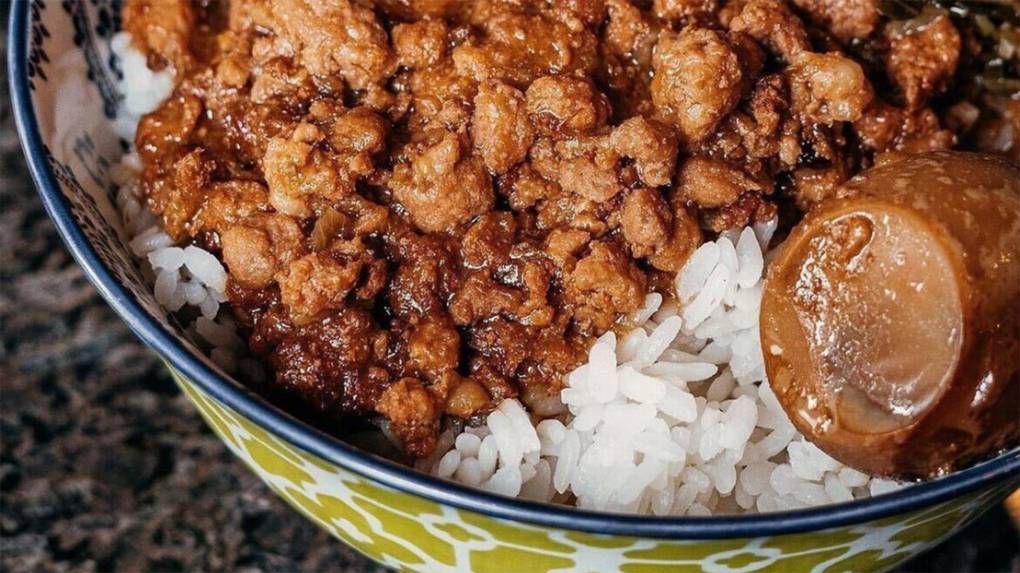
"caption": "Braised minced pork rice (aka lu rou fan) from Liang's Village, one of the anchor food vendors at this year's Taiwanese American Culture Festival. The event returns to San Francisco's Union Square on Saturday, May 10.",
"credit": "Courtesy of Liang's Village",
"altTag": "Close up of a bowl of Taiwanese braised pork rice.",
"description": null,
"imgSizes": {
"medium": {
"file": "https://cdn.kqed.org/wp-content/uploads/sites/2/2025/05/minced-pork-rice-liangs-village-crop-800x450.jpg",
"width": 800,
"height": 450,
"mimeType": "image/jpeg"
},
"large": {
"file": "https://cdn.kqed.org/wp-content/uploads/sites/2/2025/05/minced-pork-rice-liangs-village-crop-1020x573.jpg",
"width": 1020,
"height": 573,
"mimeType": "image/jpeg"
},
"thumbnail": {
"file": "https://cdn.kqed.org/wp-content/uploads/sites/2/2025/05/minced-pork-rice-liangs-village-crop-160x90.jpg",
"width": 160,
"height": 90,
"mimeType": "image/jpeg"
},
"medium_large": {
"file": "https://cdn.kqed.org/wp-content/uploads/sites/2/2025/05/minced-pork-rice-liangs-village-crop-768x432.jpg",
"width": 768,
"height": 432,
"mimeType": "image/jpeg"
},
"1536x1536": {
"file": "https://cdn.kqed.org/wp-content/uploads/sites/2/2025/05/minced-pork-rice-liangs-village-crop-1536x863.jpg",
"width": 1536,
"height": 863,
"mimeType": "image/jpeg"
},
"post-thumbnail": {
"file": "https://cdn.kqed.org/wp-content/uploads/sites/2/2025/05/minced-pork-rice-liangs-village-crop-672x372.jpg",
"width": 672,
"height": 372,
"mimeType": "image/jpeg"
},
"twentyfourteen-full-width": {
"file": "https://cdn.kqed.org/wp-content/uploads/sites/2/2025/05/minced-pork-rice-liangs-village-crop-1038x576.jpg",
"width": 1038,
"height": 576,
"mimeType": "image/jpeg"
},
"full-width": {
"file": "https://cdn.kqed.org/wp-content/uploads/sites/2/2025/05/minced-pork-rice-liangs-village-crop-1920x1079.jpg",
"width": 1920,
"height": 1079,
"mimeType": "image/jpeg"
},
"kqedFullSize": {
"file": "https://cdn.kqed.org/wp-content/uploads/sites/2/2025/05/minced-pork-rice-liangs-village-crop.jpg",
"width": 2000,
"height": 1124
}
},
"fetchFailed": false,
"isLoading": false
},
"arts_13959265": {
"type": "attachments",
"id": "arts_13959265",
"meta": {
"index": "attachments_1716263798",
"site": "arts",
"id": "13959265",
"found": true
},
"title": "Coverphotooption11_crop",
"publishDate": 1717612055,
"status": "inherit",
"parent": 13959259,
"modified": 1717612309,
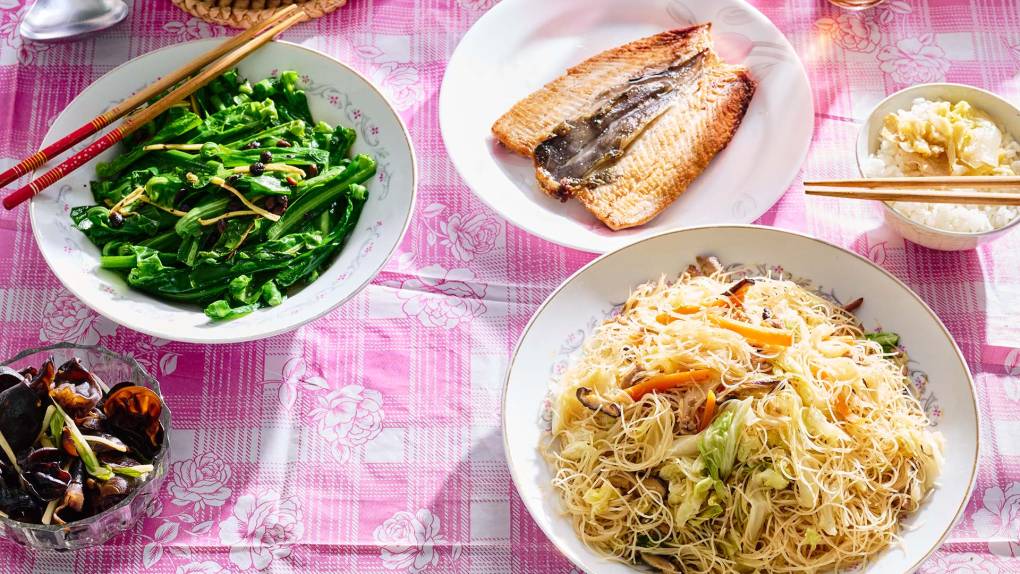
"caption": "A spread of homestyle Taiwanese dishes from Clarissa Wei's new cookbook, 'Made in Taiwan.'",
"credit": "Ryan Chen and Yen Wei",
"altTag": "A spread of homestyle Taiwanese dishes laid out on a pink and white checked tablecloth.",
"description": null,
"imgSizes": {
"medium": {
"file": "https://cdn.kqed.org/wp-content/uploads/sites/2/2024/06/Coverphotooption11_crop-800x450.jpg",
"width": 800,
"height": 450,
"mimeType": "image/jpeg"
},
"large": {
"file": "https://cdn.kqed.org/wp-content/uploads/sites/2/2024/06/Coverphotooption11_crop-1020x574.jpg",
"width": 1020,
"height": 574,
"mimeType": "image/jpeg"
},
"thumbnail": {
"file": "https://cdn.kqed.org/wp-content/uploads/sites/2/2024/06/Coverphotooption11_crop-160x90.jpg",
"width": 160,
"height": 90,
"mimeType": "image/jpeg"
},
"medium_large": {
"file": "https://cdn.kqed.org/wp-content/uploads/sites/2/2024/06/Coverphotooption11_crop-768x432.jpg",
"width": 768,
"height": 432,
"mimeType": "image/jpeg"
},
"1536x1536": {
"file": "https://cdn.kqed.org/wp-content/uploads/sites/2/2024/06/Coverphotooption11_crop-1536x864.jpg",
"width": 1536,
"height": 864,
"mimeType": "image/jpeg"
},
"post-thumbnail": {
"file": "https://cdn.kqed.org/wp-content/uploads/sites/2/2024/06/Coverphotooption11_crop-672x372.jpg",
"width": 672,
"height": 372,
"mimeType": "image/jpeg"
},
"twentyfourteen-full-width": {
"file": "https://cdn.kqed.org/wp-content/uploads/sites/2/2024/06/Coverphotooption11_crop-1038x576.jpg",
"width": 1038,
"height": 576,
"mimeType": "image/jpeg"
},
"kqedFullSize": {
"file": "https://cdn.kqed.org/wp-content/uploads/sites/2/2024/06/Coverphotooption11_crop.jpg",
"width": 1920,
"height": 1080
}
},
"fetchFailed": false,
"isLoading": false
},
"arts_13957309": {
"type": "attachments",
"id": "arts_13957309",
"meta": {
"index": "attachments_1716263798",
"site": "arts",
"id": "13957309",
"found": true
},
"parent": 13957305,
"imgSizes": {
"twentyfourteen-full-width": {
"file": "https://cdn.kqed.org/wp-content/uploads/sites/2/2024/05/liangs-beef-noodle-2022_crop-1038x576.jpg",
"width": 1038,
"mimeType": "image/jpeg",
"height": 576
},
"thumbnail": {
"file": "https://cdn.kqed.org/wp-content/uploads/sites/2/2024/05/liangs-beef-noodle-2022_crop-160x110.jpg",
"width": 160,
"mimeType": "image/jpeg",
"height": 110
},
"post-thumbnail": {
"file": "https://cdn.kqed.org/wp-content/uploads/sites/2/2024/05/liangs-beef-noodle-2022_crop-672x372.jpg",
"width": 672,
"mimeType": "image/jpeg",
"height": 372
},
"kqedFullSize": {
"file": "https://cdn.kqed.org/wp-content/uploads/sites/2/2024/05/liangs-beef-noodle-2022_crop.jpg",
"width": 1920,
"height": 1320
},
"large": {
"file": "https://cdn.kqed.org/wp-content/uploads/sites/2/2024/05/liangs-beef-noodle-2022_crop-1020x701.jpg",
"width": 1020,
"mimeType": "image/jpeg",
"height": 701
},
"1536x1536": {
"file": "https://cdn.kqed.org/wp-content/uploads/sites/2/2024/05/liangs-beef-noodle-2022_crop-1536x1056.jpg",
"width": 1536,
"mimeType": "image/jpeg",
"height": 1056
},
"medium": {
"file": "https://cdn.kqed.org/wp-content/uploads/sites/2/2024/05/liangs-beef-noodle-2022_crop-800x550.jpg",
"width": 800,
"mimeType": "image/jpeg",
"height": 550
},
"medium_large": {
"file": "https://cdn.kqed.org/wp-content/uploads/sites/2/2024/05/liangs-beef-noodle-2022_crop-768x528.jpg",
"width": 768,
"mimeType": "image/jpeg",
"height": 528
}
},
"publishDate": 1715036002,
"modified": 1715036109,
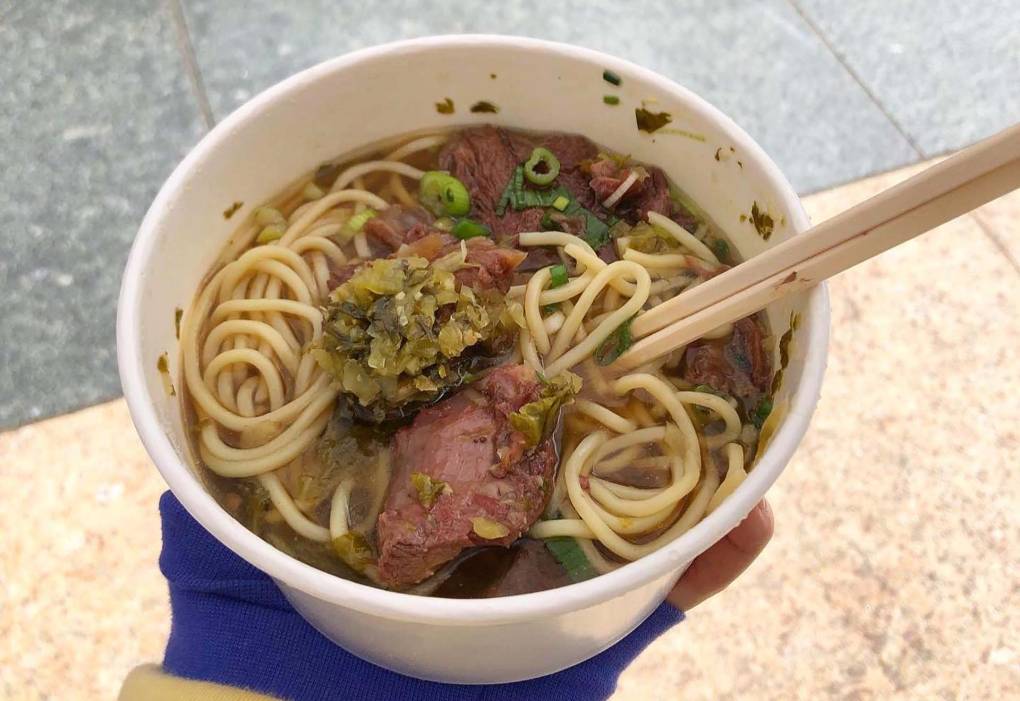
"caption": "Liang's Village's popular beef noodle soup will return to this year's Taiwanese American Cultural Festival, held in Union Square.",
"description": null,
"title": "liangs beef noodle 2022_crop",
"credit": "Courtesy of Liang's Village / Facebook",
"status": "inherit",
"altTag": "Beef noodle soup in a takeout bowl.",
"fetchFailed": false,
"isLoading": false
},
"arts_13897506": {
"type": "attachments",
"id": "arts_13897506",
"meta": {
"index": "attachments_1716263798",
"site": "arts",
"id": "13897506",
"found": true
},
"parent": 13897498,
"imgSizes": {
"twentyfourteen-full-width": {
"file": "https://ww2.kqed.org/app/uploads/sites/2/2021/05/luroufan_feature-1038x576.jpg",
"width": 1038,
"mimeType": "image/jpeg",
"height": 576
},
"thumbnail": {
"file": "https://ww2.kqed.org/app/uploads/sites/2/2021/05/luroufan_feature-160x90.jpg",
"width": 160,
"mimeType": "image/jpeg",
"height": 90
},
"post-thumbnail": {
"file": "https://ww2.kqed.org/app/uploads/sites/2/2021/05/luroufan_feature-672x372.jpg",
"width": 672,
"mimeType": "image/jpeg",
"height": 372
},
"kqedFullSize": {
"file": "https://ww2.kqed.org/app/uploads/sites/2/2021/05/luroufan_feature.jpg",
"width": 1920,
"height": 1080
},
"large": {
"file": "https://ww2.kqed.org/app/uploads/sites/2/2021/05/luroufan_feature-1020x574.jpg",
"width": 1020,
"mimeType": "image/jpeg",
"height": 574
},
"1536x1536": {
"file": "https://ww2.kqed.org/app/uploads/sites/2/2021/05/luroufan_feature-1536x864.jpg",
"width": 1536,
"mimeType": "image/jpeg",
"height": 864
},
"medium": {
"file": "https://ww2.kqed.org/app/uploads/sites/2/2021/05/luroufan_feature-800x450.jpg",
"width": 800,
"mimeType": "image/jpeg",
"height": 450
},
"medium_large": {
"file": "https://ww2.kqed.org/app/uploads/sites/2/2021/05/luroufan_feature-768x432.jpg",
"width": 768,
"mimeType": "image/jpeg",
"height": 432
}
},
"publishDate": 1621470064,
"modified": 1621470219,
"caption": null,
"description": null,
"title": "luroufan_feature",
"credit": "Illustration by Thien Pham; design by Rebecca Kao",
"status": "inherit",
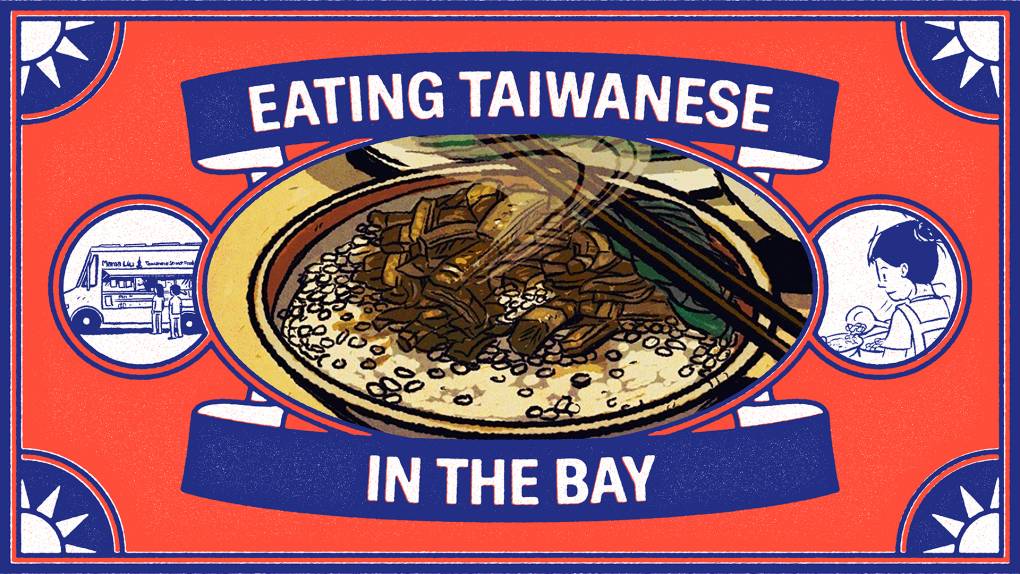
"altTag": "Illustration of a bowl of lu rou fan, or braised pork over rice, inside a blue and red frame that reads \"Eating Taiwanese in the Bay.\"",
"fetchFailed": false,
"isLoading": false
},
"arts_13897382": {
"type": "attachments",
"id": "arts_13897382",
"meta": {
"index": "attachments_1716263798",
"site": "arts",
"id": "13897382",
"found": true
},
"parent": 13897272,
"imgSizes": {
"twentyfourteen-full-width": {
"file": "https://ww2.kqed.org/app/uploads/sites/2/2021/05/Taiwan-Intro_FeatureImage-1038x576.jpg",
"width": 1038,
"mimeType": "image/jpeg",
"height": 576
},
"thumbnail": {
"file": "https://ww2.kqed.org/app/uploads/sites/2/2021/05/Taiwan-Intro_FeatureImage-160x90.jpg",
"width": 160,
"mimeType": "image/jpeg",
"height": 90
},
"post-thumbnail": {
"file": "https://ww2.kqed.org/app/uploads/sites/2/2021/05/Taiwan-Intro_FeatureImage-672x372.jpg",
"width": 672,
"mimeType": "image/jpeg",
"height": 372
},
"kqedFullSize": {
"file": "https://ww2.kqed.org/app/uploads/sites/2/2021/05/Taiwan-Intro_FeatureImage.jpg",
"width": 1920,
"height": 1080
},
"large": {
"file": "https://ww2.kqed.org/app/uploads/sites/2/2021/05/Taiwan-Intro_FeatureImage-1020x574.jpg",
"width": 1020,
"mimeType": "image/jpeg",
"height": 574
},
"1536x1536": {
"file": "https://ww2.kqed.org/app/uploads/sites/2/2021/05/Taiwan-Intro_FeatureImage-1536x864.jpg",
"width": 1536,
"mimeType": "image/jpeg",
"height": 864
},
"medium": {
"file": "https://ww2.kqed.org/app/uploads/sites/2/2021/05/Taiwan-Intro_FeatureImage-800x450.jpg",
"width": 800,
"mimeType": "image/jpeg",
"height": 450
},
"medium_large": {
"file": "https://ww2.kqed.org/app/uploads/sites/2/2021/05/Taiwan-Intro_FeatureImage-768x432.jpg",
"width": 768,
"mimeType": "image/jpeg",
"height": 432
}
},
"publishDate": 1621378935,
"modified": 1621378999,
"caption": null,
"description": null,
"title": "Taiwan Intro_FeatureImage",
"credit": "Photo by stockinasia/iStock; design by Rebecca Kao",
"status": "inherit",
"altTag": null,
"fetchFailed": false,
"isLoading": false
}
},
"audioPlayerReducer": {
"postId": "stream_live",
"isPaused": true,
"isPlaying": false,
"pfsActive": false,
"pledgeModalIsOpen": true,
"playerDrawerIsOpen": false
},
"authorsReducer": {
"ltsai": {
"type": "authors",
"id": "11743",
"meta": {
"index": "authors_1716337520",
"id": "11743",
"found": true
},
"name": "Luke Tsai",
"firstName": "Luke",
"lastName": "Tsai",
"slug": "ltsai",
"email": "ltsai@kqed.org",
"display_author_email": true,
"staff_mastheads": [
"arts"
],
"title": "Food Editor",
"bio": "Luke Tsai is KQED's food editor and resident stinky tofu connoisseur. Prior to KQED, he was an editor at Eater SF, \u003cem>San Francisco \u003c/em>magazine, and the \u003cem>East Bay Express\u003c/em>, and his work has also appeared in TASTE, the \u003cem>San Francisco Chronicle\u003c/em>, and the \u003cem>Best Food Writing\u003c/em> anthology. When he isn't writing or editing, you'll find him eating most everything he can get his hands on.",
"avatar": "https://secure.gravatar.com/avatar/d1ff591a3047b143a0e23cf7f28fcac0?s=600&d=blank&r=g",
"twitter": "theluketsai",
"facebook": null,
"instagram": null,
"linkedin": null,
"sites": [
{
"site": "",
"roles": [
"editor"
]
},
{
"site": "arts",
"roles": [
"administrator"
]
},
{
"site": "bayareabites",
"roles": [
"editor"
]
},
{
"site": "food",
"roles": [
"editor"
]
}
],
"headData": {
"title": "Luke Tsai | KQED",
"description": "Food Editor",
"ogImgSrc": "https://secure.gravatar.com/avatar/d1ff591a3047b143a0e23cf7f28fcac0?s=600&d=blank&r=g",
"twImgSrc": "https://secure.gravatar.com/avatar/d1ff591a3047b143a0e23cf7f28fcac0?s=600&d=blank&r=g"
},
"isLoading": false,
"link": "/author/ltsai"
},
"tpham": {
"type": "authors",
"id": "11753",
"meta": {
"index": "authors_1716337520",
"id": "11753",
"found": true
},
"name": "Thien Pham",
"firstName": "Thien",
"lastName": "Pham",
"slug": "tpham",
"email": "thiendog@gmail.com",
"display_author_email": false,
"staff_mastheads": [],
"title": "KQED Contributor",
"bio": null,
"avatar": "https://secure.gravatar.com/avatar/fa68ed7d6a785e5294a7bb79a3f409c3?s=600&d=blank&r=g",
"twitter": null,
"facebook": null,
"instagram": null,
"linkedin": null,
"sites": [
{
"site": "arts",
"roles": [
"contributor"
]
}
],
"headData": {
"title": "Thien Pham | KQED",
"description": "KQED Contributor",
"ogImgSrc": "https://secure.gravatar.com/avatar/fa68ed7d6a785e5294a7bb79a3f409c3?s=600&d=blank&r=g",
"twImgSrc": "https://secure.gravatar.com/avatar/fa68ed7d6a785e5294a7bb79a3f409c3?s=600&d=blank&r=g"
},
"isLoading": false,
"link": "/author/tpham"
}
},
"breakingNewsReducer": {},
"pagesReducer": {},
"postsReducer": {
"stream_live": {
"type": "live",
"id": "stream_live",
"audioUrl": "https://streams.kqed.org/kqedradio",
"title": "Live Stream",
"excerpt": "Live Stream information currently unavailable.",
"link": "/radio",
"featImg": "",
"label": {
"name": "KQED Live",
"link": "/"
}
},
"stream_kqedNewscast": {
"type": "posts",
"id": "stream_kqedNewscast",
"audioUrl": "https://www.kqed.org/.stream/anon/radio/RDnews/newscast.mp3?_=1",
"title": "KQED Newscast",
"featImg": "",
"label": {
"name": "88.5 FM",
"link": "/"
}
},
"arts_13975796": {
"type": "posts",
"id": "arts_13975796",
"meta": {
"index": "posts_1716263798",
"site": "arts",
"id": "13975796",
"score": null,
"sort": [
1746568058000
]
},
"guestAuthors": [],
"slug": "biggest-taiwanese-american-food-festival-union-square-sf-2025",
"title": "The West Coast’s Biggest Taiwanese Culture Festival Returns to Union Square",
"publishDate": 1746568058,
"format": "aside",
"headTitle": "The West Coast’s Biggest Taiwanese Culture Festival Returns to Union Square | KQED",
"labelTerm": {},
"content": "\u003cfigure id=\"attachment_13975799\" class=\"wp-caption alignnone\" style=\"max-width: 2000px\">\u003cimg loading=\"lazy\" decoding=\"async\" class=\"wp-image-13975799 size-full\" src=\"https://cdn.kqed.org/wp-content/uploads/sites/2/2025/05/minced-pork-rice_liangsvillage.jpg\" alt=\"\" width=\"2000\" height=\"2000\" srcset=\"https://cdn.kqed.org/wp-content/uploads/sites/2/2025/05/minced-pork-rice_liangsvillage.jpg 2000w, https://cdn.kqed.org/wp-content/uploads/sites/2/2025/05/minced-pork-rice_liangsvillage-800x800.jpg 800w, https://cdn.kqed.org/wp-content/uploads/sites/2/2025/05/minced-pork-rice_liangsvillage-1020x1020.jpg 1020w, https://cdn.kqed.org/wp-content/uploads/sites/2/2025/05/minced-pork-rice_liangsvillage-160x160.jpg 160w, https://cdn.kqed.org/wp-content/uploads/sites/2/2025/05/minced-pork-rice_liangsvillage-768x768.jpg 768w, https://cdn.kqed.org/wp-content/uploads/sites/2/2025/05/minced-pork-rice_liangsvillage-1536x1536.jpg 1536w, https://cdn.kqed.org/wp-content/uploads/sites/2/2025/05/minced-pork-rice_liangsvillage-1920x1920.jpg 1920w\" sizes=\"auto, (max-width: 2000px) 100vw, 2000px\">\u003cfigcaption class=\"wp-caption-text\">Braised minced pork rice (aka lu rou fan) from Liang’s Village, one of the anchor food vendors at this year’s Taiwanese American Culture Festival. The event returns to San Francisco’s Union Square on Saturday, May 10. \u003ccite>(Courtesy of Liang's Village)\u003c/cite>\u003c/figcaption>\u003c/figure>\n\u003cp>The regional cuisines of \u003ca href=\"https://www.kqed.org/arts/tag/taiwanese-food\">Taiwan\u003c/a> are vast and \u003ca href=\"https://www.kqed.org/arts/13959259/taiwanese-cookbook-clarissa-wei-interview-sf-bay-area\">endlessly diverse\u003c/a>, but any Taiwanese food festival worth its salt has to hit all the classics: beef noodle soup, fat-drenched lu rou fan and popcorn chicken bedecked with crispy basil leaves. An ice-cold \u003ca href=\"https://www.kqed.org/arts/13957666/best-boba-shops-bay-area-berkeley-cupertino-sf\">boba\u003c/a> tea to wash it all down.\u003c/p>\n\u003cp>On Saturday, May 10, San Francisco’s 32nd annual \u003ca href=\"https://www.tap-sf.org/tacf\">Taiwanese American Culture Festival\u003c/a> returns, and Union Square will be awash with all of those foundational dishes and more. The biggest event of its kind on the West Coast, the festival has steadily expanded its food offerings since returning from a pandemic-era pause a couple years ago. These days, the Union Square extravaganza boasts more hot food options, a greater mix of established restaurants and up-and-coming pop-ups and collaborations with national brands like \u003ca href=\"https://yunhai.shop/?srsltid=AfmBOopYianPsDWj8Rd9N-5OjplGot2cVCJSsdQx9ajuG6_FDZM2Jca4\">Yun Hai\u003c/a>. (The Brooklyn-based Taiwanese pantry’s sauces and dried fruit snacks are a staple for countless second-gen Taiwanese food enthusiasts.)\u003c/p>\n\u003cp>\u003cspan style=\"font-weight: 400\">\u003cspan style=\"color: #2b2b2b;font-weight: 400\">[aside postID='arts_13897936,arts_13959259']\u003c/span>\u003c/span>An ideal food tour of this year’s festival offerings might include a stop at the Liang’s Village stall for a hearty bowl of beef noodle soup and some spicy, Pingtung-style \u003ca href=\"https://www.kqed.org/arts/13897684/pandemic-taiwanese-food-liangs-village\">cold peanut noodles\u003c/a>, especially if it’s a hot day. Both Liang’s and the boba shop Mr. Green Bubble will be selling the succulent braised pork belly rice bowls known as \u003ca href=\"https://www.kqed.org/arts/13897498/mama-liu-lu-rou-fan-taiwanese-food-comic\">lu rou fan\u003c/a>, though my personal favorite is Mr. Green Bubble’s take on Taiwanese popcorn chicken — one of the best versions you’ll find at a boba shop. Meanwhile, Hayward cult favorite MITK will offer some of the most nostalgic street food dishes: oyster pancakes, black pepper buns and \u003ca href=\"https://www.kqed.org/arts/13897868/taiwanese-breakfast-bay-area\">fan tuan\u003c/a> (aka “rice burritos”).\u003c/p>\n\u003cfigure id=\"attachment_13975803\" class=\"wp-caption aligncenter\" style=\"max-width: 2000px\">\u003cimg loading=\"lazy\" decoding=\"async\" class=\"size-full wp-image-13975803\" src=\"https://cdn.kqed.org/wp-content/uploads/sites/2/2025/05/2024_09_02_HotDogBun_0159-dana-mariko-chang.jpg\" alt=\"Taiwanese-style hot dog bun on a plate, against a red backdrop.\" width=\"2000\" height=\"2500\" srcset=\"https://cdn.kqed.org/wp-content/uploads/sites/2/2025/05/2024_09_02_HotDogBun_0159-dana-mariko-chang.jpg 2000w, https://cdn.kqed.org/wp-content/uploads/sites/2/2025/05/2024_09_02_HotDogBun_0159-dana-mariko-chang-800x1000.jpg 800w, https://cdn.kqed.org/wp-content/uploads/sites/2/2025/05/2024_09_02_HotDogBun_0159-dana-mariko-chang-1020x1275.jpg 1020w, https://cdn.kqed.org/wp-content/uploads/sites/2/2025/05/2024_09_02_HotDogBun_0159-dana-mariko-chang-160x200.jpg 160w, https://cdn.kqed.org/wp-content/uploads/sites/2/2025/05/2024_09_02_HotDogBun_0159-dana-mariko-chang-768x960.jpg 768w, https://cdn.kqed.org/wp-content/uploads/sites/2/2025/05/2024_09_02_HotDogBun_0159-dana-mariko-chang-1229x1536.jpg 1229w, https://cdn.kqed.org/wp-content/uploads/sites/2/2025/05/2024_09_02_HotDogBun_0159-dana-mariko-chang-1638x2048.jpg 1638w, https://cdn.kqed.org/wp-content/uploads/sites/2/2025/05/2024_09_02_HotDogBun_0159-dana-mariko-chang-1920x2400.jpg 1920w\" sizes=\"auto, (max-width: 2000px) 100vw, 2000px\">\u003cfigcaption class=\"wp-caption-text\">A Taiwanese-style hot dog bun from Little Moon Bakehouse. \u003ccite>(Dana Mariko Chang, courtesy of Little Moon Bakehouse)\u003c/cite>\u003c/figcaption>\u003c/figure>\n\u003cp>Those with a sweet tooth can make a beeline for \u003ca href=\"https://www.instagram.com/littlemoonbakehouse/\">Little Moon Bakehouse\u003c/a> (formerly \u003ca href=\"https://www.kqed.org/arts/13908103/lunar-new-year-vegan-mooncake-biscuits-annies-t-cakes\">Annie’s T Cakes\u003c/a>) for Taiwanese-inspired buns and pastries, and \u003ca href=\"https://www.instagram.com/nekosama_ba/\">Nekosama’s\u003c/a> assortment of cute cat-shaped cookies.\u003c/p>\n\u003cp>The festival will include a \u003ca href=\"https://www.instagram.com/p/DJMzPyuP56A/\">book fair\u003c/a> highlighting Taiwanese American authors, fun merch from local artists and designers, and a robust lineup of both traditional and contemporary cultural performances (headlined by singer-songwriter \u003ca href=\"https://www.tiktok.com/@whoisnikorain/video/7433878639504248110\">Niko Rain\u003c/a>).\u003c/p>\n\u003cp>[ad fullwidth]\u003c/p>\n\u003cp>But for many visitors, checking out each year’s food lineup is the most exciting part of the festival. Who knows? Maybe next year \u003ca href=\"https://www.kqed.org/arts/13940133/stinky-tofu-childrens-book-ra-pu-zel\">stinky tofu\u003c/a> will even make an appearance.\u003c/p>\n\u003cfigure id=\"attachment_13975806\" class=\"wp-caption alignnone\" style=\"max-width: 2000px\">\u003cimg loading=\"lazy\" decoding=\"async\" class=\"size-full wp-image-13975806\" src=\"https://cdn.kqed.org/wp-content/uploads/sites/2/2025/05/mtk-at-tacf-24.jpg\" alt=\"Food stall at a food festival in Union Square, San Francisco.\" width=\"2000\" height=\"1500\" srcset=\"https://cdn.kqed.org/wp-content/uploads/sites/2/2025/05/mtk-at-tacf-24.jpg 2000w, https://cdn.kqed.org/wp-content/uploads/sites/2/2025/05/mtk-at-tacf-24-800x600.jpg 800w, https://cdn.kqed.org/wp-content/uploads/sites/2/2025/05/mtk-at-tacf-24-1020x765.jpg 1020w, https://cdn.kqed.org/wp-content/uploads/sites/2/2025/05/mtk-at-tacf-24-160x120.jpg 160w, https://cdn.kqed.org/wp-content/uploads/sites/2/2025/05/mtk-at-tacf-24-768x576.jpg 768w, https://cdn.kqed.org/wp-content/uploads/sites/2/2025/05/mtk-at-tacf-24-1536x1152.jpg 1536w, https://cdn.kqed.org/wp-content/uploads/sites/2/2025/05/mtk-at-tacf-24-1920x1440.jpg 1920w\" sizes=\"auto, (max-width: 2000px) 100vw, 2000px\">\u003cfigcaption class=\"wp-caption-text\">MITK’s stall at the 2024 edition of the festival. This year, the Hayward catering business will be selling oyster pancakes, fan tuan and more. \u003ccite>(Courtesy of MITK)\u003c/cite>\u003c/figcaption>\u003c/figure>\n\u003chr>\n\u003cp>\u003c/p>\n\u003cp>\u003ci>This year’s \u003c/i>\u003ca href=\"https://www.tap-sf.org/tacf\">\u003ci>Taiwanese American Cultural Festival\u003c/i>\u003c/a>\u003ci> will take place on Saturday, May 10, 10 a.m.–4 p.m. at Union Square in San Francisco. Admission is free.\u003c/i>\u003c/p>\n\n",
"blocks": [],
"excerpt": "Expect boba, beef noodle soup, popcorn chicken and other classics.",
"status": "publish",
"parent": 0,
"modified": 1746568058,
"stats": {
"hasAudio": false,
"hasVideo": false,
"hasChartOrMap": false,
"iframeSrcs": [],
"hasGoogleForm": false,
"hasGallery": false,
"hasHearkenModule": false,
"hasPolis": false,
"paragraphCount": 9,
"wordCount": 523
},
"headData": {
"title": "The West Coast’s Biggest Taiwanese Culture Festival Returns to Union Square | KQED",
"description": "Expect boba, beef noodle soup, popcorn chicken and other classics.",
"ogTitle": "",
"ogDescription": "",
"ogImgId": "",
"twTitle": "",
"twDescription": "",
"twImgId": "",
"schema": {
"@context": "https://schema.org",
"@type": "Article",
"headline": "The West Coast’s Biggest Taiwanese Culture Festival Returns to Union Square",
"datePublished": "2025-05-06T14:47:38-07:00",
"dateModified": "2025-05-06T14:47:38-07:00",
"image": "https://cdn.kqed.org/wp-content/uploads/2020/02/KQED-OG-Image@1x.png"
}
},
"source": "Food",
"sourceUrl": "https://www.kqed.org/food",
"sticky": false,
"nprStoryId": "kqed-13975796",
"templateType": "standard",
"featuredImageType": "standard",
"excludeFromSiteSearch": "Include",
"articleAge": "0",
"path": "/arts/13975796/biggest-taiwanese-american-food-festival-union-square-sf-2025",
"audioTrackLength": null,
"parsedContent": [
{
"type": "contentString",
"content": "\u003cdiv class=\"post-body\">\u003cp>\u003cfigure id=\"attachment_13975799\" class=\"wp-caption alignnone\" style=\"max-width: 2000px\">\u003cimg loading=\"lazy\" decoding=\"async\" class=\"wp-image-13975799 size-full\" src=\"https://cdn.kqed.org/wp-content/uploads/sites/2/2025/05/minced-pork-rice_liangsvillage.jpg\" alt=\"\" width=\"2000\" height=\"2000\" srcset=\"https://cdn.kqed.org/wp-content/uploads/sites/2/2025/05/minced-pork-rice_liangsvillage.jpg 2000w, https://cdn.kqed.org/wp-content/uploads/sites/2/2025/05/minced-pork-rice_liangsvillage-800x800.jpg 800w, https://cdn.kqed.org/wp-content/uploads/sites/2/2025/05/minced-pork-rice_liangsvillage-1020x1020.jpg 1020w, https://cdn.kqed.org/wp-content/uploads/sites/2/2025/05/minced-pork-rice_liangsvillage-160x160.jpg 160w, https://cdn.kqed.org/wp-content/uploads/sites/2/2025/05/minced-pork-rice_liangsvillage-768x768.jpg 768w, https://cdn.kqed.org/wp-content/uploads/sites/2/2025/05/minced-pork-rice_liangsvillage-1536x1536.jpg 1536w, https://cdn.kqed.org/wp-content/uploads/sites/2/2025/05/minced-pork-rice_liangsvillage-1920x1920.jpg 1920w\" sizes=\"auto, (max-width: 2000px) 100vw, 2000px\">\u003cfigcaption class=\"wp-caption-text\">Braised minced pork rice (aka lu rou fan) from Liang’s Village, one of the anchor food vendors at this year’s Taiwanese American Culture Festival. The event returns to San Francisco’s Union Square on Saturday, May 10. \u003ccite>(Courtesy of Liang's Village)\u003c/cite>\u003c/figcaption>\u003c/figure>\n\u003cp>The regional cuisines of \u003ca href=\"https://www.kqed.org/arts/tag/taiwanese-food\">Taiwan\u003c/a> are vast and \u003ca href=\"https://www.kqed.org/arts/13959259/taiwanese-cookbook-clarissa-wei-interview-sf-bay-area\">endlessly diverse\u003c/a>, but any Taiwanese food festival worth its salt has to hit all the classics: beef noodle soup, fat-drenched lu rou fan and popcorn chicken bedecked with crispy basil leaves. An ice-cold \u003ca href=\"https://www.kqed.org/arts/13957666/best-boba-shops-bay-area-berkeley-cupertino-sf\">boba\u003c/a> tea to wash it all down.\u003c/p>\n\u003cp>On Saturday, May 10, San Francisco’s 32nd annual \u003ca href=\"https://www.tap-sf.org/tacf\">Taiwanese American Culture Festival\u003c/a> returns, and Union Square will be awash with all of those foundational dishes and more. The biggest event of its kind on the West Coast, the festival has steadily expanded its food offerings since returning from a pandemic-era pause a couple years ago. These days, the Union Square extravaganza boasts more hot food options, a greater mix of established restaurants and up-and-coming pop-ups and collaborations with national brands like \u003ca href=\"https://yunhai.shop/?srsltid=AfmBOopYianPsDWj8Rd9N-5OjplGot2cVCJSsdQx9ajuG6_FDZM2Jca4\">Yun Hai\u003c/a>. (The Brooklyn-based Taiwanese pantry’s sauces and dried fruit snacks are a staple for countless second-gen Taiwanese food enthusiasts.)\u003c/p>\n\u003cp>\u003cspan style=\"font-weight: 400\">\u003cspan style=\"color: #2b2b2b;font-weight: 400\">\u003c/p>\u003c/div>",
"attributes": {
"named": {},
"numeric": []
}
},
{
"type": "component",
"content": "",
"name": "aside",
"attributes": {
"named": {
"postid": "arts_13897936,arts_13959259",
"label": ""
},
"numeric": []
}
},
{
"type": "contentString",
"content": "\u003cdiv class=\"post-body\">\u003cp>\u003c/span>\u003c/span>An ideal food tour of this year’s festival offerings might include a stop at the Liang’s Village stall for a hearty bowl of beef noodle soup and some spicy, Pingtung-style \u003ca href=\"https://www.kqed.org/arts/13897684/pandemic-taiwanese-food-liangs-village\">cold peanut noodles\u003c/a>, especially if it’s a hot day. Both Liang’s and the boba shop Mr. Green Bubble will be selling the succulent braised pork belly rice bowls known as \u003ca href=\"https://www.kqed.org/arts/13897498/mama-liu-lu-rou-fan-taiwanese-food-comic\">lu rou fan\u003c/a>, though my personal favorite is Mr. Green Bubble’s take on Taiwanese popcorn chicken — one of the best versions you’ll find at a boba shop. Meanwhile, Hayward cult favorite MITK will offer some of the most nostalgic street food dishes: oyster pancakes, black pepper buns and \u003ca href=\"https://www.kqed.org/arts/13897868/taiwanese-breakfast-bay-area\">fan tuan\u003c/a> (aka “rice burritos”).\u003c/p>\n\u003cfigure id=\"attachment_13975803\" class=\"wp-caption aligncenter\" style=\"max-width: 2000px\">\u003cimg loading=\"lazy\" decoding=\"async\" class=\"size-full wp-image-13975803\" src=\"https://cdn.kqed.org/wp-content/uploads/sites/2/2025/05/2024_09_02_HotDogBun_0159-dana-mariko-chang.jpg\" alt=\"Taiwanese-style hot dog bun on a plate, against a red backdrop.\" width=\"2000\" height=\"2500\" srcset=\"https://cdn.kqed.org/wp-content/uploads/sites/2/2025/05/2024_09_02_HotDogBun_0159-dana-mariko-chang.jpg 2000w, https://cdn.kqed.org/wp-content/uploads/sites/2/2025/05/2024_09_02_HotDogBun_0159-dana-mariko-chang-800x1000.jpg 800w, https://cdn.kqed.org/wp-content/uploads/sites/2/2025/05/2024_09_02_HotDogBun_0159-dana-mariko-chang-1020x1275.jpg 1020w, https://cdn.kqed.org/wp-content/uploads/sites/2/2025/05/2024_09_02_HotDogBun_0159-dana-mariko-chang-160x200.jpg 160w, https://cdn.kqed.org/wp-content/uploads/sites/2/2025/05/2024_09_02_HotDogBun_0159-dana-mariko-chang-768x960.jpg 768w, https://cdn.kqed.org/wp-content/uploads/sites/2/2025/05/2024_09_02_HotDogBun_0159-dana-mariko-chang-1229x1536.jpg 1229w, https://cdn.kqed.org/wp-content/uploads/sites/2/2025/05/2024_09_02_HotDogBun_0159-dana-mariko-chang-1638x2048.jpg 1638w, https://cdn.kqed.org/wp-content/uploads/sites/2/2025/05/2024_09_02_HotDogBun_0159-dana-mariko-chang-1920x2400.jpg 1920w\" sizes=\"auto, (max-width: 2000px) 100vw, 2000px\">\u003cfigcaption class=\"wp-caption-text\">A Taiwanese-style hot dog bun from Little Moon Bakehouse. \u003ccite>(Dana Mariko Chang, courtesy of Little Moon Bakehouse)\u003c/cite>\u003c/figcaption>\u003c/figure>\n\u003cp>Those with a sweet tooth can make a beeline for \u003ca href=\"https://www.instagram.com/littlemoonbakehouse/\">Little Moon Bakehouse\u003c/a> (formerly \u003ca href=\"https://www.kqed.org/arts/13908103/lunar-new-year-vegan-mooncake-biscuits-annies-t-cakes\">Annie’s T Cakes\u003c/a>) for Taiwanese-inspired buns and pastries, and \u003ca href=\"https://www.instagram.com/nekosama_ba/\">Nekosama’s\u003c/a> assortment of cute cat-shaped cookies.\u003c/p>\n\u003cp>The festival will include a \u003ca href=\"https://www.instagram.com/p/DJMzPyuP56A/\">book fair\u003c/a> highlighting Taiwanese American authors, fun merch from local artists and designers, and a robust lineup of both traditional and contemporary cultural performances (headlined by singer-songwriter \u003ca href=\"https://www.tiktok.com/@whoisnikorain/video/7433878639504248110\">Niko Rain\u003c/a>).\u003c/p>\n\u003cp>\u003c/p>\u003c/div>",
"attributes": {
"named": {},
"numeric": []
}
},
{
"type": "component",
"content": "",
"name": "ad",
"attributes": {
"named": {
"label": "fullwidth"
},
"numeric": [
"fullwidth"
]
}
},
{
"type": "contentString",
"content": "\u003cdiv class=\"post-body\">\u003cp>\u003c/p>\n\u003cp>But for many visitors, checking out each year’s food lineup is the most exciting part of the festival. Who knows? Maybe next year \u003ca href=\"https://www.kqed.org/arts/13940133/stinky-tofu-childrens-book-ra-pu-zel\">stinky tofu\u003c/a> will even make an appearance.\u003c/p>\n\u003cfigure id=\"attachment_13975806\" class=\"wp-caption alignnone\" style=\"max-width: 2000px\">\u003cimg loading=\"lazy\" decoding=\"async\" class=\"size-full wp-image-13975806\" src=\"https://cdn.kqed.org/wp-content/uploads/sites/2/2025/05/mtk-at-tacf-24.jpg\" alt=\"Food stall at a food festival in Union Square, San Francisco.\" width=\"2000\" height=\"1500\" srcset=\"https://cdn.kqed.org/wp-content/uploads/sites/2/2025/05/mtk-at-tacf-24.jpg 2000w, https://cdn.kqed.org/wp-content/uploads/sites/2/2025/05/mtk-at-tacf-24-800x600.jpg 800w, https://cdn.kqed.org/wp-content/uploads/sites/2/2025/05/mtk-at-tacf-24-1020x765.jpg 1020w, https://cdn.kqed.org/wp-content/uploads/sites/2/2025/05/mtk-at-tacf-24-160x120.jpg 160w, https://cdn.kqed.org/wp-content/uploads/sites/2/2025/05/mtk-at-tacf-24-768x576.jpg 768w, https://cdn.kqed.org/wp-content/uploads/sites/2/2025/05/mtk-at-tacf-24-1536x1152.jpg 1536w, https://cdn.kqed.org/wp-content/uploads/sites/2/2025/05/mtk-at-tacf-24-1920x1440.jpg 1920w\" sizes=\"auto, (max-width: 2000px) 100vw, 2000px\">\u003cfigcaption class=\"wp-caption-text\">MITK’s stall at the 2024 edition of the festival. This year, the Hayward catering business will be selling oyster pancakes, fan tuan and more. \u003ccite>(Courtesy of MITK)\u003c/cite>\u003c/figcaption>\u003c/figure>\n\u003chr>\n\u003cp>\u003c/p>\n\u003cp>\u003ci>This year’s \u003c/i>\u003ca href=\"https://www.tap-sf.org/tacf\">\u003ci>Taiwanese American Cultural Festival\u003c/i>\u003c/a>\u003ci> will take place on Saturday, May 10, 10 a.m.–4 p.m. at Union Square in San Francisco. Admission is free.\u003c/i>\u003c/p>\n\n\u003c/div>\u003c/p>",
"attributes": {
"named": {},
"numeric": []
}
}
],
"link": "/arts/13975796/biggest-taiwanese-american-food-festival-union-square-sf-2025",
"authors": [
"11743"
],
"programs": [
"arts_140"
],
"categories": [
"arts_1",
"arts_12276"
],
"tags": [
"arts_14125",
"arts_10278",
"arts_1297",
"arts_14398",
"arts_1146",
"arts_14396",
"arts_15151",
"arts_585"
],
"featImg": "arts_13975798",
"label": "source_arts_13975796"
},
"arts_13959259": {
"type": "posts",
"id": "arts_13959259",
"meta": {
"index": "posts_1716263798",
"site": "arts",
"id": "13959259",
"score": null,
"sort": [
1717615700000
]
},
"guestAuthors": [],
"slug": "taiwanese-cookbook-clarissa-wei-interview-sf-bay-area",
"title": "Clarissa’s Wei’s ‘Made in Taiwan’ Is the Taiwanese Cookbook I’ve Always Wanted",
"publishDate": 1717615700,
"format": "aside",
"headTitle": "Clarissa’s Wei’s ‘Made in Taiwan’ Is the Taiwanese Cookbook I’ve Always Wanted | KQED",
"labelTerm": {},
"content": "\u003cfigure id=\"attachment_13959272\" class=\"wp-caption alignnone\" style=\"max-width: 1920px\">\u003cimg loading=\"lazy\" decoding=\"async\" class=\"size-full wp-image-13959272\" src=\"https://cdn.kqed.org/wp-content/uploads/sites/2/2024/06/Coverphotooption11_16x11.jpg\" alt=\"A spread of homestyle Taiwanese dishes laid out on a pink and white checked tablecloth.\" width=\"1920\" height=\"1320\" srcset=\"https://cdn.kqed.org/wp-content/uploads/sites/2/2024/06/Coverphotooption11_16x11.jpg 1920w, https://cdn.kqed.org/wp-content/uploads/sites/2/2024/06/Coverphotooption11_16x11-800x550.jpg 800w, https://cdn.kqed.org/wp-content/uploads/sites/2/2024/06/Coverphotooption11_16x11-1020x701.jpg 1020w, https://cdn.kqed.org/wp-content/uploads/sites/2/2024/06/Coverphotooption11_16x11-160x110.jpg 160w, https://cdn.kqed.org/wp-content/uploads/sites/2/2024/06/Coverphotooption11_16x11-768x528.jpg 768w, https://cdn.kqed.org/wp-content/uploads/sites/2/2024/06/Coverphotooption11_16x11-1536x1056.jpg 1536w\" sizes=\"(max-width: 1920px) 100vw, 1920px\">\u003cfigcaption class=\"wp-caption-text\">A spread of family-style Taiwanese dishes from Clarissa Wei’s cookbook, ‘Made in Taiwan.’ \u003ccite>(Ryan Chen and Yen Wei)\u003c/cite>\u003c/figcaption>\u003c/figure>\n\u003cp>As a homesick Taiwanese American, \u003ca href=\"https://www.kqed.org/arts/13897272/bay-area-taiwanese-food-scene-nostalgia\">I spent years\u003c/a> scouring the Asian strip malls of Fremont and Milpitas for passable versions of my \u003ca href=\"https://www.kqed.org/eatingtaiwanese\">favorite Taiwanese dishes\u003c/a> — beef noodle soup and fat-slicked \u003ca href=\"https://www.kqed.org/arts/13897498/mama-liu-lu-rou-fan-taiwanese-food-comic\">lu rou fan\u003c/a> — before I came to what might seem like an obvious realization: I could just try cooking the dishes myself.\u003c/p>\n\u003cp>And in the eight months since I started cooking my way through Clarissa Wei’s wonderful, \u003ca href=\"https://www.jamesbeard.org/blog/2024-media-award-nominees\">James Beard Award–nominated\u003c/a> cookbook, \u003ca href=\"https://clarissawei.com/madeintaiwan\">\u003ci>Made in Taiwan: Recipes and Stories from the Island Nation\u003c/i>\u003c/a>, which was published this past September, I’ve been eating nostalgic dishes from my childhood more frequently than ever. Thanks to the careful and precise instruction from Wei and her co-author, the Taiwanese cooking instructor \u003ca href=\"https://kitchenivy.com/i\">Ivy Chen\u003c/a>, I’ve been frying up pork chops that taste just like the \u003ca href=\"https://www.eater.com/2019/3/6/18241749/bento-box-best-food-train-stations-taiwan\">bento boxes\u003c/a> I remember buying at the train station in Taipei. I cooked a plate of wok-kissed clams and basil that reminded me of seaside day trips on the island.\u003c/p>\n\u003cp>And in the process, I’ve learned so many things I never knew about my native country’s cuisine — about the vast differences between Chinese and Taiwanese soy sauces, and the island’s rich culture of beer-friendly outdoor “rechao” restaurants I’d always walked past but felt too out of my depth to patronize.\u003c/p>\n\u003cp>\u003cimg loading=\"lazy\" decoding=\"async\" class=\"alignright wp-image-13959274\" src=\"https://cdn.kqed.org/wp-content/uploads/sites/2/2024/06/made-in-taiwan-9781982198978_hr-1020x1268.jpg\" alt=\"The green cover of the cookbook 'Made in Taiwan,' which shows a spread of beer-friendly dishes \" width=\"430\" height=\"534\" srcset=\"https://cdn.kqed.org/wp-content/uploads/sites/2/2024/06/made-in-taiwan-9781982198978_hr-1020x1268.jpg 1020w, https://cdn.kqed.org/wp-content/uploads/sites/2/2024/06/made-in-taiwan-9781982198978_hr-800x994.jpg 800w, https://cdn.kqed.org/wp-content/uploads/sites/2/2024/06/made-in-taiwan-9781982198978_hr-160x199.jpg 160w, https://cdn.kqed.org/wp-content/uploads/sites/2/2024/06/made-in-taiwan-9781982198978_hr-768x954.jpg 768w, https://cdn.kqed.org/wp-content/uploads/sites/2/2024/06/made-in-taiwan-9781982198978_hr-1236x1536.jpg 1236w, https://cdn.kqed.org/wp-content/uploads/sites/2/2024/06/made-in-taiwan-9781982198978_hr-1648x2048.jpg 1648w, https://cdn.kqed.org/wp-content/uploads/sites/2/2024/06/made-in-taiwan-9781982198978_hr.jpg 1920w\" sizes=\"(max-width: 430px) 100vw, 430px\">This came as no surprise. Over the past decade, Wei, who grew up in Southern California’s San Gabriel Valley, has built a reputation as one of English-language media’s foremost experts on Taiwanese food — someone who, in her writing about the cuisine, has always expanded the conversation beyond the most obvious handful of dishes.\u003c/p>\n\u003cp>Since moving to Taipei in 2020, Wei says her first-hand experience with the island’s highly globalized, ever-evolving food scene has dispelled any notion she had that there’s such a thing as “authentic” Taiwanese cuisine. At the same time, \u003ci>Made in Taiwan \u003c/i>reads differently from the current wave of Asian American cookbooks that lean into a more diasporic, Americanized point of view. In addition to enlisting Chen, an ace local chef, as her co-author, Wei recruited an all-local team of Taiwanese researchers, food stylists and photographers. She often traveled to distant corners of the island to track down a chef’s authoritative, regionally specific recipe for a dish.\u003c/p>\n\u003cp>[ad fullwidth]\u003c/p>\n\u003cp>And at this political moment, when the Chinese government’s refusal to recognize Taiwanese sovereignty and cultural identity makes \u003ca href=\"https://newbloommag.net/2024/06/02/taiwanese-entertainers-post-lai/\">daily\u003c/a> \u003ca href=\"https://www.nytimes.com/2024/05/22/world/asia/china-taiwan-drills.html\">headlines\u003c/a>, \u003ci>Made in Taiwan\u003c/i> makes an eloquent \u003ca href=\"https://foreignpolicy.com/2024/05/19/taiwan-lai-ching-te-president-inauguration-banquet-food-china-culture-democracy/?tpcc=recirc_latest062921\">“soft power” argument\u003c/a> by elucidating, from cover to cover, the breadth and beauty of Taiwan’s own distinct cuisine — a cuisine shaped by centuries of colonization, migration and cultural intermingling that isn’t “just another provincial expression of Chinese food at large.”\u003c/p>\n\u003cp>“All I can do is celebrate our humanity through the lens of food,” Wei writes in the book’s introduction. “I hope the world can see Taiwan as more than just a geopolitical chess piece or a controversial island near China with great night markets.”\u003c/p>\n\u003cp>Ahead of Wei’s two in-person Bay Area appearances on June 10 and 11, in \u003ca href=\"https://www.eventbrite.com/e/liangs-village-made-in-taiwan-happy-hour-with-clarissa-wei-tickets-902012783517?aff=oddtdtcreator\">Cupertino\u003c/a> and \u003ca href=\"https://www.eventbrite.com/e/liangs-village-made-in-taiwan-happy-hour-with-clarissa-wei-tickets-902012783517?aff=oddtdtcreator\">Emeryville\u003c/a> respectively, I chatted with her about cookbook diplomacy, Taiwan’s distinct “kou wei,” and the next step in the evolution of Taiwanese restaurants in the U.S.\u003c/p>\n\u003cp>\u003ci>The following interview has been edited for length and clarity.\u003c/i>\u003c/p>\n\u003cp style=\"text-align: center\">***\u003c/p>\n\u003cp>\u003cb>Luke Tsai: It seems like something every Taiwanese cookbook for a U.S. audience needs to do is to delineate what Taiwanese food is and how it’s distinct from Chinese food. How much of a political act do you feel it is to write a book like \u003c/b>\u003cb>\u003ci>Made in Taiwan\u003c/i>\u003c/b>\u003cb> that, at this particular moment, essentially argues, “Taiwanese food is its own separate thing.”\u003c/b>\u003c/p>\n\u003cp>\u003cb>Clarissa Wei:\u003c/b> I think if one is subscribing to the China narrative, anything that talks about Taiwanese identity is inherently political. Because I had to write the book for an international audience, and because Taiwan’s standing on the international stage is murky, I have to inhabit that stance.\u003c/p>\n\u003cp>But as a Taiwanese person living here in Taiwan, talking about how these different strains or influences are what makes up Taiwanese cuisine is completely normal and not a political thing.\u003c/p>\n\u003cp>For the average person here, it’s just reality.\u003c/p>\n\u003cp>So it is kind of fascinating when I’m talking about my book to people here versus when I have to present it to the outside world. It’s a very different tone.\u003c/p>\n\u003cfigure id=\"attachment_13959302\" class=\"wp-caption alignnone\" style=\"max-width: 1920px\">\u003cimg loading=\"lazy\" decoding=\"async\" class=\"wp-image-13959302 size-full\" src=\"https://cdn.kqed.org/wp-content/uploads/sites/2/2024/06/189188230_hr_1920px.jpg\" alt=\"Headshot portrait of food writer Clarissa Wei, in her kitchen wearing a yellow apron.\" width=\"1920\" height=\"2160\" srcset=\"https://cdn.kqed.org/wp-content/uploads/sites/2/2024/06/189188230_hr_1920px.jpg 1920w, https://cdn.kqed.org/wp-content/uploads/sites/2/2024/06/189188230_hr_1920px-800x900.jpg 800w, https://cdn.kqed.org/wp-content/uploads/sites/2/2024/06/189188230_hr_1920px-1020x1148.jpg 1020w, https://cdn.kqed.org/wp-content/uploads/sites/2/2024/06/189188230_hr_1920px-160x180.jpg 160w, https://cdn.kqed.org/wp-content/uploads/sites/2/2024/06/189188230_hr_1920px-768x864.jpg 768w, https://cdn.kqed.org/wp-content/uploads/sites/2/2024/06/189188230_hr_1920px-1365x1536.jpg 1365w, https://cdn.kqed.org/wp-content/uploads/sites/2/2024/06/189188230_hr_1920px-1820x2048.jpg 1820w\" sizes=\"(max-width: 1920px) 100vw, 1920px\">\u003cfigcaption class=\"wp-caption-text\">Wei, who has lived in Taipei since 2020, wrote ‘Made in Taiwan’ in collaboration with an all-local Taiwanese team. \u003ccite>(Ryan Chen and Yen Wei)\u003c/cite>\u003c/figcaption>\u003c/figure>\n\u003cp>\u003cb>How \u003c/b>\u003cb>\u003ci>has \u003c/i>\u003c/b>\u003cb>the book been received in Taiwan?\u003c/b>\u003c/p>\n\u003cp>It has surprisingly been received really well. I didn’t think people here would read it or care because, again, this isn’t news here — and it’s obviously not written in Chinese. But there are food writers and food influencers here who will recommend it, and some restaurants will have it in their store. Anyone here who’s trying to promote Taiwanese cuisine on the international stage seems to be aware of the book.\u003c/p>\n\u003cp>I was just at the \u003ca href=\"https://foreignpolicy.com/2024/05/19/taiwan-lai-ching-te-president-inauguration-banquet-food-china-culture-democracy/?tpcc=recirc_latest062921\">Taiwanese presidential inauguration\u003c/a>, and one of the staffers for the Democratic Progressive Party [which won the presidential election] told me that the Vice President, Hsiao Bi-khim, really likes my book and that she’s been showing it to foreign dignitaries and giving it to them as a gift.\u003c/p>\n\u003cp>\u003cb>One of the big themes in your work is how there is so much more to Taiwanese food than just the most obvious things — more than beef noodle soup and boba and soymilk breakfasts. Why is that important to you, and how did that affect the way you approached the cookbook? \u003c/b>\u003c/p>\n\u003cp>I think it’s important to have the greatest hits because if I didn’t include tapioca pearls or beef noodle soup or xiaolongbao, I think the average person would be confused. But I also tried to push the conversation a little bit more by including dishes that I think are much more influential here in Taiwan. For example, I do a lot of rice-based pastries, or kueh, and the braised pork belly over rice, which I guess now that’s pretty common in the States.\u003c/p>\n\u003cp>\u003cspan style=\"color: #2b2b2b;font-weight: 400\">\u003cb>\u003cstrong>\u003cspan style=\"font-weight: 400\">[aside postID='arts_13897936,arts_13956218,arts_13897498']\u003c/span>\u003c/strong>\u003c/b>\u003c/span>One thing I didn’t include in the book is the Southeast Asian influences on modern Taiwanese cuisine, which has been prevalent since the ’90s but hasn’t made it abroad yet. Southeast Asian immigrants make up 80% of our foreign population, and they’ve opened a lot of restaurants. So there are dishes like a sweet-and-sour cold-poached chicken or a Thai-style shrimp cake that’s served at every single Thai restaurant here, but that they don’t really have in Thailand. It’s very special and just as Taiwanese as any other dish.\u003c/p>\n\u003cp>In Taiwan, people will alter their dishes so it caters to the tastes here. Things become sweeter or less spicy, or ingredients change a little bit, so everything has a Taiwan “kou wei,” or Taiwanese flavor.\u003c/p>\n\u003cp>\u003cb>How do you see the cuisine evolving in the Bay Area or more broadly in the U.S.? Are there places that are starting to serve more regional things, or things that are more in line with what’s new and popular in Taiwan right now? \u003c/b>\u003c/p>\n\u003cp>If anything, people are better at storytelling or identifying the origins of their food. \u003ca href=\"https://www.kqed.org/arts/13932035/taiwanese-barbecue-grilling-good-to-eat-dumplings-emeryville\">Good to Eat\u003c/a> in Emeryville, where I’m doing one of my events, is such a good example. It’s so fascinating how the owners moved over from Taiwan, and now they’re specializing in bando. Bando is a very niche subset of Taiwanese cuisine — a style of \u003ca href=\"https://nspp.mofa.gov.tw/nsppe/news.php?post=238127&unit=410&unitname=Stories&postname=Banquet-Time!-P%C4%81n-toh-Culture-in-Taiwan\">outdoor banquet food\u003c/a> that’s been around for hundreds of years. Chef Tony will come to Taiwan, she’ll study with these bando chefs, and then she’ll bring that spirit to the Bay Area and do these \u003ca href=\"https://www.goodtoeatdumplings.com/ja-ban-bae-tasting-menu\">tasting menus\u003c/a>.\u003c/p>\n\u003cp>So I think they’re really good at telling the story of Taiwan. Because I think when people think about Taiwanese food as a whole, they default to street food, or cheap eats, or big hearty bowls of things. But this style of bando is very refined. When people got married, they would shut down their streets and have a block party, and these banquet chefs would whip up these multicourse meals, completely outdoors. It’s so crazy to me that there’s a restaurant in the Bay Area that does this. You don’t even have restaurants in Taipei that specialize in this very esoteric but specialized type of dining.\u003c/p>\n\u003cfigure id=\"attachment_13921979\" class=\"wp-caption alignnone\" style=\"max-width: 1920px\">\u003cimg loading=\"lazy\" decoding=\"async\" class=\"size-full wp-image-13921979\" src=\"https://cdn.kqed.org/wp-content/uploads/sites/2/2022/11/good-to-eat_bbq.jpg\" alt=\"Small bowl of lu rou fan next to a plate of grilled chicken.\" width=\"1920\" height=\"1440\" srcset=\"https://cdn.kqed.org/wp-content/uploads/sites/2/2022/11/good-to-eat_bbq.jpg 1920w, https://cdn.kqed.org/wp-content/uploads/sites/2/2022/11/good-to-eat_bbq-800x600.jpg 800w, https://cdn.kqed.org/wp-content/uploads/sites/2/2022/11/good-to-eat_bbq-1020x765.jpg 1020w, https://cdn.kqed.org/wp-content/uploads/sites/2/2022/11/good-to-eat_bbq-160x120.jpg 160w, https://cdn.kqed.org/wp-content/uploads/sites/2/2022/11/good-to-eat_bbq-768x576.jpg 768w, https://cdn.kqed.org/wp-content/uploads/sites/2/2022/11/good-to-eat_bbq-1536x1152.jpg 1536w\" sizes=\"(max-width: 1920px) 100vw, 1920px\">\u003cfigcaption class=\"wp-caption-text\">Lu rou fan and Taiwanese-style grilled chicken served at a Taiwanese barbecue event on Good to Eat’s outdoor patio in Emeryville. \u003ccite>(Luke Tsai)\u003c/cite>\u003c/figcaption>\u003c/figure>\n\u003cp>In terms of storytelling, places like Liang’s Village in Cupertino, they’ve been around for a long time. But now the second generation, when they tell their story, they say, “We’re military village cuisine,” or cuisine that came over to Taiwan post-1949. Because Taiwan is a nation of immigrants, and depending on when people came over [from China], they brought very different styles of food. So Liang’s Village is talking about how their family’s food is post-1949 cuisine. No one did this when I was growing up in California.\u003c/p>\n\u003cp>In Chicago, now there’s a place that just specializes in this \u003ca href=\"https://chicago.eater.com/2024/2/28/24085676/minyoli-taiwanese-restaurant-beef-noodle-soup-juan-cun-andersonville-chicago\">military cuisine\u003c/a>. In New York, there’s \u003ca href=\"https://www.eighteightsix.com/\">886\u003c/a>, which does rechao food, which is stir-fried food that’s cooked in large woks and usually eaten outdoors.\u003c/p>\n\u003cp>The marketing for a lot of these restaurants might not outright say what they are, but if you talk to the chefs, they’re able to tell you which facet of Taiwanese cuisine they were the most inspired by. And I think that’s so special and something that’s only been apparent in the last decade.\u003c/p>\n\u003cfigure id=\"attachment_13959307\" class=\"wp-caption alignnone\" style=\"max-width: 1920px\">\u003cimg loading=\"lazy\" decoding=\"async\" class=\"wp-image-13959307 size-full\" src=\"https://cdn.kqed.org/wp-content/uploads/sites/2/2024/06/Daikon-And-Pork-Soup.jpg\" alt=\"\" width=\"1920\" height=\"2160\" srcset=\"https://cdn.kqed.org/wp-content/uploads/sites/2/2024/06/Daikon-And-Pork-Soup.jpg 1920w, https://cdn.kqed.org/wp-content/uploads/sites/2/2024/06/Daikon-And-Pork-Soup-800x900.jpg 800w, https://cdn.kqed.org/wp-content/uploads/sites/2/2024/06/Daikon-And-Pork-Soup-1020x1148.jpg 1020w, https://cdn.kqed.org/wp-content/uploads/sites/2/2024/06/Daikon-And-Pork-Soup-160x180.jpg 160w, https://cdn.kqed.org/wp-content/uploads/sites/2/2024/06/Daikon-And-Pork-Soup-768x864.jpg 768w, https://cdn.kqed.org/wp-content/uploads/sites/2/2024/06/Daikon-And-Pork-Soup-1365x1536.jpg 1365w, https://cdn.kqed.org/wp-content/uploads/sites/2/2024/06/Daikon-And-Pork-Soup-1820x2048.jpg 1820w\" sizes=\"(max-width: 1920px) 100vw, 1920px\">\u003cfigcaption class=\"wp-caption-text\">Wei’s Taiwanese-style daikon and pork soup, from ‘Made in Taiwan.’ \u003ccite>(Ryan Chen and Yen Wei)\u003c/cite>\u003c/figcaption>\u003c/figure>\n\u003cp>\u003cb>My favorite recipes in \u003c/b>\u003cb>\u003ci>Made in Taiwan\u003c/i>\u003c/b>\u003cb> that I keep coming back to all fall into the comfort food category — fried pork chops over rice, which I make along with your Taiwanese pickled cabbage. Or your daikon and pork rib soup, which got me through the winter. Do you have a favorite recipe, or a recipe that’s especially meaningful to you in the book?\u003c/b>\u003c/p>\n\u003cp>I always do the rou zao fan or lu rou fan [braised minced pork belly over rice], which is so easy to do. You can just put it in the Instant Pot. Growing up in Los Angeles, when I went to restaurants that served this dish, it seemed too complicated. People put too much stuff in it. When I was developing the recipe for the cookbook, I really wanted to channel that sort of flavor profile from the south of Taiwan, where this braise is just very simple: sugar, soy sauce, garlic, maybe a little bit of rice wine, and of course the main ingredient is pork belly. I feel like I figured it out because I went down south and found a chef that just specializes in this dish and, like, stared at him for a very long time and tried to figure out the proportions.\u003c/p>\n\u003cp>That’s a very comforting dish to me. I have really complicated recipes in the book that take a very long time or can be technically quite difficult. But I think the dishes that people will come back to are the comfort dishes their parents made for them, or their Taiwanese friend made, because that’s what you want. I just did the complicated dishes because I felt like if I didn’t document them, they might not ever be recorded in the English language.\u003c/p>\n\u003chr>\n\u003cp>[ad floatright]\u003c/p>\n\u003cp>\u003ci>Wei will host a meet-and-greet at Liang’s Village on Monday, June 10, 5:30–7:30 p.m. (A \u003c/i>\u003ca href=\"https://www.eventbrite.com/e/liangs-village-made-in-taiwan-happy-hour-with-clarissa-wei-tickets-902012783517?aff=oddtdtcreator\">\u003ci>$25 meal set inspired by ‘Made in Taiwan\u003c/i>\u003c/a>\u003ci>’ is already sold out, but the restaurant will still be open for regular dinner service.) On Tuesday, June 11, 7:30–9 p.m., Wei will participate in a free — but already fully sold out — \u003c/i>\u003ca href=\"https://www.exploretock.com/good-to-eat/event/private/efdd4ae3-1275-453b-9ae3-ccc2677e9ac0\">\u003ci>panel discussion\u003c/i>\u003c/a>\u003ci> that addresses the question, “What is Taiwanese cuisine?” at Good to Eat (1298 65th St., Emeryville). \u003c/i>\u003c/p>\n\n",
"blocks": [],
"excerpt": "The Taipei-based food writer’s book tour has two Bay Area stops.",
"status": "publish",
"parent": 0,
"modified": 1717624819,
"stats": {
"hasAudio": false,
"hasVideo": false,
"hasChartOrMap": false,
"iframeSrcs": [],
"hasGoogleForm": false,
"hasGallery": false,
"hasHearkenModule": false,
"hasPolis": false,
"paragraphCount": 33,
"wordCount": 2193
},
"headData": {
"title": "Clarissa’s Wei’s ‘Made in Taiwan’ Book Tour Comes to the Bay Area | KQED",
"description": "The Taipei-based food writer’s book tour has two Bay Area stops.",
"ogTitle": "Clarissa’s Wei’s ‘Made in Taiwan’ Is the Taiwanese Cookbook I’ve Always Wanted",
"ogDescription": "",
"ogImgId": "",
"twTitle": "Clarissa’s Wei’s ‘Made in Taiwan’ Is the Taiwanese Cookbook I’ve Always Wanted",
"twDescription": "",
"twImgId": "",
"socialTitle": "Clarissa’s Wei’s ‘Made in Taiwan’ Book Tour Comes to the Bay Area%%page%% %%sep%% KQED",
"schema": {
"@context": "https://schema.org",
"@type": "Article",
"headline": "Clarissa’s Wei’s ‘Made in Taiwan’ Is the Taiwanese Cookbook I’ve Always Wanted",
"datePublished": "2024-06-05T12:28:20-07:00",
"dateModified": "2024-06-05T15:00:19-07:00",
"image": "https://cdn.kqed.org/wp-content/uploads/2020/02/KQED-OG-Image@1x.png"
}
},
"source": "Food",
"sourceUrl": "https://www.kqed.org/food",
"sticky": false,
"nprStoryId": "kqed-13959259",
"excludeFromSiteSearch": "Include",
"articleAge": "0",
"path": "/arts/13959259/taiwanese-cookbook-clarissa-wei-interview-sf-bay-area",
"audioTrackLength": null,
"parsedContent": [
{
"type": "contentString",
"content": "\u003cdiv class=\"post-body\">\u003cp>\u003cfigure id=\"attachment_13959272\" class=\"wp-caption alignnone\" style=\"max-width: 1920px\">\u003cimg loading=\"lazy\" decoding=\"async\" class=\"size-full wp-image-13959272\" src=\"https://cdn.kqed.org/wp-content/uploads/sites/2/2024/06/Coverphotooption11_16x11.jpg\" alt=\"A spread of homestyle Taiwanese dishes laid out on a pink and white checked tablecloth.\" width=\"1920\" height=\"1320\" srcset=\"https://cdn.kqed.org/wp-content/uploads/sites/2/2024/06/Coverphotooption11_16x11.jpg 1920w, https://cdn.kqed.org/wp-content/uploads/sites/2/2024/06/Coverphotooption11_16x11-800x550.jpg 800w, https://cdn.kqed.org/wp-content/uploads/sites/2/2024/06/Coverphotooption11_16x11-1020x701.jpg 1020w, https://cdn.kqed.org/wp-content/uploads/sites/2/2024/06/Coverphotooption11_16x11-160x110.jpg 160w, https://cdn.kqed.org/wp-content/uploads/sites/2/2024/06/Coverphotooption11_16x11-768x528.jpg 768w, https://cdn.kqed.org/wp-content/uploads/sites/2/2024/06/Coverphotooption11_16x11-1536x1056.jpg 1536w\" sizes=\"(max-width: 1920px) 100vw, 1920px\">\u003cfigcaption class=\"wp-caption-text\">A spread of family-style Taiwanese dishes from Clarissa Wei’s cookbook, ‘Made in Taiwan.’ \u003ccite>(Ryan Chen and Yen Wei)\u003c/cite>\u003c/figcaption>\u003c/figure>\n\u003cp>As a homesick Taiwanese American, \u003ca href=\"https://www.kqed.org/arts/13897272/bay-area-taiwanese-food-scene-nostalgia\">I spent years\u003c/a> scouring the Asian strip malls of Fremont and Milpitas for passable versions of my \u003ca href=\"https://www.kqed.org/eatingtaiwanese\">favorite Taiwanese dishes\u003c/a> — beef noodle soup and fat-slicked \u003ca href=\"https://www.kqed.org/arts/13897498/mama-liu-lu-rou-fan-taiwanese-food-comic\">lu rou fan\u003c/a> — before I came to what might seem like an obvious realization: I could just try cooking the dishes myself.\u003c/p>\n\u003cp>And in the eight months since I started cooking my way through Clarissa Wei’s wonderful, \u003ca href=\"https://www.jamesbeard.org/blog/2024-media-award-nominees\">James Beard Award–nominated\u003c/a> cookbook, \u003ca href=\"https://clarissawei.com/madeintaiwan\">\u003ci>Made in Taiwan: Recipes and Stories from the Island Nation\u003c/i>\u003c/a>, which was published this past September, I’ve been eating nostalgic dishes from my childhood more frequently than ever. Thanks to the careful and precise instruction from Wei and her co-author, the Taiwanese cooking instructor \u003ca href=\"https://kitchenivy.com/i\">Ivy Chen\u003c/a>, I’ve been frying up pork chops that taste just like the \u003ca href=\"https://www.eater.com/2019/3/6/18241749/bento-box-best-food-train-stations-taiwan\">bento boxes\u003c/a> I remember buying at the train station in Taipei. I cooked a plate of wok-kissed clams and basil that reminded me of seaside day trips on the island.\u003c/p>\n\u003cp>And in the process, I’ve learned so many things I never knew about my native country’s cuisine — about the vast differences between Chinese and Taiwanese soy sauces, and the island’s rich culture of beer-friendly outdoor “rechao” restaurants I’d always walked past but felt too out of my depth to patronize.\u003c/p>\n\u003cp>\u003cimg loading=\"lazy\" decoding=\"async\" class=\"alignright wp-image-13959274\" src=\"https://cdn.kqed.org/wp-content/uploads/sites/2/2024/06/made-in-taiwan-9781982198978_hr-1020x1268.jpg\" alt=\"The green cover of the cookbook 'Made in Taiwan,' which shows a spread of beer-friendly dishes \" width=\"430\" height=\"534\" srcset=\"https://cdn.kqed.org/wp-content/uploads/sites/2/2024/06/made-in-taiwan-9781982198978_hr-1020x1268.jpg 1020w, https://cdn.kqed.org/wp-content/uploads/sites/2/2024/06/made-in-taiwan-9781982198978_hr-800x994.jpg 800w, https://cdn.kqed.org/wp-content/uploads/sites/2/2024/06/made-in-taiwan-9781982198978_hr-160x199.jpg 160w, https://cdn.kqed.org/wp-content/uploads/sites/2/2024/06/made-in-taiwan-9781982198978_hr-768x954.jpg 768w, https://cdn.kqed.org/wp-content/uploads/sites/2/2024/06/made-in-taiwan-9781982198978_hr-1236x1536.jpg 1236w, https://cdn.kqed.org/wp-content/uploads/sites/2/2024/06/made-in-taiwan-9781982198978_hr-1648x2048.jpg 1648w, https://cdn.kqed.org/wp-content/uploads/sites/2/2024/06/made-in-taiwan-9781982198978_hr.jpg 1920w\" sizes=\"(max-width: 430px) 100vw, 430px\">This came as no surprise. Over the past decade, Wei, who grew up in Southern California’s San Gabriel Valley, has built a reputation as one of English-language media’s foremost experts on Taiwanese food — someone who, in her writing about the cuisine, has always expanded the conversation beyond the most obvious handful of dishes.\u003c/p>\n\u003cp>Since moving to Taipei in 2020, Wei says her first-hand experience with the island’s highly globalized, ever-evolving food scene has dispelled any notion she had that there’s such a thing as “authentic” Taiwanese cuisine. At the same time, \u003ci>Made in Taiwan \u003c/i>reads differently from the current wave of Asian American cookbooks that lean into a more diasporic, Americanized point of view. In addition to enlisting Chen, an ace local chef, as her co-author, Wei recruited an all-local team of Taiwanese researchers, food stylists and photographers. She often traveled to distant corners of the island to track down a chef’s authoritative, regionally specific recipe for a dish.\u003c/p>\n\u003cp>\u003c/p>\u003c/div>",
"attributes": {
"named": {},
"numeric": []
}
},
{
"type": "component",
"content": "",
"name": "ad",
"attributes": {
"named": {
"label": "fullwidth"
},
"numeric": [
"fullwidth"
]
}
},
{
"type": "contentString",
"content": "\u003cdiv class=\"post-body\">\u003cp>\u003c/p>\n\u003cp>And at this political moment, when the Chinese government’s refusal to recognize Taiwanese sovereignty and cultural identity makes \u003ca href=\"https://newbloommag.net/2024/06/02/taiwanese-entertainers-post-lai/\">daily\u003c/a> \u003ca href=\"https://www.nytimes.com/2024/05/22/world/asia/china-taiwan-drills.html\">headlines\u003c/a>, \u003ci>Made in Taiwan\u003c/i> makes an eloquent \u003ca href=\"https://foreignpolicy.com/2024/05/19/taiwan-lai-ching-te-president-inauguration-banquet-food-china-culture-democracy/?tpcc=recirc_latest062921\">“soft power” argument\u003c/a> by elucidating, from cover to cover, the breadth and beauty of Taiwan’s own distinct cuisine — a cuisine shaped by centuries of colonization, migration and cultural intermingling that isn’t “just another provincial expression of Chinese food at large.”\u003c/p>\n\u003cp>“All I can do is celebrate our humanity through the lens of food,” Wei writes in the book’s introduction. “I hope the world can see Taiwan as more than just a geopolitical chess piece or a controversial island near China with great night markets.”\u003c/p>\n\u003cp>Ahead of Wei’s two in-person Bay Area appearances on June 10 and 11, in \u003ca href=\"https://www.eventbrite.com/e/liangs-village-made-in-taiwan-happy-hour-with-clarissa-wei-tickets-902012783517?aff=oddtdtcreator\">Cupertino\u003c/a> and \u003ca href=\"https://www.eventbrite.com/e/liangs-village-made-in-taiwan-happy-hour-with-clarissa-wei-tickets-902012783517?aff=oddtdtcreator\">Emeryville\u003c/a> respectively, I chatted with her about cookbook diplomacy, Taiwan’s distinct “kou wei,” and the next step in the evolution of Taiwanese restaurants in the U.S.\u003c/p>\n\u003cp>\u003ci>The following interview has been edited for length and clarity.\u003c/i>\u003c/p>\n\u003cp style=\"text-align: center\">***\u003c/p>\n\u003cp>\u003cb>Luke Tsai: It seems like something every Taiwanese cookbook for a U.S. audience needs to do is to delineate what Taiwanese food is and how it’s distinct from Chinese food. How much of a political act do you feel it is to write a book like \u003c/b>\u003cb>\u003ci>Made in Taiwan\u003c/i>\u003c/b>\u003cb> that, at this particular moment, essentially argues, “Taiwanese food is its own separate thing.”\u003c/b>\u003c/p>\n\u003cp>\u003cb>Clarissa Wei:\u003c/b> I think if one is subscribing to the China narrative, anything that talks about Taiwanese identity is inherently political. Because I had to write the book for an international audience, and because Taiwan’s standing on the international stage is murky, I have to inhabit that stance.\u003c/p>\n\u003cp>But as a Taiwanese person living here in Taiwan, talking about how these different strains or influences are what makes up Taiwanese cuisine is completely normal and not a political thing.\u003c/p>\n\u003cp>For the average person here, it’s just reality.\u003c/p>\n\u003cp>So it is kind of fascinating when I’m talking about my book to people here versus when I have to present it to the outside world. It’s a very different tone.\u003c/p>\n\u003cfigure id=\"attachment_13959302\" class=\"wp-caption alignnone\" style=\"max-width: 1920px\">\u003cimg loading=\"lazy\" decoding=\"async\" class=\"wp-image-13959302 size-full\" src=\"https://cdn.kqed.org/wp-content/uploads/sites/2/2024/06/189188230_hr_1920px.jpg\" alt=\"Headshot portrait of food writer Clarissa Wei, in her kitchen wearing a yellow apron.\" width=\"1920\" height=\"2160\" srcset=\"https://cdn.kqed.org/wp-content/uploads/sites/2/2024/06/189188230_hr_1920px.jpg 1920w, https://cdn.kqed.org/wp-content/uploads/sites/2/2024/06/189188230_hr_1920px-800x900.jpg 800w, https://cdn.kqed.org/wp-content/uploads/sites/2/2024/06/189188230_hr_1920px-1020x1148.jpg 1020w, https://cdn.kqed.org/wp-content/uploads/sites/2/2024/06/189188230_hr_1920px-160x180.jpg 160w, https://cdn.kqed.org/wp-content/uploads/sites/2/2024/06/189188230_hr_1920px-768x864.jpg 768w, https://cdn.kqed.org/wp-content/uploads/sites/2/2024/06/189188230_hr_1920px-1365x1536.jpg 1365w, https://cdn.kqed.org/wp-content/uploads/sites/2/2024/06/189188230_hr_1920px-1820x2048.jpg 1820w\" sizes=\"(max-width: 1920px) 100vw, 1920px\">\u003cfigcaption class=\"wp-caption-text\">Wei, who has lived in Taipei since 2020, wrote ‘Made in Taiwan’ in collaboration with an all-local Taiwanese team. \u003ccite>(Ryan Chen and Yen Wei)\u003c/cite>\u003c/figcaption>\u003c/figure>\n\u003cp>\u003cb>How \u003c/b>\u003cb>\u003ci>has \u003c/i>\u003c/b>\u003cb>the book been received in Taiwan?\u003c/b>\u003c/p>\n\u003cp>It has surprisingly been received really well. I didn’t think people here would read it or care because, again, this isn’t news here — and it’s obviously not written in Chinese. But there are food writers and food influencers here who will recommend it, and some restaurants will have it in their store. Anyone here who’s trying to promote Taiwanese cuisine on the international stage seems to be aware of the book.\u003c/p>\n\u003cp>I was just at the \u003ca href=\"https://foreignpolicy.com/2024/05/19/taiwan-lai-ching-te-president-inauguration-banquet-food-china-culture-democracy/?tpcc=recirc_latest062921\">Taiwanese presidential inauguration\u003c/a>, and one of the staffers for the Democratic Progressive Party [which won the presidential election] told me that the Vice President, Hsiao Bi-khim, really likes my book and that she’s been showing it to foreign dignitaries and giving it to them as a gift.\u003c/p>\n\u003cp>\u003cb>One of the big themes in your work is how there is so much more to Taiwanese food than just the most obvious things — more than beef noodle soup and boba and soymilk breakfasts. Why is that important to you, and how did that affect the way you approached the cookbook? \u003c/b>\u003c/p>\n\u003cp>I think it’s important to have the greatest hits because if I didn’t include tapioca pearls or beef noodle soup or xiaolongbao, I think the average person would be confused. But I also tried to push the conversation a little bit more by including dishes that I think are much more influential here in Taiwan. For example, I do a lot of rice-based pastries, or kueh, and the braised pork belly over rice, which I guess now that’s pretty common in the States.\u003c/p>\n\u003cp>\u003cspan style=\"color: #2b2b2b;font-weight: 400\">\u003cb>\u003cstrong>\u003cspan style=\"font-weight: 400\">\u003c/p>\u003c/div>",
"attributes": {
"named": {},
"numeric": []
}
},
{
"type": "component",
"content": "",
"name": "aside",
"attributes": {
"named": {
"postid": "arts_13897936,arts_13956218,arts_13897498",
"label": ""
},
"numeric": []
}
},
{
"type": "contentString",
"content": "\u003cdiv class=\"post-body\">\u003cp>\u003c/span>\u003c/strong>\u003c/b>\u003c/span>One thing I didn’t include in the book is the Southeast Asian influences on modern Taiwanese cuisine, which has been prevalent since the ’90s but hasn’t made it abroad yet. Southeast Asian immigrants make up 80% of our foreign population, and they’ve opened a lot of restaurants. So there are dishes like a sweet-and-sour cold-poached chicken or a Thai-style shrimp cake that’s served at every single Thai restaurant here, but that they don’t really have in Thailand. It’s very special and just as Taiwanese as any other dish.\u003c/p>\n\u003cp>In Taiwan, people will alter their dishes so it caters to the tastes here. Things become sweeter or less spicy, or ingredients change a little bit, so everything has a Taiwan “kou wei,” or Taiwanese flavor.\u003c/p>\n\u003cp>\u003cb>How do you see the cuisine evolving in the Bay Area or more broadly in the U.S.? Are there places that are starting to serve more regional things, or things that are more in line with what’s new and popular in Taiwan right now? \u003c/b>\u003c/p>\n\u003cp>If anything, people are better at storytelling or identifying the origins of their food. \u003ca href=\"https://www.kqed.org/arts/13932035/taiwanese-barbecue-grilling-good-to-eat-dumplings-emeryville\">Good to Eat\u003c/a> in Emeryville, where I’m doing one of my events, is such a good example. It’s so fascinating how the owners moved over from Taiwan, and now they’re specializing in bando. Bando is a very niche subset of Taiwanese cuisine — a style of \u003ca href=\"https://nspp.mofa.gov.tw/nsppe/news.php?post=238127&unit=410&unitname=Stories&postname=Banquet-Time!-P%C4%81n-toh-Culture-in-Taiwan\">outdoor banquet food\u003c/a> that’s been around for hundreds of years. Chef Tony will come to Taiwan, she’ll study with these bando chefs, and then she’ll bring that spirit to the Bay Area and do these \u003ca href=\"https://www.goodtoeatdumplings.com/ja-ban-bae-tasting-menu\">tasting menus\u003c/a>.\u003c/p>\n\u003cp>So I think they’re really good at telling the story of Taiwan. Because I think when people think about Taiwanese food as a whole, they default to street food, or cheap eats, or big hearty bowls of things. But this style of bando is very refined. When people got married, they would shut down their streets and have a block party, and these banquet chefs would whip up these multicourse meals, completely outdoors. It’s so crazy to me that there’s a restaurant in the Bay Area that does this. You don’t even have restaurants in Taipei that specialize in this very esoteric but specialized type of dining.\u003c/p>\n\u003cfigure id=\"attachment_13921979\" class=\"wp-caption alignnone\" style=\"max-width: 1920px\">\u003cimg loading=\"lazy\" decoding=\"async\" class=\"size-full wp-image-13921979\" src=\"https://cdn.kqed.org/wp-content/uploads/sites/2/2022/11/good-to-eat_bbq.jpg\" alt=\"Small bowl of lu rou fan next to a plate of grilled chicken.\" width=\"1920\" height=\"1440\" srcset=\"https://cdn.kqed.org/wp-content/uploads/sites/2/2022/11/good-to-eat_bbq.jpg 1920w, https://cdn.kqed.org/wp-content/uploads/sites/2/2022/11/good-to-eat_bbq-800x600.jpg 800w, https://cdn.kqed.org/wp-content/uploads/sites/2/2022/11/good-to-eat_bbq-1020x765.jpg 1020w, https://cdn.kqed.org/wp-content/uploads/sites/2/2022/11/good-to-eat_bbq-160x120.jpg 160w, https://cdn.kqed.org/wp-content/uploads/sites/2/2022/11/good-to-eat_bbq-768x576.jpg 768w, https://cdn.kqed.org/wp-content/uploads/sites/2/2022/11/good-to-eat_bbq-1536x1152.jpg 1536w\" sizes=\"(max-width: 1920px) 100vw, 1920px\">\u003cfigcaption class=\"wp-caption-text\">Lu rou fan and Taiwanese-style grilled chicken served at a Taiwanese barbecue event on Good to Eat’s outdoor patio in Emeryville. \u003ccite>(Luke Tsai)\u003c/cite>\u003c/figcaption>\u003c/figure>\n\u003cp>In terms of storytelling, places like Liang’s Village in Cupertino, they’ve been around for a long time. But now the second generation, when they tell their story, they say, “We’re military village cuisine,” or cuisine that came over to Taiwan post-1949. Because Taiwan is a nation of immigrants, and depending on when people came over [from China], they brought very different styles of food. So Liang’s Village is talking about how their family’s food is post-1949 cuisine. No one did this when I was growing up in California.\u003c/p>\n\u003cp>In Chicago, now there’s a place that just specializes in this \u003ca href=\"https://chicago.eater.com/2024/2/28/24085676/minyoli-taiwanese-restaurant-beef-noodle-soup-juan-cun-andersonville-chicago\">military cuisine\u003c/a>. In New York, there’s \u003ca href=\"https://www.eighteightsix.com/\">886\u003c/a>, which does rechao food, which is stir-fried food that’s cooked in large woks and usually eaten outdoors.\u003c/p>\n\u003cp>The marketing for a lot of these restaurants might not outright say what they are, but if you talk to the chefs, they’re able to tell you which facet of Taiwanese cuisine they were the most inspired by. And I think that’s so special and something that’s only been apparent in the last decade.\u003c/p>\n\u003cfigure id=\"attachment_13959307\" class=\"wp-caption alignnone\" style=\"max-width: 1920px\">\u003cimg loading=\"lazy\" decoding=\"async\" class=\"wp-image-13959307 size-full\" src=\"https://cdn.kqed.org/wp-content/uploads/sites/2/2024/06/Daikon-And-Pork-Soup.jpg\" alt=\"\" width=\"1920\" height=\"2160\" srcset=\"https://cdn.kqed.org/wp-content/uploads/sites/2/2024/06/Daikon-And-Pork-Soup.jpg 1920w, https://cdn.kqed.org/wp-content/uploads/sites/2/2024/06/Daikon-And-Pork-Soup-800x900.jpg 800w, https://cdn.kqed.org/wp-content/uploads/sites/2/2024/06/Daikon-And-Pork-Soup-1020x1148.jpg 1020w, https://cdn.kqed.org/wp-content/uploads/sites/2/2024/06/Daikon-And-Pork-Soup-160x180.jpg 160w, https://cdn.kqed.org/wp-content/uploads/sites/2/2024/06/Daikon-And-Pork-Soup-768x864.jpg 768w, https://cdn.kqed.org/wp-content/uploads/sites/2/2024/06/Daikon-And-Pork-Soup-1365x1536.jpg 1365w, https://cdn.kqed.org/wp-content/uploads/sites/2/2024/06/Daikon-And-Pork-Soup-1820x2048.jpg 1820w\" sizes=\"(max-width: 1920px) 100vw, 1920px\">\u003cfigcaption class=\"wp-caption-text\">Wei’s Taiwanese-style daikon and pork soup, from ‘Made in Taiwan.’ \u003ccite>(Ryan Chen and Yen Wei)\u003c/cite>\u003c/figcaption>\u003c/figure>\n\u003cp>\u003cb>My favorite recipes in \u003c/b>\u003cb>\u003ci>Made in Taiwan\u003c/i>\u003c/b>\u003cb> that I keep coming back to all fall into the comfort food category — fried pork chops over rice, which I make along with your Taiwanese pickled cabbage. Or your daikon and pork rib soup, which got me through the winter. Do you have a favorite recipe, or a recipe that’s especially meaningful to you in the book?\u003c/b>\u003c/p>\n\u003cp>I always do the rou zao fan or lu rou fan [braised minced pork belly over rice], which is so easy to do. You can just put it in the Instant Pot. Growing up in Los Angeles, when I went to restaurants that served this dish, it seemed too complicated. People put too much stuff in it. When I was developing the recipe for the cookbook, I really wanted to channel that sort of flavor profile from the south of Taiwan, where this braise is just very simple: sugar, soy sauce, garlic, maybe a little bit of rice wine, and of course the main ingredient is pork belly. I feel like I figured it out because I went down south and found a chef that just specializes in this dish and, like, stared at him for a very long time and tried to figure out the proportions.\u003c/p>\n\u003cp>That’s a very comforting dish to me. I have really complicated recipes in the book that take a very long time or can be technically quite difficult. But I think the dishes that people will come back to are the comfort dishes their parents made for them, or their Taiwanese friend made, because that’s what you want. I just did the complicated dishes because I felt like if I didn’t document them, they might not ever be recorded in the English language.\u003c/p>\n\u003chr>\n\u003cp>\u003c/p>\u003c/div>",
"attributes": {
"named": {},
"numeric": []
}
},
{
"type": "component",
"content": "",
"name": "ad",
"attributes": {
"named": {
"label": "floatright"
},
"numeric": [
"floatright"
]
}
},
{
"type": "contentString",
"content": "\u003cdiv class=\"post-body\">\u003cp>\u003c/p>\n\u003cp>\u003ci>Wei will host a meet-and-greet at Liang’s Village on Monday, June 10, 5:30–7:30 p.m. (A \u003c/i>\u003ca href=\"https://www.eventbrite.com/e/liangs-village-made-in-taiwan-happy-hour-with-clarissa-wei-tickets-902012783517?aff=oddtdtcreator\">\u003ci>$25 meal set inspired by ‘Made in Taiwan\u003c/i>\u003c/a>\u003ci>’ is already sold out, but the restaurant will still be open for regular dinner service.) On Tuesday, June 11, 7:30–9 p.m., Wei will participate in a free — but already fully sold out — \u003c/i>\u003ca href=\"https://www.exploretock.com/good-to-eat/event/private/efdd4ae3-1275-453b-9ae3-ccc2677e9ac0\">\u003ci>panel discussion\u003c/i>\u003c/a>\u003ci> that addresses the question, “What is Taiwanese cuisine?” at Good to Eat (1298 65th St., Emeryville). \u003c/i>\u003c/p>\n\n\u003c/div>\u003c/p>",
"attributes": {
"named": {},
"numeric": []
}
}
],
"link": "/arts/13959259/taiwanese-cookbook-clarissa-wei-interview-sf-bay-area",
"authors": [
"11743"
],
"programs": [
"arts_140"
],
"categories": [
"arts_1",
"arts_12276"
],
"tags": [
"arts_14125",
"arts_5391",
"arts_16106",
"arts_10278",
"arts_1297",
"arts_1050",
"arts_14398",
"arts_989",
"arts_11460",
"arts_14396",
"arts_15151",
"arts_585"
],
"featImg": "arts_13959265",
"label": "source_arts_13959259"
},
"arts_13957305": {
"type": "posts",
"id": "arts_13957305",
"meta": {
"index": "posts_1716263798",
"site": "arts",
"id": "13957305",
"score": null,
"sort": [
1715037453000
]
},
"parent": 0,
"labelTerm": {},
"blocks": [],
"publishDate": 1715037453,
"format": "standard",
"title": "This Year’s Taiwanese American Culture Fest Will Be Bigger Than Ever",
"headTitle": "This Year’s Taiwanese American Culture Fest Will Be Bigger Than Ever | KQED",
"content": "\u003cp>Once a year, the \u003ca href=\"https://www.kqed.org/arts/13929007/taiwanese-american-culture-festival-union-square-sf\">West Coast’s biggest Taiwanese American cultural celebration\u003c/a> takes over Union Square for a day of lion dance performances, acrobatics, live music, local art and, of course, a whole lot of delicious food. We’re talking beef noodle soup with hand-pulled noodles. Silky, sweet tofu pudding. Night market–style candied fruit skewers.\u003c/p>\n\u003cp>With all the discourse around \u003ca href=\"https://www.kqed.org/arts/13939383/downtown-san-francisco-doom-spiral-sucka-flea-market-holiday-spirit\">downtown San Francisco’s restaurant and retail apocalypse\u003c/a>, maybe \u003ci>this \u003c/i>is precisely what Union Square needs to bring some life to the neighborhood.\u003c/p>\n\u003cp>At least, that’s what Alan Ma, a co-director of this year’s \u003ca href=\"https://www.tap-sf.org/tacf\">Taiwanese American Cultural Festival\u003c/a>, is hoping. Organized by the Bay Area chapter of the nonprofit \u003ca href=\"https://tacl.org/tap1/\">Taiwanese American Professionals\u003c/a> (TAP), the festival kicks off its 31st annual edition — minus a couple years’ hiatus during the height of the pandemic — on Saturday, May 11.\u003c/p>\n\u003cp>Unlike some previous incarnations of the festival, this year’s version won’t have a specific theme. Instead, Ma explains, the focus will just be on “revitalizing traffic or noise in San Francisco, given a lot of news of people leaving.”\u003c/p>\n\u003cp>“I just want to bring back what is still here, what is still alive in San Francisco,” he says.\u003c/p>\n\u003cfigure id=\"attachment_13957310\" class=\"wp-caption alignnone\" style=\"max-width: 1920px\">\u003cimg loading=\"lazy\" decoding=\"async\" class=\"size-full wp-image-13957310\" src=\"https://cdn.kqed.org/wp-content/uploads/sites/2/2024/05/yoyo_PeterChuTACF23_39.jpg\" alt=\"Women in nostalgic period costumes perform a choreographed Chinese yo-yo dance.\" width=\"1920\" height=\"1280\" srcset=\"https://cdn.kqed.org/wp-content/uploads/sites/2/2024/05/yoyo_PeterChuTACF23_39.jpg 1920w, https://cdn.kqed.org/wp-content/uploads/sites/2/2024/05/yoyo_PeterChuTACF23_39-800x533.jpg 800w, https://cdn.kqed.org/wp-content/uploads/sites/2/2024/05/yoyo_PeterChuTACF23_39-1020x680.jpg 1020w, https://cdn.kqed.org/wp-content/uploads/sites/2/2024/05/yoyo_PeterChuTACF23_39-160x107.jpg 160w, https://cdn.kqed.org/wp-content/uploads/sites/2/2024/05/yoyo_PeterChuTACF23_39-768x512.jpg 768w, https://cdn.kqed.org/wp-content/uploads/sites/2/2024/05/yoyo_PeterChuTACF23_39-1536x1024.jpg 1536w\" sizes=\"(max-width: 1920px) 100vw, 1920px\">\u003cfigcaption class=\"wp-caption-text\">A choreographed Chinese yo-yo performance at last year’s festival. \u003ccite>(Peter Chu, courtesy of Taiwanese American Cultural Festival)\u003c/cite>\u003c/figcaption>\u003c/figure>\n\u003cp>Part of how Ma and his fellow organizers hope to generate that sense of excitement is by offering the widest variety of Taiwanese foods and beverages in the festival’s history. In recent years, the only hot food options came from the tent operated by \u003ca href=\"https://www.liangsvillage.com/\">Liang’s Village\u003c/a>, a longtime \u003ca href=\"https://www.kqed.org/arts/13897684/pandemic-taiwanese-food-liangs-village\">South Bay mainstay\u003c/a>. But as tasty as Liang’s is — and the restaurant will once again be on hand this year to sling hand-pulled beef noodle soup, lu rou fan and other classic Taiwanese dishes — there’s no way for a single vendor to capture all of the depth, breadth and overall vibrancy of the cuisine.\u003c/p>\n\u003cp>[ad fullwidth]\u003c/p>\n\u003cp>So this year Ma is pulling in a number of other big names from the local Taiwanese food scene, including the soy milk shop \u003ca href=\"https://www.facebook.com/US.Soypresso\">US Soypresso\u003c/a>, shaved snow specialist \u003ca href=\"https://www.powdershavedsnow.com/about-us\">Powder\u003c/a> and \u003ca href=\"https://www.duanchunzhen-us.com/ca/?\">Duan Chun Zhen\u003c/a> (another beef noodle soup specialist, though it’ll be serving pork belly noodle soup and a selection of lu wei, or braised items, at the festival).\u003c/p>\n\u003cfigure id=\"attachment_13957311\" class=\"wp-caption alignnone\" style=\"max-width: 1920px\">\u003cimg loading=\"lazy\" decoding=\"async\" class=\"size-full wp-image-13957311\" src=\"https://cdn.kqed.org/wp-content/uploads/sites/2/2024/05/duan-chun-zhen_fried-rice.jpg\" alt=\"A bowl of egg fried rice topped with fried chop.\" width=\"1920\" height=\"1440\" srcset=\"https://cdn.kqed.org/wp-content/uploads/sites/2/2024/05/duan-chun-zhen_fried-rice.jpg 1920w, https://cdn.kqed.org/wp-content/uploads/sites/2/2024/05/duan-chun-zhen_fried-rice-800x600.jpg 800w, https://cdn.kqed.org/wp-content/uploads/sites/2/2024/05/duan-chun-zhen_fried-rice-1020x765.jpg 1020w, https://cdn.kqed.org/wp-content/uploads/sites/2/2024/05/duan-chun-zhen_fried-rice-160x120.jpg 160w, https://cdn.kqed.org/wp-content/uploads/sites/2/2024/05/duan-chun-zhen_fried-rice-768x576.jpg 768w, https://cdn.kqed.org/wp-content/uploads/sites/2/2024/05/duan-chun-zhen_fried-rice-1536x1152.jpg 1536w\" sizes=\"(max-width: 1920px) 100vw, 1920px\">\u003cfigcaption class=\"wp-caption-text\">Duan Chun Zhen will have a booth at this year’s festival. Pictured here is the Cupertino restaurant’s fried rice with pork chop. \u003ccite>(Luke Tsai)\u003c/cite>\u003c/figcaption>\u003c/figure>\n\u003cp>Even more striking, though, is the number of smaller Taiwanese pop-ups and homegrown food businesses — which are the backbone of the Bay Area’s \u003ca href=\"https://www.kqed.org/arts/13897272/bay-area-taiwanese-food-scene-nostalgia\">recent Taiwanese food renaissance\u003c/a> — that will be joining the festival this year.\u003c/p>\n\u003cp>A few of the notable participants: \u003ca href=\"https://www.instagram.com/oramasamadumplings/?hl=en\">Oramasama Dumpling\u003c/a> will be selling the Taiwanese-style steamed rice cakes known as \u003ca href=\"https://www.instagram.com/p/C3Ere34rC5t/\">kueh\u003c/a>. Cinnamon roll pop-up sensation \u003ca href=\"https://www.instagram.com/astrandabakery/?hl=en\">Astranda Bakery\u003c/a> will offer sweet potato rolls and laminated milk bread. \u003ca href=\"https://www.instagram.com/jessicalittlefu/?hl=en\">Jessica Little Fu\u003c/a> will peddle the aforementioned tofu pudding. And \u003ca href=\"https://mitkcatering.com/\">Maxine’s Kitchen\u003c/a>, the Hayward-based cult favorite bento caterer, will be slinging some of the most nostalgic food items: the so-called “rice burritos” known as \u003ca href=\"https://www.kqed.org/arts/13897868/taiwanese-breakfast-bay-area\">fan tuan\u003c/a>, and “\u003ca href=\"https://en.wikipedia.org/wiki/Small_sausage_in_large_sausage\">little sausage wrapped inside a big sausage\u003c/a>,” a staple of every Taiwanese night market.\u003c/p>\n\u003cfigure id=\"attachment_13957319\" class=\"wp-caption alignnone\" style=\"max-width: 1920px\">\u003cimg loading=\"lazy\" decoding=\"async\" class=\"size-full wp-image-13957319\" src=\"https://cdn.kqed.org/wp-content/uploads/sites/2/2024/05/maxines-kitchen-bento_facebook.jpg\" alt=\"A red pork chop bento wit corn and egg.\" width=\"1920\" height=\"1440\" srcset=\"https://cdn.kqed.org/wp-content/uploads/sites/2/2024/05/maxines-kitchen-bento_facebook.jpg 1920w, https://cdn.kqed.org/wp-content/uploads/sites/2/2024/05/maxines-kitchen-bento_facebook-800x600.jpg 800w, https://cdn.kqed.org/wp-content/uploads/sites/2/2024/05/maxines-kitchen-bento_facebook-1020x765.jpg 1020w, https://cdn.kqed.org/wp-content/uploads/sites/2/2024/05/maxines-kitchen-bento_facebook-160x120.jpg 160w, https://cdn.kqed.org/wp-content/uploads/sites/2/2024/05/maxines-kitchen-bento_facebook-768x576.jpg 768w, https://cdn.kqed.org/wp-content/uploads/sites/2/2024/05/maxines-kitchen-bento_facebook-1536x1152.jpg 1536w\" sizes=\"(max-width: 1920px) 100vw, 1920px\">\u003cfigcaption class=\"wp-caption-text\">One of the Taiwanese-style bentos from Maxine’s Kitchen \u003ccite>(Courtesy of Maxine's Kitchen / Facebook)\u003c/cite>\u003c/figcaption>\u003c/figure>\n\u003cp>[aside postID='arts_13897936,arts_13956218,arts_13897868']According to Ma, most — but not all — of the vendors are Taiwanese Americans themselves. And in some cases, like the craft chocolate company \u003ca href=\"https://www.formosachocolates.com/\">Formosa Chocolates\u003c/a>, the Taiwanese American makers might not specialize in overtly Taiwanese foods. Taken all together, though, the festival should capture a fairly broad snapshot of the Bay Area’s current Taiwanese food scene.\u003c/p>\n\u003cp>The hope, Ma says, is that by having so many more food vendors, it’ll help mitigate some of the long lines that visitors may have experienced at last year’s festival. Even more important, though, is the way it will help promote a broader appreciation for Taiwanese food culture in the heart of downtown San Francisco.\u003c/p>\n\u003cp>“There are definitely more and more of these lesser-known and more hole-in-the-wall places that we want to showcase and give them a spotlight to the greater community of San Francisco,” Ma says.\u003c/p>\n\u003cfigure id=\"attachment_13957321\" class=\"wp-caption alignnone\" style=\"max-width: 1920px\">\u003cimg loading=\"lazy\" decoding=\"async\" class=\"size-full wp-image-13957321\" src=\"https://cdn.kqed.org/wp-content/uploads/sites/2/2024/05/Yun-Hai_JuliaYu_TACF2023-27.jpg\" alt=\"Bags of Taiwanese dried fruit snacks for sale.\" width=\"1920\" height=\"1280\" srcset=\"https://cdn.kqed.org/wp-content/uploads/sites/2/2024/05/Yun-Hai_JuliaYu_TACF2023-27.jpg 1920w, https://cdn.kqed.org/wp-content/uploads/sites/2/2024/05/Yun-Hai_JuliaYu_TACF2023-27-800x533.jpg 800w, https://cdn.kqed.org/wp-content/uploads/sites/2/2024/05/Yun-Hai_JuliaYu_TACF2023-27-1020x680.jpg 1020w, https://cdn.kqed.org/wp-content/uploads/sites/2/2024/05/Yun-Hai_JuliaYu_TACF2023-27-160x107.jpg 160w, https://cdn.kqed.org/wp-content/uploads/sites/2/2024/05/Yun-Hai_JuliaYu_TACF2023-27-768x512.jpg 768w, https://cdn.kqed.org/wp-content/uploads/sites/2/2024/05/Yun-Hai_JuliaYu_TACF2023-27-1536x1024.jpg 1536w\" sizes=\"(max-width: 1920px) 100vw, 1920px\">\u003cfigcaption class=\"wp-caption-text\">A booth selling Taiwanese-style dried fruit snacks at last year’s festival. \u003ccite>(Julia Yu, courtesy of Taiwanese American Cultural Festival)\u003c/cite>\u003c/figcaption>\u003c/figure>\n\u003chr>\n\u003cp>\u003c/p>\n\u003cp>\u003ci>The \u003c/i>\u003ca href=\"https://www.tap-sf.org/tacf\">\u003ci>Taiwanese American Cultural Festival\u003c/i>\u003c/a>\u003ci> will take place on Saturday, May 11, from 10 a.m.–4 p.m. at Union Square in San Francisco. Admission is free.\u003c/i>\u003c/p>\n\n",
"stats": {
"hasVideo": false,
"hasChartOrMap": false,
"hasAudio": false,
"hasPolis": false,
"wordCount": 805,
"hasGoogleForm": false,
"hasGallery": false,
"hasHearkenModule": false,
"iframeSrcs": [],
"paragraphCount": 15
},
"modified": 1715038154,
"excerpt": "More than a dozen Taiwanese food vendors will set up in Union Square for the day.",
"headData": {
"twImgId": "",
"twTitle": "",
"ogTitle": "",
"ogImgId": "",
"twDescription": "",
"description": "More than a dozen Taiwanese food vendors will set up in Union Square for the day.",
"title": "This Year’s Taiwanese American Culture Fest Will Be Bigger Than Ever | KQED",
"ogDescription": "",
"schema": {
"@context": "https://schema.org",
"@type": "Article",
"headline": "This Year’s Taiwanese American Culture Fest Will Be Bigger Than Ever",
"datePublished": "2024-05-06T16:17:33-07:00",
"dateModified": "2024-05-06T16:29:14-07:00",
"image": "https://cdn.kqed.org/wp-content/uploads/2020/02/KQED-OG-Image@1x.png"
}
},
"guestAuthors": [],
"slug": "taiwanese-food-taiwanese-american-cultural-festival-san-francisco-union-square-2024",
"status": "publish",
"sourceUrl": "https://www.kqed.org/food",
"excludeFromSiteSearch": "Include",
"sticky": false,
"source": "Food",
"articleAge": "0",
"nprStoryId": "kqed-13957305",
"path": "/arts/13957305/taiwanese-food-taiwanese-american-cultural-festival-san-francisco-union-square-2024",
"audioTrackLength": null,
"parsedContent": [
{
"type": "contentString",
"content": "\u003cdiv class=\"post-body\">\u003cp>\u003cp>Once a year, the \u003ca href=\"https://www.kqed.org/arts/13929007/taiwanese-american-culture-festival-union-square-sf\">West Coast’s biggest Taiwanese American cultural celebration\u003c/a> takes over Union Square for a day of lion dance performances, acrobatics, live music, local art and, of course, a whole lot of delicious food. We’re talking beef noodle soup with hand-pulled noodles. Silky, sweet tofu pudding. Night market–style candied fruit skewers.\u003c/p>\n\u003cp>With all the discourse around \u003ca href=\"https://www.kqed.org/arts/13939383/downtown-san-francisco-doom-spiral-sucka-flea-market-holiday-spirit\">downtown San Francisco’s restaurant and retail apocalypse\u003c/a>, maybe \u003ci>this \u003c/i>is precisely what Union Square needs to bring some life to the neighborhood.\u003c/p>\n\u003cp>At least, that’s what Alan Ma, a co-director of this year’s \u003ca href=\"https://www.tap-sf.org/tacf\">Taiwanese American Cultural Festival\u003c/a>, is hoping. Organized by the Bay Area chapter of the nonprofit \u003ca href=\"https://tacl.org/tap1/\">Taiwanese American Professionals\u003c/a> (TAP), the festival kicks off its 31st annual edition — minus a couple years’ hiatus during the height of the pandemic — on Saturday, May 11.\u003c/p>\n\u003cp>Unlike some previous incarnations of the festival, this year’s version won’t have a specific theme. Instead, Ma explains, the focus will just be on “revitalizing traffic or noise in San Francisco, given a lot of news of people leaving.”\u003c/p>\n\u003cp>“I just want to bring back what is still here, what is still alive in San Francisco,” he says.\u003c/p>\n\u003cfigure id=\"attachment_13957310\" class=\"wp-caption alignnone\" style=\"max-width: 1920px\">\u003cimg loading=\"lazy\" decoding=\"async\" class=\"size-full wp-image-13957310\" src=\"https://cdn.kqed.org/wp-content/uploads/sites/2/2024/05/yoyo_PeterChuTACF23_39.jpg\" alt=\"Women in nostalgic period costumes perform a choreographed Chinese yo-yo dance.\" width=\"1920\" height=\"1280\" srcset=\"https://cdn.kqed.org/wp-content/uploads/sites/2/2024/05/yoyo_PeterChuTACF23_39.jpg 1920w, https://cdn.kqed.org/wp-content/uploads/sites/2/2024/05/yoyo_PeterChuTACF23_39-800x533.jpg 800w, https://cdn.kqed.org/wp-content/uploads/sites/2/2024/05/yoyo_PeterChuTACF23_39-1020x680.jpg 1020w, https://cdn.kqed.org/wp-content/uploads/sites/2/2024/05/yoyo_PeterChuTACF23_39-160x107.jpg 160w, https://cdn.kqed.org/wp-content/uploads/sites/2/2024/05/yoyo_PeterChuTACF23_39-768x512.jpg 768w, https://cdn.kqed.org/wp-content/uploads/sites/2/2024/05/yoyo_PeterChuTACF23_39-1536x1024.jpg 1536w\" sizes=\"(max-width: 1920px) 100vw, 1920px\">\u003cfigcaption class=\"wp-caption-text\">A choreographed Chinese yo-yo performance at last year’s festival. \u003ccite>(Peter Chu, courtesy of Taiwanese American Cultural Festival)\u003c/cite>\u003c/figcaption>\u003c/figure>\n\u003cp>Part of how Ma and his fellow organizers hope to generate that sense of excitement is by offering the widest variety of Taiwanese foods and beverages in the festival’s history. In recent years, the only hot food options came from the tent operated by \u003ca href=\"https://www.liangsvillage.com/\">Liang’s Village\u003c/a>, a longtime \u003ca href=\"https://www.kqed.org/arts/13897684/pandemic-taiwanese-food-liangs-village\">South Bay mainstay\u003c/a>. But as tasty as Liang’s is — and the restaurant will once again be on hand this year to sling hand-pulled beef noodle soup, lu rou fan and other classic Taiwanese dishes — there’s no way for a single vendor to capture all of the depth, breadth and overall vibrancy of the cuisine.\u003c/p>\n\u003cp>\u003c/p>\u003c/div>",
"attributes": {
"named": {},
"numeric": []
}
},
{
"type": "component",
"content": "",
"name": "ad",
"attributes": {
"named": {
"label": "fullwidth"
},
"numeric": [
"fullwidth"
]
}
},
{
"type": "contentString",
"content": "\u003cdiv class=\"post-body\">\u003cp>\u003c/p>\n\u003cp>So this year Ma is pulling in a number of other big names from the local Taiwanese food scene, including the soy milk shop \u003ca href=\"https://www.facebook.com/US.Soypresso\">US Soypresso\u003c/a>, shaved snow specialist \u003ca href=\"https://www.powdershavedsnow.com/about-us\">Powder\u003c/a> and \u003ca href=\"https://www.duanchunzhen-us.com/ca/?\">Duan Chun Zhen\u003c/a> (another beef noodle soup specialist, though it’ll be serving pork belly noodle soup and a selection of lu wei, or braised items, at the festival).\u003c/p>\n\u003cfigure id=\"attachment_13957311\" class=\"wp-caption alignnone\" style=\"max-width: 1920px\">\u003cimg loading=\"lazy\" decoding=\"async\" class=\"size-full wp-image-13957311\" src=\"https://cdn.kqed.org/wp-content/uploads/sites/2/2024/05/duan-chun-zhen_fried-rice.jpg\" alt=\"A bowl of egg fried rice topped with fried chop.\" width=\"1920\" height=\"1440\" srcset=\"https://cdn.kqed.org/wp-content/uploads/sites/2/2024/05/duan-chun-zhen_fried-rice.jpg 1920w, https://cdn.kqed.org/wp-content/uploads/sites/2/2024/05/duan-chun-zhen_fried-rice-800x600.jpg 800w, https://cdn.kqed.org/wp-content/uploads/sites/2/2024/05/duan-chun-zhen_fried-rice-1020x765.jpg 1020w, https://cdn.kqed.org/wp-content/uploads/sites/2/2024/05/duan-chun-zhen_fried-rice-160x120.jpg 160w, https://cdn.kqed.org/wp-content/uploads/sites/2/2024/05/duan-chun-zhen_fried-rice-768x576.jpg 768w, https://cdn.kqed.org/wp-content/uploads/sites/2/2024/05/duan-chun-zhen_fried-rice-1536x1152.jpg 1536w\" sizes=\"(max-width: 1920px) 100vw, 1920px\">\u003cfigcaption class=\"wp-caption-text\">Duan Chun Zhen will have a booth at this year’s festival. Pictured here is the Cupertino restaurant’s fried rice with pork chop. \u003ccite>(Luke Tsai)\u003c/cite>\u003c/figcaption>\u003c/figure>\n\u003cp>Even more striking, though, is the number of smaller Taiwanese pop-ups and homegrown food businesses — which are the backbone of the Bay Area’s \u003ca href=\"https://www.kqed.org/arts/13897272/bay-area-taiwanese-food-scene-nostalgia\">recent Taiwanese food renaissance\u003c/a> — that will be joining the festival this year.\u003c/p>\n\u003cp>A few of the notable participants: \u003ca href=\"https://www.instagram.com/oramasamadumplings/?hl=en\">Oramasama Dumpling\u003c/a> will be selling the Taiwanese-style steamed rice cakes known as \u003ca href=\"https://www.instagram.com/p/C3Ere34rC5t/\">kueh\u003c/a>. Cinnamon roll pop-up sensation \u003ca href=\"https://www.instagram.com/astrandabakery/?hl=en\">Astranda Bakery\u003c/a> will offer sweet potato rolls and laminated milk bread. \u003ca href=\"https://www.instagram.com/jessicalittlefu/?hl=en\">Jessica Little Fu\u003c/a> will peddle the aforementioned tofu pudding. And \u003ca href=\"https://mitkcatering.com/\">Maxine’s Kitchen\u003c/a>, the Hayward-based cult favorite bento caterer, will be slinging some of the most nostalgic food items: the so-called “rice burritos” known as \u003ca href=\"https://www.kqed.org/arts/13897868/taiwanese-breakfast-bay-area\">fan tuan\u003c/a>, and “\u003ca href=\"https://en.wikipedia.org/wiki/Small_sausage_in_large_sausage\">little sausage wrapped inside a big sausage\u003c/a>,” a staple of every Taiwanese night market.\u003c/p>\n\u003cfigure id=\"attachment_13957319\" class=\"wp-caption alignnone\" style=\"max-width: 1920px\">\u003cimg loading=\"lazy\" decoding=\"async\" class=\"size-full wp-image-13957319\" src=\"https://cdn.kqed.org/wp-content/uploads/sites/2/2024/05/maxines-kitchen-bento_facebook.jpg\" alt=\"A red pork chop bento wit corn and egg.\" width=\"1920\" height=\"1440\" srcset=\"https://cdn.kqed.org/wp-content/uploads/sites/2/2024/05/maxines-kitchen-bento_facebook.jpg 1920w, https://cdn.kqed.org/wp-content/uploads/sites/2/2024/05/maxines-kitchen-bento_facebook-800x600.jpg 800w, https://cdn.kqed.org/wp-content/uploads/sites/2/2024/05/maxines-kitchen-bento_facebook-1020x765.jpg 1020w, https://cdn.kqed.org/wp-content/uploads/sites/2/2024/05/maxines-kitchen-bento_facebook-160x120.jpg 160w, https://cdn.kqed.org/wp-content/uploads/sites/2/2024/05/maxines-kitchen-bento_facebook-768x576.jpg 768w, https://cdn.kqed.org/wp-content/uploads/sites/2/2024/05/maxines-kitchen-bento_facebook-1536x1152.jpg 1536w\" sizes=\"(max-width: 1920px) 100vw, 1920px\">\u003cfigcaption class=\"wp-caption-text\">One of the Taiwanese-style bentos from Maxine’s Kitchen \u003ccite>(Courtesy of Maxine's Kitchen / Facebook)\u003c/cite>\u003c/figcaption>\u003c/figure>\n\u003cp>\u003c/p>\u003c/div>",
"attributes": {
"named": {},
"numeric": []
}
},
{
"type": "component",
"content": "",
"name": "aside",
"attributes": {
"named": {
"postid": "arts_13897936,arts_13956218,arts_13897868",
"label": ""
},
"numeric": []
}
},
{
"type": "contentString",
"content": "\u003cdiv class=\"post-body\">\u003cp>According to Ma, most — but not all — of the vendors are Taiwanese Americans themselves. And in some cases, like the craft chocolate company \u003ca href=\"https://www.formosachocolates.com/\">Formosa Chocolates\u003c/a>, the Taiwanese American makers might not specialize in overtly Taiwanese foods. Taken all together, though, the festival should capture a fairly broad snapshot of the Bay Area’s current Taiwanese food scene.\u003c/p>\n\u003cp>The hope, Ma says, is that by having so many more food vendors, it’ll help mitigate some of the long lines that visitors may have experienced at last year’s festival. Even more important, though, is the way it will help promote a broader appreciation for Taiwanese food culture in the heart of downtown San Francisco.\u003c/p>\n\u003cp>“There are definitely more and more of these lesser-known and more hole-in-the-wall places that we want to showcase and give them a spotlight to the greater community of San Francisco,” Ma says.\u003c/p>\n\u003cfigure id=\"attachment_13957321\" class=\"wp-caption alignnone\" style=\"max-width: 1920px\">\u003cimg loading=\"lazy\" decoding=\"async\" class=\"size-full wp-image-13957321\" src=\"https://cdn.kqed.org/wp-content/uploads/sites/2/2024/05/Yun-Hai_JuliaYu_TACF2023-27.jpg\" alt=\"Bags of Taiwanese dried fruit snacks for sale.\" width=\"1920\" height=\"1280\" srcset=\"https://cdn.kqed.org/wp-content/uploads/sites/2/2024/05/Yun-Hai_JuliaYu_TACF2023-27.jpg 1920w, https://cdn.kqed.org/wp-content/uploads/sites/2/2024/05/Yun-Hai_JuliaYu_TACF2023-27-800x533.jpg 800w, https://cdn.kqed.org/wp-content/uploads/sites/2/2024/05/Yun-Hai_JuliaYu_TACF2023-27-1020x680.jpg 1020w, https://cdn.kqed.org/wp-content/uploads/sites/2/2024/05/Yun-Hai_JuliaYu_TACF2023-27-160x107.jpg 160w, https://cdn.kqed.org/wp-content/uploads/sites/2/2024/05/Yun-Hai_JuliaYu_TACF2023-27-768x512.jpg 768w, https://cdn.kqed.org/wp-content/uploads/sites/2/2024/05/Yun-Hai_JuliaYu_TACF2023-27-1536x1024.jpg 1536w\" sizes=\"(max-width: 1920px) 100vw, 1920px\">\u003cfigcaption class=\"wp-caption-text\">A booth selling Taiwanese-style dried fruit snacks at last year’s festival. \u003ccite>(Julia Yu, courtesy of Taiwanese American Cultural Festival)\u003c/cite>\u003c/figcaption>\u003c/figure>\n\u003chr>\n\u003cp>\u003c/p>\n\u003cp>\u003ci>The \u003c/i>\u003ca href=\"https://www.tap-sf.org/tacf\">\u003ci>Taiwanese American Cultural Festival\u003c/i>\u003c/a>\u003ci> will take place on Saturday, May 11, from 10 a.m.–4 p.m. at Union Square in San Francisco. Admission is free.\u003c/i>\u003c/p>\n\n\u003c/div>\u003c/p>",
"attributes": {
"named": {},
"numeric": []
}
}
],
"link": "/arts/13957305/taiwanese-food-taiwanese-american-cultural-festival-san-francisco-union-square-2024",
"authors": [
"11743"
],
"programs": [
"arts_140"
],
"categories": [
"arts_1",
"arts_12276"
],
"tags": [
"arts_14125",
"arts_1297",
"arts_14398",
"arts_1146",
"arts_15151",
"arts_585"
],
"featImg": "arts_13957309",
"label": "source_arts_13957305"
},
"arts_13897498": {
"type": "posts",
"id": "arts_13897498",
"meta": {
"index": "posts_1716263798",
"site": "arts",
"id": "13897498",
"score": null,
"sort": [
1621612807000
]
},
"parent": 0,
"labelTerm": {},
"blocks": [],
"publishDate": 1621612807,
"format": "aside",
"title": "Searching for Lu Rou Fan",
"headTitle": "Searching for Lu Rou Fan | KQED",
"content": "\u003cp>\u003cimg loading=\"lazy\" decoding=\"async\" class=\"alignnone wp-image-13897507 size-full\" src=\"https://ww2.kqed.org/app/uploads/sites/2/2021/05/LuRouFan01.jpg\" alt=\"Comic panel of a bowl of braised pork over rice; the title reads "Searching for Lu Rou Fan."\" width=\"1920\" height=\"1590\" srcset=\"https://cdn.kqed.org/wp-content/uploads/sites/2/2021/05/LuRouFan01.jpg 1920w, https://cdn.kqed.org/wp-content/uploads/sites/2/2021/05/LuRouFan01-800x663.jpg 800w, https://cdn.kqed.org/wp-content/uploads/sites/2/2021/05/LuRouFan01-1020x845.jpg 1020w, https://cdn.kqed.org/wp-content/uploads/sites/2/2021/05/LuRouFan01-160x133.jpg 160w, https://cdn.kqed.org/wp-content/uploads/sites/2/2021/05/LuRouFan01-768x636.jpg 768w, https://cdn.kqed.org/wp-content/uploads/sites/2/2021/05/LuRouFan01-1536x1272.jpg 1536w\" sizes=\"(max-width: 1920px) 100vw, 1920px\" />\u003cimg loading=\"lazy\" decoding=\"async\" class=\"alignnone size-full wp-image-13897509\" src=\"https://ww2.kqed.org/app/uploads/sites/2/2021/05/LuRouFan02.jpg\" alt=\"A subway train is traveling above ground in the rain. The narration reads, "One of my most memorable meals in the past few years was a bowl of lu rou fan; Taipei, Taiwan 2018." 1st speech bubble: "You sure this is a good idea, bro?" 2nd speech bubble: "Yeah! Don't worry..."\" width=\"1920\" height=\"1590\" srcset=\"https://cdn.kqed.org/wp-content/uploads/sites/2/2021/05/LuRouFan02.jpg 1920w, https://cdn.kqed.org/wp-content/uploads/sites/2/2021/05/LuRouFan02-800x663.jpg 800w, https://cdn.kqed.org/wp-content/uploads/sites/2/2021/05/LuRouFan02-1020x845.jpg 1020w, https://cdn.kqed.org/wp-content/uploads/sites/2/2021/05/LuRouFan02-160x133.jpg 160w, https://cdn.kqed.org/wp-content/uploads/sites/2/2021/05/LuRouFan02-768x636.jpg 768w, https://cdn.kqed.org/wp-content/uploads/sites/2/2021/05/LuRouFan02-1536x1272.jpg 1536w\" sizes=\"(max-width: 1920px) 100vw, 1920px\" />\u003c/p>\n\u003cp>\u003cimg loading=\"lazy\" decoding=\"async\" class=\"alignnone size-full wp-image-13897512\" src=\"https://ww2.kqed.org/app/uploads/sites/2/2021/05/LuRouFan03.jpg\" alt=\"The two protagonists are seated in a train car; one of them checks his watch. 1st speech bubble: "I mean we have a 3 hour layover here in Taipei. That gives us like..." 2nd speech bubble: "...what, an hour?"\" width=\"1920\" height=\"1590\" srcset=\"https://cdn.kqed.org/wp-content/uploads/sites/2/2021/05/LuRouFan03.jpg 1920w, https://cdn.kqed.org/wp-content/uploads/sites/2/2021/05/LuRouFan03-800x663.jpg 800w, https://cdn.kqed.org/wp-content/uploads/sites/2/2021/05/LuRouFan03-1020x845.jpg 1020w, https://cdn.kqed.org/wp-content/uploads/sites/2/2021/05/LuRouFan03-160x133.jpg 160w, https://cdn.kqed.org/wp-content/uploads/sites/2/2021/05/LuRouFan03-768x636.jpg 768w, https://cdn.kqed.org/wp-content/uploads/sites/2/2021/05/LuRouFan03-1536x1272.jpg 1536w\" sizes=\"(max-width: 1920px) 100vw, 1920px\" />\u003c/p>\n\u003cp>\u003cimg loading=\"lazy\" decoding=\"async\" class=\"alignnone size-full wp-image-13897515\" src=\"https://ww2.kqed.org/app/uploads/sites/2/2021/05/LuRouFan04.jpg\" alt=\"The blue-and-green facade of a small restaurant that opens out onto the street; rain is coming down. 1st speech bubble: "There it is! Jin Feng." 2nd speech bubble: "This cramped little place?" 3rd speech bubble: "This tiny restaurant has been selling the same dish, lu rou fan, for over 30 years!"\" width=\"1920\" height=\"1590\" srcset=\"https://cdn.kqed.org/wp-content/uploads/sites/2/2021/05/LuRouFan04.jpg 1920w, https://cdn.kqed.org/wp-content/uploads/sites/2/2021/05/LuRouFan04-800x663.jpg 800w, https://cdn.kqed.org/wp-content/uploads/sites/2/2021/05/LuRouFan04-1020x845.jpg 1020w, https://cdn.kqed.org/wp-content/uploads/sites/2/2021/05/LuRouFan04-160x133.jpg 160w, https://cdn.kqed.org/wp-content/uploads/sites/2/2021/05/LuRouFan04-768x636.jpg 768w, https://cdn.kqed.org/wp-content/uploads/sites/2/2021/05/LuRouFan04-1536x1272.jpg 1536w\" sizes=\"(max-width: 1920px) 100vw, 1920px\" />\u003c/p>\n\u003cp>\u003cimg loading=\"lazy\" decoding=\"async\" class=\"alignnone size-full wp-image-13897516\" src=\"https://ww2.kqed.org/app/uploads/sites/2/2021/05/LuRouFan05.jpg\" alt=\"The two protagonists stand in front of the counter while a woman scoops meat over a bowl of rice. 1st speech bubble: "Lu rou fan is peasant food, chunks of hand-cut pork belly braised in soy sauce and aromatics, then ladled over rice." 2nd speech bubble: "All that for two dollars?!?"\" width=\"1920\" height=\"1590\" srcset=\"https://cdn.kqed.org/wp-content/uploads/sites/2/2021/05/LuRouFan05.jpg 1920w, https://cdn.kqed.org/wp-content/uploads/sites/2/2021/05/LuRouFan05-800x663.jpg 800w, https://cdn.kqed.org/wp-content/uploads/sites/2/2021/05/LuRouFan05-1020x845.jpg 1020w, https://cdn.kqed.org/wp-content/uploads/sites/2/2021/05/LuRouFan05-160x133.jpg 160w, https://cdn.kqed.org/wp-content/uploads/sites/2/2021/05/LuRouFan05-768x636.jpg 768w, https://cdn.kqed.org/wp-content/uploads/sites/2/2021/05/LuRouFan05-1536x1272.jpg 1536w\" sizes=\"(max-width: 1920px) 100vw, 1920px\" />\u003c/p>\n\u003cp>\u003cimg loading=\"lazy\" decoding=\"async\" class=\"alignnone size-full wp-image-13897517\" src=\"https://ww2.kqed.org/app/uploads/sites/2/2021/05/LuRouFan06.jpg\" alt=\"The two protagonists, both bespectacled men, sit at a table devouring their lu rou fan, chopsticks in hand. Speech bubble: "I can't believe I've never had this. It's amazing! The pork is so tender! Mmm"\" width=\"1920\" height=\"1590\" srcset=\"https://cdn.kqed.org/wp-content/uploads/sites/2/2021/05/LuRouFan06.jpg 1920w, https://cdn.kqed.org/wp-content/uploads/sites/2/2021/05/LuRouFan06-800x663.jpg 800w, https://cdn.kqed.org/wp-content/uploads/sites/2/2021/05/LuRouFan06-1020x845.jpg 1020w, https://cdn.kqed.org/wp-content/uploads/sites/2/2021/05/LuRouFan06-160x133.jpg 160w, https://cdn.kqed.org/wp-content/uploads/sites/2/2021/05/LuRouFan06-768x636.jpg 768w, https://cdn.kqed.org/wp-content/uploads/sites/2/2021/05/LuRouFan06-1536x1272.jpg 1536w\" sizes=\"(max-width: 1920px) 100vw, 1920px\" />\u003c/p>\n\u003cp>\u003cimg loading=\"lazy\" decoding=\"async\" class=\"alignnone size-full wp-image-13897520\" src=\"https://ww2.kqed.org/app/uploads/sites/2/2021/05/LuRouFan07.jpg\" alt=\"The two protagonists have finished their meal; one holds his stomach, stuffed. Speech bubble #1: "Lu rou fan is just something the Taiwanese side of my family grew up with." Speech bubble #2: "So good..." Speech bubble #3: "This reminds me of a story my uncle used to tell:"\" width=\"1920\" height=\"1590\" srcset=\"https://cdn.kqed.org/wp-content/uploads/sites/2/2021/05/LuRouFan07.jpg 1920w, https://cdn.kqed.org/wp-content/uploads/sites/2/2021/05/LuRouFan07-800x663.jpg 800w, https://cdn.kqed.org/wp-content/uploads/sites/2/2021/05/LuRouFan07-1020x845.jpg 1020w, https://cdn.kqed.org/wp-content/uploads/sites/2/2021/05/LuRouFan07-160x133.jpg 160w, https://cdn.kqed.org/wp-content/uploads/sites/2/2021/05/LuRouFan07-768x636.jpg 768w, https://cdn.kqed.org/wp-content/uploads/sites/2/2021/05/LuRouFan07-1536x1272.jpg 1536w\" sizes=\"(max-width: 1920px) 100vw, 1920px\" />\u003c/p>\n\u003cp>\u003cimg loading=\"lazy\" decoding=\"async\" class=\"alignnone size-full wp-image-13897521\" src=\"https://ww2.kqed.org/app/uploads/sites/2/2021/05/LuRouFan08.jpg\" alt=\"The scene shifts to a flashback; a Taiwanese family sits around the dinner table, including an older gentleman in a white tank top. Speech bubble #1: "You know when we were younger our family didn't always have enough money to buy meat." Speech bubble #2: "This story again?" Speech bubble #3: "So we would go to the lu rou fan stall and ask:"\" width=\"1920\" height=\"1590\" srcset=\"https://cdn.kqed.org/wp-content/uploads/sites/2/2021/05/LuRouFan08.jpg 1920w, https://cdn.kqed.org/wp-content/uploads/sites/2/2021/05/LuRouFan08-800x663.jpg 800w, https://cdn.kqed.org/wp-content/uploads/sites/2/2021/05/LuRouFan08-1020x845.jpg 1020w, https://cdn.kqed.org/wp-content/uploads/sites/2/2021/05/LuRouFan08-160x133.jpg 160w, https://cdn.kqed.org/wp-content/uploads/sites/2/2021/05/LuRouFan08-768x636.jpg 768w, https://cdn.kqed.org/wp-content/uploads/sites/2/2021/05/LuRouFan08-1536x1272.jpg 1536w\" sizes=\"(max-width: 1920px) 100vw, 1920px\" />\u003c/p>\n\u003cp>\u003cimg loading=\"lazy\" decoding=\"async\" class=\"alignnone size-full wp-image-13897523\" src=\"https://ww2.kqed.org/app/uploads/sites/2/2021/05/LuRouFan09.jpg\" alt=\"Scene shifts to an even earlier time. A young boy and girl stand in front of a food stall with their arms outstretched while the owner ladles meat onto a bowl of rice. Speech bubble 1: "This is all we have. Can you just scoop us some fat over rice?" Speech bubble #2: "PLEEEAASE???" \" width=\"1920\" height=\"1590\" srcset=\"https://cdn.kqed.org/wp-content/uploads/sites/2/2021/05/LuRouFan09.jpg 1920w, https://cdn.kqed.org/wp-content/uploads/sites/2/2021/05/LuRouFan09-800x663.jpg 800w, https://cdn.kqed.org/wp-content/uploads/sites/2/2021/05/LuRouFan09-1020x845.jpg 1020w, https://cdn.kqed.org/wp-content/uploads/sites/2/2021/05/LuRouFan09-160x133.jpg 160w, https://cdn.kqed.org/wp-content/uploads/sites/2/2021/05/LuRouFan09-768x636.jpg 768w, https://cdn.kqed.org/wp-content/uploads/sites/2/2021/05/LuRouFan09-1536x1272.jpg 1536w\" sizes=\"(max-width: 1920px) 100vw, 1920px\" />\u003c/p>\n\u003cp>\u003cimg loading=\"lazy\" decoding=\"async\" class=\"alignnone size-full wp-image-13897524\" src=\"https://ww2.kqed.org/app/uploads/sites/2/2021/05/LuRouFan10.jpg\" alt=\"The scene shifts back to the old uncle telling his story, holding his chopsticks over a bowl of rice. Speech bubble #1: "That bowl of lu rou fan with no meat, just the fat..." Speech bubble #2: "...would be the best thing we ate all week!"\" width=\"1920\" height=\"1590\" srcset=\"https://cdn.kqed.org/wp-content/uploads/sites/2/2021/05/LuRouFan10.jpg 1920w, https://cdn.kqed.org/wp-content/uploads/sites/2/2021/05/LuRouFan10-800x663.jpg 800w, https://cdn.kqed.org/wp-content/uploads/sites/2/2021/05/LuRouFan10-1020x845.jpg 1020w, https://cdn.kqed.org/wp-content/uploads/sites/2/2021/05/LuRouFan10-160x133.jpg 160w, https://cdn.kqed.org/wp-content/uploads/sites/2/2021/05/LuRouFan10-768x636.jpg 768w, https://cdn.kqed.org/wp-content/uploads/sites/2/2021/05/LuRouFan10-1536x1272.jpg 1536w\" sizes=\"(max-width: 1920px) 100vw, 1920px\" />\u003c/p>\n\u003cp>\u003cimg loading=\"lazy\" decoding=\"async\" class=\"alignnone size-full wp-image-13897528\" src=\"https://ww2.kqed.org/app/uploads/sites/2/2021/05/LuRouFan11.jpg\" alt=\"Three side-by-side panels show Luke tasting different versions of lu rou fan with an irritated expression on his face. The narration reads: "Here in the Bay Area I've spent years searching for a decent bowl of lu rou fan." Speech bubble #1: "So dry!" Speech bubble #2: "Why would they use ground pork?!?" Speech bubble #3: "Why is this one so sweet?!!"\" width=\"1920\" height=\"1590\" srcset=\"https://cdn.kqed.org/wp-content/uploads/sites/2/2021/05/LuRouFan11.jpg 1920w, https://cdn.kqed.org/wp-content/uploads/sites/2/2021/05/LuRouFan11-800x663.jpg 800w, https://cdn.kqed.org/wp-content/uploads/sites/2/2021/05/LuRouFan11-1020x845.jpg 1020w, https://cdn.kqed.org/wp-content/uploads/sites/2/2021/05/LuRouFan11-160x133.jpg 160w, https://cdn.kqed.org/wp-content/uploads/sites/2/2021/05/LuRouFan11-768x636.jpg 768w, https://cdn.kqed.org/wp-content/uploads/sites/2/2021/05/LuRouFan11-1536x1272.jpg 1536w\" sizes=\"(max-width: 1920px) 100vw, 1920px\" />\u003c/p>\n\u003cp>\u003cimg loading=\"lazy\" decoding=\"async\" class=\"alignnone size-full wp-image-13897544\" src=\"https://ww2.kqed.org/app/uploads/sites/2/2021/05/LuRouFan12-1.jpg\" alt=\"A yellow food truck with the name "Mama Liu Taiwanese Street Food" painted in red above its awning. The narration reads: "But nothing really scratched that itch until a recent trip to Milpitas." \" width=\"1920\" height=\"1590\" srcset=\"https://cdn.kqed.org/wp-content/uploads/sites/2/2021/05/LuRouFan12-1.jpg 1920w, https://cdn.kqed.org/wp-content/uploads/sites/2/2021/05/LuRouFan12-1-800x663.jpg 800w, https://cdn.kqed.org/wp-content/uploads/sites/2/2021/05/LuRouFan12-1-1020x845.jpg 1020w, https://cdn.kqed.org/wp-content/uploads/sites/2/2021/05/LuRouFan12-1-160x133.jpg 160w, https://cdn.kqed.org/wp-content/uploads/sites/2/2021/05/LuRouFan12-1-768x636.jpg 768w, https://cdn.kqed.org/wp-content/uploads/sites/2/2021/05/LuRouFan12-1-1536x1272.jpg 1536w\" sizes=\"(max-width: 1920px) 100vw, 1920px\" />\u003c/p>\n\u003cp>\u003cimg loading=\"lazy\" decoding=\"async\" class=\"alignnone size-full wp-image-13897530\" src=\"https://ww2.kqed.org/app/uploads/sites/2/2021/05/LuRouFan13.jpg\" alt=\"View from inside the truck, as an older woman passes food to Luke, who is waiting outside. Overhead narration: "Where Mama Liu was selling lu rou fan, stinky tofu, and other Taiwanese street foods." Speech bubble: "Just heat it up at home!"\" width=\"1920\" height=\"1590\" srcset=\"https://cdn.kqed.org/wp-content/uploads/sites/2/2021/05/LuRouFan13.jpg 1920w, https://cdn.kqed.org/wp-content/uploads/sites/2/2021/05/LuRouFan13-800x663.jpg 800w, https://cdn.kqed.org/wp-content/uploads/sites/2/2021/05/LuRouFan13-1020x845.jpg 1020w, https://cdn.kqed.org/wp-content/uploads/sites/2/2021/05/LuRouFan13-160x133.jpg 160w, https://cdn.kqed.org/wp-content/uploads/sites/2/2021/05/LuRouFan13-768x636.jpg 768w, https://cdn.kqed.org/wp-content/uploads/sites/2/2021/05/LuRouFan13-1536x1272.jpg 1536w\" sizes=\"(max-width: 1920px) 100vw, 1920px\" />\u003c/p>\n\u003cp>\u003cimg loading=\"lazy\" decoding=\"async\" class=\"alignnone size-full wp-image-13897531\" src=\"https://ww2.kqed.org/app/uploads/sites/2/2021/05/LuRouFan14.jpg\" alt=\"Scene shifts to the front of a house on a rainy day; Luke stands in the window while Thien rushes over with his hand shielding his head. Speech bubble #1: "Sorry bro, we have to eat outside!" Speech bubble #2: "But I'm vaccinated! And it's raining!" \" width=\"1920\" height=\"1590\" srcset=\"https://cdn.kqed.org/wp-content/uploads/sites/2/2021/05/LuRouFan14.jpg 1920w, https://cdn.kqed.org/wp-content/uploads/sites/2/2021/05/LuRouFan14-800x663.jpg 800w, https://cdn.kqed.org/wp-content/uploads/sites/2/2021/05/LuRouFan14-1020x845.jpg 1020w, https://cdn.kqed.org/wp-content/uploads/sites/2/2021/05/LuRouFan14-160x133.jpg 160w, https://cdn.kqed.org/wp-content/uploads/sites/2/2021/05/LuRouFan14-768x636.jpg 768w, https://cdn.kqed.org/wp-content/uploads/sites/2/2021/05/LuRouFan14-1536x1272.jpg 1536w\" sizes=\"(max-width: 1920px) 100vw, 1920px\" />\u003c/p>\n\u003cp>\u003cimg loading=\"lazy\" decoding=\"async\" class=\"alignnone size-full wp-image-13897532\" src=\"https://ww2.kqed.org/app/uploads/sites/2/2021/05/LuRouFan15.jpg\" alt=\"The two protagonists are sitting on the porch eating. The narration reads: "This was the old style lu rou fan we'd been craving." Speech bubble #1: "I love this hand-cut pork belly..." Speech bubble #2: "The sauce is just right!" Speech bubble #3: "And that egg!"\" width=\"1920\" height=\"1590\" srcset=\"https://cdn.kqed.org/wp-content/uploads/sites/2/2021/05/LuRouFan15.jpg 1920w, https://cdn.kqed.org/wp-content/uploads/sites/2/2021/05/LuRouFan15-800x663.jpg 800w, https://cdn.kqed.org/wp-content/uploads/sites/2/2021/05/LuRouFan15-1020x845.jpg 1020w, https://cdn.kqed.org/wp-content/uploads/sites/2/2021/05/LuRouFan15-160x133.jpg 160w, https://cdn.kqed.org/wp-content/uploads/sites/2/2021/05/LuRouFan15-768x636.jpg 768w, https://cdn.kqed.org/wp-content/uploads/sites/2/2021/05/LuRouFan15-1536x1272.jpg 1536w\" sizes=\"(max-width: 1920px) 100vw, 1920px\" />\u003c/p>\n\u003cp>\u003cimg loading=\"lazy\" decoding=\"async\" class=\"alignnone size-full wp-image-13897533\" src=\"https://ww2.kqed.org/app/uploads/sites/2/2021/05/LuRouFan16.jpg\" alt=\"A zoomed out view of the two friends sitting on the porch. The narration reads: "And just like that it was like we were back in Taiwan again, swapping stories, eating our nostalgia." Speech bubble: "You know this dish reminds me of the time..."\" width=\"1920\" height=\"1590\" srcset=\"https://cdn.kqed.org/wp-content/uploads/sites/2/2021/05/LuRouFan16.jpg 1920w, https://cdn.kqed.org/wp-content/uploads/sites/2/2021/05/LuRouFan16-800x663.jpg 800w, https://cdn.kqed.org/wp-content/uploads/sites/2/2021/05/LuRouFan16-1020x845.jpg 1020w, https://cdn.kqed.org/wp-content/uploads/sites/2/2021/05/LuRouFan16-160x133.jpg 160w, https://cdn.kqed.org/wp-content/uploads/sites/2/2021/05/LuRouFan16-768x636.jpg 768w, https://cdn.kqed.org/wp-content/uploads/sites/2/2021/05/LuRouFan16-1536x1272.jpg 1536w\" sizes=\"(max-width: 1920px) 100vw, 1920px\" />\u003c/p>\n\u003cp>\u003cem>\u003ci data-stringify-type=\"italic\">KQED’s \u003c/i>\u003c/em>Eating Taiwanese in the Bay\u003cem>\u003ci data-stringify-type=\"italic\"> is a \u003ca href=\"https://www.kqed.org/eatingtaiwanese\">series of stories\u003c/a> exploring Taiwanese food culture in all of its glorious, delicious complexity.\u003c/i>\u003c/em>\u003c/p>\n\u003cp>\u003cimg loading=\"lazy\" decoding=\"async\" class=\"alignnone size-full wp-image-13897264\" src=\"https://ww2.kqed.org/app/uploads/sites/2/2021/05/Taiwan.logobreak.greyish.jpg\" alt=\"\" width=\"800\" height=\"127\" srcset=\"https://cdn.kqed.org/wp-content/uploads/sites/2/2021/05/Taiwan.logobreak.greyish.jpg 800w, https://cdn.kqed.org/wp-content/uploads/sites/2/2021/05/Taiwan.logobreak.greyish-160x25.jpg 160w, https://cdn.kqed.org/wp-content/uploads/sites/2/2021/05/Taiwan.logobreak.greyish-768x122.jpg 768w\" sizes=\"(max-width: 800px) 100vw, 800px\" />\u003c/p>\n\u003cp>\u003cem>Thien Pham is a graphic novelist and high school teacher in Oakland. His food-based memoir about his family’s immigration story will be out in 2023 from First Second Books.\u003c/em>\u003c/p>\n\u003cp>\u003cem>Luke Tsai is KQED’s food editor.\u003c/em>\u003c/p>\n",
"stats": {
"hasVideo": false,
"hasChartOrMap": false,
"hasAudio": false,
"hasPolis": false,
"wordCount": 64,
"hasGoogleForm": false,
"hasGallery": false,
"hasHearkenModule": false,
"iframeSrcs": [],
"paragraphCount": 19
},
"modified": 1705008339,
"excerpt": "A comic about friendship, nostalgia and the search for the perfect Taiwanese braised pork belly rice.",
"headData": {
"twImgId": "",
"twTitle": "",
"socialTitle": "Comic: Searching for Lu Rou Fan in the Bay Area %%page%% %%sep%% KQED",
"ogTitle": "",
"ogImgId": "",
"twDescription": "",
"description": "A comic about friendship, food nostalgia and the search for the perfect bowl of Taiwanese braised pork belly rice.",
"socialDescription": "A comic about friendship, food nostalgia and the search for the perfect bowl of Taiwanese braised pork belly rice.",
"title": "Comic: Searching for Lu Rou Fan in the Bay Area | KQED",
"ogDescription": "",
"schema": {
"@context": "https://schema.org",
"@type": "Article",
"headline": "Searching for Lu Rou Fan",
"datePublished": "2021-05-21T09:00:07-07:00",
"dateModified": "2024-01-11T13:25:39-08:00",
"image": "https://cdn.kqed.org/wp-content/uploads/2020/02/KQED-OG-Image@1x.png"
}
},
"guestAuthors": [],
"slug": "mama-liu-lu-rou-fan-taiwanese-food-comic",
"status": "publish",
"sourceUrl": "https://www.kqed.org/arts/category/food",
"templateType": "standard",
"featuredImageType": "standard",
"sticky": false,
"source": "Food",
"path": "/arts/13897498/mama-liu-lu-rou-fan-taiwanese-food-comic",
"audioTrackLength": null,
"parsedContent": [
{
"type": "contentString",
"content": "\u003cdiv class=\"post-body\">\u003cp>\u003cp>\u003cimg loading=\"lazy\" decoding=\"async\" class=\"alignnone wp-image-13897507 size-full\" src=\"https://ww2.kqed.org/app/uploads/sites/2/2021/05/LuRouFan01.jpg\" alt=\"Comic panel of a bowl of braised pork over rice; the title reads "Searching for Lu Rou Fan."\" width=\"1920\" height=\"1590\" srcset=\"https://cdn.kqed.org/wp-content/uploads/sites/2/2021/05/LuRouFan01.jpg 1920w, https://cdn.kqed.org/wp-content/uploads/sites/2/2021/05/LuRouFan01-800x663.jpg 800w, https://cdn.kqed.org/wp-content/uploads/sites/2/2021/05/LuRouFan01-1020x845.jpg 1020w, https://cdn.kqed.org/wp-content/uploads/sites/2/2021/05/LuRouFan01-160x133.jpg 160w, https://cdn.kqed.org/wp-content/uploads/sites/2/2021/05/LuRouFan01-768x636.jpg 768w, https://cdn.kqed.org/wp-content/uploads/sites/2/2021/05/LuRouFan01-1536x1272.jpg 1536w\" sizes=\"(max-width: 1920px) 100vw, 1920px\" />\u003cimg loading=\"lazy\" decoding=\"async\" class=\"alignnone size-full wp-image-13897509\" src=\"https://ww2.kqed.org/app/uploads/sites/2/2021/05/LuRouFan02.jpg\" alt=\"A subway train is traveling above ground in the rain. The narration reads, "One of my most memorable meals in the past few years was a bowl of lu rou fan; Taipei, Taiwan 2018." 1st speech bubble: "You sure this is a good idea, bro?" 2nd speech bubble: "Yeah! Don't worry..."\" width=\"1920\" height=\"1590\" srcset=\"https://cdn.kqed.org/wp-content/uploads/sites/2/2021/05/LuRouFan02.jpg 1920w, https://cdn.kqed.org/wp-content/uploads/sites/2/2021/05/LuRouFan02-800x663.jpg 800w, https://cdn.kqed.org/wp-content/uploads/sites/2/2021/05/LuRouFan02-1020x845.jpg 1020w, https://cdn.kqed.org/wp-content/uploads/sites/2/2021/05/LuRouFan02-160x133.jpg 160w, https://cdn.kqed.org/wp-content/uploads/sites/2/2021/05/LuRouFan02-768x636.jpg 768w, https://cdn.kqed.org/wp-content/uploads/sites/2/2021/05/LuRouFan02-1536x1272.jpg 1536w\" sizes=\"(max-width: 1920px) 100vw, 1920px\" />\u003c/p>\n\u003cp>\u003cimg loading=\"lazy\" decoding=\"async\" class=\"alignnone size-full wp-image-13897512\" src=\"https://ww2.kqed.org/app/uploads/sites/2/2021/05/LuRouFan03.jpg\" alt=\"The two protagonists are seated in a train car; one of them checks his watch. 1st speech bubble: "I mean we have a 3 hour layover here in Taipei. That gives us like..." 2nd speech bubble: "...what, an hour?"\" width=\"1920\" height=\"1590\" srcset=\"https://cdn.kqed.org/wp-content/uploads/sites/2/2021/05/LuRouFan03.jpg 1920w, https://cdn.kqed.org/wp-content/uploads/sites/2/2021/05/LuRouFan03-800x663.jpg 800w, https://cdn.kqed.org/wp-content/uploads/sites/2/2021/05/LuRouFan03-1020x845.jpg 1020w, https://cdn.kqed.org/wp-content/uploads/sites/2/2021/05/LuRouFan03-160x133.jpg 160w, https://cdn.kqed.org/wp-content/uploads/sites/2/2021/05/LuRouFan03-768x636.jpg 768w, https://cdn.kqed.org/wp-content/uploads/sites/2/2021/05/LuRouFan03-1536x1272.jpg 1536w\" sizes=\"(max-width: 1920px) 100vw, 1920px\" />\u003c/p>\n\u003cp>\u003cimg loading=\"lazy\" decoding=\"async\" class=\"alignnone size-full wp-image-13897515\" src=\"https://ww2.kqed.org/app/uploads/sites/2/2021/05/LuRouFan04.jpg\" alt=\"The blue-and-green facade of a small restaurant that opens out onto the street; rain is coming down. 1st speech bubble: "There it is! Jin Feng." 2nd speech bubble: "This cramped little place?" 3rd speech bubble: "This tiny restaurant has been selling the same dish, lu rou fan, for over 30 years!"\" width=\"1920\" height=\"1590\" srcset=\"https://cdn.kqed.org/wp-content/uploads/sites/2/2021/05/LuRouFan04.jpg 1920w, https://cdn.kqed.org/wp-content/uploads/sites/2/2021/05/LuRouFan04-800x663.jpg 800w, https://cdn.kqed.org/wp-content/uploads/sites/2/2021/05/LuRouFan04-1020x845.jpg 1020w, https://cdn.kqed.org/wp-content/uploads/sites/2/2021/05/LuRouFan04-160x133.jpg 160w, https://cdn.kqed.org/wp-content/uploads/sites/2/2021/05/LuRouFan04-768x636.jpg 768w, https://cdn.kqed.org/wp-content/uploads/sites/2/2021/05/LuRouFan04-1536x1272.jpg 1536w\" sizes=\"(max-width: 1920px) 100vw, 1920px\" />\u003c/p>\n\u003cp>\u003cimg loading=\"lazy\" decoding=\"async\" class=\"alignnone size-full wp-image-13897516\" src=\"https://ww2.kqed.org/app/uploads/sites/2/2021/05/LuRouFan05.jpg\" alt=\"The two protagonists stand in front of the counter while a woman scoops meat over a bowl of rice. 1st speech bubble: "Lu rou fan is peasant food, chunks of hand-cut pork belly braised in soy sauce and aromatics, then ladled over rice." 2nd speech bubble: "All that for two dollars?!?"\" width=\"1920\" height=\"1590\" srcset=\"https://cdn.kqed.org/wp-content/uploads/sites/2/2021/05/LuRouFan05.jpg 1920w, https://cdn.kqed.org/wp-content/uploads/sites/2/2021/05/LuRouFan05-800x663.jpg 800w, https://cdn.kqed.org/wp-content/uploads/sites/2/2021/05/LuRouFan05-1020x845.jpg 1020w, https://cdn.kqed.org/wp-content/uploads/sites/2/2021/05/LuRouFan05-160x133.jpg 160w, https://cdn.kqed.org/wp-content/uploads/sites/2/2021/05/LuRouFan05-768x636.jpg 768w, https://cdn.kqed.org/wp-content/uploads/sites/2/2021/05/LuRouFan05-1536x1272.jpg 1536w\" sizes=\"(max-width: 1920px) 100vw, 1920px\" />\u003c/p>\n\u003cp>\u003cimg loading=\"lazy\" decoding=\"async\" class=\"alignnone size-full wp-image-13897517\" src=\"https://ww2.kqed.org/app/uploads/sites/2/2021/05/LuRouFan06.jpg\" alt=\"The two protagonists, both bespectacled men, sit at a table devouring their lu rou fan, chopsticks in hand. Speech bubble: "I can't believe I've never had this. It's amazing! The pork is so tender! Mmm"\" width=\"1920\" height=\"1590\" srcset=\"https://cdn.kqed.org/wp-content/uploads/sites/2/2021/05/LuRouFan06.jpg 1920w, https://cdn.kqed.org/wp-content/uploads/sites/2/2021/05/LuRouFan06-800x663.jpg 800w, https://cdn.kqed.org/wp-content/uploads/sites/2/2021/05/LuRouFan06-1020x845.jpg 1020w, https://cdn.kqed.org/wp-content/uploads/sites/2/2021/05/LuRouFan06-160x133.jpg 160w, https://cdn.kqed.org/wp-content/uploads/sites/2/2021/05/LuRouFan06-768x636.jpg 768w, https://cdn.kqed.org/wp-content/uploads/sites/2/2021/05/LuRouFan06-1536x1272.jpg 1536w\" sizes=\"(max-width: 1920px) 100vw, 1920px\" />\u003c/p>\n\u003cp>\u003cimg loading=\"lazy\" decoding=\"async\" class=\"alignnone size-full wp-image-13897520\" src=\"https://ww2.kqed.org/app/uploads/sites/2/2021/05/LuRouFan07.jpg\" alt=\"The two protagonists have finished their meal; one holds his stomach, stuffed. Speech bubble #1: "Lu rou fan is just something the Taiwanese side of my family grew up with." Speech bubble #2: "So good..." Speech bubble #3: "This reminds me of a story my uncle used to tell:"\" width=\"1920\" height=\"1590\" srcset=\"https://cdn.kqed.org/wp-content/uploads/sites/2/2021/05/LuRouFan07.jpg 1920w, https://cdn.kqed.org/wp-content/uploads/sites/2/2021/05/LuRouFan07-800x663.jpg 800w, https://cdn.kqed.org/wp-content/uploads/sites/2/2021/05/LuRouFan07-1020x845.jpg 1020w, https://cdn.kqed.org/wp-content/uploads/sites/2/2021/05/LuRouFan07-160x133.jpg 160w, https://cdn.kqed.org/wp-content/uploads/sites/2/2021/05/LuRouFan07-768x636.jpg 768w, https://cdn.kqed.org/wp-content/uploads/sites/2/2021/05/LuRouFan07-1536x1272.jpg 1536w\" sizes=\"(max-width: 1920px) 100vw, 1920px\" />\u003c/p>\n\u003cp>\u003cimg loading=\"lazy\" decoding=\"async\" class=\"alignnone size-full wp-image-13897521\" src=\"https://ww2.kqed.org/app/uploads/sites/2/2021/05/LuRouFan08.jpg\" alt=\"The scene shifts to a flashback; a Taiwanese family sits around the dinner table, including an older gentleman in a white tank top. Speech bubble #1: "You know when we were younger our family didn't always have enough money to buy meat." Speech bubble #2: "This story again?" Speech bubble #3: "So we would go to the lu rou fan stall and ask:"\" width=\"1920\" height=\"1590\" srcset=\"https://cdn.kqed.org/wp-content/uploads/sites/2/2021/05/LuRouFan08.jpg 1920w, https://cdn.kqed.org/wp-content/uploads/sites/2/2021/05/LuRouFan08-800x663.jpg 800w, https://cdn.kqed.org/wp-content/uploads/sites/2/2021/05/LuRouFan08-1020x845.jpg 1020w, https://cdn.kqed.org/wp-content/uploads/sites/2/2021/05/LuRouFan08-160x133.jpg 160w, https://cdn.kqed.org/wp-content/uploads/sites/2/2021/05/LuRouFan08-768x636.jpg 768w, https://cdn.kqed.org/wp-content/uploads/sites/2/2021/05/LuRouFan08-1536x1272.jpg 1536w\" sizes=\"(max-width: 1920px) 100vw, 1920px\" />\u003c/p>\n\u003cp>\u003cimg loading=\"lazy\" decoding=\"async\" class=\"alignnone size-full wp-image-13897523\" src=\"https://ww2.kqed.org/app/uploads/sites/2/2021/05/LuRouFan09.jpg\" alt=\"Scene shifts to an even earlier time. A young boy and girl stand in front of a food stall with their arms outstretched while the owner ladles meat onto a bowl of rice. Speech bubble 1: "This is all we have. Can you just scoop us some fat over rice?" Speech bubble #2: "PLEEEAASE???" \" width=\"1920\" height=\"1590\" srcset=\"https://cdn.kqed.org/wp-content/uploads/sites/2/2021/05/LuRouFan09.jpg 1920w, https://cdn.kqed.org/wp-content/uploads/sites/2/2021/05/LuRouFan09-800x663.jpg 800w, https://cdn.kqed.org/wp-content/uploads/sites/2/2021/05/LuRouFan09-1020x845.jpg 1020w, https://cdn.kqed.org/wp-content/uploads/sites/2/2021/05/LuRouFan09-160x133.jpg 160w, https://cdn.kqed.org/wp-content/uploads/sites/2/2021/05/LuRouFan09-768x636.jpg 768w, https://cdn.kqed.org/wp-content/uploads/sites/2/2021/05/LuRouFan09-1536x1272.jpg 1536w\" sizes=\"(max-width: 1920px) 100vw, 1920px\" />\u003c/p>\n\u003cp>\u003cimg loading=\"lazy\" decoding=\"async\" class=\"alignnone size-full wp-image-13897524\" src=\"https://ww2.kqed.org/app/uploads/sites/2/2021/05/LuRouFan10.jpg\" alt=\"The scene shifts back to the old uncle telling his story, holding his chopsticks over a bowl of rice. Speech bubble #1: "That bowl of lu rou fan with no meat, just the fat..." Speech bubble #2: "...would be the best thing we ate all week!"\" width=\"1920\" height=\"1590\" srcset=\"https://cdn.kqed.org/wp-content/uploads/sites/2/2021/05/LuRouFan10.jpg 1920w, https://cdn.kqed.org/wp-content/uploads/sites/2/2021/05/LuRouFan10-800x663.jpg 800w, https://cdn.kqed.org/wp-content/uploads/sites/2/2021/05/LuRouFan10-1020x845.jpg 1020w, https://cdn.kqed.org/wp-content/uploads/sites/2/2021/05/LuRouFan10-160x133.jpg 160w, https://cdn.kqed.org/wp-content/uploads/sites/2/2021/05/LuRouFan10-768x636.jpg 768w, https://cdn.kqed.org/wp-content/uploads/sites/2/2021/05/LuRouFan10-1536x1272.jpg 1536w\" sizes=\"(max-width: 1920px) 100vw, 1920px\" />\u003c/p>\n\u003cp>\u003cimg loading=\"lazy\" decoding=\"async\" class=\"alignnone size-full wp-image-13897528\" src=\"https://ww2.kqed.org/app/uploads/sites/2/2021/05/LuRouFan11.jpg\" alt=\"Three side-by-side panels show Luke tasting different versions of lu rou fan with an irritated expression on his face. The narration reads: "Here in the Bay Area I've spent years searching for a decent bowl of lu rou fan." Speech bubble #1: "So dry!" Speech bubble #2: "Why would they use ground pork?!?" Speech bubble #3: "Why is this one so sweet?!!"\" width=\"1920\" height=\"1590\" srcset=\"https://cdn.kqed.org/wp-content/uploads/sites/2/2021/05/LuRouFan11.jpg 1920w, https://cdn.kqed.org/wp-content/uploads/sites/2/2021/05/LuRouFan11-800x663.jpg 800w, https://cdn.kqed.org/wp-content/uploads/sites/2/2021/05/LuRouFan11-1020x845.jpg 1020w, https://cdn.kqed.org/wp-content/uploads/sites/2/2021/05/LuRouFan11-160x133.jpg 160w, https://cdn.kqed.org/wp-content/uploads/sites/2/2021/05/LuRouFan11-768x636.jpg 768w, https://cdn.kqed.org/wp-content/uploads/sites/2/2021/05/LuRouFan11-1536x1272.jpg 1536w\" sizes=\"(max-width: 1920px) 100vw, 1920px\" />\u003c/p>\n\u003cp>\u003cimg loading=\"lazy\" decoding=\"async\" class=\"alignnone size-full wp-image-13897544\" src=\"https://ww2.kqed.org/app/uploads/sites/2/2021/05/LuRouFan12-1.jpg\" alt=\"A yellow food truck with the name "Mama Liu Taiwanese Street Food" painted in red above its awning. The narration reads: "But nothing really scratched that itch until a recent trip to Milpitas." \" width=\"1920\" height=\"1590\" srcset=\"https://cdn.kqed.org/wp-content/uploads/sites/2/2021/05/LuRouFan12-1.jpg 1920w, https://cdn.kqed.org/wp-content/uploads/sites/2/2021/05/LuRouFan12-1-800x663.jpg 800w, https://cdn.kqed.org/wp-content/uploads/sites/2/2021/05/LuRouFan12-1-1020x845.jpg 1020w, https://cdn.kqed.org/wp-content/uploads/sites/2/2021/05/LuRouFan12-1-160x133.jpg 160w, https://cdn.kqed.org/wp-content/uploads/sites/2/2021/05/LuRouFan12-1-768x636.jpg 768w, https://cdn.kqed.org/wp-content/uploads/sites/2/2021/05/LuRouFan12-1-1536x1272.jpg 1536w\" sizes=\"(max-width: 1920px) 100vw, 1920px\" />\u003c/p>\n\u003cp>\u003cimg loading=\"lazy\" decoding=\"async\" class=\"alignnone size-full wp-image-13897530\" src=\"https://ww2.kqed.org/app/uploads/sites/2/2021/05/LuRouFan13.jpg\" alt=\"View from inside the truck, as an older woman passes food to Luke, who is waiting outside. Overhead narration: "Where Mama Liu was selling lu rou fan, stinky tofu, and other Taiwanese street foods." Speech bubble: "Just heat it up at home!"\" width=\"1920\" height=\"1590\" srcset=\"https://cdn.kqed.org/wp-content/uploads/sites/2/2021/05/LuRouFan13.jpg 1920w, https://cdn.kqed.org/wp-content/uploads/sites/2/2021/05/LuRouFan13-800x663.jpg 800w, https://cdn.kqed.org/wp-content/uploads/sites/2/2021/05/LuRouFan13-1020x845.jpg 1020w, https://cdn.kqed.org/wp-content/uploads/sites/2/2021/05/LuRouFan13-160x133.jpg 160w, https://cdn.kqed.org/wp-content/uploads/sites/2/2021/05/LuRouFan13-768x636.jpg 768w, https://cdn.kqed.org/wp-content/uploads/sites/2/2021/05/LuRouFan13-1536x1272.jpg 1536w\" sizes=\"(max-width: 1920px) 100vw, 1920px\" />\u003c/p>\n\u003cp>\u003cimg loading=\"lazy\" decoding=\"async\" class=\"alignnone size-full wp-image-13897531\" src=\"https://ww2.kqed.org/app/uploads/sites/2/2021/05/LuRouFan14.jpg\" alt=\"Scene shifts to the front of a house on a rainy day; Luke stands in the window while Thien rushes over with his hand shielding his head. Speech bubble #1: "Sorry bro, we have to eat outside!" Speech bubble #2: "But I'm vaccinated! And it's raining!" \" width=\"1920\" height=\"1590\" srcset=\"https://cdn.kqed.org/wp-content/uploads/sites/2/2021/05/LuRouFan14.jpg 1920w, https://cdn.kqed.org/wp-content/uploads/sites/2/2021/05/LuRouFan14-800x663.jpg 800w, https://cdn.kqed.org/wp-content/uploads/sites/2/2021/05/LuRouFan14-1020x845.jpg 1020w, https://cdn.kqed.org/wp-content/uploads/sites/2/2021/05/LuRouFan14-160x133.jpg 160w, https://cdn.kqed.org/wp-content/uploads/sites/2/2021/05/LuRouFan14-768x636.jpg 768w, https://cdn.kqed.org/wp-content/uploads/sites/2/2021/05/LuRouFan14-1536x1272.jpg 1536w\" sizes=\"(max-width: 1920px) 100vw, 1920px\" />\u003c/p>\n\u003cp>\u003cimg loading=\"lazy\" decoding=\"async\" class=\"alignnone size-full wp-image-13897532\" src=\"https://ww2.kqed.org/app/uploads/sites/2/2021/05/LuRouFan15.jpg\" alt=\"The two protagonists are sitting on the porch eating. The narration reads: "This was the old style lu rou fan we'd been craving." Speech bubble #1: "I love this hand-cut pork belly..." Speech bubble #2: "The sauce is just right!" Speech bubble #3: "And that egg!"\" width=\"1920\" height=\"1590\" srcset=\"https://cdn.kqed.org/wp-content/uploads/sites/2/2021/05/LuRouFan15.jpg 1920w, https://cdn.kqed.org/wp-content/uploads/sites/2/2021/05/LuRouFan15-800x663.jpg 800w, https://cdn.kqed.org/wp-content/uploads/sites/2/2021/05/LuRouFan15-1020x845.jpg 1020w, https://cdn.kqed.org/wp-content/uploads/sites/2/2021/05/LuRouFan15-160x133.jpg 160w, https://cdn.kqed.org/wp-content/uploads/sites/2/2021/05/LuRouFan15-768x636.jpg 768w, https://cdn.kqed.org/wp-content/uploads/sites/2/2021/05/LuRouFan15-1536x1272.jpg 1536w\" sizes=\"(max-width: 1920px) 100vw, 1920px\" />\u003c/p>\n\u003cp>\u003cimg loading=\"lazy\" decoding=\"async\" class=\"alignnone size-full wp-image-13897533\" src=\"https://ww2.kqed.org/app/uploads/sites/2/2021/05/LuRouFan16.jpg\" alt=\"A zoomed out view of the two friends sitting on the porch. The narration reads: "And just like that it was like we were back in Taiwan again, swapping stories, eating our nostalgia." Speech bubble: "You know this dish reminds me of the time..."\" width=\"1920\" height=\"1590\" srcset=\"https://cdn.kqed.org/wp-content/uploads/sites/2/2021/05/LuRouFan16.jpg 1920w, https://cdn.kqed.org/wp-content/uploads/sites/2/2021/05/LuRouFan16-800x663.jpg 800w, https://cdn.kqed.org/wp-content/uploads/sites/2/2021/05/LuRouFan16-1020x845.jpg 1020w, https://cdn.kqed.org/wp-content/uploads/sites/2/2021/05/LuRouFan16-160x133.jpg 160w, https://cdn.kqed.org/wp-content/uploads/sites/2/2021/05/LuRouFan16-768x636.jpg 768w, https://cdn.kqed.org/wp-content/uploads/sites/2/2021/05/LuRouFan16-1536x1272.jpg 1536w\" sizes=\"(max-width: 1920px) 100vw, 1920px\" />\u003c/p>\n\u003cp>\u003cem>\u003ci data-stringify-type=\"italic\">KQED’s \u003c/i>\u003c/em>Eating Taiwanese in the Bay\u003cem>\u003ci data-stringify-type=\"italic\"> is a \u003ca href=\"https://www.kqed.org/eatingtaiwanese\">series of stories\u003c/a> exploring Taiwanese food culture in all of its glorious, delicious complexity.\u003c/i>\u003c/em>\u003c/p>\n\u003cp>\u003cimg loading=\"lazy\" decoding=\"async\" class=\"alignnone size-full wp-image-13897264\" src=\"https://ww2.kqed.org/app/uploads/sites/2/2021/05/Taiwan.logobreak.greyish.jpg\" alt=\"\" width=\"800\" height=\"127\" srcset=\"https://cdn.kqed.org/wp-content/uploads/sites/2/2021/05/Taiwan.logobreak.greyish.jpg 800w, https://cdn.kqed.org/wp-content/uploads/sites/2/2021/05/Taiwan.logobreak.greyish-160x25.jpg 160w, https://cdn.kqed.org/wp-content/uploads/sites/2/2021/05/Taiwan.logobreak.greyish-768x122.jpg 768w\" sizes=\"(max-width: 800px) 100vw, 800px\" />\u003c/p>\n\u003cp>\u003cem>Thien Pham is a graphic novelist and high school teacher in Oakland. His food-based memoir about his family’s immigration story will be out in 2023 from First Second Books.\u003c/em>\u003c/p>\n\u003cp>\u003cem>Luke Tsai is KQED’s food editor.\u003c/em>\u003c/p>\n\u003c/div>\u003c/p>",
"attributes": {
"named": {},
"numeric": []
}
}
],
"link": "/arts/13897498/mama-liu-lu-rou-fan-taiwanese-food-comic",
"authors": [
"11743",
"11753"
],
"categories": [
"arts_1",
"arts_12276"
],
"tags": [
"arts_1942",
"arts_14406",
"arts_14375",
"arts_10278",
"arts_1297",
"arts_14398",
"arts_14401",
"arts_11460",
"arts_14396"
],
"featImg": "arts_13897506",
"label": "source_arts_13897498"
},
"arts_13897272": {
"type": "posts",
"id": "arts_13897272",
"meta": {
"index": "posts_1716263798",
"site": "arts",
"id": "13897272",
"score": null,
"sort": [
1621440047000
]
},
"parent": 0,
"labelTerm": {},
"blocks": [],
"publishDate": 1621440047,
"format": "aside",
"title": "The Bay Area’s Taiwanese Food Scene Comes Into Its Own",
"headTitle": "The Bay Area’s Taiwanese Food Scene Comes Into Its Own | KQED",
"content": "\u003cfigure id=\"attachment_13897273\" class=\"wp-caption alignnone\" style=\"max-width: 1920px\">\u003cimg loading=\"lazy\" decoding=\"async\" class=\"size-full wp-image-13897273\" src=\"https://ww2.kqed.org/app/uploads/sites/2/2021/05/EatingTaiwanese_main.jpg\" alt=\"A crowded night market in Keelung, Taiwan, lined with brightly lit food stalls\" width=\"1920\" height=\"1277\" srcset=\"https://cdn.kqed.org/wp-content/uploads/sites/2/2021/05/EatingTaiwanese_main.jpg 1920w, https://cdn.kqed.org/wp-content/uploads/sites/2/2021/05/EatingTaiwanese_main-800x532.jpg 800w, https://cdn.kqed.org/wp-content/uploads/sites/2/2021/05/EatingTaiwanese_main-1020x678.jpg 1020w, https://cdn.kqed.org/wp-content/uploads/sites/2/2021/05/EatingTaiwanese_main-160x106.jpg 160w, https://cdn.kqed.org/wp-content/uploads/sites/2/2021/05/EatingTaiwanese_main-768x511.jpg 768w, https://cdn.kqed.org/wp-content/uploads/sites/2/2021/05/EatingTaiwanese_main-1536x1022.jpg 1536w\" sizes=\"(max-width: 1920px) 100vw, 1920px\">\u003cfigcaption class=\"wp-caption-text\">\u003cem>(Photo by stockinasia/iStock; design by Rebecca Kao)\u003c/em>\u003c/figcaption>\u003c/figure>\n\u003cp>\u003cem>\u003ci data-stringify-type=\"italic\">KQED’s \u003c/i>\u003c/em>Eating Taiwanese in the Bay\u003cem>\u003ci data-stringify-type=\"italic\"> is a \u003ca href=\"https://www.kqed.org/eatingtaiwanese\">series of stories\u003c/a> exploring Taiwanese food culture in all of its glorious, delicious complexity.\u003c/i>\u003c/em>\u003c/p>\n\u003cp>\u003cspan style=\"font-weight: 400\">[dropcap]F[/dropcap]or as long as I’ve lived in the Bay Area, I’ve spent more time searching for Taiwanese food than I have actually eating it. \u003c/span>\u003c/p>\n\u003cp>\u003cspan style=\"font-weight: 400\">I’ve driven 90 minutes in traffic to snag a so-so plate of stinky tofu. I’ve stood in line for four hours for takeout Taiwanese breakfast. And who knows how long I’ve spent scouring online discussion forums and Yelp listings for even the briefest mention of lu rou fan or beef noodle soup?\u003c/span>\u003c/p>\n\u003cp>\u003cspan style=\"font-weight: 400\">For many of the 30,000-plus Taiwanese Americans who live in the Bay Area, Taiwanese food is largely a cuisine of nostalgia. It’s a cuisine of memories from 10 or 20 years ago and 6,000 miles away. It’s the 24-hour shao bing and you tiao joint around the corner from my grandma’s apartment in Taipei, or the night market stall where my uncle first goaded me into trying stinky tofu, or the mango shaved ice that damn near saved my life on a sweltering mid-summer afternoon. \u003c/span>\u003c/p>\n\u003cp>\u003cspan style=\"font-weight: 400\">What it \u003c/span>\u003ci>\u003cspan style=\"font-weight: 400\">isn’t\u003c/span>\u003c/i>\u003cspan style=\"font-weight: 400\"> is a cuisine I get to experience much of in my day-to-day. \u003c/span>\u003c/p>\n\u003cp>[ad fullwidth]\u003c/p>\n\u003cp>\u003cspan style=\"font-weight: 400\">Notwithstanding a handful of suburban enclaves in places like Fremont and Cupertino, the Bay Area has never really been known as a stronghold for Taiwanese food. In wide swaths of the region, you’d be lucky to find even \u003c/span>\u003ci>\u003cspan style=\"font-weight: 400\">one \u003c/span>\u003c/i>\u003cspan style=\"font-weight: 400\">Taiwanese restaurant—and even then, the food might be a pale approximation of the real deal. As Christopher Lam, a San Francisco native who co-runs the beef noodle soup pop-up \u003c/span>\u003ca href=\"https://www.instagram.com/yilanfoods/\">\u003cspan style=\"font-weight: 400\">Yilan Foods\u003c/span>\u003c/a>\u003cspan style=\"font-weight: 400\">, puts it, “When was the last time you could walk around the corner and find Taiwanese food?”\u003c/span>\u003c/p>\n\u003cp>\u003cspan style=\"font-weight: 400\">There are signs, however, that things are changing. One of the pleasant surprises of the pandemic has been the many new Taiwanese-inspired pop-ups and Instagram-based food businesses cropping up all over the Bay, many of them to much acclaim. Yilan Foods got a full write-up in the \u003c/span>\u003ca href=\"https://www.sfchronicle.com/food/article/New-Bay-Area-pop-up-is-delivering-on-a-Taiwanese-15883184.php\">\u003ci>\u003cspan style=\"font-weight: 400\">San Francisco Chronicle\u003c/span>\u003c/i>\u003c/a>\u003cspan style=\"font-weight: 400\">; during the (now-paused) weekly pop-up’s tenure on Piedmont Avenue, it routinely sold out of its beef noodle soup, aka niu rou mian, just hours—sometimes even minutes—after opening online pre-orders for the week. An East Bay pop-up called \u003c/span>\u003ca href=\"https://www.instagram.com/home_flavory_eats/\">\u003cspan style=\"font-weight: 400\">Home Flavory Eats\u003c/span>\u003c/a>\u003cspan style=\"font-weight: 400\"> offering Taiwanese pineapple cake, or feng li su, became \u003c/span>\u003ca href=\"https://sf.eater.com/2021/2/9/22273464/home-flavory-eats-taiwanese-pineapple-cakes-lunar-new-year-washington-bakery\">\u003cspan style=\"font-weight: 400\">so popular\u003c/span>\u003c/a>\u003cspan style=\"font-weight: 400\"> that it had a weeks’ long waiting list at various points this past winter. And last month, when Oakland’s \u003c/span>\u003ca href=\"http://www.taiwanbento.us/\">\u003cspan style=\"font-weight: 400\">Taiwan Bento\u003c/span>\u003c/a>\u003cspan style=\"font-weight: 400\"> served up boxes of dan bing and fan tuan at the restaurant’s first ever \u003c/span>\u003ca href=\"https://sf.eater.com/2021/2/19/22290174/taiwan-bento-dan-bing-scallion-egg-pancake-taiwanese-breakfast\">\u003cspan style=\"font-weight: 400\">Taiwanese breakfast\u003c/span>\u003c/a>\u003cspan style=\"font-weight: 400\"> pop-up, the line of customers wound all the way around the block, all morning long.\u003c/span>\u003c/p>\n\u003cfigure id=\"attachment_13897347\" class=\"wp-caption alignnone\" style=\"max-width: 1981px\">\u003cimg loading=\"lazy\" decoding=\"async\" class=\"size-full wp-image-13897347\" src=\"https://ww2.kqed.org/app/uploads/sites/2/2021/05/048_KQEDArts_TaiwanBento_05082021.jpg\" alt=\"Stacy Tang holds a steamed bun in the kitchen at her restaurant, Taiwan Bento.\" width=\"1981\" height=\"1321\" srcset=\"https://cdn.kqed.org/wp-content/uploads/sites/2/2021/05/048_KQEDArts_TaiwanBento_05082021.jpg 1981w, https://cdn.kqed.org/wp-content/uploads/sites/2/2021/05/048_KQEDArts_TaiwanBento_05082021-800x533.jpg 800w, https://cdn.kqed.org/wp-content/uploads/sites/2/2021/05/048_KQEDArts_TaiwanBento_05082021-1020x680.jpg 1020w, https://cdn.kqed.org/wp-content/uploads/sites/2/2021/05/048_KQEDArts_TaiwanBento_05082021-160x107.jpg 160w, https://cdn.kqed.org/wp-content/uploads/sites/2/2021/05/048_KQEDArts_TaiwanBento_05082021-768x512.jpg 768w, https://cdn.kqed.org/wp-content/uploads/sites/2/2021/05/048_KQEDArts_TaiwanBento_05082021-1536x1024.jpg 1536w, https://cdn.kqed.org/wp-content/uploads/sites/2/2021/05/048_KQEDArts_TaiwanBento_05082021-1920x1280.jpg 1920w\" sizes=\"(max-width: 1981px) 100vw, 1981px\">\u003cfigcaption class=\"wp-caption-text\">Stacy Tang (left) prepares some steamed bao at her Oakland restaurant, Taiwan Bento. \u003ccite>(Beth LaBerge/KQED)\u003c/cite>\u003c/figcaption>\u003c/figure>\n\u003cp>\u003cspan style=\"font-weight: 400\">So, the demand is clearly there. There are signs, in fact, that the Bay Area is on the cusp of a Taiwanese food “moment,” as a new generation of Taiwanese American cooks joins the established South Bay mom-and-pop scene. These restaurants and pop-ups have brought the cuisine of their homeland into the spotlight—and given a flicker of hope to the stinky tofu lovers and niu rou mian connoisseurs among us, who walk around in a state of perpetual longing. \u003c/span>\u003c/p>\n\u003ch2>One of the World’s Greatest Food Destinations\u003c/h2>\n\u003cp>\u003cspan style=\"font-weight: 400\">Part of the problem is that in much of the United States, there still isn’t a tremendous amount of awareness about Taiwanese cuisine—or, for that matter, Taiwan itself—outside of the Taiwanese American community. The small island nation, located some 100 miles off the eastern coast of China, isn’t a member of the United Nations—and doesn’t, in fact, have official diplomatic relations with the vast majority of the countries in the world, including the United States. China, which regards Taiwan as a renegade province, is perpetually \u003c/span>\u003ca href=\"https://www.aljazeera.com/news/2021/4/14/is-there-really-a-risk-that-china-will-go-to-war-with-taiwan\">\u003cspan style=\"font-weight: 400\">threatening to invade the island\u003c/span>\u003c/a>\u003cspan style=\"font-weight: 400\">.\u003c/span>\u003c/p>\n\u003cp>\u003cspan style=\"font-weight: 400\">Despite those thorny geopolitics, Taiwan has garnered a reputation as one the world’s greatest food destinations. But that doesn’t mean its most famous dishes have really entered the mainstream food vernacular. \u003c/span>\u003c/p>\n\u003cp>\u003cspan style=\"font-weight: 400\">Stacy Tang, who runs Taiwan Bento along with her husband Willy Wang, says that when she first opened her restaurant in Oakland in 2014, many customers hadn’t even heard of Taiwan; they were just as likely to ask if the restaurant was serving Thai food. “A couple of people every week would ask, ‘What is Taiwan?’ or ‘Does Taiwan have anything to do with Japan?’” Tang says. On the menu, they listed their gua bao as a “Taiwanese sandwich” for fear that people wouldn’t understand what it was. \u003c/span>\u003c/p>\n\u003cp>\u003cspan style=\"font-weight: 400\">As recently as three years ago, when Angie Lin and Tony Tung opened \u003c/span>\u003ca href=\"https://www.goodtoeatdumplings.com/\">\u003cspan style=\"font-weight: 400\">Good to Eat Dumplings\u003c/span>\u003c/a>\u003cspan style=\"font-weight: 400\"> as a permanent pop-up inside Original Pattern Brewing in Oakland’s Jack London district, the wife-and-wife duo didn’t think the cuisine had enough name recognition for them to even use the word “Taiwanese” in their branding—even though the potstickers and other dumplings they sell are distinctly Taiwanese in style. “If it’s Thai style or Vietnamese style, there’s some sort of stereotype or general public perception,” Lin says. “For us, if we mention ‘Taiwanese,’ there’s \u003c/span>\u003ci>\u003cspan style=\"font-weight: 400\">no\u003c/span>\u003c/i>\u003cspan style=\"font-weight: 400\"> general perception.” \u003c/span>\u003c/p>\n\u003cp>\u003cspan style=\"font-weight: 400\">Even restaurants that do explicitly self-identify as Taiwanese are often \u003c/span>\u003ca href=\"https://projects.sfchronicle.com/guides/bay-area-chinese-cuisine/cuisines/\">\u003cspan style=\"font-weight: 400\">miscategorized, in local food coverage, as “regional Chinese”\u003c/span>\u003c/a>\u003cspan style=\"font-weight: 400\">—a politically fraught assertion that could be grounds for a fistfight if you make it in the wrong company. Though calling it a miscategorization might also be a bit too simplistic: As Lin explains, Taiwanese cuisine is a hodgepodge of influences that include the food of Taiwan’s aboriginal peoples, 50 years of Japanese occupation, dishes from many different regions of China (a result of the influx of transplants after the Chinese Civil War ended in 1949), hybridized dishes like beef noodle soup that were created by the defeated Nationalist soldiers who had fled to Taiwan, and the island’s ever-evolving street food culture.\u003c/span>\u003c/p>\n\u003cp>\u003cspan style=\"font-weight: 400\">Ultimately, it’s all of those influences, combined with the island’s incredible wealth of fresh produce, that give Taiwanese cuisine its own uniquely delicious character—with flavors that lean heavily on sesame oil, black bean paste and Taiwanese soy sauce, Lin explains. These are the tastes that so many Taiwanese Americans in the Bay Area have been missing.\u003c/span>\u003c/p>\n\u003ch2>Fueled by Nostalgia\u003c/h2>\n\u003cp>\u003cspan style=\"font-weight: 400\">What do you do, then, if you’re a second-generation Taiwanese American kid in Oakland or San Francisco who has acquired a taste for beef noodle soup, but can’t find a bowl here that measures up to the ones you slurped down on Yongkang Street in Taipei? Maybe you try to reverse-engineer your own version.\u003c/span>\u003c/p>\n\u003cp>\u003cspan style=\"font-weight: 400\">That impulse, as much as anything, has driven the Bay Area’s new wave of Taiwanese food entrepreneurs. Fueled by nostalgia (and perhaps a little bit of desperation), these young Taiwanese American cooks are determined to replicate—and then elaborate on—the tastes and textures of whatever elusive dish first captured their imagination.\u003c/span>\u003c/p>\n\u003cp>\u003cspan style=\"font-weight: 400\">“You have this memory set in your head,” says Eric Sim, who founded Yilan Foods along with Christopher Lam, Alex Tong and Itthisak “TT” Rampaiyakul. Searching for Taiwanese food in the Bay Area, Sim says, “it always felt like it was lacking something.” \u003c/span>\u003c/p>\n\u003cp>\u003cspan style=\"font-weight: 400\">Sim still thinks about the beef noodle soup stall outside his aunt’s apartment from a trip he took to visit his mother’s native Yilan, just southeast of Taipei, more than a decade ago. “I vividly remember which stall number it is on the street, and I can tell you that there’s a stinky tofu shop a block and a half away that serves potstickers that are amazing,” he says. “My fondest memories of Taiwan are food-related.”\u003c/span>\u003c/p>\n\u003cfigure id=\"attachment_13897357\" class=\"wp-caption alignnone\" style=\"max-width: 1125px\">\u003cimg loading=\"lazy\" decoding=\"async\" class=\"size-full wp-image-13897357\" src=\"https://ww2.kqed.org/app/uploads/sites/2/2021/05/YilanFoods_luroufan.jpg\" alt=\"A bowl of lu rou fan, or braised pork rice, garnished with cilantro and yellow daikon pickles.\" width=\"1125\" height=\"1115\" srcset=\"https://cdn.kqed.org/wp-content/uploads/sites/2/2021/05/YilanFoods_luroufan.jpg 1125w, https://cdn.kqed.org/wp-content/uploads/sites/2/2021/05/YilanFoods_luroufan-800x793.jpg 800w, https://cdn.kqed.org/wp-content/uploads/sites/2/2021/05/YilanFoods_luroufan-1020x1011.jpg 1020w, https://cdn.kqed.org/wp-content/uploads/sites/2/2021/05/YilanFoods_luroufan-160x159.jpg 160w, https://cdn.kqed.org/wp-content/uploads/sites/2/2021/05/YilanFoods_luroufan-768x761.jpg 768w\" sizes=\"(max-width: 1125px) 100vw, 1125px\">\u003cfigcaption class=\"wp-caption-text\">The Yilan Foods pop-up’s signature lu rou fan. \u003ccite>(Yilan Foods)\u003c/cite>\u003c/figcaption>\u003c/figure>\n\u003cp>\u003cspan style=\"font-weight: 400\">As the only person of Taiwanese descent on the Yilan Foods team, Sim says the business was inspired by his family’s recipes: a beef noodle soup that’s meant to make customers think, \u003c/span>\u003ci>\u003cspan style=\"font-weight: 400\">This brings me back to Taiwan\u003c/span>\u003c/i>\u003cspan style=\"font-weight: 400\">, and a version of lu rou fan, or braised pork rice, that’s made with hand-cut pork belly, just as all the best spots in Taiwan do. By all accounts, the pop-up has been wildly successful—enough so that its founders are in the process of securing a location for a full-fledged restaurant, most likely in San Francisco.\u003c/span>\u003c/p>\n\u003cp>\u003cspan style=\"font-weight: 400\">Other efforts have been more localized in scale. Ashley Yan, who started an informal lu rou fan delivery service called \u003c/span>\u003ca href=\"https://asyan77.wixsite.com/ashyansfood\">\u003cspan style=\"font-weight: 400\">Ashyan’s Lu Rou Fan\u003c/span>\u003c/a>\u003cspan style=\"font-weight: 400\"> in San Francisco’s Richmond district this past winter, says her frustration with the local Taiwanese food scene, especially in SF proper, was the biggest motivation to perfect her own recipe—though getting laid off from her day job due to the pandemic also played a part: “I think it was a perfect storm,” she says. \u003c/span>\u003c/p>\n\u003cp>\u003cspan style=\"font-weight: 400\">Initially, Yan just gave away portions of her lu rou fan for free via her neighborhood’s “Buy Nothing” Facebook group. But the response was so overwhelmingly positive, Yan says, that she started taking orders and running deliveries all over the western part of the city. Each time, she’d sell out within a couple of hours. Yan has since stopped the pop-up for the time being, but her experience convinced her that the demand for Taiwanese food is as high as it has ever been: “I definitely think the Bay Area is ready for it.”\u003c/span>\u003c/p>\n\u003cp>\u003cspan style=\"font-weight: 400\">Meanwhile, Daniel and Jeffrey Hsu say their ambitions aren’t limited to the Bay Area. In August, the brothers founded \u003c/span>\u003ca href=\"https://mumumeals.com/\">\u003cspan style=\"font-weight: 400\">Mumu\u003c/span>\u003c/a>\u003cspan style=\"font-weight: 400\">, a San Francisco-based frozen beef noodle soup delivery service that currently ships all over the West Coast. But the company’s long-term goal is to ship to anywhere in the U.S. As Jeffrey puts it, “I want to bring Taiwanese food to the national scene.” \u003c/span>\u003c/p>\n\u003cp>\u003cspan style=\"font-weight: 400\">Part of the appeal of Mumu’s heat-and-eat niu rou mian is that it provides convenient access to a dish that so many Taiwanese Americans are homesick for. In parts of the country without a sizable Taiwanese population, it has the potential to be the best option available. But a broader sign of the company’s success is that it’s now reaching an audience that isn’t just Taiwanese—or even necessarily Asian, Jeffrey notes.\u003c/span>\u003c/p>\n\u003cp>\u003cspan style=\"font-weight: 400\">That shift, perhaps as much as anything, shows the change in how Taiwanese food is now perceived—from something of a niche product, sold by immigrant chefs within their own communities, to a cuisine with recognizable mainstream appeal. In places like Los Angeles and New York, the nascent movement has already reached an even more advanced stage—to the point that many of the cities’ \u003c/span>\u003ca href=\"https://www.pineandcrane.com/\">\u003cspan style=\"font-weight: 400\">trendiest\u003c/span>\u003c/a> \u003ca href=\"https://www.eater.com/22412142/eric-sze-video-new-guard\">\u003cspan style=\"font-weight: 400\">name chef\u003c/span>\u003c/a>\u003cspan style=\"font-weight: 400\"> restaurants are Taiwanese. Los Angeles now even has a \u003c/span>\u003ca href=\"https://www.katorestaurant.com/menu\">\u003cspan style=\"font-weight: 400\">Taiwanese-inspired fine dining\u003c/span>\u003c/a>\u003cspan style=\"font-weight: 400\"> spot.\u003c/span>\u003c/p>\n\u003ch2>The Taiwanese Food Moment\u003c/h2>\n\u003cp>\u003cspan style=\"font-weight: 400\">So, \u003c/span>\u003ci>\u003cspan style=\"font-weight: 400\">is\u003c/span>\u003c/i>\u003cspan style=\"font-weight: 400\"> Taiwanese food having a bit of a moment here in the Bay Area? To an extent, the question itself feels slightly disrespectful, as though the cuisine were in need of outside validation—to say nothing of the many, many mom-and-pop Taiwanese restaurants that have been holding it down for years in the South Bay. But, for both the old standbys and the newcomers to the scene, there is a sense that more people are getting excited about Taiwanese food than ever before.\u003c/span>\u003c/p>\n\u003cp>\u003cspan style=\"font-weight: 400\">One of those mainstays is the South Bay food truck \u003c/span>\u003ca href=\"https://www.facebook.com/Mama-Liu-Taiwanese-Street-Food-424857264260232/\">\u003cspan style=\"font-weight: 400\">Mama Liu\u003c/span>\u003c/a>\u003cspan style=\"font-weight: 400\">, which George Fan has run since 2014 along with his mother, Mimi Liu. During the pandemic, the truck has sold its menu of traditional Taiwanese street food dishes, including what many consider to be one of the best versions of stinky tofu available in the Bay, just once a week, almost exclusively to Taiwanese customers. Its pre-order form, accessible via \u003c/span>\u003ca href=\"https://www.facebook.com/Mama-Liu-Taiwanese-Street-Food-424857264260232/\">\u003cspan style=\"font-weight: 400\">the truck’s Facebook page\u003c/span>\u003c/a>\u003cspan style=\"font-weight: 400\">, isn’t even available in English.\u003c/span>\u003c/p>\n\u003cp>\u003cspan style=\"font-weight: 400\">For businesses like Mama Liu, there’s no question that Taiwanese immigrants are the primary customer base. But these days, Fan says that he, too, is hopeful that customers of all different ethnicities might start to embrace his food. Lately, he says, he’s been asking himself, “How come Taiwanese beef noodle is not as popular as pho?” Maybe 2021 will be the year that becomes a legitimate debate.\u003c/span>\u003c/p>\n\u003cfigure id=\"attachment_13897361\" class=\"wp-caption alignnone\" style=\"max-width: 2048px\">\u003cimg loading=\"lazy\" decoding=\"async\" class=\"size-full wp-image-13897361\" src=\"https://ww2.kqed.org/app/uploads/sites/2/2021/05/Mumu_GraceLee-1.jpg\" alt=\"Overhead view of a bowl of beef noodle soup, garnished with bok choy and chopped scallions, on a wood table.\" width=\"2048\" height=\"1365\" srcset=\"https://cdn.kqed.org/wp-content/uploads/sites/2/2021/05/Mumu_GraceLee-1.jpg 2048w, https://cdn.kqed.org/wp-content/uploads/sites/2/2021/05/Mumu_GraceLee-1-800x533.jpg 800w, https://cdn.kqed.org/wp-content/uploads/sites/2/2021/05/Mumu_GraceLee-1-1020x680.jpg 1020w, https://cdn.kqed.org/wp-content/uploads/sites/2/2021/05/Mumu_GraceLee-1-160x107.jpg 160w, https://cdn.kqed.org/wp-content/uploads/sites/2/2021/05/Mumu_GraceLee-1-768x512.jpg 768w, https://cdn.kqed.org/wp-content/uploads/sites/2/2021/05/Mumu_GraceLee-1-1536x1024.jpg 1536w, https://cdn.kqed.org/wp-content/uploads/sites/2/2021/05/Mumu_GraceLee-1-1920x1280.jpg 1920w\" sizes=\"(max-width: 2048px) 100vw, 2048px\">\u003cfigcaption class=\"wp-caption-text\">Mumu’s frozen beef noodle soup may soon be available to ship anywhere in the U.S. \u003ccite>(Grace Lee)\u003c/cite>\u003c/figcaption>\u003c/figure>\n\u003cp>\u003cspan style=\"font-weight: 400\">What I know is this: All of my earliest and most consequential food memories are from the trips my family took to Taipei when I was a kid. I remember the giddy feeling of walking around the Shilin night market for the first time with a fried chicken cutlet the size of a child’s baseball mitt. I remember the specific brand of instant noodle we used to buy at the convenience store. And I remember sitting at the table with my grandmother, long after everyone else had finished eating, bonding with her over our shared dedication to picking every last morsel of meat off a steamed fish head.\u003c/span>\u003c/p>\n\u003cp>\u003cspan style=\"font-weight: 400\">Ever since the start of the pandemic—or, really, since the last time I visited—I’ve been thinking about when I’d be able to board a plane to get back to Taiwan. But now, for maybe the first time, I’m also thinking about where I might eat Taiwanese food this weekend, here in the Bay Area—and wondering which dish will make me feel like I’ve gone home again.\u003c/span>\u003c/p>\n\u003cp>[ad floatright]\u003c/p>\n\u003cp>\u003cimg loading=\"lazy\" decoding=\"async\" class=\"alignnone size-full wp-image-13897264\" src=\"https://ww2.kqed.org/app/uploads/sites/2/2021/05/Taiwan.logobreak.greyish.jpg\" alt=\"\" width=\"800\" height=\"127\" srcset=\"https://cdn.kqed.org/wp-content/uploads/sites/2/2021/05/Taiwan.logobreak.greyish.jpg 800w, https://cdn.kqed.org/wp-content/uploads/sites/2/2021/05/Taiwan.logobreak.greyish-160x25.jpg 160w, https://cdn.kqed.org/wp-content/uploads/sites/2/2021/05/Taiwan.logobreak.greyish-768x122.jpg 768w\" sizes=\"(max-width: 800px) 100vw, 800px\">\u003c/p>\n\n",
"stats": {
"hasVideo": false,
"hasChartOrMap": false,
"hasAudio": false,
"hasPolis": false,
"wordCount": 2440,
"hasGoogleForm": false,
"hasGallery": false,
"hasHearkenModule": false,
"iframeSrcs": [],
"paragraphCount": 32
},
"modified": 1705008359,
"excerpt": "Fueled by nostalgia, a new generation of Taiwanese restaurants and pop-ups are shining a spotlight on the once-overlooked cuisine.",
"headData": {
"twImgId": "",
"twTitle": "",
"ogTitle": "",
"ogImgId": "",
"twDescription": "",
"description": "Fueled by nostalgia, a new generation of Taiwanese restaurants and pop-ups are shining a spotlight on the once-overlooked cuisine.",
"title": "The Bay Area’s Taiwanese Food Scene Comes Into Its Own | KQED",
"ogDescription": "",
"schema": {
"@context": "https://schema.org",
"@type": "Article",
"headline": "The Bay Area’s Taiwanese Food Scene Comes Into Its Own",
"datePublished": "2021-05-19T09:00:47-07:00",
"dateModified": "2024-01-11T13:25:59-08:00",
"image": "https://cdn.kqed.org/wp-content/uploads/2020/02/KQED-OG-Image@1x.png"
}
},
"guestAuthors": [],
"slug": "bay-area-taiwanese-food-scene-nostalgia",
"status": "publish",
"sourceUrl": "https://www.kqed.org/arts/category/food",
"templateType": "standard",
"featuredImageType": "standard",
"sticky": false,
"source": "Food",
"path": "/arts/13897272/bay-area-taiwanese-food-scene-nostalgia",
"audioTrackLength": null,
"parsedContent": [
{
"type": "contentString",
"content": "\u003cdiv class=\"post-body\">\u003cp>\u003cfigure id=\"attachment_13897273\" class=\"wp-caption alignnone\" style=\"max-width: 1920px\">\u003cimg loading=\"lazy\" decoding=\"async\" class=\"size-full wp-image-13897273\" src=\"https://ww2.kqed.org/app/uploads/sites/2/2021/05/EatingTaiwanese_main.jpg\" alt=\"A crowded night market in Keelung, Taiwan, lined with brightly lit food stalls\" width=\"1920\" height=\"1277\" srcset=\"https://cdn.kqed.org/wp-content/uploads/sites/2/2021/05/EatingTaiwanese_main.jpg 1920w, https://cdn.kqed.org/wp-content/uploads/sites/2/2021/05/EatingTaiwanese_main-800x532.jpg 800w, https://cdn.kqed.org/wp-content/uploads/sites/2/2021/05/EatingTaiwanese_main-1020x678.jpg 1020w, https://cdn.kqed.org/wp-content/uploads/sites/2/2021/05/EatingTaiwanese_main-160x106.jpg 160w, https://cdn.kqed.org/wp-content/uploads/sites/2/2021/05/EatingTaiwanese_main-768x511.jpg 768w, https://cdn.kqed.org/wp-content/uploads/sites/2/2021/05/EatingTaiwanese_main-1536x1022.jpg 1536w\" sizes=\"(max-width: 1920px) 100vw, 1920px\">\u003cfigcaption class=\"wp-caption-text\">\u003cem>(Photo by stockinasia/iStock; design by Rebecca Kao)\u003c/em>\u003c/figcaption>\u003c/figure>\n\u003cp>\u003cem>\u003ci data-stringify-type=\"italic\">KQED’s \u003c/i>\u003c/em>Eating Taiwanese in the Bay\u003cem>\u003ci data-stringify-type=\"italic\"> is a \u003ca href=\"https://www.kqed.org/eatingtaiwanese\">series of stories\u003c/a> exploring Taiwanese food culture in all of its glorious, delicious complexity.\u003c/i>\u003c/em>\u003c/p>\n\u003cp>\u003cspan style=\"font-weight: 400\">\u003c/p>\u003cp>\u003cspan class=\"utils-parseShortcode-shortcodes-__dropcapShortcode__dropcap\">F\u003c/span>\u003c/p>\u003cp>or as long as I’ve lived in the Bay Area, I’ve spent more time searching for Taiwanese food than I have actually eating it. \u003c/span>\u003c/p>\n\u003cp>\u003cspan style=\"font-weight: 400\">I’ve driven 90 minutes in traffic to snag a so-so plate of stinky tofu. I’ve stood in line for four hours for takeout Taiwanese breakfast. And who knows how long I’ve spent scouring online discussion forums and Yelp listings for even the briefest mention of lu rou fan or beef noodle soup?\u003c/span>\u003c/p>\n\u003cp>\u003cspan style=\"font-weight: 400\">For many of the 30,000-plus Taiwanese Americans who live in the Bay Area, Taiwanese food is largely a cuisine of nostalgia. It’s a cuisine of memories from 10 or 20 years ago and 6,000 miles away. It’s the 24-hour shao bing and you tiao joint around the corner from my grandma’s apartment in Taipei, or the night market stall where my uncle first goaded me into trying stinky tofu, or the mango shaved ice that damn near saved my life on a sweltering mid-summer afternoon. \u003c/span>\u003c/p>\n\u003cp>\u003cspan style=\"font-weight: 400\">What it \u003c/span>\u003ci>\u003cspan style=\"font-weight: 400\">isn’t\u003c/span>\u003c/i>\u003cspan style=\"font-weight: 400\"> is a cuisine I get to experience much of in my day-to-day. \u003c/span>\u003c/p>\n\u003cp>\u003c/p>\u003c/div>",
"attributes": {
"named": {},
"numeric": []
}
},
{
"type": "component",
"content": "",
"name": "ad",
"attributes": {
"named": {
"label": "fullwidth"
},
"numeric": [
"fullwidth"
]
}
},
{
"type": "contentString",
"content": "\u003cdiv class=\"post-body\">\u003cp>\u003c/p>\n\u003cp>\u003cspan style=\"font-weight: 400\">Notwithstanding a handful of suburban enclaves in places like Fremont and Cupertino, the Bay Area has never really been known as a stronghold for Taiwanese food. In wide swaths of the region, you’d be lucky to find even \u003c/span>\u003ci>\u003cspan style=\"font-weight: 400\">one \u003c/span>\u003c/i>\u003cspan style=\"font-weight: 400\">Taiwanese restaurant—and even then, the food might be a pale approximation of the real deal. As Christopher Lam, a San Francisco native who co-runs the beef noodle soup pop-up \u003c/span>\u003ca href=\"https://www.instagram.com/yilanfoods/\">\u003cspan style=\"font-weight: 400\">Yilan Foods\u003c/span>\u003c/a>\u003cspan style=\"font-weight: 400\">, puts it, “When was the last time you could walk around the corner and find Taiwanese food?”\u003c/span>\u003c/p>\n\u003cp>\u003cspan style=\"font-weight: 400\">There are signs, however, that things are changing. One of the pleasant surprises of the pandemic has been the many new Taiwanese-inspired pop-ups and Instagram-based food businesses cropping up all over the Bay, many of them to much acclaim. Yilan Foods got a full write-up in the \u003c/span>\u003ca href=\"https://www.sfchronicle.com/food/article/New-Bay-Area-pop-up-is-delivering-on-a-Taiwanese-15883184.php\">\u003ci>\u003cspan style=\"font-weight: 400\">San Francisco Chronicle\u003c/span>\u003c/i>\u003c/a>\u003cspan style=\"font-weight: 400\">; during the (now-paused) weekly pop-up’s tenure on Piedmont Avenue, it routinely sold out of its beef noodle soup, aka niu rou mian, just hours—sometimes even minutes—after opening online pre-orders for the week. An East Bay pop-up called \u003c/span>\u003ca href=\"https://www.instagram.com/home_flavory_eats/\">\u003cspan style=\"font-weight: 400\">Home Flavory Eats\u003c/span>\u003c/a>\u003cspan style=\"font-weight: 400\"> offering Taiwanese pineapple cake, or feng li su, became \u003c/span>\u003ca href=\"https://sf.eater.com/2021/2/9/22273464/home-flavory-eats-taiwanese-pineapple-cakes-lunar-new-year-washington-bakery\">\u003cspan style=\"font-weight: 400\">so popular\u003c/span>\u003c/a>\u003cspan style=\"font-weight: 400\"> that it had a weeks’ long waiting list at various points this past winter. And last month, when Oakland’s \u003c/span>\u003ca href=\"http://www.taiwanbento.us/\">\u003cspan style=\"font-weight: 400\">Taiwan Bento\u003c/span>\u003c/a>\u003cspan style=\"font-weight: 400\"> served up boxes of dan bing and fan tuan at the restaurant’s first ever \u003c/span>\u003ca href=\"https://sf.eater.com/2021/2/19/22290174/taiwan-bento-dan-bing-scallion-egg-pancake-taiwanese-breakfast\">\u003cspan style=\"font-weight: 400\">Taiwanese breakfast\u003c/span>\u003c/a>\u003cspan style=\"font-weight: 400\"> pop-up, the line of customers wound all the way around the block, all morning long.\u003c/span>\u003c/p>\n\u003cfigure id=\"attachment_13897347\" class=\"wp-caption alignnone\" style=\"max-width: 1981px\">\u003cimg loading=\"lazy\" decoding=\"async\" class=\"size-full wp-image-13897347\" src=\"https://ww2.kqed.org/app/uploads/sites/2/2021/05/048_KQEDArts_TaiwanBento_05082021.jpg\" alt=\"Stacy Tang holds a steamed bun in the kitchen at her restaurant, Taiwan Bento.\" width=\"1981\" height=\"1321\" srcset=\"https://cdn.kqed.org/wp-content/uploads/sites/2/2021/05/048_KQEDArts_TaiwanBento_05082021.jpg 1981w, https://cdn.kqed.org/wp-content/uploads/sites/2/2021/05/048_KQEDArts_TaiwanBento_05082021-800x533.jpg 800w, https://cdn.kqed.org/wp-content/uploads/sites/2/2021/05/048_KQEDArts_TaiwanBento_05082021-1020x680.jpg 1020w, https://cdn.kqed.org/wp-content/uploads/sites/2/2021/05/048_KQEDArts_TaiwanBento_05082021-160x107.jpg 160w, https://cdn.kqed.org/wp-content/uploads/sites/2/2021/05/048_KQEDArts_TaiwanBento_05082021-768x512.jpg 768w, https://cdn.kqed.org/wp-content/uploads/sites/2/2021/05/048_KQEDArts_TaiwanBento_05082021-1536x1024.jpg 1536w, https://cdn.kqed.org/wp-content/uploads/sites/2/2021/05/048_KQEDArts_TaiwanBento_05082021-1920x1280.jpg 1920w\" sizes=\"(max-width: 1981px) 100vw, 1981px\">\u003cfigcaption class=\"wp-caption-text\">Stacy Tang (left) prepares some steamed bao at her Oakland restaurant, Taiwan Bento. \u003ccite>(Beth LaBerge/KQED)\u003c/cite>\u003c/figcaption>\u003c/figure>\n\u003cp>\u003cspan style=\"font-weight: 400\">So, the demand is clearly there. There are signs, in fact, that the Bay Area is on the cusp of a Taiwanese food “moment,” as a new generation of Taiwanese American cooks joins the established South Bay mom-and-pop scene. These restaurants and pop-ups have brought the cuisine of their homeland into the spotlight—and given a flicker of hope to the stinky tofu lovers and niu rou mian connoisseurs among us, who walk around in a state of perpetual longing. \u003c/span>\u003c/p>\n\u003ch2>One of the World’s Greatest Food Destinations\u003c/h2>\n\u003cp>\u003cspan style=\"font-weight: 400\">Part of the problem is that in much of the United States, there still isn’t a tremendous amount of awareness about Taiwanese cuisine—or, for that matter, Taiwan itself—outside of the Taiwanese American community. The small island nation, located some 100 miles off the eastern coast of China, isn’t a member of the United Nations—and doesn’t, in fact, have official diplomatic relations with the vast majority of the countries in the world, including the United States. China, which regards Taiwan as a renegade province, is perpetually \u003c/span>\u003ca href=\"https://www.aljazeera.com/news/2021/4/14/is-there-really-a-risk-that-china-will-go-to-war-with-taiwan\">\u003cspan style=\"font-weight: 400\">threatening to invade the island\u003c/span>\u003c/a>\u003cspan style=\"font-weight: 400\">.\u003c/span>\u003c/p>\n\u003cp>\u003cspan style=\"font-weight: 400\">Despite those thorny geopolitics, Taiwan has garnered a reputation as one the world’s greatest food destinations. But that doesn’t mean its most famous dishes have really entered the mainstream food vernacular. \u003c/span>\u003c/p>\n\u003cp>\u003cspan style=\"font-weight: 400\">Stacy Tang, who runs Taiwan Bento along with her husband Willy Wang, says that when she first opened her restaurant in Oakland in 2014, many customers hadn’t even heard of Taiwan; they were just as likely to ask if the restaurant was serving Thai food. “A couple of people every week would ask, ‘What is Taiwan?’ or ‘Does Taiwan have anything to do with Japan?’” Tang says. On the menu, they listed their gua bao as a “Taiwanese sandwich” for fear that people wouldn’t understand what it was. \u003c/span>\u003c/p>\n\u003cp>\u003cspan style=\"font-weight: 400\">As recently as three years ago, when Angie Lin and Tony Tung opened \u003c/span>\u003ca href=\"https://www.goodtoeatdumplings.com/\">\u003cspan style=\"font-weight: 400\">Good to Eat Dumplings\u003c/span>\u003c/a>\u003cspan style=\"font-weight: 400\"> as a permanent pop-up inside Original Pattern Brewing in Oakland’s Jack London district, the wife-and-wife duo didn’t think the cuisine had enough name recognition for them to even use the word “Taiwanese” in their branding—even though the potstickers and other dumplings they sell are distinctly Taiwanese in style. “If it’s Thai style or Vietnamese style, there’s some sort of stereotype or general public perception,” Lin says. “For us, if we mention ‘Taiwanese,’ there’s \u003c/span>\u003ci>\u003cspan style=\"font-weight: 400\">no\u003c/span>\u003c/i>\u003cspan style=\"font-weight: 400\"> general perception.” \u003c/span>\u003c/p>\n\u003cp>\u003cspan style=\"font-weight: 400\">Even restaurants that do explicitly self-identify as Taiwanese are often \u003c/span>\u003ca href=\"https://projects.sfchronicle.com/guides/bay-area-chinese-cuisine/cuisines/\">\u003cspan style=\"font-weight: 400\">miscategorized, in local food coverage, as “regional Chinese”\u003c/span>\u003c/a>\u003cspan style=\"font-weight: 400\">—a politically fraught assertion that could be grounds for a fistfight if you make it in the wrong company. Though calling it a miscategorization might also be a bit too simplistic: As Lin explains, Taiwanese cuisine is a hodgepodge of influences that include the food of Taiwan’s aboriginal peoples, 50 years of Japanese occupation, dishes from many different regions of China (a result of the influx of transplants after the Chinese Civil War ended in 1949), hybridized dishes like beef noodle soup that were created by the defeated Nationalist soldiers who had fled to Taiwan, and the island’s ever-evolving street food culture.\u003c/span>\u003c/p>\n\u003cp>\u003cspan style=\"font-weight: 400\">Ultimately, it’s all of those influences, combined with the island’s incredible wealth of fresh produce, that give Taiwanese cuisine its own uniquely delicious character—with flavors that lean heavily on sesame oil, black bean paste and Taiwanese soy sauce, Lin explains. These are the tastes that so many Taiwanese Americans in the Bay Area have been missing.\u003c/span>\u003c/p>\n\u003ch2>Fueled by Nostalgia\u003c/h2>\n\u003cp>\u003cspan style=\"font-weight: 400\">What do you do, then, if you’re a second-generation Taiwanese American kid in Oakland or San Francisco who has acquired a taste for beef noodle soup, but can’t find a bowl here that measures up to the ones you slurped down on Yongkang Street in Taipei? Maybe you try to reverse-engineer your own version.\u003c/span>\u003c/p>\n\u003cp>\u003cspan style=\"font-weight: 400\">That impulse, as much as anything, has driven the Bay Area’s new wave of Taiwanese food entrepreneurs. Fueled by nostalgia (and perhaps a little bit of desperation), these young Taiwanese American cooks are determined to replicate—and then elaborate on—the tastes and textures of whatever elusive dish first captured their imagination.\u003c/span>\u003c/p>\n\u003cp>\u003cspan style=\"font-weight: 400\">“You have this memory set in your head,” says Eric Sim, who founded Yilan Foods along with Christopher Lam, Alex Tong and Itthisak “TT” Rampaiyakul. Searching for Taiwanese food in the Bay Area, Sim says, “it always felt like it was lacking something.” \u003c/span>\u003c/p>\n\u003cp>\u003cspan style=\"font-weight: 400\">Sim still thinks about the beef noodle soup stall outside his aunt’s apartment from a trip he took to visit his mother’s native Yilan, just southeast of Taipei, more than a decade ago. “I vividly remember which stall number it is on the street, and I can tell you that there’s a stinky tofu shop a block and a half away that serves potstickers that are amazing,” he says. “My fondest memories of Taiwan are food-related.”\u003c/span>\u003c/p>\n\u003cfigure id=\"attachment_13897357\" class=\"wp-caption alignnone\" style=\"max-width: 1125px\">\u003cimg loading=\"lazy\" decoding=\"async\" class=\"size-full wp-image-13897357\" src=\"https://ww2.kqed.org/app/uploads/sites/2/2021/05/YilanFoods_luroufan.jpg\" alt=\"A bowl of lu rou fan, or braised pork rice, garnished with cilantro and yellow daikon pickles.\" width=\"1125\" height=\"1115\" srcset=\"https://cdn.kqed.org/wp-content/uploads/sites/2/2021/05/YilanFoods_luroufan.jpg 1125w, https://cdn.kqed.org/wp-content/uploads/sites/2/2021/05/YilanFoods_luroufan-800x793.jpg 800w, https://cdn.kqed.org/wp-content/uploads/sites/2/2021/05/YilanFoods_luroufan-1020x1011.jpg 1020w, https://cdn.kqed.org/wp-content/uploads/sites/2/2021/05/YilanFoods_luroufan-160x159.jpg 160w, https://cdn.kqed.org/wp-content/uploads/sites/2/2021/05/YilanFoods_luroufan-768x761.jpg 768w\" sizes=\"(max-width: 1125px) 100vw, 1125px\">\u003cfigcaption class=\"wp-caption-text\">The Yilan Foods pop-up’s signature lu rou fan. \u003ccite>(Yilan Foods)\u003c/cite>\u003c/figcaption>\u003c/figure>\n\u003cp>\u003cspan style=\"font-weight: 400\">As the only person of Taiwanese descent on the Yilan Foods team, Sim says the business was inspired by his family’s recipes: a beef noodle soup that’s meant to make customers think, \u003c/span>\u003ci>\u003cspan style=\"font-weight: 400\">This brings me back to Taiwan\u003c/span>\u003c/i>\u003cspan style=\"font-weight: 400\">, and a version of lu rou fan, or braised pork rice, that’s made with hand-cut pork belly, just as all the best spots in Taiwan do. By all accounts, the pop-up has been wildly successful—enough so that its founders are in the process of securing a location for a full-fledged restaurant, most likely in San Francisco.\u003c/span>\u003c/p>\n\u003cp>\u003cspan style=\"font-weight: 400\">Other efforts have been more localized in scale. Ashley Yan, who started an informal lu rou fan delivery service called \u003c/span>\u003ca href=\"https://asyan77.wixsite.com/ashyansfood\">\u003cspan style=\"font-weight: 400\">Ashyan’s Lu Rou Fan\u003c/span>\u003c/a>\u003cspan style=\"font-weight: 400\"> in San Francisco’s Richmond district this past winter, says her frustration with the local Taiwanese food scene, especially in SF proper, was the biggest motivation to perfect her own recipe—though getting laid off from her day job due to the pandemic also played a part: “I think it was a perfect storm,” she says. \u003c/span>\u003c/p>\n\u003cp>\u003cspan style=\"font-weight: 400\">Initially, Yan just gave away portions of her lu rou fan for free via her neighborhood’s “Buy Nothing” Facebook group. But the response was so overwhelmingly positive, Yan says, that she started taking orders and running deliveries all over the western part of the city. Each time, she’d sell out within a couple of hours. Yan has since stopped the pop-up for the time being, but her experience convinced her that the demand for Taiwanese food is as high as it has ever been: “I definitely think the Bay Area is ready for it.”\u003c/span>\u003c/p>\n\u003cp>\u003cspan style=\"font-weight: 400\">Meanwhile, Daniel and Jeffrey Hsu say their ambitions aren’t limited to the Bay Area. In August, the brothers founded \u003c/span>\u003ca href=\"https://mumumeals.com/\">\u003cspan style=\"font-weight: 400\">Mumu\u003c/span>\u003c/a>\u003cspan style=\"font-weight: 400\">, a San Francisco-based frozen beef noodle soup delivery service that currently ships all over the West Coast. But the company’s long-term goal is to ship to anywhere in the U.S. As Jeffrey puts it, “I want to bring Taiwanese food to the national scene.” \u003c/span>\u003c/p>\n\u003cp>\u003cspan style=\"font-weight: 400\">Part of the appeal of Mumu’s heat-and-eat niu rou mian is that it provides convenient access to a dish that so many Taiwanese Americans are homesick for. In parts of the country without a sizable Taiwanese population, it has the potential to be the best option available. But a broader sign of the company’s success is that it’s now reaching an audience that isn’t just Taiwanese—or even necessarily Asian, Jeffrey notes.\u003c/span>\u003c/p>\n\u003cp>\u003cspan style=\"font-weight: 400\">That shift, perhaps as much as anything, shows the change in how Taiwanese food is now perceived—from something of a niche product, sold by immigrant chefs within their own communities, to a cuisine with recognizable mainstream appeal. In places like Los Angeles and New York, the nascent movement has already reached an even more advanced stage—to the point that many of the cities’ \u003c/span>\u003ca href=\"https://www.pineandcrane.com/\">\u003cspan style=\"font-weight: 400\">trendiest\u003c/span>\u003c/a> \u003ca href=\"https://www.eater.com/22412142/eric-sze-video-new-guard\">\u003cspan style=\"font-weight: 400\">name chef\u003c/span>\u003c/a>\u003cspan style=\"font-weight: 400\"> restaurants are Taiwanese. Los Angeles now even has a \u003c/span>\u003ca href=\"https://www.katorestaurant.com/menu\">\u003cspan style=\"font-weight: 400\">Taiwanese-inspired fine dining\u003c/span>\u003c/a>\u003cspan style=\"font-weight: 400\"> spot.\u003c/span>\u003c/p>\n\u003ch2>The Taiwanese Food Moment\u003c/h2>\n\u003cp>\u003cspan style=\"font-weight: 400\">So, \u003c/span>\u003ci>\u003cspan style=\"font-weight: 400\">is\u003c/span>\u003c/i>\u003cspan style=\"font-weight: 400\"> Taiwanese food having a bit of a moment here in the Bay Area? To an extent, the question itself feels slightly disrespectful, as though the cuisine were in need of outside validation—to say nothing of the many, many mom-and-pop Taiwanese restaurants that have been holding it down for years in the South Bay. But, for both the old standbys and the newcomers to the scene, there is a sense that more people are getting excited about Taiwanese food than ever before.\u003c/span>\u003c/p>\n\u003cp>\u003cspan style=\"font-weight: 400\">One of those mainstays is the South Bay food truck \u003c/span>\u003ca href=\"https://www.facebook.com/Mama-Liu-Taiwanese-Street-Food-424857264260232/\">\u003cspan style=\"font-weight: 400\">Mama Liu\u003c/span>\u003c/a>\u003cspan style=\"font-weight: 400\">, which George Fan has run since 2014 along with his mother, Mimi Liu. During the pandemic, the truck has sold its menu of traditional Taiwanese street food dishes, including what many consider to be one of the best versions of stinky tofu available in the Bay, just once a week, almost exclusively to Taiwanese customers. Its pre-order form, accessible via \u003c/span>\u003ca href=\"https://www.facebook.com/Mama-Liu-Taiwanese-Street-Food-424857264260232/\">\u003cspan style=\"font-weight: 400\">the truck’s Facebook page\u003c/span>\u003c/a>\u003cspan style=\"font-weight: 400\">, isn’t even available in English.\u003c/span>\u003c/p>\n\u003cp>\u003cspan style=\"font-weight: 400\">For businesses like Mama Liu, there’s no question that Taiwanese immigrants are the primary customer base. But these days, Fan says that he, too, is hopeful that customers of all different ethnicities might start to embrace his food. Lately, he says, he’s been asking himself, “How come Taiwanese beef noodle is not as popular as pho?” Maybe 2021 will be the year that becomes a legitimate debate.\u003c/span>\u003c/p>\n\u003cfigure id=\"attachment_13897361\" class=\"wp-caption alignnone\" style=\"max-width: 2048px\">\u003cimg loading=\"lazy\" decoding=\"async\" class=\"size-full wp-image-13897361\" src=\"https://ww2.kqed.org/app/uploads/sites/2/2021/05/Mumu_GraceLee-1.jpg\" alt=\"Overhead view of a bowl of beef noodle soup, garnished with bok choy and chopped scallions, on a wood table.\" width=\"2048\" height=\"1365\" srcset=\"https://cdn.kqed.org/wp-content/uploads/sites/2/2021/05/Mumu_GraceLee-1.jpg 2048w, https://cdn.kqed.org/wp-content/uploads/sites/2/2021/05/Mumu_GraceLee-1-800x533.jpg 800w, https://cdn.kqed.org/wp-content/uploads/sites/2/2021/05/Mumu_GraceLee-1-1020x680.jpg 1020w, https://cdn.kqed.org/wp-content/uploads/sites/2/2021/05/Mumu_GraceLee-1-160x107.jpg 160w, https://cdn.kqed.org/wp-content/uploads/sites/2/2021/05/Mumu_GraceLee-1-768x512.jpg 768w, https://cdn.kqed.org/wp-content/uploads/sites/2/2021/05/Mumu_GraceLee-1-1536x1024.jpg 1536w, https://cdn.kqed.org/wp-content/uploads/sites/2/2021/05/Mumu_GraceLee-1-1920x1280.jpg 1920w\" sizes=\"(max-width: 2048px) 100vw, 2048px\">\u003cfigcaption class=\"wp-caption-text\">Mumu’s frozen beef noodle soup may soon be available to ship anywhere in the U.S. \u003ccite>(Grace Lee)\u003c/cite>\u003c/figcaption>\u003c/figure>\n\u003cp>\u003cspan style=\"font-weight: 400\">What I know is this: All of my earliest and most consequential food memories are from the trips my family took to Taipei when I was a kid. I remember the giddy feeling of walking around the Shilin night market for the first time with a fried chicken cutlet the size of a child’s baseball mitt. I remember the specific brand of instant noodle we used to buy at the convenience store. And I remember sitting at the table with my grandmother, long after everyone else had finished eating, bonding with her over our shared dedication to picking every last morsel of meat off a steamed fish head.\u003c/span>\u003c/p>\n\u003cp>\u003cspan style=\"font-weight: 400\">Ever since the start of the pandemic—or, really, since the last time I visited—I’ve been thinking about when I’d be able to board a plane to get back to Taiwan. But now, for maybe the first time, I’m also thinking about where I might eat Taiwanese food this weekend, here in the Bay Area—and wondering which dish will make me feel like I’ve gone home again.\u003c/span>\u003c/p>\n\u003cp>\u003c/p>\u003c/div>",
"attributes": {
"named": {},
"numeric": []
}
},
{
"type": "component",
"content": "",
"name": "ad",
"attributes": {
"named": {
"label": "floatright"
},
"numeric": [
"floatright"
]
}
},
{
"type": "contentString",
"content": "\u003cdiv class=\"post-body\">\u003cp>\u003c/p>\n\u003cp>\u003cimg loading=\"lazy\" decoding=\"async\" class=\"alignnone size-full wp-image-13897264\" src=\"https://ww2.kqed.org/app/uploads/sites/2/2021/05/Taiwan.logobreak.greyish.jpg\" alt=\"\" width=\"800\" height=\"127\" srcset=\"https://cdn.kqed.org/wp-content/uploads/sites/2/2021/05/Taiwan.logobreak.greyish.jpg 800w, https://cdn.kqed.org/wp-content/uploads/sites/2/2021/05/Taiwan.logobreak.greyish-160x25.jpg 160w, https://cdn.kqed.org/wp-content/uploads/sites/2/2021/05/Taiwan.logobreak.greyish-768x122.jpg 768w\" sizes=\"(max-width: 800px) 100vw, 800px\">\u003c/p>\n\n\u003c/div>\u003c/p>",
"attributes": {
"named": {},
"numeric": []
}
}
],
"link": "/arts/13897272/bay-area-taiwanese-food-scene-nostalgia",
"authors": [
"11743"
],
"categories": [
"arts_1",
"arts_12276"
],
"tags": [
"arts_14125",
"arts_14406",
"arts_14375",
"arts_10342",
"arts_10278",
"arts_1297",
"arts_2640",
"arts_14398",
"arts_14401",
"arts_11460",
"arts_14396"
],
"featImg": "arts_13897382",
"label": "source_arts_13897272"
}
},
"programsReducer": {
"all-things-considered": {
"id": "all-things-considered",
"title": "All Things Considered",
"info": "Every weekday, \u003cem>All Things Considered\u003c/em> hosts Robert Siegel, Audie Cornish, Ari Shapiro, and Kelly McEvers present the program's trademark mix of news, interviews, commentaries, reviews, and offbeat features. Michel Martin hosts on the weekends.",
"airtime": "MON-FRI 1pm-2pm, 4:30pm-6:30pm\u003cbr />SAT-SUN 5pm-6pm",
"imageSrc": "https://cdn.kqed.org/wp-content/uploads/2024/04/All-Things-Considered-Podcast-Tile-360x360-1.jpg",
"officialWebsiteLink": "https://www.npr.org/programs/all-things-considered/",
"meta": {
"site": "news",
"source": "npr"
},
"link": "/radio/program/all-things-considered"
},
"american-suburb-podcast": {
"id": "american-suburb-podcast",
"title": "American Suburb: The Podcast",
"tagline": "The flip side of gentrification, told through one town",
"info": "Gentrification is changing cities across America, forcing people from neighborhoods they have long called home. Call them the displaced. Now those priced out of the Bay Area are looking for a better life in an unlikely place. American Suburb follows this migration to one California town along the Delta, 45 miles from San Francisco. But is this once sleepy suburb ready for them?",
"imageSrc": "https://cdn.kqed.org/wp-content/uploads/2024/04/American-Suburb-Podcast-Tile-703x703-1.jpg",
"officialWebsiteLink": "/news/series/american-suburb-podcast",
"meta": {
"site": "news",
"source": "kqed",
"order": 19
},
"link": "/news/series/american-suburb-podcast/",
"subscribe": {
"npr": "https://rpb3r.app.goo.gl/RBrW",
"apple": "https://itunes.apple.com/WebObjects/MZStore.woa/wa/viewPodcast?mt=2&id=1287748328",
"tuneIn": "https://tunein.com/radio/American-Suburb-p1086805/",
"rss": "https://ww2.kqed.org/news/series/american-suburb-podcast/feed/podcast",
"google": "https://podcasts.google.com/feed/aHR0cHM6Ly9mZWVkcy5tZWdhcGhvbmUuZm0vS1FJTkMzMDExODgxNjA5"
}
},
"baycurious": {
"id": "baycurious",
"title": "Bay Curious",
"tagline": "Exploring the Bay Area, one question at a time",
"info": "KQED’s new podcast, Bay Curious, gets to the bottom of the mysteries — both profound and peculiar — that give the Bay Area its unique identity. And we’ll do it with your help! You ask the questions. You decide what Bay Curious investigates. And you join us on the journey to find the answers.",
"imageSrc": "https://cdn.kqed.org/wp-content/uploads/2024/04/Bay-Curious-Podcast-Tile-703x703-1.jpg",
"imageAlt": "\"KQED Bay Curious",
"officialWebsiteLink": "/news/series/baycurious",
"meta": {
"site": "news",
"source": "kqed",
"order": 3
},
"link": "/podcasts/baycurious",
"subscribe": {
"apple": "https://podcasts.apple.com/us/podcast/bay-curious/id1172473406",
"npr": "https://www.npr.org/podcasts/500557090/bay-curious",
"rss": "https://ww2.kqed.org/news/category/bay-curious-podcast/feed/podcast",
"google": "https://podcasts.google.com/feed/aHR0cHM6Ly93dzIua3FlZC5vcmcvbmV3cy9jYXRlZ29yeS9iYXktY3VyaW91cy1wb2RjYXN0L2ZlZWQvcG9kY2FzdA",
"stitcher": "https://www.stitcher.com/podcast/kqed/bay-curious",
"spotify": "https://open.spotify.com/show/6O76IdmhixfijmhTZLIJ8k"
}
},
"bbc-world-service": {
"id": "bbc-world-service",
"title": "BBC World Service",
"info": "The day's top stories from BBC News compiled twice daily in the week, once at weekends.",
"airtime": "MON-FRI 9pm-10pm, TUE-FRI 1am-2am",
"imageSrc": "https://cdn.kqed.org/wp-content/uploads/2024/04/BBC-World-Service-Podcast-Tile-360x360-1.jpg",
"officialWebsiteLink": "https://www.bbc.co.uk/sounds/play/live:bbc_world_service",
"meta": {
"site": "news",
"source": "BBC World Service"
},
"link": "/radio/program/bbc-world-service",
"subscribe": {
"apple": "https://itunes.apple.com/us/podcast/global-news-podcast/id135067274?mt=2",
"tuneIn": "https://tunein.com/radio/BBC-World-Service-p455581/",
"rss": "https://podcasts.files.bbci.co.uk/p02nq0gn.rss"
}
},
"californiareport": {
"id": "californiareport",
"title": "The California Report",
"tagline": "California, day by day",
"info": "KQED’s statewide radio news program providing daily coverage of issues, trends and public policy decisions.",
"imageSrc": "https://cdn.kqed.org/wp-content/uploads/2024/04/The-California-Report-Podcast-Tile-703x703-1.jpg",
"imageAlt": "KQED The California Report",
"officialWebsiteLink": "/californiareport",
"meta": {
"site": "news",
"source": "kqed",
"order": 8
},
"link": "/californiareport",
"subscribe": {
"apple": "https://podcasts.apple.com/us/podcast/kqeds-the-california-report/id79681292",
"google": "https://podcasts.google.com/feed/aHR0cHM6Ly9mZWVkcy5tZWdhcGhvbmUuZm0vS1FJTkM1MDAyODE4NTgz",
"npr": "https://www.npr.org/podcasts/432285393/the-california-report",
"stitcher": "https://www.stitcher.com/podcast/kqedfm-kqeds-the-california-report-podcast-8838",
"rss": "https://ww2.kqed.org/news/tag/tcram/feed/podcast"
}
},
"californiareportmagazine": {
"id": "californiareportmagazine",
"title": "The California Report Magazine",
"tagline": "Your state, your stories",
"info": "Every week, The California Report Magazine takes you on a road trip for the ears: to visit the places and meet the people who make California unique. The in-depth storytelling podcast from the California Report.",
"airtime": "FRI 4:30pm-5pm, 6:30pm-7pm, 11pm-11:30pm",
"imageSrc": "https://cdn.kqed.org/wp-content/uploads/2024/04/The-California-Report-Magazine-Podcast-Tile-703x703-1.jpg",
"imageAlt": "KQED The California Report Magazine",
"officialWebsiteLink": "/californiareportmagazine",
"meta": {
"site": "news",
"source": "kqed",
"order": 10
},
"link": "/californiareportmagazine",
"subscribe": {
"apple": "https://podcasts.apple.com/us/podcast/the-california-report-magazine/id1314750545",
"google": "https://podcasts.google.com/feed/aHR0cHM6Ly9mZWVkcy5tZWdhcGhvbmUuZm0vS1FJTkM3NjkwNjk1OTAz",
"npr": "https://www.npr.org/podcasts/564733126/the-california-report-magazine",
"stitcher": "https://www.stitcher.com/podcast/kqed/the-california-report-magazine",
"rss": "https://ww2.kqed.org/news/tag/tcrmag/feed/podcast"
}
},
"city-arts": {
"id": "city-arts",
"title": "City Arts & Lectures",
"info": "A one-hour radio program to hear celebrated writers, artists and thinkers address contemporary ideas and values, often discussing the creative process. Please note: tapes or transcripts are not available",
"imageSrc": "https://ww2.kqed.org/radio/wp-content/uploads/sites/50/2018/05/cityartsandlecture-300x300.jpg",
"officialWebsiteLink": "https://www.cityarts.net/",
"airtime": "SUN 1pm-2pm, TUE 10pm, WED 1am",
"meta": {
"site": "news",
"source": "City Arts & Lectures"
},
"link": "https://www.cityarts.net",
"subscribe": {
"tuneIn": "https://tunein.com/radio/City-Arts-and-Lectures-p692/",
"rss": "https://www.cityarts.net/feed/"
}
},
"closealltabs": {
"id": "closealltabs",
"title": "Close All Tabs",
"tagline": "Your irreverent guide to the trends redefining our world",
"info": "Close All Tabs breaks down how digital culture shapes our world through thoughtful insights and irreverent humor.",
"imageSrc": "https://cdn.kqed.org/wp-content/uploads/2025/02/CAT_2_Tile-scaled.jpg",
"imageAlt": "\"KQED Close All Tabs",
"officialWebsiteLink": "/podcasts/closealltabs",
"meta": {
"site": "news",
"source": "kqed",
"order": 1
},
"link": "/podcasts/closealltabs",
"subscribe": {
"apple": "https://podcasts.apple.com/us/podcast/close-all-tabs/id214663465",
"rss": "https://feeds.megaphone.fm/KQINC6993880386",
"amazon": "https://music.amazon.com/podcasts/92d9d4ac-67a3-4eed-b10a-fb45d45b1ef2/close-all-tabs",
"spotify": "https://open.spotify.com/show/6LAJFHnGK1pYXYzv6SIol6?si=deb0cae19813417c"
}
},
"code-switch-life-kit": {
"id": "code-switch-life-kit",
"title": "Code Switch / Life Kit",
"info": "\u003cem>Code Switch\u003c/em>, which listeners will hear in the first part of the hour, has fearless and much-needed conversations about race. Hosted by journalists of color, the show tackles the subject of race head-on, exploring how it impacts every part of society — from politics and pop culture to history, sports and more.\u003cbr />\u003cbr />\u003cem>Life Kit\u003c/em>, which will be in the second part of the hour, guides you through spaces and feelings no one prepares you for — from finances to mental health, from workplace microaggressions to imposter syndrome, from relationships to parenting. The show features experts with real world experience and shares their knowledge. Because everyone needs a little help being human.\u003cbr />\u003cbr />\u003ca href=\"https://www.npr.org/podcasts/510312/codeswitch\">\u003cem>Code Switch\u003c/em> offical site and podcast\u003c/a>\u003cbr />\u003ca href=\"https://www.npr.org/lifekit\">\u003cem>Life Kit\u003c/em> offical site and podcast\u003c/a>\u003cbr />",
"airtime": "SUN 9pm-10pm",
"imageSrc": "https://cdn.kqed.org/wp-content/uploads/2024/04/Code-Switch-Life-Kit-Podcast-Tile-360x360-1.jpg",
"meta": {
"site": "radio",
"source": "npr"
},
"link": "/radio/program/code-switch-life-kit",
"subscribe": {
"apple": "https://podcasts.apple.com/podcast/1112190608?mt=2&at=11l79Y&ct=nprdirectory",
"google": "https://podcasts.google.com/feed/aHR0cHM6Ly93d3cubnByLm9yZy9yc3MvcG9kY2FzdC5waHA_aWQ9NTEwMzEy",
"spotify": "https://open.spotify.com/show/3bExJ9JQpkwNhoHvaIIuyV",
"rss": "https://feeds.npr.org/510312/podcast.xml"
}
},
"commonwealth-club": {
"id": "commonwealth-club",
"title": "Commonwealth Club of California Podcast",
"info": "The Commonwealth Club of California is the nation's oldest and largest public affairs forum. As a non-partisan forum, The Club brings to the public airwaves diverse viewpoints on important topics. The Club's weekly radio broadcast - the oldest in the U.S., dating back to 1924 - is carried across the nation on public radio stations and is now podcasting. Our website archive features audio of our recent programs, as well as selected speeches from our long and distinguished history. This podcast feed is usually updated twice a week and is always un-edited.",
"airtime": "THU 10pm, FRI 1am",
"imageSrc": "https://cdn.kqed.org/wp-content/uploads/2024/04/Commonwealth-Club-Podcast-Tile-360x360-1.jpg",
"officialWebsiteLink": "https://www.commonwealthclub.org/podcasts",
"meta": {
"site": "news",
"source": "Commonwealth Club of California"
},
"link": "/radio/program/commonwealth-club",
"subscribe": {
"apple": "https://itunes.apple.com/us/podcast/commonwealth-club-of-california-podcast/id976334034?mt=2",
"google": "https://podcasts.google.com/feed/aHR0cDovL3d3dy5jb21tb253ZWFsdGhjbHViLm9yZy9hdWRpby9wb2RjYXN0L3dlZWtseS54bWw",
"tuneIn": "https://tunein.com/radio/Commonwealth-Club-of-California-p1060/"
}
},
"forum": {
"id": "forum",
"title": "Forum",
"tagline": "The conversation starts here",
"info": "KQED’s live call-in program discussing local, state, national and international issues, as well as in-depth interviews.",
"airtime": "MON-FRI 9am-11am, 10pm-11pm",
"imageSrc": "https://cdn.kqed.org/wp-content/uploads/2024/04/Forum-Podcast-Tile-703x703-1.jpg",
"imageAlt": "KQED Forum with Mina Kim and Alexis Madrigal",
"officialWebsiteLink": "/forum",
"meta": {
"site": "news",
"source": "kqed",
"order": 9
},
"link": "/forum",
"subscribe": {
"apple": "https://podcasts.apple.com/us/podcast/kqeds-forum/id73329719",
"google": "https://podcasts.google.com/feed/aHR0cHM6Ly9mZWVkcy5tZWdhcGhvbmUuZm0vS1FJTkM5NTU3MzgxNjMz",
"npr": "https://www.npr.org/podcasts/432307980/forum",
"stitcher": "https://www.stitcher.com/podcast/kqedfm-kqeds-forum-podcast",
"rss": "https://feeds.megaphone.fm/KQINC9557381633"
}
},
"freakonomics-radio": {
"id": "freakonomics-radio",
"title": "Freakonomics Radio",
"info": "Freakonomics Radio is a one-hour award-winning podcast and public-radio project hosted by Stephen Dubner, with co-author Steve Levitt as a regular guest. It is produced in partnership with WNYC.",
"imageSrc": "https://ww2.kqed.org/news/wp-content/uploads/sites/10/2018/05/freakonomicsRadio.png",
"officialWebsiteLink": "http://freakonomics.com/",
"airtime": "SUN 1am-2am, SAT 3pm-4pm",
"meta": {
"site": "radio",
"source": "WNYC"
},
"link": "/radio/program/freakonomics-radio",
"subscribe": {
"npr": "https://rpb3r.app.goo.gl/4s8b",
"apple": "https://itunes.apple.com/us/podcast/freakonomics-radio/id354668519",
"tuneIn": "https://tunein.com/podcasts/WNYC-Podcasts/Freakonomics-Radio-p272293/",
"rss": "https://feeds.feedburner.com/freakonomicsradio"
}
},
"fresh-air": {
"id": "fresh-air",
"title": "Fresh Air",
"info": "Hosted by Terry Gross, \u003cem>Fresh Air from WHYY\u003c/em> is the Peabody Award-winning weekday magazine of contemporary arts and issues. One of public radio's most popular programs, Fresh Air features intimate conversations with today's biggest luminaries.",
"airtime": "MON-FRI 7pm-8pm",
"imageSrc": "https://cdn.kqed.org/wp-content/uploads/2024/04/Fresh-Air-Podcast-Tile-360x360-1.jpg",
"officialWebsiteLink": "https://www.npr.org/programs/fresh-air/",
"meta": {
"site": "radio",
"source": "npr"
},
"link": "/radio/program/fresh-air",
"subscribe": {
"npr": "https://rpb3r.app.goo.gl/4s8b",
"apple": "https://itunes.apple.com/WebObjects/MZStore.woa/wa/viewPodcast?s=143441&mt=2&id=214089682&at=11l79Y&ct=nprdirectory",
"tuneIn": "https://tunein.com/radio/Fresh-Air-p17/",
"rss": "https://feeds.npr.org/381444908/podcast.xml"
}
},
"here-and-now": {
"id": "here-and-now",
"title": "Here & Now",
"info": "A live production of NPR and WBUR Boston, in collaboration with stations across the country, Here & Now reflects the fluid world of news as it's happening in the middle of the day, with timely, in-depth news, interviews and conversation. Hosted by Robin Young, Jeremy Hobson and Tonya Mosley.",
"airtime": "MON-THU 11am-12pm",
"imageSrc": "https://cdn.kqed.org/wp-content/uploads/2024/04/Here-And-Now-Podcast-Tile-360x360-1.jpg",
"officialWebsiteLink": "http://www.wbur.org/hereandnow",
"meta": {
"site": "news",
"source": "npr"
},
"link": "/radio/program/here-and-now",
"subsdcribe": {
"apple": "https://itunes.apple.com/WebObjects/MZStore.woa/wa/viewPodcast?mt=2&id=426698661",
"tuneIn": "https://tunein.com/radio/Here--Now-p211/",
"rss": "https://feeds.npr.org/510051/podcast.xml"
}
},
"hidden-brain": {
"id": "hidden-brain",
"title": "Hidden Brain",
"info": "Shankar Vedantam uses science and storytelling to reveal the unconscious patterns that drive human behavior, shape our choices and direct our relationships.",
"imageSrc": "https://ww2.kqed.org/radio/wp-content/uploads/sites/50/2018/05/hiddenbrain.jpg",
"officialWebsiteLink": "https://www.npr.org/series/423302056/hidden-brain",
"airtime": "SUN 7pm-8pm",
"meta": {
"site": "news",
"source": "NPR"
},
"link": "/radio/program/hidden-brain",
"subscribe": {
"apple": "https://itunes.apple.com/us/podcast/hidden-brain/id1028908750?mt=2",
"tuneIn": "https://tunein.com/podcasts/Science-Podcasts/Hidden-Brain-p787503/",
"rss": "https://feeds.npr.org/510308/podcast.xml"
}
},
"how-i-built-this": {
"id": "how-i-built-this",
"title": "How I Built This with Guy Raz",
"info": "Guy Raz dives into the stories behind some of the world's best known companies. How I Built This weaves a narrative journey about innovators, entrepreneurs and idealists—and the movements they built.",
"imageSrc": "https://ww2.kqed.org/news/wp-content/uploads/sites/10/2018/05/howIBuiltThis.png",
"officialWebsiteLink": "https://www.npr.org/podcasts/510313/how-i-built-this",
"airtime": "SUN 7:30pm-8pm",
"meta": {
"site": "news",
"source": "npr"
},
"link": "/radio/program/how-i-built-this",
"subscribe": {
"npr": "https://rpb3r.app.goo.gl/3zxy",
"apple": "https://itunes.apple.com/us/podcast/how-i-built-this-with-guy-raz/id1150510297?mt=2",
"tuneIn": "https://tunein.com/podcasts/Arts--Culture-Podcasts/How-I-Built-This-p910896/",
"rss": "https://feeds.npr.org/510313/podcast.xml"
}
},
"hyphenacion": {
"id": "hyphenacion",
"title": "Hyphenación",
"tagline": "Where conversation and cultura meet",
"info": "What kind of no sabo word is Hyphenación? For us, it’s about living within a hyphenation. Like being a third-gen Mexican-American from the Texas border now living that Bay Area Chicano life. Like Xorje! Each week we bring together a couple of hyphenated Latinos to talk all about personal life choices: family, careers, relationships, belonging … everything is on the table. ",
"imageSrc": "https://cdn.kqed.org/wp-content/uploads/2025/03/Hyphenacion_FinalAssets_PodcastTile.png",
"imageAlt": "KQED Hyphenación",
"officialWebsiteLink": "/podcasts/hyphenacion",
"meta": {
"site": "news",
"source": "kqed",
"order": 15
},
"link": "/podcasts/hyphenacion",
"subscribe": {
"apple": "https://podcasts.apple.com/us/podcast/hyphenaci%C3%B3n/id1191591838",
"spotify": "https://open.spotify.com/show/2p3Fifq96nw9BPcmFdIq0o?si=39209f7b25774f38",
"youtube": "https://www.youtube.com/c/kqedarts",
"amazon": "https://music.amazon.com/podcasts/6c3dd23c-93fb-4aab-97ba-1725fa6315f1/hyphenaci%C3%B3n",
"rss": "https://feeds.megaphone.fm/KQINC2275451163"
}
},
"jerrybrown": {
"id": "jerrybrown",
"title": "The Political Mind of Jerry Brown",
"tagline": "Lessons from a lifetime in politics",
"info": "The Political Mind of Jerry Brown brings listeners the wisdom of the former Governor, Mayor, and presidential candidate. Scott Shafer interviewed Brown for more than 40 hours, covering the former governor's life and half-century in the political game – and Brown has some lessons he'd like to share. ",
"imageSrc": "https://cdn.kqed.org/wp-content/uploads/2024/04/The-Political-Mind-of-Jerry-Brown-Podcast-Tile-703x703-1.jpg",
"imageAlt": "KQED The Political Mind of Jerry Brown",
"officialWebsiteLink": "/podcasts/jerrybrown",
"meta": {
"site": "news",
"source": "kqed",
"order": 18
},
"link": "/podcasts/jerrybrown",
"subscribe": {
"npr": "https://www.npr.org/podcasts/790253322/the-political-mind-of-jerry-brown",
"apple": "https://itunes.apple.com/us/podcast/id1492194549",
"rss": "https://ww2.kqed.org/news/series/jerrybrown/feed/podcast/",
"tuneIn": "http://tun.in/pjGcK",
"stitcher": "https://www.stitcher.com/podcast/kqed/the-political-mind-of-jerry-brown",
"spotify": "https://open.spotify.com/show/54C1dmuyFyKMFttY6X2j6r?si=K8SgRCoISNK6ZbjpXrX5-w",
"google": "https://podcasts.google.com/feed/aHR0cHM6Ly93dzIua3FlZC5vcmcvbmV3cy9zZXJpZXMvamVycnlicm93bi9mZWVkL3BvZGNhc3Qv"
}
},
"latino-usa": {
"id": "latino-usa",
"title": "Latino USA",
"airtime": "MON 1am-2am, SUN 6pm-7pm",
"info": "Latino USA, the radio journal of news and culture, is the only national, English-language radio program produced from a Latino perspective.",
"imageSrc": "https://ww2.kqed.org/radio/wp-content/uploads/sites/50/2018/04/latinoUsa.jpg",
"officialWebsiteLink": "http://latinousa.org/",
"meta": {
"site": "news",
"source": "npr"
},
"link": "/radio/program/latino-usa",
"subscribe": {
"npr": "https://rpb3r.app.goo.gl/xtTd",
"apple": "https://itunes.apple.com/WebObjects/MZStore.woa/wa/viewPodcast?s=143441&mt=2&id=79681317&at=11l79Y&ct=nprdirectory",
"tuneIn": "https://tunein.com/radio/Latino-USA-p621/",
"rss": "https://feeds.npr.org/510016/podcast.xml"
}
},
"marketplace": {
"id": "marketplace",
"title": "Marketplace",
"info": "Our flagship program, helmed by Kai Ryssdal, examines what the day in money delivered, through stories, conversations, newsworthy numbers and more. Updated Monday through Friday at about 3:30 p.m. PT.",
"airtime": "MON-FRI 4pm-4:30pm, MON-WED 6:30pm-7pm",
"imageSrc": "https://cdn.kqed.org/wp-content/uploads/2024/04/Marketplace-Podcast-Tile-360x360-1.jpg",
"officialWebsiteLink": "https://www.marketplace.org/",
"meta": {
"site": "news",
"source": "American Public Media"
},
"link": "/radio/program/marketplace",
"subscribe": {
"apple": "https://itunes.apple.com/WebObjects/MZStore.woa/wa/viewPodcast?s=143441&mt=2&id=201853034&at=11l79Y&ct=nprdirectory",
"tuneIn": "https://tunein.com/radio/APM-Marketplace-p88/",
"rss": "https://feeds.publicradio.org/public_feeds/marketplace-pm/rss/rss"
}
},
"masters-of-scale": {
"id": "masters-of-scale",
"title": "Masters of Scale",
"info": "Masters of Scale is an original podcast in which LinkedIn co-founder and Greylock Partner Reid Hoffman sets out to describe and prove theories that explain how great entrepreneurs take their companies from zero to a gazillion in ingenious fashion.",
"airtime": "Every other Wednesday June 12 through October 16 at 8pm (repeats Thursdays at 2am)",
"imageSrc": "https://cdn.kqed.org/wp-content/uploads/2024/04/Masters-of-Scale-Podcast-Tile-360x360-1.jpg",
"officialWebsiteLink": "https://mastersofscale.com/",
"meta": {
"site": "radio",
"source": "WaitWhat"
},
"link": "/radio/program/masters-of-scale",
"subscribe": {
"apple": "http://mastersofscale.app.link/",
"rss": "https://rss.art19.com/masters-of-scale"
}
},
"mindshift": {
"id": "mindshift",
"title": "MindShift",
"tagline": "A podcast about the future of learning and how we raise our kids",
"info": "The MindShift podcast explores the innovations in education that are shaping how kids learn. Hosts Ki Sung and Katrina Schwartz introduce listeners to educators, researchers, parents and students who are developing effective ways to improve how kids learn. We cover topics like how fed-up administrators are developing surprising tactics to deal with classroom disruptions; how listening to podcasts are helping kids develop reading skills; the consequences of overparenting; and why interdisciplinary learning can engage students on all ends of the traditional achievement spectrum. This podcast is part of the MindShift education site, a division of KQED News. KQED is an NPR/PBS member station based in San Francisco. You can also visit the MindShift website for episodes and supplemental blog posts or tweet us \u003ca href=\"https://twitter.com/MindShiftKQED\">@MindShiftKQED\u003c/a> or visit us at \u003ca href=\"/mindshift\">MindShift.KQED.org\u003c/a>",
"imageSrc": "https://cdn.kqed.org/wp-content/uploads/2024/04/Mindshift-Podcast-Tile-703x703-1.jpg",
"imageAlt": "KQED MindShift: How We Will Learn",
"officialWebsiteLink": "/mindshift/",
"meta": {
"site": "news",
"source": "kqed",
"order": 12
},
"link": "/podcasts/mindshift",
"subscribe": {
"apple": "https://podcasts.apple.com/us/podcast/mindshift-podcast/id1078765985",
"google": "https://podcasts.google.com/feed/aHR0cHM6Ly9mZWVkcy5tZWdhcGhvbmUuZm0vS1FJTkM1NzY0NjAwNDI5",
"npr": "https://www.npr.org/podcasts/464615685/mind-shift-podcast",
"stitcher": "https://www.stitcher.com/podcast/kqed/stories-teachers-share",
"spotify": "https://open.spotify.com/show/0MxSpNYZKNprFLCl7eEtyx"
}
},
"morning-edition": {
"id": "morning-edition",
"title": "Morning Edition",
"info": "\u003cem>Morning Edition\u003c/em> takes listeners around the country and the world with multi-faceted stories and commentaries every weekday. Hosts Steve Inskeep, David Greene and Rachel Martin bring you the latest breaking news and features to prepare you for the day.",
"airtime": "MON-FRI 3am-9am",
"imageSrc": "https://cdn.kqed.org/wp-content/uploads/2024/04/Morning-Edition-Podcast-Tile-360x360-1.jpg",
"officialWebsiteLink": "https://www.npr.org/programs/morning-edition/",
"meta": {
"site": "news",
"source": "npr"
},
"link": "/radio/program/morning-edition"
},
"onourwatch": {
"id": "onourwatch",
"title": "On Our Watch",
"tagline": "Deeply-reported investigative journalism",
"info": "For decades, the process for how police police themselves has been inconsistent – if not opaque. In some states, like California, these proceedings were completely hidden. After a new police transparency law unsealed scores of internal affairs files, our reporters set out to examine these cases and the shadow world of police discipline. On Our Watch brings listeners into the rooms where officers are questioned and witnesses are interrogated to find out who this system is really protecting. Is it the officers, or the public they've sworn to serve?",
"imageSrc": "https://cdn.kqed.org/wp-content/uploads/2024/04/On-Our-Watch-Podcast-Tile-703x703-1.jpg",
"imageAlt": "On Our Watch from NPR and KQED",
"officialWebsiteLink": "/podcasts/onourwatch",
"meta": {
"site": "news",
"source": "kqed",
"order": 11
},
"link": "/podcasts/onourwatch",
"subscribe": {
"apple": "https://podcasts.apple.com/podcast/id1567098962",
"google": "https://podcasts.google.com/feed/aHR0cHM6Ly9mZWVkcy5ucHIub3JnLzUxMDM2MC9wb2RjYXN0LnhtbD9zYz1nb29nbGVwb2RjYXN0cw",
"npr": "https://rpb3r.app.goo.gl/onourwatch",
"spotify": "https://open.spotify.com/show/0OLWoyizopu6tY1XiuX70x",
"tuneIn": "https://tunein.com/radio/On-Our-Watch-p1436229/",
"stitcher": "https://www.stitcher.com/show/on-our-watch",
"rss": "https://feeds.npr.org/510360/podcast.xml"
}
},
"on-the-media": {
"id": "on-the-media",
"title": "On The Media",
"info": "Our weekly podcast explores how the media 'sausage' is made, casts an incisive eye on fluctuations in the marketplace of ideas, and examines threats to the freedom of information and expression in America and abroad. For one hour a week, the show tries to lift the veil from the process of \"making media,\" especially news media, because it's through that lens that we see the world and the world sees us",
"airtime": "SUN 2pm-3pm, MON 12am-1am",
"imageSrc": "https://ww2.kqed.org/radio/wp-content/uploads/sites/50/2018/04/onTheMedia.png",
"officialWebsiteLink": "https://www.wnycstudios.org/shows/otm",
"meta": {
"site": "news",
"source": "wnyc"
},
"link": "/radio/program/on-the-media",
"subscribe": {
"apple": "https://itunes.apple.com/us/podcast/on-the-media/id73330715?mt=2",
"tuneIn": "https://tunein.com/radio/On-the-Media-p69/",
"rss": "http://feeds.wnyc.org/onthemedia"
}
},
"pbs-newshour": {
"id": "pbs-newshour",
"title": "PBS NewsHour",
"info": "Analysis, background reports and updates from the PBS NewsHour putting today's news in context.",
"airtime": "MON-FRI 3pm-4pm",
"imageSrc": "https://cdn.kqed.org/wp-content/uploads/2024/04/PBS-News-Hour-Podcast-Tile-360x360-1.jpg",
"officialWebsiteLink": "https://www.pbs.org/newshour/",
"meta": {
"site": "news",
"source": "pbs"
},
"link": "/radio/program/pbs-newshour",
"subscribe": {
"apple": "https://itunes.apple.com/us/podcast/pbs-newshour-full-show/id394432287?mt=2",
"tuneIn": "https://tunein.com/radio/PBS-NewsHour---Full-Show-p425698/",
"rss": "https://www.pbs.org/newshour/feeds/rss/podcasts/show"
}
},
"perspectives": {
"id": "perspectives",
"title": "Perspectives",
"tagline": "KQED's series of daily listener commentaries since 1991",
"info": "KQED's series of daily listener commentaries since 1991.",
"imageSrc": "https://cdn.kqed.org/wp-content/uploads/2025/01/Perspectives_Tile_Final.jpg",
"officialWebsiteLink": "/perspectives/",
"meta": {
"site": "radio",
"source": "kqed",
"order": 14
},
"link": "/perspectives",
"subscribe": {
"apple": "https://podcasts.apple.com/us/podcast/id73801135",
"npr": "https://www.npr.org/podcasts/432309616/perspectives",
"rss": "https://ww2.kqed.org/perspectives/category/perspectives/feed/",
"google": "https://podcasts.google.com/feed/aHR0cHM6Ly93dzIua3FlZC5vcmcvcGVyc3BlY3RpdmVzL2NhdGVnb3J5L3BlcnNwZWN0aXZlcy9mZWVkLw"
}
},
"planet-money": {
"id": "planet-money",
"title": "Planet Money",
"info": "The economy explained. Imagine you could call up a friend and say, Meet me at the bar and tell me what's going on with the economy. Now imagine that's actually a fun evening.",
"airtime": "SUN 3pm-4pm",
"imageSrc": "https://ww2.kqed.org/radio/wp-content/uploads/sites/50/2018/04/planetmoney.jpg",
"officialWebsiteLink": "https://www.npr.org/sections/money/",
"meta": {
"site": "news",
"source": "npr"
},
"link": "/radio/program/planet-money",
"subscribe": {
"npr": "https://rpb3r.app.goo.gl/M4f5",
"apple": "https://itunes.apple.com/us/podcast/planet-money/id290783428?mt=2",
"tuneIn": "https://tunein.com/podcasts/Business--Economics-Podcasts/Planet-Money-p164680/",
"rss": "https://feeds.npr.org/510289/podcast.xml"
}
},
"politicalbreakdown": {
"id": "politicalbreakdown",
"title": "Political Breakdown",
"tagline": "Politics from a personal perspective",
"info": "Political Breakdown is a new series that explores the political intersection of California and the nation. Each week hosts Scott Shafer and Marisa Lagos are joined with a new special guest to unpack politics -- with personality — and offer an insider’s glimpse at how politics happens.",
"airtime": "THU 6:30pm-7pm",
"imageSrc": "https://cdn.kqed.org/wp-content/uploads/2024/04/Political-Breakdown-2024-Podcast-Tile-703x703-1.jpg",
"imageAlt": "KQED Political Breakdown",
"officialWebsiteLink": "/podcasts/politicalbreakdown",
"meta": {
"site": "radio",
"source": "kqed",
"order": 5
},
"link": "/podcasts/politicalbreakdown",
"subscribe": {
"apple": "https://podcasts.apple.com/us/podcast/political-breakdown/id1327641087",
"google": "https://podcasts.google.com/feed/aHR0cHM6Ly9mZWVkcy5tZWdhcGhvbmUuZm0vS1FJTkM5Nzk2MzI2MTEx",
"npr": "https://www.npr.org/podcasts/572155894/political-breakdown",
"stitcher": "https://www.stitcher.com/podcast/kqed/political-breakdown",
"spotify": "https://open.spotify.com/show/07RVyIjIdk2WDuVehvBMoN",
"rss": "https://ww2.kqed.org/news/tag/political-breakdown/feed/podcast"
}
},
"possible": {
"id": "possible",
"title": "Possible",
"info": "Possible is hosted by entrepreneur Reid Hoffman and writer Aria Finger. Together in Possible, Hoffman and Finger lead enlightening discussions about building a brighter collective future. The show features interviews with visionary guests like Trevor Noah, Sam Altman and Janette Sadik-Khan. Possible paints an optimistic portrait of the world we can create through science, policy, business, art and our shared humanity. It asks: What if everything goes right for once? How can we get there? Each episode also includes a short fiction story generated by advanced AI GPT-4, serving as a thought-provoking springboard to speculate how humanity could leverage technology for good.",
"airtime": "SUN 2pm",
"imageSrc": "https://cdn.kqed.org/wp-content/uploads/2024/04/Possible-Podcast-Tile-360x360-1.jpg",
"officialWebsiteLink": "https://www.possible.fm/",
"meta": {
"site": "news",
"source": "Possible"
},
"link": "/radio/program/possible",
"subscribe": {
"apple": "https://podcasts.apple.com/us/podcast/possible/id1677184070",
"spotify": "https://open.spotify.com/show/730YpdUSNlMyPQwNnyjp4k"
}
},
"pri-the-world": {
"id": "pri-the-world",
"title": "PRI's The World: Latest Edition",
"info": "Each weekday, host Marco Werman and his team of producers bring you the world's most interesting stories in an hour of radio that reminds us just how small our planet really is.",
"airtime": "MON-FRI 2pm-3pm",
"imageSrc": "https://cdn.kqed.org/wp-content/uploads/2024/04/The-World-Podcast-Tile-360x360-1.jpg",
"officialWebsiteLink": "https://www.pri.org/programs/the-world",
"meta": {
"site": "news",
"source": "PRI"
},
"link": "/radio/program/pri-the-world",
"subscribe": {
"apple": "https://itunes.apple.com/us/podcast/pris-the-world-latest-edition/id278196007?mt=2",
"tuneIn": "https://tunein.com/podcasts/News--Politics-Podcasts/PRIs-The-World-p24/",
"rss": "http://feeds.feedburner.com/pri/theworld"
}
},
"radiolab": {
"id": "radiolab",
"title": "Radiolab",
"info": "A two-time Peabody Award-winner, Radiolab is an investigation told through sounds and stories, and centered around one big idea. In the Radiolab world, information sounds like music and science and culture collide. Hosted by Jad Abumrad and Robert Krulwich, the show is designed for listeners who demand skepticism, but appreciate wonder. WNYC Studios is the producer of other leading podcasts including Freakonomics Radio, Death, Sex & Money, On the Media and many more.",
"airtime": "SUN 12am-1am, SAT 2pm-3pm",
"imageSrc": "https://ww2.kqed.org/radio/wp-content/uploads/sites/50/2018/04/radiolab1400.png",
"officialWebsiteLink": "https://www.wnycstudios.org/shows/radiolab/",
"meta": {
"site": "science",
"source": "WNYC"
},
"link": "/radio/program/radiolab",
"subscribe": {
"apple": "https://itunes.apple.com/us/podcast/radiolab/id152249110?mt=2",
"tuneIn": "https://tunein.com/radio/RadioLab-p68032/",
"rss": "https://feeds.wnyc.org/radiolab"
}
},
"reveal": {
"id": "reveal",
"title": "Reveal",
"info": "Created by The Center for Investigative Reporting and PRX, Reveal is public radios first one-hour weekly radio show and podcast dedicated to investigative reporting. Credible, fact based and without a partisan agenda, Reveal combines the power and artistry of driveway moment storytelling with data-rich reporting on critically important issues. The result is stories that inform and inspire, arming our listeners with information to right injustices, hold the powerful accountable and improve lives.Reveal is hosted by Al Letson and showcases the award-winning work of CIR and newsrooms large and small across the nation. In a radio and podcast market crowded with choices, Reveal focuses on important and often surprising stories that illuminate the world for our listeners.",
"airtime": "SAT 4pm-5pm",
"imageSrc": "https://ww2.kqed.org/radio/wp-content/uploads/sites/50/2018/04/reveal300px.png",
"officialWebsiteLink": "https://www.revealnews.org/episodes/",
"meta": {
"site": "news",
"source": "npr"
},
"link": "/radio/program/reveal",
"subscribe": {
"apple": "https://itunes.apple.com/us/podcast/reveal/id886009669",
"tuneIn": "https://tunein.com/radio/Reveal-p679597/",
"rss": "http://feeds.revealradio.org/revealpodcast"
}
},
"rightnowish": {
"id": "rightnowish",
"title": "Rightnowish",
"tagline": "Art is where you find it",
"info": "Rightnowish digs into life in the Bay Area right now… ish. Journalist Pendarvis Harshaw takes us to galleries painted on the sides of liquor stores in West Oakland. We'll dance in warehouses in the Bayview, make smoothies with kids in South Berkeley, and listen to classical music in a 1984 Cutlass Supreme in Richmond. Every week, Pen talks to movers and shakers about how the Bay Area shapes what they create, and how they shape the place we call home.",
"imageSrc": "https://cdn.kqed.org/wp-content/uploads/2024/04/Rightnowish-Podcast-Tile-500x500-1.jpg",
"imageAlt": "KQED Rightnowish with Pendarvis Harshaw",
"officialWebsiteLink": "/podcasts/rightnowish",
"meta": {
"site": "arts",
"source": "kqed",
"order": 16
},
"link": "/podcasts/rightnowish",
"subscribe": {
"npr": "https://www.npr.org/podcasts/721590300/rightnowish",
"rss": "https://ww2.kqed.org/arts/programs/rightnowish/feed/podcast",
"apple": "https://podcasts.apple.com/us/podcast/rightnowish/id1482187648",
"stitcher": "https://www.stitcher.com/podcast/kqed/rightnowish",
"google": "https://podcasts.google.com/feed/aHR0cHM6Ly9mZWVkcy5tZWdhcGhvbmUuZm0vS1FJTkMxMjU5MTY3NDc4",
"spotify": "https://open.spotify.com/show/7kEJuafTzTVan7B78ttz1I"
}
},
"science-friday": {
"id": "science-friday",
"title": "Science Friday",
"info": "Science Friday is a weekly science talk show, broadcast live over public radio stations nationwide. Each week, the show focuses on science topics that are in the news and tries to bring an educated, balanced discussion to bear on the scientific issues at hand. Panels of expert guests join host Ira Flatow, a veteran science journalist, to discuss science and to take questions from listeners during the call-in portion of the program.",
"airtime": "FRI 11am-1pm",
"imageSrc": "https://cdn.kqed.org/wp-content/uploads/2024/04/Science-Friday-Podcast-Tile-360x360-1.jpg",
"officialWebsiteLink": "https://www.wnycstudios.org/shows/science-friday",
"meta": {
"site": "news",
"source": "npr"
},
"link": "/radio/program/science-friday",
"subscribe": {
"apple": "https://itunes.apple.com/WebObjects/MZStore.woa/wa/viewPodcast?s=143441&mt=2&id=73329284&at=11l79Y&ct=nprdirectory",
"tuneIn": "https://tunein.com/radio/Science-Friday-p394/",
"rss": "http://feeds.wnyc.org/science-friday"
}
},
"snap-judgment": {
"id": "snap-judgment",
"title": "Snap Judgment",
"tagline": "Real stories with killer beats",
"info": "The Snap Judgment radio show and podcast mixes real stories with killer beats to produce cinematic, dramatic radio. Snap's musical brand of storytelling dares listeners to see the world through the eyes of another. This is storytelling... with a BEAT!! Snap first aired on public radio stations nationwide in July 2010. Today, Snap Judgment airs on over 450 public radio stations and is brought to the airwaves by KQED & PRX.",
"airtime": "SAT 1pm-2pm, 9pm-10pm",
"imageSrc": "https://cdn.kqed.org/wp-content/uploads/2024/05/Snap-Judgment-Podcast-Tile-703x703-1.jpg",
"officialWebsiteLink": "https://snapjudgment.org",
"meta": {
"site": "arts",
"source": "kqed",
"order": 4
},
"link": "https://snapjudgment.org",
"subscribe": {
"apple": "https://podcasts.apple.com/us/podcast/snap-judgment/id283657561",
"npr": "https://www.npr.org/podcasts/449018144/snap-judgment",
"stitcher": "https://www.pandora.com/podcast/snap-judgment/PC:241?source=stitcher-sunset",
"spotify": "https://open.spotify.com/show/3Cct7ZWmxHNAtLgBTqjC5v",
"rss": "https://snap.feed.snapjudgment.org/"
}
},
"soldout": {
"id": "soldout",
"title": "SOLD OUT: Rethinking Housing in America",
"tagline": "A new future for housing",
"info": "Sold Out: Rethinking Housing in America",
"imageSrc": "https://cdn.kqed.org/wp-content/uploads/2024/04/Sold-Out-Podcast-Tile-703x703-1.jpg",
"imageAlt": "KQED Sold Out: Rethinking Housing in America",
"officialWebsiteLink": "/podcasts/soldout",
"meta": {
"site": "news",
"source": "kqed",
"order": 13
},
"link": "/podcasts/soldout",
"subscribe": {
"npr": "https://www.npr.org/podcasts/911586047/s-o-l-d-o-u-t-a-new-future-for-housing",
"apple": "https://podcasts.apple.com/us/podcast/introducing-sold-out-rethinking-housing-in-america/id1531354937",
"rss": "https://feeds.megaphone.fm/soldout",
"spotify": "https://open.spotify.com/show/38dTBSk2ISFoPiyYNoKn1X",
"stitcher": "https://www.stitcher.com/podcast/kqed/sold-out-rethinking-housing-in-america",
"tunein": "https://tunein.com/radio/SOLD-OUT-Rethinking-Housing-in-America-p1365871/",
"google": "https://podcasts.google.com/feed/aHR0cHM6Ly9mZWVkcy5tZWdhcGhvbmUuZm0vc29sZG91dA"
}
},
"spooked": {
"id": "spooked",
"title": "Spooked",
"tagline": "True-life supernatural stories",
"info": "",
"imageSrc": "https://cdn.kqed.org/wp-content/uploads/2024/10/Spooked-Podcast-Tile-703x703-1.jpg",
"imageAlt": "",
"officialWebsiteLink": "https://spookedpodcast.org/",
"meta": {
"site": "news",
"source": "kqed",
"order": 7
},
"link": "https://spookedpodcast.org/",
"subscribe": {
"apple": "https://podcasts.apple.com/us/podcast/spooked/id1279361017",
"npr": "https://www.npr.org/podcasts/549547848/snap-judgment-presents-spooked",
"spotify": "https://open.spotify.com/show/76571Rfl3m7PLJQZKQIGCT",
"rss": "https://feeds.simplecast.com/TBotaapn"
}
},
"tech-nation": {
"id": "tech-nation",
"title": "Tech Nation Radio Podcast",
"info": "Tech Nation is a weekly public radio program, hosted by Dr. Moira Gunn. Founded in 1993, it has grown from a simple interview show to a multi-faceted production, featuring conversations with noted technology and science leaders, and a weekly science and technology-related commentary.",
"airtime": "FRI 10pm",
"imageSrc": "https://cdn.kqed.org/wp-content/uploads/2024/04/Tech-Nation-Radio-Podcast-Tile-360x360-1.jpg",
"officialWebsiteLink": "http://technation.podomatic.com/",
"meta": {
"site": "science",
"source": "Tech Nation Media"
},
"link": "/radio/program/tech-nation",
"subscribe": {
"rss": "https://technation.podomatic.com/rss2.xml"
}
},
"ted-radio-hour": {
"id": "ted-radio-hour",
"title": "TED Radio Hour",
"info": "The TED Radio Hour is a journey through fascinating ideas, astonishing inventions, fresh approaches to old problems, and new ways to think and create.",
"airtime": "SUN 3pm-4pm, SAT 10pm-11pm",
"imageSrc": "https://ww2.kqed.org/radio/wp-content/uploads/sites/50/2018/04/tedRadioHour.jpg",
"officialWebsiteLink": "https://www.npr.org/programs/ted-radio-hour/?showDate=2018-06-22",
"meta": {
"site": "news",
"source": "npr"
},
"link": "/radio/program/ted-radio-hour",
"subscribe": {
"npr": "https://rpb3r.app.goo.gl/8vsS",
"apple": "https://itunes.apple.com/WebObjects/MZStore.woa/wa/viewPodcast?s=143441&mt=2&id=523121474&at=11l79Y&ct=nprdirectory",
"tuneIn": "https://tunein.com/radio/TED-Radio-Hour-p418021/",
"rss": "https://feeds.npr.org/510298/podcast.xml"
}
},
"thebay": {
"id": "thebay",
"title": "The Bay",
"tagline": "Local news to keep you rooted",
"info": "Host Devin Katayama walks you through the biggest story of the day with reporters and newsmakers.",
"imageSrc": "https://cdn.kqed.org/wp-content/uploads/2024/04/The-Bay-Podcast-Tile-703x703-1.jpg",
"imageAlt": "KQED The Bay",
"officialWebsiteLink": "/podcasts/thebay",
"meta": {
"site": "radio",
"source": "kqed",
"order": 2
},
"link": "/podcasts/thebay",
"subscribe": {
"apple": "https://podcasts.apple.com/us/podcast/the-bay/id1350043452",
"google": "https://podcasts.google.com/feed/aHR0cHM6Ly9mZWVkcy5tZWdhcGhvbmUuZm0vS1FJTkM4MjU5Nzg2MzI3",
"npr": "https://www.npr.org/podcasts/586725995/the-bay",
"stitcher": "https://www.stitcher.com/podcast/kqed/the-bay",
"spotify": "https://open.spotify.com/show/4BIKBKIujizLHlIlBNaAqQ",
"rss": "https://feeds.megaphone.fm/KQINC8259786327"
}
},
"thelatest": {
"id": "thelatest",
"title": "The Latest",
"tagline": "Trusted local news in real time",
"info": "",
"imageSrc": "https://cdn.kqed.org/wp-content/uploads/2025/05/The-Latest-2025-Podcast-Tile-703x703-1.jpg",
"imageAlt": "KQED The Latest",
"officialWebsiteLink": "/thelatest",
"meta": {
"site": "news",
"source": "kqed",
"order": 6
},
"link": "/thelatest",
"subscribe": {
"apple": "https://podcasts.apple.com/us/podcast/the-latest-from-kqed/id1197721799",
"npr": "https://www.npr.org/podcasts/1257949365/the-latest-from-k-q-e-d",
"spotify": "https://open.spotify.com/show/5KIIXMgM9GTi5AepwOYvIZ?si=bd3053fec7244dba",
"rss": "https://feeds.megaphone.fm/KQINC9137121918"
}
},
"theleap": {
"id": "theleap",
"title": "The Leap",
"tagline": "What if you closed your eyes, and jumped?",
"info": "Stories about people making dramatic, risky changes, told by award-winning public radio reporter Judy Campbell.",
"imageSrc": "https://cdn.kqed.org/wp-content/uploads/2024/04/The-Leap-Podcast-Tile-703x703-1.jpg",
"imageAlt": "KQED The Leap",
"officialWebsiteLink": "/podcasts/theleap",
"meta": {
"site": "news",
"source": "kqed",
"order": 17
},
"link": "/podcasts/theleap",
"subscribe": {
"apple": "https://podcasts.apple.com/us/podcast/the-leap/id1046668171",
"google": "https://podcasts.google.com/feed/aHR0cHM6Ly9mZWVkcy5tZWdhcGhvbmUuZm0vS1FJTkM0NTcwODQ2MjY2",
"npr": "https://www.npr.org/podcasts/447248267/the-leap",
"stitcher": "https://www.stitcher.com/podcast/kqed/the-leap",
"spotify": "https://open.spotify.com/show/3sSlVHHzU0ytLwuGs1SD1U",
"rss": "https://ww2.kqed.org/news/programs/the-leap/feed/podcast"
}
},
"the-moth-radio-hour": {
"id": "the-moth-radio-hour",
"title": "The Moth Radio Hour",
"info": "Since its launch in 1997, The Moth has presented thousands of true stories, told live and without notes, to standing-room-only crowds worldwide. Moth storytellers stand alone, under a spotlight, with only a microphone and a roomful of strangers. The storyteller and the audience embark on a high-wire act of shared experience which is both terrifying and exhilarating. Since 2008, The Moth podcast has featured many of our favorite stories told live on Moth stages around the country. For information on all of our programs and live events, visit themoth.org.",
"airtime": "SAT 8pm-9pm and SUN 11am-12pm",
"imageSrc": "https://ww2.kqed.org/radio/wp-content/uploads/sites/50/2018/04/theMoth.jpg",
"officialWebsiteLink": "https://themoth.org/",
"meta": {
"site": "arts",
"source": "prx"
},
"link": "/radio/program/the-moth-radio-hour",
"subscribe": {
"apple": "https://itunes.apple.com/us/podcast/the-moth-podcast/id275699983?mt=2",
"tuneIn": "https://tunein.com/radio/The-Moth-p273888/",
"rss": "http://feeds.themoth.org/themothpodcast"
}
},
"the-new-yorker-radio-hour": {
"id": "the-new-yorker-radio-hour",
"title": "The New Yorker Radio Hour",
"info": "The New Yorker Radio Hour is a weekly program presented by the magazine's editor, David Remnick, and produced by WNYC Studios and The New Yorker. Each episode features a diverse mix of interviews, profiles, storytelling, and an occasional burst of humor inspired by the magazine, and shaped by its writers, artists, and editors. This isn't a radio version of a magazine, but something all its own, reflecting the rich possibilities of audio storytelling and conversation. Theme music for the show was composed and performed by Merrill Garbus of tUnE-YArDs.",
"airtime": "SAT 10am-11am",
"imageSrc": "https://cdn.kqed.org/wp-content/uploads/2024/04/The-New-Yorker-Podcast-Tile-360x360-1.jpg",
"officialWebsiteLink": "https://www.wnycstudios.org/shows/tnyradiohour",
"meta": {
"site": "arts",
"source": "WNYC"
},
"link": "/radio/program/the-new-yorker-radio-hour",
"subscribe": {
"apple": "https://itunes.apple.com/us/podcast/id1050430296",
"tuneIn": "https://tunein.com/podcasts/WNYC-Podcasts/New-Yorker-Radio-Hour-p803804/",
"rss": "https://feeds.feedburner.com/newyorkerradiohour"
}
},
"the-sam-sanders-show": {
"id": "the-sam-sanders-show",
"title": "The Sam Sanders Show",
"info": "One of public radio's most dynamic voices, Sam Sanders helped launch The NPR Politics Podcast and hosted NPR's hit show It's Been A Minute. Now, the award-winning host returns with something brand new, The Sam Sanders Show. Every week, Sam Sanders and friends dig into the culture that shapes our lives: what's driving the biggest trends, how artists really think, and even the memes you can't stop scrolling past. Sam is beloved for his way of unpacking the world and bringing you up close to fresh currents and engaging conversations. The Sam Sanders Show is smart, funny and always a good time.",
"airtime": "FRI 12-1pm AND SAT 11am-12pm",
"imageSrc": "https://cdn.kqed.org/wp-content/uploads/2025/11/The-Sam-Sanders-Show-Podcast-Tile-400x400-1.jpg",
"officialWebsiteLink": "https://www.kcrw.com/shows/the-sam-sanders-show/latest",
"meta": {
"site": "arts",
"source": "KCRW"
},
"link": "https://www.kcrw.com/shows/the-sam-sanders-show/latest",
"subscribe": {
"rss": "https://feed.cdnstream1.com/zjb/feed/download/ac/28/59/ac28594c-e1d0-4231-8728-61865cdc80e8.xml"
}
},
"the-splendid-table": {
"id": "the-splendid-table",
"title": "The Splendid Table",
"info": "\u003cem>The Splendid Table\u003c/em> hosts our nation's conversations about cooking, sustainability and food culture.",
"imageSrc": "https://cdn.kqed.org/wp-content/uploads/2024/04/The-Splendid-Table-Podcast-Tile-360x360-1.jpg",
"officialWebsiteLink": "https://www.splendidtable.org/",
"airtime": "SUN 10-11 pm",
"meta": {
"site": "radio",
"source": "npr"
},
"link": "/radio/program/the-splendid-table"
},
"this-american-life": {
"id": "this-american-life",
"title": "This American Life",
"info": "This American Life is a weekly public radio show, heard by 2.2 million people on more than 500 stations. Another 2.5 million people download the weekly podcast. It is hosted by Ira Glass, produced in collaboration with Chicago Public Media, delivered to stations by PRX The Public Radio Exchange, and has won all of the major broadcasting awards.",
"airtime": "SAT 12pm-1pm, 7pm-8pm",
"imageSrc": "https://ww2.kqed.org/radio/wp-content/uploads/sites/50/2018/04/thisAmericanLife.png",
"officialWebsiteLink": "https://www.thisamericanlife.org/",
"meta": {
"site": "news",
"source": "wbez"
},
"link": "/radio/program/this-american-life",
"subscribe": {
"apple": "https://itunes.apple.com/WebObjects/MZStore.woa/wa/viewPodcast?s=143441&mt=2&id=201671138&at=11l79Y&ct=nprdirectory",
"rss": "https://www.thisamericanlife.org/podcast/rss.xml"
}
},
"tinydeskradio": {
"id": "tinydeskradio",
"title": "Tiny Desk Radio",
"info": "We're bringing the best of Tiny Desk to the airwaves, only on public radio.",
"airtime": "SUN 8pm and SAT 9pm",
"imageSrc": "https://cdn.kqed.org/wp-content/uploads/2025/04/300x300-For-Member-Station-Logo-Tiny-Desk-Radio-@2x.png",
"officialWebsiteLink": "https://www.npr.org/series/g-s1-52030/tiny-desk-radio",
"meta": {
"site": "news",
"source": "npr"
},
"link": "/radio/program/tinydeskradio",
"subscribe": {
"rss": "https://feeds.npr.org/g-s1-52030/rss.xml"
}
},
"wait-wait-dont-tell-me": {
"id": "wait-wait-dont-tell-me",
"title": "Wait Wait... Don't Tell Me!",
"info": "Peter Sagal and Bill Kurtis host the weekly NPR News quiz show alongside some of the best and brightest news and entertainment personalities.",
"airtime": "SUN 10am-11am, SAT 11am-12pm, SAT 6pm-7pm",
"imageSrc": "https://cdn.kqed.org/wp-content/uploads/2024/04/Wait-Wait-Podcast-Tile-300x300-1.jpg",
"officialWebsiteLink": "https://www.npr.org/programs/wait-wait-dont-tell-me/",
"meta": {
"site": "news",
"source": "npr"
},
"link": "/radio/program/wait-wait-dont-tell-me",
"subscribe": {
"npr": "https://rpb3r.app.goo.gl/Xogv",
"apple": "https://itunes.apple.com/WebObjects/MZStore.woa/wa/viewPodcast?s=143441&mt=2&id=121493804&at=11l79Y&ct=nprdirectory",
"tuneIn": "https://tunein.com/radio/Wait-Wait-Dont-Tell-Me-p46/",
"rss": "https://feeds.npr.org/344098539/podcast.xml"
}
},
"weekend-edition-saturday": {
"id": "weekend-edition-saturday",
"title": "Weekend Edition Saturday",
"info": "Weekend Edition Saturday wraps up the week's news and offers a mix of analysis and features on a wide range of topics, including arts, sports, entertainment, and human interest stories. The two-hour program is hosted by NPR's Peabody Award-winning Scott Simon.",
"airtime": "SAT 5am-10am",
"imageSrc": "https://cdn.kqed.org/wp-content/uploads/2024/04/Weekend-Edition-Podcast-Tile-360x360-1.jpg",
"officialWebsiteLink": "https://www.npr.org/programs/weekend-edition-saturday/",
"meta": {
"site": "news",
"source": "npr"
},
"link": "/radio/program/weekend-edition-saturday"
},
"weekend-edition-sunday": {
"id": "weekend-edition-sunday",
"title": "Weekend Edition Sunday",
"info": "Weekend Edition Sunday features interviews with newsmakers, artists, scientists, politicians, musicians, writers, theologians and historians. The program has covered news events from Nelson Mandela's 1990 release from a South African prison to the capture of Saddam Hussein.",
"airtime": "SUN 5am-10am",
"imageSrc": "https://cdn.kqed.org/wp-content/uploads/2024/04/Weekend-Edition-Podcast-Tile-360x360-1.jpg",
"officialWebsiteLink": "https://www.npr.org/programs/weekend-edition-sunday/",
"meta": {
"site": "news",
"source": "npr"
},
"link": "/radio/program/weekend-edition-sunday"
}
},
"racesReducer": {},
"racesGenElectionReducer": {},
"radioSchedulesReducer": {},
"listsReducer": {
"posts/arts?tag=lu-rou-fan": {
"isFetching": false,
"latestQuery": {
"from": 0,
"postsToRender": 9
},
"tag": null,
"vitalsOnly": true,
"totalRequested": 5,
"isLoading": false,
"isLoadingMore": true,
"total": {
"value": 5,
"relation": "eq"
},
"items": [
"arts_13975796",
"arts_13959259",
"arts_13957305",
"arts_13897498",
"arts_13897272"
]
}
},
"recallGuideReducer": {
"intros": {},
"policy": {},
"candidates": {}
},
"savedArticleReducer": {
"articles": [],
"status": {}
},
"pfsSessionReducer": {},
"subscriptionsReducer": {},
"termsReducer": {
"about": {
"name": "About",
"type": "terms",
"id": "about",
"slug": "about",
"link": "/about",
"taxonomy": "site"
},
"arts": {
"name": "Arts & Culture",
"grouping": [
"arts",
"pop",
"trulyca"
],
"description": "KQED Arts provides daily in-depth coverage of the Bay Area's music, art, film, performing arts, literature and arts news, as well as cultural commentary and criticism.",
"type": "terms",
"id": "arts",
"slug": "arts",
"link": "/arts",
"taxonomy": "site"
},
"artschool": {
"name": "Art School",
"parent": "arts",
"type": "terms",
"id": "artschool",
"slug": "artschool",
"link": "/artschool",
"taxonomy": "site"
},
"bayareabites": {
"name": "KQED food",
"grouping": [
"food",
"bayareabites",
"checkplease"
],
"parent": "food",
"type": "terms",
"id": "bayareabites",
"slug": "bayareabites",
"link": "/food",
"taxonomy": "site"
},
"bayareahiphop": {
"name": "Bay Area Hiphop",
"type": "terms",
"id": "bayareahiphop",
"slug": "bayareahiphop",
"link": "/bayareahiphop",
"taxonomy": "site"
},
"campaign21": {
"name": "Campaign 21",
"type": "terms",
"id": "campaign21",
"slug": "campaign21",
"link": "/campaign21",
"taxonomy": "site"
},
"checkplease": {
"name": "KQED food",
"grouping": [
"food",
"bayareabites",
"checkplease"
],
"parent": "food",
"type": "terms",
"id": "checkplease",
"slug": "checkplease",
"link": "/food",
"taxonomy": "site"
},
"education": {
"name": "Education",
"grouping": [
"education"
],
"type": "terms",
"id": "education",
"slug": "education",
"link": "/education",
"taxonomy": "site"
},
"elections": {
"name": "Elections",
"type": "terms",
"id": "elections",
"slug": "elections",
"link": "/elections",
"taxonomy": "site"
},
"events": {
"name": "Events",
"type": "terms",
"id": "events",
"slug": "events",
"link": "/events",
"taxonomy": "site"
},
"event": {
"name": "Event",
"alias": "events",
"type": "terms",
"id": "event",
"slug": "event",
"link": "/event",
"taxonomy": "site"
},
"filmschoolshorts": {
"name": "Film School Shorts",
"type": "terms",
"id": "filmschoolshorts",
"slug": "filmschoolshorts",
"link": "/filmschoolshorts",
"taxonomy": "site"
},
"food": {
"name": "KQED food",
"grouping": [
"food",
"bayareabites",
"checkplease"
],
"type": "terms",
"id": "food",
"slug": "food",
"link": "/food",
"taxonomy": "site"
},
"forum": {
"name": "Forum",
"relatedContentQuery": "posts/forum?",
"parent": "news",
"type": "terms",
"id": "forum",
"slug": "forum",
"link": "/forum",
"taxonomy": "site"
},
"futureofyou": {
"name": "Future of You",
"grouping": [
"science",
"futureofyou"
],
"parent": "science",
"type": "terms",
"id": "futureofyou",
"slug": "futureofyou",
"link": "/futureofyou",
"taxonomy": "site"
},
"jpepinheart": {
"name": "KQED food",
"relatedContentQuery": "posts/food,bayareabites,checkplease",
"parent": "food",
"type": "terms",
"id": "jpepinheart",
"slug": "jpepinheart",
"link": "/food",
"taxonomy": "site"
},
"liveblog": {
"name": "Live Blog",
"type": "terms",
"id": "liveblog",
"slug": "liveblog",
"link": "/liveblog",
"taxonomy": "site"
},
"livetv": {
"name": "Live TV",
"parent": "tv",
"type": "terms",
"id": "livetv",
"slug": "livetv",
"link": "/livetv",
"taxonomy": "site"
},
"lowdown": {
"name": "The Lowdown",
"relatedContentQuery": "posts/lowdown?",
"parent": "news",
"type": "terms",
"id": "lowdown",
"slug": "lowdown",
"link": "/lowdown",
"taxonomy": "site"
},
"mindshift": {
"name": "Mindshift",
"parent": "news",
"description": "MindShift explores the future of education by highlighting the innovative – and sometimes counterintuitive – ways educators and parents are helping all children succeed.",
"type": "terms",
"id": "mindshift",
"slug": "mindshift",
"link": "/mindshift",
"taxonomy": "site"
},
"news": {
"name": "News",
"grouping": [
"news",
"forum"
],
"type": "terms",
"id": "news",
"slug": "news",
"link": "/news",
"taxonomy": "site"
},
"perspectives": {
"name": "Perspectives",
"parent": "radio",
"type": "terms",
"id": "perspectives",
"slug": "perspectives",
"link": "/perspectives",
"taxonomy": "site"
},
"podcasts": {
"name": "Podcasts",
"type": "terms",
"id": "podcasts",
"slug": "podcasts",
"link": "/podcasts",
"taxonomy": "site"
},
"pop": {
"name": "Pop",
"parent": "arts",
"type": "terms",
"id": "pop",
"slug": "pop",
"link": "/pop",
"taxonomy": "site"
},
"pressroom": {
"name": "Pressroom",
"type": "terms",
"id": "pressroom",
"slug": "pressroom",
"link": "/pressroom",
"taxonomy": "site"
},
"quest": {
"name": "Quest",
"parent": "science",
"type": "terms",
"id": "quest",
"slug": "quest",
"link": "/quest",
"taxonomy": "site"
},
"radio": {
"name": "Radio",
"grouping": [
"forum",
"perspectives"
],
"description": "Listen to KQED Public Radio – home of Forum and The California Report – on 88.5 FM in San Francisco, 89.3 FM in Sacramento, 88.3 FM in Santa Rosa and 88.1 FM in Martinez.",
"type": "terms",
"id": "radio",
"slug": "radio",
"link": "/radio",
"taxonomy": "site"
},
"root": {
"name": "KQED",
"image": "https://ww2.kqed.org/app/uploads/2020/02/KQED-OG-Image@1x.png",
"imageWidth": 1200,
"imageHeight": 630,
"headData": {
"title": "KQED | News, Radio, Podcasts, TV | Public Media for Northern California",
"description": "KQED provides public radio, television, and independent reporting on issues that matter to the Bay Area. We’re the NPR and PBS member station for Northern California."
},
"type": "terms",
"id": "root",
"slug": "root",
"link": "/root",
"taxonomy": "site"
},
"science": {
"name": "Science",
"grouping": [
"science",
"futureofyou"
],
"description": "KQED Science brings you award-winning science and environment coverage from the Bay Area and beyond.",
"type": "terms",
"id": "science",
"slug": "science",
"link": "/science",
"taxonomy": "site"
},
"stateofhealth": {
"name": "State of Health",
"parent": "science",
"type": "terms",
"id": "stateofhealth",
"slug": "stateofhealth",
"link": "/stateofhealth",
"taxonomy": "site"
},
"support": {
"name": "Support",
"type": "terms",
"id": "support",
"slug": "support",
"link": "/support",
"taxonomy": "site"
},
"thedolist": {
"name": "The Do List",
"parent": "arts",
"type": "terms",
"id": "thedolist",
"slug": "thedolist",
"link": "/thedolist",
"taxonomy": "site"
},
"trulyca": {
"name": "Truly CA",
"grouping": [
"arts",
"pop",
"trulyca"
],
"parent": "arts",
"type": "terms",
"id": "trulyca",
"slug": "trulyca",
"link": "/trulyca",
"taxonomy": "site"
},
"tv": {
"name": "TV",
"type": "terms",
"id": "tv",
"slug": "tv",
"link": "/tv",
"taxonomy": "site"
},
"voterguide": {
"name": "Voter Guide",
"parent": "elections",
"alias": "elections",
"type": "terms",
"id": "voterguide",
"slug": "voterguide",
"link": "/voterguide",
"taxonomy": "site"
},
"guiaelectoral": {
"name": "Guia Electoral",
"parent": "elections",
"alias": "elections",
"type": "terms",
"id": "guiaelectoral",
"slug": "guiaelectoral",
"link": "/guiaelectoral",
"taxonomy": "site"
},
"arts_14398": {
"type": "terms",
"id": "arts_14398",
"meta": {
"index": "terms_1716263798",
"site": "arts",
"id": "14398",
"found": true
},
"relationships": {},
"featImg": null,
"name": "lu rou fan",
"description": null,
"taxonomy": "tag",
"headData": {
"twImgId": null,
"twTitle": null,
"ogTitle": null,
"ogImgId": null,
"twDescription": null,
"description": null,
"title": "lu rou fan Archives | KQED Arts",
"ogDescription": null,
"imageData": {
"ogImageSize": {
"file": "https://cdn.kqed.org/wp-content/uploads/2020/02/KQED-OG-Image@1x.png",
"width": 1200,
"height": 630
},
"twImageSize": {
"file": "https://cdn.kqed.org/wp-content/uploads/2020/02/KQED-OG-Image@1x.png"
},
"twitterCard": "summary_large_image"
}
},
"ttid": 14410,
"slug": "lu-rou-fan",
"isLoading": false,
"link": "/arts/tag/lu-rou-fan"
},
"source_arts_13975796": {
"type": "terms",
"id": "source_arts_13975796",
"meta": {
"override": true
},
"name": "Food",
"link": "https://www.kqed.org/food",
"isLoading": false
},
"source_arts_13959259": {
"type": "terms",
"id": "source_arts_13959259",
"meta": {
"override": true
},
"name": "Food",
"link": "https://www.kqed.org/food",
"isLoading": false
},
"source_arts_13957305": {
"type": "terms",
"id": "source_arts_13957305",
"meta": {
"override": true
},
"name": "Food",
"link": "https://www.kqed.org/food",
"isLoading": false
},
"source_arts_13897498": {
"type": "terms",
"id": "source_arts_13897498",
"meta": {
"override": true
},
"name": "Food",
"link": "https://www.kqed.org/arts/category/food",
"isLoading": false
},
"source_arts_13897272": {
"type": "terms",
"id": "source_arts_13897272",
"meta": {
"override": true
},
"name": "Food",
"link": "https://www.kqed.org/arts/category/food",
"isLoading": false
},
"arts_140": {
"type": "terms",
"id": "arts_140",
"meta": {
"index": "terms_1716263798",
"site": "arts",
"id": "140",
"found": true
},
"relationships": {},
"name": "The Do List",
"slug": "the-do-list",
"taxonomy": "program",
"description": null,
"featImg": "https://cdn.kqed.org/wp-content/uploads/sites/2/2015/11/The-Do-LIst-logo-2014-horizontal-015.png",
"headData": {
"title": "The Do List Archives | KQED Arts",
"description": null,
"ogTitle": null,
"ogDescription": null,
"ogImgId": null,
"twTitle": null,
"twDescription": null,
"twImgId": null
},
"ttid": 141,
"isLoading": false,
"link": "/arts/program/the-do-list"
},
"arts_1": {
"type": "terms",
"id": "arts_1",
"meta": {
"index": "terms_1716263798",
"site": "arts",
"id": "1",
"found": true
},
"relationships": {},
"featImg": null,
"name": "Arts",
"description": null,
"taxonomy": "category",
"headData": {
"twImgId": null,
"twTitle": null,
"ogTitle": null,
"ogImgId": null,
"twDescription": null,
"description": null,
"title": "Arts Archives | KQED Arts",
"ogDescription": null
},
"ttid": 1,
"slug": "arts",
"isLoading": false,
"link": "/arts/category/arts"
},
"arts_12276": {
"type": "terms",
"id": "arts_12276",
"meta": {
"index": "terms_1716263798",
"site": "arts",
"id": "12276",
"found": true
},
"relationships": {},
"featImg": null,
"name": "Food",
"description": null,
"taxonomy": "category",
"headData": {
"twImgId": null,
"twTitle": null,
"ogTitle": null,
"ogImgId": null,
"twDescription": null,
"description": "Explore the Bay Area culinary scene through KQED's food stories, recipes, dining experiences, and stories from the diverse tastemakers that define the Bay's cuisines.",
"title": "Bay Area Food Archives, Articles, News, and Reviews | KQED",
"ogDescription": null
},
"ttid": 12288,
"slug": "food",
"isLoading": false,
"link": "/arts/category/food"
},
"arts_14125": {
"type": "terms",
"id": "arts_14125",
"meta": {
"index": "terms_1716263798",
"site": "arts",
"id": "14125",
"found": true
},
"relationships": {},
"featImg": null,
"name": "beef noodle soup",
"description": null,
"taxonomy": "tag",
"headData": {
"twImgId": null,
"twTitle": null,
"ogTitle": null,
"ogImgId": null,
"twDescription": null,
"description": null,
"title": "beef noodle soup Archives | KQED Arts",
"ogDescription": null
},
"ttid": 14137,
"slug": "beef-noodle-soup",
"isLoading": false,
"link": "/arts/tag/beef-noodle-soup"
},
"arts_10278": {
"type": "terms",
"id": "arts_10278",
"meta": {
"index": "terms_1716263798",
"site": "arts",
"id": "10278",
"found": true
},
"relationships": {},
"featImg": null,
"name": "featured-arts",
"description": null,
"taxonomy": "tag",
"headData": {
"twImgId": null,
"twTitle": null,
"ogTitle": null,
"ogImgId": null,
"twDescription": null,
"description": null,
"title": "featured-arts Archives | KQED Arts",
"ogDescription": null
},
"ttid": 10290,
"slug": "featured-arts",
"isLoading": false,
"link": "/arts/tag/featured-arts"
},
"arts_1297": {
"type": "terms",
"id": "arts_1297",
"meta": {
"index": "terms_1716263798",
"site": "arts",
"id": "1297",
"found": true
},
"relationships": {},
"featImg": null,
"name": "food",
"description": null,
"taxonomy": "tag",
"headData": {
"twImgId": null,
"twTitle": null,
"ogTitle": null,
"ogImgId": null,
"twDescription": null,
"description": null,
"title": "food Archives | KQED Arts",
"ogDescription": null
},
"ttid": 1309,
"slug": "food",
"isLoading": false,
"link": "/arts/tag/food"
},
"arts_1146": {
"type": "terms",
"id": "arts_1146",
"meta": {
"index": "terms_1716263798",
"site": "arts",
"id": "1146",
"found": true
},
"relationships": {},
"featImg": null,
"name": "San Francisco",
"description": null,
"taxonomy": "tag",
"headData": {
"twImgId": null,
"twTitle": null,
"ogTitle": null,
"ogImgId": null,
"twDescription": null,
"description": null,
"title": "San Francisco Archives | KQED Arts",
"ogDescription": null
},
"ttid": 701,
"slug": "san-francisco",
"isLoading": false,
"link": "/arts/tag/san-francisco"
},
"arts_14396": {
"type": "terms",
"id": "arts_14396",
"meta": {
"index": "terms_1716263798",
"site": "arts",
"id": "14396",
"found": true
},
"relationships": {},
"featImg": null,
"name": "taiwanese",
"description": null,
"taxonomy": "tag",
"headData": {
"twImgId": null,
"twTitle": null,
"ogTitle": null,
"ogImgId": null,
"twDescription": null,
"description": null,
"title": "taiwanese Archives | KQED Arts",
"ogDescription": null
},
"ttid": 14408,
"slug": "taiwanese",
"isLoading": false,
"link": "/arts/tag/taiwanese"
},
"arts_15151": {
"type": "terms",
"id": "arts_15151",
"meta": {
"index": "terms_1716263798",
"site": "arts",
"id": "15151",
"found": true
},
"relationships": {},
"featImg": null,
"name": "taiwanese food",
"description": null,
"taxonomy": "tag",
"headData": {
"twImgId": null,
"twTitle": null,
"ogTitle": null,
"ogImgId": null,
"twDescription": null,
"description": null,
"title": "taiwanese food Archives | KQED Arts",
"ogDescription": null
},
"ttid": 15163,
"slug": "taiwanese-food",
"isLoading": false,
"link": "/arts/tag/taiwanese-food"
},
"arts_585": {
"type": "terms",
"id": "arts_585",
"meta": {
"index": "terms_1716263798",
"site": "arts",
"id": "585",
"found": true
},
"relationships": {},
"featImg": null,
"name": "thedolist",
"description": null,
"taxonomy": "tag",
"headData": {
"twImgId": null,
"twTitle": null,
"ogTitle": null,
"ogImgId": null,
"twDescription": null,
"description": null,
"title": "thedolist Archives | KQED Arts",
"ogDescription": null
},
"ttid": 590,
"slug": "thedolist",
"isLoading": false,
"link": "/arts/tag/thedolist"
},
"arts_21866": {
"type": "terms",
"id": "arts_21866",
"meta": {
"index": "terms_1716263798",
"site": "arts",
"id": "21866",
"found": true
},
"relationships": {},
"featImg": null,
"name": "Arts and Culture",
"description": null,
"taxonomy": "interest",
"headData": {
"twImgId": null,
"twTitle": null,
"ogTitle": null,
"ogImgId": null,
"twDescription": null,
"description": null,
"title": "Arts and Culture Archives | KQED Arts",
"ogDescription": null
},
"ttid": 21878,
"slug": "arts-and-culture",
"isLoading": false,
"link": "/arts/interest/arts-and-culture"
},
"arts_21870": {
"type": "terms",
"id": "arts_21870",
"meta": {
"index": "terms_1716263798",
"site": "arts",
"id": "21870",
"found": true
},
"relationships": {},
"featImg": null,
"name": "Events",
"description": null,
"taxonomy": "interest",
"headData": {
"twImgId": null,
"twTitle": null,
"ogTitle": null,
"ogImgId": null,
"twDescription": null,
"description": null,
"title": "Events Archives | KQED Arts",
"ogDescription": null
},
"ttid": 21882,
"slug": "events",
"isLoading": false,
"link": "/arts/interest/events"
},
"arts_21865": {
"type": "terms",
"id": "arts_21865",
"meta": {
"index": "terms_1716263798",
"site": "arts",
"id": "21865",
"found": true
},
"relationships": {},
"featImg": null,
"name": "Food and Drink",
"description": null,
"taxonomy": "interest",
"headData": {
"twImgId": null,
"twTitle": null,
"ogTitle": null,
"ogImgId": null,
"twDescription": null,
"description": null,
"title": "Food and Drink Archives | KQED Arts",
"ogDescription": null
},
"ttid": 21877,
"slug": "food-and-drink",
"isLoading": false,
"link": "/arts/interest/food-and-drink"
},
"arts_21859": {
"type": "terms",
"id": "arts_21859",
"meta": {
"index": "terms_1716263798",
"site": "arts",
"id": "21859",
"found": true
},
"relationships": {},
"featImg": null,
"name": "San Francisco",
"description": null,
"taxonomy": "interest",
"headData": {
"twImgId": null,
"twTitle": null,
"ogTitle": null,
"ogImgId": null,
"twDescription": null,
"description": null,
"title": "San Francisco Archives | KQED Arts",
"ogDescription": null
},
"ttid": 21871,
"slug": "san-francisco",
"isLoading": false,
"link": "/arts/interest/san-francisco"
},
"arts_5391": {
"type": "terms",
"id": "arts_5391",
"meta": {
"index": "terms_1716263798",
"site": "arts",
"id": "5391",
"found": true
},
"relationships": {},
"featImg": null,
"name": "china",
"description": null,
"taxonomy": "tag",
"headData": {
"twImgId": null,
"twTitle": null,
"ogTitle": null,
"ogImgId": null,
"twDescription": null,
"description": null,
"title": "china Archives | KQED Arts",
"ogDescription": null
},
"ttid": 5403,
"slug": "china",
"isLoading": false,
"link": "/arts/tag/china"
},
"arts_16106": {
"type": "terms",
"id": "arts_16106",
"meta": {
"index": "terms_1716263798",
"site": "arts",
"id": "16106",
"found": true
},
"relationships": {},
"featImg": null,
"name": "cookbook",
"description": null,
"taxonomy": "tag",
"headData": {
"twImgId": null,
"twTitle": null,
"ogTitle": null,
"ogImgId": null,
"twDescription": null,
"description": null,
"title": "cookbook Archives | KQED Arts",
"ogDescription": null
},
"ttid": 16118,
"slug": "cookbook",
"isLoading": false,
"link": "/arts/tag/cookbook"
},
"arts_1050": {
"type": "terms",
"id": "arts_1050",
"meta": {
"index": "terms_1716263798",
"site": "arts",
"id": "1050",
"found": true
},
"relationships": {},
"featImg": null,
"name": "interview",
"description": null,
"taxonomy": "tag",
"headData": {
"twImgId": null,
"twTitle": null,
"ogTitle": null,
"ogImgId": null,
"twDescription": null,
"description": null,
"title": "interview Archives | KQED Arts",
"ogDescription": null
},
"ttid": 1067,
"slug": "interview",
"isLoading": false,
"link": "/arts/tag/interview"
},
"arts_989": {
"type": "terms",
"id": "arts_989",
"meta": {
"index": "terms_1716263798",
"site": "arts",
"id": "989",
"found": true
},
"relationships": {},
"featImg": null,
"name": "Q&A",
"description": null,
"taxonomy": "tag",
"headData": {
"twImgId": null,
"twTitle": null,
"ogTitle": null,
"ogImgId": null,
"twDescription": null,
"description": null,
"title": "Q&A Archives | KQED Arts",
"ogDescription": null
},
"ttid": 1007,
"slug": "qa",
"isLoading": false,
"link": "/arts/tag/qa"
},
"arts_11460": {
"type": "terms",
"id": "arts_11460",
"meta": {
"index": "terms_1716263798",
"site": "arts",
"id": "11460",
"found": true
},
"relationships": {},
"featImg": null,
"name": "Taiwan",
"description": null,
"taxonomy": "tag",
"headData": {
"twImgId": null,
"twTitle": null,
"ogTitle": null,
"ogImgId": null,
"twDescription": null,
"description": null,
"title": "Taiwan Archives | KQED Arts",
"ogDescription": null
},
"ttid": 11472,
"slug": "taiwan",
"isLoading": false,
"link": "/arts/tag/taiwan"
},
"arts_21868": {
"type": "terms",
"id": "arts_21868",
"meta": {
"index": "terms_1716263798",
"site": "arts",
"id": "21868",
"found": true
},
"relationships": {},
"featImg": null,
"name": "California",
"description": null,
"taxonomy": "interest",
"headData": {
"twImgId": null,
"twTitle": null,
"ogTitle": null,
"ogImgId": null,
"twDescription": null,
"description": null,
"title": "California Archives | KQED Arts",
"ogDescription": null
},
"ttid": 21880,
"slug": "california",
"isLoading": false,
"link": "/arts/interest/california"
},
"arts_21871": {
"type": "terms",
"id": "arts_21871",
"meta": {
"index": "terms_1716263798",
"site": "arts",
"id": "21871",
"found": true
},
"relationships": {},
"featImg": null,
"name": "East Bay",
"description": null,
"taxonomy": "interest",
"headData": {
"twImgId": null,
"twTitle": null,
"ogTitle": null,
"ogImgId": null,
"twDescription": null,
"description": null,
"title": "East Bay Archives | KQED Arts",
"ogDescription": null
},
"ttid": 21883,
"slug": "east-bay",
"isLoading": false,
"link": "/arts/interest/east-bay"
},
"arts_21861": {
"type": "terms",
"id": "arts_21861",
"meta": {
"index": "terms_1716263798",
"site": "arts",
"id": "21861",
"found": true
},
"relationships": {},
"featImg": null,
"name": "South Bay",
"description": null,
"taxonomy": "interest",
"headData": {
"twImgId": null,
"twTitle": null,
"ogTitle": null,
"ogImgId": null,
"twDescription": null,
"description": null,
"title": "South Bay Archives | KQED Arts",
"ogDescription": null
},
"ttid": 21873,
"slug": "south-bay",
"isLoading": false,
"link": "/arts/interest/south-bay"
},
"arts_1942": {
"type": "terms",
"id": "arts_1942",
"meta": {
"index": "terms_1716263798",
"site": "arts",
"id": "1942",
"found": true
},
"relationships": {},
"featImg": null,
"name": "comics",
"description": null,
"taxonomy": "tag",
"headData": {
"twImgId": null,
"twTitle": null,
"ogTitle": null,
"ogImgId": null,
"twDescription": null,
"description": null,
"title": "comics Archives | KQED Arts",
"ogDescription": null
},
"ttid": 1954,
"slug": "comics",
"isLoading": false,
"link": "/arts/tag/comics"
},
"arts_14406": {
"type": "terms",
"id": "arts_14406",
"meta": {
"index": "terms_1716263798",
"site": "arts",
"id": "14406",
"found": true
},
"relationships": {},
"featImg": null,
"name": "eating-taiwanese",
"description": null,
"taxonomy": "tag",
"headData": {
"twImgId": null,
"twTitle": null,
"ogTitle": null,
"ogImgId": null,
"twDescription": null,
"description": null,
"title": "eating-taiwanese Archives | KQED Arts",
"ogDescription": null
},
"ttid": 14418,
"slug": "eating-taiwanese",
"isLoading": false,
"link": "/arts/tag/eating-taiwanese"
},
"arts_14375": {
"type": "terms",
"id": "arts_14375",
"meta": {
"index": "terms_1716263798",
"site": "arts",
"id": "14375",
"found": true
},
"relationships": {},
"featImg": null,
"name": "eatingtaiwanese",
"description": null,
"taxonomy": "tag",
"headData": {
"twImgId": null,
"twTitle": null,
"ogTitle": null,
"ogImgId": null,
"twDescription": null,
"description": null,
"title": "eatingtaiwanese Archives | KQED Arts",
"ogDescription": null
},
"ttid": 14387,
"slug": "eatingtaiwanese",
"isLoading": false,
"link": "/arts/tag/eatingtaiwanese"
},
"arts_14401": {
"type": "terms",
"id": "arts_14401",
"meta": {
"index": "terms_1716263798",
"site": "arts",
"id": "14401",
"found": true
},
"relationships": {},
"featImg": null,
"name": "mama liu",
"description": null,
"taxonomy": "tag",
"headData": {
"twImgId": null,
"twTitle": null,
"ogTitle": null,
"ogImgId": null,
"twDescription": null,
"description": null,
"title": "mama liu Archives | KQED Arts",
"ogDescription": null
},
"ttid": 14413,
"slug": "mama-liu",
"isLoading": false,
"link": "/arts/tag/mama-liu"
},
"arts_10342": {
"type": "terms",
"id": "arts_10342",
"meta": {
"index": "terms_1716263798",
"site": "arts",
"id": "10342",
"found": true
},
"relationships": {},
"featImg": null,
"name": "editorspick",
"description": null,
"taxonomy": "tag",
"headData": {
"twImgId": null,
"twTitle": null,
"ogTitle": null,
"ogImgId": null,
"twDescription": null,
"description": null,
"title": "editorspick Archives | KQED Arts",
"ogDescription": null
},
"ttid": 10354,
"slug": "editorspick",
"isLoading": false,
"link": "/arts/tag/editorspick"
},
"arts_2640": {
"type": "terms",
"id": "arts_2640",
"meta": {
"index": "terms_1716263798",
"site": "arts",
"id": "2640",
"found": true
},
"relationships": {},
"featImg": null,
"name": "history",
"description": null,
"taxonomy": "tag",
"headData": {
"twImgId": null,
"twTitle": null,
"ogTitle": null,
"ogImgId": null,
"twDescription": null,
"description": null,
"title": "history Archives | KQED Arts",
"ogDescription": null
},
"ttid": 2652,
"slug": "history",
"isLoading": false,
"link": "/arts/tag/history"
}
},
"userAgentReducer": {
"userAgent": "Mozilla/5.0 AppleWebKit/537.36 (KHTML, like Gecko; compatible; ClaudeBot/1.0; +claudebot@anthropic.com)",
"isBot": true
},
"userPermissionsReducer": {
"wpLoggedIn": false
},
"localStorageReducer": {},
"browserHistoryReducer": [],
"eventsReducer": {},
"fssReducer": {},
"tvDailyScheduleReducer": {},
"tvWeeklyScheduleReducer": {},
"tvPrimetimeScheduleReducer": {},
"tvMonthlyScheduleReducer": {},
"userAccountReducer": {
"user": {
"email": null,
"emailStatus": "EMAIL_UNVALIDATED",
"loggedStatus": "LOGGED_OUT",
"loggingChecked": false,
"articles": [],
"firstName": null,
"lastName": null,
"phoneNumber": null,
"fetchingMembership": false,
"membershipError": false,
"memberships": [
{
"id": null,
"startDate": null,
"firstName": null,
"lastName": null,
"familyNumber": null,
"memberNumber": null,
"memberSince": null,
"expirationDate": null,
"pfsEligible": false,
"isSustaining": false,
"membershipLevel": "Prospect",
"membershipStatus": "Non Member",
"lastGiftDate": null,
"renewalDate": null,
"lastDonationAmount": null
}
]
},
"authModal": {
"isOpen": false,
"view": "LANDING_VIEW"
},
"error": null
},
"youthMediaReducer": {},
"checkPleaseReducer": {
"filterData": {},
"restaurantData": []
},
"location": {
"pathname": "/arts/tag/lu-rou-fan",
"previousPathname": "/"
}
}