window.__IS_SSR__=true
window.__INITIAL_STATE__={
"attachmentsReducer": {
"audio_0": {
"type": "attachments",
"id": "audio_0",
"imgSizes": {
"kqedFullSize": {
"file": "https://ww2.kqed.org/news/wp-content/themes/KQED-unified/img/audio_bgs/background0.jpg"
}
}
},
"audio_1": {
"type": "attachments",
"id": "audio_1",
"imgSizes": {
"kqedFullSize": {
"file": "https://ww2.kqed.org/news/wp-content/themes/KQED-unified/img/audio_bgs/background1.jpg"
}
}
},
"audio_2": {
"type": "attachments",
"id": "audio_2",
"imgSizes": {
"kqedFullSize": {
"file": "https://ww2.kqed.org/news/wp-content/themes/KQED-unified/img/audio_bgs/background2.jpg"
}
}
},
"audio_3": {
"type": "attachments",
"id": "audio_3",
"imgSizes": {
"kqedFullSize": {
"file": "https://ww2.kqed.org/news/wp-content/themes/KQED-unified/img/audio_bgs/background3.jpg"
}
}
},
"audio_4": {
"type": "attachments",
"id": "audio_4",
"imgSizes": {
"kqedFullSize": {
"file": "https://ww2.kqed.org/news/wp-content/themes/KQED-unified/img/audio_bgs/background4.jpg"
}
}
},
"placeholder": {
"type": "attachments",
"id": "placeholder",
"imgSizes": {
"thumbnail": {
"file": "https://cdn.kqed.org/wp-content/uploads/2024/12/KQED-Default-Image-816638274-2000x1333-1-160x107.jpg",
"width": 160,
"height": 107,
"mimeType": "image/jpeg"
},
"medium": {
"file": "https://cdn.kqed.org/wp-content/uploads/2024/12/KQED-Default-Image-816638274-2000x1333-1-800x533.jpg",
"width": 800,
"height": 533,
"mimeType": "image/jpeg"
},
"medium_large": {
"file": "https://cdn.kqed.org/wp-content/uploads/2024/12/KQED-Default-Image-816638274-2000x1333-1-768x512.jpg",
"width": 768,
"height": 512,
"mimeType": "image/jpeg"
},
"large": {
"file": "https://cdn.kqed.org/wp-content/uploads/2024/12/KQED-Default-Image-816638274-2000x1333-1-1020x680.jpg",
"width": 1020,
"height": 680,
"mimeType": "image/jpeg"
},
"1536x1536": {
"file": "https://cdn.kqed.org/wp-content/uploads/2024/12/KQED-Default-Image-816638274-2000x1333-1-1536x1024.jpg",
"width": 1536,
"height": 1024,
"mimeType": "image/jpeg"
},
"fd-lrg": {
"file": "https://cdn.kqed.org/wp-content/uploads/2024/12/KQED-Default-Image-816638274-2000x1333-1-1536x1024.jpg",
"width": 1536,
"height": 1024,
"mimeType": "image/jpeg"
},
"fd-med": {
"file": "https://cdn.kqed.org/wp-content/uploads/2024/12/KQED-Default-Image-816638274-2000x1333-1-1020x680.jpg",
"width": 1020,
"height": 680,
"mimeType": "image/jpeg"
},
"fd-sm": {
"file": "https://cdn.kqed.org/wp-content/uploads/2024/12/KQED-Default-Image-816638274-2000x1333-1-800x533.jpg",
"width": 800,
"height": 533,
"mimeType": "image/jpeg"
},
"post-thumbnail": {
"file": "https://cdn.kqed.org/wp-content/uploads/2024/12/KQED-Default-Image-816638274-2000x1333-1-672x372.jpg",
"width": 672,
"height": 372,
"mimeType": "image/jpeg"
},
"twentyfourteen-full-width": {
"file": "https://cdn.kqed.org/wp-content/uploads/2024/12/KQED-Default-Image-816638274-2000x1333-1-1038x576.jpg",
"width": 1038,
"height": 576,
"mimeType": "image/jpeg"
},
"xxsmall": {
"file": "https://cdn.kqed.org/wp-content/uploads/2024/12/KQED-Default-Image-816638274-2000x1333-1-160x107.jpg",
"width": 160,
"height": 107,
"mimeType": "image/jpeg"
},
"xsmall": {
"file": "https://cdn.kqed.org/wp-content/uploads/2024/12/KQED-Default-Image-816638274-2000x1333-1-672x372.jpg",
"width": 672,
"height": 372,
"mimeType": "image/jpeg"
},
"small": {
"file": "https://cdn.kqed.org/wp-content/uploads/2024/12/KQED-Default-Image-816638274-2000x1333-1-672x372.jpg",
"width": 672,
"height": 372,
"mimeType": "image/jpeg"
},
"xlarge": {
"file": "https://cdn.kqed.org/wp-content/uploads/2024/12/KQED-Default-Image-816638274-2000x1333-1-1020x680.jpg",
"width": 1020,
"height": 680,
"mimeType": "image/jpeg"
},
"full-width": {
"file": "https://cdn.kqed.org/wp-content/uploads/2024/12/KQED-Default-Image-816638274-2000x1333-1-1920x1280.jpg",
"width": 1920,
"height": 1280,
"mimeType": "image/jpeg"
},
"guest-author-32": {
"file": "https://cdn.kqed.org/wp-content/uploads/2025/01/KQED-Default-Image-816638274-1333x1333-1-160x160.jpg",
"width": 32,
"height": 32,
"mimeType": "image/jpeg"
},
"guest-author-50": {
"file": "https://cdn.kqed.org/wp-content/uploads/2025/01/KQED-Default-Image-816638274-1333x1333-1-160x160.jpg",
"width": 50,
"height": 50,
"mimeType": "image/jpeg"
},
"guest-author-64": {
"file": "https://cdn.kqed.org/wp-content/uploads/2025/01/KQED-Default-Image-816638274-1333x1333-1-160x160.jpg",
"width": 64,
"height": 64,
"mimeType": "image/jpeg"
},
"guest-author-96": {
"file": "https://cdn.kqed.org/wp-content/uploads/2025/01/KQED-Default-Image-816638274-1333x1333-1-160x160.jpg",
"width": 96,
"height": 96,
"mimeType": "image/jpeg"
},
"guest-author-128": {
"file": "https://cdn.kqed.org/wp-content/uploads/2025/01/KQED-Default-Image-816638274-1333x1333-1-160x160.jpg",
"width": 128,
"height": 128,
"mimeType": "image/jpeg"
},
"detail": {
"file": "https://cdn.kqed.org/wp-content/uploads/2025/01/KQED-Default-Image-816638274-1333x1333-1-160x160.jpg",
"width": 160,
"height": 160,
"mimeType": "image/jpeg"
},
"kqedFullSize": {
"file": "https://cdn.kqed.org/wp-content/uploads/2024/12/KQED-Default-Image-816638274-2000x1333-1.jpg",
"width": 2000,
"height": 1333
}
}
},
"arts_13830736": {
"type": "attachments",
"id": "arts_13830736",
"meta": {
"index": "attachments_1716263798",
"site": "arts",
"id": "13830736",
"found": true
},
"parent": 13830688,
"imgSizes": {
"small": {
"file": "https://ww2.kqed.org/app/uploads/sites/2/2018/04/saving_brinton_still_3_outd-520x293.jpg",
"width": 520,
"mimeType": "image/jpeg",
"height": 293
},
"twentyfourteen-full-width": {
"file": "https://ww2.kqed.org/app/uploads/sites/2/2018/04/saving_brinton_still_3_outd-1038x576.jpg",
"width": 1038,
"mimeType": "image/jpeg",
"height": 576
},
"thumbnail": {
"file": "https://ww2.kqed.org/app/uploads/sites/2/2018/04/saving_brinton_still_3_outd-160x90.jpg",
"width": 160,
"mimeType": "image/jpeg",
"height": 90
},
"fd-sm": {
"file": "https://ww2.kqed.org/app/uploads/sites/2/2018/04/saving_brinton_still_3_outd-960x540.jpg",
"width": 960,
"mimeType": "image/jpeg",
"height": 540
},
"post-thumbnail": {
"file": "https://ww2.kqed.org/app/uploads/sites/2/2018/04/saving_brinton_still_3_outd-672x372.jpg",
"width": 672,
"mimeType": "image/jpeg",
"height": 372
},
"xsmall": {
"file": "https://ww2.kqed.org/app/uploads/sites/2/2018/04/saving_brinton_still_3_outd-375x211.jpg",
"width": 375,
"mimeType": "image/jpeg",
"height": 211
},
"kqedFullSize": {
"file": "https://ww2.kqed.org/app/uploads/sites/2/2018/04/saving_brinton_still_3_outd.jpg",
"width": 1920,
"height": 1080
},
"large": {
"file": "https://ww2.kqed.org/app/uploads/sites/2/2018/04/saving_brinton_still_3_outd-1020x574.jpg",
"width": 1020,
"mimeType": "image/jpeg",
"height": 574
},
"xlarge": {
"file": "https://ww2.kqed.org/app/uploads/sites/2/2018/04/saving_brinton_still_3_outd-1180x664.jpg",
"width": 1180,
"mimeType": "image/jpeg",
"height": 664
},
"complete_open_graph": {
"file": "https://ww2.kqed.org/app/uploads/sites/2/2018/04/saving_brinton_still_3_outd-1200x675.jpg",
"width": 1200,
"mimeType": "image/jpeg",
"height": 675
},
"guest-author-50": {
"file": "https://ww2.kqed.org/app/uploads/sites/2/2018/04/saving_brinton_still_3_outd-50x50.jpg",
"width": 50,
"mimeType": "image/jpeg",
"height": 50
},
"guest-author-96": {
"file": "https://ww2.kqed.org/app/uploads/sites/2/2018/04/saving_brinton_still_3_outd-96x96.jpg",
"width": 96,
"mimeType": "image/jpeg",
"height": 96
},
"medium": {
"file": "https://ww2.kqed.org/app/uploads/sites/2/2018/04/saving_brinton_still_3_outd-800x450.jpg",
"width": 800,
"mimeType": "image/jpeg",
"height": 450
},
"guest-author-64": {
"file": "https://ww2.kqed.org/app/uploads/sites/2/2018/04/saving_brinton_still_3_outd-64x64.jpg",
"width": 64,
"mimeType": "image/jpeg",
"height": 64
},
"guest-author-32": {
"file": "https://ww2.kqed.org/app/uploads/sites/2/2018/04/saving_brinton_still_3_outd-32x32.jpg",
"width": 32,
"mimeType": "image/jpeg",
"height": 32
},
"fd-lrg": {
"file": "https://ww2.kqed.org/app/uploads/sites/2/2018/04/saving_brinton_still_3_outd-1920x1080.jpg",
"width": 1920,
"mimeType": "image/jpeg",
"height": 1080
},
"fd-med": {
"file": "https://ww2.kqed.org/app/uploads/sites/2/2018/04/saving_brinton_still_3_outd-1180x664.jpg",
"width": 1180,
"mimeType": "image/jpeg",
"height": 664
},
"full-width": {
"file": "https://ww2.kqed.org/app/uploads/sites/2/2018/04/saving_brinton_still_3_outd-1920x1080.jpg",
"width": 1920,
"mimeType": "image/jpeg",
"height": 1080
},
"detail": {
"file": "https://ww2.kqed.org/app/uploads/sites/2/2018/04/saving_brinton_still_3_outd-150x150.jpg",
"width": 150,
"mimeType": "image/jpeg",
"height": 150
},
"medium_large": {
"file": "https://ww2.kqed.org/app/uploads/sites/2/2018/04/saving_brinton_still_3_outd-768x432.jpg",
"width": 768,
"mimeType": "image/jpeg",
"height": 432
},
"guest-author-128": {
"file": "https://ww2.kqed.org/app/uploads/sites/2/2018/04/saving_brinton_still_3_outd-128x128.jpg",
"width": 128,
"mimeType": "image/jpeg",
"height": 128
},
"xxsmall": {
"file": "https://ww2.kqed.org/app/uploads/sites/2/2018/04/saving_brinton_still_3_outd-240x135.jpg",
"width": 240,
"mimeType": "image/jpeg",
"height": 135
}
},
"publishDate": 1525069842,
"modified": 1525070209,
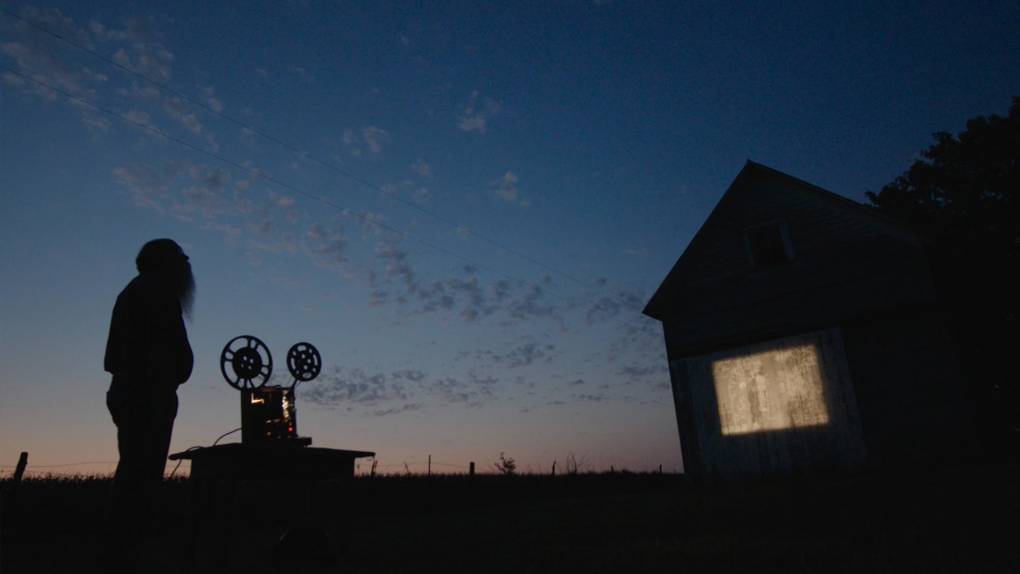
"caption": "Michael Zahs, a retired history teacher, saved rare films that date to 1895 and became the subject of the 2017 documentary 'Saving Brinton.'",
"description": "Michael Zahs, a retired history teacher, saved rare films that date to 1895 and became the subject of the 2017 documentary 'Saving Brinton.'",
"title": "saving_brinton_still_3_outd",
"credit": "Courtesy DocLands",
"status": "inherit",
"isLoading": false,
"fetchFailed": false
},
"arts_13827623": {
"type": "attachments",
"id": "arts_13827623",
"meta": {
"index": "attachments_1716263798",
"site": "arts",
"id": "13827623",
"found": true
},
"parent": 13827622,
"imgSizes": {
"small": {
"file": "https://ww2.kqed.org/app/uploads/sites/2/2018/03/gd-gettyimages-453967204_wide-5c1bd95d5c06385ec379f0c082b10647232cd317-520x293.jpg",
"width": 520,
"mimeType": "image/jpeg",
"height": 293
},
"twentyfourteen-full-width": {
"file": "https://ww2.kqed.org/app/uploads/sites/2/2018/03/gd-gettyimages-453967204_wide-5c1bd95d5c06385ec379f0c082b10647232cd317-1038x576.jpg",
"width": 1038,
"mimeType": "image/jpeg",
"height": 576
},
"thumbnail": {
"file": "https://ww2.kqed.org/app/uploads/sites/2/2018/03/gd-gettyimages-453967204_wide-5c1bd95d5c06385ec379f0c082b10647232cd317-160x90.jpg",
"width": 160,
"mimeType": "image/jpeg",
"height": 90
},
"fd-sm": {
"file": "https://ww2.kqed.org/app/uploads/sites/2/2018/03/gd-gettyimages-453967204_wide-5c1bd95d5c06385ec379f0c082b10647232cd317-960x540.jpg",
"width": 960,
"mimeType": "image/jpeg",
"height": 540
},
"post-thumbnail": {
"file": "https://ww2.kqed.org/app/uploads/sites/2/2018/03/gd-gettyimages-453967204_wide-5c1bd95d5c06385ec379f0c082b10647232cd317-672x372.jpg",
"width": 672,
"mimeType": "image/jpeg",
"height": 372
},
"xsmall": {
"file": "https://ww2.kqed.org/app/uploads/sites/2/2018/03/gd-gettyimages-453967204_wide-5c1bd95d5c06385ec379f0c082b10647232cd317-375x211.jpg",
"width": 375,
"mimeType": "image/jpeg",
"height": 211
},
"kqedFullSize": {
"file": "https://ww2.kqed.org/app/uploads/sites/2/2018/03/gd-gettyimages-453967204_wide-5c1bd95d5c06385ec379f0c082b10647232cd317.jpg",
"width": 2048,
"height": 1152
},
"large": {
"file": "https://ww2.kqed.org/app/uploads/sites/2/2018/03/gd-gettyimages-453967204_wide-5c1bd95d5c06385ec379f0c082b10647232cd317-1020x574.jpg",
"width": 1020,
"mimeType": "image/jpeg",
"height": 574
},
"xlarge": {
"file": "https://ww2.kqed.org/app/uploads/sites/2/2018/03/gd-gettyimages-453967204_wide-5c1bd95d5c06385ec379f0c082b10647232cd317-1180x664.jpg",
"width": 1180,
"mimeType": "image/jpeg",
"height": 664
},
"guest-author-50": {
"file": "https://ww2.kqed.org/app/uploads/sites/2/2018/03/gd-gettyimages-453967204_wide-5c1bd95d5c06385ec379f0c082b10647232cd317-50x50.jpg",
"width": 50,
"mimeType": "image/jpeg",
"height": 50
},
"guest-author-96": {
"file": "https://ww2.kqed.org/app/uploads/sites/2/2018/03/gd-gettyimages-453967204_wide-5c1bd95d5c06385ec379f0c082b10647232cd317-96x96.jpg",
"width": 96,
"mimeType": "image/jpeg",
"height": 96
},
"medium": {
"file": "https://ww2.kqed.org/app/uploads/sites/2/2018/03/gd-gettyimages-453967204_wide-5c1bd95d5c06385ec379f0c082b10647232cd317-800x450.jpg",
"width": 800,
"mimeType": "image/jpeg",
"height": 450
},
"guest-author-64": {
"file": "https://ww2.kqed.org/app/uploads/sites/2/2018/03/gd-gettyimages-453967204_wide-5c1bd95d5c06385ec379f0c082b10647232cd317-64x64.jpg",
"width": 64,
"mimeType": "image/jpeg",
"height": 64
},
"guest-author-32": {
"file": "https://ww2.kqed.org/app/uploads/sites/2/2018/03/gd-gettyimages-453967204_wide-5c1bd95d5c06385ec379f0c082b10647232cd317-32x32.jpg",
"width": 32,
"mimeType": "image/jpeg",
"height": 32
},
"fd-lrg": {
"file": "https://ww2.kqed.org/app/uploads/sites/2/2018/03/gd-gettyimages-453967204_wide-5c1bd95d5c06385ec379f0c082b10647232cd317-1920x1080.jpg",
"width": 1920,
"mimeType": "image/jpeg",
"height": 1080
},
"fd-med": {
"file": "https://ww2.kqed.org/app/uploads/sites/2/2018/03/gd-gettyimages-453967204_wide-5c1bd95d5c06385ec379f0c082b10647232cd317-1180x664.jpg",
"width": 1180,
"mimeType": "image/jpeg",
"height": 664
},
"full-width": {
"file": "https://ww2.kqed.org/app/uploads/sites/2/2018/03/gd-gettyimages-453967204_wide-5c1bd95d5c06385ec379f0c082b10647232cd317-1920x1080.jpg",
"width": 1920,
"mimeType": "image/jpeg",
"height": 1080
},
"detail": {
"file": "https://ww2.kqed.org/app/uploads/sites/2/2018/03/gd-gettyimages-453967204_wide-5c1bd95d5c06385ec379f0c082b10647232cd317-150x150.jpg",
"width": 150,
"mimeType": "image/jpeg",
"height": 150
},
"medium_large": {
"file": "https://ww2.kqed.org/app/uploads/sites/2/2018/03/gd-gettyimages-453967204_wide-5c1bd95d5c06385ec379f0c082b10647232cd317-768x432.jpg",
"width": 768,
"mimeType": "image/jpeg",
"height": 432
},
"guest-author-128": {
"file": "https://ww2.kqed.org/app/uploads/sites/2/2018/03/gd-gettyimages-453967204_wide-5c1bd95d5c06385ec379f0c082b10647232cd317-128x128.jpg",
"width": 128,
"mimeType": "image/jpeg",
"height": 128
},
"xxsmall": {
"file": "https://ww2.kqed.org/app/uploads/sites/2/2018/03/gd-gettyimages-453967204_wide-5c1bd95d5c06385ec379f0c082b10647232cd317-240x135.jpg",
"width": 240,
"mimeType": "image/jpeg",
"height": 135
}
},
"publishDate": 1521593517,
"modified": 1521593517,
"caption": null,
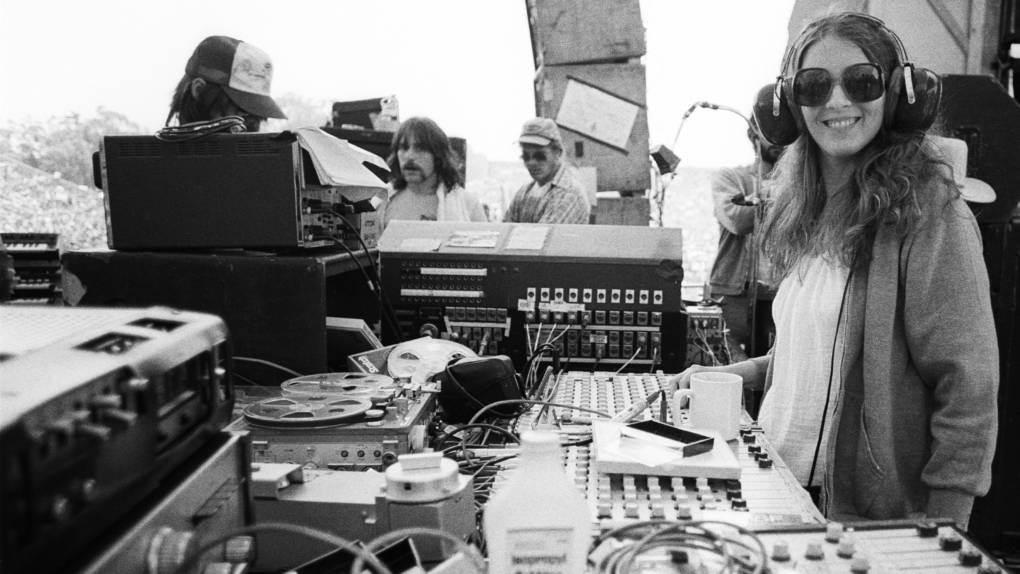
"description": "Betty Cantor-Jackson worked as the sound engineer for The Grateful Dead on official live and studio albums — and perhaps more importantly, recorded hundreds of reels of prized soundboard tap",
"title": "Betty Cantor-Jackson worked as the sound engineer for The Grateful Dead on official live and studio albums — and perhaps more importantly, recorded hundreds of reels of prized soundboard tape.",
"credit": null,
"status": "inherit",
"isLoading": false,
"fetchFailed": false
},
"arts_13823972": {
"type": "attachments",
"id": "arts_13823972",
"meta": {
"index": "attachments_1716263798",
"site": "arts",
"id": "13823972",
"found": true
},
"parent": 13823971,
"imgSizes": {
"small": {
"file": "https://ww2.kqed.org/app/uploads/sites/2/2018/02/gettyimages-163492118-0aa79442b65f9605d849cbc54dc80ed82d5ed2fb-520x390.jpg",
"width": 520,
"mimeType": "image/jpeg",
"height": 390
},
"twentyfourteen-full-width": {
"file": "https://ww2.kqed.org/app/uploads/sites/2/2018/02/gettyimages-163492118-0aa79442b65f9605d849cbc54dc80ed82d5ed2fb-1038x576.jpg",
"width": 1038,
"mimeType": "image/jpeg",
"height": 576
},
"thumbnail": {
"file": "https://ww2.kqed.org/app/uploads/sites/2/2018/02/gettyimages-163492118-0aa79442b65f9605d849cbc54dc80ed82d5ed2fb-160x120.jpg",
"width": 160,
"mimeType": "image/jpeg",
"height": 120
},
"fd-sm": {
"file": "https://ww2.kqed.org/app/uploads/sites/2/2018/02/gettyimages-163492118-0aa79442b65f9605d849cbc54dc80ed82d5ed2fb-960x720.jpg",
"width": 960,
"mimeType": "image/jpeg",
"height": 720
},
"post-thumbnail": {
"file": "https://ww2.kqed.org/app/uploads/sites/2/2018/02/gettyimages-163492118-0aa79442b65f9605d849cbc54dc80ed82d5ed2fb-672x372.jpg",
"width": 672,
"mimeType": "image/jpeg",
"height": 372
},
"xsmall": {
"file": "https://ww2.kqed.org/app/uploads/sites/2/2018/02/gettyimages-163492118-0aa79442b65f9605d849cbc54dc80ed82d5ed2fb-375x281.jpg",
"width": 375,
"mimeType": "image/jpeg",
"height": 281
},
"kqedFullSize": {
"file": "https://ww2.kqed.org/app/uploads/sites/2/2018/02/gettyimages-163492118-0aa79442b65f9605d849cbc54dc80ed82d5ed2fb.jpg",
"width": 2048,
"height": 1536
},
"large": {
"file": "https://ww2.kqed.org/app/uploads/sites/2/2018/02/gettyimages-163492118-0aa79442b65f9605d849cbc54dc80ed82d5ed2fb-1020x765.jpg",
"width": 1020,
"mimeType": "image/jpeg",
"height": 765
},
"xlarge": {
"file": "https://ww2.kqed.org/app/uploads/sites/2/2018/02/gettyimages-163492118-0aa79442b65f9605d849cbc54dc80ed82d5ed2fb-1180x885.jpg",
"width": 1180,
"mimeType": "image/jpeg",
"height": 885
},
"guest-author-50": {
"file": "https://ww2.kqed.org/app/uploads/sites/2/2018/02/gettyimages-163492118-0aa79442b65f9605d849cbc54dc80ed82d5ed2fb-50x50.jpg",
"width": 50,
"mimeType": "image/jpeg",
"height": 50
},
"guest-author-96": {
"file": "https://ww2.kqed.org/app/uploads/sites/2/2018/02/gettyimages-163492118-0aa79442b65f9605d849cbc54dc80ed82d5ed2fb-96x96.jpg",
"width": 96,
"mimeType": "image/jpeg",
"height": 96
},
"medium": {
"file": "https://ww2.kqed.org/app/uploads/sites/2/2018/02/gettyimages-163492118-0aa79442b65f9605d849cbc54dc80ed82d5ed2fb-800x600.jpg",
"width": 800,
"mimeType": "image/jpeg",
"height": 600
},
"guest-author-64": {
"file": "https://ww2.kqed.org/app/uploads/sites/2/2018/02/gettyimages-163492118-0aa79442b65f9605d849cbc54dc80ed82d5ed2fb-64x64.jpg",
"width": 64,
"mimeType": "image/jpeg",
"height": 64
},
"guest-author-32": {
"file": "https://ww2.kqed.org/app/uploads/sites/2/2018/02/gettyimages-163492118-0aa79442b65f9605d849cbc54dc80ed82d5ed2fb-32x32.jpg",
"width": 32,
"mimeType": "image/jpeg",
"height": 32
},
"fd-lrg": {
"file": "https://ww2.kqed.org/app/uploads/sites/2/2018/02/gettyimages-163492118-0aa79442b65f9605d849cbc54dc80ed82d5ed2fb-1920x1440.jpg",
"width": 1920,
"mimeType": "image/jpeg",
"height": 1440
},
"fd-med": {
"file": "https://ww2.kqed.org/app/uploads/sites/2/2018/02/gettyimages-163492118-0aa79442b65f9605d849cbc54dc80ed82d5ed2fb-1180x885.jpg",
"width": 1180,
"mimeType": "image/jpeg",
"height": 885
},
"full-width": {
"file": "https://ww2.kqed.org/app/uploads/sites/2/2018/02/gettyimages-163492118-0aa79442b65f9605d849cbc54dc80ed82d5ed2fb-1920x1440.jpg",
"width": 1920,
"mimeType": "image/jpeg",
"height": 1440
},
"detail": {
"file": "https://ww2.kqed.org/app/uploads/sites/2/2018/02/gettyimages-163492118-0aa79442b65f9605d849cbc54dc80ed82d5ed2fb-150x150.jpg",
"width": 150,
"mimeType": "image/jpeg",
"height": 150
},
"medium_large": {
"file": "https://ww2.kqed.org/app/uploads/sites/2/2018/02/gettyimages-163492118-0aa79442b65f9605d849cbc54dc80ed82d5ed2fb-768x576.jpg",
"width": 768,
"mimeType": "image/jpeg",
"height": 576
},
"guest-author-128": {
"file": "https://ww2.kqed.org/app/uploads/sites/2/2018/02/gettyimages-163492118-0aa79442b65f9605d849cbc54dc80ed82d5ed2fb-128x128.jpg",
"width": 128,
"mimeType": "image/jpeg",
"height": 128
},
"xxsmall": {
"file": "https://ww2.kqed.org/app/uploads/sites/2/2018/02/gettyimages-163492118-0aa79442b65f9605d849cbc54dc80ed82d5ed2fb-240x180.jpg",
"width": 240,
"mimeType": "image/jpeg",
"height": 180
}
},
"publishDate": 1518058625,
"modified": 1518058879,
"caption": "John Perry Barlow, co-founderof the Electronic Frontier Foundation at the 2013 SXSW Festival at Austin, Texas.",
"description": "John Perry Barlow, co-founderof the Electronic Frontier Foundation at the 2013 SXSW Festival at Austin, Texas.",
"title": "John Perry Barlow, co-founderof the Electronic Frontier Foundation at the 2013 SXSW Festival at Austin, Texas.",
"credit": "esse Knish/Getty Images for SXSW",
"status": "inherit",
"isLoading": false,
"fetchFailed": false
},
"arts_13337830": {
"type": "attachments",
"id": "arts_13337830",
"meta": {
"index": "attachments_1716263798",
"site": "arts",
"id": "13337830",
"found": true
},
"parent": 13284583,
"imgSizes": {
"small": {
"file": "https://ww2.kqed.org/app/uploads/sites/2/2017/05/AvalonBallroom.MAIN_-520x293.jpg",
"width": 520,
"mimeType": "image/jpeg",
"height": 293
},
"twentyfourteen-full-width": {
"file": "https://ww2.kqed.org/app/uploads/sites/2/2017/05/AvalonBallroom.MAIN_-1038x576.jpg",
"width": 1038,
"mimeType": "image/jpeg",
"height": 576
},
"thumbnail": {
"file": "https://ww2.kqed.org/app/uploads/sites/2/2017/05/AvalonBallroom.MAIN_-160x90.jpg",
"width": 160,
"mimeType": "image/jpeg",
"height": 90
},
"fd-sm": {
"file": "https://ww2.kqed.org/app/uploads/sites/2/2017/05/AvalonBallroom.MAIN_-960x540.jpg",
"width": 960,
"mimeType": "image/jpeg",
"height": 540
},
"post-thumbnail": {
"file": "https://ww2.kqed.org/app/uploads/sites/2/2017/05/AvalonBallroom.MAIN_-672x372.jpg",
"width": 672,
"mimeType": "image/jpeg",
"height": 372
},
"xsmall": {
"file": "https://ww2.kqed.org/app/uploads/sites/2/2017/05/AvalonBallroom.MAIN_-375x211.jpg",
"width": 375,
"mimeType": "image/jpeg",
"height": 211
},
"kqedFullSize": {
"file": "https://ww2.kqed.org/app/uploads/sites/2/2017/05/AvalonBallroom.MAIN_.jpg",
"width": 1920,
"height": 1080
},
"large": {
"file": "https://ww2.kqed.org/app/uploads/sites/2/2017/05/AvalonBallroom.MAIN_-1020x574.jpg",
"width": 1020,
"mimeType": "image/jpeg",
"height": 574
},
"xlarge": {
"file": "https://ww2.kqed.org/app/uploads/sites/2/2017/05/AvalonBallroom.MAIN_-1180x664.jpg",
"width": 1180,
"mimeType": "image/jpeg",
"height": 664
},
"guest-author-50": {
"file": "https://ww2.kqed.org/app/uploads/sites/2/2017/05/AvalonBallroom.MAIN_-50x50.jpg",
"width": 50,
"mimeType": "image/jpeg",
"height": 50
},
"guest-author-96": {
"file": "https://ww2.kqed.org/app/uploads/sites/2/2017/05/AvalonBallroom.MAIN_-96x96.jpg",
"width": 96,
"mimeType": "image/jpeg",
"height": 96
},
"medium": {
"file": "https://ww2.kqed.org/app/uploads/sites/2/2017/05/AvalonBallroom.MAIN_-800x450.jpg",
"width": 800,
"mimeType": "image/jpeg",
"height": 450
},
"guest-author-64": {
"file": "https://ww2.kqed.org/app/uploads/sites/2/2017/05/AvalonBallroom.MAIN_-64x64.jpg",
"width": 64,
"mimeType": "image/jpeg",
"height": 64
},
"guest-author-32": {
"file": "https://ww2.kqed.org/app/uploads/sites/2/2017/05/AvalonBallroom.MAIN_-32x32.jpg",
"width": 32,
"mimeType": "image/jpeg",
"height": 32
},
"fd-lrg": {
"file": "https://ww2.kqed.org/app/uploads/sites/2/2017/05/AvalonBallroom.MAIN_-1920x1080.jpg",
"width": 1920,
"mimeType": "image/jpeg",
"height": 1080
},
"fd-med": {
"file": "https://ww2.kqed.org/app/uploads/sites/2/2017/05/AvalonBallroom.MAIN_-1180x664.jpg",
"width": 1180,
"mimeType": "image/jpeg",
"height": 664
},
"full-width": {
"file": "https://ww2.kqed.org/app/uploads/sites/2/2017/05/AvalonBallroom.MAIN_-1920x1080.jpg",
"width": 1920,
"mimeType": "image/jpeg",
"height": 1080
},
"detail": {
"file": "https://ww2.kqed.org/app/uploads/sites/2/2017/05/AvalonBallroom.MAIN_-150x150.jpg",
"width": 150,
"mimeType": "image/jpeg",
"height": 150
},
"medium_large": {
"file": "https://ww2.kqed.org/app/uploads/sites/2/2017/05/AvalonBallroom.MAIN_-768x432.jpg",
"width": 768,
"mimeType": "image/jpeg",
"height": 432
},
"guest-author-128": {
"file": "https://ww2.kqed.org/app/uploads/sites/2/2017/05/AvalonBallroom.MAIN_-128x128.jpg",
"width": 128,
"mimeType": "image/jpeg",
"height": 128
},
"xxsmall": {
"file": "https://ww2.kqed.org/app/uploads/sites/2/2017/05/AvalonBallroom.MAIN_-240x135.jpg",
"width": 240,
"mimeType": "image/jpeg",
"height": 135
}
},
"publishDate": 1496182124,
"modified": 1496182532,
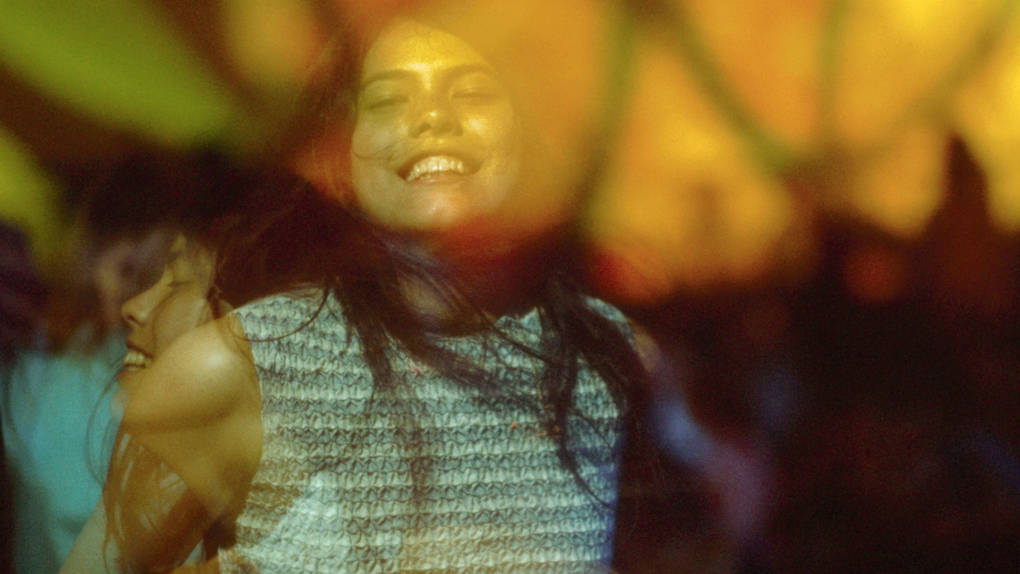
"caption": "A woman dances in the glow of psychedelic light at the Avalon Ballroom in San Francisco. ",
"description": "A woman dances in the glow of psychedelic light at the Avalon Ballroom in San Francisco. ",
"title": "AvalonBallroom.MAIN",
"credit": "Photo by Ted Streshinsky/CORBIS/Corbis via Getty Images",
"status": "inherit",
"isLoading": false,
"fetchFailed": false
},
"arts_13042307": {
"type": "attachments",
"id": "arts_13042307",
"meta": {
"index": "attachments_1716263798",
"site": "arts",
"id": "13042307",
"found": true
},
"parent": 13039627,
"imgSizes": {
"small": {
"file": "https://ww2.kqed.org/app/uploads/sites/2/2017/04/1086-Deyoung-COVER-520x293.jpg",
"width": 520,
"mimeType": "image/jpeg",
"height": 293
},
"twentyfourteen-full-width": {
"file": "https://ww2.kqed.org/app/uploads/sites/2/2017/04/1086-Deyoung-COVER-1038x576.jpg",
"width": 1038,
"mimeType": "image/jpeg",
"height": 576
},
"thumbnail": {
"file": "https://ww2.kqed.org/app/uploads/sites/2/2017/04/1086-Deyoung-COVER-160x90.jpg",
"width": 160,
"mimeType": "image/jpeg",
"height": 90
},
"fd-sm": {
"file": "https://ww2.kqed.org/app/uploads/sites/2/2017/04/1086-Deyoung-COVER-960x540.jpg",
"width": 960,
"mimeType": "image/jpeg",
"height": 540
},
"post-thumbnail": {
"file": "https://ww2.kqed.org/app/uploads/sites/2/2017/04/1086-Deyoung-COVER-672x372.jpg",
"width": 672,
"mimeType": "image/jpeg",
"height": 372
},
"xsmall": {
"file": "https://ww2.kqed.org/app/uploads/sites/2/2017/04/1086-Deyoung-COVER-375x211.jpg",
"width": 375,
"mimeType": "image/jpeg",
"height": 211
},
"kqedFullSize": {
"file": "https://ww2.kqed.org/app/uploads/sites/2/2017/04/1086-Deyoung-COVER.jpg",
"width": 1920,
"height": 1080
},
"large": {
"file": "https://ww2.kqed.org/app/uploads/sites/2/2017/04/1086-Deyoung-COVER-1020x574.jpg",
"width": 1020,
"mimeType": "image/jpeg",
"height": 574
},
"xlarge": {
"file": "https://ww2.kqed.org/app/uploads/sites/2/2017/04/1086-Deyoung-COVER-1180x664.jpg",
"width": 1180,
"mimeType": "image/jpeg",
"height": 664
},
"guest-author-50": {
"file": "https://ww2.kqed.org/app/uploads/sites/2/2017/04/1086-Deyoung-COVER-50x50.jpg",
"width": 50,
"mimeType": "image/jpeg",
"height": 50
},
"guest-author-96": {
"file": "https://ww2.kqed.org/app/uploads/sites/2/2017/04/1086-Deyoung-COVER-96x96.jpg",
"width": 96,
"mimeType": "image/jpeg",
"height": 96
},
"medium": {
"file": "https://ww2.kqed.org/app/uploads/sites/2/2017/04/1086-Deyoung-COVER-800x450.jpg",
"width": 800,
"mimeType": "image/jpeg",
"height": 450
},
"guest-author-64": {
"file": "https://ww2.kqed.org/app/uploads/sites/2/2017/04/1086-Deyoung-COVER-64x64.jpg",
"width": 64,
"mimeType": "image/jpeg",
"height": 64
},
"guest-author-32": {
"file": "https://ww2.kqed.org/app/uploads/sites/2/2017/04/1086-Deyoung-COVER-32x32.jpg",
"width": 32,
"mimeType": "image/jpeg",
"height": 32
},
"fd-lrg": {
"file": "https://ww2.kqed.org/app/uploads/sites/2/2017/04/1086-Deyoung-COVER-1920x1080.jpg",
"width": 1920,
"mimeType": "image/jpeg",
"height": 1080
},
"fd-med": {
"file": "https://ww2.kqed.org/app/uploads/sites/2/2017/04/1086-Deyoung-COVER-1180x664.jpg",
"width": 1180,
"mimeType": "image/jpeg",
"height": 664
},
"full-width": {
"file": "https://ww2.kqed.org/app/uploads/sites/2/2017/04/1086-Deyoung-COVER-1920x1080.jpg",
"width": 1920,
"mimeType": "image/jpeg",
"height": 1080
},
"detail": {
"file": "https://ww2.kqed.org/app/uploads/sites/2/2017/04/1086-Deyoung-COVER-150x150.jpg",
"width": 150,
"mimeType": "image/jpeg",
"height": 150
},
"medium_large": {
"file": "https://ww2.kqed.org/app/uploads/sites/2/2017/04/1086-Deyoung-COVER-768x432.jpg",
"width": 768,
"mimeType": "image/jpeg",
"height": 432
},
"guest-author-128": {
"file": "https://ww2.kqed.org/app/uploads/sites/2/2017/04/1086-Deyoung-COVER-128x128.jpg",
"width": 128,
"mimeType": "image/jpeg",
"height": 128
},
"xxsmall": {
"file": "https://ww2.kqed.org/app/uploads/sites/2/2017/04/1086-Deyoung-COVER-240x135.jpg",
"width": 240,
"mimeType": "image/jpeg",
"height": 135
}
},
"publishDate": 1492022385,
"modified": 1492022438,
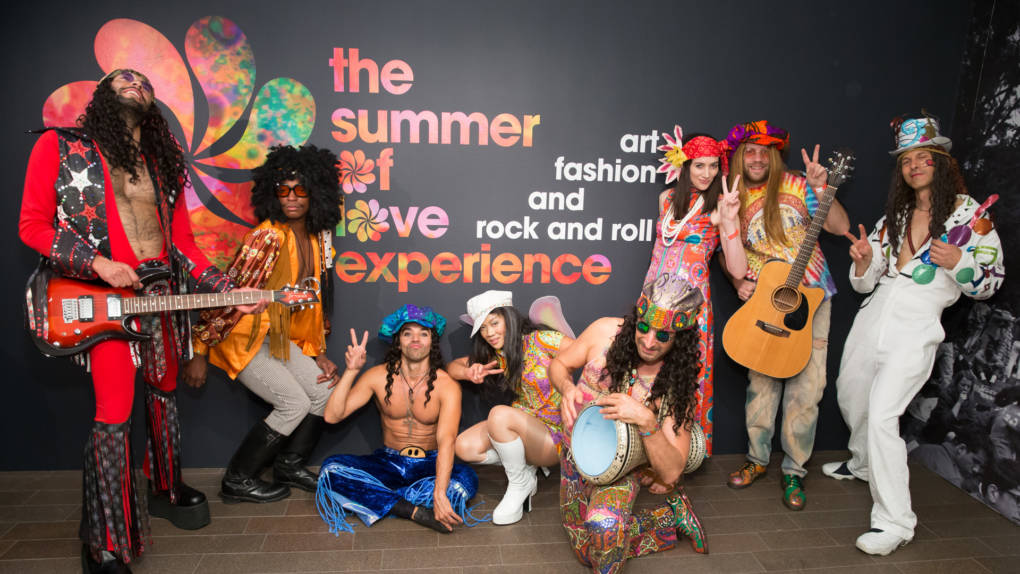
"caption": "Performers at 'The Summer of Love Experience' donor reception at de Young Museum.",
"description": "Performers at 'The Summer of Love Experience' donor reception at de Young Museum.",
"title": "The Summer of Love Experience Donor Reception",
"credit": "Devlin Shand for Drew Altizer Photography",
"status": "inherit",
"isLoading": false,
"fetchFailed": false
},
"arts_10794123": {
"type": "attachments",
"id": "arts_10794123",
"meta": {
"index": "attachments_1716263798",
"site": "arts",
"id": "10794123",
"found": true
},
"parent": 10794116,
"imgSizes": {
"twentyfourteen-full-width": {
"file": "https://ww2.kqed.org/app/uploads/sites/2/2015/06/GDMAIN-1038x576.jpg",
"width": 1038,
"mimeType": "image/jpeg",
"height": 576
},
"thumbnail": {
"file": "https://ww2.kqed.org/app/uploads/sites/2/2015/06/GDMAIN-400x225.jpg",
"width": 400,
"mimeType": "image/jpeg",
"height": 225
},
"fd-sm": {
"file": "https://ww2.kqed.org/app/uploads/sites/2/2015/06/GDMAIN-960x540.jpg",
"width": 960,
"mimeType": "image/jpeg",
"height": 540
},
"post-thumbnail": {
"file": "https://ww2.kqed.org/app/uploads/sites/2/2015/06/GDMAIN-672x372.jpg",
"width": 672,
"mimeType": "image/jpeg",
"height": 372
},
"kqedFullSize": {
"file": "https://ww2.kqed.org/app/uploads/sites/2/2015/06/GDMAIN.jpg",
"width": 1400,
"height": 788
},
"large": {
"file": "https://ww2.kqed.org/app/uploads/sites/2/2015/06/GDMAIN-1180x664.jpg",
"width": 1180,
"mimeType": "image/jpeg",
"height": 664
},
"guest-author-96": {
"file": "https://ww2.kqed.org/app/uploads/sites/2/2015/06/GDMAIN-96x96.jpg",
"width": 96,
"mimeType": "image/jpeg",
"height": 96
},
"medium": {
"file": "https://ww2.kqed.org/app/uploads/sites/2/2015/06/GDMAIN-800x450.jpg",
"width": 800,
"mimeType": "image/jpeg",
"height": 450
},
"guest-author-64": {
"file": "https://ww2.kqed.org/app/uploads/sites/2/2015/06/GDMAIN-64x64.jpg",
"width": 64,
"mimeType": "image/jpeg",
"height": 64
},
"guest-author-32": {
"file": "https://ww2.kqed.org/app/uploads/sites/2/2015/06/GDMAIN-32x32.jpg",
"width": 32,
"mimeType": "image/jpeg",
"height": 32
},
"fd-med": {
"file": "https://ww2.kqed.org/app/uploads/sites/2/2015/06/GDMAIN-1180x664.jpg",
"width": 1180,
"mimeType": "image/jpeg",
"height": 664
},
"detail": {
"file": "https://ww2.kqed.org/app/uploads/sites/2/2015/06/GDMAIN-75x75.jpg",
"width": 75,
"mimeType": "image/jpeg",
"height": 75
},
"guest-author-128": {
"file": "https://ww2.kqed.org/app/uploads/sites/2/2015/06/GDMAIN-128x128.jpg",
"width": 128,
"mimeType": "image/jpeg",
"height": 128
}
},
"publishDate": 1435104464,
"modified": 1435104520,
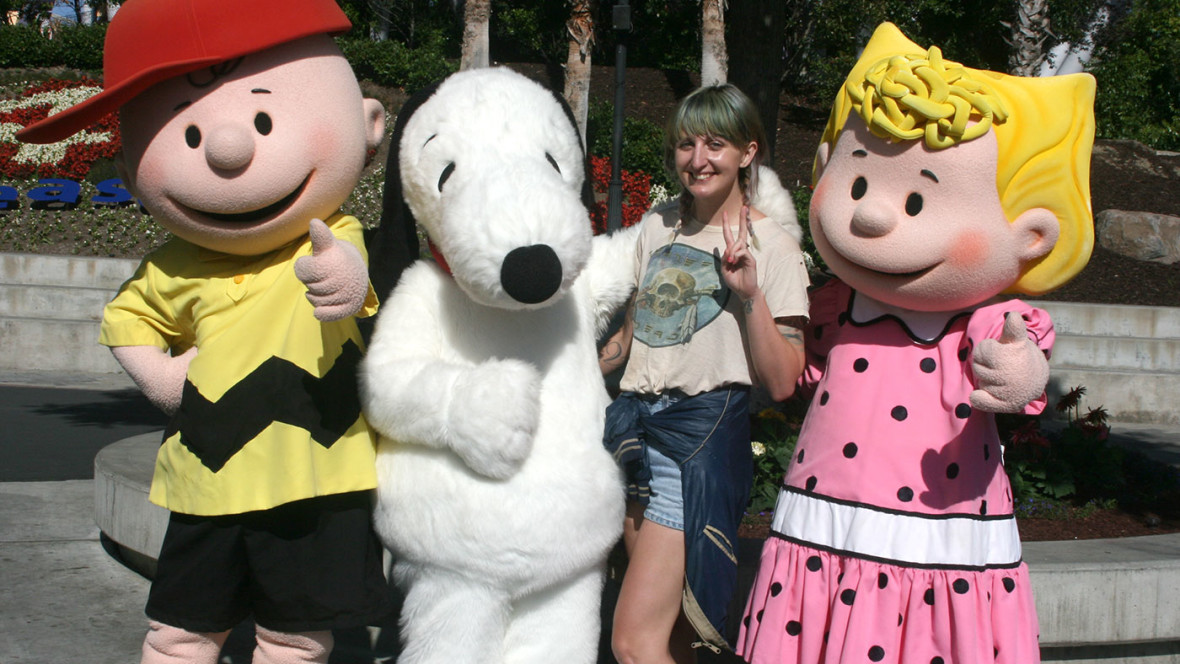
"caption": "Our fearless test subject braves the wilds of Great America.",
"description": null,
"title": "GDMAIN",
"credit": null,
"status": "inherit",
"isLoading": false,
"fetchFailed": false
}
},
"audioPlayerReducer": {
"postId": "stream_live",
"isPaused": true,
"isPlaying": false,
"pfsActive": false,
"pledgeModalIsOpen": true,
"playerDrawerIsOpen": false,
"liveAudioPlayStartedAt": 0,
"liveAudioPlayContext": ""
},
"authorsReducer": {
"byline_arts_13827622": {
"type": "authors",
"id": "byline_arts_13827622",
"meta": {
"override": true
},
"slug": "byline_arts_13827622",
"name": "Alison Fensterstock",
"isLoading": false
},
"byline_arts_13823971": {
"type": "authors",
"id": "byline_arts_13823971",
"meta": {
"override": true
},
"slug": "byline_arts_13823971",
"name": "Richard Gonzales",
"isLoading": false
},
"mfox": {
"type": "authors",
"id": "22",
"meta": {
"index": "authors_1716337520",
"id": "22",
"found": true
},
"name": "Michael Fox",
"firstName": "Michael",
"lastName": "Fox",
"slug": "mfox",
"email": "foxonfilm@yahoo.com",
"display_author_email": false,
"staff_mastheads": [],
"title": "KQED Contributor",
"bio": "Michael Fox has written about film for dozens of publications since 1987. He is a founding member of the San Francisco Bay Area Film Critics Circle.",
"avatar": "https://secure.gravatar.com/avatar/d9849d6c659c41414795c471d907bb97b396e2a32b88e20e6ff66f65fbdd6dcd?s=600&d=blank&r=g",
"twitter": null,
"bluesky": null,
"facebook": null,
"instagram": null,
"linkedin": null,
"sites": [
{
"site": "arts",
"roles": [
"Contributor",
"contributor"
]
}
],
"headData": {
"title": "Michael Fox | KQED",
"description": "KQED Contributor",
"ogImgSrc": "https://secure.gravatar.com/avatar/d9849d6c659c41414795c471d907bb97b396e2a32b88e20e6ff66f65fbdd6dcd?s=600&d=blank&r=g",
"twImgSrc": "https://secure.gravatar.com/avatar/d9849d6c659c41414795c471d907bb97b396e2a32b88e20e6ff66f65fbdd6dcd?s=600&d=blank&r=g"
},
"isLoading": false,
"link": "/author/mfox"
},
"shotchkiss": {
"type": "authors",
"id": "61",
"meta": {
"index": "authors_1716337520",
"id": "61",
"found": true
},
"name": "Sarah Hotchkiss",
"firstName": "Sarah",
"lastName": "Hotchkiss",
"slug": "shotchkiss",
"email": "shotchkiss@kqed.org",
"display_author_email": true,
"staff_mastheads": [
"arts"
],
"title": "Senior Editor",
"bio": "Sarah Hotchkiss is a San Francisco \u003ca href=\"http://www.sarahhotchkiss.com\">artist\u003c/a> and arts writer. In 2019, she received the Dorothea & Leo Rabkin Foundation grant for visual art journalism and in 2020 she received a Society of Professional Journalists, Northern California award for excellence in arts and culture reporting.",
"avatar": "https://secure.gravatar.com/avatar/bc662df144b3d27fd8b1b6f1c2a420d34e91e53154d411bb7ad353cc8b6cea8d?s=600&d=blank&r=g",
"twitter": null,
"bluesky": null,
"facebook": null,
"instagram": null,
"linkedin": null,
"sites": [
{
"site": "",
"roles": [
"editor"
]
},
{
"site": "arts",
"roles": [
"Contributor",
"administrator"
]
},
{
"site": "artschool",
"roles": [
"administrator"
]
},
{
"site": "news",
"roles": [
"editor"
]
},
{
"site": "pop",
"roles": [
"administrator"
]
},
{
"site": "bayareabites",
"roles": [
"editor"
]
},
{
"site": "spark",
"roles": [
"editor"
]
},
{
"site": "checkplease",
"roles": [
"editor"
]
}
],
"headData": {
"title": "Sarah Hotchkiss | KQED",
"description": "Senior Editor",
"ogImgSrc": "https://secure.gravatar.com/avatar/bc662df144b3d27fd8b1b6f1c2a420d34e91e53154d411bb7ad353cc8b6cea8d?s=600&d=blank&r=g",
"twImgSrc": "https://secure.gravatar.com/avatar/bc662df144b3d27fd8b1b6f1c2a420d34e91e53154d411bb7ad353cc8b6cea8d?s=600&d=blank&r=g"
},
"isLoading": false,
"link": "/author/shotchkiss"
},
"kjones": {
"type": "authors",
"id": "93",
"meta": {
"index": "authors_1716337520",
"id": "93",
"found": true
},
"name": "Kevin L. Jones",
"firstName": "Kevin",
"lastName": "Jones",
"slug": "kjones",
"email": "kjones@kqed.org",
"display_author_email": false,
"staff_mastheads": [],
"title": null,
"bio": null,
"avatar": "https://secure.gravatar.com/avatar/12c65b5633ed39d0a59bb7f497eff645?s=600&d=blank&r=g",
"twitter": null,
"facebook": null,
"instagram": null,
"linkedin": null,
"sites": [
{
"site": "arts",
"roles": [
"subscriber"
]
},
{
"site": "styleguide",
"roles": [
"contributor"
]
},
{
"site": "artschool",
"roles": [
"subscriber"
]
},
{
"site": "news",
"roles": [
"subscriber"
]
},
{
"site": "pop",
"roles": [
"subscriber"
]
}
],
"headData": {
"title": "Kevin L. Jones | KQED",
"description": null,
"ogImgSrc": "https://secure.gravatar.com/avatar/12c65b5633ed39d0a59bb7f497eff645?s=600&d=blank&r=g",
"twImgSrc": "https://secure.gravatar.com/avatar/12c65b5633ed39d0a59bb7f497eff645?s=600&d=blank&r=g"
},
"isLoading": false,
"link": "/author/kjones"
},
"gmeline": {
"type": "authors",
"id": "185",
"meta": {
"index": "authors_1716337520",
"id": "185",
"found": true
},
"name": "Gabe Meline",
"firstName": "Gabe",
"lastName": "Meline",
"slug": "gmeline",
"email": "gmeline@kqed.org",
"display_author_email": true,
"staff_mastheads": [
"arts"
],
"title": "Senior Editor, KQED Arts & Culture",
"bio": "Gabe Meline entered journalism at age 15 making photocopied zines, and has since earned awards from the Edward R. Murrow Awards, the Society for Professional Journalists, the Online Journalism Awards, the Association of Alternative Newsweeklies and the California Newspaper Publishers Association. Prior to KQED, he was the editor of the \u003cem>North Bay Bohemian\u003c/em> and a touring musician. He lives with his wife and daughter in his hometown of Santa Rosa, CA.",
"avatar": "https://secure.gravatar.com/avatar/5bebe57be0d8bc2dd318934feb47299e2d2d10cba28d09d8d7afb389a2ce2bdd?s=600&d=blank&r=g",
"twitter": null,
"bluesky": null,
"facebook": null,
"instagram": null,
"linkedin": null,
"sites": [
{
"site": "",
"roles": [
"editor"
]
},
{
"site": "arts",
"roles": [
"administrator"
]
},
{
"site": "artschool",
"roles": [
"editor"
]
},
{
"site": "news",
"roles": [
"author"
]
},
{
"site": "pop",
"roles": [
"editor"
]
},
{
"site": "bayareabites",
"roles": [
"editor"
]
},
{
"site": "food",
"roles": [
"editor"
]
},
{
"site": "forum",
"roles": [
"administrator"
]
},
{
"site": "liveblog",
"roles": [
"editor"
]
},
{
"site": "hiphop",
"roles": [
"editor"
]
}
],
"headData": {
"title": "Gabe Meline | KQED",
"description": "Senior Editor, KQED Arts & Culture",
"ogImgSrc": "https://secure.gravatar.com/avatar/5bebe57be0d8bc2dd318934feb47299e2d2d10cba28d09d8d7afb389a2ce2bdd?s=600&d=blank&r=g",
"twImgSrc": "https://secure.gravatar.com/avatar/5bebe57be0d8bc2dd318934feb47299e2d2d10cba28d09d8d7afb389a2ce2bdd?s=600&d=blank&r=g"
},
"isLoading": false,
"link": "/author/gmeline"
},
"esilvers": {
"type": "authors",
"id": "7237",
"meta": {
"index": "authors_1716337520",
"id": "7237",
"found": true
},
"name": "Emma Silvers",
"firstName": "Emma",
"lastName": "Silvers",
"slug": "esilvers",
"email": "esilvers@kqed.org",
"display_author_email": false,
"staff_mastheads": [],
"title": "KQED Contributor",
"bio": "Emma Silvers is an editor at KQED Arts and a former digital producer at KQED News. Born and raised in the Bay Area, she has previously been an arts and entertainment editor at the \u003cem>San Francisco Chronicle\u003c/em>, \u003cem>SF Weekly\u003c/em> and the \u003cem>San Francisco Bay Guardian.\u003c/em> \u003ca href=\"https://www.emmasilvers.com\">Her work\u003c/a> has also appeared in \u003cem>Rolling Stone\u003c/em>, Pitchfork and \u003cem>Mother Jones\u003c/em>. In 2017 she was the recipient of the Society of Professional Journalists-Northern California's award for arts and culture reporting. In 1993 she \u003ca href=\"https://www.kqed.org/pop/16759/wait-what-my-coworker-was-a-voice-over-hyperventilator-for-jurassic-park\">hyperventilated in \u003cem>Jurassic Park\u003c/em>\u003c/a>.",
"avatar": "https://secure.gravatar.com/avatar/247beada39b88ea5759db1f51dba05cf?s=600&d=blank&r=g",
"twitter": "emmaruthless",
"facebook": null,
"instagram": null,
"linkedin": null,
"sites": [
{
"site": "arts",
"roles": [
"editor"
]
},
{
"site": "news",
"roles": [
"editor"
]
},
{
"site": "pop",
"roles": [
"contributor"
]
},
{
"site": "bayareabites",
"roles": [
"editor"
]
},
{
"site": "food",
"roles": [
"contributor"
]
},
{
"site": "liveblog",
"roles": [
"editor"
]
}
],
"headData": {
"title": "Emma Silvers | KQED",
"description": "KQED Contributor",
"ogImgSrc": "https://secure.gravatar.com/avatar/247beada39b88ea5759db1f51dba05cf?s=600&d=blank&r=g",
"twImgSrc": "https://secure.gravatar.com/avatar/247beada39b88ea5759db1f51dba05cf?s=600&d=blank&r=g"
},
"isLoading": false,
"link": "/author/esilvers"
}
},
"pagesReducer": {
"arts_tag_grateful-dead": {
"type": "terms",
"id": "arts_1845",
"meta": {
"index": "terms_1716263798",
"site": "arts",
"id": "1845",
"score": 9.892568
},
"featImg": null,
"name": "Grateful Dead",
"description": null,
"taxonomy": "tag",
"headData": {
"twImgId": null,
"twTitle": null,
"ogTitle": null,
"ogImgId": null,
"twDescription": null,
"description": null,
"title": "Grateful Dead Archives | KQED Arts",
"ogDescription": null
},
"ttid": 1857,
"slug": "grateful-dead",
"isLoading": false,
"title": "Grateful Dead",
"pageMeta": {
"site": "arts",
"WpPageTemplate": "page-topic-editorial",
"currentPage": 2
},
"blocks": [
{
"blockName": "kqed/post-list",
"attrs": {
"layout": "cardArticle2",
"query": "posts/arts?tag=grateful-dead",
"seeMore": false,
"paginated": true,
"page": 2
}
},
{
"blockName": "kqed/ad"
}
]
}
},
"pfsSessionReducer": {},
"postsReducer": {
"stream_live": {
"type": "live",
"id": "stream_live",
"audioUrl": "https://streams.kqed.org/kqedradio",
"title": "Live Stream",
"excerpt": "Live Stream information currently unavailable.",
"link": "/radio",
"featImg": "",
"label": {
"name": "KQED Live",
"link": "/"
}
},
"stream_kqedNewscast": {
"type": "posts",
"id": "stream_kqedNewscast",
"audioUrl": "https://www.kqed.org/.stream/anon/radio/RDnews/newscast.mp3?_=1",
"title": "KQED Newscast",
"featImg": "",
"label": {
"name": "88.5 FM",
"link": "/"
}
},
"arts_13830688": {
"type": "posts",
"id": "arts_13830688",
"meta": {
"index": "posts_1716263798",
"site": "arts",
"id": "13830688",
"score": null,
"sort": [
1525114844000
]
},
"parent": 0,
"labelTerm": {
"site": "arts"
},
"blocks": [],
"publishDate": 1525114844,
"format": "standard",
"title": "Now Playing! DocLands Reconciles Truth and History in Marin",
"headTitle": "Now Playing! DocLands Reconciles Truth and History in Marin | KQED",
"content": "\u003cp>May signals the arrival of the summer blockbuster movie season, and if you listen closely you’ll make out the faint echo of brain cells dying in multiplexes across the land. Several antidotes come to mind, including the \u003ca href=\"http://www.doclands.com\" rel=\"noopener\" target=\"_blank\">DocLands Documentary Film Festival\u003c/a>, running May 3-6 at venues in San Rafael (at the Smith Rafael Film Center) and Mill Valley (CineArts Sequoia). Programmed and presented by the California Film Institute, the parent organization of the Mill Valley Film Festival, DocLands encompasses a broad swath of social-issues films, environmental expeditions and quirky portraits of extraordinarily unique individuals.\u003c/p>\n\u003cp>Connie Field, the East Bay force of nature who nearly a decade ago produced and directed a seven-part history of the international crusade to end apartheid in South Africa, premieres \u003cem>Have You Heard from Johannesburg: Oliver Tambo\u003c/em> (May 6) to commemorate the past year’s centennial of the ANC leader’s birth. Inspiring, infuriating and revelatory, Field’s film is the epitome of essential viewing.\u003c/p>\n\u003cfigure id=\"attachment_13830737\" class=\"wp-caption aligncenter\" style=\"max-width: 800px\">\u003cimg loading=\"lazy\" decoding=\"async\" src=\"https://ww2.kqed.org/arts/wp-content/uploads/sites/2/2018/04/OLOMPALI_filmstill4-800x530.jpg\" alt=\"Jack Casady and Jerry Garcia playing music at Olompali, the Marin commune that's the subject of a new documentary, 'Olompali: A Hippie Odyssey.' \" width=\"800\" height=\"530\" class=\"size-medium wp-image-13830737\" srcset=\"https://cdn.kqed.org/wp-content/uploads/sites/2/2018/04/OLOMPALI_filmstill4-800x530.jpg 800w, https://cdn.kqed.org/wp-content/uploads/sites/2/2018/04/OLOMPALI_filmstill4-160x106.jpg 160w, https://cdn.kqed.org/wp-content/uploads/sites/2/2018/04/OLOMPALI_filmstill4-768x509.jpg 768w, https://cdn.kqed.org/wp-content/uploads/sites/2/2018/04/OLOMPALI_filmstill4-1020x676.jpg 1020w, https://cdn.kqed.org/wp-content/uploads/sites/2/2018/04/OLOMPALI_filmstill4-1200x796.jpg 1200w, https://cdn.kqed.org/wp-content/uploads/sites/2/2018/04/OLOMPALI_filmstill4.jpg 1920w, https://cdn.kqed.org/wp-content/uploads/sites/2/2018/04/OLOMPALI_filmstill4-1180x782.jpg 1180w, https://cdn.kqed.org/wp-content/uploads/sites/2/2018/04/OLOMPALI_filmstill4-960x637.jpg 960w, https://cdn.kqed.org/wp-content/uploads/sites/2/2018/04/OLOMPALI_filmstill4-240x159.jpg 240w, https://cdn.kqed.org/wp-content/uploads/sites/2/2018/04/OLOMPALI_filmstill4-375x249.jpg 375w, https://cdn.kqed.org/wp-content/uploads/sites/2/2018/04/OLOMPALI_filmstill4-520x345.jpg 520w\" sizes=\"(max-width: 800px) 100vw, 800px\">\u003cfigcaption class=\"wp-caption-text\">Jack Casady and Jerry Garcia playing music at Olompali, the Marin commune that’s the subject of a new documentary, ‘Olompali: A Hippie Odyssey.’ \u003ccite>(Peter Risley/Courtesy DocLands)\u003c/cite>\u003c/figcaption>\u003c/figure>\n\u003cp>The chunk of history that Gregg Gibbs unearths in \u003cem>Olompali: A Hippie Odyssey\u003c/em> (May 6) begins with the magnetic force of the Summer of Love, which attracted young people from around the country to San Francisco. The doc focuses on a particularly idealistic group who turned on, dropped out, and established a commune 30 miles north of the city. \u003cem>Olompali\u003c/em> is narrated by Peter Coyote (who else?), who lived in a North Bay commune himself for a pivotal part of the ’60s and has an appreciation for the euphoria and frustrations of group living.\u003c/p>\n\u003cp>A touching entry in the subgenre of lost-movie documentaries, \u003cem>Saving Brinton\u003c/em> (May 6) spotlights a rural Iowa collector who found a long-untouched bin of reels and memorabilia in a farmhouse. This fellow, Michael Zahs, recognized the historical and artistic value of the films, but he became obsessed instead with the legacy of the itinerant 19th century businessman who introduced these movies to Midwestern farmers and townies. William Brinton was that man, and he has a movie named for him now.\u003c/p>\n\u003cp>[ad fullwidth]\u003c/p>\u003cp>\u003c/p>\n",
"stats": {
"hasVideo": false,
"hasChartOrMap": false,
"hasAudio": false,
"hasPolis": false,
"wordCount": 377,
"hasGoogleForm": false,
"hasGallery": false,
"hasHearkenModule": false,
"iframeSrcs": [],
"paragraphCount": 6
},
"modified": 1705027982,
"excerpt": "Rise above the imminent onslaught of summer blockbusters with a thrilling array of quirky portraits, environmental expeditions and social-issues films. ",
"headData": {
"twImgId": "",
"twTitle": "",
"ogTitle": "",
"ogImgId": "",
"twDescription": "",
"description": "Rise above the imminent onslaught of summer blockbusters with a thrilling array of quirky portraits, environmental expeditions and social-issues films. ",
"title": "Now Playing! DocLands Reconciles Truth and History in Marin | KQED",
"ogDescription": "",
"schema": {
"@context": "https://schema.org",
"@type": "Article",
"headline": "Now Playing! DocLands Reconciles Truth and History in Marin",
"datePublished": "2018-04-30T12:00:44-07:00",
"dateModified": "2024-01-11T18:53:02-08:00",
"image": "https://cdn.kqed.org/wp-content/uploads/2020/02/KQED-OG-Image@1x.png"
}
},
"guestAuthors": [],
"slug": "now-playing-doclands-reconciles-truth-and-history-in-marin",
"status": "publish",
"sticky": false,
"path": "/arts/13830688/now-playing-doclands-reconciles-truth-and-history-in-marin",
"audioTrackLength": null,
"parsedContent": [
{
"type": "contentString",
"content": "\u003cdiv class=\"post-body\">\u003cp>\u003cp>May signals the arrival of the summer blockbuster movie season, and if you listen closely you’ll make out the faint echo of brain cells dying in multiplexes across the land. Several antidotes come to mind, including the \u003ca href=\"http://www.doclands.com\" rel=\"noopener\" target=\"_blank\">DocLands Documentary Film Festival\u003c/a>, running May 3-6 at venues in San Rafael (at the Smith Rafael Film Center) and Mill Valley (CineArts Sequoia). Programmed and presented by the California Film Institute, the parent organization of the Mill Valley Film Festival, DocLands encompasses a broad swath of social-issues films, environmental expeditions and quirky portraits of extraordinarily unique individuals.\u003c/p>\n\u003cp>Connie Field, the East Bay force of nature who nearly a decade ago produced and directed a seven-part history of the international crusade to end apartheid in South Africa, premieres \u003cem>Have You Heard from Johannesburg: Oliver Tambo\u003c/em> (May 6) to commemorate the past year’s centennial of the ANC leader’s birth. Inspiring, infuriating and revelatory, Field’s film is the epitome of essential viewing.\u003c/p>\n\u003cfigure id=\"attachment_13830737\" class=\"wp-caption aligncenter\" style=\"max-width: 800px\">\u003cimg loading=\"lazy\" decoding=\"async\" src=\"https://ww2.kqed.org/arts/wp-content/uploads/sites/2/2018/04/OLOMPALI_filmstill4-800x530.jpg\" alt=\"Jack Casady and Jerry Garcia playing music at Olompali, the Marin commune that's the subject of a new documentary, 'Olompali: A Hippie Odyssey.' \" width=\"800\" height=\"530\" class=\"size-medium wp-image-13830737\" srcset=\"https://cdn.kqed.org/wp-content/uploads/sites/2/2018/04/OLOMPALI_filmstill4-800x530.jpg 800w, https://cdn.kqed.org/wp-content/uploads/sites/2/2018/04/OLOMPALI_filmstill4-160x106.jpg 160w, https://cdn.kqed.org/wp-content/uploads/sites/2/2018/04/OLOMPALI_filmstill4-768x509.jpg 768w, https://cdn.kqed.org/wp-content/uploads/sites/2/2018/04/OLOMPALI_filmstill4-1020x676.jpg 1020w, https://cdn.kqed.org/wp-content/uploads/sites/2/2018/04/OLOMPALI_filmstill4-1200x796.jpg 1200w, https://cdn.kqed.org/wp-content/uploads/sites/2/2018/04/OLOMPALI_filmstill4.jpg 1920w, https://cdn.kqed.org/wp-content/uploads/sites/2/2018/04/OLOMPALI_filmstill4-1180x782.jpg 1180w, https://cdn.kqed.org/wp-content/uploads/sites/2/2018/04/OLOMPALI_filmstill4-960x637.jpg 960w, https://cdn.kqed.org/wp-content/uploads/sites/2/2018/04/OLOMPALI_filmstill4-240x159.jpg 240w, https://cdn.kqed.org/wp-content/uploads/sites/2/2018/04/OLOMPALI_filmstill4-375x249.jpg 375w, https://cdn.kqed.org/wp-content/uploads/sites/2/2018/04/OLOMPALI_filmstill4-520x345.jpg 520w\" sizes=\"(max-width: 800px) 100vw, 800px\">\u003cfigcaption class=\"wp-caption-text\">Jack Casady and Jerry Garcia playing music at Olompali, the Marin commune that’s the subject of a new documentary, ‘Olompali: A Hippie Odyssey.’ \u003ccite>(Peter Risley/Courtesy DocLands)\u003c/cite>\u003c/figcaption>\u003c/figure>\n\u003cp>The chunk of history that Gregg Gibbs unearths in \u003cem>Olompali: A Hippie Odyssey\u003c/em> (May 6) begins with the magnetic force of the Summer of Love, which attracted young people from around the country to San Francisco. The doc focuses on a particularly idealistic group who turned on, dropped out, and established a commune 30 miles north of the city. \u003cem>Olompali\u003c/em> is narrated by Peter Coyote (who else?), who lived in a North Bay commune himself for a pivotal part of the ’60s and has an appreciation for the euphoria and frustrations of group living.\u003c/p>\n\u003cp>A touching entry in the subgenre of lost-movie documentaries, \u003cem>Saving Brinton\u003c/em> (May 6) spotlights a rural Iowa collector who found a long-untouched bin of reels and memorabilia in a farmhouse. This fellow, Michael Zahs, recognized the historical and artistic value of the films, but he became obsessed instead with the legacy of the itinerant 19th century businessman who introduced these movies to Midwestern farmers and townies. William Brinton was that man, and he has a movie named for him now.\u003c/p>\n\u003cp>\u003c/p>\u003c/div>",
"attributes": {
"named": {},
"numeric": []
}
},
{
"type": "component",
"content": "",
"name": "ad",
"attributes": {
"named": {
"label": "fullwidth"
},
"numeric": [
"fullwidth"
]
}
},
{
"type": "contentString",
"content": "\u003cdiv class=\"post-body\">\u003cp>\u003c/p>\u003cp>\u003c/p>\n\u003c/div>\u003c/p>",
"attributes": {
"named": {},
"numeric": []
}
}
],
"link": "/arts/13830688/now-playing-doclands-reconciles-truth-and-history-in-marin",
"authors": [
"22"
],
"categories": [
"arts_74"
],
"tags": [
"arts_1118",
"arts_977",
"arts_1845",
"arts_596"
],
"featImg": "arts_13830736",
"label": "arts"
},
"arts_13827622": {
"type": "posts",
"id": "arts_13827622",
"meta": {
"index": "posts_1716263798",
"site": "arts",
"id": "13827622",
"score": null,
"sort": [
1521594045000
]
},
"parent": 0,
"labelTerm": {
"site": "arts",
"term": 137
},
"blocks": [],
"publishDate": 1521594045,
"format": "standard",
"title": "'Do You Want To Talk To The Man-In-Charge, Or The Woman Who Knows What's Going On?'",
"headTitle": "‘Do You Want To Talk To The Man-In-Charge, Or The Woman Who Knows What’s Going On?’ | KQED",
"content": "\u003cp>Growing up in the late 1950s and early ’60s, Betty Cantor developed an early talent for tinkering. “I used to take things like radios, other little electronic devices if they didn’t work, open them up, mess with them, put them back together and they worked,” she remembers during a recent phone call. “I could fix watches that wouldn’t work for anybody else.” Her fascination with how things worked helped her breeze through the available math and science classes at her Martinez, Calif. high school to the point that, she said, “they ran out of things for me to do, so they let me go over to the college to play at the lab.”\u003c/p>\n\u003cp>“Math was fun, I enjoyed it, and science was discovery,” she says. “The universe is math, right? Just how it all fits together.” She began traveling regularly, sitting in on seminars about chemistry and metallurgy in Berkeley and San Francisco in the ’60s — a place where lots of other young people were also investigating, in lots of different ways, how the universe fit together. That’s where she met the \u003ca href=\"https://www.npr.org/artists/15440218/grateful-dead\">Grateful Dead\u003c/a>, with whom she’d eventually travel thousands of miles over close to 20 years, recording hundreds of hours of tape and becoming one of the many female workers, supporters and associates who shaped the story of America’s most weird, colorful, \u003cem>sui generis \u003c/em>rock and roll band.\u003c/p>\n\u003cp>[contextly_sidebar id=”oh1P5RN0B0Ewenz1DrgoySrRlDcLsAM2″]\u003c/p>\n\u003cp>During her junior year, Cantor had written a term paper on the history of psychedelic drugs. LSD, which had first been synthesized about 25 years earlier, had enjoyed a short period of favor in the U.S. as a potentially salubrious psychotherapeutic aid. By the time Cantor was researching it, the pendulum of official opinion was already starting its swing backward; in 1966, California and Nevada became the first states to criminalize possession of the drug, and a federal ban would follow two years later. The budding teen scientist wanted to draw her own conclusions, though, and for reasons that crossed over into the personal.\u003c/p>\n\u003cp>“I read everything back to 1943 on [psychedelics] basically, and decided maybe there was an answer to why I felt like an alien where I lived,” she says. “I decided I was going to see colors and tastes and I wasn’t going to go crazy. I had made that decision.”\u003c/p>\n\u003cp>[ad fullwidth]\u003c/p>\n\u003cp>At some point during her senior year, Cantor went to San Francisco and took her first acid trip. “And I ended up at 710 Ashbury Street,” she says — the Victorian house where members of the Grateful Dead and associates lived together, like turned-on, tuned-in fraternity brothers, in 1966 and ’67.\u003c/p>\n\u003cp>“Bobby [Weir] opened it up, he had his guitar on him, and he just ushered me in,” she remembers. “He bowed and said ‘Come on in.’ That was that.”\u003c/p>\n\u003cp>Cantor’s inaugural dose of LSD-25 might easily have come via the efforts of another couple of young women in the Dead orbit: Melissa Cargill and Rhoney Gissen, two Berkeley undergrads who shared a boyfriend named Augustus Owsley Stanley III, or Bear for short. Gissen was a Berkeley transfer student, a former Mount Holyoke lit major attracted to the wild scene burgeoning on the opposite coast. She and Cargill became lab assistants for their partner, helping to synthesize a pure and potent LSD that has been lovingly memorialized in media ranging from Jefferson Airplane song lyrics to official biographies. They also became experts in setting up and taking down the huge Wall of Sound PA system Bear — a Renaissance man of the hippie era, who was also an early adopter of the high-protein low-carb diet and believer in global climate change — invented, revolutionizing concert sound.\u003c/p>\n\u003cp>In her 2012 book \u003cem>Owsley and Me: My LSD Family\u003c/em>, Gissen (now known as Rhoney Gissen Stanley after taking on Bear’s last name, though the two never married) writes about how the Dead provided a backdrop and a context for her own personal awakening: expanding her mind, questioning her assumptions and becoming confident in making her own choices — including the choice to leave the group’s immediate orbit in the early 1970s, once she had a young son to care for.\u003c/p>\n\u003cp>“One of the reasons I left was that I wanted to forge my own path,” she says. “Other women felt the same; we didn’t want to raise our kids around a drug-taking, rock and roll environment.”\u003c/p>\n\u003cp>“A lot of women were unable to come into their own until they actually left the scene,” she continues, although many formed what she called “cottage industries” that orbited the band: travel agencies, fashion design, poster art, ticketing, newsletters — and many also stayed in touch, even after leaving the active scene.\u003c/p>\n\u003cp>“I still talk to women I met in 1968 [through the Grateful Dead]” she says. “The women formed a community, and that community still exists. Our children had children, and the grandchildren are friendly.”\u003c/p>\n\u003cp>Meanwhile, back in the ’60s, Cantor didn’t run away with the Grateful Dead circus immediately. She had some experience booking bands for events at her high school back across the bay, so here in her new cosmic counterculture world, it made sense to get a job at the Avalon Ballroom, the historic venue on Sutter and Van Ness where promoters like Chet Helms and Bill Graham booked acid-friendly groups like the Dead, the 13th Floor Elevators and \u003ca href=\"https://www.npr.org/artists/16318788/jefferson-airplane\">Jefferson Airplane\u003c/a>. Cantor started out putting up posters around town for the Avalon, then moved, in swift order, to running concessions, running the box office and finally, traveling to Denver in late 1967 to help the Helms’ Family Dog collective set up an outpost.\u003c/p>\n\u003cp>The Denver project was short-lived, and Cantor was back in San Francisco by 1968, working at the Carousel Ballroom and learning sound engineering at an underground FM station, thinking she might want to be a DJ. That led to an apprenticeship with Dead recording tech Bob Matthews, who she met (and briefly dated) while handling concessions at the Carousel. “Their subsequent romance,” longtime band publicist and historian Dennis McNally writes, “did not obscure the fact that she turned into a good engineer as well as an ace hot-dog salesperson.”\u003c/p>\n\u003cp>In the end, Cantor chose mics and tape over hot dogs, though, working as an engineer and producer on official live and studio albums from 1968’s \u003cem>Anthem of the Sun\u003c/em> through 1981’s \u003cem>Dead Set — \u003c/em>and perhaps more importantly, recording hundreds of reels of soundboard tape. In a community of fans that prizes each live document of the band for its own special \u003cem>terroir\u003c/em>, its unique setlist and vibe, Betty Boards became some of the most celebrated; it was a Betty Board that the Library of Congress, in 2011, inducted into its National Recording Registry to commemorate the particularly legendary May 1977 concert at Cornell University’s Barton Hall.\u003c/p>\n\u003cp>Cantor had been solidly ensconced in the Dead camp — which was expanding as colorfully as the images in a liquid light show at the Avalon — for several years when Candace Brightman signed on for her own long, strange, multi-decade trip. Raised in the Chicago suburbs, Brightman had studied set design at St. John’s College in Annapolis, Md. and then made her way to New York City, a childhood dream. When she applied for a cashier’s job at the Anderson Theater on Second Avenue — a forerunner to Bill Graham’s Fillmore East and later, a very brief expansion of CBGB — she was turned down, but sent backstage to see if they had anything for her. They told her to come back on Friday.\u003c/p>\n\u003cp>“So I came back Friday, but there was nobody there to teach me,” she tells me on the phone from her home in Hawaii. “It’s clear they’re about to start the show… The band came onstage, and I hit a circuit breaker. Everybody seemed pleased… I thought, ‘Oh, okay. That’s not too hard.'”\u003c/p>\n\u003cp>“Scrabbling around lower Manhattan with weird jobs was a big adventure,” she says. “I was born in ’44. I was supposed to grow up and marry some rich guy. That whole thing never took with me at all. I was always getting sent to detention study hall in high school, and getting in trouble with the police and everything — I mean, not getting in trouble with them, but I liked to run away from them when they were trying to catch me. I just liked to have a lot of fun, and I didn’t like people who took themselves too seriously… and the Dead were so into absurdity, which is one of my favorite things in the world.”\u003c/p>\n\u003cp>Among the theater people and the hippies and rockers in the East Village, she’d found her tribe. There was an overlap between the staff of the more loosely managed neighborhood rock venues and nearby NYU’s technical theater department so, serendipitously, Brightman picked up formal skills on the job. She lit the Grateful Dead at the Anderson and the Fillmore East, as well as during their famous 1971 run at the Capitol Theatre in Port Chester, N.Y., a little ways outside the city. That was where Jerry Garcia, after a gig opening for the Mahavishnu Orchestra with keyboard player Howard Wales, invited her to join the gang.\u003c/p>\n\u003cp>[contextly_sidebar id=”8qrA8mtFF4M2EHo4Tjj3w5fUZvjIWfk0″]\u003c/p>\n\u003cp>It felt like the perfect job for a designer who had always felt creatively in tune with light (“I don’t like certain times of day,” she answers when I ask if she feels like a visually-oriented person, “I could never have worked in an office because of fluorescent lighting”) and who gravitated toward the eccentric and the unpredictable. Brightman became the Grateful Dead’s first touring lighting designer, hitting the road with them (and Betty Cantor) for the Europe ’72 tour that would become an iconic live triple album of the same name.\u003c/p>\n\u003cp>A 1973 \u003cem>Rolling Stone\u003c/em> article about the burgeoning Grateful Dead business empire reveals the beginnings of the patchwork quilt of band-related cottage industries Rhoney Gissen Stanley remembered. Frankie Weir, Bob’s then-partner, ran a travel agency called Fly By Night that handled tour details for the Dead and other bands. Eileen Law managed the office and the growing fan mailing list (which introduced the phrase \u003cem>Deadheads \u003c/em>into the lexicon) which she continued to do well into the 21st century. Betty Cantor was a cofounder of Alembic, the Dead-associated gear workshop and studio established in 1968; Phil Lesh’s ex Rosie McGee, who had changed her name from Florence Nathan, worked there and at Fly By Night well after the breakup. Drummer Bill Kreutzmann’s wife Susila, who also owned a boutique, made T-shirts — an enterprise that Dennis McNally, author of the epic 2002 band history \u003cem>Long Strange Trip: The Inside History of the Grateful Dead\u003c/em>, theorizes could well have been the dawn of the rock and roll shirts as concert merch.\u003c/p>\n\u003cp>“They basically only trusted women with their office and their money, from 1970 on,” McNally tells me — after the famous financial debacle in which drummer Mickey Hart’s father Lenny managed to embezzle more than $100,000 from band accounts during a stint as manager. That’s corroborated by the detailed 1994 reference text \u003cem>Skeleton Key: A Dictionary for Deadheads\u003c/em>. It sets the scene in its entry for “Office” with the description of a sign there that read: “Do you want to talk to the man-in-charge, or to the woman who knows what’s going on?” The office, the entry goes on to say, was “primarily the domain of strong, unpretentious women,” represented heavily in accounting, fan relations, licensing and publishing and other roles.\u003c/p>\n\u003cp>Cantor was on the board, Brightman directed the lights, Cargill and Gissen had made the dope and set up the revolutionary sound system (under Owsley’s stewardship) and back at the office, several departments boasted reasonable gender parity. So was the Grateful Dead a precociously woke organization, a paragon of women in psychedelic STEM? In \u003cem>Long Strange Trip\u003c/em>, McNally answers bluntly in the negative: “It would be ridiculous to suggest that the Dead is a bastion of feminist liberation.”\u003c/p>\n\u003cp>His observation comes in a mini-chapter titled “Interlude/Intermission: ‘Waits Backstage While I Sing to You,'” a reference to the \u003cem>American Beauty \u003c/em>track “Sugar Magnolia,” that ode to the capable and patient band girlfriend (“takes the wheel when I’m seeing double / pays my ticket when I speed”) usually assumed to have been inspired by Frankie Weir. McNally’s interlude covers much of the same ground as \u003cem>Skeleton Key\u003c/em>‘s peek inside the Dead offices, although perhaps with more emphasis on the relationships between the extended family of employees, colleagues, friends and lovers that turned on the band’s axis, with the lines between identities often blurred. The \u003cem>Rolling Stone \u003c/em>piece describes that community with the term \u003cem>karass\u003c/em>, a Kurt Vonnegut coinage from his 1963 sci-fi novel \u003cem>Cat’s Cradle\u003c/em> — from which the band got the name of its music-publishing company, Ice-Nine — meaning a group of otherwise-unrelated people who are destined to go through life linked to one another. (Considering how connected so many old-school affiliates seem to remain today, the term seems presciently accurate.) Women, the gist of the chapter seems to be, were full-fledged \u003cem>karass \u003c/em>members on their own Grateful Dead path — divorces, breakups and job changes notwithstanding.\u003c/p>\n\u003cp>Still, McNally makes clear, it was no gender-neutral utopia. The same chapter, set in the ’80s, quotes a roadie overheard saying “I love the sight of spandex in the morning.”\u003c/p>\n\u003cp>“The Grateful Dead were, absolutely, sexist,” McNally tells me. “They were the victims of stock mid-century American male privilege and attitude. No question. But at the same time, they had … very strong, interesting and creative women who weren’t shy about their opinions… So they weren’t dumb and they weren’t Neanderthals and they learned things.”\u003c/p>\n\u003cp>Stanley, who is at work on her own history of women in the sprawling Grateful Dead scene, tells me that the de facto sexism of the rock world was actually a bit of a blessing for her and Cargill during their time with Owsley. “When we traveled, like to Monterey Pop, and we were at the airport – to just be a girlfriend sitting on the trunk looking pretty was a way of protecting the fact that we had all these chemicals with us,” she says.\u003c/p>\n\u003cp>Amir Bar-Lev, who directed the 2017 Grateful Dead documentary \u003cem>Long Strange Trip: The Untold Story of the Grateful Dead\u003c/em>, agreed with McNally that the band’s culture included a “misogynistic streak” – he said that to a \u003cem>Billboard\u003c/em> journalist who asked him why the ambitious, four-hour film included so few interviews with women. Spouses and ex-spouses, and children – like Jerry Garcia’s daughter Trixie – make up most of the female representation in the movie. Gissen, Brightman and Cantor don’t appear; neither does Eileen Law or key early associate Carolyn “Mountain Girl” Adams Garcia, both of whom, Bar-Lev told \u003cem>Billboard,\u003c/em> declined to participate.\u003c/p>\n\u003cp>The omissions seem notable, especially considering that for those fans who might be listening for a mention of Law or Brightman or Cantor or accountant Nancy Mallonee or Ice-Nine Publishing administrator Annette Flowers or even the iconic hippie queen Mountain Girl — a member of Ken Kesey’s band of psychedelic cosmonauts, the Merry Pranksters, who turns up in Tom Wolfe’s \u003cem>Electric Kool-Aid Acid Test\u003c/em> – the mentions don’t come. (Annabelle Garcia, Mountain Girl’s daughter with Jerry, joined the director and band members at the Sundance Film Festival.)\u003c/p>\n\u003cp>Donna Jean Godchaux — who was invited to and did agree to be interviewed for \u003cem>A Long Strange Trip — \u003c/em>holds the distinction of being the only female member of the Grateful Dead. She sang in the band for almost all of the 1970s, while her husband Keith was taking his turn in the ever-shifting Dead keyboardist’s chair (the perpetual morbid joke being that to play keys for the Dead is like taking on the drummer’s job in Spinal Tap.) It’s probably also fair to say that Donna wins the prize for most-criticized former band member. A Rolling Stone feature on her from 2014 begins with this apologetic lede: “Donna Jean Godchaux knows what you’re thinking, especially if you’re a Deadhead: That her voice wasn’t always spot-on.”\u003c/p>\n\u003cp>Donna, who grew up near Florence, Ala. (the site of the Alabama Music Hall of Fame, of which she is an inductee) worked as a teen backup vocalist on sessions in Muscle Shoals, recording behind \u003ca href=\"https://www.npr.org/artists/15406033/percy-sledge\">Percy Sledge\u003c/a>, \u003ca href=\"https://www.npr.org/artists/15624007/elvis-presley\">Elvis \u003c/a>and Cher, among others, at the famed studio there before falling in with the Dead — to whose fans she would eventually become a topic of endless argument. McNally offered some perspective in defense of the singer. Her sense of showmanship, for one, he says, offended fans who liked to think of their band as virtuously free from such razzle-dazzle and flash.\u003c/p>\n\u003cp>“She had certain stage tricks, as it were, that violated the aesthetics of the Grateful Dead,” he says, “which was no theatrics, no smoke bombs… There was a very puritanical streak to Deadheads that held great pride in the fact that they didn’t wear costumes; it was all about the music.” As for complaints about the recordings on which Donna appeared in the ’70s: “It had a great deal more to do with the flaws of the albums,” he says. “They did \u003cem>Shakedown Street \u003c/em>coked out. It’s a mediocre album. Plus, they just didn’t like being in the studio. They did not make good studio albums. And ‘Terrapin [Station]'” – the title track from the 1977 album that was the Godchauxs’ second-to-last as band members – “was a masterpiece, as a song.” Still, Donna Godchaux has so far gone down in history, in part, as the sort of Skyler White of Dead fandom: a female flashpoint of complaints.\u003c/p>\n\u003cp>The \u003cem>Rolling Stone \u003c/em>report from ’73 — the year after Donna joined up — runs down the many departments buzzing away in the band’s business hive. It refers to the crew’s space in the office as the “boys’ room,” never mind that newly-hired Brightman appears briefly in the piece running lights and directing a union crew — and that surely, as Cantor was a member of the sound team, the room would have been her domain, too. But rock and roll production was — surprise of surprises — itself a boys’ room, and Brightman and Cantor (who would soon marry road manager Rex Jackson) faced their share of challenges.\u003c/p>\n\u003cp>“Imagine a venue in Texas in 1972,” says Brightman. “‘Who’s this pretty lady?’ And in France! Forget it. They hated having women do anything.” Once, a company in Atlanta refused to rent gear to her. She remembers sometimes pretending not to be in charge, in order to make her job go more smoothly with venue staff – although still, her tools might get stolen or her ladder moved when she was hanging lights, sometimes by her own team. (Which, admittedly, Brightman — who still sounds actively mischievous, close to 50 years after taking a job, in part, because of its potential for absurdity — thinks was kind of funny: “Actually, I think that’s hilarious,” she says. “There was one time when I got down off the ladder and went over and tried to beat [stage manager and guitar tech] Steve Parish up. He’s about 6’3″, and I beat him up – I was just so mad I was pounding on him. Then we fell over into Billy Kreutzmann’s drum kit.”)\u003c/p>\n\u003cp>Betty Cantor-Jackson also recalls having to do a certain level of social acrobatics just to get her job done right: “The only way I could get things done was to ask stupid questions that actually weren’t stupid – they were questions designed to get them to understand what they were working with. I couldn’t \u003cem>tell \u003c/em>him, because that would not go, because I was a girl… [I would] play a dumb blonde and ask stupid questions and get them to understand their own self.” Cantor-Jackson took the extra time to convince venue sound engineers that her ideas were their own, and in that way, she recorded an increasingly celebrated body of work, including tapes from Radio City Music Hall, \u003cem>Saturday Night Live\u003c/em> and the now-enshrined Cornell ’77 show.\u003c/p>\n\u003cp>“I hated it, but there were times I had to do it,” she says. “If I wanted to hear them play loud on TV, then I better make sure it works.”\u003c/p>\n\u003cp>Brightman and Cantor-Jackson traveled together on tour for years and were friends, though the nature of their different jobs meant their work didn’t overlap very much. Still, as two women in a tech crew where women were scarce, they had to come up with a solution to cut down on the frequency with which they were mistaken for one another. People tended to look for Cantor-Jackson more often, so when they had the T-shirts made with her face on them, she says, “Candace’s said ‘No I’m Not,’ and mine said ‘Yes I Am.'”\u003c/p>\n\u003cp>Brightman left the Dead and returned to the group several times over the years, sometimes quitting over bad behavior in her traveling workplace.\u003c/p>\n\u003cp>“We were all big dogs, kind of daring each other to do things,” she says. She enjoyed a lot of it. The band had the right level of weirdness to keep her entertained — and she figures she had whatever strangely calibrated formula of personality it took to thrive in their singular company. One thing Brightman couldn’t abide, though, was when the big dogs picked on the little dogs — and that was the crew, she says, not the band. She had her own team on the road – which often included other women – but other tech staff were definitely of the “spandex in the morning” variety, and it pissed her off. “That was really hard,” she admits. “I wish to God they didn’t have that crew. We could have had so much fun.”\u003c/p>\n\u003cp>“They talked so badly,” she says. “Like, someone would say [about a female crew member] ‘If she wasn’t so ugly, I’d f*** her brains out.’ I’d get in there and say ‘Don’t you ever talk like that around my crew.’ That’s where I put my foot down, when I see someone else getting abused.”\u003c/p>\n\u003cp>Cantor-Jackson left the band caravan in the ’80s and never really returned. Her husband Rex had been killed in a car wreck in 1976, and at some point after that, she dated Dead keyboardist Brent Mydland. When they split, she felt alienated and frozen out, as an “ex-old lady.” The ties of the \u003cem>karass\u003c/em> weren’t working for her, and financial problems snowballed. In the mid-’80s, she lost her house to foreclosure and put most of her possessions — including more than a thousand reels of tape, from the Dead and other groups — in a storage unit. But when she found herself unable to keep current on the fees, her things were auctioned off, \u003cem>Storage Wars\u003c/em>-style. The lengthy saga — moldy or damaged tapes, buyers who figured out what they were, archivists who restored them and fans who eagerly welcomed them back into circulation — helped create one of the more dramatic narratives within the Grateful Dead storybook. Arguably, when the tale was reported in multiple publications, including \u003cem>Relix \u003c/em>and the \u003cem>New Yorker\u003c/em>, it also (deservedly) helped revive the sparkle on her image in the scene and beyond.\u003c/p>\n\u003cp>In the early 1970s, Stanley took Starfinder, her toddler son with Bear, back to the East Coast where she became (like her father) a dentist.\u003c/p>\n\u003cp>“There was so much voodoo going on with the flower children, ‘What sign are you’ or, ‘Let’s throw the I Ching,'” she tells me. “I decided I needed to balance that by studying science.” Today, she runs a holistic orthodontia practice in Saugerties, NY. The soldering skills she learned on Owsley’s sound crew, she says, come in handy in her practice.\u003c/p>\n\u003cp>Brightman continued to work in lighting design for Dead-related projects and, between 2004-2008, for the jamband Widespread Panic. In 2015, she came out of retirement in Hawaii to direct lighting for the Grateful Dead’s 50th-anniversary Fare Thee Well shows at Chicago’s Soldiers Field and Levis Stadium in Santa Clara, Calif. In a particularly bitter twist of irony, it was announced in early 2018 that Brightman — who had carefully, delightedly crafted the way bands were seen for more than 40 years — is losing her vision to age-related macular degeneration. Fans have set up a crowdfunding account for her treatment.\u003c/p>\n\u003cp>Cantor-Jackson is the production manager, engineer and road manager for Glide Memorial, an inclusive Methodist congregation in San Francisco with an eight-piece band and up to 110 people in its choir. She also has an ongoing gig with the Chris Robinson Brotherhood and its associated projects, whose jam/Americana fandom overlaps heavily with Deadheads, recording their live shows as “Betty’s Blends.” For the 50th anniversary Grateful Dead celebration in 2015, Betty went to the shows in Santa Clara, instead of trekking to Chicago for the more-heralded Fourth of July weekend run.\u003c/p>\n\u003cp>[ad floatright]\u003c/p>\n\u003cp>“I’m sure I could’ve gotten tickets, though,” she says.\u003c/p>\n\u003cdiv class=\"fullattribution\">Copyright 2018 NPR. To see more, visit http://www.npr.org/.\u003cimg decoding=\"async\" src=\"https://www.google-analytics.com/__utm.gif?utmac=UA-5828686-4&utmdt=%27Do+You+Want+To+Talk+To+The+Man-In-Charge%2C+Or+The+Woman+Who+Knows+What%27s+Going+On%3F%27&utme=8(APIKey)9(MDAxOTAwOTE4MDEyMTkxMDAzNjczZDljZA004)\">\u003c/div>\n\n",
"stats": {
"hasVideo": false,
"hasChartOrMap": false,
"hasAudio": false,
"hasPolis": false,
"wordCount": 4572,
"hasGoogleForm": false,
"hasGallery": false,
"hasHearkenModule": false,
"iframeSrcs": [],
"paragraphCount": 49
},
"modified": 1705028229,
"excerpt": "Across several decades (and despite widespread sexism) women workers, supporters and associates shaped the story of America's most weird, colorful, \u003cem>sui generis \u003c/em>rock and roll band.",
"headData": {
"twImgId": "",
"twTitle": "",
"ogTitle": "",
"ogImgId": "",
"twDescription": "",
"description": "Across several decades (and despite widespread sexism) women workers, supporters and associates shaped the story of America's most weird, colorful, sui generis rock and roll band.",
"title": "'Do You Want To Talk To The Man-In-Charge, Or The Woman Who Knows What's Going On?' | KQED",
"ogDescription": "",
"schema": {
"@context": "https://schema.org",
"@type": "Article",
"headline": "'Do You Want To Talk To The Man-In-Charge, Or The Woman Who Knows What's Going On?'",
"datePublished": "2018-03-20T18:00:45-07:00",
"dateModified": "2024-01-11T18:57:09-08:00",
"image": "https://cdn.kqed.org/wp-content/uploads/2020/02/KQED-OG-Image@1x.png"
}
},
"guestAuthors": [],
"slug": "do-you-want-to-talk-to-the-man-in-charge-or-the-woman-who-knows-whats-going-on",
"status": "publish",
"nprApiLink": "http://api.npr.org/query?id=593958534&apiKey=MDAxOTAwOTE4MDEyMTkxMDAzNjczZDljZA004",
"nprByline": "Alison Fensterstock",
"nprStoryDate": "Tue, 20 Mar 2018 10:01:12 -0400",
"nprLastModifiedDate": "Tue, 20 Mar 2018 10:01:12 -0400",
"sticky": false,
"nprHtmlLink": "https://www.npr.org/2018/03/20/593958534/do-you-want-to-talk-to-the-man-in-charge-or-the-woman-who-knows-what-s-going-on?ft=nprml&f=593958534",
"nprImageAgency": "Redferns",
"nprImageCredit": "Ed Perlstein",
"nprStoryId": "593958534",
"nprRetrievedStory": "1",
"nprPubDate": "Tue, 20 Mar 2018 10:01:00 -0400",
"path": "/arts/13827622/do-you-want-to-talk-to-the-man-in-charge-or-the-woman-who-knows-whats-going-on",
"audioTrackLength": null,
"parsedContent": [
{
"type": "contentString",
"content": "\u003cdiv class=\"post-body\">\u003cp>\u003cp>Growing up in the late 1950s and early ’60s, Betty Cantor developed an early talent for tinkering. “I used to take things like radios, other little electronic devices if they didn’t work, open them up, mess with them, put them back together and they worked,” she remembers during a recent phone call. “I could fix watches that wouldn’t work for anybody else.” Her fascination with how things worked helped her breeze through the available math and science classes at her Martinez, Calif. high school to the point that, she said, “they ran out of things for me to do, so they let me go over to the college to play at the lab.”\u003c/p>\n\u003cp>“Math was fun, I enjoyed it, and science was discovery,” she says. “The universe is math, right? Just how it all fits together.” She began traveling regularly, sitting in on seminars about chemistry and metallurgy in Berkeley and San Francisco in the ’60s — a place where lots of other young people were also investigating, in lots of different ways, how the universe fit together. That’s where she met the \u003ca href=\"https://www.npr.org/artists/15440218/grateful-dead\">Grateful Dead\u003c/a>, with whom she’d eventually travel thousands of miles over close to 20 years, recording hundreds of hours of tape and becoming one of the many female workers, supporters and associates who shaped the story of America’s most weird, colorful, \u003cem>sui generis \u003c/em>rock and roll band.\u003c/p>\n\u003cp>\u003c/p>\u003cp>\u003c/p>\u003cp>\u003c/p>\n\u003cp>During her junior year, Cantor had written a term paper on the history of psychedelic drugs. LSD, which had first been synthesized about 25 years earlier, had enjoyed a short period of favor in the U.S. as a potentially salubrious psychotherapeutic aid. By the time Cantor was researching it, the pendulum of official opinion was already starting its swing backward; in 1966, California and Nevada became the first states to criminalize possession of the drug, and a federal ban would follow two years later. The budding teen scientist wanted to draw her own conclusions, though, and for reasons that crossed over into the personal.\u003c/p>\n\u003cp>“I read everything back to 1943 on [psychedelics] basically, and decided maybe there was an answer to why I felt like an alien where I lived,” she says. “I decided I was going to see colors and tastes and I wasn’t going to go crazy. I had made that decision.”\u003c/p>\n\u003cp>\u003c/p>\u003c/div>",
"attributes": {
"named": {},
"numeric": []
}
},
{
"type": "component",
"content": "",
"name": "ad",
"attributes": {
"named": {
"label": "fullwidth"
},
"numeric": [
"fullwidth"
]
}
},
{
"type": "contentString",
"content": "\u003cdiv class=\"post-body\">\u003cp>\u003c/p>\n\u003cp>At some point during her senior year, Cantor went to San Francisco and took her first acid trip. “And I ended up at 710 Ashbury Street,” she says — the Victorian house where members of the Grateful Dead and associates lived together, like turned-on, tuned-in fraternity brothers, in 1966 and ’67.\u003c/p>\n\u003cp>“Bobby [Weir] opened it up, he had his guitar on him, and he just ushered me in,” she remembers. “He bowed and said ‘Come on in.’ That was that.”\u003c/p>\n\u003cp>Cantor’s inaugural dose of LSD-25 might easily have come via the efforts of another couple of young women in the Dead orbit: Melissa Cargill and Rhoney Gissen, two Berkeley undergrads who shared a boyfriend named Augustus Owsley Stanley III, or Bear for short. Gissen was a Berkeley transfer student, a former Mount Holyoke lit major attracted to the wild scene burgeoning on the opposite coast. She and Cargill became lab assistants for their partner, helping to synthesize a pure and potent LSD that has been lovingly memorialized in media ranging from Jefferson Airplane song lyrics to official biographies. They also became experts in setting up and taking down the huge Wall of Sound PA system Bear — a Renaissance man of the hippie era, who was also an early adopter of the high-protein low-carb diet and believer in global climate change — invented, revolutionizing concert sound.\u003c/p>\n\u003cp>In her 2012 book \u003cem>Owsley and Me: My LSD Family\u003c/em>, Gissen (now known as Rhoney Gissen Stanley after taking on Bear’s last name, though the two never married) writes about how the Dead provided a backdrop and a context for her own personal awakening: expanding her mind, questioning her assumptions and becoming confident in making her own choices — including the choice to leave the group’s immediate orbit in the early 1970s, once she had a young son to care for.\u003c/p>\n\u003cp>“One of the reasons I left was that I wanted to forge my own path,” she says. “Other women felt the same; we didn’t want to raise our kids around a drug-taking, rock and roll environment.”\u003c/p>\n\u003cp>“A lot of women were unable to come into their own until they actually left the scene,” she continues, although many formed what she called “cottage industries” that orbited the band: travel agencies, fashion design, poster art, ticketing, newsletters — and many also stayed in touch, even after leaving the active scene.\u003c/p>\n\u003cp>“I still talk to women I met in 1968 [through the Grateful Dead]” she says. “The women formed a community, and that community still exists. Our children had children, and the grandchildren are friendly.”\u003c/p>\n\u003cp>Meanwhile, back in the ’60s, Cantor didn’t run away with the Grateful Dead circus immediately. She had some experience booking bands for events at her high school back across the bay, so here in her new cosmic counterculture world, it made sense to get a job at the Avalon Ballroom, the historic venue on Sutter and Van Ness where promoters like Chet Helms and Bill Graham booked acid-friendly groups like the Dead, the 13th Floor Elevators and \u003ca href=\"https://www.npr.org/artists/16318788/jefferson-airplane\">Jefferson Airplane\u003c/a>. Cantor started out putting up posters around town for the Avalon, then moved, in swift order, to running concessions, running the box office and finally, traveling to Denver in late 1967 to help the Helms’ Family Dog collective set up an outpost.\u003c/p>\n\u003cp>The Denver project was short-lived, and Cantor was back in San Francisco by 1968, working at the Carousel Ballroom and learning sound engineering at an underground FM station, thinking she might want to be a DJ. That led to an apprenticeship with Dead recording tech Bob Matthews, who she met (and briefly dated) while handling concessions at the Carousel. “Their subsequent romance,” longtime band publicist and historian Dennis McNally writes, “did not obscure the fact that she turned into a good engineer as well as an ace hot-dog salesperson.”\u003c/p>\n\u003cp>In the end, Cantor chose mics and tape over hot dogs, though, working as an engineer and producer on official live and studio albums from 1968’s \u003cem>Anthem of the Sun\u003c/em> through 1981’s \u003cem>Dead Set — \u003c/em>and perhaps more importantly, recording hundreds of reels of soundboard tape. In a community of fans that prizes each live document of the band for its own special \u003cem>terroir\u003c/em>, its unique setlist and vibe, Betty Boards became some of the most celebrated; it was a Betty Board that the Library of Congress, in 2011, inducted into its National Recording Registry to commemorate the particularly legendary May 1977 concert at Cornell University’s Barton Hall.\u003c/p>\n\u003cp>Cantor had been solidly ensconced in the Dead camp — which was expanding as colorfully as the images in a liquid light show at the Avalon — for several years when Candace Brightman signed on for her own long, strange, multi-decade trip. Raised in the Chicago suburbs, Brightman had studied set design at St. John’s College in Annapolis, Md. and then made her way to New York City, a childhood dream. When she applied for a cashier’s job at the Anderson Theater on Second Avenue — a forerunner to Bill Graham’s Fillmore East and later, a very brief expansion of CBGB — she was turned down, but sent backstage to see if they had anything for her. They told her to come back on Friday.\u003c/p>\n\u003cp>“So I came back Friday, but there was nobody there to teach me,” she tells me on the phone from her home in Hawaii. “It’s clear they’re about to start the show… The band came onstage, and I hit a circuit breaker. Everybody seemed pleased… I thought, ‘Oh, okay. That’s not too hard.'”\u003c/p>\n\u003cp>“Scrabbling around lower Manhattan with weird jobs was a big adventure,” she says. “I was born in ’44. I was supposed to grow up and marry some rich guy. That whole thing never took with me at all. I was always getting sent to detention study hall in high school, and getting in trouble with the police and everything — I mean, not getting in trouble with them, but I liked to run away from them when they were trying to catch me. I just liked to have a lot of fun, and I didn’t like people who took themselves too seriously… and the Dead were so into absurdity, which is one of my favorite things in the world.”\u003c/p>\n\u003cp>Among the theater people and the hippies and rockers in the East Village, she’d found her tribe. There was an overlap between the staff of the more loosely managed neighborhood rock venues and nearby NYU’s technical theater department so, serendipitously, Brightman picked up formal skills on the job. She lit the Grateful Dead at the Anderson and the Fillmore East, as well as during their famous 1971 run at the Capitol Theatre in Port Chester, N.Y., a little ways outside the city. That was where Jerry Garcia, after a gig opening for the Mahavishnu Orchestra with keyboard player Howard Wales, invited her to join the gang.\u003c/p>\n\u003cp>\u003c/p>\u003cp>\u003c/p>\u003cp>\u003c/p>\n\u003cp>It felt like the perfect job for a designer who had always felt creatively in tune with light (“I don’t like certain times of day,” she answers when I ask if she feels like a visually-oriented person, “I could never have worked in an office because of fluorescent lighting”) and who gravitated toward the eccentric and the unpredictable. Brightman became the Grateful Dead’s first touring lighting designer, hitting the road with them (and Betty Cantor) for the Europe ’72 tour that would become an iconic live triple album of the same name.\u003c/p>\n\u003cp>A 1973 \u003cem>Rolling Stone\u003c/em> article about the burgeoning Grateful Dead business empire reveals the beginnings of the patchwork quilt of band-related cottage industries Rhoney Gissen Stanley remembered. Frankie Weir, Bob’s then-partner, ran a travel agency called Fly By Night that handled tour details for the Dead and other bands. Eileen Law managed the office and the growing fan mailing list (which introduced the phrase \u003cem>Deadheads \u003c/em>into the lexicon) which she continued to do well into the 21st century. Betty Cantor was a cofounder of Alembic, the Dead-associated gear workshop and studio established in 1968; Phil Lesh’s ex Rosie McGee, who had changed her name from Florence Nathan, worked there and at Fly By Night well after the breakup. Drummer Bill Kreutzmann’s wife Susila, who also owned a boutique, made T-shirts — an enterprise that Dennis McNally, author of the epic 2002 band history \u003cem>Long Strange Trip: The Inside History of the Grateful Dead\u003c/em>, theorizes could well have been the dawn of the rock and roll shirts as concert merch.\u003c/p>\n\u003cp>“They basically only trusted women with their office and their money, from 1970 on,” McNally tells me — after the famous financial debacle in which drummer Mickey Hart’s father Lenny managed to embezzle more than $100,000 from band accounts during a stint as manager. That’s corroborated by the detailed 1994 reference text \u003cem>Skeleton Key: A Dictionary for Deadheads\u003c/em>. It sets the scene in its entry for “Office” with the description of a sign there that read: “Do you want to talk to the man-in-charge, or to the woman who knows what’s going on?” The office, the entry goes on to say, was “primarily the domain of strong, unpretentious women,” represented heavily in accounting, fan relations, licensing and publishing and other roles.\u003c/p>\n\u003cp>Cantor was on the board, Brightman directed the lights, Cargill and Gissen had made the dope and set up the revolutionary sound system (under Owsley’s stewardship) and back at the office, several departments boasted reasonable gender parity. So was the Grateful Dead a precociously woke organization, a paragon of women in psychedelic STEM? In \u003cem>Long Strange Trip\u003c/em>, McNally answers bluntly in the negative: “It would be ridiculous to suggest that the Dead is a bastion of feminist liberation.”\u003c/p>\n\u003cp>His observation comes in a mini-chapter titled “Interlude/Intermission: ‘Waits Backstage While I Sing to You,'” a reference to the \u003cem>American Beauty \u003c/em>track “Sugar Magnolia,” that ode to the capable and patient band girlfriend (“takes the wheel when I’m seeing double / pays my ticket when I speed”) usually assumed to have been inspired by Frankie Weir. McNally’s interlude covers much of the same ground as \u003cem>Skeleton Key\u003c/em>‘s peek inside the Dead offices, although perhaps with more emphasis on the relationships between the extended family of employees, colleagues, friends and lovers that turned on the band’s axis, with the lines between identities often blurred. The \u003cem>Rolling Stone \u003c/em>piece describes that community with the term \u003cem>karass\u003c/em>, a Kurt Vonnegut coinage from his 1963 sci-fi novel \u003cem>Cat’s Cradle\u003c/em> — from which the band got the name of its music-publishing company, Ice-Nine — meaning a group of otherwise-unrelated people who are destined to go through life linked to one another. (Considering how connected so many old-school affiliates seem to remain today, the term seems presciently accurate.) Women, the gist of the chapter seems to be, were full-fledged \u003cem>karass \u003c/em>members on their own Grateful Dead path — divorces, breakups and job changes notwithstanding.\u003c/p>\n\u003cp>Still, McNally makes clear, it was no gender-neutral utopia. The same chapter, set in the ’80s, quotes a roadie overheard saying “I love the sight of spandex in the morning.”\u003c/p>\n\u003cp>“The Grateful Dead were, absolutely, sexist,” McNally tells me. “They were the victims of stock mid-century American male privilege and attitude. No question. But at the same time, they had … very strong, interesting and creative women who weren’t shy about their opinions… So they weren’t dumb and they weren’t Neanderthals and they learned things.”\u003c/p>\n\u003cp>Stanley, who is at work on her own history of women in the sprawling Grateful Dead scene, tells me that the de facto sexism of the rock world was actually a bit of a blessing for her and Cargill during their time with Owsley. “When we traveled, like to Monterey Pop, and we were at the airport – to just be a girlfriend sitting on the trunk looking pretty was a way of protecting the fact that we had all these chemicals with us,” she says.\u003c/p>\n\u003cp>Amir Bar-Lev, who directed the 2017 Grateful Dead documentary \u003cem>Long Strange Trip: The Untold Story of the Grateful Dead\u003c/em>, agreed with McNally that the band’s culture included a “misogynistic streak” – he said that to a \u003cem>Billboard\u003c/em> journalist who asked him why the ambitious, four-hour film included so few interviews with women. Spouses and ex-spouses, and children – like Jerry Garcia’s daughter Trixie – make up most of the female representation in the movie. Gissen, Brightman and Cantor don’t appear; neither does Eileen Law or key early associate Carolyn “Mountain Girl” Adams Garcia, both of whom, Bar-Lev told \u003cem>Billboard,\u003c/em> declined to participate.\u003c/p>\n\u003cp>The omissions seem notable, especially considering that for those fans who might be listening for a mention of Law or Brightman or Cantor or accountant Nancy Mallonee or Ice-Nine Publishing administrator Annette Flowers or even the iconic hippie queen Mountain Girl — a member of Ken Kesey’s band of psychedelic cosmonauts, the Merry Pranksters, who turns up in Tom Wolfe’s \u003cem>Electric Kool-Aid Acid Test\u003c/em> – the mentions don’t come. (Annabelle Garcia, Mountain Girl’s daughter with Jerry, joined the director and band members at the Sundance Film Festival.)\u003c/p>\n\u003cp>Donna Jean Godchaux — who was invited to and did agree to be interviewed for \u003cem>A Long Strange Trip — \u003c/em>holds the distinction of being the only female member of the Grateful Dead. She sang in the band for almost all of the 1970s, while her husband Keith was taking his turn in the ever-shifting Dead keyboardist’s chair (the perpetual morbid joke being that to play keys for the Dead is like taking on the drummer’s job in Spinal Tap.) It’s probably also fair to say that Donna wins the prize for most-criticized former band member. A Rolling Stone feature on her from 2014 begins with this apologetic lede: “Donna Jean Godchaux knows what you’re thinking, especially if you’re a Deadhead: That her voice wasn’t always spot-on.”\u003c/p>\n\u003cp>Donna, who grew up near Florence, Ala. (the site of the Alabama Music Hall of Fame, of which she is an inductee) worked as a teen backup vocalist on sessions in Muscle Shoals, recording behind \u003ca href=\"https://www.npr.org/artists/15406033/percy-sledge\">Percy Sledge\u003c/a>, \u003ca href=\"https://www.npr.org/artists/15624007/elvis-presley\">Elvis \u003c/a>and Cher, among others, at the famed studio there before falling in with the Dead — to whose fans she would eventually become a topic of endless argument. McNally offered some perspective in defense of the singer. Her sense of showmanship, for one, he says, offended fans who liked to think of their band as virtuously free from such razzle-dazzle and flash.\u003c/p>\n\u003cp>“She had certain stage tricks, as it were, that violated the aesthetics of the Grateful Dead,” he says, “which was no theatrics, no smoke bombs… There was a very puritanical streak to Deadheads that held great pride in the fact that they didn’t wear costumes; it was all about the music.” As for complaints about the recordings on which Donna appeared in the ’70s: “It had a great deal more to do with the flaws of the albums,” he says. “They did \u003cem>Shakedown Street \u003c/em>coked out. It’s a mediocre album. Plus, they just didn’t like being in the studio. They did not make good studio albums. And ‘Terrapin [Station]'” – the title track from the 1977 album that was the Godchauxs’ second-to-last as band members – “was a masterpiece, as a song.” Still, Donna Godchaux has so far gone down in history, in part, as the sort of Skyler White of Dead fandom: a female flashpoint of complaints.\u003c/p>\n\u003cp>The \u003cem>Rolling Stone \u003c/em>report from ’73 — the year after Donna joined up — runs down the many departments buzzing away in the band’s business hive. It refers to the crew’s space in the office as the “boys’ room,” never mind that newly-hired Brightman appears briefly in the piece running lights and directing a union crew — and that surely, as Cantor was a member of the sound team, the room would have been her domain, too. But rock and roll production was — surprise of surprises — itself a boys’ room, and Brightman and Cantor (who would soon marry road manager Rex Jackson) faced their share of challenges.\u003c/p>\n\u003cp>“Imagine a venue in Texas in 1972,” says Brightman. “‘Who’s this pretty lady?’ And in France! Forget it. They hated having women do anything.” Once, a company in Atlanta refused to rent gear to her. She remembers sometimes pretending not to be in charge, in order to make her job go more smoothly with venue staff – although still, her tools might get stolen or her ladder moved when she was hanging lights, sometimes by her own team. (Which, admittedly, Brightman — who still sounds actively mischievous, close to 50 years after taking a job, in part, because of its potential for absurdity — thinks was kind of funny: “Actually, I think that’s hilarious,” she says. “There was one time when I got down off the ladder and went over and tried to beat [stage manager and guitar tech] Steve Parish up. He’s about 6’3″, and I beat him up – I was just so mad I was pounding on him. Then we fell over into Billy Kreutzmann’s drum kit.”)\u003c/p>\n\u003cp>Betty Cantor-Jackson also recalls having to do a certain level of social acrobatics just to get her job done right: “The only way I could get things done was to ask stupid questions that actually weren’t stupid – they were questions designed to get them to understand what they were working with. I couldn’t \u003cem>tell \u003c/em>him, because that would not go, because I was a girl… [I would] play a dumb blonde and ask stupid questions and get them to understand their own self.” Cantor-Jackson took the extra time to convince venue sound engineers that her ideas were their own, and in that way, she recorded an increasingly celebrated body of work, including tapes from Radio City Music Hall, \u003cem>Saturday Night Live\u003c/em> and the now-enshrined Cornell ’77 show.\u003c/p>\n\u003cp>“I hated it, but there were times I had to do it,” she says. “If I wanted to hear them play loud on TV, then I better make sure it works.”\u003c/p>\n\u003cp>Brightman and Cantor-Jackson traveled together on tour for years and were friends, though the nature of their different jobs meant their work didn’t overlap very much. Still, as two women in a tech crew where women were scarce, they had to come up with a solution to cut down on the frequency with which they were mistaken for one another. People tended to look for Cantor-Jackson more often, so when they had the T-shirts made with her face on them, she says, “Candace’s said ‘No I’m Not,’ and mine said ‘Yes I Am.'”\u003c/p>\n\u003cp>Brightman left the Dead and returned to the group several times over the years, sometimes quitting over bad behavior in her traveling workplace.\u003c/p>\n\u003cp>“We were all big dogs, kind of daring each other to do things,” she says. She enjoyed a lot of it. The band had the right level of weirdness to keep her entertained — and she figures she had whatever strangely calibrated formula of personality it took to thrive in their singular company. One thing Brightman couldn’t abide, though, was when the big dogs picked on the little dogs — and that was the crew, she says, not the band. She had her own team on the road – which often included other women – but other tech staff were definitely of the “spandex in the morning” variety, and it pissed her off. “That was really hard,” she admits. “I wish to God they didn’t have that crew. We could have had so much fun.”\u003c/p>\n\u003cp>“They talked so badly,” she says. “Like, someone would say [about a female crew member] ‘If she wasn’t so ugly, I’d f*** her brains out.’ I’d get in there and say ‘Don’t you ever talk like that around my crew.’ That’s where I put my foot down, when I see someone else getting abused.”\u003c/p>\n\u003cp>Cantor-Jackson left the band caravan in the ’80s and never really returned. Her husband Rex had been killed in a car wreck in 1976, and at some point after that, she dated Dead keyboardist Brent Mydland. When they split, she felt alienated and frozen out, as an “ex-old lady.” The ties of the \u003cem>karass\u003c/em> weren’t working for her, and financial problems snowballed. In the mid-’80s, she lost her house to foreclosure and put most of her possessions — including more than a thousand reels of tape, from the Dead and other groups — in a storage unit. But when she found herself unable to keep current on the fees, her things were auctioned off, \u003cem>Storage Wars\u003c/em>-style. The lengthy saga — moldy or damaged tapes, buyers who figured out what they were, archivists who restored them and fans who eagerly welcomed them back into circulation — helped create one of the more dramatic narratives within the Grateful Dead storybook. Arguably, when the tale was reported in multiple publications, including \u003cem>Relix \u003c/em>and the \u003cem>New Yorker\u003c/em>, it also (deservedly) helped revive the sparkle on her image in the scene and beyond.\u003c/p>\n\u003cp>In the early 1970s, Stanley took Starfinder, her toddler son with Bear, back to the East Coast where she became (like her father) a dentist.\u003c/p>\n\u003cp>“There was so much voodoo going on with the flower children, ‘What sign are you’ or, ‘Let’s throw the I Ching,'” she tells me. “I decided I needed to balance that by studying science.” Today, she runs a holistic orthodontia practice in Saugerties, NY. The soldering skills she learned on Owsley’s sound crew, she says, come in handy in her practice.\u003c/p>\n\u003cp>Brightman continued to work in lighting design for Dead-related projects and, between 2004-2008, for the jamband Widespread Panic. In 2015, she came out of retirement in Hawaii to direct lighting for the Grateful Dead’s 50th-anniversary Fare Thee Well shows at Chicago’s Soldiers Field and Levis Stadium in Santa Clara, Calif. In a particularly bitter twist of irony, it was announced in early 2018 that Brightman — who had carefully, delightedly crafted the way bands were seen for more than 40 years — is losing her vision to age-related macular degeneration. Fans have set up a crowdfunding account for her treatment.\u003c/p>\n\u003cp>Cantor-Jackson is the production manager, engineer and road manager for Glide Memorial, an inclusive Methodist congregation in San Francisco with an eight-piece band and up to 110 people in its choir. She also has an ongoing gig with the Chris Robinson Brotherhood and its associated projects, whose jam/Americana fandom overlaps heavily with Deadheads, recording their live shows as “Betty’s Blends.” For the 50th anniversary Grateful Dead celebration in 2015, Betty went to the shows in Santa Clara, instead of trekking to Chicago for the more-heralded Fourth of July weekend run.\u003c/p>\n\u003cp>\u003c/p>\u003c/div>",
"attributes": {
"named": {},
"numeric": []
}
},
{
"type": "component",
"content": "",
"name": "ad",
"attributes": {
"named": {
"label": "floatright"
},
"numeric": [
"floatright"
]
}
},
{
"type": "contentString",
"content": "\u003cdiv class=\"post-body\">\u003cp>\u003c/p>\n\u003cp>“I’m sure I could’ve gotten tickets, though,” she says.\u003c/p>\n\u003cdiv class=\"fullattribution\">Copyright 2018 NPR. To see more, visit http://www.npr.org/.\u003cimg decoding=\"async\" src=\"https://www.google-analytics.com/__utm.gif?utmac=UA-5828686-4&utmdt=%27Do+You+Want+To+Talk+To+The+Man-In-Charge%2C+Or+The+Woman+Who+Knows+What%27s+Going+On%3F%27&utme=8(APIKey)9(MDAxOTAwOTE4MDEyMTkxMDAzNjczZDljZA004)\">\u003c/div>\n\n\u003c/div>\u003c/p>",
"attributes": {
"named": {},
"numeric": []
}
}
],
"link": "/arts/13827622/do-you-want-to-talk-to-the-man-in-charge-or-the-woman-who-knows-whats-going-on",
"authors": [
"byline_arts_13827622"
],
"categories": [
"arts_69"
],
"tags": [
"arts_820",
"arts_1845",
"arts_596",
"arts_1761"
],
"affiliates": [
"arts_137"
],
"featImg": "arts_13827623",
"label": "arts_137"
},
"arts_13823971": {
"type": "posts",
"id": "arts_13823971",
"meta": {
"index": "posts_1716263798",
"site": "arts",
"id": "13823971",
"score": null,
"sort": [
1518058884000
]
},
"guestAuthors": [],
"slug": "cyber-libertarian-and-pioneer-john-perry-barlow-dies-at-age-70",
"title": "Cyber-Libertarian and Pioneer John Perry Barlow Dies at Age 70",
"publishDate": 1518058884,
"format": "standard",
"headTitle": "Cyber-Libertarian and Pioneer John Perry Barlow Dies at Age 70 | KQED",
"labelTerm": {
"term": 137,
"site": "arts"
},
"content": "\u003cp>\u003cstrong>Updated at 8:20 p.m. ET\u003c/strong>\u003c/p>\n\u003cp>A founding member of the Electronic Frontier Foundation and former lyricist for the Grateful Dead, John Perry Barlow, has died at the age of 70, according to a \u003ca href=\"https://www.eff.org/deeplinks/2018/02/john-perry-barlow-internet-pioneer-1947-2018\">statement\u003c/a> issued by the Foundation.\u003c/p>\n\u003cp>Barlow was a poet, essayist, Internet pioneer and prominent cyber-libertarian. He co-founded the Electronic Frontier Foundation in 1990 after realizing that the government was ill-equipped to understand what \u003ca href=\"https://www.eff.org/pages/not-terribly-brief-history-electronic-frontier-foundation\">he called\u003c/a> the “legal, technical, and metaphorical nature of datacrime.” He said believed that “everyone’s liberties would become at risk.”\u003c/p>\n\u003cp>Barlow described the founding of the EFF after receiving a visit from an FBI agent in April 1990 seeking to find out whether he was a member of “a dread band of info-terrorists.” Shortly thereafter, Barlow and \u003ca href=\"http://www.kapor.com/bio/\">Mitch Kapor\u003c/a>, the creator of Lotus 1-2-3, organized a series of dinners with leaders of the computer industry for discussions that would lead to the creation of the EFF.\u003c/p>\n\u003cblockquote>\n\u003cp>“It also became clear that we were dealing with a set of problems which was a great deal more complex and far-reaching than a few cases of governmental confusion. The actions of the FBI and Secret Service were symptoms of a growing social crisis: Future Shock. America was entering the Information Age with neither laws nor metaphors for the appropriate protection and conveyance of information itself.”\u003c/p>\n\u003c/blockquote>\n\u003cp>https://twitter.com/BKCHarvard/status/961373106047774721\u003c/p>\n\u003cp>[ad fullwidth]\u003c/p>\n\u003cp>Barlow was a Fellow Emeritus of the Berkman Klein Center for Internet and Society at Harvard Law School.\u003c/p>\n\u003cp>Earlier in his life, Barlow was a lyricist for the Grateful Dead who co-wrote songs such as “Cassidy”, “Mexicali Blues,” and “Black-Throated Wind.”\u003c/p>\n\u003cp>\u003c/p>\n\u003cp>According to the Electric Frontier Foundation, Barlow “passed away quietly in his sleep” on Wednesday morning. \u003c/p>\n\u003cdiv class=\"fullattribution\">Copyright 2018 NPR. To see more, visit http://www.npr.org/.\u003cimg decoding=\"async\" src=\"https://www.google-analytics.com/__utm.gif?utmac=UA-5828686-4&utmdt=Cyber-Libertarian+And+Pioneer+John+Perry+Barlow+Dies+At+Age+70&utme=8(APIKey)9(MDAxOTAwOTE4MDEyMTkxMDAzNjczZDljZA004)\">\u003c/div>\n\n",
"blocks": [],
"excerpt": "He was an Internet visionary who foresaw conflicts between the government and individual liberty in the information age.",
"status": "publish",
"parent": 0,
"modified": 1726701295,
"stats": {
"hasAudio": false,
"hasVideo": false,
"hasChartOrMap": false,
"iframeSrcs": [],
"hasGoogleForm": false,
"hasGallery": false,
"hasHearkenModule": false,
"hasPolis": false,
"paragraphCount": 10,
"wordCount": 323
},
"headData": {
"title": "Cyber-Libertarian and Pioneer John Perry Barlow Dies at Age 70 | KQED",
"description": "He was an Internet visionary who foresaw conflicts between the government and individual liberty in the information age.",
"ogTitle": "",
"ogDescription": "",
"ogImgId": "",
"twTitle": "",
"twDescription": "",
"twImgId": "",
"schema": {
"@context": "https://schema.org",
"@type": "Article",
"headline": "Cyber-Libertarian and Pioneer John Perry Barlow Dies at Age 70",
"datePublished": "2018-02-07T19:01:24-08:00",
"dateModified": "2024-09-18T16:14:55-07:00",
"image": "https://cdn.kqed.org/wp-content/uploads/2020/02/KQED-OG-Image@1x.png"
}
},
"sticky": false,
"nprImageCredit": "Jesse Knish",
"nprByline": "Richard Gonzales",
"nprImageAgency": "Getty Images for SXSW",
"nprStoryId": "584124201",
"nprApiLink": "http://api.npr.org/query?id=584124201&apiKey=MDAxOTAwOTE4MDEyMTkxMDAzNjczZDljZA004",
"nprHtmlLink": "https://www.npr.org/sections/thetwo-way/2018/02/07/584124201/cyber-libertarian-and-pioneer-john-perry-barlow-dies-at-age-70?ft=nprml&f=584124201",
"nprRetrievedStory": "1",
"nprPubDate": "Wed, 07 Feb 2018 20:21:00 -0500",
"nprStoryDate": "Wed, 07 Feb 2018 19:08:00 -0500",
"nprLastModifiedDate": "Wed, 07 Feb 2018 20:22:26 -0500",
"path": "/arts/13823971/cyber-libertarian-and-pioneer-john-perry-barlow-dies-at-age-70",
"audioTrackLength": null,
"parsedContent": [
{
"type": "contentString",
"content": "\u003cdiv class=\"post-body\">\u003cp>\u003cp>\u003cstrong>Updated at 8:20 p.m. ET\u003c/strong>\u003c/p>\n\u003cp>A founding member of the Electronic Frontier Foundation and former lyricist for the Grateful Dead, John Perry Barlow, has died at the age of 70, according to a \u003ca href=\"https://www.eff.org/deeplinks/2018/02/john-perry-barlow-internet-pioneer-1947-2018\">statement\u003c/a> issued by the Foundation.\u003c/p>\n\u003cp>Barlow was a poet, essayist, Internet pioneer and prominent cyber-libertarian. He co-founded the Electronic Frontier Foundation in 1990 after realizing that the government was ill-equipped to understand what \u003ca href=\"https://www.eff.org/pages/not-terribly-brief-history-electronic-frontier-foundation\">he called\u003c/a> the “legal, technical, and metaphorical nature of datacrime.” He said believed that “everyone’s liberties would become at risk.”\u003c/p>\n\u003cp>Barlow described the founding of the EFF after receiving a visit from an FBI agent in April 1990 seeking to find out whether he was a member of “a dread band of info-terrorists.” Shortly thereafter, Barlow and \u003ca href=\"http://www.kapor.com/bio/\">Mitch Kapor\u003c/a>, the creator of Lotus 1-2-3, organized a series of dinners with leaders of the computer industry for discussions that would lead to the creation of the EFF.\u003c/p>\n\u003cblockquote>\n\u003cp>“It also became clear that we were dealing with a set of problems which was a great deal more complex and far-reaching than a few cases of governmental confusion. The actions of the FBI and Secret Service were symptoms of a growing social crisis: Future Shock. America was entering the Information Age with neither laws nor metaphors for the appropriate protection and conveyance of information itself.”\u003c/p>\n\u003c/blockquote>\u003c/p>\u003c/div>",
"attributes": {
"named": {},
"numeric": []
}
},
{
"type": "component",
"content": "",
"name": "singleTwitterStatus",
"attributes": {
"named": {
"id": "961373106047774721"
},
"numeric": []
}
},
{
"type": "contentString",
"content": "\u003cdiv class=\"post-body\">\u003cp>\n\u003cp>\u003c/p>\u003c/div>",
"attributes": {
"named": {},
"numeric": []
}
},
{
"type": "component",
"content": "",
"name": "ad",
"attributes": {
"named": {
"label": "fullwidth"
},
"numeric": [
"fullwidth"
]
}
},
{
"type": "contentString",
"content": "\u003cdiv class=\"post-body\">\u003cp>\u003c/p>\n\u003cp>Barlow was a Fellow Emeritus of the Berkman Klein Center for Internet and Society at Harvard Law School.\u003c/p>\n\u003cp>Earlier in his life, Barlow was a lyricist for the Grateful Dead who co-wrote songs such as “Cassidy”, “Mexicali Blues,” and “Black-Throated Wind.”\u003c/p>\n\u003cp>\u003c/p>\n\u003cp>According to the Electric Frontier Foundation, Barlow “passed away quietly in his sleep” on Wednesday morning. \u003c/p>\n\u003cdiv class=\"fullattribution\">Copyright 2018 NPR. To see more, visit http://www.npr.org/.\u003cimg decoding=\"async\" src=\"https://www.google-analytics.com/__utm.gif?utmac=UA-5828686-4&utmdt=Cyber-Libertarian+And+Pioneer+John+Perry+Barlow+Dies+At+Age+70&utme=8(APIKey)9(MDAxOTAwOTE4MDEyMTkxMDAzNjczZDljZA004)\">\u003c/div>\n\n\u003c/div>\u003c/p>",
"attributes": {
"named": {},
"numeric": []
}
}
],
"link": "/arts/13823971/cyber-libertarian-and-pioneer-john-perry-barlow-dies-at-age-70",
"authors": [
"byline_arts_13823971"
],
"categories": [
"arts_69",
"arts_235"
],
"tags": [
"arts_1448",
"arts_1845",
"arts_596",
"arts_1091"
],
"affiliates": [
"arts_137"
],
"featImg": "arts_13823972",
"label": "arts_137"
},
"arts_13284583": {
"type": "posts",
"id": "arts_13284583",
"meta": {
"index": "posts_1716263798",
"site": "arts",
"id": "13284583",
"score": null,
"sort": [
1496184596000
]
},
"guestAuthors": [],
"slug": "six-historic-venues-from-1967-that-werent-the-fillmore",
"title": "Six Historic Venues from 1967 That Weren't the Fillmore",
"publishDate": 1496184596,
"format": "image",
"headTitle": "Six Historic Venues from 1967 That Weren’t the Fillmore | KQED",
"labelTerm": {
"site": "arts"
},
"content": "\u003cp>When people talk about San Francisco as the epicenter of hippie culture in 1967, Bill Graham’s Fillmore Auditorium is invariably mentioned as the scene’s musical focal point. A 1,000-capacity hall that was once a roller-skating rink, the Fillmore served as training grounds for bands like Jefferson Airplane, the Grateful Dead, and Big Brother and the Holding Company. By many accounts, the “San Francisco Sound” came from the Fillmore’s stage — and as young people came to San Francisco in droves, Graham’s shows were practically tourist attractions.\u003c/p>\n\u003cp>\u003ca href=\"https://ww2.kqed.org/arts/programs/summer-of-love/\">\u003cimg loading=\"lazy\" decoding=\"async\" class=\"alignright size-full wp-image-13338499\" src=\"https://ww2.kqed.org/arts/wp-content/uploads/sites/2/2017/05/Summer-of-Love-300x300JPG.jpg\" alt=\"\" width=\"300\" height=\"300\" srcset=\"https://cdn.kqed.org/wp-content/uploads/sites/2/2017/05/Summer-of-Love-300x300JPG.jpg 300w, https://cdn.kqed.org/wp-content/uploads/sites/2/2017/05/Summer-of-Love-300x300JPG-160x160.jpg 160w, https://cdn.kqed.org/wp-content/uploads/sites/2/2017/05/Summer-of-Love-300x300JPG-240x240.jpg 240w, https://cdn.kqed.org/wp-content/uploads/sites/2/2017/05/Summer-of-Love-300x300JPG-32x32.jpg 32w, https://cdn.kqed.org/wp-content/uploads/sites/2/2017/05/Summer-of-Love-300x300JPG-50x50.jpg 50w, https://cdn.kqed.org/wp-content/uploads/sites/2/2017/05/Summer-of-Love-300x300JPG-64x64.jpg 64w, https://cdn.kqed.org/wp-content/uploads/sites/2/2017/05/Summer-of-Love-300x300JPG-96x96.jpg 96w, https://cdn.kqed.org/wp-content/uploads/sites/2/2017/05/Summer-of-Love-300x300JPG-128x128.jpg 128w, https://cdn.kqed.org/wp-content/uploads/sites/2/2017/05/Summer-of-Love-300x300JPG-150x150.jpg 150w\" sizes=\"(max-width: 300px) 100vw, 300px\">\u003c/a>\u003c/p>\n\u003cp>But the Fillmore wasn’t the only stage during the Summer of Love. Once the San Francisco Sound became mainstream, all kinds of new clubs popped up, providing gigs for groups who weren’t on that week’s bill at the Fillmore.\u003c/p>\n\u003cp>“There were so many dives that popped up out of nowhere, and because the [Grateful] Dead had done one show there, they were the new club on the map,” Flamin’ Groovies guitarist Cyril Jordan said.\u003c/p>\n\u003cp>Not all those places had an impact on the music, but the ones that did have stories worth telling. Here’s just a few.\u003c/p>\n\u003cfigure id=\"attachment_13333481\" class=\"wp-caption aligncenter\" style=\"max-width: 800px\">\u003cimg loading=\"lazy\" decoding=\"async\" class=\"size-medium wp-image-13333481\" src=\"https://ww2.kqed.org/arts/wp-content/uploads/sites/2/2017/05/The-Avalon-Ballroom-by-Estefany-Gonzalez-800x533.jpg\" alt=\"The entrance to the former Avalon Ballroom\" width=\"800\" height=\"533\" srcset=\"https://cdn.kqed.org/wp-content/uploads/sites/2/2017/05/The-Avalon-Ballroom-by-Estefany-Gonzalez-800x533.jpg 800w, https://cdn.kqed.org/wp-content/uploads/sites/2/2017/05/The-Avalon-Ballroom-by-Estefany-Gonzalez-160x107.jpg 160w, https://cdn.kqed.org/wp-content/uploads/sites/2/2017/05/The-Avalon-Ballroom-by-Estefany-Gonzalez-768x512.jpg 768w, https://cdn.kqed.org/wp-content/uploads/sites/2/2017/05/The-Avalon-Ballroom-by-Estefany-Gonzalez-1020x680.jpg 1020w, https://cdn.kqed.org/wp-content/uploads/sites/2/2017/05/The-Avalon-Ballroom-by-Estefany-Gonzalez.jpg 1920w, https://cdn.kqed.org/wp-content/uploads/sites/2/2017/05/The-Avalon-Ballroom-by-Estefany-Gonzalez-1180x787.jpg 1180w, https://cdn.kqed.org/wp-content/uploads/sites/2/2017/05/The-Avalon-Ballroom-by-Estefany-Gonzalez-960x640.jpg 960w, https://cdn.kqed.org/wp-content/uploads/sites/2/2017/05/The-Avalon-Ballroom-by-Estefany-Gonzalez-240x160.jpg 240w, https://cdn.kqed.org/wp-content/uploads/sites/2/2017/05/The-Avalon-Ballroom-by-Estefany-Gonzalez-375x250.jpg 375w, https://cdn.kqed.org/wp-content/uploads/sites/2/2017/05/The-Avalon-Ballroom-by-Estefany-Gonzalez-520x347.jpg 520w\" sizes=\"(max-width: 800px) 100vw, 800px\">\u003cfigcaption class=\"wp-caption-text\">The entrance to the former Avalon Ballroom. \u003ccite>(Estefany Gonzalez)\u003c/cite>\u003c/figcaption>\u003c/figure>\n\u003ch2>The Avalon Ballroom\u003c/h2>\n\u003cp>In 1966, when asked by the \u003ca href=\"http://www.rockmine.com/Archive/Library/MojoNav/Mojo08.pdf\" target=\"_blank\" rel=\"noopener\">Mojo Navigator\u003c/a> where would she would rather play — the Fillmore or the Avalon — Janis Joplin said the acoustics at the Avalon were better, and that the last time her band played the Fillmore, the audience members “weren’t really into the music” and “would walk around trying to pick each other up, sailors and all that…”\u003c/p>\n\u003cp>[ad fullwidth]\u003c/p>\n\u003cp>Those comments led to Joplin and Big Brother And The Holding Company being unofficially banned from Graham’s stage for about seven months. It didn’t matter — they were managed by Chet Helms, who also ran the Avalon, the hall with the better sound.\u003c/p>\n\u003cp>Tall, bearded, and with hair to his shoulders before it was a hippie standard, Helms was a messiah-like figure with a religious view of music that he was hell-bent on preaching. Helms was also Joplin’s earliest supporter, and he believed in her so much that he drove to Texas to bring her back with him to San Francisco — twice.\u003c/p>\n\u003cp>https://www.youtube.com/watch?v=yxdTnLL2fec\u003c/p>\n\u003cp>After putting on a few shows with a little help from Bill Graham, Helms broke out on his own and, while working with a local commune called the Family Dog, secured permits to rent the Avalon Ballroom, a former dance hall on Sutter. Helms had the phrase “May the baby Jesus shut your mouth and open your mind” painted above the entrance, and went on to book a series of concerts that focused not just on music but an entire experience.\u003c/p>\n\u003cp>“When you come to the Avalon, some of the time, you just get entertainment, but very often, you get a connection with people. In a sense, an oceanic experience of being unified with something larger than yourself, that is essentially ultimately regenerating and renewing and is what the word recreation means in its true sense,” Helms said \u003ca href=\"https://ww2.kqed.org/arts/2016/04/28/chet-helms-on-bringing-janis-to-s-f-starting-music-scene-1998-qa/\" target=\"_blank\" rel=\"noopener\">during a 1998 interview\u003c/a>.\u003c/p>\n\u003cp>From \u003ca href=\"http://www.chickenonaunicycle.com/FD%20Shows.htm\" target=\"_blank\" rel=\"noopener\">January 1966 to March of ’69\u003c/a>, Helms booked bands of all stripes at the Avalon, including psychedelic rock pioneers like the 13th Floor Elevators and Captain Beefheart and almost-forgotten-by-then blues musicians like Bo Diddley and Buddy Guy. He gave Moby Grape and the Steve Miller Band their first big breaks, and — like the Fillmore — every show was advertised with eye-catching, multi-colored psychedelic posters that now go for hundreds of dollars. Ask anybody who was alive back then and they’ll tell you the Avalon wasn’t appropriating the hippie culture — it was the real deal. It’s why many call Helms the “father of the Summer of Love.”\u003c/p>\n\u003cp>https://www.youtube.com/watch?v=iC8tlP4N6uc\u003c/p>\n\u003cp>But noise complaints brought the Avalon’s fun times to an end. Helms relocated Family Dog Productions to a space on the Great Highway, and other promoters who tried to book the hall afterward could never recreate the same vibe.\u003c/p>\n\u003cp>Today, the Regency Ballroom, a live music venue right next door, is often mistaken for the Avalon. In actuality, the old Avalon is now an office space — and, for a brief time, the shell of the Avalon \u003ca href=\"http://www.sfgate.com/homeandgarden/slideshow/S-F-Real-World-house-in-old-Avalon-Ballroom-75179.php\" target=\"_blank\" rel=\"noopener\">served as living quarters\u003c/a> for the cast of MTV’s \u003cem>The Real World\u003c/em>.\u003c/p>\n\u003cfigure id=\"attachment_13333482\" class=\"wp-caption aligncenter\" style=\"max-width: 800px\">\u003cimg loading=\"lazy\" decoding=\"async\" class=\"size-medium wp-image-13333482\" src=\"https://ww2.kqed.org/arts/wp-content/uploads/sites/2/2017/05/The-Matrix-by-Estefany-Gonzalez-800x533.jpg\" alt=\"The Matrix \" width=\"800\" height=\"533\" srcset=\"https://cdn.kqed.org/wp-content/uploads/sites/2/2017/05/The-Matrix-by-Estefany-Gonzalez-800x533.jpg 800w, https://cdn.kqed.org/wp-content/uploads/sites/2/2017/05/The-Matrix-by-Estefany-Gonzalez-160x107.jpg 160w, https://cdn.kqed.org/wp-content/uploads/sites/2/2017/05/The-Matrix-by-Estefany-Gonzalez-768x512.jpg 768w, https://cdn.kqed.org/wp-content/uploads/sites/2/2017/05/The-Matrix-by-Estefany-Gonzalez-1020x680.jpg 1020w, https://cdn.kqed.org/wp-content/uploads/sites/2/2017/05/The-Matrix-by-Estefany-Gonzalez.jpg 1920w, https://cdn.kqed.org/wp-content/uploads/sites/2/2017/05/The-Matrix-by-Estefany-Gonzalez-1180x787.jpg 1180w, https://cdn.kqed.org/wp-content/uploads/sites/2/2017/05/The-Matrix-by-Estefany-Gonzalez-960x640.jpg 960w, https://cdn.kqed.org/wp-content/uploads/sites/2/2017/05/The-Matrix-by-Estefany-Gonzalez-240x160.jpg 240w, https://cdn.kqed.org/wp-content/uploads/sites/2/2017/05/The-Matrix-by-Estefany-Gonzalez-375x250.jpg 375w, https://cdn.kqed.org/wp-content/uploads/sites/2/2017/05/The-Matrix-by-Estefany-Gonzalez-520x347.jpg 520w\" sizes=\"(max-width: 800px) 100vw, 800px\">\u003cfigcaption class=\"wp-caption-text\">The Matrix. \u003ccite>(Estefany Gonzalez)\u003c/cite>\u003c/figcaption>\u003c/figure>\n\u003ch2>The Matrix\u003c/h2>\n\u003cp>The Matrix came to be after \u003ca href=\"http://web.archive.org/web/20050222091301/http://www.geocities.com/balinmiracles/hightimesart.html\" target=\"_blank\" rel=\"noopener\">Marty Balin convinced three guys\u003c/a> he met randomly at a bar to put up $3,000 each for a club he wanted to start. He then found a former pizza place in the Marina, signed a lease, and, before opening, enlisted some friends to paint a gigantic mural of the four horsemen on the wall.\u003c/p>\n\u003cp>Balin later said he opened the Matrix so he could start a band and have a place to play. That band turned out to be the Jefferson Airplane, and they were the first group to play the club. On opening night, a publicist convinced local jazz critic Ralph Gleason to come to the show. Gleason fell in love with the band that night, and not only did he dedicate an entire column in the \u003cem>San Francisco Chronicle\u003c/em> to them, he would go onto be the group’s biggest cheerleader.\u003c/p>\n\u003cp>It wasn’t long before the place started packing in all the local eccentrics, who would be treated to early performances from the Doors, Grateful Dead and the Steve Miller Blues Band in an intimate setting (the club sat about 100 people). An early Matrix regular was gonzo journalist Hunter S. Thompson, who immortalized the club in his book, \u003ci>Fear And Loathing in Las Vegas\u003c/i>.\u003c/p>\n\u003cp>https://www.youtube.com/watch?v=QkaJzNwQUTM\u003c/p>\n\u003cp>One huge bonus for bands playing the Matrix was the high-quality recording setup used to capture performances. Almost every group’s set was put to tape, and recordings of Steppenwolf, Santana, the Great Society (Grace Slick’s first band) and the Velvet Underground were later released as live albums. But many tapes never saw the light of day, like the recording of fuzz-rock legends Blue Cheer, who played the club once as a six-piece. According to the band’s Leigh Stephens, the Matrix recording convinced the group that they needed to pare down to a trio.\u003c/p>\n\u003cp>“We listened to [our recording] back and three guys were playing the songs one way and the other three were somewhere else,” Stephens said.\u003c/p>\n\u003cp>https://www.youtube.com/watch?v=Tx9f0IAKYYI\u003c/p>\n\u003cp>Balin’s share was eventually bought out by two of the other partners, and after a few different bookers, the club closed in 1972. Now, the building is an “ultralounge” concept, still called the Matrix, which is owned by Lt. Gov. Gavin Newsom’s company, the Plumpjack Group. For a short time it hosted live bands, but now only DJs provide the tunes.\u003c/p>\n\u003cp>\u003ci>(Bonus link: An interview with the singers of The Only Alternative and His Other Possibilities on the \u003ca href=\"https://diva.sfsu.edu/collections/sfbatv/bundles/210748\" target=\"_blank\" rel=\"noopener\">San Francisco Bay Area Television Archive\u003c/a>.)\u003c/i>\u003c/p>\n\u003cfigure id=\"attachment_13333479\" class=\"wp-caption aligncenter\" style=\"max-width: 800px\">\u003cimg loading=\"lazy\" decoding=\"async\" class=\"size-medium wp-image-13333479\" src=\"https://ww2.kqed.org/arts/wp-content/uploads/sites/2/2017/05/California-Hall-by-Estefany-Gonzalez-800x533.jpg\" alt=\"California Hall\" width=\"800\" height=\"533\" srcset=\"https://cdn.kqed.org/wp-content/uploads/sites/2/2017/05/California-Hall-by-Estefany-Gonzalez-800x533.jpg 800w, https://cdn.kqed.org/wp-content/uploads/sites/2/2017/05/California-Hall-by-Estefany-Gonzalez-160x107.jpg 160w, https://cdn.kqed.org/wp-content/uploads/sites/2/2017/05/California-Hall-by-Estefany-Gonzalez-768x512.jpg 768w, https://cdn.kqed.org/wp-content/uploads/sites/2/2017/05/California-Hall-by-Estefany-Gonzalez-1020x680.jpg 1020w, https://cdn.kqed.org/wp-content/uploads/sites/2/2017/05/California-Hall-by-Estefany-Gonzalez.jpg 1920w, https://cdn.kqed.org/wp-content/uploads/sites/2/2017/05/California-Hall-by-Estefany-Gonzalez-1180x787.jpg 1180w, https://cdn.kqed.org/wp-content/uploads/sites/2/2017/05/California-Hall-by-Estefany-Gonzalez-960x640.jpg 960w, https://cdn.kqed.org/wp-content/uploads/sites/2/2017/05/California-Hall-by-Estefany-Gonzalez-240x160.jpg 240w, https://cdn.kqed.org/wp-content/uploads/sites/2/2017/05/California-Hall-by-Estefany-Gonzalez-375x250.jpg 375w, https://cdn.kqed.org/wp-content/uploads/sites/2/2017/05/California-Hall-by-Estefany-Gonzalez-520x347.jpg 520w\" sizes=\"(max-width: 800px) 100vw, 800px\">\u003cfigcaption class=\"wp-caption-text\">California Hall \u003ccite>(Estefany Gonzalez)\u003c/cite>\u003c/figcaption>\u003c/figure>\n\u003ch2>California Hall\u003c/h2>\n\u003cp>Chet Helms used this large rental hall for a few shows, as did many activists raising funds for various causes — the end of marijuana prohibition, for instance, or sexual liberation. The Hells Angels also once held a party there, and Blue Cheer played “A Tribute to J. Edgar Hoover” (not a genuine celebration of the former head of the F.B.I.).\u003c/p>\n\u003cfigure id=\"attachment_13333872\" class=\"wp-caption alignright\" style=\"max-width: 538px\">\u003cimg loading=\"lazy\" decoding=\"async\" class=\"size-full wp-image-13333872\" src=\"https://ww2.kqed.org/arts/wp-content/uploads/sites/2/2017/05/Cal-Hall-19670210-2.jpg\" alt='Flyer from \"A Tribute to J. Edgar Hoover\"' width=\"538\" height=\"757\" srcset=\"https://cdn.kqed.org/wp-content/uploads/sites/2/2017/05/Cal-Hall-19670210-2.jpg 538w, https://cdn.kqed.org/wp-content/uploads/sites/2/2017/05/Cal-Hall-19670210-2-160x225.jpg 160w, https://cdn.kqed.org/wp-content/uploads/sites/2/2017/05/Cal-Hall-19670210-2-240x338.jpg 240w, https://cdn.kqed.org/wp-content/uploads/sites/2/2017/05/Cal-Hall-19670210-2-375x528.jpg 375w, https://cdn.kqed.org/wp-content/uploads/sites/2/2017/05/Cal-Hall-19670210-2-520x732.jpg 520w\" sizes=\"(max-width: 538px) 100vw, 538px\">\u003cfigcaption class=\"wp-caption-text\">Flyer from “A Tribute to J. Edgar Hoover.” \u003ccite>(Courtesy of Chicken on a Unicycle)\u003c/cite>\u003c/figcaption>\u003c/figure>\n\u003cp>There are some heaven-sent lineups that happened at the California Hall — a fundraiser for the Sexual Freedom League is a standout, which featured the Doors, Captain Beefheart and the 13th Floor Elevators. But you won’t hear much about California Hall from those in the scene, as it simply wasn’t a great place to see shows. Housed inside a 1912 building, the hall itself didn’t have great acoustics. Its lack of soundproofing made it sound “boomy,” which you can hear in a live recording of Big Brother and the Holding Company.\u003c/p>\n\u003cp>“That was the worst gig in town,” Jordan said. “Everybody who played there sounded like shit. I remember bands playing their first show there and breaking up afterward.”\u003c/p>\n\u003cp>What the hall is remembered more for are non-musical activities. In 1965, the “\u003ca href=\"https://www.lgbtran.org/Exhibits/CRH/Room.aspx?RID=3\" target=\"_blank\" rel=\"noopener\">Council on Religion and the Homosexual\u003c/a>,” which brought together gay men and religious leaders, tried to host a Mardi Gras-themed drag party at the hall to raise funds. When police caught wind of the plans, they attempted to force the hall’s owners to shut it down. When that failed, officers stood outside the hall and took pictures of attendees in an attempt to intimidate them. Some of the ministers from the event held a press conference the next day and described the police as being like the Gestapo.\u003c/p>\n\u003cp>https://www.youtube.com/watch?v=RScBsb0vYOc\u003c/p>\n\u003cp>San Francisco Police attracted more bad press at California Hall decades later in 1984, when they held a graduation party for new recruits at the Rathskeller, a restaurant in the basement. During the party, a shy recruit was \u003ca href=\"http://articles.latimes.com/1985-04-15/news/mn-13956_1_police-department\" target=\"_blank\" rel=\"noopener\">handcuffed to a chair and made to receive a blowjob\u003c/a> from a prostitute.\u003c/p>\n\u003cp>Still, whenever a new music scene popped up in the city, as punk did in the ’80s, its bands would hold shows at the California Hall. U2 played there in 1981. The hall now houses fashion classes for the Academy of Art.\u003c/p>\n\u003cfigure id=\"attachment_13333480\" class=\"wp-caption aligncenter\" style=\"max-width: 800px\">\u003cimg loading=\"lazy\" decoding=\"async\" class=\"size-medium wp-image-13333480\" src=\"https://ww2.kqed.org/arts/wp-content/uploads/sites/2/2017/05/Straight-Theater-by-Estefany-Gonzalez-800x533.jpg\" alt=\"The Goodwill where the Straight Theater once stood\" width=\"800\" height=\"533\" srcset=\"https://cdn.kqed.org/wp-content/uploads/sites/2/2017/05/Straight-Theater-by-Estefany-Gonzalez-800x533.jpg 800w, https://cdn.kqed.org/wp-content/uploads/sites/2/2017/05/Straight-Theater-by-Estefany-Gonzalez-160x107.jpg 160w, https://cdn.kqed.org/wp-content/uploads/sites/2/2017/05/Straight-Theater-by-Estefany-Gonzalez-768x512.jpg 768w, https://cdn.kqed.org/wp-content/uploads/sites/2/2017/05/Straight-Theater-by-Estefany-Gonzalez-1020x680.jpg 1020w, https://cdn.kqed.org/wp-content/uploads/sites/2/2017/05/Straight-Theater-by-Estefany-Gonzalez.jpg 1920w, https://cdn.kqed.org/wp-content/uploads/sites/2/2017/05/Straight-Theater-by-Estefany-Gonzalez-1180x787.jpg 1180w, https://cdn.kqed.org/wp-content/uploads/sites/2/2017/05/Straight-Theater-by-Estefany-Gonzalez-960x640.jpg 960w, https://cdn.kqed.org/wp-content/uploads/sites/2/2017/05/Straight-Theater-by-Estefany-Gonzalez-240x160.jpg 240w, https://cdn.kqed.org/wp-content/uploads/sites/2/2017/05/Straight-Theater-by-Estefany-Gonzalez-375x250.jpg 375w, https://cdn.kqed.org/wp-content/uploads/sites/2/2017/05/Straight-Theater-by-Estefany-Gonzalez-520x347.jpg 520w\" sizes=\"(max-width: 800px) 100vw, 800px\">\u003cfigcaption class=\"wp-caption-text\">The Goodwill where the Straight Theater once stood \u003ccite>(Estefany Gonzalez )\u003c/cite>\u003c/figcaption>\u003c/figure>\n\u003ch2>The Straight Theater\u003c/h2>\n\u003cp>The Straight Theater holds the honor of being the only live venue actually located in the Haight-Ashbury during the neighborhood’s hippie heydays. Opened as the Haight Theater in 1910, it operated as the ‘hood’s main movie house until it closed in 1964, after two of its owners turned it into an experimental gay theater. For the crime of risqué decor and showing movies like Ed Wood’s \u003ca href=\"http://hoodline.com/2015/07/from-haight-theater-to-goodwill-the-history-of-1700-haight-street\" target=\"_blank\" rel=\"noopener\">\u003ci>Glen or Glenda\u003c/i>, the owners were run out of town by locals in a matter of weeks\u003c/a>.\u003c/p>\n\u003cp>https://www.youtube.com/watch?v=taoDcurT738\u003c/p>\n\u003cp>Two years later, in 1966, five hippie artists had the idea to buy the theater and turn it into a performing arts space. The Grateful Dead and Country Joe played fundraising concerts at the Avalon, and as many as 20 people supposedly invested in the theater.\u003c/p>\n\u003cp>But the neighborhood didn’t take kindly to the idea. It hadn’t been long since locals ran out the owners who’d showed a movie about a crossdresser, and now they had a hippie problem on their hands. A place for lovey-dovey hippie music was expected to make the neighborhood’s “problems” worse, and the San Francisco Police Department denied the Straight’s application for performance permits.\u003c/p>\n\u003cp>The buyers kept fighting. At a Permit Appeals board hearing, Dame Judith Anderson, considered one of the greatest classical stage actors of the 20th century, testified in support of the club. As the stepmom of one of the five buyers, Anderson told the board that there would be nothing wrong with hippies coming to the theater for rock ‘n’ roll, since they would be exposed to culture in the process — the owners had planned to host poetry readings and even Shakespeare. (Anderson was also clear that she wasn’t a fan of the “hippie cult,” citing their “sick faces and hideous behavior.”)\u003c/p>\n\u003cp>https://www.youtube.com/watch?v=rx9Gz34BFMQ\u003c/p>\n\u003cp>The owners won their permit, and by June of ’67, the Straight hosted shows for the Steve Miller Band, Clover (pre-Huey Lewis and the News) and the Grateful Dead, who in the beginning had to bill their concerts as “dancing lessons” because the owners didn’t yet have the proper permits.\u003c/p>\n\u003cp>True to Anderson’s testimony, the hall hosted a wide variety of entertainment, including film screenings like the 5am premiere of the Beatles’ \u003ci>Magical Mystery Tour\u003c/i>. It’s also where Kenneth Anger had 1,500-feet of his famous film \u003ci>Lucifer Rising\u003c/i> stolen after a multimedia event called “Equinox of the Gods.” The theft left \u003ca href=\"http://www.independent.co.uk/arts-entertainment/music/features/kenneth-anger-no-rest-for-the-wicked-9185690.html\" target=\"_blank\" rel=\"noopener\">Anger so distraught \u003c/a>that he announced he was dead in the pages of the \u003cem>Village Voice\u003c/em>.\u003c/p>\n\u003cp>The Straight also hosted quite a few “nude theater” events, one of which took place in the middle of a conference on runaway children. According to reports, with over 400 juveniles in attendance during a discussion on why teens run away from home, members of the Jane Lapiner Dance Group came on stage and began doing their thing, naked. Two officers accosted the performers but were stopped by the crowd. Other audience members then surrounded the dancers and escorted them off stage.\u003c/p>\n\u003cp>Though the theater held memorable shows, it always struggled for money. Within a year, it turned to fundraising concerts to keep the doors open. It shut down in 1969 and sat empty for over a decade before it was torn down. A Goodwill is now on Haight St. where the 1,400-seat Straight once stood.\u003c/p>\n\u003cfigure id=\"attachment_13333483\" class=\"wp-caption aligncenter\" style=\"max-width: 800px\">\u003cimg loading=\"lazy\" decoding=\"async\" class=\"size-medium wp-image-13333483\" src=\"https://ww2.kqed.org/arts/wp-content/uploads/sites/2/2017/05/The-Ark-photo-project-by-Estefany-Gonzalez-800x533.jpg\" alt=\"The lot where the Ark once stood\" width=\"800\" height=\"533\" srcset=\"https://cdn.kqed.org/wp-content/uploads/sites/2/2017/05/The-Ark-photo-project-by-Estefany-Gonzalez-800x533.jpg 800w, https://cdn.kqed.org/wp-content/uploads/sites/2/2017/05/The-Ark-photo-project-by-Estefany-Gonzalez-160x107.jpg 160w, https://cdn.kqed.org/wp-content/uploads/sites/2/2017/05/The-Ark-photo-project-by-Estefany-Gonzalez-768x512.jpg 768w, https://cdn.kqed.org/wp-content/uploads/sites/2/2017/05/The-Ark-photo-project-by-Estefany-Gonzalez-1020x680.jpg 1020w, https://cdn.kqed.org/wp-content/uploads/sites/2/2017/05/The-Ark-photo-project-by-Estefany-Gonzalez.jpg 1920w, https://cdn.kqed.org/wp-content/uploads/sites/2/2017/05/The-Ark-photo-project-by-Estefany-Gonzalez-1180x787.jpg 1180w, https://cdn.kqed.org/wp-content/uploads/sites/2/2017/05/The-Ark-photo-project-by-Estefany-Gonzalez-960x640.jpg 960w, https://cdn.kqed.org/wp-content/uploads/sites/2/2017/05/The-Ark-photo-project-by-Estefany-Gonzalez-240x160.jpg 240w, https://cdn.kqed.org/wp-content/uploads/sites/2/2017/05/The-Ark-photo-project-by-Estefany-Gonzalez-375x250.jpg 375w, https://cdn.kqed.org/wp-content/uploads/sites/2/2017/05/The-Ark-photo-project-by-Estefany-Gonzalez-520x347.jpg 520w\" sizes=\"(max-width: 800px) 100vw, 800px\">\u003cfigcaption class=\"wp-caption-text\">The lot where the Ark once stood \u003ccite>(Estefany Gonzalez)\u003c/cite>\u003c/figcaption>\u003c/figure>\n\u003ch2>The Ark\u003c/h2>\n\u003cp>Built in 1916, the Charles Van Damme was a steamboat that shuttled commuters from Richmond to San Rafael for over 20 years. After being decommissioned and stripped of its parts, the old ferry sat landlocked on Sausalito’s waterfront, in the middle of the town’s thriving houseboat community, still sporting its paddlewheel.\u003c/p>\n\u003cp>Infamous \u003ca href=\"http://www.pressdemocrat.com/csp/mediapool/sites/PressDemocrat/News/story.csp?cid=2291971&sid=555&fid=181\" target=\"_blank\" rel=\"noopener\">North Bay restaurateur Juanita Musson\u003c/a> housed her late-night diner Juanita’s Galley there for three years before taking her famous clientele and irreverent hijinks to Sonoma Valley. Fred “Marti” Martinez and Frank McGinnis then bought the Van Damme, cleaned up the boat’s interior, and by 1965 they had turned it into a plush after-hours nightclub. The Ark was born.\u003c/p>\n\u003cp>Despite never charging a cover and paying the bands with food — breakfast, usually, since the shows either started or ended at 2am — many seminal groups came to play the Ark. Big Brother and the Holding Company, the Charlatans, and the West Coast Pop Experimental Band played there often, and in attendance would sometimes be stars like David Crosby, Bob Dylan and Jimi Hendrix. Even Otis Redding came down to the club when he was living in a Sausalito houseboat and writing his hit, “(Sittin’ On) The Dock of the Bay.”\u003c/p>\n\u003cp>But the Ark’s biggest contribution to Bay Area music was serving as the incubator for Moby Grape, the band that could’ve ruled the world were it not for bad luck and a host of issues, drugs among them. Moby Grape played their first shows at the Ark and used the boat as a rehearsal space in the daytime. Neil Young and Stephen Stills occasionally jammed with the band on stage, and Young would later say that his song “Mr. Soul” was simply a melding of two Moby Grape tracks.\u003c/p>\n\u003cp>https://www.youtube.com/watch?v=ffDNfpn7b4Y\u003c/p>\n\u003cp>Another band that became an Ark favorite was the Sparrow, a Canadian band featuring a singer named John Kay. After the Sparrow broke up, Kay moved to Los Angeles and started Steppenwolf, the riff-tastic rockers behind the rebel anthem “Born to Be Wild.”\u003c/p>\n\u003cp>In 1968, during one of its 2-6am weekend shows, someone set fire to the Ark. Subsequent repairs forced the club to shut down for a little while, but the owners tried to keep it going for a few months more until closing it for good. When asked why decades later, \u003ca href=\"http://www.marinij.com/general-news/20060410/famed-ferrys-final-voyage\" target=\"_blank\" rel=\"noopener\">Martinez said\u003c/a> that the muddy lot where the Ark sat clashed with the club’s fancier vibe, keeping it from fulfilling its potential, so they moved on. (Martinez then started the classy waterfront restaurant Ondine.)\u003c/p>\n\u003cp>For years after its time as the Ark, the Charles Van Damme would serve as a center for the local houseboat community. Bands like the Redlegs would play and use the cover charges to help keep up the deteriorating boat. In the early ’80s it was condemned by local authorities, and after an unsuccessful attempt to raise hundreds of thousands of dollars for restoration, it was bulldozed. Locals didn’t make the demolition easy, as dozens laid in front of the bulldozers and were arrested.\u003c/p>\n\u003cp>The site where the Ark once stood is now just a dirt lot, and \u003ca href=\"http://www.charlesvandammeferry.org/\" target=\"_blank\" rel=\"noopener\">local houseboat activists \u003c/a>continue to care for its paddlewheel.\u003c/p>\n\u003cfigure id=\"attachment_13333484\" class=\"wp-caption aligncenter\" style=\"max-width: 800px\">\u003cimg loading=\"lazy\" decoding=\"async\" class=\"size-medium wp-image-13333484\" src=\"https://ww2.kqed.org/arts/wp-content/uploads/sites/2/2017/05/The-Jabberwock-by-Estefany-Gonzalez-800x533.jpg\" alt=\"The corner where the Jabberwock used to be\" width=\"800\" height=\"533\" srcset=\"https://cdn.kqed.org/wp-content/uploads/sites/2/2017/05/The-Jabberwock-by-Estefany-Gonzalez-800x533.jpg 800w, https://cdn.kqed.org/wp-content/uploads/sites/2/2017/05/The-Jabberwock-by-Estefany-Gonzalez-160x107.jpg 160w, https://cdn.kqed.org/wp-content/uploads/sites/2/2017/05/The-Jabberwock-by-Estefany-Gonzalez-768x512.jpg 768w, https://cdn.kqed.org/wp-content/uploads/sites/2/2017/05/The-Jabberwock-by-Estefany-Gonzalez-1020x680.jpg 1020w, https://cdn.kqed.org/wp-content/uploads/sites/2/2017/05/The-Jabberwock-by-Estefany-Gonzalez.jpg 1920w, https://cdn.kqed.org/wp-content/uploads/sites/2/2017/05/The-Jabberwock-by-Estefany-Gonzalez-1180x787.jpg 1180w, https://cdn.kqed.org/wp-content/uploads/sites/2/2017/05/The-Jabberwock-by-Estefany-Gonzalez-960x640.jpg 960w, https://cdn.kqed.org/wp-content/uploads/sites/2/2017/05/The-Jabberwock-by-Estefany-Gonzalez-240x160.jpg 240w, https://cdn.kqed.org/wp-content/uploads/sites/2/2017/05/The-Jabberwock-by-Estefany-Gonzalez-375x250.jpg 375w, https://cdn.kqed.org/wp-content/uploads/sites/2/2017/05/The-Jabberwock-by-Estefany-Gonzalez-520x347.jpg 520w\" sizes=\"(max-width: 800px) 100vw, 800px\">\u003cfigcaption class=\"wp-caption-text\">The corner where the Jabberwock used to be. \u003ccite>(Estefany Gonzalez)\u003c/cite>\u003c/figcaption>\u003c/figure>\n\u003ch2>The Jabberwock\u003c/h2>\n\u003cp>As San Francisco was becoming a breeding ground for psychedelic rock, Berkeley was still enjoying its reputation as \u003ca href=\"http://www.chickenonaunicycle.com/Berkeley%20Art.htm\" target=\"_blank\" rel=\"noopener\">part of the folk circuit\u003c/a>. Throughout the ’60s, folk musicians flocked to Berkeley from around the country to clubs like the Blind Lemon, Steppenwolf and the Cabale, and for over a decade it hosted the Berkeley Folk Music Festival, a major event for the genre.\u003c/p>\n\u003cp>Many of Berkeley’s folk venues were short-lived. Among the shortest-lived but most beloved was the Jabberwock, a former jazz club on Telegraph Avenue. Bill Ehlert, a.k.a. the “Jolly Blue Giant,” bought the place in 1965, and Cal students and local musicians regularly packed the place for bills that read today like a Roots Music Hall of Fame; John Fahey, Doc Watson, Skip James and Ramblin’ Jack Elliott are just a few legends that graced its stage.\u003c/p>\n\u003cp>A roots-music aficionado from Los Angeles named Joe McDonald lived next to the Jabberwock and was a regular, playing in the house “pickup” group, the Instant Action Jug Band, with a guitarist named Barry Melton. McDonald, Melton and a few others would end up recording a song McDonald wrote in a matter of minutes called “I-Feel-Like-I’m-Fixin’-to-Die Rag.” Released on an EP, the song — a satire-laden protest of the Vietnam War — became a regional hit, so McDonald and Melton began playing at the Jabberwock as Country Joe McDonald and the Fish. Three years later, they’d play “Fixin’-To-Die” at Woodstock, with a \u003ca href=\"http://www.countryjoe.com/cheer.htm\" target=\"_blank\" rel=\"noopener\">cheer heard ’round the world\u003c/a>.\u003c/p>\n\u003cp>https://www.youtube.com/watch?v=oyr7P8VCPDg\u003c/p>\n\u003cp>The bands that developed in the Jabberwock seemed to embrace a dark sense of humor with their Americana. Another notable song from the Jabberwock’s scene was “Friendly Neighborhood Narco Agent” by \u003cem>Berkeley Barb\u003c/em> writer Jef Jaison. \u003ca href=\"http://www.eljefe.net/fnnafaq.html\" target=\"_blank\" rel=\"noopener\">Inspired by a pot dealer\u003c/a> who ripped off some undercover police officers at a Berkeley pizza shop by selling them a large quantity of Jasmine tea for hundreds of dollars, it became of a staple on Dr. Demento’s legendary comedy music show.\u003c/p>\n\u003cp>https://www.youtube.com/watch?v=zqjSG4YPIG0\u003c/p>\n\u003cp>The Jabberwock closed in 1967 when Ehlert couldn’t afford to bring the club up to code. Doc Watson played its final show, and the club was immortalized by Jaison in the \u003cem>Berkeley Barb\u003c/em>. By 1969, the corner of Telegraph and Russell where the Jabberwock once stood was a barren lot.\u003c/p>\n\u003cp>\u003cimg loading=\"lazy\" decoding=\"async\" class=\"aligncenter size-medium wp-image-12127869\" src=\"https://ww2.kqed.org/arts/wp-content/uploads/sites/2/2016/09/Q.Logo_.Break_-800x78.jpg\" alt=\"\" width=\"800\" height=\"78\" srcset=\"https://cdn.kqed.org/wp-content/uploads/sites/2/2016/09/Q.Logo_.Break_.jpg 800w, https://cdn.kqed.org/wp-content/uploads/sites/2/2016/09/Q.Logo_.Break_-400x39.jpg 400w, https://cdn.kqed.org/wp-content/uploads/sites/2/2016/09/Q.Logo_.Break_-768x75.jpg 768w\" sizes=\"(max-width: 800px) 100vw, 800px\">\u003c/p>\n\u003cp>[ad floatright]\u003c/p>\n\u003cp>\u003ci>Special thanks to Ross Hannan for expertise and connections. Hannan and Corry Arnold created the \u003ca href=\"http://www.chickenonaunicycle.com/\" target=\"_blank\" rel=\"noopener\">Chicken on a Unicycle website\u003c/a>, a one-stop source for information on the Bay Area’s live music scene during the ’60s.\u003c/i>\u003c/p>\n\n",
"blocks": [],
"excerpt": "Everyone knows about the Fillmore Auditorium — but what about the smaller clubs crucial to San Francisco's music scene in the Summer of Love?",
"status": "publish",
"parent": 0,
"modified": 1726704395,
"stats": {
"hasAudio": false,
"hasVideo": true,
"hasChartOrMap": false,
"iframeSrcs": [],
"hasGoogleForm": false,
"hasGallery": false,
"hasHearkenModule": false,
"hasPolis": false,
"paragraphCount": 51,
"wordCount": 3338
},
"headData": {
"title": "Six Historic Venues from 1967 That Weren't the Fillmore | KQED",
"description": "Everyone knows about the Fillmore Auditorium — but what about the smaller clubs crucial to San Francisco's music scene in the Summer of Love?",
"ogTitle": "",
"ogDescription": "",
"ogImgId": "",
"twTitle": "",
"twDescription": "",
"twImgId": "",
"schema": {
"@context": "https://schema.org",
"@type": "Article",
"headline": "Six Historic Venues from 1967 That Weren't the Fillmore",
"datePublished": "2017-05-30T15:49:56-07:00",
"dateModified": "2024-09-18T17:06:35-07:00",
"image": "https://cdn.kqed.org/wp-content/uploads/2020/02/KQED-OG-Image@1x.png"
}
},
"sticky": false,
"path": "/arts/13284583/six-historic-venues-from-1967-that-werent-the-fillmore",
"audioTrackLength": null,
"parsedContent": [
{
"type": "contentString",
"content": "\u003cdiv class=\"post-body\">\u003cp>\u003cp>When people talk about San Francisco as the epicenter of hippie culture in 1967, Bill Graham’s Fillmore Auditorium is invariably mentioned as the scene’s musical focal point. A 1,000-capacity hall that was once a roller-skating rink, the Fillmore served as training grounds for bands like Jefferson Airplane, the Grateful Dead, and Big Brother and the Holding Company. By many accounts, the “San Francisco Sound” came from the Fillmore’s stage — and as young people came to San Francisco in droves, Graham’s shows were practically tourist attractions.\u003c/p>\n\u003cp>\u003ca href=\"https://ww2.kqed.org/arts/programs/summer-of-love/\">\u003cimg loading=\"lazy\" decoding=\"async\" class=\"alignright size-full wp-image-13338499\" src=\"https://ww2.kqed.org/arts/wp-content/uploads/sites/2/2017/05/Summer-of-Love-300x300JPG.jpg\" alt=\"\" width=\"300\" height=\"300\" srcset=\"https://cdn.kqed.org/wp-content/uploads/sites/2/2017/05/Summer-of-Love-300x300JPG.jpg 300w, https://cdn.kqed.org/wp-content/uploads/sites/2/2017/05/Summer-of-Love-300x300JPG-160x160.jpg 160w, https://cdn.kqed.org/wp-content/uploads/sites/2/2017/05/Summer-of-Love-300x300JPG-240x240.jpg 240w, https://cdn.kqed.org/wp-content/uploads/sites/2/2017/05/Summer-of-Love-300x300JPG-32x32.jpg 32w, https://cdn.kqed.org/wp-content/uploads/sites/2/2017/05/Summer-of-Love-300x300JPG-50x50.jpg 50w, https://cdn.kqed.org/wp-content/uploads/sites/2/2017/05/Summer-of-Love-300x300JPG-64x64.jpg 64w, https://cdn.kqed.org/wp-content/uploads/sites/2/2017/05/Summer-of-Love-300x300JPG-96x96.jpg 96w, https://cdn.kqed.org/wp-content/uploads/sites/2/2017/05/Summer-of-Love-300x300JPG-128x128.jpg 128w, https://cdn.kqed.org/wp-content/uploads/sites/2/2017/05/Summer-of-Love-300x300JPG-150x150.jpg 150w\" sizes=\"(max-width: 300px) 100vw, 300px\">\u003c/a>\u003c/p>\n\u003cp>But the Fillmore wasn’t the only stage during the Summer of Love. Once the San Francisco Sound became mainstream, all kinds of new clubs popped up, providing gigs for groups who weren’t on that week’s bill at the Fillmore.\u003c/p>\n\u003cp>“There were so many dives that popped up out of nowhere, and because the [Grateful] Dead had done one show there, they were the new club on the map,” Flamin’ Groovies guitarist Cyril Jordan said.\u003c/p>\n\u003cp>Not all those places had an impact on the music, but the ones that did have stories worth telling. Here’s just a few.\u003c/p>\n\u003cfigure id=\"attachment_13333481\" class=\"wp-caption aligncenter\" style=\"max-width: 800px\">\u003cimg loading=\"lazy\" decoding=\"async\" class=\"size-medium wp-image-13333481\" src=\"https://ww2.kqed.org/arts/wp-content/uploads/sites/2/2017/05/The-Avalon-Ballroom-by-Estefany-Gonzalez-800x533.jpg\" alt=\"The entrance to the former Avalon Ballroom\" width=\"800\" height=\"533\" srcset=\"https://cdn.kqed.org/wp-content/uploads/sites/2/2017/05/The-Avalon-Ballroom-by-Estefany-Gonzalez-800x533.jpg 800w, https://cdn.kqed.org/wp-content/uploads/sites/2/2017/05/The-Avalon-Ballroom-by-Estefany-Gonzalez-160x107.jpg 160w, https://cdn.kqed.org/wp-content/uploads/sites/2/2017/05/The-Avalon-Ballroom-by-Estefany-Gonzalez-768x512.jpg 768w, https://cdn.kqed.org/wp-content/uploads/sites/2/2017/05/The-Avalon-Ballroom-by-Estefany-Gonzalez-1020x680.jpg 1020w, https://cdn.kqed.org/wp-content/uploads/sites/2/2017/05/The-Avalon-Ballroom-by-Estefany-Gonzalez.jpg 1920w, https://cdn.kqed.org/wp-content/uploads/sites/2/2017/05/The-Avalon-Ballroom-by-Estefany-Gonzalez-1180x787.jpg 1180w, https://cdn.kqed.org/wp-content/uploads/sites/2/2017/05/The-Avalon-Ballroom-by-Estefany-Gonzalez-960x640.jpg 960w, https://cdn.kqed.org/wp-content/uploads/sites/2/2017/05/The-Avalon-Ballroom-by-Estefany-Gonzalez-240x160.jpg 240w, https://cdn.kqed.org/wp-content/uploads/sites/2/2017/05/The-Avalon-Ballroom-by-Estefany-Gonzalez-375x250.jpg 375w, https://cdn.kqed.org/wp-content/uploads/sites/2/2017/05/The-Avalon-Ballroom-by-Estefany-Gonzalez-520x347.jpg 520w\" sizes=\"(max-width: 800px) 100vw, 800px\">\u003cfigcaption class=\"wp-caption-text\">The entrance to the former Avalon Ballroom. \u003ccite>(Estefany Gonzalez)\u003c/cite>\u003c/figcaption>\u003c/figure>\n\u003ch2>The Avalon Ballroom\u003c/h2>\n\u003cp>In 1966, when asked by the \u003ca href=\"http://www.rockmine.com/Archive/Library/MojoNav/Mojo08.pdf\" target=\"_blank\" rel=\"noopener\">Mojo Navigator\u003c/a> where would she would rather play — the Fillmore or the Avalon — Janis Joplin said the acoustics at the Avalon were better, and that the last time her band played the Fillmore, the audience members “weren’t really into the music” and “would walk around trying to pick each other up, sailors and all that…”\u003c/p>\n\u003cp>\u003c/p>\u003c/div>",
"attributes": {
"named": {},
"numeric": []
}
},
{
"type": "component",
"content": "",
"name": "ad",
"attributes": {
"named": {
"label": "fullwidth"
},
"numeric": [
"fullwidth"
]
}
},
{
"type": "contentString",
"content": "\u003cdiv class=\"post-body\">\u003cp>\u003c/p>\n\u003cp>Those comments led to Joplin and Big Brother And The Holding Company being unofficially banned from Graham’s stage for about seven months. It didn’t matter — they were managed by Chet Helms, who also ran the Avalon, the hall with the better sound.\u003c/p>\n\u003cp>Tall, bearded, and with hair to his shoulders before it was a hippie standard, Helms was a messiah-like figure with a religious view of music that he was hell-bent on preaching. Helms was also Joplin’s earliest supporter, and he believed in her so much that he drove to Texas to bring her back with him to San Francisco — twice.\u003c/p>\u003c/p>\u003cp>\u003cspan class='utils-parseShortcode-shortcodes-__youtubeShortcode__embedYoutube'>\n \u003cspan class='utils-parseShortcode-shortcodes-__youtubeShortcode__embedYoutubeInside'>\n \u003ciframe\n loading='lazy'\n class='utils-parseShortcode-shortcodes-__youtubeShortcode__youtubePlayer'\n type='text/html'\n src='//www.youtube.com/embed/yxdTnLL2fec'\n title='//www.youtube.com/embed/yxdTnLL2fec'\n allowfullscreen='true'\n style='border:0;'>\u003c/iframe>\n \u003c/span>\n \u003c/span>\u003c/p>\u003cp>\u003cp>After putting on a few shows with a little help from Bill Graham, Helms broke out on his own and, while working with a local commune called the Family Dog, secured permits to rent the Avalon Ballroom, a former dance hall on Sutter. Helms had the phrase “May the baby Jesus shut your mouth and open your mind” painted above the entrance, and went on to book a series of concerts that focused not just on music but an entire experience.\u003c/p>\n\u003cp>“When you come to the Avalon, some of the time, you just get entertainment, but very often, you get a connection with people. In a sense, an oceanic experience of being unified with something larger than yourself, that is essentially ultimately regenerating and renewing and is what the word recreation means in its true sense,” Helms said \u003ca href=\"https://ww2.kqed.org/arts/2016/04/28/chet-helms-on-bringing-janis-to-s-f-starting-music-scene-1998-qa/\" target=\"_blank\" rel=\"noopener\">during a 1998 interview\u003c/a>.\u003c/p>\n\u003cp>From \u003ca href=\"http://www.chickenonaunicycle.com/FD%20Shows.htm\" target=\"_blank\" rel=\"noopener\">January 1966 to March of ’69\u003c/a>, Helms booked bands of all stripes at the Avalon, including psychedelic rock pioneers like the 13th Floor Elevators and Captain Beefheart and almost-forgotten-by-then blues musicians like Bo Diddley and Buddy Guy. He gave Moby Grape and the Steve Miller Band their first big breaks, and — like the Fillmore — every show was advertised with eye-catching, multi-colored psychedelic posters that now go for hundreds of dollars. Ask anybody who was alive back then and they’ll tell you the Avalon wasn’t appropriating the hippie culture — it was the real deal. It’s why many call Helms the “father of the Summer of Love.”\u003c/p>\u003c/p>\u003cp>\u003cspan class='utils-parseShortcode-shortcodes-__youtubeShortcode__embedYoutube'>\n \u003cspan class='utils-parseShortcode-shortcodes-__youtubeShortcode__embedYoutubeInside'>\n \u003ciframe\n loading='lazy'\n class='utils-parseShortcode-shortcodes-__youtubeShortcode__youtubePlayer'\n type='text/html'\n src='//www.youtube.com/embed/iC8tlP4N6uc'\n title='//www.youtube.com/embed/iC8tlP4N6uc'\n allowfullscreen='true'\n style='border:0;'>\u003c/iframe>\n \u003c/span>\n \u003c/span>\u003c/p>\u003cp>\u003cp>But noise complaints brought the Avalon’s fun times to an end. Helms relocated Family Dog Productions to a space on the Great Highway, and other promoters who tried to book the hall afterward could never recreate the same vibe.\u003c/p>\n\u003cp>Today, the Regency Ballroom, a live music venue right next door, is often mistaken for the Avalon. In actuality, the old Avalon is now an office space — and, for a brief time, the shell of the Avalon \u003ca href=\"http://www.sfgate.com/homeandgarden/slideshow/S-F-Real-World-house-in-old-Avalon-Ballroom-75179.php\" target=\"_blank\" rel=\"noopener\">served as living quarters\u003c/a> for the cast of MTV’s \u003cem>The Real World\u003c/em>.\u003c/p>\n\u003cfigure id=\"attachment_13333482\" class=\"wp-caption aligncenter\" style=\"max-width: 800px\">\u003cimg loading=\"lazy\" decoding=\"async\" class=\"size-medium wp-image-13333482\" src=\"https://ww2.kqed.org/arts/wp-content/uploads/sites/2/2017/05/The-Matrix-by-Estefany-Gonzalez-800x533.jpg\" alt=\"The Matrix \" width=\"800\" height=\"533\" srcset=\"https://cdn.kqed.org/wp-content/uploads/sites/2/2017/05/The-Matrix-by-Estefany-Gonzalez-800x533.jpg 800w, https://cdn.kqed.org/wp-content/uploads/sites/2/2017/05/The-Matrix-by-Estefany-Gonzalez-160x107.jpg 160w, https://cdn.kqed.org/wp-content/uploads/sites/2/2017/05/The-Matrix-by-Estefany-Gonzalez-768x512.jpg 768w, https://cdn.kqed.org/wp-content/uploads/sites/2/2017/05/The-Matrix-by-Estefany-Gonzalez-1020x680.jpg 1020w, https://cdn.kqed.org/wp-content/uploads/sites/2/2017/05/The-Matrix-by-Estefany-Gonzalez.jpg 1920w, https://cdn.kqed.org/wp-content/uploads/sites/2/2017/05/The-Matrix-by-Estefany-Gonzalez-1180x787.jpg 1180w, https://cdn.kqed.org/wp-content/uploads/sites/2/2017/05/The-Matrix-by-Estefany-Gonzalez-960x640.jpg 960w, https://cdn.kqed.org/wp-content/uploads/sites/2/2017/05/The-Matrix-by-Estefany-Gonzalez-240x160.jpg 240w, https://cdn.kqed.org/wp-content/uploads/sites/2/2017/05/The-Matrix-by-Estefany-Gonzalez-375x250.jpg 375w, https://cdn.kqed.org/wp-content/uploads/sites/2/2017/05/The-Matrix-by-Estefany-Gonzalez-520x347.jpg 520w\" sizes=\"(max-width: 800px) 100vw, 800px\">\u003cfigcaption class=\"wp-caption-text\">The Matrix. \u003ccite>(Estefany Gonzalez)\u003c/cite>\u003c/figcaption>\u003c/figure>\n\u003ch2>The Matrix\u003c/h2>\n\u003cp>The Matrix came to be after \u003ca href=\"http://web.archive.org/web/20050222091301/http://www.geocities.com/balinmiracles/hightimesart.html\" target=\"_blank\" rel=\"noopener\">Marty Balin convinced three guys\u003c/a> he met randomly at a bar to put up $3,000 each for a club he wanted to start. He then found a former pizza place in the Marina, signed a lease, and, before opening, enlisted some friends to paint a gigantic mural of the four horsemen on the wall.\u003c/p>\n\u003cp>Balin later said he opened the Matrix so he could start a band and have a place to play. That band turned out to be the Jefferson Airplane, and they were the first group to play the club. On opening night, a publicist convinced local jazz critic Ralph Gleason to come to the show. Gleason fell in love with the band that night, and not only did he dedicate an entire column in the \u003cem>San Francisco Chronicle\u003c/em> to them, he would go onto be the group’s biggest cheerleader.\u003c/p>\n\u003cp>It wasn’t long before the place started packing in all the local eccentrics, who would be treated to early performances from the Doors, Grateful Dead and the Steve Miller Blues Band in an intimate setting (the club sat about 100 people). An early Matrix regular was gonzo journalist Hunter S. Thompson, who immortalized the club in his book, \u003ci>Fear And Loathing in Las Vegas\u003c/i>.\u003c/p>\u003c/p>\u003cp>\u003cspan class='utils-parseShortcode-shortcodes-__youtubeShortcode__embedYoutube'>\n \u003cspan class='utils-parseShortcode-shortcodes-__youtubeShortcode__embedYoutubeInside'>\n \u003ciframe\n loading='lazy'\n class='utils-parseShortcode-shortcodes-__youtubeShortcode__youtubePlayer'\n type='text/html'\n src='//www.youtube.com/embed/QkaJzNwQUTM'\n title='//www.youtube.com/embed/QkaJzNwQUTM'\n allowfullscreen='true'\n style='border:0;'>\u003c/iframe>\n \u003c/span>\n \u003c/span>\u003c/p>\u003cp>\u003cp>One huge bonus for bands playing the Matrix was the high-quality recording setup used to capture performances. Almost every group’s set was put to tape, and recordings of Steppenwolf, Santana, the Great Society (Grace Slick’s first band) and the Velvet Underground were later released as live albums. But many tapes never saw the light of day, like the recording of fuzz-rock legends Blue Cheer, who played the club once as a six-piece. According to the band’s Leigh Stephens, the Matrix recording convinced the group that they needed to pare down to a trio.\u003c/p>\n\u003cp>“We listened to [our recording] back and three guys were playing the songs one way and the other three were somewhere else,” Stephens said.\u003c/p>\u003c/p>\u003cp>\u003cspan class='utils-parseShortcode-shortcodes-__youtubeShortcode__embedYoutube'>\n \u003cspan class='utils-parseShortcode-shortcodes-__youtubeShortcode__embedYoutubeInside'>\n \u003ciframe\n loading='lazy'\n class='utils-parseShortcode-shortcodes-__youtubeShortcode__youtubePlayer'\n type='text/html'\n src='//www.youtube.com/embed/Tx9f0IAKYYI'\n title='//www.youtube.com/embed/Tx9f0IAKYYI'\n allowfullscreen='true'\n style='border:0;'>\u003c/iframe>\n \u003c/span>\n \u003c/span>\u003c/p>\u003cp>\u003cp>Balin’s share was eventually bought out by two of the other partners, and after a few different bookers, the club closed in 1972. Now, the building is an “ultralounge” concept, still called the Matrix, which is owned by Lt. Gov. Gavin Newsom’s company, the Plumpjack Group. For a short time it hosted live bands, but now only DJs provide the tunes.\u003c/p>\n\u003cp>\u003ci>(Bonus link: An interview with the singers of The Only Alternative and His Other Possibilities on the \u003ca href=\"https://diva.sfsu.edu/collections/sfbatv/bundles/210748\" target=\"_blank\" rel=\"noopener\">San Francisco Bay Area Television Archive\u003c/a>.)\u003c/i>\u003c/p>\n\u003cfigure id=\"attachment_13333479\" class=\"wp-caption aligncenter\" style=\"max-width: 800px\">\u003cimg loading=\"lazy\" decoding=\"async\" class=\"size-medium wp-image-13333479\" src=\"https://ww2.kqed.org/arts/wp-content/uploads/sites/2/2017/05/California-Hall-by-Estefany-Gonzalez-800x533.jpg\" alt=\"California Hall\" width=\"800\" height=\"533\" srcset=\"https://cdn.kqed.org/wp-content/uploads/sites/2/2017/05/California-Hall-by-Estefany-Gonzalez-800x533.jpg 800w, https://cdn.kqed.org/wp-content/uploads/sites/2/2017/05/California-Hall-by-Estefany-Gonzalez-160x107.jpg 160w, https://cdn.kqed.org/wp-content/uploads/sites/2/2017/05/California-Hall-by-Estefany-Gonzalez-768x512.jpg 768w, https://cdn.kqed.org/wp-content/uploads/sites/2/2017/05/California-Hall-by-Estefany-Gonzalez-1020x680.jpg 1020w, https://cdn.kqed.org/wp-content/uploads/sites/2/2017/05/California-Hall-by-Estefany-Gonzalez.jpg 1920w, https://cdn.kqed.org/wp-content/uploads/sites/2/2017/05/California-Hall-by-Estefany-Gonzalez-1180x787.jpg 1180w, https://cdn.kqed.org/wp-content/uploads/sites/2/2017/05/California-Hall-by-Estefany-Gonzalez-960x640.jpg 960w, https://cdn.kqed.org/wp-content/uploads/sites/2/2017/05/California-Hall-by-Estefany-Gonzalez-240x160.jpg 240w, https://cdn.kqed.org/wp-content/uploads/sites/2/2017/05/California-Hall-by-Estefany-Gonzalez-375x250.jpg 375w, https://cdn.kqed.org/wp-content/uploads/sites/2/2017/05/California-Hall-by-Estefany-Gonzalez-520x347.jpg 520w\" sizes=\"(max-width: 800px) 100vw, 800px\">\u003cfigcaption class=\"wp-caption-text\">California Hall \u003ccite>(Estefany Gonzalez)\u003c/cite>\u003c/figcaption>\u003c/figure>\n\u003ch2>California Hall\u003c/h2>\n\u003cp>Chet Helms used this large rental hall for a few shows, as did many activists raising funds for various causes — the end of marijuana prohibition, for instance, or sexual liberation. The Hells Angels also once held a party there, and Blue Cheer played “A Tribute to J. Edgar Hoover” (not a genuine celebration of the former head of the F.B.I.).\u003c/p>\n\u003cfigure id=\"attachment_13333872\" class=\"wp-caption alignright\" style=\"max-width: 538px\">\u003cimg loading=\"lazy\" decoding=\"async\" class=\"size-full wp-image-13333872\" src=\"https://ww2.kqed.org/arts/wp-content/uploads/sites/2/2017/05/Cal-Hall-19670210-2.jpg\" alt='Flyer from \"A Tribute to J. Edgar Hoover\"' width=\"538\" height=\"757\" srcset=\"https://cdn.kqed.org/wp-content/uploads/sites/2/2017/05/Cal-Hall-19670210-2.jpg 538w, https://cdn.kqed.org/wp-content/uploads/sites/2/2017/05/Cal-Hall-19670210-2-160x225.jpg 160w, https://cdn.kqed.org/wp-content/uploads/sites/2/2017/05/Cal-Hall-19670210-2-240x338.jpg 240w, https://cdn.kqed.org/wp-content/uploads/sites/2/2017/05/Cal-Hall-19670210-2-375x528.jpg 375w, https://cdn.kqed.org/wp-content/uploads/sites/2/2017/05/Cal-Hall-19670210-2-520x732.jpg 520w\" sizes=\"(max-width: 538px) 100vw, 538px\">\u003cfigcaption class=\"wp-caption-text\">Flyer from “A Tribute to J. Edgar Hoover.” \u003ccite>(Courtesy of Chicken on a Unicycle)\u003c/cite>\u003c/figcaption>\u003c/figure>\n\u003cp>There are some heaven-sent lineups that happened at the California Hall — a fundraiser for the Sexual Freedom League is a standout, which featured the Doors, Captain Beefheart and the 13th Floor Elevators. But you won’t hear much about California Hall from those in the scene, as it simply wasn’t a great place to see shows. Housed inside a 1912 building, the hall itself didn’t have great acoustics. Its lack of soundproofing made it sound “boomy,” which you can hear in a live recording of Big Brother and the Holding Company.\u003c/p>\n\u003cp>“That was the worst gig in town,” Jordan said. “Everybody who played there sounded like shit. I remember bands playing their first show there and breaking up afterward.”\u003c/p>\n\u003cp>What the hall is remembered more for are non-musical activities. In 1965, the “\u003ca href=\"https://www.lgbtran.org/Exhibits/CRH/Room.aspx?RID=3\" target=\"_blank\" rel=\"noopener\">Council on Religion and the Homosexual\u003c/a>,” which brought together gay men and religious leaders, tried to host a Mardi Gras-themed drag party at the hall to raise funds. When police caught wind of the plans, they attempted to force the hall’s owners to shut it down. When that failed, officers stood outside the hall and took pictures of attendees in an attempt to intimidate them. Some of the ministers from the event held a press conference the next day and described the police as being like the Gestapo.\u003c/p>\u003c/p>\u003cp>\u003cspan class='utils-parseShortcode-shortcodes-__youtubeShortcode__embedYoutube'>\n \u003cspan class='utils-parseShortcode-shortcodes-__youtubeShortcode__embedYoutubeInside'>\n \u003ciframe\n loading='lazy'\n class='utils-parseShortcode-shortcodes-__youtubeShortcode__youtubePlayer'\n type='text/html'\n src='//www.youtube.com/embed/RScBsb0vYOc'\n title='//www.youtube.com/embed/RScBsb0vYOc'\n allowfullscreen='true'\n style='border:0;'>\u003c/iframe>\n \u003c/span>\n \u003c/span>\u003c/p>\u003cp>\u003cp>San Francisco Police attracted more bad press at California Hall decades later in 1984, when they held a graduation party for new recruits at the Rathskeller, a restaurant in the basement. During the party, a shy recruit was \u003ca href=\"http://articles.latimes.com/1985-04-15/news/mn-13956_1_police-department\" target=\"_blank\" rel=\"noopener\">handcuffed to a chair and made to receive a blowjob\u003c/a> from a prostitute.\u003c/p>\n\u003cp>Still, whenever a new music scene popped up in the city, as punk did in the ’80s, its bands would hold shows at the California Hall. U2 played there in 1981. The hall now houses fashion classes for the Academy of Art.\u003c/p>\n\u003cfigure id=\"attachment_13333480\" class=\"wp-caption aligncenter\" style=\"max-width: 800px\">\u003cimg loading=\"lazy\" decoding=\"async\" class=\"size-medium wp-image-13333480\" src=\"https://ww2.kqed.org/arts/wp-content/uploads/sites/2/2017/05/Straight-Theater-by-Estefany-Gonzalez-800x533.jpg\" alt=\"The Goodwill where the Straight Theater once stood\" width=\"800\" height=\"533\" srcset=\"https://cdn.kqed.org/wp-content/uploads/sites/2/2017/05/Straight-Theater-by-Estefany-Gonzalez-800x533.jpg 800w, https://cdn.kqed.org/wp-content/uploads/sites/2/2017/05/Straight-Theater-by-Estefany-Gonzalez-160x107.jpg 160w, https://cdn.kqed.org/wp-content/uploads/sites/2/2017/05/Straight-Theater-by-Estefany-Gonzalez-768x512.jpg 768w, https://cdn.kqed.org/wp-content/uploads/sites/2/2017/05/Straight-Theater-by-Estefany-Gonzalez-1020x680.jpg 1020w, https://cdn.kqed.org/wp-content/uploads/sites/2/2017/05/Straight-Theater-by-Estefany-Gonzalez.jpg 1920w, https://cdn.kqed.org/wp-content/uploads/sites/2/2017/05/Straight-Theater-by-Estefany-Gonzalez-1180x787.jpg 1180w, https://cdn.kqed.org/wp-content/uploads/sites/2/2017/05/Straight-Theater-by-Estefany-Gonzalez-960x640.jpg 960w, https://cdn.kqed.org/wp-content/uploads/sites/2/2017/05/Straight-Theater-by-Estefany-Gonzalez-240x160.jpg 240w, https://cdn.kqed.org/wp-content/uploads/sites/2/2017/05/Straight-Theater-by-Estefany-Gonzalez-375x250.jpg 375w, https://cdn.kqed.org/wp-content/uploads/sites/2/2017/05/Straight-Theater-by-Estefany-Gonzalez-520x347.jpg 520w\" sizes=\"(max-width: 800px) 100vw, 800px\">\u003cfigcaption class=\"wp-caption-text\">The Goodwill where the Straight Theater once stood \u003ccite>(Estefany Gonzalez )\u003c/cite>\u003c/figcaption>\u003c/figure>\n\u003ch2>The Straight Theater\u003c/h2>\n\u003cp>The Straight Theater holds the honor of being the only live venue actually located in the Haight-Ashbury during the neighborhood’s hippie heydays. Opened as the Haight Theater in 1910, it operated as the ‘hood’s main movie house until it closed in 1964, after two of its owners turned it into an experimental gay theater. For the crime of risqué decor and showing movies like Ed Wood’s \u003ca href=\"http://hoodline.com/2015/07/from-haight-theater-to-goodwill-the-history-of-1700-haight-street\" target=\"_blank\" rel=\"noopener\">\u003ci>Glen or Glenda\u003c/i>, the owners were run out of town by locals in a matter of weeks\u003c/a>.\u003c/p>\u003c/p>\u003cp>\u003cspan class='utils-parseShortcode-shortcodes-__youtubeShortcode__embedYoutube'>\n \u003cspan class='utils-parseShortcode-shortcodes-__youtubeShortcode__embedYoutubeInside'>\n \u003ciframe\n loading='lazy'\n class='utils-parseShortcode-shortcodes-__youtubeShortcode__youtubePlayer'\n type='text/html'\n src='//www.youtube.com/embed/taoDcurT738'\n title='//www.youtube.com/embed/taoDcurT738'\n allowfullscreen='true'\n style='border:0;'>\u003c/iframe>\n \u003c/span>\n \u003c/span>\u003c/p>\u003cp>\u003cp>Two years later, in 1966, five hippie artists had the idea to buy the theater and turn it into a performing arts space. The Grateful Dead and Country Joe played fundraising concerts at the Avalon, and as many as 20 people supposedly invested in the theater.\u003c/p>\n\u003cp>But the neighborhood didn’t take kindly to the idea. It hadn’t been long since locals ran out the owners who’d showed a movie about a crossdresser, and now they had a hippie problem on their hands. A place for lovey-dovey hippie music was expected to make the neighborhood’s “problems” worse, and the San Francisco Police Department denied the Straight’s application for performance permits.\u003c/p>\n\u003cp>The buyers kept fighting. At a Permit Appeals board hearing, Dame Judith Anderson, considered one of the greatest classical stage actors of the 20th century, testified in support of the club. As the stepmom of one of the five buyers, Anderson told the board that there would be nothing wrong with hippies coming to the theater for rock ‘n’ roll, since they would be exposed to culture in the process — the owners had planned to host poetry readings and even Shakespeare. (Anderson was also clear that she wasn’t a fan of the “hippie cult,” citing their “sick faces and hideous behavior.”)\u003c/p>\u003c/p>\u003cp>\u003cspan class='utils-parseShortcode-shortcodes-__youtubeShortcode__embedYoutube'>\n \u003cspan class='utils-parseShortcode-shortcodes-__youtubeShortcode__embedYoutubeInside'>\n \u003ciframe\n loading='lazy'\n class='utils-parseShortcode-shortcodes-__youtubeShortcode__youtubePlayer'\n type='text/html'\n src='//www.youtube.com/embed/rx9Gz34BFMQ'\n title='//www.youtube.com/embed/rx9Gz34BFMQ'\n allowfullscreen='true'\n style='border:0;'>\u003c/iframe>\n \u003c/span>\n \u003c/span>\u003c/p>\u003cp>\u003cp>The owners won their permit, and by June of ’67, the Straight hosted shows for the Steve Miller Band, Clover (pre-Huey Lewis and the News) and the Grateful Dead, who in the beginning had to bill their concerts as “dancing lessons” because the owners didn’t yet have the proper permits.\u003c/p>\n\u003cp>True to Anderson’s testimony, the hall hosted a wide variety of entertainment, including film screenings like the 5am premiere of the Beatles’ \u003ci>Magical Mystery Tour\u003c/i>. It’s also where Kenneth Anger had 1,500-feet of his famous film \u003ci>Lucifer Rising\u003c/i> stolen after a multimedia event called “Equinox of the Gods.” The theft left \u003ca href=\"http://www.independent.co.uk/arts-entertainment/music/features/kenneth-anger-no-rest-for-the-wicked-9185690.html\" target=\"_blank\" rel=\"noopener\">Anger so distraught \u003c/a>that he announced he was dead in the pages of the \u003cem>Village Voice\u003c/em>.\u003c/p>\n\u003cp>The Straight also hosted quite a few “nude theater” events, one of which took place in the middle of a conference on runaway children. According to reports, with over 400 juveniles in attendance during a discussion on why teens run away from home, members of the Jane Lapiner Dance Group came on stage and began doing their thing, naked. Two officers accosted the performers but were stopped by the crowd. Other audience members then surrounded the dancers and escorted them off stage.\u003c/p>\n\u003cp>Though the theater held memorable shows, it always struggled for money. Within a year, it turned to fundraising concerts to keep the doors open. It shut down in 1969 and sat empty for over a decade before it was torn down. A Goodwill is now on Haight St. where the 1,400-seat Straight once stood.\u003c/p>\n\u003cfigure id=\"attachment_13333483\" class=\"wp-caption aligncenter\" style=\"max-width: 800px\">\u003cimg loading=\"lazy\" decoding=\"async\" class=\"size-medium wp-image-13333483\" src=\"https://ww2.kqed.org/arts/wp-content/uploads/sites/2/2017/05/The-Ark-photo-project-by-Estefany-Gonzalez-800x533.jpg\" alt=\"The lot where the Ark once stood\" width=\"800\" height=\"533\" srcset=\"https://cdn.kqed.org/wp-content/uploads/sites/2/2017/05/The-Ark-photo-project-by-Estefany-Gonzalez-800x533.jpg 800w, https://cdn.kqed.org/wp-content/uploads/sites/2/2017/05/The-Ark-photo-project-by-Estefany-Gonzalez-160x107.jpg 160w, https://cdn.kqed.org/wp-content/uploads/sites/2/2017/05/The-Ark-photo-project-by-Estefany-Gonzalez-768x512.jpg 768w, https://cdn.kqed.org/wp-content/uploads/sites/2/2017/05/The-Ark-photo-project-by-Estefany-Gonzalez-1020x680.jpg 1020w, https://cdn.kqed.org/wp-content/uploads/sites/2/2017/05/The-Ark-photo-project-by-Estefany-Gonzalez.jpg 1920w, https://cdn.kqed.org/wp-content/uploads/sites/2/2017/05/The-Ark-photo-project-by-Estefany-Gonzalez-1180x787.jpg 1180w, https://cdn.kqed.org/wp-content/uploads/sites/2/2017/05/The-Ark-photo-project-by-Estefany-Gonzalez-960x640.jpg 960w, https://cdn.kqed.org/wp-content/uploads/sites/2/2017/05/The-Ark-photo-project-by-Estefany-Gonzalez-240x160.jpg 240w, https://cdn.kqed.org/wp-content/uploads/sites/2/2017/05/The-Ark-photo-project-by-Estefany-Gonzalez-375x250.jpg 375w, https://cdn.kqed.org/wp-content/uploads/sites/2/2017/05/The-Ark-photo-project-by-Estefany-Gonzalez-520x347.jpg 520w\" sizes=\"(max-width: 800px) 100vw, 800px\">\u003cfigcaption class=\"wp-caption-text\">The lot where the Ark once stood \u003ccite>(Estefany Gonzalez)\u003c/cite>\u003c/figcaption>\u003c/figure>\n\u003ch2>The Ark\u003c/h2>\n\u003cp>Built in 1916, the Charles Van Damme was a steamboat that shuttled commuters from Richmond to San Rafael for over 20 years. After being decommissioned and stripped of its parts, the old ferry sat landlocked on Sausalito’s waterfront, in the middle of the town’s thriving houseboat community, still sporting its paddlewheel.\u003c/p>\n\u003cp>Infamous \u003ca href=\"http://www.pressdemocrat.com/csp/mediapool/sites/PressDemocrat/News/story.csp?cid=2291971&sid=555&fid=181\" target=\"_blank\" rel=\"noopener\">North Bay restaurateur Juanita Musson\u003c/a> housed her late-night diner Juanita’s Galley there for three years before taking her famous clientele and irreverent hijinks to Sonoma Valley. Fred “Marti” Martinez and Frank McGinnis then bought the Van Damme, cleaned up the boat’s interior, and by 1965 they had turned it into a plush after-hours nightclub. The Ark was born.\u003c/p>\n\u003cp>Despite never charging a cover and paying the bands with food — breakfast, usually, since the shows either started or ended at 2am — many seminal groups came to play the Ark. Big Brother and the Holding Company, the Charlatans, and the West Coast Pop Experimental Band played there often, and in attendance would sometimes be stars like David Crosby, Bob Dylan and Jimi Hendrix. Even Otis Redding came down to the club when he was living in a Sausalito houseboat and writing his hit, “(Sittin’ On) The Dock of the Bay.”\u003c/p>\n\u003cp>But the Ark’s biggest contribution to Bay Area music was serving as the incubator for Moby Grape, the band that could’ve ruled the world were it not for bad luck and a host of issues, drugs among them. Moby Grape played their first shows at the Ark and used the boat as a rehearsal space in the daytime. Neil Young and Stephen Stills occasionally jammed with the band on stage, and Young would later say that his song “Mr. Soul” was simply a melding of two Moby Grape tracks.\u003c/p>\u003c/p>\u003cp>\u003cspan class='utils-parseShortcode-shortcodes-__youtubeShortcode__embedYoutube'>\n \u003cspan class='utils-parseShortcode-shortcodes-__youtubeShortcode__embedYoutubeInside'>\n \u003ciframe\n loading='lazy'\n class='utils-parseShortcode-shortcodes-__youtubeShortcode__youtubePlayer'\n type='text/html'\n src='//www.youtube.com/embed/ffDNfpn7b4Y'\n title='//www.youtube.com/embed/ffDNfpn7b4Y'\n allowfullscreen='true'\n style='border:0;'>\u003c/iframe>\n \u003c/span>\n \u003c/span>\u003c/p>\u003cp>\u003cp>Another band that became an Ark favorite was the Sparrow, a Canadian band featuring a singer named John Kay. After the Sparrow broke up, Kay moved to Los Angeles and started Steppenwolf, the riff-tastic rockers behind the rebel anthem “Born to Be Wild.”\u003c/p>\n\u003cp>In 1968, during one of its 2-6am weekend shows, someone set fire to the Ark. Subsequent repairs forced the club to shut down for a little while, but the owners tried to keep it going for a few months more until closing it for good. When asked why decades later, \u003ca href=\"http://www.marinij.com/general-news/20060410/famed-ferrys-final-voyage\" target=\"_blank\" rel=\"noopener\">Martinez said\u003c/a> that the muddy lot where the Ark sat clashed with the club’s fancier vibe, keeping it from fulfilling its potential, so they moved on. (Martinez then started the classy waterfront restaurant Ondine.)\u003c/p>\n\u003cp>For years after its time as the Ark, the Charles Van Damme would serve as a center for the local houseboat community. Bands like the Redlegs would play and use the cover charges to help keep up the deteriorating boat. In the early ’80s it was condemned by local authorities, and after an unsuccessful attempt to raise hundreds of thousands of dollars for restoration, it was bulldozed. Locals didn’t make the demolition easy, as dozens laid in front of the bulldozers and were arrested.\u003c/p>\n\u003cp>The site where the Ark once stood is now just a dirt lot, and \u003ca href=\"http://www.charlesvandammeferry.org/\" target=\"_blank\" rel=\"noopener\">local houseboat activists \u003c/a>continue to care for its paddlewheel.\u003c/p>\n\u003cfigure id=\"attachment_13333484\" class=\"wp-caption aligncenter\" style=\"max-width: 800px\">\u003cimg loading=\"lazy\" decoding=\"async\" class=\"size-medium wp-image-13333484\" src=\"https://ww2.kqed.org/arts/wp-content/uploads/sites/2/2017/05/The-Jabberwock-by-Estefany-Gonzalez-800x533.jpg\" alt=\"The corner where the Jabberwock used to be\" width=\"800\" height=\"533\" srcset=\"https://cdn.kqed.org/wp-content/uploads/sites/2/2017/05/The-Jabberwock-by-Estefany-Gonzalez-800x533.jpg 800w, https://cdn.kqed.org/wp-content/uploads/sites/2/2017/05/The-Jabberwock-by-Estefany-Gonzalez-160x107.jpg 160w, https://cdn.kqed.org/wp-content/uploads/sites/2/2017/05/The-Jabberwock-by-Estefany-Gonzalez-768x512.jpg 768w, https://cdn.kqed.org/wp-content/uploads/sites/2/2017/05/The-Jabberwock-by-Estefany-Gonzalez-1020x680.jpg 1020w, https://cdn.kqed.org/wp-content/uploads/sites/2/2017/05/The-Jabberwock-by-Estefany-Gonzalez.jpg 1920w, https://cdn.kqed.org/wp-content/uploads/sites/2/2017/05/The-Jabberwock-by-Estefany-Gonzalez-1180x787.jpg 1180w, https://cdn.kqed.org/wp-content/uploads/sites/2/2017/05/The-Jabberwock-by-Estefany-Gonzalez-960x640.jpg 960w, https://cdn.kqed.org/wp-content/uploads/sites/2/2017/05/The-Jabberwock-by-Estefany-Gonzalez-240x160.jpg 240w, https://cdn.kqed.org/wp-content/uploads/sites/2/2017/05/The-Jabberwock-by-Estefany-Gonzalez-375x250.jpg 375w, https://cdn.kqed.org/wp-content/uploads/sites/2/2017/05/The-Jabberwock-by-Estefany-Gonzalez-520x347.jpg 520w\" sizes=\"(max-width: 800px) 100vw, 800px\">\u003cfigcaption class=\"wp-caption-text\">The corner where the Jabberwock used to be. \u003ccite>(Estefany Gonzalez)\u003c/cite>\u003c/figcaption>\u003c/figure>\n\u003ch2>The Jabberwock\u003c/h2>\n\u003cp>As San Francisco was becoming a breeding ground for psychedelic rock, Berkeley was still enjoying its reputation as \u003ca href=\"http://www.chickenonaunicycle.com/Berkeley%20Art.htm\" target=\"_blank\" rel=\"noopener\">part of the folk circuit\u003c/a>. Throughout the ’60s, folk musicians flocked to Berkeley from around the country to clubs like the Blind Lemon, Steppenwolf and the Cabale, and for over a decade it hosted the Berkeley Folk Music Festival, a major event for the genre.\u003c/p>\n\u003cp>Many of Berkeley’s folk venues were short-lived. Among the shortest-lived but most beloved was the Jabberwock, a former jazz club on Telegraph Avenue. Bill Ehlert, a.k.a. the “Jolly Blue Giant,” bought the place in 1965, and Cal students and local musicians regularly packed the place for bills that read today like a Roots Music Hall of Fame; John Fahey, Doc Watson, Skip James and Ramblin’ Jack Elliott are just a few legends that graced its stage.\u003c/p>\n\u003cp>A roots-music aficionado from Los Angeles named Joe McDonald lived next to the Jabberwock and was a regular, playing in the house “pickup” group, the Instant Action Jug Band, with a guitarist named Barry Melton. McDonald, Melton and a few others would end up recording a song McDonald wrote in a matter of minutes called “I-Feel-Like-I’m-Fixin’-to-Die Rag.” Released on an EP, the song — a satire-laden protest of the Vietnam War — became a regional hit, so McDonald and Melton began playing at the Jabberwock as Country Joe McDonald and the Fish. Three years later, they’d play “Fixin’-To-Die” at Woodstock, with a \u003ca href=\"http://www.countryjoe.com/cheer.htm\" target=\"_blank\" rel=\"noopener\">cheer heard ’round the world\u003c/a>.\u003c/p>\u003c/p>\u003cp>\u003cspan class='utils-parseShortcode-shortcodes-__youtubeShortcode__embedYoutube'>\n \u003cspan class='utils-parseShortcode-shortcodes-__youtubeShortcode__embedYoutubeInside'>\n \u003ciframe\n loading='lazy'\n class='utils-parseShortcode-shortcodes-__youtubeShortcode__youtubePlayer'\n type='text/html'\n src='//www.youtube.com/embed/oyr7P8VCPDg'\n title='//www.youtube.com/embed/oyr7P8VCPDg'\n allowfullscreen='true'\n style='border:0;'>\u003c/iframe>\n \u003c/span>\n \u003c/span>\u003c/p>\u003cp>\u003cp>The bands that developed in the Jabberwock seemed to embrace a dark sense of humor with their Americana. Another notable song from the Jabberwock’s scene was “Friendly Neighborhood Narco Agent” by \u003cem>Berkeley Barb\u003c/em> writer Jef Jaison. \u003ca href=\"http://www.eljefe.net/fnnafaq.html\" target=\"_blank\" rel=\"noopener\">Inspired by a pot dealer\u003c/a> who ripped off some undercover police officers at a Berkeley pizza shop by selling them a large quantity of Jasmine tea for hundreds of dollars, it became of a staple on Dr. Demento’s legendary comedy music show.\u003c/p>\u003c/p>\u003cp>\u003cspan class='utils-parseShortcode-shortcodes-__youtubeShortcode__embedYoutube'>\n \u003cspan class='utils-parseShortcode-shortcodes-__youtubeShortcode__embedYoutubeInside'>\n \u003ciframe\n loading='lazy'\n class='utils-parseShortcode-shortcodes-__youtubeShortcode__youtubePlayer'\n type='text/html'\n src='//www.youtube.com/embed/zqjSG4YPIG0'\n title='//www.youtube.com/embed/zqjSG4YPIG0'\n allowfullscreen='true'\n style='border:0;'>\u003c/iframe>\n \u003c/span>\n \u003c/span>\u003c/p>\u003cp>\u003cp>The Jabberwock closed in 1967 when Ehlert couldn’t afford to bring the club up to code. Doc Watson played its final show, and the club was immortalized by Jaison in the \u003cem>Berkeley Barb\u003c/em>. By 1969, the corner of Telegraph and Russell where the Jabberwock once stood was a barren lot.\u003c/p>\n\u003cp>\u003cimg loading=\"lazy\" decoding=\"async\" class=\"aligncenter size-medium wp-image-12127869\" src=\"https://ww2.kqed.org/arts/wp-content/uploads/sites/2/2016/09/Q.Logo_.Break_-800x78.jpg\" alt=\"\" width=\"800\" height=\"78\" srcset=\"https://cdn.kqed.org/wp-content/uploads/sites/2/2016/09/Q.Logo_.Break_.jpg 800w, https://cdn.kqed.org/wp-content/uploads/sites/2/2016/09/Q.Logo_.Break_-400x39.jpg 400w, https://cdn.kqed.org/wp-content/uploads/sites/2/2016/09/Q.Logo_.Break_-768x75.jpg 768w\" sizes=\"(max-width: 800px) 100vw, 800px\">\u003c/p>\n\u003cp>\u003c/p>\u003c/div>",
"attributes": {
"named": {},
"numeric": []
}
},
{
"type": "component",
"content": "",
"name": "ad",
"attributes": {
"named": {
"label": "floatright"
},
"numeric": [
"floatright"
]
}
},
{
"type": "contentString",
"content": "\u003cdiv class=\"post-body\">\u003cp>\u003c/p>\n\u003cp>\u003ci>Special thanks to Ross Hannan for expertise and connections. Hannan and Corry Arnold created the \u003ca href=\"http://www.chickenonaunicycle.com/\" target=\"_blank\" rel=\"noopener\">Chicken on a Unicycle website\u003c/a>, a one-stop source for information on the Bay Area’s live music scene during the ’60s.\u003c/i>\u003c/p>\n\n\u003c/div>\u003c/p>",
"attributes": {
"named": {},
"numeric": []
}
}
],
"link": "/arts/13284583/six-historic-venues-from-1967-that-werent-the-fillmore",
"authors": [
"93"
],
"categories": [
"arts_69"
],
"tags": [
"arts_1119",
"arts_1118",
"arts_977",
"arts_1845",
"arts_1846",
"arts_596",
"arts_1761",
"arts_1864",
"arts_1072"
],
"featImg": "arts_13337830",
"label": "arts"
},
"arts_13039627": {
"type": "posts",
"id": "arts_13039627",
"meta": {
"index": "posts_1716263798",
"site": "arts",
"id": "13039627",
"score": null,
"sort": [
1492030784000
]
},
"guestAuthors": [],
"slug": "de-young-summer-of-love-50th-anniversary",
"title": "At the de Young, the 'Summer of Love Experience' Is a Broken Record",
"publishDate": 1492030784,
"format": "image",
"headTitle": "At the de Young, the ‘Summer of Love Experience’ Is a Broken Record | KQED",
"labelTerm": {
"site": "arts"
},
"content": "\u003cp>It was a stormy evening on Thursday, April 6, but inside the lobby of the \u003ca href=\"https://deyoung.famsf.org/\" target=\"_blank\" rel=\"noopener noreferrer\">de Young Museum\u003c/a>, a warm glow emanated from lava lamps propped on the makeshift bar. Large, flower-adorned peace signs topped a pair of appetizer tables (pita and hummus, couscous salads, goblets of shrimp) while an ambiguous psychedelic tribute band—decked out in bell-bottoms, colorful vests and questionable Afro wigs—swayed on platforms and played bongos in front of a neon-lit wall.\u003c/p>\n\u003cp>Yes, this was the press preview/donor reception for the museum’s new exhibit celebrating the 50th anniversary of the Summer of Love. \u003ca href=\"https://deyoung.famsf.org/summer-love-art-fashion-and-rock-roll\" target=\"_blank\" rel=\"noopener noreferrer\">\u003ci>The Summer of Love Experience: Art, Fashion, and Rock & Roll\u003c/i>\u003c/a>, on view now through Aug. 20, is the kind of programming every San Francisco institution is apparently required to produce by law (a.k.a. a strong promotion from \u003ca href=\"http://www.sftravel.com/summer-love-2017\" target=\"_blank\" rel=\"noopener noreferrer\">the city’s tourism bureau\u003c/a>) during the summer of 2017. Haven’t you heard? There are concerts, talks, and photo shows. There’s a \u003ca href=\"https://magicbussf.com/tour/anniversary-summer-of-love/\" target=\"_blank\" rel=\"noopener noreferrer\">Magic Bus Experience\u003c/a>. There’s an ongoing \u003ca href=\"http://summerof.love/event/love-boutique-opening-reception-penthouse-five-inside-neiman-marcus-union-square/\" target=\"_blank\" rel=\"noopener noreferrer\">’60s fashion boutique at the Neiman Marcus penthouse in Union Square\u003c/a>.\u003c/p>\n\u003cfigure id=\"attachment_13042303\" class=\"wp-caption aligncenter\" style=\"max-width: 1200px\">\u003cimg loading=\"lazy\" decoding=\"async\" class=\"size-full wp-image-13042303\" src=\"https://ww2.kqed.org/arts/wp-content/uploads/sites/2/2017/04/0864-Deyoung-170406_1200.jpg\" alt=\"Performers "protesting" at 'The Summer of Love Experience' donor reception at de Young Museum.\" width=\"1200\" height=\"800\" srcset=\"https://cdn.kqed.org/wp-content/uploads/sites/2/2017/04/0864-Deyoung-170406_1200.jpg 1200w, https://cdn.kqed.org/wp-content/uploads/sites/2/2017/04/0864-Deyoung-170406_1200-160x107.jpg 160w, https://cdn.kqed.org/wp-content/uploads/sites/2/2017/04/0864-Deyoung-170406_1200-800x533.jpg 800w, https://cdn.kqed.org/wp-content/uploads/sites/2/2017/04/0864-Deyoung-170406_1200-768x512.jpg 768w, https://cdn.kqed.org/wp-content/uploads/sites/2/2017/04/0864-Deyoung-170406_1200-1020x680.jpg 1020w, https://cdn.kqed.org/wp-content/uploads/sites/2/2017/04/0864-Deyoung-170406_1200-1180x787.jpg 1180w, https://cdn.kqed.org/wp-content/uploads/sites/2/2017/04/0864-Deyoung-170406_1200-960x640.jpg 960w, https://cdn.kqed.org/wp-content/uploads/sites/2/2017/04/0864-Deyoung-170406_1200-240x160.jpg 240w, https://cdn.kqed.org/wp-content/uploads/sites/2/2017/04/0864-Deyoung-170406_1200-375x250.jpg 375w, https://cdn.kqed.org/wp-content/uploads/sites/2/2017/04/0864-Deyoung-170406_1200-520x347.jpg 520w\" sizes=\"auto, (max-width: 1200px) 100vw, 1200px\">\u003cfigcaption class=\"wp-caption-text\">Performers “protesting” at ‘The Summer of Love Experience’ donor reception at de Young Museum. \u003ccite>(Devlin Shand for Drew Altizer Photography)\u003c/cite>\u003c/figcaption>\u003c/figure>\n\u003cp>And, for an hour or so on Thursday night at the de Young—as the band turned into a team of cutesy, costumed “protesters” who picked up “Make Love Not War” signs and paraded groovily through the party with their bongos \u003ci>at the precise moment\u003c/i> every journalist in the room got a push notification announcing the U.S. had just launched missiles into Syria—there was a degree of tone-deafness that bordered on surreal. It was, in fact, the perfect encapsulation of the entire exhibition’s myopia.\u003c/p>\n\u003cp>Let’s get one thing out of the way: We are not convinced any of this summer’s grand re-telling is necessary. As California natives in our early 30s, we’ve grown up in the persistent shadow of the Summer of Love, a specter of San Francisco in the sixties as sacred text—the prophets Jerry Garcia, Ken Kesey and Bill Graham untouchable in their retroactive glory. These people, and this era, are not lacking memorialization: the stories of the Haight-Ashbury, the Human Be-In, the drugs, the free love—they have been told many times, by many people, in books and movies and American history courses.\u003c/p>\n\u003cfigure id=\"attachment_13042313\" class=\"wp-caption aligncenter\" style=\"max-width: 1200px\">\u003cimg loading=\"lazy\" decoding=\"async\" class=\"size-full wp-image-13042313\" src=\"https://ww2.kqed.org/arts/wp-content/uploads/sites/2/2017/04/2017_DEY_SOL_Exhibition_Install_V59_1200.jpg\" alt=\"Installation view of Haight Street Gallery in 'The Summer of Love Experience.'\" width=\"1200\" height=\"900\" srcset=\"https://cdn.kqed.org/wp-content/uploads/sites/2/2017/04/2017_DEY_SOL_Exhibition_Install_V59_1200.jpg 1200w, https://cdn.kqed.org/wp-content/uploads/sites/2/2017/04/2017_DEY_SOL_Exhibition_Install_V59_1200-160x120.jpg 160w, https://cdn.kqed.org/wp-content/uploads/sites/2/2017/04/2017_DEY_SOL_Exhibition_Install_V59_1200-800x600.jpg 800w, https://cdn.kqed.org/wp-content/uploads/sites/2/2017/04/2017_DEY_SOL_Exhibition_Install_V59_1200-768x576.jpg 768w, https://cdn.kqed.org/wp-content/uploads/sites/2/2017/04/2017_DEY_SOL_Exhibition_Install_V59_1200-1020x765.jpg 1020w, https://cdn.kqed.org/wp-content/uploads/sites/2/2017/04/2017_DEY_SOL_Exhibition_Install_V59_1200-1180x885.jpg 1180w, https://cdn.kqed.org/wp-content/uploads/sites/2/2017/04/2017_DEY_SOL_Exhibition_Install_V59_1200-960x720.jpg 960w, https://cdn.kqed.org/wp-content/uploads/sites/2/2017/04/2017_DEY_SOL_Exhibition_Install_V59_1200-240x180.jpg 240w, https://cdn.kqed.org/wp-content/uploads/sites/2/2017/04/2017_DEY_SOL_Exhibition_Install_V59_1200-375x281.jpg 375w, https://cdn.kqed.org/wp-content/uploads/sites/2/2017/04/2017_DEY_SOL_Exhibition_Install_V59_1200-520x390.jpg 520w\" sizes=\"auto, (max-width: 1200px) 100vw, 1200px\">\u003cfigcaption class=\"wp-caption-text\">Installation view of Haight Street Gallery in ‘The Summer of Love Experience.’ \u003ccite>(Courtesy of FAMSF)\u003c/cite>\u003c/figcaption>\u003c/figure>\n\u003cp>The way yet another rehashing might justify itself, then, is by adding something new to this fairly recent history. (See BAMPFA’s excellent \u003ci>\u003ca href=\"https://ww2.kqed.org/arts/2017/02/28/at-bampfa-hippie-modernism-proves-the-fight-for-utopia-is-far-from-over/\" target=\"_blank\" rel=\"noopener noreferrer\">Hippie Modernism: The Struggle for Utopia\u003c/a>\u003c/i>, for example.) Give us an exhibit that offers a clear-eyed critique of what truthfully was a brief social experiment, notes its shortcomings along with its joys. Give us context. At the very least, give us some intellectual honesty: an exploration of what really happened, who it affected, why it ended, and how it shaped the San Francisco (and United States) we currently inhabit.\u003c/p>\n\u003cp>[ad fullwidth]\u003c/p>\n\u003cp>Perhaps some of this summer’s yet-unopened exhibits will offer this. \u003ci>The Summer of Love Experience\u003c/i> at the de Young does not.\u003c/p>\n\u003cfigure id=\"attachment_13042304\" class=\"wp-caption aligncenter\" style=\"max-width: 1200px\">\u003cimg loading=\"lazy\" decoding=\"async\" class=\"size-full wp-image-13042304\" src=\"https://ww2.kqed.org/arts/wp-content/uploads/sites/2/2017/04/1202-DeYoung-170406_1200.jpg\" alt=\"A museum-goer inside Bill Ham's 'Kinetic Light Painting, 2016-2017.\" width=\"1200\" height=\"800\" srcset=\"https://cdn.kqed.org/wp-content/uploads/sites/2/2017/04/1202-DeYoung-170406_1200.jpg 1200w, https://cdn.kqed.org/wp-content/uploads/sites/2/2017/04/1202-DeYoung-170406_1200-160x107.jpg 160w, https://cdn.kqed.org/wp-content/uploads/sites/2/2017/04/1202-DeYoung-170406_1200-800x533.jpg 800w, https://cdn.kqed.org/wp-content/uploads/sites/2/2017/04/1202-DeYoung-170406_1200-768x512.jpg 768w, https://cdn.kqed.org/wp-content/uploads/sites/2/2017/04/1202-DeYoung-170406_1200-1020x680.jpg 1020w, https://cdn.kqed.org/wp-content/uploads/sites/2/2017/04/1202-DeYoung-170406_1200-1180x787.jpg 1180w, https://cdn.kqed.org/wp-content/uploads/sites/2/2017/04/1202-DeYoung-170406_1200-960x640.jpg 960w, https://cdn.kqed.org/wp-content/uploads/sites/2/2017/04/1202-DeYoung-170406_1200-240x160.jpg 240w, https://cdn.kqed.org/wp-content/uploads/sites/2/2017/04/1202-DeYoung-170406_1200-375x250.jpg 375w, https://cdn.kqed.org/wp-content/uploads/sites/2/2017/04/1202-DeYoung-170406_1200-520x347.jpg 520w\" sizes=\"auto, (max-width: 1200px) 100vw, 1200px\">\u003cfigcaption class=\"wp-caption-text\">A museum-goer inside Bill Ham’s ‘Kinetic Light Painting, 2016-2017. \u003ccite>(Drew Altizer Photography)\u003c/cite>\u003c/figcaption>\u003c/figure>\n\u003cp>What it does provide is a bright, colorful celebration of the aesthetics of the time period, and if you are fascinated by those, as many will be, by all means go see it. Over the long, weaving course of 10 galleries—including one selfie-ready space designed by liquid light show veteran Bill Ham—we get psychedelic rock show posters on top of posters, a giant bedspread once intended for Grateful Dead guitarist Bob Weir, record sleeves, book covers, and pins (so many pins). Somehow overwhelming without diving beneath the surface of the era’s aesthetics, the show seems intent on proving it’s possible to have, at the same time, too much and not enough.\u003c/p>\n\u003cp>We’ll allow there are interesting artifacts to behold: The collection of nearly 150 posters and handbills from Bay Area music venues anchors the exhibition, and many of them are indeed beautiful. The area devoted to demonstrating the lithographic process by which they were made is also worthwhile; Stanley Mouse, Wes Wilson and their compatriots from this era of poster art deserve all the recognition they’ve received over the past 50 years.\u003c/p>\n\u003cfigure id=\"attachment_13042306\" class=\"wp-caption aligncenter\" style=\"max-width: 1200px\">\u003cimg loading=\"lazy\" decoding=\"async\" class=\"size-full wp-image-13042306\" src=\"https://ww2.kqed.org/arts/wp-content/uploads/sites/2/2017/04/Schnepf_Summer-of-Love_1200.jpg\" alt=\"Left: Bob Schnepf, 'Summer of Love/City of San Francisco,' 1967. Right: Victor Moscoso, Pablo Ferro film advertisement, 1967.\" width=\"1200\" height=\"802\" srcset=\"https://cdn.kqed.org/wp-content/uploads/sites/2/2017/04/Schnepf_Summer-of-Love_1200.jpg 1200w, https://cdn.kqed.org/wp-content/uploads/sites/2/2017/04/Schnepf_Summer-of-Love_1200-160x107.jpg 160w, https://cdn.kqed.org/wp-content/uploads/sites/2/2017/04/Schnepf_Summer-of-Love_1200-800x535.jpg 800w, https://cdn.kqed.org/wp-content/uploads/sites/2/2017/04/Schnepf_Summer-of-Love_1200-768x513.jpg 768w, https://cdn.kqed.org/wp-content/uploads/sites/2/2017/04/Schnepf_Summer-of-Love_1200-1020x682.jpg 1020w, https://cdn.kqed.org/wp-content/uploads/sites/2/2017/04/Schnepf_Summer-of-Love_1200-1180x789.jpg 1180w, https://cdn.kqed.org/wp-content/uploads/sites/2/2017/04/Schnepf_Summer-of-Love_1200-960x642.jpg 960w, https://cdn.kqed.org/wp-content/uploads/sites/2/2017/04/Schnepf_Summer-of-Love_1200-240x160.jpg 240w, https://cdn.kqed.org/wp-content/uploads/sites/2/2017/04/Schnepf_Summer-of-Love_1200-375x251.jpg 375w, https://cdn.kqed.org/wp-content/uploads/sites/2/2017/04/Schnepf_Summer-of-Love_1200-520x348.jpg 520w\" sizes=\"auto, (max-width: 1200px) 100vw, 1200px\">\u003cfigcaption class=\"wp-caption-text\">Left: Bob Schnepf, ‘Summer of Love/City of San Francisco,’ 1967. Right: Victor Moscoso, Pablo Ferro film advertisement, 1967. \u003ccite>(Courtesy of FAMSF)\u003c/cite>\u003c/figcaption>\u003c/figure>\n\u003cp>But after reading a short explanation of \u003ca href=\"https://ww2.kqed.org/arts/2016/11/10/hyde-street-rock-how-wally-heider-and-the-tenderloin-shaped-the-san-francisco-sound/\" target=\"_blank\" rel=\"noopener noreferrer\">The San Francisco Sound\u003c/a>, one is also left with the feeling that we’re being asked (yet again) to revere this era for the sake of reverence, in the name of pure rose-colored folklore, and in the dullest kind of vacuum. Sure, the Grateful Dead and Jefferson Airplane have come to represent not just a musical moment but a tribe, a lifestyle. Can we discuss what came after? What bands they influenced, or even what they stood for? Where can their nonconformist message still be felt in present-day San Francisco, where capitalism run amok has made it difficult if not impossible for artists to survive? Put bluntly: \u003cem>Why are we still talking about this\u003c/em>? If it’s for reasons other than to tickle donors and tourists who came of age during this period and will smile fondly at the memories, please show us those.\u003c/p>\n\u003cp>In the meantime: Right this way, please. We have Jerry Garcia’s hat.\u003c/p>\n\u003cp>\u003ci>The Summer of Love Experience\u003c/i> does devote a considerable amount of floorspace to the era’s clothing designers and trends, a welcome bit of tangibility in an otherwise ephemera-filled exhibition. Mannequins sport customized jeans, maxi peasant dresses and Native American-inspired leather fringe; Birgitta Bjerke’s crocheted work is a standout. Behind this vitrine—drumroll please—we even have the companion piece to Garcia’s Uncle Sam headgear: Janis Joplin’s handbag, intricately embroidered by Linda Gravenites.\u003c/p>\n\u003cfigure id=\"attachment_13042314\" class=\"wp-caption aligncenter\" style=\"max-width: 1200px\">\u003cimg loading=\"lazy\" decoding=\"async\" class=\"size-full wp-image-13042314\" src=\"https://ww2.kqed.org/arts/wp-content/uploads/sites/2/2017/04/L16_56_6_2_V5_8_1200.jpg\" alt=\"Linda Gravenites, Handbag, ca. 1967.\" width=\"1200\" height=\"1883\" srcset=\"https://cdn.kqed.org/wp-content/uploads/sites/2/2017/04/L16_56_6_2_V5_8_1200.jpg 1200w, https://cdn.kqed.org/wp-content/uploads/sites/2/2017/04/L16_56_6_2_V5_8_1200-160x251.jpg 160w, https://cdn.kqed.org/wp-content/uploads/sites/2/2017/04/L16_56_6_2_V5_8_1200-800x1255.jpg 800w, https://cdn.kqed.org/wp-content/uploads/sites/2/2017/04/L16_56_6_2_V5_8_1200-768x1205.jpg 768w, https://cdn.kqed.org/wp-content/uploads/sites/2/2017/04/L16_56_6_2_V5_8_1200-1020x1601.jpg 1020w, https://cdn.kqed.org/wp-content/uploads/sites/2/2017/04/L16_56_6_2_V5_8_1200-1180x1852.jpg 1180w, https://cdn.kqed.org/wp-content/uploads/sites/2/2017/04/L16_56_6_2_V5_8_1200-960x1506.jpg 960w, https://cdn.kqed.org/wp-content/uploads/sites/2/2017/04/L16_56_6_2_V5_8_1200-240x377.jpg 240w, https://cdn.kqed.org/wp-content/uploads/sites/2/2017/04/L16_56_6_2_V5_8_1200-375x588.jpg 375w, https://cdn.kqed.org/wp-content/uploads/sites/2/2017/04/L16_56_6_2_V5_8_1200-520x816.jpg 520w\" sizes=\"auto, (max-width: 1200px) 100vw, 1200px\">\u003cfigcaption class=\"wp-caption-text\">Linda Gravenites, Handbag, ca. 1967. \u003ccite>(Courtesy of FAMSF)\u003c/cite>\u003c/figcaption>\u003c/figure>\n\u003cp>But in these textiles, another missed opportunity: The exhibition catalog mentions the San Francisco Redevelopment Agency’s 1960s campaign to destroy the historically black Fillmore neighborhood—but only in the context of the boon this displacement provided to the city’s thrift stores, and hence, to the hippies fashioning creative costumes from flea market finds. Really. In the exhibition itself, this shameful “urban renewal” in the Fillmore bears no mention. (Also in the catalog but not in the show: the draft-dodging origins of tie-dye at the Haight’s Free Store, explored in Detour’s immersive \u003ca href=\"https://ww2.kqed.org/arts/2016/01/13/haight-ashbury-peter-coyote-tour/\" target=\"_blank\" rel=\"noopener noreferrer\">Haight-Ashbury Walking Tour\u003c/a>.)\u003c/p>\n\u003cp>The final gallery, before the exhibition empties into \u003ci>The Summer of Love Experience\u003c/i> gift shop, tries to sum up the politics of the era in a grab-bag of issues: the Black Panthers, the Pill, Vietnam War protests, draft resistance, sex positivity. If it’s intended to be a summation, a nod to the era’s enduring legacy and a connecting thread to the present, the result is tepid at best—especially with the wall text’s vague rah-rah claim that “fifty years later, government policies resulting from such interventions render a way of life in the West that would have been unimaginable to all but the surest of sixties visionaries.” This final gallery would have benefited from a few more pieces and a lot more breathing room, especially considering the overwhelming whiteness and maleness of the characters we’ve been taught to celebrate from this time period in San Francisco’s history—none of whom receive substantial critique in the preceding rooms.\u003c/p>\n\u003cfigure id=\"attachment_13042305\" class=\"wp-caption aligncenter\" style=\"max-width: 1200px\">\u003cimg loading=\"lazy\" decoding=\"async\" class=\"size-full wp-image-13042305\" src=\"https://ww2.kqed.org/arts/wp-content/uploads/sites/2/2017/04/L16_56_15_1_V1_8_1200.jpg\" alt=\"Birgitta Bjerke (100% Birgitta), 'Pioneer,' ca. 1972-1973.\" width=\"1200\" height=\"959\" srcset=\"https://cdn.kqed.org/wp-content/uploads/sites/2/2017/04/L16_56_15_1_V1_8_1200.jpg 1200w, https://cdn.kqed.org/wp-content/uploads/sites/2/2017/04/L16_56_15_1_V1_8_1200-160x128.jpg 160w, https://cdn.kqed.org/wp-content/uploads/sites/2/2017/04/L16_56_15_1_V1_8_1200-800x639.jpg 800w, https://cdn.kqed.org/wp-content/uploads/sites/2/2017/04/L16_56_15_1_V1_8_1200-768x614.jpg 768w, https://cdn.kqed.org/wp-content/uploads/sites/2/2017/04/L16_56_15_1_V1_8_1200-1020x815.jpg 1020w, https://cdn.kqed.org/wp-content/uploads/sites/2/2017/04/L16_56_15_1_V1_8_1200-1180x943.jpg 1180w, https://cdn.kqed.org/wp-content/uploads/sites/2/2017/04/L16_56_15_1_V1_8_1200-960x767.jpg 960w, https://cdn.kqed.org/wp-content/uploads/sites/2/2017/04/L16_56_15_1_V1_8_1200-240x192.jpg 240w, https://cdn.kqed.org/wp-content/uploads/sites/2/2017/04/L16_56_15_1_V1_8_1200-375x300.jpg 375w, https://cdn.kqed.org/wp-content/uploads/sites/2/2017/04/L16_56_15_1_V1_8_1200-520x416.jpg 520w\" sizes=\"auto, (max-width: 1200px) 100vw, 1200px\">\u003cfigcaption class=\"wp-caption-text\">Birgitta Bjerke (100% Birgitta), ‘Pioneer,’ ca. 1972-1973. \u003ccite>(Courtesy of FAMSF)\u003c/cite>\u003c/figcaption>\u003c/figure>\n\u003cp>The Panthers, in particular—who had, by the summer of 1967, opened a storefront in Oakland, published their Ten-Point Program, and garnered national attention for entering the California State Assembly carrying guns to protest the Mulford Act—are represented only by a handful of Ruth Marion Baruch and Pirkle Jones photographs, unless we missed something. The movement was far better represented in the \u003ca href=\"http://museumca.org/gallery/all-power-people-black-panthers-50\" target=\"_blank\" rel=\"noopener noreferrer\">Oakland Museum of California’s sprawling and comprehensive 2016 exhibit\u003c/a>.\u003c/p>\n\u003cp>Back upstairs on Thursday night, the party—“anti-war protesters” and all—was just getting going. While attendees drank lime green Midori-and-tequila cocktails labeled “battery acid” to the sounds of “White Rabbit,” we asked one of the sign-carrying protesters if he was, in fact, pulling double duty as part of the band. The be-wigged gentleman, carrying light-up bowling pins, answered, “We’re all in the band called life, man.”\u003c/p>\n\u003cp>Near the exit, a de Young employee handed us each a bright Gerbera daisy. Then we made our way through the rain and wind to the faux street signs marking the entrance to the building—each one noting an “intersection” of the past and present: hippie and hipster, free love and marriage equality. A strong gust whipped the flowers from our hands right about then, which was fine. There were new notifications on our phones to check. Likely, there was something fresh worth protesting.\u003c/p>\n\u003cp>\u003cimg loading=\"lazy\" decoding=\"async\" class=\"aligncenter size-full wp-image-12127869\" src=\"https://ww2.kqed.org/arts/wp-content/uploads/sites/2/2016/09/Q.Logo_.Break_.jpg\" alt=\"Q.Logo.Break\" width=\"800\" height=\"78\" srcset=\"https://cdn.kqed.org/wp-content/uploads/sites/2/2016/09/Q.Logo_.Break_.jpg 800w, https://cdn.kqed.org/wp-content/uploads/sites/2/2016/09/Q.Logo_.Break_-400x39.jpg 400w, https://cdn.kqed.org/wp-content/uploads/sites/2/2016/09/Q.Logo_.Break_-768x75.jpg 768w\" sizes=\"auto, (max-width: 800px) 100vw, 800px\">\u003c/p>\n\u003cp>[ad floatright]\u003c/p>\n\u003cp>\u003ci>‘The Summer of Love Experience: Art, Fashion, and Rock & Roll’ is on view at San Francisco’s de Young Museum through Aug. 20. For tickets and more information, \u003ca href=\"https://deyoung.famsf.org/summer-love-art-fashion-and-rock-roll\" target=\"_blank\" rel=\"noopener noreferrer\">click here\u003c/a>.\u003c/i>\u003c/p>\n\n",
"blocks": [],
"excerpt": "In honor of the Summer of Love's 50th anniversary, the museum rehashes surface-level aesthetics, fashion and ephemera from 1967 — with barely any connection to today.",
"status": "publish",
"parent": 0,
"modified": 1753208817,
"stats": {
"hasAudio": false,
"hasVideo": false,
"hasChartOrMap": false,
"iframeSrcs": [],
"hasGoogleForm": false,
"hasGallery": false,
"hasHearkenModule": false,
"hasPolis": false,
"paragraphCount": 20,
"wordCount": 1656
},
"headData": {
"title": "At the de Young, the 'Summer of Love Experience' Is a Broken Record | KQED",
"description": "In honor of the Summer of Love's 50th anniversary, the museum rehashes surface-level aesthetics, fashion and ephemera from 1967 — with barely any connection to today.",
"ogTitle": "",
"ogDescription": "",
"ogImgId": "",
"twTitle": "",
"twDescription": "",
"twImgId": "",
"schema": {
"@context": "https://schema.org",
"@type": "Article",
"headline": "At the de Young, the 'Summer of Love Experience' Is a Broken Record",
"datePublished": "2017-04-12T13:59:44-07:00",
"dateModified": "2025-07-22T11:26:57-07:00",
"image": "https://cdn.kqed.org/wp-content/uploads/2020/02/KQED-OG-Image@1x.png"
}
},
"sticky": false,
"templateType": "standard",
"featuredImageType": "standard",
"excludeFromSiteSearch": "Include",
"path": "/arts/13039627/de-young-summer-of-love-50th-anniversary",
"audioTrackLength": null,
"parsedContent": [
{
"type": "contentString",
"content": "\u003cdiv class=\"post-body\">\u003cp>\u003cp>It was a stormy evening on Thursday, April 6, but inside the lobby of the \u003ca href=\"https://deyoung.famsf.org/\" target=\"_blank\" rel=\"noopener noreferrer\">de Young Museum\u003c/a>, a warm glow emanated from lava lamps propped on the makeshift bar. Large, flower-adorned peace signs topped a pair of appetizer tables (pita and hummus, couscous salads, goblets of shrimp) while an ambiguous psychedelic tribute band—decked out in bell-bottoms, colorful vests and questionable Afro wigs—swayed on platforms and played bongos in front of a neon-lit wall.\u003c/p>\n\u003cp>Yes, this was the press preview/donor reception for the museum’s new exhibit celebrating the 50th anniversary of the Summer of Love. \u003ca href=\"https://deyoung.famsf.org/summer-love-art-fashion-and-rock-roll\" target=\"_blank\" rel=\"noopener noreferrer\">\u003ci>The Summer of Love Experience: Art, Fashion, and Rock & Roll\u003c/i>\u003c/a>, on view now through Aug. 20, is the kind of programming every San Francisco institution is apparently required to produce by law (a.k.a. a strong promotion from \u003ca href=\"http://www.sftravel.com/summer-love-2017\" target=\"_blank\" rel=\"noopener noreferrer\">the city’s tourism bureau\u003c/a>) during the summer of 2017. Haven’t you heard? There are concerts, talks, and photo shows. There’s a \u003ca href=\"https://magicbussf.com/tour/anniversary-summer-of-love/\" target=\"_blank\" rel=\"noopener noreferrer\">Magic Bus Experience\u003c/a>. There’s an ongoing \u003ca href=\"http://summerof.love/event/love-boutique-opening-reception-penthouse-five-inside-neiman-marcus-union-square/\" target=\"_blank\" rel=\"noopener noreferrer\">’60s fashion boutique at the Neiman Marcus penthouse in Union Square\u003c/a>.\u003c/p>\n\u003cfigure id=\"attachment_13042303\" class=\"wp-caption aligncenter\" style=\"max-width: 1200px\">\u003cimg loading=\"lazy\" decoding=\"async\" class=\"size-full wp-image-13042303\" src=\"https://ww2.kqed.org/arts/wp-content/uploads/sites/2/2017/04/0864-Deyoung-170406_1200.jpg\" alt=\"Performers "protesting" at 'The Summer of Love Experience' donor reception at de Young Museum.\" width=\"1200\" height=\"800\" srcset=\"https://cdn.kqed.org/wp-content/uploads/sites/2/2017/04/0864-Deyoung-170406_1200.jpg 1200w, https://cdn.kqed.org/wp-content/uploads/sites/2/2017/04/0864-Deyoung-170406_1200-160x107.jpg 160w, https://cdn.kqed.org/wp-content/uploads/sites/2/2017/04/0864-Deyoung-170406_1200-800x533.jpg 800w, https://cdn.kqed.org/wp-content/uploads/sites/2/2017/04/0864-Deyoung-170406_1200-768x512.jpg 768w, https://cdn.kqed.org/wp-content/uploads/sites/2/2017/04/0864-Deyoung-170406_1200-1020x680.jpg 1020w, https://cdn.kqed.org/wp-content/uploads/sites/2/2017/04/0864-Deyoung-170406_1200-1180x787.jpg 1180w, https://cdn.kqed.org/wp-content/uploads/sites/2/2017/04/0864-Deyoung-170406_1200-960x640.jpg 960w, https://cdn.kqed.org/wp-content/uploads/sites/2/2017/04/0864-Deyoung-170406_1200-240x160.jpg 240w, https://cdn.kqed.org/wp-content/uploads/sites/2/2017/04/0864-Deyoung-170406_1200-375x250.jpg 375w, https://cdn.kqed.org/wp-content/uploads/sites/2/2017/04/0864-Deyoung-170406_1200-520x347.jpg 520w\" sizes=\"auto, (max-width: 1200px) 100vw, 1200px\">\u003cfigcaption class=\"wp-caption-text\">Performers “protesting” at ‘The Summer of Love Experience’ donor reception at de Young Museum. \u003ccite>(Devlin Shand for Drew Altizer Photography)\u003c/cite>\u003c/figcaption>\u003c/figure>\n\u003cp>And, for an hour or so on Thursday night at the de Young—as the band turned into a team of cutesy, costumed “protesters” who picked up “Make Love Not War” signs and paraded groovily through the party with their bongos \u003ci>at the precise moment\u003c/i> every journalist in the room got a push notification announcing the U.S. had just launched missiles into Syria—there was a degree of tone-deafness that bordered on surreal. It was, in fact, the perfect encapsulation of the entire exhibition’s myopia.\u003c/p>\n\u003cp>Let’s get one thing out of the way: We are not convinced any of this summer’s grand re-telling is necessary. As California natives in our early 30s, we’ve grown up in the persistent shadow of the Summer of Love, a specter of San Francisco in the sixties as sacred text—the prophets Jerry Garcia, Ken Kesey and Bill Graham untouchable in their retroactive glory. These people, and this era, are not lacking memorialization: the stories of the Haight-Ashbury, the Human Be-In, the drugs, the free love—they have been told many times, by many people, in books and movies and American history courses.\u003c/p>\n\u003cfigure id=\"attachment_13042313\" class=\"wp-caption aligncenter\" style=\"max-width: 1200px\">\u003cimg loading=\"lazy\" decoding=\"async\" class=\"size-full wp-image-13042313\" src=\"https://ww2.kqed.org/arts/wp-content/uploads/sites/2/2017/04/2017_DEY_SOL_Exhibition_Install_V59_1200.jpg\" alt=\"Installation view of Haight Street Gallery in 'The Summer of Love Experience.'\" width=\"1200\" height=\"900\" srcset=\"https://cdn.kqed.org/wp-content/uploads/sites/2/2017/04/2017_DEY_SOL_Exhibition_Install_V59_1200.jpg 1200w, https://cdn.kqed.org/wp-content/uploads/sites/2/2017/04/2017_DEY_SOL_Exhibition_Install_V59_1200-160x120.jpg 160w, https://cdn.kqed.org/wp-content/uploads/sites/2/2017/04/2017_DEY_SOL_Exhibition_Install_V59_1200-800x600.jpg 800w, https://cdn.kqed.org/wp-content/uploads/sites/2/2017/04/2017_DEY_SOL_Exhibition_Install_V59_1200-768x576.jpg 768w, https://cdn.kqed.org/wp-content/uploads/sites/2/2017/04/2017_DEY_SOL_Exhibition_Install_V59_1200-1020x765.jpg 1020w, https://cdn.kqed.org/wp-content/uploads/sites/2/2017/04/2017_DEY_SOL_Exhibition_Install_V59_1200-1180x885.jpg 1180w, https://cdn.kqed.org/wp-content/uploads/sites/2/2017/04/2017_DEY_SOL_Exhibition_Install_V59_1200-960x720.jpg 960w, https://cdn.kqed.org/wp-content/uploads/sites/2/2017/04/2017_DEY_SOL_Exhibition_Install_V59_1200-240x180.jpg 240w, https://cdn.kqed.org/wp-content/uploads/sites/2/2017/04/2017_DEY_SOL_Exhibition_Install_V59_1200-375x281.jpg 375w, https://cdn.kqed.org/wp-content/uploads/sites/2/2017/04/2017_DEY_SOL_Exhibition_Install_V59_1200-520x390.jpg 520w\" sizes=\"auto, (max-width: 1200px) 100vw, 1200px\">\u003cfigcaption class=\"wp-caption-text\">Installation view of Haight Street Gallery in ‘The Summer of Love Experience.’ \u003ccite>(Courtesy of FAMSF)\u003c/cite>\u003c/figcaption>\u003c/figure>\n\u003cp>The way yet another rehashing might justify itself, then, is by adding something new to this fairly recent history. (See BAMPFA’s excellent \u003ci>\u003ca href=\"https://ww2.kqed.org/arts/2017/02/28/at-bampfa-hippie-modernism-proves-the-fight-for-utopia-is-far-from-over/\" target=\"_blank\" rel=\"noopener noreferrer\">Hippie Modernism: The Struggle for Utopia\u003c/a>\u003c/i>, for example.) Give us an exhibit that offers a clear-eyed critique of what truthfully was a brief social experiment, notes its shortcomings along with its joys. Give us context. At the very least, give us some intellectual honesty: an exploration of what really happened, who it affected, why it ended, and how it shaped the San Francisco (and United States) we currently inhabit.\u003c/p>\n\u003cp>\u003c/p>\u003c/div>",
"attributes": {
"named": {},
"numeric": []
}
},
{
"type": "component",
"content": "",
"name": "ad",
"attributes": {
"named": {
"label": "fullwidth"
},
"numeric": [
"fullwidth"
]
}
},
{
"type": "contentString",
"content": "\u003cdiv class=\"post-body\">\u003cp>\u003c/p>\n\u003cp>Perhaps some of this summer’s yet-unopened exhibits will offer this. \u003ci>The Summer of Love Experience\u003c/i> at the de Young does not.\u003c/p>\n\u003cfigure id=\"attachment_13042304\" class=\"wp-caption aligncenter\" style=\"max-width: 1200px\">\u003cimg loading=\"lazy\" decoding=\"async\" class=\"size-full wp-image-13042304\" src=\"https://ww2.kqed.org/arts/wp-content/uploads/sites/2/2017/04/1202-DeYoung-170406_1200.jpg\" alt=\"A museum-goer inside Bill Ham's 'Kinetic Light Painting, 2016-2017.\" width=\"1200\" height=\"800\" srcset=\"https://cdn.kqed.org/wp-content/uploads/sites/2/2017/04/1202-DeYoung-170406_1200.jpg 1200w, https://cdn.kqed.org/wp-content/uploads/sites/2/2017/04/1202-DeYoung-170406_1200-160x107.jpg 160w, https://cdn.kqed.org/wp-content/uploads/sites/2/2017/04/1202-DeYoung-170406_1200-800x533.jpg 800w, https://cdn.kqed.org/wp-content/uploads/sites/2/2017/04/1202-DeYoung-170406_1200-768x512.jpg 768w, https://cdn.kqed.org/wp-content/uploads/sites/2/2017/04/1202-DeYoung-170406_1200-1020x680.jpg 1020w, https://cdn.kqed.org/wp-content/uploads/sites/2/2017/04/1202-DeYoung-170406_1200-1180x787.jpg 1180w, https://cdn.kqed.org/wp-content/uploads/sites/2/2017/04/1202-DeYoung-170406_1200-960x640.jpg 960w, https://cdn.kqed.org/wp-content/uploads/sites/2/2017/04/1202-DeYoung-170406_1200-240x160.jpg 240w, https://cdn.kqed.org/wp-content/uploads/sites/2/2017/04/1202-DeYoung-170406_1200-375x250.jpg 375w, https://cdn.kqed.org/wp-content/uploads/sites/2/2017/04/1202-DeYoung-170406_1200-520x347.jpg 520w\" sizes=\"auto, (max-width: 1200px) 100vw, 1200px\">\u003cfigcaption class=\"wp-caption-text\">A museum-goer inside Bill Ham’s ‘Kinetic Light Painting, 2016-2017. \u003ccite>(Drew Altizer Photography)\u003c/cite>\u003c/figcaption>\u003c/figure>\n\u003cp>What it does provide is a bright, colorful celebration of the aesthetics of the time period, and if you are fascinated by those, as many will be, by all means go see it. Over the long, weaving course of 10 galleries—including one selfie-ready space designed by liquid light show veteran Bill Ham—we get psychedelic rock show posters on top of posters, a giant bedspread once intended for Grateful Dead guitarist Bob Weir, record sleeves, book covers, and pins (so many pins). Somehow overwhelming without diving beneath the surface of the era’s aesthetics, the show seems intent on proving it’s possible to have, at the same time, too much and not enough.\u003c/p>\n\u003cp>We’ll allow there are interesting artifacts to behold: The collection of nearly 150 posters and handbills from Bay Area music venues anchors the exhibition, and many of them are indeed beautiful. The area devoted to demonstrating the lithographic process by which they were made is also worthwhile; Stanley Mouse, Wes Wilson and their compatriots from this era of poster art deserve all the recognition they’ve received over the past 50 years.\u003c/p>\n\u003cfigure id=\"attachment_13042306\" class=\"wp-caption aligncenter\" style=\"max-width: 1200px\">\u003cimg loading=\"lazy\" decoding=\"async\" class=\"size-full wp-image-13042306\" src=\"https://ww2.kqed.org/arts/wp-content/uploads/sites/2/2017/04/Schnepf_Summer-of-Love_1200.jpg\" alt=\"Left: Bob Schnepf, 'Summer of Love/City of San Francisco,' 1967. Right: Victor Moscoso, Pablo Ferro film advertisement, 1967.\" width=\"1200\" height=\"802\" srcset=\"https://cdn.kqed.org/wp-content/uploads/sites/2/2017/04/Schnepf_Summer-of-Love_1200.jpg 1200w, https://cdn.kqed.org/wp-content/uploads/sites/2/2017/04/Schnepf_Summer-of-Love_1200-160x107.jpg 160w, https://cdn.kqed.org/wp-content/uploads/sites/2/2017/04/Schnepf_Summer-of-Love_1200-800x535.jpg 800w, https://cdn.kqed.org/wp-content/uploads/sites/2/2017/04/Schnepf_Summer-of-Love_1200-768x513.jpg 768w, https://cdn.kqed.org/wp-content/uploads/sites/2/2017/04/Schnepf_Summer-of-Love_1200-1020x682.jpg 1020w, https://cdn.kqed.org/wp-content/uploads/sites/2/2017/04/Schnepf_Summer-of-Love_1200-1180x789.jpg 1180w, https://cdn.kqed.org/wp-content/uploads/sites/2/2017/04/Schnepf_Summer-of-Love_1200-960x642.jpg 960w, https://cdn.kqed.org/wp-content/uploads/sites/2/2017/04/Schnepf_Summer-of-Love_1200-240x160.jpg 240w, https://cdn.kqed.org/wp-content/uploads/sites/2/2017/04/Schnepf_Summer-of-Love_1200-375x251.jpg 375w, https://cdn.kqed.org/wp-content/uploads/sites/2/2017/04/Schnepf_Summer-of-Love_1200-520x348.jpg 520w\" sizes=\"auto, (max-width: 1200px) 100vw, 1200px\">\u003cfigcaption class=\"wp-caption-text\">Left: Bob Schnepf, ‘Summer of Love/City of San Francisco,’ 1967. Right: Victor Moscoso, Pablo Ferro film advertisement, 1967. \u003ccite>(Courtesy of FAMSF)\u003c/cite>\u003c/figcaption>\u003c/figure>\n\u003cp>But after reading a short explanation of \u003ca href=\"https://ww2.kqed.org/arts/2016/11/10/hyde-street-rock-how-wally-heider-and-the-tenderloin-shaped-the-san-francisco-sound/\" target=\"_blank\" rel=\"noopener noreferrer\">The San Francisco Sound\u003c/a>, one is also left with the feeling that we’re being asked (yet again) to revere this era for the sake of reverence, in the name of pure rose-colored folklore, and in the dullest kind of vacuum. Sure, the Grateful Dead and Jefferson Airplane have come to represent not just a musical moment but a tribe, a lifestyle. Can we discuss what came after? What bands they influenced, or even what they stood for? Where can their nonconformist message still be felt in present-day San Francisco, where capitalism run amok has made it difficult if not impossible for artists to survive? Put bluntly: \u003cem>Why are we still talking about this\u003c/em>? If it’s for reasons other than to tickle donors and tourists who came of age during this period and will smile fondly at the memories, please show us those.\u003c/p>\n\u003cp>In the meantime: Right this way, please. We have Jerry Garcia’s hat.\u003c/p>\n\u003cp>\u003ci>The Summer of Love Experience\u003c/i> does devote a considerable amount of floorspace to the era’s clothing designers and trends, a welcome bit of tangibility in an otherwise ephemera-filled exhibition. Mannequins sport customized jeans, maxi peasant dresses and Native American-inspired leather fringe; Birgitta Bjerke’s crocheted work is a standout. Behind this vitrine—drumroll please—we even have the companion piece to Garcia’s Uncle Sam headgear: Janis Joplin’s handbag, intricately embroidered by Linda Gravenites.\u003c/p>\n\u003cfigure id=\"attachment_13042314\" class=\"wp-caption aligncenter\" style=\"max-width: 1200px\">\u003cimg loading=\"lazy\" decoding=\"async\" class=\"size-full wp-image-13042314\" src=\"https://ww2.kqed.org/arts/wp-content/uploads/sites/2/2017/04/L16_56_6_2_V5_8_1200.jpg\" alt=\"Linda Gravenites, Handbag, ca. 1967.\" width=\"1200\" height=\"1883\" srcset=\"https://cdn.kqed.org/wp-content/uploads/sites/2/2017/04/L16_56_6_2_V5_8_1200.jpg 1200w, https://cdn.kqed.org/wp-content/uploads/sites/2/2017/04/L16_56_6_2_V5_8_1200-160x251.jpg 160w, https://cdn.kqed.org/wp-content/uploads/sites/2/2017/04/L16_56_6_2_V5_8_1200-800x1255.jpg 800w, https://cdn.kqed.org/wp-content/uploads/sites/2/2017/04/L16_56_6_2_V5_8_1200-768x1205.jpg 768w, https://cdn.kqed.org/wp-content/uploads/sites/2/2017/04/L16_56_6_2_V5_8_1200-1020x1601.jpg 1020w, https://cdn.kqed.org/wp-content/uploads/sites/2/2017/04/L16_56_6_2_V5_8_1200-1180x1852.jpg 1180w, https://cdn.kqed.org/wp-content/uploads/sites/2/2017/04/L16_56_6_2_V5_8_1200-960x1506.jpg 960w, https://cdn.kqed.org/wp-content/uploads/sites/2/2017/04/L16_56_6_2_V5_8_1200-240x377.jpg 240w, https://cdn.kqed.org/wp-content/uploads/sites/2/2017/04/L16_56_6_2_V5_8_1200-375x588.jpg 375w, https://cdn.kqed.org/wp-content/uploads/sites/2/2017/04/L16_56_6_2_V5_8_1200-520x816.jpg 520w\" sizes=\"auto, (max-width: 1200px) 100vw, 1200px\">\u003cfigcaption class=\"wp-caption-text\">Linda Gravenites, Handbag, ca. 1967. \u003ccite>(Courtesy of FAMSF)\u003c/cite>\u003c/figcaption>\u003c/figure>\n\u003cp>But in these textiles, another missed opportunity: The exhibition catalog mentions the San Francisco Redevelopment Agency’s 1960s campaign to destroy the historically black Fillmore neighborhood—but only in the context of the boon this displacement provided to the city’s thrift stores, and hence, to the hippies fashioning creative costumes from flea market finds. Really. In the exhibition itself, this shameful “urban renewal” in the Fillmore bears no mention. (Also in the catalog but not in the show: the draft-dodging origins of tie-dye at the Haight’s Free Store, explored in Detour’s immersive \u003ca href=\"https://ww2.kqed.org/arts/2016/01/13/haight-ashbury-peter-coyote-tour/\" target=\"_blank\" rel=\"noopener noreferrer\">Haight-Ashbury Walking Tour\u003c/a>.)\u003c/p>\n\u003cp>The final gallery, before the exhibition empties into \u003ci>The Summer of Love Experience\u003c/i> gift shop, tries to sum up the politics of the era in a grab-bag of issues: the Black Panthers, the Pill, Vietnam War protests, draft resistance, sex positivity. If it’s intended to be a summation, a nod to the era’s enduring legacy and a connecting thread to the present, the result is tepid at best—especially with the wall text’s vague rah-rah claim that “fifty years later, government policies resulting from such interventions render a way of life in the West that would have been unimaginable to all but the surest of sixties visionaries.” This final gallery would have benefited from a few more pieces and a lot more breathing room, especially considering the overwhelming whiteness and maleness of the characters we’ve been taught to celebrate from this time period in San Francisco’s history—none of whom receive substantial critique in the preceding rooms.\u003c/p>\n\u003cfigure id=\"attachment_13042305\" class=\"wp-caption aligncenter\" style=\"max-width: 1200px\">\u003cimg loading=\"lazy\" decoding=\"async\" class=\"size-full wp-image-13042305\" src=\"https://ww2.kqed.org/arts/wp-content/uploads/sites/2/2017/04/L16_56_15_1_V1_8_1200.jpg\" alt=\"Birgitta Bjerke (100% Birgitta), 'Pioneer,' ca. 1972-1973.\" width=\"1200\" height=\"959\" srcset=\"https://cdn.kqed.org/wp-content/uploads/sites/2/2017/04/L16_56_15_1_V1_8_1200.jpg 1200w, https://cdn.kqed.org/wp-content/uploads/sites/2/2017/04/L16_56_15_1_V1_8_1200-160x128.jpg 160w, https://cdn.kqed.org/wp-content/uploads/sites/2/2017/04/L16_56_15_1_V1_8_1200-800x639.jpg 800w, https://cdn.kqed.org/wp-content/uploads/sites/2/2017/04/L16_56_15_1_V1_8_1200-768x614.jpg 768w, https://cdn.kqed.org/wp-content/uploads/sites/2/2017/04/L16_56_15_1_V1_8_1200-1020x815.jpg 1020w, https://cdn.kqed.org/wp-content/uploads/sites/2/2017/04/L16_56_15_1_V1_8_1200-1180x943.jpg 1180w, https://cdn.kqed.org/wp-content/uploads/sites/2/2017/04/L16_56_15_1_V1_8_1200-960x767.jpg 960w, https://cdn.kqed.org/wp-content/uploads/sites/2/2017/04/L16_56_15_1_V1_8_1200-240x192.jpg 240w, https://cdn.kqed.org/wp-content/uploads/sites/2/2017/04/L16_56_15_1_V1_8_1200-375x300.jpg 375w, https://cdn.kqed.org/wp-content/uploads/sites/2/2017/04/L16_56_15_1_V1_8_1200-520x416.jpg 520w\" sizes=\"auto, (max-width: 1200px) 100vw, 1200px\">\u003cfigcaption class=\"wp-caption-text\">Birgitta Bjerke (100% Birgitta), ‘Pioneer,’ ca. 1972-1973. \u003ccite>(Courtesy of FAMSF)\u003c/cite>\u003c/figcaption>\u003c/figure>\n\u003cp>The Panthers, in particular—who had, by the summer of 1967, opened a storefront in Oakland, published their Ten-Point Program, and garnered national attention for entering the California State Assembly carrying guns to protest the Mulford Act—are represented only by a handful of Ruth Marion Baruch and Pirkle Jones photographs, unless we missed something. The movement was far better represented in the \u003ca href=\"http://museumca.org/gallery/all-power-people-black-panthers-50\" target=\"_blank\" rel=\"noopener noreferrer\">Oakland Museum of California’s sprawling and comprehensive 2016 exhibit\u003c/a>.\u003c/p>\n\u003cp>Back upstairs on Thursday night, the party—“anti-war protesters” and all—was just getting going. While attendees drank lime green Midori-and-tequila cocktails labeled “battery acid” to the sounds of “White Rabbit,” we asked one of the sign-carrying protesters if he was, in fact, pulling double duty as part of the band. The be-wigged gentleman, carrying light-up bowling pins, answered, “We’re all in the band called life, man.”\u003c/p>\n\u003cp>Near the exit, a de Young employee handed us each a bright Gerbera daisy. Then we made our way through the rain and wind to the faux street signs marking the entrance to the building—each one noting an “intersection” of the past and present: hippie and hipster, free love and marriage equality. A strong gust whipped the flowers from our hands right about then, which was fine. There were new notifications on our phones to check. Likely, there was something fresh worth protesting.\u003c/p>\n\u003cp>\u003cimg loading=\"lazy\" decoding=\"async\" class=\"aligncenter size-full wp-image-12127869\" src=\"https://ww2.kqed.org/arts/wp-content/uploads/sites/2/2016/09/Q.Logo_.Break_.jpg\" alt=\"Q.Logo.Break\" width=\"800\" height=\"78\" srcset=\"https://cdn.kqed.org/wp-content/uploads/sites/2/2016/09/Q.Logo_.Break_.jpg 800w, https://cdn.kqed.org/wp-content/uploads/sites/2/2016/09/Q.Logo_.Break_-400x39.jpg 400w, https://cdn.kqed.org/wp-content/uploads/sites/2/2016/09/Q.Logo_.Break_-768x75.jpg 768w\" sizes=\"auto, (max-width: 800px) 100vw, 800px\">\u003c/p>\n\u003cp>\u003c/p>\u003c/div>",
"attributes": {
"named": {},
"numeric": []
}
},
{
"type": "component",
"content": "",
"name": "ad",
"attributes": {
"named": {
"label": "floatright"
},
"numeric": [
"floatright"
]
}
},
{
"type": "contentString",
"content": "\u003cdiv class=\"post-body\">\u003cp>\u003c/p>\n\u003cp>\u003ci>‘The Summer of Love Experience: Art, Fashion, and Rock & Roll’ is on view at San Francisco’s de Young Museum through Aug. 20. For tickets and more information, \u003ca href=\"https://deyoung.famsf.org/summer-love-art-fashion-and-rock-roll\" target=\"_blank\" rel=\"noopener noreferrer\">click here\u003c/a>.\u003c/i>\u003c/p>\n\n\u003c/div>\u003c/p>",
"attributes": {
"named": {},
"numeric": []
}
}
],
"link": "/arts/13039627/de-young-summer-of-love-50th-anniversary",
"authors": [
"7237",
"61"
],
"categories": [
"arts_76",
"arts_69",
"arts_70"
],
"tags": [
"arts_5426",
"arts_1346",
"arts_1210",
"arts_1118",
"arts_1845",
"arts_1846",
"arts_6387",
"arts_596",
"arts_769",
"arts_1146",
"arts_1761",
"arts_2996",
"arts_2473"
],
"featImg": "arts_13042307",
"label": "arts"
},
"arts_10794116": {
"type": "posts",
"id": "arts_10794116",
"meta": {
"index": "posts_1716263798",
"site": "arts",
"id": "10794116",
"score": null,
"sort": [
1435158059000
]
},
"parent": 0,
"labelTerm": {
"site": "arts"
},
"blocks": [],
"publishDate": 1435158059,
"format": "image",
"title": "Here's Your Stoner's Guide to Great America",
"headTitle": "Here’s Your Stoner’s Guide to Great America | KQED",
"content": "\u003cp>\u003cem>\u003cstrong>This article originally published in 2015\u003c/strong>.\u003c/em>\u003c/p>\n\u003cp>This weekend, the surviving members of the Grateful Dead celebrate the band’s 50th anniversary with a \u003ca href=\"http://www.levisstadium.com/events/event/grateful-dead/\" target=\"_blank\" rel=\"noopener noreferrer\">pair of shows\u003c/a> at Levi’s Stadium in Santa Clara. And though the concert itself should provide more than a few trips down amnesia lane, everyone knows where the real action is at a Dead show: out in the parking lot. \u003c/p>\n\u003cp>Funny thing about Levi’s Stadium—it shares a parking lot with \u003ca href=\"https://www.cagreatamerica.com/\" target=\"_blank\" rel=\"noopener noreferrer\">Great America\u003c/a>, the amusement park currently celebrating its own milestone anniversary of 40 years. And it just so happens that it will be open all day during the Grateful Dead shows and “fully staffed,” according to a park employee.\u003c/p>\n\u003cp>“We’re expecting a huge crowd,” attested the employee, who asked not to be named. “It’s going to be crazy.”\u003c/p>\n\u003cp>The Dead’s fan base is an adventurous bunch. Deadheads also, generally and historically, like to maintain \u003cem>a certain state of mind\u003c/em>. And though there are plenty of leisurely rides at Great America to enhance the stoned experience, there are also a few guaranteed vibe-killers in the park from which to steer clear.\u003c/p>\n\u003cp>[ad fullwidth]\u003c/p>\n\u003cp>I recently spent a day at Great America with Cassie, a 28-year-old who showed up for the occasion in a vintage \u003ca href=\"https://s-media-cache-ak0.pinimg.com/236x/1e/91/c4/1e91c4199e10c48c89ee81e84f3a0c43.jpg\" target=\"_blank\" rel=\"noopener noreferrer\">Mouse/Kelley Grateful Dead T-shirt\u003c/a>. On the way there, we listened to the Dead’s set from \u003ca href=\"https://archive.org/details/gd73-06-10.sbd.hollister.174.sbeok.shnf\" target=\"_blank\" rel=\"noopener noreferrer\">6/10/1973 at RFK Stadium\u003c/a>, and talked about her seasonal trimming job in Humboldt County while looking up the smoking sections scattered around the park. In other words: she proved a perfect test subject for the typical stoner experience at Great America.\u003c/p>\n\u003cp>So here, Deadheads, without further ado, is your guide to 10 rides at Great America, each of them tested by a very stoned fan and rated on a scale of one to five Dancing Bears.\u003c/p>\n\u003cfigure id=\"attachment_10794270\" class=\"wp-caption aligncenter\" style=\"max-width: 640px\">\u003cimg loading=\"lazy\" decoding=\"async\" src=\"https://ww2.kqed.org/app/uploads/sites/2/2015/06/GADeltaFlyer.jpg\" alt=\"Delta Flyer.\" width=\"640\" height=\"427\" class=\"size-full wp-image-10794270\" srcset=\"https://cdn.kqed.org/wp-content/uploads/sites/2/2015/06/GADeltaFlyer.jpg 640w, https://cdn.kqed.org/wp-content/uploads/sites/2/2015/06/GADeltaFlyer-400x267.jpg 400w\" sizes=\"(max-width: 640px) 100vw, 640px\">\u003cfigcaption class=\"wp-caption-text\">Delta Flyer.\u003c/figcaption>\u003c/figure>\n\u003ch3>Delta Flyer\u003c/h3>\n\u003cp>There’s no better way to see Great America than high in the air, and for those who didn’t grow up in the Bay Area going to the park every summer, the Delta Flyer is a smooth tram ride that offers a good introduction to the lay of the land. Hum a little bit of “Catfish John” (“Walking in his footsteps in the Sweet Delta Dawn”) and map out your day. Said Cassie, de-boarding the gondola: “It was fun to start the day off like that.”\u003cbr>\n\u003cstrong>Dancing Bear Rating:\u003c/strong>\u003cbr>\n\u003cimg decoding=\"async\" src=\"http://ww2.kqed.org/arts/wp-content/uploads/sites/2/2015/06/GAB5.jpg\" alt=\"GAB5\" height=\"88\" class=\"alignleft size-full wp-image-10794288\">\u003c/p>\n\u003cfigure id=\"attachment_10794271\" class=\"wp-caption aligncenter\" style=\"max-width: 640px\">\u003cimg loading=\"lazy\" decoding=\"async\" src=\"https://ww2.kqed.org/app/uploads/sites/2/2015/06/GAPsychoMouse.jpg\" alt=\"Psycho Mouse.\" width=\"640\" height=\"427\" class=\"size-full wp-image-10794271\" srcset=\"https://cdn.kqed.org/wp-content/uploads/sites/2/2015/06/GAPsychoMouse.jpg 640w, https://cdn.kqed.org/wp-content/uploads/sites/2/2015/06/GAPsychoMouse-400x267.jpg 400w\" sizes=\"(max-width: 640px) 100vw, 640px\">\u003cfigcaption class=\"wp-caption-text\">Psycho Mouse.\u003c/figcaption>\u003c/figure>\n\u003ch3>Psycho Mouse\u003c/h3>\n\u003cp>“This is a very aesthetically pleasing ride,” said Cassie, waiting in line and staring into the roller coaster’s mouse-themed design. But the ride, similar to Goofy’s Sky School at Disney’s California Adventure, was decidedly un-mellow. “It was kind of aggressive, and jarring,” said Cassie, after being jolted back and forth on the Psycho Mouse’s sharp turns, high above the Earth. “But come on, look at that mouse! He’s so cute!”\u003cbr>\n\u003cstrong>Dancing Bear Rating:\u003c/strong>\u003cbr>\n\u003cimg loading=\"lazy\" decoding=\"async\" src=\"http://ww2.kqed.org/arts/wp-content/uploads/sites/2/2015/06/GAB31.jpg\" alt=\"GAB3\" width=\"400\" height=\"88\" class=\"alignleft size-full wp-image-10794741\">\u003c/p>\n\u003cfigure id=\"attachment_10794272\" class=\"wp-caption aligncenter\" style=\"max-width: 640px\">\u003cimg loading=\"lazy\" decoding=\"async\" src=\"https://ww2.kqed.org/app/uploads/sites/2/2015/06/GAGrizzly.jpg\" alt=\"The Grizzly.\" width=\"640\" height=\"427\" class=\"size-full wp-image-10794272\" srcset=\"https://cdn.kqed.org/wp-content/uploads/sites/2/2015/06/GAGrizzly.jpg 640w, https://cdn.kqed.org/wp-content/uploads/sites/2/2015/06/GAGrizzly-400x267.jpg 400w\" sizes=\"(max-width: 640px) 100vw, 640px\">\u003cfigcaption class=\"wp-caption-text\">The Grizzly.\u003c/figcaption>\u003c/figure>\n\u003ch3>The Grizzly\u003c/h3>\n\u003cp>Built in 1986, the Grizzly was Great America’s first all-wooden roller coaster, giving it an organic feel and a beach-boardwalk look. For those who like to zone out on how things are made, the ride’s complex construction opens up the imagination to questions of design and engineering, and indeed, Cassie lingered an extra minute examining the interlocking wooden pilings before climbing aboard. This one was a winner: “It wasn’t scary at all,” Cassie said. “It was just fun, and not horrifying, and I like the sound it makes.”\u003cbr>\n\u003cstrong>Dancing Bear Rating:\u003c/strong>\u003cbr>\n\u003cimg loading=\"lazy\" decoding=\"async\" src=\"http://ww2.kqed.org/arts/wp-content/uploads/sites/2/2015/06/GAB45.jpg\" alt=\"GAB45\" width=\"400\" height=\"88\" class=\"alignleft size-full wp-image-10794740\">\u003c/p>\n\u003cfigure id=\"attachment_10794273\" class=\"wp-caption aligncenter\" style=\"max-width: 640px\">\u003cimg loading=\"lazy\" decoding=\"async\" src=\"https://ww2.kqed.org/app/uploads/sites/2/2015/06/GABarneyOldfield.jpg\" alt=\"Barney Oldfield Speedway.\" width=\"640\" height=\"427\" class=\"size-full wp-image-10794273\" srcset=\"https://cdn.kqed.org/wp-content/uploads/sites/2/2015/06/GABarneyOldfield.jpg 640w, https://cdn.kqed.org/wp-content/uploads/sites/2/2015/06/GABarneyOldfield-400x267.jpg 400w\" sizes=\"(max-width: 640px) 100vw, 640px\">\u003cfigcaption class=\"wp-caption-text\">Barney Oldfield Speedway.\u003c/figcaption>\u003c/figure>\n\u003ch3>Barney Oldfield Speedway\u003c/h3>\n\u003cp>Your basic, anyone-can-drive-a-car attraction, complete with superfluous steering wheel and lazy pace. In addition to its close-up views of the Grizzly, this ride also happened to provide the best employee-watching of the day. “\u003ca href=\"https://www.youtube.com/watch?v=_nOpJMQ3-VE\" target=\"_blank\" rel=\"noopener noreferrer\">New Speedway Boogie\u003c/a>” would’ve made a good soundtrack to this ride, except as Cassie noted, “I don’t think ‘speed’ is really an issue.” The cars drive slowly, and the boarding area is filled with constant, noxious exhaust — not the type of fumes a Deadhead wants to inhale.\u003cbr>\n\u003cstrong>Dancing Bear Rating:\u003c/strong>\u003cbr>\n\u003cimg loading=\"lazy\" decoding=\"async\" src=\"http://ww2.kqed.org/arts/wp-content/uploads/sites/2/2015/06/GAB21.jpg\" alt=\"GAB2\" width=\"400\" height=\"88\" class=\"alignleft size-full wp-image-10794739\">\u003c/p>\n\u003cfigure id=\"attachment_10794274\" class=\"wp-caption aligncenter\" style=\"max-width: 640px\">\u003cimg loading=\"lazy\" decoding=\"async\" src=\"https://ww2.kqed.org/app/uploads/sites/2/2015/06/GADemon.jpg\" alt=\"The Demon.\" width=\"640\" height=\"427\" class=\"size-full wp-image-10794274\" srcset=\"https://cdn.kqed.org/wp-content/uploads/sites/2/2015/06/GADemon.jpg 640w, https://cdn.kqed.org/wp-content/uploads/sites/2/2015/06/GADemon-400x267.jpg 400w\" sizes=\"(max-width: 640px) 100vw, 640px\">\u003cfigcaption class=\"wp-caption-text\">The Demon.\u003c/figcaption>\u003c/figure>\n\u003ch3>The Demon\u003c/h3>\n\u003cp>The grand old dame of Great America’s roller coasters, the Demon is now 35 years old, its double-loop and double-corkscrew the same as when it opened in 1980. I’d guessed it would be too harsh for Cassie, but afterward, her flushed face told a different story. “That was incredible! It almost makes me want to lower the scores of all the other rides, it was so great!” she said. The ride is angular and unpredictable, the thrill-ride equivalent of \u003ca href=\"http://ww2.kqed.org/arts/2015/06/11/ornette-coleman-shape-of-jazz-bay-area/\" target=\"_blank\" rel=\"noopener noreferrer\">Ornette Coleman playing with the dead at the Oakland Coliseum\u003c/a>, but ultimately satisfying. “This one had the fear,” Cassie said, “but I \u003cem>liked\u003c/em> it.”\u003cbr>\n\u003cstrong>Dancing Bear Rating:\u003c/strong>\u003cbr>\n\u003cimg loading=\"lazy\" decoding=\"async\" src=\"http://ww2.kqed.org/arts/wp-content/uploads/sites/2/2015/06/GAB5.jpg\" alt=\"GAB5\" width=\"400\" height=\"88\" class=\"alignleft size-full wp-image-10794288\">\u003c/p>\n\u003cfigure id=\"attachment_10794275\" class=\"wp-caption aligncenter\" style=\"max-width: 640px\">\u003cimg loading=\"lazy\" decoding=\"async\" src=\"https://ww2.kqed.org/app/uploads/sites/2/2015/06/GARapids.jpg\" alt=\"The Rapids.\" width=\"640\" height=\"427\" class=\"size-full wp-image-10794275\" srcset=\"https://cdn.kqed.org/wp-content/uploads/sites/2/2015/06/GARapids.jpg 640w, https://cdn.kqed.org/wp-content/uploads/sites/2/2015/06/GARapids-400x267.jpg 400w\" sizes=\"(max-width: 640px) 100vw, 640px\">\u003cfigcaption class=\"wp-caption-text\">The Rapids.\u003c/figcaption>\u003c/figure>\n\u003ch3>Logger’s Run\u003c/h3>\n\u003cp>You’ll want to cool down with some \u003ca href=\"https://www.youtube.com/watch?v=671AgW9xSiA\" target=\"_blank\" rel=\"noopener noreferrer\">ripples in still water\u003c/a>, and Great America has an entire waterpark called Boomerang Bay, if you bring your swimsuit. We didn’t, so we confined ourselves to the water rides. Whitewater Falls was exhilarating, but short; the Rapids (pictured) were only slightly rapid, and too tame. Also, both aforementioned rides allow random spectators to shoot water at you from a cannon, which is a serious bummer. The winner of the three was Logger’s Run, which lifts high above the park and rushes down in a thrilling descent. And you can’t argue with Cassie’s logic: “I like that you’re inside of a log.”\u003cbr>\n\u003cstrong>Dancing Bear Rating:\u003c/strong>\u003cbr>\n\u003cimg loading=\"lazy\" decoding=\"async\" src=\"http://ww2.kqed.org/arts/wp-content/uploads/sites/2/2015/06/GAB45.jpg\" alt=\"GAB45\" width=\"400\" height=\"88\" class=\"alignleft size-full wp-image-10794740\">\u003c/p>\n\u003cfigure id=\"attachment_10794276\" class=\"wp-caption aligncenter\" style=\"max-width: 640px\">\u003cimg loading=\"lazy\" decoding=\"async\" src=\"https://ww2.kqed.org/app/uploads/sites/2/2015/06/GAGoldStriker.jpg\" alt=\"Gold Striker.\" width=\"640\" height=\"427\" class=\"size-full wp-image-10794276\" srcset=\"https://cdn.kqed.org/wp-content/uploads/sites/2/2015/06/GAGoldStriker.jpg 640w, https://cdn.kqed.org/wp-content/uploads/sites/2/2015/06/GAGoldStriker-400x267.jpg 400w\" sizes=\"(max-width: 640px) 100vw, 640px\">\u003cfigcaption class=\"wp-caption-text\">Gold Striker.\u003c/figcaption>\u003c/figure>\n\u003ch3>Gold Striker\u003c/h3>\n\u003cp>This gigantic wooden roller coaster is like \u003ca href=\"http://www.discogs.com/Grateful-Dead-Dark-Star/release/3549571\" target=\"_blank\" rel=\"noopener noreferrer\">“Dark Star” from \u003cem>Europe ’72\u003c/em>\u003c/a> played at 78 rpm: it’s long, it’s fast, and the twists and turns are wild and unpredictable. Gold Striker was also Cassie’s favorite ride of the day, owing to its height (108 ft.), speed (54 mph), and nonstop thrill factor. “It just doesn’t let up!” she said afterward, smiling and out of breath. We rode it twice and it was insane both times, from the initial drop through the tunnel to the \u003ca href=\"http://www.azlyrics.com/lyrics/gratefuldead/andwebidyougoodnight.html\" target=\"_blank\" rel=\"noopener noreferrer\">beast at the ending of the wood\u003c/a>. One word of advice from Cassie, though: “It definitely takes your stomach to the breaking point,” she says. “Don’t go on it after eating curly fries.”\u003cbr>\n\u003cstrong>Dancing Bear Rating:\u003c/strong>\u003cbr>\n\u003cimg loading=\"lazy\" decoding=\"async\" src=\"http://ww2.kqed.org/arts/wp-content/uploads/sites/2/2015/06/GAB5.jpg\" alt=\"GAB5\" width=\"400\" height=\"88\" class=\"alignleft size-full wp-image-10794288\">\u003c/p>\n\u003cfigure id=\"attachment_10794277\" class=\"wp-caption aligncenter\" style=\"max-width: 640px\">\u003cimg loading=\"lazy\" decoding=\"async\" src=\"https://ww2.kqed.org/app/uploads/sites/2/2015/06/GAHMBEndeavor.jpg\" alt=\"H.M.B. Endeavor.\" width=\"640\" height=\"427\" class=\"size-full wp-image-10794277\" srcset=\"https://cdn.kqed.org/wp-content/uploads/sites/2/2015/06/GAHMBEndeavor.jpg 640w, https://cdn.kqed.org/wp-content/uploads/sites/2/2015/06/GAHMBEndeavor-400x267.jpg 400w\" sizes=\"(max-width: 640px) 100vw, 640px\">\u003cfigcaption class=\"wp-caption-text\">H.M.B. Endeavor.\u003c/figcaption>\u003c/figure>\n\u003ch3>H.M.B. Endeavor\u003c/h3>\n\u003cp>So, this was a bad idea. The H.M.B. Endeavor is a classic county-fair pirate ship ride, except that instead of simply swinging back and forth, it actually goes all the way upside down. And. Just. Stays. There. After hanging upside down for five or six seconds, there’s a huge rush of blood to your head, and not the good kind. Nauseous afterward, Cassie reported: “I felt freaked out on it, to be honest. I was \u003cem>very\u003c/em> aware of this tiny shoulder harness being the only thing keeping me from imminent death.” Stay away, Deadheads.\u003cbr>\n\u003cstrong>Dancing Bear Rating:\u003c/strong>\u003cbr>\n\u003cimg loading=\"lazy\" decoding=\"async\" src=\"http://ww2.kqed.org/arts/wp-content/uploads/sites/2/2015/06/GAB21.jpg\" alt=\"GAB2\" width=\"400\" height=\"88\" class=\"alignleft size-full wp-image-10794739\">\u003c/p>\n\u003cfigure id=\"attachment_10794285\" class=\"wp-caption aligncenter\" style=\"max-width: 640px\">\u003cimg loading=\"lazy\" decoding=\"async\" src=\"https://ww2.kqed.org/app/uploads/sites/2/2015/06/GAVortex.jpg\" alt=\"The Vortex.\" width=\"640\" height=\"427\" class=\"size-full wp-image-10794285\" srcset=\"https://cdn.kqed.org/wp-content/uploads/sites/2/2015/06/GAVortex.jpg 640w, https://cdn.kqed.org/wp-content/uploads/sites/2/2015/06/GAVortex-400x267.jpg 400w\" sizes=\"(max-width: 640px) 100vw, 640px\">\u003cfigcaption class=\"wp-caption-text\">The Vortex.\u003c/figcaption>\u003c/figure>\n\u003ch3>The Vortex\u003c/h3>\n\u003cp>An upside-down ride whose schtick is that riders stand up instead of sit down, the Vortex is little more than a gimmick. It felt punishing. “I have a serious case of sea legs,” said Cassie afterward, “and a headache.” However, the ride’s rating was bumped higher by the fact that Cassie saw a Nirvana video playing on the “Fun TV” screen in line. Go figure.\u003cbr>\n\u003cstrong>Dancing Bear Rating:\u003c/strong>\u003cbr>\n\u003cimg loading=\"lazy\" decoding=\"async\" src=\"http://ww2.kqed.org/arts/wp-content/uploads/sites/2/2015/06/GAB31.jpg\" alt=\"GAB3\" width=\"400\" height=\"88\" class=\"alignleft size-full wp-image-10794741\">\u003c/p>\n\u003cfigure id=\"attachment_10794286\" class=\"wp-caption aligncenter\" style=\"max-width: 640px\">\u003cimg loading=\"lazy\" decoding=\"async\" src=\"https://ww2.kqed.org/app/uploads/sites/2/2015/06/GAColumbia.jpg\" alt=\"Carousel Columbia.\" width=\"640\" height=\"427\" class=\"size-full wp-image-10794286\" srcset=\"https://cdn.kqed.org/wp-content/uploads/sites/2/2015/06/GAColumbia.jpg 640w, https://cdn.kqed.org/wp-content/uploads/sites/2/2015/06/GAColumbia-400x267.jpg 400w\" sizes=\"(max-width: 640px) 100vw, 640px\">\u003cfigcaption class=\"wp-caption-text\">Carousel Columbia.\u003c/figcaption>\u003c/figure>\n\u003ch3>Carousel Columbia\u003c/h3>\n\u003cp>[ad floatright]\u003c/p>\n\u003cp>After a long day, there’s no better way to bid goodnight to the park than a ride on this, the tallest carousel in the western United States. We climbed aboard the upper deck, hopped on some horses, and \u003ca href=\"https://www.youtube.com/watch?v=1PU-Fuu6T4A\" target=\"_blank\" rel=\"noopener noreferrer\">turned on our love light\u003c/a> for a nostalgic spin to childlike innocence. With the twirling nature of the ride and the noodling organ music, there’s probably no finer way to chill out before a Grateful Dead show.\u003cbr>\n\u003cstrong>Dancing Bear Rating:\u003c/strong>\u003cbr>\n\u003cimg loading=\"lazy\" decoding=\"async\" src=\"http://ww2.kqed.org/arts/wp-content/uploads/sites/2/2015/06/GAB5.jpg\" alt=\"GAB5\" width=\"400\" height=\"88\" class=\"alignleft size-full wp-image-10794288\">\u003c/p>\n\n",
"stats": {
"hasVideo": false,
"hasChartOrMap": false,
"hasAudio": false,
"hasPolis": false,
"wordCount": 1414,
"hasGoogleForm": false,
"hasGallery": false,
"hasHearkenModule": false,
"iframeSrcs": [],
"paragraphCount": 19
},
"modified": 1705046902,
"excerpt": "As the Grateful Dead gears up for two shows across from from Great America this weekend, here's your stoner's guide to the amusement park.",
"headData": {
"twImgId": "",
"twTitle": "",
"ogTitle": "",
"ogImgId": "",
"twDescription": "",
"description": "As the Grateful Dead gears up for two shows across from from Great America this weekend, here's your stoner's guide to the amusement park.",
"title": "Here's Your Stoner's Guide to Great America | KQED",
"ogDescription": "",
"schema": {
"@context": "https://schema.org",
"@type": "Article",
"headline": "Here's Your Stoner's Guide to Great America",
"datePublished": "2015-06-24T08:00:59-07:00",
"dateModified": "2024-01-12T00:08:22-08:00",
"image": "https://cdn.kqed.org/wp-content/uploads/2020/02/KQED-OG-Image@1x.png"
}
},
"guestAuthors": [],
"slug": "hey-deadheads-heres-your-guide-to-great-america",
"status": "publish",
"templateType": "standard",
"excludeFromSiteSearch": "Include",
"featuredImageType": "standard",
"sticky": false,
"path": "/arts/10794116/hey-deadheads-heres-your-guide-to-great-america",
"audioTrackLength": null,
"parsedContent": [
{
"type": "contentString",
"content": "\u003cdiv class=\"post-body\">\u003cp>\u003cp>\u003cem>\u003cstrong>This article originally published in 2015\u003c/strong>.\u003c/em>\u003c/p>\n\u003cp>This weekend, the surviving members of the Grateful Dead celebrate the band’s 50th anniversary with a \u003ca href=\"http://www.levisstadium.com/events/event/grateful-dead/\" target=\"_blank\" rel=\"noopener noreferrer\">pair of shows\u003c/a> at Levi’s Stadium in Santa Clara. And though the concert itself should provide more than a few trips down amnesia lane, everyone knows where the real action is at a Dead show: out in the parking lot. \u003c/p>\n\u003cp>Funny thing about Levi’s Stadium—it shares a parking lot with \u003ca href=\"https://www.cagreatamerica.com/\" target=\"_blank\" rel=\"noopener noreferrer\">Great America\u003c/a>, the amusement park currently celebrating its own milestone anniversary of 40 years. And it just so happens that it will be open all day during the Grateful Dead shows and “fully staffed,” according to a park employee.\u003c/p>\n\u003cp>“We’re expecting a huge crowd,” attested the employee, who asked not to be named. “It’s going to be crazy.”\u003c/p>\n\u003cp>The Dead’s fan base is an adventurous bunch. Deadheads also, generally and historically, like to maintain \u003cem>a certain state of mind\u003c/em>. And though there are plenty of leisurely rides at Great America to enhance the stoned experience, there are also a few guaranteed vibe-killers in the park from which to steer clear.\u003c/p>\n\u003cp>\u003c/p>\u003c/div>",
"attributes": {
"named": {},
"numeric": []
}
},
{
"type": "component",
"content": "",
"name": "ad",
"attributes": {
"named": {
"label": "fullwidth"
},
"numeric": [
"fullwidth"
]
}
},
{
"type": "contentString",
"content": "\u003cdiv class=\"post-body\">\u003cp>\u003c/p>\n\u003cp>I recently spent a day at Great America with Cassie, a 28-year-old who showed up for the occasion in a vintage \u003ca href=\"https://s-media-cache-ak0.pinimg.com/236x/1e/91/c4/1e91c4199e10c48c89ee81e84f3a0c43.jpg\" target=\"_blank\" rel=\"noopener noreferrer\">Mouse/Kelley Grateful Dead T-shirt\u003c/a>. On the way there, we listened to the Dead’s set from \u003ca href=\"https://archive.org/details/gd73-06-10.sbd.hollister.174.sbeok.shnf\" target=\"_blank\" rel=\"noopener noreferrer\">6/10/1973 at RFK Stadium\u003c/a>, and talked about her seasonal trimming job in Humboldt County while looking up the smoking sections scattered around the park. In other words: she proved a perfect test subject for the typical stoner experience at Great America.\u003c/p>\n\u003cp>So here, Deadheads, without further ado, is your guide to 10 rides at Great America, each of them tested by a very stoned fan and rated on a scale of one to five Dancing Bears.\u003c/p>\n\u003cfigure id=\"attachment_10794270\" class=\"wp-caption aligncenter\" style=\"max-width: 640px\">\u003cimg loading=\"lazy\" decoding=\"async\" src=\"https://ww2.kqed.org/app/uploads/sites/2/2015/06/GADeltaFlyer.jpg\" alt=\"Delta Flyer.\" width=\"640\" height=\"427\" class=\"size-full wp-image-10794270\" srcset=\"https://cdn.kqed.org/wp-content/uploads/sites/2/2015/06/GADeltaFlyer.jpg 640w, https://cdn.kqed.org/wp-content/uploads/sites/2/2015/06/GADeltaFlyer-400x267.jpg 400w\" sizes=\"(max-width: 640px) 100vw, 640px\">\u003cfigcaption class=\"wp-caption-text\">Delta Flyer.\u003c/figcaption>\u003c/figure>\n\u003ch3>Delta Flyer\u003c/h3>\n\u003cp>There’s no better way to see Great America than high in the air, and for those who didn’t grow up in the Bay Area going to the park every summer, the Delta Flyer is a smooth tram ride that offers a good introduction to the lay of the land. Hum a little bit of “Catfish John” (“Walking in his footsteps in the Sweet Delta Dawn”) and map out your day. Said Cassie, de-boarding the gondola: “It was fun to start the day off like that.”\u003cbr>\n\u003cstrong>Dancing Bear Rating:\u003c/strong>\u003cbr>\n\u003cimg decoding=\"async\" src=\"http://ww2.kqed.org/arts/wp-content/uploads/sites/2/2015/06/GAB5.jpg\" alt=\"GAB5\" height=\"88\" class=\"alignleft size-full wp-image-10794288\">\u003c/p>\n\u003cfigure id=\"attachment_10794271\" class=\"wp-caption aligncenter\" style=\"max-width: 640px\">\u003cimg loading=\"lazy\" decoding=\"async\" src=\"https://ww2.kqed.org/app/uploads/sites/2/2015/06/GAPsychoMouse.jpg\" alt=\"Psycho Mouse.\" width=\"640\" height=\"427\" class=\"size-full wp-image-10794271\" srcset=\"https://cdn.kqed.org/wp-content/uploads/sites/2/2015/06/GAPsychoMouse.jpg 640w, https://cdn.kqed.org/wp-content/uploads/sites/2/2015/06/GAPsychoMouse-400x267.jpg 400w\" sizes=\"(max-width: 640px) 100vw, 640px\">\u003cfigcaption class=\"wp-caption-text\">Psycho Mouse.\u003c/figcaption>\u003c/figure>\n\u003ch3>Psycho Mouse\u003c/h3>\n\u003cp>“This is a very aesthetically pleasing ride,” said Cassie, waiting in line and staring into the roller coaster’s mouse-themed design. But the ride, similar to Goofy’s Sky School at Disney’s California Adventure, was decidedly un-mellow. “It was kind of aggressive, and jarring,” said Cassie, after being jolted back and forth on the Psycho Mouse’s sharp turns, high above the Earth. “But come on, look at that mouse! He’s so cute!”\u003cbr>\n\u003cstrong>Dancing Bear Rating:\u003c/strong>\u003cbr>\n\u003cimg loading=\"lazy\" decoding=\"async\" src=\"http://ww2.kqed.org/arts/wp-content/uploads/sites/2/2015/06/GAB31.jpg\" alt=\"GAB3\" width=\"400\" height=\"88\" class=\"alignleft size-full wp-image-10794741\">\u003c/p>\n\u003cfigure id=\"attachment_10794272\" class=\"wp-caption aligncenter\" style=\"max-width: 640px\">\u003cimg loading=\"lazy\" decoding=\"async\" src=\"https://ww2.kqed.org/app/uploads/sites/2/2015/06/GAGrizzly.jpg\" alt=\"The Grizzly.\" width=\"640\" height=\"427\" class=\"size-full wp-image-10794272\" srcset=\"https://cdn.kqed.org/wp-content/uploads/sites/2/2015/06/GAGrizzly.jpg 640w, https://cdn.kqed.org/wp-content/uploads/sites/2/2015/06/GAGrizzly-400x267.jpg 400w\" sizes=\"(max-width: 640px) 100vw, 640px\">\u003cfigcaption class=\"wp-caption-text\">The Grizzly.\u003c/figcaption>\u003c/figure>\n\u003ch3>The Grizzly\u003c/h3>\n\u003cp>Built in 1986, the Grizzly was Great America’s first all-wooden roller coaster, giving it an organic feel and a beach-boardwalk look. For those who like to zone out on how things are made, the ride’s complex construction opens up the imagination to questions of design and engineering, and indeed, Cassie lingered an extra minute examining the interlocking wooden pilings before climbing aboard. This one was a winner: “It wasn’t scary at all,” Cassie said. “It was just fun, and not horrifying, and I like the sound it makes.”\u003cbr>\n\u003cstrong>Dancing Bear Rating:\u003c/strong>\u003cbr>\n\u003cimg loading=\"lazy\" decoding=\"async\" src=\"http://ww2.kqed.org/arts/wp-content/uploads/sites/2/2015/06/GAB45.jpg\" alt=\"GAB45\" width=\"400\" height=\"88\" class=\"alignleft size-full wp-image-10794740\">\u003c/p>\n\u003cfigure id=\"attachment_10794273\" class=\"wp-caption aligncenter\" style=\"max-width: 640px\">\u003cimg loading=\"lazy\" decoding=\"async\" src=\"https://ww2.kqed.org/app/uploads/sites/2/2015/06/GABarneyOldfield.jpg\" alt=\"Barney Oldfield Speedway.\" width=\"640\" height=\"427\" class=\"size-full wp-image-10794273\" srcset=\"https://cdn.kqed.org/wp-content/uploads/sites/2/2015/06/GABarneyOldfield.jpg 640w, https://cdn.kqed.org/wp-content/uploads/sites/2/2015/06/GABarneyOldfield-400x267.jpg 400w\" sizes=\"(max-width: 640px) 100vw, 640px\">\u003cfigcaption class=\"wp-caption-text\">Barney Oldfield Speedway.\u003c/figcaption>\u003c/figure>\n\u003ch3>Barney Oldfield Speedway\u003c/h3>\n\u003cp>Your basic, anyone-can-drive-a-car attraction, complete with superfluous steering wheel and lazy pace. In addition to its close-up views of the Grizzly, this ride also happened to provide the best employee-watching of the day. “\u003ca href=\"https://www.youtube.com/watch?v=_nOpJMQ3-VE\" target=\"_blank\" rel=\"noopener noreferrer\">New Speedway Boogie\u003c/a>” would’ve made a good soundtrack to this ride, except as Cassie noted, “I don’t think ‘speed’ is really an issue.” The cars drive slowly, and the boarding area is filled with constant, noxious exhaust — not the type of fumes a Deadhead wants to inhale.\u003cbr>\n\u003cstrong>Dancing Bear Rating:\u003c/strong>\u003cbr>\n\u003cimg loading=\"lazy\" decoding=\"async\" src=\"http://ww2.kqed.org/arts/wp-content/uploads/sites/2/2015/06/GAB21.jpg\" alt=\"GAB2\" width=\"400\" height=\"88\" class=\"alignleft size-full wp-image-10794739\">\u003c/p>\n\u003cfigure id=\"attachment_10794274\" class=\"wp-caption aligncenter\" style=\"max-width: 640px\">\u003cimg loading=\"lazy\" decoding=\"async\" src=\"https://ww2.kqed.org/app/uploads/sites/2/2015/06/GADemon.jpg\" alt=\"The Demon.\" width=\"640\" height=\"427\" class=\"size-full wp-image-10794274\" srcset=\"https://cdn.kqed.org/wp-content/uploads/sites/2/2015/06/GADemon.jpg 640w, https://cdn.kqed.org/wp-content/uploads/sites/2/2015/06/GADemon-400x267.jpg 400w\" sizes=\"(max-width: 640px) 100vw, 640px\">\u003cfigcaption class=\"wp-caption-text\">The Demon.\u003c/figcaption>\u003c/figure>\n\u003ch3>The Demon\u003c/h3>\n\u003cp>The grand old dame of Great America’s roller coasters, the Demon is now 35 years old, its double-loop and double-corkscrew the same as when it opened in 1980. I’d guessed it would be too harsh for Cassie, but afterward, her flushed face told a different story. “That was incredible! It almost makes me want to lower the scores of all the other rides, it was so great!” she said. The ride is angular and unpredictable, the thrill-ride equivalent of \u003ca href=\"http://ww2.kqed.org/arts/2015/06/11/ornette-coleman-shape-of-jazz-bay-area/\" target=\"_blank\" rel=\"noopener noreferrer\">Ornette Coleman playing with the dead at the Oakland Coliseum\u003c/a>, but ultimately satisfying. “This one had the fear,” Cassie said, “but I \u003cem>liked\u003c/em> it.”\u003cbr>\n\u003cstrong>Dancing Bear Rating:\u003c/strong>\u003cbr>\n\u003cimg loading=\"lazy\" decoding=\"async\" src=\"http://ww2.kqed.org/arts/wp-content/uploads/sites/2/2015/06/GAB5.jpg\" alt=\"GAB5\" width=\"400\" height=\"88\" class=\"alignleft size-full wp-image-10794288\">\u003c/p>\n\u003cfigure id=\"attachment_10794275\" class=\"wp-caption aligncenter\" style=\"max-width: 640px\">\u003cimg loading=\"lazy\" decoding=\"async\" src=\"https://ww2.kqed.org/app/uploads/sites/2/2015/06/GARapids.jpg\" alt=\"The Rapids.\" width=\"640\" height=\"427\" class=\"size-full wp-image-10794275\" srcset=\"https://cdn.kqed.org/wp-content/uploads/sites/2/2015/06/GARapids.jpg 640w, https://cdn.kqed.org/wp-content/uploads/sites/2/2015/06/GARapids-400x267.jpg 400w\" sizes=\"(max-width: 640px) 100vw, 640px\">\u003cfigcaption class=\"wp-caption-text\">The Rapids.\u003c/figcaption>\u003c/figure>\n\u003ch3>Logger’s Run\u003c/h3>\n\u003cp>You’ll want to cool down with some \u003ca href=\"https://www.youtube.com/watch?v=671AgW9xSiA\" target=\"_blank\" rel=\"noopener noreferrer\">ripples in still water\u003c/a>, and Great America has an entire waterpark called Boomerang Bay, if you bring your swimsuit. We didn’t, so we confined ourselves to the water rides. Whitewater Falls was exhilarating, but short; the Rapids (pictured) were only slightly rapid, and too tame. Also, both aforementioned rides allow random spectators to shoot water at you from a cannon, which is a serious bummer. The winner of the three was Logger’s Run, which lifts high above the park and rushes down in a thrilling descent. And you can’t argue with Cassie’s logic: “I like that you’re inside of a log.”\u003cbr>\n\u003cstrong>Dancing Bear Rating:\u003c/strong>\u003cbr>\n\u003cimg loading=\"lazy\" decoding=\"async\" src=\"http://ww2.kqed.org/arts/wp-content/uploads/sites/2/2015/06/GAB45.jpg\" alt=\"GAB45\" width=\"400\" height=\"88\" class=\"alignleft size-full wp-image-10794740\">\u003c/p>\n\u003cfigure id=\"attachment_10794276\" class=\"wp-caption aligncenter\" style=\"max-width: 640px\">\u003cimg loading=\"lazy\" decoding=\"async\" src=\"https://ww2.kqed.org/app/uploads/sites/2/2015/06/GAGoldStriker.jpg\" alt=\"Gold Striker.\" width=\"640\" height=\"427\" class=\"size-full wp-image-10794276\" srcset=\"https://cdn.kqed.org/wp-content/uploads/sites/2/2015/06/GAGoldStriker.jpg 640w, https://cdn.kqed.org/wp-content/uploads/sites/2/2015/06/GAGoldStriker-400x267.jpg 400w\" sizes=\"(max-width: 640px) 100vw, 640px\">\u003cfigcaption class=\"wp-caption-text\">Gold Striker.\u003c/figcaption>\u003c/figure>\n\u003ch3>Gold Striker\u003c/h3>\n\u003cp>This gigantic wooden roller coaster is like \u003ca href=\"http://www.discogs.com/Grateful-Dead-Dark-Star/release/3549571\" target=\"_blank\" rel=\"noopener noreferrer\">“Dark Star” from \u003cem>Europe ’72\u003c/em>\u003c/a> played at 78 rpm: it’s long, it’s fast, and the twists and turns are wild and unpredictable. Gold Striker was also Cassie’s favorite ride of the day, owing to its height (108 ft.), speed (54 mph), and nonstop thrill factor. “It just doesn’t let up!” she said afterward, smiling and out of breath. We rode it twice and it was insane both times, from the initial drop through the tunnel to the \u003ca href=\"http://www.azlyrics.com/lyrics/gratefuldead/andwebidyougoodnight.html\" target=\"_blank\" rel=\"noopener noreferrer\">beast at the ending of the wood\u003c/a>. One word of advice from Cassie, though: “It definitely takes your stomach to the breaking point,” she says. “Don’t go on it after eating curly fries.”\u003cbr>\n\u003cstrong>Dancing Bear Rating:\u003c/strong>\u003cbr>\n\u003cimg loading=\"lazy\" decoding=\"async\" src=\"http://ww2.kqed.org/arts/wp-content/uploads/sites/2/2015/06/GAB5.jpg\" alt=\"GAB5\" width=\"400\" height=\"88\" class=\"alignleft size-full wp-image-10794288\">\u003c/p>\n\u003cfigure id=\"attachment_10794277\" class=\"wp-caption aligncenter\" style=\"max-width: 640px\">\u003cimg loading=\"lazy\" decoding=\"async\" src=\"https://ww2.kqed.org/app/uploads/sites/2/2015/06/GAHMBEndeavor.jpg\" alt=\"H.M.B. Endeavor.\" width=\"640\" height=\"427\" class=\"size-full wp-image-10794277\" srcset=\"https://cdn.kqed.org/wp-content/uploads/sites/2/2015/06/GAHMBEndeavor.jpg 640w, https://cdn.kqed.org/wp-content/uploads/sites/2/2015/06/GAHMBEndeavor-400x267.jpg 400w\" sizes=\"(max-width: 640px) 100vw, 640px\">\u003cfigcaption class=\"wp-caption-text\">H.M.B. Endeavor.\u003c/figcaption>\u003c/figure>\n\u003ch3>H.M.B. Endeavor\u003c/h3>\n\u003cp>So, this was a bad idea. The H.M.B. Endeavor is a classic county-fair pirate ship ride, except that instead of simply swinging back and forth, it actually goes all the way upside down. And. Just. Stays. There. After hanging upside down for five or six seconds, there’s a huge rush of blood to your head, and not the good kind. Nauseous afterward, Cassie reported: “I felt freaked out on it, to be honest. I was \u003cem>very\u003c/em> aware of this tiny shoulder harness being the only thing keeping me from imminent death.” Stay away, Deadheads.\u003cbr>\n\u003cstrong>Dancing Bear Rating:\u003c/strong>\u003cbr>\n\u003cimg loading=\"lazy\" decoding=\"async\" src=\"http://ww2.kqed.org/arts/wp-content/uploads/sites/2/2015/06/GAB21.jpg\" alt=\"GAB2\" width=\"400\" height=\"88\" class=\"alignleft size-full wp-image-10794739\">\u003c/p>\n\u003cfigure id=\"attachment_10794285\" class=\"wp-caption aligncenter\" style=\"max-width: 640px\">\u003cimg loading=\"lazy\" decoding=\"async\" src=\"https://ww2.kqed.org/app/uploads/sites/2/2015/06/GAVortex.jpg\" alt=\"The Vortex.\" width=\"640\" height=\"427\" class=\"size-full wp-image-10794285\" srcset=\"https://cdn.kqed.org/wp-content/uploads/sites/2/2015/06/GAVortex.jpg 640w, https://cdn.kqed.org/wp-content/uploads/sites/2/2015/06/GAVortex-400x267.jpg 400w\" sizes=\"(max-width: 640px) 100vw, 640px\">\u003cfigcaption class=\"wp-caption-text\">The Vortex.\u003c/figcaption>\u003c/figure>\n\u003ch3>The Vortex\u003c/h3>\n\u003cp>An upside-down ride whose schtick is that riders stand up instead of sit down, the Vortex is little more than a gimmick. It felt punishing. “I have a serious case of sea legs,” said Cassie afterward, “and a headache.” However, the ride’s rating was bumped higher by the fact that Cassie saw a Nirvana video playing on the “Fun TV” screen in line. Go figure.\u003cbr>\n\u003cstrong>Dancing Bear Rating:\u003c/strong>\u003cbr>\n\u003cimg loading=\"lazy\" decoding=\"async\" src=\"http://ww2.kqed.org/arts/wp-content/uploads/sites/2/2015/06/GAB31.jpg\" alt=\"GAB3\" width=\"400\" height=\"88\" class=\"alignleft size-full wp-image-10794741\">\u003c/p>\n\u003cfigure id=\"attachment_10794286\" class=\"wp-caption aligncenter\" style=\"max-width: 640px\">\u003cimg loading=\"lazy\" decoding=\"async\" src=\"https://ww2.kqed.org/app/uploads/sites/2/2015/06/GAColumbia.jpg\" alt=\"Carousel Columbia.\" width=\"640\" height=\"427\" class=\"size-full wp-image-10794286\" srcset=\"https://cdn.kqed.org/wp-content/uploads/sites/2/2015/06/GAColumbia.jpg 640w, https://cdn.kqed.org/wp-content/uploads/sites/2/2015/06/GAColumbia-400x267.jpg 400w\" sizes=\"(max-width: 640px) 100vw, 640px\">\u003cfigcaption class=\"wp-caption-text\">Carousel Columbia.\u003c/figcaption>\u003c/figure>\n\u003ch3>Carousel Columbia\u003c/h3>\n\u003cp>\u003c/p>\u003c/div>",
"attributes": {
"named": {},
"numeric": []
}
},
{
"type": "component",
"content": "",
"name": "ad",
"attributes": {
"named": {
"label": "floatright"
},
"numeric": [
"floatright"
]
}
},
{
"type": "contentString",
"content": "\u003cdiv class=\"post-body\">\u003cp>\u003c/p>\n\u003cp>After a long day, there’s no better way to bid goodnight to the park than a ride on this, the tallest carousel in the western United States. We climbed aboard the upper deck, hopped on some horses, and \u003ca href=\"https://www.youtube.com/watch?v=1PU-Fuu6T4A\" target=\"_blank\" rel=\"noopener noreferrer\">turned on our love light\u003c/a> for a nostalgic spin to childlike innocence. With the twirling nature of the ride and the noodling organ music, there’s probably no finer way to chill out before a Grateful Dead show.\u003cbr>\n\u003cstrong>Dancing Bear Rating:\u003c/strong>\u003cbr>\n\u003cimg loading=\"lazy\" decoding=\"async\" src=\"http://ww2.kqed.org/arts/wp-content/uploads/sites/2/2015/06/GAB5.jpg\" alt=\"GAB5\" width=\"400\" height=\"88\" class=\"alignleft size-full wp-image-10794288\">\u003c/p>\n\n\u003c/div>\u003c/p>",
"attributes": {
"named": {},
"numeric": []
}
}
],
"link": "/arts/10794116/hey-deadheads-heres-your-guide-to-great-america",
"authors": [
"185"
],
"categories": [
"arts_69",
"arts_75"
],
"tags": [
"arts_3077",
"arts_3788",
"arts_1845",
"arts_16900",
"arts_16908",
"arts_626"
],
"featImg": "arts_10794123",
"label": "arts"
}
},
"podcastsReducer": {
"isFetching": false,
"fetchFailed": false,
"hasFetched": false,
"podcasts": {}
},
"radioProgramsReducer": {
"isFetching": false,
"fetchFailed": false,
"hasFetched": false,
"radioPrograms": {}
},
"radioSearchSegmentsReducer": {},
"programsReducer": {
"all-things-considered": {
"id": "all-things-considered",
"title": "All Things Considered",
"info": "Every weekday, \u003cem>All Things Considered\u003c/em> hosts Robert Siegel, Audie Cornish, Ari Shapiro, and Kelly McEvers present the program's trademark mix of news, interviews, commentaries, reviews, and offbeat features. Michel Martin hosts on the weekends.",
"airtime": "MON-FRI 1pm-2pm, 4:30pm-6:30pm\u003cbr />SAT-SUN 5pm-6pm",
"imageSrc": "https://cdn.kqed.org/wp-content/uploads/2024/04/All-Things-Considered-Podcast-Tile-360x360-1.jpg",
"officialWebsiteLink": "https://www.npr.org/programs/all-things-considered/",
"meta": {
"site": "news",
"source": "npr"
},
"link": "/radio/program/all-things-considered"
},
"american-suburb-podcast": {
"id": "american-suburb-podcast",
"title": "American Suburb: The Podcast",
"tagline": "The flip side of gentrification, told through one town",
"info": "Gentrification is changing cities across America, forcing people from neighborhoods they have long called home. Call them the displaced. Now those priced out of the Bay Area are looking for a better life in an unlikely place. American Suburb follows this migration to one California town along the Delta, 45 miles from San Francisco. But is this once sleepy suburb ready for them?",
"imageSrc": "https://cdn.kqed.org/wp-content/uploads/2024/04/American-Suburb-Podcast-Tile-703x703-1.jpg",
"officialWebsiteLink": "/news/series/american-suburb-podcast",
"meta": {
"site": "news",
"source": "kqed",
"order": 19
},
"link": "/news/series/american-suburb-podcast/",
"subscribe": {
"npr": "https://rpb3r.app.goo.gl/RBrW",
"apple": "https://itunes.apple.com/WebObjects/MZStore.woa/wa/viewPodcast?mt=2&id=1287748328",
"tuneIn": "https://tunein.com/radio/American-Suburb-p1086805/",
"rss": "https://ww2.kqed.org/news/series/american-suburb-podcast/feed/podcast",
"google": "https://podcasts.google.com/feed/aHR0cHM6Ly9mZWVkcy5tZWdhcGhvbmUuZm0vS1FJTkMzMDExODgxNjA5"
}
},
"baycurious": {
"id": "baycurious",
"title": "Bay Curious",
"tagline": "Exploring the Bay Area, one question at a time",
"info": "KQED’s new podcast, Bay Curious, gets to the bottom of the mysteries — both profound and peculiar — that give the Bay Area its unique identity. And we’ll do it with your help! You ask the questions. You decide what Bay Curious investigates. And you join us on the journey to find the answers.",
"imageSrc": "https://cdn.kqed.org/wp-content/uploads/2024/04/Bay-Curious-Podcast-Tile-703x703-1.jpg",
"imageAlt": "KQED Bay Curious",
"officialWebsiteLink": "/news/series/baycurious",
"meta": {
"site": "news",
"source": "kqed",
"order": 3
},
"link": "/podcasts/baycurious",
"subscribe": {
"apple": "https://podcasts.apple.com/us/podcast/bay-curious/id1172473406",
"npr": "https://www.npr.org/podcasts/500557090/bay-curious",
"rss": "https://ww2.kqed.org/news/category/bay-curious-podcast/feed/podcast",
"amazon": "https://music.amazon.com/podcasts/9a90d476-aa04-455d-9a4c-0871ed6216d4/bay-curious",
"stitcher": "https://www.stitcher.com/podcast/kqed/bay-curious",
"spotify": "https://open.spotify.com/show/6O76IdmhixfijmhTZLIJ8k"
}
},
"bbc-world-service": {
"id": "bbc-world-service",
"title": "BBC World Service",
"info": "The day's top stories from BBC News compiled twice daily in the week, once at weekends.",
"airtime": "MON-FRI 9pm-10pm, TUE-FRI 1am-2am",
"imageSrc": "https://cdn.kqed.org/wp-content/uploads/2024/04/BBC-World-Service-Podcast-Tile-360x360-1.jpg",
"officialWebsiteLink": "https://www.bbc.co.uk/sounds/play/live:bbc_world_service",
"meta": {
"site": "news",
"source": "BBC World Service"
},
"link": "/radio/program/bbc-world-service",
"subscribe": {
"apple": "https://itunes.apple.com/us/podcast/global-news-podcast/id135067274?mt=2",
"tuneIn": "https://tunein.com/radio/BBC-World-Service-p455581/",
"rss": "https://podcasts.files.bbci.co.uk/p02nq0gn.rss"
}
},
"californiareport": {
"id": "californiareport",
"title": "The California Report",
"tagline": "California, day by day",
"info": "KQED’s statewide radio news program providing daily coverage of issues, trends and public policy decisions.",
"imageSrc": "https://cdn.kqed.org/wp-content/uploads/2024/04/The-California-Report-Podcast-Tile-703x703-1.jpg",
"imageAlt": "KQED The California Report",
"officialWebsiteLink": "/californiareport",
"meta": {
"site": "news",
"source": "kqed",
"order": 8
},
"link": "/californiareport",
"subscribe": {
"apple": "https://podcasts.apple.com/us/podcast/kqeds-the-california-report/id79681292",
"amazon": "https://music.amazon.com/podcasts/26099305-72af-4542-9dde-ac1807fe36d5/kqed-s-the-california-report",
"npr": "https://www.npr.org/podcasts/432285393/the-california-report",
"stitcher": "https://www.stitcher.com/podcast/kqedfm-kqeds-the-california-report-podcast-8838",
"rss": "https://ww2.kqed.org/news/tag/tcram/feed/podcast"
}
},
"californiareportmagazine": {
"id": "californiareportmagazine",
"title": "The California Report Magazine",
"tagline": "Your state, your stories",
"info": "Every week, The California Report Magazine takes you on a road trip for the ears: to visit the places and meet the people who make California unique. The in-depth storytelling podcast from the California Report.",
"airtime": "FRI 4:30pm-5pm, 6:30pm-7pm, 11pm-11:30pm",
"imageSrc": "https://cdn.kqed.org/wp-content/uploads/2024/04/The-California-Report-Magazine-Podcast-Tile-703x703-1.jpg",
"imageAlt": "KQED The California Report Magazine",
"officialWebsiteLink": "/californiareportmagazine",
"meta": {
"site": "news",
"source": "kqed",
"order": 10
},
"link": "/californiareportmagazine",
"subscribe": {
"apple": "https://podcasts.apple.com/us/podcast/the-california-report-magazine/id1314750545",
"google": "https://podcasts.google.com/feed/aHR0cHM6Ly9mZWVkcy5tZWdhcGhvbmUuZm0vS1FJTkM3NjkwNjk1OTAz",
"npr": "https://www.npr.org/podcasts/564733126/the-california-report-magazine",
"stitcher": "https://www.stitcher.com/podcast/kqed/the-california-report-magazine",
"rss": "https://ww2.kqed.org/news/tag/tcrmag/feed/podcast"
}
},
"city-arts": {
"id": "city-arts",
"title": "City Arts & Lectures",
"info": "A one-hour radio program to hear celebrated writers, artists and thinkers address contemporary ideas and values, often discussing the creative process. Please note: tapes or transcripts are not available",
"imageSrc": "https://ww2.kqed.org/radio/wp-content/uploads/sites/50/2018/05/cityartsandlecture-300x300.jpg",
"officialWebsiteLink": "https://www.cityarts.net/",
"airtime": "SUN 1pm-2pm, TUE 10pm, WED 1am",
"meta": {
"site": "news",
"source": "City Arts & Lectures"
},
"link": "https://www.cityarts.net",
"subscribe": {
"tuneIn": "https://tunein.com/radio/City-Arts-and-Lectures-p692/",
"rss": "https://www.cityarts.net/feed/"
}
},
"closealltabs": {
"id": "closealltabs",
"title": "Close All Tabs",
"tagline": "Your irreverent guide to the trends redefining our world",
"info": "Close All Tabs breaks down how digital culture shapes our world through thoughtful insights and irreverent humor.",
"imageSrc": "https://cdn.kqed.org/wp-content/uploads/2025/02/CAT_2_Tile-scaled.jpg",
"imageAlt": "KQED Close All Tabs",
"officialWebsiteLink": "/podcasts/closealltabs",
"meta": {
"site": "news",
"source": "kqed",
"order": 1
},
"link": "/podcasts/closealltabs",
"subscribe": {
"apple": "https://podcasts.apple.com/us/podcast/close-all-tabs/id214663465",
"rss": "https://feeds.megaphone.fm/KQINC6993880386",
"amazon": "https://music.amazon.com/podcasts/92d9d4ac-67a3-4eed-b10a-fb45d45b1ef2/close-all-tabs",
"spotify": "https://open.spotify.com/show/6LAJFHnGK1pYXYzv6SIol6?si=deb0cae19813417c"
}
},
"code-switch-life-kit": {
"id": "code-switch-life-kit",
"title": "Code Switch / Life Kit",
"info": "\u003cem>Code Switch\u003c/em>, which listeners will hear in the first part of the hour, has fearless and much-needed conversations about race. Hosted by journalists of color, the show tackles the subject of race head-on, exploring how it impacts every part of society — from politics and pop culture to history, sports and more.\u003cbr />\u003cbr />\u003cem>Life Kit\u003c/em>, which will be in the second part of the hour, guides you through spaces and feelings no one prepares you for — from finances to mental health, from workplace microaggressions to imposter syndrome, from relationships to parenting. The show features experts with real world experience and shares their knowledge. Because everyone needs a little help being human.\u003cbr />\u003cbr />\u003ca href=\"https://www.npr.org/podcasts/510312/codeswitch\">\u003cem>Code Switch\u003c/em> offical site and podcast\u003c/a>\u003cbr />\u003ca href=\"https://www.npr.org/lifekit\">\u003cem>Life Kit\u003c/em> offical site and podcast\u003c/a>\u003cbr />",
"airtime": "SUN 9pm-10pm",
"imageSrc": "https://cdn.kqed.org/wp-content/uploads/2024/04/Code-Switch-Life-Kit-Podcast-Tile-360x360-1.jpg",
"meta": {
"site": "radio",
"source": "npr"
},
"link": "/radio/program/code-switch-life-kit",
"subscribe": {
"apple": "https://podcasts.apple.com/podcast/1112190608?mt=2&at=11l79Y&ct=nprdirectory",
"google": "https://podcasts.google.com/feed/aHR0cHM6Ly93d3cubnByLm9yZy9yc3MvcG9kY2FzdC5waHA_aWQ9NTEwMzEy",
"spotify": "https://open.spotify.com/show/3bExJ9JQpkwNhoHvaIIuyV",
"rss": "https://feeds.npr.org/510312/podcast.xml"
}
},
"commonwealth-club": {
"id": "commonwealth-club",
"title": "Commonwealth Club of California Podcast",
"info": "The Commonwealth Club of California is the nation's oldest and largest public affairs forum. As a non-partisan forum, The Club brings to the public airwaves diverse viewpoints on important topics. The Club's weekly radio broadcast - the oldest in the U.S., dating back to 1924 - is carried across the nation on public radio stations and is now podcasting. Our website archive features audio of our recent programs, as well as selected speeches from our long and distinguished history. This podcast feed is usually updated twice a week and is always un-edited.",
"airtime": "THU 10pm, FRI 1am",
"imageSrc": "https://cdn.kqed.org/wp-content/uploads/2024/04/Commonwealth-Club-Podcast-Tile-360x360-1.jpg",
"officialWebsiteLink": "https://www.commonwealthclub.org/podcasts",
"meta": {
"site": "news",
"source": "Commonwealth Club of California"
},
"link": "/radio/program/commonwealth-club",
"subscribe": {
"apple": "https://itunes.apple.com/us/podcast/commonwealth-club-of-california-podcast/id976334034?mt=2",
"google": "https://podcasts.google.com/feed/aHR0cDovL3d3dy5jb21tb253ZWFsdGhjbHViLm9yZy9hdWRpby9wb2RjYXN0L3dlZWtseS54bWw",
"tuneIn": "https://tunein.com/radio/Commonwealth-Club-of-California-p1060/"
}
},
"forum": {
"id": "forum",
"title": "Forum",
"tagline": "The conversation starts here",
"info": "KQED’s live call-in program discussing local, state, national and international issues, as well as in-depth interviews.",
"airtime": "MON-FRI 9am-11am, 10pm-11pm",
"imageSrc": "https://cdn.kqed.org/wp-content/uploads/2024/04/Forum-Podcast-Tile-703x703-1.jpg",
"imageAlt": "KQED Forum with Mina Kim and Alexis Madrigal",
"officialWebsiteLink": "/forum",
"meta": {
"site": "news",
"source": "kqed",
"order": 9
},
"link": "/forum",
"subscribe": {
"apple": "https://podcasts.apple.com/us/podcast/kqeds-forum/id73329719",
"google": "https://podcasts.google.com/feed/aHR0cHM6Ly9mZWVkcy5tZWdhcGhvbmUuZm0vS1FJTkM5NTU3MzgxNjMz",
"npr": "https://www.npr.org/podcasts/432307980/forum",
"stitcher": "https://www.stitcher.com/podcast/kqedfm-kqeds-forum-podcast",
"rss": "https://feeds.megaphone.fm/KQINC9557381633"
}
},
"freakonomics-radio": {
"id": "freakonomics-radio",
"title": "Freakonomics Radio",
"info": "Freakonomics Radio is a one-hour award-winning podcast and public-radio project hosted by Stephen Dubner, with co-author Steve Levitt as a regular guest. It is produced in partnership with WNYC.",
"imageSrc": "https://ww2.kqed.org/news/wp-content/uploads/sites/10/2018/05/freakonomicsRadio.png",
"officialWebsiteLink": "http://freakonomics.com/",
"airtime": "SUN 1am-2am, SAT 3pm-4pm",
"meta": {
"site": "radio",
"source": "WNYC"
},
"link": "/radio/program/freakonomics-radio",
"subscribe": {
"npr": "https://rpb3r.app.goo.gl/4s8b",
"apple": "https://itunes.apple.com/us/podcast/freakonomics-radio/id354668519",
"tuneIn": "https://tunein.com/podcasts/WNYC-Podcasts/Freakonomics-Radio-p272293/",
"rss": "https://feeds.feedburner.com/freakonomicsradio"
}
},
"fresh-air": {
"id": "fresh-air",
"title": "Fresh Air",
"info": "Hosted by Terry Gross, \u003cem>Fresh Air from WHYY\u003c/em> is the Peabody Award-winning weekday magazine of contemporary arts and issues. One of public radio's most popular programs, Fresh Air features intimate conversations with today's biggest luminaries.",
"airtime": "MON-FRI 7pm-8pm",
"imageSrc": "https://cdn.kqed.org/wp-content/uploads/2024/04/Fresh-Air-Podcast-Tile-360x360-1.jpg",
"officialWebsiteLink": "https://www.npr.org/programs/fresh-air/",
"meta": {
"site": "radio",
"source": "npr"
},
"link": "/radio/program/fresh-air",
"subscribe": {
"npr": "https://rpb3r.app.goo.gl/4s8b",
"apple": "https://itunes.apple.com/WebObjects/MZStore.woa/wa/viewPodcast?s=143441&mt=2&id=214089682&at=11l79Y&ct=nprdirectory",
"tuneIn": "https://tunein.com/radio/Fresh-Air-p17/",
"rss": "https://feeds.npr.org/381444908/podcast.xml"
}
},
"here-and-now": {
"id": "here-and-now",
"title": "Here & Now",
"info": "A live production of NPR and WBUR Boston, in collaboration with stations across the country, Here & Now reflects the fluid world of news as it's happening in the middle of the day, with timely, in-depth news, interviews and conversation. Hosted by Robin Young, Jeremy Hobson and Tonya Mosley.",
"airtime": "MON-THU 11am-12pm",
"imageSrc": "https://cdn.kqed.org/wp-content/uploads/2024/04/Here-And-Now-Podcast-Tile-360x360-1.jpg",
"officialWebsiteLink": "http://www.wbur.org/hereandnow",
"meta": {
"site": "news",
"source": "npr"
},
"link": "/radio/program/here-and-now",
"subsdcribe": {
"apple": "https://itunes.apple.com/WebObjects/MZStore.woa/wa/viewPodcast?mt=2&id=426698661",
"tuneIn": "https://tunein.com/radio/Here--Now-p211/",
"rss": "https://feeds.npr.org/510051/podcast.xml"
}
},
"hidden-brain": {
"id": "hidden-brain",
"title": "Hidden Brain",
"info": "Shankar Vedantam uses science and storytelling to reveal the unconscious patterns that drive human behavior, shape our choices and direct our relationships.",
"imageSrc": "https://ww2.kqed.org/radio/wp-content/uploads/sites/50/2018/05/hiddenbrain.jpg",
"officialWebsiteLink": "https://www.npr.org/series/423302056/hidden-brain",
"airtime": "SUN 7pm-8pm",
"meta": {
"site": "news",
"source": "NPR"
},
"link": "/radio/program/hidden-brain",
"subscribe": {
"apple": "https://itunes.apple.com/us/podcast/hidden-brain/id1028908750?mt=2",
"tuneIn": "https://tunein.com/podcasts/Science-Podcasts/Hidden-Brain-p787503/",
"rss": "https://feeds.npr.org/510308/podcast.xml"
}
},
"how-i-built-this": {
"id": "how-i-built-this",
"title": "How I Built This with Guy Raz",
"info": "Guy Raz dives into the stories behind some of the world's best known companies. How I Built This weaves a narrative journey about innovators, entrepreneurs and idealists—and the movements they built.",
"imageSrc": "https://ww2.kqed.org/news/wp-content/uploads/sites/10/2018/05/howIBuiltThis.png",
"officialWebsiteLink": "https://www.npr.org/podcasts/510313/how-i-built-this",
"airtime": "SUN 7:30pm-8pm",
"meta": {
"site": "news",
"source": "npr"
},
"link": "/radio/program/how-i-built-this",
"subscribe": {
"npr": "https://rpb3r.app.goo.gl/3zxy",
"apple": "https://itunes.apple.com/us/podcast/how-i-built-this-with-guy-raz/id1150510297?mt=2",
"tuneIn": "https://tunein.com/podcasts/Arts--Culture-Podcasts/How-I-Built-This-p910896/",
"rss": "https://feeds.npr.org/510313/podcast.xml"
}
},
"hyphenacion": {
"id": "hyphenacion",
"title": "Hyphenación",
"tagline": "Where conversation and cultura meet",
"info": "What kind of no sabo word is Hyphenación? For us, it’s about living within a hyphenation. Like being a third-gen Mexican-American from the Texas border now living that Bay Area Chicano life. Like Xorje! Each week we bring together a couple of hyphenated Latinos to talk all about personal life choices: family, careers, relationships, belonging … everything is on the table. ",
"imageSrc": "https://cdn.kqed.org/wp-content/uploads/2025/03/Hyphenacion_FinalAssets_PodcastTile.png",
"imageAlt": "KQED Hyphenación",
"officialWebsiteLink": "/podcasts/hyphenacion",
"meta": {
"site": "news",
"source": "kqed",
"order": 15
},
"link": "/podcasts/hyphenacion",
"subscribe": {
"apple": "https://podcasts.apple.com/us/podcast/hyphenaci%C3%B3n/id1191591838",
"spotify": "https://open.spotify.com/show/2p3Fifq96nw9BPcmFdIq0o?si=39209f7b25774f38",
"youtube": "https://www.youtube.com/c/kqedarts",
"amazon": "https://music.amazon.com/podcasts/6c3dd23c-93fb-4aab-97ba-1725fa6315f1/hyphenaci%C3%B3n",
"rss": "https://feeds.megaphone.fm/KQINC2275451163"
}
},
"jerrybrown": {
"id": "jerrybrown",
"title": "The Political Mind of Jerry Brown",
"tagline": "Lessons from a lifetime in politics",
"info": "The Political Mind of Jerry Brown brings listeners the wisdom of the former Governor, Mayor, and presidential candidate. Scott Shafer interviewed Brown for more than 40 hours, covering the former governor's life and half-century in the political game – and Brown has some lessons he'd like to share. ",
"imageSrc": "https://cdn.kqed.org/wp-content/uploads/2024/04/The-Political-Mind-of-Jerry-Brown-Podcast-Tile-703x703-1.jpg",
"imageAlt": "KQED The Political Mind of Jerry Brown",
"officialWebsiteLink": "/podcasts/jerrybrown",
"meta": {
"site": "news",
"source": "kqed",
"order": 18
},
"link": "/podcasts/jerrybrown",
"subscribe": {
"npr": "https://www.npr.org/podcasts/790253322/the-political-mind-of-jerry-brown",
"apple": "https://itunes.apple.com/us/podcast/id1492194549",
"rss": "https://ww2.kqed.org/news/series/jerrybrown/feed/podcast/",
"tuneIn": "http://tun.in/pjGcK",
"stitcher": "https://www.stitcher.com/podcast/kqed/the-political-mind-of-jerry-brown",
"spotify": "https://open.spotify.com/show/54C1dmuyFyKMFttY6X2j6r?si=K8SgRCoISNK6ZbjpXrX5-w",
"amazon": "https://music.amazon.com/podcasts/44420f75-3b0e-4301-ab3b-16da6b09e543/the-political-mind-of-jerry-brown"
}
},
"latino-usa": {
"id": "latino-usa",
"title": "Latino USA",
"airtime": "MON 1am-2am, SUN 6pm-7pm",
"info": "Latino USA, the radio journal of news and culture, is the only national, English-language radio program produced from a Latino perspective.",
"imageSrc": "https://ww2.kqed.org/radio/wp-content/uploads/sites/50/2018/04/latinoUsa.jpg",
"officialWebsiteLink": "http://latinousa.org/",
"meta": {
"site": "news",
"source": "npr"
},
"link": "/radio/program/latino-usa",
"subscribe": {
"npr": "https://rpb3r.app.goo.gl/xtTd",
"apple": "https://itunes.apple.com/WebObjects/MZStore.woa/wa/viewPodcast?s=143441&mt=2&id=79681317&at=11l79Y&ct=nprdirectory",
"tuneIn": "https://tunein.com/radio/Latino-USA-p621/",
"rss": "https://feeds.npr.org/510016/podcast.xml"
}
},
"marketplace": {
"id": "marketplace",
"title": "Marketplace",
"info": "Our flagship program, helmed by Kai Ryssdal, examines what the day in money delivered, through stories, conversations, newsworthy numbers and more. Updated Monday through Friday at about 3:30 p.m. PT.",
"airtime": "MON-FRI 4pm-4:30pm, MON-WED 6:30pm-7pm",
"imageSrc": "https://cdn.kqed.org/wp-content/uploads/2024/04/Marketplace-Podcast-Tile-360x360-1.jpg",
"officialWebsiteLink": "https://www.marketplace.org/",
"meta": {
"site": "news",
"source": "American Public Media"
},
"link": "/radio/program/marketplace",
"subscribe": {
"apple": "https://itunes.apple.com/WebObjects/MZStore.woa/wa/viewPodcast?s=143441&mt=2&id=201853034&at=11l79Y&ct=nprdirectory",
"tuneIn": "https://tunein.com/radio/APM-Marketplace-p88/",
"rss": "https://feeds.publicradio.org/public_feeds/marketplace-pm/rss/rss"
}
},
"masters-of-scale": {
"id": "masters-of-scale",
"title": "Masters of Scale",
"info": "Masters of Scale is an original podcast in which LinkedIn co-founder and Greylock Partner Reid Hoffman sets out to describe and prove theories that explain how great entrepreneurs take their companies from zero to a gazillion in ingenious fashion.",
"airtime": "Every other Wednesday June 12 through October 16 at 8pm (repeats Thursdays at 2am)",
"imageSrc": "https://cdn.kqed.org/wp-content/uploads/2024/04/Masters-of-Scale-Podcast-Tile-360x360-1.jpg",
"officialWebsiteLink": "https://mastersofscale.com/",
"meta": {
"site": "radio",
"source": "WaitWhat"
},
"link": "/radio/program/masters-of-scale",
"subscribe": {
"apple": "http://mastersofscale.app.link/",
"rss": "https://rss.art19.com/masters-of-scale"
}
},
"mindshift": {
"id": "mindshift",
"title": "MindShift",
"tagline": "A podcast about the future of learning and how we raise our kids",
"info": "The MindShift podcast explores the innovations in education that are shaping how kids learn. Hosts Ki Sung and Katrina Schwartz introduce listeners to educators, researchers, parents and students who are developing effective ways to improve how kids learn. We cover topics like how fed-up administrators are developing surprising tactics to deal with classroom disruptions; how listening to podcasts are helping kids develop reading skills; the consequences of overparenting; and why interdisciplinary learning can engage students on all ends of the traditional achievement spectrum. This podcast is part of the MindShift education site, a division of KQED News. KQED is an NPR/PBS member station based in San Francisco. You can also visit the MindShift website for episodes and supplemental blog posts or tweet us \u003ca href=\"https://twitter.com/MindShiftKQED\">@MindShiftKQED\u003c/a> or visit us at \u003ca href=\"/mindshift\">MindShift.KQED.org\u003c/a>",
"imageSrc": "https://cdn.kqed.org/wp-content/uploads/2024/04/Mindshift-Podcast-Tile-703x703-1.jpg",
"imageAlt": "KQED MindShift: How We Will Learn",
"officialWebsiteLink": "/mindshift/",
"meta": {
"site": "news",
"source": "kqed",
"order": 12
},
"link": "/podcasts/mindshift",
"subscribe": {
"apple": "https://podcasts.apple.com/us/podcast/mindshift-podcast/id1078765985",
"google": "https://podcasts.google.com/feed/aHR0cHM6Ly9mZWVkcy5tZWdhcGhvbmUuZm0vS1FJTkM1NzY0NjAwNDI5",
"npr": "https://www.npr.org/podcasts/464615685/mind-shift-podcast",
"stitcher": "https://www.stitcher.com/podcast/kqed/stories-teachers-share",
"spotify": "https://open.spotify.com/show/0MxSpNYZKNprFLCl7eEtyx"
}
},
"morning-edition": {
"id": "morning-edition",
"title": "Morning Edition",
"info": "\u003cem>Morning Edition\u003c/em> takes listeners around the country and the world with multi-faceted stories and commentaries every weekday. Hosts Steve Inskeep, David Greene and Rachel Martin bring you the latest breaking news and features to prepare you for the day.",
"airtime": "MON-FRI 3am-9am",
"imageSrc": "https://cdn.kqed.org/wp-content/uploads/2024/04/Morning-Edition-Podcast-Tile-360x360-1.jpg",
"officialWebsiteLink": "https://www.npr.org/programs/morning-edition/",
"meta": {
"site": "news",
"source": "npr"
},
"link": "/radio/program/morning-edition"
},
"onourwatch": {
"id": "onourwatch",
"title": "On Our Watch",
"tagline": "Deeply-reported investigative journalism",
"info": "For decades, the process for how police police themselves has been inconsistent – if not opaque. In some states, like California, these proceedings were completely hidden. After a new police transparency law unsealed scores of internal affairs files, our reporters set out to examine these cases and the shadow world of police discipline. On Our Watch brings listeners into the rooms where officers are questioned and witnesses are interrogated to find out who this system is really protecting. Is it the officers, or the public they've sworn to serve?",
"imageSrc": "https://cdn.kqed.org/wp-content/uploads/2024/04/On-Our-Watch-Podcast-Tile-703x703-1.jpg",
"imageAlt": "On Our Watch from NPR and KQED",
"officialWebsiteLink": "/podcasts/onourwatch",
"meta": {
"site": "news",
"source": "kqed",
"order": 11
},
"link": "/podcasts/onourwatch",
"subscribe": {
"apple": "https://podcasts.apple.com/podcast/id1567098962",
"google": "https://podcasts.google.com/feed/aHR0cHM6Ly9mZWVkcy5ucHIub3JnLzUxMDM2MC9wb2RjYXN0LnhtbD9zYz1nb29nbGVwb2RjYXN0cw",
"npr": "https://rpb3r.app.goo.gl/onourwatch",
"spotify": "https://open.spotify.com/show/0OLWoyizopu6tY1XiuX70x",
"tuneIn": "https://tunein.com/radio/On-Our-Watch-p1436229/",
"stitcher": "https://www.stitcher.com/show/on-our-watch",
"rss": "https://feeds.npr.org/510360/podcast.xml"
}
},
"on-the-media": {
"id": "on-the-media",
"title": "On The Media",
"info": "Our weekly podcast explores how the media 'sausage' is made, casts an incisive eye on fluctuations in the marketplace of ideas, and examines threats to the freedom of information and expression in America and abroad. For one hour a week, the show tries to lift the veil from the process of \"making media,\" especially news media, because it's through that lens that we see the world and the world sees us",
"airtime": "SUN 2pm-3pm, MON 12am-1am",
"imageSrc": "https://ww2.kqed.org/radio/wp-content/uploads/sites/50/2018/04/onTheMedia.png",
"officialWebsiteLink": "https://www.wnycstudios.org/shows/otm",
"meta": {
"site": "news",
"source": "wnyc"
},
"link": "/radio/program/on-the-media",
"subscribe": {
"apple": "https://itunes.apple.com/us/podcast/on-the-media/id73330715?mt=2",
"tuneIn": "https://tunein.com/radio/On-the-Media-p69/",
"rss": "http://feeds.wnyc.org/onthemedia"
}
},
"pbs-newshour": {
"id": "pbs-newshour",
"title": "PBS NewsHour",
"info": "Analysis, background reports and updates from the PBS NewsHour putting today's news in context.",
"airtime": "MON-FRI 3pm-4pm",
"imageSrc": "https://cdn.kqed.org/wp-content/uploads/2024/04/PBS-News-Hour-Podcast-Tile-360x360-1.jpg",
"officialWebsiteLink": "https://www.pbs.org/newshour/",
"meta": {
"site": "news",
"source": "pbs"
},
"link": "/radio/program/pbs-newshour",
"subscribe": {
"apple": "https://itunes.apple.com/us/podcast/pbs-newshour-full-show/id394432287?mt=2",
"tuneIn": "https://tunein.com/radio/PBS-NewsHour---Full-Show-p425698/",
"rss": "https://www.pbs.org/newshour/feeds/rss/podcasts/show"
}
},
"perspectives": {
"id": "perspectives",
"title": "Perspectives",
"tagline": "KQED's series of daily listener commentaries since 1991",
"info": "KQED's series of daily listener commentaries since 1991.",
"imageSrc": "https://cdn.kqed.org/wp-content/uploads/2025/01/Perspectives_Tile_Final.jpg",
"imageAlt": "KQED Perspectives",
"officialWebsiteLink": "/perspectives/",
"meta": {
"site": "radio",
"source": "kqed",
"order": 14
},
"link": "/perspectives",
"subscribe": {
"apple": "https://podcasts.apple.com/us/podcast/id73801135",
"npr": "https://www.npr.org/podcasts/432309616/perspectives",
"rss": "https://ww2.kqed.org/perspectives/category/perspectives/feed/",
"google": "https://podcasts.google.com/feed/aHR0cHM6Ly93dzIua3FlZC5vcmcvcGVyc3BlY3RpdmVzL2NhdGVnb3J5L3BlcnNwZWN0aXZlcy9mZWVkLw"
}
},
"planet-money": {
"id": "planet-money",
"title": "Planet Money",
"info": "The economy explained. Imagine you could call up a friend and say, Meet me at the bar and tell me what's going on with the economy. Now imagine that's actually a fun evening.",
"airtime": "SUN 3pm-4pm",
"imageSrc": "https://ww2.kqed.org/radio/wp-content/uploads/sites/50/2018/04/planetmoney.jpg",
"officialWebsiteLink": "https://www.npr.org/sections/money/",
"meta": {
"site": "news",
"source": "npr"
},
"link": "/radio/program/planet-money",
"subscribe": {
"npr": "https://rpb3r.app.goo.gl/M4f5",
"apple": "https://itunes.apple.com/us/podcast/planet-money/id290783428?mt=2",
"tuneIn": "https://tunein.com/podcasts/Business--Economics-Podcasts/Planet-Money-p164680/",
"rss": "https://feeds.npr.org/510289/podcast.xml"
}
},
"politicalbreakdown": {
"id": "politicalbreakdown",
"title": "Political Breakdown",
"tagline": "Politics from a personal perspective",
"info": "Political Breakdown is a new series that explores the political intersection of California and the nation. Each week hosts Scott Shafer and Marisa Lagos are joined with a new special guest to unpack politics -- with personality — and offer an insider’s glimpse at how politics happens.",
"airtime": "THU 6:30pm-7pm",
"imageSrc": "https://cdn.kqed.org/wp-content/uploads/2024/04/Political-Breakdown-2024-Podcast-Tile-703x703-1.jpg",
"imageAlt": "KQED Political Breakdown",
"officialWebsiteLink": "/podcasts/politicalbreakdown",
"meta": {
"site": "radio",
"source": "kqed",
"order": 5
},
"link": "/podcasts/politicalbreakdown",
"subscribe": {
"apple": "https://podcasts.apple.com/us/podcast/political-breakdown/id1327641087",
"amazon": "https://music.amazon.com/podcasts/e0c2d153-ad36-4c8d-901d-f1da6a724824/political-breakdown",
"npr": "https://www.npr.org/podcasts/572155894/political-breakdown",
"stitcher": "https://www.stitcher.com/podcast/kqed/political-breakdown",
"spotify": "https://open.spotify.com/show/07RVyIjIdk2WDuVehvBMoN",
"rss": "https://ww2.kqed.org/news/tag/political-breakdown/feed/podcast"
}
},
"possible": {
"id": "possible",
"title": "Possible",
"info": "Possible is hosted by entrepreneur Reid Hoffman and writer Aria Finger. Together in Possible, Hoffman and Finger lead enlightening discussions about building a brighter collective future. The show features interviews with visionary guests like Trevor Noah, Sam Altman and Janette Sadik-Khan. Possible paints an optimistic portrait of the world we can create through science, policy, business, art and our shared humanity. It asks: What if everything goes right for once? How can we get there? Each episode also includes a short fiction story generated by advanced AI GPT-4, serving as a thought-provoking springboard to speculate how humanity could leverage technology for good.",
"airtime": "SUN 2pm",
"imageSrc": "https://cdn.kqed.org/wp-content/uploads/2024/04/Possible-Podcast-Tile-360x360-1.jpg",
"officialWebsiteLink": "https://www.possible.fm/",
"meta": {
"site": "news",
"source": "Possible"
},
"link": "/radio/program/possible",
"subscribe": {
"apple": "https://podcasts.apple.com/us/podcast/possible/id1677184070",
"spotify": "https://open.spotify.com/show/730YpdUSNlMyPQwNnyjp4k"
}
},
"pri-the-world": {
"id": "pri-the-world",
"title": "PRI's The World: Latest Edition",
"info": "Each weekday, host Marco Werman and his team of producers bring you the world's most interesting stories in an hour of radio that reminds us just how small our planet really is.",
"airtime": "MON-FRI 2pm-3pm",
"imageSrc": "https://cdn.kqed.org/wp-content/uploads/2024/04/The-World-Podcast-Tile-360x360-1.jpg",
"officialWebsiteLink": "https://www.pri.org/programs/the-world",
"meta": {
"site": "news",
"source": "PRI"
},
"link": "/radio/program/pri-the-world",
"subscribe": {
"apple": "https://itunes.apple.com/us/podcast/pris-the-world-latest-edition/id278196007?mt=2",
"tuneIn": "https://tunein.com/podcasts/News--Politics-Podcasts/PRIs-The-World-p24/",
"rss": "http://feeds.feedburner.com/pri/theworld"
}
},
"radiolab": {
"id": "radiolab",
"title": "Radiolab",
"info": "A two-time Peabody Award-winner, Radiolab is an investigation told through sounds and stories, and centered around one big idea. In the Radiolab world, information sounds like music and science and culture collide. Hosted by Jad Abumrad and Robert Krulwich, the show is designed for listeners who demand skepticism, but appreciate wonder. WNYC Studios is the producer of other leading podcasts including Freakonomics Radio, Death, Sex & Money, On the Media and many more.",
"airtime": "SUN 12am-1am, SAT 2pm-3pm",
"imageSrc": "https://ww2.kqed.org/radio/wp-content/uploads/sites/50/2018/04/radiolab1400.png",
"officialWebsiteLink": "https://www.wnycstudios.org/shows/radiolab/",
"meta": {
"site": "science",
"source": "WNYC"
},
"link": "/radio/program/radiolab",
"subscribe": {
"apple": "https://itunes.apple.com/us/podcast/radiolab/id152249110?mt=2",
"tuneIn": "https://tunein.com/radio/RadioLab-p68032/",
"rss": "https://feeds.wnyc.org/radiolab"
}
},
"reveal": {
"id": "reveal",
"title": "Reveal",
"info": "Created by The Center for Investigative Reporting and PRX, Reveal is public radios first one-hour weekly radio show and podcast dedicated to investigative reporting. Credible, fact based and without a partisan agenda, Reveal combines the power and artistry of driveway moment storytelling with data-rich reporting on critically important issues. The result is stories that inform and inspire, arming our listeners with information to right injustices, hold the powerful accountable and improve lives.Reveal is hosted by Al Letson and showcases the award-winning work of CIR and newsrooms large and small across the nation. In a radio and podcast market crowded with choices, Reveal focuses on important and often surprising stories that illuminate the world for our listeners.",
"airtime": "SAT 4pm-5pm",
"imageSrc": "https://ww2.kqed.org/radio/wp-content/uploads/sites/50/2018/04/reveal300px.png",
"officialWebsiteLink": "https://www.revealnews.org/episodes/",
"meta": {
"site": "news",
"source": "npr"
},
"link": "/radio/program/reveal",
"subscribe": {
"apple": "https://itunes.apple.com/us/podcast/reveal/id886009669",
"tuneIn": "https://tunein.com/radio/Reveal-p679597/",
"rss": "http://feeds.revealradio.org/revealpodcast"
}
},
"rightnowish": {
"id": "rightnowish",
"title": "Rightnowish",
"tagline": "Art is where you find it",
"info": "Rightnowish digs into life in the Bay Area right now… ish. Journalist Pendarvis Harshaw takes us to galleries painted on the sides of liquor stores in West Oakland. We'll dance in warehouses in the Bayview, make smoothies with kids in South Berkeley, and listen to classical music in a 1984 Cutlass Supreme in Richmond. Every week, Pen talks to movers and shakers about how the Bay Area shapes what they create, and how they shape the place we call home.",
"imageSrc": "https://cdn.kqed.org/wp-content/uploads/2024/04/Rightnowish-Podcast-Tile-500x500-1.jpg",
"imageAlt": "KQED Rightnowish with Pendarvis Harshaw",
"officialWebsiteLink": "/podcasts/rightnowish",
"meta": {
"site": "arts",
"source": "kqed",
"order": 16
},
"link": "/podcasts/rightnowish",
"subscribe": {
"npr": "https://www.npr.org/podcasts/721590300/rightnowish",
"rss": "https://ww2.kqed.org/arts/programs/rightnowish/feed/podcast",
"apple": "https://podcasts.apple.com/us/podcast/rightnowish/id1482187648",
"stitcher": "https://www.stitcher.com/podcast/kqed/rightnowish",
"google": "https://podcasts.google.com/feed/aHR0cHM6Ly9mZWVkcy5tZWdhcGhvbmUuZm0vS1FJTkMxMjU5MTY3NDc4",
"spotify": "https://open.spotify.com/show/7kEJuafTzTVan7B78ttz1I"
}
},
"science-friday": {
"id": "science-friday",
"title": "Science Friday",
"info": "Science Friday is a weekly science talk show, broadcast live over public radio stations nationwide. Each week, the show focuses on science topics that are in the news and tries to bring an educated, balanced discussion to bear on the scientific issues at hand. Panels of expert guests join host Ira Flatow, a veteran science journalist, to discuss science and to take questions from listeners during the call-in portion of the program.",
"airtime": "FRI 11am-1pm",
"imageSrc": "https://cdn.kqed.org/wp-content/uploads/2024/04/Science-Friday-Podcast-Tile-360x360-1.jpg",
"officialWebsiteLink": "https://www.wnycstudios.org/shows/science-friday",
"meta": {
"site": "news",
"source": "npr"
},
"link": "/radio/program/science-friday",
"subscribe": {
"apple": "https://itunes.apple.com/WebObjects/MZStore.woa/wa/viewPodcast?s=143441&mt=2&id=73329284&at=11l79Y&ct=nprdirectory",
"tuneIn": "https://tunein.com/radio/Science-Friday-p394/",
"rss": "http://feeds.wnyc.org/science-friday"
}
},
"snap-judgment": {
"id": "snap-judgment",
"title": "Snap Judgment",
"tagline": "Real stories with killer beats",
"info": "The Snap Judgment radio show and podcast mixes real stories with killer beats to produce cinematic, dramatic radio. Snap's musical brand of storytelling dares listeners to see the world through the eyes of another. This is storytelling... with a BEAT!! Snap first aired on public radio stations nationwide in July 2010. Today, Snap Judgment airs on over 450 public radio stations and is brought to the airwaves by KQED & PRX.",
"airtime": "SAT 1pm-2pm, 9pm-10pm",
"imageSrc": "https://cdn.kqed.org/wp-content/uploads/2024/05/Snap-Judgment-Podcast-Tile-703x703-1.jpg",
"imageAlt": "KQED Snap Judgment",
"officialWebsiteLink": "https://snapjudgment.org",
"meta": {
"site": "arts",
"source": "kqed",
"order": 4
},
"link": "https://snapjudgment.org",
"subscribe": {
"apple": "https://podcasts.apple.com/us/podcast/snap-judgment/id283657561",
"npr": "https://www.npr.org/podcasts/449018144/snap-judgment",
"stitcher": "https://www.pandora.com/podcast/snap-judgment/PC:241?source=stitcher-sunset",
"spotify": "https://open.spotify.com/show/3Cct7ZWmxHNAtLgBTqjC5v",
"rss": "https://snap.feed.snapjudgment.org/"
}
},
"soldout": {
"id": "soldout",
"title": "SOLD OUT: Rethinking Housing in America",
"tagline": "A new future for housing",
"info": "Sold Out: Rethinking Housing in America",
"imageSrc": "https://cdn.kqed.org/wp-content/uploads/2024/04/Sold-Out-Podcast-Tile-703x703-1.jpg",
"imageAlt": "KQED Sold Out: Rethinking Housing in America",
"officialWebsiteLink": "/podcasts/soldout",
"meta": {
"site": "news",
"source": "kqed",
"order": 13
},
"link": "/podcasts/soldout",
"subscribe": {
"npr": "https://www.npr.org/podcasts/911586047/s-o-l-d-o-u-t-a-new-future-for-housing",
"apple": "https://podcasts.apple.com/us/podcast/introducing-sold-out-rethinking-housing-in-america/id1531354937",
"rss": "https://feeds.megaphone.fm/soldout",
"spotify": "https://open.spotify.com/show/38dTBSk2ISFoPiyYNoKn1X",
"stitcher": "https://www.stitcher.com/podcast/kqed/sold-out-rethinking-housing-in-america",
"tunein": "https://tunein.com/radio/SOLD-OUT-Rethinking-Housing-in-America-p1365871/"
}
},
"spooked": {
"id": "spooked",
"title": "Spooked",
"tagline": "True-life supernatural stories",
"info": "",
"imageSrc": "https://cdn.kqed.org/wp-content/uploads/2024/10/Spooked-Podcast-Tile-703x703-1.jpg",
"imageAlt": "KQED Spooked",
"officialWebsiteLink": "https://spookedpodcast.org/",
"meta": {
"site": "news",
"source": "kqed",
"order": 7
},
"link": "https://spookedpodcast.org/",
"subscribe": {
"apple": "https://podcasts.apple.com/us/podcast/spooked/id1279361017",
"npr": "https://www.npr.org/podcasts/549547848/snap-judgment-presents-spooked",
"spotify": "https://open.spotify.com/show/76571Rfl3m7PLJQZKQIGCT",
"rss": "https://feeds.simplecast.com/TBotaapn"
}
},
"tech-nation": {
"id": "tech-nation",
"title": "Tech Nation Radio Podcast",
"info": "Tech Nation is a weekly public radio program, hosted by Dr. Moira Gunn. Founded in 1993, it has grown from a simple interview show to a multi-faceted production, featuring conversations with noted technology and science leaders, and a weekly science and technology-related commentary.",
"airtime": "FRI 10pm",
"imageSrc": "https://cdn.kqed.org/wp-content/uploads/2024/04/Tech-Nation-Radio-Podcast-Tile-360x360-1.jpg",
"officialWebsiteLink": "http://technation.podomatic.com/",
"meta": {
"site": "science",
"source": "Tech Nation Media"
},
"link": "/radio/program/tech-nation",
"subscribe": {
"rss": "https://technation.podomatic.com/rss2.xml"
}
},
"ted-radio-hour": {
"id": "ted-radio-hour",
"title": "TED Radio Hour",
"info": "The TED Radio Hour is a journey through fascinating ideas, astonishing inventions, fresh approaches to old problems, and new ways to think and create.",
"airtime": "SUN 3pm-4pm, SAT 10pm-11pm",
"imageSrc": "https://ww2.kqed.org/radio/wp-content/uploads/sites/50/2018/04/tedRadioHour.jpg",
"officialWebsiteLink": "https://www.npr.org/programs/ted-radio-hour/?showDate=2018-06-22",
"meta": {
"site": "news",
"source": "npr"
},
"link": "/radio/program/ted-radio-hour",
"subscribe": {
"npr": "https://rpb3r.app.goo.gl/8vsS",
"apple": "https://itunes.apple.com/WebObjects/MZStore.woa/wa/viewPodcast?s=143441&mt=2&id=523121474&at=11l79Y&ct=nprdirectory",
"tuneIn": "https://tunein.com/radio/TED-Radio-Hour-p418021/",
"rss": "https://feeds.npr.org/510298/podcast.xml"
}
},
"thebay": {
"id": "thebay",
"title": "The Bay",
"tagline": "Local news to keep you rooted",
"info": "Host Devin Katayama walks you through the biggest story of the day with reporters and newsmakers.",
"imageSrc": "https://cdn.kqed.org/wp-content/uploads/2024/04/The-Bay-Podcast-Tile-703x703-1.jpg",
"imageAlt": "KQED The Bay",
"officialWebsiteLink": "/podcasts/thebay",
"meta": {
"site": "radio",
"source": "kqed",
"order": 2
},
"link": "/podcasts/thebay",
"subscribe": {
"apple": "https://podcasts.apple.com/us/podcast/the-bay/id1350043452",
"amazon": "https://music.amazon.com/podcasts/d800ea4c-7a2c-42f2-b861-edaf78a5db0b/the-bay",
"npr": "https://www.npr.org/podcasts/586725995/the-bay",
"stitcher": "https://www.stitcher.com/podcast/kqed/the-bay",
"spotify": "https://open.spotify.com/show/4BIKBKIujizLHlIlBNaAqQ",
"rss": "https://feeds.megaphone.fm/KQINC8259786327"
}
},
"thelatest": {
"id": "thelatest",
"title": "The Latest",
"tagline": "Trusted local news in real time",
"info": "",
"imageSrc": "https://cdn.kqed.org/wp-content/uploads/2025/05/The-Latest-2025-Podcast-Tile-703x703-1.jpg",
"imageAlt": "KQED The Latest",
"officialWebsiteLink": "/thelatest",
"meta": {
"site": "news",
"source": "kqed",
"order": 6
},
"link": "/thelatest",
"subscribe": {
"apple": "https://podcasts.apple.com/us/podcast/the-latest-from-kqed/id1197721799",
"npr": "https://www.npr.org/podcasts/1257949365/the-latest-from-k-q-e-d",
"spotify": "https://open.spotify.com/show/5KIIXMgM9GTi5AepwOYvIZ?si=bd3053fec7244dba",
"rss": "https://feeds.megaphone.fm/KQINC9137121918"
}
},
"theleap": {
"id": "theleap",
"title": "The Leap",
"tagline": "What if you closed your eyes, and jumped?",
"info": "Stories about people making dramatic, risky changes, told by award-winning public radio reporter Judy Campbell.",
"imageSrc": "https://cdn.kqed.org/wp-content/uploads/2024/04/The-Leap-Podcast-Tile-703x703-1.jpg",
"imageAlt": "KQED The Leap",
"officialWebsiteLink": "/podcasts/theleap",
"meta": {
"site": "news",
"source": "kqed",
"order": 17
},
"link": "/podcasts/theleap",
"subscribe": {
"apple": "https://podcasts.apple.com/us/podcast/the-leap/id1046668171",
"npr": "https://www.npr.org/podcasts/447248267/the-leap",
"stitcher": "https://www.stitcher.com/podcast/kqed/the-leap",
"spotify": "https://open.spotify.com/show/3sSlVHHzU0ytLwuGs1SD1U",
"rss": "https://ww2.kqed.org/news/programs/the-leap/feed/podcast"
}
},
"the-moth-radio-hour": {
"id": "the-moth-radio-hour",
"title": "The Moth Radio Hour",
"info": "Since its launch in 1997, The Moth has presented thousands of true stories, told live and without notes, to standing-room-only crowds worldwide. Moth storytellers stand alone, under a spotlight, with only a microphone and a roomful of strangers. The storyteller and the audience embark on a high-wire act of shared experience which is both terrifying and exhilarating. Since 2008, The Moth podcast has featured many of our favorite stories told live on Moth stages around the country. For information on all of our programs and live events, visit themoth.org.",
"airtime": "SAT 8pm-9pm and SUN 11am-12pm",
"imageSrc": "https://ww2.kqed.org/radio/wp-content/uploads/sites/50/2018/04/theMoth.jpg",
"officialWebsiteLink": "https://themoth.org/",
"meta": {
"site": "arts",
"source": "prx"
},
"link": "/radio/program/the-moth-radio-hour",
"subscribe": {
"apple": "https://itunes.apple.com/us/podcast/the-moth-podcast/id275699983?mt=2",
"tuneIn": "https://tunein.com/radio/The-Moth-p273888/",
"rss": "http://feeds.themoth.org/themothpodcast"
}
},
"the-new-yorker-radio-hour": {
"id": "the-new-yorker-radio-hour",
"title": "The New Yorker Radio Hour",
"info": "The New Yorker Radio Hour is a weekly program presented by the magazine's editor, David Remnick, and produced by WNYC Studios and The New Yorker. Each episode features a diverse mix of interviews, profiles, storytelling, and an occasional burst of humor inspired by the magazine, and shaped by its writers, artists, and editors. This isn't a radio version of a magazine, but something all its own, reflecting the rich possibilities of audio storytelling and conversation. Theme music for the show was composed and performed by Merrill Garbus of tUnE-YArDs.",
"airtime": "SAT 10am-11am",
"imageSrc": "https://cdn.kqed.org/wp-content/uploads/2024/04/The-New-Yorker-Podcast-Tile-360x360-1.jpg",
"officialWebsiteLink": "https://www.wnycstudios.org/shows/tnyradiohour",
"meta": {
"site": "arts",
"source": "WNYC"
},
"link": "/radio/program/the-new-yorker-radio-hour",
"subscribe": {
"apple": "https://itunes.apple.com/us/podcast/id1050430296",
"tuneIn": "https://tunein.com/podcasts/WNYC-Podcasts/New-Yorker-Radio-Hour-p803804/",
"rss": "https://feeds.feedburner.com/newyorkerradiohour"
}
},
"the-sam-sanders-show": {
"id": "the-sam-sanders-show",
"title": "The Sam Sanders Show",
"info": "One of public radio's most dynamic voices, Sam Sanders helped launch The NPR Politics Podcast and hosted NPR's hit show It's Been A Minute. Now, the award-winning host returns with something brand new, The Sam Sanders Show. Every week, Sam Sanders and friends dig into the culture that shapes our lives: what's driving the biggest trends, how artists really think, and even the memes you can't stop scrolling past. Sam is beloved for his way of unpacking the world and bringing you up close to fresh currents and engaging conversations. The Sam Sanders Show is smart, funny and always a good time.",
"airtime": "FRI 12-1pm AND SAT 11am-12pm",
"imageSrc": "https://cdn.kqed.org/wp-content/uploads/2025/11/The-Sam-Sanders-Show-Podcast-Tile-400x400-1.jpg",
"officialWebsiteLink": "https://www.kcrw.com/shows/the-sam-sanders-show/latest",
"meta": {
"site": "arts",
"source": "KCRW"
},
"link": "https://www.kcrw.com/shows/the-sam-sanders-show/latest",
"subscribe": {
"rss": "https://feed.cdnstream1.com/zjb/feed/download/ac/28/59/ac28594c-e1d0-4231-8728-61865cdc80e8.xml"
}
},
"the-splendid-table": {
"id": "the-splendid-table",
"title": "The Splendid Table",
"info": "\u003cem>The Splendid Table\u003c/em> hosts our nation's conversations about cooking, sustainability and food culture.",
"imageSrc": "https://cdn.kqed.org/wp-content/uploads/2024/04/The-Splendid-Table-Podcast-Tile-360x360-1.jpg",
"officialWebsiteLink": "https://www.splendidtable.org/",
"airtime": "SUN 10-11 pm",
"meta": {
"site": "radio",
"source": "npr"
},
"link": "/radio/program/the-splendid-table"
},
"this-american-life": {
"id": "this-american-life",
"title": "This American Life",
"info": "This American Life is a weekly public radio show, heard by 2.2 million people on more than 500 stations. Another 2.5 million people download the weekly podcast. It is hosted by Ira Glass, produced in collaboration with Chicago Public Media, delivered to stations by PRX The Public Radio Exchange, and has won all of the major broadcasting awards.",
"airtime": "SAT 12pm-1pm, 7pm-8pm",
"imageSrc": "https://ww2.kqed.org/radio/wp-content/uploads/sites/50/2018/04/thisAmericanLife.png",
"officialWebsiteLink": "https://www.thisamericanlife.org/",
"meta": {
"site": "news",
"source": "wbez"
},
"link": "/radio/program/this-american-life",
"subscribe": {
"apple": "https://itunes.apple.com/WebObjects/MZStore.woa/wa/viewPodcast?s=143441&mt=2&id=201671138&at=11l79Y&ct=nprdirectory",
"rss": "https://www.thisamericanlife.org/podcast/rss.xml"
}
},
"tinydeskradio": {
"id": "tinydeskradio",
"title": "Tiny Desk Radio",
"info": "We're bringing the best of Tiny Desk to the airwaves, only on public radio.",
"airtime": "SUN 8pm and SAT 9pm",
"imageSrc": "https://cdn.kqed.org/wp-content/uploads/2025/04/300x300-For-Member-Station-Logo-Tiny-Desk-Radio-@2x.png",
"officialWebsiteLink": "https://www.npr.org/series/g-s1-52030/tiny-desk-radio",
"meta": {
"site": "news",
"source": "npr"
},
"link": "/radio/program/tinydeskradio",
"subscribe": {
"rss": "https://feeds.npr.org/g-s1-52030/rss.xml"
}
},
"wait-wait-dont-tell-me": {
"id": "wait-wait-dont-tell-me",
"title": "Wait Wait... Don't Tell Me!",
"info": "Peter Sagal and Bill Kurtis host the weekly NPR News quiz show alongside some of the best and brightest news and entertainment personalities.",
"airtime": "SUN 10am-11am, SAT 11am-12pm, SAT 6pm-7pm",
"imageSrc": "https://cdn.kqed.org/wp-content/uploads/2024/04/Wait-Wait-Podcast-Tile-300x300-1.jpg",
"officialWebsiteLink": "https://www.npr.org/programs/wait-wait-dont-tell-me/",
"meta": {
"site": "news",
"source": "npr"
},
"link": "/radio/program/wait-wait-dont-tell-me",
"subscribe": {
"npr": "https://rpb3r.app.goo.gl/Xogv",
"apple": "https://itunes.apple.com/WebObjects/MZStore.woa/wa/viewPodcast?s=143441&mt=2&id=121493804&at=11l79Y&ct=nprdirectory",
"tuneIn": "https://tunein.com/radio/Wait-Wait-Dont-Tell-Me-p46/",
"rss": "https://feeds.npr.org/344098539/podcast.xml"
}
},
"weekend-edition-saturday": {
"id": "weekend-edition-saturday",
"title": "Weekend Edition Saturday",
"info": "Weekend Edition Saturday wraps up the week's news and offers a mix of analysis and features on a wide range of topics, including arts, sports, entertainment, and human interest stories. The two-hour program is hosted by NPR's Peabody Award-winning Scott Simon.",
"airtime": "SAT 5am-10am",
"imageSrc": "https://cdn.kqed.org/wp-content/uploads/2024/04/Weekend-Edition-Podcast-Tile-360x360-1.jpg",
"officialWebsiteLink": "https://www.npr.org/programs/weekend-edition-saturday/",
"meta": {
"site": "news",
"source": "npr"
},
"link": "/radio/program/weekend-edition-saturday"
},
"weekend-edition-sunday": {
"id": "weekend-edition-sunday",
"title": "Weekend Edition Sunday",
"info": "Weekend Edition Sunday features interviews with newsmakers, artists, scientists, politicians, musicians, writers, theologians and historians. The program has covered news events from Nelson Mandela's 1990 release from a South African prison to the capture of Saddam Hussein.",
"airtime": "SUN 5am-10am",
"imageSrc": "https://cdn.kqed.org/wp-content/uploads/2024/04/Weekend-Edition-Podcast-Tile-360x360-1.jpg",
"officialWebsiteLink": "https://www.npr.org/programs/weekend-edition-sunday/",
"meta": {
"site": "news",
"source": "npr"
},
"link": "/radio/program/weekend-edition-sunday"
}
},
"racesReducer": {},
"racesGenElectionReducer": {},
"racesGenElection2026Reducer": {},
"radioSchedulesReducer": {},
"listsReducer": {
"posts/arts?tag=grateful-dead": {
"isFetching": false,
"latestQuery": {
"from": 12,
"size": 12
},
"vitalsOnly": false,
"totalRequested": 6,
"isLoading": false,
"isLoadingMore": true,
"total": {
"value": 18,
"relation": "eq"
},
"items": [
"arts_13830688",
"arts_13827622",
"arts_13823971",
"arts_13284583",
"arts_13039627",
"arts_10794116"
],
"complete": true
}
},
"recallGuideReducer": {
"intros": {},
"policy": {},
"candidates": {}
},
"savedArticleReducer": {
"articles": [],
"status": {}
},
"newslettersReducer": {
"isFetching": false,
"fetchFailed": false,
"hasFetched": false,
"newsletters": {},
"isSubscribing": false,
"isUnsubscribing": false,
"subscribedNewsletters": {}
},
"termsReducer": {
"about": {
"name": "About",
"type": "terms",
"id": "about",
"slug": "about",
"link": "/about",
"taxonomy": "site"
},
"arts": {
"name": "Arts & Culture",
"grouping": [
"arts",
"pop",
"trulyca"
],
"description": "KQED Arts provides daily in-depth coverage of the Bay Area's music, art, film, performing arts, literature and arts news, as well as cultural commentary and criticism.",
"type": "terms",
"id": "arts",
"slug": "arts",
"link": "/arts",
"taxonomy": "site"
},
"artschool": {
"name": "Art School",
"parent": "arts",
"type": "terms",
"id": "artschool",
"slug": "artschool",
"link": "/artschool",
"taxonomy": "site"
},
"bayareabites": {
"name": "KQED food",
"grouping": [
"food",
"bayareabites",
"checkplease"
],
"parent": "food",
"type": "terms",
"id": "bayareabites",
"slug": "bayareabites",
"link": "/food",
"taxonomy": "site"
},
"bayareahiphop": {
"name": "Bay Area Hiphop",
"type": "terms",
"id": "bayareahiphop",
"slug": "bayareahiphop",
"link": "/bayareahiphop",
"taxonomy": "site"
},
"campaign21": {
"name": "Campaign 21",
"type": "terms",
"id": "campaign21",
"slug": "campaign21",
"link": "/campaign21",
"taxonomy": "site"
},
"careers": {
"name": "Careers",
"type": "terms",
"id": "careers",
"slug": "careers",
"link": "/careers",
"taxonomy": "site"
},
"checkplease": {
"name": "KQED food",
"grouping": [
"food",
"bayareabites",
"checkplease"
],
"parent": "food",
"type": "terms",
"id": "checkplease",
"slug": "checkplease",
"link": "/food",
"taxonomy": "site"
},
"education": {
"name": "Education",
"grouping": [
"education"
],
"type": "terms",
"id": "education",
"slug": "education",
"link": "/education",
"taxonomy": "site"
},
"elections": {
"name": "Elections",
"type": "terms",
"id": "elections",
"slug": "elections",
"link": "/elections",
"taxonomy": "site"
},
"events": {
"name": "Events",
"type": "terms",
"id": "events",
"slug": "events",
"link": "/events",
"taxonomy": "site"
},
"event": {
"name": "Event",
"alias": "events",
"type": "terms",
"id": "event",
"slug": "event",
"link": "/event",
"taxonomy": "site"
},
"filmschoolshorts": {
"name": "Film School Shorts",
"type": "terms",
"id": "filmschoolshorts",
"slug": "filmschoolshorts",
"link": "/filmschoolshorts",
"taxonomy": "site"
},
"food": {
"name": "KQED food",
"grouping": [
"food",
"bayareabites",
"checkplease"
],
"type": "terms",
"id": "food",
"slug": "food",
"link": "/food",
"taxonomy": "site"
},
"forum": {
"name": "Forum",
"relatedContentQuery": "posts/forum?",
"parent": "news",
"type": "terms",
"id": "forum",
"slug": "forum",
"link": "/forum",
"taxonomy": "site"
},
"futureofyou": {
"name": "Future of You",
"grouping": [
"science",
"futureofyou"
],
"parent": "science",
"type": "terms",
"id": "futureofyou",
"slug": "futureofyou",
"link": "/futureofyou",
"taxonomy": "site"
},
"jpepinheart": {
"name": "KQED food",
"relatedContentQuery": "posts/food,bayareabites,checkplease",
"parent": "food",
"type": "terms",
"id": "jpepinheart",
"slug": "jpepinheart",
"link": "/food",
"taxonomy": "site"
},
"liveblog": {
"name": "Live Blog",
"type": "terms",
"id": "liveblog",
"slug": "liveblog",
"link": "/liveblog",
"taxonomy": "site"
},
"livetv": {
"name": "Live TV",
"parent": "tv",
"type": "terms",
"id": "livetv",
"slug": "livetv",
"link": "/livetv",
"taxonomy": "site"
},
"lowdown": {
"name": "The Lowdown",
"relatedContentQuery": "posts/lowdown?",
"parent": "news",
"type": "terms",
"id": "lowdown",
"slug": "lowdown",
"link": "/lowdown",
"taxonomy": "site"
},
"mindshift": {
"name": "Mindshift",
"parent": "news",
"description": "MindShift explores the future of education by highlighting the innovative – and sometimes counterintuitive – ways educators and parents are helping all children succeed.",
"type": "terms",
"id": "mindshift",
"slug": "mindshift",
"link": "/mindshift",
"taxonomy": "site"
},
"news": {
"name": "News",
"grouping": [
"news",
"forum"
],
"type": "terms",
"id": "news",
"slug": "news",
"link": "/news",
"taxonomy": "site"
},
"newsletters": {
"name": "newsletters",
"type": "terms",
"id": "newsletters",
"slug": "newsletters",
"link": "/newsletters",
"taxonomy": "site"
},
"perspectives": {
"name": "Perspectives",
"parent": "radio",
"type": "terms",
"id": "perspectives",
"slug": "perspectives",
"link": "/perspectives",
"taxonomy": "site"
},
"podcasts": {
"name": "Podcasts",
"type": "terms",
"id": "podcasts",
"slug": "podcasts",
"link": "/podcasts",
"taxonomy": "site"
},
"pop": {
"name": "Pop",
"parent": "arts",
"type": "terms",
"id": "pop",
"slug": "pop",
"link": "/pop",
"taxonomy": "site"
},
"pressroom": {
"name": "Pressroom",
"type": "terms",
"id": "pressroom",
"slug": "pressroom",
"link": "/pressroom",
"taxonomy": "site"
},
"quest": {
"name": "Quest",
"parent": "science",
"type": "terms",
"id": "quest",
"slug": "quest",
"link": "/quest",
"taxonomy": "site"
},
"radio": {
"name": "Radio",
"grouping": [
"forum",
"perspectives"
],
"description": "Listen to KQED Public Radio – home of Forum and The California Report – on 88.5 FM in San Francisco, 89.3 FM in Sacramento, 88.3 FM in Santa Rosa and 88.1 FM in Martinez.",
"type": "terms",
"id": "radio",
"slug": "radio",
"link": "/radio",
"taxonomy": "site"
},
"root": {
"name": "KQED",
"image": "https://ww2.kqed.org/app/uploads/2020/02/KQED-OG-Image@1x.png",
"imageWidth": 1200,
"imageHeight": 630,
"headData": {
"title": "KQED | News, Radio, Podcasts, TV | Public Media for Northern California",
"description": "KQED provides public radio, television, and independent reporting on issues that matter to the Bay Area. We’re the NPR and PBS member station for Northern California."
},
"type": "terms",
"id": "root",
"slug": "root",
"link": "/root",
"taxonomy": "site"
},
"science": {
"name": "Science",
"grouping": [
"science",
"futureofyou"
],
"description": "KQED Science brings you award-winning science and environment coverage from the Bay Area and beyond.",
"type": "terms",
"id": "science",
"slug": "science",
"link": "/science",
"taxonomy": "site"
},
"stateofhealth": {
"name": "State of Health",
"parent": "science",
"type": "terms",
"id": "stateofhealth",
"slug": "stateofhealth",
"link": "/stateofhealth",
"taxonomy": "site"
},
"support": {
"name": "Support",
"type": "terms",
"id": "support",
"slug": "support",
"link": "/support",
"taxonomy": "site"
},
"thedolist": {
"name": "The Do List",
"parent": "arts",
"type": "terms",
"id": "thedolist",
"slug": "thedolist",
"link": "/thedolist",
"taxonomy": "site"
},
"trulyca": {
"name": "Truly CA",
"grouping": [
"arts",
"pop",
"trulyca"
],
"parent": "arts",
"type": "terms",
"id": "trulyca",
"slug": "trulyca",
"link": "/trulyca",
"taxonomy": "site"
},
"tv": {
"name": "TV",
"type": "terms",
"id": "tv",
"slug": "tv",
"link": "/tv",
"taxonomy": "site"
},
"voterguide": {
"name": "Voter Guide",
"parent": "elections",
"alias": "elections",
"type": "terms",
"id": "voterguide",
"slug": "voterguide",
"link": "/voterguide",
"taxonomy": "site"
},
"guiaelectoral": {
"name": "Guia Electoral",
"parent": "elections",
"alias": "elections",
"type": "terms",
"id": "guiaelectoral",
"slug": "guiaelectoral",
"link": "/guiaelectoral",
"taxonomy": "site"
},
"arts_tag_grateful-dead": {
"isLoading": true
},
"arts_1845": {
"type": "terms",
"id": "arts_1845",
"meta": {
"index": "terms_1716263798",
"site": "arts",
"id": "1845",
"found": true
},
"relationships": {},
"featImg": null,
"name": "Grateful Dead",
"description": null,
"taxonomy": "tag",
"headData": {
"twImgId": null,
"twTitle": null,
"ogTitle": null,
"ogImgId": null,
"twDescription": null,
"description": null,
"title": "Grateful Dead Archives | KQED Arts",
"ogDescription": null
},
"ttid": 1857,
"slug": "grateful-dead",
"isLoading": false,
"link": "/arts/tag/grateful-dead"
},
"arts_74": {
"type": "terms",
"id": "arts_74",
"meta": {
"index": "terms_1716263798",
"site": "arts",
"id": "74",
"found": true
},
"relationships": {},
"featImg": null,
"name": "Movies",
"description": null,
"taxonomy": "category",
"headData": {
"twImgId": null,
"twTitle": null,
"ogTitle": null,
"ogImgId": null,
"twDescription": null,
"description": null,
"title": "Movies Archives | KQED Arts",
"ogDescription": null
},
"ttid": 75,
"slug": "movies",
"isLoading": false,
"link": "/arts/category/movies"
},
"arts_1118": {
"type": "terms",
"id": "arts_1118",
"meta": {
"index": "terms_1716263798",
"site": "arts",
"id": "1118",
"found": true
},
"relationships": {},
"featImg": null,
"name": "featured",
"description": null,
"taxonomy": "tag",
"headData": {
"twImgId": null,
"twTitle": null,
"ogTitle": null,
"ogImgId": null,
"twDescription": null,
"description": null,
"title": "featured Archives | KQED Arts",
"ogDescription": null
},
"ttid": 1135,
"slug": "featured",
"isLoading": false,
"link": "/arts/tag/featured"
},
"arts_977": {
"type": "terms",
"id": "arts_977",
"meta": {
"index": "terms_1716263798",
"site": "arts",
"id": "977",
"found": true
},
"relationships": {},
"name": "Film",
"slug": "film",
"taxonomy": "tag",
"description": null,
"featImg": null,
"headData": {
"title": "Film Archives | KQED Arts",
"description": null,
"ogTitle": null,
"ogDescription": null,
"ogImgId": null,
"twTitle": null,
"twDescription": null,
"twImgId": null
},
"ttid": 995,
"isLoading": false,
"link": "/arts/tag/film"
},
"arts_596": {
"type": "terms",
"id": "arts_596",
"meta": {
"index": "terms_1716263798",
"site": "arts",
"id": "596",
"found": true
},
"relationships": {},
"featImg": null,
"name": "ntv",
"description": null,
"taxonomy": "tag",
"headData": {
"twImgId": null,
"twTitle": null,
"ogTitle": null,
"ogImgId": null,
"twDescription": null,
"description": null,
"title": "ntv Archives | KQED Arts",
"ogDescription": null
},
"ttid": 602,
"slug": "ntv",
"isLoading": false,
"link": "/arts/tag/ntv"
},
"arts_69": {
"type": "terms",
"id": "arts_69",
"meta": {
"index": "terms_1716263798",
"site": "arts",
"id": "69",
"found": true
},
"relationships": {},
"featImg": null,
"name": "Music",
"description": null,
"taxonomy": "category",
"headData": {
"twImgId": null,
"twTitle": null,
"ogTitle": null,
"ogImgId": null,
"twDescription": null,
"description": null,
"title": "Music Archives | KQED Arts",
"ogDescription": null
},
"ttid": 70,
"slug": "music",
"isLoading": false,
"link": "/arts/category/music"
},
"arts_820": {
"type": "terms",
"id": "arts_820",
"meta": {
"index": "terms_1716263798",
"site": "arts",
"id": "820",
"found": true
},
"relationships": {},
"featImg": null,
"name": "art",
"description": null,
"taxonomy": "tag",
"headData": {
"twImgId": null,
"twTitle": null,
"ogTitle": null,
"ogImgId": null,
"twDescription": null,
"description": null,
"title": "art Archives | KQED Arts",
"ogDescription": null
},
"ttid": 838,
"slug": "art",
"isLoading": false,
"link": "/arts/tag/art"
},
"arts_1761": {
"type": "terms",
"id": "arts_1761",
"meta": {
"index": "terms_1716263798",
"site": "arts",
"id": "1761",
"found": true
},
"relationships": {},
"featImg": null,
"name": "summer of love",
"description": null,
"taxonomy": "tag",
"headData": {
"twImgId": null,
"twTitle": null,
"ogTitle": null,
"ogImgId": null,
"twDescription": null,
"description": null,
"title": "summer of love Archives | KQED Arts",
"ogDescription": null
},
"ttid": 1773,
"slug": "summer-of-love",
"isLoading": false,
"link": "/arts/tag/summer-of-love"
},
"arts_137": {
"type": "terms",
"id": "arts_137",
"meta": {
"index": "terms_1716263798",
"site": "arts",
"id": "137",
"found": true
},
"relationships": {},
"featImg": "https://ww2.kqed.org/app/uploads/sites/2/2014/04/logo-npr-lg1.png",
"name": "NPR",
"description": null,
"taxonomy": "affiliate",
"headData": {
"twImgId": null,
"twTitle": null,
"ogTitle": null,
"ogImgId": null,
"twDescription": null,
"description": null,
"title": "NPR Archives | KQED Arts",
"ogDescription": null
},
"ttid": 138,
"slug": "npr",
"isLoading": false,
"link": "/arts/affiliate/npr"
},
"arts_235": {
"type": "terms",
"id": "arts_235",
"meta": {
"index": "terms_1716263798",
"site": "arts",
"id": "235",
"found": true
},
"relationships": {},
"featImg": null,
"name": "News",
"description": null,
"taxonomy": "category",
"headData": {
"twImgId": null,
"twTitle": null,
"ogTitle": null,
"ogImgId": null,
"twDescription": null,
"description": null,
"title": "News Archives | KQED Arts",
"ogDescription": null
},
"ttid": 236,
"slug": "news",
"isLoading": false,
"link": "/arts/category/news"
},
"arts_1448": {
"type": "terms",
"id": "arts_1448",
"meta": {
"index": "terms_1716263798",
"site": "arts",
"id": "1448",
"found": true
},
"relationships": {},
"featImg": null,
"name": "art wire",
"description": null,
"taxonomy": "tag",
"headData": {
"twImgId": null,
"twTitle": null,
"ogTitle": null,
"ogImgId": null,
"twDescription": null,
"description": null,
"title": "art wire Archives | KQED Arts",
"ogDescription": null
},
"ttid": 1460,
"slug": "art-wire",
"isLoading": false,
"link": "/arts/tag/art-wire"
},
"arts_1091": {
"type": "terms",
"id": "arts_1091",
"meta": {
"index": "terms_1716263798",
"site": "arts",
"id": "1091",
"found": true
},
"relationships": {},
"featImg": null,
"name": "obit",
"description": null,
"taxonomy": "tag",
"headData": {
"twImgId": null,
"twTitle": null,
"ogTitle": null,
"ogImgId": null,
"twDescription": null,
"description": null,
"title": "obit Archives | KQED Arts",
"ogDescription": null
},
"ttid": 1108,
"slug": "obit",
"isLoading": false,
"link": "/arts/tag/obit"
},
"arts_1119": {
"type": "terms",
"id": "arts_1119",
"meta": {
"index": "terms_1716263798",
"site": "arts",
"id": "1119",
"found": true
},
"relationships": {},
"featImg": null,
"name": "feature",
"description": null,
"taxonomy": "tag",
"headData": {
"twImgId": null,
"twTitle": null,
"ogTitle": null,
"ogImgId": null,
"twDescription": null,
"description": null,
"title": "feature Archives | KQED Arts",
"ogDescription": null
},
"ttid": 1136,
"slug": "feature",
"isLoading": false,
"link": "/arts/tag/feature"
},
"arts_1846": {
"type": "terms",
"id": "arts_1846",
"meta": {
"index": "terms_1716263798",
"site": "arts",
"id": "1846",
"found": true
},
"relationships": {},
"featImg": null,
"name": "Janis Joplin",
"description": null,
"taxonomy": "tag",
"headData": {
"twImgId": null,
"twTitle": null,
"ogTitle": null,
"ogImgId": null,
"twDescription": null,
"description": null,
"title": "Janis Joplin Archives | KQED Arts",
"ogDescription": null
},
"ttid": 1858,
"slug": "janis-joplin",
"isLoading": false,
"link": "/arts/tag/janis-joplin"
},
"arts_1864": {
"type": "terms",
"id": "arts_1864",
"meta": {
"index": "terms_1716263798",
"site": "arts",
"id": "1864",
"found": true
},
"relationships": {},
"featImg": null,
"name": "summer-of-love-featured",
"description": null,
"taxonomy": "tag",
"headData": {
"twImgId": null,
"twTitle": null,
"ogTitle": null,
"ogImgId": null,
"twDescription": null,
"description": null,
"title": "summer-of-love-featured Archives | KQED Arts",
"ogDescription": null
},
"ttid": 1876,
"slug": "summer-of-love-featured",
"isLoading": false,
"link": "/arts/tag/summer-of-love-featured"
},
"arts_1072": {
"type": "terms",
"id": "arts_1072",
"meta": {
"index": "terms_1716263798",
"site": "arts",
"id": "1072",
"found": true
},
"relationships": {},
"featImg": null,
"name": "theater",
"description": null,
"taxonomy": "tag",
"headData": {
"twImgId": null,
"twTitle": null,
"ogTitle": null,
"ogImgId": null,
"twDescription": null,
"description": null,
"title": "theater Archives | KQED Arts",
"ogDescription": null
},
"ttid": 1089,
"slug": "theater",
"isLoading": false,
"link": "/arts/tag/theater"
},
"arts_76": {
"type": "terms",
"id": "arts_76",
"meta": {
"index": "terms_1716263798",
"site": "arts",
"id": "76",
"found": true
},
"relationships": {},
"featImg": null,
"name": "Fashion/Design",
"description": null,
"taxonomy": "category",
"headData": {
"twImgId": null,
"twTitle": null,
"ogTitle": null,
"ogImgId": null,
"twDescription": null,
"description": null,
"title": "Fashion/Design Archives | KQED Arts",
"ogDescription": null
},
"ttid": 77,
"slug": "design",
"isLoading": false,
"link": "/arts/category/design"
},
"arts_70": {
"type": "terms",
"id": "arts_70",
"meta": {
"index": "terms_1716263798",
"site": "arts",
"id": "70",
"found": true
},
"relationships": {},
"featImg": null,
"name": "Visual Arts",
"description": null,
"taxonomy": "category",
"headData": {
"twImgId": null,
"twTitle": null,
"ogTitle": null,
"ogImgId": null,
"twDescription": null,
"description": null,
"title": "Visual Arts Archives | KQED Arts",
"ogDescription": null
},
"ttid": 71,
"slug": "visualarts",
"isLoading": false,
"link": "/arts/category/visualarts"
},
"arts_5426": {
"type": "terms",
"id": "arts_5426",
"meta": {
"index": "terms_1716263798",
"site": "arts",
"id": "5426",
"found": true
},
"relationships": {},
"name": "1960s",
"slug": "1960s",
"taxonomy": "tag",
"description": null,
"featImg": null,
"headData": {
"title": "1960s | KQED Arts",
"description": null,
"ogTitle": null,
"ogDescription": null,
"ogImgId": null,
"twTitle": null,
"twDescription": null,
"twImgId": null
},
"ttid": 5438,
"isLoading": false,
"link": "/arts/tag/1960s"
},
"arts_1346": {
"type": "terms",
"id": "arts_1346",
"meta": {
"index": "terms_1716263798",
"site": "arts",
"id": "1346",
"found": true
},
"relationships": {},
"featImg": null,
"name": "Black Panthers",
"description": null,
"taxonomy": "tag",
"headData": {
"twImgId": null,
"twTitle": null,
"ogTitle": null,
"ogImgId": null,
"twDescription": null,
"description": null,
"title": "Black Panthers Archives | KQED Arts",
"ogDescription": null
},
"ttid": 1358,
"slug": "black-panthers",
"isLoading": false,
"link": "/arts/tag/black-panthers"
},
"arts_1210": {
"type": "terms",
"id": "arts_1210",
"meta": {
"index": "terms_1716263798",
"site": "arts",
"id": "1210",
"found": true
},
"relationships": {},
"featImg": null,
"name": "de Young Museum",
"description": null,
"taxonomy": "tag",
"headData": {
"twImgId": null,
"twTitle": null,
"ogTitle": null,
"ogImgId": null,
"twDescription": null,
"description": null,
"title": "de Young Museum Archives | KQED Arts",
"ogDescription": null
},
"ttid": 1222,
"slug": "de-young-museum",
"isLoading": false,
"link": "/arts/tag/de-young-museum"
},
"arts_6387": {
"type": "terms",
"id": "arts_6387",
"meta": {
"index": "terms_1716263798",
"site": "arts",
"id": "6387",
"found": true
},
"relationships": {},
"featImg": null,
"name": "music venues",
"description": null,
"taxonomy": "tag",
"headData": {
"twImgId": null,
"twTitle": null,
"ogTitle": null,
"ogImgId": null,
"twDescription": null,
"description": null,
"title": "music venues Archives | KQED Arts",
"ogDescription": null
},
"ttid": 6399,
"slug": "music-venues",
"isLoading": false,
"link": "/arts/tag/music-venues"
},
"arts_769": {
"type": "terms",
"id": "arts_769",
"meta": {
"index": "terms_1716263798",
"site": "arts",
"id": "769",
"found": true
},
"relationships": {},
"featImg": null,
"name": "review",
"description": null,
"taxonomy": "tag",
"headData": {
"twImgId": null,
"twTitle": null,
"ogTitle": null,
"ogImgId": null,
"twDescription": null,
"description": null,
"title": "review Archives | KQED Arts",
"ogDescription": null
},
"ttid": 787,
"slug": "review",
"isLoading": false,
"link": "/arts/tag/review"
},
"arts_1146": {
"type": "terms",
"id": "arts_1146",
"meta": {
"index": "terms_1716263798",
"site": "arts",
"id": "1146",
"found": true
},
"relationships": {},
"featImg": null,
"name": "San Francisco",
"description": null,
"taxonomy": "tag",
"headData": {
"twImgId": null,
"twTitle": null,
"ogTitle": null,
"ogImgId": null,
"twDescription": null,
"description": null,
"title": "San Francisco Archives | KQED Arts",
"ogDescription": null
},
"ttid": 701,
"slug": "san-francisco",
"isLoading": false,
"link": "/arts/tag/san-francisco"
},
"arts_2996": {
"type": "terms",
"id": "arts_2996",
"meta": {
"index": "terms_1716263798",
"site": "arts",
"id": "2996",
"found": true
},
"relationships": {},
"featImg": null,
"name": "the fillmore",
"description": null,
"taxonomy": "tag",
"headData": {
"twImgId": null,
"twTitle": null,
"ogTitle": null,
"ogImgId": null,
"twDescription": null,
"description": null,
"title": "the fillmore Archives | KQED Arts",
"ogDescription": null
},
"ttid": 3008,
"slug": "the-fillmore",
"isLoading": false,
"link": "/arts/tag/the-fillmore"
},
"arts_2473": {
"type": "terms",
"id": "arts_2473",
"meta": {
"index": "terms_1716263798",
"site": "arts",
"id": "2473",
"found": true
},
"relationships": {},
"featImg": null,
"name": "Vietnam",
"description": null,
"taxonomy": "tag",
"headData": {
"twImgId": null,
"twTitle": null,
"ogTitle": null,
"ogImgId": null,
"twDescription": null,
"description": null,
"title": "Vietnam Archives | KQED Arts",
"ogDescription": null
},
"ttid": 2485,
"slug": "vietnam",
"isLoading": false,
"link": "/arts/tag/vietnam"
},
"arts_75": {
"type": "terms",
"id": "arts_75",
"meta": {
"index": "terms_1716263798",
"site": "arts",
"id": "75",
"found": true
},
"relationships": {},
"featImg": null,
"name": "Pop Culture",
"description": null,
"taxonomy": "category",
"headData": {
"twImgId": null,
"twTitle": null,
"ogTitle": null,
"ogImgId": null,
"twDescription": null,
"description": null,
"title": "Pop Culture Archives | KQED Arts",
"ogDescription": null
},
"ttid": 76,
"slug": "popculture",
"isLoading": false,
"link": "/arts/category/popculture"
},
"arts_3077": {
"type": "terms",
"id": "arts_3077",
"meta": {
"index": "terms_1716263798",
"site": "arts",
"id": "3077",
"found": true
},
"relationships": {},
"featImg": null,
"name": "cannabis",
"description": null,
"taxonomy": "tag",
"headData": {
"twImgId": null,
"twTitle": null,
"ogTitle": null,
"ogImgId": null,
"twDescription": null,
"description": null,
"title": "cannabis Archives | KQED Arts",
"ogDescription": null
},
"ttid": 3089,
"slug": "cannabis",
"isLoading": false,
"link": "/arts/tag/cannabis"
},
"arts_3788": {
"type": "terms",
"id": "arts_3788",
"meta": {
"index": "terms_1716263798",
"site": "arts",
"id": "3788",
"found": true
},
"relationships": {},
"featImg": null,
"name": "drugs",
"description": null,
"taxonomy": "tag",
"headData": {
"twImgId": null,
"twTitle": null,
"ogTitle": null,
"ogImgId": null,
"twDescription": null,
"description": null,
"title": "drugs Archives | KQED Arts",
"ogDescription": null
},
"ttid": 3800,
"slug": "drugs",
"isLoading": false,
"link": "/arts/tag/drugs"
},
"arts_16900": {
"type": "terms",
"id": "arts_16900",
"meta": {
"index": "terms_1716263798",
"site": "arts",
"id": "16900",
"found": true
},
"relationships": {},
"featImg": null,
"name": "great america",
"description": null,
"taxonomy": "tag",
"headData": {
"twImgId": null,
"twTitle": null,
"ogTitle": null,
"ogImgId": null,
"twDescription": null,
"description": null,
"title": "great america Archives | KQED Arts",
"ogDescription": null
},
"ttid": 16912,
"slug": "great-america",
"isLoading": false,
"link": "/arts/tag/great-america"
},
"arts_16908": {
"type": "terms",
"id": "arts_16908",
"meta": {
"index": "terms_1716263798",
"site": "arts",
"id": "16908",
"found": true
},
"relationships": {},
"featImg": null,
"name": "levi's stadium",
"description": null,
"taxonomy": "tag",
"headData": {
"twImgId": null,
"twTitle": null,
"ogTitle": null,
"ogImgId": null,
"twDescription": null,
"description": null,
"title": "levi's stadium Archives | KQED Arts",
"ogDescription": null
},
"ttid": 16920,
"slug": "levis-stadium",
"isLoading": false,
"link": "/arts/tag/levis-stadium"
},
"arts_626": {
"type": "terms",
"id": "arts_626",
"meta": {
"index": "terms_1716263798",
"site": "arts",
"id": "626",
"found": true
},
"relationships": {},
"featImg": null,
"name": "the-do-list-featured",
"description": null,
"taxonomy": "tag",
"headData": {
"twImgId": null,
"twTitle": null,
"ogTitle": null,
"ogImgId": null,
"twDescription": null,
"description": null,
"title": "the-do-list-featured Archives | KQED Arts",
"ogDescription": null
},
"ttid": 634,
"slug": "the-do-list-featured",
"isLoading": false,
"link": "/arts/tag/the-do-list-featured"
}
},
"userPermissionsReducer": {
"wpLoggedIn": false
},
"eventsReducer": {},
"fssReducer": {},
"tvDailyScheduleReducer": {},
"tvWeeklyScheduleReducer": {},
"tvPrimetimeScheduleReducer": {},
"tvMonthlyScheduleReducer": {},
"userAccountReducer": {
"user": {
"email": null,
"emailStatus": "EMAIL_UNVALIDATED",
"loggedStatus": "LOGGED_OUT",
"loggingChecked": false,
"articles": [],
"firstName": null,
"lastName": null,
"phoneNumber": null,
"fetchingMembership": false,
"membershipError": false,
"memberships": [
{
"id": null,
"startDate": null,
"firstName": null,
"lastName": null,
"familyNumber": null,
"memberNumber": null,
"memberSince": null,
"expirationDate": null,
"pfsEligible": false,
"isSustaining": false,
"membershipLevel": "Prospect",
"membershipStatus": "Non Member",
"lastGiftDate": null,
"renewalDate": null,
"lastDonationAmount": null
}
]
},
"authModal": {
"isOpen": false,
"view": "LANDING_VIEW"
},
"error": null
},
"youthMediaReducer": {},
"checkPleaseReducer": {
"filterData": {
"region": {
"key": "Restaurant Region",
"filters": [
"Any Region"
]
},
"cuisine": {
"key": "Restaurant Cuisine",
"filters": [
"Any Cuisine"
]
}
},
"restaurantDataById": {},
"restaurantIdsSorted": [],
"error": null
},
"userAgentReducer": {
"userAgent": "Mozilla/5.0 AppleWebKit/537.36 (KHTML, like Gecko; compatible; ClaudeBot/1.0; +claudebot@anthropic.com)",
"isBot": true
},
"requestOutcomesReducer": {
"notFound": []
}
}