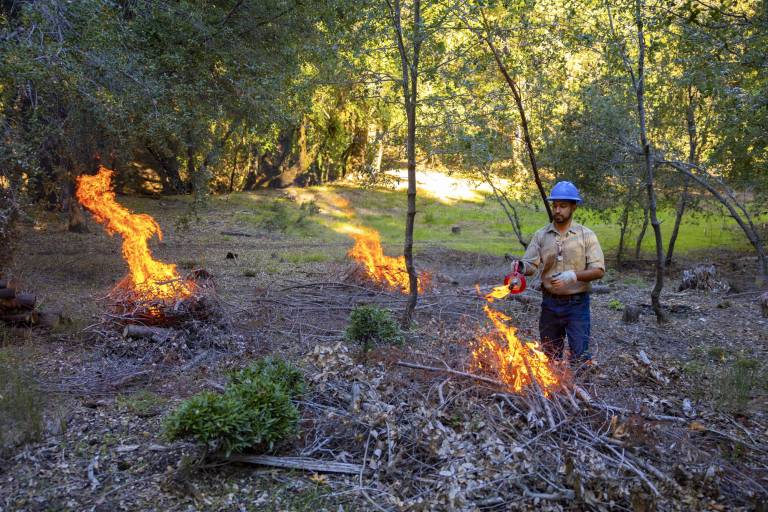
A Queer Climate Movement Takes Root Along the Russian River
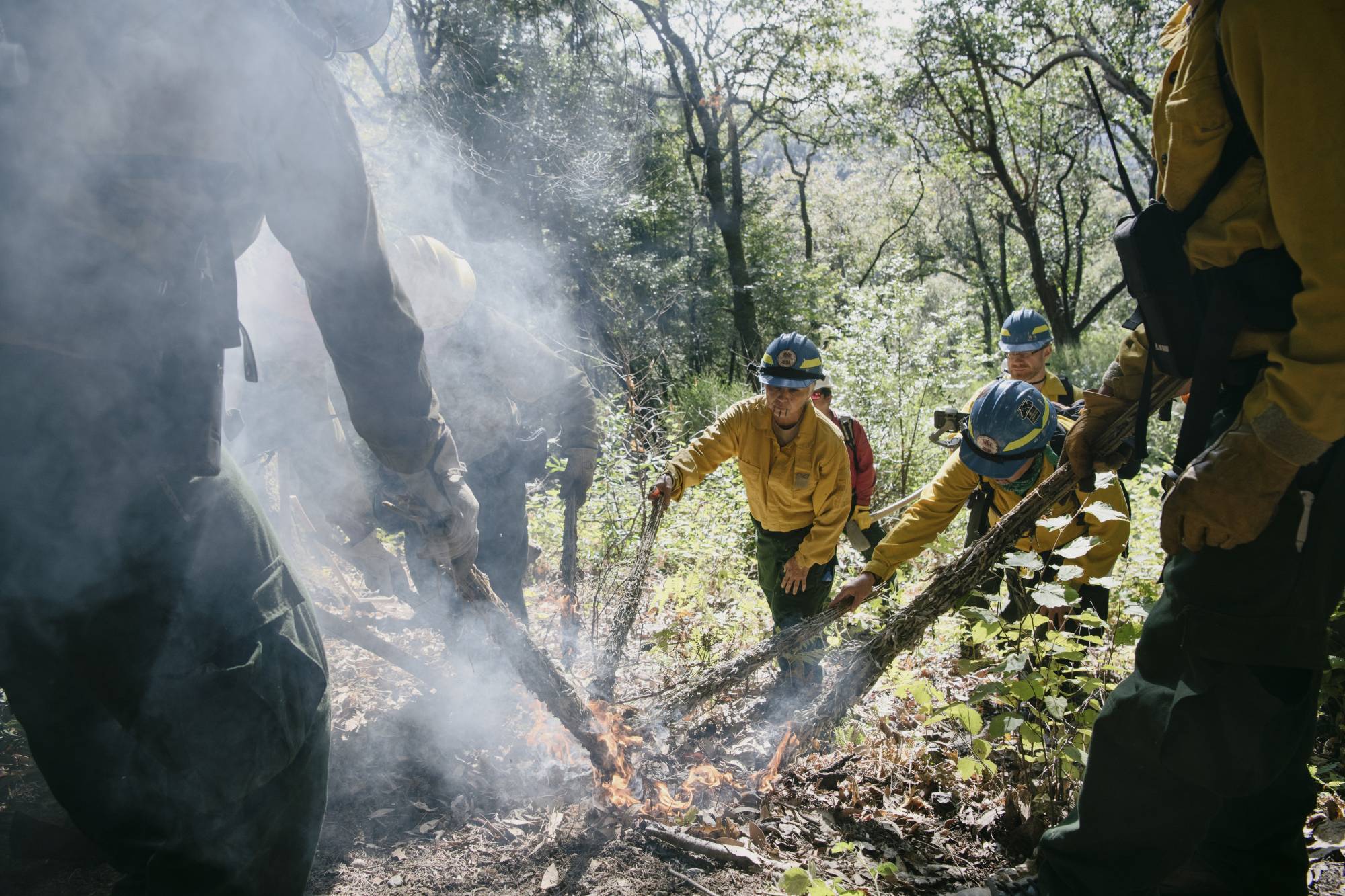
‘Good Fire: Tending Native Lands’ Burns Bright at the Oakland Museum of California
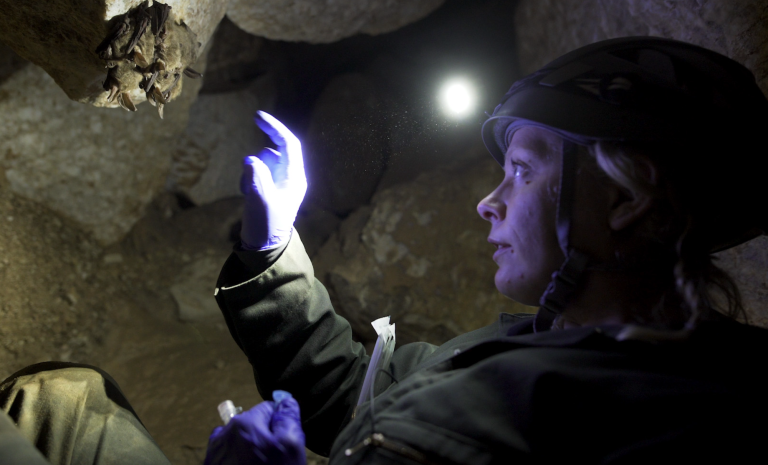
‘The Invisible Mammal’ Spotlights Bats — and the Women Who Love Them
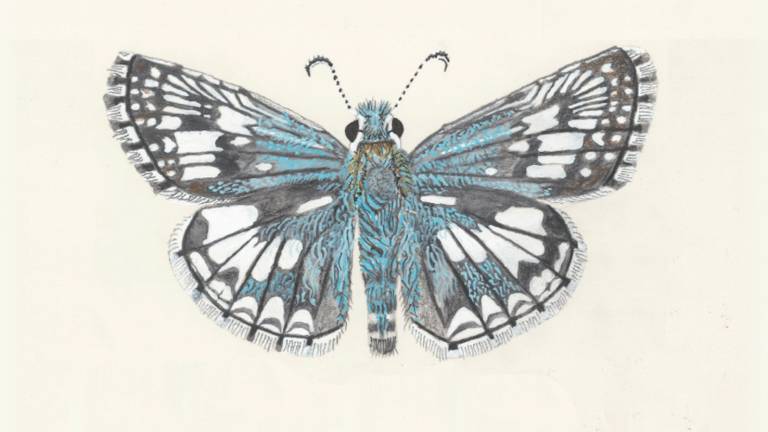
A New Book About Butterflies Makes the Bay Area a More Magical Place
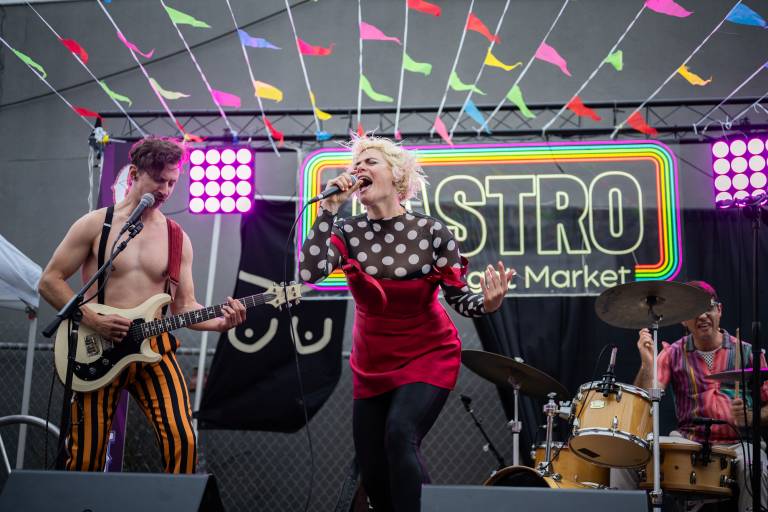
The Furious Tits Rage at the Climate Apocalypse
Sponsored
Player sponsored by
window.__IS_SSR__=true
window.__INITIAL_STATE__={
"attachmentsReducer": {
"audio_0": {
"type": "attachments",
"id": "audio_0",
"imgSizes": {
"kqedFullSize": {
"file": "https://ww2.kqed.org/news/wp-content/themes/KQED-unified/img/audio_bgs/background0.jpg"
}
}
},
"audio_1": {
"type": "attachments",
"id": "audio_1",
"imgSizes": {
"kqedFullSize": {
"file": "https://ww2.kqed.org/news/wp-content/themes/KQED-unified/img/audio_bgs/background1.jpg"
}
}
},
"audio_2": {
"type": "attachments",
"id": "audio_2",
"imgSizes": {
"kqedFullSize": {
"file": "https://ww2.kqed.org/news/wp-content/themes/KQED-unified/img/audio_bgs/background2.jpg"
}
}
},
"audio_3": {
"type": "attachments",
"id": "audio_3",
"imgSizes": {
"kqedFullSize": {
"file": "https://ww2.kqed.org/news/wp-content/themes/KQED-unified/img/audio_bgs/background3.jpg"
}
}
},
"audio_4": {
"type": "attachments",
"id": "audio_4",
"imgSizes": {
"kqedFullSize": {
"file": "https://ww2.kqed.org/news/wp-content/themes/KQED-unified/img/audio_bgs/background4.jpg"
}
}
},
"placeholder": {
"type": "attachments",
"id": "placeholder",
"imgSizes": {
"thumbnail": {
"file": "https://cdn.kqed.org/wp-content/uploads/2024/12/KQED-Default-Image-816638274-2000x1333-1-160x107.jpg",
"width": 160,
"height": 107,
"mimeType": "image/jpeg"
},
"medium": {
"file": "https://cdn.kqed.org/wp-content/uploads/2024/12/KQED-Default-Image-816638274-2000x1333-1-800x533.jpg",
"width": 800,
"height": 533,
"mimeType": "image/jpeg"
},
"medium_large": {
"file": "https://cdn.kqed.org/wp-content/uploads/2024/12/KQED-Default-Image-816638274-2000x1333-1-768x512.jpg",
"width": 768,
"height": 512,
"mimeType": "image/jpeg"
},
"large": {
"file": "https://cdn.kqed.org/wp-content/uploads/2024/12/KQED-Default-Image-816638274-2000x1333-1-1020x680.jpg",
"width": 1020,
"height": 680,
"mimeType": "image/jpeg"
},
"1536x1536": {
"file": "https://cdn.kqed.org/wp-content/uploads/2024/12/KQED-Default-Image-816638274-2000x1333-1-1536x1024.jpg",
"width": 1536,
"height": 1024,
"mimeType": "image/jpeg"
},
"fd-lrg": {
"file": "https://cdn.kqed.org/wp-content/uploads/2024/12/KQED-Default-Image-816638274-2000x1333-1-1536x1024.jpg",
"width": 1536,
"height": 1024,
"mimeType": "image/jpeg"
},
"fd-med": {
"file": "https://cdn.kqed.org/wp-content/uploads/2024/12/KQED-Default-Image-816638274-2000x1333-1-1020x680.jpg",
"width": 1020,
"height": 680,
"mimeType": "image/jpeg"
},
"fd-sm": {
"file": "https://cdn.kqed.org/wp-content/uploads/2024/12/KQED-Default-Image-816638274-2000x1333-1-800x533.jpg",
"width": 800,
"height": 533,
"mimeType": "image/jpeg"
},
"post-thumbnail": {
"file": "https://cdn.kqed.org/wp-content/uploads/2024/12/KQED-Default-Image-816638274-2000x1333-1-672x372.jpg",
"width": 672,
"height": 372,
"mimeType": "image/jpeg"
},
"twentyfourteen-full-width": {
"file": "https://cdn.kqed.org/wp-content/uploads/2024/12/KQED-Default-Image-816638274-2000x1333-1-1038x576.jpg",
"width": 1038,
"height": 576,
"mimeType": "image/jpeg"
},
"xxsmall": {
"file": "https://cdn.kqed.org/wp-content/uploads/2024/12/KQED-Default-Image-816638274-2000x1333-1-160x107.jpg",
"width": 160,
"height": 107,
"mimeType": "image/jpeg"
},
"xsmall": {
"file": "https://cdn.kqed.org/wp-content/uploads/2024/12/KQED-Default-Image-816638274-2000x1333-1-672x372.jpg",
"width": 672,
"height": 372,
"mimeType": "image/jpeg"
},
"small": {
"file": "https://cdn.kqed.org/wp-content/uploads/2024/12/KQED-Default-Image-816638274-2000x1333-1-672x372.jpg",
"width": 672,
"height": 372,
"mimeType": "image/jpeg"
},
"xlarge": {
"file": "https://cdn.kqed.org/wp-content/uploads/2024/12/KQED-Default-Image-816638274-2000x1333-1-1020x680.jpg",
"width": 1020,
"height": 680,
"mimeType": "image/jpeg"
},
"full-width": {
"file": "https://cdn.kqed.org/wp-content/uploads/2024/12/KQED-Default-Image-816638274-2000x1333-1-1920x1280.jpg",
"width": 1920,
"height": 1280,
"mimeType": "image/jpeg"
},
"guest-author-32": {
"file": "https://cdn.kqed.org/wp-content/uploads/2025/01/KQED-Default-Image-816638274-1333x1333-1-160x160.jpg",
"width": 32,
"height": 32,
"mimeType": "image/jpeg"
},
"guest-author-50": {
"file": "https://cdn.kqed.org/wp-content/uploads/2025/01/KQED-Default-Image-816638274-1333x1333-1-160x160.jpg",
"width": 50,
"height": 50,
"mimeType": "image/jpeg"
},
"guest-author-64": {
"file": "https://cdn.kqed.org/wp-content/uploads/2025/01/KQED-Default-Image-816638274-1333x1333-1-160x160.jpg",
"width": 64,
"height": 64,
"mimeType": "image/jpeg"
},
"guest-author-96": {
"file": "https://cdn.kqed.org/wp-content/uploads/2025/01/KQED-Default-Image-816638274-1333x1333-1-160x160.jpg",
"width": 96,
"height": 96,
"mimeType": "image/jpeg"
},
"guest-author-128": {
"file": "https://cdn.kqed.org/wp-content/uploads/2025/01/KQED-Default-Image-816638274-1333x1333-1-160x160.jpg",
"width": 128,
"height": 128,
"mimeType": "image/jpeg"
},
"detail": {
"file": "https://cdn.kqed.org/wp-content/uploads/2025/01/KQED-Default-Image-816638274-1333x1333-1-160x160.jpg",
"width": 160,
"height": 160,
"mimeType": "image/jpeg"
},
"kqedFullSize": {
"file": "https://cdn.kqed.org/wp-content/uploads/2024/12/KQED-Default-Image-816638274-2000x1333-1.jpg",
"width": 2000,
"height": 1333
}
}
},
"arts_13984844": {
"type": "attachments",
"id": "arts_13984844",
"meta": {
"index": "attachments_1716263798",
"site": "arts",
"id": "13984844",
"found": true
},
"title": "4_COVER",
"publishDate": 1765487585,
"status": "inherit",
"parent": 13984799,
"modified": 1765487585,
"caption": null,
"credit": null,
"altTag": null,
"description": null,
"imgSizes": {
"thumbnail": {
"file": "https://cdn.kqed.org/wp-content/uploads/sites/2/2025/12/4_COVER-160x107.jpg",
"width": 160,
"height": 107,
"mimeType": "image/jpeg"
},
"medium_large": {
"file": "https://cdn.kqed.org/wp-content/uploads/sites/2/2025/12/4_COVER-768x512.jpg",
"width": 768,
"height": 512,
"mimeType": "image/jpeg"
},
"1536x1536": {
"file": "https://cdn.kqed.org/wp-content/uploads/sites/2/2025/12/4_COVER-1536x1025.jpg",
"width": 1536,
"height": 1025,
"mimeType": "image/jpeg"
},
"post-thumbnail": {
"file": "https://cdn.kqed.org/wp-content/uploads/sites/2/2025/12/4_COVER-672x372.jpg",
"width": 672,
"height": 372,
"mimeType": "image/jpeg"
},
"twentyfourteen-full-width": {
"file": "https://cdn.kqed.org/wp-content/uploads/sites/2/2025/12/4_COVER-1038x576.jpg",
"width": 1038,
"height": 576,
"mimeType": "image/jpeg"
},
"npr-cds-wide": {
"file": "https://cdn.kqed.org/wp-content/uploads/sites/2/2025/12/4_COVER-1200x675.jpg",
"width": 1200,
"height": 675,
"mimeType": "image/jpeg"
},
"kqedFullSize": {
"file": "https://cdn.kqed.org/wp-content/uploads/sites/2/2025/12/4_COVER.jpg",
"width": 2000,
"height": 1334
}
},
"fetchFailed": false,
"isLoading": false
},
"arts_13984068": {
"type": "attachments",
"id": "arts_13984068",
"meta": {
"index": "attachments_1716263798",
"site": "arts",
"id": "13984068",
"found": true
},
"title": "20251101_QUEERWOODS-GC-24-KQED-1",
"publishDate": 1764092708,
"status": "inherit",
"parent": 0,
"modified": 1764201265,
"caption": "Nikola Alexandre of Shelterwood Collective performs a burn at the property in Cazadero on Nov. 1, 2025.",
"credit": "Gina Castro for KQED",
"altTag": null,
"description": null,
"imgSizes": {
"thumbnail": {
"file": "https://cdn.kqed.org/wp-content/uploads/sites/2/2025/11/20251101_QUEERWOODS-GC-24-KQED-1-160x107.jpg",
"width": 160,
"height": 107,
"mimeType": "image/jpeg"
},
"medium_large": {
"file": "https://cdn.kqed.org/wp-content/uploads/sites/2/2025/11/20251101_QUEERWOODS-GC-24-KQED-1-768x512.jpg",
"width": 768,
"height": 512,
"mimeType": "image/jpeg"
},
"1536x1536": {
"file": "https://cdn.kqed.org/wp-content/uploads/sites/2/2025/11/20251101_QUEERWOODS-GC-24-KQED-1-1536x1024.jpg",
"width": 1536,
"height": 1024,
"mimeType": "image/jpeg"
},
"post-thumbnail": {
"file": "https://cdn.kqed.org/wp-content/uploads/sites/2/2025/11/20251101_QUEERWOODS-GC-24-KQED-1-672x372.jpg",
"width": 672,
"height": 372,
"mimeType": "image/jpeg"
},
"twentyfourteen-full-width": {
"file": "https://cdn.kqed.org/wp-content/uploads/sites/2/2025/11/20251101_QUEERWOODS-GC-24-KQED-1-1038x576.jpg",
"width": 1038,
"height": 576,
"mimeType": "image/jpeg"
},
"npr-cds-wide": {
"file": "https://cdn.kqed.org/wp-content/uploads/sites/2/2025/11/20251101_QUEERWOODS-GC-24-KQED-1-1200x675.jpg",
"width": 1200,
"height": 675,
"mimeType": "image/jpeg"
},
"kqedFullSize": {
"file": "https://cdn.kqed.org/wp-content/uploads/sites/2/2025/11/20251101_QUEERWOODS-GC-24-KQED-1.jpg",
"width": 2000,
"height": 1333
}
},
"fetchFailed": false,
"isLoading": false
},
"arts_13983731": {
"type": "attachments",
"id": "arts_13983731",
"meta": {
"index": "attachments_1716263798",
"site": "arts",
"id": "13983731",
"found": true
},
"title": "1.Margo Robbins of the Cultural Fire Management Council leads firefighters as they light a prescribed burn with bundles of wormwood in ceremony, near Weitchpec, CA. Photo courtesy Kiliii Yuyan",
"publishDate": 1763075608,
"status": "inherit",
"parent": 13983729,
"modified": 1763075689,
"caption": "Margo Robbins of the Cultural Fire Management Council leads firefighters as they light an Indigenous prescribed burn with bundles of wormwood in ceremony, near Weitchpec, CA.",
"credit": "Kiliii Yuyan",
"altTag": null,
"description": null,
"imgSizes": {
"medium": {
"file": "https://cdn.kqed.org/wp-content/uploads/sites/2/2025/11/1.Margo-Robbins-of-the-Cultural-Fire-Management-Council-leads-firefighters-as-they-light-a-prescribed-burn-with-bundles-of-wormwood-in-ceremony-near-Weitchpec-CA.-Photo-courtesy-Kiliii-Yuyan-2000x1333.jpg",
"width": 2000,
"height": 1333,
"mimeType": "image/jpeg"
},
"large": {
"file": "https://cdn.kqed.org/wp-content/uploads/sites/2/2025/11/1.Margo-Robbins-of-the-Cultural-Fire-Management-Council-leads-firefighters-as-they-light-a-prescribed-burn-with-bundles-of-wormwood-in-ceremony-near-Weitchpec-CA.-Photo-courtesy-Kiliii-Yuyan-2000x1333.jpg",
"width": 2000,
"height": 1333,
"mimeType": "image/jpeg"
},
"thumbnail": {
"file": "https://cdn.kqed.org/wp-content/uploads/sites/2/2025/11/1.Margo-Robbins-of-the-Cultural-Fire-Management-Council-leads-firefighters-as-they-light-a-prescribed-burn-with-bundles-of-wormwood-in-ceremony-near-Weitchpec-CA.-Photo-courtesy-Kiliii-Yuyan-160x107.jpg",
"width": 160,
"height": 107,
"mimeType": "image/jpeg"
},
"medium_large": {
"file": "https://cdn.kqed.org/wp-content/uploads/sites/2/2025/11/1.Margo-Robbins-of-the-Cultural-Fire-Management-Council-leads-firefighters-as-they-light-a-prescribed-burn-with-bundles-of-wormwood-in-ceremony-near-Weitchpec-CA.-Photo-courtesy-Kiliii-Yuyan-768x512.jpg",
"width": 768,
"height": 512,
"mimeType": "image/jpeg"
},
"1536x1536": {
"file": "https://cdn.kqed.org/wp-content/uploads/sites/2/2025/11/1.Margo-Robbins-of-the-Cultural-Fire-Management-Council-leads-firefighters-as-they-light-a-prescribed-burn-with-bundles-of-wormwood-in-ceremony-near-Weitchpec-CA.-Photo-courtesy-Kiliii-Yuyan-1536x1024.jpg",
"width": 1536,
"height": 1024,
"mimeType": "image/jpeg"
},
"2048x2048": {
"file": "https://cdn.kqed.org/wp-content/uploads/sites/2/2025/11/1.Margo-Robbins-of-the-Cultural-Fire-Management-Council-leads-firefighters-as-they-light-a-prescribed-burn-with-bundles-of-wormwood-in-ceremony-near-Weitchpec-CA.-Photo-courtesy-Kiliii-Yuyan-2048x1365.jpg",
"width": 2048,
"height": 1365,
"mimeType": "image/jpeg"
},
"post-thumbnail": {
"file": "https://cdn.kqed.org/wp-content/uploads/sites/2/2025/11/1.Margo-Robbins-of-the-Cultural-Fire-Management-Council-leads-firefighters-as-they-light-a-prescribed-burn-with-bundles-of-wormwood-in-ceremony-near-Weitchpec-CA.-Photo-courtesy-Kiliii-Yuyan-672x372.jpg",
"width": 672,
"height": 372,
"mimeType": "image/jpeg"
},
"twentyfourteen-full-width": {
"file": "https://cdn.kqed.org/wp-content/uploads/sites/2/2025/11/1.Margo-Robbins-of-the-Cultural-Fire-Management-Council-leads-firefighters-as-they-light-a-prescribed-burn-with-bundles-of-wormwood-in-ceremony-near-Weitchpec-CA.-Photo-courtesy-Kiliii-Yuyan-1038x576.jpg",
"width": 1038,
"height": 576,
"mimeType": "image/jpeg"
},
"full-width": {
"file": "https://cdn.kqed.org/wp-content/uploads/sites/2/2025/11/1.Margo-Robbins-of-the-Cultural-Fire-Management-Council-leads-firefighters-as-they-light-a-prescribed-burn-with-bundles-of-wormwood-in-ceremony-near-Weitchpec-CA.-Photo-courtesy-Kiliii-Yuyan-2000x1333.jpg",
"width": 2000,
"height": 1333,
"mimeType": "image/jpeg"
},
"npr-cds-wide": {
"file": "https://cdn.kqed.org/wp-content/uploads/sites/2/2025/11/1.Margo-Robbins-of-the-Cultural-Fire-Management-Council-leads-firefighters-as-they-light-a-prescribed-burn-with-bundles-of-wormwood-in-ceremony-near-Weitchpec-CA.-Photo-courtesy-Kiliii-Yuyan-1200x675.jpg",
"width": 1200,
"height": 675,
"mimeType": "image/jpeg"
},
"kqedFullSize": {
"file": "https://cdn.kqed.org/wp-content/uploads/sites/2/2025/11/1.Margo-Robbins-of-the-Cultural-Fire-Management-Council-leads-firefighters-as-they-light-a-prescribed-burn-with-bundles-of-wormwood-in-ceremony-near-Weitchpec-CA.-Photo-courtesy-Kiliii-Yuyan-scaled.jpg",
"width": 2560,
"height": 1707
}
},
"fetchFailed": false,
"isLoading": false
},
"arts_13982687": {
"type": "attachments",
"id": "arts_13982687",
"meta": {
"index": "attachments_1716263798",
"site": "arts",
"id": "13982687",
"found": true
},
"title": "Invisible Mammal cave bats",
"publishDate": 1761092073,
"status": "inherit",
"parent": 13982684,
"modified": 1761092283,
"caption": "Dr. Kristin Jonasson, a research scientist with Bat Conservation International, in her natural habitat: deep inside a cave, examining bats.",
"credit": "Kristin Tièche/‘The Invisible Mammal’",
"altTag": "A white woman wearing a hard hat with a light on the front, a waterproof jumpsuit and surgical gloves, examines a cluster of sleeping bats inside a dark cave.",
"description": null,
"imgSizes": {
"thumbnail": {
"file": "https://cdn.kqed.org/wp-content/uploads/sites/2/2025/10/Invisible-Mammal-cave-bats-160x97.png",
"width": 160,
"height": 97,
"mimeType": "image/png"
},
"medium_large": {
"file": "https://cdn.kqed.org/wp-content/uploads/sites/2/2025/10/Invisible-Mammal-cave-bats-768x465.png",
"width": 768,
"height": 465,
"mimeType": "image/png"
},
"1536x1536": {
"file": "https://cdn.kqed.org/wp-content/uploads/sites/2/2025/10/Invisible-Mammal-cave-bats-1536x931.png",
"width": 1536,
"height": 931,
"mimeType": "image/png"
},
"post-thumbnail": {
"file": "https://cdn.kqed.org/wp-content/uploads/sites/2/2025/10/Invisible-Mammal-cave-bats-672x372.png",
"width": 672,
"height": 372,
"mimeType": "image/png"
},
"twentyfourteen-full-width": {
"file": "https://cdn.kqed.org/wp-content/uploads/sites/2/2025/10/Invisible-Mammal-cave-bats-1038x576.png",
"width": 1038,
"height": 576,
"mimeType": "image/png"
},
"kqedFullSize": {
"file": "https://cdn.kqed.org/wp-content/uploads/sites/2/2025/10/Invisible-Mammal-cave-bats.png",
"width": 2000,
"height": 1212
}
},
"fetchFailed": false,
"isLoading": false
},
"arts_13981660": {
"type": "attachments",
"id": "arts_13981660",
"meta": {
"index": "attachments_1716263798",
"site": "arts",
"id": "13981660",
"found": true
},
"title": "butterflies.16x9",
"publishDate": 1758650922,
"status": "inherit",
"parent": 13981619,
"modified": 1758650945,
"caption": null,
"credit": null,
"altTag": "a blue illustration of a butterfly against a. cream-colored blank background",
"description": null,
"imgSizes": {
"thumbnail": {
"file": "https://cdn.kqed.org/wp-content/uploads/sites/2/2025/09/butterflies.16x9-160x90.jpg",
"width": 160,
"height": 90,
"mimeType": "image/jpeg"
},
"medium_large": {
"file": "https://cdn.kqed.org/wp-content/uploads/sites/2/2025/09/butterflies.16x9-768x432.jpg",
"width": 768,
"height": 432,
"mimeType": "image/jpeg"
},
"post-thumbnail": {
"file": "https://cdn.kqed.org/wp-content/uploads/sites/2/2025/09/butterflies.16x9-672x372.jpg",
"width": 672,
"height": 372,
"mimeType": "image/jpeg"
},
"twentyfourteen-full-width": {
"file": "https://cdn.kqed.org/wp-content/uploads/sites/2/2025/09/butterflies.16x9-1038x576.jpg",
"width": 1038,
"height": 576,
"mimeType": "image/jpeg"
},
"kqedFullSize": {
"file": "https://cdn.kqed.org/wp-content/uploads/sites/2/2025/09/butterflies.16x9.jpg",
"width": 1476,
"height": 830
}
},
"fetchFailed": false,
"isLoading": false
},
"arts_13979085": {
"type": "attachments",
"id": "arts_13979085",
"meta": {
"index": "attachments_1716263798",
"site": "arts",
"id": "13979085",
"found": true
},
"title": "Climate Punk",
"publishDate": 1753293343,
"status": "inherit",
"parent": 0,
"modified": 1753743770,
"caption": "The Furious Tits performed live in San Francisco at the Castro Night Market on Friday, July 18, 2025. The queer punk band sounds off about climate change and queer sexuality in their music, and is currently working on a full-length album.",
"credit": "Brian Frank/KQED",
"altTag": null,
"description": null,
"imgSizes": {
"thumbnail": {
"file": "https://cdn.kqed.org/wp-content/uploads/sites/2/2025/07/250718_CLIMATEPUNK_012_BF_KQED-160x107.jpg",
"width": 160,
"height": 107,
"mimeType": "image/jpeg"
},
"medium_large": {
"file": "https://cdn.kqed.org/wp-content/uploads/sites/2/2025/07/250718_CLIMATEPUNK_012_BF_KQED-768x512.jpg",
"width": 768,
"height": 512,
"mimeType": "image/jpeg"
},
"1536x1536": {
"file": "https://cdn.kqed.org/wp-content/uploads/sites/2/2025/07/250718_CLIMATEPUNK_012_BF_KQED-1536x1024.jpg",
"width": 1536,
"height": 1024,
"mimeType": "image/jpeg"
},
"post-thumbnail": {
"file": "https://cdn.kqed.org/wp-content/uploads/sites/2/2025/07/250718_CLIMATEPUNK_012_BF_KQED-672x372.jpg",
"width": 672,
"height": 372,
"mimeType": "image/jpeg"
},
"twentyfourteen-full-width": {
"file": "https://cdn.kqed.org/wp-content/uploads/sites/2/2025/07/250718_CLIMATEPUNK_012_BF_KQED-1038x576.jpg",
"width": 1038,
"height": 576,
"mimeType": "image/jpeg"
},
"kqedFullSize": {
"file": "https://cdn.kqed.org/wp-content/uploads/sites/2/2025/07/250718_CLIMATEPUNK_012_BF_KQED.jpg",
"width": 2000,
"height": 1333
}
},
"fetchFailed": false,
"isLoading": false
}
},
"audioPlayerReducer": {
"postId": "stream_live",
"isPaused": true,
"isPlaying": false,
"pfsActive": false,
"pledgeModalIsOpen": true,
"playerDrawerIsOpen": false
},
"authorsReducer": {
"byline_arts_13984799": {
"type": "authors",
"id": "byline_arts_13984799",
"meta": {
"override": true
},
"slug": "byline_arts_13984799",
"name": "A.G. Moore",
"isLoading": false
},
"dventon": {
"type": "authors",
"id": "11088",
"meta": {
"index": "authors_1716337520",
"id": "11088",
"found": true
},
"name": "Danielle Venton",
"firstName": "Danielle",
"lastName": "Venton",
"slug": "dventon",
"email": "dventon@kqed.org",
"display_author_email": true,
"staff_mastheads": [
"science"
],
"title": "Science reporter",
"bio": "Danielle Venton is a reporter for KQED Science. She covers wildfires, space and oceans (though she is prone to sea sickness).\r\n\r\nBefore joining KQED in 2015, Danielle was a staff reporter at KRCB in Sonoma County and a freelancer. She studied science communication at UC Santa Cruz and formerly worked at CERN in Geneva, Switzerland where she wrote about computing. She lives in Sonoma County and enjoys backpacking.",
"avatar": "https://secure.gravatar.com/avatar/ebaf11ee6cfb7bb40329a143d463829e?s=600&d=blank&r=g",
"twitter": "DanielleVenton",
"facebook": null,
"instagram": null,
"linkedin": null,
"sites": [
{
"site": "arts",
"roles": [
"contributor"
]
},
{
"site": "news",
"roles": [
"editor"
]
},
{
"site": "futureofyou",
"roles": [
"editor"
]
},
{
"site": "science",
"roles": [
"editor"
]
},
{
"site": "liveblog",
"roles": [
"contributor"
]
}
],
"headData": {
"title": "Danielle Venton | KQED",
"description": "Science reporter",
"ogImgSrc": "https://secure.gravatar.com/avatar/ebaf11ee6cfb7bb40329a143d463829e?s=600&d=blank&r=g",
"twImgSrc": "https://secure.gravatar.com/avatar/ebaf11ee6cfb7bb40329a143d463829e?s=600&d=blank&r=g"
},
"isLoading": false,
"link": "/author/dventon"
},
"ralexandra": {
"type": "authors",
"id": "11242",
"meta": {
"index": "authors_1716337520",
"id": "11242",
"found": true
},
"name": "Rae Alexandra",
"firstName": "Rae",
"lastName": "Alexandra",
"slug": "ralexandra",
"email": "ralexandra@kqed.org",
"display_author_email": true,
"staff_mastheads": [
"arts"
],
"title": "Reporter/Producer",
"bio": "Rae Alexandra is a Reporter/Producer for KQED Arts & Culture, and the creator/author of the \u003ca href=\"https://www.kqed.org/arts/program/rebel-girls-from-bay-area-history\">Rebel Girls From Bay Area History\u003c/a> and \u003ca href=\"https://www.kqed.org/bizarrebayarea\">Bizarre Bay Area\u003c/a> series. Her debut book, \u003ca href=\"https://citylights.com/politics-current-events-history/unsung-heroines35-women-who-changed/\">Unsung Heroines: 35 Women Who Changed the Bay Area\u003c/a> will be published by City Lights in Spring 2026. In 2023, Rae was awarded an SPJ Excellence in Journalism Award for Arts & Culture. Rae was born and raised in Wales and subsequently — even after two decades in Northern California — still uses phrases that regularly baffle her coworkers.",
"avatar": "https://secure.gravatar.com/avatar/d5ef3d663d9adae1345d06932a3951de?s=600&d=blank&r=g",
"twitter": null,
"facebook": null,
"instagram": null,
"linkedin": null,
"sites": [
{
"site": "arts",
"roles": [
"editor"
]
},
{
"site": "news",
"roles": [
"editor"
]
},
{
"site": "pop",
"roles": [
"editor"
]
},
{
"site": "bayareabites",
"roles": [
"editor"
]
},
{
"site": "science",
"roles": [
"editor"
]
}
],
"headData": {
"title": "Rae Alexandra | KQED",
"description": "Reporter/Producer",
"ogImgSrc": "https://secure.gravatar.com/avatar/d5ef3d663d9adae1345d06932a3951de?s=600&d=blank&r=g",
"twImgSrc": "https://secure.gravatar.com/avatar/d5ef3d663d9adae1345d06932a3951de?s=600&d=blank&r=g"
},
"isLoading": false,
"link": "/author/ralexandra"
},
"eromero": {
"type": "authors",
"id": "11746",
"meta": {
"index": "authors_1716337520",
"id": "11746",
"found": true
},
"name": "Ezra David Romero",
"firstName": "Ezra David",
"lastName": "Romero",
"slug": "eromero",
"email": "eromero@kqed.org",
"display_author_email": true,
"staff_mastheads": [
"news",
"science"
],
"title": "Climate Reporter",
"bio": "Ezra David Romero is a climate reporter for KQED News. He covers the absence and excess of water in the Bay Area — think sea level rise, flooding and drought. For nearly a decade he’s covered how warming temperatures are altering the lives of Californians. He’s reported on farmers worried their pistachio trees aren’t getting enough sleep, families desperate for water, scientists studying dying giant sequoias, and alongside firefighters containing wildfires. His work has appeared on local stations across California and nationally on public radio shows like Morning Edition, Here and Now, All Things Considered and Science Friday. ",
"avatar": "https://secure.gravatar.com/avatar/9c15bb8bab267e058708a9eeaeef16bf?s=600&d=blank&r=g",
"twitter": "ezraromero",
"facebook": null,
"instagram": null,
"linkedin": null,
"sites": [
{
"site": "arts",
"roles": [
"editor"
]
},
{
"site": "news",
"roles": [
"editor"
]
},
{
"site": "science",
"roles": [
"editor"
]
},
{
"site": "liveblog",
"roles": [
"author"
]
}
],
"headData": {
"title": "Ezra David Romero | KQED",
"description": "Climate Reporter",
"ogImgSrc": "https://secure.gravatar.com/avatar/9c15bb8bab267e058708a9eeaeef16bf?s=600&d=blank&r=g",
"twImgSrc": "https://secure.gravatar.com/avatar/9c15bb8bab267e058708a9eeaeef16bf?s=600&d=blank&r=g"
},
"isLoading": false,
"link": "/author/eromero"
}
},
"breakingNewsReducer": {},
"pagesReducer": {},
"postsReducer": {
"stream_live": {
"type": "live",
"id": "stream_live",
"audioUrl": "https://streams.kqed.org/kqedradio",
"title": "Live Stream",
"excerpt": "Live Stream information currently unavailable.",
"link": "/radio",
"featImg": "",
"label": {
"name": "KQED Live",
"link": "/"
}
},
"stream_kqedNewscast": {
"type": "posts",
"id": "stream_kqedNewscast",
"audioUrl": "https://www.kqed.org/.stream/anon/radio/RDnews/newscast.mp3?_=1",
"title": "KQED Newscast",
"featImg": "",
"label": {
"name": "88.5 FM",
"link": "/"
}
},
"arts_13984799": {
"type": "posts",
"id": "arts_13984799",
"meta": {
"index": "posts_1716263798",
"site": "arts",
"id": "13984799",
"score": null,
"sort": [
1765488081000
]
},
"guestAuthors": [],
"slug": "claude-comic-albino-alligator-cal-academy-sciences",
"title": "13 Ways of Looking at Claude",
"publishDate": 1765488081,
"format": "aside",
"headTitle": "13 Ways of Looking at Claude | KQED",
"labelTerm": {
"site": "arts"
},
"content": "\u003cp>\u003ci>In honor of the beloved albino alligator Claude, who \u003ca href=\"https://www.kqed.org/news/12065888/bay-area-claude-fans-share-their-fondest-memories-of-the-rare-albino-alligator\">died last week at the age of 30\u003c/a>, we have a special comic from local artist A.G. Moore, who “worked alongside” Claude at the California Academy of Sciences.\u003c/i>\u003c/p>\n\u003cp>\u003ci>A.G. Moore is a San Francisco-based artist and museum worker originally from Alabama. They hold an MFA in comics from California College of the Arts and host the roots radio show \u003ca href=\"https://bff.fm/shows/forked-tongue\">Forked Tongue\u003c/a> on San Francisco’s BFF.FM. They strive to make an art form out of second glances. All views expressed are their own.\u003c/i>\u003c/p>\n\u003cp>\u003cimg loading=\"lazy\" decoding=\"async\" src=\"https://cdn.kqed.org/wp-content/uploads/sites/2/2025/12/1.jpg\" alt=\"\" width=\"2000\" height=\"2000\" class=\"aligncenter size-full wp-image-13984802\" srcset=\"https://cdn.kqed.org/wp-content/uploads/sites/2/2025/12/1.jpg 2000w, https://cdn.kqed.org/wp-content/uploads/sites/2/2025/12/1-160x160.jpg 160w, https://cdn.kqed.org/wp-content/uploads/sites/2/2025/12/1-768x768.jpg 768w, https://cdn.kqed.org/wp-content/uploads/sites/2/2025/12/1-1536x1536.jpg 1536w\" sizes=\"auto, (max-width: 2000px) 100vw, 2000px\">\u003c/p>\n\u003cp>\u003cimg loading=\"lazy\" decoding=\"async\" src=\"https://cdn.kqed.org/wp-content/uploads/sites/2/2025/12/2.jpg\" alt=\"\" width=\"2000\" height=\"2000\" class=\"aligncenter size-full wp-image-13984803\" srcset=\"https://cdn.kqed.org/wp-content/uploads/sites/2/2025/12/2.jpg 2000w, https://cdn.kqed.org/wp-content/uploads/sites/2/2025/12/2-160x160.jpg 160w, https://cdn.kqed.org/wp-content/uploads/sites/2/2025/12/2-768x768.jpg 768w, https://cdn.kqed.org/wp-content/uploads/sites/2/2025/12/2-1536x1536.jpg 1536w\" sizes=\"auto, (max-width: 2000px) 100vw, 2000px\">\u003c/p>\n\u003cp>\u003cimg loading=\"lazy\" decoding=\"async\" src=\"https://cdn.kqed.org/wp-content/uploads/sites/2/2025/12/3.jpg\" alt=\"\" width=\"2000\" height=\"2000\" class=\"aligncenter size-full wp-image-13984804\" srcset=\"https://cdn.kqed.org/wp-content/uploads/sites/2/2025/12/3.jpg 2000w, https://cdn.kqed.org/wp-content/uploads/sites/2/2025/12/3-160x160.jpg 160w, https://cdn.kqed.org/wp-content/uploads/sites/2/2025/12/3-768x768.jpg 768w, https://cdn.kqed.org/wp-content/uploads/sites/2/2025/12/3-1536x1536.jpg 1536w\" sizes=\"auto, (max-width: 2000px) 100vw, 2000px\">\u003c/p>\n\u003cp>[ad fullwidth]\u003c/p>\n\u003cp>\u003cimg loading=\"lazy\" decoding=\"async\" src=\"https://cdn.kqed.org/wp-content/uploads/sites/2/2025/12/4.jpg\" alt=\"\" width=\"2000\" height=\"2000\" class=\"aligncenter size-full wp-image-13984805\" srcset=\"https://cdn.kqed.org/wp-content/uploads/sites/2/2025/12/4.jpg 2000w, https://cdn.kqed.org/wp-content/uploads/sites/2/2025/12/4-160x160.jpg 160w, https://cdn.kqed.org/wp-content/uploads/sites/2/2025/12/4-768x768.jpg 768w, https://cdn.kqed.org/wp-content/uploads/sites/2/2025/12/4-1536x1536.jpg 1536w\" sizes=\"auto, (max-width: 2000px) 100vw, 2000px\">\u003c/p>\n\u003cp>\u003cimg loading=\"lazy\" decoding=\"async\" src=\"https://cdn.kqed.org/wp-content/uploads/sites/2/2025/12/5.jpg\" alt=\"\" width=\"2000\" height=\"2000\" class=\"aligncenter size-full wp-image-13984806\" srcset=\"https://cdn.kqed.org/wp-content/uploads/sites/2/2025/12/5.jpg 2000w, https://cdn.kqed.org/wp-content/uploads/sites/2/2025/12/5-160x160.jpg 160w, https://cdn.kqed.org/wp-content/uploads/sites/2/2025/12/5-768x768.jpg 768w, https://cdn.kqed.org/wp-content/uploads/sites/2/2025/12/5-1536x1536.jpg 1536w\" sizes=\"auto, (max-width: 2000px) 100vw, 2000px\">\u003c/p>\n\u003cp>\u003cimg loading=\"lazy\" decoding=\"async\" src=\"https://cdn.kqed.org/wp-content/uploads/sites/2/2025/12/6.jpg\" alt=\"\" width=\"2000\" height=\"2000\" class=\"aligncenter size-full wp-image-13984807\" srcset=\"https://cdn.kqed.org/wp-content/uploads/sites/2/2025/12/6.jpg 2000w, https://cdn.kqed.org/wp-content/uploads/sites/2/2025/12/6-160x160.jpg 160w, https://cdn.kqed.org/wp-content/uploads/sites/2/2025/12/6-768x768.jpg 768w, https://cdn.kqed.org/wp-content/uploads/sites/2/2025/12/6-1536x1536.jpg 1536w\" sizes=\"auto, (max-width: 2000px) 100vw, 2000px\">\u003c/p>\n\u003cp>\u003cimg loading=\"lazy\" decoding=\"async\" src=\"https://cdn.kqed.org/wp-content/uploads/sites/2/2025/12/7.jpg\" alt=\"\" width=\"2000\" height=\"2000\" class=\"aligncenter size-full wp-image-13984808\" srcset=\"https://cdn.kqed.org/wp-content/uploads/sites/2/2025/12/7.jpg 2000w, https://cdn.kqed.org/wp-content/uploads/sites/2/2025/12/7-160x160.jpg 160w, https://cdn.kqed.org/wp-content/uploads/sites/2/2025/12/7-768x768.jpg 768w, https://cdn.kqed.org/wp-content/uploads/sites/2/2025/12/7-1536x1536.jpg 1536w\" sizes=\"auto, (max-width: 2000px) 100vw, 2000px\">\u003c/p>\n\u003cp>\u003cimg loading=\"lazy\" decoding=\"async\" src=\"https://cdn.kqed.org/wp-content/uploads/sites/2/2025/12/8.jpg\" alt=\"\" width=\"2000\" height=\"2000\" class=\"aligncenter size-full wp-image-13984809\" srcset=\"https://cdn.kqed.org/wp-content/uploads/sites/2/2025/12/8.jpg 2000w, https://cdn.kqed.org/wp-content/uploads/sites/2/2025/12/8-160x160.jpg 160w, https://cdn.kqed.org/wp-content/uploads/sites/2/2025/12/8-768x768.jpg 768w, https://cdn.kqed.org/wp-content/uploads/sites/2/2025/12/8-1536x1536.jpg 1536w\" sizes=\"auto, (max-width: 2000px) 100vw, 2000px\">\u003c/p>\n\u003cp>\u003cimg loading=\"lazy\" decoding=\"async\" src=\"https://cdn.kqed.org/wp-content/uploads/sites/2/2025/12/9.jpg\" alt=\"\" width=\"2000\" height=\"2000\" class=\"aligncenter size-full wp-image-13984810\" srcset=\"https://cdn.kqed.org/wp-content/uploads/sites/2/2025/12/9.jpg 2000w, https://cdn.kqed.org/wp-content/uploads/sites/2/2025/12/9-160x160.jpg 160w, https://cdn.kqed.org/wp-content/uploads/sites/2/2025/12/9-768x768.jpg 768w, https://cdn.kqed.org/wp-content/uploads/sites/2/2025/12/9-1536x1536.jpg 1536w\" sizes=\"auto, (max-width: 2000px) 100vw, 2000px\">\u003c/p>\n\u003cp>\u003cimg loading=\"lazy\" decoding=\"async\" src=\"https://cdn.kqed.org/wp-content/uploads/sites/2/2025/12/10.jpg\" alt=\"\" width=\"2000\" height=\"2000\" class=\"aligncenter size-full wp-image-13984811\" srcset=\"https://cdn.kqed.org/wp-content/uploads/sites/2/2025/12/10.jpg 2000w, https://cdn.kqed.org/wp-content/uploads/sites/2/2025/12/10-160x160.jpg 160w, https://cdn.kqed.org/wp-content/uploads/sites/2/2025/12/10-768x768.jpg 768w, https://cdn.kqed.org/wp-content/uploads/sites/2/2025/12/10-1536x1536.jpg 1536w\" sizes=\"auto, (max-width: 2000px) 100vw, 2000px\">\u003c/p>\n\u003cp>\u003cimg loading=\"lazy\" decoding=\"async\" src=\"https://cdn.kqed.org/wp-content/uploads/sites/2/2025/12/11.jpg\" alt=\"\" width=\"2000\" height=\"2000\" class=\"aligncenter size-full wp-image-13984812\" srcset=\"https://cdn.kqed.org/wp-content/uploads/sites/2/2025/12/11.jpg 2000w, https://cdn.kqed.org/wp-content/uploads/sites/2/2025/12/11-160x160.jpg 160w, https://cdn.kqed.org/wp-content/uploads/sites/2/2025/12/11-768x768.jpg 768w, https://cdn.kqed.org/wp-content/uploads/sites/2/2025/12/11-1536x1536.jpg 1536w\" sizes=\"auto, (max-width: 2000px) 100vw, 2000px\">\u003c/p>\n\u003cp>\u003cimg loading=\"lazy\" decoding=\"async\" src=\"https://cdn.kqed.org/wp-content/uploads/sites/2/2025/12/12.jpg\" alt=\"\" width=\"2000\" height=\"2000\" class=\"aligncenter size-full wp-image-13984813\" srcset=\"https://cdn.kqed.org/wp-content/uploads/sites/2/2025/12/12.jpg 2000w, https://cdn.kqed.org/wp-content/uploads/sites/2/2025/12/12-160x160.jpg 160w, https://cdn.kqed.org/wp-content/uploads/sites/2/2025/12/12-768x768.jpg 768w, https://cdn.kqed.org/wp-content/uploads/sites/2/2025/12/12-1536x1536.jpg 1536w\" sizes=\"auto, (max-width: 2000px) 100vw, 2000px\">\u003c/p>\n\u003cp>\u003cimg loading=\"lazy\" decoding=\"async\" src=\"https://cdn.kqed.org/wp-content/uploads/sites/2/2025/12/13.jpg\" alt=\"\" width=\"2000\" height=\"2000\" class=\"aligncenter size-full wp-image-13984814\" srcset=\"https://cdn.kqed.org/wp-content/uploads/sites/2/2025/12/13.jpg 2000w, https://cdn.kqed.org/wp-content/uploads/sites/2/2025/12/13-160x160.jpg 160w, https://cdn.kqed.org/wp-content/uploads/sites/2/2025/12/13-768x768.jpg 768w, https://cdn.kqed.org/wp-content/uploads/sites/2/2025/12/13-1536x1536.jpg 1536w\" sizes=\"auto, (max-width: 2000px) 100vw, 2000px\">\u003c/p>\n\u003cp>\u003cimg loading=\"lazy\" decoding=\"async\" src=\"https://cdn.kqed.org/wp-content/uploads/sites/2/2025/12/14.jpg\" alt=\"\" width=\"2000\" height=\"2000\" class=\"aligncenter size-full wp-image-13984815\" srcset=\"https://cdn.kqed.org/wp-content/uploads/sites/2/2025/12/14.jpg 2000w, https://cdn.kqed.org/wp-content/uploads/sites/2/2025/12/14-160x160.jpg 160w, https://cdn.kqed.org/wp-content/uploads/sites/2/2025/12/14-768x768.jpg 768w, https://cdn.kqed.org/wp-content/uploads/sites/2/2025/12/14-1536x1536.jpg 1536w\" sizes=\"auto, (max-width: 2000px) 100vw, 2000px\">\u003c/p>\n\u003cp>\u003cimg loading=\"lazy\" decoding=\"async\" src=\"https://cdn.kqed.org/wp-content/uploads/sites/2/2025/12/15.jpg\" alt=\"\" width=\"2000\" height=\"2000\" class=\"aligncenter size-full wp-image-13984816\" srcset=\"https://cdn.kqed.org/wp-content/uploads/sites/2/2025/12/15.jpg 2000w, https://cdn.kqed.org/wp-content/uploads/sites/2/2025/12/15-160x160.jpg 160w, https://cdn.kqed.org/wp-content/uploads/sites/2/2025/12/15-768x768.jpg 768w, https://cdn.kqed.org/wp-content/uploads/sites/2/2025/12/15-1536x1536.jpg 1536w\" sizes=\"auto, (max-width: 2000px) 100vw, 2000px\">\u003c/p>\n\u003cp>\u003cimg loading=\"lazy\" decoding=\"async\" src=\"https://cdn.kqed.org/wp-content/uploads/sites/2/2025/12/16.jpg\" alt=\"\" width=\"2000\" height=\"2000\" class=\"aligncenter size-full wp-image-13984817\" srcset=\"https://cdn.kqed.org/wp-content/uploads/sites/2/2025/12/16.jpg 2000w, https://cdn.kqed.org/wp-content/uploads/sites/2/2025/12/16-160x160.jpg 160w, https://cdn.kqed.org/wp-content/uploads/sites/2/2025/12/16-768x768.jpg 768w, https://cdn.kqed.org/wp-content/uploads/sites/2/2025/12/16-1536x1536.jpg 1536w\" sizes=\"auto, (max-width: 2000px) 100vw, 2000px\">\u003c/p>\n\u003cp>\u003cimg loading=\"lazy\" decoding=\"async\" src=\"https://cdn.kqed.org/wp-content/uploads/sites/2/2025/12/17.jpg\" alt=\"\" width=\"2000\" height=\"2000\" class=\"aligncenter size-full wp-image-13984818\" srcset=\"https://cdn.kqed.org/wp-content/uploads/sites/2/2025/12/17.jpg 2000w, https://cdn.kqed.org/wp-content/uploads/sites/2/2025/12/17-160x160.jpg 160w, https://cdn.kqed.org/wp-content/uploads/sites/2/2025/12/17-768x768.jpg 768w, https://cdn.kqed.org/wp-content/uploads/sites/2/2025/12/17-1536x1536.jpg 1536w\" sizes=\"auto, (max-width: 2000px) 100vw, 2000px\">\u003c/p>\n\u003cp>\u003cimg loading=\"lazy\" decoding=\"async\" src=\"https://cdn.kqed.org/wp-content/uploads/sites/2/2025/12/18.jpg\" alt=\"\" width=\"2000\" height=\"2000\" class=\"aligncenter size-full wp-image-13984819\" srcset=\"https://cdn.kqed.org/wp-content/uploads/sites/2/2025/12/18.jpg 2000w, https://cdn.kqed.org/wp-content/uploads/sites/2/2025/12/18-160x160.jpg 160w, https://cdn.kqed.org/wp-content/uploads/sites/2/2025/12/18-768x768.jpg 768w, https://cdn.kqed.org/wp-content/uploads/sites/2/2025/12/18-1536x1536.jpg 1536w\" sizes=\"auto, (max-width: 2000px) 100vw, 2000px\">\u003c/p>\n\u003cp>\u003cimg loading=\"lazy\" decoding=\"async\" src=\"https://cdn.kqed.org/wp-content/uploads/sites/2/2025/12/19.jpg\" alt=\"\" width=\"2000\" height=\"2000\" class=\"aligncenter size-full wp-image-13984820\" srcset=\"https://cdn.kqed.org/wp-content/uploads/sites/2/2025/12/19.jpg 2000w, https://cdn.kqed.org/wp-content/uploads/sites/2/2025/12/19-160x160.jpg 160w, https://cdn.kqed.org/wp-content/uploads/sites/2/2025/12/19-768x768.jpg 768w, https://cdn.kqed.org/wp-content/uploads/sites/2/2025/12/19-1536x1536.jpg 1536w\" sizes=\"auto, (max-width: 2000px) 100vw, 2000px\">\u003c/p>\n\u003cp>\u003c/p>\n\u003cp>\u003cimg loading=\"lazy\" decoding=\"async\" src=\"https://cdn.kqed.org/wp-content/uploads/sites/2/2025/12/20.jpg\" alt=\"\" width=\"2000\" height=\"2000\" class=\"aligncenter size-full wp-image-13984830\" srcset=\"https://cdn.kqed.org/wp-content/uploads/sites/2/2025/12/20.jpg 2000w, https://cdn.kqed.org/wp-content/uploads/sites/2/2025/12/20-160x160.jpg 160w, https://cdn.kqed.org/wp-content/uploads/sites/2/2025/12/20-768x768.jpg 768w, https://cdn.kqed.org/wp-content/uploads/sites/2/2025/12/20-1536x1536.jpg 1536w\" sizes=\"auto, (max-width: 2000px) 100vw, 2000px\">\u003c/p>\n\n",
"blocks": [],
"excerpt": "In Claude’s absence, think of all the people who learned to love someone who was nothing like them.",
"status": "publish",
"parent": 0,
"modified": 1765488081,
"stats": {
"hasAudio": false,
"hasVideo": false,
"hasChartOrMap": false,
"iframeSrcs": [],
"hasGoogleForm": false,
"hasGallery": false,
"hasHearkenModule": false,
"hasPolis": false,
"paragraphCount": 24,
"wordCount": 101
},
"headData": {
"title": "Comic: 13 Ways of Looking at Claude, the Albino Alligator | KQED",
"description": "In Claude’s absence, think of all the people who learned to love someone who was nothing like them.",
"ogTitle": "13 Ways of Looking at Claude, the Albino Alligator",
"ogDescription": "",
"ogImgId": "",
"twTitle": "13 Ways of Looking at Claude, the Albino Alligator",
"twDescription": "",
"twImgId": "",
"socialTitle": "Comic: 13 Ways of Looking at Claude, the Albino Alligator %%page%% %%sep%% KQED",
"schema": {
"@context": "https://schema.org",
"@type": "Article",
"headline": "13 Ways of Looking at Claude",
"datePublished": "2025-12-11T13:21:21-08:00",
"dateModified": "2025-12-11T13:21:21-08:00",
"image": "https://cdn.kqed.org/wp-content/uploads/2020/02/KQED-OG-Image@1x.png"
}
},
"primaryCategory": {
"termId": 1,
"slug": "arts",
"name": "Arts"
},
"sticky": false,
"nprByline": "A.G. Moore",
"nprStoryId": "kqed-13984799",
"templateType": "standard",
"featuredImageType": "standard",
"excludeFromSiteSearch": "Include",
"showOnAuthorArchivePages": "No",
"articleAge": "0",
"path": "/arts/13984799/claude-comic-albino-alligator-cal-academy-sciences",
"audioTrackLength": null,
"parsedContent": [
{
"type": "contentString",
"content": "\u003cdiv class=\"post-body\">\u003cp>\u003cp>\u003ci>In honor of the beloved albino alligator Claude, who \u003ca href=\"https://www.kqed.org/news/12065888/bay-area-claude-fans-share-their-fondest-memories-of-the-rare-albino-alligator\">died last week at the age of 30\u003c/a>, we have a special comic from local artist A.G. Moore, who “worked alongside” Claude at the California Academy of Sciences.\u003c/i>\u003c/p>\n\u003cp>\u003ci>A.G. Moore is a San Francisco-based artist and museum worker originally from Alabama. They hold an MFA in comics from California College of the Arts and host the roots radio show \u003ca href=\"https://bff.fm/shows/forked-tongue\">Forked Tongue\u003c/a> on San Francisco’s BFF.FM. They strive to make an art form out of second glances. All views expressed are their own.\u003c/i>\u003c/p>\n\u003cp>\u003cimg loading=\"lazy\" decoding=\"async\" src=\"https://cdn.kqed.org/wp-content/uploads/sites/2/2025/12/1.jpg\" alt=\"\" width=\"2000\" height=\"2000\" class=\"aligncenter size-full wp-image-13984802\" srcset=\"https://cdn.kqed.org/wp-content/uploads/sites/2/2025/12/1.jpg 2000w, https://cdn.kqed.org/wp-content/uploads/sites/2/2025/12/1-160x160.jpg 160w, https://cdn.kqed.org/wp-content/uploads/sites/2/2025/12/1-768x768.jpg 768w, https://cdn.kqed.org/wp-content/uploads/sites/2/2025/12/1-1536x1536.jpg 1536w\" sizes=\"auto, (max-width: 2000px) 100vw, 2000px\">\u003c/p>\n\u003cp>\u003cimg loading=\"lazy\" decoding=\"async\" src=\"https://cdn.kqed.org/wp-content/uploads/sites/2/2025/12/2.jpg\" alt=\"\" width=\"2000\" height=\"2000\" class=\"aligncenter size-full wp-image-13984803\" srcset=\"https://cdn.kqed.org/wp-content/uploads/sites/2/2025/12/2.jpg 2000w, https://cdn.kqed.org/wp-content/uploads/sites/2/2025/12/2-160x160.jpg 160w, https://cdn.kqed.org/wp-content/uploads/sites/2/2025/12/2-768x768.jpg 768w, https://cdn.kqed.org/wp-content/uploads/sites/2/2025/12/2-1536x1536.jpg 1536w\" sizes=\"auto, (max-width: 2000px) 100vw, 2000px\">\u003c/p>\n\u003cp>\u003cimg loading=\"lazy\" decoding=\"async\" src=\"https://cdn.kqed.org/wp-content/uploads/sites/2/2025/12/3.jpg\" alt=\"\" width=\"2000\" height=\"2000\" class=\"aligncenter size-full wp-image-13984804\" srcset=\"https://cdn.kqed.org/wp-content/uploads/sites/2/2025/12/3.jpg 2000w, https://cdn.kqed.org/wp-content/uploads/sites/2/2025/12/3-160x160.jpg 160w, https://cdn.kqed.org/wp-content/uploads/sites/2/2025/12/3-768x768.jpg 768w, https://cdn.kqed.org/wp-content/uploads/sites/2/2025/12/3-1536x1536.jpg 1536w\" sizes=\"auto, (max-width: 2000px) 100vw, 2000px\">\u003c/p>\n\u003cp>\u003c/p>\u003c/div>",
"attributes": {
"named": {},
"numeric": []
}
},
{
"type": "component",
"content": "",
"name": "ad",
"attributes": {
"named": {
"label": "fullwidth"
},
"numeric": [
"fullwidth"
]
}
},
{
"type": "contentString",
"content": "\u003cdiv class=\"post-body\">\u003cp>\u003c/p>\n\u003cp>\u003cimg loading=\"lazy\" decoding=\"async\" src=\"https://cdn.kqed.org/wp-content/uploads/sites/2/2025/12/4.jpg\" alt=\"\" width=\"2000\" height=\"2000\" class=\"aligncenter size-full wp-image-13984805\" srcset=\"https://cdn.kqed.org/wp-content/uploads/sites/2/2025/12/4.jpg 2000w, https://cdn.kqed.org/wp-content/uploads/sites/2/2025/12/4-160x160.jpg 160w, https://cdn.kqed.org/wp-content/uploads/sites/2/2025/12/4-768x768.jpg 768w, https://cdn.kqed.org/wp-content/uploads/sites/2/2025/12/4-1536x1536.jpg 1536w\" sizes=\"auto, (max-width: 2000px) 100vw, 2000px\">\u003c/p>\n\u003cp>\u003cimg loading=\"lazy\" decoding=\"async\" src=\"https://cdn.kqed.org/wp-content/uploads/sites/2/2025/12/5.jpg\" alt=\"\" width=\"2000\" height=\"2000\" class=\"aligncenter size-full wp-image-13984806\" srcset=\"https://cdn.kqed.org/wp-content/uploads/sites/2/2025/12/5.jpg 2000w, https://cdn.kqed.org/wp-content/uploads/sites/2/2025/12/5-160x160.jpg 160w, https://cdn.kqed.org/wp-content/uploads/sites/2/2025/12/5-768x768.jpg 768w, https://cdn.kqed.org/wp-content/uploads/sites/2/2025/12/5-1536x1536.jpg 1536w\" sizes=\"auto, (max-width: 2000px) 100vw, 2000px\">\u003c/p>\n\u003cp>\u003cimg loading=\"lazy\" decoding=\"async\" src=\"https://cdn.kqed.org/wp-content/uploads/sites/2/2025/12/6.jpg\" alt=\"\" width=\"2000\" height=\"2000\" class=\"aligncenter size-full wp-image-13984807\" srcset=\"https://cdn.kqed.org/wp-content/uploads/sites/2/2025/12/6.jpg 2000w, https://cdn.kqed.org/wp-content/uploads/sites/2/2025/12/6-160x160.jpg 160w, https://cdn.kqed.org/wp-content/uploads/sites/2/2025/12/6-768x768.jpg 768w, https://cdn.kqed.org/wp-content/uploads/sites/2/2025/12/6-1536x1536.jpg 1536w\" sizes=\"auto, (max-width: 2000px) 100vw, 2000px\">\u003c/p>\n\u003cp>\u003cimg loading=\"lazy\" decoding=\"async\" src=\"https://cdn.kqed.org/wp-content/uploads/sites/2/2025/12/7.jpg\" alt=\"\" width=\"2000\" height=\"2000\" class=\"aligncenter size-full wp-image-13984808\" srcset=\"https://cdn.kqed.org/wp-content/uploads/sites/2/2025/12/7.jpg 2000w, https://cdn.kqed.org/wp-content/uploads/sites/2/2025/12/7-160x160.jpg 160w, https://cdn.kqed.org/wp-content/uploads/sites/2/2025/12/7-768x768.jpg 768w, https://cdn.kqed.org/wp-content/uploads/sites/2/2025/12/7-1536x1536.jpg 1536w\" sizes=\"auto, (max-width: 2000px) 100vw, 2000px\">\u003c/p>\n\u003cp>\u003cimg loading=\"lazy\" decoding=\"async\" src=\"https://cdn.kqed.org/wp-content/uploads/sites/2/2025/12/8.jpg\" alt=\"\" width=\"2000\" height=\"2000\" class=\"aligncenter size-full wp-image-13984809\" srcset=\"https://cdn.kqed.org/wp-content/uploads/sites/2/2025/12/8.jpg 2000w, https://cdn.kqed.org/wp-content/uploads/sites/2/2025/12/8-160x160.jpg 160w, https://cdn.kqed.org/wp-content/uploads/sites/2/2025/12/8-768x768.jpg 768w, https://cdn.kqed.org/wp-content/uploads/sites/2/2025/12/8-1536x1536.jpg 1536w\" sizes=\"auto, (max-width: 2000px) 100vw, 2000px\">\u003c/p>\n\u003cp>\u003cimg loading=\"lazy\" decoding=\"async\" src=\"https://cdn.kqed.org/wp-content/uploads/sites/2/2025/12/9.jpg\" alt=\"\" width=\"2000\" height=\"2000\" class=\"aligncenter size-full wp-image-13984810\" srcset=\"https://cdn.kqed.org/wp-content/uploads/sites/2/2025/12/9.jpg 2000w, https://cdn.kqed.org/wp-content/uploads/sites/2/2025/12/9-160x160.jpg 160w, https://cdn.kqed.org/wp-content/uploads/sites/2/2025/12/9-768x768.jpg 768w, https://cdn.kqed.org/wp-content/uploads/sites/2/2025/12/9-1536x1536.jpg 1536w\" sizes=\"auto, (max-width: 2000px) 100vw, 2000px\">\u003c/p>\n\u003cp>\u003cimg loading=\"lazy\" decoding=\"async\" src=\"https://cdn.kqed.org/wp-content/uploads/sites/2/2025/12/10.jpg\" alt=\"\" width=\"2000\" height=\"2000\" class=\"aligncenter size-full wp-image-13984811\" srcset=\"https://cdn.kqed.org/wp-content/uploads/sites/2/2025/12/10.jpg 2000w, https://cdn.kqed.org/wp-content/uploads/sites/2/2025/12/10-160x160.jpg 160w, https://cdn.kqed.org/wp-content/uploads/sites/2/2025/12/10-768x768.jpg 768w, https://cdn.kqed.org/wp-content/uploads/sites/2/2025/12/10-1536x1536.jpg 1536w\" sizes=\"auto, (max-width: 2000px) 100vw, 2000px\">\u003c/p>\n\u003cp>\u003cimg loading=\"lazy\" decoding=\"async\" src=\"https://cdn.kqed.org/wp-content/uploads/sites/2/2025/12/11.jpg\" alt=\"\" width=\"2000\" height=\"2000\" class=\"aligncenter size-full wp-image-13984812\" srcset=\"https://cdn.kqed.org/wp-content/uploads/sites/2/2025/12/11.jpg 2000w, https://cdn.kqed.org/wp-content/uploads/sites/2/2025/12/11-160x160.jpg 160w, https://cdn.kqed.org/wp-content/uploads/sites/2/2025/12/11-768x768.jpg 768w, https://cdn.kqed.org/wp-content/uploads/sites/2/2025/12/11-1536x1536.jpg 1536w\" sizes=\"auto, (max-width: 2000px) 100vw, 2000px\">\u003c/p>\n\u003cp>\u003cimg loading=\"lazy\" decoding=\"async\" src=\"https://cdn.kqed.org/wp-content/uploads/sites/2/2025/12/12.jpg\" alt=\"\" width=\"2000\" height=\"2000\" class=\"aligncenter size-full wp-image-13984813\" srcset=\"https://cdn.kqed.org/wp-content/uploads/sites/2/2025/12/12.jpg 2000w, https://cdn.kqed.org/wp-content/uploads/sites/2/2025/12/12-160x160.jpg 160w, https://cdn.kqed.org/wp-content/uploads/sites/2/2025/12/12-768x768.jpg 768w, https://cdn.kqed.org/wp-content/uploads/sites/2/2025/12/12-1536x1536.jpg 1536w\" sizes=\"auto, (max-width: 2000px) 100vw, 2000px\">\u003c/p>\n\u003cp>\u003cimg loading=\"lazy\" decoding=\"async\" src=\"https://cdn.kqed.org/wp-content/uploads/sites/2/2025/12/13.jpg\" alt=\"\" width=\"2000\" height=\"2000\" class=\"aligncenter size-full wp-image-13984814\" srcset=\"https://cdn.kqed.org/wp-content/uploads/sites/2/2025/12/13.jpg 2000w, https://cdn.kqed.org/wp-content/uploads/sites/2/2025/12/13-160x160.jpg 160w, https://cdn.kqed.org/wp-content/uploads/sites/2/2025/12/13-768x768.jpg 768w, https://cdn.kqed.org/wp-content/uploads/sites/2/2025/12/13-1536x1536.jpg 1536w\" sizes=\"auto, (max-width: 2000px) 100vw, 2000px\">\u003c/p>\n\u003cp>\u003cimg loading=\"lazy\" decoding=\"async\" src=\"https://cdn.kqed.org/wp-content/uploads/sites/2/2025/12/14.jpg\" alt=\"\" width=\"2000\" height=\"2000\" class=\"aligncenter size-full wp-image-13984815\" srcset=\"https://cdn.kqed.org/wp-content/uploads/sites/2/2025/12/14.jpg 2000w, https://cdn.kqed.org/wp-content/uploads/sites/2/2025/12/14-160x160.jpg 160w, https://cdn.kqed.org/wp-content/uploads/sites/2/2025/12/14-768x768.jpg 768w, https://cdn.kqed.org/wp-content/uploads/sites/2/2025/12/14-1536x1536.jpg 1536w\" sizes=\"auto, (max-width: 2000px) 100vw, 2000px\">\u003c/p>\n\u003cp>\u003cimg loading=\"lazy\" decoding=\"async\" src=\"https://cdn.kqed.org/wp-content/uploads/sites/2/2025/12/15.jpg\" alt=\"\" width=\"2000\" height=\"2000\" class=\"aligncenter size-full wp-image-13984816\" srcset=\"https://cdn.kqed.org/wp-content/uploads/sites/2/2025/12/15.jpg 2000w, https://cdn.kqed.org/wp-content/uploads/sites/2/2025/12/15-160x160.jpg 160w, https://cdn.kqed.org/wp-content/uploads/sites/2/2025/12/15-768x768.jpg 768w, https://cdn.kqed.org/wp-content/uploads/sites/2/2025/12/15-1536x1536.jpg 1536w\" sizes=\"auto, (max-width: 2000px) 100vw, 2000px\">\u003c/p>\n\u003cp>\u003cimg loading=\"lazy\" decoding=\"async\" src=\"https://cdn.kqed.org/wp-content/uploads/sites/2/2025/12/16.jpg\" alt=\"\" width=\"2000\" height=\"2000\" class=\"aligncenter size-full wp-image-13984817\" srcset=\"https://cdn.kqed.org/wp-content/uploads/sites/2/2025/12/16.jpg 2000w, https://cdn.kqed.org/wp-content/uploads/sites/2/2025/12/16-160x160.jpg 160w, https://cdn.kqed.org/wp-content/uploads/sites/2/2025/12/16-768x768.jpg 768w, https://cdn.kqed.org/wp-content/uploads/sites/2/2025/12/16-1536x1536.jpg 1536w\" sizes=\"auto, (max-width: 2000px) 100vw, 2000px\">\u003c/p>\n\u003cp>\u003cimg loading=\"lazy\" decoding=\"async\" src=\"https://cdn.kqed.org/wp-content/uploads/sites/2/2025/12/17.jpg\" alt=\"\" width=\"2000\" height=\"2000\" class=\"aligncenter size-full wp-image-13984818\" srcset=\"https://cdn.kqed.org/wp-content/uploads/sites/2/2025/12/17.jpg 2000w, https://cdn.kqed.org/wp-content/uploads/sites/2/2025/12/17-160x160.jpg 160w, https://cdn.kqed.org/wp-content/uploads/sites/2/2025/12/17-768x768.jpg 768w, https://cdn.kqed.org/wp-content/uploads/sites/2/2025/12/17-1536x1536.jpg 1536w\" sizes=\"auto, (max-width: 2000px) 100vw, 2000px\">\u003c/p>\n\u003cp>\u003cimg loading=\"lazy\" decoding=\"async\" src=\"https://cdn.kqed.org/wp-content/uploads/sites/2/2025/12/18.jpg\" alt=\"\" width=\"2000\" height=\"2000\" class=\"aligncenter size-full wp-image-13984819\" srcset=\"https://cdn.kqed.org/wp-content/uploads/sites/2/2025/12/18.jpg 2000w, https://cdn.kqed.org/wp-content/uploads/sites/2/2025/12/18-160x160.jpg 160w, https://cdn.kqed.org/wp-content/uploads/sites/2/2025/12/18-768x768.jpg 768w, https://cdn.kqed.org/wp-content/uploads/sites/2/2025/12/18-1536x1536.jpg 1536w\" sizes=\"auto, (max-width: 2000px) 100vw, 2000px\">\u003c/p>\n\u003cp>\u003cimg loading=\"lazy\" decoding=\"async\" src=\"https://cdn.kqed.org/wp-content/uploads/sites/2/2025/12/19.jpg\" alt=\"\" width=\"2000\" height=\"2000\" class=\"aligncenter size-full wp-image-13984820\" srcset=\"https://cdn.kqed.org/wp-content/uploads/sites/2/2025/12/19.jpg 2000w, https://cdn.kqed.org/wp-content/uploads/sites/2/2025/12/19-160x160.jpg 160w, https://cdn.kqed.org/wp-content/uploads/sites/2/2025/12/19-768x768.jpg 768w, https://cdn.kqed.org/wp-content/uploads/sites/2/2025/12/19-1536x1536.jpg 1536w\" sizes=\"auto, (max-width: 2000px) 100vw, 2000px\">\u003c/p>\n\u003cp>\u003c/p>\n\u003cp>\u003cimg loading=\"lazy\" decoding=\"async\" src=\"https://cdn.kqed.org/wp-content/uploads/sites/2/2025/12/20.jpg\" alt=\"\" width=\"2000\" height=\"2000\" class=\"aligncenter size-full wp-image-13984830\" srcset=\"https://cdn.kqed.org/wp-content/uploads/sites/2/2025/12/20.jpg 2000w, https://cdn.kqed.org/wp-content/uploads/sites/2/2025/12/20-160x160.jpg 160w, https://cdn.kqed.org/wp-content/uploads/sites/2/2025/12/20-768x768.jpg 768w, https://cdn.kqed.org/wp-content/uploads/sites/2/2025/12/20-1536x1536.jpg 1536w\" sizes=\"auto, (max-width: 2000px) 100vw, 2000px\">\u003c/p>\n\n\u003c/div>\u003c/p>",
"attributes": {
"named": {},
"numeric": []
}
}
],
"link": "/arts/13984799/claude-comic-albino-alligator-cal-academy-sciences",
"authors": [
"byline_arts_13984799"
],
"categories": [
"arts_1",
"arts_22537",
"arts_70"
],
"tags": [
"arts_9124",
"arts_21893",
"arts_10278"
],
"featImg": "arts_13984844",
"label": "arts"
},
"arts_13984173": {
"type": "posts",
"id": "arts_13984173",
"meta": {
"index": "posts_1716263798",
"site": "arts",
"id": "13984173",
"score": null,
"sort": [
1764611654000
]
},
"guestAuthors": [],
"slug": "shelterwood-collective-soloar-punk-farms-lgbtq-history-russian-river",
"title": "A Queer Climate Movement Takes Root Along the Russian River",
"publishDate": 1764611654,
"format": "standard",
"headTitle": "A Queer Climate Movement Takes Root Along the Russian River | KQED",
"labelTerm": {
"site": "arts"
},
"content": "\u003cp>There’s a certain kind of \u003ca href=\"https://www.kqed.org/science/1997477/fishnets-and-fossil-fuels-meet-3-bay-area-climate-conscious-drag-artists\">queer magic\u003c/a> that thrives along the Russian River.\u003c/p>\n\u003cp>For more than a century, queer people have sought refuge in rural Sonoma County, leaving the stress of city life for the peace — and parties — of the sprawling river valley and redwood forests. Artists, hippies, nude sun bathers, cruisers and even disco legends like \u003ca href=\"https://www.kqed.org/arts/13854644/how-the-world-caught-up-to-sylvester\">Sylvester\u003c/a> have all flocked there over the decades.\u003c/p>\n\u003cp>Now, two groups, \u003ca href=\"https://www.shelterwoodcollective.org/\">Shelterwood Collective\u003c/a> and \u003ca href=\"https://www.solarpunkfarms.com/\">Solar Punk Farms\u003c/a>, are actively calling queer people back to the land, and not only to party. They’re creating a different type of magic: Shelterwood is restoring acres of forest through Indigenous practices like controlled burns, and Solar Punk advocates for environmental policy and farms the land — all while making space for queer community-building, joy and self-expression.\u003c/p>\n\u003cp>“I’m not selling this as a panacea, but as one small piece of a larger puzzle of correcting the arc of history,” said Shelterwood co-founder Nikola Alexandre. “It matters that the last gas station before coming to Shelterwood and leaving is in Guerneville, which is maybe the gayest rural town in the U.S.”\u003c/p>\n\u003cfigure id=\"attachment_13984071\" class=\"wp-caption aligncenter\" style=\"max-width: 2000px\">\u003cimg loading=\"lazy\" decoding=\"async\" class=\"size-full wp-image-13984071\" src=\"https://cdn.kqed.org/wp-content/uploads/sites/2/2025/11/20251101_QUEERWOODS-GC-37-KQED.jpg\" alt=\"\" width=\"2000\" height=\"1533\" srcset=\"https://cdn.kqed.org/wp-content/uploads/sites/2/2025/11/20251101_QUEERWOODS-GC-37-KQED.jpg 2000w, https://cdn.kqed.org/wp-content/uploads/sites/2/2025/11/20251101_QUEERWOODS-GC-37-KQED-160x123.jpg 160w, https://cdn.kqed.org/wp-content/uploads/sites/2/2025/11/20251101_QUEERWOODS-GC-37-KQED-768x589.jpg 768w, https://cdn.kqed.org/wp-content/uploads/sites/2/2025/11/20251101_QUEERWOODS-GC-37-KQED-1536x1177.jpg 1536w\" sizes=\"auto, (max-width: 2000px) 100vw, 2000px\">\u003cfigcaption class=\"wp-caption-text\">Nikola Alexandre, of Shelterwood Collective, poses for a portrait at the property in Cazadero on Nov. 1, 2025. \u003ccite>(Gina Castro for KQED)\u003c/cite>\u003c/figcaption>\u003c/figure>\n\u003ch2>‘Caring for our elders’\u003c/h2>\n\u003cp>About half an hour northwest of Guerneville, Shelterwood is an oasis that centers queer, trans, Black, Indigenous and disabled people. The property was once a \u003ca href=\"https://www.pressdemocrat.com/2020/04/18/looking-back-on-the-cazadero-cult-camp-hundred-years-later/\">religious cult \u003c/a>and later a Christian camp. Since 2021, Shelterwood Collective has cared for its 900 acres of forest through stream restoration, forest thinning and prescribed burns.\u003c/p>\n\u003cp>[ad fullwidth]\u003c/p>\n\u003cp>The forested valley, surrounded by a ridge, is home to wild boars, foxes, deer, mountain lions and the occasional bear. The Kashia Band of Pomo Indians stewarded these lands for thousands of years. White settlers and the federal government forced them from their ancestral lands in the 1800s, which also eliminated their practice of \u003ca href=\"https://www.kqed.org/arts/13983729/good-fire-tending-native-lands-review-oakland-museum-california\">cultural burning\u003c/a>. In the mid-19th century, loggers turned the nearby town of Cazadero into a major timber hub. [aside postid='arts_13983729']\u003c/p>\n\u003cp>Alexandre said that when Shelterwood purchased the land, it was overgrown due to poor management and needed room to breathe. With a five-year grant from Cal Fire, the group is physically thinning the forest and using prescribed fire to allow native species such as blue oak, sword fern and hummingbird sage to thrive once again.\u003c/p>\n\u003cp>“We’re not trying to micromanage a forest, we’re caring for our elders,” Alexandre said of large trees unscathed by fire during a prescribed burn in October.\u003c/p>\n\u003cp>Standing on a cascading hillside meadow, with billowing smoke around him, Alexandre said actively burning the crowded forest has a two-fold purpose: tending the land \u003ci>and\u003c/i> queer hearts.\u003c/p>\n\u003cp>“The mythology that we are not part of these ecosystems, or that the only thing that happens to Black folk in the woods is negative or harmful, is one that I sought to truly push back against,” Alexandre said.\u003c/p>\n\u003cfigure id=\"attachment_13984073\" class=\"wp-caption aligncenter\" style=\"max-width: 2560px\">\u003cimg loading=\"lazy\" decoding=\"async\" class=\"size-full wp-image-13984073\" src=\"https://cdn.kqed.org/wp-content/uploads/sites/2/2025/11/20251125_QUEERWOODS-01-KQED-scaled.jpg\" alt=\"\" width=\"2560\" height=\"1708\" srcset=\"https://cdn.kqed.org/wp-content/uploads/sites/2/2025/11/20251125_QUEERWOODS-01-KQED-scaled.jpg 2560w, https://cdn.kqed.org/wp-content/uploads/sites/2/2025/11/20251125_QUEERWOODS-01-KQED-2000x1334.jpg 2000w, https://cdn.kqed.org/wp-content/uploads/sites/2/2025/11/20251125_QUEERWOODS-01-KQED-160x107.jpg 160w, https://cdn.kqed.org/wp-content/uploads/sites/2/2025/11/20251125_QUEERWOODS-01-KQED-768x512.jpg 768w, https://cdn.kqed.org/wp-content/uploads/sites/2/2025/11/20251125_QUEERWOODS-01-KQED-1536x1025.jpg 1536w, https://cdn.kqed.org/wp-content/uploads/sites/2/2025/11/20251125_QUEERWOODS-01-KQED-2048x1366.jpg 2048w\" sizes=\"auto, (max-width: 2560px) 100vw, 2560px\">\u003cfigcaption class=\"wp-caption-text\">Free Freddie performs during Shelterwood’s summer campout in July 2025. \u003ccite>(Courtesy of Brandon Simmoneau)\u003c/cite>\u003c/figcaption>\u003c/figure>\n\u003ch2>Giving ‘queerness space to breathe’\u003c/h2>\n\u003cp>Shelterwood’s work isn’t just physical, it’s communal. The five people who live on the property, along with visiting friends and organizers, host weekend gatherings centered on queer folk.\u003c/p>\n\u003cp>Around Halloween, at a party called 900 Acres and a Ghoul, dozens of queer people dressed as sexy witches, a giant slice of pizza in a jock strap and horror movie characters like Casey Becker from \u003ci>Scream\u003c/i>. The group of mostly 20- and 30-somethings danced to techno under a canopy of branches, carved pumpkins, connected in cuddle puddles and hiked in the fog.\u003c/p>\n\u003cp>“We dance with our human and non-human kin for a couple of days, and that is the joy that fuels many of us,” Alexandre said.\u003c/p>\n\u003cp>Matt Wood made the two-and-a-half-hour trek from San Francisco. The 30-year-old said every time he visits, he feels a little bit more restored.\u003c/p>\n\u003cp>“I think it’s also healed my relationship with nature a lot,” Wood said. “I had to relearn what it means to hike or camp because I associated those with white, higher socioeconomic activities.”\u003c/p>\n\u003cp>Wood has also learned the healing nature of prescribed fire, and sees his experience at Shelterwood as parallel to burning off the hardness of city life.\u003c/p>\n\u003cfigure id=\"attachment_13984074\" class=\"wp-caption aligncenter\" style=\"max-width: 2560px\">\u003cimg loading=\"lazy\" decoding=\"async\" class=\"size-full wp-image-13984074\" src=\"https://cdn.kqed.org/wp-content/uploads/sites/2/2025/11/20251125_QUEERWOODS-02-KQED-scaled.jpg\" alt=\"\" width=\"2560\" height=\"1708\" srcset=\"https://cdn.kqed.org/wp-content/uploads/sites/2/2025/11/20251125_QUEERWOODS-02-KQED-scaled.jpg 2560w, https://cdn.kqed.org/wp-content/uploads/sites/2/2025/11/20251125_QUEERWOODS-02-KQED-2000x1334.jpg 2000w, https://cdn.kqed.org/wp-content/uploads/sites/2/2025/11/20251125_QUEERWOODS-02-KQED-160x107.jpg 160w, https://cdn.kqed.org/wp-content/uploads/sites/2/2025/11/20251125_QUEERWOODS-02-KQED-768x512.jpg 768w, https://cdn.kqed.org/wp-content/uploads/sites/2/2025/11/20251125_QUEERWOODS-02-KQED-1536x1025.jpg 1536w, https://cdn.kqed.org/wp-content/uploads/sites/2/2025/11/20251125_QUEERWOODS-02-KQED-2048x1366.jpg 2048w\" sizes=\"auto, (max-width: 2560px) 100vw, 2560px\">\u003cfigcaption class=\"wp-caption-text\">DJ 80085 performs during Shelterwood’s summer campout in July 2025. \u003ccite>(Courtesy of Brandon Simmoneau)\u003c/cite>\u003c/figcaption>\u003c/figure>\n\u003cp>“A good burn was something I never knew about, but this maintains the health of the forest,” Wood said. “I think that’s something that we can all kind of apply as well.”\u003c/p>\n\u003cp>For Brandon Jones, Shelterwood’s executive director, restoring the forest and holding space for queer people is about developing a sense of sanctuary. The sprawling property gives “queerness space to breathe,” Jones said. “There’s something radical about removing queerness from confinement and throwing it into the open space to frolic.”\u003c/p>\n\u003cp>To keep the magic intact, Jones is figuring out how to shift Shelterwood from relying on grants to a retreat model for events and weddings, with potential for a farm and restaurant. Jones said he’s exploring more reliable funding options, as grants and private funding become harder to acquire in the current political climate.\u003c/p>\n\u003cp>“Once you get through our gates, there is spaciousness,” Jones said. “That’s part of the magic.”\u003c/p>\n\u003cfigure id=\"attachment_13984064\" class=\"wp-caption aligncenter\" style=\"max-width: 2000px\">\u003cimg loading=\"lazy\" decoding=\"async\" class=\"size-full wp-image-13984064\" src=\"https://cdn.kqed.org/wp-content/uploads/sites/2/2025/11/20251101_QUEERWOODS-GC-8-KQED-1.jpg\" alt=\"\" width=\"2000\" height=\"1333\" srcset=\"https://cdn.kqed.org/wp-content/uploads/sites/2/2025/11/20251101_QUEERWOODS-GC-8-KQED-1.jpg 2000w, https://cdn.kqed.org/wp-content/uploads/sites/2/2025/11/20251101_QUEERWOODS-GC-8-KQED-1-160x107.jpg 160w, https://cdn.kqed.org/wp-content/uploads/sites/2/2025/11/20251101_QUEERWOODS-GC-8-KQED-1-768x512.jpg 768w, https://cdn.kqed.org/wp-content/uploads/sites/2/2025/11/20251101_QUEERWOODS-GC-8-KQED-1-1536x1024.jpg 1536w\" sizes=\"auto, (max-width: 2000px) 100vw, 2000px\">\u003cfigcaption class=\"wp-caption-text\">Nick Schwanz trains a cucumber plant to grow upward at Solar Punk Farms in Guerneville on Nov. 1, 2025. \u003ccite>(Gina Castro for KQED)\u003c/cite>\u003c/figcaption>\u003c/figure>\n\u003ch2>Planting the seeds of sustainability\u003c/h2>\n\u003cp>The Shelterwood Collective isn’t alone in its mission of centering queerness and climate resilience. About 20 miles away from Shelterwood, Nick Schwanz and Spencer Scott run Solar Punk Farms in Guerneville. It’s a working farm, a communal home they share with at least two others and a redwood forest.\u003c/p>\n\u003cp>Fed up with their jobs in health and tech in San Francisco, the couple wanted to live in a way that could make a tangible difference to the environment. At first, they dabbled in climate-related jobs. But they wanted to get their hands dirty, so they began looking for a piece of land. In 2020, they bought a 10-acre parcel in Guerneville with their savings.\u003c/p>\n\u003cp>“The queer history there was one of the big things that really drew us to the space,” Schwanz said.\u003c/p>\n\u003cp>The couple wants to help make the entire Russian River area resilient enough to weather future floods and fires. They see the Russian River’s queer history and the local climate movement as important factors in protecting the region.\u003c/p>\n\u003cp>“Queer people know that we have to protect each other,” Scott said. “No one’s coming to save us, we’ve got to do it ourselves.”\u003c/p>\n\u003cfigure id=\"attachment_13984065\" class=\"wp-caption aligncenter\" style=\"max-width: 2000px\">\u003cimg loading=\"lazy\" decoding=\"async\" class=\"size-full wp-image-13984065\" src=\"https://cdn.kqed.org/wp-content/uploads/sites/2/2025/11/20251101_QUEERWOODS-GC-9-KQED.jpg\" alt=\"\" width=\"2000\" height=\"1333\" srcset=\"https://cdn.kqed.org/wp-content/uploads/sites/2/2025/11/20251101_QUEERWOODS-GC-9-KQED.jpg 2000w, https://cdn.kqed.org/wp-content/uploads/sites/2/2025/11/20251101_QUEERWOODS-GC-9-KQED-160x107.jpg 160w, https://cdn.kqed.org/wp-content/uploads/sites/2/2025/11/20251101_QUEERWOODS-GC-9-KQED-768x512.jpg 768w, https://cdn.kqed.org/wp-content/uploads/sites/2/2025/11/20251101_QUEERWOODS-GC-9-KQED-1536x1024.jpg 1536w\" sizes=\"auto, (max-width: 2000px) 100vw, 2000px\">\u003cfigcaption class=\"wp-caption-text\">Spencer Scott picks the last apples of the harvest at Solar Punk Farms in Guerneville on Nov. 1, 2025. \u003ccite>(Gina Castro for KQED)\u003c/cite>\u003c/figcaption>\u003c/figure>\n\u003cp>They grow squash, tomatoes and other produce, and host environmental salons, natural wine events and climate-themed drag shows.\u003c/p>\n\u003cp>“Our mission is to make the sustainability movement feel irresistible, not just essential or something that we \u003cem>should\u003c/em> do, but something that you really want to do because it’s fun, sexy and interesting,” Schwanz said. [aside postid='arts_13979195']\u003c/p>\n\u003cp>The duo’s move to Guerneville isn’t just about harvesting vegetables and raising chickens. They want to “shift culture” by influencing local policy to better support the environment. Schwanz is the president of the Russian River Chamber of Commerce, and Scott is on the county’s Lower Russian River Municipal Advisory Council.\u003c/p>\n\u003cp>Their influence is starting to have an impact. Schwanz pushed the chamber to adopt a goal of making the area a regeneration hotspot, and next year it aims to co-host a countywide festival focused on river health.\u003c/p>\n\u003cp>“The goal is to take Guerneville’s super power of getting a ton of people here and having a great time and diverting that energy towards a climate goal,” Schwanz said. “The sense is that every year is worse than the last. Our near-term goal is to feel like every year’s better than the past.”\u003c/p>\n\u003cfigure id=\"attachment_13984062\" class=\"wp-caption aligncenter\" style=\"max-width: 2000px\">\u003cimg loading=\"lazy\" decoding=\"async\" class=\"size-full wp-image-13984062\" src=\"https://cdn.kqed.org/wp-content/uploads/sites/2/2025/11/20251101_QUEERWOODS-GC-4-KQED.jpg\" alt=\"\" width=\"2000\" height=\"1333\" srcset=\"https://cdn.kqed.org/wp-content/uploads/sites/2/2025/11/20251101_QUEERWOODS-GC-4-KQED.jpg 2000w, https://cdn.kqed.org/wp-content/uploads/sites/2/2025/11/20251101_QUEERWOODS-GC-4-KQED-160x107.jpg 160w, https://cdn.kqed.org/wp-content/uploads/sites/2/2025/11/20251101_QUEERWOODS-GC-4-KQED-768x512.jpg 768w, https://cdn.kqed.org/wp-content/uploads/sites/2/2025/11/20251101_QUEERWOODS-GC-4-KQED-1536x1024.jpg 1536w\" sizes=\"auto, (max-width: 2000px) 100vw, 2000px\">\u003cfigcaption class=\"wp-caption-text\">Chickens roam around Solar Punk Farms in Guerneville on Nov. 1, 2025. \u003ccite>(Gina Castro for KQED)\u003c/cite>\u003c/figcaption>\u003c/figure>\n\u003cp>Schwanz and Scott are also friends with Alexandre from Shelterwood Collective and hope to learn from the group’s forest restoration efforts.\u003c/p>\n\u003cp>“We’re hoping to get some guidance on how to best do forest thinning, burn piles and controlled burns,” Scott said.\u003c/p>\n\u003cp>Alexandre believes the restoration work by Solar Punk Farms, albeit on a very different scale, is essential, and it’s even more vital that queer communities focused on climate remain undivided.\u003c/p>\n\u003cp>“It’s my hope that these kinds of communities, collectives and sub-regional groupings of folks who are in close relationship with this place will become more and more frequent,” Alexandre said. [aside postid='science_1997477']\u003c/p>\n\u003ch2>A long queer history\u003c/h2>\n\u003cp>Gay San Franciscans began flocking to the Russian River in the 1920s and never stopped. The area served as a vacation destination, with people taking ferries, trains and cars to its redwood-lined riverbanks.\u003c/p>\n\u003cp>“They wanted to get away from the stultifying rules about how you’re supposed to live your life, and your sexuality is part of that,” said Tina Dungan, who teaches a course on Sonoma County’s LGBTQ+ history at Santa Rosa Junior College. “It’s the beauty of being in the trees.”\u003c/p>\n\u003cp>Shad Reinstein, an independent researcher in LGBTQ+ history, described the Russian River of the 1960s–’80s as the West Coast’s Fire Island. Bars, restaurants and hotels catered to the queer community. Journalists at the time called the area “the New Gay Mecca” and “a resort town that welcomes gays.”\u003c/p>\n\u003cfigure id=\"attachment_13984176\" class=\"wp-caption aligncenter\" style=\"max-width: 2000px\">\u003cimg loading=\"lazy\" decoding=\"async\" class=\"size-full wp-image-13984176\" src=\"https://cdn.kqed.org/wp-content/uploads/sites/2/2025/11/Sylvester.jpg\" alt=\"A vintage photo of a disco star performing in front of a crowd of young, gay fans.\" width=\"2000\" height=\"1317\" srcset=\"https://cdn.kqed.org/wp-content/uploads/sites/2/2025/11/Sylvester.jpg 2000w, https://cdn.kqed.org/wp-content/uploads/sites/2/2025/11/Sylvester-160x105.jpg 160w, https://cdn.kqed.org/wp-content/uploads/sites/2/2025/11/Sylvester-768x506.jpg 768w, https://cdn.kqed.org/wp-content/uploads/sites/2/2025/11/Sylvester-1536x1011.jpg 1536w\" sizes=\"auto, (max-width: 2000px) 100vw, 2000px\">\u003cfigcaption class=\"wp-caption-text\">Sylvester performs at the The Woods Hexagon House in 1984. \u003ccite>(Courtesy of Loren Henry)\u003c/cite>\u003c/figcaption>\u003c/figure>\n\u003cp>She said so many gay men visited the area that she believes artists like the Weather Girls, who performed at a resort there, found an audience for their song “It’s Raining Men” among the throngs of shirtless men.\u003c/p>\n\u003cp>“I personally believe that was performed about the river,” Reinstein speculated.\u003c/p>\n\u003cp>Though gays and lesbians came to the river for fun, Reinstein said the gay men she’s interviewed said there weren’t any historical queer communes in the Sonoma area. But she recently learned of one gay men’s retreat center, Wildwood Ranch in the Cazadero area, that was run collectively from the late 1970s. She noted many gay men also joined straight collectives. [aside postid='arts_13854644']\u003c/p>\n\u003cp>The Russian River has gone through economic highs and lows, and weathered the height of the AIDS epidemic. These days, the LGBTQ+ scene on the river isn’t as prolific as it was when it was considered the Fire Island of the West Coast. Reinstein attributes that, in part, to positive developments including gay marriage, antiretroviral therapy and greater queer acceptance in mainstream society. \u003c/p>\n\u003cp>“In the 1970s and ’80s, both lesbians and gays were working to create a culture and a community,” Reinstein said. “That was different. I don’t think that’s happening the same way.”\u003c/p>\n\u003cfigure id=\"attachment_13984178\" class=\"wp-caption aligncenter\" style=\"max-width: 2000px\">\u003cimg loading=\"lazy\" decoding=\"async\" class=\"size-full wp-image-13984178\" src=\"https://cdn.kqed.org/wp-content/uploads/sites/2/2025/11/20251101_QueerWoods-GC-11_qed.jpg\" alt=\"\" width=\"2000\" height=\"1333\" srcset=\"https://cdn.kqed.org/wp-content/uploads/sites/2/2025/11/20251101_QueerWoods-GC-11_qed.jpg 2000w, https://cdn.kqed.org/wp-content/uploads/sites/2/2025/11/20251101_QueerWoods-GC-11_qed-160x107.jpg 160w, https://cdn.kqed.org/wp-content/uploads/sites/2/2025/11/20251101_QueerWoods-GC-11_qed-768x512.jpg 768w, https://cdn.kqed.org/wp-content/uploads/sites/2/2025/11/20251101_QueerWoods-GC-11_qed-1536x1024.jpg 1536w\" sizes=\"auto, (max-width: 2000px) 100vw, 2000px\">\u003cfigcaption class=\"wp-caption-text\">Nick Schwanz, center, hands Freddie, 6, a bouquet of dahlias, at Solar Punk Farms in Guerneville on Nov. 1, 2025. \u003ccite>(Gina Castro for KQED)\u003c/cite>\u003c/figcaption>\u003c/figure>\n\u003cp>Yet with LGBTQ+ rights under attack, the Russian River remains an important safe haven, and Solar Punk Farms and Shelterwood Collective are bringing the vibrancy back. “I’m really excited that it’s there,” Reinstein added.\u003c/p>\n\u003cp>Many queer people of past generations sought the woods as a place of escape, but Shelterwood’s Alexandre takes a different view. He said he and his friends are “not escaping anything,” but nurturing the queer cultural ecosystem while tending to the land. The goal is for both to thrive for generations to come.\u003c/p>\n\u003cp>[ad floatright]\u003c/p>\n\u003cp>“We want to create safety for those communities who traditionally don’t get safe spaces,” Alexandre said, “and also acknowledge that all our futures are intertwined.”\u003c/p>\n\n",
"blocks": [],
"excerpt": "In Sonoma County, two collectives care for the land while cultivating joy, belonging and even magic. ",
"status": "publish",
"parent": 0,
"modified": 1764611654,
"stats": {
"hasAudio": false,
"hasVideo": false,
"hasChartOrMap": false,
"iframeSrcs": [],
"hasGoogleForm": false,
"hasGallery": false,
"hasHearkenModule": false,
"hasPolis": false,
"paragraphCount": 47,
"wordCount": 2115
},
"headData": {
"title": "A Queer Climate Movement Takes Root Along the Russian River | KQED",
"description": "In Sonoma County, two collectives care for the land while cultivating joy, belonging and even magic. ",
"ogTitle": "",
"ogDescription": "",
"ogImgId": "",
"twTitle": "",
"twDescription": "",
"twImgId": "",
"schema": {
"@context": "https://schema.org",
"@type": "Article",
"headline": "A Queer Climate Movement Takes Root Along the Russian River",
"datePublished": "2025-12-01T09:54:14-08:00",
"dateModified": "2025-12-01T09:54:14-08:00",
"image": "https://cdn.kqed.org/wp-content/uploads/2020/02/KQED-OG-Image@1x.png"
}
},
"primaryCategory": {
"termId": 1,
"slug": "arts",
"name": "Arts"
},
"sticky": false,
"nprStoryId": "kqed-13984173",
"templateType": "standard",
"featuredImageType": "standard",
"excludeFromSiteSearch": "Include",
"articleAge": "0",
"path": "/arts/13984173/shelterwood-collective-soloar-punk-farms-lgbtq-history-russian-river",
"audioTrackLength": null,
"parsedContent": [
{
"type": "contentString",
"content": "\u003cdiv class=\"post-body\">\u003cp>\u003cp>There’s a certain kind of \u003ca href=\"https://www.kqed.org/science/1997477/fishnets-and-fossil-fuels-meet-3-bay-area-climate-conscious-drag-artists\">queer magic\u003c/a> that thrives along the Russian River.\u003c/p>\n\u003cp>For more than a century, queer people have sought refuge in rural Sonoma County, leaving the stress of city life for the peace — and parties — of the sprawling river valley and redwood forests. Artists, hippies, nude sun bathers, cruisers and even disco legends like \u003ca href=\"https://www.kqed.org/arts/13854644/how-the-world-caught-up-to-sylvester\">Sylvester\u003c/a> have all flocked there over the decades.\u003c/p>\n\u003cp>Now, two groups, \u003ca href=\"https://www.shelterwoodcollective.org/\">Shelterwood Collective\u003c/a> and \u003ca href=\"https://www.solarpunkfarms.com/\">Solar Punk Farms\u003c/a>, are actively calling queer people back to the land, and not only to party. They’re creating a different type of magic: Shelterwood is restoring acres of forest through Indigenous practices like controlled burns, and Solar Punk advocates for environmental policy and farms the land — all while making space for queer community-building, joy and self-expression.\u003c/p>\n\u003cp>“I’m not selling this as a panacea, but as one small piece of a larger puzzle of correcting the arc of history,” said Shelterwood co-founder Nikola Alexandre. “It matters that the last gas station before coming to Shelterwood and leaving is in Guerneville, which is maybe the gayest rural town in the U.S.”\u003c/p>\n\u003cfigure id=\"attachment_13984071\" class=\"wp-caption aligncenter\" style=\"max-width: 2000px\">\u003cimg loading=\"lazy\" decoding=\"async\" class=\"size-full wp-image-13984071\" src=\"https://cdn.kqed.org/wp-content/uploads/sites/2/2025/11/20251101_QUEERWOODS-GC-37-KQED.jpg\" alt=\"\" width=\"2000\" height=\"1533\" srcset=\"https://cdn.kqed.org/wp-content/uploads/sites/2/2025/11/20251101_QUEERWOODS-GC-37-KQED.jpg 2000w, https://cdn.kqed.org/wp-content/uploads/sites/2/2025/11/20251101_QUEERWOODS-GC-37-KQED-160x123.jpg 160w, https://cdn.kqed.org/wp-content/uploads/sites/2/2025/11/20251101_QUEERWOODS-GC-37-KQED-768x589.jpg 768w, https://cdn.kqed.org/wp-content/uploads/sites/2/2025/11/20251101_QUEERWOODS-GC-37-KQED-1536x1177.jpg 1536w\" sizes=\"auto, (max-width: 2000px) 100vw, 2000px\">\u003cfigcaption class=\"wp-caption-text\">Nikola Alexandre, of Shelterwood Collective, poses for a portrait at the property in Cazadero on Nov. 1, 2025. \u003ccite>(Gina Castro for KQED)\u003c/cite>\u003c/figcaption>\u003c/figure>\n\u003ch2>‘Caring for our elders’\u003c/h2>\n\u003cp>About half an hour northwest of Guerneville, Shelterwood is an oasis that centers queer, trans, Black, Indigenous and disabled people. The property was once a \u003ca href=\"https://www.pressdemocrat.com/2020/04/18/looking-back-on-the-cazadero-cult-camp-hundred-years-later/\">religious cult \u003c/a>and later a Christian camp. Since 2021, Shelterwood Collective has cared for its 900 acres of forest through stream restoration, forest thinning and prescribed burns.\u003c/p>\n\u003cp>\u003c/p>\u003c/div>",
"attributes": {
"named": {},
"numeric": []
}
},
{
"type": "component",
"content": "",
"name": "ad",
"attributes": {
"named": {
"label": "fullwidth"
},
"numeric": [
"fullwidth"
]
}
},
{
"type": "contentString",
"content": "\u003cdiv class=\"post-body\">\u003cp>\u003c/p>\n\u003cp>The forested valley, surrounded by a ridge, is home to wild boars, foxes, deer, mountain lions and the occasional bear. The Kashia Band of Pomo Indians stewarded these lands for thousands of years. White settlers and the federal government forced them from their ancestral lands in the 1800s, which also eliminated their practice of \u003ca href=\"https://www.kqed.org/arts/13983729/good-fire-tending-native-lands-review-oakland-museum-california\">cultural burning\u003c/a>. In the mid-19th century, loggers turned the nearby town of Cazadero into a major timber hub. \u003c/p>\u003c/div>",
"attributes": {
"named": {},
"numeric": []
}
},
{
"type": "component",
"content": "",
"name": "aside",
"attributes": {
"named": {
"postid": "arts_13983729",
"label": ""
},
"numeric": []
}
},
{
"type": "contentString",
"content": "\u003cdiv class=\"post-body\">\u003cp>\u003c/p>\n\u003cp>Alexandre said that when Shelterwood purchased the land, it was overgrown due to poor management and needed room to breathe. With a five-year grant from Cal Fire, the group is physically thinning the forest and using prescribed fire to allow native species such as blue oak, sword fern and hummingbird sage to thrive once again.\u003c/p>\n\u003cp>“We’re not trying to micromanage a forest, we’re caring for our elders,” Alexandre said of large trees unscathed by fire during a prescribed burn in October.\u003c/p>\n\u003cp>Standing on a cascading hillside meadow, with billowing smoke around him, Alexandre said actively burning the crowded forest has a two-fold purpose: tending the land \u003ci>and\u003c/i> queer hearts.\u003c/p>\n\u003cp>“The mythology that we are not part of these ecosystems, or that the only thing that happens to Black folk in the woods is negative or harmful, is one that I sought to truly push back against,” Alexandre said.\u003c/p>\n\u003cfigure id=\"attachment_13984073\" class=\"wp-caption aligncenter\" style=\"max-width: 2560px\">\u003cimg loading=\"lazy\" decoding=\"async\" class=\"size-full wp-image-13984073\" src=\"https://cdn.kqed.org/wp-content/uploads/sites/2/2025/11/20251125_QUEERWOODS-01-KQED-scaled.jpg\" alt=\"\" width=\"2560\" height=\"1708\" srcset=\"https://cdn.kqed.org/wp-content/uploads/sites/2/2025/11/20251125_QUEERWOODS-01-KQED-scaled.jpg 2560w, https://cdn.kqed.org/wp-content/uploads/sites/2/2025/11/20251125_QUEERWOODS-01-KQED-2000x1334.jpg 2000w, https://cdn.kqed.org/wp-content/uploads/sites/2/2025/11/20251125_QUEERWOODS-01-KQED-160x107.jpg 160w, https://cdn.kqed.org/wp-content/uploads/sites/2/2025/11/20251125_QUEERWOODS-01-KQED-768x512.jpg 768w, https://cdn.kqed.org/wp-content/uploads/sites/2/2025/11/20251125_QUEERWOODS-01-KQED-1536x1025.jpg 1536w, https://cdn.kqed.org/wp-content/uploads/sites/2/2025/11/20251125_QUEERWOODS-01-KQED-2048x1366.jpg 2048w\" sizes=\"auto, (max-width: 2560px) 100vw, 2560px\">\u003cfigcaption class=\"wp-caption-text\">Free Freddie performs during Shelterwood’s summer campout in July 2025. \u003ccite>(Courtesy of Brandon Simmoneau)\u003c/cite>\u003c/figcaption>\u003c/figure>\n\u003ch2>Giving ‘queerness space to breathe’\u003c/h2>\n\u003cp>Shelterwood’s work isn’t just physical, it’s communal. The five people who live on the property, along with visiting friends and organizers, host weekend gatherings centered on queer folk.\u003c/p>\n\u003cp>Around Halloween, at a party called 900 Acres and a Ghoul, dozens of queer people dressed as sexy witches, a giant slice of pizza in a jock strap and horror movie characters like Casey Becker from \u003ci>Scream\u003c/i>. The group of mostly 20- and 30-somethings danced to techno under a canopy of branches, carved pumpkins, connected in cuddle puddles and hiked in the fog.\u003c/p>\n\u003cp>“We dance with our human and non-human kin for a couple of days, and that is the joy that fuels many of us,” Alexandre said.\u003c/p>\n\u003cp>Matt Wood made the two-and-a-half-hour trek from San Francisco. The 30-year-old said every time he visits, he feels a little bit more restored.\u003c/p>\n\u003cp>“I think it’s also healed my relationship with nature a lot,” Wood said. “I had to relearn what it means to hike or camp because I associated those with white, higher socioeconomic activities.”\u003c/p>\n\u003cp>Wood has also learned the healing nature of prescribed fire, and sees his experience at Shelterwood as parallel to burning off the hardness of city life.\u003c/p>\n\u003cfigure id=\"attachment_13984074\" class=\"wp-caption aligncenter\" style=\"max-width: 2560px\">\u003cimg loading=\"lazy\" decoding=\"async\" class=\"size-full wp-image-13984074\" src=\"https://cdn.kqed.org/wp-content/uploads/sites/2/2025/11/20251125_QUEERWOODS-02-KQED-scaled.jpg\" alt=\"\" width=\"2560\" height=\"1708\" srcset=\"https://cdn.kqed.org/wp-content/uploads/sites/2/2025/11/20251125_QUEERWOODS-02-KQED-scaled.jpg 2560w, https://cdn.kqed.org/wp-content/uploads/sites/2/2025/11/20251125_QUEERWOODS-02-KQED-2000x1334.jpg 2000w, https://cdn.kqed.org/wp-content/uploads/sites/2/2025/11/20251125_QUEERWOODS-02-KQED-160x107.jpg 160w, https://cdn.kqed.org/wp-content/uploads/sites/2/2025/11/20251125_QUEERWOODS-02-KQED-768x512.jpg 768w, https://cdn.kqed.org/wp-content/uploads/sites/2/2025/11/20251125_QUEERWOODS-02-KQED-1536x1025.jpg 1536w, https://cdn.kqed.org/wp-content/uploads/sites/2/2025/11/20251125_QUEERWOODS-02-KQED-2048x1366.jpg 2048w\" sizes=\"auto, (max-width: 2560px) 100vw, 2560px\">\u003cfigcaption class=\"wp-caption-text\">DJ 80085 performs during Shelterwood’s summer campout in July 2025. \u003ccite>(Courtesy of Brandon Simmoneau)\u003c/cite>\u003c/figcaption>\u003c/figure>\n\u003cp>“A good burn was something I never knew about, but this maintains the health of the forest,” Wood said. “I think that’s something that we can all kind of apply as well.”\u003c/p>\n\u003cp>For Brandon Jones, Shelterwood’s executive director, restoring the forest and holding space for queer people is about developing a sense of sanctuary. The sprawling property gives “queerness space to breathe,” Jones said. “There’s something radical about removing queerness from confinement and throwing it into the open space to frolic.”\u003c/p>\n\u003cp>To keep the magic intact, Jones is figuring out how to shift Shelterwood from relying on grants to a retreat model for events and weddings, with potential for a farm and restaurant. Jones said he’s exploring more reliable funding options, as grants and private funding become harder to acquire in the current political climate.\u003c/p>\n\u003cp>“Once you get through our gates, there is spaciousness,” Jones said. “That’s part of the magic.”\u003c/p>\n\u003cfigure id=\"attachment_13984064\" class=\"wp-caption aligncenter\" style=\"max-width: 2000px\">\u003cimg loading=\"lazy\" decoding=\"async\" class=\"size-full wp-image-13984064\" src=\"https://cdn.kqed.org/wp-content/uploads/sites/2/2025/11/20251101_QUEERWOODS-GC-8-KQED-1.jpg\" alt=\"\" width=\"2000\" height=\"1333\" srcset=\"https://cdn.kqed.org/wp-content/uploads/sites/2/2025/11/20251101_QUEERWOODS-GC-8-KQED-1.jpg 2000w, https://cdn.kqed.org/wp-content/uploads/sites/2/2025/11/20251101_QUEERWOODS-GC-8-KQED-1-160x107.jpg 160w, https://cdn.kqed.org/wp-content/uploads/sites/2/2025/11/20251101_QUEERWOODS-GC-8-KQED-1-768x512.jpg 768w, https://cdn.kqed.org/wp-content/uploads/sites/2/2025/11/20251101_QUEERWOODS-GC-8-KQED-1-1536x1024.jpg 1536w\" sizes=\"auto, (max-width: 2000px) 100vw, 2000px\">\u003cfigcaption class=\"wp-caption-text\">Nick Schwanz trains a cucumber plant to grow upward at Solar Punk Farms in Guerneville on Nov. 1, 2025. \u003ccite>(Gina Castro for KQED)\u003c/cite>\u003c/figcaption>\u003c/figure>\n\u003ch2>Planting the seeds of sustainability\u003c/h2>\n\u003cp>The Shelterwood Collective isn’t alone in its mission of centering queerness and climate resilience. About 20 miles away from Shelterwood, Nick Schwanz and Spencer Scott run Solar Punk Farms in Guerneville. It’s a working farm, a communal home they share with at least two others and a redwood forest.\u003c/p>\n\u003cp>Fed up with their jobs in health and tech in San Francisco, the couple wanted to live in a way that could make a tangible difference to the environment. At first, they dabbled in climate-related jobs. But they wanted to get their hands dirty, so they began looking for a piece of land. In 2020, they bought a 10-acre parcel in Guerneville with their savings.\u003c/p>\n\u003cp>“The queer history there was one of the big things that really drew us to the space,” Schwanz said.\u003c/p>\n\u003cp>The couple wants to help make the entire Russian River area resilient enough to weather future floods and fires. They see the Russian River’s queer history and the local climate movement as important factors in protecting the region.\u003c/p>\n\u003cp>“Queer people know that we have to protect each other,” Scott said. “No one’s coming to save us, we’ve got to do it ourselves.”\u003c/p>\n\u003cfigure id=\"attachment_13984065\" class=\"wp-caption aligncenter\" style=\"max-width: 2000px\">\u003cimg loading=\"lazy\" decoding=\"async\" class=\"size-full wp-image-13984065\" src=\"https://cdn.kqed.org/wp-content/uploads/sites/2/2025/11/20251101_QUEERWOODS-GC-9-KQED.jpg\" alt=\"\" width=\"2000\" height=\"1333\" srcset=\"https://cdn.kqed.org/wp-content/uploads/sites/2/2025/11/20251101_QUEERWOODS-GC-9-KQED.jpg 2000w, https://cdn.kqed.org/wp-content/uploads/sites/2/2025/11/20251101_QUEERWOODS-GC-9-KQED-160x107.jpg 160w, https://cdn.kqed.org/wp-content/uploads/sites/2/2025/11/20251101_QUEERWOODS-GC-9-KQED-768x512.jpg 768w, https://cdn.kqed.org/wp-content/uploads/sites/2/2025/11/20251101_QUEERWOODS-GC-9-KQED-1536x1024.jpg 1536w\" sizes=\"auto, (max-width: 2000px) 100vw, 2000px\">\u003cfigcaption class=\"wp-caption-text\">Spencer Scott picks the last apples of the harvest at Solar Punk Farms in Guerneville on Nov. 1, 2025. \u003ccite>(Gina Castro for KQED)\u003c/cite>\u003c/figcaption>\u003c/figure>\n\u003cp>They grow squash, tomatoes and other produce, and host environmental salons, natural wine events and climate-themed drag shows.\u003c/p>\n\u003cp>“Our mission is to make the sustainability movement feel irresistible, not just essential or something that we \u003cem>should\u003c/em> do, but something that you really want to do because it’s fun, sexy and interesting,” Schwanz said. \u003c/p>\u003c/div>",
"attributes": {
"named": {},
"numeric": []
}
},
{
"type": "component",
"content": "",
"name": "aside",
"attributes": {
"named": {
"postid": "arts_13979195",
"label": ""
},
"numeric": []
}
},
{
"type": "contentString",
"content": "\u003cdiv class=\"post-body\">\u003cp>\u003c/p>\n\u003cp>The duo’s move to Guerneville isn’t just about harvesting vegetables and raising chickens. They want to “shift culture” by influencing local policy to better support the environment. Schwanz is the president of the Russian River Chamber of Commerce, and Scott is on the county’s Lower Russian River Municipal Advisory Council.\u003c/p>\n\u003cp>Their influence is starting to have an impact. Schwanz pushed the chamber to adopt a goal of making the area a regeneration hotspot, and next year it aims to co-host a countywide festival focused on river health.\u003c/p>\n\u003cp>“The goal is to take Guerneville’s super power of getting a ton of people here and having a great time and diverting that energy towards a climate goal,” Schwanz said. “The sense is that every year is worse than the last. Our near-term goal is to feel like every year’s better than the past.”\u003c/p>\n\u003cfigure id=\"attachment_13984062\" class=\"wp-caption aligncenter\" style=\"max-width: 2000px\">\u003cimg loading=\"lazy\" decoding=\"async\" class=\"size-full wp-image-13984062\" src=\"https://cdn.kqed.org/wp-content/uploads/sites/2/2025/11/20251101_QUEERWOODS-GC-4-KQED.jpg\" alt=\"\" width=\"2000\" height=\"1333\" srcset=\"https://cdn.kqed.org/wp-content/uploads/sites/2/2025/11/20251101_QUEERWOODS-GC-4-KQED.jpg 2000w, https://cdn.kqed.org/wp-content/uploads/sites/2/2025/11/20251101_QUEERWOODS-GC-4-KQED-160x107.jpg 160w, https://cdn.kqed.org/wp-content/uploads/sites/2/2025/11/20251101_QUEERWOODS-GC-4-KQED-768x512.jpg 768w, https://cdn.kqed.org/wp-content/uploads/sites/2/2025/11/20251101_QUEERWOODS-GC-4-KQED-1536x1024.jpg 1536w\" sizes=\"auto, (max-width: 2000px) 100vw, 2000px\">\u003cfigcaption class=\"wp-caption-text\">Chickens roam around Solar Punk Farms in Guerneville on Nov. 1, 2025. \u003ccite>(Gina Castro for KQED)\u003c/cite>\u003c/figcaption>\u003c/figure>\n\u003cp>Schwanz and Scott are also friends with Alexandre from Shelterwood Collective and hope to learn from the group’s forest restoration efforts.\u003c/p>\n\u003cp>“We’re hoping to get some guidance on how to best do forest thinning, burn piles and controlled burns,” Scott said.\u003c/p>\n\u003cp>Alexandre believes the restoration work by Solar Punk Farms, albeit on a very different scale, is essential, and it’s even more vital that queer communities focused on climate remain undivided.\u003c/p>\n\u003cp>“It’s my hope that these kinds of communities, collectives and sub-regional groupings of folks who are in close relationship with this place will become more and more frequent,” Alexandre said. \u003c/p>\u003c/div>",
"attributes": {
"named": {},
"numeric": []
}
},
{
"type": "component",
"content": "",
"name": "aside",
"attributes": {
"named": {
"postid": "science_1997477",
"label": ""
},
"numeric": []
}
},
{
"type": "contentString",
"content": "\u003cdiv class=\"post-body\">\u003cp>\u003c/p>\n\u003ch2>A long queer history\u003c/h2>\n\u003cp>Gay San Franciscans began flocking to the Russian River in the 1920s and never stopped. The area served as a vacation destination, with people taking ferries, trains and cars to its redwood-lined riverbanks.\u003c/p>\n\u003cp>“They wanted to get away from the stultifying rules about how you’re supposed to live your life, and your sexuality is part of that,” said Tina Dungan, who teaches a course on Sonoma County’s LGBTQ+ history at Santa Rosa Junior College. “It’s the beauty of being in the trees.”\u003c/p>\n\u003cp>Shad Reinstein, an independent researcher in LGBTQ+ history, described the Russian River of the 1960s–’80s as the West Coast’s Fire Island. Bars, restaurants and hotels catered to the queer community. Journalists at the time called the area “the New Gay Mecca” and “a resort town that welcomes gays.”\u003c/p>\n\u003cfigure id=\"attachment_13984176\" class=\"wp-caption aligncenter\" style=\"max-width: 2000px\">\u003cimg loading=\"lazy\" decoding=\"async\" class=\"size-full wp-image-13984176\" src=\"https://cdn.kqed.org/wp-content/uploads/sites/2/2025/11/Sylvester.jpg\" alt=\"A vintage photo of a disco star performing in front of a crowd of young, gay fans.\" width=\"2000\" height=\"1317\" srcset=\"https://cdn.kqed.org/wp-content/uploads/sites/2/2025/11/Sylvester.jpg 2000w, https://cdn.kqed.org/wp-content/uploads/sites/2/2025/11/Sylvester-160x105.jpg 160w, https://cdn.kqed.org/wp-content/uploads/sites/2/2025/11/Sylvester-768x506.jpg 768w, https://cdn.kqed.org/wp-content/uploads/sites/2/2025/11/Sylvester-1536x1011.jpg 1536w\" sizes=\"auto, (max-width: 2000px) 100vw, 2000px\">\u003cfigcaption class=\"wp-caption-text\">Sylvester performs at the The Woods Hexagon House in 1984. \u003ccite>(Courtesy of Loren Henry)\u003c/cite>\u003c/figcaption>\u003c/figure>\n\u003cp>She said so many gay men visited the area that she believes artists like the Weather Girls, who performed at a resort there, found an audience for their song “It’s Raining Men” among the throngs of shirtless men.\u003c/p>\n\u003cp>“I personally believe that was performed about the river,” Reinstein speculated.\u003c/p>\n\u003cp>Though gays and lesbians came to the river for fun, Reinstein said the gay men she’s interviewed said there weren’t any historical queer communes in the Sonoma area. But she recently learned of one gay men’s retreat center, Wildwood Ranch in the Cazadero area, that was run collectively from the late 1970s. She noted many gay men also joined straight collectives. \u003c/p>\u003c/div>",
"attributes": {
"named": {},
"numeric": []
}
},
{
"type": "component",
"content": "",
"name": "aside",
"attributes": {
"named": {
"postid": "arts_13854644",
"label": ""
},
"numeric": []
}
},
{
"type": "contentString",
"content": "\u003cdiv class=\"post-body\">\u003cp>\u003c/p>\n\u003cp>The Russian River has gone through economic highs and lows, and weathered the height of the AIDS epidemic. These days, the LGBTQ+ scene on the river isn’t as prolific as it was when it was considered the Fire Island of the West Coast. Reinstein attributes that, in part, to positive developments including gay marriage, antiretroviral therapy and greater queer acceptance in mainstream society. \u003c/p>\n\u003cp>“In the 1970s and ’80s, both lesbians and gays were working to create a culture and a community,” Reinstein said. “That was different. I don’t think that’s happening the same way.”\u003c/p>\n\u003cfigure id=\"attachment_13984178\" class=\"wp-caption aligncenter\" style=\"max-width: 2000px\">\u003cimg loading=\"lazy\" decoding=\"async\" class=\"size-full wp-image-13984178\" src=\"https://cdn.kqed.org/wp-content/uploads/sites/2/2025/11/20251101_QueerWoods-GC-11_qed.jpg\" alt=\"\" width=\"2000\" height=\"1333\" srcset=\"https://cdn.kqed.org/wp-content/uploads/sites/2/2025/11/20251101_QueerWoods-GC-11_qed.jpg 2000w, https://cdn.kqed.org/wp-content/uploads/sites/2/2025/11/20251101_QueerWoods-GC-11_qed-160x107.jpg 160w, https://cdn.kqed.org/wp-content/uploads/sites/2/2025/11/20251101_QueerWoods-GC-11_qed-768x512.jpg 768w, https://cdn.kqed.org/wp-content/uploads/sites/2/2025/11/20251101_QueerWoods-GC-11_qed-1536x1024.jpg 1536w\" sizes=\"auto, (max-width: 2000px) 100vw, 2000px\">\u003cfigcaption class=\"wp-caption-text\">Nick Schwanz, center, hands Freddie, 6, a bouquet of dahlias, at Solar Punk Farms in Guerneville on Nov. 1, 2025. \u003ccite>(Gina Castro for KQED)\u003c/cite>\u003c/figcaption>\u003c/figure>\n\u003cp>Yet with LGBTQ+ rights under attack, the Russian River remains an important safe haven, and Solar Punk Farms and Shelterwood Collective are bringing the vibrancy back. “I’m really excited that it’s there,” Reinstein added.\u003c/p>\n\u003cp>Many queer people of past generations sought the woods as a place of escape, but Shelterwood’s Alexandre takes a different view. He said he and his friends are “not escaping anything,” but nurturing the queer cultural ecosystem while tending to the land. The goal is for both to thrive for generations to come.\u003c/p>\n\u003cp>\u003c/p>\u003c/div>",
"attributes": {
"named": {},
"numeric": []
}
},
{
"type": "component",
"content": "",
"name": "ad",
"attributes": {
"named": {
"label": "floatright"
},
"numeric": [
"floatright"
]
}
},
{
"type": "contentString",
"content": "\u003cdiv class=\"post-body\">\u003cp>\u003c/p>\n\u003cp>“We want to create safety for those communities who traditionally don’t get safe spaces,” Alexandre said, “and also acknowledge that all our futures are intertwined.”\u003c/p>\n\n\u003c/div>\u003c/p>",
"attributes": {
"named": {},
"numeric": []
}
}
],
"link": "/arts/13984173/shelterwood-collective-soloar-punk-farms-lgbtq-history-russian-river",
"authors": [
"11746"
],
"categories": [
"arts_1",
"arts_22351",
"arts_22537"
],
"tags": [
"arts_1407",
"arts_10278",
"arts_3226",
"arts_7515",
"arts_3217"
],
"featImg": "arts_13984068",
"label": "arts"
},
"arts_13983729": {
"type": "posts",
"id": "arts_13983729",
"meta": {
"index": "posts_1716263798",
"site": "arts",
"id": "13983729",
"score": null,
"sort": [
1763076680000
]
},
"guestAuthors": [],
"slug": "good-fire-tending-native-lands-review-oakland-museum-california",
"title": "‘Good Fire: Tending Native Lands’ Burns Bright at the Oakland Museum of California",
"publishDate": 1763076680,
"format": "standard",
"headTitle": "‘Good Fire: Tending Native Lands’ Burns Bright at the Oakland Museum of California | KQED",
"labelTerm": {},
"content": "\u003cp>For anyone devastated or dismayed by the last decade of catastrophic megafires in California, there is no more hopeful story than that of Native Californians reviving their use of intentional, beneficial fire. By using “good fire,” they are leaving forests, fields and brushlands more resilient to future wildfires. They also use fire to regenerate ecosystems, spurring the regrowth of plants that serve as food, medicine and basketry materials.\u003c/p>\n\u003cp>At Oakland Museum of California, a new exhibit called \u003ca href=\"https://museumca.org/on-view/good-fire-tending-native-lands/\">\u003ci>Good Fire: Tending Native Lands\u003c/i>\u003c/a> traces the past, present and hoped-for future of Indigenous Californians’ use of fire.\u003c/p>\n\u003cp>Diana Almendariz (Wintun, Nisenan, Hupa, Yurok) uses fire to tend the Cache Creek Nature Preserve, and was a consultant and collaborator in the exhibit. Fire, she explained at the Nov. 6 press preview, was “the first child of land and water.” It completes natural cycles.\u003c/p>\n\u003cp>Working with it, she said, is “beautiful. It’s like art. You want to share it with people.”\u003c/p>\n\u003cp>\u003ci>Good Fire\u003c/i> features a photo of her burning basketry materials with a joyous smile on her face.\u003c/p>\n\u003cfigure id=\"attachment_13983733\" class=\"wp-caption aligncenter\" style=\"max-width: 1887px\">\u003cimg loading=\"lazy\" decoding=\"async\" class=\"size-full wp-image-13983733\" src=\"https://cdn.kqed.org/wp-content/uploads/sites/2/2025/11/3_Installation-view-Good-Fire_Tending-Native-Lands-November-7-2025%E2%80%93May-31-2026-Oakland-Museum-of-California.-Photo-by-Kiki-King-courtesy-Oakland-Museum-of-California.jpeg\" alt=\"An exhibition display features kindling for controlled burns.\" width=\"1887\" height=\"1258\" srcset=\"https://cdn.kqed.org/wp-content/uploads/sites/2/2025/11/3_Installation-view-Good-Fire_Tending-Native-Lands-November-7-2025–May-31-2026-Oakland-Museum-of-California.-Photo-by-Kiki-King-courtesy-Oakland-Museum-of-California.jpeg 1887w, https://cdn.kqed.org/wp-content/uploads/sites/2/2025/11/3_Installation-view-Good-Fire_Tending-Native-Lands-November-7-2025–May-31-2026-Oakland-Museum-of-California.-Photo-by-Kiki-King-courtesy-Oakland-Museum-of-California-160x107.jpeg 160w, https://cdn.kqed.org/wp-content/uploads/sites/2/2025/11/3_Installation-view-Good-Fire_Tending-Native-Lands-November-7-2025–May-31-2026-Oakland-Museum-of-California.-Photo-by-Kiki-King-courtesy-Oakland-Museum-of-California-768x512.jpeg 768w, https://cdn.kqed.org/wp-content/uploads/sites/2/2025/11/3_Installation-view-Good-Fire_Tending-Native-Lands-November-7-2025–May-31-2026-Oakland-Museum-of-California.-Photo-by-Kiki-King-courtesy-Oakland-Museum-of-California-1536x1024.jpeg 1536w\" sizes=\"auto, (max-width: 1887px) 100vw, 1887px\">\u003cfigcaption class=\"wp-caption-text\">An installation view of ‘Good Fire: Tending Native Lands,’ on view at Oakland Museum of California through May 31, 2026. \u003ccite>(Kiki King, Oakland Museum of California)\u003c/cite>\u003c/figcaption>\u003c/figure>\n\u003cp>Visitors will also see videos of burns and displays holding natural torches — bundles of wormwood, tule or manzanita. The exhibit also interweaves sculptures, paintings, collages, regalia, baskets, photographs and cuts from tree trunks with burn scars. A collection of T-shirts from various organizations speaks to the Indigenous sovereignty movement. “We Undammed the Klamath,” says one. “Land Back, Fire Back,” says another.\u003c/p>\n\u003cp>[ad fullwidth]\u003c/p>\n\u003cp>\u003ci>Good Fire\u003c/i> explores the legacy of violence and government policies that made it impossible for Native people to be on their lands, use fire, hunt, gather food and practice their culture.\u003c/p>\n\u003cp>In one displayed quote from 1879, the former director of the U.S. Geological Survey, John Wesley Powell, said, “The fires can, then, be very greatly curtailed by the removal of the Indians… Once protected from fires, the forests will increase in extent and value.”\u003c/p>\n\u003cp>The history of \u003ca href=\"https://www.kqed.org/science/1973196/the-karuk-used-fire-to-manage-the-forest-for-centuries-now-they-want-to-do-that-again\">suppressing native fire contributed directly to our era of megafires\u003c/a>. Under an \u003ca href=\"https://calindianhistory.org/wp-content/uploads/2015/09/04_22_1850_Law.pdf\">1850 state law\u003c/a>, Native Americans were fined, punished and even shot for setting fires. Forests became overgrown and primed to burn.\u003c/p>\n\u003cfigure id=\"attachment_13983734\" class=\"wp-caption aligncenter\" style=\"max-width: 2560px\">\u003cimg loading=\"lazy\" decoding=\"async\" class=\"size-full wp-image-13983734\" src=\"https://cdn.kqed.org/wp-content/uploads/sites/2/2025/11/9.Harry-Courtright-Building-a-reservoir-with-hydraulic-mining-techniques-n.d.-Photograph.-Collection-of-the-Oakland-Museum-of-California.-Gift-of-Herrington-Olson-scaled.jpg\" alt=\"A historical photo of white men blasting a California cliffside with a high-pressure jet of water. \" width=\"2560\" height=\"2125\" srcset=\"https://cdn.kqed.org/wp-content/uploads/sites/2/2025/11/9.Harry-Courtright-Building-a-reservoir-with-hydraulic-mining-techniques-n.d.-Photograph.-Collection-of-the-Oakland-Museum-of-California.-Gift-of-Herrington-Olson-scaled.jpg 2560w, https://cdn.kqed.org/wp-content/uploads/sites/2/2025/11/9.Harry-Courtright-Building-a-reservoir-with-hydraulic-mining-techniques-n.d.-Photograph.-Collection-of-the-Oakland-Museum-of-California.-Gift-of-Herrington-Olson-2000x1660.jpg 2000w, https://cdn.kqed.org/wp-content/uploads/sites/2/2025/11/9.Harry-Courtright-Building-a-reservoir-with-hydraulic-mining-techniques-n.d.-Photograph.-Collection-of-the-Oakland-Museum-of-California.-Gift-of-Herrington-Olson-160x133.jpg 160w, https://cdn.kqed.org/wp-content/uploads/sites/2/2025/11/9.Harry-Courtright-Building-a-reservoir-with-hydraulic-mining-techniques-n.d.-Photograph.-Collection-of-the-Oakland-Museum-of-California.-Gift-of-Herrington-Olson-768x637.jpg 768w, https://cdn.kqed.org/wp-content/uploads/sites/2/2025/11/9.Harry-Courtright-Building-a-reservoir-with-hydraulic-mining-techniques-n.d.-Photograph.-Collection-of-the-Oakland-Museum-of-California.-Gift-of-Herrington-Olson-1536x1275.jpg 1536w, https://cdn.kqed.org/wp-content/uploads/sites/2/2025/11/9.Harry-Courtright-Building-a-reservoir-with-hydraulic-mining-techniques-n.d.-Photograph.-Collection-of-the-Oakland-Museum-of-California.-Gift-of-Herrington-Olson-2048x1700.jpg 2048w\" sizes=\"auto, (max-width: 2560px) 100vw, 2560px\">\u003cfigcaption class=\"wp-caption-text\">Harry Courtright, ‘Building a reservoir with hydraulic mining techniques,’ n.d. Photograph. \u003ccite>(Collection of the Oakland Museum of California. Gift of Herrington & Olson)\u003c/cite>\u003c/figcaption>\u003c/figure>\n\u003cp>“Our lands are starved of fire,” said Brittani R. Orona (Hupa), co-curator of the exhibition and Assistant Professor of Native American Studies at UC Davis. “Megafires are a result of poor settler management of the lands.”\u003c/p>\n\u003cp>A sculpture by Saif Azzuz (Yurok/Libyan) uses a metal cattle gate to convey how livestock grazing cut off Native access to ancestral lands. But it also incorporates symbols of resilience. Welded into the metal gate are shapes of animals, plants and what appear to be splashes of flame. It’s evocative and moving, and worth lingering at.\u003c/p>\n\u003cfigure id=\"attachment_13983735\" class=\"wp-caption aligncenter\" style=\"max-width: 2560px\">\u003cimg loading=\"lazy\" decoding=\"async\" class=\"size-full wp-image-13983735\" src=\"https://cdn.kqed.org/wp-content/uploads/sites/2/2025/11/5.Saif-Azzuz-Yurok-Libyan-Who-says-2022.-Stickers-ink-bungee-cord-chains-and-steel.-Courtesy-of-the-artist-and-Anthony-Meier-Mill-Valley-1-scaled.jpg\" alt=\"A metal sculpture shaped like a fence with silhouettes of flames and plants.\" width=\"2560\" height=\"1920\" srcset=\"https://cdn.kqed.org/wp-content/uploads/sites/2/2025/11/5.Saif-Azzuz-Yurok-Libyan-Who-says-2022.-Stickers-ink-bungee-cord-chains-and-steel.-Courtesy-of-the-artist-and-Anthony-Meier-Mill-Valley-1-scaled.jpg 2560w, https://cdn.kqed.org/wp-content/uploads/sites/2/2025/11/5.Saif-Azzuz-Yurok-Libyan-Who-says-2022.-Stickers-ink-bungee-cord-chains-and-steel.-Courtesy-of-the-artist-and-Anthony-Meier-Mill-Valley-1-2000x1500.jpg 2000w, https://cdn.kqed.org/wp-content/uploads/sites/2/2025/11/5.Saif-Azzuz-Yurok-Libyan-Who-says-2022.-Stickers-ink-bungee-cord-chains-and-steel.-Courtesy-of-the-artist-and-Anthony-Meier-Mill-Valley-1-160x120.jpg 160w, https://cdn.kqed.org/wp-content/uploads/sites/2/2025/11/5.Saif-Azzuz-Yurok-Libyan-Who-says-2022.-Stickers-ink-bungee-cord-chains-and-steel.-Courtesy-of-the-artist-and-Anthony-Meier-Mill-Valley-1-768x576.jpg 768w, https://cdn.kqed.org/wp-content/uploads/sites/2/2025/11/5.Saif-Azzuz-Yurok-Libyan-Who-says-2022.-Stickers-ink-bungee-cord-chains-and-steel.-Courtesy-of-the-artist-and-Anthony-Meier-Mill-Valley-1-1536x1152.jpg 1536w, https://cdn.kqed.org/wp-content/uploads/sites/2/2025/11/5.Saif-Azzuz-Yurok-Libyan-Who-says-2022.-Stickers-ink-bungee-cord-chains-and-steel.-Courtesy-of-the-artist-and-Anthony-Meier-Mill-Valley-1-2048x1536.jpg 2048w\" sizes=\"auto, (max-width: 2560px) 100vw, 2560px\">\u003cfigcaption class=\"wp-caption-text\">Saif Azzuz (Yurok, Libyan), ‘Who says,’ 2022. Stickers, ink, bungee cord, chains, and steel. \u003ccite>(Courtesy of the artist and Anthony Meier, Mill Valley)\u003c/cite>\u003c/figcaption>\u003c/figure>\n\u003cp>Nearby a mixed-media work on paper by Brian D. Tripp (Karuk) says “They Think They Own The Place,” the words crowded around large, flashy dollar signs. (On another copy of the poster at the Gorman Museum of Native American Art, Tripp wrote at the bottom in pen, “BUT WE KNOW BETTER.”)\u003c/p>\n\u003cp>Many Native people link the process of re-normalizing their use of good fire with the process of restoring personal and community health. Despite a painful past for Indigenous Californians, the future can and does look more hopeful. Fire is integral to that hope. In the exhibit’s final section, a quote on the wall from Jordan Reyes of the Middletown Rancheria of Pomo Indians says, “Doing these cultural burns, we can start to heal each other.” [aside postid='arts_13983716']\u003c/p>\n\u003cp>The last 150 years have shown there’s no California without fire, but we can do more to choose what kind of fires we want. Learning about and supporting those who know how to use good fire is a step along that path, whether we are Native or not. Instead of only fearing and fighting fire, we can befriend it, domesticate it.\u003c/p>\n\u003cp>“It’s not just an element,” Almendariz said. “It’s alive. And the first thing it wants to do is eat. So you better know what you’re going to feed it. If you starve it, it will become wild.”\u003c/p>\n\u003chr>\n\u003cp>\u003c/p>\n\u003cp>\u003cem>‘\u003ca href=\"https://museumca.org/on-view/good-fire-tending-native-lands/\">Good Fire: Tending Native Lands\u003c/a>’ is on view at Oakland Museum of California through May 31, 2026.\u003c/em>\u003c/p>\n\n",
"blocks": [],
"excerpt": "The exhibit uplifts an Indigenous-led movement to revive intentional, beneficial fires. ",
"status": "publish",
"parent": 0,
"modified": 1763103135,
"stats": {
"hasAudio": false,
"hasVideo": false,
"hasChartOrMap": false,
"iframeSrcs": [],
"hasGoogleForm": false,
"hasGallery": false,
"hasHearkenModule": false,
"hasPolis": false,
"paragraphCount": 18,
"wordCount": 815
},
"headData": {
"title": "‘Good Fire: Tending Native Lands’ Burns Bright at OMCA | KQED",
"description": "The exhibit uplifts an Indigenous-led movement to revive intentional, beneficial fires. ",
"ogTitle": "",
"ogDescription": "",
"ogImgId": "",
"twTitle": "",
"twDescription": "",
"twImgId": "",
"socialTitle": "‘Good Fire: Tending Native Lands’ Burns Bright at OMCA %%page%% %%sep%% KQED",
"schema": {
"@context": "https://schema.org",
"@type": "Article",
"headline": "‘Good Fire: Tending Native Lands’ Burns Bright at the Oakland Museum of California",
"datePublished": "2025-11-13T15:31:20-08:00",
"dateModified": "2025-11-13T22:52:15-08:00",
"image": "https://cdn.kqed.org/wp-content/uploads/2020/02/KQED-OG-Image@1x.png"
}
},
"primaryCategory": {
"termId": 1,
"slug": "arts",
"name": "Arts"
},
"source": "The Do List",
"sourceUrl": "https://www.kqed.org/thedolist",
"sticky": false,
"nprStoryId": "kqed-13983729",
"templateType": "standard",
"featuredImageType": "standard",
"excludeFromSiteSearch": "Include",
"articleAge": "0",
"path": "/arts/13983729/good-fire-tending-native-lands-review-oakland-museum-california",
"audioTrackLength": null,
"parsedContent": [
{
"type": "contentString",
"content": "\u003cdiv class=\"post-body\">\u003cp>\u003cp>For anyone devastated or dismayed by the last decade of catastrophic megafires in California, there is no more hopeful story than that of Native Californians reviving their use of intentional, beneficial fire. By using “good fire,” they are leaving forests, fields and brushlands more resilient to future wildfires. They also use fire to regenerate ecosystems, spurring the regrowth of plants that serve as food, medicine and basketry materials.\u003c/p>\n\u003cp>At Oakland Museum of California, a new exhibit called \u003ca href=\"https://museumca.org/on-view/good-fire-tending-native-lands/\">\u003ci>Good Fire: Tending Native Lands\u003c/i>\u003c/a> traces the past, present and hoped-for future of Indigenous Californians’ use of fire.\u003c/p>\n\u003cp>Diana Almendariz (Wintun, Nisenan, Hupa, Yurok) uses fire to tend the Cache Creek Nature Preserve, and was a consultant and collaborator in the exhibit. Fire, she explained at the Nov. 6 press preview, was “the first child of land and water.” It completes natural cycles.\u003c/p>\n\u003cp>Working with it, she said, is “beautiful. It’s like art. You want to share it with people.”\u003c/p>\n\u003cp>\u003ci>Good Fire\u003c/i> features a photo of her burning basketry materials with a joyous smile on her face.\u003c/p>\n\u003cfigure id=\"attachment_13983733\" class=\"wp-caption aligncenter\" style=\"max-width: 1887px\">\u003cimg loading=\"lazy\" decoding=\"async\" class=\"size-full wp-image-13983733\" src=\"https://cdn.kqed.org/wp-content/uploads/sites/2/2025/11/3_Installation-view-Good-Fire_Tending-Native-Lands-November-7-2025%E2%80%93May-31-2026-Oakland-Museum-of-California.-Photo-by-Kiki-King-courtesy-Oakland-Museum-of-California.jpeg\" alt=\"An exhibition display features kindling for controlled burns.\" width=\"1887\" height=\"1258\" srcset=\"https://cdn.kqed.org/wp-content/uploads/sites/2/2025/11/3_Installation-view-Good-Fire_Tending-Native-Lands-November-7-2025–May-31-2026-Oakland-Museum-of-California.-Photo-by-Kiki-King-courtesy-Oakland-Museum-of-California.jpeg 1887w, https://cdn.kqed.org/wp-content/uploads/sites/2/2025/11/3_Installation-view-Good-Fire_Tending-Native-Lands-November-7-2025–May-31-2026-Oakland-Museum-of-California.-Photo-by-Kiki-King-courtesy-Oakland-Museum-of-California-160x107.jpeg 160w, https://cdn.kqed.org/wp-content/uploads/sites/2/2025/11/3_Installation-view-Good-Fire_Tending-Native-Lands-November-7-2025–May-31-2026-Oakland-Museum-of-California.-Photo-by-Kiki-King-courtesy-Oakland-Museum-of-California-768x512.jpeg 768w, https://cdn.kqed.org/wp-content/uploads/sites/2/2025/11/3_Installation-view-Good-Fire_Tending-Native-Lands-November-7-2025–May-31-2026-Oakland-Museum-of-California.-Photo-by-Kiki-King-courtesy-Oakland-Museum-of-California-1536x1024.jpeg 1536w\" sizes=\"auto, (max-width: 1887px) 100vw, 1887px\">\u003cfigcaption class=\"wp-caption-text\">An installation view of ‘Good Fire: Tending Native Lands,’ on view at Oakland Museum of California through May 31, 2026. \u003ccite>(Kiki King, Oakland Museum of California)\u003c/cite>\u003c/figcaption>\u003c/figure>\n\u003cp>Visitors will also see videos of burns and displays holding natural torches — bundles of wormwood, tule or manzanita. The exhibit also interweaves sculptures, paintings, collages, regalia, baskets, photographs and cuts from tree trunks with burn scars. A collection of T-shirts from various organizations speaks to the Indigenous sovereignty movement. “We Undammed the Klamath,” says one. “Land Back, Fire Back,” says another.\u003c/p>\n\u003cp>\u003c/p>\u003c/div>",
"attributes": {
"named": {},
"numeric": []
}
},
{
"type": "component",
"content": "",
"name": "ad",
"attributes": {
"named": {
"label": "fullwidth"
},
"numeric": [
"fullwidth"
]
}
},
{
"type": "contentString",
"content": "\u003cdiv class=\"post-body\">\u003cp>\u003c/p>\n\u003cp>\u003ci>Good Fire\u003c/i> explores the legacy of violence and government policies that made it impossible for Native people to be on their lands, use fire, hunt, gather food and practice their culture.\u003c/p>\n\u003cp>In one displayed quote from 1879, the former director of the U.S. Geological Survey, John Wesley Powell, said, “The fires can, then, be very greatly curtailed by the removal of the Indians… Once protected from fires, the forests will increase in extent and value.”\u003c/p>\n\u003cp>The history of \u003ca href=\"https://www.kqed.org/science/1973196/the-karuk-used-fire-to-manage-the-forest-for-centuries-now-they-want-to-do-that-again\">suppressing native fire contributed directly to our era of megafires\u003c/a>. Under an \u003ca href=\"https://calindianhistory.org/wp-content/uploads/2015/09/04_22_1850_Law.pdf\">1850 state law\u003c/a>, Native Americans were fined, punished and even shot for setting fires. Forests became overgrown and primed to burn.\u003c/p>\n\u003cfigure id=\"attachment_13983734\" class=\"wp-caption aligncenter\" style=\"max-width: 2560px\">\u003cimg loading=\"lazy\" decoding=\"async\" class=\"size-full wp-image-13983734\" src=\"https://cdn.kqed.org/wp-content/uploads/sites/2/2025/11/9.Harry-Courtright-Building-a-reservoir-with-hydraulic-mining-techniques-n.d.-Photograph.-Collection-of-the-Oakland-Museum-of-California.-Gift-of-Herrington-Olson-scaled.jpg\" alt=\"A historical photo of white men blasting a California cliffside with a high-pressure jet of water. \" width=\"2560\" height=\"2125\" srcset=\"https://cdn.kqed.org/wp-content/uploads/sites/2/2025/11/9.Harry-Courtright-Building-a-reservoir-with-hydraulic-mining-techniques-n.d.-Photograph.-Collection-of-the-Oakland-Museum-of-California.-Gift-of-Herrington-Olson-scaled.jpg 2560w, https://cdn.kqed.org/wp-content/uploads/sites/2/2025/11/9.Harry-Courtright-Building-a-reservoir-with-hydraulic-mining-techniques-n.d.-Photograph.-Collection-of-the-Oakland-Museum-of-California.-Gift-of-Herrington-Olson-2000x1660.jpg 2000w, https://cdn.kqed.org/wp-content/uploads/sites/2/2025/11/9.Harry-Courtright-Building-a-reservoir-with-hydraulic-mining-techniques-n.d.-Photograph.-Collection-of-the-Oakland-Museum-of-California.-Gift-of-Herrington-Olson-160x133.jpg 160w, https://cdn.kqed.org/wp-content/uploads/sites/2/2025/11/9.Harry-Courtright-Building-a-reservoir-with-hydraulic-mining-techniques-n.d.-Photograph.-Collection-of-the-Oakland-Museum-of-California.-Gift-of-Herrington-Olson-768x637.jpg 768w, https://cdn.kqed.org/wp-content/uploads/sites/2/2025/11/9.Harry-Courtright-Building-a-reservoir-with-hydraulic-mining-techniques-n.d.-Photograph.-Collection-of-the-Oakland-Museum-of-California.-Gift-of-Herrington-Olson-1536x1275.jpg 1536w, https://cdn.kqed.org/wp-content/uploads/sites/2/2025/11/9.Harry-Courtright-Building-a-reservoir-with-hydraulic-mining-techniques-n.d.-Photograph.-Collection-of-the-Oakland-Museum-of-California.-Gift-of-Herrington-Olson-2048x1700.jpg 2048w\" sizes=\"auto, (max-width: 2560px) 100vw, 2560px\">\u003cfigcaption class=\"wp-caption-text\">Harry Courtright, ‘Building a reservoir with hydraulic mining techniques,’ n.d. Photograph. \u003ccite>(Collection of the Oakland Museum of California. Gift of Herrington & Olson)\u003c/cite>\u003c/figcaption>\u003c/figure>\n\u003cp>“Our lands are starved of fire,” said Brittani R. Orona (Hupa), co-curator of the exhibition and Assistant Professor of Native American Studies at UC Davis. “Megafires are a result of poor settler management of the lands.”\u003c/p>\n\u003cp>A sculpture by Saif Azzuz (Yurok/Libyan) uses a metal cattle gate to convey how livestock grazing cut off Native access to ancestral lands. But it also incorporates symbols of resilience. Welded into the metal gate are shapes of animals, plants and what appear to be splashes of flame. It’s evocative and moving, and worth lingering at.\u003c/p>\n\u003cfigure id=\"attachment_13983735\" class=\"wp-caption aligncenter\" style=\"max-width: 2560px\">\u003cimg loading=\"lazy\" decoding=\"async\" class=\"size-full wp-image-13983735\" src=\"https://cdn.kqed.org/wp-content/uploads/sites/2/2025/11/5.Saif-Azzuz-Yurok-Libyan-Who-says-2022.-Stickers-ink-bungee-cord-chains-and-steel.-Courtesy-of-the-artist-and-Anthony-Meier-Mill-Valley-1-scaled.jpg\" alt=\"A metal sculpture shaped like a fence with silhouettes of flames and plants.\" width=\"2560\" height=\"1920\" srcset=\"https://cdn.kqed.org/wp-content/uploads/sites/2/2025/11/5.Saif-Azzuz-Yurok-Libyan-Who-says-2022.-Stickers-ink-bungee-cord-chains-and-steel.-Courtesy-of-the-artist-and-Anthony-Meier-Mill-Valley-1-scaled.jpg 2560w, https://cdn.kqed.org/wp-content/uploads/sites/2/2025/11/5.Saif-Azzuz-Yurok-Libyan-Who-says-2022.-Stickers-ink-bungee-cord-chains-and-steel.-Courtesy-of-the-artist-and-Anthony-Meier-Mill-Valley-1-2000x1500.jpg 2000w, https://cdn.kqed.org/wp-content/uploads/sites/2/2025/11/5.Saif-Azzuz-Yurok-Libyan-Who-says-2022.-Stickers-ink-bungee-cord-chains-and-steel.-Courtesy-of-the-artist-and-Anthony-Meier-Mill-Valley-1-160x120.jpg 160w, https://cdn.kqed.org/wp-content/uploads/sites/2/2025/11/5.Saif-Azzuz-Yurok-Libyan-Who-says-2022.-Stickers-ink-bungee-cord-chains-and-steel.-Courtesy-of-the-artist-and-Anthony-Meier-Mill-Valley-1-768x576.jpg 768w, https://cdn.kqed.org/wp-content/uploads/sites/2/2025/11/5.Saif-Azzuz-Yurok-Libyan-Who-says-2022.-Stickers-ink-bungee-cord-chains-and-steel.-Courtesy-of-the-artist-and-Anthony-Meier-Mill-Valley-1-1536x1152.jpg 1536w, https://cdn.kqed.org/wp-content/uploads/sites/2/2025/11/5.Saif-Azzuz-Yurok-Libyan-Who-says-2022.-Stickers-ink-bungee-cord-chains-and-steel.-Courtesy-of-the-artist-and-Anthony-Meier-Mill-Valley-1-2048x1536.jpg 2048w\" sizes=\"auto, (max-width: 2560px) 100vw, 2560px\">\u003cfigcaption class=\"wp-caption-text\">Saif Azzuz (Yurok, Libyan), ‘Who says,’ 2022. Stickers, ink, bungee cord, chains, and steel. \u003ccite>(Courtesy of the artist and Anthony Meier, Mill Valley)\u003c/cite>\u003c/figcaption>\u003c/figure>\n\u003cp>Nearby a mixed-media work on paper by Brian D. Tripp (Karuk) says “They Think They Own The Place,” the words crowded around large, flashy dollar signs. (On another copy of the poster at the Gorman Museum of Native American Art, Tripp wrote at the bottom in pen, “BUT WE KNOW BETTER.”)\u003c/p>\n\u003cp>Many Native people link the process of re-normalizing their use of good fire with the process of restoring personal and community health. Despite a painful past for Indigenous Californians, the future can and does look more hopeful. Fire is integral to that hope. In the exhibit’s final section, a quote on the wall from Jordan Reyes of the Middletown Rancheria of Pomo Indians says, “Doing these cultural burns, we can start to heal each other.” \u003c/p>\u003c/div>",
"attributes": {
"named": {},
"numeric": []
}
},
{
"type": "component",
"content": "",
"name": "aside",
"attributes": {
"named": {
"postid": "arts_13983716",
"label": ""
},
"numeric": []
}
},
{
"type": "contentString",
"content": "\u003cdiv class=\"post-body\">\u003cp>\u003c/p>\n\u003cp>The last 150 years have shown there’s no California without fire, but we can do more to choose what kind of fires we want. Learning about and supporting those who know how to use good fire is a step along that path, whether we are Native or not. Instead of only fearing and fighting fire, we can befriend it, domesticate it.\u003c/p>\n\u003cp>“It’s not just an element,” Almendariz said. “It’s alive. And the first thing it wants to do is eat. So you better know what you’re going to feed it. If you starve it, it will become wild.”\u003c/p>\n\u003chr>\n\u003cp>\u003c/p>\n\u003cp>\u003cem>‘\u003ca href=\"https://museumca.org/on-view/good-fire-tending-native-lands/\">Good Fire: Tending Native Lands\u003c/a>’ is on view at Oakland Museum of California through May 31, 2026.\u003c/em>\u003c/p>\n\n\u003c/div>\u003c/p>",
"attributes": {
"named": {},
"numeric": []
}
}
],
"link": "/arts/13983729/good-fire-tending-native-lands-review-oakland-museum-california",
"authors": [
"11088"
],
"programs": [
"arts_140"
],
"categories": [
"arts_1",
"arts_22351",
"arts_22537",
"arts_22313",
"arts_70"
],
"tags": [
"arts_1407",
"arts_10278",
"arts_7005",
"arts_2755",
"arts_6024"
],
"featImg": "arts_13983731",
"label": "source_arts_13983729"
},
"arts_13982684": {
"type": "posts",
"id": "arts_13982684",
"meta": {
"index": "posts_1716263798",
"site": "arts",
"id": "13982684",
"score": null,
"sort": [
1761170108000
]
},
"guestAuthors": [],
"slug": "the-invisible-mammal-review-roxie-bat-week-san-francisco",
"title": "‘The Invisible Mammal’ Spotlights Bats — and the Women Who Love Them",
"publishDate": 1761170108,
"format": "standard",
"headTitle": "‘The Invisible Mammal’ Spotlights Bats — and the Women Who Love Them | KQED",
"labelTerm": {},
"content": "\u003cp>Bat ladies. You probably didn’t know this was a thing. And while certainly less infamous than their cat counterparts, bat ladies’ passions are actually far more deserving of a spotlight. That’s because teams of women across the United States and Canada are currently working their butts off to save, protect and nurture the habitats of their nocturnal, flying friends.\u003c/p>\n\u003cp>[aside postid='arts_13981619']Fortunately, these women’s stories are now documented in a surprisingly moving new film by \u003ca href=\"https://www.kristintieche.com/\">Kristin Tièche\u003c/a> called \u003cem>The Invisible Mammal\u003c/em>. In it, Tièche follows the scientists, biologists and rescue volunteers who are dedicating their lives to increasingly endangered bat populations across the nation.\u003c/p>\n\u003cp>They include \u003ca href=\"https://frick.eeb.ucsc.edu/\">Dr. Winifred Frick\u003c/a>, the chief scientist of \u003ca href=\"https://www.batcon.org/\">Bat Conservation International\u003c/a> who works alongside her husband and (incredibly charming) 10-year-old son Darwin, to gather important bat data. We also meet Frick’s colleagues, \u003ca href=\"https://500queerscientists.com/kristin-jonasson/\">Dr. Kristin Jonasson\u003c/a> — who thinks nothing of crawling into terrifying, half-flooded caves to give health checks to adorable, sleepy bats — and \u003ca href=\"https://www.tiktok.com/@alyb_batgirl?lang=en\">Dr. Alyson Brokaw\u003c/a>, who shares her considerable bat knowledge on TikTok.\u003c/p>\n\u003cp>Most delightful of all the bat ladies featured is Corky Quirk, the founder of \u003ca href=\"https://norcalbats.org/\">NorCal Bats\u003c/a>. Quirk helps to shine a spotlight on the 250,000 Mexican free-tailed bats currently residing underneath the Yolo Causeway in Sacramento. Not only does she lead bat tours of the freeway bridge, she runs her own personal bat rehab and regularly educates local kids about bats and conservation. Watching Quirk scour Sacramento parking lots for bats in trouble is particularly inspiring — especially when the film documents her journey nursing one abandoned baby back to the wild.\u003c/p>\n\u003cp>“I have a soft spot for the underdog,” Quirk says, “and bats really fill that role.”\u003c/p>\n\u003cp>[ad fullwidth]\u003c/p>\n\u003cp>https://www.youtube.com/watch?v=vZCjgQYsCw0\u003c/p>\n\u003cp>There is a larger point to the film, however — one that is powerfully driven home in the course of its concise 85 minutes. Though most of us pay them little mind, bats are essential to the ecologies they live in. They are pollinators, seed dispersers and highly effective pest-destroyers.\u003c/p>\n\u003cp>When bat populations drop, the use of insecticides increases, creating hazards for humans and much bigger bills for farmers. As ecological economist Eyal Frank notes in the documentary, a mass bat die-off would be “catastrophic for humanity, for society.”\u003c/p>\n\u003cp>[aside postid='arts_13978366']Unfortunately, as \u003cem>The Invisible Mammal\u003c/em> explains, bat populations across the United States have been decimated by a new disease. Since 2006, a fungus known as Pd (full name: pseudogymnoascus destrucans) has attacked bat populations in 40 states and nine Canadian provinces, causing a disease called White Nose Syndrome. Pd grows on hibernating bats, prompting them to wake up too early. These bats then starve to death because of scarce winter food supplies.\u003c/p>\n\u003cp>The bat ladies are working on solutions to help the imperiled fuzzy mammals, in creative and fairly ingenious ways. They call this project “Operation Fat Bat,” with one scientist noting “We like our bats thick, not sick.” (Yes, the bat ladies are all this awesome.)\u003c/p>\n\u003cfigure id=\"attachment_13982688\" class=\"wp-caption aligncenter\" style=\"max-width: 2000px\">\u003cimg loading=\"lazy\" decoding=\"async\" class=\"size-full wp-image-13982688\" src=\"https://cdn.kqed.org/wp-content/uploads/sites/2/2025/10/Invisible-Mammal-bats.png\" alt=\"An photograph taken from within the mouth of a cave, showing trees on the horizon and thousands of bats flying through the air.\" width=\"2000\" height=\"1120\" srcset=\"https://cdn.kqed.org/wp-content/uploads/sites/2/2025/10/Invisible-Mammal-bats.png 2000w, https://cdn.kqed.org/wp-content/uploads/sites/2/2025/10/Invisible-Mammal-bats-160x90.png 160w, https://cdn.kqed.org/wp-content/uploads/sites/2/2025/10/Invisible-Mammal-bats-768x430.png 768w, https://cdn.kqed.org/wp-content/uploads/sites/2/2025/10/Invisible-Mammal-bats-1536x860.png 1536w\" sizes=\"auto, (max-width: 2000px) 100vw, 2000px\">\u003cfigcaption class=\"wp-caption-text\">Thousands of bats stream out of Bracken Cave in Texas, the largest bat colony in the world. \u003ccite>(Kristin Tièche/‘The Invisible Mammal’)\u003c/cite>\u003c/figcaption>\u003c/figure>\n\u003cp>\u003cem>The Invisible Mammal\u003c/em> does an impressive job of driving home the urgent need to save as many bats as possible, while we still can. But for Bay Area viewers, the film also acts as a pertinent reminder of how close we live to one of California’s largest urban bat colonies. Less famous than their Austin, Texas counterparts, the Sacramento bug munchers are almost as unsung as the women who watch over them. By the end of \u003cem>The Invisible Mammal\u003c/em>, you will surely want to pay them a visit — and help them out in any way you can.\u003c/p>\n\u003chr>\n\u003cp>\u003c/p>\n\u003cp>\u003cem>‘\u003ca href=\"https://roxie.com/film/the-invisible-mammal/\">The Invisible Mammal\u003c/a>’ premieres at the Roxie Theater (3117 16th St., San Francisco) on Oct. 26, 2025, as part of International Bat Week. Director Kristin Tièche and Dr. Winifred Frick will appear after the screening for a Q&A moderated by biodiversity expert \u003ca href=\"https://reimaginingsf.org/peter-brastow\">Peter Brastow\u003c/a>.\u003c/em>\u003c/p>\n\n",
"blocks": [],
"excerpt": "A new documentary follows the scientists working to protect our nocturnal, flying friends from batastrophe.",
"status": "publish",
"parent": 0,
"modified": 1761175592,
"stats": {
"hasAudio": false,
"hasVideo": true,
"hasChartOrMap": false,
"iframeSrcs": [],
"hasGoogleForm": false,
"hasGallery": false,
"hasHearkenModule": false,
"hasPolis": false,
"paragraphCount": 13,
"wordCount": 704
},
"headData": {
"title": "International Bat Week Movie Event: ‘The Invisible Mammal’ | KQED",
"description": "A new documentary follows the scientists working to protect our nocturnal, flying friends from batastrophe.",
"ogTitle": "‘The Invisible Mammal’ Spotlights Bats — and the Women Who Love Them",
"ogDescription": "",
"ogImgId": "",
"twTitle": "‘The Invisible Mammal’ Spotlights Bats — and the Women Who Love Them",
"twDescription": "",
"twImgId": "",
"socialTitle": "International Bat Week Movie Event: ‘The Invisible Mammal’ %%page%% %%sep%% KQED",
"schema": {
"@context": "https://schema.org",
"@type": "Article",
"headline": "‘The Invisible Mammal’ Spotlights Bats — and the Women Who Love Them",
"datePublished": "2025-10-22T14:55:08-07:00",
"dateModified": "2025-10-22T16:26:32-07:00",
"image": "https://cdn.kqed.org/wp-content/uploads/2020/02/KQED-OG-Image@1x.png"
}
},
"primaryCategory": {
"termId": 22313,
"slug": "the-do-list",
"name": "The Do List"
},
"source": "The Do List",
"sourceUrl": "https://www.kqed.org/thedolist",
"sticky": false,
"nprStoryId": "kqed-13982684",
"templateType": "standard",
"featuredImageType": "standard",
"excludeFromSiteSearch": "Include",
"articleAge": "0",
"path": "/arts/13982684/the-invisible-mammal-review-roxie-bat-week-san-francisco",
"audioTrackLength": null,
"parsedContent": [
{
"type": "contentString",
"content": "\u003cdiv class=\"post-body\">\u003cp>\u003cp>Bat ladies. You probably didn’t know this was a thing. And while certainly less infamous than their cat counterparts, bat ladies’ passions are actually far more deserving of a spotlight. That’s because teams of women across the United States and Canada are currently working their butts off to save, protect and nurture the habitats of their nocturnal, flying friends.\u003c/p>\n\u003cp>\u003c/p>\u003c/div>",
"attributes": {
"named": {},
"numeric": []
}
},
{
"type": "component",
"content": "",
"name": "aside",
"attributes": {
"named": {
"postid": "arts_13981619",
"label": ""
},
"numeric": []
}
},
{
"type": "contentString",
"content": "\u003cdiv class=\"post-body\">\u003cp>Fortunately, these women’s stories are now documented in a surprisingly moving new film by \u003ca href=\"https://www.kristintieche.com/\">Kristin Tièche\u003c/a> called \u003cem>The Invisible Mammal\u003c/em>. In it, Tièche follows the scientists, biologists and rescue volunteers who are dedicating their lives to increasingly endangered bat populations across the nation.\u003c/p>\n\u003cp>They include \u003ca href=\"https://frick.eeb.ucsc.edu/\">Dr. Winifred Frick\u003c/a>, the chief scientist of \u003ca href=\"https://www.batcon.org/\">Bat Conservation International\u003c/a> who works alongside her husband and (incredibly charming) 10-year-old son Darwin, to gather important bat data. We also meet Frick’s colleagues, \u003ca href=\"https://500queerscientists.com/kristin-jonasson/\">Dr. Kristin Jonasson\u003c/a> — who thinks nothing of crawling into terrifying, half-flooded caves to give health checks to adorable, sleepy bats — and \u003ca href=\"https://www.tiktok.com/@alyb_batgirl?lang=en\">Dr. Alyson Brokaw\u003c/a>, who shares her considerable bat knowledge on TikTok.\u003c/p>\n\u003cp>Most delightful of all the bat ladies featured is Corky Quirk, the founder of \u003ca href=\"https://norcalbats.org/\">NorCal Bats\u003c/a>. Quirk helps to shine a spotlight on the 250,000 Mexican free-tailed bats currently residing underneath the Yolo Causeway in Sacramento. Not only does she lead bat tours of the freeway bridge, she runs her own personal bat rehab and regularly educates local kids about bats and conservation. Watching Quirk scour Sacramento parking lots for bats in trouble is particularly inspiring — especially when the film documents her journey nursing one abandoned baby back to the wild.\u003c/p>\n\u003cp>“I have a soft spot for the underdog,” Quirk says, “and bats really fill that role.”\u003c/p>\n\u003cp>\u003c/p>\u003c/div>",
"attributes": {
"named": {},
"numeric": []
}
},
{
"type": "component",
"content": "",
"name": "ad",
"attributes": {
"named": {
"label": "fullwidth"
},
"numeric": [
"fullwidth"
]
}
},
{
"type": "contentString",
"content": "\u003cdiv class=\"post-body\">\u003cp>\u003c/p>\u003c/p>\u003cp>\u003cspan class='utils-parseShortcode-shortcodes-__youtubeShortcode__embedYoutube'>\n \u003cspan class='utils-parseShortcode-shortcodes-__youtubeShortcode__embedYoutubeInside'>\n \u003ciframe\n loading='lazy'\n class='utils-parseShortcode-shortcodes-__youtubeShortcode__youtubePlayer'\n type='text/html'\n src='//www.youtube.com/embed/vZCjgQYsCw0'\n title='//www.youtube.com/embed/vZCjgQYsCw0'\n allowfullscreen='true'\n style='border:0;'>\u003c/iframe>\n \u003c/span>\n \u003c/span>\u003c/p>\u003cp>\u003cp>There is a larger point to the film, however — one that is powerfully driven home in the course of its concise 85 minutes. Though most of us pay them little mind, bats are essential to the ecologies they live in. They are pollinators, seed dispersers and highly effective pest-destroyers.\u003c/p>\n\u003cp>When bat populations drop, the use of insecticides increases, creating hazards for humans and much bigger bills for farmers. As ecological economist Eyal Frank notes in the documentary, a mass bat die-off would be “catastrophic for humanity, for society.”\u003c/p>\n\u003cp>\u003c/p>\u003c/div>",
"attributes": {
"named": {},
"numeric": []
}
},
{
"type": "component",
"content": "",
"name": "aside",
"attributes": {
"named": {
"postid": "arts_13978366",
"label": ""
},
"numeric": []
}
},
{
"type": "contentString",
"content": "\u003cdiv class=\"post-body\">\u003cp>Unfortunately, as \u003cem>The Invisible Mammal\u003c/em> explains, bat populations across the United States have been decimated by a new disease. Since 2006, a fungus known as Pd (full name: pseudogymnoascus destrucans) has attacked bat populations in 40 states and nine Canadian provinces, causing a disease called White Nose Syndrome. Pd grows on hibernating bats, prompting them to wake up too early. These bats then starve to death because of scarce winter food supplies.\u003c/p>\n\u003cp>The bat ladies are working on solutions to help the imperiled fuzzy mammals, in creative and fairly ingenious ways. They call this project “Operation Fat Bat,” with one scientist noting “We like our bats thick, not sick.” (Yes, the bat ladies are all this awesome.)\u003c/p>\n\u003cfigure id=\"attachment_13982688\" class=\"wp-caption aligncenter\" style=\"max-width: 2000px\">\u003cimg loading=\"lazy\" decoding=\"async\" class=\"size-full wp-image-13982688\" src=\"https://cdn.kqed.org/wp-content/uploads/sites/2/2025/10/Invisible-Mammal-bats.png\" alt=\"An photograph taken from within the mouth of a cave, showing trees on the horizon and thousands of bats flying through the air.\" width=\"2000\" height=\"1120\" srcset=\"https://cdn.kqed.org/wp-content/uploads/sites/2/2025/10/Invisible-Mammal-bats.png 2000w, https://cdn.kqed.org/wp-content/uploads/sites/2/2025/10/Invisible-Mammal-bats-160x90.png 160w, https://cdn.kqed.org/wp-content/uploads/sites/2/2025/10/Invisible-Mammal-bats-768x430.png 768w, https://cdn.kqed.org/wp-content/uploads/sites/2/2025/10/Invisible-Mammal-bats-1536x860.png 1536w\" sizes=\"auto, (max-width: 2000px) 100vw, 2000px\">\u003cfigcaption class=\"wp-caption-text\">Thousands of bats stream out of Bracken Cave in Texas, the largest bat colony in the world. \u003ccite>(Kristin Tièche/‘The Invisible Mammal’)\u003c/cite>\u003c/figcaption>\u003c/figure>\n\u003cp>\u003cem>The Invisible Mammal\u003c/em> does an impressive job of driving home the urgent need to save as many bats as possible, while we still can. But for Bay Area viewers, the film also acts as a pertinent reminder of how close we live to one of California’s largest urban bat colonies. Less famous than their Austin, Texas counterparts, the Sacramento bug munchers are almost as unsung as the women who watch over them. By the end of \u003cem>The Invisible Mammal\u003c/em>, you will surely want to pay them a visit — and help them out in any way you can.\u003c/p>\n\u003chr>\n\u003cp>\u003c/p>\n\u003cp>\u003cem>‘\u003ca href=\"https://roxie.com/film/the-invisible-mammal/\">The Invisible Mammal\u003c/a>’ premieres at the Roxie Theater (3117 16th St., San Francisco) on Oct. 26, 2025, as part of International Bat Week. Director Kristin Tièche and Dr. Winifred Frick will appear after the screening for a Q&A moderated by biodiversity expert \u003ca href=\"https://reimaginingsf.org/peter-brastow\">Peter Brastow\u003c/a>.\u003c/em>\u003c/p>\n\n\u003c/div>\u003c/p>",
"attributes": {
"named": {},
"numeric": []
}
}
],
"link": "/arts/13982684/the-invisible-mammal-review-roxie-bat-week-san-francisco",
"authors": [
"11242"
],
"programs": [
"arts_140"
],
"categories": [
"arts_1",
"arts_74",
"arts_22537",
"arts_22313"
],
"tags": [
"arts_9124",
"arts_13672",
"arts_8700",
"arts_10278",
"arts_769",
"arts_585",
"arts_5878"
],
"featImg": "arts_13982687",
"label": "source_arts_13982684"
},
"arts_13981619": {
"type": "posts",
"id": "arts_13981619",
"meta": {
"index": "posts_1716263798",
"site": "arts",
"id": "13981619",
"score": null,
"sort": [
1758652296000
]
},
"guestAuthors": [],
"slug": "butterflies-of-the-bay-area-encyclopedia-new-book-review-heyday",
"title": "A New Book About Butterflies Makes the Bay Area a More Magical Place",
"publishDate": 1758652296,
"format": "aside",
"headTitle": "A New Book About Butterflies Makes the Bay Area a More Magical Place | KQED",
"labelTerm": {},
"content": "\u003cfigure id=\"attachment_13981620\" class=\"wp-caption aligncenter\" style=\"max-width: 1476px\">\u003cimg loading=\"lazy\" decoding=\"async\" class=\"size-full wp-image-13981620\" src=\"https://cdn.kqed.org/wp-content/uploads/sites/2/2025/09/butterflies-of-the-bay-area.png\" alt=\"A book cover featuring detailed illustrations of a blue, black and white butterfly, and a white and yellow butterfly.\" width=\"1476\" height=\"2000\" srcset=\"https://cdn.kqed.org/wp-content/uploads/sites/2/2025/09/butterflies-of-the-bay-area.png 1476w, https://cdn.kqed.org/wp-content/uploads/sites/2/2025/09/butterflies-of-the-bay-area-160x217.png 160w, https://cdn.kqed.org/wp-content/uploads/sites/2/2025/09/butterflies-of-the-bay-area-768x1041.png 768w, https://cdn.kqed.org/wp-content/uploads/sites/2/2025/09/butterflies-of-the-bay-area-1134x1536.png 1134w\" sizes=\"auto, (max-width: 1476px) 100vw, 1476px\">\u003cfigcaption class=\"wp-caption-text\">‘Butterflies of the Bay Area and (Slightly) Beyond: An Illustrated Guide’ by Liam O’Brien. \u003ccite>(Heyday)\u003c/cite>\u003c/figcaption>\u003c/figure>\n\u003cp>I am not a person that leaves cities if I can possibly help it. I don’t often feel the need to be in nature, and when I do, I visit Lake Merritt or Golden Gate Park. The one time I was forced by a friend to drive through Yosemite National Park — altogether too remote for my liking — I have a recollection of rounding a corner and contemptuously uttering the phrase “Oh good. \u003cem>More trees\u003c/em>.”\u003c/p>\n\u003cp>I mention this so you’ll understand what an enormous feat it is for anyone, anything — let alone a single book — to make me want to start hiking.\u003c/p>\n\u003cp>But that’s exactly what Liam O’Brien’s new illustrated guide, \u003cem>Butterflies of the Bay Area and (Slightly) Beyond\u003c/em> has done. I cannot overstate what a miracle this is. This comprehensive and gorgeous book is so full of reverence for the prettier flying insects in our midst, so lacking in pretension, and so easy to understand, it’ll inspire even the most fervent city-dwellers to get outside and find the little buggers.\u003c/p>\n\u003cp>[aside postid='arts_13978366']If, like me, you need baby steps, that’s okay. O’Brien is clear that one doesn’t have to leave the city to see many of the butterflies he describes in detail. A chapter titled “Tigers on Market Street” is dedicated to the Western Tiger Swallowtails of downtown San Francisco. As O’Brien also explains, the Upper Sunset is the city’s best neighborhood for spotting a variety of beautiful butterflies without leaving the city. But with his cataloging of 135 species from all nine Bay Area counties, plus Mendocino, San Benito and Monterey, don’t be surprised if you start feeling the call of greener spaces.\u003c/p>\n\u003cp>Though \u003cem>Butterflies of the Bay Area\u003c/em> took five years to put together, O’Brien’s first butterfly research began three decades ago, in 1996. One of the reasons his writing doesn’t get bogged down in science-speak is that he’s a former stage actor who spent years performing on major stages, including in \u003cem>Les Miserables\u003c/em> on Broadway. His interest in butterflies only intensified after an HIV diagnosis.\u003c/p>\n\u003cp>[ad fullwidth]\u003c/p>\n\u003cp>“The virus has connected me to nature in a profound and surreal way,” O’Brien writes. “The world of butterflies was handed to me by the fate of the disease. What a blessing. What a gift.”\u003c/p>\n\u003cfigure id=\"attachment_13981624\" class=\"wp-caption aligncenter\" style=\"max-width: 1477px\">\u003cimg loading=\"lazy\" decoding=\"async\" class=\"size-full wp-image-13981624\" src=\"https://cdn.kqed.org/wp-content/uploads/sites/2/2025/09/Indra-Swallowtail.png\" alt=\"A book page featuring four illustrations of the same black and yellow butterfly from different angles, as well as what it looks like as a caterpillar. \" width=\"1477\" height=\"2000\" srcset=\"https://cdn.kqed.org/wp-content/uploads/sites/2/2025/09/Indra-Swallowtail.png 1477w, https://cdn.kqed.org/wp-content/uploads/sites/2/2025/09/Indra-Swallowtail-160x217.png 160w, https://cdn.kqed.org/wp-content/uploads/sites/2/2025/09/Indra-Swallowtail-768x1040.png 768w, https://cdn.kqed.org/wp-content/uploads/sites/2/2025/09/Indra-Swallowtail-1134x1536.png 1134w\" sizes=\"auto, (max-width: 1477px) 100vw, 1477px\">\u003cfigcaption class=\"wp-caption-text\">A section on the Indra Swallowtail from ‘Butterflies of the Bay Area’ by Liam O’Brien. \u003ccite>(Heyday)\u003c/cite>\u003c/figcaption>\u003c/figure>\n\u003cp>O’Brien meticulously illustrates each species alongside details of their habitats, host plants and life phases, as well as the best locations to see them. He includes all the scientific information a layperson might need, including a breakdown of official terminologies, the stages of metamorphosis and butterfly migration patterns — but it never gets boring. One section, for example, is titled “On Common Names and Latin Names and the Big Bag of Crazy Those Are.” He uses the word “bazillions” at one point. He even compares butterflies’ preferences for hilltops to humans gravitating towards bars to find a date.\u003c/p>\n\u003cp>Importantly, there is magic in the ways O’Brien views and describes these insects. Of the Bilateral Gynandromorphisms — butterflies that express both male and female characteristics, possess both sexes’ genitalia and are incapable of mating — he states: “A true chimera roams the earth.”\u003c/p>\n\u003cp>O’Brien’s calls for more nature conservation are also impactful. “In the early years of this passion for me, one truth became clear,” he writes. “We San Franciscans are more famous for what no longer flies here than for what still does.”\u003c/p>\n\u003cp>O’Brien was born in Redwood City, raised in south San Jose and is a 30-year resident of San Francisco who has also lived in Benicia. When he offers you a guide to the best butterfly walks in the Bay (and the best times of year to explore them), it’s safe to say you can trust he knows what he’s talking about.\u003c/p>\n\u003cp>[aside postid='arts_13978816']In addition to his own extensive work, O’Brien consulted \u003ca href=\"https://essig.berkeley.edu/butterflies/\">John Steiner’s lifelong research\u003c/a> on butterflies when writing the book, as well as a collection of every male and female butterfly species from Sonoma and Napa that was donated to him by fellow enthusiast Tom Wyndham. Again, the thing that ties that research all together is his ability to make this science relatable. He describes butterflies as “little solar panels.” He describes the minuscule scales on their wings as “laid like overlapping shingles on a roof.” He makes you want to know as much as he does.\u003c/p>\n\u003cp>In one moving passage, O’Brien describes performing conservation work, including relocating Mission Blue butterflies from San Bruno Mountain to San Francisco’s Twin Peaks. And it’s there that you realize the butterflies are his true calling.\u003c/p>\n\u003cp>“I have sung alone on a Broadway stage,” he write at one point, “but this job transcends all other experiences. There is a completeness in me here.”\u003c/p>\n\u003chr>\n\u003cp>\u003c/p>\n\u003cp>\u003cem>‘\u003ca href=\"https://www.heydaybooks.com/catalog/butterflies-of-the-bay-area/\">Butterflies of the Bay Area and (Slightly) Beyond: An Illustrated Guide\u003c/a>,’ by Liam O’Brien, will be released on Sept. 30, 2025 via Heyday Books.\u003c/em>\u003c/p>\n\n",
"blocks": [],
"excerpt": "A Broadway actor who pivoted into butterfly research, Liam O’Brien enhances the beauty of the Bay Area with this wonderful, accessible guide.",
"status": "publish",
"parent": 0,
"modified": 1761673713,
"stats": {
"hasAudio": false,
"hasVideo": false,
"hasChartOrMap": false,
"iframeSrcs": [],
"hasGoogleForm": false,
"hasGallery": false,
"hasHearkenModule": false,
"hasPolis": false,
"paragraphCount": 16,
"wordCount": 942
},
"headData": {
"title": "Book Review: ‘Butterflies of the Bay Area’ by Liam O'Brien | KQED",
"description": "A Broadway actor who pivoted into butterfly research, Liam O’Brien enhances the beauty of the Bay Area with this wonderful, accessible guide.",
"ogTitle": "A New Book About Butterflies Sprinkles Magic Around the Bay",
"ogDescription": "",
"ogImgId": "",
"twTitle": "A New Book About Butterflies Sprinkles Magic Around the Bay",
"twDescription": "",
"twImgId": "",
"socialTitle": "Book Review: ‘Butterflies of the Bay Area’ by Liam O'Brien %%page%% %%sep%% KQED",
"schema": {
"@context": "https://schema.org",
"@type": "Article",
"headline": "A New Book About Butterflies Makes the Bay Area a More Magical Place",
"datePublished": "2025-09-23T11:31:36-07:00",
"dateModified": "2025-10-28T10:48:33-07:00",
"image": "https://cdn.kqed.org/wp-content/uploads/2020/02/KQED-OG-Image@1x.png"
}
},
"primaryCategory": {
"termId": 73,
"slug": "literature",
"name": "Books"
},
"source": "The Do List",
"sourceUrl": "https://www.kqed.org/thedolist",
"audioUrl": "https://traffic.omny.fm/d/clips/0af137ef-751e-4b19-a055-aaef00d2d578/ffca7e9f-6831-4[…]f-aaef00f5a073/96fb732a-db50-4651-b307-b369016d2cc7/audio.mp3",
"sticky": false,
"nprStoryId": "kqed-13981619",
"templateType": "standard",
"featuredImageType": "standard",
"excludeFromSiteSearch": "Include",
"articleAge": "0",
"path": "/arts/13981619/butterflies-of-the-bay-area-encyclopedia-new-book-review-heyday",
"audioTrackLength": null,
"parsedContent": [
{
"type": "contentString",
"content": "\u003cdiv class=\"post-body\">\u003cp>\u003cfigure id=\"attachment_13981620\" class=\"wp-caption aligncenter\" style=\"max-width: 1476px\">\u003cimg loading=\"lazy\" decoding=\"async\" class=\"size-full wp-image-13981620\" src=\"https://cdn.kqed.org/wp-content/uploads/sites/2/2025/09/butterflies-of-the-bay-area.png\" alt=\"A book cover featuring detailed illustrations of a blue, black and white butterfly, and a white and yellow butterfly.\" width=\"1476\" height=\"2000\" srcset=\"https://cdn.kqed.org/wp-content/uploads/sites/2/2025/09/butterflies-of-the-bay-area.png 1476w, https://cdn.kqed.org/wp-content/uploads/sites/2/2025/09/butterflies-of-the-bay-area-160x217.png 160w, https://cdn.kqed.org/wp-content/uploads/sites/2/2025/09/butterflies-of-the-bay-area-768x1041.png 768w, https://cdn.kqed.org/wp-content/uploads/sites/2/2025/09/butterflies-of-the-bay-area-1134x1536.png 1134w\" sizes=\"auto, (max-width: 1476px) 100vw, 1476px\">\u003cfigcaption class=\"wp-caption-text\">‘Butterflies of the Bay Area and (Slightly) Beyond: An Illustrated Guide’ by Liam O’Brien. \u003ccite>(Heyday)\u003c/cite>\u003c/figcaption>\u003c/figure>\n\u003cp>I am not a person that leaves cities if I can possibly help it. I don’t often feel the need to be in nature, and when I do, I visit Lake Merritt or Golden Gate Park. The one time I was forced by a friend to drive through Yosemite National Park — altogether too remote for my liking — I have a recollection of rounding a corner and contemptuously uttering the phrase “Oh good. \u003cem>More trees\u003c/em>.”\u003c/p>\n\u003cp>I mention this so you’ll understand what an enormous feat it is for anyone, anything — let alone a single book — to make me want to start hiking.\u003c/p>\n\u003cp>But that’s exactly what Liam O’Brien’s new illustrated guide, \u003cem>Butterflies of the Bay Area and (Slightly) Beyond\u003c/em> has done. I cannot overstate what a miracle this is. This comprehensive and gorgeous book is so full of reverence for the prettier flying insects in our midst, so lacking in pretension, and so easy to understand, it’ll inspire even the most fervent city-dwellers to get outside and find the little buggers.\u003c/p>\n\u003cp>\u003c/p>\u003c/div>",
"attributes": {
"named": {},
"numeric": []
}
},
{
"type": "component",
"content": "",
"name": "aside",
"attributes": {
"named": {
"postid": "arts_13978366",
"label": ""
},
"numeric": []
}
},
{
"type": "contentString",
"content": "\u003cdiv class=\"post-body\">\u003cp>If, like me, you need baby steps, that’s okay. O’Brien is clear that one doesn’t have to leave the city to see many of the butterflies he describes in detail. A chapter titled “Tigers on Market Street” is dedicated to the Western Tiger Swallowtails of downtown San Francisco. As O’Brien also explains, the Upper Sunset is the city’s best neighborhood for spotting a variety of beautiful butterflies without leaving the city. But with his cataloging of 135 species from all nine Bay Area counties, plus Mendocino, San Benito and Monterey, don’t be surprised if you start feeling the call of greener spaces.\u003c/p>\n\u003cp>Though \u003cem>Butterflies of the Bay Area\u003c/em> took five years to put together, O’Brien’s first butterfly research began three decades ago, in 1996. One of the reasons his writing doesn’t get bogged down in science-speak is that he’s a former stage actor who spent years performing on major stages, including in \u003cem>Les Miserables\u003c/em> on Broadway. His interest in butterflies only intensified after an HIV diagnosis.\u003c/p>\n\u003cp>\u003c/p>\u003c/div>",
"attributes": {
"named": {},
"numeric": []
}
},
{
"type": "component",
"content": "",
"name": "ad",
"attributes": {
"named": {
"label": "fullwidth"
},
"numeric": [
"fullwidth"
]
}
},
{
"type": "contentString",
"content": "\u003cdiv class=\"post-body\">\u003cp>\u003c/p>\n\u003cp>“The virus has connected me to nature in a profound and surreal way,” O’Brien writes. “The world of butterflies was handed to me by the fate of the disease. What a blessing. What a gift.”\u003c/p>\n\u003cfigure id=\"attachment_13981624\" class=\"wp-caption aligncenter\" style=\"max-width: 1477px\">\u003cimg loading=\"lazy\" decoding=\"async\" class=\"size-full wp-image-13981624\" src=\"https://cdn.kqed.org/wp-content/uploads/sites/2/2025/09/Indra-Swallowtail.png\" alt=\"A book page featuring four illustrations of the same black and yellow butterfly from different angles, as well as what it looks like as a caterpillar. \" width=\"1477\" height=\"2000\" srcset=\"https://cdn.kqed.org/wp-content/uploads/sites/2/2025/09/Indra-Swallowtail.png 1477w, https://cdn.kqed.org/wp-content/uploads/sites/2/2025/09/Indra-Swallowtail-160x217.png 160w, https://cdn.kqed.org/wp-content/uploads/sites/2/2025/09/Indra-Swallowtail-768x1040.png 768w, https://cdn.kqed.org/wp-content/uploads/sites/2/2025/09/Indra-Swallowtail-1134x1536.png 1134w\" sizes=\"auto, (max-width: 1477px) 100vw, 1477px\">\u003cfigcaption class=\"wp-caption-text\">A section on the Indra Swallowtail from ‘Butterflies of the Bay Area’ by Liam O’Brien. \u003ccite>(Heyday)\u003c/cite>\u003c/figcaption>\u003c/figure>\n\u003cp>O’Brien meticulously illustrates each species alongside details of their habitats, host plants and life phases, as well as the best locations to see them. He includes all the scientific information a layperson might need, including a breakdown of official terminologies, the stages of metamorphosis and butterfly migration patterns — but it never gets boring. One section, for example, is titled “On Common Names and Latin Names and the Big Bag of Crazy Those Are.” He uses the word “bazillions” at one point. He even compares butterflies’ preferences for hilltops to humans gravitating towards bars to find a date.\u003c/p>\n\u003cp>Importantly, there is magic in the ways O’Brien views and describes these insects. Of the Bilateral Gynandromorphisms — butterflies that express both male and female characteristics, possess both sexes’ genitalia and are incapable of mating — he states: “A true chimera roams the earth.”\u003c/p>\n\u003cp>O’Brien’s calls for more nature conservation are also impactful. “In the early years of this passion for me, one truth became clear,” he writes. “We San Franciscans are more famous for what no longer flies here than for what still does.”\u003c/p>\n\u003cp>O’Brien was born in Redwood City, raised in south San Jose and is a 30-year resident of San Francisco who has also lived in Benicia. When he offers you a guide to the best butterfly walks in the Bay (and the best times of year to explore them), it’s safe to say you can trust he knows what he’s talking about.\u003c/p>\n\u003cp>\u003c/p>\u003c/div>",
"attributes": {
"named": {},
"numeric": []
}
},
{
"type": "component",
"content": "",
"name": "aside",
"attributes": {
"named": {
"postid": "arts_13978816",
"label": ""
},
"numeric": []
}
},
{
"type": "contentString",
"content": "\u003cdiv class=\"post-body\">\u003cp>In addition to his own extensive work, O’Brien consulted \u003ca href=\"https://essig.berkeley.edu/butterflies/\">John Steiner’s lifelong research\u003c/a> on butterflies when writing the book, as well as a collection of every male and female butterfly species from Sonoma and Napa that was donated to him by fellow enthusiast Tom Wyndham. Again, the thing that ties that research all together is his ability to make this science relatable. He describes butterflies as “little solar panels.” He describes the minuscule scales on their wings as “laid like overlapping shingles on a roof.” He makes you want to know as much as he does.\u003c/p>\n\u003cp>In one moving passage, O’Brien describes performing conservation work, including relocating Mission Blue butterflies from San Bruno Mountain to San Francisco’s Twin Peaks. And it’s there that you realize the butterflies are his true calling.\u003c/p>\n\u003cp>“I have sung alone on a Broadway stage,” he write at one point, “but this job transcends all other experiences. There is a completeness in me here.”\u003c/p>\n\u003chr>\n\u003cp>\u003c/p>\n\u003cp>\u003cem>‘\u003ca href=\"https://www.heydaybooks.com/catalog/butterflies-of-the-bay-area/\">Butterflies of the Bay Area and (Slightly) Beyond: An Illustrated Guide\u003c/a>,’ by Liam O’Brien, will be released on Sept. 30, 2025 via Heyday Books.\u003c/em>\u003c/p>\n\n\u003c/div>\u003c/p>",
"attributes": {
"named": {},
"numeric": []
}
}
],
"link": "/arts/13981619/butterflies-of-the-bay-area-encyclopedia-new-book-review-heyday",
"authors": [
"11242"
],
"programs": [
"arts_140"
],
"categories": [
"arts_1",
"arts_73",
"arts_22537",
"arts_22313"
],
"tags": [
"arts_9124",
"arts_10475",
"arts_2832",
"arts_585"
],
"featImg": "arts_13981660",
"label": "source_arts_13981619"
},
"arts_13979195": {
"type": "posts",
"id": "arts_13979195",
"meta": {
"index": "posts_1716263798",
"site": "arts",
"id": "13979195",
"score": null,
"sort": [
1753809047000
]
},
"guestAuthors": [],
"slug": "the-furious-tits-queer-climate-punk-band-san-francisco-oakland",
"title": "The Furious Tits Rage at the Climate Apocalypse",
"publishDate": 1753809047,
"format": "standard",
"headTitle": "The Furious Tits Rage at the Climate Apocalypse | KQED",
"labelTerm": {
"site": "arts"
},
"content": "\u003cp>During an angry shower early in the pandemic, Zoe Young began spitting lyrics about \u003ca href=\"https://www.kqed.org/news/tag/climate-change\">the state of the planet\u003c/a>.\u003c/p>\n\u003cp>The San Francisco musician with short platinum hair and dark roots was thinking about the “scariest night” of her life when, back in 2017, she convinced her stubborn father to evacuate his home in Ojai as the \u003ca href=\"https://www.kqed.org/news/11636206/thomas-fire-becomes-5th-largest-in-state-history\">Thomas Fire\u003c/a> approached.\u003c/p>\n\u003cp>It was the first time our altered Earth had a clear impact on her life. Zoe needed an outlet, so she started a punk band, \u003ca href=\"https://furioustits.com/\">The Furious Tits\u003c/a>.\u003c/p>\n\u003cp>“A lot of what came out of my brain was based on climate, and they turned into these punk songs,” said Zoe, who was previously a writer for a large environmental organization.\u003c/p>\n\u003cp>The Furious Tits, whose members are mostly queer, blend lyrics about climate chaos with irreverent humor and sexuality. In “Cougar Town,” Zoe sings about P-22, a\u003ca href=\"https://www.npr.org/2023/03/07/1161569051/tribes-bury-p-22-southern-californias-famed-mountain-lion\"> deceased wild mountain lion\u003c/a> in Los Angeles, and dating older women. “Desperate Pleasures” is about finding love in a time of climate change and swipe-left culture, with lyrics like “we don’t need to break the ice because it’s breaking up on its own.” Their diss track about golf was inspired by a trip to Las Vegas last year, where they noticed a lush, green, empty golf course in the middle of the desert, watered by “ancient aquifers.” Their newest song, “\u003ca href=\"https://www.kqed.org/news/tag/microplastics\">Microplastics\u003c/a>,” details how scientists have found synthetic bits in human brains.\u003c/p>\n\u003cfigure id=\"attachment_13979090\" class=\"wp-caption aligncenter\" style=\"max-width: 2000px\">\u003cimg loading=\"lazy\" decoding=\"async\" class=\"size-full wp-image-13979090\" src=\"https://cdn.kqed.org/wp-content/uploads/sites/2/2025/07/250718_CLIMATEPUNK_023_BF_KQED.jpg\" alt=\"\" width=\"2000\" height=\"1333\" srcset=\"https://cdn.kqed.org/wp-content/uploads/sites/2/2025/07/250718_CLIMATEPUNK_023_BF_KQED.jpg 2000w, https://cdn.kqed.org/wp-content/uploads/sites/2/2025/07/250718_CLIMATEPUNK_023_BF_KQED-160x107.jpg 160w, https://cdn.kqed.org/wp-content/uploads/sites/2/2025/07/250718_CLIMATEPUNK_023_BF_KQED-768x512.jpg 768w, https://cdn.kqed.org/wp-content/uploads/sites/2/2025/07/250718_CLIMATEPUNK_023_BF_KQED-1536x1024.jpg 1536w\" sizes=\"auto, (max-width: 2000px) 100vw, 2000px\">\u003cfigcaption class=\"wp-caption-text\">The Furious Tits performed live in San Francisco at the Castro Night Market on Friday, July 18, 2025. \u003ccite>(Brian Frank/KQED)\u003c/cite>\u003c/figcaption>\u003c/figure>\n\u003cp>While the \u003ca href=\"https://www.kqed.org/science/1997477/fishnets-and-fossil-fuels-meet-3-bay-area-climate-conscious-drag-artists\">links between climate, queerness\u003c/a> and punk may not be obvious, Zoe points to how the state of our warming planet affects, well, everything. “Climate change is coming for every aspect of our lives, including our sex lives,” said Zoe, whose bandmates lovingly refer to as the Band Domme. “You can’t hook up in your house if it’s burned down.”\u003c/p>\n\u003cp>[ad fullwidth]\u003c/p>\n\u003cp>In mid-July, The Furious Tits performed at the Castro Night Market to a relatively wholesome crowd of kids, people eating barbecue and their diehard fans, who showed up in cropped black T-shirts emblazoned with different-sized cartoon breasts. Their usual venues, however, are more of a scene: dark dive bars, queer landmarks like El Rio and kinky events like San Francisco’s famed Folsom Street Fair.\u003c/p>\n\u003cp>“We found that it turns out the kinksters care about our planet,” said Miju, the band’s bassist, whose nickname is Punk Jesus. She took the stage in black boots and a black latex one-piece at last year’s festival. “I don’t think it was a bait-and-switch to play climate songs at Folsom. Kinky people care about other people.”\u003c/p>\n\u003cfigure id=\"attachment_13979083\" class=\"wp-caption aligncenter\" style=\"max-width: 2000px\">\u003cimg loading=\"lazy\" decoding=\"async\" class=\"size-full wp-image-13979083\" src=\"https://cdn.kqed.org/wp-content/uploads/sites/2/2025/07/250718_CLIMATEPUNK_004_BF_KQED.jpg\" alt=\"\" width=\"2000\" height=\"1333\" srcset=\"https://cdn.kqed.org/wp-content/uploads/sites/2/2025/07/250718_CLIMATEPUNK_004_BF_KQED.jpg 2000w, https://cdn.kqed.org/wp-content/uploads/sites/2/2025/07/250718_CLIMATEPUNK_004_BF_KQED-160x107.jpg 160w, https://cdn.kqed.org/wp-content/uploads/sites/2/2025/07/250718_CLIMATEPUNK_004_BF_KQED-768x512.jpg 768w, https://cdn.kqed.org/wp-content/uploads/sites/2/2025/07/250718_CLIMATEPUNK_004_BF_KQED-1536x1024.jpg 1536w\" sizes=\"auto, (max-width: 2000px) 100vw, 2000px\">\u003cfigcaption class=\"wp-caption-text\">A Furious Tits fan at the Castro Night Market on Friday, July 18, 2025. \u003ccite>(Brian Frank/KQED)\u003c/cite>\u003c/figcaption>\u003c/figure>\n\u003cp>The Furious Tits create space for concert-goers to let out their frustration and anxiety about orange sky days and flash floods, inviting them to “tenderly mosh” to their songs. “It’s been amazing to look into the mosh pit and see the audience jump and elbow each other along to a song about how golf is unsustainable,” Zoe said.\u003c/p>\n\u003cp>For drummer William Renauld, whose alias is Will Yummy, joining The Furious Tits provided him a place to “push anger and aggression” about the climate crisis out of his body and into \u003ca href=\"https://www.kqed.org/science/1978547/writing-music-about-climate-change-oakland-artist-reclaims-feminine-power\">music that has the potential to sway culture\u003c/a>.\u003c/p>\n\u003cp>\u003c!-- iframe plugin v.4.3 wordpress.org/plugins/iframe/ -->\u003cbr>\n\u003ciframe loading=\"lazy\" style=\"border: 0; width: 100%; height: 120px;\" src=\"https://bandcamp.com/EmbeddedPlayer/track=1962210910/size=large/bgcol=ffffff/linkcol=0687f5/tracklist=false/artwork=small/transparent=true/\" width=\"100%\" height=\"500\" scrolling=\"yes\" class=\"iframe-class\" frameborder=\"0\">\u003c/iframe>\u003c/p>\n\u003cp>“It’s this beautiful ball of angry, horny, hilarious joy that we just get to serve up to the people who listen to our music,” Will said. “Punk can be so gloriously scrappy, and I envision a climate future where that kind of resourcefulness and that kind of resilience is gonna be an absolute necessity.”\u003c/p>\n\u003cp>The band’s first climate song, “Desperate Pleasures,” came to lead guitarist David Griswold, known as Daddy in the band, as he was pondering online dating culture and the apocalypse. He came up with the lyric “desperate times call for desperate pleasures” to show listeners that “in the midst of these desperate times,” they have to find joy.\u003c/p>\n\u003cfigure id=\"attachment_13979242\" class=\"wp-caption aligncenter\" style=\"max-width: 2000px\">\u003cimg loading=\"lazy\" decoding=\"async\" class=\"size-full wp-image-13979242\" src=\"https://cdn.kqed.org/wp-content/uploads/sites/2/2025/07/250721-ClimatePunk-06-BL_qed.jpg\" alt=\"\" width=\"2000\" height=\"1333\" srcset=\"https://cdn.kqed.org/wp-content/uploads/sites/2/2025/07/250721-ClimatePunk-06-BL_qed.jpg 2000w, https://cdn.kqed.org/wp-content/uploads/sites/2/2025/07/250721-ClimatePunk-06-BL_qed-160x107.jpg 160w, https://cdn.kqed.org/wp-content/uploads/sites/2/2025/07/250721-ClimatePunk-06-BL_qed-768x512.jpg 768w, https://cdn.kqed.org/wp-content/uploads/sites/2/2025/07/250721-ClimatePunk-06-BL_qed-1536x1024.jpg 1536w\" sizes=\"auto, (max-width: 2000px) 100vw, 2000px\">\u003cfigcaption class=\"wp-caption-text\">The climate punk band The Furious Tits play at their practice space in Oakland on July 21, 2025. \u003ccite>(Beth LaBerge/KQED)\u003c/cite>\u003c/figcaption>\u003c/figure>\n\u003cp>The Furious Tits are currently writing a climate-themed album they plan to release in early 2026.\u003c/p>\n\u003cp>“What’s queer about our climate songs is that we’re talking about changing culture,” Miju said. “Queer people have always had to make new culture because it hasn’t existed before. That means we don’t always have role models. We have to chart our own course.”\u003c/p>\n\u003cp>As The Furious Tits think about the future, they ponder the higher purpose of their activism: Ensuring their families — and chosen families — are safe as wildfires rage, flooding increases and air quality worsens. [aside postid='science_1997477']\u003c/p>\n\u003cp>“It’s so overwhelming thinking about how I can leave my children a functional world where they can feel safe and experience joy amid all these overlapping crises,” David said. “Art is what continues to give me hope.”\u003c/p>\n\u003cp>As the band sets their sights on completing the album, Zoe and Miju want to explore a song about endangered coral reefs. Miju recalls a scene from the \u003cem>\u003ca href=\"https://www.youtube.com/watch?v=aGGBGcjdjXA\">Chasing Coral\u003c/a>\u003c/em> documentary on Netflix, featuring an aerial view of fluorescent coral in shades of purple, blue and green. In the film, the documentarian notes the vibrant colors represent “the incredibly beautiful phase of death,” as if “the corals are saying, ‘Look at me, please notice.’”\u003c/p>\n\u003cp>Miju’s son burst into tears during the clip.\u003c/p>\n\u003cp>“I was like, ‘Holy cow, that’s the right response,’” Miju said.\u003c/p>\n\u003cp>Will, the drummer, dreams of turning lyrics about airplane emissions into the band’s “next hit song” as a way to explore his fears about the planet his future children will inherit.\u003c/p>\n\u003cfigure id=\"attachment_13979244\" class=\"wp-caption aligncenter\" style=\"max-width: 2000px\">\u003cimg loading=\"lazy\" decoding=\"async\" class=\"size-full wp-image-13979244\" src=\"https://cdn.kqed.org/wp-content/uploads/sites/2/2025/07/250721-ClimatePunk-14-BL_qed.jpg\" alt=\"\" width=\"2000\" height=\"1333\" srcset=\"https://cdn.kqed.org/wp-content/uploads/sites/2/2025/07/250721-ClimatePunk-14-BL_qed.jpg 2000w, https://cdn.kqed.org/wp-content/uploads/sites/2/2025/07/250721-ClimatePunk-14-BL_qed-160x107.jpg 160w, https://cdn.kqed.org/wp-content/uploads/sites/2/2025/07/250721-ClimatePunk-14-BL_qed-768x512.jpg 768w, https://cdn.kqed.org/wp-content/uploads/sites/2/2025/07/250721-ClimatePunk-14-BL_qed-1536x1024.jpg 1536w\" sizes=\"auto, (max-width: 2000px) 100vw, 2000px\">\u003cfigcaption class=\"wp-caption-text\">The Furious Tits play at their practice space in Oakland on July 21, 2025. \u003ccite>(Beth LaBerge/KQED)\u003c/cite>\u003c/figcaption>\u003c/figure>\n\u003cp>“It feels so existentially grounding and artistically meaningful to throw these musical darts at these large climate targets,” said Will, “and eke out the hilarity and the joy while doing it.”\u003c/p>\n\u003cp>Sitting on mismatched couches in the band’s Oakland practice space, surrounded by gear and relics from previous tenants — lamps made from laced-up heels and lyric-filled white boards — Zoe and her bandmates reflect on how music can foster the kind of solidarity needed to survive the climate crisis.\u003c/p>\n\u003cp>[ad floatright]\u003c/p>\n\u003cp>“We rely on each other, and that can be a model for the climate movement,” Zoe said. “This is a long fight, and we don’t even get the clean apocalypse where we’re all gonna die. We’re going to have to figure out how to live through it. There’s no way to do it if we don’t do it together.”\u003c/p>\n\n",
"blocks": [],
"excerpt": "The queer punk band makes space for listeners to mosh out their anger and anxiety about our warming planet.",
"status": "publish",
"parent": 0,
"modified": 1754930993,
"stats": {
"hasAudio": false,
"hasVideo": false,
"hasChartOrMap": true,
"iframeSrcs": [
"https://bandcamp.com/EmbeddedPlayer/track=1962210910/size=large/bgcol=ffffff/linkcol=0687f5/tracklist=false/artwork=small/transparent=true/"
],
"hasGoogleForm": false,
"hasGallery": false,
"hasHearkenModule": false,
"hasPolis": false,
"paragraphCount": 26,
"wordCount": 1233
},
"headData": {
"title": "This Queer Bay Area Punk Band Rages at Climate Change | KQED",
"description": "The queer punk band makes space for listeners to mosh out their anger and anxiety about our warming planet.",
"ogTitle": "The Furious Tits Rage at the Climate Apocalypse",
"ogDescription": "",
"ogImgId": "",
"twTitle": "The Furious Tits Rage at the Climate Apocalypse",
"twDescription": "",
"twImgId": "",
"socialTitle": "This Queer Bay Area Punk Band Rages at Climate Change %%page%% %%sep%% KQED",
"schema": {
"@context": "https://schema.org",
"@type": "Article",
"headline": "The Furious Tits Rage at the Climate Apocalypse",
"datePublished": "2025-07-29T10:10:47-07:00",
"dateModified": "2025-08-11T09:49:53-07:00",
"image": "https://cdn.kqed.org/wp-content/uploads/2020/02/KQED-OG-Image@1x.png"
}
},
"primaryCategory": {
"termId": 1,
"slug": "arts",
"name": "Arts"
},
"audioUrl": "https://traffic.omny.fm/d/clips/0af137ef-751e-4b19-a055-aaef00d2d578/ffca7e9f-6831-4[…]f-aaef00f5a073/00f200c3-f2c9-4d1f-89b4-b3360101e78d/audio.mp3",
"sticky": false,
"nprStoryId": "kqed-13979195",
"templateType": "standard",
"featuredImageType": "standard",
"excludeFromSiteSearch": "Include",
"articleAge": "0",
"path": "/arts/13979195/the-furious-tits-queer-climate-punk-band-san-francisco-oakland",
"audioTrackLength": null,
"parsedContent": [
{
"type": "contentString",
"content": "\u003cdiv class=\"post-body\">\u003cp>\u003cp>During an angry shower early in the pandemic, Zoe Young began spitting lyrics about \u003ca href=\"https://www.kqed.org/news/tag/climate-change\">the state of the planet\u003c/a>.\u003c/p>\n\u003cp>The San Francisco musician with short platinum hair and dark roots was thinking about the “scariest night” of her life when, back in 2017, she convinced her stubborn father to evacuate his home in Ojai as the \u003ca href=\"https://www.kqed.org/news/11636206/thomas-fire-becomes-5th-largest-in-state-history\">Thomas Fire\u003c/a> approached.\u003c/p>\n\u003cp>It was the first time our altered Earth had a clear impact on her life. Zoe needed an outlet, so she started a punk band, \u003ca href=\"https://furioustits.com/\">The Furious Tits\u003c/a>.\u003c/p>\n\u003cp>“A lot of what came out of my brain was based on climate, and they turned into these punk songs,” said Zoe, who was previously a writer for a large environmental organization.\u003c/p>\n\u003cp>The Furious Tits, whose members are mostly queer, blend lyrics about climate chaos with irreverent humor and sexuality. In “Cougar Town,” Zoe sings about P-22, a\u003ca href=\"https://www.npr.org/2023/03/07/1161569051/tribes-bury-p-22-southern-californias-famed-mountain-lion\"> deceased wild mountain lion\u003c/a> in Los Angeles, and dating older women. “Desperate Pleasures” is about finding love in a time of climate change and swipe-left culture, with lyrics like “we don’t need to break the ice because it’s breaking up on its own.” Their diss track about golf was inspired by a trip to Las Vegas last year, where they noticed a lush, green, empty golf course in the middle of the desert, watered by “ancient aquifers.” Their newest song, “\u003ca href=\"https://www.kqed.org/news/tag/microplastics\">Microplastics\u003c/a>,” details how scientists have found synthetic bits in human brains.\u003c/p>\n\u003cfigure id=\"attachment_13979090\" class=\"wp-caption aligncenter\" style=\"max-width: 2000px\">\u003cimg loading=\"lazy\" decoding=\"async\" class=\"size-full wp-image-13979090\" src=\"https://cdn.kqed.org/wp-content/uploads/sites/2/2025/07/250718_CLIMATEPUNK_023_BF_KQED.jpg\" alt=\"\" width=\"2000\" height=\"1333\" srcset=\"https://cdn.kqed.org/wp-content/uploads/sites/2/2025/07/250718_CLIMATEPUNK_023_BF_KQED.jpg 2000w, https://cdn.kqed.org/wp-content/uploads/sites/2/2025/07/250718_CLIMATEPUNK_023_BF_KQED-160x107.jpg 160w, https://cdn.kqed.org/wp-content/uploads/sites/2/2025/07/250718_CLIMATEPUNK_023_BF_KQED-768x512.jpg 768w, https://cdn.kqed.org/wp-content/uploads/sites/2/2025/07/250718_CLIMATEPUNK_023_BF_KQED-1536x1024.jpg 1536w\" sizes=\"auto, (max-width: 2000px) 100vw, 2000px\">\u003cfigcaption class=\"wp-caption-text\">The Furious Tits performed live in San Francisco at the Castro Night Market on Friday, July 18, 2025. \u003ccite>(Brian Frank/KQED)\u003c/cite>\u003c/figcaption>\u003c/figure>\n\u003cp>While the \u003ca href=\"https://www.kqed.org/science/1997477/fishnets-and-fossil-fuels-meet-3-bay-area-climate-conscious-drag-artists\">links between climate, queerness\u003c/a> and punk may not be obvious, Zoe points to how the state of our warming planet affects, well, everything. “Climate change is coming for every aspect of our lives, including our sex lives,” said Zoe, whose bandmates lovingly refer to as the Band Domme. “You can’t hook up in your house if it’s burned down.”\u003c/p>\n\u003cp>\u003c/p>\u003c/div>",
"attributes": {
"named": {},
"numeric": []
}
},
{
"type": "component",
"content": "",
"name": "ad",
"attributes": {
"named": {
"label": "fullwidth"
},
"numeric": [
"fullwidth"
]
}
},
{
"type": "contentString",
"content": "\u003cdiv class=\"post-body\">\u003cp>\u003c/p>\n\u003cp>In mid-July, The Furious Tits performed at the Castro Night Market to a relatively wholesome crowd of kids, people eating barbecue and their diehard fans, who showed up in cropped black T-shirts emblazoned with different-sized cartoon breasts. Their usual venues, however, are more of a scene: dark dive bars, queer landmarks like El Rio and kinky events like San Francisco’s famed Folsom Street Fair.\u003c/p>\n\u003cp>“We found that it turns out the kinksters care about our planet,” said Miju, the band’s bassist, whose nickname is Punk Jesus. She took the stage in black boots and a black latex one-piece at last year’s festival. “I don’t think it was a bait-and-switch to play climate songs at Folsom. Kinky people care about other people.”\u003c/p>\n\u003cfigure id=\"attachment_13979083\" class=\"wp-caption aligncenter\" style=\"max-width: 2000px\">\u003cimg loading=\"lazy\" decoding=\"async\" class=\"size-full wp-image-13979083\" src=\"https://cdn.kqed.org/wp-content/uploads/sites/2/2025/07/250718_CLIMATEPUNK_004_BF_KQED.jpg\" alt=\"\" width=\"2000\" height=\"1333\" srcset=\"https://cdn.kqed.org/wp-content/uploads/sites/2/2025/07/250718_CLIMATEPUNK_004_BF_KQED.jpg 2000w, https://cdn.kqed.org/wp-content/uploads/sites/2/2025/07/250718_CLIMATEPUNK_004_BF_KQED-160x107.jpg 160w, https://cdn.kqed.org/wp-content/uploads/sites/2/2025/07/250718_CLIMATEPUNK_004_BF_KQED-768x512.jpg 768w, https://cdn.kqed.org/wp-content/uploads/sites/2/2025/07/250718_CLIMATEPUNK_004_BF_KQED-1536x1024.jpg 1536w\" sizes=\"auto, (max-width: 2000px) 100vw, 2000px\">\u003cfigcaption class=\"wp-caption-text\">A Furious Tits fan at the Castro Night Market on Friday, July 18, 2025. \u003ccite>(Brian Frank/KQED)\u003c/cite>\u003c/figcaption>\u003c/figure>\n\u003cp>The Furious Tits create space for concert-goers to let out their frustration and anxiety about orange sky days and flash floods, inviting them to “tenderly mosh” to their songs. “It’s been amazing to look into the mosh pit and see the audience jump and elbow each other along to a song about how golf is unsustainable,” Zoe said.\u003c/p>\n\u003cp>For drummer William Renauld, whose alias is Will Yummy, joining The Furious Tits provided him a place to “push anger and aggression” about the climate crisis out of his body and into \u003ca href=\"https://www.kqed.org/science/1978547/writing-music-about-climate-change-oakland-artist-reclaims-feminine-power\">music that has the potential to sway culture\u003c/a>.\u003c/p>\n\u003cp>\u003c!-- iframe plugin v.4.3 wordpress.org/plugins/iframe/ -->\u003cbr>\n\u003ciframe loading=\"lazy\" style=\"border: 0; width: 100%; height: 120px;\" src=\"https://bandcamp.com/EmbeddedPlayer/track=1962210910/size=large/bgcol=ffffff/linkcol=0687f5/tracklist=false/artwork=small/transparent=true/\" width=\"100%\" height=\"500\" scrolling=\"yes\" class=\"iframe-class\" frameborder=\"0\">\u003c/iframe>\u003c/p>\n\u003cp>“It’s this beautiful ball of angry, horny, hilarious joy that we just get to serve up to the people who listen to our music,” Will said. “Punk can be so gloriously scrappy, and I envision a climate future where that kind of resourcefulness and that kind of resilience is gonna be an absolute necessity.”\u003c/p>\n\u003cp>The band’s first climate song, “Desperate Pleasures,” came to lead guitarist David Griswold, known as Daddy in the band, as he was pondering online dating culture and the apocalypse. He came up with the lyric “desperate times call for desperate pleasures” to show listeners that “in the midst of these desperate times,” they have to find joy.\u003c/p>\n\u003cfigure id=\"attachment_13979242\" class=\"wp-caption aligncenter\" style=\"max-width: 2000px\">\u003cimg loading=\"lazy\" decoding=\"async\" class=\"size-full wp-image-13979242\" src=\"https://cdn.kqed.org/wp-content/uploads/sites/2/2025/07/250721-ClimatePunk-06-BL_qed.jpg\" alt=\"\" width=\"2000\" height=\"1333\" srcset=\"https://cdn.kqed.org/wp-content/uploads/sites/2/2025/07/250721-ClimatePunk-06-BL_qed.jpg 2000w, https://cdn.kqed.org/wp-content/uploads/sites/2/2025/07/250721-ClimatePunk-06-BL_qed-160x107.jpg 160w, https://cdn.kqed.org/wp-content/uploads/sites/2/2025/07/250721-ClimatePunk-06-BL_qed-768x512.jpg 768w, https://cdn.kqed.org/wp-content/uploads/sites/2/2025/07/250721-ClimatePunk-06-BL_qed-1536x1024.jpg 1536w\" sizes=\"auto, (max-width: 2000px) 100vw, 2000px\">\u003cfigcaption class=\"wp-caption-text\">The climate punk band The Furious Tits play at their practice space in Oakland on July 21, 2025. \u003ccite>(Beth LaBerge/KQED)\u003c/cite>\u003c/figcaption>\u003c/figure>\n\u003cp>The Furious Tits are currently writing a climate-themed album they plan to release in early 2026.\u003c/p>\n\u003cp>“What’s queer about our climate songs is that we’re talking about changing culture,” Miju said. “Queer people have always had to make new culture because it hasn’t existed before. That means we don’t always have role models. We have to chart our own course.”\u003c/p>\n\u003cp>As The Furious Tits think about the future, they ponder the higher purpose of their activism: Ensuring their families — and chosen families — are safe as wildfires rage, flooding increases and air quality worsens. \u003c/p>\u003c/div>",
"attributes": {
"named": {},
"numeric": []
}
},
{
"type": "component",
"content": "",
"name": "aside",
"attributes": {
"named": {
"postid": "science_1997477",
"label": ""
},
"numeric": []
}
},
{
"type": "contentString",
"content": "\u003cdiv class=\"post-body\">\u003cp>\u003c/p>\n\u003cp>“It’s so overwhelming thinking about how I can leave my children a functional world where they can feel safe and experience joy amid all these overlapping crises,” David said. “Art is what continues to give me hope.”\u003c/p>\n\u003cp>As the band sets their sights on completing the album, Zoe and Miju want to explore a song about endangered coral reefs. Miju recalls a scene from the \u003cem>\u003ca href=\"https://www.youtube.com/watch?v=aGGBGcjdjXA\">Chasing Coral\u003c/a>\u003c/em> documentary on Netflix, featuring an aerial view of fluorescent coral in shades of purple, blue and green. In the film, the documentarian notes the vibrant colors represent “the incredibly beautiful phase of death,” as if “the corals are saying, ‘Look at me, please notice.’”\u003c/p>\n\u003cp>Miju’s son burst into tears during the clip.\u003c/p>\n\u003cp>“I was like, ‘Holy cow, that’s the right response,’” Miju said.\u003c/p>\n\u003cp>Will, the drummer, dreams of turning lyrics about airplane emissions into the band’s “next hit song” as a way to explore his fears about the planet his future children will inherit.\u003c/p>\n\u003cfigure id=\"attachment_13979244\" class=\"wp-caption aligncenter\" style=\"max-width: 2000px\">\u003cimg loading=\"lazy\" decoding=\"async\" class=\"size-full wp-image-13979244\" src=\"https://cdn.kqed.org/wp-content/uploads/sites/2/2025/07/250721-ClimatePunk-14-BL_qed.jpg\" alt=\"\" width=\"2000\" height=\"1333\" srcset=\"https://cdn.kqed.org/wp-content/uploads/sites/2/2025/07/250721-ClimatePunk-14-BL_qed.jpg 2000w, https://cdn.kqed.org/wp-content/uploads/sites/2/2025/07/250721-ClimatePunk-14-BL_qed-160x107.jpg 160w, https://cdn.kqed.org/wp-content/uploads/sites/2/2025/07/250721-ClimatePunk-14-BL_qed-768x512.jpg 768w, https://cdn.kqed.org/wp-content/uploads/sites/2/2025/07/250721-ClimatePunk-14-BL_qed-1536x1024.jpg 1536w\" sizes=\"auto, (max-width: 2000px) 100vw, 2000px\">\u003cfigcaption class=\"wp-caption-text\">The Furious Tits play at their practice space in Oakland on July 21, 2025. \u003ccite>(Beth LaBerge/KQED)\u003c/cite>\u003c/figcaption>\u003c/figure>\n\u003cp>“It feels so existentially grounding and artistically meaningful to throw these musical darts at these large climate targets,” said Will, “and eke out the hilarity and the joy while doing it.”\u003c/p>\n\u003cp>Sitting on mismatched couches in the band’s Oakland practice space, surrounded by gear and relics from previous tenants — lamps made from laced-up heels and lyric-filled white boards — Zoe and her bandmates reflect on how music can foster the kind of solidarity needed to survive the climate crisis.\u003c/p>\n\u003cp>\u003c/p>\u003c/div>",
"attributes": {
"named": {},
"numeric": []
}
},
{
"type": "component",
"content": "",
"name": "ad",
"attributes": {
"named": {
"label": "floatright"
},
"numeric": [
"floatright"
]
}
},
{
"type": "contentString",
"content": "\u003cdiv class=\"post-body\">\u003cp>\u003c/p>\n\u003cp>“We rely on each other, and that can be a model for the climate movement,” Zoe said. “This is a long fight, and we don’t even get the clean apocalypse where we’re all gonna die. We’re going to have to figure out how to live through it. There’s no way to do it if we don’t do it together.”\u003c/p>\n\n\u003c/div>\u003c/p>",
"attributes": {
"named": {},
"numeric": []
}
}
],
"link": "/arts/13979195/the-furious-tits-queer-climate-punk-band-san-francisco-oakland",
"authors": [
"11746"
],
"categories": [
"arts_1",
"arts_69",
"arts_22537"
],
"tags": [
"arts_10278",
"arts_913"
],
"featImg": "arts_13979085",
"label": "arts"
}
},
"programsReducer": {
"all-things-considered": {
"id": "all-things-considered",
"title": "All Things Considered",
"info": "Every weekday, \u003cem>All Things Considered\u003c/em> hosts Robert Siegel, Audie Cornish, Ari Shapiro, and Kelly McEvers present the program's trademark mix of news, interviews, commentaries, reviews, and offbeat features. Michel Martin hosts on the weekends.",
"airtime": "MON-FRI 1pm-2pm, 4:30pm-6:30pm\u003cbr />SAT-SUN 5pm-6pm",
"imageSrc": "https://cdn.kqed.org/wp-content/uploads/2024/04/All-Things-Considered-Podcast-Tile-360x360-1.jpg",
"officialWebsiteLink": "https://www.npr.org/programs/all-things-considered/",
"meta": {
"site": "news",
"source": "npr"
},
"link": "/radio/program/all-things-considered"
},
"american-suburb-podcast": {
"id": "american-suburb-podcast",
"title": "American Suburb: The Podcast",
"tagline": "The flip side of gentrification, told through one town",
"info": "Gentrification is changing cities across America, forcing people from neighborhoods they have long called home. Call them the displaced. Now those priced out of the Bay Area are looking for a better life in an unlikely place. American Suburb follows this migration to one California town along the Delta, 45 miles from San Francisco. But is this once sleepy suburb ready for them?",
"imageSrc": "https://cdn.kqed.org/wp-content/uploads/2024/04/American-Suburb-Podcast-Tile-703x703-1.jpg",
"officialWebsiteLink": "/news/series/american-suburb-podcast",
"meta": {
"site": "news",
"source": "kqed",
"order": 19
},
"link": "/news/series/american-suburb-podcast/",
"subscribe": {
"npr": "https://rpb3r.app.goo.gl/RBrW",
"apple": "https://itunes.apple.com/WebObjects/MZStore.woa/wa/viewPodcast?mt=2&id=1287748328",
"tuneIn": "https://tunein.com/radio/American-Suburb-p1086805/",
"rss": "https://ww2.kqed.org/news/series/american-suburb-podcast/feed/podcast",
"google": "https://podcasts.google.com/feed/aHR0cHM6Ly9mZWVkcy5tZWdhcGhvbmUuZm0vS1FJTkMzMDExODgxNjA5"
}
},
"baycurious": {
"id": "baycurious",
"title": "Bay Curious",
"tagline": "Exploring the Bay Area, one question at a time",
"info": "KQED’s new podcast, Bay Curious, gets to the bottom of the mysteries — both profound and peculiar — that give the Bay Area its unique identity. And we’ll do it with your help! You ask the questions. You decide what Bay Curious investigates. And you join us on the journey to find the answers.",
"imageSrc": "https://cdn.kqed.org/wp-content/uploads/2024/04/Bay-Curious-Podcast-Tile-703x703-1.jpg",
"imageAlt": "\"KQED Bay Curious",
"officialWebsiteLink": "/news/series/baycurious",
"meta": {
"site": "news",
"source": "kqed",
"order": 3
},
"link": "/podcasts/baycurious",
"subscribe": {
"apple": "https://podcasts.apple.com/us/podcast/bay-curious/id1172473406",
"npr": "https://www.npr.org/podcasts/500557090/bay-curious",
"rss": "https://ww2.kqed.org/news/category/bay-curious-podcast/feed/podcast",
"google": "https://podcasts.google.com/feed/aHR0cHM6Ly93dzIua3FlZC5vcmcvbmV3cy9jYXRlZ29yeS9iYXktY3VyaW91cy1wb2RjYXN0L2ZlZWQvcG9kY2FzdA",
"stitcher": "https://www.stitcher.com/podcast/kqed/bay-curious",
"spotify": "https://open.spotify.com/show/6O76IdmhixfijmhTZLIJ8k"
}
},
"bbc-world-service": {
"id": "bbc-world-service",
"title": "BBC World Service",
"info": "The day's top stories from BBC News compiled twice daily in the week, once at weekends.",
"airtime": "MON-FRI 9pm-10pm, TUE-FRI 1am-2am",
"imageSrc": "https://cdn.kqed.org/wp-content/uploads/2024/04/BBC-World-Service-Podcast-Tile-360x360-1.jpg",
"officialWebsiteLink": "https://www.bbc.co.uk/sounds/play/live:bbc_world_service",
"meta": {
"site": "news",
"source": "BBC World Service"
},
"link": "/radio/program/bbc-world-service",
"subscribe": {
"apple": "https://itunes.apple.com/us/podcast/global-news-podcast/id135067274?mt=2",
"tuneIn": "https://tunein.com/radio/BBC-World-Service-p455581/",
"rss": "https://podcasts.files.bbci.co.uk/p02nq0gn.rss"
}
},
"californiareport": {
"id": "californiareport",
"title": "The California Report",
"tagline": "California, day by day",
"info": "KQED’s statewide radio news program providing daily coverage of issues, trends and public policy decisions.",
"imageSrc": "https://cdn.kqed.org/wp-content/uploads/2024/04/The-California-Report-Podcast-Tile-703x703-1.jpg",
"imageAlt": "KQED The California Report",
"officialWebsiteLink": "/californiareport",
"meta": {
"site": "news",
"source": "kqed",
"order": 8
},
"link": "/californiareport",
"subscribe": {
"apple": "https://podcasts.apple.com/us/podcast/kqeds-the-california-report/id79681292",
"google": "https://podcasts.google.com/feed/aHR0cHM6Ly9mZWVkcy5tZWdhcGhvbmUuZm0vS1FJTkM1MDAyODE4NTgz",
"npr": "https://www.npr.org/podcasts/432285393/the-california-report",
"stitcher": "https://www.stitcher.com/podcast/kqedfm-kqeds-the-california-report-podcast-8838",
"rss": "https://ww2.kqed.org/news/tag/tcram/feed/podcast"
}
},
"californiareportmagazine": {
"id": "californiareportmagazine",
"title": "The California Report Magazine",
"tagline": "Your state, your stories",
"info": "Every week, The California Report Magazine takes you on a road trip for the ears: to visit the places and meet the people who make California unique. The in-depth storytelling podcast from the California Report.",
"airtime": "FRI 4:30pm-5pm, 6:30pm-7pm, 11pm-11:30pm",
"imageSrc": "https://cdn.kqed.org/wp-content/uploads/2024/04/The-California-Report-Magazine-Podcast-Tile-703x703-1.jpg",
"imageAlt": "KQED The California Report Magazine",
"officialWebsiteLink": "/californiareportmagazine",
"meta": {
"site": "news",
"source": "kqed",
"order": 10
},
"link": "/californiareportmagazine",
"subscribe": {
"apple": "https://podcasts.apple.com/us/podcast/the-california-report-magazine/id1314750545",
"google": "https://podcasts.google.com/feed/aHR0cHM6Ly9mZWVkcy5tZWdhcGhvbmUuZm0vS1FJTkM3NjkwNjk1OTAz",
"npr": "https://www.npr.org/podcasts/564733126/the-california-report-magazine",
"stitcher": "https://www.stitcher.com/podcast/kqed/the-california-report-magazine",
"rss": "https://ww2.kqed.org/news/tag/tcrmag/feed/podcast"
}
},
"city-arts": {
"id": "city-arts",
"title": "City Arts & Lectures",
"info": "A one-hour radio program to hear celebrated writers, artists and thinkers address contemporary ideas and values, often discussing the creative process. Please note: tapes or transcripts are not available",
"imageSrc": "https://ww2.kqed.org/radio/wp-content/uploads/sites/50/2018/05/cityartsandlecture-300x300.jpg",
"officialWebsiteLink": "https://www.cityarts.net/",
"airtime": "SUN 1pm-2pm, TUE 10pm, WED 1am",
"meta": {
"site": "news",
"source": "City Arts & Lectures"
},
"link": "https://www.cityarts.net",
"subscribe": {
"tuneIn": "https://tunein.com/radio/City-Arts-and-Lectures-p692/",
"rss": "https://www.cityarts.net/feed/"
}
},
"closealltabs": {
"id": "closealltabs",
"title": "Close All Tabs",
"tagline": "Your irreverent guide to the trends redefining our world",
"info": "Close All Tabs breaks down how digital culture shapes our world through thoughtful insights and irreverent humor.",
"imageSrc": "https://cdn.kqed.org/wp-content/uploads/2025/02/CAT_2_Tile-scaled.jpg",
"imageAlt": "\"KQED Close All Tabs",
"officialWebsiteLink": "/podcasts/closealltabs",
"meta": {
"site": "news",
"source": "kqed",
"order": 1
},
"link": "/podcasts/closealltabs",
"subscribe": {
"apple": "https://podcasts.apple.com/us/podcast/close-all-tabs/id214663465",
"rss": "https://feeds.megaphone.fm/KQINC6993880386",
"amazon": "https://music.amazon.com/podcasts/92d9d4ac-67a3-4eed-b10a-fb45d45b1ef2/close-all-tabs",
"spotify": "https://open.spotify.com/show/6LAJFHnGK1pYXYzv6SIol6?si=deb0cae19813417c"
}
},
"code-switch-life-kit": {
"id": "code-switch-life-kit",
"title": "Code Switch / Life Kit",
"info": "\u003cem>Code Switch\u003c/em>, which listeners will hear in the first part of the hour, has fearless and much-needed conversations about race. Hosted by journalists of color, the show tackles the subject of race head-on, exploring how it impacts every part of society — from politics and pop culture to history, sports and more.\u003cbr />\u003cbr />\u003cem>Life Kit\u003c/em>, which will be in the second part of the hour, guides you through spaces and feelings no one prepares you for — from finances to mental health, from workplace microaggressions to imposter syndrome, from relationships to parenting. The show features experts with real world experience and shares their knowledge. Because everyone needs a little help being human.\u003cbr />\u003cbr />\u003ca href=\"https://www.npr.org/podcasts/510312/codeswitch\">\u003cem>Code Switch\u003c/em> offical site and podcast\u003c/a>\u003cbr />\u003ca href=\"https://www.npr.org/lifekit\">\u003cem>Life Kit\u003c/em> offical site and podcast\u003c/a>\u003cbr />",
"airtime": "SUN 9pm-10pm",
"imageSrc": "https://cdn.kqed.org/wp-content/uploads/2024/04/Code-Switch-Life-Kit-Podcast-Tile-360x360-1.jpg",
"meta": {
"site": "radio",
"source": "npr"
},
"link": "/radio/program/code-switch-life-kit",
"subscribe": {
"apple": "https://podcasts.apple.com/podcast/1112190608?mt=2&at=11l79Y&ct=nprdirectory",
"google": "https://podcasts.google.com/feed/aHR0cHM6Ly93d3cubnByLm9yZy9yc3MvcG9kY2FzdC5waHA_aWQ9NTEwMzEy",
"spotify": "https://open.spotify.com/show/3bExJ9JQpkwNhoHvaIIuyV",
"rss": "https://feeds.npr.org/510312/podcast.xml"
}
},
"commonwealth-club": {
"id": "commonwealth-club",
"title": "Commonwealth Club of California Podcast",
"info": "The Commonwealth Club of California is the nation's oldest and largest public affairs forum. As a non-partisan forum, The Club brings to the public airwaves diverse viewpoints on important topics. The Club's weekly radio broadcast - the oldest in the U.S., dating back to 1924 - is carried across the nation on public radio stations and is now podcasting. Our website archive features audio of our recent programs, as well as selected speeches from our long and distinguished history. This podcast feed is usually updated twice a week and is always un-edited.",
"airtime": "THU 10pm, FRI 1am",
"imageSrc": "https://cdn.kqed.org/wp-content/uploads/2024/04/Commonwealth-Club-Podcast-Tile-360x360-1.jpg",
"officialWebsiteLink": "https://www.commonwealthclub.org/podcasts",
"meta": {
"site": "news",
"source": "Commonwealth Club of California"
},
"link": "/radio/program/commonwealth-club",
"subscribe": {
"apple": "https://itunes.apple.com/us/podcast/commonwealth-club-of-california-podcast/id976334034?mt=2",
"google": "https://podcasts.google.com/feed/aHR0cDovL3d3dy5jb21tb253ZWFsdGhjbHViLm9yZy9hdWRpby9wb2RjYXN0L3dlZWtseS54bWw",
"tuneIn": "https://tunein.com/radio/Commonwealth-Club-of-California-p1060/"
}
},
"forum": {
"id": "forum",
"title": "Forum",
"tagline": "The conversation starts here",
"info": "KQED’s live call-in program discussing local, state, national and international issues, as well as in-depth interviews.",
"airtime": "MON-FRI 9am-11am, 10pm-11pm",
"imageSrc": "https://cdn.kqed.org/wp-content/uploads/2024/04/Forum-Podcast-Tile-703x703-1.jpg",
"imageAlt": "KQED Forum with Mina Kim and Alexis Madrigal",
"officialWebsiteLink": "/forum",
"meta": {
"site": "news",
"source": "kqed",
"order": 9
},
"link": "/forum",
"subscribe": {
"apple": "https://podcasts.apple.com/us/podcast/kqeds-forum/id73329719",
"google": "https://podcasts.google.com/feed/aHR0cHM6Ly9mZWVkcy5tZWdhcGhvbmUuZm0vS1FJTkM5NTU3MzgxNjMz",
"npr": "https://www.npr.org/podcasts/432307980/forum",
"stitcher": "https://www.stitcher.com/podcast/kqedfm-kqeds-forum-podcast",
"rss": "https://feeds.megaphone.fm/KQINC9557381633"
}
},
"freakonomics-radio": {
"id": "freakonomics-radio",
"title": "Freakonomics Radio",
"info": "Freakonomics Radio is a one-hour award-winning podcast and public-radio project hosted by Stephen Dubner, with co-author Steve Levitt as a regular guest. It is produced in partnership with WNYC.",
"imageSrc": "https://ww2.kqed.org/news/wp-content/uploads/sites/10/2018/05/freakonomicsRadio.png",
"officialWebsiteLink": "http://freakonomics.com/",
"airtime": "SUN 1am-2am, SAT 3pm-4pm",
"meta": {
"site": "radio",
"source": "WNYC"
},
"link": "/radio/program/freakonomics-radio",
"subscribe": {
"npr": "https://rpb3r.app.goo.gl/4s8b",
"apple": "https://itunes.apple.com/us/podcast/freakonomics-radio/id354668519",
"tuneIn": "https://tunein.com/podcasts/WNYC-Podcasts/Freakonomics-Radio-p272293/",
"rss": "https://feeds.feedburner.com/freakonomicsradio"
}
},
"fresh-air": {
"id": "fresh-air",
"title": "Fresh Air",
"info": "Hosted by Terry Gross, \u003cem>Fresh Air from WHYY\u003c/em> is the Peabody Award-winning weekday magazine of contemporary arts and issues. One of public radio's most popular programs, Fresh Air features intimate conversations with today's biggest luminaries.",
"airtime": "MON-FRI 7pm-8pm",
"imageSrc": "https://cdn.kqed.org/wp-content/uploads/2024/04/Fresh-Air-Podcast-Tile-360x360-1.jpg",
"officialWebsiteLink": "https://www.npr.org/programs/fresh-air/",
"meta": {
"site": "radio",
"source": "npr"
},
"link": "/radio/program/fresh-air",
"subscribe": {
"npr": "https://rpb3r.app.goo.gl/4s8b",
"apple": "https://itunes.apple.com/WebObjects/MZStore.woa/wa/viewPodcast?s=143441&mt=2&id=214089682&at=11l79Y&ct=nprdirectory",
"tuneIn": "https://tunein.com/radio/Fresh-Air-p17/",
"rss": "https://feeds.npr.org/381444908/podcast.xml"
}
},
"here-and-now": {
"id": "here-and-now",
"title": "Here & Now",
"info": "A live production of NPR and WBUR Boston, in collaboration with stations across the country, Here & Now reflects the fluid world of news as it's happening in the middle of the day, with timely, in-depth news, interviews and conversation. Hosted by Robin Young, Jeremy Hobson and Tonya Mosley.",
"airtime": "MON-THU 11am-12pm",
"imageSrc": "https://cdn.kqed.org/wp-content/uploads/2024/04/Here-And-Now-Podcast-Tile-360x360-1.jpg",
"officialWebsiteLink": "http://www.wbur.org/hereandnow",
"meta": {
"site": "news",
"source": "npr"
},
"link": "/radio/program/here-and-now",
"subsdcribe": {
"apple": "https://itunes.apple.com/WebObjects/MZStore.woa/wa/viewPodcast?mt=2&id=426698661",
"tuneIn": "https://tunein.com/radio/Here--Now-p211/",
"rss": "https://feeds.npr.org/510051/podcast.xml"
}
},
"hidden-brain": {
"id": "hidden-brain",
"title": "Hidden Brain",
"info": "Shankar Vedantam uses science and storytelling to reveal the unconscious patterns that drive human behavior, shape our choices and direct our relationships.",
"imageSrc": "https://ww2.kqed.org/radio/wp-content/uploads/sites/50/2018/05/hiddenbrain.jpg",
"officialWebsiteLink": "https://www.npr.org/series/423302056/hidden-brain",
"airtime": "SUN 7pm-8pm",
"meta": {
"site": "news",
"source": "NPR"
},
"link": "/radio/program/hidden-brain",
"subscribe": {
"apple": "https://itunes.apple.com/us/podcast/hidden-brain/id1028908750?mt=2",
"tuneIn": "https://tunein.com/podcasts/Science-Podcasts/Hidden-Brain-p787503/",
"rss": "https://feeds.npr.org/510308/podcast.xml"
}
},
"how-i-built-this": {
"id": "how-i-built-this",
"title": "How I Built This with Guy Raz",
"info": "Guy Raz dives into the stories behind some of the world's best known companies. How I Built This weaves a narrative journey about innovators, entrepreneurs and idealists—and the movements they built.",
"imageSrc": "https://ww2.kqed.org/news/wp-content/uploads/sites/10/2018/05/howIBuiltThis.png",
"officialWebsiteLink": "https://www.npr.org/podcasts/510313/how-i-built-this",
"airtime": "SUN 7:30pm-8pm",
"meta": {
"site": "news",
"source": "npr"
},
"link": "/radio/program/how-i-built-this",
"subscribe": {
"npr": "https://rpb3r.app.goo.gl/3zxy",
"apple": "https://itunes.apple.com/us/podcast/how-i-built-this-with-guy-raz/id1150510297?mt=2",
"tuneIn": "https://tunein.com/podcasts/Arts--Culture-Podcasts/How-I-Built-This-p910896/",
"rss": "https://feeds.npr.org/510313/podcast.xml"
}
},
"hyphenacion": {
"id": "hyphenacion",
"title": "Hyphenación",
"tagline": "Where conversation and cultura meet",
"info": "What kind of no sabo word is Hyphenación? For us, it’s about living within a hyphenation. Like being a third-gen Mexican-American from the Texas border now living that Bay Area Chicano life. Like Xorje! Each week we bring together a couple of hyphenated Latinos to talk all about personal life choices: family, careers, relationships, belonging … everything is on the table. ",
"imageSrc": "https://cdn.kqed.org/wp-content/uploads/2025/03/Hyphenacion_FinalAssets_PodcastTile.png",
"imageAlt": "KQED Hyphenación",
"officialWebsiteLink": "/podcasts/hyphenacion",
"meta": {
"site": "news",
"source": "kqed",
"order": 15
},
"link": "/podcasts/hyphenacion",
"subscribe": {
"apple": "https://podcasts.apple.com/us/podcast/hyphenaci%C3%B3n/id1191591838",
"spotify": "https://open.spotify.com/show/2p3Fifq96nw9BPcmFdIq0o?si=39209f7b25774f38",
"youtube": "https://www.youtube.com/c/kqedarts",
"amazon": "https://music.amazon.com/podcasts/6c3dd23c-93fb-4aab-97ba-1725fa6315f1/hyphenaci%C3%B3n",
"rss": "https://feeds.megaphone.fm/KQINC2275451163"
}
},
"jerrybrown": {
"id": "jerrybrown",
"title": "The Political Mind of Jerry Brown",
"tagline": "Lessons from a lifetime in politics",
"info": "The Political Mind of Jerry Brown brings listeners the wisdom of the former Governor, Mayor, and presidential candidate. Scott Shafer interviewed Brown for more than 40 hours, covering the former governor's life and half-century in the political game – and Brown has some lessons he'd like to share. ",
"imageSrc": "https://cdn.kqed.org/wp-content/uploads/2024/04/The-Political-Mind-of-Jerry-Brown-Podcast-Tile-703x703-1.jpg",
"imageAlt": "KQED The Political Mind of Jerry Brown",
"officialWebsiteLink": "/podcasts/jerrybrown",
"meta": {
"site": "news",
"source": "kqed",
"order": 18
},
"link": "/podcasts/jerrybrown",
"subscribe": {
"npr": "https://www.npr.org/podcasts/790253322/the-political-mind-of-jerry-brown",
"apple": "https://itunes.apple.com/us/podcast/id1492194549",
"rss": "https://ww2.kqed.org/news/series/jerrybrown/feed/podcast/",
"tuneIn": "http://tun.in/pjGcK",
"stitcher": "https://www.stitcher.com/podcast/kqed/the-political-mind-of-jerry-brown",
"spotify": "https://open.spotify.com/show/54C1dmuyFyKMFttY6X2j6r?si=K8SgRCoISNK6ZbjpXrX5-w",
"google": "https://podcasts.google.com/feed/aHR0cHM6Ly93dzIua3FlZC5vcmcvbmV3cy9zZXJpZXMvamVycnlicm93bi9mZWVkL3BvZGNhc3Qv"
}
},
"latino-usa": {
"id": "latino-usa",
"title": "Latino USA",
"airtime": "MON 1am-2am, SUN 6pm-7pm",
"info": "Latino USA, the radio journal of news and culture, is the only national, English-language radio program produced from a Latino perspective.",
"imageSrc": "https://ww2.kqed.org/radio/wp-content/uploads/sites/50/2018/04/latinoUsa.jpg",
"officialWebsiteLink": "http://latinousa.org/",
"meta": {
"site": "news",
"source": "npr"
},
"link": "/radio/program/latino-usa",
"subscribe": {
"npr": "https://rpb3r.app.goo.gl/xtTd",
"apple": "https://itunes.apple.com/WebObjects/MZStore.woa/wa/viewPodcast?s=143441&mt=2&id=79681317&at=11l79Y&ct=nprdirectory",
"tuneIn": "https://tunein.com/radio/Latino-USA-p621/",
"rss": "https://feeds.npr.org/510016/podcast.xml"
}
},
"marketplace": {
"id": "marketplace",
"title": "Marketplace",
"info": "Our flagship program, helmed by Kai Ryssdal, examines what the day in money delivered, through stories, conversations, newsworthy numbers and more. Updated Monday through Friday at about 3:30 p.m. PT.",
"airtime": "MON-FRI 4pm-4:30pm, MON-WED 6:30pm-7pm",
"imageSrc": "https://cdn.kqed.org/wp-content/uploads/2024/04/Marketplace-Podcast-Tile-360x360-1.jpg",
"officialWebsiteLink": "https://www.marketplace.org/",
"meta": {
"site": "news",
"source": "American Public Media"
},
"link": "/radio/program/marketplace",
"subscribe": {
"apple": "https://itunes.apple.com/WebObjects/MZStore.woa/wa/viewPodcast?s=143441&mt=2&id=201853034&at=11l79Y&ct=nprdirectory",
"tuneIn": "https://tunein.com/radio/APM-Marketplace-p88/",
"rss": "https://feeds.publicradio.org/public_feeds/marketplace-pm/rss/rss"
}
},
"masters-of-scale": {
"id": "masters-of-scale",
"title": "Masters of Scale",
"info": "Masters of Scale is an original podcast in which LinkedIn co-founder and Greylock Partner Reid Hoffman sets out to describe and prove theories that explain how great entrepreneurs take their companies from zero to a gazillion in ingenious fashion.",
"airtime": "Every other Wednesday June 12 through October 16 at 8pm (repeats Thursdays at 2am)",
"imageSrc": "https://cdn.kqed.org/wp-content/uploads/2024/04/Masters-of-Scale-Podcast-Tile-360x360-1.jpg",
"officialWebsiteLink": "https://mastersofscale.com/",
"meta": {
"site": "radio",
"source": "WaitWhat"
},
"link": "/radio/program/masters-of-scale",
"subscribe": {
"apple": "http://mastersofscale.app.link/",
"rss": "https://rss.art19.com/masters-of-scale"
}
},
"mindshift": {
"id": "mindshift",
"title": "MindShift",
"tagline": "A podcast about the future of learning and how we raise our kids",
"info": "The MindShift podcast explores the innovations in education that are shaping how kids learn. Hosts Ki Sung and Katrina Schwartz introduce listeners to educators, researchers, parents and students who are developing effective ways to improve how kids learn. We cover topics like how fed-up administrators are developing surprising tactics to deal with classroom disruptions; how listening to podcasts are helping kids develop reading skills; the consequences of overparenting; and why interdisciplinary learning can engage students on all ends of the traditional achievement spectrum. This podcast is part of the MindShift education site, a division of KQED News. KQED is an NPR/PBS member station based in San Francisco. You can also visit the MindShift website for episodes and supplemental blog posts or tweet us \u003ca href=\"https://twitter.com/MindShiftKQED\">@MindShiftKQED\u003c/a> or visit us at \u003ca href=\"/mindshift\">MindShift.KQED.org\u003c/a>",
"imageSrc": "https://cdn.kqed.org/wp-content/uploads/2024/04/Mindshift-Podcast-Tile-703x703-1.jpg",
"imageAlt": "KQED MindShift: How We Will Learn",
"officialWebsiteLink": "/mindshift/",
"meta": {
"site": "news",
"source": "kqed",
"order": 12
},
"link": "/podcasts/mindshift",
"subscribe": {
"apple": "https://podcasts.apple.com/us/podcast/mindshift-podcast/id1078765985",
"google": "https://podcasts.google.com/feed/aHR0cHM6Ly9mZWVkcy5tZWdhcGhvbmUuZm0vS1FJTkM1NzY0NjAwNDI5",
"npr": "https://www.npr.org/podcasts/464615685/mind-shift-podcast",
"stitcher": "https://www.stitcher.com/podcast/kqed/stories-teachers-share",
"spotify": "https://open.spotify.com/show/0MxSpNYZKNprFLCl7eEtyx"
}
},
"morning-edition": {
"id": "morning-edition",
"title": "Morning Edition",
"info": "\u003cem>Morning Edition\u003c/em> takes listeners around the country and the world with multi-faceted stories and commentaries every weekday. Hosts Steve Inskeep, David Greene and Rachel Martin bring you the latest breaking news and features to prepare you for the day.",
"airtime": "MON-FRI 3am-9am",
"imageSrc": "https://cdn.kqed.org/wp-content/uploads/2024/04/Morning-Edition-Podcast-Tile-360x360-1.jpg",
"officialWebsiteLink": "https://www.npr.org/programs/morning-edition/",
"meta": {
"site": "news",
"source": "npr"
},
"link": "/radio/program/morning-edition"
},
"onourwatch": {
"id": "onourwatch",
"title": "On Our Watch",
"tagline": "Deeply-reported investigative journalism",
"info": "For decades, the process for how police police themselves has been inconsistent – if not opaque. In some states, like California, these proceedings were completely hidden. After a new police transparency law unsealed scores of internal affairs files, our reporters set out to examine these cases and the shadow world of police discipline. On Our Watch brings listeners into the rooms where officers are questioned and witnesses are interrogated to find out who this system is really protecting. Is it the officers, or the public they've sworn to serve?",
"imageSrc": "https://cdn.kqed.org/wp-content/uploads/2024/04/On-Our-Watch-Podcast-Tile-703x703-1.jpg",
"imageAlt": "On Our Watch from NPR and KQED",
"officialWebsiteLink": "/podcasts/onourwatch",
"meta": {
"site": "news",
"source": "kqed",
"order": 11
},
"link": "/podcasts/onourwatch",
"subscribe": {
"apple": "https://podcasts.apple.com/podcast/id1567098962",
"google": "https://podcasts.google.com/feed/aHR0cHM6Ly9mZWVkcy5ucHIub3JnLzUxMDM2MC9wb2RjYXN0LnhtbD9zYz1nb29nbGVwb2RjYXN0cw",
"npr": "https://rpb3r.app.goo.gl/onourwatch",
"spotify": "https://open.spotify.com/show/0OLWoyizopu6tY1XiuX70x",
"tuneIn": "https://tunein.com/radio/On-Our-Watch-p1436229/",
"stitcher": "https://www.stitcher.com/show/on-our-watch",
"rss": "https://feeds.npr.org/510360/podcast.xml"
}
},
"on-the-media": {
"id": "on-the-media",
"title": "On The Media",
"info": "Our weekly podcast explores how the media 'sausage' is made, casts an incisive eye on fluctuations in the marketplace of ideas, and examines threats to the freedom of information and expression in America and abroad. For one hour a week, the show tries to lift the veil from the process of \"making media,\" especially news media, because it's through that lens that we see the world and the world sees us",
"airtime": "SUN 2pm-3pm, MON 12am-1am",
"imageSrc": "https://ww2.kqed.org/radio/wp-content/uploads/sites/50/2018/04/onTheMedia.png",
"officialWebsiteLink": "https://www.wnycstudios.org/shows/otm",
"meta": {
"site": "news",
"source": "wnyc"
},
"link": "/radio/program/on-the-media",
"subscribe": {
"apple": "https://itunes.apple.com/us/podcast/on-the-media/id73330715?mt=2",
"tuneIn": "https://tunein.com/radio/On-the-Media-p69/",
"rss": "http://feeds.wnyc.org/onthemedia"
}
},
"pbs-newshour": {
"id": "pbs-newshour",
"title": "PBS NewsHour",
"info": "Analysis, background reports and updates from the PBS NewsHour putting today's news in context.",
"airtime": "MON-FRI 3pm-4pm",
"imageSrc": "https://cdn.kqed.org/wp-content/uploads/2024/04/PBS-News-Hour-Podcast-Tile-360x360-1.jpg",
"officialWebsiteLink": "https://www.pbs.org/newshour/",
"meta": {
"site": "news",
"source": "pbs"
},
"link": "/radio/program/pbs-newshour",
"subscribe": {
"apple": "https://itunes.apple.com/us/podcast/pbs-newshour-full-show/id394432287?mt=2",
"tuneIn": "https://tunein.com/radio/PBS-NewsHour---Full-Show-p425698/",
"rss": "https://www.pbs.org/newshour/feeds/rss/podcasts/show"
}
},
"perspectives": {
"id": "perspectives",
"title": "Perspectives",
"tagline": "KQED's series of daily listener commentaries since 1991",
"info": "KQED's series of daily listener commentaries since 1991.",
"imageSrc": "https://cdn.kqed.org/wp-content/uploads/2025/01/Perspectives_Tile_Final.jpg",
"officialWebsiteLink": "/perspectives/",
"meta": {
"site": "radio",
"source": "kqed",
"order": 14
},
"link": "/perspectives",
"subscribe": {
"apple": "https://podcasts.apple.com/us/podcast/id73801135",
"npr": "https://www.npr.org/podcasts/432309616/perspectives",
"rss": "https://ww2.kqed.org/perspectives/category/perspectives/feed/",
"google": "https://podcasts.google.com/feed/aHR0cHM6Ly93dzIua3FlZC5vcmcvcGVyc3BlY3RpdmVzL2NhdGVnb3J5L3BlcnNwZWN0aXZlcy9mZWVkLw"
}
},
"planet-money": {
"id": "planet-money",
"title": "Planet Money",
"info": "The economy explained. Imagine you could call up a friend and say, Meet me at the bar and tell me what's going on with the economy. Now imagine that's actually a fun evening.",
"airtime": "SUN 3pm-4pm",
"imageSrc": "https://ww2.kqed.org/radio/wp-content/uploads/sites/50/2018/04/planetmoney.jpg",
"officialWebsiteLink": "https://www.npr.org/sections/money/",
"meta": {
"site": "news",
"source": "npr"
},
"link": "/radio/program/planet-money",
"subscribe": {
"npr": "https://rpb3r.app.goo.gl/M4f5",
"apple": "https://itunes.apple.com/us/podcast/planet-money/id290783428?mt=2",
"tuneIn": "https://tunein.com/podcasts/Business--Economics-Podcasts/Planet-Money-p164680/",
"rss": "https://feeds.npr.org/510289/podcast.xml"
}
},
"politicalbreakdown": {
"id": "politicalbreakdown",
"title": "Political Breakdown",
"tagline": "Politics from a personal perspective",
"info": "Political Breakdown is a new series that explores the political intersection of California and the nation. Each week hosts Scott Shafer and Marisa Lagos are joined with a new special guest to unpack politics -- with personality — and offer an insider’s glimpse at how politics happens.",
"airtime": "THU 6:30pm-7pm",
"imageSrc": "https://cdn.kqed.org/wp-content/uploads/2024/04/Political-Breakdown-2024-Podcast-Tile-703x703-1.jpg",
"imageAlt": "KQED Political Breakdown",
"officialWebsiteLink": "/podcasts/politicalbreakdown",
"meta": {
"site": "radio",
"source": "kqed",
"order": 5
},
"link": "/podcasts/politicalbreakdown",
"subscribe": {
"apple": "https://podcasts.apple.com/us/podcast/political-breakdown/id1327641087",
"google": "https://podcasts.google.com/feed/aHR0cHM6Ly9mZWVkcy5tZWdhcGhvbmUuZm0vS1FJTkM5Nzk2MzI2MTEx",
"npr": "https://www.npr.org/podcasts/572155894/political-breakdown",
"stitcher": "https://www.stitcher.com/podcast/kqed/political-breakdown",
"spotify": "https://open.spotify.com/show/07RVyIjIdk2WDuVehvBMoN",
"rss": "https://ww2.kqed.org/news/tag/political-breakdown/feed/podcast"
}
},
"possible": {
"id": "possible",
"title": "Possible",
"info": "Possible is hosted by entrepreneur Reid Hoffman and writer Aria Finger. Together in Possible, Hoffman and Finger lead enlightening discussions about building a brighter collective future. The show features interviews with visionary guests like Trevor Noah, Sam Altman and Janette Sadik-Khan. Possible paints an optimistic portrait of the world we can create through science, policy, business, art and our shared humanity. It asks: What if everything goes right for once? How can we get there? Each episode also includes a short fiction story generated by advanced AI GPT-4, serving as a thought-provoking springboard to speculate how humanity could leverage technology for good.",
"airtime": "SUN 2pm",
"imageSrc": "https://cdn.kqed.org/wp-content/uploads/2024/04/Possible-Podcast-Tile-360x360-1.jpg",
"officialWebsiteLink": "https://www.possible.fm/",
"meta": {
"site": "news",
"source": "Possible"
},
"link": "/radio/program/possible",
"subscribe": {
"apple": "https://podcasts.apple.com/us/podcast/possible/id1677184070",
"spotify": "https://open.spotify.com/show/730YpdUSNlMyPQwNnyjp4k"
}
},
"pri-the-world": {
"id": "pri-the-world",
"title": "PRI's The World: Latest Edition",
"info": "Each weekday, host Marco Werman and his team of producers bring you the world's most interesting stories in an hour of radio that reminds us just how small our planet really is.",
"airtime": "MON-FRI 2pm-3pm",
"imageSrc": "https://cdn.kqed.org/wp-content/uploads/2024/04/The-World-Podcast-Tile-360x360-1.jpg",
"officialWebsiteLink": "https://www.pri.org/programs/the-world",
"meta": {
"site": "news",
"source": "PRI"
},
"link": "/radio/program/pri-the-world",
"subscribe": {
"apple": "https://itunes.apple.com/us/podcast/pris-the-world-latest-edition/id278196007?mt=2",
"tuneIn": "https://tunein.com/podcasts/News--Politics-Podcasts/PRIs-The-World-p24/",
"rss": "http://feeds.feedburner.com/pri/theworld"
}
},
"radiolab": {
"id": "radiolab",
"title": "Radiolab",
"info": "A two-time Peabody Award-winner, Radiolab is an investigation told through sounds and stories, and centered around one big idea. In the Radiolab world, information sounds like music and science and culture collide. Hosted by Jad Abumrad and Robert Krulwich, the show is designed for listeners who demand skepticism, but appreciate wonder. WNYC Studios is the producer of other leading podcasts including Freakonomics Radio, Death, Sex & Money, On the Media and many more.",
"airtime": "SUN 12am-1am, SAT 2pm-3pm",
"imageSrc": "https://ww2.kqed.org/radio/wp-content/uploads/sites/50/2018/04/radiolab1400.png",
"officialWebsiteLink": "https://www.wnycstudios.org/shows/radiolab/",
"meta": {
"site": "science",
"source": "WNYC"
},
"link": "/radio/program/radiolab",
"subscribe": {
"apple": "https://itunes.apple.com/us/podcast/radiolab/id152249110?mt=2",
"tuneIn": "https://tunein.com/radio/RadioLab-p68032/",
"rss": "https://feeds.wnyc.org/radiolab"
}
},
"reveal": {
"id": "reveal",
"title": "Reveal",
"info": "Created by The Center for Investigative Reporting and PRX, Reveal is public radios first one-hour weekly radio show and podcast dedicated to investigative reporting. Credible, fact based and without a partisan agenda, Reveal combines the power and artistry of driveway moment storytelling with data-rich reporting on critically important issues. The result is stories that inform and inspire, arming our listeners with information to right injustices, hold the powerful accountable and improve lives.Reveal is hosted by Al Letson and showcases the award-winning work of CIR and newsrooms large and small across the nation. In a radio and podcast market crowded with choices, Reveal focuses on important and often surprising stories that illuminate the world for our listeners.",
"airtime": "SAT 4pm-5pm",
"imageSrc": "https://ww2.kqed.org/radio/wp-content/uploads/sites/50/2018/04/reveal300px.png",
"officialWebsiteLink": "https://www.revealnews.org/episodes/",
"meta": {
"site": "news",
"source": "npr"
},
"link": "/radio/program/reveal",
"subscribe": {
"apple": "https://itunes.apple.com/us/podcast/reveal/id886009669",
"tuneIn": "https://tunein.com/radio/Reveal-p679597/",
"rss": "http://feeds.revealradio.org/revealpodcast"
}
},
"rightnowish": {
"id": "rightnowish",
"title": "Rightnowish",
"tagline": "Art is where you find it",
"info": "Rightnowish digs into life in the Bay Area right now… ish. Journalist Pendarvis Harshaw takes us to galleries painted on the sides of liquor stores in West Oakland. We'll dance in warehouses in the Bayview, make smoothies with kids in South Berkeley, and listen to classical music in a 1984 Cutlass Supreme in Richmond. Every week, Pen talks to movers and shakers about how the Bay Area shapes what they create, and how they shape the place we call home.",
"imageSrc": "https://cdn.kqed.org/wp-content/uploads/2024/04/Rightnowish-Podcast-Tile-500x500-1.jpg",
"imageAlt": "KQED Rightnowish with Pendarvis Harshaw",
"officialWebsiteLink": "/podcasts/rightnowish",
"meta": {
"site": "arts",
"source": "kqed",
"order": 16
},
"link": "/podcasts/rightnowish",
"subscribe": {
"npr": "https://www.npr.org/podcasts/721590300/rightnowish",
"rss": "https://ww2.kqed.org/arts/programs/rightnowish/feed/podcast",
"apple": "https://podcasts.apple.com/us/podcast/rightnowish/id1482187648",
"stitcher": "https://www.stitcher.com/podcast/kqed/rightnowish",
"google": "https://podcasts.google.com/feed/aHR0cHM6Ly9mZWVkcy5tZWdhcGhvbmUuZm0vS1FJTkMxMjU5MTY3NDc4",
"spotify": "https://open.spotify.com/show/7kEJuafTzTVan7B78ttz1I"
}
},
"science-friday": {
"id": "science-friday",
"title": "Science Friday",
"info": "Science Friday is a weekly science talk show, broadcast live over public radio stations nationwide. Each week, the show focuses on science topics that are in the news and tries to bring an educated, balanced discussion to bear on the scientific issues at hand. Panels of expert guests join host Ira Flatow, a veteran science journalist, to discuss science and to take questions from listeners during the call-in portion of the program.",
"airtime": "FRI 11am-1pm",
"imageSrc": "https://cdn.kqed.org/wp-content/uploads/2024/04/Science-Friday-Podcast-Tile-360x360-1.jpg",
"officialWebsiteLink": "https://www.wnycstudios.org/shows/science-friday",
"meta": {
"site": "news",
"source": "npr"
},
"link": "/radio/program/science-friday",
"subscribe": {
"apple": "https://itunes.apple.com/WebObjects/MZStore.woa/wa/viewPodcast?s=143441&mt=2&id=73329284&at=11l79Y&ct=nprdirectory",
"tuneIn": "https://tunein.com/radio/Science-Friday-p394/",
"rss": "http://feeds.wnyc.org/science-friday"
}
},
"snap-judgment": {
"id": "snap-judgment",
"title": "Snap Judgment",
"tagline": "Real stories with killer beats",
"info": "The Snap Judgment radio show and podcast mixes real stories with killer beats to produce cinematic, dramatic radio. Snap's musical brand of storytelling dares listeners to see the world through the eyes of another. This is storytelling... with a BEAT!! Snap first aired on public radio stations nationwide in July 2010. Today, Snap Judgment airs on over 450 public radio stations and is brought to the airwaves by KQED & PRX.",
"airtime": "SAT 1pm-2pm, 9pm-10pm",
"imageSrc": "https://cdn.kqed.org/wp-content/uploads/2024/05/Snap-Judgment-Podcast-Tile-703x703-1.jpg",
"officialWebsiteLink": "https://snapjudgment.org",
"meta": {
"site": "arts",
"source": "kqed",
"order": 4
},
"link": "https://snapjudgment.org",
"subscribe": {
"apple": "https://podcasts.apple.com/us/podcast/snap-judgment/id283657561",
"npr": "https://www.npr.org/podcasts/449018144/snap-judgment",
"stitcher": "https://www.pandora.com/podcast/snap-judgment/PC:241?source=stitcher-sunset",
"spotify": "https://open.spotify.com/show/3Cct7ZWmxHNAtLgBTqjC5v",
"rss": "https://snap.feed.snapjudgment.org/"
}
},
"soldout": {
"id": "soldout",
"title": "SOLD OUT: Rethinking Housing in America",
"tagline": "A new future for housing",
"info": "Sold Out: Rethinking Housing in America",
"imageSrc": "https://cdn.kqed.org/wp-content/uploads/2024/04/Sold-Out-Podcast-Tile-703x703-1.jpg",
"imageAlt": "KQED Sold Out: Rethinking Housing in America",
"officialWebsiteLink": "/podcasts/soldout",
"meta": {
"site": "news",
"source": "kqed",
"order": 13
},
"link": "/podcasts/soldout",
"subscribe": {
"npr": "https://www.npr.org/podcasts/911586047/s-o-l-d-o-u-t-a-new-future-for-housing",
"apple": "https://podcasts.apple.com/us/podcast/introducing-sold-out-rethinking-housing-in-america/id1531354937",
"rss": "https://feeds.megaphone.fm/soldout",
"spotify": "https://open.spotify.com/show/38dTBSk2ISFoPiyYNoKn1X",
"stitcher": "https://www.stitcher.com/podcast/kqed/sold-out-rethinking-housing-in-america",
"tunein": "https://tunein.com/radio/SOLD-OUT-Rethinking-Housing-in-America-p1365871/",
"google": "https://podcasts.google.com/feed/aHR0cHM6Ly9mZWVkcy5tZWdhcGhvbmUuZm0vc29sZG91dA"
}
},
"spooked": {
"id": "spooked",
"title": "Spooked",
"tagline": "True-life supernatural stories",
"info": "",
"imageSrc": "https://cdn.kqed.org/wp-content/uploads/2024/10/Spooked-Podcast-Tile-703x703-1.jpg",
"imageAlt": "",
"officialWebsiteLink": "https://spookedpodcast.org/",
"meta": {
"site": "news",
"source": "kqed",
"order": 7
},
"link": "https://spookedpodcast.org/",
"subscribe": {
"apple": "https://podcasts.apple.com/us/podcast/spooked/id1279361017",
"npr": "https://www.npr.org/podcasts/549547848/snap-judgment-presents-spooked",
"spotify": "https://open.spotify.com/show/76571Rfl3m7PLJQZKQIGCT",
"rss": "https://feeds.simplecast.com/TBotaapn"
}
},
"tech-nation": {
"id": "tech-nation",
"title": "Tech Nation Radio Podcast",
"info": "Tech Nation is a weekly public radio program, hosted by Dr. Moira Gunn. Founded in 1993, it has grown from a simple interview show to a multi-faceted production, featuring conversations with noted technology and science leaders, and a weekly science and technology-related commentary.",
"airtime": "FRI 10pm",
"imageSrc": "https://cdn.kqed.org/wp-content/uploads/2024/04/Tech-Nation-Radio-Podcast-Tile-360x360-1.jpg",
"officialWebsiteLink": "http://technation.podomatic.com/",
"meta": {
"site": "science",
"source": "Tech Nation Media"
},
"link": "/radio/program/tech-nation",
"subscribe": {
"rss": "https://technation.podomatic.com/rss2.xml"
}
},
"ted-radio-hour": {
"id": "ted-radio-hour",
"title": "TED Radio Hour",
"info": "The TED Radio Hour is a journey through fascinating ideas, astonishing inventions, fresh approaches to old problems, and new ways to think and create.",
"airtime": "SUN 3pm-4pm, SAT 10pm-11pm",
"imageSrc": "https://ww2.kqed.org/radio/wp-content/uploads/sites/50/2018/04/tedRadioHour.jpg",
"officialWebsiteLink": "https://www.npr.org/programs/ted-radio-hour/?showDate=2018-06-22",
"meta": {
"site": "news",
"source": "npr"
},
"link": "/radio/program/ted-radio-hour",
"subscribe": {
"npr": "https://rpb3r.app.goo.gl/8vsS",
"apple": "https://itunes.apple.com/WebObjects/MZStore.woa/wa/viewPodcast?s=143441&mt=2&id=523121474&at=11l79Y&ct=nprdirectory",
"tuneIn": "https://tunein.com/radio/TED-Radio-Hour-p418021/",
"rss": "https://feeds.npr.org/510298/podcast.xml"
}
},
"thebay": {
"id": "thebay",
"title": "The Bay",
"tagline": "Local news to keep you rooted",
"info": "Host Devin Katayama walks you through the biggest story of the day with reporters and newsmakers.",
"imageSrc": "https://cdn.kqed.org/wp-content/uploads/2024/04/The-Bay-Podcast-Tile-703x703-1.jpg",
"imageAlt": "KQED The Bay",
"officialWebsiteLink": "/podcasts/thebay",
"meta": {
"site": "radio",
"source": "kqed",
"order": 2
},
"link": "/podcasts/thebay",
"subscribe": {
"apple": "https://podcasts.apple.com/us/podcast/the-bay/id1350043452",
"google": "https://podcasts.google.com/feed/aHR0cHM6Ly9mZWVkcy5tZWdhcGhvbmUuZm0vS1FJTkM4MjU5Nzg2MzI3",
"npr": "https://www.npr.org/podcasts/586725995/the-bay",
"stitcher": "https://www.stitcher.com/podcast/kqed/the-bay",
"spotify": "https://open.spotify.com/show/4BIKBKIujizLHlIlBNaAqQ",
"rss": "https://feeds.megaphone.fm/KQINC8259786327"
}
},
"thelatest": {
"id": "thelatest",
"title": "The Latest",
"tagline": "Trusted local news in real time",
"info": "",
"imageSrc": "https://cdn.kqed.org/wp-content/uploads/2025/05/The-Latest-2025-Podcast-Tile-703x703-1.jpg",
"imageAlt": "KQED The Latest",
"officialWebsiteLink": "/thelatest",
"meta": {
"site": "news",
"source": "kqed",
"order": 6
},
"link": "/thelatest",
"subscribe": {
"apple": "https://podcasts.apple.com/us/podcast/the-latest-from-kqed/id1197721799",
"npr": "https://www.npr.org/podcasts/1257949365/the-latest-from-k-q-e-d",
"spotify": "https://open.spotify.com/show/5KIIXMgM9GTi5AepwOYvIZ?si=bd3053fec7244dba",
"rss": "https://feeds.megaphone.fm/KQINC9137121918"
}
},
"theleap": {
"id": "theleap",
"title": "The Leap",
"tagline": "What if you closed your eyes, and jumped?",
"info": "Stories about people making dramatic, risky changes, told by award-winning public radio reporter Judy Campbell.",
"imageSrc": "https://cdn.kqed.org/wp-content/uploads/2024/04/The-Leap-Podcast-Tile-703x703-1.jpg",
"imageAlt": "KQED The Leap",
"officialWebsiteLink": "/podcasts/theleap",
"meta": {
"site": "news",
"source": "kqed",
"order": 17
},
"link": "/podcasts/theleap",
"subscribe": {
"apple": "https://podcasts.apple.com/us/podcast/the-leap/id1046668171",
"google": "https://podcasts.google.com/feed/aHR0cHM6Ly9mZWVkcy5tZWdhcGhvbmUuZm0vS1FJTkM0NTcwODQ2MjY2",
"npr": "https://www.npr.org/podcasts/447248267/the-leap",
"stitcher": "https://www.stitcher.com/podcast/kqed/the-leap",
"spotify": "https://open.spotify.com/show/3sSlVHHzU0ytLwuGs1SD1U",
"rss": "https://ww2.kqed.org/news/programs/the-leap/feed/podcast"
}
},
"the-moth-radio-hour": {
"id": "the-moth-radio-hour",
"title": "The Moth Radio Hour",
"info": "Since its launch in 1997, The Moth has presented thousands of true stories, told live and without notes, to standing-room-only crowds worldwide. Moth storytellers stand alone, under a spotlight, with only a microphone and a roomful of strangers. The storyteller and the audience embark on a high-wire act of shared experience which is both terrifying and exhilarating. Since 2008, The Moth podcast has featured many of our favorite stories told live on Moth stages around the country. For information on all of our programs and live events, visit themoth.org.",
"airtime": "SAT 8pm-9pm and SUN 11am-12pm",
"imageSrc": "https://ww2.kqed.org/radio/wp-content/uploads/sites/50/2018/04/theMoth.jpg",
"officialWebsiteLink": "https://themoth.org/",
"meta": {
"site": "arts",
"source": "prx"
},
"link": "/radio/program/the-moth-radio-hour",
"subscribe": {
"apple": "https://itunes.apple.com/us/podcast/the-moth-podcast/id275699983?mt=2",
"tuneIn": "https://tunein.com/radio/The-Moth-p273888/",
"rss": "http://feeds.themoth.org/themothpodcast"
}
},
"the-new-yorker-radio-hour": {
"id": "the-new-yorker-radio-hour",
"title": "The New Yorker Radio Hour",
"info": "The New Yorker Radio Hour is a weekly program presented by the magazine's editor, David Remnick, and produced by WNYC Studios and The New Yorker. Each episode features a diverse mix of interviews, profiles, storytelling, and an occasional burst of humor inspired by the magazine, and shaped by its writers, artists, and editors. This isn't a radio version of a magazine, but something all its own, reflecting the rich possibilities of audio storytelling and conversation. Theme music for the show was composed and performed by Merrill Garbus of tUnE-YArDs.",
"airtime": "SAT 10am-11am",
"imageSrc": "https://cdn.kqed.org/wp-content/uploads/2024/04/The-New-Yorker-Podcast-Tile-360x360-1.jpg",
"officialWebsiteLink": "https://www.wnycstudios.org/shows/tnyradiohour",
"meta": {
"site": "arts",
"source": "WNYC"
},
"link": "/radio/program/the-new-yorker-radio-hour",
"subscribe": {
"apple": "https://itunes.apple.com/us/podcast/id1050430296",
"tuneIn": "https://tunein.com/podcasts/WNYC-Podcasts/New-Yorker-Radio-Hour-p803804/",
"rss": "https://feeds.feedburner.com/newyorkerradiohour"
}
},
"the-sam-sanders-show": {
"id": "the-sam-sanders-show",
"title": "The Sam Sanders Show",
"info": "One of public radio's most dynamic voices, Sam Sanders helped launch The NPR Politics Podcast and hosted NPR's hit show It's Been A Minute. Now, the award-winning host returns with something brand new, The Sam Sanders Show. Every week, Sam Sanders and friends dig into the culture that shapes our lives: what's driving the biggest trends, how artists really think, and even the memes you can't stop scrolling past. Sam is beloved for his way of unpacking the world and bringing you up close to fresh currents and engaging conversations. The Sam Sanders Show is smart, funny and always a good time.",
"airtime": "FRI 12-1pm AND SAT 11am-12pm",
"imageSrc": "https://cdn.kqed.org/wp-content/uploads/2025/11/The-Sam-Sanders-Show-Podcast-Tile-400x400-1.jpg",
"officialWebsiteLink": "https://www.kcrw.com/shows/the-sam-sanders-show/latest",
"meta": {
"site": "arts",
"source": "KCRW"
},
"link": "https://www.kcrw.com/shows/the-sam-sanders-show/latest",
"subscribe": {
"rss": "https://feed.cdnstream1.com/zjb/feed/download/ac/28/59/ac28594c-e1d0-4231-8728-61865cdc80e8.xml"
}
},
"the-splendid-table": {
"id": "the-splendid-table",
"title": "The Splendid Table",
"info": "\u003cem>The Splendid Table\u003c/em> hosts our nation's conversations about cooking, sustainability and food culture.",
"imageSrc": "https://cdn.kqed.org/wp-content/uploads/2024/04/The-Splendid-Table-Podcast-Tile-360x360-1.jpg",
"officialWebsiteLink": "https://www.splendidtable.org/",
"airtime": "SUN 10-11 pm",
"meta": {
"site": "radio",
"source": "npr"
},
"link": "/radio/program/the-splendid-table"
},
"this-american-life": {
"id": "this-american-life",
"title": "This American Life",
"info": "This American Life is a weekly public radio show, heard by 2.2 million people on more than 500 stations. Another 2.5 million people download the weekly podcast. It is hosted by Ira Glass, produced in collaboration with Chicago Public Media, delivered to stations by PRX The Public Radio Exchange, and has won all of the major broadcasting awards.",
"airtime": "SAT 12pm-1pm, 7pm-8pm",
"imageSrc": "https://ww2.kqed.org/radio/wp-content/uploads/sites/50/2018/04/thisAmericanLife.png",
"officialWebsiteLink": "https://www.thisamericanlife.org/",
"meta": {
"site": "news",
"source": "wbez"
},
"link": "/radio/program/this-american-life",
"subscribe": {
"apple": "https://itunes.apple.com/WebObjects/MZStore.woa/wa/viewPodcast?s=143441&mt=2&id=201671138&at=11l79Y&ct=nprdirectory",
"rss": "https://www.thisamericanlife.org/podcast/rss.xml"
}
},
"tinydeskradio": {
"id": "tinydeskradio",
"title": "Tiny Desk Radio",
"info": "We're bringing the best of Tiny Desk to the airwaves, only on public radio.",
"airtime": "SUN 8pm and SAT 9pm",
"imageSrc": "https://cdn.kqed.org/wp-content/uploads/2025/04/300x300-For-Member-Station-Logo-Tiny-Desk-Radio-@2x.png",
"officialWebsiteLink": "https://www.npr.org/series/g-s1-52030/tiny-desk-radio",
"meta": {
"site": "news",
"source": "npr"
},
"link": "/radio/program/tinydeskradio",
"subscribe": {
"rss": "https://feeds.npr.org/g-s1-52030/rss.xml"
}
},
"wait-wait-dont-tell-me": {
"id": "wait-wait-dont-tell-me",
"title": "Wait Wait... Don't Tell Me!",
"info": "Peter Sagal and Bill Kurtis host the weekly NPR News quiz show alongside some of the best and brightest news and entertainment personalities.",
"airtime": "SUN 10am-11am, SAT 11am-12pm, SAT 6pm-7pm",
"imageSrc": "https://cdn.kqed.org/wp-content/uploads/2024/04/Wait-Wait-Podcast-Tile-300x300-1.jpg",
"officialWebsiteLink": "https://www.npr.org/programs/wait-wait-dont-tell-me/",
"meta": {
"site": "news",
"source": "npr"
},
"link": "/radio/program/wait-wait-dont-tell-me",
"subscribe": {
"npr": "https://rpb3r.app.goo.gl/Xogv",
"apple": "https://itunes.apple.com/WebObjects/MZStore.woa/wa/viewPodcast?s=143441&mt=2&id=121493804&at=11l79Y&ct=nprdirectory",
"tuneIn": "https://tunein.com/radio/Wait-Wait-Dont-Tell-Me-p46/",
"rss": "https://feeds.npr.org/344098539/podcast.xml"
}
},
"weekend-edition-saturday": {
"id": "weekend-edition-saturday",
"title": "Weekend Edition Saturday",
"info": "Weekend Edition Saturday wraps up the week's news and offers a mix of analysis and features on a wide range of topics, including arts, sports, entertainment, and human interest stories. The two-hour program is hosted by NPR's Peabody Award-winning Scott Simon.",
"airtime": "SAT 5am-10am",
"imageSrc": "https://cdn.kqed.org/wp-content/uploads/2024/04/Weekend-Edition-Podcast-Tile-360x360-1.jpg",
"officialWebsiteLink": "https://www.npr.org/programs/weekend-edition-saturday/",
"meta": {
"site": "news",
"source": "npr"
},
"link": "/radio/program/weekend-edition-saturday"
},
"weekend-edition-sunday": {
"id": "weekend-edition-sunday",
"title": "Weekend Edition Sunday",
"info": "Weekend Edition Sunday features interviews with newsmakers, artists, scientists, politicians, musicians, writers, theologians and historians. The program has covered news events from Nelson Mandela's 1990 release from a South African prison to the capture of Saddam Hussein.",
"airtime": "SUN 5am-10am",
"imageSrc": "https://cdn.kqed.org/wp-content/uploads/2024/04/Weekend-Edition-Podcast-Tile-360x360-1.jpg",
"officialWebsiteLink": "https://www.npr.org/programs/weekend-edition-sunday/",
"meta": {
"site": "news",
"source": "npr"
},
"link": "/radio/program/weekend-edition-sunday"
}
},
"racesReducer": {},
"racesGenElectionReducer": {},
"radioSchedulesReducer": {},
"listsReducer": {
"posts/arts?category=science": {
"isFetching": false,
"latestQuery": {
"from": 0,
"postsToRender": 9
},
"tag": null,
"vitalsOnly": true,
"totalRequested": 6,
"isLoading": false,
"isLoadingMore": true,
"total": {
"value": 6,
"relation": "eq"
},
"items": [
"arts_13984799",
"arts_13984173",
"arts_13983729",
"arts_13982684",
"arts_13981619",
"arts_13979195"
]
}
},
"recallGuideReducer": {
"intros": {},
"policy": {},
"candidates": {}
},
"savedArticleReducer": {
"articles": [],
"status": {}
},
"pfsSessionReducer": {},
"subscriptionsReducer": {},
"termsReducer": {
"about": {
"name": "About",
"type": "terms",
"id": "about",
"slug": "about",
"link": "/about",
"taxonomy": "site"
},
"arts": {
"name": "Arts & Culture",
"grouping": [
"arts",
"pop",
"trulyca"
],
"description": "KQED Arts provides daily in-depth coverage of the Bay Area's music, art, film, performing arts, literature and arts news, as well as cultural commentary and criticism.",
"type": "terms",
"id": "arts",
"slug": "arts",
"link": "/arts",
"taxonomy": "site"
},
"artschool": {
"name": "Art School",
"parent": "arts",
"type": "terms",
"id": "artschool",
"slug": "artschool",
"link": "/artschool",
"taxonomy": "site"
},
"bayareabites": {
"name": "KQED food",
"grouping": [
"food",
"bayareabites",
"checkplease"
],
"parent": "food",
"type": "terms",
"id": "bayareabites",
"slug": "bayareabites",
"link": "/food",
"taxonomy": "site"
},
"bayareahiphop": {
"name": "Bay Area Hiphop",
"type": "terms",
"id": "bayareahiphop",
"slug": "bayareahiphop",
"link": "/bayareahiphop",
"taxonomy": "site"
},
"campaign21": {
"name": "Campaign 21",
"type": "terms",
"id": "campaign21",
"slug": "campaign21",
"link": "/campaign21",
"taxonomy": "site"
},
"checkplease": {
"name": "KQED food",
"grouping": [
"food",
"bayareabites",
"checkplease"
],
"parent": "food",
"type": "terms",
"id": "checkplease",
"slug": "checkplease",
"link": "/food",
"taxonomy": "site"
},
"education": {
"name": "Education",
"grouping": [
"education"
],
"type": "terms",
"id": "education",
"slug": "education",
"link": "/education",
"taxonomy": "site"
},
"elections": {
"name": "Elections",
"type": "terms",
"id": "elections",
"slug": "elections",
"link": "/elections",
"taxonomy": "site"
},
"events": {
"name": "Events",
"type": "terms",
"id": "events",
"slug": "events",
"link": "/events",
"taxonomy": "site"
},
"event": {
"name": "Event",
"alias": "events",
"type": "terms",
"id": "event",
"slug": "event",
"link": "/event",
"taxonomy": "site"
},
"filmschoolshorts": {
"name": "Film School Shorts",
"type": "terms",
"id": "filmschoolshorts",
"slug": "filmschoolshorts",
"link": "/filmschoolshorts",
"taxonomy": "site"
},
"food": {
"name": "KQED food",
"grouping": [
"food",
"bayareabites",
"checkplease"
],
"type": "terms",
"id": "food",
"slug": "food",
"link": "/food",
"taxonomy": "site"
},
"forum": {
"name": "Forum",
"relatedContentQuery": "posts/forum?",
"parent": "news",
"type": "terms",
"id": "forum",
"slug": "forum",
"link": "/forum",
"taxonomy": "site"
},
"futureofyou": {
"name": "Future of You",
"grouping": [
"science",
"futureofyou"
],
"parent": "science",
"type": "terms",
"id": "futureofyou",
"slug": "futureofyou",
"link": "/futureofyou",
"taxonomy": "site"
},
"jpepinheart": {
"name": "KQED food",
"relatedContentQuery": "posts/food,bayareabites,checkplease",
"parent": "food",
"type": "terms",
"id": "jpepinheart",
"slug": "jpepinheart",
"link": "/food",
"taxonomy": "site"
},
"liveblog": {
"name": "Live Blog",
"type": "terms",
"id": "liveblog",
"slug": "liveblog",
"link": "/liveblog",
"taxonomy": "site"
},
"livetv": {
"name": "Live TV",
"parent": "tv",
"type": "terms",
"id": "livetv",
"slug": "livetv",
"link": "/livetv",
"taxonomy": "site"
},
"lowdown": {
"name": "The Lowdown",
"relatedContentQuery": "posts/lowdown?",
"parent": "news",
"type": "terms",
"id": "lowdown",
"slug": "lowdown",
"link": "/lowdown",
"taxonomy": "site"
},
"mindshift": {
"name": "Mindshift",
"parent": "news",
"description": "MindShift explores the future of education by highlighting the innovative – and sometimes counterintuitive – ways educators and parents are helping all children succeed.",
"type": "terms",
"id": "mindshift",
"slug": "mindshift",
"link": "/mindshift",
"taxonomy": "site"
},
"news": {
"name": "News",
"grouping": [
"news",
"forum"
],
"type": "terms",
"id": "news",
"slug": "news",
"link": "/news",
"taxonomy": "site"
},
"perspectives": {
"name": "Perspectives",
"parent": "radio",
"type": "terms",
"id": "perspectives",
"slug": "perspectives",
"link": "/perspectives",
"taxonomy": "site"
},
"podcasts": {
"name": "Podcasts",
"type": "terms",
"id": "podcasts",
"slug": "podcasts",
"link": "/podcasts",
"taxonomy": "site"
},
"pop": {
"name": "Pop",
"parent": "arts",
"type": "terms",
"id": "pop",
"slug": "pop",
"link": "/pop",
"taxonomy": "site"
},
"pressroom": {
"name": "Pressroom",
"type": "terms",
"id": "pressroom",
"slug": "pressroom",
"link": "/pressroom",
"taxonomy": "site"
},
"quest": {
"name": "Quest",
"parent": "science",
"type": "terms",
"id": "quest",
"slug": "quest",
"link": "/quest",
"taxonomy": "site"
},
"radio": {
"name": "Radio",
"grouping": [
"forum",
"perspectives"
],
"description": "Listen to KQED Public Radio – home of Forum and The California Report – on 88.5 FM in San Francisco, 89.3 FM in Sacramento, 88.3 FM in Santa Rosa and 88.1 FM in Martinez.",
"type": "terms",
"id": "radio",
"slug": "radio",
"link": "/radio",
"taxonomy": "site"
},
"root": {
"name": "KQED",
"image": "https://ww2.kqed.org/app/uploads/2020/02/KQED-OG-Image@1x.png",
"imageWidth": 1200,
"imageHeight": 630,
"headData": {
"title": "KQED | News, Radio, Podcasts, TV | Public Media for Northern California",
"description": "KQED provides public radio, television, and independent reporting on issues that matter to the Bay Area. We’re the NPR and PBS member station for Northern California."
},
"type": "terms",
"id": "root",
"slug": "root",
"link": "/root",
"taxonomy": "site"
},
"science": {
"name": "Science",
"grouping": [
"science",
"futureofyou"
],
"description": "KQED Science brings you award-winning science and environment coverage from the Bay Area and beyond.",
"type": "terms",
"id": "science",
"slug": "science",
"link": "/science",
"taxonomy": "site"
},
"stateofhealth": {
"name": "State of Health",
"parent": "science",
"type": "terms",
"id": "stateofhealth",
"slug": "stateofhealth",
"link": "/stateofhealth",
"taxonomy": "site"
},
"support": {
"name": "Support",
"type": "terms",
"id": "support",
"slug": "support",
"link": "/support",
"taxonomy": "site"
},
"thedolist": {
"name": "The Do List",
"parent": "arts",
"type": "terms",
"id": "thedolist",
"slug": "thedolist",
"link": "/thedolist",
"taxonomy": "site"
},
"trulyca": {
"name": "Truly CA",
"grouping": [
"arts",
"pop",
"trulyca"
],
"parent": "arts",
"type": "terms",
"id": "trulyca",
"slug": "trulyca",
"link": "/trulyca",
"taxonomy": "site"
},
"tv": {
"name": "TV",
"type": "terms",
"id": "tv",
"slug": "tv",
"link": "/tv",
"taxonomy": "site"
},
"voterguide": {
"name": "Voter Guide",
"parent": "elections",
"alias": "elections",
"type": "terms",
"id": "voterguide",
"slug": "voterguide",
"link": "/voterguide",
"taxonomy": "site"
},
"guiaelectoral": {
"name": "Guia Electoral",
"parent": "elections",
"alias": "elections",
"type": "terms",
"id": "guiaelectoral",
"slug": "guiaelectoral",
"link": "/guiaelectoral",
"taxonomy": "site"
},
"arts_22537": {
"type": "terms",
"id": "arts_22537",
"meta": {
"index": "terms_1716263798",
"site": "arts",
"id": "22537",
"found": true
},
"relationships": {},
"name": "Science",
"slug": "science",
"taxonomy": "category",
"description": null,
"featImg": null,
"headData": {
"title": "Science | KQED Arts",
"description": null,
"ogTitle": null,
"ogDescription": null,
"ogImgId": null,
"twTitle": null,
"twDescription": null,
"twImgId": null,
"imageData": {
"ogImageSize": {
"file": "https://cdn.kqed.org/wp-content/uploads/2020/02/KQED-OG-Image@1x.png",
"width": 1200,
"height": 630
},
"twImageSize": {
"file": "https://cdn.kqed.org/wp-content/uploads/2020/02/KQED-OG-Image@1x.png"
},
"twitterCard": "summary_large_image"
}
},
"ttid": 22549,
"isLoading": false,
"link": "/arts/category/science"
},
"source_arts_13983729": {
"type": "terms",
"id": "source_arts_13983729",
"meta": {
"override": true
},
"name": "The Do List",
"link": "https://www.kqed.org/thedolist",
"isLoading": false
},
"source_arts_13982684": {
"type": "terms",
"id": "source_arts_13982684",
"meta": {
"override": true
},
"name": "The Do List",
"link": "https://www.kqed.org/thedolist",
"isLoading": false
},
"source_arts_13981619": {
"type": "terms",
"id": "source_arts_13981619",
"meta": {
"override": true
},
"name": "The Do List",
"link": "https://www.kqed.org/thedolist",
"isLoading": false
},
"arts_1": {
"type": "terms",
"id": "arts_1",
"meta": {
"index": "terms_1716263798",
"site": "arts",
"id": "1",
"found": true
},
"relationships": {},
"featImg": null,
"name": "Arts",
"description": null,
"taxonomy": "category",
"headData": {
"twImgId": null,
"twTitle": null,
"ogTitle": null,
"ogImgId": null,
"twDescription": null,
"description": null,
"title": "Arts Archives | KQED Arts",
"ogDescription": null
},
"ttid": 1,
"slug": "arts",
"isLoading": false,
"link": "/arts/category/arts"
},
"arts_70": {
"type": "terms",
"id": "arts_70",
"meta": {
"index": "terms_1716263798",
"site": "arts",
"id": "70",
"found": true
},
"relationships": {},
"featImg": null,
"name": "Visual Arts",
"description": null,
"taxonomy": "category",
"headData": {
"twImgId": null,
"twTitle": null,
"ogTitle": null,
"ogImgId": null,
"twDescription": null,
"description": null,
"title": "Visual Arts Archives | KQED Arts",
"ogDescription": null
},
"ttid": 71,
"slug": "visualarts",
"isLoading": false,
"link": "/arts/category/visualarts"
},
"arts_9124": {
"type": "terms",
"id": "arts_9124",
"meta": {
"index": "terms_1716263798",
"site": "arts",
"id": "9124",
"found": true
},
"relationships": {},
"name": "Animals",
"slug": "animals",
"taxonomy": "tag",
"description": null,
"featImg": null,
"headData": {
"title": "Animals | KQED Arts",
"description": null,
"ogTitle": null,
"ogDescription": null,
"ogImgId": null,
"twTitle": null,
"twDescription": null,
"twImgId": null
},
"ttid": 9136,
"isLoading": false,
"link": "/arts/tag/animals"
},
"arts_21893": {
"type": "terms",
"id": "arts_21893",
"meta": {
"index": "terms_1716263798",
"site": "arts",
"id": "21893",
"found": true
},
"relationships": {},
"featImg": null,
"name": "california academy of sciences",
"description": null,
"taxonomy": "tag",
"headData": {
"twImgId": null,
"twTitle": null,
"ogTitle": null,
"ogImgId": null,
"twDescription": null,
"description": null,
"title": "california academy of sciences Archives | KQED Arts",
"ogDescription": null
},
"ttid": 21905,
"slug": "california-academy-of-sciences",
"isLoading": false,
"link": "/arts/tag/california-academy-of-sciences"
},
"arts_10278": {
"type": "terms",
"id": "arts_10278",
"meta": {
"index": "terms_1716263798",
"site": "arts",
"id": "10278",
"found": true
},
"relationships": {},
"featImg": null,
"name": "featured-arts",
"description": null,
"taxonomy": "tag",
"headData": {
"twImgId": null,
"twTitle": null,
"ogTitle": null,
"ogImgId": null,
"twDescription": null,
"description": null,
"title": "featured-arts Archives | KQED Arts",
"ogDescription": null
},
"ttid": 10290,
"slug": "featured-arts",
"isLoading": false,
"link": "/arts/tag/featured-arts"
},
"arts_21866": {
"type": "terms",
"id": "arts_21866",
"meta": {
"index": "terms_1716263798",
"site": "arts",
"id": "21866",
"found": true
},
"relationships": {},
"featImg": null,
"name": "Arts and Culture",
"description": null,
"taxonomy": "interest",
"headData": {
"twImgId": null,
"twTitle": null,
"ogTitle": null,
"ogImgId": null,
"twDescription": null,
"description": null,
"title": "Arts and Culture Archives | KQED Arts",
"ogDescription": null
},
"ttid": 21878,
"slug": "arts-and-culture",
"isLoading": false,
"link": "/arts/interest/arts-and-culture"
},
"arts_21859": {
"type": "terms",
"id": "arts_21859",
"meta": {
"index": "terms_1716263798",
"site": "arts",
"id": "21859",
"found": true
},
"relationships": {},
"featImg": null,
"name": "San Francisco",
"description": null,
"taxonomy": "interest",
"headData": {
"twImgId": null,
"twTitle": null,
"ogTitle": null,
"ogImgId": null,
"twDescription": null,
"description": null,
"title": "San Francisco Archives | KQED Arts",
"ogDescription": null
},
"ttid": 21871,
"slug": "san-francisco",
"isLoading": false,
"link": "/arts/interest/san-francisco"
},
"arts_21867": {
"type": "terms",
"id": "arts_21867",
"meta": {
"index": "terms_1716263798",
"site": "arts",
"id": "21867",
"found": true
},
"relationships": {},
"featImg": null,
"name": "Science",
"description": null,
"taxonomy": "interest",
"headData": {
"twImgId": null,
"twTitle": null,
"ogTitle": null,
"ogImgId": null,
"twDescription": null,
"description": null,
"title": "Science Archives | KQED Arts",
"ogDescription": null
},
"ttid": 21879,
"slug": "science",
"isLoading": false,
"link": "/arts/interest/science"
},
"arts_22351": {
"type": "terms",
"id": "arts_22351",
"meta": {
"index": "terms_1716263798",
"site": "arts",
"id": "22351",
"found": true
},
"relationships": {},
"name": "Climate",
"slug": "climate",
"taxonomy": "category",
"description": null,
"featImg": null,
"headData": {
"title": "Climate | KQED Arts",
"description": null,
"ogTitle": null,
"ogDescription": null,
"ogImgId": null,
"twTitle": null,
"twDescription": null,
"twImgId": null
},
"ttid": 22363,
"isLoading": false,
"link": "/arts/category/climate"
},
"arts_1407": {
"type": "terms",
"id": "arts_1407",
"meta": {
"index": "terms_1716263798",
"site": "arts",
"id": "1407",
"found": true
},
"relationships": {},
"featImg": null,
"name": "climate change",
"description": null,
"taxonomy": "tag",
"headData": {
"twImgId": null,
"twTitle": null,
"ogTitle": null,
"ogImgId": null,
"twDescription": null,
"description": null,
"title": "climate change Archives | KQED Arts",
"ogDescription": null
},
"ttid": 1419,
"slug": "climate-change",
"isLoading": false,
"link": "/arts/tag/climate-change"
},
"arts_3226": {
"type": "terms",
"id": "arts_3226",
"meta": {
"index": "terms_1716263798",
"site": "arts",
"id": "3226",
"found": true
},
"relationships": {},
"name": "LGBTQ+",
"slug": "lgbtq",
"taxonomy": "tag",
"description": null,
"featImg": null,
"headData": {
"title": "LGBTQ+ | KQED Arts",
"description": null,
"ogTitle": null,
"ogDescription": null,
"ogImgId": null,
"twTitle": null,
"twDescription": null,
"twImgId": null
},
"ttid": 3238,
"isLoading": false,
"link": "/arts/tag/lgbtq"
},
"arts_7515": {
"type": "terms",
"id": "arts_7515",
"meta": {
"index": "terms_1716263798",
"site": "arts",
"id": "7515",
"found": true
},
"relationships": {},
"featImg": null,
"name": "north bay",
"description": null,
"taxonomy": "tag",
"headData": {
"twImgId": null,
"twTitle": null,
"ogTitle": null,
"ogImgId": null,
"twDescription": null,
"description": null,
"title": "north bay Archives | KQED Arts",
"ogDescription": null
},
"ttid": 7527,
"slug": "north-bay",
"isLoading": false,
"link": "/arts/tag/north-bay"
},
"arts_3217": {
"type": "terms",
"id": "arts_3217",
"meta": {
"index": "terms_1716263798",
"site": "arts",
"id": "3217",
"found": true
},
"relationships": {},
"featImg": null,
"name": "sonoma county",
"description": null,
"taxonomy": "tag",
"headData": {
"twImgId": null,
"twTitle": null,
"ogTitle": null,
"ogImgId": null,
"twDescription": null,
"description": null,
"title": "sonoma county Archives | KQED Arts",
"ogDescription": null
},
"ttid": 3229,
"slug": "sonoma-county",
"isLoading": false,
"link": "/arts/tag/sonoma-county"
},
"arts_21880": {
"type": "terms",
"id": "arts_21880",
"meta": {
"index": "terms_1716263798",
"site": "arts",
"id": "21880",
"found": true
},
"relationships": {},
"featImg": null,
"name": "Climate",
"description": null,
"taxonomy": "interest",
"headData": {
"twImgId": null,
"twTitle": null,
"ogTitle": null,
"ogImgId": null,
"twDescription": null,
"description": null,
"title": "Climate Archives | KQED Arts",
"ogDescription": null
},
"ttid": 21892,
"slug": "climate",
"isLoading": false,
"link": "/arts/interest/climate"
},
"arts_21873": {
"type": "terms",
"id": "arts_21873",
"meta": {
"index": "terms_1716263798",
"site": "arts",
"id": "21873",
"found": true
},
"relationships": {},
"featImg": null,
"name": "North Bay",
"description": null,
"taxonomy": "interest",
"headData": {
"twImgId": null,
"twTitle": null,
"ogTitle": null,
"ogImgId": null,
"twDescription": null,
"description": null,
"title": "North Bay Archives | KQED Arts",
"ogDescription": null
},
"ttid": 21885,
"slug": "north-bay",
"isLoading": false,
"link": "/arts/interest/north-bay"
},
"arts_140": {
"type": "terms",
"id": "arts_140",
"meta": {
"index": "terms_1716263798",
"site": "arts",
"id": "140",
"found": true
},
"relationships": {},
"name": "The Do List",
"slug": "the-do-list",
"taxonomy": "program",
"description": null,
"featImg": "https://cdn.kqed.org/wp-content/uploads/sites/2/2015/11/The-Do-LIst-logo-2014-horizontal-015.png",
"headData": {
"title": "The Do List Archives | KQED Arts",
"description": null,
"ogTitle": null,
"ogDescription": null,
"ogImgId": null,
"twTitle": null,
"twDescription": null,
"twImgId": null
},
"ttid": 141,
"isLoading": false,
"link": "/arts/program/the-do-list"
},
"arts_22313": {
"type": "terms",
"id": "arts_22313",
"meta": {
"index": "terms_1716263798",
"site": "arts",
"id": "22313",
"found": true
},
"relationships": {},
"name": "The Do List",
"slug": "the-do-list",
"taxonomy": "category",
"description": null,
"featImg": null,
"headData": {
"title": "The Do List | KQED Arts",
"description": null,
"ogTitle": null,
"ogDescription": null,
"ogImgId": null,
"twTitle": null,
"twDescription": null,
"twImgId": null
},
"ttid": 22325,
"isLoading": false,
"link": "/arts/category/the-do-list"
},
"arts_7005": {
"type": "terms",
"id": "arts_7005",
"meta": {
"index": "terms_1716263798",
"site": "arts",
"id": "7005",
"found": true
},
"relationships": {},
"featImg": null,
"name": "Indigenous",
"description": null,
"taxonomy": "tag",
"headData": {
"twImgId": null,
"twTitle": null,
"ogTitle": null,
"ogImgId": null,
"twDescription": null,
"description": null,
"title": "Indigenous Archives | KQED Arts",
"ogDescription": null
},
"ttid": 7017,
"slug": "indigenous",
"isLoading": false,
"link": "/arts/tag/indigenous"
},
"arts_2755": {
"type": "terms",
"id": "arts_2755",
"meta": {
"index": "terms_1716263798",
"site": "arts",
"id": "2755",
"found": true
},
"relationships": {},
"featImg": null,
"name": "Oakland Museum of California",
"description": null,
"taxonomy": "tag",
"headData": {
"twImgId": null,
"twTitle": null,
"ogTitle": null,
"ogImgId": null,
"twDescription": null,
"description": null,
"title": "Oakland Museum of California Archives | KQED Arts",
"ogDescription": null
},
"ttid": 2767,
"slug": "oakland-museum-of-california",
"isLoading": false,
"link": "/arts/tag/oakland-museum-of-california"
},
"arts_6024": {
"type": "terms",
"id": "arts_6024",
"meta": {
"index": "terms_1716263798",
"site": "arts",
"id": "6024",
"found": true
},
"relationships": {},
"featImg": null,
"name": "wildfires",
"description": null,
"taxonomy": "tag",
"headData": {
"twImgId": null,
"twTitle": null,
"ogTitle": null,
"ogImgId": null,
"twDescription": null,
"description": null,
"title": "wildfires Archives | KQED Arts",
"ogDescription": null
},
"ttid": 6036,
"slug": "wildfires",
"isLoading": false,
"link": "/arts/tag/wildfires"
},
"arts_21879": {
"type": "terms",
"id": "arts_21879",
"meta": {
"index": "terms_1716263798",
"site": "arts",
"id": "21879",
"found": true
},
"relationships": {},
"featImg": null,
"name": "Entertainment",
"description": null,
"taxonomy": "interest",
"headData": {
"twImgId": null,
"twTitle": null,
"ogTitle": null,
"ogImgId": null,
"twDescription": null,
"description": null,
"title": "Entertainment Archives | KQED Arts",
"ogDescription": null
},
"ttid": 21891,
"slug": "entertainment",
"isLoading": false,
"link": "/arts/interest/entertainment"
},
"arts_21860": {
"type": "terms",
"id": "arts_21860",
"meta": {
"index": "terms_1716263798",
"site": "arts",
"id": "21860",
"found": true
},
"relationships": {},
"featImg": null,
"name": "Oakland",
"description": null,
"taxonomy": "interest",
"headData": {
"twImgId": null,
"twTitle": null,
"ogTitle": null,
"ogImgId": null,
"twDescription": null,
"description": null,
"title": "Oakland Archives | KQED Arts",
"ogDescription": null
},
"ttid": 21872,
"slug": "oakland",
"isLoading": false,
"link": "/arts/interest/oakland"
},
"arts_74": {
"type": "terms",
"id": "arts_74",
"meta": {
"index": "terms_1716263798",
"site": "arts",
"id": "74",
"found": true
},
"relationships": {},
"featImg": null,
"name": "Movies",
"description": null,
"taxonomy": "category",
"headData": {
"twImgId": null,
"twTitle": null,
"ogTitle": null,
"ogImgId": null,
"twDescription": null,
"description": null,
"title": "Movies Archives | KQED Arts",
"ogDescription": null
},
"ttid": 75,
"slug": "movies",
"isLoading": false,
"link": "/arts/category/movies"
},
"arts_13672": {
"type": "terms",
"id": "arts_13672",
"meta": {
"index": "terms_1716263798",
"site": "arts",
"id": "13672",
"found": true
},
"relationships": {},
"name": "Documentaries",
"slug": "documentaries",
"taxonomy": "tag",
"description": null,
"featImg": null,
"headData": {
"title": "Documentaries | KQED Arts",
"description": null,
"ogTitle": null,
"ogDescription": null,
"ogImgId": null,
"twTitle": null,
"twDescription": null,
"twImgId": null
},
"ttid": 13684,
"isLoading": false,
"link": "/arts/tag/documentaries"
},
"arts_8700": {
"type": "terms",
"id": "arts_8700",
"meta": {
"index": "terms_1716263798",
"site": "arts",
"id": "8700",
"found": true
},
"relationships": {},
"featImg": null,
"name": "environmentalism",
"description": null,
"taxonomy": "tag",
"headData": {
"twImgId": null,
"twTitle": null,
"ogTitle": null,
"ogImgId": null,
"twDescription": null,
"description": null,
"title": "environmentalism Archives | KQED Arts",
"ogDescription": null
},
"ttid": 8712,
"slug": "environmentalism",
"isLoading": false,
"link": "/arts/tag/environmentalism"
},
"arts_769": {
"type": "terms",
"id": "arts_769",
"meta": {
"index": "terms_1716263798",
"site": "arts",
"id": "769",
"found": true
},
"relationships": {},
"featImg": null,
"name": "review",
"description": null,
"taxonomy": "tag",
"headData": {
"twImgId": null,
"twTitle": null,
"ogTitle": null,
"ogImgId": null,
"twDescription": null,
"description": null,
"title": "review Archives | KQED Arts",
"ogDescription": null
},
"ttid": 787,
"slug": "review",
"isLoading": false,
"link": "/arts/tag/review"
},
"arts_585": {
"type": "terms",
"id": "arts_585",
"meta": {
"index": "terms_1716263798",
"site": "arts",
"id": "585",
"found": true
},
"relationships": {},
"featImg": null,
"name": "thedolist",
"description": null,
"taxonomy": "tag",
"headData": {
"twImgId": null,
"twTitle": null,
"ogTitle": null,
"ogImgId": null,
"twDescription": null,
"description": null,
"title": "thedolist Archives | KQED Arts",
"ogDescription": null
},
"ttid": 590,
"slug": "thedolist",
"isLoading": false,
"link": "/arts/tag/thedolist"
},
"arts_5878": {
"type": "terms",
"id": "arts_5878",
"meta": {
"index": "terms_1716263798",
"site": "arts",
"id": "5878",
"found": true
},
"relationships": {},
"featImg": null,
"name": "wildlife",
"description": null,
"taxonomy": "tag",
"headData": {
"twImgId": null,
"twTitle": null,
"ogTitle": null,
"ogImgId": null,
"twDescription": null,
"description": null,
"title": "wildlife Archives | KQED Arts",
"ogDescription": null
},
"ttid": 5890,
"slug": "wildlife",
"isLoading": false,
"link": "/arts/tag/wildlife"
},
"arts_73": {
"type": "terms",
"id": "arts_73",
"meta": {
"index": "terms_1716263798",
"site": "arts",
"id": "73",
"found": true
},
"relationships": {},
"featImg": null,
"name": "Books",
"description": null,
"taxonomy": "category",
"headData": {
"twImgId": null,
"twTitle": null,
"ogTitle": null,
"ogImgId": null,
"twDescription": null,
"description": null,
"title": "Books Archives | KQED Arts",
"ogDescription": null
},
"ttid": 74,
"slug": "literature",
"isLoading": false,
"link": "/arts/category/literature"
},
"arts_10475": {
"type": "terms",
"id": "arts_10475",
"meta": {
"index": "terms_1716263798",
"site": "arts",
"id": "10475",
"found": true
},
"relationships": {},
"featImg": null,
"name": "Hiking",
"description": null,
"taxonomy": "tag",
"headData": {
"twImgId": null,
"twTitle": null,
"ogTitle": null,
"ogImgId": null,
"twDescription": null,
"description": null,
"title": "Hiking Archives | KQED Arts",
"ogDescription": null
},
"ttid": 10487,
"slug": "hiking",
"isLoading": false,
"link": "/arts/tag/hiking"
},
"arts_2832": {
"type": "terms",
"id": "arts_2832",
"meta": {
"index": "terms_1716263798",
"site": "arts",
"id": "2832",
"found": true
},
"relationships": {},
"featImg": null,
"name": "nature",
"description": null,
"taxonomy": "tag",
"headData": {
"twImgId": null,
"twTitle": null,
"ogTitle": null,
"ogImgId": null,
"twDescription": null,
"description": null,
"title": "nature Archives | KQED Arts",
"ogDescription": null
},
"ttid": 2844,
"slug": "nature",
"isLoading": false,
"link": "/arts/tag/nature"
},
"arts_21868": {
"type": "terms",
"id": "arts_21868",
"meta": {
"index": "terms_1716263798",
"site": "arts",
"id": "21868",
"found": true
},
"relationships": {},
"featImg": null,
"name": "California",
"description": null,
"taxonomy": "interest",
"headData": {
"twImgId": null,
"twTitle": null,
"ogTitle": null,
"ogImgId": null,
"twDescription": null,
"description": null,
"title": "California Archives | KQED Arts",
"ogDescription": null
},
"ttid": 21880,
"slug": "california",
"isLoading": false,
"link": "/arts/interest/california"
},
"arts_69": {
"type": "terms",
"id": "arts_69",
"meta": {
"index": "terms_1716263798",
"site": "arts",
"id": "69",
"found": true
},
"relationships": {},
"featImg": null,
"name": "Music",
"description": null,
"taxonomy": "category",
"headData": {
"twImgId": null,
"twTitle": null,
"ogTitle": null,
"ogImgId": null,
"twDescription": null,
"description": null,
"title": "Music Archives | KQED Arts",
"ogDescription": null
},
"ttid": 70,
"slug": "music",
"isLoading": false,
"link": "/arts/category/music"
},
"arts_913": {
"type": "terms",
"id": "arts_913",
"meta": {
"index": "terms_1716263798",
"site": "arts",
"id": "913",
"found": true
},
"relationships": {},
"featImg": null,
"name": "punk",
"description": null,
"taxonomy": "tag",
"headData": {
"twImgId": null,
"twTitle": null,
"ogTitle": null,
"ogImgId": null,
"twDescription": null,
"description": null,
"title": "punk Archives | KQED Arts",
"ogDescription": null
},
"ttid": 931,
"slug": "punk",
"isLoading": false,
"link": "/arts/tag/punk"
}
},
"userAgentReducer": {
"userAgent": "Mozilla/5.0 AppleWebKit/537.36 (KHTML, like Gecko; compatible; ClaudeBot/1.0; +claudebot@anthropic.com)",
"isBot": true
},
"userPermissionsReducer": {
"wpLoggedIn": false
},
"localStorageReducer": {},
"browserHistoryReducer": [],
"eventsReducer": {},
"fssReducer": {},
"tvDailyScheduleReducer": {},
"tvWeeklyScheduleReducer": {},
"tvPrimetimeScheduleReducer": {},
"tvMonthlyScheduleReducer": {},
"userAccountReducer": {
"user": {
"email": null,
"emailStatus": "EMAIL_UNVALIDATED",
"loggedStatus": "LOGGED_OUT",
"loggingChecked": false,
"articles": [],
"firstName": null,
"lastName": null,
"phoneNumber": null,
"fetchingMembership": false,
"membershipError": false,
"memberships": [
{
"id": null,
"startDate": null,
"firstName": null,
"lastName": null,
"familyNumber": null,
"memberNumber": null,
"memberSince": null,
"expirationDate": null,
"pfsEligible": false,
"isSustaining": false,
"membershipLevel": "Prospect",
"membershipStatus": "Non Member",
"lastGiftDate": null,
"renewalDate": null,
"lastDonationAmount": null
}
]
},
"authModal": {
"isOpen": false,
"view": "LANDING_VIEW"
},
"error": null
},
"youthMediaReducer": {},
"checkPleaseReducer": {
"filterData": {},
"restaurantData": []
},
"location": {
"pathname": "/arts/category/science",
"previousPathname": "/"
}
}