The South Bay’s First Nigerian Restaurant Takes Off in San José
When Folake Adewole first moved to San José in 2017 to take a job as a travel nurse, there wasn’t a single Nigerian restaurant in the area. For the past 10 years, whenever she was craving beef suya or jollof rice, she had to drive up to Hayward — or, more likely, just cook it herself.
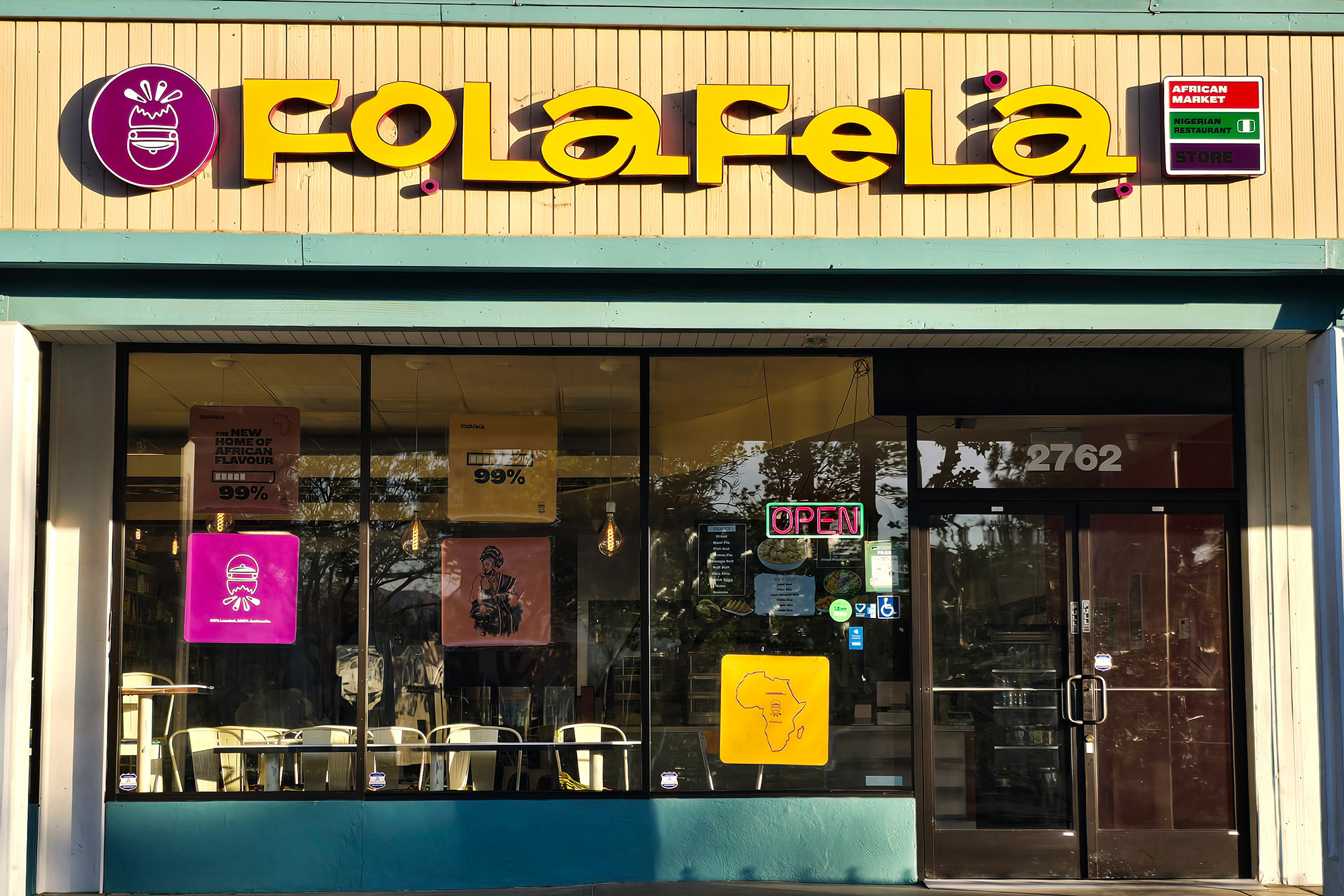
In March, Adewole finally decided to take things into her own hands: She opened FolaFela, a small Nigerian restaurant tucked into a strip mall in East San José. It’s the South Bay’s first proper brick-and-mortar Nigerian restaurant.
The shop has only a handful of tables, along with a mini African grocery store in the back. But the menu is surprisingly expansive, featuring dishes like gizz dodo (fried gizzards and plantains) and asun coconut rice. The main draw is the assortment of fourteen Nigerian soups, served with starchy dough balls known as swallows or okele. Already, the thick, complex soups have been a hit, drawing flocks of diners from as far away as Santa Cruz.
Adewole didn’t have any restaurant experience before opening FolaFela, but she has been selling Nigerian dishes since her youth. Growing up in the city of Ile-Ifẹ, in Nigeria’s Osun state, Adewole would help her mother prepare and sell ofada rice — a rice dish topped with a crayfish and pepper stew that now serves at the restaurant, using the same recipe. Soon after she settled in San José, she decided to fill the culinary void by making Nigerian plates to share with coworkers and friends from church. By 2021, she was catering for events with as many as 300 guests. So, after much encouragement from her customers, she decided to open the restaurant while still juggling her day job as a registered nurse at the Stanford hospital.
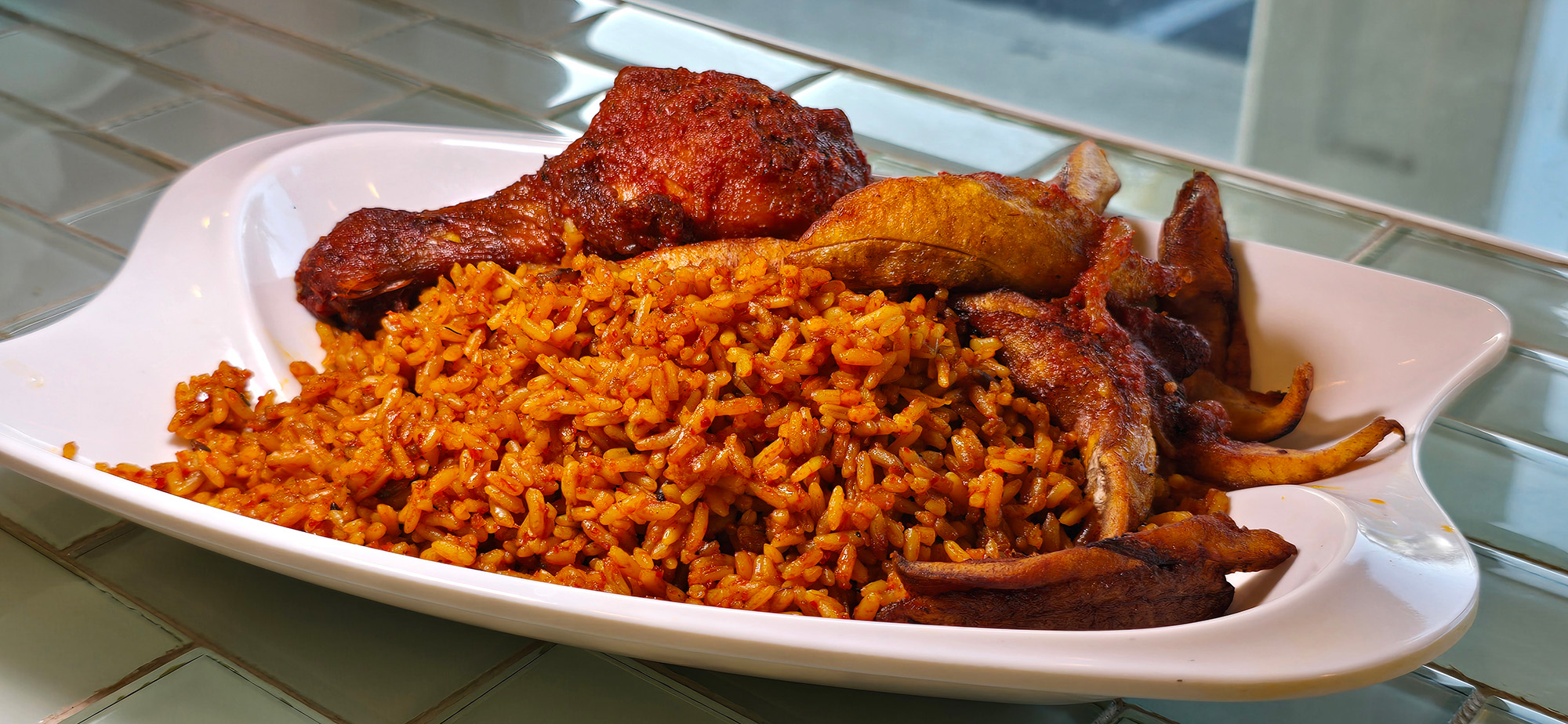
Over the course of several visits to the restaurant, the jollof rice was my favorite dish on the menu. The tomato-infused rice tastes like it was cooked over a campfire due to its bold, smoky aroma — a signature of the Nigerian style.
“A lot of people think jollof rice can only be smoky if they burn it,” Adewole says. “But it doesn’t have to be like that.”
Instead, Adewole develops layers of flavor by using a thoughtfully curated selection of smoked and toasted spices including ginger, garlic, rosemary, nutmeg and star anise. The jollof I ordered came with fried plantains and a maroon-colored chicken leg that melted off the bone. You can swap out the poultry for goat, fish or beef.
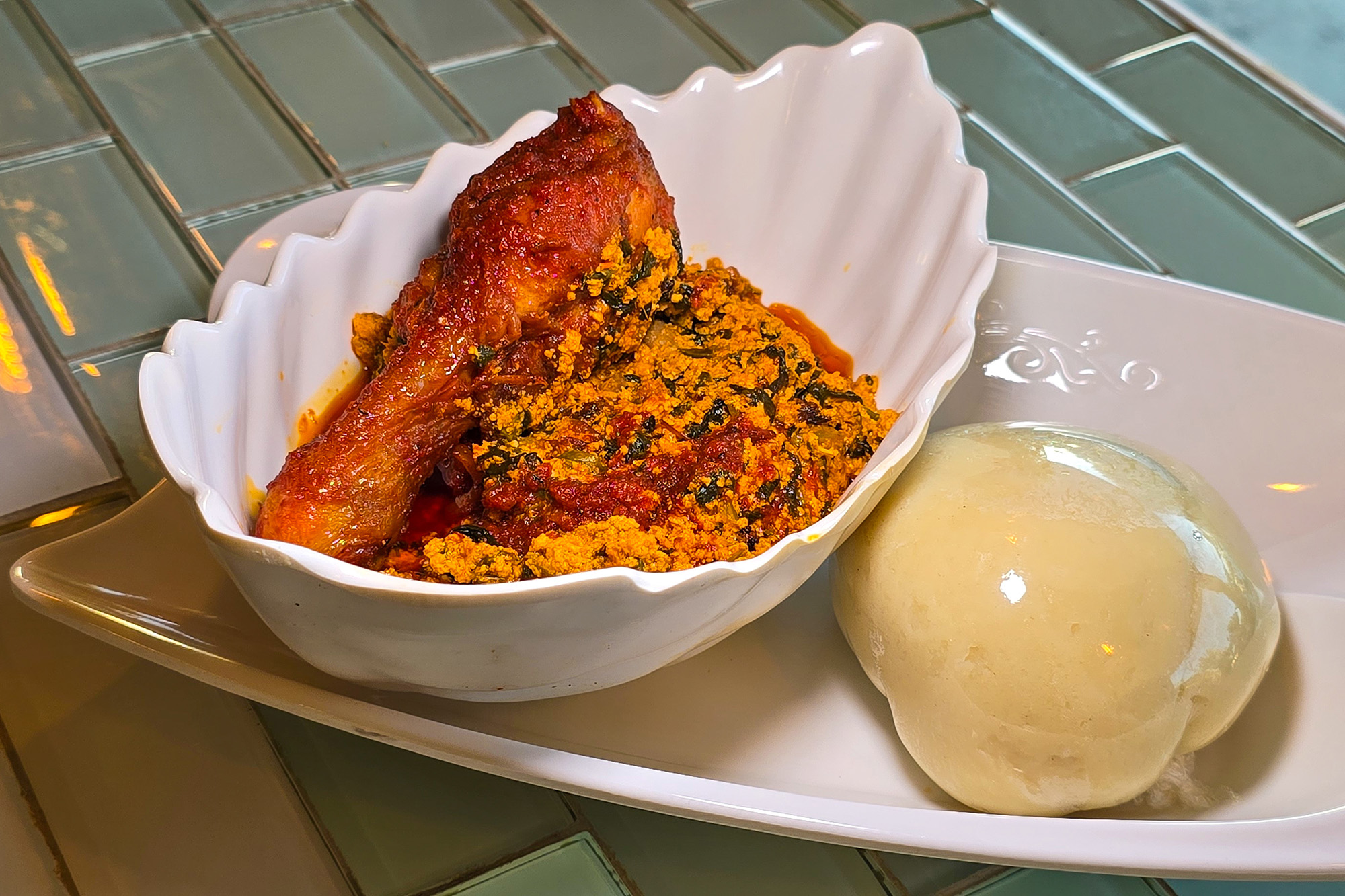
Most of FolaFela’s soups, on the other hand, highlight leaves and seeds native to Nigeria. The most popular one is a Yoruba dish called egusi soup, named after the dried ground melon seeds used to thicken it. Adewole’s version is specked with bitter leafy greens and served with poundo yam, a type of swallow made with yam flour. The stretchy, pillowy dough balls have been trending on social media lately, as mukbang influencers post videos of themselves dunking them in stew and theatrically chewing on each sauce-soaked bite.
Adewole decided to focus on soups because it’s a food that’s deeply nostalgic for West African people, in particular. Since the soups are often associated with celebrations and other large gatherings, she offers them in increments of up to four liters.
“I have customers come in asking for particular soups that their grandma used to make,” Adewole says. Meanwhile, she recognizes that other customers might be having Nigerian cuisine for the very first time. For those newcomers, FolaFela can be a great place to learn about the origins of the food.
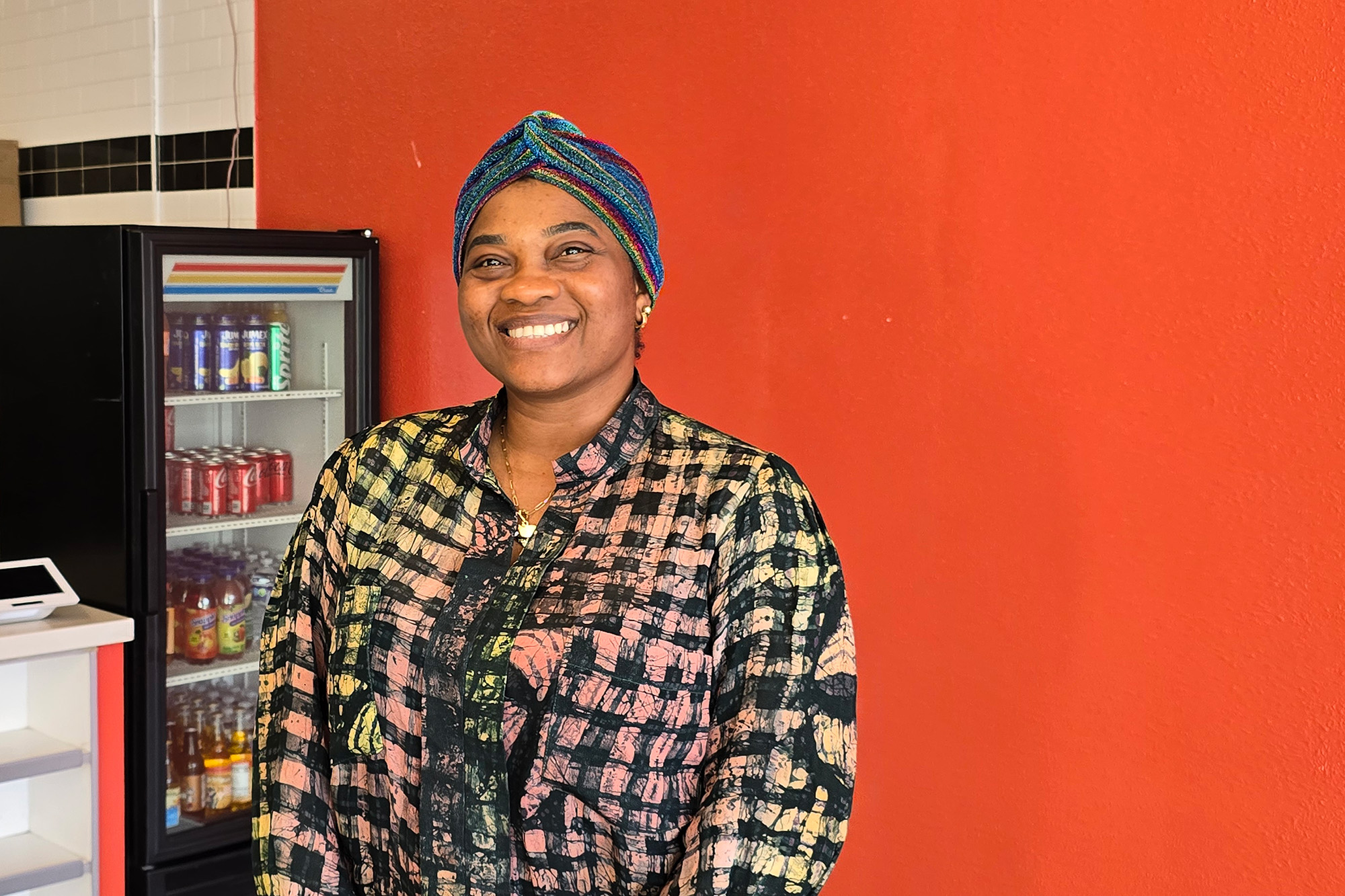
“A lot of Africans in the Bay Area are very scattered,” Adewole says. She sees her restaurant as a place for the community to congregate — where African immigrants can have conversations about what part of the continent their family is from and chat about their regional dishes. The grocery store section provides another point of connection, as Adewole travels to Los Angeles and Sacramento to stock the shop’s pantry and freezers with hard-to-find flours and spices. Her largest struggle is sourcing frozen and dried kote fish, or horse mackerel, which she serves fried and in stews.
Although FolaFela is still in its early stages, Adewole has ambitious ideas for where it’s heading next. Eventually, she hopes to open a second FolaFela location somewhere near Palo Alto to make Nigerian food more accessible to people on the Peninsula. And she is developing recipes to expand her menu to include dishes from other Nigerian ethnic groups like the Hausa.
“What I would love to do is bring more Igbo food onto my menu,” Adewole says. “I’m thinking of doing a white soup with cocoyam.”
FolaFela is open Tuesday to Saturday 11:30–9 p.m., and Sunday 3 p.m.–9 p.m. at 2762 Aborn Rd. in San José.