Oakland-Raised Satya Colors Her Past on Debut Album ‘Yellow House’
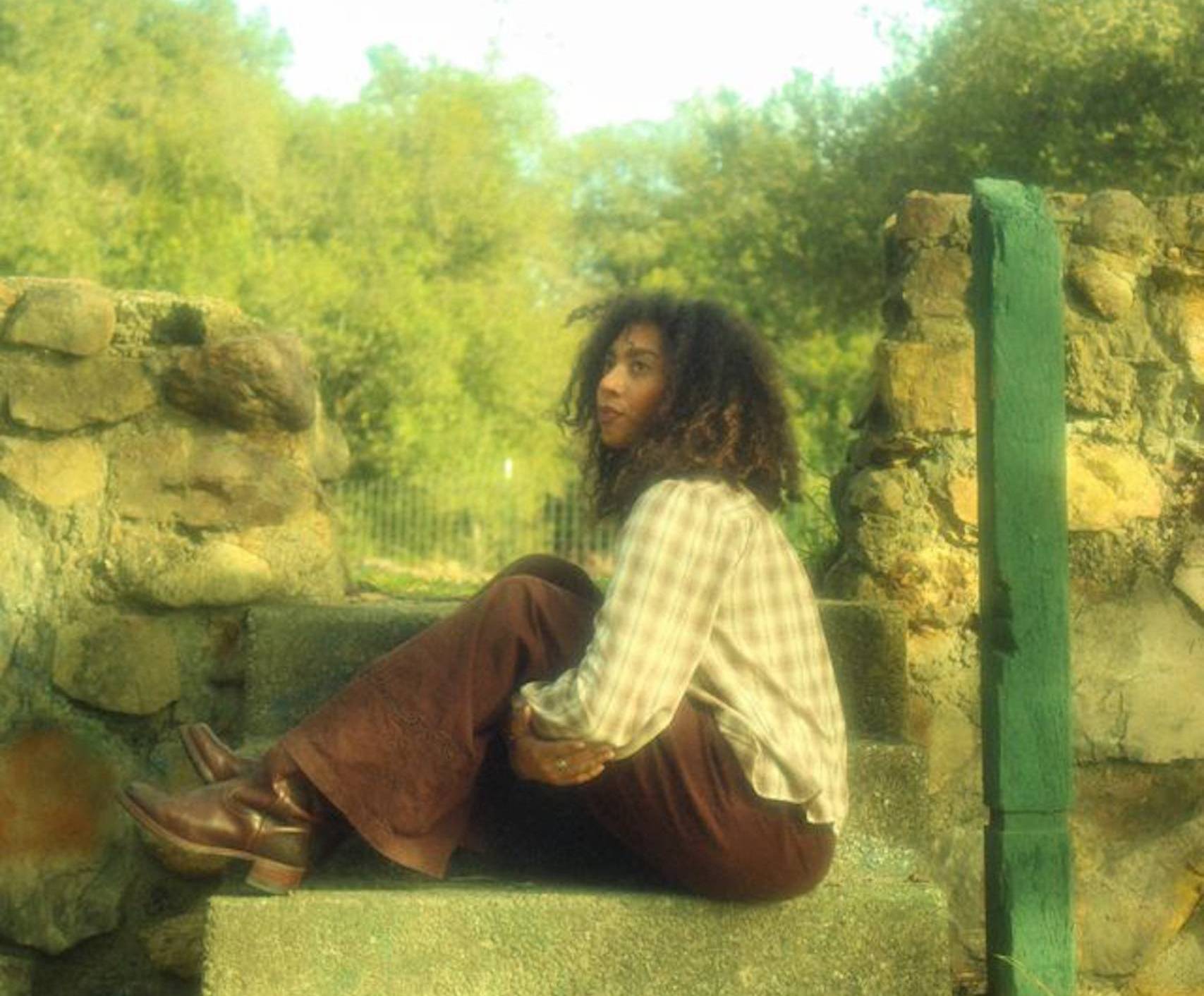
Oakland-raised singer Satya possesses a magnificently colorful voice.
It’s a sultry deep-purple, interspersed with shades of bluegrass. Certain notes carry the worn-leather brown of a good country twang, and others are pure white robes of a full choir. Her lyrics paint a dark angsty hue of ’90s alternative R&B, rich with self-prescribed affirmations.
And as the 25 year-old musician celebrates her debut album Yellow House this week with a listening party at Oakland’s Blk Girls Green House, she continues to fine-tune her sound.
As for that rich, multi-hued voice? “I’m still finding it,” Satya tells me.
Given that her album addresses maturation, healing and honoring the agency that comes along with adulthood, she’s finding her voice in more ways than one.
An Oakland School of the Arts graduate who studied vocal arrangement, Satya also plays piano and guitar, and is learning the bass. She loves playing and singing with others, working on harmonies and making songs that have a “a full sound,” she says.
“I grew up listening to Aretha Franklin,” Satya tells me, explaining a love for gospel music and “wide sounds.” Now, as she matures, she’s learning to experiment with lower and softer ranges, while still relishing in large soundscapes.
Yellow House showcases her far-reaching vocal range, interwoven with the production of Nashville-based musician Colin Linden. Now based in Los Angeles, Satya recorded the entire album in Tennessee. Along the way, she made a stop in New Orleans for college — an experience that truly set her on her musical path.
While studying the music industry at Loyola University, the pandemic hit and school shut down. Uninspired by online classes, she dropped out. “And I just stayed in New Orleans,” she says. “And I fell in love with it.”
Through her circle of friends, Satya traveled the South. But the Crescent City had her heart.
She cut her teeth as a musician in the Big Easy, performing original music and gigging around town with a band. Looking back, “New Orleans shaped me so much as an artist and a musician,” she says.
Years passed and she moved back to the west coast, landing in Southern California and chipping away at her first album. Though she eventually recorded it in Nashville, the songs on Yellow House draw heavily on her experience growing up in Oakland.

The title track, “Yellow House,” is about the actual home she lived in as a kid.
In the song, the guitar and drums are dark and heavy, and the lyrics pull from past trauma. But a tempo shift toward the end of the track connotes optimism; as the guitar strums build, Satya shares details of her house: “Yellow house, lemon trees, wooden floor, she laid face down / Yellow house, dead birds, pill bottles missing from the cabinet/ What if I say that I / Say that I’m done with all your madness?”
In just under a minute, Satya juxtaposes dark grey memories with a slice of light. Sonically, it’s as if a character in a noir film walked into a scene wearing a canary-colored sundress.
Immediately following is “Circles,” the first song Satya wrote for the album, which starts with a dark simple guitar riff and builds to a crescendo of keys, drums and vocals. With lyrics like “I dream of the hallway,” the song references that same yellow house.
“When I was tracing feelings back and memories back,” Satya reflects, “I sometimes felt like my energy was in that house still.”
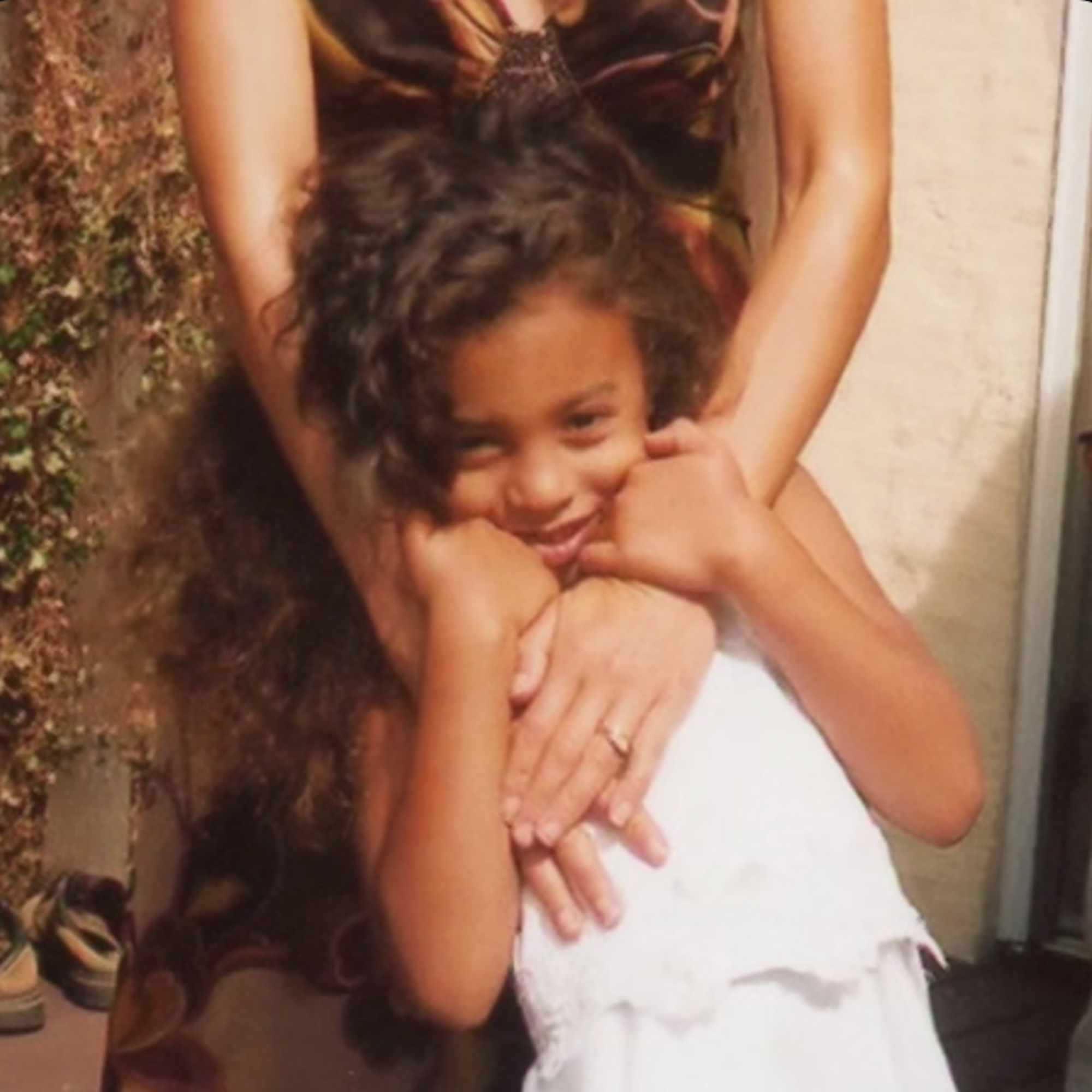
Album closer “Cicadas” directly draws from Satya’s time in New Orleans, complete with the sound of raindrops falling. Two covers — the Grateful Dead’s “Box of Rain” and Lucinda Williams’ “Fruits of My Labor” — show that she’s not limited by genre.
But it’s in “Heaven’s Cry” where Satya speaks directly to her transformation process.
Over a bright melody, Satya sings, “Fell from the sky, don’t know how, don’t know why / Closing my eyes, take one step at a time.” As the track unfolds, she describes persevering through rough waters, guided by voices from heaven.
“I grew up with a lot of imbalance,” she says. “A lot of open-endedness, a lot of loose ends.” Transitions and grief were a constant, she adds. “I really just had to make a decision to leave home because it didn’t feel safe anymore.”
Satya’s goal now is to be the fullest form of herself.
“I want to be expressive, and follow what really gives me joy,” Staya says. Living without fear and resetting her body are part of it. But ultimately, “it’s about knowing that I’m safe.”
Satya’s ‘Yellow House’ is available June 5 on streaming platforms. She hosts a listening party at Blk Girls Green House on June 6. Details and more information here.