New Study Highlights Cost-of-Living Crisis for Artists
The new survey asked more than 2,600 artists about everything from hours worked to housing.
Elizabeth Blair, NPR
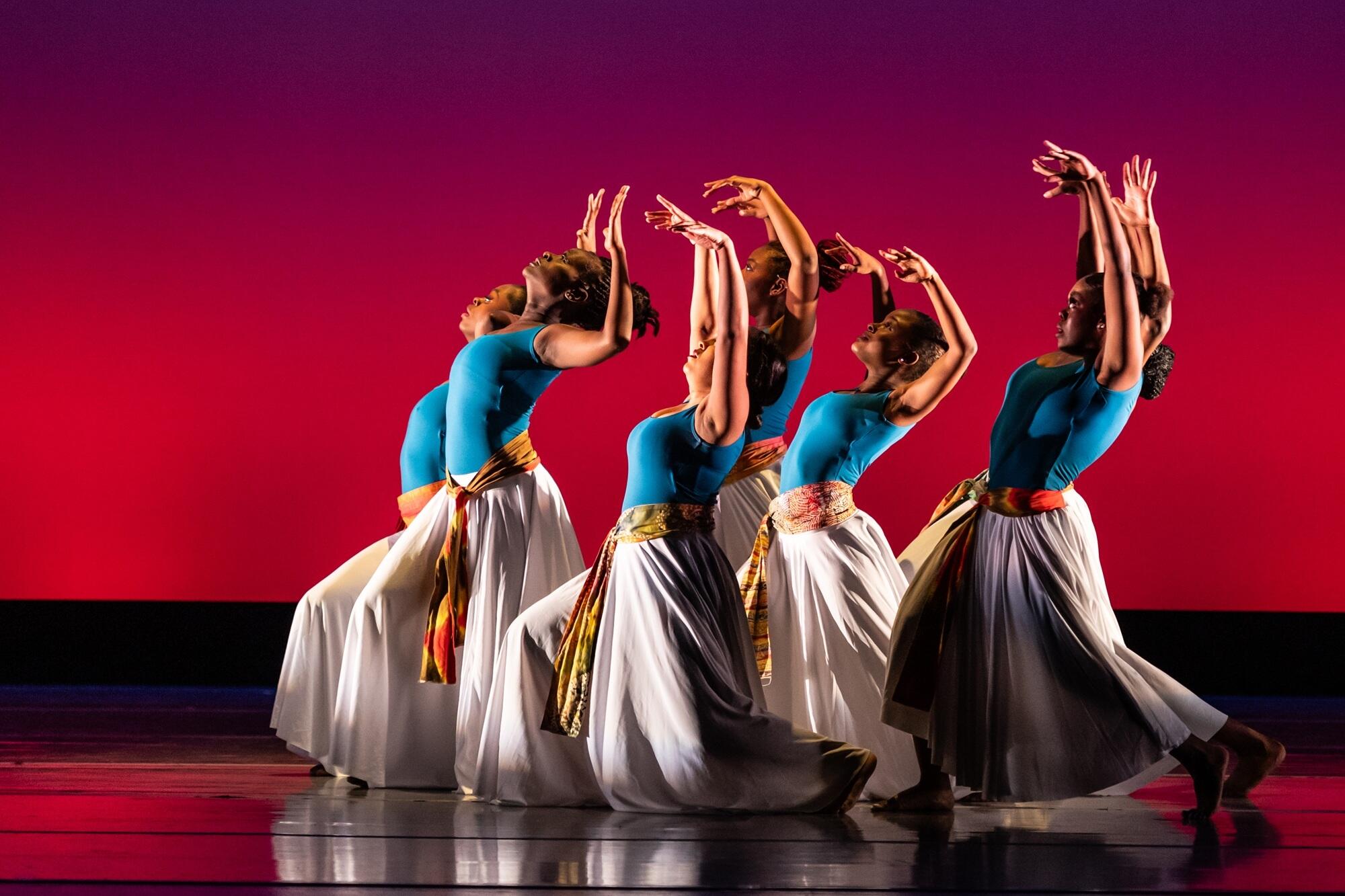
Alabama State University dance students performing at the Alabama Dance Festival in January 2025.
“We all know the trope of the starving artist,” said researcher Gwendolyn Rugg, “But there’s actually surprisingly little reliable data out there to back this up.”
Rugg, a senior research scientist for NORC at The University of Chicago, a nonpartisan research organization, is the lead author of a new report on artists’ lives and their livelihoods. Researchers surveyed more than 2,600 artists nationwide from across disciplines and working arrangements. They were asked a range of questions on everything from housing, the hours they work and health benefits to how they make money. The study was funded by the Mellon Foundation.
Among the key findings:
57% of artists reported being “somewhat or very worried” about being able to afford “food, housing, medical care, or utilities”;
37% received income from public assistance sources, including Social Security and state or local welfare;
34% of artists are self-employed, 11% “juggled three or more jobs”;
28% “provide unpaid assistance to a family member or friend due to a health condition or disability.”
Related Article
The NORC study released Wednesday isn’t the first to confirm that most artists aren’t in it for the money and that the systems that support them in the United States are fragile. Museums are struggling this year. Government and foundation grants can be precarious. During the pandemic, concert venues and theaters were among the first to close and the last to reopen.
But Rugg said this is the first study to “paint a more comprehensive and nuanced portrait of working artists today.”
“And not having that data,” said Gonzalo Casals, “you’re invisible.” Casals commissioned the survey when he was a senior policy fellow for arts and culture at the Mellon Foundation. Today, he is co-director of the Culture and Arts Policy Institute, which provides policy guidance for those in New York’s arts sector.
The dire picture painted by studies of the arts ecosystem is in contrast to reports on the positive economic impact of the arts and the social and emotional benefits of arts education.
Kerri-Noelle Humphrey, executive director of the Alabama Dance Council, says she uses every study she can get her hands on to raise money and awareness about both the art form of dance and the people who make it.
Humphrey said there are plenty of people who love attending dance performances but “don’t understand the process. They just see the outcome.”
“Most dancers who work in a company don’t have health insurance benefits. And when you work in a career that is athletic, you would think having the ability to go to a doctor for regular care would be something that would be a part of your full time job. And it is not necessarily that way,” said Humphrey, “So the data helps us quantify those stories that we see every day.”
Rugg believes “the best programs and policies are always rooted in data” but that many arts organizations have had a “data allergy stemming from some combination of a lack of desire or a lack of resources.“
Anyone can access the results of the study here. NORC has also posted the “survey instrument” so that other organizations can replicate it for their purposes.
“We spent well over a year constructing this survey instrument that we feel is quite methodologically sound,” said Rugg, “We…compiled the best questions from various data sources, and then created novel questions where we saw gaps. By publicly releasing this instrument, the hope is that other folks in the field can utilize it in any way that they want going forward.”