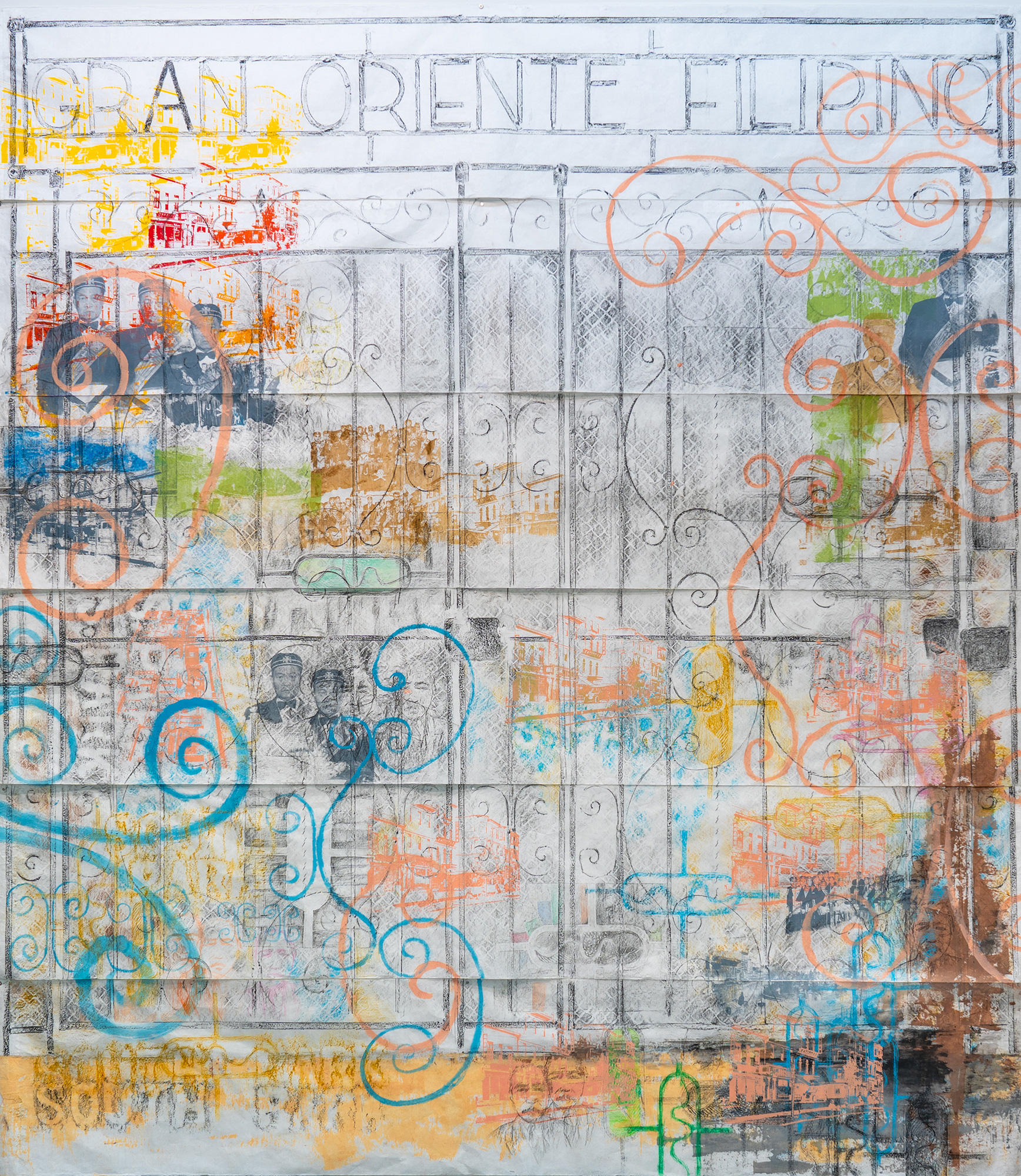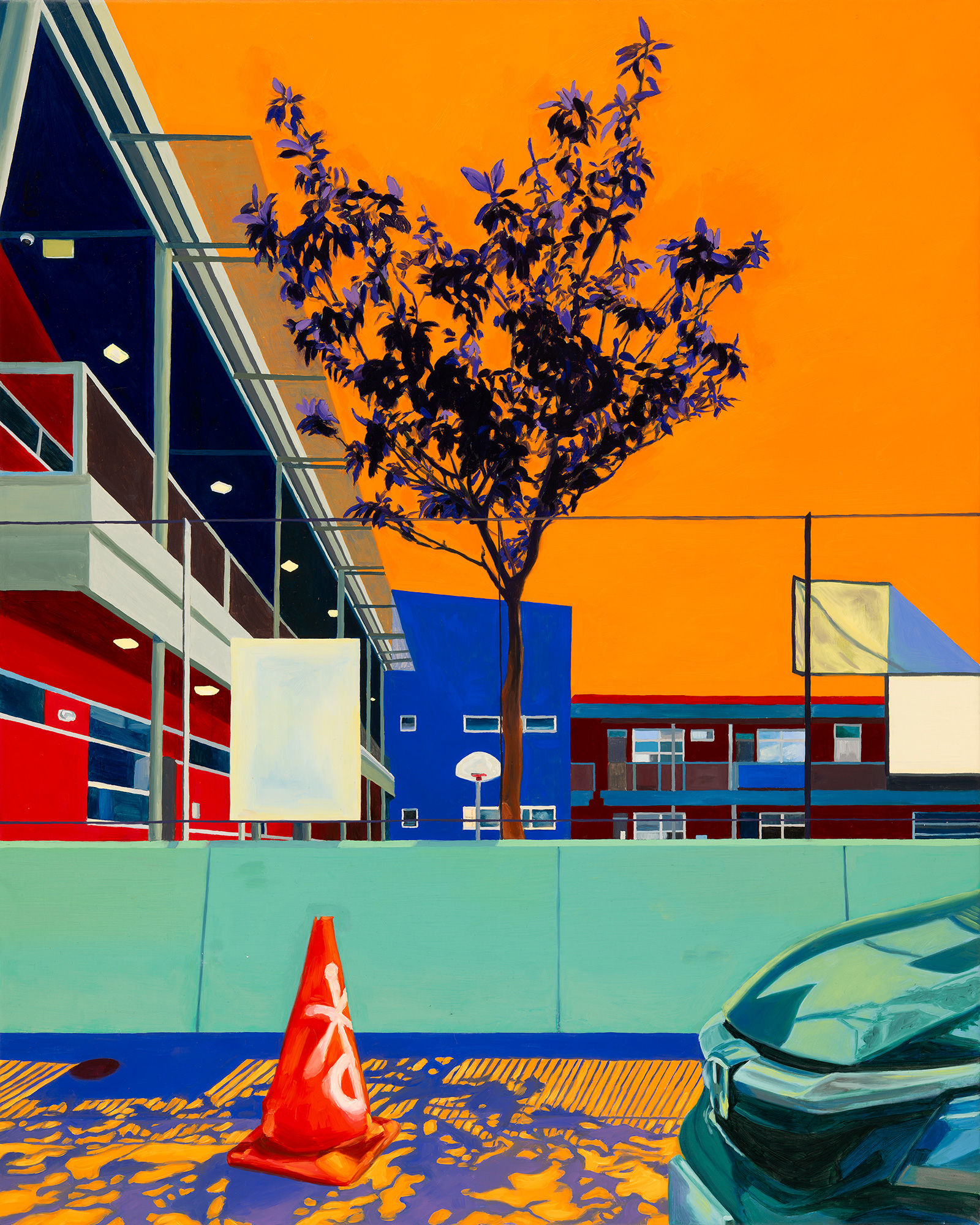
At Yerba Buena Center for the Arts, the flame-bladed sword piercing the sun, the baybayin script on the wall and the bundles of sampaguita blossoms hanging from triangular banderitas across the ceiling are not merely festive decor, but markers of culture, memory and collective resistance.
MAKIBAKA: A Living Legacy, co-curated by SOMA Pilipinas and Trisha Lagaso Goldberg, features artwork by over 20 Bay Area Filipino American artists. The exhibition, Goldberg writes, “honors the generations who held their ground and made the city theirs — through protest, through art, through unrelenting care. … Filipino presence in San Francisco is not symbolic — it is structural, embodied, and alive.”
In English, the word makibaka translates to “to fight.” In the 1970s and ’80s, amid president Ferdinand Marcos’ dictatorship in the Philippines, protestors chanted in the streets of Manila: “Makibaka, huwag matakot!” Fight, don’t be afraid.
That phrase was a call to courage, action and collective power. Today, it echoes again, across oceans and generations. At YBCA, resistance to oppression and displacement appears in paint, prints, fabric, clay and archival memory.
Walking through MAKIBAKA, installed in the second-floor galleries, feels like flipping a breathing scrapbook; the show is intimate, reflective and fiercely political. Works speak to individual experiences while grounding themselves in shared struggles.
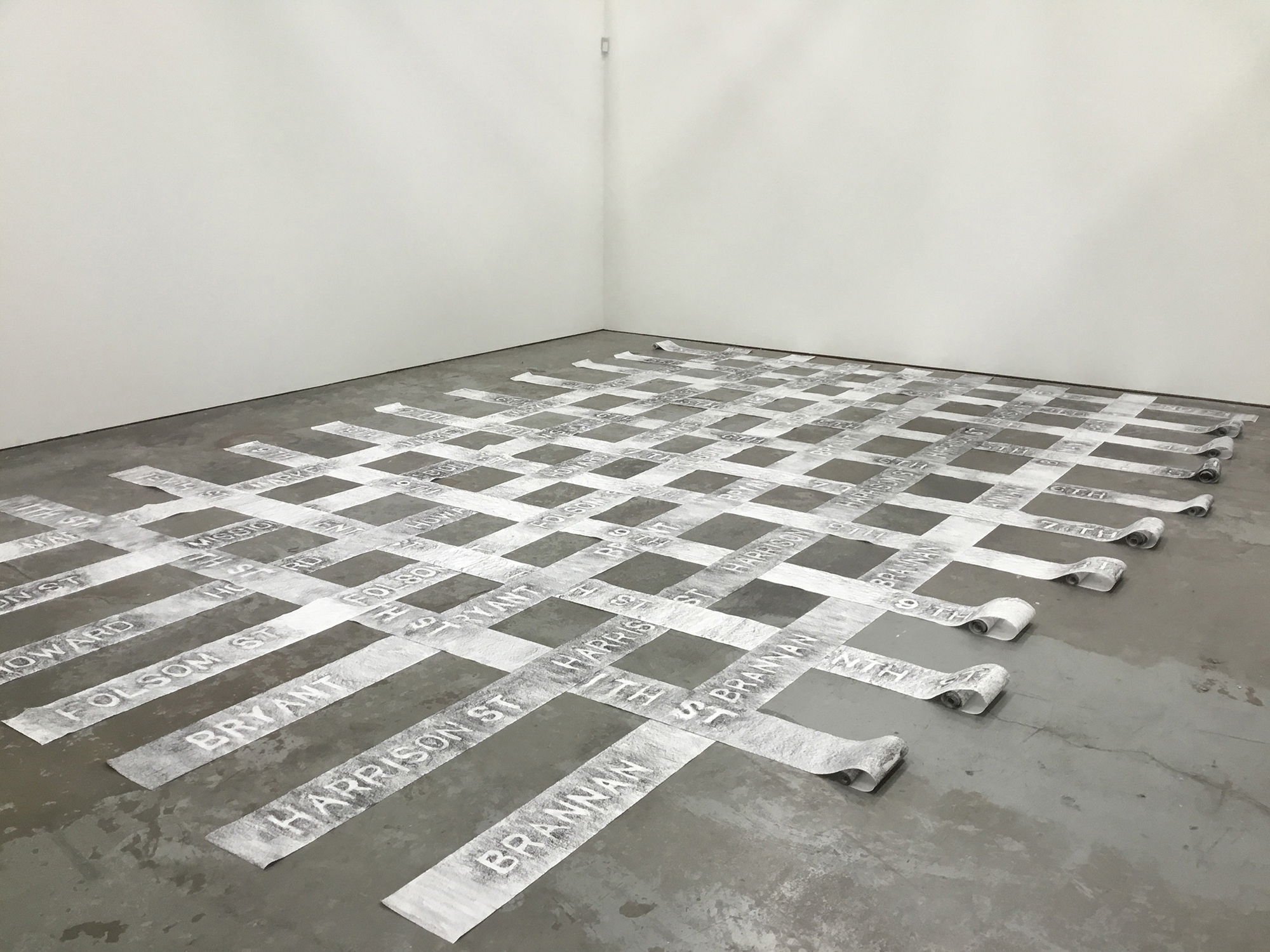
Erina Alejo’s contribution to the show occupies that middle ground. In The Older I Get, The More I Remember, the walls of a gallery corner are wrapped in dark chalk, layered with scrawled writing and neatly hung archival photographs by Alejo’s former middle school students.