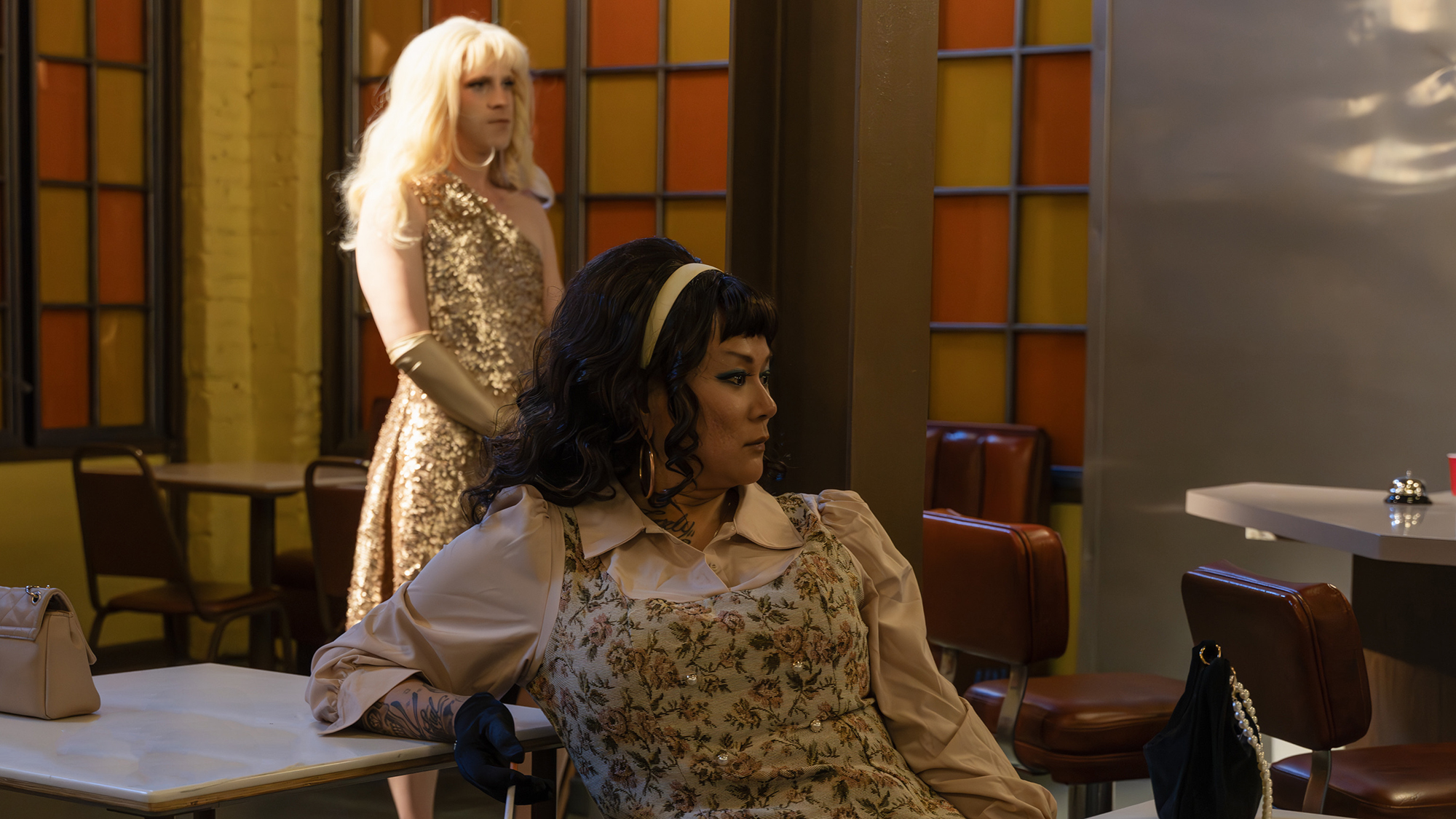
The new immersive play Compton’s Cafeteria Riot takes its audience back in time to 1966, and into the seats and tables of a San Francisco diner where trans women and gay hustlers faced off against abusive police.
This real-life riot occurred three years before a similar rebellion at New York’s Stonewall Inn, which kicked off the modern-day gay rights movement. While Stonewall became queer canon, the riot at Compton’s was all but forgotten until historian Susan Stryker brought it to the world with her 2005 documentary Screaming Queens. In the 20 years since, the riot has become a beacon for trans people fighting for their rights in San Francisco.
Yet the conflict in the play isn’t limited to trans women and the cops who routinely arrest them and brutalize them for wearing women’s clothing — it occurs among the women themselves. Some work in the sex trade because discrimination leaves them without job prospects. Others strive to pass as cis because their safety depends on it. Compton’s Cafeteria, a late-night diner, is one of the few places they can come together and be themselves, but it’s impossible to keep oppressive outside forces at bay. Under the constant threat of violence and harassment, the women apart tear each other apart with rivalries and betrayals when they need to protect each other most.
Rather than separating the audience from the actors, Compton’s Cafeteria Riot puts viewers in the middle of the action. Upon entering the cafe-turned-theater on Larkin Street in the Tenderloin, just blocks from the original Compton’s location on Turk and Taylor, actors in 1960s waitress uniforms serve attendees an old-school plate of pancakes and sausage, complete with an unpretentious cup of diner coffee.
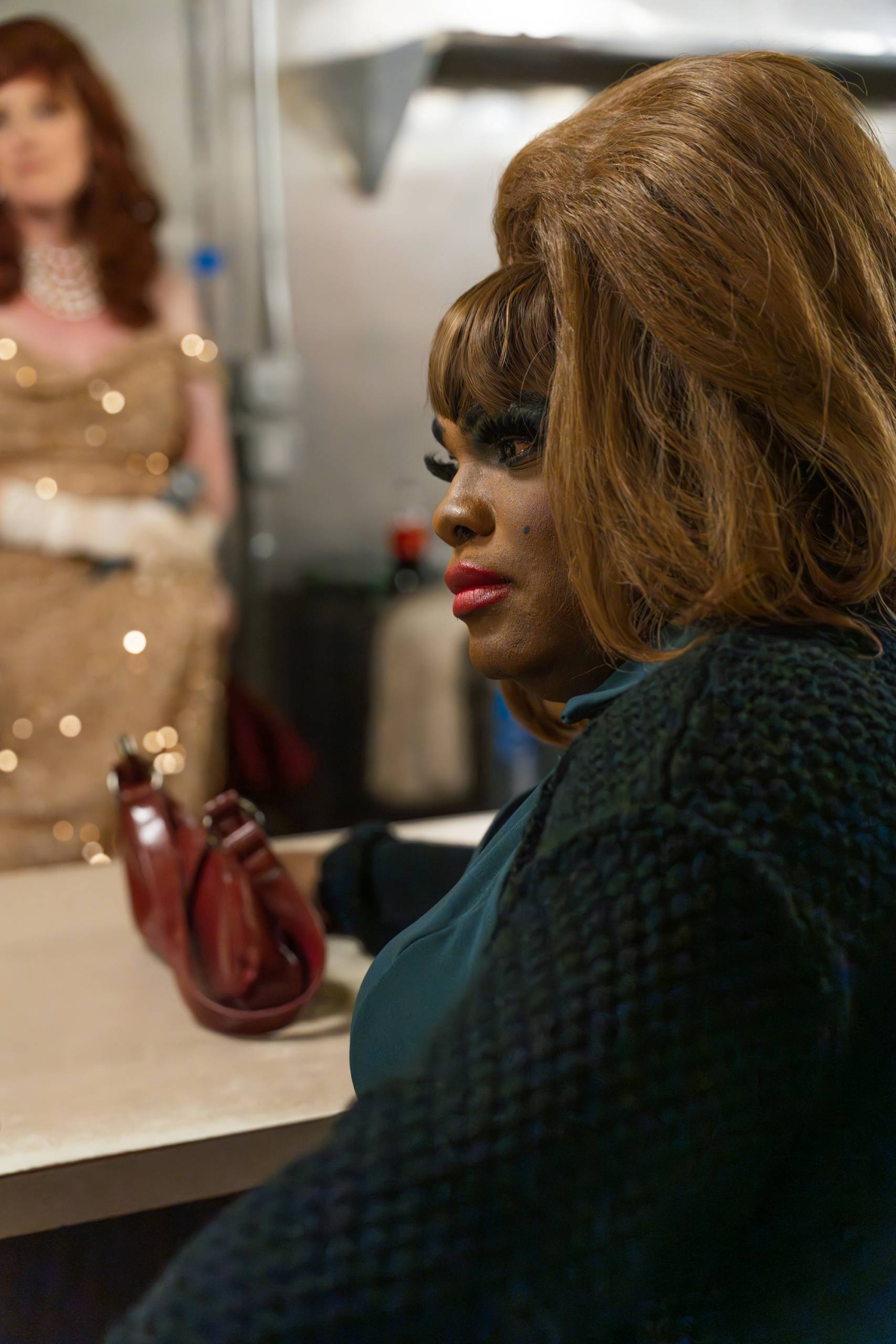
Once the story begins, you’re a fly on the wall observing the characters’ comings and goings, and before long, you’re bantering with them between scenes, growing emotionally invested in each storyline. Compton’s regular Suki (a charismatic, confident Jaylyn Abergas) and Frankie, a Navy sailor (played by a swooning Jonah Hezekiah Bessellieu), are lovers whose romance implodes when Suki’s trans-ness becomes a threat to Frankie’s masculinity. Doe-eyed Rusty (Shane Zaldivar) is a young trans woman finding her way as the more experienced Collette (Saoirse Grace) and Nicki (Lavale Williams-Davis) warn her of the dangers on the street.
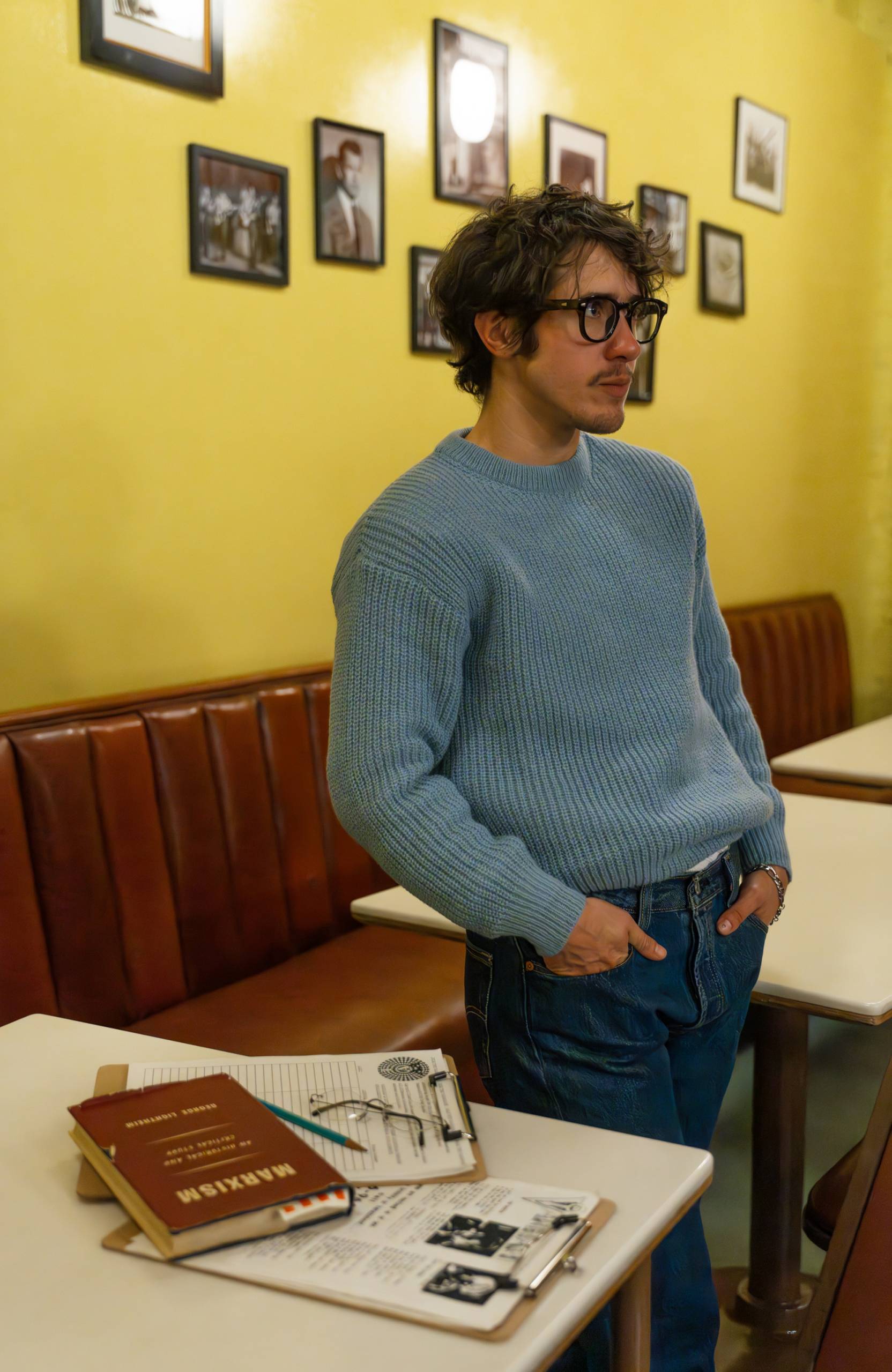
Haughty, egotistical Vicki (Matthew Giesecke) is hellbent on revenge when she’s outed and fired from her secretary job. But while Vicki’s Regina George-esque antagonism drives the plot, the sadistic Officer Johnson (Tony Cardoza) is the true villain. Amid all the interpersonal drama, two activists from a radical group called Vanguard, Adrian (Casimir Kotarski) and Dixie (Maurice André San-Chez), become the moral heart of the story as they desperately try to convince everyone to remember who the real enemy is.
Co-written by Donna Personna and Collette LeGrande — who both hung out at Compton’s Cafeteria in the ’60s — and immersive theater artist Mark Nassar, Compton’s Cafeteria Riot brilliantly shows how conflicting perspectives arise among complicated people trying to survive a brutal world. Whether or not she passes as cis, whether she works the streets or a mainstream job, each woman finds herself in a precarious position. Each has her reasons for not wanting to make herself a target by signing a petition or joining a protest — until there’s no other option.