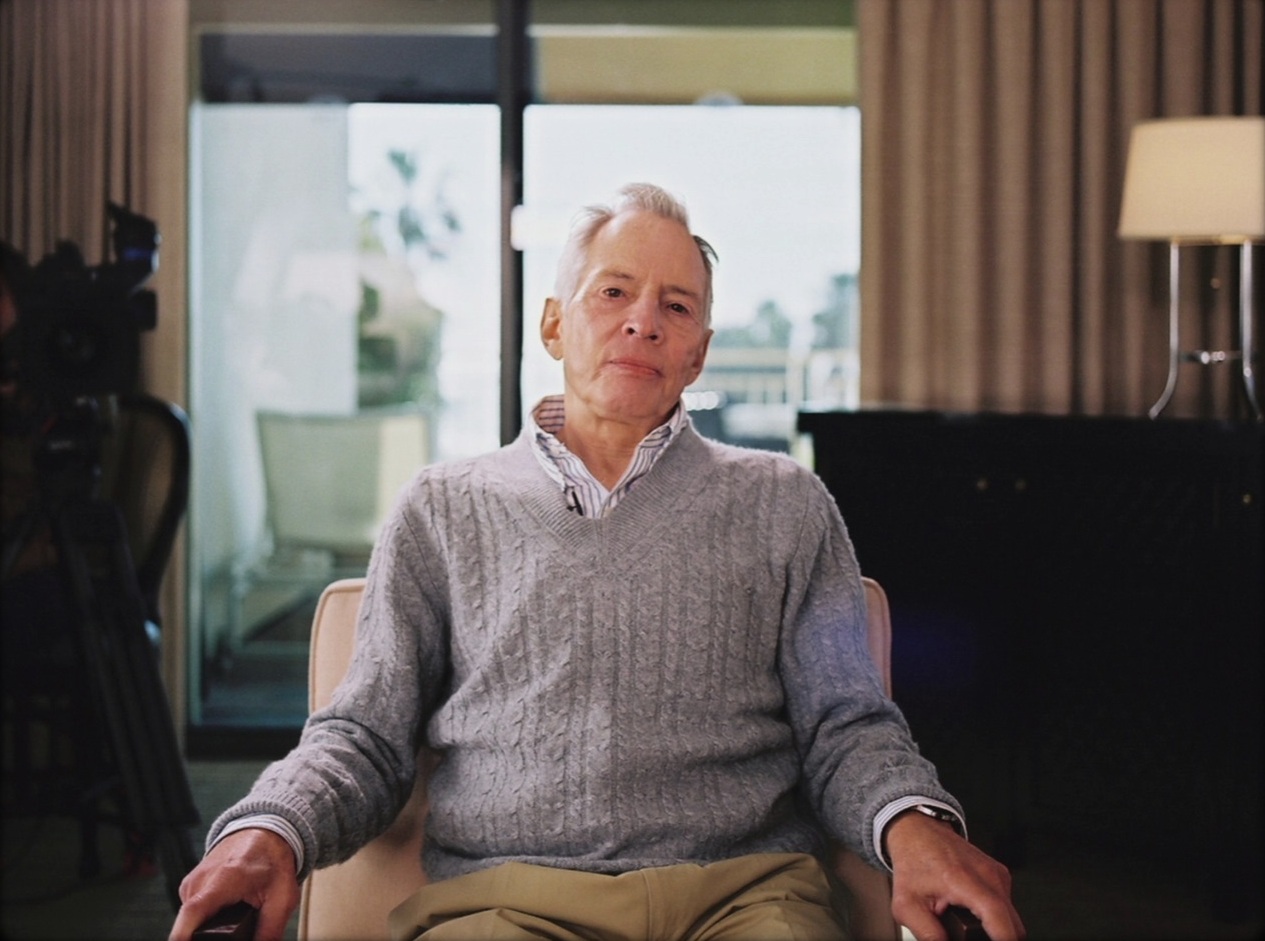
HBO’s The Jinx, which aired in 2015 (yes, nine years ago), was a huge contributor to the true-crime boom in television and audio. It came out the same year as Netflix’s Making a Murderer and only a few months after the first season of the podcast Serial. Few later attempts have been as successful, though, because they lack The Jinx‘s secret weapon: the participation of the extraordinarily strange, compulsively talkative, and now deceased subject, Robert Durst.
The story of the docuseries goes like this: Durst had long been suspected in both the disappearance of his wife, Kathie, in 1982 and the shooting death of his best friend, Susan Berman, in 2000. He had admitted shooting his neighbor, Morris Black, in 2001 but was acquitted by a jury on a theory of self-defense. For reasons known only to himself, Durst chose to live out his life as an ultrawealthy real estate tycoon, but also to sit for long interviews with director Andrew Jarecki for The Jinx to discuss the alleged crimes.
These interviews were what made The Jinx so compelling. Durst could not stop himself from talking, even when staying silent was obviously in his best interests. This extended to a hot-mic incident that Jarecki treated as a bombshell confession, even though it turned out to be a bit more complicated than that. The day before the finale aired, Durst was arrested for the murder of Berman, based in part on evidence that the documentarians had uncovered and provided to law enforcement. This follow-up series essentially covers his trial and the time leading up to it. But it, too, lacks the punch that Durst’s presence offered the original.
There are some things about the self-referential nature of this second chapter that are a little unpleasant. The Jinx is now part of the story of Durst’s life after his arrest. The filmmakers show some footage of the series finale viewing party they held in 2015 for (among others) the family of the disappeared first wife Durst is suspected of having killed. We watch their (apparent) relief and gratitude when the “confession” is played. Not shown: the incident reported in The New York Times in which another guest at the same party (Rosie O’Donnell, for whatever reason) immediately demanded to know why the filmmakers would have withheld this evidence from law enforcement to use it as the kicker to the show, a question that played out in the press as well, along with some other tough questions about the making of The Jinx. But the way the viewing party is shown in Part Two, nobody felt anything but vindicated and thankful.
9(MDAxOTAwOTE4MDEyMTkxMDAzNjczZDljZA004))