
In 2015, journalist and video editor Maya Lin Sugarman lost her uncle Galen Yuen to a blood infection. To Lin Sugarman, Yuen had been a lovable goofball — a man fond of donuts, offbeat restaurants and Big Brother marathons. It was only when her beloved “popo” (Cantonese for maternal grandmother) died five years later that Lin Sugarman discovered a box of her uncle’s writing that revealed a different picture — a nefarious past she didn’t know he’d had.
Lin Sugarman’s journey to uncover Yuen’s true story is now a podcast titled Magnificent Jerk. Across seven engrossing episodes, we find out that Yuen had been a member of notorious Chinese-American gangs in the Chinatowns of both San Francisco and Oakland. He had acted as a pimp, served time in prison and survived serious drug addiction. Yuen started innumerable street brawls, attempted to extort a family, and was not averse to brandishing guns to make a point. And, in a remarkable twist, when he finally left his criminal past behind, he used his street knowledge to start a career in Hollywood.
Yuen’s experience in Hollywood, as told by Lin Sugarman in the Apple Original podcast, is a startling reflection of the racism that was rife in the entertainment industry in the 1990s. Yuen’s biggest project, Crazy Six, started as a script he wrote about Asian American gangs and a drug deal set in Oakland. (The “Crazy Six” of the title was named after a Chinese American gangster Yuen knew.) By the time Hollywood was done with the project, it was a movie set in Eastern Europe starring Rob Lowe, Burt Reynolds, Ice-T and exactly zero Asian American actors.
Lin Sugarman’s deep frustration about the fate of her uncle’s movie here is plain to hear. Still, she jumps at the chance to watch it on a big screen when the opportunity presents itself.
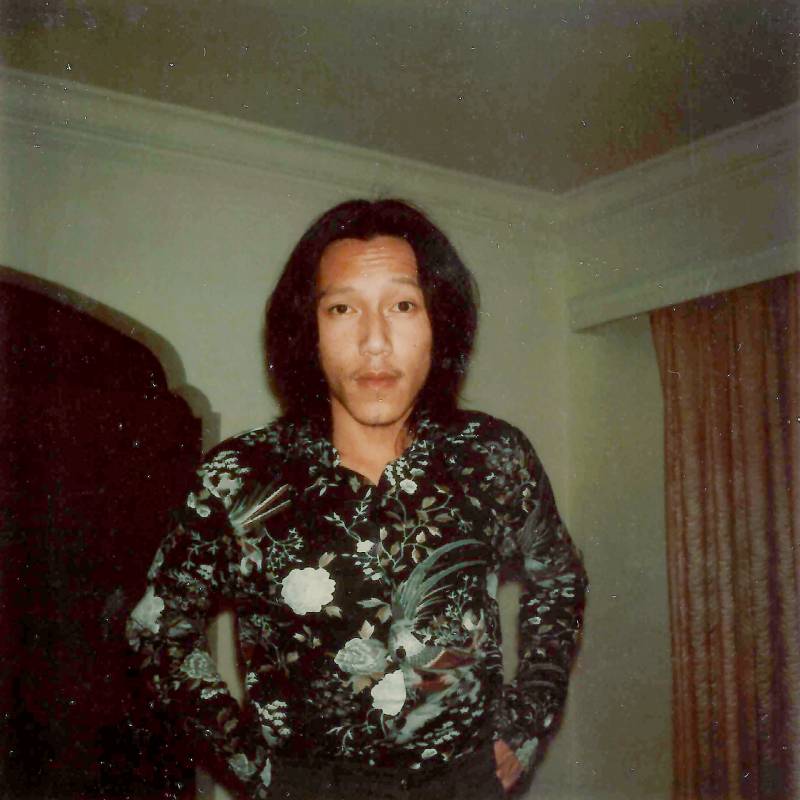
After the whitewashing of Crazy Six, Yuen decided to use the gumption and tenacity that once made him an effective gangster to help other Asian Americans in the movie industry. He set up an agency called Asian Talent Force and attempted to negotiate better roles and more money for his clients. Still, Yuen’s own acting career consisted largely of bit parts and small, often stereotypical roles in movies like Kindergarten Cop, Cyborg 2 and Crank: High Voltage. Yuen was offered very few opportunities to write. One exception was Riot, a four-part TV movie about the unrest in LA that followed the Rodney King verdict in 1992. Yuen was hired to write the Asian American perspective. The fact that he was not of Korean descent — as most of the Asians caught up in the riots were — did not matter to the producers.
