Behind frosted glass are silhouettes of silk undergarments, protecting parts of a woman only seen after dark. At first it feels intrusive to be so close to these items, culled from the Oakland Museum of California’s collection of historical objects. But after passing through the rest of the museum’s Hella Feminist exhibition, the intimacy of this opening display is a fitting introduction to the show’s stories of strength, courage, power and resilience.
Related Article
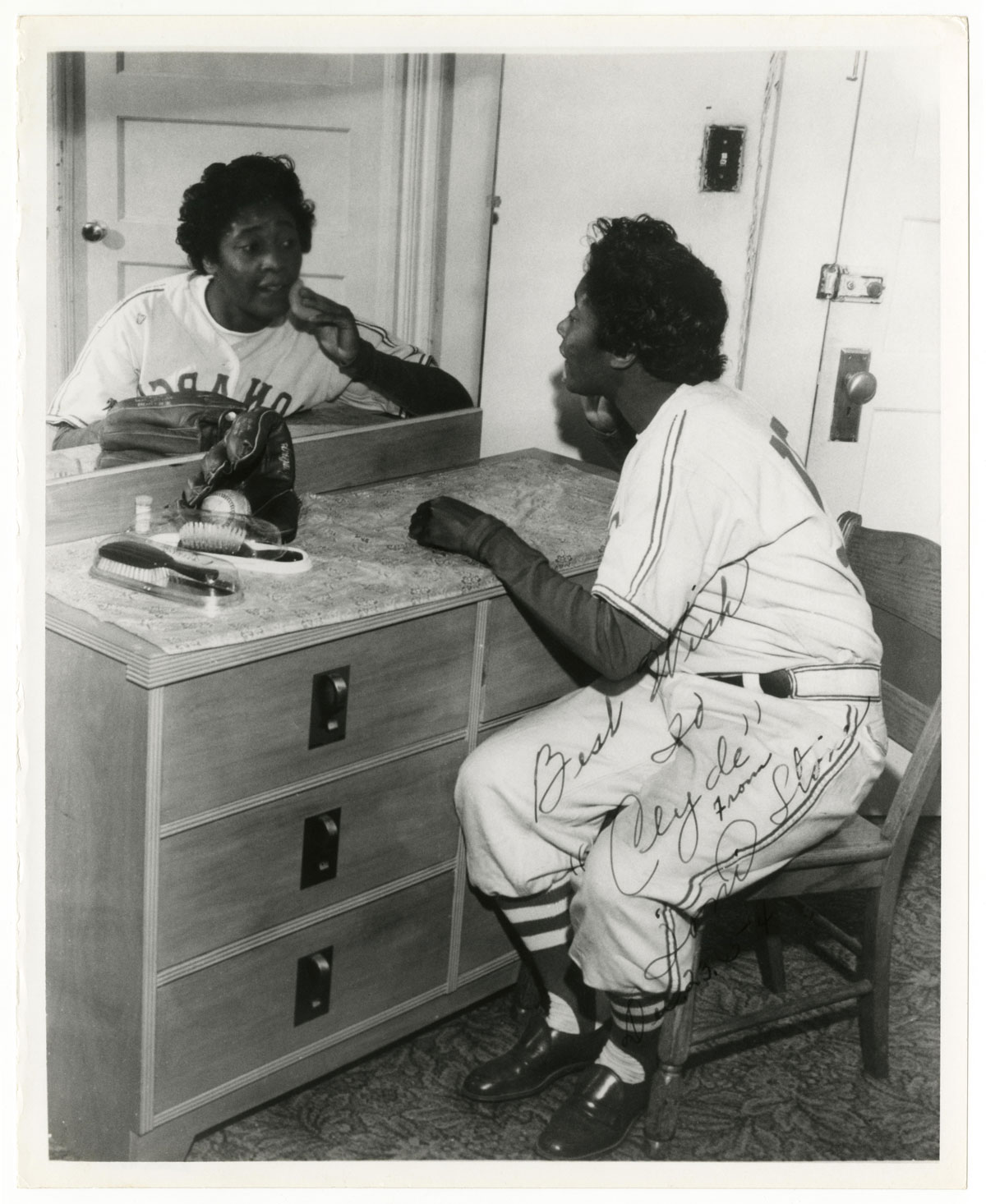
Running until January 2023, the multimedia exhibit guides viewers through the waves of Bay Area feminist movements, highlighting both broad trends and impactful moments. A tidbit of hyper-local history lives in a photograph of Toni Stone, the first Black woman to play professional baseball in the United States, who later joined the San Francisco Sea Lions.
Toni Stone in 1954. (Collection of OMCA; purchase from the Estate of Marcenia Lyle Alberga, a.k.a. Toni (Tomboy) Stone)
Curated by Carin Adams, Erendina Delgadillo and Lisa Silberstein, Hella Feminist was originally supposed to open in 2020, paying homage to the 100th anniversary of the passage of the 19th Amendment. During the pandemic-induced delay, the political stakes for feminism have changed dramatically, allowing visitors to reflect even more deeply on that milestone of women’s suffrage (which at the time represented only partial victory—Black women would continue to fight for the right to vote).
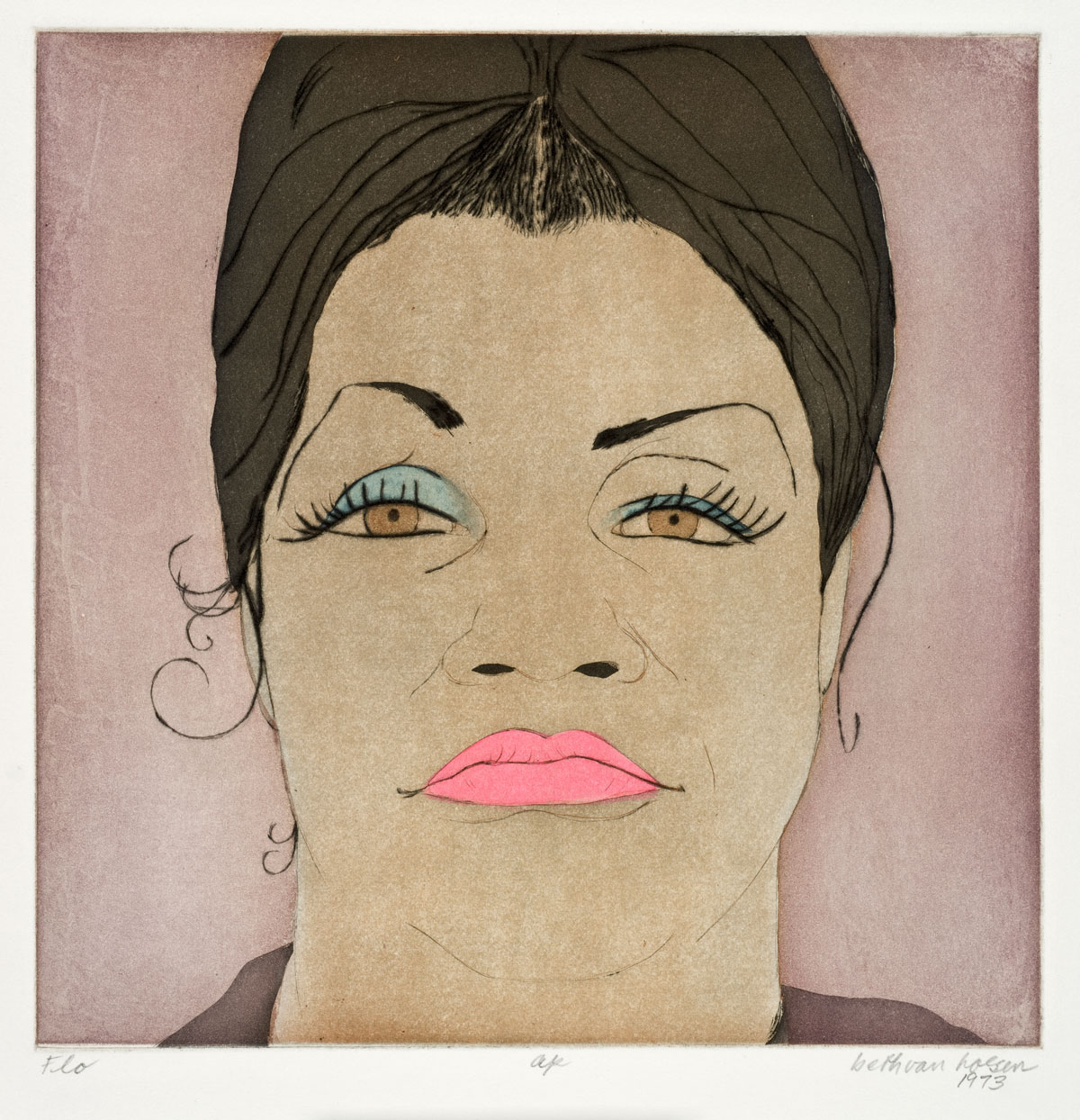
Each piece in the exhibition, which is a mix of items from the museum’s collection and commissioned artwork from contemporary artists, was chosen with the intention of moving away from, as the curators say, “frameworks that center whiteness and other forms of privilege.” Like meditation and mindfulness, the exhibit partakes in a holistic viewpoint of the human experience—sectioned by the mind, body and spirit—with each thematic display going a layer deeper.
“The Mind” explores the realities of showing up in a world of physical expectations largely decreed by the male gaze. We see a projection of a “perfect” hourglass-shaped torso tightly interlaced by a corset. Even today, undergarment brands like SKIMS normalize and even encourage a certain waist-to-hip ratio. The corset, a physical manifestation of painfully unsolicited beauty standards, becomes a symbol of emotional restriction and physical suffocation.
Moving into the next section, “The Body,” viewers can expect to reflect on sexual pleasure (or lack thereof) and body autonomy. Whether it’s related to gender identity, sex work or reproductive choices, the message is the same: our bodies, our choice. In the wake of the Supreme Court’s decision to overturn Roe v. Wade, this section of Hella Feminist is all the more bittersweet. It’s poignant to think about what’s been lost this year—with near-total abortion bans currently enacted in eight states—but a look at past organizing around reproductive rights is heartening. We’ve been down this road before.
In this section, an audio-visual piece catches my eye. Large white text against a black wall says: “You know, there’s abortion doulas.” It’s a reference to the individuals who accompany and support women through the process of having an abortion, like a friend you didn’t know you needed. I reflect on the potential loneliness of terminating a pregnancy and how much more isolating it may become.
Nearby, various sex toys of different colors, materials, sizes and shapes find a home in a display case. All of the toys were provided by Feelmore Adult Gallery, the only Black woman-owned sex shop in Oakland or Berkeley. The owner, Nenna Joiner, supports destigmatizing the dialogue around sex and hopes to decriminalize sex work.
Related Article
“The Spirit” looks at collective healing and the interplanar world that connects us all. Oakland artist Malaya Tuyay explores individuality within conformity through the mixed media textile work My Memories, Ideas, and Experiences Make Me Full. Stretching wide across the exhibition’s back wall, the piece showcases various women with their arms up as if they’re next in the ring. “These are spirits of past selves and past moments of learning and unlearning,” Tuyay explains in the accompanying wall text. I read it as an ode to fighting the trauma that lingers between generations.
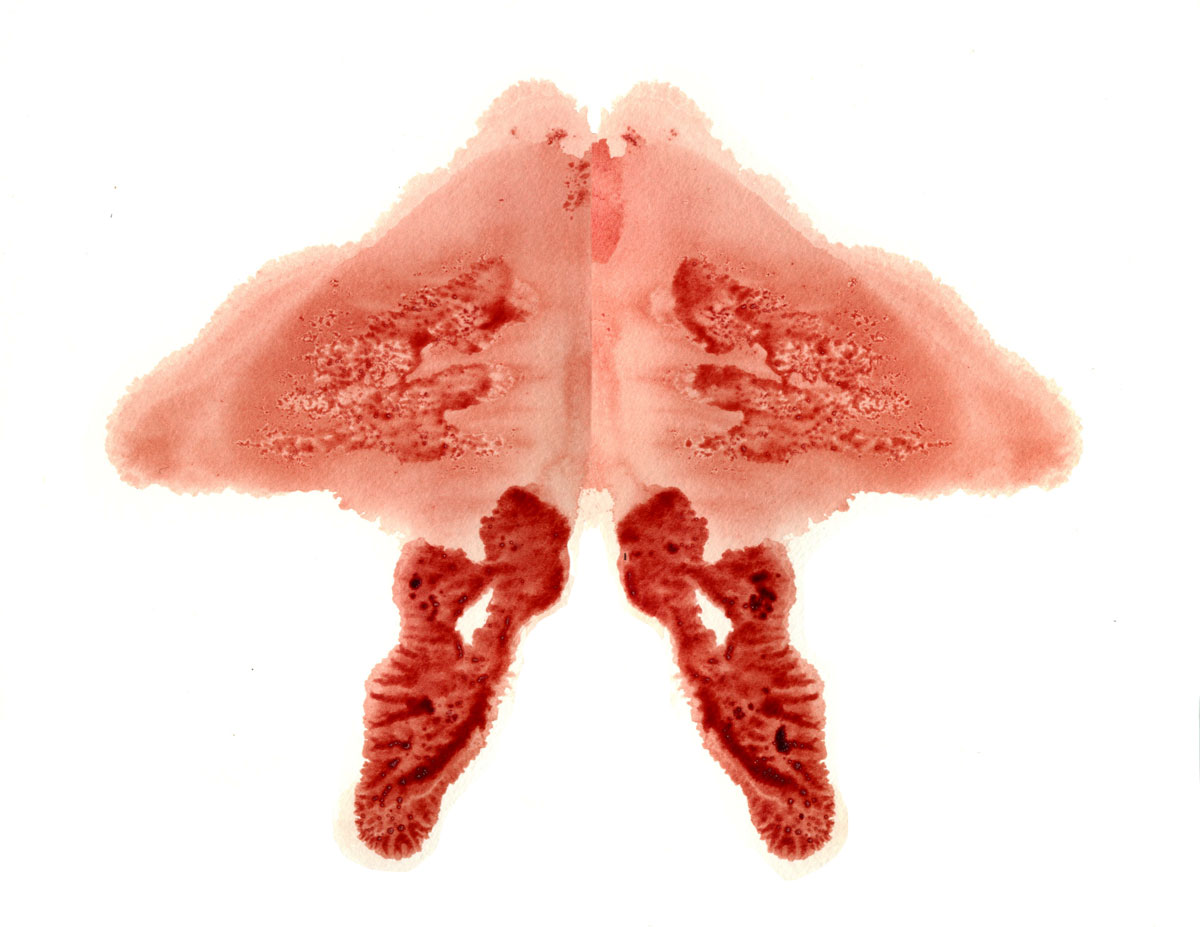
Hella Feminist is a journey. At first, I felt grief and perhaps a little shame as I moved through the exhibition. Installations like “Restorative Realm” touched the darkest corners of my soul. Behind floor-length curtains is a magical space with objects—like a mortar and pestle or a glass jar of blood-stained spools of thread—that signify different approaches to healing. Sometimes the true work of mending what’s fallen apart happens behind closed doors.
Each work of art and its story represents a step towards a better day. I felt energized by simply taking in the exhibition with eyes wide open. For the curators, the way ahead requires both collaborative action and self-reflection. “Working together means being personally responsible and open to guidance and that practice begins at one’s emotional core,” they write.
We’re still working on acknowledging the intersectionalities within feminism, such as recognizing trans rights or supporting sexual assault survivors, but OMCA’s exhibition is proof of just how much feminist movements have achieved over the past 150 years. Hella Feminist is informative and inspiring, but most importantly, it is a place to pause and issue a sigh of relief before the next big sprint.
‘Hella Feminist’ is on view at the Oakland Museum of California through January 2023. Details here.