I’ve always loved comics and superheroes. But I’ve also struggled to find a version of myself in that world. My brother was obsessed with Superman, and because I wanted to be just like my brother, I too loved Superman, with some reservations. Was I supposed to align myself with Lois Lane—someone who couldn’t even tell that Clark Kent was Superman because of his glasses?
Related Article
In the early ’90s, Saturday morning cartoons introduced me to a new world of possibility. I loved X-Men, the animated series. It resonated with me for so many reasons. Here were these characters, completely flawed, discovering how they fit into the world with genetic mutations that gave them super powers.
The sense of wanting to be “normal,” but also having these incredible gifts became a metaphor for my own immigrant experience growing up in a very white and wealthy community. I wanted to be like everyone else, but I also just wanted to be me.
One thing remains true no matter how much time has passed: X-Men was created for anyone who ever felt like an outsider. The second I saw Storm, this powerful, beautiful superwoman, perfectly voiced by Alison Sealy Smith, I was enamored. Most importantly, she wasn’t white, but Black. She hailed from Wakanda, was the love interest of King T’Challa (a.k.a. the Black Panther) and became the first superhero I saw who looked even a little bit like me. After seeing very little BIPOC representation in live-action films, let alone animated entertainment, I finally had a character I could pretend to be.
Nearly 30 years later, the landscape of comic books and especially who can be a superhero has evolved. I’m still very much into comics. I frequent my local comic store (shout-out to Flying Colors in Concord), but now I take my eight-year-old niece with me. And she has a plethora of female-lead superhero comics to choose from, the most meaningful of which premiered the same year she was born—2014.
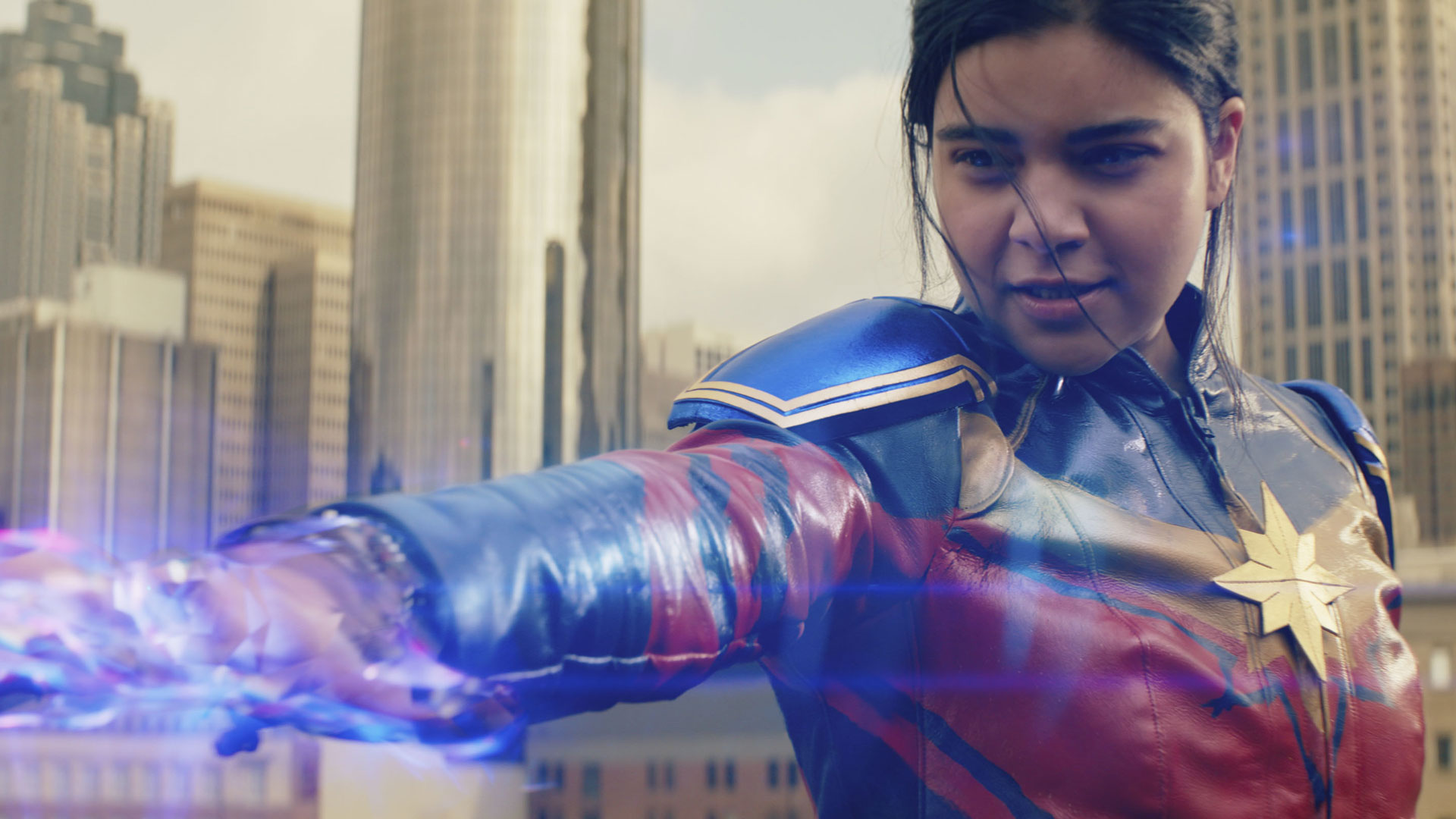
That was the year Ms. Marvel debuted as the first Muslim Pakistani-American superhero. It tells the story of Kamala Khan, a teenage girl who idolizes Carol Danvers (Captain Marvel) only to find herself caught in a terrigen mist (a mutation-causing substance) that gives her polymorphic abilities and a slew of other powers. Reading the first volume, I was so excited to see a Brown girl who looked like me in the pages of a comic book—and even more importantly, who looked like my niece. There are references throughout Kamala Khan’s story to a culture similar to the one my niece and I share.
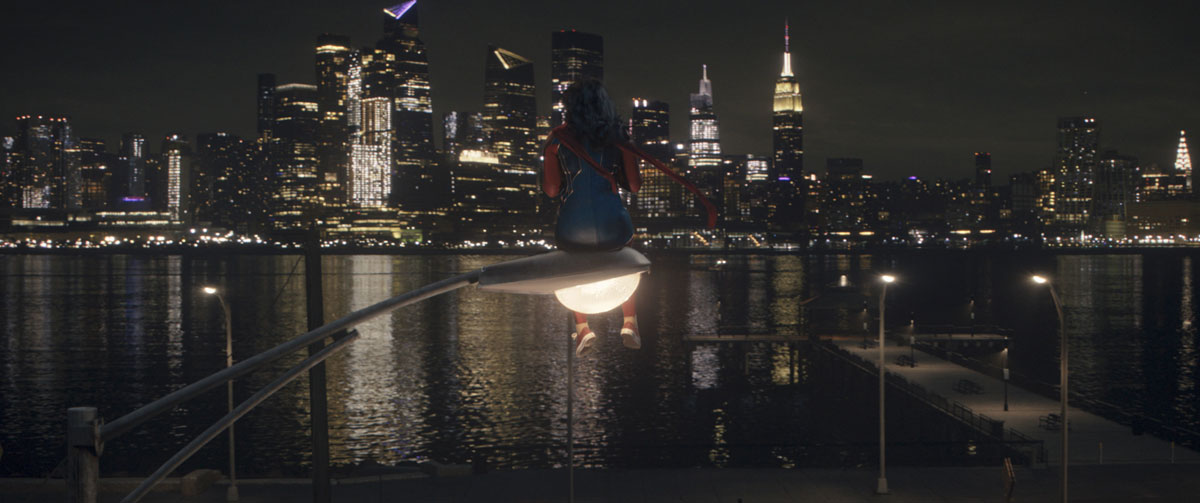
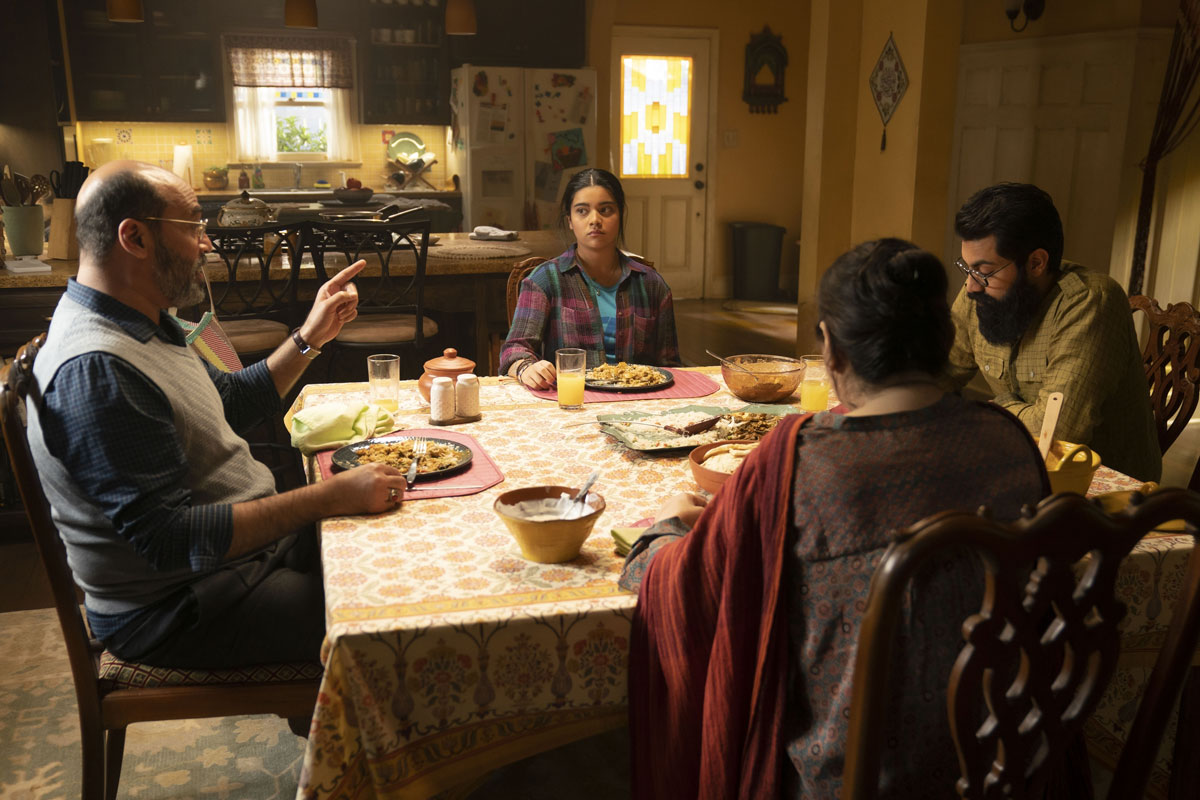
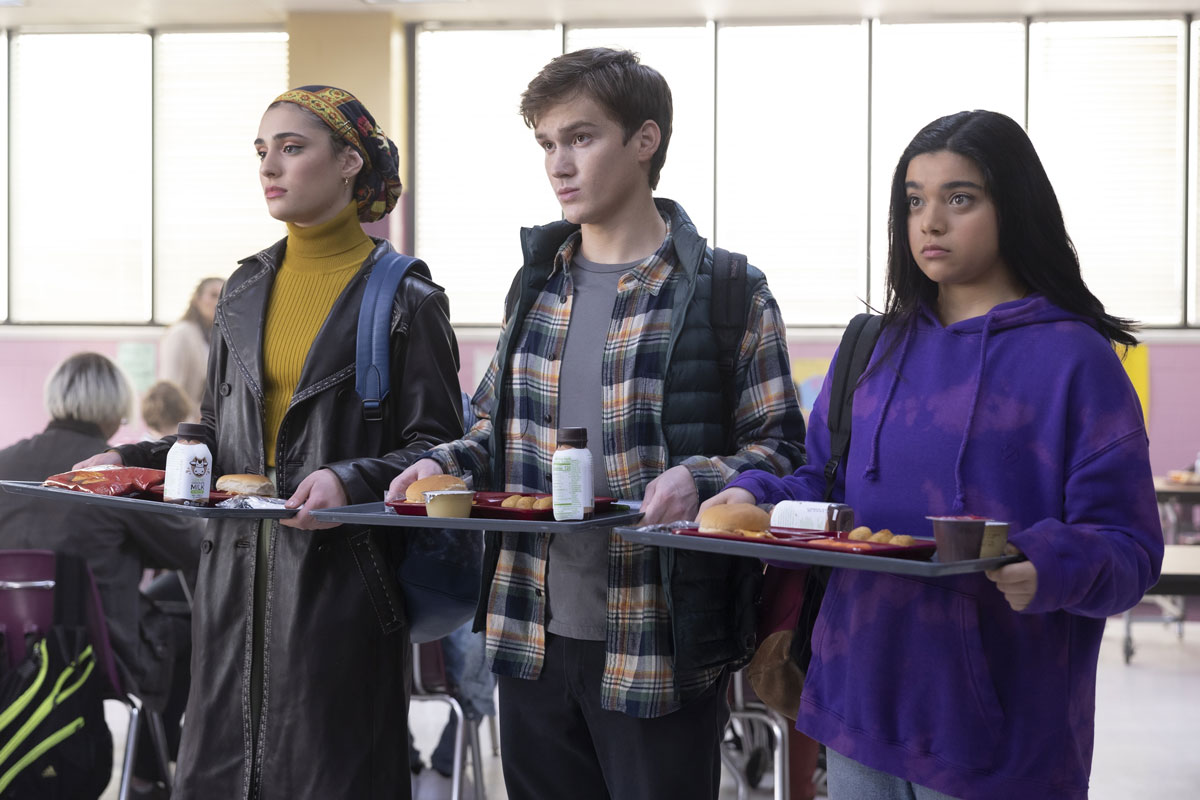
I have waited eight years to see Kamala Khan on screen, and the experience of witnessing it with my niece was a special moment. Disney+’s newest series, Ms. Marvel, created by Bisha K. Ali, stars Iman Vellani as the titular heroine. From the opening credits there is no subtlety in acknowledging Kamala’s Pakistani heritage. Nods to Bollywood are riddled throughout the colorful and youthful take on Kamala’s journey to becoming Ms. Marvel. Vellani does an impressive job of highlighting the dichotomy of growing up in a multicultural world and all its complexities. We witness her desire to be her own person and acculturate herself to a more Western lifestyle. We watch her family—especially her mother—resist this push towards independence. It’s a dynamic most immigrant children know all too well.
Seeing my niece giggling at references to shopping at a Desi market, hearing a language spoken in her own home on screen, and watching a show about a girl like her (who loves the Avengers, just like her), felt like a full-circle moment from my earliest comic-book reading days. It’s important for me to emphasize how valuable Kamala Khan’s character is, especially in relation to a multibillion-dollar franchise like the Marvel Cinematic Universe.
According to the most recent research from the USC Annenberg Inclusion Initiative, only 7.2% of speaking characters in the top 100 movies of 2019 were Asian. Thirty-six of the year’s top 100 films had no Asian speaking characters at all. These statistics by no means represent the landscape of this country and yet, this is what is represented in films.
Related Article
The reality is we live in a diverse country, and Ms. Marvel is taking thrilling steps to reflect that. Diversity matters, representation matters and the ripple effects of these stories allow girls to believe they can be—and are—superheroes. A show like Ms. Marvel offers an immeasurable amount of reassurance that there is a place for women and girls of color in this world. It reiterates that diversity isn’t a “woke” movement. Diversity is simply reality.
‘Ms. Marvel’ airs Wednesdays on Disney+. Details here.