San José City Council, District 5

Why does this race matter?

District 5 covers a diverse swath of East San José, with large concentrations of Latino and Asian residents, and has faced historic inequities. Incumbent Peter Ortiz is running for a second term against Nora Campos, a former state Assembly member who lost to him in the 2022 general election.

Candidates

Nora Campos
Nora Campos Businesswoman
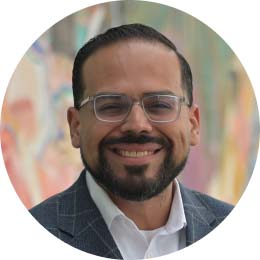
Peter Ortiz
Peter OrtizCouncil member, San José
 

Positions on Key Issues

Candidate summaries are based on interviews with the candidates, questionnaires, statements made at debates and public events, and past news coverage.

District 5 faces many challenges that affect daily life for residents, such as affordability, declining infrastructure and inadequate tree coverage. What would be your top three priorities if elected as a council member?

Campos says her priorities are housing, safe and thriving neighborhoods and business districts and safety.
Ortiz says his top priorities are affordability, infrastructure improvements and environmental quality. He supports preserving and building more affordable housing and strong renter protections to prevent displacement. Ortiz wants to fix roads, improve lighting and upgrade parks to make neighborhoods cleaner and safer. He’ll push for “aggressive tree planting” and maintenance to improve the urban canopy so the district is “cooler, healthier and more livable.”

In such a diverse district and city, how will you approach responding to President Donald Trump’s ongoing immigration enforcement campaign?

Campos says she will continue to support the city of San José’s efforts to protect residents against “the unlawful tactics the Trump administration is using against the immigrant community.”
Ortiz says, “San José’s strength comes from its diversity.” He wrote an ordinance to ban Immigration and Customs Enforcement agents from using city property as staging areas for enforcement operations. He supports further funding of immigrant defense efforts. Ortiz said he will “continue to work with regional, state and national partners to push for humane, practical immigration solutions that reflect our values and the realities of our communities.”

San José’s approach to addressing homelessness has shifted significantly in recent years to favor temporary shelters. What is your view on this change in direction?

Campos says temporary housing is an important tool to help unhoused people transition to permanent housing and that temporary and permanent housing need to complement each other. She supports fast-tracking permanent housing for all levels of affordability, including creating new funding streams to pay for it. 
Ortiz supports temporary shelters to get vulnerable people off the streets quickly, “but only as part of a comprehensive approach that prioritizes dignity, effectiveness and long-term solutions.” Short-term housing must be connected to services like mental health care and jobs and be combined with “sustained investment in permanent, affordable and supportive housing” for stability, he says. “If we’re not helping people transition out of homelessness, then we’re just managing the crisis, not solving it.”

All residents agree that a safe community is important. How do you view safety in District 5, and what do you plan to do to improve it?

Campos says she views safety as a community “being comfortable to spend family time in their neighborhood park or shopping in their local shopping districts,” where children feel safe at school and where teenagers “don’t have to worry about being bullied by gangs.” She says funding public safety departments and supporting “community policing” will help residents get to know officers and assist in preventing or solving crimes.
Ortiz says safety is something that is built holistically. Residents don’t just worry about crime, he says. "It’s about whether their streets are well-lit, whether illegal dumping is addressed, whether they feel safe walking to school or whether help comes when they call for it,” he says. He supports “effective and responsive policing,” expanding youth programs, after-school activities “and creating pathways to jobs so young people have opportunities and aren’t drawn into cycles of violence.”

How should the city of San José approach the issue of data centers? Would you support the approval of new data centers in District 5?

Campos says data centers “are a major concern” and that she wants to prioritize available electricity and water supply for “the everyday user.” If data centers are built, she wants to ensure “rate increases to cover any costs of the data center's use of resources are not passed on to the regular utility customers.” She says data centers belong in industrial areas, and one in District 5 would likely be “impossible” due to zoning restrictions.
Ortiz says data centers make more sense in industrial areas. They should “conserve water, use clean energy, protect the reliability of our electrical grid,” reduce pollution and create “high-quality union jobs,” while covering any infrastructure costs, he says. District 5 “would not be the best location for a data center,” Ortiz says, because it has limited industrial land, much of it “close to homes, schools and communities that already experience significant environmental impacts.”

Key Supporters

This list represents notable organizations and individuals who have taken a position on the ballot measure or candidate, or who are funding campaigns in support or opposition. This list is not exhaustive, and may be updated.

For Campos

  • Fiona Ma, California state treasurer

For Ortiz

  • Betty Duong, supervisor, Santa Clara County 
  • Ash Kalra, California Assembly member
  • South Bay Labor Council

Player sponsored by