Richmond Mayor

Why does this race matter?

For two decades, the Richmond Progressive Alliance has shaped city politics, from tenant protections to battles with Chevron. Now, an RPA-backed candidate faces a more moderate challenger, putting the city’s long-running experiment with progressive governance in the spotlight as Democrats nationwide debate the direction of the party.

What does a mayor do? 

A mayor’s role varies from city to city. In some jurisdictions, a mayor leads council meetings, but largely has similar responsibilities as other council members: voting on city ordinances, development proposals, contracts and the budget. In San Francisco, the mayor has broader powers to sign or veto bills, oversee city departments and make appointments.

Candidates
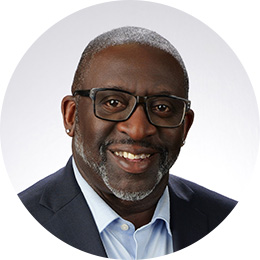
Ahmad Anderson
Ahmad AndersonHuman resources director
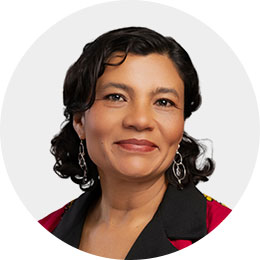
Claudia Jiménez
Claudia JiménezCity Council member, Richmond
 

Positions on Key Issues

Candidate summaries are based on interviews with the candidates, questionnaires, statements made at debates and public events, and past news coverage.

What would you do to make housing more affordable for Richmond residents, including renters and people who want to buy a home?

Anderson would strengthen renter protections while expanding pathways to homeownership, particularly for families historically locked out of building generational wealth. He supports streamlining responsible housing development, reducing permitting delays and pursuing partnerships that produce housing for families, seniors, young people and workers. His goal is to make living in Richmond, and eventually owning a home there, realistic for people who work in the city.
Jiménez would strictly enforce Richmond’s rent control ordinance and appoint rent board members who would uphold it, while advocating for the repeal of Costa-Hawkins to allow the expansion of rent control. She prioritizes truly affordable housing, limiting corporate ownership and real estate speculation and supports community land trusts. Her goal is to protect affordable housing, prevent resident displacement and expand opportunities for residents to buy homes.

Last year, Richmond saw its lowest number of homicides on record, but the police union and a civil grand jury report have raised concerns about an understaffed Police Department. Where would you focus efforts to improve public safety in the city, and how would you measure whether they’re working?

Anderson says he would focus on police staffing, modern training and technology, community policing, mental-health crisis response, violence prevention and opportunities for young people. He would measure results through response times, crime trends, staffing and deployment levels, clearance rates, community complaints and residents’ perceptions of safety. He’d aim for measurable accountability, safety residents can feel and results they can see.
Jiménez supports addressing the root causes of crime and giving police more time to focus on core duties by investing in prevention while regularly assessing city services and adapting them to improve results. She says Richmond has steadily increased police salaries and benefits for years and that the new police chief is successfully filling vacancies. She also emphasizes crime prevention, such as the Office of Neighborhood Safety and the Community Crisis Response Program.

What would you do to reduce homelessness in Richmond, and how would you balance providing services with concerns about encampments and their impacts on residents and businesses?

Anderson says homelessness can’t be solved by moving people from one location to another. He would work with the county, regional and state partners to expand shelter, supportive and transitional housing, mental-health services and pathways toward permanent housing. He also supports addressing encampments that create health, safety, environmental and economic impacts for surrounding neighborhoods and businesses. The approach must combine compassion with accountability and measurable outcomes.
Jiménez emphasizes preventing homelessness through rent control and tenant protections, while expanding shelter beds, transitional housing and permanent supportive housing. She supports taxing wealthy individuals and corporations to fund services. She favors quality encampment outreach and says enforcement should include shelter offers and relocation support with ample notice. She also supports expanding transitional housing models like the Civic Center Motel 6 conversion.

Richmond relies heavily on tax revenue from Chevron. What industries or economic activities should Richmond try to attract or grow, and what would you do as mayor to make that happen?

Anderson wants to diversify Richmond’s economy beyond Chevron by attracting clean energy, technology, advanced manufacturing, maritime and port-related industries, healthcare, small businesses, restaurants, retail and other living-wage employers. He would reduce red tape, strengthen downtown and Hilltop, modernize and electrify the port and connect residents to apprenticeships and workforce training. He says economic development and workforce development should move together.
Jiménez wants Richmond to diversify its economy and reduce dependence on Chevron through strategies including greater port utilization and attracting green business. She also supports smaller-scale, bottom-up economic development led by small and medium businesses. She says a progressive City Council and mayor should set an overall vision ensuring that development is strategic, clean, inclusive and a good deal for communities and the city.

Richmond has significantly improved its fiscal situation in recent years, and the city expects to receive about $550 million over 10 years from its settlement with Chevron. As the city gathers community input on how to spend the money, how would you use this opportunity to invest in the city, and what would you prioritize?

Anderson says he would treat the settlement money as a long-term investment rather than a short-term spending account, with clear priorities, timelines, public accountability and measurable outcomes. He would prioritize core city services, public safety, infrastructure, housing and homelessness and environmental and health impacts. He also supports exploring expanded healthcare access, including through a major healthcare presence in the Hilltop area. He’d also preserve funds for fiscal stability.
Jiménez points to her role in improving Richmond’s finances, including supporting a progressive business tax, eliminating credit swap agreements and securing the Chevron settlement. She would integrate a strong community input process into her decision-making and consider investing in city services, infrastructure, affordable housing and a transition away from fossil fuel dependence. She also supports paying down unfunded liabilities, a strategy she says would stretch settlement funds and allow the city to meet more objectives.

Key Supporters

This list represents notable organizations and individuals who have taken a position on the ballot measure or candidate, or who are funding campaigns in support or opposition. This list is not exhaustive, and may be updated.

For Anderson

  • Soheila Bana, City Council member, Richmond
  • Buffy Wicks, California Assembly member
  • California Democratic Party 
  • Contra Costa Building & Construction Trades Council
  • Richmond Police Officers Association 

For Jiménez

  • Jackie Fielder, supervisor, San Francisco
  • Doria Robinson, City Council member, Richmond
  • Democratic Socialists of America East Bay
  • Richmond Progressive Alliance 
  • United Teachers of Richmond
Player sponsored by