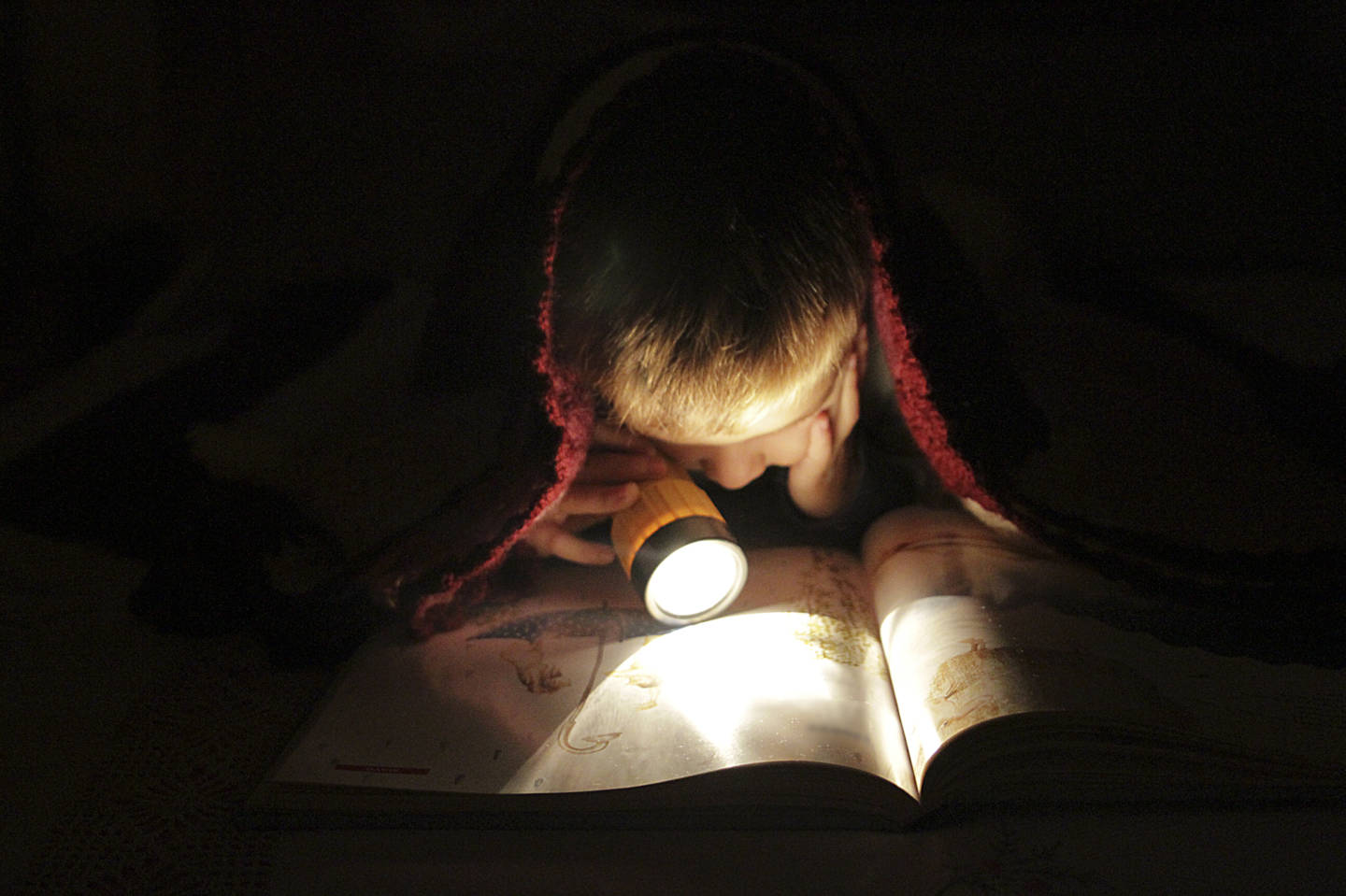
Early Bedtime For Preschoolers Might Help Reduce Obesity Risk Later
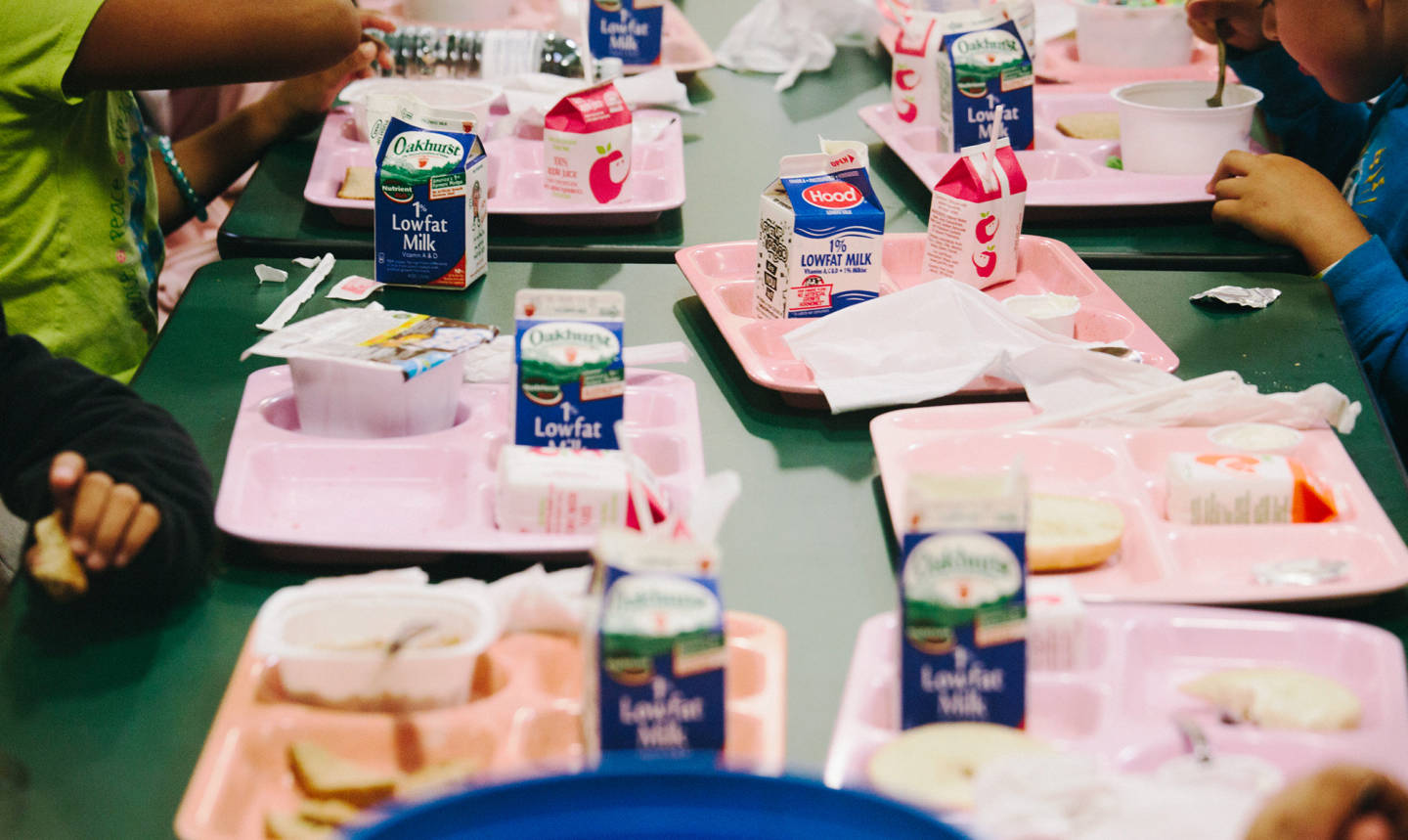
2 Breakfasts May Be Better Than None For School Kids
Coaching Program Makes Exercise Fun For Kids
Another Consequence of Childhood Obesity: Poor Math Performance
The Greatest Health Risk to Children? No, It's Not Drugs
Are Poor Neighborhoods Really Food Deserts?
Obesity Epidemic May Be Leveling Off
Grim Ads on Childhood Obesity: Informative or Stigmatizing?
Fighting Childhood Obesity: It Takes a Village
Sponsored
Player sponsored by
window.__IS_SSR__=true
window.__INITIAL_STATE__={
"attachmentsReducer": {
"audio_0": {
"type": "attachments",
"id": "audio_0",
"imgSizes": {
"kqedFullSize": {
"file": "https://ww2.kqed.org/news/wp-content/themes/KQED-unified/img/audio_bgs/background0.jpg"
}
}
},
"audio_1": {
"type": "attachments",
"id": "audio_1",
"imgSizes": {
"kqedFullSize": {
"file": "https://ww2.kqed.org/news/wp-content/themes/KQED-unified/img/audio_bgs/background1.jpg"
}
}
},
"audio_2": {
"type": "attachments",
"id": "audio_2",
"imgSizes": {
"kqedFullSize": {
"file": "https://ww2.kqed.org/news/wp-content/themes/KQED-unified/img/audio_bgs/background2.jpg"
}
}
},
"audio_3": {
"type": "attachments",
"id": "audio_3",
"imgSizes": {
"kqedFullSize": {
"file": "https://ww2.kqed.org/news/wp-content/themes/KQED-unified/img/audio_bgs/background3.jpg"
}
}
},
"audio_4": {
"type": "attachments",
"id": "audio_4",
"imgSizes": {
"kqedFullSize": {
"file": "https://ww2.kqed.org/news/wp-content/themes/KQED-unified/img/audio_bgs/background4.jpg"
}
}
},
"placeholder": {
"type": "attachments",
"id": "placeholder",
"imgSizes": {
"thumbnail": {
"file": "https://cdn.kqed.org/wp-content/uploads/2024/12/KQED-Default-Image-816638274-2000x1333-1-160x107.jpg",
"width": 160,
"height": 107,
"mimeType": "image/jpeg"
},
"medium": {
"file": "https://cdn.kqed.org/wp-content/uploads/2024/12/KQED-Default-Image-816638274-2000x1333-1-800x533.jpg",
"width": 800,
"height": 533,
"mimeType": "image/jpeg"
},
"medium_large": {
"file": "https://cdn.kqed.org/wp-content/uploads/2024/12/KQED-Default-Image-816638274-2000x1333-1-768x512.jpg",
"width": 768,
"height": 512,
"mimeType": "image/jpeg"
},
"large": {
"file": "https://cdn.kqed.org/wp-content/uploads/2024/12/KQED-Default-Image-816638274-2000x1333-1-1020x680.jpg",
"width": 1020,
"height": 680,
"mimeType": "image/jpeg"
},
"1536x1536": {
"file": "https://cdn.kqed.org/wp-content/uploads/2024/12/KQED-Default-Image-816638274-2000x1333-1-1536x1024.jpg",
"width": 1536,
"height": 1024,
"mimeType": "image/jpeg"
},
"fd-lrg": {
"file": "https://cdn.kqed.org/wp-content/uploads/2024/12/KQED-Default-Image-816638274-2000x1333-1-1536x1024.jpg",
"width": 1536,
"height": 1024,
"mimeType": "image/jpeg"
},
"fd-med": {
"file": "https://cdn.kqed.org/wp-content/uploads/2024/12/KQED-Default-Image-816638274-2000x1333-1-1020x680.jpg",
"width": 1020,
"height": 680,
"mimeType": "image/jpeg"
},
"fd-sm": {
"file": "https://cdn.kqed.org/wp-content/uploads/2024/12/KQED-Default-Image-816638274-2000x1333-1-800x533.jpg",
"width": 800,
"height": 533,
"mimeType": "image/jpeg"
},
"post-thumbnail": {
"file": "https://cdn.kqed.org/wp-content/uploads/2024/12/KQED-Default-Image-816638274-2000x1333-1-672x372.jpg",
"width": 672,
"height": 372,
"mimeType": "image/jpeg"
},
"twentyfourteen-full-width": {
"file": "https://cdn.kqed.org/wp-content/uploads/2024/12/KQED-Default-Image-816638274-2000x1333-1-1038x576.jpg",
"width": 1038,
"height": 576,
"mimeType": "image/jpeg"
},
"xxsmall": {
"file": "https://cdn.kqed.org/wp-content/uploads/2024/12/KQED-Default-Image-816638274-2000x1333-1-160x107.jpg",
"width": 160,
"height": 107,
"mimeType": "image/jpeg"
},
"xsmall": {
"file": "https://cdn.kqed.org/wp-content/uploads/2024/12/KQED-Default-Image-816638274-2000x1333-1-672x372.jpg",
"width": 672,
"height": 372,
"mimeType": "image/jpeg"
},
"small": {
"file": "https://cdn.kqed.org/wp-content/uploads/2024/12/KQED-Default-Image-816638274-2000x1333-1-672x372.jpg",
"width": 672,
"height": 372,
"mimeType": "image/jpeg"
},
"xlarge": {
"file": "https://cdn.kqed.org/wp-content/uploads/2024/12/KQED-Default-Image-816638274-2000x1333-1-1020x680.jpg",
"width": 1020,
"height": 680,
"mimeType": "image/jpeg"
},
"full-width": {
"file": "https://cdn.kqed.org/wp-content/uploads/2024/12/KQED-Default-Image-816638274-2000x1333-1-1920x1280.jpg",
"width": 1920,
"height": 1280,
"mimeType": "image/jpeg"
},
"guest-author-32": {
"file": "https://cdn.kqed.org/wp-content/uploads/2025/01/KQED-Default-Image-816638274-1333x1333-1-160x160.jpg",
"width": 32,
"height": 32,
"mimeType": "image/jpeg"
},
"guest-author-50": {
"file": "https://cdn.kqed.org/wp-content/uploads/2025/01/KQED-Default-Image-816638274-1333x1333-1-160x160.jpg",
"width": 50,
"height": 50,
"mimeType": "image/jpeg"
},
"guest-author-64": {
"file": "https://cdn.kqed.org/wp-content/uploads/2025/01/KQED-Default-Image-816638274-1333x1333-1-160x160.jpg",
"width": 64,
"height": 64,
"mimeType": "image/jpeg"
},
"guest-author-96": {
"file": "https://cdn.kqed.org/wp-content/uploads/2025/01/KQED-Default-Image-816638274-1333x1333-1-160x160.jpg",
"width": 96,
"height": 96,
"mimeType": "image/jpeg"
},
"guest-author-128": {
"file": "https://cdn.kqed.org/wp-content/uploads/2025/01/KQED-Default-Image-816638274-1333x1333-1-160x160.jpg",
"width": 128,
"height": 128,
"mimeType": "image/jpeg"
},
"detail": {
"file": "https://cdn.kqed.org/wp-content/uploads/2025/01/KQED-Default-Image-816638274-1333x1333-1-160x160.jpg",
"width": 160,
"height": 160,
"mimeType": "image/jpeg"
},
"kqedFullSize": {
"file": "https://cdn.kqed.org/wp-content/uploads/2024/12/KQED-Default-Image-816638274-2000x1333-1.jpg",
"width": 2000,
"height": 1333
}
}
},
"stateofhealth_213093": {
"type": "attachments",
"id": "stateofhealth_213093",
"meta": {
"index": "attachments_1716263798",
"site": "stateofhealth",
"id": "213093",
"found": true
},
"parent": 213092,
"imgSizes": {
"twentyfourteen-full-width": {
"file": "https://ww2.kqed.org/app/uploads/sites/27/2016/07/bedtime_1_enl-9f32320f5d42901286500086709b2caa95bfd6b1-1038x576.jpg",
"width": 1038,
"mimeType": "image/jpeg",
"height": 576
},
"thumbnail": {
"file": "https://ww2.kqed.org/app/uploads/sites/27/2016/07/bedtime_1_enl-9f32320f5d42901286500086709b2caa95bfd6b1-400x266.jpg",
"width": 400,
"mimeType": "image/jpeg",
"height": 266
},
"fd-sm": {
"file": "https://ww2.kqed.org/app/uploads/sites/27/2016/07/bedtime_1_enl-9f32320f5d42901286500086709b2caa95bfd6b1-960x639.jpg",
"width": 960,
"mimeType": "image/jpeg",
"height": 639
},
"post-thumbnail": {
"file": "https://ww2.kqed.org/app/uploads/sites/27/2016/07/bedtime_1_enl-9f32320f5d42901286500086709b2caa95bfd6b1-672x372.jpg",
"width": 672,
"mimeType": "image/jpeg",
"height": 372
},
"kqedFullSize": {
"file": "https://ww2.kqed.org/app/uploads/sites/27/2016/07/bedtime_1_enl-9f32320f5d42901286500086709b2caa95bfd6b1-e1468607907865.jpg",
"width": 1920,
"height": 1279
},
"large": {
"file": "https://ww2.kqed.org/app/uploads/sites/27/2016/07/bedtime_1_enl-9f32320f5d42901286500086709b2caa95bfd6b1-1440x959.jpg",
"width": 1440,
"mimeType": "image/jpeg",
"height": 959
},
"guest-author-50": {
"file": "https://ww2.kqed.org/app/uploads/sites/27/2016/07/bedtime_1_enl-9f32320f5d42901286500086709b2caa95bfd6b1-50x50.jpg",
"width": 50,
"mimeType": "image/jpeg",
"height": 50
},
"guest-author-96": {
"file": "https://ww2.kqed.org/app/uploads/sites/27/2016/07/bedtime_1_enl-9f32320f5d42901286500086709b2caa95bfd6b1-96x96.jpg",
"width": 96,
"mimeType": "image/jpeg",
"height": 96
},
"medium": {
"file": "https://ww2.kqed.org/app/uploads/sites/27/2016/07/bedtime_1_enl-9f32320f5d42901286500086709b2caa95bfd6b1-800x533.jpg",
"width": 800,
"mimeType": "image/jpeg",
"height": 533
},
"guest-author-64": {
"file": "https://ww2.kqed.org/app/uploads/sites/27/2016/07/bedtime_1_enl-9f32320f5d42901286500086709b2caa95bfd6b1-64x64.jpg",
"width": 64,
"mimeType": "image/jpeg",
"height": 64
},
"guest-author-32": {
"file": "https://ww2.kqed.org/app/uploads/sites/27/2016/07/bedtime_1_enl-9f32320f5d42901286500086709b2caa95bfd6b1-32x32.jpg",
"width": 32,
"mimeType": "image/jpeg",
"height": 32
},
"jmtc-small-thumb": {
"file": "https://ww2.kqed.org/app/uploads/sites/27/2016/07/bedtime_1_enl-9f32320f5d42901286500086709b2caa95bfd6b1-280x150.jpg",
"width": 280,
"mimeType": "image/jpeg",
"height": 150
},
"fd-lrg": {
"file": "https://ww2.kqed.org/app/uploads/sites/27/2016/07/bedtime_1_enl-9f32320f5d42901286500086709b2caa95bfd6b1-1920x1279.jpg",
"width": 1920,
"mimeType": "image/jpeg",
"height": 1279
},
"fd-med": {
"file": "https://ww2.kqed.org/app/uploads/sites/27/2016/07/bedtime_1_enl-9f32320f5d42901286500086709b2caa95bfd6b1-1180x786.jpg",
"width": 1180,
"mimeType": "image/jpeg",
"height": 786
},
"detail": {
"file": "https://ww2.kqed.org/app/uploads/sites/27/2016/07/bedtime_1_enl-9f32320f5d42901286500086709b2caa95bfd6b1-150x150.jpg",
"width": 150,
"mimeType": "image/jpeg",
"height": 150
},
"medium_large": {
"file": "https://ww2.kqed.org/app/uploads/sites/27/2016/07/bedtime_1_enl-9f32320f5d42901286500086709b2caa95bfd6b1-768x511.jpg",
"width": 768,
"mimeType": "image/jpeg",
"height": 511
},
"guest-author-128": {
"file": "https://ww2.kqed.org/app/uploads/sites/27/2016/07/bedtime_1_enl-9f32320f5d42901286500086709b2caa95bfd6b1-128x128.jpg",
"width": 128,
"mimeType": "image/jpeg",
"height": 128
}
},
"publishDate": 1468607657,
"modified": 1468607900,
"caption": "Pssssst, kids: If you go to bed early enough, you might \u003cem>still\u003c/em> have a bit of time for covert reading before nodding off.",
"description": "Pssssst, kid: If you go to bed early enough, you might \u003cem>still\u003c/em> have a bit of time for covert reading before nodding off.",
"title": "Pssssst, kid: If you go to bed early enough, you might still have a bit of time for covert reading before nodding off.",
"credit": "Isabel Pavia/Getty Images",
"status": "inherit",
"fetchFailed": false,
"isLoading": false
},
"stateofhealth_161544": {
"type": "attachments",
"id": "stateofhealth_161544",
"meta": {
"index": "attachments_1716263798",
"site": "stateofhealth",
"id": "161544",
"found": true
},
"parent": 161543,
"imgSizes": {
"twentyfourteen-full-width": {
"file": "https://ww2.kqed.org/app/uploads/sites/27/2016/03/schoolbreakfast_enl-a4dea207eccdaab97b69910833a71dc28f61c675-1038x576.jpg",
"width": 1038,
"mimeType": "image/jpeg",
"height": 576
},
"thumbnail": {
"file": "https://ww2.kqed.org/app/uploads/sites/27/2016/03/schoolbreakfast_enl-a4dea207eccdaab97b69910833a71dc28f61c675-400x239.jpg",
"width": 400,
"mimeType": "image/jpeg",
"height": 239
},
"fd-sm": {
"file": "https://ww2.kqed.org/app/uploads/sites/27/2016/03/schoolbreakfast_enl-a4dea207eccdaab97b69910833a71dc28f61c675-960x573.jpg",
"width": 960,
"mimeType": "image/jpeg",
"height": 573
},
"post-thumbnail": {
"file": "https://ww2.kqed.org/app/uploads/sites/27/2016/03/schoolbreakfast_enl-a4dea207eccdaab97b69910833a71dc28f61c675-672x372.jpg",
"width": 672,
"mimeType": "image/jpeg",
"height": 372
},
"kqedFullSize": {
"file": "https://ww2.kqed.org/app/uploads/sites/27/2016/03/schoolbreakfast_enl-a4dea207eccdaab97b69910833a71dc28f61c675-e1458324523588.jpg",
"width": 1920,
"height": 1145
},
"large": {
"file": "https://ww2.kqed.org/app/uploads/sites/27/2016/03/schoolbreakfast_enl-a4dea207eccdaab97b69910833a71dc28f61c675-1440x859.jpg",
"width": 1440,
"mimeType": "image/jpeg",
"height": 859
},
"guest-author-96": {
"file": "https://ww2.kqed.org/app/uploads/sites/27/2016/03/schoolbreakfast_enl-a4dea207eccdaab97b69910833a71dc28f61c675-96x96.jpg",
"width": 96,
"mimeType": "image/jpeg",
"height": 96
},
"medium": {
"file": "https://ww2.kqed.org/app/uploads/sites/27/2016/03/schoolbreakfast_enl-a4dea207eccdaab97b69910833a71dc28f61c675-800x477.jpg",
"width": 800,
"mimeType": "image/jpeg",
"height": 477
},
"guest-author-64": {
"file": "https://ww2.kqed.org/app/uploads/sites/27/2016/03/schoolbreakfast_enl-a4dea207eccdaab97b69910833a71dc28f61c675-64x64.jpg",
"width": 64,
"mimeType": "image/jpeg",
"height": 64
},
"guest-author-32": {
"file": "https://ww2.kqed.org/app/uploads/sites/27/2016/03/schoolbreakfast_enl-a4dea207eccdaab97b69910833a71dc28f61c675-32x32.jpg",
"width": 32,
"mimeType": "image/jpeg",
"height": 32
},
"jmtc-small-thumb": {
"file": "https://ww2.kqed.org/app/uploads/sites/27/2016/03/schoolbreakfast_enl-a4dea207eccdaab97b69910833a71dc28f61c675-280x150.jpg",
"width": 280,
"mimeType": "image/jpeg",
"height": 150
},
"fd-lrg": {
"file": "https://ww2.kqed.org/app/uploads/sites/27/2016/03/schoolbreakfast_enl-a4dea207eccdaab97b69910833a71dc28f61c675-1920x1145.jpg",
"width": 1920,
"mimeType": "image/jpeg",
"height": 1145
},
"fd-med": {
"file": "https://ww2.kqed.org/app/uploads/sites/27/2016/03/schoolbreakfast_enl-a4dea207eccdaab97b69910833a71dc28f61c675-1180x704.jpg",
"width": 1180,
"mimeType": "image/jpeg",
"height": 704
},
"detail": {
"file": "https://ww2.kqed.org/app/uploads/sites/27/2016/03/schoolbreakfast_enl-a4dea207eccdaab97b69910833a71dc28f61c675-75x75.jpg",
"width": 75,
"mimeType": "image/jpeg",
"height": 75
},
"medium_large": {
"file": "https://ww2.kqed.org/app/uploads/sites/27/2016/03/schoolbreakfast_enl-a4dea207eccdaab97b69910833a71dc28f61c675-768x458.jpg",
"width": 768,
"mimeType": "image/jpeg",
"height": 458
},
"guest-author-128": {
"file": "https://ww2.kqed.org/app/uploads/sites/27/2016/03/schoolbreakfast_enl-a4dea207eccdaab97b69910833a71dc28f61c675-128x128.jpg",
"width": 128,
"mimeType": "image/jpeg",
"height": 128
}
},
"publishDate": 1458324226,
"modified": 1458324541,
"caption": null,
"description": "Students eat breakfast at the Blueberry Harvest School at Harrington Elementary School in Harrington, Maine.",
"title": "Students eat breakfast at the Blueberry Harvest School at Harrington Elementary School in Harrington, Maine.",
"credit": "Whitney Hayward/Portland Press Herald via Getty Images",
"status": "inherit",
"fetchFailed": false,
"isLoading": false
},
"stateofhealth_6556": {
"type": "attachments",
"id": "stateofhealth_6556",
"meta": {
"index": "attachments_1716263798",
"site": "stateofhealth",
"id": "6556",
"found": true
},
"parent": 6550,
"imgSizes": {
"twentyfourteen-full-width": {
"file": "https://ww2.kqed.org/app/uploads/sites/27/2012/06/MathProblem_06142012-1024x576.jpg",
"width": 1024,
"mimeType": "image/jpeg",
"height": 576
},
"thumbnail": {
"file": "https://ww2.kqed.org/app/uploads/sites/27/2012/06/MathProblem_06142012-400x300.jpg",
"width": 400,
"mimeType": "image/jpeg",
"height": 300
},
"fd-sm": {
"file": "https://ww2.kqed.org/app/uploads/sites/27/2012/06/MathProblem_06142012-320x240.jpg",
"width": 320,
"mimeType": "image/jpeg",
"height": 240
},
"post-thumbnail": {
"file": "https://ww2.kqed.org/app/uploads/sites/27/2012/06/MathProblem_06142012-672x372.jpg",
"width": 672,
"mimeType": "image/jpeg",
"height": 372
},
"kqedFullSize": {
"file": "https://ww2.kqed.org/app/uploads/sites/27/2012/06/MathProblem_06142012.jpg",
"width": 1024,
"height": 768
},
"fd-med": {
"file": "https://ww2.kqed.org/app/uploads/sites/27/2012/06/MathProblem_06142012-768x576.jpg",
"width": 768,
"mimeType": "image/jpeg",
"height": 576
},
"guest-author-96": {
"file": "https://ww2.kqed.org/app/uploads/sites/27/2012/06/MathProblem_06142012-96x96.jpg",
"width": 96,
"mimeType": "image/jpeg",
"height": 96
},
"medium": {
"file": "https://ww2.kqed.org/app/uploads/sites/27/2012/06/MathProblem_06142012-800x600.jpg",
"width": 800,
"mimeType": "image/jpeg",
"height": 600
},
"guest-author-64": {
"file": "https://ww2.kqed.org/app/uploads/sites/27/2012/06/MathProblem_06142012-64x64.jpg",
"width": 64,
"mimeType": "image/jpeg",
"height": 64
},
"detail": {
"file": "https://ww2.kqed.org/app/uploads/sites/27/2012/06/MathProblem_06142012-75x75.jpg",
"width": 75,
"mimeType": "image/jpeg",
"height": 75
},
"guest-author-32": {
"file": "https://ww2.kqed.org/app/uploads/sites/27/2012/06/MathProblem_06142012-32x32.jpg",
"width": 32,
"mimeType": "image/jpeg",
"height": 32
},
"guest-author-128": {
"file": "https://ww2.kqed.org/app/uploads/sites/27/2012/06/MathProblem_06142012-128x128.jpg",
"width": 128,
"mimeType": "image/jpeg",
"height": 128
}
},
"publishDate": 1339711191,
"modified": 1339711191,
"caption": "(Kim Tyo-Dickerson: Flickr)",
"description": "(Kim Tyo-Dickerson: Flickr)",
"title": "(Kim Tyo-Dickerson: Flickr)",
"credit": null,
"status": "inherit",
"fetchFailed": false,
"isLoading": false
},
"stateofhealth_4750": {
"type": "attachments",
"id": "stateofhealth_4750",
"meta": {
"index": "attachments_1716263798",
"site": "stateofhealth",
"id": "4750",
"found": true
},
"parent": 4736,
"imgSizes": {
"twentyfourteen-full-width": {
"file": "https://ww2.kqed.org/app/uploads/sites/27/2012/04/FrenchFries_IanBritton_04042012-1038x576.jpg",
"width": 1038,
"mimeType": "image/jpeg",
"height": 576
},
"thumbnail": {
"file": "https://ww2.kqed.org/app/uploads/sites/27/2012/04/FrenchFries_IanBritton_04042012-400x268.jpg",
"width": 400,
"mimeType": "image/jpeg",
"height": 268
},
"fd-sm": {
"file": "https://ww2.kqed.org/app/uploads/sites/27/2012/04/FrenchFries_IanBritton_04042012-320x214.jpg",
"width": 320,
"mimeType": "image/jpeg",
"height": 214
},
"post-thumbnail": {
"file": "https://ww2.kqed.org/app/uploads/sites/27/2012/04/FrenchFries_IanBritton_04042012-672x372.jpg",
"width": 672,
"mimeType": "image/jpeg",
"height": 372
},
"kqedFullSize": {
"file": "https://ww2.kqed.org/app/uploads/sites/27/2012/04/FrenchFries_IanBritton_04042012.jpg",
"width": 1200,
"height": 804
},
"guest-author-96": {
"file": "https://ww2.kqed.org/app/uploads/sites/27/2012/04/FrenchFries_IanBritton_04042012-96x96.jpg",
"width": 96,
"mimeType": "image/jpeg",
"height": 96
},
"medium": {
"file": "https://ww2.kqed.org/app/uploads/sites/27/2012/04/FrenchFries_IanBritton_04042012-800x536.jpg",
"width": 800,
"mimeType": "image/jpeg",
"height": 536
},
"guest-author-64": {
"file": "https://ww2.kqed.org/app/uploads/sites/27/2012/04/FrenchFries_IanBritton_04042012-64x64.jpg",
"width": 64,
"mimeType": "image/jpeg",
"height": 64
},
"guest-author-32": {
"file": "https://ww2.kqed.org/app/uploads/sites/27/2012/04/FrenchFries_IanBritton_04042012-32x32.jpg",
"width": 32,
"mimeType": "image/jpeg",
"height": 32
},
"fd-lrg": {
"file": "https://ww2.kqed.org/app/uploads/sites/27/2012/04/FrenchFries_IanBritton_04042012-1180x791.jpg",
"width": 1180,
"mimeType": "image/jpeg",
"height": 791
},
"fd-med": {
"file": "https://ww2.kqed.org/app/uploads/sites/27/2012/04/FrenchFries_IanBritton_04042012-768x515.jpg",
"width": 768,
"mimeType": "image/jpeg",
"height": 515
},
"detail": {
"file": "https://ww2.kqed.org/app/uploads/sites/27/2012/04/FrenchFries_IanBritton_04042012-75x75.jpg",
"width": 75,
"mimeType": "image/jpeg",
"height": 75
},
"guest-author-128": {
"file": "https://ww2.kqed.org/app/uploads/sites/27/2012/04/FrenchFries_IanBritton_04042012-128x128.jpg",
"width": 128,
"mimeType": "image/jpeg",
"height": 128
}
},
"publishDate": 1333577863,
"modified": 1333577863,
"caption": "(Ian Britton: Flickr)",
"description": "French fries",
"title": "(Ian Britton: Flickr)",
"credit": null,
"status": "inherit",
"fetchFailed": false,
"isLoading": false
},
"stateofhealth_3539": {
"type": "attachments",
"id": "stateofhealth_3539",
"meta": {
"index": "attachments_1716263798",
"site": "stateofhealth",
"id": "3539",
"found": true
},
"parent": 3510,
"imgSizes": {
"twentyfourteen-full-width": {
"file": "https://ww2.kqed.org/app/uploads/sites/27/2012/03/FoodDesert_BurgerKing_JohnHenryMostyn_Flickr-1024x576.jpg",
"width": 1024,
"mimeType": "image/jpeg",
"height": 576
},
"thumbnail": {
"file": "https://ww2.kqed.org/app/uploads/sites/27/2012/03/FoodDesert_BurgerKing_JohnHenryMostyn_Flickr-400x300.jpg",
"width": 400,
"mimeType": "image/jpeg",
"height": 300
},
"fd-sm": {
"file": "https://ww2.kqed.org/app/uploads/sites/27/2012/03/FoodDesert_BurgerKing_JohnHenryMostyn_Flickr-320x240.jpg",
"width": 320,
"mimeType": "image/jpeg",
"height": 240
},
"post-thumbnail": {
"file": "https://ww2.kqed.org/app/uploads/sites/27/2012/03/FoodDesert_BurgerKing_JohnHenryMostyn_Flickr-672x372.jpg",
"width": 672,
"mimeType": "image/jpeg",
"height": 372
},
"kqedFullSize": {
"file": "https://ww2.kqed.org/app/uploads/sites/27/2012/03/FoodDesert_BurgerKing_JohnHenryMostyn_Flickr.jpg",
"width": 1024,
"height": 768
},
"fd-med": {
"file": "https://ww2.kqed.org/app/uploads/sites/27/2012/03/FoodDesert_BurgerKing_JohnHenryMostyn_Flickr-768x576.jpg",
"width": 768,
"mimeType": "image/jpeg",
"height": 576
},
"guest-author-96": {
"file": "https://ww2.kqed.org/app/uploads/sites/27/2012/03/FoodDesert_BurgerKing_JohnHenryMostyn_Flickr-96x96.jpg",
"width": 96,
"mimeType": "image/jpeg",
"height": 96
},
"medium": {
"file": "https://ww2.kqed.org/app/uploads/sites/27/2012/03/FoodDesert_BurgerKing_JohnHenryMostyn_Flickr-800x600.jpg",
"width": 800,
"mimeType": "image/jpeg",
"height": 600
},
"guest-author-64": {
"file": "https://ww2.kqed.org/app/uploads/sites/27/2012/03/FoodDesert_BurgerKing_JohnHenryMostyn_Flickr-64x64.jpg",
"width": 64,
"mimeType": "image/jpeg",
"height": 64
},
"detail": {
"file": "https://ww2.kqed.org/app/uploads/sites/27/2012/03/FoodDesert_BurgerKing_JohnHenryMostyn_Flickr-75x75.jpg",
"width": 75,
"mimeType": "image/jpeg",
"height": 75
},
"guest-author-32": {
"file": "https://ww2.kqed.org/app/uploads/sites/27/2012/03/FoodDesert_BurgerKing_JohnHenryMostyn_Flickr-32x32.jpg",
"width": 32,
"mimeType": "image/jpeg",
"height": 32
},
"guest-author-128": {
"file": "https://ww2.kqed.org/app/uploads/sites/27/2012/03/FoodDesert_BurgerKing_JohnHenryMostyn_Flickr-128x128.jpg",
"width": 128,
"mimeType": "image/jpeg",
"height": 128
}
},
"publishDate": 1331076806,
"modified": 1331076806,
"caption": "(John Henry Mostyn: Flickr)",
"description": "(John Henry Mostyn: Flickr)",
"title": "(John Henry Mostyn: Flickr)",
"credit": null,
"status": "inherit",
"fetchFailed": false,
"isLoading": false
},
"stateofhealth_2298": {
"type": "attachments",
"id": "stateofhealth_2298",
"meta": {
"index": "attachments_1716263798",
"site": "stateofhealth",
"id": "2298",
"found": true
},
"parent": 2278,
"imgSizes": {
"twentyfourteen-full-width": {
"file": "https://ww2.kqed.org/app/uploads/sites/27/2012/01/Obesity_Malingering_Flickr-844x576.jpg",
"width": 844,
"mimeType": "image/jpeg",
"height": 576
},
"thumbnail": {
"file": "https://ww2.kqed.org/app/uploads/sites/27/2012/01/Obesity_Malingering_Flickr-400x455.jpg",
"width": 400,
"mimeType": "image/jpeg",
"height": 455
},
"fd-sm": {
"file": "https://ww2.kqed.org/app/uploads/sites/27/2012/01/Obesity_Malingering_Flickr-320x364.jpg",
"width": 320,
"mimeType": "image/jpeg",
"height": 364
},
"post-thumbnail": {
"file": "https://ww2.kqed.org/app/uploads/sites/27/2012/01/Obesity_Malingering_Flickr-672x372.jpg",
"width": 672,
"mimeType": "image/jpeg",
"height": 372
},
"kqedFullSize": {
"file": "https://ww2.kqed.org/app/uploads/sites/27/2012/01/Obesity_Malingering_Flickr.jpg",
"width": 844,
"height": 961
},
"fd-med": {
"file": "https://ww2.kqed.org/app/uploads/sites/27/2012/01/Obesity_Malingering_Flickr-768x874.jpg",
"width": 768,
"mimeType": "image/jpeg",
"height": 874
},
"guest-author-96": {
"file": "https://ww2.kqed.org/app/uploads/sites/27/2012/01/Obesity_Malingering_Flickr-96x96.jpg",
"width": 96,
"mimeType": "image/jpeg",
"height": 96
},
"medium": {
"file": "https://ww2.kqed.org/app/uploads/sites/27/2012/01/Obesity_Malingering_Flickr-800x911.jpg",
"width": 800,
"mimeType": "image/jpeg",
"height": 911
},
"guest-author-64": {
"file": "https://ww2.kqed.org/app/uploads/sites/27/2012/01/Obesity_Malingering_Flickr-64x64.jpg",
"width": 64,
"mimeType": "image/jpeg",
"height": 64
},
"detail": {
"file": "https://ww2.kqed.org/app/uploads/sites/27/2012/01/Obesity_Malingering_Flickr-75x75.jpg",
"width": 75,
"mimeType": "image/jpeg",
"height": 75
},
"guest-author-32": {
"file": "https://ww2.kqed.org/app/uploads/sites/27/2012/01/Obesity_Malingering_Flickr-32x32.jpg",
"width": 32,
"mimeType": "image/jpeg",
"height": 32
},
"guest-author-128": {
"file": "https://ww2.kqed.org/app/uploads/sites/27/2012/01/Obesity_Malingering_Flickr-128x128.jpg",
"width": 128,
"mimeType": "image/jpeg",
"height": 128
}
},
"publishDate": 1326839951,
"modified": 1326839951,
"caption": "(Malingering: Flickr)",
"description": "(Malingering: Flickr)",
"title": "(Malingering: Flickr)",
"credit": null,
"status": "inherit",
"fetchFailed": false,
"isLoading": false
},
"stateofhealth_1677": {
"type": "attachments",
"id": "stateofhealth_1677",
"meta": {
"index": "attachments_1716263798",
"site": "stateofhealth",
"id": "1677",
"found": true
},
"parent": 1668,
"imgSizes": {
"kqedFullSize": {
"file": "https://ww2.kqed.org/app/uploads/sites/27/2012/01/Screen-Shot-2012-01-04-at-6.38.40-AM.png",
"width": 270,
"height": 272
},
"guest-author-96": {
"file": "https://ww2.kqed.org/app/uploads/sites/27/2012/01/Screen-Shot-2012-01-04-at-6.38.40-AM-96x96.png",
"width": 96,
"mimeType": "image/png",
"height": 96
},
"guest-author-64": {
"file": "https://ww2.kqed.org/app/uploads/sites/27/2012/01/Screen-Shot-2012-01-04-at-6.38.40-AM-64x64.png",
"width": 64,
"mimeType": "image/png",
"height": 64
},
"detail": {
"file": "https://ww2.kqed.org/app/uploads/sites/27/2012/01/Screen-Shot-2012-01-04-at-6.38.40-AM-75x75.png",
"width": 75,
"mimeType": "image/png",
"height": 75
},
"guest-author-32": {
"file": "https://ww2.kqed.org/app/uploads/sites/27/2012/01/Screen-Shot-2012-01-04-at-6.38.40-AM-32x32.png",
"width": 32,
"mimeType": "image/png",
"height": 32
},
"guest-author-128": {
"file": "https://ww2.kqed.org/app/uploads/sites/27/2012/01/Screen-Shot-2012-01-04-at-6.38.40-AM-128x128.png",
"width": 128,
"mimeType": "image/png",
"height": 128
}
},
"publishDate": 1325687991,
"modified": 1325687991,
"caption": "(Image: Strong4Life)",
"description": null,
"title": "(Image: Strong4Life)",
"credit": null,
"status": "inherit",
"fetchFailed": false,
"isLoading": false
}
},
"audioPlayerReducer": {
"postId": "stream_live",
"isPaused": true,
"isPlaying": false,
"pfsActive": false,
"pledgeModalIsOpen": true,
"playerDrawerIsOpen": false
},
"authorsReducer": {
"byline_stateofhealth_213092": {
"type": "authors",
"id": "byline_stateofhealth_213092",
"meta": {
"override": true
},
"slug": "byline_stateofhealth_213092",
"name": "Carolyn Beans\u003cbr />\u003ca href=\"http://www.npr.org/sections/health-shots/\">NPR Shots\u003c/a>",
"isLoading": false
},
"byline_stateofhealth_161543": {
"type": "authors",
"id": "byline_stateofhealth_161543",
"meta": {
"override": true
},
"slug": "byline_stateofhealth_161543",
"name": "Tracie McMillan\u003cbr />NPR",
"isLoading": false
},
"lisaaliferis": {
"type": "authors",
"id": "240",
"meta": {
"index": "authors_1716337520",
"id": "240",
"found": true
},
"name": "Lisa Aliferis",
"firstName": "Lisa",
"lastName": "Aliferis",
"slug": "lisaaliferis",
"email": "laliferis@kqed.org",
"display_author_email": false,
"staff_mastheads": [],
"title": "KQED Contributor",
"bio": "Lisa Aliferis is the founding editor of KQED's \u003cem>State of Health\u003c/em> blog. Since 2011, she's been writing and editing stories for the site. Before taking up blogging, she toiled for many years (more than we can count) producing health stories for television, including\u003cem> Dateline NBC\u003c/em> and San Francisco's CBS affiliate, KPIX-TV. She also wrote up a \u003ca title=\"http://www.kqed.org/news/health/obamacare/obamacare-guide.jsp\" href=\"http://www.kqed.org/news/health/obamacare/obamacare-guide.jsp\">handy guide to the Affordable Care Act\u003c/a>, especially for Californians. Her work has been honored for many awards. Most recently she was a finalist for \"Best Topical Reporting\" from the Online News Association. You can follow her on Twitter: \u003ca title=\"https://twitter.com/laliferis\" href=\"https://twitter.com/laliferis\">@laliferis\u003c/a>",
"avatar": "https://secure.gravatar.com/avatar/86c339d5cdcb0dcd2b6cf5d7c3f5886b?s=600&d=mm&r=g",
"twitter": "laliferis",
"facebook": null,
"instagram": null,
"linkedin": null,
"sites": [
{
"site": "news",
"roles": [
"subscriber"
]
},
{
"site": "futureofyou",
"roles": [
"subscriber"
]
},
{
"site": "stateofhealth",
"roles": [
"subscriber"
]
},
{
"site": "science",
"roles": [
"subscriber"
]
},
{
"site": "food",
"roles": []
}
],
"headData": {
"title": "Lisa Aliferis | KQED",
"description": "KQED Contributor",
"ogImgSrc": "https://secure.gravatar.com/avatar/86c339d5cdcb0dcd2b6cf5d7c3f5886b?s=600&d=mm&r=g",
"twImgSrc": "https://secure.gravatar.com/avatar/86c339d5cdcb0dcd2b6cf5d7c3f5886b?s=600&d=mm&r=g"
},
"isLoading": false,
"link": "/author/lisaaliferis"
},
"state-of-health": {
"type": "authors",
"id": "8344",
"meta": {
"index": "authors_1716337520",
"id": "8344",
"found": true
},
"name": "State of Health",
"firstName": "State of Health",
"lastName": null,
"slug": "state-of-health",
"email": "stateofhealth@kqed.org",
"display_author_email": false,
"staff_mastheads": [],
"title": null,
"bio": null,
"avatar": "https://secure.gravatar.com/avatar/66de4bf6d331fa7402bba1ffe8135e17?s=600&d=blank&r=g",
"twitter": null,
"facebook": null,
"instagram": null,
"linkedin": null,
"sites": [
{
"site": "arts",
"roles": [
"author"
]
},
{
"site": "stateofhealth",
"roles": [
"editor"
]
}
],
"headData": {
"title": "State of Health | KQED",
"description": null,
"ogImgSrc": "https://secure.gravatar.com/avatar/66de4bf6d331fa7402bba1ffe8135e17?s=600&d=blank&r=g",
"twImgSrc": "https://secure.gravatar.com/avatar/66de4bf6d331fa7402bba1ffe8135e17?s=600&d=blank&r=g"
},
"isLoading": false,
"link": "/author/state-of-health"
}
},
"breakingNewsReducer": {},
"pagesReducer": {},
"postsReducer": {
"stream_live": {
"type": "live",
"id": "stream_live",
"audioUrl": "https://streams.kqed.org/kqedradio",
"title": "Live Stream",
"excerpt": "Live Stream information currently unavailable.",
"link": "/radio",
"featImg": "",
"label": {
"name": "KQED Live",
"link": "/"
}
},
"stream_kqedNewscast": {
"type": "posts",
"id": "stream_kqedNewscast",
"audioUrl": "https://www.kqed.org/.stream/anon/radio/RDnews/newscast.mp3?_=1",
"title": "KQED Newscast",
"featImg": "",
"label": {
"name": "88.5 FM",
"link": "/"
}
},
"stateofhealth_213092": {
"type": "posts",
"id": "stateofhealth_213092",
"meta": {
"index": "posts_1716263798",
"site": "stateofhealth",
"id": "213092",
"score": null,
"sort": [
1468607928000
]
},
"parent": 0,
"labelTerm": {
"site": "stateofhealth"
},
"blocks": [],
"publishDate": 1468607928,
"format": "standard",
"disqusTitle": "Early Bedtime For Preschoolers Might Help Reduce Obesity Risk Later",
"title": "Early Bedtime For Preschoolers Might Help Reduce Obesity Risk Later",
"headTitle": "State of Health | KQED News",
"content": "\u003cp>For parents concerned that their preschoolers may one day gain excess weight, a study published Thursday suggests one strategy for keeping the little ones on track that isn't related to food: Tuck them in earlier.\u003c/p>\n\u003cp>Scientists reporting online in \u003ca href=\"http://www.jpeds.com/article/S0022-3476(16)30361-4/fulltext\" target=\"_blank\">\u003cem>The Journal of Pediatrics\u003c/em>\u003c/a> found, in a study of not quite a thousand U.S. children, that preschoolers who got to bed by 8 p.m. were about half as likely as those who turned in after 9 p.m. to develop obesity in their teenage years.\u003c/p>\n\u003cp>[contextly_sidebar id=\"jPIXR8GOOfJd5mPFAxQvpndbBriGwmfs\"]Obesity continues to be \u003ca href=\"http://www.npr.org/sections/thesalt/2016/04/26/475622225/plateau-but-no-decline-child-obesity-rates-hold-steady\" target=\"_blank\">a major health issue\u003c/a> for children and teens in the United States, and many studies have shown that issues with \u003ca href=\"http://www.npr.org/sections/health-shots/2014/12/11/369837792/does-snoring-leave-tots-more-vulnerable-to-childhood-obesity\" target=\"_blank\">sleep quality\u003c/a> and \u003ca href=\"http://www.npr.org/templates/story/story.php?storyId=129636783\">duration\u003c/a> can contribute to that risk, says \u003ca href=\"https://cph.osu.edu/people/sanderson\" target=\"_blank\">Sarah Anderson\u003c/a>, epidemiologist at the Ohio State University and lead author on the current research. But \"there haven't been many studies that have looked at bedtime,\" Anderson says.\u003c/p>\n\u003cp>A child's bedtime is an important factor to examine because it's something a parent generally has some control over, says \u003ca href=\"http://www.uchospitals.edu/physicians/lisa-medalie.html\" target=\"_blank\">Lisa Medalie\u003c/a>, director of the Pediatric Insomnia Program at the University of Chicago Medicine, whereas kids often have a fixed wakeup time because they have to get out the door in time for camp or school.\u003c/p>\n\u003cp>\"Kids can get really fussy when you keep them up too late,\" Medalie says. \"If they get too fussy and get overtired, then it actually makes it harder for them to sleep.\"\u003c/p>\n\u003cp>[ad fullwidth]\u003c/p>\n\u003cp>To find out whether preschooler bedtimes might be linked to obesity later in life, Anderson and colleagues looked back at data collected for 977 children across nine states as part of a government-funded research project called the \u003ca href=\"https://www.nichd.nih.gov/research/supported/Pages/seccyd.aspx\" target=\"_blank\">Study of Early Child Care and Youth Development\u003c/a>.\u003c/p>\n\u003cp>Researchers followed these children from birth in 1991 through their adolescent years. They recorded a range of data — everything from a child's height and weight at different ages to a mother's education level and attention to her child's needs as observed through video recordings.\u003c/p>\n\u003cp>Importantly for Anderson's study, when the children reached about 4.5 years old, researchers included this in the list of questions they asked mothers: \"What time does your child go to bed on most weekday evenings?\"\u003c/p>\n\u003cp>It turned out that about 25 percent of the children went to bed at 8 p.m. or earlier, half went to bed between 8 and 9 p.m., and 25 percent went to bed after 9 p.m.\u003c/p>\n\u003cp>[contextly_sidebar id=\"deHc98MUGwkG1StedGBE4DHnw4WdkXE8\"]Anderson and her team found that the bedtime category a child fell into was linked to his or her likelihood of being obese. When the preschoolers reached about age 15, 10 percent of the early-to-bed group, 16 percent of the middle group, and 23 percent of the late-to-bed group were obese.\u003c/p>\n\u003cp>Even after the researchers controlled for other factors like birthweight, socioeconomic status, ethnicity, and the mother's weight, the preschoolers who went to bed late — after 9 p.m. — were still twice as likely to develop obesity in their teens as the early-to-bed group.\u003c/p>\n\u003cp>\"That you can ask one question of a mother of a 4.5-year-old child and it relates to body mass index 10 years later — that's pretty remarkable,\" says \u003ca href=\"http://www.auburn.edu/~buckhja/\" target=\"_blank\">Joseph Buckhalt\u003c/a>, a pediatric sleep researcher at Auburn University.\u003c/p>\n\u003cp>The research hasn't proved that later bedtimes directly cause obesity, only that there seems to be some connection between the two, the sleep scientists agree. Research on this point has only just begun.\u003c/p>\n\u003cp>And Anderson says she recognizes that it's not always possible to get kids to bed early. Some parents' work schedules \"don't allow them to arrive home early enough in the evening to both spend time with the child and have an early bedtime,\" she notes.\u003c/p>\n\u003cp>\u003c/p>\n\u003cp>Still, Anderson says, for lots of reasons, \"parents might want to consider what it would take for them to have a regular early bedtime routine for their preschool-aged child.\" And aim for that.\u003c/p>\n\u003cdiv class=\"fullattribution\">Copyright 2016 NPR. To see more, visit http://www.npr.org/.\u003cimg src=\"http://www.google-analytics.com/__utm.gif?utmac=UA-5828686-4&utmdt=Early+Bedtime+For+Preschoolers+Might+Help+Reduce+Obesity+Risk+Later&utme=8(APIKey)9(MDAxOTAwOTE4MDEyMTkxMDAzNjczZDljZA004)\">\u003c/div>\n\n",
"disqusIdentifier": "213092 http://ww2.kqed.org/stateofhealth/?p=213092",
"disqusUrl": "https://ww2.kqed.org/stateofhealth/2016/07/15/early-bedtime-for-preschoolers-might-help-reduce-obesity-risk-later/",
"stats": {
"hasVideo": false,
"hasChartOrMap": false,
"hasAudio": false,
"hasPolis": false,
"wordCount": 688,
"hasGoogleForm": false,
"hasGallery": false,
"hasHearkenModule": false,
"iframeSrcs": [],
"paragraphCount": 17
},
"modified": 1468608162,
"excerpt": "Little kids who hit the sack early may be less likely to get overtired and fussy in a way that messes with their sleep cycle, researchers say.",
"headData": {
"twImgId": "",
"twTitle": "",
"ogTitle": "",
"ogImgId": "",
"twDescription": "",
"description": "Little kids who hit the sack early may be less likely to get overtired and fussy in a way that messes with their sleep cycle, researchers say.",
"title": "Early Bedtime For Preschoolers Might Help Reduce Obesity Risk Later | KQED",
"ogDescription": "",
"schema": {
"@context": "https://schema.org",
"@type": "Article",
"headline": "Early Bedtime For Preschoolers Might Help Reduce Obesity Risk Later",
"datePublished": "2016-07-15T11:38:48-07:00",
"dateModified": "2016-07-15T11:42:42-07:00",
"image": "https://cdn.kqed.org/wp-content/uploads/2020/02/KQED-OG-Image@1x.png"
}
},
"guestAuthors": [],
"slug": "early-bedtime-for-preschoolers-might-help-reduce-obesity-risk-later",
"status": "publish",
"nprApiLink": "http://api.npr.org/query?id=486019084&apiKey=MDAxOTAwOTE4MDEyMTkxMDAzNjczZDljZA004",
"nprByline": "Carolyn Beans\u003cbr />\u003ca href=\"http://www.npr.org/sections/health-shots/\">NPR Shots\u003c/a>",
"nprStoryDate": "Thu, 14 Jul 2016 13:36:50 -0400",
"nprLastModifiedDate": "Thu, 14 Jul 2016 13:36:50 -0400",
"nprHtmlLink": "http://www.npr.org/sections/health-shots/2016/07/14/486019084/early-bedtime-for-preschoolers-might-help-reduce-obesity-risk-later?ft=nprml&f=486019084",
"nprStoryId": "486019084",
"nprRetrievedStory": "1",
"nprPubDate": "Thu, 14 Jul 2016 13:36:00 -0400",
"path": "/stateofhealth/213092/early-bedtime-for-preschoolers-might-help-reduce-obesity-risk-later",
"audioTrackLength": null,
"parsedContent": [
{
"type": "contentString",
"content": "\u003cdiv class=\"post-body\">\u003cp>\u003cp>For parents concerned that their preschoolers may one day gain excess weight, a study published Thursday suggests one strategy for keeping the little ones on track that isn't related to food: Tuck them in earlier.\u003c/p>\n\u003cp>Scientists reporting online in \u003ca href=\"http://www.jpeds.com/article/S0022-3476(16)30361-4/fulltext\" target=\"_blank\">\u003cem>The Journal of Pediatrics\u003c/em>\u003c/a> found, in a study of not quite a thousand U.S. children, that preschoolers who got to bed by 8 p.m. were about half as likely as those who turned in after 9 p.m. to develop obesity in their teenage years.\u003c/p>\n\u003cp>\u003c/p>\u003cp>\u003c/p>\u003cp>Obesity continues to be \u003ca href=\"http://www.npr.org/sections/thesalt/2016/04/26/475622225/plateau-but-no-decline-child-obesity-rates-hold-steady\" target=\"_blank\">a major health issue\u003c/a> for children and teens in the United States, and many studies have shown that issues with \u003ca href=\"http://www.npr.org/sections/health-shots/2014/12/11/369837792/does-snoring-leave-tots-more-vulnerable-to-childhood-obesity\" target=\"_blank\">sleep quality\u003c/a> and \u003ca href=\"http://www.npr.org/templates/story/story.php?storyId=129636783\">duration\u003c/a> can contribute to that risk, says \u003ca href=\"https://cph.osu.edu/people/sanderson\" target=\"_blank\">Sarah Anderson\u003c/a>, epidemiologist at the Ohio State University and lead author on the current research. But \"there haven't been many studies that have looked at bedtime,\" Anderson says.\u003c/p>\n\u003cp>A child's bedtime is an important factor to examine because it's something a parent generally has some control over, says \u003ca href=\"http://www.uchospitals.edu/physicians/lisa-medalie.html\" target=\"_blank\">Lisa Medalie\u003c/a>, director of the Pediatric Insomnia Program at the University of Chicago Medicine, whereas kids often have a fixed wakeup time because they have to get out the door in time for camp or school.\u003c/p>\n\u003cp>\"Kids can get really fussy when you keep them up too late,\" Medalie says. \"If they get too fussy and get overtired, then it actually makes it harder for them to sleep.\"\u003c/p>\n\u003cp>\u003c/p>\u003c/div>",
"attributes": {
"named": {},
"numeric": []
}
},
{
"type": "component",
"content": "",
"name": "ad",
"attributes": {
"named": {
"label": "fullwidth"
},
"numeric": [
"fullwidth"
]
}
},
{
"type": "contentString",
"content": "\u003cdiv class=\"post-body\">\u003cp>\u003c/p>\n\u003cp>To find out whether preschooler bedtimes might be linked to obesity later in life, Anderson and colleagues looked back at data collected for 977 children across nine states as part of a government-funded research project called the \u003ca href=\"https://www.nichd.nih.gov/research/supported/Pages/seccyd.aspx\" target=\"_blank\">Study of Early Child Care and Youth Development\u003c/a>.\u003c/p>\n\u003cp>Researchers followed these children from birth in 1991 through their adolescent years. They recorded a range of data — everything from a child's height and weight at different ages to a mother's education level and attention to her child's needs as observed through video recordings.\u003c/p>\n\u003cp>Importantly for Anderson's study, when the children reached about 4.5 years old, researchers included this in the list of questions they asked mothers: \"What time does your child go to bed on most weekday evenings?\"\u003c/p>\n\u003cp>It turned out that about 25 percent of the children went to bed at 8 p.m. or earlier, half went to bed between 8 and 9 p.m., and 25 percent went to bed after 9 p.m.\u003c/p>\n\u003cp>\u003c/p>\u003cp>\u003c/p>\u003cp>Anderson and her team found that the bedtime category a child fell into was linked to his or her likelihood of being obese. When the preschoolers reached about age 15, 10 percent of the early-to-bed group, 16 percent of the middle group, and 23 percent of the late-to-bed group were obese.\u003c/p>\n\u003cp>Even after the researchers controlled for other factors like birthweight, socioeconomic status, ethnicity, and the mother's weight, the preschoolers who went to bed late — after 9 p.m. — were still twice as likely to develop obesity in their teens as the early-to-bed group.\u003c/p>\n\u003cp>\"That you can ask one question of a mother of a 4.5-year-old child and it relates to body mass index 10 years later — that's pretty remarkable,\" says \u003ca href=\"http://www.auburn.edu/~buckhja/\" target=\"_blank\">Joseph Buckhalt\u003c/a>, a pediatric sleep researcher at Auburn University.\u003c/p>\n\u003cp>The research hasn't proved that later bedtimes directly cause obesity, only that there seems to be some connection between the two, the sleep scientists agree. Research on this point has only just begun.\u003c/p>\n\u003cp>And Anderson says she recognizes that it's not always possible to get kids to bed early. Some parents' work schedules \"don't allow them to arrive home early enough in the evening to both spend time with the child and have an early bedtime,\" she notes.\u003c/p>\n\u003cp>\u003c/p>\n\u003cp>Still, Anderson says, for lots of reasons, \"parents might want to consider what it would take for them to have a regular early bedtime routine for their preschool-aged child.\" And aim for that.\u003c/p>\n\u003cdiv class=\"fullattribution\">Copyright 2016 NPR. To see more, visit http://www.npr.org/.\u003cimg src=\"http://www.google-analytics.com/__utm.gif?utmac=UA-5828686-4&utmdt=Early+Bedtime+For+Preschoolers+Might+Help+Reduce+Obesity+Risk+Later&utme=8(APIKey)9(MDAxOTAwOTE4MDEyMTkxMDAzNjczZDljZA004)\">\u003c/div>\n\n\u003c/div>\u003c/p>",
"attributes": {
"named": {},
"numeric": []
}
}
],
"link": "/stateofhealth/213092/early-bedtime-for-preschoolers-might-help-reduce-obesity-risk-later",
"authors": [
"byline_stateofhealth_213092"
],
"categories": [
"stateofhealth_12"
],
"tags": [
"stateofhealth_2520",
"stateofhealth_2808",
"stateofhealth_93"
],
"featImg": "stateofhealth_213093",
"label": "stateofhealth"
},
"stateofhealth_161543": {
"type": "posts",
"id": "stateofhealth_161543",
"meta": {
"index": "posts_1716263798",
"site": "stateofhealth",
"id": "161543",
"score": null,
"sort": [
1458401449000
]
},
"parent": 0,
"labelTerm": {
"site": "stateofhealth"
},
"blocks": [],
"publishDate": 1458401449,
"format": "standard",
"disqusTitle": "2 Breakfasts May Be Better Than None For School Kids",
"title": "2 Breakfasts May Be Better Than None For School Kids",
"headTitle": "State of Health | KQED News",
"content": "\u003cp>When it comes to school breakfasts, two is better than none, says a new report released Thursday in the journal \u003ca href=\"http://onlinelibrary.wiley.com/doi/10.1111/ijpo.v11.2/issuetoc\" target=\"_blank\">Pediatric Obesity\u003c/a>\u003cem>.\u003c/em>\u003c/p>\n\u003cp>Researchers tracked nearly 600 middle-school students from fifth to seventh grade, looking to see if students ate no breakfast; ate breakfast at home or school; or ate both — and whether that affected obesity rates. The result: Weight gain among students who ate \"double-breakfast\" was no different than that seen among all other students. Meanwhile, the risk of obesity doubled among students who skipped breakfast or ate it inconsistently.\u003c/p>\n\u003cp>\"It seems it's a bigger problem to have kids skipping breakfast than to have these kids eating two breakfasts,\" says Marlene Schwartz of the \u003ca href=\"http://chip.uconn.edu/person/marlene-schwartz/\" target=\"_blank\">Rudd Center for Food Policy and Obesity\u003c/a> and one of the study's authors.\u003c/p>\n\u003cp>\"This study ... debunks an important misconception that school breakfast contributes to childhood obesity,\" says Duke Storen from \u003ca href=\"http://https/www.nokidhungry.org/about-us\" target=\"_blank\">Share Our Strength\u003c/a>, a national group that runs anti-hunger and nutrition programs for children.\u003c/p>\n\u003cp>While direct opposition to free school breakfast is unusual, says Storen, officials sometimes balk at implementing \"alternative breakfast models\" designed to encourage use of the program — such as offering breakfast in grab-and-go bags or in classrooms, rather than traditional sit-down meals in a cafeteria. That's a concern, say hunger advocates, because while eligibility rules for free and reduced-price breakfast are the same as for lunch, only about \u003ca href=\"http://frac.org/pdf/School_Breakfast_Scorecard_SY_2014_2015.pdf\" target=\"_blank\">half as many children get subsidized breakfast as receive lunch\u003c/a>, according to the Food Research and Action Center, an advocacy group.\u003c/p>\n\u003cp>[ad fullwidth]\u003c/p>\n\u003cp>Indeed, the study was inspired in part by real-world concerns that school breakfast programs might promote obesity, says Schwartz.\u003c/p>\n\u003cp>In 2012, the administration of New York City's then-Mayor Michael Bloomberg \u003ca href=\"http://www.nytimes.com/2012/04/20/nyregion/with-classroom-breakfasts-some-children-may-eat-twice.html\" target=\"_blank\">opposed\u003c/a> offering breakfast in classrooms instead of school cafeterias, arguing that the change would exacerbate childhood obesity. A year later, an \u003ca href=\"http://www.ncbi.nlm.nih.gov/pubmed/23947326\" target=\"_blank\">American Journal of Public Health study\u003c/a> showed that, on average, kids eating two breakfasts in New York City schools consumed 95 more calories daily than did those eating one breakfast.\u003c/p>\n\u003cp>Researchers of the new study didn't examine why eating double breakfasts did not affect obesity, but skipping the meal did. But Schwartz has a few hypotheses. First, school breakfast is fairly healthful; \"they weren't eating doughnuts or Denny's Grand Slam,\" she says.\u003c/p>\n\u003cp>Second, kids who skip breakfast — a habit that doubled in frequency between grades 5 and 7, according to the study — are likely to overeat later in the day. And, of course, just the fact that growing adolescents often need a lot of food to grow means that they can eat more without necessarily gaining weight.\u003c/p>\n\u003cp>The study also draws a direct line between school breakfast and fighting childhood hunger, underscoring the idea that malnourishment and obesity in the U.S. are not so much opposites as two sides of the same coin.\u003c/p>\n\u003cp>\"The latest figures show that 15 million children live in food insecure households,\" says Heather Hardline-Grafton, a senior researcher at FRAC. \"While obesity is a serious problem for many children in the United States, so, too, is food insecurity.\"\u003c/p>\n\u003chr>\n\u003cp>\u003c/p>\n\u003cp>\u003cem>Tracie McMillan is the author of \u003c/em>\u003ca href=\"http://www.americanwayofeating.com/\">The American Way of Eating\u003c/a>,\u003cem> a \u003c/em>New York Times \u003cem>best-seller, and a senior fellow at the Schuster Institute for Investigative Journalism at Brandeis University. You can follow her on Twitter @tmmcmillan.\u003c/em>\u003c/p>\n\u003cdiv class=\"fullattribution\">Copyright 2016 NPR. To see more, visit http://www.npr.org/.\u003cimg src=\"http://www.google-analytics.com/__utm.gif?utmac=UA-5828686-4&utmdt=2+Breakfasts+May+Be+Better+Than+None+For+School+Kids&utme=8(APIKey)9(MDAxOTAwOTE4MDEyMTkxMDAzNjczZDljZA004)\" alt=\"\">\u003c/div>\n\n",
"disqusIdentifier": "161543 http://ww2.kqed.org/stateofhealth/?p=161543",
"disqusUrl": "https://ww2.kqed.org/stateofhealth/2016/03/19/2-breakfasts-may-be-better-than-none-for-school-kids/",
"stats": {
"hasVideo": false,
"hasChartOrMap": false,
"hasAudio": false,
"hasPolis": false,
"wordCount": 572,
"hasGoogleForm": false,
"hasGallery": false,
"hasHearkenModule": false,
"iframeSrcs": [],
"paragraphCount": 14
},
"modified": 1458324934,
"excerpt": "A study looked at students who ate breakfast at school versus those who ate at home, at both places, or not at all. One of these groups had a higher risk of obesity, and it's not the one you'd think.",
"headData": {
"twImgId": "",
"twTitle": "",
"ogTitle": "",
"ogImgId": "",
"twDescription": "",
"description": "A study looked at students who ate breakfast at school versus those who ate at home, at both places, or not at all. One of these groups had a higher risk of obesity, and it's not the one you'd think.",
"title": "2 Breakfasts May Be Better Than None For School Kids | KQED",
"ogDescription": "",
"schema": {
"@context": "https://schema.org",
"@type": "Article",
"headline": "2 Breakfasts May Be Better Than None For School Kids",
"datePublished": "2016-03-19T08:30:49-07:00",
"dateModified": "2016-03-18T11:15:34-07:00",
"image": "https://cdn.kqed.org/wp-content/uploads/2020/02/KQED-OG-Image@1x.png"
}
},
"guestAuthors": [],
"slug": "2-breakfasts-may-be-better-than-none-for-school-kids",
"status": "publish",
"nprApiLink": "http://api.npr.org/query?id=470832131&apiKey=MDAxOTAwOTE4MDEyMTkxMDAzNjczZDljZA004",
"nprByline": "Tracie McMillan\u003cbr />NPR",
"nprStoryDate": "Thu, 17 Mar 2016 16:11:00 -0400",
"nprLastModifiedDate": "Thu, 17 Mar 2016 18:07:33 -0400",
"nprHtmlLink": "http://www.npr.org/sections/thesalt/2016/03/17/470832131/two-breakfasts-may-be-better-than-none-for-school-kids?ft=nprml&f=470832131",
"nprImageAgency": "Portland Press Herald via Getty Images",
"nprImageCredit": "Whitney Hayward",
"nprStoryId": "470832131",
"nprRetrievedStory": "1",
"nprPubDate": "Thu, 17 Mar 2016 18:07:00 -0400",
"path": "/stateofhealth/161543/2-breakfasts-may-be-better-than-none-for-school-kids",
"audioTrackLength": null,
"parsedContent": [
{
"type": "contentString",
"content": "\u003cdiv class=\"post-body\">\u003cp>\u003cp>When it comes to school breakfasts, two is better than none, says a new report released Thursday in the journal \u003ca href=\"http://onlinelibrary.wiley.com/doi/10.1111/ijpo.v11.2/issuetoc\" target=\"_blank\">Pediatric Obesity\u003c/a>\u003cem>.\u003c/em>\u003c/p>\n\u003cp>Researchers tracked nearly 600 middle-school students from fifth to seventh grade, looking to see if students ate no breakfast; ate breakfast at home or school; or ate both — and whether that affected obesity rates. The result: Weight gain among students who ate \"double-breakfast\" was no different than that seen among all other students. Meanwhile, the risk of obesity doubled among students who skipped breakfast or ate it inconsistently.\u003c/p>\n\u003cp>\"It seems it's a bigger problem to have kids skipping breakfast than to have these kids eating two breakfasts,\" says Marlene Schwartz of the \u003ca href=\"http://chip.uconn.edu/person/marlene-schwartz/\" target=\"_blank\">Rudd Center for Food Policy and Obesity\u003c/a> and one of the study's authors.\u003c/p>\n\u003cp>\"This study ... debunks an important misconception that school breakfast contributes to childhood obesity,\" says Duke Storen from \u003ca href=\"http://https/www.nokidhungry.org/about-us\" target=\"_blank\">Share Our Strength\u003c/a>, a national group that runs anti-hunger and nutrition programs for children.\u003c/p>\n\u003cp>While direct opposition to free school breakfast is unusual, says Storen, officials sometimes balk at implementing \"alternative breakfast models\" designed to encourage use of the program — such as offering breakfast in grab-and-go bags or in classrooms, rather than traditional sit-down meals in a cafeteria. That's a concern, say hunger advocates, because while eligibility rules for free and reduced-price breakfast are the same as for lunch, only about \u003ca href=\"http://frac.org/pdf/School_Breakfast_Scorecard_SY_2014_2015.pdf\" target=\"_blank\">half as many children get subsidized breakfast as receive lunch\u003c/a>, according to the Food Research and Action Center, an advocacy group.\u003c/p>\n\u003cp>\u003c/p>\u003c/div>",
"attributes": {
"named": {},
"numeric": []
}
},
{
"type": "component",
"content": "",
"name": "ad",
"attributes": {
"named": {
"label": "fullwidth"
},
"numeric": [
"fullwidth"
]
}
},
{
"type": "contentString",
"content": "\u003cdiv class=\"post-body\">\u003cp>\u003c/p>\n\u003cp>Indeed, the study was inspired in part by real-world concerns that school breakfast programs might promote obesity, says Schwartz.\u003c/p>\n\u003cp>In 2012, the administration of New York City's then-Mayor Michael Bloomberg \u003ca href=\"http://www.nytimes.com/2012/04/20/nyregion/with-classroom-breakfasts-some-children-may-eat-twice.html\" target=\"_blank\">opposed\u003c/a> offering breakfast in classrooms instead of school cafeterias, arguing that the change would exacerbate childhood obesity. A year later, an \u003ca href=\"http://www.ncbi.nlm.nih.gov/pubmed/23947326\" target=\"_blank\">American Journal of Public Health study\u003c/a> showed that, on average, kids eating two breakfasts in New York City schools consumed 95 more calories daily than did those eating one breakfast.\u003c/p>\n\u003cp>Researchers of the new study didn't examine why eating double breakfasts did not affect obesity, but skipping the meal did. But Schwartz has a few hypotheses. First, school breakfast is fairly healthful; \"they weren't eating doughnuts or Denny's Grand Slam,\" she says.\u003c/p>\n\u003cp>Second, kids who skip breakfast — a habit that doubled in frequency between grades 5 and 7, according to the study — are likely to overeat later in the day. And, of course, just the fact that growing adolescents often need a lot of food to grow means that they can eat more without necessarily gaining weight.\u003c/p>\n\u003cp>The study also draws a direct line between school breakfast and fighting childhood hunger, underscoring the idea that malnourishment and obesity in the U.S. are not so much opposites as two sides of the same coin.\u003c/p>\n\u003cp>\"The latest figures show that 15 million children live in food insecure households,\" says Heather Hardline-Grafton, a senior researcher at FRAC. \"While obesity is a serious problem for many children in the United States, so, too, is food insecurity.\"\u003c/p>\n\u003chr>\n\u003cp>\u003c/p>\n\u003cp>\u003cem>Tracie McMillan is the author of \u003c/em>\u003ca href=\"http://www.americanwayofeating.com/\">The American Way of Eating\u003c/a>,\u003cem> a \u003c/em>New York Times \u003cem>best-seller, and a senior fellow at the Schuster Institute for Investigative Journalism at Brandeis University. You can follow her on Twitter @tmmcmillan.\u003c/em>\u003c/p>\n\u003cdiv class=\"fullattribution\">Copyright 2016 NPR. To see more, visit http://www.npr.org/.\u003cimg src=\"http://www.google-analytics.com/__utm.gif?utmac=UA-5828686-4&utmdt=2+Breakfasts+May+Be+Better+Than+None+For+School+Kids&utme=8(APIKey)9(MDAxOTAwOTE4MDEyMTkxMDAzNjczZDljZA004)\" alt=\"\">\u003c/div>\n\n\u003c/div>\u003c/p>",
"attributes": {
"named": {},
"numeric": []
}
}
],
"link": "/stateofhealth/161543/2-breakfasts-may-be-better-than-none-for-school-kids",
"authors": [
"byline_stateofhealth_161543"
],
"categories": [
"stateofhealth_12",
"stateofhealth_14"
],
"tags": [
"stateofhealth_2520",
"stateofhealth_96",
"stateofhealth_299"
],
"featImg": "stateofhealth_161544",
"label": "stateofhealth"
},
"stateofhealth_6568": {
"type": "posts",
"id": "stateofhealth_6568",
"meta": {
"index": "posts_1716263798",
"site": "stateofhealth",
"id": "6568",
"score": null,
"sort": [
1340294427000
]
},
"parent": 0,
"labelTerm": {
"site": "stateofhealth"
},
"blocks": [],
"publishDate": 1340294427,
"format": "aside",
"disqusTitle": "Coaching Program Makes Exercise Fun For Kids",
"title": "Coaching Program Makes Exercise Fun For Kids",
"headTitle": "State of Health | KQED News",
"content": "\u003cp>\u003cstrong>By Lyssa Mudd Rome\u003c/strong>\u003c/p>\n\u003cfigure id=\"attachment_6613\" class=\"wp-caption alignleft\" style=\"max-width: 300px\">\u003ca href=\"http://ww2.kqed.org/stateofhealth/wp-content/uploads/sites/27/2012/06/Todd300x300.jpg\">\u003cimg class=\"size-full wp-image-6613 \" title=\"Todd300x300\" src=\"http://ww2.kqed.org/stateofhealth/wp-content/uploads/sites/27/2012/06/Todd300x300.jpg\" alt=\"\" width=\"300\" height=\"300\" srcset=\"https://ww2.kqed.org/app/uploads/sites/27/2012/06/Todd300x300.jpg 300w, https://ww2.kqed.org/app/uploads/sites/27/2012/06/Todd300x300-32x32.jpg 32w, https://ww2.kqed.org/app/uploads/sites/27/2012/06/Todd300x300-64x64.jpg 64w, https://ww2.kqed.org/app/uploads/sites/27/2012/06/Todd300x300-96x96.jpg 96w, https://ww2.kqed.org/app/uploads/sites/27/2012/06/Todd300x300-128x128.jpg 128w, https://ww2.kqed.org/app/uploads/sites/27/2012/06/Todd300x300-75x75.jpg 75w\" sizes=\"(max-width: 300px) 100vw, 300px\">\u003c/a>\u003cfigcaption class=\"wp-caption-text\">Todd Whitehead has become a mentor figure in addition to helping kids have fun while exercising. (Photo: Coaching Corps)\u003c/figcaption>\u003c/figure>\n\u003cp>On a recent afternoon at \u003ca title=\"http://bahiainc.com/wordpress/?page_id=2\" href=\"http://bahiainc.com/wordpress/?page_id=2\" target=\"_blank\">BAHIA\u003c/a>, a bilingual after school program in Berkeley, a small group of elementary school kids ran around breathlessly. They were playing “wolves and bunnies,” a tag game that takes some of its rules from basketball. Their coach Todd Whitehead played along, occasionally giving directions and stretching his hand out for a high-five. “Todd makes basketball seem fun,” said nine-year-old Kaydie. But this is about more than having fun. It’s a way for these kids to get the exercise they need.\u003c/p>\n\u003cp>Whitehead is a post-doctoral scholar in public health at U.C. Berkeley who has been coaching at BAHIA for three years. “My main goal,” he says, “is for the kids to have fun, get healthy, and get exposed to activities that will keep them healthy as they grow up.”\u003c/p>\n\u003cp>The Center for Disease Control (CDC) recommends that children get at least \u003ca title=\"http://www.cdc.gov/physicalactivity/everyone/guidelines/children.html\" href=\"http://www.cdc.gov/physicalactivity/everyone/guidelines/children.html\" target=\"_blank\">an hour of physical activity a day\u003c/a>. But for many kids, that isn’t happening. Budget cuts in California have meant there often isn’t enough money for schools to offer PE or include sports in their after school programs. On top of that, low-income neighborhoods frequently lack parks or other safe places to play. Organized sports activities are limited.\u003c/p>\n\u003cp>\u003c!--more-->That’s where \u003ca title=\"http://www.coaching-corps.org/\" href=\"http://www.coaching-corps.org/\" target=\"_blank\">Coaching Corps\u003c/a> comes in. Whitehead volunteered to serve at BAHIA through the nonprofit program, which connects college-age coaches with kids from low-income neighborhoods. Here’s how it works: Coaching Corps chapters recruit volunteers from colleges, universities, and the community, then train them to be coaches. The organization then places coaches in existing after school programs in under-served areas. So far, around 1,600 coaches and 19,000 kids have participated.\u003c/p>\n\u003cp>[ad fullwidth]\u003c/p>\n\u003cp>In the United States, one in three children is now considered overweight or obese. For Latinos and African-Americans that number goes up to 40 percent. Coaching Corps teamed up with the University of California San Francisco \u003ca href=\"http://www.coaching-corps.org/about-us/media-resourses/\">to test\u003c/a> whether its programs were making a difference. Using cardiorespiratory fitness tests, it found that almost half of participating kids didn’t meet recommended baseline fitness levels at the start of the program. But by the end of a year of playing sports with coaches, their fitness levels went up by 40 percent.\u003c/p>\n\u003cp>But the program is about more than just exercise. With a coach, kids not only get the physical activity they need, they also get important attention and mentorship from a caring adult. Coaches can teach kids about teamwork, persistence, and leadership. “Children need to know that they have a safe, caring, consistent adult who’s there for them,” says Sheilagh Polk, communications director for Coaching Corps. “That can make a really big impact in the life of a kid.”\u003c/p>\n\u003cp>Martha Cueva, who directs BAHIA’s educational program, says “If it weren’t for Todd we wouldn’t have a structured program this year. He brings so much energy to coaching. Coaching Corps gives these kids the opportunity to participate in organized sports that they wouldn’t otherwise have.”\u003c/p>\n\u003cp>\u003c/p>\n\u003cp>Whitehead recalls his high school basketball coach, whose enthusiasm for the game made a big difference in his life. “It’s nice to pass that on.”\u003c/p>\n\n",
"disqusIdentifier": "6568 http://blogs.kqed.org/stateofhealth/?p=6568",
"disqusUrl": "https://ww2.kqed.org/stateofhealth/2012/06/21/coaching-program-makes-exercise-fun-for-kids/",
"stats": {
"hasVideo": false,
"hasChartOrMap": false,
"hasAudio": false,
"hasPolis": false,
"wordCount": 587,
"hasGoogleForm": false,
"hasGallery": false,
"hasHearkenModule": false,
"iframeSrcs": [],
"paragraphCount": 11
},
"modified": 1340301422,
"excerpt": "On a recent afternoon at BAHIA, a bilingual afterschool program in Berkeley, a small group of elementary school kids ran around breathlessly. They were playing “wolves and bunnies,” a tag game that takes some of its rules from basketball. Their coach Todd Whitehead played along, occasionally giving directions and stretching his hand out for a high-five. “Todd makes basketball seem fun,” said nine-year-old Kaydie. But this is about more than having fun. It’s a way for these kids to get the exercise they need.\r\n\r\nWhitehead is a post-doctoral scholar in public health at UC Berkeley who has been coaching at BAHIA for three years. “My main goal,” he says, “is for the kids to have fun, get healthy, and get exposed to activities that will keep them healthy as they grow up.”",
"headData": {
"twImgId": "",
"twTitle": "",
"ogTitle": "",
"ogImgId": "",
"twDescription": "",
"description": "On a recent afternoon at BAHIA, a bilingual afterschool program in Berkeley, a small group of elementary school kids ran around breathlessly. They were playing “wolves and bunnies,” a tag game that takes some of its rules from basketball. Their coach Todd Whitehead played along, occasionally giving directions and stretching his hand out for a high-five. “Todd makes basketball seem fun,” said nine-year-old Kaydie. But this is about more than having fun. It’s a way for these kids to get the exercise they need.\r\n\r\nWhitehead is a post-doctoral scholar in public health at UC Berkeley who has been coaching at BAHIA for three years. “My main goal,” he says, “is for the kids to have fun, get healthy, and get exposed to activities that will keep them healthy as they grow up.”",
"title": "Coaching Program Makes Exercise Fun For Kids | KQED",
"ogDescription": "",
"schema": {
"@context": "https://schema.org",
"@type": "Article",
"headline": "Coaching Program Makes Exercise Fun For Kids",
"datePublished": "2012-06-21T09:00:27-07:00",
"dateModified": "2012-06-21T10:57:02-07:00",
"image": "https://cdn.kqed.org/wp-content/uploads/2020/02/KQED-OG-Image@1x.png"
}
},
"guestAuthors": [],
"slug": "coaching-program-makes-exercise-fun-for-kids",
"status": "publish",
"path": "/stateofhealth/6568/coaching-program-makes-exercise-fun-for-kids",
"audioTrackLength": null,
"parsedContent": [
{
"type": "contentString",
"content": "\u003cdiv class=\"post-body\">\u003cp>\u003cp>\u003cstrong>By Lyssa Mudd Rome\u003c/strong>\u003c/p>\n\u003cfigure id=\"attachment_6613\" class=\"wp-caption alignleft\" style=\"max-width: 300px\">\u003ca href=\"http://ww2.kqed.org/stateofhealth/wp-content/uploads/sites/27/2012/06/Todd300x300.jpg\">\u003cimg class=\"size-full wp-image-6613 \" title=\"Todd300x300\" src=\"http://ww2.kqed.org/stateofhealth/wp-content/uploads/sites/27/2012/06/Todd300x300.jpg\" alt=\"\" width=\"300\" height=\"300\" srcset=\"https://ww2.kqed.org/app/uploads/sites/27/2012/06/Todd300x300.jpg 300w, https://ww2.kqed.org/app/uploads/sites/27/2012/06/Todd300x300-32x32.jpg 32w, https://ww2.kqed.org/app/uploads/sites/27/2012/06/Todd300x300-64x64.jpg 64w, https://ww2.kqed.org/app/uploads/sites/27/2012/06/Todd300x300-96x96.jpg 96w, https://ww2.kqed.org/app/uploads/sites/27/2012/06/Todd300x300-128x128.jpg 128w, https://ww2.kqed.org/app/uploads/sites/27/2012/06/Todd300x300-75x75.jpg 75w\" sizes=\"(max-width: 300px) 100vw, 300px\">\u003c/a>\u003cfigcaption class=\"wp-caption-text\">Todd Whitehead has become a mentor figure in addition to helping kids have fun while exercising. (Photo: Coaching Corps)\u003c/figcaption>\u003c/figure>\n\u003cp>On a recent afternoon at \u003ca title=\"http://bahiainc.com/wordpress/?page_id=2\" href=\"http://bahiainc.com/wordpress/?page_id=2\" target=\"_blank\">BAHIA\u003c/a>, a bilingual after school program in Berkeley, a small group of elementary school kids ran around breathlessly. They were playing “wolves and bunnies,” a tag game that takes some of its rules from basketball. Their coach Todd Whitehead played along, occasionally giving directions and stretching his hand out for a high-five. “Todd makes basketball seem fun,” said nine-year-old Kaydie. But this is about more than having fun. It’s a way for these kids to get the exercise they need.\u003c/p>\n\u003cp>Whitehead is a post-doctoral scholar in public health at U.C. Berkeley who has been coaching at BAHIA for three years. “My main goal,” he says, “is for the kids to have fun, get healthy, and get exposed to activities that will keep them healthy as they grow up.”\u003c/p>\n\u003cp>The Center for Disease Control (CDC) recommends that children get at least \u003ca title=\"http://www.cdc.gov/physicalactivity/everyone/guidelines/children.html\" href=\"http://www.cdc.gov/physicalactivity/everyone/guidelines/children.html\" target=\"_blank\">an hour of physical activity a day\u003c/a>. But for many kids, that isn’t happening. Budget cuts in California have meant there often isn’t enough money for schools to offer PE or include sports in their after school programs. On top of that, low-income neighborhoods frequently lack parks or other safe places to play. Organized sports activities are limited.\u003c/p>\n\u003cp>\u003c!--more-->That’s where \u003ca title=\"http://www.coaching-corps.org/\" href=\"http://www.coaching-corps.org/\" target=\"_blank\">Coaching Corps\u003c/a> comes in. Whitehead volunteered to serve at BAHIA through the nonprofit program, which connects college-age coaches with kids from low-income neighborhoods. Here’s how it works: Coaching Corps chapters recruit volunteers from colleges, universities, and the community, then train them to be coaches. The organization then places coaches in existing after school programs in under-served areas. So far, around 1,600 coaches and 19,000 kids have participated.\u003c/p>\n\u003cp>\u003c/p>\u003c/div>",
"attributes": {
"named": {},
"numeric": []
}
},
{
"type": "component",
"content": "",
"name": "ad",
"attributes": {
"named": {
"label": "fullwidth"
},
"numeric": [
"fullwidth"
]
}
},
{
"type": "contentString",
"content": "\u003cdiv class=\"post-body\">\u003cp>\u003c/p>\n\u003cp>In the United States, one in three children is now considered overweight or obese. For Latinos and African-Americans that number goes up to 40 percent. Coaching Corps teamed up with the University of California San Francisco \u003ca href=\"http://www.coaching-corps.org/about-us/media-resourses/\">to test\u003c/a> whether its programs were making a difference. Using cardiorespiratory fitness tests, it found that almost half of participating kids didn’t meet recommended baseline fitness levels at the start of the program. But by the end of a year of playing sports with coaches, their fitness levels went up by 40 percent.\u003c/p>\n\u003cp>But the program is about more than just exercise. With a coach, kids not only get the physical activity they need, they also get important attention and mentorship from a caring adult. Coaches can teach kids about teamwork, persistence, and leadership. “Children need to know that they have a safe, caring, consistent adult who’s there for them,” says Sheilagh Polk, communications director for Coaching Corps. “That can make a really big impact in the life of a kid.”\u003c/p>\n\u003cp>Martha Cueva, who directs BAHIA’s educational program, says “If it weren’t for Todd we wouldn’t have a structured program this year. He brings so much energy to coaching. Coaching Corps gives these kids the opportunity to participate in organized sports that they wouldn’t otherwise have.”\u003c/p>\n\u003cp>\u003c/p>\n\u003cp>Whitehead recalls his high school basketball coach, whose enthusiasm for the game made a big difference in his life. “It’s nice to pass that on.”\u003c/p>\n\n\u003c/div>\u003c/p>",
"attributes": {
"named": {},
"numeric": []
}
}
],
"link": "/stateofhealth/6568/coaching-program-makes-exercise-fun-for-kids",
"authors": [
"8344"
],
"categories": [
"stateofhealth_11"
],
"tags": [
"stateofhealth_2520",
"stateofhealth_96",
"stateofhealth_249"
],
"label": "stateofhealth"
},
"stateofhealth_6550": {
"type": "posts",
"id": "stateofhealth_6550",
"meta": {
"index": "posts_1716263798",
"site": "stateofhealth",
"id": "6550",
"score": null,
"sort": [
1339711413000
]
},
"parent": 0,
"labelTerm": {
"site": "stateofhealth"
},
"blocks": [],
"publishDate": 1339711413,
"format": "aside",
"disqusTitle": "Another Consequence of Childhood Obesity: Poor Math Performance",
"title": "Another Consequence of Childhood Obesity: Poor Math Performance",
"headTitle": "State of Health | KQED News",
"content": "\u003cp>By Joanne Lin, \u003ca title=\"http://californiawatch.org/dailyreport/study-links-childhood-obesity-poorer-math-performance-16598\" href=\"http://californiawatch.org/dailyreport/study-links-childhood-obesity-poorer-math-performance-16598\" target=\"_blank\">California Watch\u003c/a>\u003c/p>\n\u003cfigure id=\"attachment_6556\" class=\"wp-caption alignleft\" style=\"max-width: 300px\">\u003ca href=\"http://ww2.kqed.org/stateofhealth/wp-content/uploads/sites/27/2012/06/MathProblem_06142012.jpg\">\u003cimg class=\"size-medium wp-image-6556\" title=\"(Kim Tyo-Dickerson: Flickr)\" src=\"http://ww2.kqed.org/stateofhealth/wp-content/uploads/sites/27/2012/06/MathProblem_06142012-300x225.jpg\" alt=\"(Kim Tyo-Dickerson: Flickr)\" width=\"300\" height=\"225\">\u003c/a>\u003cfigcaption class=\"wp-caption-text\">(Kim Tyo-Dickerson: Flickr)\u003c/figcaption>\u003c/figure>\n\u003cp>Obese children face risks to their emotional and social well-being that can harm their academic performance, new research suggests.\u003c/p>\n\u003cp>The study, published today in the journal \u003ca href=\"http://www.wiley.com/WileyCDA/WileyTitle/productCd-CDEV.html\" target=\"_blank\">Child Development\u003c/a>, found obese elementary school children performed worse on math tests than their peers without weight problems.\u003c/p>\n\u003cp>A lack of social acceptance could account for the lower test scores, researchers said. Obese children who do not feel accepted by their peers often exhibit feelings of loneliness, sadness and anxiety that can hinder their academic performance.\u003c/p>\n\u003cp>Those feelings became even more apparent as the children progressed through school, according to the study.\u003c/p>\n\u003cp>[ad fullwidth]\u003c/p>\n\u003cp>“Children who have weight problems are not as well-received by their peers. That creates a condition or situation where developing social skills isn’t as easy,\" said \u003ca title=\"http://ns.missouri.edu/faculty_gable.html\" href=\"http://ns.missouri.edu/faculty_gable.html\" target=\"_blank\">Sara Gable\u003c/a>, the study's lead author and an associate professor in the department of nutrition and exercise physiology at the University of Missouri, Columbia.\u003c!--more-->\u003c/p>\n\u003cp>For girls, but not for boys, difficulty developing social skills was related to obesity.\u003c/p>\n\u003cp>“The stigma of obesity and lack of conformity to standards of physical appearance – girls are perhaps ... no pun intended, feeling the weight of that more,” Gable said.\u003c/p>\n\u003cp>The prevalence of childhood obesity in the United States has \u003ca href=\"http://www.cdc.gov/nchs/data/hestat/obesity_child_07_08/obesity_child_07_08.htm\">increased dramatically\u003c/a> in recent decades. In the early 1970s, 5 percent of children ages 2 to 19 were obese. In 2007-08, 17 percent of kids in that age group were obese.\u003c/p>\n\u003cp>In California, physical fitness tests of public school students found \u003ca href=\"http://www.publichealthadvocacy.org/research_overweight2010.html\">38 percent of children were overweight or obese\u003c/a> in 2010. That rate varied dramatically across the state, from 11.3 percent among children in Manhattan Beach to 53 percent in Huntington Park.\u003c/p>\n\u003cp>For their study, the researchers analyzed data tracking 6,250 children nationwide from kindergarten through fifth grade. They compared the academic performance of students who were obese in kindergarten or first grade and remained so through fifth grade with children who were never obese. The data also included teacher reports of children's interpersonal skills and feelings such as sadness or loneliness.\u003c/p>\n\u003cp>When children were tested one-on-one in math, those who were obese began scoring lower than their peers in first grade, the study found. The timing suggests that the relationship between obesity and poor academic performance takes root as children progress in school, Gable said.\u003c/p>\n\u003cp>“Kids who start school with weight problems come to kind of understand that, you know what? Maybe other people don’t like me because of this,” she said. “I don’t believe these children are ‘less smart,’ but I do believe if they’re put into a situation where they’re being expected to perform ... they don’t perform as well.”\u003c/p>\n\u003cp>The study's findings persisted across demographic differences, including race, household income, maternal educational attainment and employment status, and parental expectations for their child’s educational achievement.\u003c/p>\n\u003cp>Teachers of boys and girls who were persistently obese reported that the children expressed more anxiety and sadness - feelings that, while not clinical diagnoses, may reflect students' struggles, Gable said.\u003c/p>\n\u003cp>In school, those feelings and poor social skills could mean that students are less engaged in learning or find classroom situations such as writing on the board in front of their peers “very anxiety producing,” she said.\u003c/p>\n\u003cp>Even though the study could not account for potential bias among teachers, their observations of obese boys and girls were consistent across grades and schools, Gable said.\u003c/p>\n\u003cp>\u003c/p>\n\u003cp>Other factors related to obesity – such as health conditions that interfere with learning or school attendance – could affect academic performance as well and merit further study, she added.\u003c/p>\n\n",
"disqusIdentifier": "6550 http://blogs.kqed.org/stateofhealth/?p=6550",
"disqusUrl": "https://ww2.kqed.org/stateofhealth/2012/06/14/another-consequence-of-childhood-obesity-poor-math-performance/",
"stats": {
"hasVideo": false,
"hasChartOrMap": false,
"hasAudio": false,
"hasPolis": false,
"wordCount": 640,
"hasGoogleForm": false,
"hasGallery": false,
"hasHearkenModule": false,
"iframeSrcs": [],
"paragraphCount": 20
},
"modified": 1339711413,
"excerpt": "Obese children face risks to their emotional and social well-being that can harm their academic performance, new research suggests.\r\n\r\nThe study, published today in the journal Child Development, found obese elementary school children performed worse on math tests than their peers without weight problems.\r\n\r\nA lack of social acceptance could account for the lower test scores, researchers said. Obese children who do not feel accepted by their peers often exhibit feelings of loneliness, sadness and anxiety that can hinder their academic performance.",
"headData": {
"twImgId": "",
"twTitle": "",
"ogTitle": "",
"ogImgId": "",
"twDescription": "",
"description": "Obese children face risks to their emotional and social well-being that can harm their academic performance, new research suggests.\r\n\r\nThe study, published today in the journal Child Development, found obese elementary school children performed worse on math tests than their peers without weight problems.\r\n\r\nA lack of social acceptance could account for the lower test scores, researchers said. Obese children who do not feel accepted by their peers often exhibit feelings of loneliness, sadness and anxiety that can hinder their academic performance.",
"title": "Another Consequence of Childhood Obesity: Poor Math Performance | KQED",
"ogDescription": "",
"schema": {
"@context": "https://schema.org",
"@type": "Article",
"headline": "Another Consequence of Childhood Obesity: Poor Math Performance",
"datePublished": "2012-06-14T15:03:33-07:00",
"dateModified": "2012-06-14T15:03:33-07:00",
"image": "https://cdn.kqed.org/wp-content/uploads/2020/02/KQED-OG-Image@1x.png"
}
},
"guestAuthors": [],
"slug": "another-consequence-of-childhood-obesity-poor-math-performance",
"status": "publish",
"path": "/stateofhealth/6550/another-consequence-of-childhood-obesity-poor-math-performance",
"audioTrackLength": null,
"parsedContent": [
{
"type": "contentString",
"content": "\u003cdiv class=\"post-body\">\u003cp>\u003cp>By Joanne Lin, \u003ca title=\"http://californiawatch.org/dailyreport/study-links-childhood-obesity-poorer-math-performance-16598\" href=\"http://californiawatch.org/dailyreport/study-links-childhood-obesity-poorer-math-performance-16598\" target=\"_blank\">California Watch\u003c/a>\u003c/p>\n\u003cfigure id=\"attachment_6556\" class=\"wp-caption alignleft\" style=\"max-width: 300px\">\u003ca href=\"http://ww2.kqed.org/stateofhealth/wp-content/uploads/sites/27/2012/06/MathProblem_06142012.jpg\">\u003cimg class=\"size-medium wp-image-6556\" title=\"(Kim Tyo-Dickerson: Flickr)\" src=\"http://ww2.kqed.org/stateofhealth/wp-content/uploads/sites/27/2012/06/MathProblem_06142012-300x225.jpg\" alt=\"(Kim Tyo-Dickerson: Flickr)\" width=\"300\" height=\"225\">\u003c/a>\u003cfigcaption class=\"wp-caption-text\">(Kim Tyo-Dickerson: Flickr)\u003c/figcaption>\u003c/figure>\n\u003cp>Obese children face risks to their emotional and social well-being that can harm their academic performance, new research suggests.\u003c/p>\n\u003cp>The study, published today in the journal \u003ca href=\"http://www.wiley.com/WileyCDA/WileyTitle/productCd-CDEV.html\" target=\"_blank\">Child Development\u003c/a>, found obese elementary school children performed worse on math tests than their peers without weight problems.\u003c/p>\n\u003cp>A lack of social acceptance could account for the lower test scores, researchers said. Obese children who do not feel accepted by their peers often exhibit feelings of loneliness, sadness and anxiety that can hinder their academic performance.\u003c/p>\n\u003cp>Those feelings became even more apparent as the children progressed through school, according to the study.\u003c/p>\n\u003cp>\u003c/p>\u003c/div>",
"attributes": {
"named": {},
"numeric": []
}
},
{
"type": "component",
"content": "",
"name": "ad",
"attributes": {
"named": {
"label": "fullwidth"
},
"numeric": [
"fullwidth"
]
}
},
{
"type": "contentString",
"content": "\u003cdiv class=\"post-body\">\u003cp>\u003c/p>\n\u003cp>“Children who have weight problems are not as well-received by their peers. That creates a condition or situation where developing social skills isn’t as easy,\" said \u003ca title=\"http://ns.missouri.edu/faculty_gable.html\" href=\"http://ns.missouri.edu/faculty_gable.html\" target=\"_blank\">Sara Gable\u003c/a>, the study's lead author and an associate professor in the department of nutrition and exercise physiology at the University of Missouri, Columbia.\u003c!--more-->\u003c/p>\n\u003cp>For girls, but not for boys, difficulty developing social skills was related to obesity.\u003c/p>\n\u003cp>“The stigma of obesity and lack of conformity to standards of physical appearance – girls are perhaps ... no pun intended, feeling the weight of that more,” Gable said.\u003c/p>\n\u003cp>The prevalence of childhood obesity in the United States has \u003ca href=\"http://www.cdc.gov/nchs/data/hestat/obesity_child_07_08/obesity_child_07_08.htm\">increased dramatically\u003c/a> in recent decades. In the early 1970s, 5 percent of children ages 2 to 19 were obese. In 2007-08, 17 percent of kids in that age group were obese.\u003c/p>\n\u003cp>In California, physical fitness tests of public school students found \u003ca href=\"http://www.publichealthadvocacy.org/research_overweight2010.html\">38 percent of children were overweight or obese\u003c/a> in 2010. That rate varied dramatically across the state, from 11.3 percent among children in Manhattan Beach to 53 percent in Huntington Park.\u003c/p>\n\u003cp>For their study, the researchers analyzed data tracking 6,250 children nationwide from kindergarten through fifth grade. They compared the academic performance of students who were obese in kindergarten or first grade and remained so through fifth grade with children who were never obese. The data also included teacher reports of children's interpersonal skills and feelings such as sadness or loneliness.\u003c/p>\n\u003cp>When children were tested one-on-one in math, those who were obese began scoring lower than their peers in first grade, the study found. The timing suggests that the relationship between obesity and poor academic performance takes root as children progress in school, Gable said.\u003c/p>\n\u003cp>“Kids who start school with weight problems come to kind of understand that, you know what? Maybe other people don’t like me because of this,” she said. “I don’t believe these children are ‘less smart,’ but I do believe if they’re put into a situation where they’re being expected to perform ... they don’t perform as well.”\u003c/p>\n\u003cp>The study's findings persisted across demographic differences, including race, household income, maternal educational attainment and employment status, and parental expectations for their child’s educational achievement.\u003c/p>\n\u003cp>Teachers of boys and girls who were persistently obese reported that the children expressed more anxiety and sadness - feelings that, while not clinical diagnoses, may reflect students' struggles, Gable said.\u003c/p>\n\u003cp>In school, those feelings and poor social skills could mean that students are less engaged in learning or find classroom situations such as writing on the board in front of their peers “very anxiety producing,” she said.\u003c/p>\n\u003cp>Even though the study could not account for potential bias among teachers, their observations of obese boys and girls were consistent across grades and schools, Gable said.\u003c/p>\n\u003cp>\u003c/p>\n\u003cp>Other factors related to obesity – such as health conditions that interfere with learning or school attendance – could affect academic performance as well and merit further study, she added.\u003c/p>\n\n\u003c/div>\u003c/p>",
"attributes": {
"named": {},
"numeric": []
}
}
],
"link": "/stateofhealth/6550/another-consequence-of-childhood-obesity-poor-math-performance",
"authors": [
"240"
],
"categories": [
"stateofhealth_14"
],
"tags": [
"stateofhealth_2520"
],
"featImg": "stateofhealth_6556",
"label": "stateofhealth"
},
"stateofhealth_4736": {
"type": "posts",
"id": "stateofhealth_4736",
"meta": {
"index": "posts_1716263798",
"site": "stateofhealth",
"id": "4736",
"score": null,
"sort": [
1333578401000
]
},
"parent": 0,
"labelTerm": {
"site": "stateofhealth"
},
"blocks": [],
"publishDate": 1333578401,
"format": "aside",
"disqusTitle": "The Greatest Health Risk to Children? No, It's Not Drugs",
"title": "The Greatest Health Risk to Children? No, It's Not Drugs",
"headTitle": "State of Health | KQED News",
"content": "\u003cfigure id=\"attachment_4750\" class=\"wp-caption alignleft\" style=\"max-width: 300px\">\u003ca href=\"http://ww2.kqed.org/stateofhealth/wp-content/uploads/sites/27/2012/04/FrenchFries_IanBritton_04042012.jpg\">\u003cimg class=\"size-medium wp-image-4750 \" title=\"(Ian Britton: Flickr)\" src=\"http://ww2.kqed.org/stateofhealth/wp-content/uploads/sites/27/2012/04/FrenchFries_IanBritton_04042012-300x201.jpg\" alt=\"(Ian Britton: Flickr)\" width=\"300\" height=\"201\">\u003c/a>\u003cfigcaption class=\"wp-caption-text\">People polled cited unhealthy eating habits and sedentary lifestyle as greatest threat to children's health. (Ian Britton: Flickr)\u003c/figcaption>\u003c/figure>\n\u003cp>Nearly half of people surveyed in a \u003ca title=\"http://field.com/fieldpollonline/subscribers/Rls2408.pdf\" href=\"http://field.com/fieldpollonline/subscribers/Rls2408.pdf\" target=\"_blank\">poll released today\u003c/a> say an unhealthy diet combined with lack of physical activity are the greatest health risks facing California children today.\u003c/p>\n\u003cp>In addition, almost three in four respondents to the Field Poll -- 73 percent -- said prevention efforts, while starting with the family, must extend to the broader community, including health care providers, schools, community organizations and beyond -- to food and beverage companies and fast food restaurants.\u003c/p>\n\u003cp>\"Voters acknowledge they have a role to play,\" Mark DeCamillo, Director of The Field Poll told me. \"They should be involving the larger community and lots of different entities, companies included should be taking some responsibility in reducing obesity in kids.\u003c/p>\n\u003cp>The poll surveyed 1,000 registered California voters and was funded by \u003ca title=\"http://www.calendow.org/\" href=\"http://www.calendow.org/\" target=\"_blank\">The California Endowment\u003c/a>. (The California Endowment is a supporter of KQED). Respondents across political parties, ethnic backgrounds and household incomes all agreed a poor diet and sedentary lifestyle are the major health risks to children. Illegal drug use was a distant second at 22 percent.\u003c/p>\n\u003cp>More than half of respondents (60 percent) said that the neighborhood where a child is raised makes a difference in their health. A strong majority (68 percent) said a comprehensive program to prevent childhood obesity -- including building parks and promoting neighborhood safety -- would be worth it, even if it cost billions of dollars.\u003c/p>\n\u003cp>[ad fullwidth]\u003c/p>\n\u003cp>\"Californians understand that health happens in schools, in neighborhoods, and with prevention,\" said \u003ca title=\"http://www.calendow.org/Article.aspx?id=796\" href=\"http://www.calendow.org/Article.aspx?id=796\" target=\"_blank\">Dr. Robert Ross\u003c/a>, CEO of The California Endowment, said in a statement. \"Regardless of age, ethnicity, income or political ideology, they recognize that investments in prevention save money over the long run.\"\u003c/p>\n\u003cp>\u003cstrong>Support for \"soda tax\"\u003c!--more-->\u003c/strong>\u003c/p>\n\u003cp>More than three out of five Californians (62 percent) would support a special fee on soda and other soft drinks, presuming the money was spent to fight childhood obesity. Richmond City Council Member \u003ca title=\"http://www.ci.richmond.ca.us/index.aspx?NID=1799\" href=\"http://www.ci.richmond.ca.us/index.aspx?NID=1799\" target=\"_blank\">Jeff Ritterman\u003c/a> is working to put a so-called \u003ca title=\"http://ww2.kqed.org/stateofhealth/2011/12/07/could-richmond-be-first-california-city-to-tax-soda/\" href=\"http://ww2.kqed.org/stateofhealth/2011/12/07/could-richmond-be-first-california-city-to-tax-soda/\" target=\"_blank\">\"soda tax\" before Richmond voters\u003c/a> in November. \"This is encouraging for us,\" he said in an interview, \"I think it will get people who are working on it feeling like they are going to win.\"\u003c/p>\n\u003cfigure id=\"attachment_4745\" class=\"wp-caption alignleft\" style=\"max-width: 300px\">\u003ca href=\"http://ww2.kqed.org/stateofhealth/wp-content/uploads/sites/27/2012/04/Screen-Shot-2012-04-04-at-3.08.18-PM.png\">\u003cimg class=\"size-medium wp-image-4745 \" title=\"Screen Shot 2012-04-04 at 3.08.18 PM\" src=\"http://ww2.kqed.org/stateofhealth/wp-content/uploads/sites/27/2012/04/Screen-Shot-2012-04-04-at-3.08.18-PM-300x252.png\" alt=\"\" width=\"300\" height=\"252\">\u003c/a>\u003cfigcaption class=\"wp-caption-text\">Voter opinions about the state imposing a special fee on soda and soft drinks, using money to fight childhood obesity. (The Field Poll)\u003c/figcaption>\u003c/figure>\n\u003cp>DeCamillo told me that if you break the polling data down, 45 percent \"strongly support\" the idea of a special fee on sodas, up from 33 percent in last year's poll. \"That's a statistically significant change,\" he explained. \"Usually on tax measures -- and we do so many tax polls ... we really put the emphasis on the 'support strongly' proportion. Those people usually don't back down in the face of opposition campaigns. They are base core supporters.\"\u003c/p>\n\u003cp>\u003ca title=\"http://fitprogram.ucla.edu/body.cfm?id=21\" href=\"http://fitprogram.ucla.edu/body.cfm?id=21\" target=\"_blank\">Dr. Wendy Slusser\u003c/a> is the medical director of UCLA's Fit for Healthy Weight Program. In the past, she says, our major health issues were clean water and clear air. \"In a way, we've addressed that with legislation,\" she told me. \"Now it's really about health, healthy food and good health. These are the emerging issues of the next decade that we're going to have to be working on in a big way.\"\u003c/p>\n\u003cp>\u003cstrong>Learn More: \u003c/strong>\u003c/p>\n\u003cp>\u003c/p>\n\u003cp>\u003cstrong>\u003c/strong>Listen to Contra Costa County Public Health Director Dr. Wendel Brunner's\u003ca title=\"http://cchealth.org/topics/podcast/\" href=\"http://cchealth.org/topics/podcast/\" target=\"_blank\"> podcast\u003c/a> in response to today's poll. He discusses the health effects of childhood obesity and his opinion of a soda tax.\u003c/p>\n\n",
"disqusIdentifier": "4736 http://blogs.kqed.org/stateofhealth/?p=4736",
"disqusUrl": "https://ww2.kqed.org/stateofhealth/2012/04/04/the-greatest-health-risk-to-children-no-its-not-drugs/",
"stats": {
"hasVideo": false,
"hasChartOrMap": false,
"hasAudio": false,
"hasPolis": false,
"wordCount": 587,
"hasGoogleForm": false,
"hasGallery": false,
"hasHearkenModule": false,
"iframeSrcs": [],
"paragraphCount": 14
},
"modified": 1475178524,
"excerpt": "Nearly half of people surveyed in a poll released today say that an unhealthy diet combined with lack of physical activity are the greatest health risks facing California children today.\r\n\r\nAlmost three in four respondents -- 73 percent -- said prevention efforts, while starting with the family, must extend to the broader community, including health care providers, schools and community organizations, and yes, food and beverage companies and fast food restaurants.",
"headData": {
"twImgId": "",
"twTitle": "",
"ogTitle": "",
"ogImgId": "",
"twDescription": "",
"description": "Nearly half of people surveyed in a poll released today say that an unhealthy diet combined with lack of physical activity are the greatest health risks facing California children today.\r\n\r\nAlmost three in four respondents -- 73 percent -- said prevention efforts, while starting with the family, must extend to the broader community, including health care providers, schools and community organizations, and yes, food and beverage companies and fast food restaurants.",
"title": "The Greatest Health Risk to Children? No, It's Not Drugs | KQED",
"ogDescription": "",
"schema": {
"@context": "https://schema.org",
"@type": "Article",
"headline": "The Greatest Health Risk to Children? No, It's Not Drugs",
"datePublished": "2012-04-04T15:26:41-07:00",
"dateModified": "2016-09-29T12:48:44-07:00",
"image": "https://cdn.kqed.org/wp-content/uploads/2020/02/KQED-OG-Image@1x.png"
}
},
"guestAuthors": [],
"slug": "the-greatest-health-risk-to-children-no-its-not-drugs",
"status": "publish",
"path": "/stateofhealth/4736/the-greatest-health-risk-to-children-no-its-not-drugs",
"audioTrackLength": null,
"parsedContent": [
{
"type": "contentString",
"content": "\u003cdiv class=\"post-body\">\u003cp>\u003cfigure id=\"attachment_4750\" class=\"wp-caption alignleft\" style=\"max-width: 300px\">\u003ca href=\"http://ww2.kqed.org/stateofhealth/wp-content/uploads/sites/27/2012/04/FrenchFries_IanBritton_04042012.jpg\">\u003cimg class=\"size-medium wp-image-4750 \" title=\"(Ian Britton: Flickr)\" src=\"http://ww2.kqed.org/stateofhealth/wp-content/uploads/sites/27/2012/04/FrenchFries_IanBritton_04042012-300x201.jpg\" alt=\"(Ian Britton: Flickr)\" width=\"300\" height=\"201\">\u003c/a>\u003cfigcaption class=\"wp-caption-text\">People polled cited unhealthy eating habits and sedentary lifestyle as greatest threat to children's health. (Ian Britton: Flickr)\u003c/figcaption>\u003c/figure>\n\u003cp>Nearly half of people surveyed in a \u003ca title=\"http://field.com/fieldpollonline/subscribers/Rls2408.pdf\" href=\"http://field.com/fieldpollonline/subscribers/Rls2408.pdf\" target=\"_blank\">poll released today\u003c/a> say an unhealthy diet combined with lack of physical activity are the greatest health risks facing California children today.\u003c/p>\n\u003cp>In addition, almost three in four respondents to the Field Poll -- 73 percent -- said prevention efforts, while starting with the family, must extend to the broader community, including health care providers, schools, community organizations and beyond -- to food and beverage companies and fast food restaurants.\u003c/p>\n\u003cp>\"Voters acknowledge they have a role to play,\" Mark DeCamillo, Director of The Field Poll told me. \"They should be involving the larger community and lots of different entities, companies included should be taking some responsibility in reducing obesity in kids.\u003c/p>\n\u003cp>The poll surveyed 1,000 registered California voters and was funded by \u003ca title=\"http://www.calendow.org/\" href=\"http://www.calendow.org/\" target=\"_blank\">The California Endowment\u003c/a>. (The California Endowment is a supporter of KQED). Respondents across political parties, ethnic backgrounds and household incomes all agreed a poor diet and sedentary lifestyle are the major health risks to children. Illegal drug use was a distant second at 22 percent.\u003c/p>\n\u003cp>More than half of respondents (60 percent) said that the neighborhood where a child is raised makes a difference in their health. A strong majority (68 percent) said a comprehensive program to prevent childhood obesity -- including building parks and promoting neighborhood safety -- would be worth it, even if it cost billions of dollars.\u003c/p>\n\u003cp>\u003c/p>\u003c/div>",
"attributes": {
"named": {},
"numeric": []
}
},
{
"type": "component",
"content": "",
"name": "ad",
"attributes": {
"named": {
"label": "fullwidth"
},
"numeric": [
"fullwidth"
]
}
},
{
"type": "contentString",
"content": "\u003cdiv class=\"post-body\">\u003cp>\u003c/p>\n\u003cp>\"Californians understand that health happens in schools, in neighborhoods, and with prevention,\" said \u003ca title=\"http://www.calendow.org/Article.aspx?id=796\" href=\"http://www.calendow.org/Article.aspx?id=796\" target=\"_blank\">Dr. Robert Ross\u003c/a>, CEO of The California Endowment, said in a statement. \"Regardless of age, ethnicity, income or political ideology, they recognize that investments in prevention save money over the long run.\"\u003c/p>\n\u003cp>\u003cstrong>Support for \"soda tax\"\u003c!--more-->\u003c/strong>\u003c/p>\n\u003cp>More than three out of five Californians (62 percent) would support a special fee on soda and other soft drinks, presuming the money was spent to fight childhood obesity. Richmond City Council Member \u003ca title=\"http://www.ci.richmond.ca.us/index.aspx?NID=1799\" href=\"http://www.ci.richmond.ca.us/index.aspx?NID=1799\" target=\"_blank\">Jeff Ritterman\u003c/a> is working to put a so-called \u003ca title=\"http://ww2.kqed.org/stateofhealth/2011/12/07/could-richmond-be-first-california-city-to-tax-soda/\" href=\"http://ww2.kqed.org/stateofhealth/2011/12/07/could-richmond-be-first-california-city-to-tax-soda/\" target=\"_blank\">\"soda tax\" before Richmond voters\u003c/a> in November. \"This is encouraging for us,\" he said in an interview, \"I think it will get people who are working on it feeling like they are going to win.\"\u003c/p>\n\u003cfigure id=\"attachment_4745\" class=\"wp-caption alignleft\" style=\"max-width: 300px\">\u003ca href=\"http://ww2.kqed.org/stateofhealth/wp-content/uploads/sites/27/2012/04/Screen-Shot-2012-04-04-at-3.08.18-PM.png\">\u003cimg class=\"size-medium wp-image-4745 \" title=\"Screen Shot 2012-04-04 at 3.08.18 PM\" src=\"http://ww2.kqed.org/stateofhealth/wp-content/uploads/sites/27/2012/04/Screen-Shot-2012-04-04-at-3.08.18-PM-300x252.png\" alt=\"\" width=\"300\" height=\"252\">\u003c/a>\u003cfigcaption class=\"wp-caption-text\">Voter opinions about the state imposing a special fee on soda and soft drinks, using money to fight childhood obesity. (The Field Poll)\u003c/figcaption>\u003c/figure>\n\u003cp>DeCamillo told me that if you break the polling data down, 45 percent \"strongly support\" the idea of a special fee on sodas, up from 33 percent in last year's poll. \"That's a statistically significant change,\" he explained. \"Usually on tax measures -- and we do so many tax polls ... we really put the emphasis on the 'support strongly' proportion. Those people usually don't back down in the face of opposition campaigns. They are base core supporters.\"\u003c/p>\n\u003cp>\u003ca title=\"http://fitprogram.ucla.edu/body.cfm?id=21\" href=\"http://fitprogram.ucla.edu/body.cfm?id=21\" target=\"_blank\">Dr. Wendy Slusser\u003c/a> is the medical director of UCLA's Fit for Healthy Weight Program. In the past, she says, our major health issues were clean water and clear air. \"In a way, we've addressed that with legislation,\" she told me. \"Now it's really about health, healthy food and good health. These are the emerging issues of the next decade that we're going to have to be working on in a big way.\"\u003c/p>\n\u003cp>\u003cstrong>Learn More: \u003c/strong>\u003c/p>\n\u003cp>\u003c/p>\n\u003cp>\u003cstrong>\u003c/strong>Listen to Contra Costa County Public Health Director Dr. Wendel Brunner's\u003ca title=\"http://cchealth.org/topics/podcast/\" href=\"http://cchealth.org/topics/podcast/\" target=\"_blank\"> podcast\u003c/a> in response to today's poll. He discusses the health effects of childhood obesity and his opinion of a soda tax.\u003c/p>\n\n\u003c/div>\u003c/p>",
"attributes": {
"named": {},
"numeric": []
}
}
],
"link": "/stateofhealth/4736/the-greatest-health-risk-to-children-no-its-not-drugs",
"authors": [
"240"
],
"categories": [
"stateofhealth_11",
"stateofhealth_2746"
],
"tags": [
"stateofhealth_2520",
"stateofhealth_96",
"stateofhealth_2925",
"stateofhealth_75"
],
"featImg": "stateofhealth_4750",
"label": "stateofhealth"
},
"stateofhealth_3510": {
"type": "posts",
"id": "stateofhealth_3510",
"meta": {
"index": "posts_1716263798",
"site": "stateofhealth",
"id": "3510",
"score": null,
"sort": [
1331077076000
]
},
"parent": 0,
"labelTerm": {
"site": "stateofhealth"
},
"blocks": [],
"publishDate": 1331077076,
"format": "aside",
"disqusTitle": "Are Poor Neighborhoods Really Food Deserts?",
"title": "Are Poor Neighborhoods Really Food Deserts?",
"headTitle": "State of Health | KQED News",
"content": "\u003cfigure id=\"attachment_3539\" class=\"wp-caption alignleft\" style=\"max-width: 300px\">\u003ca href=\"http://ww2.kqed.org/stateofhealth/wp-content/uploads/sites/27/2012/03/FoodDesert_BurgerKing_JohnHenryMostyn_Flickr.jpg\">\u003cimg class=\"size-medium wp-image-3539\" title=\"(John Henry Mostyn: Flickr)\" src=\"http://ww2.kqed.org/stateofhealth/wp-content/uploads/sites/27/2012/03/FoodDesert_BurgerKing_JohnHenryMostyn_Flickr-300x225.jpg\" alt=\"(John Henry Mostyn: Flickr)\" width=\"300\" height=\"225\">\u003c/a>\u003cfigcaption class=\"wp-caption-text\">(John Henry Mostyn: Flickr)\u003c/figcaption>\u003c/figure>\n\u003cp>Proponents of public health have long worried about \"food deserts\"-- but it took First Lady Michelle Obama to put the expression on the map when she launched her \"\u003ca title=\"http://www.letsmove.gov/\" href=\"http://www.letsmove.gov/\" target=\"_blank\">Let's Move\u003c/a>\" campaign. A food desert brings to mind an impoverished neighborhood where the main streets are lined with fast-food outlets or convenience stores with nary a full-scale supermarket to be found. \"Lack of access contributes to poor diet and can lead to higher levels of obesity and other diet-related diseases, such as diabetes and heart disease. But, this is a solvable problem,\" it says on the\u003ca title=\"http://www.letsmove.gov/healthy-communities\" href=\"http://www.letsmove.gov/healthy-communities\" target=\"_blank\"> Let's Move\u003c/a> website.\u003c/p>\n\u003cp>And to solve the problem the Administration has pledged to end food deserts within seven years by helping communities invest in healthier food outlets.\u003c/p>\n\u003caside class=\"pullquote alignleft\">\"I never bought into the 'supermarkets make you thinner' story.\"\u003c/aside>\n\u003cp>It sounds laudable, but new research finds that food deserts may not be so barren after all. \u003ca title=\"http://www.ppic.org/main/bio.asp?i=270\" href=\"http://www.ppic.org/main/bio.asp?i=270\" target=\"_blank\">Helen Lee\u003c/a> at the Public Policy Institute of California, set out to look at food deserts, expecting to find that they were the widespread problem they've been reported to be. Instead she found something very different.\u003c/p>\n\u003cp>\u003c!--more-->\u003c/p>\n\u003cp>By looking at national records of businesses across the country, she could compare more disadvantaged neighborhoods to their wealthier counterparts. Yes, poorer neighborhoods had more fast-food outlets, but she also found they had more grocery stores. \"So the picture I came away with ... is they don't have worse access to healthier food stores, it's more a picture of food diversity,\" she said in an interview. \"That was a surprise to me. I did not expect to find that.\" She says she crunched the data in different ways. \"It came out consistently.\"\u003c/p>\n\u003cp>[ad fullwidth]\u003c/p>\n\u003cp>In her \u003ca title=\"http://www.sciencedirect.com/science/article/pii/S0277953612000810\" href=\"http://www.sciencedirect.com/science/article/pii/S0277953612000810\" target=\"_blank\">study,\u003c/a> \"The Role of Local Food Availability in Explaining Obesity Risk among Young School-Aged Children,\" Lee then turned to obesity rates among children. \"That was the second question,\" she said. \"Does what families have access to, does it even matter for explaining who becomes obese over time and who doesn't? ... It has no relation to obesity outcomes.\"\u003c/p>\n\u003cp>As a researcher, Lee believes it's time to reflect on policies that focus on grocery stores. \"We all like a silver bullet,\" she told me, \"but this is not it.\"\u003c/p>\n\u003cp>A second\u003ca title=\"https://riskfactor.cancer.gov/mfe/search-publications/School-and-residential-neighborhood-food\" href=\"https://riskfactor.cancer.gov/mfe/search-publications/School-and-residential-neighborhood-food\" target=\"_blank\"> study\u003c/a> from the Rand Corporation reinforces Lee's findings. The study could not find a \"robust relationship between food environment and consumption.\" Co-author Roland Sturm cautioned there were limitations of the study, but nonetheless added, \"I never bought into the 'supermarkets make you thinner' story.\"\u003c/p>\n\u003cp>Part of the problem is what happens when an individual enters a supermarket. \"I challenge you to go to a grocery store and walk around and for every healthy food you can find, you can find an unhealthy counterpart,\" Lee says. \"For everything you can think of. There's whole milk and fat free milk. You can buy fresh broccoli or broccoli with cheese sauce in the frozen food aisle.\"\u003c/p>\n\u003cp>But as a sociologist, Lee did not want her research to be taken as fodder to \"blame the individual.\" People's social situation drives health. \"These things we know,\" she says, \"Education, economic mobility, they are so predictive of your health. ... At the end of the day what drives obesity is choices we make, shaped by our environment.\"\u003c/p>\n\u003cp>That environment still has to do with what's actually in a grocery store, insist some advocates. \u003ca title=\"http://www.phlpnet.org/php/staff/laurison\" href=\"http://www.phlpnet.org/php/staff/laurison\" target=\"_blank\">Hannah Burton Laurison\u003c/a> is with Public Health Law and Policy. While she says she agrees that access to grocery stores with fresh foods may not help to alleviate childhood obesity, she says the issue of food outlet availability is much more nuanced than 'is there a supermarket in the neighborhood?' \"We're trying to understand a complicated food retail environment where there are good options available and unhealthy options available, but pricing and quality and marketing are huge factors in how we make decisions,\" she said. \"You have to have access. It is not a single solution and I would agree with that finding in each of these studies, but you do have to have access, ... access to healthy foods matters quite a lot.\"\u003c/p>\n\u003cp>Laurison points to a specific example in San Francisco's Bayview Hunters Point, a largely poor and minority neighborhood in San Francisco, with few grocery stores. In 1998, when the current owner purchased the store, alcohol sales accounted for 55 percent of revenue and and produce was less than two percent. In other words, more of a liquor store than a grocery store. Over the next 12 years, a community group worked with the store to improve the variety and quality of its produce. The store more than doubled its gross revenue. By 2010 produce sales were 17 percent of revenue and alcohol sales were down to 14 percent of revenue.\u003c/p>\n\u003cp>It would be hard for anyone to disagree that the improvement of this store's produce offerings is not worthwhile. But a healthier diet does not necessarily affect obesity. \"How can we improve diet to become healthier AND lose weight?\" Sturm muses. \"It's not necessarily the same thing. You can have a really good diet in many ways, but still be heavy.\"\u003c/p>\n\u003cp>\u003c/p>\n\u003cp>A key component of the Let's Move! campaign was the establishment of the \u003ca title=\"http://www.whitehouse.gov/the-press-office/childhood-obesity-task-force-unveils-action-plan-solving-problem-childhood-obesity-\" href=\"http://www.whitehouse.gov/the-press-office/childhood-obesity-task-force-unveils-action-plan-solving-problem-childhood-obesity-\" target=\"_blank\">White House Childhood Obesity Task Force\u003c/a>. The Task Force explicitly promotes supermarkets and based its recommendation on \u003ca title=\"https://riskfactor.cancer.gov/mfe/search-publications/Associations-between-access-to-food-stores-and\" href=\"https://riskfactor.cancer.gov/mfe/search-publications/Associations-between-access-to-food-stores-and\" target=\"_blank\">a single study\u003c/a> that found an association between supermarkets in a ZIP code and lower body weight among adolescents. But, as Sturm details in his study, the Task Force did not cite two other studies (\u003ca title=\"https://riskfactor.cancer.gov/mfe/search-publications/Neighborhood-playgrounds-fast-food-restaurants-and\" href=\"https://riskfactor.cancer.gov/mfe/search-publications/Neighborhood-playgrounds-fast-food-restaurants-and\" target=\"_blank\">here\u003c/a> and \u003ca title=\"https://riskfactor.cancer.gov/mfe/search-publications/Body-mass-index-in-elementary-school-children\" href=\"https://riskfactor.cancer.gov/mfe/search-publications/Body-mass-index-in-elementary-school-children\" target=\"_blank\">here\u003c/a>) that found no connection.\u003c/p>\n\n",
"disqusIdentifier": "3510 http://blogs.kqed.org/stateofhealth/?p=3510",
"disqusUrl": "https://ww2.kqed.org/stateofhealth/2012/03/06/are-poor-neighborhoods-really-food-deserts/",
"stats": {
"hasVideo": false,
"hasChartOrMap": false,
"hasAudio": false,
"hasPolis": false,
"wordCount": 949,
"hasGoogleForm": false,
"hasGallery": false,
"hasHearkenModule": false,
"iframeSrcs": [],
"paragraphCount": 16
},
"modified": 1332471608,
"excerpt": null,
"headData": {
"twImgId": "",
"twTitle": "",
"ogTitle": "",
"ogImgId": "",
"twDescription": "",
"description": "Proponents of public health have long worried about "food deserts"-- but it took First Lady Michelle Obama to put the expression on the map when she launched her "Let's Move" campaign. A food desert brings to mind an impoverished neighborhood where the main streets are lined with fast-food outlets or convenience stores with nary a",
"title": "Are Poor Neighborhoods Really Food Deserts? | KQED",
"ogDescription": "",
"schema": {
"@context": "https://schema.org",
"@type": "Article",
"headline": "Are Poor Neighborhoods Really Food Deserts?",
"datePublished": "2012-03-06T15:37:56-08:00",
"dateModified": "2012-03-22T20:00:08-07:00",
"image": "https://cdn.kqed.org/wp-content/uploads/2020/02/KQED-OG-Image@1x.png"
}
},
"guestAuthors": [],
"slug": "are-poor-neighborhoods-really-food-deserts",
"status": "publish",
"path": "/stateofhealth/3510/are-poor-neighborhoods-really-food-deserts",
"audioTrackLength": null,
"parsedContent": [
{
"type": "contentString",
"content": "\u003cdiv class=\"post-body\">\u003cp>\u003cfigure id=\"attachment_3539\" class=\"wp-caption alignleft\" style=\"max-width: 300px\">\u003ca href=\"http://ww2.kqed.org/stateofhealth/wp-content/uploads/sites/27/2012/03/FoodDesert_BurgerKing_JohnHenryMostyn_Flickr.jpg\">\u003cimg class=\"size-medium wp-image-3539\" title=\"(John Henry Mostyn: Flickr)\" src=\"http://ww2.kqed.org/stateofhealth/wp-content/uploads/sites/27/2012/03/FoodDesert_BurgerKing_JohnHenryMostyn_Flickr-300x225.jpg\" alt=\"(John Henry Mostyn: Flickr)\" width=\"300\" height=\"225\">\u003c/a>\u003cfigcaption class=\"wp-caption-text\">(John Henry Mostyn: Flickr)\u003c/figcaption>\u003c/figure>\n\u003cp>Proponents of public health have long worried about \"food deserts\"-- but it took First Lady Michelle Obama to put the expression on the map when she launched her \"\u003ca title=\"http://www.letsmove.gov/\" href=\"http://www.letsmove.gov/\" target=\"_blank\">Let's Move\u003c/a>\" campaign. A food desert brings to mind an impoverished neighborhood where the main streets are lined with fast-food outlets or convenience stores with nary a full-scale supermarket to be found. \"Lack of access contributes to poor diet and can lead to higher levels of obesity and other diet-related diseases, such as diabetes and heart disease. But, this is a solvable problem,\" it says on the\u003ca title=\"http://www.letsmove.gov/healthy-communities\" href=\"http://www.letsmove.gov/healthy-communities\" target=\"_blank\"> Let's Move\u003c/a> website.\u003c/p>\n\u003cp>And to solve the problem the Administration has pledged to end food deserts within seven years by helping communities invest in healthier food outlets.\u003c/p>\n\u003caside class=\"pullquote alignleft\">\"I never bought into the 'supermarkets make you thinner' story.\"\u003c/aside>\n\u003cp>It sounds laudable, but new research finds that food deserts may not be so barren after all. \u003ca title=\"http://www.ppic.org/main/bio.asp?i=270\" href=\"http://www.ppic.org/main/bio.asp?i=270\" target=\"_blank\">Helen Lee\u003c/a> at the Public Policy Institute of California, set out to look at food deserts, expecting to find that they were the widespread problem they've been reported to be. Instead she found something very different.\u003c/p>\n\u003cp>\u003c!--more-->\u003c/p>\n\u003cp>By looking at national records of businesses across the country, she could compare more disadvantaged neighborhoods to their wealthier counterparts. Yes, poorer neighborhoods had more fast-food outlets, but she also found they had more grocery stores. \"So the picture I came away with ... is they don't have worse access to healthier food stores, it's more a picture of food diversity,\" she said in an interview. \"That was a surprise to me. I did not expect to find that.\" She says she crunched the data in different ways. \"It came out consistently.\"\u003c/p>\n\u003cp>\u003c/p>\u003c/div>",
"attributes": {
"named": {},
"numeric": []
}
},
{
"type": "component",
"content": "",
"name": "ad",
"attributes": {
"named": {
"label": "fullwidth"
},
"numeric": [
"fullwidth"
]
}
},
{
"type": "contentString",
"content": "\u003cdiv class=\"post-body\">\u003cp>\u003c/p>\n\u003cp>In her \u003ca title=\"http://www.sciencedirect.com/science/article/pii/S0277953612000810\" href=\"http://www.sciencedirect.com/science/article/pii/S0277953612000810\" target=\"_blank\">study,\u003c/a> \"The Role of Local Food Availability in Explaining Obesity Risk among Young School-Aged Children,\" Lee then turned to obesity rates among children. \"That was the second question,\" she said. \"Does what families have access to, does it even matter for explaining who becomes obese over time and who doesn't? ... It has no relation to obesity outcomes.\"\u003c/p>\n\u003cp>As a researcher, Lee believes it's time to reflect on policies that focus on grocery stores. \"We all like a silver bullet,\" she told me, \"but this is not it.\"\u003c/p>\n\u003cp>A second\u003ca title=\"https://riskfactor.cancer.gov/mfe/search-publications/School-and-residential-neighborhood-food\" href=\"https://riskfactor.cancer.gov/mfe/search-publications/School-and-residential-neighborhood-food\" target=\"_blank\"> study\u003c/a> from the Rand Corporation reinforces Lee's findings. The study could not find a \"robust relationship between food environment and consumption.\" Co-author Roland Sturm cautioned there were limitations of the study, but nonetheless added, \"I never bought into the 'supermarkets make you thinner' story.\"\u003c/p>\n\u003cp>Part of the problem is what happens when an individual enters a supermarket. \"I challenge you to go to a grocery store and walk around and for every healthy food you can find, you can find an unhealthy counterpart,\" Lee says. \"For everything you can think of. There's whole milk and fat free milk. You can buy fresh broccoli or broccoli with cheese sauce in the frozen food aisle.\"\u003c/p>\n\u003cp>But as a sociologist, Lee did not want her research to be taken as fodder to \"blame the individual.\" People's social situation drives health. \"These things we know,\" she says, \"Education, economic mobility, they are so predictive of your health. ... At the end of the day what drives obesity is choices we make, shaped by our environment.\"\u003c/p>\n\u003cp>That environment still has to do with what's actually in a grocery store, insist some advocates. \u003ca title=\"http://www.phlpnet.org/php/staff/laurison\" href=\"http://www.phlpnet.org/php/staff/laurison\" target=\"_blank\">Hannah Burton Laurison\u003c/a> is with Public Health Law and Policy. While she says she agrees that access to grocery stores with fresh foods may not help to alleviate childhood obesity, she says the issue of food outlet availability is much more nuanced than 'is there a supermarket in the neighborhood?' \"We're trying to understand a complicated food retail environment where there are good options available and unhealthy options available, but pricing and quality and marketing are huge factors in how we make decisions,\" she said. \"You have to have access. It is not a single solution and I would agree with that finding in each of these studies, but you do have to have access, ... access to healthy foods matters quite a lot.\"\u003c/p>\n\u003cp>Laurison points to a specific example in San Francisco's Bayview Hunters Point, a largely poor and minority neighborhood in San Francisco, with few grocery stores. In 1998, when the current owner purchased the store, alcohol sales accounted for 55 percent of revenue and and produce was less than two percent. In other words, more of a liquor store than a grocery store. Over the next 12 years, a community group worked with the store to improve the variety and quality of its produce. The store more than doubled its gross revenue. By 2010 produce sales were 17 percent of revenue and alcohol sales were down to 14 percent of revenue.\u003c/p>\n\u003cp>It would be hard for anyone to disagree that the improvement of this store's produce offerings is not worthwhile. But a healthier diet does not necessarily affect obesity. \"How can we improve diet to become healthier AND lose weight?\" Sturm muses. \"It's not necessarily the same thing. You can have a really good diet in many ways, but still be heavy.\"\u003c/p>\n\u003cp>\u003c/p>\n\u003cp>A key component of the Let's Move! campaign was the establishment of the \u003ca title=\"http://www.whitehouse.gov/the-press-office/childhood-obesity-task-force-unveils-action-plan-solving-problem-childhood-obesity-\" href=\"http://www.whitehouse.gov/the-press-office/childhood-obesity-task-force-unveils-action-plan-solving-problem-childhood-obesity-\" target=\"_blank\">White House Childhood Obesity Task Force\u003c/a>. The Task Force explicitly promotes supermarkets and based its recommendation on \u003ca title=\"https://riskfactor.cancer.gov/mfe/search-publications/Associations-between-access-to-food-stores-and\" href=\"https://riskfactor.cancer.gov/mfe/search-publications/Associations-between-access-to-food-stores-and\" target=\"_blank\">a single study\u003c/a> that found an association between supermarkets in a ZIP code and lower body weight among adolescents. But, as Sturm details in his study, the Task Force did not cite two other studies (\u003ca title=\"https://riskfactor.cancer.gov/mfe/search-publications/Neighborhood-playgrounds-fast-food-restaurants-and\" href=\"https://riskfactor.cancer.gov/mfe/search-publications/Neighborhood-playgrounds-fast-food-restaurants-and\" target=\"_blank\">here\u003c/a> and \u003ca title=\"https://riskfactor.cancer.gov/mfe/search-publications/Body-mass-index-in-elementary-school-children\" href=\"https://riskfactor.cancer.gov/mfe/search-publications/Body-mass-index-in-elementary-school-children\" target=\"_blank\">here\u003c/a>) that found no connection.\u003c/p>\n\n\u003c/div>\u003c/p>",
"attributes": {
"named": {},
"numeric": []
}
}
],
"link": "/stateofhealth/3510/are-poor-neighborhoods-really-food-deserts",
"authors": [
"240"
],
"categories": [
"stateofhealth_11",
"stateofhealth_14"
],
"tags": [
"stateofhealth_2520"
],
"featImg": "stateofhealth_3539",
"label": "stateofhealth"
},
"stateofhealth_2278": {
"type": "posts",
"id": "stateofhealth_2278",
"meta": {
"index": "posts_1716263798",
"site": "stateofhealth",
"id": "2278",
"score": null,
"sort": [
1326840331000
]
},
"parent": 0,
"labelTerm": {
"site": "stateofhealth"
},
"blocks": [],
"publishDate": 1326840331,
"format": "aside",
"disqusTitle": "Obesity Epidemic May Be Leveling Off",
"title": "Obesity Epidemic May Be Leveling Off",
"headTitle": "State of Health | KQED News",
"content": "\u003cfigure id=\"attachment_2298\" class=\"wp-caption alignleft\" style=\"max-width: 263px\">\u003ca href=\"http://ww2.kqed.org/stateofhealth/wp-content/uploads/sites/27/2012/01/Obesity_Malingering_Flickr.jpg\">\u003cimg class=\"size-medium wp-image-2298\" title=\"(Malingering: Flickr)\" src=\"http://ww2.kqed.org/stateofhealth/wp-content/uploads/sites/27/2012/01/Obesity_Malingering_Flickr-300x341.jpg\" alt=\"(Malingering: Flickr)\" width=\"263\" height=\"300\">\u003c/a>\u003cfigcaption class=\"wp-caption-text\">(Malingering: Flickr)\u003c/figcaption>\u003c/figure>\n\u003cp>For the first time since the numbers were crunched in 1980, the U.S. obesity epidemic seems to have reached a plateau. Americans got heavier and heavier through the 1980s and 1990s, but starting in the early 2000s, the steep increases seemed to slow.\u003c/p>\n\u003cp>Two studies,\u003ca title=\"http://jama.ama-assn.org/content/early/2012/01/11/jama.2012.39.full\" href=\"http://jama.ama-assn.org/content/early/2012/01/11/jama.2012.39.full\" target=\"_blank\"> one in adults\u003c/a> and \u003ca title=\"http://jama.ama-assn.org/content/early/2012/01/11/jama.2012.40.full\" href=\"http://jama.ama-assn.org/content/early/2012/01/11/jama.2012.40.full\" target=\"_blank\">one in children\u003c/a>, were published online today by the Journal of the American Medical Association. Researchers looked at data from the \u003ca title=\"http://www.cdc.gov/nchs/nhanes.htm\" href=\"http://www.cdc.gov/nchs/nhanes.htm\" target=\"_blank\">National Health and Nutrition Examination Survey\u003c/a> from 2009-2010. They found no change from the prior survey, the second period of no change in the last 10 years.\u003c/p>\n\u003cp>\u003ca title=\"For the first time since the numbers were crunched in 1980, the U.S. obesity epidemic seems to have reached a plateau. Americans got heavier and heavier through the 1980s and 1990s, but starting in the early 2000s, the steep increases seemed to slow. Two studies, one in adults and one in children, were published online today by the Journal of the American Medical Association. Researchers looked at data from the National Health and Nutrition Examination Survey from 2009-2010. They found no change from the prior survey, the second period of no change in the last 10 years.\" href=\"For%20the%20first%20time%20since%20the%20numbers%20were%20crunched%20in%201980,%20the%20U.S.%20obesity%20epidemic%20seems%20to%20have%20reached%20a%20plateau.%20Americans%20got%20heavier%20and%20heavier%20through%20the%201980s%20and%201990s,%20but%20starting%20in%20the%20early%202000s,%20the%20steep%20increases%20seemed%20to%20slow.%20%20Two%20studies,%20one%20in%20adults%20and%20one%20in%20children,%20were%20published%20online%20today%20by%20the%20Journal%20of%20the%20American%20Medical%20Association.%20Researchers%20looked%20at%20data%20from%20the%20National%20Health%20and%20Nutrition%20Examination%20Survey%20from%202009-2010.%20They%20found%20no%20change%20from%20the%20prior%20survey,%20the%20second%20period%20of%20no%20change%20in%20the%20last%2010%20years.\" target=\"_blank\">Pat Crawford\u003c/a>, Director of the Center for Weight and Health at U.C. Berkeley called the studies \"cautious good news. ... I am thrilled with the plateauing and I am encouraged. I think the biggest risk is that people relax and think we don't have an obesity issue any more.\" Today about one-third of American men and women, and about one in six children and teens are obese.\u003c!--more-->\u003c/p>\n\u003cp>While the researchers would not say why they thought the rate of obesity was leveling off, Crawford attributed the change to many factors, from public education, worksite wellness campaigns, social marketing campaigns and even the move to ban soda machines from schools. In 2005, California became the first state to ban soda and certain kinds of less nutritious foods from being sold in all K-12 schools, a change which many states have followed in the years since.\u003c/p>\n\u003cp>\"We're beginning to inch toward some substantive societal changes,\" Crawford said, \"the same kind of changes we saw with the early tobacco movement. It's not that we don't know what causes obesity. It was the same thing with tobacco. We had lots of information that tobacco caused cancer, but we had to move forward on multiple fronts, the education alone was not enough.\"\u003c/p>\n\u003cp>[ad fullwidth]\u003c/p>\n\u003cp>\u003c/p>\n\u003cp>What's critical, she said, is that the increase seems to have stopped. \"If we build on the momentum and we keep linking all these activities together, we'll continue to gain ground and that will have widespread implications.\"\u003c/p>\n\n",
"disqusIdentifier": "2278 http://blogs.kqed.org/stateofhealth/?p=2278",
"disqusUrl": "https://ww2.kqed.org/stateofhealth/2012/01/17/obesity-epidemic-may-be-leveling-off/",
"stats": {
"hasVideo": false,
"hasChartOrMap": false,
"hasAudio": false,
"hasPolis": false,
"wordCount": 356,
"hasGoogleForm": false,
"hasGallery": false,
"hasHearkenModule": false,
"iframeSrcs": [],
"paragraphCount": 8
},
"modified": 1327022133,
"excerpt": "For the first time since the numbers were crunched in 1980, the U.S. obesity epidemic seems to have reached a plateau. Americans got heavier and heavier through the 1980s and 1990s, but starting in the early 2000s, the steep increases seemed to slow.\r\n\r\nTwo studies, one in adults and one in children, were published online today by the Journal of the American Medical Association. Researchers looked at data from the National Health and Nutrition Examination Survey from 2009-2010. They found no change from the prior survey, the second period of no change in the last 10 years.",
"headData": {
"twImgId": "",
"twTitle": "",
"ogTitle": "",
"ogImgId": "",
"twDescription": "",
"description": "For the first time since the numbers were crunched in 1980, the U.S. obesity epidemic seems to have reached a plateau. Americans got heavier and heavier through the 1980s and 1990s, but starting in the early 2000s, the steep increases seemed to slow.\r\n\r\nTwo studies, one in adults and one in children, were published online today by the Journal of the American Medical Association. Researchers looked at data from the National Health and Nutrition Examination Survey from 2009-2010. They found no change from the prior survey, the second period of no change in the last 10 years.",
"title": "Obesity Epidemic May Be Leveling Off | KQED",
"ogDescription": "",
"schema": {
"@context": "https://schema.org",
"@type": "Article",
"headline": "Obesity Epidemic May Be Leveling Off",
"datePublished": "2012-01-17T14:45:31-08:00",
"dateModified": "2012-01-19T17:15:33-08:00",
"image": "https://cdn.kqed.org/wp-content/uploads/2020/02/KQED-OG-Image@1x.png"
}
},
"guestAuthors": [],
"slug": "obesity-epidemic-may-be-leveling-off",
"status": "publish",
"path": "/stateofhealth/2278/obesity-epidemic-may-be-leveling-off",
"audioTrackLength": null,
"parsedContent": [
{
"type": "contentString",
"content": "\u003cdiv class=\"post-body\">\u003cp>\u003cfigure id=\"attachment_2298\" class=\"wp-caption alignleft\" style=\"max-width: 263px\">\u003ca href=\"http://ww2.kqed.org/stateofhealth/wp-content/uploads/sites/27/2012/01/Obesity_Malingering_Flickr.jpg\">\u003cimg class=\"size-medium wp-image-2298\" title=\"(Malingering: Flickr)\" src=\"http://ww2.kqed.org/stateofhealth/wp-content/uploads/sites/27/2012/01/Obesity_Malingering_Flickr-300x341.jpg\" alt=\"(Malingering: Flickr)\" width=\"263\" height=\"300\">\u003c/a>\u003cfigcaption class=\"wp-caption-text\">(Malingering: Flickr)\u003c/figcaption>\u003c/figure>\n\u003cp>For the first time since the numbers were crunched in 1980, the U.S. obesity epidemic seems to have reached a plateau. Americans got heavier and heavier through the 1980s and 1990s, but starting in the early 2000s, the steep increases seemed to slow.\u003c/p>\n\u003cp>Two studies,\u003ca title=\"http://jama.ama-assn.org/content/early/2012/01/11/jama.2012.39.full\" href=\"http://jama.ama-assn.org/content/early/2012/01/11/jama.2012.39.full\" target=\"_blank\"> one in adults\u003c/a> and \u003ca title=\"http://jama.ama-assn.org/content/early/2012/01/11/jama.2012.40.full\" href=\"http://jama.ama-assn.org/content/early/2012/01/11/jama.2012.40.full\" target=\"_blank\">one in children\u003c/a>, were published online today by the Journal of the American Medical Association. Researchers looked at data from the \u003ca title=\"http://www.cdc.gov/nchs/nhanes.htm\" href=\"http://www.cdc.gov/nchs/nhanes.htm\" target=\"_blank\">National Health and Nutrition Examination Survey\u003c/a> from 2009-2010. They found no change from the prior survey, the second period of no change in the last 10 years.\u003c/p>\n\u003cp>\u003ca title=\"For the first time since the numbers were crunched in 1980, the U.S. obesity epidemic seems to have reached a plateau. Americans got heavier and heavier through the 1980s and 1990s, but starting in the early 2000s, the steep increases seemed to slow. Two studies, one in adults and one in children, were published online today by the Journal of the American Medical Association. Researchers looked at data from the National Health and Nutrition Examination Survey from 2009-2010. They found no change from the prior survey, the second period of no change in the last 10 years.\" href=\"For%20the%20first%20time%20since%20the%20numbers%20were%20crunched%20in%201980,%20the%20U.S.%20obesity%20epidemic%20seems%20to%20have%20reached%20a%20plateau.%20Americans%20got%20heavier%20and%20heavier%20through%20the%201980s%20and%201990s,%20but%20starting%20in%20the%20early%202000s,%20the%20steep%20increases%20seemed%20to%20slow.%20%20Two%20studies,%20one%20in%20adults%20and%20one%20in%20children,%20were%20published%20online%20today%20by%20the%20Journal%20of%20the%20American%20Medical%20Association.%20Researchers%20looked%20at%20data%20from%20the%20National%20Health%20and%20Nutrition%20Examination%20Survey%20from%202009-2010.%20They%20found%20no%20change%20from%20the%20prior%20survey,%20the%20second%20period%20of%20no%20change%20in%20the%20last%2010%20years.\" target=\"_blank\">Pat Crawford\u003c/a>, Director of the Center for Weight and Health at U.C. Berkeley called the studies \"cautious good news. ... I am thrilled with the plateauing and I am encouraged. I think the biggest risk is that people relax and think we don't have an obesity issue any more.\" Today about one-third of American men and women, and about one in six children and teens are obese.\u003c!--more-->\u003c/p>\n\u003cp>While the researchers would not say why they thought the rate of obesity was leveling off, Crawford attributed the change to many factors, from public education, worksite wellness campaigns, social marketing campaigns and even the move to ban soda machines from schools. In 2005, California became the first state to ban soda and certain kinds of less nutritious foods from being sold in all K-12 schools, a change which many states have followed in the years since.\u003c/p>\n\u003cp>\"We're beginning to inch toward some substantive societal changes,\" Crawford said, \"the same kind of changes we saw with the early tobacco movement. It's not that we don't know what causes obesity. It was the same thing with tobacco. We had lots of information that tobacco caused cancer, but we had to move forward on multiple fronts, the education alone was not enough.\"\u003c/p>\n\u003cp>\u003c/p>\u003c/div>",
"attributes": {
"named": {},
"numeric": []
}
},
{
"type": "component",
"content": "",
"name": "ad",
"attributes": {
"named": {
"label": "fullwidth"
},
"numeric": [
"fullwidth"
]
}
},
{
"type": "contentString",
"content": "\u003cdiv class=\"post-body\">\u003cp>\u003c/p>\n\u003cp>\u003c/p>\n\u003cp>What's critical, she said, is that the increase seems to have stopped. \"If we build on the momentum and we keep linking all these activities together, we'll continue to gain ground and that will have widespread implications.\"\u003c/p>\n\n\u003c/div>\u003c/p>",
"attributes": {
"named": {},
"numeric": []
}
}
],
"link": "/stateofhealth/2278/obesity-epidemic-may-be-leveling-off",
"authors": [
"240"
],
"categories": [
"stateofhealth_14"
],
"tags": [
"stateofhealth_2520",
"stateofhealth_117"
],
"featImg": "stateofhealth_2298",
"label": "stateofhealth"
},
"stateofhealth_1668": {
"type": "posts",
"id": "stateofhealth_1668",
"meta": {
"index": "posts_1716263798",
"site": "stateofhealth",
"id": "1668",
"score": null,
"sort": [
1325623537000
]
},
"parent": 0,
"labelTerm": {
"site": "stateofhealth"
},
"blocks": [],
"publishDate": 1325623537,
"format": "aside",
"disqusTitle": "Grim Ads on Childhood Obesity: Informative or Stigmatizing?",
"title": "Grim Ads on Childhood Obesity: Informative or Stigmatizing?",
"headTitle": "State of Health | KQED News",
"content": "\u003cp>The Atlanta Journal-Constitution reports that a \u003ca title=\"http://www.ajc.com/news/grim-childhood-obesity-ads-1279499.html\" href=\"http://www.ajc.com/news/grim-childhood-obesity-ads-1279499.html\" target=\"_blank\">grim advertising campaign\u003c/a>, produced by a major pediatric healthcare facility, \u003ca title=\"http://www.choa.org/\" href=\"http://www.choa.org/\" target=\"_blank\">Children's Healthcare of Atlanta\u003c/a>, has provoked strong reactions. \"But the pediatric health system stands firmly by its approach,\" the Journal-Constitution reports, \"saying the grim advertisements featuring overweight kids are necessary to get families to recognize the widespread public health problem.\"\u003c/p>\n\u003cp>\u003ciframe src=\"http://www.youtube.com/embed/CUuu5CODEmg\" frameborder=\"0\" width=\"560\" height=\"315\">\u003c/iframe>\u003c/p>\n\u003cp>\u003ciframe src=\"http://www.youtube.com/embed/1t_H_DBHmGQ\" frameborder=\"0\" width=\"560\" height=\"315\">\u003c/iframe>\u003c/p>\n\u003cp>More from the \u003cem>Journal-Constitution\u003c/em>:\u003c/p>\n\u003cblockquote>\u003cp>Some public health experts, however, say the approach could be counterproductive when it comes to childhood obesity. The commercials and billboards do not give families the tools they need to attack the problem, some critics say. Others say the images will simply further stigmatize obesity and make it even less likely for parents and children to acknowledge that their weight is unhealthy and should be addressed.\u003c/p>\n\u003cp>Children’s Healthcare decided on the approach after finding in research that 50 percent of people surveyed did not recognize childhood obesity as a problem and 75 percent of parents with overweight or obese kids did not see their children as having a weight issue. Across Georgia, which ranks second nationally for childhood obesity, about 1 million children are overweight or obese, according to data compiled by the campaign.\u003c/p>\n\u003cp>“We felt like we needed a very arresting, abrupt campaign that said: ‘Hey, Georgia! Wake up. This is a problem,’ ” said Linda Matzigkeit, a senior vice president at Children’s Healthcare, who leads the system’s wellness projects.\u003c/p>\u003c/blockquote>\n\u003cblockquote>\u003cp>The campaign — called Strong4Life — is planned as a $50 million project to be rolled out over five years. Children’s Healthcare has committed to paying half the costs while seeking donations to cover the rest. The Blue Cross and Blue Shield of Georgia Foundation recently kicked in $95,000 to support the campaign.\u003c/p>\u003c/blockquote>\n\u003cp>You can see the rest of the videos \u003ca title=\"http://www.strong4life.com/default.aspx\" href=\"http://www.strong4life.com/default.aspx\" target=\"_blank\">here\u003c/a>.\u003c/p>\n\u003cp>[ad fullwidth]\u003c/p>\u003cp>\u003c/p>\n",
"disqusIdentifier": "1668 http://blogs.kqed.org/stateofhealth/?p=1668",
"disqusUrl": "https://ww2.kqed.org/stateofhealth/2012/01/03/grim-ad-campaign-on-childhood-obesity-informative-or-stigmatizing/",
"stats": {
"hasVideo": true,
"hasChartOrMap": true,
"hasAudio": false,
"hasPolis": false,
"wordCount": 311,
"hasGoogleForm": false,
"hasGallery": false,
"hasHearkenModule": false,
"iframeSrcs": [
"http://www.youtube.com/embed/CUuu5CODEmg",
"http://www.youtube.com/embed/1t_H_DBHmGQ"
],
"paragraphCount": 11
},
"modified": 1325704973,
"excerpt": "The Atlanta Journal-Constitution reports that a \u003ca title=\"http://www.ajc.com/news/grim-childhood-obesity-ads-1279499.html\" href=\"http://www.ajc.com/news/grim-childhood-obesity-ads-1279499.html\" target=\"_blank\">grim advertising campaign\u003c/a>, produced by a major pediatric healthcare facility, Children's Hospital of Atlanta, has provoked strong reactions. \"But the pediatric health system stands firmly by its approach,\" the Journal-Constitution reports, \"saying the grim advertisements featuring overweight kids are necessary to get families to recognize the widespread public health problem.\"",
"headData": {
"twImgId": "",
"twTitle": "",
"ogTitle": "",
"ogImgId": "",
"twDescription": "",
"description": "The Atlanta Journal-Constitution reports that a grim advertising campaign, produced by a major pediatric healthcare facility, Children's Hospital of Atlanta, has provoked strong reactions. "But the pediatric health system stands firmly by its approach," the Journal-Constitution reports, "saying the grim advertisements featuring overweight kids are necessary to get families to recognize the widespread public health problem."",
"title": "Grim Ads on Childhood Obesity: Informative or Stigmatizing? | KQED",
"ogDescription": "",
"schema": {
"@context": "https://schema.org",
"@type": "Article",
"headline": "Grim Ads on Childhood Obesity: Informative or Stigmatizing?",
"datePublished": "2012-01-03T12:45:37-08:00",
"dateModified": "2012-01-04T11:22:53-08:00",
"image": "https://cdn.kqed.org/wp-content/uploads/2020/02/KQED-OG-Image@1x.png"
}
},
"guestAuthors": [],
"slug": "grim-ad-campaign-on-childhood-obesity-informative-or-stigmatizing",
"status": "publish",
"path": "/stateofhealth/1668/grim-ad-campaign-on-childhood-obesity-informative-or-stigmatizing",
"audioTrackLength": null,
"parsedContent": [
{
"type": "contentString",
"content": "\u003cdiv class=\"post-body\">\u003cp>\u003cp>The Atlanta Journal-Constitution reports that a \u003ca title=\"http://www.ajc.com/news/grim-childhood-obesity-ads-1279499.html\" href=\"http://www.ajc.com/news/grim-childhood-obesity-ads-1279499.html\" target=\"_blank\">grim advertising campaign\u003c/a>, produced by a major pediatric healthcare facility, \u003ca title=\"http://www.choa.org/\" href=\"http://www.choa.org/\" target=\"_blank\">Children's Healthcare of Atlanta\u003c/a>, has provoked strong reactions. \"But the pediatric health system stands firmly by its approach,\" the Journal-Constitution reports, \"saying the grim advertisements featuring overweight kids are necessary to get families to recognize the widespread public health problem.\"\u003c/p>\n\u003cp>\u003ciframe src=\"http://www.youtube.com/embed/CUuu5CODEmg\" frameborder=\"0\" width=\"560\" height=\"315\">\u003c/iframe>\u003c/p>\n\u003cp>\u003ciframe src=\"http://www.youtube.com/embed/1t_H_DBHmGQ\" frameborder=\"0\" width=\"560\" height=\"315\">\u003c/iframe>\u003c/p>\n\u003cp>More from the \u003cem>Journal-Constitution\u003c/em>:\u003c/p>\n\u003cblockquote>\u003cp>Some public health experts, however, say the approach could be counterproductive when it comes to childhood obesity. The commercials and billboards do not give families the tools they need to attack the problem, some critics say. Others say the images will simply further stigmatize obesity and make it even less likely for parents and children to acknowledge that their weight is unhealthy and should be addressed.\u003c/p>\n\u003cp>Children’s Healthcare decided on the approach after finding in research that 50 percent of people surveyed did not recognize childhood obesity as a problem and 75 percent of parents with overweight or obese kids did not see their children as having a weight issue. Across Georgia, which ranks second nationally for childhood obesity, about 1 million children are overweight or obese, according to data compiled by the campaign.\u003c/p>\n\u003cp>“We felt like we needed a very arresting, abrupt campaign that said: ‘Hey, Georgia! Wake up. This is a problem,’ ” said Linda Matzigkeit, a senior vice president at Children’s Healthcare, who leads the system’s wellness projects.\u003c/p>\u003c/blockquote>\n\u003cblockquote>\u003cp>The campaign — called Strong4Life — is planned as a $50 million project to be rolled out over five years. Children’s Healthcare has committed to paying half the costs while seeking donations to cover the rest. The Blue Cross and Blue Shield of Georgia Foundation recently kicked in $95,000 to support the campaign.\u003c/p>\u003c/blockquote>\n\u003cp>You can see the rest of the videos \u003ca title=\"http://www.strong4life.com/default.aspx\" href=\"http://www.strong4life.com/default.aspx\" target=\"_blank\">here\u003c/a>.\u003c/p>\n\u003cp>\u003c/p>\u003c/div>",
"attributes": {
"named": {},
"numeric": []
}
},
{
"type": "component",
"content": "",
"name": "ad",
"attributes": {
"named": {
"label": "fullwidth"
},
"numeric": [
"fullwidth"
]
}
},
{
"type": "contentString",
"content": "\u003cdiv class=\"post-body\">\u003cp>\u003c/p>\u003cp>\u003c/p>\n\u003c/div>\u003c/p>",
"attributes": {
"named": {},
"numeric": []
}
}
],
"link": "/stateofhealth/1668/grim-ad-campaign-on-childhood-obesity-informative-or-stigmatizing",
"authors": [
"240"
],
"categories": [
"stateofhealth_14"
],
"tags": [
"stateofhealth_2520"
],
"featImg": "stateofhealth_1677",
"label": "stateofhealth"
},
"stateofhealth_1554": {
"type": "posts",
"id": "stateofhealth_1554",
"meta": {
"index": "posts_1716263798",
"site": "stateofhealth",
"id": "1554",
"score": null,
"sort": [
1325167204000
]
},
"parent": 0,
"labelTerm": {
"site": "stateofhealth"
},
"blocks": [],
"publishDate": 1325167204,
"format": "aside",
"disqusTitle": "Fighting Childhood Obesity: It Takes a Village",
"title": "Fighting Childhood Obesity: It Takes a Village",
"headTitle": "State of Health | KQED News",
"content": "\u003cp>By Sarah Varney\u003c/p>\n\u003cp>\u003cem>Editor's note: KQED's Sarah Varney first reported this story for NPR's Morning Edition and its Shots blog on November 28. You can listen to her story \u003c/em>\u003ca title=\"http://www.npr.org/blogs/health/2011/11/28/142672879/fighting-childhood-obesity-its-a-family-affair\" href=\"http://www.npr.org/blogs/health/2011/11/28/142672879/fighting-childhood-obesity-its-a-family-affair\" target=\"_blank\">here\u003c/a>.\u003c/p>\n\u003cp>With more and more children in the U.S. becoming \u003ca href=\"http://www.npr.org/templates/story/story.php?storyId=123565397\">overweight\u003c/a>, many parents are wondering how to talk to their children about weight. The \u003ca href=\"http://www.lpch.org/clinicalSpecialtiesServices/ClinicalSpecialties/centerHealthyWeight/ppwcp/ppwcp.html\">Packard Pediatric Weight Control Program\u003c/a> for families is remarkably straightforward and successful.\u003c/p>\n\u003cfigure id=\"attachment_1654\" class=\"wp-caption alignright\" style=\"max-width: 300px\">\u003ca href=\"http://ww2.kqed.org/stateofhealth/wp-content/uploads/sites/27/2011/12/JunkFood_FLickr_TheFoodJunk1.jpg\">\u003cimg class=\"size-medium wp-image-1654\" title=\"One of the goals of the program is to gradually reduce the amount of junk food kids eat, so it doesn't feel like a big change. (TheFoodJunk: Flickr)\" src=\"http://ww2.kqed.org/stateofhealth/wp-content/uploads/sites/27/2011/12/JunkFood_FLickr_TheFoodJunk1-300x222.jpg\" alt=\"One of the goals of the program is to gradually reduce the amount of junk food kids eat, so it doesn't feel like a big change. (TheFoodJunk: Flickr)\" width=\"300\" height=\"222\">\u003c/a>\u003cfigcaption class=\"wp-caption-text\">One of the goals of the program is to gradually reduce the amount of junk food kids eat, so it doesn't feel like a big change. (TheFoodJunk: Flickr)\u003c/figcaption>\u003c/figure>\n\u003cp>After a long day of school or work, a group of families gather in a Stanford Hospital classroom in Menlo Park, Calif. The children are all in the highest percentile for \u003ca href=\"http://www.nhlbisupport.com/bmi/\">body mass index\u003c/a>, or BMI. They've signed up with their parents, often at the urging of a pediatrician, for a six-month healthy eating and exercise boot camp.\u003c/p>\n\u003cp>Gabriel Rodriguez, an 11-year-old, sparkly-eyed, self-confessed burrito lover, graduated from the program a few months ago. He's at the meeting with his mom, Gloria Arteaga, for their monthly check-in with their health coach, \u003ca href=\"http://www.lpch.org/clinicalSpecialtiesServices/ClinicalSpecialties/centerHealthyWeight/team.html\">Thea Runyan\u003c/a>.\u003c/p>\n\u003cp>[ad fullwidth]\u003c/p>\n\u003cp>They meet every month to measure Gabriel's weight and height and talk about how well he's sticking to his exercise and healthy eating goals.\u003c/p>\n\u003cp>\u003c!--more-->The program is designed around a \u003ca href=\"http://www.npr.org/templates/story/story.php?storyId=6417725\">traffic light system\u003c/a>. Soda and cookies are reds. Other foods are yellows or greens. Reds aren't banned, but kids do set goals for bringing down how many they eat each month. They keep track of what they eat in a journal — the snacks after soccer practice, the pizza at school.\u003c/p>\n\u003cp>Gabriel's chart shows he has reduced his red lights from 90 to 30 a month, and he's pretty much stuck with it.\u003c/p>\n\u003cp>The kids gradually cut back the amount of junk food they eat, so it doesn't feel like a big change, program director \u003ca href=\"http://www.lpch.org/clinicalSpecialtiesServices/ClinicalSpecialties/centerHealthyWeight/team.html\">Cindy Zedeck\u003c/a> says. This isn't a diet — a word she says they never use with kids or parents.\u003c/p>\n\u003cp>\"You're really signing up for six months of learning how to improve your eating and exercise habits for your lifetime,\" she says. \"It's not a diet that you're on and then you're off at the end of the six months. This will give you the tools to continue to make changes for your lifetime.\"\u003c/p>\n\u003cp>Those changes also include exercise. Kids set goals around playing or doing sports for an hour each day.\u003c/p>\n\u003cp>Often the hardest part for parents is figuring out how to talk to their kids about weight, Zedeck says.\u003c/p>\n\u003cp>\"A lot of parents call and say that their child has very high self-esteem, feels very confident, is very active, but they're overweight,\" she says. \"So they don't want to bring up their weight, because they don't want to make them feel badly about it if it's not a current concern for them.\"\u003c/p>\n\u003cp>The last thing a parent wants is to saddle a child with a self-image problem or eating disorder. So instead, Zedeck encourages parents to tell their child that the whole family could stand to be healthier, and the program is something they can do together.\u003c/p>\n\u003cp>There are often plenty of clues that a child actually wants help, Runyan says. For example, Gabriel asked his mom if he was fat. Other kids complain they can't keep up during soccer or basketball. But Runyan says parents, out of embarrassment or nervousness or their own issues with weight or food, can dismiss the problem.\u003c/p>\n\u003cp>\"I think what happens when this issue comes up at home is the parent is quick to say, 'Oh, no. Nothing is wrong. Everything's fine. You are wonderful. I love you,' instead of listening and saying, 'OK, they're actually asking for help,'\" she says.\u003c/p>\n\u003cp>The program at Stanford has an enviable success rate. Since 1999, about 80 percent of the kids who've finished have achieved their body weight goals. Although most of the families were referred by a pediatrician, health insurers won't pay for it. Instead, the costs are largely covered by grants for low-income families, while others pay out of pocket.\u003c/p>\n\u003cp>For Gabriel, he says being with other kids who are overweight and trying to get healthier has kept him going.\u003c/p>\n\u003cp>\"It's not like I'm the only person in the world,\" he says. \"I know there are other people out there like me.\"\u003c/p>\n\u003cp>\u003c/p>\n\u003cp>For tweens and teens who are still growing, the goal is not to shed pounds but to maintain a healthy weight. Gabriel is closing in on his health goals. His weight is staying about the same, but he's growing taller and, clearly, into himself.\u003c/p>\n\n",
"disqusIdentifier": "1554 http://blogs.kqed.org/stateofhealth/?p=1554",
"disqusUrl": "https://ww2.kqed.org/stateofhealth/2011/12/29/fighting-childhood-obesity-it-takes-a-village/",
"stats": {
"hasVideo": false,
"hasChartOrMap": false,
"hasAudio": false,
"hasPolis": false,
"wordCount": 812,
"hasGoogleForm": false,
"hasGallery": false,
"hasHearkenModule": false,
"iframeSrcs": [],
"paragraphCount": 22
},
"modified": 1324863593,
"excerpt": "With more and more children in the U.S. becoming overweight, many parents are wondering how to talk to their children about weight. The Packard Pediatric Weight Control Program for families is remarkably straightforward and successful.\r\n\r\nOne of the goals of the program is to gradually reduce the amount of junk food kids eat, so it doesn't feel like a big change. (TheFoodJunk: Flickr)\r\nAfter a long day of school or work, a group of families gathers in a Stanford Hospital classroom in Menlo Park, Calif. The children are all in the highest percentile for body mass index, or BMI. They've signed up with their parents, often at the urging of a pediatrician, for a six-month healthy eating and exercise boot camp.",
"headData": {
"twImgId": "",
"twTitle": "",
"ogTitle": "",
"ogImgId": "",
"twDescription": "",
"description": "With more and more children in the U.S. becoming overweight, many parents are wondering how to talk to their children about weight. The Packard Pediatric Weight Control Program for families is remarkably straightforward and successful.\r\n\r\nOne of the goals of the program is to gradually reduce the amount of junk food kids eat, so it doesn't feel like a big change. (TheFoodJunk: Flickr)\r\nAfter a long day of school or work, a group of families gathers in a Stanford Hospital classroom in Menlo Park, Calif. The children are all in the highest percentile for body mass index, or BMI. They've signed up with their parents, often at the urging of a pediatrician, for a six-month healthy eating and exercise boot camp.",
"title": "Fighting Childhood Obesity: It Takes a Village | KQED",
"ogDescription": "",
"schema": {
"@context": "https://schema.org",
"@type": "Article",
"headline": "Fighting Childhood Obesity: It Takes a Village",
"datePublished": "2011-12-29T06:00:04-08:00",
"dateModified": "2011-12-25T17:39:53-08:00",
"image": "https://cdn.kqed.org/wp-content/uploads/2020/02/KQED-OG-Image@1x.png"
}
},
"guestAuthors": [],
"slug": "fighting-childhood-obesity-it-takes-a-village",
"status": "publish",
"path": "/stateofhealth/1554/fighting-childhood-obesity-it-takes-a-village",
"audioTrackLength": null,
"parsedContent": [
{
"type": "contentString",
"content": "\u003cdiv class=\"post-body\">\u003cp>\u003cp>By Sarah Varney\u003c/p>\n\u003cp>\u003cem>Editor's note: KQED's Sarah Varney first reported this story for NPR's Morning Edition and its Shots blog on November 28. You can listen to her story \u003c/em>\u003ca title=\"http://www.npr.org/blogs/health/2011/11/28/142672879/fighting-childhood-obesity-its-a-family-affair\" href=\"http://www.npr.org/blogs/health/2011/11/28/142672879/fighting-childhood-obesity-its-a-family-affair\" target=\"_blank\">here\u003c/a>.\u003c/p>\n\u003cp>With more and more children in the U.S. becoming \u003ca href=\"http://www.npr.org/templates/story/story.php?storyId=123565397\">overweight\u003c/a>, many parents are wondering how to talk to their children about weight. The \u003ca href=\"http://www.lpch.org/clinicalSpecialtiesServices/ClinicalSpecialties/centerHealthyWeight/ppwcp/ppwcp.html\">Packard Pediatric Weight Control Program\u003c/a> for families is remarkably straightforward and successful.\u003c/p>\n\u003cfigure id=\"attachment_1654\" class=\"wp-caption alignright\" style=\"max-width: 300px\">\u003ca href=\"http://ww2.kqed.org/stateofhealth/wp-content/uploads/sites/27/2011/12/JunkFood_FLickr_TheFoodJunk1.jpg\">\u003cimg class=\"size-medium wp-image-1654\" title=\"One of the goals of the program is to gradually reduce the amount of junk food kids eat, so it doesn't feel like a big change. (TheFoodJunk: Flickr)\" src=\"http://ww2.kqed.org/stateofhealth/wp-content/uploads/sites/27/2011/12/JunkFood_FLickr_TheFoodJunk1-300x222.jpg\" alt=\"One of the goals of the program is to gradually reduce the amount of junk food kids eat, so it doesn't feel like a big change. (TheFoodJunk: Flickr)\" width=\"300\" height=\"222\">\u003c/a>\u003cfigcaption class=\"wp-caption-text\">One of the goals of the program is to gradually reduce the amount of junk food kids eat, so it doesn't feel like a big change. (TheFoodJunk: Flickr)\u003c/figcaption>\u003c/figure>\n\u003cp>After a long day of school or work, a group of families gather in a Stanford Hospital classroom in Menlo Park, Calif. The children are all in the highest percentile for \u003ca href=\"http://www.nhlbisupport.com/bmi/\">body mass index\u003c/a>, or BMI. They've signed up with their parents, often at the urging of a pediatrician, for a six-month healthy eating and exercise boot camp.\u003c/p>\n\u003cp>Gabriel Rodriguez, an 11-year-old, sparkly-eyed, self-confessed burrito lover, graduated from the program a few months ago. He's at the meeting with his mom, Gloria Arteaga, for their monthly check-in with their health coach, \u003ca href=\"http://www.lpch.org/clinicalSpecialtiesServices/ClinicalSpecialties/centerHealthyWeight/team.html\">Thea Runyan\u003c/a>.\u003c/p>\n\u003cp>\u003c/p>\u003c/div>",
"attributes": {
"named": {},
"numeric": []
}
},
{
"type": "component",
"content": "",
"name": "ad",
"attributes": {
"named": {
"label": "fullwidth"
},
"numeric": [
"fullwidth"
]
}
},
{
"type": "contentString",
"content": "\u003cdiv class=\"post-body\">\u003cp>\u003c/p>\n\u003cp>They meet every month to measure Gabriel's weight and height and talk about how well he's sticking to his exercise and healthy eating goals.\u003c/p>\n\u003cp>\u003c!--more-->The program is designed around a \u003ca href=\"http://www.npr.org/templates/story/story.php?storyId=6417725\">traffic light system\u003c/a>. Soda and cookies are reds. Other foods are yellows or greens. Reds aren't banned, but kids do set goals for bringing down how many they eat each month. They keep track of what they eat in a journal — the snacks after soccer practice, the pizza at school.\u003c/p>\n\u003cp>Gabriel's chart shows he has reduced his red lights from 90 to 30 a month, and he's pretty much stuck with it.\u003c/p>\n\u003cp>The kids gradually cut back the amount of junk food they eat, so it doesn't feel like a big change, program director \u003ca href=\"http://www.lpch.org/clinicalSpecialtiesServices/ClinicalSpecialties/centerHealthyWeight/team.html\">Cindy Zedeck\u003c/a> says. This isn't a diet — a word she says they never use with kids or parents.\u003c/p>\n\u003cp>\"You're really signing up for six months of learning how to improve your eating and exercise habits for your lifetime,\" she says. \"It's not a diet that you're on and then you're off at the end of the six months. This will give you the tools to continue to make changes for your lifetime.\"\u003c/p>\n\u003cp>Those changes also include exercise. Kids set goals around playing or doing sports for an hour each day.\u003c/p>\n\u003cp>Often the hardest part for parents is figuring out how to talk to their kids about weight, Zedeck says.\u003c/p>\n\u003cp>\"A lot of parents call and say that their child has very high self-esteem, feels very confident, is very active, but they're overweight,\" she says. \"So they don't want to bring up their weight, because they don't want to make them feel badly about it if it's not a current concern for them.\"\u003c/p>\n\u003cp>The last thing a parent wants is to saddle a child with a self-image problem or eating disorder. So instead, Zedeck encourages parents to tell their child that the whole family could stand to be healthier, and the program is something they can do together.\u003c/p>\n\u003cp>There are often plenty of clues that a child actually wants help, Runyan says. For example, Gabriel asked his mom if he was fat. Other kids complain they can't keep up during soccer or basketball. But Runyan says parents, out of embarrassment or nervousness or their own issues with weight or food, can dismiss the problem.\u003c/p>\n\u003cp>\"I think what happens when this issue comes up at home is the parent is quick to say, 'Oh, no. Nothing is wrong. Everything's fine. You are wonderful. I love you,' instead of listening and saying, 'OK, they're actually asking for help,'\" she says.\u003c/p>\n\u003cp>The program at Stanford has an enviable success rate. Since 1999, about 80 percent of the kids who've finished have achieved their body weight goals. Although most of the families were referred by a pediatrician, health insurers won't pay for it. Instead, the costs are largely covered by grants for low-income families, while others pay out of pocket.\u003c/p>\n\u003cp>For Gabriel, he says being with other kids who are overweight and trying to get healthier has kept him going.\u003c/p>\n\u003cp>\"It's not like I'm the only person in the world,\" he says. \"I know there are other people out there like me.\"\u003c/p>\n\u003cp>\u003c/p>\n\u003cp>For tweens and teens who are still growing, the goal is not to shed pounds but to maintain a healthy weight. Gabriel is closing in on his health goals. His weight is staying about the same, but he's growing taller and, clearly, into himself.\u003c/p>\n\n\u003c/div>\u003c/p>",
"attributes": {
"named": {},
"numeric": []
}
}
],
"link": "/stateofhealth/1554/fighting-childhood-obesity-it-takes-a-village",
"authors": [
"240"
],
"categories": [
"stateofhealth_11",
"stateofhealth_14"
],
"tags": [
"stateofhealth_2520"
],
"label": "stateofhealth"
}
},
"programsReducer": {
"all-things-considered": {
"id": "all-things-considered",
"title": "All Things Considered",
"info": "Every weekday, \u003cem>All Things Considered\u003c/em> hosts Robert Siegel, Audie Cornish, Ari Shapiro, and Kelly McEvers present the program's trademark mix of news, interviews, commentaries, reviews, and offbeat features. Michel Martin hosts on the weekends.",
"airtime": "MON-FRI 1pm-2pm, 4:30pm-6:30pm\u003cbr />SAT-SUN 5pm-6pm",
"imageSrc": "https://cdn.kqed.org/wp-content/uploads/2024/04/All-Things-Considered-Podcast-Tile-360x360-1.jpg",
"officialWebsiteLink": "https://www.npr.org/programs/all-things-considered/",
"meta": {
"site": "news",
"source": "npr"
},
"link": "/radio/program/all-things-considered"
},
"american-suburb-podcast": {
"id": "american-suburb-podcast",
"title": "American Suburb: The Podcast",
"tagline": "The flip side of gentrification, told through one town",
"info": "Gentrification is changing cities across America, forcing people from neighborhoods they have long called home. Call them the displaced. Now those priced out of the Bay Area are looking for a better life in an unlikely place. American Suburb follows this migration to one California town along the Delta, 45 miles from San Francisco. But is this once sleepy suburb ready for them?",
"imageSrc": "https://cdn.kqed.org/wp-content/uploads/2024/04/American-Suburb-Podcast-Tile-703x703-1.jpg",
"officialWebsiteLink": "/news/series/american-suburb-podcast",
"meta": {
"site": "news",
"source": "kqed",
"order": 19
},
"link": "/news/series/american-suburb-podcast/",
"subscribe": {
"npr": "https://rpb3r.app.goo.gl/RBrW",
"apple": "https://itunes.apple.com/WebObjects/MZStore.woa/wa/viewPodcast?mt=2&id=1287748328",
"tuneIn": "https://tunein.com/radio/American-Suburb-p1086805/",
"rss": "https://ww2.kqed.org/news/series/american-suburb-podcast/feed/podcast",
"google": "https://podcasts.google.com/feed/aHR0cHM6Ly9mZWVkcy5tZWdhcGhvbmUuZm0vS1FJTkMzMDExODgxNjA5"
}
},
"baycurious": {
"id": "baycurious",
"title": "Bay Curious",
"tagline": "Exploring the Bay Area, one question at a time",
"info": "KQED’s new podcast, Bay Curious, gets to the bottom of the mysteries — both profound and peculiar — that give the Bay Area its unique identity. And we’ll do it with your help! You ask the questions. You decide what Bay Curious investigates. And you join us on the journey to find the answers.",
"imageSrc": "https://cdn.kqed.org/wp-content/uploads/2024/04/Bay-Curious-Podcast-Tile-703x703-1.jpg",
"imageAlt": "\"KQED Bay Curious",
"officialWebsiteLink": "/news/series/baycurious",
"meta": {
"site": "news",
"source": "kqed",
"order": 3
},
"link": "/podcasts/baycurious",
"subscribe": {
"apple": "https://podcasts.apple.com/us/podcast/bay-curious/id1172473406",
"npr": "https://www.npr.org/podcasts/500557090/bay-curious",
"rss": "https://ww2.kqed.org/news/category/bay-curious-podcast/feed/podcast",
"google": "https://podcasts.google.com/feed/aHR0cHM6Ly93dzIua3FlZC5vcmcvbmV3cy9jYXRlZ29yeS9iYXktY3VyaW91cy1wb2RjYXN0L2ZlZWQvcG9kY2FzdA",
"stitcher": "https://www.stitcher.com/podcast/kqed/bay-curious",
"spotify": "https://open.spotify.com/show/6O76IdmhixfijmhTZLIJ8k"
}
},
"bbc-world-service": {
"id": "bbc-world-service",
"title": "BBC World Service",
"info": "The day's top stories from BBC News compiled twice daily in the week, once at weekends.",
"airtime": "MON-FRI 9pm-10pm, TUE-FRI 1am-2am",
"imageSrc": "https://cdn.kqed.org/wp-content/uploads/2024/04/BBC-World-Service-Podcast-Tile-360x360-1.jpg",
"officialWebsiteLink": "https://www.bbc.co.uk/sounds/play/live:bbc_world_service",
"meta": {
"site": "news",
"source": "BBC World Service"
},
"link": "/radio/program/bbc-world-service",
"subscribe": {
"apple": "https://itunes.apple.com/us/podcast/global-news-podcast/id135067274?mt=2",
"tuneIn": "https://tunein.com/radio/BBC-World-Service-p455581/",
"rss": "https://podcasts.files.bbci.co.uk/p02nq0gn.rss"
}
},
"californiareport": {
"id": "californiareport",
"title": "The California Report",
"tagline": "California, day by day",
"info": "KQED’s statewide radio news program providing daily coverage of issues, trends and public policy decisions.",
"imageSrc": "https://cdn.kqed.org/wp-content/uploads/2024/04/The-California-Report-Podcast-Tile-703x703-1.jpg",
"imageAlt": "KQED The California Report",
"officialWebsiteLink": "/californiareport",
"meta": {
"site": "news",
"source": "kqed",
"order": 8
},
"link": "/californiareport",
"subscribe": {
"apple": "https://podcasts.apple.com/us/podcast/kqeds-the-california-report/id79681292",
"google": "https://podcasts.google.com/feed/aHR0cHM6Ly9mZWVkcy5tZWdhcGhvbmUuZm0vS1FJTkM1MDAyODE4NTgz",
"npr": "https://www.npr.org/podcasts/432285393/the-california-report",
"stitcher": "https://www.stitcher.com/podcast/kqedfm-kqeds-the-california-report-podcast-8838",
"rss": "https://ww2.kqed.org/news/tag/tcram/feed/podcast"
}
},
"californiareportmagazine": {
"id": "californiareportmagazine",
"title": "The California Report Magazine",
"tagline": "Your state, your stories",
"info": "Every week, The California Report Magazine takes you on a road trip for the ears: to visit the places and meet the people who make California unique. The in-depth storytelling podcast from the California Report.",
"airtime": "FRI 4:30pm-5pm, 6:30pm-7pm, 11pm-11:30pm",
"imageSrc": "https://cdn.kqed.org/wp-content/uploads/2024/04/The-California-Report-Magazine-Podcast-Tile-703x703-1.jpg",
"imageAlt": "KQED The California Report Magazine",
"officialWebsiteLink": "/californiareportmagazine",
"meta": {
"site": "news",
"source": "kqed",
"order": 10
},
"link": "/californiareportmagazine",
"subscribe": {
"apple": "https://podcasts.apple.com/us/podcast/the-california-report-magazine/id1314750545",
"google": "https://podcasts.google.com/feed/aHR0cHM6Ly9mZWVkcy5tZWdhcGhvbmUuZm0vS1FJTkM3NjkwNjk1OTAz",
"npr": "https://www.npr.org/podcasts/564733126/the-california-report-magazine",
"stitcher": "https://www.stitcher.com/podcast/kqed/the-california-report-magazine",
"rss": "https://ww2.kqed.org/news/tag/tcrmag/feed/podcast"
}
},
"city-arts": {
"id": "city-arts",
"title": "City Arts & Lectures",
"info": "A one-hour radio program to hear celebrated writers, artists and thinkers address contemporary ideas and values, often discussing the creative process. Please note: tapes or transcripts are not available",
"imageSrc": "https://ww2.kqed.org/radio/wp-content/uploads/sites/50/2018/05/cityartsandlecture-300x300.jpg",
"officialWebsiteLink": "https://www.cityarts.net/",
"airtime": "SUN 1pm-2pm, TUE 10pm, WED 1am",
"meta": {
"site": "news",
"source": "City Arts & Lectures"
},
"link": "https://www.cityarts.net",
"subscribe": {
"tuneIn": "https://tunein.com/radio/City-Arts-and-Lectures-p692/",
"rss": "https://www.cityarts.net/feed/"
}
},
"closealltabs": {
"id": "closealltabs",
"title": "Close All Tabs",
"tagline": "Your irreverent guide to the trends redefining our world",
"info": "Close All Tabs breaks down how digital culture shapes our world through thoughtful insights and irreverent humor.",
"imageSrc": "https://cdn.kqed.org/wp-content/uploads/2025/02/CAT_2_Tile-scaled.jpg",
"imageAlt": "\"KQED Close All Tabs",
"officialWebsiteLink": "/podcasts/closealltabs",
"meta": {
"site": "news",
"source": "kqed",
"order": 1
},
"link": "/podcasts/closealltabs",
"subscribe": {
"apple": "https://podcasts.apple.com/us/podcast/close-all-tabs/id214663465",
"rss": "https://feeds.megaphone.fm/KQINC6993880386",
"amazon": "https://music.amazon.com/podcasts/92d9d4ac-67a3-4eed-b10a-fb45d45b1ef2/close-all-tabs",
"spotify": "https://open.spotify.com/show/6LAJFHnGK1pYXYzv6SIol6?si=deb0cae19813417c"
}
},
"code-switch-life-kit": {
"id": "code-switch-life-kit",
"title": "Code Switch / Life Kit",
"info": "\u003cem>Code Switch\u003c/em>, which listeners will hear in the first part of the hour, has fearless and much-needed conversations about race. Hosted by journalists of color, the show tackles the subject of race head-on, exploring how it impacts every part of society — from politics and pop culture to history, sports and more.\u003cbr />\u003cbr />\u003cem>Life Kit\u003c/em>, which will be in the second part of the hour, guides you through spaces and feelings no one prepares you for — from finances to mental health, from workplace microaggressions to imposter syndrome, from relationships to parenting. The show features experts with real world experience and shares their knowledge. Because everyone needs a little help being human.\u003cbr />\u003cbr />\u003ca href=\"https://www.npr.org/podcasts/510312/codeswitch\">\u003cem>Code Switch\u003c/em> offical site and podcast\u003c/a>\u003cbr />\u003ca href=\"https://www.npr.org/lifekit\">\u003cem>Life Kit\u003c/em> offical site and podcast\u003c/a>\u003cbr />",
"airtime": "SUN 9pm-10pm",
"imageSrc": "https://cdn.kqed.org/wp-content/uploads/2024/04/Code-Switch-Life-Kit-Podcast-Tile-360x360-1.jpg",
"meta": {
"site": "radio",
"source": "npr"
},
"link": "/radio/program/code-switch-life-kit",
"subscribe": {
"apple": "https://podcasts.apple.com/podcast/1112190608?mt=2&at=11l79Y&ct=nprdirectory",
"google": "https://podcasts.google.com/feed/aHR0cHM6Ly93d3cubnByLm9yZy9yc3MvcG9kY2FzdC5waHA_aWQ9NTEwMzEy",
"spotify": "https://open.spotify.com/show/3bExJ9JQpkwNhoHvaIIuyV",
"rss": "https://feeds.npr.org/510312/podcast.xml"
}
},
"commonwealth-club": {
"id": "commonwealth-club",
"title": "Commonwealth Club of California Podcast",
"info": "The Commonwealth Club of California is the nation's oldest and largest public affairs forum. As a non-partisan forum, The Club brings to the public airwaves diverse viewpoints on important topics. The Club's weekly radio broadcast - the oldest in the U.S., dating back to 1924 - is carried across the nation on public radio stations and is now podcasting. Our website archive features audio of our recent programs, as well as selected speeches from our long and distinguished history. This podcast feed is usually updated twice a week and is always un-edited.",
"airtime": "THU 10pm, FRI 1am",
"imageSrc": "https://cdn.kqed.org/wp-content/uploads/2024/04/Commonwealth-Club-Podcast-Tile-360x360-1.jpg",
"officialWebsiteLink": "https://www.commonwealthclub.org/podcasts",
"meta": {
"site": "news",
"source": "Commonwealth Club of California"
},
"link": "/radio/program/commonwealth-club",
"subscribe": {
"apple": "https://itunes.apple.com/us/podcast/commonwealth-club-of-california-podcast/id976334034?mt=2",
"google": "https://podcasts.google.com/feed/aHR0cDovL3d3dy5jb21tb253ZWFsdGhjbHViLm9yZy9hdWRpby9wb2RjYXN0L3dlZWtseS54bWw",
"tuneIn": "https://tunein.com/radio/Commonwealth-Club-of-California-p1060/"
}
},
"forum": {
"id": "forum",
"title": "Forum",
"tagline": "The conversation starts here",
"info": "KQED’s live call-in program discussing local, state, national and international issues, as well as in-depth interviews.",
"airtime": "MON-FRI 9am-11am, 10pm-11pm",
"imageSrc": "https://cdn.kqed.org/wp-content/uploads/2024/04/Forum-Podcast-Tile-703x703-1.jpg",
"imageAlt": "KQED Forum with Mina Kim and Alexis Madrigal",
"officialWebsiteLink": "/forum",
"meta": {
"site": "news",
"source": "kqed",
"order": 9
},
"link": "/forum",
"subscribe": {
"apple": "https://podcasts.apple.com/us/podcast/kqeds-forum/id73329719",
"google": "https://podcasts.google.com/feed/aHR0cHM6Ly9mZWVkcy5tZWdhcGhvbmUuZm0vS1FJTkM5NTU3MzgxNjMz",
"npr": "https://www.npr.org/podcasts/432307980/forum",
"stitcher": "https://www.stitcher.com/podcast/kqedfm-kqeds-forum-podcast",
"rss": "https://feeds.megaphone.fm/KQINC9557381633"
}
},
"freakonomics-radio": {
"id": "freakonomics-radio",
"title": "Freakonomics Radio",
"info": "Freakonomics Radio is a one-hour award-winning podcast and public-radio project hosted by Stephen Dubner, with co-author Steve Levitt as a regular guest. It is produced in partnership with WNYC.",
"imageSrc": "https://ww2.kqed.org/news/wp-content/uploads/sites/10/2018/05/freakonomicsRadio.png",
"officialWebsiteLink": "http://freakonomics.com/",
"airtime": "SUN 1am-2am, SAT 3pm-4pm",
"meta": {
"site": "radio",
"source": "WNYC"
},
"link": "/radio/program/freakonomics-radio",
"subscribe": {
"npr": "https://rpb3r.app.goo.gl/4s8b",
"apple": "https://itunes.apple.com/us/podcast/freakonomics-radio/id354668519",
"tuneIn": "https://tunein.com/podcasts/WNYC-Podcasts/Freakonomics-Radio-p272293/",
"rss": "https://feeds.feedburner.com/freakonomicsradio"
}
},
"fresh-air": {
"id": "fresh-air",
"title": "Fresh Air",
"info": "Hosted by Terry Gross, \u003cem>Fresh Air from WHYY\u003c/em> is the Peabody Award-winning weekday magazine of contemporary arts and issues. One of public radio's most popular programs, Fresh Air features intimate conversations with today's biggest luminaries.",
"airtime": "MON-FRI 7pm-8pm",
"imageSrc": "https://cdn.kqed.org/wp-content/uploads/2024/04/Fresh-Air-Podcast-Tile-360x360-1.jpg",
"officialWebsiteLink": "https://www.npr.org/programs/fresh-air/",
"meta": {
"site": "radio",
"source": "npr"
},
"link": "/radio/program/fresh-air",
"subscribe": {
"npr": "https://rpb3r.app.goo.gl/4s8b",
"apple": "https://itunes.apple.com/WebObjects/MZStore.woa/wa/viewPodcast?s=143441&mt=2&id=214089682&at=11l79Y&ct=nprdirectory",
"tuneIn": "https://tunein.com/radio/Fresh-Air-p17/",
"rss": "https://feeds.npr.org/381444908/podcast.xml"
}
},
"here-and-now": {
"id": "here-and-now",
"title": "Here & Now",
"info": "A live production of NPR and WBUR Boston, in collaboration with stations across the country, Here & Now reflects the fluid world of news as it's happening in the middle of the day, with timely, in-depth news, interviews and conversation. Hosted by Robin Young, Jeremy Hobson and Tonya Mosley.",
"airtime": "MON-THU 11am-12pm",
"imageSrc": "https://cdn.kqed.org/wp-content/uploads/2024/04/Here-And-Now-Podcast-Tile-360x360-1.jpg",
"officialWebsiteLink": "http://www.wbur.org/hereandnow",
"meta": {
"site": "news",
"source": "npr"
},
"link": "/radio/program/here-and-now",
"subsdcribe": {
"apple": "https://itunes.apple.com/WebObjects/MZStore.woa/wa/viewPodcast?mt=2&id=426698661",
"tuneIn": "https://tunein.com/radio/Here--Now-p211/",
"rss": "https://feeds.npr.org/510051/podcast.xml"
}
},
"hidden-brain": {
"id": "hidden-brain",
"title": "Hidden Brain",
"info": "Shankar Vedantam uses science and storytelling to reveal the unconscious patterns that drive human behavior, shape our choices and direct our relationships.",
"imageSrc": "https://ww2.kqed.org/radio/wp-content/uploads/sites/50/2018/05/hiddenbrain.jpg",
"officialWebsiteLink": "https://www.npr.org/series/423302056/hidden-brain",
"airtime": "SUN 7pm-8pm",
"meta": {
"site": "news",
"source": "NPR"
},
"link": "/radio/program/hidden-brain",
"subscribe": {
"apple": "https://itunes.apple.com/us/podcast/hidden-brain/id1028908750?mt=2",
"tuneIn": "https://tunein.com/podcasts/Science-Podcasts/Hidden-Brain-p787503/",
"rss": "https://feeds.npr.org/510308/podcast.xml"
}
},
"how-i-built-this": {
"id": "how-i-built-this",
"title": "How I Built This with Guy Raz",
"info": "Guy Raz dives into the stories behind some of the world's best known companies. How I Built This weaves a narrative journey about innovators, entrepreneurs and idealists—and the movements they built.",
"imageSrc": "https://ww2.kqed.org/news/wp-content/uploads/sites/10/2018/05/howIBuiltThis.png",
"officialWebsiteLink": "https://www.npr.org/podcasts/510313/how-i-built-this",
"airtime": "SUN 7:30pm-8pm",
"meta": {
"site": "news",
"source": "npr"
},
"link": "/radio/program/how-i-built-this",
"subscribe": {
"npr": "https://rpb3r.app.goo.gl/3zxy",
"apple": "https://itunes.apple.com/us/podcast/how-i-built-this-with-guy-raz/id1150510297?mt=2",
"tuneIn": "https://tunein.com/podcasts/Arts--Culture-Podcasts/How-I-Built-This-p910896/",
"rss": "https://feeds.npr.org/510313/podcast.xml"
}
},
"hyphenacion": {
"id": "hyphenacion",
"title": "Hyphenación",
"tagline": "Where conversation and cultura meet",
"info": "What kind of no sabo word is Hyphenación? For us, it’s about living within a hyphenation. Like being a third-gen Mexican-American from the Texas border now living that Bay Area Chicano life. Like Xorje! Each week we bring together a couple of hyphenated Latinos to talk all about personal life choices: family, careers, relationships, belonging … everything is on the table. ",
"imageSrc": "https://cdn.kqed.org/wp-content/uploads/2025/03/Hyphenacion_FinalAssets_PodcastTile.png",
"imageAlt": "KQED Hyphenación",
"officialWebsiteLink": "/podcasts/hyphenacion",
"meta": {
"site": "news",
"source": "kqed",
"order": 15
},
"link": "/podcasts/hyphenacion",
"subscribe": {
"apple": "https://podcasts.apple.com/us/podcast/hyphenaci%C3%B3n/id1191591838",
"spotify": "https://open.spotify.com/show/2p3Fifq96nw9BPcmFdIq0o?si=39209f7b25774f38",
"youtube": "https://www.youtube.com/c/kqedarts",
"amazon": "https://music.amazon.com/podcasts/6c3dd23c-93fb-4aab-97ba-1725fa6315f1/hyphenaci%C3%B3n",
"rss": "https://feeds.megaphone.fm/KQINC2275451163"
}
},
"jerrybrown": {
"id": "jerrybrown",
"title": "The Political Mind of Jerry Brown",
"tagline": "Lessons from a lifetime in politics",
"info": "The Political Mind of Jerry Brown brings listeners the wisdom of the former Governor, Mayor, and presidential candidate. Scott Shafer interviewed Brown for more than 40 hours, covering the former governor's life and half-century in the political game – and Brown has some lessons he'd like to share. ",
"imageSrc": "https://cdn.kqed.org/wp-content/uploads/2024/04/The-Political-Mind-of-Jerry-Brown-Podcast-Tile-703x703-1.jpg",
"imageAlt": "KQED The Political Mind of Jerry Brown",
"officialWebsiteLink": "/podcasts/jerrybrown",
"meta": {
"site": "news",
"source": "kqed",
"order": 18
},
"link": "/podcasts/jerrybrown",
"subscribe": {
"npr": "https://www.npr.org/podcasts/790253322/the-political-mind-of-jerry-brown",
"apple": "https://itunes.apple.com/us/podcast/id1492194549",
"rss": "https://ww2.kqed.org/news/series/jerrybrown/feed/podcast/",
"tuneIn": "http://tun.in/pjGcK",
"stitcher": "https://www.stitcher.com/podcast/kqed/the-political-mind-of-jerry-brown",
"spotify": "https://open.spotify.com/show/54C1dmuyFyKMFttY6X2j6r?si=K8SgRCoISNK6ZbjpXrX5-w",
"google": "https://podcasts.google.com/feed/aHR0cHM6Ly93dzIua3FlZC5vcmcvbmV3cy9zZXJpZXMvamVycnlicm93bi9mZWVkL3BvZGNhc3Qv"
}
},
"latino-usa": {
"id": "latino-usa",
"title": "Latino USA",
"airtime": "MON 1am-2am, SUN 6pm-7pm",
"info": "Latino USA, the radio journal of news and culture, is the only national, English-language radio program produced from a Latino perspective.",
"imageSrc": "https://ww2.kqed.org/radio/wp-content/uploads/sites/50/2018/04/latinoUsa.jpg",
"officialWebsiteLink": "http://latinousa.org/",
"meta": {
"site": "news",
"source": "npr"
},
"link": "/radio/program/latino-usa",
"subscribe": {
"npr": "https://rpb3r.app.goo.gl/xtTd",
"apple": "https://itunes.apple.com/WebObjects/MZStore.woa/wa/viewPodcast?s=143441&mt=2&id=79681317&at=11l79Y&ct=nprdirectory",
"tuneIn": "https://tunein.com/radio/Latino-USA-p621/",
"rss": "https://feeds.npr.org/510016/podcast.xml"
}
},
"marketplace": {
"id": "marketplace",
"title": "Marketplace",
"info": "Our flagship program, helmed by Kai Ryssdal, examines what the day in money delivered, through stories, conversations, newsworthy numbers and more. Updated Monday through Friday at about 3:30 p.m. PT.",
"airtime": "MON-FRI 4pm-4:30pm, MON-WED 6:30pm-7pm",
"imageSrc": "https://cdn.kqed.org/wp-content/uploads/2024/04/Marketplace-Podcast-Tile-360x360-1.jpg",
"officialWebsiteLink": "https://www.marketplace.org/",
"meta": {
"site": "news",
"source": "American Public Media"
},
"link": "/radio/program/marketplace",
"subscribe": {
"apple": "https://itunes.apple.com/WebObjects/MZStore.woa/wa/viewPodcast?s=143441&mt=2&id=201853034&at=11l79Y&ct=nprdirectory",
"tuneIn": "https://tunein.com/radio/APM-Marketplace-p88/",
"rss": "https://feeds.publicradio.org/public_feeds/marketplace-pm/rss/rss"
}
},
"masters-of-scale": {
"id": "masters-of-scale",
"title": "Masters of Scale",
"info": "Masters of Scale is an original podcast in which LinkedIn co-founder and Greylock Partner Reid Hoffman sets out to describe and prove theories that explain how great entrepreneurs take their companies from zero to a gazillion in ingenious fashion.",
"airtime": "Every other Wednesday June 12 through October 16 at 8pm (repeats Thursdays at 2am)",
"imageSrc": "https://cdn.kqed.org/wp-content/uploads/2024/04/Masters-of-Scale-Podcast-Tile-360x360-1.jpg",
"officialWebsiteLink": "https://mastersofscale.com/",
"meta": {
"site": "radio",
"source": "WaitWhat"
},
"link": "/radio/program/masters-of-scale",
"subscribe": {
"apple": "http://mastersofscale.app.link/",
"rss": "https://rss.art19.com/masters-of-scale"
}
},
"mindshift": {
"id": "mindshift",
"title": "MindShift",
"tagline": "A podcast about the future of learning and how we raise our kids",
"info": "The MindShift podcast explores the innovations in education that are shaping how kids learn. Hosts Ki Sung and Katrina Schwartz introduce listeners to educators, researchers, parents and students who are developing effective ways to improve how kids learn. We cover topics like how fed-up administrators are developing surprising tactics to deal with classroom disruptions; how listening to podcasts are helping kids develop reading skills; the consequences of overparenting; and why interdisciplinary learning can engage students on all ends of the traditional achievement spectrum. This podcast is part of the MindShift education site, a division of KQED News. KQED is an NPR/PBS member station based in San Francisco. You can also visit the MindShift website for episodes and supplemental blog posts or tweet us \u003ca href=\"https://twitter.com/MindShiftKQED\">@MindShiftKQED\u003c/a> or visit us at \u003ca href=\"/mindshift\">MindShift.KQED.org\u003c/a>",
"imageSrc": "https://cdn.kqed.org/wp-content/uploads/2024/04/Mindshift-Podcast-Tile-703x703-1.jpg",
"imageAlt": "KQED MindShift: How We Will Learn",
"officialWebsiteLink": "/mindshift/",
"meta": {
"site": "news",
"source": "kqed",
"order": 12
},
"link": "/podcasts/mindshift",
"subscribe": {
"apple": "https://podcasts.apple.com/us/podcast/mindshift-podcast/id1078765985",
"google": "https://podcasts.google.com/feed/aHR0cHM6Ly9mZWVkcy5tZWdhcGhvbmUuZm0vS1FJTkM1NzY0NjAwNDI5",
"npr": "https://www.npr.org/podcasts/464615685/mind-shift-podcast",
"stitcher": "https://www.stitcher.com/podcast/kqed/stories-teachers-share",
"spotify": "https://open.spotify.com/show/0MxSpNYZKNprFLCl7eEtyx"
}
},
"morning-edition": {
"id": "morning-edition",
"title": "Morning Edition",
"info": "\u003cem>Morning Edition\u003c/em> takes listeners around the country and the world with multi-faceted stories and commentaries every weekday. Hosts Steve Inskeep, David Greene and Rachel Martin bring you the latest breaking news and features to prepare you for the day.",
"airtime": "MON-FRI 3am-9am",
"imageSrc": "https://cdn.kqed.org/wp-content/uploads/2024/04/Morning-Edition-Podcast-Tile-360x360-1.jpg",
"officialWebsiteLink": "https://www.npr.org/programs/morning-edition/",
"meta": {
"site": "news",
"source": "npr"
},
"link": "/radio/program/morning-edition"
},
"onourwatch": {
"id": "onourwatch",
"title": "On Our Watch",
"tagline": "Deeply-reported investigative journalism",
"info": "For decades, the process for how police police themselves has been inconsistent – if not opaque. In some states, like California, these proceedings were completely hidden. After a new police transparency law unsealed scores of internal affairs files, our reporters set out to examine these cases and the shadow world of police discipline. On Our Watch brings listeners into the rooms where officers are questioned and witnesses are interrogated to find out who this system is really protecting. Is it the officers, or the public they've sworn to serve?",
"imageSrc": "https://cdn.kqed.org/wp-content/uploads/2024/04/On-Our-Watch-Podcast-Tile-703x703-1.jpg",
"imageAlt": "On Our Watch from NPR and KQED",
"officialWebsiteLink": "/podcasts/onourwatch",
"meta": {
"site": "news",
"source": "kqed",
"order": 11
},
"link": "/podcasts/onourwatch",
"subscribe": {
"apple": "https://podcasts.apple.com/podcast/id1567098962",
"google": "https://podcasts.google.com/feed/aHR0cHM6Ly9mZWVkcy5ucHIub3JnLzUxMDM2MC9wb2RjYXN0LnhtbD9zYz1nb29nbGVwb2RjYXN0cw",
"npr": "https://rpb3r.app.goo.gl/onourwatch",
"spotify": "https://open.spotify.com/show/0OLWoyizopu6tY1XiuX70x",
"tuneIn": "https://tunein.com/radio/On-Our-Watch-p1436229/",
"stitcher": "https://www.stitcher.com/show/on-our-watch",
"rss": "https://feeds.npr.org/510360/podcast.xml"
}
},
"on-the-media": {
"id": "on-the-media",
"title": "On The Media",
"info": "Our weekly podcast explores how the media 'sausage' is made, casts an incisive eye on fluctuations in the marketplace of ideas, and examines threats to the freedom of information and expression in America and abroad. For one hour a week, the show tries to lift the veil from the process of \"making media,\" especially news media, because it's through that lens that we see the world and the world sees us",
"airtime": "SUN 2pm-3pm, MON 12am-1am",
"imageSrc": "https://ww2.kqed.org/radio/wp-content/uploads/sites/50/2018/04/onTheMedia.png",
"officialWebsiteLink": "https://www.wnycstudios.org/shows/otm",
"meta": {
"site": "news",
"source": "wnyc"
},
"link": "/radio/program/on-the-media",
"subscribe": {
"apple": "https://itunes.apple.com/us/podcast/on-the-media/id73330715?mt=2",
"tuneIn": "https://tunein.com/radio/On-the-Media-p69/",
"rss": "http://feeds.wnyc.org/onthemedia"
}
},
"pbs-newshour": {
"id": "pbs-newshour",
"title": "PBS NewsHour",
"info": "Analysis, background reports and updates from the PBS NewsHour putting today's news in context.",
"airtime": "MON-FRI 3pm-4pm",
"imageSrc": "https://cdn.kqed.org/wp-content/uploads/2024/04/PBS-News-Hour-Podcast-Tile-360x360-1.jpg",
"officialWebsiteLink": "https://www.pbs.org/newshour/",
"meta": {
"site": "news",
"source": "pbs"
},
"link": "/radio/program/pbs-newshour",
"subscribe": {
"apple": "https://itunes.apple.com/us/podcast/pbs-newshour-full-show/id394432287?mt=2",
"tuneIn": "https://tunein.com/radio/PBS-NewsHour---Full-Show-p425698/",
"rss": "https://www.pbs.org/newshour/feeds/rss/podcasts/show"
}
},
"perspectives": {
"id": "perspectives",
"title": "Perspectives",
"tagline": "KQED's series of daily listener commentaries since 1991",
"info": "KQED's series of daily listener commentaries since 1991.",
"imageSrc": "https://cdn.kqed.org/wp-content/uploads/2025/01/Perspectives_Tile_Final.jpg",
"officialWebsiteLink": "/perspectives/",
"meta": {
"site": "radio",
"source": "kqed",
"order": 14
},
"link": "/perspectives",
"subscribe": {
"apple": "https://podcasts.apple.com/us/podcast/id73801135",
"npr": "https://www.npr.org/podcasts/432309616/perspectives",
"rss": "https://ww2.kqed.org/perspectives/category/perspectives/feed/",
"google": "https://podcasts.google.com/feed/aHR0cHM6Ly93dzIua3FlZC5vcmcvcGVyc3BlY3RpdmVzL2NhdGVnb3J5L3BlcnNwZWN0aXZlcy9mZWVkLw"
}
},
"planet-money": {
"id": "planet-money",
"title": "Planet Money",
"info": "The economy explained. Imagine you could call up a friend and say, Meet me at the bar and tell me what's going on with the economy. Now imagine that's actually a fun evening.",
"airtime": "SUN 3pm-4pm",
"imageSrc": "https://ww2.kqed.org/radio/wp-content/uploads/sites/50/2018/04/planetmoney.jpg",
"officialWebsiteLink": "https://www.npr.org/sections/money/",
"meta": {
"site": "news",
"source": "npr"
},
"link": "/radio/program/planet-money",
"subscribe": {
"npr": "https://rpb3r.app.goo.gl/M4f5",
"apple": "https://itunes.apple.com/us/podcast/planet-money/id290783428?mt=2",
"tuneIn": "https://tunein.com/podcasts/Business--Economics-Podcasts/Planet-Money-p164680/",
"rss": "https://feeds.npr.org/510289/podcast.xml"
}
},
"politicalbreakdown": {
"id": "politicalbreakdown",
"title": "Political Breakdown",
"tagline": "Politics from a personal perspective",
"info": "Political Breakdown is a new series that explores the political intersection of California and the nation. Each week hosts Scott Shafer and Marisa Lagos are joined with a new special guest to unpack politics -- with personality — and offer an insider’s glimpse at how politics happens.",
"airtime": "THU 6:30pm-7pm",
"imageSrc": "https://cdn.kqed.org/wp-content/uploads/2024/04/Political-Breakdown-2024-Podcast-Tile-703x703-1.jpg",
"imageAlt": "KQED Political Breakdown",
"officialWebsiteLink": "/podcasts/politicalbreakdown",
"meta": {
"site": "radio",
"source": "kqed",
"order": 5
},
"link": "/podcasts/politicalbreakdown",
"subscribe": {
"apple": "https://podcasts.apple.com/us/podcast/political-breakdown/id1327641087",
"google": "https://podcasts.google.com/feed/aHR0cHM6Ly9mZWVkcy5tZWdhcGhvbmUuZm0vS1FJTkM5Nzk2MzI2MTEx",
"npr": "https://www.npr.org/podcasts/572155894/political-breakdown",
"stitcher": "https://www.stitcher.com/podcast/kqed/political-breakdown",
"spotify": "https://open.spotify.com/show/07RVyIjIdk2WDuVehvBMoN",
"rss": "https://ww2.kqed.org/news/tag/political-breakdown/feed/podcast"
}
},
"possible": {
"id": "possible",
"title": "Possible",
"info": "Possible is hosted by entrepreneur Reid Hoffman and writer Aria Finger. Together in Possible, Hoffman and Finger lead enlightening discussions about building a brighter collective future. The show features interviews with visionary guests like Trevor Noah, Sam Altman and Janette Sadik-Khan. Possible paints an optimistic portrait of the world we can create through science, policy, business, art and our shared humanity. It asks: What if everything goes right for once? How can we get there? Each episode also includes a short fiction story generated by advanced AI GPT-4, serving as a thought-provoking springboard to speculate how humanity could leverage technology for good.",
"airtime": "SUN 2pm",
"imageSrc": "https://cdn.kqed.org/wp-content/uploads/2024/04/Possible-Podcast-Tile-360x360-1.jpg",
"officialWebsiteLink": "https://www.possible.fm/",
"meta": {
"site": "news",
"source": "Possible"
},
"link": "/radio/program/possible",
"subscribe": {
"apple": "https://podcasts.apple.com/us/podcast/possible/id1677184070",
"spotify": "https://open.spotify.com/show/730YpdUSNlMyPQwNnyjp4k"
}
},
"pri-the-world": {
"id": "pri-the-world",
"title": "PRI's The World: Latest Edition",
"info": "Each weekday, host Marco Werman and his team of producers bring you the world's most interesting stories in an hour of radio that reminds us just how small our planet really is.",
"airtime": "MON-FRI 2pm-3pm",
"imageSrc": "https://cdn.kqed.org/wp-content/uploads/2024/04/The-World-Podcast-Tile-360x360-1.jpg",
"officialWebsiteLink": "https://www.pri.org/programs/the-world",
"meta": {
"site": "news",
"source": "PRI"
},
"link": "/radio/program/pri-the-world",
"subscribe": {
"apple": "https://itunes.apple.com/us/podcast/pris-the-world-latest-edition/id278196007?mt=2",
"tuneIn": "https://tunein.com/podcasts/News--Politics-Podcasts/PRIs-The-World-p24/",
"rss": "http://feeds.feedburner.com/pri/theworld"
}
},
"radiolab": {
"id": "radiolab",
"title": "Radiolab",
"info": "A two-time Peabody Award-winner, Radiolab is an investigation told through sounds and stories, and centered around one big idea. In the Radiolab world, information sounds like music and science and culture collide. Hosted by Jad Abumrad and Robert Krulwich, the show is designed for listeners who demand skepticism, but appreciate wonder. WNYC Studios is the producer of other leading podcasts including Freakonomics Radio, Death, Sex & Money, On the Media and many more.",
"airtime": "SUN 12am-1am, SAT 2pm-3pm",
"imageSrc": "https://ww2.kqed.org/radio/wp-content/uploads/sites/50/2018/04/radiolab1400.png",
"officialWebsiteLink": "https://www.wnycstudios.org/shows/radiolab/",
"meta": {
"site": "science",
"source": "WNYC"
},
"link": "/radio/program/radiolab",
"subscribe": {
"apple": "https://itunes.apple.com/us/podcast/radiolab/id152249110?mt=2",
"tuneIn": "https://tunein.com/radio/RadioLab-p68032/",
"rss": "https://feeds.wnyc.org/radiolab"
}
},
"reveal": {
"id": "reveal",
"title": "Reveal",
"info": "Created by The Center for Investigative Reporting and PRX, Reveal is public radios first one-hour weekly radio show and podcast dedicated to investigative reporting. Credible, fact based and without a partisan agenda, Reveal combines the power and artistry of driveway moment storytelling with data-rich reporting on critically important issues. The result is stories that inform and inspire, arming our listeners with information to right injustices, hold the powerful accountable and improve lives.Reveal is hosted by Al Letson and showcases the award-winning work of CIR and newsrooms large and small across the nation. In a radio and podcast market crowded with choices, Reveal focuses on important and often surprising stories that illuminate the world for our listeners.",
"airtime": "SAT 4pm-5pm",
"imageSrc": "https://ww2.kqed.org/radio/wp-content/uploads/sites/50/2018/04/reveal300px.png",
"officialWebsiteLink": "https://www.revealnews.org/episodes/",
"meta": {
"site": "news",
"source": "npr"
},
"link": "/radio/program/reveal",
"subscribe": {
"apple": "https://itunes.apple.com/us/podcast/reveal/id886009669",
"tuneIn": "https://tunein.com/radio/Reveal-p679597/",
"rss": "http://feeds.revealradio.org/revealpodcast"
}
},
"rightnowish": {
"id": "rightnowish",
"title": "Rightnowish",
"tagline": "Art is where you find it",
"info": "Rightnowish digs into life in the Bay Area right now… ish. Journalist Pendarvis Harshaw takes us to galleries painted on the sides of liquor stores in West Oakland. We'll dance in warehouses in the Bayview, make smoothies with kids in South Berkeley, and listen to classical music in a 1984 Cutlass Supreme in Richmond. Every week, Pen talks to movers and shakers about how the Bay Area shapes what they create, and how they shape the place we call home.",
"imageSrc": "https://cdn.kqed.org/wp-content/uploads/2024/04/Rightnowish-Podcast-Tile-500x500-1.jpg",
"imageAlt": "KQED Rightnowish with Pendarvis Harshaw",
"officialWebsiteLink": "/podcasts/rightnowish",
"meta": {
"site": "arts",
"source": "kqed",
"order": 16
},
"link": "/podcasts/rightnowish",
"subscribe": {
"npr": "https://www.npr.org/podcasts/721590300/rightnowish",
"rss": "https://ww2.kqed.org/arts/programs/rightnowish/feed/podcast",
"apple": "https://podcasts.apple.com/us/podcast/rightnowish/id1482187648",
"stitcher": "https://www.stitcher.com/podcast/kqed/rightnowish",
"google": "https://podcasts.google.com/feed/aHR0cHM6Ly9mZWVkcy5tZWdhcGhvbmUuZm0vS1FJTkMxMjU5MTY3NDc4",
"spotify": "https://open.spotify.com/show/7kEJuafTzTVan7B78ttz1I"
}
},
"science-friday": {
"id": "science-friday",
"title": "Science Friday",
"info": "Science Friday is a weekly science talk show, broadcast live over public radio stations nationwide. Each week, the show focuses on science topics that are in the news and tries to bring an educated, balanced discussion to bear on the scientific issues at hand. Panels of expert guests join host Ira Flatow, a veteran science journalist, to discuss science and to take questions from listeners during the call-in portion of the program.",
"airtime": "FRI 11am-1pm",
"imageSrc": "https://cdn.kqed.org/wp-content/uploads/2024/04/Science-Friday-Podcast-Tile-360x360-1.jpg",
"officialWebsiteLink": "https://www.wnycstudios.org/shows/science-friday",
"meta": {
"site": "news",
"source": "npr"
},
"link": "/radio/program/science-friday",
"subscribe": {
"apple": "https://itunes.apple.com/WebObjects/MZStore.woa/wa/viewPodcast?s=143441&mt=2&id=73329284&at=11l79Y&ct=nprdirectory",
"tuneIn": "https://tunein.com/radio/Science-Friday-p394/",
"rss": "http://feeds.wnyc.org/science-friday"
}
},
"snap-judgment": {
"id": "snap-judgment",
"title": "Snap Judgment",
"tagline": "Real stories with killer beats",
"info": "The Snap Judgment radio show and podcast mixes real stories with killer beats to produce cinematic, dramatic radio. Snap's musical brand of storytelling dares listeners to see the world through the eyes of another. This is storytelling... with a BEAT!! Snap first aired on public radio stations nationwide in July 2010. Today, Snap Judgment airs on over 450 public radio stations and is brought to the airwaves by KQED & PRX.",
"airtime": "SAT 1pm-2pm, 9pm-10pm",
"imageSrc": "https://cdn.kqed.org/wp-content/uploads/2024/05/Snap-Judgment-Podcast-Tile-703x703-1.jpg",
"officialWebsiteLink": "https://snapjudgment.org",
"meta": {
"site": "arts",
"source": "kqed",
"order": 4
},
"link": "https://snapjudgment.org",
"subscribe": {
"apple": "https://podcasts.apple.com/us/podcast/snap-judgment/id283657561",
"npr": "https://www.npr.org/podcasts/449018144/snap-judgment",
"stitcher": "https://www.pandora.com/podcast/snap-judgment/PC:241?source=stitcher-sunset",
"spotify": "https://open.spotify.com/show/3Cct7ZWmxHNAtLgBTqjC5v",
"rss": "https://snap.feed.snapjudgment.org/"
}
},
"soldout": {
"id": "soldout",
"title": "SOLD OUT: Rethinking Housing in America",
"tagline": "A new future for housing",
"info": "Sold Out: Rethinking Housing in America",
"imageSrc": "https://cdn.kqed.org/wp-content/uploads/2024/04/Sold-Out-Podcast-Tile-703x703-1.jpg",
"imageAlt": "KQED Sold Out: Rethinking Housing in America",
"officialWebsiteLink": "/podcasts/soldout",
"meta": {
"site": "news",
"source": "kqed",
"order": 13
},
"link": "/podcasts/soldout",
"subscribe": {
"npr": "https://www.npr.org/podcasts/911586047/s-o-l-d-o-u-t-a-new-future-for-housing",
"apple": "https://podcasts.apple.com/us/podcast/introducing-sold-out-rethinking-housing-in-america/id1531354937",
"rss": "https://feeds.megaphone.fm/soldout",
"spotify": "https://open.spotify.com/show/38dTBSk2ISFoPiyYNoKn1X",
"stitcher": "https://www.stitcher.com/podcast/kqed/sold-out-rethinking-housing-in-america",
"tunein": "https://tunein.com/radio/SOLD-OUT-Rethinking-Housing-in-America-p1365871/",
"google": "https://podcasts.google.com/feed/aHR0cHM6Ly9mZWVkcy5tZWdhcGhvbmUuZm0vc29sZG91dA"
}
},
"spooked": {
"id": "spooked",
"title": "Spooked",
"tagline": "True-life supernatural stories",
"info": "",
"imageSrc": "https://cdn.kqed.org/wp-content/uploads/2024/10/Spooked-Podcast-Tile-703x703-1.jpg",
"imageAlt": "",
"officialWebsiteLink": "https://spookedpodcast.org/",
"meta": {
"site": "news",
"source": "kqed",
"order": 7
},
"link": "https://spookedpodcast.org/",
"subscribe": {
"apple": "https://podcasts.apple.com/us/podcast/spooked/id1279361017",
"npr": "https://www.npr.org/podcasts/549547848/snap-judgment-presents-spooked",
"spotify": "https://open.spotify.com/show/76571Rfl3m7PLJQZKQIGCT",
"rss": "https://feeds.simplecast.com/TBotaapn"
}
},
"tech-nation": {
"id": "tech-nation",
"title": "Tech Nation Radio Podcast",
"info": "Tech Nation is a weekly public radio program, hosted by Dr. Moira Gunn. Founded in 1993, it has grown from a simple interview show to a multi-faceted production, featuring conversations with noted technology and science leaders, and a weekly science and technology-related commentary.",
"airtime": "FRI 10pm",
"imageSrc": "https://cdn.kqed.org/wp-content/uploads/2024/04/Tech-Nation-Radio-Podcast-Tile-360x360-1.jpg",
"officialWebsiteLink": "http://technation.podomatic.com/",
"meta": {
"site": "science",
"source": "Tech Nation Media"
},
"link": "/radio/program/tech-nation",
"subscribe": {
"rss": "https://technation.podomatic.com/rss2.xml"
}
},
"ted-radio-hour": {
"id": "ted-radio-hour",
"title": "TED Radio Hour",
"info": "The TED Radio Hour is a journey through fascinating ideas, astonishing inventions, fresh approaches to old problems, and new ways to think and create.",
"airtime": "SUN 3pm-4pm, SAT 10pm-11pm",
"imageSrc": "https://ww2.kqed.org/radio/wp-content/uploads/sites/50/2018/04/tedRadioHour.jpg",
"officialWebsiteLink": "https://www.npr.org/programs/ted-radio-hour/?showDate=2018-06-22",
"meta": {
"site": "news",
"source": "npr"
},
"link": "/radio/program/ted-radio-hour",
"subscribe": {
"npr": "https://rpb3r.app.goo.gl/8vsS",
"apple": "https://itunes.apple.com/WebObjects/MZStore.woa/wa/viewPodcast?s=143441&mt=2&id=523121474&at=11l79Y&ct=nprdirectory",
"tuneIn": "https://tunein.com/radio/TED-Radio-Hour-p418021/",
"rss": "https://feeds.npr.org/510298/podcast.xml"
}
},
"thebay": {
"id": "thebay",
"title": "The Bay",
"tagline": "Local news to keep you rooted",
"info": "Host Devin Katayama walks you through the biggest story of the day with reporters and newsmakers.",
"imageSrc": "https://cdn.kqed.org/wp-content/uploads/2024/04/The-Bay-Podcast-Tile-703x703-1.jpg",
"imageAlt": "KQED The Bay",
"officialWebsiteLink": "/podcasts/thebay",
"meta": {
"site": "radio",
"source": "kqed",
"order": 2
},
"link": "/podcasts/thebay",
"subscribe": {
"apple": "https://podcasts.apple.com/us/podcast/the-bay/id1350043452",
"google": "https://podcasts.google.com/feed/aHR0cHM6Ly9mZWVkcy5tZWdhcGhvbmUuZm0vS1FJTkM4MjU5Nzg2MzI3",
"npr": "https://www.npr.org/podcasts/586725995/the-bay",
"stitcher": "https://www.stitcher.com/podcast/kqed/the-bay",
"spotify": "https://open.spotify.com/show/4BIKBKIujizLHlIlBNaAqQ",
"rss": "https://feeds.megaphone.fm/KQINC8259786327"
}
},
"thelatest": {
"id": "thelatest",
"title": "The Latest",
"tagline": "Trusted local news in real time",
"info": "",
"imageSrc": "https://cdn.kqed.org/wp-content/uploads/2025/05/The-Latest-2025-Podcast-Tile-703x703-1.jpg",
"imageAlt": "KQED The Latest",
"officialWebsiteLink": "/thelatest",
"meta": {
"site": "news",
"source": "kqed",
"order": 6
},
"link": "/thelatest",
"subscribe": {
"apple": "https://podcasts.apple.com/us/podcast/the-latest-from-kqed/id1197721799",
"npr": "https://www.npr.org/podcasts/1257949365/the-latest-from-k-q-e-d",
"spotify": "https://open.spotify.com/show/5KIIXMgM9GTi5AepwOYvIZ?si=bd3053fec7244dba",
"rss": "https://feeds.megaphone.fm/KQINC9137121918"
}
},
"theleap": {
"id": "theleap",
"title": "The Leap",
"tagline": "What if you closed your eyes, and jumped?",
"info": "Stories about people making dramatic, risky changes, told by award-winning public radio reporter Judy Campbell.",
"imageSrc": "https://cdn.kqed.org/wp-content/uploads/2024/04/The-Leap-Podcast-Tile-703x703-1.jpg",
"imageAlt": "KQED The Leap",
"officialWebsiteLink": "/podcasts/theleap",
"meta": {
"site": "news",
"source": "kqed",
"order": 17
},
"link": "/podcasts/theleap",
"subscribe": {
"apple": "https://podcasts.apple.com/us/podcast/the-leap/id1046668171",
"google": "https://podcasts.google.com/feed/aHR0cHM6Ly9mZWVkcy5tZWdhcGhvbmUuZm0vS1FJTkM0NTcwODQ2MjY2",
"npr": "https://www.npr.org/podcasts/447248267/the-leap",
"stitcher": "https://www.stitcher.com/podcast/kqed/the-leap",
"spotify": "https://open.spotify.com/show/3sSlVHHzU0ytLwuGs1SD1U",
"rss": "https://ww2.kqed.org/news/programs/the-leap/feed/podcast"
}
},
"the-moth-radio-hour": {
"id": "the-moth-radio-hour",
"title": "The Moth Radio Hour",
"info": "Since its launch in 1997, The Moth has presented thousands of true stories, told live and without notes, to standing-room-only crowds worldwide. Moth storytellers stand alone, under a spotlight, with only a microphone and a roomful of strangers. The storyteller and the audience embark on a high-wire act of shared experience which is both terrifying and exhilarating. Since 2008, The Moth podcast has featured many of our favorite stories told live on Moth stages around the country. For information on all of our programs and live events, visit themoth.org.",
"airtime": "SAT 8pm-9pm and SUN 11am-12pm",
"imageSrc": "https://ww2.kqed.org/radio/wp-content/uploads/sites/50/2018/04/theMoth.jpg",
"officialWebsiteLink": "https://themoth.org/",
"meta": {
"site": "arts",
"source": "prx"
},
"link": "/radio/program/the-moth-radio-hour",
"subscribe": {
"apple": "https://itunes.apple.com/us/podcast/the-moth-podcast/id275699983?mt=2",
"tuneIn": "https://tunein.com/radio/The-Moth-p273888/",
"rss": "http://feeds.themoth.org/themothpodcast"
}
},
"the-new-yorker-radio-hour": {
"id": "the-new-yorker-radio-hour",
"title": "The New Yorker Radio Hour",
"info": "The New Yorker Radio Hour is a weekly program presented by the magazine's editor, David Remnick, and produced by WNYC Studios and The New Yorker. Each episode features a diverse mix of interviews, profiles, storytelling, and an occasional burst of humor inspired by the magazine, and shaped by its writers, artists, and editors. This isn't a radio version of a magazine, but something all its own, reflecting the rich possibilities of audio storytelling and conversation. Theme music for the show was composed and performed by Merrill Garbus of tUnE-YArDs.",
"airtime": "SAT 10am-11am",
"imageSrc": "https://cdn.kqed.org/wp-content/uploads/2024/04/The-New-Yorker-Podcast-Tile-360x360-1.jpg",
"officialWebsiteLink": "https://www.wnycstudios.org/shows/tnyradiohour",
"meta": {
"site": "arts",
"source": "WNYC"
},
"link": "/radio/program/the-new-yorker-radio-hour",
"subscribe": {
"apple": "https://itunes.apple.com/us/podcast/id1050430296",
"tuneIn": "https://tunein.com/podcasts/WNYC-Podcasts/New-Yorker-Radio-Hour-p803804/",
"rss": "https://feeds.feedburner.com/newyorkerradiohour"
}
},
"the-sam-sanders-show": {
"id": "the-sam-sanders-show",
"title": "The Sam Sanders Show",
"info": "One of public radio's most dynamic voices, Sam Sanders helped launch The NPR Politics Podcast and hosted NPR's hit show It's Been A Minute. Now, the award-winning host returns with something brand new, The Sam Sanders Show. Every week, Sam Sanders and friends dig into the culture that shapes our lives: what's driving the biggest trends, how artists really think, and even the memes you can't stop scrolling past. Sam is beloved for his way of unpacking the world and bringing you up close to fresh currents and engaging conversations. The Sam Sanders Show is smart, funny and always a good time.",
"airtime": "FRI 12-1pm AND SAT 11am-12pm",
"imageSrc": "https://cdn.kqed.org/wp-content/uploads/2025/11/The-Sam-Sanders-Show-Podcast-Tile-400x400-1.jpg",
"officialWebsiteLink": "https://www.kcrw.com/shows/the-sam-sanders-show/latest",
"meta": {
"site": "arts",
"source": "KCRW"
},
"link": "https://www.kcrw.com/shows/the-sam-sanders-show/latest",
"subscribe": {
"rss": "https://feed.cdnstream1.com/zjb/feed/download/ac/28/59/ac28594c-e1d0-4231-8728-61865cdc80e8.xml"
}
},
"the-splendid-table": {
"id": "the-splendid-table",
"title": "The Splendid Table",
"info": "\u003cem>The Splendid Table\u003c/em> hosts our nation's conversations about cooking, sustainability and food culture.",
"imageSrc": "https://cdn.kqed.org/wp-content/uploads/2024/04/The-Splendid-Table-Podcast-Tile-360x360-1.jpg",
"officialWebsiteLink": "https://www.splendidtable.org/",
"airtime": "SUN 10-11 pm",
"meta": {
"site": "radio",
"source": "npr"
},
"link": "/radio/program/the-splendid-table"
},
"this-american-life": {
"id": "this-american-life",
"title": "This American Life",
"info": "This American Life is a weekly public radio show, heard by 2.2 million people on more than 500 stations. Another 2.5 million people download the weekly podcast. It is hosted by Ira Glass, produced in collaboration with Chicago Public Media, delivered to stations by PRX The Public Radio Exchange, and has won all of the major broadcasting awards.",
"airtime": "SAT 12pm-1pm, 7pm-8pm",
"imageSrc": "https://ww2.kqed.org/radio/wp-content/uploads/sites/50/2018/04/thisAmericanLife.png",
"officialWebsiteLink": "https://www.thisamericanlife.org/",
"meta": {
"site": "news",
"source": "wbez"
},
"link": "/radio/program/this-american-life",
"subscribe": {
"apple": "https://itunes.apple.com/WebObjects/MZStore.woa/wa/viewPodcast?s=143441&mt=2&id=201671138&at=11l79Y&ct=nprdirectory",
"rss": "https://www.thisamericanlife.org/podcast/rss.xml"
}
},
"tinydeskradio": {
"id": "tinydeskradio",
"title": "Tiny Desk Radio",
"info": "We're bringing the best of Tiny Desk to the airwaves, only on public radio.",
"airtime": "SUN 8pm and SAT 9pm",
"imageSrc": "https://cdn.kqed.org/wp-content/uploads/2025/04/300x300-For-Member-Station-Logo-Tiny-Desk-Radio-@2x.png",
"officialWebsiteLink": "https://www.npr.org/series/g-s1-52030/tiny-desk-radio",
"meta": {
"site": "news",
"source": "npr"
},
"link": "/radio/program/tinydeskradio",
"subscribe": {
"rss": "https://feeds.npr.org/g-s1-52030/rss.xml"
}
},
"wait-wait-dont-tell-me": {
"id": "wait-wait-dont-tell-me",
"title": "Wait Wait... Don't Tell Me!",
"info": "Peter Sagal and Bill Kurtis host the weekly NPR News quiz show alongside some of the best and brightest news and entertainment personalities.",
"airtime": "SUN 10am-11am, SAT 11am-12pm, SAT 6pm-7pm",
"imageSrc": "https://cdn.kqed.org/wp-content/uploads/2024/04/Wait-Wait-Podcast-Tile-300x300-1.jpg",
"officialWebsiteLink": "https://www.npr.org/programs/wait-wait-dont-tell-me/",
"meta": {
"site": "news",
"source": "npr"
},
"link": "/radio/program/wait-wait-dont-tell-me",
"subscribe": {
"npr": "https://rpb3r.app.goo.gl/Xogv",
"apple": "https://itunes.apple.com/WebObjects/MZStore.woa/wa/viewPodcast?s=143441&mt=2&id=121493804&at=11l79Y&ct=nprdirectory",
"tuneIn": "https://tunein.com/radio/Wait-Wait-Dont-Tell-Me-p46/",
"rss": "https://feeds.npr.org/344098539/podcast.xml"
}
},
"weekend-edition-saturday": {
"id": "weekend-edition-saturday",
"title": "Weekend Edition Saturday",
"info": "Weekend Edition Saturday wraps up the week's news and offers a mix of analysis and features on a wide range of topics, including arts, sports, entertainment, and human interest stories. The two-hour program is hosted by NPR's Peabody Award-winning Scott Simon.",
"airtime": "SAT 5am-10am",
"imageSrc": "https://cdn.kqed.org/wp-content/uploads/2024/04/Weekend-Edition-Podcast-Tile-360x360-1.jpg",
"officialWebsiteLink": "https://www.npr.org/programs/weekend-edition-saturday/",
"meta": {
"site": "news",
"source": "npr"
},
"link": "/radio/program/weekend-edition-saturday"
},
"weekend-edition-sunday": {
"id": "weekend-edition-sunday",
"title": "Weekend Edition Sunday",
"info": "Weekend Edition Sunday features interviews with newsmakers, artists, scientists, politicians, musicians, writers, theologians and historians. The program has covered news events from Nelson Mandela's 1990 release from a South African prison to the capture of Saddam Hussein.",
"airtime": "SUN 5am-10am",
"imageSrc": "https://cdn.kqed.org/wp-content/uploads/2024/04/Weekend-Edition-Podcast-Tile-360x360-1.jpg",
"officialWebsiteLink": "https://www.npr.org/programs/weekend-edition-sunday/",
"meta": {
"site": "news",
"source": "npr"
},
"link": "/radio/program/weekend-edition-sunday"
}
},
"racesReducer": {},
"racesGenElectionReducer": {},
"radioSchedulesReducer": {},
"listsReducer": {
"posts/stateofhealth?tag=childhood-obesity": {
"isFetching": false,
"latestQuery": {
"from": 0,
"postsToRender": 9
},
"tag": null,
"vitalsOnly": true,
"totalRequested": 9,
"isLoading": false,
"isLoadingMore": true,
"total": {
"value": 12,
"relation": "eq"
},
"items": [
"stateofhealth_213092",
"stateofhealth_161543",
"stateofhealth_6568",
"stateofhealth_6550",
"stateofhealth_4736",
"stateofhealth_3510",
"stateofhealth_2278",
"stateofhealth_1668",
"stateofhealth_1554"
]
}
},
"recallGuideReducer": {
"intros": {},
"policy": {},
"candidates": {}
},
"savedArticleReducer": {
"articles": [],
"status": {}
},
"pfsSessionReducer": {},
"subscriptionsReducer": {},
"termsReducer": {
"about": {
"name": "About",
"type": "terms",
"id": "about",
"slug": "about",
"link": "/about",
"taxonomy": "site"
},
"arts": {
"name": "Arts & Culture",
"grouping": [
"arts",
"pop",
"trulyca"
],
"description": "KQED Arts provides daily in-depth coverage of the Bay Area's music, art, film, performing arts, literature and arts news, as well as cultural commentary and criticism.",
"type": "terms",
"id": "arts",
"slug": "arts",
"link": "/arts",
"taxonomy": "site"
},
"artschool": {
"name": "Art School",
"parent": "arts",
"type": "terms",
"id": "artschool",
"slug": "artschool",
"link": "/artschool",
"taxonomy": "site"
},
"bayareabites": {
"name": "KQED food",
"grouping": [
"food",
"bayareabites",
"checkplease"
],
"parent": "food",
"type": "terms",
"id": "bayareabites",
"slug": "bayareabites",
"link": "/food",
"taxonomy": "site"
},
"bayareahiphop": {
"name": "Bay Area Hiphop",
"type": "terms",
"id": "bayareahiphop",
"slug": "bayareahiphop",
"link": "/bayareahiphop",
"taxonomy": "site"
},
"campaign21": {
"name": "Campaign 21",
"type": "terms",
"id": "campaign21",
"slug": "campaign21",
"link": "/campaign21",
"taxonomy": "site"
},
"checkplease": {
"name": "KQED food",
"grouping": [
"food",
"bayareabites",
"checkplease"
],
"parent": "food",
"type": "terms",
"id": "checkplease",
"slug": "checkplease",
"link": "/food",
"taxonomy": "site"
},
"education": {
"name": "Education",
"grouping": [
"education"
],
"type": "terms",
"id": "education",
"slug": "education",
"link": "/education",
"taxonomy": "site"
},
"elections": {
"name": "Elections",
"type": "terms",
"id": "elections",
"slug": "elections",
"link": "/elections",
"taxonomy": "site"
},
"events": {
"name": "Events",
"type": "terms",
"id": "events",
"slug": "events",
"link": "/events",
"taxonomy": "site"
},
"event": {
"name": "Event",
"alias": "events",
"type": "terms",
"id": "event",
"slug": "event",
"link": "/event",
"taxonomy": "site"
},
"filmschoolshorts": {
"name": "Film School Shorts",
"type": "terms",
"id": "filmschoolshorts",
"slug": "filmschoolshorts",
"link": "/filmschoolshorts",
"taxonomy": "site"
},
"food": {
"name": "KQED food",
"grouping": [
"food",
"bayareabites",
"checkplease"
],
"type": "terms",
"id": "food",
"slug": "food",
"link": "/food",
"taxonomy": "site"
},
"forum": {
"name": "Forum",
"relatedContentQuery": "posts/forum?",
"parent": "news",
"type": "terms",
"id": "forum",
"slug": "forum",
"link": "/forum",
"taxonomy": "site"
},
"futureofyou": {
"name": "Future of You",
"grouping": [
"science",
"futureofyou"
],
"parent": "science",
"type": "terms",
"id": "futureofyou",
"slug": "futureofyou",
"link": "/futureofyou",
"taxonomy": "site"
},
"jpepinheart": {
"name": "KQED food",
"relatedContentQuery": "posts/food,bayareabites,checkplease",
"parent": "food",
"type": "terms",
"id": "jpepinheart",
"slug": "jpepinheart",
"link": "/food",
"taxonomy": "site"
},
"liveblog": {
"name": "Live Blog",
"type": "terms",
"id": "liveblog",
"slug": "liveblog",
"link": "/liveblog",
"taxonomy": "site"
},
"livetv": {
"name": "Live TV",
"parent": "tv",
"type": "terms",
"id": "livetv",
"slug": "livetv",
"link": "/livetv",
"taxonomy": "site"
},
"lowdown": {
"name": "The Lowdown",
"relatedContentQuery": "posts/lowdown?",
"parent": "news",
"type": "terms",
"id": "lowdown",
"slug": "lowdown",
"link": "/lowdown",
"taxonomy": "site"
},
"mindshift": {
"name": "Mindshift",
"parent": "news",
"description": "MindShift explores the future of education by highlighting the innovative – and sometimes counterintuitive – ways educators and parents are helping all children succeed.",
"type": "terms",
"id": "mindshift",
"slug": "mindshift",
"link": "/mindshift",
"taxonomy": "site"
},
"news": {
"name": "News",
"grouping": [
"news",
"forum"
],
"type": "terms",
"id": "news",
"slug": "news",
"link": "/news",
"taxonomy": "site"
},
"perspectives": {
"name": "Perspectives",
"parent": "radio",
"type": "terms",
"id": "perspectives",
"slug": "perspectives",
"link": "/perspectives",
"taxonomy": "site"
},
"podcasts": {
"name": "Podcasts",
"type": "terms",
"id": "podcasts",
"slug": "podcasts",
"link": "/podcasts",
"taxonomy": "site"
},
"pop": {
"name": "Pop",
"parent": "arts",
"type": "terms",
"id": "pop",
"slug": "pop",
"link": "/pop",
"taxonomy": "site"
},
"pressroom": {
"name": "Pressroom",
"type": "terms",
"id": "pressroom",
"slug": "pressroom",
"link": "/pressroom",
"taxonomy": "site"
},
"quest": {
"name": "Quest",
"parent": "science",
"type": "terms",
"id": "quest",
"slug": "quest",
"link": "/quest",
"taxonomy": "site"
},
"radio": {
"name": "Radio",
"grouping": [
"forum",
"perspectives"
],
"description": "Listen to KQED Public Radio – home of Forum and The California Report – on 88.5 FM in San Francisco, 89.3 FM in Sacramento, 88.3 FM in Santa Rosa and 88.1 FM in Martinez.",
"type": "terms",
"id": "radio",
"slug": "radio",
"link": "/radio",
"taxonomy": "site"
},
"root": {
"name": "KQED",
"image": "https://ww2.kqed.org/app/uploads/2020/02/KQED-OG-Image@1x.png",
"imageWidth": 1200,
"imageHeight": 630,
"headData": {
"title": "KQED | News, Radio, Podcasts, TV | Public Media for Northern California",
"description": "KQED provides public radio, television, and independent reporting on issues that matter to the Bay Area. We’re the NPR and PBS member station for Northern California."
},
"type": "terms",
"id": "root",
"slug": "root",
"link": "/root",
"taxonomy": "site"
},
"science": {
"name": "Science",
"grouping": [
"science",
"futureofyou"
],
"description": "KQED Science brings you award-winning science and environment coverage from the Bay Area and beyond.",
"type": "terms",
"id": "science",
"slug": "science",
"link": "/science",
"taxonomy": "site"
},
"stateofhealth": {
"name": "State of Health",
"parent": "science",
"type": "terms",
"id": "stateofhealth",
"slug": "stateofhealth",
"link": "/stateofhealth",
"taxonomy": "site"
},
"support": {
"name": "Support",
"type": "terms",
"id": "support",
"slug": "support",
"link": "/support",
"taxonomy": "site"
},
"thedolist": {
"name": "The Do List",
"parent": "arts",
"type": "terms",
"id": "thedolist",
"slug": "thedolist",
"link": "/thedolist",
"taxonomy": "site"
},
"trulyca": {
"name": "Truly CA",
"grouping": [
"arts",
"pop",
"trulyca"
],
"parent": "arts",
"type": "terms",
"id": "trulyca",
"slug": "trulyca",
"link": "/trulyca",
"taxonomy": "site"
},
"tv": {
"name": "TV",
"type": "terms",
"id": "tv",
"slug": "tv",
"link": "/tv",
"taxonomy": "site"
},
"voterguide": {
"name": "Voter Guide",
"parent": "elections",
"alias": "elections",
"type": "terms",
"id": "voterguide",
"slug": "voterguide",
"link": "/voterguide",
"taxonomy": "site"
},
"guiaelectoral": {
"name": "Guia Electoral",
"parent": "elections",
"alias": "elections",
"type": "terms",
"id": "guiaelectoral",
"slug": "guiaelectoral",
"link": "/guiaelectoral",
"taxonomy": "site"
},
"stateofhealth_2520": {
"type": "terms",
"id": "stateofhealth_2520",
"meta": {
"index": "terms_1716263798",
"site": "stateofhealth",
"id": "2520",
"found": true
},
"relationships": {},
"featImg": null,
"name": "Childhood Obesity",
"description": null,
"taxonomy": "tag",
"headData": {
"twImgId": null,
"twTitle": null,
"ogTitle": null,
"ogImgId": null,
"twDescription": null,
"description": null,
"title": "Childhood Obesity Archives | KQED Arts",
"ogDescription": null,
"imageData": {
"ogImageSize": {
"file": "https://cdn.kqed.org/wp-content/uploads/2020/02/KQED-OG-Image@1x.png",
"width": 1200,
"height": 630
},
"twImageSize": {
"file": "https://cdn.kqed.org/wp-content/uploads/2020/02/KQED-OG-Image@1x.png"
},
"twitterCard": "summary_large_image"
}
},
"ttid": 2529,
"slug": "childhood-obesity",
"isLoading": false,
"link": "/stateofhealth/tag/childhood-obesity"
},
"stateofhealth_12": {
"type": "terms",
"id": "stateofhealth_12",
"meta": {
"index": "terms_1716263798",
"site": "stateofhealth",
"id": "12",
"found": true
},
"relationships": {},
"featImg": null,
"name": "Living Healthy",
"description": "Health is about much more than medicine. We show you what's new to help you attain and maintain a healthy life",
"taxonomy": "category",
"headData": {
"twImgId": null,
"twTitle": null,
"ogTitle": null,
"ogImgId": null,
"twDescription": null,
"description": "Health is about much more than medicine. We show you what's new to help you attain and maintain a healthy life",
"title": "Living Healthy Archives | KQED Arts",
"ogDescription": null
},
"ttid": 12,
"slug": "living-healthy",
"isLoading": false,
"link": "/stateofhealth/category/living-healthy"
},
"stateofhealth_2808": {
"type": "terms",
"id": "stateofhealth_2808",
"meta": {
"index": "terms_1716263798",
"site": "stateofhealth",
"id": "2808",
"found": true
},
"relationships": {},
"featImg": null,
"name": "featured",
"description": null,
"taxonomy": "tag",
"headData": {
"twImgId": null,
"twTitle": null,
"ogTitle": null,
"ogImgId": null,
"twDescription": null,
"description": null,
"title": "featured Archives | KQED Arts",
"ogDescription": null
},
"ttid": 2817,
"slug": "featured",
"isLoading": false,
"link": "/stateofhealth/tag/featured"
},
"stateofhealth_93": {
"type": "terms",
"id": "stateofhealth_93",
"meta": {
"index": "terms_1716263798",
"site": "stateofhealth",
"id": "93",
"found": true
},
"relationships": {},
"featImg": null,
"name": "Parenting",
"description": null,
"taxonomy": "tag",
"headData": {
"twImgId": null,
"twTitle": null,
"ogTitle": null,
"ogImgId": null,
"twDescription": null,
"description": null,
"title": "Parenting Archives | KQED Arts",
"ogDescription": null
},
"ttid": 93,
"slug": "parenting",
"isLoading": false,
"link": "/stateofhealth/tag/parenting"
},
"stateofhealth_14": {
"type": "terms",
"id": "stateofhealth_14",
"meta": {
"index": "terms_1716263798",
"site": "stateofhealth",
"id": "14",
"found": true
},
"relationships": {},
"featImg": null,
"name": "Policy",
"description": "Actions by people in power – lawmakers, regulators and the like – can make a difference to your health, for better or for worse. We keep you informed",
"taxonomy": "category",
"headData": {
"twImgId": null,
"twTitle": null,
"ogTitle": null,
"ogImgId": null,
"twDescription": null,
"description": "Actions by people in power – lawmakers, regulators and the like – can make a difference to your health, for better or for worse. We keep you informed",
"title": "Policy Archives | KQED Arts",
"ogDescription": null
},
"ttid": 14,
"slug": "policy",
"isLoading": false,
"link": "/stateofhealth/category/policy"
},
"stateofhealth_96": {
"type": "terms",
"id": "stateofhealth_96",
"meta": {
"index": "terms_1716263798",
"site": "stateofhealth",
"id": "96",
"found": true
},
"relationships": {},
"featImg": null,
"name": "Children's Health",
"description": null,
"taxonomy": "tag",
"headData": {
"twImgId": null,
"twTitle": null,
"ogTitle": null,
"ogImgId": null,
"twDescription": null,
"description": null,
"title": "Children's Health Archives | KQED Arts",
"ogDescription": null
},
"ttid": 96,
"slug": "childrens-health",
"isLoading": false,
"link": "/stateofhealth/tag/childrens-health"
},
"stateofhealth_299": {
"type": "terms",
"id": "stateofhealth_299",
"meta": {
"index": "terms_1716263798",
"site": "stateofhealth",
"id": "299",
"found": true
},
"relationships": {},
"featImg": null,
"name": "School Lunch",
"description": null,
"taxonomy": "tag",
"headData": {
"twImgId": null,
"twTitle": null,
"ogTitle": null,
"ogImgId": null,
"twDescription": null,
"description": null,
"title": "School Lunch Archives | KQED Arts",
"ogDescription": null
},
"ttid": 300,
"slug": "school-lunch",
"isLoading": false,
"link": "/stateofhealth/tag/school-lunch"
},
"stateofhealth_11": {
"type": "terms",
"id": "stateofhealth_11",
"meta": {
"index": "terms_1716263798",
"site": "stateofhealth",
"id": "11",
"found": true
},
"relationships": {},
"featImg": null,
"name": "Community Health",
"description": "\r\n\r\nFrom rural California to urban neighborhoods, where you live affects your health",
"taxonomy": "category",
"headData": {
"twImgId": null,
"twTitle": null,
"ogTitle": null,
"ogImgId": null,
"twDescription": null,
"description": "From rural California to urban neighborhoods, where you live affects your health",
"title": "Community Health Archives | KQED Arts",
"ogDescription": null
},
"ttid": 11,
"slug": "place-matters",
"isLoading": false,
"link": "/stateofhealth/category/place-matters"
},
"stateofhealth_249": {
"type": "terms",
"id": "stateofhealth_249",
"meta": {
"index": "terms_1716263798",
"site": "stateofhealth",
"id": "249",
"found": true
},
"relationships": {},
"featImg": null,
"name": "Health Disparities",
"description": null,
"taxonomy": "tag",
"headData": {
"twImgId": null,
"twTitle": null,
"ogTitle": null,
"ogImgId": null,
"twDescription": null,
"description": null,
"title": "Health Disparities Archives | KQED Arts",
"ogDescription": null
},
"ttid": 249,
"slug": "health-disparities",
"isLoading": false,
"link": "/stateofhealth/tag/health-disparities"
},
"stateofhealth_2746": {
"type": "terms",
"id": "stateofhealth_2746",
"meta": {
"index": "terms_1716263798",
"site": "stateofhealth",
"id": "2746",
"found": true
},
"relationships": {},
"featImg": null,
"name": "Public Health",
"description": null,
"taxonomy": "category",
"headData": {
"twImgId": null,
"twTitle": null,
"ogTitle": null,
"ogImgId": null,
"twDescription": null,
"description": null,
"title": "Public Health Archives | KQED Arts",
"ogDescription": null
},
"ttid": 2755,
"slug": "public-health",
"isLoading": false,
"link": "/stateofhealth/category/public-health"
},
"stateofhealth_2925": {
"type": "terms",
"id": "stateofhealth_2925",
"meta": {
"index": "terms_1716263798",
"site": "stateofhealth",
"id": "2925",
"found": true
},
"relationships": {},
"featImg": null,
"name": "Election 2016",
"description": null,
"taxonomy": "tag",
"headData": {
"twImgId": null,
"twTitle": null,
"ogTitle": null,
"ogImgId": null,
"twDescription": null,
"description": null,
"title": "Election 2016 Archives | KQED Arts",
"ogDescription": null
},
"ttid": 2934,
"slug": "election-2016",
"isLoading": false,
"link": "/stateofhealth/tag/election-2016"
},
"stateofhealth_75": {
"type": "terms",
"id": "stateofhealth_75",
"meta": {
"index": "terms_1716263798",
"site": "stateofhealth",
"id": "75",
"found": true
},
"relationships": {},
"featImg": null,
"name": "Soda Tax",
"description": null,
"taxonomy": "tag",
"headData": {
"twImgId": null,
"twTitle": null,
"ogTitle": null,
"ogImgId": null,
"twDescription": null,
"description": null,
"title": "Soda Tax Archives | KQED Arts",
"ogDescription": null
},
"ttid": 75,
"slug": "soda-tax",
"isLoading": false,
"link": "/stateofhealth/tag/soda-tax"
},
"stateofhealth_117": {
"type": "terms",
"id": "stateofhealth_117",
"meta": {
"index": "terms_1716263798",
"site": "stateofhealth",
"id": "117",
"found": true
},
"relationships": {},
"featImg": null,
"name": "Obesity",
"description": null,
"taxonomy": "tag",
"headData": {
"twImgId": null,
"twTitle": null,
"ogTitle": null,
"ogImgId": null,
"twDescription": null,
"description": null,
"title": "Obesity Archives | KQED Arts",
"ogDescription": null
},
"ttid": 117,
"slug": "obesity",
"isLoading": false,
"link": "/stateofhealth/tag/obesity"
}
},
"userAgentReducer": {
"userAgent": "Mozilla/5.0 AppleWebKit/537.36 (KHTML, like Gecko; compatible; ClaudeBot/1.0; +claudebot@anthropic.com)",
"isBot": true
},
"userPermissionsReducer": {
"wpLoggedIn": false
},
"localStorageReducer": {},
"browserHistoryReducer": [],
"eventsReducer": {},
"fssReducer": {},
"tvDailyScheduleReducer": {},
"tvWeeklyScheduleReducer": {},
"tvPrimetimeScheduleReducer": {},
"tvMonthlyScheduleReducer": {},
"userAccountReducer": {
"user": {
"email": null,
"emailStatus": "EMAIL_UNVALIDATED",
"loggedStatus": "LOGGED_OUT",
"loggingChecked": false,
"articles": [],
"firstName": null,
"lastName": null,
"phoneNumber": null,
"fetchingMembership": false,
"membershipError": false,
"memberships": [
{
"id": null,
"startDate": null,
"firstName": null,
"lastName": null,
"familyNumber": null,
"memberNumber": null,
"memberSince": null,
"expirationDate": null,
"pfsEligible": false,
"isSustaining": false,
"membershipLevel": "Prospect",
"membershipStatus": "Non Member",
"lastGiftDate": null,
"renewalDate": null,
"lastDonationAmount": null
}
]
},
"authModal": {
"isOpen": false,
"view": "LANDING_VIEW"
},
"error": null
},
"youthMediaReducer": {},
"checkPleaseReducer": {
"filterData": {},
"restaurantData": []
},
"location": {
"pathname": "/stateofhealth/tag/childhood-obesity",
"previousPathname": "/"
}
}