Meet the Power Plant Tucked into Garages and Basements
How Bay Area Churches Are Seeding a Community-Driven Climate Solution
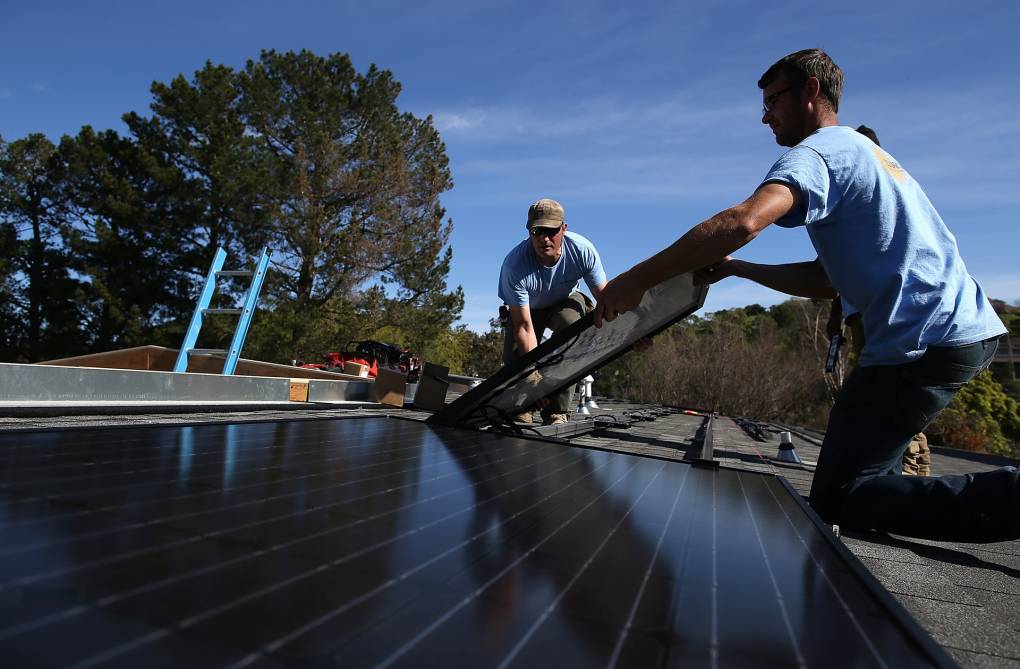
California Solar Customers, Industry Brace for Impact of Reduced State Incentives
Is California Still on Track to Meet Its Goal of 100% Clean Power by 2045?
California Utilities Have Donated $1.67 Million to Grassroots Groups Fighting Rooftop Solar Power
Stanford Develops Chiclet-Sized Device That Purifies Water Using Sunlight
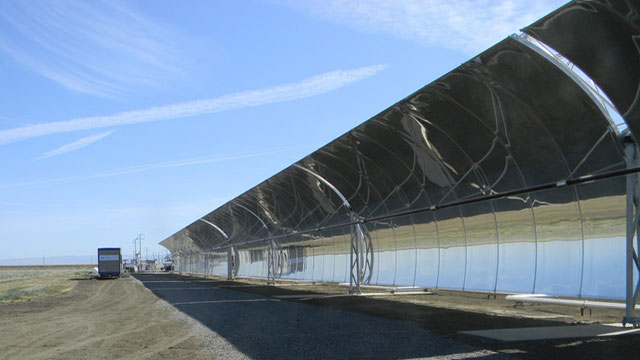
Drought Tech: How Solar Desalination Could Help Parched Farms
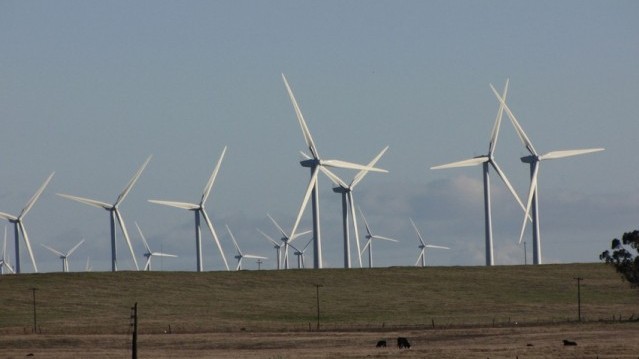
California Trails Texas in Wind Power, Says New Report
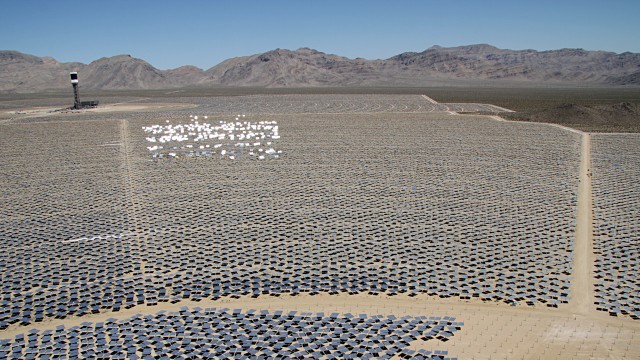
World's Largest Solar Plant Opens
Player sponsored by
window.__IS_SSR__=true
window.__INITIAL_STATE__={
"attachmentsReducer": {
"audio_0": {
"type": "attachments",
"id": "audio_0",
"imgSizes": {
"kqedFullSize": {
"file": "https://ww2.kqed.org/news/wp-content/themes/KQED-unified/img/audio_bgs/background0.jpg"
}
}
},
"audio_1": {
"type": "attachments",
"id": "audio_1",
"imgSizes": {
"kqedFullSize": {
"file": "https://ww2.kqed.org/news/wp-content/themes/KQED-unified/img/audio_bgs/background1.jpg"
}
}
},
"audio_2": {
"type": "attachments",
"id": "audio_2",
"imgSizes": {
"kqedFullSize": {
"file": "https://ww2.kqed.org/news/wp-content/themes/KQED-unified/img/audio_bgs/background2.jpg"
}
}
},
"audio_3": {
"type": "attachments",
"id": "audio_3",
"imgSizes": {
"kqedFullSize": {
"file": "https://ww2.kqed.org/news/wp-content/themes/KQED-unified/img/audio_bgs/background3.jpg"
}
}
},
"audio_4": {
"type": "attachments",
"id": "audio_4",
"imgSizes": {
"kqedFullSize": {
"file": "https://ww2.kqed.org/news/wp-content/themes/KQED-unified/img/audio_bgs/background4.jpg"
}
}
},
"placeholder": {
"type": "attachments",
"id": "placeholder",
"imgSizes": {
"thumbnail": {
"file": "https://cdn.kqed.org/wp-content/uploads/2024/12/KQED-Default-Image-816638274-2000x1333-1-160x107.jpg",
"width": 160,
"height": 107,
"mimeType": "image/jpeg"
},
"medium": {
"file": "https://cdn.kqed.org/wp-content/uploads/2024/12/KQED-Default-Image-816638274-2000x1333-1-800x533.jpg",
"width": 800,
"height": 533,
"mimeType": "image/jpeg"
},
"medium_large": {
"file": "https://cdn.kqed.org/wp-content/uploads/2024/12/KQED-Default-Image-816638274-2000x1333-1-768x512.jpg",
"width": 768,
"height": 512,
"mimeType": "image/jpeg"
},
"large": {
"file": "https://cdn.kqed.org/wp-content/uploads/2024/12/KQED-Default-Image-816638274-2000x1333-1-1020x680.jpg",
"width": 1020,
"height": 680,
"mimeType": "image/jpeg"
},
"1536x1536": {
"file": "https://cdn.kqed.org/wp-content/uploads/2024/12/KQED-Default-Image-816638274-2000x1333-1-1536x1024.jpg",
"width": 1536,
"height": 1024,
"mimeType": "image/jpeg"
},
"fd-lrg": {
"file": "https://cdn.kqed.org/wp-content/uploads/2024/12/KQED-Default-Image-816638274-2000x1333-1-1536x1024.jpg",
"width": 1536,
"height": 1024,
"mimeType": "image/jpeg"
},
"fd-med": {
"file": "https://cdn.kqed.org/wp-content/uploads/2024/12/KQED-Default-Image-816638274-2000x1333-1-1020x680.jpg",
"width": 1020,
"height": 680,
"mimeType": "image/jpeg"
},
"fd-sm": {
"file": "https://cdn.kqed.org/wp-content/uploads/2024/12/KQED-Default-Image-816638274-2000x1333-1-800x533.jpg",
"width": 800,
"height": 533,
"mimeType": "image/jpeg"
},
"post-thumbnail": {
"file": "https://cdn.kqed.org/wp-content/uploads/2024/12/KQED-Default-Image-816638274-2000x1333-1-672x372.jpg",
"width": 672,
"height": 372,
"mimeType": "image/jpeg"
},
"twentyfourteen-full-width": {
"file": "https://cdn.kqed.org/wp-content/uploads/2024/12/KQED-Default-Image-816638274-2000x1333-1-1038x576.jpg",
"width": 1038,
"height": 576,
"mimeType": "image/jpeg"
},
"xxsmall": {
"file": "https://cdn.kqed.org/wp-content/uploads/2024/12/KQED-Default-Image-816638274-2000x1333-1-160x107.jpg",
"width": 160,
"height": 107,
"mimeType": "image/jpeg"
},
"xsmall": {
"file": "https://cdn.kqed.org/wp-content/uploads/2024/12/KQED-Default-Image-816638274-2000x1333-1-672x372.jpg",
"width": 672,
"height": 372,
"mimeType": "image/jpeg"
},
"small": {
"file": "https://cdn.kqed.org/wp-content/uploads/2024/12/KQED-Default-Image-816638274-2000x1333-1-672x372.jpg",
"width": 672,
"height": 372,
"mimeType": "image/jpeg"
},
"xlarge": {
"file": "https://cdn.kqed.org/wp-content/uploads/2024/12/KQED-Default-Image-816638274-2000x1333-1-1020x680.jpg",
"width": 1020,
"height": 680,
"mimeType": "image/jpeg"
},
"full-width": {
"file": "https://cdn.kqed.org/wp-content/uploads/2024/12/KQED-Default-Image-816638274-2000x1333-1-1920x1280.jpg",
"width": 1920,
"height": 1280,
"mimeType": "image/jpeg"
},
"guest-author-32": {
"file": "https://cdn.kqed.org/wp-content/uploads/2025/01/KQED-Default-Image-816638274-1333x1333-1-160x160.jpg",
"width": 32,
"height": 32,
"mimeType": "image/jpeg"
},
"guest-author-50": {
"file": "https://cdn.kqed.org/wp-content/uploads/2025/01/KQED-Default-Image-816638274-1333x1333-1-160x160.jpg",
"width": 50,
"height": 50,
"mimeType": "image/jpeg"
},
"guest-author-64": {
"file": "https://cdn.kqed.org/wp-content/uploads/2025/01/KQED-Default-Image-816638274-1333x1333-1-160x160.jpg",
"width": 64,
"height": 64,
"mimeType": "image/jpeg"
},
"guest-author-96": {
"file": "https://cdn.kqed.org/wp-content/uploads/2025/01/KQED-Default-Image-816638274-1333x1333-1-160x160.jpg",
"width": 96,
"height": 96,
"mimeType": "image/jpeg"
},
"guest-author-128": {
"file": "https://cdn.kqed.org/wp-content/uploads/2025/01/KQED-Default-Image-816638274-1333x1333-1-160x160.jpg",
"width": 128,
"height": 128,
"mimeType": "image/jpeg"
},
"detail": {
"file": "https://cdn.kqed.org/wp-content/uploads/2025/01/KQED-Default-Image-816638274-1333x1333-1-160x160.jpg",
"width": 160,
"height": 160,
"mimeType": "image/jpeg"
},
"kqedFullSize": {
"file": "https://cdn.kqed.org/wp-content/uploads/2024/12/KQED-Default-Image-816638274-2000x1333-1.jpg",
"width": 2000,
"height": 1333
}
}
},
"science_1996547": {
"type": "attachments",
"id": "science_1996547",
"meta": {
"index": "attachments_1716263798",
"site": "science",
"id": "1996547",
"found": true
},
"title": "250321-VIRTUALPOWERPLANT-04-BL-KQED",
"publishDate": 1743616448,
"status": "inherit",
"parent": 0,
"modified": 1743616555,
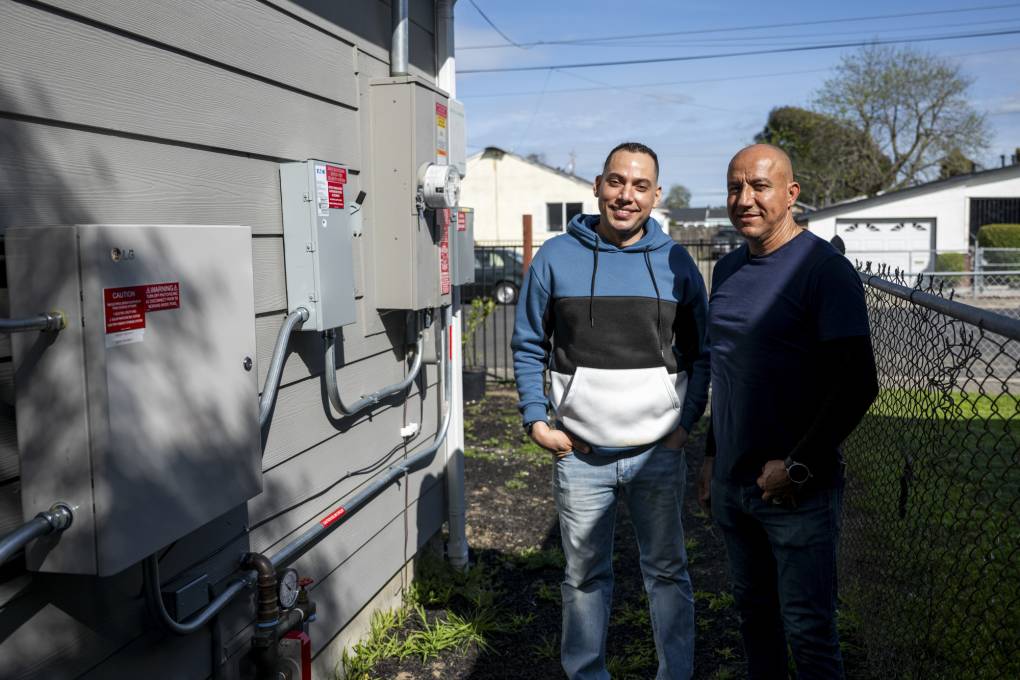
"caption": "Ivan Israel Amezcua (left) and Ramon Heredia stand outside of their all-electric home in Richmond on March 21, 2025.",
"credit": "Beth LaBerge/KQED",
"altTag": null,
"description": null,
"imgSizes": {
"medium": {
"file": "https://cdn.kqed.org/wp-content/uploads/sites/35/2025/04/250321-VIRTUALPOWERPLANT-04-BL-KQED-800x533.jpg",
"width": 800,
"height": 533,
"mimeType": "image/jpeg"
},
"large": {
"file": "https://cdn.kqed.org/wp-content/uploads/sites/35/2025/04/250321-VIRTUALPOWERPLANT-04-BL-KQED-1020x680.jpg",
"width": 1020,
"height": 680,
"mimeType": "image/jpeg"
},
"thumbnail": {
"file": "https://cdn.kqed.org/wp-content/uploads/sites/35/2025/04/250321-VIRTUALPOWERPLANT-04-BL-KQED-160x107.jpg",
"width": 160,
"height": 107,
"mimeType": "image/jpeg"
},
"medium_large": {
"file": "https://cdn.kqed.org/wp-content/uploads/sites/35/2025/04/250321-VIRTUALPOWERPLANT-04-BL-KQED-768x512.jpg",
"width": 768,
"height": 512,
"mimeType": "image/jpeg"
},
"1536x1536": {
"file": "https://cdn.kqed.org/wp-content/uploads/sites/35/2025/04/250321-VIRTUALPOWERPLANT-04-BL-KQED-1536x1024.jpg",
"width": 1536,
"height": 1024,
"mimeType": "image/jpeg"
},
"post-thumbnail": {
"file": "https://cdn.kqed.org/wp-content/uploads/sites/35/2025/04/250321-VIRTUALPOWERPLANT-04-BL-KQED-672x372.jpg",
"width": 672,
"height": 372,
"mimeType": "image/jpeg"
},
"twentyfourteen-full-width": {
"file": "https://cdn.kqed.org/wp-content/uploads/sites/35/2025/04/250321-VIRTUALPOWERPLANT-04-BL-KQED-1038x576.jpg",
"width": 1038,
"height": 576,
"mimeType": "image/jpeg"
},
"full-width": {
"file": "https://cdn.kqed.org/wp-content/uploads/sites/35/2025/04/250321-VIRTUALPOWERPLANT-04-BL-KQED-1920x1280.jpg",
"width": 1920,
"height": 1280,
"mimeType": "image/jpeg"
},
"kqedFullSize": {
"file": "https://cdn.kqed.org/wp-content/uploads/sites/35/2025/04/250321-VIRTUALPOWERPLANT-04-BL-KQED.jpg",
"width": 2000,
"height": 1333
}
},
"isLoading": false,
"fetchFailed": false
},
"science_1993743": {
"type": "attachments",
"id": "science_1993743",
"meta": {
"index": "attachments_1716263798",
"site": "science",
"id": "1993743",
"found": true
},
"title": "240729-GREEN THE CHURCH-MD-01-KQED",
"publishDate": 1722290727,
"status": "inherit",
"parent": 0,
"modified": 1722291825,
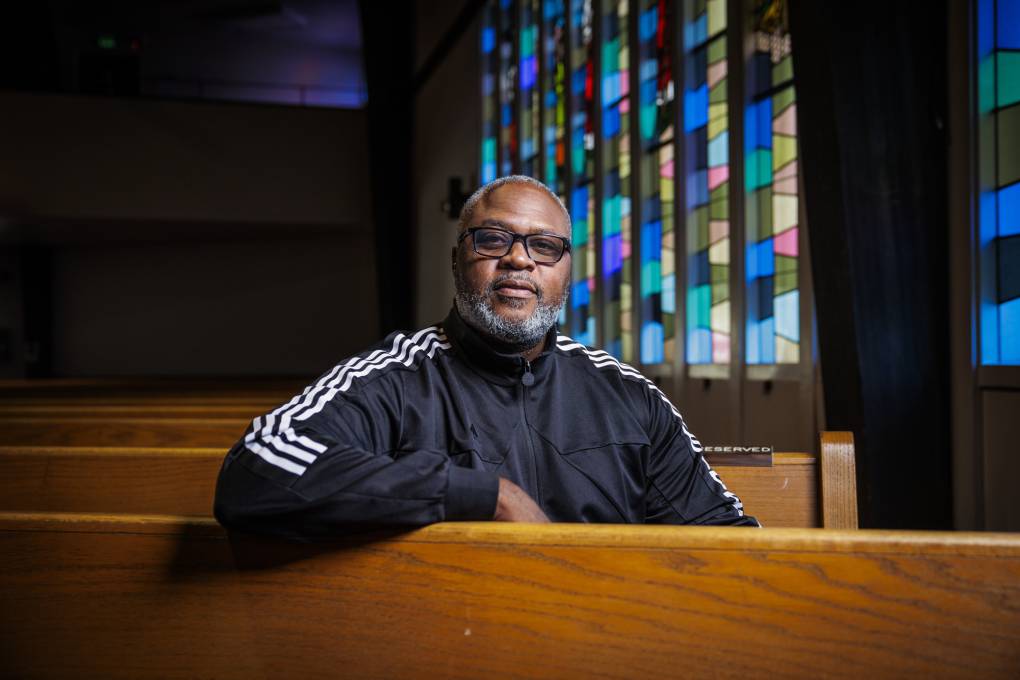
"caption": "Rev. Dr. Ambrose F. Carroll Sr. in the chapel at the Allen Temple Baptist Church in Oakland on July 29, 2024.",
"credit": "Martin do Nascimento/KQED",
"altTag": null,
"description": null,
"imgSizes": {
"medium": {
"file": "https://cdn.kqed.org/wp-content/uploads/sites/35/2024/07/240729-GREEN-THE-CHURCH-MD-01-KQED-800x533.jpg",
"width": 800,
"height": 533,
"mimeType": "image/jpeg"
},
"large": {
"file": "https://cdn.kqed.org/wp-content/uploads/sites/35/2024/07/240729-GREEN-THE-CHURCH-MD-01-KQED-1020x680.jpg",
"width": 1020,
"height": 680,
"mimeType": "image/jpeg"
},
"thumbnail": {
"file": "https://cdn.kqed.org/wp-content/uploads/sites/35/2024/07/240729-GREEN-THE-CHURCH-MD-01-KQED-160x107.jpg",
"width": 160,
"height": 107,
"mimeType": "image/jpeg"
},
"medium_large": {
"file": "https://cdn.kqed.org/wp-content/uploads/sites/35/2024/07/240729-GREEN-THE-CHURCH-MD-01-KQED-768x512.jpg",
"width": 768,
"height": 512,
"mimeType": "image/jpeg"
},
"1536x1536": {
"file": "https://cdn.kqed.org/wp-content/uploads/sites/35/2024/07/240729-GREEN-THE-CHURCH-MD-01-KQED-1536x1024.jpg",
"width": 1536,
"height": 1024,
"mimeType": "image/jpeg"
},
"post-thumbnail": {
"file": "https://cdn.kqed.org/wp-content/uploads/sites/35/2024/07/240729-GREEN-THE-CHURCH-MD-01-KQED-672x372.jpg",
"width": 672,
"height": 372,
"mimeType": "image/jpeg"
},
"twentyfourteen-full-width": {
"file": "https://cdn.kqed.org/wp-content/uploads/sites/35/2024/07/240729-GREEN-THE-CHURCH-MD-01-KQED-1038x576.jpg",
"width": 1038,
"height": 576,
"mimeType": "image/jpeg"
},
"full-width": {
"file": "https://cdn.kqed.org/wp-content/uploads/sites/35/2024/07/240729-GREEN-THE-CHURCH-MD-01-KQED-1920x1280.jpg",
"width": 1920,
"height": 1280,
"mimeType": "image/jpeg"
},
"kqedFullSize": {
"file": "https://cdn.kqed.org/wp-content/uploads/sites/35/2024/07/240729-GREEN-THE-CHURCH-MD-01-KQED.jpg",
"width": 2000,
"height": 1333
}
},
"isLoading": false,
"fetchFailed": false
},
"science_1991405": {
"type": "attachments",
"id": "science_1991405",
"meta": {
"index": "attachments_1716263798",
"site": "science",
"id": "1991405",
"found": true
},
"parent": 1991404,
"imgSizes": {
"twentyfourteen-full-width": {
"file": "https://cdn.kqed.org/wp-content/uploads/sites/35/2024/02/GettyImages-1482069963-1038x576.jpg",
"width": 1038,
"mimeType": "image/jpeg",
"height": 576
},
"thumbnail": {
"file": "https://cdn.kqed.org/wp-content/uploads/sites/35/2024/02/GettyImages-1482069963-160x90.jpg",
"width": 160,
"mimeType": "image/jpeg",
"height": 90
},
"post-thumbnail": {
"file": "https://cdn.kqed.org/wp-content/uploads/sites/35/2024/02/GettyImages-1482069963-672x372.jpg",
"width": 672,
"mimeType": "image/jpeg",
"height": 372
},
"kqedFullSize": {
"file": "https://cdn.kqed.org/wp-content/uploads/sites/35/2024/02/GettyImages-1482069963.jpg",
"width": 2310,
"height": 1298
},
"2048x2048": {
"file": "https://cdn.kqed.org/wp-content/uploads/sites/35/2024/02/GettyImages-1482069963-2048x1151.jpg",
"width": 2048,
"mimeType": "image/jpeg",
"height": 1151
},
"large": {
"file": "https://cdn.kqed.org/wp-content/uploads/sites/35/2024/02/GettyImages-1482069963-1020x573.jpg",
"width": 1020,
"mimeType": "image/jpeg",
"height": 573
},
"1536x1536": {
"file": "https://cdn.kqed.org/wp-content/uploads/sites/35/2024/02/GettyImages-1482069963-1536x863.jpg",
"width": 1536,
"mimeType": "image/jpeg",
"height": 863
},
"full-width": {
"file": "https://cdn.kqed.org/wp-content/uploads/sites/35/2024/02/GettyImages-1482069963-1920x1079.jpg",
"width": 1920,
"mimeType": "image/jpeg",
"height": 1079
},
"medium": {
"file": "https://cdn.kqed.org/wp-content/uploads/sites/35/2024/02/GettyImages-1482069963-800x450.jpg",
"width": 800,
"mimeType": "image/jpeg",
"height": 450
},
"medium_large": {
"file": "https://cdn.kqed.org/wp-content/uploads/sites/35/2024/02/GettyImages-1482069963-768x432.jpg",
"width": 768,
"mimeType": "image/jpeg",
"height": 432
}
},
"publishDate": 1707848543,
"modified": 1707933878,
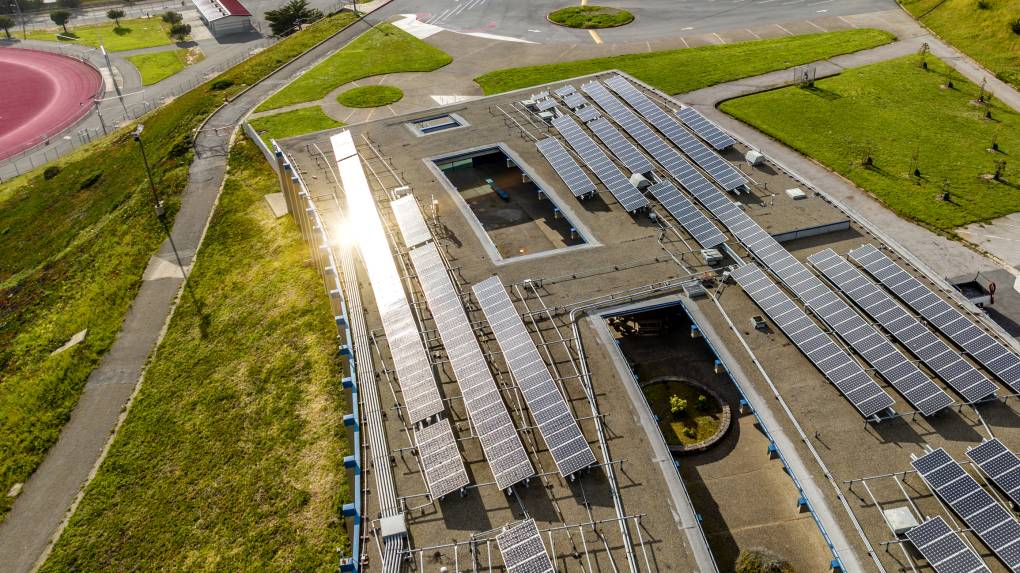
"caption": "A high school with solar panels on the roof. A state decision to reduce rooftop solar incentives could drive up costs and hurt school districts' efforts to increase solar energy use.",
"description": null,
"title": "High School Rooftop Solar",
"credit": "JasonDoiy/iStock/Getty Images Plus",
"status": "inherit",
"altTag": "Solar panels on top of a building seen from the air.",
"isLoading": false,
"fetchFailed": false
},
"science_1985612": {
"type": "attachments",
"id": "science_1985612",
"meta": {
"index": "attachments_1716263798",
"site": "science",
"id": "1985612",
"found": true
},
"parent": 1985611,
"imgSizes": {
"twentyfourteen-full-width": {
"file": "https://cdn.kqed.org/wp-content/uploads/sites/35/2023/12/GettyImages-812546100-1038x576.jpeg",
"width": 1038,
"mimeType": "image/jpeg",
"height": 576
},
"thumbnail": {
"file": "https://cdn.kqed.org/wp-content/uploads/sites/35/2023/12/GettyImages-812546100-160x121.jpeg",
"width": 160,
"mimeType": "image/jpeg",
"height": 121
},
"post-thumbnail": {
"file": "https://cdn.kqed.org/wp-content/uploads/sites/35/2023/12/GettyImages-812546100-672x372.jpeg",
"width": 672,
"mimeType": "image/jpeg",
"height": 372
},
"kqedFullSize": {
"file": "https://cdn.kqed.org/wp-content/uploads/sites/35/2023/12/GettyImages-812546100.jpeg",
"width": 1992,
"height": 1504
},
"large": {
"file": "https://cdn.kqed.org/wp-content/uploads/sites/35/2023/12/GettyImages-812546100-1020x770.jpeg",
"width": 1020,
"mimeType": "image/jpeg",
"height": 770
},
"1536x1536": {
"file": "https://cdn.kqed.org/wp-content/uploads/sites/35/2023/12/GettyImages-812546100-1536x1160.jpeg",
"width": 1536,
"mimeType": "image/jpeg",
"height": 1160
},
"full-width": {
"file": "https://cdn.kqed.org/wp-content/uploads/sites/35/2023/12/GettyImages-812546100-1920x1450.jpeg",
"width": 1920,
"mimeType": "image/jpeg",
"height": 1450
},
"medium": {
"file": "https://cdn.kqed.org/wp-content/uploads/sites/35/2023/12/GettyImages-812546100-800x604.jpeg",
"width": 800,
"mimeType": "image/jpeg",
"height": 604
},
"medium_large": {
"file": "https://cdn.kqed.org/wp-content/uploads/sites/35/2023/12/GettyImages-812546100-768x580.jpeg",
"width": 768,
"mimeType": "image/jpeg",
"height": 580
}
},
"publishDate": 1701901535,
"modified": 1701901741,
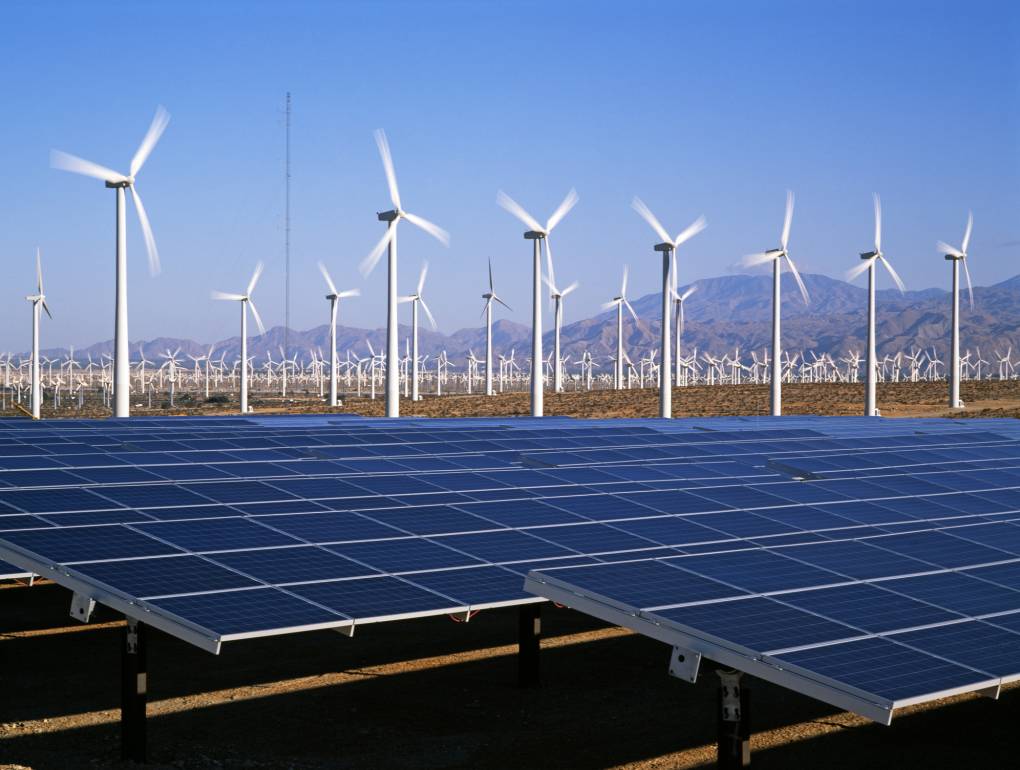
"caption": "A solar and wind farm in Palm Springs that generates 100% renewable energy. ",
"description": null,
"title": "Wind turbines and solar panels",
"credit": "Murat Taner/Getty Images",
"status": "inherit",
"altTag": "Solar panels and wind turbines in desert with mountains in the distance.",
"isLoading": false,
"fetchFailed": false
},
"science_1978427": {
"type": "attachments",
"id": "science_1978427",
"meta": {
"index": "attachments_1716263798",
"site": "science",
"id": "1978427",
"found": true
},
"parent": 1978423,
"imgSizes": {
"twentyfourteen-full-width": {
"file": "https://ww2.kqed.org/app/uploads/sites/35/2022/02/RS25852_GettyImages-464555674-qut-1038x576.jpg",
"width": 1038,
"mimeType": "image/jpeg",
"height": 576
},
"thumbnail": {
"file": "https://ww2.kqed.org/app/uploads/sites/35/2022/02/RS25852_GettyImages-464555674-qut-160x105.jpg",
"width": 160,
"mimeType": "image/jpeg",
"height": 105
},
"post-thumbnail": {
"file": "https://ww2.kqed.org/app/uploads/sites/35/2022/02/RS25852_GettyImages-464555674-qut-672x372.jpg",
"width": 672,
"mimeType": "image/jpeg",
"height": 372
},
"kqedFullSize": {
"file": "https://ww2.kqed.org/app/uploads/sites/35/2022/02/RS25852_GettyImages-464555674-qut.jpg",
"width": 1920,
"height": 1260
},
"large": {
"file": "https://ww2.kqed.org/app/uploads/sites/35/2022/02/RS25852_GettyImages-464555674-qut-1020x669.jpg",
"width": 1020,
"mimeType": "image/jpeg",
"height": 669
},
"1536x1536": {
"file": "https://ww2.kqed.org/app/uploads/sites/35/2022/02/RS25852_GettyImages-464555674-qut-1536x1008.jpg",
"width": 1536,
"mimeType": "image/jpeg",
"height": 1008
},
"medium": {
"file": "https://ww2.kqed.org/app/uploads/sites/35/2022/02/RS25852_GettyImages-464555674-qut-800x525.jpg",
"width": 800,
"mimeType": "image/jpeg",
"height": 525
},
"medium_large": {
"file": "https://ww2.kqed.org/app/uploads/sites/35/2022/02/RS25852_GettyImages-464555674-qut-768x504.jpg",
"width": 768,
"mimeType": "image/jpeg",
"height": 504
}
},
"publishDate": 1644363181,
"modified": 1644370265,
"caption": "SolarCraft workers Joel Overly (left) and Craig Powell install a solar panel on the roof of a home in San Rafael in 2015. ",
"description": "SolarCraft workers Joel Overly (L) and Craig Powell (R) install a solar panel on the roof of a home in San Rafael in 2015. ",
"title": "Government Report Cites Solar Industry Supports More Jobs Than Coal Industry",
"credit": "Justin Sullivan/Getty Images",
"status": "inherit",
"altTag": "The sun glints off of a large, dark rectangular solar panel on a roof in San Rafael, with a large tree and blue sky in the background. Two workers hold a new panel at an angle to the roof, ready to slot it into place.",
"isLoading": false,
"fetchFailed": false
},
"science_916889": {
"type": "attachments",
"id": "science_916889",
"meta": {
"index": "attachments_1716263798",
"site": "science",
"id": "916889",
"found": true
},
"parent": 916677,
"imgSizes": {
"twentyfourteen-full-width": {
"file": "https://ww2.kqed.org/app/uploads/sites/35/2016/08/nanodevice-1038x576.jpg",
"width": 1038,
"mimeType": "image/jpeg",
"height": 576
},
"thumbnail": {
"file": "https://ww2.kqed.org/app/uploads/sites/35/2016/08/nanodevice-400x257.jpg",
"width": 400,
"mimeType": "image/jpeg",
"height": 257
},
"fd-sm": {
"file": "https://ww2.kqed.org/app/uploads/sites/35/2016/08/nanodevice-960x616.jpg",
"width": 960,
"mimeType": "image/jpeg",
"height": 616
},
"post-thumbnail": {
"file": "https://ww2.kqed.org/app/uploads/sites/35/2016/08/nanodevice-672x372.jpg",
"width": 672,
"mimeType": "image/jpeg",
"height": 372
},
"kqedFullSize": {
"file": "https://ww2.kqed.org/app/uploads/sites/35/2016/08/nanodevice.jpg",
"width": 1965,
"height": 1261
},
"large": {
"file": "https://ww2.kqed.org/app/uploads/sites/35/2016/08/nanodevice-1440x924.jpg",
"width": 1440,
"mimeType": "image/jpeg",
"height": 924
},
"guest-author-50": {
"file": "https://ww2.kqed.org/app/uploads/sites/35/2016/08/nanodevice-50x50.jpg",
"width": 50,
"mimeType": "image/jpeg",
"height": 50
},
"guest-author-96": {
"file": "https://ww2.kqed.org/app/uploads/sites/35/2016/08/nanodevice-96x96.jpg",
"width": 96,
"mimeType": "image/jpeg",
"height": 96
},
"medium": {
"file": "https://ww2.kqed.org/app/uploads/sites/35/2016/08/nanodevice-800x513.jpg",
"width": 800,
"mimeType": "image/jpeg",
"height": 513
},
"guest-author-64": {
"file": "https://ww2.kqed.org/app/uploads/sites/35/2016/08/nanodevice-64x64.jpg",
"width": 64,
"mimeType": "image/jpeg",
"height": 64
},
"guest-author-32": {
"file": "https://ww2.kqed.org/app/uploads/sites/35/2016/08/nanodevice-32x32.jpg",
"width": 32,
"mimeType": "image/jpeg",
"height": 32
},
"fd-lrg": {
"file": "https://ww2.kqed.org/app/uploads/sites/35/2016/08/nanodevice-1920x1232.jpg",
"width": 1920,
"mimeType": "image/jpeg",
"height": 1232
},
"fd-med": {
"file": "https://ww2.kqed.org/app/uploads/sites/35/2016/08/nanodevice-1180x757.jpg",
"width": 1180,
"mimeType": "image/jpeg",
"height": 757
},
"detail": {
"file": "https://ww2.kqed.org/app/uploads/sites/35/2016/08/nanodevice-150x150.jpg",
"width": 150,
"mimeType": "image/jpeg",
"height": 150
},
"medium_large": {
"file": "https://ww2.kqed.org/app/uploads/sites/35/2016/08/nanodevice-768x493.jpg",
"width": 768,
"mimeType": "image/jpeg",
"height": 493
},
"guest-author-128": {
"file": "https://ww2.kqed.org/app/uploads/sites/35/2016/08/nanodevice-128x128.jpg",
"width": 128,
"mimeType": "image/jpeg",
"height": 128
}
},
"publishDate": 1471042836,
"modified": 1471272527,
"caption": "The tiny water purifier doesn't require batteries and uses the visible spectrum of light to help kill bacteria. ",
"description": null,
"title": "nanodevice",
"credit": "Chong Liu and Jin Xie/Stanford University",
"status": "inherit",
"isLoading": false,
"fetchFailed": false
},
"science_17370": {
"type": "attachments",
"id": "science_17370",
"meta": {
"index": "attachments_1716263798",
"site": "science",
"id": "17370",
"found": true
},
"parent": 17312,
"imgSizes": {
"kqedFullSize": {
"file": "https://ww2.kqed.org/app/uploads/sites/35/2014/05/10308scr_a381d905d6002f3.jpg",
"width": 640,
"height": 360
}
},
"publishDate": 1399589428,
"modified": 1399589428,
"caption": "This solar desalination plant uses curved mirrors to capture the sun's energy and separate the salt from the water. (Alice Daniel/KQED) ",
"description": "This solar desalination plant uses curved mirrors to capture the sun's energy and separate the salt from the water. (Alice Daniel/KQED) ",
"title": "10308scr_a381d905d6002f3",
"credit": null,
"status": "inherit",
"isLoading": false,
"fetchFailed": false
},
"science_16593": {
"type": "attachments",
"id": "science_16593",
"meta": {
"index": "attachments_1716263798",
"site": "science",
"id": "16593",
"found": true
},
"parent": 16583,
"imgSizes": {
"kqedFullSize": {
"file": "https://ww2.kqed.org/app/uploads/sites/35/2014/04/1825scr_c09a7077bf407dd-e1397606745612.jpg",
"width": 639,
"height": 359
}
},
"publishDate": 1397606707,
"modified": 1397606707,
"caption": "Wind turbines in Solano County. (Craig Miller/KQED)",
"description": "Wind turbines in Solano County. (Craig Miller/KQED)",
"title": "1825scr_c09a7077bf407dd",
"credit": null,
"status": "inherit",
"isLoading": false,
"fetchFailed": false
},
"science_14246": {
"type": "attachments",
"id": "science_14246",
"meta": {
"index": "attachments_1716263798",
"site": "science",
"id": "14246",
"found": true
},
"parent": 14236,
"imgSizes": {
"kqedFullSize": {
"file": "https://ww2.kqed.org/app/uploads/sites/35/2014/02/RS5657_Ivanpah51-e1392321322211.jpg",
"width": 640,
"height": 360
}
},
"publishDate": 1392321249,
"modified": 1392321249,
"caption": "The Ivanpah solar project in the Mojave Desert, the largest solar farm in the world. (Lauren Sommer/KQED)",
"description": "The Ivanpah solar project in the Mojave Desert, the largest solar farm in the world. (Lauren Sommer/KQED)",
"title": "RS5657_Ivanpah5",
"credit": null,
"status": "inherit",
"isLoading": false,
"fetchFailed": false
}
},
"audioPlayerReducer": {
"postId": "stream_live",
"isPaused": true,
"isPlaying": false,
"pfsActive": false,
"pledgeModalIsOpen": true,
"playerDrawerIsOpen": false
},
"authorsReducer": {
"byline_science_1991404": {
"type": "authors",
"id": "byline_science_1991404",
"meta": {
"override": true
},
"slug": "byline_science_1991404",
"name": "\u003ca href=\"https://twitter.com/kate_selig?lang=en\">Kate Selig\u003c/a>",
"isLoading": false
},
"byline_science_1978423": {
"type": "authors",
"id": "byline_science_1978423",
"meta": {
"override": true
},
"slug": "byline_science_1978423",
"name": "Anne Marshall-Chalmers and Dan Gearino\u003cbr>Inside Climate News",
"isLoading": false
},
"amystanden": {
"type": "authors",
"id": "210",
"meta": {
"index": "authors_1716337520",
"id": "210",
"found": true
},
"name": "Amy Standen",
"firstName": "Amy",
"lastName": "Standen",
"slug": "amystanden",
"email": "astanden@kqed.org",
"display_author_email": false,
"staff_mastheads": [],
"title": "KQED Contributor",
"bio": "Amy Standen (@amystanden) is co-host of #\u003ca href=\"https://ww2.kqed.org/news/programs/the-leap\">TheLeapPodcast\u003c/a> (subscribe on iTunes or Stitcher!) and host of KQED and PBSDigital Studios' science video series, \u003ca href=\"https://www.youtube.com/user/KQEDDeepLook\">Deep Look\u003c/a>. Her science radio stories appear on KQED and NPR.\r\n\r\nEmail her at astanden@kqed.org",
"avatar": "https://secure.gravatar.com/avatar/3d021b72de685a788b0487b059d0a6a1?s=600&d=blank&r=g",
"twitter": null,
"facebook": null,
"instagram": null,
"linkedin": null,
"sites": [
{
"site": "news",
"roles": [
"subscriber"
]
},
{
"site": "futureofyou",
"roles": [
"subscriber"
]
},
{
"site": "stateofhealth",
"roles": [
"subscriber"
]
},
{
"site": "science",
"roles": []
},
{
"site": "quest",
"roles": [
"subscriber"
]
}
],
"headData": {
"title": "Amy Standen | KQED",
"description": "KQED Contributor",
"ogImgSrc": "https://secure.gravatar.com/avatar/3d021b72de685a788b0487b059d0a6a1?s=600&d=blank&r=g",
"twImgSrc": "https://secure.gravatar.com/avatar/3d021b72de685a788b0487b059d0a6a1?s=600&d=blank&r=g"
},
"isLoading": false,
"link": "/author/amystanden"
},
"lindseyhoshaw": {
"type": "authors",
"id": "5432",
"meta": {
"index": "authors_1716337520",
"id": "5432",
"found": true
},
"name": "Lindsey Hoshaw",
"firstName": "Lindsey",
"lastName": "Hoshaw",
"slug": "lindseyhoshaw",
"email": "lhoshaw@kqed.org",
"display_author_email": false,
"staff_mastheads": [],
"title": "KQED Contributor",
"bio": "Lindsey Hoshaw is a former interactive producer for KQED Science. Before joining KQED, Lindsey was a science correspondent for The New York Times, The Boston Globe, Forbes and Scientific American. On Twitter @lindseyhoshaw",
"avatar": "https://secure.gravatar.com/avatar/274b07694c998eaa8f26cfabaa941186?s=600&d=mm&r=g",
"twitter": "lindseyhoshaw",
"facebook": "lindsey.hoshaw.9",
"instagram": null,
"linkedin": null,
"sites": [
{
"site": "arts",
"roles": [
"author"
]
},
{
"site": "news",
"roles": [
"subscriber"
]
},
{
"site": "futureofyou",
"roles": [
"editor"
]
},
{
"site": "bayareabites",
"roles": [
"contributor"
]
},
{
"site": "stateofhealth",
"roles": [
"author"
]
},
{
"site": "science",
"roles": [
"edit_theme_options",
"subscriber"
]
},
{
"site": "quest",
"roles": [
"edit_post_subscriptions",
"edit_usergroups",
"unfiltered_html",
"unfiltered_upload",
"leadcoordinator",
"editor"
]
},
{
"site": "food",
"roles": []
}
],
"headData": {
"title": "Lindsey Hoshaw | KQED",
"description": "KQED Contributor",
"ogImgSrc": "https://secure.gravatar.com/avatar/274b07694c998eaa8f26cfabaa941186?s=600&d=mm&r=g",
"twImgSrc": "https://secure.gravatar.com/avatar/274b07694c998eaa8f26cfabaa941186?s=600&d=mm&r=g"
},
"isLoading": false,
"link": "/author/lindseyhoshaw"
},
"gabriela-quiros": {
"type": "authors",
"id": "6186",
"meta": {
"index": "authors_1716337520",
"id": "6186",
"found": true
},
"name": "Gabriela Quirós",
"firstName": "Gabriela",
"lastName": "Quirós",
"slug": "gabriela-quiros",
"email": "gquiros@kqed.org",
"display_author_email": false,
"staff_mastheads": [],
"title": "Supervising Producer",
"bio": "Gabriela Quirós is the \u003cstrong>supervising producer for KQED's web science video series \u003ca href=\"https://www.kqed.org/deeplook\">Deep Look\u003c/a>\u003c/strong>. She joined KQED as a TV producer when its science series QUEST started in 2006 and has covered everything from Alzheimer’s to bee die-offs to dark energy.\r\n\r\nShe won a 2022 AAAS Kavli Science Journalism Award with a team of her Deep Look colleagues. She has won six regional Emmys as a video producer and has shared eight more as the coordinating producer of Deep Look. The episode she produced about \u003ca href=\"https://www.kqed.org/science/728086/how-mosquitoes-use-six-needles-to-suck-your-blood\">How Mosquitoes Use Six Needles to Suck Your Blood\u003c/a> won a Webby \"People's Voice\" award. She has also earned awards from the Jackson Hole Wildlife Film Festival, the Society of Professional Journalists and the Society of Environmental Journalists.\r\n\r\nHer videos for KQED have also aired on NOVA scienceNOW and the PBS NewsHour, and appeared on NPR.org.\r\n\r\nAs an independent filmmaker, she produced and directed the hour-long documentary \u003ca href=\"http://lpbp.org/beautiful-sin-qa-with-producer-gabriela-quiros/\">\u003cem>Beautiful Sin\u003c/em>\u003c/a>, about the surprising story of how Costa Rica became the only country in the world to outlaw in vitro fertilization. The film aired in 2015 on public television stations throughout the U.S., and in Costa Rica.\r\n\r\nShe started her journalism career as a newspaper reporter in Costa Rica, where she grew up. She won the National Science Journalism Award there for a series of articles about organic agriculture, and developed a life-long interest in health reporting. She moved to the Bay Area in 1996 to study documentary filmmaking at the University of California, Berkeley, where she received master’s degrees in journalism and Latin American studies.",
"avatar": "https://secure.gravatar.com/avatar/6d82c20152affd1b434c31a904c40809?s=600&d=blank&r=g",
"twitter": "gabrielaquirosr",
"facebook": null,
"instagram": null,
"linkedin": null,
"sites": [
{
"site": "science",
"roles": []
},
{
"site": "quest",
"roles": [
"ef_view_calendar",
"ef_view_story_budget"
]
}
],
"headData": {
"title": "Gabriela Quirós | KQED",
"description": "Supervising Producer",
"ogImgSrc": "https://secure.gravatar.com/avatar/6d82c20152affd1b434c31a904c40809?s=600&d=blank&r=g",
"twImgSrc": "https://secure.gravatar.com/avatar/6d82c20152affd1b434c31a904c40809?s=600&d=blank&r=g"
},
"isLoading": false,
"link": "/author/gabriela-quiros"
},
"kqedscience": {
"type": "authors",
"id": "6387",
"meta": {
"index": "authors_1716337520",
"id": "6387",
"found": true
},
"name": "KQED Science",
"firstName": "KQED",
"lastName": "Science",
"slug": "kqedscience",
"email": "kqedscience@gmail.com",
"display_author_email": false,
"staff_mastheads": [],
"title": null,
"bio": "KQED Science brings you award-winning science and environment coverage from the Bay Area and beyond by the flagship Northern California PBS and NPR affiliate.",
"avatar": "https://secure.gravatar.com/avatar/5a295ff49cf82a8c0f30937d3f788b2f?s=600&d=blank&r=g",
"twitter": null,
"facebook": null,
"instagram": null,
"linkedin": null,
"sites": [
{
"site": "science",
"roles": [
"contributor"
]
},
{
"site": "quest",
"roles": [
"editor"
]
},
{
"site": "food",
"roles": [
"contributor"
]
}
],
"headData": {
"title": "KQED Science | KQED",
"description": null,
"ogImgSrc": "https://secure.gravatar.com/avatar/5a295ff49cf82a8c0f30937d3f788b2f?s=600&d=blank&r=g",
"twImgSrc": "https://secure.gravatar.com/avatar/5a295ff49cf82a8c0f30937d3f788b2f?s=600&d=blank&r=g"
},
"isLoading": false,
"link": "/author/kqedscience"
},
"lklivans": {
"type": "authors",
"id": "8648",
"meta": {
"index": "authors_1716337520",
"id": "8648",
"found": true
},
"name": "Laura Klivans",
"firstName": "Laura",
"lastName": "Klivans",
"slug": "lklivans",
"email": "lklivans@kqed.org",
"display_author_email": true,
"staff_mastheads": [
"news",
"science"
],
"title": "Reporter",
"bio": "Laura Klivans is an award-winning science reporter for KQED News, where she covers climate change with an eye on both groundbreaking progress and gaps in action. She is the former host of KQED's blockbuster video series about tiny, amazing animals, \u003cem>Deep Look\u003c/em>. Her work reaches national audiences through NPR, \u003cem>Here & Now, \u003c/em>PRI, and other major outlets. \r\n\r\nLaura’s won five Northern California Area Emmy Awards for Deep Look and First Place in the Greater Bay Area Journalism Awards for a podcast exploring how one Oakland neighborhood teamed up to reduce planet-heating pollution.\r\n\r\nBeyond her reporting, she hosts and moderates events. In the past, she taught audio storytelling at the UC Berkeley Graduate School of Journalism, led international education programs, worked with immigrants and refugees along the Thai-Burmese border, taught high schoolers sex ed, and was an actress. \r\n\r\nShe's a former UC Berkeley Human Rights Fellow, USC Center for Health Journalism's California Fellow and Coro Fellow in Public Affairs. Laura has a master’s in journalism from UC Berkeley, a master’s in education from Harvard, and an undergraduate degree from Northwestern University.\r\n\r\nShe loves trying to riddle the meaning out of vanity license plates.",
"avatar": "https://secure.gravatar.com/avatar/af8e757bb8ce7b7fee6160ba66e37327?s=600&d=blank&r=g",
"twitter": "lauraklivans",
"facebook": null,
"instagram": null,
"linkedin": null,
"sites": [
{
"site": "news",
"roles": [
"editor"
]
},
{
"site": "stateofhealth",
"roles": [
"contributor",
"editor"
]
},
{
"site": "science",
"roles": [
"editor"
]
},
{
"site": "forum",
"roles": [
"editor"
]
}
],
"headData": {
"title": "Laura Klivans | KQED",
"description": "Reporter",
"ogImgSrc": "https://secure.gravatar.com/avatar/af8e757bb8ce7b7fee6160ba66e37327?s=600&d=blank&r=g",
"twImgSrc": "https://secure.gravatar.com/avatar/af8e757bb8ce7b7fee6160ba66e37327?s=600&d=blank&r=g"
},
"isLoading": false,
"link": "/author/lklivans"
}
},
"breakingNewsReducer": {},
"pagesReducer": {},
"postsReducer": {
"stream_live": {
"type": "live",
"id": "stream_live",
"audioUrl": "https://streams.kqed.org/kqedradio",
"title": "Live Stream",
"excerpt": "Live Stream information currently unavailable.",
"link": "/radio",
"featImg": "",
"label": {
"name": "KQED Live",
"link": "/"
}
},
"stream_kqedNewscast": {
"type": "posts",
"id": "stream_kqedNewscast",
"audioUrl": "https://www.kqed.org/.stream/anon/radio/RDnews/newscast.mp3?_=1",
"title": "KQED Newscast",
"featImg": "",
"label": {
"name": "88.5 FM",
"link": "/"
}
},
"science_1996563": {
"type": "posts",
"id": "science_1996563",
"meta": {
"index": "posts_1716263798",
"site": "science",
"id": "1996563",
"score": null,
"sort": [
1744023644000
]
},
"guestAuthors": [],
"slug": "meet-power-plant-tucked-into-garages-basements",
"title": "Meet the Power Plant Tucked into Garages and Basements",
"publishDate": 1744023644,
"format": "audio",
"headTitle": "Meet the Power Plant Tucked into Garages and Basements | KQED",
"labelTerm": {
"site": "science"
},
"content": "\u003cp>Each morning after waking up, Ivan Israel Amezcua heads to his kitchen to prepare mate for himself and his husband. He fills a black teapot, sets it on their sleek, flat induction cooktop and presses a button. The water quickly warms, and he pours it over crushed green leaves tucked into an hourglass-shaped mate gourd on the counter.\u003c/p>\n\u003cp>Israel Amezcua does not light a flame or burn any planet-warming gases in the process. The only flames in the couple’s three-bedroom North Richmond home dance atop scented candles.\u003c/p>\n\u003cp>That’s because the home is fully electric and then some. Each appliance is connected to the couple’s phones, as well as a software that can respond to the needs of the larger electricity grid — what energy nerds call a “virtual power plant.”\u003c/p>\n\u003cp>[ad fullwidth]\u003c/p>\n\u003cp>If weather reports forecast extreme heat and people crank up their air conditioners in the afternoon, Israel Amezcua’s water heater will warm its tank in the morning. His showers will still be hot. Israel Amezcua avoids pulling power from the grid during the hours when it is expensive and in high demand. His backup battery can power his home during peak energy demand, too.\u003c/p>\n\u003cp>On a bright day, when solar power is abundant and cheap, his home appliances will turn on and the battery charges.\u003c/p>\n\u003cfigure id=\"attachment_1996551\" class=\"wp-caption aligncenter\" style=\"max-width: 2000px\">\u003cimg loading=\"lazy\" decoding=\"async\" class=\"size-full wp-image-1996551\" src=\"https://cdn.kqed.org/wp-content/uploads/sites/35/2025/04/250321-VIRTUALPOWERPLANT-20-BL-KQED.jpg\" alt=\"\" width=\"2000\" height=\"1333\" srcset=\"https://cdn.kqed.org/wp-content/uploads/sites/35/2025/04/250321-VIRTUALPOWERPLANT-20-BL-KQED.jpg 2000w, https://cdn.kqed.org/wp-content/uploads/sites/35/2025/04/250321-VIRTUALPOWERPLANT-20-BL-KQED-800x533.jpg 800w, https://cdn.kqed.org/wp-content/uploads/sites/35/2025/04/250321-VIRTUALPOWERPLANT-20-BL-KQED-1020x680.jpg 1020w, https://cdn.kqed.org/wp-content/uploads/sites/35/2025/04/250321-VIRTUALPOWERPLANT-20-BL-KQED-160x107.jpg 160w, https://cdn.kqed.org/wp-content/uploads/sites/35/2025/04/250321-VIRTUALPOWERPLANT-20-BL-KQED-768x512.jpg 768w, https://cdn.kqed.org/wp-content/uploads/sites/35/2025/04/250321-VIRTUALPOWERPLANT-20-BL-KQED-1536x1024.jpg 1536w, https://cdn.kqed.org/wp-content/uploads/sites/35/2025/04/250321-VIRTUALPOWERPLANT-20-BL-KQED-1920x1280.jpg 1920w\" sizes=\"auto, (max-width: 2000px) 100vw, 2000px\">\u003cfigcaption class=\"wp-caption-text\">An aerial view of Ramon Heredia and Ivan Israel Amezcua’s home and solar panels in Richmond on March 21, 2025. \u003ccite>(Beth LaBerge/KQED)\u003c/cite>\u003c/figcaption>\u003c/figure>\n\u003cp>Now imagine many homes, with many electric water and space heaters, induction stoves, smart thermostats, electric vehicle chargers, solar panels and backup batteries. When directed through a command center with software, the potential is enormous to cut demands on the grid or feed power back to it.\u003c/p>\n\u003cp>In some ways, it is like adding a large-scale power plant without \u003ca href=\"https://www.brattle.com/wp-content/uploads/2024/04/Californias-Virtual-Power-Potential-How-Five-Consumer-Technologies-Could-Improve-the-States-Energy-Affordability.pdf\">the time-consuming task\u003c/a> of constructing and running a polluting behemoth.\u003c/p>\n\u003cp>Advocates of virtual power plant technology argue it will grow exponentially, modernize and strengthen California’s grid and avoid burning gases that harm the planet. Skeptics see the technology as repackaging what already exists and point out that it can be expensive for customers.\u003c/p>\n\u003cp>Still, California’s lawmakers are introducing bills to build virtual power plants in hopes of lowering soaring electricity costs.[aside postID=news_12029684 hero='https://cdn.kqed.org/wp-content/uploads/sites/10/2025/02/250225-Rebuilding-Electric-MD-02-1020x680.jpg']But none of this was on the minds of Israel Amezcua, a hairstylist, and his husband, Ramon Heredia, when they toured the home they bought last summer. To Heredia, it was just “the most beautiful house in the area.”\u003c/p>\n\u003cp>“When I saw that this house had air conditioning, that was my number one,” said Heredia, who manages inventory at a manufacturing company. “I didn’t know we had solar panels, I didn’t know this was a carbon-free home, I didn’t understand any of that. All I knew was it had air conditioning, and I was going to sleep so comfortably.”\u003c/p>\n\u003cp>The couple also had no idea that dozens of scientists, housing advocates, energy professionals, and journalists — even Eduardo Martinez, Richmond’s mayor — pressed into the “home of the future” for a media event days before it went on the market.\u003c/p>\n\u003cp>A typical power plant might make you think of smoke stacks or Homer Simpson juggling a glowing tube of nuclear waste. A virtual power plant is mostly invisible, said Alexandra McGee, a vice president at MCE, a nonprofit energy provider serving Marin, Napa, Solano and Contra Costa counties.\u003c/p>\n\u003cp>“There’s these small pockets of power tucked into garages or basements or homes and businesses,” McGee said of the distributed appliances that make up the virtual power plant.\u003c/p>\n\u003cfigure id=\"attachment_1996549\" class=\"wp-caption aligncenter\" style=\"max-width: 2000px\">\u003cimg loading=\"lazy\" decoding=\"async\" class=\"size-full wp-image-1996549\" src=\"https://cdn.kqed.org/wp-content/uploads/sites/35/2025/04/250321-VIRTUALPOWERPLANT-13-BL-KQED.jpg\" alt=\"\" width=\"2000\" height=\"1333\" srcset=\"https://cdn.kqed.org/wp-content/uploads/sites/35/2025/04/250321-VIRTUALPOWERPLANT-13-BL-KQED.jpg 2000w, https://cdn.kqed.org/wp-content/uploads/sites/35/2025/04/250321-VIRTUALPOWERPLANT-13-BL-KQED-800x533.jpg 800w, https://cdn.kqed.org/wp-content/uploads/sites/35/2025/04/250321-VIRTUALPOWERPLANT-13-BL-KQED-1020x680.jpg 1020w, https://cdn.kqed.org/wp-content/uploads/sites/35/2025/04/250321-VIRTUALPOWERPLANT-13-BL-KQED-160x107.jpg 160w, https://cdn.kqed.org/wp-content/uploads/sites/35/2025/04/250321-VIRTUALPOWERPLANT-13-BL-KQED-768x512.jpg 768w, https://cdn.kqed.org/wp-content/uploads/sites/35/2025/04/250321-VIRTUALPOWERPLANT-13-BL-KQED-1536x1024.jpg 1536w, https://cdn.kqed.org/wp-content/uploads/sites/35/2025/04/250321-VIRTUALPOWERPLANT-13-BL-KQED-1920x1280.jpg 1920w\" sizes=\"auto, (max-width: 2000px) 100vw, 2000px\">\u003cfigcaption class=\"wp-caption-text\">Ramon Heredia makes mate in the kitchen of his all-electric home in Richmond on March 21, 2025. Heredia and his partner, Ivan Israel Amezcua, had to buy new cookware to use with the electric oven range. \u003ccite>(Beth LaBerge/KQED)\u003c/cite>\u003c/figcaption>\u003c/figure>\n\u003cp>California’s grid, abundant with solar power in the middle of the day, often experiences a \u003ca href=\"https://www.eia.gov/todayinenergy/detail.php?id=56880\">strain\u003c/a> between 4 p.m. and 9 p.m., as the sun sets and people return home from work and begin using their electric appliances. To compensate, energy providers can ramp up a gas-fired power plant.\u003c/p>\n\u003cp>However, a virtual power plant could relieve that evening power grid strain: backup batteries, fully charged from midday, could power not only the homes they are attached to but also others nearby.\u003c/p>\n\u003cp>While virtual power plants are still in their nascency, they could power roughly 1 million homes during times of peak energy use last year.\u003c/p>\n\u003cp>The volume could \u003ca href=\"https://www.brattle.com/wp-content/uploads/2024/04/Californias-Virtual-Power-Potential-How-Five-Consumer-Technologies-Could-Improve-the-States-Energy-Affordability.pdf\">grow fivefold\u003c/a> by 2035, saving ratepayers around $550 million each year, according to a report by research firm the Brattle Group. The extra power could prove significant, as California’s energy needs are anticipated to grow by \u003ca href=\"https://www.energy.ca.gov/sites/default/files/2024-05/2023_Integrated_Energy_Policy_Report_Highlights_ADA.pdf\">close to 30%\u003c/a> in the next decade.\u003c/p>\n\u003cp>State Assemblymembers \u003ca href=\"https://leginfo.legislature.ca.gov/faces/billTextClient.xhtml?bill_id=202520260AB740\">John Harabedian, \u003c/a>D-Pasadena, and \u003ca href=\"https://leginfo.legislature.ca.gov/faces/billTextClient.xhtml?bill_id=202520260AB44\">Nick Schultz,\u003c/a> D-Burbank, as well as state Sen. \u003ca href=\"https://leginfo.legislature.ca.gov/faces/billNavClient.xhtml?bill_id=202520260SB541\">Josh Becker, \u003c/a>D-Menlo Park, have introduced bills to help deploy virtual power plants.\u003c/p>\n\u003cp>\u003cimg loading=\"lazy\" decoding=\"async\" class=\"aligncenter wp-image-1996582 size-full\" src=\"https://cdn.kqed.org/wp-content/uploads/sites/35/2025/04/IMG_0987.jpg\" alt=\"\" width=\"2560\" height=\"1920\" srcset=\"https://cdn.kqed.org/wp-content/uploads/sites/35/2025/04/IMG_0987.jpg 2560w, https://cdn.kqed.org/wp-content/uploads/sites/35/2025/04/IMG_0987-800x600.jpg 800w, https://cdn.kqed.org/wp-content/uploads/sites/35/2025/04/IMG_0987-1020x765.jpg 1020w, https://cdn.kqed.org/wp-content/uploads/sites/35/2025/04/IMG_0987-160x120.jpg 160w, https://cdn.kqed.org/wp-content/uploads/sites/35/2025/04/IMG_0987-768x576.jpg 768w, https://cdn.kqed.org/wp-content/uploads/sites/35/2025/04/IMG_0987-1536x1152.jpg 1536w, https://cdn.kqed.org/wp-content/uploads/sites/35/2025/04/IMG_0987-2048x1536.jpg 2048w, https://cdn.kqed.org/wp-content/uploads/sites/35/2025/04/IMG_0987-1920x1440.jpg 1920w\" sizes=\"auto, (max-width: 2560px) 100vw, 2560px\">\u003c/p>\n\u003cp>MCE heads a pilot in Richmond, which includes the home of Israel Amezcua and Heredia.\u003c/p>\n\u003cp>It kicked off in 2024 and will be fully operational at the end of this year. The pilot includes roughly 100 homes with low-income residents and two businesses. For participating, residents earn up to $50 off of their monthly energy bills, and businesses can earn up to $350. In return, MCE software will communicate with and direct hundreds of appliances, including backup batteries and heat pump water heaters.\u003c/p>\n\u003cp>MCE is one of several community energy providers in California that generate or purchase power, using PG&E’s infrastructure to deliver it to customers. The virtual power plant cuts down on the costs of buying energy. MCE won state funding to build out the pilot for all the communities it serves over the next four years.\u003c/p>\n\u003cp>“It saves MCE money because we’re the ones who are procuring the energy to serve that customer load,” McGee said. “So if collectively we’re shifting everyone out of the more expensive times, then our contracts get cheaper and we can pass along those bill savings for the customers.”\u003c/p>\n\u003cp>PG&E spokesperson Paul Doherty said the utility has been using virtual power plant technology for roughly 15 years. He said the company has enough energy to power more than 500,000 homes at any given time.\u003c/p>\n\u003cfigure id=\"attachment_1996550\" class=\"wp-caption aligncenter\" style=\"max-width: 2000px\">\u003cimg loading=\"lazy\" decoding=\"async\" class=\"size-full wp-image-1996550\" src=\"https://cdn.kqed.org/wp-content/uploads/sites/35/2025/04/250321-VIRTUALPOWERPLANT-15-BL-KQED.jpg\" alt=\"\" width=\"2000\" height=\"1333\" srcset=\"https://cdn.kqed.org/wp-content/uploads/sites/35/2025/04/250321-VIRTUALPOWERPLANT-15-BL-KQED.jpg 2000w, https://cdn.kqed.org/wp-content/uploads/sites/35/2025/04/250321-VIRTUALPOWERPLANT-15-BL-KQED-800x533.jpg 800w, https://cdn.kqed.org/wp-content/uploads/sites/35/2025/04/250321-VIRTUALPOWERPLANT-15-BL-KQED-1020x680.jpg 1020w, https://cdn.kqed.org/wp-content/uploads/sites/35/2025/04/250321-VIRTUALPOWERPLANT-15-BL-KQED-160x107.jpg 160w, https://cdn.kqed.org/wp-content/uploads/sites/35/2025/04/250321-VIRTUALPOWERPLANT-15-BL-KQED-768x512.jpg 768w, https://cdn.kqed.org/wp-content/uploads/sites/35/2025/04/250321-VIRTUALPOWERPLANT-15-BL-KQED-1536x1024.jpg 1536w, https://cdn.kqed.org/wp-content/uploads/sites/35/2025/04/250321-VIRTUALPOWERPLANT-15-BL-KQED-1920x1280.jpg 1920w\" sizes=\"auto, (max-width: 2000px) 100vw, 2000px\">\u003cfigcaption class=\"wp-caption-text\">Ivan Israel Amezcua (left) and Ramon Heredia talk about their heating system in the garage of their all-electric home in Richmond on March 21, 2025. \u003ccite>(Beth LaBerge/KQED)\u003c/cite>\u003c/figcaption>\u003c/figure>\n\u003cp>This year, PG&E, Sunrun, a San Francisco-based solar company, and SPAN, a San Francisco-based electric panel company, launched a project in the South Bay and Central Valley that harnesses more than a thousand residential backup batteries and smart panels to reduce strain on the grid. Smart panels connected to the internet allow people to manage how their homes use energy, such as prioritizing when certain appliances run, turn off or charge.\u003c/p>\n\u003cp>Apart from reducing the probability of outages and saving money, virtual power plants allow PG&E to “get more out of our existing infrastructure,” Doherty said.\u003c/p>\n\u003cp>If several people adopt new electric vehicles, heat pumps or other technologies in one neighborhood rather than upgrading wires and transformers to accommodate the need for more electricity, a virtual power plant can help balance energy demand. Software can help stagger when EVs charge, for example.\u003c/p>\n\u003cp>While some utilities have struggled to interest customers in virtual power plants, representatives of Sunrun think they know how to explain the technology and enroll people. Customers pay no upfront costs to install solar and batteries on their homes. Instead, they contribute a monthly payment. Sunrun manages the software that connects equipment and the logistics of being part of the virtual power plant.\u003c/p>\n\u003cp>Sunrun’s Chris Rauscher said their biggest dispatch this year was “enough to power the city of Santa Monica during the evening peak.”\u003c/p>\n\u003cfigure id=\"attachment_1996574\" class=\"wp-caption aligncenter\" style=\"max-width: 2000px\">\u003cimg loading=\"lazy\" decoding=\"async\" class=\"size-full wp-image-1996574\" src=\"https://cdn.kqed.org/wp-content/uploads/sites/35/2025/04/250321-VirtualPowerPlant-14-BL_qed.jpg\" alt=\"\" width=\"2000\" height=\"1333\" srcset=\"https://cdn.kqed.org/wp-content/uploads/sites/35/2025/04/250321-VirtualPowerPlant-14-BL_qed.jpg 2000w, https://cdn.kqed.org/wp-content/uploads/sites/35/2025/04/250321-VirtualPowerPlant-14-BL_qed-800x533.jpg 800w, https://cdn.kqed.org/wp-content/uploads/sites/35/2025/04/250321-VirtualPowerPlant-14-BL_qed-1020x680.jpg 1020w, https://cdn.kqed.org/wp-content/uploads/sites/35/2025/04/250321-VirtualPowerPlant-14-BL_qed-160x107.jpg 160w, https://cdn.kqed.org/wp-content/uploads/sites/35/2025/04/250321-VirtualPowerPlant-14-BL_qed-768x512.jpg 768w, https://cdn.kqed.org/wp-content/uploads/sites/35/2025/04/250321-VirtualPowerPlant-14-BL_qed-1536x1024.jpg 1536w, https://cdn.kqed.org/wp-content/uploads/sites/35/2025/04/250321-VirtualPowerPlant-14-BL_qed-1920x1280.jpg 1920w\" sizes=\"auto, (max-width: 2000px) 100vw, 2000px\">\u003cfigcaption class=\"wp-caption-text\">Ivan Israel Amezcua (left) and Ramon Heredia stand inside the garage of their all-electric home in Richmond on March 21, 2025. \u003ccite>(Beth LaBerge/KQED)\u003c/cite>\u003c/figcaption>\u003c/figure>\n\u003cp>However, researchers warn that significant barriers, both technological and behavioral, stand in the way of growing virtual power plants.\u003c/p>\n\u003cp>“The scaling is really hard,” said Ram Rajagopal, professor of civil and environmental engineering at Stanford University, adding that virtual power plants are less reliable than natural gas generators.\u003c/p>\n\u003cp>While Israel Amezcua and Heredia moved into a home with gadgets ready to switch on, most people would need to upgrade their existing appliances and electric system to participate in a virtual power plant. Increasing the amount of electricity a panel can handle could cost thousands of dollars.\u003c/p>\n\u003cp>“Even if it is economically viable for you to adopt it, there’s so many barriers: financing and installation and the panel upgrades, utility approvals, going through all these hoops just demotivates people,” Rajagopal said.[aside postID=science_1995336 hero='https://cdn.kqed.org/wp-content/uploads/sites/35/2024/12/Brett-Tryon_1-1020x679.jpg']To succeed, Rajagopal said federal electric codes need updating. “If you’re clearly connecting things that are flexible to your panel, you shouldn’t be required to do panel upgrades.”\u003c/p>\n\u003cp>Duncan Callaway, professor of energy and resources at UC Berkeley, said the technology helped keep the lights on during an extreme heatwave in September 2022 when California’s grid nearly shut down and caused blackouts. Utilities controlled the energy use of appliances remotely, which some would call a virtual power plant. Callaway said utilities have done so for decades, and, before the internet, they used radio signals to turn down air conditioners en masse.\u003c/p>\n\u003cp>He is not yet “convinced that this is a new idea versus taking an old idea and just wrapping it into a cool name that you can get funding for.”\u003c/p>\n\u003cp>And the issues utilities faced decades ago remain. “Folks are very reluctant to have somebody else controlling how much electricity they consume,” Callaway said.\u003c/p>\n\u003cp>When they moved into their home, Israel Amezcua and Heredia bought new pots and pans that work with their induction stove, which requires magnetic materials like iron or steel.\u003c/p>\n\u003cp>“I never thought I was going to pay that much for my pans,” Heredia joked, adding that their food tastes better now than before. “This house opened up the opportunity to live differently and to get a better quality of life.”\u003c/p>\n\u003cp>That includes paying no gas bill and $11 monthly for electricity.\u003c/p>\n\u003cp>[ad floatright]\u003c/p>\n",
"blocks": [],
"excerpt": "In California, an army of smartphone- and internet-connected home appliances is already helping with power grid reliability. How far can it go?",
"status": "publish",
"parent": 0,
"modified": 1744134428,
"stats": {
"hasAudio": false,
"hasVideo": false,
"hasChartOrMap": false,
"iframeSrcs": [],
"hasGoogleForm": false,
"hasGallery": false,
"hasHearkenModule": false,
"hasPolis": false,
"paragraphCount": 41,
"wordCount": 1817
},
"headData": {
"title": "Meet the Power Plant Tucked into Garages and Basements | KQED",
"description": "In California, an army of smartphone- and internet-connected home appliances is already helping with power grid reliability. How far can it go?",
"ogTitle": "",
"ogDescription": "",
"ogImgId": "",
"twTitle": "",
"twDescription": "",
"twImgId": "",
"schema": {
"@context": "https://schema.org",
"@type": "Article",
"headline": "Meet the Power Plant Tucked into Garages and Basements",
"datePublished": "2025-04-07T04:00:44-07:00",
"dateModified": "2025-04-08T10:47:08-07:00",
"image": "https://cdn.kqed.org/wp-content/uploads/2020/02/KQED-OG-Image@1x.png"
}
},
"audioUrl": "https://traffic.omny.fm/d/clips/0af137ef-751e-4b19-a055-aaef00d2d578/ffca7e9f-6831-4[…]f-aaef00f5a073/6d232279-c923-4cab-b4df-b2b90111c452/audio.mp3",
"sticky": false,
"nprStoryId": "kqed-1996563",
"templateType": "standard",
"featuredImageType": "standard",
"excludeFromSiteSearch": "Include",
"articleAge": "0",
"path": "/science/1996563/meet-power-plant-tucked-into-garages-basements",
"audioTrackLength": null,
"parsedContent": [
{
"type": "contentString",
"content": "\u003cdiv class=\"post-body\">\u003cp>\u003cp>Each morning after waking up, Ivan Israel Amezcua heads to his kitchen to prepare mate for himself and his husband. He fills a black teapot, sets it on their sleek, flat induction cooktop and presses a button. The water quickly warms, and he pours it over crushed green leaves tucked into an hourglass-shaped mate gourd on the counter.\u003c/p>\n\u003cp>Israel Amezcua does not light a flame or burn any planet-warming gases in the process. The only flames in the couple’s three-bedroom North Richmond home dance atop scented candles.\u003c/p>\n\u003cp>That’s because the home is fully electric and then some. Each appliance is connected to the couple’s phones, as well as a software that can respond to the needs of the larger electricity grid — what energy nerds call a “virtual power plant.”\u003c/p>\n\u003cp>\u003c/p>\u003c/div>",
"attributes": {
"named": {},
"numeric": []
}
},
{
"type": "component",
"content": "",
"name": "ad",
"attributes": {
"named": {
"label": "fullwidth"
},
"numeric": [
"fullwidth"
]
}
},
{
"type": "contentString",
"content": "\u003cdiv class=\"post-body\">\u003cp>\u003c/p>\n\u003cp>If weather reports forecast extreme heat and people crank up their air conditioners in the afternoon, Israel Amezcua’s water heater will warm its tank in the morning. His showers will still be hot. Israel Amezcua avoids pulling power from the grid during the hours when it is expensive and in high demand. His backup battery can power his home during peak energy demand, too.\u003c/p>\n\u003cp>On a bright day, when solar power is abundant and cheap, his home appliances will turn on and the battery charges.\u003c/p>\n\u003cfigure id=\"attachment_1996551\" class=\"wp-caption aligncenter\" style=\"max-width: 2000px\">\u003cimg loading=\"lazy\" decoding=\"async\" class=\"size-full wp-image-1996551\" src=\"https://cdn.kqed.org/wp-content/uploads/sites/35/2025/04/250321-VIRTUALPOWERPLANT-20-BL-KQED.jpg\" alt=\"\" width=\"2000\" height=\"1333\" srcset=\"https://cdn.kqed.org/wp-content/uploads/sites/35/2025/04/250321-VIRTUALPOWERPLANT-20-BL-KQED.jpg 2000w, https://cdn.kqed.org/wp-content/uploads/sites/35/2025/04/250321-VIRTUALPOWERPLANT-20-BL-KQED-800x533.jpg 800w, https://cdn.kqed.org/wp-content/uploads/sites/35/2025/04/250321-VIRTUALPOWERPLANT-20-BL-KQED-1020x680.jpg 1020w, https://cdn.kqed.org/wp-content/uploads/sites/35/2025/04/250321-VIRTUALPOWERPLANT-20-BL-KQED-160x107.jpg 160w, https://cdn.kqed.org/wp-content/uploads/sites/35/2025/04/250321-VIRTUALPOWERPLANT-20-BL-KQED-768x512.jpg 768w, https://cdn.kqed.org/wp-content/uploads/sites/35/2025/04/250321-VIRTUALPOWERPLANT-20-BL-KQED-1536x1024.jpg 1536w, https://cdn.kqed.org/wp-content/uploads/sites/35/2025/04/250321-VIRTUALPOWERPLANT-20-BL-KQED-1920x1280.jpg 1920w\" sizes=\"auto, (max-width: 2000px) 100vw, 2000px\">\u003cfigcaption class=\"wp-caption-text\">An aerial view of Ramon Heredia and Ivan Israel Amezcua’s home and solar panels in Richmond on March 21, 2025. \u003ccite>(Beth LaBerge/KQED)\u003c/cite>\u003c/figcaption>\u003c/figure>\n\u003cp>Now imagine many homes, with many electric water and space heaters, induction stoves, smart thermostats, electric vehicle chargers, solar panels and backup batteries. When directed through a command center with software, the potential is enormous to cut demands on the grid or feed power back to it.\u003c/p>\n\u003cp>In some ways, it is like adding a large-scale power plant without \u003ca href=\"https://www.brattle.com/wp-content/uploads/2024/04/Californias-Virtual-Power-Potential-How-Five-Consumer-Technologies-Could-Improve-the-States-Energy-Affordability.pdf\">the time-consuming task\u003c/a> of constructing and running a polluting behemoth.\u003c/p>\n\u003cp>Advocates of virtual power plant technology argue it will grow exponentially, modernize and strengthen California’s grid and avoid burning gases that harm the planet. Skeptics see the technology as repackaging what already exists and point out that it can be expensive for customers.\u003c/p>\n\u003cp>Still, California’s lawmakers are introducing bills to build virtual power plants in hopes of lowering soaring electricity costs.\u003c/p>\u003c/div>",
"attributes": {
"named": {},
"numeric": []
}
},
{
"type": "component",
"content": "",
"name": "aside",
"attributes": {
"named": {
"postid": "news_12029684",
"hero": "https://cdn.kqed.org/wp-content/uploads/sites/10/2025/02/250225-Rebuilding-Electric-MD-02-1020x680.jpg",
"label": ""
},
"numeric": []
}
},
{
"type": "contentString",
"content": "\u003cdiv class=\"post-body\">\u003cp>But none of this was on the minds of Israel Amezcua, a hairstylist, and his husband, Ramon Heredia, when they toured the home they bought last summer. To Heredia, it was just “the most beautiful house in the area.”\u003c/p>\n\u003cp>“When I saw that this house had air conditioning, that was my number one,” said Heredia, who manages inventory at a manufacturing company. “I didn’t know we had solar panels, I didn’t know this was a carbon-free home, I didn’t understand any of that. All I knew was it had air conditioning, and I was going to sleep so comfortably.”\u003c/p>\n\u003cp>The couple also had no idea that dozens of scientists, housing advocates, energy professionals, and journalists — even Eduardo Martinez, Richmond’s mayor — pressed into the “home of the future” for a media event days before it went on the market.\u003c/p>\n\u003cp>A typical power plant might make you think of smoke stacks or Homer Simpson juggling a glowing tube of nuclear waste. A virtual power plant is mostly invisible, said Alexandra McGee, a vice president at MCE, a nonprofit energy provider serving Marin, Napa, Solano and Contra Costa counties.\u003c/p>\n\u003cp>“There’s these small pockets of power tucked into garages or basements or homes and businesses,” McGee said of the distributed appliances that make up the virtual power plant.\u003c/p>\n\u003cfigure id=\"attachment_1996549\" class=\"wp-caption aligncenter\" style=\"max-width: 2000px\">\u003cimg loading=\"lazy\" decoding=\"async\" class=\"size-full wp-image-1996549\" src=\"https://cdn.kqed.org/wp-content/uploads/sites/35/2025/04/250321-VIRTUALPOWERPLANT-13-BL-KQED.jpg\" alt=\"\" width=\"2000\" height=\"1333\" srcset=\"https://cdn.kqed.org/wp-content/uploads/sites/35/2025/04/250321-VIRTUALPOWERPLANT-13-BL-KQED.jpg 2000w, https://cdn.kqed.org/wp-content/uploads/sites/35/2025/04/250321-VIRTUALPOWERPLANT-13-BL-KQED-800x533.jpg 800w, https://cdn.kqed.org/wp-content/uploads/sites/35/2025/04/250321-VIRTUALPOWERPLANT-13-BL-KQED-1020x680.jpg 1020w, https://cdn.kqed.org/wp-content/uploads/sites/35/2025/04/250321-VIRTUALPOWERPLANT-13-BL-KQED-160x107.jpg 160w, https://cdn.kqed.org/wp-content/uploads/sites/35/2025/04/250321-VIRTUALPOWERPLANT-13-BL-KQED-768x512.jpg 768w, https://cdn.kqed.org/wp-content/uploads/sites/35/2025/04/250321-VIRTUALPOWERPLANT-13-BL-KQED-1536x1024.jpg 1536w, https://cdn.kqed.org/wp-content/uploads/sites/35/2025/04/250321-VIRTUALPOWERPLANT-13-BL-KQED-1920x1280.jpg 1920w\" sizes=\"auto, (max-width: 2000px) 100vw, 2000px\">\u003cfigcaption class=\"wp-caption-text\">Ramon Heredia makes mate in the kitchen of his all-electric home in Richmond on March 21, 2025. Heredia and his partner, Ivan Israel Amezcua, had to buy new cookware to use with the electric oven range. \u003ccite>(Beth LaBerge/KQED)\u003c/cite>\u003c/figcaption>\u003c/figure>\n\u003cp>California’s grid, abundant with solar power in the middle of the day, often experiences a \u003ca href=\"https://www.eia.gov/todayinenergy/detail.php?id=56880\">strain\u003c/a> between 4 p.m. and 9 p.m., as the sun sets and people return home from work and begin using their electric appliances. To compensate, energy providers can ramp up a gas-fired power plant.\u003c/p>\n\u003cp>However, a virtual power plant could relieve that evening power grid strain: backup batteries, fully charged from midday, could power not only the homes they are attached to but also others nearby.\u003c/p>\n\u003cp>While virtual power plants are still in their nascency, they could power roughly 1 million homes during times of peak energy use last year.\u003c/p>\n\u003cp>The volume could \u003ca href=\"https://www.brattle.com/wp-content/uploads/2024/04/Californias-Virtual-Power-Potential-How-Five-Consumer-Technologies-Could-Improve-the-States-Energy-Affordability.pdf\">grow fivefold\u003c/a> by 2035, saving ratepayers around $550 million each year, according to a report by research firm the Brattle Group. The extra power could prove significant, as California’s energy needs are anticipated to grow by \u003ca href=\"https://www.energy.ca.gov/sites/default/files/2024-05/2023_Integrated_Energy_Policy_Report_Highlights_ADA.pdf\">close to 30%\u003c/a> in the next decade.\u003c/p>\n\u003cp>State Assemblymembers \u003ca href=\"https://leginfo.legislature.ca.gov/faces/billTextClient.xhtml?bill_id=202520260AB740\">John Harabedian, \u003c/a>D-Pasadena, and \u003ca href=\"https://leginfo.legislature.ca.gov/faces/billTextClient.xhtml?bill_id=202520260AB44\">Nick Schultz,\u003c/a> D-Burbank, as well as state Sen. \u003ca href=\"https://leginfo.legislature.ca.gov/faces/billNavClient.xhtml?bill_id=202520260SB541\">Josh Becker, \u003c/a>D-Menlo Park, have introduced bills to help deploy virtual power plants.\u003c/p>\n\u003cp>\u003cimg loading=\"lazy\" decoding=\"async\" class=\"aligncenter wp-image-1996582 size-full\" src=\"https://cdn.kqed.org/wp-content/uploads/sites/35/2025/04/IMG_0987.jpg\" alt=\"\" width=\"2560\" height=\"1920\" srcset=\"https://cdn.kqed.org/wp-content/uploads/sites/35/2025/04/IMG_0987.jpg 2560w, https://cdn.kqed.org/wp-content/uploads/sites/35/2025/04/IMG_0987-800x600.jpg 800w, https://cdn.kqed.org/wp-content/uploads/sites/35/2025/04/IMG_0987-1020x765.jpg 1020w, https://cdn.kqed.org/wp-content/uploads/sites/35/2025/04/IMG_0987-160x120.jpg 160w, https://cdn.kqed.org/wp-content/uploads/sites/35/2025/04/IMG_0987-768x576.jpg 768w, https://cdn.kqed.org/wp-content/uploads/sites/35/2025/04/IMG_0987-1536x1152.jpg 1536w, https://cdn.kqed.org/wp-content/uploads/sites/35/2025/04/IMG_0987-2048x1536.jpg 2048w, https://cdn.kqed.org/wp-content/uploads/sites/35/2025/04/IMG_0987-1920x1440.jpg 1920w\" sizes=\"auto, (max-width: 2560px) 100vw, 2560px\">\u003c/p>\n\u003cp>MCE heads a pilot in Richmond, which includes the home of Israel Amezcua and Heredia.\u003c/p>\n\u003cp>It kicked off in 2024 and will be fully operational at the end of this year. The pilot includes roughly 100 homes with low-income residents and two businesses. For participating, residents earn up to $50 off of their monthly energy bills, and businesses can earn up to $350. In return, MCE software will communicate with and direct hundreds of appliances, including backup batteries and heat pump water heaters.\u003c/p>\n\u003cp>MCE is one of several community energy providers in California that generate or purchase power, using PG&E’s infrastructure to deliver it to customers. The virtual power plant cuts down on the costs of buying energy. MCE won state funding to build out the pilot for all the communities it serves over the next four years.\u003c/p>\n\u003cp>“It saves MCE money because we’re the ones who are procuring the energy to serve that customer load,” McGee said. “So if collectively we’re shifting everyone out of the more expensive times, then our contracts get cheaper and we can pass along those bill savings for the customers.”\u003c/p>\n\u003cp>PG&E spokesperson Paul Doherty said the utility has been using virtual power plant technology for roughly 15 years. He said the company has enough energy to power more than 500,000 homes at any given time.\u003c/p>\n\u003cfigure id=\"attachment_1996550\" class=\"wp-caption aligncenter\" style=\"max-width: 2000px\">\u003cimg loading=\"lazy\" decoding=\"async\" class=\"size-full wp-image-1996550\" src=\"https://cdn.kqed.org/wp-content/uploads/sites/35/2025/04/250321-VIRTUALPOWERPLANT-15-BL-KQED.jpg\" alt=\"\" width=\"2000\" height=\"1333\" srcset=\"https://cdn.kqed.org/wp-content/uploads/sites/35/2025/04/250321-VIRTUALPOWERPLANT-15-BL-KQED.jpg 2000w, https://cdn.kqed.org/wp-content/uploads/sites/35/2025/04/250321-VIRTUALPOWERPLANT-15-BL-KQED-800x533.jpg 800w, https://cdn.kqed.org/wp-content/uploads/sites/35/2025/04/250321-VIRTUALPOWERPLANT-15-BL-KQED-1020x680.jpg 1020w, https://cdn.kqed.org/wp-content/uploads/sites/35/2025/04/250321-VIRTUALPOWERPLANT-15-BL-KQED-160x107.jpg 160w, https://cdn.kqed.org/wp-content/uploads/sites/35/2025/04/250321-VIRTUALPOWERPLANT-15-BL-KQED-768x512.jpg 768w, https://cdn.kqed.org/wp-content/uploads/sites/35/2025/04/250321-VIRTUALPOWERPLANT-15-BL-KQED-1536x1024.jpg 1536w, https://cdn.kqed.org/wp-content/uploads/sites/35/2025/04/250321-VIRTUALPOWERPLANT-15-BL-KQED-1920x1280.jpg 1920w\" sizes=\"auto, (max-width: 2000px) 100vw, 2000px\">\u003cfigcaption class=\"wp-caption-text\">Ivan Israel Amezcua (left) and Ramon Heredia talk about their heating system in the garage of their all-electric home in Richmond on March 21, 2025. \u003ccite>(Beth LaBerge/KQED)\u003c/cite>\u003c/figcaption>\u003c/figure>\n\u003cp>This year, PG&E, Sunrun, a San Francisco-based solar company, and SPAN, a San Francisco-based electric panel company, launched a project in the South Bay and Central Valley that harnesses more than a thousand residential backup batteries and smart panels to reduce strain on the grid. Smart panels connected to the internet allow people to manage how their homes use energy, such as prioritizing when certain appliances run, turn off or charge.\u003c/p>\n\u003cp>Apart from reducing the probability of outages and saving money, virtual power plants allow PG&E to “get more out of our existing infrastructure,” Doherty said.\u003c/p>\n\u003cp>If several people adopt new electric vehicles, heat pumps or other technologies in one neighborhood rather than upgrading wires and transformers to accommodate the need for more electricity, a virtual power plant can help balance energy demand. Software can help stagger when EVs charge, for example.\u003c/p>\n\u003cp>While some utilities have struggled to interest customers in virtual power plants, representatives of Sunrun think they know how to explain the technology and enroll people. Customers pay no upfront costs to install solar and batteries on their homes. Instead, they contribute a monthly payment. Sunrun manages the software that connects equipment and the logistics of being part of the virtual power plant.\u003c/p>\n\u003cp>Sunrun’s Chris Rauscher said their biggest dispatch this year was “enough to power the city of Santa Monica during the evening peak.”\u003c/p>\n\u003cfigure id=\"attachment_1996574\" class=\"wp-caption aligncenter\" style=\"max-width: 2000px\">\u003cimg loading=\"lazy\" decoding=\"async\" class=\"size-full wp-image-1996574\" src=\"https://cdn.kqed.org/wp-content/uploads/sites/35/2025/04/250321-VirtualPowerPlant-14-BL_qed.jpg\" alt=\"\" width=\"2000\" height=\"1333\" srcset=\"https://cdn.kqed.org/wp-content/uploads/sites/35/2025/04/250321-VirtualPowerPlant-14-BL_qed.jpg 2000w, https://cdn.kqed.org/wp-content/uploads/sites/35/2025/04/250321-VirtualPowerPlant-14-BL_qed-800x533.jpg 800w, https://cdn.kqed.org/wp-content/uploads/sites/35/2025/04/250321-VirtualPowerPlant-14-BL_qed-1020x680.jpg 1020w, https://cdn.kqed.org/wp-content/uploads/sites/35/2025/04/250321-VirtualPowerPlant-14-BL_qed-160x107.jpg 160w, https://cdn.kqed.org/wp-content/uploads/sites/35/2025/04/250321-VirtualPowerPlant-14-BL_qed-768x512.jpg 768w, https://cdn.kqed.org/wp-content/uploads/sites/35/2025/04/250321-VirtualPowerPlant-14-BL_qed-1536x1024.jpg 1536w, https://cdn.kqed.org/wp-content/uploads/sites/35/2025/04/250321-VirtualPowerPlant-14-BL_qed-1920x1280.jpg 1920w\" sizes=\"auto, (max-width: 2000px) 100vw, 2000px\">\u003cfigcaption class=\"wp-caption-text\">Ivan Israel Amezcua (left) and Ramon Heredia stand inside the garage of their all-electric home in Richmond on March 21, 2025. \u003ccite>(Beth LaBerge/KQED)\u003c/cite>\u003c/figcaption>\u003c/figure>\n\u003cp>However, researchers warn that significant barriers, both technological and behavioral, stand in the way of growing virtual power plants.\u003c/p>\n\u003cp>“The scaling is really hard,” said Ram Rajagopal, professor of civil and environmental engineering at Stanford University, adding that virtual power plants are less reliable than natural gas generators.\u003c/p>\n\u003cp>While Israel Amezcua and Heredia moved into a home with gadgets ready to switch on, most people would need to upgrade their existing appliances and electric system to participate in a virtual power plant. Increasing the amount of electricity a panel can handle could cost thousands of dollars.\u003c/p>\n\u003cp>“Even if it is economically viable for you to adopt it, there’s so many barriers: financing and installation and the panel upgrades, utility approvals, going through all these hoops just demotivates people,” Rajagopal said.\u003c/p>\u003c/div>",
"attributes": {
"named": {},
"numeric": []
}
},
{
"type": "component",
"content": "",
"name": "aside",
"attributes": {
"named": {
"postid": "science_1995336",
"hero": "https://cdn.kqed.org/wp-content/uploads/sites/35/2024/12/Brett-Tryon_1-1020x679.jpg",
"label": ""
},
"numeric": []
}
},
{
"type": "contentString",
"content": "\u003cdiv class=\"post-body\">\u003cp>To succeed, Rajagopal said federal electric codes need updating. “If you’re clearly connecting things that are flexible to your panel, you shouldn’t be required to do panel upgrades.”\u003c/p>\n\u003cp>Duncan Callaway, professor of energy and resources at UC Berkeley, said the technology helped keep the lights on during an extreme heatwave in September 2022 when California’s grid nearly shut down and caused blackouts. Utilities controlled the energy use of appliances remotely, which some would call a virtual power plant. Callaway said utilities have done so for decades, and, before the internet, they used radio signals to turn down air conditioners en masse.\u003c/p>\n\u003cp>He is not yet “convinced that this is a new idea versus taking an old idea and just wrapping it into a cool name that you can get funding for.”\u003c/p>\n\u003cp>And the issues utilities faced decades ago remain. “Folks are very reluctant to have somebody else controlling how much electricity they consume,” Callaway said.\u003c/p>\n\u003cp>When they moved into their home, Israel Amezcua and Heredia bought new pots and pans that work with their induction stove, which requires magnetic materials like iron or steel.\u003c/p>\n\u003cp>“I never thought I was going to pay that much for my pans,” Heredia joked, adding that their food tastes better now than before. “This house opened up the opportunity to live differently and to get a better quality of life.”\u003c/p>\n\u003cp>That includes paying no gas bill and $11 monthly for electricity.\u003c/p>\n\u003cp>\u003c/p>\u003c/div>",
"attributes": {
"named": {},
"numeric": []
}
},
{
"type": "component",
"content": "",
"name": "ad",
"attributes": {
"named": {
"label": "floatright"
},
"numeric": [
"floatright"
]
}
},
{
"type": "contentString",
"content": "\u003cdiv class=\"post-body\">\u003cp>\u003c/p>\n\u003c/div>\u003c/p>",
"attributes": {
"named": {},
"numeric": []
}
}
],
"link": "/science/1996563/meet-power-plant-tucked-into-garages-basements",
"authors": [
"8648"
],
"categories": [
"science_33",
"science_40",
"science_4450"
],
"tags": [
"science_856",
"science_5178",
"science_2889",
"science_135",
"science_356",
"science_4417",
"science_4414",
"science_3779",
"science_283",
"science_1455",
"science_1066",
"science_461"
],
"featImg": "science_1996547",
"label": "science"
},
"science_1994550": {
"type": "posts",
"id": "science_1994550",
"meta": {
"index": "posts_1716263798",
"site": "science",
"id": "1994550",
"score": null,
"sort": [
1727607602000
]
},
"guestAuthors": [],
"slug": "east-bay-churches-are-transforming-into-climate-resilience-hubs",
"title": "How Bay Area Churches Are Seeding a Community-Driven Climate Solution",
"publishDate": 1727607602,
"format": "audio",
"headTitle": "How Bay Area Churches Are Seeding a Community-Driven Climate Solution | KQED",
"labelTerm": {
"site": "science"
},
"content": "\u003cp>Cheri Whitehead knows about environmental justice.\u003c/p>\n\u003cp>She grew up as one of the many kids in West Oakland with asthma, in a neighborhood where diesel trucks spewed pollution as they paraded down her street to access the port. “You don’t realize how much dirt and grunge from the trucks just comes in,” she said.\u003c/p>\n\u003cp>But when neighborhood adults rallied for the trucks to change their route, even slightly, she was awed by the cleaner air and how she could breathe better.\u003c/p>\n\u003cp>[ad fullwidth]\u003c/p>\n\u003cp>Now Whitehead talks about composting at the Berkeley church, where she’s a member. She helps plant the garden. Her Christian faith charges her with taking care of the natural world around her.\u003c/p>\n\u003cp>But don’t call her an environmentalist. “I consider myself a steward, and I stay in that lane,” Whitehead said.\u003c/p>\n\u003cp>Whitehead represents a growing number of congregants in Black churches who are embracing environmental justice and taking climate action. Among other things, the churchgoers are transforming their houses of worship into “resilience hubs,” which are powered by solar panels and will be able to maintain power if there are blackouts thanks to backup batteries. They are places that can shelter the larger community on a day that’s excessively hot, cold or smoky.\u003c/p>\n\u003cp>It’s the kind of solution that can be a win-win-win. It starts in the community and addresses immediate needs, builds neighborhood resilience in the face of extreme weather, and cuts down on planet-warming pollution.\u003c/p>\n\u003cfigure id=\"attachment_1993748\" class=\"wp-caption aligncenter\" style=\"max-width: 2000px\">\u003cimg loading=\"lazy\" decoding=\"async\" class=\"size-full wp-image-1993748\" src=\"https://cdn.kqed.org/wp-content/uploads/sites/35/2024/07/240729-GREEN-THE-CHURCH-MD-12-KQED.jpg\" alt=\"\" width=\"2000\" height=\"1333\" srcset=\"https://cdn.kqed.org/wp-content/uploads/sites/35/2024/07/240729-GREEN-THE-CHURCH-MD-12-KQED.jpg 2000w, https://cdn.kqed.org/wp-content/uploads/sites/35/2024/07/240729-GREEN-THE-CHURCH-MD-12-KQED-800x533.jpg 800w, https://cdn.kqed.org/wp-content/uploads/sites/35/2024/07/240729-GREEN-THE-CHURCH-MD-12-KQED-1020x680.jpg 1020w, https://cdn.kqed.org/wp-content/uploads/sites/35/2024/07/240729-GREEN-THE-CHURCH-MD-12-KQED-160x107.jpg 160w, https://cdn.kqed.org/wp-content/uploads/sites/35/2024/07/240729-GREEN-THE-CHURCH-MD-12-KQED-768x512.jpg 768w, https://cdn.kqed.org/wp-content/uploads/sites/35/2024/07/240729-GREEN-THE-CHURCH-MD-12-KQED-1536x1024.jpg 1536w, https://cdn.kqed.org/wp-content/uploads/sites/35/2024/07/240729-GREEN-THE-CHURCH-MD-12-KQED-1920x1280.jpg 1920w\" sizes=\"(max-width: 2000px) 100vw, 2000px\">\u003cfigcaption class=\"wp-caption-text\">Allen Temple Baptist Church in Oakland on July 29, 2024. \u003ccite>(Martin do Nascimento/KQED)\u003c/cite>\u003c/figcaption>\u003c/figure>\n\u003ch2>\u003cstrong>Greening the Black church\u003c/strong>\u003c/h2>\n\u003cp>Whitehead was recently drawn to an event at Beth Eden Baptist Church in West Oakland, where dozens gathered in the bright sanctuary to learn about environmental justice and faith.\u003c/p>\n\u003cp>A clean air advocate, Margaret Gordon, spoke about the importance of clergy preaching about these issues from the pulpit, telling their community that they have a right to healthy environments and diseases that unequally burden communities of color. “You have a right for your child to not have asthma. You have a right not to have lung cancer,” she said.\u003c/p>\n\u003cp>The event was convened by \u003ca href=\"https://www.greenthechurch.org/\">Green The Church\u003c/a>, an organization merging the Black faith community and environmental justice. It was founded by Rev. Ambrose Carroll 14 years ago when he saw how hard it was to get Black religious leaders into the larger conversation about faith and the environment.\u003c/p>\n\u003cp>“When people are talking about saving the polar bears, that’s good. But we want to know that you care about our Cousin Pookie, not just the polar bear,” he said. “So there’s always been that estrangement. We felt that the Black church had to have its own table with its own language to talk about these issues.”\u003c/p>\n\u003cfigure id=\"attachment_1993744\" class=\"wp-caption aligncenter\" style=\"max-width: 2000px\">\u003cimg loading=\"lazy\" decoding=\"async\" class=\"size-full wp-image-1993744\" src=\"https://cdn.kqed.org/wp-content/uploads/sites/35/2024/07/240729-GREEN-THE-CHURCH-MD-06-KQED.jpg\" alt=\"\" width=\"2000\" height=\"1333\" srcset=\"https://cdn.kqed.org/wp-content/uploads/sites/35/2024/07/240729-GREEN-THE-CHURCH-MD-06-KQED.jpg 2000w, https://cdn.kqed.org/wp-content/uploads/sites/35/2024/07/240729-GREEN-THE-CHURCH-MD-06-KQED-800x533.jpg 800w, https://cdn.kqed.org/wp-content/uploads/sites/35/2024/07/240729-GREEN-THE-CHURCH-MD-06-KQED-1020x680.jpg 1020w, https://cdn.kqed.org/wp-content/uploads/sites/35/2024/07/240729-GREEN-THE-CHURCH-MD-06-KQED-160x107.jpg 160w, https://cdn.kqed.org/wp-content/uploads/sites/35/2024/07/240729-GREEN-THE-CHURCH-MD-06-KQED-768x512.jpg 768w, https://cdn.kqed.org/wp-content/uploads/sites/35/2024/07/240729-GREEN-THE-CHURCH-MD-06-KQED-1536x1024.jpg 1536w, https://cdn.kqed.org/wp-content/uploads/sites/35/2024/07/240729-GREEN-THE-CHURCH-MD-06-KQED-1920x1280.jpg 1920w\" sizes=\"(max-width: 2000px) 100vw, 2000px\">\u003cfigcaption class=\"wp-caption-text\">Allen Temple Baptist Church in Oakland on July 29, 2024. \u003ccite>(Martin do Nascimento/KQED)\u003c/cite>\u003c/figcaption>\u003c/figure>\n\u003cp>“We don’t always consider ourselves environmentalists, but we consider ourselves revivalist. We believe anything old or decrepit can be made brand new again,” Carroll said, including neighborhoods like East and West Oakland, which have been home to polluting industries for decades.\u003c/p>\n\u003cp>Instead of talking about “environmentalism,” Carroll and colleagues use words with greater meaning in the Black community and in scripture: revival, renewal, restoration, reparations and stewardship.\u003c/p>\n\u003cp>Green The Church is active in California, Georgia, Louisiana, Florida, Pennsylvania, Maryland, Virginia and Washington, D.C. The group has worked with roughly 3000 churches in some form or other through the years, from introducing recycling or composting to environmental justice organizing.\u003c/p>\n\u003ch2>\u003cstrong>Seeding solar\u003c/strong>\u003c/h2>\n\u003cp>An impressive array of solar panels blanket Allen Temple Baptist Church’s gym roof in East Oakland. Two years ago, the board of trustees green-lit a project to cover the flat roof with 240 panels. They installed large, humming backup batteries a few yards away. The project was fully funded through a grant from Tesla.\u003c/p>\n\u003cp>On a typical day, the panels power the church’s classrooms, industrial kitchen, offices, and gym. Excess energy is stored in batteries, which kick in to power the building when the sun goes down. Church trustees estimate they save $20,000 in utility bills annually.\u003c/p>\n\u003cp>And when there is extreme weather or a power outage, Allen Temple opens their doors for anyone in the community to come in and relax, to charge their cell phones, and to plug in medical equipment.\u003c/p>\n\u003cfigure id=\"attachment_1993745\" class=\"wp-caption aligncenter\" style=\"max-width: 2000px\">\u003cimg loading=\"lazy\" decoding=\"async\" class=\"size-full wp-image-1993745\" src=\"https://cdn.kqed.org/wp-content/uploads/sites/35/2024/07/240729-GREEN-THE-CHURCH-MD-08-KQED.jpg\" alt=\"\" width=\"2000\" height=\"1333\" srcset=\"https://cdn.kqed.org/wp-content/uploads/sites/35/2024/07/240729-GREEN-THE-CHURCH-MD-08-KQED.jpg 2000w, https://cdn.kqed.org/wp-content/uploads/sites/35/2024/07/240729-GREEN-THE-CHURCH-MD-08-KQED-800x533.jpg 800w, https://cdn.kqed.org/wp-content/uploads/sites/35/2024/07/240729-GREEN-THE-CHURCH-MD-08-KQED-1020x680.jpg 1020w, https://cdn.kqed.org/wp-content/uploads/sites/35/2024/07/240729-GREEN-THE-CHURCH-MD-08-KQED-160x107.jpg 160w, https://cdn.kqed.org/wp-content/uploads/sites/35/2024/07/240729-GREEN-THE-CHURCH-MD-08-KQED-768x512.jpg 768w, https://cdn.kqed.org/wp-content/uploads/sites/35/2024/07/240729-GREEN-THE-CHURCH-MD-08-KQED-1536x1024.jpg 1536w, https://cdn.kqed.org/wp-content/uploads/sites/35/2024/07/240729-GREEN-THE-CHURCH-MD-08-KQED-1920x1280.jpg 1920w\" sizes=\"(max-width: 2000px) 100vw, 2000px\">\u003cfigcaption class=\"wp-caption-text\">The batteries at Allen Temple Baptist Church in Oakland on July 29, 2024. \u003ccite>(Martin do Nascimento/KQED)\u003c/cite>\u003c/figcaption>\u003c/figure>\n\u003cp>Allen Temple’s solar panels, while invisible from below, have had an effect beyond their building.\u003c/p>\n\u003cp>The project “made us a model for other churches who were hesitating to pull the trigger or even enter this field,” said Rev. \u003ca href=\"https://www.allen-temple.org/pastoral-team/263-rev-jacqueline-a-thompson\">Jacqueline Thompson\u003c/a>, senior pastor of Allen Temple.\u003c/p>\n\u003cp>“But when they saw us navigate into the work, we were able to partner with a lot of folks,” Thompson said. “There are a number of ministries who just needed someone to take the first step that they could trust.”\u003c/p>\n\u003cp>Solar atop prominent nonresidential buildings like churches and schools can “seed” the idea for nearby residents to follow suit, according to \u003ca href=\"https://www.frontiersin.org/journals/sustainable-energy-policy/articles/10.3389/fsuep.2023.1203517/full\">research\u003c/a> from Lawrence Berkeley National Laboratory. For every church-based solar installation, the paper found, roughly four more installations would pop up on homes each year as a result.\u003c/p>\n\u003cp>“People have this idea about solar,” said Eric O’Shaughnessy, a research affiliate at the Lawrence Berkeley National Laboratory and lead author on the paper. “It’s like one day I wake up and just realize today is the day I’m going to adopt rooftop solar.”\u003c/p>\n\u003cp>“The research suggests that it’s not. It’s primarily an external motivation that prompts people to adopt. And a point that I often make is if you don’t have that external motivation, you probably are not going to adopt solar,” he said. Enter the church.\u003c/p>\n\u003cp>Houses of worship make up \u003ca href=\"https://url.us.m.mimecastprotect.com/s/ZhPfCpYzGliOpKYWCPf7CGV7pK?domain=eia.gov\">about 3%\u003c/a> of commercial building energy use in the U.S. Beyond seeding solar, they can also demonstrate other energy upgrades like building weatherization and installing heat pumps.\u003c/p>\n\u003cfigure id=\"attachment_1993742\" class=\"wp-caption aligncenter\" style=\"max-width: 2000px\">\u003cimg loading=\"lazy\" decoding=\"async\" class=\"size-full wp-image-1993742\" src=\"https://cdn.kqed.org/wp-content/uploads/sites/35/2024/07/240729-GREEN-THE-CHURCH-1.jpg\" alt=\"\" width=\"2000\" height=\"1500\" srcset=\"https://cdn.kqed.org/wp-content/uploads/sites/35/2024/07/240729-GREEN-THE-CHURCH-1.jpg 2000w, https://cdn.kqed.org/wp-content/uploads/sites/35/2024/07/240729-GREEN-THE-CHURCH-1-800x600.jpg 800w, https://cdn.kqed.org/wp-content/uploads/sites/35/2024/07/240729-GREEN-THE-CHURCH-1-1020x765.jpg 1020w, https://cdn.kqed.org/wp-content/uploads/sites/35/2024/07/240729-GREEN-THE-CHURCH-1-160x120.jpg 160w, https://cdn.kqed.org/wp-content/uploads/sites/35/2024/07/240729-GREEN-THE-CHURCH-1-768x576.jpg 768w, https://cdn.kqed.org/wp-content/uploads/sites/35/2024/07/240729-GREEN-THE-CHURCH-1-1536x1152.jpg 1536w, https://cdn.kqed.org/wp-content/uploads/sites/35/2024/07/240729-GREEN-THE-CHURCH-1-1920x1440.jpg 1920w\" sizes=\"(max-width: 2000px) 100vw, 2000px\">\u003cfigcaption class=\"wp-caption-text\">The solar panels installed on the roof of the Allen Temple Baptist Church’s Family Life Center building in Oakland on Aug. 24, 2022. \u003ccite>(Courtesy of Allen Temple Baptist Church)\u003c/cite>\u003c/figcaption>\u003c/figure>\n\u003ch2>\u003cstrong>2000 resilience hubs\u003c/strong>\u003c/h2>\n\u003cp>The federal government earmarked billions of dollars in the Bipartisan Infrastructure Law and the Inflation Reduction Act for disadvantaged communities. Carroll said this creates an opportunity for Green The Church.\u003c/p>\n\u003cp>His goal is to transform 2000 churches into resilience hubs nationally within the next few years — with solar panels, backup batteries, and even EV charging. That’s a step beyond Allen Temple’s current setup.\u003c/p>\n\u003cp>[aside label=\"Related Stories\" postID=\"science_1993091,science_1991404,science_1985611\"]\u003c/p>\n\u003cp>His organization received money from various sources, including the \u003ca href=\"https://www.energy.gov/eere/buildings/buildings-upgrade-prize-buildings\">Department of Energy\u003c/a>, private companies and local electricity providers, to upgrade Black churches. Expanded \u003ca href=\"https://www.whitehouse.gov/cleanenergy/directpay/\">tax credits\u003c/a> through the Inflation Reduction Act, the nation’s major climate legislation passed in 2022, have also incentivized houses of worship to get solar.\u003c/p>\n\u003cp>Beyond solar panels and batteries, Carroll helped churches swap out inefficient, natural gas HVAC systems for heat pumps, which run on electricity. He facilitated projects to install electric vehicle chargers in underutilized parking spaces, both for community members and as a tool for churches to generate income.\u003c/p>\n\u003cp>“Black folk just don’t own a lot of buildings,” he said. “We don’t own the soul food restaurant or the funeral home. So when it comes to what we can actually produce and where we have our faith buildings.”\u003c/p>\n\u003cp>“When we talk about billions of dollars that have to come to East 14th [in Oakland], how are they going to spend that money in the community and with the community if it’s not in the places that the community owns?” Carroll said.\u003c/p>\n\u003cp>Carroll plans to attend a ribbon cutting for one of the first full resilience hubs in Hayward in November at the Glad Tidings International Church. He has 28 other churches he’s working with in the Bay Area alone that are hoping to follow suit.\u003c/p>\n\u003cp>That will be good for cutting emissions and utility bills. Ultimately, though, Carroll said Black churches can elevate restoring the planet as a social issue, much like they did for civil rights in the 1960s.\u003c/p>\n\u003cp>“The planet is our responsibility, and we will come out with the same vigor and vitality that we did in the ’60s on this issue.”\u003c/p>\n\u003cp>[ad floatright]\u003c/p>\n",
"blocks": [],
"excerpt": "Reverend Ambrose Carroll has a vision: to bring sustainability and environmentalism to Black churches, both to revitalize our natural world, and create economic opportunities.",
"status": "publish",
"parent": 0,
"modified": 1728668276,
"stats": {
"hasAudio": false,
"hasVideo": false,
"hasChartOrMap": false,
"iframeSrcs": [],
"hasGoogleForm": false,
"hasGallery": false,
"hasHearkenModule": false,
"hasPolis": false,
"paragraphCount": 36,
"wordCount": 1464
},
"headData": {
"title": "How Bay Area Churches Are Seeding a Community-Driven Climate Solution | KQED",
"description": "Reverend Ambrose Carroll has a vision: to bring sustainability and environmentalism to Black churches, both to revitalize our natural world, and create economic opportunities.",
"ogTitle": "",
"ogDescription": "",
"ogImgId": "",
"twTitle": "",
"twDescription": "",
"twImgId": "",
"schema": {
"@context": "https://schema.org",
"@type": "Article",
"headline": "How Bay Area Churches Are Seeding a Community-Driven Climate Solution",
"datePublished": "2024-09-29T04:00:02-07:00",
"dateModified": "2024-10-11T10:37:56-07:00",
"image": "https://cdn.kqed.org/wp-content/uploads/2020/02/KQED-OG-Image@1x.png"
}
},
"audioUrl": "https://traffic.omny.fm/d/clips/0af137ef-751e-4b19-a055-aaef00d2d578/ffca7e9f-6831-4[…]f-aaef00f5a073/afb99965-311a-47c7-b9ea-b206010c4139/audio.mp3",
"sticky": false,
"nprStoryId": "kqed-1994550",
"excludeFromSiteSearch": "Include",
"articleAge": "0",
"path": "/science/1994550/east-bay-churches-are-transforming-into-climate-resilience-hubs",
"audioTrackLength": null,
"parsedContent": [
{
"type": "contentString",
"content": "\u003cdiv class=\"post-body\">\u003cp>\u003cp>Cheri Whitehead knows about environmental justice.\u003c/p>\n\u003cp>She grew up as one of the many kids in West Oakland with asthma, in a neighborhood where diesel trucks spewed pollution as they paraded down her street to access the port. “You don’t realize how much dirt and grunge from the trucks just comes in,” she said.\u003c/p>\n\u003cp>But when neighborhood adults rallied for the trucks to change their route, even slightly, she was awed by the cleaner air and how she could breathe better.\u003c/p>\n\u003cp>\u003c/p>\u003c/div>",
"attributes": {
"named": {},
"numeric": []
}
},
{
"type": "component",
"content": "",
"name": "ad",
"attributes": {
"named": {
"label": "fullwidth"
},
"numeric": [
"fullwidth"
]
}
},
{
"type": "contentString",
"content": "\u003cdiv class=\"post-body\">\u003cp>\u003c/p>\n\u003cp>Now Whitehead talks about composting at the Berkeley church, where she’s a member. She helps plant the garden. Her Christian faith charges her with taking care of the natural world around her.\u003c/p>\n\u003cp>But don’t call her an environmentalist. “I consider myself a steward, and I stay in that lane,” Whitehead said.\u003c/p>\n\u003cp>Whitehead represents a growing number of congregants in Black churches who are embracing environmental justice and taking climate action. Among other things, the churchgoers are transforming their houses of worship into “resilience hubs,” which are powered by solar panels and will be able to maintain power if there are blackouts thanks to backup batteries. They are places that can shelter the larger community on a day that’s excessively hot, cold or smoky.\u003c/p>\n\u003cp>It’s the kind of solution that can be a win-win-win. It starts in the community and addresses immediate needs, builds neighborhood resilience in the face of extreme weather, and cuts down on planet-warming pollution.\u003c/p>\n\u003cfigure id=\"attachment_1993748\" class=\"wp-caption aligncenter\" style=\"max-width: 2000px\">\u003cimg loading=\"lazy\" decoding=\"async\" class=\"size-full wp-image-1993748\" src=\"https://cdn.kqed.org/wp-content/uploads/sites/35/2024/07/240729-GREEN-THE-CHURCH-MD-12-KQED.jpg\" alt=\"\" width=\"2000\" height=\"1333\" srcset=\"https://cdn.kqed.org/wp-content/uploads/sites/35/2024/07/240729-GREEN-THE-CHURCH-MD-12-KQED.jpg 2000w, https://cdn.kqed.org/wp-content/uploads/sites/35/2024/07/240729-GREEN-THE-CHURCH-MD-12-KQED-800x533.jpg 800w, https://cdn.kqed.org/wp-content/uploads/sites/35/2024/07/240729-GREEN-THE-CHURCH-MD-12-KQED-1020x680.jpg 1020w, https://cdn.kqed.org/wp-content/uploads/sites/35/2024/07/240729-GREEN-THE-CHURCH-MD-12-KQED-160x107.jpg 160w, https://cdn.kqed.org/wp-content/uploads/sites/35/2024/07/240729-GREEN-THE-CHURCH-MD-12-KQED-768x512.jpg 768w, https://cdn.kqed.org/wp-content/uploads/sites/35/2024/07/240729-GREEN-THE-CHURCH-MD-12-KQED-1536x1024.jpg 1536w, https://cdn.kqed.org/wp-content/uploads/sites/35/2024/07/240729-GREEN-THE-CHURCH-MD-12-KQED-1920x1280.jpg 1920w\" sizes=\"(max-width: 2000px) 100vw, 2000px\">\u003cfigcaption class=\"wp-caption-text\">Allen Temple Baptist Church in Oakland on July 29, 2024. \u003ccite>(Martin do Nascimento/KQED)\u003c/cite>\u003c/figcaption>\u003c/figure>\n\u003ch2>\u003cstrong>Greening the Black church\u003c/strong>\u003c/h2>\n\u003cp>Whitehead was recently drawn to an event at Beth Eden Baptist Church in West Oakland, where dozens gathered in the bright sanctuary to learn about environmental justice and faith.\u003c/p>\n\u003cp>A clean air advocate, Margaret Gordon, spoke about the importance of clergy preaching about these issues from the pulpit, telling their community that they have a right to healthy environments and diseases that unequally burden communities of color. “You have a right for your child to not have asthma. You have a right not to have lung cancer,” she said.\u003c/p>\n\u003cp>The event was convened by \u003ca href=\"https://www.greenthechurch.org/\">Green The Church\u003c/a>, an organization merging the Black faith community and environmental justice. It was founded by Rev. Ambrose Carroll 14 years ago when he saw how hard it was to get Black religious leaders into the larger conversation about faith and the environment.\u003c/p>\n\u003cp>“When people are talking about saving the polar bears, that’s good. But we want to know that you care about our Cousin Pookie, not just the polar bear,” he said. “So there’s always been that estrangement. We felt that the Black church had to have its own table with its own language to talk about these issues.”\u003c/p>\n\u003cfigure id=\"attachment_1993744\" class=\"wp-caption aligncenter\" style=\"max-width: 2000px\">\u003cimg loading=\"lazy\" decoding=\"async\" class=\"size-full wp-image-1993744\" src=\"https://cdn.kqed.org/wp-content/uploads/sites/35/2024/07/240729-GREEN-THE-CHURCH-MD-06-KQED.jpg\" alt=\"\" width=\"2000\" height=\"1333\" srcset=\"https://cdn.kqed.org/wp-content/uploads/sites/35/2024/07/240729-GREEN-THE-CHURCH-MD-06-KQED.jpg 2000w, https://cdn.kqed.org/wp-content/uploads/sites/35/2024/07/240729-GREEN-THE-CHURCH-MD-06-KQED-800x533.jpg 800w, https://cdn.kqed.org/wp-content/uploads/sites/35/2024/07/240729-GREEN-THE-CHURCH-MD-06-KQED-1020x680.jpg 1020w, https://cdn.kqed.org/wp-content/uploads/sites/35/2024/07/240729-GREEN-THE-CHURCH-MD-06-KQED-160x107.jpg 160w, https://cdn.kqed.org/wp-content/uploads/sites/35/2024/07/240729-GREEN-THE-CHURCH-MD-06-KQED-768x512.jpg 768w, https://cdn.kqed.org/wp-content/uploads/sites/35/2024/07/240729-GREEN-THE-CHURCH-MD-06-KQED-1536x1024.jpg 1536w, https://cdn.kqed.org/wp-content/uploads/sites/35/2024/07/240729-GREEN-THE-CHURCH-MD-06-KQED-1920x1280.jpg 1920w\" sizes=\"(max-width: 2000px) 100vw, 2000px\">\u003cfigcaption class=\"wp-caption-text\">Allen Temple Baptist Church in Oakland on July 29, 2024. \u003ccite>(Martin do Nascimento/KQED)\u003c/cite>\u003c/figcaption>\u003c/figure>\n\u003cp>“We don’t always consider ourselves environmentalists, but we consider ourselves revivalist. We believe anything old or decrepit can be made brand new again,” Carroll said, including neighborhoods like East and West Oakland, which have been home to polluting industries for decades.\u003c/p>\n\u003cp>Instead of talking about “environmentalism,” Carroll and colleagues use words with greater meaning in the Black community and in scripture: revival, renewal, restoration, reparations and stewardship.\u003c/p>\n\u003cp>Green The Church is active in California, Georgia, Louisiana, Florida, Pennsylvania, Maryland, Virginia and Washington, D.C. The group has worked with roughly 3000 churches in some form or other through the years, from introducing recycling or composting to environmental justice organizing.\u003c/p>\n\u003ch2>\u003cstrong>Seeding solar\u003c/strong>\u003c/h2>\n\u003cp>An impressive array of solar panels blanket Allen Temple Baptist Church’s gym roof in East Oakland. Two years ago, the board of trustees green-lit a project to cover the flat roof with 240 panels. They installed large, humming backup batteries a few yards away. The project was fully funded through a grant from Tesla.\u003c/p>\n\u003cp>On a typical day, the panels power the church’s classrooms, industrial kitchen, offices, and gym. Excess energy is stored in batteries, which kick in to power the building when the sun goes down. Church trustees estimate they save $20,000 in utility bills annually.\u003c/p>\n\u003cp>And when there is extreme weather or a power outage, Allen Temple opens their doors for anyone in the community to come in and relax, to charge their cell phones, and to plug in medical equipment.\u003c/p>\n\u003cfigure id=\"attachment_1993745\" class=\"wp-caption aligncenter\" style=\"max-width: 2000px\">\u003cimg loading=\"lazy\" decoding=\"async\" class=\"size-full wp-image-1993745\" src=\"https://cdn.kqed.org/wp-content/uploads/sites/35/2024/07/240729-GREEN-THE-CHURCH-MD-08-KQED.jpg\" alt=\"\" width=\"2000\" height=\"1333\" srcset=\"https://cdn.kqed.org/wp-content/uploads/sites/35/2024/07/240729-GREEN-THE-CHURCH-MD-08-KQED.jpg 2000w, https://cdn.kqed.org/wp-content/uploads/sites/35/2024/07/240729-GREEN-THE-CHURCH-MD-08-KQED-800x533.jpg 800w, https://cdn.kqed.org/wp-content/uploads/sites/35/2024/07/240729-GREEN-THE-CHURCH-MD-08-KQED-1020x680.jpg 1020w, https://cdn.kqed.org/wp-content/uploads/sites/35/2024/07/240729-GREEN-THE-CHURCH-MD-08-KQED-160x107.jpg 160w, https://cdn.kqed.org/wp-content/uploads/sites/35/2024/07/240729-GREEN-THE-CHURCH-MD-08-KQED-768x512.jpg 768w, https://cdn.kqed.org/wp-content/uploads/sites/35/2024/07/240729-GREEN-THE-CHURCH-MD-08-KQED-1536x1024.jpg 1536w, https://cdn.kqed.org/wp-content/uploads/sites/35/2024/07/240729-GREEN-THE-CHURCH-MD-08-KQED-1920x1280.jpg 1920w\" sizes=\"(max-width: 2000px) 100vw, 2000px\">\u003cfigcaption class=\"wp-caption-text\">The batteries at Allen Temple Baptist Church in Oakland on July 29, 2024. \u003ccite>(Martin do Nascimento/KQED)\u003c/cite>\u003c/figcaption>\u003c/figure>\n\u003cp>Allen Temple’s solar panels, while invisible from below, have had an effect beyond their building.\u003c/p>\n\u003cp>The project “made us a model for other churches who were hesitating to pull the trigger or even enter this field,” said Rev. \u003ca href=\"https://www.allen-temple.org/pastoral-team/263-rev-jacqueline-a-thompson\">Jacqueline Thompson\u003c/a>, senior pastor of Allen Temple.\u003c/p>\n\u003cp>“But when they saw us navigate into the work, we were able to partner with a lot of folks,” Thompson said. “There are a number of ministries who just needed someone to take the first step that they could trust.”\u003c/p>\n\u003cp>Solar atop prominent nonresidential buildings like churches and schools can “seed” the idea for nearby residents to follow suit, according to \u003ca href=\"https://www.frontiersin.org/journals/sustainable-energy-policy/articles/10.3389/fsuep.2023.1203517/full\">research\u003c/a> from Lawrence Berkeley National Laboratory. For every church-based solar installation, the paper found, roughly four more installations would pop up on homes each year as a result.\u003c/p>\n\u003cp>“People have this idea about solar,” said Eric O’Shaughnessy, a research affiliate at the Lawrence Berkeley National Laboratory and lead author on the paper. “It’s like one day I wake up and just realize today is the day I’m going to adopt rooftop solar.”\u003c/p>\n\u003cp>“The research suggests that it’s not. It’s primarily an external motivation that prompts people to adopt. And a point that I often make is if you don’t have that external motivation, you probably are not going to adopt solar,” he said. Enter the church.\u003c/p>\n\u003cp>Houses of worship make up \u003ca href=\"https://url.us.m.mimecastprotect.com/s/ZhPfCpYzGliOpKYWCPf7CGV7pK?domain=eia.gov\">about 3%\u003c/a> of commercial building energy use in the U.S. Beyond seeding solar, they can also demonstrate other energy upgrades like building weatherization and installing heat pumps.\u003c/p>\n\u003cfigure id=\"attachment_1993742\" class=\"wp-caption aligncenter\" style=\"max-width: 2000px\">\u003cimg loading=\"lazy\" decoding=\"async\" class=\"size-full wp-image-1993742\" src=\"https://cdn.kqed.org/wp-content/uploads/sites/35/2024/07/240729-GREEN-THE-CHURCH-1.jpg\" alt=\"\" width=\"2000\" height=\"1500\" srcset=\"https://cdn.kqed.org/wp-content/uploads/sites/35/2024/07/240729-GREEN-THE-CHURCH-1.jpg 2000w, https://cdn.kqed.org/wp-content/uploads/sites/35/2024/07/240729-GREEN-THE-CHURCH-1-800x600.jpg 800w, https://cdn.kqed.org/wp-content/uploads/sites/35/2024/07/240729-GREEN-THE-CHURCH-1-1020x765.jpg 1020w, https://cdn.kqed.org/wp-content/uploads/sites/35/2024/07/240729-GREEN-THE-CHURCH-1-160x120.jpg 160w, https://cdn.kqed.org/wp-content/uploads/sites/35/2024/07/240729-GREEN-THE-CHURCH-1-768x576.jpg 768w, https://cdn.kqed.org/wp-content/uploads/sites/35/2024/07/240729-GREEN-THE-CHURCH-1-1536x1152.jpg 1536w, https://cdn.kqed.org/wp-content/uploads/sites/35/2024/07/240729-GREEN-THE-CHURCH-1-1920x1440.jpg 1920w\" sizes=\"(max-width: 2000px) 100vw, 2000px\">\u003cfigcaption class=\"wp-caption-text\">The solar panels installed on the roof of the Allen Temple Baptist Church’s Family Life Center building in Oakland on Aug. 24, 2022. \u003ccite>(Courtesy of Allen Temple Baptist Church)\u003c/cite>\u003c/figcaption>\u003c/figure>\n\u003ch2>\u003cstrong>2000 resilience hubs\u003c/strong>\u003c/h2>\n\u003cp>The federal government earmarked billions of dollars in the Bipartisan Infrastructure Law and the Inflation Reduction Act for disadvantaged communities. Carroll said this creates an opportunity for Green The Church.\u003c/p>\n\u003cp>His goal is to transform 2000 churches into resilience hubs nationally within the next few years — with solar panels, backup batteries, and even EV charging. That’s a step beyond Allen Temple’s current setup.\u003c/p>\n\u003cp>\u003c/p>\u003c/div>",
"attributes": {
"named": {},
"numeric": []
}
},
{
"type": "component",
"content": "",
"name": "aside",
"attributes": {
"named": {
"label": "Related Stories ",
"postid": "science_1993091,science_1991404,science_1985611"
},
"numeric": []
}
},
{
"type": "contentString",
"content": "\u003cdiv class=\"post-body\">\u003cp>\u003c/p>\n\u003cp>His organization received money from various sources, including the \u003ca href=\"https://www.energy.gov/eere/buildings/buildings-upgrade-prize-buildings\">Department of Energy\u003c/a>, private companies and local electricity providers, to upgrade Black churches. Expanded \u003ca href=\"https://www.whitehouse.gov/cleanenergy/directpay/\">tax credits\u003c/a> through the Inflation Reduction Act, the nation’s major climate legislation passed in 2022, have also incentivized houses of worship to get solar.\u003c/p>\n\u003cp>Beyond solar panels and batteries, Carroll helped churches swap out inefficient, natural gas HVAC systems for heat pumps, which run on electricity. He facilitated projects to install electric vehicle chargers in underutilized parking spaces, both for community members and as a tool for churches to generate income.\u003c/p>\n\u003cp>“Black folk just don’t own a lot of buildings,” he said. “We don’t own the soul food restaurant or the funeral home. So when it comes to what we can actually produce and where we have our faith buildings.”\u003c/p>\n\u003cp>“When we talk about billions of dollars that have to come to East 14th [in Oakland], how are they going to spend that money in the community and with the community if it’s not in the places that the community owns?” Carroll said.\u003c/p>\n\u003cp>Carroll plans to attend a ribbon cutting for one of the first full resilience hubs in Hayward in November at the Glad Tidings International Church. He has 28 other churches he’s working with in the Bay Area alone that are hoping to follow suit.\u003c/p>\n\u003cp>That will be good for cutting emissions and utility bills. Ultimately, though, Carroll said Black churches can elevate restoring the planet as a social issue, much like they did for civil rights in the 1960s.\u003c/p>\n\u003cp>“The planet is our responsibility, and we will come out with the same vigor and vitality that we did in the ’60s on this issue.”\u003c/p>\n\u003cp>\u003c/p>\u003c/div>",
"attributes": {
"named": {},
"numeric": []
}
},
{
"type": "component",
"content": "",
"name": "ad",
"attributes": {
"named": {
"label": "floatright"
},
"numeric": [
"floatright"
]
}
},
{
"type": "contentString",
"content": "\u003cdiv class=\"post-body\">\u003cp>\u003c/p>\n\u003c/div>\u003c/p>",
"attributes": {
"named": {},
"numeric": []
}
}
],
"link": "/science/1994550/east-bay-churches-are-transforming-into-climate-resilience-hubs",
"authors": [
"8648"
],
"categories": [
"science_31",
"science_33",
"science_35",
"science_4550",
"science_40",
"science_4450"
],
"tags": [
"science_2889",
"science_4417",
"science_4414",
"science_1066",
"science_1134"
],
"featImg": "science_1993743",
"label": "science"
},
"science_1991404": {
"type": "posts",
"id": "science_1991404",
"meta": {
"index": "posts_1716263798",
"site": "science",
"id": "1991404",
"score": null,
"sort": [
1707912050000
]
},
"parent": 0,
"labelTerm": {
"site": "science"
},
"blocks": [],
"publishDate": 1707912050,
"format": "standard",
"title": "California Solar Customers, Industry Brace for Impact of Reduced State Incentives",
"headTitle": "California Solar Customers, Industry Brace for Impact of Reduced State Incentives | KQED",
"content": "\u003cp>Caitlin Quinn remembers seeing the first solar panels go up in Petaluma City Schools as a high school student. The panels helped “normalize” green energy and were a learning opportunity, she said.\u003c/p>\n\u003cp>Now, Quinn is the school district’s board president, where she is exploring opportunities to install more solar. Already, solar energy accounts for between about 40% and 70% of energy use per campus. But she’s worried that a state decision to reduce rooftop solar incentives could drive up costs and hurt the district’s efforts.\u003c/p>\n\u003cp>“Is it better to keep investing in solar when it saves less money or pay our teachers enough so they can afford to live in Sonoma County?” she said. “These are not decisions we want to be making.”\u003c/p>\n\u003cp>[pullquote align=\"right\" size=\"medium\" citation=\"Caitlin Quinn, board president, Petaluma City Schools\"]‘Is it better to keep investing in solar when it saves less money or pay our teachers enough so they can afford to live in Sonoma County? These are not decisions we want to be making.’[/pullquote]Starting Valentine’s Day, a controversial new rate will take effect across California, reducing the cost savings of installing solar for customers with more than one electric meter, a category that includes many schools, apartment buildings and businesses.\u003c/p>\n\u003cp>New customers will be credited about 80% less for the energy they produce and sell back to the grid, according to solar advocates. Additionally, most non-residential customers with more than one meter will be charged for the electricity they consume at full retail price, even during the sunny hours when their equipment is generating power. Meanwhile, the solar energy they generate is sold back to their provider at a reduced rate.\u003c/p>\n\u003cp>Currently, the California Public Utilities Commission assumes that electricity generated by solar homes is used on-site and doesn’t require customers to be charged.\u003c/p>\n\u003cp>Solar advocates said that these changes will further drive down demand for solar, putting additional strain on an industry that has suffered since a similar policy went into effect for homeowners last April. These changes could also threaten the state’s efforts to meet its goal of 100% clean power by 2045, solar advocates said.\u003c/p>\n\u003cp>“California is sabotaging its clean energy goals with this decision,” said Bernadette Del Chiaro, executive director of the California Solar and Storage Association.\u003c/p>\n\u003cp>The CPUC, on the other hand, described the changes as an effort to “modernize” solar regulations. (The regulatory agency did not respond to questions sent by KQED and instead directed the publication to two \u003ca href=\"https://docs.cpuc.ca.gov/PublishedDocs/Published/G000/M520/K893/520893708.PDF\">press\u003c/a> \u003ca href=\"https://www.cpuc.ca.gov/-/media/cpuc-website/divisions/energy-division/documents/net-energy-metering-nem/nemrevisit/vnem-pd-fact-sheet-update-111323.pdf\">releases [PDFs]\u003c/a>.)\u003c/p>\n\u003cp>[aside label=\"Related Stories\" postID=\"news_11963769,news_11969614,science_1985611\"]The commission has in the past argued that the reduced rates better reflect the true value that solar customers provide to the grid and could temper the state’s soaring electricity bills, which are some of the highest in the country. The changes are also designed to incentivize customers to install battery storage, which could bolster grid reliability, the commission said.\u003c/p>\n\u003cp>Energy experts said these goals have merit: “In order to achieve our renewable goals, we need to build a lot of solar, period,” said Michael Wara, director of the climate and energy policy program at Stanford Woods Institute for the Environment. “But we need to make sure we do it in a way that’s fair and equitable for all Californians.”\u003c/p>\n\u003cp>Wara said the previous rates did not reflect the cost solar customers impose on the grid by using it as a “giant battery” — feeding power into it in the daytime and taking it out at night. He said the old incentives shifted costs onto customers without solar, contributing to rate increases, which disproportionately affect Californians with lower incomes.\u003c/p>\n\u003cp>Commission officials’ rationale has not appeased the broad coalition of groups that assembled to oppose the new regulations, which regulators unanimously approved in November and are taking effect after a 90-day grace period. Climate advocacy groups, farmers, school districts and elected officials all \u003ca href=\"https://www.canarymedia.com/articles/solar/california-makes-it-harder-for-schools-farms-and-rental-housing-to-go-solar\">wrote\u003c/a> to regulators in advance of the decision, detailing the ways the changes would hurt their ability to install solar.\u003c/p>\n\u003cp>[ad fullwidth]\u003c/p>\n\u003cp>Oakland Unified School District Board President Sam Davis said the district’s goal of achieving 100% clean electricity by 2030 and completing new school construction and renovation with high environmental standards is a “no-brainer.” But the new rates, he said, will make it harder to afford additional solar panels.\u003c/p>\n\u003cp>“It feels very hypocritical,” he said of the state’s latest policy change. “We say we’re about building a green economy and addressing climate change, but then we’re not supporting school districts’ ability to put in green infrastructure.”\u003c/p>\n\u003cp>The reduced incentives could also exacerbate the challenges facing California’s strained solar industry. The California Solar and Storage Association estimates that about 17,000 solar workers lost their jobs by the end of 2023 after a similar rate structure went into effect for single-meter customers in April.\u003c/p>\n\u003cp>These layoffs are continuing into the New Year. San Francisco-based solar company Sunrun, one of the largest solar installers in the country, laid off 88 workers in California in January, according to Worker Adjustment and Retraining Notification (WARN) Act filings. This follows the company laying off roughly 1,000 direct employees in California in the second half of 2023, according to Sunrun’s vice president of public policy, Walker Wright.\u003c/p>\n\u003cp>[pullquote align=\"right\" size=\"medium\" citation=\"Sam Davis, board president, Oakland Unified School District\"]‘It feels very hypocritical. We say we’re about building a green economy and addressing climate change, but then we’re not supporting school districts’ ability to put in green infrastructure.’[/pullquote]Del Chiaro said the latest decision would especially affect solar businesses that specialize in commercial installations, which she estimates constitute about a third of California’s solar industry. She anticipates that the industry will see layoffs rise again in the summer after these companies work through the backlog of projects.\u003c/p>\n\u003cp>“We’ve decimated that market going forward,” she said, adding that she is concerned about the impact the decision will have on the state’s climate goals.\u003c/p>\n\u003cp>These climate concerns were shared by the school district officials and others who have spoken out against the changes.\u003c/p>\n\u003cp>The CPUC \u003ca href=\"https://www.canarymedia.com/articles/clean-energy/california-ups-renewables-target-again-with-new-plan-to-add-85gw-by-2035\">aims\u003c/a> to add about 86,000 megawatts of electric resources to the grid by 2035, which would more than double the state’s existing capacity. Of that total, the plan calls for about 39,000 megawatts of solar power and 28,000 megawatts of battery storage.\u003c/p>\n\u003cp>Wara, the Stanford researcher, was more reserved in his judgment. He said the state needed to set a rate structure that incentivized more storage, but it is not yet clear whether they struck the right balance between promoting increased storage and energy generation.\u003c/p>\n\u003cp>“It’s too soon to know,” he said.\u003c/p>\n\u003cp>\u003cem>This article was reported in partnership with \u003c/em>\u003ca href=\"https://biglocalnews.org/content/about/\">\u003cem>Big Local News\u003c/em>\u003c/a>\u003cem> at Stanford University.\u003c/em>\u003c/p>\n\u003cp>[ad floatright]\u003c/p>\n",
"stats": {
"hasVideo": false,
"hasChartOrMap": false,
"hasAudio": false,
"hasPolis": false,
"wordCount": 1201,
"hasGoogleForm": false,
"hasGallery": false,
"hasHearkenModule": false,
"iframeSrcs": [],
"paragraphCount": 26
},
"modified": 1707933889,
"excerpt": "Solar advocates say a controversial new rate that takes effect across California today will further drive down demand for solar and threaten the state’s efforts to meet its goal of 100% clean power by 2045.",
"headData": {
"twImgId": "",
"twTitle": "",
"ogTitle": "",
"ogImgId": "",
"twDescription": "",
"description": "Solar advocates say a controversial new rate that takes effect across California today will further drive down demand for solar and threaten the state’s efforts to meet its goal of 100% clean power by 2045.",
"title": "California Solar Customers, Industry Brace for Impact of Reduced State Incentives | KQED",
"ogDescription": "",
"schema": {
"@context": "https://schema.org",
"@type": "Article",
"headline": "California Solar Customers, Industry Brace for Impact of Reduced State Incentives",
"datePublished": "2024-02-14T04:00:50-08:00",
"dateModified": "2024-02-14T10:04:49-08:00",
"image": "https://cdn.kqed.org/wp-content/uploads/2020/02/KQED-OG-Image@1x.png"
}
},
"guestAuthors": [],
"slug": "california-solar-customers-industry-brace-for-impact-of-reduced-state-incentives",
"status": "publish",
"nprByline": "\u003ca href=\"https://twitter.com/kate_selig?lang=en\">Kate Selig\u003c/a>",
"excludeFromSiteSearch": "Include",
"sticky": false,
"showOnAuthorArchivePages": "No",
"articleAge": "0",
"path": "/science/1991404/california-solar-customers-industry-brace-for-impact-of-reduced-state-incentives",
"audioTrackLength": null,
"parsedContent": [
{
"type": "contentString",
"content": "\u003cdiv class=\"post-body\">\u003cp>\u003cp>Caitlin Quinn remembers seeing the first solar panels go up in Petaluma City Schools as a high school student. The panels helped “normalize” green energy and were a learning opportunity, she said.\u003c/p>\n\u003cp>Now, Quinn is the school district’s board president, where she is exploring opportunities to install more solar. Already, solar energy accounts for between about 40% and 70% of energy use per campus. But she’s worried that a state decision to reduce rooftop solar incentives could drive up costs and hurt the district’s efforts.\u003c/p>\n\u003cp>“Is it better to keep investing in solar when it saves less money or pay our teachers enough so they can afford to live in Sonoma County?” she said. “These are not decisions we want to be making.”\u003c/p>\n\u003cp>\u003c/p>\u003c/div>",
"attributes": {
"named": {},
"numeric": []
}
},
{
"type": "component",
"content": "‘Is it better to keep investing in solar when it saves less money or pay our teachers enough so they can afford to live in Sonoma County? These are not decisions we want to be making.’",
"name": "pullquote",
"attributes": {
"named": {
"align": "right",
"size": "medium",
"citation": "Caitlin Quinn, board president, Petaluma City Schools",
"label": ""
},
"numeric": []
}
},
{
"type": "contentString",
"content": "\u003cdiv class=\"post-body\">\u003cp>Starting Valentine’s Day, a controversial new rate will take effect across California, reducing the cost savings of installing solar for customers with more than one electric meter, a category that includes many schools, apartment buildings and businesses.\u003c/p>\n\u003cp>New customers will be credited about 80% less for the energy they produce and sell back to the grid, according to solar advocates. Additionally, most non-residential customers with more than one meter will be charged for the electricity they consume at full retail price, even during the sunny hours when their equipment is generating power. Meanwhile, the solar energy they generate is sold back to their provider at a reduced rate.\u003c/p>\n\u003cp>Currently, the California Public Utilities Commission assumes that electricity generated by solar homes is used on-site and doesn’t require customers to be charged.\u003c/p>\n\u003cp>Solar advocates said that these changes will further drive down demand for solar, putting additional strain on an industry that has suffered since a similar policy went into effect for homeowners last April. These changes could also threaten the state’s efforts to meet its goal of 100% clean power by 2045, solar advocates said.\u003c/p>\n\u003cp>“California is sabotaging its clean energy goals with this decision,” said Bernadette Del Chiaro, executive director of the California Solar and Storage Association.\u003c/p>\n\u003cp>The CPUC, on the other hand, described the changes as an effort to “modernize” solar regulations. (The regulatory agency did not respond to questions sent by KQED and instead directed the publication to two \u003ca href=\"https://docs.cpuc.ca.gov/PublishedDocs/Published/G000/M520/K893/520893708.PDF\">press\u003c/a> \u003ca href=\"https://www.cpuc.ca.gov/-/media/cpuc-website/divisions/energy-division/documents/net-energy-metering-nem/nemrevisit/vnem-pd-fact-sheet-update-111323.pdf\">releases [PDFs]\u003c/a>.)\u003c/p>\n\u003cp>\u003c/p>\u003c/div>",
"attributes": {
"named": {},
"numeric": []
}
},
{
"type": "component",
"content": "",
"name": "aside",
"attributes": {
"named": {
"label": "Related Stories ",
"postid": "news_11963769,news_11969614,science_1985611"
},
"numeric": []
}
},
{
"type": "contentString",
"content": "\u003cdiv class=\"post-body\">\u003cp>The commission has in the past argued that the reduced rates better reflect the true value that solar customers provide to the grid and could temper the state’s soaring electricity bills, which are some of the highest in the country. The changes are also designed to incentivize customers to install battery storage, which could bolster grid reliability, the commission said.\u003c/p>\n\u003cp>Energy experts said these goals have merit: “In order to achieve our renewable goals, we need to build a lot of solar, period,” said Michael Wara, director of the climate and energy policy program at Stanford Woods Institute for the Environment. “But we need to make sure we do it in a way that’s fair and equitable for all Californians.”\u003c/p>\n\u003cp>Wara said the previous rates did not reflect the cost solar customers impose on the grid by using it as a “giant battery” — feeding power into it in the daytime and taking it out at night. He said the old incentives shifted costs onto customers without solar, contributing to rate increases, which disproportionately affect Californians with lower incomes.\u003c/p>\n\u003cp>Commission officials’ rationale has not appeased the broad coalition of groups that assembled to oppose the new regulations, which regulators unanimously approved in November and are taking effect after a 90-day grace period. Climate advocacy groups, farmers, school districts and elected officials all \u003ca href=\"https://www.canarymedia.com/articles/solar/california-makes-it-harder-for-schools-farms-and-rental-housing-to-go-solar\">wrote\u003c/a> to regulators in advance of the decision, detailing the ways the changes would hurt their ability to install solar.\u003c/p>\n\u003cp>\u003c/p>\u003c/div>",
"attributes": {
"named": {},
"numeric": []
}
},
{
"type": "component",
"content": "",
"name": "ad",
"attributes": {
"named": {
"label": "fullwidth"
},
"numeric": [
"fullwidth"
]
}
},
{
"type": "contentString",
"content": "\u003cdiv class=\"post-body\">\u003cp>\u003c/p>\n\u003cp>Oakland Unified School District Board President Sam Davis said the district’s goal of achieving 100% clean electricity by 2030 and completing new school construction and renovation with high environmental standards is a “no-brainer.” But the new rates, he said, will make it harder to afford additional solar panels.\u003c/p>\n\u003cp>“It feels very hypocritical,” he said of the state’s latest policy change. “We say we’re about building a green economy and addressing climate change, but then we’re not supporting school districts’ ability to put in green infrastructure.”\u003c/p>\n\u003cp>The reduced incentives could also exacerbate the challenges facing California’s strained solar industry. The California Solar and Storage Association estimates that about 17,000 solar workers lost their jobs by the end of 2023 after a similar rate structure went into effect for single-meter customers in April.\u003c/p>\n\u003cp>These layoffs are continuing into the New Year. San Francisco-based solar company Sunrun, one of the largest solar installers in the country, laid off 88 workers in California in January, according to Worker Adjustment and Retraining Notification (WARN) Act filings. This follows the company laying off roughly 1,000 direct employees in California in the second half of 2023, according to Sunrun’s vice president of public policy, Walker Wright.\u003c/p>\n\u003cp>\u003c/p>\u003c/div>",
"attributes": {
"named": {},
"numeric": []
}
},
{
"type": "component",
"content": "‘It feels very hypocritical. We say we’re about building a green economy and addressing climate change, but then we’re not supporting school districts’ ability to put in green infrastructure.’",
"name": "pullquote",
"attributes": {
"named": {
"align": "right",
"size": "medium",
"citation": "Sam Davis, board president, Oakland Unified School District",
"label": ""
},
"numeric": []
}
},
{
"type": "contentString",
"content": "\u003cdiv class=\"post-body\">\u003cp>Del Chiaro said the latest decision would especially affect solar businesses that specialize in commercial installations, which she estimates constitute about a third of California’s solar industry. She anticipates that the industry will see layoffs rise again in the summer after these companies work through the backlog of projects.\u003c/p>\n\u003cp>“We’ve decimated that market going forward,” she said, adding that she is concerned about the impact the decision will have on the state’s climate goals.\u003c/p>\n\u003cp>These climate concerns were shared by the school district officials and others who have spoken out against the changes.\u003c/p>\n\u003cp>The CPUC \u003ca href=\"https://www.canarymedia.com/articles/clean-energy/california-ups-renewables-target-again-with-new-plan-to-add-85gw-by-2035\">aims\u003c/a> to add about 86,000 megawatts of electric resources to the grid by 2035, which would more than double the state’s existing capacity. Of that total, the plan calls for about 39,000 megawatts of solar power and 28,000 megawatts of battery storage.\u003c/p>\n\u003cp>Wara, the Stanford researcher, was more reserved in his judgment. He said the state needed to set a rate structure that incentivized more storage, but it is not yet clear whether they struck the right balance between promoting increased storage and energy generation.\u003c/p>\n\u003cp>“It’s too soon to know,” he said.\u003c/p>\n\u003cp>\u003cem>This article was reported in partnership with \u003c/em>\u003ca href=\"https://biglocalnews.org/content/about/\">\u003cem>Big Local News\u003c/em>\u003c/a>\u003cem> at Stanford University.\u003c/em>\u003c/p>\n\u003cp>\u003c/p>\u003c/div>",
"attributes": {
"named": {},
"numeric": []
}
},
{
"type": "component",
"content": "",
"name": "ad",
"attributes": {
"named": {
"label": "floatright"
},
"numeric": [
"floatright"
]
}
},
{
"type": "contentString",
"content": "\u003cdiv class=\"post-body\">\u003cp>\u003c/p>\n\u003c/div>\u003c/p>",
"attributes": {
"named": {},
"numeric": []
}
}
],
"link": "/science/1991404/california-solar-customers-industry-brace-for-impact-of-reduced-state-incentives",
"authors": [
"byline_science_1991404"
],
"categories": [
"science_31",
"science_32",
"science_33",
"science_40",
"science_4450"
],
"tags": [
"science_2889",
"science_182",
"science_142",
"science_1947",
"science_4417",
"science_4414",
"science_1066"
],
"featImg": "science_1991405",
"label": "science"
},
"science_1985611": {
"type": "posts",
"id": "science_1985611",
"meta": {
"index": "posts_1716263798",
"site": "science",
"id": "1985611",
"score": null,
"sort": [
1701903992000
]
},
"parent": 0,
"labelTerm": {
"site": "science"
},
"blocks": [],
"publishDate": 1701903992,
"format": "standard",
"title": "Is California Still on Track to Meet Its Goal of 100% Clean Power by 2045?",
"headTitle": "Is California Still on Track to Meet Its Goal of 100% Clean Power by 2045? | KQED",
"content": "\u003cp>California leaders have been busy of late making their climate case on the international conference circuit. State delegates are currently at the 28th Conference of Parties, or COP28, an international climate meeting held this year in Dubai, and many also attended the Asia-Pacific Economic Cooperation, or APEC, hosted in San Francisco last month.\u003c/p>\n\u003cp>The message from California’s leaders is that the state is achieving its ambitious climate goals while also growing its massive economy.\u003c/p>\n\u003cp>At a sustainable development forum at APEC last month, California Energy Commission Chair David Hochschild, the state’s top energy official, called the state “a postcard from the future” that will run “through electric wires, not through pipes.”[pullquote align=\"right\" size=\"medium\" citation=\"Danny Cullenward, University of Pennsylvania's Kleinman Center for Energy Policy\"]‘You can be really excited about the future while also being kind of sober about where we are and the scale of what needs to happen in the future, none of which is ordained. It’s going to take a lot of work to get where we want to go.’[/pullquote]But serious challenges remain. California reports its emissions over the past two years\u003ca href=\"https://ww2.arb.ca.gov/sites/default/files/2023-05/2022%20GHG%20Estimates%20Report%20for%20Item%203900-001-3237.pdf\"> have gone up when they should be going down\u003c/a>.\u003c/p>\n\u003cp>“They need to be going down by about 15 or 16 million tons a year every year through 2030 for us to hit our minimum statutory target,” said Danny Cullenward, a senior fellow at the Kleinman Center for Energy Policy at the University of Pennsylvania.\u003c/p>\n\u003cp>That minimum 2030 target stipulates that statewide emissions drop below 40% of what they were in 1990.\u003c/p>\n\u003cp>Moreover, California does not include the harmful greenhouse gasses released from major wildfires in its emissions accounting. Researchers estimate that the state’s devastating 2020 wildfire year \u003ca href=\"https://www.latimes.com/california/story/2022-10-20/california-wildfires-offset-greenhouse-gas-reductions\">erased two decades’ worth of gains\u003c/a> Californians have made in emission cuts.\u003c/p>\n\u003cp>KQED recently spoke with a handful of climate scientists to get their take on California’s energy trajectory. Most agreed that the state has a strong chance of delivering on its \u003ca href=\"https://leginfo.legislature.ca.gov/faces/billCompareClient.xhtml?bill_id=202120220SB1020&showamends=false\">100% clean power mandate by 2045\u003c/a>, offering a bright spot in humanity’s race to eliminate the root causes of climate change: burning fossil fuels.\u003c/p>\n\u003cp>Below are different aspects of the clean energy transition that California leaders and outside experts consider crucial to effectively transitioning to a carbon-free system. Overall, they said, there was much to celebrate — like the meteoric rise of battery storage — as California races toward its energy targets.\u003c/p>\n\u003cp>\u003cb>Jump straight to:\u003c/b>\u003c/p>\n\u003cp>\u003cb>\u003ca href=\"#anchor1\">Carbon-free electricity\u003c/a>\u003c/b>\u003c/p>\n\u003cp>\u003cb>\u003ca href=\"#anchor2\">Storage\u003c/a>\u003c/b>\u003c/p>\n\u003cp>\u003cb>\u003ca href=\"#anchor3\">Electric vehicles\u003c/a>\u003c/b>\u003c/p>\n\u003cp>\u003cb>\u003ca href=\"#anchor4\">Offshore wind\u003c/a>\u003c/b>\u003c/p>\n\u003cp>\u003cb>\u003ca href=\"#anchor5\">Environmental justice\u003c/a>\u003c/b>\u003c/p>\n\u003cp>\u003cb>\u003ca href=\"#anchor6\">Electricity prices\u003c/a>\u003c/b>\u003cbr>\n\u003ca id=\"anchor1\">\u003c/a>\u003c/p>\n\u003ch2>Carbon-free electricity\u003c/h2>\n\u003cfigure id=\"attachment_1931649\" class=\"wp-caption alignnone\" style=\"max-width: 5472px\">\u003ca href=\"https://cdn.kqed.org/wp-content/uploads/sites/35/2018/09/GettyImages-1027371114.jpg\">\u003cimg loading=\"lazy\" decoding=\"async\" class=\"size-full wp-image-1931649\" src=\"https://cdn.kqed.org/wp-content/uploads/sites/35/2018/09/GettyImages-1027371114.jpg\" alt=\"A large solar panel array, with a city skyline in the background.\" width=\"5472\" height=\"3648\" srcset=\"https://cdn.kqed.org/wp-content/uploads/sites/35/2018/09/GettyImages-1027371114.jpg 5472w, https://cdn.kqed.org/wp-content/uploads/sites/35/2018/09/GettyImages-1027371114-160x107.jpg 160w, https://cdn.kqed.org/wp-content/uploads/sites/35/2018/09/GettyImages-1027371114-800x533.jpg 800w, https://cdn.kqed.org/wp-content/uploads/sites/35/2018/09/GettyImages-1027371114-768x512.jpg 768w, https://cdn.kqed.org/wp-content/uploads/sites/35/2018/09/GettyImages-1027371114-1020x680.jpg 1020w, https://cdn.kqed.org/wp-content/uploads/sites/35/2018/09/GettyImages-1027371114-1200x800.jpg 1200w, https://cdn.kqed.org/wp-content/uploads/sites/35/2018/09/GettyImages-1027371114-1920x1280.jpg 1920w, https://cdn.kqed.org/wp-content/uploads/sites/35/2018/09/GettyImages-1027371114-1180x787.jpg 1180w, https://cdn.kqed.org/wp-content/uploads/sites/35/2018/09/GettyImages-1027371114-960x640.jpg 960w, https://cdn.kqed.org/wp-content/uploads/sites/35/2018/09/GettyImages-1027371114-240x160.jpg 240w, https://cdn.kqed.org/wp-content/uploads/sites/35/2018/09/GettyImages-1027371114-375x250.jpg 375w, https://cdn.kqed.org/wp-content/uploads/sites/35/2018/09/GettyImages-1027371114-520x347.jpg 520w\" sizes=\"(max-width: 5472px) 100vw, 5472px\">\u003c/a>\u003cfigcaption class=\"wp-caption-text\">Solar panels are mounted atop the roof of the Los Angeles Convention Center on Sept. 5, 2018, in Los Angeles. The solar array of 6,228 panels is expected to generate 3.4 million kilowatt hours of electricity annually. \u003ccite>(Mario Tama/Getty Images)\u003c/cite>\u003c/figcaption>\u003c/figure>\n\u003cp>\u003cb>Where we are now: \u003c/b>The energy pulsing through California’s grid is 60% clean and carbon-free overall, meaning it comes from renewable sources like solar and wind and zero-carbon sources like hydropower and nuclear. The state’s energy commission anticipates carbon-free energy will comprise two-thirds of retail sales in 2024.\u003c/p>\n\u003cp>“Alternative energy is the wrong word to use today to describe renewables,” Hochschild said at his APEC talk last month. They are not alternative because they comprise the majority of the state’s energy sources.\u003c/p>\n\u003cp>Last year, Gov. Gavin Newsom \u003ca href=\"https://leginfo.legislature.ca.gov/faces/billCompareClient.xhtml?bill_id=202120220SB1020&showamends=false\">set benchmarks\u003c/a> for the state to reach 90% clean electricity by 2035 and 95% by 2040, moving toward California’s previously established goal of 100% by 2045. This means energy would come from renewable sources, like solar and wind and zero-carbon sources like nuclear.\u003c/p>\n\u003cp>[ad fullwidth]\u003c/p>\n\u003cp>Recently, the California Public Utilities Commission approved plans to \u003ca href=\"https://docs.cpuc.ca.gov/PublishedDocs/Published/G000/M502/K651/502651263.PDF\">add 86,000 megawatts (PDF)\u003c/a> of energy to the grid by 2035 to allow for more room as the state electrifies. That would more than double what is currently available.\u003c/p>\n\u003cp>\u003ci>What the experts are saying\u003c/i>\u003c/p>\n\u003cp>\u003cb>Dan Kammen, UC Berkeley energy professor: \u003c/b>The state has produced\u003ca href=\"https://www.npr.org/2022/05/07/1097376890/for-a-brief-moment-calif-fully-powered-itself-with-renewable-energy\"> more than 100%\u003c/a> of its energy from renewables for brief periods during the last few spring seasons. “Where California is today is remarkable,” he said.\u003c/p>\n\u003cp>\u003cb>Merrian Borgeson, California climate and clean energy policy director at the Natural Resources Defense Council (NRDC): \u003c/b>The state is moving in the right direction toward meeting these goals but faces challenges connecting all the new renewable projects to the grid. Those projects must submit an application to the state’s grid managers at the California Independent System Operator, known as CAISO, before connecting to the grid. And the approval queue is very backlogged.[aside label=\"related coverage\" tag=\"clean-energy\"]“California’s in this place where we don’t need new goals. We just need to implement like crazy,” Borgeson said.\u003c/p>\n\u003cp>\u003cb>James Bushnell, UC Davis energy economist: \u003c/b>California is an incubator for climate ideas. As the state moves toward its goals, it can share lessons learned with other governments.\u003c/p>\n\u003cp>“The way I think about it is not in terms of make or break targets, but what we’re trying to do is rapidly expand zero-carbon energy and get a sense of what the implications and costs and challenges are,” Bushnell said.\u003c/p>\n\u003cp>The state’s progress in adding renewables to the grid in the last decade has been rapid, but currently, California is “bumping up against a bunch of different constraints” that may be transitory or signs that we’re “reaching a plateau where further reductions are just more difficult,” he said.\u003c/p>\n\u003cp>\u003cb>Ranjit Deshmukh, UC Santa Barbara environmental studies professor: \u003c/b>California’s growth in clean energy is non-linear, and the state might have picked through the low-hanging fruit.\u003c/p>\n\u003cp>“As you get closer to that [100% clean energy] goal, it gets harder and harder to manage your system,” Deshmukh said, given the variability of wind and solar. “We have to introduce more energy storage to manage that variability and shift our generation to times when the sun doesn’t shine or the wind doesn’t blow. So the challenge is going to get harder and harder.”\u003cbr>\n\u003ca id=\"anchor2\">\u003c/a>\u003c/p>\n\u003ch2>Storage\u003c/h2>\n\u003cfigure id=\"attachment_1985631\" class=\"wp-caption alignnone\" style=\"max-width: 1240px\">\u003ca href=\"https://cdn.kqed.org/wp-content/uploads/sites/35/2023/12/pge_tesla_elkhorn_battery_1237809909.jpeg\">\u003cimg loading=\"lazy\" decoding=\"async\" class=\"wp-image-1985631 size-full\" src=\"https://cdn.kqed.org/wp-content/uploads/sites/35/2023/12/pge_tesla_elkhorn_battery_1237809909.jpeg\" alt=\"A large outdoor battery-storage facility next to a power plant with a large smokestack.\" width=\"1240\" height=\"698\" srcset=\"https://cdn.kqed.org/wp-content/uploads/sites/35/2023/12/pge_tesla_elkhorn_battery_1237809909.jpeg 1240w, https://cdn.kqed.org/wp-content/uploads/sites/35/2023/12/pge_tesla_elkhorn_battery_1237809909-800x450.jpeg 800w, https://cdn.kqed.org/wp-content/uploads/sites/35/2023/12/pge_tesla_elkhorn_battery_1237809909-1020x574.jpeg 1020w, https://cdn.kqed.org/wp-content/uploads/sites/35/2023/12/pge_tesla_elkhorn_battery_1237809909-160x90.jpeg 160w, https://cdn.kqed.org/wp-content/uploads/sites/35/2023/12/pge_tesla_elkhorn_battery_1237809909-768x432.jpeg 768w\" sizes=\"(max-width: 1240px) 100vw, 1240px\">\u003c/a>\u003cfigcaption class=\"wp-caption-text\">Tesla Megapack batteries at the Elkhorn Battery Energy Storage System next to the Vistra Moss Landing natural gas-fired power plant in Moss Landing on California’s central coast. \u003ccite>(David Paul Morris/Bloomberg via Getty Images)\u003c/cite>\u003c/figcaption>\u003c/figure>\n\u003cp>\u003cb>Where we are now: \u003c/b>The state’s ability to store energy through large-scale batteries has grown more than \u003ca href=\"https://www.energy.ca.gov/news/2023-10/california-sees-unprecedented-growth-energy-storage-key-component-states-clean\">sevenfold \u003c/a>in the past four years. The batteries can store enough energy to power 6.6 million homes for up to four hours and helped the state avert blackouts during a September 2022 10-day heat wave.\u003c/p>\n\u003cp>\u003ci>\u003ca href=\"https://cdn.kqed.org/wp-content/uploads/sites/35/2023/12/Battery_graphic.jpeg\">\u003cimg loading=\"lazy\" decoding=\"async\" class=\"wp-image-1985632 alignright\" src=\"https://cdn.kqed.org/wp-content/uploads/sites/35/2023/12/Battery_graphic.jpeg\" alt=\"A charge showing the increase in California's energy storage resources between 2019 and 2023,\" width=\"228\" height=\"228\" srcset=\"https://cdn.kqed.org/wp-content/uploads/sites/35/2023/12/Battery_graphic.jpeg 810w, https://cdn.kqed.org/wp-content/uploads/sites/35/2023/12/Battery_graphic-800x800.jpeg 800w, https://cdn.kqed.org/wp-content/uploads/sites/35/2023/12/Battery_graphic-160x160.jpeg 160w, https://cdn.kqed.org/wp-content/uploads/sites/35/2023/12/Battery_graphic-768x768.jpeg 768w\" sizes=\"(max-width: 228px) 100vw, 228px\">\u003c/a>What the experts are saying\u003c/i>\u003c/p>\n\u003cp>\u003cb>NRDC’s Borgeson: \u003c/b>Battery storage is one of the main resources needed to shut down fossil-fuel-powered plants, and storage must keep growing.\u003c/p>\n\u003cp>“The storage story has been really, really amazing,” Borgeson said.\u003c/p>\n\u003cp>\u003cb>UCSB’s Deshmukh\u003c/b>\u003cb>: \u003c/b>The costs of storage are dropping. “The question is how fast we put storage on the ground,” Deshmukh said.\u003c/p>\n\u003cp>If you install storage earlier, prices are higher, but adding the storage increases understanding of how to add storage and will help bring costs down. Ultimately, he said, we must remember that ratepayers will pay those costs.\u003c/p>\n\u003cp>\u003cb>UC Davis’ Bushnell: \u003c/b>There is some resource competition, both in terms of materials and production capacity, as demand for electric-vehicle batteries and storage batteries both surge.\u003cbr>\n\u003ca id=\"anchor3\">\u003c/a>\u003c/p>\n\u003ch2>Electric vehicles\u003c/h2>\n\u003cfigure id=\"attachment_1985634\" class=\"wp-caption alignnone\" style=\"max-width: 1024px\">\u003ca href=\"https://cdn.kqed.org/wp-content/uploads/sites/35/2023/12/GettyImages-1405480915.jpeg\">\u003cimg loading=\"lazy\" decoding=\"async\" class=\"wp-image-1985634 size-full\" src=\"https://cdn.kqed.org/wp-content/uploads/sites/35/2023/12/GettyImages-1405480915.jpeg\" alt=\"A white electric car getting charged.\" width=\"1024\" height=\"701\" srcset=\"https://cdn.kqed.org/wp-content/uploads/sites/35/2023/12/GettyImages-1405480915.jpeg 1024w, https://cdn.kqed.org/wp-content/uploads/sites/35/2023/12/GettyImages-1405480915-800x548.jpeg 800w, https://cdn.kqed.org/wp-content/uploads/sites/35/2023/12/GettyImages-1405480915-1020x698.jpeg 1020w, https://cdn.kqed.org/wp-content/uploads/sites/35/2023/12/GettyImages-1405480915-160x110.jpeg 160w, https://cdn.kqed.org/wp-content/uploads/sites/35/2023/12/GettyImages-1405480915-768x526.jpeg 768w\" sizes=\"(max-width: 1024px) 100vw, 1024px\">\u003c/a>\u003cfigcaption class=\"wp-caption-text\">An electric car charges at a mall parking lot on June 27, 2022, in Corte Madera, Marin County. \u003ccite>(Justin Sullivan/Getty Images)\u003c/cite>\u003c/figcaption>\u003c/figure>\n\u003cp>\u003cb>Where we are now: \u003c/b>In 2018, 5% of California’s new vehicle sales were zero-emission vehicles. According to the state’s energy commission, that figure was 27% this month. California mandates that all new cars sold by 2035 be hybrid or electric.\u003c/p>\n\u003cp>“This is really indicative that EVs are going to win,” Hochschild of the state’s Energy Commission said. California’s current top-selling car is electric: a Tesla.\u003c/p>\n\u003cp>\u003ci>What the experts are saying\u003c/i>\u003c/p>\n\u003cp>\u003cb>NRDC’s Borgeson: \u003c/b>Californians are buoyed by the state goal to get off internal combustion vehicles. But, Borgeson said, “People are buying them because the cars are working for people in their daily lives.”\u003c/p>\n\u003cp>\u003cb>UC Berkeley’s Kammen: \u003c/b>California’s 2035 goal is too lax.\u003c/p>\n\u003cp>“We should be moving that date forward, that looks way too conservative now. That number should be 2030. I would argue we could do it in 2028,” Kammen said.\u003c/p>\n\u003cp>\u003cb>UCSB’s Deshmukh:\u003c/b> Increased EV sales will lead to emissions reductions. “But there’s evidence that people use EVs as their secondary vehicles, and they still keep gasoline cars for the long drives,” Deshmukh said.\u003c/p>\n\u003cp>As EVs get better and even more popular, California must keep pace by growing public-charging infrastructure. “If folks start thinking that public charging is going to be a constraint, vehicles won’t grow as quickly as we hope they would,” Deshmukh said.\u003cbr>\n\u003ca id=\"anchor4\">\u003c/a>\u003c/p>\n\u003ch2>Offshore wind\u003c/h2>\n\u003cfigure id=\"attachment_1980916\" class=\"wp-caption alignnone\" style=\"max-width: 1024px\">\u003ca href=\"https://cdn.kqed.org/wp-content/uploads/sites/35/2022/12/GettyImages-1407548832.jpg\">\u003cimg loading=\"lazy\" decoding=\"async\" class=\"size-full wp-image-1980916\" src=\"https://cdn.kqed.org/wp-content/uploads/sites/35/2022/12/GettyImages-1407548832.jpg\" alt=\"Wind turbines at sea.\" width=\"1024\" height=\"736\" srcset=\"https://cdn.kqed.org/wp-content/uploads/sites/35/2022/12/GettyImages-1407548832.jpg 1024w, https://cdn.kqed.org/wp-content/uploads/sites/35/2022/12/GettyImages-1407548832-800x575.jpg 800w, https://cdn.kqed.org/wp-content/uploads/sites/35/2022/12/GettyImages-1407548832-1020x733.jpg 1020w, https://cdn.kqed.org/wp-content/uploads/sites/35/2022/12/GettyImages-1407548832-160x115.jpg 160w, https://cdn.kqed.org/wp-content/uploads/sites/35/2022/12/GettyImages-1407548832-768x552.jpg 768w\" sizes=\"(max-width: 1024px) 100vw, 1024px\">\u003c/a>\u003cfigcaption class=\"wp-caption-text\">Wind turbines generate electricity at the Block Island Wind Farm, the first commercial offshore wind farm in the United States, on July 7, 2022, near Block Island, Rhode Island. \u003ccite>(John Moore/Getty Images)\u003c/cite>\u003c/figcaption>\u003c/figure>\n\u003cp>\u003cb>Where we are now: \u003c/b>California’s goals partly depend on \u003ca href=\"https://www.energy.ca.gov/filebrowser/download/4361\">producing 25 gigawatts of electricity by 2045\u003c/a> from offshore wind. That would be enough energy to power 25 million homes. Officials plan to install floating wind turbines in two locations: one off Humboldt Bay in Northern California and another near Morro Bay off the state’s central coast. The federal government auctioned off 583 square miles of ocean waters for the job.\u003c/p>\n\u003cp>\u003ci>What the experts are saying\u003c/i>\u003c/p>\n\u003cp>\u003cb>UC Berkeley’s Kammen: \u003c/b>“We’re way behind on building offshore wind,” Kammen said. He called the resource the “ultimate battery” because it is available when solar and onshore wind are often unavailable and can be used to make hydrogen, which can store energy later.\u003c/p>\n\u003cp>\u003cb>NRDC’s Borgeson: \u003c/b>“The goals that the state has set are directionally right and very, very aggressive, appropriately so,” Borgeson said. “The state has been setting all the right signals for offshore wind to be viable in California.”\u003c/p>\n\u003cp>\u003cb>UCSB’s Deshmukh: \u003c/b>“Offshore wind progress is always slow because just to get the industry off the ground requires a lot of effort and investment,” Deshmukh said. It requires building infrastructure like ports, specialized vessels and transmission lines.\u003cbr>\n\u003ca id=\"anchor5\">\u003c/a>\u003c/p>\n\u003ch2>Environmental justice\u003c/h2>\n\u003cfigure id=\"attachment_1985635\" class=\"wp-caption alignnone\" style=\"max-width: 1920px\">\u003ca href=\"https://cdn.kqed.org/wp-content/uploads/sites/35/2023/12/RS29464_SOLAR_021318_429-qut.jpeg\">\u003cimg loading=\"lazy\" decoding=\"async\" class=\"size-full wp-image-1985635\" src=\"https://cdn.kqed.org/wp-content/uploads/sites/35/2023/12/RS29464_SOLAR_021318_429-qut.jpeg\" alt=\"A man in a hard hat installs solar panels on the roof of a house.\" width=\"1920\" height=\"1282\" srcset=\"https://cdn.kqed.org/wp-content/uploads/sites/35/2023/12/RS29464_SOLAR_021318_429-qut.jpeg 1920w, https://cdn.kqed.org/wp-content/uploads/sites/35/2023/12/RS29464_SOLAR_021318_429-qut-800x534.jpeg 800w, https://cdn.kqed.org/wp-content/uploads/sites/35/2023/12/RS29464_SOLAR_021318_429-qut-1020x681.jpeg 1020w, https://cdn.kqed.org/wp-content/uploads/sites/35/2023/12/RS29464_SOLAR_021318_429-qut-160x107.jpeg 160w, https://cdn.kqed.org/wp-content/uploads/sites/35/2023/12/RS29464_SOLAR_021318_429-qut-768x513.jpeg 768w, https://cdn.kqed.org/wp-content/uploads/sites/35/2023/12/RS29464_SOLAR_021318_429-qut-1536x1026.jpeg 1536w\" sizes=\"(max-width: 1920px) 100vw, 1920px\">\u003c/a>\u003cfigcaption class=\"wp-caption-text\">Andrew Hayes, with Grid Alternatives, helps install solar panels on the roof of a home in a lower-income neighborhood in Vallejo, Solano County, on Feb. 13, 2018. \u003ccite>(Lauren Hanussak/KQED)\u003c/cite>\u003c/figcaption>\u003c/figure>\n\u003cp>\u003cb>Where we are now: \u003c/b>California’s landmark environmental justice law, \u003ca href=\"https://leginfo.legislature.ca.gov/faces/billNavClient.xhtml?bill_id=201720180AB617\">AB 617\u003c/a>, is intended to clear up dirty air for Richmond, West Oakland and other industrial communities across the state, in part through the use of clean energy.\u003c/p>\n\u003cp>The law has been heralded by some as groundbreaking and derided by others as toothless. Experts say \u003ca href=\"https://calmatters.org/environment/2022/01/california-air-quality-environmental-justice-law/?series=california-environmental-justice\">it’s unclear if it is working\u003c/a>.\u003c/p>\n\u003cp>The state also has other initiatives, like those aimed at \u003ca href=\"https://www.energy.ca.gov/news/2023-09/california-energy-commission-launches-38-million-project-ev-charging-low-income\">bringing EV charging to lower-income and disadvantaged communities\u003c/a>.\u003c/p>\n\u003cp>However, many experts and advocates feel the state is failing to meet environmental justice goals.\u003c/p>\n\u003cp>\u003ci>What the experts are saying\u003c/i>\u003c/p>\n\u003cp>\u003cb>UC Berkeley’s Kammen: \u003c/b>The state should be installing solar and storage on affordable housing and co-locating transit hubs where people with lower-income live, he said. “We are way behind on environmental justice.”\u003c/p>\n\u003cp>\u003cb>UCSB’s Deshmukh: \u003c/b>As California decarbonizes, we have to make sure disadvantaged and minority communities receive their fair share of benefits “whether they are health benefits from reduced air pollution by retiring fossil fuel plants, or receiving incentives for clean energy technologies, or the share of jobs in the clean energy technologies,” Deshmukh said.\u003c/p>\n\u003cp>The state must also work to make sure lower-income and minority communities are not unfairly burdened by increases in costs for both electricity or natural gas, especially as the state works to cut natural gas from our energy mix.\u003cbr>\n\u003ca id=\"anchor6\">\u003c/a>\u003c/p>\n\u003ch2>Electricity prices\u003c/h2>\n\u003cfigure id=\"attachment_1985636\" class=\"wp-caption alignnone\" style=\"max-width: 1920px\">\u003ca href=\"https://cdn.kqed.org/wp-content/uploads/sites/35/2023/12/04262023_ksuzuki_warmweather-426-qut.jpg\">\u003cimg loading=\"lazy\" decoding=\"async\" class=\"size-full wp-image-1985636\" src=\"https://cdn.kqed.org/wp-content/uploads/sites/35/2023/12/04262023_ksuzuki_warmweather-426-qut.jpg\" alt=\"A utility meter.\" width=\"1920\" height=\"1277\" srcset=\"https://cdn.kqed.org/wp-content/uploads/sites/35/2023/12/04262023_ksuzuki_warmweather-426-qut.jpg 1920w, https://cdn.kqed.org/wp-content/uploads/sites/35/2023/12/04262023_ksuzuki_warmweather-426-qut-800x532.jpg 800w, https://cdn.kqed.org/wp-content/uploads/sites/35/2023/12/04262023_ksuzuki_warmweather-426-qut-1020x678.jpg 1020w, https://cdn.kqed.org/wp-content/uploads/sites/35/2023/12/04262023_ksuzuki_warmweather-426-qut-160x106.jpg 160w, https://cdn.kqed.org/wp-content/uploads/sites/35/2023/12/04262023_ksuzuki_warmweather-426-qut-768x511.jpg 768w, https://cdn.kqed.org/wp-content/uploads/sites/35/2023/12/04262023_ksuzuki_warmweather-426-qut-1536x1022.jpg 1536w\" sizes=\"(max-width: 1920px) 100vw, 1920px\">\u003c/a>\u003cfigcaption class=\"wp-caption-text\">A PG&E electricity meter on a residential building in Berkeley on April 26, 2023. \u003ccite>(Kori Suzuki/KQED)\u003c/cite>\u003c/figcaption>\u003c/figure>\n\u003cp>\u003cb>Where we are now: \u003c/b>Californians pay \u003ca href=\"https://www.statista.com/statistics/630090/states-with-the-average-electricity-price-for-the-residential-sector-in-the-us/\">one of the highest retail electricity rates\u003c/a> in the United States. That’s a problem for a state pushing people to go all-electric.\u003c/p>\n\u003cp>\u003ci>What the experts are saying\u003c/i>\u003c/p>\n\u003cp>\u003cb>UC Davis’ Bushnell: \u003c/b>“Electricity prices are extremely high in California,” Bushnell said, which puts a headwind in front of California’s momentum on everything from transportation to home electricity.\u003c/p>\n\u003cp>\u003cb>NRDC’s Borgeson: \u003c/b>It’s much cheaper to power things with clean power than customers’ current rates. “This really, really, really vital price signal is currently, in my view, wrong,” she said. The state should be focusing on how to change this.\u003c/p>\n\u003cp>\u003cb>UCSB’s Deshmukh: \u003c/b>How the state achieves clean electricity in a cost-effective way to ratepayers is crucial, especially given other considerations like conservation.\u003c/p>\n\u003cp>While solar farms in the desert may provide less expensive energy, they can hurt the plants and animals that live there. Putting solar panels on the built environment decreases this drawback but is more expensive.\u003c/p>\n\u003cp>[ad floatright]\u003c/p>\n",
"stats": {
"hasVideo": false,
"hasChartOrMap": false,
"hasAudio": false,
"hasPolis": false,
"wordCount": 2270,
"hasGoogleForm": false,
"hasGallery": false,
"hasHearkenModule": false,
"iframeSrcs": [],
"paragraphCount": 63
},
"modified": 1704845811,
"excerpt": "California's leaders are busy making the case that the state is on track to meet its ambitious clean energy mandate, while also growing its economy. But major challenges remain in the nation's largest state, where carbon emissions continued to increase over the last 2 years.",
"headData": {
"twImgId": "",
"twTitle": "",
"ogTitle": "",
"ogImgId": "",
"twDescription": "",
"description": "California's leaders are busy making the case that the state is on track to meet its ambitious clean energy mandate, while also growing its economy. But major challenges remain in the nation's largest state, where carbon emissions continued to increase over the last 2 years.",
"title": "Is California Still on Track to Meet Its Goal of 100% Clean Power by 2045? | KQED",
"ogDescription": "",
"schema": {
"@context": "https://schema.org",
"@type": "Article",
"headline": "Is California Still on Track to Meet Its Goal of 100% Clean Power by 2045?",
"datePublished": "2023-12-06T15:06:32-08:00",
"dateModified": "2024-01-09T16:16:51-08:00",
"image": "https://cdn.kqed.org/wp-content/uploads/2020/02/KQED-OG-Image@1x.png"
}
},
"guestAuthors": [],
"slug": "is-california-still-on-track-to-meet-its-goal-of-100-clean-power-by-2045",
"status": "publish",
"excludeFromSiteSearch": "Include",
"sticky": false,
"articleAge": "0",
"path": "/science/1985611/is-california-still-on-track-to-meet-its-goal-of-100-clean-power-by-2045",
"audioTrackLength": null,
"parsedContent": [
{
"type": "contentString",
"content": "\u003cdiv class=\"post-body\">\u003cp>\u003cp>California leaders have been busy of late making their climate case on the international conference circuit. State delegates are currently at the 28th Conference of Parties, or COP28, an international climate meeting held this year in Dubai, and many also attended the Asia-Pacific Economic Cooperation, or APEC, hosted in San Francisco last month.\u003c/p>\n\u003cp>The message from California’s leaders is that the state is achieving its ambitious climate goals while also growing its massive economy.\u003c/p>\n\u003cp>At a sustainable development forum at APEC last month, California Energy Commission Chair David Hochschild, the state’s top energy official, called the state “a postcard from the future” that will run “through electric wires, not through pipes.”\u003c/p>\u003c/div>",
"attributes": {
"named": {},
"numeric": []
}
},
{
"type": "component",
"content": "‘You can be really excited about the future while also being kind of sober about where we are and the scale of what needs to happen in the future, none of which is ordained. It’s going to take a lot of work to get where we want to go.’",
"name": "pullquote",
"attributes": {
"named": {
"align": "right",
"size": "medium",
"citation": "Danny Cullenward, University of Pennsylvania's Kleinman Center for Energy Policy",
"label": ""
},
"numeric": []
}
},
{
"type": "contentString",
"content": "\u003cdiv class=\"post-body\">\u003cp>But serious challenges remain. California reports its emissions over the past two years\u003ca href=\"https://ww2.arb.ca.gov/sites/default/files/2023-05/2022%20GHG%20Estimates%20Report%20for%20Item%203900-001-3237.pdf\"> have gone up when they should be going down\u003c/a>.\u003c/p>\n\u003cp>“They need to be going down by about 15 or 16 million tons a year every year through 2030 for us to hit our minimum statutory target,” said Danny Cullenward, a senior fellow at the Kleinman Center for Energy Policy at the University of Pennsylvania.\u003c/p>\n\u003cp>That minimum 2030 target stipulates that statewide emissions drop below 40% of what they were in 1990.\u003c/p>\n\u003cp>Moreover, California does not include the harmful greenhouse gasses released from major wildfires in its emissions accounting. Researchers estimate that the state’s devastating 2020 wildfire year \u003ca href=\"https://www.latimes.com/california/story/2022-10-20/california-wildfires-offset-greenhouse-gas-reductions\">erased two decades’ worth of gains\u003c/a> Californians have made in emission cuts.\u003c/p>\n\u003cp>KQED recently spoke with a handful of climate scientists to get their take on California’s energy trajectory. Most agreed that the state has a strong chance of delivering on its \u003ca href=\"https://leginfo.legislature.ca.gov/faces/billCompareClient.xhtml?bill_id=202120220SB1020&showamends=false\">100% clean power mandate by 2045\u003c/a>, offering a bright spot in humanity’s race to eliminate the root causes of climate change: burning fossil fuels.\u003c/p>\n\u003cp>Below are different aspects of the clean energy transition that California leaders and outside experts consider crucial to effectively transitioning to a carbon-free system. Overall, they said, there was much to celebrate — like the meteoric rise of battery storage — as California races toward its energy targets.\u003c/p>\n\u003cp>\u003cb>Jump straight to:\u003c/b>\u003c/p>\n\u003cp>\u003cb>\u003ca href=\"#anchor1\">Carbon-free electricity\u003c/a>\u003c/b>\u003c/p>\n\u003cp>\u003cb>\u003ca href=\"#anchor2\">Storage\u003c/a>\u003c/b>\u003c/p>\n\u003cp>\u003cb>\u003ca href=\"#anchor3\">Electric vehicles\u003c/a>\u003c/b>\u003c/p>\n\u003cp>\u003cb>\u003ca href=\"#anchor4\">Offshore wind\u003c/a>\u003c/b>\u003c/p>\n\u003cp>\u003cb>\u003ca href=\"#anchor5\">Environmental justice\u003c/a>\u003c/b>\u003c/p>\n\u003cp>\u003cb>\u003ca href=\"#anchor6\">Electricity prices\u003c/a>\u003c/b>\u003cbr>\n\u003ca id=\"anchor1\">\u003c/a>\u003c/p>\n\u003ch2>Carbon-free electricity\u003c/h2>\n\u003cfigure id=\"attachment_1931649\" class=\"wp-caption alignnone\" style=\"max-width: 5472px\">\u003ca href=\"https://cdn.kqed.org/wp-content/uploads/sites/35/2018/09/GettyImages-1027371114.jpg\">\u003cimg loading=\"lazy\" decoding=\"async\" class=\"size-full wp-image-1931649\" src=\"https://cdn.kqed.org/wp-content/uploads/sites/35/2018/09/GettyImages-1027371114.jpg\" alt=\"A large solar panel array, with a city skyline in the background.\" width=\"5472\" height=\"3648\" srcset=\"https://cdn.kqed.org/wp-content/uploads/sites/35/2018/09/GettyImages-1027371114.jpg 5472w, https://cdn.kqed.org/wp-content/uploads/sites/35/2018/09/GettyImages-1027371114-160x107.jpg 160w, https://cdn.kqed.org/wp-content/uploads/sites/35/2018/09/GettyImages-1027371114-800x533.jpg 800w, https://cdn.kqed.org/wp-content/uploads/sites/35/2018/09/GettyImages-1027371114-768x512.jpg 768w, https://cdn.kqed.org/wp-content/uploads/sites/35/2018/09/GettyImages-1027371114-1020x680.jpg 1020w, https://cdn.kqed.org/wp-content/uploads/sites/35/2018/09/GettyImages-1027371114-1200x800.jpg 1200w, https://cdn.kqed.org/wp-content/uploads/sites/35/2018/09/GettyImages-1027371114-1920x1280.jpg 1920w, https://cdn.kqed.org/wp-content/uploads/sites/35/2018/09/GettyImages-1027371114-1180x787.jpg 1180w, https://cdn.kqed.org/wp-content/uploads/sites/35/2018/09/GettyImages-1027371114-960x640.jpg 960w, https://cdn.kqed.org/wp-content/uploads/sites/35/2018/09/GettyImages-1027371114-240x160.jpg 240w, https://cdn.kqed.org/wp-content/uploads/sites/35/2018/09/GettyImages-1027371114-375x250.jpg 375w, https://cdn.kqed.org/wp-content/uploads/sites/35/2018/09/GettyImages-1027371114-520x347.jpg 520w\" sizes=\"(max-width: 5472px) 100vw, 5472px\">\u003c/a>\u003cfigcaption class=\"wp-caption-text\">Solar panels are mounted atop the roof of the Los Angeles Convention Center on Sept. 5, 2018, in Los Angeles. The solar array of 6,228 panels is expected to generate 3.4 million kilowatt hours of electricity annually. \u003ccite>(Mario Tama/Getty Images)\u003c/cite>\u003c/figcaption>\u003c/figure>\n\u003cp>\u003cb>Where we are now: \u003c/b>The energy pulsing through California’s grid is 60% clean and carbon-free overall, meaning it comes from renewable sources like solar and wind and zero-carbon sources like hydropower and nuclear. The state’s energy commission anticipates carbon-free energy will comprise two-thirds of retail sales in 2024.\u003c/p>\n\u003cp>“Alternative energy is the wrong word to use today to describe renewables,” Hochschild said at his APEC talk last month. They are not alternative because they comprise the majority of the state’s energy sources.\u003c/p>\n\u003cp>Last year, Gov. Gavin Newsom \u003ca href=\"https://leginfo.legislature.ca.gov/faces/billCompareClient.xhtml?bill_id=202120220SB1020&showamends=false\">set benchmarks\u003c/a> for the state to reach 90% clean electricity by 2035 and 95% by 2040, moving toward California’s previously established goal of 100% by 2045. This means energy would come from renewable sources, like solar and wind and zero-carbon sources like nuclear.\u003c/p>\n\u003cp>\u003c/p>\u003c/div>",
"attributes": {
"named": {},
"numeric": []
}
},
{
"type": "component",
"content": "",
"name": "ad",
"attributes": {
"named": {
"label": "fullwidth"
},
"numeric": [
"fullwidth"
]
}
},
{
"type": "contentString",
"content": "\u003cdiv class=\"post-body\">\u003cp>\u003c/p>\n\u003cp>Recently, the California Public Utilities Commission approved plans to \u003ca href=\"https://docs.cpuc.ca.gov/PublishedDocs/Published/G000/M502/K651/502651263.PDF\">add 86,000 megawatts (PDF)\u003c/a> of energy to the grid by 2035 to allow for more room as the state electrifies. That would more than double what is currently available.\u003c/p>\n\u003cp>\u003ci>What the experts are saying\u003c/i>\u003c/p>\n\u003cp>\u003cb>Dan Kammen, UC Berkeley energy professor: \u003c/b>The state has produced\u003ca href=\"https://www.npr.org/2022/05/07/1097376890/for-a-brief-moment-calif-fully-powered-itself-with-renewable-energy\"> more than 100%\u003c/a> of its energy from renewables for brief periods during the last few spring seasons. “Where California is today is remarkable,” he said.\u003c/p>\n\u003cp>\u003cb>Merrian Borgeson, California climate and clean energy policy director at the Natural Resources Defense Council (NRDC): \u003c/b>The state is moving in the right direction toward meeting these goals but faces challenges connecting all the new renewable projects to the grid. Those projects must submit an application to the state’s grid managers at the California Independent System Operator, known as CAISO, before connecting to the grid. And the approval queue is very backlogged.\u003c/p>\u003c/div>",
"attributes": {
"named": {},
"numeric": []
}
},
{
"type": "component",
"content": "",
"name": "aside",
"attributes": {
"named": {
"label": "related coverage ",
"tag": "clean-energy"
},
"numeric": []
}
},
{
"type": "contentString",
"content": "\u003cdiv class=\"post-body\">\u003cp>“California’s in this place where we don’t need new goals. We just need to implement like crazy,” Borgeson said.\u003c/p>\n\u003cp>\u003cb>James Bushnell, UC Davis energy economist: \u003c/b>California is an incubator for climate ideas. As the state moves toward its goals, it can share lessons learned with other governments.\u003c/p>\n\u003cp>“The way I think about it is not in terms of make or break targets, but what we’re trying to do is rapidly expand zero-carbon energy and get a sense of what the implications and costs and challenges are,” Bushnell said.\u003c/p>\n\u003cp>The state’s progress in adding renewables to the grid in the last decade has been rapid, but currently, California is “bumping up against a bunch of different constraints” that may be transitory or signs that we’re “reaching a plateau where further reductions are just more difficult,” he said.\u003c/p>\n\u003cp>\u003cb>Ranjit Deshmukh, UC Santa Barbara environmental studies professor: \u003c/b>California’s growth in clean energy is non-linear, and the state might have picked through the low-hanging fruit.\u003c/p>\n\u003cp>“As you get closer to that [100% clean energy] goal, it gets harder and harder to manage your system,” Deshmukh said, given the variability of wind and solar. “We have to introduce more energy storage to manage that variability and shift our generation to times when the sun doesn’t shine or the wind doesn’t blow. So the challenge is going to get harder and harder.”\u003cbr>\n\u003ca id=\"anchor2\">\u003c/a>\u003c/p>\n\u003ch2>Storage\u003c/h2>\n\u003cfigure id=\"attachment_1985631\" class=\"wp-caption alignnone\" style=\"max-width: 1240px\">\u003ca href=\"https://cdn.kqed.org/wp-content/uploads/sites/35/2023/12/pge_tesla_elkhorn_battery_1237809909.jpeg\">\u003cimg loading=\"lazy\" decoding=\"async\" class=\"wp-image-1985631 size-full\" src=\"https://cdn.kqed.org/wp-content/uploads/sites/35/2023/12/pge_tesla_elkhorn_battery_1237809909.jpeg\" alt=\"A large outdoor battery-storage facility next to a power plant with a large smokestack.\" width=\"1240\" height=\"698\" srcset=\"https://cdn.kqed.org/wp-content/uploads/sites/35/2023/12/pge_tesla_elkhorn_battery_1237809909.jpeg 1240w, https://cdn.kqed.org/wp-content/uploads/sites/35/2023/12/pge_tesla_elkhorn_battery_1237809909-800x450.jpeg 800w, https://cdn.kqed.org/wp-content/uploads/sites/35/2023/12/pge_tesla_elkhorn_battery_1237809909-1020x574.jpeg 1020w, https://cdn.kqed.org/wp-content/uploads/sites/35/2023/12/pge_tesla_elkhorn_battery_1237809909-160x90.jpeg 160w, https://cdn.kqed.org/wp-content/uploads/sites/35/2023/12/pge_tesla_elkhorn_battery_1237809909-768x432.jpeg 768w\" sizes=\"(max-width: 1240px) 100vw, 1240px\">\u003c/a>\u003cfigcaption class=\"wp-caption-text\">Tesla Megapack batteries at the Elkhorn Battery Energy Storage System next to the Vistra Moss Landing natural gas-fired power plant in Moss Landing on California’s central coast. \u003ccite>(David Paul Morris/Bloomberg via Getty Images)\u003c/cite>\u003c/figcaption>\u003c/figure>\n\u003cp>\u003cb>Where we are now: \u003c/b>The state’s ability to store energy through large-scale batteries has grown more than \u003ca href=\"https://www.energy.ca.gov/news/2023-10/california-sees-unprecedented-growth-energy-storage-key-component-states-clean\">sevenfold \u003c/a>in the past four years. The batteries can store enough energy to power 6.6 million homes for up to four hours and helped the state avert blackouts during a September 2022 10-day heat wave.\u003c/p>\n\u003cp>\u003ci>\u003ca href=\"https://cdn.kqed.org/wp-content/uploads/sites/35/2023/12/Battery_graphic.jpeg\">\u003cimg loading=\"lazy\" decoding=\"async\" class=\"wp-image-1985632 alignright\" src=\"https://cdn.kqed.org/wp-content/uploads/sites/35/2023/12/Battery_graphic.jpeg\" alt=\"A charge showing the increase in California's energy storage resources between 2019 and 2023,\" width=\"228\" height=\"228\" srcset=\"https://cdn.kqed.org/wp-content/uploads/sites/35/2023/12/Battery_graphic.jpeg 810w, https://cdn.kqed.org/wp-content/uploads/sites/35/2023/12/Battery_graphic-800x800.jpeg 800w, https://cdn.kqed.org/wp-content/uploads/sites/35/2023/12/Battery_graphic-160x160.jpeg 160w, https://cdn.kqed.org/wp-content/uploads/sites/35/2023/12/Battery_graphic-768x768.jpeg 768w\" sizes=\"(max-width: 228px) 100vw, 228px\">\u003c/a>What the experts are saying\u003c/i>\u003c/p>\n\u003cp>\u003cb>NRDC’s Borgeson: \u003c/b>Battery storage is one of the main resources needed to shut down fossil-fuel-powered plants, and storage must keep growing.\u003c/p>\n\u003cp>“The storage story has been really, really amazing,” Borgeson said.\u003c/p>\n\u003cp>\u003cb>UCSB’s Deshmukh\u003c/b>\u003cb>: \u003c/b>The costs of storage are dropping. “The question is how fast we put storage on the ground,” Deshmukh said.\u003c/p>\n\u003cp>If you install storage earlier, prices are higher, but adding the storage increases understanding of how to add storage and will help bring costs down. Ultimately, he said, we must remember that ratepayers will pay those costs.\u003c/p>\n\u003cp>\u003cb>UC Davis’ Bushnell: \u003c/b>There is some resource competition, both in terms of materials and production capacity, as demand for electric-vehicle batteries and storage batteries both surge.\u003cbr>\n\u003ca id=\"anchor3\">\u003c/a>\u003c/p>\n\u003ch2>Electric vehicles\u003c/h2>\n\u003cfigure id=\"attachment_1985634\" class=\"wp-caption alignnone\" style=\"max-width: 1024px\">\u003ca href=\"https://cdn.kqed.org/wp-content/uploads/sites/35/2023/12/GettyImages-1405480915.jpeg\">\u003cimg loading=\"lazy\" decoding=\"async\" class=\"wp-image-1985634 size-full\" src=\"https://cdn.kqed.org/wp-content/uploads/sites/35/2023/12/GettyImages-1405480915.jpeg\" alt=\"A white electric car getting charged.\" width=\"1024\" height=\"701\" srcset=\"https://cdn.kqed.org/wp-content/uploads/sites/35/2023/12/GettyImages-1405480915.jpeg 1024w, https://cdn.kqed.org/wp-content/uploads/sites/35/2023/12/GettyImages-1405480915-800x548.jpeg 800w, https://cdn.kqed.org/wp-content/uploads/sites/35/2023/12/GettyImages-1405480915-1020x698.jpeg 1020w, https://cdn.kqed.org/wp-content/uploads/sites/35/2023/12/GettyImages-1405480915-160x110.jpeg 160w, https://cdn.kqed.org/wp-content/uploads/sites/35/2023/12/GettyImages-1405480915-768x526.jpeg 768w\" sizes=\"(max-width: 1024px) 100vw, 1024px\">\u003c/a>\u003cfigcaption class=\"wp-caption-text\">An electric car charges at a mall parking lot on June 27, 2022, in Corte Madera, Marin County. \u003ccite>(Justin Sullivan/Getty Images)\u003c/cite>\u003c/figcaption>\u003c/figure>\n\u003cp>\u003cb>Where we are now: \u003c/b>In 2018, 5% of California’s new vehicle sales were zero-emission vehicles. According to the state’s energy commission, that figure was 27% this month. California mandates that all new cars sold by 2035 be hybrid or electric.\u003c/p>\n\u003cp>“This is really indicative that EVs are going to win,” Hochschild of the state’s Energy Commission said. California’s current top-selling car is electric: a Tesla.\u003c/p>\n\u003cp>\u003ci>What the experts are saying\u003c/i>\u003c/p>\n\u003cp>\u003cb>NRDC’s Borgeson: \u003c/b>Californians are buoyed by the state goal to get off internal combustion vehicles. But, Borgeson said, “People are buying them because the cars are working for people in their daily lives.”\u003c/p>\n\u003cp>\u003cb>UC Berkeley’s Kammen: \u003c/b>California’s 2035 goal is too lax.\u003c/p>\n\u003cp>“We should be moving that date forward, that looks way too conservative now. That number should be 2030. I would argue we could do it in 2028,” Kammen said.\u003c/p>\n\u003cp>\u003cb>UCSB’s Deshmukh:\u003c/b> Increased EV sales will lead to emissions reductions. “But there’s evidence that people use EVs as their secondary vehicles, and they still keep gasoline cars for the long drives,” Deshmukh said.\u003c/p>\n\u003cp>As EVs get better and even more popular, California must keep pace by growing public-charging infrastructure. “If folks start thinking that public charging is going to be a constraint, vehicles won’t grow as quickly as we hope they would,” Deshmukh said.\u003cbr>\n\u003ca id=\"anchor4\">\u003c/a>\u003c/p>\n\u003ch2>Offshore wind\u003c/h2>\n\u003cfigure id=\"attachment_1980916\" class=\"wp-caption alignnone\" style=\"max-width: 1024px\">\u003ca href=\"https://cdn.kqed.org/wp-content/uploads/sites/35/2022/12/GettyImages-1407548832.jpg\">\u003cimg loading=\"lazy\" decoding=\"async\" class=\"size-full wp-image-1980916\" src=\"https://cdn.kqed.org/wp-content/uploads/sites/35/2022/12/GettyImages-1407548832.jpg\" alt=\"Wind turbines at sea.\" width=\"1024\" height=\"736\" srcset=\"https://cdn.kqed.org/wp-content/uploads/sites/35/2022/12/GettyImages-1407548832.jpg 1024w, https://cdn.kqed.org/wp-content/uploads/sites/35/2022/12/GettyImages-1407548832-800x575.jpg 800w, https://cdn.kqed.org/wp-content/uploads/sites/35/2022/12/GettyImages-1407548832-1020x733.jpg 1020w, https://cdn.kqed.org/wp-content/uploads/sites/35/2022/12/GettyImages-1407548832-160x115.jpg 160w, https://cdn.kqed.org/wp-content/uploads/sites/35/2022/12/GettyImages-1407548832-768x552.jpg 768w\" sizes=\"(max-width: 1024px) 100vw, 1024px\">\u003c/a>\u003cfigcaption class=\"wp-caption-text\">Wind turbines generate electricity at the Block Island Wind Farm, the first commercial offshore wind farm in the United States, on July 7, 2022, near Block Island, Rhode Island. \u003ccite>(John Moore/Getty Images)\u003c/cite>\u003c/figcaption>\u003c/figure>\n\u003cp>\u003cb>Where we are now: \u003c/b>California’s goals partly depend on \u003ca href=\"https://www.energy.ca.gov/filebrowser/download/4361\">producing 25 gigawatts of electricity by 2045\u003c/a> from offshore wind. That would be enough energy to power 25 million homes. Officials plan to install floating wind turbines in two locations: one off Humboldt Bay in Northern California and another near Morro Bay off the state’s central coast. The federal government auctioned off 583 square miles of ocean waters for the job.\u003c/p>\n\u003cp>\u003ci>What the experts are saying\u003c/i>\u003c/p>\n\u003cp>\u003cb>UC Berkeley’s Kammen: \u003c/b>“We’re way behind on building offshore wind,” Kammen said. He called the resource the “ultimate battery” because it is available when solar and onshore wind are often unavailable and can be used to make hydrogen, which can store energy later.\u003c/p>\n\u003cp>\u003cb>NRDC’s Borgeson: \u003c/b>“The goals that the state has set are directionally right and very, very aggressive, appropriately so,” Borgeson said. “The state has been setting all the right signals for offshore wind to be viable in California.”\u003c/p>\n\u003cp>\u003cb>UCSB’s Deshmukh: \u003c/b>“Offshore wind progress is always slow because just to get the industry off the ground requires a lot of effort and investment,” Deshmukh said. It requires building infrastructure like ports, specialized vessels and transmission lines.\u003cbr>\n\u003ca id=\"anchor5\">\u003c/a>\u003c/p>\n\u003ch2>Environmental justice\u003c/h2>\n\u003cfigure id=\"attachment_1985635\" class=\"wp-caption alignnone\" style=\"max-width: 1920px\">\u003ca href=\"https://cdn.kqed.org/wp-content/uploads/sites/35/2023/12/RS29464_SOLAR_021318_429-qut.jpeg\">\u003cimg loading=\"lazy\" decoding=\"async\" class=\"size-full wp-image-1985635\" src=\"https://cdn.kqed.org/wp-content/uploads/sites/35/2023/12/RS29464_SOLAR_021318_429-qut.jpeg\" alt=\"A man in a hard hat installs solar panels on the roof of a house.\" width=\"1920\" height=\"1282\" srcset=\"https://cdn.kqed.org/wp-content/uploads/sites/35/2023/12/RS29464_SOLAR_021318_429-qut.jpeg 1920w, https://cdn.kqed.org/wp-content/uploads/sites/35/2023/12/RS29464_SOLAR_021318_429-qut-800x534.jpeg 800w, https://cdn.kqed.org/wp-content/uploads/sites/35/2023/12/RS29464_SOLAR_021318_429-qut-1020x681.jpeg 1020w, https://cdn.kqed.org/wp-content/uploads/sites/35/2023/12/RS29464_SOLAR_021318_429-qut-160x107.jpeg 160w, https://cdn.kqed.org/wp-content/uploads/sites/35/2023/12/RS29464_SOLAR_021318_429-qut-768x513.jpeg 768w, https://cdn.kqed.org/wp-content/uploads/sites/35/2023/12/RS29464_SOLAR_021318_429-qut-1536x1026.jpeg 1536w\" sizes=\"(max-width: 1920px) 100vw, 1920px\">\u003c/a>\u003cfigcaption class=\"wp-caption-text\">Andrew Hayes, with Grid Alternatives, helps install solar panels on the roof of a home in a lower-income neighborhood in Vallejo, Solano County, on Feb. 13, 2018. \u003ccite>(Lauren Hanussak/KQED)\u003c/cite>\u003c/figcaption>\u003c/figure>\n\u003cp>\u003cb>Where we are now: \u003c/b>California’s landmark environmental justice law, \u003ca href=\"https://leginfo.legislature.ca.gov/faces/billNavClient.xhtml?bill_id=201720180AB617\">AB 617\u003c/a>, is intended to clear up dirty air for Richmond, West Oakland and other industrial communities across the state, in part through the use of clean energy.\u003c/p>\n\u003cp>The law has been heralded by some as groundbreaking and derided by others as toothless. Experts say \u003ca href=\"https://calmatters.org/environment/2022/01/california-air-quality-environmental-justice-law/?series=california-environmental-justice\">it’s unclear if it is working\u003c/a>.\u003c/p>\n\u003cp>The state also has other initiatives, like those aimed at \u003ca href=\"https://www.energy.ca.gov/news/2023-09/california-energy-commission-launches-38-million-project-ev-charging-low-income\">bringing EV charging to lower-income and disadvantaged communities\u003c/a>.\u003c/p>\n\u003cp>However, many experts and advocates feel the state is failing to meet environmental justice goals.\u003c/p>\n\u003cp>\u003ci>What the experts are saying\u003c/i>\u003c/p>\n\u003cp>\u003cb>UC Berkeley’s Kammen: \u003c/b>The state should be installing solar and storage on affordable housing and co-locating transit hubs where people with lower-income live, he said. “We are way behind on environmental justice.”\u003c/p>\n\u003cp>\u003cb>UCSB’s Deshmukh: \u003c/b>As California decarbonizes, we have to make sure disadvantaged and minority communities receive their fair share of benefits “whether they are health benefits from reduced air pollution by retiring fossil fuel plants, or receiving incentives for clean energy technologies, or the share of jobs in the clean energy technologies,” Deshmukh said.\u003c/p>\n\u003cp>The state must also work to make sure lower-income and minority communities are not unfairly burdened by increases in costs for both electricity or natural gas, especially as the state works to cut natural gas from our energy mix.\u003cbr>\n\u003ca id=\"anchor6\">\u003c/a>\u003c/p>\n\u003ch2>Electricity prices\u003c/h2>\n\u003cfigure id=\"attachment_1985636\" class=\"wp-caption alignnone\" style=\"max-width: 1920px\">\u003ca href=\"https://cdn.kqed.org/wp-content/uploads/sites/35/2023/12/04262023_ksuzuki_warmweather-426-qut.jpg\">\u003cimg loading=\"lazy\" decoding=\"async\" class=\"size-full wp-image-1985636\" src=\"https://cdn.kqed.org/wp-content/uploads/sites/35/2023/12/04262023_ksuzuki_warmweather-426-qut.jpg\" alt=\"A utility meter.\" width=\"1920\" height=\"1277\" srcset=\"https://cdn.kqed.org/wp-content/uploads/sites/35/2023/12/04262023_ksuzuki_warmweather-426-qut.jpg 1920w, https://cdn.kqed.org/wp-content/uploads/sites/35/2023/12/04262023_ksuzuki_warmweather-426-qut-800x532.jpg 800w, https://cdn.kqed.org/wp-content/uploads/sites/35/2023/12/04262023_ksuzuki_warmweather-426-qut-1020x678.jpg 1020w, https://cdn.kqed.org/wp-content/uploads/sites/35/2023/12/04262023_ksuzuki_warmweather-426-qut-160x106.jpg 160w, https://cdn.kqed.org/wp-content/uploads/sites/35/2023/12/04262023_ksuzuki_warmweather-426-qut-768x511.jpg 768w, https://cdn.kqed.org/wp-content/uploads/sites/35/2023/12/04262023_ksuzuki_warmweather-426-qut-1536x1022.jpg 1536w\" sizes=\"(max-width: 1920px) 100vw, 1920px\">\u003c/a>\u003cfigcaption class=\"wp-caption-text\">A PG&E electricity meter on a residential building in Berkeley on April 26, 2023. \u003ccite>(Kori Suzuki/KQED)\u003c/cite>\u003c/figcaption>\u003c/figure>\n\u003cp>\u003cb>Where we are now: \u003c/b>Californians pay \u003ca href=\"https://www.statista.com/statistics/630090/states-with-the-average-electricity-price-for-the-residential-sector-in-the-us/\">one of the highest retail electricity rates\u003c/a> in the United States. That’s a problem for a state pushing people to go all-electric.\u003c/p>\n\u003cp>\u003ci>What the experts are saying\u003c/i>\u003c/p>\n\u003cp>\u003cb>UC Davis’ Bushnell: \u003c/b>“Electricity prices are extremely high in California,” Bushnell said, which puts a headwind in front of California’s momentum on everything from transportation to home electricity.\u003c/p>\n\u003cp>\u003cb>NRDC’s Borgeson: \u003c/b>It’s much cheaper to power things with clean power than customers’ current rates. “This really, really, really vital price signal is currently, in my view, wrong,” she said. The state should be focusing on how to change this.\u003c/p>\n\u003cp>\u003cb>UCSB’s Deshmukh: \u003c/b>How the state achieves clean electricity in a cost-effective way to ratepayers is crucial, especially given other considerations like conservation.\u003c/p>\n\u003cp>While solar farms in the desert may provide less expensive energy, they can hurt the plants and animals that live there. Putting solar panels on the built environment decreases this drawback but is more expensive.\u003c/p>\n\u003cp>\u003c/p>\u003c/div>",
"attributes": {
"named": {},
"numeric": []
}
},
{
"type": "component",
"content": "",
"name": "ad",
"attributes": {
"named": {
"label": "floatright"
},
"numeric": [
"floatright"
]
}
},
{
"type": "contentString",
"content": "\u003cdiv class=\"post-body\">\u003cp>\u003c/p>\n\u003c/div>\u003c/p>",
"attributes": {
"named": {},
"numeric": []
}
}
],
"link": "/science/1985611/is-california-still-on-track-to-meet-its-goal-of-100-clean-power-by-2045",
"authors": [
"8648"
],
"categories": [
"science_31",
"science_35",
"science_40",
"science_4450"
],
"tags": [
"science_1845",
"science_1627",
"science_2889",
"science_4417",
"science_4414",
"science_2164",
"science_1066"
],
"featImg": "science_1985612",
"label": "science"
},
"science_1978423": {
"type": "posts",
"id": "science_1978423",
"meta": {
"index": "posts_1716263798",
"site": "science",
"id": "1978423",
"score": null,
"sort": [
1644415256000
]
},
"parent": 0,
"labelTerm": {
"site": "science"
},
"blocks": [],
"publishDate": 1644415256,
"format": "image",
"title": "California Utilities Have Donated $1.67 Million to Grassroots Groups Fighting Rooftop Solar Power",
"headTitle": "California Utilities Have Donated $1.67 Million to Grassroots Groups Fighting Rooftop Solar Power | KQED",
"content": "\u003cp>In the fight over California’s rooftop solar policy, a coalition that claims to represent lower-income consumers, seniors and environmental leaders is running ads warning about a cost shift that forces consumers to subsidize solar for people who live in mansions.\u003c/p>\n\u003cp>This message, from Affordable Clean Energy for All, is meant to influence the debate as California regulators consider rules that would sharply reduce the financial benefits of owning rooftop systems.\u003c/p>\n\u003cp>But Affordable Clean Energy for All is not a grassroots movement. It is a public relations campaign sponsored by big utility companies that stand to benefit from policies that hurt rooftop solar. Many of the 100-plus groups that make up the coalition have received charitable donations or other financial support from the utilities. Few of them wanted to talk about the campaign when contacted by Inside Climate News.\u003c/p>\n\u003cp>The utilities’ campaign is using what watchdog groups say is a familiar playbook from across the country, with community groups providing a relatable face for advocacy messages that align with those of the utilities. If the result is a policy that hurts rooftop solar, that could be a big setback for California’s push to get to net-zero emissions, an effort that is counting on a continued expansion of solar and other customer-owned energy systems.\u003c/p>\n\u003cp>But even as some environmentalists question the coalition’s motives, the group’s message resonates with some consumers because there is little dispute that upper- and middle-income households have gotten a disproportionately large share of solar subsidies.\u003c/p>\n\u003cp>[ad fullwidth]\u003c/p>\n\u003cp>Nonetheless, many community groups say inequities can be addressed in a way that accelerates building rooftop solar and energy storage, with an emphasis on helping people who struggle the most to pay utility bills and are more likely than others to feel the effects of a changing climate.\u003c/p>\n\u003cp>It is “poppycock” for the utilities to claim to be the ones standing up for equity, said the Rev. Ambrose Carroll, a pastor of an Oakland church and executive director of Green the Church, a nonprofit that works with Black churches on environmental issues.\u003c/p>\n\u003cp>“It is very disingenuous and it is a move of power to, on a whim, decide to co-sign for the name of equity and put its name onto something,” Carroll said.\u003c/p>\n\u003cp>His organization is one of the co-founders of the Coalition for Environmental Equity and Economics, or CEEE, which sees rooftop solar as an essential part of democratizing the energy system.\u003c/p>\n\u003cp>For groups like his, Affordable Clean Energy for All is pure “Astroturf,” or fake grassroots, and the latest of many examples of utilities using their philanthropy to nudge community groups to take stances that may be contrary to the groups’ interests.\u003c/p>\n\u003cp>\u003ca href=\"https://ww2.kqed.org/app/uploads/sites/35/2022/02/ICN_AffordableCleanEnergy-graphic.png\">\u003cimg loading=\"lazy\" decoding=\"async\" class=\"aligncenter size-full wp-image-1978425\" src=\"https://ww2.kqed.org/app/uploads/sites/35/2022/02/ICN_AffordableCleanEnergy-graphic.png\" alt=\"\" width=\"650\" height=\"678\" srcset=\"https://cdn.kqed.org/wp-content/uploads/sites/35/2022/02/ICN_AffordableCleanEnergy-graphic.png 650w, https://cdn.kqed.org/wp-content/uploads/sites/35/2022/02/ICN_AffordableCleanEnergy-graphic-160x167.png 160w\" sizes=\"(max-width: 650px) 100vw, 650px\">\u003c/a>\u003cbr>\nIndeed, there has been a pattern of groups who represent lower-income consumers and communities of color agreeing to sign on as supporters for utilities’ agendas, said Esperanza Vielma, executive director of the Environmental Justice Coalition for Water. Her organization is another co-founder of CEEE.\u003c/p>\n\u003cp>“I’m not blaming those people who are part of that coalition,” she said, about Affordable Clean Energy for All. “I am blaming [the utilities] for using them.”\u003c/p>\n\u003cp>In an emailed statement made on behalf of Affordable Clean Energy for All, spokesperson Kathy Fairbanks called the Astroturf label “ridiculous,” and said that each coalition member chose to join “based on the best interests of the constituencies they represent. To suggest otherwise is offensive and demeaning to these organizations.”\u003c/p>\n\u003cp>“Our coalition was established to educate and engage diverse organizations whose memberships are negatively impacted by the state’s 25-year-old rooftop subsidy,” Fairbanks said.\u003c/p>\n\u003cp>She added that the coalition’s members support rooftop solar. “This policy discussion has never been about whether rooftop solar will or should continue in California. It’s about how much the subsidies should be and who should pay for them,” she said.\u003c/p>\n\u003cp>Affordable Energy for All has sponsored television and radio ads, and a website, FixtheCostShift.com.\u003c/p>\n\u003cp>“A major flaw in California policy is forcing consumers who can’t afford rooftop solar to subsidize wealthier homeowners who can,” a narrator says in a television ad showing a mansion with solar panels, followed by images of beleaguered consumers.\u003c/p>\n\u003cp>The coalition spent nearly $840,000 on television and radio ads to air in California from mid-January through late February, according to data compiled by Kantar/CMAG. Christine Arena, a former public relations and marketing executive and founder of a social media impact company, said that figure isn’t unusual, but called it an “aggressive” messaging campaign.\u003c/p>\n\u003ch2>‘A big step backward’\u003c/h2>\n\u003cp>California is the nation’s leader in rooftop solar and home to influential solar business and advocacy groups.\u003c/p>\n\u003cp>The state helped to build its market for rooftop solar with decades of incentive programs. One long-standing incentive is “net metering,” which means that customers with rooftop solar can sell excess electricity back to the grid and receive a utility bill credit.\u003c/p>\n\u003cp>California utility regulators have said that the continued growth of rooftop solar has meant that consumers with solar are paying low utility bills, which leads to a shift in which non-solar customers are paying more to help cover the costs of maintaining the grid. The Public Advocates Office, an independent consumer advocate within the California Public Utilities Commission, has estimated that current solar policies lead to billions of dollars of subsidies for rooftop solar owners that are paid for by other consumers.\u003c/p>\n\u003cp>Most of the benefits have gone to middle- or upper-income households, but solar is becoming more accessible to people with lower incomes, according to several studies, including one issued last year by Lawrence Berkeley National Laboratory.\u003c/p>\n\u003cp>The California Public Utilities Commission has spent the last few years working on new rules that would aim to reduce or eliminate this cost shift. In December, the panel released a proposed decision that would cut the rates paid to rooftop solar owners for excess electricity and impose a new monthly charge on them that would be the highest in the country.\u003c/p>\n\u003cp>The proposal is in line with what the state’s major electric utilities — Pacific Gas & Electric, San Diego Gas & Electric and Southern California Edison — have long wanted. Utilities have campaigned against rooftop solar because they view it as competition.\u003c/p>\n\u003cp>But the backlash has been strong, with environmental and business groups saying the plan would decimate the rooftop solar industry and damage the push under California law to get to net-zero emissions by 2045. Former Gov. Arnold Schwarzenegger is among the people urging the commission to reject the proposal. In a recent New York Times op-ed, he said the PUC proposal would make “solar more expensive for everyone” and do “nothing to help our most vulnerable.” He also said it represented “a big step backward” in meeting the state’s emissions goals.\u003c/p>\n\u003cp>Groups representing the solar industry and environmental advocates have said in filings that the utilities and the Public Advocates Office are overestimating the cost shift and are not grasping the importance of rooftop solar as part of a broader strategy to reduce emissions. The solar and environmental groups have proposed their own revisions to net metering rules, which they say would reduce the cost shift while doing less harm to the solar industry.\u003c/p>\n\u003cp>The commission’s proposal would cause lasting damage to the industry. The market research firm Wood Mackenzie issued a report last month saying the California plan will make rooftop solar much more expensive for customers, which would cut the state’s rooftop solar market in half by 2024 compared to what it would have been otherwise.\u003c/p>\n\u003cp>Gov. Gavin Newsom said he has concerns about the commission’s proposal. He can’t order changes by the commission, which is an independent body, but he did appoint four of the five members, and his comments are likely to have an influence.\u003c/p>\n\u003cp>Last week, the commission said it would not vote on the proposal at its Feb. 10 meeting and that the issue was being put on hold until further notice. This is because one of the commissioners has asked for extra time to review the voluminous testimony and consider making changes to the plan.\u003c/p>\n\u003cp>It is in this context — a controversial proposal for rooftop solar in the place where rooftop solar is popular — that utilities are working to convince officials and the public that their side is the one standing up for people who struggle to pay utility bills, while the solar industry wants to protect its bottom line.\u003c/p>\n\u003ch2>Charitable donations worth $1.67 million to coalition members\u003c/h2>\n\u003cp>Affordable Clean Energy for All announced its formation in a news release on Feb. 24, 2021, describing itself as a “diverse group of clean energy, seniors, faith-based, community and business groups.”\u003c/p>\n\u003cp>The initial release quoted leaders of two groups in the coalition, the California Alliance for Retired Americans and Asians in Energy. It didn’t mention the names of the electricity utilities. (Susie Y. Wong, founder and president of Asians in Energy, said in an email that the organization was an early coalition supporter and is now “neutral” and listening to both sides of the debate.)\u003c/p>\n\u003cp>Gil Jaramillo, executive director of the Tulare Kings Hispanic Chamber of Commerce in California’s Central Valley, recalls that he started receiving emails from the coalition about a year ago. Its stated mission — to protect lower-income energy consumers — sounded worthy of support, so he signed on, he said.\u003c/p>\n\u003cp>Fairbanks, the spokesperson for Affordable Clean Energy, is a partner in a Sacramento public relations firm that says one of its specialties is “grassroots advocacy.” PG&E and Southern California Edison have paid the firm hundreds of thousands of dollars in the past two years, according to lobbying disclosure forms.\u003c/p>\n\u003cp>Affordable Clean Energy for All didn’t highlight its ties to utilities, but it didn’t hide them either. The three utilities were all listed as members of the organization, among a list of more than 100 organizations.\u003c/p>\n\u003cp>In a July hearing before the public utilities commission, Carla Peterman, an executive vice president for PG&E, said under cross-examination that she was aware of Affordable Clean Energy for All and that her company had donated to the group. Asked about donations by PG&E to the organizations that are members of the coalition, she said she didn’t have that information available.\u003c/p>\n\u003cp>But the donations are public record. A review of the most recent disclosures by utilities of their charitable giving, from 2020, shows that 71 members of the coalition received $1.67 million in donations or some other form of financial support from at least one of the electric utilities.\u003c/p>\n\u003cp>Fifty-three members did not receive money from the utilities, at least not in 2020.\u003c/p>\n\u003cp>The financial ties between the utilities and the members of the coalition are well known by organizations that are part of the case before the commission, and have been reported by the media, including in a Los Angeles Times story in November about the broader debate.\u003c/p>\n\u003cp>The number of members has fluctuated and now is about 125, which includes members listed on the coalition’s website and organizations that are not listed as members but whose leaders signed a Feb. 2 letter to the commission.\u003c/p>\n\u003cp>Contacted for comment, the utilities referred questions to Fairbanks.\u003c/p>\n\u003ch2>‘Voice to the voiceless’\u003c/h2>\n\u003cp>Over several days, Inside Climate News contacted nearly all of the social justice and community advocacy groups listed as coalition members. Most did not respond, though a few either said they didn’t want to discuss their involvement or referred requests for comment to Fairbanks.\u003c/p>\n\u003cp>The Rev. Frank Jackson Jr., chair and CEO of Village Solutions Foundation, a coalition member based in Southern California, emailed a statement saying Affordable Clean Energy for All provides a “voice to the voiceless,” adding that while his organization supports rooftop solar, “it’s wrong that people from low-income, our most vulnerable, least able to afford it, communities are paying more in their electric bills to cover the costs for who can, most afford, to take advantage of the benefits of solar panels.”\u003c/p>\n\u003cp>When asked whether Southern California Edison’s recent $50,000 donation to his group influenced his support for the coalition, Jackson said that it was not a factor and that his sole motivation for joining was to relieve the strain of rising utility bills on the lower-income and senior populations he serves.\u003c/p>\n\u003cp>Similarly, The Arc of Riverside County’s executive director, Erin Stream, stated in an email that her organization supports ideas that create a more affordable life for the developmentally disabled people they serve, adding that any further questions should go to Fairbanks.\u003c/p>\n\u003ch2>Disparate views on equity and energy\u003c/h2>\n\u003cp>In addition to community groups, Affordable Clean Energy for All includes heavyweights of the business community, like the California Chamber of Commerce, and labor unions, like the International Brotherhood of Electrical Workers, whose employees work for the utilities.\u003c/p>\n\u003cp>The coalition and the utilities are far from alone in supporting big changes to net metering. The Natural Resources Defense Council, a leading environmental advocacy organization, and The Utility Reform Network, a consumer advocate, are among the other prominent groups that say there is a harmful cost shift taking place.\u003c/p>\n\u003cp>On the other side are solar business groups and other environmental advocates, including the California Solar and Storage Association and the Sierra Club, and several coalitions of community groups. The largest coalition is Save California Solar, which includes hundreds of individuals and groups. (Fairbanks, in her emailed statement, noted that utility companies haven’t given only to Affordable Clean Energy for All members. Southern California Edison, she said, had contributed funding to three organizations aligned with Save California Solar.)\u003c/p>\n\u003cp>Both sides have made the case that their views would bring more equity to the energy system.\u003c/p>\n\u003cp>At the same time, some community organizations have not fully embraced either side and are talking in a more nuanced way about how to make the energy system more equitable.\u003c/p>\n\u003cp>“The communities we organize with and advocate alongside speak on their own behalf,” said a letter released last year by nine environmental justice organizations, including the California Environmental Justice Alliance. “Our voices will not be co-opted by external parties and interests that do not directly represent us or speak for us.”\u003c/p>\n\u003ch2>Hiding behind community groups?\u003c/h2>\n\u003cp>Utilities have shown a pattern of using charitable donations to encourage community groups to support the utilities’ policy priorities.\u003c/p>\n\u003cp>The Energy and Policy Institute, a watchdog group, has investigated these practices, including in a 2019 report, “Strings Attached: How Utilities Use Charitable Giving to Influence Politics and Increase Investor Profits.” The authors found dozens of examples of well-respected community groups that received money from utilities and then took actions to support the utilities.\u003c/p>\n\u003cp>The report did not look closely at California, but David Pomerantz, executive director of the Energy and Policy Institute, said he sees the signs of a familiar dynamic in the rooftop solar debate.\u003c/p>\n\u003cp>Utilities “hide behind groups whom they’re paying to speak on their behalf,” he said.\u003c/p>\n\u003cp>Ambrose Carroll, the executive director of Green the Church, said he and his organization view rooftop solar as essential for building a fairer energy system. But he added that solar policy is not near the top of the list of concerns in the Black church and Black communities.\u003c/p>\n\u003cp>“Nowhere in our conversation, nowhere on the ground level, are people looking around and saying, ‘Well, there are people in other communities getting solar and now our bills are going up.’”\u003c/p>\n\u003cp>He warns that any group should be careful about claiming to speak for a community, and that people should be skeptical when powerful companies are saying they are the ones who have a community’s best interests at heart.\u003c/p>\n\u003cp>[ad floatright]\u003c/p>\n\u003cp>\u003cem>\u003ca href=\"https://insideclimatenews.org/\">Inside Climate News\u003c/a> is a nonprofit, independent news organization that covers climate, energy and the environment. \u003ca href=\"https://insideclimatenews.org/newsletter/\">Sign up for the ICN newsletter here.\u003c/a>\u003c/em>\u003c/p>\n\n",
"stats": {
"hasVideo": false,
"hasChartOrMap": false,
"hasAudio": false,
"hasPolis": false,
"wordCount": 2756,
"hasGoogleForm": false,
"hasGallery": false,
"hasHearkenModule": false,
"iframeSrcs": [],
"paragraphCount": 61
},
"modified": 1704846316,
"excerpt": "Dozens of organizations in the coalition received charitable contributions in 2020 worth $1.67 million from big California utilities that see solar as the competition.",
"headData": {
"twImgId": "",
"twTitle": "",
"ogTitle": "",
"ogImgId": "",
"twDescription": "",
"description": "Dozens of organizations in the coalition received charitable contributions in 2020 worth $1.67 million from big California utilities that see solar as the competition.",
"title": "California Utilities Have Donated $1.67 Million to Grassroots Groups Fighting Rooftop Solar Power | KQED",
"ogDescription": "",
"schema": {
"@context": "https://schema.org",
"@type": "Article",
"headline": "California Utilities Have Donated $1.67 Million to Grassroots Groups Fighting Rooftop Solar Power",
"datePublished": "2022-02-09T06:00:56-08:00",
"dateModified": "2024-01-09T16:25:16-08:00",
"image": "https://cdn.kqed.org/wp-content/uploads/2020/02/KQED-OG-Image@1x.png"
}
},
"guestAuthors": [],
"slug": "california-utilities-have-donated-1-67-million-to-grassroots-groups-fighting-rooftop-solar-power",
"status": "publish",
"nprByline": "Anne Marshall-Chalmers and Dan Gearino\u003cbr>Inside Climate News",
"excludeFromSiteSearch": "Include",
"sticky": false,
"showOnAuthorArchivePages": "No",
"path": "/science/1978423/california-utilities-have-donated-1-67-million-to-grassroots-groups-fighting-rooftop-solar-power",
"audioTrackLength": null,
"parsedContent": [
{
"type": "contentString",
"content": "\u003cdiv class=\"post-body\">\u003cp>\u003cp>In the fight over California’s rooftop solar policy, a coalition that claims to represent lower-income consumers, seniors and environmental leaders is running ads warning about a cost shift that forces consumers to subsidize solar for people who live in mansions.\u003c/p>\n\u003cp>This message, from Affordable Clean Energy for All, is meant to influence the debate as California regulators consider rules that would sharply reduce the financial benefits of owning rooftop systems.\u003c/p>\n\u003cp>But Affordable Clean Energy for All is not a grassroots movement. It is a public relations campaign sponsored by big utility companies that stand to benefit from policies that hurt rooftop solar. Many of the 100-plus groups that make up the coalition have received charitable donations or other financial support from the utilities. Few of them wanted to talk about the campaign when contacted by Inside Climate News.\u003c/p>\n\u003cp>The utilities’ campaign is using what watchdog groups say is a familiar playbook from across the country, with community groups providing a relatable face for advocacy messages that align with those of the utilities. If the result is a policy that hurts rooftop solar, that could be a big setback for California’s push to get to net-zero emissions, an effort that is counting on a continued expansion of solar and other customer-owned energy systems.\u003c/p>\n\u003cp>But even as some environmentalists question the coalition’s motives, the group’s message resonates with some consumers because there is little dispute that upper- and middle-income households have gotten a disproportionately large share of solar subsidies.\u003c/p>\n\u003cp>\u003c/p>\u003c/div>",
"attributes": {
"named": {},
"numeric": []
}
},
{
"type": "component",
"content": "",
"name": "ad",
"attributes": {
"named": {
"label": "fullwidth"
},
"numeric": [
"fullwidth"
]
}
},
{
"type": "contentString",
"content": "\u003cdiv class=\"post-body\">\u003cp>\u003c/p>\n\u003cp>Nonetheless, many community groups say inequities can be addressed in a way that accelerates building rooftop solar and energy storage, with an emphasis on helping people who struggle the most to pay utility bills and are more likely than others to feel the effects of a changing climate.\u003c/p>\n\u003cp>It is “poppycock” for the utilities to claim to be the ones standing up for equity, said the Rev. Ambrose Carroll, a pastor of an Oakland church and executive director of Green the Church, a nonprofit that works with Black churches on environmental issues.\u003c/p>\n\u003cp>“It is very disingenuous and it is a move of power to, on a whim, decide to co-sign for the name of equity and put its name onto something,” Carroll said.\u003c/p>\n\u003cp>His organization is one of the co-founders of the Coalition for Environmental Equity and Economics, or CEEE, which sees rooftop solar as an essential part of democratizing the energy system.\u003c/p>\n\u003cp>For groups like his, Affordable Clean Energy for All is pure “Astroturf,” or fake grassroots, and the latest of many examples of utilities using their philanthropy to nudge community groups to take stances that may be contrary to the groups’ interests.\u003c/p>\n\u003cp>\u003ca href=\"https://ww2.kqed.org/app/uploads/sites/35/2022/02/ICN_AffordableCleanEnergy-graphic.png\">\u003cimg loading=\"lazy\" decoding=\"async\" class=\"aligncenter size-full wp-image-1978425\" src=\"https://ww2.kqed.org/app/uploads/sites/35/2022/02/ICN_AffordableCleanEnergy-graphic.png\" alt=\"\" width=\"650\" height=\"678\" srcset=\"https://cdn.kqed.org/wp-content/uploads/sites/35/2022/02/ICN_AffordableCleanEnergy-graphic.png 650w, https://cdn.kqed.org/wp-content/uploads/sites/35/2022/02/ICN_AffordableCleanEnergy-graphic-160x167.png 160w\" sizes=\"(max-width: 650px) 100vw, 650px\">\u003c/a>\u003cbr>\nIndeed, there has been a pattern of groups who represent lower-income consumers and communities of color agreeing to sign on as supporters for utilities’ agendas, said Esperanza Vielma, executive director of the Environmental Justice Coalition for Water. Her organization is another co-founder of CEEE.\u003c/p>\n\u003cp>“I’m not blaming those people who are part of that coalition,” she said, about Affordable Clean Energy for All. “I am blaming [the utilities] for using them.”\u003c/p>\n\u003cp>In an emailed statement made on behalf of Affordable Clean Energy for All, spokesperson Kathy Fairbanks called the Astroturf label “ridiculous,” and said that each coalition member chose to join “based on the best interests of the constituencies they represent. To suggest otherwise is offensive and demeaning to these organizations.”\u003c/p>\n\u003cp>“Our coalition was established to educate and engage diverse organizations whose memberships are negatively impacted by the state’s 25-year-old rooftop subsidy,” Fairbanks said.\u003c/p>\n\u003cp>She added that the coalition’s members support rooftop solar. “This policy discussion has never been about whether rooftop solar will or should continue in California. It’s about how much the subsidies should be and who should pay for them,” she said.\u003c/p>\n\u003cp>Affordable Energy for All has sponsored television and radio ads, and a website, FixtheCostShift.com.\u003c/p>\n\u003cp>“A major flaw in California policy is forcing consumers who can’t afford rooftop solar to subsidize wealthier homeowners who can,” a narrator says in a television ad showing a mansion with solar panels, followed by images of beleaguered consumers.\u003c/p>\n\u003cp>The coalition spent nearly $840,000 on television and radio ads to air in California from mid-January through late February, according to data compiled by Kantar/CMAG. Christine Arena, a former public relations and marketing executive and founder of a social media impact company, said that figure isn’t unusual, but called it an “aggressive” messaging campaign.\u003c/p>\n\u003ch2>‘A big step backward’\u003c/h2>\n\u003cp>California is the nation’s leader in rooftop solar and home to influential solar business and advocacy groups.\u003c/p>\n\u003cp>The state helped to build its market for rooftop solar with decades of incentive programs. One long-standing incentive is “net metering,” which means that customers with rooftop solar can sell excess electricity back to the grid and receive a utility bill credit.\u003c/p>\n\u003cp>California utility regulators have said that the continued growth of rooftop solar has meant that consumers with solar are paying low utility bills, which leads to a shift in which non-solar customers are paying more to help cover the costs of maintaining the grid. The Public Advocates Office, an independent consumer advocate within the California Public Utilities Commission, has estimated that current solar policies lead to billions of dollars of subsidies for rooftop solar owners that are paid for by other consumers.\u003c/p>\n\u003cp>Most of the benefits have gone to middle- or upper-income households, but solar is becoming more accessible to people with lower incomes, according to several studies, including one issued last year by Lawrence Berkeley National Laboratory.\u003c/p>\n\u003cp>The California Public Utilities Commission has spent the last few years working on new rules that would aim to reduce or eliminate this cost shift. In December, the panel released a proposed decision that would cut the rates paid to rooftop solar owners for excess electricity and impose a new monthly charge on them that would be the highest in the country.\u003c/p>\n\u003cp>The proposal is in line with what the state’s major electric utilities — Pacific Gas & Electric, San Diego Gas & Electric and Southern California Edison — have long wanted. Utilities have campaigned against rooftop solar because they view it as competition.\u003c/p>\n\u003cp>But the backlash has been strong, with environmental and business groups saying the plan would decimate the rooftop solar industry and damage the push under California law to get to net-zero emissions by 2045. Former Gov. Arnold Schwarzenegger is among the people urging the commission to reject the proposal. In a recent New York Times op-ed, he said the PUC proposal would make “solar more expensive for everyone” and do “nothing to help our most vulnerable.” He also said it represented “a big step backward” in meeting the state’s emissions goals.\u003c/p>\n\u003cp>Groups representing the solar industry and environmental advocates have said in filings that the utilities and the Public Advocates Office are overestimating the cost shift and are not grasping the importance of rooftop solar as part of a broader strategy to reduce emissions. The solar and environmental groups have proposed their own revisions to net metering rules, which they say would reduce the cost shift while doing less harm to the solar industry.\u003c/p>\n\u003cp>The commission’s proposal would cause lasting damage to the industry. The market research firm Wood Mackenzie issued a report last month saying the California plan will make rooftop solar much more expensive for customers, which would cut the state’s rooftop solar market in half by 2024 compared to what it would have been otherwise.\u003c/p>\n\u003cp>Gov. Gavin Newsom said he has concerns about the commission’s proposal. He can’t order changes by the commission, which is an independent body, but he did appoint four of the five members, and his comments are likely to have an influence.\u003c/p>\n\u003cp>Last week, the commission said it would not vote on the proposal at its Feb. 10 meeting and that the issue was being put on hold until further notice. This is because one of the commissioners has asked for extra time to review the voluminous testimony and consider making changes to the plan.\u003c/p>\n\u003cp>It is in this context — a controversial proposal for rooftop solar in the place where rooftop solar is popular — that utilities are working to convince officials and the public that their side is the one standing up for people who struggle to pay utility bills, while the solar industry wants to protect its bottom line.\u003c/p>\n\u003ch2>Charitable donations worth $1.67 million to coalition members\u003c/h2>\n\u003cp>Affordable Clean Energy for All announced its formation in a news release on Feb. 24, 2021, describing itself as a “diverse group of clean energy, seniors, faith-based, community and business groups.”\u003c/p>\n\u003cp>The initial release quoted leaders of two groups in the coalition, the California Alliance for Retired Americans and Asians in Energy. It didn’t mention the names of the electricity utilities. (Susie Y. Wong, founder and president of Asians in Energy, said in an email that the organization was an early coalition supporter and is now “neutral” and listening to both sides of the debate.)\u003c/p>\n\u003cp>Gil Jaramillo, executive director of the Tulare Kings Hispanic Chamber of Commerce in California’s Central Valley, recalls that he started receiving emails from the coalition about a year ago. Its stated mission — to protect lower-income energy consumers — sounded worthy of support, so he signed on, he said.\u003c/p>\n\u003cp>Fairbanks, the spokesperson for Affordable Clean Energy, is a partner in a Sacramento public relations firm that says one of its specialties is “grassroots advocacy.” PG&E and Southern California Edison have paid the firm hundreds of thousands of dollars in the past two years, according to lobbying disclosure forms.\u003c/p>\n\u003cp>Affordable Clean Energy for All didn’t highlight its ties to utilities, but it didn’t hide them either. The three utilities were all listed as members of the organization, among a list of more than 100 organizations.\u003c/p>\n\u003cp>In a July hearing before the public utilities commission, Carla Peterman, an executive vice president for PG&E, said under cross-examination that she was aware of Affordable Clean Energy for All and that her company had donated to the group. Asked about donations by PG&E to the organizations that are members of the coalition, she said she didn’t have that information available.\u003c/p>\n\u003cp>But the donations are public record. A review of the most recent disclosures by utilities of their charitable giving, from 2020, shows that 71 members of the coalition received $1.67 million in donations or some other form of financial support from at least one of the electric utilities.\u003c/p>\n\u003cp>Fifty-three members did not receive money from the utilities, at least not in 2020.\u003c/p>\n\u003cp>The financial ties between the utilities and the members of the coalition are well known by organizations that are part of the case before the commission, and have been reported by the media, including in a Los Angeles Times story in November about the broader debate.\u003c/p>\n\u003cp>The number of members has fluctuated and now is about 125, which includes members listed on the coalition’s website and organizations that are not listed as members but whose leaders signed a Feb. 2 letter to the commission.\u003c/p>\n\u003cp>Contacted for comment, the utilities referred questions to Fairbanks.\u003c/p>\n\u003ch2>‘Voice to the voiceless’\u003c/h2>\n\u003cp>Over several days, Inside Climate News contacted nearly all of the social justice and community advocacy groups listed as coalition members. Most did not respond, though a few either said they didn’t want to discuss their involvement or referred requests for comment to Fairbanks.\u003c/p>\n\u003cp>The Rev. Frank Jackson Jr., chair and CEO of Village Solutions Foundation, a coalition member based in Southern California, emailed a statement saying Affordable Clean Energy for All provides a “voice to the voiceless,” adding that while his organization supports rooftop solar, “it’s wrong that people from low-income, our most vulnerable, least able to afford it, communities are paying more in their electric bills to cover the costs for who can, most afford, to take advantage of the benefits of solar panels.”\u003c/p>\n\u003cp>When asked whether Southern California Edison’s recent $50,000 donation to his group influenced his support for the coalition, Jackson said that it was not a factor and that his sole motivation for joining was to relieve the strain of rising utility bills on the lower-income and senior populations he serves.\u003c/p>\n\u003cp>Similarly, The Arc of Riverside County’s executive director, Erin Stream, stated in an email that her organization supports ideas that create a more affordable life for the developmentally disabled people they serve, adding that any further questions should go to Fairbanks.\u003c/p>\n\u003ch2>Disparate views on equity and energy\u003c/h2>\n\u003cp>In addition to community groups, Affordable Clean Energy for All includes heavyweights of the business community, like the California Chamber of Commerce, and labor unions, like the International Brotherhood of Electrical Workers, whose employees work for the utilities.\u003c/p>\n\u003cp>The coalition and the utilities are far from alone in supporting big changes to net metering. The Natural Resources Defense Council, a leading environmental advocacy organization, and The Utility Reform Network, a consumer advocate, are among the other prominent groups that say there is a harmful cost shift taking place.\u003c/p>\n\u003cp>On the other side are solar business groups and other environmental advocates, including the California Solar and Storage Association and the Sierra Club, and several coalitions of community groups. The largest coalition is Save California Solar, which includes hundreds of individuals and groups. (Fairbanks, in her emailed statement, noted that utility companies haven’t given only to Affordable Clean Energy for All members. Southern California Edison, she said, had contributed funding to three organizations aligned with Save California Solar.)\u003c/p>\n\u003cp>Both sides have made the case that their views would bring more equity to the energy system.\u003c/p>\n\u003cp>At the same time, some community organizations have not fully embraced either side and are talking in a more nuanced way about how to make the energy system more equitable.\u003c/p>\n\u003cp>“The communities we organize with and advocate alongside speak on their own behalf,” said a letter released last year by nine environmental justice organizations, including the California Environmental Justice Alliance. “Our voices will not be co-opted by external parties and interests that do not directly represent us or speak for us.”\u003c/p>\n\u003ch2>Hiding behind community groups?\u003c/h2>\n\u003cp>Utilities have shown a pattern of using charitable donations to encourage community groups to support the utilities’ policy priorities.\u003c/p>\n\u003cp>The Energy and Policy Institute, a watchdog group, has investigated these practices, including in a 2019 report, “Strings Attached: How Utilities Use Charitable Giving to Influence Politics and Increase Investor Profits.” The authors found dozens of examples of well-respected community groups that received money from utilities and then took actions to support the utilities.\u003c/p>\n\u003cp>The report did not look closely at California, but David Pomerantz, executive director of the Energy and Policy Institute, said he sees the signs of a familiar dynamic in the rooftop solar debate.\u003c/p>\n\u003cp>Utilities “hide behind groups whom they’re paying to speak on their behalf,” he said.\u003c/p>\n\u003cp>Ambrose Carroll, the executive director of Green the Church, said he and his organization view rooftop solar as essential for building a fairer energy system. But he added that solar policy is not near the top of the list of concerns in the Black church and Black communities.\u003c/p>\n\u003cp>“Nowhere in our conversation, nowhere on the ground level, are people looking around and saying, ‘Well, there are people in other communities getting solar and now our bills are going up.’”\u003c/p>\n\u003cp>He warns that any group should be careful about claiming to speak for a community, and that people should be skeptical when powerful companies are saying they are the ones who have a community’s best interests at heart.\u003c/p>\n\u003cp>\u003c/p>\u003c/div>",
"attributes": {
"named": {},
"numeric": []
}
},
{
"type": "component",
"content": "",
"name": "ad",
"attributes": {
"named": {
"label": "floatright"
},
"numeric": [
"floatright"
]
}
},
{
"type": "contentString",
"content": "\u003cdiv class=\"post-body\">\u003cp>\u003c/p>\n\u003cp>\u003cem>\u003ca href=\"https://insideclimatenews.org/\">Inside Climate News\u003c/a> is a nonprofit, independent news organization that covers climate, energy and the environment. \u003ca href=\"https://insideclimatenews.org/newsletter/\">Sign up for the ICN newsletter here.\u003c/a>\u003c/em>\u003c/p>\n\n\u003c/div>\u003c/p>",
"attributes": {
"named": {},
"numeric": []
}
}
],
"link": "/science/1978423/california-utilities-have-donated-1-67-million-to-grassroots-groups-fighting-rooftop-solar-power",
"authors": [
"byline_science_1978423"
],
"categories": [
"science_31",
"science_33",
"science_16",
"science_40",
"science_4450"
],
"tags": [
"science_4414",
"science_4122",
"science_138",
"science_1066"
],
"featImg": "science_1978427",
"label": "science"
},
"science_916677": {
"type": "posts",
"id": "science_916677",
"meta": {
"index": "posts_1716263798",
"site": "science",
"id": "916677",
"score": null,
"sort": [
1471273272000
]
},
"parent": 0,
"labelTerm": {
"site": "science"
},
"blocks": [],
"publishDate": 1471273272,
"format": "standard",
"title": "Stanford Develops Chiclet-Sized Device That Purifies Water Using Sunlight",
"headTitle": "Stanford Develops Chiclet-Sized Device That Purifies Water Using Sunlight | KQED",
"content": "\u003cp>A tiny black tablet could prove to be a very big deal from impoverished countries to the Pacific Crest Trail.\u003c/p>\n\u003cp>Researchers at SLAC National Accelerator Laboratory and Stanford University have developed a tiny, Chiclet-sized device that uses solar energy to disinfect water.\u003c/p>\n\u003caside class=\"pullquote alignright\">During lab experiments, the device killed 99.999 percent of bacteria present after just 20 minutes.\u003c/aside>\n\u003cp>Unlike boiling a pot of water which requires fuel or purifying water with an ultraviolet wand, which requires charging, the tiny tab needs only sunlight, and can be infinitely reused.\u003c/p>\n\u003cp>It’s also more efficient. UV rays, commonly used to purify water, carry just 4 percent of the sun’s total energy but the still unnamed device harnesses the the visible spectrum, which contains 50 percent of the sun’s energy.\u003c/p>\n\u003cp>The device looks like smooth black glass to the naked eye, but when its microscopic layers of “nanoflakes” are exposed to sunlight, they trigger chemical reactions that kill bacteria in water.\u003c/p>\n\u003cp>[ad fullwidth]\u003c/p>\n\u003cp>The key compound — molybdenum disulfide — is a lubricant found in industrial grease. Sunlight stirs its electrons to move and the holes they leave behind \u003cspan style=\"font-weight: 400\">have activated energy. This means they can participate in chemical reactions with oxygen and water to \u003c/span>produce hydrogen peroxide, which kills the bacteria. After the bacteria died, the chemicals quickly dissipated, leaving pure water behind.\u003c/p>\n\u003cp>“When you see there’s no bacteria growing, it’s really exciting,” says Chong Liu, lead author on the report, which was published in \u003ca href=\"http://www.nature.com/nnano/journal/vaop/ncurrent/full/nnano.2016.138.html\" target=\"_blank\" rel=\"noopener\">Nature Nanotechnology\u003c/a> on Monday. “We didn’t expect it to work that well at first.”\u003c/p>\n\u003cp>But during lab experiments, Liu says the device killed 99.999 percent of the bacteria present after just 20 minutes.\u003c/p>\n\u003cp>The tiny purifier could have a big impact. \u003ca href=\"http://www.unwater.org/water-cooperation-2013/water-cooperation/facts-and-figures/en/\" target=\"_blank\" rel=\"noopener\">According to the United Nations\u003c/a>, more than 780 million people around the world lack access to clean drinking water.\u003c/p>\n\u003cfigure id=\"attachment_922630\" class=\"wp-caption aligncenter\" style=\"max-width: 1181px\">\u003cimg loading=\"lazy\" decoding=\"async\" class=\"size-full wp-image-922630\" src=\"http://ww2.kqed.org/science/wp-content/uploads/sites/35/2016/08/device.jpg\" alt=\"Inside the device, molybdenum disulfide is arranged like a maze and topped with a thin layer of copper. Light falling on the walls triggers the formation of hydrogen peroxide and other disinfecting chemicals that kill bacteria.\" width=\"1181\" height=\"886\" srcset=\"https://cdn.kqed.org/wp-content/uploads/sites/35/2016/08/device.jpg 1181w, https://cdn.kqed.org/wp-content/uploads/sites/35/2016/08/device-400x300.jpg 400w, https://cdn.kqed.org/wp-content/uploads/sites/35/2016/08/device-800x600.jpg 800w, https://cdn.kqed.org/wp-content/uploads/sites/35/2016/08/device-768x576.jpg 768w, https://cdn.kqed.org/wp-content/uploads/sites/35/2016/08/device-1180x885.jpg 1180w, https://cdn.kqed.org/wp-content/uploads/sites/35/2016/08/device-960x720.jpg 960w\" sizes=\"(max-width: 1181px) 100vw, 1181px\">\u003cfigcaption class=\"wp-caption-text\">Inside the device, molybdenum disulfide is arranged like a maze and topped with a thin layer of copper. Light falling on the walls triggers the formation of hydrogen peroxide and other disinfecting chemicals that kill bacteria. \u003ccite>(SLAC National Accelerator Laboratory)\u003c/cite>\u003c/figcaption>\u003c/figure>\n\u003cp>It has its limitations, however. The device can’t remove chemical pollutants like lead and hasn’t been tested on viruses yet.\u003c/p>\n\u003cp>Researchers say it was 100 percent effective when tested on two types of E.coli and Enterococcus, a type of lactic acid bacteria.\u003c/p>\n\u003cp>One can imagine the potential market for wilderness backpackers, but Liu says a prime motivator for her was the chance to improve environmental conditions in developing countries.\u003c/p>\n\u003cp>“As a researcher it’s really exciting for us to see that by developing technologies you have the potential to help a lot of people.”\u003c/p>\n\u003cp>The next step will be testing the device in real-world settings.\u003c/p>\n\u003cp>\u003c/p>\n\u003cp>After that, it would take a few years before the purifier is commercially available and will, ideally, cost less than $30.\u003c/p>\n\n",
"stats": {
"hasVideo": false,
"hasChartOrMap": false,
"hasAudio": false,
"hasPolis": false,
"wordCount": 517,
"hasGoogleForm": false,
"hasGallery": false,
"hasHearkenModule": false,
"iframeSrcs": [],
"paragraphCount": 17
},
"modified": 1704929773,
"excerpt": "Scientists in Menlo Park might have a quick, cheap solution for contaminated water -- but it has its limitations.",
"headData": {
"twImgId": "",
"twTitle": "",
"ogTitle": "",
"ogImgId": "",
"twDescription": "",
"description": "Scientists in Menlo Park might have a quick, cheap solution for contaminated water -- but it has its limitations.",
"title": "Stanford Develops Chiclet-Sized Device That Purifies Water Using Sunlight | KQED",
"ogDescription": "",
"schema": {
"@context": "https://schema.org",
"@type": "Article",
"headline": "Stanford Develops Chiclet-Sized Device That Purifies Water Using Sunlight",
"datePublished": "2016-08-15T08:01:12-07:00",
"dateModified": "2024-01-10T15:36:13-08:00",
"image": "https://cdn.kqed.org/wp-content/uploads/2020/02/KQED-OG-Image@1x.png"
}
},
"guestAuthors": [],
"slug": "stanford-develops-chiclet-sized-device-that-purifies-water-using-sunlight",
"status": "publish",
"sticky": false,
"path": "/science/916677/stanford-develops-chiclet-sized-device-that-purifies-water-using-sunlight",
"audioTrackLength": null,
"parsedContent": [
{
"type": "contentString",
"content": "\u003cdiv class=\"post-body\">\u003cp>\u003cp>A tiny black tablet could prove to be a very big deal from impoverished countries to the Pacific Crest Trail.\u003c/p>\n\u003cp>Researchers at SLAC National Accelerator Laboratory and Stanford University have developed a tiny, Chiclet-sized device that uses solar energy to disinfect water.\u003c/p>\n\u003caside class=\"pullquote alignright\">During lab experiments, the device killed 99.999 percent of bacteria present after just 20 minutes.\u003c/aside>\n\u003cp>Unlike boiling a pot of water which requires fuel or purifying water with an ultraviolet wand, which requires charging, the tiny tab needs only sunlight, and can be infinitely reused.\u003c/p>\n\u003cp>It’s also more efficient. UV rays, commonly used to purify water, carry just 4 percent of the sun’s total energy but the still unnamed device harnesses the the visible spectrum, which contains 50 percent of the sun’s energy.\u003c/p>\n\u003cp>The device looks like smooth black glass to the naked eye, but when its microscopic layers of “nanoflakes” are exposed to sunlight, they trigger chemical reactions that kill bacteria in water.\u003c/p>\n\u003cp>\u003c/p>\u003c/div>",
"attributes": {
"named": {},
"numeric": []
}
},
{
"type": "component",
"content": "",
"name": "ad",
"attributes": {
"named": {
"label": "fullwidth"
},
"numeric": [
"fullwidth"
]
}
},
{
"type": "contentString",
"content": "\u003cdiv class=\"post-body\">\u003cp>\u003c/p>\n\u003cp>The key compound — molybdenum disulfide — is a lubricant found in industrial grease. Sunlight stirs its electrons to move and the holes they leave behind \u003cspan style=\"font-weight: 400\">have activated energy. This means they can participate in chemical reactions with oxygen and water to \u003c/span>produce hydrogen peroxide, which kills the bacteria. After the bacteria died, the chemicals quickly dissipated, leaving pure water behind.\u003c/p>\n\u003cp>“When you see there’s no bacteria growing, it’s really exciting,” says Chong Liu, lead author on the report, which was published in \u003ca href=\"http://www.nature.com/nnano/journal/vaop/ncurrent/full/nnano.2016.138.html\" target=\"_blank\" rel=\"noopener\">Nature Nanotechnology\u003c/a> on Monday. “We didn’t expect it to work that well at first.”\u003c/p>\n\u003cp>But during lab experiments, Liu says the device killed 99.999 percent of the bacteria present after just 20 minutes.\u003c/p>\n\u003cp>The tiny purifier could have a big impact. \u003ca href=\"http://www.unwater.org/water-cooperation-2013/water-cooperation/facts-and-figures/en/\" target=\"_blank\" rel=\"noopener\">According to the United Nations\u003c/a>, more than 780 million people around the world lack access to clean drinking water.\u003c/p>\n\u003cfigure id=\"attachment_922630\" class=\"wp-caption aligncenter\" style=\"max-width: 1181px\">\u003cimg loading=\"lazy\" decoding=\"async\" class=\"size-full wp-image-922630\" src=\"http://ww2.kqed.org/science/wp-content/uploads/sites/35/2016/08/device.jpg\" alt=\"Inside the device, molybdenum disulfide is arranged like a maze and topped with a thin layer of copper. Light falling on the walls triggers the formation of hydrogen peroxide and other disinfecting chemicals that kill bacteria.\" width=\"1181\" height=\"886\" srcset=\"https://cdn.kqed.org/wp-content/uploads/sites/35/2016/08/device.jpg 1181w, https://cdn.kqed.org/wp-content/uploads/sites/35/2016/08/device-400x300.jpg 400w, https://cdn.kqed.org/wp-content/uploads/sites/35/2016/08/device-800x600.jpg 800w, https://cdn.kqed.org/wp-content/uploads/sites/35/2016/08/device-768x576.jpg 768w, https://cdn.kqed.org/wp-content/uploads/sites/35/2016/08/device-1180x885.jpg 1180w, https://cdn.kqed.org/wp-content/uploads/sites/35/2016/08/device-960x720.jpg 960w\" sizes=\"(max-width: 1181px) 100vw, 1181px\">\u003cfigcaption class=\"wp-caption-text\">Inside the device, molybdenum disulfide is arranged like a maze and topped with a thin layer of copper. Light falling on the walls triggers the formation of hydrogen peroxide and other disinfecting chemicals that kill bacteria. \u003ccite>(SLAC National Accelerator Laboratory)\u003c/cite>\u003c/figcaption>\u003c/figure>\n\u003cp>It has its limitations, however. The device can’t remove chemical pollutants like lead and hasn’t been tested on viruses yet.\u003c/p>\n\u003cp>Researchers say it was 100 percent effective when tested on two types of E.coli and Enterococcus, a type of lactic acid bacteria.\u003c/p>\n\u003cp>One can imagine the potential market for wilderness backpackers, but Liu says a prime motivator for her was the chance to improve environmental conditions in developing countries.\u003c/p>\n\u003cp>“As a researcher it’s really exciting for us to see that by developing technologies you have the potential to help a lot of people.”\u003c/p>\n\u003cp>The next step will be testing the device in real-world settings.\u003c/p>\n\u003cp>\u003c/p>\n\u003cp>After that, it would take a few years before the purifier is commercially available and will, ideally, cost less than $30.\u003c/p>\n\n\u003c/div>\u003c/p>",
"attributes": {
"named": {},
"numeric": []
}
}
],
"link": "/science/916677/stanford-develops-chiclet-sized-device-that-purifies-water-using-sunlight",
"authors": [
"5432"
],
"categories": [
"science_29",
"science_89",
"science_39",
"science_40",
"science_98"
],
"tags": [
"science_1066",
"science_5187"
],
"featImg": "science_916889",
"label": "science"
},
"science_17312": {
"type": "posts",
"id": "science_17312",
"meta": {
"index": "posts_1716263798",
"site": "science",
"id": "17312",
"score": null,
"sort": [
1399639809000
]
},
"parent": 0,
"labelTerm": {
"site": "science",
"term": 1151
},
"blocks": [],
"publishDate": 1399639809,
"format": "aside",
"title": "Drought Tech: How Solar Desalination Could Help Parched Farms",
"headTitle": "Drought Tech: How Solar Desalination Could Help Parched Farms | KQED",
"content": "\u003cp>\u003cstrong>By Alice Daniel \u003c/strong>\u003c/p>\n\u003cp>Farmers on the western side of the San Joaquin Valley can count on two things: sunshine and water that’s polluted and salty where minerals have built up in the soil. Now a Northern California entrepreneur is using one to clean up the other in the Panoche Water and Drainage District near the little town of Firebaugh, about 50 miles northwest of Fresno.\u003c/p>\n\u003cfigure id=\"attachment_17370\" class=\"wp-caption aligncenter\" style=\"max-width: 640px\">\u003cimg loading=\"lazy\" decoding=\"async\" class=\"size-full wp-image-17370\" src=\"http://ww2.kqed.org/science/wp-content/uploads/sites/35/2014/05/10308scr_a381d905d6002f3.jpg\" alt=\"This solar desalination plant uses curved mirrors to capture the sun's energy and separate the salt from the water. (Alice Daniel/KQED) \" width=\"640\" height=\"360\">\u003cfigcaption class=\"wp-caption-text\">This solar desalination plant uses curved mirrors to capture the sun’s energy and separate the salt from the water. (Alice Daniel/KQED)\u003c/figcaption>\u003c/figure>\n\u003cp>It’s called a “drainage district” because farms around here have to get rid of excess salty irrigation water, explains ranch manager Wayne Western (yes, that’s his name). An elaborate system of underground drains and pumps collects the runoff. The district then recycles that water on 6,000 acres of more salt-tolerant crops.\u003c/p>\n\u003cp>“These are pistachios right here, they’re 13 years old,” he says, walking through an orchard that’s getting some of the reclaimed water.\u003c/p>\n\u003cp>“The district is doing this for its growers because if they didn’t, at some point you’d have to retain your own runoff water,” says Western. “If you’ve got nowhere to go with it, after awhile, you’re not going to be growing anything in that ground.”\u003c/p>\n\u003caside class=\"pullquote alignleft\">‘Not in our wildest dreams did we ever think we could have revenue generated from this wastewater.’\u003c/aside>\n\u003cp>The residual water is laden with salts and other contaminants such as \u003ca href=\"http://water.epa.gov/drink/contaminants/basicinformation/selenium.cfm\">selenium\u003c/a>, which is toxic in high concentrations. The district reuses this water not only on pistachios, he says, but also on another salt-tolerant crop, Jose tall wheatgrass.\u003c/p>\n\u003cp>[ad fullwidth]\u003c/p>\n\u003cp>“Our whole goal here was to get rid of the wastewater,” says Dennis Falaschi, who runs the district. “Not in our wildest dreams did we ever think we could have revenue generated from this wastewater.”\u003c/p>\n\u003cp>The revenue comes from selling the wheatgrass, which is used for cattle feed, and the pistachios. As it turns out, cattle need a certain amount of selenium. But there’s still the problem of the brackish runoff from these salt-tolerant crops. By 2016, environmental regulations will put a stop to dumping it into the San Joaquin River. Falaschi says finding another solution is paramount, if tricky.\u003c/p>\n\u003cp>[contextly_sidebar id=”fb6ef5164fe5845c1c64a80b774e275b”]\u003c/p>\n\u003cp>“Over the course of the last 15 years, we must have tried out 20-to-25 different treatment processes and you know, you end up spending a lot of time and a lot of hours on something that just doesn’t work,” he says.\u003c/p>\n\u003cp>But now there’s one idea that’s starting to look a little brighter. Falaschi points to a row of curved mirrors that stretch out near a field of wheatgrass.\u003c/p>\n\u003cp>“The equipment that we’re looking at here — with the exception of the solar panels — is pretty much shelf-item stuff,” he says. “I mean, you know, you’re looking at a boiler, and then you have a plumbing system that actually runs through.”\u003c/p>\n\u003caside class=\"pullquote alignleft\">‘If we can treat this water, we’ve managed our drainage problem, but we’ve also created supplemental water.’\u003c/aside>\n\u003cp>It’s an experimental solar desalination plant, funded by the district with a million-dollar state grant. The project looks a bit like a spaceship on this vast expanse of land.\u003c/p>\n\u003cp>“If we can treat this water, we’ve managed our drainage problem, but we’ve also created supplemental water,” says Falaschi. “That’s why we’re excited.”\u003c/p>\n\u003cp>“It’s actually a lot like back when you were a kid and you would play with a magnifying glass on the sidewalk to burn things,” explains Aaron Mandell, the founder of \u003ca href=\"http://www.waterfx.co\">WaterFX\u003c/a>, which designed the solar plant. “We don’t actually burn things but it’s the same concept; you concentrate solar energy and you can generate very high temperatures.”\u003c/p>\n\u003cp>An absorption pump that Mandell and his team designed reduces by half the energy it takes to evaporate water. The project also uses a reflective mirror-like film to focus the sun on long tubes containing mineral oil. The heat from the oil is piped into evaporators to generate steam.\u003c/p>\n\u003cp>“So the heat that we generate from the sun basically separates water and salt,” he says. The process produces potable water which the company can then sell, along with some of the minerals distilled out, like selenium and even boron. The project is timely with California three years into a drought, but Mandell says, that wasn’t his motivation.\u003c/p>\n\u003caside class=\"pullquote alignleft\">‘Even if the drought were to end right now, we would still need desalination as a more reliable source of water going forward.’\u003c/aside>\n\u003cp>“Even if the drought were to end right now, we would still need desalination as a more reliable source of water going forward,” he says. “Because the real problem is that the water supply in California and many of the Western states is actually no longer reliable.”\u003c/p>\n\u003cp>WaterFX will soon build a much larger plant, this one funded by investors. It’s slated to treat about 2 million gallons a day. Mandell says it will cost about $450 to produce an acre-foot of water. That’s more than farmers here pay for surface water but about half the total operating costs of a conventional desalination plant that uses \u003ca href=\"http://science.howstuffworks.com/reverse-osmosis.htm\">reverse osmosis\u003c/a>.\u003c/p>\n\u003cp>Dennis Falaschi says his water district will provide the 75-acre site and probably be the main customer. Farmers this year received no water from the federal Central Valley Project, so the onus, he says, is on Water FX.\u003c/p>\n\u003cp>“You showed us the baby steps you can perform. Now go out and do the big steps,” says Falaschi. “And if you perform? That’s why the world goes around. I get water, you get money.”\u003c/p>\n\u003cp>\u003c!-- iframe plugin v.4.3 wordpress.org/plugins/iframe/ -->\u003cbr>\n\u003ciframe loading=\"lazy\" src=\"https://w.soundcloud.com/player/?url=https%3A//api.soundcloud.com/tracks/148721571&color=ff5500&auto_play=false&hide_related=false&show_artwork=true\" width=\"100%\" height=\"166\" frameborder=\"no\" scrolling=\"no\" class=\"iframe-class\">\u003c/iframe>\u003c/p>\n\u003cp>\u003c/p>\n\u003cp>\u003cem>Alice Daniel reports out of \u003c/em>The California Report’s \u003cem>Central Valley bureau. \u003c/em>\u003c/p>\n\n",
"stats": {
"hasVideo": false,
"hasChartOrMap": false,
"hasAudio": true,
"hasPolis": false,
"wordCount": 1044,
"hasGoogleForm": false,
"hasGallery": false,
"hasHearkenModule": false,
"iframeSrcs": [],
"paragraphCount": 25
},
"modified": 1704933698,
"excerpt": "While coastal communities debate the merits of desalting seawater as a drought solution, a new approach to desalination could be a boon to farmers far inland.",
"headData": {
"twImgId": "",
"twTitle": "",
"ogTitle": "",
"ogImgId": "",
"twDescription": "",
"description": "While coastal communities debate the merits of desalting seawater as a drought solution, a new approach to desalination could be a boon to farmers far inland.",
"title": "Drought Tech: How Solar Desalination Could Help Parched Farms | KQED",
"ogDescription": "",
"schema": {
"@context": "https://schema.org",
"@type": "Article",
"headline": "Drought Tech: How Solar Desalination Could Help Parched Farms",
"datePublished": "2014-05-09T05:50:09-07:00",
"dateModified": "2024-01-10T16:41:38-08:00",
"image": "https://cdn.kqed.org/wp-content/uploads/2020/02/KQED-OG-Image@1x.png"
}
},
"guestAuthors": [],
"slug": "drought-tech-how-solar-desalination-could-help-parched-farms",
"status": "publish",
"sticky": false,
"path": "/science/17312/drought-tech-how-solar-desalination-could-help-parched-farms",
"audioTrackLength": null,
"parsedContent": [
{
"type": "contentString",
"content": "\u003cdiv class=\"post-body\">\u003cp>\u003cp>\u003cstrong>By Alice Daniel \u003c/strong>\u003c/p>\n\u003cp>Farmers on the western side of the San Joaquin Valley can count on two things: sunshine and water that’s polluted and salty where minerals have built up in the soil. Now a Northern California entrepreneur is using one to clean up the other in the Panoche Water and Drainage District near the little town of Firebaugh, about 50 miles northwest of Fresno.\u003c/p>\n\u003cfigure id=\"attachment_17370\" class=\"wp-caption aligncenter\" style=\"max-width: 640px\">\u003cimg loading=\"lazy\" decoding=\"async\" class=\"size-full wp-image-17370\" src=\"http://ww2.kqed.org/science/wp-content/uploads/sites/35/2014/05/10308scr_a381d905d6002f3.jpg\" alt=\"This solar desalination plant uses curved mirrors to capture the sun's energy and separate the salt from the water. (Alice Daniel/KQED) \" width=\"640\" height=\"360\">\u003cfigcaption class=\"wp-caption-text\">This solar desalination plant uses curved mirrors to capture the sun’s energy and separate the salt from the water. (Alice Daniel/KQED)\u003c/figcaption>\u003c/figure>\n\u003cp>It’s called a “drainage district” because farms around here have to get rid of excess salty irrigation water, explains ranch manager Wayne Western (yes, that’s his name). An elaborate system of underground drains and pumps collects the runoff. The district then recycles that water on 6,000 acres of more salt-tolerant crops.\u003c/p>\n\u003cp>“These are pistachios right here, they’re 13 years old,” he says, walking through an orchard that’s getting some of the reclaimed water.\u003c/p>\n\u003cp>“The district is doing this for its growers because if they didn’t, at some point you’d have to retain your own runoff water,” says Western. “If you’ve got nowhere to go with it, after awhile, you’re not going to be growing anything in that ground.”\u003c/p>\n\u003caside class=\"pullquote alignleft\">‘Not in our wildest dreams did we ever think we could have revenue generated from this wastewater.’\u003c/aside>\n\u003cp>The residual water is laden with salts and other contaminants such as \u003ca href=\"http://water.epa.gov/drink/contaminants/basicinformation/selenium.cfm\">selenium\u003c/a>, which is toxic in high concentrations. The district reuses this water not only on pistachios, he says, but also on another salt-tolerant crop, Jose tall wheatgrass.\u003c/p>\n\u003cp>\u003c/p>\u003c/div>",
"attributes": {
"named": {},
"numeric": []
}
},
{
"type": "component",
"content": "",
"name": "ad",
"attributes": {
"named": {
"label": "fullwidth"
},
"numeric": [
"fullwidth"
]
}
},
{
"type": "contentString",
"content": "\u003cdiv class=\"post-body\">\u003cp>\u003c/p>\n\u003cp>“Our whole goal here was to get rid of the wastewater,” says Dennis Falaschi, who runs the district. “Not in our wildest dreams did we ever think we could have revenue generated from this wastewater.”\u003c/p>\n\u003cp>The revenue comes from selling the wheatgrass, which is used for cattle feed, and the pistachios. As it turns out, cattle need a certain amount of selenium. But there’s still the problem of the brackish runoff from these salt-tolerant crops. By 2016, environmental regulations will put a stop to dumping it into the San Joaquin River. Falaschi says finding another solution is paramount, if tricky.\u003c/p>\n\u003cp>\u003c/p>\u003cp>\u003c/p>\u003cp>\u003c/p>\n\u003cp>“Over the course of the last 15 years, we must have tried out 20-to-25 different treatment processes and you know, you end up spending a lot of time and a lot of hours on something that just doesn’t work,” he says.\u003c/p>\n\u003cp>But now there’s one idea that’s starting to look a little brighter. Falaschi points to a row of curved mirrors that stretch out near a field of wheatgrass.\u003c/p>\n\u003cp>“The equipment that we’re looking at here — with the exception of the solar panels — is pretty much shelf-item stuff,” he says. “I mean, you know, you’re looking at a boiler, and then you have a plumbing system that actually runs through.”\u003c/p>\n\u003caside class=\"pullquote alignleft\">‘If we can treat this water, we’ve managed our drainage problem, but we’ve also created supplemental water.’\u003c/aside>\n\u003cp>It’s an experimental solar desalination plant, funded by the district with a million-dollar state grant. The project looks a bit like a spaceship on this vast expanse of land.\u003c/p>\n\u003cp>“If we can treat this water, we’ve managed our drainage problem, but we’ve also created supplemental water,” says Falaschi. “That’s why we’re excited.”\u003c/p>\n\u003cp>“It’s actually a lot like back when you were a kid and you would play with a magnifying glass on the sidewalk to burn things,” explains Aaron Mandell, the founder of \u003ca href=\"http://www.waterfx.co\">WaterFX\u003c/a>, which designed the solar plant. “We don’t actually burn things but it’s the same concept; you concentrate solar energy and you can generate very high temperatures.”\u003c/p>\n\u003cp>An absorption pump that Mandell and his team designed reduces by half the energy it takes to evaporate water. The project also uses a reflective mirror-like film to focus the sun on long tubes containing mineral oil. The heat from the oil is piped into evaporators to generate steam.\u003c/p>\n\u003cp>“So the heat that we generate from the sun basically separates water and salt,” he says. The process produces potable water which the company can then sell, along with some of the minerals distilled out, like selenium and even boron. The project is timely with California three years into a drought, but Mandell says, that wasn’t his motivation.\u003c/p>\n\u003caside class=\"pullquote alignleft\">‘Even if the drought were to end right now, we would still need desalination as a more reliable source of water going forward.’\u003c/aside>\n\u003cp>“Even if the drought were to end right now, we would still need desalination as a more reliable source of water going forward,” he says. “Because the real problem is that the water supply in California and many of the Western states is actually no longer reliable.”\u003c/p>\n\u003cp>WaterFX will soon build a much larger plant, this one funded by investors. It’s slated to treat about 2 million gallons a day. Mandell says it will cost about $450 to produce an acre-foot of water. That’s more than farmers here pay for surface water but about half the total operating costs of a conventional desalination plant that uses \u003ca href=\"http://science.howstuffworks.com/reverse-osmosis.htm\">reverse osmosis\u003c/a>.\u003c/p>\n\u003cp>Dennis Falaschi says his water district will provide the 75-acre site and probably be the main customer. Farmers this year received no water from the federal Central Valley Project, so the onus, he says, is on Water FX.\u003c/p>\n\u003cp>“You showed us the baby steps you can perform. Now go out and do the big steps,” says Falaschi. “And if you perform? That’s why the world goes around. I get water, you get money.”\u003c/p>\n\u003cp>\u003c!-- iframe plugin v.4.3 wordpress.org/plugins/iframe/ -->\u003cbr>\n\u003ciframe loading=\"lazy\" src=\"https://w.soundcloud.com/player/?url=https%3A//api.soundcloud.com/tracks/148721571&color=ff5500&auto_play=false&hide_related=false&show_artwork=true\" width=\"100%\" height=\"166\" frameborder=\"no\" scrolling=\"no\" class=\"iframe-class\">\u003c/iframe>\u003c/p>\n\u003cp>\u003c/p>\n\u003cp>\u003cem>Alice Daniel reports out of \u003c/em>The California Report’s \u003cem>Central Valley bureau. \u003c/em>\u003c/p>\n\n\u003c/div>\u003c/p>",
"attributes": {
"named": {},
"numeric": []
}
}
],
"link": "/science/17312/drought-tech-how-solar-desalination-could-help-parched-farms",
"authors": [
"6387"
],
"series": [
"science_1151"
],
"categories": [
"science_29",
"science_89",
"science_40",
"science_98"
],
"tags": [
"science_392",
"science_1193",
"science_1487",
"science_1066"
],
"featImg": "science_17370",
"label": "science_1151"
},
"science_16583": {
"type": "posts",
"id": "science_16583",
"meta": {
"index": "posts_1716263798",
"site": "science",
"id": "16583",
"score": null,
"sort": [
1397607028000
]
},
"parent": 0,
"labelTerm": {
"site": "science"
},
"blocks": [],
"publishDate": 1397607028,
"format": "aside",
"title": "California Trails Texas in Wind Power, Says New Report",
"headTitle": "California Trails Texas in Wind Power, Says New Report | KQED",
"content": "\u003cfigure id=\"attachment_16593\" class=\"wp-caption aligncenter\" style=\"max-width: 639px\">\u003cimg loading=\"lazy\" decoding=\"async\" class=\"size-full wp-image-16593\" src=\"http://ww2.kqed.org/science/wp-content/uploads/sites/35/2014/04/1825scr_c09a7077bf407dd-e1397606745612.jpg\" alt=\"Wind turbines in Solano County. (Craig Miller/KQED)\" width=\"639\" height=\"359\">\u003cfigcaption class=\"wp-caption-text\">Wind turbines in Solano County. (Craig Miller/KQED)\u003c/figcaption>\u003c/figure>\n\u003cp>The commercial wind industry was born in California, and the state has one of the strongest renewable energy incentive programs in the country. Still, when it comes to wind, Texas has us beat by a long shot, according to \u003ca href=\"http://awea.files.cms-plus.com/images/figure15AMR13.png\">a new report\u003c/a> from the Washington, D.C.-based American Wind Energy Association.\u003c/p>\n\u003cp>California generates 5,829 megawatts of wind energy, compared with 12,354 megawatts in the Lone Star State. Iowa is a close third at 5,177 megawatts.\u003c/p>\n\u003cp>At least one explanation is simple: Texas is a bigger and windier place.\u003c/p>\n\u003cp>“California was first out of the gate to promote wind, so we got a reputation for being the biggest and best wind state,” says Nancy Rader, Executive Director of the \u003ca href=\"http://www.calwea.org/about.html\">California Wind Energy Association\u003c/a>. “But our resources pale in comparison to Texas and other states in that Great Plains region.”\u003c/p>\n\u003cp>While California has pursued both wind and solar energy, Texas has focused on wind.\u003c/p>\n\u003cp>[ad fullwidth]\u003c/p>\n\u003cp>California currently gets seven percent of its electricity from wind, through turbines in Altamont Pass and the Tehachapis, among other places. But our remaining windy spots are harder to access.\u003c/p>\n\u003cp>“Transmission is a key enabler of wind,” says Ryan Wiser, a staff scientist at Lawrence Berkeley National Laboratory. “We need to expand our transmission system to be able to access the higher quality wind resource sites.”\u003c/p>\n\u003cp>California’s wind industry has gotten a big boost from one of the most aggressive renewable energy policies in the country. Wind energy in the state has tripled since 2002, when the state \u003ca href=\"http://www.cpuc.ca.gov/PUC/energy/Renewables/\">set a goal\u003c/a> to get a third of its electricity from renewable sources by 2020.\u003c/p>\n\u003cp>But that goal, says Wiser, has “largely been met.”\u003c/p>\n\u003cp>Wind is still more expensive than non-renewable energy, says Wiser, so bringing more wind power online will require new government incentives.\u003c/p>\n\u003cp>The state’s renewable energy goals “will need to be re-upped in order to stimulate additional demand for not only wind, but other renewable resources as well,” says Wiser.\u003c/p>\n\u003cp>Rader says another hurdle has been convincing federal managers to open up land to wind development, particularly in the desert.\u003c/p>\n\u003cp>\u003c/p>\n\u003cp>“The Bureau of Land Management is going to have to make itself a little more friendly to wind energy development,” says Rader. “Almost all of the developments are on private land, and frankly, those resources are tapped out now.”\u003c/p>\n\u003cul>\n\u003cli>Read the report \u003ca href=\"http://www.awea.org/AnnualMarketReport.aspx?ItemNumber=6308&RDtoken=61755&userID=\">here\u003c/a>.\u003c/li>\n\u003cli>And our own award-winning series on California’s renewable power goals is \u003ca href=\"http://www.kqed.org/news/science/climatewatch/33by20/index.jsp\">here\u003c/a>.\u003c/li>\n\u003c/ul>\n\n",
"stats": {
"hasVideo": false,
"hasChartOrMap": false,
"hasAudio": false,
"hasPolis": false,
"wordCount": 438,
"hasGoogleForm": false,
"hasGallery": false,
"hasHearkenModule": false,
"iframeSrcs": [],
"paragraphCount": 15
},
"modified": 1704933827,
"excerpt": "Despite some of the strongest renewable energy incentives in the country, California produces less than half the wind energy generated in the Lone Star State. ",
"headData": {
"twImgId": "",
"twTitle": "",
"ogTitle": "",
"ogImgId": "",
"twDescription": "",
"description": "Despite some of the strongest renewable energy incentives in the country, California produces less than half the wind energy generated in the Lone Star State. ",
"title": "California Trails Texas in Wind Power, Says New Report | KQED",
"ogDescription": "",
"schema": {
"@context": "https://schema.org",
"@type": "Article",
"headline": "California Trails Texas in Wind Power, Says New Report",
"datePublished": "2014-04-15T17:10:28-07:00",
"dateModified": "2024-01-10T16:43:47-08:00",
"image": "https://cdn.kqed.org/wp-content/uploads/2020/02/KQED-OG-Image@1x.png"
}
},
"guestAuthors": [],
"slug": "california-trails-texas-in-wind-power-says-new-report",
"status": "publish",
"sticky": false,
"path": "/science/16583/california-trails-texas-in-wind-power-says-new-report",
"audioTrackLength": null,
"parsedContent": [
{
"type": "contentString",
"content": "\u003cdiv class=\"post-body\">\u003cp>\u003cfigure id=\"attachment_16593\" class=\"wp-caption aligncenter\" style=\"max-width: 639px\">\u003cimg loading=\"lazy\" decoding=\"async\" class=\"size-full wp-image-16593\" src=\"http://ww2.kqed.org/science/wp-content/uploads/sites/35/2014/04/1825scr_c09a7077bf407dd-e1397606745612.jpg\" alt=\"Wind turbines in Solano County. (Craig Miller/KQED)\" width=\"639\" height=\"359\">\u003cfigcaption class=\"wp-caption-text\">Wind turbines in Solano County. (Craig Miller/KQED)\u003c/figcaption>\u003c/figure>\n\u003cp>The commercial wind industry was born in California, and the state has one of the strongest renewable energy incentive programs in the country. Still, when it comes to wind, Texas has us beat by a long shot, according to \u003ca href=\"http://awea.files.cms-plus.com/images/figure15AMR13.png\">a new report\u003c/a> from the Washington, D.C.-based American Wind Energy Association.\u003c/p>\n\u003cp>California generates 5,829 megawatts of wind energy, compared with 12,354 megawatts in the Lone Star State. Iowa is a close third at 5,177 megawatts.\u003c/p>\n\u003cp>At least one explanation is simple: Texas is a bigger and windier place.\u003c/p>\n\u003cp>“California was first out of the gate to promote wind, so we got a reputation for being the biggest and best wind state,” says Nancy Rader, Executive Director of the \u003ca href=\"http://www.calwea.org/about.html\">California Wind Energy Association\u003c/a>. “But our resources pale in comparison to Texas and other states in that Great Plains region.”\u003c/p>\n\u003cp>While California has pursued both wind and solar energy, Texas has focused on wind.\u003c/p>\n\u003cp>\u003c/p>\u003c/div>",
"attributes": {
"named": {},
"numeric": []
}
},
{
"type": "component",
"content": "",
"name": "ad",
"attributes": {
"named": {
"label": "fullwidth"
},
"numeric": [
"fullwidth"
]
}
},
{
"type": "contentString",
"content": "\u003cdiv class=\"post-body\">\u003cp>\u003c/p>\n\u003cp>California currently gets seven percent of its electricity from wind, through turbines in Altamont Pass and the Tehachapis, among other places. But our remaining windy spots are harder to access.\u003c/p>\n\u003cp>“Transmission is a key enabler of wind,” says Ryan Wiser, a staff scientist at Lawrence Berkeley National Laboratory. “We need to expand our transmission system to be able to access the higher quality wind resource sites.”\u003c/p>\n\u003cp>California’s wind industry has gotten a big boost from one of the most aggressive renewable energy policies in the country. Wind energy in the state has tripled since 2002, when the state \u003ca href=\"http://www.cpuc.ca.gov/PUC/energy/Renewables/\">set a goal\u003c/a> to get a third of its electricity from renewable sources by 2020.\u003c/p>\n\u003cp>But that goal, says Wiser, has “largely been met.”\u003c/p>\n\u003cp>Wind is still more expensive than non-renewable energy, says Wiser, so bringing more wind power online will require new government incentives.\u003c/p>\n\u003cp>The state’s renewable energy goals “will need to be re-upped in order to stimulate additional demand for not only wind, but other renewable resources as well,” says Wiser.\u003c/p>\n\u003cp>Rader says another hurdle has been convincing federal managers to open up land to wind development, particularly in the desert.\u003c/p>\n\u003cp>\u003c/p>\n\u003cp>“The Bureau of Land Management is going to have to make itself a little more friendly to wind energy development,” says Rader. “Almost all of the developments are on private land, and frankly, those resources are tapped out now.”\u003c/p>\n\u003cul>\n\u003cli>Read the report \u003ca href=\"http://www.awea.org/AnnualMarketReport.aspx?ItemNumber=6308&RDtoken=61755&userID=\">here\u003c/a>.\u003c/li>\n\u003cli>And our own award-winning series on California’s renewable power goals is \u003ca href=\"http://www.kqed.org/news/science/climatewatch/33by20/index.jsp\">here\u003c/a>.\u003c/li>\n\u003c/ul>\n\n\u003c/div>\u003c/p>",
"attributes": {
"named": {},
"numeric": []
}
}
],
"link": "/science/16583/california-trails-texas-in-wind-power-says-new-report",
"authors": [
"210"
],
"categories": [
"science_31",
"science_33",
"science_40"
],
"tags": [
"science_64",
"science_1066"
],
"featImg": "science_16593",
"label": "science"
},
"science_14236": {
"type": "posts",
"id": "science_14236",
"meta": {
"index": "posts_1716263798",
"site": "science",
"id": "14236",
"score": null,
"sort": [
1392321757000
]
},
"parent": 0,
"labelTerm": {
"site": "science"
},
"blocks": [],
"publishDate": 1392321757,
"format": "aside",
"title": "World's Largest Solar Plant Opens",
"headTitle": "World’s Largest Solar Plant Opens | KQED",
"content": "\u003cfigure id=\"attachment_14241\" class=\"wp-caption alignnone\" style=\"max-width: 1280px\">\u003ca href=\"http://ww2.kqed.org/science/wp-content/uploads/sites/35/2014/02/RS5657_Ivanpah5-e1392320592264.jpg\">\u003cimg loading=\"lazy\" decoding=\"async\" class=\"size-full wp-image-14241\" src=\"http://ww2.kqed.org/science/wp-content/uploads/sites/35/2014/02/RS5657_Ivanpah5-e1392320592264.jpg\" alt=\"The Ivanpah solar project in the Mojave Desert, the largest solar farm in the world. (Lauren Sommer/KQED)\" width=\"1280\" height=\"720\">\u003c/a>\u003cfigcaption class=\"wp-caption-text\">The Ivanpah solar project in the Mojave Desert, the largest solar farm in the world. (Lauren Sommer/KQED)\u003c/figcaption>\u003c/figure>\n\u003cp>The largest solar plant in the world officially starts generating electricity on Thursday. The Ivanpah solar farm, in California’s Mojave Desert about 40 miles south of Las Vegas, will produce enough electricity to power 140,000 homes per year.[contextly_sidebar id=”9a895c24be9201b555cdf2381bd2df09″]\u003c/p>\n\u003cp>It took nearly four years to build the massive plant, which was developed by Oakland-based BrightSource Energy. NRG and Google are also investors in the plant.\u003c/p>\n\u003cp>The facility is not without \u003ca href=\"http://ww2.kqed.org/science/audio/as-worlds-largest-solar-thermal-plant-opens-california-looks-to-end-solar-wars/\">controversy\u003c/a>: its planning and construction included measures to protect the threatened desert tortoise to the tune of $55,000 per tortoise.\u003c/p>\n\u003cp>The Department of Energy provided Ivanpah’s developers with a $1.6 billion loan guarantee in 2011. Ivanpah is one of seven massive solar plants scheduled to open in California in 2014. Together they’re part of the coming of age of big solar in the United States.\u003c/p>\n\u003cp>http://www.youtube.com/watch?v=A–1eRAcQd0\u003c/p>\n\u003cp>[ad fullwidth]\u003c/p>\u003cp>\u003c/p>\n",
"stats": {
"hasVideo": false,
"hasChartOrMap": false,
"hasAudio": false,
"hasPolis": false,
"wordCount": 178,
"hasGoogleForm": false,
"hasGallery": false,
"hasHearkenModule": false,
"iframeSrcs": [],
"paragraphCount": 6
},
"modified": 1704934185,
"excerpt": "The Ivanpah solar farm, in California’s Mojave Desert about 40 miles south of Las Vegas, will produce enough electricity to power 140,000 homes per year.",
"headData": {
"twImgId": "",
"twTitle": "",
"ogTitle": "",
"ogImgId": "",
"twDescription": "",
"description": "The Ivanpah solar farm, in California’s Mojave Desert about 40 miles south of Las Vegas, will produce enough electricity to power 140,000 homes per year.",
"title": "World's Largest Solar Plant Opens | KQED",
"ogDescription": "",
"schema": {
"@context": "https://schema.org",
"@type": "Article",
"headline": "World's Largest Solar Plant Opens",
"datePublished": "2014-02-13T12:02:37-08:00",
"dateModified": "2024-01-10T16:49:45-08:00",
"image": "https://cdn.kqed.org/wp-content/uploads/2020/02/KQED-OG-Image@1x.png"
}
},
"guestAuthors": [],
"slug": "worlds-largest-solar-plant-opens",
"status": "publish",
"sticky": false,
"path": "/science/14236/worlds-largest-solar-plant-opens",
"audioTrackLength": null,
"parsedContent": [
{
"type": "contentString",
"content": "\u003cdiv class=\"post-body\">\u003cp>\u003cfigure id=\"attachment_14241\" class=\"wp-caption alignnone\" style=\"max-width: 1280px\">\u003ca href=\"http://ww2.kqed.org/science/wp-content/uploads/sites/35/2014/02/RS5657_Ivanpah5-e1392320592264.jpg\">\u003cimg loading=\"lazy\" decoding=\"async\" class=\"size-full wp-image-14241\" src=\"http://ww2.kqed.org/science/wp-content/uploads/sites/35/2014/02/RS5657_Ivanpah5-e1392320592264.jpg\" alt=\"The Ivanpah solar project in the Mojave Desert, the largest solar farm in the world. (Lauren Sommer/KQED)\" width=\"1280\" height=\"720\">\u003c/a>\u003cfigcaption class=\"wp-caption-text\">The Ivanpah solar project in the Mojave Desert, the largest solar farm in the world. (Lauren Sommer/KQED)\u003c/figcaption>\u003c/figure>\n\u003cp>The largest solar plant in the world officially starts generating electricity on Thursday. The Ivanpah solar farm, in California’s Mojave Desert about 40 miles south of Las Vegas, will produce enough electricity to power 140,000 homes per year.\u003c/p>\u003cp>\u003c/p>\u003cp>\u003c/p>\n\u003cp>It took nearly four years to build the massive plant, which was developed by Oakland-based BrightSource Energy. NRG and Google are also investors in the plant.\u003c/p>\n\u003cp>The facility is not without \u003ca href=\"http://ww2.kqed.org/science/audio/as-worlds-largest-solar-thermal-plant-opens-california-looks-to-end-solar-wars/\">controversy\u003c/a>: its planning and construction included measures to protect the threatened desert tortoise to the tune of $55,000 per tortoise.\u003c/p>\n\u003cp>The Department of Energy provided Ivanpah’s developers with a $1.6 billion loan guarantee in 2011. Ivanpah is one of seven massive solar plants scheduled to open in California in 2014. Together they’re part of the coming of age of big solar in the United States.\u003c/p>\u003c/p>\u003cp>\u003cspan class='utils-parseShortcode-shortcodes-__youtubeShortcode__embedYoutube'>\n \u003cspan class='utils-parseShortcode-shortcodes-__youtubeShortcode__embedYoutubeInside'>\n \u003ciframe\n loading='lazy'\n class='utils-parseShortcode-shortcodes-__youtubeShortcode__youtubePlayer'\n type='text/html'\n src='//www.youtube.com/embed/A'\n title='//www.youtube.com/embed/A'\n allowfullscreen='true'\n style='border:0;'>\u003c/iframe>\n \u003c/span>\n \u003c/span>\u003c/p>\u003cp>\u003cp>\u003c/p>\u003c/div>",
"attributes": {
"named": {},
"numeric": []
}
},
{
"type": "component",
"content": "",
"name": "ad",
"attributes": {
"named": {
"label": "fullwidth"
},
"numeric": [
"fullwidth"
]
}
},
{
"type": "contentString",
"content": "\u003cdiv class=\"post-body\">\u003cp>\u003c/p>\u003cp>\u003c/p>\n\u003c/div>\u003c/p>",
"attributes": {
"named": {},
"numeric": []
}
}
],
"link": "/science/14236/worlds-largest-solar-plant-opens",
"authors": [
"6186"
],
"categories": [
"science_33",
"science_35",
"science_40"
],
"tags": [
"science_64",
"science_438",
"science_140",
"science_1066"
],
"featImg": "science_14246",
"label": "science"
}
},
"programsReducer": {
"all-things-considered": {
"id": "all-things-considered",
"title": "All Things Considered",
"info": "Every weekday, \u003cem>All Things Considered\u003c/em> hosts Robert Siegel, Audie Cornish, Ari Shapiro, and Kelly McEvers present the program's trademark mix of news, interviews, commentaries, reviews, and offbeat features. Michel Martin hosts on the weekends.",
"airtime": "MON-FRI 1pm-2pm, 4:30pm-6:30pm\u003cbr />SAT-SUN 5pm-6pm",
"imageSrc": "https://cdn.kqed.org/wp-content/uploads/2024/04/All-Things-Considered-Podcast-Tile-360x360-1.jpg",
"officialWebsiteLink": "https://www.npr.org/programs/all-things-considered/",
"meta": {
"site": "news",
"source": "npr"
},
"link": "/radio/program/all-things-considered"
},
"american-suburb-podcast": {
"id": "american-suburb-podcast",
"title": "American Suburb: The Podcast",
"tagline": "The flip side of gentrification, told through one town",
"info": "Gentrification is changing cities across America, forcing people from neighborhoods they have long called home. Call them the displaced. Now those priced out of the Bay Area are looking for a better life in an unlikely place. American Suburb follows this migration to one California town along the Delta, 45 miles from San Francisco. But is this once sleepy suburb ready for them?",
"imageSrc": "https://cdn.kqed.org/wp-content/uploads/2024/04/American-Suburb-Podcast-Tile-703x703-1.jpg",
"officialWebsiteLink": "/news/series/american-suburb-podcast",
"meta": {
"site": "news",
"source": "kqed",
"order": 19
},
"link": "/news/series/american-suburb-podcast/",
"subscribe": {
"npr": "https://rpb3r.app.goo.gl/RBrW",
"apple": "https://itunes.apple.com/WebObjects/MZStore.woa/wa/viewPodcast?mt=2&id=1287748328",
"tuneIn": "https://tunein.com/radio/American-Suburb-p1086805/",
"rss": "https://ww2.kqed.org/news/series/american-suburb-podcast/feed/podcast",
"google": "https://podcasts.google.com/feed/aHR0cHM6Ly9mZWVkcy5tZWdhcGhvbmUuZm0vS1FJTkMzMDExODgxNjA5"
}
},
"baycurious": {
"id": "baycurious",
"title": "Bay Curious",
"tagline": "Exploring the Bay Area, one question at a time",
"info": "KQED’s new podcast, Bay Curious, gets to the bottom of the mysteries — both profound and peculiar — that give the Bay Area its unique identity. And we’ll do it with your help! You ask the questions. You decide what Bay Curious investigates. And you join us on the journey to find the answers.",
"imageSrc": "https://cdn.kqed.org/wp-content/uploads/2024/04/Bay-Curious-Podcast-Tile-703x703-1.jpg",
"imageAlt": "KQED Bay Curious",
"officialWebsiteLink": "/news/series/baycurious",
"meta": {
"site": "news",
"source": "kqed",
"order": 3
},
"link": "/podcasts/baycurious",
"subscribe": {
"apple": "https://podcasts.apple.com/us/podcast/bay-curious/id1172473406",
"npr": "https://www.npr.org/podcasts/500557090/bay-curious",
"rss": "https://ww2.kqed.org/news/category/bay-curious-podcast/feed/podcast",
"amazon": "https://music.amazon.com/podcasts/9a90d476-aa04-455d-9a4c-0871ed6216d4/bay-curious",
"stitcher": "https://www.stitcher.com/podcast/kqed/bay-curious",
"spotify": "https://open.spotify.com/show/6O76IdmhixfijmhTZLIJ8k"
}
},
"bbc-world-service": {
"id": "bbc-world-service",
"title": "BBC World Service",
"info": "The day's top stories from BBC News compiled twice daily in the week, once at weekends.",
"airtime": "MON-FRI 9pm-10pm, TUE-FRI 1am-2am",
"imageSrc": "https://cdn.kqed.org/wp-content/uploads/2024/04/BBC-World-Service-Podcast-Tile-360x360-1.jpg",
"officialWebsiteLink": "https://www.bbc.co.uk/sounds/play/live:bbc_world_service",
"meta": {
"site": "news",
"source": "BBC World Service"
},
"link": "/radio/program/bbc-world-service",
"subscribe": {
"apple": "https://itunes.apple.com/us/podcast/global-news-podcast/id135067274?mt=2",
"tuneIn": "https://tunein.com/radio/BBC-World-Service-p455581/",
"rss": "https://podcasts.files.bbci.co.uk/p02nq0gn.rss"
}
},
"californiareport": {
"id": "californiareport",
"title": "The California Report",
"tagline": "California, day by day",
"info": "KQED’s statewide radio news program providing daily coverage of issues, trends and public policy decisions.",
"imageSrc": "https://cdn.kqed.org/wp-content/uploads/2024/04/The-California-Report-Podcast-Tile-703x703-1.jpg",
"imageAlt": "KQED The California Report",
"officialWebsiteLink": "/californiareport",
"meta": {
"site": "news",
"source": "kqed",
"order": 8
},
"link": "/californiareport",
"subscribe": {
"apple": "https://podcasts.apple.com/us/podcast/kqeds-the-california-report/id79681292",
"amazon": "https://music.amazon.com/podcasts/26099305-72af-4542-9dde-ac1807fe36d5/kqed-s-the-california-report",
"npr": "https://www.npr.org/podcasts/432285393/the-california-report",
"stitcher": "https://www.stitcher.com/podcast/kqedfm-kqeds-the-california-report-podcast-8838",
"rss": "https://ww2.kqed.org/news/tag/tcram/feed/podcast"
}
},
"californiareportmagazine": {
"id": "californiareportmagazine",
"title": "The California Report Magazine",
"tagline": "Your state, your stories",
"info": "Every week, The California Report Magazine takes you on a road trip for the ears: to visit the places and meet the people who make California unique. The in-depth storytelling podcast from the California Report.",
"airtime": "FRI 4:30pm-5pm, 6:30pm-7pm, 11pm-11:30pm",
"imageSrc": "https://cdn.kqed.org/wp-content/uploads/2024/04/The-California-Report-Magazine-Podcast-Tile-703x703-1.jpg",
"imageAlt": "KQED The California Report Magazine",
"officialWebsiteLink": "/californiareportmagazine",
"meta": {
"site": "news",
"source": "kqed",
"order": 10
},
"link": "/californiareportmagazine",
"subscribe": {
"apple": "https://podcasts.apple.com/us/podcast/the-california-report-magazine/id1314750545",
"google": "https://podcasts.google.com/feed/aHR0cHM6Ly9mZWVkcy5tZWdhcGhvbmUuZm0vS1FJTkM3NjkwNjk1OTAz",
"npr": "https://www.npr.org/podcasts/564733126/the-california-report-magazine",
"stitcher": "https://www.stitcher.com/podcast/kqed/the-california-report-magazine",
"rss": "https://ww2.kqed.org/news/tag/tcrmag/feed/podcast"
}
},
"city-arts": {
"id": "city-arts",
"title": "City Arts & Lectures",
"info": "A one-hour radio program to hear celebrated writers, artists and thinkers address contemporary ideas and values, often discussing the creative process. Please note: tapes or transcripts are not available",
"imageSrc": "https://ww2.kqed.org/radio/wp-content/uploads/sites/50/2018/05/cityartsandlecture-300x300.jpg",
"officialWebsiteLink": "https://www.cityarts.net/",
"airtime": "SUN 1pm-2pm, TUE 10pm, WED 1am",
"meta": {
"site": "news",
"source": "City Arts & Lectures"
},
"link": "https://www.cityarts.net",
"subscribe": {
"tuneIn": "https://tunein.com/radio/City-Arts-and-Lectures-p692/",
"rss": "https://www.cityarts.net/feed/"
}
},
"closealltabs": {
"id": "closealltabs",
"title": "Close All Tabs",
"tagline": "Your irreverent guide to the trends redefining our world",
"info": "Close All Tabs breaks down how digital culture shapes our world through thoughtful insights and irreverent humor.",
"imageSrc": "https://cdn.kqed.org/wp-content/uploads/2025/02/CAT_2_Tile-scaled.jpg",
"imageAlt": "KQED Close All Tabs",
"officialWebsiteLink": "/podcasts/closealltabs",
"meta": {
"site": "news",
"source": "kqed",
"order": 1
},
"link": "/podcasts/closealltabs",
"subscribe": {
"apple": "https://podcasts.apple.com/us/podcast/close-all-tabs/id214663465",
"rss": "https://feeds.megaphone.fm/KQINC6993880386",
"amazon": "https://music.amazon.com/podcasts/92d9d4ac-67a3-4eed-b10a-fb45d45b1ef2/close-all-tabs",
"spotify": "https://open.spotify.com/show/6LAJFHnGK1pYXYzv6SIol6?si=deb0cae19813417c"
}
},
"code-switch-life-kit": {
"id": "code-switch-life-kit",
"title": "Code Switch / Life Kit",
"info": "\u003cem>Code Switch\u003c/em>, which listeners will hear in the first part of the hour, has fearless and much-needed conversations about race. Hosted by journalists of color, the show tackles the subject of race head-on, exploring how it impacts every part of society — from politics and pop culture to history, sports and more.\u003cbr />\u003cbr />\u003cem>Life Kit\u003c/em>, which will be in the second part of the hour, guides you through spaces and feelings no one prepares you for — from finances to mental health, from workplace microaggressions to imposter syndrome, from relationships to parenting. The show features experts with real world experience and shares their knowledge. Because everyone needs a little help being human.\u003cbr />\u003cbr />\u003ca href=\"https://www.npr.org/podcasts/510312/codeswitch\">\u003cem>Code Switch\u003c/em> offical site and podcast\u003c/a>\u003cbr />\u003ca href=\"https://www.npr.org/lifekit\">\u003cem>Life Kit\u003c/em> offical site and podcast\u003c/a>\u003cbr />",
"airtime": "SUN 9pm-10pm",
"imageSrc": "https://cdn.kqed.org/wp-content/uploads/2024/04/Code-Switch-Life-Kit-Podcast-Tile-360x360-1.jpg",
"meta": {
"site": "radio",
"source": "npr"
},
"link": "/radio/program/code-switch-life-kit",
"subscribe": {
"apple": "https://podcasts.apple.com/podcast/1112190608?mt=2&at=11l79Y&ct=nprdirectory",
"google": "https://podcasts.google.com/feed/aHR0cHM6Ly93d3cubnByLm9yZy9yc3MvcG9kY2FzdC5waHA_aWQ9NTEwMzEy",
"spotify": "https://open.spotify.com/show/3bExJ9JQpkwNhoHvaIIuyV",
"rss": "https://feeds.npr.org/510312/podcast.xml"
}
},
"commonwealth-club": {
"id": "commonwealth-club",
"title": "Commonwealth Club of California Podcast",
"info": "The Commonwealth Club of California is the nation's oldest and largest public affairs forum. As a non-partisan forum, The Club brings to the public airwaves diverse viewpoints on important topics. The Club's weekly radio broadcast - the oldest in the U.S., dating back to 1924 - is carried across the nation on public radio stations and is now podcasting. Our website archive features audio of our recent programs, as well as selected speeches from our long and distinguished history. This podcast feed is usually updated twice a week and is always un-edited.",
"airtime": "THU 10pm, FRI 1am",
"imageSrc": "https://cdn.kqed.org/wp-content/uploads/2024/04/Commonwealth-Club-Podcast-Tile-360x360-1.jpg",
"officialWebsiteLink": "https://www.commonwealthclub.org/podcasts",
"meta": {
"site": "news",
"source": "Commonwealth Club of California"
},
"link": "/radio/program/commonwealth-club",
"subscribe": {
"apple": "https://itunes.apple.com/us/podcast/commonwealth-club-of-california-podcast/id976334034?mt=2",
"google": "https://podcasts.google.com/feed/aHR0cDovL3d3dy5jb21tb253ZWFsdGhjbHViLm9yZy9hdWRpby9wb2RjYXN0L3dlZWtseS54bWw",
"tuneIn": "https://tunein.com/radio/Commonwealth-Club-of-California-p1060/"
}
},
"forum": {
"id": "forum",
"title": "Forum",
"tagline": "The conversation starts here",
"info": "KQED’s live call-in program discussing local, state, national and international issues, as well as in-depth interviews.",
"airtime": "MON-FRI 9am-11am, 10pm-11pm",
"imageSrc": "https://cdn.kqed.org/wp-content/uploads/2024/04/Forum-Podcast-Tile-703x703-1.jpg",
"imageAlt": "KQED Forum with Mina Kim and Alexis Madrigal",
"officialWebsiteLink": "/forum",
"meta": {
"site": "news",
"source": "kqed",
"order": 9
},
"link": "/forum",
"subscribe": {
"apple": "https://podcasts.apple.com/us/podcast/kqeds-forum/id73329719",
"google": "https://podcasts.google.com/feed/aHR0cHM6Ly9mZWVkcy5tZWdhcGhvbmUuZm0vS1FJTkM5NTU3MzgxNjMz",
"npr": "https://www.npr.org/podcasts/432307980/forum",
"stitcher": "https://www.stitcher.com/podcast/kqedfm-kqeds-forum-podcast",
"rss": "https://feeds.megaphone.fm/KQINC9557381633"
}
},
"freakonomics-radio": {
"id": "freakonomics-radio",
"title": "Freakonomics Radio",
"info": "Freakonomics Radio is a one-hour award-winning podcast and public-radio project hosted by Stephen Dubner, with co-author Steve Levitt as a regular guest. It is produced in partnership with WNYC.",
"imageSrc": "https://ww2.kqed.org/news/wp-content/uploads/sites/10/2018/05/freakonomicsRadio.png",
"officialWebsiteLink": "http://freakonomics.com/",
"airtime": "SUN 1am-2am, SAT 3pm-4pm",
"meta": {
"site": "radio",
"source": "WNYC"
},
"link": "/radio/program/freakonomics-radio",
"subscribe": {
"npr": "https://rpb3r.app.goo.gl/4s8b",
"apple": "https://itunes.apple.com/us/podcast/freakonomics-radio/id354668519",
"tuneIn": "https://tunein.com/podcasts/WNYC-Podcasts/Freakonomics-Radio-p272293/",
"rss": "https://feeds.feedburner.com/freakonomicsradio"
}
},
"fresh-air": {
"id": "fresh-air",
"title": "Fresh Air",
"info": "Hosted by Terry Gross, \u003cem>Fresh Air from WHYY\u003c/em> is the Peabody Award-winning weekday magazine of contemporary arts and issues. One of public radio's most popular programs, Fresh Air features intimate conversations with today's biggest luminaries.",
"airtime": "MON-FRI 7pm-8pm",
"imageSrc": "https://cdn.kqed.org/wp-content/uploads/2024/04/Fresh-Air-Podcast-Tile-360x360-1.jpg",
"officialWebsiteLink": "https://www.npr.org/programs/fresh-air/",
"meta": {
"site": "radio",
"source": "npr"
},
"link": "/radio/program/fresh-air",
"subscribe": {
"npr": "https://rpb3r.app.goo.gl/4s8b",
"apple": "https://itunes.apple.com/WebObjects/MZStore.woa/wa/viewPodcast?s=143441&mt=2&id=214089682&at=11l79Y&ct=nprdirectory",
"tuneIn": "https://tunein.com/radio/Fresh-Air-p17/",
"rss": "https://feeds.npr.org/381444908/podcast.xml"
}
},
"here-and-now": {
"id": "here-and-now",
"title": "Here & Now",
"info": "A live production of NPR and WBUR Boston, in collaboration with stations across the country, Here & Now reflects the fluid world of news as it's happening in the middle of the day, with timely, in-depth news, interviews and conversation. Hosted by Robin Young, Jeremy Hobson and Tonya Mosley.",
"airtime": "MON-THU 11am-12pm",
"imageSrc": "https://cdn.kqed.org/wp-content/uploads/2024/04/Here-And-Now-Podcast-Tile-360x360-1.jpg",
"officialWebsiteLink": "http://www.wbur.org/hereandnow",
"meta": {
"site": "news",
"source": "npr"
},
"link": "/radio/program/here-and-now",
"subsdcribe": {
"apple": "https://itunes.apple.com/WebObjects/MZStore.woa/wa/viewPodcast?mt=2&id=426698661",
"tuneIn": "https://tunein.com/radio/Here--Now-p211/",
"rss": "https://feeds.npr.org/510051/podcast.xml"
}
},
"hidden-brain": {
"id": "hidden-brain",
"title": "Hidden Brain",
"info": "Shankar Vedantam uses science and storytelling to reveal the unconscious patterns that drive human behavior, shape our choices and direct our relationships.",
"imageSrc": "https://ww2.kqed.org/radio/wp-content/uploads/sites/50/2018/05/hiddenbrain.jpg",
"officialWebsiteLink": "https://www.npr.org/series/423302056/hidden-brain",
"airtime": "SUN 7pm-8pm",
"meta": {
"site": "news",
"source": "NPR"
},
"link": "/radio/program/hidden-brain",
"subscribe": {
"apple": "https://itunes.apple.com/us/podcast/hidden-brain/id1028908750?mt=2",
"tuneIn": "https://tunein.com/podcasts/Science-Podcasts/Hidden-Brain-p787503/",
"rss": "https://feeds.npr.org/510308/podcast.xml"
}
},
"how-i-built-this": {
"id": "how-i-built-this",
"title": "How I Built This with Guy Raz",
"info": "Guy Raz dives into the stories behind some of the world's best known companies. How I Built This weaves a narrative journey about innovators, entrepreneurs and idealists—and the movements they built.",
"imageSrc": "https://ww2.kqed.org/news/wp-content/uploads/sites/10/2018/05/howIBuiltThis.png",
"officialWebsiteLink": "https://www.npr.org/podcasts/510313/how-i-built-this",
"airtime": "SUN 7:30pm-8pm",
"meta": {
"site": "news",
"source": "npr"
},
"link": "/radio/program/how-i-built-this",
"subscribe": {
"npr": "https://rpb3r.app.goo.gl/3zxy",
"apple": "https://itunes.apple.com/us/podcast/how-i-built-this-with-guy-raz/id1150510297?mt=2",
"tuneIn": "https://tunein.com/podcasts/Arts--Culture-Podcasts/How-I-Built-This-p910896/",
"rss": "https://feeds.npr.org/510313/podcast.xml"
}
},
"hyphenacion": {
"id": "hyphenacion",
"title": "Hyphenación",
"tagline": "Where conversation and cultura meet",
"info": "What kind of no sabo word is Hyphenación? For us, it’s about living within a hyphenation. Like being a third-gen Mexican-American from the Texas border now living that Bay Area Chicano life. Like Xorje! Each week we bring together a couple of hyphenated Latinos to talk all about personal life choices: family, careers, relationships, belonging … everything is on the table. ",
"imageSrc": "https://cdn.kqed.org/wp-content/uploads/2025/03/Hyphenacion_FinalAssets_PodcastTile.png",
"imageAlt": "KQED Hyphenación",
"officialWebsiteLink": "/podcasts/hyphenacion",
"meta": {
"site": "news",
"source": "kqed",
"order": 15
},
"link": "/podcasts/hyphenacion",
"subscribe": {
"apple": "https://podcasts.apple.com/us/podcast/hyphenaci%C3%B3n/id1191591838",
"spotify": "https://open.spotify.com/show/2p3Fifq96nw9BPcmFdIq0o?si=39209f7b25774f38",
"youtube": "https://www.youtube.com/c/kqedarts",
"amazon": "https://music.amazon.com/podcasts/6c3dd23c-93fb-4aab-97ba-1725fa6315f1/hyphenaci%C3%B3n",
"rss": "https://feeds.megaphone.fm/KQINC2275451163"
}
},
"jerrybrown": {
"id": "jerrybrown",
"title": "The Political Mind of Jerry Brown",
"tagline": "Lessons from a lifetime in politics",
"info": "The Political Mind of Jerry Brown brings listeners the wisdom of the former Governor, Mayor, and presidential candidate. Scott Shafer interviewed Brown for more than 40 hours, covering the former governor's life and half-century in the political game – and Brown has some lessons he'd like to share. ",
"imageSrc": "https://cdn.kqed.org/wp-content/uploads/2024/04/The-Political-Mind-of-Jerry-Brown-Podcast-Tile-703x703-1.jpg",
"imageAlt": "KQED The Political Mind of Jerry Brown",
"officialWebsiteLink": "/podcasts/jerrybrown",
"meta": {
"site": "news",
"source": "kqed",
"order": 18
},
"link": "/podcasts/jerrybrown",
"subscribe": {
"npr": "https://www.npr.org/podcasts/790253322/the-political-mind-of-jerry-brown",
"apple": "https://itunes.apple.com/us/podcast/id1492194549",
"rss": "https://ww2.kqed.org/news/series/jerrybrown/feed/podcast/",
"tuneIn": "http://tun.in/pjGcK",
"stitcher": "https://www.stitcher.com/podcast/kqed/the-political-mind-of-jerry-brown",
"spotify": "https://open.spotify.com/show/54C1dmuyFyKMFttY6X2j6r?si=K8SgRCoISNK6ZbjpXrX5-w",
"amazon": "https://music.amazon.com/podcasts/44420f75-3b0e-4301-ab3b-16da6b09e543/the-political-mind-of-jerry-brown"
}
},
"latino-usa": {
"id": "latino-usa",
"title": "Latino USA",
"airtime": "MON 1am-2am, SUN 6pm-7pm",
"info": "Latino USA, the radio journal of news and culture, is the only national, English-language radio program produced from a Latino perspective.",
"imageSrc": "https://ww2.kqed.org/radio/wp-content/uploads/sites/50/2018/04/latinoUsa.jpg",
"officialWebsiteLink": "http://latinousa.org/",
"meta": {
"site": "news",
"source": "npr"
},
"link": "/radio/program/latino-usa",
"subscribe": {
"npr": "https://rpb3r.app.goo.gl/xtTd",
"apple": "https://itunes.apple.com/WebObjects/MZStore.woa/wa/viewPodcast?s=143441&mt=2&id=79681317&at=11l79Y&ct=nprdirectory",
"tuneIn": "https://tunein.com/radio/Latino-USA-p621/",
"rss": "https://feeds.npr.org/510016/podcast.xml"
}
},
"marketplace": {
"id": "marketplace",
"title": "Marketplace",
"info": "Our flagship program, helmed by Kai Ryssdal, examines what the day in money delivered, through stories, conversations, newsworthy numbers and more. Updated Monday through Friday at about 3:30 p.m. PT.",
"airtime": "MON-FRI 4pm-4:30pm, MON-WED 6:30pm-7pm",
"imageSrc": "https://cdn.kqed.org/wp-content/uploads/2024/04/Marketplace-Podcast-Tile-360x360-1.jpg",
"officialWebsiteLink": "https://www.marketplace.org/",
"meta": {
"site": "news",
"source": "American Public Media"
},
"link": "/radio/program/marketplace",
"subscribe": {
"apple": "https://itunes.apple.com/WebObjects/MZStore.woa/wa/viewPodcast?s=143441&mt=2&id=201853034&at=11l79Y&ct=nprdirectory",
"tuneIn": "https://tunein.com/radio/APM-Marketplace-p88/",
"rss": "https://feeds.publicradio.org/public_feeds/marketplace-pm/rss/rss"
}
},
"masters-of-scale": {
"id": "masters-of-scale",
"title": "Masters of Scale",
"info": "Masters of Scale is an original podcast in which LinkedIn co-founder and Greylock Partner Reid Hoffman sets out to describe and prove theories that explain how great entrepreneurs take their companies from zero to a gazillion in ingenious fashion.",
"airtime": "Every other Wednesday June 12 through October 16 at 8pm (repeats Thursdays at 2am)",
"imageSrc": "https://cdn.kqed.org/wp-content/uploads/2024/04/Masters-of-Scale-Podcast-Tile-360x360-1.jpg",
"officialWebsiteLink": "https://mastersofscale.com/",
"meta": {
"site": "radio",
"source": "WaitWhat"
},
"link": "/radio/program/masters-of-scale",
"subscribe": {
"apple": "http://mastersofscale.app.link/",
"rss": "https://rss.art19.com/masters-of-scale"
}
},
"mindshift": {
"id": "mindshift",
"title": "MindShift",
"tagline": "A podcast about the future of learning and how we raise our kids",
"info": "The MindShift podcast explores the innovations in education that are shaping how kids learn. Hosts Ki Sung and Katrina Schwartz introduce listeners to educators, researchers, parents and students who are developing effective ways to improve how kids learn. We cover topics like how fed-up administrators are developing surprising tactics to deal with classroom disruptions; how listening to podcasts are helping kids develop reading skills; the consequences of overparenting; and why interdisciplinary learning can engage students on all ends of the traditional achievement spectrum. This podcast is part of the MindShift education site, a division of KQED News. KQED is an NPR/PBS member station based in San Francisco. You can also visit the MindShift website for episodes and supplemental blog posts or tweet us \u003ca href=\"https://twitter.com/MindShiftKQED\">@MindShiftKQED\u003c/a> or visit us at \u003ca href=\"/mindshift\">MindShift.KQED.org\u003c/a>",
"imageSrc": "https://cdn.kqed.org/wp-content/uploads/2024/04/Mindshift-Podcast-Tile-703x703-1.jpg",
"imageAlt": "KQED MindShift: How We Will Learn",
"officialWebsiteLink": "/mindshift/",
"meta": {
"site": "news",
"source": "kqed",
"order": 12
},
"link": "/podcasts/mindshift",
"subscribe": {
"apple": "https://podcasts.apple.com/us/podcast/mindshift-podcast/id1078765985",
"google": "https://podcasts.google.com/feed/aHR0cHM6Ly9mZWVkcy5tZWdhcGhvbmUuZm0vS1FJTkM1NzY0NjAwNDI5",
"npr": "https://www.npr.org/podcasts/464615685/mind-shift-podcast",
"stitcher": "https://www.stitcher.com/podcast/kqed/stories-teachers-share",
"spotify": "https://open.spotify.com/show/0MxSpNYZKNprFLCl7eEtyx"
}
},
"morning-edition": {
"id": "morning-edition",
"title": "Morning Edition",
"info": "\u003cem>Morning Edition\u003c/em> takes listeners around the country and the world with multi-faceted stories and commentaries every weekday. Hosts Steve Inskeep, David Greene and Rachel Martin bring you the latest breaking news and features to prepare you for the day.",
"airtime": "MON-FRI 3am-9am",
"imageSrc": "https://cdn.kqed.org/wp-content/uploads/2024/04/Morning-Edition-Podcast-Tile-360x360-1.jpg",
"officialWebsiteLink": "https://www.npr.org/programs/morning-edition/",
"meta": {
"site": "news",
"source": "npr"
},
"link": "/radio/program/morning-edition"
},
"onourwatch": {
"id": "onourwatch",
"title": "On Our Watch",
"tagline": "Deeply-reported investigative journalism",
"info": "For decades, the process for how police police themselves has been inconsistent – if not opaque. In some states, like California, these proceedings were completely hidden. After a new police transparency law unsealed scores of internal affairs files, our reporters set out to examine these cases and the shadow world of police discipline. On Our Watch brings listeners into the rooms where officers are questioned and witnesses are interrogated to find out who this system is really protecting. Is it the officers, or the public they've sworn to serve?",
"imageSrc": "https://cdn.kqed.org/wp-content/uploads/2024/04/On-Our-Watch-Podcast-Tile-703x703-1.jpg",
"imageAlt": "On Our Watch from NPR and KQED",
"officialWebsiteLink": "/podcasts/onourwatch",
"meta": {
"site": "news",
"source": "kqed",
"order": 11
},
"link": "/podcasts/onourwatch",
"subscribe": {
"apple": "https://podcasts.apple.com/podcast/id1567098962",
"google": "https://podcasts.google.com/feed/aHR0cHM6Ly9mZWVkcy5ucHIub3JnLzUxMDM2MC9wb2RjYXN0LnhtbD9zYz1nb29nbGVwb2RjYXN0cw",
"npr": "https://rpb3r.app.goo.gl/onourwatch",
"spotify": "https://open.spotify.com/show/0OLWoyizopu6tY1XiuX70x",
"tuneIn": "https://tunein.com/radio/On-Our-Watch-p1436229/",
"stitcher": "https://www.stitcher.com/show/on-our-watch",
"rss": "https://feeds.npr.org/510360/podcast.xml"
}
},
"on-the-media": {
"id": "on-the-media",
"title": "On The Media",
"info": "Our weekly podcast explores how the media 'sausage' is made, casts an incisive eye on fluctuations in the marketplace of ideas, and examines threats to the freedom of information and expression in America and abroad. For one hour a week, the show tries to lift the veil from the process of \"making media,\" especially news media, because it's through that lens that we see the world and the world sees us",
"airtime": "SUN 2pm-3pm, MON 12am-1am",
"imageSrc": "https://ww2.kqed.org/radio/wp-content/uploads/sites/50/2018/04/onTheMedia.png",
"officialWebsiteLink": "https://www.wnycstudios.org/shows/otm",
"meta": {
"site": "news",
"source": "wnyc"
},
"link": "/radio/program/on-the-media",
"subscribe": {
"apple": "https://itunes.apple.com/us/podcast/on-the-media/id73330715?mt=2",
"tuneIn": "https://tunein.com/radio/On-the-Media-p69/",
"rss": "http://feeds.wnyc.org/onthemedia"
}
},
"pbs-newshour": {
"id": "pbs-newshour",
"title": "PBS NewsHour",
"info": "Analysis, background reports and updates from the PBS NewsHour putting today's news in context.",
"airtime": "MON-FRI 3pm-4pm",
"imageSrc": "https://cdn.kqed.org/wp-content/uploads/2024/04/PBS-News-Hour-Podcast-Tile-360x360-1.jpg",
"officialWebsiteLink": "https://www.pbs.org/newshour/",
"meta": {
"site": "news",
"source": "pbs"
},
"link": "/radio/program/pbs-newshour",
"subscribe": {
"apple": "https://itunes.apple.com/us/podcast/pbs-newshour-full-show/id394432287?mt=2",
"tuneIn": "https://tunein.com/radio/PBS-NewsHour---Full-Show-p425698/",
"rss": "https://www.pbs.org/newshour/feeds/rss/podcasts/show"
}
},
"perspectives": {
"id": "perspectives",
"title": "Perspectives",
"tagline": "KQED's series of daily listener commentaries since 1991",
"info": "KQED's series of daily listener commentaries since 1991.",
"imageSrc": "https://cdn.kqed.org/wp-content/uploads/2025/01/Perspectives_Tile_Final.jpg",
"imageAlt": "KQED Perspectives",
"officialWebsiteLink": "/perspectives/",
"meta": {
"site": "radio",
"source": "kqed",
"order": 14
},
"link": "/perspectives",
"subscribe": {
"apple": "https://podcasts.apple.com/us/podcast/id73801135",
"npr": "https://www.npr.org/podcasts/432309616/perspectives",
"rss": "https://ww2.kqed.org/perspectives/category/perspectives/feed/",
"google": "https://podcasts.google.com/feed/aHR0cHM6Ly93dzIua3FlZC5vcmcvcGVyc3BlY3RpdmVzL2NhdGVnb3J5L3BlcnNwZWN0aXZlcy9mZWVkLw"
}
},
"planet-money": {
"id": "planet-money",
"title": "Planet Money",
"info": "The economy explained. Imagine you could call up a friend and say, Meet me at the bar and tell me what's going on with the economy. Now imagine that's actually a fun evening.",
"airtime": "SUN 3pm-4pm",
"imageSrc": "https://ww2.kqed.org/radio/wp-content/uploads/sites/50/2018/04/planetmoney.jpg",
"officialWebsiteLink": "https://www.npr.org/sections/money/",
"meta": {
"site": "news",
"source": "npr"
},
"link": "/radio/program/planet-money",
"subscribe": {
"npr": "https://rpb3r.app.goo.gl/M4f5",
"apple": "https://itunes.apple.com/us/podcast/planet-money/id290783428?mt=2",
"tuneIn": "https://tunein.com/podcasts/Business--Economics-Podcasts/Planet-Money-p164680/",
"rss": "https://feeds.npr.org/510289/podcast.xml"
}
},
"politicalbreakdown": {
"id": "politicalbreakdown",
"title": "Political Breakdown",
"tagline": "Politics from a personal perspective",
"info": "Political Breakdown is a new series that explores the political intersection of California and the nation. Each week hosts Scott Shafer and Marisa Lagos are joined with a new special guest to unpack politics -- with personality — and offer an insider’s glimpse at how politics happens.",
"airtime": "THU 6:30pm-7pm",
"imageSrc": "https://cdn.kqed.org/wp-content/uploads/2024/04/Political-Breakdown-2024-Podcast-Tile-703x703-1.jpg",
"imageAlt": "KQED Political Breakdown",
"officialWebsiteLink": "/podcasts/politicalbreakdown",
"meta": {
"site": "radio",
"source": "kqed",
"order": 5
},
"link": "/podcasts/politicalbreakdown",
"subscribe": {
"apple": "https://podcasts.apple.com/us/podcast/political-breakdown/id1327641087",
"amazon": "https://music.amazon.com/podcasts/e0c2d153-ad36-4c8d-901d-f1da6a724824/political-breakdown",
"npr": "https://www.npr.org/podcasts/572155894/political-breakdown",
"stitcher": "https://www.stitcher.com/podcast/kqed/political-breakdown",
"spotify": "https://open.spotify.com/show/07RVyIjIdk2WDuVehvBMoN",
"rss": "https://ww2.kqed.org/news/tag/political-breakdown/feed/podcast"
}
},
"possible": {
"id": "possible",
"title": "Possible",
"info": "Possible is hosted by entrepreneur Reid Hoffman and writer Aria Finger. Together in Possible, Hoffman and Finger lead enlightening discussions about building a brighter collective future. The show features interviews with visionary guests like Trevor Noah, Sam Altman and Janette Sadik-Khan. Possible paints an optimistic portrait of the world we can create through science, policy, business, art and our shared humanity. It asks: What if everything goes right for once? How can we get there? Each episode also includes a short fiction story generated by advanced AI GPT-4, serving as a thought-provoking springboard to speculate how humanity could leverage technology for good.",
"airtime": "SUN 2pm",
"imageSrc": "https://cdn.kqed.org/wp-content/uploads/2024/04/Possible-Podcast-Tile-360x360-1.jpg",
"officialWebsiteLink": "https://www.possible.fm/",
"meta": {
"site": "news",
"source": "Possible"
},
"link": "/radio/program/possible",
"subscribe": {
"apple": "https://podcasts.apple.com/us/podcast/possible/id1677184070",
"spotify": "https://open.spotify.com/show/730YpdUSNlMyPQwNnyjp4k"
}
},
"pri-the-world": {
"id": "pri-the-world",
"title": "PRI's The World: Latest Edition",
"info": "Each weekday, host Marco Werman and his team of producers bring you the world's most interesting stories in an hour of radio that reminds us just how small our planet really is.",
"airtime": "MON-FRI 2pm-3pm",
"imageSrc": "https://cdn.kqed.org/wp-content/uploads/2024/04/The-World-Podcast-Tile-360x360-1.jpg",
"officialWebsiteLink": "https://www.pri.org/programs/the-world",
"meta": {
"site": "news",
"source": "PRI"
},
"link": "/radio/program/pri-the-world",
"subscribe": {
"apple": "https://itunes.apple.com/us/podcast/pris-the-world-latest-edition/id278196007?mt=2",
"tuneIn": "https://tunein.com/podcasts/News--Politics-Podcasts/PRIs-The-World-p24/",
"rss": "http://feeds.feedburner.com/pri/theworld"
}
},
"radiolab": {
"id": "radiolab",
"title": "Radiolab",
"info": "A two-time Peabody Award-winner, Radiolab is an investigation told through sounds and stories, and centered around one big idea. In the Radiolab world, information sounds like music and science and culture collide. Hosted by Jad Abumrad and Robert Krulwich, the show is designed for listeners who demand skepticism, but appreciate wonder. WNYC Studios is the producer of other leading podcasts including Freakonomics Radio, Death, Sex & Money, On the Media and many more.",
"airtime": "SUN 12am-1am, SAT 2pm-3pm",
"imageSrc": "https://ww2.kqed.org/radio/wp-content/uploads/sites/50/2018/04/radiolab1400.png",
"officialWebsiteLink": "https://www.wnycstudios.org/shows/radiolab/",
"meta": {
"site": "science",
"source": "WNYC"
},
"link": "/radio/program/radiolab",
"subscribe": {
"apple": "https://itunes.apple.com/us/podcast/radiolab/id152249110?mt=2",
"tuneIn": "https://tunein.com/radio/RadioLab-p68032/",
"rss": "https://feeds.wnyc.org/radiolab"
}
},
"reveal": {
"id": "reveal",
"title": "Reveal",
"info": "Created by The Center for Investigative Reporting and PRX, Reveal is public radios first one-hour weekly radio show and podcast dedicated to investigative reporting. Credible, fact based and without a partisan agenda, Reveal combines the power and artistry of driveway moment storytelling with data-rich reporting on critically important issues. The result is stories that inform and inspire, arming our listeners with information to right injustices, hold the powerful accountable and improve lives.Reveal is hosted by Al Letson and showcases the award-winning work of CIR and newsrooms large and small across the nation. In a radio and podcast market crowded with choices, Reveal focuses on important and often surprising stories that illuminate the world for our listeners.",
"airtime": "SAT 4pm-5pm",
"imageSrc": "https://ww2.kqed.org/radio/wp-content/uploads/sites/50/2018/04/reveal300px.png",
"officialWebsiteLink": "https://www.revealnews.org/episodes/",
"meta": {
"site": "news",
"source": "npr"
},
"link": "/radio/program/reveal",
"subscribe": {
"apple": "https://itunes.apple.com/us/podcast/reveal/id886009669",
"tuneIn": "https://tunein.com/radio/Reveal-p679597/",
"rss": "http://feeds.revealradio.org/revealpodcast"
}
},
"rightnowish": {
"id": "rightnowish",
"title": "Rightnowish",
"tagline": "Art is where you find it",
"info": "Rightnowish digs into life in the Bay Area right now… ish. Journalist Pendarvis Harshaw takes us to galleries painted on the sides of liquor stores in West Oakland. We'll dance in warehouses in the Bayview, make smoothies with kids in South Berkeley, and listen to classical music in a 1984 Cutlass Supreme in Richmond. Every week, Pen talks to movers and shakers about how the Bay Area shapes what they create, and how they shape the place we call home.",
"imageSrc": "https://cdn.kqed.org/wp-content/uploads/2024/04/Rightnowish-Podcast-Tile-500x500-1.jpg",
"imageAlt": "KQED Rightnowish with Pendarvis Harshaw",
"officialWebsiteLink": "/podcasts/rightnowish",
"meta": {
"site": "arts",
"source": "kqed",
"order": 16
},
"link": "/podcasts/rightnowish",
"subscribe": {
"npr": "https://www.npr.org/podcasts/721590300/rightnowish",
"rss": "https://ww2.kqed.org/arts/programs/rightnowish/feed/podcast",
"apple": "https://podcasts.apple.com/us/podcast/rightnowish/id1482187648",
"stitcher": "https://www.stitcher.com/podcast/kqed/rightnowish",
"google": "https://podcasts.google.com/feed/aHR0cHM6Ly9mZWVkcy5tZWdhcGhvbmUuZm0vS1FJTkMxMjU5MTY3NDc4",
"spotify": "https://open.spotify.com/show/7kEJuafTzTVan7B78ttz1I"
}
},
"science-friday": {
"id": "science-friday",
"title": "Science Friday",
"info": "Science Friday is a weekly science talk show, broadcast live over public radio stations nationwide. Each week, the show focuses on science topics that are in the news and tries to bring an educated, balanced discussion to bear on the scientific issues at hand. Panels of expert guests join host Ira Flatow, a veteran science journalist, to discuss science and to take questions from listeners during the call-in portion of the program.",
"airtime": "FRI 11am-1pm",
"imageSrc": "https://cdn.kqed.org/wp-content/uploads/2024/04/Science-Friday-Podcast-Tile-360x360-1.jpg",
"officialWebsiteLink": "https://www.wnycstudios.org/shows/science-friday",
"meta": {
"site": "news",
"source": "npr"
},
"link": "/radio/program/science-friday",
"subscribe": {
"apple": "https://itunes.apple.com/WebObjects/MZStore.woa/wa/viewPodcast?s=143441&mt=2&id=73329284&at=11l79Y&ct=nprdirectory",
"tuneIn": "https://tunein.com/radio/Science-Friday-p394/",
"rss": "http://feeds.wnyc.org/science-friday"
}
},
"snap-judgment": {
"id": "snap-judgment",
"title": "Snap Judgment",
"tagline": "Real stories with killer beats",
"info": "The Snap Judgment radio show and podcast mixes real stories with killer beats to produce cinematic, dramatic radio. Snap's musical brand of storytelling dares listeners to see the world through the eyes of another. This is storytelling... with a BEAT!! Snap first aired on public radio stations nationwide in July 2010. Today, Snap Judgment airs on over 450 public radio stations and is brought to the airwaves by KQED & PRX.",
"airtime": "SAT 1pm-2pm, 9pm-10pm",
"imageSrc": "https://cdn.kqed.org/wp-content/uploads/2024/05/Snap-Judgment-Podcast-Tile-703x703-1.jpg",
"imageAlt": "KQED Snap Judgment",
"officialWebsiteLink": "https://snapjudgment.org",
"meta": {
"site": "arts",
"source": "kqed",
"order": 4
},
"link": "https://snapjudgment.org",
"subscribe": {
"apple": "https://podcasts.apple.com/us/podcast/snap-judgment/id283657561",
"npr": "https://www.npr.org/podcasts/449018144/snap-judgment",
"stitcher": "https://www.pandora.com/podcast/snap-judgment/PC:241?source=stitcher-sunset",
"spotify": "https://open.spotify.com/show/3Cct7ZWmxHNAtLgBTqjC5v",
"rss": "https://snap.feed.snapjudgment.org/"
}
},
"soldout": {
"id": "soldout",
"title": "SOLD OUT: Rethinking Housing in America",
"tagline": "A new future for housing",
"info": "Sold Out: Rethinking Housing in America",
"imageSrc": "https://cdn.kqed.org/wp-content/uploads/2024/04/Sold-Out-Podcast-Tile-703x703-1.jpg",
"imageAlt": "KQED Sold Out: Rethinking Housing in America",
"officialWebsiteLink": "/podcasts/soldout",
"meta": {
"site": "news",
"source": "kqed",
"order": 13
},
"link": "/podcasts/soldout",
"subscribe": {
"npr": "https://www.npr.org/podcasts/911586047/s-o-l-d-o-u-t-a-new-future-for-housing",
"apple": "https://podcasts.apple.com/us/podcast/introducing-sold-out-rethinking-housing-in-america/id1531354937",
"rss": "https://feeds.megaphone.fm/soldout",
"spotify": "https://open.spotify.com/show/38dTBSk2ISFoPiyYNoKn1X",
"stitcher": "https://www.stitcher.com/podcast/kqed/sold-out-rethinking-housing-in-america",
"tunein": "https://tunein.com/radio/SOLD-OUT-Rethinking-Housing-in-America-p1365871/"
}
},
"spooked": {
"id": "spooked",
"title": "Spooked",
"tagline": "True-life supernatural stories",
"info": "",
"imageSrc": "https://cdn.kqed.org/wp-content/uploads/2024/10/Spooked-Podcast-Tile-703x703-1.jpg",
"imageAlt": "KQED Spooked",
"officialWebsiteLink": "https://spookedpodcast.org/",
"meta": {
"site": "news",
"source": "kqed",
"order": 7
},
"link": "https://spookedpodcast.org/",
"subscribe": {
"apple": "https://podcasts.apple.com/us/podcast/spooked/id1279361017",
"npr": "https://www.npr.org/podcasts/549547848/snap-judgment-presents-spooked",
"spotify": "https://open.spotify.com/show/76571Rfl3m7PLJQZKQIGCT",
"rss": "https://feeds.simplecast.com/TBotaapn"
}
},
"tech-nation": {
"id": "tech-nation",
"title": "Tech Nation Radio Podcast",
"info": "Tech Nation is a weekly public radio program, hosted by Dr. Moira Gunn. Founded in 1993, it has grown from a simple interview show to a multi-faceted production, featuring conversations with noted technology and science leaders, and a weekly science and technology-related commentary.",
"airtime": "FRI 10pm",
"imageSrc": "https://cdn.kqed.org/wp-content/uploads/2024/04/Tech-Nation-Radio-Podcast-Tile-360x360-1.jpg",
"officialWebsiteLink": "http://technation.podomatic.com/",
"meta": {
"site": "science",
"source": "Tech Nation Media"
},
"link": "/radio/program/tech-nation",
"subscribe": {
"rss": "https://technation.podomatic.com/rss2.xml"
}
},
"ted-radio-hour": {
"id": "ted-radio-hour",
"title": "TED Radio Hour",
"info": "The TED Radio Hour is a journey through fascinating ideas, astonishing inventions, fresh approaches to old problems, and new ways to think and create.",
"airtime": "SUN 3pm-4pm, SAT 10pm-11pm",
"imageSrc": "https://ww2.kqed.org/radio/wp-content/uploads/sites/50/2018/04/tedRadioHour.jpg",
"officialWebsiteLink": "https://www.npr.org/programs/ted-radio-hour/?showDate=2018-06-22",
"meta": {
"site": "news",
"source": "npr"
},
"link": "/radio/program/ted-radio-hour",
"subscribe": {
"npr": "https://rpb3r.app.goo.gl/8vsS",
"apple": "https://itunes.apple.com/WebObjects/MZStore.woa/wa/viewPodcast?s=143441&mt=2&id=523121474&at=11l79Y&ct=nprdirectory",
"tuneIn": "https://tunein.com/radio/TED-Radio-Hour-p418021/",
"rss": "https://feeds.npr.org/510298/podcast.xml"
}
},
"thebay": {
"id": "thebay",
"title": "The Bay",
"tagline": "Local news to keep you rooted",
"info": "Host Devin Katayama walks you through the biggest story of the day with reporters and newsmakers.",
"imageSrc": "https://cdn.kqed.org/wp-content/uploads/2024/04/The-Bay-Podcast-Tile-703x703-1.jpg",
"imageAlt": "KQED The Bay",
"officialWebsiteLink": "/podcasts/thebay",
"meta": {
"site": "radio",
"source": "kqed",
"order": 2
},
"link": "/podcasts/thebay",
"subscribe": {
"apple": "https://podcasts.apple.com/us/podcast/the-bay/id1350043452",
"amazon": "https://music.amazon.com/podcasts/d800ea4c-7a2c-42f2-b861-edaf78a5db0b/the-bay",
"npr": "https://www.npr.org/podcasts/586725995/the-bay",
"stitcher": "https://www.stitcher.com/podcast/kqed/the-bay",
"spotify": "https://open.spotify.com/show/4BIKBKIujizLHlIlBNaAqQ",
"rss": "https://feeds.megaphone.fm/KQINC8259786327"
}
},
"thelatest": {
"id": "thelatest",
"title": "The Latest",
"tagline": "Trusted local news in real time",
"info": "",
"imageSrc": "https://cdn.kqed.org/wp-content/uploads/2025/05/The-Latest-2025-Podcast-Tile-703x703-1.jpg",
"imageAlt": "KQED The Latest",
"officialWebsiteLink": "/thelatest",
"meta": {
"site": "news",
"source": "kqed",
"order": 6
},
"link": "/thelatest",
"subscribe": {
"apple": "https://podcasts.apple.com/us/podcast/the-latest-from-kqed/id1197721799",
"npr": "https://www.npr.org/podcasts/1257949365/the-latest-from-k-q-e-d",
"spotify": "https://open.spotify.com/show/5KIIXMgM9GTi5AepwOYvIZ?si=bd3053fec7244dba",
"rss": "https://feeds.megaphone.fm/KQINC9137121918"
}
},
"theleap": {
"id": "theleap",
"title": "The Leap",
"tagline": "What if you closed your eyes, and jumped?",
"info": "Stories about people making dramatic, risky changes, told by award-winning public radio reporter Judy Campbell.",
"imageSrc": "https://cdn.kqed.org/wp-content/uploads/2024/04/The-Leap-Podcast-Tile-703x703-1.jpg",
"imageAlt": "KQED The Leap",
"officialWebsiteLink": "/podcasts/theleap",
"meta": {
"site": "news",
"source": "kqed",
"order": 17
},
"link": "/podcasts/theleap",
"subscribe": {
"apple": "https://podcasts.apple.com/us/podcast/the-leap/id1046668171",
"npr": "https://www.npr.org/podcasts/447248267/the-leap",
"stitcher": "https://www.stitcher.com/podcast/kqed/the-leap",
"spotify": "https://open.spotify.com/show/3sSlVHHzU0ytLwuGs1SD1U",
"rss": "https://ww2.kqed.org/news/programs/the-leap/feed/podcast"
}
},
"the-moth-radio-hour": {
"id": "the-moth-radio-hour",
"title": "The Moth Radio Hour",
"info": "Since its launch in 1997, The Moth has presented thousands of true stories, told live and without notes, to standing-room-only crowds worldwide. Moth storytellers stand alone, under a spotlight, with only a microphone and a roomful of strangers. The storyteller and the audience embark on a high-wire act of shared experience which is both terrifying and exhilarating. Since 2008, The Moth podcast has featured many of our favorite stories told live on Moth stages around the country. For information on all of our programs and live events, visit themoth.org.",
"airtime": "SAT 8pm-9pm and SUN 11am-12pm",
"imageSrc": "https://ww2.kqed.org/radio/wp-content/uploads/sites/50/2018/04/theMoth.jpg",
"officialWebsiteLink": "https://themoth.org/",
"meta": {
"site": "arts",
"source": "prx"
},
"link": "/radio/program/the-moth-radio-hour",
"subscribe": {
"apple": "https://itunes.apple.com/us/podcast/the-moth-podcast/id275699983?mt=2",
"tuneIn": "https://tunein.com/radio/The-Moth-p273888/",
"rss": "http://feeds.themoth.org/themothpodcast"
}
},
"the-new-yorker-radio-hour": {
"id": "the-new-yorker-radio-hour",
"title": "The New Yorker Radio Hour",
"info": "The New Yorker Radio Hour is a weekly program presented by the magazine's editor, David Remnick, and produced by WNYC Studios and The New Yorker. Each episode features a diverse mix of interviews, profiles, storytelling, and an occasional burst of humor inspired by the magazine, and shaped by its writers, artists, and editors. This isn't a radio version of a magazine, but something all its own, reflecting the rich possibilities of audio storytelling and conversation. Theme music for the show was composed and performed by Merrill Garbus of tUnE-YArDs.",
"airtime": "SAT 10am-11am",
"imageSrc": "https://cdn.kqed.org/wp-content/uploads/2024/04/The-New-Yorker-Podcast-Tile-360x360-1.jpg",
"officialWebsiteLink": "https://www.wnycstudios.org/shows/tnyradiohour",
"meta": {
"site": "arts",
"source": "WNYC"
},
"link": "/radio/program/the-new-yorker-radio-hour",
"subscribe": {
"apple": "https://itunes.apple.com/us/podcast/id1050430296",
"tuneIn": "https://tunein.com/podcasts/WNYC-Podcasts/New-Yorker-Radio-Hour-p803804/",
"rss": "https://feeds.feedburner.com/newyorkerradiohour"
}
},
"the-sam-sanders-show": {
"id": "the-sam-sanders-show",
"title": "The Sam Sanders Show",
"info": "One of public radio's most dynamic voices, Sam Sanders helped launch The NPR Politics Podcast and hosted NPR's hit show It's Been A Minute. Now, the award-winning host returns with something brand new, The Sam Sanders Show. Every week, Sam Sanders and friends dig into the culture that shapes our lives: what's driving the biggest trends, how artists really think, and even the memes you can't stop scrolling past. Sam is beloved for his way of unpacking the world and bringing you up close to fresh currents and engaging conversations. The Sam Sanders Show is smart, funny and always a good time.",
"airtime": "FRI 12-1pm AND SAT 11am-12pm",
"imageSrc": "https://cdn.kqed.org/wp-content/uploads/2025/11/The-Sam-Sanders-Show-Podcast-Tile-400x400-1.jpg",
"officialWebsiteLink": "https://www.kcrw.com/shows/the-sam-sanders-show/latest",
"meta": {
"site": "arts",
"source": "KCRW"
},
"link": "https://www.kcrw.com/shows/the-sam-sanders-show/latest",
"subscribe": {
"rss": "https://feed.cdnstream1.com/zjb/feed/download/ac/28/59/ac28594c-e1d0-4231-8728-61865cdc80e8.xml"
}
},
"the-splendid-table": {
"id": "the-splendid-table",
"title": "The Splendid Table",
"info": "\u003cem>The Splendid Table\u003c/em> hosts our nation's conversations about cooking, sustainability and food culture.",
"imageSrc": "https://cdn.kqed.org/wp-content/uploads/2024/04/The-Splendid-Table-Podcast-Tile-360x360-1.jpg",
"officialWebsiteLink": "https://www.splendidtable.org/",
"airtime": "SUN 10-11 pm",
"meta": {
"site": "radio",
"source": "npr"
},
"link": "/radio/program/the-splendid-table"
},
"this-american-life": {
"id": "this-american-life",
"title": "This American Life",
"info": "This American Life is a weekly public radio show, heard by 2.2 million people on more than 500 stations. Another 2.5 million people download the weekly podcast. It is hosted by Ira Glass, produced in collaboration with Chicago Public Media, delivered to stations by PRX The Public Radio Exchange, and has won all of the major broadcasting awards.",
"airtime": "SAT 12pm-1pm, 7pm-8pm",
"imageSrc": "https://ww2.kqed.org/radio/wp-content/uploads/sites/50/2018/04/thisAmericanLife.png",
"officialWebsiteLink": "https://www.thisamericanlife.org/",
"meta": {
"site": "news",
"source": "wbez"
},
"link": "/radio/program/this-american-life",
"subscribe": {
"apple": "https://itunes.apple.com/WebObjects/MZStore.woa/wa/viewPodcast?s=143441&mt=2&id=201671138&at=11l79Y&ct=nprdirectory",
"rss": "https://www.thisamericanlife.org/podcast/rss.xml"
}
},
"tinydeskradio": {
"id": "tinydeskradio",
"title": "Tiny Desk Radio",
"info": "We're bringing the best of Tiny Desk to the airwaves, only on public radio.",
"airtime": "SUN 8pm and SAT 9pm",
"imageSrc": "https://cdn.kqed.org/wp-content/uploads/2025/04/300x300-For-Member-Station-Logo-Tiny-Desk-Radio-@2x.png",
"officialWebsiteLink": "https://www.npr.org/series/g-s1-52030/tiny-desk-radio",
"meta": {
"site": "news",
"source": "npr"
},
"link": "/radio/program/tinydeskradio",
"subscribe": {
"rss": "https://feeds.npr.org/g-s1-52030/rss.xml"
}
},
"wait-wait-dont-tell-me": {
"id": "wait-wait-dont-tell-me",
"title": "Wait Wait... Don't Tell Me!",
"info": "Peter Sagal and Bill Kurtis host the weekly NPR News quiz show alongside some of the best and brightest news and entertainment personalities.",
"airtime": "SUN 10am-11am, SAT 11am-12pm, SAT 6pm-7pm",
"imageSrc": "https://cdn.kqed.org/wp-content/uploads/2024/04/Wait-Wait-Podcast-Tile-300x300-1.jpg",
"officialWebsiteLink": "https://www.npr.org/programs/wait-wait-dont-tell-me/",
"meta": {
"site": "news",
"source": "npr"
},
"link": "/radio/program/wait-wait-dont-tell-me",
"subscribe": {
"npr": "https://rpb3r.app.goo.gl/Xogv",
"apple": "https://itunes.apple.com/WebObjects/MZStore.woa/wa/viewPodcast?s=143441&mt=2&id=121493804&at=11l79Y&ct=nprdirectory",
"tuneIn": "https://tunein.com/radio/Wait-Wait-Dont-Tell-Me-p46/",
"rss": "https://feeds.npr.org/344098539/podcast.xml"
}
},
"weekend-edition-saturday": {
"id": "weekend-edition-saturday",
"title": "Weekend Edition Saturday",
"info": "Weekend Edition Saturday wraps up the week's news and offers a mix of analysis and features on a wide range of topics, including arts, sports, entertainment, and human interest stories. The two-hour program is hosted by NPR's Peabody Award-winning Scott Simon.",
"airtime": "SAT 5am-10am",
"imageSrc": "https://cdn.kqed.org/wp-content/uploads/2024/04/Weekend-Edition-Podcast-Tile-360x360-1.jpg",
"officialWebsiteLink": "https://www.npr.org/programs/weekend-edition-saturday/",
"meta": {
"site": "news",
"source": "npr"
},
"link": "/radio/program/weekend-edition-saturday"
},
"weekend-edition-sunday": {
"id": "weekend-edition-sunday",
"title": "Weekend Edition Sunday",
"info": "Weekend Edition Sunday features interviews with newsmakers, artists, scientists, politicians, musicians, writers, theologians and historians. The program has covered news events from Nelson Mandela's 1990 release from a South African prison to the capture of Saddam Hussein.",
"airtime": "SUN 5am-10am",
"imageSrc": "https://cdn.kqed.org/wp-content/uploads/2024/04/Weekend-Edition-Podcast-Tile-360x360-1.jpg",
"officialWebsiteLink": "https://www.npr.org/programs/weekend-edition-sunday/",
"meta": {
"site": "news",
"source": "npr"
},
"link": "/radio/program/weekend-edition-sunday"
}
},
"racesReducer": {},
"racesGenElectionReducer": {},
"radioSchedulesReducer": {},
"listsReducer": {
"posts/science?tag=solar-energy": {
"isFetching": false,
"latestQuery": {
"from": 0,
"postsToRender": 9
},
"tag": null,
"vitalsOnly": true,
"totalRequested": 9,
"isLoading": false,
"isLoadingMore": true,
"total": {
"value": 10,
"relation": "eq"
},
"items": [
"science_1996563",
"science_1994550",
"science_1991404",
"science_1985611",
"science_1978423",
"science_916677",
"science_17312",
"science_16583",
"science_14236"
]
}
},
"recallGuideReducer": {
"intros": {},
"policy": {},
"candidates": {}
},
"savedArticleReducer": {
"articles": [],
"status": {}
},
"pfsSessionReducer": {},
"subscriptionsReducer": {},
"termsReducer": {
"about": {
"name": "About",
"type": "terms",
"id": "about",
"slug": "about",
"link": "/about",
"taxonomy": "site"
},
"arts": {
"name": "Arts & Culture",
"grouping": [
"arts",
"pop",
"trulyca"
],
"description": "KQED Arts provides daily in-depth coverage of the Bay Area's music, art, film, performing arts, literature and arts news, as well as cultural commentary and criticism.",
"type": "terms",
"id": "arts",
"slug": "arts",
"link": "/arts",
"taxonomy": "site"
},
"artschool": {
"name": "Art School",
"parent": "arts",
"type": "terms",
"id": "artschool",
"slug": "artschool",
"link": "/artschool",
"taxonomy": "site"
},
"bayareabites": {
"name": "KQED food",
"grouping": [
"food",
"bayareabites",
"checkplease"
],
"parent": "food",
"type": "terms",
"id": "bayareabites",
"slug": "bayareabites",
"link": "/food",
"taxonomy": "site"
},
"bayareahiphop": {
"name": "Bay Area Hiphop",
"type": "terms",
"id": "bayareahiphop",
"slug": "bayareahiphop",
"link": "/bayareahiphop",
"taxonomy": "site"
},
"campaign21": {
"name": "Campaign 21",
"type": "terms",
"id": "campaign21",
"slug": "campaign21",
"link": "/campaign21",
"taxonomy": "site"
},
"checkplease": {
"name": "KQED food",
"grouping": [
"food",
"bayareabites",
"checkplease"
],
"parent": "food",
"type": "terms",
"id": "checkplease",
"slug": "checkplease",
"link": "/food",
"taxonomy": "site"
},
"education": {
"name": "Education",
"grouping": [
"education"
],
"type": "terms",
"id": "education",
"slug": "education",
"link": "/education",
"taxonomy": "site"
},
"elections": {
"name": "Elections",
"type": "terms",
"id": "elections",
"slug": "elections",
"link": "/elections",
"taxonomy": "site"
},
"events": {
"name": "Events",
"type": "terms",
"id": "events",
"slug": "events",
"link": "/events",
"taxonomy": "site"
},
"event": {
"name": "Event",
"alias": "events",
"type": "terms",
"id": "event",
"slug": "event",
"link": "/event",
"taxonomy": "site"
},
"filmschoolshorts": {
"name": "Film School Shorts",
"type": "terms",
"id": "filmschoolshorts",
"slug": "filmschoolshorts",
"link": "/filmschoolshorts",
"taxonomy": "site"
},
"food": {
"name": "KQED food",
"grouping": [
"food",
"bayareabites",
"checkplease"
],
"type": "terms",
"id": "food",
"slug": "food",
"link": "/food",
"taxonomy": "site"
},
"forum": {
"name": "Forum",
"relatedContentQuery": "posts/forum?",
"parent": "news",
"type": "terms",
"id": "forum",
"slug": "forum",
"link": "/forum",
"taxonomy": "site"
},
"futureofyou": {
"name": "Future of You",
"grouping": [
"science",
"futureofyou"
],
"parent": "science",
"type": "terms",
"id": "futureofyou",
"slug": "futureofyou",
"link": "/futureofyou",
"taxonomy": "site"
},
"jpepinheart": {
"name": "KQED food",
"relatedContentQuery": "posts/food,bayareabites,checkplease",
"parent": "food",
"type": "terms",
"id": "jpepinheart",
"slug": "jpepinheart",
"link": "/food",
"taxonomy": "site"
},
"liveblog": {
"name": "Live Blog",
"type": "terms",
"id": "liveblog",
"slug": "liveblog",
"link": "/liveblog",
"taxonomy": "site"
},
"livetv": {
"name": "Live TV",
"parent": "tv",
"type": "terms",
"id": "livetv",
"slug": "livetv",
"link": "/livetv",
"taxonomy": "site"
},
"lowdown": {
"name": "The Lowdown",
"relatedContentQuery": "posts/lowdown?",
"parent": "news",
"type": "terms",
"id": "lowdown",
"slug": "lowdown",
"link": "/lowdown",
"taxonomy": "site"
},
"mindshift": {
"name": "Mindshift",
"parent": "news",
"description": "MindShift explores the future of education by highlighting the innovative – and sometimes counterintuitive – ways educators and parents are helping all children succeed.",
"type": "terms",
"id": "mindshift",
"slug": "mindshift",
"link": "/mindshift",
"taxonomy": "site"
},
"news": {
"name": "News",
"grouping": [
"news",
"forum"
],
"type": "terms",
"id": "news",
"slug": "news",
"link": "/news",
"taxonomy": "site"
},
"perspectives": {
"name": "Perspectives",
"parent": "radio",
"type": "terms",
"id": "perspectives",
"slug": "perspectives",
"link": "/perspectives",
"taxonomy": "site"
},
"podcasts": {
"name": "Podcasts",
"type": "terms",
"id": "podcasts",
"slug": "podcasts",
"link": "/podcasts",
"taxonomy": "site"
},
"pop": {
"name": "Pop",
"parent": "arts",
"type": "terms",
"id": "pop",
"slug": "pop",
"link": "/pop",
"taxonomy": "site"
},
"pressroom": {
"name": "Pressroom",
"type": "terms",
"id": "pressroom",
"slug": "pressroom",
"link": "/pressroom",
"taxonomy": "site"
},
"quest": {
"name": "Quest",
"parent": "science",
"type": "terms",
"id": "quest",
"slug": "quest",
"link": "/quest",
"taxonomy": "site"
},
"radio": {
"name": "Radio",
"grouping": [
"forum",
"perspectives"
],
"description": "Listen to KQED Public Radio – home of Forum and The California Report – on 88.5 FM in San Francisco, 89.3 FM in Sacramento, 88.3 FM in Santa Rosa and 88.1 FM in Martinez.",
"type": "terms",
"id": "radio",
"slug": "radio",
"link": "/radio",
"taxonomy": "site"
},
"root": {
"name": "KQED",
"image": "https://ww2.kqed.org/app/uploads/2020/02/KQED-OG-Image@1x.png",
"imageWidth": 1200,
"imageHeight": 630,
"headData": {
"title": "KQED | News, Radio, Podcasts, TV | Public Media for Northern California",
"description": "KQED provides public radio, television, and independent reporting on issues that matter to the Bay Area. We’re the NPR and PBS member station for Northern California."
},
"type": "terms",
"id": "root",
"slug": "root",
"link": "/root",
"taxonomy": "site"
},
"science": {
"name": "Science",
"grouping": [
"science",
"futureofyou"
],
"description": "KQED Science brings you award-winning science and environment coverage from the Bay Area and beyond.",
"type": "terms",
"id": "science",
"slug": "science",
"link": "/science",
"taxonomy": "site"
},
"stateofhealth": {
"name": "State of Health",
"parent": "science",
"type": "terms",
"id": "stateofhealth",
"slug": "stateofhealth",
"link": "/stateofhealth",
"taxonomy": "site"
},
"support": {
"name": "Support",
"type": "terms",
"id": "support",
"slug": "support",
"link": "/support",
"taxonomy": "site"
},
"thedolist": {
"name": "The Do List",
"parent": "arts",
"type": "terms",
"id": "thedolist",
"slug": "thedolist",
"link": "/thedolist",
"taxonomy": "site"
},
"trulyca": {
"name": "Truly CA",
"grouping": [
"arts",
"pop",
"trulyca"
],
"parent": "arts",
"type": "terms",
"id": "trulyca",
"slug": "trulyca",
"link": "/trulyca",
"taxonomy": "site"
},
"tv": {
"name": "TV",
"type": "terms",
"id": "tv",
"slug": "tv",
"link": "/tv",
"taxonomy": "site"
},
"voterguide": {
"name": "Voter Guide",
"parent": "elections",
"alias": "elections",
"type": "terms",
"id": "voterguide",
"slug": "voterguide",
"link": "/voterguide",
"taxonomy": "site"
},
"guiaelectoral": {
"name": "Guia Electoral",
"parent": "elections",
"alias": "elections",
"type": "terms",
"id": "guiaelectoral",
"slug": "guiaelectoral",
"link": "/guiaelectoral",
"taxonomy": "site"
},
"science_1066": {
"type": "terms",
"id": "science_1066",
"meta": {
"index": "terms_1716263798",
"site": "science",
"id": "1066",
"found": true
},
"relationships": {},
"featImg": null,
"name": "solar energy",
"description": null,
"taxonomy": "tag",
"headData": {
"twImgId": null,
"twTitle": null,
"ogTitle": null,
"ogImgId": null,
"twDescription": null,
"description": null,
"title": "solar energy Archives | KQED Science",
"ogDescription": null,
"imageData": {
"ogImageSize": {
"file": "https://cdn.kqed.org/wp-content/uploads/2020/02/KQED-OG-Image@1x.png",
"width": 1200,
"height": 630
},
"twImageSize": {
"file": "https://cdn.kqed.org/wp-content/uploads/2020/02/KQED-OG-Image@1x.png"
},
"twitterCard": "summary_large_image"
}
},
"ttid": 1074,
"slug": "solar-energy",
"isLoading": false,
"link": "/science/tag/solar-energy"
},
"science_33": {
"type": "terms",
"id": "science_33",
"meta": {
"index": "terms_1716263798",
"site": "science",
"id": "33",
"found": true
},
"relationships": {},
"featImg": null,
"name": "Energy",
"description": null,
"taxonomy": "category",
"headData": {
"twImgId": null,
"twTitle": null,
"ogTitle": null,
"ogImgId": null,
"twDescription": null,
"description": null,
"title": "Energy Archives | KQED Science",
"ogDescription": null
},
"ttid": 35,
"slug": "energy",
"isLoading": false,
"link": "/science/category/energy"
},
"science_40": {
"type": "terms",
"id": "science_40",
"meta": {
"index": "terms_1716263798",
"site": "science",
"id": "40",
"found": true
},
"relationships": {},
"featImg": null,
"name": "News",
"description": null,
"taxonomy": "category",
"headData": {
"twImgId": null,
"twTitle": null,
"ogTitle": null,
"ogImgId": null,
"twDescription": null,
"description": null,
"title": "News Archives | KQED Science",
"ogDescription": null
},
"ttid": 42,
"slug": "news",
"isLoading": false,
"link": "/science/category/news"
},
"science_4450": {
"type": "terms",
"id": "science_4450",
"meta": {
"index": "terms_1716263798",
"site": "science",
"id": "4450",
"found": true
},
"relationships": {},
"featImg": null,
"name": "Science",
"description": null,
"taxonomy": "category",
"headData": {
"twImgId": null,
"twTitle": null,
"ogTitle": null,
"ogImgId": null,
"twDescription": null,
"description": null,
"title": "Science Archives | KQED Science",
"ogDescription": null
},
"ttid": 4450,
"slug": "science",
"isLoading": false,
"link": "/science/category/science"
},
"science_856": {
"type": "terms",
"id": "science_856",
"meta": {
"index": "terms_1716263798",
"site": "science",
"id": "856",
"found": true
},
"relationships": {},
"featImg": null,
"name": "bay area",
"description": null,
"taxonomy": "tag",
"headData": {
"twImgId": null,
"twTitle": null,
"ogTitle": null,
"ogImgId": null,
"twDescription": null,
"description": null,
"title": "bay area Archives | KQED Science",
"ogDescription": null
},
"ttid": 862,
"slug": "bay-area",
"isLoading": false,
"link": "/science/tag/bay-area"
},
"science_5178": {
"type": "terms",
"id": "science_5178",
"meta": {
"index": "terms_1716263798",
"site": "science",
"id": "5178",
"found": true
},
"relationships": {},
"featImg": null,
"name": "California",
"description": null,
"taxonomy": "tag",
"headData": {
"twImgId": null,
"twTitle": null,
"ogTitle": null,
"ogImgId": null,
"twDescription": null,
"description": null,
"title": "California Archives | KQED Science",
"ogDescription": null
},
"ttid": 5178,
"slug": "california",
"isLoading": false,
"link": "/science/tag/california"
},
"science_2889": {
"type": "terms",
"id": "science_2889",
"meta": {
"index": "terms_1716263798",
"site": "science",
"id": "2889",
"found": true
},
"relationships": {},
"featImg": null,
"name": "clean energy",
"description": null,
"taxonomy": "tag",
"headData": {
"twImgId": null,
"twTitle": null,
"ogTitle": null,
"ogImgId": null,
"twDescription": null,
"description": null,
"title": "clean energy Archives | KQED Science",
"ogDescription": null
},
"ttid": 2889,
"slug": "clean-energy",
"isLoading": false,
"link": "/science/tag/clean-energy"
},
"science_135": {
"type": "terms",
"id": "science_135",
"meta": {
"index": "terms_1716263798",
"site": "science",
"id": "135",
"found": true
},
"relationships": {},
"featImg": null,
"name": "electricity",
"description": null,
"taxonomy": "tag",
"headData": {
"twImgId": null,
"twTitle": null,
"ogTitle": null,
"ogImgId": null,
"twDescription": null,
"description": null,
"title": "electricity Archives | KQED Science",
"ogDescription": null
},
"ttid": 139,
"slug": "electricity",
"isLoading": false,
"link": "/science/tag/electricity"
},
"science_356": {
"type": "terms",
"id": "science_356",
"meta": {
"index": "terms_1716263798",
"site": "science",
"id": "356",
"found": true
},
"relationships": {},
"featImg": null,
"name": "energy efficiency",
"description": null,
"taxonomy": "tag",
"headData": {
"twImgId": null,
"twTitle": null,
"ogTitle": null,
"ogImgId": null,
"twDescription": null,
"description": null,
"title": "energy efficiency Archives | KQED Science",
"ogDescription": null
},
"ttid": 362,
"slug": "energy-efficiency",
"isLoading": false,
"link": "/science/tag/energy-efficiency"
},
"science_4417": {
"type": "terms",
"id": "science_4417",
"meta": {
"index": "terms_1716263798",
"site": "science",
"id": "4417",
"found": true
},
"relationships": {},
"featImg": null,
"name": "featured-news",
"description": null,
"taxonomy": "tag",
"headData": {
"twImgId": null,
"twTitle": null,
"ogTitle": null,
"ogImgId": null,
"twDescription": null,
"description": null,
"title": "featured-news Archives | KQED Science",
"ogDescription": null
},
"ttid": 4417,
"slug": "featured-news",
"isLoading": false,
"link": "/science/tag/featured-news"
},
"science_4414": {
"type": "terms",
"id": "science_4414",
"meta": {
"index": "terms_1716263798",
"site": "science",
"id": "4414",
"found": true
},
"relationships": {},
"featImg": null,
"name": "featured-science",
"description": null,
"taxonomy": "tag",
"headData": {
"twImgId": null,
"twTitle": null,
"ogTitle": null,
"ogImgId": null,
"twDescription": null,
"description": null,
"title": "featured-science Archives | KQED Science",
"ogDescription": null
},
"ttid": 4414,
"slug": "featured-science",
"isLoading": false,
"link": "/science/tag/featured-science"
},
"science_3779": {
"type": "terms",
"id": "science_3779",
"meta": {
"index": "terms_1716263798",
"site": "science",
"id": "3779",
"found": true
},
"relationships": {},
"featImg": null,
"name": "housing",
"description": null,
"taxonomy": "tag",
"headData": {
"twImgId": null,
"twTitle": null,
"ogTitle": null,
"ogImgId": null,
"twDescription": null,
"description": null,
"title": "housing Archives | KQED Science",
"ogDescription": null
},
"ttid": 3779,
"slug": "housing",
"isLoading": false,
"link": "/science/tag/housing"
},
"science_283": {
"type": "terms",
"id": "science_283",
"meta": {
"index": "terms_1716263798",
"site": "science",
"id": "283",
"found": true
},
"relationships": {},
"featImg": null,
"name": "power grid",
"description": null,
"taxonomy": "tag",
"headData": {
"twImgId": null,
"twTitle": null,
"ogTitle": null,
"ogImgId": null,
"twDescription": null,
"description": null,
"title": "power grid Archives | KQED Science",
"ogDescription": null
},
"ttid": 288,
"slug": "power-grid",
"isLoading": false,
"link": "/science/tag/power-grid"
},
"science_1455": {
"type": "terms",
"id": "science_1455",
"meta": {
"index": "terms_1716263798",
"site": "science",
"id": "1455",
"found": true
},
"relationships": {},
"featImg": null,
"name": "richmond",
"description": null,
"taxonomy": "tag",
"headData": {
"twImgId": null,
"twTitle": null,
"ogTitle": null,
"ogImgId": null,
"twDescription": null,
"description": null,
"title": "richmond Archives | KQED Science",
"ogDescription": null
},
"ttid": 1464,
"slug": "richmond",
"isLoading": false,
"link": "/science/tag/richmond"
},
"science_461": {
"type": "terms",
"id": "science_461",
"meta": {
"index": "terms_1716263798",
"site": "science",
"id": "461",
"found": true
},
"relationships": {},
"featImg": null,
"name": "technology",
"description": null,
"taxonomy": "tag",
"headData": {
"twImgId": null,
"twTitle": null,
"ogTitle": null,
"ogImgId": null,
"twDescription": null,
"description": null,
"title": "technology Archives | KQED Science",
"ogDescription": null
},
"ttid": 467,
"slug": "technology",
"isLoading": false,
"link": "/science/tag/technology"
},
"science_5217": {
"type": "terms",
"id": "science_5217",
"meta": {
"index": "terms_1716263798",
"site": "science",
"id": "5217",
"found": true
},
"relationships": {},
"featImg": null,
"name": "California",
"description": null,
"taxonomy": "interest",
"headData": {
"twImgId": null,
"twTitle": null,
"ogTitle": null,
"ogImgId": null,
"twDescription": null,
"description": null,
"title": "California Archives | KQED Science",
"ogDescription": null
},
"ttid": 5217,
"slug": "california",
"isLoading": false,
"link": "/science/interest/california"
},
"science_5212": {
"type": "terms",
"id": "science_5212",
"meta": {
"index": "terms_1716263798",
"site": "science",
"id": "5212",
"found": true
},
"relationships": {},
"featImg": null,
"name": "News",
"description": null,
"taxonomy": "interest",
"headData": {
"twImgId": null,
"twTitle": null,
"ogTitle": null,
"ogImgId": null,
"twDescription": null,
"description": null,
"title": "News Archives | KQED Science",
"ogDescription": null
},
"ttid": 5212,
"slug": "news",
"isLoading": false,
"link": "/science/interest/news"
},
"science_5211": {
"type": "terms",
"id": "science_5211",
"meta": {
"index": "terms_1716263798",
"site": "science",
"id": "5211",
"found": true
},
"relationships": {},
"featImg": null,
"name": "Technology",
"description": null,
"taxonomy": "interest",
"headData": {
"twImgId": null,
"twTitle": null,
"ogTitle": null,
"ogImgId": null,
"twDescription": null,
"description": null,
"title": "Technology Archives | KQED Science",
"ogDescription": null
},
"ttid": 5211,
"slug": "technology",
"isLoading": false,
"link": "/science/interest/technology"
},
"science_31": {
"type": "terms",
"id": "science_31",
"meta": {
"index": "terms_1716263798",
"site": "science",
"id": "31",
"found": true
},
"relationships": {},
"featImg": null,
"name": "Climate",
"description": null,
"taxonomy": "category",
"headData": {
"twImgId": null,
"twTitle": null,
"ogTitle": null,
"ogImgId": null,
"twDescription": null,
"description": null,
"title": "Climate Archives | KQED Science",
"ogDescription": null
},
"ttid": 33,
"slug": "climate",
"isLoading": false,
"link": "/science/category/climate"
},
"science_35": {
"type": "terms",
"id": "science_35",
"meta": {
"index": "terms_1716263798",
"site": "science",
"id": "35",
"found": true
},
"relationships": {},
"featImg": null,
"name": "Environment",
"description": null,
"taxonomy": "category",
"headData": {
"twImgId": null,
"twTitle": null,
"ogTitle": null,
"ogImgId": null,
"twDescription": null,
"description": null,
"title": "Environment Archives | KQED Science",
"ogDescription": null
},
"ttid": 37,
"slug": "environment",
"isLoading": false,
"link": "/science/category/environment"
},
"science_4550": {
"type": "terms",
"id": "science_4550",
"meta": {
"index": "terms_1716263798",
"site": "science",
"id": "4550",
"found": true
},
"relationships": {},
"featImg": null,
"name": "Local",
"description": null,
"taxonomy": "category",
"headData": {
"twImgId": null,
"twTitle": null,
"ogTitle": null,
"ogImgId": null,
"twDescription": null,
"description": null,
"title": "Local Archives | KQED Science",
"ogDescription": null
},
"ttid": 4550,
"slug": "local",
"isLoading": false,
"link": "/science/category/local"
},
"science_1134": {
"type": "terms",
"id": "science_1134",
"meta": {
"index": "terms_1716263798",
"site": "science",
"id": "1134",
"found": true
},
"relationships": {},
"featImg": null,
"name": "solar power",
"description": null,
"taxonomy": "tag",
"headData": {
"twImgId": null,
"twTitle": null,
"ogTitle": null,
"ogImgId": null,
"twDescription": null,
"description": null,
"title": "solar power Archives | KQED Science",
"ogDescription": null
},
"ttid": 1142,
"slug": "solar-power",
"isLoading": false,
"link": "/science/tag/solar-power"
},
"science_5229": {
"type": "terms",
"id": "science_5229",
"meta": {
"index": "terms_1716263798",
"site": "science",
"id": "5229",
"found": true
},
"relationships": {},
"featImg": null,
"name": "Climate",
"description": null,
"taxonomy": "interest",
"headData": {
"twImgId": null,
"twTitle": null,
"ogTitle": null,
"ogImgId": null,
"twDescription": null,
"description": null,
"title": "Climate Archives | KQED Science",
"ogDescription": null
},
"ttid": 5229,
"slug": "climate",
"isLoading": false,
"link": "/science/interest/climate"
},
"science_5220": {
"type": "terms",
"id": "science_5220",
"meta": {
"index": "terms_1716263798",
"site": "science",
"id": "5220",
"found": true
},
"relationships": {},
"featImg": null,
"name": "East Bay",
"description": null,
"taxonomy": "interest",
"headData": {
"twImgId": null,
"twTitle": null,
"ogTitle": null,
"ogImgId": null,
"twDescription": null,
"description": null,
"title": "East Bay Archives | KQED Science",
"ogDescription": null
},
"ttid": 5220,
"slug": "east-bay",
"isLoading": false,
"link": "/science/interest/east-bay"
},
"science_5209": {
"type": "terms",
"id": "science_5209",
"meta": {
"index": "terms_1716263798",
"site": "science",
"id": "5209",
"found": true
},
"relationships": {},
"featImg": null,
"name": "Oakland",
"description": null,
"taxonomy": "interest",
"headData": {
"twImgId": null,
"twTitle": null,
"ogTitle": null,
"ogImgId": null,
"twDescription": null,
"description": null,
"title": "Oakland Archives | KQED Science",
"ogDescription": null
},
"ttid": 5209,
"slug": "oakland",
"isLoading": false,
"link": "/science/interest/oakland"
},
"science_5216": {
"type": "terms",
"id": "science_5216",
"meta": {
"index": "terms_1716263798",
"site": "science",
"id": "5216",
"found": true
},
"relationships": {},
"featImg": null,
"name": "Science",
"description": null,
"taxonomy": "interest",
"headData": {
"twImgId": null,
"twTitle": null,
"ogTitle": null,
"ogImgId": null,
"twDescription": null,
"description": null,
"title": "Science Archives | KQED Science",
"ogDescription": null
},
"ttid": 5216,
"slug": "science",
"isLoading": false,
"link": "/science/interest/science"
},
"science_32": {
"type": "terms",
"id": "science_32",
"meta": {
"index": "terms_1716263798",
"site": "science",
"id": "32",
"found": true
},
"relationships": {},
"featImg": null,
"name": "Education",
"description": null,
"taxonomy": "category",
"headData": {
"twImgId": null,
"twTitle": null,
"ogTitle": null,
"ogImgId": null,
"twDescription": null,
"description": null,
"title": "Education Archives | KQED Science",
"ogDescription": null
},
"ttid": 34,
"slug": "education",
"isLoading": false,
"link": "/science/category/education"
},
"science_182": {
"type": "terms",
"id": "science_182",
"meta": {
"index": "terms_1716263798",
"site": "science",
"id": "182",
"found": true
},
"relationships": {},
"featImg": null,
"name": "climate",
"description": null,
"taxonomy": "tag",
"headData": {
"twImgId": null,
"twTitle": null,
"ogTitle": null,
"ogImgId": null,
"twDescription": null,
"description": null,
"title": "climate Archives | KQED Science",
"ogDescription": null
},
"ttid": 186,
"slug": "climate-2",
"isLoading": false,
"link": "/science/tag/climate-2"
},
"science_142": {
"type": "terms",
"id": "science_142",
"meta": {
"index": "terms_1716263798",
"site": "science",
"id": "142",
"found": true
},
"relationships": {},
"featImg": null,
"name": "CPUC",
"description": null,
"taxonomy": "tag",
"headData": {
"twImgId": null,
"twTitle": null,
"ogTitle": null,
"ogImgId": null,
"twDescription": null,
"description": null,
"title": "CPUC Archives | KQED Science",
"ogDescription": null
},
"ttid": 146,
"slug": "cpuc",
"isLoading": false,
"link": "/science/tag/cpuc"
},
"science_1947": {
"type": "terms",
"id": "science_1947",
"meta": {
"index": "terms_1716263798",
"site": "science",
"id": "1947",
"found": true
},
"relationships": {},
"featImg": null,
"name": "education",
"description": null,
"taxonomy": "tag",
"headData": {
"twImgId": null,
"twTitle": null,
"ogTitle": null,
"ogImgId": null,
"twDescription": null,
"description": null,
"title": "education Archives | KQED Science",
"ogDescription": null
},
"ttid": 1958,
"slug": "education-2",
"isLoading": false,
"link": "/science/tag/education-2"
},
"science_1845": {
"type": "terms",
"id": "science_1845",
"meta": {
"index": "terms_1716263798",
"site": "science",
"id": "1845",
"found": true
},
"relationships": {},
"featImg": null,
"name": "california energy commission",
"description": null,
"taxonomy": "tag",
"headData": {
"twImgId": null,
"twTitle": null,
"ogTitle": null,
"ogImgId": null,
"twDescription": null,
"description": null,
"title": "california energy commission Archives | KQED Science",
"ogDescription": null
},
"ttid": 1856,
"slug": "california-energy-commission",
"isLoading": false,
"link": "/science/tag/california-energy-commission"
},
"science_1627": {
"type": "terms",
"id": "science_1627",
"meta": {
"index": "terms_1716263798",
"site": "science",
"id": "1627",
"found": true
},
"relationships": {},
"featImg": null,
"name": "carbon emissions",
"description": null,
"taxonomy": "tag",
"headData": {
"twImgId": null,
"twTitle": null,
"ogTitle": null,
"ogImgId": null,
"twDescription": null,
"description": null,
"title": "carbon emissions Archives | KQED Science",
"ogDescription": null
},
"ttid": 1636,
"slug": "carbon-emissions",
"isLoading": false,
"link": "/science/tag/carbon-emissions"
},
"science_2164": {
"type": "terms",
"id": "science_2164",
"meta": {
"index": "terms_1716263798",
"site": "science",
"id": "2164",
"found": true
},
"relationships": {},
"featImg": null,
"name": "greenhouse gas emissions",
"description": null,
"taxonomy": "tag",
"headData": {
"twImgId": null,
"twTitle": null,
"ogTitle": null,
"ogImgId": null,
"twDescription": null,
"description": null,
"title": "greenhouse gas emissions Archives | KQED Science",
"ogDescription": null
},
"ttid": 2175,
"slug": "greenhouse-gas-emissions",
"isLoading": false,
"link": "/science/tag/greenhouse-gas-emissions"
},
"science_16": {
"type": "terms",
"id": "science_16",
"meta": {
"index": "terms_1716263798",
"site": "science",
"id": "16",
"found": true
},
"relationships": {},
"featImg": null,
"name": "Import",
"description": null,
"taxonomy": "category",
"headData": {
"twImgId": null,
"twTitle": null,
"ogTitle": null,
"ogImgId": null,
"twDescription": null,
"description": null,
"title": "Import Archives | KQED Science",
"ogDescription": null
},
"ttid": 17,
"slug": "import",
"isLoading": false,
"link": "/science/category/import"
},
"science_4122": {
"type": "terms",
"id": "science_4122",
"meta": {
"index": "terms_1716263798",
"site": "science",
"id": "4122",
"found": true
},
"relationships": {},
"featImg": null,
"name": "InsideClimate News",
"description": null,
"taxonomy": "tag",
"headData": {
"twImgId": null,
"twTitle": null,
"ogTitle": null,
"ogImgId": null,
"twDescription": null,
"description": null,
"title": "InsideClimate News Archives | KQED Science",
"ogDescription": null
},
"ttid": 4122,
"slug": "insideclimate-news",
"isLoading": false,
"link": "/science/tag/insideclimate-news"
},
"science_138": {
"type": "terms",
"id": "science_138",
"meta": {
"index": "terms_1716263798",
"site": "science",
"id": "138",
"found": true
},
"relationships": {},
"featImg": null,
"name": "solar",
"description": null,
"taxonomy": "tag",
"headData": {
"twImgId": null,
"twTitle": null,
"ogTitle": null,
"ogImgId": null,
"twDescription": null,
"description": null,
"title": "solar Archives | KQED Science",
"ogDescription": null
},
"ttid": 142,
"slug": "solar",
"isLoading": false,
"link": "/science/tag/solar"
},
"science_29": {
"type": "terms",
"id": "science_29",
"meta": {
"index": "terms_1716263798",
"site": "science",
"id": "29",
"found": true
},
"relationships": {},
"featImg": null,
"name": "Chemistry",
"description": null,
"taxonomy": "category",
"headData": {
"twImgId": null,
"twTitle": null,
"ogTitle": null,
"ogImgId": null,
"twDescription": null,
"description": null,
"title": "Chemistry Archives | KQED Science",
"ogDescription": null
},
"ttid": 31,
"slug": "chemistry",
"isLoading": false,
"link": "/science/category/chemistry"
},
"science_89": {
"type": "terms",
"id": "science_89",
"meta": {
"index": "terms_1716263798",
"site": "science",
"id": "89",
"found": true
},
"relationships": {},
"featImg": null,
"name": "Engineering",
"description": null,
"taxonomy": "category",
"headData": {
"twImgId": null,
"twTitle": null,
"ogTitle": null,
"ogImgId": null,
"twDescription": null,
"description": null,
"title": "Engineering Archives | KQED Science",
"ogDescription": null
},
"ttid": 92,
"slug": "engineering",
"isLoading": false,
"link": "/science/category/engineering"
},
"science_39": {
"type": "terms",
"id": "science_39",
"meta": {
"index": "terms_1716263798",
"site": "science",
"id": "39",
"found": true
},
"relationships": {},
"featImg": null,
"name": "Health",
"description": null,
"taxonomy": "category",
"headData": {
"twImgId": null,
"twTitle": null,
"ogTitle": null,
"ogImgId": null,
"twDescription": null,
"description": null,
"title": "Health Archives | KQED Science",
"ogDescription": null
},
"ttid": 41,
"slug": "health",
"isLoading": false,
"link": "/science/category/health"
},
"science_98": {
"type": "terms",
"id": "science_98",
"meta": {
"index": "terms_1716263798",
"site": "science",
"id": "98",
"found": true
},
"relationships": {},
"featImg": null,
"name": "Water",
"description": null,
"taxonomy": "category",
"headData": {
"twImgId": null,
"twTitle": null,
"ogTitle": null,
"ogImgId": null,
"twDescription": null,
"description": null,
"title": "Water Archives | KQED Science",
"ogDescription": null
},
"ttid": 102,
"slug": "water",
"isLoading": false,
"link": "/science/category/water"
},
"science_5187": {
"type": "terms",
"id": "science_5187",
"meta": {
"index": "terms_1716263798",
"site": "science",
"id": "5187",
"found": true
},
"relationships": {},
"featImg": null,
"name": "Stanford University",
"description": null,
"taxonomy": "tag",
"headData": {
"twImgId": null,
"twTitle": null,
"ogTitle": null,
"ogImgId": null,
"twDescription": null,
"description": null,
"title": "Stanford University Archives | KQED Science",
"ogDescription": null
},
"ttid": 5187,
"slug": "stanford-university",
"isLoading": false,
"link": "/science/tag/stanford-university"
},
"science_1151": {
"type": "terms",
"id": "science_1151",
"meta": {
"index": "terms_1716263798",
"site": "science",
"id": "1151",
"found": true
},
"relationships": {},
"featImg": null,
"name": "Drought Watch",
"description": "\u003cem>What California's reservoirs look like right now (From KQED's \u003ca href=\"http://ww2.kqed.org/lowdown/\">The Lowdown\u003c/a>)\u003c/em>\r\n\r\n[iframe src=\"http://kroodsma.com/KQED/water-supply-master/public/map.html\" width=\"640\" height=\"720\" frameborder=\"0\" scrolling=\"no\"]\r\n\r\n\u003cem>We’re collecting all of our California drought coverage here, starting with the current state of the drought, then providing the \u003ca href=\"#background\">background\u003c/a> and rounding up \u003ca href=\"#river\">all the stories\u003c/a> we’ve produced.\u003c/em>\r\n\r\n\u003cstrong>Relief at Last\r\n\u003c/strong>\r\n\r\nIn early April, after more than five years of the most withering drought on record, California Governor Jerry Brown finally lifted the emergency drought order he issued in January of 2014. By that time, the record-setting winter of 2016-17 had removed all doubt that the drought was over, though concerns over depleted groundwater levels still remain. According to the \u003ca href=\"http://droughtmonitor.unl.edu/\" target=\"_blank\">U.S. Drought Monitor\u003c/a>, less than 10 percent of California remains in “moderate drought” — compared to nearly 100 percent of the state a year ago.\r\n\r\n[http_redir]",
"taxonomy": "series",
"headData": {
"twImgId": null,
"twTitle": null,
"ogTitle": null,
"ogImgId": null,
"twDescription": null,
"description": "What California's reservoirs look like right now (From KQED's The Lowdown) [iframe src=\"http://kroodsma.com/KQED/water-supply-master/public/map.html\" width=\"640\" height=\"720\" frameborder=\"0\" scrolling=\"no\"] We’re collecting all of our California drought coverage here, starting with the current state of the drought, then providing the background and rounding up all the stories we’ve produced. Relief at Last In early April, after more than five years of the most withering drought on record, California Governor Jerry Brown finally lifted the emergency drought order he issued in January of 2014. By that time, the record-setting winter of 2016-17 had removed all doubt that the drought was over, though concerns over depleted groundwater levels still remain. According to the U.S. Drought Monitor, less than 10 percent of California remains in “moderate drought” — compared to nearly 100 percent of the state a year ago. [http_redir]",
"title": "Drought Watch Archives | KQED Science",
"ogDescription": null
},
"ttid": 1160,
"slug": "california-drought-watch",
"isLoading": false,
"link": "/science/series/california-drought-watch"
},
"science_392": {
"type": "terms",
"id": "science_392",
"meta": {
"index": "terms_1716263798",
"site": "science",
"id": "392",
"found": true
},
"relationships": {},
"featImg": null,
"name": "agriculture",
"description": null,
"taxonomy": "tag",
"headData": {
"twImgId": null,
"twTitle": null,
"ogTitle": null,
"ogImgId": null,
"twDescription": null,
"description": null,
"title": "agriculture Archives | KQED Science",
"ogDescription": null
},
"ttid": 398,
"slug": "agriculture",
"isLoading": false,
"link": "/science/tag/agriculture"
},
"science_1193": {
"type": "terms",
"id": "science_1193",
"meta": {
"index": "terms_1716263798",
"site": "science",
"id": "1193",
"found": true
},
"relationships": {},
"featImg": null,
"name": "desalination",
"description": null,
"taxonomy": "tag",
"headData": {
"twImgId": null,
"twTitle": null,
"ogTitle": null,
"ogImgId": null,
"twDescription": null,
"description": null,
"title": "desalination Archives | KQED Science",
"ogDescription": null
},
"ttid": 1202,
"slug": "desalination",
"isLoading": false,
"link": "/science/tag/desalination"
},
"science_1487": {
"type": "terms",
"id": "science_1487",
"meta": {
"index": "terms_1716263798",
"site": "science",
"id": "1487",
"found": true
},
"relationships": {},
"featImg": null,
"name": "San Joaquin Valley",
"description": null,
"taxonomy": "tag",
"headData": {
"twImgId": null,
"twTitle": null,
"ogTitle": null,
"ogImgId": null,
"twDescription": null,
"description": null,
"title": "San Joaquin Valley Archives | KQED Science",
"ogDescription": null
},
"ttid": 1496,
"slug": "san-joaquin-valley",
"isLoading": false,
"link": "/science/tag/san-joaquin-valley"
},
"science_64": {
"type": "terms",
"id": "science_64",
"meta": {
"index": "terms_1716263798",
"site": "science",
"id": "64",
"found": true
},
"relationships": {},
"featImg": null,
"name": "full-image",
"description": null,
"taxonomy": "tag",
"headData": {
"twImgId": null,
"twTitle": null,
"ogTitle": null,
"ogImgId": null,
"twDescription": null,
"description": null,
"title": "full-image Archives | KQED Science",
"ogDescription": null
},
"ttid": 67,
"slug": "full-image",
"isLoading": false,
"link": "/science/tag/full-image"
},
"science_438": {
"type": "terms",
"id": "science_438",
"meta": {
"index": "terms_1716263798",
"site": "science",
"id": "438",
"found": true
},
"relationships": {},
"featImg": null,
"name": "Mojave",
"description": null,
"taxonomy": "tag",
"headData": {
"twImgId": null,
"twTitle": null,
"ogTitle": null,
"ogImgId": null,
"twDescription": null,
"description": null,
"title": "Mojave Archives | KQED Science",
"ogDescription": null
},
"ttid": 444,
"slug": "mojave",
"isLoading": false,
"link": "/science/tag/mojave"
},
"science_140": {
"type": "terms",
"id": "science_140",
"meta": {
"index": "terms_1716263798",
"site": "science",
"id": "140",
"found": true
},
"relationships": {},
"featImg": null,
"name": "renewable energy",
"description": null,
"taxonomy": "tag",
"headData": {
"twImgId": null,
"twTitle": null,
"ogTitle": null,
"ogImgId": null,
"twDescription": null,
"description": null,
"title": "renewable energy Archives | KQED Science",
"ogDescription": null
},
"ttid": 144,
"slug": "renewable-energy",
"isLoading": false,
"link": "/science/tag/renewable-energy"
}
},
"userAgentReducer": {
"userAgent": "Mozilla/5.0 AppleWebKit/537.36 (KHTML, like Gecko; compatible; ClaudeBot/1.0; +claudebot@anthropic.com)",
"isBot": true
},
"userPermissionsReducer": {
"wpLoggedIn": false
},
"localStorageReducer": {},
"browserHistoryReducer": [],
"eventsReducer": {},
"fssReducer": {},
"tvDailyScheduleReducer": {},
"tvWeeklyScheduleReducer": {},
"tvPrimetimeScheduleReducer": {},
"tvMonthlyScheduleReducer": {},
"userAccountReducer": {
"user": {
"email": null,
"emailStatus": "EMAIL_UNVALIDATED",
"loggedStatus": "LOGGED_OUT",
"loggingChecked": false,
"articles": [],
"firstName": null,
"lastName": null,
"phoneNumber": null,
"fetchingMembership": false,
"membershipError": false,
"memberships": [
{
"id": null,
"startDate": null,
"firstName": null,
"lastName": null,
"familyNumber": null,
"memberNumber": null,
"memberSince": null,
"expirationDate": null,
"pfsEligible": false,
"isSustaining": false,
"membershipLevel": "Prospect",
"membershipStatus": "Non Member",
"lastGiftDate": null,
"renewalDate": null,
"lastDonationAmount": null
}
]
},
"authModal": {
"isOpen": false,
"view": "LANDING_VIEW"
},
"error": null
},
"youthMediaReducer": {},
"checkPleaseReducer": {
"filterData": {
"region": {
"key": "Restaurant Region",
"filters": [
"Any Region"
]
},
"cuisine": {
"key": "Restaurant Cuisine",
"filters": [
"Any Cuisine"
]
}
},
"restaurantDataById": {},
"restaurantIdsSorted": [],
"error": null
},
"location": {
"pathname": "/science/tag/solar-energy",
"previousPathname": "/"
}
}