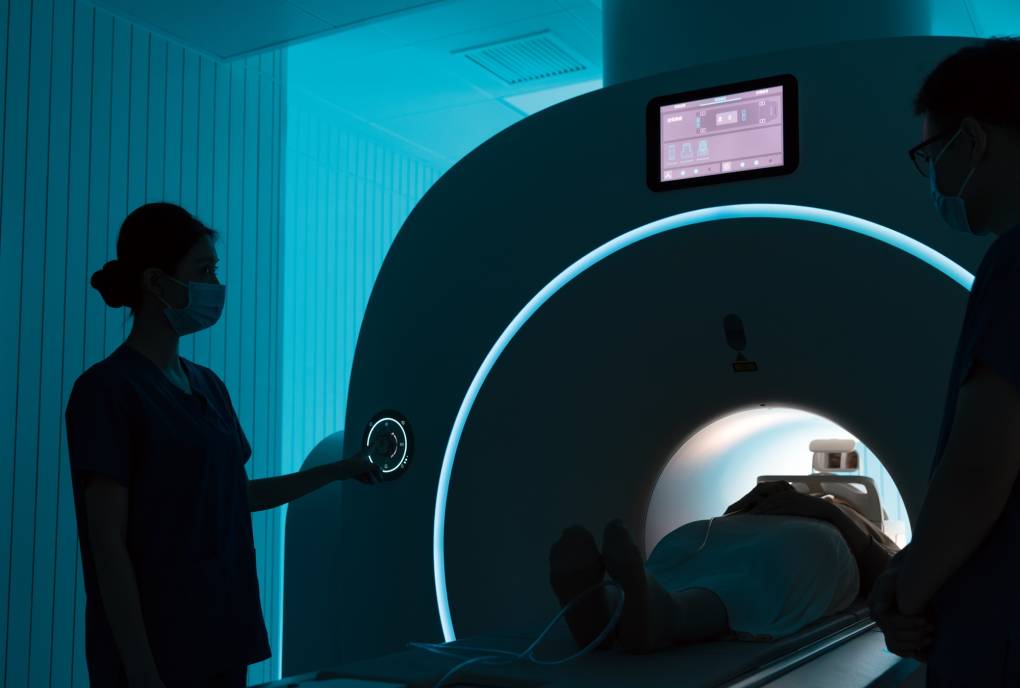
Evaluation of Traumatic Brain Injuries Gets Its First Overhaul in 50 Years
Some Kids Are Just More Sensitive, and Here's the Science to Show It
How the Songbird Learns to Sing
Bay Area Scientists Artfully Present Their Research in Oakland Exhibit
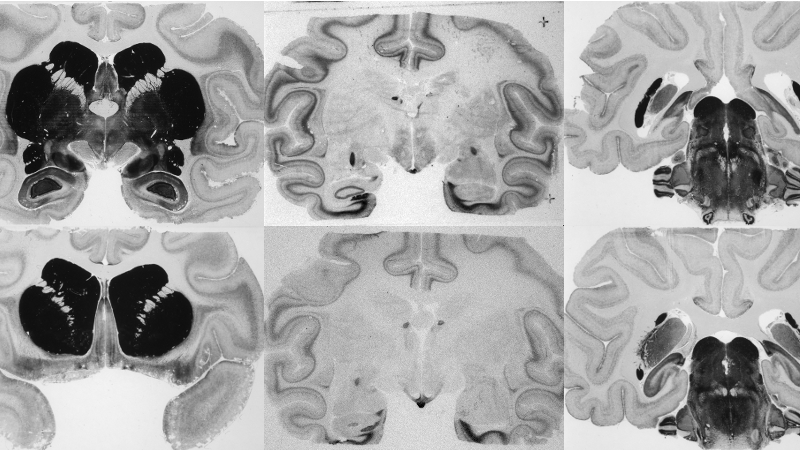
Communicating Science Through an Artistic Lens at Stanford
How to Fly a Model Helicopter With Your Brain and Other Adventures in EEG Gaming
Infections During Pregnancy May Increase Autism Risk
Sponsored
Player sponsored by
window.__IS_SSR__=true
window.__INITIAL_STATE__={
"attachmentsReducer": {
"audio_0": {
"type": "attachments",
"id": "audio_0",
"imgSizes": {
"kqedFullSize": {
"file": "https://ww2.kqed.org/news/wp-content/themes/KQED-unified/img/audio_bgs/background0.jpg"
}
}
},
"audio_1": {
"type": "attachments",
"id": "audio_1",
"imgSizes": {
"kqedFullSize": {
"file": "https://ww2.kqed.org/news/wp-content/themes/KQED-unified/img/audio_bgs/background1.jpg"
}
}
},
"audio_2": {
"type": "attachments",
"id": "audio_2",
"imgSizes": {
"kqedFullSize": {
"file": "https://ww2.kqed.org/news/wp-content/themes/KQED-unified/img/audio_bgs/background2.jpg"
}
}
},
"audio_3": {
"type": "attachments",
"id": "audio_3",
"imgSizes": {
"kqedFullSize": {
"file": "https://ww2.kqed.org/news/wp-content/themes/KQED-unified/img/audio_bgs/background3.jpg"
}
}
},
"audio_4": {
"type": "attachments",
"id": "audio_4",
"imgSizes": {
"kqedFullSize": {
"file": "https://ww2.kqed.org/news/wp-content/themes/KQED-unified/img/audio_bgs/background4.jpg"
}
}
},
"placeholder": {
"type": "attachments",
"id": "placeholder",
"imgSizes": {
"thumbnail": {
"file": "https://cdn.kqed.org/wp-content/uploads/2024/12/KQED-Default-Image-816638274-2000x1333-1-160x107.jpg",
"width": 160,
"height": 107,
"mimeType": "image/jpeg"
},
"medium": {
"file": "https://cdn.kqed.org/wp-content/uploads/2024/12/KQED-Default-Image-816638274-2000x1333-1-800x533.jpg",
"width": 800,
"height": 533,
"mimeType": "image/jpeg"
},
"medium_large": {
"file": "https://cdn.kqed.org/wp-content/uploads/2024/12/KQED-Default-Image-816638274-2000x1333-1-768x512.jpg",
"width": 768,
"height": 512,
"mimeType": "image/jpeg"
},
"large": {
"file": "https://cdn.kqed.org/wp-content/uploads/2024/12/KQED-Default-Image-816638274-2000x1333-1-1020x680.jpg",
"width": 1020,
"height": 680,
"mimeType": "image/jpeg"
},
"1536x1536": {
"file": "https://cdn.kqed.org/wp-content/uploads/2024/12/KQED-Default-Image-816638274-2000x1333-1-1536x1024.jpg",
"width": 1536,
"height": 1024,
"mimeType": "image/jpeg"
},
"fd-lrg": {
"file": "https://cdn.kqed.org/wp-content/uploads/2024/12/KQED-Default-Image-816638274-2000x1333-1-1536x1024.jpg",
"width": 1536,
"height": 1024,
"mimeType": "image/jpeg"
},
"fd-med": {
"file": "https://cdn.kqed.org/wp-content/uploads/2024/12/KQED-Default-Image-816638274-2000x1333-1-1020x680.jpg",
"width": 1020,
"height": 680,
"mimeType": "image/jpeg"
},
"fd-sm": {
"file": "https://cdn.kqed.org/wp-content/uploads/2024/12/KQED-Default-Image-816638274-2000x1333-1-800x533.jpg",
"width": 800,
"height": 533,
"mimeType": "image/jpeg"
},
"post-thumbnail": {
"file": "https://cdn.kqed.org/wp-content/uploads/2024/12/KQED-Default-Image-816638274-2000x1333-1-672x372.jpg",
"width": 672,
"height": 372,
"mimeType": "image/jpeg"
},
"twentyfourteen-full-width": {
"file": "https://cdn.kqed.org/wp-content/uploads/2024/12/KQED-Default-Image-816638274-2000x1333-1-1038x576.jpg",
"width": 1038,
"height": 576,
"mimeType": "image/jpeg"
},
"xxsmall": {
"file": "https://cdn.kqed.org/wp-content/uploads/2024/12/KQED-Default-Image-816638274-2000x1333-1-160x107.jpg",
"width": 160,
"height": 107,
"mimeType": "image/jpeg"
},
"xsmall": {
"file": "https://cdn.kqed.org/wp-content/uploads/2024/12/KQED-Default-Image-816638274-2000x1333-1-672x372.jpg",
"width": 672,
"height": 372,
"mimeType": "image/jpeg"
},
"small": {
"file": "https://cdn.kqed.org/wp-content/uploads/2024/12/KQED-Default-Image-816638274-2000x1333-1-672x372.jpg",
"width": 672,
"height": 372,
"mimeType": "image/jpeg"
},
"xlarge": {
"file": "https://cdn.kqed.org/wp-content/uploads/2024/12/KQED-Default-Image-816638274-2000x1333-1-1020x680.jpg",
"width": 1020,
"height": 680,
"mimeType": "image/jpeg"
},
"full-width": {
"file": "https://cdn.kqed.org/wp-content/uploads/2024/12/KQED-Default-Image-816638274-2000x1333-1-1920x1280.jpg",
"width": 1920,
"height": 1280,
"mimeType": "image/jpeg"
},
"guest-author-32": {
"file": "https://cdn.kqed.org/wp-content/uploads/2025/01/KQED-Default-Image-816638274-1333x1333-1-160x160.jpg",
"width": 32,
"height": 32,
"mimeType": "image/jpeg"
},
"guest-author-50": {
"file": "https://cdn.kqed.org/wp-content/uploads/2025/01/KQED-Default-Image-816638274-1333x1333-1-160x160.jpg",
"width": 50,
"height": 50,
"mimeType": "image/jpeg"
},
"guest-author-64": {
"file": "https://cdn.kqed.org/wp-content/uploads/2025/01/KQED-Default-Image-816638274-1333x1333-1-160x160.jpg",
"width": 64,
"height": 64,
"mimeType": "image/jpeg"
},
"guest-author-96": {
"file": "https://cdn.kqed.org/wp-content/uploads/2025/01/KQED-Default-Image-816638274-1333x1333-1-160x160.jpg",
"width": 96,
"height": 96,
"mimeType": "image/jpeg"
},
"guest-author-128": {
"file": "https://cdn.kqed.org/wp-content/uploads/2025/01/KQED-Default-Image-816638274-1333x1333-1-160x160.jpg",
"width": 128,
"height": 128,
"mimeType": "image/jpeg"
},
"detail": {
"file": "https://cdn.kqed.org/wp-content/uploads/2025/01/KQED-Default-Image-816638274-1333x1333-1-160x160.jpg",
"width": 160,
"height": 160,
"mimeType": "image/jpeg"
},
"kqedFullSize": {
"file": "https://cdn.kqed.org/wp-content/uploads/2024/12/KQED-Default-Image-816638274-2000x1333-1.jpg",
"width": 2000,
"height": 1333
}
}
},
"science_1996934": {
"type": "attachments",
"id": "science_1996934",
"meta": {
"index": "attachments_1716263798",
"site": "science",
"id": "1996934",
"found": true
},
"title": "Asian female nurse check the X-ray Equipment. Asian female nurse preparing older woman patient for hospital CT scan at hospital. Healthcare concept.",
"publishDate": 1747776001,
"status": "inherit",
"parent": 1996927,
"modified": 1747776138,
"caption": "A UCSF doctor helped lead the first major update in over 50 years to how traumatic brain injuries are assessed — going beyond the Glasgow Coma Scale to include CT and MRI scans, biomarkers and other health factors.",
"credit": "Lu ShaoJi/Getty Images",
"altTag": null,
"description": null,
"imgSizes": {
"medium": {
"file": "https://cdn.kqed.org/wp-content/uploads/sites/35/2025/05/BrainMRIGetty-800x540.jpg",
"width": 800,
"height": 540,
"mimeType": "image/jpeg"
},
"large": {
"file": "https://cdn.kqed.org/wp-content/uploads/sites/35/2025/05/BrainMRIGetty-1020x688.jpg",
"width": 1020,
"height": 688,
"mimeType": "image/jpeg"
},
"thumbnail": {
"file": "https://cdn.kqed.org/wp-content/uploads/sites/35/2025/05/BrainMRIGetty-160x108.jpg",
"width": 160,
"height": 108,
"mimeType": "image/jpeg"
},
"medium_large": {
"file": "https://cdn.kqed.org/wp-content/uploads/sites/35/2025/05/BrainMRIGetty-768x518.jpg",
"width": 768,
"height": 518,
"mimeType": "image/jpeg"
},
"1536x1536": {
"file": "https://cdn.kqed.org/wp-content/uploads/sites/35/2025/05/BrainMRIGetty-1536x1036.jpg",
"width": 1536,
"height": 1036,
"mimeType": "image/jpeg"
},
"post-thumbnail": {
"file": "https://cdn.kqed.org/wp-content/uploads/sites/35/2025/05/BrainMRIGetty-672x372.jpg",
"width": 672,
"height": 372,
"mimeType": "image/jpeg"
},
"twentyfourteen-full-width": {
"file": "https://cdn.kqed.org/wp-content/uploads/sites/35/2025/05/BrainMRIGetty-1038x576.jpg",
"width": 1038,
"height": 576,
"mimeType": "image/jpeg"
},
"full-width": {
"file": "https://cdn.kqed.org/wp-content/uploads/sites/35/2025/05/BrainMRIGetty-1920x1295.jpg",
"width": 1920,
"height": 1295,
"mimeType": "image/jpeg"
},
"kqedFullSize": {
"file": "https://cdn.kqed.org/wp-content/uploads/sites/35/2025/05/BrainMRIGetty.jpg",
"width": 2000,
"height": 1349
}
},
"fetchFailed": false,
"isLoading": false
},
"science_1938820": {
"type": "attachments",
"id": "science_1938820",
"meta": {
"index": "attachments_1716263798",
"site": "science",
"id": "1938820",
"found": true
},
"parent": 1938819,
"imgSizes": {
"twentyfourteen-full-width": {
"file": "https://ww2.kqed.org/app/uploads/sites/35/2019/03/gettyimages-83909066-1-00ab3541d3108d282427d934704dfce8f1078075-1038x576.jpg",
"width": 1038,
"mimeType": "image/jpeg",
"height": 576
},
"thumbnail": {
"file": "https://ww2.kqed.org/app/uploads/sites/35/2019/03/gettyimages-83909066-1-00ab3541d3108d282427d934704dfce8f1078075-160x120.jpg",
"width": 160,
"mimeType": "image/jpeg",
"height": 120
},
"post-thumbnail": {
"file": "https://ww2.kqed.org/app/uploads/sites/35/2019/03/gettyimages-83909066-1-00ab3541d3108d282427d934704dfce8f1078075-672x372.jpg",
"width": 672,
"mimeType": "image/jpeg",
"height": 372
},
"kqedFullSize": {
"file": "https://ww2.kqed.org/app/uploads/sites/35/2019/03/gettyimages-83909066-1-00ab3541d3108d282427d934704dfce8f1078075.jpg",
"width": 1878,
"height": 1409
},
"large": {
"file": "https://ww2.kqed.org/app/uploads/sites/35/2019/03/gettyimages-83909066-1-00ab3541d3108d282427d934704dfce8f1078075-1020x765.jpg",
"width": 1020,
"mimeType": "image/jpeg",
"height": 765
},
"complete_open_graph": {
"file": "https://ww2.kqed.org/app/uploads/sites/35/2019/03/gettyimages-83909066-1-00ab3541d3108d282427d934704dfce8f1078075-1200x900.jpg",
"width": 1200,
"mimeType": "image/jpeg",
"height": 900
},
"guest-author-50": {
"file": "https://ww2.kqed.org/app/uploads/sites/35/2019/03/gettyimages-83909066-1-00ab3541d3108d282427d934704dfce8f1078075-50x50.jpg",
"width": 50,
"mimeType": "image/jpeg",
"height": 50
},
"guest-author-96": {
"file": "https://ww2.kqed.org/app/uploads/sites/35/2019/03/gettyimages-83909066-1-00ab3541d3108d282427d934704dfce8f1078075-96x96.jpg",
"width": 96,
"mimeType": "image/jpeg",
"height": 96
},
"medium": {
"file": "https://ww2.kqed.org/app/uploads/sites/35/2019/03/gettyimages-83909066-1-00ab3541d3108d282427d934704dfce8f1078075-800x600.jpg",
"width": 800,
"mimeType": "image/jpeg",
"height": 600
},
"guest-author-64": {
"file": "https://ww2.kqed.org/app/uploads/sites/35/2019/03/gettyimages-83909066-1-00ab3541d3108d282427d934704dfce8f1078075-64x64.jpg",
"width": 64,
"mimeType": "image/jpeg",
"height": 64
},
"guest-author-32": {
"file": "https://ww2.kqed.org/app/uploads/sites/35/2019/03/gettyimages-83909066-1-00ab3541d3108d282427d934704dfce8f1078075-32x32.jpg",
"width": 32,
"mimeType": "image/jpeg",
"height": 32
},
"medium_large": {
"file": "https://ww2.kqed.org/app/uploads/sites/35/2019/03/gettyimages-83909066-1-00ab3541d3108d282427d934704dfce8f1078075-768x576.jpg",
"width": 768,
"mimeType": "image/jpeg",
"height": 576
},
"guest-author-128": {
"file": "https://ww2.kqed.org/app/uploads/sites/35/2019/03/gettyimages-83909066-1-00ab3541d3108d282427d934704dfce8f1078075-128x128.jpg",
"width": 128,
"mimeType": "image/jpeg",
"height": 128
}
},
"publishDate": 1551979627,
"modified": 1551980339,
"caption": "Given supportive, nurturing conditions, highly reactive \"orchid\" children can thrive when tackling challenges, pediatrician and author Thomas Boyce says, especially if they have the comfort of a regular routine.",
"description": "Given supportive, nurturing conditions, highly reactive \"orchid\" children can thrive when tackling challenges, pediatrician and author Thomas Boyce says, especially if they have the comfort of a regular routine.",
"title": "Given supportive, nurturing conditions, highly reactive \"orchid\" children can thrive when tackling challenges, pediatrician and author Thomas Boyce says, especially if they have the comfort of a regular routine.",
"credit": "Michael H/Getty Images",
"status": "inherit",
"fetchFailed": false,
"isLoading": false
},
"science_182999": {
"type": "attachments",
"id": "science_182999",
"meta": {
"index": "attachments_1716263798",
"site": "science",
"id": "182999",
"found": true
},
"parent": 182996,
"imgSizes": {
"twentyfourteen-full-width": {
"file": "https://ww2.kqed.org/app/uploads/sites/35/2015/08/9824856116_44c173b5ef_o-1038x576.jpg",
"width": 1038,
"mimeType": "image/jpeg",
"height": 576
},
"thumbnail": {
"file": "https://ww2.kqed.org/app/uploads/sites/35/2015/08/9824856116_44c173b5ef_o-400x310.jpg",
"width": 400,
"mimeType": "image/jpeg",
"height": 310
},
"fd-sm": {
"file": "https://ww2.kqed.org/app/uploads/sites/35/2015/08/9824856116_44c173b5ef_o-960x743.jpg",
"width": 960,
"mimeType": "image/jpeg",
"height": 743
},
"post-thumbnail": {
"file": "https://ww2.kqed.org/app/uploads/sites/35/2015/08/9824856116_44c173b5ef_o-672x372.jpg",
"width": 672,
"mimeType": "image/jpeg",
"height": 372
},
"kqedFullSize": {
"file": "https://ww2.kqed.org/app/uploads/sites/35/2015/08/9824856116_44c173b5ef_o.jpg",
"width": 4608,
"height": 3568
},
"large": {
"file": "https://ww2.kqed.org/app/uploads/sites/35/2015/08/9824856116_44c173b5ef_o-1440x1115.jpg",
"width": 1440,
"mimeType": "image/jpeg",
"height": 1115
},
"guest-author-96": {
"file": "https://ww2.kqed.org/app/uploads/sites/35/2015/08/9824856116_44c173b5ef_o-96x96.jpg",
"width": 96,
"mimeType": "image/jpeg",
"height": 96
},
"medium": {
"file": "https://ww2.kqed.org/app/uploads/sites/35/2015/08/9824856116_44c173b5ef_o-800x619.jpg",
"width": 800,
"mimeType": "image/jpeg",
"height": 619
},
"guest-author-64": {
"file": "https://ww2.kqed.org/app/uploads/sites/35/2015/08/9824856116_44c173b5ef_o-64x64.jpg",
"width": 64,
"mimeType": "image/jpeg",
"height": 64
},
"guest-author-32": {
"file": "https://ww2.kqed.org/app/uploads/sites/35/2015/08/9824856116_44c173b5ef_o-32x32.jpg",
"width": 32,
"mimeType": "image/jpeg",
"height": 32
},
"fd-lrg": {
"file": "https://ww2.kqed.org/app/uploads/sites/35/2015/08/9824856116_44c173b5ef_o-1920x1487.jpg",
"width": 1920,
"mimeType": "image/jpeg",
"height": 1487
},
"fd-med": {
"file": "https://ww2.kqed.org/app/uploads/sites/35/2015/08/9824856116_44c173b5ef_o-1180x914.jpg",
"width": 1180,
"mimeType": "image/jpeg",
"height": 914
},
"detail": {
"file": "https://ww2.kqed.org/app/uploads/sites/35/2015/08/9824856116_44c173b5ef_o-75x75.jpg",
"width": 75,
"mimeType": "image/jpeg",
"height": 75
},
"guest-author-128": {
"file": "https://ww2.kqed.org/app/uploads/sites/35/2015/08/9824856116_44c173b5ef_o-128x128.jpg",
"width": 128,
"mimeType": "image/jpeg",
"height": 128
}
},
"publishDate": 1439316383,
"modified": 1439397653,
"caption": "Scientists at UCSF have discovered the precise brain pathways that songbirds use to learn and perfect their boisterous songs.",
"description": "https://www.flickr.com/photos/levettday/9824856116",
"title": "9824856116_44c173b5ef_o",
"credit": "Alison Day/flickr",
"status": "inherit",
"fetchFailed": false,
"isLoading": false
},
"science_22737": {
"type": "attachments",
"id": "science_22737",
"meta": {
"index": "attachments_1716263798",
"site": "science",
"id": "22737",
"found": true
},
"parent": 22736,
"imgSizes": {
"kqedFullSize": {
"file": "https://ww2.kqed.org/app/uploads/sites/35/2014/10/brains.jpg",
"width": 800,
"height": 450
}
},
"publishDate": 1413692581,
"modified": 1413692581,
"caption": "Brain slices stained to localize oxytocin receptors, currently on display in the art gallery Aggregate Space. (Sara M. Freeman)",
"description": "Brain slices stained to localize oxytocin receptors, currently on display in the art gallery Aggregate Space. (Sara M. Freeman)",
"title": "brains",
"credit": null,
"status": "inherit",
"fetchFailed": false,
"isLoading": false
},
"science_19209": {
"type": "attachments",
"id": "science_19209",
"meta": {
"index": "attachments_1716263798",
"site": "science",
"id": "19209",
"found": true
},
"parent": 19200,
"imgSizes": {
"kqedFullSize": {
"file": "https://ww2.kqed.org/app/uploads/sites/35/2014/07/lioncubs.jpg",
"width": 640,
"height": 360
}
},
"publishDate": 1404954163,
"modified": 1404954163,
"caption": "The behavior of lion cubs in the wild is far removed from the study of brain development in the lab. Sue McConnell pays careful attention to both, one as a photographer and the other as a scientist. (Susan McConnell)",
"description": "behavior of lion cubs in the wild",
"title": "lioncubs",
"credit": null,
"status": "inherit",
"fetchFailed": false,
"isLoading": false
},
"science_10320": {
"type": "attachments",
"id": "science_10320",
"meta": {
"index": "attachments_1716263798",
"site": "science",
"id": "10320",
"found": true
},
"parent": 10310,
"imgSizes": {
"kqedFullSize": {
"file": "https://ww2.kqed.org/app/uploads/sites/35/2013/10/amyeeg.jpg",
"width": 640,
"height": 360
}
},
"publishDate": 1382746631,
"modified": 1382746631,
"caption": "Neuroscientist Erica Warp fits an EEG on Amy Standen. (Sara Bloomberg/KQED)",
"description": "Neuroscientist Erica Warp fits an EEG on Amy Standen. (Sara Bloomberg/KQED)",
"title": "amyeeg",
"credit": null,
"status": "inherit",
"fetchFailed": false,
"isLoading": false
},
"science_9865": {
"type": "attachments",
"id": "science_9865",
"meta": {
"index": "attachments_1716263798",
"site": "science",
"id": "9865",
"found": true
},
"parent": 9862,
"imgSizes": {
"kqedFullSize": {
"file": "https://ww2.kqed.org/app/uploads/sites/35/2013/10/PregnantWomanSitting_flickr_StuartHandy_3235768334_6beed51726_z_640x360-e1381773203991.jpg",
"width": 489,
"height": 360
}
},
"publishDate": 1381438455,
"modified": 1381438455,
"caption": "Photograph courtesy of Stuart Handy via a Creative Commons license.",
"description": "Black and white photograph of pregnant woman sitting on couch",
"title": "PregnantWomanSitting_flickr_StuartHandy_3235768334_6beed51726_z_640x360",
"credit": null,
"status": "inherit",
"fetchFailed": false,
"isLoading": false
}
},
"audioPlayerReducer": {
"postId": "stream_live",
"isPaused": true,
"isPlaying": false,
"pfsActive": false,
"pledgeModalIsOpen": true,
"playerDrawerIsOpen": false
},
"authorsReducer": {
"byline_science_1938819": {
"type": "authors",
"id": "byline_science_1938819",
"meta": {
"override": true
},
"slug": "byline_science_1938819",
"name": "Dave Davies\u003c/br>NPR",
"isLoading": false
},
"amystanden": {
"type": "authors",
"id": "210",
"meta": {
"index": "authors_1716337520",
"id": "210",
"found": true
},
"name": "Amy Standen",
"firstName": "Amy",
"lastName": "Standen",
"slug": "amystanden",
"email": "astanden@kqed.org",
"display_author_email": false,
"staff_mastheads": [],
"title": "KQED Contributor",
"bio": "Amy Standen (@amystanden) is co-host of #\u003ca href=\"https://ww2.kqed.org/news/programs/the-leap\">TheLeapPodcast\u003c/a> (subscribe on iTunes or Stitcher!) and host of KQED and PBSDigital Studios' science video series, \u003ca href=\"https://www.youtube.com/user/KQEDDeepLook\">Deep Look\u003c/a>. Her science radio stories appear on KQED and NPR.\r\n\r\nEmail her at astanden@kqed.org",
"avatar": "https://secure.gravatar.com/avatar/3d021b72de685a788b0487b059d0a6a1?s=600&d=blank&r=g",
"twitter": null,
"facebook": null,
"instagram": null,
"linkedin": null,
"sites": [
{
"site": "news",
"roles": [
"subscriber"
]
},
{
"site": "futureofyou",
"roles": [
"subscriber"
]
},
{
"site": "stateofhealth",
"roles": [
"subscriber"
]
},
{
"site": "science",
"roles": []
},
{
"site": "quest",
"roles": [
"subscriber"
]
}
],
"headData": {
"title": "Amy Standen | KQED",
"description": "KQED Contributor",
"ogImgSrc": "https://secure.gravatar.com/avatar/3d021b72de685a788b0487b059d0a6a1?s=600&d=blank&r=g",
"twImgSrc": "https://secure.gravatar.com/avatar/3d021b72de685a788b0487b059d0a6a1?s=600&d=blank&r=g"
},
"isLoading": false,
"link": "/author/amystanden"
},
"adembosky": {
"type": "authors",
"id": "3205",
"meta": {
"index": "authors_1716337520",
"id": "3205",
"found": true
},
"name": "April Dembosky",
"firstName": "April",
"lastName": "Dembosky",
"slug": "adembosky",
"email": "adembosky@kqed.org",
"display_author_email": false,
"staff_mastheads": [
"news",
"science"
],
"title": "KQED Health Correspondent",
"bio": "April Dembosky is the health correspondent for KQED News and a regular contributor to NPR. She specializes in covering altered states of mind, from postpartum depression to methamphetamine-induced psychosis to the insanity defense. Her investigative series on insurance companies sidestepping mental health laws won multiple awards, including first place in beat reporting from the national Association of Health Care Journalists. She is the recipient of numerous other prizes and fellowships, including a national Edward R. Murrow award for investigative reporting, a Society of Professional Journalists award for long-form storytelling, and a Carter Center Fellowship for Mental Health Journalism.\r\n\r\nDembosky reported and produced \u003cem>Soundtrack of Silence\u003c/em>, an audio documentary about music and memory that is currently being made into a feature film by Paramount Pictures.\r\n\r\nBefore joining KQED in 2013, Dembosky covered technology and Silicon Valley for \u003cem>The Financial Times of London,\u003c/em> and contributed business and arts stories to \u003cem>Marketplace \u003c/em>and \u003cem>The New York Times.\u003c/em> She got her undergraduate degree in philosophy from Smith College and her master's in journalism from the University of California, Berkeley. She is a classically trained violinist and proud alum of the first symphony orchestra at Burning Man.",
"avatar": "https://secure.gravatar.com/avatar/ef92999be4ceb9ea60701e7dc276f813?s=600&d=blank&r=g",
"twitter": "adembosky",
"facebook": null,
"instagram": null,
"linkedin": null,
"sites": [
{
"site": "arts",
"roles": [
"author"
]
},
{
"site": "news",
"roles": [
"editor"
]
},
{
"site": "futureofyou",
"roles": [
"author"
]
},
{
"site": "stateofhealth",
"roles": [
"editor"
]
},
{
"site": "science",
"roles": [
"editor"
]
},
{
"site": "forum",
"roles": [
"editor"
]
}
],
"headData": {
"title": "April Dembosky | KQED",
"description": "KQED Health Correspondent",
"ogImgSrc": "https://secure.gravatar.com/avatar/ef92999be4ceb9ea60701e7dc276f813?s=600&d=blank&r=g",
"twImgSrc": "https://secure.gravatar.com/avatar/ef92999be4ceb9ea60701e7dc276f813?s=600&d=blank&r=g"
},
"isLoading": false,
"link": "/author/adembosky"
},
"dannastaaf": {
"type": "authors",
"id": "6324",
"meta": {
"index": "authors_1716337520",
"id": "6324",
"found": true
},
"name": "Danna Staaf",
"firstName": "Danna",
"lastName": "Staaf",
"slug": "dannastaaf",
"email": "dannajoy@gmail.com",
"display_author_email": false,
"staff_mastheads": [],
"title": null,
"bio": "Danna Staaf is a marine biologist, science writer, novelist, artist, and educator. She holds a PhD in Squid Babies from Stanford and a BA in Biology from the College of Creative Studies at the University of California, Santa Barbara. She helped found the outreach program \u003ca href=\"http://gilly.stanford.edu/outreach.html\">Squids4Kids\u003c/a>, illustrated \u003ca href=\"https://www.thegamecrafter.com/games/the-game-of-science\">The Game of Science\u003c/a>, and blogs at \u003ca href=\"http://www.science20.com/squid_day\">Science 2.0\u003c/a>. She lives in San Jose with her husband, daughter, and cats.",
"avatar": "https://secure.gravatar.com/avatar/62085c2562a0b91949bfd6ff7548082e?s=600&d=blank&r=g",
"twitter": null,
"facebook": null,
"instagram": null,
"linkedin": null,
"sites": [
{
"site": "science",
"roles": [
"author"
]
},
{
"site": "quest",
"roles": [
"subscriber"
]
}
],
"headData": {
"title": "Danna Staaf | KQED",
"description": null,
"ogImgSrc": "https://secure.gravatar.com/avatar/62085c2562a0b91949bfd6ff7548082e?s=600&d=blank&r=g",
"twImgSrc": "https://secure.gravatar.com/avatar/62085c2562a0b91949bfd6ff7548082e?s=600&d=blank&r=g"
},
"isLoading": false,
"link": "/author/dannastaaf"
},
"jenniferhuber": {
"type": "authors",
"id": "6360",
"meta": {
"index": "authors_1716337520",
"id": "6360",
"found": true
},
"name": "Jennifer Huber",
"firstName": "Jennifer",
"lastName": "Huber",
"slug": "jenniferhuber",
"email": "jshuber@lbl.gov",
"display_author_email": false,
"staff_mastheads": [],
"title": null,
"bio": "Jennifer Huber is a medical imaging scientist at the Lawrence Berkeley National Laboratory with more than 20 years of experience in academic science writing. She received her Ph.D. in Physics from the University of California Santa Barbara. She is also a freelance science writer, editor and blogger, as well as a science-writing instructor for the University of California Berkeley Extension. Jennifer has lived in the San Francisco Bay Area most of her life and she frequently enjoys the eclectic cultural, culinary and outdoor activities available in the area.\r\n\r\nRead her \u003ca href=\"http://science.kqed.org/quest/author/jenniferhuber/\">previous contributions\u003c/a> to \u003ci>QUEST\u003c/i>, a project dedicated to exploring the Science of Sustainability.",
"avatar": "https://secure.gravatar.com/avatar/ca897c62a710c0bf8c5f429c89331765?s=600&d=blank&r=g",
"twitter": null,
"facebook": null,
"instagram": null,
"linkedin": null,
"sites": [
{
"site": "science",
"roles": [
"author"
]
},
{
"site": "quest",
"roles": [
"subscriber"
]
}
],
"headData": {
"title": "Jennifer Huber | KQED",
"description": null,
"ogImgSrc": "https://secure.gravatar.com/avatar/ca897c62a710c0bf8c5f429c89331765?s=600&d=blank&r=g",
"twImgSrc": "https://secure.gravatar.com/avatar/ca897c62a710c0bf8c5f429c89331765?s=600&d=blank&r=g"
},
"isLoading": false,
"link": "/author/jenniferhuber"
},
"jvarner": {
"type": "authors",
"id": "8639",
"meta": {
"index": "authors_1716337520",
"id": "8639",
"found": true
},
"name": "Johanna Varner",
"firstName": "Johanna",
"lastName": "Varner",
"slug": "jvarner",
"email": "jvarner@kqed.org",
"display_author_email": false,
"staff_mastheads": [],
"title": null,
"bio": "Johanna Varner is excited to join KQED Science as a 2015 AAAS Mass Media Fellow. She recently finished her PhD in Biology from University of Utah, where she studied how small mammals are responding to climate change. She also has past lives as an engineer, a blueberry farmer, and a baker. Outside of the lab, Johanna has been active in designing authentic field research experiences for K-12 students and giving interactive public presentations about local mammals. You can find her on twitter at @johannavarner",
"avatar": "https://secure.gravatar.com/avatar/35ae0c7a361af670964ce707e56c052c?s=600&d=blank&r=g",
"twitter": null,
"facebook": null,
"instagram": null,
"linkedin": null,
"sites": [
{
"site": "news",
"roles": [
"author"
]
},
{
"site": "science",
"roles": [
"editor"
]
}
],
"headData": {
"title": "Johanna Varner | KQED",
"description": null,
"ogImgSrc": "https://secure.gravatar.com/avatar/35ae0c7a361af670964ce707e56c052c?s=600&d=blank&r=g",
"twImgSrc": "https://secure.gravatar.com/avatar/35ae0c7a361af670964ce707e56c052c?s=600&d=blank&r=g"
},
"isLoading": false,
"link": "/author/jvarner"
}
},
"breakingNewsReducer": {},
"pagesReducer": {},
"postsReducer": {
"stream_live": {
"type": "live",
"id": "stream_live",
"audioUrl": "https://streams.kqed.org/kqedradio",
"title": "Live Stream",
"excerpt": "Live Stream information currently unavailable.",
"link": "/radio",
"featImg": "",
"label": {
"name": "KQED Live",
"link": "/"
}
},
"stream_kqedNewscast": {
"type": "posts",
"id": "stream_kqedNewscast",
"audioUrl": "https://www.kqed.org/.stream/anon/radio/RDnews/newscast.mp3?_=1",
"title": "KQED Newscast",
"featImg": "",
"label": {
"name": "88.5 FM",
"link": "/"
}
},
"science_1996927": {
"type": "posts",
"id": "science_1996927",
"meta": {
"index": "posts_1716263798",
"site": "science",
"id": "1996927",
"score": null,
"sort": [
1747946458000
]
},
"guestAuthors": [],
"slug": "evaluation-traumatic-brain-injuries-gets-first-overhaul-50-years",
"title": "Evaluation of Traumatic Brain Injuries Gets Its First Overhaul in 50 Years",
"publishDate": 1747946458,
"format": "standard",
"headTitle": "Evaluation of Traumatic Brain Injuries Gets Its First Overhaul in 50 Years | KQED",
"labelTerm": {
"site": "science"
},
"content": "\u003cp>\u003cem>Updated 1:40 p.m. Thursday\u003c/em>\u003c/p>\n\u003cp>For the first time in over 50 years, emergency room doctors will have a new framework to assess people with \u003ca href=\"https://www.kqed.org/futureofyou/445528/ucsf-study-probes-long-term-effects-of-head-trauma-and-not-just-in-football\">head injuries\u003c/a> from car or bike crashes, falls and assaults.\u003c/p>\n\u003cp>Existing assessment protocols for traumatic brain injury rely on broad, vague measures that filter patients into three categories based on their symptoms: mild, moderate and severe. Doctors hope the new classification system, published Tuesday in \u003ca href=\"https://www.thelancet.com/journals/laneur/article/PIIS1474-4422(25)00154-1/fulltext\">The Lancet Neurology\u003c/a>, will bring more detail to diagnosis and more nuance to treatment.\u003c/p>\n\u003cp>“Patients labeled as ‘mild’ TBI were told they could go back to work in a couple days. Six weeks later, they’ve got pounding headaches, problems with their visual system, they’re not sleeping well. There’s nothing mild about that,” said Dr. Geoff Manley, professor of neurosurgery at UCSF and lead author of the new framework.\u003c/p>\n\u003cp>[ad fullwidth]\u003c/p>\n\u003cp>“On the other hand, there are patients that were diagnosed with ‘severe’ TBI leading full lives, whose families had to consider removing life-sustaining treatment,” he added.\u003c/p>\n\u003cp>Most people have a 50% chance of experiencing a traumatic brain injury in their lifetime, Manley said. About 40% of those diagnosed with mild injury, or \u003ca href=\"https://www.kqed.org/futureofyou/437552/just-because-you-have-a-mild-concussion-doesnt-mean-youre-ok\">concussion\u003c/a>, never see a doctor, and about half diagnosed with severe injury are withdrawn from ventilators and allowed to die — a decision made, on average, after three days.\u003c/p>\n\u003cp>The same day Scott Hamilton crashed his Vespa on Market Street in San Francisco and slid 60 feet into the curb, doctors at San Francisco General Hospital recommended disconnecting his life support machines. \u003c/p>\n\u003cp>“They told my wife: ‘He’s got a 1 in 10 chance of ever coming out of his coma, and if he does, he’s got a 1 in 20 chance of your thinking that was a good idea. He’s unlikely to live the night and I think you will consider that a blessing,’” Hamilton said.\u003c/p>\n\u003cfigure id=\"attachment_1996936\" class=\"wp-caption aligncenter\" style=\"max-width: 2000px\">\u003cimg loading=\"lazy\" decoding=\"async\" class=\"wp-image-1996936 size-full\" src=\"https://cdn.kqed.org/wp-content/uploads/sites/35/2025/05/BrainMRIGetty2.jpg\" alt=\"\" width=\"2000\" height=\"1334\" srcset=\"https://cdn.kqed.org/wp-content/uploads/sites/35/2025/05/BrainMRIGetty2.jpg 2000w, https://cdn.kqed.org/wp-content/uploads/sites/35/2025/05/BrainMRIGetty2-800x534.jpg 800w, https://cdn.kqed.org/wp-content/uploads/sites/35/2025/05/BrainMRIGetty2-1020x680.jpg 1020w, https://cdn.kqed.org/wp-content/uploads/sites/35/2025/05/BrainMRIGetty2-160x107.jpg 160w, https://cdn.kqed.org/wp-content/uploads/sites/35/2025/05/BrainMRIGetty2-768x512.jpg 768w, https://cdn.kqed.org/wp-content/uploads/sites/35/2025/05/BrainMRIGetty2-1536x1025.jpg 1536w, https://cdn.kqed.org/wp-content/uploads/sites/35/2025/05/BrainMRIGetty2-1920x1281.jpg 1920w\" sizes=\"auto, (max-width: 2000px) 100vw, 2000px\">\u003cfigcaption class=\"wp-caption-text\">A new classification system, developed by a coalition of 94 experts and patients across 14 countries, aims to improve brain injury assessment through a four-part framework: clinical evaluations, advanced imaging, blood tests and consideration of key demographic factors. \u003ccite>(Tom Werner/Getty Images)\u003c/cite>\u003c/figcaption>\u003c/figure>\n\u003cp>But Manley saw it differently and insisted his bosses give Hamilton more time. He made a full recovery. Twenty years later he’s married, working full time, and raising two teenage daughters. \u003c/p>\n\u003cp>“I lose a lot of sleep at night wondering if I’m doing the right thing,” Manley said. “We certainly don’t want to create someone with profound disability long-term, but we have to give people time to recover.”\u003c/p>\n\u003cp>The new classification system, developed by a coalition of 94 experts and patients across 14 countries, is intended to make those decisions easier by making assessments more objective, detailed and precise.\u003c/p>\n\u003cp>The new framework is made up of four pillars: an expanded clinical evaluation; new blood tests; CT and MRI scans; and a review of demographic factors known to affect recovery times, like age, sex, family support, and a history of previous head injuries or mental health conditions.\u003c/p>\n\u003cp>Clinical assessments under the new system require doctors to be more exacting when scoring eye, verbal and motor function and to use new tools to measure pupil function.\u003c/p>\n\u003cp>New biomarker blood tests, developed by the military, help identify tissue damage and determine which patients need imaging and which can be spared the cost and radiation exposure of an unnecessary scan.\u003c/p>\n\u003cp>Where indicated, CT and MRI scans can reveal bleeding, blood clots or fractures that require surgery. Or they could show that a patient is doing better than their clinical presentation alone would indicate, as was the case for Hamilton. [aside postID=science_1996818 hero='https://cdn.kqed.org/wp-content/uploads/sites/35/2025/03/250325-AIVOICEBANK-09-BL-KQED-1020x680.jpg']The final pillar requires taking an extensive medical and social history of the patient to look for factors likely to affect recovery time. People who are older, women and those with a history of concussions, headaches or mental health problems usually take longer to recover.\u003c/p>\n\u003cp>“If you don’t ask about these elements, you may miss an opportunity to offer a more realistic prognosis to the patient,” said Dr. Cathra Halabi, director of UCSF’s Neurorecovery Clinic, which includes a program focused on people in the first six months after a traumatic brain injury.\u003c/p>\n\u003cp>While the new TBI assessment framework is geared primarily toward physicians treating people in acute settings within the first 24 hours of an injury, Halabi said it extends naturally to clinicians like her who see people longer term in an outpatient setting.\u003c/p>\n\u003cp>More detailed assessments will help doctors better determine who needs urgent care and who doesn’t, who needs follow-up care and who doesn’t. They also have the potential to improve clinical trials, bringing more precision to patient selection and a better likelihood of discovering new effective treatments.\u003c/p>\n\u003cp>Under the current system, Halabi frequently receives patient charts from the ER that say, “Bicycle accident, mild TBI.”\u003c/p>\n\u003cp>She expects the new classification will yield a thorough diagnostic description along the lines of: “Thirty-year-old woman, helmeted bicycle accident, blunt head injury, brief loss of consciousness, peritraumatic amnesia. CT scan negative for bleeding. Experiencing double vision, emotional dysregulation. History of migraines and depression.”\u003c/p>\n\u003cp>The additional data will inform Halabi on how to properly care for this patient from the moment she comes into her clinic, and to be on the lookout for lingering and emerging symptoms like sleep impairments or endocrine dysfunction that could complicate healing.\u003c/p>\n\u003cp>“I’ve seen all sorts of bicycle accidents with mild TBI, and every single person is different,” she said. “Unless you really ask and probe a bit more deeply on the other side of the acute phase, you may miss an opportunity to find an element of the case that’s going to help make that person recover.”\u003c/p>\n\u003cp>\u003c/p>\n",
"blocks": [],
"excerpt": "The new system, published Tuesday by a lead author based at UCSF, aims to bring more nuanced diagnosis and treatment to head injuries previously classified as mild, moderate or severe.",
"status": "publish",
"parent": 0,
"modified": 1747946429,
"stats": {
"hasAudio": false,
"hasVideo": false,
"hasChartOrMap": false,
"iframeSrcs": [],
"hasGoogleForm": false,
"hasGallery": false,
"hasHearkenModule": false,
"hasPolis": false,
"paragraphCount": 24,
"wordCount": 1021
},
"headData": {
"title": "Evaluation of Traumatic Brain Injuries Gets Its First Overhaul in 50 Years | KQED",
"description": "The new system, published Tuesday by a lead author based at UCSF, aims to bring more nuanced diagnosis and treatment to head injuries previously classified as mild, moderate or severe.",
"ogTitle": "",
"ogDescription": "",
"ogImgId": "",
"twTitle": "",
"twDescription": "",
"twImgId": "",
"schema": {
"@context": "https://schema.org",
"@type": "Article",
"headline": "Evaluation of Traumatic Brain Injuries Gets Its First Overhaul in 50 Years",
"datePublished": "2025-05-22T13:40:58-07:00",
"dateModified": "2025-05-22T13:40:29-07:00",
"image": "https://cdn.kqed.org/wp-content/uploads/2020/02/KQED-OG-Image@1x.png"
}
},
"sticky": false,
"nprStoryId": "kqed-1996927",
"templateType": "standard",
"featuredImageType": "standard",
"excludeFromSiteSearch": "Include",
"articleAge": "0",
"path": "/science/1996927/evaluation-traumatic-brain-injuries-gets-first-overhaul-50-years",
"audioTrackLength": null,
"parsedContent": [
{
"type": "contentString",
"content": "\u003cdiv class=\"post-body\">\u003cp>\u003cp>\u003cem>Updated 1:40 p.m. Thursday\u003c/em>\u003c/p>\n\u003cp>For the first time in over 50 years, emergency room doctors will have a new framework to assess people with \u003ca href=\"https://www.kqed.org/futureofyou/445528/ucsf-study-probes-long-term-effects-of-head-trauma-and-not-just-in-football\">head injuries\u003c/a> from car or bike crashes, falls and assaults.\u003c/p>\n\u003cp>Existing assessment protocols for traumatic brain injury rely on broad, vague measures that filter patients into three categories based on their symptoms: mild, moderate and severe. Doctors hope the new classification system, published Tuesday in \u003ca href=\"https://www.thelancet.com/journals/laneur/article/PIIS1474-4422(25)00154-1/fulltext\">The Lancet Neurology\u003c/a>, will bring more detail to diagnosis and more nuance to treatment.\u003c/p>\n\u003cp>“Patients labeled as ‘mild’ TBI were told they could go back to work in a couple days. Six weeks later, they’ve got pounding headaches, problems with their visual system, they’re not sleeping well. There’s nothing mild about that,” said Dr. Geoff Manley, professor of neurosurgery at UCSF and lead author of the new framework.\u003c/p>\n\u003cp>\u003c/p>\u003c/div>",
"attributes": {
"named": {},
"numeric": []
}
},
{
"type": "component",
"content": "",
"name": "ad",
"attributes": {
"named": {
"label": "fullwidth"
},
"numeric": [
"fullwidth"
]
}
},
{
"type": "contentString",
"content": "\u003cdiv class=\"post-body\">\u003cp>\u003c/p>\n\u003cp>“On the other hand, there are patients that were diagnosed with ‘severe’ TBI leading full lives, whose families had to consider removing life-sustaining treatment,” he added.\u003c/p>\n\u003cp>Most people have a 50% chance of experiencing a traumatic brain injury in their lifetime, Manley said. About 40% of those diagnosed with mild injury, or \u003ca href=\"https://www.kqed.org/futureofyou/437552/just-because-you-have-a-mild-concussion-doesnt-mean-youre-ok\">concussion\u003c/a>, never see a doctor, and about half diagnosed with severe injury are withdrawn from ventilators and allowed to die — a decision made, on average, after three days.\u003c/p>\n\u003cp>The same day Scott Hamilton crashed his Vespa on Market Street in San Francisco and slid 60 feet into the curb, doctors at San Francisco General Hospital recommended disconnecting his life support machines. \u003c/p>\n\u003cp>“They told my wife: ‘He’s got a 1 in 10 chance of ever coming out of his coma, and if he does, he’s got a 1 in 20 chance of your thinking that was a good idea. He’s unlikely to live the night and I think you will consider that a blessing,’” Hamilton said.\u003c/p>\n\u003cfigure id=\"attachment_1996936\" class=\"wp-caption aligncenter\" style=\"max-width: 2000px\">\u003cimg loading=\"lazy\" decoding=\"async\" class=\"wp-image-1996936 size-full\" src=\"https://cdn.kqed.org/wp-content/uploads/sites/35/2025/05/BrainMRIGetty2.jpg\" alt=\"\" width=\"2000\" height=\"1334\" srcset=\"https://cdn.kqed.org/wp-content/uploads/sites/35/2025/05/BrainMRIGetty2.jpg 2000w, https://cdn.kqed.org/wp-content/uploads/sites/35/2025/05/BrainMRIGetty2-800x534.jpg 800w, https://cdn.kqed.org/wp-content/uploads/sites/35/2025/05/BrainMRIGetty2-1020x680.jpg 1020w, https://cdn.kqed.org/wp-content/uploads/sites/35/2025/05/BrainMRIGetty2-160x107.jpg 160w, https://cdn.kqed.org/wp-content/uploads/sites/35/2025/05/BrainMRIGetty2-768x512.jpg 768w, https://cdn.kqed.org/wp-content/uploads/sites/35/2025/05/BrainMRIGetty2-1536x1025.jpg 1536w, https://cdn.kqed.org/wp-content/uploads/sites/35/2025/05/BrainMRIGetty2-1920x1281.jpg 1920w\" sizes=\"auto, (max-width: 2000px) 100vw, 2000px\">\u003cfigcaption class=\"wp-caption-text\">A new classification system, developed by a coalition of 94 experts and patients across 14 countries, aims to improve brain injury assessment through a four-part framework: clinical evaluations, advanced imaging, blood tests and consideration of key demographic factors. \u003ccite>(Tom Werner/Getty Images)\u003c/cite>\u003c/figcaption>\u003c/figure>\n\u003cp>But Manley saw it differently and insisted his bosses give Hamilton more time. He made a full recovery. Twenty years later he’s married, working full time, and raising two teenage daughters. \u003c/p>\n\u003cp>“I lose a lot of sleep at night wondering if I’m doing the right thing,” Manley said. “We certainly don’t want to create someone with profound disability long-term, but we have to give people time to recover.”\u003c/p>\n\u003cp>The new classification system, developed by a coalition of 94 experts and patients across 14 countries, is intended to make those decisions easier by making assessments more objective, detailed and precise.\u003c/p>\n\u003cp>The new framework is made up of four pillars: an expanded clinical evaluation; new blood tests; CT and MRI scans; and a review of demographic factors known to affect recovery times, like age, sex, family support, and a history of previous head injuries or mental health conditions.\u003c/p>\n\u003cp>Clinical assessments under the new system require doctors to be more exacting when scoring eye, verbal and motor function and to use new tools to measure pupil function.\u003c/p>\n\u003cp>New biomarker blood tests, developed by the military, help identify tissue damage and determine which patients need imaging and which can be spared the cost and radiation exposure of an unnecessary scan.\u003c/p>\n\u003cp>Where indicated, CT and MRI scans can reveal bleeding, blood clots or fractures that require surgery. Or they could show that a patient is doing better than their clinical presentation alone would indicate, as was the case for Hamilton. \u003c/p>\u003c/div>",
"attributes": {
"named": {},
"numeric": []
}
},
{
"type": "component",
"content": "",
"name": "aside",
"attributes": {
"named": {
"postid": "science_1996818",
"hero": "https://cdn.kqed.org/wp-content/uploads/sites/35/2025/03/250325-AIVOICEBANK-09-BL-KQED-1020x680.jpg",
"label": ""
},
"numeric": []
}
},
{
"type": "contentString",
"content": "\u003cdiv class=\"post-body\">\u003cp>The final pillar requires taking an extensive medical and social history of the patient to look for factors likely to affect recovery time. People who are older, women and those with a history of concussions, headaches or mental health problems usually take longer to recover.\u003c/p>\n\u003cp>“If you don’t ask about these elements, you may miss an opportunity to offer a more realistic prognosis to the patient,” said Dr. Cathra Halabi, director of UCSF’s Neurorecovery Clinic, which includes a program focused on people in the first six months after a traumatic brain injury.\u003c/p>\n\u003cp>While the new TBI assessment framework is geared primarily toward physicians treating people in acute settings within the first 24 hours of an injury, Halabi said it extends naturally to clinicians like her who see people longer term in an outpatient setting.\u003c/p>\n\u003cp>More detailed assessments will help doctors better determine who needs urgent care and who doesn’t, who needs follow-up care and who doesn’t. They also have the potential to improve clinical trials, bringing more precision to patient selection and a better likelihood of discovering new effective treatments.\u003c/p>\n\u003cp>Under the current system, Halabi frequently receives patient charts from the ER that say, “Bicycle accident, mild TBI.”\u003c/p>\n\u003cp>She expects the new classification will yield a thorough diagnostic description along the lines of: “Thirty-year-old woman, helmeted bicycle accident, blunt head injury, brief loss of consciousness, peritraumatic amnesia. CT scan negative for bleeding. Experiencing double vision, emotional dysregulation. History of migraines and depression.”\u003c/p>\n\u003cp>The additional data will inform Halabi on how to properly care for this patient from the moment she comes into her clinic, and to be on the lookout for lingering and emerging symptoms like sleep impairments or endocrine dysfunction that could complicate healing.\u003c/p>\n\u003cp>“I’ve seen all sorts of bicycle accidents with mild TBI, and every single person is different,” she said. “Unless you really ask and probe a bit more deeply on the other side of the acute phase, you may miss an opportunity to find an element of the case that’s going to help make that person recover.”\u003c/p>\n\u003cp>\u003c/p>\n\u003c/div>\u003c/p>",
"attributes": {
"named": {},
"numeric": []
}
}
],
"link": "/science/1996927/evaluation-traumatic-brain-injuries-gets-first-overhaul-50-years",
"authors": [
"3205"
],
"categories": [
"science_30",
"science_39",
"science_40",
"science_4450"
],
"tags": [
"science_4414",
"science_5181",
"science_807",
"science_4277",
"science_309",
"science_5155"
],
"featImg": "science_1996934",
"label": "science"
},
"science_1938819": {
"type": "posts",
"id": "science_1938819",
"meta": {
"index": "posts_1716263798",
"site": "science",
"id": "1938819",
"score": null,
"sort": [
1551980825000
]
},
"parent": 0,
"labelTerm": {},
"blocks": [],
"publishDate": 1551980825,
"format": "standard",
"title": "Some Kids Are Just More Sensitive, and Here's the Science to Show It",
"headTitle": "Some Kids Are Just More Sensitive, and Here’s the Science to Show It | KQED",
"content": "\u003cp>Dr. Thomas Boyce, an emeritus professor of pediatrics and psychiatry at the University of California, San Francisco, has treated children who seem to be completely unflappable and unfazed by their surroundings — as well as those who are extremely sensitive to their environments. Over the years, he began to liken these two types of children to two very different flowers: dandelions and orchids.\u003c/p>\n\u003cp>Broadly speaking, says \u003ca href=\"https://profiles.ucsf.edu/tom.boyce\" target=\"_blank\" rel=\"noopener\">Boyce\u003c/a> — who also has spent nearly 40 years studying the human stress response, especially in children — most kids tend to be like dandelions, fairly resilient and able to cope with stress and adversity in their lives. But a minority of kids, those he calls “orchid children,” are more sensitive and biologically reactive to their circumstances, which makes it harder for them to deal with stressful situations.[contextly_sidebar id=”IvCr36i4S1EYhLjR3xMTzjOHrdmBka5u”]\u003c/p>\n\u003cp>Like the flower, Boyce says, “the orchid child is the child who shows great sensitivity and susceptibility to both bad and good environments in which he or she finds herself or himself.”\u003c/p>\n\u003cp>Given supportive, nurturing conditions, orchid children can thrive — especially, Boyce says, if they have the comfort of a regular routine.\u003c/p>\n\u003cp>“Orchid children seem to thrive on having things like dinner every night in the same place at the same time with the same people, having certain kinds of rituals that the family goes through week to week, month to month,” he says. “This kind of routine and sameness of life from day to day, week to week, seems to be something that is helpful to kids with these great susceptibilities.”\u003c/p>\n\u003cp>[ad fullwidth]\u003c/p>\n\u003cp>Boyce’s new book is \u003cem>The Orchid and the Dandelion: Why Some Children Struggle and How All Can Thri\u003c/em>ve\u003cem>. \u003c/em>He appeared this week on \u003ca href=\"https://www.npr.org/programs/fresh-air/2019/03/04/699939149\" target=\"_blank\" rel=\"noopener\">Fresh Air\u003c/a> with host Dave Davies to discuss it.\u003cem>\u003cbr>\n\u003c/em>\u003c/p>\n\u003chr>\n\u003cp>\u003cstrong>Interview highlights:\u003c/strong>\u003c/p>\n\u003cp>\u003cstrong>On the lab test he did to determine if a child is an orchid or a dandelion\u003c/strong>\u003c/p>\n\u003cp>We made an effort to try to understand these individual differences between children in how they respond biologically to mild, common kinds of challenges and stressors, and the way we did that was we brought them into a laboratory setting. We sat them down in front of an examiner — a research assistant that they had not previously met — and we asked them to go through a series of mildly challenging tasks. These were things like recounting a series of digits that the examiner asked them to say and increasing that from first three to four to five digits; having them just engage in a conversation with this examiner, who might ask them about their birthday or presents or something about their family. That, in itself, is a challenge for a young child. Putting a drop of lemon juice on the tongue was another kind of challenge that was evocative of these changes in biological response. …\u003c/p>\n\u003cp>We measured their stress response using the two primary stress response systems in the human brain. [One was] the \u003ca href=\"http://www.yourhormones.info/hormones/cortisol/\" target=\"_blank\" rel=\"noopener\">cortisol system\u003c/a>, which is centered in the hypothalamus of the brain. This is the system that releases the stress hormone cortisol, which has profound effects on both immune function and cardiovascular functioning.\u003c/p>\n\u003cp>And then the second stress response system is the \u003ca href=\"https://faculty.washington.edu/chudler/auto.html\" target=\"_blank\" rel=\"noopener\">autonomic nervous system\u003c/a>, or the “fight-or-flight” system. This is the one that is responsible for the sweaty palms and a little bit of tremulousness, the dilation of the pupils, all of these things that we associate with the fight-or-flight response. So we were monitoring responsivity and both of those systems as the children went through these mildly challenging tasks. …\u003c/p>\n\u003cp>We found that there were huge differences [among] children. There were some children at the high end of the spectrum, who had dramatic reactivity in both the cortisol system and the fight-or-flight system, and there were other children who had almost no biological response to the challenges that we presented to them.\u003c/p>\n\u003cp>\u003cstrong>On how a child’s responsivity to stressors can be connected to physical and emotional behavioral outcomes\u003c/strong>\u003c/p>\n\u003cp>We find in our research that the same kinds of patterns of response are found for both physical illnesses, like severe respiratory disease, pneumonia, asthma and so on, as well as or more [in] emotional behavioral outcomes, like anxiety and depression and externalizing kinds of symptoms. So we believe that the same patterns of susceptibility that we find in the orchid child versus the dandelion child work themselves out not only for physical ailments but also for psychosocial and emotional problems. And we believe that the same kinds of underlying biological processes work for both. …\u003c/p>\n\u003cp>We do know, for example, that these two stress response systems … the cortisol system and the fight-or-flight system, the autonomic nervous system, both of those have powerful effects on the immune system, so they can alter the child’s ability to build an immune defense against viruses and bacteria that he or she may be exposed to. And they have also powerful effects on the cardiovascular system, so [they] could eventually, in adult life, predispose to developing hypertension, high blood pressure or other kinds of cardiovascular risk.\u003c/p>\n\u003cp>\u003cstrong>On how children’s experiences can vary, even within the same family\u003c/strong>\u003c/p>\n\u003cp>The experience of children within a given family, the siblings within a family — although they are being reared with the same parents in the same house in the same neighborhood — they actually have quite different kinds of experiences that depend upon the birth order of the child, the gender of the child, to some extent differences in genetic sequence. It is a way of talking about these dramatic differences that kids from different birth orders and different genders have within a given family.\u003c/p>\n\u003cp>\u003cstrong>On pushing orchid kids to stretch to do new or difficult things\u003c/strong>\u003c/p>\n\u003cp>I think that this is probably the most difficult parenting task in raising an orchid child. The parent of an orchid child needs to walk this very fine line between, on the one hand, not pushing them into circumstances that are really going to overwhelm them and make them greatly fearful, but, on the other hand, not protecting them so much that they don’t have experiences of mastery of these kinds of fearful situations.\u003c/p>\n\u003cp>[ad floatright]\u003c/p>\n\u003cp>\u003cem>Sam Briger and Seth Kelley produced and edited the \u003ca href=\"https://www.npr.org/sections/health-shots/2019/03/04/699979387/is-your-child-an-orchid-or-a-dandelion-unlocking-the-science-of-sensitive-kids\" target=\"_blank\" rel=\"noopener\">audio version\u003c/a> of this interview, which aired on Fresh Air. Bridget Bentz and Molly Seavy-Nesper adapted it for the Web.\u003c/em>\u003c/p>\n\u003cdiv class=\"fullattribution\">\u003cem>Copyright 2019 \u003ca href=\"https://www.npr.org/programs/fresh-air/\" target=\"_blank\" rel=\"noopener\">Fresh Air\u003c/a>.\u003c/em>\u003c/div>\n\n",
"stats": {
"hasVideo": false,
"hasChartOrMap": false,
"hasAudio": false,
"hasPolis": false,
"wordCount": 1090,
"hasGoogleForm": false,
"hasGallery": false,
"hasHearkenModule": false,
"iframeSrcs": [],
"paragraphCount": 22
},
"modified": 1704848815,
"excerpt": "Some kids seem resilient from the start — readily able to cope with stress and adversity. But pediatrician Thomas Boyce says biologically reactive kids need more support to thrive.",
"headData": {
"twImgId": "",
"twTitle": "",
"ogTitle": "",
"ogImgId": "",
"twDescription": "",
"description": "Some kids seem resilient from the start — readily able to cope with stress and adversity. But pediatrician Thomas Boyce says biologically reactive kids need more support to thrive.",
"title": "Some Kids Are Just More Sensitive, and Here's the Science to Show It | KQED",
"ogDescription": "",
"schema": {
"@context": "https://schema.org",
"@type": "Article",
"headline": "Some Kids Are Just More Sensitive, and Here's the Science to Show It",
"datePublished": "2019-03-07T09:47:05-08:00",
"dateModified": "2024-01-09T17:06:55-08:00",
"image": "https://cdn.kqed.org/wp-content/uploads/2020/02/KQED-OG-Image@1x.png"
}
},
"guestAuthors": [],
"slug": "some-kids-are-just-more-sensitive-and-heres-the-science-to-show-it",
"status": "publish",
"nprApiLink": "http://api.npr.org/query?id=699979387&apiKey=MDAxOTAwOTE4MDEyMTkxMDAzNjczZDljZA004",
"nprStoryDate": "Mon, 04 Mar 2019 15:38:00 -0500",
"nprLastModifiedDate": "Mon, 04 Mar 2019 19:34:15 -0500",
"nprHtmlLink": "https://www.npr.org/sections/health-shots/2019/03/04/699979387/is-your-child-an-orchid-or-a-dandelion-unlocking-the-science-of-sensitive-kids?ft=nprml&f=699979387",
"nprAudio": "https://ondemand.npr.org/anon.npr-mp3/npr/fa/2019/03/20190304_fa_01.mp3?orgId=427869011&topicId=1030&d=2191&p=13&story=699979387&ft=nprml&f=699979387",
"nprImageAgency": "Getty Images",
"source": "NPR",
"nprAudioM3u": "http://api.npr.org/m3u/1700126425-86883c.m3u?orgId=427869011&topicId=1030&d=2191&p=13&story=699979387&ft=nprml&f=699979387",
"nprStoryId": "699979387",
"nprByline": "Dave Davies\u003c/br>NPR",
"sticky": false,
"audioTrackLength": 2192,
"nprImageCredit": "Michael H",
"nprRetrievedStory": "1",
"nprPubDate": "Wed, 06 Mar 2019 11:23:00 -0500",
"path": "/science/1938819/some-kids-are-just-more-sensitive-and-heres-the-science-to-show-it",
"audioUrl": "https://ondemand.npr.org/anon.npr-mp3/npr/fa/2019/03/20190304_fa_01.mp3?orgId=427869011&topicId=1030&d=2191&p=13&story=699979387&ft=nprml&f=699979387",
"parsedContent": [
{
"type": "contentString",
"content": "\u003cdiv class=\"post-body\">\u003cp>\u003cp>Dr. Thomas Boyce, an emeritus professor of pediatrics and psychiatry at the University of California, San Francisco, has treated children who seem to be completely unflappable and unfazed by their surroundings — as well as those who are extremely sensitive to their environments. Over the years, he began to liken these two types of children to two very different flowers: dandelions and orchids.\u003c/p>\n\u003cp>Broadly speaking, says \u003ca href=\"https://profiles.ucsf.edu/tom.boyce\" target=\"_blank\" rel=\"noopener\">Boyce\u003c/a> — who also has spent nearly 40 years studying the human stress response, especially in children — most kids tend to be like dandelions, fairly resilient and able to cope with stress and adversity in their lives. But a minority of kids, those he calls “orchid children,” are more sensitive and biologically reactive to their circumstances, which makes it harder for them to deal with stressful situations.\u003c/p>\u003cp>\u003c/p>\u003cp>\u003c/p>\n\u003cp>Like the flower, Boyce says, “the orchid child is the child who shows great sensitivity and susceptibility to both bad and good environments in which he or she finds herself or himself.”\u003c/p>\n\u003cp>Given supportive, nurturing conditions, orchid children can thrive — especially, Boyce says, if they have the comfort of a regular routine.\u003c/p>\n\u003cp>“Orchid children seem to thrive on having things like dinner every night in the same place at the same time with the same people, having certain kinds of rituals that the family goes through week to week, month to month,” he says. “This kind of routine and sameness of life from day to day, week to week, seems to be something that is helpful to kids with these great susceptibilities.”\u003c/p>\n\u003cp>\u003c/p>\u003c/div>",
"attributes": {
"named": {},
"numeric": []
}
},
{
"type": "component",
"content": "",
"name": "ad",
"attributes": {
"named": {
"label": "fullwidth"
},
"numeric": [
"fullwidth"
]
}
},
{
"type": "contentString",
"content": "\u003cdiv class=\"post-body\">\u003cp>\u003c/p>\n\u003cp>Boyce’s new book is \u003cem>The Orchid and the Dandelion: Why Some Children Struggle and How All Can Thri\u003c/em>ve\u003cem>. \u003c/em>He appeared this week on \u003ca href=\"https://www.npr.org/programs/fresh-air/2019/03/04/699939149\" target=\"_blank\" rel=\"noopener\">Fresh Air\u003c/a> with host Dave Davies to discuss it.\u003cem>\u003cbr>\n\u003c/em>\u003c/p>\n\u003chr>\n\u003cp>\u003cstrong>Interview highlights:\u003c/strong>\u003c/p>\n\u003cp>\u003cstrong>On the lab test he did to determine if a child is an orchid or a dandelion\u003c/strong>\u003c/p>\n\u003cp>We made an effort to try to understand these individual differences between children in how they respond biologically to mild, common kinds of challenges and stressors, and the way we did that was we brought them into a laboratory setting. We sat them down in front of an examiner — a research assistant that they had not previously met — and we asked them to go through a series of mildly challenging tasks. These were things like recounting a series of digits that the examiner asked them to say and increasing that from first three to four to five digits; having them just engage in a conversation with this examiner, who might ask them about their birthday or presents or something about their family. That, in itself, is a challenge for a young child. Putting a drop of lemon juice on the tongue was another kind of challenge that was evocative of these changes in biological response. …\u003c/p>\n\u003cp>We measured their stress response using the two primary stress response systems in the human brain. [One was] the \u003ca href=\"http://www.yourhormones.info/hormones/cortisol/\" target=\"_blank\" rel=\"noopener\">cortisol system\u003c/a>, which is centered in the hypothalamus of the brain. This is the system that releases the stress hormone cortisol, which has profound effects on both immune function and cardiovascular functioning.\u003c/p>\n\u003cp>And then the second stress response system is the \u003ca href=\"https://faculty.washington.edu/chudler/auto.html\" target=\"_blank\" rel=\"noopener\">autonomic nervous system\u003c/a>, or the “fight-or-flight” system. This is the one that is responsible for the sweaty palms and a little bit of tremulousness, the dilation of the pupils, all of these things that we associate with the fight-or-flight response. So we were monitoring responsivity and both of those systems as the children went through these mildly challenging tasks. …\u003c/p>\n\u003cp>We found that there were huge differences [among] children. There were some children at the high end of the spectrum, who had dramatic reactivity in both the cortisol system and the fight-or-flight system, and there were other children who had almost no biological response to the challenges that we presented to them.\u003c/p>\n\u003cp>\u003cstrong>On how a child’s responsivity to stressors can be connected to physical and emotional behavioral outcomes\u003c/strong>\u003c/p>\n\u003cp>We find in our research that the same kinds of patterns of response are found for both physical illnesses, like severe respiratory disease, pneumonia, asthma and so on, as well as or more [in] emotional behavioral outcomes, like anxiety and depression and externalizing kinds of symptoms. So we believe that the same patterns of susceptibility that we find in the orchid child versus the dandelion child work themselves out not only for physical ailments but also for psychosocial and emotional problems. And we believe that the same kinds of underlying biological processes work for both. …\u003c/p>\n\u003cp>We do know, for example, that these two stress response systems … the cortisol system and the fight-or-flight system, the autonomic nervous system, both of those have powerful effects on the immune system, so they can alter the child’s ability to build an immune defense against viruses and bacteria that he or she may be exposed to. And they have also powerful effects on the cardiovascular system, so [they] could eventually, in adult life, predispose to developing hypertension, high blood pressure or other kinds of cardiovascular risk.\u003c/p>\n\u003cp>\u003cstrong>On how children’s experiences can vary, even within the same family\u003c/strong>\u003c/p>\n\u003cp>The experience of children within a given family, the siblings within a family — although they are being reared with the same parents in the same house in the same neighborhood — they actually have quite different kinds of experiences that depend upon the birth order of the child, the gender of the child, to some extent differences in genetic sequence. It is a way of talking about these dramatic differences that kids from different birth orders and different genders have within a given family.\u003c/p>\n\u003cp>\u003cstrong>On pushing orchid kids to stretch to do new or difficult things\u003c/strong>\u003c/p>\n\u003cp>I think that this is probably the most difficult parenting task in raising an orchid child. The parent of an orchid child needs to walk this very fine line between, on the one hand, not pushing them into circumstances that are really going to overwhelm them and make them greatly fearful, but, on the other hand, not protecting them so much that they don’t have experiences of mastery of these kinds of fearful situations.\u003c/p>\n\u003cp>\u003c/p>\u003c/div>",
"attributes": {
"named": {},
"numeric": []
}
},
{
"type": "component",
"content": "",
"name": "ad",
"attributes": {
"named": {
"label": "floatright"
},
"numeric": [
"floatright"
]
}
},
{
"type": "contentString",
"content": "\u003cdiv class=\"post-body\">\u003cp>\u003c/p>\n\u003cp>\u003cem>Sam Briger and Seth Kelley produced and edited the \u003ca href=\"https://www.npr.org/sections/health-shots/2019/03/04/699979387/is-your-child-an-orchid-or-a-dandelion-unlocking-the-science-of-sensitive-kids\" target=\"_blank\" rel=\"noopener\">audio version\u003c/a> of this interview, which aired on Fresh Air. Bridget Bentz and Molly Seavy-Nesper adapted it for the Web.\u003c/em>\u003c/p>\n\u003cdiv class=\"fullattribution\">\u003cem>Copyright 2019 \u003ca href=\"https://www.npr.org/programs/fresh-air/\" target=\"_blank\" rel=\"noopener\">Fresh Air\u003c/a>.\u003c/em>\u003c/div>\n\n\u003c/div>\u003c/p>",
"attributes": {
"named": {},
"numeric": []
}
}
],
"link": "/science/1938819/some-kids-are-just-more-sensitive-and-heres-the-science-to-show-it",
"authors": [
"byline_science_1938819"
],
"categories": [
"science_32",
"science_3151",
"science_39",
"science_16",
"science_3890",
"science_40"
],
"tags": [
"science_5181",
"science_3838",
"science_807",
"science_1342",
"science_5155"
],
"featImg": "science_1938820",
"label": "source_science_1938819"
},
"science_182996": {
"type": "posts",
"id": "science_182996",
"meta": {
"index": "posts_1716263798",
"site": "science",
"id": "182996",
"score": null,
"sort": [
1439398163000
]
},
"parent": 0,
"labelTerm": {
"site": "science"
},
"blocks": [],
"publishDate": 1439398163,
"format": "standard",
"title": "How the Songbird Learns to Sing",
"headTitle": "How the Songbird Learns to Sing | KQED",
"content": "\u003cp>Like the best opera divas, songbirds must train their voices from an early age. But instead of studying for years at a conservatory, the birds’ brains are hardwired to experiment with complicated musical passages.\u003c/p>\n\u003cp>Now, scientists from UCSF have honed in on the precise brain pathways that songbirds use to learn and tune their highly specialized vocalizations. Their \u003ca href=\"http://www.nature.com/neuro/journal/vaop/ncurrent/full/nn.4078.html\">results\u003c/a>, published recently in the journal \u003ca href=\"http://www.nature.com/neuro/index.html\">Nature Neuroscience\u003c/a>, may have implications for understanding how our own brains learn new vocal tricks.\u003c/p>\n\u003cp>Baby zebra finches don’t make a peep for their first 30 days. Instead, they listen to adults around them and develop a mental model of what a song should sound like.\u003c/p>\n\u003cp>“That template tells them what they’re practicing to get to,” says Hamish Mehaffey, a postdoctoral researcher at UCSF and lead author of the study. “It’s like how the syllables we’re exposed to when we’re young shape our ability to learn new languages later.”\u003c/p>\n\u003cp>The young finches then spend the next few months experimenting with trial-and-error to perfect their own songs.\u003c/p>\n\u003cp>[ad fullwidth]\u003c/p>\n\u003cp>\u003cstrong>Listen to a finch song:\u003c/strong>\u003cbr>\n[audio mp3=\"http://ww2.kqed.org/science/wp-content/uploads/sites/35/2015/08/Song.mp3\"][/audio]\u003c/p>\n\u003cp>“If a new song is better [than the previous song], then they keep whatever neural activity they used to make that song,” explains Mehaffey.\u003c/p>\n\u003cp>Scientists already knew that certain parts of the brain were involved in learning new songs, but until now, nobody knew exactly how these pathways were wired in the brain or how the new, experimental songs were generated.\u003c/p>\n\u003cp>\u003cstrong>The Musical Brain\u003c/strong>\u003c/p>\n\u003cp>The researchers needed a way to measure activity of different brain structures and how these structures interact to produce song. So, they started with brain slices from zebra finches.\u003c/p>\n\u003cp>By isolating certain regions of the brain, they could stimulate the pathways involved in song production and then record the activity of cells that are involved in actually making the song.\u003c/p>\n\u003cp>The scientists could also identify the neurotransmitters and chemicals that activated or blocked each pathway.\u003c/p>\n\u003cp>In the slices, the researchers discovered that the birds’ creativity-generator involves a structure analogous to the human basal ganglia.\u003c/p>\n\u003cp>This dense cluster of cells at the base of the brain stem is basically the same in all kinds of vertebrate animals, from lampreys to humans. It’s involved in almost everything we do, from thoughts and emotions to motor activity.\u003c/p>\n\u003cp>“It’s difficult to study something like that because it could literally be involved in anything,” says Mehaffey. “But using finch song, we’ve been able to learn a lot about how the basal ganglia works normally and how it helps us learn new things.”\u003c/p>\n\u003cfigure id=\"attachment_182998\" class=\"wp-caption aligncenter\" style=\"max-width: 1685px\">\u003ca href=\"http://ww2.kqed.org/science/wp-content/uploads/sites/35/2015/08/19497700484_9e9e1c3e67_o.jpg\">\u003cimg loading=\"lazy\" decoding=\"async\" class=\"size-full wp-image-182998\" src=\"http://ww2.kqed.org/science/wp-content/uploads/sites/35/2015/08/19497700484_9e9e1c3e67_o.jpg\" alt=\"Zebra Finches are native to Australia but have become excellent lab models for scientists to study the neuroscience of song learning.\" width=\"1685\" height=\"1266\" srcset=\"https://cdn.kqed.org/wp-content/uploads/sites/35/2015/08/19497700484_9e9e1c3e67_o.jpg 1685w, https://cdn.kqed.org/wp-content/uploads/sites/35/2015/08/19497700484_9e9e1c3e67_o-400x301.jpg 400w, https://cdn.kqed.org/wp-content/uploads/sites/35/2015/08/19497700484_9e9e1c3e67_o-800x601.jpg 800w, https://cdn.kqed.org/wp-content/uploads/sites/35/2015/08/19497700484_9e9e1c3e67_o-1440x1082.jpg 1440w, https://cdn.kqed.org/wp-content/uploads/sites/35/2015/08/19497700484_9e9e1c3e67_o-1180x887.jpg 1180w, https://cdn.kqed.org/wp-content/uploads/sites/35/2015/08/19497700484_9e9e1c3e67_o-960x721.jpg 960w\" sizes=\"(max-width: 1685px) 100vw, 1685px\">\u003c/a>\u003cfigcaption class=\"wp-caption-text\">Zebra Finches are native to Australia but have become excellent lab models for scientists to study the neuroscience of song learning. \u003ccite>(Phil McIver/flickr)\u003c/cite>\u003c/figcaption>\u003c/figure>\n\u003cp>\u003cstrong>From Bird Brain to Human Learning\u003cbr>\n\u003c/strong>\u003c/p>\n\u003cp>The scientists were also able to show that the same chemicals that blocked the creativity generators in the brain slices also prevented live birds from modifying their songs as adults.\u003c/p>\n\u003cp>“That gives us confidence that what they found in the slice is actually what’s at work in the intact bird,” says Franz Goller, a biology professor at the University of Utah, who also studies the neurobiology of finch song.\u003c/p>\n\u003cp>Goller says that the brain pathways involved in finch learning are probably similar in other animals, so the findings might ultimately help us understand how we and other animals learn new vocal tricks.\u003c/p>\n\u003cp>“There’s quite a bit of evidence that, at least in terms of core circuitry, learned vocal behavior in humans also has these multi-path systems,” he says. \u003c/p>\n\u003cp>\u003c/p>\n\u003cp>“I could easily imagine that this is a highly dedicated pathway for vocal behavior, and it might be used in all kinds of motor skill learning.”\u003c/p>\n\n",
"stats": {
"hasVideo": false,
"hasChartOrMap": false,
"hasAudio": true,
"hasPolis": false,
"wordCount": 663,
"hasGoogleForm": false,
"hasGallery": false,
"hasHearkenModule": false,
"iframeSrcs": [],
"paragraphCount": 23
},
"modified": 1704931446,
"excerpt": "UCSF researchers have uncovered the brain pathways that songbirds use to learn and modify their songs",
"headData": {
"twImgId": "",
"twTitle": "",
"ogTitle": "",
"ogImgId": "",
"twDescription": "",
"description": "UCSF researchers have uncovered the brain pathways that songbirds use to learn and modify their songs",
"title": "How the Songbird Learns to Sing | KQED",
"ogDescription": "",
"schema": {
"@context": "https://schema.org",
"@type": "Article",
"headline": "How the Songbird Learns to Sing",
"datePublished": "2015-08-12T09:49:23-07:00",
"dateModified": "2024-01-10T16:04:06-08:00",
"image": "https://cdn.kqed.org/wp-content/uploads/2020/02/KQED-OG-Image@1x.png"
}
},
"guestAuthors": [],
"slug": "how-the-songbird-learns-to-sing",
"status": "publish",
"sticky": false,
"path": "/science/182996/how-the-songbird-learns-to-sing",
"audioUrl": "http://ww2.kqed.org/science/wp-content/uploads/sites/35/2015/08/Song.mp3",
"audioDuration": null,
"audioTrackLength": null,
"parsedContent": [
{
"type": "contentString",
"content": "\u003cdiv class=\"post-body\">\u003cp>\u003cp>Like the best opera divas, songbirds must train their voices from an early age. But instead of studying for years at a conservatory, the birds’ brains are hardwired to experiment with complicated musical passages.\u003c/p>\n\u003cp>Now, scientists from UCSF have honed in on the precise brain pathways that songbirds use to learn and tune their highly specialized vocalizations. Their \u003ca href=\"http://www.nature.com/neuro/journal/vaop/ncurrent/full/nn.4078.html\">results\u003c/a>, published recently in the journal \u003ca href=\"http://www.nature.com/neuro/index.html\">Nature Neuroscience\u003c/a>, may have implications for understanding how our own brains learn new vocal tricks.\u003c/p>\n\u003cp>Baby zebra finches don’t make a peep for their first 30 days. Instead, they listen to adults around them and develop a mental model of what a song should sound like.\u003c/p>\n\u003cp>“That template tells them what they’re practicing to get to,” says Hamish Mehaffey, a postdoctoral researcher at UCSF and lead author of the study. “It’s like how the syllables we’re exposed to when we’re young shape our ability to learn new languages later.”\u003c/p>\n\u003cp>The young finches then spend the next few months experimenting with trial-and-error to perfect their own songs.\u003c/p>\n\u003cp>\u003c/p>\u003c/div>",
"attributes": {
"named": {},
"numeric": []
}
},
{
"type": "component",
"content": "",
"name": "ad",
"attributes": {
"named": {
"label": "fullwidth"
},
"numeric": [
"fullwidth"
]
}
},
{
"type": "contentString",
"content": "\u003cdiv class=\"post-body\">\u003cp>\u003c/p>\n\u003cp>\u003cstrong>Listen to a finch song:\u003c/strong>\u003cbr>\n\u003c/p>\u003c/div>",
"attributes": {
"named": {},
"numeric": []
}
},
{
"type": "component",
"content": "",
"name": "audio",
"attributes": {
"named": {
"mp3": "http://ww2.kqed.org/science/wp-content/uploads/sites/35/2015/08/Song.mp3",
"label": ""
},
"numeric": []
}
},
{
"type": "contentString",
"content": "\u003cdiv class=\"post-body\">\u003cp>\u003c/p>\n\u003cp>“If a new song is better [than the previous song], then they keep whatever neural activity they used to make that song,” explains Mehaffey.\u003c/p>\n\u003cp>Scientists already knew that certain parts of the brain were involved in learning new songs, but until now, nobody knew exactly how these pathways were wired in the brain or how the new, experimental songs were generated.\u003c/p>\n\u003cp>\u003cstrong>The Musical Brain\u003c/strong>\u003c/p>\n\u003cp>The researchers needed a way to measure activity of different brain structures and how these structures interact to produce song. So, they started with brain slices from zebra finches.\u003c/p>\n\u003cp>By isolating certain regions of the brain, they could stimulate the pathways involved in song production and then record the activity of cells that are involved in actually making the song.\u003c/p>\n\u003cp>The scientists could also identify the neurotransmitters and chemicals that activated or blocked each pathway.\u003c/p>\n\u003cp>In the slices, the researchers discovered that the birds’ creativity-generator involves a structure analogous to the human basal ganglia.\u003c/p>\n\u003cp>This dense cluster of cells at the base of the brain stem is basically the same in all kinds of vertebrate animals, from lampreys to humans. It’s involved in almost everything we do, from thoughts and emotions to motor activity.\u003c/p>\n\u003cp>“It’s difficult to study something like that because it could literally be involved in anything,” says Mehaffey. “But using finch song, we’ve been able to learn a lot about how the basal ganglia works normally and how it helps us learn new things.”\u003c/p>\n\u003cfigure id=\"attachment_182998\" class=\"wp-caption aligncenter\" style=\"max-width: 1685px\">\u003ca href=\"http://ww2.kqed.org/science/wp-content/uploads/sites/35/2015/08/19497700484_9e9e1c3e67_o.jpg\">\u003cimg loading=\"lazy\" decoding=\"async\" class=\"size-full wp-image-182998\" src=\"http://ww2.kqed.org/science/wp-content/uploads/sites/35/2015/08/19497700484_9e9e1c3e67_o.jpg\" alt=\"Zebra Finches are native to Australia but have become excellent lab models for scientists to study the neuroscience of song learning.\" width=\"1685\" height=\"1266\" srcset=\"https://cdn.kqed.org/wp-content/uploads/sites/35/2015/08/19497700484_9e9e1c3e67_o.jpg 1685w, https://cdn.kqed.org/wp-content/uploads/sites/35/2015/08/19497700484_9e9e1c3e67_o-400x301.jpg 400w, https://cdn.kqed.org/wp-content/uploads/sites/35/2015/08/19497700484_9e9e1c3e67_o-800x601.jpg 800w, https://cdn.kqed.org/wp-content/uploads/sites/35/2015/08/19497700484_9e9e1c3e67_o-1440x1082.jpg 1440w, https://cdn.kqed.org/wp-content/uploads/sites/35/2015/08/19497700484_9e9e1c3e67_o-1180x887.jpg 1180w, https://cdn.kqed.org/wp-content/uploads/sites/35/2015/08/19497700484_9e9e1c3e67_o-960x721.jpg 960w\" sizes=\"(max-width: 1685px) 100vw, 1685px\">\u003c/a>\u003cfigcaption class=\"wp-caption-text\">Zebra Finches are native to Australia but have become excellent lab models for scientists to study the neuroscience of song learning. \u003ccite>(Phil McIver/flickr)\u003c/cite>\u003c/figcaption>\u003c/figure>\n\u003cp>\u003cstrong>From Bird Brain to Human Learning\u003cbr>\n\u003c/strong>\u003c/p>\n\u003cp>The scientists were also able to show that the same chemicals that blocked the creativity generators in the brain slices also prevented live birds from modifying their songs as adults.\u003c/p>\n\u003cp>“That gives us confidence that what they found in the slice is actually what’s at work in the intact bird,” says Franz Goller, a biology professor at the University of Utah, who also studies the neurobiology of finch song.\u003c/p>\n\u003cp>Goller says that the brain pathways involved in finch learning are probably similar in other animals, so the findings might ultimately help us understand how we and other animals learn new vocal tricks.\u003c/p>\n\u003cp>“There’s quite a bit of evidence that, at least in terms of core circuitry, learned vocal behavior in humans also has these multi-path systems,” he says. \u003c/p>\n\u003cp>\u003c/p>\n\u003cp>“I could easily imagine that this is a highly dedicated pathway for vocal behavior, and it might be used in all kinds of motor skill learning.”\u003c/p>\n\n\u003c/div>\u003c/p>",
"attributes": {
"named": {},
"numeric": []
}
}
],
"link": "/science/182996/how-the-songbird-learns-to-sing",
"authors": [
"8639"
],
"categories": [
"science_30",
"science_35",
"science_40"
],
"tags": [
"science_163",
"science_807"
],
"featImg": "science_182999",
"label": "science"
},
"science_22736": {
"type": "posts",
"id": "science_22736",
"meta": {
"index": "posts_1716263798",
"site": "science",
"id": "22736",
"score": null,
"sort": [
1413816221000
]
},
"parent": 0,
"labelTerm": {
"site": "science"
},
"blocks": [],
"publishDate": 1413816221,
"format": "aside",
"title": "Bay Area Scientists Artfully Present Their Research in Oakland Exhibit",
"headTitle": "Bay Area Scientists Artfully Present Their Research in Oakland Exhibit | KQED",
"content": "\u003cfigure id=\"attachment_22737\" class=\"wp-caption alignnone\" style=\"max-width: 800px\">\u003ca href=\"http://ww2.kqed.org/science/wp-content/uploads/sites/35/2014/10/brains.jpg\">\u003cimg loading=\"lazy\" decoding=\"async\" class=\"size-full wp-image-22737\" src=\"http://ww2.kqed.org/science/wp-content/uploads/sites/35/2014/10/brains.jpg\" alt=\"Stained brain slices\" width=\"800\" height=\"450\">\u003c/a>\u003cfigcaption class=\"wp-caption-text\">Stained primate brain slices, currently on display in the art show Experimental Space. (Sara M. Freeman)\u003c/figcaption>\u003c/figure>\n\u003cp>A few dozen large gray brains are printed on transparencies and arranged neatly on a light table. They’re the first images to show which parts of primate brains are receptive to the much-hyped “love hormone” oxytocin.\u003c/p>\n\u003cp>You’d never know that, though, from staring at the table of brains. It sits starkly in the middle of an art gallery, without so much as an informational plaque on the wall.\u003c/p>\n\u003cfigure id=\"attachment_22740\" class=\"wp-caption alignright\" style=\"max-width: 288px\">\u003ca href=\"http://ww2.kqed.org/science/wp-content/uploads/sites/35/2014/10/24_ExperimentalSpace-288x132.jpg\">\u003cimg loading=\"lazy\" decoding=\"async\" class=\"size-medium wp-image-22740\" src=\"http://ww2.kqed.org/science/wp-content/uploads/sites/35/2014/10/24_ExperimentalSpace-288x132.jpg\" alt=\"MRI of fruit fly\" width=\"288\" height=\"132\">\u003c/a>\u003cfigcaption class=\"wp-caption-text\">MRI of fruit fly suspended in fluid, currently on display in Experimental Space. (\u003ca title=\"Brian Null - Stanford\" href=\"http://cmgm.stanford.edu/~bnull/\">Brian Null\u003c/a>)\u003c/figcaption>\u003c/figure>\n\u003cp>\u003cb>The aesthetics of scientific research\u003c/b>\u003c/p>\n\u003cp>“\u003ca title=\"Aggregate Space - Experimental Space\" href=\"http://www.aggregatespace.com/\">Experimental Space\u003c/a>” is the latest show at Oakland art gallery Aggregate Space, consisting of images and videos created by scientists in the course of their research. Gallery director Conrad M. Meyers II conceived the idea, and brought on Selene Foster and Christopher Reiger of the \u003ca title=\"BAASICS\" href=\"http://www.baasics.com/\">Bay Area Art and Science Interdisciplinary Collaborative Sessions\u003c/a> as enthusiastic co-hosts.\u003c/p>\n\u003cp>The trio sent out an open call for submissions, but found it challenging to fill the show. “We didn’t say no to much,” said Meyers. “We said no to actual artists.” Most scientists, whose idea of showing their work is a conference presentation or a journal publication, were hesitant about the idea. “This is taking away their ability to frame it,” said Reiger. “It’s risky. Or they just don’t get it.”\u003c/p>\n\u003cp>[ad fullwidth]\u003c/p>\n\u003cp>Science is full of framing. Research papers are long and dull because they explain every methodological decision, label each figure ten different ways, run several independent statistical analyses, and finally list any future study that could disprove the results.\u003c/p>\n\u003cfigure id=\"attachment_22739\" class=\"wp-caption alignleft\" style=\"max-width: 288px\">\u003ca href=\"http://ww2.kqed.org/science/wp-content/uploads/sites/35/2014/10/arnaud_martin-288x162.jpg\">\u003cimg loading=\"lazy\" decoding=\"async\" class=\"size-medium wp-image-22739\" src=\"http://ww2.kqed.org/science/wp-content/uploads/sites/35/2014/10/arnaud_martin-288x162.jpg\" alt=\"mutant shrimp\" width=\"288\" height=\"162\">\u003c/a>\u003cfigcaption class=\"wp-caption-text\">Mutant shrimp, currently on display in Experimental Space, by \u003ca title=\"Arnaud Martin\" href=\"http://www.heliconius.org/author/arnaud-martin/\">Arnaud Martin\u003c/a>. (Aaron Rosenstreich)\u003c/figcaption>\u003c/figure>\n\u003cp>Take all that away, and you’re free to appreciate the pure aesthetics of a food web diagram or a mutant shrimp.\u003c/p>\n\u003cp>According to Meyers, the aim of Aggregate Space is to display art that gives, “The feeling that you’ll never in your life understand the whole story.” There could hardly be a more appropriate sentiment for an image snatched from the annals of research and plopped into an art gallery.\u003c/p>\n\u003cp>Do the displays in “Experimental Space” count as “art” even though they weren’t created with aesthetics in mind? Can they still be “science” once they’ve been deliberately divorced from their objective context?\u003c/p>\n\u003cp>\u003cb>A scientist who embraces subjectivity\u003c/b>\u003c/p>\n\u003cp>According to \u003ca title=\"Sara M. Freeman\" href=\"http://smfreeman.wordpress.com/\">Sara Freeman\u003c/a>, the UC Davis neuroscientist whose stained slices of brain tissue are on display, even the thoroughly-explained science in journals isn’t really all that objective.\u003c/p>\n\u003cp>We’re often taught, simplistically, that science is the objective process we use to uncover the fundamental truths of our world. But in graduate school, Freeman discovered that every scientist makes choice after subjective choice: which part of the brain to focus on, which statistics to use, which people to include in a control group.\u003c/p>\n\u003cp>“The more you think you know about the area you’re working in, the more you realize how much we really don’t understand, and how subjective a lot of that knowledge really is,” she said.\u003c/p>\n\u003cp>She eventually worked through her crisis of faith, and accepted that decisions must be made. In fact, she says that taking responsibility for them can be empowering. “It’s all subjective, but if you are aware of it, you can work to come up with something more objective.”\u003c/p>\n\u003cp>\u003cstrong>Solving the primate brain puzzle\u003c/strong>\u003c/p>\n\u003cp>Freeman’s field of research, the effects of oxytocin on social behavior, is full of \u003ca title=\"The Dark Side of Oxytocin - Ed Yong\" href=\"http://blogs.discovermagazine.com/notrocketscience/2010/11/29/the-dark-side-of-oxytocin-much-more-than-just-a-love-hormone/#.VER2L9Sx15R\">fascinating discoveries that can’t yet be fully explained\u003c/a>. In humans oxytocin has been associated with trust and empathy, maternal care and sexual relationships–but our understanding of how the brain receives oxytocin signals is based primarily on work in rodents. This is only so useful for understanding ourselves. Rodent social interactions are dominated by smells, unlike the visual and auditory social cues of most primates.\u003c/p>\n\u003cp>Unfortunately, the chemicals that scientists use to map oxytocin receptors in rodent brains don’t work as well in primates. Instead of binding exclusively to oxytocin receptors, the chemicals turn promiscuous, attaching themselves to receptors for both oxytocin and another hormone called vasopressin.\u003c/p>\n\u003cfigure id=\"attachment_22738\" class=\"wp-caption alignright\" style=\"max-width: 288px\">\u003ca href=\"http://ww2.kqed.org/science/wp-content/uploads/sites/35/2014/10/brain_slices-288x126.jpg\">\u003cimg loading=\"lazy\" decoding=\"async\" class=\"size-medium wp-image-22738\" src=\"http://ww2.kqed.org/science/wp-content/uploads/sites/35/2014/10/brain_slices-288x126.jpg\" alt=\"brain slices\" width=\"288\" height=\"126\">\u003c/a>\u003cfigcaption class=\"wp-caption-text\">Rhesus macaque brains by Sara M. Freeman, currently on display in Experimental Space. (Aaron Rosenstreich)\u003c/figcaption>\u003c/figure>\n\u003cp>Freeman has developed a new technique to tell which receptor is which. She uses a precise concentration of an entirely different molecule to tie up the vasopressin receptors, forcing the promiscuous binding chemicals into monogamy with oxytocin receptors.\u003c/p>\n\u003cp>This restricted binding revealed that the primate she was studying, the rhesus macaque, has oxytocin receptors in parts of its brain that deal with both vision and hearing. Freeman also found receptors in regions of higher-order processing, which suggests more nuanced behavioral effects than are seen in rodents. These brain maps will almost certainly help us understand the complexity of the oxytocin system, and refine the molecule’s use in medical treatment.\u003c/p>\n\u003cp>\u003c/p>\n\u003cp>To my mind, that usefulness adds significantly to their aesthetic appeal.\u003c/p>\n\n",
"stats": {
"hasVideo": false,
"hasChartOrMap": false,
"hasAudio": false,
"hasPolis": false,
"wordCount": 893,
"hasGoogleForm": false,
"hasGallery": false,
"hasHearkenModule": false,
"iframeSrcs": [],
"paragraphCount": 22
},
"modified": 1704932745,
"excerpt": "“\u003ca title=\"Aggregate Space - Experimental Space\" href=\"http://www.aggregatespace.com/\">Experimental Space\u003c/a>” is the latest show at Oakland art gallery Aggregate Space, consisting of images and videos created by scientists in the course of their research.",
"headData": {
"twImgId": "",
"twTitle": "",
"ogTitle": "",
"ogImgId": "",
"twDescription": "",
"description": "“Experimental Space” is the latest show at Oakland art gallery Aggregate Space, consisting of images and videos created by scientists in the course of their research.",
"title": "Bay Area Scientists Artfully Present Their Research in Oakland Exhibit | KQED",
"ogDescription": "",
"schema": {
"@context": "https://schema.org",
"@type": "Article",
"headline": "Bay Area Scientists Artfully Present Their Research in Oakland Exhibit",
"datePublished": "2014-10-20T07:43:41-07:00",
"dateModified": "2024-01-10T16:25:45-08:00",
"image": "https://cdn.kqed.org/wp-content/uploads/2020/02/KQED-OG-Image@1x.png"
}
},
"guestAuthors": [],
"slug": "bay-area-scientists-artfully-present-their-research-in-oakland-exhibit",
"status": "publish",
"sticky": false,
"path": "/science/22736/bay-area-scientists-artfully-present-their-research-in-oakland-exhibit",
"audioTrackLength": null,
"parsedContent": [
{
"type": "contentString",
"content": "\u003cdiv class=\"post-body\">\u003cp>\u003cfigure id=\"attachment_22737\" class=\"wp-caption alignnone\" style=\"max-width: 800px\">\u003ca href=\"http://ww2.kqed.org/science/wp-content/uploads/sites/35/2014/10/brains.jpg\">\u003cimg loading=\"lazy\" decoding=\"async\" class=\"size-full wp-image-22737\" src=\"http://ww2.kqed.org/science/wp-content/uploads/sites/35/2014/10/brains.jpg\" alt=\"Stained brain slices\" width=\"800\" height=\"450\">\u003c/a>\u003cfigcaption class=\"wp-caption-text\">Stained primate brain slices, currently on display in the art show Experimental Space. (Sara M. Freeman)\u003c/figcaption>\u003c/figure>\n\u003cp>A few dozen large gray brains are printed on transparencies and arranged neatly on a light table. They’re the first images to show which parts of primate brains are receptive to the much-hyped “love hormone” oxytocin.\u003c/p>\n\u003cp>You’d never know that, though, from staring at the table of brains. It sits starkly in the middle of an art gallery, without so much as an informational plaque on the wall.\u003c/p>\n\u003cfigure id=\"attachment_22740\" class=\"wp-caption alignright\" style=\"max-width: 288px\">\u003ca href=\"http://ww2.kqed.org/science/wp-content/uploads/sites/35/2014/10/24_ExperimentalSpace-288x132.jpg\">\u003cimg loading=\"lazy\" decoding=\"async\" class=\"size-medium wp-image-22740\" src=\"http://ww2.kqed.org/science/wp-content/uploads/sites/35/2014/10/24_ExperimentalSpace-288x132.jpg\" alt=\"MRI of fruit fly\" width=\"288\" height=\"132\">\u003c/a>\u003cfigcaption class=\"wp-caption-text\">MRI of fruit fly suspended in fluid, currently on display in Experimental Space. (\u003ca title=\"Brian Null - Stanford\" href=\"http://cmgm.stanford.edu/~bnull/\">Brian Null\u003c/a>)\u003c/figcaption>\u003c/figure>\n\u003cp>\u003cb>The aesthetics of scientific research\u003c/b>\u003c/p>\n\u003cp>“\u003ca title=\"Aggregate Space - Experimental Space\" href=\"http://www.aggregatespace.com/\">Experimental Space\u003c/a>” is the latest show at Oakland art gallery Aggregate Space, consisting of images and videos created by scientists in the course of their research. Gallery director Conrad M. Meyers II conceived the idea, and brought on Selene Foster and Christopher Reiger of the \u003ca title=\"BAASICS\" href=\"http://www.baasics.com/\">Bay Area Art and Science Interdisciplinary Collaborative Sessions\u003c/a> as enthusiastic co-hosts.\u003c/p>\n\u003cp>The trio sent out an open call for submissions, but found it challenging to fill the show. “We didn’t say no to much,” said Meyers. “We said no to actual artists.” Most scientists, whose idea of showing their work is a conference presentation or a journal publication, were hesitant about the idea. “This is taking away their ability to frame it,” said Reiger. “It’s risky. Or they just don’t get it.”\u003c/p>\n\u003cp>\u003c/p>\u003c/div>",
"attributes": {
"named": {},
"numeric": []
}
},
{
"type": "component",
"content": "",
"name": "ad",
"attributes": {
"named": {
"label": "fullwidth"
},
"numeric": [
"fullwidth"
]
}
},
{
"type": "contentString",
"content": "\u003cdiv class=\"post-body\">\u003cp>\u003c/p>\n\u003cp>Science is full of framing. Research papers are long and dull because they explain every methodological decision, label each figure ten different ways, run several independent statistical analyses, and finally list any future study that could disprove the results.\u003c/p>\n\u003cfigure id=\"attachment_22739\" class=\"wp-caption alignleft\" style=\"max-width: 288px\">\u003ca href=\"http://ww2.kqed.org/science/wp-content/uploads/sites/35/2014/10/arnaud_martin-288x162.jpg\">\u003cimg loading=\"lazy\" decoding=\"async\" class=\"size-medium wp-image-22739\" src=\"http://ww2.kqed.org/science/wp-content/uploads/sites/35/2014/10/arnaud_martin-288x162.jpg\" alt=\"mutant shrimp\" width=\"288\" height=\"162\">\u003c/a>\u003cfigcaption class=\"wp-caption-text\">Mutant shrimp, currently on display in Experimental Space, by \u003ca title=\"Arnaud Martin\" href=\"http://www.heliconius.org/author/arnaud-martin/\">Arnaud Martin\u003c/a>. (Aaron Rosenstreich)\u003c/figcaption>\u003c/figure>\n\u003cp>Take all that away, and you’re free to appreciate the pure aesthetics of a food web diagram or a mutant shrimp.\u003c/p>\n\u003cp>According to Meyers, the aim of Aggregate Space is to display art that gives, “The feeling that you’ll never in your life understand the whole story.” There could hardly be a more appropriate sentiment for an image snatched from the annals of research and plopped into an art gallery.\u003c/p>\n\u003cp>Do the displays in “Experimental Space” count as “art” even though they weren’t created with aesthetics in mind? Can they still be “science” once they’ve been deliberately divorced from their objective context?\u003c/p>\n\u003cp>\u003cb>A scientist who embraces subjectivity\u003c/b>\u003c/p>\n\u003cp>According to \u003ca title=\"Sara M. Freeman\" href=\"http://smfreeman.wordpress.com/\">Sara Freeman\u003c/a>, the UC Davis neuroscientist whose stained slices of brain tissue are on display, even the thoroughly-explained science in journals isn’t really all that objective.\u003c/p>\n\u003cp>We’re often taught, simplistically, that science is the objective process we use to uncover the fundamental truths of our world. But in graduate school, Freeman discovered that every scientist makes choice after subjective choice: which part of the brain to focus on, which statistics to use, which people to include in a control group.\u003c/p>\n\u003cp>“The more you think you know about the area you’re working in, the more you realize how much we really don’t understand, and how subjective a lot of that knowledge really is,” she said.\u003c/p>\n\u003cp>She eventually worked through her crisis of faith, and accepted that decisions must be made. In fact, she says that taking responsibility for them can be empowering. “It’s all subjective, but if you are aware of it, you can work to come up with something more objective.”\u003c/p>\n\u003cp>\u003cstrong>Solving the primate brain puzzle\u003c/strong>\u003c/p>\n\u003cp>Freeman’s field of research, the effects of oxytocin on social behavior, is full of \u003ca title=\"The Dark Side of Oxytocin - Ed Yong\" href=\"http://blogs.discovermagazine.com/notrocketscience/2010/11/29/the-dark-side-of-oxytocin-much-more-than-just-a-love-hormone/#.VER2L9Sx15R\">fascinating discoveries that can’t yet be fully explained\u003c/a>. In humans oxytocin has been associated with trust and empathy, maternal care and sexual relationships–but our understanding of how the brain receives oxytocin signals is based primarily on work in rodents. This is only so useful for understanding ourselves. Rodent social interactions are dominated by smells, unlike the visual and auditory social cues of most primates.\u003c/p>\n\u003cp>Unfortunately, the chemicals that scientists use to map oxytocin receptors in rodent brains don’t work as well in primates. Instead of binding exclusively to oxytocin receptors, the chemicals turn promiscuous, attaching themselves to receptors for both oxytocin and another hormone called vasopressin.\u003c/p>\n\u003cfigure id=\"attachment_22738\" class=\"wp-caption alignright\" style=\"max-width: 288px\">\u003ca href=\"http://ww2.kqed.org/science/wp-content/uploads/sites/35/2014/10/brain_slices-288x126.jpg\">\u003cimg loading=\"lazy\" decoding=\"async\" class=\"size-medium wp-image-22738\" src=\"http://ww2.kqed.org/science/wp-content/uploads/sites/35/2014/10/brain_slices-288x126.jpg\" alt=\"brain slices\" width=\"288\" height=\"126\">\u003c/a>\u003cfigcaption class=\"wp-caption-text\">Rhesus macaque brains by Sara M. Freeman, currently on display in Experimental Space. (Aaron Rosenstreich)\u003c/figcaption>\u003c/figure>\n\u003cp>Freeman has developed a new technique to tell which receptor is which. She uses a precise concentration of an entirely different molecule to tie up the vasopressin receptors, forcing the promiscuous binding chemicals into monogamy with oxytocin receptors.\u003c/p>\n\u003cp>This restricted binding revealed that the primate she was studying, the rhesus macaque, has oxytocin receptors in parts of its brain that deal with both vision and hearing. Freeman also found receptors in regions of higher-order processing, which suggests more nuanced behavioral effects than are seen in rodents. These brain maps will almost certainly help us understand the complexity of the oxytocin system, and refine the molecule’s use in medical treatment.\u003c/p>\n\u003cp>\u003c/p>\n\u003cp>To my mind, that usefulness adds significantly to their aesthetic appeal.\u003c/p>\n\n\u003c/div>\u003c/p>",
"attributes": {
"named": {},
"numeric": []
}
}
],
"link": "/science/22736/bay-area-scientists-artfully-present-their-research-in-oakland-exhibit",
"authors": [
"6324"
],
"categories": [
"science_30"
],
"tags": [
"science_635",
"science_807"
],
"featImg": "science_22737",
"label": "science"
},
"science_19200": {
"type": "posts",
"id": "science_19200",
"meta": {
"index": "posts_1716263798",
"site": "science",
"id": "19200",
"score": null,
"sort": [
1405000822000
]
},
"parent": 0,
"labelTerm": {
"site": "science"
},
"blocks": [],
"publishDate": 1405000822,
"format": "aside",
"title": "Communicating Science Through an Artistic Lens at Stanford",
"headTitle": "Communicating Science Through an Artistic Lens at Stanford | KQED",
"content": "\u003cfigure id=\"attachment_19209\" class=\"wp-caption alignnone\" style=\"max-width: 640px\">\u003ca href=\"http://ww2.kqed.org/science/wp-content/uploads/sites/35/2014/07/lioncubs.jpg\">\u003cimg loading=\"lazy\" decoding=\"async\" class=\"size-full wp-image-19209\" src=\"http://ww2.kqed.org/science/wp-content/uploads/sites/35/2014/07/lioncubs.jpg\" alt=\"behavior of lion cubs in the wild\" width=\"640\" height=\"360\">\u003c/a>\u003cfigcaption class=\"wp-caption-text\">The behavior of lion cubs in the wild is far removed from the study of brain development in the lab. Sue McConnell pays careful attention to both, one as a photographer and the other as a scientist. (Susan McConnell)\u003c/figcaption>\u003c/figure>\n\u003cp>Stanford scientist Sue McConnell will be one of 15 U.S. professors to receive $1 million over the next five years from the \u003ca title=\"HHMI 2014 Professors\" href=\"http://www.hhmi.org/news/hhmi-puts-top-scientists-classroom\">Howard Hughes Medical Institute\u003c/a>. The grant supports creative approaches to science education; McConnell will use it to sustain a program that teaches biology seniors to communicate science to the public through art.\u003c/p>\n\u003cfigure id=\"attachment_19204\" class=\"wp-caption alignright\" style=\"max-width: 267px\">\u003ca href=\"http://ww2.kqed.org/science/wp-content/uploads/sites/35/2014/07/page4-1089-full.jpg\">\u003cimg loading=\"lazy\" decoding=\"async\" class=\"wp-image-19204 size-full\" src=\"http://ww2.kqed.org/science/wp-content/uploads/sites/35/2014/07/page4-1089-full.jpg\" alt=\"Alwali - The Protecting Friend\" width=\"267\" height=\"383\">\u003c/a>\u003cfigcaption class=\"wp-caption-text\">“Alwali – The Protecting Friend,” a graphic novel by Rosy Karna about the science and stigma of lymphatic filariasis. (Susan McConnell)\u003c/figcaption>\u003c/figure>\n\u003cp>As a \u003ca title=\"McConnell Lab\" href=\"http://stanford.edu/group/skmlab/index.html\">developmental neurobiologist\u003c/a>, McConnell studies how brain cells are created and wired together, but she gets out of the lab in a dramatic way as a \u003ca title=\"McConnell Photography\" href=\"http://www.susankmcconnell.com/7-2/\">conservation photographer\u003c/a>. Her images of Namibian elephants have been on the cover of \u003ci>Smithsonian\u003c/i> magazine. “I understand how potent the arts can be in communicating science,” she says—a potency she sees as necessary for policy change. “It’s pretty clear that information isn’t having the impact on public decisions that we’d hoped.”\u003c/p>\n\u003cp>This view motivated McConnell to create “\u003ca title=\"The Senior Reflection\" href=\"http://web.stanford.edu/~suemcc/TSR/index.html\">The Senior Reflection\u003c/a>” in 2010, with acclaimed writer \u003ca title=\"Andrew Todhunter\" href=\"http://www.andrewtodhunter.com/about/index.html\">Andrew Todhunter\u003c/a> as co-director. The course is run like a creative writing workshop—a new experience for many of the students, who are mostly pre-medical. “A number of students come into the program saying ‘I’m not creative,'” says McConnell. But over the academic year they discover and develop their talents with the guidance of local artists. The HHMI grant money will fund honoraria for these creative mentors, as well as salaries for Todhunter and writing teacher Russ Carpenter.\u003c/p>\n\u003cp>“We see a lot of students taking important pieces of themselves and their science, and really trying to connect them,” McConnell says. One created a \u003ca title=\"Alwali - The Protecting Friend\" href=\"http://web.stanford.edu/~suemcc/TSR/styled-41/index.html\">graphic novel\u003c/a> about \u003ca title=\"WHO - Lymphatic filariasis\" href=\"http://www.who.int/mediacentre/factsheets/fs102/en/\">lymphatic filariasis\u003c/a>, a painful and disfiguring parasitic infection, hoping to help people she met during a summer internship in Bangladesh. A \u003ca title=\"Mallory Smith - Biome\" href=\"http://web.stanford.edu/~suemcc/TSR/styled-50/index.html\">student with cystic fibrosis\u003c/a> wrote and performed an \u003ca title=\"Biome\" href=\"https://soundcloud.com/mallorybeasmith/biome\">audio podcast\u003c/a> in which she draws parallels between the gradual destruction of her lungs and the environmental degradation of the planet.\u003c/p>\n\u003cp>[contextly_sidebar id=”7d58494988285dad810964dd5e43e48a”]\u003c/p>\n\u003cp>Doing art instead of research for their senior thesis certainly helps the graduates stand out. “It’s all the med school interviewers want to talk about,” McConnell says. But do any projects have the broader impact she hopes for?\u003c/p>\n\u003cp>[ad fullwidth]\u003c/p>\n\u003cp>Some show promise. A \u003ca title=\"Neglected ~ A Story of Schistosomiasis Infection in Ghana -- Sand Animation\" href=\"https://www.youtube.com/watch?v=lo1cRLdqKq4\">2012 sand animation\u003c/a> about schistosomiasis was featured in \u003ci>Science\u003c/i> magazine. A \u003ca title=\"Brittany Margot - A Mother’s Choice\" href=\"http://web.stanford.edu/~suemcc/TSR/styled-10/index.html\">2013 quilt\u003c/a> portraying the science of breastfeeding now hangs in the maternity ward of Lucille Packard Children’s Hospital. And in both cases, the artists gained commissions for further work.\u003c/p>\n\u003cfigure id=\"attachment_19206\" class=\"wp-caption alignright\" style=\"max-width: 242px\">\u003ca href=\"http://ww2.kqed.org/science/wp-content/uploads/sites/35/2014/07/Sue_McConnell_Elephants_1-242x162.jpg\">\u003cimg loading=\"lazy\" decoding=\"async\" class=\"wp-image-19206 size-medium\" src=\"http://ww2.kqed.org/science/wp-content/uploads/sites/35/2014/07/Sue_McConnell_Elephants_1-242x162.jpg\" alt=\"A family of elephants in Namibia rescues its baby.\" width=\"242\" height=\"162\">\u003c/a>\u003cfigcaption class=\"wp-caption-text\">A family of elephants in Namibia rescues its baby. Such images may inspire more conservation effort than simple information about the vulnerable status of African elephants. (Susan McConnell)\u003c/figcaption>\u003c/figure>\n\u003cp>As for the 2014 graduates, the author of the graphic novel plans to translate it into Bengali and distribute it in Bangladesh, to combat the extreme stigma associated with the disease. The cystic fibrosis piece, McConnell is certain, “will go national.” The full body of student work is open to public viewing all summer in the first floor of Wallenberg Hall on Stanford campus.\u003c/p>\n\u003cp>\u003c/p>\n\u003cp>Art might seem like a counter-intuitive tool for communicating science, since it resonates with us emotionally rather than intellectually. But that resonance gives art the power to inspire, horrify, chasten, and motivate–a power that Sue McConnell is teaching the next generation of scientists and doctors to wield.\u003c/p>\n\n",
"stats": {
"hasVideo": false,
"hasChartOrMap": false,
"hasAudio": false,
"hasPolis": false,
"wordCount": 631,
"hasGoogleForm": false,
"hasGallery": false,
"hasHearkenModule": false,
"iframeSrcs": [],
"paragraphCount": 11
},
"modified": 1704933308,
"excerpt": "Stanford scientist Sue McConnell will receive $1 million over the next five years to sustain a program that teaches biology seniors to communicate science to the public through art.",
"headData": {
"twImgId": "",
"twTitle": "",
"ogTitle": "",
"ogImgId": "",
"twDescription": "",
"description": "Stanford scientist Sue McConnell will receive $1 million over the next five years to sustain a program that teaches biology seniors to communicate science to the public through art.",
"title": "Communicating Science Through an Artistic Lens at Stanford | KQED",
"ogDescription": "",
"schema": {
"@context": "https://schema.org",
"@type": "Article",
"headline": "Communicating Science Through an Artistic Lens at Stanford",
"datePublished": "2014-07-10T07:00:22-07:00",
"dateModified": "2024-01-10T16:35:08-08:00",
"image": "https://cdn.kqed.org/wp-content/uploads/2020/02/KQED-OG-Image@1x.png"
}
},
"guestAuthors": [],
"slug": "communicating-science-through-an-artistic-lens-at-stanford",
"status": "publish",
"sticky": false,
"path": "/science/19200/communicating-science-through-an-artistic-lens-at-stanford",
"audioTrackLength": null,
"parsedContent": [
{
"type": "contentString",
"content": "\u003cdiv class=\"post-body\">\u003cp>\u003cfigure id=\"attachment_19209\" class=\"wp-caption alignnone\" style=\"max-width: 640px\">\u003ca href=\"http://ww2.kqed.org/science/wp-content/uploads/sites/35/2014/07/lioncubs.jpg\">\u003cimg loading=\"lazy\" decoding=\"async\" class=\"size-full wp-image-19209\" src=\"http://ww2.kqed.org/science/wp-content/uploads/sites/35/2014/07/lioncubs.jpg\" alt=\"behavior of lion cubs in the wild\" width=\"640\" height=\"360\">\u003c/a>\u003cfigcaption class=\"wp-caption-text\">The behavior of lion cubs in the wild is far removed from the study of brain development in the lab. Sue McConnell pays careful attention to both, one as a photographer and the other as a scientist. (Susan McConnell)\u003c/figcaption>\u003c/figure>\n\u003cp>Stanford scientist Sue McConnell will be one of 15 U.S. professors to receive $1 million over the next five years from the \u003ca title=\"HHMI 2014 Professors\" href=\"http://www.hhmi.org/news/hhmi-puts-top-scientists-classroom\">Howard Hughes Medical Institute\u003c/a>. The grant supports creative approaches to science education; McConnell will use it to sustain a program that teaches biology seniors to communicate science to the public through art.\u003c/p>\n\u003cfigure id=\"attachment_19204\" class=\"wp-caption alignright\" style=\"max-width: 267px\">\u003ca href=\"http://ww2.kqed.org/science/wp-content/uploads/sites/35/2014/07/page4-1089-full.jpg\">\u003cimg loading=\"lazy\" decoding=\"async\" class=\"wp-image-19204 size-full\" src=\"http://ww2.kqed.org/science/wp-content/uploads/sites/35/2014/07/page4-1089-full.jpg\" alt=\"Alwali - The Protecting Friend\" width=\"267\" height=\"383\">\u003c/a>\u003cfigcaption class=\"wp-caption-text\">“Alwali – The Protecting Friend,” a graphic novel by Rosy Karna about the science and stigma of lymphatic filariasis. (Susan McConnell)\u003c/figcaption>\u003c/figure>\n\u003cp>As a \u003ca title=\"McConnell Lab\" href=\"http://stanford.edu/group/skmlab/index.html\">developmental neurobiologist\u003c/a>, McConnell studies how brain cells are created and wired together, but she gets out of the lab in a dramatic way as a \u003ca title=\"McConnell Photography\" href=\"http://www.susankmcconnell.com/7-2/\">conservation photographer\u003c/a>. Her images of Namibian elephants have been on the cover of \u003ci>Smithsonian\u003c/i> magazine. “I understand how potent the arts can be in communicating science,” she says—a potency she sees as necessary for policy change. “It’s pretty clear that information isn’t having the impact on public decisions that we’d hoped.”\u003c/p>\n\u003cp>This view motivated McConnell to create “\u003ca title=\"The Senior Reflection\" href=\"http://web.stanford.edu/~suemcc/TSR/index.html\">The Senior Reflection\u003c/a>” in 2010, with acclaimed writer \u003ca title=\"Andrew Todhunter\" href=\"http://www.andrewtodhunter.com/about/index.html\">Andrew Todhunter\u003c/a> as co-director. The course is run like a creative writing workshop—a new experience for many of the students, who are mostly pre-medical. “A number of students come into the program saying ‘I’m not creative,'” says McConnell. But over the academic year they discover and develop their talents with the guidance of local artists. The HHMI grant money will fund honoraria for these creative mentors, as well as salaries for Todhunter and writing teacher Russ Carpenter.\u003c/p>\n\u003cp>“We see a lot of students taking important pieces of themselves and their science, and really trying to connect them,” McConnell says. One created a \u003ca title=\"Alwali - The Protecting Friend\" href=\"http://web.stanford.edu/~suemcc/TSR/styled-41/index.html\">graphic novel\u003c/a> about \u003ca title=\"WHO - Lymphatic filariasis\" href=\"http://www.who.int/mediacentre/factsheets/fs102/en/\">lymphatic filariasis\u003c/a>, a painful and disfiguring parasitic infection, hoping to help people she met during a summer internship in Bangladesh. A \u003ca title=\"Mallory Smith - Biome\" href=\"http://web.stanford.edu/~suemcc/TSR/styled-50/index.html\">student with cystic fibrosis\u003c/a> wrote and performed an \u003ca title=\"Biome\" href=\"https://soundcloud.com/mallorybeasmith/biome\">audio podcast\u003c/a> in which she draws parallels between the gradual destruction of her lungs and the environmental degradation of the planet.\u003c/p>\n\u003cp>\u003c/p>\u003cp>\u003c/p>\u003cp>\u003c/p>\n\u003cp>Doing art instead of research for their senior thesis certainly helps the graduates stand out. “It’s all the med school interviewers want to talk about,” McConnell says. But do any projects have the broader impact she hopes for?\u003c/p>\n\u003cp>\u003c/p>\u003c/div>",
"attributes": {
"named": {},
"numeric": []
}
},
{
"type": "component",
"content": "",
"name": "ad",
"attributes": {
"named": {
"label": "fullwidth"
},
"numeric": [
"fullwidth"
]
}
},
{
"type": "contentString",
"content": "\u003cdiv class=\"post-body\">\u003cp>\u003c/p>\n\u003cp>Some show promise. A \u003ca title=\"Neglected ~ A Story of Schistosomiasis Infection in Ghana -- Sand Animation\" href=\"https://www.youtube.com/watch?v=lo1cRLdqKq4\">2012 sand animation\u003c/a> about schistosomiasis was featured in \u003ci>Science\u003c/i> magazine. A \u003ca title=\"Brittany Margot - A Mother’s Choice\" href=\"http://web.stanford.edu/~suemcc/TSR/styled-10/index.html\">2013 quilt\u003c/a> portraying the science of breastfeeding now hangs in the maternity ward of Lucille Packard Children’s Hospital. And in both cases, the artists gained commissions for further work.\u003c/p>\n\u003cfigure id=\"attachment_19206\" class=\"wp-caption alignright\" style=\"max-width: 242px\">\u003ca href=\"http://ww2.kqed.org/science/wp-content/uploads/sites/35/2014/07/Sue_McConnell_Elephants_1-242x162.jpg\">\u003cimg loading=\"lazy\" decoding=\"async\" class=\"wp-image-19206 size-medium\" src=\"http://ww2.kqed.org/science/wp-content/uploads/sites/35/2014/07/Sue_McConnell_Elephants_1-242x162.jpg\" alt=\"A family of elephants in Namibia rescues its baby.\" width=\"242\" height=\"162\">\u003c/a>\u003cfigcaption class=\"wp-caption-text\">A family of elephants in Namibia rescues its baby. Such images may inspire more conservation effort than simple information about the vulnerable status of African elephants. (Susan McConnell)\u003c/figcaption>\u003c/figure>\n\u003cp>As for the 2014 graduates, the author of the graphic novel plans to translate it into Bengali and distribute it in Bangladesh, to combat the extreme stigma associated with the disease. The cystic fibrosis piece, McConnell is certain, “will go national.” The full body of student work is open to public viewing all summer in the first floor of Wallenberg Hall on Stanford campus.\u003c/p>\n\u003cp>\u003c/p>\n\u003cp>Art might seem like a counter-intuitive tool for communicating science, since it resonates with us emotionally rather than intellectually. But that resonance gives art the power to inspire, horrify, chasten, and motivate–a power that Sue McConnell is teaching the next generation of scientists and doctors to wield.\u003c/p>\n\n\u003c/div>\u003c/p>",
"attributes": {
"named": {},
"numeric": []
}
}
],
"link": "/science/19200/communicating-science-through-an-artistic-lens-at-stanford",
"authors": [
"6324"
],
"categories": [
"science_30"
],
"tags": [
"science_635",
"science_205",
"science_664",
"science_807",
"science_633",
"science_346"
],
"featImg": "science_19209",
"label": "science"
},
"science_10310": {
"type": "posts",
"id": "science_10310",
"meta": {
"index": "posts_1716263798",
"site": "science",
"id": "10310",
"score": null,
"sort": [
1382748779000
]
},
"parent": 0,
"labelTerm": {
"site": "science"
},
"blocks": [],
"publishDate": 1382748779,
"format": "aside",
"title": "How to Fly a Model Helicopter With Your Brain and Other Adventures in EEG Gaming",
"headTitle": "How to Fly a Model Helicopter With Your Brain and Other Adventures in EEG Gaming | KQED",
"content": "\u003cdiv class=\"audio-wrap\">\n\u003ch2>Listen:\u003c/h2>\n\u003cp>http://www.kqed.org/.stream/anon/radio/science/2013/10/20131028science.mp3\u003c/p>\n\u003c/div>\n\u003cp>As audiences for the 2013 \u003ca href=\"http://www.youtube.com/embed/6dz2gdXP6Zs\">“Carrie”\u003c/a> re-make are finding out in theaters across the country, the power to move things with your mind can be hazardous to one’s well-being and pretty much everyone else’s, too.\u003c/p>\n\u003cp>My own experience with telekinesis, by contrast, was pretty tame.\u003c/p>\n\u003cp>\u003c!-- iframe plugin v.4.3 wordpress.org/plugins/iframe/ -->\u003cbr>\n\u003ciframe loading=\"lazy\" src=\"//instagram.com/p/fx0qiDI_Ka/embed/\" frameborder=\"0\" scrolling=\"no\" width=\"612\" height=\"710\" class=\"iframe-class\">\u003c/iframe>\u003c/p>\n\u003cp>\u003cem>In order to get the helicopter to fly, reporter Amy Standen, wearing a headset that captures her brain waves, has to concentrate on a single thought. She doesn’t have to think about the helicopter flying; it can be any thought, but she can’t be distracted and think, “Wow,” once the helicopter starts to fly.\u003c/em>\u003c/p>\n\u003cp>Technically, I’d have a hard time doing this without the use of an EEG headset, in this case the MindWave Mobile, which is made by a San Jose company called NeuroSky.\u003c/p>\n\u003cp>[ad fullwidth]\u003c/p>\n\u003cp>The MindWave Mobile—much like two other mobile brain-wave-sensing devices called the Emotiv and Interaxon—is a pared-down version of something you’ve seen in science fiction movies anytime someone’s head is covered in electrodes. It’s an EEG, or electroencephalogram.\u003c/p>\n\u003cp>The EEG is a device that measures electrical activity inside the brain. It’s good at revealing patterns, like what happens during an epileptic seizure, or during sleep. (Sleep scientists using an EEG discovered the REM, or rapid eye movement state.) It can also detect patterns associated with certain emotional states.\u003c/p>\n\u003cp>In recent years, these headsets have gotten easier to use and much less expensive; the MindWave Mobile costs $99. And this has encouraged developers to come up with ways to harness them for fun, by connecting mobile EEG headsets to other consumer devices like video games, smartphones and—as you see in the video above—miniature helicopters.\u003c/p>\n\u003cp>Johnny Liu, who directs the developer program at NeuroSky, came into the KQED studios recently to show me how to use a headset in combination with the \u003ca href=\"http://www.kickstarter.com/projects/puzzlebox/puzzlebox-orbit-brain-controlled-helicopter\">Puzzlebox Orbit Brain-Controlled Helicopter\u003c/a>. It’s a spherical cage about eight inches in diameter containing three small propellers. Liu positioned the headset’s single sensor over his forehead and powered up an iPad. Then, he just sat there.\u003c/p>\n\u003cfigure id=\"attachment_10324\" class=\"wp-caption aligncenter\" style=\"max-width: 640px\">\u003ca href=\"http://ww2.kqed.org/science/wp-content/uploads/sites/35/2013/10/Science_Drone_0017_web-e1382747907800.jpg\">\u003cimg loading=\"lazy\" decoding=\"async\" src=\"http://ww2.kqed.org/science/wp-content/uploads/sites/35/2013/10/Science_Drone_0017_web-e1382747907800.jpg\" alt=\"The helicopter waits for the brain waves to kick in. (Sara Bloomberg/KQED)\" width=\"640\" height=\"360\" class=\"size-full wp-image-10324\">\u003c/a>\u003cfigcaption class=\"wp-caption-text\">The helicopter waits for the brain waves to kick in. (Sara Bloomberg/KQED)\u003c/figcaption>\u003c/figure>\n\u003cp>“I’m driving up my attention level,” he explained.\u003c/p>\n\u003cp>Soon we had proof: A red bar on the iPad screen began to rise. When it passed the three-quarters mark, the helicopter’s propellers began to whir as the Orbit lifted from the table.\u003c/p>\n\u003cp>Telekinesis is a lot harder than it looks.\u003c/p>\n\u003cp>When it was my turn, Liu told me to pick something, anything, to focus on. I thought about the fog I’d seen on a walk that morning. Nothing. I fixedly pictured my breakfast. Zilch.\u003c/p>\n\u003cp>“How about you just try thinking about the helicopter?” Liu suggested.\u003c/p>\n\u003cp>It worked! For about three seconds. (The video above makes it look as if the helicopter flew after I focused on fog; that’s a flattering by-product of Instagram’s 15-second video limit.)\u003c/p>\n\u003cp>You can’t get frustrated with the helicopter, it turns out, because that’s different from concentration. You have to calmly focus on it, really hard.\u003c/p>\n\u003caside class=\"pullquote alignleft\">You’re doing the same thing as a meditator, a Buddhist monk might do. It’s just we in the West maybe need a device to do it.\u003c/aside>\n\u003cp>“Imagine,” Liu coached, “that you actually have telekinetic powers.”\u003c/p>\n\u003cp>Success: six seconds.\u003c/p>\n\u003cp>Fortunately for the aerodynamically challenged, there are other brain training devices in development. One is the \u003ca href=\"http://ericawarp.com/?projects=neurodisco\">NeuroDisco\u003c/a>, a prototype computer program that can be used with an EEG headset. It’s designed by the composer-husband and neuroscientist-wife team of Richard and Erica Warp, along with designer Chung-Hay Luk.\u003c/p>\n\u003cp>The NeuroDisco reads brainwaves from an EEG headset called the Emotiv, whose 16 sensors must be carefully positioned around the temples and the back of your head.\u003c/p>\n\u003cp>(Fruitlessly, in my case. Apparently I have too much hair—or not enough brain. The Emotiv failed to pick up a signal.)\u003c/p>\n\u003cp>Instead of flying a helicopter, the Emotive feeds brain signals wirelessly into a laptop, where the NeuroDisco, a computer program designed by Richard in composing software called Max/MSP, translates the brain’s electrical patterns into music.\u003c/p>\n\u003cp>The underlying beat corresponds to the type of emotional state. The Emotiv can’t read much of the range of human emotion, but it can, says Erica, “differentiate an excited state from a meditative state from a frustrated state, for example.”\u003c/p>\n\u003cfigure id=\"attachment_10326\" class=\"wp-caption aligncenter\" style=\"max-width: 640px\">\u003ca href=\"http://ww2.kqed.org/science/wp-content/uploads/sites/35/2013/10/Amyeeg2.jpg\">\u003cimg loading=\"lazy\" decoding=\"async\" src=\"http://ww2.kqed.org/science/wp-content/uploads/sites/35/2013/10/Amyeeg2.jpg\" alt=\"Erica Warp explains to me how the NeuroDisco works. (Josh Cassidy/KQED)\" width=\"640\" height=\"427\" class=\"size-full wp-image-10326\">\u003c/a>\u003cfigcaption class=\"wp-caption-text\">Erica Warp explains to me how the NeuroDisco works. (Sara Bloomberg/KQED)\u003c/figcaption>\u003c/figure>\n\u003cp>In a “frustrated” state, the beat is pounding and loud, “like a Nine Inch Nails song,” Richard says. As you become calmer and more meditative, the beat becomes softer and recedes.\u003c/p>\n\u003cp>[soundcloud url=”https://api.soundcloud.com/tracks/116956297″ width=”100%” height=”166″ iframe=”true” /]\u003c/p>\n\u003cp>The notes, meanwhile, correspond to the intensity, or “push” of the emotional state. The stronger your meditative state becomes, for instance, the closer the notes come together, the more “shimmery” the music sounds. A more distracted, less focused state produces tones that are farther away from each other and more discordant.\u003c/p>\n\u003cp>Richard, a former club-goer from London, says he wanted NeuroDisco’s music to be “subtle” and pleasant enough that a user might keep working with it, or as Richard puts it, “communing” with it. The idea is that over time, users will learn how to compose music by subtly changing their brain states, maybe increasing the intensity of their meditative states, for example.\u003c/p>\n\u003cp>Key to this learning process is the experience of biofeedback, where seeing a helicopter lift or hearing music shift tells the user in real time what his or her brain is doing and how it’s changing.\u003c/p>\n\u003cp>[soundcloud url=”https://api.soundcloud.com/tracks/116956835″ width=”100%” height=”166″ iframe=”true” /]\u003c/p>\n\u003cp>“That’s how you would train to be a brain musician,” says Richard. Instead of listening to the sounds the piano produces when you hit the keys, “you’re training to control your mental processes.”\u003c/p>\n\u003cp>Richard says he’s always been an anxious person. The desire to feel more grounded is part of what led him to work on this project.\u003c/p>\n\u003cp>“I was interested in creating an environment where people can really commune with their internal state,” he says.\u003c/p>\n\u003cp>But is more technology really what we need to help us relax? Haven’t people been communing with their internal states without technology for thousands of years?\u003c/p>\n\u003cp>At this, Warp laughs.\u003c/p>\n\u003cp>“You’re doing the same thing as a meditator, a Buddhist monk might do. It’s just we in the West maybe need a device to do it.”\u003c/p>\n\u003cp>I asked that question of Adam Gazzaley, a neuroscientist who studies distraction and technology at University of California-San Francisco: Is technology what we need to help us relax? What about taking a walk, or actually learning to meditate?\u003c/p>\n\u003cp>Gazzaley points out that for some people, that’s a lot to ask, particularly meditation.\u003c/p>\n\u003cp>“A lot of people find it really hard to get started, because they’re not very good at it in the beginning,” he says. EEG games can help engage those people by offering tools they’re comfortable with.\u003c/p>\n\u003cp>Perhaps for some, he adds, EEG feedback could one day be diagnostic—even therapeutic.\u003c/p>\n\u003cp>“Imagine your child is diagnosed with ADHD,” says Gazzaley, “and you take them to the doctor. Instead of being given a box of pills, they put an EEG cap on and they play a video game that looks at how they pay attention to relevant information, how they ignore information, how they sustain attention, how they deal with multiple tasks.”\u003c/p>\n\u003cp>Then, that data gets turned into a game—one the child will actually want to play—that can train him or her to focus more.\u003c/p>\n\u003cp>“Over time, they might see ‘wow, we’ve corrected those things and we didn’t need medication,’ or ‘we needed a lot less medication.’”\u003c/p>\n\u003cp>[ad floatright]\u003c/p>\n\u003cp>As for the rest of us, Gazzaley says, think of EEG games as baby steps toward learning new ways of calming down. Technology helped get us into this mess, maybe technology can help get us out.\u003c/p>\n\n",
"stats": {
"hasVideo": true,
"hasChartOrMap": true,
"hasAudio": true,
"hasPolis": false,
"wordCount": 1481,
"hasGoogleForm": false,
"hasGallery": false,
"hasHearkenModule": false,
"iframeSrcs": [
"//instagram.com/p/fx0qiDI_Ka/embed/"
],
"paragraphCount": 45
},
"modified": 1704934811,
"excerpt": "In recent years EEGs, devices that measure brain waves, have gotten easier to use and much less expensive. They used to be mainly for scientific and medical research, but now developers are coming up with ways to harness them for fun.",
"headData": {
"twImgId": "",
"twTitle": "",
"ogTitle": "",
"ogImgId": "",
"twDescription": "",
"description": "In recent years EEGs, devices that measure brain waves, have gotten easier to use and much less expensive. They used to be mainly for scientific and medical research, but now developers are coming up with ways to harness them for fun.",
"title": "How to Fly a Model Helicopter With Your Brain and Other Adventures in EEG Gaming | KQED",
"ogDescription": "",
"schema": {
"@context": "https://schema.org",
"@type": "Article",
"headline": "How to Fly a Model Helicopter With Your Brain and Other Adventures in EEG Gaming",
"datePublished": "2013-10-25T17:52:59-07:00",
"dateModified": "2024-01-10T17:00:11-08:00",
"image": "https://cdn.kqed.org/wp-content/uploads/2020/02/KQED-OG-Image@1x.png"
}
},
"guestAuthors": [],
"slug": "how-to-fly-a-model-helicopter-with-your-brain-and-other-adventures-in-eeg-gaming",
"status": "publish",
"audioUrl": "http://www.kqed.org/.stream/anon/radio/science/2013/10/20131028science.mp3",
"sticky": false,
"path": "/science/10310/how-to-fly-a-model-helicopter-with-your-brain-and-other-adventures-in-eeg-gaming",
"audioTrackLength": null,
"parsedContent": [
{
"type": "contentString",
"content": "\u003cdiv class=\"post-body\">\u003cp>\u003cdiv class=\"audio-wrap\">\n\u003ch2>Listen:\u003c/h2>\u003c/p>\u003c/div>",
"attributes": {
"named": {},
"numeric": []
}
},
{
"type": "component",
"content": "",
"name": "audioLink",
"attributes": {
"named": {
"src": "http://www.kqed.org/.stream/anon/radio/science/2013/10/20131028science.mp3"
},
"numeric": []
}
},
{
"type": "contentString",
"content": "\u003cdiv class=\"post-body\">\u003cp>\u003c/div>\n\u003cp>As audiences for the 2013 \u003ca href=\"http://www.youtube.com/embed/6dz2gdXP6Zs\">“Carrie”\u003c/a> re-make are finding out in theaters across the country, the power to move things with your mind can be hazardous to one’s well-being and pretty much everyone else’s, too.\u003c/p>\n\u003cp>My own experience with telekinesis, by contrast, was pretty tame.\u003c/p>\n\u003cp>\u003c!-- iframe plugin v.4.3 wordpress.org/plugins/iframe/ -->\u003cbr>\n\u003ciframe loading=\"lazy\" src=\"//instagram.com/p/fx0qiDI_Ka/embed/\" frameborder=\"0\" scrolling=\"no\" width=\"612\" height=\"710\" class=\"iframe-class\">\u003c/iframe>\u003c/p>\n\u003cp>\u003cem>In order to get the helicopter to fly, reporter Amy Standen, wearing a headset that captures her brain waves, has to concentrate on a single thought. She doesn’t have to think about the helicopter flying; it can be any thought, but she can’t be distracted and think, “Wow,” once the helicopter starts to fly.\u003c/em>\u003c/p>\n\u003cp>Technically, I’d have a hard time doing this without the use of an EEG headset, in this case the MindWave Mobile, which is made by a San Jose company called NeuroSky.\u003c/p>\n\u003cp>\u003c/p>\u003c/div>",
"attributes": {
"named": {},
"numeric": []
}
},
{
"type": "component",
"content": "",
"name": "ad",
"attributes": {
"named": {
"label": "fullwidth"
},
"numeric": [
"fullwidth"
]
}
},
{
"type": "contentString",
"content": "\u003cdiv class=\"post-body\">\u003cp>\u003c/p>\n\u003cp>The MindWave Mobile—much like two other mobile brain-wave-sensing devices called the Emotiv and Interaxon—is a pared-down version of something you’ve seen in science fiction movies anytime someone’s head is covered in electrodes. It’s an EEG, or electroencephalogram.\u003c/p>\n\u003cp>The EEG is a device that measures electrical activity inside the brain. It’s good at revealing patterns, like what happens during an epileptic seizure, or during sleep. (Sleep scientists using an EEG discovered the REM, or rapid eye movement state.) It can also detect patterns associated with certain emotional states.\u003c/p>\n\u003cp>In recent years, these headsets have gotten easier to use and much less expensive; the MindWave Mobile costs $99. And this has encouraged developers to come up with ways to harness them for fun, by connecting mobile EEG headsets to other consumer devices like video games, smartphones and—as you see in the video above—miniature helicopters.\u003c/p>\n\u003cp>Johnny Liu, who directs the developer program at NeuroSky, came into the KQED studios recently to show me how to use a headset in combination with the \u003ca href=\"http://www.kickstarter.com/projects/puzzlebox/puzzlebox-orbit-brain-controlled-helicopter\">Puzzlebox Orbit Brain-Controlled Helicopter\u003c/a>. It’s a spherical cage about eight inches in diameter containing three small propellers. Liu positioned the headset’s single sensor over his forehead and powered up an iPad. Then, he just sat there.\u003c/p>\n\u003cfigure id=\"attachment_10324\" class=\"wp-caption aligncenter\" style=\"max-width: 640px\">\u003ca href=\"http://ww2.kqed.org/science/wp-content/uploads/sites/35/2013/10/Science_Drone_0017_web-e1382747907800.jpg\">\u003cimg loading=\"lazy\" decoding=\"async\" src=\"http://ww2.kqed.org/science/wp-content/uploads/sites/35/2013/10/Science_Drone_0017_web-e1382747907800.jpg\" alt=\"The helicopter waits for the brain waves to kick in. (Sara Bloomberg/KQED)\" width=\"640\" height=\"360\" class=\"size-full wp-image-10324\">\u003c/a>\u003cfigcaption class=\"wp-caption-text\">The helicopter waits for the brain waves to kick in. (Sara Bloomberg/KQED)\u003c/figcaption>\u003c/figure>\n\u003cp>“I’m driving up my attention level,” he explained.\u003c/p>\n\u003cp>Soon we had proof: A red bar on the iPad screen began to rise. When it passed the three-quarters mark, the helicopter’s propellers began to whir as the Orbit lifted from the table.\u003c/p>\n\u003cp>Telekinesis is a lot harder than it looks.\u003c/p>\n\u003cp>When it was my turn, Liu told me to pick something, anything, to focus on. I thought about the fog I’d seen on a walk that morning. Nothing. I fixedly pictured my breakfast. Zilch.\u003c/p>\n\u003cp>“How about you just try thinking about the helicopter?” Liu suggested.\u003c/p>\n\u003cp>It worked! For about three seconds. (The video above makes it look as if the helicopter flew after I focused on fog; that’s a flattering by-product of Instagram’s 15-second video limit.)\u003c/p>\n\u003cp>You can’t get frustrated with the helicopter, it turns out, because that’s different from concentration. You have to calmly focus on it, really hard.\u003c/p>\n\u003caside class=\"pullquote alignleft\">You’re doing the same thing as a meditator, a Buddhist monk might do. It’s just we in the West maybe need a device to do it.\u003c/aside>\n\u003cp>“Imagine,” Liu coached, “that you actually have telekinetic powers.”\u003c/p>\n\u003cp>Success: six seconds.\u003c/p>\n\u003cp>Fortunately for the aerodynamically challenged, there are other brain training devices in development. One is the \u003ca href=\"http://ericawarp.com/?projects=neurodisco\">NeuroDisco\u003c/a>, a prototype computer program that can be used with an EEG headset. It’s designed by the composer-husband and neuroscientist-wife team of Richard and Erica Warp, along with designer Chung-Hay Luk.\u003c/p>\n\u003cp>The NeuroDisco reads brainwaves from an EEG headset called the Emotiv, whose 16 sensors must be carefully positioned around the temples and the back of your head.\u003c/p>\n\u003cp>(Fruitlessly, in my case. Apparently I have too much hair—or not enough brain. The Emotiv failed to pick up a signal.)\u003c/p>\n\u003cp>Instead of flying a helicopter, the Emotive feeds brain signals wirelessly into a laptop, where the NeuroDisco, a computer program designed by Richard in composing software called Max/MSP, translates the brain’s electrical patterns into music.\u003c/p>\n\u003cp>The underlying beat corresponds to the type of emotional state. The Emotiv can’t read much of the range of human emotion, but it can, says Erica, “differentiate an excited state from a meditative state from a frustrated state, for example.”\u003c/p>\n\u003cfigure id=\"attachment_10326\" class=\"wp-caption aligncenter\" style=\"max-width: 640px\">\u003ca href=\"http://ww2.kqed.org/science/wp-content/uploads/sites/35/2013/10/Amyeeg2.jpg\">\u003cimg loading=\"lazy\" decoding=\"async\" src=\"http://ww2.kqed.org/science/wp-content/uploads/sites/35/2013/10/Amyeeg2.jpg\" alt=\"Erica Warp explains to me how the NeuroDisco works. (Josh Cassidy/KQED)\" width=\"640\" height=\"427\" class=\"size-full wp-image-10326\">\u003c/a>\u003cfigcaption class=\"wp-caption-text\">Erica Warp explains to me how the NeuroDisco works. (Sara Bloomberg/KQED)\u003c/figcaption>\u003c/figure>\n\u003cp>In a “frustrated” state, the beat is pounding and loud, “like a Nine Inch Nails song,” Richard says. As you become calmer and more meditative, the beat becomes softer and recedes.\u003c/p>\n\u003cp>\u003c/p>\u003cp>\u003cdiv class='utils-parseShortcode-shortcodes-__shortcodes__shortcodeWrapper'>\n \u003ciframe width='”100%”' height='”166″'\n scrolling='no' frameborder='no'\n src='https://w.soundcloud.com/player/?url=”https://api.soundcloud.com/tracks/116956297″&visual=true&undefined'\n title='”https://api.soundcloud.com/tracks/116956297″'>\n \u003c/iframe>\n \u003c/div>\u003c/p>\u003cp>\u003c/p>\n\u003cp>The notes, meanwhile, correspond to the intensity, or “push” of the emotional state. The stronger your meditative state becomes, for instance, the closer the notes come together, the more “shimmery” the music sounds. A more distracted, less focused state produces tones that are farther away from each other and more discordant.\u003c/p>\n\u003cp>Richard, a former club-goer from London, says he wanted NeuroDisco’s music to be “subtle” and pleasant enough that a user might keep working with it, or as Richard puts it, “communing” with it. The idea is that over time, users will learn how to compose music by subtly changing their brain states, maybe increasing the intensity of their meditative states, for example.\u003c/p>\n\u003cp>Key to this learning process is the experience of biofeedback, where seeing a helicopter lift or hearing music shift tells the user in real time what his or her brain is doing and how it’s changing.\u003c/p>\n\u003cp>\u003c/p>\u003cp>\u003cdiv class='utils-parseShortcode-shortcodes-__shortcodes__shortcodeWrapper'>\n \u003ciframe width='”100%”' height='”166″'\n scrolling='no' frameborder='no'\n src='https://w.soundcloud.com/player/?url=”https://api.soundcloud.com/tracks/116956835″&visual=true&undefined'\n title='”https://api.soundcloud.com/tracks/116956835″'>\n \u003c/iframe>\n \u003c/div>\u003c/p>\u003cp>\u003c/p>\n\u003cp>“That’s how you would train to be a brain musician,” says Richard. Instead of listening to the sounds the piano produces when you hit the keys, “you’re training to control your mental processes.”\u003c/p>\n\u003cp>Richard says he’s always been an anxious person. The desire to feel more grounded is part of what led him to work on this project.\u003c/p>\n\u003cp>“I was interested in creating an environment where people can really commune with their internal state,” he says.\u003c/p>\n\u003cp>But is more technology really what we need to help us relax? Haven’t people been communing with their internal states without technology for thousands of years?\u003c/p>\n\u003cp>At this, Warp laughs.\u003c/p>\n\u003cp>“You’re doing the same thing as a meditator, a Buddhist monk might do. It’s just we in the West maybe need a device to do it.”\u003c/p>\n\u003cp>I asked that question of Adam Gazzaley, a neuroscientist who studies distraction and technology at University of California-San Francisco: Is technology what we need to help us relax? What about taking a walk, or actually learning to meditate?\u003c/p>\n\u003cp>Gazzaley points out that for some people, that’s a lot to ask, particularly meditation.\u003c/p>\n\u003cp>“A lot of people find it really hard to get started, because they’re not very good at it in the beginning,” he says. EEG games can help engage those people by offering tools they’re comfortable with.\u003c/p>\n\u003cp>Perhaps for some, he adds, EEG feedback could one day be diagnostic—even therapeutic.\u003c/p>\n\u003cp>“Imagine your child is diagnosed with ADHD,” says Gazzaley, “and you take them to the doctor. Instead of being given a box of pills, they put an EEG cap on and they play a video game that looks at how they pay attention to relevant information, how they ignore information, how they sustain attention, how they deal with multiple tasks.”\u003c/p>\n\u003cp>Then, that data gets turned into a game—one the child will actually want to play—that can train him or her to focus more.\u003c/p>\n\u003cp>“Over time, they might see ‘wow, we’ve corrected those things and we didn’t need medication,’ or ‘we needed a lot less medication.’”\u003c/p>\n\u003cp>\u003c/p>\u003c/div>",
"attributes": {
"named": {},
"numeric": []
}
},
{
"type": "component",
"content": "",
"name": "ad",
"attributes": {
"named": {
"label": "floatright"
},
"numeric": [
"floatright"
]
}
},
{
"type": "contentString",
"content": "\u003cdiv class=\"post-body\">\u003cp>\u003c/p>\n\u003cp>As for the rest of us, Gazzaley says, think of EEG games as baby steps toward learning new ways of calming down. Technology helped get us into this mess, maybe technology can help get us out.\u003c/p>\n\n\u003c/div>\u003c/p>",
"attributes": {
"named": {},
"numeric": []
}
}
],
"link": "/science/10310/how-to-fly-a-model-helicopter-with-your-brain-and-other-adventures-in-eeg-gaming",
"authors": [
"210"
],
"categories": [
"science_89",
"science_39",
"science_40"
],
"tags": [
"science_64",
"science_807"
],
"featImg": "science_10320",
"label": "science"
},
"science_9862": {
"type": "posts",
"id": "science_9862",
"meta": {
"index": "posts_1716263798",
"site": "science",
"id": "9862",
"score": null,
"sort": [
1381762837000
]
},
"parent": 0,
"labelTerm": {
"site": "science"
},
"blocks": [],
"publishDate": 1381762837,
"format": "aside",
"title": "Infections During Pregnancy May Increase Autism Risk",
"headTitle": "Infections During Pregnancy May Increase Autism Risk | KQED",
"content": "\u003cfigure id=\"attachment_9865\" class=\"wp-caption alignnone\" style=\"max-width: 640px\">\u003ca href=\"http://ww2.kqed.org/science/wp-content/uploads/sites/35/2013/10/PregnantWomanSitting_flickr_StuartHandy_3235768334_6beed51726_z_640x360.jpg\" rel=\"attachment wp-att-9865\">\u003cimg loading=\"lazy\" decoding=\"async\" class=\"size-full wp-image-9865\" src=\"http://ww2.kqed.org/science/wp-content/uploads/sites/35/2013/10/PregnantWomanSitting_flickr_StuartHandy_3235768334_6beed51726_z_640x360.jpg\" alt=\"Photograph courtesy of Stuart Handy via a Creative Commons license.\" width=\"640\" height=\"360\">\u003c/a>\u003cfigcaption class=\"wp-caption-text\">Photograph courtesy of \u003ca href=\"http://www.flickr.com/photos/8274310@N07/3235768334/\" target=\"_blank\" rel=\"noopener\">Stuart Handy\u003c/a> via a Creative Commons license.\u003c/figcaption>\u003c/figure>\n\u003cp>Every day our brains help us make sense of the world around us, interpreting the experiences we see, hear, taste, touch and smell. But if someone’s brain has trouble processing this incoming information, it can be hard to communicate, understand or learn.\u003c/p>\n\u003cp>Autism spectrum disorders (ASD) are characterized by difficulties in social interaction, verbal and nonverbal communication and repetitive behaviors. These disorders include \u003ca href=\"http://science.kqed.org/quest/video/autism-searching-for-causes/\" target=\"_blank\" rel=\"noopener\">autism\u003c/a>, \u003ca href=\"http://en.wikipedia.org/wiki/Asperger_syndrome\" target=\"_blank\" rel=\"noopener\">Asperger syndrome\u003c/a> and p\u003ca href=\"http://en.wikipedia.org/wiki/PDD-NOS\" target=\"_blank\" rel=\"noopener\">ervasive developmental disorder-not otherwise specified\u003c/a> (PDD-NOS).\u003c/p>\n\u003cp>About \u003ca title=\"CDC Fact Sheet for Autism Spectrum Disorders\" href=\"http://www.cdc.gov/ncbddd/autism/data.html\">one in 88 children\u003c/a> have been identified with an autism spectrum disorder, and over 2 million people are affected in the United States, according to the Centers for Disease Control and Prevention. Government statistics also suggest that the proportion of people with autism spectrum disorders have increased \u003ca title=\"Autism Speaks Frequently Asked Questions\" href=\"http://www.autismspeaks.org/what-autism/faq\">10 to 17 percent annually\u003c/a> in recent years. This is in part due to wider awareness and better screening, but the continued increase is not fully understood.\u003c/p>\n\u003cp>The cause of ASD is also not fully known, but current research indicates that it is likely due to a complex combination of genetic predisposition and environmental risk factors that influence early brain development. Significant environmental risk factors include the advance age of either parent at the time of conception, maternal illness during pregnancy, extreme prematurity and very low birth weight.\u003c/p>\n\u003cp>Over 40 years ago, \u003ca title=\"journal review article\" href=\"http://www.ncbi.nlm.nih.gov/pmc/articles/PMC3435446/pdf/nihms396261.pdf\">epidemiological studies\u003c/a> determined that the risk of having a child with ASD is increased when the mother has an infection early in the pregnancy. Since a wide range of bacterial and viral infections can increase the risk, studies suggest that activation of the mother’s general immune system is responsible. However, scientists do not completely understand how the activated immune system can disrupt normal brain development to cause ASD.\u003c/p>\n\u003cp>[ad fullwidth]\u003c/p>\n\u003cp>Research at the UC Davis’ Center for Neuroscience provides new insight. Recently \u003ca title=\"UCD journal article in Journal of Neuroscience\" href=\"http://www.jneurosci.org/content/33/34/13791.abstract\">published in the \u003cem>Journal of Neuroscience\u003c/em>\u003c/a>, their studies identify a new biological mechanism that links maternal immune activation to neurodevelopmental disorders.\u003c/p>\n\u003cp>Kimberley McAllister, a senior author of the study, explained in a \u003ca title=\"press release\" href=\"http://www.ucdmc.ucdavis.edu/publish/news/newsroom/8208\">press release\u003c/a>, “This is the first evidence that neurons in the developing brain of newborn offspring are altered by maternal immune activation. Until now, very little has been known about how maternal immune activation leads to autism spectrum disorder and schizophrenia-like pathophysiology and behaviors in the offspring.”\u003c/p>\n\u003cp>The researchers studied pregnant mice with immune systems that were activated halfway through gestation compared to pregnant control mice without activated immune systems. They found that the mice exposed to a viral infection had offspring with dramatically elevated levels of immune molecules called major histocompatibility complex 1 (MHC1) on their brain surface.\u003c/p>\n\u003cp>In the affected newborn mice, these high levels of MCH1 disrupted the development of neural cells in the brain. Specifically, the increase in MCH1 interfered with the neurons’ ability to form the synapses that allow neurons to pass electrical or chemical signals to other cells; consequently, these offspring had less than half as many synapses than the control offspring. When MCH1 were returned to normal levels in the neurons of maternal immune-activated offspring, the synapses density returned to normal.\u003c/p>\n\u003cp>However, MCH1 doesn’t work alone. In a series of additional experiments, the researchers identified the new biological signaling pathway that regulates synapses development caused by maternal immune activation. This signaling pathway requires calcineurin, myocyte enhancer factor-2 and MCH1 to limit synapses density.\u003c/p>\n\u003cp>A better understanding of the underlying biological mechanisms will hopefully lead to the development of improved prenatal health screening, diagnostic tests and eventually therapies for neurodevelopmental disorders.\u003c/p>\n\u003cp>\u003c/p>\n\u003cp>Of course, not every child of a bacterially or virally infected mother develops a neurodevelopmental disorder like autism. The effect of maternal immune activation depends on a complex interaction involving the strength of the infection and \u003ca title=\"Autism Speaks fact sheet\" href=\"http://www.autismspeaks.org/what-autism/faq\">genetic predisposition\u003c/a>.\u003c/p>\n\n",
"stats": {
"hasVideo": false,
"hasChartOrMap": false,
"hasAudio": false,
"hasPolis": false,
"wordCount": 637,
"hasGoogleForm": false,
"hasGallery": false,
"hasHearkenModule": false,
"iframeSrcs": [],
"paragraphCount": 14
},
"modified": 1704934892,
"excerpt": "Research at UC Davis identifies a new biological mechanism that links maternal infections during pregnancy to increased risk of having a child with a neurodevelopmental disorder like autism. ",
"headData": {
"twImgId": "",
"twTitle": "",
"ogTitle": "",
"ogImgId": "",
"twDescription": "",
"description": "Research at UC Davis identifies a new biological mechanism that links maternal infections during pregnancy to increased risk of having a child with a neurodevelopmental disorder like autism. ",
"title": "Infections During Pregnancy May Increase Autism Risk | KQED",
"ogDescription": "",
"schema": {
"@context": "https://schema.org",
"@type": "Article",
"headline": "Infections During Pregnancy May Increase Autism Risk",
"datePublished": "2013-10-14T08:00:37-07:00",
"dateModified": "2024-01-10T17:01:32-08:00",
"image": "https://cdn.kqed.org/wp-content/uploads/2020/02/KQED-OG-Image@1x.png"
}
},
"guestAuthors": [],
"slug": "infections-during-pregnancy-may-increase-autism-risk",
"status": "publish",
"sticky": false,
"path": "/science/9862/infections-during-pregnancy-may-increase-autism-risk",
"audioTrackLength": null,
"parsedContent": [
{
"type": "contentString",
"content": "\u003cdiv class=\"post-body\">\u003cp>\u003cfigure id=\"attachment_9865\" class=\"wp-caption alignnone\" style=\"max-width: 640px\">\u003ca href=\"http://ww2.kqed.org/science/wp-content/uploads/sites/35/2013/10/PregnantWomanSitting_flickr_StuartHandy_3235768334_6beed51726_z_640x360.jpg\" rel=\"attachment wp-att-9865\">\u003cimg loading=\"lazy\" decoding=\"async\" class=\"size-full wp-image-9865\" src=\"http://ww2.kqed.org/science/wp-content/uploads/sites/35/2013/10/PregnantWomanSitting_flickr_StuartHandy_3235768334_6beed51726_z_640x360.jpg\" alt=\"Photograph courtesy of Stuart Handy via a Creative Commons license.\" width=\"640\" height=\"360\">\u003c/a>\u003cfigcaption class=\"wp-caption-text\">Photograph courtesy of \u003ca href=\"http://www.flickr.com/photos/8274310@N07/3235768334/\" target=\"_blank\" rel=\"noopener\">Stuart Handy\u003c/a> via a Creative Commons license.\u003c/figcaption>\u003c/figure>\n\u003cp>Every day our brains help us make sense of the world around us, interpreting the experiences we see, hear, taste, touch and smell. But if someone’s brain has trouble processing this incoming information, it can be hard to communicate, understand or learn.\u003c/p>\n\u003cp>Autism spectrum disorders (ASD) are characterized by difficulties in social interaction, verbal and nonverbal communication and repetitive behaviors. These disorders include \u003ca href=\"http://science.kqed.org/quest/video/autism-searching-for-causes/\" target=\"_blank\" rel=\"noopener\">autism\u003c/a>, \u003ca href=\"http://en.wikipedia.org/wiki/Asperger_syndrome\" target=\"_blank\" rel=\"noopener\">Asperger syndrome\u003c/a> and p\u003ca href=\"http://en.wikipedia.org/wiki/PDD-NOS\" target=\"_blank\" rel=\"noopener\">ervasive developmental disorder-not otherwise specified\u003c/a> (PDD-NOS).\u003c/p>\n\u003cp>About \u003ca title=\"CDC Fact Sheet for Autism Spectrum Disorders\" href=\"http://www.cdc.gov/ncbddd/autism/data.html\">one in 88 children\u003c/a> have been identified with an autism spectrum disorder, and over 2 million people are affected in the United States, according to the Centers for Disease Control and Prevention. Government statistics also suggest that the proportion of people with autism spectrum disorders have increased \u003ca title=\"Autism Speaks Frequently Asked Questions\" href=\"http://www.autismspeaks.org/what-autism/faq\">10 to 17 percent annually\u003c/a> in recent years. This is in part due to wider awareness and better screening, but the continued increase is not fully understood.\u003c/p>\n\u003cp>The cause of ASD is also not fully known, but current research indicates that it is likely due to a complex combination of genetic predisposition and environmental risk factors that influence early brain development. Significant environmental risk factors include the advance age of either parent at the time of conception, maternal illness during pregnancy, extreme prematurity and very low birth weight.\u003c/p>\n\u003cp>Over 40 years ago, \u003ca title=\"journal review article\" href=\"http://www.ncbi.nlm.nih.gov/pmc/articles/PMC3435446/pdf/nihms396261.pdf\">epidemiological studies\u003c/a> determined that the risk of having a child with ASD is increased when the mother has an infection early in the pregnancy. Since a wide range of bacterial and viral infections can increase the risk, studies suggest that activation of the mother’s general immune system is responsible. However, scientists do not completely understand how the activated immune system can disrupt normal brain development to cause ASD.\u003c/p>\n\u003cp>\u003c/p>\u003c/div>",
"attributes": {
"named": {},
"numeric": []
}
},
{
"type": "component",
"content": "",
"name": "ad",
"attributes": {
"named": {
"label": "fullwidth"
},
"numeric": [
"fullwidth"
]
}
},
{
"type": "contentString",
"content": "\u003cdiv class=\"post-body\">\u003cp>\u003c/p>\n\u003cp>Research at the UC Davis’ Center for Neuroscience provides new insight. Recently \u003ca title=\"UCD journal article in Journal of Neuroscience\" href=\"http://www.jneurosci.org/content/33/34/13791.abstract\">published in the \u003cem>Journal of Neuroscience\u003c/em>\u003c/a>, their studies identify a new biological mechanism that links maternal immune activation to neurodevelopmental disorders.\u003c/p>\n\u003cp>Kimberley McAllister, a senior author of the study, explained in a \u003ca title=\"press release\" href=\"http://www.ucdmc.ucdavis.edu/publish/news/newsroom/8208\">press release\u003c/a>, “This is the first evidence that neurons in the developing brain of newborn offspring are altered by maternal immune activation. Until now, very little has been known about how maternal immune activation leads to autism spectrum disorder and schizophrenia-like pathophysiology and behaviors in the offspring.”\u003c/p>\n\u003cp>The researchers studied pregnant mice with immune systems that were activated halfway through gestation compared to pregnant control mice without activated immune systems. They found that the mice exposed to a viral infection had offspring with dramatically elevated levels of immune molecules called major histocompatibility complex 1 (MHC1) on their brain surface.\u003c/p>\n\u003cp>In the affected newborn mice, these high levels of MCH1 disrupted the development of neural cells in the brain. Specifically, the increase in MCH1 interfered with the neurons’ ability to form the synapses that allow neurons to pass electrical or chemical signals to other cells; consequently, these offspring had less than half as many synapses than the control offspring. When MCH1 were returned to normal levels in the neurons of maternal immune-activated offspring, the synapses density returned to normal.\u003c/p>\n\u003cp>However, MCH1 doesn’t work alone. In a series of additional experiments, the researchers identified the new biological signaling pathway that regulates synapses development caused by maternal immune activation. This signaling pathway requires calcineurin, myocyte enhancer factor-2 and MCH1 to limit synapses density.\u003c/p>\n\u003cp>A better understanding of the underlying biological mechanisms will hopefully lead to the development of improved prenatal health screening, diagnostic tests and eventually therapies for neurodevelopmental disorders.\u003c/p>\n\u003cp>\u003c/p>\n\u003cp>Of course, not every child of a bacterially or virally infected mother develops a neurodevelopmental disorder like autism. The effect of maternal immune activation depends on a complex interaction involving the strength of the infection and \u003ca title=\"Autism Speaks fact sheet\" href=\"http://www.autismspeaks.org/what-autism/faq\">genetic predisposition\u003c/a>.\u003c/p>\n\n\u003c/div>\u003c/p>",
"attributes": {
"named": {},
"numeric": []
}
}
],
"link": "/science/9862/infections-during-pregnancy-may-increase-autism-risk",
"authors": [
"6360"
],
"categories": [
"science_30",
"science_39"
],
"tags": [
"science_807",
"science_616"
],
"featImg": "science_9865",
"label": "science"
}
},
"programsReducer": {
"all-things-considered": {
"id": "all-things-considered",
"title": "All Things Considered",
"info": "Every weekday, \u003cem>All Things Considered\u003c/em> hosts Robert Siegel, Audie Cornish, Ari Shapiro, and Kelly McEvers present the program's trademark mix of news, interviews, commentaries, reviews, and offbeat features. Michel Martin hosts on the weekends.",
"airtime": "MON-FRI 1pm-2pm, 4:30pm-6:30pm\u003cbr />SAT-SUN 5pm-6pm",
"imageSrc": "https://cdn.kqed.org/wp-content/uploads/2024/04/All-Things-Considered-Podcast-Tile-360x360-1.jpg",
"officialWebsiteLink": "https://www.npr.org/programs/all-things-considered/",
"meta": {
"site": "news",
"source": "npr"
},
"link": "/radio/program/all-things-considered"
},
"american-suburb-podcast": {
"id": "american-suburb-podcast",
"title": "American Suburb: The Podcast",
"tagline": "The flip side of gentrification, told through one town",
"info": "Gentrification is changing cities across America, forcing people from neighborhoods they have long called home. Call them the displaced. Now those priced out of the Bay Area are looking for a better life in an unlikely place. American Suburb follows this migration to one California town along the Delta, 45 miles from San Francisco. But is this once sleepy suburb ready for them?",
"imageSrc": "https://cdn.kqed.org/wp-content/uploads/2024/04/American-Suburb-Podcast-Tile-703x703-1.jpg",
"officialWebsiteLink": "/news/series/american-suburb-podcast",
"meta": {
"site": "news",
"source": "kqed",
"order": 19
},
"link": "/news/series/american-suburb-podcast/",
"subscribe": {
"npr": "https://rpb3r.app.goo.gl/RBrW",
"apple": "https://itunes.apple.com/WebObjects/MZStore.woa/wa/viewPodcast?mt=2&id=1287748328",
"tuneIn": "https://tunein.com/radio/American-Suburb-p1086805/",
"rss": "https://ww2.kqed.org/news/series/american-suburb-podcast/feed/podcast",
"google": "https://podcasts.google.com/feed/aHR0cHM6Ly9mZWVkcy5tZWdhcGhvbmUuZm0vS1FJTkMzMDExODgxNjA5"
}
},
"baycurious": {
"id": "baycurious",
"title": "Bay Curious",
"tagline": "Exploring the Bay Area, one question at a time",
"info": "KQED’s new podcast, Bay Curious, gets to the bottom of the mysteries — both profound and peculiar — that give the Bay Area its unique identity. And we’ll do it with your help! You ask the questions. You decide what Bay Curious investigates. And you join us on the journey to find the answers.",
"imageSrc": "https://cdn.kqed.org/wp-content/uploads/2024/04/Bay-Curious-Podcast-Tile-703x703-1.jpg",
"imageAlt": "\"KQED Bay Curious",
"officialWebsiteLink": "/news/series/baycurious",
"meta": {
"site": "news",
"source": "kqed",
"order": 3
},
"link": "/podcasts/baycurious",
"subscribe": {
"apple": "https://podcasts.apple.com/us/podcast/bay-curious/id1172473406",
"npr": "https://www.npr.org/podcasts/500557090/bay-curious",
"rss": "https://ww2.kqed.org/news/category/bay-curious-podcast/feed/podcast",
"google": "https://podcasts.google.com/feed/aHR0cHM6Ly93dzIua3FlZC5vcmcvbmV3cy9jYXRlZ29yeS9iYXktY3VyaW91cy1wb2RjYXN0L2ZlZWQvcG9kY2FzdA",
"stitcher": "https://www.stitcher.com/podcast/kqed/bay-curious",
"spotify": "https://open.spotify.com/show/6O76IdmhixfijmhTZLIJ8k"
}
},
"bbc-world-service": {
"id": "bbc-world-service",
"title": "BBC World Service",
"info": "The day's top stories from BBC News compiled twice daily in the week, once at weekends.",
"airtime": "MON-FRI 9pm-10pm, TUE-FRI 1am-2am",
"imageSrc": "https://cdn.kqed.org/wp-content/uploads/2024/04/BBC-World-Service-Podcast-Tile-360x360-1.jpg",
"officialWebsiteLink": "https://www.bbc.co.uk/sounds/play/live:bbc_world_service",
"meta": {
"site": "news",
"source": "BBC World Service"
},
"link": "/radio/program/bbc-world-service",
"subscribe": {
"apple": "https://itunes.apple.com/us/podcast/global-news-podcast/id135067274?mt=2",
"tuneIn": "https://tunein.com/radio/BBC-World-Service-p455581/",
"rss": "https://podcasts.files.bbci.co.uk/p02nq0gn.rss"
}
},
"californiareport": {
"id": "californiareport",
"title": "The California Report",
"tagline": "California, day by day",
"info": "KQED’s statewide radio news program providing daily coverage of issues, trends and public policy decisions.",
"imageSrc": "https://cdn.kqed.org/wp-content/uploads/2024/04/The-California-Report-Podcast-Tile-703x703-1.jpg",
"imageAlt": "KQED The California Report",
"officialWebsiteLink": "/californiareport",
"meta": {
"site": "news",
"source": "kqed",
"order": 8
},
"link": "/californiareport",
"subscribe": {
"apple": "https://podcasts.apple.com/us/podcast/kqeds-the-california-report/id79681292",
"google": "https://podcasts.google.com/feed/aHR0cHM6Ly9mZWVkcy5tZWdhcGhvbmUuZm0vS1FJTkM1MDAyODE4NTgz",
"npr": "https://www.npr.org/podcasts/432285393/the-california-report",
"stitcher": "https://www.stitcher.com/podcast/kqedfm-kqeds-the-california-report-podcast-8838",
"rss": "https://ww2.kqed.org/news/tag/tcram/feed/podcast"
}
},
"californiareportmagazine": {
"id": "californiareportmagazine",
"title": "The California Report Magazine",
"tagline": "Your state, your stories",
"info": "Every week, The California Report Magazine takes you on a road trip for the ears: to visit the places and meet the people who make California unique. The in-depth storytelling podcast from the California Report.",
"airtime": "FRI 4:30pm-5pm, 6:30pm-7pm, 11pm-11:30pm",
"imageSrc": "https://cdn.kqed.org/wp-content/uploads/2024/04/The-California-Report-Magazine-Podcast-Tile-703x703-1.jpg",
"imageAlt": "KQED The California Report Magazine",
"officialWebsiteLink": "/californiareportmagazine",
"meta": {
"site": "news",
"source": "kqed",
"order": 10
},
"link": "/californiareportmagazine",
"subscribe": {
"apple": "https://podcasts.apple.com/us/podcast/the-california-report-magazine/id1314750545",
"google": "https://podcasts.google.com/feed/aHR0cHM6Ly9mZWVkcy5tZWdhcGhvbmUuZm0vS1FJTkM3NjkwNjk1OTAz",
"npr": "https://www.npr.org/podcasts/564733126/the-california-report-magazine",
"stitcher": "https://www.stitcher.com/podcast/kqed/the-california-report-magazine",
"rss": "https://ww2.kqed.org/news/tag/tcrmag/feed/podcast"
}
},
"city-arts": {
"id": "city-arts",
"title": "City Arts & Lectures",
"info": "A one-hour radio program to hear celebrated writers, artists and thinkers address contemporary ideas and values, often discussing the creative process. Please note: tapes or transcripts are not available",
"imageSrc": "https://ww2.kqed.org/radio/wp-content/uploads/sites/50/2018/05/cityartsandlecture-300x300.jpg",
"officialWebsiteLink": "https://www.cityarts.net/",
"airtime": "SUN 1pm-2pm, TUE 10pm, WED 1am",
"meta": {
"site": "news",
"source": "City Arts & Lectures"
},
"link": "https://www.cityarts.net",
"subscribe": {
"tuneIn": "https://tunein.com/radio/City-Arts-and-Lectures-p692/",
"rss": "https://www.cityarts.net/feed/"
}
},
"closealltabs": {
"id": "closealltabs",
"title": "Close All Tabs",
"tagline": "Your irreverent guide to the trends redefining our world",
"info": "Close All Tabs breaks down how digital culture shapes our world through thoughtful insights and irreverent humor.",
"imageSrc": "https://cdn.kqed.org/wp-content/uploads/2025/02/CAT_2_Tile-scaled.jpg",
"imageAlt": "\"KQED Close All Tabs",
"officialWebsiteLink": "/podcasts/closealltabs",
"meta": {
"site": "news",
"source": "kqed",
"order": 1
},
"link": "/podcasts/closealltabs",
"subscribe": {
"apple": "https://podcasts.apple.com/us/podcast/close-all-tabs/id214663465",
"rss": "https://feeds.megaphone.fm/KQINC6993880386",
"amazon": "https://music.amazon.com/podcasts/92d9d4ac-67a3-4eed-b10a-fb45d45b1ef2/close-all-tabs",
"spotify": "https://open.spotify.com/show/6LAJFHnGK1pYXYzv6SIol6?si=deb0cae19813417c"
}
},
"code-switch-life-kit": {
"id": "code-switch-life-kit",
"title": "Code Switch / Life Kit",
"info": "\u003cem>Code Switch\u003c/em>, which listeners will hear in the first part of the hour, has fearless and much-needed conversations about race. Hosted by journalists of color, the show tackles the subject of race head-on, exploring how it impacts every part of society — from politics and pop culture to history, sports and more.\u003cbr />\u003cbr />\u003cem>Life Kit\u003c/em>, which will be in the second part of the hour, guides you through spaces and feelings no one prepares you for — from finances to mental health, from workplace microaggressions to imposter syndrome, from relationships to parenting. The show features experts with real world experience and shares their knowledge. Because everyone needs a little help being human.\u003cbr />\u003cbr />\u003ca href=\"https://www.npr.org/podcasts/510312/codeswitch\">\u003cem>Code Switch\u003c/em> offical site and podcast\u003c/a>\u003cbr />\u003ca href=\"https://www.npr.org/lifekit\">\u003cem>Life Kit\u003c/em> offical site and podcast\u003c/a>\u003cbr />",
"airtime": "SUN 9pm-10pm",
"imageSrc": "https://cdn.kqed.org/wp-content/uploads/2024/04/Code-Switch-Life-Kit-Podcast-Tile-360x360-1.jpg",
"meta": {
"site": "radio",
"source": "npr"
},
"link": "/radio/program/code-switch-life-kit",
"subscribe": {
"apple": "https://podcasts.apple.com/podcast/1112190608?mt=2&at=11l79Y&ct=nprdirectory",
"google": "https://podcasts.google.com/feed/aHR0cHM6Ly93d3cubnByLm9yZy9yc3MvcG9kY2FzdC5waHA_aWQ9NTEwMzEy",
"spotify": "https://open.spotify.com/show/3bExJ9JQpkwNhoHvaIIuyV",
"rss": "https://feeds.npr.org/510312/podcast.xml"
}
},
"commonwealth-club": {
"id": "commonwealth-club",
"title": "Commonwealth Club of California Podcast",
"info": "The Commonwealth Club of California is the nation's oldest and largest public affairs forum. As a non-partisan forum, The Club brings to the public airwaves diverse viewpoints on important topics. The Club's weekly radio broadcast - the oldest in the U.S., dating back to 1924 - is carried across the nation on public radio stations and is now podcasting. Our website archive features audio of our recent programs, as well as selected speeches from our long and distinguished history. This podcast feed is usually updated twice a week and is always un-edited.",
"airtime": "THU 10pm, FRI 1am",
"imageSrc": "https://cdn.kqed.org/wp-content/uploads/2024/04/Commonwealth-Club-Podcast-Tile-360x360-1.jpg",
"officialWebsiteLink": "https://www.commonwealthclub.org/podcasts",
"meta": {
"site": "news",
"source": "Commonwealth Club of California"
},
"link": "/radio/program/commonwealth-club",
"subscribe": {
"apple": "https://itunes.apple.com/us/podcast/commonwealth-club-of-california-podcast/id976334034?mt=2",
"google": "https://podcasts.google.com/feed/aHR0cDovL3d3dy5jb21tb253ZWFsdGhjbHViLm9yZy9hdWRpby9wb2RjYXN0L3dlZWtseS54bWw",
"tuneIn": "https://tunein.com/radio/Commonwealth-Club-of-California-p1060/"
}
},
"forum": {
"id": "forum",
"title": "Forum",
"tagline": "The conversation starts here",
"info": "KQED’s live call-in program discussing local, state, national and international issues, as well as in-depth interviews.",
"airtime": "MON-FRI 9am-11am, 10pm-11pm",
"imageSrc": "https://cdn.kqed.org/wp-content/uploads/2024/04/Forum-Podcast-Tile-703x703-1.jpg",
"imageAlt": "KQED Forum with Mina Kim and Alexis Madrigal",
"officialWebsiteLink": "/forum",
"meta": {
"site": "news",
"source": "kqed",
"order": 9
},
"link": "/forum",
"subscribe": {
"apple": "https://podcasts.apple.com/us/podcast/kqeds-forum/id73329719",
"google": "https://podcasts.google.com/feed/aHR0cHM6Ly9mZWVkcy5tZWdhcGhvbmUuZm0vS1FJTkM5NTU3MzgxNjMz",
"npr": "https://www.npr.org/podcasts/432307980/forum",
"stitcher": "https://www.stitcher.com/podcast/kqedfm-kqeds-forum-podcast",
"rss": "https://feeds.megaphone.fm/KQINC9557381633"
}
},
"freakonomics-radio": {
"id": "freakonomics-radio",
"title": "Freakonomics Radio",
"info": "Freakonomics Radio is a one-hour award-winning podcast and public-radio project hosted by Stephen Dubner, with co-author Steve Levitt as a regular guest. It is produced in partnership with WNYC.",
"imageSrc": "https://ww2.kqed.org/news/wp-content/uploads/sites/10/2018/05/freakonomicsRadio.png",
"officialWebsiteLink": "http://freakonomics.com/",
"airtime": "SUN 1am-2am, SAT 3pm-4pm",
"meta": {
"site": "radio",
"source": "WNYC"
},
"link": "/radio/program/freakonomics-radio",
"subscribe": {
"npr": "https://rpb3r.app.goo.gl/4s8b",
"apple": "https://itunes.apple.com/us/podcast/freakonomics-radio/id354668519",
"tuneIn": "https://tunein.com/podcasts/WNYC-Podcasts/Freakonomics-Radio-p272293/",
"rss": "https://feeds.feedburner.com/freakonomicsradio"
}
},
"fresh-air": {
"id": "fresh-air",
"title": "Fresh Air",
"info": "Hosted by Terry Gross, \u003cem>Fresh Air from WHYY\u003c/em> is the Peabody Award-winning weekday magazine of contemporary arts and issues. One of public radio's most popular programs, Fresh Air features intimate conversations with today's biggest luminaries.",
"airtime": "MON-FRI 7pm-8pm",
"imageSrc": "https://cdn.kqed.org/wp-content/uploads/2024/04/Fresh-Air-Podcast-Tile-360x360-1.jpg",
"officialWebsiteLink": "https://www.npr.org/programs/fresh-air/",
"meta": {
"site": "radio",
"source": "npr"
},
"link": "/radio/program/fresh-air",
"subscribe": {
"npr": "https://rpb3r.app.goo.gl/4s8b",
"apple": "https://itunes.apple.com/WebObjects/MZStore.woa/wa/viewPodcast?s=143441&mt=2&id=214089682&at=11l79Y&ct=nprdirectory",
"tuneIn": "https://tunein.com/radio/Fresh-Air-p17/",
"rss": "https://feeds.npr.org/381444908/podcast.xml"
}
},
"here-and-now": {
"id": "here-and-now",
"title": "Here & Now",
"info": "A live production of NPR and WBUR Boston, in collaboration with stations across the country, Here & Now reflects the fluid world of news as it's happening in the middle of the day, with timely, in-depth news, interviews and conversation. Hosted by Robin Young, Jeremy Hobson and Tonya Mosley.",
"airtime": "MON-THU 11am-12pm",
"imageSrc": "https://cdn.kqed.org/wp-content/uploads/2024/04/Here-And-Now-Podcast-Tile-360x360-1.jpg",
"officialWebsiteLink": "http://www.wbur.org/hereandnow",
"meta": {
"site": "news",
"source": "npr"
},
"link": "/radio/program/here-and-now",
"subsdcribe": {
"apple": "https://itunes.apple.com/WebObjects/MZStore.woa/wa/viewPodcast?mt=2&id=426698661",
"tuneIn": "https://tunein.com/radio/Here--Now-p211/",
"rss": "https://feeds.npr.org/510051/podcast.xml"
}
},
"hidden-brain": {
"id": "hidden-brain",
"title": "Hidden Brain",
"info": "Shankar Vedantam uses science and storytelling to reveal the unconscious patterns that drive human behavior, shape our choices and direct our relationships.",
"imageSrc": "https://ww2.kqed.org/radio/wp-content/uploads/sites/50/2018/05/hiddenbrain.jpg",
"officialWebsiteLink": "https://www.npr.org/series/423302056/hidden-brain",
"airtime": "SUN 7pm-8pm",
"meta": {
"site": "news",
"source": "NPR"
},
"link": "/radio/program/hidden-brain",
"subscribe": {
"apple": "https://itunes.apple.com/us/podcast/hidden-brain/id1028908750?mt=2",
"tuneIn": "https://tunein.com/podcasts/Science-Podcasts/Hidden-Brain-p787503/",
"rss": "https://feeds.npr.org/510308/podcast.xml"
}
},
"how-i-built-this": {
"id": "how-i-built-this",
"title": "How I Built This with Guy Raz",
"info": "Guy Raz dives into the stories behind some of the world's best known companies. How I Built This weaves a narrative journey about innovators, entrepreneurs and idealists—and the movements they built.",
"imageSrc": "https://ww2.kqed.org/news/wp-content/uploads/sites/10/2018/05/howIBuiltThis.png",
"officialWebsiteLink": "https://www.npr.org/podcasts/510313/how-i-built-this",
"airtime": "SUN 7:30pm-8pm",
"meta": {
"site": "news",
"source": "npr"
},
"link": "/radio/program/how-i-built-this",
"subscribe": {
"npr": "https://rpb3r.app.goo.gl/3zxy",
"apple": "https://itunes.apple.com/us/podcast/how-i-built-this-with-guy-raz/id1150510297?mt=2",
"tuneIn": "https://tunein.com/podcasts/Arts--Culture-Podcasts/How-I-Built-This-p910896/",
"rss": "https://feeds.npr.org/510313/podcast.xml"
}
},
"hyphenacion": {
"id": "hyphenacion",
"title": "Hyphenación",
"tagline": "Where conversation and cultura meet",
"info": "What kind of no sabo word is Hyphenación? For us, it’s about living within a hyphenation. Like being a third-gen Mexican-American from the Texas border now living that Bay Area Chicano life. Like Xorje! Each week we bring together a couple of hyphenated Latinos to talk all about personal life choices: family, careers, relationships, belonging … everything is on the table. ",
"imageSrc": "https://cdn.kqed.org/wp-content/uploads/2025/03/Hyphenacion_FinalAssets_PodcastTile.png",
"imageAlt": "KQED Hyphenación",
"officialWebsiteLink": "/podcasts/hyphenacion",
"meta": {
"site": "news",
"source": "kqed",
"order": 15
},
"link": "/podcasts/hyphenacion",
"subscribe": {
"apple": "https://podcasts.apple.com/us/podcast/hyphenaci%C3%B3n/id1191591838",
"spotify": "https://open.spotify.com/show/2p3Fifq96nw9BPcmFdIq0o?si=39209f7b25774f38",
"youtube": "https://www.youtube.com/c/kqedarts",
"amazon": "https://music.amazon.com/podcasts/6c3dd23c-93fb-4aab-97ba-1725fa6315f1/hyphenaci%C3%B3n",
"rss": "https://feeds.megaphone.fm/KQINC2275451163"
}
},
"jerrybrown": {
"id": "jerrybrown",
"title": "The Political Mind of Jerry Brown",
"tagline": "Lessons from a lifetime in politics",
"info": "The Political Mind of Jerry Brown brings listeners the wisdom of the former Governor, Mayor, and presidential candidate. Scott Shafer interviewed Brown for more than 40 hours, covering the former governor's life and half-century in the political game – and Brown has some lessons he'd like to share. ",
"imageSrc": "https://cdn.kqed.org/wp-content/uploads/2024/04/The-Political-Mind-of-Jerry-Brown-Podcast-Tile-703x703-1.jpg",
"imageAlt": "KQED The Political Mind of Jerry Brown",
"officialWebsiteLink": "/podcasts/jerrybrown",
"meta": {
"site": "news",
"source": "kqed",
"order": 18
},
"link": "/podcasts/jerrybrown",
"subscribe": {
"npr": "https://www.npr.org/podcasts/790253322/the-political-mind-of-jerry-brown",
"apple": "https://itunes.apple.com/us/podcast/id1492194549",
"rss": "https://ww2.kqed.org/news/series/jerrybrown/feed/podcast/",
"tuneIn": "http://tun.in/pjGcK",
"stitcher": "https://www.stitcher.com/podcast/kqed/the-political-mind-of-jerry-brown",
"spotify": "https://open.spotify.com/show/54C1dmuyFyKMFttY6X2j6r?si=K8SgRCoISNK6ZbjpXrX5-w",
"google": "https://podcasts.google.com/feed/aHR0cHM6Ly93dzIua3FlZC5vcmcvbmV3cy9zZXJpZXMvamVycnlicm93bi9mZWVkL3BvZGNhc3Qv"
}
},
"latino-usa": {
"id": "latino-usa",
"title": "Latino USA",
"airtime": "MON 1am-2am, SUN 6pm-7pm",
"info": "Latino USA, the radio journal of news and culture, is the only national, English-language radio program produced from a Latino perspective.",
"imageSrc": "https://ww2.kqed.org/radio/wp-content/uploads/sites/50/2018/04/latinoUsa.jpg",
"officialWebsiteLink": "http://latinousa.org/",
"meta": {
"site": "news",
"source": "npr"
},
"link": "/radio/program/latino-usa",
"subscribe": {
"npr": "https://rpb3r.app.goo.gl/xtTd",
"apple": "https://itunes.apple.com/WebObjects/MZStore.woa/wa/viewPodcast?s=143441&mt=2&id=79681317&at=11l79Y&ct=nprdirectory",
"tuneIn": "https://tunein.com/radio/Latino-USA-p621/",
"rss": "https://feeds.npr.org/510016/podcast.xml"
}
},
"marketplace": {
"id": "marketplace",
"title": "Marketplace",
"info": "Our flagship program, helmed by Kai Ryssdal, examines what the day in money delivered, through stories, conversations, newsworthy numbers and more. Updated Monday through Friday at about 3:30 p.m. PT.",
"airtime": "MON-FRI 4pm-4:30pm, MON-WED 6:30pm-7pm",
"imageSrc": "https://cdn.kqed.org/wp-content/uploads/2024/04/Marketplace-Podcast-Tile-360x360-1.jpg",
"officialWebsiteLink": "https://www.marketplace.org/",
"meta": {
"site": "news",
"source": "American Public Media"
},
"link": "/radio/program/marketplace",
"subscribe": {
"apple": "https://itunes.apple.com/WebObjects/MZStore.woa/wa/viewPodcast?s=143441&mt=2&id=201853034&at=11l79Y&ct=nprdirectory",
"tuneIn": "https://tunein.com/radio/APM-Marketplace-p88/",
"rss": "https://feeds.publicradio.org/public_feeds/marketplace-pm/rss/rss"
}
},
"masters-of-scale": {
"id": "masters-of-scale",
"title": "Masters of Scale",
"info": "Masters of Scale is an original podcast in which LinkedIn co-founder and Greylock Partner Reid Hoffman sets out to describe and prove theories that explain how great entrepreneurs take their companies from zero to a gazillion in ingenious fashion.",
"airtime": "Every other Wednesday June 12 through October 16 at 8pm (repeats Thursdays at 2am)",
"imageSrc": "https://cdn.kqed.org/wp-content/uploads/2024/04/Masters-of-Scale-Podcast-Tile-360x360-1.jpg",
"officialWebsiteLink": "https://mastersofscale.com/",
"meta": {
"site": "radio",
"source": "WaitWhat"
},
"link": "/radio/program/masters-of-scale",
"subscribe": {
"apple": "http://mastersofscale.app.link/",
"rss": "https://rss.art19.com/masters-of-scale"
}
},
"mindshift": {
"id": "mindshift",
"title": "MindShift",
"tagline": "A podcast about the future of learning and how we raise our kids",
"info": "The MindShift podcast explores the innovations in education that are shaping how kids learn. Hosts Ki Sung and Katrina Schwartz introduce listeners to educators, researchers, parents and students who are developing effective ways to improve how kids learn. We cover topics like how fed-up administrators are developing surprising tactics to deal with classroom disruptions; how listening to podcasts are helping kids develop reading skills; the consequences of overparenting; and why interdisciplinary learning can engage students on all ends of the traditional achievement spectrum. This podcast is part of the MindShift education site, a division of KQED News. KQED is an NPR/PBS member station based in San Francisco. You can also visit the MindShift website for episodes and supplemental blog posts or tweet us \u003ca href=\"https://twitter.com/MindShiftKQED\">@MindShiftKQED\u003c/a> or visit us at \u003ca href=\"/mindshift\">MindShift.KQED.org\u003c/a>",
"imageSrc": "https://cdn.kqed.org/wp-content/uploads/2024/04/Mindshift-Podcast-Tile-703x703-1.jpg",
"imageAlt": "KQED MindShift: How We Will Learn",
"officialWebsiteLink": "/mindshift/",
"meta": {
"site": "news",
"source": "kqed",
"order": 12
},
"link": "/podcasts/mindshift",
"subscribe": {
"apple": "https://podcasts.apple.com/us/podcast/mindshift-podcast/id1078765985",
"google": "https://podcasts.google.com/feed/aHR0cHM6Ly9mZWVkcy5tZWdhcGhvbmUuZm0vS1FJTkM1NzY0NjAwNDI5",
"npr": "https://www.npr.org/podcasts/464615685/mind-shift-podcast",
"stitcher": "https://www.stitcher.com/podcast/kqed/stories-teachers-share",
"spotify": "https://open.spotify.com/show/0MxSpNYZKNprFLCl7eEtyx"
}
},
"morning-edition": {
"id": "morning-edition",
"title": "Morning Edition",
"info": "\u003cem>Morning Edition\u003c/em> takes listeners around the country and the world with multi-faceted stories and commentaries every weekday. Hosts Steve Inskeep, David Greene and Rachel Martin bring you the latest breaking news and features to prepare you for the day.",
"airtime": "MON-FRI 3am-9am",
"imageSrc": "https://cdn.kqed.org/wp-content/uploads/2024/04/Morning-Edition-Podcast-Tile-360x360-1.jpg",
"officialWebsiteLink": "https://www.npr.org/programs/morning-edition/",
"meta": {
"site": "news",
"source": "npr"
},
"link": "/radio/program/morning-edition"
},
"onourwatch": {
"id": "onourwatch",
"title": "On Our Watch",
"tagline": "Deeply-reported investigative journalism",
"info": "For decades, the process for how police police themselves has been inconsistent – if not opaque. In some states, like California, these proceedings were completely hidden. After a new police transparency law unsealed scores of internal affairs files, our reporters set out to examine these cases and the shadow world of police discipline. On Our Watch brings listeners into the rooms where officers are questioned and witnesses are interrogated to find out who this system is really protecting. Is it the officers, or the public they've sworn to serve?",
"imageSrc": "https://cdn.kqed.org/wp-content/uploads/2024/04/On-Our-Watch-Podcast-Tile-703x703-1.jpg",
"imageAlt": "On Our Watch from NPR and KQED",
"officialWebsiteLink": "/podcasts/onourwatch",
"meta": {
"site": "news",
"source": "kqed",
"order": 11
},
"link": "/podcasts/onourwatch",
"subscribe": {
"apple": "https://podcasts.apple.com/podcast/id1567098962",
"google": "https://podcasts.google.com/feed/aHR0cHM6Ly9mZWVkcy5ucHIub3JnLzUxMDM2MC9wb2RjYXN0LnhtbD9zYz1nb29nbGVwb2RjYXN0cw",
"npr": "https://rpb3r.app.goo.gl/onourwatch",
"spotify": "https://open.spotify.com/show/0OLWoyizopu6tY1XiuX70x",
"tuneIn": "https://tunein.com/radio/On-Our-Watch-p1436229/",
"stitcher": "https://www.stitcher.com/show/on-our-watch",
"rss": "https://feeds.npr.org/510360/podcast.xml"
}
},
"on-the-media": {
"id": "on-the-media",
"title": "On The Media",
"info": "Our weekly podcast explores how the media 'sausage' is made, casts an incisive eye on fluctuations in the marketplace of ideas, and examines threats to the freedom of information and expression in America and abroad. For one hour a week, the show tries to lift the veil from the process of \"making media,\" especially news media, because it's through that lens that we see the world and the world sees us",
"airtime": "SUN 2pm-3pm, MON 12am-1am",
"imageSrc": "https://ww2.kqed.org/radio/wp-content/uploads/sites/50/2018/04/onTheMedia.png",
"officialWebsiteLink": "https://www.wnycstudios.org/shows/otm",
"meta": {
"site": "news",
"source": "wnyc"
},
"link": "/radio/program/on-the-media",
"subscribe": {
"apple": "https://itunes.apple.com/us/podcast/on-the-media/id73330715?mt=2",
"tuneIn": "https://tunein.com/radio/On-the-Media-p69/",
"rss": "http://feeds.wnyc.org/onthemedia"
}
},
"pbs-newshour": {
"id": "pbs-newshour",
"title": "PBS NewsHour",
"info": "Analysis, background reports and updates from the PBS NewsHour putting today's news in context.",
"airtime": "MON-FRI 3pm-4pm",
"imageSrc": "https://cdn.kqed.org/wp-content/uploads/2024/04/PBS-News-Hour-Podcast-Tile-360x360-1.jpg",
"officialWebsiteLink": "https://www.pbs.org/newshour/",
"meta": {
"site": "news",
"source": "pbs"
},
"link": "/radio/program/pbs-newshour",
"subscribe": {
"apple": "https://itunes.apple.com/us/podcast/pbs-newshour-full-show/id394432287?mt=2",
"tuneIn": "https://tunein.com/radio/PBS-NewsHour---Full-Show-p425698/",
"rss": "https://www.pbs.org/newshour/feeds/rss/podcasts/show"
}
},
"perspectives": {
"id": "perspectives",
"title": "Perspectives",
"tagline": "KQED's series of daily listener commentaries since 1991",
"info": "KQED's series of daily listener commentaries since 1991.",
"imageSrc": "https://cdn.kqed.org/wp-content/uploads/2025/01/Perspectives_Tile_Final.jpg",
"officialWebsiteLink": "/perspectives/",
"meta": {
"site": "radio",
"source": "kqed",
"order": 14
},
"link": "/perspectives",
"subscribe": {
"apple": "https://podcasts.apple.com/us/podcast/id73801135",
"npr": "https://www.npr.org/podcasts/432309616/perspectives",
"rss": "https://ww2.kqed.org/perspectives/category/perspectives/feed/",
"google": "https://podcasts.google.com/feed/aHR0cHM6Ly93dzIua3FlZC5vcmcvcGVyc3BlY3RpdmVzL2NhdGVnb3J5L3BlcnNwZWN0aXZlcy9mZWVkLw"
}
},
"planet-money": {
"id": "planet-money",
"title": "Planet Money",
"info": "The economy explained. Imagine you could call up a friend and say, Meet me at the bar and tell me what's going on with the economy. Now imagine that's actually a fun evening.",
"airtime": "SUN 3pm-4pm",
"imageSrc": "https://ww2.kqed.org/radio/wp-content/uploads/sites/50/2018/04/planetmoney.jpg",
"officialWebsiteLink": "https://www.npr.org/sections/money/",
"meta": {
"site": "news",
"source": "npr"
},
"link": "/radio/program/planet-money",
"subscribe": {
"npr": "https://rpb3r.app.goo.gl/M4f5",
"apple": "https://itunes.apple.com/us/podcast/planet-money/id290783428?mt=2",
"tuneIn": "https://tunein.com/podcasts/Business--Economics-Podcasts/Planet-Money-p164680/",
"rss": "https://feeds.npr.org/510289/podcast.xml"
}
},
"politicalbreakdown": {
"id": "politicalbreakdown",
"title": "Political Breakdown",
"tagline": "Politics from a personal perspective",
"info": "Political Breakdown is a new series that explores the political intersection of California and the nation. Each week hosts Scott Shafer and Marisa Lagos are joined with a new special guest to unpack politics -- with personality — and offer an insider’s glimpse at how politics happens.",
"airtime": "THU 6:30pm-7pm",
"imageSrc": "https://cdn.kqed.org/wp-content/uploads/2024/04/Political-Breakdown-2024-Podcast-Tile-703x703-1.jpg",
"imageAlt": "KQED Political Breakdown",
"officialWebsiteLink": "/podcasts/politicalbreakdown",
"meta": {
"site": "radio",
"source": "kqed",
"order": 5
},
"link": "/podcasts/politicalbreakdown",
"subscribe": {
"apple": "https://podcasts.apple.com/us/podcast/political-breakdown/id1327641087",
"google": "https://podcasts.google.com/feed/aHR0cHM6Ly9mZWVkcy5tZWdhcGhvbmUuZm0vS1FJTkM5Nzk2MzI2MTEx",
"npr": "https://www.npr.org/podcasts/572155894/political-breakdown",
"stitcher": "https://www.stitcher.com/podcast/kqed/political-breakdown",
"spotify": "https://open.spotify.com/show/07RVyIjIdk2WDuVehvBMoN",
"rss": "https://ww2.kqed.org/news/tag/political-breakdown/feed/podcast"
}
},
"possible": {
"id": "possible",
"title": "Possible",
"info": "Possible is hosted by entrepreneur Reid Hoffman and writer Aria Finger. Together in Possible, Hoffman and Finger lead enlightening discussions about building a brighter collective future. The show features interviews with visionary guests like Trevor Noah, Sam Altman and Janette Sadik-Khan. Possible paints an optimistic portrait of the world we can create through science, policy, business, art and our shared humanity. It asks: What if everything goes right for once? How can we get there? Each episode also includes a short fiction story generated by advanced AI GPT-4, serving as a thought-provoking springboard to speculate how humanity could leverage technology for good.",
"airtime": "SUN 2pm",
"imageSrc": "https://cdn.kqed.org/wp-content/uploads/2024/04/Possible-Podcast-Tile-360x360-1.jpg",
"officialWebsiteLink": "https://www.possible.fm/",
"meta": {
"site": "news",
"source": "Possible"
},
"link": "/radio/program/possible",
"subscribe": {
"apple": "https://podcasts.apple.com/us/podcast/possible/id1677184070",
"spotify": "https://open.spotify.com/show/730YpdUSNlMyPQwNnyjp4k"
}
},
"pri-the-world": {
"id": "pri-the-world",
"title": "PRI's The World: Latest Edition",
"info": "Each weekday, host Marco Werman and his team of producers bring you the world's most interesting stories in an hour of radio that reminds us just how small our planet really is.",
"airtime": "MON-FRI 2pm-3pm",
"imageSrc": "https://cdn.kqed.org/wp-content/uploads/2024/04/The-World-Podcast-Tile-360x360-1.jpg",
"officialWebsiteLink": "https://www.pri.org/programs/the-world",
"meta": {
"site": "news",
"source": "PRI"
},
"link": "/radio/program/pri-the-world",
"subscribe": {
"apple": "https://itunes.apple.com/us/podcast/pris-the-world-latest-edition/id278196007?mt=2",
"tuneIn": "https://tunein.com/podcasts/News--Politics-Podcasts/PRIs-The-World-p24/",
"rss": "http://feeds.feedburner.com/pri/theworld"
}
},
"radiolab": {
"id": "radiolab",
"title": "Radiolab",
"info": "A two-time Peabody Award-winner, Radiolab is an investigation told through sounds and stories, and centered around one big idea. In the Radiolab world, information sounds like music and science and culture collide. Hosted by Jad Abumrad and Robert Krulwich, the show is designed for listeners who demand skepticism, but appreciate wonder. WNYC Studios is the producer of other leading podcasts including Freakonomics Radio, Death, Sex & Money, On the Media and many more.",
"airtime": "SUN 12am-1am, SAT 2pm-3pm",
"imageSrc": "https://ww2.kqed.org/radio/wp-content/uploads/sites/50/2018/04/radiolab1400.png",
"officialWebsiteLink": "https://www.wnycstudios.org/shows/radiolab/",
"meta": {
"site": "science",
"source": "WNYC"
},
"link": "/radio/program/radiolab",
"subscribe": {
"apple": "https://itunes.apple.com/us/podcast/radiolab/id152249110?mt=2",
"tuneIn": "https://tunein.com/radio/RadioLab-p68032/",
"rss": "https://feeds.wnyc.org/radiolab"
}
},
"reveal": {
"id": "reveal",
"title": "Reveal",
"info": "Created by The Center for Investigative Reporting and PRX, Reveal is public radios first one-hour weekly radio show and podcast dedicated to investigative reporting. Credible, fact based and without a partisan agenda, Reveal combines the power and artistry of driveway moment storytelling with data-rich reporting on critically important issues. The result is stories that inform and inspire, arming our listeners with information to right injustices, hold the powerful accountable and improve lives.Reveal is hosted by Al Letson and showcases the award-winning work of CIR and newsrooms large and small across the nation. In a radio and podcast market crowded with choices, Reveal focuses on important and often surprising stories that illuminate the world for our listeners.",
"airtime": "SAT 4pm-5pm",
"imageSrc": "https://ww2.kqed.org/radio/wp-content/uploads/sites/50/2018/04/reveal300px.png",
"officialWebsiteLink": "https://www.revealnews.org/episodes/",
"meta": {
"site": "news",
"source": "npr"
},
"link": "/radio/program/reveal",
"subscribe": {
"apple": "https://itunes.apple.com/us/podcast/reveal/id886009669",
"tuneIn": "https://tunein.com/radio/Reveal-p679597/",
"rss": "http://feeds.revealradio.org/revealpodcast"
}
},
"rightnowish": {
"id": "rightnowish",
"title": "Rightnowish",
"tagline": "Art is where you find it",
"info": "Rightnowish digs into life in the Bay Area right now… ish. Journalist Pendarvis Harshaw takes us to galleries painted on the sides of liquor stores in West Oakland. We'll dance in warehouses in the Bayview, make smoothies with kids in South Berkeley, and listen to classical music in a 1984 Cutlass Supreme in Richmond. Every week, Pen talks to movers and shakers about how the Bay Area shapes what they create, and how they shape the place we call home.",
"imageSrc": "https://cdn.kqed.org/wp-content/uploads/2024/04/Rightnowish-Podcast-Tile-500x500-1.jpg",
"imageAlt": "KQED Rightnowish with Pendarvis Harshaw",
"officialWebsiteLink": "/podcasts/rightnowish",
"meta": {
"site": "arts",
"source": "kqed",
"order": 16
},
"link": "/podcasts/rightnowish",
"subscribe": {
"npr": "https://www.npr.org/podcasts/721590300/rightnowish",
"rss": "https://ww2.kqed.org/arts/programs/rightnowish/feed/podcast",
"apple": "https://podcasts.apple.com/us/podcast/rightnowish/id1482187648",
"stitcher": "https://www.stitcher.com/podcast/kqed/rightnowish",
"google": "https://podcasts.google.com/feed/aHR0cHM6Ly9mZWVkcy5tZWdhcGhvbmUuZm0vS1FJTkMxMjU5MTY3NDc4",
"spotify": "https://open.spotify.com/show/7kEJuafTzTVan7B78ttz1I"
}
},
"science-friday": {
"id": "science-friday",
"title": "Science Friday",
"info": "Science Friday is a weekly science talk show, broadcast live over public radio stations nationwide. Each week, the show focuses on science topics that are in the news and tries to bring an educated, balanced discussion to bear on the scientific issues at hand. Panels of expert guests join host Ira Flatow, a veteran science journalist, to discuss science and to take questions from listeners during the call-in portion of the program.",
"airtime": "FRI 11am-1pm",
"imageSrc": "https://cdn.kqed.org/wp-content/uploads/2024/04/Science-Friday-Podcast-Tile-360x360-1.jpg",
"officialWebsiteLink": "https://www.wnycstudios.org/shows/science-friday",
"meta": {
"site": "news",
"source": "npr"
},
"link": "/radio/program/science-friday",
"subscribe": {
"apple": "https://itunes.apple.com/WebObjects/MZStore.woa/wa/viewPodcast?s=143441&mt=2&id=73329284&at=11l79Y&ct=nprdirectory",
"tuneIn": "https://tunein.com/radio/Science-Friday-p394/",
"rss": "http://feeds.wnyc.org/science-friday"
}
},
"snap-judgment": {
"id": "snap-judgment",
"title": "Snap Judgment",
"tagline": "Real stories with killer beats",
"info": "The Snap Judgment radio show and podcast mixes real stories with killer beats to produce cinematic, dramatic radio. Snap's musical brand of storytelling dares listeners to see the world through the eyes of another. This is storytelling... with a BEAT!! Snap first aired on public radio stations nationwide in July 2010. Today, Snap Judgment airs on over 450 public radio stations and is brought to the airwaves by KQED & PRX.",
"airtime": "SAT 1pm-2pm, 9pm-10pm",
"imageSrc": "https://cdn.kqed.org/wp-content/uploads/2024/05/Snap-Judgment-Podcast-Tile-703x703-1.jpg",
"officialWebsiteLink": "https://snapjudgment.org",
"meta": {
"site": "arts",
"source": "kqed",
"order": 4
},
"link": "https://snapjudgment.org",
"subscribe": {
"apple": "https://podcasts.apple.com/us/podcast/snap-judgment/id283657561",
"npr": "https://www.npr.org/podcasts/449018144/snap-judgment",
"stitcher": "https://www.pandora.com/podcast/snap-judgment/PC:241?source=stitcher-sunset",
"spotify": "https://open.spotify.com/show/3Cct7ZWmxHNAtLgBTqjC5v",
"rss": "https://snap.feed.snapjudgment.org/"
}
},
"soldout": {
"id": "soldout",
"title": "SOLD OUT: Rethinking Housing in America",
"tagline": "A new future for housing",
"info": "Sold Out: Rethinking Housing in America",
"imageSrc": "https://cdn.kqed.org/wp-content/uploads/2024/04/Sold-Out-Podcast-Tile-703x703-1.jpg",
"imageAlt": "KQED Sold Out: Rethinking Housing in America",
"officialWebsiteLink": "/podcasts/soldout",
"meta": {
"site": "news",
"source": "kqed",
"order": 13
},
"link": "/podcasts/soldout",
"subscribe": {
"npr": "https://www.npr.org/podcasts/911586047/s-o-l-d-o-u-t-a-new-future-for-housing",
"apple": "https://podcasts.apple.com/us/podcast/introducing-sold-out-rethinking-housing-in-america/id1531354937",
"rss": "https://feeds.megaphone.fm/soldout",
"spotify": "https://open.spotify.com/show/38dTBSk2ISFoPiyYNoKn1X",
"stitcher": "https://www.stitcher.com/podcast/kqed/sold-out-rethinking-housing-in-america",
"tunein": "https://tunein.com/radio/SOLD-OUT-Rethinking-Housing-in-America-p1365871/",
"google": "https://podcasts.google.com/feed/aHR0cHM6Ly9mZWVkcy5tZWdhcGhvbmUuZm0vc29sZG91dA"
}
},
"spooked": {
"id": "spooked",
"title": "Spooked",
"tagline": "True-life supernatural stories",
"info": "",
"imageSrc": "https://cdn.kqed.org/wp-content/uploads/2024/10/Spooked-Podcast-Tile-703x703-1.jpg",
"imageAlt": "",
"officialWebsiteLink": "https://spookedpodcast.org/",
"meta": {
"site": "news",
"source": "kqed",
"order": 7
},
"link": "https://spookedpodcast.org/",
"subscribe": {
"apple": "https://podcasts.apple.com/us/podcast/spooked/id1279361017",
"npr": "https://www.npr.org/podcasts/549547848/snap-judgment-presents-spooked",
"spotify": "https://open.spotify.com/show/76571Rfl3m7PLJQZKQIGCT",
"rss": "https://feeds.simplecast.com/TBotaapn"
}
},
"tech-nation": {
"id": "tech-nation",
"title": "Tech Nation Radio Podcast",
"info": "Tech Nation is a weekly public radio program, hosted by Dr. Moira Gunn. Founded in 1993, it has grown from a simple interview show to a multi-faceted production, featuring conversations with noted technology and science leaders, and a weekly science and technology-related commentary.",
"airtime": "FRI 10pm",
"imageSrc": "https://cdn.kqed.org/wp-content/uploads/2024/04/Tech-Nation-Radio-Podcast-Tile-360x360-1.jpg",
"officialWebsiteLink": "http://technation.podomatic.com/",
"meta": {
"site": "science",
"source": "Tech Nation Media"
},
"link": "/radio/program/tech-nation",
"subscribe": {
"rss": "https://technation.podomatic.com/rss2.xml"
}
},
"ted-radio-hour": {
"id": "ted-radio-hour",
"title": "TED Radio Hour",
"info": "The TED Radio Hour is a journey through fascinating ideas, astonishing inventions, fresh approaches to old problems, and new ways to think and create.",
"airtime": "SUN 3pm-4pm, SAT 10pm-11pm",
"imageSrc": "https://ww2.kqed.org/radio/wp-content/uploads/sites/50/2018/04/tedRadioHour.jpg",
"officialWebsiteLink": "https://www.npr.org/programs/ted-radio-hour/?showDate=2018-06-22",
"meta": {
"site": "news",
"source": "npr"
},
"link": "/radio/program/ted-radio-hour",
"subscribe": {
"npr": "https://rpb3r.app.goo.gl/8vsS",
"apple": "https://itunes.apple.com/WebObjects/MZStore.woa/wa/viewPodcast?s=143441&mt=2&id=523121474&at=11l79Y&ct=nprdirectory",
"tuneIn": "https://tunein.com/radio/TED-Radio-Hour-p418021/",
"rss": "https://feeds.npr.org/510298/podcast.xml"
}
},
"thebay": {
"id": "thebay",
"title": "The Bay",
"tagline": "Local news to keep you rooted",
"info": "Host Devin Katayama walks you through the biggest story of the day with reporters and newsmakers.",
"imageSrc": "https://cdn.kqed.org/wp-content/uploads/2024/04/The-Bay-Podcast-Tile-703x703-1.jpg",
"imageAlt": "KQED The Bay",
"officialWebsiteLink": "/podcasts/thebay",
"meta": {
"site": "radio",
"source": "kqed",
"order": 2
},
"link": "/podcasts/thebay",
"subscribe": {
"apple": "https://podcasts.apple.com/us/podcast/the-bay/id1350043452",
"google": "https://podcasts.google.com/feed/aHR0cHM6Ly9mZWVkcy5tZWdhcGhvbmUuZm0vS1FJTkM4MjU5Nzg2MzI3",
"npr": "https://www.npr.org/podcasts/586725995/the-bay",
"stitcher": "https://www.stitcher.com/podcast/kqed/the-bay",
"spotify": "https://open.spotify.com/show/4BIKBKIujizLHlIlBNaAqQ",
"rss": "https://feeds.megaphone.fm/KQINC8259786327"
}
},
"thelatest": {
"id": "thelatest",
"title": "The Latest",
"tagline": "Trusted local news in real time",
"info": "",
"imageSrc": "https://cdn.kqed.org/wp-content/uploads/2025/05/The-Latest-2025-Podcast-Tile-703x703-1.jpg",
"imageAlt": "KQED The Latest",
"officialWebsiteLink": "/thelatest",
"meta": {
"site": "news",
"source": "kqed",
"order": 6
},
"link": "/thelatest",
"subscribe": {
"apple": "https://podcasts.apple.com/us/podcast/the-latest-from-kqed/id1197721799",
"npr": "https://www.npr.org/podcasts/1257949365/the-latest-from-k-q-e-d",
"spotify": "https://open.spotify.com/show/5KIIXMgM9GTi5AepwOYvIZ?si=bd3053fec7244dba",
"rss": "https://feeds.megaphone.fm/KQINC9137121918"
}
},
"theleap": {
"id": "theleap",
"title": "The Leap",
"tagline": "What if you closed your eyes, and jumped?",
"info": "Stories about people making dramatic, risky changes, told by award-winning public radio reporter Judy Campbell.",
"imageSrc": "https://cdn.kqed.org/wp-content/uploads/2024/04/The-Leap-Podcast-Tile-703x703-1.jpg",
"imageAlt": "KQED The Leap",
"officialWebsiteLink": "/podcasts/theleap",
"meta": {
"site": "news",
"source": "kqed",
"order": 17
},
"link": "/podcasts/theleap",
"subscribe": {
"apple": "https://podcasts.apple.com/us/podcast/the-leap/id1046668171",
"google": "https://podcasts.google.com/feed/aHR0cHM6Ly9mZWVkcy5tZWdhcGhvbmUuZm0vS1FJTkM0NTcwODQ2MjY2",
"npr": "https://www.npr.org/podcasts/447248267/the-leap",
"stitcher": "https://www.stitcher.com/podcast/kqed/the-leap",
"spotify": "https://open.spotify.com/show/3sSlVHHzU0ytLwuGs1SD1U",
"rss": "https://ww2.kqed.org/news/programs/the-leap/feed/podcast"
}
},
"the-moth-radio-hour": {
"id": "the-moth-radio-hour",
"title": "The Moth Radio Hour",
"info": "Since its launch in 1997, The Moth has presented thousands of true stories, told live and without notes, to standing-room-only crowds worldwide. Moth storytellers stand alone, under a spotlight, with only a microphone and a roomful of strangers. The storyteller and the audience embark on a high-wire act of shared experience which is both terrifying and exhilarating. Since 2008, The Moth podcast has featured many of our favorite stories told live on Moth stages around the country. For information on all of our programs and live events, visit themoth.org.",
"airtime": "SAT 8pm-9pm and SUN 11am-12pm",
"imageSrc": "https://ww2.kqed.org/radio/wp-content/uploads/sites/50/2018/04/theMoth.jpg",
"officialWebsiteLink": "https://themoth.org/",
"meta": {
"site": "arts",
"source": "prx"
},
"link": "/radio/program/the-moth-radio-hour",
"subscribe": {
"apple": "https://itunes.apple.com/us/podcast/the-moth-podcast/id275699983?mt=2",
"tuneIn": "https://tunein.com/radio/The-Moth-p273888/",
"rss": "http://feeds.themoth.org/themothpodcast"
}
},
"the-new-yorker-radio-hour": {
"id": "the-new-yorker-radio-hour",
"title": "The New Yorker Radio Hour",
"info": "The New Yorker Radio Hour is a weekly program presented by the magazine's editor, David Remnick, and produced by WNYC Studios and The New Yorker. Each episode features a diverse mix of interviews, profiles, storytelling, and an occasional burst of humor inspired by the magazine, and shaped by its writers, artists, and editors. This isn't a radio version of a magazine, but something all its own, reflecting the rich possibilities of audio storytelling and conversation. Theme music for the show was composed and performed by Merrill Garbus of tUnE-YArDs.",
"airtime": "SAT 10am-11am",
"imageSrc": "https://cdn.kqed.org/wp-content/uploads/2024/04/The-New-Yorker-Podcast-Tile-360x360-1.jpg",
"officialWebsiteLink": "https://www.wnycstudios.org/shows/tnyradiohour",
"meta": {
"site": "arts",
"source": "WNYC"
},
"link": "/radio/program/the-new-yorker-radio-hour",
"subscribe": {
"apple": "https://itunes.apple.com/us/podcast/id1050430296",
"tuneIn": "https://tunein.com/podcasts/WNYC-Podcasts/New-Yorker-Radio-Hour-p803804/",
"rss": "https://feeds.feedburner.com/newyorkerradiohour"
}
},
"the-sam-sanders-show": {
"id": "the-sam-sanders-show",
"title": "The Sam Sanders Show",
"info": "One of public radio's most dynamic voices, Sam Sanders helped launch The NPR Politics Podcast and hosted NPR's hit show It's Been A Minute. Now, the award-winning host returns with something brand new, The Sam Sanders Show. Every week, Sam Sanders and friends dig into the culture that shapes our lives: what's driving the biggest trends, how artists really think, and even the memes you can't stop scrolling past. Sam is beloved for his way of unpacking the world and bringing you up close to fresh currents and engaging conversations. The Sam Sanders Show is smart, funny and always a good time.",
"airtime": "FRI 12-1pm AND SAT 11am-12pm",
"imageSrc": "https://cdn.kqed.org/wp-content/uploads/2025/11/The-Sam-Sanders-Show-Podcast-Tile-400x400-1.jpg",
"officialWebsiteLink": "https://www.kcrw.com/shows/the-sam-sanders-show/latest",
"meta": {
"site": "arts",
"source": "KCRW"
},
"link": "https://www.kcrw.com/shows/the-sam-sanders-show/latest",
"subscribe": {
"rss": "https://feed.cdnstream1.com/zjb/feed/download/ac/28/59/ac28594c-e1d0-4231-8728-61865cdc80e8.xml"
}
},
"the-splendid-table": {
"id": "the-splendid-table",
"title": "The Splendid Table",
"info": "\u003cem>The Splendid Table\u003c/em> hosts our nation's conversations about cooking, sustainability and food culture.",
"imageSrc": "https://cdn.kqed.org/wp-content/uploads/2024/04/The-Splendid-Table-Podcast-Tile-360x360-1.jpg",
"officialWebsiteLink": "https://www.splendidtable.org/",
"airtime": "SUN 10-11 pm",
"meta": {
"site": "radio",
"source": "npr"
},
"link": "/radio/program/the-splendid-table"
},
"this-american-life": {
"id": "this-american-life",
"title": "This American Life",
"info": "This American Life is a weekly public radio show, heard by 2.2 million people on more than 500 stations. Another 2.5 million people download the weekly podcast. It is hosted by Ira Glass, produced in collaboration with Chicago Public Media, delivered to stations by PRX The Public Radio Exchange, and has won all of the major broadcasting awards.",
"airtime": "SAT 12pm-1pm, 7pm-8pm",
"imageSrc": "https://ww2.kqed.org/radio/wp-content/uploads/sites/50/2018/04/thisAmericanLife.png",
"officialWebsiteLink": "https://www.thisamericanlife.org/",
"meta": {
"site": "news",
"source": "wbez"
},
"link": "/radio/program/this-american-life",
"subscribe": {
"apple": "https://itunes.apple.com/WebObjects/MZStore.woa/wa/viewPodcast?s=143441&mt=2&id=201671138&at=11l79Y&ct=nprdirectory",
"rss": "https://www.thisamericanlife.org/podcast/rss.xml"
}
},
"tinydeskradio": {
"id": "tinydeskradio",
"title": "Tiny Desk Radio",
"info": "We're bringing the best of Tiny Desk to the airwaves, only on public radio.",
"airtime": "SUN 8pm and SAT 9pm",
"imageSrc": "https://cdn.kqed.org/wp-content/uploads/2025/04/300x300-For-Member-Station-Logo-Tiny-Desk-Radio-@2x.png",
"officialWebsiteLink": "https://www.npr.org/series/g-s1-52030/tiny-desk-radio",
"meta": {
"site": "news",
"source": "npr"
},
"link": "/radio/program/tinydeskradio",
"subscribe": {
"rss": "https://feeds.npr.org/g-s1-52030/rss.xml"
}
},
"wait-wait-dont-tell-me": {
"id": "wait-wait-dont-tell-me",
"title": "Wait Wait... Don't Tell Me!",
"info": "Peter Sagal and Bill Kurtis host the weekly NPR News quiz show alongside some of the best and brightest news and entertainment personalities.",
"airtime": "SUN 10am-11am, SAT 11am-12pm, SAT 6pm-7pm",
"imageSrc": "https://cdn.kqed.org/wp-content/uploads/2024/04/Wait-Wait-Podcast-Tile-300x300-1.jpg",
"officialWebsiteLink": "https://www.npr.org/programs/wait-wait-dont-tell-me/",
"meta": {
"site": "news",
"source": "npr"
},
"link": "/radio/program/wait-wait-dont-tell-me",
"subscribe": {
"npr": "https://rpb3r.app.goo.gl/Xogv",
"apple": "https://itunes.apple.com/WebObjects/MZStore.woa/wa/viewPodcast?s=143441&mt=2&id=121493804&at=11l79Y&ct=nprdirectory",
"tuneIn": "https://tunein.com/radio/Wait-Wait-Dont-Tell-Me-p46/",
"rss": "https://feeds.npr.org/344098539/podcast.xml"
}
},
"weekend-edition-saturday": {
"id": "weekend-edition-saturday",
"title": "Weekend Edition Saturday",
"info": "Weekend Edition Saturday wraps up the week's news and offers a mix of analysis and features on a wide range of topics, including arts, sports, entertainment, and human interest stories. The two-hour program is hosted by NPR's Peabody Award-winning Scott Simon.",
"airtime": "SAT 5am-10am",
"imageSrc": "https://cdn.kqed.org/wp-content/uploads/2024/04/Weekend-Edition-Podcast-Tile-360x360-1.jpg",
"officialWebsiteLink": "https://www.npr.org/programs/weekend-edition-saturday/",
"meta": {
"site": "news",
"source": "npr"
},
"link": "/radio/program/weekend-edition-saturday"
},
"weekend-edition-sunday": {
"id": "weekend-edition-sunday",
"title": "Weekend Edition Sunday",
"info": "Weekend Edition Sunday features interviews with newsmakers, artists, scientists, politicians, musicians, writers, theologians and historians. The program has covered news events from Nelson Mandela's 1990 release from a South African prison to the capture of Saddam Hussein.",
"airtime": "SUN 5am-10am",
"imageSrc": "https://cdn.kqed.org/wp-content/uploads/2024/04/Weekend-Edition-Podcast-Tile-360x360-1.jpg",
"officialWebsiteLink": "https://www.npr.org/programs/weekend-edition-sunday/",
"meta": {
"site": "news",
"source": "npr"
},
"link": "/radio/program/weekend-edition-sunday"
}
},
"racesReducer": {},
"racesGenElectionReducer": {},
"radioSchedulesReducer": {},
"listsReducer": {
"posts/science?tag=neuroscience": {
"isFetching": false,
"latestQuery": {
"from": 0,
"postsToRender": 9
},
"tag": null,
"vitalsOnly": true,
"totalRequested": 7,
"isLoading": false,
"isLoadingMore": true,
"total": {
"value": 7,
"relation": "eq"
},
"items": [
"science_1996927",
"science_1938819",
"science_182996",
"science_22736",
"science_19200",
"science_10310",
"science_9862"
]
}
},
"recallGuideReducer": {
"intros": {},
"policy": {},
"candidates": {}
},
"savedArticleReducer": {
"articles": [],
"status": {}
},
"pfsSessionReducer": {},
"subscriptionsReducer": {},
"termsReducer": {
"about": {
"name": "About",
"type": "terms",
"id": "about",
"slug": "about",
"link": "/about",
"taxonomy": "site"
},
"arts": {
"name": "Arts & Culture",
"grouping": [
"arts",
"pop",
"trulyca"
],
"description": "KQED Arts provides daily in-depth coverage of the Bay Area's music, art, film, performing arts, literature and arts news, as well as cultural commentary and criticism.",
"type": "terms",
"id": "arts",
"slug": "arts",
"link": "/arts",
"taxonomy": "site"
},
"artschool": {
"name": "Art School",
"parent": "arts",
"type": "terms",
"id": "artschool",
"slug": "artschool",
"link": "/artschool",
"taxonomy": "site"
},
"bayareabites": {
"name": "KQED food",
"grouping": [
"food",
"bayareabites",
"checkplease"
],
"parent": "food",
"type": "terms",
"id": "bayareabites",
"slug": "bayareabites",
"link": "/food",
"taxonomy": "site"
},
"bayareahiphop": {
"name": "Bay Area Hiphop",
"type": "terms",
"id": "bayareahiphop",
"slug": "bayareahiphop",
"link": "/bayareahiphop",
"taxonomy": "site"
},
"campaign21": {
"name": "Campaign 21",
"type": "terms",
"id": "campaign21",
"slug": "campaign21",
"link": "/campaign21",
"taxonomy": "site"
},
"checkplease": {
"name": "KQED food",
"grouping": [
"food",
"bayareabites",
"checkplease"
],
"parent": "food",
"type": "terms",
"id": "checkplease",
"slug": "checkplease",
"link": "/food",
"taxonomy": "site"
},
"education": {
"name": "Education",
"grouping": [
"education"
],
"type": "terms",
"id": "education",
"slug": "education",
"link": "/education",
"taxonomy": "site"
},
"elections": {
"name": "Elections",
"type": "terms",
"id": "elections",
"slug": "elections",
"link": "/elections",
"taxonomy": "site"
},
"events": {
"name": "Events",
"type": "terms",
"id": "events",
"slug": "events",
"link": "/events",
"taxonomy": "site"
},
"event": {
"name": "Event",
"alias": "events",
"type": "terms",
"id": "event",
"slug": "event",
"link": "/event",
"taxonomy": "site"
},
"filmschoolshorts": {
"name": "Film School Shorts",
"type": "terms",
"id": "filmschoolshorts",
"slug": "filmschoolshorts",
"link": "/filmschoolshorts",
"taxonomy": "site"
},
"food": {
"name": "KQED food",
"grouping": [
"food",
"bayareabites",
"checkplease"
],
"type": "terms",
"id": "food",
"slug": "food",
"link": "/food",
"taxonomy": "site"
},
"forum": {
"name": "Forum",
"relatedContentQuery": "posts/forum?",
"parent": "news",
"type": "terms",
"id": "forum",
"slug": "forum",
"link": "/forum",
"taxonomy": "site"
},
"futureofyou": {
"name": "Future of You",
"grouping": [
"science",
"futureofyou"
],
"parent": "science",
"type": "terms",
"id": "futureofyou",
"slug": "futureofyou",
"link": "/futureofyou",
"taxonomy": "site"
},
"jpepinheart": {
"name": "KQED food",
"relatedContentQuery": "posts/food,bayareabites,checkplease",
"parent": "food",
"type": "terms",
"id": "jpepinheart",
"slug": "jpepinheart",
"link": "/food",
"taxonomy": "site"
},
"liveblog": {
"name": "Live Blog",
"type": "terms",
"id": "liveblog",
"slug": "liveblog",
"link": "/liveblog",
"taxonomy": "site"
},
"livetv": {
"name": "Live TV",
"parent": "tv",
"type": "terms",
"id": "livetv",
"slug": "livetv",
"link": "/livetv",
"taxonomy": "site"
},
"lowdown": {
"name": "The Lowdown",
"relatedContentQuery": "posts/lowdown?",
"parent": "news",
"type": "terms",
"id": "lowdown",
"slug": "lowdown",
"link": "/lowdown",
"taxonomy": "site"
},
"mindshift": {
"name": "Mindshift",
"parent": "news",
"description": "MindShift explores the future of education by highlighting the innovative – and sometimes counterintuitive – ways educators and parents are helping all children succeed.",
"type": "terms",
"id": "mindshift",
"slug": "mindshift",
"link": "/mindshift",
"taxonomy": "site"
},
"news": {
"name": "News",
"grouping": [
"news",
"forum"
],
"type": "terms",
"id": "news",
"slug": "news",
"link": "/news",
"taxonomy": "site"
},
"perspectives": {
"name": "Perspectives",
"parent": "radio",
"type": "terms",
"id": "perspectives",
"slug": "perspectives",
"link": "/perspectives",
"taxonomy": "site"
},
"podcasts": {
"name": "Podcasts",
"type": "terms",
"id": "podcasts",
"slug": "podcasts",
"link": "/podcasts",
"taxonomy": "site"
},
"pop": {
"name": "Pop",
"parent": "arts",
"type": "terms",
"id": "pop",
"slug": "pop",
"link": "/pop",
"taxonomy": "site"
},
"pressroom": {
"name": "Pressroom",
"type": "terms",
"id": "pressroom",
"slug": "pressroom",
"link": "/pressroom",
"taxonomy": "site"
},
"quest": {
"name": "Quest",
"parent": "science",
"type": "terms",
"id": "quest",
"slug": "quest",
"link": "/quest",
"taxonomy": "site"
},
"radio": {
"name": "Radio",
"grouping": [
"forum",
"perspectives"
],
"description": "Listen to KQED Public Radio – home of Forum and The California Report – on 88.5 FM in San Francisco, 89.3 FM in Sacramento, 88.3 FM in Santa Rosa and 88.1 FM in Martinez.",
"type": "terms",
"id": "radio",
"slug": "radio",
"link": "/radio",
"taxonomy": "site"
},
"root": {
"name": "KQED",
"image": "https://ww2.kqed.org/app/uploads/2020/02/KQED-OG-Image@1x.png",
"imageWidth": 1200,
"imageHeight": 630,
"headData": {
"title": "KQED | News, Radio, Podcasts, TV | Public Media for Northern California",
"description": "KQED provides public radio, television, and independent reporting on issues that matter to the Bay Area. We’re the NPR and PBS member station for Northern California."
},
"type": "terms",
"id": "root",
"slug": "root",
"link": "/root",
"taxonomy": "site"
},
"science": {
"name": "Science",
"grouping": [
"science",
"futureofyou"
],
"description": "KQED Science brings you award-winning science and environment coverage from the Bay Area and beyond.",
"type": "terms",
"id": "science",
"slug": "science",
"link": "/science",
"taxonomy": "site"
},
"stateofhealth": {
"name": "State of Health",
"parent": "science",
"type": "terms",
"id": "stateofhealth",
"slug": "stateofhealth",
"link": "/stateofhealth",
"taxonomy": "site"
},
"support": {
"name": "Support",
"type": "terms",
"id": "support",
"slug": "support",
"link": "/support",
"taxonomy": "site"
},
"thedolist": {
"name": "The Do List",
"parent": "arts",
"type": "terms",
"id": "thedolist",
"slug": "thedolist",
"link": "/thedolist",
"taxonomy": "site"
},
"trulyca": {
"name": "Truly CA",
"grouping": [
"arts",
"pop",
"trulyca"
],
"parent": "arts",
"type": "terms",
"id": "trulyca",
"slug": "trulyca",
"link": "/trulyca",
"taxonomy": "site"
},
"tv": {
"name": "TV",
"type": "terms",
"id": "tv",
"slug": "tv",
"link": "/tv",
"taxonomy": "site"
},
"voterguide": {
"name": "Voter Guide",
"parent": "elections",
"alias": "elections",
"type": "terms",
"id": "voterguide",
"slug": "voterguide",
"link": "/voterguide",
"taxonomy": "site"
},
"guiaelectoral": {
"name": "Guia Electoral",
"parent": "elections",
"alias": "elections",
"type": "terms",
"id": "guiaelectoral",
"slug": "guiaelectoral",
"link": "/guiaelectoral",
"taxonomy": "site"
},
"science_807": {
"type": "terms",
"id": "science_807",
"meta": {
"index": "terms_1716263798",
"site": "science",
"id": "807",
"found": true
},
"relationships": {},
"featImg": null,
"name": "neuroscience",
"description": null,
"taxonomy": "tag",
"headData": {
"twImgId": null,
"twTitle": null,
"ogTitle": null,
"ogImgId": null,
"twDescription": null,
"description": null,
"title": "neuroscience Archives | KQED Science",
"ogDescription": null,
"imageData": {
"ogImageSize": {
"file": "https://cdn.kqed.org/wp-content/uploads/2020/02/KQED-OG-Image@1x.png",
"width": 1200,
"height": 630
},
"twImageSize": {
"file": "https://cdn.kqed.org/wp-content/uploads/2020/02/KQED-OG-Image@1x.png"
},
"twitterCard": "summary_large_image"
}
},
"ttid": 814,
"slug": "neuroscience",
"isLoading": false,
"link": "/science/tag/neuroscience"
},
"source_science_1938819": {
"type": "terms",
"id": "source_science_1938819",
"meta": {
"override": true
},
"name": "NPR",
"isLoading": false
},
"science_30": {
"type": "terms",
"id": "science_30",
"meta": {
"index": "terms_1716263798",
"site": "science",
"id": "30",
"found": true
},
"relationships": {},
"featImg": null,
"name": "Biology",
"description": null,
"taxonomy": "category",
"headData": {
"twImgId": null,
"twTitle": null,
"ogTitle": null,
"ogImgId": null,
"twDescription": null,
"description": null,
"title": "Biology Archives | KQED Science",
"ogDescription": null
},
"ttid": 32,
"slug": "biology",
"isLoading": false,
"link": "/science/category/biology"
},
"science_39": {
"type": "terms",
"id": "science_39",
"meta": {
"index": "terms_1716263798",
"site": "science",
"id": "39",
"found": true
},
"relationships": {},
"featImg": null,
"name": "Health",
"description": null,
"taxonomy": "category",
"headData": {
"twImgId": null,
"twTitle": null,
"ogTitle": null,
"ogImgId": null,
"twDescription": null,
"description": null,
"title": "Health Archives | KQED Science",
"ogDescription": null
},
"ttid": 41,
"slug": "health",
"isLoading": false,
"link": "/science/category/health"
},
"science_40": {
"type": "terms",
"id": "science_40",
"meta": {
"index": "terms_1716263798",
"site": "science",
"id": "40",
"found": true
},
"relationships": {},
"featImg": null,
"name": "News",
"description": null,
"taxonomy": "category",
"headData": {
"twImgId": null,
"twTitle": null,
"ogTitle": null,
"ogImgId": null,
"twDescription": null,
"description": null,
"title": "News Archives | KQED Science",
"ogDescription": null
},
"ttid": 42,
"slug": "news",
"isLoading": false,
"link": "/science/category/news"
},
"science_4450": {
"type": "terms",
"id": "science_4450",
"meta": {
"index": "terms_1716263798",
"site": "science",
"id": "4450",
"found": true
},
"relationships": {},
"featImg": null,
"name": "Science",
"description": null,
"taxonomy": "category",
"headData": {
"twImgId": null,
"twTitle": null,
"ogTitle": null,
"ogImgId": null,
"twDescription": null,
"description": null,
"title": "Science Archives | KQED Science",
"ogDescription": null
},
"ttid": 4450,
"slug": "science",
"isLoading": false,
"link": "/science/category/science"
},
"science_4414": {
"type": "terms",
"id": "science_4414",
"meta": {
"index": "terms_1716263798",
"site": "science",
"id": "4414",
"found": true
},
"relationships": {},
"featImg": null,
"name": "featured-science",
"description": null,
"taxonomy": "tag",
"headData": {
"twImgId": null,
"twTitle": null,
"ogTitle": null,
"ogImgId": null,
"twDescription": null,
"description": null,
"title": "featured-science Archives | KQED Science",
"ogDescription": null
},
"ttid": 4414,
"slug": "featured-science",
"isLoading": false,
"link": "/science/tag/featured-science"
},
"science_5181": {
"type": "terms",
"id": "science_5181",
"meta": {
"index": "terms_1716263798",
"site": "science",
"id": "5181",
"found": true
},
"relationships": {},
"featImg": null,
"name": "health",
"description": null,
"taxonomy": "tag",
"headData": {
"twImgId": null,
"twTitle": null,
"ogTitle": null,
"ogImgId": null,
"twDescription": null,
"description": null,
"title": "health Archives | KQED Science",
"ogDescription": null
},
"ttid": 5181,
"slug": "health",
"isLoading": false,
"link": "/science/tag/health"
},
"science_4277": {
"type": "terms",
"id": "science_4277",
"meta": {
"index": "terms_1716263798",
"site": "science",
"id": "4277",
"found": true
},
"relationships": {},
"featImg": null,
"name": "Public health",
"description": null,
"taxonomy": "tag",
"headData": {
"twImgId": null,
"twTitle": null,
"ogTitle": null,
"ogImgId": null,
"twDescription": null,
"description": null,
"title": "Public health Archives | KQED Science",
"ogDescription": null
},
"ttid": 4277,
"slug": "public-health",
"isLoading": false,
"link": "/science/tag/public-health"
},
"science_309": {
"type": "terms",
"id": "science_309",
"meta": {
"index": "terms_1716263798",
"site": "science",
"id": "309",
"found": true
},
"relationships": {},
"featImg": null,
"name": "science",
"description": null,
"taxonomy": "tag",
"headData": {
"twImgId": null,
"twTitle": null,
"ogTitle": null,
"ogImgId": null,
"twDescription": null,
"description": null,
"title": "science Archives | KQED Science",
"ogDescription": null
},
"ttid": 314,
"slug": "science",
"isLoading": false,
"link": "/science/tag/science"
},
"science_5155": {
"type": "terms",
"id": "science_5155",
"meta": {
"index": "terms_1716263798",
"site": "science",
"id": "5155",
"found": true
},
"relationships": {},
"featImg": null,
"name": "UCSF",
"description": null,
"taxonomy": "tag",
"headData": {
"twImgId": null,
"twTitle": null,
"ogTitle": null,
"ogImgId": null,
"twDescription": null,
"description": null,
"title": "UCSF Archives | KQED Science",
"ogDescription": null
},
"ttid": 5155,
"slug": "ucsf",
"isLoading": false,
"link": "/science/tag/ucsf"
},
"science_5226": {
"type": "terms",
"id": "science_5226",
"meta": {
"index": "terms_1716263798",
"site": "science",
"id": "5226",
"found": true
},
"relationships": {},
"featImg": null,
"name": "Health",
"description": null,
"taxonomy": "interest",
"headData": {
"twImgId": null,
"twTitle": null,
"ogTitle": null,
"ogImgId": null,
"twDescription": null,
"description": null,
"title": "Health Archives | KQED Science",
"ogDescription": null
},
"ttid": 5226,
"slug": "health",
"isLoading": false,
"link": "/science/interest/health"
},
"science_5212": {
"type": "terms",
"id": "science_5212",
"meta": {
"index": "terms_1716263798",
"site": "science",
"id": "5212",
"found": true
},
"relationships": {},
"featImg": null,
"name": "News",
"description": null,
"taxonomy": "interest",
"headData": {
"twImgId": null,
"twTitle": null,
"ogTitle": null,
"ogImgId": null,
"twDescription": null,
"description": null,
"title": "News Archives | KQED Science",
"ogDescription": null
},
"ttid": 5212,
"slug": "news",
"isLoading": false,
"link": "/science/interest/news"
},
"science_5216": {
"type": "terms",
"id": "science_5216",
"meta": {
"index": "terms_1716263798",
"site": "science",
"id": "5216",
"found": true
},
"relationships": {},
"featImg": null,
"name": "Science",
"description": null,
"taxonomy": "interest",
"headData": {
"twImgId": null,
"twTitle": null,
"ogTitle": null,
"ogImgId": null,
"twDescription": null,
"description": null,
"title": "Science Archives | KQED Science",
"ogDescription": null
},
"ttid": 5216,
"slug": "science",
"isLoading": false,
"link": "/science/interest/science"
},
"science_32": {
"type": "terms",
"id": "science_32",
"meta": {
"index": "terms_1716263798",
"site": "science",
"id": "32",
"found": true
},
"relationships": {},
"featImg": null,
"name": "Education",
"description": null,
"taxonomy": "category",
"headData": {
"twImgId": null,
"twTitle": null,
"ogTitle": null,
"ogImgId": null,
"twDescription": null,
"description": null,
"title": "Education Archives | KQED Science",
"ogDescription": null
},
"ttid": 34,
"slug": "education",
"isLoading": false,
"link": "/science/category/education"
},
"science_3151": {
"type": "terms",
"id": "science_3151",
"meta": {
"index": "terms_1716263798",
"site": "science",
"id": "3151",
"found": true
},
"relationships": {},
"featImg": null,
"name": "Future of You",
"description": null,
"taxonomy": "category",
"headData": {
"twImgId": null,
"twTitle": null,
"ogTitle": null,
"ogImgId": null,
"twDescription": null,
"description": null,
"title": "Future of You Archives | KQED Science",
"ogDescription": null
},
"ttid": 3151,
"slug": "future-of-you",
"isLoading": false,
"link": "/science/category/future-of-you"
},
"science_16": {
"type": "terms",
"id": "science_16",
"meta": {
"index": "terms_1716263798",
"site": "science",
"id": "16",
"found": true
},
"relationships": {},
"featImg": null,
"name": "Import",
"description": null,
"taxonomy": "category",
"headData": {
"twImgId": null,
"twTitle": null,
"ogTitle": null,
"ogImgId": null,
"twDescription": null,
"description": null,
"title": "Import Archives | KQED Science",
"ogDescription": null
},
"ttid": 17,
"slug": "import",
"isLoading": false,
"link": "/science/category/import"
},
"science_3890": {
"type": "terms",
"id": "science_3890",
"meta": {
"index": "terms_1716263798",
"site": "science",
"id": "3890",
"found": true
},
"relationships": {},
"featImg": null,
"name": "Medical Science",
"description": null,
"taxonomy": "category",
"headData": {
"twImgId": null,
"twTitle": null,
"ogTitle": null,
"ogImgId": null,
"twDescription": null,
"description": null,
"title": "Medical Science Archives | KQED Science",
"ogDescription": null
},
"ttid": 3890,
"slug": "medical-science",
"isLoading": false,
"link": "/science/category/medical-science"
},
"science_3838": {
"type": "terms",
"id": "science_3838",
"meta": {
"index": "terms_1716263798",
"site": "science",
"id": "3838",
"found": true
},
"relationships": {},
"featImg": null,
"name": "ingest",
"description": null,
"taxonomy": "tag",
"headData": {
"twImgId": null,
"twTitle": null,
"ogTitle": null,
"ogImgId": null,
"twDescription": null,
"description": null,
"title": "ingest Archives | KQED Science",
"ogDescription": null
},
"ttid": 3838,
"slug": "ingest",
"isLoading": false,
"link": "/science/tag/ingest"
},
"science_1342": {
"type": "terms",
"id": "science_1342",
"meta": {
"index": "terms_1716263798",
"site": "science",
"id": "1342",
"found": true
},
"relationships": {},
"featImg": null,
"name": "psychology",
"description": null,
"taxonomy": "tag",
"headData": {
"twImgId": null,
"twTitle": null,
"ogTitle": null,
"ogImgId": null,
"twDescription": null,
"description": null,
"title": "psychology Archives | KQED Science",
"ogDescription": null
},
"ttid": 1351,
"slug": "psychology",
"isLoading": false,
"link": "/science/tag/psychology"
},
"science_35": {
"type": "terms",
"id": "science_35",
"meta": {
"index": "terms_1716263798",
"site": "science",
"id": "35",
"found": true
},
"relationships": {},
"featImg": null,
"name": "Environment",
"description": null,
"taxonomy": "category",
"headData": {
"twImgId": null,
"twTitle": null,
"ogTitle": null,
"ogImgId": null,
"twDescription": null,
"description": null,
"title": "Environment Archives | KQED Science",
"ogDescription": null
},
"ttid": 37,
"slug": "environment",
"isLoading": false,
"link": "/science/category/environment"
},
"science_163": {
"type": "terms",
"id": "science_163",
"meta": {
"index": "terms_1716263798",
"site": "science",
"id": "163",
"found": true
},
"relationships": {},
"featImg": null,
"name": "birds",
"description": null,
"taxonomy": "tag",
"headData": {
"twImgId": null,
"twTitle": null,
"ogTitle": null,
"ogImgId": null,
"twDescription": null,
"description": null,
"title": "birds Archives | KQED Science",
"ogDescription": null
},
"ttid": 167,
"slug": "birds",
"isLoading": false,
"link": "/science/tag/birds"
},
"science_635": {
"type": "terms",
"id": "science_635",
"meta": {
"index": "terms_1716263798",
"site": "science",
"id": "635",
"found": true
},
"relationships": {},
"featImg": null,
"name": "art",
"description": null,
"taxonomy": "tag",
"headData": {
"twImgId": null,
"twTitle": null,
"ogTitle": null,
"ogImgId": null,
"twDescription": null,
"description": null,
"title": "art Archives | KQED Science",
"ogDescription": null
},
"ttid": 641,
"slug": "art",
"isLoading": false,
"link": "/science/tag/art"
},
"science_205": {
"type": "terms",
"id": "science_205",
"meta": {
"index": "terms_1716263798",
"site": "science",
"id": "205",
"found": true
},
"relationships": {},
"featImg": null,
"name": "conservation",
"description": null,
"taxonomy": "tag",
"headData": {
"twImgId": null,
"twTitle": null,
"ogTitle": null,
"ogImgId": null,
"twDescription": null,
"description": null,
"title": "conservation Archives | KQED Science",
"ogDescription": null
},
"ttid": 209,
"slug": "conservation",
"isLoading": false,
"link": "/science/tag/conservation"
},
"science_664": {
"type": "terms",
"id": "science_664",
"meta": {
"index": "terms_1716263798",
"site": "science",
"id": "664",
"found": true
},
"relationships": {},
"featImg": null,
"name": "disease",
"description": null,
"taxonomy": "tag",
"headData": {
"twImgId": null,
"twTitle": null,
"ogTitle": null,
"ogImgId": null,
"twDescription": null,
"description": null,
"title": "disease Archives | KQED Science",
"ogDescription": null
},
"ttid": 670,
"slug": "disease",
"isLoading": false,
"link": "/science/tag/disease"
},
"science_633": {
"type": "terms",
"id": "science_633",
"meta": {
"index": "terms_1716263798",
"site": "science",
"id": "633",
"found": true
},
"relationships": {},
"featImg": null,
"name": "photography",
"description": null,
"taxonomy": "tag",
"headData": {
"twImgId": null,
"twTitle": null,
"ogTitle": null,
"ogImgId": null,
"twDescription": null,
"description": null,
"title": "photography Archives | KQED Science",
"ogDescription": null
},
"ttid": 639,
"slug": "photography",
"isLoading": false,
"link": "/science/tag/photography"
},
"science_346": {
"type": "terms",
"id": "science_346",
"meta": {
"index": "terms_1716263798",
"site": "science",
"id": "346",
"found": true
},
"relationships": {},
"featImg": null,
"name": "science education",
"description": null,
"taxonomy": "tag",
"headData": {
"twImgId": null,
"twTitle": null,
"ogTitle": null,
"ogImgId": null,
"twDescription": null,
"description": null,
"title": "science education Archives | KQED Science",
"ogDescription": null
},
"ttid": 352,
"slug": "science-education",
"isLoading": false,
"link": "/science/tag/science-education"
},
"science_89": {
"type": "terms",
"id": "science_89",
"meta": {
"index": "terms_1716263798",
"site": "science",
"id": "89",
"found": true
},
"relationships": {},
"featImg": null,
"name": "Engineering",
"description": null,
"taxonomy": "category",
"headData": {
"twImgId": null,
"twTitle": null,
"ogTitle": null,
"ogImgId": null,
"twDescription": null,
"description": null,
"title": "Engineering Archives | KQED Science",
"ogDescription": null
},
"ttid": 92,
"slug": "engineering",
"isLoading": false,
"link": "/science/category/engineering"
},
"science_64": {
"type": "terms",
"id": "science_64",
"meta": {
"index": "terms_1716263798",
"site": "science",
"id": "64",
"found": true
},
"relationships": {},
"featImg": null,
"name": "full-image",
"description": null,
"taxonomy": "tag",
"headData": {
"twImgId": null,
"twTitle": null,
"ogTitle": null,
"ogImgId": null,
"twDescription": null,
"description": null,
"title": "full-image Archives | KQED Science",
"ogDescription": null
},
"ttid": 67,
"slug": "full-image",
"isLoading": false,
"link": "/science/tag/full-image"
},
"science_616": {
"type": "terms",
"id": "science_616",
"meta": {
"index": "terms_1716263798",
"site": "science",
"id": "616",
"found": true
},
"relationships": {},
"featImg": null,
"name": "pregnancy",
"description": null,
"taxonomy": "tag",
"headData": {
"twImgId": null,
"twTitle": null,
"ogTitle": null,
"ogImgId": null,
"twDescription": null,
"description": null,
"title": "pregnancy Archives | KQED Science",
"ogDescription": null
},
"ttid": 622,
"slug": "pregnancy",
"isLoading": false,
"link": "/science/tag/pregnancy"
}
},
"userAgentReducer": {
"userAgent": "Mozilla/5.0 AppleWebKit/537.36 (KHTML, like Gecko; compatible; ClaudeBot/1.0; +claudebot@anthropic.com)",
"isBot": true
},
"userPermissionsReducer": {
"wpLoggedIn": false
},
"localStorageReducer": {},
"browserHistoryReducer": [],
"eventsReducer": {},
"fssReducer": {},
"tvDailyScheduleReducer": {},
"tvWeeklyScheduleReducer": {},
"tvPrimetimeScheduleReducer": {},
"tvMonthlyScheduleReducer": {},
"userAccountReducer": {
"user": {
"email": null,
"emailStatus": "EMAIL_UNVALIDATED",
"loggedStatus": "LOGGED_OUT",
"loggingChecked": false,
"articles": [],
"firstName": null,
"lastName": null,
"phoneNumber": null,
"fetchingMembership": false,
"membershipError": false,
"memberships": [
{
"id": null,
"startDate": null,
"firstName": null,
"lastName": null,
"familyNumber": null,
"memberNumber": null,
"memberSince": null,
"expirationDate": null,
"pfsEligible": false,
"isSustaining": false,
"membershipLevel": "Prospect",
"membershipStatus": "Non Member",
"lastGiftDate": null,
"renewalDate": null,
"lastDonationAmount": null
}
]
},
"authModal": {
"isOpen": false,
"view": "LANDING_VIEW"
},
"error": null
},
"youthMediaReducer": {},
"checkPleaseReducer": {
"filterData": {},
"restaurantData": []
},
"location": {
"pathname": "/science/tag/neuroscience",
"previousPathname": "/"
}
}