Will AI Replace Your Therapist? Kaiser Won’t Say No
A Maze of Clinics: Navigating Ketamine’s Rapid Rise
California Warns Families to Watch Out for Teens as Character.AI Shuts Off Chatbot Access
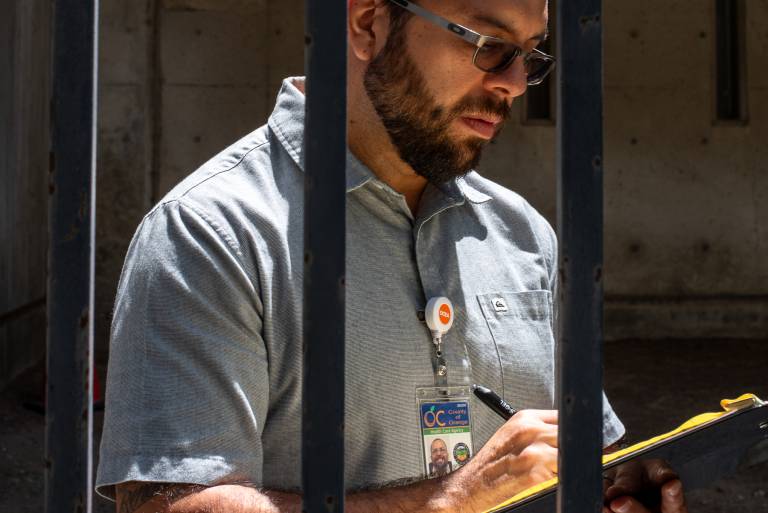
‘Do You Want Help?’: Inside Orange County’s Bet on Voluntary Mental Health Care
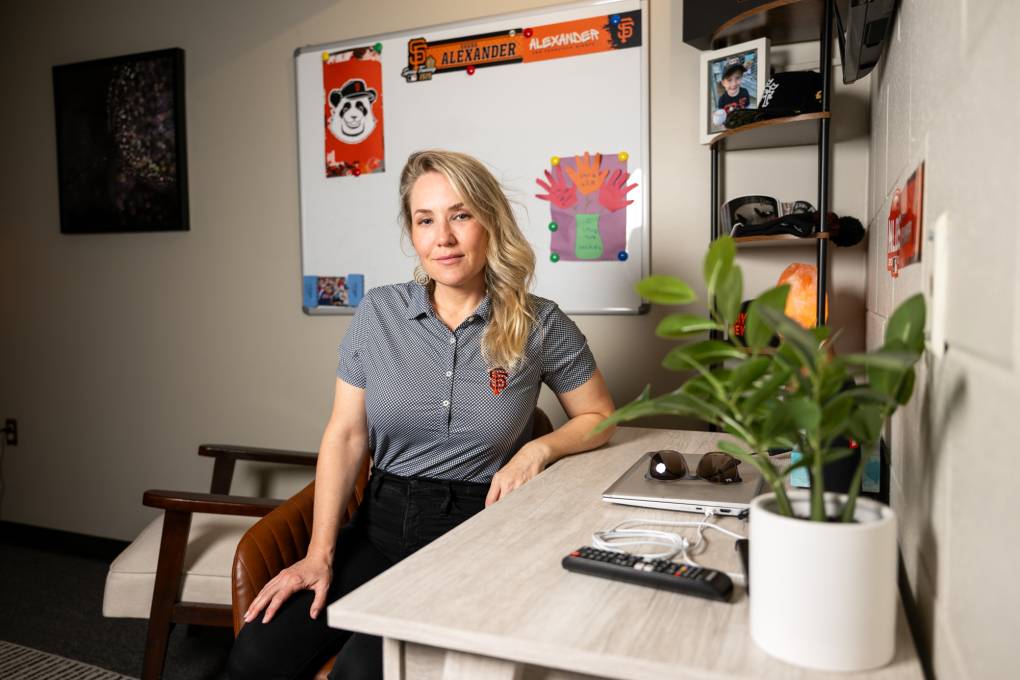
San Francisco Giants’ Mental Wellness Team is One of the Largest in Major League Baseball
Orange County Mental Health Line Makes Huge Cuts After Funding Is Pulled
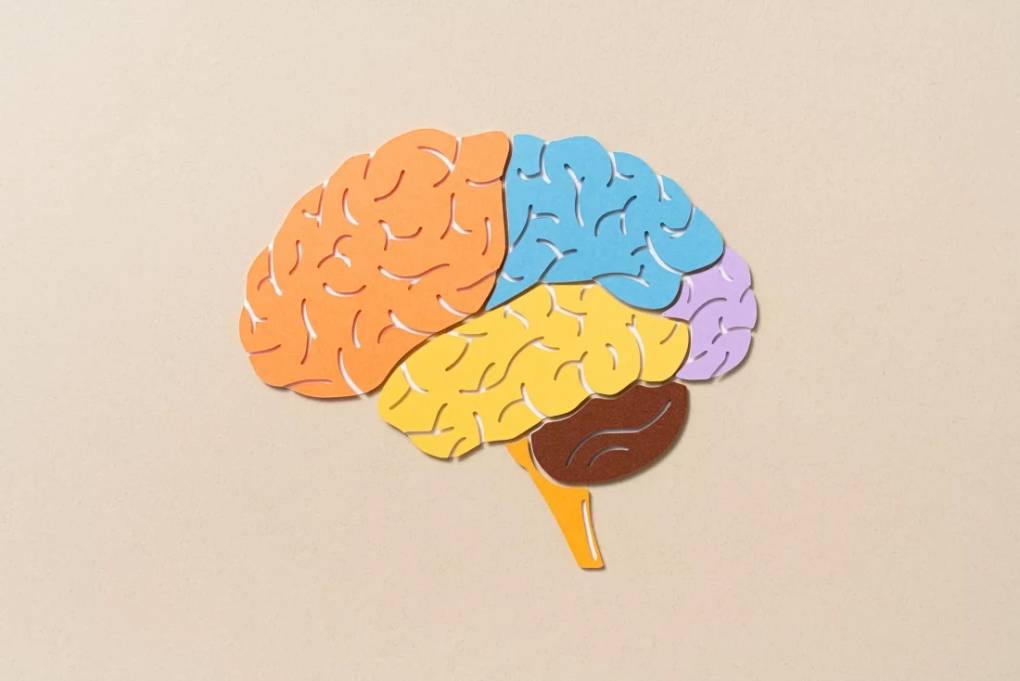
9 Unexpected Things We Learned About Mental Health and Our Brains in 2024
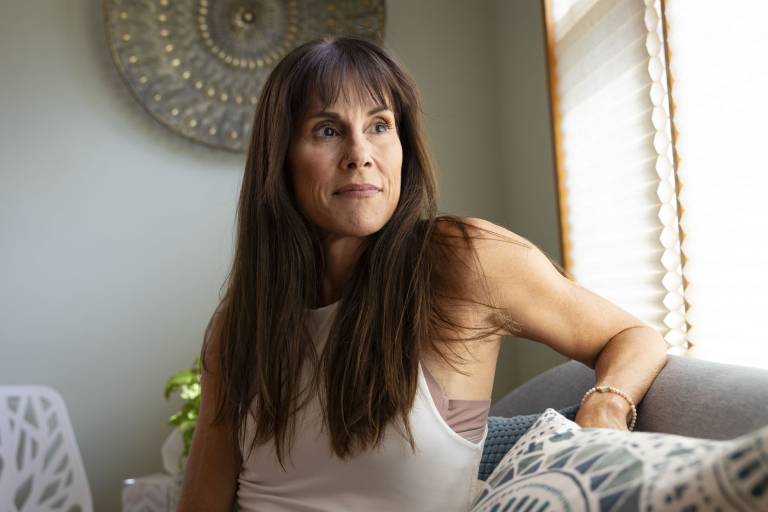
Bay Area Psychiatry Resident Pushes for Hospital Safety After Violent Attack
How to Protect Your Mental Health When Viewing War on Social Media
Sponsored
Player sponsored by
window.__IS_SSR__=true
window.__INITIAL_STATE__={
"attachmentsReducer": {
"audio_0": {
"type": "attachments",
"id": "audio_0",
"imgSizes": {
"kqedFullSize": {
"file": "https://ww2.kqed.org/news/wp-content/themes/KQED-unified/img/audio_bgs/background0.jpg"
}
}
},
"audio_1": {
"type": "attachments",
"id": "audio_1",
"imgSizes": {
"kqedFullSize": {
"file": "https://ww2.kqed.org/news/wp-content/themes/KQED-unified/img/audio_bgs/background1.jpg"
}
}
},
"audio_2": {
"type": "attachments",
"id": "audio_2",
"imgSizes": {
"kqedFullSize": {
"file": "https://ww2.kqed.org/news/wp-content/themes/KQED-unified/img/audio_bgs/background2.jpg"
}
}
},
"audio_3": {
"type": "attachments",
"id": "audio_3",
"imgSizes": {
"kqedFullSize": {
"file": "https://ww2.kqed.org/news/wp-content/themes/KQED-unified/img/audio_bgs/background3.jpg"
}
}
},
"audio_4": {
"type": "attachments",
"id": "audio_4",
"imgSizes": {
"kqedFullSize": {
"file": "https://ww2.kqed.org/news/wp-content/themes/KQED-unified/img/audio_bgs/background4.jpg"
}
}
},
"placeholder": {
"type": "attachments",
"id": "placeholder",
"imgSizes": {
"thumbnail": {
"file": "https://cdn.kqed.org/wp-content/uploads/2024/12/KQED-Default-Image-816638274-2000x1333-1-160x107.jpg",
"width": 160,
"height": 107,
"mimeType": "image/jpeg"
},
"medium": {
"file": "https://cdn.kqed.org/wp-content/uploads/2024/12/KQED-Default-Image-816638274-2000x1333-1-800x533.jpg",
"width": 800,
"height": 533,
"mimeType": "image/jpeg"
},
"medium_large": {
"file": "https://cdn.kqed.org/wp-content/uploads/2024/12/KQED-Default-Image-816638274-2000x1333-1-768x512.jpg",
"width": 768,
"height": 512,
"mimeType": "image/jpeg"
},
"large": {
"file": "https://cdn.kqed.org/wp-content/uploads/2024/12/KQED-Default-Image-816638274-2000x1333-1-1020x680.jpg",
"width": 1020,
"height": 680,
"mimeType": "image/jpeg"
},
"1536x1536": {
"file": "https://cdn.kqed.org/wp-content/uploads/2024/12/KQED-Default-Image-816638274-2000x1333-1-1536x1024.jpg",
"width": 1536,
"height": 1024,
"mimeType": "image/jpeg"
},
"fd-lrg": {
"file": "https://cdn.kqed.org/wp-content/uploads/2024/12/KQED-Default-Image-816638274-2000x1333-1-1536x1024.jpg",
"width": 1536,
"height": 1024,
"mimeType": "image/jpeg"
},
"fd-med": {
"file": "https://cdn.kqed.org/wp-content/uploads/2024/12/KQED-Default-Image-816638274-2000x1333-1-1020x680.jpg",
"width": 1020,
"height": 680,
"mimeType": "image/jpeg"
},
"fd-sm": {
"file": "https://cdn.kqed.org/wp-content/uploads/2024/12/KQED-Default-Image-816638274-2000x1333-1-800x533.jpg",
"width": 800,
"height": 533,
"mimeType": "image/jpeg"
},
"post-thumbnail": {
"file": "https://cdn.kqed.org/wp-content/uploads/2024/12/KQED-Default-Image-816638274-2000x1333-1-672x372.jpg",
"width": 672,
"height": 372,
"mimeType": "image/jpeg"
},
"twentyfourteen-full-width": {
"file": "https://cdn.kqed.org/wp-content/uploads/2024/12/KQED-Default-Image-816638274-2000x1333-1-1038x576.jpg",
"width": 1038,
"height": 576,
"mimeType": "image/jpeg"
},
"xxsmall": {
"file": "https://cdn.kqed.org/wp-content/uploads/2024/12/KQED-Default-Image-816638274-2000x1333-1-160x107.jpg",
"width": 160,
"height": 107,
"mimeType": "image/jpeg"
},
"xsmall": {
"file": "https://cdn.kqed.org/wp-content/uploads/2024/12/KQED-Default-Image-816638274-2000x1333-1-672x372.jpg",
"width": 672,
"height": 372,
"mimeType": "image/jpeg"
},
"small": {
"file": "https://cdn.kqed.org/wp-content/uploads/2024/12/KQED-Default-Image-816638274-2000x1333-1-672x372.jpg",
"width": 672,
"height": 372,
"mimeType": "image/jpeg"
},
"xlarge": {
"file": "https://cdn.kqed.org/wp-content/uploads/2024/12/KQED-Default-Image-816638274-2000x1333-1-1020x680.jpg",
"width": 1020,
"height": 680,
"mimeType": "image/jpeg"
},
"full-width": {
"file": "https://cdn.kqed.org/wp-content/uploads/2024/12/KQED-Default-Image-816638274-2000x1333-1-1920x1280.jpg",
"width": 1920,
"height": 1280,
"mimeType": "image/jpeg"
},
"guest-author-32": {
"file": "https://cdn.kqed.org/wp-content/uploads/2025/01/KQED-Default-Image-816638274-1333x1333-1-160x160.jpg",
"width": 32,
"height": 32,
"mimeType": "image/jpeg"
},
"guest-author-50": {
"file": "https://cdn.kqed.org/wp-content/uploads/2025/01/KQED-Default-Image-816638274-1333x1333-1-160x160.jpg",
"width": 50,
"height": 50,
"mimeType": "image/jpeg"
},
"guest-author-64": {
"file": "https://cdn.kqed.org/wp-content/uploads/2025/01/KQED-Default-Image-816638274-1333x1333-1-160x160.jpg",
"width": 64,
"height": 64,
"mimeType": "image/jpeg"
},
"guest-author-96": {
"file": "https://cdn.kqed.org/wp-content/uploads/2025/01/KQED-Default-Image-816638274-1333x1333-1-160x160.jpg",
"width": 96,
"height": 96,
"mimeType": "image/jpeg"
},
"guest-author-128": {
"file": "https://cdn.kqed.org/wp-content/uploads/2025/01/KQED-Default-Image-816638274-1333x1333-1-160x160.jpg",
"width": 128,
"height": 128,
"mimeType": "image/jpeg"
},
"detail": {
"file": "https://cdn.kqed.org/wp-content/uploads/2025/01/KQED-Default-Image-816638274-1333x1333-1-160x160.jpg",
"width": 160,
"height": 160,
"mimeType": "image/jpeg"
},
"kqedFullSize": {
"file": "https://cdn.kqed.org/wp-content/uploads/2024/12/KQED-Default-Image-816638274-2000x1333-1.jpg",
"width": 2000,
"height": 1333
}
}
},
"science_1999408": {
"type": "attachments",
"id": "science_1999408",
"meta": {
"index": "attachments_1716263798",
"site": "science",
"id": "1999408",
"found": true
},
"title": "251126-AI KAISER-KQED_1",
"publishDate": 1764185577,
"status": "inherit",
"parent": 0,
"modified": 1764185598,
"caption": "Ilana Marcucci-Morris and other Kaiser therapists strike in Oakland in August 2022. A union battle between mental health workers and Kaiser exposes the current reality and future potential of AI’s role in therapy sessions.",
"credit": "Courtesy of Karna Roa",
"altTag": null,
"description": null,
"imgSizes": {
"thumbnail": {
"file": "https://cdn.kqed.org/wp-content/uploads/sites/35/2025/11/251126-AI-KAISER-KQED_1-160x106.jpg",
"width": 160,
"height": 106,
"mimeType": "image/jpeg"
},
"medium_large": {
"file": "https://cdn.kqed.org/wp-content/uploads/sites/35/2025/11/251126-AI-KAISER-KQED_1-768x511.jpg",
"width": 768,
"height": 511,
"mimeType": "image/jpeg"
},
"1536x1536": {
"file": "https://cdn.kqed.org/wp-content/uploads/sites/35/2025/11/251126-AI-KAISER-KQED_1-1536x1022.jpg",
"width": 1536,
"height": 1022,
"mimeType": "image/jpeg"
},
"post-thumbnail": {
"file": "https://cdn.kqed.org/wp-content/uploads/sites/35/2025/11/251126-AI-KAISER-KQED_1-672x372.jpg",
"width": 672,
"height": 372,
"mimeType": "image/jpeg"
},
"twentyfourteen-full-width": {
"file": "https://cdn.kqed.org/wp-content/uploads/sites/35/2025/11/251126-AI-KAISER-KQED_1-1038x576.jpg",
"width": 1038,
"height": 576,
"mimeType": "image/jpeg"
},
"npr-cds-wide": {
"file": "https://cdn.kqed.org/wp-content/uploads/sites/35/2025/11/251126-AI-KAISER-KQED_1-1200x675.jpg",
"width": 1200,
"height": 675,
"mimeType": "image/jpeg"
},
"kqedFullSize": {
"file": "https://cdn.kqed.org/wp-content/uploads/sites/35/2025/11/251126-AI-KAISER-KQED_1.jpg",
"width": 2000,
"height": 1331
}
},
"fetchFailed": false,
"isLoading": false
},
"science_1998717": {
"type": "attachments",
"id": "science_1998717",
"meta": {
"index": "attachments_1716263798",
"site": "science",
"id": "1998717",
"found": true
},
"title": "20251001_KETAMINE_GC-2-KQED",
"publishDate": 1759446684,
"status": "inherit",
"parent": 0,
"modified": 1765216672,
"caption": "Aliyah Economos poses for a portrait at Sage Integrative Health in Berkeley on Oct. 1, 2025.",
"credit": "Gina Castro/KQED",
"altTag": null,
"description": null,
"imgSizes": {
"thumbnail": {
"file": "https://cdn.kqed.org/wp-content/uploads/sites/35/2025/10/20251001_KETAMINE_GC-2-KQED-160x107.jpg",
"width": 160,
"height": 107,
"mimeType": "image/jpeg"
},
"medium_large": {
"file": "https://cdn.kqed.org/wp-content/uploads/sites/35/2025/10/20251001_KETAMINE_GC-2-KQED-768x512.jpg",
"width": 768,
"height": 512,
"mimeType": "image/jpeg"
},
"1536x1536": {
"file": "https://cdn.kqed.org/wp-content/uploads/sites/35/2025/10/20251001_KETAMINE_GC-2-KQED-1536x1024.jpg",
"width": 1536,
"height": 1024,
"mimeType": "image/jpeg"
},
"post-thumbnail": {
"file": "https://cdn.kqed.org/wp-content/uploads/sites/35/2025/10/20251001_KETAMINE_GC-2-KQED-672x372.jpg",
"width": 672,
"height": 372,
"mimeType": "image/jpeg"
},
"twentyfourteen-full-width": {
"file": "https://cdn.kqed.org/wp-content/uploads/sites/35/2025/10/20251001_KETAMINE_GC-2-KQED-1038x576.jpg",
"width": 1038,
"height": 576,
"mimeType": "image/jpeg"
},
"kqedFullSize": {
"file": "https://cdn.kqed.org/wp-content/uploads/sites/35/2025/10/20251001_KETAMINE_GC-2-KQED.jpg",
"width": 2000,
"height": 1333
}
},
"fetchFailed": false,
"isLoading": false
},
"science_1999392": {
"type": "attachments",
"id": "science_1999392",
"meta": {
"index": "attachments_1716263798",
"site": "science",
"id": "1999392",
"found": true
},
"title": "Teenage girl using AI chatbot on smartphone while studying at desk",
"publishDate": 1764109225,
"status": "inherit",
"parent": 1999388,
"modified": 1764109248,
"caption": "Close up view of a teenage girl interacting with a multimodal AI chatbot on her smartphone while studying at a desk with a laptop and notebook. The image represents artificial intelligence integrating text and visual data for enhanced learning, creativity, and productivity in everyday life.",
"credit": "Thai Liang Lim/Getty Images",
"altTag": null,
"description": null,
"imgSizes": {
"thumbnail": {
"file": "https://cdn.kqed.org/wp-content/uploads/sites/35/2025/11/ChatbotAIGetty-160x107.jpg",
"width": 160,
"height": 107,
"mimeType": "image/jpeg"
},
"medium_large": {
"file": "https://cdn.kqed.org/wp-content/uploads/sites/35/2025/11/ChatbotAIGetty-768x512.jpg",
"width": 768,
"height": 512,
"mimeType": "image/jpeg"
},
"1536x1536": {
"file": "https://cdn.kqed.org/wp-content/uploads/sites/35/2025/11/ChatbotAIGetty-1536x1024.jpg",
"width": 1536,
"height": 1024,
"mimeType": "image/jpeg"
},
"post-thumbnail": {
"file": "https://cdn.kqed.org/wp-content/uploads/sites/35/2025/11/ChatbotAIGetty-672x372.jpg",
"width": 672,
"height": 372,
"mimeType": "image/jpeg"
},
"twentyfourteen-full-width": {
"file": "https://cdn.kqed.org/wp-content/uploads/sites/35/2025/11/ChatbotAIGetty-1038x576.jpg",
"width": 1038,
"height": 576,
"mimeType": "image/jpeg"
},
"npr-cds-wide": {
"file": "https://cdn.kqed.org/wp-content/uploads/sites/35/2025/11/ChatbotAIGetty-1200x675.jpg",
"width": 1200,
"height": 675,
"mimeType": "image/jpeg"
},
"kqedFullSize": {
"file": "https://cdn.kqed.org/wp-content/uploads/sites/35/2025/11/ChatbotAIGetty.jpg",
"width": 2000,
"height": 1333
}
},
"fetchFailed": false,
"isLoading": false
},
"science_1997768": {
"type": "attachments",
"id": "science_1997768",
"meta": {
"index": "attachments_1716263798",
"site": "science",
"id": "1997768",
"found": true
},
"title": "Care Court",
"publishDate": 1752527568,
"status": "inherit",
"parent": 0,
"modified": 1752528867,
"caption": "Giovanni Figueroa, a mental health specialist with the Orange County Health Care Agency, writes a to-do list before meeting with a client at the Central Men’s & Women’s Jails in Orange County on July 7, 2025.",
"credit": "David Rodriguez for KQED",
"altTag": null,
"description": null,
"imgSizes": {
"thumbnail": {
"file": "https://cdn.kqed.org/wp-content/uploads/sites/35/2025/07/Rodriguez_CARE_07_07_2025-4-160x107.jpg",
"width": 160,
"height": 107,
"mimeType": "image/jpeg"
},
"medium_large": {
"file": "https://cdn.kqed.org/wp-content/uploads/sites/35/2025/07/Rodriguez_CARE_07_07_2025-4-768x513.jpg",
"width": 768,
"height": 513,
"mimeType": "image/jpeg"
},
"1536x1536": {
"file": "https://cdn.kqed.org/wp-content/uploads/sites/35/2025/07/Rodriguez_CARE_07_07_2025-4-1536x1026.jpg",
"width": 1536,
"height": 1026,
"mimeType": "image/jpeg"
},
"post-thumbnail": {
"file": "https://cdn.kqed.org/wp-content/uploads/sites/35/2025/07/Rodriguez_CARE_07_07_2025-4-672x372.jpg",
"width": 672,
"height": 372,
"mimeType": "image/jpeg"
},
"twentyfourteen-full-width": {
"file": "https://cdn.kqed.org/wp-content/uploads/sites/35/2025/07/Rodriguez_CARE_07_07_2025-4-1038x576.jpg",
"width": 1038,
"height": 576,
"mimeType": "image/jpeg"
},
"kqedFullSize": {
"file": "https://cdn.kqed.org/wp-content/uploads/sites/35/2025/07/Rodriguez_CARE_07_07_2025-4.jpg",
"width": 1800,
"height": 1202
}
},
"fetchFailed": false,
"isLoading": false
},
"science_1997042": {
"type": "attachments",
"id": "science_1997042",
"meta": {
"index": "attachments_1716263798",
"site": "science",
"id": "1997042",
"found": true
},
"title": "250521-BASEBALLPSYCHOLOGY-01-BL-KQED",
"publishDate": 1748373936,
"status": "inherit",
"parent": 0,
"modified": 1750875269,
"caption": "Dr. Shana Alexander sits in her office at Oracle Park in San Francisco on May 21, 2025. Alexander leads the San Francisco Giants’ mental health and wellness efforts, supporting players and staff through counseling, crisis response, and emotional well-being programs.",
"credit": "Beth LaBerge/KQED",
"altTag": null,
"description": null,
"imgSizes": {
"medium": {
"file": "https://cdn.kqed.org/wp-content/uploads/sites/35/2025/05/250521-BASEBALLPSYCHOLOGY-01-BL-KQED-800x533.jpg",
"width": 800,
"height": 533,
"mimeType": "image/jpeg"
},
"large": {
"file": "https://cdn.kqed.org/wp-content/uploads/sites/35/2025/05/250521-BASEBALLPSYCHOLOGY-01-BL-KQED-1020x680.jpg",
"width": 1020,
"height": 680,
"mimeType": "image/jpeg"
},
"thumbnail": {
"file": "https://cdn.kqed.org/wp-content/uploads/sites/35/2025/05/250521-BASEBALLPSYCHOLOGY-01-BL-KQED-160x107.jpg",
"width": 160,
"height": 107,
"mimeType": "image/jpeg"
},
"medium_large": {
"file": "https://cdn.kqed.org/wp-content/uploads/sites/35/2025/05/250521-BASEBALLPSYCHOLOGY-01-BL-KQED-768x512.jpg",
"width": 768,
"height": 512,
"mimeType": "image/jpeg"
},
"1536x1536": {
"file": "https://cdn.kqed.org/wp-content/uploads/sites/35/2025/05/250521-BASEBALLPSYCHOLOGY-01-BL-KQED-1536x1024.jpg",
"width": 1536,
"height": 1024,
"mimeType": "image/jpeg"
},
"post-thumbnail": {
"file": "https://cdn.kqed.org/wp-content/uploads/sites/35/2025/05/250521-BASEBALLPSYCHOLOGY-01-BL-KQED-672x372.jpg",
"width": 672,
"height": 372,
"mimeType": "image/jpeg"
},
"twentyfourteen-full-width": {
"file": "https://cdn.kqed.org/wp-content/uploads/sites/35/2025/05/250521-BASEBALLPSYCHOLOGY-01-BL-KQED-1038x576.jpg",
"width": 1038,
"height": 576,
"mimeType": "image/jpeg"
},
"full-width": {
"file": "https://cdn.kqed.org/wp-content/uploads/sites/35/2025/05/250521-BASEBALLPSYCHOLOGY-01-BL-KQED-1920x1280.jpg",
"width": 1920,
"height": 1280,
"mimeType": "image/jpeg"
},
"kqedFullSize": {
"file": "https://cdn.kqed.org/wp-content/uploads/sites/35/2025/05/250521-BASEBALLPSYCHOLOGY-01-BL-KQED.jpg",
"width": 2000,
"height": 1333
}
},
"fetchFailed": false,
"isLoading": false
},
"science_1997555": {
"type": "attachments",
"id": "science_1997555",
"meta": {
"index": "attachments_1716263798",
"site": "science",
"id": "1997555",
"found": true
},
"title": "A perplexed woman checks her smart phone",
"publishDate": 1751391166,
"status": "inherit",
"parent": 1997550,
"modified": 1751391225,
"caption": "An elevated view of a concerned looking woman looking down at her mobile phone device. Space for copy.",
"credit": "Catherine Falls Commercial/Getty Images",
"altTag": null,
"description": null,
"imgSizes": {
"thumbnail": {
"file": "https://cdn.kqed.org/wp-content/uploads/sites/35/2025/07/MentalHealthGetty-160x105.jpg",
"width": 160,
"height": 105,
"mimeType": "image/jpeg"
},
"medium_large": {
"file": "https://cdn.kqed.org/wp-content/uploads/sites/35/2025/07/MentalHealthGetty-768x502.jpg",
"width": 768,
"height": 502,
"mimeType": "image/jpeg"
},
"1536x1536": {
"file": "https://cdn.kqed.org/wp-content/uploads/sites/35/2025/07/MentalHealthGetty-1536x1004.jpg",
"width": 1536,
"height": 1004,
"mimeType": "image/jpeg"
},
"post-thumbnail": {
"file": "https://cdn.kqed.org/wp-content/uploads/sites/35/2025/07/MentalHealthGetty-672x372.jpg",
"width": 672,
"height": 372,
"mimeType": "image/jpeg"
},
"twentyfourteen-full-width": {
"file": "https://cdn.kqed.org/wp-content/uploads/sites/35/2025/07/MentalHealthGetty-1038x576.jpg",
"width": 1038,
"height": 576,
"mimeType": "image/jpeg"
},
"kqedFullSize": {
"file": "https://cdn.kqed.org/wp-content/uploads/sites/35/2025/07/MentalHealthGetty.jpg",
"width": 2000,
"height": 1307
}
},
"fetchFailed": false,
"isLoading": false
},
"science_1995394": {
"type": "attachments",
"id": "science_1995394",
"meta": {
"index": "attachments_1716263798",
"site": "science",
"id": "1995394",
"found": true
},
"title": "npr.brightspotcdn copy",
"publishDate": 1735671787,
"status": "inherit",
"parent": 1995393,
"modified": 1735671810,
"caption": null,
"credit": "MirageC/Getty Images",
"altTag": null,
"description": null,
"imgSizes": {
"medium": {
"file": "https://cdn.kqed.org/wp-content/uploads/sites/35/2024/12/npr.brightspotcdn-copy-800x534.jpg",
"width": 800,
"height": 534,
"mimeType": "image/jpeg"
},
"large": {
"file": "https://cdn.kqed.org/wp-content/uploads/sites/35/2024/12/npr.brightspotcdn-copy-1020x681.jpg",
"width": 1020,
"height": 681,
"mimeType": "image/jpeg"
},
"thumbnail": {
"file": "https://cdn.kqed.org/wp-content/uploads/sites/35/2024/12/npr.brightspotcdn-copy-160x107.jpg",
"width": 160,
"height": 107,
"mimeType": "image/jpeg"
},
"medium_large": {
"file": "https://cdn.kqed.org/wp-content/uploads/sites/35/2024/12/npr.brightspotcdn-copy-768x512.jpg",
"width": 768,
"height": 512,
"mimeType": "image/jpeg"
},
"post-thumbnail": {
"file": "https://cdn.kqed.org/wp-content/uploads/sites/35/2024/12/npr.brightspotcdn-copy-672x372.jpg",
"width": 672,
"height": 372,
"mimeType": "image/jpeg"
},
"twentyfourteen-full-width": {
"file": "https://cdn.kqed.org/wp-content/uploads/sites/35/2024/12/npr.brightspotcdn-copy-1038x576.jpg",
"width": 1038,
"height": 576,
"mimeType": "image/jpeg"
},
"kqedFullSize": {
"file": "https://cdn.kqed.org/wp-content/uploads/sites/35/2024/12/npr.brightspotcdn-copy.jpg",
"width": 1100,
"height": 734
}
},
"fetchFailed": false,
"isLoading": false
},
"science_1991427": {
"type": "attachments",
"id": "science_1991427",
"meta": {
"index": "attachments_1716263798",
"site": "science",
"id": "1991427",
"found": true
},
"parent": 0,
"imgSizes": {
"twentyfourteen-full-width": {
"file": "https://cdn.kqed.org/wp-content/uploads/sites/35/2024/02/240209-HOSPITALVIOLENCE-20-BL-KQED-1038x576.jpg",
"width": 1038,
"mimeType": "image/jpeg",
"height": 576
},
"thumbnail": {
"file": "https://cdn.kqed.org/wp-content/uploads/sites/35/2024/02/240209-HOSPITALVIOLENCE-20-BL-KQED-160x107.jpg",
"width": 160,
"mimeType": "image/jpeg",
"height": 107
},
"post-thumbnail": {
"file": "https://cdn.kqed.org/wp-content/uploads/sites/35/2024/02/240209-HOSPITALVIOLENCE-20-BL-KQED-672x372.jpg",
"width": 672,
"mimeType": "image/jpeg",
"height": 372
},
"kqedFullSize": {
"file": "https://cdn.kqed.org/wp-content/uploads/sites/35/2024/02/240209-HOSPITALVIOLENCE-20-BL-KQED.jpg",
"width": 2000,
"height": 1333
},
"large": {
"file": "https://cdn.kqed.org/wp-content/uploads/sites/35/2024/02/240209-HOSPITALVIOLENCE-20-BL-KQED-1020x680.jpg",
"width": 1020,
"mimeType": "image/jpeg",
"height": 680
},
"1536x1536": {
"file": "https://cdn.kqed.org/wp-content/uploads/sites/35/2024/02/240209-HOSPITALVIOLENCE-20-BL-KQED-1536x1024.jpg",
"width": 1536,
"mimeType": "image/jpeg",
"height": 1024
},
"full-width": {
"file": "https://cdn.kqed.org/wp-content/uploads/sites/35/2024/02/240209-HOSPITALVIOLENCE-20-BL-KQED-1920x1280.jpg",
"width": 1920,
"mimeType": "image/jpeg",
"height": 1280
},
"medium": {
"file": "https://cdn.kqed.org/wp-content/uploads/sites/35/2024/02/240209-HOSPITALVIOLENCE-20-BL-KQED-800x533.jpg",
"width": 800,
"mimeType": "image/jpeg",
"height": 533
},
"medium_large": {
"file": "https://cdn.kqed.org/wp-content/uploads/sites/35/2024/02/240209-HOSPITALVIOLENCE-20-BL-KQED-768x512.jpg",
"width": 768,
"mimeType": "image/jpeg",
"height": 512
}
},
"publishDate": 1707873237,
"modified": 1709759556,
"caption": "Dani Golomb, psychiatry resident at CPMC Sutter Davies Campus, poses for a portrait at her home in San Francisco on Feb. 9, 2024.",
"description": null,
"title": "240209-HOSPITALVIOLENCE-20-BL-KQED",
"credit": "Beth LaBerge/KQED",
"status": "inherit",
"altTag": "A woman wearing a red shirt sits on a couch in a home.",
"fetchFailed": false,
"isLoading": false
},
"science_1985978": {
"type": "attachments",
"id": "science_1985978",
"meta": {
"index": "attachments_1716263798",
"site": "science",
"id": "1985978",
"found": true
},
"parent": 0,
"imgSizes": {
"twentyfourteen-full-width": {
"file": "https://cdn.kqed.org/wp-content/uploads/sites/35/2024/01/231213-WAR-MENTAL-HEALTH-MD-04_1-KQED-2-1038x576.jpg",
"width": 1038,
"mimeType": "image/jpeg",
"height": 576
},
"thumbnail": {
"file": "https://cdn.kqed.org/wp-content/uploads/sites/35/2024/01/231213-WAR-MENTAL-HEALTH-MD-04_1-KQED-2-160x107.jpg",
"width": 160,
"mimeType": "image/jpeg",
"height": 107
},
"post-thumbnail": {
"file": "https://cdn.kqed.org/wp-content/uploads/sites/35/2024/01/231213-WAR-MENTAL-HEALTH-MD-04_1-KQED-2-672x372.jpg",
"width": 672,
"mimeType": "image/jpeg",
"height": 372
},
"kqedFullSize": {
"file": "https://cdn.kqed.org/wp-content/uploads/sites/35/2024/01/231213-WAR-MENTAL-HEALTH-MD-04_1-KQED-2.jpg",
"width": 2000,
"height": 1333
},
"large": {
"file": "https://cdn.kqed.org/wp-content/uploads/sites/35/2024/01/231213-WAR-MENTAL-HEALTH-MD-04_1-KQED-2-1020x680.jpg",
"width": 1020,
"mimeType": "image/jpeg",
"height": 680
},
"1536x1536": {
"file": "https://cdn.kqed.org/wp-content/uploads/sites/35/2024/01/231213-WAR-MENTAL-HEALTH-MD-04_1-KQED-2-1536x1024.jpg",
"width": 1536,
"mimeType": "image/jpeg",
"height": 1024
},
"full-width": {
"file": "https://cdn.kqed.org/wp-content/uploads/sites/35/2024/01/231213-WAR-MENTAL-HEALTH-MD-04_1-KQED-2-1920x1280.jpg",
"width": 1920,
"mimeType": "image/jpeg",
"height": 1280
},
"medium": {
"file": "https://cdn.kqed.org/wp-content/uploads/sites/35/2024/01/231213-WAR-MENTAL-HEALTH-MD-04_1-KQED-2-800x533.jpg",
"width": 800,
"mimeType": "image/jpeg",
"height": 533
},
"medium_large": {
"file": "https://cdn.kqed.org/wp-content/uploads/sites/35/2024/01/231213-WAR-MENTAL-HEALTH-MD-04_1-KQED-2-768x512.jpg",
"width": 768,
"mimeType": "image/jpeg",
"height": 512
}
},
"publishDate": 1704308534,
"modified": 1704477510,
"caption": "Haleema Bharoocha on the UC Berkeley Campus on Dec. 13, 2023.",
"description": null,
"title": "Haleema Bharoocha-Jobe on the UC Berkeley Campus on Dec. 13, 2023.",
"credit": "Martin do Nascimento/KQED",
"status": "inherit",
"altTag": "A person wearing a headscarf sits on a set of stairs in an outdoor setting.",
"fetchFailed": false,
"isLoading": false
}
},
"audioPlayerReducer": {
"postId": "stream_live",
"isPaused": true,
"isPlaying": false,
"pfsActive": false,
"pledgeModalIsOpen": true,
"playerDrawerIsOpen": false
},
"authorsReducer": {
"byline_science_1995393": {
"type": "authors",
"id": "byline_science_1995393",
"meta": {
"override": true
},
"slug": "byline_science_1995393",
"name": "\u003ca href=\"https://www.npr.org/people/g-s1-27240/kathleen-masterson\">Kathleen Masterson\u003c/a> and \u003ca href=\"https://www.npr.org/people/g-s1-35940/andrea-muraskin\">Andrea Muraskin\u003c/a>, NPR",
"isLoading": false
},
"adembosky": {
"type": "authors",
"id": "3205",
"meta": {
"index": "authors_1716337520",
"id": "3205",
"found": true
},
"name": "April Dembosky",
"firstName": "April",
"lastName": "Dembosky",
"slug": "adembosky",
"email": "adembosky@kqed.org",
"display_author_email": false,
"staff_mastheads": [
"news",
"science"
],
"title": "KQED Health Correspondent",
"bio": "April Dembosky is the health correspondent for KQED News and a regular contributor to NPR. She specializes in covering altered states of mind, from postpartum depression to methamphetamine-induced psychosis to the insanity defense. Her investigative series on insurance companies sidestepping mental health laws won multiple awards, including first place in beat reporting from the national Association of Health Care Journalists. She is the recipient of numerous other prizes and fellowships, including a national Edward R. Murrow award for investigative reporting, a Society of Professional Journalists award for long-form storytelling, and a Carter Center Fellowship for Mental Health Journalism.\r\n\r\nDembosky reported and produced \u003cem>Soundtrack of Silence\u003c/em>, an audio documentary about music and memory that is currently being made into a feature film by Paramount Pictures.\r\n\r\nBefore joining KQED in 2013, Dembosky covered technology and Silicon Valley for \u003cem>The Financial Times of London,\u003c/em> and contributed business and arts stories to \u003cem>Marketplace \u003c/em>and \u003cem>The New York Times.\u003c/em> She got her undergraduate degree in philosophy from Smith College and her master's in journalism from the University of California, Berkeley. She is a classically trained violinist and proud alum of the first symphony orchestra at Burning Man.",
"avatar": "https://secure.gravatar.com/avatar/ef92999be4ceb9ea60701e7dc276f813?s=600&d=blank&r=g",
"twitter": "adembosky",
"facebook": null,
"instagram": null,
"linkedin": null,
"sites": [
{
"site": "arts",
"roles": [
"author"
]
},
{
"site": "news",
"roles": [
"editor"
]
},
{
"site": "futureofyou",
"roles": [
"author"
]
},
{
"site": "stateofhealth",
"roles": [
"editor"
]
},
{
"site": "science",
"roles": [
"editor"
]
},
{
"site": "forum",
"roles": [
"editor"
]
}
],
"headData": {
"title": "April Dembosky | KQED",
"description": "KQED Health Correspondent",
"ogImgSrc": "https://secure.gravatar.com/avatar/ef92999be4ceb9ea60701e7dc276f813?s=600&d=blank&r=g",
"twImgSrc": "https://secure.gravatar.com/avatar/ef92999be4ceb9ea60701e7dc276f813?s=600&d=blank&r=g"
},
"isLoading": false,
"link": "/author/adembosky"
},
"lesleymcclurg": {
"type": "authors",
"id": "11229",
"meta": {
"index": "authors_1716337520",
"id": "11229",
"found": true
},
"name": "Lesley McClurg",
"firstName": "Lesley",
"lastName": "McClurg",
"slug": "lesleymcclurg",
"email": "lmcclurg@KQED.org",
"display_author_email": false,
"staff_mastheads": [
"news",
"science"
],
"title": "KQED Health Correspondent",
"bio": "Lesley McClurg is a health correspondent and fill-in host whose work is regularly rebroadcast on NPR and PBS programs. She’s earned multiple regional Emmy awards, a national and a regional Edward R. Murrow award, and was named Best Beat Reporter by the Association of Health Care Journalists. The Society of Professional Journalists has recognized her work several times, and the Society of Environmental Journalists spotlighted her coverage of California’s historic drought.\r\n\r\nBefore joining KQED in 2016, Lesley covered food and sustainability for Capital Public Radio, environmental issues for Colorado Public Radio, and reported for KUOW and KCTS 9 in Seattle. Away from the newsroom, she loves skiing with her daughter, mountain biking with her partner, and playing with Ollie, the family’s goldendoodle. On deadline, she runs almost entirely on chocolate chips.\r\n\r\n ",
"avatar": "https://secure.gravatar.com/avatar/3fb78e873af3312f34d0bc1d60a07c7f?s=600&d=blank&r=g",
"twitter": "lesleywmcclurg",
"facebook": null,
"instagram": null,
"linkedin": null,
"sites": [
{
"site": "arts",
"roles": [
"author"
]
},
{
"site": "news",
"roles": [
"editor"
]
},
{
"site": "futureofyou",
"roles": [
"editor"
]
},
{
"site": "stateofhealth",
"roles": [
"author"
]
},
{
"site": "science",
"roles": [
"editor"
]
},
{
"site": "quest",
"roles": [
"subscriber"
]
},
{
"site": "forum",
"roles": [
"administrator"
]
},
{
"site": "liveblog",
"roles": [
"author"
]
}
],
"headData": {
"title": "Lesley McClurg | KQED",
"description": "KQED Health Correspondent",
"ogImgSrc": "https://secure.gravatar.com/avatar/3fb78e873af3312f34d0bc1d60a07c7f?s=600&d=blank&r=g",
"twImgSrc": "https://secure.gravatar.com/avatar/3fb78e873af3312f34d0bc1d60a07c7f?s=600&d=blank&r=g"
},
"isLoading": false,
"link": "/author/lesleymcclurg"
},
"kevinstark": {
"type": "authors",
"id": "11608",
"meta": {
"index": "authors_1716337520",
"id": "11608",
"found": true
},
"name": "Kevin Stark",
"firstName": "Kevin",
"lastName": "Stark",
"slug": "kevinstark",
"email": "kstark@kqed.org",
"display_author_email": true,
"staff_mastheads": [
"science"
],
"title": "Senior Editor",
"bio": "Kevin is a senior editor for KQED Science, managing the station's health and climate desks. His journalism career began in the Pacific Northwest, and he later became a lead reporter for the San Francisco Public Press. His work has appeared in Pacific Standard magazine, the Energy News Network, the Center for Investigative Reporting's Reveal and WBEZ in Chicago. Kevin joined KQED in 2019, and has covered issues related to energy, wildfire, climate change and the environment.",
"avatar": "https://secure.gravatar.com/avatar/1f646bf546a63d638e04ff23b52b0e79?s=600&d=blank&r=g",
"twitter": "starkkev",
"facebook": null,
"instagram": null,
"linkedin": null,
"sites": [
{
"site": "",
"roles": [
"editor"
]
},
{
"site": "news",
"roles": [
"editor"
]
},
{
"site": "science",
"roles": [
"administrator"
]
}
],
"headData": {
"title": "Kevin Stark | KQED",
"description": "Senior Editor",
"ogImgSrc": "https://secure.gravatar.com/avatar/1f646bf546a63d638e04ff23b52b0e79?s=600&d=blank&r=g",
"twImgSrc": "https://secure.gravatar.com/avatar/1f646bf546a63d638e04ff23b52b0e79?s=600&d=blank&r=g"
},
"isLoading": false,
"link": "/author/kevinstark"
}
},
"breakingNewsReducer": {},
"pagesReducer": {},
"postsReducer": {
"stream_live": {
"type": "live",
"id": "stream_live",
"audioUrl": "https://streams.kqed.org/kqedradio",
"title": "Live Stream",
"excerpt": "Live Stream information currently unavailable.",
"link": "/radio",
"featImg": "",
"label": {
"name": "KQED Live",
"link": "/"
}
},
"stream_kqedNewscast": {
"type": "posts",
"id": "stream_kqedNewscast",
"audioUrl": "https://www.kqed.org/.stream/anon/radio/RDnews/newscast.mp3?_=1",
"title": "KQED Newscast",
"featImg": "",
"label": {
"name": "88.5 FM",
"link": "/"
}
},
"science_1999553": {
"type": "posts",
"id": "science_1999553",
"meta": {
"index": "posts_1716263798",
"site": "science",
"id": "1999553",
"score": null,
"sort": [
1765461605000
]
},
"guestAuthors": [],
"slug": "will-ai-replace-your-therapist-kaiser-wont-say-no",
"title": "Will AI Replace Your Therapist? Kaiser Won’t Say No",
"publishDate": 1765461605,
"format": "standard",
"headTitle": "Will AI Replace Your Therapist? Kaiser Won’t Say No | KQED",
"labelTerm": {},
"content": "\u003cp>Every day, clinical social worker Ilana Marcucci-Morris talks to her patients about the most private, most vulnerable details of their lives, and she’s not interested in having AI software listen in or sharing any of her responsibilities with\u003ca href=\"https://www.kqed.org/science/1999388/california-warns-families-to-watch-out-for-teens-as-character-ai-shuts-off-chatbot-access\"> a chatbot\u003c/a>.\u003c/p>\n\u003cp>A self-attested millennial and lover of gadgets, Marcucci-Morris knows artificial intelligence is here to stay in health care, but when it comes to therapy, she wants it to be optional and assistive, a tool that will augment human connection, not diminish it.\u003c/p>\n\u003cp>She figured that would be a simple assurance her union could win when they sat down\u003ca href=\"https://www.kqed.org/news/tag/kaiser-permanente-mental-health\"> at the bargaining table\u003c/a> last summer to hash out their next contract with Kaiser Permanente. The therapists with the \u003ca href=\"https://home.nuhw.org/\">National Union of Healthcare Workers\u003c/a> submitted their proposed contract language — that AI would be used to “assist” mental health clinicians, but not “replace” them — never expecting it to be controversial. After all, Kaiser signed a contract with their sister union in Southern California just months earlier that contained the same language.\u003c/p>\n\u003cp>[ad fullwidth]\u003c/p>\n\u003cp>But this time, Kaiser refused, sending back a counterproposal in the fall with that paragraph deleted.\u003c/p>\n\u003cp>\u003cstrong>“\u003c/strong>We have asked them point-blank about language to prevent replacing therapists with artificial intelligence, and they have been very clear that they want the ‘flexibility’ to increase AI and reduce their need for us,” Marcucci-Morris said.\u003c/p>\n\u003cp>The local contract debate taps into an existential question plaguing American workers across professions: When is AI coming for my job? As health systems embrace the technology to save money and time, and consumers increasingly consult AI chatbots for mental health support, the theoretical question has suddenly turned concrete for Kaiser therapists and they are testing their union power to see if and how they can influence the inevitable transformation of their vocation.\u003c/p>\n\u003cfigure id=\"attachment_1999559\" class=\"wp-caption aligncenter\" style=\"max-width: 1920px\">\u003cimg loading=\"lazy\" decoding=\"async\" class=\"size-full wp-image-1999559\" src=\"https://cdn.kqed.org/wp-content/uploads/sites/35/2025/12/HealthCareWorkerKQED.jpg\" alt=\"\" width=\"1920\" height=\"1440\" srcset=\"https://cdn.kqed.org/wp-content/uploads/sites/35/2025/12/HealthCareWorkerKQED.jpg 1920w, https://cdn.kqed.org/wp-content/uploads/sites/35/2025/12/HealthCareWorkerKQED-160x120.jpg 160w, https://cdn.kqed.org/wp-content/uploads/sites/35/2025/12/HealthCareWorkerKQED-768x576.jpg 768w, https://cdn.kqed.org/wp-content/uploads/sites/35/2025/12/HealthCareWorkerKQED-1536x1152.jpg 1536w\" sizes=\"auto, (max-width: 1920px) 100vw, 1920px\">\u003cfigcaption class=\"wp-caption-text\">A Kaiser clinician during the previous December 2018 strike. \u003ccite>(April Dembosky/KQED)\u003c/cite>\u003c/figcaption>\u003c/figure>\n\u003cp>“AI is not inherently good or bad. It holds promise, but it isn’t without serious risks,” said Maya Sandalow, associate director for health programs at the nonprofit \u003ca href=\"https://bipartisanpolicy.org/\">Bipartisan Policy Center\u003c/a>. “When we talk about this, we need to be asking, ‘how might this solution improve upon the status quo?’ The status quo is that we are in a mental health crisis.”\u003c/p>\n\u003cp>Worldwide prevalence of depression and anxiety\u003ca href=\"https://www.who.int/news/item/02-03-2022-covid-19-pandemic-triggers-25-increase-in-prevalence-of-anxiety-and-depression-worldwide\"> spiked 25%\u003c/a> in 2022, and today\u003ca href=\"https://bipartisanpolicy.org/article/youth-experience-survey/\"> nearly two-thirds of American youth\u003c/a> regularly experience mental health distress, though fewer than half of them seek professional help.\u003c/p>\n\u003cp>Finding a therapist, especially one who accepts insurance,\u003ca href=\"https://www.kqed.org/stateofhealth/series/state-of-mind\"> has become notoriously difficult\u003c/a> as the field contends with workforce shortages and low reimbursement rates.[aside postID=news_12063401 hero='https://cdn.kqed.org/wp-content/uploads/sites/10/2025/11/OpenAiLawsuitsGetty.jpg']Kaiser has been battling these industry dynamics for\u003ca href=\"https://www.kqed.org/stateofhealth/21358/kaiser-agrees-to-pay-4-million-fine-over-mental-health-care-drops-lawsuit\"> more than a decade\u003c/a>. California regulators have\u003ca href=\"https://www.kqed.org/news/11791527/kaiser-therapists-strike-again-over-long-wait-times\"> cited the company multiple times\u003c/a> and\u003ca href=\"https://calmatters.org/health/2023/10/kaiser-permanente-california-behavioral-health-settlement/\"> fined it twice\u003c/a> for making patients wait\u003ca href=\"https://www.kqed.org/news/11891049/california-bill-would-reduce-wait-times-for-mental-health-appointments\"> too long\u003c/a> for mental health appointments, ordering Kaiser to address understaffing.\u003c/p>\n\u003cp>Administrators are actively exploring how AI tools could help expand access to therapists, for example, by helping them spend less time on paperwork and more time with patients.\u003c/p>\n\u003cp>Kaiser declined several requests for an interview, but said in a statement that AI tools don’t make medical decisions or replace human care. Rather, they hold “significant potential to benefit health care by supporting better diagnostics, enhancing patient-clinician relationships, optimizing clinicians’ time, and ensuring fairness in care experiences and health outcomes by addressing individual needs.”\u003c/p>\n\u003cp>Kaiser contracts with mental health workers typically span two to four years. The company did not respond to specific questions about how AI could lead to job losses during that timeframe.\u003c/p>\n\u003cp>Managers told the union during negotiations that they do not “intend” to lay off therapists because of the technology, but when pressed to put that in writing in the contract, several union representatives, including Marcucci-Morris, said Kaiser told them, “We can’t predict the future. We need to maintain flexibility,” and “We want to leave our options open.”\u003c/p>\n\u003ch2>How Kaiser uses AI now in mental health care\u003c/h2>\n\u003cp>Kaiser is already deploying AI note-taking technology in mental health care. Piloted first in medical exam rooms, these digital scribes record interactions between doctors and patients, then generate summaries for the patient’s medical record. Many mental health clinicians are optimistic about this innovation, as they typically spend two and a half hours a day, often in the evenings, writing clinical notes.\u003c/p>\n\u003cp>“It’s called pajama time,” said \u003ca href=\"https://www.kqed.org/science/1999280/ai-safety-expert-warns-parents-to-watch-kids-in-wake-of-chatbot-ban\">Jodi Halpern\u003c/a>, a psychiatrist and professor of bioethics at UC Berkeley. Her research shows that paperwork is the biggest cause of burnout among clinicians. “So the idea that we could replace that so that human care could grow, I love that idea.”\u003c/p>\n\u003cfigure id=\"attachment_1999568\" class=\"wp-caption aligncenter\" style=\"max-width: 2000px\">\u003cimg loading=\"lazy\" decoding=\"async\" class=\"size-full wp-image-1999568\" src=\"https://cdn.kqed.org/wp-content/uploads/sites/35/2025/12/029_KQED_KaiserStrikeOakland_08192022_qed.jpg\" alt=\"\" width=\"2000\" height=\"1333\" srcset=\"https://cdn.kqed.org/wp-content/uploads/sites/35/2025/12/029_KQED_KaiserStrikeOakland_08192022_qed.jpg 2000w, https://cdn.kqed.org/wp-content/uploads/sites/35/2025/12/029_KQED_KaiserStrikeOakland_08192022_qed-160x107.jpg 160w, https://cdn.kqed.org/wp-content/uploads/sites/35/2025/12/029_KQED_KaiserStrikeOakland_08192022_qed-768x512.jpg 768w, https://cdn.kqed.org/wp-content/uploads/sites/35/2025/12/029_KQED_KaiserStrikeOakland_08192022_qed-1536x1024.jpg 1536w\" sizes=\"auto, (max-width: 2000px) 100vw, 2000px\">\u003cfigcaption class=\"wp-caption-text\">Kaiser mental health care workers and supporters march from Oakland Kaiser Medical Center to Kaiser’s corporate headquarters on Friday, Aug. 19, 2022, the fifth day of an open-ended strike. \u003ccite>(Beth LaBerge/KQED)\u003c/cite>\u003c/figcaption>\u003c/figure>\n\u003cp>The technology is controversial among Kaiser clinicians, though. Some appreciate digital scribe software as a time saver that also allows them to be more present with their clients, making eye contact rather than typing. But many are wary of potential privacy breaches, the ethical implications of using therapy transcripts to train AI models, and whether patients might censor themselves when they’re being recorded. Marcucci-Morris has declined to use it for these reasons, anticipating that only one out of 10 of her patients would consent to it if she asked.\u003c/p>\n\u003cp>“It’s not the same as talking to your physician about a rash or your vitamin D deficiency,” she said. “I wouldn’t want a recording of my disagreements with a family member or details of the terrible things that have happened to me.”\u003c/p>\n\u003cp>In light of the unknowns, therapists have asked Kaiser management for a contract clause that stipulates the use of digital scribes will remain optional, or at least “not mandatory,” but Kaiser declined the proposal.\u003c/p>\n\u003cp>The union is also concerned about Kaiser’s recent introduction of electronic mental health triaging, an optional tool where patients are routed into care based on how they answer questions about anxiety and depression in an online questionnaire.\u003c/p>\n\u003cfigure id=\"attachment_1999406\" class=\"wp-caption aligncenter\" style=\"max-width: 2000px\">\u003cimg loading=\"lazy\" decoding=\"async\" class=\"size-full wp-image-1999406\" src=\"https://cdn.kqed.org/wp-content/uploads/sites/35/2025/11/20251124_AIKAISER_GC-4-KQED.jpg\" alt=\"\" width=\"2000\" height=\"1333\" srcset=\"https://cdn.kqed.org/wp-content/uploads/sites/35/2025/11/20251124_AIKAISER_GC-4-KQED.jpg 2000w, https://cdn.kqed.org/wp-content/uploads/sites/35/2025/11/20251124_AIKAISER_GC-4-KQED-160x107.jpg 160w, https://cdn.kqed.org/wp-content/uploads/sites/35/2025/11/20251124_AIKAISER_GC-4-KQED-768x512.jpg 768w, https://cdn.kqed.org/wp-content/uploads/sites/35/2025/11/20251124_AIKAISER_GC-4-KQED-1536x1024.jpg 1536w\" sizes=\"auto, (max-width: 2000px) 100vw, 2000px\">\u003cfigcaption class=\"wp-caption-text\">Brittany Beard, a licensed clinical therapist at Kaiser Permanente, poses for a portrait at her home in Vallejo on Nov. 24, 2025. \u003ccite>(Gina Castro/KQED)\u003c/cite>\u003c/figcaption>\u003c/figure>\n\u003cp>Some patients won’t like this, but some will prefer it, said Merage Ghane, a clinical psychologist and director of responsible AI at the\u003ca href=\"https://www.chai.org/\"> Coalition for Health AI\u003c/a>. “There are people who really don’t like talking to a real person,” she said.\u003c/p>\n\u003cp>Vallejo-based therapist Brittany Beard used to do this triage work herself, talking to clients for 15 to 20 minutes on the phone, but after Kaiser outsourced many of those calls to an outside company and developed the e-visit, she was reassigned to a new department. Though still employed at Kaiser, she already feels replaced by an app.\u003c/p>\n\u003cp>“They sell it as accessing care faster, but I’ve seen the opposite,” Beard said. Now, when some of her patients meet her for their first appointment, “They’re frustrated. It was like they were battling just to get to me.”\u003c/p>\n\u003ch2>Is AI coming for your therapist?\u003c/h2>\n\u003cp>How much AI infiltrates mental health care will be determined, in part, by the consumer. Experts have identified a “\u003ca href=\"https://bipartisanpolicy.org/article/ai-in-health-care-administration-a-conversation-with-experts/\">trust gap\u003c/a>” between health administrators’ eagerness to roll out AI tools and patient concerns; to bridge the divide, they recommend transparency and involving patients in implementation. Qualitative studies show that patients are optimistic about the technology’s potential to improve diagnosis and treatment, but they remain skeptical of “robots” or “machines” taking over from humans.\u003c/p>\n\u003cp>“The prevailing sentiment really was that AI is at its best when it’s a tool that doctors can use to do their jobs better. Once that moved into the realm of replacing human interaction and experience, that was not a good thing,” said Michele Cordoba, a researcher at \u003ca href=\"https://cultureiq.group/\">Culture IQ\u003c/a>, which produced a \u003ca href=\"https://www.chcf.org/resource/patients-say-yes-artificial-intelligence-doctors-stay-charge/\">report\u003c/a> for the California Health Care Foundation.\u003c/p>\n\u003cfigure id=\"attachment_1999565\" class=\"wp-caption aligncenter\" style=\"max-width: 2000px\">\u003cimg loading=\"lazy\" decoding=\"async\" class=\"size-full wp-image-1999565\" src=\"https://cdn.kqed.org/wp-content/uploads/sites/35/2025/12/038_KQED_KaiserStrikeOakland_08192022_qed-1.jpg\" alt=\"\" width=\"2000\" height=\"1333\" srcset=\"https://cdn.kqed.org/wp-content/uploads/sites/35/2025/12/038_KQED_KaiserStrikeOakland_08192022_qed-1.jpg 2000w, https://cdn.kqed.org/wp-content/uploads/sites/35/2025/12/038_KQED_KaiserStrikeOakland_08192022_qed-1-160x107.jpg 160w, https://cdn.kqed.org/wp-content/uploads/sites/35/2025/12/038_KQED_KaiserStrikeOakland_08192022_qed-1-768x512.jpg 768w, https://cdn.kqed.org/wp-content/uploads/sites/35/2025/12/038_KQED_KaiserStrikeOakland_08192022_qed-1-1536x1024.jpg 1536w\" sizes=\"auto, (max-width: 2000px) 100vw, 2000px\">\u003cfigcaption class=\"wp-caption-text\">Kaiser mental health care workers and supporters march from Oakland Kaiser Medical Center to Kaiser’s corporate headquarters on Friday, Aug. 19, 2022, the fifth day of an open-ended strike. \u003ccite>(Beth LaBerge/KQED)\u003c/cite>\u003c/figcaption>\u003c/figure>\n\u003cp>At the same time, the use of commercial AI chatbots for mental health has soared.\u003ca href=\"https://psycnet.apa.org/doiLanding?doi=10.1037%2Fpri0000292\"> One study\u003c/a> surveyed AI users who have mental health conditions and found nearly half turn to their chatbot for psychological support, and of those, 63% said the advice was helpful.\u003c/p>\n\u003cp>But mental health professionals have questioned the efficacy of such advice, and \u003ca href=\"https://www.kqed.org/news/12063401/openai-faces-legal-storm-over-claims-its-ai-drove-users-to-suicide-delusions\">several families have sued\u003c/a> AI companies, alleging their chatbots encouraged suicidal and self-harming behavior.\u003c/p>\n\u003cp>In the meantime, clinical psychologists are developing evidence-based chatbots, like\u003ca href=\"https://home.dartmouth.edu/news/2025/03/first-therapy-chatbot-trial-yields-mental-health-benefits\"> TheraBot\u003c/a>, to deliver tested therapeutic guidance. The Food and Drug Administration acknowledged the broad demand for such apps at a \u003ca href=\"https://www.fda.gov/advisory-committees/advisory-committee-calendar/november-6-2025-digital-health-advisory-committee-meeting-announcement-11062025#event-information\">November meeting\u003c/a> and is exploring what kind of authority it might have to regulate them, including requiring human mental health professionals to oversee them.[aside postID=news_12066395 hero='https://cdn.kqed.org/wp-content/uploads/sites/10/2025/12/San-Francisco-General-Hospital-Getty.jpg']Kaiser therapists want to know what all these trends mean for their own job security in the immediate and long term. When one of them asked a panel of AI experts to expound on this during a statewide training webinar in October, the 200 therapists in attendance heard a wide range of answers.\u003c/p>\n\u003cp>“I would encourage you all not to fear for your profession,” said Nicholas Jacobson, a psychologist at Dartmouth and co-creator of TheraBot. “I think there is no possibility in your lifetime that you all will feel replaced by AI.”\u003c/p>\n\u003cp>But UC Berkeley’s Halpern was much more circumspect, especially in light of chatbots’ popularity among youth. \u003ca href=\"https://www.commonsensemedia.org/research/talk-trust-and-trade-offs-how-and-why-teens-use-ai-companions\">A third of teen AI users\u003c/a> said they preferred to have serious conversations with their chatbot rather than a human. “I am not sure we won’t see a tremendous loss of human interactions,” Halpern said. “I’m very worried about that.”\u003c/p>\n\u003cp>Ultimately, patients should have choices, psychologist Ghane told KQED. If they live in rural areas and can’t access a therapist, or they have a neurodevelopmental condition where human communication is more aversive than facilitative, she said it’s important they have AI options. In that version of the future, therapists are right to ask if they will be replaced.\u003c/p>\n\u003cp>“The answer is they can be,” Ghane said. “We can all be replaced at some point.”\u003c/p>\n\u003cp>[ad floatright]\u003c/p>\n",
"blocks": [],
"excerpt": "A union battle between mental health workers and Kaiser exposes the current reality and future potential of AI’s role in therapy sessions.",
"status": "publish",
"parent": 0,
"modified": 1765496404,
"stats": {
"hasAudio": false,
"hasVideo": false,
"hasChartOrMap": false,
"iframeSrcs": [],
"hasGoogleForm": false,
"hasGallery": false,
"hasHearkenModule": false,
"hasPolis": false,
"paragraphCount": 33,
"wordCount": 1829
},
"headData": {
"title": "Will AI Replace Your Therapist? Kaiser Won’t Say No | KQED",
"description": "A union battle between mental health workers and Kaiser exposes the current reality and future potential of AI’s role in therapy sessions.",
"ogTitle": "",
"ogDescription": "",
"ogImgId": "",
"twTitle": "",
"twDescription": "",
"twImgId": "",
"schema": {
"@context": "https://schema.org",
"@type": "Article",
"headline": "Will AI Replace Your Therapist? Kaiser Won’t Say No",
"datePublished": "2025-12-11T06:00:05-08:00",
"dateModified": "2025-12-11T15:40:04-08:00",
"image": "https://cdn.kqed.org/wp-content/uploads/2020/02/KQED-OG-Image@1x.png"
}
},
"primaryCategory": {
"termId": 39,
"slug": "health",
"name": "Health"
},
"source": "News",
"sticky": false,
"nprStoryId": "kqed-1999553",
"templateType": "standard",
"featuredImageType": "standard",
"excludeFromSiteSearch": "Include",
"articleAge": "0",
"path": "/science/1999553/will-ai-replace-your-therapist-kaiser-wont-say-no",
"audioTrackLength": null,
"parsedContent": [
{
"type": "contentString",
"content": "\u003cdiv class=\"post-body\">\u003cp>\u003cp>Every day, clinical social worker Ilana Marcucci-Morris talks to her patients about the most private, most vulnerable details of their lives, and she’s not interested in having AI software listen in or sharing any of her responsibilities with\u003ca href=\"https://www.kqed.org/science/1999388/california-warns-families-to-watch-out-for-teens-as-character-ai-shuts-off-chatbot-access\"> a chatbot\u003c/a>.\u003c/p>\n\u003cp>A self-attested millennial and lover of gadgets, Marcucci-Morris knows artificial intelligence is here to stay in health care, but when it comes to therapy, she wants it to be optional and assistive, a tool that will augment human connection, not diminish it.\u003c/p>\n\u003cp>She figured that would be a simple assurance her union could win when they sat down\u003ca href=\"https://www.kqed.org/news/tag/kaiser-permanente-mental-health\"> at the bargaining table\u003c/a> last summer to hash out their next contract with Kaiser Permanente. The therapists with the \u003ca href=\"https://home.nuhw.org/\">National Union of Healthcare Workers\u003c/a> submitted their proposed contract language — that AI would be used to “assist” mental health clinicians, but not “replace” them — never expecting it to be controversial. After all, Kaiser signed a contract with their sister union in Southern California just months earlier that contained the same language.\u003c/p>\n\u003cp>\u003c/p>\u003c/div>",
"attributes": {
"named": {},
"numeric": []
}
},
{
"type": "component",
"content": "",
"name": "ad",
"attributes": {
"named": {
"label": "fullwidth"
},
"numeric": [
"fullwidth"
]
}
},
{
"type": "contentString",
"content": "\u003cdiv class=\"post-body\">\u003cp>\u003c/p>\n\u003cp>But this time, Kaiser refused, sending back a counterproposal in the fall with that paragraph deleted.\u003c/p>\n\u003cp>\u003cstrong>“\u003c/strong>We have asked them point-blank about language to prevent replacing therapists with artificial intelligence, and they have been very clear that they want the ‘flexibility’ to increase AI and reduce their need for us,” Marcucci-Morris said.\u003c/p>\n\u003cp>The local contract debate taps into an existential question plaguing American workers across professions: When is AI coming for my job? As health systems embrace the technology to save money and time, and consumers increasingly consult AI chatbots for mental health support, the theoretical question has suddenly turned concrete for Kaiser therapists and they are testing their union power to see if and how they can influence the inevitable transformation of their vocation.\u003c/p>\n\u003cfigure id=\"attachment_1999559\" class=\"wp-caption aligncenter\" style=\"max-width: 1920px\">\u003cimg loading=\"lazy\" decoding=\"async\" class=\"size-full wp-image-1999559\" src=\"https://cdn.kqed.org/wp-content/uploads/sites/35/2025/12/HealthCareWorkerKQED.jpg\" alt=\"\" width=\"1920\" height=\"1440\" srcset=\"https://cdn.kqed.org/wp-content/uploads/sites/35/2025/12/HealthCareWorkerKQED.jpg 1920w, https://cdn.kqed.org/wp-content/uploads/sites/35/2025/12/HealthCareWorkerKQED-160x120.jpg 160w, https://cdn.kqed.org/wp-content/uploads/sites/35/2025/12/HealthCareWorkerKQED-768x576.jpg 768w, https://cdn.kqed.org/wp-content/uploads/sites/35/2025/12/HealthCareWorkerKQED-1536x1152.jpg 1536w\" sizes=\"auto, (max-width: 1920px) 100vw, 1920px\">\u003cfigcaption class=\"wp-caption-text\">A Kaiser clinician during the previous December 2018 strike. \u003ccite>(April Dembosky/KQED)\u003c/cite>\u003c/figcaption>\u003c/figure>\n\u003cp>“AI is not inherently good or bad. It holds promise, but it isn’t without serious risks,” said Maya Sandalow, associate director for health programs at the nonprofit \u003ca href=\"https://bipartisanpolicy.org/\">Bipartisan Policy Center\u003c/a>. “When we talk about this, we need to be asking, ‘how might this solution improve upon the status quo?’ The status quo is that we are in a mental health crisis.”\u003c/p>\n\u003cp>Worldwide prevalence of depression and anxiety\u003ca href=\"https://www.who.int/news/item/02-03-2022-covid-19-pandemic-triggers-25-increase-in-prevalence-of-anxiety-and-depression-worldwide\"> spiked 25%\u003c/a> in 2022, and today\u003ca href=\"https://bipartisanpolicy.org/article/youth-experience-survey/\"> nearly two-thirds of American youth\u003c/a> regularly experience mental health distress, though fewer than half of them seek professional help.\u003c/p>\n\u003cp>Finding a therapist, especially one who accepts insurance,\u003ca href=\"https://www.kqed.org/stateofhealth/series/state-of-mind\"> has become notoriously difficult\u003c/a> as the field contends with workforce shortages and low reimbursement rates.\u003c/p>\u003c/div>",
"attributes": {
"named": {},
"numeric": []
}
},
{
"type": "component",
"content": "",
"name": "aside",
"attributes": {
"named": {
"postid": "news_12063401",
"hero": "https://cdn.kqed.org/wp-content/uploads/sites/10/2025/11/OpenAiLawsuitsGetty.jpg",
"label": ""
},
"numeric": []
}
},
{
"type": "contentString",
"content": "\u003cdiv class=\"post-body\">\u003cp>Kaiser has been battling these industry dynamics for\u003ca href=\"https://www.kqed.org/stateofhealth/21358/kaiser-agrees-to-pay-4-million-fine-over-mental-health-care-drops-lawsuit\"> more than a decade\u003c/a>. California regulators have\u003ca href=\"https://www.kqed.org/news/11791527/kaiser-therapists-strike-again-over-long-wait-times\"> cited the company multiple times\u003c/a> and\u003ca href=\"https://calmatters.org/health/2023/10/kaiser-permanente-california-behavioral-health-settlement/\"> fined it twice\u003c/a> for making patients wait\u003ca href=\"https://www.kqed.org/news/11891049/california-bill-would-reduce-wait-times-for-mental-health-appointments\"> too long\u003c/a> for mental health appointments, ordering Kaiser to address understaffing.\u003c/p>\n\u003cp>Administrators are actively exploring how AI tools could help expand access to therapists, for example, by helping them spend less time on paperwork and more time with patients.\u003c/p>\n\u003cp>Kaiser declined several requests for an interview, but said in a statement that AI tools don’t make medical decisions or replace human care. Rather, they hold “significant potential to benefit health care by supporting better diagnostics, enhancing patient-clinician relationships, optimizing clinicians’ time, and ensuring fairness in care experiences and health outcomes by addressing individual needs.”\u003c/p>\n\u003cp>Kaiser contracts with mental health workers typically span two to four years. The company did not respond to specific questions about how AI could lead to job losses during that timeframe.\u003c/p>\n\u003cp>Managers told the union during negotiations that they do not “intend” to lay off therapists because of the technology, but when pressed to put that in writing in the contract, several union representatives, including Marcucci-Morris, said Kaiser told them, “We can’t predict the future. We need to maintain flexibility,” and “We want to leave our options open.”\u003c/p>\n\u003ch2>How Kaiser uses AI now in mental health care\u003c/h2>\n\u003cp>Kaiser is already deploying AI note-taking technology in mental health care. Piloted first in medical exam rooms, these digital scribes record interactions between doctors and patients, then generate summaries for the patient’s medical record. Many mental health clinicians are optimistic about this innovation, as they typically spend two and a half hours a day, often in the evenings, writing clinical notes.\u003c/p>\n\u003cp>“It’s called pajama time,” said \u003ca href=\"https://www.kqed.org/science/1999280/ai-safety-expert-warns-parents-to-watch-kids-in-wake-of-chatbot-ban\">Jodi Halpern\u003c/a>, a psychiatrist and professor of bioethics at UC Berkeley. Her research shows that paperwork is the biggest cause of burnout among clinicians. “So the idea that we could replace that so that human care could grow, I love that idea.”\u003c/p>\n\u003cfigure id=\"attachment_1999568\" class=\"wp-caption aligncenter\" style=\"max-width: 2000px\">\u003cimg loading=\"lazy\" decoding=\"async\" class=\"size-full wp-image-1999568\" src=\"https://cdn.kqed.org/wp-content/uploads/sites/35/2025/12/029_KQED_KaiserStrikeOakland_08192022_qed.jpg\" alt=\"\" width=\"2000\" height=\"1333\" srcset=\"https://cdn.kqed.org/wp-content/uploads/sites/35/2025/12/029_KQED_KaiserStrikeOakland_08192022_qed.jpg 2000w, https://cdn.kqed.org/wp-content/uploads/sites/35/2025/12/029_KQED_KaiserStrikeOakland_08192022_qed-160x107.jpg 160w, https://cdn.kqed.org/wp-content/uploads/sites/35/2025/12/029_KQED_KaiserStrikeOakland_08192022_qed-768x512.jpg 768w, https://cdn.kqed.org/wp-content/uploads/sites/35/2025/12/029_KQED_KaiserStrikeOakland_08192022_qed-1536x1024.jpg 1536w\" sizes=\"auto, (max-width: 2000px) 100vw, 2000px\">\u003cfigcaption class=\"wp-caption-text\">Kaiser mental health care workers and supporters march from Oakland Kaiser Medical Center to Kaiser’s corporate headquarters on Friday, Aug. 19, 2022, the fifth day of an open-ended strike. \u003ccite>(Beth LaBerge/KQED)\u003c/cite>\u003c/figcaption>\u003c/figure>\n\u003cp>The technology is controversial among Kaiser clinicians, though. Some appreciate digital scribe software as a time saver that also allows them to be more present with their clients, making eye contact rather than typing. But many are wary of potential privacy breaches, the ethical implications of using therapy transcripts to train AI models, and whether patients might censor themselves when they’re being recorded. Marcucci-Morris has declined to use it for these reasons, anticipating that only one out of 10 of her patients would consent to it if she asked.\u003c/p>\n\u003cp>“It’s not the same as talking to your physician about a rash or your vitamin D deficiency,” she said. “I wouldn’t want a recording of my disagreements with a family member or details of the terrible things that have happened to me.”\u003c/p>\n\u003cp>In light of the unknowns, therapists have asked Kaiser management for a contract clause that stipulates the use of digital scribes will remain optional, or at least “not mandatory,” but Kaiser declined the proposal.\u003c/p>\n\u003cp>The union is also concerned about Kaiser’s recent introduction of electronic mental health triaging, an optional tool where patients are routed into care based on how they answer questions about anxiety and depression in an online questionnaire.\u003c/p>\n\u003cfigure id=\"attachment_1999406\" class=\"wp-caption aligncenter\" style=\"max-width: 2000px\">\u003cimg loading=\"lazy\" decoding=\"async\" class=\"size-full wp-image-1999406\" src=\"https://cdn.kqed.org/wp-content/uploads/sites/35/2025/11/20251124_AIKAISER_GC-4-KQED.jpg\" alt=\"\" width=\"2000\" height=\"1333\" srcset=\"https://cdn.kqed.org/wp-content/uploads/sites/35/2025/11/20251124_AIKAISER_GC-4-KQED.jpg 2000w, https://cdn.kqed.org/wp-content/uploads/sites/35/2025/11/20251124_AIKAISER_GC-4-KQED-160x107.jpg 160w, https://cdn.kqed.org/wp-content/uploads/sites/35/2025/11/20251124_AIKAISER_GC-4-KQED-768x512.jpg 768w, https://cdn.kqed.org/wp-content/uploads/sites/35/2025/11/20251124_AIKAISER_GC-4-KQED-1536x1024.jpg 1536w\" sizes=\"auto, (max-width: 2000px) 100vw, 2000px\">\u003cfigcaption class=\"wp-caption-text\">Brittany Beard, a licensed clinical therapist at Kaiser Permanente, poses for a portrait at her home in Vallejo on Nov. 24, 2025. \u003ccite>(Gina Castro/KQED)\u003c/cite>\u003c/figcaption>\u003c/figure>\n\u003cp>Some patients won’t like this, but some will prefer it, said Merage Ghane, a clinical psychologist and director of responsible AI at the\u003ca href=\"https://www.chai.org/\"> Coalition for Health AI\u003c/a>. “There are people who really don’t like talking to a real person,” she said.\u003c/p>\n\u003cp>Vallejo-based therapist Brittany Beard used to do this triage work herself, talking to clients for 15 to 20 minutes on the phone, but after Kaiser outsourced many of those calls to an outside company and developed the e-visit, she was reassigned to a new department. Though still employed at Kaiser, she already feels replaced by an app.\u003c/p>\n\u003cp>“They sell it as accessing care faster, but I’ve seen the opposite,” Beard said. Now, when some of her patients meet her for their first appointment, “They’re frustrated. It was like they were battling just to get to me.”\u003c/p>\n\u003ch2>Is AI coming for your therapist?\u003c/h2>\n\u003cp>How much AI infiltrates mental health care will be determined, in part, by the consumer. Experts have identified a “\u003ca href=\"https://bipartisanpolicy.org/article/ai-in-health-care-administration-a-conversation-with-experts/\">trust gap\u003c/a>” between health administrators’ eagerness to roll out AI tools and patient concerns; to bridge the divide, they recommend transparency and involving patients in implementation. Qualitative studies show that patients are optimistic about the technology’s potential to improve diagnosis and treatment, but they remain skeptical of “robots” or “machines” taking over from humans.\u003c/p>\n\u003cp>“The prevailing sentiment really was that AI is at its best when it’s a tool that doctors can use to do their jobs better. Once that moved into the realm of replacing human interaction and experience, that was not a good thing,” said Michele Cordoba, a researcher at \u003ca href=\"https://cultureiq.group/\">Culture IQ\u003c/a>, which produced a \u003ca href=\"https://www.chcf.org/resource/patients-say-yes-artificial-intelligence-doctors-stay-charge/\">report\u003c/a> for the California Health Care Foundation.\u003c/p>\n\u003cfigure id=\"attachment_1999565\" class=\"wp-caption aligncenter\" style=\"max-width: 2000px\">\u003cimg loading=\"lazy\" decoding=\"async\" class=\"size-full wp-image-1999565\" src=\"https://cdn.kqed.org/wp-content/uploads/sites/35/2025/12/038_KQED_KaiserStrikeOakland_08192022_qed-1.jpg\" alt=\"\" width=\"2000\" height=\"1333\" srcset=\"https://cdn.kqed.org/wp-content/uploads/sites/35/2025/12/038_KQED_KaiserStrikeOakland_08192022_qed-1.jpg 2000w, https://cdn.kqed.org/wp-content/uploads/sites/35/2025/12/038_KQED_KaiserStrikeOakland_08192022_qed-1-160x107.jpg 160w, https://cdn.kqed.org/wp-content/uploads/sites/35/2025/12/038_KQED_KaiserStrikeOakland_08192022_qed-1-768x512.jpg 768w, https://cdn.kqed.org/wp-content/uploads/sites/35/2025/12/038_KQED_KaiserStrikeOakland_08192022_qed-1-1536x1024.jpg 1536w\" sizes=\"auto, (max-width: 2000px) 100vw, 2000px\">\u003cfigcaption class=\"wp-caption-text\">Kaiser mental health care workers and supporters march from Oakland Kaiser Medical Center to Kaiser’s corporate headquarters on Friday, Aug. 19, 2022, the fifth day of an open-ended strike. \u003ccite>(Beth LaBerge/KQED)\u003c/cite>\u003c/figcaption>\u003c/figure>\n\u003cp>At the same time, the use of commercial AI chatbots for mental health has soared.\u003ca href=\"https://psycnet.apa.org/doiLanding?doi=10.1037%2Fpri0000292\"> One study\u003c/a> surveyed AI users who have mental health conditions and found nearly half turn to their chatbot for psychological support, and of those, 63% said the advice was helpful.\u003c/p>\n\u003cp>But mental health professionals have questioned the efficacy of such advice, and \u003ca href=\"https://www.kqed.org/news/12063401/openai-faces-legal-storm-over-claims-its-ai-drove-users-to-suicide-delusions\">several families have sued\u003c/a> AI companies, alleging their chatbots encouraged suicidal and self-harming behavior.\u003c/p>\n\u003cp>In the meantime, clinical psychologists are developing evidence-based chatbots, like\u003ca href=\"https://home.dartmouth.edu/news/2025/03/first-therapy-chatbot-trial-yields-mental-health-benefits\"> TheraBot\u003c/a>, to deliver tested therapeutic guidance. The Food and Drug Administration acknowledged the broad demand for such apps at a \u003ca href=\"https://www.fda.gov/advisory-committees/advisory-committee-calendar/november-6-2025-digital-health-advisory-committee-meeting-announcement-11062025#event-information\">November meeting\u003c/a> and is exploring what kind of authority it might have to regulate them, including requiring human mental health professionals to oversee them.\u003c/p>\u003c/div>",
"attributes": {
"named": {},
"numeric": []
}
},
{
"type": "component",
"content": "",
"name": "aside",
"attributes": {
"named": {
"postid": "news_12066395",
"hero": "https://cdn.kqed.org/wp-content/uploads/sites/10/2025/12/San-Francisco-General-Hospital-Getty.jpg",
"label": ""
},
"numeric": []
}
},
{
"type": "contentString",
"content": "\u003cdiv class=\"post-body\">\u003cp>Kaiser therapists want to know what all these trends mean for their own job security in the immediate and long term. When one of them asked a panel of AI experts to expound on this during a statewide training webinar in October, the 200 therapists in attendance heard a wide range of answers.\u003c/p>\n\u003cp>“I would encourage you all not to fear for your profession,” said Nicholas Jacobson, a psychologist at Dartmouth and co-creator of TheraBot. “I think there is no possibility in your lifetime that you all will feel replaced by AI.”\u003c/p>\n\u003cp>But UC Berkeley’s Halpern was much more circumspect, especially in light of chatbots’ popularity among youth. \u003ca href=\"https://www.commonsensemedia.org/research/talk-trust-and-trade-offs-how-and-why-teens-use-ai-companions\">A third of teen AI users\u003c/a> said they preferred to have serious conversations with their chatbot rather than a human. “I am not sure we won’t see a tremendous loss of human interactions,” Halpern said. “I’m very worried about that.”\u003c/p>\n\u003cp>Ultimately, patients should have choices, psychologist Ghane told KQED. If they live in rural areas and can’t access a therapist, or they have a neurodevelopmental condition where human communication is more aversive than facilitative, she said it’s important they have AI options. In that version of the future, therapists are right to ask if they will be replaced.\u003c/p>\n\u003cp>“The answer is they can be,” Ghane said. “We can all be replaced at some point.”\u003c/p>\n\u003cp>\u003c/p>\u003c/div>",
"attributes": {
"named": {},
"numeric": []
}
},
{
"type": "component",
"content": "",
"name": "ad",
"attributes": {
"named": {
"label": "floatright"
},
"numeric": [
"floatright"
]
}
},
{
"type": "contentString",
"content": "\u003cdiv class=\"post-body\">\u003cp>\u003c/p>\n\u003c/div>\u003c/p>",
"attributes": {
"named": {},
"numeric": []
}
}
],
"link": "/science/1999553/will-ai-replace-your-therapist-kaiser-wont-say-no",
"authors": [
"3205"
],
"categories": [
"science_39",
"science_4550",
"science_3890",
"science_40",
"science_4450"
],
"tags": [
"science_3663",
"science_856",
"science_5178",
"science_4417",
"science_4414",
"science_5181",
"science_249",
"science_4277"
],
"featImg": "science_1999408",
"label": "source_science_1999553"
},
"science_1999522": {
"type": "posts",
"id": "science_1999522",
"meta": {
"index": "posts_1716263798",
"site": "science",
"id": "1999522",
"score": null,
"sort": [
1765292417000
]
},
"guestAuthors": [],
"slug": "a-maze-of-clinics-navigating-ketamines-rapid-rise",
"title": "A Maze of Clinics: Navigating Ketamine’s Rapid Rise",
"publishDate": 1765292417,
"format": "audio",
"headTitle": "A Maze of Clinics: Navigating Ketamine’s Rapid Rise | KQED",
"labelTerm": {},
"content": "\u003cp>When Aliyah Economos lifted a \u003ca href=\"https://www.kqed.org/forum/2010101906838/what-science-says-about-ketamines-risks-and-benefits\">ketamine\u003c/a> nasal spray to her nose and settled into her therapist’s plush grey couch, a candle flickered nearby. Images flooded her mind — Medusa, dragons and fire. Emotions swirled: rage tangled with arousal, failure mixed with shame. Over many sessions, those fragments sharpened into long-buried memories of sexual abuse.\u003c/p>\n\u003cp>“At first, I had a lot of denial,” said Economos, now 51. “There were many, many moments where it was overwhelming and I’d shut back down for weeks sometimes. I did not have the capacity to feel the depth and the pain of what my body was holding back without ketamine.”\u003c/p>\n\u003cp>She’s part of a growing wave of patients turning to ketamine when nothing else helps.\u003c/p>\n\u003cp>For decades, the drug has lived in two very different worlds. In hospitals, it’s a reliable, inexpensive anesthetic — fast-acting, safe enough for children. In clubs, it’s a hallucinogen that can send users into a dissociative haze.\u003c/p>\n\u003cp>[ad fullwidth]\u003c/p>\n\u003cp>More recently, psychiatrists have prescribed it for treatment-resistant depression. Unlike traditional antidepressants, which can take weeks to work, ketamine can provide relief in hours — even snapping people out of \u003ca href=\"https://www.nature.com/articles/s41398-024-02973-1?\">suicidal spirals\u003c/a>.\u003c/p>\n\u003cp>“It really is a potentially life-saving drug for many people,” said Gerard Sanacora, a professor of psychiatry at the Yale School of Medicine. “The best evidence by far is for people with major depressive disorder.”\u003c/p>\n\u003cp>The market for ketamine really took off after 2019, when the U.S. Food and Drug Administration approved esketamine, a chemically related compound, for patients with treatment-resistant depression. Clinicians also prescribe ketamine off-label for everything from anxiety to chronic pain.\u003c/p>\n\u003cfigure id=\"attachment_1998716\" class=\"wp-caption aligncenter\" style=\"max-width: 2000px\">\u003cimg loading=\"lazy\" decoding=\"async\" class=\"size-full wp-image-1998716\" src=\"https://cdn.kqed.org/wp-content/uploads/sites/35/2025/10/20251001_KETAMINE_GC-1-KQED.jpg\" alt=\"\" width=\"2000\" height=\"1333\" srcset=\"https://cdn.kqed.org/wp-content/uploads/sites/35/2025/10/20251001_KETAMINE_GC-1-KQED.jpg 2000w, https://cdn.kqed.org/wp-content/uploads/sites/35/2025/10/20251001_KETAMINE_GC-1-KQED-160x107.jpg 160w, https://cdn.kqed.org/wp-content/uploads/sites/35/2025/10/20251001_KETAMINE_GC-1-KQED-768x512.jpg 768w, https://cdn.kqed.org/wp-content/uploads/sites/35/2025/10/20251001_KETAMINE_GC-1-KQED-1536x1024.jpg 1536w\" sizes=\"auto, (max-width: 2000px) 100vw, 2000px\">\u003cfigcaption class=\"wp-caption-text\">Sage Integrative Health, where ketamine-assisted therapy is provided, in Berkeley on Oct. 1, 2025. \u003ccite>(Gina Castro/KQED)\u003c/cite>\u003c/figcaption>\u003c/figure>\n\u003cp>As demand has grown, so has concern about uneven oversight: the \u003ca href=\"https://askp.org/directory/?\">number of ketamine clinics\u003c/a> nationwide jumped from 60 in 2015 to 1,500 today, according to a 2024 \u003ca href=\"https://www.psy-ins.com/psychedelic-medicine-2024-report\">industry report\u003c/a>.\u003c/p>\n\u003cp>In the Bay Area, clients might land in a spa-like East Bay center, a soft-lit therapy office in San Francisco, or a strip-mall infusion suite down the Peninsula. But behind those doors, protocols differ widely — from dosing and monitoring to whether any psychological support is offered — leaving patients with a patchwork of practices and protections.\u003c/p>\n\u003cp>“There’s more and more of these clinics that are popping up that are touting ketamine as a treatment for depression, PTSD, OCD and more without it actually being currently in practice guidelines,” said Smita Das, an addiction psychiatrist at Stanford Medicine. “There’s a lot of hope. However, just because there is a study of a small handful of people, we still don’t know how effective that medication is in the long term.”\u003c/p>\n\u003ch2>The crash before the breakthrough\u003c/h2>\n\u003cp>Economos carries herself as though nothing could come undone. She dresses in relaxed, flowing clothes, gold rings stacked just so, her long brown hair falling in loose waves. Yet, for most of her life, she felt flat on the inside — cycling through antidepressants for 15 years. Then, about six years ago, she crashed.\u003c/p>\n\u003cp>“My body really just shut down entirely on me,” she recalled. “Like I’d just run a marathon and yet I hadn’t. I couldn’t get out of bed. Light was painful. I fainted all the time.”\u003c/p>\n\u003cfigure id=\"attachment_1999530\" class=\"wp-caption aligncenter\" style=\"max-width: 2000px\">\u003cimg loading=\"lazy\" decoding=\"async\" class=\"size-full wp-image-1999530\" src=\"https://cdn.kqed.org/wp-content/uploads/sites/35/2025/12/20251001_Ketamine_GC-5_qed.jpg\" alt=\"\" width=\"2000\" height=\"1333\" srcset=\"https://cdn.kqed.org/wp-content/uploads/sites/35/2025/12/20251001_Ketamine_GC-5_qed.jpg 2000w, https://cdn.kqed.org/wp-content/uploads/sites/35/2025/12/20251001_Ketamine_GC-5_qed-160x107.jpg 160w, https://cdn.kqed.org/wp-content/uploads/sites/35/2025/12/20251001_Ketamine_GC-5_qed-768x512.jpg 768w, https://cdn.kqed.org/wp-content/uploads/sites/35/2025/12/20251001_Ketamine_GC-5_qed-1536x1024.jpg 1536w\" sizes=\"auto, (max-width: 2000px) 100vw, 2000px\">\u003cfigcaption class=\"wp-caption-text\">Genesee Herzberg, clinical psychologist, speaks to Aliyah Economos, right, at Sage Integrative Health in Berkeley on Oct. 1, 2025. \u003ccite>(Gina Castro/KQED)\u003c/cite>\u003c/figcaption>\u003c/figure>\n\u003cp>The mother of three threw herself at every possible fix: cardiologists, neurologists and rheumatologists. MRIs and blood work came back normal. She tried a trauma specialist, naturopaths and elimination diets. Hormone regimens. At one point, she said, she was swallowing as many as 38 pills a day — antibiotics, supplements and thyroid meds.\u003c/p>\n\u003cp>Then she tried ketamine-assisted therapy at a tranquil clinic in Berkeley. Clients sipped tea in the waiting room, yoga mats lined the corner and treatments could be paired with acupuncture, sound therapy or craniosacral work. Each three-hour session is $1,100.\u003c/p>\n\u003cp>With each appointment, more memories started to unlock, and slowly over nearly three years, Economos said her health began to improve.\u003c/p>\n\u003cp>“Ketamine has this remarkable ability to help people tolerate emotional pain that they previously couldn’t,” said Genesee Herzberg, the psychologist guiding Economos’ therapy. “It’s almost like the emotions and memories that were previously dissociated because they were too much become more accessible because of the kind of softening that ketamine does.”\u003c/p>\n\u003cp>As a dissociative anesthetic, ketamine disrupts normal communication patterns in the brain.\u003c/p>\n\u003cp>“It seems shortly after giving a dose of ketamine, there’s an increase in the brain’s ability to form new connections that could be sustained,” Sanacora said. “And we think that is likely to be one of the primary mechanisms. I’m sure there’s many different things that contribute to it, but we think that’s the main thing.”\u003c/p>\n\u003ch2>It was supposed to be ‘the answer’ but went sideways\u003c/h2>\n\u003cp>Jennifer Siegel was grappling with a divorce, her brother’s suicide and a fractured relationship with her father that worsened before he died.\u003c/p>\n\u003cp>Her familiar self-doubt had calcified into a constant self-critic, reminding her she’d failed and was running out of time. By then, her antidepressant had been augmented with an antipsychotic to boost its effect, but the medications had stopped working and were fueling stress-eating.\u003c/p>\n\u003cp>“I felt like I was paralyzed in my own body,” Siegel said. “I lost faith in antidepressants — like they weren’t strong enough anymore.”\u003c/p>\n\u003cfigure id=\"attachment_1998718\" class=\"wp-caption alignleft\" style=\"max-width: 1333px\">\u003cimg loading=\"lazy\" decoding=\"async\" class=\"wp-image-1998718 size-full\" src=\"https://cdn.kqed.org/wp-content/uploads/sites/35/2025/10/20251001_KETAMINE_GC-6-KQED.jpg\" alt=\"\" width=\"1333\" height=\"2000\" srcset=\"https://cdn.kqed.org/wp-content/uploads/sites/35/2025/10/20251001_KETAMINE_GC-6-KQED.jpg 1333w, https://cdn.kqed.org/wp-content/uploads/sites/35/2025/10/20251001_KETAMINE_GC-6-KQED-160x240.jpg 160w, https://cdn.kqed.org/wp-content/uploads/sites/35/2025/10/20251001_KETAMINE_GC-6-KQED-768x1152.jpg 768w, https://cdn.kqed.org/wp-content/uploads/sites/35/2025/10/20251001_KETAMINE_GC-6-KQED-1024x1536.jpg 1024w\" sizes=\"auto, (max-width: 1333px) 100vw, 1333px\">\u003cfigcaption class=\"wp-caption-text\">Genesee Herzberg, a clinical psychologist at Sage Integrative Health, poses for a portrait at the clinic in Berkeley on Oct. 1, 2025. \u003ccite>(Gina Castro/KQED)\u003c/cite>\u003c/figcaption>\u003c/figure>\n\u003cp>Encouraged by a psychiatrist who said esketamine “would be the answer,” the 57-year-old signed up for 10 sessions at an Oakland clinic, which were covered by her insurance.\u003c/p>\n\u003cp>But, she soon learned sessions can go sideways without the right support.\u003c/p>\n\u003cp>She entered a sparse treatment room: a recliner, a box of tissues, a nearly empty jar of Jolly Ranchers. A technician drifted in and out to cuff Siegel’s arm and log her blood pressure. When the session began, the esketamine nasal spray dripped down her throat, numbing her mouth and tipping her into panic. The psychiatrist offered little reassurance, even as Siegel began to sob.\u003c/p>\n\u003cp>“I was feeling really helpless, really scared — like he just didn’t care at all,” she said. “I felt like he was just there to make sure I didn’t die.”\u003c/p>\n\u003cp>Still, the drug cracked something open. She touched the grief she’d been white-knuckling, and that access, however rough, motivated her to return. But the second session was no better; the psychiatrist kept his distance as she wept, and she canceled the rest.\u003c/p>\n\u003cp>Siegel switched to a Berkeley psychologist who offers ketamine-assisted therapy. Because off-label care isn’t covered, she paid about $5,000 for a package.\u003c/p>\n\u003cp>“There was the same kind of grief, tears and helplessness, but the therapist had her hand on my arm the whole time,” Siegel said. “She was really connected. It was exactly what I had been looking for.”\u003c/p>\n\u003cp>Soon she noticed real shifts: her days began trending “good to great,” and her self-criticism finally relented. Treatment, as Siegel learned, can differ dramatically from one room to the next.\u003c/p>\n\u003ch2>The risks\u003c/h2>\n\u003cp>Patients can even skip clinics altogether by logging on to telehealth sites, where providers ship ketamine lozenges for about $75 a dose. Operators like Michael Petegorsky, former chief strategy officer at Mindbloom, a ketamine telehealth platform, insist that clients undergo psychiatric evaluations, begin with small doses, have a peer present during sessions and follow other protocols to ensure it’s safe.\u003c/p>\n\u003cp>“This is not drive-by medicine or ketamine through the mail,” he said, arguing the model is more structured than critics assume.\u003c/p>\n\u003cp>Yet, a 2023 \u003ca href=\"https://plusapn.com/wp-content/uploads/2024/04/2023-Future-of-Mental-Health-Ketamine-Therapy-Report-by-APN.pdf\">survey\u003c/a> found that more than half of people who tried ketamine at home said they took more than the recommended dose, sometimes by accident, sometimes on purpose. The \u003ca href=\"https://www.fda.gov/drugs/human-drug-compounding/fda-warns-patients-and-health-care-providers-about-potential-risks-associated-compounded-ketamine\">FDA warned\u003c/a> in 2023 against compounded ketamine products, which are commonly used in mail-order services, because they may not be safe or effective.[aside postID=science_1998793 hero='https://cdn.kqed.org/wp-content/uploads/sites/35/2025/09/250924-CANCERMOMS00123_TV-KQED.jpg']“Some of my patients have developed a dependence because they were able to access ketamine so easily,” Das said. She’s also seen trauma survivors rattled by the drug’s dissociative pull. “Suddenly, you’re not in control of your body, and that can be profoundly destabilizing.”\u003c/p>\n\u003cp>While research suggests ketamine doesn’t create the kind of physical dependence seen with opioids or alcohol, the long-term risks are still unknown. Heavy use has been linked to \u003ca href=\"https://pmc.ncbi.nlm.nih.gov/articles/PMC9888585/?\">bladder damage and cognitive issues\u003c/a>.\u003c/p>\n\u003cp>The dangers also grabbed national attention two years ago when Matthew Perry, the longtime star of \u003cem>Friends\u003c/em>, died from the acute effects of ketamine. He had been receiving medically supervised infusions, but the Los Angeles County Medical Examiner found the levels in his body when he died could not have been from his most recent treatment about a week earlier.\u003c/p>\n\u003cp>Economos has avoided those pitfalls, thus far. Under her psychologist’s guidance, she takes a relatively low dose and she says she’s not worried about addiction. Ketamine, she said, “gave me a gentle opportunity to meet myself in those really awful experiences without my mind having to turn it back off.”\u003c/p>\n\u003cp>She no longer relies on antidepressants, her body doesn’t hurt and her energy has returned. But her path took resources most people don’t have — tens of thousands of dollars and a skilled therapist to guide her through months of hard emotional work.\u003c/p>\n\u003cp>Ketamine can be a lifeline when standard treatments fail, but it can also be a costly gamble in a marketplace with little oversight and uncertain health risks.\u003c/p>\n\u003cp>[ad floatright]\u003c/p>\n",
"blocks": [],
"excerpt": "California clinics' doors are flying open, patients are lining up and ketamine is being prescribed off-label for everything from depression to chronic pain. What’s missing are clear rules to guide its use.",
"status": "publish",
"parent": 0,
"modified": 1765400988,
"stats": {
"hasAudio": false,
"hasVideo": false,
"hasChartOrMap": false,
"iframeSrcs": [],
"hasGoogleForm": false,
"hasGallery": false,
"hasHearkenModule": false,
"hasPolis": false,
"paragraphCount": 39,
"wordCount": 1744
},
"headData": {
"title": "A Maze of Clinics: Navigating Ketamine’s Rapid Rise | KQED",
"description": "California clinics' doors are flying open, patients are lining up and ketamine is being prescribed off-label for everything from depression to chronic pain. What’s missing are clear rules to guide its use.",
"ogTitle": "",
"ogDescription": "",
"ogImgId": "",
"twTitle": "",
"twDescription": "",
"twImgId": "",
"schema": {
"@context": "https://schema.org",
"@type": "Article",
"headline": "A Maze of Clinics: Navigating Ketamine’s Rapid Rise",
"datePublished": "2025-12-09T07:00:17-08:00",
"dateModified": "2025-12-10T13:09:48-08:00",
"image": "https://cdn.kqed.org/wp-content/uploads/2020/02/KQED-OG-Image@1x.png"
}
},
"primaryCategory": {
"termId": 39,
"slug": "health",
"name": "Health"
},
"source": "News",
"audioUrl": "https://traffic.omny.fm/d/clips/0af137ef-751e-4b19-a055-aaef00d2d578/ffca7e9f-6831-41c5-bcaf-aaef00f5a073/b919f467-c3b4-48f8-8cbf-b3ae012103bb/audio.mp3",
"sticky": false,
"nprStoryId": "kqed-1999522",
"templateType": "standard",
"featuredImageType": "standard",
"excludeFromSiteSearch": "Include",
"articleAge": "0",
"path": "/science/1999522/a-maze-of-clinics-navigating-ketamines-rapid-rise",
"audioTrackLength": null,
"parsedContent": [
{
"type": "contentString",
"content": "\u003cdiv class=\"post-body\">\u003cp>\u003cp>When Aliyah Economos lifted a \u003ca href=\"https://www.kqed.org/forum/2010101906838/what-science-says-about-ketamines-risks-and-benefits\">ketamine\u003c/a> nasal spray to her nose and settled into her therapist’s plush grey couch, a candle flickered nearby. Images flooded her mind — Medusa, dragons and fire. Emotions swirled: rage tangled with arousal, failure mixed with shame. Over many sessions, those fragments sharpened into long-buried memories of sexual abuse.\u003c/p>\n\u003cp>“At first, I had a lot of denial,” said Economos, now 51. “There were many, many moments where it was overwhelming and I’d shut back down for weeks sometimes. I did not have the capacity to feel the depth and the pain of what my body was holding back without ketamine.”\u003c/p>\n\u003cp>She’s part of a growing wave of patients turning to ketamine when nothing else helps.\u003c/p>\n\u003cp>For decades, the drug has lived in two very different worlds. In hospitals, it’s a reliable, inexpensive anesthetic — fast-acting, safe enough for children. In clubs, it’s a hallucinogen that can send users into a dissociative haze.\u003c/p>\n\u003cp>\u003c/p>\u003c/div>",
"attributes": {
"named": {},
"numeric": []
}
},
{
"type": "component",
"content": "",
"name": "ad",
"attributes": {
"named": {
"label": "fullwidth"
},
"numeric": [
"fullwidth"
]
}
},
{
"type": "contentString",
"content": "\u003cdiv class=\"post-body\">\u003cp>\u003c/p>\n\u003cp>More recently, psychiatrists have prescribed it for treatment-resistant depression. Unlike traditional antidepressants, which can take weeks to work, ketamine can provide relief in hours — even snapping people out of \u003ca href=\"https://www.nature.com/articles/s41398-024-02973-1?\">suicidal spirals\u003c/a>.\u003c/p>\n\u003cp>“It really is a potentially life-saving drug for many people,” said Gerard Sanacora, a professor of psychiatry at the Yale School of Medicine. “The best evidence by far is for people with major depressive disorder.”\u003c/p>\n\u003cp>The market for ketamine really took off after 2019, when the U.S. Food and Drug Administration approved esketamine, a chemically related compound, for patients with treatment-resistant depression. Clinicians also prescribe ketamine off-label for everything from anxiety to chronic pain.\u003c/p>\n\u003cfigure id=\"attachment_1998716\" class=\"wp-caption aligncenter\" style=\"max-width: 2000px\">\u003cimg loading=\"lazy\" decoding=\"async\" class=\"size-full wp-image-1998716\" src=\"https://cdn.kqed.org/wp-content/uploads/sites/35/2025/10/20251001_KETAMINE_GC-1-KQED.jpg\" alt=\"\" width=\"2000\" height=\"1333\" srcset=\"https://cdn.kqed.org/wp-content/uploads/sites/35/2025/10/20251001_KETAMINE_GC-1-KQED.jpg 2000w, https://cdn.kqed.org/wp-content/uploads/sites/35/2025/10/20251001_KETAMINE_GC-1-KQED-160x107.jpg 160w, https://cdn.kqed.org/wp-content/uploads/sites/35/2025/10/20251001_KETAMINE_GC-1-KQED-768x512.jpg 768w, https://cdn.kqed.org/wp-content/uploads/sites/35/2025/10/20251001_KETAMINE_GC-1-KQED-1536x1024.jpg 1536w\" sizes=\"auto, (max-width: 2000px) 100vw, 2000px\">\u003cfigcaption class=\"wp-caption-text\">Sage Integrative Health, where ketamine-assisted therapy is provided, in Berkeley on Oct. 1, 2025. \u003ccite>(Gina Castro/KQED)\u003c/cite>\u003c/figcaption>\u003c/figure>\n\u003cp>As demand has grown, so has concern about uneven oversight: the \u003ca href=\"https://askp.org/directory/?\">number of ketamine clinics\u003c/a> nationwide jumped from 60 in 2015 to 1,500 today, according to a 2024 \u003ca href=\"https://www.psy-ins.com/psychedelic-medicine-2024-report\">industry report\u003c/a>.\u003c/p>\n\u003cp>In the Bay Area, clients might land in a spa-like East Bay center, a soft-lit therapy office in San Francisco, or a strip-mall infusion suite down the Peninsula. But behind those doors, protocols differ widely — from dosing and monitoring to whether any psychological support is offered — leaving patients with a patchwork of practices and protections.\u003c/p>\n\u003cp>“There’s more and more of these clinics that are popping up that are touting ketamine as a treatment for depression, PTSD, OCD and more without it actually being currently in practice guidelines,” said Smita Das, an addiction psychiatrist at Stanford Medicine. “There’s a lot of hope. However, just because there is a study of a small handful of people, we still don’t know how effective that medication is in the long term.”\u003c/p>\n\u003ch2>The crash before the breakthrough\u003c/h2>\n\u003cp>Economos carries herself as though nothing could come undone. She dresses in relaxed, flowing clothes, gold rings stacked just so, her long brown hair falling in loose waves. Yet, for most of her life, she felt flat on the inside — cycling through antidepressants for 15 years. Then, about six years ago, she crashed.\u003c/p>\n\u003cp>“My body really just shut down entirely on me,” she recalled. “Like I’d just run a marathon and yet I hadn’t. I couldn’t get out of bed. Light was painful. I fainted all the time.”\u003c/p>\n\u003cfigure id=\"attachment_1999530\" class=\"wp-caption aligncenter\" style=\"max-width: 2000px\">\u003cimg loading=\"lazy\" decoding=\"async\" class=\"size-full wp-image-1999530\" src=\"https://cdn.kqed.org/wp-content/uploads/sites/35/2025/12/20251001_Ketamine_GC-5_qed.jpg\" alt=\"\" width=\"2000\" height=\"1333\" srcset=\"https://cdn.kqed.org/wp-content/uploads/sites/35/2025/12/20251001_Ketamine_GC-5_qed.jpg 2000w, https://cdn.kqed.org/wp-content/uploads/sites/35/2025/12/20251001_Ketamine_GC-5_qed-160x107.jpg 160w, https://cdn.kqed.org/wp-content/uploads/sites/35/2025/12/20251001_Ketamine_GC-5_qed-768x512.jpg 768w, https://cdn.kqed.org/wp-content/uploads/sites/35/2025/12/20251001_Ketamine_GC-5_qed-1536x1024.jpg 1536w\" sizes=\"auto, (max-width: 2000px) 100vw, 2000px\">\u003cfigcaption class=\"wp-caption-text\">Genesee Herzberg, clinical psychologist, speaks to Aliyah Economos, right, at Sage Integrative Health in Berkeley on Oct. 1, 2025. \u003ccite>(Gina Castro/KQED)\u003c/cite>\u003c/figcaption>\u003c/figure>\n\u003cp>The mother of three threw herself at every possible fix: cardiologists, neurologists and rheumatologists. MRIs and blood work came back normal. She tried a trauma specialist, naturopaths and elimination diets. Hormone regimens. At one point, she said, she was swallowing as many as 38 pills a day — antibiotics, supplements and thyroid meds.\u003c/p>\n\u003cp>Then she tried ketamine-assisted therapy at a tranquil clinic in Berkeley. Clients sipped tea in the waiting room, yoga mats lined the corner and treatments could be paired with acupuncture, sound therapy or craniosacral work. Each three-hour session is $1,100.\u003c/p>\n\u003cp>With each appointment, more memories started to unlock, and slowly over nearly three years, Economos said her health began to improve.\u003c/p>\n\u003cp>“Ketamine has this remarkable ability to help people tolerate emotional pain that they previously couldn’t,” said Genesee Herzberg, the psychologist guiding Economos’ therapy. “It’s almost like the emotions and memories that were previously dissociated because they were too much become more accessible because of the kind of softening that ketamine does.”\u003c/p>\n\u003cp>As a dissociative anesthetic, ketamine disrupts normal communication patterns in the brain.\u003c/p>\n\u003cp>“It seems shortly after giving a dose of ketamine, there’s an increase in the brain’s ability to form new connections that could be sustained,” Sanacora said. “And we think that is likely to be one of the primary mechanisms. I’m sure there’s many different things that contribute to it, but we think that’s the main thing.”\u003c/p>\n\u003ch2>It was supposed to be ‘the answer’ but went sideways\u003c/h2>\n\u003cp>Jennifer Siegel was grappling with a divorce, her brother’s suicide and a fractured relationship with her father that worsened before he died.\u003c/p>\n\u003cp>Her familiar self-doubt had calcified into a constant self-critic, reminding her she’d failed and was running out of time. By then, her antidepressant had been augmented with an antipsychotic to boost its effect, but the medications had stopped working and were fueling stress-eating.\u003c/p>\n\u003cp>“I felt like I was paralyzed in my own body,” Siegel said. “I lost faith in antidepressants — like they weren’t strong enough anymore.”\u003c/p>\n\u003cfigure id=\"attachment_1998718\" class=\"wp-caption alignleft\" style=\"max-width: 1333px\">\u003cimg loading=\"lazy\" decoding=\"async\" class=\"wp-image-1998718 size-full\" src=\"https://cdn.kqed.org/wp-content/uploads/sites/35/2025/10/20251001_KETAMINE_GC-6-KQED.jpg\" alt=\"\" width=\"1333\" height=\"2000\" srcset=\"https://cdn.kqed.org/wp-content/uploads/sites/35/2025/10/20251001_KETAMINE_GC-6-KQED.jpg 1333w, https://cdn.kqed.org/wp-content/uploads/sites/35/2025/10/20251001_KETAMINE_GC-6-KQED-160x240.jpg 160w, https://cdn.kqed.org/wp-content/uploads/sites/35/2025/10/20251001_KETAMINE_GC-6-KQED-768x1152.jpg 768w, https://cdn.kqed.org/wp-content/uploads/sites/35/2025/10/20251001_KETAMINE_GC-6-KQED-1024x1536.jpg 1024w\" sizes=\"auto, (max-width: 1333px) 100vw, 1333px\">\u003cfigcaption class=\"wp-caption-text\">Genesee Herzberg, a clinical psychologist at Sage Integrative Health, poses for a portrait at the clinic in Berkeley on Oct. 1, 2025. \u003ccite>(Gina Castro/KQED)\u003c/cite>\u003c/figcaption>\u003c/figure>\n\u003cp>Encouraged by a psychiatrist who said esketamine “would be the answer,” the 57-year-old signed up for 10 sessions at an Oakland clinic, which were covered by her insurance.\u003c/p>\n\u003cp>But, she soon learned sessions can go sideways without the right support.\u003c/p>\n\u003cp>She entered a sparse treatment room: a recliner, a box of tissues, a nearly empty jar of Jolly Ranchers. A technician drifted in and out to cuff Siegel’s arm and log her blood pressure. When the session began, the esketamine nasal spray dripped down her throat, numbing her mouth and tipping her into panic. The psychiatrist offered little reassurance, even as Siegel began to sob.\u003c/p>\n\u003cp>“I was feeling really helpless, really scared — like he just didn’t care at all,” she said. “I felt like he was just there to make sure I didn’t die.”\u003c/p>\n\u003cp>Still, the drug cracked something open. She touched the grief she’d been white-knuckling, and that access, however rough, motivated her to return. But the second session was no better; the psychiatrist kept his distance as she wept, and she canceled the rest.\u003c/p>\n\u003cp>Siegel switched to a Berkeley psychologist who offers ketamine-assisted therapy. Because off-label care isn’t covered, she paid about $5,000 for a package.\u003c/p>\n\u003cp>“There was the same kind of grief, tears and helplessness, but the therapist had her hand on my arm the whole time,” Siegel said. “She was really connected. It was exactly what I had been looking for.”\u003c/p>\n\u003cp>Soon she noticed real shifts: her days began trending “good to great,” and her self-criticism finally relented. Treatment, as Siegel learned, can differ dramatically from one room to the next.\u003c/p>\n\u003ch2>The risks\u003c/h2>\n\u003cp>Patients can even skip clinics altogether by logging on to telehealth sites, where providers ship ketamine lozenges for about $75 a dose. Operators like Michael Petegorsky, former chief strategy officer at Mindbloom, a ketamine telehealth platform, insist that clients undergo psychiatric evaluations, begin with small doses, have a peer present during sessions and follow other protocols to ensure it’s safe.\u003c/p>\n\u003cp>“This is not drive-by medicine or ketamine through the mail,” he said, arguing the model is more structured than critics assume.\u003c/p>\n\u003cp>Yet, a 2023 \u003ca href=\"https://plusapn.com/wp-content/uploads/2024/04/2023-Future-of-Mental-Health-Ketamine-Therapy-Report-by-APN.pdf\">survey\u003c/a> found that more than half of people who tried ketamine at home said they took more than the recommended dose, sometimes by accident, sometimes on purpose. The \u003ca href=\"https://www.fda.gov/drugs/human-drug-compounding/fda-warns-patients-and-health-care-providers-about-potential-risks-associated-compounded-ketamine\">FDA warned\u003c/a> in 2023 against compounded ketamine products, which are commonly used in mail-order services, because they may not be safe or effective.\u003c/p>\u003c/div>",
"attributes": {
"named": {},
"numeric": []
}
},
{
"type": "component",
"content": "",
"name": "aside",
"attributes": {
"named": {
"postid": "science_1998793",
"hero": "https://cdn.kqed.org/wp-content/uploads/sites/35/2025/09/250924-CANCERMOMS00123_TV-KQED.jpg",
"label": ""
},
"numeric": []
}
},
{
"type": "contentString",
"content": "\u003cdiv class=\"post-body\">\u003cp>“Some of my patients have developed a dependence because they were able to access ketamine so easily,” Das said. She’s also seen trauma survivors rattled by the drug’s dissociative pull. “Suddenly, you’re not in control of your body, and that can be profoundly destabilizing.”\u003c/p>\n\u003cp>While research suggests ketamine doesn’t create the kind of physical dependence seen with opioids or alcohol, the long-term risks are still unknown. Heavy use has been linked to \u003ca href=\"https://pmc.ncbi.nlm.nih.gov/articles/PMC9888585/?\">bladder damage and cognitive issues\u003c/a>.\u003c/p>\n\u003cp>The dangers also grabbed national attention two years ago when Matthew Perry, the longtime star of \u003cem>Friends\u003c/em>, died from the acute effects of ketamine. He had been receiving medically supervised infusions, but the Los Angeles County Medical Examiner found the levels in his body when he died could not have been from his most recent treatment about a week earlier.\u003c/p>\n\u003cp>Economos has avoided those pitfalls, thus far. Under her psychologist’s guidance, she takes a relatively low dose and she says she’s not worried about addiction. Ketamine, she said, “gave me a gentle opportunity to meet myself in those really awful experiences without my mind having to turn it back off.”\u003c/p>\n\u003cp>She no longer relies on antidepressants, her body doesn’t hurt and her energy has returned. But her path took resources most people don’t have — tens of thousands of dollars and a skilled therapist to guide her through months of hard emotional work.\u003c/p>\n\u003cp>Ketamine can be a lifeline when standard treatments fail, but it can also be a costly gamble in a marketplace with little oversight and uncertain health risks.\u003c/p>\n\u003cp>\u003c/p>\u003c/div>",
"attributes": {
"named": {},
"numeric": []
}
},
{
"type": "component",
"content": "",
"name": "ad",
"attributes": {
"named": {
"label": "floatright"
},
"numeric": [
"floatright"
]
}
},
{
"type": "contentString",
"content": "\u003cdiv class=\"post-body\">\u003cp>\u003c/p>\n\u003c/div>\u003c/p>",
"attributes": {
"named": {},
"numeric": []
}
}
],
"link": "/science/1999522/a-maze-of-clinics-navigating-ketamines-rapid-rise",
"authors": [
"11229"
],
"categories": [
"science_39",
"science_4550",
"science_40",
"science_4450"
],
"tags": [
"science_5178",
"science_3541",
"science_4417",
"science_4414",
"science_5181",
"science_249",
"science_3072",
"science_4277"
],
"featImg": "science_1998717",
"label": "source_science_1999522"
},
"science_1999388": {
"type": "posts",
"id": "science_1999388",
"meta": {
"index": "posts_1716263798",
"site": "science",
"id": "1999388",
"score": null,
"sort": [
1764113688000
]
},
"guestAuthors": [],
"slug": "california-warns-families-to-watch-out-for-teens-as-character-ai-shuts-off-chatbot-access",
"title": "California Warns Families to Watch Out for Teens as Character.AI Shuts Off Chatbot Access",
"publishDate": 1764113688,
"format": "standard",
"headTitle": "California Warns Families to Watch Out for Teens as Character.AI Shuts Off Chatbot Access | KQED",
"labelTerm": {},
"content": "\u003cp>California health officials are warning young people and their families to take care, as Bay Area artificial intelligence company Character.AI\u003ca href=\"https://www.kqed.org/science/1999280/ai-safety-expert-warns-parents-to-watch-kids-in-wake-of-chatbot-ban\"> bans\u003c/a> the use of its chatbots by children as of Tuesday.\u003c/p>\n\u003cp>The California Department of Public Health issued the\u003ca href=\"https://www.cdph.ca.gov/Programs/OPA/Pages/NR25-021.aspx\"> public advisory\u003c/a> on the eve of the ban taking full effect and at the request of prominent online safety experts who had raised alarms earlier this month that detaching from an AI companion too quickly could leave\u003ca href=\"https://www.kqed.org/news/12038154/kids-talking-ai-companion-chatbots-stanford-researchers-say-thats-bad-idea\"> teens vulnerable\u003c/a> to emotional changes, even self-harm.\u003c/p>\n\u003cp>“While data and science on the topic are still evolving, ongoing reports on youth dependency on this technology are of concern and warrant further research,” Dr. Rita Nguyen, assistant state health officer, said in a statement. “We encourage families to talk and to take advantage of the numerous resources available to support mental health.”\u003c/p>\n\u003cp>[ad fullwidth]\u003c/p>\n\u003cp>Character.AI announced its \u003ca href=\"https://blog.character.ai/u18-chat-announcement/\">decision to disable chatbots\u003c/a> for users younger than 18 in late October and began limiting how much time they could interact with them in November. The move came in response to political pressure and \u003ca href=\"https://www.nytimes.com/2025/10/24/magazine/character-ai-chatbot-lawsuit-teen-suicide-free-speech.html\">news reports\u003c/a> of teens who had become suicidal after prolonged use, including a 14-year-old boy who died by suicide after his mom took away his phone and he abruptly stopped communicating with his AI companion.\u003c/p>\n\u003cp>“Parents do not realize that their kids love these bots and that they might feel like their best friend just died or their boyfriend just died,” UC Berkeley bioethics professor Jodi Halpern\u003ca href=\"https://www.kqed.org/science/1999280/ai-safety-expert-warns-parents-to-watch-kids-in-wake-of-chatbot-ban\"> told KQED\u003c/a> earlier this month. “Seeing how deep these attachments are and aware that at least some suicidal behavior has been associated with the abrupt loss, I want parents to know that it could be a vulnerable time.”\u003c/p>\n\u003cp>The health department’s alert was more muted, advising parents that some youth may experience “disruption or uncertainty” when chatbots become unavailable, while other experts have labeled the feelings that could arise as “grief” or “withdrawal.” Still, the state stepping in to promote mental health support for kids weaning off of chatbots is novel, noteworthy, and perhaps even unprecedented.\u003c/p>\n\u003cfigure id=\"attachment_1999292\" class=\"wp-caption aligncenter\" style=\"max-width: 2000px\">\u003cimg loading=\"lazy\" decoding=\"async\" class=\"wp-image-1999292 size-full\" src=\"https://cdn.kqed.org/wp-content/uploads/sites/35/2025/11/OpenAiLawsuitsGetty.jpg\" alt=\"\" width=\"2000\" height=\"1500\" srcset=\"https://cdn.kqed.org/wp-content/uploads/sites/35/2025/11/OpenAiLawsuitsGetty.jpg 2000w, https://cdn.kqed.org/wp-content/uploads/sites/35/2025/11/OpenAiLawsuitsGetty-160x120.jpg 160w, https://cdn.kqed.org/wp-content/uploads/sites/35/2025/11/OpenAiLawsuitsGetty-768x576.jpg 768w, https://cdn.kqed.org/wp-content/uploads/sites/35/2025/11/OpenAiLawsuitsGetty-1536x1152.jpg 1536w\" sizes=\"auto, (max-width: 2000px) 100vw, 2000px\">\u003cfigcaption class=\"wp-caption-text\">Kids may be susceptible to self-harm or suicide when Character.AI bans youth under 18 from using its chatbots, according to a UC Berkeley bioethics professor who asked the state to issue a public service announcement. \u003ccite>(EyeEm Mobile GmbH/Getty Images)\u003c/cite>\u003c/figcaption>\u003c/figure>\n\u003cp>“This is the first that I’ve heard of states taking action like this,” said Robbie Torney, senior director of AI programs at \u003ca href=\"https://www.commonsense.org/\">Common Sense Media\u003c/a>, which conducts risk assessments of chatbots. “CDPH is treating this like a public health issue because it is one. While the relationships aren’t real, the attachment that teens have to the companions is real for those teens, and that’s a major thing for them to be navigating.”\u003c/p>\n\u003cp>Earlier this year, California became one of the first states to tackle the legislative regulation of AI chatbots. Gov. Gavin Newsom signed \u003ca href=\"https://leginfo.legislature.ca.gov/faces/billNavClient.xhtml?bill_id=202520260SB243\">SB 243\u003c/a> into law, requiring chatbots to clearly notify users that they are powered by AI and not human. It also requires companies to establish protocols for referring minors to real-life crisis services when they discuss suicidal ideation with a chatbot, and to report data on those protocols and referrals to CDPH.\u003c/p>\n\u003cp>“This information will allow the Department to better understand the scope and nuances of suicide-related issues on companion chatbot platforms,” said Matt Conens, an agency spokesperson.[aside postID=science_1999280 hero='https://cdn.kqed.org/wp-content/uploads/sites/35/2025/11/ChatBotBanAP.jpg']Newsom vetoed another bill,\u003ca href=\"https://leginfo.legislature.ca.gov/faces/billNavClient.xhtml?bill_id=202520260AB1064\"> AB 1064\u003c/a>, that would have prohibited companion chatbots for anyone under 18 if they were foreseeably capable of causing harm, for example, by encouraging children toward self-harm, drug or alcohol use, or disordered eating.\u003c/p>\n\u003cp>For families who may need immediate support through the transition off of companion chatbots, state health officials recommended accessing free youth behavioral health platforms like\u003ca href=\"https://www.hellobrightline.com/brightlifekids/\"> BrightLife Kids\u003c/a> and\u003ca href=\"https://solunaapp.com/\"> Soluna\u003c/a>, or the web and print resources on youth suicide prevention from\u003ca href=\"https://neverabother.org/\"> Never a Bother\u003c/a>. They can also call or text the\u003ca href=\"https://988lifeline.org/\"> crisis lifeline 988\u003c/a>.\u003c/p>\n\u003cp>Character.AI has also expanded its resources for teens and parents in recent weeks, according to Deniz Demir, the company’s head of safety engineering, including a partnership with nonprofit\u003ca href=\"https://kokocares.org\"> Koko\u003c/a> to provide free emotional support tools directly on its platform, and with the company\u003ca href=\"https://www.throughlinecare.com\"> ThroughLine\u003c/a> to help with off-boarding and redirecting young users in distress to its network of teen resources for “real help, in real time.”\u003c/p>\n\u003cp>“We recognize that this may be a significant change for some of our teen users, and therefore, we want to be as cautious as possible in this transition,” Demir said in a statement.\u003c/p>\n\u003cp>Character.AI represents just a fraction of the market for AI companions, and while its self-regulating actions are laudable, Torney said, there are still other platforms that kids can turn to and probably already have.\u003c/p>\n\u003cp>“This isn’t just about one company,” he said. “We need all other platforms that offer AI companionship or AI mental health advice or AI emotional support to follow Character.AI’s lead immediately.”\u003c/p>\n\u003cp>\u003c/p>\n",
"blocks": [],
"excerpt": "The state’s public advisory comes as Bay Area artificial intelligence company Character.AI finalizes a ban on the use of its AI companions by children.",
"status": "publish",
"parent": 0,
"modified": 1764115438,
"stats": {
"hasAudio": false,
"hasVideo": false,
"hasChartOrMap": false,
"iframeSrcs": [],
"hasGoogleForm": false,
"hasGallery": false,
"hasHearkenModule": false,
"hasPolis": false,
"paragraphCount": 16,
"wordCount": 880
},
"headData": {
"title": "California Warns Families to Watch Out for Teens as Character.AI Shuts Off Chatbot Access | KQED",
"description": "The state’s public advisory comes as Bay Area artificial intelligence company Character.AI finalizes a ban on the use of its AI companions by children.",
"ogTitle": "",
"ogDescription": "",
"ogImgId": "",
"twTitle": "",
"twDescription": "",
"twImgId": "",
"schema": {
"@context": "https://schema.org",
"@type": "Article",
"headline": "California Warns Families to Watch Out for Teens as Character.AI Shuts Off Chatbot Access",
"datePublished": "2025-11-25T15:34:48-08:00",
"dateModified": "2025-11-25T16:03:58-08:00",
"image": "https://cdn.kqed.org/wp-content/uploads/2020/02/KQED-OG-Image@1x.png"
}
},
"primaryCategory": {
"termId": 39,
"slug": "health",
"name": "Health"
},
"source": "News",
"sticky": false,
"nprStoryId": "kqed-1999388",
"templateType": "standard",
"featuredImageType": "standard",
"excludeFromSiteSearch": "Include",
"articleAge": "0",
"path": "/science/1999388/california-warns-families-to-watch-out-for-teens-as-character-ai-shuts-off-chatbot-access",
"audioTrackLength": null,
"parsedContent": [
{
"type": "contentString",
"content": "\u003cdiv class=\"post-body\">\u003cp>\u003cp>California health officials are warning young people and their families to take care, as Bay Area artificial intelligence company Character.AI\u003ca href=\"https://www.kqed.org/science/1999280/ai-safety-expert-warns-parents-to-watch-kids-in-wake-of-chatbot-ban\"> bans\u003c/a> the use of its chatbots by children as of Tuesday.\u003c/p>\n\u003cp>The California Department of Public Health issued the\u003ca href=\"https://www.cdph.ca.gov/Programs/OPA/Pages/NR25-021.aspx\"> public advisory\u003c/a> on the eve of the ban taking full effect and at the request of prominent online safety experts who had raised alarms earlier this month that detaching from an AI companion too quickly could leave\u003ca href=\"https://www.kqed.org/news/12038154/kids-talking-ai-companion-chatbots-stanford-researchers-say-thats-bad-idea\"> teens vulnerable\u003c/a> to emotional changes, even self-harm.\u003c/p>\n\u003cp>“While data and science on the topic are still evolving, ongoing reports on youth dependency on this technology are of concern and warrant further research,” Dr. Rita Nguyen, assistant state health officer, said in a statement. “We encourage families to talk and to take advantage of the numerous resources available to support mental health.”\u003c/p>\n\u003cp>\u003c/p>\u003c/div>",
"attributes": {
"named": {},
"numeric": []
}
},
{
"type": "component",
"content": "",
"name": "ad",
"attributes": {
"named": {
"label": "fullwidth"
},
"numeric": [
"fullwidth"
]
}
},
{
"type": "contentString",
"content": "\u003cdiv class=\"post-body\">\u003cp>\u003c/p>\n\u003cp>Character.AI announced its \u003ca href=\"https://blog.character.ai/u18-chat-announcement/\">decision to disable chatbots\u003c/a> for users younger than 18 in late October and began limiting how much time they could interact with them in November. The move came in response to political pressure and \u003ca href=\"https://www.nytimes.com/2025/10/24/magazine/character-ai-chatbot-lawsuit-teen-suicide-free-speech.html\">news reports\u003c/a> of teens who had become suicidal after prolonged use, including a 14-year-old boy who died by suicide after his mom took away his phone and he abruptly stopped communicating with his AI companion.\u003c/p>\n\u003cp>“Parents do not realize that their kids love these bots and that they might feel like their best friend just died or their boyfriend just died,” UC Berkeley bioethics professor Jodi Halpern\u003ca href=\"https://www.kqed.org/science/1999280/ai-safety-expert-warns-parents-to-watch-kids-in-wake-of-chatbot-ban\"> told KQED\u003c/a> earlier this month. “Seeing how deep these attachments are and aware that at least some suicidal behavior has been associated with the abrupt loss, I want parents to know that it could be a vulnerable time.”\u003c/p>\n\u003cp>The health department’s alert was more muted, advising parents that some youth may experience “disruption or uncertainty” when chatbots become unavailable, while other experts have labeled the feelings that could arise as “grief” or “withdrawal.” Still, the state stepping in to promote mental health support for kids weaning off of chatbots is novel, noteworthy, and perhaps even unprecedented.\u003c/p>\n\u003cfigure id=\"attachment_1999292\" class=\"wp-caption aligncenter\" style=\"max-width: 2000px\">\u003cimg loading=\"lazy\" decoding=\"async\" class=\"wp-image-1999292 size-full\" src=\"https://cdn.kqed.org/wp-content/uploads/sites/35/2025/11/OpenAiLawsuitsGetty.jpg\" alt=\"\" width=\"2000\" height=\"1500\" srcset=\"https://cdn.kqed.org/wp-content/uploads/sites/35/2025/11/OpenAiLawsuitsGetty.jpg 2000w, https://cdn.kqed.org/wp-content/uploads/sites/35/2025/11/OpenAiLawsuitsGetty-160x120.jpg 160w, https://cdn.kqed.org/wp-content/uploads/sites/35/2025/11/OpenAiLawsuitsGetty-768x576.jpg 768w, https://cdn.kqed.org/wp-content/uploads/sites/35/2025/11/OpenAiLawsuitsGetty-1536x1152.jpg 1536w\" sizes=\"auto, (max-width: 2000px) 100vw, 2000px\">\u003cfigcaption class=\"wp-caption-text\">Kids may be susceptible to self-harm or suicide when Character.AI bans youth under 18 from using its chatbots, according to a UC Berkeley bioethics professor who asked the state to issue a public service announcement. \u003ccite>(EyeEm Mobile GmbH/Getty Images)\u003c/cite>\u003c/figcaption>\u003c/figure>\n\u003cp>“This is the first that I’ve heard of states taking action like this,” said Robbie Torney, senior director of AI programs at \u003ca href=\"https://www.commonsense.org/\">Common Sense Media\u003c/a>, which conducts risk assessments of chatbots. “CDPH is treating this like a public health issue because it is one. While the relationships aren’t real, the attachment that teens have to the companions is real for those teens, and that’s a major thing for them to be navigating.”\u003c/p>\n\u003cp>Earlier this year, California became one of the first states to tackle the legislative regulation of AI chatbots. Gov. Gavin Newsom signed \u003ca href=\"https://leginfo.legislature.ca.gov/faces/billNavClient.xhtml?bill_id=202520260SB243\">SB 243\u003c/a> into law, requiring chatbots to clearly notify users that they are powered by AI and not human. It also requires companies to establish protocols for referring minors to real-life crisis services when they discuss suicidal ideation with a chatbot, and to report data on those protocols and referrals to CDPH.\u003c/p>\n\u003cp>“This information will allow the Department to better understand the scope and nuances of suicide-related issues on companion chatbot platforms,” said Matt Conens, an agency spokesperson.\u003c/p>\u003c/div>",
"attributes": {
"named": {},
"numeric": []
}
},
{
"type": "component",
"content": "",
"name": "aside",
"attributes": {
"named": {
"postid": "science_1999280",
"hero": "https://cdn.kqed.org/wp-content/uploads/sites/35/2025/11/ChatBotBanAP.jpg",
"label": ""
},
"numeric": []
}
},
{
"type": "contentString",
"content": "\u003cdiv class=\"post-body\">\u003cp>Newsom vetoed another bill,\u003ca href=\"https://leginfo.legislature.ca.gov/faces/billNavClient.xhtml?bill_id=202520260AB1064\"> AB 1064\u003c/a>, that would have prohibited companion chatbots for anyone under 18 if they were foreseeably capable of causing harm, for example, by encouraging children toward self-harm, drug or alcohol use, or disordered eating.\u003c/p>\n\u003cp>For families who may need immediate support through the transition off of companion chatbots, state health officials recommended accessing free youth behavioral health platforms like\u003ca href=\"https://www.hellobrightline.com/brightlifekids/\"> BrightLife Kids\u003c/a> and\u003ca href=\"https://solunaapp.com/\"> Soluna\u003c/a>, or the web and print resources on youth suicide prevention from\u003ca href=\"https://neverabother.org/\"> Never a Bother\u003c/a>. They can also call or text the\u003ca href=\"https://988lifeline.org/\"> crisis lifeline 988\u003c/a>.\u003c/p>\n\u003cp>Character.AI has also expanded its resources for teens and parents in recent weeks, according to Deniz Demir, the company’s head of safety engineering, including a partnership with nonprofit\u003ca href=\"https://kokocares.org\"> Koko\u003c/a> to provide free emotional support tools directly on its platform, and with the company\u003ca href=\"https://www.throughlinecare.com\"> ThroughLine\u003c/a> to help with off-boarding and redirecting young users in distress to its network of teen resources for “real help, in real time.”\u003c/p>\n\u003cp>“We recognize that this may be a significant change for some of our teen users, and therefore, we want to be as cautious as possible in this transition,” Demir said in a statement.\u003c/p>\n\u003cp>Character.AI represents just a fraction of the market for AI companions, and while its self-regulating actions are laudable, Torney said, there are still other platforms that kids can turn to and probably already have.\u003c/p>\n\u003cp>“This isn’t just about one company,” he said. “We need all other platforms that offer AI companionship or AI mental health advice or AI emotional support to follow Character.AI’s lead immediately.”\u003c/p>\n\u003cp>\u003c/p>\n\u003c/div>\u003c/p>",
"attributes": {
"named": {},
"numeric": []
}
}
],
"link": "/science/1999388/california-warns-families-to-watch-out-for-teens-as-character-ai-shuts-off-chatbot-access",
"authors": [
"3205"
],
"categories": [
"science_39",
"science_40"
],
"tags": [
"science_3663",
"science_856",
"science_512",
"science_4414",
"science_5181",
"science_249",
"science_968",
"science_461"
],
"featImg": "science_1999392",
"label": "source_science_1999388"
},
"science_1997759": {
"type": "posts",
"id": "science_1997759",
"meta": {
"index": "posts_1716263798",
"site": "science",
"id": "1997759",
"score": null,
"sort": [
1752772508000
]
},
"guestAuthors": [],
"slug": "he-relentlessly-drove-30000-miles-asking-one-question-do-you-want-help",
"title": "‘Do You Want Help?’: Inside Orange County’s Bet on Voluntary Mental Health Care",
"publishDate": 1752772508,
"format": "standard",
"headTitle": "‘Do You Want Help?’: Inside Orange County’s Bet on Voluntary Mental Health Care | KQED",
"labelTerm": {},
"content": "\u003cp>Giovanni Figueroa put 30,000 miles on his car last year.\u003c/p>\n\u003cp>Driving past cheap motels and abandoned parking lots in Santa Ana, the \u003ca href=\"https://www.kqed.org/news/tag/orange-county\">Orange County\u003c/a> social worker scanned the sidewalks for tents and shopping carts, making frequent U-turns to examine men sleeping in doorways wrapped in Mexican blankets — trying to determine whether they were one of his missing clients with schizophrenia.\u003c/p>\n\u003cp>“I will pull over and I will say the individual’s name, just their first name,” Figueroa said. “And if I see any movement, then I’ll be like, ‘Hey, it’s Giovanni!’ And if I see further movement, then I know that’s my person.”\u003c/p>\n\u003cp>[ad fullwidth]\u003c/p>\n\u003cp>Figueroa is among the first to work for California’s \u003ca href=\"https://www.kqed.org/news/12007175/care-court-was-supposed-to-help-those-hardest-to-treat-heres-how-its-going\">brand new CARE Courts\u003c/a>, the state’s grand experiment wading into one of medicine’s \u003ca href=\"https://www.kqed.org/news/11944448/a-war-of-compassion-debate-over-forced-treatment-of-mental-illness-splits-california-liberals\">most vexing debates\u003c/a>: how to help people whose psychotic illness makes them unable to recognize that they’re ill, whose fixed delusions make them believe doctors are part of an alien conspiracy, or whose voices tell them medication is poison.\u003c/p>\n\u003cp>While the 2022 law gives judges authority to force people into treatment, \u003ca href=\"https://www.kqed.org/news/11955211/californias-new-care-courts-prompt-orange-county-to-weigh-best-practices\">Orange County decided early on\u003c/a> that its program would be utterly voluntary, leaning on the tenets of relentless outreach to coax, rather than coerce, people into care.\u003c/p>\n\u003cfigure id=\"attachment_1997766\" class=\"wp-caption aligncenter\" style=\"max-width: 1800px\">\u003cimg loading=\"lazy\" decoding=\"async\" class=\"size-full wp-image-1997766\" src=\"https://cdn.kqed.org/wp-content/uploads/sites/35/2025/07/Rodriguez_CARE_07_07_2025-1-2.jpg\" alt=\"\" width=\"1800\" height=\"1202\" srcset=\"https://cdn.kqed.org/wp-content/uploads/sites/35/2025/07/Rodriguez_CARE_07_07_2025-1-2.jpg 1800w, https://cdn.kqed.org/wp-content/uploads/sites/35/2025/07/Rodriguez_CARE_07_07_2025-1-2-160x107.jpg 160w, https://cdn.kqed.org/wp-content/uploads/sites/35/2025/07/Rodriguez_CARE_07_07_2025-1-2-768x513.jpg 768w, https://cdn.kqed.org/wp-content/uploads/sites/35/2025/07/Rodriguez_CARE_07_07_2025-1-2-1536x1026.jpg 1536w\" sizes=\"auto, (max-width: 1800px) 100vw, 1800px\">\u003cfigcaption class=\"wp-caption-text\">Giovanni Figueroa, a mental health specialist with the Orange County Health Care Agency, at the Central Men’s & Women’s Jails in Orange County on July 7, 2025. \u003ccite>(David Rodriguez for KQED)\u003c/cite>\u003c/figcaption>\u003c/figure>\n\u003cp>For Figueroa, this means no matter how many times in a year a client tells him to get lost, he visits again the following week. No matter how many times a client spits on him or threatens him, he comes back with an offer of a hot meal, a permanent place to sleep, a doctor’s appointment. And no matter how many times a stabilized client relapses and ends up back in the hospital or jail or on the street, Figueroa returns to start the process all over again.\u003c/p>\n\u003cp>It could take 20, 30 or 40 visits before a client accepts a bottle of water, let alone a prescription for antipsychotic medication, but Orange County officials say this is the only way to build trust with a population that is paranoid and distrustful by nature, or has had very real traumatic experiences of being forcibly treated or hospitalized in the past.\u003c/p>\n\u003cp>“Coercion does not work if we want to change things long term,” said Veronica Kelley, director of the Orange County Health Care Agency. “If someone said to you, ‘I need you to stop everything and come with me. I have a different way of life, and you’ll be so much better for it.’ You’re not going to hop in my van! But for some reason, we think that someone who has a mental illness should just do it. That misses the point of how humans connect.”\u003c/p>\n\u003cfigure id=\"attachment_1997764\" class=\"wp-caption aligncenter\" style=\"max-width: 2000px\">\u003cimg loading=\"lazy\" decoding=\"async\" class=\"wp-image-1997764 size-full\" src=\"https://cdn.kqed.org/wp-content/uploads/sites/35/2025/07/GettyImages-1612098398.jpg\" alt=\"\" width=\"2000\" height=\"1356\" srcset=\"https://cdn.kqed.org/wp-content/uploads/sites/35/2025/07/GettyImages-1612098398.jpg 2000w, https://cdn.kqed.org/wp-content/uploads/sites/35/2025/07/GettyImages-1612098398-160x108.jpg 160w, https://cdn.kqed.org/wp-content/uploads/sites/35/2025/07/GettyImages-1612098398-768x521.jpg 768w, https://cdn.kqed.org/wp-content/uploads/sites/35/2025/07/GettyImages-1612098398-1536x1041.jpg 1536w\" sizes=\"auto, (max-width: 2000px) 100vw, 2000px\">\u003cfigcaption class=\"wp-caption-text\">Dr. Veronica Kelley, director of Behavioral Health Services for Orange County, right, listens as Orange County Superior Judge Ebrahim Baytieh speaks during a CARE court information session at Behavioral Health Training Center on Aug. 16, 2023, in Orange, California. \u003ccite>(Gina Ferazzi/Los Angeles Times via Getty Images)\u003c/cite>\u003c/figcaption>\u003c/figure>\n\u003cp>Figueroa stops to talk to the people lying on the street that most pedestrians step over and walk past. He said social work is his calling. His younger brother developed schizophrenia in his late teens, and when he was hearing voices or feeling paranoid, he sometimes became aggressive, broke furniture or threatened to harm his parents and siblings.\u003c/p>\n\u003cp>Over and over, Figueroa watched his family call the doctor and the police only to be told the law was very strict and, unless their loved one presented an imminent danger to himself or others, there was nothing they could do to intervene.\u003c/p>\n\u003cp>“We’re reaching out, we’re asking for help and no one is helping us,” he said. “Until now.”\u003c/p>\n\u003cp>CARE Court created a new legal pathway to intervene sooner, and the moment Figueroa heard about it, he wanted to be part of it. The goal of the \u003ca href=\"https://www.dhcs.ca.gov/Pages/CARE-ACT.aspx#:~:text=Senate%20Bill%20(SB)%201338%20(,who%20meet%20health%20and%20safety\">Community Assistance Recovery and Empowerment legislation\u003c/a>, championed by Gov. Gavin Newsom, was to get people with schizophrenia into outpatient treatment before their illness reaches a crisis — and before more restrictive interventions were warranted, like involuntary hospitalization or conservatorship, where people lose all decision-making rights to a family member or public guardian.[aside postID=news_12007175 hero='https://cdn.kqed.org/wp-content/uploads/sites/10/2024/09/240917-CARECourt-13-BL_qed-1020x680.jpg']Family members, doctors or police can file a petition to bring a person into the program, and when Figueroa gets assigned to the case, he gives the family his cell phone number and promises he will do whatever he can, for however long it takes, to persuade their loved one to accept help.\u003c/p>\n\u003cp>“We tell them, ‘Look, you’ve been carrying this bag of bricks for so long, sometimes decades, give it to us now,’” he said.\u003c/p>\n\u003cp>When Figueroa finally found one client he was looking for — a young, homeless man with chronic schizophrenia who fell into street drugs to quell his symptoms — he was hostile. He told Figueroa, “Get away from me. Leave me alone.”\u003c/p>\n\u003cp>Figueroa respected his wishes and left. Then he came back the next week and then the next, chatting for 10 to 15 minutes each time. Then he heard from the client’s mother that he had been hospitalized in San Bernardino.\u003c/p>\n\u003cp>Figueroa drove an hour and a half to get there, and because they had met and talked a few times already, the client agreed to see him.\u003c/p>\n\u003cp>“The first thing he says is ‘Giovanni!’ and he starts throwing his hands in the air, he’s excited to see me,” he said. “One minute later, he’s spitting on the ground, telling me to get the F out of there.”\u003c/p>\n\u003cp>Figueroa let him vent, and when he came back the next week, his client was crying. The following week, as the medications started to take hold, he was more stable. The week after that, Figueroa broached the subject of ongoing treatment and the client agreed. When he was discharged, Figueroa arranged to meet him at a clinic in Orange County, where he saw a doctor, got medication and was placed in housing.\u003c/p>\n\u003cp>“Relentless pursuit and engagement,” Figueroa said. “When they see you, one time, two times, three times, then they see you in San Bernardino County one week, two weeks, three weeks, four weeks, and then they see you at the provider upon discharge, that’s when they realize, ‘Oh wow, they really are here to help me. They actually do care. And I’m not invisible.’”\u003c/p>\n\u003cfigure id=\"attachment_1997783\" class=\"wp-caption aligncenter\" style=\"max-width: 2000px\">\u003cimg loading=\"lazy\" decoding=\"async\" class=\"wp-image-1997783 size-full\" src=\"https://cdn.kqed.org/wp-content/uploads/sites/35/2025/07/GettyImages-1612098426.jpg\" alt=\"\" width=\"2000\" height=\"1357\" srcset=\"https://cdn.kqed.org/wp-content/uploads/sites/35/2025/07/GettyImages-1612098426.jpg 2000w, https://cdn.kqed.org/wp-content/uploads/sites/35/2025/07/GettyImages-1612098426-160x109.jpg 160w, https://cdn.kqed.org/wp-content/uploads/sites/35/2025/07/GettyImages-1612098426-768x521.jpg 768w, https://cdn.kqed.org/wp-content/uploads/sites/35/2025/07/GettyImages-1612098426-1536x1042.jpg 1536w\" sizes=\"auto, (max-width: 2000px) 100vw, 2000px\">\u003cfigcaption class=\"wp-caption-text\">Orange County Superior Judge Ebrahim Baytieh listens to questions during a CARE court information session at Behavioral Health Training Center on Aug.16, 2023, in Orange, California. \u003ccite>(Gina Ferazzi/Los Angeles Times via Getty Images)\u003c/cite>\u003c/figcaption>\u003c/figure>\n\u003cp>Orange County Superior Court Judge Ebrahim Baytieh hears CARE Court cases on Tuesday mornings. The cases that actually get to him, that is. Of the eligible petitions filed in Orange County, about 10% — or 12 people — are actively engaged in treatment. The county is still looking for — or relentlessly reaching out to — the other 60, with Baytieh’s full support.\u003c/p>\n\u003cp>“It takes time. You have to be patient,” he said.\u003c/p>\n\u003cp>Even though the law gives Baytieh the power to \u003ca href=\"https://www.chhs.ca.gov/wp-content/uploads/2022/09/CARE-Court-FAQ_web-1.pdf\">fine the county\u003c/a> $1,000 for each day it doesn’t produce a client, he doesn’t do it. The law also gives him the power to order people into treatment, but he doesn’t do that either.\u003c/p>\n\u003cp>“We’ve had cases where somebody says, ‘I don’t wanna take medication.’ They need it, we all agree that they need it,” he said, referring to lawyers and clinicians from the county and the public defender’s office. “The court can order it, but the court cannot enforce that order. If they refuse to do it, there’s nothing the court can do, so to me it’s counterproductive to do that.”\u003c/p>\n\u003cp>Data collected by the Judicial Council of California from the state’s 58 county courts suggests this philosophy is widespread. As of September 30, 2025, 620 people across the state have entered care voluntarily, but only 19 people have been court-ordered into treatment.\u003c/p>\n\u003cfigure id=\"attachment_1997763\" class=\"wp-caption aligncenter\" style=\"max-width: 2000px\">\u003cimg loading=\"lazy\" decoding=\"async\" class=\"wp-image-1997763 size-full\" src=\"https://cdn.kqed.org/wp-content/uploads/sites/35/2025/07/GettyImages-1244278587.jpg\" alt=\"\" width=\"2000\" height=\"1333\" srcset=\"https://cdn.kqed.org/wp-content/uploads/sites/35/2025/07/GettyImages-1244278587.jpg 2000w, https://cdn.kqed.org/wp-content/uploads/sites/35/2025/07/GettyImages-1244278587-160x107.jpg 160w, https://cdn.kqed.org/wp-content/uploads/sites/35/2025/07/GettyImages-1244278587-768x512.jpg 768w, https://cdn.kqed.org/wp-content/uploads/sites/35/2025/07/GettyImages-1244278587-1536x1024.jpg 1536w\" sizes=\"auto, (max-width: 2000px) 100vw, 2000px\">\u003cfigcaption class=\"wp-caption-text\">California State Sen. Tom Umberg during the opening of the Hope Center in Fullerton, California, on Oct. 27, 2022. The facility is a new unified command center for health care workers, CBOs and local law enforcement to address homelessness collaboratively. \u003ccite>(Jeff Gritchen/MediaNews Group/Orange County Register via Getty Images)\u003c/cite>\u003c/figcaption>\u003c/figure>\n\u003cp>CARE Court is a civil process, and people cannot be held in contempt or sent to jail for refusing care. However, the law does create a \u003ca href=\"https://www.chhs.ca.gov/wp-content/uploads/2022/09/CARE-Court-FAQ_web-1.pdf\">pathway to conservatorship\u003c/a> for people who don’t comply with a judge’s treatment orders. State Sen. Tom Umberg, who authored the law, intended the threat of conservatorship to be a “negative incentive,” but officials in his own Orange County district, and several other counties, have refused to use this lever.\u003c/p>\n\u003cp>“Conservatorship is a dramatic move. Basically, you’ve lost your free will,” Umberg said. “But for many folks who are gravely mentally ill and a danger to themselves or others, it’s better than just letting them live under a bridge.”\u003c/p>\n\u003cp>Orange County’s purely voluntary approach exasperates some families. They want more results, more quickly. They beg workers at CARE Court clinics to use a heavier hand or to help conserve their loved one. Some are bypassing CARE Court altogether and pursuing conservatorships on their own.\u003c/p>\n\u003cp>“They’re frustrated, they’re tired. They don’t know what else to try,” said Lei Portugal Calloway, a CARE Court peer counselor and supervisor. “Maybe they’re getting along in age, and they’re asking, ‘What will my son do? Who’s going to take care of him when I’m gone?’”\u003c/p>\n\u003cp>Some people are simply too sick, too overwhelmed by voices in their heads or too divorced from reality to ever make a rational decision to accept or reject care. More than 50% of people with schizophrenia have\u003ca href=\"https://pmc.ncbi.nlm.nih.gov/articles/PMC4140620/#:~:text=Poor%20insight%20is%20a%20core,violence%20toward%20self%20or%20others.\"> no awareness that they’re ill\u003c/a>. This is not denial or obstinacy, but a symptom of the disease. No amount of persuasion will ever convince them.\u003c/p>\n\u003cfigure id=\"attachment_1997769\" class=\"wp-caption aligncenter\" style=\"max-width: 1800px\">\u003cimg loading=\"lazy\" decoding=\"async\" class=\"size-full wp-image-1997769\" src=\"https://cdn.kqed.org/wp-content/uploads/sites/35/2025/07/Rodriguez_CARE_07_11_2025-3.jpg\" alt=\"\" width=\"1800\" height=\"1200\" srcset=\"https://cdn.kqed.org/wp-content/uploads/sites/35/2025/07/Rodriguez_CARE_07_11_2025-3.jpg 1800w, https://cdn.kqed.org/wp-content/uploads/sites/35/2025/07/Rodriguez_CARE_07_11_2025-3-160x107.jpg 160w, https://cdn.kqed.org/wp-content/uploads/sites/35/2025/07/Rodriguez_CARE_07_11_2025-3-768x512.jpg 768w, https://cdn.kqed.org/wp-content/uploads/sites/35/2025/07/Rodriguez_CARE_07_11_2025-3-1536x1024.jpg 1536w\" sizes=\"auto, (max-width: 1800px) 100vw, 1800px\">\u003cfigcaption class=\"wp-caption-text\">Living Word of Garden Grove church members pray for Angela during a homeless outreach event in a DMV parking lot in Santa Ana, California, on July 11, 2025. \u003ccite>(David Rodriguez for KQED)\u003c/cite>\u003c/figcaption>\u003c/figure>\n\u003cp>“If you build a system that is entirely dependent on the idea that eventually people will seek care, that very ill segment of the population is just trapped outside of it,” said Lisa Dailey, executive director of the nonprofit Treatment Advocacy Center.\u003c/p>\n\u003cp>Relentless outreach that drags on for more than a year is more like never-ending outreach, she said. Involuntary tools or “light coercion,” like inducements or leaning on the threat of conservatorship, may be necessary to get some people well, Dailey argued. To simply dismiss cases where people won’t or can’t agree to treatment is unethical.\u003c/p>\n\u003cp>“You’re really just prolonging a miserable state for people,” she said.\u003c/p>\n\u003cp>Research on mandatory treatment programs in other states shows\u003ca href=\"https://pubmed.ncbi.nlm.nih.gov/24881685/\"> mixed results\u003c/a>, but with solid funding and court oversight, approaches similar to Orange County’s that meet people where they are and surround them with services and support tend to be the most effective at\u003ca href=\"https://pubmed.ncbi.nlm.nih.gov/20889634/\"> reducing hospitalization and incarceration\u003c/a>.\u003c/p>\n\u003cp>While there is little research examining whether relentless outreach alone is effective at getting people to accept comprehensive treatment, \u003ca href=\"https://www.sciencedirect.com/science/article/abs/pii/S0272735818303271\">other studies\u003c/a> show that people who have a consistent and trusted ally — such as a clinician, a peer or a social worker like Figueroa — are more likely to participate in their own care.\u003c/p>\n\u003cp>One of the biggest victories of the CARE Court legislation, even to some skeptics of the law, was the new reimbursement structure it created to pay counties to do relentless outreach. The state typically doesn’t reimburse for street searches, casual visits or taking calls from family members, \u003ca href=\"https://care-act.org/wp-content/uploads/2024/07/CARE-Act-Training_CARE-Claiming-Process.pdf\">but CARE does\u003c/a>. It incentivizes sticking with hard-to-reach clients rather than moving on to the next person.\u003c/p>\n\u003cfigure id=\"attachment_1997765\" class=\"wp-caption alignleft\" style=\"max-width: 998px\">\u003cimg loading=\"lazy\" decoding=\"async\" class=\"size-full wp-image-1997765\" src=\"https://cdn.kqed.org/wp-content/uploads/sites/35/2025/07/IMG_0165.jpg\" alt=\"\" width=\"998\" height=\"781\" srcset=\"https://cdn.kqed.org/wp-content/uploads/sites/35/2025/07/IMG_0165.jpg 998w, https://cdn.kqed.org/wp-content/uploads/sites/35/2025/07/IMG_0165-160x125.jpg 160w, https://cdn.kqed.org/wp-content/uploads/sites/35/2025/07/IMG_0165-768x601.jpg 768w\" sizes=\"auto, (max-width: 998px) 100vw, 998px\">\u003cfigcaption class=\"wp-caption-text\">Keris Myrick, right, who has schizophrenia, with her father, Dr. Howard Myrick, in June 2015. \u003ccite>(Courtesy of Keris Myrick)\u003c/cite>\u003c/figcaption>\u003c/figure>\n\u003cp>“Relentless outreach, to me, means you don’t abandon the person,” said Keris Myrick, a mental health advocate who has schizophrenia. “The beauty of the CARE Act was lifting this thing up and putting a magnifying glass on it.”\u003c/p>\n\u003cp>But even ardent supporters of relentless outreach, like Myrick, are still critical of using it in a legal context, saying any involvement of judges in black robes is inherently coercive.\u003c/p>\n\u003cp>“The idea of court and voluntary is an oxymoron to me,” Myrick said. “It’s everything imposed on the person, even if it’s voluntary. As I get better, I might be grateful, but I also might look back and go, ‘Wait, what the f—? That wasn’t voluntary. Why was I in court? Why was I talking to a judge?’”\u003c/p>\n\u003cp>Even in counties like Orange, where judges are aligned with the long and slow approach to winning consent, she argued the court’s involvement is still manipulative, and funneling money into it is misdirected.\u003c/p>\n\u003cp>“I don’t get why we’re paying a judge to be a social worker,” Myrick said. “The social worker should be the social worker.”\u003c/p>\n\u003cp>Figueroa said he is sympathetic to people on both sides of the debate. He relates to the frustration of families after witnessing his brother get tossed around the health care system like a hot potato. But he said violating people’s civil liberties is not the answer. He believes the court can split the difference.\u003c/p>\n\u003cp>“Accountability,” he said. “This is more about accountability for the county and the provider.”\u003c/p>\n\u003cp>The specter of a judge staring down from the bench helps him do his job better, he said. Not by instilling fear in his client, but in his client’s doctors and therapists instead. After six months of relentless outreach, Figueroa finally convinced one client to return to therapy — but the clinic refused to take him back.\u003c/p>\n\u003cp>“Once they know that the CARE Act is involved, once they know that the judge is overseeing them and there’s the possibility of sanctions or fines, they play ball,” he said.\u003c/p>\n\u003cp>[ad floatright]\u003c/p>\n",
"blocks": [],
"excerpt": "In Orange County, where the local CARE Court refuses to force people with psychosis into treatment, one social worker drove 30,000 miles last year searching for unhoused clients with schizophrenia — asking if they want help, again and again and again.",
"status": "publish",
"parent": 0,
"modified": 1762561101,
"stats": {
"hasAudio": false,
"hasVideo": false,
"hasChartOrMap": false,
"iframeSrcs": [],
"hasGoogleForm": false,
"hasGallery": false,
"hasHearkenModule": false,
"hasPolis": false,
"paragraphCount": 46,
"wordCount": 2546
},
"headData": {
"title": "‘Do You Want Help?’: Inside Orange County’s Bet on Voluntary Mental Health Care | KQED",
"description": "In Orange County, where the local CARE Court refuses to force people with psychosis into treatment, one social worker drove 30,000 miles last year searching for unhoused clients with schizophrenia — asking if they want help, again and again and again.",
"ogTitle": "",
"ogDescription": "",
"ogImgId": "",
"twTitle": "",
"twDescription": "",
"twImgId": "",
"schema": {
"@context": "https://schema.org",
"@type": "Article",
"headline": "‘Do You Want Help?’: Inside Orange County’s Bet on Voluntary Mental Health Care",
"datePublished": "2025-07-17T10:15:08-07:00",
"dateModified": "2025-11-07T16:18:21-08:00",
"image": "https://cdn.kqed.org/wp-content/uploads/2020/02/KQED-OG-Image@1x.png"
}
},
"primaryCategory": {
"termId": 40,
"slug": "news",
"name": "News"
},
"source": "News",
"audioUrl": "https://traffic.omny.fm/d/clips/0af137ef-751e-4b19-a055-aaef00d2d578/ffca7e9f-6831-41c5-bcaf-aaef00f5a073/5eff911e-e608-4e57-bab1-b31b0111431d/audio.mp3",
"sticky": false,
"nprStoryId": "kqed-1997759",
"templateType": "standard",
"featuredImageType": "standard",
"excludeFromSiteSearch": "Include",
"articleAge": "0",
"path": "/science/1997759/he-relentlessly-drove-30000-miles-asking-one-question-do-you-want-help",
"audioTrackLength": null,
"parsedContent": [
{
"type": "contentString",
"content": "\u003cdiv class=\"post-body\">\u003cp>\u003cp>Giovanni Figueroa put 30,000 miles on his car last year.\u003c/p>\n\u003cp>Driving past cheap motels and abandoned parking lots in Santa Ana, the \u003ca href=\"https://www.kqed.org/news/tag/orange-county\">Orange County\u003c/a> social worker scanned the sidewalks for tents and shopping carts, making frequent U-turns to examine men sleeping in doorways wrapped in Mexican blankets — trying to determine whether they were one of his missing clients with schizophrenia.\u003c/p>\n\u003cp>“I will pull over and I will say the individual’s name, just their first name,” Figueroa said. “And if I see any movement, then I’ll be like, ‘Hey, it’s Giovanni!’ And if I see further movement, then I know that’s my person.”\u003c/p>\n\u003cp>\u003c/p>\u003c/div>",
"attributes": {
"named": {},
"numeric": []
}
},
{
"type": "component",
"content": "",
"name": "ad",
"attributes": {
"named": {
"label": "fullwidth"
},
"numeric": [
"fullwidth"
]
}
},
{
"type": "contentString",
"content": "\u003cdiv class=\"post-body\">\u003cp>\u003c/p>\n\u003cp>Figueroa is among the first to work for California’s \u003ca href=\"https://www.kqed.org/news/12007175/care-court-was-supposed-to-help-those-hardest-to-treat-heres-how-its-going\">brand new CARE Courts\u003c/a>, the state’s grand experiment wading into one of medicine’s \u003ca href=\"https://www.kqed.org/news/11944448/a-war-of-compassion-debate-over-forced-treatment-of-mental-illness-splits-california-liberals\">most vexing debates\u003c/a>: how to help people whose psychotic illness makes them unable to recognize that they’re ill, whose fixed delusions make them believe doctors are part of an alien conspiracy, or whose voices tell them medication is poison.\u003c/p>\n\u003cp>While the 2022 law gives judges authority to force people into treatment, \u003ca href=\"https://www.kqed.org/news/11955211/californias-new-care-courts-prompt-orange-county-to-weigh-best-practices\">Orange County decided early on\u003c/a> that its program would be utterly voluntary, leaning on the tenets of relentless outreach to coax, rather than coerce, people into care.\u003c/p>\n\u003cfigure id=\"attachment_1997766\" class=\"wp-caption aligncenter\" style=\"max-width: 1800px\">\u003cimg loading=\"lazy\" decoding=\"async\" class=\"size-full wp-image-1997766\" src=\"https://cdn.kqed.org/wp-content/uploads/sites/35/2025/07/Rodriguez_CARE_07_07_2025-1-2.jpg\" alt=\"\" width=\"1800\" height=\"1202\" srcset=\"https://cdn.kqed.org/wp-content/uploads/sites/35/2025/07/Rodriguez_CARE_07_07_2025-1-2.jpg 1800w, https://cdn.kqed.org/wp-content/uploads/sites/35/2025/07/Rodriguez_CARE_07_07_2025-1-2-160x107.jpg 160w, https://cdn.kqed.org/wp-content/uploads/sites/35/2025/07/Rodriguez_CARE_07_07_2025-1-2-768x513.jpg 768w, https://cdn.kqed.org/wp-content/uploads/sites/35/2025/07/Rodriguez_CARE_07_07_2025-1-2-1536x1026.jpg 1536w\" sizes=\"auto, (max-width: 1800px) 100vw, 1800px\">\u003cfigcaption class=\"wp-caption-text\">Giovanni Figueroa, a mental health specialist with the Orange County Health Care Agency, at the Central Men’s & Women’s Jails in Orange County on July 7, 2025. \u003ccite>(David Rodriguez for KQED)\u003c/cite>\u003c/figcaption>\u003c/figure>\n\u003cp>For Figueroa, this means no matter how many times in a year a client tells him to get lost, he visits again the following week. No matter how many times a client spits on him or threatens him, he comes back with an offer of a hot meal, a permanent place to sleep, a doctor’s appointment. And no matter how many times a stabilized client relapses and ends up back in the hospital or jail or on the street, Figueroa returns to start the process all over again.\u003c/p>\n\u003cp>It could take 20, 30 or 40 visits before a client accepts a bottle of water, let alone a prescription for antipsychotic medication, but Orange County officials say this is the only way to build trust with a population that is paranoid and distrustful by nature, or has had very real traumatic experiences of being forcibly treated or hospitalized in the past.\u003c/p>\n\u003cp>“Coercion does not work if we want to change things long term,” said Veronica Kelley, director of the Orange County Health Care Agency. “If someone said to you, ‘I need you to stop everything and come with me. I have a different way of life, and you’ll be so much better for it.’ You’re not going to hop in my van! But for some reason, we think that someone who has a mental illness should just do it. That misses the point of how humans connect.”\u003c/p>\n\u003cfigure id=\"attachment_1997764\" class=\"wp-caption aligncenter\" style=\"max-width: 2000px\">\u003cimg loading=\"lazy\" decoding=\"async\" class=\"wp-image-1997764 size-full\" src=\"https://cdn.kqed.org/wp-content/uploads/sites/35/2025/07/GettyImages-1612098398.jpg\" alt=\"\" width=\"2000\" height=\"1356\" srcset=\"https://cdn.kqed.org/wp-content/uploads/sites/35/2025/07/GettyImages-1612098398.jpg 2000w, https://cdn.kqed.org/wp-content/uploads/sites/35/2025/07/GettyImages-1612098398-160x108.jpg 160w, https://cdn.kqed.org/wp-content/uploads/sites/35/2025/07/GettyImages-1612098398-768x521.jpg 768w, https://cdn.kqed.org/wp-content/uploads/sites/35/2025/07/GettyImages-1612098398-1536x1041.jpg 1536w\" sizes=\"auto, (max-width: 2000px) 100vw, 2000px\">\u003cfigcaption class=\"wp-caption-text\">Dr. Veronica Kelley, director of Behavioral Health Services for Orange County, right, listens as Orange County Superior Judge Ebrahim Baytieh speaks during a CARE court information session at Behavioral Health Training Center on Aug. 16, 2023, in Orange, California. \u003ccite>(Gina Ferazzi/Los Angeles Times via Getty Images)\u003c/cite>\u003c/figcaption>\u003c/figure>\n\u003cp>Figueroa stops to talk to the people lying on the street that most pedestrians step over and walk past. He said social work is his calling. His younger brother developed schizophrenia in his late teens, and when he was hearing voices or feeling paranoid, he sometimes became aggressive, broke furniture or threatened to harm his parents and siblings.\u003c/p>\n\u003cp>Over and over, Figueroa watched his family call the doctor and the police only to be told the law was very strict and, unless their loved one presented an imminent danger to himself or others, there was nothing they could do to intervene.\u003c/p>\n\u003cp>“We’re reaching out, we’re asking for help and no one is helping us,” he said. “Until now.”\u003c/p>\n\u003cp>CARE Court created a new legal pathway to intervene sooner, and the moment Figueroa heard about it, he wanted to be part of it. The goal of the \u003ca href=\"https://www.dhcs.ca.gov/Pages/CARE-ACT.aspx#:~:text=Senate%20Bill%20(SB)%201338%20(,who%20meet%20health%20and%20safety\">Community Assistance Recovery and Empowerment legislation\u003c/a>, championed by Gov. Gavin Newsom, was to get people with schizophrenia into outpatient treatment before their illness reaches a crisis — and before more restrictive interventions were warranted, like involuntary hospitalization or conservatorship, where people lose all decision-making rights to a family member or public guardian.\u003c/p>\u003c/div>",
"attributes": {
"named": {},
"numeric": []
}
},
{
"type": "component",
"content": "",
"name": "aside",
"attributes": {
"named": {
"postid": "news_12007175",
"hero": "https://cdn.kqed.org/wp-content/uploads/sites/10/2024/09/240917-CARECourt-13-BL_qed-1020x680.jpg",
"label": ""
},
"numeric": []
}
},
{
"type": "contentString",
"content": "\u003cdiv class=\"post-body\">\u003cp>Family members, doctors or police can file a petition to bring a person into the program, and when Figueroa gets assigned to the case, he gives the family his cell phone number and promises he will do whatever he can, for however long it takes, to persuade their loved one to accept help.\u003c/p>\n\u003cp>“We tell them, ‘Look, you’ve been carrying this bag of bricks for so long, sometimes decades, give it to us now,’” he said.\u003c/p>\n\u003cp>When Figueroa finally found one client he was looking for — a young, homeless man with chronic schizophrenia who fell into street drugs to quell his symptoms — he was hostile. He told Figueroa, “Get away from me. Leave me alone.”\u003c/p>\n\u003cp>Figueroa respected his wishes and left. Then he came back the next week and then the next, chatting for 10 to 15 minutes each time. Then he heard from the client’s mother that he had been hospitalized in San Bernardino.\u003c/p>\n\u003cp>Figueroa drove an hour and a half to get there, and because they had met and talked a few times already, the client agreed to see him.\u003c/p>\n\u003cp>“The first thing he says is ‘Giovanni!’ and he starts throwing his hands in the air, he’s excited to see me,” he said. “One minute later, he’s spitting on the ground, telling me to get the F out of there.”\u003c/p>\n\u003cp>Figueroa let him vent, and when he came back the next week, his client was crying. The following week, as the medications started to take hold, he was more stable. The week after that, Figueroa broached the subject of ongoing treatment and the client agreed. When he was discharged, Figueroa arranged to meet him at a clinic in Orange County, where he saw a doctor, got medication and was placed in housing.\u003c/p>\n\u003cp>“Relentless pursuit and engagement,” Figueroa said. “When they see you, one time, two times, three times, then they see you in San Bernardino County one week, two weeks, three weeks, four weeks, and then they see you at the provider upon discharge, that’s when they realize, ‘Oh wow, they really are here to help me. They actually do care. And I’m not invisible.’”\u003c/p>\n\u003cfigure id=\"attachment_1997783\" class=\"wp-caption aligncenter\" style=\"max-width: 2000px\">\u003cimg loading=\"lazy\" decoding=\"async\" class=\"wp-image-1997783 size-full\" src=\"https://cdn.kqed.org/wp-content/uploads/sites/35/2025/07/GettyImages-1612098426.jpg\" alt=\"\" width=\"2000\" height=\"1357\" srcset=\"https://cdn.kqed.org/wp-content/uploads/sites/35/2025/07/GettyImages-1612098426.jpg 2000w, https://cdn.kqed.org/wp-content/uploads/sites/35/2025/07/GettyImages-1612098426-160x109.jpg 160w, https://cdn.kqed.org/wp-content/uploads/sites/35/2025/07/GettyImages-1612098426-768x521.jpg 768w, https://cdn.kqed.org/wp-content/uploads/sites/35/2025/07/GettyImages-1612098426-1536x1042.jpg 1536w\" sizes=\"auto, (max-width: 2000px) 100vw, 2000px\">\u003cfigcaption class=\"wp-caption-text\">Orange County Superior Judge Ebrahim Baytieh listens to questions during a CARE court information session at Behavioral Health Training Center on Aug.16, 2023, in Orange, California. \u003ccite>(Gina Ferazzi/Los Angeles Times via Getty Images)\u003c/cite>\u003c/figcaption>\u003c/figure>\n\u003cp>Orange County Superior Court Judge Ebrahim Baytieh hears CARE Court cases on Tuesday mornings. The cases that actually get to him, that is. Of the eligible petitions filed in Orange County, about 10% — or 12 people — are actively engaged in treatment. The county is still looking for — or relentlessly reaching out to — the other 60, with Baytieh’s full support.\u003c/p>\n\u003cp>“It takes time. You have to be patient,” he said.\u003c/p>\n\u003cp>Even though the law gives Baytieh the power to \u003ca href=\"https://www.chhs.ca.gov/wp-content/uploads/2022/09/CARE-Court-FAQ_web-1.pdf\">fine the county\u003c/a> $1,000 for each day it doesn’t produce a client, he doesn’t do it. The law also gives him the power to order people into treatment, but he doesn’t do that either.\u003c/p>\n\u003cp>“We’ve had cases where somebody says, ‘I don’t wanna take medication.’ They need it, we all agree that they need it,” he said, referring to lawyers and clinicians from the county and the public defender’s office. “The court can order it, but the court cannot enforce that order. If they refuse to do it, there’s nothing the court can do, so to me it’s counterproductive to do that.”\u003c/p>\n\u003cp>Data collected by the Judicial Council of California from the state’s 58 county courts suggests this philosophy is widespread. As of September 30, 2025, 620 people across the state have entered care voluntarily, but only 19 people have been court-ordered into treatment.\u003c/p>\n\u003cfigure id=\"attachment_1997763\" class=\"wp-caption aligncenter\" style=\"max-width: 2000px\">\u003cimg loading=\"lazy\" decoding=\"async\" class=\"wp-image-1997763 size-full\" src=\"https://cdn.kqed.org/wp-content/uploads/sites/35/2025/07/GettyImages-1244278587.jpg\" alt=\"\" width=\"2000\" height=\"1333\" srcset=\"https://cdn.kqed.org/wp-content/uploads/sites/35/2025/07/GettyImages-1244278587.jpg 2000w, https://cdn.kqed.org/wp-content/uploads/sites/35/2025/07/GettyImages-1244278587-160x107.jpg 160w, https://cdn.kqed.org/wp-content/uploads/sites/35/2025/07/GettyImages-1244278587-768x512.jpg 768w, https://cdn.kqed.org/wp-content/uploads/sites/35/2025/07/GettyImages-1244278587-1536x1024.jpg 1536w\" sizes=\"auto, (max-width: 2000px) 100vw, 2000px\">\u003cfigcaption class=\"wp-caption-text\">California State Sen. Tom Umberg during the opening of the Hope Center in Fullerton, California, on Oct. 27, 2022. The facility is a new unified command center for health care workers, CBOs and local law enforcement to address homelessness collaboratively. \u003ccite>(Jeff Gritchen/MediaNews Group/Orange County Register via Getty Images)\u003c/cite>\u003c/figcaption>\u003c/figure>\n\u003cp>CARE Court is a civil process, and people cannot be held in contempt or sent to jail for refusing care. However, the law does create a \u003ca href=\"https://www.chhs.ca.gov/wp-content/uploads/2022/09/CARE-Court-FAQ_web-1.pdf\">pathway to conservatorship\u003c/a> for people who don’t comply with a judge’s treatment orders. State Sen. Tom Umberg, who authored the law, intended the threat of conservatorship to be a “negative incentive,” but officials in his own Orange County district, and several other counties, have refused to use this lever.\u003c/p>\n\u003cp>“Conservatorship is a dramatic move. Basically, you’ve lost your free will,” Umberg said. “But for many folks who are gravely mentally ill and a danger to themselves or others, it’s better than just letting them live under a bridge.”\u003c/p>\n\u003cp>Orange County’s purely voluntary approach exasperates some families. They want more results, more quickly. They beg workers at CARE Court clinics to use a heavier hand or to help conserve their loved one. Some are bypassing CARE Court altogether and pursuing conservatorships on their own.\u003c/p>\n\u003cp>“They’re frustrated, they’re tired. They don’t know what else to try,” said Lei Portugal Calloway, a CARE Court peer counselor and supervisor. “Maybe they’re getting along in age, and they’re asking, ‘What will my son do? Who’s going to take care of him when I’m gone?’”\u003c/p>\n\u003cp>Some people are simply too sick, too overwhelmed by voices in their heads or too divorced from reality to ever make a rational decision to accept or reject care. More than 50% of people with schizophrenia have\u003ca href=\"https://pmc.ncbi.nlm.nih.gov/articles/PMC4140620/#:~:text=Poor%20insight%20is%20a%20core,violence%20toward%20self%20or%20others.\"> no awareness that they’re ill\u003c/a>. This is not denial or obstinacy, but a symptom of the disease. No amount of persuasion will ever convince them.\u003c/p>\n\u003cfigure id=\"attachment_1997769\" class=\"wp-caption aligncenter\" style=\"max-width: 1800px\">\u003cimg loading=\"lazy\" decoding=\"async\" class=\"size-full wp-image-1997769\" src=\"https://cdn.kqed.org/wp-content/uploads/sites/35/2025/07/Rodriguez_CARE_07_11_2025-3.jpg\" alt=\"\" width=\"1800\" height=\"1200\" srcset=\"https://cdn.kqed.org/wp-content/uploads/sites/35/2025/07/Rodriguez_CARE_07_11_2025-3.jpg 1800w, https://cdn.kqed.org/wp-content/uploads/sites/35/2025/07/Rodriguez_CARE_07_11_2025-3-160x107.jpg 160w, https://cdn.kqed.org/wp-content/uploads/sites/35/2025/07/Rodriguez_CARE_07_11_2025-3-768x512.jpg 768w, https://cdn.kqed.org/wp-content/uploads/sites/35/2025/07/Rodriguez_CARE_07_11_2025-3-1536x1024.jpg 1536w\" sizes=\"auto, (max-width: 1800px) 100vw, 1800px\">\u003cfigcaption class=\"wp-caption-text\">Living Word of Garden Grove church members pray for Angela during a homeless outreach event in a DMV parking lot in Santa Ana, California, on July 11, 2025. \u003ccite>(David Rodriguez for KQED)\u003c/cite>\u003c/figcaption>\u003c/figure>\n\u003cp>“If you build a system that is entirely dependent on the idea that eventually people will seek care, that very ill segment of the population is just trapped outside of it,” said Lisa Dailey, executive director of the nonprofit Treatment Advocacy Center.\u003c/p>\n\u003cp>Relentless outreach that drags on for more than a year is more like never-ending outreach, she said. Involuntary tools or “light coercion,” like inducements or leaning on the threat of conservatorship, may be necessary to get some people well, Dailey argued. To simply dismiss cases where people won’t or can’t agree to treatment is unethical.\u003c/p>\n\u003cp>“You’re really just prolonging a miserable state for people,” she said.\u003c/p>\n\u003cp>Research on mandatory treatment programs in other states shows\u003ca href=\"https://pubmed.ncbi.nlm.nih.gov/24881685/\"> mixed results\u003c/a>, but with solid funding and court oversight, approaches similar to Orange County’s that meet people where they are and surround them with services and support tend to be the most effective at\u003ca href=\"https://pubmed.ncbi.nlm.nih.gov/20889634/\"> reducing hospitalization and incarceration\u003c/a>.\u003c/p>\n\u003cp>While there is little research examining whether relentless outreach alone is effective at getting people to accept comprehensive treatment, \u003ca href=\"https://www.sciencedirect.com/science/article/abs/pii/S0272735818303271\">other studies\u003c/a> show that people who have a consistent and trusted ally — such as a clinician, a peer or a social worker like Figueroa — are more likely to participate in their own care.\u003c/p>\n\u003cp>One of the biggest victories of the CARE Court legislation, even to some skeptics of the law, was the new reimbursement structure it created to pay counties to do relentless outreach. The state typically doesn’t reimburse for street searches, casual visits or taking calls from family members, \u003ca href=\"https://care-act.org/wp-content/uploads/2024/07/CARE-Act-Training_CARE-Claiming-Process.pdf\">but CARE does\u003c/a>. It incentivizes sticking with hard-to-reach clients rather than moving on to the next person.\u003c/p>\n\u003cfigure id=\"attachment_1997765\" class=\"wp-caption alignleft\" style=\"max-width: 998px\">\u003cimg loading=\"lazy\" decoding=\"async\" class=\"size-full wp-image-1997765\" src=\"https://cdn.kqed.org/wp-content/uploads/sites/35/2025/07/IMG_0165.jpg\" alt=\"\" width=\"998\" height=\"781\" srcset=\"https://cdn.kqed.org/wp-content/uploads/sites/35/2025/07/IMG_0165.jpg 998w, https://cdn.kqed.org/wp-content/uploads/sites/35/2025/07/IMG_0165-160x125.jpg 160w, https://cdn.kqed.org/wp-content/uploads/sites/35/2025/07/IMG_0165-768x601.jpg 768w\" sizes=\"auto, (max-width: 998px) 100vw, 998px\">\u003cfigcaption class=\"wp-caption-text\">Keris Myrick, right, who has schizophrenia, with her father, Dr. Howard Myrick, in June 2015. \u003ccite>(Courtesy of Keris Myrick)\u003c/cite>\u003c/figcaption>\u003c/figure>\n\u003cp>“Relentless outreach, to me, means you don’t abandon the person,” said Keris Myrick, a mental health advocate who has schizophrenia. “The beauty of the CARE Act was lifting this thing up and putting a magnifying glass on it.”\u003c/p>\n\u003cp>But even ardent supporters of relentless outreach, like Myrick, are still critical of using it in a legal context, saying any involvement of judges in black robes is inherently coercive.\u003c/p>\n\u003cp>“The idea of court and voluntary is an oxymoron to me,” Myrick said. “It’s everything imposed on the person, even if it’s voluntary. As I get better, I might be grateful, but I also might look back and go, ‘Wait, what the f—? That wasn’t voluntary. Why was I in court? Why was I talking to a judge?’”\u003c/p>\n\u003cp>Even in counties like Orange, where judges are aligned with the long and slow approach to winning consent, she argued the court’s involvement is still manipulative, and funneling money into it is misdirected.\u003c/p>\n\u003cp>“I don’t get why we’re paying a judge to be a social worker,” Myrick said. “The social worker should be the social worker.”\u003c/p>\n\u003cp>Figueroa said he is sympathetic to people on both sides of the debate. He relates to the frustration of families after witnessing his brother get tossed around the health care system like a hot potato. But he said violating people’s civil liberties is not the answer. He believes the court can split the difference.\u003c/p>\n\u003cp>“Accountability,” he said. “This is more about accountability for the county and the provider.”\u003c/p>\n\u003cp>The specter of a judge staring down from the bench helps him do his job better, he said. Not by instilling fear in his client, but in his client’s doctors and therapists instead. After six months of relentless outreach, Figueroa finally convinced one client to return to therapy — but the clinic refused to take him back.\u003c/p>\n\u003cp>“Once they know that the CARE Act is involved, once they know that the judge is overseeing them and there’s the possibility of sanctions or fines, they play ball,” he said.\u003c/p>\n\u003cp>\u003c/p>\u003c/div>",
"attributes": {
"named": {},
"numeric": []
}
},
{
"type": "component",
"content": "",
"name": "ad",
"attributes": {
"named": {
"label": "floatright"
},
"numeric": [
"floatright"
]
}
},
{
"type": "contentString",
"content": "\u003cdiv class=\"post-body\">\u003cp>\u003c/p>\n\u003c/div>\u003c/p>",
"attributes": {
"named": {},
"numeric": []
}
}
],
"link": "/science/1997759/he-relentlessly-drove-30000-miles-asking-one-question-do-you-want-help",
"authors": [
"3205"
],
"categories": [
"science_39",
"science_4550",
"science_40",
"science_4450"
],
"tags": [
"science_5178",
"science_4417",
"science_4414",
"science_5371",
"science_5181",
"science_3779",
"science_249",
"science_4277"
],
"featImg": "science_1997768",
"label": "source_science_1997759"
},
"science_1997528": {
"type": "posts",
"id": "science_1997528",
"meta": {
"index": "posts_1716263798",
"site": "science",
"id": "1997528",
"score": null,
"sort": [
1751398210000
]
},
"guestAuthors": [],
"slug": "from-dugout-to-zen-den-san-francisco-giants-champion-mental-wellness",
"title": "San Francisco Giants’ Mental Wellness Team is One of the Largest in Major League Baseball",
"publishDate": 1751398210,
"format": "standard",
"headTitle": "San Francisco Giants’ Mental Wellness Team is One of the Largest in Major League Baseball | KQED",
"labelTerm": {},
"content": "\u003cp>Down in the underbelly of Oracle Park, tucked off a cement hallway known as the “tunnel,” there’s a tiny windowless office that \u003ca href=\"https://www.kqed.org/news/tag/san-francisco-giants\">San Francisco Giants\u003c/a> team psychologist Shana Alexander calls her “Zen Den.” The lights are low, the wall art conjures lily pads and dandelions and the leather couch is long enough for a 6-foot-2-inch pitcher to lie down.\u003c/p>\n\u003cp>What Alexander offers over a backdrop of airy flute music is no ordinary guided meditation.\u003c/p>\n\u003cp>“Picture yourself in the dugout. A slight breeze, the coolness of the air, maybe some sweat on your upper lip. You smell the smell of pine tar,” she murmured, a couple of hours before a night game last month. “Picture whether you want to take the first couple pitches or you swing right away. You drop the bat, and you take off running. You round first and you slide into second.”\u003c/p>\n\u003cp>[ad fullwidth]\u003c/p>\n\u003cp>Alexander joined the Giants in 2020, as coaches across professional baseball, basketball and football began treating mental focus and calm with the same importance as running drills or lifting weights; and star athletes like Kevin Love and Simone Biles detailed their own struggles with anxiety and depression in an effort to normalize mental health conversations in elite sports and beyond.\u003c/p>\n\u003cp>Alexander now leads a three-person mental health team — one of the largest in Major League Baseball — tasked with shaping Giants players’ mental performance on and off the field. Athletes have embraced the program, transforming what started as a way to help them hit .300 into a public responsibility to the next generation: to model a kind of masculinity that is both tough and vulnerable, and a brotherhood that extends a helping hand as often as a high five.\u003c/p>\n\u003cfigure id=\"attachment_1997044\" class=\"wp-caption aligncenter\" style=\"max-width: 2000px\">\u003cimg loading=\"lazy\" decoding=\"async\" class=\"size-full wp-image-1997044\" src=\"https://cdn.kqed.org/wp-content/uploads/sites/35/2025/05/250521-BASEBALLPSYCHOLOGY-02-BL-KQED.jpg\" alt=\"\" width=\"2000\" height=\"1333\" srcset=\"https://cdn.kqed.org/wp-content/uploads/sites/35/2025/05/250521-BASEBALLPSYCHOLOGY-02-BL-KQED.jpg 2000w, https://cdn.kqed.org/wp-content/uploads/sites/35/2025/05/250521-BASEBALLPSYCHOLOGY-02-BL-KQED-800x533.jpg 800w, https://cdn.kqed.org/wp-content/uploads/sites/35/2025/05/250521-BASEBALLPSYCHOLOGY-02-BL-KQED-1020x680.jpg 1020w, https://cdn.kqed.org/wp-content/uploads/sites/35/2025/05/250521-BASEBALLPSYCHOLOGY-02-BL-KQED-160x107.jpg 160w, https://cdn.kqed.org/wp-content/uploads/sites/35/2025/05/250521-BASEBALLPSYCHOLOGY-02-BL-KQED-768x512.jpg 768w, https://cdn.kqed.org/wp-content/uploads/sites/35/2025/05/250521-BASEBALLPSYCHOLOGY-02-BL-KQED-1536x1024.jpg 1536w, https://cdn.kqed.org/wp-content/uploads/sites/35/2025/05/250521-BASEBALLPSYCHOLOGY-02-BL-KQED-1920x1280.jpg 1920w\" sizes=\"auto, (max-width: 2000px) 100vw, 2000px\">\u003cfigcaption class=\"wp-caption-text\">Drew Robinson sits with his dog, Ellie, in the Giants’ dugout at Oracle Park on May 21, 2025. A former professional baseball player, Robinson now serves as a mental health advocate with the San Francisco Giants. \u003ccite>(Beth LaBerge/KQED)\u003c/cite>\u003c/figcaption>\u003c/figure>\n\u003cp>“Baseball is a unique sport. It’s slow, and all of a sudden it’s super intense. And then it’s like, ‘OK, now go sit in the dugout and be slow again,’” she said. “Our body is not conditioned to respond in that way.”\u003c/p>\n\u003cp>The stress hormone overload, combined with the pressure to look cool in front of 40,000 fans, can be a particularly poisonous cocktail when a player makes a mistake. If a basketball player misses a shot, he immediately has to hustle back to defense. But if a shortstop makes an error or a batter strikes out, they have the rest of the inning to stew over what went wrong.\u003c/p>\n\u003cp>“You have to sit with it and wait until the next time you get to step up to the plate or the ball flies out to the outfield to make that catch,” said Alexander, who also works for the Sacramento Kings in the offseason.[aside postID=news_12039317 hero='https://cdn.kqed.org/wp-content/uploads/sites/10/2021/10/IMG_1625-1020x765.jpg']The career trajectory in baseball is also slow. Players are\u003ca href=\"https://www.mlb.com/news/players-who-went-directly-from-the-draft-to-mlb\"> almost never drafted\u003c/a> directly into the major leagues. They train in the minors, often spending years in a kind of baseball purgatory — bouncing between Double A and Triple A — while self-doubt feeds on the constant change and uncertainty.\u003c/p>\n\u003cp>“It sucked to be honest with you, to be bouncing back and forth,” said Giants’ right fielder Mike Yastrzemski, before he was traded to the Kansas City Royals in late July.\u003c/p>\n\u003cp>For a long time, he said mental health wasn’t taken seriously in baseball.\u003c/p>\n\u003cp>“I think it was, ‘If you’re not tough enough to handle this, then you shouldn’t be in the sport,’” Yastrzemski said. “And I think that was a really poor way to look at it. Athletes are humans, and there are things that are hard to deal with off the field, just like there are on the field.”\u003c/p>\n\u003cp>The Giants’ mental health resources have evolved steadily — from outside therapy referrals to part-time consultants to a full-time clinical psychologist who comes to every home game in San Francisco, Alexander, and another, based at the team’s spring training and rehab site in Arizona, Emily Payette, caring for 180 players across the Giants’ four minor league teams.\u003c/p>\n\u003cfigure id=\"attachment_1997051\" class=\"wp-caption aligncenter\" style=\"max-width: 2000px\">\u003cimg loading=\"lazy\" decoding=\"async\" class=\"size-full wp-image-1997051\" src=\"https://cdn.kqed.org/wp-content/uploads/sites/35/2025/05/250521-BASEBALLPSYCHOLOGY-68-BL-KQED.jpg\" alt=\"\" width=\"2000\" height=\"1333\" srcset=\"https://cdn.kqed.org/wp-content/uploads/sites/35/2025/05/250521-BASEBALLPSYCHOLOGY-68-BL-KQED.jpg 2000w, https://cdn.kqed.org/wp-content/uploads/sites/35/2025/05/250521-BASEBALLPSYCHOLOGY-68-BL-KQED-800x533.jpg 800w, https://cdn.kqed.org/wp-content/uploads/sites/35/2025/05/250521-BASEBALLPSYCHOLOGY-68-BL-KQED-1020x680.jpg 1020w, https://cdn.kqed.org/wp-content/uploads/sites/35/2025/05/250521-BASEBALLPSYCHOLOGY-68-BL-KQED-160x107.jpg 160w, https://cdn.kqed.org/wp-content/uploads/sites/35/2025/05/250521-BASEBALLPSYCHOLOGY-68-BL-KQED-768x512.jpg 768w, https://cdn.kqed.org/wp-content/uploads/sites/35/2025/05/250521-BASEBALLPSYCHOLOGY-68-BL-KQED-1536x1024.jpg 1536w, https://cdn.kqed.org/wp-content/uploads/sites/35/2025/05/250521-BASEBALLPSYCHOLOGY-68-BL-KQED-1920x1280.jpg 1920w\" sizes=\"auto, (max-width: 2000px) 100vw, 2000px\">\u003cfigcaption class=\"wp-caption-text\">Patrick Bailey scores a run for the San Francisco Giants during a game against the Kansas City Royals at Oracle Park on May 21, 2025. \u003ccite>(Beth LaBerge/KQED)\u003c/cite>\u003c/figcaption>\u003c/figure>\n\u003cp>“If I know a guy’s having surgery or they’ve just been sent back here to Arizona for an injury, I’ll always check in with them,” Payette said, especially if the player is 26 — considered “older” in baseball — and facing a year of recovery. “It creates questions: ‘Am I gonna come back the same player? Will I be replaced?’ That’s a really dangerous place to be.”\u003c/p>\n\u003cp>The team hit an inflection point with mental health in the spring of 2020, when one of the athletes attempted suicide. Utility player Drew Robinson was getting called up to the majors, then demoted back to the minors — back and forth — when he suffered a series of injuries. He was 28.\u003c/p>\n\u003cp>“When I was home watching all my friends and teammates playing on my TV in my living room, I just felt completely isolated, alienated and lonely,” Robinson said.\u003c/p>\n\u003cfigure id=\"attachment_1997048\" class=\"wp-caption aligncenter\" style=\"max-width: 2000px\">\u003cimg loading=\"lazy\" decoding=\"async\" class=\"size-full wp-image-1997048\" src=\"https://cdn.kqed.org/wp-content/uploads/sites/35/2025/05/250521-BASEBALLPSYCHOLOGY-29-BL-KQED.jpg\" alt=\"\" width=\"2000\" height=\"1333\" srcset=\"https://cdn.kqed.org/wp-content/uploads/sites/35/2025/05/250521-BASEBALLPSYCHOLOGY-29-BL-KQED.jpg 2000w, https://cdn.kqed.org/wp-content/uploads/sites/35/2025/05/250521-BASEBALLPSYCHOLOGY-29-BL-KQED-800x533.jpg 800w, https://cdn.kqed.org/wp-content/uploads/sites/35/2025/05/250521-BASEBALLPSYCHOLOGY-29-BL-KQED-1020x680.jpg 1020w, https://cdn.kqed.org/wp-content/uploads/sites/35/2025/05/250521-BASEBALLPSYCHOLOGY-29-BL-KQED-160x107.jpg 160w, https://cdn.kqed.org/wp-content/uploads/sites/35/2025/05/250521-BASEBALLPSYCHOLOGY-29-BL-KQED-768x512.jpg 768w, https://cdn.kqed.org/wp-content/uploads/sites/35/2025/05/250521-BASEBALLPSYCHOLOGY-29-BL-KQED-1536x1024.jpg 1536w, https://cdn.kqed.org/wp-content/uploads/sites/35/2025/05/250521-BASEBALLPSYCHOLOGY-29-BL-KQED-1920x1280.jpg 1920w\" sizes=\"auto, (max-width: 2000px) 100vw, 2000px\">\u003cfigcaption class=\"wp-caption-text\">Drew Robinson speaks on the field before a game during Mental Health Day at Oracle Park on May 21, 2025. A former professional baseball player, Robinson now works as a mental health advocate with the San Francisco Giants. \u003ccite>(Beth LaBerge/KQED)\u003c/cite>\u003c/figcaption>\u003c/figure>\n\u003cp>Then he and his fiancée broke up. Then the pandemic hit, baseball shut down and Robinson spent a “very scary” month quarantined alone in his house. But he said the main reason he tried to kill himself was that he was endlessly insecure and fiercely unable to admit it.\u003c/p>\n\u003cp>“I’m a man,” he remembered thinking to himself. “I got to tough this out. I can get through this. I don’t need help.”\u003c/p>\n\u003cp>Robinson survived his suicide attempt, and when he came back to play for the Giants’ AAA team, the Sacramento River Cats, Alexander noticed something unusual when she visited. After practice, six or seven guys asked to meet with her — a record number. They said they knew Robinson talked to her, and hearing their teammate extol the virtues of therapy, they figured she could help them, too.\u003c/p>\n\u003cfigure id=\"attachment_1997049\" class=\"wp-caption aligncenter\" style=\"max-width: 2000px\">\u003cimg loading=\"lazy\" decoding=\"async\" class=\"size-full wp-image-1997049\" src=\"https://cdn.kqed.org/wp-content/uploads/sites/35/2025/05/250521-BASEBALLPSYCHOLOGY-32-BL-KQED.jpg\" alt=\"\" width=\"2000\" height=\"1333\" srcset=\"https://cdn.kqed.org/wp-content/uploads/sites/35/2025/05/250521-BASEBALLPSYCHOLOGY-32-BL-KQED.jpg 2000w, https://cdn.kqed.org/wp-content/uploads/sites/35/2025/05/250521-BASEBALLPSYCHOLOGY-32-BL-KQED-800x533.jpg 800w, https://cdn.kqed.org/wp-content/uploads/sites/35/2025/05/250521-BASEBALLPSYCHOLOGY-32-BL-KQED-1020x680.jpg 1020w, https://cdn.kqed.org/wp-content/uploads/sites/35/2025/05/250521-BASEBALLPSYCHOLOGY-32-BL-KQED-160x107.jpg 160w, https://cdn.kqed.org/wp-content/uploads/sites/35/2025/05/250521-BASEBALLPSYCHOLOGY-32-BL-KQED-768x512.jpg 768w, https://cdn.kqed.org/wp-content/uploads/sites/35/2025/05/250521-BASEBALLPSYCHOLOGY-32-BL-KQED-1536x1024.jpg 1536w, https://cdn.kqed.org/wp-content/uploads/sites/35/2025/05/250521-BASEBALLPSYCHOLOGY-32-BL-KQED-1920x1280.jpg 1920w\" sizes=\"auto, (max-width: 2000px) 100vw, 2000px\">\u003cfigcaption class=\"wp-caption-text\">Logan Webb pitches for the San Francisco Giants during a game against the Kansas City Royals at Oracle Park on May 21, 2025. \u003ccite>(Beth LaBerge/KQED)\u003c/cite>\u003c/figcaption>\u003c/figure>\n\u003cp>“I realized, Dr. Payette and I had given a million presentations to these guys, and they kinda listened,” Alexander said. “But when Drew spoke, they heard him differently.”\u003c/p>\n\u003cp>Alexander recognized the value of having a peer embedded in the team, a bridge between players and clinicians. So when Robinson retired in 2021, she immediately hired him to be the team’s full-time mental health advocate. He visits all the minor and major league teams, throws batting practice, runs drills, hangs out in the dugout through the ups and downs of the game, and gently lets baseball talk evolve into informal therapy before referring players to Alexander or Payette.\u003c/p>\n\u003cp>“I describe myself as the starting line for their mental health journey,” Robinson said. “I encourage them to have more emotional range in their life. I always use the example of when my mom is having the worst day of her life, she doesn’t need me to be this big, tough, macho, masculine man. She needs a nurturing, loving, empathetic son.”\u003c/p>\n\u003cfigure id=\"attachment_1997046\" class=\"wp-caption aligncenter\" style=\"max-width: 2000px\">\u003cimg loading=\"lazy\" decoding=\"async\" class=\"size-full wp-image-1997046\" src=\"https://cdn.kqed.org/wp-content/uploads/sites/35/2025/05/250521-BASEBALLPSYCHOLOGY-19-BL-KQED.jpg\" alt=\"\" width=\"2000\" height=\"1333\" srcset=\"https://cdn.kqed.org/wp-content/uploads/sites/35/2025/05/250521-BASEBALLPSYCHOLOGY-19-BL-KQED.jpg 2000w, https://cdn.kqed.org/wp-content/uploads/sites/35/2025/05/250521-BASEBALLPSYCHOLOGY-19-BL-KQED-800x533.jpg 800w, https://cdn.kqed.org/wp-content/uploads/sites/35/2025/05/250521-BASEBALLPSYCHOLOGY-19-BL-KQED-1020x680.jpg 1020w, https://cdn.kqed.org/wp-content/uploads/sites/35/2025/05/250521-BASEBALLPSYCHOLOGY-19-BL-KQED-160x107.jpg 160w, https://cdn.kqed.org/wp-content/uploads/sites/35/2025/05/250521-BASEBALLPSYCHOLOGY-19-BL-KQED-768x512.jpg 768w, https://cdn.kqed.org/wp-content/uploads/sites/35/2025/05/250521-BASEBALLPSYCHOLOGY-19-BL-KQED-1536x1024.jpg 1536w, https://cdn.kqed.org/wp-content/uploads/sites/35/2025/05/250521-BASEBALLPSYCHOLOGY-19-BL-KQED-1920x1280.jpg 1920w\" sizes=\"auto, (max-width: 2000px) 100vw, 2000px\">\u003cfigcaption class=\"wp-caption-text\">A pregame panel discussion on mental health during Mental Health Day at Oracle Park on May 21, 2025. \u003ccite>(Beth LaBerge/KQED)\u003c/cite>\u003c/figcaption>\u003c/figure>\n\u003cp>Robinson’s role is outward-facing, too.\u003c/p>\n\u003cp>At a home game in May, he offered opening remarks at a pregame panel on youth mental health, did an on-field interview on the jumbotron, then crossed the foul line to hug the mother of a 13-year-old little leaguer who died by suicide last year.\u003c/p>\n\u003cp>He also speaks at high schools and community events, and each year designs a “slogan shirt” for the players to wear during practice and press interviews. Last year’s said, “Strength isn’t always physical.” This year’s: “We’d rather hear from you than about you.”\u003c/p>\n\u003cp>“Initially, some of the staff were like, ‘Oooo, I don’t know, that might be a bit heavy for the clubhouse,’” Alexander said. “Drew went and talked to some of the players and they said, ‘No, we want to make a statement. We’ll wear that.’”\u003c/p>\n\u003cfigure id=\"attachment_1997050\" class=\"wp-caption aligncenter\" style=\"max-width: 2000px\">\u003cimg loading=\"lazy\" decoding=\"async\" class=\"size-full wp-image-1997050\" src=\"https://cdn.kqed.org/wp-content/uploads/sites/35/2025/05/250521-BASEBALLPSYCHOLOGY-46-BL-KQED.jpg\" alt=\"\" width=\"2000\" height=\"1333\" srcset=\"https://cdn.kqed.org/wp-content/uploads/sites/35/2025/05/250521-BASEBALLPSYCHOLOGY-46-BL-KQED.jpg 2000w, https://cdn.kqed.org/wp-content/uploads/sites/35/2025/05/250521-BASEBALLPSYCHOLOGY-46-BL-KQED-800x533.jpg 800w, https://cdn.kqed.org/wp-content/uploads/sites/35/2025/05/250521-BASEBALLPSYCHOLOGY-46-BL-KQED-1020x680.jpg 1020w, https://cdn.kqed.org/wp-content/uploads/sites/35/2025/05/250521-BASEBALLPSYCHOLOGY-46-BL-KQED-160x107.jpg 160w, https://cdn.kqed.org/wp-content/uploads/sites/35/2025/05/250521-BASEBALLPSYCHOLOGY-46-BL-KQED-768x512.jpg 768w, https://cdn.kqed.org/wp-content/uploads/sites/35/2025/05/250521-BASEBALLPSYCHOLOGY-46-BL-KQED-1536x1024.jpg 1536w, https://cdn.kqed.org/wp-content/uploads/sites/35/2025/05/250521-BASEBALLPSYCHOLOGY-46-BL-KQED-1920x1280.jpg 1920w\" sizes=\"auto, (max-width: 2000px) 100vw, 2000px\">\u003cfigcaption class=\"wp-caption-text\">Kids hold a sign that says, ‘Skippin’ School For Baseball’ during a game between the San Francisco Giants and the Kansas City Royals at Oracle Park on May 21, 2025. \u003ccite>(Beth LaBerge/KQED)\u003c/cite>\u003c/figcaption>\u003c/figure>\n\u003cp>Athletes have an unparalleled platform. Fans idolize them, track their every move, and hang on their every word. Several Giants use that platform to talk about mental health. Pitcher Logan Webb has campaigned both inside and outside the franchise on substance use and the dangers of fentanyl poisoning, after his cousin, Kade, died from an overdose in 2021.\u003c/p>\n\u003cp>“The Giants deserve to be referred to as leaders in this space,” said Jon Coyles, MLB’s senior vice president of drug, health and safety programs, referring to the team’s internal and external mental health work. “They serve as a really nice, effective model, not just for the other MLB teams, but for all professional sports teams.”\u003c/p>\n\u003cp>Yastrzemski launched his own mental health awareness campaign with the Giants called Mustache May. Back when he was struggling in the minor leagues, he grew a mustache just to make himself smile. The trend caught on with teammates and evolved into an annual monthlong event that simultaneously destigmatizes mental health and redefines masculinity. The annual Mustache May T-shirt reads: “Care for your homies.”\u003c/p>\n\u003cfigure id=\"attachment_1997055\" class=\"wp-caption aligncenter\" style=\"max-width: 1999px\">\u003cimg loading=\"lazy\" decoding=\"async\" class=\"size-full wp-image-1997055\" src=\"https://cdn.kqed.org/wp-content/uploads/sites/35/2025/05/250521-BaseballPsychology-50-BL_qed.jpg\" alt=\"\" width=\"1999\" height=\"1333\" srcset=\"https://cdn.kqed.org/wp-content/uploads/sites/35/2025/05/250521-BaseballPsychology-50-BL_qed.jpg 1999w, https://cdn.kqed.org/wp-content/uploads/sites/35/2025/05/250521-BaseballPsychology-50-BL_qed-800x533.jpg 800w, https://cdn.kqed.org/wp-content/uploads/sites/35/2025/05/250521-BaseballPsychology-50-BL_qed-1020x680.jpg 1020w, https://cdn.kqed.org/wp-content/uploads/sites/35/2025/05/250521-BaseballPsychology-50-BL_qed-160x107.jpg 160w, https://cdn.kqed.org/wp-content/uploads/sites/35/2025/05/250521-BaseballPsychology-50-BL_qed-768x512.jpg 768w, https://cdn.kqed.org/wp-content/uploads/sites/35/2025/05/250521-BaseballPsychology-50-BL_qed-1536x1024.jpg 1536w, https://cdn.kqed.org/wp-content/uploads/sites/35/2025/05/250521-BaseballPsychology-50-BL_qed-1920x1280.jpg 1920w\" sizes=\"auto, (max-width: 1999px) 100vw, 1999px\">\u003cfigcaption class=\"wp-caption-text\">San Francisco Giants right fielder Mike Yastrzemski runs to first base after hitting the ball during a game against the Kansas City Royals at Oracle Park on May 21, 2025. Off the field, he advocates for mental health awareness in professional sports. \u003ccite>(Beth LaBerge/KQED)\u003c/cite>\u003c/figcaption>\u003c/figure>\n\u003cp>“We need to convince people that it’s OK to check on your friends, it’s OK to check on your family, it’s OK to ask how someone is doing and it’s also OK for them to tell you the truth,” he said. “It’s OK to not be OK at times.”\u003c/p>\n\u003cp>At a Giants’ batting practice in May, a group of little leaguers lined up behind the cage, clutching baseballs that Yaz later signed and sealed with a fist bump. All the boys wore fake mustaches, from a blonde Hulk Hogan horseshoe to a long black handlebar that 13-year-old Burnam Lowell said made him look like “an Italian dad.”\u003c/p>\n\u003cp>None of the boys were exactly sure why they were wearing mustaches, but they are certain that facing a 100-mile-an-hour speedball is cool — and if the hero facing the pitch wanted to raise awareness around mental health, Burnam said, that’s cool too.\u003c/p>\n\u003cfigure id=\"attachment_1997067\" class=\"wp-caption aligncenter\" style=\"max-width: 2000px\">\u003cimg loading=\"lazy\" decoding=\"async\" class=\"wp-image-1997067 size-full\" src=\"https://cdn.kqed.org/wp-content/uploads/sites/35/2025/05/050125_BFD0247-KQED.jpg\" alt=\"\" width=\"2000\" height=\"1333\" srcset=\"https://cdn.kqed.org/wp-content/uploads/sites/35/2025/05/050125_BFD0247-KQED.jpg 2000w, https://cdn.kqed.org/wp-content/uploads/sites/35/2025/05/050125_BFD0247-KQED-800x533.jpg 800w, https://cdn.kqed.org/wp-content/uploads/sites/35/2025/05/050125_BFD0247-KQED-1020x680.jpg 1020w, https://cdn.kqed.org/wp-content/uploads/sites/35/2025/05/050125_BFD0247-KQED-160x107.jpg 160w, https://cdn.kqed.org/wp-content/uploads/sites/35/2025/05/050125_BFD0247-KQED-768x512.jpg 768w, https://cdn.kqed.org/wp-content/uploads/sites/35/2025/05/050125_BFD0247-KQED-1536x1024.jpg 1536w, https://cdn.kqed.org/wp-content/uploads/sites/35/2025/05/050125_BFD0247-KQED-1920x1280.jpg 1920w\" sizes=\"auto, (max-width: 2000px) 100vw, 2000px\">\u003cfigcaption class=\"wp-caption-text\">Mike Yastrzemski of the San Francisco Giants signs autographs for Little League players at Oracle Park in San Francisco on May 1, 2025. \u003ccite>(Courtesy of San Francisco Giants)\u003c/cite>\u003c/figcaption>\u003c/figure>\n\u003cp>“A lot of people look up to these guys, and hearing it from an all-star is inspiring,” he said.\u003c/p>\n\u003cp>Mustache May exposes young kids to a new kind of literacy around mental health, teaching them to look out for their homies early on, said Gerard Choucroun, executive director of the Heart and Armor Foundation for veterans health, one of the philanthropic beneficiaries of Mustache May.\u003c/p>\n\u003cp>“It’s such a goof,” he said. “Having a mustache be the symbol of this big, powerful thing actually demystifies it in a way that I think is really healthy. It actually pulls some of the negative air out of mental health.”\u003c/p>\n\u003cp>Alexander is always amazed to see her work with players come full circle, from guided meditations in her tiny Zen Den to player-driven campaigns that reach thousands of young players and fans.\u003c/p>\n\u003cp>“These kids aren’t going to be wearing a mustache for me. But he does it, and guess what?” she said. “We got a whole audience with little mustaches.”\u003c/p>\n\u003cp>\u003cem>Updated August 19, 2025 with details of Mike Yastrzemski’s trade.\u003c/em>\u003c/p>\n\u003cp>[ad floatright]\u003c/p>\n",
"blocks": [],
"excerpt": "Inside a tiny room beneath Oracle Park, the San Francisco Giants are quietly reshaping what it means to be strong — on the baseball field, in the clubhouse and for the next generation of fans.",
"status": "publish",
"parent": 0,
"modified": 1755620372,
"stats": {
"hasAudio": false,
"hasVideo": false,
"hasChartOrMap": false,
"iframeSrcs": [],
"hasGoogleForm": false,
"hasGallery": false,
"hasHearkenModule": false,
"hasPolis": false,
"paragraphCount": 39,
"wordCount": 2210
},
"headData": {
"title": "San Francisco Giants’ Mental Wellness Team is One of the Largest in Major League Baseball | KQED",
"description": "Inside a tiny room beneath Oracle Park, the San Francisco Giants are quietly reshaping what it means to be strong — on the baseball field, in the clubhouse and for the next generation of fans.",
"ogTitle": "",
"ogDescription": "",
"ogImgId": "",
"twTitle": "",
"twDescription": "",
"twImgId": "",
"schema": {
"@context": "https://schema.org",
"@type": "Article",
"headline": "San Francisco Giants’ Mental Wellness Team is One of the Largest in Major League Baseball",
"datePublished": "2025-07-01T12:30:10-07:00",
"dateModified": "2025-08-19T09:19:32-07:00",
"image": "https://cdn.kqed.org/wp-content/uploads/2020/02/KQED-OG-Image@1x.png"
}
},
"primaryCategory": {
"termId": 40,
"slug": "news",
"name": "News"
},
"source": "News",
"audioUrl": "https://traffic.omny.fm/d/clips/0af137ef-751e-4b19-a055-aaef00d2d578/ffca7e9f-6831-41c5-bcaf-aaef00f5a073/85251197-5e73-4b6a-8845-b308012da016/audio.mp3?accessToken=eyJhbGciOiJIUzI1NiIsImtpZCI6IjlzYTZ6N20wdUVtT0VhcnZBUGdxVHciLCJ0eXAiOiJKV1QifQ.eyJjbGlwIjoiODUyNTExOTctNWU3My00YjZhLTg4NDUtYjMwODAxMmRhMDE2IiwiYWRzIjowfQ.xoBCIoEV_YGSchfeOL8a9WSFpfeAPyjtPjAO_Kci9Og",
"sticky": false,
"nprStoryId": "kqed-1997528",
"templateType": "standard",
"featuredImageType": "standard",
"excludeFromSiteSearch": "Include",
"articleAge": "0",
"path": "/science/1997528/from-dugout-to-zen-den-san-francisco-giants-champion-mental-wellness",
"audioTrackLength": null,
"parsedContent": [
{
"type": "contentString",
"content": "\u003cdiv class=\"post-body\">\u003cp>\u003cp>Down in the underbelly of Oracle Park, tucked off a cement hallway known as the “tunnel,” there’s a tiny windowless office that \u003ca href=\"https://www.kqed.org/news/tag/san-francisco-giants\">San Francisco Giants\u003c/a> team psychologist Shana Alexander calls her “Zen Den.” The lights are low, the wall art conjures lily pads and dandelions and the leather couch is long enough for a 6-foot-2-inch pitcher to lie down.\u003c/p>\n\u003cp>What Alexander offers over a backdrop of airy flute music is no ordinary guided meditation.\u003c/p>\n\u003cp>“Picture yourself in the dugout. A slight breeze, the coolness of the air, maybe some sweat on your upper lip. You smell the smell of pine tar,” she murmured, a couple of hours before a night game last month. “Picture whether you want to take the first couple pitches or you swing right away. You drop the bat, and you take off running. You round first and you slide into second.”\u003c/p>\n\u003cp>\u003c/p>\u003c/div>",
"attributes": {
"named": {},
"numeric": []
}
},
{
"type": "component",
"content": "",
"name": "ad",
"attributes": {
"named": {
"label": "fullwidth"
},
"numeric": [
"fullwidth"
]
}
},
{
"type": "contentString",
"content": "\u003cdiv class=\"post-body\">\u003cp>\u003c/p>\n\u003cp>Alexander joined the Giants in 2020, as coaches across professional baseball, basketball and football began treating mental focus and calm with the same importance as running drills or lifting weights; and star athletes like Kevin Love and Simone Biles detailed their own struggles with anxiety and depression in an effort to normalize mental health conversations in elite sports and beyond.\u003c/p>\n\u003cp>Alexander now leads a three-person mental health team — one of the largest in Major League Baseball — tasked with shaping Giants players’ mental performance on and off the field. Athletes have embraced the program, transforming what started as a way to help them hit .300 into a public responsibility to the next generation: to model a kind of masculinity that is both tough and vulnerable, and a brotherhood that extends a helping hand as often as a high five.\u003c/p>\n\u003cfigure id=\"attachment_1997044\" class=\"wp-caption aligncenter\" style=\"max-width: 2000px\">\u003cimg loading=\"lazy\" decoding=\"async\" class=\"size-full wp-image-1997044\" src=\"https://cdn.kqed.org/wp-content/uploads/sites/35/2025/05/250521-BASEBALLPSYCHOLOGY-02-BL-KQED.jpg\" alt=\"\" width=\"2000\" height=\"1333\" srcset=\"https://cdn.kqed.org/wp-content/uploads/sites/35/2025/05/250521-BASEBALLPSYCHOLOGY-02-BL-KQED.jpg 2000w, https://cdn.kqed.org/wp-content/uploads/sites/35/2025/05/250521-BASEBALLPSYCHOLOGY-02-BL-KQED-800x533.jpg 800w, https://cdn.kqed.org/wp-content/uploads/sites/35/2025/05/250521-BASEBALLPSYCHOLOGY-02-BL-KQED-1020x680.jpg 1020w, https://cdn.kqed.org/wp-content/uploads/sites/35/2025/05/250521-BASEBALLPSYCHOLOGY-02-BL-KQED-160x107.jpg 160w, https://cdn.kqed.org/wp-content/uploads/sites/35/2025/05/250521-BASEBALLPSYCHOLOGY-02-BL-KQED-768x512.jpg 768w, https://cdn.kqed.org/wp-content/uploads/sites/35/2025/05/250521-BASEBALLPSYCHOLOGY-02-BL-KQED-1536x1024.jpg 1536w, https://cdn.kqed.org/wp-content/uploads/sites/35/2025/05/250521-BASEBALLPSYCHOLOGY-02-BL-KQED-1920x1280.jpg 1920w\" sizes=\"auto, (max-width: 2000px) 100vw, 2000px\">\u003cfigcaption class=\"wp-caption-text\">Drew Robinson sits with his dog, Ellie, in the Giants’ dugout at Oracle Park on May 21, 2025. A former professional baseball player, Robinson now serves as a mental health advocate with the San Francisco Giants. \u003ccite>(Beth LaBerge/KQED)\u003c/cite>\u003c/figcaption>\u003c/figure>\n\u003cp>“Baseball is a unique sport. It’s slow, and all of a sudden it’s super intense. And then it’s like, ‘OK, now go sit in the dugout and be slow again,’” she said. “Our body is not conditioned to respond in that way.”\u003c/p>\n\u003cp>The stress hormone overload, combined with the pressure to look cool in front of 40,000 fans, can be a particularly poisonous cocktail when a player makes a mistake. If a basketball player misses a shot, he immediately has to hustle back to defense. But if a shortstop makes an error or a batter strikes out, they have the rest of the inning to stew over what went wrong.\u003c/p>\n\u003cp>“You have to sit with it and wait until the next time you get to step up to the plate or the ball flies out to the outfield to make that catch,” said Alexander, who also works for the Sacramento Kings in the offseason.\u003c/p>\u003c/div>",
"attributes": {
"named": {},
"numeric": []
}
},
{
"type": "component",
"content": "",
"name": "aside",
"attributes": {
"named": {
"postid": "news_12039317",
"hero": "https://cdn.kqed.org/wp-content/uploads/sites/10/2021/10/IMG_1625-1020x765.jpg",
"label": ""
},
"numeric": []
}
},
{
"type": "contentString",
"content": "\u003cdiv class=\"post-body\">\u003cp>The career trajectory in baseball is also slow. Players are\u003ca href=\"https://www.mlb.com/news/players-who-went-directly-from-the-draft-to-mlb\"> almost never drafted\u003c/a> directly into the major leagues. They train in the minors, often spending years in a kind of baseball purgatory — bouncing between Double A and Triple A — while self-doubt feeds on the constant change and uncertainty.\u003c/p>\n\u003cp>“It sucked to be honest with you, to be bouncing back and forth,” said Giants’ right fielder Mike Yastrzemski, before he was traded to the Kansas City Royals in late July.\u003c/p>\n\u003cp>For a long time, he said mental health wasn’t taken seriously in baseball.\u003c/p>\n\u003cp>“I think it was, ‘If you’re not tough enough to handle this, then you shouldn’t be in the sport,’” Yastrzemski said. “And I think that was a really poor way to look at it. Athletes are humans, and there are things that are hard to deal with off the field, just like there are on the field.”\u003c/p>\n\u003cp>The Giants’ mental health resources have evolved steadily — from outside therapy referrals to part-time consultants to a full-time clinical psychologist who comes to every home game in San Francisco, Alexander, and another, based at the team’s spring training and rehab site in Arizona, Emily Payette, caring for 180 players across the Giants’ four minor league teams.\u003c/p>\n\u003cfigure id=\"attachment_1997051\" class=\"wp-caption aligncenter\" style=\"max-width: 2000px\">\u003cimg loading=\"lazy\" decoding=\"async\" class=\"size-full wp-image-1997051\" src=\"https://cdn.kqed.org/wp-content/uploads/sites/35/2025/05/250521-BASEBALLPSYCHOLOGY-68-BL-KQED.jpg\" alt=\"\" width=\"2000\" height=\"1333\" srcset=\"https://cdn.kqed.org/wp-content/uploads/sites/35/2025/05/250521-BASEBALLPSYCHOLOGY-68-BL-KQED.jpg 2000w, https://cdn.kqed.org/wp-content/uploads/sites/35/2025/05/250521-BASEBALLPSYCHOLOGY-68-BL-KQED-800x533.jpg 800w, https://cdn.kqed.org/wp-content/uploads/sites/35/2025/05/250521-BASEBALLPSYCHOLOGY-68-BL-KQED-1020x680.jpg 1020w, https://cdn.kqed.org/wp-content/uploads/sites/35/2025/05/250521-BASEBALLPSYCHOLOGY-68-BL-KQED-160x107.jpg 160w, https://cdn.kqed.org/wp-content/uploads/sites/35/2025/05/250521-BASEBALLPSYCHOLOGY-68-BL-KQED-768x512.jpg 768w, https://cdn.kqed.org/wp-content/uploads/sites/35/2025/05/250521-BASEBALLPSYCHOLOGY-68-BL-KQED-1536x1024.jpg 1536w, https://cdn.kqed.org/wp-content/uploads/sites/35/2025/05/250521-BASEBALLPSYCHOLOGY-68-BL-KQED-1920x1280.jpg 1920w\" sizes=\"auto, (max-width: 2000px) 100vw, 2000px\">\u003cfigcaption class=\"wp-caption-text\">Patrick Bailey scores a run for the San Francisco Giants during a game against the Kansas City Royals at Oracle Park on May 21, 2025. \u003ccite>(Beth LaBerge/KQED)\u003c/cite>\u003c/figcaption>\u003c/figure>\n\u003cp>“If I know a guy’s having surgery or they’ve just been sent back here to Arizona for an injury, I’ll always check in with them,” Payette said, especially if the player is 26 — considered “older” in baseball — and facing a year of recovery. “It creates questions: ‘Am I gonna come back the same player? Will I be replaced?’ That’s a really dangerous place to be.”\u003c/p>\n\u003cp>The team hit an inflection point with mental health in the spring of 2020, when one of the athletes attempted suicide. Utility player Drew Robinson was getting called up to the majors, then demoted back to the minors — back and forth — when he suffered a series of injuries. He was 28.\u003c/p>\n\u003cp>“When I was home watching all my friends and teammates playing on my TV in my living room, I just felt completely isolated, alienated and lonely,” Robinson said.\u003c/p>\n\u003cfigure id=\"attachment_1997048\" class=\"wp-caption aligncenter\" style=\"max-width: 2000px\">\u003cimg loading=\"lazy\" decoding=\"async\" class=\"size-full wp-image-1997048\" src=\"https://cdn.kqed.org/wp-content/uploads/sites/35/2025/05/250521-BASEBALLPSYCHOLOGY-29-BL-KQED.jpg\" alt=\"\" width=\"2000\" height=\"1333\" srcset=\"https://cdn.kqed.org/wp-content/uploads/sites/35/2025/05/250521-BASEBALLPSYCHOLOGY-29-BL-KQED.jpg 2000w, https://cdn.kqed.org/wp-content/uploads/sites/35/2025/05/250521-BASEBALLPSYCHOLOGY-29-BL-KQED-800x533.jpg 800w, https://cdn.kqed.org/wp-content/uploads/sites/35/2025/05/250521-BASEBALLPSYCHOLOGY-29-BL-KQED-1020x680.jpg 1020w, https://cdn.kqed.org/wp-content/uploads/sites/35/2025/05/250521-BASEBALLPSYCHOLOGY-29-BL-KQED-160x107.jpg 160w, https://cdn.kqed.org/wp-content/uploads/sites/35/2025/05/250521-BASEBALLPSYCHOLOGY-29-BL-KQED-768x512.jpg 768w, https://cdn.kqed.org/wp-content/uploads/sites/35/2025/05/250521-BASEBALLPSYCHOLOGY-29-BL-KQED-1536x1024.jpg 1536w, https://cdn.kqed.org/wp-content/uploads/sites/35/2025/05/250521-BASEBALLPSYCHOLOGY-29-BL-KQED-1920x1280.jpg 1920w\" sizes=\"auto, (max-width: 2000px) 100vw, 2000px\">\u003cfigcaption class=\"wp-caption-text\">Drew Robinson speaks on the field before a game during Mental Health Day at Oracle Park on May 21, 2025. A former professional baseball player, Robinson now works as a mental health advocate with the San Francisco Giants. \u003ccite>(Beth LaBerge/KQED)\u003c/cite>\u003c/figcaption>\u003c/figure>\n\u003cp>Then he and his fiancée broke up. Then the pandemic hit, baseball shut down and Robinson spent a “very scary” month quarantined alone in his house. But he said the main reason he tried to kill himself was that he was endlessly insecure and fiercely unable to admit it.\u003c/p>\n\u003cp>“I’m a man,” he remembered thinking to himself. “I got to tough this out. I can get through this. I don’t need help.”\u003c/p>\n\u003cp>Robinson survived his suicide attempt, and when he came back to play for the Giants’ AAA team, the Sacramento River Cats, Alexander noticed something unusual when she visited. After practice, six or seven guys asked to meet with her — a record number. They said they knew Robinson talked to her, and hearing their teammate extol the virtues of therapy, they figured she could help them, too.\u003c/p>\n\u003cfigure id=\"attachment_1997049\" class=\"wp-caption aligncenter\" style=\"max-width: 2000px\">\u003cimg loading=\"lazy\" decoding=\"async\" class=\"size-full wp-image-1997049\" src=\"https://cdn.kqed.org/wp-content/uploads/sites/35/2025/05/250521-BASEBALLPSYCHOLOGY-32-BL-KQED.jpg\" alt=\"\" width=\"2000\" height=\"1333\" srcset=\"https://cdn.kqed.org/wp-content/uploads/sites/35/2025/05/250521-BASEBALLPSYCHOLOGY-32-BL-KQED.jpg 2000w, https://cdn.kqed.org/wp-content/uploads/sites/35/2025/05/250521-BASEBALLPSYCHOLOGY-32-BL-KQED-800x533.jpg 800w, https://cdn.kqed.org/wp-content/uploads/sites/35/2025/05/250521-BASEBALLPSYCHOLOGY-32-BL-KQED-1020x680.jpg 1020w, https://cdn.kqed.org/wp-content/uploads/sites/35/2025/05/250521-BASEBALLPSYCHOLOGY-32-BL-KQED-160x107.jpg 160w, https://cdn.kqed.org/wp-content/uploads/sites/35/2025/05/250521-BASEBALLPSYCHOLOGY-32-BL-KQED-768x512.jpg 768w, https://cdn.kqed.org/wp-content/uploads/sites/35/2025/05/250521-BASEBALLPSYCHOLOGY-32-BL-KQED-1536x1024.jpg 1536w, https://cdn.kqed.org/wp-content/uploads/sites/35/2025/05/250521-BASEBALLPSYCHOLOGY-32-BL-KQED-1920x1280.jpg 1920w\" sizes=\"auto, (max-width: 2000px) 100vw, 2000px\">\u003cfigcaption class=\"wp-caption-text\">Logan Webb pitches for the San Francisco Giants during a game against the Kansas City Royals at Oracle Park on May 21, 2025. \u003ccite>(Beth LaBerge/KQED)\u003c/cite>\u003c/figcaption>\u003c/figure>\n\u003cp>“I realized, Dr. Payette and I had given a million presentations to these guys, and they kinda listened,” Alexander said. “But when Drew spoke, they heard him differently.”\u003c/p>\n\u003cp>Alexander recognized the value of having a peer embedded in the team, a bridge between players and clinicians. So when Robinson retired in 2021, she immediately hired him to be the team’s full-time mental health advocate. He visits all the minor and major league teams, throws batting practice, runs drills, hangs out in the dugout through the ups and downs of the game, and gently lets baseball talk evolve into informal therapy before referring players to Alexander or Payette.\u003c/p>\n\u003cp>“I describe myself as the starting line for their mental health journey,” Robinson said. “I encourage them to have more emotional range in their life. I always use the example of when my mom is having the worst day of her life, she doesn’t need me to be this big, tough, macho, masculine man. She needs a nurturing, loving, empathetic son.”\u003c/p>\n\u003cfigure id=\"attachment_1997046\" class=\"wp-caption aligncenter\" style=\"max-width: 2000px\">\u003cimg loading=\"lazy\" decoding=\"async\" class=\"size-full wp-image-1997046\" src=\"https://cdn.kqed.org/wp-content/uploads/sites/35/2025/05/250521-BASEBALLPSYCHOLOGY-19-BL-KQED.jpg\" alt=\"\" width=\"2000\" height=\"1333\" srcset=\"https://cdn.kqed.org/wp-content/uploads/sites/35/2025/05/250521-BASEBALLPSYCHOLOGY-19-BL-KQED.jpg 2000w, https://cdn.kqed.org/wp-content/uploads/sites/35/2025/05/250521-BASEBALLPSYCHOLOGY-19-BL-KQED-800x533.jpg 800w, https://cdn.kqed.org/wp-content/uploads/sites/35/2025/05/250521-BASEBALLPSYCHOLOGY-19-BL-KQED-1020x680.jpg 1020w, https://cdn.kqed.org/wp-content/uploads/sites/35/2025/05/250521-BASEBALLPSYCHOLOGY-19-BL-KQED-160x107.jpg 160w, https://cdn.kqed.org/wp-content/uploads/sites/35/2025/05/250521-BASEBALLPSYCHOLOGY-19-BL-KQED-768x512.jpg 768w, https://cdn.kqed.org/wp-content/uploads/sites/35/2025/05/250521-BASEBALLPSYCHOLOGY-19-BL-KQED-1536x1024.jpg 1536w, https://cdn.kqed.org/wp-content/uploads/sites/35/2025/05/250521-BASEBALLPSYCHOLOGY-19-BL-KQED-1920x1280.jpg 1920w\" sizes=\"auto, (max-width: 2000px) 100vw, 2000px\">\u003cfigcaption class=\"wp-caption-text\">A pregame panel discussion on mental health during Mental Health Day at Oracle Park on May 21, 2025. \u003ccite>(Beth LaBerge/KQED)\u003c/cite>\u003c/figcaption>\u003c/figure>\n\u003cp>Robinson’s role is outward-facing, too.\u003c/p>\n\u003cp>At a home game in May, he offered opening remarks at a pregame panel on youth mental health, did an on-field interview on the jumbotron, then crossed the foul line to hug the mother of a 13-year-old little leaguer who died by suicide last year.\u003c/p>\n\u003cp>He also speaks at high schools and community events, and each year designs a “slogan shirt” for the players to wear during practice and press interviews. Last year’s said, “Strength isn’t always physical.” This year’s: “We’d rather hear from you than about you.”\u003c/p>\n\u003cp>“Initially, some of the staff were like, ‘Oooo, I don’t know, that might be a bit heavy for the clubhouse,’” Alexander said. “Drew went and talked to some of the players and they said, ‘No, we want to make a statement. We’ll wear that.’”\u003c/p>\n\u003cfigure id=\"attachment_1997050\" class=\"wp-caption aligncenter\" style=\"max-width: 2000px\">\u003cimg loading=\"lazy\" decoding=\"async\" class=\"size-full wp-image-1997050\" src=\"https://cdn.kqed.org/wp-content/uploads/sites/35/2025/05/250521-BASEBALLPSYCHOLOGY-46-BL-KQED.jpg\" alt=\"\" width=\"2000\" height=\"1333\" srcset=\"https://cdn.kqed.org/wp-content/uploads/sites/35/2025/05/250521-BASEBALLPSYCHOLOGY-46-BL-KQED.jpg 2000w, https://cdn.kqed.org/wp-content/uploads/sites/35/2025/05/250521-BASEBALLPSYCHOLOGY-46-BL-KQED-800x533.jpg 800w, https://cdn.kqed.org/wp-content/uploads/sites/35/2025/05/250521-BASEBALLPSYCHOLOGY-46-BL-KQED-1020x680.jpg 1020w, https://cdn.kqed.org/wp-content/uploads/sites/35/2025/05/250521-BASEBALLPSYCHOLOGY-46-BL-KQED-160x107.jpg 160w, https://cdn.kqed.org/wp-content/uploads/sites/35/2025/05/250521-BASEBALLPSYCHOLOGY-46-BL-KQED-768x512.jpg 768w, https://cdn.kqed.org/wp-content/uploads/sites/35/2025/05/250521-BASEBALLPSYCHOLOGY-46-BL-KQED-1536x1024.jpg 1536w, https://cdn.kqed.org/wp-content/uploads/sites/35/2025/05/250521-BASEBALLPSYCHOLOGY-46-BL-KQED-1920x1280.jpg 1920w\" sizes=\"auto, (max-width: 2000px) 100vw, 2000px\">\u003cfigcaption class=\"wp-caption-text\">Kids hold a sign that says, ‘Skippin’ School For Baseball’ during a game between the San Francisco Giants and the Kansas City Royals at Oracle Park on May 21, 2025. \u003ccite>(Beth LaBerge/KQED)\u003c/cite>\u003c/figcaption>\u003c/figure>\n\u003cp>Athletes have an unparalleled platform. Fans idolize them, track their every move, and hang on their every word. Several Giants use that platform to talk about mental health. Pitcher Logan Webb has campaigned both inside and outside the franchise on substance use and the dangers of fentanyl poisoning, after his cousin, Kade, died from an overdose in 2021.\u003c/p>\n\u003cp>“The Giants deserve to be referred to as leaders in this space,” said Jon Coyles, MLB’s senior vice president of drug, health and safety programs, referring to the team’s internal and external mental health work. “They serve as a really nice, effective model, not just for the other MLB teams, but for all professional sports teams.”\u003c/p>\n\u003cp>Yastrzemski launched his own mental health awareness campaign with the Giants called Mustache May. Back when he was struggling in the minor leagues, he grew a mustache just to make himself smile. The trend caught on with teammates and evolved into an annual monthlong event that simultaneously destigmatizes mental health and redefines masculinity. The annual Mustache May T-shirt reads: “Care for your homies.”\u003c/p>\n\u003cfigure id=\"attachment_1997055\" class=\"wp-caption aligncenter\" style=\"max-width: 1999px\">\u003cimg loading=\"lazy\" decoding=\"async\" class=\"size-full wp-image-1997055\" src=\"https://cdn.kqed.org/wp-content/uploads/sites/35/2025/05/250521-BaseballPsychology-50-BL_qed.jpg\" alt=\"\" width=\"1999\" height=\"1333\" srcset=\"https://cdn.kqed.org/wp-content/uploads/sites/35/2025/05/250521-BaseballPsychology-50-BL_qed.jpg 1999w, https://cdn.kqed.org/wp-content/uploads/sites/35/2025/05/250521-BaseballPsychology-50-BL_qed-800x533.jpg 800w, https://cdn.kqed.org/wp-content/uploads/sites/35/2025/05/250521-BaseballPsychology-50-BL_qed-1020x680.jpg 1020w, https://cdn.kqed.org/wp-content/uploads/sites/35/2025/05/250521-BaseballPsychology-50-BL_qed-160x107.jpg 160w, https://cdn.kqed.org/wp-content/uploads/sites/35/2025/05/250521-BaseballPsychology-50-BL_qed-768x512.jpg 768w, https://cdn.kqed.org/wp-content/uploads/sites/35/2025/05/250521-BaseballPsychology-50-BL_qed-1536x1024.jpg 1536w, https://cdn.kqed.org/wp-content/uploads/sites/35/2025/05/250521-BaseballPsychology-50-BL_qed-1920x1280.jpg 1920w\" sizes=\"auto, (max-width: 1999px) 100vw, 1999px\">\u003cfigcaption class=\"wp-caption-text\">San Francisco Giants right fielder Mike Yastrzemski runs to first base after hitting the ball during a game against the Kansas City Royals at Oracle Park on May 21, 2025. Off the field, he advocates for mental health awareness in professional sports. \u003ccite>(Beth LaBerge/KQED)\u003c/cite>\u003c/figcaption>\u003c/figure>\n\u003cp>“We need to convince people that it’s OK to check on your friends, it’s OK to check on your family, it’s OK to ask how someone is doing and it’s also OK for them to tell you the truth,” he said. “It’s OK to not be OK at times.”\u003c/p>\n\u003cp>At a Giants’ batting practice in May, a group of little leaguers lined up behind the cage, clutching baseballs that Yaz later signed and sealed with a fist bump. All the boys wore fake mustaches, from a blonde Hulk Hogan horseshoe to a long black handlebar that 13-year-old Burnam Lowell said made him look like “an Italian dad.”\u003c/p>\n\u003cp>None of the boys were exactly sure why they were wearing mustaches, but they are certain that facing a 100-mile-an-hour speedball is cool — and if the hero facing the pitch wanted to raise awareness around mental health, Burnam said, that’s cool too.\u003c/p>\n\u003cfigure id=\"attachment_1997067\" class=\"wp-caption aligncenter\" style=\"max-width: 2000px\">\u003cimg loading=\"lazy\" decoding=\"async\" class=\"wp-image-1997067 size-full\" src=\"https://cdn.kqed.org/wp-content/uploads/sites/35/2025/05/050125_BFD0247-KQED.jpg\" alt=\"\" width=\"2000\" height=\"1333\" srcset=\"https://cdn.kqed.org/wp-content/uploads/sites/35/2025/05/050125_BFD0247-KQED.jpg 2000w, https://cdn.kqed.org/wp-content/uploads/sites/35/2025/05/050125_BFD0247-KQED-800x533.jpg 800w, https://cdn.kqed.org/wp-content/uploads/sites/35/2025/05/050125_BFD0247-KQED-1020x680.jpg 1020w, https://cdn.kqed.org/wp-content/uploads/sites/35/2025/05/050125_BFD0247-KQED-160x107.jpg 160w, https://cdn.kqed.org/wp-content/uploads/sites/35/2025/05/050125_BFD0247-KQED-768x512.jpg 768w, https://cdn.kqed.org/wp-content/uploads/sites/35/2025/05/050125_BFD0247-KQED-1536x1024.jpg 1536w, https://cdn.kqed.org/wp-content/uploads/sites/35/2025/05/050125_BFD0247-KQED-1920x1280.jpg 1920w\" sizes=\"auto, (max-width: 2000px) 100vw, 2000px\">\u003cfigcaption class=\"wp-caption-text\">Mike Yastrzemski of the San Francisco Giants signs autographs for Little League players at Oracle Park in San Francisco on May 1, 2025. \u003ccite>(Courtesy of San Francisco Giants)\u003c/cite>\u003c/figcaption>\u003c/figure>\n\u003cp>“A lot of people look up to these guys, and hearing it from an all-star is inspiring,” he said.\u003c/p>\n\u003cp>Mustache May exposes young kids to a new kind of literacy around mental health, teaching them to look out for their homies early on, said Gerard Choucroun, executive director of the Heart and Armor Foundation for veterans health, one of the philanthropic beneficiaries of Mustache May.\u003c/p>\n\u003cp>“It’s such a goof,” he said. “Having a mustache be the symbol of this big, powerful thing actually demystifies it in a way that I think is really healthy. It actually pulls some of the negative air out of mental health.”\u003c/p>\n\u003cp>Alexander is always amazed to see her work with players come full circle, from guided meditations in her tiny Zen Den to player-driven campaigns that reach thousands of young players and fans.\u003c/p>\n\u003cp>“These kids aren’t going to be wearing a mustache for me. But he does it, and guess what?” she said. “We got a whole audience with little mustaches.”\u003c/p>\n\u003cp>\u003cem>Updated August 19, 2025 with details of Mike Yastrzemski’s trade.\u003c/em>\u003c/p>\n\u003cp>\u003c/p>\u003c/div>",
"attributes": {
"named": {},
"numeric": []
}
},
{
"type": "component",
"content": "",
"name": "ad",
"attributes": {
"named": {
"label": "floatright"
},
"numeric": [
"floatright"
]
}
},
{
"type": "contentString",
"content": "\u003cdiv class=\"post-body\">\u003cp>\u003c/p>\n\u003c/div>\u003c/p>",
"attributes": {
"named": {},
"numeric": []
}
}
],
"link": "/science/1997528/from-dugout-to-zen-den-san-francisco-giants-champion-mental-wellness",
"authors": [
"3205"
],
"categories": [
"science_39",
"science_4550",
"science_40",
"science_4450"
],
"tags": [
"science_4417",
"science_4414",
"science_5181",
"science_249",
"science_633",
"science_5183"
],
"featImg": "science_1997042",
"label": "source_science_1997528"
},
"science_1997550": {
"type": "posts",
"id": "science_1997550",
"meta": {
"index": "posts_1716263798",
"site": "science",
"id": "1997550",
"score": null,
"sort": [
1751393140000
]
},
"guestAuthors": [],
"slug": "orange-county-mental-health-line-makes-huge-cuts-after-funding-is-pulled",
"title": "Orange County Mental Health Line Makes Huge Cuts After Funding Is Pulled",
"publishDate": 1751393140,
"format": "standard",
"headTitle": "Orange County Mental Health Line Makes Huge Cuts After Funding Is Pulled | KQED",
"labelTerm": {},
"content": "\u003cp>Orange County’s mental health warm line is set to lay off 127 staff members on Tuesday and faces an impending shutdown, as county officials pull the entire $5 million in funding allocated to run it following a change in \u003ca href=\"https://www.kqed.org/news/12030516/california-is-spending-6-4-billion-on-mental-health-housing-will-it-reach-those-who-need-it-most\">California’s behavioral health spending\u003c/a>.\u003c/p>\n\u003cp>The confidential \u003ca href=\"https://www.namioc.org/oc-warmline\">phone and text service\u003c/a> for people who are struggling emotionally, but not in crisis, serves 800 callers a day.\u003c/p>\n\u003cp>“If you were just starting to feel a little bit of anxiety, or maybe you didn’t talk to anyone during the day and you want someone to talk to, we were there 24/7,” said Amy Durham, the CEO of NAMI Orange County, the group that runs the line. “Well, that service is going away, and there’s no fix, there’s no place for them to go.”\u003c/p>\n\u003cp>[ad fullwidth]\u003c/p>\n\u003cp>The warm line is one of 38 programs Orange County is sunsetting after California voters \u003ca href=\"https://www.kqed.org/news/11980236/california-voters-pass-proposition-1-requiring-counties-to-fund-programs-tackling-homelessness\">approved Proposition 1\u003c/a> last year. The initiative \u003ca href=\"https://calbudgetcenter.org/resources/california-passed-prop-1-whats-next-for-behavioral-health-system-reform/#:~:text=What%20does%20Prop.-,1%20do?,and%20made%20other%20changes%2C%20including:\">changed how mental health dollars in the state are allocated\u003c/a>, with money originally focused on early intervention and community programs redirected to helping people with serious mental illness get housing.\u003c/p>\n\u003cp>While advocates mourn the loss of any service in a mental health system that they see as under-resourced overall, some welcome the shift to prioritizing the sickest people.\u003c/p>\n\u003cp>“Our population is so underserved, we do not want that being diluted,” said Lisa Dailey, executive director of \u003ca href=\"https://www.tac.org/\">Treatment Advocacy Center\u003c/a>, which focuses on people with psychotic illness. “I don’t want cuts anywhere, but if the refocusing of the programs actually leads to targeted interventions that are more likely to actually reach this population, then I would say that that’s great.”\u003c/p>\n\u003cp>For people suffering from hallucinations or delusions, a warm line is not very helpful, Dailey added.[aside postID=news_12041102 hero='https://cdn.kqed.org/wp-content/uploads/sites/10/2025/05/SocialMediaChildrenHealthGetty-1020x680.jpg']But for students anxious about taking a test or getting bullied, or men in their 50s feeling the financial pressure of supporting a family, or for an elderly person who hasn’t seen their family in weeks and is thinking about suicide, Durham said, the warm line has been crucial. In the aftermath of the January wildfires that tore across Los Angeles, calls increased from 800 a day to 900 a day.\u003c/p>\n\u003cp>“Being heard is healing,” Durham said.\u003c/p>\n\u003cp>While there is no data on what happens to people after their 15-20-minute conversation, Durham believes the warm line has kept people out of crisis.\u003c/p>\n\u003cp>It also provided jobs for people with mental illness, many of whom had never worked before, she said, and a sense of pride in tapping their own struggles to help others in the community. These \u003ca href=\"https://www.kqed.org/news/11774287/california-could-create-a-career-path-for-people-with-mental-illness\">peer counselors\u003c/a> were trained in de-escalation and how to identify callers who needed to be transferred to 988, the national suicide hotline.\u003c/p>\n\u003cp>When Durham learned the county planned to pull funding for operating the Orange County warm line — which at its peak was close to $11 million a year — she began looking for alternatives.\u003c/p>\n\u003cp>The state also operates a warm line, but its budget was also \u003ca href=\"https://calmatters.org/newsletter/california-peer-run-warm-line-newsletter/\">slashed this year, \u003c/a>and Durham said people often have to leave a message and wait 48 hours for a call back. She’s found about 100 volunteers to staff the local line from 12 p.m. to 12 a.m., instead of 24/7, but even at the reduced capacity, she can only keep it going two to three more months.\u003c/p>\n\u003cp>“I think we’re going to see it get a lot worse before it gets better,” she said.\u003c/p>\n\u003cp>\u003c/p>\n",
"blocks": [],
"excerpt": "The non-crisis warm line will lay off 127 staffers and cut its operating hours in half as county officials pull all its funding following a change in California’s mental health spending. ",
"status": "publish",
"parent": 0,
"modified": 1751394772,
"stats": {
"hasAudio": false,
"hasVideo": false,
"hasChartOrMap": false,
"iframeSrcs": [],
"hasGoogleForm": false,
"hasGallery": false,
"hasHearkenModule": false,
"hasPolis": false,
"paragraphCount": 15,
"wordCount": 625
},
"headData": {
"title": "Orange County Mental Health Line Makes Huge Cuts After Funding Is Pulled | KQED",
"description": "The non-crisis warm line will lay off 127 staffers and cut its operating hours in half as county officials pull all its funding following a change in California’s mental health spending. ",
"ogTitle": "",
"ogDescription": "",
"ogImgId": "",
"twTitle": "",
"twDescription": "",
"twImgId": "",
"schema": {
"@context": "https://schema.org",
"@type": "Article",
"headline": "Orange County Mental Health Line Makes Huge Cuts After Funding Is Pulled",
"datePublished": "2025-07-01T11:05:40-07:00",
"dateModified": "2025-07-01T11:32:52-07:00",
"image": "https://cdn.kqed.org/wp-content/uploads/2020/02/KQED-OG-Image@1x.png"
}
},
"primaryCategory": {
"termId": 40,
"slug": "news",
"name": "News"
},
"source": "News",
"audioUrl": "https://traffic.omny.fm/d/clips/0af137ef-751e-4b19-a055-aaef00d2d578/ffca7e9f-6831-41c5-bcaf-aaef00f5a073/9d91ddd7-c42c-4445-88b1-b30d01049e18/audio.mp3",
"sticky": false,
"nprStoryId": "kqed-1997550",
"templateType": "standard",
"featuredImageType": "standard",
"excludeFromSiteSearch": "Include",
"articleAge": "0",
"path": "/science/1997550/orange-county-mental-health-line-makes-huge-cuts-after-funding-is-pulled",
"audioTrackLength": null,
"parsedContent": [
{
"type": "contentString",
"content": "\u003cdiv class=\"post-body\">\u003cp>\u003cp>Orange County’s mental health warm line is set to lay off 127 staff members on Tuesday and faces an impending shutdown, as county officials pull the entire $5 million in funding allocated to run it following a change in \u003ca href=\"https://www.kqed.org/news/12030516/california-is-spending-6-4-billion-on-mental-health-housing-will-it-reach-those-who-need-it-most\">California’s behavioral health spending\u003c/a>.\u003c/p>\n\u003cp>The confidential \u003ca href=\"https://www.namioc.org/oc-warmline\">phone and text service\u003c/a> for people who are struggling emotionally, but not in crisis, serves 800 callers a day.\u003c/p>\n\u003cp>“If you were just starting to feel a little bit of anxiety, or maybe you didn’t talk to anyone during the day and you want someone to talk to, we were there 24/7,” said Amy Durham, the CEO of NAMI Orange County, the group that runs the line. “Well, that service is going away, and there’s no fix, there’s no place for them to go.”\u003c/p>\n\u003cp>\u003c/p>\u003c/div>",
"attributes": {
"named": {},
"numeric": []
}
},
{
"type": "component",
"content": "",
"name": "ad",
"attributes": {
"named": {
"label": "fullwidth"
},
"numeric": [
"fullwidth"
]
}
},
{
"type": "contentString",
"content": "\u003cdiv class=\"post-body\">\u003cp>\u003c/p>\n\u003cp>The warm line is one of 38 programs Orange County is sunsetting after California voters \u003ca href=\"https://www.kqed.org/news/11980236/california-voters-pass-proposition-1-requiring-counties-to-fund-programs-tackling-homelessness\">approved Proposition 1\u003c/a> last year. The initiative \u003ca href=\"https://calbudgetcenter.org/resources/california-passed-prop-1-whats-next-for-behavioral-health-system-reform/#:~:text=What%20does%20Prop.-,1%20do?,and%20made%20other%20changes%2C%20including:\">changed how mental health dollars in the state are allocated\u003c/a>, with money originally focused on early intervention and community programs redirected to helping people with serious mental illness get housing.\u003c/p>\n\u003cp>While advocates mourn the loss of any service in a mental health system that they see as under-resourced overall, some welcome the shift to prioritizing the sickest people.\u003c/p>\n\u003cp>“Our population is so underserved, we do not want that being diluted,” said Lisa Dailey, executive director of \u003ca href=\"https://www.tac.org/\">Treatment Advocacy Center\u003c/a>, which focuses on people with psychotic illness. “I don’t want cuts anywhere, but if the refocusing of the programs actually leads to targeted interventions that are more likely to actually reach this population, then I would say that that’s great.”\u003c/p>\n\u003cp>For people suffering from hallucinations or delusions, a warm line is not very helpful, Dailey added.\u003c/p>\u003c/div>",
"attributes": {
"named": {},
"numeric": []
}
},
{
"type": "component",
"content": "",
"name": "aside",
"attributes": {
"named": {
"postid": "news_12041102",
"hero": "https://cdn.kqed.org/wp-content/uploads/sites/10/2025/05/SocialMediaChildrenHealthGetty-1020x680.jpg",
"label": ""
},
"numeric": []
}
},
{
"type": "contentString",
"content": "\u003cdiv class=\"post-body\">\u003cp>But for students anxious about taking a test or getting bullied, or men in their 50s feeling the financial pressure of supporting a family, or for an elderly person who hasn’t seen their family in weeks and is thinking about suicide, Durham said, the warm line has been crucial. In the aftermath of the January wildfires that tore across Los Angeles, calls increased from 800 a day to 900 a day.\u003c/p>\n\u003cp>“Being heard is healing,” Durham said.\u003c/p>\n\u003cp>While there is no data on what happens to people after their 15-20-minute conversation, Durham believes the warm line has kept people out of crisis.\u003c/p>\n\u003cp>It also provided jobs for people with mental illness, many of whom had never worked before, she said, and a sense of pride in tapping their own struggles to help others in the community. These \u003ca href=\"https://www.kqed.org/news/11774287/california-could-create-a-career-path-for-people-with-mental-illness\">peer counselors\u003c/a> were trained in de-escalation and how to identify callers who needed to be transferred to 988, the national suicide hotline.\u003c/p>\n\u003cp>When Durham learned the county planned to pull funding for operating the Orange County warm line — which at its peak was close to $11 million a year — she began looking for alternatives.\u003c/p>\n\u003cp>The state also operates a warm line, but its budget was also \u003ca href=\"https://calmatters.org/newsletter/california-peer-run-warm-line-newsletter/\">slashed this year, \u003c/a>and Durham said people often have to leave a message and wait 48 hours for a call back. She’s found about 100 volunteers to staff the local line from 12 p.m. to 12 a.m., instead of 24/7, but even at the reduced capacity, she can only keep it going two to three more months.\u003c/p>\n\u003cp>“I think we’re going to see it get a lot worse before it gets better,” she said.\u003c/p>\n\u003cp>\u003c/p>\n\u003c/div>\u003c/p>",
"attributes": {
"named": {},
"numeric": []
}
}
],
"link": "/science/1997550/orange-county-mental-health-line-makes-huge-cuts-after-funding-is-pulled",
"authors": [
"3205"
],
"categories": [
"science_31",
"science_35",
"science_40"
],
"tags": [
"science_5178",
"science_2455",
"science_182",
"science_194",
"science_4417",
"science_4414",
"science_5181",
"science_249"
],
"featImg": "science_1997555",
"label": "source_science_1997550"
},
"science_1995393": {
"type": "posts",
"id": "science_1995393",
"meta": {
"index": "posts_1716263798",
"site": "science",
"id": "1995393",
"score": null,
"sort": [
1735689654000
]
},
"guestAuthors": [],
"slug": "9-unexpected-things-we-learned-about-mental-health-and-our-brains-in-2024",
"title": "9 Unexpected Things We Learned About Mental Health and Our Brains in 2024",
"publishDate": 1735689654,
"format": "standard",
"headTitle": "9 Unexpected Things We Learned About Mental Health and Our Brains in 2024 | KQED",
"labelTerm": {
"term": 5158,
"site": "science"
},
"content": "\u003cp>“Brain rot” is the Oxford \u003ca href=\"https://corp.oup.com/news/brain-rot-named-oxford-word-of-the-year-2024/\">word of the year\u003c/a> for 2024, and it’s pretty much what it sounds like: a perceived mental decline from consuming too much online media. If just reading that definition has you worried about your gray matter, never fear! Researchers are finding promising — and surprising — ways to boost our brain health and de-stress our minds. Here are nine stories on the topic that engaged our readers this year.\u003c/p>\n\u003ch2>1. Writing by hand beats typing for learning and memory\u003c/h2>\n\u003cp>Yes, typing is usually much faster than writing by hand. But increasingly, studies are \u003ca href=\"https://www.npr.org/sections/health-shots/2024/05/11/1250529661/handwriting-cursive-typing-schools-learning-brain\">finding deep brain benefits\u003c/a> when we write out letters and words by hand. For kids, it can improve letter recognition and learning; and when adults take notes by hand it can lead to better conceptual understanding of material.\u003c/p>\n\u003cp>Brain imaging studies suggest it has to do with the fine-tuned coordination required between motor and visual systems, which deeply engages the brain. Some artists even say writing by hand stokes their creativity. So, if you’re feeling stuck — \u003ca href=\"https://www.npr.org/sections/health-shots/2024/05/11/1250529661/handwriting-cursive-typing-schools-learning-brain\">\u003cem>try jotting down your idea with pen and paper. \u003c/em>\u003c/a>\u003c/p>\n\u003ch2>2. Your gut microbes can affect your mood\u003c/h2>\n\u003cp>Can what you eat make you more resilient to stress? Maybe! A recent analysis found that the guts of people who handled stress better shared two patterns: Their microbiomes had more anti-inflammatory microbes, and they had a strong “gut barrier,” which keeps toxins and pathogens out of the bloodstream.\u003c/p>\n\u003cp>Scientists already know that our gut and brain talk to each other. (In fact, the gut produces about 90% of serotonin and about 50% of dopamine.) So, will eating fermented foods like kimchi or yogurt or taking probiotic supplements help you stay chill?\u003c/p>\n\u003cp>It’s not that simple, scientists say, because the gut microbiome is a complex ecosystem. Still, researchers are working on identifying biomarkers in gut bacteria that someday could help tailor decisions on how to use existing therapies — or develop new treatments. \u003ca href=\"https://www.npr.org/sections/shots-health-news/2024/06/24/nx-s1-5018044/gut-microbiome-microbes-mental-health-stress\">\u003cem>Learn more about microbes and mental health.\u003c/em>\u003c/a>\u003c/p>\n\u003cfigure id=\"attachment_1995395\" class=\"wp-caption aligncenter\" style=\"max-width: 1600px\">\u003cimg loading=\"lazy\" decoding=\"async\" class=\"size-full wp-image-1995395\" src=\"https://cdn.kqed.org/wp-content/uploads/sites/35/2024/12/npr.brightspotcdn-1-copy.jpg\" alt=\"\" width=\"1600\" height=\"1200\" srcset=\"https://cdn.kqed.org/wp-content/uploads/sites/35/2024/12/npr.brightspotcdn-1-copy.jpg 1600w, https://cdn.kqed.org/wp-content/uploads/sites/35/2024/12/npr.brightspotcdn-1-copy-800x600.jpg 800w, https://cdn.kqed.org/wp-content/uploads/sites/35/2024/12/npr.brightspotcdn-1-copy-1020x765.jpg 1020w, https://cdn.kqed.org/wp-content/uploads/sites/35/2024/12/npr.brightspotcdn-1-copy-160x120.jpg 160w, https://cdn.kqed.org/wp-content/uploads/sites/35/2024/12/npr.brightspotcdn-1-copy-768x576.jpg 768w, https://cdn.kqed.org/wp-content/uploads/sites/35/2024/12/npr.brightspotcdn-1-copy-1536x1152.jpg 1536w\" sizes=\"auto, (max-width: 1600px) 100vw, 1600px\">\u003cfigcaption class=\"wp-caption-text\">An illustration of biomes of the human digestive tract. \u003ccite>(Mehau Kulyk/Getty Images/Science Photo Library RF)\u003c/cite>\u003c/figcaption>\u003c/figure>\n\u003ch2>3. Working late in young adulthood may lead to depression and poor health in middle age\u003c/h2>\n\u003cp>Your body already knows this: When you sacrifice sleep for work, it can take a toll on your mental health. Now, research is finding that specifically working nights and rotating shift schedules can leave people \u003ca href=\"https://www.npr.org/sections/health-shots/2024/04/16/1244136216/burnout-late-shift-overwork-depression\">susceptible to depression and poor health.\u003c/a>\u003c/p>\n\u003cp>Work is supposed to bring in income to support us, says researcher Wen-Jui Han, but many people are working themselves sick and becoming “more and more miserable over time.”\u003c/p>\n\u003cp>About 16% of American workers worked outside daytime hours in 2019; Black men and women with limited education disproportionately carry the burden of these shifts. Han says she hopes the study prompts more conversations about how to better support people to live happy and healthy lives. \u003ca href=\"https://www.npr.org/sections/health-shots/2024/04/16/1244136216/burnout-late-shift-overwork-depression\" target=\"_blank\" rel=\"noopener\">\u003cem>Here’s more on the link between shift work and depression.\u003c/em>\u003c/a>\u003c/p>\n\u003cp>[ad fullwidth]\u003c/p>\n\u003ch2>4. About 40% of dementia cases could be prevented or delayed by improving daily habits\u003c/h2>\n\u003cp>When it comes to a healthy lifestyles, little changes can go a long way. Research is increasingly finding we may be able to \u003ca href=\"https://www.npr.org/sections/shots-health-news/2024/11/22/nx-s1-5050956/health-brain-dementia-sleep-diet-alzheimers\">reduce our risk for dementia.\u003c/a> Tweaks to our sleep, diet, social lives and exercise habits all add up. Even people who have genetic risk factors can benefit.\u003c/p>\n\u003cp>Now, scientists have created an online tool — the Brain Care Score — to help people gauge and track risks to their brain health. (\u003ca href=\"https://redcap.partners.org/redcap/surveys/?s=JN7CJ4LKW8LEADWR\">You can check your score here\u003c/a>.)\u003c/p>\n\u003cp>One recent study found that each 5-point increase in a brain care score was associated with a 27% lower composite risk of dementia, stroke and depression.\u003c/p>\n\u003cp>“What was surprising to us was just how powerful it was,” says Dr. Kevin Sheth, director of Yale University’s Center for Brain and Mind Health and a co-author of the study. Sheth says the findings have led him to tweak some of his own habits — he’s swapped sugary desserts for fruit at some meals and added more leafy greens to his diet. \u003ca href=\"https://www.npr.org/sections/shots-health-news/2024/11/22/nx-s1-5050956/health-brain-dementia-sleep-diet-alzheimers\">\u003cem>Get started boosting your brain health.\u003c/em>\u003c/a>\u003c/p>\n\u003ch2>5. Talking to your ‘parts’ can help you deal with stress and maybe change your life\u003c/h2>\n\u003cp>\u003cimg loading=\"lazy\" decoding=\"async\" class=\"aligncenter size-full wp-image-1995396\" src=\"https://cdn.kqed.org/wp-content/uploads/sites/35/2024/12/npr.brightspotcdn.gif\" alt=\"\" width=\"600\" height=\"338\">\u003c/p>\n\u003cp>Ever felt paralyzed by stress? Worn down by that inner voice critiquing your choices? A therapeutic approach called Internal Family Systems, or IFS, is growing in popularity. It’s based on the idea that each of us has multiple parts or perspectives inside us — for example, people may have an inner critic, a worrier, a protector. The method involves learning to embrace all your parts, treat them with compassion and \u003ca href=\"https://www.npr.org/sections/shots-health-news/2024/10/25/nx-s1-5055753/parts-work-therapy-internal-family-systems-anxiety\">figure out what they may be telling you.\u003c/a>\u003c/p>\n\u003cp>Some patients have called it “life-changing.” While some therapists say the evidence isn’t there yet, some small studies show IFS can benefit people with specific issues, including PTSD, stress and depression. And more research is underway.\u003c/p>\n\u003cp>An increasing number of therapists are trained in IFS, but you can try getting to know your “internal family” on your own. \u003ca href=\"https://www.npr.org/sections/shots-health-news/2024/10/25/nx-s1-5055753/parts-work-therapy-internal-family-systems-anxiety\">\u003cem>Start here.\u003c/em>\u003c/a>\u003c/p>\n\u003ch2>6. Weight training can help with anxiety and depression (among other things)\u003c/h2>\n\u003cp>Strength training is good for your bones, joints, heart — and now it turns out, it benefits your mood, too. An analysis of more than 30 clinical trials found people who did strength training at least two to three times a week had a reduction of symptoms of depression. And \u003ca href=\"https://www.psychologytoday.com/us/blog/minding-the-body/201703/how-strength-training-helps-keep-anxiety-bay#:~:text=%E2%80%9CIn%20our%20study%2C%20a%20single,and%20other%20negative%20mood%20states.%E2%80%9D\">other research\u003c/a> found it can reduce anxiety, too.\u003c/p>\n\u003cp>And a little goes a long way. While it’s increasingly common to see female weightlifters on social media, women don’t have to become bodybuilders to see the benefits. A recent study found that women need to do less exercise than men to change their baseline of aerobic and muscular strength. If lifting weights at the gym isn’t your thing, try exercises using resistance bands or your own body weight, such as squats or push-ups.\u003c/p>\n\u003cp>\u003cem>Find out more about the \u003c/em>\u003ca href=\"https://www.npr.org/sections/health-shots/2024/03/11/1236791784/strength-resistance-weight-training-longevity-aging-heart-disease\">\u003cem>many benefits of resistance training\u003c/em>\u003c/a>\u003cem>. \u003c/em>\u003c/p>\n\u003cp>\u003cimg loading=\"lazy\" decoding=\"async\" class=\"aligncenter size-full wp-image-1995397\" src=\"https://cdn.kqed.org/wp-content/uploads/sites/35/2024/12/gettyimages-1217857383_custom-b4ef53f04732b36c77c3655ca8bd52470c74a8ab-copy.jpg\" alt=\"\" width=\"1600\" height=\"1056\" srcset=\"https://cdn.kqed.org/wp-content/uploads/sites/35/2024/12/gettyimages-1217857383_custom-b4ef53f04732b36c77c3655ca8bd52470c74a8ab-copy.jpg 1600w, https://cdn.kqed.org/wp-content/uploads/sites/35/2024/12/gettyimages-1217857383_custom-b4ef53f04732b36c77c3655ca8bd52470c74a8ab-copy-800x528.jpg 800w, https://cdn.kqed.org/wp-content/uploads/sites/35/2024/12/gettyimages-1217857383_custom-b4ef53f04732b36c77c3655ca8bd52470c74a8ab-copy-1020x673.jpg 1020w, https://cdn.kqed.org/wp-content/uploads/sites/35/2024/12/gettyimages-1217857383_custom-b4ef53f04732b36c77c3655ca8bd52470c74a8ab-copy-160x106.jpg 160w, https://cdn.kqed.org/wp-content/uploads/sites/35/2024/12/gettyimages-1217857383_custom-b4ef53f04732b36c77c3655ca8bd52470c74a8ab-copy-768x507.jpg 768w, https://cdn.kqed.org/wp-content/uploads/sites/35/2024/12/gettyimages-1217857383_custom-b4ef53f04732b36c77c3655ca8bd52470c74a8ab-copy-1536x1014.jpg 1536w\" sizes=\"auto, (max-width: 1600px) 100vw, 1600px\">\u003c/p>\n\u003ch2>7. Ultra-processed foods are linked to poor mental health, too\u003c/h2>\n\u003cp>Americans consume more than half their daily calories from ultra-processed foods — think fast food, sugary drinks, packaged snacks. Researchers say there’s consistent evidence that eating more of these foods is correlated with sickness, including mental health struggles.\u003c/p>\n\u003cp>In fact, an extensive new analysis found roughly a 20-to-50% increased risk of depressive symptoms in people who eat diets high in ultra-processed foods.\u003c/p>\n\u003cp>It’s not yet clear how much is too much. Researchers say it may vary based on people’s lifestyles. The FDA is considering a label that would flag foods that contain high amounts of sodium, sugar and saturated fat. But in the meantime, if a food contains many ingredients you wouldn’t find in your own kitchen, that’s a telltale sign it’s ultra-processed.\u003c/p>\n\u003cp>\u003cem>Here’s the skinny on the effects of \u003c/em>\u003ca href=\"https://www.npr.org/sections/health-shots/2024/03/18/1238939706/ultra-processed-food-junk-food-disease-cancer-anxiety-depression-diet\">\u003cem>ultra-processed foods on our brains and bodies\u003c/em>\u003c/a>.\u003c/p>\n\u003ch2>8. Scientists are learning how the brain removes waste and what that means for Alzheimer’s, headaches, depression and more\u003c/h2>\n\u003cp>Experts have identified another miracle of sleep. To stay healthy, our brains need to wash away the debris created by the billions of cells that keep them running. New research is finding that during deep sleep, slow electrical waves serve to synchronize our neurons, effectively turning them into tiny pumps that push fluid from deep in the brain to its surface. From there, the waste is transported to the liver and kidneys to be removed from the body.\u003c/p>\n\u003cp>Problems with brain waste removal might be a factor in Alzheimer’s disease, Parkinson’s disease, headache and even depression.\u003cstrong> \u003c/strong>So, finding ways to help an impaired brain clean itself \u003ca href=\"https://www.npr.org/sections/shots-health-news/2024/06/26/g-s1-6177/brain-waste-removal-system-amyloid-alzheimer-toxins\">\u003cem>could help develop treatments for a wide array of disorders\u003c/em>\u003c/a>.\u003c/p>\n\u003cfigure id=\"attachment_1995398\" class=\"wp-caption aligncenter\" style=\"max-width: 1600px\">\u003cimg loading=\"lazy\" decoding=\"async\" class=\"size-full wp-image-1995398\" src=\"https://cdn.kqed.org/wp-content/uploads/sites/35/2024/12/npr.brightspotcdn-copy-1.jpg\" alt=\"\" width=\"1600\" height=\"1067\" srcset=\"https://cdn.kqed.org/wp-content/uploads/sites/35/2024/12/npr.brightspotcdn-copy-1.jpg 1600w, https://cdn.kqed.org/wp-content/uploads/sites/35/2024/12/npr.brightspotcdn-copy-1-800x534.jpg 800w, https://cdn.kqed.org/wp-content/uploads/sites/35/2024/12/npr.brightspotcdn-copy-1-1020x680.jpg 1020w, https://cdn.kqed.org/wp-content/uploads/sites/35/2024/12/npr.brightspotcdn-copy-1-160x107.jpg 160w, https://cdn.kqed.org/wp-content/uploads/sites/35/2024/12/npr.brightspotcdn-copy-1-768x512.jpg 768w, https://cdn.kqed.org/wp-content/uploads/sites/35/2024/12/npr.brightspotcdn-copy-1-1536x1024.jpg 1536w\" sizes=\"auto, (max-width: 1600px) 100vw, 1600px\">\u003cfigcaption class=\"wp-caption-text\">New insights into the brain’s waste-removal system could one day help researchers better understand and prevent many different brain disorders. \u003ccite>(Andriy Onufriyenko/Getty Images)\u003c/cite>\u003c/figcaption>\u003c/figure>\n\u003ch2>9. A high-fat, low-carb diet could help some people with mental illness\u003c/h2>\n\u003cp>A few years ago, some patients started experimenting with the \u003ca href=\"https://onlinelibrary.wiley.com/doi/full/10.1111/j.1528-1167.2008.01821.x\">ketogenic diet\u003c/a>, which is high fat and very low carb, to manage mental health symptoms. Researchers took note, and now, around a \u003ca href=\"https://clinicaltrials.gov/search?cond=Psychiatric%20Disorder&intr=ketogenic%20diet\">dozen clinical trials\u003c/a> are in the works, testing the diet’s effect on mental illness, including bipolar disorder, schizophrenia and depression.\u003c/p>\n\u003cp>There are a few working theories as to why it might help. For one, the diet brings blood sugar and insulin sensitivity under control, both of which are linked with mental health problems. It also may provide a workaround for dysfunction in mitochondria, the powerhouses of our cells, which could lead to a healthier brain.\u003c/p>\n\u003cp>Early results from studies are promising. The only downside? Some clinicians worry the diet — which involves giving up common comfort foods like bread and sweets — may be too hard for some patients to follow.\u003c/p>\n\u003cp>[ad floatright]\u003c/p>\n",
"blocks": [],
"excerpt": "Researchers are finding promising — and surprising — ways to boost our brain health and de-stress our minds. ",
"status": "publish",
"parent": 0,
"modified": 1735694135,
"stats": {
"hasAudio": false,
"hasVideo": false,
"hasChartOrMap": false,
"iframeSrcs": [],
"hasGoogleForm": false,
"hasGallery": false,
"hasHearkenModule": false,
"hasPolis": false,
"paragraphCount": 32,
"wordCount": 1549
},
"headData": {
"title": "9 Unexpected Things We Learned About Mental Health and Our Brains in 2024 | KQED",
"description": "Researchers are finding promising — and surprising — ways to boost our brain health and de-stress our minds. ",
"ogTitle": "",
"ogDescription": "",
"ogImgId": "",
"twTitle": "",
"twDescription": "",
"twImgId": "",
"schema": {
"@context": "https://schema.org",
"@type": "Article",
"headline": "9 Unexpected Things We Learned About Mental Health and Our Brains in 2024",
"datePublished": "2024-12-31T16:00:54-08:00",
"dateModified": "2024-12-31T17:15:35-08:00",
"image": "https://cdn.kqed.org/wp-content/uploads/2020/02/KQED-OG-Image@1x.png"
}
},
"sticky": false,
"nprByline": "\u003ca href=\"https://www.npr.org/people/g-s1-27240/kathleen-masterson\">Kathleen Masterson\u003c/a> and \u003ca href=\"https://www.npr.org/people/g-s1-35940/andrea-muraskin\">Andrea Muraskin\u003c/a>, NPR",
"nprStoryId": "kqed-1995393",
"excludeFromSiteSearch": "Include",
"showOnAuthorArchivePages": "No",
"articleAge": "0",
"path": "/science/1995393/9-unexpected-things-we-learned-about-mental-health-and-our-brains-in-2024",
"audioTrackLength": null,
"parsedContent": [
{
"type": "contentString",
"content": "\u003cdiv class=\"post-body\">\u003cp>\u003cp>“Brain rot” is the Oxford \u003ca href=\"https://corp.oup.com/news/brain-rot-named-oxford-word-of-the-year-2024/\">word of the year\u003c/a> for 2024, and it’s pretty much what it sounds like: a perceived mental decline from consuming too much online media. If just reading that definition has you worried about your gray matter, never fear! Researchers are finding promising — and surprising — ways to boost our brain health and de-stress our minds. Here are nine stories on the topic that engaged our readers this year.\u003c/p>\n\u003ch2>1. Writing by hand beats typing for learning and memory\u003c/h2>\n\u003cp>Yes, typing is usually much faster than writing by hand. But increasingly, studies are \u003ca href=\"https://www.npr.org/sections/health-shots/2024/05/11/1250529661/handwriting-cursive-typing-schools-learning-brain\">finding deep brain benefits\u003c/a> when we write out letters and words by hand. For kids, it can improve letter recognition and learning; and when adults take notes by hand it can lead to better conceptual understanding of material.\u003c/p>\n\u003cp>Brain imaging studies suggest it has to do with the fine-tuned coordination required between motor and visual systems, which deeply engages the brain. Some artists even say writing by hand stokes their creativity. So, if you’re feeling stuck — \u003ca href=\"https://www.npr.org/sections/health-shots/2024/05/11/1250529661/handwriting-cursive-typing-schools-learning-brain\">\u003cem>try jotting down your idea with pen and paper. \u003c/em>\u003c/a>\u003c/p>\n\u003ch2>2. Your gut microbes can affect your mood\u003c/h2>\n\u003cp>Can what you eat make you more resilient to stress? Maybe! A recent analysis found that the guts of people who handled stress better shared two patterns: Their microbiomes had more anti-inflammatory microbes, and they had a strong “gut barrier,” which keeps toxins and pathogens out of the bloodstream.\u003c/p>\n\u003cp>Scientists already know that our gut and brain talk to each other. (In fact, the gut produces about 90% of serotonin and about 50% of dopamine.) So, will eating fermented foods like kimchi or yogurt or taking probiotic supplements help you stay chill?\u003c/p>\n\u003cp>It’s not that simple, scientists say, because the gut microbiome is a complex ecosystem. Still, researchers are working on identifying biomarkers in gut bacteria that someday could help tailor decisions on how to use existing therapies — or develop new treatments. \u003ca href=\"https://www.npr.org/sections/shots-health-news/2024/06/24/nx-s1-5018044/gut-microbiome-microbes-mental-health-stress\">\u003cem>Learn more about microbes and mental health.\u003c/em>\u003c/a>\u003c/p>\n\u003cfigure id=\"attachment_1995395\" class=\"wp-caption aligncenter\" style=\"max-width: 1600px\">\u003cimg loading=\"lazy\" decoding=\"async\" class=\"size-full wp-image-1995395\" src=\"https://cdn.kqed.org/wp-content/uploads/sites/35/2024/12/npr.brightspotcdn-1-copy.jpg\" alt=\"\" width=\"1600\" height=\"1200\" srcset=\"https://cdn.kqed.org/wp-content/uploads/sites/35/2024/12/npr.brightspotcdn-1-copy.jpg 1600w, https://cdn.kqed.org/wp-content/uploads/sites/35/2024/12/npr.brightspotcdn-1-copy-800x600.jpg 800w, https://cdn.kqed.org/wp-content/uploads/sites/35/2024/12/npr.brightspotcdn-1-copy-1020x765.jpg 1020w, https://cdn.kqed.org/wp-content/uploads/sites/35/2024/12/npr.brightspotcdn-1-copy-160x120.jpg 160w, https://cdn.kqed.org/wp-content/uploads/sites/35/2024/12/npr.brightspotcdn-1-copy-768x576.jpg 768w, https://cdn.kqed.org/wp-content/uploads/sites/35/2024/12/npr.brightspotcdn-1-copy-1536x1152.jpg 1536w\" sizes=\"auto, (max-width: 1600px) 100vw, 1600px\">\u003cfigcaption class=\"wp-caption-text\">An illustration of biomes of the human digestive tract. \u003ccite>(Mehau Kulyk/Getty Images/Science Photo Library RF)\u003c/cite>\u003c/figcaption>\u003c/figure>\n\u003ch2>3. Working late in young adulthood may lead to depression and poor health in middle age\u003c/h2>\n\u003cp>Your body already knows this: When you sacrifice sleep for work, it can take a toll on your mental health. Now, research is finding that specifically working nights and rotating shift schedules can leave people \u003ca href=\"https://www.npr.org/sections/health-shots/2024/04/16/1244136216/burnout-late-shift-overwork-depression\">susceptible to depression and poor health.\u003c/a>\u003c/p>\n\u003cp>Work is supposed to bring in income to support us, says researcher Wen-Jui Han, but many people are working themselves sick and becoming “more and more miserable over time.”\u003c/p>\n\u003cp>About 16% of American workers worked outside daytime hours in 2019; Black men and women with limited education disproportionately carry the burden of these shifts. Han says she hopes the study prompts more conversations about how to better support people to live happy and healthy lives. \u003ca href=\"https://www.npr.org/sections/health-shots/2024/04/16/1244136216/burnout-late-shift-overwork-depression\" target=\"_blank\" rel=\"noopener\">\u003cem>Here’s more on the link between shift work and depression.\u003c/em>\u003c/a>\u003c/p>\n\u003cp>\u003c/p>\u003c/div>",
"attributes": {
"named": {},
"numeric": []
}
},
{
"type": "component",
"content": "",
"name": "ad",
"attributes": {
"named": {
"label": "fullwidth"
},
"numeric": [
"fullwidth"
]
}
},
{
"type": "contentString",
"content": "\u003cdiv class=\"post-body\">\u003cp>\u003c/p>\n\u003ch2>4. About 40% of dementia cases could be prevented or delayed by improving daily habits\u003c/h2>\n\u003cp>When it comes to a healthy lifestyles, little changes can go a long way. Research is increasingly finding we may be able to \u003ca href=\"https://www.npr.org/sections/shots-health-news/2024/11/22/nx-s1-5050956/health-brain-dementia-sleep-diet-alzheimers\">reduce our risk for dementia.\u003c/a> Tweaks to our sleep, diet, social lives and exercise habits all add up. Even people who have genetic risk factors can benefit.\u003c/p>\n\u003cp>Now, scientists have created an online tool — the Brain Care Score — to help people gauge and track risks to their brain health. (\u003ca href=\"https://redcap.partners.org/redcap/surveys/?s=JN7CJ4LKW8LEADWR\">You can check your score here\u003c/a>.)\u003c/p>\n\u003cp>One recent study found that each 5-point increase in a brain care score was associated with a 27% lower composite risk of dementia, stroke and depression.\u003c/p>\n\u003cp>“What was surprising to us was just how powerful it was,” says Dr. Kevin Sheth, director of Yale University’s Center for Brain and Mind Health and a co-author of the study. Sheth says the findings have led him to tweak some of his own habits — he’s swapped sugary desserts for fruit at some meals and added more leafy greens to his diet. \u003ca href=\"https://www.npr.org/sections/shots-health-news/2024/11/22/nx-s1-5050956/health-brain-dementia-sleep-diet-alzheimers\">\u003cem>Get started boosting your brain health.\u003c/em>\u003c/a>\u003c/p>\n\u003ch2>5. Talking to your ‘parts’ can help you deal with stress and maybe change your life\u003c/h2>\n\u003cp>\u003cimg loading=\"lazy\" decoding=\"async\" class=\"aligncenter size-full wp-image-1995396\" src=\"https://cdn.kqed.org/wp-content/uploads/sites/35/2024/12/npr.brightspotcdn.gif\" alt=\"\" width=\"600\" height=\"338\">\u003c/p>\n\u003cp>Ever felt paralyzed by stress? Worn down by that inner voice critiquing your choices? A therapeutic approach called Internal Family Systems, or IFS, is growing in popularity. It’s based on the idea that each of us has multiple parts or perspectives inside us — for example, people may have an inner critic, a worrier, a protector. The method involves learning to embrace all your parts, treat them with compassion and \u003ca href=\"https://www.npr.org/sections/shots-health-news/2024/10/25/nx-s1-5055753/parts-work-therapy-internal-family-systems-anxiety\">figure out what they may be telling you.\u003c/a>\u003c/p>\n\u003cp>Some patients have called it “life-changing.” While some therapists say the evidence isn’t there yet, some small studies show IFS can benefit people with specific issues, including PTSD, stress and depression. And more research is underway.\u003c/p>\n\u003cp>An increasing number of therapists are trained in IFS, but you can try getting to know your “internal family” on your own. \u003ca href=\"https://www.npr.org/sections/shots-health-news/2024/10/25/nx-s1-5055753/parts-work-therapy-internal-family-systems-anxiety\">\u003cem>Start here.\u003c/em>\u003c/a>\u003c/p>\n\u003ch2>6. Weight training can help with anxiety and depression (among other things)\u003c/h2>\n\u003cp>Strength training is good for your bones, joints, heart — and now it turns out, it benefits your mood, too. An analysis of more than 30 clinical trials found people who did strength training at least two to three times a week had a reduction of symptoms of depression. And \u003ca href=\"https://www.psychologytoday.com/us/blog/minding-the-body/201703/how-strength-training-helps-keep-anxiety-bay#:~:text=%E2%80%9CIn%20our%20study%2C%20a%20single,and%20other%20negative%20mood%20states.%E2%80%9D\">other research\u003c/a> found it can reduce anxiety, too.\u003c/p>\n\u003cp>And a little goes a long way. While it’s increasingly common to see female weightlifters on social media, women don’t have to become bodybuilders to see the benefits. A recent study found that women need to do less exercise than men to change their baseline of aerobic and muscular strength. If lifting weights at the gym isn’t your thing, try exercises using resistance bands or your own body weight, such as squats or push-ups.\u003c/p>\n\u003cp>\u003cem>Find out more about the \u003c/em>\u003ca href=\"https://www.npr.org/sections/health-shots/2024/03/11/1236791784/strength-resistance-weight-training-longevity-aging-heart-disease\">\u003cem>many benefits of resistance training\u003c/em>\u003c/a>\u003cem>. \u003c/em>\u003c/p>\n\u003cp>\u003cimg loading=\"lazy\" decoding=\"async\" class=\"aligncenter size-full wp-image-1995397\" src=\"https://cdn.kqed.org/wp-content/uploads/sites/35/2024/12/gettyimages-1217857383_custom-b4ef53f04732b36c77c3655ca8bd52470c74a8ab-copy.jpg\" alt=\"\" width=\"1600\" height=\"1056\" srcset=\"https://cdn.kqed.org/wp-content/uploads/sites/35/2024/12/gettyimages-1217857383_custom-b4ef53f04732b36c77c3655ca8bd52470c74a8ab-copy.jpg 1600w, https://cdn.kqed.org/wp-content/uploads/sites/35/2024/12/gettyimages-1217857383_custom-b4ef53f04732b36c77c3655ca8bd52470c74a8ab-copy-800x528.jpg 800w, https://cdn.kqed.org/wp-content/uploads/sites/35/2024/12/gettyimages-1217857383_custom-b4ef53f04732b36c77c3655ca8bd52470c74a8ab-copy-1020x673.jpg 1020w, https://cdn.kqed.org/wp-content/uploads/sites/35/2024/12/gettyimages-1217857383_custom-b4ef53f04732b36c77c3655ca8bd52470c74a8ab-copy-160x106.jpg 160w, https://cdn.kqed.org/wp-content/uploads/sites/35/2024/12/gettyimages-1217857383_custom-b4ef53f04732b36c77c3655ca8bd52470c74a8ab-copy-768x507.jpg 768w, https://cdn.kqed.org/wp-content/uploads/sites/35/2024/12/gettyimages-1217857383_custom-b4ef53f04732b36c77c3655ca8bd52470c74a8ab-copy-1536x1014.jpg 1536w\" sizes=\"auto, (max-width: 1600px) 100vw, 1600px\">\u003c/p>\n\u003ch2>7. Ultra-processed foods are linked to poor mental health, too\u003c/h2>\n\u003cp>Americans consume more than half their daily calories from ultra-processed foods — think fast food, sugary drinks, packaged snacks. Researchers say there’s consistent evidence that eating more of these foods is correlated with sickness, including mental health struggles.\u003c/p>\n\u003cp>In fact, an extensive new analysis found roughly a 20-to-50% increased risk of depressive symptoms in people who eat diets high in ultra-processed foods.\u003c/p>\n\u003cp>It’s not yet clear how much is too much. Researchers say it may vary based on people’s lifestyles. The FDA is considering a label that would flag foods that contain high amounts of sodium, sugar and saturated fat. But in the meantime, if a food contains many ingredients you wouldn’t find in your own kitchen, that’s a telltale sign it’s ultra-processed.\u003c/p>\n\u003cp>\u003cem>Here’s the skinny on the effects of \u003c/em>\u003ca href=\"https://www.npr.org/sections/health-shots/2024/03/18/1238939706/ultra-processed-food-junk-food-disease-cancer-anxiety-depression-diet\">\u003cem>ultra-processed foods on our brains and bodies\u003c/em>\u003c/a>.\u003c/p>\n\u003ch2>8. Scientists are learning how the brain removes waste and what that means for Alzheimer’s, headaches, depression and more\u003c/h2>\n\u003cp>Experts have identified another miracle of sleep. To stay healthy, our brains need to wash away the debris created by the billions of cells that keep them running. New research is finding that during deep sleep, slow electrical waves serve to synchronize our neurons, effectively turning them into tiny pumps that push fluid from deep in the brain to its surface. From there, the waste is transported to the liver and kidneys to be removed from the body.\u003c/p>\n\u003cp>Problems with brain waste removal might be a factor in Alzheimer’s disease, Parkinson’s disease, headache and even depression.\u003cstrong> \u003c/strong>So, finding ways to help an impaired brain clean itself \u003ca href=\"https://www.npr.org/sections/shots-health-news/2024/06/26/g-s1-6177/brain-waste-removal-system-amyloid-alzheimer-toxins\">\u003cem>could help develop treatments for a wide array of disorders\u003c/em>\u003c/a>.\u003c/p>\n\u003cfigure id=\"attachment_1995398\" class=\"wp-caption aligncenter\" style=\"max-width: 1600px\">\u003cimg loading=\"lazy\" decoding=\"async\" class=\"size-full wp-image-1995398\" src=\"https://cdn.kqed.org/wp-content/uploads/sites/35/2024/12/npr.brightspotcdn-copy-1.jpg\" alt=\"\" width=\"1600\" height=\"1067\" srcset=\"https://cdn.kqed.org/wp-content/uploads/sites/35/2024/12/npr.brightspotcdn-copy-1.jpg 1600w, https://cdn.kqed.org/wp-content/uploads/sites/35/2024/12/npr.brightspotcdn-copy-1-800x534.jpg 800w, https://cdn.kqed.org/wp-content/uploads/sites/35/2024/12/npr.brightspotcdn-copy-1-1020x680.jpg 1020w, https://cdn.kqed.org/wp-content/uploads/sites/35/2024/12/npr.brightspotcdn-copy-1-160x107.jpg 160w, https://cdn.kqed.org/wp-content/uploads/sites/35/2024/12/npr.brightspotcdn-copy-1-768x512.jpg 768w, https://cdn.kqed.org/wp-content/uploads/sites/35/2024/12/npr.brightspotcdn-copy-1-1536x1024.jpg 1536w\" sizes=\"auto, (max-width: 1600px) 100vw, 1600px\">\u003cfigcaption class=\"wp-caption-text\">New insights into the brain’s waste-removal system could one day help researchers better understand and prevent many different brain disorders. \u003ccite>(Andriy Onufriyenko/Getty Images)\u003c/cite>\u003c/figcaption>\u003c/figure>\n\u003ch2>9. A high-fat, low-carb diet could help some people with mental illness\u003c/h2>\n\u003cp>A few years ago, some patients started experimenting with the \u003ca href=\"https://onlinelibrary.wiley.com/doi/full/10.1111/j.1528-1167.2008.01821.x\">ketogenic diet\u003c/a>, which is high fat and very low carb, to manage mental health symptoms. Researchers took note, and now, around a \u003ca href=\"https://clinicaltrials.gov/search?cond=Psychiatric%20Disorder&intr=ketogenic%20diet\">dozen clinical trials\u003c/a> are in the works, testing the diet’s effect on mental illness, including bipolar disorder, schizophrenia and depression.\u003c/p>\n\u003cp>There are a few working theories as to why it might help. For one, the diet brings blood sugar and insulin sensitivity under control, both of which are linked with mental health problems. It also may provide a workaround for dysfunction in mitochondria, the powerhouses of our cells, which could lead to a healthier brain.\u003c/p>\n\u003cp>Early results from studies are promising. The only downside? Some clinicians worry the diet — which involves giving up common comfort foods like bread and sweets — may be too hard for some patients to follow.\u003c/p>\n\u003cp>\u003c/p>\u003c/div>",
"attributes": {
"named": {},
"numeric": []
}
},
{
"type": "component",
"content": "",
"name": "ad",
"attributes": {
"named": {
"label": "floatright"
},
"numeric": [
"floatright"
]
}
},
{
"type": "contentString",
"content": "\u003cdiv class=\"post-body\">\u003cp>\u003c/p>\n\u003c/div>\u003c/p>",
"attributes": {
"named": {},
"numeric": []
}
}
],
"link": "/science/1995393/9-unexpected-things-we-learned-about-mental-health-and-our-brains-in-2024",
"authors": [
"byline_science_1995393"
],
"categories": [
"science_39",
"science_40",
"science_4450"
],
"tags": [
"science_4417",
"science_5181",
"science_249"
],
"affiliates": [
"science_5158"
],
"featImg": "science_1995394",
"label": "science_5158"
},
"science_1991739": {
"type": "posts",
"id": "science_1991739",
"meta": {
"index": "posts_1716263798",
"site": "science",
"id": "1991739",
"score": null,
"sort": [
1709812832000
]
},
"parent": 0,
"labelTerm": {
"site": "science"
},
"blocks": [],
"publishDate": 1709812832,
"format": "standard",
"title": "Bay Area Psychiatry Resident Pushes for Hospital Safety After Violent Attack",
"headTitle": "Bay Area Psychiatry Resident Pushes for Hospital Safety After Violent Attack | KQED",
"content": "\u003cp>When Dani Golomb started her shift on Sept. 5, 2020, she had no idea that she’d be beaten, dragged and knocked unconscious.\u003c/p>\n\u003cp>Like usual, the psychiatry resident reported to an inpatient unit at California Pacific Medical Center at 8 a.m. The hospital was extending one patient’s legal hold, and it fell on Golomb to deliver the news.\u003c/p>\n\u003cp>“Most of the patients we’re seeing are San Francisco’s sickest,” Golomb said, referring to what health care workers call “5150s,” a California legal code that allows people experiencing a mental health crisis to be involuntarily committed for 72 hours if they are a danger to others or themselves.\u003c/p>\n\u003cp>The patient had been violent before and had a temper.\u003c/p>\n\u003cp>“‘I know this isn’t what you wanted to hear, and I know you want to go home. I want to inform you that we are keeping you longer,’” Golomb, who was 33 at the time, recalled saying to the patient. “‘You will have the opportunity to meet with a judge on Monday.’”\u003c/p>\n\u003cp>[ad fullwidth]\u003c/p>\n\u003cp>The patient called her a thief and a liar, Golomb told KQED in a recent interview.\u003c/p>\n\u003cp>[pullquote size=\"medium\" align=\"right\" citation=\"Chris Van Gorder, CEO, Scripps Health\"]‘Violence in emergency rooms is not exactly new. But it is worse than it’s ever been, by far.’[/pullquote]Golomb said she placed paperwork and the phone number for a patient advocacy line on the foot of the bed before slowly walking out of the room, closing the door behind her. She was seeing other patients when she heard someone yell “thief” and “liar.”\u003c/p>\n\u003cp>Suddenly, from behind, came a forceful shove and Golomb was on the ground being “punched in the head, neck and shoulders,” she said. The patient grabbed her metal clipboard, “smashing it repeatedly on my head, dragging me by my hair.”\u003c/p>\n\u003cp>Golomb suffered a concussion and a traumatic brain injury, but she wouldn’t find out about that until later.\u003c/p>\n\u003cp>“I came to, and there was one of our wonderful nurses kneeling before me,” she said. “I don’t know if he broke up what was happening or if another patient pulled [them off]. But I immediately ran off to go upstairs to collect myself and just cry.”\u003c/p>\n\u003cp>Health care workers suffer the highest rates of injury caused by violence on the job. They are five times as likely than workers overall to experience a violent injury, according to \u003ca href=\"https://www.bls.gov/iif/factsheets/workplace-violence-healthcare-2018.htm\">federal statistics\u003c/a>. California hospitals tallied roughly \u003ca href=\"https://www.dir.ca.gov/dosh/WPVIH_Annual_Reports.html\">10,000 incidents annually in recent years\u003c/a>.\u003c/p>\n\u003cp>In February, San Mateo County prosecutors charged an unhoused man with attempted murder after he \u003ca href=\"https://www.beckershospitalreview.com/legal-regulatory-issues/sutter-hospital-employee-stabbed-man-charged.html\">allegedly stabbed a health worker nine times with a pocket knife\u003c/a> at Sutter Health’s Mills-Peninsula Medical Center in Burlingame.\u003c/p>\n\u003cp>[aside postID=\"news_11955211,news_11944448\" label=\"Related Stories\"]Nurses in the Santa Clara County health system have authorized a strike over what they describe as violent work conditions. James Mount, who works in the intensive care unit at the St. Louise Regional Hospital in Gilroy, said the vast majority of his colleagues don’t feel safe.\u003c/p>\n\u003cp>“They have witnessed the escalation of violence within hospitals since COVID,” he said. “It’s disheartening. Our challenge is to try and feel secure in our job and take care of our patients. That’s why we are there. What we are asking for is for someone to protect those frontline workers who are treating the patients.”\u003c/p>\n\u003cfigure id=\"attachment_1991425\" class=\"wp-caption aligncenter\" style=\"max-width: 2000px\">\u003ca href=\"https://cdn.kqed.org/wp-content/uploads/sites/35/2024/02/240208-HOSPITALVIOLENCE-05-BL-KQED.jpg\">\u003cimg loading=\"lazy\" decoding=\"async\" class=\"size-full wp-image-1991425\" src=\"https://cdn.kqed.org/wp-content/uploads/sites/35/2024/02/240208-HOSPITALVIOLENCE-05-BL-KQED.jpg\" alt='The outside of a building and sign that reads \"Sutter Health.\"' width=\"2000\" height=\"1333\" srcset=\"https://cdn.kqed.org/wp-content/uploads/sites/35/2024/02/240208-HOSPITALVIOLENCE-05-BL-KQED.jpg 2000w, https://cdn.kqed.org/wp-content/uploads/sites/35/2024/02/240208-HOSPITALVIOLENCE-05-BL-KQED-800x533.jpg 800w, https://cdn.kqed.org/wp-content/uploads/sites/35/2024/02/240208-HOSPITALVIOLENCE-05-BL-KQED-1020x680.jpg 1020w, https://cdn.kqed.org/wp-content/uploads/sites/35/2024/02/240208-HOSPITALVIOLENCE-05-BL-KQED-160x107.jpg 160w, https://cdn.kqed.org/wp-content/uploads/sites/35/2024/02/240208-HOSPITALVIOLENCE-05-BL-KQED-768x512.jpg 768w, https://cdn.kqed.org/wp-content/uploads/sites/35/2024/02/240208-HOSPITALVIOLENCE-05-BL-KQED-1536x1024.jpg 1536w, https://cdn.kqed.org/wp-content/uploads/sites/35/2024/02/240208-HOSPITALVIOLENCE-05-BL-KQED-1920x1280.jpg 1920w\" sizes=\"(max-width: 2000px) 100vw, 2000px\">\u003c/a>\u003cfigcaption class=\"wp-caption-text\">The Sutter Health CPMC Davies Campus in San Francisco on Feb. 8, 2024. \u003ccite>(Beth LaBerge/KQED)\u003c/cite>\u003c/figcaption>\u003c/figure>\n\u003cp>Staff inside the Sutter Health inpatient psych unit in San Francisco where Golomb was attacked said they are regularly threatened and assaulted, including being pushed, punched and pulled to the ground, according to interviews with Golomb and more than a half dozen of her resident colleagues and nurses and a KQED review of internal documents.\u003c/p>\n\u003cp>In a survey conducted by the psych residents, three-quarters of those who responded and work on that unit said they are in “an unsafe situation on a daily or weekly basis.” They all report they have experienced violence or harassment from a patient.\u003c/p>\n\u003cp>“Violence in emergency rooms is not exactly new. But it is worse than it’s ever been, by far,” said Chris Van Gorder, the CEO of Scripps Health in San Diego. He attributes the uptick in violence to a surge in homelessness, a drug crisis and a lack of available care for behavioral health patients.\u003c/p>\n\u003cp>“The hospital is the end of the food chain,” he said. “Nobody else knows what to do with you. They bring you to the hospital emergency room and assume that we’re going to somehow be able to take care of you.”\u003c/p>\n\u003cp>Golomb and her colleagues said the hospital is not doing enough to ensure their safety, as 91% of the residents responded to the survey saying the security presence was “not at all adequate.”\u003c/p>\n\u003cfigure id=\"attachment_1991428\" class=\"wp-caption aligncenter\" style=\"max-width: 2000px\">\u003ca href=\"https://cdn.kqed.org/wp-content/uploads/sites/35/2024/02/240209-HOSPITALVIOLENCE-28-BL-KQED.jpg\">\u003cimg loading=\"lazy\" decoding=\"async\" class=\"size-full wp-image-1991428\" src=\"https://cdn.kqed.org/wp-content/uploads/sites/35/2024/02/240209-HOSPITALVIOLENCE-28-BL-KQED.jpg\" alt=\"A person's hand holds up a cellphone with an image of people holding signs.\" width=\"2000\" height=\"1333\" srcset=\"https://cdn.kqed.org/wp-content/uploads/sites/35/2024/02/240209-HOSPITALVIOLENCE-28-BL-KQED.jpg 2000w, https://cdn.kqed.org/wp-content/uploads/sites/35/2024/02/240209-HOSPITALVIOLENCE-28-BL-KQED-800x533.jpg 800w, https://cdn.kqed.org/wp-content/uploads/sites/35/2024/02/240209-HOSPITALVIOLENCE-28-BL-KQED-1020x680.jpg 1020w, https://cdn.kqed.org/wp-content/uploads/sites/35/2024/02/240209-HOSPITALVIOLENCE-28-BL-KQED-160x107.jpg 160w, https://cdn.kqed.org/wp-content/uploads/sites/35/2024/02/240209-HOSPITALVIOLENCE-28-BL-KQED-768x512.jpg 768w, https://cdn.kqed.org/wp-content/uploads/sites/35/2024/02/240209-HOSPITALVIOLENCE-28-BL-KQED-1536x1024.jpg 1536w, https://cdn.kqed.org/wp-content/uploads/sites/35/2024/02/240209-HOSPITALVIOLENCE-28-BL-KQED-1920x1280.jpg 1920w\" sizes=\"(max-width: 2000px) 100vw, 2000px\">\u003c/a>\u003cfigcaption class=\"wp-caption-text\">Dani Golomb, psychiatry resident at CPMC Sutter Davies Campus, holds a photo of herself and fellow psych unit staff holding signs asking for more safety measures at their hospital at her home in San Francisco on Feb. 9, 2024. \u003ccite>(Beth LaBerge/KQED)\u003c/cite>\u003c/figcaption>\u003c/figure>\n\u003cp>It’s one of the reasons that Golomb and about 15 of her resident colleagues \u003ca href=\"https://sfstandard.com/2023/01/17/san-francisco-hospital-cpmc-residents-unionize/\">announced in January their plans to unionize\u003c/a> and join the Committee of Interns and Residents, which represents 30,000 resident and fellow physicians and is a local of the powerful Service Employees International Union.\u003c/p>\n\u003cp>As part of their bargaining with Sutter Health, residents demand round-the-clock security presence in the inpatient psych unit. At the time of Golomb’s attack, the unit was located in the Pacific Heights neighborhood across the street from the larger medical campus. Staff would call security, and they “would come running from a full city block away,” Golomb said.\u003c/p>\n\u003cp>[pullquote size=\"medium\" align=\"right\" citation=\"Dani Golomb, psychiatry resident, California Pacific Medical Center\"]‘They see their doctor get pummeled, dragged and beat up. What must that feel like as a patient?’[/pullquote]In 2022, Sutter moved the inpatient psych unit to its California Pacific Medical Center Davies campus near the Duboce Triangle in San Francisco and, in a statement to KQED, Sutter said it had spent nearly $40 million to “enhance safety at the facility,” on things like cameras, panic buttons, duress alarms and secured doors. Staff can reach security by phone and a voice-operated device.\u003c/p>\n\u003cp>“Inpatient psychiatric units, in particular, are among the more challenging work environments to fully secure while providing therapeutic and compassionate care to the patients being served by them,” Sutter’s statement said.\u003c/p>\n\u003cp>But Golomb and other hospital staff said security officers at the new facility are often stationed on the lower floors of the hospital, on the other side of the building, which means they would have to run across the building and then ride an elevator up to the third-floor psych unit before badging through two sets of doors.\u003c/p>\n\u003cfigure id=\"attachment_1991429\" class=\"wp-caption aligncenter\" style=\"max-width: 2000px\">\u003ca href=\"https://cdn.kqed.org/wp-content/uploads/sites/35/2024/02/240213-HOSPITALVIOLENCE-05-BL-KQED.jpg\">\u003cimg loading=\"lazy\" decoding=\"async\" class=\"size-full wp-image-1991429\" src=\"https://cdn.kqed.org/wp-content/uploads/sites/35/2024/02/240213-HOSPITALVIOLENCE-05-BL-KQED.jpg\" alt=\"A man wearing glasses and a jacket over scrubs sits outside on a bench.\" width=\"2000\" height=\"1333\" srcset=\"https://cdn.kqed.org/wp-content/uploads/sites/35/2024/02/240213-HOSPITALVIOLENCE-05-BL-KQED.jpg 2000w, https://cdn.kqed.org/wp-content/uploads/sites/35/2024/02/240213-HOSPITALVIOLENCE-05-BL-KQED-800x533.jpg 800w, https://cdn.kqed.org/wp-content/uploads/sites/35/2024/02/240213-HOSPITALVIOLENCE-05-BL-KQED-1020x680.jpg 1020w, https://cdn.kqed.org/wp-content/uploads/sites/35/2024/02/240213-HOSPITALVIOLENCE-05-BL-KQED-160x107.jpg 160w, https://cdn.kqed.org/wp-content/uploads/sites/35/2024/02/240213-HOSPITALVIOLENCE-05-BL-KQED-768x512.jpg 768w, https://cdn.kqed.org/wp-content/uploads/sites/35/2024/02/240213-HOSPITALVIOLENCE-05-BL-KQED-1536x1024.jpg 1536w, https://cdn.kqed.org/wp-content/uploads/sites/35/2024/02/240213-HOSPITALVIOLENCE-05-BL-KQED-1920x1280.jpg 1920w\" sizes=\"(max-width: 2000px) 100vw, 2000px\">\u003c/a>\u003cfigcaption class=\"wp-caption-text\">Eric Kalis, a residency doctor at CPMC Sutter Davies Campus, poses for a portrait at the hospital in San Francisco on Feb. 13, 2024. \u003ccite>(Beth LaBerge/KQED)\u003c/cite>\u003c/figcaption>\u003c/figure>\n\u003cp>“The security issue is particularly salient for us residents because we’re actively asking for [Sutter] to help us, and we’ve not been receiving that help,” said Eric Kalis, a second-year psychiatry resident with California Pacific Medical Center.\u003c/p>\n\u003cp>Sutter’s statement said the hospital had planned to staff the inpatient psych unit with a “dedicated in-unit security officer” from 11 a.m. to 7 p.m. when it moved into the Davies facility in 2022. However, that “proved challenging” and didn’t initially happen.\u003c/p>\n\u003cp>“Since late last year, this position has been consistently staffed,” the statement said.\u003c/p>\n\u003cp>The hospital said it recently extended the hours, beginning at 9 a.m.\u003c/p>\n\u003ch2>Fallout from the assault\u003c/h2>\n\u003cp>For days following her assault, Golomb “felt very surreal and odd and strange.” She had trouble with her vision, hearing, balance and sense of spatial relations. She had trouble multitasking and making decisions, and her mood was volatile.\u003c/p>\n\u003cp>A series of brain scans revealed that an abnormal cluster of blood vessels in her brain had bled either during or after the attack.\u003c/p>\n\u003cp>“And while all that was going on, I was desperately trying to find out what to do,” Golomb said. “What does a resident do when they are assaulted? And I couldn’t get any answers.”\u003c/p>\n\u003cp>After a week, Golomb returned to work and “white-knuckled it” for a while, powering through what she described as “excruciating headaches.” She felt embarrassed, having been “torn apart in front of my colleagues,” and worried about the attack’s impact on her patients.\u003c/p>\n\u003cp>“They see their doctor get pummeled, dragged and beat up,” she said. “What must that feel like as a patient?”\u003c/p>\n\u003ch2>California passes controversial plans to expand involuntary holds\u003c/h2>\n\u003cp>State lawmakers have passed a flurry of laws in recent years targeted at workplace violence in health care, including requiring \u003ca href=\"https://www.nationalnursesunited.org/press/california-senate-approves-rn-sponsored-bill-reduce-workplace-violence-hospitals\">hospitals to have a violence prevention plan\u003c/a> and \u003ca href=\"http://www.leginfo.ca.gov/pub/13-14/bill/sen/sb_1251-1300/sb_1299_cfa_20140609_152624_asm_comm.html\">report violent incidents to the state\u003c/a>. This year, an association of hospitals — including Sutter and Scripps — are pushing \u003ca href=\"https://leginfo.legislature.ca.gov/faces/billTextClient.xhtml?bill_id=202320240AB977\">AB 977\u003c/a>, which would increase penalties on people who are violent toward patients or hospital staff.\u003c/p>\n\u003cp>Lawmakers have also thrown billions of dollars at trying to address the mental health issues at the root cause of some of that violence.\u003c/p>\n\u003cfigure id=\"attachment_1991430\" class=\"wp-caption aligncenter\" style=\"max-width: 2000px\">\u003ca href=\"https://cdn.kqed.org/wp-content/uploads/sites/35/2024/02/240213-HOSPITALVIOLENCE-06-BL-KQED.jpg\">\u003cimg loading=\"lazy\" decoding=\"async\" class=\"size-full wp-image-1991430\" src=\"https://cdn.kqed.org/wp-content/uploads/sites/35/2024/02/240213-HOSPITALVIOLENCE-06-BL-KQED.jpg\" alt='A purple button that says \"Doctors Uniting for Patient Care.\"' width=\"2000\" height=\"1333\" srcset=\"https://cdn.kqed.org/wp-content/uploads/sites/35/2024/02/240213-HOSPITALVIOLENCE-06-BL-KQED.jpg 2000w, https://cdn.kqed.org/wp-content/uploads/sites/35/2024/02/240213-HOSPITALVIOLENCE-06-BL-KQED-800x533.jpg 800w, https://cdn.kqed.org/wp-content/uploads/sites/35/2024/02/240213-HOSPITALVIOLENCE-06-BL-KQED-1020x680.jpg 1020w, https://cdn.kqed.org/wp-content/uploads/sites/35/2024/02/240213-HOSPITALVIOLENCE-06-BL-KQED-160x107.jpg 160w, https://cdn.kqed.org/wp-content/uploads/sites/35/2024/02/240213-HOSPITALVIOLENCE-06-BL-KQED-768x512.jpg 768w, https://cdn.kqed.org/wp-content/uploads/sites/35/2024/02/240213-HOSPITALVIOLENCE-06-BL-KQED-1536x1024.jpg 1536w, https://cdn.kqed.org/wp-content/uploads/sites/35/2024/02/240213-HOSPITALVIOLENCE-06-BL-KQED-1920x1280.jpg 1920w\" sizes=\"(max-width: 2000px) 100vw, 2000px\">\u003c/a>\u003cfigcaption class=\"wp-caption-text\">Eric Kalis, a residency doctor at CPMC Sutter Davies Campus, wears a pin that says, ‘Doctors Uniting for Patient Care’ at the hospital in San Francisco on Feb. 13, 2024. \u003ccite>(Beth LaBerge/KQED)\u003c/cite>\u003c/figcaption>\u003c/figure>\n\u003cp>This includes a new California civil CARE Court, which launched last fall in \u003ca href=\"https://www.kqed.org/news/11955211/californias-new-care-courts-prompt-orange-county-to-weigh-best-practices\">eight counties, including San Francisco\u003c/a>. It allows family members and first responders to ask judges to order people with psychotic illness into treatment.\u003c/p>\n\u003cp>Last year, California passed \u003ca href=\"https://www.kqed.org/news/11944448/a-war-of-compassion-debate-over-forced-treatment-of-mental-illness-splits-california-liberals\">SB 43\u003c/a>, a controversial update to its conservatorship law, which for decades has allowed involuntary holds and treatment for people who are a danger to themselves or others or if they are unable to seek food, clothing or shelter as a result of mental illness. With Gov. Gavin Newsom’s approval, it now covers people who cannot care for themselves because of a substance use disorder.\u003c/p>\n\u003cp>“We know, and as we see every single day, we have gaping holes in our safety net and it allows people to fall onto our sidewalks with a horrible splat,” said state Sen. Susan Talamantes Eggman, who authored the update.\u003c/p>\n\u003cp>\u003ca href=\"https://www.disabilityrightsca.org/\">Disability rights groups\u003c/a> pushed back, saying it deprived people of their liberty, privacy and civil rights.\u003c/p>\n\u003cp>Meanwhile, hospital officials said the efforts could create more problems for the facilities and health care workers who treat these individuals.\u003c/p>\n\u003cp>“Where are you going to take those patients? We’re not equipped to be a jail,” Van Gorder said. “They’re all going to go to the hospital, and I think we’ve got this looming crisis on our hands.”\u003c/p>\n\u003cp>Van Gorder pushed the San Diego County Board of Supervisors to delay the implementation of SB 43, which it did for a year. He also helped create a \u003ca href=\"https://www.scripps.org/news_items/7725-hospital-violence-task-force-makes-progress-on-protecting-health-care-workers\">hospital violence task force\u003c/a>, in partnership with San Diego County’s District Attorney, which allows police to make rounds through hospitals and improves training and tracking of violent cases.\u003c/p>\n\u003cp>San Francisco County, the first county in California to implement SB 43, began to submit people for conservatorship at the beginning of the year.\u003c/p>\n\u003ch2>‘I was not myself and spiraling’\u003c/h2>\n\u003cp>To hear Golomb tell it, the attack strained her relationship with her supervisors. She felt blamed for not de-escalating the situation before the attack and described her conversations with hospital officials about it as “volatile.”\u003c/p>\n\u003cfigure id=\"attachment_1991426\" class=\"wp-caption aligncenter\" style=\"max-width: 2000px\">\u003ca href=\"https://cdn.kqed.org/wp-content/uploads/sites/35/2024/02/240209-HOSPITALVIOLENCE-15-BL-KQED.jpg\">\u003cimg loading=\"lazy\" decoding=\"async\" class=\"size-full wp-image-1991426\" src=\"https://cdn.kqed.org/wp-content/uploads/sites/35/2024/02/240209-HOSPITALVIOLENCE-15-BL-KQED.jpg\" alt=\"A woman wearing a red shirt plays with an animal in a home.\" width=\"2000\" height=\"1333\" srcset=\"https://cdn.kqed.org/wp-content/uploads/sites/35/2024/02/240209-HOSPITALVIOLENCE-15-BL-KQED.jpg 2000w, https://cdn.kqed.org/wp-content/uploads/sites/35/2024/02/240209-HOSPITALVIOLENCE-15-BL-KQED-800x533.jpg 800w, https://cdn.kqed.org/wp-content/uploads/sites/35/2024/02/240209-HOSPITALVIOLENCE-15-BL-KQED-1020x680.jpg 1020w, https://cdn.kqed.org/wp-content/uploads/sites/35/2024/02/240209-HOSPITALVIOLENCE-15-BL-KQED-160x107.jpg 160w, https://cdn.kqed.org/wp-content/uploads/sites/35/2024/02/240209-HOSPITALVIOLENCE-15-BL-KQED-768x512.jpg 768w, https://cdn.kqed.org/wp-content/uploads/sites/35/2024/02/240209-HOSPITALVIOLENCE-15-BL-KQED-1536x1024.jpg 1536w, https://cdn.kqed.org/wp-content/uploads/sites/35/2024/02/240209-HOSPITALVIOLENCE-15-BL-KQED-1920x1280.jpg 1920w\" sizes=\"(max-width: 2000px) 100vw, 2000px\">\u003c/a>\u003cfigcaption class=\"wp-caption-text\">Dani Golomb, psychiatry resident at CPMC Sutter Davies Campus, repairs a quilt she made at her home, with her bunny Hanky nearby, in San Francisco on Feb. 9, 2024. Golomb makes art as a coping mechanism after experiencing workplace violence incidents where patients have attacked staff. \u003ccite>(Beth LaBerge/KQED)\u003c/cite>\u003c/figcaption>\u003c/figure>\n\u003cp>Golomb took a few more weeks off and then returned to work part time, leaving more work for her resident colleagues. “I felt very stressed, guilty, overwhelmed by that,” she said. “I was not myself and spiraling.”\u003c/p>\n\u003cp>Exhausted and suffering from head, neck and back pain, Golomb talked with her doctor and decided to take a second leave, this time for a full year. While she was out, Golomb said the hospital told her it couldn’t guarantee her position when she returned. She thought: “‘Oh my God, is my career jeopardized because of this?’”\u003c/p>\n\u003cp>Golomb tried all kinds of therapy: physical, occupational, speech, vestibular and neuromuscular. She unsuccessfully attempted to match with another residency program. Returning to work at Sutter “became my only option.”\u003c/p>\n\u003cp>“You have to fight tooth and nail to get here,” said Golomb, who is on course to graduate from her residency in June 2025 and plans to pursue a private psychiatry practice. “And that’s what I did, and that’s what I chose to do.”\u003c/p>\n\u003cp>When she returned to work at Sutter, two things helped her turn things around: art and labor organizing. She joined a support group for artists with head injuries and stitched quilts and hand-built ceramics.\u003c/p>\n\u003cp>“I’ve always been an artist way before I was interested in medicine,” she said. “It was just very tethering, making a blanket that’s going to keep you warm or a bowl that can hold your soup.”\u003c/p>\n\u003cp>Back at work, Golomb felt like she had something to prove and had to shake a reputation that she had dramatized the assault to get out of work. She dove into the effort to unionize residents at California Pacific Medical Center.\u003c/p>\n\u003cp>[ad floatright]\u003c/p>\n\u003cp>“It was a way to demonstrate my care for others,” she said. “Having shared goals and putting the work in was really what allowed me to survive. Because going back was absolutely terrifying.”\u003c/p>\n\n",
"stats": {
"hasVideo": false,
"hasChartOrMap": false,
"hasAudio": false,
"hasPolis": false,
"wordCount": 2441,
"hasGoogleForm": false,
"hasGallery": false,
"hasHearkenModule": false,
"iframeSrcs": [],
"paragraphCount": 54
},
"modified": 1710790309,
"excerpt": "Residents of the California Pacific Medical Center are pushing the Sutter Health network for increased security in an inpatient psych unit after a horrific assault.",
"headData": {
"twImgId": "",
"twTitle": "",
"ogTitle": "",
"ogImgId": "",
"twDescription": "",
"description": "Residents of the California Pacific Medical Center are pushing the Sutter Health network for increased security in an inpatient psych unit after a horrific assault.",
"title": "Bay Area Psychiatry Resident Pushes for Hospital Safety After Violent Attack | KQED",
"ogDescription": "",
"schema": {
"@context": "https://schema.org",
"@type": "Article",
"headline": "Bay Area Psychiatry Resident Pushes for Hospital Safety After Violent Attack",
"datePublished": "2024-03-07T04:00:32-08:00",
"dateModified": "2024-03-18T12:31:49-07:00",
"image": "https://cdn.kqed.org/wp-content/uploads/2020/02/KQED-OG-Image@1x.png"
}
},
"guestAuthors": [],
"slug": "bay-area-medical-psychiatry-pushes-for-hospital-safety-after-violent-attack",
"status": "publish",
"audioUrl": "https://traffic.omny.fm/d/clips/0af137ef-751e-4b19-a055-aaef00d2d578/ffca7e9f-6831-4[…]f-aaef00f5a073/64caf7a4-0ff3-44e0-b72f-b1370105a410/audio.mp3",
"excludeFromSiteSearch": "Include",
"sticky": false,
"articleAge": "0",
"path": "/science/1991739/bay-area-medical-psychiatry-pushes-for-hospital-safety-after-violent-attack",
"audioTrackLength": null,
"parsedContent": [
{
"type": "contentString",
"content": "\u003cdiv class=\"post-body\">\u003cp>\u003cp>When Dani Golomb started her shift on Sept. 5, 2020, she had no idea that she’d be beaten, dragged and knocked unconscious.\u003c/p>\n\u003cp>Like usual, the psychiatry resident reported to an inpatient unit at California Pacific Medical Center at 8 a.m. The hospital was extending one patient’s legal hold, and it fell on Golomb to deliver the news.\u003c/p>\n\u003cp>“Most of the patients we’re seeing are San Francisco’s sickest,” Golomb said, referring to what health care workers call “5150s,” a California legal code that allows people experiencing a mental health crisis to be involuntarily committed for 72 hours if they are a danger to others or themselves.\u003c/p>\n\u003cp>The patient had been violent before and had a temper.\u003c/p>\n\u003cp>“‘I know this isn’t what you wanted to hear, and I know you want to go home. I want to inform you that we are keeping you longer,’” Golomb, who was 33 at the time, recalled saying to the patient. “‘You will have the opportunity to meet with a judge on Monday.’”\u003c/p>\n\u003cp>\u003c/p>\u003c/div>",
"attributes": {
"named": {},
"numeric": []
}
},
{
"type": "component",
"content": "",
"name": "ad",
"attributes": {
"named": {
"label": "fullwidth"
},
"numeric": [
"fullwidth"
]
}
},
{
"type": "contentString",
"content": "\u003cdiv class=\"post-body\">\u003cp>\u003c/p>\n\u003cp>The patient called her a thief and a liar, Golomb told KQED in a recent interview.\u003c/p>\n\u003cp>\u003c/p>\u003c/div>",
"attributes": {
"named": {},
"numeric": []
}
},
{
"type": "component",
"content": "‘Violence in emergency rooms is not exactly new. But it is worse than it’s ever been, by far.’",
"name": "pullquote",
"attributes": {
"named": {
"size": "medium",
"align": "right",
"citation": "Chris Van Gorder, CEO, Scripps Health",
"label": ""
},
"numeric": []
}
},
{
"type": "contentString",
"content": "\u003cdiv class=\"post-body\">\u003cp>Golomb said she placed paperwork and the phone number for a patient advocacy line on the foot of the bed before slowly walking out of the room, closing the door behind her. She was seeing other patients when she heard someone yell “thief” and “liar.”\u003c/p>\n\u003cp>Suddenly, from behind, came a forceful shove and Golomb was on the ground being “punched in the head, neck and shoulders,” she said. The patient grabbed her metal clipboard, “smashing it repeatedly on my head, dragging me by my hair.”\u003c/p>\n\u003cp>Golomb suffered a concussion and a traumatic brain injury, but she wouldn’t find out about that until later.\u003c/p>\n\u003cp>“I came to, and there was one of our wonderful nurses kneeling before me,” she said. “I don’t know if he broke up what was happening or if another patient pulled [them off]. But I immediately ran off to go upstairs to collect myself and just cry.”\u003c/p>\n\u003cp>Health care workers suffer the highest rates of injury caused by violence on the job. They are five times as likely than workers overall to experience a violent injury, according to \u003ca href=\"https://www.bls.gov/iif/factsheets/workplace-violence-healthcare-2018.htm\">federal statistics\u003c/a>. California hospitals tallied roughly \u003ca href=\"https://www.dir.ca.gov/dosh/WPVIH_Annual_Reports.html\">10,000 incidents annually in recent years\u003c/a>.\u003c/p>\n\u003cp>In February, San Mateo County prosecutors charged an unhoused man with attempted murder after he \u003ca href=\"https://www.beckershospitalreview.com/legal-regulatory-issues/sutter-hospital-employee-stabbed-man-charged.html\">allegedly stabbed a health worker nine times with a pocket knife\u003c/a> at Sutter Health’s Mills-Peninsula Medical Center in Burlingame.\u003c/p>\n\u003cp>\u003c/p>\u003c/div>",
"attributes": {
"named": {},
"numeric": []
}
},
{
"type": "component",
"content": "",
"name": "aside",
"attributes": {
"named": {
"postid": "news_11955211,news_11944448",
"label": "Related Stories "
},
"numeric": []
}
},
{
"type": "contentString",
"content": "\u003cdiv class=\"post-body\">\u003cp>Nurses in the Santa Clara County health system have authorized a strike over what they describe as violent work conditions. James Mount, who works in the intensive care unit at the St. Louise Regional Hospital in Gilroy, said the vast majority of his colleagues don’t feel safe.\u003c/p>\n\u003cp>“They have witnessed the escalation of violence within hospitals since COVID,” he said. “It’s disheartening. Our challenge is to try and feel secure in our job and take care of our patients. That’s why we are there. What we are asking for is for someone to protect those frontline workers who are treating the patients.”\u003c/p>\n\u003cfigure id=\"attachment_1991425\" class=\"wp-caption aligncenter\" style=\"max-width: 2000px\">\u003ca href=\"https://cdn.kqed.org/wp-content/uploads/sites/35/2024/02/240208-HOSPITALVIOLENCE-05-BL-KQED.jpg\">\u003cimg loading=\"lazy\" decoding=\"async\" class=\"size-full wp-image-1991425\" src=\"https://cdn.kqed.org/wp-content/uploads/sites/35/2024/02/240208-HOSPITALVIOLENCE-05-BL-KQED.jpg\" alt='The outside of a building and sign that reads \"Sutter Health.\"' width=\"2000\" height=\"1333\" srcset=\"https://cdn.kqed.org/wp-content/uploads/sites/35/2024/02/240208-HOSPITALVIOLENCE-05-BL-KQED.jpg 2000w, https://cdn.kqed.org/wp-content/uploads/sites/35/2024/02/240208-HOSPITALVIOLENCE-05-BL-KQED-800x533.jpg 800w, https://cdn.kqed.org/wp-content/uploads/sites/35/2024/02/240208-HOSPITALVIOLENCE-05-BL-KQED-1020x680.jpg 1020w, https://cdn.kqed.org/wp-content/uploads/sites/35/2024/02/240208-HOSPITALVIOLENCE-05-BL-KQED-160x107.jpg 160w, https://cdn.kqed.org/wp-content/uploads/sites/35/2024/02/240208-HOSPITALVIOLENCE-05-BL-KQED-768x512.jpg 768w, https://cdn.kqed.org/wp-content/uploads/sites/35/2024/02/240208-HOSPITALVIOLENCE-05-BL-KQED-1536x1024.jpg 1536w, https://cdn.kqed.org/wp-content/uploads/sites/35/2024/02/240208-HOSPITALVIOLENCE-05-BL-KQED-1920x1280.jpg 1920w\" sizes=\"(max-width: 2000px) 100vw, 2000px\">\u003c/a>\u003cfigcaption class=\"wp-caption-text\">The Sutter Health CPMC Davies Campus in San Francisco on Feb. 8, 2024. \u003ccite>(Beth LaBerge/KQED)\u003c/cite>\u003c/figcaption>\u003c/figure>\n\u003cp>Staff inside the Sutter Health inpatient psych unit in San Francisco where Golomb was attacked said they are regularly threatened and assaulted, including being pushed, punched and pulled to the ground, according to interviews with Golomb and more than a half dozen of her resident colleagues and nurses and a KQED review of internal documents.\u003c/p>\n\u003cp>In a survey conducted by the psych residents, three-quarters of those who responded and work on that unit said they are in “an unsafe situation on a daily or weekly basis.” They all report they have experienced violence or harassment from a patient.\u003c/p>\n\u003cp>“Violence in emergency rooms is not exactly new. But it is worse than it’s ever been, by far,” said Chris Van Gorder, the CEO of Scripps Health in San Diego. He attributes the uptick in violence to a surge in homelessness, a drug crisis and a lack of available care for behavioral health patients.\u003c/p>\n\u003cp>“The hospital is the end of the food chain,” he said. “Nobody else knows what to do with you. They bring you to the hospital emergency room and assume that we’re going to somehow be able to take care of you.”\u003c/p>\n\u003cp>Golomb and her colleagues said the hospital is not doing enough to ensure their safety, as 91% of the residents responded to the survey saying the security presence was “not at all adequate.”\u003c/p>\n\u003cfigure id=\"attachment_1991428\" class=\"wp-caption aligncenter\" style=\"max-width: 2000px\">\u003ca href=\"https://cdn.kqed.org/wp-content/uploads/sites/35/2024/02/240209-HOSPITALVIOLENCE-28-BL-KQED.jpg\">\u003cimg loading=\"lazy\" decoding=\"async\" class=\"size-full wp-image-1991428\" src=\"https://cdn.kqed.org/wp-content/uploads/sites/35/2024/02/240209-HOSPITALVIOLENCE-28-BL-KQED.jpg\" alt=\"A person's hand holds up a cellphone with an image of people holding signs.\" width=\"2000\" height=\"1333\" srcset=\"https://cdn.kqed.org/wp-content/uploads/sites/35/2024/02/240209-HOSPITALVIOLENCE-28-BL-KQED.jpg 2000w, https://cdn.kqed.org/wp-content/uploads/sites/35/2024/02/240209-HOSPITALVIOLENCE-28-BL-KQED-800x533.jpg 800w, https://cdn.kqed.org/wp-content/uploads/sites/35/2024/02/240209-HOSPITALVIOLENCE-28-BL-KQED-1020x680.jpg 1020w, https://cdn.kqed.org/wp-content/uploads/sites/35/2024/02/240209-HOSPITALVIOLENCE-28-BL-KQED-160x107.jpg 160w, https://cdn.kqed.org/wp-content/uploads/sites/35/2024/02/240209-HOSPITALVIOLENCE-28-BL-KQED-768x512.jpg 768w, https://cdn.kqed.org/wp-content/uploads/sites/35/2024/02/240209-HOSPITALVIOLENCE-28-BL-KQED-1536x1024.jpg 1536w, https://cdn.kqed.org/wp-content/uploads/sites/35/2024/02/240209-HOSPITALVIOLENCE-28-BL-KQED-1920x1280.jpg 1920w\" sizes=\"(max-width: 2000px) 100vw, 2000px\">\u003c/a>\u003cfigcaption class=\"wp-caption-text\">Dani Golomb, psychiatry resident at CPMC Sutter Davies Campus, holds a photo of herself and fellow psych unit staff holding signs asking for more safety measures at their hospital at her home in San Francisco on Feb. 9, 2024. \u003ccite>(Beth LaBerge/KQED)\u003c/cite>\u003c/figcaption>\u003c/figure>\n\u003cp>It’s one of the reasons that Golomb and about 15 of her resident colleagues \u003ca href=\"https://sfstandard.com/2023/01/17/san-francisco-hospital-cpmc-residents-unionize/\">announced in January their plans to unionize\u003c/a> and join the Committee of Interns and Residents, which represents 30,000 resident and fellow physicians and is a local of the powerful Service Employees International Union.\u003c/p>\n\u003cp>As part of their bargaining with Sutter Health, residents demand round-the-clock security presence in the inpatient psych unit. At the time of Golomb’s attack, the unit was located in the Pacific Heights neighborhood across the street from the larger medical campus. Staff would call security, and they “would come running from a full city block away,” Golomb said.\u003c/p>\n\u003cp>\u003c/p>\u003c/div>",
"attributes": {
"named": {},
"numeric": []
}
},
{
"type": "component",
"content": "‘They see their doctor get pummeled, dragged and beat up. What must that feel like as a patient?’",
"name": "pullquote",
"attributes": {
"named": {
"size": "medium",
"align": "right",
"citation": "Dani Golomb, psychiatry resident, California Pacific Medical Center",
"label": ""
},
"numeric": []
}
},
{
"type": "contentString",
"content": "\u003cdiv class=\"post-body\">\u003cp>In 2022, Sutter moved the inpatient psych unit to its California Pacific Medical Center Davies campus near the Duboce Triangle in San Francisco and, in a statement to KQED, Sutter said it had spent nearly $40 million to “enhance safety at the facility,” on things like cameras, panic buttons, duress alarms and secured doors. Staff can reach security by phone and a voice-operated device.\u003c/p>\n\u003cp>“Inpatient psychiatric units, in particular, are among the more challenging work environments to fully secure while providing therapeutic and compassionate care to the patients being served by them,” Sutter’s statement said.\u003c/p>\n\u003cp>But Golomb and other hospital staff said security officers at the new facility are often stationed on the lower floors of the hospital, on the other side of the building, which means they would have to run across the building and then ride an elevator up to the third-floor psych unit before badging through two sets of doors.\u003c/p>\n\u003cfigure id=\"attachment_1991429\" class=\"wp-caption aligncenter\" style=\"max-width: 2000px\">\u003ca href=\"https://cdn.kqed.org/wp-content/uploads/sites/35/2024/02/240213-HOSPITALVIOLENCE-05-BL-KQED.jpg\">\u003cimg loading=\"lazy\" decoding=\"async\" class=\"size-full wp-image-1991429\" src=\"https://cdn.kqed.org/wp-content/uploads/sites/35/2024/02/240213-HOSPITALVIOLENCE-05-BL-KQED.jpg\" alt=\"A man wearing glasses and a jacket over scrubs sits outside on a bench.\" width=\"2000\" height=\"1333\" srcset=\"https://cdn.kqed.org/wp-content/uploads/sites/35/2024/02/240213-HOSPITALVIOLENCE-05-BL-KQED.jpg 2000w, https://cdn.kqed.org/wp-content/uploads/sites/35/2024/02/240213-HOSPITALVIOLENCE-05-BL-KQED-800x533.jpg 800w, https://cdn.kqed.org/wp-content/uploads/sites/35/2024/02/240213-HOSPITALVIOLENCE-05-BL-KQED-1020x680.jpg 1020w, https://cdn.kqed.org/wp-content/uploads/sites/35/2024/02/240213-HOSPITALVIOLENCE-05-BL-KQED-160x107.jpg 160w, https://cdn.kqed.org/wp-content/uploads/sites/35/2024/02/240213-HOSPITALVIOLENCE-05-BL-KQED-768x512.jpg 768w, https://cdn.kqed.org/wp-content/uploads/sites/35/2024/02/240213-HOSPITALVIOLENCE-05-BL-KQED-1536x1024.jpg 1536w, https://cdn.kqed.org/wp-content/uploads/sites/35/2024/02/240213-HOSPITALVIOLENCE-05-BL-KQED-1920x1280.jpg 1920w\" sizes=\"(max-width: 2000px) 100vw, 2000px\">\u003c/a>\u003cfigcaption class=\"wp-caption-text\">Eric Kalis, a residency doctor at CPMC Sutter Davies Campus, poses for a portrait at the hospital in San Francisco on Feb. 13, 2024. \u003ccite>(Beth LaBerge/KQED)\u003c/cite>\u003c/figcaption>\u003c/figure>\n\u003cp>“The security issue is particularly salient for us residents because we’re actively asking for [Sutter] to help us, and we’ve not been receiving that help,” said Eric Kalis, a second-year psychiatry resident with California Pacific Medical Center.\u003c/p>\n\u003cp>Sutter’s statement said the hospital had planned to staff the inpatient psych unit with a “dedicated in-unit security officer” from 11 a.m. to 7 p.m. when it moved into the Davies facility in 2022. However, that “proved challenging” and didn’t initially happen.\u003c/p>\n\u003cp>“Since late last year, this position has been consistently staffed,” the statement said.\u003c/p>\n\u003cp>The hospital said it recently extended the hours, beginning at 9 a.m.\u003c/p>\n\u003ch2>Fallout from the assault\u003c/h2>\n\u003cp>For days following her assault, Golomb “felt very surreal and odd and strange.” She had trouble with her vision, hearing, balance and sense of spatial relations. She had trouble multitasking and making decisions, and her mood was volatile.\u003c/p>\n\u003cp>A series of brain scans revealed that an abnormal cluster of blood vessels in her brain had bled either during or after the attack.\u003c/p>\n\u003cp>“And while all that was going on, I was desperately trying to find out what to do,” Golomb said. “What does a resident do when they are assaulted? And I couldn’t get any answers.”\u003c/p>\n\u003cp>After a week, Golomb returned to work and “white-knuckled it” for a while, powering through what she described as “excruciating headaches.” She felt embarrassed, having been “torn apart in front of my colleagues,” and worried about the attack’s impact on her patients.\u003c/p>\n\u003cp>“They see their doctor get pummeled, dragged and beat up,” she said. “What must that feel like as a patient?”\u003c/p>\n\u003ch2>California passes controversial plans to expand involuntary holds\u003c/h2>\n\u003cp>State lawmakers have passed a flurry of laws in recent years targeted at workplace violence in health care, including requiring \u003ca href=\"https://www.nationalnursesunited.org/press/california-senate-approves-rn-sponsored-bill-reduce-workplace-violence-hospitals\">hospitals to have a violence prevention plan\u003c/a> and \u003ca href=\"http://www.leginfo.ca.gov/pub/13-14/bill/sen/sb_1251-1300/sb_1299_cfa_20140609_152624_asm_comm.html\">report violent incidents to the state\u003c/a>. This year, an association of hospitals — including Sutter and Scripps — are pushing \u003ca href=\"https://leginfo.legislature.ca.gov/faces/billTextClient.xhtml?bill_id=202320240AB977\">AB 977\u003c/a>, which would increase penalties on people who are violent toward patients or hospital staff.\u003c/p>\n\u003cp>Lawmakers have also thrown billions of dollars at trying to address the mental health issues at the root cause of some of that violence.\u003c/p>\n\u003cfigure id=\"attachment_1991430\" class=\"wp-caption aligncenter\" style=\"max-width: 2000px\">\u003ca href=\"https://cdn.kqed.org/wp-content/uploads/sites/35/2024/02/240213-HOSPITALVIOLENCE-06-BL-KQED.jpg\">\u003cimg loading=\"lazy\" decoding=\"async\" class=\"size-full wp-image-1991430\" src=\"https://cdn.kqed.org/wp-content/uploads/sites/35/2024/02/240213-HOSPITALVIOLENCE-06-BL-KQED.jpg\" alt='A purple button that says \"Doctors Uniting for Patient Care.\"' width=\"2000\" height=\"1333\" srcset=\"https://cdn.kqed.org/wp-content/uploads/sites/35/2024/02/240213-HOSPITALVIOLENCE-06-BL-KQED.jpg 2000w, https://cdn.kqed.org/wp-content/uploads/sites/35/2024/02/240213-HOSPITALVIOLENCE-06-BL-KQED-800x533.jpg 800w, https://cdn.kqed.org/wp-content/uploads/sites/35/2024/02/240213-HOSPITALVIOLENCE-06-BL-KQED-1020x680.jpg 1020w, https://cdn.kqed.org/wp-content/uploads/sites/35/2024/02/240213-HOSPITALVIOLENCE-06-BL-KQED-160x107.jpg 160w, https://cdn.kqed.org/wp-content/uploads/sites/35/2024/02/240213-HOSPITALVIOLENCE-06-BL-KQED-768x512.jpg 768w, https://cdn.kqed.org/wp-content/uploads/sites/35/2024/02/240213-HOSPITALVIOLENCE-06-BL-KQED-1536x1024.jpg 1536w, https://cdn.kqed.org/wp-content/uploads/sites/35/2024/02/240213-HOSPITALVIOLENCE-06-BL-KQED-1920x1280.jpg 1920w\" sizes=\"(max-width: 2000px) 100vw, 2000px\">\u003c/a>\u003cfigcaption class=\"wp-caption-text\">Eric Kalis, a residency doctor at CPMC Sutter Davies Campus, wears a pin that says, ‘Doctors Uniting for Patient Care’ at the hospital in San Francisco on Feb. 13, 2024. \u003ccite>(Beth LaBerge/KQED)\u003c/cite>\u003c/figcaption>\u003c/figure>\n\u003cp>This includes a new California civil CARE Court, which launched last fall in \u003ca href=\"https://www.kqed.org/news/11955211/californias-new-care-courts-prompt-orange-county-to-weigh-best-practices\">eight counties, including San Francisco\u003c/a>. It allows family members and first responders to ask judges to order people with psychotic illness into treatment.\u003c/p>\n\u003cp>Last year, California passed \u003ca href=\"https://www.kqed.org/news/11944448/a-war-of-compassion-debate-over-forced-treatment-of-mental-illness-splits-california-liberals\">SB 43\u003c/a>, a controversial update to its conservatorship law, which for decades has allowed involuntary holds and treatment for people who are a danger to themselves or others or if they are unable to seek food, clothing or shelter as a result of mental illness. With Gov. Gavin Newsom’s approval, it now covers people who cannot care for themselves because of a substance use disorder.\u003c/p>\n\u003cp>“We know, and as we see every single day, we have gaping holes in our safety net and it allows people to fall onto our sidewalks with a horrible splat,” said state Sen. Susan Talamantes Eggman, who authored the update.\u003c/p>\n\u003cp>\u003ca href=\"https://www.disabilityrightsca.org/\">Disability rights groups\u003c/a> pushed back, saying it deprived people of their liberty, privacy and civil rights.\u003c/p>\n\u003cp>Meanwhile, hospital officials said the efforts could create more problems for the facilities and health care workers who treat these individuals.\u003c/p>\n\u003cp>“Where are you going to take those patients? We’re not equipped to be a jail,” Van Gorder said. “They’re all going to go to the hospital, and I think we’ve got this looming crisis on our hands.”\u003c/p>\n\u003cp>Van Gorder pushed the San Diego County Board of Supervisors to delay the implementation of SB 43, which it did for a year. He also helped create a \u003ca href=\"https://www.scripps.org/news_items/7725-hospital-violence-task-force-makes-progress-on-protecting-health-care-workers\">hospital violence task force\u003c/a>, in partnership with San Diego County’s District Attorney, which allows police to make rounds through hospitals and improves training and tracking of violent cases.\u003c/p>\n\u003cp>San Francisco County, the first county in California to implement SB 43, began to submit people for conservatorship at the beginning of the year.\u003c/p>\n\u003ch2>‘I was not myself and spiraling’\u003c/h2>\n\u003cp>To hear Golomb tell it, the attack strained her relationship with her supervisors. She felt blamed for not de-escalating the situation before the attack and described her conversations with hospital officials about it as “volatile.”\u003c/p>\n\u003cfigure id=\"attachment_1991426\" class=\"wp-caption aligncenter\" style=\"max-width: 2000px\">\u003ca href=\"https://cdn.kqed.org/wp-content/uploads/sites/35/2024/02/240209-HOSPITALVIOLENCE-15-BL-KQED.jpg\">\u003cimg loading=\"lazy\" decoding=\"async\" class=\"size-full wp-image-1991426\" src=\"https://cdn.kqed.org/wp-content/uploads/sites/35/2024/02/240209-HOSPITALVIOLENCE-15-BL-KQED.jpg\" alt=\"A woman wearing a red shirt plays with an animal in a home.\" width=\"2000\" height=\"1333\" srcset=\"https://cdn.kqed.org/wp-content/uploads/sites/35/2024/02/240209-HOSPITALVIOLENCE-15-BL-KQED.jpg 2000w, https://cdn.kqed.org/wp-content/uploads/sites/35/2024/02/240209-HOSPITALVIOLENCE-15-BL-KQED-800x533.jpg 800w, https://cdn.kqed.org/wp-content/uploads/sites/35/2024/02/240209-HOSPITALVIOLENCE-15-BL-KQED-1020x680.jpg 1020w, https://cdn.kqed.org/wp-content/uploads/sites/35/2024/02/240209-HOSPITALVIOLENCE-15-BL-KQED-160x107.jpg 160w, https://cdn.kqed.org/wp-content/uploads/sites/35/2024/02/240209-HOSPITALVIOLENCE-15-BL-KQED-768x512.jpg 768w, https://cdn.kqed.org/wp-content/uploads/sites/35/2024/02/240209-HOSPITALVIOLENCE-15-BL-KQED-1536x1024.jpg 1536w, https://cdn.kqed.org/wp-content/uploads/sites/35/2024/02/240209-HOSPITALVIOLENCE-15-BL-KQED-1920x1280.jpg 1920w\" sizes=\"(max-width: 2000px) 100vw, 2000px\">\u003c/a>\u003cfigcaption class=\"wp-caption-text\">Dani Golomb, psychiatry resident at CPMC Sutter Davies Campus, repairs a quilt she made at her home, with her bunny Hanky nearby, in San Francisco on Feb. 9, 2024. Golomb makes art as a coping mechanism after experiencing workplace violence incidents where patients have attacked staff. \u003ccite>(Beth LaBerge/KQED)\u003c/cite>\u003c/figcaption>\u003c/figure>\n\u003cp>Golomb took a few more weeks off and then returned to work part time, leaving more work for her resident colleagues. “I felt very stressed, guilty, overwhelmed by that,” she said. “I was not myself and spiraling.”\u003c/p>\n\u003cp>Exhausted and suffering from head, neck and back pain, Golomb talked with her doctor and decided to take a second leave, this time for a full year. While she was out, Golomb said the hospital told her it couldn’t guarantee her position when she returned. She thought: “‘Oh my God, is my career jeopardized because of this?’”\u003c/p>\n\u003cp>Golomb tried all kinds of therapy: physical, occupational, speech, vestibular and neuromuscular. She unsuccessfully attempted to match with another residency program. Returning to work at Sutter “became my only option.”\u003c/p>\n\u003cp>“You have to fight tooth and nail to get here,” said Golomb, who is on course to graduate from her residency in June 2025 and plans to pursue a private psychiatry practice. “And that’s what I did, and that’s what I chose to do.”\u003c/p>\n\u003cp>When she returned to work at Sutter, two things helped her turn things around: art and labor organizing. She joined a support group for artists with head injuries and stitched quilts and hand-built ceramics.\u003c/p>\n\u003cp>“I’ve always been an artist way before I was interested in medicine,” she said. “It was just very tethering, making a blanket that’s going to keep you warm or a bowl that can hold your soup.”\u003c/p>\n\u003cp>Back at work, Golomb felt like she had something to prove and had to shake a reputation that she had dramatized the assault to get out of work. She dove into the effort to unionize residents at California Pacific Medical Center.\u003c/p>\n\u003cp>\u003c/p>\u003c/div>",
"attributes": {
"named": {},
"numeric": []
}
},
{
"type": "component",
"content": "",
"name": "ad",
"attributes": {
"named": {
"label": "floatright"
},
"numeric": [
"floatright"
]
}
},
{
"type": "contentString",
"content": "\u003cdiv class=\"post-body\">\u003cp>\u003c/p>\n\u003cp>“It was a way to demonstrate my care for others,” she said. “Having shared goals and putting the work in was really what allowed me to survive. Because going back was absolutely terrifying.”\u003c/p>\n\n\u003c/div>\u003c/p>",
"attributes": {
"named": {},
"numeric": []
}
}
],
"link": "/science/1991739/bay-area-medical-psychiatry-pushes-for-hospital-safety-after-violent-attack",
"authors": [
"11608"
],
"categories": [
"science_39",
"science_40",
"science_4450"
],
"tags": [
"science_4417",
"science_4414",
"science_1648",
"science_249",
"science_5254"
],
"featImg": "science_1991427",
"label": "science"
},
"science_1985952": {
"type": "posts",
"id": "science_1985952",
"meta": {
"index": "posts_1716263798",
"site": "science",
"id": "1985952",
"score": null,
"sort": [
1704456004000
]
},
"parent": 0,
"labelTerm": {
"site": "science"
},
"blocks": [],
"publishDate": 1704456004,
"format": "audio",
"title": "How to Protect Your Mental Health When Viewing War on Social Media",
"headTitle": "How to Protect Your Mental Health When Viewing War on Social Media | KQED",
"content": "\u003cp>The moment Haleema Bharoocha wakes up in the morning, she scrolls through social media to find out what’s happening in Gaza. The 25-year-old Muslim UC Berkeley graduate student said the footage makes her want to vomit, scream and cry.\u003c/p>\n\u003cp>Bharoocha couldn’t eat after watching footage \u003ca href=\"https://www.cnn.com/2023/12/08/middleeast/babies-al-nasr-gaza-hospital-what-we-know-intl/index.html#:~:text=Infants%20found%20dead%20and%20decomposing%20in%20evacuated%20hospital%20ICU%20in,Here's%20what%20we%20know&text=The%20bodies%20of%20decomposing%20babies,Baalousha%2C%20reportedly%20on%20November%2027.\">of newborns found dead at a hospital in Gaza\u003c/a>. Nurses had fled during intense fighting.[pullquote size=\"medium\" align=\"right\" citation=\"Sara Ghalaini, a licensed psychotherapist in Berkeley\"]‘If you’re surrounded by it, or witnessing it, you yourself are also part of that even if you don’t realize you are.’[/pullquote]\u003c/p>\n\u003cp>“How could you have an appetite after you saw decomposing babies in a hospital?” she asked. “It really does feel like I’m kind of hanging on by the last thread that I have in myself.”\u003c/p>\n\u003cp>Recently, while studying at the library, she said she started to hallucinate.\u003c/p>\n\u003cp>“There was a plastic wrapper that fell. But in my mind, for like two seconds, I thought it was a rat crawling towards me, and I just jumped,” she said. “Or I thought the person sitting next to me was moving. But they weren’t.”\u003c/p>\n\u003cp>As the Israel-Hamas war stretches into its 12th week, videos from overseas continue to shock viewers and listeners in the Bay Area. Footage from war has never been palatable. But today, social media provides instantaneous images from the battleground; horrific and violent videos — both real and fake. Every day, social media platforms are rivers of atrocities, which can leave people emotionally triggered, overwhelmed and unstable.\u003c/p>\n\u003cp>Shoshanna Howard learned about the initial attacks by Hamas on Israel when she was scrolling through social media. In the days following the Oct. 7 offensive, she happened upon a video that went viral showing what appeared to be \u003ca href=\"https://www.cnn.com/videos/world/2023/10/07/gaza-hostages-jeep-woman-amanpour-israel-vpx.cnn\">Hamas fighters pulling a woman with blood seeping through her sweatpants out of a truck\u003c/a>. She was limping, handcuffed and blindfolded.\u003c/p>\n\u003cp>“That broke me,” Howard said. “I could not fathom what was happening. And then seeing friends calling it liberation.”\u003c/p>\n\u003cp>[ad fullwidth]\u003c/p>\n\u003cp>Howard, who is Jewish and has cousins living in Israel, was mortified that people she cared about were responding to the horrific acts by making statements that, to her, felt anti-Jewish. As the days passed, it became harder and harder to focus on running her communications business in Oakland.\u003c/p>\n\u003cp>“That’s when I started to have night terrors,” Howard said. “I was ending my days going into my closet. I would just cry and turn off the lights. Close the door. It just felt like what I had to do.”\u003c/p>\n\u003cp>These symptoms reflect \u003ca href=\"https://compassionbehavioralhealth.com/blog/signs-and-symptoms-of-secondary-trauma/\">secondary trauma\u003c/a>, according to \u003ca href=\"https://www.yusracoachinganddevelopment.com/meet-sara\">Sara Ghalaini\u003c/a>, a licensed psychotherapist in Berkeley. She said an individual may experience symptoms of post-traumatic stress disorder if they are exposed to people who have been traumatized or hear descriptions of traumatic events.\u003c/p>\n\u003cp>“If you’re surrounded by it or witnessing it, you yourself are also part of that, even if you don’t realize you are,” Ghalaini said.\u003c/p>\n\u003cp>She recommended people who are suffering surround themselves with community. Some people may find relief praying at a mosque, temple or church. Others may feel better after hitting the gym. Ghalaini said we are experiencing a “collective grief” and advised people to be gentle on themselves as there is no quick fix.\u003c/p>\n\u003cp>Bharoocha said she feels less helpless when she is protesting. She volunteers for groups that have organized numerous rallies, including a \u003ca href=\"https://www.berkeleyside.org/2023/10/25/students-walk-out-class-demanding-uc-berkeley-support-palestine\">mass student walkout on Oct. 25\u003c/a>. “For me, those are spaces to grieve and process,” she said.\u003c/p>\n\u003cp>[aside tag=\"mental-health, war\" label=\"More Related Stories\"]Howard found relief in listening to sermons or Hebrew songs online. She said she has \u003ca href=\"https://www.songtell.com/karolina-israel/af-echad-lo-ba-li\">Karolina’s “Af Echad Lo Ba li”\u003c/a> on repeat. But Howard’s major lifeline is talking to her psychotherapist, who recommended taking a break from social media.\u003c/p>\n\u003cp>Howard said that has been “really, really significant” for her mental health. She also suggests people find somewhere safe to talk.\u003c/p>\n\u003cp>“A place that you can go, that you can let down your guard, that you can speak your truth, and even do the work of accessing deeper truths,” said Robyn Bloom, the director of adult services for Jewish Family and Children’s Services in San Francisco.\u003c/p>\n\u003cp>Many organizations in the Bay Area, like the \u003ca href=\"https://khalilcenter.com/\">Khalil Center\u003c/a> or \u003ca href=\"https://www.jfcs.org/about/resources-during-israel-hamas-war/\">Jewish Family and Children Services\u003c/a> offer mental health support. You can also join a sewing circle or take a walk in nature.\u003c/p>\n\u003cp>“What’s happening is not normal,” Ghalaini said. “What’s happening is awful, and it’s happening to a lot of people whether you’re there or not.”\u003c/p>\n\u003cp>Ghalaini’s best advice is to slow down. Give yourself and the people around you a lot of grace.\u003c/p>\n\u003cp>\u003c/p>\n",
"stats": {
"hasVideo": false,
"hasChartOrMap": false,
"hasAudio": false,
"hasPolis": false,
"wordCount": 841,
"hasGoogleForm": false,
"hasGallery": false,
"hasHearkenModule": false,
"iframeSrcs": [],
"paragraphCount": 22
},
"modified": 1706641598,
"excerpt": "As the Israel-Hamas war stretches on, videos from overseas continue to shock viewers and listeners in the Bay Area. Social media platforms are rivers of atrocities, which can leave people emotionally triggered and overwhelmed. Here's advice from mental health professionals on how to cope.",
"headData": {
"twImgId": "",
"twTitle": "",
"ogTitle": "",
"ogImgId": "",
"twDescription": "",
"description": "As the Israel-Hamas war stretches on, videos from overseas continue to shock viewers and listeners in the Bay Area. Social media platforms are rivers of atrocities, which can leave people emotionally triggered and overwhelmed. Here's advice from mental health professionals on how to cope.",
"title": "How to Protect Your Mental Health When Viewing War on Social Media | KQED",
"ogDescription": "",
"schema": {
"@context": "https://schema.org",
"@type": "Article",
"headline": "How to Protect Your Mental Health When Viewing War on Social Media",
"datePublished": "2024-01-05T04:00:04-08:00",
"dateModified": "2024-01-30T11:06:38-08:00",
"image": "https://cdn.kqed.org/wp-content/uploads/2020/02/KQED-OG-Image@1x.png"
}
},
"guestAuthors": [],
"slug": "how-to-support-your-mental-health-amidst-vicarious-trauma-and-war",
"status": "publish",
"audioUrl": "https://traffic.omny.fm/d/clips/0af137ef-751e-4b19-a055-aaef00d2d578/ffca7e9f-6831-4[…]f-aaef00f5a073/b03c84bf-5738-4724-b23e-b0d901296f02/audio.mp3",
"excludeFromSiteSearch": "Include",
"sticky": false,
"articleAge": "0",
"path": "/science/1985952/how-to-support-your-mental-health-amidst-vicarious-trauma-and-war",
"audioTrackLength": null,
"parsedContent": [
{
"type": "contentString",
"content": "\u003cdiv class=\"post-body\">\u003cp>\u003cp>The moment Haleema Bharoocha wakes up in the morning, she scrolls through social media to find out what’s happening in Gaza. The 25-year-old Muslim UC Berkeley graduate student said the footage makes her want to vomit, scream and cry.\u003c/p>\n\u003cp>Bharoocha couldn’t eat after watching footage \u003ca href=\"https://www.cnn.com/2023/12/08/middleeast/babies-al-nasr-gaza-hospital-what-we-know-intl/index.html#:~:text=Infants%20found%20dead%20and%20decomposing%20in%20evacuated%20hospital%20ICU%20in,Here's%20what%20we%20know&text=The%20bodies%20of%20decomposing%20babies,Baalousha%2C%20reportedly%20on%20November%2027.\">of newborns found dead at a hospital in Gaza\u003c/a>. Nurses had fled during intense fighting.\u003c/p>\u003c/div>",
"attributes": {
"named": {},
"numeric": []
}
},
{
"type": "component",
"content": "‘If you’re surrounded by it, or witnessing it, you yourself are also part of that even if you don’t realize you are.’",
"name": "pullquote",
"attributes": {
"named": {
"size": "medium",
"align": "right",
"citation": "Sara Ghalaini, a licensed psychotherapist in Berkeley",
"label": ""
},
"numeric": []
}
},
{
"type": "contentString",
"content": "\u003cdiv class=\"post-body\">\u003cp>\u003c/p>\n\u003cp>“How could you have an appetite after you saw decomposing babies in a hospital?” she asked. “It really does feel like I’m kind of hanging on by the last thread that I have in myself.”\u003c/p>\n\u003cp>Recently, while studying at the library, she said she started to hallucinate.\u003c/p>\n\u003cp>“There was a plastic wrapper that fell. But in my mind, for like two seconds, I thought it was a rat crawling towards me, and I just jumped,” she said. “Or I thought the person sitting next to me was moving. But they weren’t.”\u003c/p>\n\u003cp>As the Israel-Hamas war stretches into its 12th week, videos from overseas continue to shock viewers and listeners in the Bay Area. Footage from war has never been palatable. But today, social media provides instantaneous images from the battleground; horrific and violent videos — both real and fake. Every day, social media platforms are rivers of atrocities, which can leave people emotionally triggered, overwhelmed and unstable.\u003c/p>\n\u003cp>Shoshanna Howard learned about the initial attacks by Hamas on Israel when she was scrolling through social media. In the days following the Oct. 7 offensive, she happened upon a video that went viral showing what appeared to be \u003ca href=\"https://www.cnn.com/videos/world/2023/10/07/gaza-hostages-jeep-woman-amanpour-israel-vpx.cnn\">Hamas fighters pulling a woman with blood seeping through her sweatpants out of a truck\u003c/a>. She was limping, handcuffed and blindfolded.\u003c/p>\n\u003cp>“That broke me,” Howard said. “I could not fathom what was happening. And then seeing friends calling it liberation.”\u003c/p>\n\u003cp>\u003c/p>\u003c/div>",
"attributes": {
"named": {},
"numeric": []
}
},
{
"type": "component",
"content": "",
"name": "ad",
"attributes": {
"named": {
"label": "fullwidth"
},
"numeric": [
"fullwidth"
]
}
},
{
"type": "contentString",
"content": "\u003cdiv class=\"post-body\">\u003cp>\u003c/p>\n\u003cp>Howard, who is Jewish and has cousins living in Israel, was mortified that people she cared about were responding to the horrific acts by making statements that, to her, felt anti-Jewish. As the days passed, it became harder and harder to focus on running her communications business in Oakland.\u003c/p>\n\u003cp>“That’s when I started to have night terrors,” Howard said. “I was ending my days going into my closet. I would just cry and turn off the lights. Close the door. It just felt like what I had to do.”\u003c/p>\n\u003cp>These symptoms reflect \u003ca href=\"https://compassionbehavioralhealth.com/blog/signs-and-symptoms-of-secondary-trauma/\">secondary trauma\u003c/a>, according to \u003ca href=\"https://www.yusracoachinganddevelopment.com/meet-sara\">Sara Ghalaini\u003c/a>, a licensed psychotherapist in Berkeley. She said an individual may experience symptoms of post-traumatic stress disorder if they are exposed to people who have been traumatized or hear descriptions of traumatic events.\u003c/p>\n\u003cp>“If you’re surrounded by it or witnessing it, you yourself are also part of that, even if you don’t realize you are,” Ghalaini said.\u003c/p>\n\u003cp>She recommended people who are suffering surround themselves with community. Some people may find relief praying at a mosque, temple or church. Others may feel better after hitting the gym. Ghalaini said we are experiencing a “collective grief” and advised people to be gentle on themselves as there is no quick fix.\u003c/p>\n\u003cp>Bharoocha said she feels less helpless when she is protesting. She volunteers for groups that have organized numerous rallies, including a \u003ca href=\"https://www.berkeleyside.org/2023/10/25/students-walk-out-class-demanding-uc-berkeley-support-palestine\">mass student walkout on Oct. 25\u003c/a>. “For me, those are spaces to grieve and process,” she said.\u003c/p>\n\u003cp>\u003c/p>\u003c/div>",
"attributes": {
"named": {},
"numeric": []
}
},
{
"type": "component",
"content": "",
"name": "aside",
"attributes": {
"named": {
"tag": "mental-health, war",
"label": "More Related Stories "
},
"numeric": []
}
},
{
"type": "contentString",
"content": "\u003cdiv class=\"post-body\">\u003cp>Howard found relief in listening to sermons or Hebrew songs online. She said she has \u003ca href=\"https://www.songtell.com/karolina-israel/af-echad-lo-ba-li\">Karolina’s “Af Echad Lo Ba li”\u003c/a> on repeat. But Howard’s major lifeline is talking to her psychotherapist, who recommended taking a break from social media.\u003c/p>\n\u003cp>Howard said that has been “really, really significant” for her mental health. She also suggests people find somewhere safe to talk.\u003c/p>\n\u003cp>“A place that you can go, that you can let down your guard, that you can speak your truth, and even do the work of accessing deeper truths,” said Robyn Bloom, the director of adult services for Jewish Family and Children’s Services in San Francisco.\u003c/p>\n\u003cp>Many organizations in the Bay Area, like the \u003ca href=\"https://khalilcenter.com/\">Khalil Center\u003c/a> or \u003ca href=\"https://www.jfcs.org/about/resources-during-israel-hamas-war/\">Jewish Family and Children Services\u003c/a> offer mental health support. You can also join a sewing circle or take a walk in nature.\u003c/p>\n\u003cp>“What’s happening is not normal,” Ghalaini said. “What’s happening is awful, and it’s happening to a lot of people whether you’re there or not.”\u003c/p>\n\u003cp>Ghalaini’s best advice is to slow down. Give yourself and the people around you a lot of grace.\u003c/p>\n\u003cp>\u003c/p>\n\u003c/div>\u003c/p>",
"attributes": {
"named": {},
"numeric": []
}
}
],
"link": "/science/1985952/how-to-support-your-mental-health-amidst-vicarious-trauma-and-war",
"authors": [
"11229"
],
"categories": [
"science_39",
"science_40",
"science_4450"
],
"tags": [
"science_4414",
"science_249",
"science_697"
],
"featImg": "science_1985978",
"label": "science"
}
},
"programsReducer": {
"all-things-considered": {
"id": "all-things-considered",
"title": "All Things Considered",
"info": "Every weekday, \u003cem>All Things Considered\u003c/em> hosts Robert Siegel, Audie Cornish, Ari Shapiro, and Kelly McEvers present the program's trademark mix of news, interviews, commentaries, reviews, and offbeat features. Michel Martin hosts on the weekends.",
"airtime": "MON-FRI 1pm-2pm, 4:30pm-6:30pm\u003cbr />SAT-SUN 5pm-6pm",
"imageSrc": "https://cdn.kqed.org/wp-content/uploads/2024/04/All-Things-Considered-Podcast-Tile-360x360-1.jpg",
"officialWebsiteLink": "https://www.npr.org/programs/all-things-considered/",
"meta": {
"site": "news",
"source": "npr"
},
"link": "/radio/program/all-things-considered"
},
"american-suburb-podcast": {
"id": "american-suburb-podcast",
"title": "American Suburb: The Podcast",
"tagline": "The flip side of gentrification, told through one town",
"info": "Gentrification is changing cities across America, forcing people from neighborhoods they have long called home. Call them the displaced. Now those priced out of the Bay Area are looking for a better life in an unlikely place. American Suburb follows this migration to one California town along the Delta, 45 miles from San Francisco. But is this once sleepy suburb ready for them?",
"imageSrc": "https://cdn.kqed.org/wp-content/uploads/2024/04/American-Suburb-Podcast-Tile-703x703-1.jpg",
"officialWebsiteLink": "/news/series/american-suburb-podcast",
"meta": {
"site": "news",
"source": "kqed",
"order": 19
},
"link": "/news/series/american-suburb-podcast/",
"subscribe": {
"npr": "https://rpb3r.app.goo.gl/RBrW",
"apple": "https://itunes.apple.com/WebObjects/MZStore.woa/wa/viewPodcast?mt=2&id=1287748328",
"tuneIn": "https://tunein.com/radio/American-Suburb-p1086805/",
"rss": "https://ww2.kqed.org/news/series/american-suburb-podcast/feed/podcast",
"google": "https://podcasts.google.com/feed/aHR0cHM6Ly9mZWVkcy5tZWdhcGhvbmUuZm0vS1FJTkMzMDExODgxNjA5"
}
},
"baycurious": {
"id": "baycurious",
"title": "Bay Curious",
"tagline": "Exploring the Bay Area, one question at a time",
"info": "KQED’s new podcast, Bay Curious, gets to the bottom of the mysteries — both profound and peculiar — that give the Bay Area its unique identity. And we’ll do it with your help! You ask the questions. You decide what Bay Curious investigates. And you join us on the journey to find the answers.",
"imageSrc": "https://cdn.kqed.org/wp-content/uploads/2024/04/Bay-Curious-Podcast-Tile-703x703-1.jpg",
"imageAlt": "\"KQED Bay Curious",
"officialWebsiteLink": "/news/series/baycurious",
"meta": {
"site": "news",
"source": "kqed",
"order": 3
},
"link": "/podcasts/baycurious",
"subscribe": {
"apple": "https://podcasts.apple.com/us/podcast/bay-curious/id1172473406",
"npr": "https://www.npr.org/podcasts/500557090/bay-curious",
"rss": "https://ww2.kqed.org/news/category/bay-curious-podcast/feed/podcast",
"google": "https://podcasts.google.com/feed/aHR0cHM6Ly93dzIua3FlZC5vcmcvbmV3cy9jYXRlZ29yeS9iYXktY3VyaW91cy1wb2RjYXN0L2ZlZWQvcG9kY2FzdA",
"stitcher": "https://www.stitcher.com/podcast/kqed/bay-curious",
"spotify": "https://open.spotify.com/show/6O76IdmhixfijmhTZLIJ8k"
}
},
"bbc-world-service": {
"id": "bbc-world-service",
"title": "BBC World Service",
"info": "The day's top stories from BBC News compiled twice daily in the week, once at weekends.",
"airtime": "MON-FRI 9pm-10pm, TUE-FRI 1am-2am",
"imageSrc": "https://cdn.kqed.org/wp-content/uploads/2024/04/BBC-World-Service-Podcast-Tile-360x360-1.jpg",
"officialWebsiteLink": "https://www.bbc.co.uk/sounds/play/live:bbc_world_service",
"meta": {
"site": "news",
"source": "BBC World Service"
},
"link": "/radio/program/bbc-world-service",
"subscribe": {
"apple": "https://itunes.apple.com/us/podcast/global-news-podcast/id135067274?mt=2",
"tuneIn": "https://tunein.com/radio/BBC-World-Service-p455581/",
"rss": "https://podcasts.files.bbci.co.uk/p02nq0gn.rss"
}
},
"californiareport": {
"id": "californiareport",
"title": "The California Report",
"tagline": "California, day by day",
"info": "KQED’s statewide radio news program providing daily coverage of issues, trends and public policy decisions.",
"imageSrc": "https://cdn.kqed.org/wp-content/uploads/2024/04/The-California-Report-Podcast-Tile-703x703-1.jpg",
"imageAlt": "KQED The California Report",
"officialWebsiteLink": "/californiareport",
"meta": {
"site": "news",
"source": "kqed",
"order": 8
},
"link": "/californiareport",
"subscribe": {
"apple": "https://podcasts.apple.com/us/podcast/kqeds-the-california-report/id79681292",
"google": "https://podcasts.google.com/feed/aHR0cHM6Ly9mZWVkcy5tZWdhcGhvbmUuZm0vS1FJTkM1MDAyODE4NTgz",
"npr": "https://www.npr.org/podcasts/432285393/the-california-report",
"stitcher": "https://www.stitcher.com/podcast/kqedfm-kqeds-the-california-report-podcast-8838",
"rss": "https://ww2.kqed.org/news/tag/tcram/feed/podcast"
}
},
"californiareportmagazine": {
"id": "californiareportmagazine",
"title": "The California Report Magazine",
"tagline": "Your state, your stories",
"info": "Every week, The California Report Magazine takes you on a road trip for the ears: to visit the places and meet the people who make California unique. The in-depth storytelling podcast from the California Report.",
"airtime": "FRI 4:30pm-5pm, 6:30pm-7pm, 11pm-11:30pm",
"imageSrc": "https://cdn.kqed.org/wp-content/uploads/2024/04/The-California-Report-Magazine-Podcast-Tile-703x703-1.jpg",
"imageAlt": "KQED The California Report Magazine",
"officialWebsiteLink": "/californiareportmagazine",
"meta": {
"site": "news",
"source": "kqed",
"order": 10
},
"link": "/californiareportmagazine",
"subscribe": {
"apple": "https://podcasts.apple.com/us/podcast/the-california-report-magazine/id1314750545",
"google": "https://podcasts.google.com/feed/aHR0cHM6Ly9mZWVkcy5tZWdhcGhvbmUuZm0vS1FJTkM3NjkwNjk1OTAz",
"npr": "https://www.npr.org/podcasts/564733126/the-california-report-magazine",
"stitcher": "https://www.stitcher.com/podcast/kqed/the-california-report-magazine",
"rss": "https://ww2.kqed.org/news/tag/tcrmag/feed/podcast"
}
},
"city-arts": {
"id": "city-arts",
"title": "City Arts & Lectures",
"info": "A one-hour radio program to hear celebrated writers, artists and thinkers address contemporary ideas and values, often discussing the creative process. Please note: tapes or transcripts are not available",
"imageSrc": "https://ww2.kqed.org/radio/wp-content/uploads/sites/50/2018/05/cityartsandlecture-300x300.jpg",
"officialWebsiteLink": "https://www.cityarts.net/",
"airtime": "SUN 1pm-2pm, TUE 10pm, WED 1am",
"meta": {
"site": "news",
"source": "City Arts & Lectures"
},
"link": "https://www.cityarts.net",
"subscribe": {
"tuneIn": "https://tunein.com/radio/City-Arts-and-Lectures-p692/",
"rss": "https://www.cityarts.net/feed/"
}
},
"closealltabs": {
"id": "closealltabs",
"title": "Close All Tabs",
"tagline": "Your irreverent guide to the trends redefining our world",
"info": "Close All Tabs breaks down how digital culture shapes our world through thoughtful insights and irreverent humor.",
"imageSrc": "https://cdn.kqed.org/wp-content/uploads/2025/02/CAT_2_Tile-scaled.jpg",
"imageAlt": "\"KQED Close All Tabs",
"officialWebsiteLink": "/podcasts/closealltabs",
"meta": {
"site": "news",
"source": "kqed",
"order": 1
},
"link": "/podcasts/closealltabs",
"subscribe": {
"apple": "https://podcasts.apple.com/us/podcast/close-all-tabs/id214663465",
"rss": "https://feeds.megaphone.fm/KQINC6993880386",
"amazon": "https://music.amazon.com/podcasts/92d9d4ac-67a3-4eed-b10a-fb45d45b1ef2/close-all-tabs",
"spotify": "https://open.spotify.com/show/6LAJFHnGK1pYXYzv6SIol6?si=deb0cae19813417c"
}
},
"code-switch-life-kit": {
"id": "code-switch-life-kit",
"title": "Code Switch / Life Kit",
"info": "\u003cem>Code Switch\u003c/em>, which listeners will hear in the first part of the hour, has fearless and much-needed conversations about race. Hosted by journalists of color, the show tackles the subject of race head-on, exploring how it impacts every part of society — from politics and pop culture to history, sports and more.\u003cbr />\u003cbr />\u003cem>Life Kit\u003c/em>, which will be in the second part of the hour, guides you through spaces and feelings no one prepares you for — from finances to mental health, from workplace microaggressions to imposter syndrome, from relationships to parenting. The show features experts with real world experience and shares their knowledge. Because everyone needs a little help being human.\u003cbr />\u003cbr />\u003ca href=\"https://www.npr.org/podcasts/510312/codeswitch\">\u003cem>Code Switch\u003c/em> offical site and podcast\u003c/a>\u003cbr />\u003ca href=\"https://www.npr.org/lifekit\">\u003cem>Life Kit\u003c/em> offical site and podcast\u003c/a>\u003cbr />",
"airtime": "SUN 9pm-10pm",
"imageSrc": "https://cdn.kqed.org/wp-content/uploads/2024/04/Code-Switch-Life-Kit-Podcast-Tile-360x360-1.jpg",
"meta": {
"site": "radio",
"source": "npr"
},
"link": "/radio/program/code-switch-life-kit",
"subscribe": {
"apple": "https://podcasts.apple.com/podcast/1112190608?mt=2&at=11l79Y&ct=nprdirectory",
"google": "https://podcasts.google.com/feed/aHR0cHM6Ly93d3cubnByLm9yZy9yc3MvcG9kY2FzdC5waHA_aWQ9NTEwMzEy",
"spotify": "https://open.spotify.com/show/3bExJ9JQpkwNhoHvaIIuyV",
"rss": "https://feeds.npr.org/510312/podcast.xml"
}
},
"commonwealth-club": {
"id": "commonwealth-club",
"title": "Commonwealth Club of California Podcast",
"info": "The Commonwealth Club of California is the nation's oldest and largest public affairs forum. As a non-partisan forum, The Club brings to the public airwaves diverse viewpoints on important topics. The Club's weekly radio broadcast - the oldest in the U.S., dating back to 1924 - is carried across the nation on public radio stations and is now podcasting. Our website archive features audio of our recent programs, as well as selected speeches from our long and distinguished history. This podcast feed is usually updated twice a week and is always un-edited.",
"airtime": "THU 10pm, FRI 1am",
"imageSrc": "https://cdn.kqed.org/wp-content/uploads/2024/04/Commonwealth-Club-Podcast-Tile-360x360-1.jpg",
"officialWebsiteLink": "https://www.commonwealthclub.org/podcasts",
"meta": {
"site": "news",
"source": "Commonwealth Club of California"
},
"link": "/radio/program/commonwealth-club",
"subscribe": {
"apple": "https://itunes.apple.com/us/podcast/commonwealth-club-of-california-podcast/id976334034?mt=2",
"google": "https://podcasts.google.com/feed/aHR0cDovL3d3dy5jb21tb253ZWFsdGhjbHViLm9yZy9hdWRpby9wb2RjYXN0L3dlZWtseS54bWw",
"tuneIn": "https://tunein.com/radio/Commonwealth-Club-of-California-p1060/"
}
},
"forum": {
"id": "forum",
"title": "Forum",
"tagline": "The conversation starts here",
"info": "KQED’s live call-in program discussing local, state, national and international issues, as well as in-depth interviews.",
"airtime": "MON-FRI 9am-11am, 10pm-11pm",
"imageSrc": "https://cdn.kqed.org/wp-content/uploads/2024/04/Forum-Podcast-Tile-703x703-1.jpg",
"imageAlt": "KQED Forum with Mina Kim and Alexis Madrigal",
"officialWebsiteLink": "/forum",
"meta": {
"site": "news",
"source": "kqed",
"order": 9
},
"link": "/forum",
"subscribe": {
"apple": "https://podcasts.apple.com/us/podcast/kqeds-forum/id73329719",
"google": "https://podcasts.google.com/feed/aHR0cHM6Ly9mZWVkcy5tZWdhcGhvbmUuZm0vS1FJTkM5NTU3MzgxNjMz",
"npr": "https://www.npr.org/podcasts/432307980/forum",
"stitcher": "https://www.stitcher.com/podcast/kqedfm-kqeds-forum-podcast",
"rss": "https://feeds.megaphone.fm/KQINC9557381633"
}
},
"freakonomics-radio": {
"id": "freakonomics-radio",
"title": "Freakonomics Radio",
"info": "Freakonomics Radio is a one-hour award-winning podcast and public-radio project hosted by Stephen Dubner, with co-author Steve Levitt as a regular guest. It is produced in partnership with WNYC.",
"imageSrc": "https://ww2.kqed.org/news/wp-content/uploads/sites/10/2018/05/freakonomicsRadio.png",
"officialWebsiteLink": "http://freakonomics.com/",
"airtime": "SUN 1am-2am, SAT 3pm-4pm",
"meta": {
"site": "radio",
"source": "WNYC"
},
"link": "/radio/program/freakonomics-radio",
"subscribe": {
"npr": "https://rpb3r.app.goo.gl/4s8b",
"apple": "https://itunes.apple.com/us/podcast/freakonomics-radio/id354668519",
"tuneIn": "https://tunein.com/podcasts/WNYC-Podcasts/Freakonomics-Radio-p272293/",
"rss": "https://feeds.feedburner.com/freakonomicsradio"
}
},
"fresh-air": {
"id": "fresh-air",
"title": "Fresh Air",
"info": "Hosted by Terry Gross, \u003cem>Fresh Air from WHYY\u003c/em> is the Peabody Award-winning weekday magazine of contemporary arts and issues. One of public radio's most popular programs, Fresh Air features intimate conversations with today's biggest luminaries.",
"airtime": "MON-FRI 7pm-8pm",
"imageSrc": "https://cdn.kqed.org/wp-content/uploads/2024/04/Fresh-Air-Podcast-Tile-360x360-1.jpg",
"officialWebsiteLink": "https://www.npr.org/programs/fresh-air/",
"meta": {
"site": "radio",
"source": "npr"
},
"link": "/radio/program/fresh-air",
"subscribe": {
"npr": "https://rpb3r.app.goo.gl/4s8b",
"apple": "https://itunes.apple.com/WebObjects/MZStore.woa/wa/viewPodcast?s=143441&mt=2&id=214089682&at=11l79Y&ct=nprdirectory",
"tuneIn": "https://tunein.com/radio/Fresh-Air-p17/",
"rss": "https://feeds.npr.org/381444908/podcast.xml"
}
},
"here-and-now": {
"id": "here-and-now",
"title": "Here & Now",
"info": "A live production of NPR and WBUR Boston, in collaboration with stations across the country, Here & Now reflects the fluid world of news as it's happening in the middle of the day, with timely, in-depth news, interviews and conversation. Hosted by Robin Young, Jeremy Hobson and Tonya Mosley.",
"airtime": "MON-THU 11am-12pm",
"imageSrc": "https://cdn.kqed.org/wp-content/uploads/2024/04/Here-And-Now-Podcast-Tile-360x360-1.jpg",
"officialWebsiteLink": "http://www.wbur.org/hereandnow",
"meta": {
"site": "news",
"source": "npr"
},
"link": "/radio/program/here-and-now",
"subsdcribe": {
"apple": "https://itunes.apple.com/WebObjects/MZStore.woa/wa/viewPodcast?mt=2&id=426698661",
"tuneIn": "https://tunein.com/radio/Here--Now-p211/",
"rss": "https://feeds.npr.org/510051/podcast.xml"
}
},
"hidden-brain": {
"id": "hidden-brain",
"title": "Hidden Brain",
"info": "Shankar Vedantam uses science and storytelling to reveal the unconscious patterns that drive human behavior, shape our choices and direct our relationships.",
"imageSrc": "https://ww2.kqed.org/radio/wp-content/uploads/sites/50/2018/05/hiddenbrain.jpg",
"officialWebsiteLink": "https://www.npr.org/series/423302056/hidden-brain",
"airtime": "SUN 7pm-8pm",
"meta": {
"site": "news",
"source": "NPR"
},
"link": "/radio/program/hidden-brain",
"subscribe": {
"apple": "https://itunes.apple.com/us/podcast/hidden-brain/id1028908750?mt=2",
"tuneIn": "https://tunein.com/podcasts/Science-Podcasts/Hidden-Brain-p787503/",
"rss": "https://feeds.npr.org/510308/podcast.xml"
}
},
"how-i-built-this": {
"id": "how-i-built-this",
"title": "How I Built This with Guy Raz",
"info": "Guy Raz dives into the stories behind some of the world's best known companies. How I Built This weaves a narrative journey about innovators, entrepreneurs and idealists—and the movements they built.",
"imageSrc": "https://ww2.kqed.org/news/wp-content/uploads/sites/10/2018/05/howIBuiltThis.png",
"officialWebsiteLink": "https://www.npr.org/podcasts/510313/how-i-built-this",
"airtime": "SUN 7:30pm-8pm",
"meta": {
"site": "news",
"source": "npr"
},
"link": "/radio/program/how-i-built-this",
"subscribe": {
"npr": "https://rpb3r.app.goo.gl/3zxy",
"apple": "https://itunes.apple.com/us/podcast/how-i-built-this-with-guy-raz/id1150510297?mt=2",
"tuneIn": "https://tunein.com/podcasts/Arts--Culture-Podcasts/How-I-Built-This-p910896/",
"rss": "https://feeds.npr.org/510313/podcast.xml"
}
},
"hyphenacion": {
"id": "hyphenacion",
"title": "Hyphenación",
"tagline": "Where conversation and cultura meet",
"info": "What kind of no sabo word is Hyphenación? For us, it’s about living within a hyphenation. Like being a third-gen Mexican-American from the Texas border now living that Bay Area Chicano life. Like Xorje! Each week we bring together a couple of hyphenated Latinos to talk all about personal life choices: family, careers, relationships, belonging … everything is on the table. ",
"imageSrc": "https://cdn.kqed.org/wp-content/uploads/2025/03/Hyphenacion_FinalAssets_PodcastTile.png",
"imageAlt": "KQED Hyphenación",
"officialWebsiteLink": "/podcasts/hyphenacion",
"meta": {
"site": "news",
"source": "kqed",
"order": 15
},
"link": "/podcasts/hyphenacion",
"subscribe": {
"apple": "https://podcasts.apple.com/us/podcast/hyphenaci%C3%B3n/id1191591838",
"spotify": "https://open.spotify.com/show/2p3Fifq96nw9BPcmFdIq0o?si=39209f7b25774f38",
"youtube": "https://www.youtube.com/c/kqedarts",
"amazon": "https://music.amazon.com/podcasts/6c3dd23c-93fb-4aab-97ba-1725fa6315f1/hyphenaci%C3%B3n",
"rss": "https://feeds.megaphone.fm/KQINC2275451163"
}
},
"jerrybrown": {
"id": "jerrybrown",
"title": "The Political Mind of Jerry Brown",
"tagline": "Lessons from a lifetime in politics",
"info": "The Political Mind of Jerry Brown brings listeners the wisdom of the former Governor, Mayor, and presidential candidate. Scott Shafer interviewed Brown for more than 40 hours, covering the former governor's life and half-century in the political game – and Brown has some lessons he'd like to share. ",
"imageSrc": "https://cdn.kqed.org/wp-content/uploads/2024/04/The-Political-Mind-of-Jerry-Brown-Podcast-Tile-703x703-1.jpg",
"imageAlt": "KQED The Political Mind of Jerry Brown",
"officialWebsiteLink": "/podcasts/jerrybrown",
"meta": {
"site": "news",
"source": "kqed",
"order": 18
},
"link": "/podcasts/jerrybrown",
"subscribe": {
"npr": "https://www.npr.org/podcasts/790253322/the-political-mind-of-jerry-brown",
"apple": "https://itunes.apple.com/us/podcast/id1492194549",
"rss": "https://ww2.kqed.org/news/series/jerrybrown/feed/podcast/",
"tuneIn": "http://tun.in/pjGcK",
"stitcher": "https://www.stitcher.com/podcast/kqed/the-political-mind-of-jerry-brown",
"spotify": "https://open.spotify.com/show/54C1dmuyFyKMFttY6X2j6r?si=K8SgRCoISNK6ZbjpXrX5-w",
"google": "https://podcasts.google.com/feed/aHR0cHM6Ly93dzIua3FlZC5vcmcvbmV3cy9zZXJpZXMvamVycnlicm93bi9mZWVkL3BvZGNhc3Qv"
}
},
"latino-usa": {
"id": "latino-usa",
"title": "Latino USA",
"airtime": "MON 1am-2am, SUN 6pm-7pm",
"info": "Latino USA, the radio journal of news and culture, is the only national, English-language radio program produced from a Latino perspective.",
"imageSrc": "https://ww2.kqed.org/radio/wp-content/uploads/sites/50/2018/04/latinoUsa.jpg",
"officialWebsiteLink": "http://latinousa.org/",
"meta": {
"site": "news",
"source": "npr"
},
"link": "/radio/program/latino-usa",
"subscribe": {
"npr": "https://rpb3r.app.goo.gl/xtTd",
"apple": "https://itunes.apple.com/WebObjects/MZStore.woa/wa/viewPodcast?s=143441&mt=2&id=79681317&at=11l79Y&ct=nprdirectory",
"tuneIn": "https://tunein.com/radio/Latino-USA-p621/",
"rss": "https://feeds.npr.org/510016/podcast.xml"
}
},
"marketplace": {
"id": "marketplace",
"title": "Marketplace",
"info": "Our flagship program, helmed by Kai Ryssdal, examines what the day in money delivered, through stories, conversations, newsworthy numbers and more. Updated Monday through Friday at about 3:30 p.m. PT.",
"airtime": "MON-FRI 4pm-4:30pm, MON-WED 6:30pm-7pm",
"imageSrc": "https://cdn.kqed.org/wp-content/uploads/2024/04/Marketplace-Podcast-Tile-360x360-1.jpg",
"officialWebsiteLink": "https://www.marketplace.org/",
"meta": {
"site": "news",
"source": "American Public Media"
},
"link": "/radio/program/marketplace",
"subscribe": {
"apple": "https://itunes.apple.com/WebObjects/MZStore.woa/wa/viewPodcast?s=143441&mt=2&id=201853034&at=11l79Y&ct=nprdirectory",
"tuneIn": "https://tunein.com/radio/APM-Marketplace-p88/",
"rss": "https://feeds.publicradio.org/public_feeds/marketplace-pm/rss/rss"
}
},
"masters-of-scale": {
"id": "masters-of-scale",
"title": "Masters of Scale",
"info": "Masters of Scale is an original podcast in which LinkedIn co-founder and Greylock Partner Reid Hoffman sets out to describe and prove theories that explain how great entrepreneurs take their companies from zero to a gazillion in ingenious fashion.",
"airtime": "Every other Wednesday June 12 through October 16 at 8pm (repeats Thursdays at 2am)",
"imageSrc": "https://cdn.kqed.org/wp-content/uploads/2024/04/Masters-of-Scale-Podcast-Tile-360x360-1.jpg",
"officialWebsiteLink": "https://mastersofscale.com/",
"meta": {
"site": "radio",
"source": "WaitWhat"
},
"link": "/radio/program/masters-of-scale",
"subscribe": {
"apple": "http://mastersofscale.app.link/",
"rss": "https://rss.art19.com/masters-of-scale"
}
},
"mindshift": {
"id": "mindshift",
"title": "MindShift",
"tagline": "A podcast about the future of learning and how we raise our kids",
"info": "The MindShift podcast explores the innovations in education that are shaping how kids learn. Hosts Ki Sung and Katrina Schwartz introduce listeners to educators, researchers, parents and students who are developing effective ways to improve how kids learn. We cover topics like how fed-up administrators are developing surprising tactics to deal with classroom disruptions; how listening to podcasts are helping kids develop reading skills; the consequences of overparenting; and why interdisciplinary learning can engage students on all ends of the traditional achievement spectrum. This podcast is part of the MindShift education site, a division of KQED News. KQED is an NPR/PBS member station based in San Francisco. You can also visit the MindShift website for episodes and supplemental blog posts or tweet us \u003ca href=\"https://twitter.com/MindShiftKQED\">@MindShiftKQED\u003c/a> or visit us at \u003ca href=\"/mindshift\">MindShift.KQED.org\u003c/a>",
"imageSrc": "https://cdn.kqed.org/wp-content/uploads/2024/04/Mindshift-Podcast-Tile-703x703-1.jpg",
"imageAlt": "KQED MindShift: How We Will Learn",
"officialWebsiteLink": "/mindshift/",
"meta": {
"site": "news",
"source": "kqed",
"order": 12
},
"link": "/podcasts/mindshift",
"subscribe": {
"apple": "https://podcasts.apple.com/us/podcast/mindshift-podcast/id1078765985",
"google": "https://podcasts.google.com/feed/aHR0cHM6Ly9mZWVkcy5tZWdhcGhvbmUuZm0vS1FJTkM1NzY0NjAwNDI5",
"npr": "https://www.npr.org/podcasts/464615685/mind-shift-podcast",
"stitcher": "https://www.stitcher.com/podcast/kqed/stories-teachers-share",
"spotify": "https://open.spotify.com/show/0MxSpNYZKNprFLCl7eEtyx"
}
},
"morning-edition": {
"id": "morning-edition",
"title": "Morning Edition",
"info": "\u003cem>Morning Edition\u003c/em> takes listeners around the country and the world with multi-faceted stories and commentaries every weekday. Hosts Steve Inskeep, David Greene and Rachel Martin bring you the latest breaking news and features to prepare you for the day.",
"airtime": "MON-FRI 3am-9am",
"imageSrc": "https://cdn.kqed.org/wp-content/uploads/2024/04/Morning-Edition-Podcast-Tile-360x360-1.jpg",
"officialWebsiteLink": "https://www.npr.org/programs/morning-edition/",
"meta": {
"site": "news",
"source": "npr"
},
"link": "/radio/program/morning-edition"
},
"onourwatch": {
"id": "onourwatch",
"title": "On Our Watch",
"tagline": "Deeply-reported investigative journalism",
"info": "For decades, the process for how police police themselves has been inconsistent – if not opaque. In some states, like California, these proceedings were completely hidden. After a new police transparency law unsealed scores of internal affairs files, our reporters set out to examine these cases and the shadow world of police discipline. On Our Watch brings listeners into the rooms where officers are questioned and witnesses are interrogated to find out who this system is really protecting. Is it the officers, or the public they've sworn to serve?",
"imageSrc": "https://cdn.kqed.org/wp-content/uploads/2024/04/On-Our-Watch-Podcast-Tile-703x703-1.jpg",
"imageAlt": "On Our Watch from NPR and KQED",
"officialWebsiteLink": "/podcasts/onourwatch",
"meta": {
"site": "news",
"source": "kqed",
"order": 11
},
"link": "/podcasts/onourwatch",
"subscribe": {
"apple": "https://podcasts.apple.com/podcast/id1567098962",
"google": "https://podcasts.google.com/feed/aHR0cHM6Ly9mZWVkcy5ucHIub3JnLzUxMDM2MC9wb2RjYXN0LnhtbD9zYz1nb29nbGVwb2RjYXN0cw",
"npr": "https://rpb3r.app.goo.gl/onourwatch",
"spotify": "https://open.spotify.com/show/0OLWoyizopu6tY1XiuX70x",
"tuneIn": "https://tunein.com/radio/On-Our-Watch-p1436229/",
"stitcher": "https://www.stitcher.com/show/on-our-watch",
"rss": "https://feeds.npr.org/510360/podcast.xml"
}
},
"on-the-media": {
"id": "on-the-media",
"title": "On The Media",
"info": "Our weekly podcast explores how the media 'sausage' is made, casts an incisive eye on fluctuations in the marketplace of ideas, and examines threats to the freedom of information and expression in America and abroad. For one hour a week, the show tries to lift the veil from the process of \"making media,\" especially news media, because it's through that lens that we see the world and the world sees us",
"airtime": "SUN 2pm-3pm, MON 12am-1am",
"imageSrc": "https://ww2.kqed.org/radio/wp-content/uploads/sites/50/2018/04/onTheMedia.png",
"officialWebsiteLink": "https://www.wnycstudios.org/shows/otm",
"meta": {
"site": "news",
"source": "wnyc"
},
"link": "/radio/program/on-the-media",
"subscribe": {
"apple": "https://itunes.apple.com/us/podcast/on-the-media/id73330715?mt=2",
"tuneIn": "https://tunein.com/radio/On-the-Media-p69/",
"rss": "http://feeds.wnyc.org/onthemedia"
}
},
"pbs-newshour": {
"id": "pbs-newshour",
"title": "PBS NewsHour",
"info": "Analysis, background reports and updates from the PBS NewsHour putting today's news in context.",
"airtime": "MON-FRI 3pm-4pm",
"imageSrc": "https://cdn.kqed.org/wp-content/uploads/2024/04/PBS-News-Hour-Podcast-Tile-360x360-1.jpg",
"officialWebsiteLink": "https://www.pbs.org/newshour/",
"meta": {
"site": "news",
"source": "pbs"
},
"link": "/radio/program/pbs-newshour",
"subscribe": {
"apple": "https://itunes.apple.com/us/podcast/pbs-newshour-full-show/id394432287?mt=2",
"tuneIn": "https://tunein.com/radio/PBS-NewsHour---Full-Show-p425698/",
"rss": "https://www.pbs.org/newshour/feeds/rss/podcasts/show"
}
},
"perspectives": {
"id": "perspectives",
"title": "Perspectives",
"tagline": "KQED's series of daily listener commentaries since 1991",
"info": "KQED's series of daily listener commentaries since 1991.",
"imageSrc": "https://cdn.kqed.org/wp-content/uploads/2025/01/Perspectives_Tile_Final.jpg",
"officialWebsiteLink": "/perspectives/",
"meta": {
"site": "radio",
"source": "kqed",
"order": 14
},
"link": "/perspectives",
"subscribe": {
"apple": "https://podcasts.apple.com/us/podcast/id73801135",
"npr": "https://www.npr.org/podcasts/432309616/perspectives",
"rss": "https://ww2.kqed.org/perspectives/category/perspectives/feed/",
"google": "https://podcasts.google.com/feed/aHR0cHM6Ly93dzIua3FlZC5vcmcvcGVyc3BlY3RpdmVzL2NhdGVnb3J5L3BlcnNwZWN0aXZlcy9mZWVkLw"
}
},
"planet-money": {
"id": "planet-money",
"title": "Planet Money",
"info": "The economy explained. Imagine you could call up a friend and say, Meet me at the bar and tell me what's going on with the economy. Now imagine that's actually a fun evening.",
"airtime": "SUN 3pm-4pm",
"imageSrc": "https://ww2.kqed.org/radio/wp-content/uploads/sites/50/2018/04/planetmoney.jpg",
"officialWebsiteLink": "https://www.npr.org/sections/money/",
"meta": {
"site": "news",
"source": "npr"
},
"link": "/radio/program/planet-money",
"subscribe": {
"npr": "https://rpb3r.app.goo.gl/M4f5",
"apple": "https://itunes.apple.com/us/podcast/planet-money/id290783428?mt=2",
"tuneIn": "https://tunein.com/podcasts/Business--Economics-Podcasts/Planet-Money-p164680/",
"rss": "https://feeds.npr.org/510289/podcast.xml"
}
},
"politicalbreakdown": {
"id": "politicalbreakdown",
"title": "Political Breakdown",
"tagline": "Politics from a personal perspective",
"info": "Political Breakdown is a new series that explores the political intersection of California and the nation. Each week hosts Scott Shafer and Marisa Lagos are joined with a new special guest to unpack politics -- with personality — and offer an insider’s glimpse at how politics happens.",
"airtime": "THU 6:30pm-7pm",
"imageSrc": "https://cdn.kqed.org/wp-content/uploads/2024/04/Political-Breakdown-2024-Podcast-Tile-703x703-1.jpg",
"imageAlt": "KQED Political Breakdown",
"officialWebsiteLink": "/podcasts/politicalbreakdown",
"meta": {
"site": "radio",
"source": "kqed",
"order": 5
},
"link": "/podcasts/politicalbreakdown",
"subscribe": {
"apple": "https://podcasts.apple.com/us/podcast/political-breakdown/id1327641087",
"google": "https://podcasts.google.com/feed/aHR0cHM6Ly9mZWVkcy5tZWdhcGhvbmUuZm0vS1FJTkM5Nzk2MzI2MTEx",
"npr": "https://www.npr.org/podcasts/572155894/political-breakdown",
"stitcher": "https://www.stitcher.com/podcast/kqed/political-breakdown",
"spotify": "https://open.spotify.com/show/07RVyIjIdk2WDuVehvBMoN",
"rss": "https://ww2.kqed.org/news/tag/political-breakdown/feed/podcast"
}
},
"possible": {
"id": "possible",
"title": "Possible",
"info": "Possible is hosted by entrepreneur Reid Hoffman and writer Aria Finger. Together in Possible, Hoffman and Finger lead enlightening discussions about building a brighter collective future. The show features interviews with visionary guests like Trevor Noah, Sam Altman and Janette Sadik-Khan. Possible paints an optimistic portrait of the world we can create through science, policy, business, art and our shared humanity. It asks: What if everything goes right for once? How can we get there? Each episode also includes a short fiction story generated by advanced AI GPT-4, serving as a thought-provoking springboard to speculate how humanity could leverage technology for good.",
"airtime": "SUN 2pm",
"imageSrc": "https://cdn.kqed.org/wp-content/uploads/2024/04/Possible-Podcast-Tile-360x360-1.jpg",
"officialWebsiteLink": "https://www.possible.fm/",
"meta": {
"site": "news",
"source": "Possible"
},
"link": "/radio/program/possible",
"subscribe": {
"apple": "https://podcasts.apple.com/us/podcast/possible/id1677184070",
"spotify": "https://open.spotify.com/show/730YpdUSNlMyPQwNnyjp4k"
}
},
"pri-the-world": {
"id": "pri-the-world",
"title": "PRI's The World: Latest Edition",
"info": "Each weekday, host Marco Werman and his team of producers bring you the world's most interesting stories in an hour of radio that reminds us just how small our planet really is.",
"airtime": "MON-FRI 2pm-3pm",
"imageSrc": "https://cdn.kqed.org/wp-content/uploads/2024/04/The-World-Podcast-Tile-360x360-1.jpg",
"officialWebsiteLink": "https://www.pri.org/programs/the-world",
"meta": {
"site": "news",
"source": "PRI"
},
"link": "/radio/program/pri-the-world",
"subscribe": {
"apple": "https://itunes.apple.com/us/podcast/pris-the-world-latest-edition/id278196007?mt=2",
"tuneIn": "https://tunein.com/podcasts/News--Politics-Podcasts/PRIs-The-World-p24/",
"rss": "http://feeds.feedburner.com/pri/theworld"
}
},
"radiolab": {
"id": "radiolab",
"title": "Radiolab",
"info": "A two-time Peabody Award-winner, Radiolab is an investigation told through sounds and stories, and centered around one big idea. In the Radiolab world, information sounds like music and science and culture collide. Hosted by Jad Abumrad and Robert Krulwich, the show is designed for listeners who demand skepticism, but appreciate wonder. WNYC Studios is the producer of other leading podcasts including Freakonomics Radio, Death, Sex & Money, On the Media and many more.",
"airtime": "SUN 12am-1am, SAT 2pm-3pm",
"imageSrc": "https://ww2.kqed.org/radio/wp-content/uploads/sites/50/2018/04/radiolab1400.png",
"officialWebsiteLink": "https://www.wnycstudios.org/shows/radiolab/",
"meta": {
"site": "science",
"source": "WNYC"
},
"link": "/radio/program/radiolab",
"subscribe": {
"apple": "https://itunes.apple.com/us/podcast/radiolab/id152249110?mt=2",
"tuneIn": "https://tunein.com/radio/RadioLab-p68032/",
"rss": "https://feeds.wnyc.org/radiolab"
}
},
"reveal": {
"id": "reveal",
"title": "Reveal",
"info": "Created by The Center for Investigative Reporting and PRX, Reveal is public radios first one-hour weekly radio show and podcast dedicated to investigative reporting. Credible, fact based and without a partisan agenda, Reveal combines the power and artistry of driveway moment storytelling with data-rich reporting on critically important issues. The result is stories that inform and inspire, arming our listeners with information to right injustices, hold the powerful accountable and improve lives.Reveal is hosted by Al Letson and showcases the award-winning work of CIR and newsrooms large and small across the nation. In a radio and podcast market crowded with choices, Reveal focuses on important and often surprising stories that illuminate the world for our listeners.",
"airtime": "SAT 4pm-5pm",
"imageSrc": "https://ww2.kqed.org/radio/wp-content/uploads/sites/50/2018/04/reveal300px.png",
"officialWebsiteLink": "https://www.revealnews.org/episodes/",
"meta": {
"site": "news",
"source": "npr"
},
"link": "/radio/program/reveal",
"subscribe": {
"apple": "https://itunes.apple.com/us/podcast/reveal/id886009669",
"tuneIn": "https://tunein.com/radio/Reveal-p679597/",
"rss": "http://feeds.revealradio.org/revealpodcast"
}
},
"rightnowish": {
"id": "rightnowish",
"title": "Rightnowish",
"tagline": "Art is where you find it",
"info": "Rightnowish digs into life in the Bay Area right now… ish. Journalist Pendarvis Harshaw takes us to galleries painted on the sides of liquor stores in West Oakland. We'll dance in warehouses in the Bayview, make smoothies with kids in South Berkeley, and listen to classical music in a 1984 Cutlass Supreme in Richmond. Every week, Pen talks to movers and shakers about how the Bay Area shapes what they create, and how they shape the place we call home.",
"imageSrc": "https://cdn.kqed.org/wp-content/uploads/2024/04/Rightnowish-Podcast-Tile-500x500-1.jpg",
"imageAlt": "KQED Rightnowish with Pendarvis Harshaw",
"officialWebsiteLink": "/podcasts/rightnowish",
"meta": {
"site": "arts",
"source": "kqed",
"order": 16
},
"link": "/podcasts/rightnowish",
"subscribe": {
"npr": "https://www.npr.org/podcasts/721590300/rightnowish",
"rss": "https://ww2.kqed.org/arts/programs/rightnowish/feed/podcast",
"apple": "https://podcasts.apple.com/us/podcast/rightnowish/id1482187648",
"stitcher": "https://www.stitcher.com/podcast/kqed/rightnowish",
"google": "https://podcasts.google.com/feed/aHR0cHM6Ly9mZWVkcy5tZWdhcGhvbmUuZm0vS1FJTkMxMjU5MTY3NDc4",
"spotify": "https://open.spotify.com/show/7kEJuafTzTVan7B78ttz1I"
}
},
"science-friday": {
"id": "science-friday",
"title": "Science Friday",
"info": "Science Friday is a weekly science talk show, broadcast live over public radio stations nationwide. Each week, the show focuses on science topics that are in the news and tries to bring an educated, balanced discussion to bear on the scientific issues at hand. Panels of expert guests join host Ira Flatow, a veteran science journalist, to discuss science and to take questions from listeners during the call-in portion of the program.",
"airtime": "FRI 11am-1pm",
"imageSrc": "https://cdn.kqed.org/wp-content/uploads/2024/04/Science-Friday-Podcast-Tile-360x360-1.jpg",
"officialWebsiteLink": "https://www.wnycstudios.org/shows/science-friday",
"meta": {
"site": "news",
"source": "npr"
},
"link": "/radio/program/science-friday",
"subscribe": {
"apple": "https://itunes.apple.com/WebObjects/MZStore.woa/wa/viewPodcast?s=143441&mt=2&id=73329284&at=11l79Y&ct=nprdirectory",
"tuneIn": "https://tunein.com/radio/Science-Friday-p394/",
"rss": "http://feeds.wnyc.org/science-friday"
}
},
"snap-judgment": {
"id": "snap-judgment",
"title": "Snap Judgment",
"tagline": "Real stories with killer beats",
"info": "The Snap Judgment radio show and podcast mixes real stories with killer beats to produce cinematic, dramatic radio. Snap's musical brand of storytelling dares listeners to see the world through the eyes of another. This is storytelling... with a BEAT!! Snap first aired on public radio stations nationwide in July 2010. Today, Snap Judgment airs on over 450 public radio stations and is brought to the airwaves by KQED & PRX.",
"airtime": "SAT 1pm-2pm, 9pm-10pm",
"imageSrc": "https://cdn.kqed.org/wp-content/uploads/2024/05/Snap-Judgment-Podcast-Tile-703x703-1.jpg",
"officialWebsiteLink": "https://snapjudgment.org",
"meta": {
"site": "arts",
"source": "kqed",
"order": 4
},
"link": "https://snapjudgment.org",
"subscribe": {
"apple": "https://podcasts.apple.com/us/podcast/snap-judgment/id283657561",
"npr": "https://www.npr.org/podcasts/449018144/snap-judgment",
"stitcher": "https://www.pandora.com/podcast/snap-judgment/PC:241?source=stitcher-sunset",
"spotify": "https://open.spotify.com/show/3Cct7ZWmxHNAtLgBTqjC5v",
"rss": "https://snap.feed.snapjudgment.org/"
}
},
"soldout": {
"id": "soldout",
"title": "SOLD OUT: Rethinking Housing in America",
"tagline": "A new future for housing",
"info": "Sold Out: Rethinking Housing in America",
"imageSrc": "https://cdn.kqed.org/wp-content/uploads/2024/04/Sold-Out-Podcast-Tile-703x703-1.jpg",
"imageAlt": "KQED Sold Out: Rethinking Housing in America",
"officialWebsiteLink": "/podcasts/soldout",
"meta": {
"site": "news",
"source": "kqed",
"order": 13
},
"link": "/podcasts/soldout",
"subscribe": {
"npr": "https://www.npr.org/podcasts/911586047/s-o-l-d-o-u-t-a-new-future-for-housing",
"apple": "https://podcasts.apple.com/us/podcast/introducing-sold-out-rethinking-housing-in-america/id1531354937",
"rss": "https://feeds.megaphone.fm/soldout",
"spotify": "https://open.spotify.com/show/38dTBSk2ISFoPiyYNoKn1X",
"stitcher": "https://www.stitcher.com/podcast/kqed/sold-out-rethinking-housing-in-america",
"tunein": "https://tunein.com/radio/SOLD-OUT-Rethinking-Housing-in-America-p1365871/",
"google": "https://podcasts.google.com/feed/aHR0cHM6Ly9mZWVkcy5tZWdhcGhvbmUuZm0vc29sZG91dA"
}
},
"spooked": {
"id": "spooked",
"title": "Spooked",
"tagline": "True-life supernatural stories",
"info": "",
"imageSrc": "https://cdn.kqed.org/wp-content/uploads/2024/10/Spooked-Podcast-Tile-703x703-1.jpg",
"imageAlt": "",
"officialWebsiteLink": "https://spookedpodcast.org/",
"meta": {
"site": "news",
"source": "kqed",
"order": 7
},
"link": "https://spookedpodcast.org/",
"subscribe": {
"apple": "https://podcasts.apple.com/us/podcast/spooked/id1279361017",
"npr": "https://www.npr.org/podcasts/549547848/snap-judgment-presents-spooked",
"spotify": "https://open.spotify.com/show/76571Rfl3m7PLJQZKQIGCT",
"rss": "https://feeds.simplecast.com/TBotaapn"
}
},
"tech-nation": {
"id": "tech-nation",
"title": "Tech Nation Radio Podcast",
"info": "Tech Nation is a weekly public radio program, hosted by Dr. Moira Gunn. Founded in 1993, it has grown from a simple interview show to a multi-faceted production, featuring conversations with noted technology and science leaders, and a weekly science and technology-related commentary.",
"airtime": "FRI 10pm",
"imageSrc": "https://cdn.kqed.org/wp-content/uploads/2024/04/Tech-Nation-Radio-Podcast-Tile-360x360-1.jpg",
"officialWebsiteLink": "http://technation.podomatic.com/",
"meta": {
"site": "science",
"source": "Tech Nation Media"
},
"link": "/radio/program/tech-nation",
"subscribe": {
"rss": "https://technation.podomatic.com/rss2.xml"
}
},
"ted-radio-hour": {
"id": "ted-radio-hour",
"title": "TED Radio Hour",
"info": "The TED Radio Hour is a journey through fascinating ideas, astonishing inventions, fresh approaches to old problems, and new ways to think and create.",
"airtime": "SUN 3pm-4pm, SAT 10pm-11pm",
"imageSrc": "https://ww2.kqed.org/radio/wp-content/uploads/sites/50/2018/04/tedRadioHour.jpg",
"officialWebsiteLink": "https://www.npr.org/programs/ted-radio-hour/?showDate=2018-06-22",
"meta": {
"site": "news",
"source": "npr"
},
"link": "/radio/program/ted-radio-hour",
"subscribe": {
"npr": "https://rpb3r.app.goo.gl/8vsS",
"apple": "https://itunes.apple.com/WebObjects/MZStore.woa/wa/viewPodcast?s=143441&mt=2&id=523121474&at=11l79Y&ct=nprdirectory",
"tuneIn": "https://tunein.com/radio/TED-Radio-Hour-p418021/",
"rss": "https://feeds.npr.org/510298/podcast.xml"
}
},
"thebay": {
"id": "thebay",
"title": "The Bay",
"tagline": "Local news to keep you rooted",
"info": "Host Devin Katayama walks you through the biggest story of the day with reporters and newsmakers.",
"imageSrc": "https://cdn.kqed.org/wp-content/uploads/2024/04/The-Bay-Podcast-Tile-703x703-1.jpg",
"imageAlt": "KQED The Bay",
"officialWebsiteLink": "/podcasts/thebay",
"meta": {
"site": "radio",
"source": "kqed",
"order": 2
},
"link": "/podcasts/thebay",
"subscribe": {
"apple": "https://podcasts.apple.com/us/podcast/the-bay/id1350043452",
"google": "https://podcasts.google.com/feed/aHR0cHM6Ly9mZWVkcy5tZWdhcGhvbmUuZm0vS1FJTkM4MjU5Nzg2MzI3",
"npr": "https://www.npr.org/podcasts/586725995/the-bay",
"stitcher": "https://www.stitcher.com/podcast/kqed/the-bay",
"spotify": "https://open.spotify.com/show/4BIKBKIujizLHlIlBNaAqQ",
"rss": "https://feeds.megaphone.fm/KQINC8259786327"
}
},
"thelatest": {
"id": "thelatest",
"title": "The Latest",
"tagline": "Trusted local news in real time",
"info": "",
"imageSrc": "https://cdn.kqed.org/wp-content/uploads/2025/05/The-Latest-2025-Podcast-Tile-703x703-1.jpg",
"imageAlt": "KQED The Latest",
"officialWebsiteLink": "/thelatest",
"meta": {
"site": "news",
"source": "kqed",
"order": 6
},
"link": "/thelatest",
"subscribe": {
"apple": "https://podcasts.apple.com/us/podcast/the-latest-from-kqed/id1197721799",
"npr": "https://www.npr.org/podcasts/1257949365/the-latest-from-k-q-e-d",
"spotify": "https://open.spotify.com/show/5KIIXMgM9GTi5AepwOYvIZ?si=bd3053fec7244dba",
"rss": "https://feeds.megaphone.fm/KQINC9137121918"
}
},
"theleap": {
"id": "theleap",
"title": "The Leap",
"tagline": "What if you closed your eyes, and jumped?",
"info": "Stories about people making dramatic, risky changes, told by award-winning public radio reporter Judy Campbell.",
"imageSrc": "https://cdn.kqed.org/wp-content/uploads/2024/04/The-Leap-Podcast-Tile-703x703-1.jpg",
"imageAlt": "KQED The Leap",
"officialWebsiteLink": "/podcasts/theleap",
"meta": {
"site": "news",
"source": "kqed",
"order": 17
},
"link": "/podcasts/theleap",
"subscribe": {
"apple": "https://podcasts.apple.com/us/podcast/the-leap/id1046668171",
"google": "https://podcasts.google.com/feed/aHR0cHM6Ly9mZWVkcy5tZWdhcGhvbmUuZm0vS1FJTkM0NTcwODQ2MjY2",
"npr": "https://www.npr.org/podcasts/447248267/the-leap",
"stitcher": "https://www.stitcher.com/podcast/kqed/the-leap",
"spotify": "https://open.spotify.com/show/3sSlVHHzU0ytLwuGs1SD1U",
"rss": "https://ww2.kqed.org/news/programs/the-leap/feed/podcast"
}
},
"the-moth-radio-hour": {
"id": "the-moth-radio-hour",
"title": "The Moth Radio Hour",
"info": "Since its launch in 1997, The Moth has presented thousands of true stories, told live and without notes, to standing-room-only crowds worldwide. Moth storytellers stand alone, under a spotlight, with only a microphone and a roomful of strangers. The storyteller and the audience embark on a high-wire act of shared experience which is both terrifying and exhilarating. Since 2008, The Moth podcast has featured many of our favorite stories told live on Moth stages around the country. For information on all of our programs and live events, visit themoth.org.",
"airtime": "SAT 8pm-9pm and SUN 11am-12pm",
"imageSrc": "https://ww2.kqed.org/radio/wp-content/uploads/sites/50/2018/04/theMoth.jpg",
"officialWebsiteLink": "https://themoth.org/",
"meta": {
"site": "arts",
"source": "prx"
},
"link": "/radio/program/the-moth-radio-hour",
"subscribe": {
"apple": "https://itunes.apple.com/us/podcast/the-moth-podcast/id275699983?mt=2",
"tuneIn": "https://tunein.com/radio/The-Moth-p273888/",
"rss": "http://feeds.themoth.org/themothpodcast"
}
},
"the-new-yorker-radio-hour": {
"id": "the-new-yorker-radio-hour",
"title": "The New Yorker Radio Hour",
"info": "The New Yorker Radio Hour is a weekly program presented by the magazine's editor, David Remnick, and produced by WNYC Studios and The New Yorker. Each episode features a diverse mix of interviews, profiles, storytelling, and an occasional burst of humor inspired by the magazine, and shaped by its writers, artists, and editors. This isn't a radio version of a magazine, but something all its own, reflecting the rich possibilities of audio storytelling and conversation. Theme music for the show was composed and performed by Merrill Garbus of tUnE-YArDs.",
"airtime": "SAT 10am-11am",
"imageSrc": "https://cdn.kqed.org/wp-content/uploads/2024/04/The-New-Yorker-Podcast-Tile-360x360-1.jpg",
"officialWebsiteLink": "https://www.wnycstudios.org/shows/tnyradiohour",
"meta": {
"site": "arts",
"source": "WNYC"
},
"link": "/radio/program/the-new-yorker-radio-hour",
"subscribe": {
"apple": "https://itunes.apple.com/us/podcast/id1050430296",
"tuneIn": "https://tunein.com/podcasts/WNYC-Podcasts/New-Yorker-Radio-Hour-p803804/",
"rss": "https://feeds.feedburner.com/newyorkerradiohour"
}
},
"the-sam-sanders-show": {
"id": "the-sam-sanders-show",
"title": "The Sam Sanders Show",
"info": "One of public radio's most dynamic voices, Sam Sanders helped launch The NPR Politics Podcast and hosted NPR's hit show It's Been A Minute. Now, the award-winning host returns with something brand new, The Sam Sanders Show. Every week, Sam Sanders and friends dig into the culture that shapes our lives: what's driving the biggest trends, how artists really think, and even the memes you can't stop scrolling past. Sam is beloved for his way of unpacking the world and bringing you up close to fresh currents and engaging conversations. The Sam Sanders Show is smart, funny and always a good time.",
"airtime": "FRI 12-1pm AND SAT 11am-12pm",
"imageSrc": "https://cdn.kqed.org/wp-content/uploads/2025/11/The-Sam-Sanders-Show-Podcast-Tile-400x400-1.jpg",
"officialWebsiteLink": "https://www.kcrw.com/shows/the-sam-sanders-show/latest",
"meta": {
"site": "arts",
"source": "KCRW"
},
"link": "https://www.kcrw.com/shows/the-sam-sanders-show/latest",
"subscribe": {
"rss": "https://feed.cdnstream1.com/zjb/feed/download/ac/28/59/ac28594c-e1d0-4231-8728-61865cdc80e8.xml"
}
},
"the-splendid-table": {
"id": "the-splendid-table",
"title": "The Splendid Table",
"info": "\u003cem>The Splendid Table\u003c/em> hosts our nation's conversations about cooking, sustainability and food culture.",
"imageSrc": "https://cdn.kqed.org/wp-content/uploads/2024/04/The-Splendid-Table-Podcast-Tile-360x360-1.jpg",
"officialWebsiteLink": "https://www.splendidtable.org/",
"airtime": "SUN 10-11 pm",
"meta": {
"site": "radio",
"source": "npr"
},
"link": "/radio/program/the-splendid-table"
},
"this-american-life": {
"id": "this-american-life",
"title": "This American Life",
"info": "This American Life is a weekly public radio show, heard by 2.2 million people on more than 500 stations. Another 2.5 million people download the weekly podcast. It is hosted by Ira Glass, produced in collaboration with Chicago Public Media, delivered to stations by PRX The Public Radio Exchange, and has won all of the major broadcasting awards.",
"airtime": "SAT 12pm-1pm, 7pm-8pm",
"imageSrc": "https://ww2.kqed.org/radio/wp-content/uploads/sites/50/2018/04/thisAmericanLife.png",
"officialWebsiteLink": "https://www.thisamericanlife.org/",
"meta": {
"site": "news",
"source": "wbez"
},
"link": "/radio/program/this-american-life",
"subscribe": {
"apple": "https://itunes.apple.com/WebObjects/MZStore.woa/wa/viewPodcast?s=143441&mt=2&id=201671138&at=11l79Y&ct=nprdirectory",
"rss": "https://www.thisamericanlife.org/podcast/rss.xml"
}
},
"tinydeskradio": {
"id": "tinydeskradio",
"title": "Tiny Desk Radio",
"info": "We're bringing the best of Tiny Desk to the airwaves, only on public radio.",
"airtime": "SUN 8pm and SAT 9pm",
"imageSrc": "https://cdn.kqed.org/wp-content/uploads/2025/04/300x300-For-Member-Station-Logo-Tiny-Desk-Radio-@2x.png",
"officialWebsiteLink": "https://www.npr.org/series/g-s1-52030/tiny-desk-radio",
"meta": {
"site": "news",
"source": "npr"
},
"link": "/radio/program/tinydeskradio",
"subscribe": {
"rss": "https://feeds.npr.org/g-s1-52030/rss.xml"
}
},
"wait-wait-dont-tell-me": {
"id": "wait-wait-dont-tell-me",
"title": "Wait Wait... Don't Tell Me!",
"info": "Peter Sagal and Bill Kurtis host the weekly NPR News quiz show alongside some of the best and brightest news and entertainment personalities.",
"airtime": "SUN 10am-11am, SAT 11am-12pm, SAT 6pm-7pm",
"imageSrc": "https://cdn.kqed.org/wp-content/uploads/2024/04/Wait-Wait-Podcast-Tile-300x300-1.jpg",
"officialWebsiteLink": "https://www.npr.org/programs/wait-wait-dont-tell-me/",
"meta": {
"site": "news",
"source": "npr"
},
"link": "/radio/program/wait-wait-dont-tell-me",
"subscribe": {
"npr": "https://rpb3r.app.goo.gl/Xogv",
"apple": "https://itunes.apple.com/WebObjects/MZStore.woa/wa/viewPodcast?s=143441&mt=2&id=121493804&at=11l79Y&ct=nprdirectory",
"tuneIn": "https://tunein.com/radio/Wait-Wait-Dont-Tell-Me-p46/",
"rss": "https://feeds.npr.org/344098539/podcast.xml"
}
},
"weekend-edition-saturday": {
"id": "weekend-edition-saturday",
"title": "Weekend Edition Saturday",
"info": "Weekend Edition Saturday wraps up the week's news and offers a mix of analysis and features on a wide range of topics, including arts, sports, entertainment, and human interest stories. The two-hour program is hosted by NPR's Peabody Award-winning Scott Simon.",
"airtime": "SAT 5am-10am",
"imageSrc": "https://cdn.kqed.org/wp-content/uploads/2024/04/Weekend-Edition-Podcast-Tile-360x360-1.jpg",
"officialWebsiteLink": "https://www.npr.org/programs/weekend-edition-saturday/",
"meta": {
"site": "news",
"source": "npr"
},
"link": "/radio/program/weekend-edition-saturday"
},
"weekend-edition-sunday": {
"id": "weekend-edition-sunday",
"title": "Weekend Edition Sunday",
"info": "Weekend Edition Sunday features interviews with newsmakers, artists, scientists, politicians, musicians, writers, theologians and historians. The program has covered news events from Nelson Mandela's 1990 release from a South African prison to the capture of Saddam Hussein.",
"airtime": "SUN 5am-10am",
"imageSrc": "https://cdn.kqed.org/wp-content/uploads/2024/04/Weekend-Edition-Podcast-Tile-360x360-1.jpg",
"officialWebsiteLink": "https://www.npr.org/programs/weekend-edition-sunday/",
"meta": {
"site": "news",
"source": "npr"
},
"link": "/radio/program/weekend-edition-sunday"
}
},
"racesReducer": {},
"racesGenElectionReducer": {},
"radioSchedulesReducer": {},
"listsReducer": {
"posts/science?tag=mental-health": {
"isFetching": false,
"latestQuery": {
"from": 0,
"postsToRender": 9
},
"tag": null,
"vitalsOnly": true,
"totalRequested": 9,
"isLoading": false,
"isLoadingMore": true,
"total": {
"value": 26,
"relation": "eq"
},
"items": [
"science_1999553",
"science_1999522",
"science_1999388",
"science_1997759",
"science_1997528",
"science_1997550",
"science_1995393",
"science_1991739",
"science_1985952"
]
}
},
"recallGuideReducer": {
"intros": {},
"policy": {},
"candidates": {}
},
"savedArticleReducer": {
"articles": [],
"status": {}
},
"pfsSessionReducer": {},
"subscriptionsReducer": {},
"termsReducer": {
"about": {
"name": "About",
"type": "terms",
"id": "about",
"slug": "about",
"link": "/about",
"taxonomy": "site"
},
"arts": {
"name": "Arts & Culture",
"grouping": [
"arts",
"pop",
"trulyca"
],
"description": "KQED Arts provides daily in-depth coverage of the Bay Area's music, art, film, performing arts, literature and arts news, as well as cultural commentary and criticism.",
"type": "terms",
"id": "arts",
"slug": "arts",
"link": "/arts",
"taxonomy": "site"
},
"artschool": {
"name": "Art School",
"parent": "arts",
"type": "terms",
"id": "artschool",
"slug": "artschool",
"link": "/artschool",
"taxonomy": "site"
},
"bayareabites": {
"name": "KQED food",
"grouping": [
"food",
"bayareabites",
"checkplease"
],
"parent": "food",
"type": "terms",
"id": "bayareabites",
"slug": "bayareabites",
"link": "/food",
"taxonomy": "site"
},
"bayareahiphop": {
"name": "Bay Area Hiphop",
"type": "terms",
"id": "bayareahiphop",
"slug": "bayareahiphop",
"link": "/bayareahiphop",
"taxonomy": "site"
},
"campaign21": {
"name": "Campaign 21",
"type": "terms",
"id": "campaign21",
"slug": "campaign21",
"link": "/campaign21",
"taxonomy": "site"
},
"checkplease": {
"name": "KQED food",
"grouping": [
"food",
"bayareabites",
"checkplease"
],
"parent": "food",
"type": "terms",
"id": "checkplease",
"slug": "checkplease",
"link": "/food",
"taxonomy": "site"
},
"education": {
"name": "Education",
"grouping": [
"education"
],
"type": "terms",
"id": "education",
"slug": "education",
"link": "/education",
"taxonomy": "site"
},
"elections": {
"name": "Elections",
"type": "terms",
"id": "elections",
"slug": "elections",
"link": "/elections",
"taxonomy": "site"
},
"events": {
"name": "Events",
"type": "terms",
"id": "events",
"slug": "events",
"link": "/events",
"taxonomy": "site"
},
"event": {
"name": "Event",
"alias": "events",
"type": "terms",
"id": "event",
"slug": "event",
"link": "/event",
"taxonomy": "site"
},
"filmschoolshorts": {
"name": "Film School Shorts",
"type": "terms",
"id": "filmschoolshorts",
"slug": "filmschoolshorts",
"link": "/filmschoolshorts",
"taxonomy": "site"
},
"food": {
"name": "KQED food",
"grouping": [
"food",
"bayareabites",
"checkplease"
],
"type": "terms",
"id": "food",
"slug": "food",
"link": "/food",
"taxonomy": "site"
},
"forum": {
"name": "Forum",
"relatedContentQuery": "posts/forum?",
"parent": "news",
"type": "terms",
"id": "forum",
"slug": "forum",
"link": "/forum",
"taxonomy": "site"
},
"futureofyou": {
"name": "Future of You",
"grouping": [
"science",
"futureofyou"
],
"parent": "science",
"type": "terms",
"id": "futureofyou",
"slug": "futureofyou",
"link": "/futureofyou",
"taxonomy": "site"
},
"jpepinheart": {
"name": "KQED food",
"relatedContentQuery": "posts/food,bayareabites,checkplease",
"parent": "food",
"type": "terms",
"id": "jpepinheart",
"slug": "jpepinheart",
"link": "/food",
"taxonomy": "site"
},
"liveblog": {
"name": "Live Blog",
"type": "terms",
"id": "liveblog",
"slug": "liveblog",
"link": "/liveblog",
"taxonomy": "site"
},
"livetv": {
"name": "Live TV",
"parent": "tv",
"type": "terms",
"id": "livetv",
"slug": "livetv",
"link": "/livetv",
"taxonomy": "site"
},
"lowdown": {
"name": "The Lowdown",
"relatedContentQuery": "posts/lowdown?",
"parent": "news",
"type": "terms",
"id": "lowdown",
"slug": "lowdown",
"link": "/lowdown",
"taxonomy": "site"
},
"mindshift": {
"name": "Mindshift",
"parent": "news",
"description": "MindShift explores the future of education by highlighting the innovative – and sometimes counterintuitive – ways educators and parents are helping all children succeed.",
"type": "terms",
"id": "mindshift",
"slug": "mindshift",
"link": "/mindshift",
"taxonomy": "site"
},
"news": {
"name": "News",
"grouping": [
"news",
"forum"
],
"type": "terms",
"id": "news",
"slug": "news",
"link": "/news",
"taxonomy": "site"
},
"perspectives": {
"name": "Perspectives",
"parent": "radio",
"type": "terms",
"id": "perspectives",
"slug": "perspectives",
"link": "/perspectives",
"taxonomy": "site"
},
"podcasts": {
"name": "Podcasts",
"type": "terms",
"id": "podcasts",
"slug": "podcasts",
"link": "/podcasts",
"taxonomy": "site"
},
"pop": {
"name": "Pop",
"parent": "arts",
"type": "terms",
"id": "pop",
"slug": "pop",
"link": "/pop",
"taxonomy": "site"
},
"pressroom": {
"name": "Pressroom",
"type": "terms",
"id": "pressroom",
"slug": "pressroom",
"link": "/pressroom",
"taxonomy": "site"
},
"quest": {
"name": "Quest",
"parent": "science",
"type": "terms",
"id": "quest",
"slug": "quest",
"link": "/quest",
"taxonomy": "site"
},
"radio": {
"name": "Radio",
"grouping": [
"forum",
"perspectives"
],
"description": "Listen to KQED Public Radio – home of Forum and The California Report – on 88.5 FM in San Francisco, 89.3 FM in Sacramento, 88.3 FM in Santa Rosa and 88.1 FM in Martinez.",
"type": "terms",
"id": "radio",
"slug": "radio",
"link": "/radio",
"taxonomy": "site"
},
"root": {
"name": "KQED",
"image": "https://ww2.kqed.org/app/uploads/2020/02/KQED-OG-Image@1x.png",
"imageWidth": 1200,
"imageHeight": 630,
"headData": {
"title": "KQED | News, Radio, Podcasts, TV | Public Media for Northern California",
"description": "KQED provides public radio, television, and independent reporting on issues that matter to the Bay Area. We’re the NPR and PBS member station for Northern California."
},
"type": "terms",
"id": "root",
"slug": "root",
"link": "/root",
"taxonomy": "site"
},
"science": {
"name": "Science",
"grouping": [
"science",
"futureofyou"
],
"description": "KQED Science brings you award-winning science and environment coverage from the Bay Area and beyond.",
"type": "terms",
"id": "science",
"slug": "science",
"link": "/science",
"taxonomy": "site"
},
"stateofhealth": {
"name": "State of Health",
"parent": "science",
"type": "terms",
"id": "stateofhealth",
"slug": "stateofhealth",
"link": "/stateofhealth",
"taxonomy": "site"
},
"support": {
"name": "Support",
"type": "terms",
"id": "support",
"slug": "support",
"link": "/support",
"taxonomy": "site"
},
"thedolist": {
"name": "The Do List",
"parent": "arts",
"type": "terms",
"id": "thedolist",
"slug": "thedolist",
"link": "/thedolist",
"taxonomy": "site"
},
"trulyca": {
"name": "Truly CA",
"grouping": [
"arts",
"pop",
"trulyca"
],
"parent": "arts",
"type": "terms",
"id": "trulyca",
"slug": "trulyca",
"link": "/trulyca",
"taxonomy": "site"
},
"tv": {
"name": "TV",
"type": "terms",
"id": "tv",
"slug": "tv",
"link": "/tv",
"taxonomy": "site"
},
"voterguide": {
"name": "Voter Guide",
"parent": "elections",
"alias": "elections",
"type": "terms",
"id": "voterguide",
"slug": "voterguide",
"link": "/voterguide",
"taxonomy": "site"
},
"guiaelectoral": {
"name": "Guia Electoral",
"parent": "elections",
"alias": "elections",
"type": "terms",
"id": "guiaelectoral",
"slug": "guiaelectoral",
"link": "/guiaelectoral",
"taxonomy": "site"
},
"science_249": {
"type": "terms",
"id": "science_249",
"meta": {
"index": "terms_1716263798",
"site": "science",
"id": "249",
"found": true
},
"relationships": {},
"featImg": null,
"name": "mental health",
"description": null,
"taxonomy": "tag",
"headData": {
"twImgId": null,
"twTitle": null,
"ogTitle": null,
"ogImgId": null,
"twDescription": null,
"description": null,
"title": "mental health Archives | KQED Science",
"ogDescription": null,
"imageData": {
"ogImageSize": {
"file": "https://cdn.kqed.org/wp-content/uploads/2020/02/KQED-OG-Image@1x.png",
"width": 1200,
"height": 630
},
"twImageSize": {
"file": "https://cdn.kqed.org/wp-content/uploads/2020/02/KQED-OG-Image@1x.png"
},
"twitterCard": "summary_large_image"
}
},
"ttid": 253,
"slug": "mental-health",
"isLoading": false,
"link": "/science/tag/mental-health"
},
"source_science_1999553": {
"type": "terms",
"id": "source_science_1999553",
"meta": {
"override": true
},
"name": "News",
"isLoading": false
},
"source_science_1999522": {
"type": "terms",
"id": "source_science_1999522",
"meta": {
"override": true
},
"name": "News",
"isLoading": false
},
"source_science_1999388": {
"type": "terms",
"id": "source_science_1999388",
"meta": {
"override": true
},
"name": "News",
"isLoading": false
},
"source_science_1997759": {
"type": "terms",
"id": "source_science_1997759",
"meta": {
"override": true
},
"name": "News",
"isLoading": false
},
"source_science_1997528": {
"type": "terms",
"id": "source_science_1997528",
"meta": {
"override": true
},
"name": "News",
"isLoading": false
},
"source_science_1997550": {
"type": "terms",
"id": "source_science_1997550",
"meta": {
"override": true
},
"name": "News",
"isLoading": false
},
"science_39": {
"type": "terms",
"id": "science_39",
"meta": {
"index": "terms_1716263798",
"site": "science",
"id": "39",
"found": true
},
"relationships": {},
"featImg": null,
"name": "Health",
"description": null,
"taxonomy": "category",
"headData": {
"twImgId": null,
"twTitle": null,
"ogTitle": null,
"ogImgId": null,
"twDescription": null,
"description": null,
"title": "Health Archives | KQED Science",
"ogDescription": null
},
"ttid": 41,
"slug": "health",
"isLoading": false,
"link": "/science/category/health"
},
"science_4550": {
"type": "terms",
"id": "science_4550",
"meta": {
"index": "terms_1716263798",
"site": "science",
"id": "4550",
"found": true
},
"relationships": {},
"featImg": null,
"name": "Local",
"description": null,
"taxonomy": "category",
"headData": {
"twImgId": null,
"twTitle": null,
"ogTitle": null,
"ogImgId": null,
"twDescription": null,
"description": null,
"title": "Local Archives | KQED Science",
"ogDescription": null
},
"ttid": 4550,
"slug": "local",
"isLoading": false,
"link": "/science/category/local"
},
"science_3890": {
"type": "terms",
"id": "science_3890",
"meta": {
"index": "terms_1716263798",
"site": "science",
"id": "3890",
"found": true
},
"relationships": {},
"featImg": null,
"name": "Medical Science",
"description": null,
"taxonomy": "category",
"headData": {
"twImgId": null,
"twTitle": null,
"ogTitle": null,
"ogImgId": null,
"twDescription": null,
"description": null,
"title": "Medical Science Archives | KQED Science",
"ogDescription": null
},
"ttid": 3890,
"slug": "medical-science",
"isLoading": false,
"link": "/science/category/medical-science"
},
"science_40": {
"type": "terms",
"id": "science_40",
"meta": {
"index": "terms_1716263798",
"site": "science",
"id": "40",
"found": true
},
"relationships": {},
"featImg": null,
"name": "News",
"description": null,
"taxonomy": "category",
"headData": {
"twImgId": null,
"twTitle": null,
"ogTitle": null,
"ogImgId": null,
"twDescription": null,
"description": null,
"title": "News Archives | KQED Science",
"ogDescription": null
},
"ttid": 42,
"slug": "news",
"isLoading": false,
"link": "/science/category/news"
},
"science_4450": {
"type": "terms",
"id": "science_4450",
"meta": {
"index": "terms_1716263798",
"site": "science",
"id": "4450",
"found": true
},
"relationships": {},
"featImg": null,
"name": "Science",
"description": null,
"taxonomy": "category",
"headData": {
"twImgId": null,
"twTitle": null,
"ogTitle": null,
"ogImgId": null,
"twDescription": null,
"description": null,
"title": "Science Archives | KQED Science",
"ogDescription": null
},
"ttid": 4450,
"slug": "science",
"isLoading": false,
"link": "/science/category/science"
},
"science_3663": {
"type": "terms",
"id": "science_3663",
"meta": {
"index": "terms_1716263798",
"site": "science",
"id": "3663",
"found": true
},
"relationships": {},
"featImg": null,
"name": "artificial intelligence",
"description": null,
"taxonomy": "tag",
"headData": {
"twImgId": null,
"twTitle": null,
"ogTitle": null,
"ogImgId": null,
"twDescription": null,
"description": null,
"title": "artificial intelligence Archives | KQED Science",
"ogDescription": null
},
"ttid": 3663,
"slug": "artificial-intelligence",
"isLoading": false,
"link": "/science/tag/artificial-intelligence"
},
"science_856": {
"type": "terms",
"id": "science_856",
"meta": {
"index": "terms_1716263798",
"site": "science",
"id": "856",
"found": true
},
"relationships": {},
"featImg": null,
"name": "bay area",
"description": null,
"taxonomy": "tag",
"headData": {
"twImgId": null,
"twTitle": null,
"ogTitle": null,
"ogImgId": null,
"twDescription": null,
"description": null,
"title": "bay area Archives | KQED Science",
"ogDescription": null
},
"ttid": 862,
"slug": "bay-area",
"isLoading": false,
"link": "/science/tag/bay-area"
},
"science_5178": {
"type": "terms",
"id": "science_5178",
"meta": {
"index": "terms_1716263798",
"site": "science",
"id": "5178",
"found": true
},
"relationships": {},
"featImg": null,
"name": "California",
"description": null,
"taxonomy": "tag",
"headData": {
"twImgId": null,
"twTitle": null,
"ogTitle": null,
"ogImgId": null,
"twDescription": null,
"description": null,
"title": "California Archives | KQED Science",
"ogDescription": null
},
"ttid": 5178,
"slug": "california",
"isLoading": false,
"link": "/science/tag/california"
},
"science_4417": {
"type": "terms",
"id": "science_4417",
"meta": {
"index": "terms_1716263798",
"site": "science",
"id": "4417",
"found": true
},
"relationships": {},
"featImg": null,
"name": "featured-news",
"description": null,
"taxonomy": "tag",
"headData": {
"twImgId": null,
"twTitle": null,
"ogTitle": null,
"ogImgId": null,
"twDescription": null,
"description": null,
"title": "featured-news Archives | KQED Science",
"ogDescription": null
},
"ttid": 4417,
"slug": "featured-news",
"isLoading": false,
"link": "/science/tag/featured-news"
},
"science_4414": {
"type": "terms",
"id": "science_4414",
"meta": {
"index": "terms_1716263798",
"site": "science",
"id": "4414",
"found": true
},
"relationships": {},
"featImg": null,
"name": "featured-science",
"description": null,
"taxonomy": "tag",
"headData": {
"twImgId": null,
"twTitle": null,
"ogTitle": null,
"ogImgId": null,
"twDescription": null,
"description": null,
"title": "featured-science Archives | KQED Science",
"ogDescription": null
},
"ttid": 4414,
"slug": "featured-science",
"isLoading": false,
"link": "/science/tag/featured-science"
},
"science_5181": {
"type": "terms",
"id": "science_5181",
"meta": {
"index": "terms_1716263798",
"site": "science",
"id": "5181",
"found": true
},
"relationships": {},
"featImg": null,
"name": "health",
"description": null,
"taxonomy": "tag",
"headData": {
"twImgId": null,
"twTitle": null,
"ogTitle": null,
"ogImgId": null,
"twDescription": null,
"description": null,
"title": "health Archives | KQED Science",
"ogDescription": null
},
"ttid": 5181,
"slug": "health",
"isLoading": false,
"link": "/science/tag/health"
},
"science_4277": {
"type": "terms",
"id": "science_4277",
"meta": {
"index": "terms_1716263798",
"site": "science",
"id": "4277",
"found": true
},
"relationships": {},
"featImg": null,
"name": "Public health",
"description": null,
"taxonomy": "tag",
"headData": {
"twImgId": null,
"twTitle": null,
"ogTitle": null,
"ogImgId": null,
"twDescription": null,
"description": null,
"title": "Public health Archives | KQED Science",
"ogDescription": null
},
"ttid": 4277,
"slug": "public-health",
"isLoading": false,
"link": "/science/tag/public-health"
},
"science_5217": {
"type": "terms",
"id": "science_5217",
"meta": {
"index": "terms_1716263798",
"site": "science",
"id": "5217",
"found": true
},
"relationships": {},
"featImg": null,
"name": "California",
"description": null,
"taxonomy": "interest",
"headData": {
"twImgId": null,
"twTitle": null,
"ogTitle": null,
"ogImgId": null,
"twDescription": null,
"description": null,
"title": "California Archives | KQED Science",
"ogDescription": null
},
"ttid": 5217,
"slug": "california",
"isLoading": false,
"link": "/science/interest/california"
},
"science_5226": {
"type": "terms",
"id": "science_5226",
"meta": {
"index": "terms_1716263798",
"site": "science",
"id": "5226",
"found": true
},
"relationships": {},
"featImg": null,
"name": "Health",
"description": null,
"taxonomy": "interest",
"headData": {
"twImgId": null,
"twTitle": null,
"ogTitle": null,
"ogImgId": null,
"twDescription": null,
"description": null,
"title": "Health Archives | KQED Science",
"ogDescription": null
},
"ttid": 5226,
"slug": "health",
"isLoading": false,
"link": "/science/interest/health"
},
"science_5212": {
"type": "terms",
"id": "science_5212",
"meta": {
"index": "terms_1716263798",
"site": "science",
"id": "5212",
"found": true
},
"relationships": {},
"featImg": null,
"name": "News",
"description": null,
"taxonomy": "interest",
"headData": {
"twImgId": null,
"twTitle": null,
"ogTitle": null,
"ogImgId": null,
"twDescription": null,
"description": null,
"title": "News Archives | KQED Science",
"ogDescription": null
},
"ttid": 5212,
"slug": "news",
"isLoading": false,
"link": "/science/interest/news"
},
"science_3541": {
"type": "terms",
"id": "science_3541",
"meta": {
"index": "terms_1716263798",
"site": "science",
"id": "3541",
"found": true
},
"relationships": {},
"featImg": null,
"name": "drugs",
"description": null,
"taxonomy": "tag",
"headData": {
"twImgId": null,
"twTitle": null,
"ogTitle": null,
"ogImgId": null,
"twDescription": null,
"description": null,
"title": "drugs Archives | KQED Science",
"ogDescription": null
},
"ttid": 3541,
"slug": "drugs",
"isLoading": false,
"link": "/science/tag/drugs"
},
"science_3072": {
"type": "terms",
"id": "science_3072",
"meta": {
"index": "terms_1716263798",
"site": "science",
"id": "3072",
"found": true
},
"relationships": {},
"featImg": null,
"name": "opioid addiction",
"description": null,
"taxonomy": "tag",
"headData": {
"twImgId": null,
"twTitle": null,
"ogTitle": null,
"ogImgId": null,
"twDescription": null,
"description": null,
"title": "opioid addiction Archives | KQED Science",
"ogDescription": null
},
"ttid": 3072,
"slug": "opioid-addiction",
"isLoading": false,
"link": "/science/tag/opioid-addiction"
},
"science_512": {
"type": "terms",
"id": "science_512",
"meta": {
"index": "terms_1716263798",
"site": "science",
"id": "512",
"found": true
},
"relationships": {},
"featImg": null,
"name": "children",
"description": null,
"taxonomy": "tag",
"headData": {
"twImgId": null,
"twTitle": null,
"ogTitle": null,
"ogImgId": null,
"twDescription": null,
"description": null,
"title": "children Archives | KQED Science",
"ogDescription": null
},
"ttid": 518,
"slug": "children",
"isLoading": false,
"link": "/science/tag/children"
},
"science_968": {
"type": "terms",
"id": "science_968",
"meta": {
"index": "terms_1716263798",
"site": "science",
"id": "968",
"found": true
},
"relationships": {},
"featImg": null,
"name": "silicon valley",
"description": null,
"taxonomy": "tag",
"headData": {
"twImgId": null,
"twTitle": null,
"ogTitle": null,
"ogImgId": null,
"twDescription": null,
"description": null,
"title": "silicon valley Archives | KQED Science",
"ogDescription": null
},
"ttid": 975,
"slug": "silicon-valley",
"isLoading": false,
"link": "/science/tag/silicon-valley"
},
"science_461": {
"type": "terms",
"id": "science_461",
"meta": {
"index": "terms_1716263798",
"site": "science",
"id": "461",
"found": true
},
"relationships": {},
"featImg": null,
"name": "technology",
"description": null,
"taxonomy": "tag",
"headData": {
"twImgId": null,
"twTitle": null,
"ogTitle": null,
"ogImgId": null,
"twDescription": null,
"description": null,
"title": "technology Archives | KQED Science",
"ogDescription": null
},
"ttid": 467,
"slug": "technology",
"isLoading": false,
"link": "/science/tag/technology"
},
"science_5211": {
"type": "terms",
"id": "science_5211",
"meta": {
"index": "terms_1716263798",
"site": "science",
"id": "5211",
"found": true
},
"relationships": {},
"featImg": null,
"name": "Technology",
"description": null,
"taxonomy": "interest",
"headData": {
"twImgId": null,
"twTitle": null,
"ogTitle": null,
"ogImgId": null,
"twDescription": null,
"description": null,
"title": "Technology Archives | KQED Science",
"ogDescription": null
},
"ttid": 5211,
"slug": "technology",
"isLoading": false,
"link": "/science/interest/technology"
},
"science_5371": {
"type": "terms",
"id": "science_5371",
"meta": {
"index": "terms_1716263798",
"site": "science",
"id": "5371",
"found": true
},
"relationships": {},
"name": "Gavin Newsom",
"slug": "gavin-newsom",
"taxonomy": "tag",
"description": null,
"featImg": null,
"headData": {
"title": "Gavin Newsom | KQED Science",
"description": null,
"ogTitle": null,
"ogDescription": null,
"ogImgId": null,
"twTitle": null,
"twDescription": null,
"twImgId": null
},
"ttid": 5371,
"isLoading": false,
"link": "/science/tag/gavin-newsom"
},
"science_3779": {
"type": "terms",
"id": "science_3779",
"meta": {
"index": "terms_1716263798",
"site": "science",
"id": "3779",
"found": true
},
"relationships": {},
"featImg": null,
"name": "housing",
"description": null,
"taxonomy": "tag",
"headData": {
"twImgId": null,
"twTitle": null,
"ogTitle": null,
"ogImgId": null,
"twDescription": null,
"description": null,
"title": "housing Archives | KQED Science",
"ogDescription": null
},
"ttid": 3779,
"slug": "housing",
"isLoading": false,
"link": "/science/tag/housing"
},
"science_633": {
"type": "terms",
"id": "science_633",
"meta": {
"index": "terms_1716263798",
"site": "science",
"id": "633",
"found": true
},
"relationships": {},
"featImg": null,
"name": "photography",
"description": null,
"taxonomy": "tag",
"headData": {
"twImgId": null,
"twTitle": null,
"ogTitle": null,
"ogImgId": null,
"twDescription": null,
"description": null,
"title": "photography Archives | KQED Science",
"ogDescription": null
},
"ttid": 639,
"slug": "photography",
"isLoading": false,
"link": "/science/tag/photography"
},
"science_5183": {
"type": "terms",
"id": "science_5183",
"meta": {
"index": "terms_1716263798",
"site": "science",
"id": "5183",
"found": true
},
"relationships": {},
"featImg": null,
"name": "San Francisco",
"description": null,
"taxonomy": "tag",
"headData": {
"twImgId": null,
"twTitle": null,
"ogTitle": null,
"ogImgId": null,
"twDescription": null,
"description": null,
"title": "San Francisco Archives | KQED Science",
"ogDescription": null
},
"ttid": 5183,
"slug": "san-francisco",
"isLoading": false,
"link": "/science/tag/san-francisco"
},
"science_5208": {
"type": "terms",
"id": "science_5208",
"meta": {
"index": "terms_1716263798",
"site": "science",
"id": "5208",
"found": true
},
"relationships": {},
"featImg": null,
"name": "San Francisco",
"description": null,
"taxonomy": "interest",
"headData": {
"twImgId": null,
"twTitle": null,
"ogTitle": null,
"ogImgId": null,
"twDescription": null,
"description": null,
"title": "San Francisco Archives | KQED Science",
"ogDescription": null
},
"ttid": 5208,
"slug": "san-francisco",
"isLoading": false,
"link": "/science/interest/san-francisco"
},
"science_31": {
"type": "terms",
"id": "science_31",
"meta": {
"index": "terms_1716263798",
"site": "science",
"id": "31",
"found": true
},
"relationships": {},
"featImg": null,
"name": "Climate",
"description": null,
"taxonomy": "category",
"headData": {
"twImgId": null,
"twTitle": null,
"ogTitle": null,
"ogImgId": null,
"twDescription": null,
"description": null,
"title": "Climate Archives | KQED Science",
"ogDescription": null
},
"ttid": 33,
"slug": "climate",
"isLoading": false,
"link": "/science/category/climate"
},
"science_35": {
"type": "terms",
"id": "science_35",
"meta": {
"index": "terms_1716263798",
"site": "science",
"id": "35",
"found": true
},
"relationships": {},
"featImg": null,
"name": "Environment",
"description": null,
"taxonomy": "category",
"headData": {
"twImgId": null,
"twTitle": null,
"ogTitle": null,
"ogImgId": null,
"twDescription": null,
"description": null,
"title": "Environment Archives | KQED Science",
"ogDescription": null
},
"ttid": 37,
"slug": "environment",
"isLoading": false,
"link": "/science/category/environment"
},
"science_2455": {
"type": "terms",
"id": "science_2455",
"meta": {
"index": "terms_1716263798",
"site": "science",
"id": "2455",
"found": true
},
"relationships": {},
"featImg": null,
"name": "California climate",
"description": null,
"taxonomy": "tag",
"headData": {
"twImgId": null,
"twTitle": null,
"ogTitle": null,
"ogImgId": null,
"twDescription": null,
"description": null,
"title": "California climate Archives | KQED Science",
"ogDescription": null
},
"ttid": 2467,
"slug": "california-climate",
"isLoading": false,
"link": "/science/tag/california-climate"
},
"science_182": {
"type": "terms",
"id": "science_182",
"meta": {
"index": "terms_1716263798",
"site": "science",
"id": "182",
"found": true
},
"relationships": {},
"featImg": null,
"name": "climate",
"description": null,
"taxonomy": "tag",
"headData": {
"twImgId": null,
"twTitle": null,
"ogTitle": null,
"ogImgId": null,
"twDescription": null,
"description": null,
"title": "climate Archives | KQED Science",
"ogDescription": null
},
"ttid": 186,
"slug": "climate-2",
"isLoading": false,
"link": "/science/tag/climate-2"
},
"science_194": {
"type": "terms",
"id": "science_194",
"meta": {
"index": "terms_1716263798",
"site": "science",
"id": "194",
"found": true
},
"relationships": {},
"featImg": null,
"name": "climate change",
"description": null,
"taxonomy": "tag",
"headData": {
"twImgId": null,
"twTitle": null,
"ogTitle": null,
"ogImgId": null,
"twDescription": null,
"description": null,
"title": "climate change Archives | KQED Science",
"ogDescription": null
},
"ttid": 198,
"slug": "climate-change",
"isLoading": false,
"link": "/science/tag/climate-change"
},
"science_5229": {
"type": "terms",
"id": "science_5229",
"meta": {
"index": "terms_1716263798",
"site": "science",
"id": "5229",
"found": true
},
"relationships": {},
"featImg": null,
"name": "Climate",
"description": null,
"taxonomy": "interest",
"headData": {
"twImgId": null,
"twTitle": null,
"ogTitle": null,
"ogImgId": null,
"twDescription": null,
"description": null,
"title": "Climate Archives | KQED Science",
"ogDescription": null
},
"ttid": 5229,
"slug": "climate",
"isLoading": false,
"link": "/science/interest/climate"
},
"science_5158": {
"type": "terms",
"id": "science_5158",
"meta": {
"index": "terms_1716263798",
"site": "science",
"id": "5158",
"found": true
},
"relationships": {},
"featImg": null,
"name": "NPR",
"description": null,
"taxonomy": "affiliate",
"headData": {
"twImgId": null,
"twTitle": null,
"ogTitle": null,
"ogImgId": null,
"twDescription": null,
"description": null,
"title": "NPR Archives | KQED Science",
"ogDescription": null
},
"ttid": 5158,
"slug": "npr",
"isLoading": false,
"link": "/science/affiliate/npr"
},
"science_5216": {
"type": "terms",
"id": "science_5216",
"meta": {
"index": "terms_1716263798",
"site": "science",
"id": "5216",
"found": true
},
"relationships": {},
"featImg": null,
"name": "Science",
"description": null,
"taxonomy": "interest",
"headData": {
"twImgId": null,
"twTitle": null,
"ogTitle": null,
"ogImgId": null,
"twDescription": null,
"description": null,
"title": "Science Archives | KQED Science",
"ogDescription": null
},
"ttid": 5216,
"slug": "science",
"isLoading": false,
"link": "/science/interest/science"
},
"science_1648": {
"type": "terms",
"id": "science_1648",
"meta": {
"index": "terms_1716263798",
"site": "science",
"id": "1648",
"found": true
},
"relationships": {},
"featImg": null,
"name": "hospital",
"description": null,
"taxonomy": "tag",
"headData": {
"twImgId": null,
"twTitle": null,
"ogTitle": null,
"ogImgId": null,
"twDescription": null,
"description": null,
"title": "hospital Archives | KQED Science",
"ogDescription": null
},
"ttid": 1657,
"slug": "hospital",
"isLoading": false,
"link": "/science/tag/hospital"
},
"science_5254": {
"type": "terms",
"id": "science_5254",
"meta": {
"index": "terms_1716263798",
"site": "science",
"id": "5254",
"found": true
},
"relationships": {},
"featImg": null,
"name": "unions",
"description": null,
"taxonomy": "tag",
"headData": {
"twImgId": null,
"twTitle": null,
"ogTitle": null,
"ogImgId": null,
"twDescription": null,
"description": null,
"title": "unions Archives | KQED Science",
"ogDescription": null
},
"ttid": 5254,
"slug": "unions",
"isLoading": false,
"link": "/science/tag/unions"
},
"science_697": {
"type": "terms",
"id": "science_697",
"meta": {
"index": "terms_1716263798",
"site": "science",
"id": "697",
"found": true
},
"relationships": {},
"featImg": null,
"name": "social media",
"description": null,
"taxonomy": "tag",
"headData": {
"twImgId": null,
"twTitle": null,
"ogTitle": null,
"ogImgId": null,
"twDescription": null,
"description": null,
"title": "social media Archives | KQED Science",
"ogDescription": null
},
"ttid": 704,
"slug": "social-media",
"isLoading": false,
"link": "/science/tag/social-media"
}
},
"userAgentReducer": {
"userAgent": "Mozilla/5.0 AppleWebKit/537.36 (KHTML, like Gecko; compatible; ClaudeBot/1.0; +claudebot@anthropic.com)",
"isBot": true
},
"userPermissionsReducer": {
"wpLoggedIn": false
},
"localStorageReducer": {},
"browserHistoryReducer": [],
"eventsReducer": {},
"fssReducer": {},
"tvDailyScheduleReducer": {},
"tvWeeklyScheduleReducer": {},
"tvPrimetimeScheduleReducer": {},
"tvMonthlyScheduleReducer": {},
"userAccountReducer": {
"user": {
"email": null,
"emailStatus": "EMAIL_UNVALIDATED",
"loggedStatus": "LOGGED_OUT",
"loggingChecked": false,
"articles": [],
"firstName": null,
"lastName": null,
"phoneNumber": null,
"fetchingMembership": false,
"membershipError": false,
"memberships": [
{
"id": null,
"startDate": null,
"firstName": null,
"lastName": null,
"familyNumber": null,
"memberNumber": null,
"memberSince": null,
"expirationDate": null,
"pfsEligible": false,
"isSustaining": false,
"membershipLevel": "Prospect",
"membershipStatus": "Non Member",
"lastGiftDate": null,
"renewalDate": null,
"lastDonationAmount": null
}
]
},
"authModal": {
"isOpen": false,
"view": "LANDING_VIEW"
},
"error": null
},
"youthMediaReducer": {},
"checkPleaseReducer": {
"filterData": {},
"restaurantData": []
},
"location": {
"pathname": "/science/tag/mental-health",
"previousPathname": "/"
}
}