Putting 5 Million Electric Cars on California Roads Wouldn't Overwhelm Power Grid: Report
Hey, Uber and Lyft: Look Out, There's a Robo-Taxi in Your Rearview Mirror
California To Spend $768M On Electric Vehicle Infrastructure
Electric Car Sales Are Stalled In Nation's Biggest Market: California
Utilities Want To Plug In More Electric Drivers
Sponsored
Player sponsored by
window.__IS_SSR__=true
window.__INITIAL_STATE__={
"attachmentsReducer": {
"audio_0": {
"type": "attachments",
"id": "audio_0",
"imgSizes": {
"kqedFullSize": {
"file": "https://ww2.kqed.org/news/wp-content/themes/KQED-unified/img/audio_bgs/background0.jpg"
}
}
},
"audio_1": {
"type": "attachments",
"id": "audio_1",
"imgSizes": {
"kqedFullSize": {
"file": "https://ww2.kqed.org/news/wp-content/themes/KQED-unified/img/audio_bgs/background1.jpg"
}
}
},
"audio_2": {
"type": "attachments",
"id": "audio_2",
"imgSizes": {
"kqedFullSize": {
"file": "https://ww2.kqed.org/news/wp-content/themes/KQED-unified/img/audio_bgs/background2.jpg"
}
}
},
"audio_3": {
"type": "attachments",
"id": "audio_3",
"imgSizes": {
"kqedFullSize": {
"file": "https://ww2.kqed.org/news/wp-content/themes/KQED-unified/img/audio_bgs/background3.jpg"
}
}
},
"audio_4": {
"type": "attachments",
"id": "audio_4",
"imgSizes": {
"kqedFullSize": {
"file": "https://ww2.kqed.org/news/wp-content/themes/KQED-unified/img/audio_bgs/background4.jpg"
}
}
},
"placeholder": {
"type": "attachments",
"id": "placeholder",
"imgSizes": {
"thumbnail": {
"file": "https://cdn.kqed.org/wp-content/uploads/2024/12/KQED-Default-Image-816638274-2000x1333-1-160x107.jpg",
"width": 160,
"height": 107,
"mimeType": "image/jpeg"
},
"medium": {
"file": "https://cdn.kqed.org/wp-content/uploads/2024/12/KQED-Default-Image-816638274-2000x1333-1-800x533.jpg",
"width": 800,
"height": 533,
"mimeType": "image/jpeg"
},
"medium_large": {
"file": "https://cdn.kqed.org/wp-content/uploads/2024/12/KQED-Default-Image-816638274-2000x1333-1-768x512.jpg",
"width": 768,
"height": 512,
"mimeType": "image/jpeg"
},
"large": {
"file": "https://cdn.kqed.org/wp-content/uploads/2024/12/KQED-Default-Image-816638274-2000x1333-1-1020x680.jpg",
"width": 1020,
"height": 680,
"mimeType": "image/jpeg"
},
"1536x1536": {
"file": "https://cdn.kqed.org/wp-content/uploads/2024/12/KQED-Default-Image-816638274-2000x1333-1-1536x1024.jpg",
"width": 1536,
"height": 1024,
"mimeType": "image/jpeg"
},
"fd-lrg": {
"file": "https://cdn.kqed.org/wp-content/uploads/2024/12/KQED-Default-Image-816638274-2000x1333-1-1536x1024.jpg",
"width": 1536,
"height": 1024,
"mimeType": "image/jpeg"
},
"fd-med": {
"file": "https://cdn.kqed.org/wp-content/uploads/2024/12/KQED-Default-Image-816638274-2000x1333-1-1020x680.jpg",
"width": 1020,
"height": 680,
"mimeType": "image/jpeg"
},
"fd-sm": {
"file": "https://cdn.kqed.org/wp-content/uploads/2024/12/KQED-Default-Image-816638274-2000x1333-1-800x533.jpg",
"width": 800,
"height": 533,
"mimeType": "image/jpeg"
},
"post-thumbnail": {
"file": "https://cdn.kqed.org/wp-content/uploads/2024/12/KQED-Default-Image-816638274-2000x1333-1-672x372.jpg",
"width": 672,
"height": 372,
"mimeType": "image/jpeg"
},
"twentyfourteen-full-width": {
"file": "https://cdn.kqed.org/wp-content/uploads/2024/12/KQED-Default-Image-816638274-2000x1333-1-1038x576.jpg",
"width": 1038,
"height": 576,
"mimeType": "image/jpeg"
},
"xxsmall": {
"file": "https://cdn.kqed.org/wp-content/uploads/2024/12/KQED-Default-Image-816638274-2000x1333-1-160x107.jpg",
"width": 160,
"height": 107,
"mimeType": "image/jpeg"
},
"xsmall": {
"file": "https://cdn.kqed.org/wp-content/uploads/2024/12/KQED-Default-Image-816638274-2000x1333-1-672x372.jpg",
"width": 672,
"height": 372,
"mimeType": "image/jpeg"
},
"small": {
"file": "https://cdn.kqed.org/wp-content/uploads/2024/12/KQED-Default-Image-816638274-2000x1333-1-672x372.jpg",
"width": 672,
"height": 372,
"mimeType": "image/jpeg"
},
"xlarge": {
"file": "https://cdn.kqed.org/wp-content/uploads/2024/12/KQED-Default-Image-816638274-2000x1333-1-1020x680.jpg",
"width": 1020,
"height": 680,
"mimeType": "image/jpeg"
},
"full-width": {
"file": "https://cdn.kqed.org/wp-content/uploads/2024/12/KQED-Default-Image-816638274-2000x1333-1-1920x1280.jpg",
"width": 1920,
"height": 1280,
"mimeType": "image/jpeg"
},
"guest-author-32": {
"file": "https://cdn.kqed.org/wp-content/uploads/2025/01/KQED-Default-Image-816638274-1333x1333-1-160x160.jpg",
"width": 32,
"height": 32,
"mimeType": "image/jpeg"
},
"guest-author-50": {
"file": "https://cdn.kqed.org/wp-content/uploads/2025/01/KQED-Default-Image-816638274-1333x1333-1-160x160.jpg",
"width": 50,
"height": 50,
"mimeType": "image/jpeg"
},
"guest-author-64": {
"file": "https://cdn.kqed.org/wp-content/uploads/2025/01/KQED-Default-Image-816638274-1333x1333-1-160x160.jpg",
"width": 64,
"height": 64,
"mimeType": "image/jpeg"
},
"guest-author-96": {
"file": "https://cdn.kqed.org/wp-content/uploads/2025/01/KQED-Default-Image-816638274-1333x1333-1-160x160.jpg",
"width": 96,
"height": 96,
"mimeType": "image/jpeg"
},
"guest-author-128": {
"file": "https://cdn.kqed.org/wp-content/uploads/2025/01/KQED-Default-Image-816638274-1333x1333-1-160x160.jpg",
"width": 128,
"height": 128,
"mimeType": "image/jpeg"
},
"detail": {
"file": "https://cdn.kqed.org/wp-content/uploads/2025/01/KQED-Default-Image-816638274-1333x1333-1-160x160.jpg",
"width": 160,
"height": 160,
"mimeType": "image/jpeg"
},
"kqedFullSize": {
"file": "https://cdn.kqed.org/wp-content/uploads/2024/12/KQED-Default-Image-816638274-2000x1333-1.jpg",
"width": 2000,
"height": 1333
}
}
},
"science_1991208": {
"type": "attachments",
"id": "science_1991208",
"meta": {
"index": "attachments_1716263798",
"site": "science",
"id": "1991208",
"found": true
},
"parent": 0,
"imgSizes": {
"twentyfourteen-full-width": {
"file": "https://cdn.kqed.org/wp-content/uploads/sites/35/2024/01/240122-EV-CHARGING-AP-RV-KQED-1038x576.jpg",
"width": 1038,
"mimeType": "image/jpeg",
"height": 576
},
"thumbnail": {
"file": "https://cdn.kqed.org/wp-content/uploads/sites/35/2024/01/240122-EV-CHARGING-AP-RV-KQED-160x104.jpg",
"width": 160,
"mimeType": "image/jpeg",
"height": 104
},
"post-thumbnail": {
"file": "https://cdn.kqed.org/wp-content/uploads/sites/35/2024/01/240122-EV-CHARGING-AP-RV-KQED-672x372.jpg",
"width": 672,
"mimeType": "image/jpeg",
"height": 372
},
"kqedFullSize": {
"file": "https://cdn.kqed.org/wp-content/uploads/sites/35/2024/01/240122-EV-CHARGING-AP-RV-KQED.jpg",
"width": 2000,
"height": 1300
},
"large": {
"file": "https://cdn.kqed.org/wp-content/uploads/sites/35/2024/01/240122-EV-CHARGING-AP-RV-KQED-1020x663.jpg",
"width": 1020,
"mimeType": "image/jpeg",
"height": 663
},
"1536x1536": {
"file": "https://cdn.kqed.org/wp-content/uploads/sites/35/2024/01/240122-EV-CHARGING-AP-RV-KQED-1536x998.jpg",
"width": 1536,
"mimeType": "image/jpeg",
"height": 998
},
"full-width": {
"file": "https://cdn.kqed.org/wp-content/uploads/sites/35/2024/01/240122-EV-CHARGING-AP-RV-KQED-1920x1248.jpg",
"width": 1920,
"mimeType": "image/jpeg",
"height": 1248
},
"medium": {
"file": "https://cdn.kqed.org/wp-content/uploads/sites/35/2024/01/240122-EV-CHARGING-AP-RV-KQED-800x520.jpg",
"width": 800,
"mimeType": "image/jpeg",
"height": 520
},
"medium_large": {
"file": "https://cdn.kqed.org/wp-content/uploads/sites/35/2024/01/240122-EV-CHARGING-AP-RV-KQED-768x499.jpg",
"width": 768,
"mimeType": "image/jpeg",
"height": 499
}
},
"publishDate": 1705966032,
"modified": 1705966204,
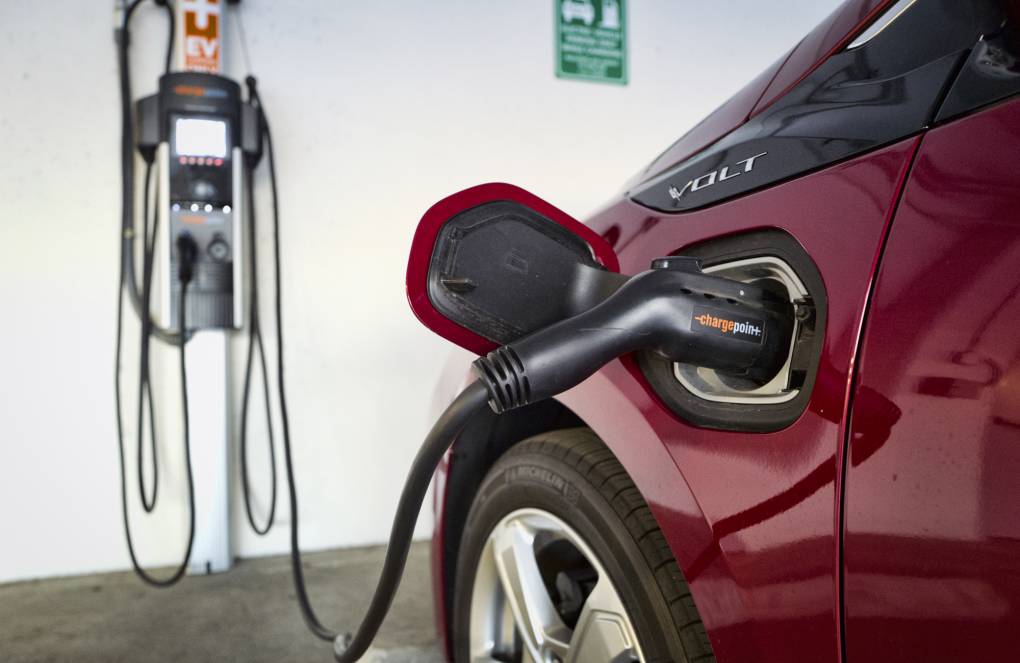
"caption": "FILE - A Chevrolet Volt hybrid car is seen charging at a ChargePoint charging station at a parking garage in Los Angeles, Oct. 17, 2018. Sixteen states across the country that have tied their vehicle emission standards to California's now face weighty decisions on whether to follow that state's strictest-in-the nation new rules and require that all new cars, pickups and SUVs be electric or hydrogen powered by 2035. ",
"description": null,
"title": "Electric Vehicles States",
"credit": "Photo/Richard Vogel, File",
"status": "inherit",
"altTag": null,
"fetchFailed": false,
"isLoading": false
},
"science_1931178": {
"type": "attachments",
"id": "science_1931178",
"meta": {
"index": "attachments_1716263798",
"site": "science",
"id": "1931178",
"found": true
},
"parent": 1931169,
"imgSizes": {
"small": {
"file": "https://ww2.kqed.org/app/uploads/sites/35/2018/09/ElectricCars_AW_06-520x293.jpg",
"width": 520,
"mimeType": "image/jpeg",
"height": 293
},
"twentyfourteen-full-width": {
"file": "https://ww2.kqed.org/app/uploads/sites/35/2018/09/ElectricCars_AW_06-1038x576.jpg",
"width": 1038,
"mimeType": "image/jpeg",
"height": 576
},
"thumbnail": {
"file": "https://ww2.kqed.org/app/uploads/sites/35/2018/09/ElectricCars_AW_06-160x90.jpg",
"width": 160,
"mimeType": "image/jpeg",
"height": 90
},
"fd-sm": {
"file": "https://ww2.kqed.org/app/uploads/sites/35/2018/09/ElectricCars_AW_06-960x540.jpg",
"width": 960,
"mimeType": "image/jpeg",
"height": 540
},
"post-thumbnail": {
"file": "https://ww2.kqed.org/app/uploads/sites/35/2018/09/ElectricCars_AW_06-672x372.jpg",
"width": 672,
"mimeType": "image/jpeg",
"height": 372
},
"xsmall": {
"file": "https://ww2.kqed.org/app/uploads/sites/35/2018/09/ElectricCars_AW_06-375x211.jpg",
"width": 375,
"mimeType": "image/jpeg",
"height": 211
},
"kqedFullSize": {
"file": "https://ww2.kqed.org/app/uploads/sites/35/2018/09/ElectricCars_AW_06.jpg",
"width": 1920,
"height": 1080
},
"large": {
"file": "https://ww2.kqed.org/app/uploads/sites/35/2018/09/ElectricCars_AW_06-1020x574.jpg",
"width": 1020,
"mimeType": "image/jpeg",
"height": 574
},
"xlarge": {
"file": "https://ww2.kqed.org/app/uploads/sites/35/2018/09/ElectricCars_AW_06-1180x664.jpg",
"width": 1180,
"mimeType": "image/jpeg",
"height": 664
},
"complete_open_graph": {
"file": "https://ww2.kqed.org/app/uploads/sites/35/2018/09/ElectricCars_AW_06-1200x675.jpg",
"width": 1200,
"mimeType": "image/jpeg",
"height": 675
},
"guest-author-50": {
"file": "https://ww2.kqed.org/app/uploads/sites/35/2018/09/ElectricCars_AW_06-50x50.jpg",
"width": 50,
"mimeType": "image/jpeg",
"height": 50
},
"guest-author-96": {
"file": "https://ww2.kqed.org/app/uploads/sites/35/2018/09/ElectricCars_AW_06-96x96.jpg",
"width": 96,
"mimeType": "image/jpeg",
"height": 96
},
"medium": {
"file": "https://ww2.kqed.org/app/uploads/sites/35/2018/09/ElectricCars_AW_06-800x450.jpg",
"width": 800,
"mimeType": "image/jpeg",
"height": 450
},
"guest-author-64": {
"file": "https://ww2.kqed.org/app/uploads/sites/35/2018/09/ElectricCars_AW_06-64x64.jpg",
"width": 64,
"mimeType": "image/jpeg",
"height": 64
},
"guest-author-32": {
"file": "https://ww2.kqed.org/app/uploads/sites/35/2018/09/ElectricCars_AW_06-32x32.jpg",
"width": 32,
"mimeType": "image/jpeg",
"height": 32
},
"fd-lrg": {
"file": "https://ww2.kqed.org/app/uploads/sites/35/2018/09/ElectricCars_AW_06-1920x1080.jpg",
"width": 1920,
"mimeType": "image/jpeg",
"height": 1080
},
"fd-med": {
"file": "https://ww2.kqed.org/app/uploads/sites/35/2018/09/ElectricCars_AW_06-1180x664.jpg",
"width": 1180,
"mimeType": "image/jpeg",
"height": 664
},
"full-width": {
"file": "https://ww2.kqed.org/app/uploads/sites/35/2018/09/ElectricCars_AW_06-1920x1080.jpg",
"width": 1920,
"mimeType": "image/jpeg",
"height": 1080
},
"detail": {
"file": "https://ww2.kqed.org/app/uploads/sites/35/2018/09/ElectricCars_AW_06-150x150.jpg",
"width": 150,
"mimeType": "image/jpeg",
"height": 150
},
"medium_large": {
"file": "https://ww2.kqed.org/app/uploads/sites/35/2018/09/ElectricCars_AW_06-768x432.jpg",
"width": 768,
"mimeType": "image/jpeg",
"height": 432
},
"guest-author-128": {
"file": "https://ww2.kqed.org/app/uploads/sites/35/2018/09/ElectricCars_AW_06-128x128.jpg",
"width": 128,
"mimeType": "image/jpeg",
"height": 128
},
"xxsmall": {
"file": "https://ww2.kqed.org/app/uploads/sites/35/2018/09/ElectricCars_AW_06-240x135.jpg",
"width": 240,
"mimeType": "image/jpeg",
"height": 135
}
},
"publishDate": 1536793183,
"modified": 1536793308,
"caption": "Electric cars are growing in the Bay Area, but are only 6 percent of new vehicle sales statewide.",
"description": null,
"title": "ElectricCars_AW_06",
"credit": "Anne Wernikoff",
"status": "inherit",
"fetchFailed": false,
"isLoading": false
},
"science_1928574": {
"type": "attachments",
"id": "science_1928574",
"meta": {
"index": "attachments_1716263798",
"site": "science",
"id": "1928574",
"found": true
},
"parent": 1928526,
"imgSizes": {
"small": {
"file": "https://ww2.kqed.org/app/uploads/sites/35/2018/08/GettyImages-103634156-520x349.jpg",
"width": 520,
"mimeType": "image/jpeg",
"height": 349
},
"twentyfourteen-full-width": {
"file": "https://ww2.kqed.org/app/uploads/sites/35/2018/08/GettyImages-103634156-1038x576.jpg",
"width": 1038,
"mimeType": "image/jpeg",
"height": 576
},
"thumbnail": {
"file": "https://ww2.kqed.org/app/uploads/sites/35/2018/08/GettyImages-103634156-160x107.jpg",
"width": 160,
"mimeType": "image/jpeg",
"height": 107
},
"fd-sm": {
"file": "https://ww2.kqed.org/app/uploads/sites/35/2018/08/GettyImages-103634156-960x645.jpg",
"width": 960,
"mimeType": "image/jpeg",
"height": 645
},
"post-thumbnail": {
"file": "https://ww2.kqed.org/app/uploads/sites/35/2018/08/GettyImages-103634156-672x372.jpg",
"width": 672,
"mimeType": "image/jpeg",
"height": 372
},
"xsmall": {
"file": "https://ww2.kqed.org/app/uploads/sites/35/2018/08/GettyImages-103634156-375x252.jpg",
"width": 375,
"mimeType": "image/jpeg",
"height": 252
},
"kqedFullSize": {
"file": "https://ww2.kqed.org/app/uploads/sites/35/2018/08/GettyImages-103634156.jpg",
"width": 4674,
"height": 3138
},
"large": {
"file": "https://ww2.kqed.org/app/uploads/sites/35/2018/08/GettyImages-103634156-1020x685.jpg",
"width": 1020,
"mimeType": "image/jpeg",
"height": 685
},
"xlarge": {
"file": "https://ww2.kqed.org/app/uploads/sites/35/2018/08/GettyImages-103634156-1180x792.jpg",
"width": 1180,
"mimeType": "image/jpeg",
"height": 792
},
"complete_open_graph": {
"file": "https://ww2.kqed.org/app/uploads/sites/35/2018/08/GettyImages-103634156-1200x806.jpg",
"width": 1200,
"mimeType": "image/jpeg",
"height": 806
},
"guest-author-50": {
"file": "https://ww2.kqed.org/app/uploads/sites/35/2018/08/GettyImages-103634156-50x50.jpg",
"width": 50,
"mimeType": "image/jpeg",
"height": 50
},
"guest-author-96": {
"file": "https://ww2.kqed.org/app/uploads/sites/35/2018/08/GettyImages-103634156-96x96.jpg",
"width": 96,
"mimeType": "image/jpeg",
"height": 96
},
"medium": {
"file": "https://ww2.kqed.org/app/uploads/sites/35/2018/08/GettyImages-103634156-800x537.jpg",
"width": 800,
"mimeType": "image/jpeg",
"height": 537
},
"guest-author-64": {
"file": "https://ww2.kqed.org/app/uploads/sites/35/2018/08/GettyImages-103634156-64x64.jpg",
"width": 64,
"mimeType": "image/jpeg",
"height": 64
},
"guest-author-32": {
"file": "https://ww2.kqed.org/app/uploads/sites/35/2018/08/GettyImages-103634156-32x32.jpg",
"width": 32,
"mimeType": "image/jpeg",
"height": 32
},
"fd-lrg": {
"file": "https://ww2.kqed.org/app/uploads/sites/35/2018/08/GettyImages-103634156-1920x1289.jpg",
"width": 1920,
"mimeType": "image/jpeg",
"height": 1289
},
"fd-med": {
"file": "https://ww2.kqed.org/app/uploads/sites/35/2018/08/GettyImages-103634156-1180x792.jpg",
"width": 1180,
"mimeType": "image/jpeg",
"height": 792
},
"full-width": {
"file": "https://ww2.kqed.org/app/uploads/sites/35/2018/08/GettyImages-103634156-1920x1289.jpg",
"width": 1920,
"mimeType": "image/jpeg",
"height": 1289
},
"detail": {
"file": "https://ww2.kqed.org/app/uploads/sites/35/2018/08/GettyImages-103634156-150x150.jpg",
"width": 150,
"mimeType": "image/jpeg",
"height": 150
},
"medium_large": {
"file": "https://ww2.kqed.org/app/uploads/sites/35/2018/08/GettyImages-103634156-768x516.jpg",
"width": 768,
"mimeType": "image/jpeg",
"height": 516
},
"guest-author-128": {
"file": "https://ww2.kqed.org/app/uploads/sites/35/2018/08/GettyImages-103634156-128x128.jpg",
"width": 128,
"mimeType": "image/jpeg",
"height": 128
},
"xxsmall": {
"file": "https://ww2.kqed.org/app/uploads/sites/35/2018/08/GettyImages-103634156-240x161.jpg",
"width": 240,
"mimeType": "image/jpeg",
"height": 161
}
},
"publishDate": 1533247350,
"modified": 1533247626,
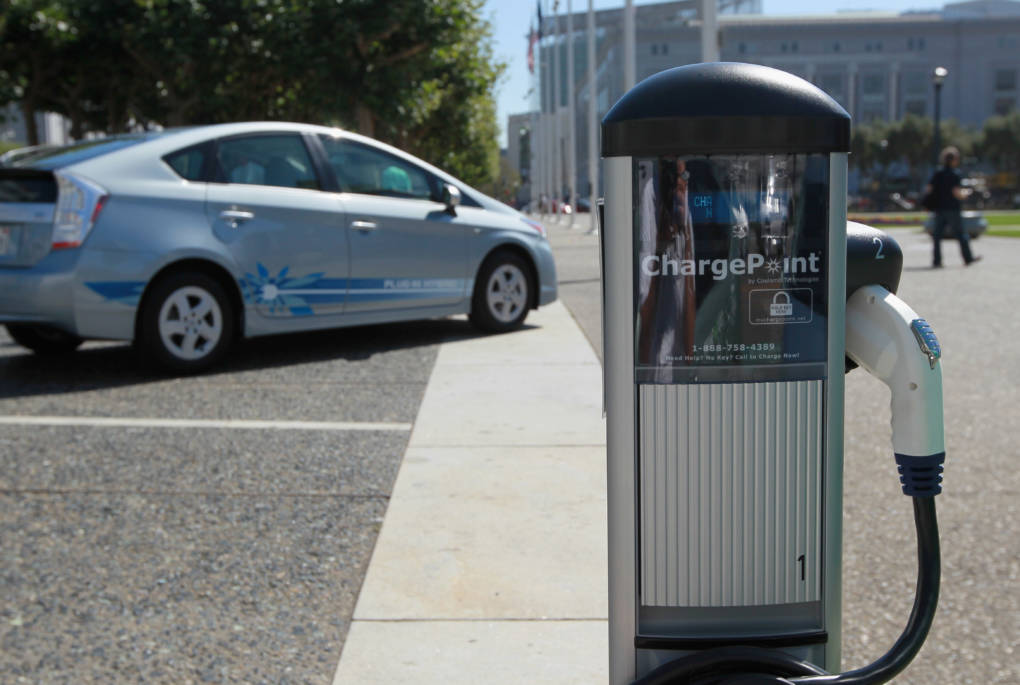
"caption": "An electric vehicle charging station is seen near San Francisco city hall August 25, 2010 in San Francisco, California. \n\n",
"description": null,
"title": "Bay Area Plans Major Expansion Of Electric Vehicle Charging Stations",
"credit": "Justin Sullivan/Getty Images",
"status": "inherit",
"fetchFailed": false,
"isLoading": false
},
"science_1926984": {
"type": "attachments",
"id": "science_1926984",
"meta": {
"index": "attachments_1716263798",
"site": "science",
"id": "1926984",
"found": true
},
"parent": 1926981,
"imgSizes": {
"small": {
"file": "https://ww2.kqed.org/app/uploads/sites/35/2018/07/iStock-506297830-520x377.jpg",
"width": 520,
"mimeType": "image/jpeg",
"height": 377
},
"twentyfourteen-full-width": {
"file": "https://ww2.kqed.org/app/uploads/sites/35/2018/07/iStock-506297830-1038x576.jpg",
"width": 1038,
"mimeType": "image/jpeg",
"height": 576
},
"thumbnail": {
"file": "https://ww2.kqed.org/app/uploads/sites/35/2018/07/iStock-506297830-160x116.jpg",
"width": 160,
"mimeType": "image/jpeg",
"height": 116
},
"fd-sm": {
"file": "https://ww2.kqed.org/app/uploads/sites/35/2018/07/iStock-506297830-960x697.jpg",
"width": 960,
"mimeType": "image/jpeg",
"height": 697
},
"post-thumbnail": {
"file": "https://ww2.kqed.org/app/uploads/sites/35/2018/07/iStock-506297830-672x372.jpg",
"width": 672,
"mimeType": "image/jpeg",
"height": 372
},
"xsmall": {
"file": "https://ww2.kqed.org/app/uploads/sites/35/2018/07/iStock-506297830-375x272.jpg",
"width": 375,
"mimeType": "image/jpeg",
"height": 272
},
"kqedFullSize": {
"file": "https://ww2.kqed.org/app/uploads/sites/35/2018/07/iStock-506297830.jpg",
"width": 2033,
"height": 1475
},
"large": {
"file": "https://ww2.kqed.org/app/uploads/sites/35/2018/07/iStock-506297830-1020x740.jpg",
"width": 1020,
"mimeType": "image/jpeg",
"height": 740
},
"xlarge": {
"file": "https://ww2.kqed.org/app/uploads/sites/35/2018/07/iStock-506297830-1180x856.jpg",
"width": 1180,
"mimeType": "image/jpeg",
"height": 856
},
"complete_open_graph": {
"file": "https://ww2.kqed.org/app/uploads/sites/35/2018/07/iStock-506297830-1200x871.jpg",
"width": 1200,
"mimeType": "image/jpeg",
"height": 871
},
"guest-author-50": {
"file": "https://ww2.kqed.org/app/uploads/sites/35/2018/07/iStock-506297830-50x50.jpg",
"width": 50,
"mimeType": "image/jpeg",
"height": 50
},
"guest-author-96": {
"file": "https://ww2.kqed.org/app/uploads/sites/35/2018/07/iStock-506297830-96x96.jpg",
"width": 96,
"mimeType": "image/jpeg",
"height": 96
},
"medium": {
"file": "https://ww2.kqed.org/app/uploads/sites/35/2018/07/iStock-506297830-800x580.jpg",
"width": 800,
"mimeType": "image/jpeg",
"height": 580
},
"guest-author-64": {
"file": "https://ww2.kqed.org/app/uploads/sites/35/2018/07/iStock-506297830-64x64.jpg",
"width": 64,
"mimeType": "image/jpeg",
"height": 64
},
"guest-author-32": {
"file": "https://ww2.kqed.org/app/uploads/sites/35/2018/07/iStock-506297830-32x32.jpg",
"width": 32,
"mimeType": "image/jpeg",
"height": 32
},
"fd-lrg": {
"file": "https://ww2.kqed.org/app/uploads/sites/35/2018/07/iStock-506297830-1920x1393.jpg",
"width": 1920,
"mimeType": "image/jpeg",
"height": 1393
},
"fd-med": {
"file": "https://ww2.kqed.org/app/uploads/sites/35/2018/07/iStock-506297830-1180x856.jpg",
"width": 1180,
"mimeType": "image/jpeg",
"height": 856
},
"full-width": {
"file": "https://ww2.kqed.org/app/uploads/sites/35/2018/07/iStock-506297830-1920x1393.jpg",
"width": 1920,
"mimeType": "image/jpeg",
"height": 1393
},
"detail": {
"file": "https://ww2.kqed.org/app/uploads/sites/35/2018/07/iStock-506297830-150x150.jpg",
"width": 150,
"mimeType": "image/jpeg",
"height": 150
},
"medium_large": {
"file": "https://ww2.kqed.org/app/uploads/sites/35/2018/07/iStock-506297830-768x557.jpg",
"width": 768,
"mimeType": "image/jpeg",
"height": 557
},
"guest-author-128": {
"file": "https://ww2.kqed.org/app/uploads/sites/35/2018/07/iStock-506297830-128x128.jpg",
"width": 128,
"mimeType": "image/jpeg",
"height": 128
},
"xxsmall": {
"file": "https://ww2.kqed.org/app/uploads/sites/35/2018/07/iStock-506297830-240x174.jpg",
"width": 240,
"mimeType": "image/jpeg",
"height": 174
}
},
"publishDate": 1530908828,
"modified": 1530908929,
"caption": "General Motor's Chevy Bolt electric car, shown here, is slated to hit San Francisco streets in 2019. ",
"description": null,
"title": "Best of CES - Chevy Bolt EV",
"credit": "iStock",
"status": "inherit",
"fetchFailed": false,
"isLoading": false
},
"science_1924865": {
"type": "attachments",
"id": "science_1924865",
"meta": {
"index": "attachments_1716263798",
"site": "science",
"id": "1924865",
"found": true
},
"parent": 1924854,
"imgSizes": {
"small": {
"file": "https://ww2.kqed.org/app/uploads/sites/35/2018/06/iStock-458689231-520x347.jpg",
"width": 520,
"mimeType": "image/jpeg",
"height": 347
},
"twentyfourteen-full-width": {
"file": "https://ww2.kqed.org/app/uploads/sites/35/2018/06/iStock-458689231-1038x576.jpg",
"width": 1038,
"mimeType": "image/jpeg",
"height": 576
},
"thumbnail": {
"file": "https://ww2.kqed.org/app/uploads/sites/35/2018/06/iStock-458689231-160x107.jpg",
"width": 160,
"mimeType": "image/jpeg",
"height": 107
},
"fd-sm": {
"file": "https://ww2.kqed.org/app/uploads/sites/35/2018/06/iStock-458689231-960x640.jpg",
"width": 960,
"mimeType": "image/jpeg",
"height": 640
},
"post-thumbnail": {
"file": "https://ww2.kqed.org/app/uploads/sites/35/2018/06/iStock-458689231-672x372.jpg",
"width": 672,
"mimeType": "image/jpeg",
"height": 372
},
"xsmall": {
"file": "https://ww2.kqed.org/app/uploads/sites/35/2018/06/iStock-458689231-375x250.jpg",
"width": 375,
"mimeType": "image/jpeg",
"height": 250
},
"kqedFullSize": {
"file": "https://ww2.kqed.org/app/uploads/sites/35/2018/06/iStock-458689231.jpg",
"width": 5616,
"height": 3744
},
"large": {
"file": "https://ww2.kqed.org/app/uploads/sites/35/2018/06/iStock-458689231-1020x680.jpg",
"width": 1020,
"mimeType": "image/jpeg",
"height": 680
},
"xlarge": {
"file": "https://ww2.kqed.org/app/uploads/sites/35/2018/06/iStock-458689231-1180x787.jpg",
"width": 1180,
"mimeType": "image/jpeg",
"height": 787
},
"complete_open_graph": {
"file": "https://ww2.kqed.org/app/uploads/sites/35/2018/06/iStock-458689231-1200x800.jpg",
"width": 1200,
"mimeType": "image/jpeg",
"height": 800
},
"guest-author-50": {
"file": "https://ww2.kqed.org/app/uploads/sites/35/2018/06/iStock-458689231-50x50.jpg",
"width": 50,
"mimeType": "image/jpeg",
"height": 50
},
"guest-author-96": {
"file": "https://ww2.kqed.org/app/uploads/sites/35/2018/06/iStock-458689231-96x96.jpg",
"width": 96,
"mimeType": "image/jpeg",
"height": 96
},
"medium": {
"file": "https://ww2.kqed.org/app/uploads/sites/35/2018/06/iStock-458689231-800x533.jpg",
"width": 800,
"mimeType": "image/jpeg",
"height": 533
},
"guest-author-64": {
"file": "https://ww2.kqed.org/app/uploads/sites/35/2018/06/iStock-458689231-64x64.jpg",
"width": 64,
"mimeType": "image/jpeg",
"height": 64
},
"guest-author-32": {
"file": "https://ww2.kqed.org/app/uploads/sites/35/2018/06/iStock-458689231-32x32.jpg",
"width": 32,
"mimeType": "image/jpeg",
"height": 32
},
"fd-lrg": {
"file": "https://ww2.kqed.org/app/uploads/sites/35/2018/06/iStock-458689231-1920x1280.jpg",
"width": 1920,
"mimeType": "image/jpeg",
"height": 1280
},
"fd-med": {
"file": "https://ww2.kqed.org/app/uploads/sites/35/2018/06/iStock-458689231-1180x787.jpg",
"width": 1180,
"mimeType": "image/jpeg",
"height": 787
},
"full-width": {
"file": "https://ww2.kqed.org/app/uploads/sites/35/2018/06/iStock-458689231-1920x1280.jpg",
"width": 1920,
"mimeType": "image/jpeg",
"height": 1280
},
"detail": {
"file": "https://ww2.kqed.org/app/uploads/sites/35/2018/06/iStock-458689231-150x150.jpg",
"width": 150,
"mimeType": "image/jpeg",
"height": 150
},
"medium_large": {
"file": "https://ww2.kqed.org/app/uploads/sites/35/2018/06/iStock-458689231-768x512.jpg",
"width": 768,
"mimeType": "image/jpeg",
"height": 512
},
"guest-author-128": {
"file": "https://ww2.kqed.org/app/uploads/sites/35/2018/06/iStock-458689231-128x128.jpg",
"width": 128,
"mimeType": "image/jpeg",
"height": 128
},
"xxsmall": {
"file": "https://ww2.kqed.org/app/uploads/sites/35/2018/06/iStock-458689231-240x160.jpg",
"width": 240,
"mimeType": "image/jpeg",
"height": 160
}
},
"publishDate": 1527874837,
"modified": 1527874903,
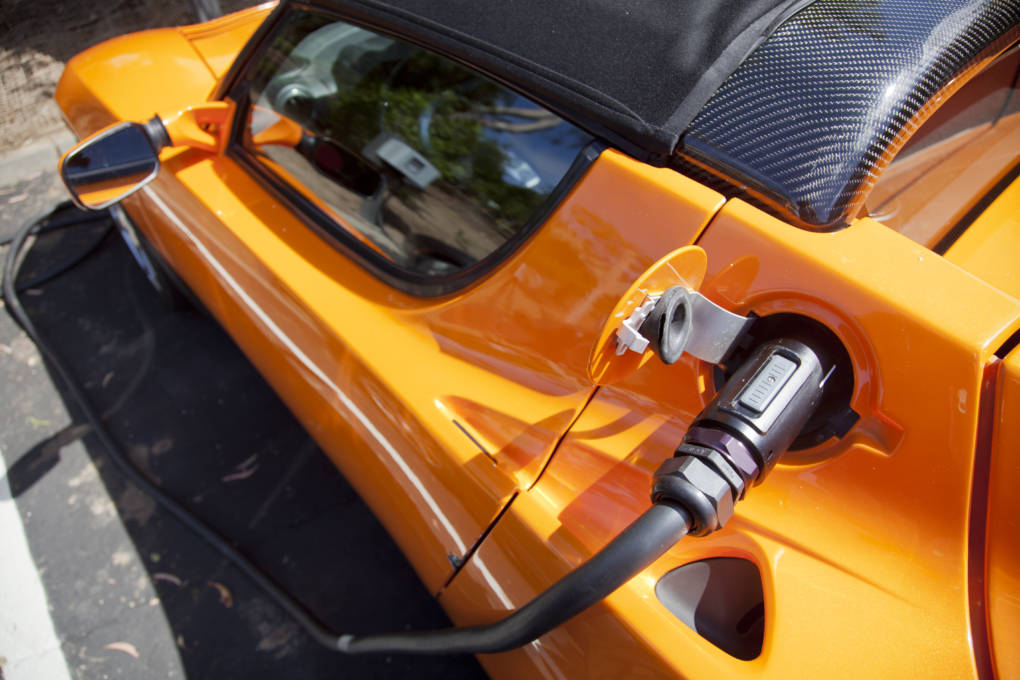
"caption": "An image of the charging connector of an orange convertible Tesla Roadster electric sports car. ",
"description": null,
"title": "Tesla Roadster Charging",
"credit": "iStock",
"status": "inherit",
"fetchFailed": false,
"isLoading": false
},
"science_1054237": {
"type": "attachments",
"id": "science_1054237",
"meta": {
"index": "attachments_1716263798",
"site": "science",
"id": "1054237",
"found": true
},
"parent": 1054235,
"imgSizes": {
"twentyfourteen-full-width": {
"file": "https://ww2.kqed.org/app/uploads/sites/35/2016/10/Brian-Feeney-with-his-electric-car—photo-by-Iris-Schneider-1038x576.jpg",
"width": 1038,
"mimeType": "image/jpeg",
"height": 576
},
"thumbnail": {
"file": "https://ww2.kqed.org/app/uploads/sites/35/2016/10/Brian-Feeney-with-his-electric-car—photo-by-Iris-Schneider-400x237.jpg",
"width": 400,
"mimeType": "image/jpeg",
"height": 237
},
"fd-sm": {
"file": "https://ww2.kqed.org/app/uploads/sites/35/2016/10/Brian-Feeney-with-his-electric-car—photo-by-Iris-Schneider-960x568.jpg",
"width": 960,
"mimeType": "image/jpeg",
"height": 568
},
"post-thumbnail": {
"file": "https://ww2.kqed.org/app/uploads/sites/35/2016/10/Brian-Feeney-with-his-electric-car—photo-by-Iris-Schneider-672x372.jpg",
"width": 672,
"mimeType": "image/jpeg",
"height": 372
},
"kqedFullSize": {
"file": "https://ww2.kqed.org/app/uploads/sites/35/2016/10/Brian-Feeney-with-his-electric-car—photo-by-Iris-Schneider.jpg",
"width": 1568,
"height": 928
},
"large": {
"file": "https://ww2.kqed.org/app/uploads/sites/35/2016/10/Brian-Feeney-with-his-electric-car—photo-by-Iris-Schneider-1440x852.jpg",
"width": 1440,
"mimeType": "image/jpeg",
"height": 852
},
"guest-author-50": {
"file": "https://ww2.kqed.org/app/uploads/sites/35/2016/10/Brian-Feeney-with-his-electric-car—photo-by-Iris-Schneider-50x50.jpg",
"width": 50,
"mimeType": "image/jpeg",
"height": 50
},
"guest-author-96": {
"file": "https://ww2.kqed.org/app/uploads/sites/35/2016/10/Brian-Feeney-with-his-electric-car—photo-by-Iris-Schneider-96x96.jpg",
"width": 96,
"mimeType": "image/jpeg",
"height": 96
},
"medium": {
"file": "https://ww2.kqed.org/app/uploads/sites/35/2016/10/Brian-Feeney-with-his-electric-car—photo-by-Iris-Schneider-800x473.jpg",
"width": 800,
"mimeType": "image/jpeg",
"height": 473
},
"guest-author-64": {
"file": "https://ww2.kqed.org/app/uploads/sites/35/2016/10/Brian-Feeney-with-his-electric-car—photo-by-Iris-Schneider-64x64.jpg",
"width": 64,
"mimeType": "image/jpeg",
"height": 64
},
"guest-author-32": {
"file": "https://ww2.kqed.org/app/uploads/sites/35/2016/10/Brian-Feeney-with-his-electric-car—photo-by-Iris-Schneider-32x32.jpg",
"width": 32,
"mimeType": "image/jpeg",
"height": 32
},
"fd-med": {
"file": "https://ww2.kqed.org/app/uploads/sites/35/2016/10/Brian-Feeney-with-his-electric-car—photo-by-Iris-Schneider-1180x698.jpg",
"width": 1180,
"mimeType": "image/jpeg",
"height": 698
},
"detail": {
"file": "https://ww2.kqed.org/app/uploads/sites/35/2016/10/Brian-Feeney-with-his-electric-car—photo-by-Iris-Schneider-150x150.jpg",
"width": 150,
"mimeType": "image/jpeg",
"height": 150
},
"medium_large": {
"file": "https://ww2.kqed.org/app/uploads/sites/35/2016/10/Brian-Feeney-with-his-electric-car—photo-by-Iris-Schneider-768x455.jpg",
"width": 768,
"mimeType": "image/jpeg",
"height": 455
},
"guest-author-128": {
"file": "https://ww2.kqed.org/app/uploads/sites/35/2016/10/Brian-Feeney-with-his-electric-car—photo-by-Iris-Schneider-128x128.jpg",
"width": 128,
"mimeType": "image/jpeg",
"height": 128
}
},
"publishDate": 1475788353,
"modified": 1475862580,
"caption": "Brian Feeney with his new Nissan Leaf, an electric car.",
"description": "Brian Feeney with his new Nissan Leaf, an electric car.",
"title": "Brian Feeney with his electric car—photo by Iris Schneider",
"credit": "Iris Schneider/CALmatters",
"status": "inherit",
"fetchFailed": false,
"isLoading": false
},
"science_713854": {
"type": "attachments",
"id": "science_713854",
"meta": {
"index": "attachments_1716263798",
"site": "science",
"id": "713854",
"found": true
},
"parent": 713844,
"imgSizes": {
"twentyfourteen-full-width": {
"file": "https://ww2.kqed.org/app/uploads/sites/35/2016/05/IMG_0167-1038x576.jpg",
"width": 1038,
"mimeType": "image/jpeg",
"height": 576
},
"thumbnail": {
"file": "https://ww2.kqed.org/app/uploads/sites/35/2016/05/IMG_0167-400x300.jpg",
"width": 400,
"mimeType": "image/jpeg",
"height": 300
},
"fd-sm": {
"file": "https://ww2.kqed.org/app/uploads/sites/35/2016/05/IMG_0167-960x720.jpg",
"width": 960,
"mimeType": "image/jpeg",
"height": 720
},
"post-thumbnail": {
"file": "https://ww2.kqed.org/app/uploads/sites/35/2016/05/IMG_0167-672x372.jpg",
"width": 672,
"mimeType": "image/jpeg",
"height": 372
},
"kqedFullSize": {
"file": "https://ww2.kqed.org/app/uploads/sites/35/2016/05/IMG_0167.jpg",
"width": 2016,
"height": 1512
},
"large": {
"file": "https://ww2.kqed.org/app/uploads/sites/35/2016/05/IMG_0167-1440x1080.jpg",
"width": 1440,
"mimeType": "image/jpeg",
"height": 1080
},
"guest-author-50": {
"file": "https://ww2.kqed.org/app/uploads/sites/35/2016/05/IMG_0167-50x50.jpg",
"width": 50,
"mimeType": "image/jpeg",
"height": 50
},
"guest-author-96": {
"file": "https://ww2.kqed.org/app/uploads/sites/35/2016/05/IMG_0167-96x96.jpg",
"width": 96,
"mimeType": "image/jpeg",
"height": 96
},
"medium": {
"file": "https://ww2.kqed.org/app/uploads/sites/35/2016/05/IMG_0167-800x600.jpg",
"width": 800,
"mimeType": "image/jpeg",
"height": 600
},
"guest-author-64": {
"file": "https://ww2.kqed.org/app/uploads/sites/35/2016/05/IMG_0167-64x64.jpg",
"width": 64,
"mimeType": "image/jpeg",
"height": 64
},
"guest-author-32": {
"file": "https://ww2.kqed.org/app/uploads/sites/35/2016/05/IMG_0167-32x32.jpg",
"width": 32,
"mimeType": "image/jpeg",
"height": 32
},
"fd-lrg": {
"file": "https://ww2.kqed.org/app/uploads/sites/35/2016/05/IMG_0167-1920x1440.jpg",
"width": 1920,
"mimeType": "image/jpeg",
"height": 1440
},
"fd-med": {
"file": "https://ww2.kqed.org/app/uploads/sites/35/2016/05/IMG_0167-1180x885.jpg",
"width": 1180,
"mimeType": "image/jpeg",
"height": 885
},
"detail": {
"file": "https://ww2.kqed.org/app/uploads/sites/35/2016/05/IMG_0167-150x150.jpg",
"width": 150,
"mimeType": "image/jpeg",
"height": 150
},
"medium_large": {
"file": "https://ww2.kqed.org/app/uploads/sites/35/2016/05/IMG_0167-768x576.jpg",
"width": 768,
"mimeType": "image/jpeg",
"height": 576
},
"guest-author-128": {
"file": "https://ww2.kqed.org/app/uploads/sites/35/2016/05/IMG_0167-128x128.jpg",
"width": 128,
"mimeType": "image/jpeg",
"height": 128
}
},
"publishDate": 1463780922,
"modified": 1463782332,
"caption": "San Francisco's municipal electric car fleet charges up outside city hall.",
"description": null,
"title": "San Francisco's city car chargers",
"credit": "Andrea Kissack/KQED",
"status": "inherit",
"fetchFailed": false,
"isLoading": false
}
},
"audioPlayerReducer": {
"postId": "stream_live",
"isPaused": true,
"isPlaying": false,
"pfsActive": false,
"pledgeModalIsOpen": true,
"playerDrawerIsOpen": false
},
"authorsReducer": {
"byline_science_1924854": {
"type": "authors",
"id": "byline_science_1924854",
"meta": {
"override": true
},
"slug": "byline_science_1924854",
"name": "Christopher Weber\u003cbr />The Associated Press",
"isLoading": false
},
"byline_science_1054235": {
"type": "authors",
"id": "byline_science_1054235",
"meta": {
"override": true
},
"slug": "byline_science_1054235",
"name": "Julie Cart\u003c/br>CALmatters",
"isLoading": false
},
"andrea-kissack": {
"type": "authors",
"id": "212",
"meta": {
"index": "authors_1716337520",
"id": "212",
"found": true
},
"name": "Andrea Kissack",
"firstName": "Andrea",
"lastName": "Kissack",
"slug": "andrea-kissack",
"email": "akissack@kqed.org",
"display_author_email": false,
"staff_mastheads": [],
"title": "KQED Contributor",
"bio": "Andrea has nearly three decades of experience working as a reporter, anchor, producer and editor for public radio, large market television news and CBS radio. In her current role as KQED’s Sr. Science Editor, Andrea helps lead a talented team covering science, technology, health and the environment for broadcast and digital platforms. Most recently she helped KQED launch a new, multimedia initiative covering the intersection of technology, health and medical science. She has earned a number of accolades for her work including awards from the Radio and Television News Directors Association, the National Academy of Television Arts and Sciences and the Associated Press. Her work can be seen, and heard, on a number of networks, Including NPR, PBS, CBS and the BBC.",
"avatar": "https://secure.gravatar.com/avatar/3eae7a251f0aee43b3c0137a636cb386?s=600&d=blank&r=g",
"twitter": "andreakissack",
"facebook": null,
"instagram": null,
"linkedin": null,
"sites": [
{
"site": "news",
"roles": [
"subscriber"
]
},
{
"site": "stateofhealth",
"roles": [
"subscriber"
]
},
{
"site": "science",
"roles": []
},
{
"site": "quest",
"roles": [
"add_users",
"create_users",
"edit_files",
"edit_users",
"level_10",
"level_8",
"level_9",
"promote_users",
"view_cimy_extra_fields",
"subscriber"
]
}
],
"headData": {
"title": "Andrea Kissack | KQED",
"description": "KQED Contributor",
"ogImgSrc": "https://secure.gravatar.com/avatar/3eae7a251f0aee43b3c0137a636cb386?s=600&d=blank&r=g",
"twImgSrc": "https://secure.gravatar.com/avatar/3eae7a251f0aee43b3c0137a636cb386?s=600&d=blank&r=g"
},
"isLoading": false,
"link": "/author/andrea-kissack"
},
"laurensommer": {
"type": "authors",
"id": "239",
"meta": {
"index": "authors_1716337520",
"id": "239",
"found": true
},
"name": "Lauren Sommer",
"firstName": "Lauren",
"lastName": "Sommer",
"slug": "laurensommer",
"email": "lsommer@kqed.org",
"display_author_email": false,
"staff_mastheads": [],
"title": "KQED Contributor",
"bio": "Lauren is a radio reporter formerly covering environment, water, and energy for KQED Science. As part of her day job, she has scaled Sierra Nevada peaks, run from charging elephant seals, and desperately tried to get her sea legs - all in pursuit of good radio. Her work has appeared on Marketplace, Living on Earth, Science Friday and NPR's Morning Edition and All Things Considered. You can find her on Twitter at \u003ca href=\"https://twitter.com/lesommer\">@lesommer\u003c/a>.",
"avatar": "https://secure.gravatar.com/avatar/33aa3772bb86c6ad45b8aca6a238bbdf?s=600&d=blank&r=g",
"twitter": null,
"facebook": null,
"instagram": null,
"linkedin": null,
"sites": [
{
"site": "news",
"roles": [
"author"
]
},
{
"site": "science",
"roles": [
"editor",
"manage_content_types",
"manage_taxonomies"
]
},
{
"site": "quest",
"roles": [
"editor"
]
}
],
"headData": {
"title": "Lauren Sommer | KQED",
"description": "KQED Contributor",
"ogImgSrc": "https://secure.gravatar.com/avatar/33aa3772bb86c6ad45b8aca6a238bbdf?s=600&d=blank&r=g",
"twImgSrc": "https://secure.gravatar.com/avatar/33aa3772bb86c6ad45b8aca6a238bbdf?s=600&d=blank&r=g"
},
"isLoading": false,
"link": "/author/laurensommer"
},
"lklivans": {
"type": "authors",
"id": "8648",
"meta": {
"index": "authors_1716337520",
"id": "8648",
"found": true
},
"name": "Laura Klivans",
"firstName": "Laura",
"lastName": "Klivans",
"slug": "lklivans",
"email": "lklivans@kqed.org",
"display_author_email": true,
"staff_mastheads": [
"news",
"science"
],
"title": "Reporter",
"bio": "Laura Klivans is an award-winning science reporter for KQED News, where she covers climate change with an eye on both groundbreaking progress and gaps in action. She is the former host of KQED's blockbuster video series about tiny, amazing animals, \u003cem>Deep Look\u003c/em>. Her work reaches national audiences through NPR, \u003cem>Here & Now, \u003c/em>PRI, and other major outlets. \r\n\r\nLaura’s won five Northern California Area Emmy Awards for Deep Look and First Place in the Greater Bay Area Journalism Awards for a podcast exploring how one Oakland neighborhood teamed up to reduce planet-heating pollution.\r\n\r\nBeyond her reporting, she hosts and moderates events. In the past, she taught audio storytelling at the UC Berkeley Graduate School of Journalism, led international education programs, worked with immigrants and refugees along the Thai-Burmese border, taught high schoolers sex ed, and was an actress. \r\n\r\nShe's a former UC Berkeley Human Rights Fellow, USC Center for Health Journalism's California Fellow and Coro Fellow in Public Affairs. Laura has a master’s in journalism from UC Berkeley, a master’s in education from Harvard, and an undergraduate degree from Northwestern University.\r\n\r\nShe loves trying to riddle the meaning out of vanity license plates.",
"avatar": "https://secure.gravatar.com/avatar/af8e757bb8ce7b7fee6160ba66e37327?s=600&d=blank&r=g",
"twitter": "lauraklivans",
"facebook": null,
"instagram": null,
"linkedin": null,
"sites": [
{
"site": "news",
"roles": [
"editor"
]
},
{
"site": "stateofhealth",
"roles": [
"contributor",
"editor"
]
},
{
"site": "science",
"roles": [
"editor"
]
},
{
"site": "forum",
"roles": [
"editor"
]
}
],
"headData": {
"title": "Laura Klivans | KQED",
"description": "Reporter",
"ogImgSrc": "https://secure.gravatar.com/avatar/af8e757bb8ce7b7fee6160ba66e37327?s=600&d=blank&r=g",
"twImgSrc": "https://secure.gravatar.com/avatar/af8e757bb8ce7b7fee6160ba66e37327?s=600&d=blank&r=g"
},
"isLoading": false,
"link": "/author/lklivans"
},
"aahmed": {
"type": "authors",
"id": "11428",
"meta": {
"index": "authors_1716337520",
"id": "11428",
"found": true
},
"name": "Amel Ahmed",
"firstName": "Amel",
"lastName": "Ahmed",
"slug": "aahmed",
"email": "aahmed@kqed.org",
"display_author_email": false,
"staff_mastheads": [],
"title": "KQED Contributor",
"bio": "Amel Ahmed is a reporter for KQED. Prior to joining KQED, Amel worked at Al Jazeera America, Al Jazeera English, Democracy Now! and Punched Productions. She also helped produce \u003cem>Changing Face of Harlem\u003c/em>, a documentary that tracked gentrification in Harlem over a period of ten years. She is a 2013 graduate of Brooklyn Law School and is currently researching war on terror prosecutions for an upcoming book.",
"avatar": "https://secure.gravatar.com/avatar/c8b48ebc98e770640f3013c470d23f3e?s=600&d=blank&r=g",
"twitter": "amelscript",
"facebook": null,
"instagram": null,
"linkedin": null,
"sites": [
{
"site": "futureofyou",
"roles": []
},
{
"site": "science",
"roles": []
}
],
"headData": {
"title": "Amel Ahmed | KQED",
"description": "KQED Contributor",
"ogImgSrc": "https://secure.gravatar.com/avatar/c8b48ebc98e770640f3013c470d23f3e?s=600&d=blank&r=g",
"twImgSrc": "https://secure.gravatar.com/avatar/c8b48ebc98e770640f3013c470d23f3e?s=600&d=blank&r=g"
},
"isLoading": false,
"link": "/author/aahmed"
}
},
"breakingNewsReducer": {},
"pagesReducer": {},
"postsReducer": {
"stream_live": {
"type": "live",
"id": "stream_live",
"audioUrl": "https://streams.kqed.org/kqedradio",
"title": "Live Stream",
"excerpt": "Live Stream information currently unavailable.",
"link": "/radio",
"featImg": "",
"label": {
"name": "KQED Live",
"link": "/"
}
},
"stream_kqedNewscast": {
"type": "posts",
"id": "stream_kqedNewscast",
"audioUrl": "https://www.kqed.org/.stream/anon/radio/RDnews/newscast.mp3?_=1",
"title": "KQED Newscast",
"featImg": "",
"label": {
"name": "88.5 FM",
"link": "/"
}
},
"science_1991185": {
"type": "posts",
"id": "science_1991185",
"meta": {
"index": "posts_1716263798",
"site": "science",
"id": "1991185",
"score": null,
"sort": [
1706040098000
]
},
"parent": 0,
"labelTerm": {
"site": "science"
},
"blocks": [],
"publishDate": 1706040098,
"format": "audio",
"title": "Should I Buy an Electric Vehicle in California? All Your Questions Answered",
"headTitle": "Should I Buy an Electric Vehicle in California? All Your Questions Answered | KQED",
"content": "\u003cp>Over the past few years, the KQED garage has become increasingly populated by electric vehicles. And the conversation at our shared office kitchens is turning to them too: how do they compare to cars that run on gas, when is the right time to buy, and what are the ever-changing incentives?\u003cbr>\n[pullquote size=\"medium\" align=\"right\" citation=\"Albert Gore, executive director of the national advocacy group Zero Emission Transportation Association\"]‘We’re really just beginning to fully realize the impact of the last several years of policymaking and economic activity.’[/pullquote]\u003c/p>\n\u003cp>\u003ca href=\"https://www.energy.ca.gov/data-reports/energy-almanac/zero-emission-vehicle-and-infrastructure-statistics/new-zev-sales\">More than a quarter\u003c/a> of the state’s new vehicle sales were electric at the end of last year, according to the state’s energy commission. Getting into the EV game is becoming more and more mainstream. But lots of questions remain.\u003c/p>\n\u003cp>So here we’re bringing you answers to the practical queries about incentives and timing and to the bigger picture ones about how much of an impact swapping a gas car for an electric one can have.\u003c/p>\n\u003cp>\u003cstrong>Jump straight to:\u003c/strong>\u003c/p>\n\u003cul>\n\u003cli style=\"list-style-type: none\">\n\u003cul>\n\u003cli>\u003ca href=\"#rebates\">\u003cstrong>What rebates apply to me and the car I want?\u003c/strong>\u003c/a>\u003c/li>\n\u003cli>\u003ca href=\"#now\">\u003cstrong>Is now a good time to buy an EV, or should I wait a year or two?\u003c/strong>\u003c/a>\u003c/li>\n\u003cli>\u003ca href=\"#newused\">\u003cstrong>Should I buy new or used?\u003c/strong>\u003c/a>\u003c/li>\n\u003cli>\u003ca href=\"#leasebuy\">\u003cstrong>Should I lease or buy?\u003c/strong>\u003c/a>\u003c/li>\n\u003cli>\u003ca href=\"#charging\">\u003cstrong>How do I charge the car if I park on the street?\u003c/strong>\u003c/a>\u003c/li>\n\u003cli>\u003ca href=\"#greenest\">\u003cstrong>What is the greenest kind of car?\u003c/strong>\u003c/a>\u003c/li>\n\u003cli>\u003ca href=\"#traditional\">\u003cstrong>So, is an EV truly greener than a traditional vehicle?\u003c/strong>\u003c/a>\u003c/li>\n\u003cli>\u003ca href=\"#emissions\">\u003cstrong>From an emissions standpoint, is it better to drive my current gas car into the ground before going electric?\u003c/strong>\u003c/a>\u003c/li>\n\u003cli>\u003ca href=\"#difference\">\u003cstrong>Does my switching to an EV really make a difference in tackling climate change?\u003c/strong>\u003c/a>\u003c/li>\n\u003c/ul>\n\u003c/li>\n\u003c/ul>\n\u003ch2>\u003ca id=\"rebates\">\u003c/a>What rebates apply to me and the car I want?\u003c/h2>\n\u003cp>As a first stop, check out the California Air Resources Board’s \u003ca href=\"https://driveclean.ca.gov/search-incentives\">website\u003c/a>, searchable by zip code.\u003c/p>\n\u003cp>Here are the \u003cstrong>federal incentives\u003c/strong>:\u003c/p>\n\u003ch3>\u003cstrong>\u003ca href=\"https://fueleconomy.gov/feg/tax2023.shtml\">If you buy new:\u003c/a>\u003c/strong>\u003c/h3>\n\u003cp>You get up to $7,500 off \u003cem>at checkout\u003c/em> (this instant rebate is new – before you had to claim the tax credit the following year) if:\u003c/p>\n\u003col>\n\u003cli>Your modified adjusted gross income (AGI) (line 11 of your \u003ca href=\"https://www.irs.gov/forms-pubs/about-form-1040\">Form 1040\u003c/a>) from the year you buy or the year prior is less than:\u003c/li>\n\u003c/ol>\n\u003cul>\n\u003cli style=\"list-style-type: none\">\n\u003cul>\n\u003cli>$300,000 for married couples filing jointly\u003c/li>\n\u003cli>$225,000 for heads of households\u003c/li>\n\u003cli>$150,000 for all other filers\u003c/li>\n\u003c/ul>\n\u003c/li>\n\u003c/ul>\n\u003cp>2. The manufacturer’s retail price (MSRP) is less than:\u003c/p>\n\u003cul>\n\u003cli style=\"list-style-type: none\">\n\u003cul>\n\u003cli>$80,000 for vans, sport utility vehicles and pickup trucks\u003c/li>\n\u003cli>$55,000 for other vehicles\u003c/li>\n\u003c/ul>\n\u003c/li>\n\u003c/ul>\n\u003cp>3. Final assembly of the vehicle is in North America.\u003c/p>\n\u003cp>4. A certain percentage of the battery is sourced from the U.S. or a trade partner.\u003c/p>\n\u003ch3>\u003ca href=\"https://fueleconomy.gov/feg/taxused.shtml\">If you buy used\u003c/a>\u003c/h3>\n\u003cp>You get 30% off (up to $4000) at checkout if:\u003cbr>\n1. You buy from a dealer\u003cbr>\n2. You have a modified adjusted gross income (AGI) (line 11 of your \u003ca href=\"https://www.irs.gov/forms-pubs/about-form-1040\">Form 1040\u003c/a>) less than:\u003c/p>\n\u003cul>\n\u003cli>$150,000 for married couples filing jointly\u003c/li>\n\u003cli>$112,500 for heads of households\u003c/li>\n\u003cli>$75,000 for all other filers\u003c/li>\n\u003c/ul>\n\u003cp>3. The car costs $25,000 or less.\u003cbr>\n4. The car is two years older than the year when you buy it (e.g., the car has to be 2022 or earlier if you buy in 2024)\u003c/p>\n\u003cp>Some states have their own incentive programs. California doesn’t right now, as it \u003ca href=\"https://ww2.arb.ca.gov/news/californias-clean-vehicle-rebate-program-will-transition-helping-low-income-residents\">transitions its program\u003c/a> to focus on low-income residents.\u003c/p>\n\u003cp>To find local incentives, check out what your air pollution district and energy utility provider may offer.\u003c/p>\n\u003cp>The Bay Area Air Quality Management District \u003ca href=\"https://ww2.arb.ca.gov/our-work/programs/clean-cars-4-all#:~:text=Clean%20Cars%204%20All%20provides,with%20newer%20and%20cleaner%20transportation.\">runs a program\u003c/a> for people with lower incomes to replace highly polluting vehicles with newer ones or rebates for e-bikes or public transit. There is some funding for home car chargers as well.\u003c/p>\n\u003ch2>\u003ca id=\"now\">\u003c/a>Is now a good time to buy an EV, or should I wait a year or two?\u003c/h2>\n\u003cp>From a cost perspective, yes, it is a good time to buy. Federal and state incentives are bringing certain EVs on par with the cost of gas vehicles.\u003c/p>\n\u003cp>But there are other factors to consider, like:\u003c/p>\n\u003ch3>\u003cstrong>Do you drive a lot?\u003c/strong>\u003c/h3>\n\u003cp>If yes, then buying an EV could save money. You won’t need to pay for gas, and \u003ca href=\"https://www.aaa.com/autorepair/articles/true-cost-of-ev\">EVs require less maintenance\u003c/a> than traditional gas engines.\u003c/p>\n\u003ch3>Changes to federal tax credits\u003c/h3>\n\u003cp>Federal tax credits have changed for the better. You can use them right at checkout instead of waiting for tax season.\u003c/p>\n\u003cp>Federal tax credits have also changed for the worse. The list of vehicles that qualify for these tax credits has shrunk due to increasing requirements that components come from America or a trade partner. But that list of cars will grow as manufacturers overhaul their production and supply chains.\u003c/p>\n\u003ch3>Do you want a car charger that can work with Tesla’s more built-out and reliable charging network?\u003c/h3>\n\u003cp>Many automakers are standardizing their charging system to the one developed by Tesla. If you’d like that charging system to be native to your vehicle (you could alternatively use an adapter), wait a year or so for 2025 models.\u003c/p>\n\u003cp>\u003ca href=\"https://www.pcmag.com/news/electric-vehicles-that-can-charge-at-tesla-superchargers\">Some companies\u003c/a> have inked a deal where their drivers can also charge at Tesla superchargers beginning this year.\u003c/p>\n\u003ch2>\u003ca id=\"newused\">\u003c/a>Should I buy new or used?\u003c/h2>\n\u003cp>Both are good options.\u003c/p>\n\u003ch3>\u003cem>Pros for buying used\u003c/em>\u003c/h3>\n\u003cp>Buying used will be cheaper, and even more so if you qualify for federal incentives.\u003c/p>\n\u003cp>From an emissions standpoint, a used EV is always better, said Scott Moura, UC Berkeley engineering associate professor. “You’re extending its life,” and stretching the greenhouse gas emissions that went into building the car.\u003c/p>\n\u003ch3>\u003cem>Pros for buying new\u003c/em>\u003c/h3>\n\u003cp>Over time, batteries degrade, and mileage doesn’t tell the whole story of battery health. It matters how the battery has been charged (repeated charging at fast chargers degrades batteries faster than charging in a garage) and what kind of physical climate it’s been in. Batteries last longer in temperate versus extreme climates.\u003c/p>\n\u003cp>Compare the original range of the vehicle to its range when fully charged by the dealer. Give it a test drive and note how quickly the range declines to get a sense of what shape the battery is in.\u003c/p>\n\u003ch2>\u003ca id=\"leasebuy\">\u003c/a>Should I lease or buy?\u003c/h2>\n\u003cp>Here again are two good options, depending on what’s right for you.\u003c/p>\n\u003cp>That said, keep this in mind:\u003c/p>\n\u003cp>If you buy, you \u003cem>may\u003c/em> qualify for federal incentives.\u003c/p>\n\u003cp>But if you lease, you are more likely to. Leasing can unlock federal incentives if you, or the car you want, don’t qualify for credits if you were to buy.\u003c/p>\n\u003cp>That’s because \u003cem>companies\u003c/em> that buy EVs don’t have the same stringent production and materials requirements in order to access incentives as \u003cem>individuals\u003c/em>. That includes companies that lease cars. And many of those leasing companies will pass the federal incentive savings on to you (although they are not required to).\u003c/p>\n\u003cp>If you’re worried buying will leave you with a rapidly outdated vehicle, one thing to consider is that most EVs have “over-the-air” updates. That means the software systems will periodically upgrade, and voila, you’ll have new features in your car a few hours later.\u003c/p>\n\u003ch2>\u003ca id=\"charging\">\u003c/a>How do I charge the car if I park on the street?\u003c/h2>\n\u003cp>Not easily.\u003c/p>\n\u003cp>“First of all, let’s recognize that’s difficult. Let’s not ignore it,” UC Berkeley’s Moura said.\u003c/p>\n\u003cp>Options include where you work (only available to some), public and fast charging stations, though the latter could get expensive.\u003c/p>\n\u003cp>“We need to find ways where we can install a lot of charging points in apartment buildings and multi-unit dwellings without having to upgrade the electrical infrastructure,” Moura said.\u003c/p>\n\u003cp>Inês Azevedo, associate professor in energy science and engineering at Stanford University, said policy intervention is needed to build out charging and bolster rebates in low-income communities. EVs are within reach for people in middle and income brackets, but they are far harder to access for people who are low-income.\u003c/p>\n\u003cp>Some communities are getting creative with their charging ideas, piloting building public chargers \u003ca href=\"https://www.wri.org/research/pole-mounted-electric-vehicle-charging-preliminary-guidance\">from utility poles and streetlights\u003c/a>.\u003c/p>\n\u003ch2>\u003ca id=\"greenest\">\u003c/a>What is the greenest kind of car?\u003c/h2>\n\u003cp>No car!\u003c/p>\n\u003cp>One of the most effective individual actions you can take to bring down your personal greenhouse gas emissions \u003ca href=\"https://www.kimnicholas.com/responding-to-climate-change.html\">is to ditch your car\u003c/a>.\u003c/p>\n\u003cp>“The best way to get around in terms of emissions and also probably for your pocketbook is to bike, walk or use public transit,” said David Reichmuth, a senior engineer with the Union of Concerned Scientists. Reichmuth also \u003ca href=\"https://blog.ucsusa.org/dave-reichmuth/electric-bikes-a-less-polluting-option-for-commutes-and-errands-in-the-new-normal/\">recommends considering an e-bike\u003c/a>.\u003c/p>\n\u003cp>Figure out a carpool, Moura said, or even better, take the bus.\u003c/p>\n\u003cp>Here’s \u003ca href=\"https://www.kneedeeptimes.org/stoked-for-car-lite-bike-safe-living/\">a story of one couple who totaled their car and chose not to replace it\u003c/a>.\u003c/p>\n\u003ch2>\u003ca id=\"traditional\">\u003c/a>Is an EV truly greener than a gas vehicle?\u003c/h2>\n\u003cp>In California and most of the U.S., yes (except \u003ca href=\"https://www.nature.com/articles/s41598-024-51697-1\">some rural counties in the Midwest and South\u003c/a>, where hybrids had fewer emissions than EVs).\u003c/p>\n\u003cp>Every time you fire up a car that uses gas, you are burning fossil fuels. EVs have zero tailpipe emissions.\u003c/p>\n\u003cp>It’s true that manufacturing an EV can create more pollution than making a car with an internal combustion engine (due to the energy required to manufacture the battery). But “over the lifetime of the vehicle, total GHG emissions associated with manufacturing, charging, and driving an EV are \u003ca href=\"https://theicct.org/publication/a-global-comparison-of-the-life-cycle-greenhouse-gas-emissions-of-combustion-engine-and-electric-passenger-cars/\">typically lower than the total GHGs associated with a gasoline car,\u003c/a>” according to the \u003ca href=\"https://www.epa.gov/greenvehicles/electric-vehicle-myths\">federal Environmental Protection Agency\u003c/a>.\u003c/p>\n\u003cp>On average, it takes \u003ca href=\"https://www.ucsusa.org/sites/default/files/2022-09/driving-cleaner-report.pdf\">1-2 years of driving an EV\u003c/a> for an electric vehicle to “repay its carbon debt,” that is, for the emissions that went into making it to match those saved from driving it. And it takes less time if a very green grid powers that EV.\u003c/p>\n\u003cp>California’s grid currently consists of 60% carbon-free electricity. The state’s goal is to have 100% clean electricity by 2045.\u003c/p>\n\u003cfigure id=\"attachment_1991200\" class=\"wp-caption alignnone\" style=\"max-width: 800px\">\u003cimg loading=\"lazy\" decoding=\"async\" class=\"size-medium wp-image-1991200\" src=\"https://cdn.kqed.org/wp-content/uploads/sites/35/2024/01/Screenshot-2024-01-22-at-1.39.06%E2%80%AFPM-800x447.png\" alt=\"A graphic showing estimates for battery length. \" width=\"800\" height=\"447\" srcset=\"https://cdn.kqed.org/wp-content/uploads/sites/35/2024/01/Screenshot-2024-01-22-at-1.39.06 PM-800x447.png 800w, https://cdn.kqed.org/wp-content/uploads/sites/35/2024/01/Screenshot-2024-01-22-at-1.39.06 PM-1020x570.png 1020w, https://cdn.kqed.org/wp-content/uploads/sites/35/2024/01/Screenshot-2024-01-22-at-1.39.06 PM-160x89.png 160w, https://cdn.kqed.org/wp-content/uploads/sites/35/2024/01/Screenshot-2024-01-22-at-1.39.06 PM-768x429.png 768w, https://cdn.kqed.org/wp-content/uploads/sites/35/2024/01/Screenshot-2024-01-22-at-1.39.06 PM-1536x858.png 1536w, https://cdn.kqed.org/wp-content/uploads/sites/35/2024/01/Screenshot-2024-01-22-at-1.39.06 PM-1920x1072.png 1920w, https://cdn.kqed.org/wp-content/uploads/sites/35/2024/01/Screenshot-2024-01-22-at-1.39.06 PM.png 2016w\" sizes=\"(max-width: 800px) 100vw, 800px\">\u003cfigcaption class=\"wp-caption-text\">Estimates represent model year 2020. Emissions will vary based on assumptions about the specific vehicles being compared, EV battery size and chemistry, vehicle lifetimes, and the electricity grid used to recharge the EV, among other factors. \u003ccite>(U.S. EPA)\u003c/cite>\u003c/figcaption>\u003c/figure>\n\u003cp>An EV is also way better for community health.\u003c/p>\n\u003cp>Combusting the gas that powers an internal combustion engine releases air pollution like fine particulate matter called PM 2.5, nitrogen oxides and sulfur dioxide, among others. [aside tag=\"ev, electric-vehicles\" label=\"More Related Stories\"]Those pollutants can worsen asthma and increase the risk of heart attack, among other health complications. Adopting an EV sooner will bring these health benefits to your community sooner. Note: these air quality benefits are rolling out unequally, as \u003ca href=\"https://calmatters.org/environment/2023/03/california-electric-cars-demographics/\">there are more EVs in higher-income communities\u003c/a>.\u003c/p>\n\u003ch2>\u003ca id=\"emissions\">\u003c/a>From an emissions standpoint, is it better to drive my current gas car into the ground before going electric?\u003c/h2>\n\u003cp>C\u003ca href=\"https://wecanfixit.substack.com/p/the-only-time-buying-new-is-better\">limate scientist Kimberly Nicholas said no\u003c/a>. She writes, “When something burns fossil fuels every time you use it, scrap the old one and get a low-carbon new one as soon as you can afford it.”\u003c/p>\n\u003cp>Especially if you’re logging a lot of miles.\u003c/p>\n\u003cp>Azevedo said that older vehicles also tend to be “much more highly emitting” than new ones.\u003c/p>\n\u003cp>The exception is if you don’t drive very much. Then go ahead and keep that older car.\u003c/p>\n\u003cp>“Generally, I think it makes sense to hold on to the product that you have as long as you can,” Moura said. For one, it could reduce the number of new vehicles you purchase in your lifetime.\u003c/p>\n\u003cp>He also noted that the U.S. is building out its own EV supply and manufacturing chains and bolstering sustainability practices as it does so. Waiting may mean you’ll have a car made more sustainably and locally, requiring less shipping.\u003c/p>\n\u003ch2>\u003ca id=\"difference\">\u003c/a>Does my switching to an EV really make a difference in tackling climate change?\u003c/h2>\n\u003cp>If you were the only one who did? No.\u003c/p>\n\u003cp>But since you won’t be, yes.\u003c/p>\n\u003cp>\u003ca href=\"https://ww2.arb.ca.gov/ghg-inventory-graphs\">Roughly 27%\u003c/a> of California’s emissions come from passenger vehicles, according to the California Air Resources Board. Your one car won’t significantly move the needle, but en masse, an army of electric vehicles will reduce emissions.\u003c/p>\n\u003cp>And that army is coming.\u003c/p>\n\u003cfigure id=\"attachment_1991186\" class=\"wp-caption alignnone\" style=\"max-width: 800px\">\u003cimg loading=\"lazy\" decoding=\"async\" class=\"size-medium wp-image-1991186\" src=\"https://cdn.kqed.org/wp-content/uploads/sites/35/2024/01/EV-Sales-Graphic-1-800x800.jpg\" alt=\"A graphic showing how EV sales in California have grown.\" width=\"800\" height=\"800\" srcset=\"https://cdn.kqed.org/wp-content/uploads/sites/35/2024/01/EV-Sales-Graphic-1-800x800.jpg 800w, https://cdn.kqed.org/wp-content/uploads/sites/35/2024/01/EV-Sales-Graphic-1-1020x1020.jpg 1020w, https://cdn.kqed.org/wp-content/uploads/sites/35/2024/01/EV-Sales-Graphic-1-160x160.jpg 160w, https://cdn.kqed.org/wp-content/uploads/sites/35/2024/01/EV-Sales-Graphic-1-768x768.jpg 768w, https://cdn.kqed.org/wp-content/uploads/sites/35/2024/01/EV-Sales-Graphic-1.jpg 1080w\" sizes=\"(max-width: 800px) 100vw, 800px\">\u003cfigcaption class=\"wp-caption-text\">In Q3 of 2023, from July through September, 26.7% of new cars sold in California were zero-emission vehicles (ZEVs). \u003ccite>(Courtesy of the Office of Governor Gavin Newsom)\u003c/cite>\u003c/figcaption>\u003c/figure>\n\u003cp>California mandates that all new cars sold by 2035 be hybrid or electric.\u003c/p>\n\u003cp>Meanwhile, emissions from the state’s transportation sector have been decreasing. “It definitely is having an effect in aggregate, no doubt about it,” Moura said.\u003c/p>\n\u003cp>“It’s the single most important sector that we need to tackle right now,” Stanford’s Azevedo said. For one thing, the technologies are ready to go: the cars are “nearly perfect substitutes” for those powered by gas, Azevedo said. Costs are declining; sales are increasing.\u003c/p>\n\u003cp>Albert Gore, son of the former Vice President and executive director of the national advocacy group Zero Emission Transportation Association, said this is just the start. “We’re really just beginning to fully realize the impact of the last several years of policymaking and economic activity. There are investments that have been made in huge waves across the country that are going to transform the manufacturing economy in the United States for decades to come,” Gore said.\u003c/p>\n\u003cfigure id=\"attachment_1991187\" class=\"wp-caption alignnone\" style=\"max-width: 800px\">\u003cimg loading=\"lazy\" decoding=\"async\" class=\"size-medium wp-image-1991187\" src=\"https://cdn.kqed.org/wp-content/uploads/sites/35/2024/01/Screenshot-2024-01-22-at-11.40.21%E2%80%AFAM-800x616.png\" alt=\"\" width=\"800\" height=\"616\" srcset=\"https://cdn.kqed.org/wp-content/uploads/sites/35/2024/01/Screenshot-2024-01-22-at-11.40.21 AM-800x616.png 800w, https://cdn.kqed.org/wp-content/uploads/sites/35/2024/01/Screenshot-2024-01-22-at-11.40.21 AM-1020x786.png 1020w, https://cdn.kqed.org/wp-content/uploads/sites/35/2024/01/Screenshot-2024-01-22-at-11.40.21 AM-160x123.png 160w, https://cdn.kqed.org/wp-content/uploads/sites/35/2024/01/Screenshot-2024-01-22-at-11.40.21 AM-768x592.png 768w, https://cdn.kqed.org/wp-content/uploads/sites/35/2024/01/Screenshot-2024-01-22-at-11.40.21 AM.png 1384w\" sizes=\"(max-width: 800px) 100vw, 800px\">\u003cfigcaption class=\"wp-caption-text\">This figure shows the transformation of California’s light-duty fleet, with significant strides being made in fuel efficiency improvements and zero-emission vehicle adoption. \u003ccite>(Courtesy of California Air Resources Board, December 14, 2023.)\u003c/cite>\u003c/figcaption>\u003c/figure>\n\u003cp>To learn more about the costs and emissions of a specific EV, combined with the specific energy mix of the grid in your state, you can check out \u003ca href=\"https://evtool.ucsusa.org/\">this tool by the Union of Concerned Scientists\u003c/a> or \u003ca href=\"https://www.carboncounter.com/#!/explore\">this tool created by folks at the Massachusetts Institute of Technology\u003c/a> (fun tip: if you’re a Californian, click on “customize,” then “CA” and then the other states to see how different energy mixes influence vehicle emissions). \u003ca href=\"https://www.youtube.com/channel/UC8t6qd-ss-pTvi0bqVzYGog\">This podcast\u003c/a> can answer some of your more specific questions.\u003c/p>\n\u003cp>You can also decrease emissions based on \u003cem>when\u003c/em> you charge. In California, \u003ca href=\"https://energy.stanford.edu/news/charging-cars-needs-move-nighttime-home-daytime-work-stanford-study-finds\">charging an EV in the middle of the day\u003c/a> when solar production is peaking results in a lower carbon footprint than charging in the evening. Presently, California’s electricity rates don’t align with this, and EV owners are incentivized to charge their vehicles at night.\u003c/p>\n\u003cp>[ad fullwidth]\u003c/p>\n\u003cp>[ad floatright]\u003c/p>\n",
"stats": {
"hasVideo": false,
"hasChartOrMap": false,
"hasAudio": false,
"hasPolis": false,
"wordCount": 2443,
"hasGoogleForm": false,
"hasGallery": false,
"hasHearkenModule": false,
"iframeSrcs": [],
"paragraphCount": 69
},
"modified": 1708543529,
"excerpt": "More than a quarter of the cars sold in California last quarter were EVs. Here’s everything you need to know about buying an EV in the Bay Area in 2024.",
"headData": {
"twImgId": "",
"twTitle": "",
"ogTitle": "",
"ogImgId": "",
"twDescription": "",
"description": "More than a quarter of the cars sold in California last quarter were EVs. Here’s everything you need to know about buying an EV in the Bay Area in 2024.",
"title": "Should I Buy an Electric Vehicle in California? All Your Questions Answered | KQED",
"ogDescription": "",
"schema": {
"@context": "https://schema.org",
"@type": "Article",
"headline": "Should I Buy an Electric Vehicle in California? All Your Questions Answered",
"datePublished": "2024-01-23T12:01:38-08:00",
"dateModified": "2024-02-21T11:25:29-08:00",
"image": "https://cdn.kqed.org/wp-content/uploads/2020/02/KQED-OG-Image@1x.png"
}
},
"guestAuthors": [],
"slug": "should-i-buy-an-electric-vehicle-in-california-all-your-questions-answered",
"status": "publish",
"audioUrl": "https://traffic.omny.fm/d/clips/0af137ef-751e-4b19-a055-aaef00d2d578/ffca7e9f-6831-4[…]f-aaef00f5a073/ccd607bd-2060-4d79-8620-b11501208652/audio.mp3",
"excludeFromSiteSearch": "Include",
"sticky": false,
"articleAge": "0",
"path": "/science/1991185/should-i-buy-an-electric-vehicle-in-california-all-your-questions-answered",
"audioTrackLength": null,
"parsedContent": [
{
"type": "contentString",
"content": "\u003cdiv class=\"post-body\">\u003cp>\u003cp>Over the past few years, the KQED garage has become increasingly populated by electric vehicles. And the conversation at our shared office kitchens is turning to them too: how do they compare to cars that run on gas, when is the right time to buy, and what are the ever-changing incentives?\u003cbr>\n\u003c/p>\u003c/div>",
"attributes": {
"named": {},
"numeric": []
}
},
{
"type": "component",
"content": "‘We’re really just beginning to fully realize the impact of the last several years of policymaking and economic activity.’",
"name": "pullquote",
"attributes": {
"named": {
"size": "medium",
"align": "right",
"citation": "Albert Gore, executive director of the national advocacy group Zero Emission Transportation Association",
"label": ""
},
"numeric": []
}
},
{
"type": "contentString",
"content": "\u003cdiv class=\"post-body\">\u003cp>\u003c/p>\n\u003cp>\u003ca href=\"https://www.energy.ca.gov/data-reports/energy-almanac/zero-emission-vehicle-and-infrastructure-statistics/new-zev-sales\">More than a quarter\u003c/a> of the state’s new vehicle sales were electric at the end of last year, according to the state’s energy commission. Getting into the EV game is becoming more and more mainstream. But lots of questions remain.\u003c/p>\n\u003cp>So here we’re bringing you answers to the practical queries about incentives and timing and to the bigger picture ones about how much of an impact swapping a gas car for an electric one can have.\u003c/p>\n\u003cp>\u003cstrong>Jump straight to:\u003c/strong>\u003c/p>\n\u003cul>\n\u003cli style=\"list-style-type: none\">\n\u003cul>\n\u003cli>\u003ca href=\"#rebates\">\u003cstrong>What rebates apply to me and the car I want?\u003c/strong>\u003c/a>\u003c/li>\n\u003cli>\u003ca href=\"#now\">\u003cstrong>Is now a good time to buy an EV, or should I wait a year or two?\u003c/strong>\u003c/a>\u003c/li>\n\u003cli>\u003ca href=\"#newused\">\u003cstrong>Should I buy new or used?\u003c/strong>\u003c/a>\u003c/li>\n\u003cli>\u003ca href=\"#leasebuy\">\u003cstrong>Should I lease or buy?\u003c/strong>\u003c/a>\u003c/li>\n\u003cli>\u003ca href=\"#charging\">\u003cstrong>How do I charge the car if I park on the street?\u003c/strong>\u003c/a>\u003c/li>\n\u003cli>\u003ca href=\"#greenest\">\u003cstrong>What is the greenest kind of car?\u003c/strong>\u003c/a>\u003c/li>\n\u003cli>\u003ca href=\"#traditional\">\u003cstrong>So, is an EV truly greener than a traditional vehicle?\u003c/strong>\u003c/a>\u003c/li>\n\u003cli>\u003ca href=\"#emissions\">\u003cstrong>From an emissions standpoint, is it better to drive my current gas car into the ground before going electric?\u003c/strong>\u003c/a>\u003c/li>\n\u003cli>\u003ca href=\"#difference\">\u003cstrong>Does my switching to an EV really make a difference in tackling climate change?\u003c/strong>\u003c/a>\u003c/li>\n\u003c/ul>\n\u003c/li>\n\u003c/ul>\n\u003ch2>\u003ca id=\"rebates\">\u003c/a>What rebates apply to me and the car I want?\u003c/h2>\n\u003cp>As a first stop, check out the California Air Resources Board’s \u003ca href=\"https://driveclean.ca.gov/search-incentives\">website\u003c/a>, searchable by zip code.\u003c/p>\n\u003cp>Here are the \u003cstrong>federal incentives\u003c/strong>:\u003c/p>\n\u003ch3>\u003cstrong>\u003ca href=\"https://fueleconomy.gov/feg/tax2023.shtml\">If you buy new:\u003c/a>\u003c/strong>\u003c/h3>\n\u003cp>You get up to $7,500 off \u003cem>at checkout\u003c/em> (this instant rebate is new – before you had to claim the tax credit the following year) if:\u003c/p>\n\u003col>\n\u003cli>Your modified adjusted gross income (AGI) (line 11 of your \u003ca href=\"https://www.irs.gov/forms-pubs/about-form-1040\">Form 1040\u003c/a>) from the year you buy or the year prior is less than:\u003c/li>\n\u003c/ol>\n\u003cul>\n\u003cli style=\"list-style-type: none\">\n\u003cul>\n\u003cli>$300,000 for married couples filing jointly\u003c/li>\n\u003cli>$225,000 for heads of households\u003c/li>\n\u003cli>$150,000 for all other filers\u003c/li>\n\u003c/ul>\n\u003c/li>\n\u003c/ul>\n\u003cp>2. The manufacturer’s retail price (MSRP) is less than:\u003c/p>\n\u003cul>\n\u003cli style=\"list-style-type: none\">\n\u003cul>\n\u003cli>$80,000 for vans, sport utility vehicles and pickup trucks\u003c/li>\n\u003cli>$55,000 for other vehicles\u003c/li>\n\u003c/ul>\n\u003c/li>\n\u003c/ul>\n\u003cp>3. Final assembly of the vehicle is in North America.\u003c/p>\n\u003cp>4. A certain percentage of the battery is sourced from the U.S. or a trade partner.\u003c/p>\n\u003ch3>\u003ca href=\"https://fueleconomy.gov/feg/taxused.shtml\">If you buy used\u003c/a>\u003c/h3>\n\u003cp>You get 30% off (up to $4000) at checkout if:\u003cbr>\n1. You buy from a dealer\u003cbr>\n2. You have a modified adjusted gross income (AGI) (line 11 of your \u003ca href=\"https://www.irs.gov/forms-pubs/about-form-1040\">Form 1040\u003c/a>) less than:\u003c/p>\n\u003cul>\n\u003cli>$150,000 for married couples filing jointly\u003c/li>\n\u003cli>$112,500 for heads of households\u003c/li>\n\u003cli>$75,000 for all other filers\u003c/li>\n\u003c/ul>\n\u003cp>3. The car costs $25,000 or less.\u003cbr>\n4. The car is two years older than the year when you buy it (e.g., the car has to be 2022 or earlier if you buy in 2024)\u003c/p>\n\u003cp>Some states have their own incentive programs. California doesn’t right now, as it \u003ca href=\"https://ww2.arb.ca.gov/news/californias-clean-vehicle-rebate-program-will-transition-helping-low-income-residents\">transitions its program\u003c/a> to focus on low-income residents.\u003c/p>\n\u003cp>To find local incentives, check out what your air pollution district and energy utility provider may offer.\u003c/p>\n\u003cp>The Bay Area Air Quality Management District \u003ca href=\"https://ww2.arb.ca.gov/our-work/programs/clean-cars-4-all#:~:text=Clean%20Cars%204%20All%20provides,with%20newer%20and%20cleaner%20transportation.\">runs a program\u003c/a> for people with lower incomes to replace highly polluting vehicles with newer ones or rebates for e-bikes or public transit. There is some funding for home car chargers as well.\u003c/p>\n\u003ch2>\u003ca id=\"now\">\u003c/a>Is now a good time to buy an EV, or should I wait a year or two?\u003c/h2>\n\u003cp>From a cost perspective, yes, it is a good time to buy. Federal and state incentives are bringing certain EVs on par with the cost of gas vehicles.\u003c/p>\n\u003cp>But there are other factors to consider, like:\u003c/p>\n\u003ch3>\u003cstrong>Do you drive a lot?\u003c/strong>\u003c/h3>\n\u003cp>If yes, then buying an EV could save money. You won’t need to pay for gas, and \u003ca href=\"https://www.aaa.com/autorepair/articles/true-cost-of-ev\">EVs require less maintenance\u003c/a> than traditional gas engines.\u003c/p>\n\u003ch3>Changes to federal tax credits\u003c/h3>\n\u003cp>Federal tax credits have changed for the better. You can use them right at checkout instead of waiting for tax season.\u003c/p>\n\u003cp>Federal tax credits have also changed for the worse. The list of vehicles that qualify for these tax credits has shrunk due to increasing requirements that components come from America or a trade partner. But that list of cars will grow as manufacturers overhaul their production and supply chains.\u003c/p>\n\u003ch3>Do you want a car charger that can work with Tesla’s more built-out and reliable charging network?\u003c/h3>\n\u003cp>Many automakers are standardizing their charging system to the one developed by Tesla. If you’d like that charging system to be native to your vehicle (you could alternatively use an adapter), wait a year or so for 2025 models.\u003c/p>\n\u003cp>\u003ca href=\"https://www.pcmag.com/news/electric-vehicles-that-can-charge-at-tesla-superchargers\">Some companies\u003c/a> have inked a deal where their drivers can also charge at Tesla superchargers beginning this year.\u003c/p>\n\u003ch2>\u003ca id=\"newused\">\u003c/a>Should I buy new or used?\u003c/h2>\n\u003cp>Both are good options.\u003c/p>\n\u003ch3>\u003cem>Pros for buying used\u003c/em>\u003c/h3>\n\u003cp>Buying used will be cheaper, and even more so if you qualify for federal incentives.\u003c/p>\n\u003cp>From an emissions standpoint, a used EV is always better, said Scott Moura, UC Berkeley engineering associate professor. “You’re extending its life,” and stretching the greenhouse gas emissions that went into building the car.\u003c/p>\n\u003ch3>\u003cem>Pros for buying new\u003c/em>\u003c/h3>\n\u003cp>Over time, batteries degrade, and mileage doesn’t tell the whole story of battery health. It matters how the battery has been charged (repeated charging at fast chargers degrades batteries faster than charging in a garage) and what kind of physical climate it’s been in. Batteries last longer in temperate versus extreme climates.\u003c/p>\n\u003cp>Compare the original range of the vehicle to its range when fully charged by the dealer. Give it a test drive and note how quickly the range declines to get a sense of what shape the battery is in.\u003c/p>\n\u003ch2>\u003ca id=\"leasebuy\">\u003c/a>Should I lease or buy?\u003c/h2>\n\u003cp>Here again are two good options, depending on what’s right for you.\u003c/p>\n\u003cp>That said, keep this in mind:\u003c/p>\n\u003cp>If you buy, you \u003cem>may\u003c/em> qualify for federal incentives.\u003c/p>\n\u003cp>But if you lease, you are more likely to. Leasing can unlock federal incentives if you, or the car you want, don’t qualify for credits if you were to buy.\u003c/p>\n\u003cp>That’s because \u003cem>companies\u003c/em> that buy EVs don’t have the same stringent production and materials requirements in order to access incentives as \u003cem>individuals\u003c/em>. That includes companies that lease cars. And many of those leasing companies will pass the federal incentive savings on to you (although they are not required to).\u003c/p>\n\u003cp>If you’re worried buying will leave you with a rapidly outdated vehicle, one thing to consider is that most EVs have “over-the-air” updates. That means the software systems will periodically upgrade, and voila, you’ll have new features in your car a few hours later.\u003c/p>\n\u003ch2>\u003ca id=\"charging\">\u003c/a>How do I charge the car if I park on the street?\u003c/h2>\n\u003cp>Not easily.\u003c/p>\n\u003cp>“First of all, let’s recognize that’s difficult. Let’s not ignore it,” UC Berkeley’s Moura said.\u003c/p>\n\u003cp>Options include where you work (only available to some), public and fast charging stations, though the latter could get expensive.\u003c/p>\n\u003cp>“We need to find ways where we can install a lot of charging points in apartment buildings and multi-unit dwellings without having to upgrade the electrical infrastructure,” Moura said.\u003c/p>\n\u003cp>Inês Azevedo, associate professor in energy science and engineering at Stanford University, said policy intervention is needed to build out charging and bolster rebates in low-income communities. EVs are within reach for people in middle and income brackets, but they are far harder to access for people who are low-income.\u003c/p>\n\u003cp>Some communities are getting creative with their charging ideas, piloting building public chargers \u003ca href=\"https://www.wri.org/research/pole-mounted-electric-vehicle-charging-preliminary-guidance\">from utility poles and streetlights\u003c/a>.\u003c/p>\n\u003ch2>\u003ca id=\"greenest\">\u003c/a>What is the greenest kind of car?\u003c/h2>\n\u003cp>No car!\u003c/p>\n\u003cp>One of the most effective individual actions you can take to bring down your personal greenhouse gas emissions \u003ca href=\"https://www.kimnicholas.com/responding-to-climate-change.html\">is to ditch your car\u003c/a>.\u003c/p>\n\u003cp>“The best way to get around in terms of emissions and also probably for your pocketbook is to bike, walk or use public transit,” said David Reichmuth, a senior engineer with the Union of Concerned Scientists. Reichmuth also \u003ca href=\"https://blog.ucsusa.org/dave-reichmuth/electric-bikes-a-less-polluting-option-for-commutes-and-errands-in-the-new-normal/\">recommends considering an e-bike\u003c/a>.\u003c/p>\n\u003cp>Figure out a carpool, Moura said, or even better, take the bus.\u003c/p>\n\u003cp>Here’s \u003ca href=\"https://www.kneedeeptimes.org/stoked-for-car-lite-bike-safe-living/\">a story of one couple who totaled their car and chose not to replace it\u003c/a>.\u003c/p>\n\u003ch2>\u003ca id=\"traditional\">\u003c/a>Is an EV truly greener than a gas vehicle?\u003c/h2>\n\u003cp>In California and most of the U.S., yes (except \u003ca href=\"https://www.nature.com/articles/s41598-024-51697-1\">some rural counties in the Midwest and South\u003c/a>, where hybrids had fewer emissions than EVs).\u003c/p>\n\u003cp>Every time you fire up a car that uses gas, you are burning fossil fuels. EVs have zero tailpipe emissions.\u003c/p>\n\u003cp>It’s true that manufacturing an EV can create more pollution than making a car with an internal combustion engine (due to the energy required to manufacture the battery). But “over the lifetime of the vehicle, total GHG emissions associated with manufacturing, charging, and driving an EV are \u003ca href=\"https://theicct.org/publication/a-global-comparison-of-the-life-cycle-greenhouse-gas-emissions-of-combustion-engine-and-electric-passenger-cars/\">typically lower than the total GHGs associated with a gasoline car,\u003c/a>” according to the \u003ca href=\"https://www.epa.gov/greenvehicles/electric-vehicle-myths\">federal Environmental Protection Agency\u003c/a>.\u003c/p>\n\u003cp>On average, it takes \u003ca href=\"https://www.ucsusa.org/sites/default/files/2022-09/driving-cleaner-report.pdf\">1-2 years of driving an EV\u003c/a> for an electric vehicle to “repay its carbon debt,” that is, for the emissions that went into making it to match those saved from driving it. And it takes less time if a very green grid powers that EV.\u003c/p>\n\u003cp>California’s grid currently consists of 60% carbon-free electricity. The state’s goal is to have 100% clean electricity by 2045.\u003c/p>\n\u003cfigure id=\"attachment_1991200\" class=\"wp-caption alignnone\" style=\"max-width: 800px\">\u003cimg loading=\"lazy\" decoding=\"async\" class=\"size-medium wp-image-1991200\" src=\"https://cdn.kqed.org/wp-content/uploads/sites/35/2024/01/Screenshot-2024-01-22-at-1.39.06%E2%80%AFPM-800x447.png\" alt=\"A graphic showing estimates for battery length. \" width=\"800\" height=\"447\" srcset=\"https://cdn.kqed.org/wp-content/uploads/sites/35/2024/01/Screenshot-2024-01-22-at-1.39.06 PM-800x447.png 800w, https://cdn.kqed.org/wp-content/uploads/sites/35/2024/01/Screenshot-2024-01-22-at-1.39.06 PM-1020x570.png 1020w, https://cdn.kqed.org/wp-content/uploads/sites/35/2024/01/Screenshot-2024-01-22-at-1.39.06 PM-160x89.png 160w, https://cdn.kqed.org/wp-content/uploads/sites/35/2024/01/Screenshot-2024-01-22-at-1.39.06 PM-768x429.png 768w, https://cdn.kqed.org/wp-content/uploads/sites/35/2024/01/Screenshot-2024-01-22-at-1.39.06 PM-1536x858.png 1536w, https://cdn.kqed.org/wp-content/uploads/sites/35/2024/01/Screenshot-2024-01-22-at-1.39.06 PM-1920x1072.png 1920w, https://cdn.kqed.org/wp-content/uploads/sites/35/2024/01/Screenshot-2024-01-22-at-1.39.06 PM.png 2016w\" sizes=\"(max-width: 800px) 100vw, 800px\">\u003cfigcaption class=\"wp-caption-text\">Estimates represent model year 2020. Emissions will vary based on assumptions about the specific vehicles being compared, EV battery size and chemistry, vehicle lifetimes, and the electricity grid used to recharge the EV, among other factors. \u003ccite>(U.S. EPA)\u003c/cite>\u003c/figcaption>\u003c/figure>\n\u003cp>An EV is also way better for community health.\u003c/p>\n\u003cp>Combusting the gas that powers an internal combustion engine releases air pollution like fine particulate matter called PM 2.5, nitrogen oxides and sulfur dioxide, among others. \u003c/p>\u003c/div>",
"attributes": {
"named": {},
"numeric": []
}
},
{
"type": "component",
"content": "",
"name": "aside",
"attributes": {
"named": {
"tag": "ev, electric-vehicles",
"label": "More Related Stories "
},
"numeric": []
}
},
{
"type": "contentString",
"content": "\u003cdiv class=\"post-body\">\u003cp>Those pollutants can worsen asthma and increase the risk of heart attack, among other health complications. Adopting an EV sooner will bring these health benefits to your community sooner. Note: these air quality benefits are rolling out unequally, as \u003ca href=\"https://calmatters.org/environment/2023/03/california-electric-cars-demographics/\">there are more EVs in higher-income communities\u003c/a>.\u003c/p>\n\u003ch2>\u003ca id=\"emissions\">\u003c/a>From an emissions standpoint, is it better to drive my current gas car into the ground before going electric?\u003c/h2>\n\u003cp>C\u003ca href=\"https://wecanfixit.substack.com/p/the-only-time-buying-new-is-better\">limate scientist Kimberly Nicholas said no\u003c/a>. She writes, “When something burns fossil fuels every time you use it, scrap the old one and get a low-carbon new one as soon as you can afford it.”\u003c/p>\n\u003cp>Especially if you’re logging a lot of miles.\u003c/p>\n\u003cp>Azevedo said that older vehicles also tend to be “much more highly emitting” than new ones.\u003c/p>\n\u003cp>The exception is if you don’t drive very much. Then go ahead and keep that older car.\u003c/p>\n\u003cp>“Generally, I think it makes sense to hold on to the product that you have as long as you can,” Moura said. For one, it could reduce the number of new vehicles you purchase in your lifetime.\u003c/p>\n\u003cp>He also noted that the U.S. is building out its own EV supply and manufacturing chains and bolstering sustainability practices as it does so. Waiting may mean you’ll have a car made more sustainably and locally, requiring less shipping.\u003c/p>\n\u003ch2>\u003ca id=\"difference\">\u003c/a>Does my switching to an EV really make a difference in tackling climate change?\u003c/h2>\n\u003cp>If you were the only one who did? No.\u003c/p>\n\u003cp>But since you won’t be, yes.\u003c/p>\n\u003cp>\u003ca href=\"https://ww2.arb.ca.gov/ghg-inventory-graphs\">Roughly 27%\u003c/a> of California’s emissions come from passenger vehicles, according to the California Air Resources Board. Your one car won’t significantly move the needle, but en masse, an army of electric vehicles will reduce emissions.\u003c/p>\n\u003cp>And that army is coming.\u003c/p>\n\u003cfigure id=\"attachment_1991186\" class=\"wp-caption alignnone\" style=\"max-width: 800px\">\u003cimg loading=\"lazy\" decoding=\"async\" class=\"size-medium wp-image-1991186\" src=\"https://cdn.kqed.org/wp-content/uploads/sites/35/2024/01/EV-Sales-Graphic-1-800x800.jpg\" alt=\"A graphic showing how EV sales in California have grown.\" width=\"800\" height=\"800\" srcset=\"https://cdn.kqed.org/wp-content/uploads/sites/35/2024/01/EV-Sales-Graphic-1-800x800.jpg 800w, https://cdn.kqed.org/wp-content/uploads/sites/35/2024/01/EV-Sales-Graphic-1-1020x1020.jpg 1020w, https://cdn.kqed.org/wp-content/uploads/sites/35/2024/01/EV-Sales-Graphic-1-160x160.jpg 160w, https://cdn.kqed.org/wp-content/uploads/sites/35/2024/01/EV-Sales-Graphic-1-768x768.jpg 768w, https://cdn.kqed.org/wp-content/uploads/sites/35/2024/01/EV-Sales-Graphic-1.jpg 1080w\" sizes=\"(max-width: 800px) 100vw, 800px\">\u003cfigcaption class=\"wp-caption-text\">In Q3 of 2023, from July through September, 26.7% of new cars sold in California were zero-emission vehicles (ZEVs). \u003ccite>(Courtesy of the Office of Governor Gavin Newsom)\u003c/cite>\u003c/figcaption>\u003c/figure>\n\u003cp>California mandates that all new cars sold by 2035 be hybrid or electric.\u003c/p>\n\u003cp>Meanwhile, emissions from the state’s transportation sector have been decreasing. “It definitely is having an effect in aggregate, no doubt about it,” Moura said.\u003c/p>\n\u003cp>“It’s the single most important sector that we need to tackle right now,” Stanford’s Azevedo said. For one thing, the technologies are ready to go: the cars are “nearly perfect substitutes” for those powered by gas, Azevedo said. Costs are declining; sales are increasing.\u003c/p>\n\u003cp>Albert Gore, son of the former Vice President and executive director of the national advocacy group Zero Emission Transportation Association, said this is just the start. “We’re really just beginning to fully realize the impact of the last several years of policymaking and economic activity. There are investments that have been made in huge waves across the country that are going to transform the manufacturing economy in the United States for decades to come,” Gore said.\u003c/p>\n\u003cfigure id=\"attachment_1991187\" class=\"wp-caption alignnone\" style=\"max-width: 800px\">\u003cimg loading=\"lazy\" decoding=\"async\" class=\"size-medium wp-image-1991187\" src=\"https://cdn.kqed.org/wp-content/uploads/sites/35/2024/01/Screenshot-2024-01-22-at-11.40.21%E2%80%AFAM-800x616.png\" alt=\"\" width=\"800\" height=\"616\" srcset=\"https://cdn.kqed.org/wp-content/uploads/sites/35/2024/01/Screenshot-2024-01-22-at-11.40.21 AM-800x616.png 800w, https://cdn.kqed.org/wp-content/uploads/sites/35/2024/01/Screenshot-2024-01-22-at-11.40.21 AM-1020x786.png 1020w, https://cdn.kqed.org/wp-content/uploads/sites/35/2024/01/Screenshot-2024-01-22-at-11.40.21 AM-160x123.png 160w, https://cdn.kqed.org/wp-content/uploads/sites/35/2024/01/Screenshot-2024-01-22-at-11.40.21 AM-768x592.png 768w, https://cdn.kqed.org/wp-content/uploads/sites/35/2024/01/Screenshot-2024-01-22-at-11.40.21 AM.png 1384w\" sizes=\"(max-width: 800px) 100vw, 800px\">\u003cfigcaption class=\"wp-caption-text\">This figure shows the transformation of California’s light-duty fleet, with significant strides being made in fuel efficiency improvements and zero-emission vehicle adoption. \u003ccite>(Courtesy of California Air Resources Board, December 14, 2023.)\u003c/cite>\u003c/figcaption>\u003c/figure>\n\u003cp>To learn more about the costs and emissions of a specific EV, combined with the specific energy mix of the grid in your state, you can check out \u003ca href=\"https://evtool.ucsusa.org/\">this tool by the Union of Concerned Scientists\u003c/a> or \u003ca href=\"https://www.carboncounter.com/#!/explore\">this tool created by folks at the Massachusetts Institute of Technology\u003c/a> (fun tip: if you’re a Californian, click on “customize,” then “CA” and then the other states to see how different energy mixes influence vehicle emissions). \u003ca href=\"https://www.youtube.com/channel/UC8t6qd-ss-pTvi0bqVzYGog\">This podcast\u003c/a> can answer some of your more specific questions.\u003c/p>\n\u003cp>You can also decrease emissions based on \u003cem>when\u003c/em> you charge. In California, \u003ca href=\"https://energy.stanford.edu/news/charging-cars-needs-move-nighttime-home-daytime-work-stanford-study-finds\">charging an EV in the middle of the day\u003c/a> when solar production is peaking results in a lower carbon footprint than charging in the evening. Presently, California’s electricity rates don’t align with this, and EV owners are incentivized to charge their vehicles at night.\u003c/p>\n\u003cp>\u003c/p>\u003c/div>",
"attributes": {
"named": {},
"numeric": []
}
},
{
"type": "component",
"content": "",
"name": "ad",
"attributes": {
"named": {
"label": "fullwidth"
},
"numeric": [
"fullwidth"
]
}
},
{
"type": "contentString",
"content": "\u003cdiv class=\"post-body\">\u003cp>\u003c/p>\n\u003cp>\u003c/p>\u003c/div>",
"attributes": {
"named": {},
"numeric": []
}
},
{
"type": "component",
"content": "",
"name": "ad",
"attributes": {
"named": {
"label": "floatright"
},
"numeric": [
"floatright"
]
}
},
{
"type": "contentString",
"content": "\u003cdiv class=\"post-body\">\u003cp>\u003c/p>\n\u003c/div>\u003c/p>",
"attributes": {
"named": {},
"numeric": []
}
}
],
"link": "/science/1991185/should-i-buy-an-electric-vehicle-in-california-all-your-questions-answered",
"authors": [
"8648"
],
"categories": [
"science_33",
"science_4550",
"science_40",
"science_4450"
],
"tags": [
"science_3028",
"science_1133",
"science_5231",
"science_4417",
"science_4414"
],
"featImg": "science_1991208",
"label": "science"
},
"science_1931169": {
"type": "posts",
"id": "science_1931169",
"meta": {
"index": "posts_1716263798",
"site": "science",
"id": "1931169",
"score": null,
"sort": [
1536863243000
]
},
"parent": 0,
"labelTerm": {
"site": "science"
},
"blocks": [],
"publishDate": 1536863243,
"format": "audio",
"title": "Governor Brown’s Biggest Climate Foe Isn’t Trump. It’s Car-Loving Californians",
"headTitle": "Governor Brown’s Biggest Climate Foe Isn’t Trump. It’s Car-Loving Californians | KQED",
"content": "\u003cp>California is hosting an international summit this week to push for global action on climate change. While the Trump Administration steadily rolls back climate policies — or attempts to — cities, states and businesses from around the world are pledging major action to cut carbon emissions.\u003c/p>\n\u003caside class=\"pullquote alignright\">‘The automobile is an emotional object.’\u003ccite>Mimi Sheller, Drexler University\u003c/cite>\u003c/aside>\n\u003cp>On Monday, Gov. Jerry Brown set the stage by signing a \u003ca href=\"https://www.kqed.org/science/1930972/why-100-percent-clean-energy-in-california-is-gonna-be-tricky\" target=\"_blank\" rel=\"noopener\">new state law\u003c/a> to be using 100 percent clean energy by 2045. He also issued an even broader, but less fully developed, executive order for California to be free of fossil fuels altogether by mid-century.\u003c/p>\n\u003cp>But if California is going to reach its ambitious climate change targets, the state will have to tackle its toughest challenge yet: cars, and the Californians who love them. Transportation is the state’s top source of carbon emissions and those emissions are still climbing.\u003c/p>\n\u003cp>It will take a complete transformation. To produce enough emissions cuts, every new vehicle sold in California will have to be plug-in by 2040.\u003c/p>\n\u003cp>Today, electric and plug-in hybrid cars are only six percent of new vehicle sales in the state.\u003c/p>\n\u003cp>[ad fullwidth]\u003c/p>\n\u003cp>To get them on the roads, California is requiring automakers to sell zero-emission vehicles in the state. The goal is 5 million vehicles by 2030. Nine other states have similar policies.\u003c/p>\n\u003cp>Gov. Jerry Brown also unveiled $2.5 billion plan to increase charging stations and expand rebates.\u003c/p>\n\u003caside class=\"pullquote alignright\">‘If you buy an electric car today and you drive it for ten years in California, your car will be cleaner every year.’\u003ccite>Gil Tal, UCDavis\u003c/cite>\u003c/aside>\n\u003cp>“But changing the minds of car-loving Californians is a less straightforward problem.\u003c/p>\n\u003cp>Electric cars have made major inroads in the Bay Area and Los Angeles. In Palo Alto, where Teslas are a common sight, plug-in cars made up 29 percent of new vehicle sales in 2017.\u003c/p>\n\u003cp>“I’m getting green vehicle, an electric vehicle,” says Pablo Chang-Castillo, picking up his brand-new, black Chevy Bolt at Concord Chevrolet. He says using electricity instead of gas will save him money on his long commute.\u003c/p>\n\u003cp>Still, the majority of car buyers have a different take.\u003c/p>\n\u003cp>“My wife just told me her car’s too small,” says Mark Bauhs, who is test-driving mid-size SUVS. “So, I need a bigger car.”\u003c/p>\n\u003cp>An electric car isn’t on his shopping list.\u003c/p>\n\u003cp>“I haven’t quite moved over to electric cars yet,” he says. “It definitely has never crossed my mind for a family car.”\u003c/p>\n\u003cfigure id=\"attachment_1931181\" class=\"wp-caption aligncenter\" style=\"max-width: 800px\">\u003cimg loading=\"lazy\" decoding=\"async\" class=\"size-medium wp-image-1931181\" src=\"https://ww2.kqed.org/science/wp-content/uploads/sites/35/2018/09/ElectricCars_AW_10-800x471.jpg\" alt=\"\" width=\"800\" height=\"471\" srcset=\"https://cdn.kqed.org/wp-content/uploads/sites/35/2018/09/ElectricCars_AW_10-800x471.jpg 800w, https://cdn.kqed.org/wp-content/uploads/sites/35/2018/09/ElectricCars_AW_10-160x94.jpg 160w, https://cdn.kqed.org/wp-content/uploads/sites/35/2018/09/ElectricCars_AW_10-768x452.jpg 768w, https://cdn.kqed.org/wp-content/uploads/sites/35/2018/09/ElectricCars_AW_10-1020x601.jpg 1020w, https://cdn.kqed.org/wp-content/uploads/sites/35/2018/09/ElectricCars_AW_10-1200x707.jpg 1200w, https://cdn.kqed.org/wp-content/uploads/sites/35/2018/09/ElectricCars_AW_10.jpg 1920w, https://cdn.kqed.org/wp-content/uploads/sites/35/2018/09/ElectricCars_AW_10-1180x695.jpg 1180w, https://cdn.kqed.org/wp-content/uploads/sites/35/2018/09/ElectricCars_AW_10-960x566.jpg 960w, https://cdn.kqed.org/wp-content/uploads/sites/35/2018/09/ElectricCars_AW_10-240x141.jpg 240w, https://cdn.kqed.org/wp-content/uploads/sites/35/2018/09/ElectricCars_AW_10-375x221.jpg 375w, https://cdn.kqed.org/wp-content/uploads/sites/35/2018/09/ElectricCars_AW_10-520x306.jpg 520w\" sizes=\"(max-width: 800px) 100vw, 800px\">\u003cfigcaption class=\"wp-caption-text\">Gov. Brown has approved a plan to massively expand charging stations. \u003ccite>(Anne Wernikoff)\u003c/cite>\u003c/figcaption>\u003c/figure>\n\u003cp>“The main issue is that most of the Californians are not aware of the benefit and opportunity of buying plug-in electric cars,” says Gil Tal, who directs the Plug-in Hybrid and Electric Vehicle Research Center at UC Davis.\u003c/p>\n\u003cp>While interest in electric cars is growing, surveys show that most people don’t know much about them.\u003c/p>\n\u003cp>“It’s the same as what I know about convertibles,” says Tal. “They are out there. That’s it. I know nothing more than that.”\u003c/p>\n\u003cp>Tal says that in California, electric cars are cleaner than gas cars, because the electricity comes from a growing amount of solar and wind power.\u003c/p>\n\u003cp>[contextly_sidebar id=”kEE3NVRcx8MxG9gCsZrU6vZ8VYtsonWk”]“If you buy an electric car today and you drive it for 10 years in California,” he says, “your car will be cleaner every year.”\u003c/p>\n\u003cp>That might be an incentive for some buyers, but there’s still a perception that electric cars aren’t practical. Tal says that with technological advances, that’s no longer the case.\u003c/p>\n\u003cp>Many electric cars go more than 200 miles on a charge, so most drivers only really need to charge them at home, not everywhere they go.\u003c/p>\n\u003cp>Newer models of electric cars are more affordable and automakers plan to release new plug-in crossovers and SUVs. In California, a buyer can get $10,000 back in federal tax credits and state rebates on a new car.\u003c/p>\n\u003cp>But Tal says that doesn’t necessarily inspire everyone to switch.\u003c/p>\n\u003cp>“It is ambitious because there is nothing really wrong with the cars we drive today,” he says. “The electric car isn’t so different that we will dump whatever we have and buy electric.”\u003c/p>\n\u003cp>And car buyers usually don’t change their minds once they get to a dealership.\u003c/p>\n\u003cp>“A lot of the purchase process happens ahead of showing up,” he says. “At the dealer is usually too late to shift someone to buy electric.”\u003c/p>\n\u003cp>\u003cstrong>Does It Pay to Advertise?\u003c/strong>\u003c/p>\n\u003cp>The question is, if people make up their mind before going to a dealer, and electric cars are not on their radar, how could a manufacturer reach them?\u003c/p>\n\u003cp>Probably not by advertising. Chances are most people have never seen a television ad for an electric car from a major car company.\u003c/p>\n\u003cfigure id=\"attachment_1931183\" class=\"wp-caption aligncenter\" style=\"max-width: 800px\">\u003cimg loading=\"lazy\" decoding=\"async\" class=\"size-medium wp-image-1931183\" src=\"https://ww2.kqed.org/science/wp-content/uploads/sites/35/2018/09/ElectricCars_AW_16-1-800x493.jpg\" alt=\"\" width=\"800\" height=\"493\" srcset=\"https://cdn.kqed.org/wp-content/uploads/sites/35/2018/09/ElectricCars_AW_16-1-800x493.jpg 800w, https://cdn.kqed.org/wp-content/uploads/sites/35/2018/09/ElectricCars_AW_16-1-160x99.jpg 160w, https://cdn.kqed.org/wp-content/uploads/sites/35/2018/09/ElectricCars_AW_16-1-768x473.jpg 768w, https://cdn.kqed.org/wp-content/uploads/sites/35/2018/09/ElectricCars_AW_16-1-1020x628.jpg 1020w, https://cdn.kqed.org/wp-content/uploads/sites/35/2018/09/ElectricCars_AW_16-1-1200x739.jpg 1200w, https://cdn.kqed.org/wp-content/uploads/sites/35/2018/09/ElectricCars_AW_16-1.jpg 1920w, https://cdn.kqed.org/wp-content/uploads/sites/35/2018/09/ElectricCars_AW_16-1-1180x727.jpg 1180w, https://cdn.kqed.org/wp-content/uploads/sites/35/2018/09/ElectricCars_AW_16-1-960x592.jpg 960w, https://cdn.kqed.org/wp-content/uploads/sites/35/2018/09/ElectricCars_AW_16-1-240x148.jpg 240w, https://cdn.kqed.org/wp-content/uploads/sites/35/2018/09/ElectricCars_AW_16-1-375x231.jpg 375w, https://cdn.kqed.org/wp-content/uploads/sites/35/2018/09/ElectricCars_AW_16-1-520x320.jpg 520w\" sizes=\"(max-width: 800px) 100vw, 800px\">\u003cfigcaption class=\"wp-caption-text\">Electric cars use the carpool lane onramp to the Bay Bridge. \u003ccite>(Anne Wernikoff)\u003c/cite>\u003c/figcaption>\u003c/figure>\n\u003cp>“This is a very difficult segment,” says Steven Majoros, marketing director for Chevrolet Cars & Crossovers. “It’s a difficult product proposition.”\u003c/p>\n\u003cp>So far, Chevy hasn’t run a national TV spot for the Chevy Bolt, just regional ads in markets like the Bay Area.\u003c/p>\n\u003cp>“Let’s just be realistic,” he says. “How big is the EV market? In the United States, right, it’s about one, one-and-a-half percent of the market. So, we have to always balance market demand, market size with how much we — quote, unquote — advertise.”\u003c/p>\n\u003cp>[emailsignup newslettername='science' align='right']That’s a trend across automakers. According to \u003ca href=\"https://www.sierraclub.org/compass/2018/08/automakers-are-still-not-advertising-electric-cars\" target=\"_blank\" rel=\"noopener\">one analysis\u003c/a>, major car companies only spend a fraction on advertising electric cars compared with their best-selling models.\u003c/p>\n\u003cp>Volkswagen is running a \u003ca href=\"https://www.cnet.com/roadshow/news/vw-electrify-america-first-ad-campaign-jetstones/\" target=\"_blank\" rel=\"noopener\">public service announcement\u003c/a> for electric cars, but they are required to do that. It’s part of the penance for an emissions-cheating scandal.\u003c/p>\n\u003cp>Chevy is counting on word of mouth.\u003c/p>\n\u003cp>“We like to say I’d rather have 100 people drive a Bolt EV than have 10,000 people just hear about it,” Majoros says. “So, we invested very heavily in experiential activities with drive events, auto shows.”\u003c/p>\n\u003cp>\u003cstrong>Emotional Attachments\u003c/strong>\u003c/p>\n\u003cp>Even then, electric cars face another hurdle: our car culture.\u003c/p>\n\u003cp>“The automobile is an emotional object,” says Mimi Sheller, professor of sociology at Drexler University, pointing to the messaging we get in car ads.\u003c/p>\n\u003cp>“There’s a long history of associations with masculinity and speed and power,” Sheller says. “I think we are influenced in many ways by all those cultural suggestions that are around us.”\u003c/p>\n\u003cp>Ads for jeeps might show the tires grinding through deep mud, and ads for SUVs might show focus on families, highlighting safety, protectiveness and caring.\u003c/p>\n\u003cp>“We buy the car for very different reasons than what we use the car for,” says Tal. “It’s an extension of our personality, in a way.”\u003c/p>\n\u003cp>Today, demand for trucks and SUVs is up in the U.S. So, Sheller says, the switch to a new technology, from gas to electric, might take a disruption of some kind, like high gas prices, or a generational shift.\u003c/p>\n\u003cp>“There’s a younger generation, kind of millennial or post-millennial generation, who maybe have a different feeling towards owning cars,” she says, “and are more sympathetic to electric vehicles.”\u003c/p>\n\u003cp>[ad floatright]\u003c/p>\n\u003cp>Bottom line: If California is going to meet its climate change targets, residents will have to change how they think about cars – and soon.\u003c/p>\n\n",
"stats": {
"hasVideo": false,
"hasChartOrMap": false,
"hasAudio": false,
"hasPolis": false,
"wordCount": 1326,
"hasGoogleForm": false,
"hasGallery": false,
"hasHearkenModule": false,
"iframeSrcs": [],
"paragraphCount": 47
},
"modified": 1704927498,
"excerpt": "Electric cars aren't for everyone. But if California wants to meet its climate goals, they'll have to be.",
"headData": {
"twImgId": "",
"twTitle": "",
"ogTitle": "",
"ogImgId": "",
"twDescription": "",
"description": "Electric cars aren't for everyone. But if California wants to meet its climate goals, they'll have to be.",
"title": "Governor Brown’s Biggest Climate Foe Isn’t Trump. It’s Car-Loving Californians | KQED",
"ogDescription": "",
"schema": {
"@context": "https://schema.org",
"@type": "Article",
"headline": "Governor Brown’s Biggest Climate Foe Isn’t Trump. It’s Car-Loving Californians",
"datePublished": "2018-09-13T11:27:23-07:00",
"dateModified": "2024-01-10T14:58:18-08:00",
"image": "https://cdn.kqed.org/wp-content/uploads/2020/02/KQED-OG-Image@1x.png"
}
},
"guestAuthors": [],
"slug": "governor-browns-biggest-climate-foe-isnt-trump-its-car-loving-californians",
"status": "publish",
"audioUrl": "https://www.kqed.org/.stream/anon/radio/science/2018/09/SommerElectricCars.mp3",
"sticky": false,
"audioTrackLength": 341,
"path": "/science/1931169/governor-browns-biggest-climate-foe-isnt-trump-its-car-loving-californians",
"audioDuration": 363000,
"parsedContent": [
{
"type": "contentString",
"content": "\u003cdiv class=\"post-body\">\u003cp>\u003cp>California is hosting an international summit this week to push for global action on climate change. While the Trump Administration steadily rolls back climate policies — or attempts to — cities, states and businesses from around the world are pledging major action to cut carbon emissions.\u003c/p>\n\u003caside class=\"pullquote alignright\">‘The automobile is an emotional object.’\u003ccite>Mimi Sheller, Drexler University\u003c/cite>\u003c/aside>\n\u003cp>On Monday, Gov. Jerry Brown set the stage by signing a \u003ca href=\"https://www.kqed.org/science/1930972/why-100-percent-clean-energy-in-california-is-gonna-be-tricky\" target=\"_blank\" rel=\"noopener\">new state law\u003c/a> to be using 100 percent clean energy by 2045. He also issued an even broader, but less fully developed, executive order for California to be free of fossil fuels altogether by mid-century.\u003c/p>\n\u003cp>But if California is going to reach its ambitious climate change targets, the state will have to tackle its toughest challenge yet: cars, and the Californians who love them. Transportation is the state’s top source of carbon emissions and those emissions are still climbing.\u003c/p>\n\u003cp>It will take a complete transformation. To produce enough emissions cuts, every new vehicle sold in California will have to be plug-in by 2040.\u003c/p>\n\u003cp>Today, electric and plug-in hybrid cars are only six percent of new vehicle sales in the state.\u003c/p>\n\u003cp>\u003c/p>\u003c/div>",
"attributes": {
"named": {},
"numeric": []
}
},
{
"type": "component",
"content": "",
"name": "ad",
"attributes": {
"named": {
"label": "fullwidth"
},
"numeric": [
"fullwidth"
]
}
},
{
"type": "contentString",
"content": "\u003cdiv class=\"post-body\">\u003cp>\u003c/p>\n\u003cp>To get them on the roads, California is requiring automakers to sell zero-emission vehicles in the state. The goal is 5 million vehicles by 2030. Nine other states have similar policies.\u003c/p>\n\u003cp>Gov. Jerry Brown also unveiled $2.5 billion plan to increase charging stations and expand rebates.\u003c/p>\n\u003caside class=\"pullquote alignright\">‘If you buy an electric car today and you drive it for ten years in California, your car will be cleaner every year.’\u003ccite>Gil Tal, UCDavis\u003c/cite>\u003c/aside>\n\u003cp>“But changing the minds of car-loving Californians is a less straightforward problem.\u003c/p>\n\u003cp>Electric cars have made major inroads in the Bay Area and Los Angeles. In Palo Alto, where Teslas are a common sight, plug-in cars made up 29 percent of new vehicle sales in 2017.\u003c/p>\n\u003cp>“I’m getting green vehicle, an electric vehicle,” says Pablo Chang-Castillo, picking up his brand-new, black Chevy Bolt at Concord Chevrolet. He says using electricity instead of gas will save him money on his long commute.\u003c/p>\n\u003cp>Still, the majority of car buyers have a different take.\u003c/p>\n\u003cp>“My wife just told me her car’s too small,” says Mark Bauhs, who is test-driving mid-size SUVS. “So, I need a bigger car.”\u003c/p>\n\u003cp>An electric car isn’t on his shopping list.\u003c/p>\n\u003cp>“I haven’t quite moved over to electric cars yet,” he says. “It definitely has never crossed my mind for a family car.”\u003c/p>\n\u003cfigure id=\"attachment_1931181\" class=\"wp-caption aligncenter\" style=\"max-width: 800px\">\u003cimg loading=\"lazy\" decoding=\"async\" class=\"size-medium wp-image-1931181\" src=\"https://ww2.kqed.org/science/wp-content/uploads/sites/35/2018/09/ElectricCars_AW_10-800x471.jpg\" alt=\"\" width=\"800\" height=\"471\" srcset=\"https://cdn.kqed.org/wp-content/uploads/sites/35/2018/09/ElectricCars_AW_10-800x471.jpg 800w, https://cdn.kqed.org/wp-content/uploads/sites/35/2018/09/ElectricCars_AW_10-160x94.jpg 160w, https://cdn.kqed.org/wp-content/uploads/sites/35/2018/09/ElectricCars_AW_10-768x452.jpg 768w, https://cdn.kqed.org/wp-content/uploads/sites/35/2018/09/ElectricCars_AW_10-1020x601.jpg 1020w, https://cdn.kqed.org/wp-content/uploads/sites/35/2018/09/ElectricCars_AW_10-1200x707.jpg 1200w, https://cdn.kqed.org/wp-content/uploads/sites/35/2018/09/ElectricCars_AW_10.jpg 1920w, https://cdn.kqed.org/wp-content/uploads/sites/35/2018/09/ElectricCars_AW_10-1180x695.jpg 1180w, https://cdn.kqed.org/wp-content/uploads/sites/35/2018/09/ElectricCars_AW_10-960x566.jpg 960w, https://cdn.kqed.org/wp-content/uploads/sites/35/2018/09/ElectricCars_AW_10-240x141.jpg 240w, https://cdn.kqed.org/wp-content/uploads/sites/35/2018/09/ElectricCars_AW_10-375x221.jpg 375w, https://cdn.kqed.org/wp-content/uploads/sites/35/2018/09/ElectricCars_AW_10-520x306.jpg 520w\" sizes=\"(max-width: 800px) 100vw, 800px\">\u003cfigcaption class=\"wp-caption-text\">Gov. Brown has approved a plan to massively expand charging stations. \u003ccite>(Anne Wernikoff)\u003c/cite>\u003c/figcaption>\u003c/figure>\n\u003cp>“The main issue is that most of the Californians are not aware of the benefit and opportunity of buying plug-in electric cars,” says Gil Tal, who directs the Plug-in Hybrid and Electric Vehicle Research Center at UC Davis.\u003c/p>\n\u003cp>While interest in electric cars is growing, surveys show that most people don’t know much about them.\u003c/p>\n\u003cp>“It’s the same as what I know about convertibles,” says Tal. “They are out there. That’s it. I know nothing more than that.”\u003c/p>\n\u003cp>Tal says that in California, electric cars are cleaner than gas cars, because the electricity comes from a growing amount of solar and wind power.\u003c/p>\n\u003cp>\u003c/p>\u003cp>\u003c/p>\u003cp>“If you buy an electric car today and you drive it for 10 years in California,” he says, “your car will be cleaner every year.”\u003c/p>\n\u003cp>That might be an incentive for some buyers, but there’s still a perception that electric cars aren’t practical. Tal says that with technological advances, that’s no longer the case.\u003c/p>\n\u003cp>Many electric cars go more than 200 miles on a charge, so most drivers only really need to charge them at home, not everywhere they go.\u003c/p>\n\u003cp>Newer models of electric cars are more affordable and automakers plan to release new plug-in crossovers and SUVs. In California, a buyer can get $10,000 back in federal tax credits and state rebates on a new car.\u003c/p>\n\u003cp>But Tal says that doesn’t necessarily inspire everyone to switch.\u003c/p>\n\u003cp>“It is ambitious because there is nothing really wrong with the cars we drive today,” he says. “The electric car isn’t so different that we will dump whatever we have and buy electric.”\u003c/p>\n\u003cp>And car buyers usually don’t change their minds once they get to a dealership.\u003c/p>\n\u003cp>“A lot of the purchase process happens ahead of showing up,” he says. “At the dealer is usually too late to shift someone to buy electric.”\u003c/p>\n\u003cp>\u003cstrong>Does It Pay to Advertise?\u003c/strong>\u003c/p>\n\u003cp>The question is, if people make up their mind before going to a dealer, and electric cars are not on their radar, how could a manufacturer reach them?\u003c/p>\n\u003cp>Probably not by advertising. Chances are most people have never seen a television ad for an electric car from a major car company.\u003c/p>\n\u003cfigure id=\"attachment_1931183\" class=\"wp-caption aligncenter\" style=\"max-width: 800px\">\u003cimg loading=\"lazy\" decoding=\"async\" class=\"size-medium wp-image-1931183\" src=\"https://ww2.kqed.org/science/wp-content/uploads/sites/35/2018/09/ElectricCars_AW_16-1-800x493.jpg\" alt=\"\" width=\"800\" height=\"493\" srcset=\"https://cdn.kqed.org/wp-content/uploads/sites/35/2018/09/ElectricCars_AW_16-1-800x493.jpg 800w, https://cdn.kqed.org/wp-content/uploads/sites/35/2018/09/ElectricCars_AW_16-1-160x99.jpg 160w, https://cdn.kqed.org/wp-content/uploads/sites/35/2018/09/ElectricCars_AW_16-1-768x473.jpg 768w, https://cdn.kqed.org/wp-content/uploads/sites/35/2018/09/ElectricCars_AW_16-1-1020x628.jpg 1020w, https://cdn.kqed.org/wp-content/uploads/sites/35/2018/09/ElectricCars_AW_16-1-1200x739.jpg 1200w, https://cdn.kqed.org/wp-content/uploads/sites/35/2018/09/ElectricCars_AW_16-1.jpg 1920w, https://cdn.kqed.org/wp-content/uploads/sites/35/2018/09/ElectricCars_AW_16-1-1180x727.jpg 1180w, https://cdn.kqed.org/wp-content/uploads/sites/35/2018/09/ElectricCars_AW_16-1-960x592.jpg 960w, https://cdn.kqed.org/wp-content/uploads/sites/35/2018/09/ElectricCars_AW_16-1-240x148.jpg 240w, https://cdn.kqed.org/wp-content/uploads/sites/35/2018/09/ElectricCars_AW_16-1-375x231.jpg 375w, https://cdn.kqed.org/wp-content/uploads/sites/35/2018/09/ElectricCars_AW_16-1-520x320.jpg 520w\" sizes=\"(max-width: 800px) 100vw, 800px\">\u003cfigcaption class=\"wp-caption-text\">Electric cars use the carpool lane onramp to the Bay Bridge. \u003ccite>(Anne Wernikoff)\u003c/cite>\u003c/figcaption>\u003c/figure>\n\u003cp>“This is a very difficult segment,” says Steven Majoros, marketing director for Chevrolet Cars & Crossovers. “It’s a difficult product proposition.”\u003c/p>\n\u003cp>So far, Chevy hasn’t run a national TV spot for the Chevy Bolt, just regional ads in markets like the Bay Area.\u003c/p>\n\u003cp>“Let’s just be realistic,” he says. “How big is the EV market? In the United States, right, it’s about one, one-and-a-half percent of the market. So, we have to always balance market demand, market size with how much we — quote, unquote — advertise.”\u003c/p>\n\u003cp>\u003c/p>\u003c/div>",
"attributes": {
"named": {},
"numeric": []
}
},
{
"type": "component",
"content": "",
"name": "emailsignup",
"attributes": {
"named": {
"newslettername": "science",
"align": "right",
"label": ""
},
"numeric": []
}
},
{
"type": "contentString",
"content": "\u003cdiv class=\"post-body\">\u003cp>That’s a trend across automakers. According to \u003ca href=\"https://www.sierraclub.org/compass/2018/08/automakers-are-still-not-advertising-electric-cars\" target=\"_blank\" rel=\"noopener\">one analysis\u003c/a>, major car companies only spend a fraction on advertising electric cars compared with their best-selling models.\u003c/p>\n\u003cp>Volkswagen is running a \u003ca href=\"https://www.cnet.com/roadshow/news/vw-electrify-america-first-ad-campaign-jetstones/\" target=\"_blank\" rel=\"noopener\">public service announcement\u003c/a> for electric cars, but they are required to do that. It’s part of the penance for an emissions-cheating scandal.\u003c/p>\n\u003cp>Chevy is counting on word of mouth.\u003c/p>\n\u003cp>“We like to say I’d rather have 100 people drive a Bolt EV than have 10,000 people just hear about it,” Majoros says. “So, we invested very heavily in experiential activities with drive events, auto shows.”\u003c/p>\n\u003cp>\u003cstrong>Emotional Attachments\u003c/strong>\u003c/p>\n\u003cp>Even then, electric cars face another hurdle: our car culture.\u003c/p>\n\u003cp>“The automobile is an emotional object,” says Mimi Sheller, professor of sociology at Drexler University, pointing to the messaging we get in car ads.\u003c/p>\n\u003cp>“There’s a long history of associations with masculinity and speed and power,” Sheller says. “I think we are influenced in many ways by all those cultural suggestions that are around us.”\u003c/p>\n\u003cp>Ads for jeeps might show the tires grinding through deep mud, and ads for SUVs might show focus on families, highlighting safety, protectiveness and caring.\u003c/p>\n\u003cp>“We buy the car for very different reasons than what we use the car for,” says Tal. “It’s an extension of our personality, in a way.”\u003c/p>\n\u003cp>Today, demand for trucks and SUVs is up in the U.S. So, Sheller says, the switch to a new technology, from gas to electric, might take a disruption of some kind, like high gas prices, or a generational shift.\u003c/p>\n\u003cp>“There’s a younger generation, kind of millennial or post-millennial generation, who maybe have a different feeling towards owning cars,” she says, “and are more sympathetic to electric vehicles.”\u003c/p>\n\u003cp>\u003c/p>\u003c/div>",
"attributes": {
"named": {},
"numeric": []
}
},
{
"type": "component",
"content": "",
"name": "ad",
"attributes": {
"named": {
"label": "floatright"
},
"numeric": [
"floatright"
]
}
},
{
"type": "contentString",
"content": "\u003cdiv class=\"post-body\">\u003cp>\u003c/p>\n\u003cp>Bottom line: If California is going to meet its climate change targets, residents will have to change how they think about cars – and soon.\u003c/p>\n\n\u003c/div>\u003c/p>",
"attributes": {
"named": {},
"numeric": []
}
}
],
"link": "/science/1931169/governor-browns-biggest-climate-foe-isnt-trump-its-car-loving-californians",
"authors": [
"239"
],
"categories": [
"science_46",
"science_31",
"science_89",
"science_35",
"science_40",
"science_43"
],
"tags": [
"science_182",
"science_194",
"science_3028",
"science_450"
],
"featImg": "science_1931178",
"label": "science"
},
"science_1928526": {
"type": "posts",
"id": "science_1928526",
"meta": {
"index": "posts_1716263798",
"site": "science",
"id": "1928526",
"score": null,
"sort": [
1533585241000
]
},
"parent": 0,
"labelTerm": {},
"blocks": [],
"publishDate": 1533585241,
"format": "standard",
"title": "Putting 5 Million Electric Cars on California Roads Wouldn't Overwhelm Power Grid: Report",
"headTitle": "Putting 5 Million Electric Cars on California Roads Wouldn’t Overwhelm Power Grid: Report | KQED",
"content": "\u003cp>One \u003ca href=\"https://www.wired.com/story/electric-cars-impact-electric-grid/\" target=\"_blank\" rel=\"noopener\">concern \u003c/a>raised about the proliferation of plug-in electric vehicles in California is that they threaten to overwhelm an already stressed power grid.\u003c/p>\n\u003cp>And yet with transportation being the single largest source of greenhouse gas emissions in the state, the move toward electric vehicles will play a critical role in meeting California’s ambitious climate goals.[contextly_sidebar id=”ABv4pDlWl1S1P2glmujUyNdIAqB3sSwv”]\u003c/p>\n\u003cp>Currently, there are about \u003ca href=\"http://next10.org/sites/default/files/evs-ca-grid-op.pdf\" target=\"_blank\" rel=\"noopener\">369,000 electric cars\u003c/a> on California roads, and Gov. Jerry Brown hopes to bring that number up to 5 million by 2030.\u003c/p>\n\u003cp>That might appear to put electric cars on a collision course with a fragile power grid.\u003c/p>\n\u003cp>But a report released Thursday by San Francisco-based think tank \u003ca href=\"https://next10.org/\" target=\"_blank\" rel=\"noopener\">Next 10\u003c/a> suggests that there’s less cause for worry than some have suggested.\u003c/p>\n\u003cp>[ad fullwidth]\u003c/p>\n\u003cp>“The California grid is well placed to handle rapid growth in PEVs but advance planning and smart policy can ease the transition for the state’s power system,” said the\u003ca href=\"http://next10.org/sites/default/files/ccas-evs-ders-press-release2.pdf\" target=\"_blank\" rel=\"noopener\"> statement\u003c/a> accompanying the report. Next 10 has been an advocate for putting more zero-emission vehicles on the road.\u003c/p>\n\u003cp>The report concludes that 3.9 million PEVs would suck up about 5 percent of the state’s current power needs, adding 15,500 gigawatt-hours to charging demand.\u003c/p>\n\u003cp>Illustrating this modest increase in energy demand, researchers say a\u003cstrong> \u003c/strong>Chevrolet Bolt electric car that drives 50 miles per day uses about the same amount of power as an air conditioner cooling a three-bedroom home for three hours.[contextly_sidebar id=”SLV08DIIcYDT04N0einJ4VNySVyLVsQ2″]\u003c/p>\n\u003cp>The state’s shift toward cleaner transportation will require upgrades to the energy system, according to the report, but the benefits will outweigh the costs.\u003c/p>\n\u003cp>“If California wants to meet its zero-emission vehicle goals while keeping electricity affordable and reliable, it’s worth considering some policy levers that can help,” co-author Anand Gopal said in a statement.\u003c/p>\n\u003cp>Key measures the report recommends for a smoother transition include offering drivers off-peak charging incentives and “smart charging” programs, but the report notes potential barriers to these initiatives.\u003c/p>\n\u003cp>Smart charging is a method of regulating time and rate at which the vehicle is charged based on signals from the grid operator, allowing the car to stop charging at peak times.\u003c/p>\n\u003cp>Among the barriers to a smooth transition to getting so many PEVs on the road, the report cites drivers’ privacy concerns and energy storage programs that use electric vehicle batteries to feed energy back to the grid. Often touted as a solution to grid stress, the report debunks the notion as costly and complex.[contextly_sidebar id=”GwbepcA8Q7D5Usw5DyrX2rre5BNddFQZ\u003c/p>\n\u003cp>Stationary storage devices are a better solution, according to the report, because they’re more convenient to use than a “moving battery.”\u003c/p>\n\u003cp>In addition, advances in technology such as smart devices for thermostats and refrigerators, which promise to make energy distribution more efficient and cost effective, make EV batteries a less attractive option for supplying energy to the grid.\u003c/p>\n\u003cp>\u003c/p>\n\u003cp>As more electric cars hit the road, meeting the increased energy demand might require moving away from investor-owned public utilities and toward smaller, community-based programs, according to Next 10 analysts.\u003c/p>\n\n",
"stats": {
"hasVideo": false,
"hasChartOrMap": false,
"hasAudio": false,
"hasPolis": false,
"wordCount": 548,
"hasGoogleForm": false,
"hasGallery": false,
"hasHearkenModule": false,
"iframeSrcs": [],
"paragraphCount": 18
},
"modified": 1704927604,
"excerpt": "A comprehensive new report looks at the impact of electric cars on California's power grid and outlines measures for making the transition to cleaner transportation smoother.",
"headData": {
"twImgId": "",
"twTitle": "",
"ogTitle": "",
"ogImgId": "",
"twDescription": "",
"description": "A comprehensive new report looks at the impact of electric cars on California's power grid and outlines measures for making the transition to cleaner transportation smoother.",
"title": "Putting 5 Million Electric Cars on California Roads Wouldn't Overwhelm Power Grid: Report | KQED",
"ogDescription": "",
"schema": {
"@context": "https://schema.org",
"@type": "Article",
"headline": "Putting 5 Million Electric Cars on California Roads Wouldn't Overwhelm Power Grid: Report",
"datePublished": "2018-08-06T12:54:01-07:00",
"dateModified": "2024-01-10T15:00:04-08:00",
"image": "https://cdn.kqed.org/wp-content/uploads/2020/02/KQED-OG-Image@1x.png"
}
},
"guestAuthors": [],
"slug": "putting-5-million-electric-cars-on-california-roads-wouldnt-overwhelm-power-grid-report",
"status": "publish",
"sticky": false,
"source": "Environment",
"path": "/science/1928526/putting-5-million-electric-cars-on-california-roads-wouldnt-overwhelm-power-grid-report",
"audioTrackLength": null,
"parsedContent": [
{
"type": "contentString",
"content": "\u003cdiv class=\"post-body\">\u003cp>\u003cp>One \u003ca href=\"https://www.wired.com/story/electric-cars-impact-electric-grid/\" target=\"_blank\" rel=\"noopener\">concern \u003c/a>raised about the proliferation of plug-in electric vehicles in California is that they threaten to overwhelm an already stressed power grid.\u003c/p>\n\u003cp>And yet with transportation being the single largest source of greenhouse gas emissions in the state, the move toward electric vehicles will play a critical role in meeting California’s ambitious climate goals.\u003c/p>\u003cp>\u003c/p>\u003cp>\u003c/p>\n\u003cp>Currently, there are about \u003ca href=\"http://next10.org/sites/default/files/evs-ca-grid-op.pdf\" target=\"_blank\" rel=\"noopener\">369,000 electric cars\u003c/a> on California roads, and Gov. Jerry Brown hopes to bring that number up to 5 million by 2030.\u003c/p>\n\u003cp>That might appear to put electric cars on a collision course with a fragile power grid.\u003c/p>\n\u003cp>But a report released Thursday by San Francisco-based think tank \u003ca href=\"https://next10.org/\" target=\"_blank\" rel=\"noopener\">Next 10\u003c/a> suggests that there’s less cause for worry than some have suggested.\u003c/p>\n\u003cp>\u003c/p>\u003c/div>",
"attributes": {
"named": {},
"numeric": []
}
},
{
"type": "component",
"content": "",
"name": "ad",
"attributes": {
"named": {
"label": "fullwidth"
},
"numeric": [
"fullwidth"
]
}
},
{
"type": "contentString",
"content": "\u003cdiv class=\"post-body\">\u003cp>\u003c/p>\n\u003cp>“The California grid is well placed to handle rapid growth in PEVs but advance planning and smart policy can ease the transition for the state’s power system,” said the\u003ca href=\"http://next10.org/sites/default/files/ccas-evs-ders-press-release2.pdf\" target=\"_blank\" rel=\"noopener\"> statement\u003c/a> accompanying the report. Next 10 has been an advocate for putting more zero-emission vehicles on the road.\u003c/p>\n\u003cp>The report concludes that 3.9 million PEVs would suck up about 5 percent of the state’s current power needs, adding 15,500 gigawatt-hours to charging demand.\u003c/p>\n\u003cp>Illustrating this modest increase in energy demand, researchers say a\u003cstrong> \u003c/strong>Chevrolet Bolt electric car that drives 50 miles per day uses about the same amount of power as an air conditioner cooling a three-bedroom home for three hours.\u003c/p>\u003cp>\u003c/p>\u003cp>\u003c/p>\n\u003cp>The state’s shift toward cleaner transportation will require upgrades to the energy system, according to the report, but the benefits will outweigh the costs.\u003c/p>\n\u003cp>“If California wants to meet its zero-emission vehicle goals while keeping electricity affordable and reliable, it’s worth considering some policy levers that can help,” co-author Anand Gopal said in a statement.\u003c/p>\n\u003cp>Key measures the report recommends for a smoother transition include offering drivers off-peak charging incentives and “smart charging” programs, but the report notes potential barriers to these initiatives.\u003c/p>\n\u003cp>Smart charging is a method of regulating time and rate at which the vehicle is charged based on signals from the grid operator, allowing the car to stop charging at peak times.\u003c/p>\n\u003cp>Among the barriers to a smooth transition to getting so many PEVs on the road, the report cites drivers’ privacy concerns and energy storage programs that use electric vehicle batteries to feed energy back to the grid. Often touted as a solution to grid stress, the report debunks the notion as costly and complex.[contextly_sidebar id=”GwbepcA8Q7D5Usw5DyrX2rre5BNddFQZ\u003c/p>\n\u003cp>Stationary storage devices are a better solution, according to the report, because they’re more convenient to use than a “moving battery.”\u003c/p>\n\u003cp>In addition, advances in technology such as smart devices for thermostats and refrigerators, which promise to make energy distribution more efficient and cost effective, make EV batteries a less attractive option for supplying energy to the grid.\u003c/p>\n\u003cp>\u003c/p>\n\u003cp>As more electric cars hit the road, meeting the increased energy demand might require moving away from investor-owned public utilities and toward smaller, community-based programs, according to Next 10 analysts.\u003c/p>\n\n\u003c/div>\u003c/p>",
"attributes": {
"named": {},
"numeric": []
}
}
],
"link": "/science/1928526/putting-5-million-electric-cars-on-california-roads-wouldnt-overwhelm-power-grid-report",
"authors": [
"11428"
],
"categories": [
"science_31",
"science_33",
"science_89",
"science_35",
"science_40"
],
"tags": [
"science_2889",
"science_523",
"science_3028",
"science_192",
"science_3645"
],
"featImg": "science_1928574",
"label": "source_science_1928526"
},
"science_1926981": {
"type": "posts",
"id": "science_1926981",
"meta": {
"index": "posts_1716263798",
"site": "science",
"id": "1926981",
"score": null,
"sort": [
1530925242000
]
},
"parent": 0,
"labelTerm": {},
"blocks": [],
"publishDate": 1530925242,
"format": "standard",
"title": "Hey, Uber and Lyft: Look Out, There's a Robo-Taxi in Your Rearview Mirror",
"headTitle": "Hey, Uber and Lyft: Look Out, There’s a Robo-Taxi in Your Rearview Mirror | KQED",
"content": "\u003cp>In preparation for its highly anticipated ride-hailing app, General Motors has built one of the largest charging stations in the U.S. in a parking garage near Embarcadero.\u003c/p>\n\u003cp>[contextly_sidebar id=”Vu8GFtVt22DVw7BjPdAtbj8MZEJcUaRC”]The location is a popular spot for ride-hailing services and the charging site will consist of 18 charging stations, \u003ca href=\"https://www.bloomberg.com/news/articles/2018-07-03/gm-said-to-put-pieces-in-place-for-robo-taxis-in-san-francisco\" target=\"_blank\" rel=\"noopener\">reports Bloomberg\u003c/a>.\u003c/p>\n\u003cp>The fleet of self-driving taxis, comprised of heavily modified Chevrolet Bolt electric vehicles, are slated to hit the road in 2019.\u003c/p>\n\u003cp>Self-driving car company Cruise, which is owned by GM, has been quietly testing its driverless fleet \u003ca href=\"https://www.bizjournals.com/sanfrancisco/news/2017/08/08/cruise-ride-hailing-app-self-driving-uber-lyft-gm.html\" target=\"_blank\" rel=\"noopener\">among its own employees\u003c/a> for the past year, \u003ca href=\"https://www.bizjournals.com/sanfrancisco/news/2018/07/05/gm-robo-taxis-uber-lyft-sf.html\" target=\"_blank\" rel=\"noopener\">according to the San Francisco Business Times\u003c/a>.\u003c/p>\n\u003cp>The company has been expanding on its home turf, having recently leased three buildings in San Francisco, and is currently recruiting heavily for talent. A decision on the exact date of a launch has not been released.\u003c/p>\n\u003cblockquote>\u003cp>“It’s an indication that Cruise is getting ready to commercialize autonomous ride-hailing services for the public and it will be in San Francisco,” Grayson Brulte, co-founder of consulting firm Brulte & Co., told Bloomberg. “I imagine they would want to own and operate the service.”\u003c/p>\n\u003cp>A GM spokesman said only that the automaker is still working toward commercializing its self-driving car service and that the company hasn’t decided whether to own the business or find partners. He declined to comment on the location.\u003c/p>\u003c/blockquote>\n\u003cp class=\"content__segment combx\">“For us the gating metric that determines when we take the driver out of the car is safety,” Cruise CEO Kyle Vogt \u003ca href=\"https://www.bizjournals.com/sanfrancisco/news/2018/06/01/gm-cruise-ceo-softbank-investment-self-driving.html\" target=\"_blank\" rel=\"noopener\">told the Business Times\u003c/a> in June.\u003c/p>\n\u003cp>[ad fullwidth]\u003c/p>\n\u003cp>Cruise is \u003ca href=\"https://www.dmv.ca.gov/portal/dmv/detail/vr/autonomous/testing\" target=\"_blank\" rel=\"noopener\">one of 56 companies with a permit\u003c/a> to test autonomous cars on public roads in California. The California Public Utilities Commission voted in late May to \u003ca href=\"http://docs.cpuc.ca.gov/PublishedDocs/Efile/G000/M212/K643/212643106.PDF\" target=\"_blank\" rel=\"noopener\">create two pilot programs\u003c/a> for companies to provide limited rides to the public free of charge.\u003c/p>\n\u003cp>The first pilot program permits companies to provide service with a \u003ca href=\"http://docs.cpuc.ca.gov/PublishedDocs/Published/G000/M215/K467/215467801.PDF\" target=\"_blank\" rel=\"noopener\">trained driver in the vehicle\u003c/a>. The second pilot program does not require a driver but cars must meet strict requirements set out by the Department of Motor Vehicles, including requirements to remotely monitor the operation of the vehicle.\u003c/p>\n\u003cp>\u003c/p>\n\u003cp>GM’s first pilot program for its driverless fleet will start late next year, reports Bloomberg.\u003c/p>\n\n",
"stats": {
"hasVideo": false,
"hasChartOrMap": false,
"hasAudio": false,
"hasPolis": false,
"wordCount": 390,
"hasGoogleForm": false,
"hasGallery": false,
"hasHearkenModule": false,
"iframeSrcs": [],
"paragraphCount": 12
},
"modified": 1704927726,
"excerpt": "General Motors has built one of the largest charging stations in the U.S. in a parking garage near Embarcadero. And is ramping up its fleet of driverless electric cars.",
"headData": {
"twImgId": "",
"twTitle": "",
"ogTitle": "",
"ogImgId": "",
"twDescription": "",
"description": "General Motors has built one of the largest charging stations in the U.S. in a parking garage near Embarcadero. And is ramping up its fleet of driverless electric cars.",
"title": "Hey, Uber and Lyft: Look Out, There's a Robo-Taxi in Your Rearview Mirror | KQED",
"ogDescription": "",
"schema": {
"@context": "https://schema.org",
"@type": "Article",
"headline": "Hey, Uber and Lyft: Look Out, There's a Robo-Taxi in Your Rearview Mirror",
"datePublished": "2018-07-06T18:00:42-07:00",
"dateModified": "2024-01-10T15:02:06-08:00",
"image": "https://cdn.kqed.org/wp-content/uploads/2020/02/KQED-OG-Image@1x.png"
}
},
"guestAuthors": [],
"slug": "hey-uber-and-lyft-look-out-theres-a-robo-taxi-in-your-rear-view-mirror",
"status": "publish",
"sticky": false,
"source": "Technology",
"path": "/science/1926981/hey-uber-and-lyft-look-out-theres-a-robo-taxi-in-your-rear-view-mirror",
"audioTrackLength": null,
"parsedContent": [
{
"type": "contentString",
"content": "\u003cdiv class=\"post-body\">\u003cp>\u003cp>In preparation for its highly anticipated ride-hailing app, General Motors has built one of the largest charging stations in the U.S. in a parking garage near Embarcadero.\u003c/p>\n\u003cp>\u003c/p>\u003cp>\u003c/p>\u003cp>The location is a popular spot for ride-hailing services and the charging site will consist of 18 charging stations, \u003ca href=\"https://www.bloomberg.com/news/articles/2018-07-03/gm-said-to-put-pieces-in-place-for-robo-taxis-in-san-francisco\" target=\"_blank\" rel=\"noopener\">reports Bloomberg\u003c/a>.\u003c/p>\n\u003cp>The fleet of self-driving taxis, comprised of heavily modified Chevrolet Bolt electric vehicles, are slated to hit the road in 2019.\u003c/p>\n\u003cp>Self-driving car company Cruise, which is owned by GM, has been quietly testing its driverless fleet \u003ca href=\"https://www.bizjournals.com/sanfrancisco/news/2017/08/08/cruise-ride-hailing-app-self-driving-uber-lyft-gm.html\" target=\"_blank\" rel=\"noopener\">among its own employees\u003c/a> for the past year, \u003ca href=\"https://www.bizjournals.com/sanfrancisco/news/2018/07/05/gm-robo-taxis-uber-lyft-sf.html\" target=\"_blank\" rel=\"noopener\">according to the San Francisco Business Times\u003c/a>.\u003c/p>\n\u003cp>The company has been expanding on its home turf, having recently leased three buildings in San Francisco, and is currently recruiting heavily for talent. A decision on the exact date of a launch has not been released.\u003c/p>\n\u003cblockquote>\u003cp>“It’s an indication that Cruise is getting ready to commercialize autonomous ride-hailing services for the public and it will be in San Francisco,” Grayson Brulte, co-founder of consulting firm Brulte & Co., told Bloomberg. “I imagine they would want to own and operate the service.”\u003c/p>\n\u003cp>A GM spokesman said only that the automaker is still working toward commercializing its self-driving car service and that the company hasn’t decided whether to own the business or find partners. He declined to comment on the location.\u003c/p>\u003c/blockquote>\n\u003cp class=\"content__segment combx\">“For us the gating metric that determines when we take the driver out of the car is safety,” Cruise CEO Kyle Vogt \u003ca href=\"https://www.bizjournals.com/sanfrancisco/news/2018/06/01/gm-cruise-ceo-softbank-investment-self-driving.html\" target=\"_blank\" rel=\"noopener\">told the Business Times\u003c/a> in June.\u003c/p>\n\u003cp>\u003c/p>\u003c/div>",
"attributes": {
"named": {},
"numeric": []
}
},
{
"type": "component",
"content": "",
"name": "ad",
"attributes": {
"named": {
"label": "fullwidth"
},
"numeric": [
"fullwidth"
]
}
},
{
"type": "contentString",
"content": "\u003cdiv class=\"post-body\">\u003cp>\u003c/p>\n\u003cp>Cruise is \u003ca href=\"https://www.dmv.ca.gov/portal/dmv/detail/vr/autonomous/testing\" target=\"_blank\" rel=\"noopener\">one of 56 companies with a permit\u003c/a> to test autonomous cars on public roads in California. The California Public Utilities Commission voted in late May to \u003ca href=\"http://docs.cpuc.ca.gov/PublishedDocs/Efile/G000/M212/K643/212643106.PDF\" target=\"_blank\" rel=\"noopener\">create two pilot programs\u003c/a> for companies to provide limited rides to the public free of charge.\u003c/p>\n\u003cp>The first pilot program permits companies to provide service with a \u003ca href=\"http://docs.cpuc.ca.gov/PublishedDocs/Published/G000/M215/K467/215467801.PDF\" target=\"_blank\" rel=\"noopener\">trained driver in the vehicle\u003c/a>. The second pilot program does not require a driver but cars must meet strict requirements set out by the Department of Motor Vehicles, including requirements to remotely monitor the operation of the vehicle.\u003c/p>\n\u003cp>\u003c/p>\n\u003cp>GM’s first pilot program for its driverless fleet will start late next year, reports Bloomberg.\u003c/p>\n\n\u003c/div>\u003c/p>",
"attributes": {
"named": {},
"numeric": []
}
}
],
"link": "/science/1926981/hey-uber-and-lyft-look-out-theres-a-robo-taxi-in-your-rear-view-mirror",
"authors": [
"11428"
],
"categories": [
"science_31",
"science_89",
"science_35",
"science_37",
"science_40"
],
"tags": [
"science_2592",
"science_2889",
"science_3028",
"science_192",
"science_5183",
"science_461"
],
"featImg": "science_1926984",
"label": "source_science_1926981"
},
"science_1924854": {
"type": "posts",
"id": "science_1924854",
"meta": {
"index": "posts_1716263798",
"site": "science",
"id": "1924854",
"score": null,
"sort": [
1527876052000
]
},
"parent": 0,
"labelTerm": {},
"blocks": [],
"publishDate": 1527876052,
"format": "standard",
"title": "California To Spend $768M On Electric Vehicle Infrastructure",
"headTitle": "California To Spend $768M On Electric Vehicle Infrastructure | KQED",
"content": "\u003cp>California utilities will invest nearly $768 million to expand a network of charging stations and build other infrastructure for electric vehicles as the state moves toward a goal of 5 million zero-emission cars on the roads by 2030.[contextly_sidebar id=”8Otz20GKvE2W2ODwNEDfFvBarpZObIqX”]\u003c/p>\n\u003cp>The California Public Utilities Commission voted 5-0 Thursday to pay for programs statewide over the next five years, with an emphasis on establishing facilities in disadvantaged communities where traffic and air pollution are often heaviest.\u003c/p>\n\u003cp>The funding includes $136 million by San Diego Gas & Electric Co. to provide rebates for as many as 60,000 customers to install home charging stations.\u003c/p>\n\u003cp>Pacific Gas & Electric will build 230 direct current fast-charging stations, for a total of nearly $22.5 million. And PG&E and Southern California Edison will spend a combined $580 million to support the electrification of almost 15,000 medium- and heavy-duty vehicles including transit and school buses, semi-trucks, forklifts and cargo equipment at ports.\u003c/p>\n\u003cp>“If we’re successful with this and other electrification efforts already underway, much of the nation will likely follow California’s lead,” said CPUC Commissioner Carla J. Peterman.\u003c/p>\n\u003cp>[ad fullwidth]\u003c/p>\n\u003cp>The utilities initially asked for $1 billion to implement the projects. After a series of workshops and hearings, the CPUC decided on a budget of approximately $738 million, with an additional $29.5 million for program evaluation.\u003c/p>\n\u003cp>The overall plan is a result of a 2016 CPUC order directing utilities to submit applications proposing projects aimed at accelerating transportation electrification across all sectors, from light-duty passenger cars to medium- and heavy-duty fleet, transit and freight vehicles.\u003c/p>\n\u003cp>Edison’s Katie Sloan estimated its projects would lead to a monthly bill increase for customers of about 50 cents over a few years. After that, she said, ratepayers will see their bills steadily drop as the infrastructure is completed.[contextly_sidebar id=”MURzGbfzpuBlzEbCG9L6iEyWDNtxBSPO”]\u003c/p>\n\u003cp>PG&E and SDGE did not immediately have estimates for whether their plans would increase monthly bills for customers.\u003c/p>\n\u003cp>Gov. Jerry Brown in January outlined a $2.5 billion proposal to help Californians buy electric vehicles as part of a long-term plan to reduce greenhouse gas emissions. Currently there are about 350,000 zero-emission vehicles on California roads; Brown wants that number to grow 15-fold over the next dozen years.\u003c/p>\n\u003cp>\u003c/p>\n\u003cp>The Democratic governor has positioned California as a global leader in fighting climate change amid President Donald Trump’s decision to pull the U.S. out of the Paris climate accord.\u003c/p>\n\n",
"stats": {
"hasVideo": false,
"hasChartOrMap": false,
"hasAudio": false,
"hasPolis": false,
"wordCount": 430,
"hasGoogleForm": false,
"hasGallery": false,
"hasHearkenModule": false,
"iframeSrcs": [],
"paragraphCount": 13
},
"modified": 1704927863,
"excerpt": "The new program will be rolled out over the next 5 years, with an emphasis on establishing facilities in disadvantaged communities where traffic and air pollution are often heaviest.",
"headData": {
"twImgId": "",
"twTitle": "",
"ogTitle": "",
"ogImgId": "",
"twDescription": "",
"description": "The new program will be rolled out over the next 5 years, with an emphasis on establishing facilities in disadvantaged communities where traffic and air pollution are often heaviest.",
"title": "California To Spend $768M On Electric Vehicle Infrastructure | KQED",
"ogDescription": "",
"schema": {
"@context": "https://schema.org",
"@type": "Article",
"headline": "California To Spend $768M On Electric Vehicle Infrastructure",
"datePublished": "2018-06-01T11:00:52-07:00",
"dateModified": "2024-01-10T15:04:23-08:00",
"image": "https://cdn.kqed.org/wp-content/uploads/2020/02/KQED-OG-Image@1x.png"
}
},
"guestAuthors": [],
"slug": "1924854",
"status": "publish",
"nprByline": "Christopher Weber\u003cbr />The Associated Press",
"sticky": false,
"source": "Environment",
"path": "/science/1924854/1924854",
"audioTrackLength": null,
"parsedContent": [
{
"type": "contentString",
"content": "\u003cdiv class=\"post-body\">\u003cp>\u003cp>California utilities will invest nearly $768 million to expand a network of charging stations and build other infrastructure for electric vehicles as the state moves toward a goal of 5 million zero-emission cars on the roads by 2030.\u003c/p>\u003cp>\u003c/p>\u003cp>\u003c/p>\n\u003cp>The California Public Utilities Commission voted 5-0 Thursday to pay for programs statewide over the next five years, with an emphasis on establishing facilities in disadvantaged communities where traffic and air pollution are often heaviest.\u003c/p>\n\u003cp>The funding includes $136 million by San Diego Gas & Electric Co. to provide rebates for as many as 60,000 customers to install home charging stations.\u003c/p>\n\u003cp>Pacific Gas & Electric will build 230 direct current fast-charging stations, for a total of nearly $22.5 million. And PG&E and Southern California Edison will spend a combined $580 million to support the electrification of almost 15,000 medium- and heavy-duty vehicles including transit and school buses, semi-trucks, forklifts and cargo equipment at ports.\u003c/p>\n\u003cp>“If we’re successful with this and other electrification efforts already underway, much of the nation will likely follow California’s lead,” said CPUC Commissioner Carla J. Peterman.\u003c/p>\n\u003cp>\u003c/p>\u003c/div>",
"attributes": {
"named": {},
"numeric": []
}
},
{
"type": "component",
"content": "",
"name": "ad",
"attributes": {
"named": {
"label": "fullwidth"
},
"numeric": [
"fullwidth"
]
}
},
{
"type": "contentString",
"content": "\u003cdiv class=\"post-body\">\u003cp>\u003c/p>\n\u003cp>The utilities initially asked for $1 billion to implement the projects. After a series of workshops and hearings, the CPUC decided on a budget of approximately $738 million, with an additional $29.5 million for program evaluation.\u003c/p>\n\u003cp>The overall plan is a result of a 2016 CPUC order directing utilities to submit applications proposing projects aimed at accelerating transportation electrification across all sectors, from light-duty passenger cars to medium- and heavy-duty fleet, transit and freight vehicles.\u003c/p>\n\u003cp>Edison’s Katie Sloan estimated its projects would lead to a monthly bill increase for customers of about 50 cents over a few years. After that, she said, ratepayers will see their bills steadily drop as the infrastructure is completed.\u003c/p>\u003cp>\u003c/p>\u003cp>\u003c/p>\n\u003cp>PG&E and SDGE did not immediately have estimates for whether their plans would increase monthly bills for customers.\u003c/p>\n\u003cp>Gov. Jerry Brown in January outlined a $2.5 billion proposal to help Californians buy electric vehicles as part of a long-term plan to reduce greenhouse gas emissions. Currently there are about 350,000 zero-emission vehicles on California roads; Brown wants that number to grow 15-fold over the next dozen years.\u003c/p>\n\u003cp>\u003c/p>\n\u003cp>The Democratic governor has positioned California as a global leader in fighting climate change amid President Donald Trump’s decision to pull the U.S. out of the Paris climate accord.\u003c/p>\n\n\u003c/div>\u003c/p>",
"attributes": {
"named": {},
"numeric": []
}
}
],
"link": "/science/1924854/1924854",
"authors": [
"byline_science_1924854"
],
"categories": [
"science_31",
"science_35",
"science_3151",
"science_3424",
"science_40"
],
"tags": [
"science_505",
"science_182",
"science_3028",
"science_1133",
"science_192",
"science_271"
],
"featImg": "science_1924865",
"label": "source_science_1924854"
},
"science_1054235": {
"type": "posts",
"id": "science_1054235",
"meta": {
"index": "posts_1716263798",
"site": "science",
"id": "1054235",
"score": null,
"sort": [
1475864044000
]
},
"parent": 0,
"labelTerm": {},
"blocks": [],
"publishDate": 1475864044,
"format": "standard",
"title": "Electric Car Sales Are Stalled In Nation's Biggest Market: California",
"headTitle": "Electric Car Sales Are Stalled In Nation’s Biggest Market: California | KQED",
"content": "\u003cp>The day Brian Feeney walked into a Palm Springs dealership to buy a new Nissan Leaf, he was fulfilling the dream of state policy-makers to entice Californians to break off their love affair with gas-guzzling cars. But the amount of meticulous research that went into Feeney’s purchase was identical to the amount of carbon emissions his all-electric Leaf would spew into the atmosphere: zero.\u003c/p>\n\u003cp>So, the salesman asked, how are you planning to get it home? Feeney blinked. His Pasadena house was more than 100 miles away—beyond the Leaf’s battery range.\u003c/p>\n\u003cp>In the end, his fun new car was delivered to his home hitched to the back of a tow truck.\u003c/p>\n\u003cp>The story is an apt metaphor for California’s similarly impulsive embrace of zero emission vehicles—and the logistical challenges of figuring out how to get from point of origin to ultimate destination. Like Feeney, the state knew little about the market for electric vehicles before mandating a widespread and expensive transportation reboot designed to dramatically cut tailpipe emissions. And, like Feeney’s foray, the state’s electric car adventure has gotten off to a shaky start.\u003c/p>\n\u003cp>Now, a half-dozen years into Gov. Jerry Brown’s futuristic vision of carbon-free transportation, California is encountering even more potholes along the electric highway — obstacles born from both practicalities and politics. Consumers, put off by high costs and concerned about limited range, just aren’t buying into the state’s ambitious aims. As a market share, hybrid electric and fully electric cars have been stuck at \u003ca href=\"http://drivingzev.com/sales\">only 3 percent\u003c/a> of new cars sold in the state. Undaunted, the state intends that by 2025, just nine years from now, zero-emission cars will make up 15 percent of California’s new car fleet—a five-fold increase.\u003c/p>\n\u003cp>[ad fullwidth]\u003c/p>\n\u003cp>While more electric cars are sold every day, \u003ca href=\"http://on.nrdc.org/2dhRUBE\">a study\u003c/a> for the Natural Resources Defense Council estimates that the state will meet only half the goal by 2025 unless vital changes are made.\u003c/p>\n\u003cp>\u003cimg loading=\"lazy\" decoding=\"async\" class=\"aligncenter size-full wp-image-1054470\" src=\"http://ww2.kqed.org/science/wp-content/uploads/sites/35/2016/10/NewCarSalesInCaliforniaGraphic.png\" alt=\"NewCarSalesInCaliforniaGraphic\" width=\"550\" height=\"1425\" srcset=\"https://cdn.kqed.org/wp-content/uploads/sites/35/2016/10/NewCarSalesInCaliforniaGraphic.png 550w, https://cdn.kqed.org/wp-content/uploads/sites/35/2016/10/NewCarSalesInCaliforniaGraphic-400x1036.png 400w\" sizes=\"(max-width: 550px) 100vw, 550px\">\u003c/p>\n\u003cp>\u003cstrong>Lawmakers Send Mixed Messages\u003cbr>\n\u003c/strong>\u003c/p>\n\u003cp>Exactly how this will happen is anybody’s guess. The state is relying on the requirements it’s placed on carmakers to get us there. The industry’s response: We can make the cars, but we can’t make people buy them. And car buyers? At the moment, most of them prefer bigger, fuel-slurping cars — especially with gasoline relatively cheap — and they’re put off by the larger price tags and smaller driving range of electric cars.\u003c/p>\n\u003cp>The state of California has exercised its own policy-making power to help overcome these practical problems: issuing financial incentives for the purchase of low-emission cars, encouraging entrepreneurs and utilities to build out a network of convenient charging stations, and rewarding carmakers for filling the market. But political support from the Legislature has been erratic.\u003c/p>\n\u003cp>The Legislature took until the last week of its session before finally topping up the funds in the state’s low-emissions vehicle rebate program. It also failed to approve a bill that would have codified the electric vehicle goals as law.\u003c/p>\n\u003cp>The maneuvering revealed a split among the Democrats who dominate the Legislature: environmentalist coastal lawmakers running up against resistance from moderate Democrats representing poorer districts. Many of those lawmakers have received major \u003ca href=\"https://calmatters.org/articles/oil-money-flows-for-black-and-latino-democrats/\">campaign contributions from the oil industry\u003c/a>. The pushback, which framed the debate around environmental justice issues, led lawmakers to agree to specific spending to make zero emission cars and charging stations more accessible for low income communities.\u003c/p>\n\u003cp>It may not be enough.\u003c/p>\n\u003cp>“Our trajectory for 2025 is OK,” said state Air Resources Board commissioner Hector de la Torre. “After 2025 is where we are not doing so great. There’s an order of magnitude to go beyond.”\u003c/p>\n\u003caside class=\"pullquote alignright\">As a market share, hybrid electric and fully electric cars have been stuck at only 3 percent of new cars sold in the state. Undaunted, the state intends that by 2025, just nine years from now, zero-emission cars will make up 15 percent of California’s new car fleet—a five-fold increase.\u003c/aside>\n\u003cp>Via a 2012 Executive Order, Gov. Brown called for 1.5 million zero-emission vehicles in operation statewide by 2025. That number today: about 220,000. The governor’s order also set a target that by 2050, “virtually all personal transportation in the state will be based on zero-emission vehicles.”\u003c/p>\n\u003cp>“We are way behind, we are really way behind,” said Michael Schneider, Chief Environmental Officer at San Diego Gas & Electric.\u003c/p>\n\u003cp>\u003cstrong>Low-Income Residents Left Behind\u003cbr>\n\u003c/strong>\u003c/p>\n\u003cp>Consumers often like the idea of buying an electric car, at least in theory. But purchasing still-emerging technology comes at a steep price. A Nissan Leaf runs about $30,000, a Chevrolet Volt about $35,000. That makes mid-sized electrics $5,000-$10,000 more expensive than comparable gasoline models. Tesla’s boutique models are in the “if you have to ask…” category, topping out at more than $137,000.\u003c/p>\n\u003cp>Although seven other states have joined California in establishing programs to juice sales of zero emission cars, California has lagged in expanding ownership much beyond wealthier coastal areas. Research shows that higher-income neighborhoods are buying these cars at ten times the rate of lower-income areas — a gap that’s widening.\u003c/p>\n\u003cp>Getting zero emission cars into garages in disadvantaged communities is enlightened self-interest for everyone: lower income Californians tend to live in areas with the worst air quality, are more likely to have longer commutes, and do so in older, more polluting cars. “If you are being realistic about meeting these targets, you need to target communities of color,” said Joel Espino, an attorney with the Greenlining Institute.\u003c/p>\n\u003cfigure id=\"attachment_713859\" class=\"wp-caption aligncenter\" style=\"max-width: 800px\">\u003cimg loading=\"lazy\" decoding=\"async\" class=\"size-medium wp-image-713859\" src=\"http://ww2.kqed.org/science/wp-content/uploads/sites/35/2016/05/IMG_0118-800x600.jpg\" alt=\"Scott Mercer and Abdellah Cherkaoui with the electric car charging service, Volta\" width=\"800\" height=\"600\" srcset=\"https://cdn.kqed.org/wp-content/uploads/sites/35/2016/05/IMG_0118-800x600.jpg 800w, https://cdn.kqed.org/wp-content/uploads/sites/35/2016/05/IMG_0118-400x300.jpg 400w, https://cdn.kqed.org/wp-content/uploads/sites/35/2016/05/IMG_0118-768x576.jpg 768w, https://cdn.kqed.org/wp-content/uploads/sites/35/2016/05/IMG_0118-1440x1080.jpg 1440w, https://cdn.kqed.org/wp-content/uploads/sites/35/2016/05/IMG_0118-1920x1440.jpg 1920w, https://cdn.kqed.org/wp-content/uploads/sites/35/2016/05/IMG_0118-1180x885.jpg 1180w, https://cdn.kqed.org/wp-content/uploads/sites/35/2016/05/IMG_0118-960x720.jpg 960w, https://cdn.kqed.org/wp-content/uploads/sites/35/2016/05/IMG_0118.jpg 2016w\" sizes=\"(max-width: 800px) 100vw, 800px\">\u003cfigcaption class=\"wp-caption-text\">Scott Mercer and Abdellah Cherkaoui with the electric car charging service, Volta \u003ccite>(Andrea Kissack/KQED)\u003c/cite>\u003c/figcaption>\u003c/figure>\n\u003cp>Officials are working on it. Need-based programs in parts of Los Angeles and the San Joaquin Valley provide rebates and low interest loans—as much as $13,500—to allow low-income drivers to buy low-emission vehicles.\u003c/p>\n\u003cp>Assemblyman Jim Cooper (D-Elk Grove) is a business-friendly Democrat who proposed a bill that would have expanded the rebate program into his district. The bill stalled, leaving Cooper fed up with the incentive program.\u003c/p>\n\u003cp>“We’re not meeting the goals right now of reaching the middle class and poor people,” he said. “People who are wealthy buy electric cars to drive in carpool lane and get to work quicker. Meanwhile, poor people are in their old clunkers. It’s crazy. Areas that really need the cleaner air—the ones that suffer the most—not much is being done. I’m really soured on the whole thing. I like electric vehicles but I am not supportive of welfare to the rich.”\u003c/p>\n\u003cp>\u003cstrong>Sustainability Not Included\u003cbr>\n\u003c/strong>\u003c/p>\n\u003cp>Since 2009 California has offered rebates to consumers: $5,000 for hydrogen fuel vehicles, $2,500 for full-battery electric cars, and $1,500 for plug-in hybrids. Added to a federal tax credit of up to $7,500, these incentives have kept the engine of the zero-emission car market ticking over.\u003c/p>\n\u003cp>But the federal incentive is set to phase out in 2019 and the state capped income eligibility at $250,000 a year.\u003c/p>\n\u003cp>Willing buyers are frustrated by the waiting list to receive state reimbursement, via a fund replenished by the Legislature’s 11\u003csup>th\u003c/sup> hour injection of $365 million from the proceeds of California’s cap-and-trade auctions. The changing landscape has led to what manufacturers describe as a “purchasing pause.”\u003c/p>\n\u003cp>Jamie Hall, who manages the advanced vehicle program at General Motors, said car makers “are no longer talking about incentives because it’s on-again off-again. This is creating confusion in the market.”\u003c/p>\n\u003cp>There’s also “range anxiety,” the newfangled term for concern that motorists will be stranded without a charge or made to wait for hours re-energizing their car’s battery. From the teeny Smart Car’s average range of 68 miles to the Leaf’s 107, affordable electric cars are limiting.[contextly_sidebar id=”iK2MkoDLeko8pkkHUfcBJytQu5m9L2am”]\u003c/p>\n\u003cp>“We need to build the rest of the machine,” said John Bozzella, president of Global Automakers, an industry group representing a dozen vehicle manufacturers. “If I am in a community and I don’t see a single charging station, my view will be that these technologies are still exotic. I’ll wait ten years.”\u003c/p>\n\u003cp>The state has only about 10,000 public charging stations—too few to service the anticipated surge of clean car sales, should a million more chargeable cars flood the roads.\u003c/p>\n\u003cp>\u003cstrong>The Cool Factor\u003cbr>\n\u003c/strong>\u003c/p>\n\u003cp>But public and private institutions are quickly adding stations, in part to comply with the state’s building code that requires new construction to be ‘charge ready.’\u003c/p>\n\u003cp>On the optimistic side, \u003ca href=\"http://www.hybridcars.com/california-plug-in-sales-led-us-last-year-with-nearly-five-times-greater-market-share/\">more than half\u003c/a> of the nation’s stock of battery electric, plug-in hybrid and hydrogen vehicles are sold in California. And more than two dozen different low-emission vehicle models are for sale here, with more on the way.\u003c/p>\n\u003cp>California has the bad timing to be goosing along electric cars at a time when gasoline prices have fallen, consumers are showing a stronger appetite for larger cars, and Millennials—a natural constituency for “cool cars”—seem more interested in ride-sharing than car-buying.\u003c/p>\n\u003cp>Yet more than 400,000 people have put down $1,000 deposits on Tesla’s Model 3, the company’s “affordable” $35,000 sedan, which is promised for delivery by the end of next year, and there is heightened consumer interest in the newly-released Chevy Bolt, an all-electric with a 230-mile range.\u003c/p>\n\u003cp>And those 20-somethings who use using ride-hailing services? Researchers say that the more frequently they ride in electric cars, the more likely they are to purchase one—and electrics are becoming more popular among Uber and Lyft drivers.\u003c/p>\n\u003cp>One of those Uber drivers is the semi-retired Feeney.\u003c/p>\n\u003cp>He’s on the waiting list for a Tesla.\u003c/p>\n\u003cp>[ad floatright]\u003c/p>\n\u003cp>\u003cem>CALmatters is a non-profit journalism venture dedicated to exploring state policies and politics. For more stories by Julie Cart go to \u003ca href=\"https://calmatters.org/about/staff/julie-cart/\">calmatters.org/about/staff/julie-cart \u003c/a> \u003c/em>\u003c/p>\n\n",
"stats": {
"hasVideo": false,
"hasChartOrMap": false,
"hasAudio": false,
"hasPolis": false,
"wordCount": 1788,
"hasGoogleForm": false,
"hasGallery": false,
"hasHearkenModule": false,
"iframeSrcs": [],
"paragraphCount": 42
},
"modified": 1704929544,
"excerpt": "Electric cars, including hybrids, make up only 3 percent of new cars sold in California, falling well short of state goals.",
"headData": {
"twImgId": "",
"twTitle": "",
"ogTitle": "",
"ogImgId": "",
"twDescription": "",
"description": "Electric cars, including hybrids, make up only 3 percent of new cars sold in California, falling well short of state goals.",
"title": "Electric Car Sales Are Stalled In Nation's Biggest Market: California | KQED",
"ogDescription": "",
"schema": {
"@context": "https://schema.org",
"@type": "Article",
"headline": "Electric Car Sales Are Stalled In Nation's Biggest Market: California",
"datePublished": "2016-10-07T11:14:04-07:00",
"dateModified": "2024-01-10T15:32:24-08:00",
"image": "https://cdn.kqed.org/wp-content/uploads/2020/02/KQED-OG-Image@1x.png"
}
},
"guestAuthors": [],
"slug": "electric-car-sales-are-stalled-in-nations-biggest-market-california",
"status": "publish",
"sourceUrl": "https://calmatters.org/",
"nprByline": "Julie Cart\u003c/br>CALmatters",
"sticky": false,
"source": "CALmatters",
"path": "/science/1054235/electric-car-sales-are-stalled-in-nations-biggest-market-california",
"audioTrackLength": null,
"parsedContent": [
{
"type": "contentString",
"content": "\u003cdiv class=\"post-body\">\u003cp>\u003cp>The day Brian Feeney walked into a Palm Springs dealership to buy a new Nissan Leaf, he was fulfilling the dream of state policy-makers to entice Californians to break off their love affair with gas-guzzling cars. But the amount of meticulous research that went into Feeney’s purchase was identical to the amount of carbon emissions his all-electric Leaf would spew into the atmosphere: zero.\u003c/p>\n\u003cp>So, the salesman asked, how are you planning to get it home? Feeney blinked. His Pasadena house was more than 100 miles away—beyond the Leaf’s battery range.\u003c/p>\n\u003cp>In the end, his fun new car was delivered to his home hitched to the back of a tow truck.\u003c/p>\n\u003cp>The story is an apt metaphor for California’s similarly impulsive embrace of zero emission vehicles—and the logistical challenges of figuring out how to get from point of origin to ultimate destination. Like Feeney, the state knew little about the market for electric vehicles before mandating a widespread and expensive transportation reboot designed to dramatically cut tailpipe emissions. And, like Feeney’s foray, the state’s electric car adventure has gotten off to a shaky start.\u003c/p>\n\u003cp>Now, a half-dozen years into Gov. Jerry Brown’s futuristic vision of carbon-free transportation, California is encountering even more potholes along the electric highway — obstacles born from both practicalities and politics. Consumers, put off by high costs and concerned about limited range, just aren’t buying into the state’s ambitious aims. As a market share, hybrid electric and fully electric cars have been stuck at \u003ca href=\"http://drivingzev.com/sales\">only 3 percent\u003c/a> of new cars sold in the state. Undaunted, the state intends that by 2025, just nine years from now, zero-emission cars will make up 15 percent of California’s new car fleet—a five-fold increase.\u003c/p>\n\u003cp>\u003c/p>\u003c/div>",
"attributes": {
"named": {},
"numeric": []
}
},
{
"type": "component",
"content": "",
"name": "ad",
"attributes": {
"named": {
"label": "fullwidth"
},
"numeric": [
"fullwidth"
]
}
},
{
"type": "contentString",
"content": "\u003cdiv class=\"post-body\">\u003cp>\u003c/p>\n\u003cp>While more electric cars are sold every day, \u003ca href=\"http://on.nrdc.org/2dhRUBE\">a study\u003c/a> for the Natural Resources Defense Council estimates that the state will meet only half the goal by 2025 unless vital changes are made.\u003c/p>\n\u003cp>\u003cimg loading=\"lazy\" decoding=\"async\" class=\"aligncenter size-full wp-image-1054470\" src=\"http://ww2.kqed.org/science/wp-content/uploads/sites/35/2016/10/NewCarSalesInCaliforniaGraphic.png\" alt=\"NewCarSalesInCaliforniaGraphic\" width=\"550\" height=\"1425\" srcset=\"https://cdn.kqed.org/wp-content/uploads/sites/35/2016/10/NewCarSalesInCaliforniaGraphic.png 550w, https://cdn.kqed.org/wp-content/uploads/sites/35/2016/10/NewCarSalesInCaliforniaGraphic-400x1036.png 400w\" sizes=\"(max-width: 550px) 100vw, 550px\">\u003c/p>\n\u003cp>\u003cstrong>Lawmakers Send Mixed Messages\u003cbr>\n\u003c/strong>\u003c/p>\n\u003cp>Exactly how this will happen is anybody’s guess. The state is relying on the requirements it’s placed on carmakers to get us there. The industry’s response: We can make the cars, but we can’t make people buy them. And car buyers? At the moment, most of them prefer bigger, fuel-slurping cars — especially with gasoline relatively cheap — and they’re put off by the larger price tags and smaller driving range of electric cars.\u003c/p>\n\u003cp>The state of California has exercised its own policy-making power to help overcome these practical problems: issuing financial incentives for the purchase of low-emission cars, encouraging entrepreneurs and utilities to build out a network of convenient charging stations, and rewarding carmakers for filling the market. But political support from the Legislature has been erratic.\u003c/p>\n\u003cp>The Legislature took until the last week of its session before finally topping up the funds in the state’s low-emissions vehicle rebate program. It also failed to approve a bill that would have codified the electric vehicle goals as law.\u003c/p>\n\u003cp>The maneuvering revealed a split among the Democrats who dominate the Legislature: environmentalist coastal lawmakers running up against resistance from moderate Democrats representing poorer districts. Many of those lawmakers have received major \u003ca href=\"https://calmatters.org/articles/oil-money-flows-for-black-and-latino-democrats/\">campaign contributions from the oil industry\u003c/a>. The pushback, which framed the debate around environmental justice issues, led lawmakers to agree to specific spending to make zero emission cars and charging stations more accessible for low income communities.\u003c/p>\n\u003cp>It may not be enough.\u003c/p>\n\u003cp>“Our trajectory for 2025 is OK,” said state Air Resources Board commissioner Hector de la Torre. “After 2025 is where we are not doing so great. There’s an order of magnitude to go beyond.”\u003c/p>\n\u003caside class=\"pullquote alignright\">As a market share, hybrid electric and fully electric cars have been stuck at only 3 percent of new cars sold in the state. Undaunted, the state intends that by 2025, just nine years from now, zero-emission cars will make up 15 percent of California’s new car fleet—a five-fold increase.\u003c/aside>\n\u003cp>Via a 2012 Executive Order, Gov. Brown called for 1.5 million zero-emission vehicles in operation statewide by 2025. That number today: about 220,000. The governor’s order also set a target that by 2050, “virtually all personal transportation in the state will be based on zero-emission vehicles.”\u003c/p>\n\u003cp>“We are way behind, we are really way behind,” said Michael Schneider, Chief Environmental Officer at San Diego Gas & Electric.\u003c/p>\n\u003cp>\u003cstrong>Low-Income Residents Left Behind\u003cbr>\n\u003c/strong>\u003c/p>\n\u003cp>Consumers often like the idea of buying an electric car, at least in theory. But purchasing still-emerging technology comes at a steep price. A Nissan Leaf runs about $30,000, a Chevrolet Volt about $35,000. That makes mid-sized electrics $5,000-$10,000 more expensive than comparable gasoline models. Tesla’s boutique models are in the “if you have to ask…” category, topping out at more than $137,000.\u003c/p>\n\u003cp>Although seven other states have joined California in establishing programs to juice sales of zero emission cars, California has lagged in expanding ownership much beyond wealthier coastal areas. Research shows that higher-income neighborhoods are buying these cars at ten times the rate of lower-income areas — a gap that’s widening.\u003c/p>\n\u003cp>Getting zero emission cars into garages in disadvantaged communities is enlightened self-interest for everyone: lower income Californians tend to live in areas with the worst air quality, are more likely to have longer commutes, and do so in older, more polluting cars. “If you are being realistic about meeting these targets, you need to target communities of color,” said Joel Espino, an attorney with the Greenlining Institute.\u003c/p>\n\u003cfigure id=\"attachment_713859\" class=\"wp-caption aligncenter\" style=\"max-width: 800px\">\u003cimg loading=\"lazy\" decoding=\"async\" class=\"size-medium wp-image-713859\" src=\"http://ww2.kqed.org/science/wp-content/uploads/sites/35/2016/05/IMG_0118-800x600.jpg\" alt=\"Scott Mercer and Abdellah Cherkaoui with the electric car charging service, Volta\" width=\"800\" height=\"600\" srcset=\"https://cdn.kqed.org/wp-content/uploads/sites/35/2016/05/IMG_0118-800x600.jpg 800w, https://cdn.kqed.org/wp-content/uploads/sites/35/2016/05/IMG_0118-400x300.jpg 400w, https://cdn.kqed.org/wp-content/uploads/sites/35/2016/05/IMG_0118-768x576.jpg 768w, https://cdn.kqed.org/wp-content/uploads/sites/35/2016/05/IMG_0118-1440x1080.jpg 1440w, https://cdn.kqed.org/wp-content/uploads/sites/35/2016/05/IMG_0118-1920x1440.jpg 1920w, https://cdn.kqed.org/wp-content/uploads/sites/35/2016/05/IMG_0118-1180x885.jpg 1180w, https://cdn.kqed.org/wp-content/uploads/sites/35/2016/05/IMG_0118-960x720.jpg 960w, https://cdn.kqed.org/wp-content/uploads/sites/35/2016/05/IMG_0118.jpg 2016w\" sizes=\"(max-width: 800px) 100vw, 800px\">\u003cfigcaption class=\"wp-caption-text\">Scott Mercer and Abdellah Cherkaoui with the electric car charging service, Volta \u003ccite>(Andrea Kissack/KQED)\u003c/cite>\u003c/figcaption>\u003c/figure>\n\u003cp>Officials are working on it. Need-based programs in parts of Los Angeles and the San Joaquin Valley provide rebates and low interest loans—as much as $13,500—to allow low-income drivers to buy low-emission vehicles.\u003c/p>\n\u003cp>Assemblyman Jim Cooper (D-Elk Grove) is a business-friendly Democrat who proposed a bill that would have expanded the rebate program into his district. The bill stalled, leaving Cooper fed up with the incentive program.\u003c/p>\n\u003cp>“We’re not meeting the goals right now of reaching the middle class and poor people,” he said. “People who are wealthy buy electric cars to drive in carpool lane and get to work quicker. Meanwhile, poor people are in their old clunkers. It’s crazy. Areas that really need the cleaner air—the ones that suffer the most—not much is being done. I’m really soured on the whole thing. I like electric vehicles but I am not supportive of welfare to the rich.”\u003c/p>\n\u003cp>\u003cstrong>Sustainability Not Included\u003cbr>\n\u003c/strong>\u003c/p>\n\u003cp>Since 2009 California has offered rebates to consumers: $5,000 for hydrogen fuel vehicles, $2,500 for full-battery electric cars, and $1,500 for plug-in hybrids. Added to a federal tax credit of up to $7,500, these incentives have kept the engine of the zero-emission car market ticking over.\u003c/p>\n\u003cp>But the federal incentive is set to phase out in 2019 and the state capped income eligibility at $250,000 a year.\u003c/p>\n\u003cp>Willing buyers are frustrated by the waiting list to receive state reimbursement, via a fund replenished by the Legislature’s 11\u003csup>th\u003c/sup> hour injection of $365 million from the proceeds of California’s cap-and-trade auctions. The changing landscape has led to what manufacturers describe as a “purchasing pause.”\u003c/p>\n\u003cp>Jamie Hall, who manages the advanced vehicle program at General Motors, said car makers “are no longer talking about incentives because it’s on-again off-again. This is creating confusion in the market.”\u003c/p>\n\u003cp>There’s also “range anxiety,” the newfangled term for concern that motorists will be stranded without a charge or made to wait for hours re-energizing their car’s battery. From the teeny Smart Car’s average range of 68 miles to the Leaf’s 107, affordable electric cars are limiting.\u003c/p>\u003cp>\u003c/p>\u003cp>\u003c/p>\n\u003cp>“We need to build the rest of the machine,” said John Bozzella, president of Global Automakers, an industry group representing a dozen vehicle manufacturers. “If I am in a community and I don’t see a single charging station, my view will be that these technologies are still exotic. I’ll wait ten years.”\u003c/p>\n\u003cp>The state has only about 10,000 public charging stations—too few to service the anticipated surge of clean car sales, should a million more chargeable cars flood the roads.\u003c/p>\n\u003cp>\u003cstrong>The Cool Factor\u003cbr>\n\u003c/strong>\u003c/p>\n\u003cp>But public and private institutions are quickly adding stations, in part to comply with the state’s building code that requires new construction to be ‘charge ready.’\u003c/p>\n\u003cp>On the optimistic side, \u003ca href=\"http://www.hybridcars.com/california-plug-in-sales-led-us-last-year-with-nearly-five-times-greater-market-share/\">more than half\u003c/a> of the nation’s stock of battery electric, plug-in hybrid and hydrogen vehicles are sold in California. And more than two dozen different low-emission vehicle models are for sale here, with more on the way.\u003c/p>\n\u003cp>California has the bad timing to be goosing along electric cars at a time when gasoline prices have fallen, consumers are showing a stronger appetite for larger cars, and Millennials—a natural constituency for “cool cars”—seem more interested in ride-sharing than car-buying.\u003c/p>\n\u003cp>Yet more than 400,000 people have put down $1,000 deposits on Tesla’s Model 3, the company’s “affordable” $35,000 sedan, which is promised for delivery by the end of next year, and there is heightened consumer interest in the newly-released Chevy Bolt, an all-electric with a 230-mile range.\u003c/p>\n\u003cp>And those 20-somethings who use using ride-hailing services? Researchers say that the more frequently they ride in electric cars, the more likely they are to purchase one—and electrics are becoming more popular among Uber and Lyft drivers.\u003c/p>\n\u003cp>One of those Uber drivers is the semi-retired Feeney.\u003c/p>\n\u003cp>He’s on the waiting list for a Tesla.\u003c/p>\n\u003cp>\u003c/p>\u003c/div>",
"attributes": {
"named": {},
"numeric": []
}
},
{
"type": "component",
"content": "",
"name": "ad",
"attributes": {
"named": {
"label": "floatright"
},
"numeric": [
"floatright"
]
}
},
{
"type": "contentString",
"content": "\u003cdiv class=\"post-body\">\u003cp>\u003c/p>\n\u003cp>\u003cem>CALmatters is a non-profit journalism venture dedicated to exploring state policies and politics. For more stories by Julie Cart go to \u003ca href=\"https://calmatters.org/about/staff/julie-cart/\">calmatters.org/about/staff/julie-cart \u003c/a> \u003c/em>\u003c/p>\n\n\u003c/div>\u003c/p>",
"attributes": {
"named": {},
"numeric": []
}
}
],
"link": "/science/1054235/electric-car-sales-are-stalled-in-nations-biggest-market-california",
"authors": [
"byline_science_1054235"
],
"categories": [
"science_35",
"science_40"
],
"tags": [
"science_3028",
"science_101"
],
"featImg": "science_1054237",
"label": "source_science_1054235"
},
"science_713844": {
"type": "posts",
"id": "science_713844",
"meta": {
"index": "posts_1716263798",
"site": "science",
"id": "713844",
"score": null,
"sort": [
1464017442000
]
},
"parent": 0,
"labelTerm": {
"site": "science"
},
"blocks": [],
"publishDate": 1464017442,
"format": "audio",
"title": "Utilities Want To Plug In More Electric Drivers",
"headTitle": "Utilities Want To Plug In More Electric Drivers | KQED",
"content": "\u003cp>What region leads the nation in electric car sales? Here’s a hint, one of the city mayors drives a plug-in hybrid and Tesla Motors is located there. Well, that was kind of a big hint. Yes, the number one market for electric vehicle adoption is the San Francisco Bay Area (S.F. Mayor Ed Lee drives a Chevy Volt).\u003c/p>\n\u003cp>Although there are more than 100 public charging stations in San Francisco, electric car drivers can’t always find a place to plug in.\u003c/p>\n\u003caside class=\"pullquote alignright\">‘We need more chargers and we need them yesterday.’\u003ccite>Maureen Blanc, Charge Across Town\u003c/cite>\u003c/aside>\n\u003cp>Standing in front of city hall near a row of private chargers reserved for the city’s electric fleet, Maureen Blanc shakes her head.\u003c/p>\n\u003cp>“What we don’t see here, which is very frustrating and they are probably buried in the parking garage,” she says, “are the public chargers for everyday people to use.”\u003c/p>\n\u003cp>Blanc says chargers are not always accessible. Many are inside parking garages where drivers have to pay to use them. Beyond that, she says, “There are a lot of broken chargers where you pull into a garage and they are broken or they are old.” Or, Blanc says, they are in use.\u003c/p>\n\u003cp>[ad fullwidth]\u003c/p>\n\u003cp>Aiming to grow the charging network in California, Blanc helped start an advocacy group called \u003ca href=\"http://www.chargeacrosstown.com/\" target=\"_blank\" rel=\"noopener\">Charge Across Town\u003c/a>.\u003c/p>\n\u003cp>“Even though most of us charge at home,” she says, “you still want to know that when you’re traveling, whether it’s to Marin or the south bay or even up to Lake Tahoe, that you’re going to get there and not have to worry about finding an electric vehicle outlet.”\u003c/p>\n\u003cfigure id=\"attachment_713858\" class=\"wp-caption aligncenter\" style=\"max-width: 800px\">\u003cimg loading=\"lazy\" decoding=\"async\" class=\"size-medium wp-image-713858\" src=\"http://ww2.kqed.org/science/wp-content/uploads/sites/35/2016/05/IMG_0170-800x600.jpg\" alt=\"Electric Car Driver Maureen Blanc\" width=\"800\" height=\"600\" srcset=\"https://cdn.kqed.org/wp-content/uploads/sites/35/2016/05/IMG_0170-800x600.jpg 800w, https://cdn.kqed.org/wp-content/uploads/sites/35/2016/05/IMG_0170-400x300.jpg 400w, https://cdn.kqed.org/wp-content/uploads/sites/35/2016/05/IMG_0170-768x576.jpg 768w, https://cdn.kqed.org/wp-content/uploads/sites/35/2016/05/IMG_0170-1440x1080.jpg 1440w, https://cdn.kqed.org/wp-content/uploads/sites/35/2016/05/IMG_0170-1920x1440.jpg 1920w, https://cdn.kqed.org/wp-content/uploads/sites/35/2016/05/IMG_0170-1180x885.jpg 1180w, https://cdn.kqed.org/wp-content/uploads/sites/35/2016/05/IMG_0170-960x720.jpg 960w, https://cdn.kqed.org/wp-content/uploads/sites/35/2016/05/IMG_0170.jpg 2016w\" sizes=\"(max-width: 800px) 100vw, 800px\">\u003cfigcaption class=\"wp-caption-text\">Electric car driver Maureen Blanc \u003ccite>(Andrea Kissack/KQED)\u003c/cite>\u003c/figcaption>\u003c/figure>\n\u003cp>But chargers cost money, says Dan Sperling, a member of the California Air Resources Board. He stresses that building charging stations can be a tough business.\u003c/p>\n\u003cp>“The amount of revenue generated is fifty cents, a dollar per charge,” he says, “and so you are not going to make a lot of money from that.”\u003c/p>\n\u003cp>Private companies have relied, in part, on federal and state grants to help build much of California’s public charging network and now some of those grants are running out. That’s tough timing for the state’s efforts to reach its ambitious clean air goals. California has set a goal of building an infrastructure to support a million clean cars by 2020 — that’s five times the number of electric cars on the roads now. So the public charging network is going to need to scale up.\u003c/p>\n\u003cp>There are just over 9,000 public charging points, or outlets, in California right now. Those include 120v and 220v stations, plus fast chargers, which juice up a car in less than 20 minutes. But to keep pace with efforts to get more electric cars on the roads, the state needs at least 40,000 more charging points by 2020, according to one estimate by the California Energy Commission.\u003c/p>\n\u003cp>[contextly_sidebar id=”7iRpbksr6A4bO4sLtkOgbq30DJPt3ZAJ”]By the way, those numbers don’t include Tesla’s proprietary network, which only Tesla drivers can access.\u003c/p>\n\u003cp>To give the electric car charging network another jump start, state regulators have invited California’s major utilities into the market.\u003c/p>\n\u003cp>PG&E has submitted \u003ca href=\"http://greenlining.org/wp-content/uploads/2016/03/JtMotiontoAdoptSettlementAll-03-21-16.pdf\" target=\"_blank\" rel=\"noopener\">a plan\u003c/a> to roll out thousands of electric car chargers across its service area, in central and northern California.\u003c/p>\n\u003cp>“Our electric vehicle charging program is really targeted at multi-unit dwellings and workplace charging,” says PG&E vice president Aaron Johnson. “The idea is to deploy about 7500 chargers across that area.”\u003c/p>\n\u003cp>\u003cstrong>Here’s the Controversial Part\u003c/strong>\u003c/p>\n\u003cp>PG&E wants to build, own and operate the charging stations itself. To do that, the utility wants to charge ratepayers 22 cents a month. Johnson says the plan is meant to make it easier for customers to communicate with PG&E for all of their charging needs.\u003c/p>\n\u003cp>“The actual site host, the customer that is going to install the charging infrastructure, won’t have to work with multiple entities,” he explains. “They will be able to just work with us and then choose from a number of providers who are available, and we’ll also perform the maintenance.”\u003c/p>\n\u003cp>But PG&E’s proposal to own the stations does not sit well with private charging companies or utility reform groups.\u003c/p>\n\u003cfigure id=\"attachment_713859\" class=\"wp-caption aligncenter\" style=\"max-width: 800px\">\u003cimg loading=\"lazy\" decoding=\"async\" class=\"size-medium wp-image-713859\" src=\"http://ww2.kqed.org/science/wp-content/uploads/sites/35/2016/05/IMG_0118-800x600.jpg\" alt=\"Scott Mercer and Abdellah Cherkaoui with the electric car charging service, Volta\" width=\"800\" height=\"600\" srcset=\"https://cdn.kqed.org/wp-content/uploads/sites/35/2016/05/IMG_0118-800x600.jpg 800w, https://cdn.kqed.org/wp-content/uploads/sites/35/2016/05/IMG_0118-400x300.jpg 400w, https://cdn.kqed.org/wp-content/uploads/sites/35/2016/05/IMG_0118-768x576.jpg 768w, https://cdn.kqed.org/wp-content/uploads/sites/35/2016/05/IMG_0118-1440x1080.jpg 1440w, https://cdn.kqed.org/wp-content/uploads/sites/35/2016/05/IMG_0118-1920x1440.jpg 1920w, https://cdn.kqed.org/wp-content/uploads/sites/35/2016/05/IMG_0118-1180x885.jpg 1180w, https://cdn.kqed.org/wp-content/uploads/sites/35/2016/05/IMG_0118-960x720.jpg 960w, https://cdn.kqed.org/wp-content/uploads/sites/35/2016/05/IMG_0118.jpg 2016w\" sizes=\"(max-width: 800px) 100vw, 800px\">\u003cfigcaption class=\"wp-caption-text\">Scott Mercer and Abdellah Cherkaoui with the electric car charging service, Volta \u003ccite>(Andrea Kissack/KQED)\u003c/cite>\u003c/figcaption>\u003c/figure>\n\u003cp>“PG&E is charging rate payers for the capital expenses to build a charging network,” says Scott Mercer, CEO of Volta, a San Francisco start-up that builds free plug-in charging stations and makes its money by selling ads on them.\u003c/p>\n\u003cp>Mercer believes PG&E’s plan is akin to a utility wanting to own a gas station.\u003c/p>\n\u003cp>“If PG&E came to me and said I would be required to pay to build the gasoline infrastructure that would give them a monopoly to profit on selling gasoline,” he says, “I’d feel a little weird about that.”\u003c/p>\n\u003cp>Mercer says utilities can help open up under-served markets like apartment buildings but he thinks PG&E’s current proposal would stifle the growth of companies like his.\u003c/p>\n\u003cp>“EV charging is still very much in its early days,” he says, “so to hand over to a utility company what is a practical monopoly seems like a very dangerous thing to do.”\u003c/p>\n\u003cp>\u003c/p>\n\u003cp>The \u003ca href=\"http://www.cpuc.ca.gov/\" target=\"_blank\" rel=\"noopener\">California Public Utilities Commission\u003c/a> will decide on the PG&E plan this summer.\u003c/p>\n\n",
"stats": {
"hasVideo": false,
"hasChartOrMap": false,
"hasAudio": false,
"hasPolis": false,
"wordCount": 983,
"hasGoogleForm": false,
"hasGallery": false,
"hasHearkenModule": false,
"iframeSrcs": [],
"paragraphCount": 27
},
"modified": 1704930157,
"excerpt": "Automakers plan to roll out more electric cars in the next few years. But will there be enough stations to charge them up? ",
"headData": {
"twImgId": "",
"twTitle": "",
"ogTitle": "",
"ogImgId": "",
"twDescription": "",
"description": "Automakers plan to roll out more electric cars in the next few years. But will there be enough stations to charge them up? ",
"title": "Utilities Want To Plug In More Electric Drivers | KQED",
"ogDescription": "",
"schema": {
"@context": "https://schema.org",
"@type": "Article",
"headline": "Utilities Want To Plug In More Electric Drivers",
"datePublished": "2016-05-23T08:30:42-07:00",
"dateModified": "2024-01-10T15:42:37-08:00",
"image": "https://cdn.kqed.org/wp-content/uploads/2020/02/KQED-OG-Image@1x.png"
}
},
"guestAuthors": [],
"slug": "utilities-want-to-plug-in-more-electric-drivers",
"status": "publish",
"audioUrl": "http://www.kqed.org/.stream/anon/radio/science/2016/05/ScienceEVCharging.mp3",
"sticky": false,
"path": "/science/713844/utilities-want-to-plug-in-more-electric-drivers",
"audioTrackLength": null,
"parsedContent": [
{
"type": "contentString",
"content": "\u003cdiv class=\"post-body\">\u003cp>\u003cp>What region leads the nation in electric car sales? Here’s a hint, one of the city mayors drives a plug-in hybrid and Tesla Motors is located there. Well, that was kind of a big hint. Yes, the number one market for electric vehicle adoption is the San Francisco Bay Area (S.F. Mayor Ed Lee drives a Chevy Volt).\u003c/p>\n\u003cp>Although there are more than 100 public charging stations in San Francisco, electric car drivers can’t always find a place to plug in.\u003c/p>\n\u003caside class=\"pullquote alignright\">‘We need more chargers and we need them yesterday.’\u003ccite>Maureen Blanc, Charge Across Town\u003c/cite>\u003c/aside>\n\u003cp>Standing in front of city hall near a row of private chargers reserved for the city’s electric fleet, Maureen Blanc shakes her head.\u003c/p>\n\u003cp>“What we don’t see here, which is very frustrating and they are probably buried in the parking garage,” she says, “are the public chargers for everyday people to use.”\u003c/p>\n\u003cp>Blanc says chargers are not always accessible. Many are inside parking garages where drivers have to pay to use them. Beyond that, she says, “There are a lot of broken chargers where you pull into a garage and they are broken or they are old.” Or, Blanc says, they are in use.\u003c/p>\n\u003cp>\u003c/p>\u003c/div>",
"attributes": {
"named": {},
"numeric": []
}
},
{
"type": "component",
"content": "",
"name": "ad",
"attributes": {
"named": {
"label": "fullwidth"
},
"numeric": [
"fullwidth"
]
}
},
{
"type": "contentString",
"content": "\u003cdiv class=\"post-body\">\u003cp>\u003c/p>\n\u003cp>Aiming to grow the charging network in California, Blanc helped start an advocacy group called \u003ca href=\"http://www.chargeacrosstown.com/\" target=\"_blank\" rel=\"noopener\">Charge Across Town\u003c/a>.\u003c/p>\n\u003cp>“Even though most of us charge at home,” she says, “you still want to know that when you’re traveling, whether it’s to Marin or the south bay or even up to Lake Tahoe, that you’re going to get there and not have to worry about finding an electric vehicle outlet.”\u003c/p>\n\u003cfigure id=\"attachment_713858\" class=\"wp-caption aligncenter\" style=\"max-width: 800px\">\u003cimg loading=\"lazy\" decoding=\"async\" class=\"size-medium wp-image-713858\" src=\"http://ww2.kqed.org/science/wp-content/uploads/sites/35/2016/05/IMG_0170-800x600.jpg\" alt=\"Electric Car Driver Maureen Blanc\" width=\"800\" height=\"600\" srcset=\"https://cdn.kqed.org/wp-content/uploads/sites/35/2016/05/IMG_0170-800x600.jpg 800w, https://cdn.kqed.org/wp-content/uploads/sites/35/2016/05/IMG_0170-400x300.jpg 400w, https://cdn.kqed.org/wp-content/uploads/sites/35/2016/05/IMG_0170-768x576.jpg 768w, https://cdn.kqed.org/wp-content/uploads/sites/35/2016/05/IMG_0170-1440x1080.jpg 1440w, https://cdn.kqed.org/wp-content/uploads/sites/35/2016/05/IMG_0170-1920x1440.jpg 1920w, https://cdn.kqed.org/wp-content/uploads/sites/35/2016/05/IMG_0170-1180x885.jpg 1180w, https://cdn.kqed.org/wp-content/uploads/sites/35/2016/05/IMG_0170-960x720.jpg 960w, https://cdn.kqed.org/wp-content/uploads/sites/35/2016/05/IMG_0170.jpg 2016w\" sizes=\"(max-width: 800px) 100vw, 800px\">\u003cfigcaption class=\"wp-caption-text\">Electric car driver Maureen Blanc \u003ccite>(Andrea Kissack/KQED)\u003c/cite>\u003c/figcaption>\u003c/figure>\n\u003cp>But chargers cost money, says Dan Sperling, a member of the California Air Resources Board. He stresses that building charging stations can be a tough business.\u003c/p>\n\u003cp>“The amount of revenue generated is fifty cents, a dollar per charge,” he says, “and so you are not going to make a lot of money from that.”\u003c/p>\n\u003cp>Private companies have relied, in part, on federal and state grants to help build much of California’s public charging network and now some of those grants are running out. That’s tough timing for the state’s efforts to reach its ambitious clean air goals. California has set a goal of building an infrastructure to support a million clean cars by 2020 — that’s five times the number of electric cars on the roads now. So the public charging network is going to need to scale up.\u003c/p>\n\u003cp>There are just over 9,000 public charging points, or outlets, in California right now. Those include 120v and 220v stations, plus fast chargers, which juice up a car in less than 20 minutes. But to keep pace with efforts to get more electric cars on the roads, the state needs at least 40,000 more charging points by 2020, according to one estimate by the California Energy Commission.\u003c/p>\n\u003cp>\u003c/p>\u003cp>\u003c/p>\u003cp>By the way, those numbers don’t include Tesla’s proprietary network, which only Tesla drivers can access.\u003c/p>\n\u003cp>To give the electric car charging network another jump start, state regulators have invited California’s major utilities into the market.\u003c/p>\n\u003cp>PG&E has submitted \u003ca href=\"http://greenlining.org/wp-content/uploads/2016/03/JtMotiontoAdoptSettlementAll-03-21-16.pdf\" target=\"_blank\" rel=\"noopener\">a plan\u003c/a> to roll out thousands of electric car chargers across its service area, in central and northern California.\u003c/p>\n\u003cp>“Our electric vehicle charging program is really targeted at multi-unit dwellings and workplace charging,” says PG&E vice president Aaron Johnson. “The idea is to deploy about 7500 chargers across that area.”\u003c/p>\n\u003cp>\u003cstrong>Here’s the Controversial Part\u003c/strong>\u003c/p>\n\u003cp>PG&E wants to build, own and operate the charging stations itself. To do that, the utility wants to charge ratepayers 22 cents a month. Johnson says the plan is meant to make it easier for customers to communicate with PG&E for all of their charging needs.\u003c/p>\n\u003cp>“The actual site host, the customer that is going to install the charging infrastructure, won’t have to work with multiple entities,” he explains. “They will be able to just work with us and then choose from a number of providers who are available, and we’ll also perform the maintenance.”\u003c/p>\n\u003cp>But PG&E’s proposal to own the stations does not sit well with private charging companies or utility reform groups.\u003c/p>\n\u003cfigure id=\"attachment_713859\" class=\"wp-caption aligncenter\" style=\"max-width: 800px\">\u003cimg loading=\"lazy\" decoding=\"async\" class=\"size-medium wp-image-713859\" src=\"http://ww2.kqed.org/science/wp-content/uploads/sites/35/2016/05/IMG_0118-800x600.jpg\" alt=\"Scott Mercer and Abdellah Cherkaoui with the electric car charging service, Volta\" width=\"800\" height=\"600\" srcset=\"https://cdn.kqed.org/wp-content/uploads/sites/35/2016/05/IMG_0118-800x600.jpg 800w, https://cdn.kqed.org/wp-content/uploads/sites/35/2016/05/IMG_0118-400x300.jpg 400w, https://cdn.kqed.org/wp-content/uploads/sites/35/2016/05/IMG_0118-768x576.jpg 768w, https://cdn.kqed.org/wp-content/uploads/sites/35/2016/05/IMG_0118-1440x1080.jpg 1440w, https://cdn.kqed.org/wp-content/uploads/sites/35/2016/05/IMG_0118-1920x1440.jpg 1920w, https://cdn.kqed.org/wp-content/uploads/sites/35/2016/05/IMG_0118-1180x885.jpg 1180w, https://cdn.kqed.org/wp-content/uploads/sites/35/2016/05/IMG_0118-960x720.jpg 960w, https://cdn.kqed.org/wp-content/uploads/sites/35/2016/05/IMG_0118.jpg 2016w\" sizes=\"(max-width: 800px) 100vw, 800px\">\u003cfigcaption class=\"wp-caption-text\">Scott Mercer and Abdellah Cherkaoui with the electric car charging service, Volta \u003ccite>(Andrea Kissack/KQED)\u003c/cite>\u003c/figcaption>\u003c/figure>\n\u003cp>“PG&E is charging rate payers for the capital expenses to build a charging network,” says Scott Mercer, CEO of Volta, a San Francisco start-up that builds free plug-in charging stations and makes its money by selling ads on them.\u003c/p>\n\u003cp>Mercer believes PG&E’s plan is akin to a utility wanting to own a gas station.\u003c/p>\n\u003cp>“If PG&E came to me and said I would be required to pay to build the gasoline infrastructure that would give them a monopoly to profit on selling gasoline,” he says, “I’d feel a little weird about that.”\u003c/p>\n\u003cp>Mercer says utilities can help open up under-served markets like apartment buildings but he thinks PG&E’s current proposal would stifle the growth of companies like his.\u003c/p>\n\u003cp>“EV charging is still very much in its early days,” he says, “so to hand over to a utility company what is a practical monopoly seems like a very dangerous thing to do.”\u003c/p>\n\u003cp>\u003c/p>\n\u003cp>The \u003ca href=\"http://www.cpuc.ca.gov/\" target=\"_blank\" rel=\"noopener\">California Public Utilities Commission\u003c/a> will decide on the PG&E plan this summer.\u003c/p>\n\n\u003c/div>\u003c/p>",
"attributes": {
"named": {},
"numeric": []
}
}
],
"link": "/science/713844/utilities-want-to-plug-in-more-electric-drivers",
"authors": [
"212"
],
"categories": [
"science_46",
"science_33",
"science_89",
"science_35",
"science_40",
"science_43"
],
"tags": [
"science_3028"
],
"featImg": "science_713854",
"label": "science"
}
},
"programsReducer": {
"all-things-considered": {
"id": "all-things-considered",
"title": "All Things Considered",
"info": "Every weekday, \u003cem>All Things Considered\u003c/em> hosts Robert Siegel, Audie Cornish, Ari Shapiro, and Kelly McEvers present the program's trademark mix of news, interviews, commentaries, reviews, and offbeat features. Michel Martin hosts on the weekends.",
"airtime": "MON-FRI 1pm-2pm, 4:30pm-6:30pm\u003cbr />SAT-SUN 5pm-6pm",
"imageSrc": "https://cdn.kqed.org/wp-content/uploads/2024/04/All-Things-Considered-Podcast-Tile-360x360-1.jpg",
"officialWebsiteLink": "https://www.npr.org/programs/all-things-considered/",
"meta": {
"site": "news",
"source": "npr"
},
"link": "/radio/program/all-things-considered"
},
"american-suburb-podcast": {
"id": "american-suburb-podcast",
"title": "American Suburb: The Podcast",
"tagline": "The flip side of gentrification, told through one town",
"info": "Gentrification is changing cities across America, forcing people from neighborhoods they have long called home. Call them the displaced. Now those priced out of the Bay Area are looking for a better life in an unlikely place. American Suburb follows this migration to one California town along the Delta, 45 miles from San Francisco. But is this once sleepy suburb ready for them?",
"imageSrc": "https://cdn.kqed.org/wp-content/uploads/2024/04/American-Suburb-Podcast-Tile-703x703-1.jpg",
"officialWebsiteLink": "/news/series/american-suburb-podcast",
"meta": {
"site": "news",
"source": "kqed",
"order": 19
},
"link": "/news/series/american-suburb-podcast/",
"subscribe": {
"npr": "https://rpb3r.app.goo.gl/RBrW",
"apple": "https://itunes.apple.com/WebObjects/MZStore.woa/wa/viewPodcast?mt=2&id=1287748328",
"tuneIn": "https://tunein.com/radio/American-Suburb-p1086805/",
"rss": "https://ww2.kqed.org/news/series/american-suburb-podcast/feed/podcast",
"google": "https://podcasts.google.com/feed/aHR0cHM6Ly9mZWVkcy5tZWdhcGhvbmUuZm0vS1FJTkMzMDExODgxNjA5"
}
},
"baycurious": {
"id": "baycurious",
"title": "Bay Curious",
"tagline": "Exploring the Bay Area, one question at a time",
"info": "KQED’s new podcast, Bay Curious, gets to the bottom of the mysteries — both profound and peculiar — that give the Bay Area its unique identity. And we’ll do it with your help! You ask the questions. You decide what Bay Curious investigates. And you join us on the journey to find the answers.",
"imageSrc": "https://cdn.kqed.org/wp-content/uploads/2024/04/Bay-Curious-Podcast-Tile-703x703-1.jpg",
"imageAlt": "\"KQED Bay Curious",
"officialWebsiteLink": "/news/series/baycurious",
"meta": {
"site": "news",
"source": "kqed",
"order": 3
},
"link": "/podcasts/baycurious",
"subscribe": {
"apple": "https://podcasts.apple.com/us/podcast/bay-curious/id1172473406",
"npr": "https://www.npr.org/podcasts/500557090/bay-curious",
"rss": "https://ww2.kqed.org/news/category/bay-curious-podcast/feed/podcast",
"google": "https://podcasts.google.com/feed/aHR0cHM6Ly93dzIua3FlZC5vcmcvbmV3cy9jYXRlZ29yeS9iYXktY3VyaW91cy1wb2RjYXN0L2ZlZWQvcG9kY2FzdA",
"stitcher": "https://www.stitcher.com/podcast/kqed/bay-curious",
"spotify": "https://open.spotify.com/show/6O76IdmhixfijmhTZLIJ8k"
}
},
"bbc-world-service": {
"id": "bbc-world-service",
"title": "BBC World Service",
"info": "The day's top stories from BBC News compiled twice daily in the week, once at weekends.",
"airtime": "MON-FRI 9pm-10pm, TUE-FRI 1am-2am",
"imageSrc": "https://cdn.kqed.org/wp-content/uploads/2024/04/BBC-World-Service-Podcast-Tile-360x360-1.jpg",
"officialWebsiteLink": "https://www.bbc.co.uk/sounds/play/live:bbc_world_service",
"meta": {
"site": "news",
"source": "BBC World Service"
},
"link": "/radio/program/bbc-world-service",
"subscribe": {
"apple": "https://itunes.apple.com/us/podcast/global-news-podcast/id135067274?mt=2",
"tuneIn": "https://tunein.com/radio/BBC-World-Service-p455581/",
"rss": "https://podcasts.files.bbci.co.uk/p02nq0gn.rss"
}
},
"californiareport": {
"id": "californiareport",
"title": "The California Report",
"tagline": "California, day by day",
"info": "KQED’s statewide radio news program providing daily coverage of issues, trends and public policy decisions.",
"imageSrc": "https://cdn.kqed.org/wp-content/uploads/2024/04/The-California-Report-Podcast-Tile-703x703-1.jpg",
"imageAlt": "KQED The California Report",
"officialWebsiteLink": "/californiareport",
"meta": {
"site": "news",
"source": "kqed",
"order": 8
},
"link": "/californiareport",
"subscribe": {
"apple": "https://podcasts.apple.com/us/podcast/kqeds-the-california-report/id79681292",
"google": "https://podcasts.google.com/feed/aHR0cHM6Ly9mZWVkcy5tZWdhcGhvbmUuZm0vS1FJTkM1MDAyODE4NTgz",
"npr": "https://www.npr.org/podcasts/432285393/the-california-report",
"stitcher": "https://www.stitcher.com/podcast/kqedfm-kqeds-the-california-report-podcast-8838",
"rss": "https://ww2.kqed.org/news/tag/tcram/feed/podcast"
}
},
"californiareportmagazine": {
"id": "californiareportmagazine",
"title": "The California Report Magazine",
"tagline": "Your state, your stories",
"info": "Every week, The California Report Magazine takes you on a road trip for the ears: to visit the places and meet the people who make California unique. The in-depth storytelling podcast from the California Report.",
"airtime": "FRI 4:30pm-5pm, 6:30pm-7pm, 11pm-11:30pm",
"imageSrc": "https://cdn.kqed.org/wp-content/uploads/2024/04/The-California-Report-Magazine-Podcast-Tile-703x703-1.jpg",
"imageAlt": "KQED The California Report Magazine",
"officialWebsiteLink": "/californiareportmagazine",
"meta": {
"site": "news",
"source": "kqed",
"order": 10
},
"link": "/californiareportmagazine",
"subscribe": {
"apple": "https://podcasts.apple.com/us/podcast/the-california-report-magazine/id1314750545",
"google": "https://podcasts.google.com/feed/aHR0cHM6Ly9mZWVkcy5tZWdhcGhvbmUuZm0vS1FJTkM3NjkwNjk1OTAz",
"npr": "https://www.npr.org/podcasts/564733126/the-california-report-magazine",
"stitcher": "https://www.stitcher.com/podcast/kqed/the-california-report-magazine",
"rss": "https://ww2.kqed.org/news/tag/tcrmag/feed/podcast"
}
},
"city-arts": {
"id": "city-arts",
"title": "City Arts & Lectures",
"info": "A one-hour radio program to hear celebrated writers, artists and thinkers address contemporary ideas and values, often discussing the creative process. Please note: tapes or transcripts are not available",
"imageSrc": "https://ww2.kqed.org/radio/wp-content/uploads/sites/50/2018/05/cityartsandlecture-300x300.jpg",
"officialWebsiteLink": "https://www.cityarts.net/",
"airtime": "SUN 1pm-2pm, TUE 10pm, WED 1am",
"meta": {
"site": "news",
"source": "City Arts & Lectures"
},
"link": "https://www.cityarts.net",
"subscribe": {
"tuneIn": "https://tunein.com/radio/City-Arts-and-Lectures-p692/",
"rss": "https://www.cityarts.net/feed/"
}
},
"closealltabs": {
"id": "closealltabs",
"title": "Close All Tabs",
"tagline": "Your irreverent guide to the trends redefining our world",
"info": "Close All Tabs breaks down how digital culture shapes our world through thoughtful insights and irreverent humor.",
"imageSrc": "https://cdn.kqed.org/wp-content/uploads/2025/02/CAT_2_Tile-scaled.jpg",
"imageAlt": "\"KQED Close All Tabs",
"officialWebsiteLink": "/podcasts/closealltabs",
"meta": {
"site": "news",
"source": "kqed",
"order": 1
},
"link": "/podcasts/closealltabs",
"subscribe": {
"apple": "https://podcasts.apple.com/us/podcast/close-all-tabs/id214663465",
"rss": "https://feeds.megaphone.fm/KQINC6993880386",
"amazon": "https://music.amazon.com/podcasts/92d9d4ac-67a3-4eed-b10a-fb45d45b1ef2/close-all-tabs",
"spotify": "https://open.spotify.com/show/6LAJFHnGK1pYXYzv6SIol6?si=deb0cae19813417c"
}
},
"code-switch-life-kit": {
"id": "code-switch-life-kit",
"title": "Code Switch / Life Kit",
"info": "\u003cem>Code Switch\u003c/em>, which listeners will hear in the first part of the hour, has fearless and much-needed conversations about race. Hosted by journalists of color, the show tackles the subject of race head-on, exploring how it impacts every part of society — from politics and pop culture to history, sports and more.\u003cbr />\u003cbr />\u003cem>Life Kit\u003c/em>, which will be in the second part of the hour, guides you through spaces and feelings no one prepares you for — from finances to mental health, from workplace microaggressions to imposter syndrome, from relationships to parenting. The show features experts with real world experience and shares their knowledge. Because everyone needs a little help being human.\u003cbr />\u003cbr />\u003ca href=\"https://www.npr.org/podcasts/510312/codeswitch\">\u003cem>Code Switch\u003c/em> offical site and podcast\u003c/a>\u003cbr />\u003ca href=\"https://www.npr.org/lifekit\">\u003cem>Life Kit\u003c/em> offical site and podcast\u003c/a>\u003cbr />",
"airtime": "SUN 9pm-10pm",
"imageSrc": "https://cdn.kqed.org/wp-content/uploads/2024/04/Code-Switch-Life-Kit-Podcast-Tile-360x360-1.jpg",
"meta": {
"site": "radio",
"source": "npr"
},
"link": "/radio/program/code-switch-life-kit",
"subscribe": {
"apple": "https://podcasts.apple.com/podcast/1112190608?mt=2&at=11l79Y&ct=nprdirectory",
"google": "https://podcasts.google.com/feed/aHR0cHM6Ly93d3cubnByLm9yZy9yc3MvcG9kY2FzdC5waHA_aWQ9NTEwMzEy",
"spotify": "https://open.spotify.com/show/3bExJ9JQpkwNhoHvaIIuyV",
"rss": "https://feeds.npr.org/510312/podcast.xml"
}
},
"commonwealth-club": {
"id": "commonwealth-club",
"title": "Commonwealth Club of California Podcast",
"info": "The Commonwealth Club of California is the nation's oldest and largest public affairs forum. As a non-partisan forum, The Club brings to the public airwaves diverse viewpoints on important topics. The Club's weekly radio broadcast - the oldest in the U.S., dating back to 1924 - is carried across the nation on public radio stations and is now podcasting. Our website archive features audio of our recent programs, as well as selected speeches from our long and distinguished history. This podcast feed is usually updated twice a week and is always un-edited.",
"airtime": "THU 10pm, FRI 1am",
"imageSrc": "https://cdn.kqed.org/wp-content/uploads/2024/04/Commonwealth-Club-Podcast-Tile-360x360-1.jpg",
"officialWebsiteLink": "https://www.commonwealthclub.org/podcasts",
"meta": {
"site": "news",
"source": "Commonwealth Club of California"
},
"link": "/radio/program/commonwealth-club",
"subscribe": {
"apple": "https://itunes.apple.com/us/podcast/commonwealth-club-of-california-podcast/id976334034?mt=2",
"google": "https://podcasts.google.com/feed/aHR0cDovL3d3dy5jb21tb253ZWFsdGhjbHViLm9yZy9hdWRpby9wb2RjYXN0L3dlZWtseS54bWw",
"tuneIn": "https://tunein.com/radio/Commonwealth-Club-of-California-p1060/"
}
},
"forum": {
"id": "forum",
"title": "Forum",
"tagline": "The conversation starts here",
"info": "KQED’s live call-in program discussing local, state, national and international issues, as well as in-depth interviews.",
"airtime": "MON-FRI 9am-11am, 10pm-11pm",
"imageSrc": "https://cdn.kqed.org/wp-content/uploads/2024/04/Forum-Podcast-Tile-703x703-1.jpg",
"imageAlt": "KQED Forum with Mina Kim and Alexis Madrigal",
"officialWebsiteLink": "/forum",
"meta": {
"site": "news",
"source": "kqed",
"order": 9
},
"link": "/forum",
"subscribe": {
"apple": "https://podcasts.apple.com/us/podcast/kqeds-forum/id73329719",
"google": "https://podcasts.google.com/feed/aHR0cHM6Ly9mZWVkcy5tZWdhcGhvbmUuZm0vS1FJTkM5NTU3MzgxNjMz",
"npr": "https://www.npr.org/podcasts/432307980/forum",
"stitcher": "https://www.stitcher.com/podcast/kqedfm-kqeds-forum-podcast",
"rss": "https://feeds.megaphone.fm/KQINC9557381633"
}
},
"freakonomics-radio": {
"id": "freakonomics-radio",
"title": "Freakonomics Radio",
"info": "Freakonomics Radio is a one-hour award-winning podcast and public-radio project hosted by Stephen Dubner, with co-author Steve Levitt as a regular guest. It is produced in partnership with WNYC.",
"imageSrc": "https://ww2.kqed.org/news/wp-content/uploads/sites/10/2018/05/freakonomicsRadio.png",
"officialWebsiteLink": "http://freakonomics.com/",
"airtime": "SUN 1am-2am, SAT 3pm-4pm",
"meta": {
"site": "radio",
"source": "WNYC"
},
"link": "/radio/program/freakonomics-radio",
"subscribe": {
"npr": "https://rpb3r.app.goo.gl/4s8b",
"apple": "https://itunes.apple.com/us/podcast/freakonomics-radio/id354668519",
"tuneIn": "https://tunein.com/podcasts/WNYC-Podcasts/Freakonomics-Radio-p272293/",
"rss": "https://feeds.feedburner.com/freakonomicsradio"
}
},
"fresh-air": {
"id": "fresh-air",
"title": "Fresh Air",
"info": "Hosted by Terry Gross, \u003cem>Fresh Air from WHYY\u003c/em> is the Peabody Award-winning weekday magazine of contemporary arts and issues. One of public radio's most popular programs, Fresh Air features intimate conversations with today's biggest luminaries.",
"airtime": "MON-FRI 7pm-8pm",
"imageSrc": "https://cdn.kqed.org/wp-content/uploads/2024/04/Fresh-Air-Podcast-Tile-360x360-1.jpg",
"officialWebsiteLink": "https://www.npr.org/programs/fresh-air/",
"meta": {
"site": "radio",
"source": "npr"
},
"link": "/radio/program/fresh-air",
"subscribe": {
"npr": "https://rpb3r.app.goo.gl/4s8b",
"apple": "https://itunes.apple.com/WebObjects/MZStore.woa/wa/viewPodcast?s=143441&mt=2&id=214089682&at=11l79Y&ct=nprdirectory",
"tuneIn": "https://tunein.com/radio/Fresh-Air-p17/",
"rss": "https://feeds.npr.org/381444908/podcast.xml"
}
},
"here-and-now": {
"id": "here-and-now",
"title": "Here & Now",
"info": "A live production of NPR and WBUR Boston, in collaboration with stations across the country, Here & Now reflects the fluid world of news as it's happening in the middle of the day, with timely, in-depth news, interviews and conversation. Hosted by Robin Young, Jeremy Hobson and Tonya Mosley.",
"airtime": "MON-THU 11am-12pm",
"imageSrc": "https://cdn.kqed.org/wp-content/uploads/2024/04/Here-And-Now-Podcast-Tile-360x360-1.jpg",
"officialWebsiteLink": "http://www.wbur.org/hereandnow",
"meta": {
"site": "news",
"source": "npr"
},
"link": "/radio/program/here-and-now",
"subsdcribe": {
"apple": "https://itunes.apple.com/WebObjects/MZStore.woa/wa/viewPodcast?mt=2&id=426698661",
"tuneIn": "https://tunein.com/radio/Here--Now-p211/",
"rss": "https://feeds.npr.org/510051/podcast.xml"
}
},
"hidden-brain": {
"id": "hidden-brain",
"title": "Hidden Brain",
"info": "Shankar Vedantam uses science and storytelling to reveal the unconscious patterns that drive human behavior, shape our choices and direct our relationships.",
"imageSrc": "https://ww2.kqed.org/radio/wp-content/uploads/sites/50/2018/05/hiddenbrain.jpg",
"officialWebsiteLink": "https://www.npr.org/series/423302056/hidden-brain",
"airtime": "SUN 7pm-8pm",
"meta": {
"site": "news",
"source": "NPR"
},
"link": "/radio/program/hidden-brain",
"subscribe": {
"apple": "https://itunes.apple.com/us/podcast/hidden-brain/id1028908750?mt=2",
"tuneIn": "https://tunein.com/podcasts/Science-Podcasts/Hidden-Brain-p787503/",
"rss": "https://feeds.npr.org/510308/podcast.xml"
}
},
"how-i-built-this": {
"id": "how-i-built-this",
"title": "How I Built This with Guy Raz",
"info": "Guy Raz dives into the stories behind some of the world's best known companies. How I Built This weaves a narrative journey about innovators, entrepreneurs and idealists—and the movements they built.",
"imageSrc": "https://ww2.kqed.org/news/wp-content/uploads/sites/10/2018/05/howIBuiltThis.png",
"officialWebsiteLink": "https://www.npr.org/podcasts/510313/how-i-built-this",
"airtime": "SUN 7:30pm-8pm",
"meta": {
"site": "news",
"source": "npr"
},
"link": "/radio/program/how-i-built-this",
"subscribe": {
"npr": "https://rpb3r.app.goo.gl/3zxy",
"apple": "https://itunes.apple.com/us/podcast/how-i-built-this-with-guy-raz/id1150510297?mt=2",
"tuneIn": "https://tunein.com/podcasts/Arts--Culture-Podcasts/How-I-Built-This-p910896/",
"rss": "https://feeds.npr.org/510313/podcast.xml"
}
},
"hyphenacion": {
"id": "hyphenacion",
"title": "Hyphenación",
"tagline": "Where conversation and cultura meet",
"info": "What kind of no sabo word is Hyphenación? For us, it’s about living within a hyphenation. Like being a third-gen Mexican-American from the Texas border now living that Bay Area Chicano life. Like Xorje! Each week we bring together a couple of hyphenated Latinos to talk all about personal life choices: family, careers, relationships, belonging … everything is on the table. ",
"imageSrc": "https://cdn.kqed.org/wp-content/uploads/2025/03/Hyphenacion_FinalAssets_PodcastTile.png",
"imageAlt": "KQED Hyphenación",
"officialWebsiteLink": "/podcasts/hyphenacion",
"meta": {
"site": "news",
"source": "kqed",
"order": 15
},
"link": "/podcasts/hyphenacion",
"subscribe": {
"apple": "https://podcasts.apple.com/us/podcast/hyphenaci%C3%B3n/id1191591838",
"spotify": "https://open.spotify.com/show/2p3Fifq96nw9BPcmFdIq0o?si=39209f7b25774f38",
"youtube": "https://www.youtube.com/c/kqedarts",
"amazon": "https://music.amazon.com/podcasts/6c3dd23c-93fb-4aab-97ba-1725fa6315f1/hyphenaci%C3%B3n",
"rss": "https://feeds.megaphone.fm/KQINC2275451163"
}
},
"jerrybrown": {
"id": "jerrybrown",
"title": "The Political Mind of Jerry Brown",
"tagline": "Lessons from a lifetime in politics",
"info": "The Political Mind of Jerry Brown brings listeners the wisdom of the former Governor, Mayor, and presidential candidate. Scott Shafer interviewed Brown for more than 40 hours, covering the former governor's life and half-century in the political game – and Brown has some lessons he'd like to share. ",
"imageSrc": "https://cdn.kqed.org/wp-content/uploads/2024/04/The-Political-Mind-of-Jerry-Brown-Podcast-Tile-703x703-1.jpg",
"imageAlt": "KQED The Political Mind of Jerry Brown",
"officialWebsiteLink": "/podcasts/jerrybrown",
"meta": {
"site": "news",
"source": "kqed",
"order": 18
},
"link": "/podcasts/jerrybrown",
"subscribe": {
"npr": "https://www.npr.org/podcasts/790253322/the-political-mind-of-jerry-brown",
"apple": "https://itunes.apple.com/us/podcast/id1492194549",
"rss": "https://ww2.kqed.org/news/series/jerrybrown/feed/podcast/",
"tuneIn": "http://tun.in/pjGcK",
"stitcher": "https://www.stitcher.com/podcast/kqed/the-political-mind-of-jerry-brown",
"spotify": "https://open.spotify.com/show/54C1dmuyFyKMFttY6X2j6r?si=K8SgRCoISNK6ZbjpXrX5-w",
"google": "https://podcasts.google.com/feed/aHR0cHM6Ly93dzIua3FlZC5vcmcvbmV3cy9zZXJpZXMvamVycnlicm93bi9mZWVkL3BvZGNhc3Qv"
}
},
"latino-usa": {
"id": "latino-usa",
"title": "Latino USA",
"airtime": "MON 1am-2am, SUN 6pm-7pm",
"info": "Latino USA, the radio journal of news and culture, is the only national, English-language radio program produced from a Latino perspective.",
"imageSrc": "https://ww2.kqed.org/radio/wp-content/uploads/sites/50/2018/04/latinoUsa.jpg",
"officialWebsiteLink": "http://latinousa.org/",
"meta": {
"site": "news",
"source": "npr"
},
"link": "/radio/program/latino-usa",
"subscribe": {
"npr": "https://rpb3r.app.goo.gl/xtTd",
"apple": "https://itunes.apple.com/WebObjects/MZStore.woa/wa/viewPodcast?s=143441&mt=2&id=79681317&at=11l79Y&ct=nprdirectory",
"tuneIn": "https://tunein.com/radio/Latino-USA-p621/",
"rss": "https://feeds.npr.org/510016/podcast.xml"
}
},
"marketplace": {
"id": "marketplace",
"title": "Marketplace",
"info": "Our flagship program, helmed by Kai Ryssdal, examines what the day in money delivered, through stories, conversations, newsworthy numbers and more. Updated Monday through Friday at about 3:30 p.m. PT.",
"airtime": "MON-FRI 4pm-4:30pm, MON-WED 6:30pm-7pm",
"imageSrc": "https://cdn.kqed.org/wp-content/uploads/2024/04/Marketplace-Podcast-Tile-360x360-1.jpg",
"officialWebsiteLink": "https://www.marketplace.org/",
"meta": {
"site": "news",
"source": "American Public Media"
},
"link": "/radio/program/marketplace",
"subscribe": {
"apple": "https://itunes.apple.com/WebObjects/MZStore.woa/wa/viewPodcast?s=143441&mt=2&id=201853034&at=11l79Y&ct=nprdirectory",
"tuneIn": "https://tunein.com/radio/APM-Marketplace-p88/",
"rss": "https://feeds.publicradio.org/public_feeds/marketplace-pm/rss/rss"
}
},
"masters-of-scale": {
"id": "masters-of-scale",
"title": "Masters of Scale",
"info": "Masters of Scale is an original podcast in which LinkedIn co-founder and Greylock Partner Reid Hoffman sets out to describe and prove theories that explain how great entrepreneurs take their companies from zero to a gazillion in ingenious fashion.",
"airtime": "Every other Wednesday June 12 through October 16 at 8pm (repeats Thursdays at 2am)",
"imageSrc": "https://cdn.kqed.org/wp-content/uploads/2024/04/Masters-of-Scale-Podcast-Tile-360x360-1.jpg",
"officialWebsiteLink": "https://mastersofscale.com/",
"meta": {
"site": "radio",
"source": "WaitWhat"
},
"link": "/radio/program/masters-of-scale",
"subscribe": {
"apple": "http://mastersofscale.app.link/",
"rss": "https://rss.art19.com/masters-of-scale"
}
},
"mindshift": {
"id": "mindshift",
"title": "MindShift",
"tagline": "A podcast about the future of learning and how we raise our kids",
"info": "The MindShift podcast explores the innovations in education that are shaping how kids learn. Hosts Ki Sung and Katrina Schwartz introduce listeners to educators, researchers, parents and students who are developing effective ways to improve how kids learn. We cover topics like how fed-up administrators are developing surprising tactics to deal with classroom disruptions; how listening to podcasts are helping kids develop reading skills; the consequences of overparenting; and why interdisciplinary learning can engage students on all ends of the traditional achievement spectrum. This podcast is part of the MindShift education site, a division of KQED News. KQED is an NPR/PBS member station based in San Francisco. You can also visit the MindShift website for episodes and supplemental blog posts or tweet us \u003ca href=\"https://twitter.com/MindShiftKQED\">@MindShiftKQED\u003c/a> or visit us at \u003ca href=\"/mindshift\">MindShift.KQED.org\u003c/a>",
"imageSrc": "https://cdn.kqed.org/wp-content/uploads/2024/04/Mindshift-Podcast-Tile-703x703-1.jpg",
"imageAlt": "KQED MindShift: How We Will Learn",
"officialWebsiteLink": "/mindshift/",
"meta": {
"site": "news",
"source": "kqed",
"order": 12
},
"link": "/podcasts/mindshift",
"subscribe": {
"apple": "https://podcasts.apple.com/us/podcast/mindshift-podcast/id1078765985",
"google": "https://podcasts.google.com/feed/aHR0cHM6Ly9mZWVkcy5tZWdhcGhvbmUuZm0vS1FJTkM1NzY0NjAwNDI5",
"npr": "https://www.npr.org/podcasts/464615685/mind-shift-podcast",
"stitcher": "https://www.stitcher.com/podcast/kqed/stories-teachers-share",
"spotify": "https://open.spotify.com/show/0MxSpNYZKNprFLCl7eEtyx"
}
},
"morning-edition": {
"id": "morning-edition",
"title": "Morning Edition",
"info": "\u003cem>Morning Edition\u003c/em> takes listeners around the country and the world with multi-faceted stories and commentaries every weekday. Hosts Steve Inskeep, David Greene and Rachel Martin bring you the latest breaking news and features to prepare you for the day.",
"airtime": "MON-FRI 3am-9am",
"imageSrc": "https://cdn.kqed.org/wp-content/uploads/2024/04/Morning-Edition-Podcast-Tile-360x360-1.jpg",
"officialWebsiteLink": "https://www.npr.org/programs/morning-edition/",
"meta": {
"site": "news",
"source": "npr"
},
"link": "/radio/program/morning-edition"
},
"onourwatch": {
"id": "onourwatch",
"title": "On Our Watch",
"tagline": "Deeply-reported investigative journalism",
"info": "For decades, the process for how police police themselves has been inconsistent – if not opaque. In some states, like California, these proceedings were completely hidden. After a new police transparency law unsealed scores of internal affairs files, our reporters set out to examine these cases and the shadow world of police discipline. On Our Watch brings listeners into the rooms where officers are questioned and witnesses are interrogated to find out who this system is really protecting. Is it the officers, or the public they've sworn to serve?",
"imageSrc": "https://cdn.kqed.org/wp-content/uploads/2024/04/On-Our-Watch-Podcast-Tile-703x703-1.jpg",
"imageAlt": "On Our Watch from NPR and KQED",
"officialWebsiteLink": "/podcasts/onourwatch",
"meta": {
"site": "news",
"source": "kqed",
"order": 11
},
"link": "/podcasts/onourwatch",
"subscribe": {
"apple": "https://podcasts.apple.com/podcast/id1567098962",
"google": "https://podcasts.google.com/feed/aHR0cHM6Ly9mZWVkcy5ucHIub3JnLzUxMDM2MC9wb2RjYXN0LnhtbD9zYz1nb29nbGVwb2RjYXN0cw",
"npr": "https://rpb3r.app.goo.gl/onourwatch",
"spotify": "https://open.spotify.com/show/0OLWoyizopu6tY1XiuX70x",
"tuneIn": "https://tunein.com/radio/On-Our-Watch-p1436229/",
"stitcher": "https://www.stitcher.com/show/on-our-watch",
"rss": "https://feeds.npr.org/510360/podcast.xml"
}
},
"on-the-media": {
"id": "on-the-media",
"title": "On The Media",
"info": "Our weekly podcast explores how the media 'sausage' is made, casts an incisive eye on fluctuations in the marketplace of ideas, and examines threats to the freedom of information and expression in America and abroad. For one hour a week, the show tries to lift the veil from the process of \"making media,\" especially news media, because it's through that lens that we see the world and the world sees us",
"airtime": "SUN 2pm-3pm, MON 12am-1am",
"imageSrc": "https://ww2.kqed.org/radio/wp-content/uploads/sites/50/2018/04/onTheMedia.png",
"officialWebsiteLink": "https://www.wnycstudios.org/shows/otm",
"meta": {
"site": "news",
"source": "wnyc"
},
"link": "/radio/program/on-the-media",
"subscribe": {
"apple": "https://itunes.apple.com/us/podcast/on-the-media/id73330715?mt=2",
"tuneIn": "https://tunein.com/radio/On-the-Media-p69/",
"rss": "http://feeds.wnyc.org/onthemedia"
}
},
"pbs-newshour": {
"id": "pbs-newshour",
"title": "PBS NewsHour",
"info": "Analysis, background reports and updates from the PBS NewsHour putting today's news in context.",
"airtime": "MON-FRI 3pm-4pm",
"imageSrc": "https://cdn.kqed.org/wp-content/uploads/2024/04/PBS-News-Hour-Podcast-Tile-360x360-1.jpg",
"officialWebsiteLink": "https://www.pbs.org/newshour/",
"meta": {
"site": "news",
"source": "pbs"
},
"link": "/radio/program/pbs-newshour",
"subscribe": {
"apple": "https://itunes.apple.com/us/podcast/pbs-newshour-full-show/id394432287?mt=2",
"tuneIn": "https://tunein.com/radio/PBS-NewsHour---Full-Show-p425698/",
"rss": "https://www.pbs.org/newshour/feeds/rss/podcasts/show"
}
},
"perspectives": {
"id": "perspectives",
"title": "Perspectives",
"tagline": "KQED's series of daily listener commentaries since 1991",
"info": "KQED's series of daily listener commentaries since 1991.",
"imageSrc": "https://cdn.kqed.org/wp-content/uploads/2025/01/Perspectives_Tile_Final.jpg",
"officialWebsiteLink": "/perspectives/",
"meta": {
"site": "radio",
"source": "kqed",
"order": 14
},
"link": "/perspectives",
"subscribe": {
"apple": "https://podcasts.apple.com/us/podcast/id73801135",
"npr": "https://www.npr.org/podcasts/432309616/perspectives",
"rss": "https://ww2.kqed.org/perspectives/category/perspectives/feed/",
"google": "https://podcasts.google.com/feed/aHR0cHM6Ly93dzIua3FlZC5vcmcvcGVyc3BlY3RpdmVzL2NhdGVnb3J5L3BlcnNwZWN0aXZlcy9mZWVkLw"
}
},
"planet-money": {
"id": "planet-money",
"title": "Planet Money",
"info": "The economy explained. Imagine you could call up a friend and say, Meet me at the bar and tell me what's going on with the economy. Now imagine that's actually a fun evening.",
"airtime": "SUN 3pm-4pm",
"imageSrc": "https://ww2.kqed.org/radio/wp-content/uploads/sites/50/2018/04/planetmoney.jpg",
"officialWebsiteLink": "https://www.npr.org/sections/money/",
"meta": {
"site": "news",
"source": "npr"
},
"link": "/radio/program/planet-money",
"subscribe": {
"npr": "https://rpb3r.app.goo.gl/M4f5",
"apple": "https://itunes.apple.com/us/podcast/planet-money/id290783428?mt=2",
"tuneIn": "https://tunein.com/podcasts/Business--Economics-Podcasts/Planet-Money-p164680/",
"rss": "https://feeds.npr.org/510289/podcast.xml"
}
},
"politicalbreakdown": {
"id": "politicalbreakdown",
"title": "Political Breakdown",
"tagline": "Politics from a personal perspective",
"info": "Political Breakdown is a new series that explores the political intersection of California and the nation. Each week hosts Scott Shafer and Marisa Lagos are joined with a new special guest to unpack politics -- with personality — and offer an insider’s glimpse at how politics happens.",
"airtime": "THU 6:30pm-7pm",
"imageSrc": "https://cdn.kqed.org/wp-content/uploads/2024/04/Political-Breakdown-2024-Podcast-Tile-703x703-1.jpg",
"imageAlt": "KQED Political Breakdown",
"officialWebsiteLink": "/podcasts/politicalbreakdown",
"meta": {
"site": "radio",
"source": "kqed",
"order": 5
},
"link": "/podcasts/politicalbreakdown",
"subscribe": {
"apple": "https://podcasts.apple.com/us/podcast/political-breakdown/id1327641087",
"google": "https://podcasts.google.com/feed/aHR0cHM6Ly9mZWVkcy5tZWdhcGhvbmUuZm0vS1FJTkM5Nzk2MzI2MTEx",
"npr": "https://www.npr.org/podcasts/572155894/political-breakdown",
"stitcher": "https://www.stitcher.com/podcast/kqed/political-breakdown",
"spotify": "https://open.spotify.com/show/07RVyIjIdk2WDuVehvBMoN",
"rss": "https://ww2.kqed.org/news/tag/political-breakdown/feed/podcast"
}
},
"possible": {
"id": "possible",
"title": "Possible",
"info": "Possible is hosted by entrepreneur Reid Hoffman and writer Aria Finger. Together in Possible, Hoffman and Finger lead enlightening discussions about building a brighter collective future. The show features interviews with visionary guests like Trevor Noah, Sam Altman and Janette Sadik-Khan. Possible paints an optimistic portrait of the world we can create through science, policy, business, art and our shared humanity. It asks: What if everything goes right for once? How can we get there? Each episode also includes a short fiction story generated by advanced AI GPT-4, serving as a thought-provoking springboard to speculate how humanity could leverage technology for good.",
"airtime": "SUN 2pm",
"imageSrc": "https://cdn.kqed.org/wp-content/uploads/2024/04/Possible-Podcast-Tile-360x360-1.jpg",
"officialWebsiteLink": "https://www.possible.fm/",
"meta": {
"site": "news",
"source": "Possible"
},
"link": "/radio/program/possible",
"subscribe": {
"apple": "https://podcasts.apple.com/us/podcast/possible/id1677184070",
"spotify": "https://open.spotify.com/show/730YpdUSNlMyPQwNnyjp4k"
}
},
"pri-the-world": {
"id": "pri-the-world",
"title": "PRI's The World: Latest Edition",
"info": "Each weekday, host Marco Werman and his team of producers bring you the world's most interesting stories in an hour of radio that reminds us just how small our planet really is.",
"airtime": "MON-FRI 2pm-3pm",
"imageSrc": "https://cdn.kqed.org/wp-content/uploads/2024/04/The-World-Podcast-Tile-360x360-1.jpg",
"officialWebsiteLink": "https://www.pri.org/programs/the-world",
"meta": {
"site": "news",
"source": "PRI"
},
"link": "/radio/program/pri-the-world",
"subscribe": {
"apple": "https://itunes.apple.com/us/podcast/pris-the-world-latest-edition/id278196007?mt=2",
"tuneIn": "https://tunein.com/podcasts/News--Politics-Podcasts/PRIs-The-World-p24/",
"rss": "http://feeds.feedburner.com/pri/theworld"
}
},
"radiolab": {
"id": "radiolab",
"title": "Radiolab",
"info": "A two-time Peabody Award-winner, Radiolab is an investigation told through sounds and stories, and centered around one big idea. In the Radiolab world, information sounds like music and science and culture collide. Hosted by Jad Abumrad and Robert Krulwich, the show is designed for listeners who demand skepticism, but appreciate wonder. WNYC Studios is the producer of other leading podcasts including Freakonomics Radio, Death, Sex & Money, On the Media and many more.",
"airtime": "SUN 12am-1am, SAT 2pm-3pm",
"imageSrc": "https://ww2.kqed.org/radio/wp-content/uploads/sites/50/2018/04/radiolab1400.png",
"officialWebsiteLink": "https://www.wnycstudios.org/shows/radiolab/",
"meta": {
"site": "science",
"source": "WNYC"
},
"link": "/radio/program/radiolab",
"subscribe": {
"apple": "https://itunes.apple.com/us/podcast/radiolab/id152249110?mt=2",
"tuneIn": "https://tunein.com/radio/RadioLab-p68032/",
"rss": "https://feeds.wnyc.org/radiolab"
}
},
"reveal": {
"id": "reveal",
"title": "Reveal",
"info": "Created by The Center for Investigative Reporting and PRX, Reveal is public radios first one-hour weekly radio show and podcast dedicated to investigative reporting. Credible, fact based and without a partisan agenda, Reveal combines the power and artistry of driveway moment storytelling with data-rich reporting on critically important issues. The result is stories that inform and inspire, arming our listeners with information to right injustices, hold the powerful accountable and improve lives.Reveal is hosted by Al Letson and showcases the award-winning work of CIR and newsrooms large and small across the nation. In a radio and podcast market crowded with choices, Reveal focuses on important and often surprising stories that illuminate the world for our listeners.",
"airtime": "SAT 4pm-5pm",
"imageSrc": "https://ww2.kqed.org/radio/wp-content/uploads/sites/50/2018/04/reveal300px.png",
"officialWebsiteLink": "https://www.revealnews.org/episodes/",
"meta": {
"site": "news",
"source": "npr"
},
"link": "/radio/program/reveal",
"subscribe": {
"apple": "https://itunes.apple.com/us/podcast/reveal/id886009669",
"tuneIn": "https://tunein.com/radio/Reveal-p679597/",
"rss": "http://feeds.revealradio.org/revealpodcast"
}
},
"rightnowish": {
"id": "rightnowish",
"title": "Rightnowish",
"tagline": "Art is where you find it",
"info": "Rightnowish digs into life in the Bay Area right now… ish. Journalist Pendarvis Harshaw takes us to galleries painted on the sides of liquor stores in West Oakland. We'll dance in warehouses in the Bayview, make smoothies with kids in South Berkeley, and listen to classical music in a 1984 Cutlass Supreme in Richmond. Every week, Pen talks to movers and shakers about how the Bay Area shapes what they create, and how they shape the place we call home.",
"imageSrc": "https://cdn.kqed.org/wp-content/uploads/2024/04/Rightnowish-Podcast-Tile-500x500-1.jpg",
"imageAlt": "KQED Rightnowish with Pendarvis Harshaw",
"officialWebsiteLink": "/podcasts/rightnowish",
"meta": {
"site": "arts",
"source": "kqed",
"order": 16
},
"link": "/podcasts/rightnowish",
"subscribe": {
"npr": "https://www.npr.org/podcasts/721590300/rightnowish",
"rss": "https://ww2.kqed.org/arts/programs/rightnowish/feed/podcast",
"apple": "https://podcasts.apple.com/us/podcast/rightnowish/id1482187648",
"stitcher": "https://www.stitcher.com/podcast/kqed/rightnowish",
"google": "https://podcasts.google.com/feed/aHR0cHM6Ly9mZWVkcy5tZWdhcGhvbmUuZm0vS1FJTkMxMjU5MTY3NDc4",
"spotify": "https://open.spotify.com/show/7kEJuafTzTVan7B78ttz1I"
}
},
"science-friday": {
"id": "science-friday",
"title": "Science Friday",
"info": "Science Friday is a weekly science talk show, broadcast live over public radio stations nationwide. Each week, the show focuses on science topics that are in the news and tries to bring an educated, balanced discussion to bear on the scientific issues at hand. Panels of expert guests join host Ira Flatow, a veteran science journalist, to discuss science and to take questions from listeners during the call-in portion of the program.",
"airtime": "FRI 11am-1pm",
"imageSrc": "https://cdn.kqed.org/wp-content/uploads/2024/04/Science-Friday-Podcast-Tile-360x360-1.jpg",
"officialWebsiteLink": "https://www.wnycstudios.org/shows/science-friday",
"meta": {
"site": "news",
"source": "npr"
},
"link": "/radio/program/science-friday",
"subscribe": {
"apple": "https://itunes.apple.com/WebObjects/MZStore.woa/wa/viewPodcast?s=143441&mt=2&id=73329284&at=11l79Y&ct=nprdirectory",
"tuneIn": "https://tunein.com/radio/Science-Friday-p394/",
"rss": "http://feeds.wnyc.org/science-friday"
}
},
"snap-judgment": {
"id": "snap-judgment",
"title": "Snap Judgment",
"tagline": "Real stories with killer beats",
"info": "The Snap Judgment radio show and podcast mixes real stories with killer beats to produce cinematic, dramatic radio. Snap's musical brand of storytelling dares listeners to see the world through the eyes of another. This is storytelling... with a BEAT!! Snap first aired on public radio stations nationwide in July 2010. Today, Snap Judgment airs on over 450 public radio stations and is brought to the airwaves by KQED & PRX.",
"airtime": "SAT 1pm-2pm, 9pm-10pm",
"imageSrc": "https://cdn.kqed.org/wp-content/uploads/2024/05/Snap-Judgment-Podcast-Tile-703x703-1.jpg",
"officialWebsiteLink": "https://snapjudgment.org",
"meta": {
"site": "arts",
"source": "kqed",
"order": 4
},
"link": "https://snapjudgment.org",
"subscribe": {
"apple": "https://podcasts.apple.com/us/podcast/snap-judgment/id283657561",
"npr": "https://www.npr.org/podcasts/449018144/snap-judgment",
"stitcher": "https://www.pandora.com/podcast/snap-judgment/PC:241?source=stitcher-sunset",
"spotify": "https://open.spotify.com/show/3Cct7ZWmxHNAtLgBTqjC5v",
"rss": "https://snap.feed.snapjudgment.org/"
}
},
"soldout": {
"id": "soldout",
"title": "SOLD OUT: Rethinking Housing in America",
"tagline": "A new future for housing",
"info": "Sold Out: Rethinking Housing in America",
"imageSrc": "https://cdn.kqed.org/wp-content/uploads/2024/04/Sold-Out-Podcast-Tile-703x703-1.jpg",
"imageAlt": "KQED Sold Out: Rethinking Housing in America",
"officialWebsiteLink": "/podcasts/soldout",
"meta": {
"site": "news",
"source": "kqed",
"order": 13
},
"link": "/podcasts/soldout",
"subscribe": {
"npr": "https://www.npr.org/podcasts/911586047/s-o-l-d-o-u-t-a-new-future-for-housing",
"apple": "https://podcasts.apple.com/us/podcast/introducing-sold-out-rethinking-housing-in-america/id1531354937",
"rss": "https://feeds.megaphone.fm/soldout",
"spotify": "https://open.spotify.com/show/38dTBSk2ISFoPiyYNoKn1X",
"stitcher": "https://www.stitcher.com/podcast/kqed/sold-out-rethinking-housing-in-america",
"tunein": "https://tunein.com/radio/SOLD-OUT-Rethinking-Housing-in-America-p1365871/",
"google": "https://podcasts.google.com/feed/aHR0cHM6Ly9mZWVkcy5tZWdhcGhvbmUuZm0vc29sZG91dA"
}
},
"spooked": {
"id": "spooked",
"title": "Spooked",
"tagline": "True-life supernatural stories",
"info": "",
"imageSrc": "https://cdn.kqed.org/wp-content/uploads/2024/10/Spooked-Podcast-Tile-703x703-1.jpg",
"imageAlt": "",
"officialWebsiteLink": "https://spookedpodcast.org/",
"meta": {
"site": "news",
"source": "kqed",
"order": 7
},
"link": "https://spookedpodcast.org/",
"subscribe": {
"apple": "https://podcasts.apple.com/us/podcast/spooked/id1279361017",
"npr": "https://www.npr.org/podcasts/549547848/snap-judgment-presents-spooked",
"spotify": "https://open.spotify.com/show/76571Rfl3m7PLJQZKQIGCT",
"rss": "https://feeds.simplecast.com/TBotaapn"
}
},
"tech-nation": {
"id": "tech-nation",
"title": "Tech Nation Radio Podcast",
"info": "Tech Nation is a weekly public radio program, hosted by Dr. Moira Gunn. Founded in 1993, it has grown from a simple interview show to a multi-faceted production, featuring conversations with noted technology and science leaders, and a weekly science and technology-related commentary.",
"airtime": "FRI 10pm",
"imageSrc": "https://cdn.kqed.org/wp-content/uploads/2024/04/Tech-Nation-Radio-Podcast-Tile-360x360-1.jpg",
"officialWebsiteLink": "http://technation.podomatic.com/",
"meta": {
"site": "science",
"source": "Tech Nation Media"
},
"link": "/radio/program/tech-nation",
"subscribe": {
"rss": "https://technation.podomatic.com/rss2.xml"
}
},
"ted-radio-hour": {
"id": "ted-radio-hour",
"title": "TED Radio Hour",
"info": "The TED Radio Hour is a journey through fascinating ideas, astonishing inventions, fresh approaches to old problems, and new ways to think and create.",
"airtime": "SUN 3pm-4pm, SAT 10pm-11pm",
"imageSrc": "https://ww2.kqed.org/radio/wp-content/uploads/sites/50/2018/04/tedRadioHour.jpg",
"officialWebsiteLink": "https://www.npr.org/programs/ted-radio-hour/?showDate=2018-06-22",
"meta": {
"site": "news",
"source": "npr"
},
"link": "/radio/program/ted-radio-hour",
"subscribe": {
"npr": "https://rpb3r.app.goo.gl/8vsS",
"apple": "https://itunes.apple.com/WebObjects/MZStore.woa/wa/viewPodcast?s=143441&mt=2&id=523121474&at=11l79Y&ct=nprdirectory",
"tuneIn": "https://tunein.com/radio/TED-Radio-Hour-p418021/",
"rss": "https://feeds.npr.org/510298/podcast.xml"
}
},
"thebay": {
"id": "thebay",
"title": "The Bay",
"tagline": "Local news to keep you rooted",
"info": "Host Devin Katayama walks you through the biggest story of the day with reporters and newsmakers.",
"imageSrc": "https://cdn.kqed.org/wp-content/uploads/2024/04/The-Bay-Podcast-Tile-703x703-1.jpg",
"imageAlt": "KQED The Bay",
"officialWebsiteLink": "/podcasts/thebay",
"meta": {
"site": "radio",
"source": "kqed",
"order": 2
},
"link": "/podcasts/thebay",
"subscribe": {
"apple": "https://podcasts.apple.com/us/podcast/the-bay/id1350043452",
"google": "https://podcasts.google.com/feed/aHR0cHM6Ly9mZWVkcy5tZWdhcGhvbmUuZm0vS1FJTkM4MjU5Nzg2MzI3",
"npr": "https://www.npr.org/podcasts/586725995/the-bay",
"stitcher": "https://www.stitcher.com/podcast/kqed/the-bay",
"spotify": "https://open.spotify.com/show/4BIKBKIujizLHlIlBNaAqQ",
"rss": "https://feeds.megaphone.fm/KQINC8259786327"
}
},
"thelatest": {
"id": "thelatest",
"title": "The Latest",
"tagline": "Trusted local news in real time",
"info": "",
"imageSrc": "https://cdn.kqed.org/wp-content/uploads/2025/05/The-Latest-2025-Podcast-Tile-703x703-1.jpg",
"imageAlt": "KQED The Latest",
"officialWebsiteLink": "/thelatest",
"meta": {
"site": "news",
"source": "kqed",
"order": 6
},
"link": "/thelatest",
"subscribe": {
"apple": "https://podcasts.apple.com/us/podcast/the-latest-from-kqed/id1197721799",
"npr": "https://www.npr.org/podcasts/1257949365/the-latest-from-k-q-e-d",
"spotify": "https://open.spotify.com/show/5KIIXMgM9GTi5AepwOYvIZ?si=bd3053fec7244dba",
"rss": "https://feeds.megaphone.fm/KQINC9137121918"
}
},
"theleap": {
"id": "theleap",
"title": "The Leap",
"tagline": "What if you closed your eyes, and jumped?",
"info": "Stories about people making dramatic, risky changes, told by award-winning public radio reporter Judy Campbell.",
"imageSrc": "https://cdn.kqed.org/wp-content/uploads/2024/04/The-Leap-Podcast-Tile-703x703-1.jpg",
"imageAlt": "KQED The Leap",
"officialWebsiteLink": "/podcasts/theleap",
"meta": {
"site": "news",
"source": "kqed",
"order": 17
},
"link": "/podcasts/theleap",
"subscribe": {
"apple": "https://podcasts.apple.com/us/podcast/the-leap/id1046668171",
"google": "https://podcasts.google.com/feed/aHR0cHM6Ly9mZWVkcy5tZWdhcGhvbmUuZm0vS1FJTkM0NTcwODQ2MjY2",
"npr": "https://www.npr.org/podcasts/447248267/the-leap",
"stitcher": "https://www.stitcher.com/podcast/kqed/the-leap",
"spotify": "https://open.spotify.com/show/3sSlVHHzU0ytLwuGs1SD1U",
"rss": "https://ww2.kqed.org/news/programs/the-leap/feed/podcast"
}
},
"the-moth-radio-hour": {
"id": "the-moth-radio-hour",
"title": "The Moth Radio Hour",
"info": "Since its launch in 1997, The Moth has presented thousands of true stories, told live and without notes, to standing-room-only crowds worldwide. Moth storytellers stand alone, under a spotlight, with only a microphone and a roomful of strangers. The storyteller and the audience embark on a high-wire act of shared experience which is both terrifying and exhilarating. Since 2008, The Moth podcast has featured many of our favorite stories told live on Moth stages around the country. For information on all of our programs and live events, visit themoth.org.",
"airtime": "SAT 8pm-9pm and SUN 11am-12pm",
"imageSrc": "https://ww2.kqed.org/radio/wp-content/uploads/sites/50/2018/04/theMoth.jpg",
"officialWebsiteLink": "https://themoth.org/",
"meta": {
"site": "arts",
"source": "prx"
},
"link": "/radio/program/the-moth-radio-hour",
"subscribe": {
"apple": "https://itunes.apple.com/us/podcast/the-moth-podcast/id275699983?mt=2",
"tuneIn": "https://tunein.com/radio/The-Moth-p273888/",
"rss": "http://feeds.themoth.org/themothpodcast"
}
},
"the-new-yorker-radio-hour": {
"id": "the-new-yorker-radio-hour",
"title": "The New Yorker Radio Hour",
"info": "The New Yorker Radio Hour is a weekly program presented by the magazine's editor, David Remnick, and produced by WNYC Studios and The New Yorker. Each episode features a diverse mix of interviews, profiles, storytelling, and an occasional burst of humor inspired by the magazine, and shaped by its writers, artists, and editors. This isn't a radio version of a magazine, but something all its own, reflecting the rich possibilities of audio storytelling and conversation. Theme music for the show was composed and performed by Merrill Garbus of tUnE-YArDs.",
"airtime": "SAT 10am-11am",
"imageSrc": "https://cdn.kqed.org/wp-content/uploads/2024/04/The-New-Yorker-Podcast-Tile-360x360-1.jpg",
"officialWebsiteLink": "https://www.wnycstudios.org/shows/tnyradiohour",
"meta": {
"site": "arts",
"source": "WNYC"
},
"link": "/radio/program/the-new-yorker-radio-hour",
"subscribe": {
"apple": "https://itunes.apple.com/us/podcast/id1050430296",
"tuneIn": "https://tunein.com/podcasts/WNYC-Podcasts/New-Yorker-Radio-Hour-p803804/",
"rss": "https://feeds.feedburner.com/newyorkerradiohour"
}
},
"the-sam-sanders-show": {
"id": "the-sam-sanders-show",
"title": "The Sam Sanders Show",
"info": "One of public radio's most dynamic voices, Sam Sanders helped launch The NPR Politics Podcast and hosted NPR's hit show It's Been A Minute. Now, the award-winning host returns with something brand new, The Sam Sanders Show. Every week, Sam Sanders and friends dig into the culture that shapes our lives: what's driving the biggest trends, how artists really think, and even the memes you can't stop scrolling past. Sam is beloved for his way of unpacking the world and bringing you up close to fresh currents and engaging conversations. The Sam Sanders Show is smart, funny and always a good time.",
"airtime": "FRI 12-1pm AND SAT 11am-12pm",
"imageSrc": "https://cdn.kqed.org/wp-content/uploads/2025/11/The-Sam-Sanders-Show-Podcast-Tile-400x400-1.jpg",
"officialWebsiteLink": "https://www.kcrw.com/shows/the-sam-sanders-show/latest",
"meta": {
"site": "arts",
"source": "KCRW"
},
"link": "https://www.kcrw.com/shows/the-sam-sanders-show/latest",
"subscribe": {
"rss": "https://feed.cdnstream1.com/zjb/feed/download/ac/28/59/ac28594c-e1d0-4231-8728-61865cdc80e8.xml"
}
},
"the-splendid-table": {
"id": "the-splendid-table",
"title": "The Splendid Table",
"info": "\u003cem>The Splendid Table\u003c/em> hosts our nation's conversations about cooking, sustainability and food culture.",
"imageSrc": "https://cdn.kqed.org/wp-content/uploads/2024/04/The-Splendid-Table-Podcast-Tile-360x360-1.jpg",
"officialWebsiteLink": "https://www.splendidtable.org/",
"airtime": "SUN 10-11 pm",
"meta": {
"site": "radio",
"source": "npr"
},
"link": "/radio/program/the-splendid-table"
},
"this-american-life": {
"id": "this-american-life",
"title": "This American Life",
"info": "This American Life is a weekly public radio show, heard by 2.2 million people on more than 500 stations. Another 2.5 million people download the weekly podcast. It is hosted by Ira Glass, produced in collaboration with Chicago Public Media, delivered to stations by PRX The Public Radio Exchange, and has won all of the major broadcasting awards.",
"airtime": "SAT 12pm-1pm, 7pm-8pm",
"imageSrc": "https://ww2.kqed.org/radio/wp-content/uploads/sites/50/2018/04/thisAmericanLife.png",
"officialWebsiteLink": "https://www.thisamericanlife.org/",
"meta": {
"site": "news",
"source": "wbez"
},
"link": "/radio/program/this-american-life",
"subscribe": {
"apple": "https://itunes.apple.com/WebObjects/MZStore.woa/wa/viewPodcast?s=143441&mt=2&id=201671138&at=11l79Y&ct=nprdirectory",
"rss": "https://www.thisamericanlife.org/podcast/rss.xml"
}
},
"tinydeskradio": {
"id": "tinydeskradio",
"title": "Tiny Desk Radio",
"info": "We're bringing the best of Tiny Desk to the airwaves, only on public radio.",
"airtime": "SUN 8pm and SAT 9pm",
"imageSrc": "https://cdn.kqed.org/wp-content/uploads/2025/04/300x300-For-Member-Station-Logo-Tiny-Desk-Radio-@2x.png",
"officialWebsiteLink": "https://www.npr.org/series/g-s1-52030/tiny-desk-radio",
"meta": {
"site": "news",
"source": "npr"
},
"link": "/radio/program/tinydeskradio",
"subscribe": {
"rss": "https://feeds.npr.org/g-s1-52030/rss.xml"
}
},
"wait-wait-dont-tell-me": {
"id": "wait-wait-dont-tell-me",
"title": "Wait Wait... Don't Tell Me!",
"info": "Peter Sagal and Bill Kurtis host the weekly NPR News quiz show alongside some of the best and brightest news and entertainment personalities.",
"airtime": "SUN 10am-11am, SAT 11am-12pm, SAT 6pm-7pm",
"imageSrc": "https://cdn.kqed.org/wp-content/uploads/2024/04/Wait-Wait-Podcast-Tile-300x300-1.jpg",
"officialWebsiteLink": "https://www.npr.org/programs/wait-wait-dont-tell-me/",
"meta": {
"site": "news",
"source": "npr"
},
"link": "/radio/program/wait-wait-dont-tell-me",
"subscribe": {
"npr": "https://rpb3r.app.goo.gl/Xogv",
"apple": "https://itunes.apple.com/WebObjects/MZStore.woa/wa/viewPodcast?s=143441&mt=2&id=121493804&at=11l79Y&ct=nprdirectory",
"tuneIn": "https://tunein.com/radio/Wait-Wait-Dont-Tell-Me-p46/",
"rss": "https://feeds.npr.org/344098539/podcast.xml"
}
},
"weekend-edition-saturday": {
"id": "weekend-edition-saturday",
"title": "Weekend Edition Saturday",
"info": "Weekend Edition Saturday wraps up the week's news and offers a mix of analysis and features on a wide range of topics, including arts, sports, entertainment, and human interest stories. The two-hour program is hosted by NPR's Peabody Award-winning Scott Simon.",
"airtime": "SAT 5am-10am",
"imageSrc": "https://cdn.kqed.org/wp-content/uploads/2024/04/Weekend-Edition-Podcast-Tile-360x360-1.jpg",
"officialWebsiteLink": "https://www.npr.org/programs/weekend-edition-saturday/",
"meta": {
"site": "news",
"source": "npr"
},
"link": "/radio/program/weekend-edition-saturday"
},
"weekend-edition-sunday": {
"id": "weekend-edition-sunday",
"title": "Weekend Edition Sunday",
"info": "Weekend Edition Sunday features interviews with newsmakers, artists, scientists, politicians, musicians, writers, theologians and historians. The program has covered news events from Nelson Mandela's 1990 release from a South African prison to the capture of Saddam Hussein.",
"airtime": "SUN 5am-10am",
"imageSrc": "https://cdn.kqed.org/wp-content/uploads/2024/04/Weekend-Edition-Podcast-Tile-360x360-1.jpg",
"officialWebsiteLink": "https://www.npr.org/programs/weekend-edition-sunday/",
"meta": {
"site": "news",
"source": "npr"
},
"link": "/radio/program/weekend-edition-sunday"
}
},
"racesReducer": {},
"racesGenElectionReducer": {},
"radioSchedulesReducer": {},
"listsReducer": {
"posts/science?tag=electric-car": {
"isFetching": false,
"latestQuery": {
"from": 0,
"postsToRender": 9
},
"tag": null,
"vitalsOnly": true,
"totalRequested": 7,
"isLoading": false,
"isLoadingMore": true,
"total": {
"value": 7,
"relation": "eq"
},
"items": [
"science_1991185",
"science_1931169",
"science_1928526",
"science_1926981",
"science_1924854",
"science_1054235",
"science_713844"
]
}
},
"recallGuideReducer": {
"intros": {},
"policy": {},
"candidates": {}
},
"savedArticleReducer": {
"articles": [],
"status": {}
},
"pfsSessionReducer": {},
"subscriptionsReducer": {},
"termsReducer": {
"about": {
"name": "About",
"type": "terms",
"id": "about",
"slug": "about",
"link": "/about",
"taxonomy": "site"
},
"arts": {
"name": "Arts & Culture",
"grouping": [
"arts",
"pop",
"trulyca"
],
"description": "KQED Arts provides daily in-depth coverage of the Bay Area's music, art, film, performing arts, literature and arts news, as well as cultural commentary and criticism.",
"type": "terms",
"id": "arts",
"slug": "arts",
"link": "/arts",
"taxonomy": "site"
},
"artschool": {
"name": "Art School",
"parent": "arts",
"type": "terms",
"id": "artschool",
"slug": "artschool",
"link": "/artschool",
"taxonomy": "site"
},
"bayareabites": {
"name": "KQED food",
"grouping": [
"food",
"bayareabites",
"checkplease"
],
"parent": "food",
"type": "terms",
"id": "bayareabites",
"slug": "bayareabites",
"link": "/food",
"taxonomy": "site"
},
"bayareahiphop": {
"name": "Bay Area Hiphop",
"type": "terms",
"id": "bayareahiphop",
"slug": "bayareahiphop",
"link": "/bayareahiphop",
"taxonomy": "site"
},
"campaign21": {
"name": "Campaign 21",
"type": "terms",
"id": "campaign21",
"slug": "campaign21",
"link": "/campaign21",
"taxonomy": "site"
},
"checkplease": {
"name": "KQED food",
"grouping": [
"food",
"bayareabites",
"checkplease"
],
"parent": "food",
"type": "terms",
"id": "checkplease",
"slug": "checkplease",
"link": "/food",
"taxonomy": "site"
},
"education": {
"name": "Education",
"grouping": [
"education"
],
"type": "terms",
"id": "education",
"slug": "education",
"link": "/education",
"taxonomy": "site"
},
"elections": {
"name": "Elections",
"type": "terms",
"id": "elections",
"slug": "elections",
"link": "/elections",
"taxonomy": "site"
},
"events": {
"name": "Events",
"type": "terms",
"id": "events",
"slug": "events",
"link": "/events",
"taxonomy": "site"
},
"event": {
"name": "Event",
"alias": "events",
"type": "terms",
"id": "event",
"slug": "event",
"link": "/event",
"taxonomy": "site"
},
"filmschoolshorts": {
"name": "Film School Shorts",
"type": "terms",
"id": "filmschoolshorts",
"slug": "filmschoolshorts",
"link": "/filmschoolshorts",
"taxonomy": "site"
},
"food": {
"name": "KQED food",
"grouping": [
"food",
"bayareabites",
"checkplease"
],
"type": "terms",
"id": "food",
"slug": "food",
"link": "/food",
"taxonomy": "site"
},
"forum": {
"name": "Forum",
"relatedContentQuery": "posts/forum?",
"parent": "news",
"type": "terms",
"id": "forum",
"slug": "forum",
"link": "/forum",
"taxonomy": "site"
},
"futureofyou": {
"name": "Future of You",
"grouping": [
"science",
"futureofyou"
],
"parent": "science",
"type": "terms",
"id": "futureofyou",
"slug": "futureofyou",
"link": "/futureofyou",
"taxonomy": "site"
},
"jpepinheart": {
"name": "KQED food",
"relatedContentQuery": "posts/food,bayareabites,checkplease",
"parent": "food",
"type": "terms",
"id": "jpepinheart",
"slug": "jpepinheart",
"link": "/food",
"taxonomy": "site"
},
"liveblog": {
"name": "Live Blog",
"type": "terms",
"id": "liveblog",
"slug": "liveblog",
"link": "/liveblog",
"taxonomy": "site"
},
"livetv": {
"name": "Live TV",
"parent": "tv",
"type": "terms",
"id": "livetv",
"slug": "livetv",
"link": "/livetv",
"taxonomy": "site"
},
"lowdown": {
"name": "The Lowdown",
"relatedContentQuery": "posts/lowdown?",
"parent": "news",
"type": "terms",
"id": "lowdown",
"slug": "lowdown",
"link": "/lowdown",
"taxonomy": "site"
},
"mindshift": {
"name": "Mindshift",
"parent": "news",
"description": "MindShift explores the future of education by highlighting the innovative – and sometimes counterintuitive – ways educators and parents are helping all children succeed.",
"type": "terms",
"id": "mindshift",
"slug": "mindshift",
"link": "/mindshift",
"taxonomy": "site"
},
"news": {
"name": "News",
"grouping": [
"news",
"forum"
],
"type": "terms",
"id": "news",
"slug": "news",
"link": "/news",
"taxonomy": "site"
},
"perspectives": {
"name": "Perspectives",
"parent": "radio",
"type": "terms",
"id": "perspectives",
"slug": "perspectives",
"link": "/perspectives",
"taxonomy": "site"
},
"podcasts": {
"name": "Podcasts",
"type": "terms",
"id": "podcasts",
"slug": "podcasts",
"link": "/podcasts",
"taxonomy": "site"
},
"pop": {
"name": "Pop",
"parent": "arts",
"type": "terms",
"id": "pop",
"slug": "pop",
"link": "/pop",
"taxonomy": "site"
},
"pressroom": {
"name": "Pressroom",
"type": "terms",
"id": "pressroom",
"slug": "pressroom",
"link": "/pressroom",
"taxonomy": "site"
},
"quest": {
"name": "Quest",
"parent": "science",
"type": "terms",
"id": "quest",
"slug": "quest",
"link": "/quest",
"taxonomy": "site"
},
"radio": {
"name": "Radio",
"grouping": [
"forum",
"perspectives"
],
"description": "Listen to KQED Public Radio – home of Forum and The California Report – on 88.5 FM in San Francisco, 89.3 FM in Sacramento, 88.3 FM in Santa Rosa and 88.1 FM in Martinez.",
"type": "terms",
"id": "radio",
"slug": "radio",
"link": "/radio",
"taxonomy": "site"
},
"root": {
"name": "KQED",
"image": "https://ww2.kqed.org/app/uploads/2020/02/KQED-OG-Image@1x.png",
"imageWidth": 1200,
"imageHeight": 630,
"headData": {
"title": "KQED | News, Radio, Podcasts, TV | Public Media for Northern California",
"description": "KQED provides public radio, television, and independent reporting on issues that matter to the Bay Area. We’re the NPR and PBS member station for Northern California."
},
"type": "terms",
"id": "root",
"slug": "root",
"link": "/root",
"taxonomy": "site"
},
"science": {
"name": "Science",
"grouping": [
"science",
"futureofyou"
],
"description": "KQED Science brings you award-winning science and environment coverage from the Bay Area and beyond.",
"type": "terms",
"id": "science",
"slug": "science",
"link": "/science",
"taxonomy": "site"
},
"stateofhealth": {
"name": "State of Health",
"parent": "science",
"type": "terms",
"id": "stateofhealth",
"slug": "stateofhealth",
"link": "/stateofhealth",
"taxonomy": "site"
},
"support": {
"name": "Support",
"type": "terms",
"id": "support",
"slug": "support",
"link": "/support",
"taxonomy": "site"
},
"thedolist": {
"name": "The Do List",
"parent": "arts",
"type": "terms",
"id": "thedolist",
"slug": "thedolist",
"link": "/thedolist",
"taxonomy": "site"
},
"trulyca": {
"name": "Truly CA",
"grouping": [
"arts",
"pop",
"trulyca"
],
"parent": "arts",
"type": "terms",
"id": "trulyca",
"slug": "trulyca",
"link": "/trulyca",
"taxonomy": "site"
},
"tv": {
"name": "TV",
"type": "terms",
"id": "tv",
"slug": "tv",
"link": "/tv",
"taxonomy": "site"
},
"voterguide": {
"name": "Voter Guide",
"parent": "elections",
"alias": "elections",
"type": "terms",
"id": "voterguide",
"slug": "voterguide",
"link": "/voterguide",
"taxonomy": "site"
},
"guiaelectoral": {
"name": "Guia Electoral",
"parent": "elections",
"alias": "elections",
"type": "terms",
"id": "guiaelectoral",
"slug": "guiaelectoral",
"link": "/guiaelectoral",
"taxonomy": "site"
},
"science_3028": {
"type": "terms",
"id": "science_3028",
"meta": {
"index": "terms_1716263798",
"site": "science",
"id": "3028",
"found": true
},
"relationships": {},
"featImg": null,
"name": "electric car",
"description": null,
"taxonomy": "tag",
"headData": {
"twImgId": null,
"twTitle": null,
"ogTitle": null,
"ogImgId": null,
"twDescription": null,
"description": null,
"title": "electric car Archives | KQED Science",
"ogDescription": null,
"imageData": {
"ogImageSize": {
"file": "https://cdn.kqed.org/wp-content/uploads/2020/02/KQED-OG-Image@1x.png",
"width": 1200,
"height": 630
},
"twImageSize": {
"file": "https://cdn.kqed.org/wp-content/uploads/2020/02/KQED-OG-Image@1x.png"
},
"twitterCard": "summary_large_image"
}
},
"ttid": 3028,
"slug": "electric-car",
"isLoading": false,
"link": "/science/tag/electric-car"
},
"source_science_1928526": {
"type": "terms",
"id": "source_science_1928526",
"meta": {
"override": true
},
"name": "Environment",
"isLoading": false
},
"source_science_1926981": {
"type": "terms",
"id": "source_science_1926981",
"meta": {
"override": true
},
"name": "Technology",
"isLoading": false
},
"source_science_1924854": {
"type": "terms",
"id": "source_science_1924854",
"meta": {
"override": true
},
"name": "Environment",
"isLoading": false
},
"source_science_1054235": {
"type": "terms",
"id": "source_science_1054235",
"meta": {
"override": true
},
"name": "CALmatters",
"link": "https://calmatters.org/",
"isLoading": false
},
"science_33": {
"type": "terms",
"id": "science_33",
"meta": {
"index": "terms_1716263798",
"site": "science",
"id": "33",
"found": true
},
"relationships": {},
"featImg": null,
"name": "Energy",
"description": null,
"taxonomy": "category",
"headData": {
"twImgId": null,
"twTitle": null,
"ogTitle": null,
"ogImgId": null,
"twDescription": null,
"description": null,
"title": "Energy Archives | KQED Science",
"ogDescription": null
},
"ttid": 35,
"slug": "energy",
"isLoading": false,
"link": "/science/category/energy"
},
"science_4550": {
"type": "terms",
"id": "science_4550",
"meta": {
"index": "terms_1716263798",
"site": "science",
"id": "4550",
"found": true
},
"relationships": {},
"featImg": null,
"name": "Local",
"description": null,
"taxonomy": "category",
"headData": {
"twImgId": null,
"twTitle": null,
"ogTitle": null,
"ogImgId": null,
"twDescription": null,
"description": null,
"title": "Local Archives | KQED Science",
"ogDescription": null
},
"ttid": 4550,
"slug": "local",
"isLoading": false,
"link": "/science/category/local"
},
"science_40": {
"type": "terms",
"id": "science_40",
"meta": {
"index": "terms_1716263798",
"site": "science",
"id": "40",
"found": true
},
"relationships": {},
"featImg": null,
"name": "News",
"description": null,
"taxonomy": "category",
"headData": {
"twImgId": null,
"twTitle": null,
"ogTitle": null,
"ogImgId": null,
"twDescription": null,
"description": null,
"title": "News Archives | KQED Science",
"ogDescription": null
},
"ttid": 42,
"slug": "news",
"isLoading": false,
"link": "/science/category/news"
},
"science_4450": {
"type": "terms",
"id": "science_4450",
"meta": {
"index": "terms_1716263798",
"site": "science",
"id": "4450",
"found": true
},
"relationships": {},
"featImg": null,
"name": "Science",
"description": null,
"taxonomy": "category",
"headData": {
"twImgId": null,
"twTitle": null,
"ogTitle": null,
"ogImgId": null,
"twDescription": null,
"description": null,
"title": "Science Archives | KQED Science",
"ogDescription": null
},
"ttid": 4450,
"slug": "science",
"isLoading": false,
"link": "/science/category/science"
},
"science_1133": {
"type": "terms",
"id": "science_1133",
"meta": {
"index": "terms_1716263798",
"site": "science",
"id": "1133",
"found": true
},
"relationships": {},
"featImg": null,
"name": "electric vehicles",
"description": null,
"taxonomy": "tag",
"headData": {
"twImgId": null,
"twTitle": null,
"ogTitle": null,
"ogImgId": null,
"twDescription": null,
"description": null,
"title": "electric vehicles Archives | KQED Science",
"ogDescription": null
},
"ttid": 1141,
"slug": "electric-vehicles",
"isLoading": false,
"link": "/science/tag/electric-vehicles"
},
"science_5231": {
"type": "terms",
"id": "science_5231",
"meta": {
"index": "terms_1716263798",
"site": "science",
"id": "5231",
"found": true
},
"relationships": {},
"featImg": null,
"name": "EV",
"description": null,
"taxonomy": "tag",
"headData": {
"twImgId": null,
"twTitle": null,
"ogTitle": null,
"ogImgId": null,
"twDescription": null,
"description": null,
"title": "EV Archives | KQED Science",
"ogDescription": null
},
"ttid": 5231,
"slug": "ev",
"isLoading": false,
"link": "/science/tag/ev"
},
"science_4417": {
"type": "terms",
"id": "science_4417",
"meta": {
"index": "terms_1716263798",
"site": "science",
"id": "4417",
"found": true
},
"relationships": {},
"featImg": null,
"name": "featured-news",
"description": null,
"taxonomy": "tag",
"headData": {
"twImgId": null,
"twTitle": null,
"ogTitle": null,
"ogImgId": null,
"twDescription": null,
"description": null,
"title": "featured-news Archives | KQED Science",
"ogDescription": null
},
"ttid": 4417,
"slug": "featured-news",
"isLoading": false,
"link": "/science/tag/featured-news"
},
"science_4414": {
"type": "terms",
"id": "science_4414",
"meta": {
"index": "terms_1716263798",
"site": "science",
"id": "4414",
"found": true
},
"relationships": {},
"featImg": null,
"name": "featured-science",
"description": null,
"taxonomy": "tag",
"headData": {
"twImgId": null,
"twTitle": null,
"ogTitle": null,
"ogImgId": null,
"twDescription": null,
"description": null,
"title": "featured-science Archives | KQED Science",
"ogDescription": null
},
"ttid": 4414,
"slug": "featured-science",
"isLoading": false,
"link": "/science/tag/featured-science"
},
"science_46": {
"type": "terms",
"id": "science_46",
"meta": {
"index": "terms_1716263798",
"site": "science",
"id": "46",
"found": true
},
"relationships": {},
"featImg": null,
"name": "Audio",
"description": null,
"taxonomy": "category",
"headData": {
"twImgId": null,
"twTitle": null,
"ogTitle": null,
"ogImgId": null,
"twDescription": null,
"description": null,
"title": "Audio Archives | KQED Science",
"ogDescription": null
},
"ttid": 48,
"slug": "audio",
"isLoading": false,
"link": "/science/category/audio"
},
"science_31": {
"type": "terms",
"id": "science_31",
"meta": {
"index": "terms_1716263798",
"site": "science",
"id": "31",
"found": true
},
"relationships": {},
"featImg": null,
"name": "Climate",
"description": null,
"taxonomy": "category",
"headData": {
"twImgId": null,
"twTitle": null,
"ogTitle": null,
"ogImgId": null,
"twDescription": null,
"description": null,
"title": "Climate Archives | KQED Science",
"ogDescription": null
},
"ttid": 33,
"slug": "climate",
"isLoading": false,
"link": "/science/category/climate"
},
"science_89": {
"type": "terms",
"id": "science_89",
"meta": {
"index": "terms_1716263798",
"site": "science",
"id": "89",
"found": true
},
"relationships": {},
"featImg": null,
"name": "Engineering",
"description": null,
"taxonomy": "category",
"headData": {
"twImgId": null,
"twTitle": null,
"ogTitle": null,
"ogImgId": null,
"twDescription": null,
"description": null,
"title": "Engineering Archives | KQED Science",
"ogDescription": null
},
"ttid": 92,
"slug": "engineering",
"isLoading": false,
"link": "/science/category/engineering"
},
"science_35": {
"type": "terms",
"id": "science_35",
"meta": {
"index": "terms_1716263798",
"site": "science",
"id": "35",
"found": true
},
"relationships": {},
"featImg": null,
"name": "Environment",
"description": null,
"taxonomy": "category",
"headData": {
"twImgId": null,
"twTitle": null,
"ogTitle": null,
"ogImgId": null,
"twDescription": null,
"description": null,
"title": "Environment Archives | KQED Science",
"ogDescription": null
},
"ttid": 37,
"slug": "environment",
"isLoading": false,
"link": "/science/category/environment"
},
"science_43": {
"type": "terms",
"id": "science_43",
"meta": {
"index": "terms_1716263798",
"site": "science",
"id": "43",
"found": true
},
"relationships": {},
"featImg": null,
"name": "Radio",
"description": null,
"taxonomy": "category",
"headData": {
"twImgId": null,
"twTitle": null,
"ogTitle": null,
"ogImgId": null,
"twDescription": null,
"description": null,
"title": "Radio Archives | KQED Science",
"ogDescription": null
},
"ttid": 45,
"slug": "radio",
"isLoading": false,
"link": "/science/category/radio"
},
"science_182": {
"type": "terms",
"id": "science_182",
"meta": {
"index": "terms_1716263798",
"site": "science",
"id": "182",
"found": true
},
"relationships": {},
"featImg": null,
"name": "climate",
"description": null,
"taxonomy": "tag",
"headData": {
"twImgId": null,
"twTitle": null,
"ogTitle": null,
"ogImgId": null,
"twDescription": null,
"description": null,
"title": "climate Archives | KQED Science",
"ogDescription": null
},
"ttid": 186,
"slug": "climate-2",
"isLoading": false,
"link": "/science/tag/climate-2"
},
"science_194": {
"type": "terms",
"id": "science_194",
"meta": {
"index": "terms_1716263798",
"site": "science",
"id": "194",
"found": true
},
"relationships": {},
"featImg": null,
"name": "climate change",
"description": null,
"taxonomy": "tag",
"headData": {
"twImgId": null,
"twTitle": null,
"ogTitle": null,
"ogImgId": null,
"twDescription": null,
"description": null,
"title": "climate change Archives | KQED Science",
"ogDescription": null
},
"ttid": 198,
"slug": "climate-change",
"isLoading": false,
"link": "/science/tag/climate-change"
},
"science_450": {
"type": "terms",
"id": "science_450",
"meta": {
"index": "terms_1716263798",
"site": "science",
"id": "450",
"found": true
},
"relationships": {},
"featImg": null,
"name": "transportation",
"description": null,
"taxonomy": "tag",
"headData": {
"twImgId": null,
"twTitle": null,
"ogTitle": null,
"ogImgId": null,
"twDescription": null,
"description": null,
"title": "transportation Archives | KQED Science",
"ogDescription": null
},
"ttid": 456,
"slug": "transportation",
"isLoading": false,
"link": "/science/tag/transportation"
},
"science_2889": {
"type": "terms",
"id": "science_2889",
"meta": {
"index": "terms_1716263798",
"site": "science",
"id": "2889",
"found": true
},
"relationships": {},
"featImg": null,
"name": "clean energy",
"description": null,
"taxonomy": "tag",
"headData": {
"twImgId": null,
"twTitle": null,
"ogTitle": null,
"ogImgId": null,
"twDescription": null,
"description": null,
"title": "clean energy Archives | KQED Science",
"ogDescription": null
},
"ttid": 2889,
"slug": "clean-energy",
"isLoading": false,
"link": "/science/tag/clean-energy"
},
"science_523": {
"type": "terms",
"id": "science_523",
"meta": {
"index": "terms_1716263798",
"site": "science",
"id": "523",
"found": true
},
"relationships": {},
"featImg": null,
"name": "climate policy",
"description": null,
"taxonomy": "tag",
"headData": {
"twImgId": null,
"twTitle": null,
"ogTitle": null,
"ogImgId": null,
"twDescription": null,
"description": null,
"title": "climate policy Archives | KQED Science",
"ogDescription": null
},
"ttid": 529,
"slug": "climate-policy",
"isLoading": false,
"link": "/science/tag/climate-policy"
},
"science_192": {
"type": "terms",
"id": "science_192",
"meta": {
"index": "terms_1716263798",
"site": "science",
"id": "192",
"found": true
},
"relationships": {},
"featImg": null,
"name": "environment",
"description": null,
"taxonomy": "tag",
"headData": {
"twImgId": null,
"twTitle": null,
"ogTitle": null,
"ogImgId": null,
"twDescription": null,
"description": null,
"title": "environment Archives | KQED Science",
"ogDescription": null
},
"ttid": 196,
"slug": "environment-2",
"isLoading": false,
"link": "/science/tag/environment-2"
},
"science_3645": {
"type": "terms",
"id": "science_3645",
"meta": {
"index": "terms_1716263798",
"site": "science",
"id": "3645",
"found": true
},
"relationships": {},
"featImg": null,
"name": "greenhouse emissions",
"description": null,
"taxonomy": "tag",
"headData": {
"twImgId": null,
"twTitle": null,
"ogTitle": null,
"ogImgId": null,
"twDescription": null,
"description": null,
"title": "greenhouse emissions Archives | KQED Science",
"ogDescription": null
},
"ttid": 3645,
"slug": "greenhouse-emissions",
"isLoading": false,
"link": "/science/tag/greenhouse-emissions"
},
"science_37": {
"type": "terms",
"id": "science_37",
"meta": {
"index": "terms_1716263798",
"site": "science",
"id": "37",
"found": true
},
"relationships": {},
"featImg": null,
"name": "Events",
"description": null,
"taxonomy": "category",
"headData": {
"twImgId": null,
"twTitle": null,
"ogTitle": null,
"ogImgId": null,
"twDescription": null,
"description": null,
"title": "Events Archives | KQED Science",
"ogDescription": null
},
"ttid": 39,
"slug": "events",
"isLoading": false,
"link": "/science/category/events"
},
"science_2592": {
"type": "terms",
"id": "science_2592",
"meta": {
"index": "terms_1716263798",
"site": "science",
"id": "2592",
"found": true
},
"relationships": {},
"featImg": null,
"name": "autonomous vehicles",
"description": null,
"taxonomy": "tag",
"headData": {
"twImgId": null,
"twTitle": null,
"ogTitle": null,
"ogImgId": null,
"twDescription": null,
"description": null,
"title": "autonomous vehicles Archives | KQED Science",
"ogDescription": null
},
"ttid": 2604,
"slug": "autonomous-vehicles",
"isLoading": false,
"link": "/science/tag/autonomous-vehicles"
},
"science_5183": {
"type": "terms",
"id": "science_5183",
"meta": {
"index": "terms_1716263798",
"site": "science",
"id": "5183",
"found": true
},
"relationships": {},
"featImg": null,
"name": "San Francisco",
"description": null,
"taxonomy": "tag",
"headData": {
"twImgId": null,
"twTitle": null,
"ogTitle": null,
"ogImgId": null,
"twDescription": null,
"description": null,
"title": "San Francisco Archives | KQED Science",
"ogDescription": null
},
"ttid": 5183,
"slug": "san-francisco",
"isLoading": false,
"link": "/science/tag/san-francisco"
},
"science_461": {
"type": "terms",
"id": "science_461",
"meta": {
"index": "terms_1716263798",
"site": "science",
"id": "461",
"found": true
},
"relationships": {},
"featImg": null,
"name": "technology",
"description": null,
"taxonomy": "tag",
"headData": {
"twImgId": null,
"twTitle": null,
"ogTitle": null,
"ogImgId": null,
"twDescription": null,
"description": null,
"title": "technology Archives | KQED Science",
"ogDescription": null
},
"ttid": 467,
"slug": "technology",
"isLoading": false,
"link": "/science/tag/technology"
},
"science_3151": {
"type": "terms",
"id": "science_3151",
"meta": {
"index": "terms_1716263798",
"site": "science",
"id": "3151",
"found": true
},
"relationships": {},
"featImg": null,
"name": "Future of You",
"description": null,
"taxonomy": "category",
"headData": {
"twImgId": null,
"twTitle": null,
"ogTitle": null,
"ogImgId": null,
"twDescription": null,
"description": null,
"title": "Future of You Archives | KQED Science",
"ogDescription": null
},
"ttid": 3151,
"slug": "future-of-you",
"isLoading": false,
"link": "/science/category/future-of-you"
},
"science_3424": {
"type": "terms",
"id": "science_3424",
"meta": {
"index": "terms_1716263798",
"site": "science",
"id": "3424",
"found": true
},
"relationships": {},
"featImg": null,
"name": "KQED Future of You",
"description": null,
"taxonomy": "category",
"headData": {
"twImgId": null,
"twTitle": null,
"ogTitle": null,
"ogImgId": null,
"twDescription": null,
"description": null,
"title": "KQED Future of You Archives | KQED Science",
"ogDescription": null
},
"ttid": 3424,
"slug": "kqed-future-of-you",
"isLoading": false,
"link": "/science/category/kqed-future-of-you"
},
"science_505": {
"type": "terms",
"id": "science_505",
"meta": {
"index": "terms_1716263798",
"site": "science",
"id": "505",
"found": true
},
"relationships": {},
"featImg": null,
"name": "air pollution",
"description": null,
"taxonomy": "tag",
"headData": {
"twImgId": null,
"twTitle": null,
"ogTitle": null,
"ogImgId": null,
"twDescription": null,
"description": null,
"title": "air pollution Archives | KQED Science",
"ogDescription": null
},
"ttid": 511,
"slug": "air-pollution",
"isLoading": false,
"link": "/science/tag/air-pollution"
},
"science_271": {
"type": "terms",
"id": "science_271",
"meta": {
"index": "terms_1716263798",
"site": "science",
"id": "271",
"found": true
},
"relationships": {},
"featImg": null,
"name": "infrastructure",
"description": null,
"taxonomy": "tag",
"headData": {
"twImgId": null,
"twTitle": null,
"ogTitle": null,
"ogImgId": null,
"twDescription": null,
"description": null,
"title": "infrastructure Archives | KQED Science",
"ogDescription": null
},
"ttid": 276,
"slug": "infrastructure",
"isLoading": false,
"link": "/science/tag/infrastructure"
},
"science_101": {
"type": "terms",
"id": "science_101",
"meta": {
"index": "terms_1716263798",
"site": "science",
"id": "101",
"found": true
},
"relationships": {},
"featImg": null,
"name": "Jerry Brown",
"description": null,
"taxonomy": "tag",
"headData": {
"twImgId": null,
"twTitle": null,
"ogTitle": null,
"ogImgId": null,
"twDescription": null,
"description": null,
"title": "Jerry Brown Archives | KQED Science",
"ogDescription": null
},
"ttid": 105,
"slug": "jerry-brown",
"isLoading": false,
"link": "/science/tag/jerry-brown"
}
},
"userAgentReducer": {
"userAgent": "Mozilla/5.0 AppleWebKit/537.36 (KHTML, like Gecko; compatible; ClaudeBot/1.0; +claudebot@anthropic.com)",
"isBot": true
},
"userPermissionsReducer": {
"wpLoggedIn": false
},
"localStorageReducer": {},
"browserHistoryReducer": [],
"eventsReducer": {},
"fssReducer": {},
"tvDailyScheduleReducer": {},
"tvWeeklyScheduleReducer": {},
"tvPrimetimeScheduleReducer": {},
"tvMonthlyScheduleReducer": {},
"userAccountReducer": {
"user": {
"email": null,
"emailStatus": "EMAIL_UNVALIDATED",
"loggedStatus": "LOGGED_OUT",
"loggingChecked": false,
"articles": [],
"firstName": null,
"lastName": null,
"phoneNumber": null,
"fetchingMembership": false,
"membershipError": false,
"memberships": [
{
"id": null,
"startDate": null,
"firstName": null,
"lastName": null,
"familyNumber": null,
"memberNumber": null,
"memberSince": null,
"expirationDate": null,
"pfsEligible": false,
"isSustaining": false,
"membershipLevel": "Prospect",
"membershipStatus": "Non Member",
"lastGiftDate": null,
"renewalDate": null,
"lastDonationAmount": null
}
]
},
"authModal": {
"isOpen": false,
"view": "LANDING_VIEW"
},
"error": null
},
"youthMediaReducer": {},
"checkPleaseReducer": {
"filterData": {},
"restaurantData": []
},
"location": {
"pathname": "/science/tag/electric-car",
"previousPathname": "/"
}
}