Independent scientists have raised serious concerns about a Trump administration plan to divert more water to California farmers, according to documents obtained by KQED.
In their analyses, they write that the plan poses risks to threatened fish; that the process is rushed; that they didn’t receive enough information to provide a complete scientific review; and that the Trump administration may be skewing the science to make the environmental impact look less serious.
“It is difficult to imagine how these predicted conditions could be considered an acceptable risk to the critical habitat of a listed species,” wrote Ronald Kneib, an ecological consultant and senior research scientist emeritus at the University of Georgia.
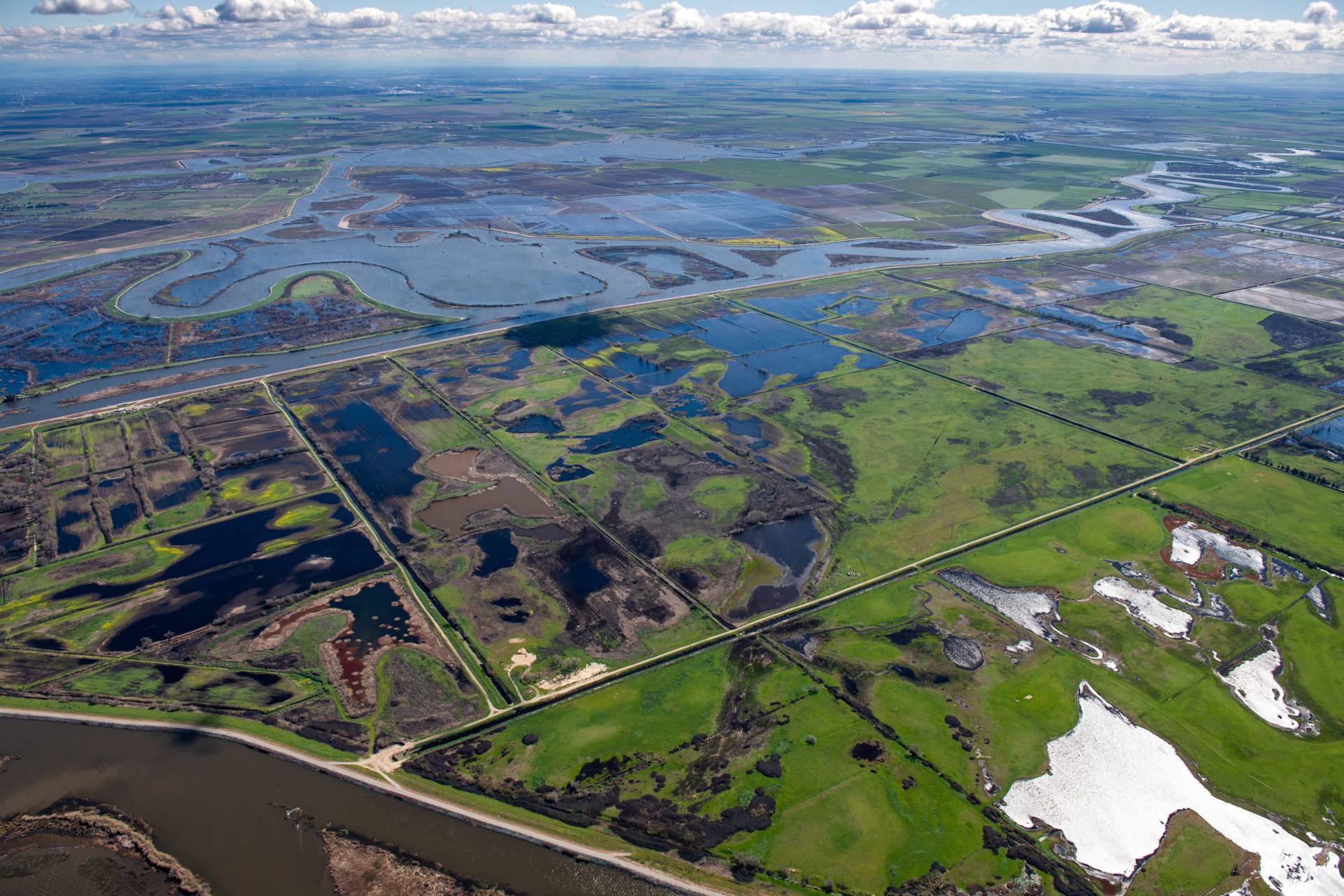
The plan, which involves how much water to pump out of the Sacramento-San Joaquin River Delta, and under what conditions, will control irrigation for millions of acres of farmland in the country’s biggest agricultural economy, drinking water for two-thirds of Californians from Silicon Valley to San Diego, and the fate of endangered salmon and other fish.
Some see the fingerprints of interior secretary David Bernhardt, who once helped lead the charge to weaken environmental standards and send more water to farmers. A former lawyer for agricultural heavyweight Westlands Water District, Bernhardt is under scrutiny after a recent New York Times investigation reported that, shortly after joining the Interior Department in 2017, he directly advocated on Westlands’ behalf to get more water for farmers at the expense of endangered fish, even though federal rules precluded him from lobbying.
The Trump administration is expected to announce the rules this week. The final step before that was the independent scientific review, in which federal agencies send their biologists’ analyses of the plan to scientists outside the government for review, to ensure the agencies are using the best possible scientific studies and interpreting them correctly.
“Independent scientific review is critical because it provides a check on the agencies,” said Doug Obegi, an attorney at the Natural Resources Defense Council in San Francisco who has read the reviews. “What the reviews show is that the agencies seem to be rushing the analysis to try to meet President Trump’s deadline rather than following the science.”
Skewing the Science: Missing Documents and Hurried Reviews
President Trump ordered in October 2018 that the incredibly complex rules to be drafted faster than ever before.
