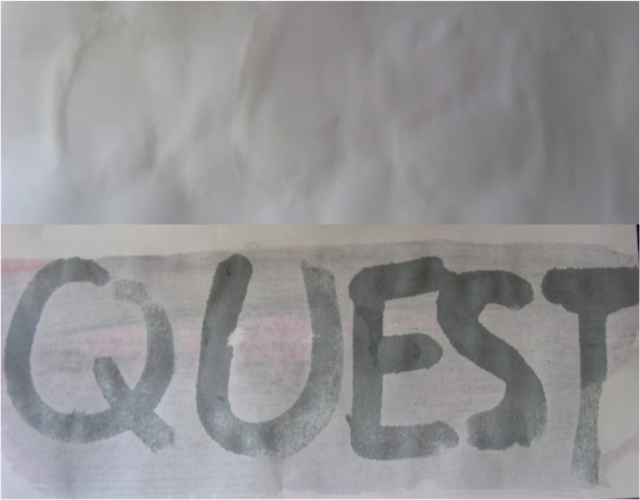
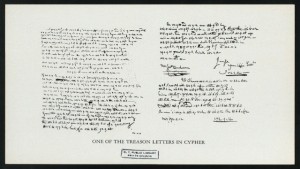
Last year, the US Central Intelligence Agency released documents detailing recipes for invisible ink from 1917 and 1918. Contained within was a favorite ink recipe of German soliders during World War I -- crushed aspirin mixed with water. Though the ink is easily available, uncovering it required a complicated chemical developer.
Other recipes in the CIA documents used solutions of iron, silver or copper salts as ink and developed the writing by heating the paper. This bit of history inspired my inner scientist. Without access to chemicals in a lab, I decided to experiment with invisible ink recipes using things I found around my house.
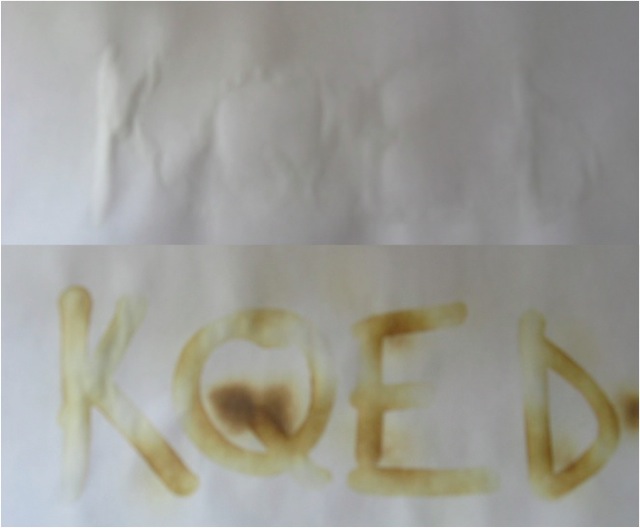
1. Lemon juice and heat
Dip a cotton swab or thin paintbrush in lemon juice. Write your message on white paper and let it dry. Hold the paper over a lamp, radiator or candle (but don’t let it catch fire!). The heat breaks down the acid into light-brown compounds, revealing your message forever.
2. Laundry detergent and black light
White shirts glow under black lights at a haunted house because the whitening agent in laundry detergent glows under ultraviolet light. Try writing your message using liquid laundry detergent. Holding the paper to a black light reveals a glowing message without damaging the paper.
But if spies intercept a message written with one of these inks, it’s likely they could decode it. We all can find something to heat paper. And black lights, though less common than candles, are still widely available.