window.__IS_SSR__=true
window.__INITIAL_STATE__={
"attachmentsReducer": {
"audio_0": {
"type": "attachments",
"id": "audio_0",
"imgSizes": {
"kqedFullSize": {
"file": "https://ww2.kqed.org/news/wp-content/themes/KQED-unified/img/audio_bgs/background0.jpg"
}
}
},
"audio_1": {
"type": "attachments",
"id": "audio_1",
"imgSizes": {
"kqedFullSize": {
"file": "https://ww2.kqed.org/news/wp-content/themes/KQED-unified/img/audio_bgs/background1.jpg"
}
}
},
"audio_2": {
"type": "attachments",
"id": "audio_2",
"imgSizes": {
"kqedFullSize": {
"file": "https://ww2.kqed.org/news/wp-content/themes/KQED-unified/img/audio_bgs/background2.jpg"
}
}
},
"audio_3": {
"type": "attachments",
"id": "audio_3",
"imgSizes": {
"kqedFullSize": {
"file": "https://ww2.kqed.org/news/wp-content/themes/KQED-unified/img/audio_bgs/background3.jpg"
}
}
},
"audio_4": {
"type": "attachments",
"id": "audio_4",
"imgSizes": {
"kqedFullSize": {
"file": "https://ww2.kqed.org/news/wp-content/themes/KQED-unified/img/audio_bgs/background4.jpg"
}
}
},
"placeholder": {
"type": "attachments",
"id": "placeholder",
"imgSizes": {
"thumbnail": {
"file": "https://cdn.kqed.org/wp-content/uploads/2024/12/KQED-Default-Image-816638274-2000x1333-1-160x107.jpg",
"width": 160,
"height": 107,
"mimeType": "image/jpeg"
},
"medium": {
"file": "https://cdn.kqed.org/wp-content/uploads/2024/12/KQED-Default-Image-816638274-2000x1333-1-800x533.jpg",
"width": 800,
"height": 533,
"mimeType": "image/jpeg"
},
"medium_large": {
"file": "https://cdn.kqed.org/wp-content/uploads/2024/12/KQED-Default-Image-816638274-2000x1333-1-768x512.jpg",
"width": 768,
"height": 512,
"mimeType": "image/jpeg"
},
"large": {
"file": "https://cdn.kqed.org/wp-content/uploads/2024/12/KQED-Default-Image-816638274-2000x1333-1-1020x680.jpg",
"width": 1020,
"height": 680,
"mimeType": "image/jpeg"
},
"1536x1536": {
"file": "https://cdn.kqed.org/wp-content/uploads/2024/12/KQED-Default-Image-816638274-2000x1333-1-1536x1024.jpg",
"width": 1536,
"height": 1024,
"mimeType": "image/jpeg"
},
"fd-lrg": {
"file": "https://cdn.kqed.org/wp-content/uploads/2024/12/KQED-Default-Image-816638274-2000x1333-1-1536x1024.jpg",
"width": 1536,
"height": 1024,
"mimeType": "image/jpeg"
},
"fd-med": {
"file": "https://cdn.kqed.org/wp-content/uploads/2024/12/KQED-Default-Image-816638274-2000x1333-1-1020x680.jpg",
"width": 1020,
"height": 680,
"mimeType": "image/jpeg"
},
"fd-sm": {
"file": "https://cdn.kqed.org/wp-content/uploads/2024/12/KQED-Default-Image-816638274-2000x1333-1-800x533.jpg",
"width": 800,
"height": 533,
"mimeType": "image/jpeg"
},
"post-thumbnail": {
"file": "https://cdn.kqed.org/wp-content/uploads/2024/12/KQED-Default-Image-816638274-2000x1333-1-672x372.jpg",
"width": 672,
"height": 372,
"mimeType": "image/jpeg"
},
"twentyfourteen-full-width": {
"file": "https://cdn.kqed.org/wp-content/uploads/2024/12/KQED-Default-Image-816638274-2000x1333-1-1038x576.jpg",
"width": 1038,
"height": 576,
"mimeType": "image/jpeg"
},
"xxsmall": {
"file": "https://cdn.kqed.org/wp-content/uploads/2024/12/KQED-Default-Image-816638274-2000x1333-1-160x107.jpg",
"width": 160,
"height": 107,
"mimeType": "image/jpeg"
},
"xsmall": {
"file": "https://cdn.kqed.org/wp-content/uploads/2024/12/KQED-Default-Image-816638274-2000x1333-1-672x372.jpg",
"width": 672,
"height": 372,
"mimeType": "image/jpeg"
},
"small": {
"file": "https://cdn.kqed.org/wp-content/uploads/2024/12/KQED-Default-Image-816638274-2000x1333-1-672x372.jpg",
"width": 672,
"height": 372,
"mimeType": "image/jpeg"
},
"xlarge": {
"file": "https://cdn.kqed.org/wp-content/uploads/2024/12/KQED-Default-Image-816638274-2000x1333-1-1020x680.jpg",
"width": 1020,
"height": 680,
"mimeType": "image/jpeg"
},
"full-width": {
"file": "https://cdn.kqed.org/wp-content/uploads/2024/12/KQED-Default-Image-816638274-2000x1333-1-1920x1280.jpg",
"width": 1920,
"height": 1280,
"mimeType": "image/jpeg"
},
"guest-author-32": {
"file": "https://cdn.kqed.org/wp-content/uploads/2025/01/KQED-Default-Image-816638274-1333x1333-1-160x160.jpg",
"width": 32,
"height": 32,
"mimeType": "image/jpeg"
},
"guest-author-50": {
"file": "https://cdn.kqed.org/wp-content/uploads/2025/01/KQED-Default-Image-816638274-1333x1333-1-160x160.jpg",
"width": 50,
"height": 50,
"mimeType": "image/jpeg"
},
"guest-author-64": {
"file": "https://cdn.kqed.org/wp-content/uploads/2025/01/KQED-Default-Image-816638274-1333x1333-1-160x160.jpg",
"width": 64,
"height": 64,
"mimeType": "image/jpeg"
},
"guest-author-96": {
"file": "https://cdn.kqed.org/wp-content/uploads/2025/01/KQED-Default-Image-816638274-1333x1333-1-160x160.jpg",
"width": 96,
"height": 96,
"mimeType": "image/jpeg"
},
"guest-author-128": {
"file": "https://cdn.kqed.org/wp-content/uploads/2025/01/KQED-Default-Image-816638274-1333x1333-1-160x160.jpg",
"width": 128,
"height": 128,
"mimeType": "image/jpeg"
},
"detail": {
"file": "https://cdn.kqed.org/wp-content/uploads/2025/01/KQED-Default-Image-816638274-1333x1333-1-160x160.jpg",
"width": 160,
"height": 160,
"mimeType": "image/jpeg"
},
"kqedFullSize": {
"file": "https://cdn.kqed.org/wp-content/uploads/2024/12/KQED-Default-Image-816638274-2000x1333-1.jpg",
"width": 2000,
"height": 1333
}
}
},
"news_12067181": {
"type": "attachments",
"id": "news_12067181",
"meta": {
"index": "attachments_1716263798",
"site": "news",
"id": "12067181",
"found": true
},
"title": "250418-SFPDFile-46-BL_qed",
"publishDate": 1765829502,
"status": "inherit",
"parent": 12067175,
"modified": 1765847308,
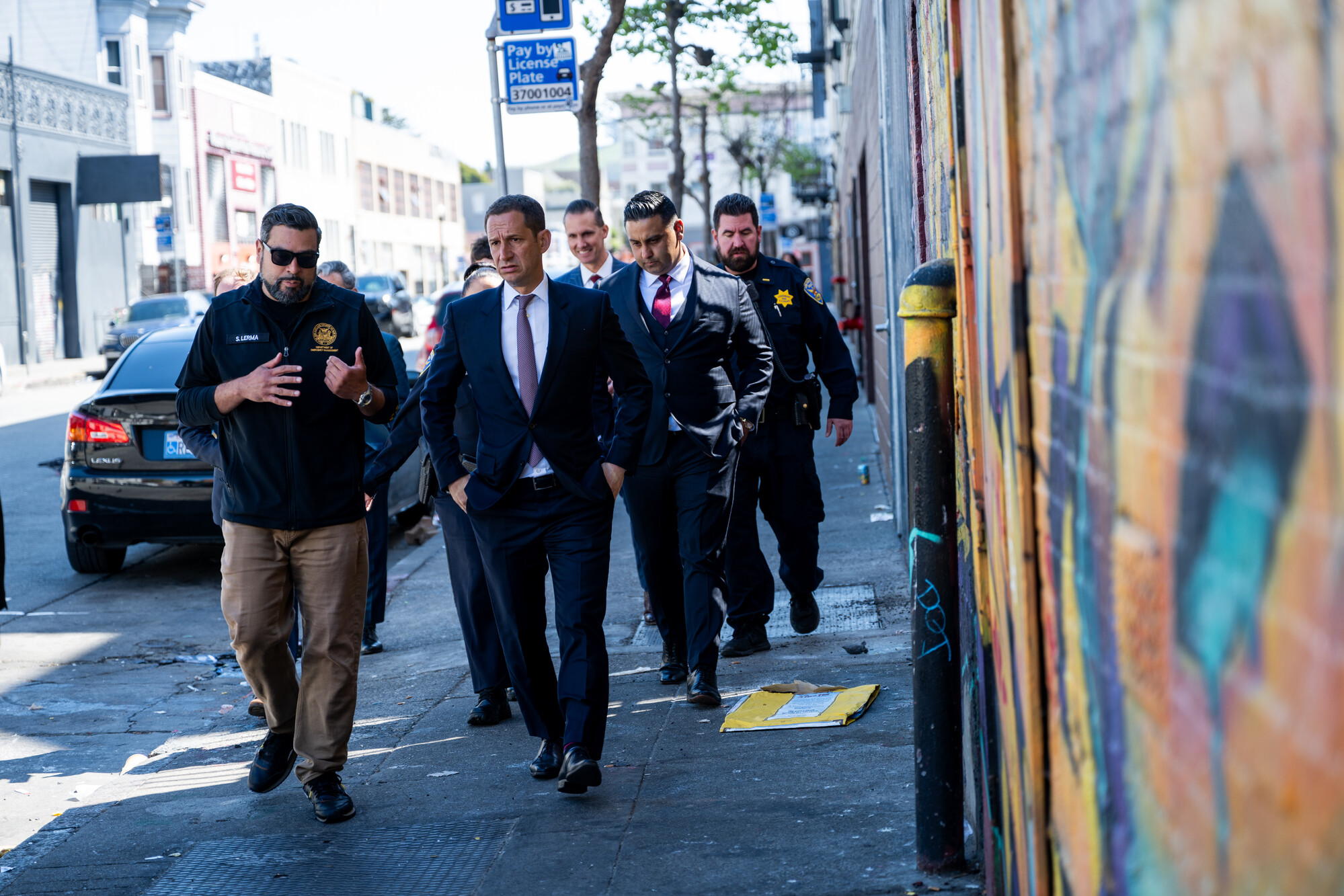
"caption": "Mayor Daniel Lurie walks with Santiago Lerma, with the Department of Emergency Management, during a public safety walk in San Francisco’s Mission District on April 18, 2025. Lurie’s street safety announcement followed news of the death of a 1-year-old child in the city’s Hayes Valley neighborhood in a car crash Sunday. ",
"credit": "Beth LaBerge/KQED",
"altTag": null,
"description": null,
"imgSizes": {
"thumbnail": {
"file": "https://cdn.kqed.org/wp-content/uploads/sites/10/2025/12/250418-SFPDFile-46-BL_qed-160x107.jpg",
"width": 160,
"height": 107,
"mimeType": "image/jpeg"
},
"1536x1536": {
"file": "https://cdn.kqed.org/wp-content/uploads/sites/10/2025/12/250418-SFPDFile-46-BL_qed-1536x1024.jpg",
"width": 1536,
"height": 1024,
"mimeType": "image/jpeg"
},
"post-thumbnail": {
"file": "https://cdn.kqed.org/wp-content/uploads/sites/10/2025/12/250418-SFPDFile-46-BL_qed-672x372.jpg",
"width": 672,
"height": 372,
"mimeType": "image/jpeg"
},
"twentyfourteen-full-width": {
"file": "https://cdn.kqed.org/wp-content/uploads/sites/10/2025/12/250418-SFPDFile-46-BL_qed-1038x576.jpg",
"width": 1038,
"height": 576,
"mimeType": "image/jpeg"
},
"npr-cds-wide": {
"file": "https://cdn.kqed.org/wp-content/uploads/sites/10/2025/12/250418-SFPDFile-46-BL_qed-1200x675.jpg",
"width": 1200,
"height": 675,
"mimeType": "image/jpeg"
},
"kqedFullSize": {
"file": "https://cdn.kqed.org/wp-content/uploads/sites/10/2025/12/250418-SFPDFile-46-BL_qed.jpg",
"width": 1999,
"height": 1333
}
},
"isLoading": false,
"fetchFailed": false
},
"news_12055313": {
"type": "attachments",
"id": "news_12055313",
"meta": {
"index": "attachments_1716263798",
"site": "news",
"id": "12055313",
"found": true
},
"title": "IMG_5059_qed",
"publishDate": 1757447693,
"status": "inherit",
"parent": 12055304,
"modified": 1757447753,
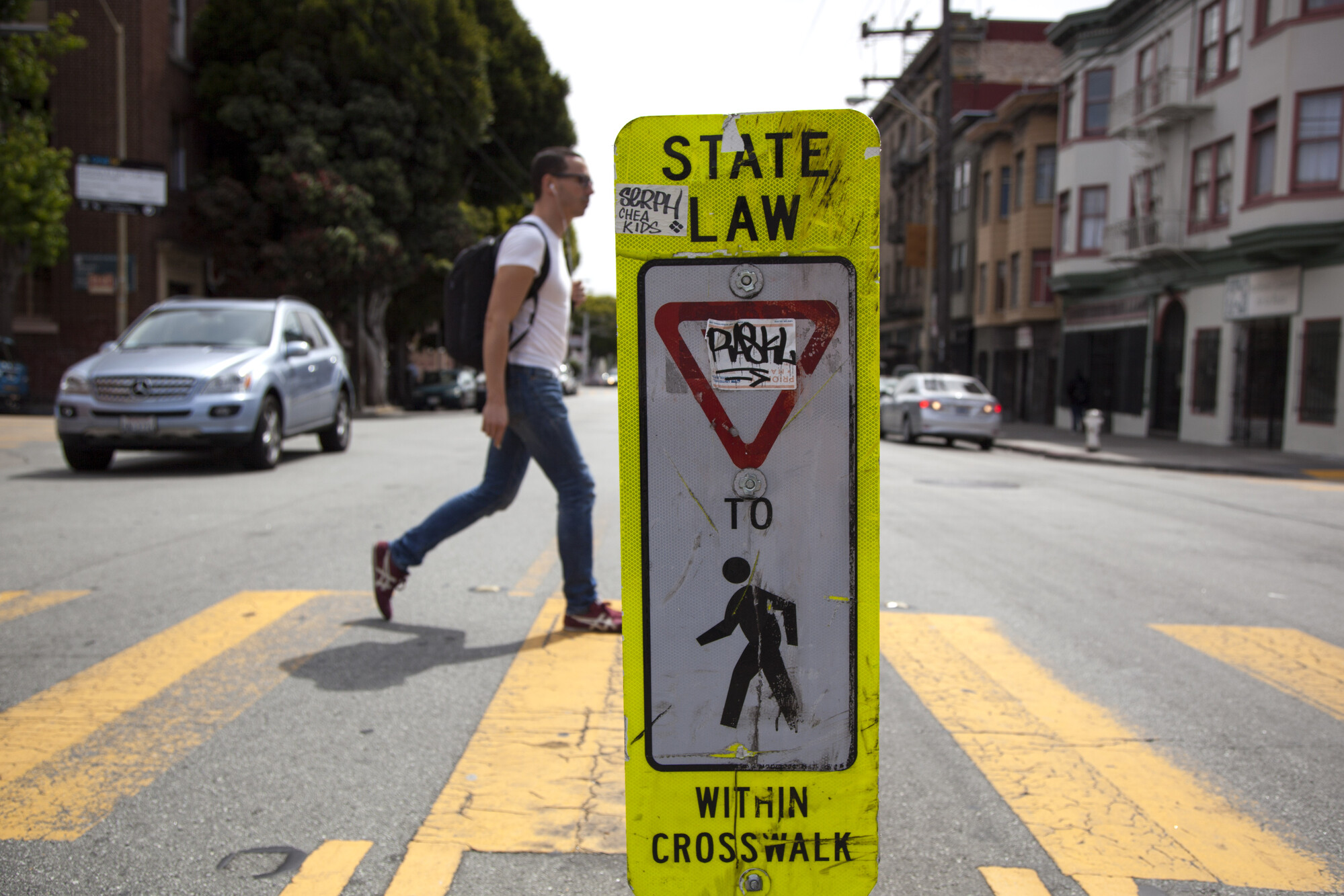
"caption": "A pedestrian crosses 16th Street in the Mission in San Francisco on May 20, 2014.",
"credit": "Mark Andrew Boyer/KQED",
"altTag": null,
"description": null,
"imgSizes": {
"thumbnail": {
"file": "https://cdn.kqed.org/wp-content/uploads/sites/10/2025/09/IMG_5059_qed-160x107.jpg",
"width": 160,
"height": 107,
"mimeType": "image/jpeg"
},
"1536x1536": {
"file": "https://cdn.kqed.org/wp-content/uploads/sites/10/2025/09/IMG_5059_qed-1536x1024.jpg",
"width": 1536,
"height": 1024,
"mimeType": "image/jpeg"
},
"post-thumbnail": {
"file": "https://cdn.kqed.org/wp-content/uploads/sites/10/2025/09/IMG_5059_qed-672x372.jpg",
"width": 672,
"height": 372,
"mimeType": "image/jpeg"
},
"twentyfourteen-full-width": {
"file": "https://cdn.kqed.org/wp-content/uploads/sites/10/2025/09/IMG_5059_qed-1038x576.jpg",
"width": 1038,
"height": 576,
"mimeType": "image/jpeg"
},
"kqedFullSize": {
"file": "https://cdn.kqed.org/wp-content/uploads/sites/10/2025/09/IMG_5059_qed.jpg",
"width": 1999,
"height": 1333
}
},
"isLoading": false,
"fetchFailed": false
},
"news_12045967": {
"type": "attachments",
"id": "news_12045967",
"meta": {
"index": "attachments_1716263798",
"site": "news",
"id": "12045967",
"found": true
},
"title": "250228-WaterCitiesSF-06-BL_qed",
"publishDate": 1750878560,
"status": "inherit",
"parent": 12067175,
"modified": 1765845734,
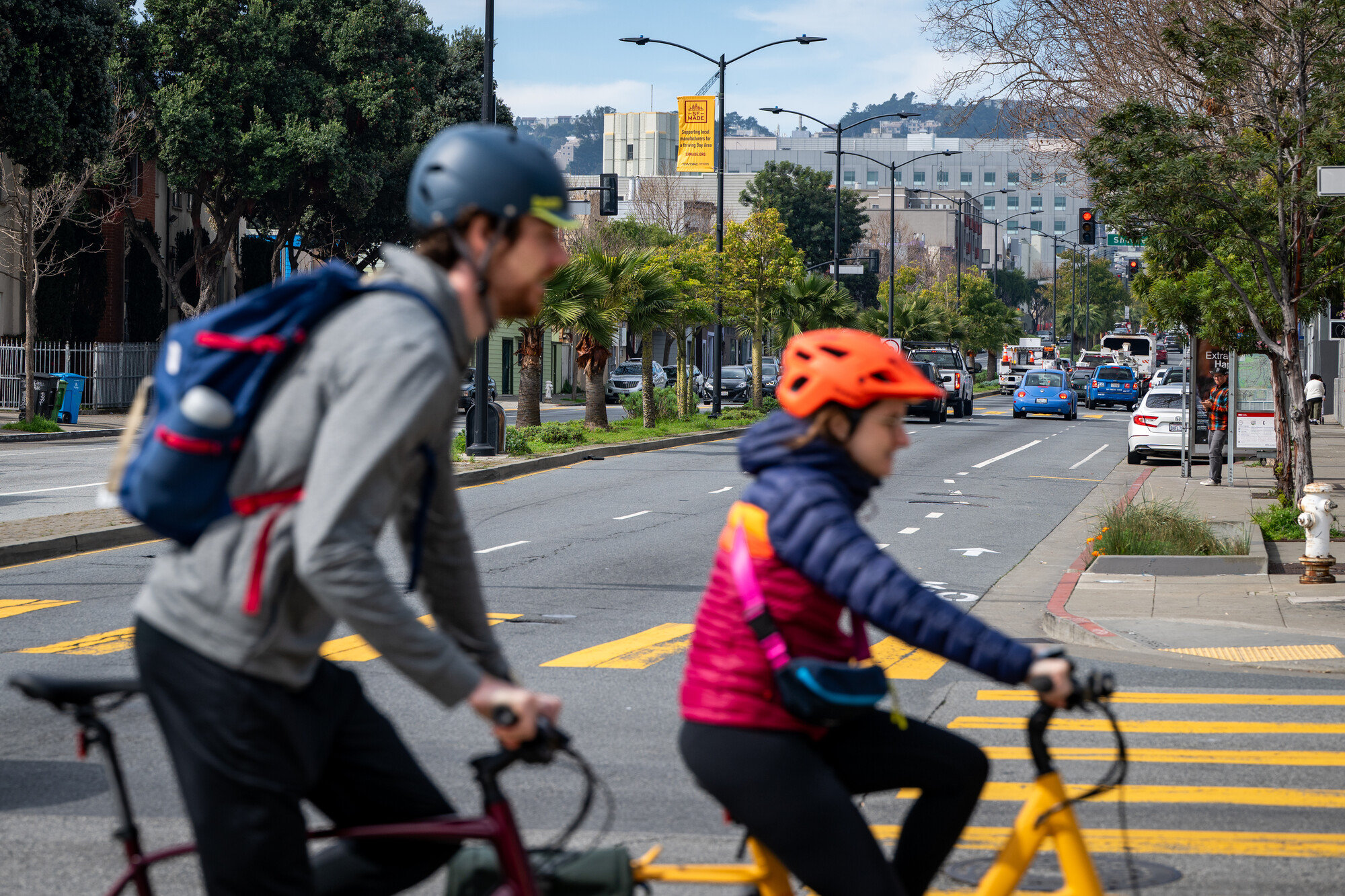
"caption": "Trees line the center median on Cesar Chavez Street in San Francisco on Feb. 28, 2025. A streetscape project added trees, widened sidewalks, introduced stormwater planters, and improved pedestrian safety with redesigned intersections.",
"credit": "Beth LaBerge/KQED",
"altTag": null,
"description": null,
"imgSizes": {
"thumbnail": {
"file": "https://cdn.kqed.org/wp-content/uploads/sites/10/2025/06/250228-WaterCitiesSF-06-BL_qed-160x107.jpg",
"width": 160,
"height": 107,
"mimeType": "image/jpeg"
},
"1536x1536": {
"file": "https://cdn.kqed.org/wp-content/uploads/sites/10/2025/06/250228-WaterCitiesSF-06-BL_qed-1536x1024.jpg",
"width": 1536,
"height": 1024,
"mimeType": "image/jpeg"
},
"post-thumbnail": {
"file": "https://cdn.kqed.org/wp-content/uploads/sites/10/2025/06/250228-WaterCitiesSF-06-BL_qed-672x372.jpg",
"width": 672,
"height": 372,
"mimeType": "image/jpeg"
},
"twentyfourteen-full-width": {
"file": "https://cdn.kqed.org/wp-content/uploads/sites/10/2025/06/250228-WaterCitiesSF-06-BL_qed-1038x576.jpg",
"width": 1038,
"height": 576,
"mimeType": "image/jpeg"
},
"kqedFullSize": {
"file": "https://cdn.kqed.org/wp-content/uploads/sites/10/2025/06/250228-WaterCitiesSF-06-BL_qed.jpg",
"width": 2000,
"height": 1333
}
},
"isLoading": false,
"fetchFailed": false
},
"news_12040819": {
"type": "attachments",
"id": "news_12040819",
"meta": {
"index": "attachments_1716263798",
"site": "news",
"id": "12040819",
"found": true
},
"title": "250519-VISIONZEROACTIVISM-15-BL-KQED",
"publishDate": 1747695824,
"status": "inherit",
"parent": 12067175,
"modified": 1765845895,
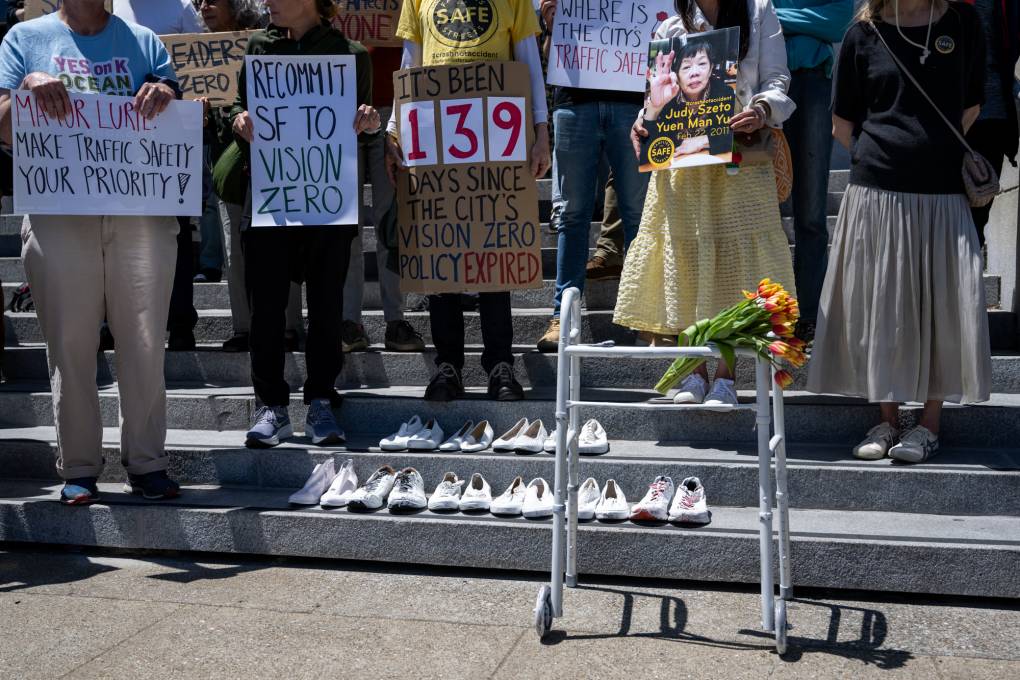
"caption": "Traffic safety advocates from Walk San Francisco, Families for Safe Streets, and the Vision Zero Coalition gather on the steps of San Francisco City Hall on May 19, 2025, to demand the adoption of a new Vision Zero policy by July 30. The demonstrators placed white shoes on the steps, symbolizing the pedestrians who have lost their lives in traffic crashes.",
"credit": "Beth LaBerge/KQED",
"altTag": null,
"description": null,
"imgSizes": {
"medium": {
"file": "https://cdn.kqed.org/wp-content/uploads/sites/10/2025/05/250519-VISIONZEROACTIVISM-15-BL-KQED-800x533.jpg",
"width": 800,
"height": 533,
"mimeType": "image/jpeg"
},
"large": {
"file": "https://cdn.kqed.org/wp-content/uploads/sites/10/2025/05/250519-VISIONZEROACTIVISM-15-BL-KQED-1020x680.jpg",
"width": 1020,
"height": 680,
"mimeType": "image/jpeg"
},
"thumbnail": {
"file": "https://cdn.kqed.org/wp-content/uploads/sites/10/2025/05/250519-VISIONZEROACTIVISM-15-BL-KQED-160x107.jpg",
"width": 160,
"height": 107,
"mimeType": "image/jpeg"
},
"1536x1536": {
"file": "https://cdn.kqed.org/wp-content/uploads/sites/10/2025/05/250519-VISIONZEROACTIVISM-15-BL-KQED-1536x1024.jpg",
"width": 1536,
"height": 1024,
"mimeType": "image/jpeg"
},
"post-thumbnail": {
"file": "https://cdn.kqed.org/wp-content/uploads/sites/10/2025/05/250519-VISIONZEROACTIVISM-15-BL-KQED-672x372.jpg",
"width": 672,
"height": 372,
"mimeType": "image/jpeg"
},
"twentyfourteen-full-width": {
"file": "https://cdn.kqed.org/wp-content/uploads/sites/10/2025/05/250519-VISIONZEROACTIVISM-15-BL-KQED-1038x576.jpg",
"width": 1038,
"height": 576,
"mimeType": "image/jpeg"
},
"full-width": {
"file": "https://cdn.kqed.org/wp-content/uploads/sites/10/2025/05/250519-VISIONZEROACTIVISM-15-BL-KQED-1920x1280.jpg",
"width": 1920,
"height": 1280,
"mimeType": "image/jpeg"
},
"kqedFullSize": {
"file": "https://cdn.kqed.org/wp-content/uploads/sites/10/2025/05/250519-VISIONZEROACTIVISM-15-BL-KQED.jpg",
"width": 2000,
"height": 1333
}
},
"isLoading": false,
"fetchFailed": false
},
"news_12013862": {
"type": "attachments",
"id": "news_12013862",
"meta": {
"index": "attachments_1716263798",
"site": "news",
"id": "12013862",
"found": true
},
"title": "241108-SF-PEDS-GZ-02-KQED",
"publishDate": 1731179226,
"status": "inherit",
"parent": 12013807,
"modified": 1731439212,
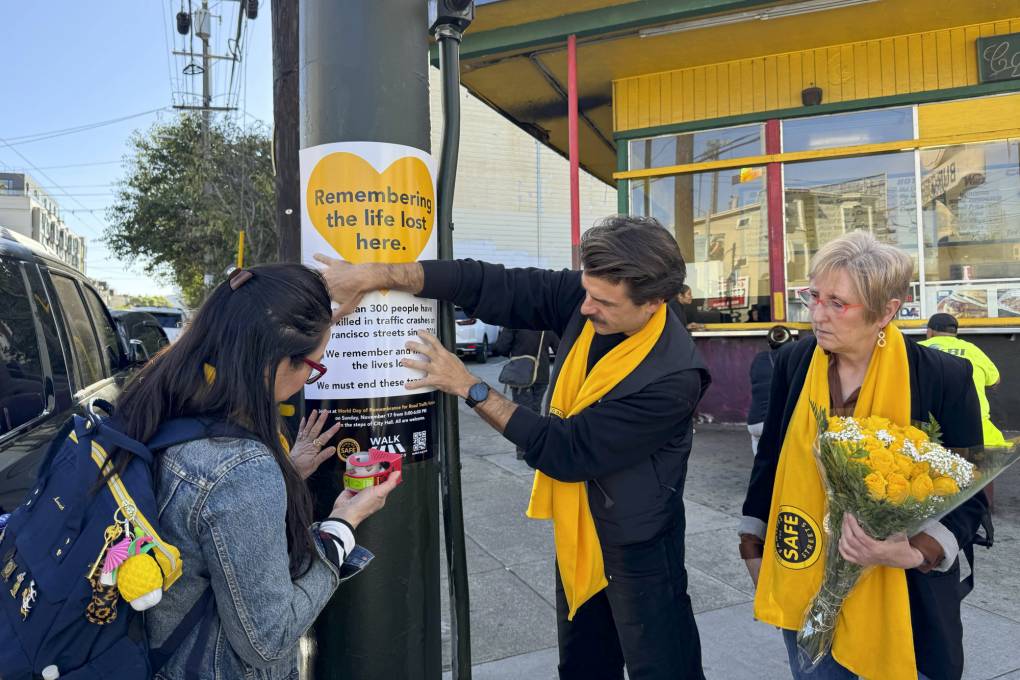
"caption": "(From left to right) Jenny Po Wah Yu, Christian Rose and Julie Nicholson hang a memorial sign and flowers for Thomas McKean, the 29-year-old pedestrian who was fatally struck at South Van Ness and 18th on July 9, 2023.",
"credit": "Gilare Zada/KQED",
"altTag": null,
"description": null,
"imgSizes": {
"medium": {
"file": "https://cdn.kqed.org/wp-content/uploads/sites/10/2024/11/241108-SF-PEDS-GZ-02-KQED-1-800x533.jpg",
"width": 800,
"height": 533,
"mimeType": "image/jpeg"
},
"large": {
"file": "https://cdn.kqed.org/wp-content/uploads/sites/10/2024/11/241108-SF-PEDS-GZ-02-KQED-1-1020x680.jpg",
"width": 1020,
"height": 680,
"mimeType": "image/jpeg"
},
"thumbnail": {
"file": "https://cdn.kqed.org/wp-content/uploads/sites/10/2024/11/241108-SF-PEDS-GZ-02-KQED-1-160x107.jpg",
"width": 160,
"height": 107,
"mimeType": "image/jpeg"
},
"1536x1536": {
"file": "https://cdn.kqed.org/wp-content/uploads/sites/10/2024/11/241108-SF-PEDS-GZ-02-KQED-1-1536x1024.jpg",
"width": 1536,
"height": 1024,
"mimeType": "image/jpeg"
},
"post-thumbnail": {
"file": "https://cdn.kqed.org/wp-content/uploads/sites/10/2024/11/241108-SF-PEDS-GZ-02-KQED-1-672x372.jpg",
"width": 672,
"height": 372,
"mimeType": "image/jpeg"
},
"twentyfourteen-full-width": {
"file": "https://cdn.kqed.org/wp-content/uploads/sites/10/2024/11/241108-SF-PEDS-GZ-02-KQED-1-1038x576.jpg",
"width": 1038,
"height": 576,
"mimeType": "image/jpeg"
},
"full-width": {
"file": "https://cdn.kqed.org/wp-content/uploads/sites/10/2024/11/241108-SF-PEDS-GZ-02-KQED-1-1920x1280.jpg",
"width": 1920,
"height": 1280,
"mimeType": "image/jpeg"
},
"kqedFullSize": {
"file": "https://cdn.kqed.org/wp-content/uploads/sites/10/2024/11/241108-SF-PEDS-GZ-02-KQED-1.jpg",
"width": 2000,
"height": 1333
}
},
"isLoading": false,
"fetchFailed": false
},
"news_11981196": {
"type": "attachments",
"id": "news_11981196",
"meta": {
"index": "attachments_1716263798",
"site": "news",
"id": "11981196",
"found": true
},
"parent": 11981195,
"imgSizes": {
"twentyfourteen-full-width": {
"file": "https://cdn.kqed.org/wp-content/uploads/sites/10/2024/03/007_KQED_CarFreeMarketSt_01222020_8382_qut-1038x576.jpg",
"width": 1038,
"mimeType": "image/jpeg",
"height": 576
},
"thumbnail": {
"file": "https://cdn.kqed.org/wp-content/uploads/sites/10/2024/03/007_KQED_CarFreeMarketSt_01222020_8382_qut-160x107.jpg",
"width": 160,
"mimeType": "image/jpeg",
"height": 107
},
"post-thumbnail": {
"file": "https://cdn.kqed.org/wp-content/uploads/sites/10/2024/03/007_KQED_CarFreeMarketSt_01222020_8382_qut-672x372.jpg",
"width": 672,
"mimeType": "image/jpeg",
"height": 372
},
"kqedFullSize": {
"file": "https://cdn.kqed.org/wp-content/uploads/sites/10/2024/03/007_KQED_CarFreeMarketSt_01222020_8382_qut.jpg",
"width": 1920,
"height": 1280
},
"large": {
"file": "https://cdn.kqed.org/wp-content/uploads/sites/10/2024/03/007_KQED_CarFreeMarketSt_01222020_8382_qut-1020x680.jpg",
"width": 1020,
"mimeType": "image/jpeg",
"height": 680
},
"1536x1536": {
"file": "https://cdn.kqed.org/wp-content/uploads/sites/10/2024/03/007_KQED_CarFreeMarketSt_01222020_8382_qut-1536x1024.jpg",
"width": 1536,
"mimeType": "image/jpeg",
"height": 1024
},
"medium": {
"file": "https://cdn.kqed.org/wp-content/uploads/sites/10/2024/03/007_KQED_CarFreeMarketSt_01222020_8382_qut-800x533.jpg",
"width": 800,
"mimeType": "image/jpeg",
"height": 533
}
},
"publishDate": 1711669027,
"modified": 1711671209,
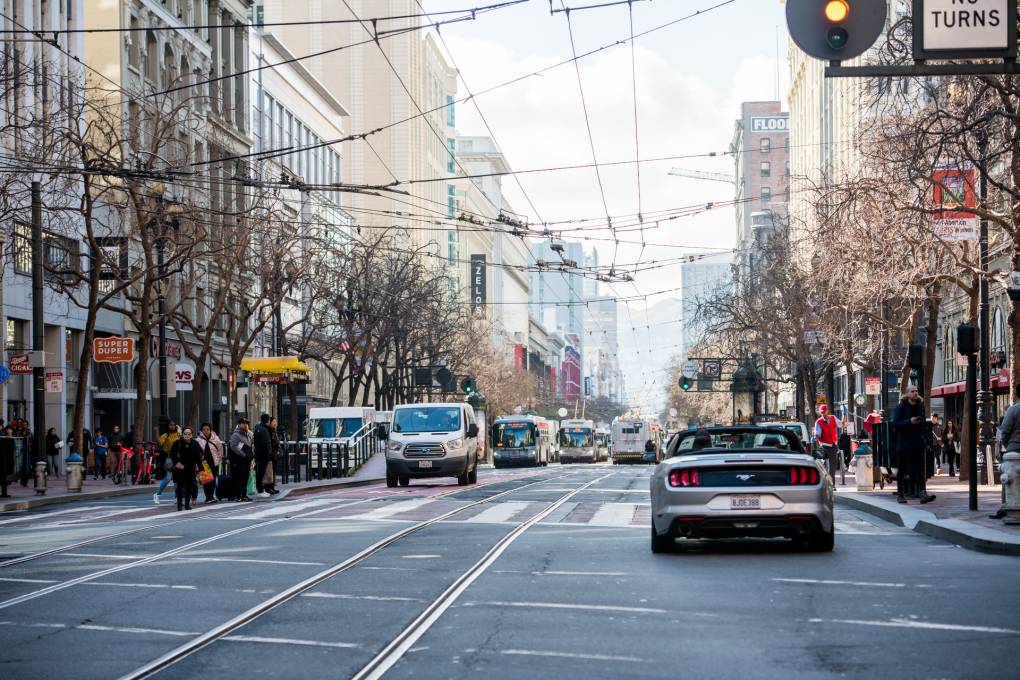
"caption": "Cars drive down Market Street in San Francisco on Jan. 22, 2020.",
"description": null,
"title": "007_KQED_CarFreeMarketSt_01222020_8382_qut",
"credit": "Beth LaBerge/KQED",
"status": "inherit",
"altTag": null,
"isLoading": false,
"fetchFailed": false
},
"news_11903922": {
"type": "attachments",
"id": "news_11903922",
"meta": {
"index": "attachments_1716263798",
"site": "news",
"id": "11903922",
"found": true
},
"parent": 11903812,
"imgSizes": {
"twentyfourteen-full-width": {
"file": "https://ww2.kqed.org/app/uploads/sites/10/2022/02/Crosswalk-1038x576.jpg",
"width": 1038,
"mimeType": "image/jpeg",
"height": 576
},
"thumbnail": {
"file": "https://ww2.kqed.org/app/uploads/sites/10/2022/02/Crosswalk-160x90.jpg",
"width": 160,
"mimeType": "image/jpeg",
"height": 90
},
"post-thumbnail": {
"file": "https://ww2.kqed.org/app/uploads/sites/10/2022/02/Crosswalk-672x372.jpg",
"width": 672,
"mimeType": "image/jpeg",
"height": 372
},
"kqedFullSize": {
"file": "https://ww2.kqed.org/app/uploads/sites/10/2022/02/Crosswalk-scaled-e1643926769102.jpg",
"width": 1920,
"height": 1080
},
"2048x2048": {
"file": "https://ww2.kqed.org/app/uploads/sites/10/2022/02/Crosswalk-2048x1152.jpg",
"width": 2048,
"mimeType": "image/jpeg",
"height": 1152
},
"large": {
"file": "https://ww2.kqed.org/app/uploads/sites/10/2022/02/Crosswalk-1020x574.jpg",
"width": 1020,
"mimeType": "image/jpeg",
"height": 574
},
"1536x1536": {
"file": "https://ww2.kqed.org/app/uploads/sites/10/2022/02/Crosswalk-1536x864.jpg",
"width": 1536,
"mimeType": "image/jpeg",
"height": 864
},
"full-width": {
"file": "https://ww2.kqed.org/app/uploads/sites/10/2022/02/Crosswalk-1920x1080.jpg",
"width": 1920,
"mimeType": "image/jpeg",
"height": 1080
},
"medium": {
"file": "https://ww2.kqed.org/app/uploads/sites/10/2022/02/Crosswalk-800x450.jpg",
"width": 800,
"mimeType": "image/jpeg",
"height": 450
}
},
"publishDate": 1643926743,
"modified": 1644014174,
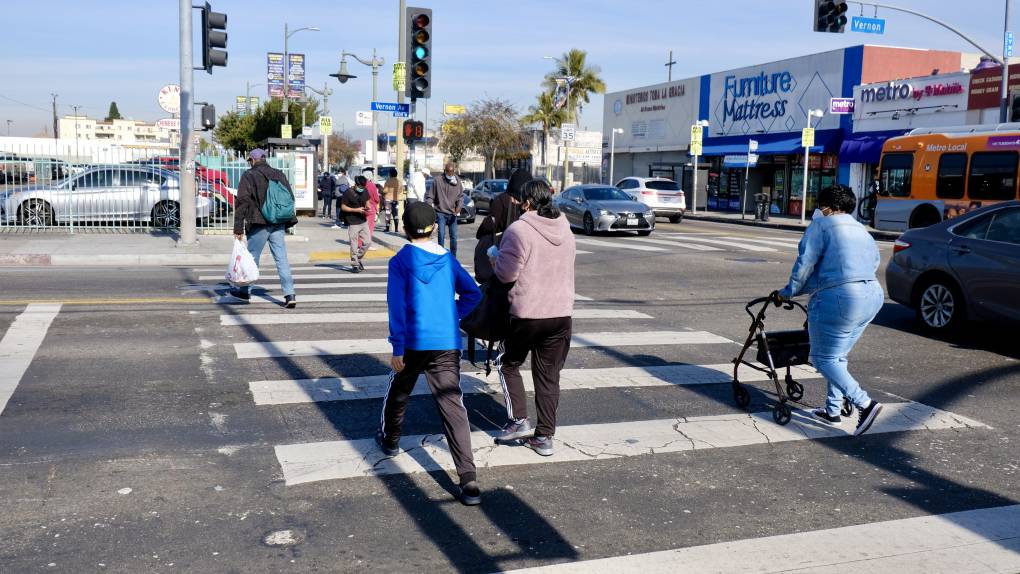
"caption": "Pedestrians crossing the street in South Los Angeles in January 2022.",
"description": null,
"title": "Crosswalk",
"credit": "Saul Gonzalez/KQED",
"status": "inherit",
"altTag": "Pedestrians cross a large street at a crosswalk.",
"isLoading": false,
"fetchFailed": false
},
"news_11755443": {
"type": "attachments",
"id": "news_11755443",
"meta": {
"index": "attachments_1716263798",
"site": "news",
"id": "11755443",
"found": true
},
"parent": 11755352,
"imgSizes": {
"apple_news_ca_landscape_5_5": {
"file": "https://ww2.kqed.org/app/uploads/sites/10/2019/06/howardstreetlanes-1044x783.jpg",
"width": 1044,
"mimeType": "image/jpeg",
"height": 783
},
"apple_news_ca_square_4_0": {
"file": "https://ww2.kqed.org/app/uploads/sites/10/2019/06/howardstreetlanes-470x470.jpg",
"width": 470,
"mimeType": "image/jpeg",
"height": 470
},
"twentyfourteen-full-width": {
"file": "https://ww2.kqed.org/app/uploads/sites/10/2019/06/howardstreetlanes-1038x576.jpg",
"width": 1038,
"mimeType": "image/jpeg",
"height": 576
},
"thumbnail": {
"file": "https://ww2.kqed.org/app/uploads/sites/10/2019/06/howardstreetlanes-160x116.jpg",
"width": 160,
"mimeType": "image/jpeg",
"height": 116
},
"post-thumbnail": {
"file": "https://ww2.kqed.org/app/uploads/sites/10/2019/06/howardstreetlanes-672x372.jpg",
"width": 672,
"mimeType": "image/jpeg",
"height": 372
},
"kqedFullSize": {
"file": "https://ww2.kqed.org/app/uploads/sites/10/2019/06/howardstreetlanes.jpg",
"width": 1920,
"height": 1390
},
"apple_news_ca_landscape_4_7": {
"file": "https://ww2.kqed.org/app/uploads/sites/10/2019/06/howardstreetlanes-632x474.jpg",
"width": 632,
"mimeType": "image/jpeg",
"height": 474
},
"large": {
"file": "https://ww2.kqed.org/app/uploads/sites/10/2019/06/howardstreetlanes-1020x738.jpg",
"width": 1020,
"mimeType": "image/jpeg",
"height": 738
},
"complete_open_graph": {
"file": "https://ww2.kqed.org/app/uploads/sites/10/2019/06/howardstreetlanes-1200x869.jpg",
"width": 1200,
"mimeType": "image/jpeg",
"height": 869
},
"apple_news_ca_landscape_4_0": {
"file": "https://ww2.kqed.org/app/uploads/sites/10/2019/06/howardstreetlanes-536x402.jpg",
"width": 536,
"mimeType": "image/jpeg",
"height": 402
},
"apple_news_ca_portrait_12_9": {
"file": "https://ww2.kqed.org/app/uploads/sites/10/2019/06/howardstreetlanes-1122x1390.jpg",
"width": 1122,
"mimeType": "image/jpeg",
"height": 1390
},
"medium": {
"file": "https://ww2.kqed.org/app/uploads/sites/10/2019/06/howardstreetlanes-800x579.jpg",
"width": 800,
"mimeType": "image/jpeg",
"height": 579
},
"apple_news_ca_portrait_4_0": {
"file": "https://ww2.kqed.org/app/uploads/sites/10/2019/06/howardstreetlanes-354x472.jpg",
"width": 354,
"mimeType": "image/jpeg",
"height": 472
},
"apple_news_ca_portrait_9_7": {
"file": "https://ww2.kqed.org/app/uploads/sites/10/2019/06/howardstreetlanes-840x1120.jpg",
"width": 840,
"mimeType": "image/jpeg",
"height": 1120
},
"apple_news_ca_landscape_12_9": {
"file": "https://ww2.kqed.org/app/uploads/sites/10/2019/06/howardstreetlanes-1832x1374.jpg",
"width": 1832,
"mimeType": "image/jpeg",
"height": 1374
},
"apple_news_ca_square_9_7": {
"file": "https://ww2.kqed.org/app/uploads/sites/10/2019/06/howardstreetlanes-1104x1104.jpg",
"width": 1104,
"mimeType": "image/jpeg",
"height": 1104
},
"apple_news_ca_portrait_4_7": {
"file": "https://ww2.kqed.org/app/uploads/sites/10/2019/06/howardstreetlanes-414x552.jpg",
"width": 414,
"mimeType": "image/jpeg",
"height": 552
},
"apple_news_ca_square_12_9": {
"file": "https://ww2.kqed.org/app/uploads/sites/10/2019/06/howardstreetlanes-1472x1390.jpg",
"width": 1472,
"mimeType": "image/jpeg",
"height": 1390
},
"apple_news_ca_portrait_5_5": {
"file": "https://ww2.kqed.org/app/uploads/sites/10/2019/06/howardstreetlanes-687x916.jpg",
"width": 687,
"mimeType": "image/jpeg",
"height": 916
},
"full-width": {
"file": "https://ww2.kqed.org/app/uploads/sites/10/2019/06/howardstreetlanes-1920x1390.jpg",
"width": 1920,
"mimeType": "image/jpeg",
"height": 1390
},
"apple_news_ca_square_4_7": {
"file": "https://ww2.kqed.org/app/uploads/sites/10/2019/06/howardstreetlanes-550x550.jpg",
"width": 550,
"mimeType": "image/jpeg",
"height": 550
},
"apple_news_ca_landscape_9_7": {
"file": "https://ww2.kqed.org/app/uploads/sites/10/2019/06/howardstreetlanes-1376x1032.jpg",
"width": 1376,
"mimeType": "image/jpeg",
"height": 1032
},
"apple_news_ca_square_5_5": {
"file": "https://ww2.kqed.org/app/uploads/sites/10/2019/06/howardstreetlanes-912x912.jpg",
"width": 912,
"mimeType": "image/jpeg",
"height": 912
}
},
"publishDate": 1560884284,
"modified": 1560903593,
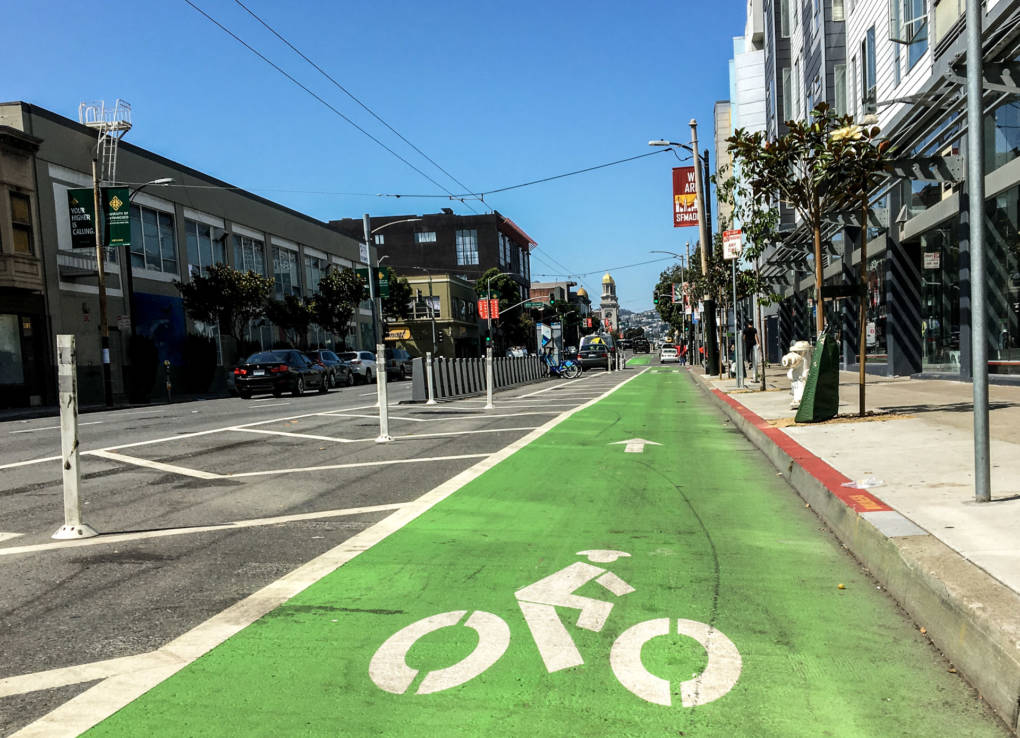
"caption": "A parking protected bike lane on Howard Street, just east of Eighth Street, in San Francisco's SoMa district. ",
"description": null,
"title": "Bike Lanes-Howard Street-San Francisco",
"credit": "Dan Brekke/KQED",
"status": "inherit",
"isLoading": false,
"fetchFailed": false
},
"news_11662272": {
"type": "attachments",
"id": "news_11662272",
"meta": {
"index": "attachments_1716263798",
"site": "news",
"id": "11662272",
"found": true
},
"parent": 11662255,
"imgSizes": {
"small": {
"file": "https://ww2.kqed.org/app/uploads/sites/10/2018/04/IMG_2760-520x390.jpg",
"width": 520,
"mimeType": "image/jpeg",
"height": 390
},
"twentyfourteen-full-width": {
"file": "https://ww2.kqed.org/app/uploads/sites/10/2018/04/IMG_2760-1038x576.jpg",
"width": 1038,
"mimeType": "image/jpeg",
"height": 576
},
"thumbnail": {
"file": "https://ww2.kqed.org/app/uploads/sites/10/2018/04/IMG_2760-160x120.jpg",
"width": 160,
"mimeType": "image/jpeg",
"height": 120
},
"fd-sm": {
"file": "https://ww2.kqed.org/app/uploads/sites/10/2018/04/IMG_2760-960x720.jpg",
"width": 960,
"mimeType": "image/jpeg",
"height": 720
},
"post-thumbnail": {
"file": "https://ww2.kqed.org/app/uploads/sites/10/2018/04/IMG_2760-672x372.jpg",
"width": 672,
"mimeType": "image/jpeg",
"height": 372
},
"xsmall": {
"file": "https://ww2.kqed.org/app/uploads/sites/10/2018/04/IMG_2760-375x281.jpg",
"width": 375,
"mimeType": "image/jpeg",
"height": 281
},
"kqedFullSize": {
"file": "https://ww2.kqed.org/app/uploads/sites/10/2018/04/IMG_2760-e1523665094245.jpg",
"width": 1920,
"height": 1440
},
"large": {
"file": "https://ww2.kqed.org/app/uploads/sites/10/2018/04/IMG_2760-1020x765.jpg",
"width": 1020,
"mimeType": "image/jpeg",
"height": 765
},
"xlarge": {
"file": "https://ww2.kqed.org/app/uploads/sites/10/2018/04/IMG_2760-1180x885.jpg",
"width": 1180,
"mimeType": "image/jpeg",
"height": 885
},
"complete_open_graph": {
"file": "https://ww2.kqed.org/app/uploads/sites/10/2018/04/IMG_2760-1200x900.jpg",
"width": 1200,
"mimeType": "image/jpeg",
"height": 900
},
"guest-author-50": {
"file": "https://ww2.kqed.org/app/uploads/sites/10/2018/04/IMG_2760-50x50.jpg",
"width": 50,
"mimeType": "image/jpeg",
"height": 50
},
"guest-author-96": {
"file": "https://ww2.kqed.org/app/uploads/sites/10/2018/04/IMG_2760-96x96.jpg",
"width": 96,
"mimeType": "image/jpeg",
"height": 96
},
"medium": {
"file": "https://ww2.kqed.org/app/uploads/sites/10/2018/04/IMG_2760-800x600.jpg",
"width": 800,
"mimeType": "image/jpeg",
"height": 600
},
"guest-author-64": {
"file": "https://ww2.kqed.org/app/uploads/sites/10/2018/04/IMG_2760-64x64.jpg",
"width": 64,
"mimeType": "image/jpeg",
"height": 64
},
"guest-author-32": {
"file": "https://ww2.kqed.org/app/uploads/sites/10/2018/04/IMG_2760-32x32.jpg",
"width": 32,
"mimeType": "image/jpeg",
"height": 32
},
"fd-lrg": {
"file": "https://ww2.kqed.org/app/uploads/sites/10/2018/04/IMG_2760-1920x1440.jpg",
"width": 1920,
"mimeType": "image/jpeg",
"height": 1440
},
"fd-med": {
"file": "https://ww2.kqed.org/app/uploads/sites/10/2018/04/IMG_2760-1180x885.jpg",
"width": 1180,
"mimeType": "image/jpeg",
"height": 885
},
"full-width": {
"file": "https://ww2.kqed.org/app/uploads/sites/10/2018/04/IMG_2760-1920x1440.jpg",
"width": 1920,
"mimeType": "image/jpeg",
"height": 1440
},
"detail": {
"file": "https://ww2.kqed.org/app/uploads/sites/10/2018/04/IMG_2760-150x150.jpg",
"width": 150,
"mimeType": "image/jpeg",
"height": 150
},
"guest-author-128": {
"file": "https://ww2.kqed.org/app/uploads/sites/10/2018/04/IMG_2760-128x128.jpg",
"width": 128,
"mimeType": "image/jpeg",
"height": 128
},
"xxsmall": {
"file": "https://ww2.kqed.org/app/uploads/sites/10/2018/04/IMG_2760-240x180.jpg",
"width": 240,
"mimeType": "image/jpeg",
"height": 180
}
},
"publishDate": 1523665076,
"modified": 1523665656,
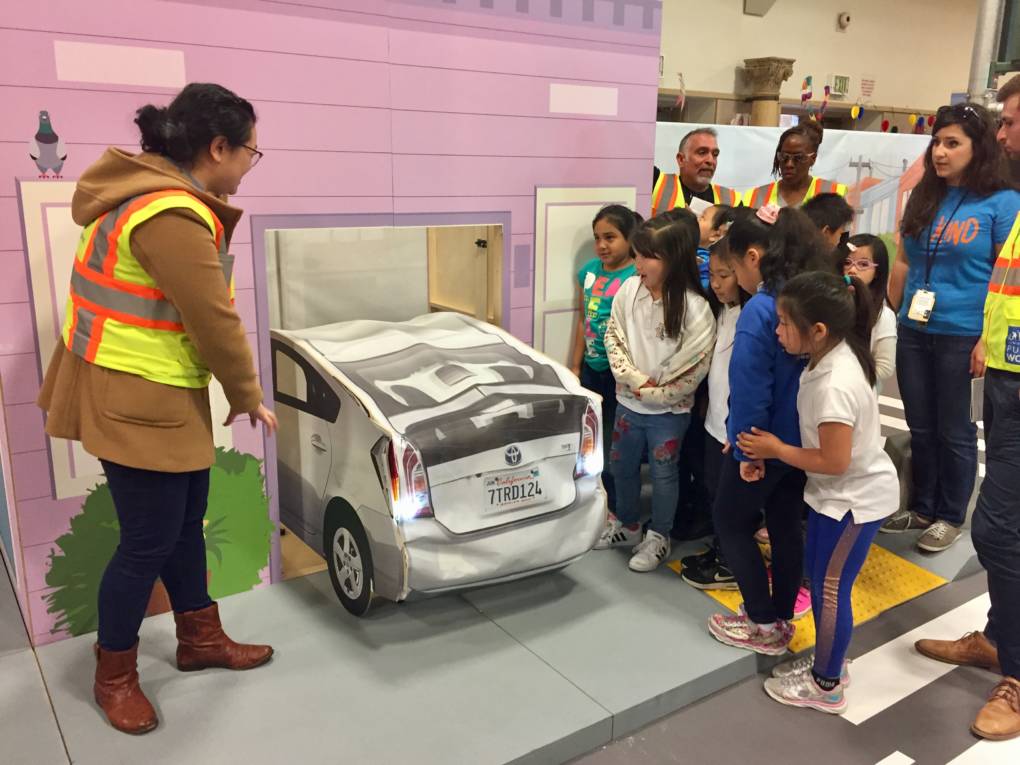
"caption": "Second graders at Jean Parker Elementary School tried out the Street Smarts set-up.",
"description": null,
"title": "IMG_2760",
"credit": "Muna Danish/KQED",
"status": "inherit",
"isLoading": false,
"fetchFailed": false
},
"news_11621166": {
"type": "attachments",
"id": "news_11621166",
"meta": {
"index": "attachments_1716263798",
"site": "news",
"id": "11621166",
"found": true
},
"parent": 11621161,
"imgSizes": {
"small": {
"file": "https://ww2.kqed.org/app/uploads/sites/10/2017/10/Countdown_pedestrian_signal-520x385.jpg",
"width": 520,
"mimeType": "image/jpeg",
"height": 385
},
"thumbnail": {
"file": "https://ww2.kqed.org/app/uploads/sites/10/2017/10/Countdown_pedestrian_signal-160x118.jpg",
"width": 160,
"mimeType": "image/jpeg",
"height": 118
},
"post-thumbnail": {
"file": "https://ww2.kqed.org/app/uploads/sites/10/2017/10/Countdown_pedestrian_signal-672x372.jpg",
"width": 672,
"mimeType": "image/jpeg",
"height": 372
},
"xsmall": {
"file": "https://ww2.kqed.org/app/uploads/sites/10/2017/10/Countdown_pedestrian_signal-375x278.jpg",
"width": 375,
"mimeType": "image/jpeg",
"height": 278
},
"kqedFullSize": {
"file": "https://ww2.kqed.org/app/uploads/sites/10/2017/10/Countdown_pedestrian_signal.jpg",
"width": 700,
"height": 518
},
"guest-author-50": {
"file": "https://ww2.kqed.org/app/uploads/sites/10/2017/10/Countdown_pedestrian_signal-50x50.jpg",
"width": 50,
"mimeType": "image/jpeg",
"height": 50
},
"guest-author-96": {
"file": "https://ww2.kqed.org/app/uploads/sites/10/2017/10/Countdown_pedestrian_signal-96x96.jpg",
"width": 96,
"mimeType": "image/jpeg",
"height": 96
},
"guest-author-64": {
"file": "https://ww2.kqed.org/app/uploads/sites/10/2017/10/Countdown_pedestrian_signal-64x64.jpg",
"width": 64,
"mimeType": "image/jpeg",
"height": 64
},
"detail": {
"file": "https://ww2.kqed.org/app/uploads/sites/10/2017/10/Countdown_pedestrian_signal-150x150.jpg",
"width": 150,
"mimeType": "image/jpeg",
"height": 150
},
"guest-author-32": {
"file": "https://ww2.kqed.org/app/uploads/sites/10/2017/10/Countdown_pedestrian_signal-32x32.jpg",
"width": 32,
"mimeType": "image/jpeg",
"height": 32
},
"guest-author-128": {
"file": "https://ww2.kqed.org/app/uploads/sites/10/2017/10/Countdown_pedestrian_signal-128x128.jpg",
"width": 128,
"mimeType": "image/jpeg",
"height": 128
},
"xxsmall": {
"file": "https://ww2.kqed.org/app/uploads/sites/10/2017/10/Countdown_pedestrian_signal-240x178.jpg",
"width": 240,
"mimeType": "image/jpeg",
"height": 178
}
},
"publishDate": 1507187103,
"modified": 1507187158,
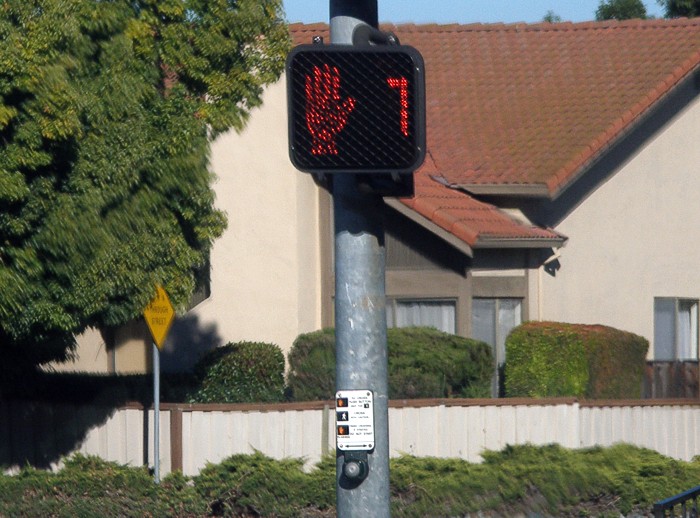
"caption": "A pedestrian countdown signal in Cupertino.",
"description": null,
"title": "Pedestrian Countdown Signal",
"credit": "Wikimedia Commons",
"status": "inherit",
"isLoading": false,
"fetchFailed": false
},
"news_11042406": {
"type": "attachments",
"id": "news_11042406",
"meta": {
"index": "attachments_1716263798",
"site": "news",
"id": "11042406",
"found": true
},
"parent": 11040676,
"imgSizes": {
"twentyfourteen-full-width": {
"file": "https://ww2.kqed.org/app/uploads/sites/10/2016/08/image-1-1038x576.jpeg",
"width": 1038,
"mimeType": "image/jpeg",
"height": 576
},
"thumbnail": {
"file": "https://ww2.kqed.org/app/uploads/sites/10/2016/08/image-1-400x300.jpeg",
"width": 400,
"mimeType": "image/jpeg",
"height": 300
},
"fd-sm": {
"file": "https://ww2.kqed.org/app/uploads/sites/10/2016/08/image-1-960x720.jpeg",
"width": 960,
"mimeType": "image/jpeg",
"height": 720
},
"post-thumbnail": {
"file": "https://ww2.kqed.org/app/uploads/sites/10/2016/08/image-1-672x372.jpeg",
"width": 672,
"mimeType": "image/jpeg",
"height": 372
},
"kqedFullSize": {
"file": "https://ww2.kqed.org/app/uploads/sites/10/2016/08/image-1.jpeg",
"width": 2048,
"height": 1536
},
"large": {
"file": "https://ww2.kqed.org/app/uploads/sites/10/2016/08/image-1-1920x1440.jpeg",
"width": 1920,
"mimeType": "image/jpeg",
"height": 1440
},
"guest-author-50": {
"file": "https://ww2.kqed.org/app/uploads/sites/10/2016/08/image-1-50x50.jpeg",
"width": 50,
"mimeType": "image/jpeg",
"height": 50
},
"guest-author-96": {
"file": "https://ww2.kqed.org/app/uploads/sites/10/2016/08/image-1-96x96.jpeg",
"width": 96,
"mimeType": "image/jpeg",
"height": 96
},
"medium": {
"file": "https://ww2.kqed.org/app/uploads/sites/10/2016/08/image-1-800x600.jpeg",
"width": 800,
"mimeType": "image/jpeg",
"height": 600
},
"guest-author-64": {
"file": "https://ww2.kqed.org/app/uploads/sites/10/2016/08/image-1-64x64.jpeg",
"width": 64,
"mimeType": "image/jpeg",
"height": 64
},
"guest-author-32": {
"file": "https://ww2.kqed.org/app/uploads/sites/10/2016/08/image-1-32x32.jpeg",
"width": 32,
"mimeType": "image/jpeg",
"height": 32
},
"jmtc-small-thumb": {
"file": "https://ww2.kqed.org/app/uploads/sites/10/2016/08/image-1-280x150.jpeg",
"width": 280,
"mimeType": "image/jpeg",
"height": 150
},
"fd-lrg": {
"file": "https://ww2.kqed.org/app/uploads/sites/10/2016/08/image-1-1920x1440.jpeg",
"width": 1920,
"mimeType": "image/jpeg",
"height": 1440
},
"fd-med": {
"file": "https://ww2.kqed.org/app/uploads/sites/10/2016/08/image-1-1180x885.jpeg",
"width": 1180,
"mimeType": "image/jpeg",
"height": 885
},
"detail": {
"file": "https://ww2.kqed.org/app/uploads/sites/10/2016/08/image-1-150x150.jpeg",
"width": 150,
"mimeType": "image/jpeg",
"height": 150
},
"guest-author-128": {
"file": "https://ww2.kqed.org/app/uploads/sites/10/2016/08/image-1-128x128.jpeg",
"width": 128,
"mimeType": "image/jpeg",
"height": 128
}
},
"publishDate": 1470429418,
"modified": 1470699671,
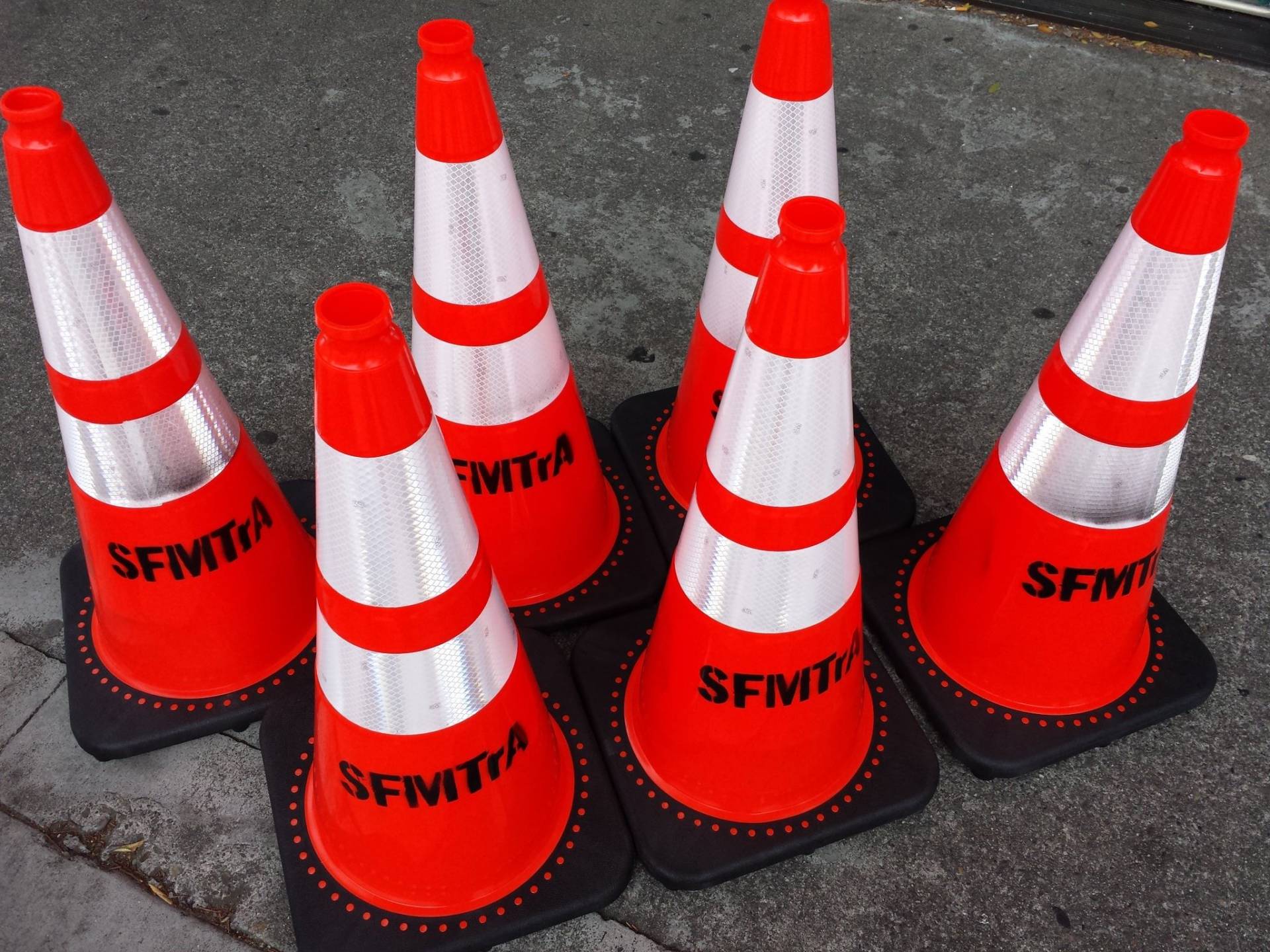
"caption": "Bike activists are using these orange safety cones to make the streets safer.",
"description": null,
"title": "image",
"credit": "SFMTA via Twitter ",
"status": "inherit",
"isLoading": false,
"fetchFailed": false
},
"news_11041530": {
"type": "attachments",
"id": "news_11041530",
"meta": {
"index": "attachments_1716263798",
"site": "news",
"id": "11041530",
"found": true
},
"parent": 11041289,
"imgSizes": {
"twentyfourteen-full-width": {
"file": "https://ww2.kqed.org/app/uploads/sites/10/2016/08/bike-xing-1920-1038x576.jpg",
"width": 1038,
"mimeType": "image/jpeg",
"height": 576
},
"thumbnail": {
"file": "https://ww2.kqed.org/app/uploads/sites/10/2016/08/bike-xing-1920-400x250.jpg",
"width": 400,
"mimeType": "image/jpeg",
"height": 250
},
"fd-sm": {
"file": "https://ww2.kqed.org/app/uploads/sites/10/2016/08/bike-xing-1920-960x601.jpg",
"width": 960,
"mimeType": "image/jpeg",
"height": 601
},
"post-thumbnail": {
"file": "https://ww2.kqed.org/app/uploads/sites/10/2016/08/bike-xing-1920-672x372.jpg",
"width": 672,
"mimeType": "image/jpeg",
"height": 372
},
"kqedFullSize": {
"file": "https://ww2.kqed.org/app/uploads/sites/10/2016/08/bike-xing-1920.jpg",
"width": 1920,
"height": 1201
},
"large": {
"file": "https://ww2.kqed.org/app/uploads/sites/10/2016/08/bike-xing-1920-1920x1201.jpg",
"width": 1920,
"mimeType": "image/jpeg",
"height": 1201
},
"guest-author-50": {
"file": "https://ww2.kqed.org/app/uploads/sites/10/2016/08/bike-xing-1920-50x50.jpg",
"width": 50,
"mimeType": "image/jpeg",
"height": 50
},
"guest-author-96": {
"file": "https://ww2.kqed.org/app/uploads/sites/10/2016/08/bike-xing-1920-96x96.jpg",
"width": 96,
"mimeType": "image/jpeg",
"height": 96
},
"medium": {
"file": "https://ww2.kqed.org/app/uploads/sites/10/2016/08/bike-xing-1920-800x500.jpg",
"width": 800,
"mimeType": "image/jpeg",
"height": 500
},
"guest-author-64": {
"file": "https://ww2.kqed.org/app/uploads/sites/10/2016/08/bike-xing-1920-64x64.jpg",
"width": 64,
"mimeType": "image/jpeg",
"height": 64
},
"guest-author-32": {
"file": "https://ww2.kqed.org/app/uploads/sites/10/2016/08/bike-xing-1920-32x32.jpg",
"width": 32,
"mimeType": "image/jpeg",
"height": 32
},
"jmtc-small-thumb": {
"file": "https://ww2.kqed.org/app/uploads/sites/10/2016/08/bike-xing-1920-280x150.jpg",
"width": 280,
"mimeType": "image/jpeg",
"height": 150
},
"fd-lrg": {
"file": "https://ww2.kqed.org/app/uploads/sites/10/2016/08/bike-xing-1920-1920x1201.jpg",
"width": 1920,
"mimeType": "image/jpeg",
"height": 1201
},
"fd-med": {
"file": "https://ww2.kqed.org/app/uploads/sites/10/2016/08/bike-xing-1920-1180x738.jpg",
"width": 1180,
"mimeType": "image/jpeg",
"height": 738
},
"detail": {
"file": "https://ww2.kqed.org/app/uploads/sites/10/2016/08/bike-xing-1920-150x150.jpg",
"width": 150,
"mimeType": "image/jpeg",
"height": 150
},
"guest-author-128": {
"file": "https://ww2.kqed.org/app/uploads/sites/10/2016/08/bike-xing-1920-128x128.jpg",
"width": 128,
"mimeType": "image/jpeg",
"height": 128
}
},
"publishDate": 1470352571,
"modified": 1470356966,
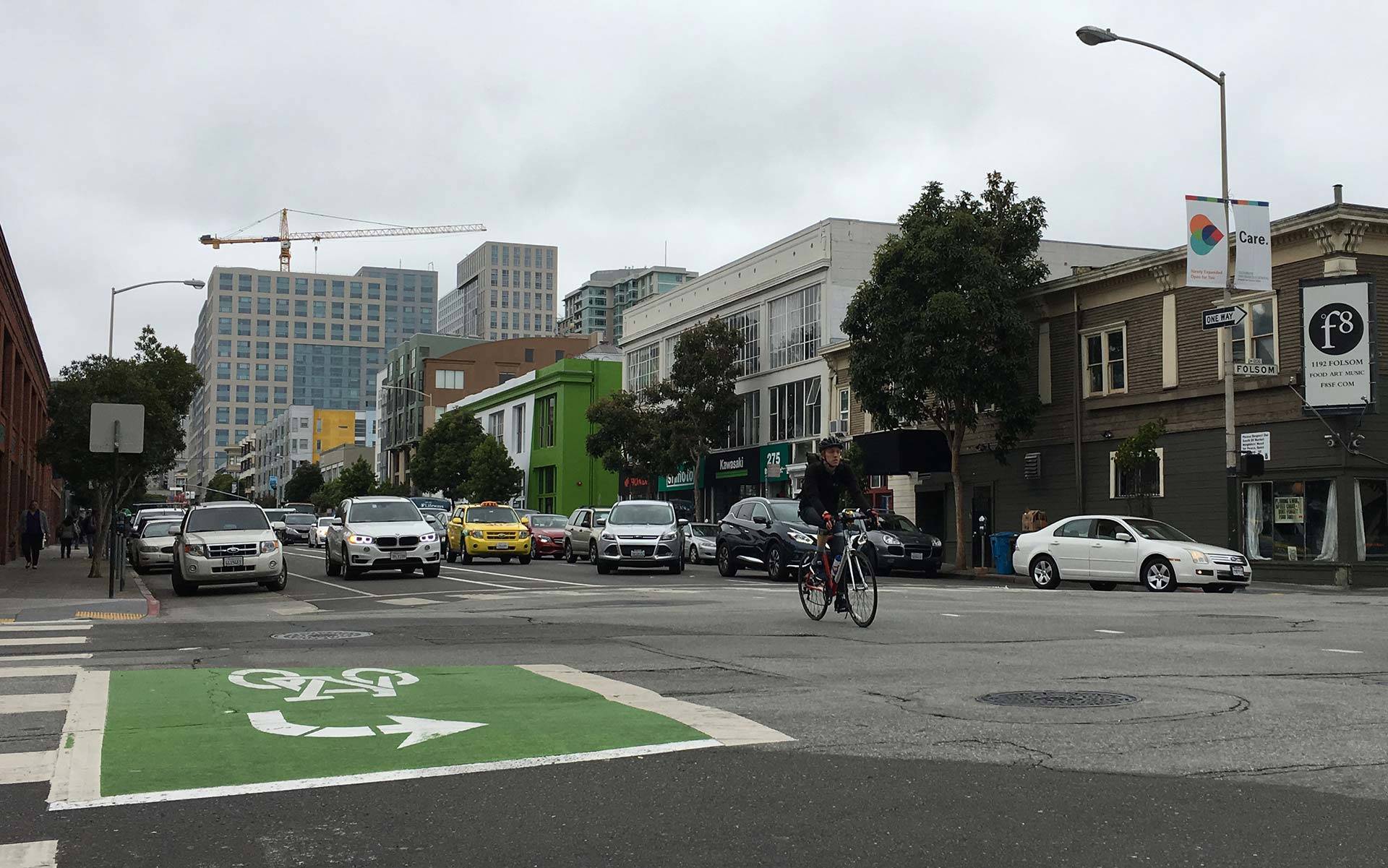
"caption": "A bicyclist crosses the intersection of Eighth and Folsom streets in San Francisco on Aug. 4, 2016. Behind him a car obstructs the bike lane.",
"description": "A bicyclist crosses the intersection of 8th and Folsom streets in San Francisco on Aug. 4, 2016. Behind him a car obstructs the bike lane.",
"title": "bike-xing-1920",
"credit": "Bryan Goebel/KQED",
"status": "inherit",
"isLoading": false,
"fetchFailed": false
}
},
"audioPlayerReducer": {
"postId": "stream_live",
"isPaused": true,
"isPlaying": false,
"pfsActive": false,
"pledgeModalIsOpen": true,
"playerDrawerIsOpen": false,
"liveAudioPlayStartedAt": 0,
"liveAudioPlayContext": ""
},
"authorsReducer": {
"bgoebel": {
"type": "authors",
"id": "214",
"meta": {
"index": "authors_1716337520",
"id": "214",
"found": true
},
"name": "Bryan Goebel",
"firstName": "Bryan",
"lastName": "Goebel",
"slug": "bgoebel",
"email": "bgoebel@kqed.org",
"display_author_email": false,
"staff_mastheads": [],
"title": null,
"bio": "Bryan Goebel is a reporter focused on transportation and housing issues. He was previously the editor of Streetsblog San Francisco, and an anchor/editor at KCBS Radio. He's a lifelong Californian and has also worked at radio stations in Barstow, Redding and Sacramento.",
"avatar": "https://secure.gravatar.com/avatar/7fdd6b065bfe9a23a71bcfa80848df88?s=600&d=blank&r=g",
"twitter": "velobry",
"facebook": null,
"instagram": null,
"linkedin": null,
"sites": [
{
"site": "news",
"roles": [
"subscriber"
]
},
{
"site": "stateofhealth",
"roles": [
"subscriber"
]
}
],
"headData": {
"title": "Bryan Goebel | KQED",
"description": null,
"ogImgSrc": "https://secure.gravatar.com/avatar/7fdd6b065bfe9a23a71bcfa80848df88?s=600&d=blank&r=g",
"twImgSrc": "https://secure.gravatar.com/avatar/7fdd6b065bfe9a23a71bcfa80848df88?s=600&d=blank&r=g"
},
"isLoading": false,
"link": "/author/bgoebel"
},
"danbrekke": {
"type": "authors",
"id": "222",
"meta": {
"index": "authors_1716337520",
"id": "222",
"found": true
},
"name": "Dan Brekke",
"firstName": "Dan",
"lastName": "Brekke",
"slug": "danbrekke",
"email": "dbrekke@kqed.org",
"display_author_email": true,
"staff_mastheads": [
"news",
"science"
],
"title": "KQED Editor and Reporter",
"bio": "Dan Brekke is a reporter and editor for KQED News, responsible for coverage of topics ranging from California water issues to the Bay Area's transportation challenges. In a newsroom career that began in Chicago in 1972, Dan has worked for \u003cem>The San Francisco Examiner,\u003c/em> Wired and TechTV and has been published in The New York Times, The New York Times Magazine, Business 2.0, Salon and elsewhere.\r\n\r\nSince joining KQED in 2007, Dan has reported, edited and produced both radio and online features and breaking news pieces. He has shared as both editor and reporter in four Society of Professional Journalists Norcal Excellence in Journalism awards and one Edward R. Murrow regional award. He was chosen for a spring 2017 residency at the Mesa Refuge to advance his research on California salmon.\r\n\r\nEmail Dan at: \u003ca href=\"mailto:dbrekke@kqed.org\">dbrekke@kqed.org\u003c/a>\r\n\r\n\u003cstrong>Twitter:\u003c/strong> \u003ca href=\"https://twitter.com/danbrekke\" rel=\"noopener noreferrer\">twitter.com/danbrekke\u003c/a>\r\n\u003cstrong>Facebook:\u003c/strong> \u003ca href=\"https://www.facebook.com/danbrekke\" rel=\"noopener noreferrer\">www.facebook.com/danbrekke\u003c/a>\r\n\u003cstrong>LinkedIn:\u003c/strong> \u003ca href=\"https://www.linkedin.com/in/danbrekke\" rel=\"noopener noreferrer\">www.linkedin.com/in/danbrekke\u003c/a>",
"avatar": "https://secure.gravatar.com/avatar/8f1f0d2a978fb3b23426c922c7e2af558fa36905b49c4ce76a97dc3c72d27226?s=600&d=mm&r=g",
"twitter": "danbrekke",
"bluesky": null,
"facebook": null,
"instagram": "https://www.instagram.com/dan.brekke/",
"linkedin": "https://www.linkedin.com/in/danbrekke/",
"sites": [
{
"site": "news",
"roles": [
"administrator",
"create_posts"
]
},
{
"site": "stateofhealth",
"roles": [
"editor"
]
},
{
"site": "science",
"roles": [
"editor"
]
},
{
"site": "quest",
"roles": [
"contributor"
]
},
{
"site": "food",
"roles": [
"contributor"
]
},
{
"site": "forum",
"roles": [
"contributor"
]
},
{
"site": "elections",
"roles": [
"editor"
]
},
{
"site": "liveblog",
"roles": [
"editor"
]
}
],
"headData": {
"title": "Dan Brekke | KQED",
"description": "KQED Editor and Reporter",
"ogImgSrc": "https://secure.gravatar.com/avatar/8f1f0d2a978fb3b23426c922c7e2af558fa36905b49c4ce76a97dc3c72d27226?s=600&d=mm&r=g",
"twImgSrc": "https://secure.gravatar.com/avatar/8f1f0d2a978fb3b23426c922c7e2af558fa36905b49c4ce76a97dc3c72d27226?s=600&d=mm&r=g"
},
"isLoading": false,
"link": "/author/danbrekke"
},
"matthewgreen": {
"type": "authors",
"id": "1263",
"meta": {
"index": "authors_1716337520",
"id": "1263",
"found": true
},
"name": "Matthew Green",
"firstName": "Matthew",
"lastName": "Green",
"slug": "matthewgreen",
"email": "mgreen@kqed.org",
"display_author_email": false,
"staff_mastheads": [],
"title": "KQED Editor/Reporter",
"bio": "Matthew Green is a digital media producer for KQED News. He previously produced \u003ca href=\"http://www.kqed.org/lowdown\">The Lowdown\u003c/a>, KQED’s multimedia news education blog. Matthew's written for numerous Bay Area publications, including the Oakland Tribune and San Francisco Chronicle. He also taught journalism classes at Fremont High School in East Oakland.\r\n\r\nEmail: mgreen@kqed.org; Twitter: @MGreenKQED",
"avatar": "https://secure.gravatar.com/avatar/3bf498d1267ca02c8494f33d8cfc575e?s=600&d=blank&r=g",
"twitter": "MGreenKQED",
"facebook": null,
"instagram": null,
"linkedin": null,
"sites": [
{
"site": "news",
"roles": []
},
{
"site": "lowdown",
"roles": []
},
{
"site": "science",
"roles": []
},
{
"site": "education",
"roles": []
},
{
"site": "quest",
"roles": []
},
{
"site": "liveblog",
"roles": []
}
],
"headData": {
"title": "Matthew Green | KQED",
"description": "KQED Editor/Reporter",
"ogImgSrc": "https://secure.gravatar.com/avatar/3bf498d1267ca02c8494f33d8cfc575e?s=600&d=blank&r=g",
"twImgSrc": "https://secure.gravatar.com/avatar/3bf498d1267ca02c8494f33d8cfc575e?s=600&d=blank&r=g"
},
"isLoading": false,
"link": "/author/matthewgreen"
},
"mdanish": {
"type": "authors",
"id": "11504",
"meta": {
"index": "authors_1716337520",
"id": "11504",
"found": true
},
"name": "Muna Danish",
"firstName": "Muna",
"lastName": "Danish",
"slug": "mdanish",
"email": "mdanish@KQED.org",
"display_author_email": false,
"staff_mastheads": [],
"title": null,
"bio": null,
"avatar": "https://secure.gravatar.com/avatar/0f9eb78572eb14a36d9324eae714d52e?s=600&d=blank&r=g",
"twitter": null,
"facebook": null,
"instagram": null,
"linkedin": null,
"sites": [
{
"site": "news",
"roles": [
"author"
]
}
],
"headData": {
"title": "Muna Danish | KQED",
"description": null,
"ogImgSrc": "https://secure.gravatar.com/avatar/0f9eb78572eb14a36d9324eae714d52e?s=600&d=blank&r=g",
"twImgSrc": "https://secure.gravatar.com/avatar/0f9eb78572eb14a36d9324eae714d52e?s=600&d=blank&r=g"
},
"isLoading": false,
"link": "/author/mdanish"
},
"sgonzalez": {
"type": "authors",
"id": "11621",
"meta": {
"index": "authors_1716337520",
"id": "11621",
"found": true
},
"name": "Saul Gonzalez",
"firstName": "Saul",
"lastName": "Gonzalez",
"slug": "sgonzalez",
"email": "sgonzalez@KQED.org",
"display_author_email": false,
"staff_mastheads": [
"news"
],
"title": "Host, The California Report",
"bio": "A Golden State native, Saul has been the Los Angeles co-host of \u003cem>The California Report\u003c/em>since 2019, covering such issues as homelessness and housing policy, the state's response to climate change and the ravages of the Covid pandemic. Whenever possible, tries to be outside of the studio, connecting these big issues to the daily lives of Californians experiencing them in very personal ways.\r\n\r\nBefore joining KQED, Saul worked for the PBS \u003cem>NewsHour, Religion & Ethics Newsweekly, \u003c/em>and public radio affiliate KCRW in Santa Monica, where he also hosted the podcast series \"There Goes the Neighborhood\" about gentrification. For his work, Saul has been honored with several Emmys and is a two-time winner of the L.A. Press Club's Radio Journalist of the Year Award.\r\n\r\nWhen not working, Saul spends his time trying to hone his amateur photography skills and spending as much time as possible in bookstores and coffee houses.",
"avatar": "https://secure.gravatar.com/avatar/06e10f8ad252ef896cc4dc6bbee5f901?s=600&d=blank&r=g",
"twitter": null,
"facebook": null,
"instagram": null,
"linkedin": null,
"sites": [
{
"site": "news",
"roles": [
"author"
]
}
],
"headData": {
"title": "Saul Gonzalez | KQED",
"description": "Host, The California Report",
"ogImgSrc": "https://secure.gravatar.com/avatar/06e10f8ad252ef896cc4dc6bbee5f901?s=600&d=blank&r=g",
"twImgSrc": "https://secure.gravatar.com/avatar/06e10f8ad252ef896cc4dc6bbee5f901?s=600&d=blank&r=g"
},
"isLoading": false,
"link": "/author/sgonzalez"
},
"adahlstromeckman": {
"type": "authors",
"id": "11785",
"meta": {
"index": "authors_1716337520",
"id": "11785",
"found": true
},
"name": "Azul Dahlstrom-Eckman",
"firstName": "Azul",
"lastName": "Dahlstrom-Eckman",
"slug": "adahlstromeckman",
"email": "adahlstrom-eckman@kqed.org",
"display_author_email": true,
"staff_mastheads": [],
"title": "Reporter",
"bio": "Azul is a reporter for KQED focusing on transportation and features. He joined KQED in 2021 as an alumna of KALW's Audio Academy radio journalism training program.",
"avatar": "https://secure.gravatar.com/avatar/9cb750298435add7815a777f55bf1f46845c1386bb8452555c60a7b820b5aba3?s=600&d=blank&r=g",
"twitter": "@zuliemann",
"bluesky": "@azul415.bsky.social",
"facebook": null,
"instagram": null,
"linkedin": null,
"sites": [
{
"site": "arts",
"roles": [
"editor"
]
},
{
"site": "news",
"roles": [
"editor"
]
},
{
"site": "science",
"roles": [
"editor"
]
},
{
"site": "liveblog",
"roles": [
"author"
]
}
],
"headData": {
"title": "Azul Dahlstrom-Eckman | KQED",
"description": "Reporter",
"ogImgSrc": "https://secure.gravatar.com/avatar/9cb750298435add7815a777f55bf1f46845c1386bb8452555c60a7b820b5aba3?s=600&d=blank&r=g",
"twImgSrc": "https://secure.gravatar.com/avatar/9cb750298435add7815a777f55bf1f46845c1386bb8452555c60a7b820b5aba3?s=600&d=blank&r=g"
},
"isLoading": false,
"link": "/author/adahlstromeckman"
},
"opalma": {
"type": "authors",
"id": "11897",
"meta": {
"index": "authors_1716337520",
"id": "11897",
"found": true
},
"name": "Oscar Palma",
"firstName": "Oscar",
"lastName": "Palma",
"slug": "opalma",
"email": "opalma@kqed.org",
"display_author_email": false,
"staff_mastheads": [],
"title": "KQED Contributor",
"bio": "Oscar Palma is a newscast intern at KQED, a freelance reporter and former Spanish editor for Golden Gate Xpress. Oscar is interested in environmental and community journalism. Some of his personal interests are bicycles, film, and Latin American literature and punk, his work has previously appeared in El Tecolote, KQED and The Frisc.",
"avatar": "https://secure.gravatar.com/avatar/d488e9b9f94b80f7b78e2896064827ab?s=600&d=blank&r=g",
"twitter": null,
"facebook": null,
"instagram": null,
"linkedin": null,
"sites": [
{
"site": "news",
"roles": [
"author"
]
}
],
"headData": {
"title": "Oscar Palma | KQED",
"description": "KQED Contributor",
"ogImgSrc": "https://secure.gravatar.com/avatar/d488e9b9f94b80f7b78e2896064827ab?s=600&d=blank&r=g",
"twImgSrc": "https://secure.gravatar.com/avatar/d488e9b9f94b80f7b78e2896064827ab?s=600&d=blank&r=g"
},
"isLoading": false,
"link": "/author/opalma"
},
"kdebenedetti": {
"type": "authors",
"id": "11913",
"meta": {
"index": "authors_1716337520",
"id": "11913",
"found": true
},
"name": "Katie DeBenedetti",
"firstName": "Katie",
"lastName": "DeBenedetti",
"slug": "kdebenedetti",
"email": "kdebenedetti@kqed.org",
"display_author_email": false,
"staff_mastheads": [
"news",
"science"
],
"title": "KQED Contributor",
"bio": "Katie DeBenedetti is a digital reporter covering daily news for the Express Desk. Prior to joining KQED as a culture reporting intern in January 2024, she covered education and city government for the Napa Valley Register.",
"avatar": "https://secure.gravatar.com/avatar/6e31073cb8f7e4214ab03f42771d0f45?s=600&d=blank&r=g",
"twitter": null,
"facebook": null,
"instagram": null,
"linkedin": null,
"sites": [
{
"site": "news",
"roles": [
"author"
]
},
{
"site": "science",
"roles": [
"author"
]
},
{
"site": "liveblog",
"roles": [
"author"
]
}
],
"headData": {
"title": "Katie DeBenedetti | KQED",
"description": "KQED Contributor",
"ogImgSrc": "https://secure.gravatar.com/avatar/6e31073cb8f7e4214ab03f42771d0f45?s=600&d=blank&r=g",
"twImgSrc": "https://secure.gravatar.com/avatar/6e31073cb8f7e4214ab03f42771d0f45?s=600&d=blank&r=g"
},
"isLoading": false,
"link": "/author/kdebenedetti"
},
"gzada": {
"type": "authors",
"id": "11929",
"meta": {
"index": "authors_1716337520",
"id": "11929",
"found": true
},
"name": "Gilare Zada",
"firstName": "Gilare",
"lastName": "Zada",
"slug": "gzada",
"email": "gzada@kqed.org",
"display_author_email": true,
"staff_mastheads": [
"news"
],
"title": null,
"bio": "Gilare Zada is a Kurdish-American from San Diego, CA. Storytelling, fitness, and binge reading are some of her passions outside of news reporting. Her work has appeared in Mission Local, the Peninsula Press, the San Francisco Press Club, and more. She also writes as a class correspondent for the Stanford Magazine - go Card!",
"avatar": "https://secure.gravatar.com/avatar/33a75f2b947669a488a805edec3fbf3838c1cedaedda710e983770633b4d6a75?s=600&d=blank&r=g",
"twitter": null,
"bluesky": null,
"facebook": null,
"instagram": null,
"linkedin": null,
"sites": [
{
"site": "",
"roles": [
"editor"
]
},
{
"site": "arts",
"roles": [
"editor"
]
},
{
"site": "news",
"roles": [
"administrator"
]
},
{
"site": "science",
"roles": [
"editor"
]
}
],
"headData": {
"title": "Gilare Zada | KQED",
"description": null,
"ogImgSrc": "https://secure.gravatar.com/avatar/33a75f2b947669a488a805edec3fbf3838c1cedaedda710e983770633b4d6a75?s=600&d=blank&r=g",
"twImgSrc": "https://secure.gravatar.com/avatar/33a75f2b947669a488a805edec3fbf3838c1cedaedda710e983770633b4d6a75?s=600&d=blank&r=g"
},
"isLoading": false,
"link": "/author/gzada"
},
"aaliahmad": {
"type": "authors",
"id": "11986",
"meta": {
"index": "authors_1716337520",
"id": "11986",
"found": true
},
"name": "Ayah Ali-Ahmad",
"firstName": "Ayah",
"lastName": "Ali-Ahmad",
"slug": "aaliahmad",
"email": "aaliahmad@KQED.org",
"display_author_email": false,
"staff_mastheads": [],
"title": "KQED Contributor",
"bio": null,
"avatar": "https://secure.gravatar.com/avatar/1cf54f187a5e1064b2cfef3f3d2f1e4f93e453395d56912aca6382a6071ec3ed?s=600&d=blank&r=g",
"twitter": "ayahaliahmad",
"bluesky": null,
"facebook": null,
"instagram": null,
"linkedin": null,
"sites": [
{
"site": "news",
"roles": [
"subscriber"
]
}
],
"headData": {
"title": "Ayah Ali-Ahmad | KQED",
"description": "KQED Contributor",
"ogImgSrc": "https://secure.gravatar.com/avatar/1cf54f187a5e1064b2cfef3f3d2f1e4f93e453395d56912aca6382a6071ec3ed?s=600&d=blank&r=g",
"twImgSrc": "https://secure.gravatar.com/avatar/1cf54f187a5e1064b2cfef3f3d2f1e4f93e453395d56912aca6382a6071ec3ed?s=600&d=blank&r=g"
},
"isLoading": false,
"link": "/author/aaliahmad"
}
},
"pagesReducer": {
"news_tag_vision-zero": {
"type": "terms",
"id": "news_18120",
"meta": {
"index": "terms_1716263798",
"site": "news",
"id": "18120",
"score": 10.404627
},
"featImg": null,
"name": "Vision Zero",
"description": null,
"taxonomy": "tag",
"headData": {
"twImgId": null,
"twTitle": null,
"ogTitle": null,
"ogImgId": null,
"twDescription": null,
"description": null,
"title": "Vision Zero Archives | KQED News",
"ogDescription": null
},
"ttid": 18154,
"slug": "vision-zero",
"isLoading": false,
"title": "Vision Zero",
"pageMeta": {
"site": "news",
"WpPageTemplate": "page-topic-editorial",
"currentPage": 1
},
"blocks": [
{
"blockName": "kqed/post-list",
"attrs": {
"layout": "cardArticle2",
"query": "posts/news?tag=vision-zero",
"seeMore": false,
"paginated": true,
"page": 1
}
},
{
"blockName": "kqed/ad"
}
]
}
},
"pfsSessionReducer": {},
"postsReducer": {
"stream_live": {
"type": "live",
"id": "stream_live",
"audioUrl": "https://streams.kqed.org/kqedradio",
"title": "Live Stream",
"excerpt": "Live Stream information currently unavailable.",
"link": "/radio",
"featImg": "",
"label": {
"name": "KQED Live",
"link": "/"
}
},
"stream_kqedNewscast": {
"type": "posts",
"id": "stream_kqedNewscast",
"audioUrl": "https://www.kqed.org/.stream/anon/radio/RDnews/newscast.mp3?_=1",
"title": "KQED Newscast",
"featImg": "",
"label": {
"name": "88.5 FM",
"link": "/"
}
},
"news_12067175": {
"type": "posts",
"id": "news_12067175",
"meta": {
"index": "posts_1716263798",
"site": "news",
"id": "12067175",
"score": null,
"sort": [
1765845921000
]
},
"guestAuthors": [],
"slug": "after-vision-zero-san-francisco-overhauls-approach-to-tackling-traffic-violence",
"title": "After Vision Zero, San Francisco ‘Overhauls’ Approach to Tackling Traffic Violence",
"publishDate": 1765845921,
"format": "standard",
"headTitle": "After Vision Zero, San Francisco ‘Overhauls’ Approach to Tackling Traffic Violence | KQED",
"labelTerm": {
"site": "news"
},
"content": "\u003cp>About every 15 hours, someone is rushed to San Francisco General Hospital with severe injuries from a \u003ca href=\"https://www.kqed.org/news/category/transportation\">traffic crash \u003c/a>— a rate that medical experts describe as a public health crisis.\u003c/p>\n\u003cp>Building on months of efforts by the Board of Supervisors, and following \u003ca href=\"https://www.kqed.org/news/12055304/after-vision-zero-san-francisco-looks-to-a-new-approach-to-traffic-safety\">the passage of the Street Safety Act,\u003c/a> San Francisco on Friday launched a citywide overhaul of how it handles traffic safety after its Vision Zero policy expired last year. At City Hall, Mayor Daniel Lurie announced an executive directive that formally links police enforcement with public health data and transportation engineering.\u003c/p>\n\u003cp>The move creates a unified command structure to address the rising number of severe injuries and fatalities on city streets and aims to bring higher levels of commitment and accountability to the issue within the city government.\u003c/p>\n\u003cp>[ad fullwidth]\u003c/p>\n\u003cp>“The injuries from these accidents and crashes are some of the hardest things I’ve ever seen as a doctor,” said Dr. Christian Rose, an emergency physician at San Francisco General Hospital who spoke at the ceremony. “If you were hit by a vehicle going 40 mph, that’d be the equivalent of falling off of a five-story building.”\u003c/p>\n\u003cp>The announcement followed a number of recent tragedies on San Francisco streets. Earlier this month, a 72-year-old staff member at Self-Help for the Elderly was killed in a crash in the Russian Hill neighborhood, at Mason Street and Broadway. And on Sunday, a 1-year-old was struck and killed by a car in Hayes Valley, the \u003cem>San Francisco Chronicle\u003c/em> reported.\u003c/p>\n\u003cp>“Everyone deserves to feel safe on the roads,” Anni Chung, Self-Help for the Elderly’s CEO, said. She noted that seniors make up a large portion of pedestrians in neighborhoods\u003ca href=\"https://www.kqed.org/news/12020559/can-san-francisco-stop-traffic-violence-so-far-efforts-failing\"> like Chinatown and the Tenderloin that are at high risk\u003c/a> for traffic accidents.\u003c/p>\n\u003cfigure id=\"attachment_12045967\" class=\"wp-caption aligncenter\" style=\"max-width: 2000px\">\u003cimg loading=\"lazy\" decoding=\"async\" class=\"wp-image-12045967 size-full\" src=\"https://cdn.kqed.org/wp-content/uploads/sites/10/2025/06/250228-WaterCitiesSF-06-BL_qed.jpg\" alt=\"\" width=\"2000\" height=\"1333\" srcset=\"https://cdn.kqed.org/wp-content/uploads/sites/10/2025/06/250228-WaterCitiesSF-06-BL_qed.jpg 2000w, https://cdn.kqed.org/wp-content/uploads/sites/10/2025/06/250228-WaterCitiesSF-06-BL_qed-160x107.jpg 160w, https://cdn.kqed.org/wp-content/uploads/sites/10/2025/06/250228-WaterCitiesSF-06-BL_qed-1536x1024.jpg 1536w\" sizes=\"auto, (max-width: 2000px) 100vw, 2000px\">\u003cfigcaption class=\"wp-caption-text\">Bicyclists pedaling down Cesar Chavez Street in San Francisco on Feb. 28, 2025. \u003ccite>(Beth LaBerge/KQED)\u003c/cite>\u003c/figcaption>\u003c/figure>\n\u003cp>The San Francisco Municipal Transportation Agency, the Department of Public Health and the San Francisco Police Department will co-chair the new Street Safety Initiative Working Group. While these agencies have collaborated in the past, Lurie’s order mandates a higher level of coordination and requires senior leaders from each department to meet regularly to align their strategies.\u003c/p>\n\u003cp>Lurie framed the city’s initiative as a more aggressive implementation of the “\u003ca href=\"https://www.ots.ca.gov/the-safe-system/\">Safe System\u003c/a>” approach, of which zero deaths on the roads is the goal. Lurie said the policy directs streets to be built to handle human error, managing vehicle speeds so that common mistakes don’t become fatal tragedies.\u003c/p>\n\u003cp>“Too often, traffic injuries are the result of predictable patterns and preventable conditions,” Lurie said. “This initiative will make streets safer for everyone … In San Francisco, safety is non-negotiable.”[aside postID=news_12058605 hero='https://cdn.kqed.org/wp-content/uploads/sites/10/2020/01/RS40878_001_KQED_MarketStCarFree_01232020_8469-qut-1020x680.jpg']However, some transportation experts and advocates have questioned whether a Safe System approach, the official strategy for roadway safety in the U.S., goes far enough to end traffic violence. One oft-cited concern is the idea of “\u003ca href=\"https://usa.streetsblog.org/2024/02/26/why-safe-systems-are-not-enough-to-end-road-violence\">shared responsibility\u003c/a>” on the road for all users, a key pillar of the approach, which critics have said obscures the main causes of traffic crashes — such as speeding.\u003c/p>\n\u003cp>“If we actually want to save lives and reduce crashes, then we need to really put the spotlight on who has disproportionate power to save lives,” David Zipper, a senior fellow at the MIT Mobility Initiative, told KQED earlier this year.\u003c/p>\n\u003cp>In San Francisco, the city has addressed the issue of speeding through the expansion of electronic enforcement. Earlier this year, San Francisco became the first city in California to launch \u003ca href=\"https://www.kqed.org/news/12058605/sf-speed-cameras-are-issuing-tons-of-tickets-and-slowing-drivers-sfmta-says\">automated speed cameras\u003c/a>. Early data from the pilot program shows a 78% reduction in speeding vehicles at camera locations.\u003c/p>\n\u003cp>Christopher White, executive director of the San Francisco Bicycle Coalition, said the shift toward automated enforcement is critical for protecting cyclists and pedestrians.\u003c/p>\n\u003cp>“The fact is that officers cannot be everywhere all the time,” White told KQED. “Having the consistency of automated speed enforcement and automated red light enforcement has had such an impact … We want to see it expanded throughout the city, and I think that the mayor’s initiative is going to give a lot of power behind that.”\u003c/p>\n\u003cfigure id=\"attachment_12040819\" class=\"wp-caption aligncenter\" style=\"max-width: 2000px\">\u003cimg loading=\"lazy\" decoding=\"async\" class=\"size-full wp-image-12040819\" src=\"https://cdn.kqed.org/wp-content/uploads/sites/10/2025/05/250519-VISIONZEROACTIVISM-15-BL-KQED.jpg\" alt=\"\" width=\"2000\" height=\"1333\" srcset=\"https://cdn.kqed.org/wp-content/uploads/sites/10/2025/05/250519-VISIONZEROACTIVISM-15-BL-KQED.jpg 2000w, https://cdn.kqed.org/wp-content/uploads/sites/10/2025/05/250519-VISIONZEROACTIVISM-15-BL-KQED-800x533.jpg 800w, https://cdn.kqed.org/wp-content/uploads/sites/10/2025/05/250519-VISIONZEROACTIVISM-15-BL-KQED-1020x680.jpg 1020w, https://cdn.kqed.org/wp-content/uploads/sites/10/2025/05/250519-VISIONZEROACTIVISM-15-BL-KQED-160x107.jpg 160w, https://cdn.kqed.org/wp-content/uploads/sites/10/2025/05/250519-VISIONZEROACTIVISM-15-BL-KQED-1536x1024.jpg 1536w, https://cdn.kqed.org/wp-content/uploads/sites/10/2025/05/250519-VISIONZEROACTIVISM-15-BL-KQED-1920x1280.jpg 1920w\" sizes=\"auto, (max-width: 2000px) 100vw, 2000px\">\u003cfigcaption class=\"wp-caption-text\">Traffic safety advocates from Walk San Francisco, Families for Safe Streets, and the Vision Zero Coalition gather on the steps of San Francisco City Hall on May 19, 2025, to demand the adoption of a new Vision Zero policy by July 30. The demonstrators placed white shoes on the steps, symbolizing the pedestrians who have lost their lives in traffic crashes. \u003ccite>(Beth LaBerge/KQED)\u003c/cite>\u003c/figcaption>\u003c/figure>\n\u003cp>2024 was the worst year for traffic fatalities in San Francisco since 2007, with 41 deaths recorded both years. So far, in 2025, the city has seen 16 pedestrian fatalities in traffic crashes — 23 total deaths.\u003c/p>\n\u003cp>A primary task within the first 100 days of this directive is to confirm and publish the 2025 High Injury Network — the map of the specific streets where the vast majority of severe crashes occur. Once confirmed, the city is tasked with identifying a priority list of “quick-build” projects, which use paint and physical barriers to rapidly improve safety in high-risk areas.\u003c/p>\n\u003cp>Within six months, the working group is required to release a Traffic Enforcement Strategy Report identifying the top crash-causing behaviors to target.\u003c/p>\n\u003cp>For advocates who have spent years pushing for safer streets, the directive represents a hopeful, yet overdue, step. White noted that while the Bicycle Coalition sees this as an extension of previous work, the direct involvement of the mayor’s office offers a new level of accountability.\u003c/p>\n\u003cp>“The\u003ca href=\"https://www.sfmta.com/reports/biking-and-rolling-plan-final-version\"> Biking and Rolling Plan\u003c/a> passed earlier in 2025, and we want to see that rolled out much faster,” White said. ‘It’s not addressed in the initiative until after year one. We can do a lot of the things in the Biking and Rolling plan sooner than that. It just takes the leadership and will to do it.”\u003c/p>\n\u003cp>\u003c/p>\n",
"blocks": [],
"excerpt": "Mayor Daniel Lurie’s street safety announcement followed news of the death of a 1-year-old child in the city’s Hayes Valley neighborhood in a car crash on Sunday. ",
"status": "publish",
"parent": 0,
"modified": 1765849156,
"stats": {
"hasAudio": false,
"hasVideo": false,
"hasChartOrMap": false,
"iframeSrcs": [],
"hasGoogleForm": false,
"hasGallery": false,
"hasHearkenModule": false,
"hasPolis": false,
"paragraphCount": 20,
"wordCount": 1045
},
"headData": {
"title": "After Vision Zero, San Francisco ‘Overhauls’ Approach to Tackling Traffic Violence | KQED",
"description": "Mayor Daniel Lurie’s street safety announcement followed news of the death of a 1-year-old child in the city’s Hayes Valley neighborhood in a car crash on Sunday. ",
"ogTitle": "",
"ogDescription": "",
"ogImgId": "",
"twTitle": "",
"twDescription": "",
"twImgId": "",
"schema": {
"@context": "https://schema.org",
"@type": "NewsArticle",
"headline": "After Vision Zero, San Francisco ‘Overhauls’ Approach to Tackling Traffic Violence",
"datePublished": "2025-12-15T16:45:21-08:00",
"dateModified": "2025-12-15T17:39:16-08:00",
"image": "https://cdn.kqed.org/wp-content/uploads/2020/02/KQED-OG-Image@1x.png",
"isAccessibleForFree": "True",
"publisher": {
"@type": "NewsMediaOrganization",
"@id": "https://www.kqed.org/#organization",
"name": "KQED",
"logo": "https://cdn.kqed.org/wp-content/uploads/2020/02/KQED-OG-Image@1x.png",
"url": "https://www.kqed.org",
"sameAs": [
"https://www.facebook.com/KQED",
"https://twitter.com/KQED",
"https://www.instagram.com/kqed/",
"https://www.tiktok.com/@kqedofficial",
"https://www.linkedin.com/company/kqed",
"https://www.youtube.com/channel/UCeC0IOo7i1P_61zVUWbJ4nw"
]
}
}
},
"primaryCategory": {
"termId": 28250,
"slug": "local",
"name": "Local"
},
"sticky": false,
"nprStoryId": "kqed-12067175",
"templateType": "standard",
"featuredImageType": "standard",
"excludeFromSiteSearch": "Include",
"articleAge": "0",
"path": "/news/12067175/after-vision-zero-san-francisco-overhauls-approach-to-tackling-traffic-violence",
"audioTrackLength": null,
"parsedContent": [
{
"type": "contentString",
"content": "\u003cdiv class=\"post-body\">\u003cp>\u003cp>About every 15 hours, someone is rushed to San Francisco General Hospital with severe injuries from a \u003ca href=\"https://www.kqed.org/news/category/transportation\">traffic crash \u003c/a>— a rate that medical experts describe as a public health crisis.\u003c/p>\n\u003cp>Building on months of efforts by the Board of Supervisors, and following \u003ca href=\"https://www.kqed.org/news/12055304/after-vision-zero-san-francisco-looks-to-a-new-approach-to-traffic-safety\">the passage of the Street Safety Act,\u003c/a> San Francisco on Friday launched a citywide overhaul of how it handles traffic safety after its Vision Zero policy expired last year. At City Hall, Mayor Daniel Lurie announced an executive directive that formally links police enforcement with public health data and transportation engineering.\u003c/p>\n\u003cp>The move creates a unified command structure to address the rising number of severe injuries and fatalities on city streets and aims to bring higher levels of commitment and accountability to the issue within the city government.\u003c/p>\n\u003cp>\u003c/p>\u003c/div>",
"attributes": {
"named": {},
"numeric": []
}
},
{
"type": "component",
"content": "",
"name": "ad",
"attributes": {
"named": {
"label": "fullwidth"
},
"numeric": [
"fullwidth"
]
}
},
{
"type": "contentString",
"content": "\u003cdiv class=\"post-body\">\u003cp>\u003c/p>\n\u003cp>“The injuries from these accidents and crashes are some of the hardest things I’ve ever seen as a doctor,” said Dr. Christian Rose, an emergency physician at San Francisco General Hospital who spoke at the ceremony. “If you were hit by a vehicle going 40 mph, that’d be the equivalent of falling off of a five-story building.”\u003c/p>\n\u003cp>The announcement followed a number of recent tragedies on San Francisco streets. Earlier this month, a 72-year-old staff member at Self-Help for the Elderly was killed in a crash in the Russian Hill neighborhood, at Mason Street and Broadway. And on Sunday, a 1-year-old was struck and killed by a car in Hayes Valley, the \u003cem>San Francisco Chronicle\u003c/em> reported.\u003c/p>\n\u003cp>“Everyone deserves to feel safe on the roads,” Anni Chung, Self-Help for the Elderly’s CEO, said. She noted that seniors make up a large portion of pedestrians in neighborhoods\u003ca href=\"https://www.kqed.org/news/12020559/can-san-francisco-stop-traffic-violence-so-far-efforts-failing\"> like Chinatown and the Tenderloin that are at high risk\u003c/a> for traffic accidents.\u003c/p>\n\u003cfigure id=\"attachment_12045967\" class=\"wp-caption aligncenter\" style=\"max-width: 2000px\">\u003cimg loading=\"lazy\" decoding=\"async\" class=\"wp-image-12045967 size-full\" src=\"https://cdn.kqed.org/wp-content/uploads/sites/10/2025/06/250228-WaterCitiesSF-06-BL_qed.jpg\" alt=\"\" width=\"2000\" height=\"1333\" srcset=\"https://cdn.kqed.org/wp-content/uploads/sites/10/2025/06/250228-WaterCitiesSF-06-BL_qed.jpg 2000w, https://cdn.kqed.org/wp-content/uploads/sites/10/2025/06/250228-WaterCitiesSF-06-BL_qed-160x107.jpg 160w, https://cdn.kqed.org/wp-content/uploads/sites/10/2025/06/250228-WaterCitiesSF-06-BL_qed-1536x1024.jpg 1536w\" sizes=\"auto, (max-width: 2000px) 100vw, 2000px\">\u003cfigcaption class=\"wp-caption-text\">Bicyclists pedaling down Cesar Chavez Street in San Francisco on Feb. 28, 2025. \u003ccite>(Beth LaBerge/KQED)\u003c/cite>\u003c/figcaption>\u003c/figure>\n\u003cp>The San Francisco Municipal Transportation Agency, the Department of Public Health and the San Francisco Police Department will co-chair the new Street Safety Initiative Working Group. While these agencies have collaborated in the past, Lurie’s order mandates a higher level of coordination and requires senior leaders from each department to meet regularly to align their strategies.\u003c/p>\n\u003cp>Lurie framed the city’s initiative as a more aggressive implementation of the “\u003ca href=\"https://www.ots.ca.gov/the-safe-system/\">Safe System\u003c/a>” approach, of which zero deaths on the roads is the goal. Lurie said the policy directs streets to be built to handle human error, managing vehicle speeds so that common mistakes don’t become fatal tragedies.\u003c/p>\n\u003cp>“Too often, traffic injuries are the result of predictable patterns and preventable conditions,” Lurie said. “This initiative will make streets safer for everyone … In San Francisco, safety is non-negotiable.”\u003c/p>\u003c/div>",
"attributes": {
"named": {},
"numeric": []
}
},
{
"type": "component",
"content": "",
"name": "aside",
"attributes": {
"named": {
"postid": "news_12058605",
"hero": "https://cdn.kqed.org/wp-content/uploads/sites/10/2020/01/RS40878_001_KQED_MarketStCarFree_01232020_8469-qut-1020x680.jpg",
"label": ""
},
"numeric": []
}
},
{
"type": "contentString",
"content": "\u003cdiv class=\"post-body\">\u003cp>However, some transportation experts and advocates have questioned whether a Safe System approach, the official strategy for roadway safety in the U.S., goes far enough to end traffic violence. One oft-cited concern is the idea of “\u003ca href=\"https://usa.streetsblog.org/2024/02/26/why-safe-systems-are-not-enough-to-end-road-violence\">shared responsibility\u003c/a>” on the road for all users, a key pillar of the approach, which critics have said obscures the main causes of traffic crashes — such as speeding.\u003c/p>\n\u003cp>“If we actually want to save lives and reduce crashes, then we need to really put the spotlight on who has disproportionate power to save lives,” David Zipper, a senior fellow at the MIT Mobility Initiative, told KQED earlier this year.\u003c/p>\n\u003cp>In San Francisco, the city has addressed the issue of speeding through the expansion of electronic enforcement. Earlier this year, San Francisco became the first city in California to launch \u003ca href=\"https://www.kqed.org/news/12058605/sf-speed-cameras-are-issuing-tons-of-tickets-and-slowing-drivers-sfmta-says\">automated speed cameras\u003c/a>. Early data from the pilot program shows a 78% reduction in speeding vehicles at camera locations.\u003c/p>\n\u003cp>Christopher White, executive director of the San Francisco Bicycle Coalition, said the shift toward automated enforcement is critical for protecting cyclists and pedestrians.\u003c/p>\n\u003cp>“The fact is that officers cannot be everywhere all the time,” White told KQED. “Having the consistency of automated speed enforcement and automated red light enforcement has had such an impact … We want to see it expanded throughout the city, and I think that the mayor’s initiative is going to give a lot of power behind that.”\u003c/p>\n\u003cfigure id=\"attachment_12040819\" class=\"wp-caption aligncenter\" style=\"max-width: 2000px\">\u003cimg loading=\"lazy\" decoding=\"async\" class=\"size-full wp-image-12040819\" src=\"https://cdn.kqed.org/wp-content/uploads/sites/10/2025/05/250519-VISIONZEROACTIVISM-15-BL-KQED.jpg\" alt=\"\" width=\"2000\" height=\"1333\" srcset=\"https://cdn.kqed.org/wp-content/uploads/sites/10/2025/05/250519-VISIONZEROACTIVISM-15-BL-KQED.jpg 2000w, https://cdn.kqed.org/wp-content/uploads/sites/10/2025/05/250519-VISIONZEROACTIVISM-15-BL-KQED-800x533.jpg 800w, https://cdn.kqed.org/wp-content/uploads/sites/10/2025/05/250519-VISIONZEROACTIVISM-15-BL-KQED-1020x680.jpg 1020w, https://cdn.kqed.org/wp-content/uploads/sites/10/2025/05/250519-VISIONZEROACTIVISM-15-BL-KQED-160x107.jpg 160w, https://cdn.kqed.org/wp-content/uploads/sites/10/2025/05/250519-VISIONZEROACTIVISM-15-BL-KQED-1536x1024.jpg 1536w, https://cdn.kqed.org/wp-content/uploads/sites/10/2025/05/250519-VISIONZEROACTIVISM-15-BL-KQED-1920x1280.jpg 1920w\" sizes=\"auto, (max-width: 2000px) 100vw, 2000px\">\u003cfigcaption class=\"wp-caption-text\">Traffic safety advocates from Walk San Francisco, Families for Safe Streets, and the Vision Zero Coalition gather on the steps of San Francisco City Hall on May 19, 2025, to demand the adoption of a new Vision Zero policy by July 30. The demonstrators placed white shoes on the steps, symbolizing the pedestrians who have lost their lives in traffic crashes. \u003ccite>(Beth LaBerge/KQED)\u003c/cite>\u003c/figcaption>\u003c/figure>\n\u003cp>2024 was the worst year for traffic fatalities in San Francisco since 2007, with 41 deaths recorded both years. So far, in 2025, the city has seen 16 pedestrian fatalities in traffic crashes — 23 total deaths.\u003c/p>\n\u003cp>A primary task within the first 100 days of this directive is to confirm and publish the 2025 High Injury Network — the map of the specific streets where the vast majority of severe crashes occur. Once confirmed, the city is tasked with identifying a priority list of “quick-build” projects, which use paint and physical barriers to rapidly improve safety in high-risk areas.\u003c/p>\n\u003cp>Within six months, the working group is required to release a Traffic Enforcement Strategy Report identifying the top crash-causing behaviors to target.\u003c/p>\n\u003cp>For advocates who have spent years pushing for safer streets, the directive represents a hopeful, yet overdue, step. White noted that while the Bicycle Coalition sees this as an extension of previous work, the direct involvement of the mayor’s office offers a new level of accountability.\u003c/p>\n\u003cp>“The\u003ca href=\"https://www.sfmta.com/reports/biking-and-rolling-plan-final-version\"> Biking and Rolling Plan\u003c/a> passed earlier in 2025, and we want to see that rolled out much faster,” White said. ‘It’s not addressed in the initiative until after year one. We can do a lot of the things in the Biking and Rolling plan sooner than that. It just takes the leadership and will to do it.”\u003c/p>\n\u003cp>\u003c/p>\n\u003c/div>\u003c/p>",
"attributes": {
"named": {},
"numeric": []
}
}
],
"link": "/news/12067175/after-vision-zero-san-francisco-overhauls-approach-to-tackling-traffic-violence",
"authors": [
"11986"
],
"categories": [
"news_28250",
"news_8",
"news_13",
"news_1397"
],
"tags": [
"news_578",
"news_3234",
"news_34055",
"news_5535",
"news_17968",
"news_19960",
"news_22456",
"news_38",
"news_18120",
"news_31838"
],
"featImg": "news_12067181",
"label": "news"
},
"news_12055304": {
"type": "posts",
"id": "news_12055304",
"meta": {
"index": "posts_1716263798",
"site": "news",
"id": "12055304",
"score": null,
"sort": [
1757455325000
]
},
"guestAuthors": [],
"slug": "after-vision-zero-san-francisco-looks-to-a-new-approach-to-traffic-safety",
"title": "After Vision Zero, San Francisco Looks to a New Approach to Traffic Safety",
"publishDate": 1757455325,
"format": "standard",
"headTitle": "After Vision Zero, San Francisco Looks to a New Approach to Traffic Safety | KQED",
"labelTerm": {
"site": "news"
},
"content": "\u003cp>“Get off the sidewalk,” Diane Amato regularly shouts at the many people she said ride \u003ca href=\"https://www.kqed.org/news/12051245/deadly-electric-motor-vehicle-collisions-in-san-francisco-prompt-calls-for-regulation\">scooters and e-bikes\u003c/a> on sidewalks in her San Francisco neighborhood.\u003c/p>\n\u003cp>They don’t always take it well. Amato said she has been “flipped off, called names, and threatened.”\u003c/p>\n\u003cp>Amato, who lives in the city’s northeastern District 6, was one of more than a dozen residents who showed up at the Land Use and Transportation Committee meeting on Monday to support the San Francisco Street Safety Act, the city’s latest effort to reduce severe and fatal traffic deaths in the city.\u003c/p>\n\u003cp>[ad fullwidth]\u003c/p>\n\u003cp>“Are we just going to continue to get injured and killed because pedestrians come last? Or will you pass the Street Safety Act and put the welfare of pedestrians first?” she asked the committee members.\u003c/p>\n\u003cp>The ordinance, which passed unanimously out of the committee on Monday and heads to the full Board of Supervisors next Tuesday, comes after the city’s \u003ca href=\"https://www.kqed.org/news/12010882/tragic-sf-pedestrian-death-raises-question-vision-zero-failure\">Vision Zero initiative\u003c/a> expired last year, falling far short of its goal to achieve zero traffic deaths by 2024. That year was \u003ca href=\"https://www.kqed.org/news/12041243/san-franciscos-streets-still-deadly-advocates-want-lurie-to-do-more\">the city’s deadliest\u003c/a> under the program, with 43 people killed in crashes. So far this year, San Francisco has seen 20 traffic-related deaths.\u003c/p>\n\u003cp>Now, city leaders are looking to the Street Safety Act as a way to tackle the issue of traffic safety anew.\u003c/p>\n\u003cp>One way the act improves on Vision Zero is that it creates specific goals for different city agencies and mandates they work together, said Marta Lindsey, spokesperson for pedestrian advocacy group Walk SF.\u003c/p>\n\u003cp>“That is absolutely crucial,” Lindsey said, “because a lot of projects on our streets require different agencies’ approval or working together, and as soon as that starts to slow down, so does the progress.”\u003c/p>\n\u003cp>The legislation sets expectations for seven city departments, including the police, public health and public works departments.\u003c/p>\n\u003cp>[aside postID=news_12020559 hero='https://cdn.kqed.org/wp-content/uploads/sites/10/2025/01/250107-PedestrianDeathStepback-26-1020x680.jpg']\u003c/p>\n\u003cp>Under the plan, SFPD would be required to develop and release a plan to increase traffic enforcement efforts on behaviors that are most likely to result in severe injury and death, such as speeding.\u003c/p>\n\u003cp>The San Francisco Fire Department would be required to release written guidelines identifying street designs and traffic calming tools it finds acceptable, and the city’s transportation agency would be required to develop a plan for redesigning streets identified on its \u003ca href=\"https://www.visionzerosf.org/maps-data/\">high-injury network\u003c/a>.\u003c/p>\n\u003cp>The law sets timelines for departments to deliver many of these requirements by the end of this year or next.\u003c/p>\n\u003cp>Many at Monday’s meeting agreed that city leaders need a renewed focus on street safety, given the rapidly changing transportation environment on city streets due to the rise of self-driving cars, e-mobility devices, ride-hailing services and delivery drivers.\u003c/p>\n\u003cp>“When I began bike commuting, I had to worry about cars,” said Lisa Platt, a resident of District 2, who said she had lost feeling in half of her face after a bike crash. “I still very much do, but now daily I dodge scooters and electric skateboards and bicycles riding on sidewalks because the bicycle infrastructure is incomplete or filled with delivery motorcycles whizzing by.”\u003c/p>\n\u003cp>With the help of state legislation, San Francisco has made some significant safety improvements to city streets in the last year. It was the first city in the state to implement a \u003ca href=\"https://www.kqed.org/news/12050882/sfs-speed-cameras-a-good-first-step-but-bittersweet-for-families-of-speeding-victims\">speed safety camera pilot\u003c/a>, which automatically doles out tickets to drivers traveling more than 11 miles over the speed limit at 33 camera locations. The city has also moved to carry out the state’s new \u003ca href=\"https://www.kqed.org/news/12019725/daylighting-laws-will-be-enforced-in-the-bay-area-in-2025-heres-how-to-avoid-a-ticket\">daylighting \u003c/a>law, which prioritizes pedestrian visibility by preventing cars from parking in spaces before crosswalks.\u003c/p>\n\u003cp>Lindsey expects the Street Safety Act to receive unanimous approval from the city’s full Board of Supervisors at next week’s meeting.\u003c/p>\n\u003cp>But even if the law passes, the work won’t be over, she said.\u003c/p>\n\u003cp>“I think the Street Safety Act is the blueprint for success in the upcoming years,” Lindsey said, “and then it’s going to be a matter of holding these agency leaders to task on this.”\u003c/p>\n\u003cp>\u003c/p>\n",
"blocks": [],
"excerpt": "The Street Safety Act, which supervisors will vote on next week, aims to hold city agencies accountable for working together to reduce traffic deaths.",
"status": "publish",
"parent": 0,
"modified": 1757461004,
"stats": {
"hasAudio": false,
"hasVideo": false,
"hasChartOrMap": false,
"iframeSrcs": [],
"hasGoogleForm": false,
"hasGallery": false,
"hasHearkenModule": false,
"hasPolis": false,
"paragraphCount": 21,
"wordCount": 725
},
"headData": {
"title": "After Vision Zero, San Francisco Looks to a New Approach to Traffic Safety | KQED",
"description": "The Street Safety Act, which supervisors will vote on next week, aims to hold city agencies accountable for working together to reduce traffic deaths.",
"ogTitle": "",
"ogDescription": "",
"ogImgId": "",
"twTitle": "",
"twDescription": "",
"twImgId": "",
"schema": {
"@context": "https://schema.org",
"@type": "NewsArticle",
"headline": "After Vision Zero, San Francisco Looks to a New Approach to Traffic Safety",
"datePublished": "2025-09-09T15:02:05-07:00",
"dateModified": "2025-09-09T16:36:44-07:00",
"image": "https://cdn.kqed.org/wp-content/uploads/2020/02/KQED-OG-Image@1x.png",
"isAccessibleForFree": "True",
"publisher": {
"@type": "NewsMediaOrganization",
"@id": "https://www.kqed.org/#organization",
"name": "KQED",
"logo": "https://cdn.kqed.org/wp-content/uploads/2020/02/KQED-OG-Image@1x.png",
"url": "https://www.kqed.org",
"sameAs": [
"https://www.facebook.com/KQED",
"https://twitter.com/KQED",
"https://www.instagram.com/kqed/",
"https://www.tiktok.com/@kqedofficial",
"https://www.linkedin.com/company/kqed",
"https://www.youtube.com/channel/UCeC0IOo7i1P_61zVUWbJ4nw"
]
}
}
},
"primaryCategory": {
"termId": 1397,
"slug": "transportation",
"name": "Transportation"
},
"sticky": false,
"nprStoryId": "kqed-12055304",
"templateType": "standard",
"featuredImageType": "standard",
"excludeFromSiteSearch": "Include",
"articleAge": "0",
"path": "/news/12055304/after-vision-zero-san-francisco-looks-to-a-new-approach-to-traffic-safety",
"audioTrackLength": null,
"parsedContent": [
{
"type": "contentString",
"content": "\u003cdiv class=\"post-body\">\u003cp>\u003cp>“Get off the sidewalk,” Diane Amato regularly shouts at the many people she said ride \u003ca href=\"https://www.kqed.org/news/12051245/deadly-electric-motor-vehicle-collisions-in-san-francisco-prompt-calls-for-regulation\">scooters and e-bikes\u003c/a> on sidewalks in her San Francisco neighborhood.\u003c/p>\n\u003cp>They don’t always take it well. Amato said she has been “flipped off, called names, and threatened.”\u003c/p>\n\u003cp>Amato, who lives in the city’s northeastern District 6, was one of more than a dozen residents who showed up at the Land Use and Transportation Committee meeting on Monday to support the San Francisco Street Safety Act, the city’s latest effort to reduce severe and fatal traffic deaths in the city.\u003c/p>\n\u003cp>\u003c/p>\u003c/div>",
"attributes": {
"named": {},
"numeric": []
}
},
{
"type": "component",
"content": "",
"name": "ad",
"attributes": {
"named": {
"label": "fullwidth"
},
"numeric": [
"fullwidth"
]
}
},
{
"type": "contentString",
"content": "\u003cdiv class=\"post-body\">\u003cp>\u003c/p>\n\u003cp>“Are we just going to continue to get injured and killed because pedestrians come last? Or will you pass the Street Safety Act and put the welfare of pedestrians first?” she asked the committee members.\u003c/p>\n\u003cp>The ordinance, which passed unanimously out of the committee on Monday and heads to the full Board of Supervisors next Tuesday, comes after the city’s \u003ca href=\"https://www.kqed.org/news/12010882/tragic-sf-pedestrian-death-raises-question-vision-zero-failure\">Vision Zero initiative\u003c/a> expired last year, falling far short of its goal to achieve zero traffic deaths by 2024. That year was \u003ca href=\"https://www.kqed.org/news/12041243/san-franciscos-streets-still-deadly-advocates-want-lurie-to-do-more\">the city’s deadliest\u003c/a> under the program, with 43 people killed in crashes. So far this year, San Francisco has seen 20 traffic-related deaths.\u003c/p>\n\u003cp>Now, city leaders are looking to the Street Safety Act as a way to tackle the issue of traffic safety anew.\u003c/p>\n\u003cp>One way the act improves on Vision Zero is that it creates specific goals for different city agencies and mandates they work together, said Marta Lindsey, spokesperson for pedestrian advocacy group Walk SF.\u003c/p>\n\u003cp>“That is absolutely crucial,” Lindsey said, “because a lot of projects on our streets require different agencies’ approval or working together, and as soon as that starts to slow down, so does the progress.”\u003c/p>\n\u003cp>The legislation sets expectations for seven city departments, including the police, public health and public works departments.\u003c/p>\n\u003cp>\u003c/p>\u003c/div>",
"attributes": {
"named": {},
"numeric": []
}
},
{
"type": "component",
"content": "",
"name": "aside",
"attributes": {
"named": {
"postid": "news_12020559",
"hero": "https://cdn.kqed.org/wp-content/uploads/sites/10/2025/01/250107-PedestrianDeathStepback-26-1020x680.jpg",
"label": ""
},
"numeric": []
}
},
{
"type": "contentString",
"content": "\u003cdiv class=\"post-body\">\u003cp>\u003c/p>\n\u003cp>Under the plan, SFPD would be required to develop and release a plan to increase traffic enforcement efforts on behaviors that are most likely to result in severe injury and death, such as speeding.\u003c/p>\n\u003cp>The San Francisco Fire Department would be required to release written guidelines identifying street designs and traffic calming tools it finds acceptable, and the city’s transportation agency would be required to develop a plan for redesigning streets identified on its \u003ca href=\"https://www.visionzerosf.org/maps-data/\">high-injury network\u003c/a>.\u003c/p>\n\u003cp>The law sets timelines for departments to deliver many of these requirements by the end of this year or next.\u003c/p>\n\u003cp>Many at Monday’s meeting agreed that city leaders need a renewed focus on street safety, given the rapidly changing transportation environment on city streets due to the rise of self-driving cars, e-mobility devices, ride-hailing services and delivery drivers.\u003c/p>\n\u003cp>“When I began bike commuting, I had to worry about cars,” said Lisa Platt, a resident of District 2, who said she had lost feeling in half of her face after a bike crash. “I still very much do, but now daily I dodge scooters and electric skateboards and bicycles riding on sidewalks because the bicycle infrastructure is incomplete or filled with delivery motorcycles whizzing by.”\u003c/p>\n\u003cp>With the help of state legislation, San Francisco has made some significant safety improvements to city streets in the last year. It was the first city in the state to implement a \u003ca href=\"https://www.kqed.org/news/12050882/sfs-speed-cameras-a-good-first-step-but-bittersweet-for-families-of-speeding-victims\">speed safety camera pilot\u003c/a>, which automatically doles out tickets to drivers traveling more than 11 miles over the speed limit at 33 camera locations. The city has also moved to carry out the state’s new \u003ca href=\"https://www.kqed.org/news/12019725/daylighting-laws-will-be-enforced-in-the-bay-area-in-2025-heres-how-to-avoid-a-ticket\">daylighting \u003c/a>law, which prioritizes pedestrian visibility by preventing cars from parking in spaces before crosswalks.\u003c/p>\n\u003cp>Lindsey expects the Street Safety Act to receive unanimous approval from the city’s full Board of Supervisors at next week’s meeting.\u003c/p>\n\u003cp>But even if the law passes, the work won’t be over, she said.\u003c/p>\n\u003cp>“I think the Street Safety Act is the blueprint for success in the upcoming years,” Lindsey said, “and then it’s going to be a matter of holding these agency leaders to task on this.”\u003c/p>\n\u003cp>\u003c/p>\n\u003c/div>\u003c/p>",
"attributes": {
"named": {},
"numeric": []
}
}
],
"link": "/news/12055304/after-vision-zero-san-francisco-looks-to-a-new-approach-to-traffic-safety",
"authors": [
"11785"
],
"categories": [
"news_28250",
"news_8",
"news_13",
"news_1397"
],
"tags": [
"news_27626",
"news_5535",
"news_17968",
"news_22456",
"news_38",
"news_18120",
"news_31838"
],
"featImg": "news_12055313",
"label": "news"
},
"news_12045959": {
"type": "posts",
"id": "news_12045959",
"meta": {
"index": "posts_1716263798",
"site": "news",
"id": "12045959",
"score": null,
"sort": [
1750896167000
]
},
"guestAuthors": [],
"slug": "sf-ends-program-allowing-residents-to-request-street-safety-improvements",
"title": "SF Ends Program Allowing Residents to Request Street Safety Improvements",
"publishDate": 1750896167,
"format": "standard",
"headTitle": "SF Ends Program Allowing Residents to Request Street Safety Improvements | KQED",
"labelTerm": {
"site": "news"
},
"content": "\u003cp>If you’ve been hoping for a new speed bump on your street, don’t hold your breath.\u003c/p>\n\u003cp>\u003ca href=\"https://www.kqed.org/news/tag/sfmta\">San Francisco transportation officials \u003c/a>are suspending a popular, long-running program that allows residents to request street safety improvements in their neighborhoods.\u003c/p>\n\u003cp>The San Francisco Municipal Transportation Agency this week said it would be “temporarily pausing” its Residential Traffic Calming Program, citing “rising construction costs, record demand, and a challenging fiscal landscape.”\u003c/p>\n\u003cp>[ad fullwidth]\u003c/p>\n\u003cp>The move comes as the agency faces an \u003ca href=\"https://www.kqed.org/news/12037653/sfmta-launches-major-reorganization-to-address-mounting-budget-shortfall\">anticipated $322 million budget deficit\u003c/a> next year when federal and state one-time relief funds run out.\u003c/p>\n\u003cp>Since the launch of the traffic calming program in 2013, residents have been able to ask the city to install new speed-reducing devices, such as concrete islands, speed bumps (and humps), road markings and rubber road cushions, in their neighborhoods.\u003c/p>\n\u003cfigure id=\"attachment_12015012\" class=\"wp-caption aligncenter\" style=\"max-width: 1695px\">\u003ca href=\"https://cdn.kqed.org/wp-content/uploads/sites/10/2024/11/MUNI-with-GBUS.png\">\u003cimg loading=\"lazy\" decoding=\"async\" class=\"size-full wp-image-12015012\" src=\"https://cdn.kqed.org/wp-content/uploads/sites/10/2024/11/MUNI-with-GBUS.png\" alt=\"\" width=\"1695\" height=\"1158\" srcset=\"https://cdn.kqed.org/wp-content/uploads/sites/10/2024/11/MUNI-with-GBUS.png 1695w, https://cdn.kqed.org/wp-content/uploads/sites/10/2024/11/MUNI-with-GBUS-800x547.png 800w, https://cdn.kqed.org/wp-content/uploads/sites/10/2024/11/MUNI-with-GBUS-1020x697.png 1020w, https://cdn.kqed.org/wp-content/uploads/sites/10/2024/11/MUNI-with-GBUS-160x109.png 160w, https://cdn.kqed.org/wp-content/uploads/sites/10/2024/11/MUNI-with-GBUS-1536x1049.png 1536w\" sizes=\"auto, (max-width: 1695px) 100vw, 1695px\">\u003c/a>\u003cfigcaption class=\"wp-caption-text\">SFMTA is talking about huge cuts to service to help close a $300 million budget deficit by next year. \u003ccite>(Mark Wilson/Getty Images)\u003c/cite>\u003c/figcaption>\u003c/figure>\n\u003cp>“A surge in applications during the pandemic — when the SFMTA made the process more accessible — has left a significant backlog of projects, many of which are now ready for construction,” the agency said in a statement, noting it would stop taking applications on July 1.\u003c/p>\n\u003cp>SFMTA has installed over 1,200 traffic-calming devices throughout the city since 2018, including more than 500 directly requested by residents, according to the agency.\u003c/p>\n\u003cp>“This work has helped advance\u003ca href=\"https://www.kqed.org/news/12010882/tragic-sf-pedestrian-death-raises-question-vision-zero-failure\"> San Francisco’s Vision Zero goals \u003c/a>— and that effort continues, even as new residential applications are temporarily paused,” it added, referring to \u003ca href=\"https://www.sfmta.com/vision-zero-sf\">an initiative\u003c/a> the city launched in 2014 to end traffic fatalities within a decade.[aside postID=news_12020559 hero='https://cdn.kqed.org/wp-content/uploads/sites/10/2025/01/250107-PedestrianDeathStepback-26-1020x680.jpg']The policy \u003ca href=\"https://www.kqed.org/news/12041243/san-franciscos-streets-still-deadly-advocates-want-lurie-to-do-more\">officially expired\u003c/a> in 2024, the city’s deadliest \u003ca href=\"https://www.sfchronicle.com/bayarea/article/more-people-died-sf-crashes-homicides-19998860.php\">year\u003c/a> in at least two decades, when \u003ca href=\"https://www.sf.gov/data--traffic-fatalities\">42 people, \u003c/a>including 24 pedestrians, were killed in crashes.\u003c/p>\n\u003cp>The city’s Civil Grand Jury, a government watchdog group, last week released a \u003ca href=\"https://media.api.sf.gov/documents/2025_CGJ_Report_Failed_Vision.pdf\">scathing report\u003c/a> — dubbed “Failed Vision”— that attributed the rise in fatalities in part to “critical failures” in traffic enforcement by the city’s police department, which in recent years has issued significantly fewer traffic tickets amid staffing shortages and new regulations.\u003c/p>\n\u003cp>The number of traffic citations issued by police in the city declined by nearly 90% from 2014 to 2024, \u003ca href=\"https://www.sanfranciscopolice.org/stay-safe/crime-data/traffic-violation-reports\">according to department data\u003c/a>.\u003c/p>\n\u003cp>“There’s a sense of lawlessness on the city streets, due to the almost complete lack of \u003ca href=\"https://www.kqed.org/news/11929172/sf-on-track-for-deadliest-year-in-traffic-deaths-and-new-report-blames-inadequate-misdirected-police-enforcement\">enforcement in recent years\u003c/a>,” Jury Foreperson Michael Carboy said in a \u003ca href=\"https://media.api.sf.gov/documents/2025_CGJ_Report_Failed_Vision_Press_Release.pdf\">statement\u003c/a>.\u003c/p>\n\u003cp>With eight \u003ca href=\"https://www.sf.gov/data--traffic-fatalities\">pedestrian deaths\u003c/a> in San Francisco so far this year, safety advocates urged the city not to give up on Vision Zero.[aside postID=news_12041243 hero='https://cdn.kqed.org/wp-content/uploads/sites/10/2025/05/250519-VISIONZEROACTIVISM-15-BL-KQED-1020x680.jpg']Marta Lindsey, a spokesperson for Walk San Francisco, a pedestrian advocacy group, said that while the city’s crowd-sourced traffic calming program was well-intentioned, the piecemeal approach was inefficient.\u003c/p>\n\u003cp>“I hope SFMTA catches up on this backlog, but then comes back with a better program that can be proactive and bring speed humps to entire neighborhoods where they’re needed instead of this ‘speed hump by speed-hump’ approach.”\u003c/p>\n\u003cp>Speed, she said, continues to be the number one cause of severe and fatal crashes in San Francisco.\u003c/p>\n\u003cp>“This threat is real. It’s outside our windows every day,” she said. \u003cstrong>“\u003c/strong>People are really seeing and feeling how out of control speeding is on our streets. And they want something to be done that’s concrete. Literally concrete.”\u003c/p>\n\u003cp>\u003cem>This report includes reporting from KQED’s \u003c/em>\u003ca href=\"https://www.kqed.org/author/jasminegarnett\">\u003cem>Jasmine Garnett\u003c/em>\u003c/a>\u003c/p>\n\u003cp>\u003c/p>\n",
"blocks": [],
"excerpt": "The move comes as the agency faces an anticipated $322 million budget deficit next year when federal and state one-time relief funds run out.",
"status": "publish",
"parent": 0,
"modified": 1750910748,
"stats": {
"hasAudio": false,
"hasVideo": false,
"hasChartOrMap": false,
"iframeSrcs": [],
"hasGoogleForm": false,
"hasGallery": false,
"hasHearkenModule": false,
"hasPolis": false,
"paragraphCount": 18,
"wordCount": 649
},
"headData": {
"title": "SF Ends Program Allowing Residents to Request Street Safety Improvements | KQED",
"description": "The move comes as the agency faces an anticipated $322 million budget deficit next year when federal and state one-time relief funds run out.",
"ogTitle": "",
"ogDescription": "",
"ogImgId": "",
"twTitle": "",
"twDescription": "",
"twImgId": "",
"schema": {
"@context": "https://schema.org",
"@type": "NewsArticle",
"headline": "SF Ends Program Allowing Residents to Request Street Safety Improvements",
"datePublished": "2025-06-25T17:02:47-07:00",
"dateModified": "2025-06-25T21:05:48-07:00",
"image": "https://cdn.kqed.org/wp-content/uploads/2020/02/KQED-OG-Image@1x.png",
"isAccessibleForFree": "True",
"publisher": {
"@type": "NewsMediaOrganization",
"@id": "https://www.kqed.org/#organization",
"name": "KQED",
"logo": "https://cdn.kqed.org/wp-content/uploads/2020/02/KQED-OG-Image@1x.png",
"url": "https://www.kqed.org",
"sameAs": [
"https://www.facebook.com/KQED",
"https://twitter.com/KQED",
"https://www.instagram.com/kqed/",
"https://www.tiktok.com/@kqedofficial",
"https://www.linkedin.com/company/kqed",
"https://www.youtube.com/channel/UCeC0IOo7i1P_61zVUWbJ4nw"
]
}
}
},
"primaryCategory": {
"termId": 8,
"slug": "news",
"name": "News"
},
"sticky": false,
"nprStoryId": "kqed-12045959",
"templateType": "standard",
"featuredImageType": "standard",
"excludeFromSiteSearch": "Include",
"articleAge": "0",
"path": "/news/12045959/sf-ends-program-allowing-residents-to-request-street-safety-improvements",
"audioTrackLength": null,
"parsedContent": [
{
"type": "contentString",
"content": "\u003cdiv class=\"post-body\">\u003cp>\u003cp>If you’ve been hoping for a new speed bump on your street, don’t hold your breath.\u003c/p>\n\u003cp>\u003ca href=\"https://www.kqed.org/news/tag/sfmta\">San Francisco transportation officials \u003c/a>are suspending a popular, long-running program that allows residents to request street safety improvements in their neighborhoods.\u003c/p>\n\u003cp>The San Francisco Municipal Transportation Agency this week said it would be “temporarily pausing” its Residential Traffic Calming Program, citing “rising construction costs, record demand, and a challenging fiscal landscape.”\u003c/p>\n\u003cp>\u003c/p>\u003c/div>",
"attributes": {
"named": {},
"numeric": []
}
},
{
"type": "component",
"content": "",
"name": "ad",
"attributes": {
"named": {
"label": "fullwidth"
},
"numeric": [
"fullwidth"
]
}
},
{
"type": "contentString",
"content": "\u003cdiv class=\"post-body\">\u003cp>\u003c/p>\n\u003cp>The move comes as the agency faces an \u003ca href=\"https://www.kqed.org/news/12037653/sfmta-launches-major-reorganization-to-address-mounting-budget-shortfall\">anticipated $322 million budget deficit\u003c/a> next year when federal and state one-time relief funds run out.\u003c/p>\n\u003cp>Since the launch of the traffic calming program in 2013, residents have been able to ask the city to install new speed-reducing devices, such as concrete islands, speed bumps (and humps), road markings and rubber road cushions, in their neighborhoods.\u003c/p>\n\u003cfigure id=\"attachment_12015012\" class=\"wp-caption aligncenter\" style=\"max-width: 1695px\">\u003ca href=\"https://cdn.kqed.org/wp-content/uploads/sites/10/2024/11/MUNI-with-GBUS.png\">\u003cimg loading=\"lazy\" decoding=\"async\" class=\"size-full wp-image-12015012\" src=\"https://cdn.kqed.org/wp-content/uploads/sites/10/2024/11/MUNI-with-GBUS.png\" alt=\"\" width=\"1695\" height=\"1158\" srcset=\"https://cdn.kqed.org/wp-content/uploads/sites/10/2024/11/MUNI-with-GBUS.png 1695w, https://cdn.kqed.org/wp-content/uploads/sites/10/2024/11/MUNI-with-GBUS-800x547.png 800w, https://cdn.kqed.org/wp-content/uploads/sites/10/2024/11/MUNI-with-GBUS-1020x697.png 1020w, https://cdn.kqed.org/wp-content/uploads/sites/10/2024/11/MUNI-with-GBUS-160x109.png 160w, https://cdn.kqed.org/wp-content/uploads/sites/10/2024/11/MUNI-with-GBUS-1536x1049.png 1536w\" sizes=\"auto, (max-width: 1695px) 100vw, 1695px\">\u003c/a>\u003cfigcaption class=\"wp-caption-text\">SFMTA is talking about huge cuts to service to help close a $300 million budget deficit by next year. \u003ccite>(Mark Wilson/Getty Images)\u003c/cite>\u003c/figcaption>\u003c/figure>\n\u003cp>“A surge in applications during the pandemic — when the SFMTA made the process more accessible — has left a significant backlog of projects, many of which are now ready for construction,” the agency said in a statement, noting it would stop taking applications on July 1.\u003c/p>\n\u003cp>SFMTA has installed over 1,200 traffic-calming devices throughout the city since 2018, including more than 500 directly requested by residents, according to the agency.\u003c/p>\n\u003cp>“This work has helped advance\u003ca href=\"https://www.kqed.org/news/12010882/tragic-sf-pedestrian-death-raises-question-vision-zero-failure\"> San Francisco’s Vision Zero goals \u003c/a>— and that effort continues, even as new residential applications are temporarily paused,” it added, referring to \u003ca href=\"https://www.sfmta.com/vision-zero-sf\">an initiative\u003c/a> the city launched in 2014 to end traffic fatalities within a decade.\u003c/p>\u003c/div>",
"attributes": {
"named": {},
"numeric": []
}
},
{
"type": "component",
"content": "",
"name": "aside",
"attributes": {
"named": {
"postid": "news_12020559",
"hero": "https://cdn.kqed.org/wp-content/uploads/sites/10/2025/01/250107-PedestrianDeathStepback-26-1020x680.jpg",
"label": ""
},
"numeric": []
}
},
{
"type": "contentString",
"content": "\u003cdiv class=\"post-body\">\u003cp>The policy \u003ca href=\"https://www.kqed.org/news/12041243/san-franciscos-streets-still-deadly-advocates-want-lurie-to-do-more\">officially expired\u003c/a> in 2024, the city’s deadliest \u003ca href=\"https://www.sfchronicle.com/bayarea/article/more-people-died-sf-crashes-homicides-19998860.php\">year\u003c/a> in at least two decades, when \u003ca href=\"https://www.sf.gov/data--traffic-fatalities\">42 people, \u003c/a>including 24 pedestrians, were killed in crashes.\u003c/p>\n\u003cp>The city’s Civil Grand Jury, a government watchdog group, last week released a \u003ca href=\"https://media.api.sf.gov/documents/2025_CGJ_Report_Failed_Vision.pdf\">scathing report\u003c/a> — dubbed “Failed Vision”— that attributed the rise in fatalities in part to “critical failures” in traffic enforcement by the city’s police department, which in recent years has issued significantly fewer traffic tickets amid staffing shortages and new regulations.\u003c/p>\n\u003cp>The number of traffic citations issued by police in the city declined by nearly 90% from 2014 to 2024, \u003ca href=\"https://www.sanfranciscopolice.org/stay-safe/crime-data/traffic-violation-reports\">according to department data\u003c/a>.\u003c/p>\n\u003cp>“There’s a sense of lawlessness on the city streets, due to the almost complete lack of \u003ca href=\"https://www.kqed.org/news/11929172/sf-on-track-for-deadliest-year-in-traffic-deaths-and-new-report-blames-inadequate-misdirected-police-enforcement\">enforcement in recent years\u003c/a>,” Jury Foreperson Michael Carboy said in a \u003ca href=\"https://media.api.sf.gov/documents/2025_CGJ_Report_Failed_Vision_Press_Release.pdf\">statement\u003c/a>.\u003c/p>\n\u003cp>With eight \u003ca href=\"https://www.sf.gov/data--traffic-fatalities\">pedestrian deaths\u003c/a> in San Francisco so far this year, safety advocates urged the city not to give up on Vision Zero.\u003c/p>\u003c/div>",
"attributes": {
"named": {},
"numeric": []
}
},
{
"type": "component",
"content": "",
"name": "aside",
"attributes": {
"named": {
"postid": "news_12041243",
"hero": "https://cdn.kqed.org/wp-content/uploads/sites/10/2025/05/250519-VISIONZEROACTIVISM-15-BL-KQED-1020x680.jpg",
"label": ""
},
"numeric": []
}
},
{
"type": "contentString",
"content": "\u003cdiv class=\"post-body\">\u003cp>Marta Lindsey, a spokesperson for Walk San Francisco, a pedestrian advocacy group, said that while the city’s crowd-sourced traffic calming program was well-intentioned, the piecemeal approach was inefficient.\u003c/p>\n\u003cp>“I hope SFMTA catches up on this backlog, but then comes back with a better program that can be proactive and bring speed humps to entire neighborhoods where they’re needed instead of this ‘speed hump by speed-hump’ approach.”\u003c/p>\n\u003cp>Speed, she said, continues to be the number one cause of severe and fatal crashes in San Francisco.\u003c/p>\n\u003cp>“This threat is real. It’s outside our windows every day,” she said. \u003cstrong>“\u003c/strong>People are really seeing and feeling how out of control speeding is on our streets. And they want something to be done that’s concrete. Literally concrete.”\u003c/p>\n\u003cp>\u003cem>This report includes reporting from KQED’s \u003c/em>\u003ca href=\"https://www.kqed.org/author/jasminegarnett\">\u003cem>Jasmine Garnett\u003c/em>\u003c/a>\u003c/p>\n\u003cp>\u003c/p>\n\u003c/div>\u003c/p>",
"attributes": {
"named": {},
"numeric": []
}
}
],
"link": "/news/12045959/sf-ends-program-allowing-residents-to-request-street-safety-improvements",
"authors": [
"1263"
],
"categories": [
"news_28250",
"news_8",
"news_1397"
],
"tags": [
"news_34055",
"news_5535",
"news_22456",
"news_38",
"news_18120",
"news_31838",
"news_3029"
],
"featImg": "news_12045967",
"label": "news"
},
"news_12041243": {
"type": "posts",
"id": "news_12041243",
"meta": {
"index": "posts_1716263798",
"site": "news",
"id": "12041243",
"score": null,
"sort": [
1748097022000
]
},
"guestAuthors": [],
"slug": "san-franciscos-streets-still-deadly-advocates-want-lurie-to-do-more",
"title": "San Francisco’s Streets Are Still Deadly. These Advocates Want Lurie to Do More About It",
"publishDate": 1748097022,
"format": "standard",
"headTitle": "San Francisco’s Streets Are Still Deadly. These Advocates Want Lurie to Do More About It | KQED",
"labelTerm": {
"site": "news"
},
"content": "\u003cp>More than seven years ago, Christian Rose was \u003ca href=\"https://www.kqed.org/news/tag/cycling\">cycling\u003c/a> down his usual route in San Francisco’s Richmond District on his way to a tune-up when the day he had long feared became a reality.\u003c/p>\n\u003cp>A car was barreling toward the bike lane on Arguello Boulevard. He yelled out, but the car hit him and sent him flying over its hood. His bike crushed and helmet scraped from the gravelly street, he landed on his right hip.\u003c/p>\n\u003cp>Rose was freshly through his emergency medicine residency at UCSF, and he said he had an immediate and sinking feeling that the hip that took the brunt of the impact was broken.\u003c/p>\n\u003cp>“Being an emergency physician training at San Francisco General, seeing tons of bike crashes, pedestrian crashes, car crashes, I used to leave those shifts sometimes joking … ‘Hopefully, today is not the day that I’ll come back to work before I’m supposed to,’” he said.\u003c/p>\n\u003cp>[ad fullwidth]\u003c/p>\n\u003cp>“So, just at the time I remember the sort of collapsing world of being like, ‘I expected this, I knew this would come at some point, and I just can’t believe it’s today,’” he continued.\u003c/p>\n\u003cp>The intersection where Rose was hit is on San Francisco’s high-injury network, which indicates streets that have the highest percentage of severe and fatal injuries from vehicle crashes, and where the San Francisco Municipal Transportation Agency said it should invest the majority of its resources to prevent future crashes.\u003c/p>\n\u003cp>Rose’s crash occurred three years into the city’s \u003ca href=\"https://www.kqed.org/news/tag/vision-zero\">Vision Zero campaign\u003c/a>, a 10-year effort to end traffic fatalities by making changes to infrastructure and driver behavior. That campaign officially ended in December, far from its goal. Now, transportation safety advocates are pushing Mayor Daniel Lurie and city officials to do more.\u003c/p>\n\u003cfigure id=\"attachment_12040818\" class=\"wp-caption aligncenter\" style=\"max-width: 2000px\">\u003cimg loading=\"lazy\" decoding=\"async\" class=\"size-full wp-image-12040818\" src=\"https://cdn.kqed.org/wp-content/uploads/sites/10/2025/05/250519-VISIONZEROACTIVISM-12-BL-KQED.jpg\" alt=\"\" width=\"2000\" height=\"1333\" srcset=\"https://cdn.kqed.org/wp-content/uploads/sites/10/2025/05/250519-VISIONZEROACTIVISM-12-BL-KQED.jpg 2000w, https://cdn.kqed.org/wp-content/uploads/sites/10/2025/05/250519-VISIONZEROACTIVISM-12-BL-KQED-800x533.jpg 800w, https://cdn.kqed.org/wp-content/uploads/sites/10/2025/05/250519-VISIONZEROACTIVISM-12-BL-KQED-1020x680.jpg 1020w, https://cdn.kqed.org/wp-content/uploads/sites/10/2025/05/250519-VISIONZEROACTIVISM-12-BL-KQED-160x107.jpg 160w, https://cdn.kqed.org/wp-content/uploads/sites/10/2025/05/250519-VISIONZEROACTIVISM-12-BL-KQED-1536x1024.jpg 1536w, https://cdn.kqed.org/wp-content/uploads/sites/10/2025/05/250519-VISIONZEROACTIVISM-12-BL-KQED-1920x1280.jpg 1920w\" sizes=\"auto, (max-width: 2000px) 100vw, 2000px\">\u003cfigcaption class=\"wp-caption-text\">Traffic safety advocates from Walk San Francisco, Families for Safe Streets and the Vision Zero Coalition gather on the steps of San Francisco City Hall on May 19, 2025, to demand the adoption of a new Vision Zero policy by July 30. \u003ccite>(Beth LaBerge/KQED)\u003c/cite>\u003c/figcaption>\u003c/figure>\n\u003cp>Eight years into Vision Zero, another cyclist was struck and killed less than half a mile north of where Rose was on Arguello Boulevard, at another intersection marked high risk.\u003c/p>\n\u003cp>Despite both crashes, the intersection at Cornwall and Arguello, Rose said, looked exactly the same when he rode past it Friday.\u003c/p>\n\u003cp>“Nothing has changed on the entire section,” he told KQED. “There’s only construction going on right now on the upper section, and the lower section hasn’t had any adjustments made either. There are no new traffic signs or anything in that intersection.”\u003c/p>\n\u003ch2>A commitment to ending traffic deaths\u003c/h2>\n\u003cp>In 2014, then-Supervisor Norman Yee, who had survived a crash himself in 2006, shepherded Vision Zero into San Francisco, promising to coordinate city agencies around creating safer intersections for pedestrians and cyclists, and redesigning city streets to curb crash deaths.[aside postID=news_12039914 hero='https://cdn.kqed.org/wp-content/uploads/sites/10/2025/03/250319-SF-SPEED-CAMERAS-MD-03-KQED-1020x680.jpg']The policy’s first action plan the following year had lofty goals: implement safety treatments along at least 13 miles of roadways on the high-injury network each year; assess which speed humps or signage slowed traffic and prevented accidents most effectively; and slow road speeds.\u003c/p>\n\u003cp>When Vision Zero was introduced in San Francisco, the city struggled with an average of about 20 pedestrian deaths and hundreds of critical injuries due to vehicle crashes each year.\u003c/p>\n\u003cp>“The result of this collaborative, citywide effort will be safer, more livable streets as we work to eliminate traffic fatalities by 2024,” the plan reads.\u003c/p>\n\u003cp>Despite high hopes, when the policy sunsetted in December, it came at the end of one of the \u003ca href=\"https://www.kqed.org/news/12020559/can-san-francisco-stop-traffic-violence-so-far-efforts-failing\">deadliest years yet\u003c/a> on San Francisco streets.\u003c/p>\n\u003ch2>Vision Zero expires with little to celebrate\u003c/h2>\n\u003cp>“The biggest tragedy is that 2024 was the worst year for traffic violence, and particularly for pedestrians, it was the worst year for traffic deaths for pedestrians since 2007,” said Jodie Medeiros, the executive director of pedestrian advocacy group Walk SF.\u003c/p>\n\u003cp>According to the nonprofit, 24 people were killed in crashes while walking last year, including a family of four who were waiting at a bus stop when they were \u003ca href=\"https://www.kqed.org/news/11992918/san-francisco-driver-78-arrested-months-after-crash-that-killed-family-of-4\">hit by a vehicle\u003c/a> that veered off the road in West Portal and onto the sidewalk.\u003c/p>\n\u003cp>Collectively, 42 people died in vehicle crashes while walking, biking and driving in 2024, and hundreds were injured.\u003c/p>\n\u003cp>\u003c!-- iframe plugin v.4.3 wordpress.org/plugins/iframe/ -->\u003cbr>\n\u003ciframe loading=\"lazy\" src=\"https://datawrapper.dwcdn.net/Vc9hv/8/\" width=\"1000\" height=\"710\" scrolling=\"yes\" class=\"iframe-class\" frameborder=\"0\">\u003c/iframe>\u003c/p>\n\u003cp>Medeiros said that since 2014, the city has made progress redesigning streets and adding traffic-slowing measures, including \u003ca href=\"https://www.kqed.org/news/12032036/sf-speed-cameras-first-in-state-turn-on-today-heres-where-they-are\">speed cameras\u003c/a> that began to go online last month. But one of the reasons she believes San Francisco is continuing to have a high number of injuries and deaths is because policy change has moved at a glacial pace, and agencies aren’t collaborating the way they should.\u003c/p>\n\u003cp>“It’s important to know that the city is not organized. The agencies haven’t been well coordinated,” Medeiros told KQED.\u003c/p>\n\u003cp>At a street safety hearing in the city’s Land Use and Transportation Committee this month, the Department of Public Health presented traffic death and injury data from 2023 — the most recent the agency had completed, representatives told supervisors. Its most recent high-injury network map is from 2021.\u003c/p>\n\u003cp>SFMTA also revealed that it is lagging on safety improvements that were supposed to be complete along those streets last December, Medeiros said.\u003c/p>\n\u003ch2>The next 10 years of Vision Zero\u003c/h2>\n\u003cp>On the morning of the hearing, Medeiros and other traffic safety advocates gathered on the steps of City Hall to place white sneakers, flats and boots in rows in a somber protest. The 10 pairs of “ghost shoes” represented 10 people who have already died in vehicle crashes in 2025, since Vision Zero expired.\u003c/p>\n\u003cp>The group held signs calling out the lapse in street safety policy and urging Lurie to take up the task of reviving it.\u003c/p>\n\u003cp>In a letter Walk SF sent to Lurie the same day, advocates demanded that he finalize a new policy by July 30, and have an interagency traffic safety plan codified by the end of September for the five agencies responsible for carrying it out: SFMTA, the departments of public health and public works, and the police and fire departments.\u003c/p>\n\u003cfigure id=\"attachment_12040816\" class=\"wp-caption aligncenter\" style=\"max-width: 2000px\">\u003cimg loading=\"lazy\" decoding=\"async\" class=\"size-full wp-image-12040816\" src=\"https://cdn.kqed.org/wp-content/uploads/sites/10/2025/05/250519-VISIONZEROACTIVISM-02-BL-KQED.jpg\" alt=\"\" width=\"2000\" height=\"1333\" srcset=\"https://cdn.kqed.org/wp-content/uploads/sites/10/2025/05/250519-VISIONZEROACTIVISM-02-BL-KQED.jpg 2000w, https://cdn.kqed.org/wp-content/uploads/sites/10/2025/05/250519-VISIONZEROACTIVISM-02-BL-KQED-800x533.jpg 800w, https://cdn.kqed.org/wp-content/uploads/sites/10/2025/05/250519-VISIONZEROACTIVISM-02-BL-KQED-1020x680.jpg 1020w, https://cdn.kqed.org/wp-content/uploads/sites/10/2025/05/250519-VISIONZEROACTIVISM-02-BL-KQED-160x107.jpg 160w, https://cdn.kqed.org/wp-content/uploads/sites/10/2025/05/250519-VISIONZEROACTIVISM-02-BL-KQED-1536x1024.jpg 1536w, https://cdn.kqed.org/wp-content/uploads/sites/10/2025/05/250519-VISIONZEROACTIVISM-02-BL-KQED-1920x1280.jpg 1920w\" sizes=\"auto, (max-width: 2000px) 100vw, 2000px\">\u003cfigcaption class=\"wp-caption-text\">Jodie Medeiros, Executive Director of Walk San Francisco, places flowers on a memorial of white shoes during a rally with traffic safety advocates from Walk SF, Families for Safe Streets, and the Vision Zero Coalition on the steps of San Francisco City Hall on May 19, 2025, to demand the adoption of a new Vision Zero policy by July 30. The white shoes symbolize the pedestrians who have lost their lives in traffic crashes. \u003ccite>(Beth LaBerge/KQED)\u003c/cite>\u003c/figcaption>\u003c/figure>\n\u003cp>“We feel like this is a fair amount of time for him to be in office, to understand the agencies, to understand the challenges, what’s worked, what’s not worked, and to really create and have a robust, thoughtful new Vision Zero,” Medeiros said.\u003c/p>\n\u003cp>The letter also lays out what Walk SF and Bay Area Families for Safer Streets, another advocacy group made up of crash survivors, want to see prioritized in the new policy.\u003c/p>\n\u003cp>One of their main focuses is speeding.\u003c/p>\n\u003cp>“Dangerous speeding is a risk factor,” said advocate Jenny Yu, whose mother was in a severe crash in 2011.\u003c/p>\n\u003cp>“She was crossing the street on Park Presidio and Anza in Golden Gate Park, and a driver was turning left, speeding,” she recalled. “The SUV struck her body and swung her body across the street.”\u003c/p>\n\u003cp>City data shows that 1 in 5 crashes are related to excessive speed, and as speed increases, so does the risk of severe injury and death. If a car traveling 20 mph hits a pedestrian, the risk of a fatality is 10%. If that car is going 40 mph, the risk surges to 80%.[aside postID=news_12028444 hero='https://cdn.kqed.org/wp-content/uploads/sites/10/2015/04/RS13995_5682289311_963280efff_o-1440x961.jpg']“Now, there’s people going more than 20 miles an hour over the speed limit,” Yu said. “So speeding is definitely a factor that [the new] traffic safety plan has to have elements to address.”\u003c/p>\n\u003cp>Just this week, San Francisco released the data from its first month operating speed-monitoring cameras that are meant to ticket drivers traveling more than 10 mph above the speed limit on certain roads. About 20 cameras sent out a collective 31,000 warnings to drivers on high-injury network streets in April, SFMTA reported.\u003c/p>\n\u003cp>Once all 33 of the city’s cameras have been active for 60 days, the cameras will start administering tickets, which Medeiros said she believed can have a real effect on driver behavior.\u003c/p>\n\u003cp>She pointed to the success of similar technology in New York: “The cameras have reduced crashes, reduced speeds, and have been part of their program for Vision Zero,” she said.\u003c/p>\n\u003cp>Walk SF’s letter to Lurie also requests that the new Vision Zero policy lower the speed limits on all high-injury network and commercial streets by 5 mph by 2027 and pursue state legislation to reduce speed limits on residential streets across the city to 20 mph the following year.\u003c/p>\n\u003cp>It also reiterates the importance of redesigning high-injury network streets.\u003c/p>\n\u003cp>“A great example is to look at the Tenderloin,” Medeiros said. “In the current high-injury network map, every single street on the Tenderloin is considered a dangerous street.”\u003c/p>\n\u003cfigure id=\"attachment_11982336\" class=\"wp-caption aligncenter\" style=\"max-width: 1920px\">\u003cimg loading=\"lazy\" decoding=\"async\" class=\"size-full wp-image-11982336\" src=\"https://cdn.kqed.org/wp-content/uploads/sites/10/2024/04/240405-District5BOSRedistricting-014-BL_qut.jpg\" alt=\"A bicyclist rides in the street by parked cars and stores.\" width=\"1920\" height=\"1280\" srcset=\"https://cdn.kqed.org/wp-content/uploads/sites/10/2024/04/240405-District5BOSRedistricting-014-BL_qut.jpg 1920w, https://cdn.kqed.org/wp-content/uploads/sites/10/2024/04/240405-District5BOSRedistricting-014-BL_qut-800x533.jpg 800w, https://cdn.kqed.org/wp-content/uploads/sites/10/2024/04/240405-District5BOSRedistricting-014-BL_qut-1020x680.jpg 1020w, https://cdn.kqed.org/wp-content/uploads/sites/10/2024/04/240405-District5BOSRedistricting-014-BL_qut-160x107.jpg 160w, https://cdn.kqed.org/wp-content/uploads/sites/10/2024/04/240405-District5BOSRedistricting-014-BL_qut-1536x1024.jpg 1536w\" sizes=\"auto, (max-width: 1920px) 100vw, 1920px\">\u003cfigcaption class=\"wp-caption-text\">A bicyclist rides by the Tilted Brim in the Tenderloin neighborhood, a part of the 5th Supervisorial District, in San Francisco on April 5, 2024. \u003ccite>(Beth LaBerge/KQED)\u003c/cite>\u003c/figcaption>\u003c/figure>\n\u003cp>Over the last five years, she said, the Tenderloin saw speed limits reduced to 20 mph; added pedestrian safety zones and daylighting, which makes it illegal to park a car within 20 feet of a pedestrian crosswalk; and removed lanes from the widest streets with the worst speeding problems.\u003c/p>\n\u003cp>“These things were applied universally in the neighborhood. They were applied at scale. And what we’ve really seen is crash rates and close calls have dropped, and speeds have come down,” she told KQED.\u003c/p>\n\u003cp>For those results to be more widespread throughout the city, Medeiros said, there needs to be better collaboration and accountability between city agencies.\u003c/p>\n\u003cp>What has been missing so far, she said, is a mayoral administration that makes Vision Zero a priority.\u003c/p>\n\u003cp>“Vision Zero cities are where the mayors have embraced it and held agencies accountable for citywide change,” she said. “We are really looking at Mayor Lurie for taking a stand, embracing Vision Zero and holding these agencies accountable to make citywide changes to intersections and bringing down dangerous speeds and designing our streets for the most vulnerable people that are using them.”\u003c/p>\n\u003ch2>‘In leading Vision Zero cities, it’s the mayors’\u003c/h2>\n\u003cp>Vision Zero has plenty of promises that remain unrealized.\u003c/p>\n\u003cp>Miles of the high-injury network remain dangerous. Only \u003ca href=\"https://www.kqed.org/news/12039914/just-over-half-sfs-speed-cameras-operational-whats-with-slowdown\">21 of the city’s 33 speed cameras have been set up\u003c/a>, despite the original March launch date. And while safety advocates had championed taking cars off Market Street in 2020, earlier this year, Lurie announced that autonomous vehicle company Waymo would \u003ca href=\"https://www.kqed.org/news/12035348/mayor-lurie-allows-waymo-on-sfs-car-free-market-street\">begin operating\u003c/a> on the downtown thoroughfare.\u003c/p>\n\u003cfigure id=\"attachment_12032139\" class=\"wp-caption aligncenter\" style=\"max-width: 2000px\">\u003cimg loading=\"lazy\" decoding=\"async\" class=\"size-full wp-image-12032139\" src=\"https://cdn.kqed.org/wp-content/uploads/sites/10/2025/03/250319-SF-SPEED-CAMERAS-MD-02-KQED.jpg\" alt=\"\" width=\"2000\" height=\"1333\" srcset=\"https://cdn.kqed.org/wp-content/uploads/sites/10/2025/03/250319-SF-SPEED-CAMERAS-MD-02-KQED.jpg 2000w, https://cdn.kqed.org/wp-content/uploads/sites/10/2025/03/250319-SF-SPEED-CAMERAS-MD-02-KQED-800x533.jpg 800w, https://cdn.kqed.org/wp-content/uploads/sites/10/2025/03/250319-SF-SPEED-CAMERAS-MD-02-KQED-1020x680.jpg 1020w, https://cdn.kqed.org/wp-content/uploads/sites/10/2025/03/250319-SF-SPEED-CAMERAS-MD-02-KQED-160x107.jpg 160w, https://cdn.kqed.org/wp-content/uploads/sites/10/2025/03/250319-SF-SPEED-CAMERAS-MD-02-KQED-1536x1024.jpg 1536w, https://cdn.kqed.org/wp-content/uploads/sites/10/2025/03/250319-SF-SPEED-CAMERAS-MD-02-KQED-1920x1280.jpg 1920w\" sizes=\"auto, (max-width: 2000px) 100vw, 2000px\">\u003cfigcaption class=\"wp-caption-text\">A speed camera on Geary Street in San Francisco on March 19, 2025. \u003ccite>(Martin do Nascimento/KQED)\u003c/cite>\u003c/figcaption>\u003c/figure>\n\u003cp>The city also scrapped plans to begin enforcing daylighting in March, after California passed legislation requiring the buffer zones at all intersections in 2023. SFMTA said it would hold off issuing citations until it was able to paint red all of the curbs the daylighting law applies to, which it estimated will take 18 months.\u003c/p>\n\u003cp>“Who has been held accountable? I have no evidence that anyone has been held accountable for any of the safe street issues,” Rose said. “Someone has to ultimately be responsible for enacting the changes and making sure that they happen, otherwise it just falls on deaf ears.”\u003c/p>\n\u003cp>Advocates hope that person will be Lurie, who assured them at the unveiling of the first speed cameras in April that pedestrian safety is part of his public safety agenda.\u003c/p>\n\u003cp>“It’s been a leadership void on this, to be frank,” Medeiros said. “We really did advocate for this with Mayor Breed, and we’re back advocating this for Mayor Lurie … the ingredient that is currently missing is Mayor Lurie holding these agencies accountable in getting the work done.”\u003c/p>\n\u003cp>[ad floatright]\u003c/p>\n",
"blocks": [],
"excerpt": "The city’s Vision Zero campaign to end traffic fatalities came to a close at the end of 2024 with arguably little progress on its lofty goals. Advocates have a list of requests for its next phase.",
"status": "publish",
"parent": 0,
"modified": 1748045052,
"stats": {
"hasAudio": false,
"hasVideo": false,
"hasChartOrMap": true,
"iframeSrcs": [
"https://datawrapper.dwcdn.net/Vc9hv/8/"
],
"hasGoogleForm": false,
"hasGallery": false,
"hasHearkenModule": false,
"hasPolis": false,
"paragraphCount": 50,
"wordCount": 2152
},
"headData": {
"title": "San Francisco’s Streets Are Still Deadly. These Advocates Want Lurie to Do More About It | KQED",
"description": "The city’s Vision Zero campaign to end traffic fatalities came to a close at the end of 2024 with arguably little progress on its lofty goals. Advocates have a list of requests for its next phase.",
"ogTitle": "",
"ogDescription": "",
"ogImgId": "",
"twTitle": "",
"twDescription": "",
"twImgId": "",
"schema": {
"@context": "https://schema.org",
"@type": "NewsArticle",
"headline": "San Francisco’s Streets Are Still Deadly. These Advocates Want Lurie to Do More About It",
"datePublished": "2025-05-24T07:30:22-07:00",
"dateModified": "2025-05-23T17:04:12-07:00",
"image": "https://cdn.kqed.org/wp-content/uploads/2020/02/KQED-OG-Image@1x.png",
"isAccessibleForFree": "True",
"publisher": {
"@type": "NewsMediaOrganization",
"@id": "https://www.kqed.org/#organization",
"name": "KQED",
"logo": "https://cdn.kqed.org/wp-content/uploads/2020/02/KQED-OG-Image@1x.png",
"url": "https://www.kqed.org",
"sameAs": [
"https://www.facebook.com/KQED",
"https://twitter.com/KQED",
"https://www.instagram.com/kqed/",
"https://www.tiktok.com/@kqedofficial",
"https://www.linkedin.com/company/kqed",
"https://www.youtube.com/channel/UCeC0IOo7i1P_61zVUWbJ4nw"
]
}
}
},
"sticky": false,
"templateType": "standard",
"featuredImageType": "standard",
"excludeFromSiteSearch": "Include",
"articleAge": "0",
"path": "/news/12041243/san-franciscos-streets-still-deadly-advocates-want-lurie-to-do-more",
"audioTrackLength": null,
"parsedContent": [
{
"type": "contentString",
"content": "\u003cdiv class=\"post-body\">\u003cp>\u003cp>More than seven years ago, Christian Rose was \u003ca href=\"https://www.kqed.org/news/tag/cycling\">cycling\u003c/a> down his usual route in San Francisco’s Richmond District on his way to a tune-up when the day he had long feared became a reality.\u003c/p>\n\u003cp>A car was barreling toward the bike lane on Arguello Boulevard. He yelled out, but the car hit him and sent him flying over its hood. His bike crushed and helmet scraped from the gravelly street, he landed on his right hip.\u003c/p>\n\u003cp>Rose was freshly through his emergency medicine residency at UCSF, and he said he had an immediate and sinking feeling that the hip that took the brunt of the impact was broken.\u003c/p>\n\u003cp>“Being an emergency physician training at San Francisco General, seeing tons of bike crashes, pedestrian crashes, car crashes, I used to leave those shifts sometimes joking … ‘Hopefully, today is not the day that I’ll come back to work before I’m supposed to,’” he said.\u003c/p>\n\u003cp>\u003c/p>\u003c/div>",
"attributes": {
"named": {},
"numeric": []
}
},
{
"type": "component",
"content": "",
"name": "ad",
"attributes": {
"named": {
"label": "fullwidth"
},
"numeric": [
"fullwidth"
]
}
},
{
"type": "contentString",
"content": "\u003cdiv class=\"post-body\">\u003cp>\u003c/p>\n\u003cp>“So, just at the time I remember the sort of collapsing world of being like, ‘I expected this, I knew this would come at some point, and I just can’t believe it’s today,’” he continued.\u003c/p>\n\u003cp>The intersection where Rose was hit is on San Francisco’s high-injury network, which indicates streets that have the highest percentage of severe and fatal injuries from vehicle crashes, and where the San Francisco Municipal Transportation Agency said it should invest the majority of its resources to prevent future crashes.\u003c/p>\n\u003cp>Rose’s crash occurred three years into the city’s \u003ca href=\"https://www.kqed.org/news/tag/vision-zero\">Vision Zero campaign\u003c/a>, a 10-year effort to end traffic fatalities by making changes to infrastructure and driver behavior. That campaign officially ended in December, far from its goal. Now, transportation safety advocates are pushing Mayor Daniel Lurie and city officials to do more.\u003c/p>\n\u003cfigure id=\"attachment_12040818\" class=\"wp-caption aligncenter\" style=\"max-width: 2000px\">\u003cimg loading=\"lazy\" decoding=\"async\" class=\"size-full wp-image-12040818\" src=\"https://cdn.kqed.org/wp-content/uploads/sites/10/2025/05/250519-VISIONZEROACTIVISM-12-BL-KQED.jpg\" alt=\"\" width=\"2000\" height=\"1333\" srcset=\"https://cdn.kqed.org/wp-content/uploads/sites/10/2025/05/250519-VISIONZEROACTIVISM-12-BL-KQED.jpg 2000w, https://cdn.kqed.org/wp-content/uploads/sites/10/2025/05/250519-VISIONZEROACTIVISM-12-BL-KQED-800x533.jpg 800w, https://cdn.kqed.org/wp-content/uploads/sites/10/2025/05/250519-VISIONZEROACTIVISM-12-BL-KQED-1020x680.jpg 1020w, https://cdn.kqed.org/wp-content/uploads/sites/10/2025/05/250519-VISIONZEROACTIVISM-12-BL-KQED-160x107.jpg 160w, https://cdn.kqed.org/wp-content/uploads/sites/10/2025/05/250519-VISIONZEROACTIVISM-12-BL-KQED-1536x1024.jpg 1536w, https://cdn.kqed.org/wp-content/uploads/sites/10/2025/05/250519-VISIONZEROACTIVISM-12-BL-KQED-1920x1280.jpg 1920w\" sizes=\"auto, (max-width: 2000px) 100vw, 2000px\">\u003cfigcaption class=\"wp-caption-text\">Traffic safety advocates from Walk San Francisco, Families for Safe Streets and the Vision Zero Coalition gather on the steps of San Francisco City Hall on May 19, 2025, to demand the adoption of a new Vision Zero policy by July 30. \u003ccite>(Beth LaBerge/KQED)\u003c/cite>\u003c/figcaption>\u003c/figure>\n\u003cp>Eight years into Vision Zero, another cyclist was struck and killed less than half a mile north of where Rose was on Arguello Boulevard, at another intersection marked high risk.\u003c/p>\n\u003cp>Despite both crashes, the intersection at Cornwall and Arguello, Rose said, looked exactly the same when he rode past it Friday.\u003c/p>\n\u003cp>“Nothing has changed on the entire section,” he told KQED. “There’s only construction going on right now on the upper section, and the lower section hasn’t had any adjustments made either. There are no new traffic signs or anything in that intersection.”\u003c/p>\n\u003ch2>A commitment to ending traffic deaths\u003c/h2>\n\u003cp>In 2014, then-Supervisor Norman Yee, who had survived a crash himself in 2006, shepherded Vision Zero into San Francisco, promising to coordinate city agencies around creating safer intersections for pedestrians and cyclists, and redesigning city streets to curb crash deaths.\u003c/p>\u003c/div>",
"attributes": {
"named": {},
"numeric": []
}
},
{
"type": "component",
"content": "",
"name": "aside",
"attributes": {
"named": {
"postid": "news_12039914",
"hero": "https://cdn.kqed.org/wp-content/uploads/sites/10/2025/03/250319-SF-SPEED-CAMERAS-MD-03-KQED-1020x680.jpg",
"label": ""
},
"numeric": []
}
},
{
"type": "contentString",
"content": "\u003cdiv class=\"post-body\">\u003cp>The policy’s first action plan the following year had lofty goals: implement safety treatments along at least 13 miles of roadways on the high-injury network each year; assess which speed humps or signage slowed traffic and prevented accidents most effectively; and slow road speeds.\u003c/p>\n\u003cp>When Vision Zero was introduced in San Francisco, the city struggled with an average of about 20 pedestrian deaths and hundreds of critical injuries due to vehicle crashes each year.\u003c/p>\n\u003cp>“The result of this collaborative, citywide effort will be safer, more livable streets as we work to eliminate traffic fatalities by 2024,” the plan reads.\u003c/p>\n\u003cp>Despite high hopes, when the policy sunsetted in December, it came at the end of one of the \u003ca href=\"https://www.kqed.org/news/12020559/can-san-francisco-stop-traffic-violence-so-far-efforts-failing\">deadliest years yet\u003c/a> on San Francisco streets.\u003c/p>\n\u003ch2>Vision Zero expires with little to celebrate\u003c/h2>\n\u003cp>“The biggest tragedy is that 2024 was the worst year for traffic violence, and particularly for pedestrians, it was the worst year for traffic deaths for pedestrians since 2007,” said Jodie Medeiros, the executive director of pedestrian advocacy group Walk SF.\u003c/p>\n\u003cp>According to the nonprofit, 24 people were killed in crashes while walking last year, including a family of four who were waiting at a bus stop when they were \u003ca href=\"https://www.kqed.org/news/11992918/san-francisco-driver-78-arrested-months-after-crash-that-killed-family-of-4\">hit by a vehicle\u003c/a> that veered off the road in West Portal and onto the sidewalk.\u003c/p>\n\u003cp>Collectively, 42 people died in vehicle crashes while walking, biking and driving in 2024, and hundreds were injured.\u003c/p>\n\u003cp>\u003c!-- iframe plugin v.4.3 wordpress.org/plugins/iframe/ -->\u003cbr>\n\u003ciframe loading=\"lazy\" src=\"https://datawrapper.dwcdn.net/Vc9hv/8/\" width=\"1000\" height=\"710\" scrolling=\"yes\" class=\"iframe-class\" frameborder=\"0\">\u003c/iframe>\u003c/p>\n\u003cp>Medeiros said that since 2014, the city has made progress redesigning streets and adding traffic-slowing measures, including \u003ca href=\"https://www.kqed.org/news/12032036/sf-speed-cameras-first-in-state-turn-on-today-heres-where-they-are\">speed cameras\u003c/a> that began to go online last month. But one of the reasons she believes San Francisco is continuing to have a high number of injuries and deaths is because policy change has moved at a glacial pace, and agencies aren’t collaborating the way they should.\u003c/p>\n\u003cp>“It’s important to know that the city is not organized. The agencies haven’t been well coordinated,” Medeiros told KQED.\u003c/p>\n\u003cp>At a street safety hearing in the city’s Land Use and Transportation Committee this month, the Department of Public Health presented traffic death and injury data from 2023 — the most recent the agency had completed, representatives told supervisors. Its most recent high-injury network map is from 2021.\u003c/p>\n\u003cp>SFMTA also revealed that it is lagging on safety improvements that were supposed to be complete along those streets last December, Medeiros said.\u003c/p>\n\u003ch2>The next 10 years of Vision Zero\u003c/h2>\n\u003cp>On the morning of the hearing, Medeiros and other traffic safety advocates gathered on the steps of City Hall to place white sneakers, flats and boots in rows in a somber protest. The 10 pairs of “ghost shoes” represented 10 people who have already died in vehicle crashes in 2025, since Vision Zero expired.\u003c/p>\n\u003cp>The group held signs calling out the lapse in street safety policy and urging Lurie to take up the task of reviving it.\u003c/p>\n\u003cp>In a letter Walk SF sent to Lurie the same day, advocates demanded that he finalize a new policy by July 30, and have an interagency traffic safety plan codified by the end of September for the five agencies responsible for carrying it out: SFMTA, the departments of public health and public works, and the police and fire departments.\u003c/p>\n\u003cfigure id=\"attachment_12040816\" class=\"wp-caption aligncenter\" style=\"max-width: 2000px\">\u003cimg loading=\"lazy\" decoding=\"async\" class=\"size-full wp-image-12040816\" src=\"https://cdn.kqed.org/wp-content/uploads/sites/10/2025/05/250519-VISIONZEROACTIVISM-02-BL-KQED.jpg\" alt=\"\" width=\"2000\" height=\"1333\" srcset=\"https://cdn.kqed.org/wp-content/uploads/sites/10/2025/05/250519-VISIONZEROACTIVISM-02-BL-KQED.jpg 2000w, https://cdn.kqed.org/wp-content/uploads/sites/10/2025/05/250519-VISIONZEROACTIVISM-02-BL-KQED-800x533.jpg 800w, https://cdn.kqed.org/wp-content/uploads/sites/10/2025/05/250519-VISIONZEROACTIVISM-02-BL-KQED-1020x680.jpg 1020w, https://cdn.kqed.org/wp-content/uploads/sites/10/2025/05/250519-VISIONZEROACTIVISM-02-BL-KQED-160x107.jpg 160w, https://cdn.kqed.org/wp-content/uploads/sites/10/2025/05/250519-VISIONZEROACTIVISM-02-BL-KQED-1536x1024.jpg 1536w, https://cdn.kqed.org/wp-content/uploads/sites/10/2025/05/250519-VISIONZEROACTIVISM-02-BL-KQED-1920x1280.jpg 1920w\" sizes=\"auto, (max-width: 2000px) 100vw, 2000px\">\u003cfigcaption class=\"wp-caption-text\">Jodie Medeiros, Executive Director of Walk San Francisco, places flowers on a memorial of white shoes during a rally with traffic safety advocates from Walk SF, Families for Safe Streets, and the Vision Zero Coalition on the steps of San Francisco City Hall on May 19, 2025, to demand the adoption of a new Vision Zero policy by July 30. The white shoes symbolize the pedestrians who have lost their lives in traffic crashes. \u003ccite>(Beth LaBerge/KQED)\u003c/cite>\u003c/figcaption>\u003c/figure>\n\u003cp>“We feel like this is a fair amount of time for him to be in office, to understand the agencies, to understand the challenges, what’s worked, what’s not worked, and to really create and have a robust, thoughtful new Vision Zero,” Medeiros said.\u003c/p>\n\u003cp>The letter also lays out what Walk SF and Bay Area Families for Safer Streets, another advocacy group made up of crash survivors, want to see prioritized in the new policy.\u003c/p>\n\u003cp>One of their main focuses is speeding.\u003c/p>\n\u003cp>“Dangerous speeding is a risk factor,” said advocate Jenny Yu, whose mother was in a severe crash in 2011.\u003c/p>\n\u003cp>“She was crossing the street on Park Presidio and Anza in Golden Gate Park, and a driver was turning left, speeding,” she recalled. “The SUV struck her body and swung her body across the street.”\u003c/p>\n\u003cp>City data shows that 1 in 5 crashes are related to excessive speed, and as speed increases, so does the risk of severe injury and death. If a car traveling 20 mph hits a pedestrian, the risk of a fatality is 10%. If that car is going 40 mph, the risk surges to 80%.\u003c/p>\u003c/div>",
"attributes": {
"named": {},
"numeric": []
}
},
{
"type": "component",
"content": "",
"name": "aside",
"attributes": {
"named": {
"postid": "news_12028444",
"hero": "https://cdn.kqed.org/wp-content/uploads/sites/10/2015/04/RS13995_5682289311_963280efff_o-1440x961.jpg",
"label": ""
},
"numeric": []
}
},
{
"type": "contentString",
"content": "\u003cdiv class=\"post-body\">\u003cp>“Now, there’s people going more than 20 miles an hour over the speed limit,” Yu said. “So speeding is definitely a factor that [the new] traffic safety plan has to have elements to address.”\u003c/p>\n\u003cp>Just this week, San Francisco released the data from its first month operating speed-monitoring cameras that are meant to ticket drivers traveling more than 10 mph above the speed limit on certain roads. About 20 cameras sent out a collective 31,000 warnings to drivers on high-injury network streets in April, SFMTA reported.\u003c/p>\n\u003cp>Once all 33 of the city’s cameras have been active for 60 days, the cameras will start administering tickets, which Medeiros said she believed can have a real effect on driver behavior.\u003c/p>\n\u003cp>She pointed to the success of similar technology in New York: “The cameras have reduced crashes, reduced speeds, and have been part of their program for Vision Zero,” she said.\u003c/p>\n\u003cp>Walk SF’s letter to Lurie also requests that the new Vision Zero policy lower the speed limits on all high-injury network and commercial streets by 5 mph by 2027 and pursue state legislation to reduce speed limits on residential streets across the city to 20 mph the following year.\u003c/p>\n\u003cp>It also reiterates the importance of redesigning high-injury network streets.\u003c/p>\n\u003cp>“A great example is to look at the Tenderloin,” Medeiros said. “In the current high-injury network map, every single street on the Tenderloin is considered a dangerous street.”\u003c/p>\n\u003cfigure id=\"attachment_11982336\" class=\"wp-caption aligncenter\" style=\"max-width: 1920px\">\u003cimg loading=\"lazy\" decoding=\"async\" class=\"size-full wp-image-11982336\" src=\"https://cdn.kqed.org/wp-content/uploads/sites/10/2024/04/240405-District5BOSRedistricting-014-BL_qut.jpg\" alt=\"A bicyclist rides in the street by parked cars and stores.\" width=\"1920\" height=\"1280\" srcset=\"https://cdn.kqed.org/wp-content/uploads/sites/10/2024/04/240405-District5BOSRedistricting-014-BL_qut.jpg 1920w, https://cdn.kqed.org/wp-content/uploads/sites/10/2024/04/240405-District5BOSRedistricting-014-BL_qut-800x533.jpg 800w, https://cdn.kqed.org/wp-content/uploads/sites/10/2024/04/240405-District5BOSRedistricting-014-BL_qut-1020x680.jpg 1020w, https://cdn.kqed.org/wp-content/uploads/sites/10/2024/04/240405-District5BOSRedistricting-014-BL_qut-160x107.jpg 160w, https://cdn.kqed.org/wp-content/uploads/sites/10/2024/04/240405-District5BOSRedistricting-014-BL_qut-1536x1024.jpg 1536w\" sizes=\"auto, (max-width: 1920px) 100vw, 1920px\">\u003cfigcaption class=\"wp-caption-text\">A bicyclist rides by the Tilted Brim in the Tenderloin neighborhood, a part of the 5th Supervisorial District, in San Francisco on April 5, 2024. \u003ccite>(Beth LaBerge/KQED)\u003c/cite>\u003c/figcaption>\u003c/figure>\n\u003cp>Over the last five years, she said, the Tenderloin saw speed limits reduced to 20 mph; added pedestrian safety zones and daylighting, which makes it illegal to park a car within 20 feet of a pedestrian crosswalk; and removed lanes from the widest streets with the worst speeding problems.\u003c/p>\n\u003cp>“These things were applied universally in the neighborhood. They were applied at scale. And what we’ve really seen is crash rates and close calls have dropped, and speeds have come down,” she told KQED.\u003c/p>\n\u003cp>For those results to be more widespread throughout the city, Medeiros said, there needs to be better collaboration and accountability between city agencies.\u003c/p>\n\u003cp>What has been missing so far, she said, is a mayoral administration that makes Vision Zero a priority.\u003c/p>\n\u003cp>“Vision Zero cities are where the mayors have embraced it and held agencies accountable for citywide change,” she said. “We are really looking at Mayor Lurie for taking a stand, embracing Vision Zero and holding these agencies accountable to make citywide changes to intersections and bringing down dangerous speeds and designing our streets for the most vulnerable people that are using them.”\u003c/p>\n\u003ch2>‘In leading Vision Zero cities, it’s the mayors’\u003c/h2>\n\u003cp>Vision Zero has plenty of promises that remain unrealized.\u003c/p>\n\u003cp>Miles of the high-injury network remain dangerous. Only \u003ca href=\"https://www.kqed.org/news/12039914/just-over-half-sfs-speed-cameras-operational-whats-with-slowdown\">21 of the city’s 33 speed cameras have been set up\u003c/a>, despite the original March launch date. And while safety advocates had championed taking cars off Market Street in 2020, earlier this year, Lurie announced that autonomous vehicle company Waymo would \u003ca href=\"https://www.kqed.org/news/12035348/mayor-lurie-allows-waymo-on-sfs-car-free-market-street\">begin operating\u003c/a> on the downtown thoroughfare.\u003c/p>\n\u003cfigure id=\"attachment_12032139\" class=\"wp-caption aligncenter\" style=\"max-width: 2000px\">\u003cimg loading=\"lazy\" decoding=\"async\" class=\"size-full wp-image-12032139\" src=\"https://cdn.kqed.org/wp-content/uploads/sites/10/2025/03/250319-SF-SPEED-CAMERAS-MD-02-KQED.jpg\" alt=\"\" width=\"2000\" height=\"1333\" srcset=\"https://cdn.kqed.org/wp-content/uploads/sites/10/2025/03/250319-SF-SPEED-CAMERAS-MD-02-KQED.jpg 2000w, https://cdn.kqed.org/wp-content/uploads/sites/10/2025/03/250319-SF-SPEED-CAMERAS-MD-02-KQED-800x533.jpg 800w, https://cdn.kqed.org/wp-content/uploads/sites/10/2025/03/250319-SF-SPEED-CAMERAS-MD-02-KQED-1020x680.jpg 1020w, https://cdn.kqed.org/wp-content/uploads/sites/10/2025/03/250319-SF-SPEED-CAMERAS-MD-02-KQED-160x107.jpg 160w, https://cdn.kqed.org/wp-content/uploads/sites/10/2025/03/250319-SF-SPEED-CAMERAS-MD-02-KQED-1536x1024.jpg 1536w, https://cdn.kqed.org/wp-content/uploads/sites/10/2025/03/250319-SF-SPEED-CAMERAS-MD-02-KQED-1920x1280.jpg 1920w\" sizes=\"auto, (max-width: 2000px) 100vw, 2000px\">\u003cfigcaption class=\"wp-caption-text\">A speed camera on Geary Street in San Francisco on March 19, 2025. \u003ccite>(Martin do Nascimento/KQED)\u003c/cite>\u003c/figcaption>\u003c/figure>\n\u003cp>The city also scrapped plans to begin enforcing daylighting in March, after California passed legislation requiring the buffer zones at all intersections in 2023. SFMTA said it would hold off issuing citations until it was able to paint red all of the curbs the daylighting law applies to, which it estimated will take 18 months.\u003c/p>\n\u003cp>“Who has been held accountable? I have no evidence that anyone has been held accountable for any of the safe street issues,” Rose said. “Someone has to ultimately be responsible for enacting the changes and making sure that they happen, otherwise it just falls on deaf ears.”\u003c/p>\n\u003cp>Advocates hope that person will be Lurie, who assured them at the unveiling of the first speed cameras in April that pedestrian safety is part of his public safety agenda.\u003c/p>\n\u003cp>“It’s been a leadership void on this, to be frank,” Medeiros said. “We really did advocate for this with Mayor Breed, and we’re back advocating this for Mayor Lurie … the ingredient that is currently missing is Mayor Lurie holding these agencies accountable in getting the work done.”\u003c/p>\n\u003cp>\u003c/p>\u003c/div>",
"attributes": {
"named": {},
"numeric": []
}
},
{
"type": "component",
"content": "",
"name": "ad",
"attributes": {
"named": {
"label": "floatright"
},
"numeric": [
"floatright"
]
}
},
{
"type": "contentString",
"content": "\u003cdiv class=\"post-body\">\u003cp>\u003c/p>\n\u003c/div>\u003c/p>",
"attributes": {
"named": {},
"numeric": []
}
}
],
"link": "/news/12041243/san-franciscos-streets-still-deadly-advocates-want-lurie-to-do-more",
"authors": [
"11913"
],
"categories": [
"news_28250",
"news_8",
"news_13"
],
"tags": [
"news_21077",
"news_1386",
"news_34055",
"news_5535",
"news_17968",
"news_22456",
"news_38",
"news_1334",
"news_18120",
"news_31838"
],
"featImg": "news_12040819",
"label": "news"
},
"news_12013807": {
"type": "posts",
"id": "news_12013807",
"meta": {
"index": "posts_1716263798",
"site": "news",
"id": "12013807",
"score": null,
"sort": [
1731182581000
]
},
"guestAuthors": [],
"slug": "sf-safety-groups-hang-memorials-at-hundreds-of-intersections-where-pedestrians-were-killed",
"title": "SF Safety Groups Hang Memorials at Hundreds of Intersections Where Pedestrians Were Killed",
"publishDate": 1731182581,
"format": "standard",
"headTitle": "SF Safety Groups Hang Memorials at Hundreds of Intersections Where Pedestrians Were Killed | KQED",
"labelTerm": {
"site": "news"
},
"content": "\u003cp>San Francisco pedestrian safety advocates on Friday began hanging memorial signs and pairs of shoes at hundreds of intersections across the city, marking sites where pedestrians were fatally struck over the last decade.\u003c/p>\n\u003cp>Crash survivors and family members of victims helped paint shoes and hang signs to mark the launch of the awareness campaign organized by \u003ca href=\"https://walksf.org/\">Walk San Francisco\u003c/a> and \u003ca href=\"https://walksf.org/families-for-safe-streets/\">San Francisco Bay Area Families for Safe Streets\u003c/a>.\u003c/p>\n\u003cp>Their effort to raise the alarm on pedestrian deaths has intensified in the lead-up to World Day of Remembrance for Road Traffic Victims on Nov. 17.\u003c/p>\n\u003cp>[ad fullwidth]\u003c/p>\n\u003cp>The two groups plan to hang signs and pairs of shoes for each of the 317 pedestrians who have been killed in traffic accidents since 2014, the year the city launched its ambitious \u003ca href=\"https://www.kqed.org/news/tag/vision-zero\">Vision Zero plan to eliminate all traffic fatalities within 10 years. \u003c/a>\u003c/p>\n\u003cp>But the city has \u003ca href=\"https://www.kqed.org/news/12010882/tragic-sf-pedestrian-death-raises-question-vision-zero-failure\">fallen far short of that goal\u003c/a>. Already this year, 24 pedestrians have been fatally struck on San Francisco streets, surpassing the 18 pedestrian deaths in all of 2023, according to the San Francisco Police Department.\u003c/p>\n\u003cp>Dr. Christian Rose, an emergency physician and professor at Stanford University, who attended Friday’s event in the Mission, recalled biking on Arguello Boulevard in 2017 when he was struck by a vehicle that turned left into a pedestrian-protected intersection.\u003c/p>\n\u003cp>“I truly believe that better cities have safe infrastructure for these things,” Rose said. “It made me feel sort of lucky that I am able to walk again afterward — it took about eight months to learn how to walk again and run.”\u003c/p>\n\u003cfigure id=\"attachment_12013861\" class=\"wp-caption aligncenter\" style=\"max-width: 2000px\">\u003cimg loading=\"lazy\" decoding=\"async\" class=\"size-full wp-image-12013861\" src=\"https://cdn.kqed.org/wp-content/uploads/sites/10/2024/11/241108-SF-PEDS-GZ-03-KQED-1.jpg\" alt=\"\" width=\"2000\" height=\"1333\" srcset=\"https://cdn.kqed.org/wp-content/uploads/sites/10/2024/11/241108-SF-PEDS-GZ-03-KQED-1.jpg 2000w, https://cdn.kqed.org/wp-content/uploads/sites/10/2024/11/241108-SF-PEDS-GZ-03-KQED-1-800x533.jpg 800w, https://cdn.kqed.org/wp-content/uploads/sites/10/2024/11/241108-SF-PEDS-GZ-03-KQED-1-1020x680.jpg 1020w, https://cdn.kqed.org/wp-content/uploads/sites/10/2024/11/241108-SF-PEDS-GZ-03-KQED-1-160x107.jpg 160w, https://cdn.kqed.org/wp-content/uploads/sites/10/2024/11/241108-SF-PEDS-GZ-03-KQED-1-1536x1024.jpg 1536w, https://cdn.kqed.org/wp-content/uploads/sites/10/2024/11/241108-SF-PEDS-GZ-03-KQED-1-1920x1280.jpg 1920w\" sizes=\"(max-width: 2000px) 100vw, 2000px\">\u003cfigcaption class=\"wp-caption-text\">A Walk SF volunteer dips their paintbrush into a can as they paint a pair of shoes for the pedestrian memorial. \u003ccite>(Gilare Zada/KQED)\u003c/cite>\u003c/figcaption>\u003c/figure>\n\u003cp>Rose said that most traffic incidents are spurred by actions that seem fairly insignificant and innocuous, such as — rolling through stop signs or sidewalks not being completely monitored by drivers, data shows. But he also points out what he believes to be a fatal misunderstanding of traffic safety:\u003c/p>\n\u003cp>“There’s very rarely the recognition of a car as a heavy piece of machinery that is not the same as a human on a crosswalk or a bicycle,” he said. “This is part of the narrative we need to get over.”\u003c/p>\n\u003cp>The group of three safety advocates walked to various intersections throughout the Mission District neighborhood, stopping at South Van Ness and 18th to hang a memorial for Thomas McKean, a 29-year-old San Francisco resident who was fatally struck by a car last year.\u003c/p>\n\u003cp>Julie Nicholson, who was struck and seriously injured while running in the Panhandle in 2020, shed tears for the deceased McKean as she hoisted up a sign reading “Remembering the life lost here” to tape onto a pole.\u003c/p>\n\u003cfigure id=\"attachment_12013863\" class=\"wp-caption aligncenter\" style=\"max-width: 2000px\">\u003cimg loading=\"lazy\" decoding=\"async\" class=\"size-full wp-image-12013863\" src=\"https://cdn.kqed.org/wp-content/uploads/sites/10/2024/11/241108-SF-PEDS-GZ-01-KQED-1.jpg\" alt=\"\" width=\"2000\" height=\"1333\" srcset=\"https://cdn.kqed.org/wp-content/uploads/sites/10/2024/11/241108-SF-PEDS-GZ-01-KQED-1.jpg 2000w, https://cdn.kqed.org/wp-content/uploads/sites/10/2024/11/241108-SF-PEDS-GZ-01-KQED-1-800x533.jpg 800w, https://cdn.kqed.org/wp-content/uploads/sites/10/2024/11/241108-SF-PEDS-GZ-01-KQED-1-1020x680.jpg 1020w, https://cdn.kqed.org/wp-content/uploads/sites/10/2024/11/241108-SF-PEDS-GZ-01-KQED-1-160x107.jpg 160w, https://cdn.kqed.org/wp-content/uploads/sites/10/2024/11/241108-SF-PEDS-GZ-01-KQED-1-1536x1024.jpg 1536w, https://cdn.kqed.org/wp-content/uploads/sites/10/2024/11/241108-SF-PEDS-GZ-01-KQED-1-1920x1280.jpg 1920w\" sizes=\"(max-width: 2000px) 100vw, 2000px\">\u003cfigcaption class=\"wp-caption-text\">A Walk SF volunteer paints shoes outside the foundation’s Mission District office. \u003ccite>(Gilare Zada/KQED)\u003c/cite>\u003c/figcaption>\u003c/figure>\n\u003cp>She said that goals like Vision Zero are her North Star.\u003c/p>\n\u003cp>“I know it’s a privilege that I’m here with my life and fully healed,” Nicholson said, having suffered a broken back and hip as a result of her injuries. “That’s why I’m here, and that’s why I’ll continue to be here, to be part of the solution.”\u003c/p>\n\u003cp>Advocates plan to set up a memorial at City Hall on Nov. 17 to honor both the 317 pedestrians killed and the more than 5,000 others injured since 2014.\u003c/p>\n\u003cp>Marta Lindsey, a spokesperson for Walk SF, said the campaign intends to invite Mayor-elect Daniel Lurie to the City Hall memorial.\u003c/p>\n\u003cp>“If Daniel Lurie wants to make our city better, traffic safety needs to be one of his top priorities,” Lindsey said. “We hope he will attend to stand with those who have been hurt and killed on our streets.”\u003c/p>\n\u003cp>\u003c/p>\n",
"blocks": [],
"excerpt": "There have already been 22 pedestrian deaths reported in San Francisco this year, up from 18 in 2023, despite the city's ambitious traffic safety goals. ",
"status": "publish",
"parent": 0,
"modified": 1731441853,
"stats": {
"hasAudio": false,
"hasVideo": false,
"hasChartOrMap": false,
"iframeSrcs": [],
"hasGoogleForm": false,
"hasGallery": false,
"hasHearkenModule": false,
"hasPolis": false,
"paragraphCount": 18,
"wordCount": 661
},
"headData": {
"title": "SF Safety Groups Hang Memorials at Hundreds of Intersections Where Pedestrians Were Killed | KQED",
"description": "There have already been 22 pedestrian deaths reported in San Francisco this year, up from 18 in 2023, despite the city's ambitious traffic safety goals. ",
"ogTitle": "",
"ogDescription": "",
"ogImgId": "",
"twTitle": "",
"twDescription": "",
"twImgId": "",
"schema": {
"@context": "https://schema.org",
"@type": "NewsArticle",
"headline": "SF Safety Groups Hang Memorials at Hundreds of Intersections Where Pedestrians Were Killed",
"datePublished": "2024-11-09T12:03:01-08:00",
"dateModified": "2024-11-12T12:04:13-08:00",
"image": "https://cdn.kqed.org/wp-content/uploads/2020/02/KQED-OG-Image@1x.png",
"isAccessibleForFree": "True",
"publisher": {
"@type": "NewsMediaOrganization",
"@id": "https://www.kqed.org/#organization",
"name": "KQED",
"logo": "https://cdn.kqed.org/wp-content/uploads/2020/02/KQED-OG-Image@1x.png",
"url": "https://www.kqed.org",
"sameAs": [
"https://www.facebook.com/KQED",
"https://twitter.com/KQED",
"https://www.instagram.com/kqed/",
"https://www.tiktok.com/@kqedofficial",
"https://www.linkedin.com/company/kqed",
"https://www.youtube.com/channel/UCeC0IOo7i1P_61zVUWbJ4nw"
]
}
}
},
"sticky": false,
"nprStoryId": "kqed-12013807",
"excludeFromSiteSearch": "Include",
"articleAge": "0",
"path": "/news/12013807/sf-safety-groups-hang-memorials-at-hundreds-of-intersections-where-pedestrians-were-killed",
"audioTrackLength": null,
"parsedContent": [
{
"type": "contentString",
"content": "\u003cdiv class=\"post-body\">\u003cp>\u003cp>San Francisco pedestrian safety advocates on Friday began hanging memorial signs and pairs of shoes at hundreds of intersections across the city, marking sites where pedestrians were fatally struck over the last decade.\u003c/p>\n\u003cp>Crash survivors and family members of victims helped paint shoes and hang signs to mark the launch of the awareness campaign organized by \u003ca href=\"https://walksf.org/\">Walk San Francisco\u003c/a> and \u003ca href=\"https://walksf.org/families-for-safe-streets/\">San Francisco Bay Area Families for Safe Streets\u003c/a>.\u003c/p>\n\u003cp>Their effort to raise the alarm on pedestrian deaths has intensified in the lead-up to World Day of Remembrance for Road Traffic Victims on Nov. 17.\u003c/p>\n\u003cp>\u003c/p>\u003c/div>",
"attributes": {
"named": {},
"numeric": []
}
},
{
"type": "component",
"content": "",
"name": "ad",
"attributes": {
"named": {
"label": "fullwidth"
},
"numeric": [
"fullwidth"
]
}
},
{
"type": "contentString",
"content": "\u003cdiv class=\"post-body\">\u003cp>\u003c/p>\n\u003cp>The two groups plan to hang signs and pairs of shoes for each of the 317 pedestrians who have been killed in traffic accidents since 2014, the year the city launched its ambitious \u003ca href=\"https://www.kqed.org/news/tag/vision-zero\">Vision Zero plan to eliminate all traffic fatalities within 10 years. \u003c/a>\u003c/p>\n\u003cp>But the city has \u003ca href=\"https://www.kqed.org/news/12010882/tragic-sf-pedestrian-death-raises-question-vision-zero-failure\">fallen far short of that goal\u003c/a>. Already this year, 24 pedestrians have been fatally struck on San Francisco streets, surpassing the 18 pedestrian deaths in all of 2023, according to the San Francisco Police Department.\u003c/p>\n\u003cp>Dr. Christian Rose, an emergency physician and professor at Stanford University, who attended Friday’s event in the Mission, recalled biking on Arguello Boulevard in 2017 when he was struck by a vehicle that turned left into a pedestrian-protected intersection.\u003c/p>\n\u003cp>“I truly believe that better cities have safe infrastructure for these things,” Rose said. “It made me feel sort of lucky that I am able to walk again afterward — it took about eight months to learn how to walk again and run.”\u003c/p>\n\u003cfigure id=\"attachment_12013861\" class=\"wp-caption aligncenter\" style=\"max-width: 2000px\">\u003cimg loading=\"lazy\" decoding=\"async\" class=\"size-full wp-image-12013861\" src=\"https://cdn.kqed.org/wp-content/uploads/sites/10/2024/11/241108-SF-PEDS-GZ-03-KQED-1.jpg\" alt=\"\" width=\"2000\" height=\"1333\" srcset=\"https://cdn.kqed.org/wp-content/uploads/sites/10/2024/11/241108-SF-PEDS-GZ-03-KQED-1.jpg 2000w, https://cdn.kqed.org/wp-content/uploads/sites/10/2024/11/241108-SF-PEDS-GZ-03-KQED-1-800x533.jpg 800w, https://cdn.kqed.org/wp-content/uploads/sites/10/2024/11/241108-SF-PEDS-GZ-03-KQED-1-1020x680.jpg 1020w, https://cdn.kqed.org/wp-content/uploads/sites/10/2024/11/241108-SF-PEDS-GZ-03-KQED-1-160x107.jpg 160w, https://cdn.kqed.org/wp-content/uploads/sites/10/2024/11/241108-SF-PEDS-GZ-03-KQED-1-1536x1024.jpg 1536w, https://cdn.kqed.org/wp-content/uploads/sites/10/2024/11/241108-SF-PEDS-GZ-03-KQED-1-1920x1280.jpg 1920w\" sizes=\"(max-width: 2000px) 100vw, 2000px\">\u003cfigcaption class=\"wp-caption-text\">A Walk SF volunteer dips their paintbrush into a can as they paint a pair of shoes for the pedestrian memorial. \u003ccite>(Gilare Zada/KQED)\u003c/cite>\u003c/figcaption>\u003c/figure>\n\u003cp>Rose said that most traffic incidents are spurred by actions that seem fairly insignificant and innocuous, such as — rolling through stop signs or sidewalks not being completely monitored by drivers, data shows. But he also points out what he believes to be a fatal misunderstanding of traffic safety:\u003c/p>\n\u003cp>“There’s very rarely the recognition of a car as a heavy piece of machinery that is not the same as a human on a crosswalk or a bicycle,” he said. “This is part of the narrative we need to get over.”\u003c/p>\n\u003cp>The group of three safety advocates walked to various intersections throughout the Mission District neighborhood, stopping at South Van Ness and 18th to hang a memorial for Thomas McKean, a 29-year-old San Francisco resident who was fatally struck by a car last year.\u003c/p>\n\u003cp>Julie Nicholson, who was struck and seriously injured while running in the Panhandle in 2020, shed tears for the deceased McKean as she hoisted up a sign reading “Remembering the life lost here” to tape onto a pole.\u003c/p>\n\u003cfigure id=\"attachment_12013863\" class=\"wp-caption aligncenter\" style=\"max-width: 2000px\">\u003cimg loading=\"lazy\" decoding=\"async\" class=\"size-full wp-image-12013863\" src=\"https://cdn.kqed.org/wp-content/uploads/sites/10/2024/11/241108-SF-PEDS-GZ-01-KQED-1.jpg\" alt=\"\" width=\"2000\" height=\"1333\" srcset=\"https://cdn.kqed.org/wp-content/uploads/sites/10/2024/11/241108-SF-PEDS-GZ-01-KQED-1.jpg 2000w, https://cdn.kqed.org/wp-content/uploads/sites/10/2024/11/241108-SF-PEDS-GZ-01-KQED-1-800x533.jpg 800w, https://cdn.kqed.org/wp-content/uploads/sites/10/2024/11/241108-SF-PEDS-GZ-01-KQED-1-1020x680.jpg 1020w, https://cdn.kqed.org/wp-content/uploads/sites/10/2024/11/241108-SF-PEDS-GZ-01-KQED-1-160x107.jpg 160w, https://cdn.kqed.org/wp-content/uploads/sites/10/2024/11/241108-SF-PEDS-GZ-01-KQED-1-1536x1024.jpg 1536w, https://cdn.kqed.org/wp-content/uploads/sites/10/2024/11/241108-SF-PEDS-GZ-01-KQED-1-1920x1280.jpg 1920w\" sizes=\"(max-width: 2000px) 100vw, 2000px\">\u003cfigcaption class=\"wp-caption-text\">A Walk SF volunteer paints shoes outside the foundation’s Mission District office. \u003ccite>(Gilare Zada/KQED)\u003c/cite>\u003c/figcaption>\u003c/figure>\n\u003cp>She said that goals like Vision Zero are her North Star.\u003c/p>\n\u003cp>“I know it’s a privilege that I’m here with my life and fully healed,” Nicholson said, having suffered a broken back and hip as a result of her injuries. “That’s why I’m here, and that’s why I’ll continue to be here, to be part of the solution.”\u003c/p>\n\u003cp>Advocates plan to set up a memorial at City Hall on Nov. 17 to honor both the 317 pedestrians killed and the more than 5,000 others injured since 2014.\u003c/p>\n\u003cp>Marta Lindsey, a spokesperson for Walk SF, said the campaign intends to invite Mayor-elect Daniel Lurie to the City Hall memorial.\u003c/p>\n\u003cp>“If Daniel Lurie wants to make our city better, traffic safety needs to be one of his top priorities,” Lindsey said. “We hope he will attend to stand with those who have been hurt and killed on our streets.”\u003c/p>\n\u003cp>\u003c/p>\n\u003c/div>\u003c/p>",
"attributes": {
"named": {},
"numeric": []
}
}
],
"link": "/news/12013807/sf-safety-groups-hang-memorials-at-hundreds-of-intersections-where-pedestrians-were-killed",
"authors": [
"11929"
],
"categories": [
"news_8",
"news_1397"
],
"tags": [
"news_5535",
"news_92",
"news_18120",
"news_31838"
],
"featImg": "news_12013862",
"label": "news"
},
"news_11981195": {
"type": "posts",
"id": "news_11981195",
"meta": {
"index": "posts_1716263798",
"site": "news",
"id": "11981195",
"score": null,
"sort": [
1711671312000
]
},
"guestAuthors": [],
"slug": "in-wake-of-deadly-west-portal-collision-breed-announces-initiatives-to-improve-traffic-safety",
"title": "SF Mayor Breed Advances Citywide Traffic Safety Improvements in Wake of Deadly West Portal Collision",
"publishDate": 1711671312,
"format": "standard",
"headTitle": "SF Mayor Breed Advances Citywide Traffic Safety Improvements in Wake of Deadly West Portal Collision | KQED",
"labelTerm": {
"site": "news"
},
"content": "\u003cp>Amid lasting grief and shock after a \u003ca href=\"https://www.sfchronicle.com/crime/article/san-francisco-west-portal-crash-investigation-19256389.php\">March 16 vehicle crash\u003c/a> in which a driver killed a mother, father and their two young children outside Muni’s West Portal station, San Francisco Mayor London Breed announced a series of initiatives meant to prevent a recurrence of such a tragedy and to spur progress in the city’s 10-year-old \u003ca href=\"https://www.visionzerosf.org/\">Vision Zero campaign\u003c/a> to end traffic fatalities.\u003c/p>\n\u003cp>The measures the mayor outlined Thursday at a midday conference outside City Hall include reducing the number of intersections where right turns are permitted on red lights, beefing up police enforcement of the most dangerous traffic infractions, and expediting the San Francisco Municipal Transportation Agency’s completion of urgent “Quick Build” safety projects.\u003c/p>\n\u003cp>Beyond those immediate actions and others, Breed also noted that the city’s street infrastructure is badly outdated and needs “a complete overhaul, period” to make it safe for all users.\u003c/p>\n\u003cp>[pullquote align=\"right\" size=\"medium\" citation=\"San Francisco Mayor London Breed\"]‘Our systems are long overdue for a physical modernization. And this is going to take a lot of time, a lot of resources, and a lot of understanding.’[/pullquote]The mayor addressed the March 16 accident at the very beginning of her remarks. The family of four was waiting at the West Portal station when a 78-year-old driver who was going the wrong way sped through a sidewalk bus stop, crashing directly into them. Police are still investigating the incident.\u003c/p>\n\u003cp>“Today is a moment for us to come together as a community in light of the tragedy that struck our city,” Breed said. “I don’t need to repeat the details of the moments to all of you — what happened, the pain, the terror, the hopelessness, the frustration.”\u003c/p>\n\u003cp>She thanked pedestrian and traffic safety advocates who responded by demanding the city treat the tragedy as an emergency requiring immediate action.\u003c/p>\n\u003cp>“This is a moment that we never want to live through again. Not just a family loss, but two lives of young people. Unimaginable,” Breed said.\u003c/p>\n\u003cp>The mayor also said she believes that the city needs to reimagine the role that streets play in the life of communities.\u003c/p>\n\u003cp>“These streets were built for another time, a smaller population and designed for a world we no longer want to live in, where cars are prioritized and the only option,” she said. “Our systems are long overdue for a physical modernization. And this is going to take a lot of time, a lot of resources, and a lot of understanding.”\u003c/p>\n\u003cp>The mayor also acknowledged that the city has done much to become safer despite the reality that dozens of people still die each year in traffic crashes.\u003c/p>\n\u003cp>[ad fullwidth]\u003c/p>\n\u003cp>Those accomplishments include instituting the SFMTA’s “Quick Build” program, which fast-tracks safety improvements in areas where there have been serious safety incidents. The city said it had completed 33 Quick Build projects since 2019 and added more than 50 miles of safety enhancements on high-injury corridors. The SFMTA has also reset most of the city’s traffic signals to give pedestrians more time to cross streets.\u003c/p>\n\u003cp>After Breed’s event on Thursday, SFMTA chief Jeffrey Tumlin said the city is facing two major challenges in working to reduce traffic deaths and serious injuries: funding and local politics.\u003c/p>\n\u003cp>“Over the last four years, we lost $40 million a year from our capital budget, and we lost $240 million a year from our operating budget,” Tumlin said. He said he was “amazed” that agency staffers have managed to continue installing safe street infrastructure despite the scarcity of funds. But he added that the city urgently needs help from the state and federal governments, as well as city voters, to be able to achieve its safety goals.\u003c/p>\n\u003cp>Tumlin also pointed to the difficulty of dealing with local resistance to street infrastructure changes.\u003c/p>\n\u003cp>[aside label=\"Related Stories\" postID=\"news_11956244,news_11929172,news_11958918\"]“In order to advance traffic safety, particularly for pedestrians, it means reordering the right of way, it means taking space away from someone else in order to advance safety,” Tumlin said. “And here in San Francisco, political trade-offs are challenging, and that is why we are so grateful to the mayor’s strong commitment for us to keep doing this work and to accelerate it, even when we run into people who complain about a loss of a few parking spaces or a loss of a lane of traffic to advance safety.\u003c/p>\n\u003cp>Many of the initiatives Breed mentioned Thursday are programs the city has already embarked on and also include projects previously launched under state law or are steps officials promised long ago.\u003c/p>\n\u003cp>For instance, the Board of Supervisors \u003ca href=\"https://www.sfchronicle.com/sf/article/sf-traffic-ban-right-turn-on-red-rules-18405065.php\">unanimously approved a resolution\u003c/a> last October asking the SFMTA to develop a plan for banning vehicles from making right turns on red lights at most city intersections.\u003c/p>\n\u003cp>San Francisco police vowed a decade ago to increase enforcement against speeding and other dangerous traffic offenses as part of the city’s Vision Zero campaign, though Police Department statistics show the overall number of citations officers have written has declined by more than 95% in the last 10 years.\u003c/p>\n\u003cp>Jodie Medeiros, executive director of Walk San Francisco, thanked Breed during the event for observing the 10-year anniversary of Vision Zero “when it’s not yet a success story.” She added that there are many hopeful signs of change in the city, including the permanent conversion of John F. Kennedy Drive in Golden Gate Park to a parkway for pedestrians and cyclists.\u003c/p>\n\u003cp>“We’re ready to work together to fight together like we did for JFK Promenade,” Medeiros said. “So we are also here asking Mayor Breed, we need your bold action during this very dark time.”\u003c/p>\n\u003cp>\u003c/p>\n",
"blocks": [],
"excerpt": "The initiatives — announced on the 10th anniversary of Vision Zero — include fewer intersections with right turns on red lights, beefed up police enforcement of the most dangerous infractions, and expedited completion of Muni projects.",
"status": "publish",
"parent": 0,
"modified": 1722986788,
"stats": {
"hasAudio": false,
"hasVideo": false,
"hasChartOrMap": false,
"iframeSrcs": [],
"hasGoogleForm": false,
"hasGallery": false,
"hasHearkenModule": false,
"hasPolis": false,
"paragraphCount": 22,
"wordCount": 1000
},
"headData": {
"title": "SF Mayor Breed Advances Citywide Traffic Safety Improvements in Wake of Deadly West Portal Collision | KQED",
"description": "The initiatives — announced on the 10th anniversary of Vision Zero — include fewer intersections with right turns on red lights, beefed up police enforcement of the most dangerous infractions, and expedited completion of Muni projects.",
"ogTitle": "",
"ogDescription": "",
"ogImgId": "",
"twTitle": "",
"twDescription": "",
"twImgId": "",
"schema": {
"@context": "https://schema.org",
"@type": "NewsArticle",
"headline": "SF Mayor Breed Advances Citywide Traffic Safety Improvements in Wake of Deadly West Portal Collision",
"datePublished": "2024-03-28T17:15:12-07:00",
"dateModified": "2024-08-06T16:26:28-07:00",
"image": "https://cdn.kqed.org/wp-content/uploads/2020/02/KQED-OG-Image@1x.png",
"isAccessibleForFree": "True",
"publisher": {
"@type": "NewsMediaOrganization",
"@id": "https://www.kqed.org/#organization",
"name": "KQED",
"logo": "https://cdn.kqed.org/wp-content/uploads/2020/02/KQED-OG-Image@1x.png",
"url": "https://www.kqed.org",
"sameAs": [
"https://www.facebook.com/KQED",
"https://twitter.com/KQED",
"https://www.instagram.com/kqed/",
"https://www.tiktok.com/@kqedofficial",
"https://www.linkedin.com/company/kqed",
"https://www.youtube.com/channel/UCeC0IOo7i1P_61zVUWbJ4nw"
]
}
}
},
"sticky": false,
"excludeFromSiteSearch": "Include",
"articleAge": "0",
"path": "/news/11981195/in-wake-of-deadly-west-portal-collision-breed-announces-initiatives-to-improve-traffic-safety",
"audioTrackLength": null,
"parsedContent": [
{
"type": "contentString",
"content": "\u003cdiv class=\"post-body\">\u003cp>\u003cp>Amid lasting grief and shock after a \u003ca href=\"https://www.sfchronicle.com/crime/article/san-francisco-west-portal-crash-investigation-19256389.php\">March 16 vehicle crash\u003c/a> in which a driver killed a mother, father and their two young children outside Muni’s West Portal station, San Francisco Mayor London Breed announced a series of initiatives meant to prevent a recurrence of such a tragedy and to spur progress in the city’s 10-year-old \u003ca href=\"https://www.visionzerosf.org/\">Vision Zero campaign\u003c/a> to end traffic fatalities.\u003c/p>\n\u003cp>The measures the mayor outlined Thursday at a midday conference outside City Hall include reducing the number of intersections where right turns are permitted on red lights, beefing up police enforcement of the most dangerous traffic infractions, and expediting the San Francisco Municipal Transportation Agency’s completion of urgent “Quick Build” safety projects.\u003c/p>\n\u003cp>Beyond those immediate actions and others, Breed also noted that the city’s street infrastructure is badly outdated and needs “a complete overhaul, period” to make it safe for all users.\u003c/p>\n\u003cp>\u003c/p>\u003c/div>",
"attributes": {
"named": {},
"numeric": []
}
},
{
"type": "component",
"content": "‘Our systems are long overdue for a physical modernization. And this is going to take a lot of time, a lot of resources, and a lot of understanding.’",
"name": "pullquote",
"attributes": {
"named": {
"align": "right",
"size": "medium",
"citation": "San Francisco Mayor London Breed",
"label": ""
},
"numeric": []
}
},
{
"type": "contentString",
"content": "\u003cdiv class=\"post-body\">\u003cp>The mayor addressed the March 16 accident at the very beginning of her remarks. The family of four was waiting at the West Portal station when a 78-year-old driver who was going the wrong way sped through a sidewalk bus stop, crashing directly into them. Police are still investigating the incident.\u003c/p>\n\u003cp>“Today is a moment for us to come together as a community in light of the tragedy that struck our city,” Breed said. “I don’t need to repeat the details of the moments to all of you — what happened, the pain, the terror, the hopelessness, the frustration.”\u003c/p>\n\u003cp>She thanked pedestrian and traffic safety advocates who responded by demanding the city treat the tragedy as an emergency requiring immediate action.\u003c/p>\n\u003cp>“This is a moment that we never want to live through again. Not just a family loss, but two lives of young people. Unimaginable,” Breed said.\u003c/p>\n\u003cp>The mayor also said she believes that the city needs to reimagine the role that streets play in the life of communities.\u003c/p>\n\u003cp>“These streets were built for another time, a smaller population and designed for a world we no longer want to live in, where cars are prioritized and the only option,” she said. “Our systems are long overdue for a physical modernization. And this is going to take a lot of time, a lot of resources, and a lot of understanding.”\u003c/p>\n\u003cp>The mayor also acknowledged that the city has done much to become safer despite the reality that dozens of people still die each year in traffic crashes.\u003c/p>\n\u003cp>\u003c/p>\u003c/div>",
"attributes": {
"named": {},
"numeric": []
}
},
{
"type": "component",
"content": "",
"name": "ad",
"attributes": {
"named": {
"label": "fullwidth"
},
"numeric": [
"fullwidth"
]
}
},
{
"type": "contentString",
"content": "\u003cdiv class=\"post-body\">\u003cp>\u003c/p>\n\u003cp>Those accomplishments include instituting the SFMTA’s “Quick Build” program, which fast-tracks safety improvements in areas where there have been serious safety incidents. The city said it had completed 33 Quick Build projects since 2019 and added more than 50 miles of safety enhancements on high-injury corridors. The SFMTA has also reset most of the city’s traffic signals to give pedestrians more time to cross streets.\u003c/p>\n\u003cp>After Breed’s event on Thursday, SFMTA chief Jeffrey Tumlin said the city is facing two major challenges in working to reduce traffic deaths and serious injuries: funding and local politics.\u003c/p>\n\u003cp>“Over the last four years, we lost $40 million a year from our capital budget, and we lost $240 million a year from our operating budget,” Tumlin said. He said he was “amazed” that agency staffers have managed to continue installing safe street infrastructure despite the scarcity of funds. But he added that the city urgently needs help from the state and federal governments, as well as city voters, to be able to achieve its safety goals.\u003c/p>\n\u003cp>Tumlin also pointed to the difficulty of dealing with local resistance to street infrastructure changes.\u003c/p>\n\u003cp>\u003c/p>\u003c/div>",
"attributes": {
"named": {},
"numeric": []
}
},
{
"type": "component",
"content": "",
"name": "aside",
"attributes": {
"named": {
"label": "Related Stories ",
"postid": "news_11956244,news_11929172,news_11958918"
},
"numeric": []
}
},
{
"type": "contentString",
"content": "\u003cdiv class=\"post-body\">\u003cp>“In order to advance traffic safety, particularly for pedestrians, it means reordering the right of way, it means taking space away from someone else in order to advance safety,” Tumlin said. “And here in San Francisco, political trade-offs are challenging, and that is why we are so grateful to the mayor’s strong commitment for us to keep doing this work and to accelerate it, even when we run into people who complain about a loss of a few parking spaces or a loss of a lane of traffic to advance safety.\u003c/p>\n\u003cp>Many of the initiatives Breed mentioned Thursday are programs the city has already embarked on and also include projects previously launched under state law or are steps officials promised long ago.\u003c/p>\n\u003cp>For instance, the Board of Supervisors \u003ca href=\"https://www.sfchronicle.com/sf/article/sf-traffic-ban-right-turn-on-red-rules-18405065.php\">unanimously approved a resolution\u003c/a> last October asking the SFMTA to develop a plan for banning vehicles from making right turns on red lights at most city intersections.\u003c/p>\n\u003cp>San Francisco police vowed a decade ago to increase enforcement against speeding and other dangerous traffic offenses as part of the city’s Vision Zero campaign, though Police Department statistics show the overall number of citations officers have written has declined by more than 95% in the last 10 years.\u003c/p>\n\u003cp>Jodie Medeiros, executive director of Walk San Francisco, thanked Breed during the event for observing the 10-year anniversary of Vision Zero “when it’s not yet a success story.” She added that there are many hopeful signs of change in the city, including the permanent conversion of John F. Kennedy Drive in Golden Gate Park to a parkway for pedestrians and cyclists.\u003c/p>\n\u003cp>“We’re ready to work together to fight together like we did for JFK Promenade,” Medeiros said. “So we are also here asking Mayor Breed, we need your bold action during this very dark time.”\u003c/p>\n\u003cp>\u003c/p>\n\u003c/div>\u003c/p>",
"attributes": {
"named": {},
"numeric": []
}
}
],
"link": "/news/11981195/in-wake-of-deadly-west-portal-collision-breed-announces-initiatives-to-improve-traffic-safety",
"authors": [
"222",
"11897"
],
"categories": [
"news_8"
],
"tags": [
"news_27626",
"news_6931",
"news_320",
"news_38",
"news_92",
"news_18120"
],
"featImg": "news_11981196",
"label": "news"
},
"news_11903812": {
"type": "posts",
"id": "news_11903812",
"meta": {
"index": "posts_1716263798",
"site": "news",
"id": "11903812",
"score": null,
"sort": [
1644014451000
]
},
"guestAuthors": [],
"slug": "traffic-deaths-in-california-are-on-the-rise-heres-how-la-and-other-big-cities-are-trying-to-change-that",
"title": "Traffic Deaths in California Are on the Rise. Here's How LA and Other Big Cities Are Trying to Change That",
"publishDate": 1644014451,
"format": "standard",
"headTitle": "Traffic Deaths in California Are on the Rise. Here’s How LA and Other Big Cities Are Trying to Change That | KQED",
"labelTerm": {
"site": "news"
},
"content": "\u003cp>The worst day of Koi Finley’s life happened last January when she learned her father had just been struck and killed by a hit-and-run driver in downtown Los Angeles during his regular weekend bike ride. He was 46.\u003c/p>\n\u003cp>“That’s the craziest thing that anyone can tell you, that your father was literally hit by somebody,” Finley said. “‘Somebody killed your dad.'”\u003c/p>\n\u003cp>More than a year later, Finley, 19, is still grappling with the senselessness of her dad’s death, and the understanding that it is part of a larger, ongoing tragedy playing out on California’s streets.\u003c/p>\n\u003cp>There were an estimated 3,246 traffic fatalities across the state during the first nine months of 2021, a 17% increase from the same time period the previous year, \u003ca href=\"https://crashstats.nhtsa.dot.gov/Api/Public/ViewPublication/813240\">according to just-released National Traffic Highway Safety Administration data.\u003c/a>\u003c/p>\n\u003cp>The uptick was even sharper in Los Angeles, where Finley’s father was one of nearly 300 non-motorists killed in traffic accidents in 2021 — an increase of 20% from 2020. Of those deaths, 132 people were pedestrians.\u003c/p>\n\u003cfigure id=\"attachment_11903813\" class=\"wp-caption aligncenter\" style=\"max-width: 2560px\">\u003ca href=\"https://ww2.kqed.org/app/uploads/sites/10/2022/02/unnamed-2-scaled.jpg\">\u003cimg loading=\"lazy\" decoding=\"async\" class=\"wp-image-11903813 size-full\" src=\"https://ww2.kqed.org/app/uploads/sites/10/2022/02/unnamed-2-scaled.jpg\" alt=\"A young woman standing in a walkway.\" width=\"2560\" height=\"1920\" srcset=\"https://cdn.kqed.org/wp-content/uploads/sites/10/2022/02/unnamed-2-scaled.jpg 2560w, https://cdn.kqed.org/wp-content/uploads/sites/10/2022/02/unnamed-2-800x600.jpg 800w, https://cdn.kqed.org/wp-content/uploads/sites/10/2022/02/unnamed-2-1020x765.jpg 1020w, https://cdn.kqed.org/wp-content/uploads/sites/10/2022/02/unnamed-2-160x120.jpg 160w, https://cdn.kqed.org/wp-content/uploads/sites/10/2022/02/unnamed-2-1536x1152.jpg 1536w, https://cdn.kqed.org/wp-content/uploads/sites/10/2022/02/unnamed-2-2048x1536.jpg 2048w, https://cdn.kqed.org/wp-content/uploads/sites/10/2022/02/unnamed-2-1920x1440.jpg 1920w\" sizes=\"(max-width: 2560px) 100vw, 2560px\">\u003c/a>\u003cfigcaption class=\"wp-caption-text\">Koi Finley in Los Angeles on Jan. 18, 2022. \u003ccite>(Saul Gonzalez/KQED)\u003c/cite>\u003c/figcaption>\u003c/figure>\n\u003cp>“Every single one of those numbers is a tragedy,” said LA Department of Transportation General Manager Seleta Reynolds. “If we cannot get people from A to B and guarantee that they are safe, and that when somebody leaves in the morning, they’ll come home safely at night, then we haven’t fulfilled sort of a basic responsibility.”\u003c/p>\n\u003cp>Reynolds says her most important tool to reduce traffic injuries and deaths is a program called Vision Zero.\u003c/p>\n\u003cp>Inspired by traffic safety initiatives in Europe, and adopted by LA in 2015, the initiative has set the ambitious goal of eliminating all traffic-related fatalities in the city by the year 2025.[pullquote align=\"right\" size=\"medium\" citation=\"Seleta Reynolds, general manager, LA Department of Transportation\"]‘Every single one of those numbers is a tragedy. If we cannot get people from A to B and guarantee that they are safe, and that when somebody leaves in the morning, they’ll come home safely at night, then we haven’t fulfilled sort of a basic responsibility.’[/pullquote]Similar programs exist in other major urban areas around the state, including \u003ca href=\"https://www.visionzerosf.org/\">San Francisco\u003c/a> and \u003ca href=\"https://www.sandiego.gov/vision-zero\">San Diego\u003c/a>.\u003c/p>\n\u003cp>To reach their goal, LA officials are focused on improving what they call “high-injury network streets” — the 6% of all streets in the city that account for 70% of pedestrian deaths and injuries. Most are concentrated in the San Fernando Valley and South LA.\u003c/p>\n\u003cp>What do these streets have in common? They’re flat and wide, with relatively few traffic lights and crosswalks — all factors that often entice motorists to speed. Reynolds says speed is the No. 1 determinant of the severity of a car crash.\u003c/p>\n\u003cp>Through Vision Zero, the city is trying to remove lanes of traffic, widen bike lanes, and install additional crosswalks with big signs and flashing beacons to more effectively alert drivers to pedestrians and cyclists.\u003c/p>\n\u003cp>One example of these changes is a stretch of Adams Boulevard, south of the 10 Freeway in the city’s West Adams neighborhood. Like many other dangerous streets, it runs through predominantly lower-income Black and Latino neighborhoods.\u003c/p>\n\u003cp>“Motorists have used this roadway, this corridor, almost as a speedway,” says Yolanda Davis-Overstreet, a vice president of the West Adams Neighborhood Council and a traffic safety advocate.\u003c/p>\n\u003cp>Pedestrian safety is very much a racial and social justice issue, she notes, because so many of LA’s most dangerous streets run through communities of color, and Black and Latino residents make up a disproportionate number of traffic deaths.\u003c/p>\n\u003cfigure id=\"attachment_11903814\" class=\"wp-caption aligncenter\" style=\"max-width: 1880px\">\u003ca href=\"https://ww2.kqed.org/app/uploads/sites/10/2022/02/0.jpeg\">\u003cimg loading=\"lazy\" decoding=\"async\" class=\"size-full wp-image-11903814\" src=\"https://ww2.kqed.org/app/uploads/sites/10/2022/02/0.jpeg\" alt=\"A woman standing on a street corner.\" width=\"1880\" height=\"1410\" srcset=\"https://cdn.kqed.org/wp-content/uploads/sites/10/2022/02/0.jpeg 1880w, https://cdn.kqed.org/wp-content/uploads/sites/10/2022/02/0-800x600.jpeg 800w, https://cdn.kqed.org/wp-content/uploads/sites/10/2022/02/0-1020x765.jpeg 1020w, https://cdn.kqed.org/wp-content/uploads/sites/10/2022/02/0-160x120.jpeg 160w, https://cdn.kqed.org/wp-content/uploads/sites/10/2022/02/0-1536x1152.jpeg 1536w\" sizes=\"(max-width: 1880px) 100vw, 1880px\">\u003c/a>\u003cfigcaption class=\"wp-caption-text\">Yolanda Davis-Overstreet, a traffic safety advocate in Los Angeles, observes traffic on Dec. 18, 2022, along Adams Boulevard, where multiple pedestrians have been killed in collisions. \u003ccite>(Saul Gonzalez/KQED)\u003c/cite>\u003c/figcaption>\u003c/figure>\n\u003cp>“It is a justice issue and it is a safety issue in the community,” said Davis-Overstreet. “Our Black and Brown lives that have been lost because of the conditions we’ve lived under for decades.”\u003c/p>\n\u003cp>The recent safety upgrades along Adams Boulevard, she says, like the removal of a lane of traffic in each direction and the placement of enhanced crosswalks with big overhead lights, are a step in the right direction.\u003c/p>\n\u003cp>“It’s a behavioral change, where we have to slow it down,” said Davis-Overstreet on a recent morning, as she stood along the street watching the traffic go by.[aside label=\"Related Coverage\" tag=\"traffic-safety\"]The U.S. Department of Transportation just announced its own $5 billion safety initiative to fund local projects aimed at reducing dangerous speeding and improving pedestrian and cyclist infrastructure.\u003c/p>\n\u003cp>But despite LA’s efforts, traffic-related deaths and injuries have increased almost every year since the Vision Zero project was launched here in 2015, prompting some city leaders and safety advocates to accuse traffic officials of not moving nearly fast enough to make the streets safer.\u003c/p>\n\u003cp>Some critics argue that not enough money is being spent on the improvements, while others say local officials are prioritizing the plan’s implementation and failing to meet certain per-year metrics to reduce deaths and injuries.\u003c/p>\n\u003cp>But Seleta Reynolds, of LA’s Department of Transportation, says Vision Zero is only part of the solution to reducing traffic deaths.\u003c/p>\n\u003cp>She points to factors beyond traffic planners’ control, like America’s continuing love affair with big, heavy vehicles that greatly increase the chances a pedestrian or cyclist will die if hit.\u003c/p>\n\u003cp>Then there’s the challenge of distracted driving and the development of increasingly sophisticated car infotainment systems that keep motorists’ attention focused on screens instead of their surroundings, she said.\u003c/p>\n\u003cp>“About 80% of people driving are … actively using technology,” Reynolds said. “We also know that the majority of crashes happen when people driving take their eyes off the road for more than two seconds.”\u003c/p>\n\u003cfigure id=\"attachment_11903923\" class=\"wp-caption aligncenter\" style=\"max-width: 1920px\">\u003ca href=\"https://ww2.kqed.org/app/uploads/sites/10/2022/02/Crosswalk2-scaled-e1643926956960.jpg\">\u003cimg loading=\"lazy\" decoding=\"async\" class=\"size-full wp-image-11903923\" src=\"https://ww2.kqed.org/app/uploads/sites/10/2022/02/Crosswalk2-scaled-e1643926956960.jpg\" alt=\"A lone person crossing a broad street, with the sun rising behind her.\" width=\"1920\" height=\"1439\">\u003c/a>\u003cfigcaption class=\"wp-caption-text\">A woman crosses a large boulevard in Los Angeles’s MacArthur Park neighborhood. \u003ccite>(Saul Gonzalez/KQED)\u003c/cite>\u003c/figcaption>\u003c/figure>\n\u003cp>Reynolds also blames her city’s persistently high traffic fatality and injury rates on bad driving habits picked up by motorists during the early months of the pandemic, when streets were much emptier, and drivers were more prone to speed — an inclination that she says many drivers have unfortunately retained.\u003c/p>\n\u003cp>Although Reynolds acknowledges the city probably won’t meet the program’s goal of eliminating traffic deaths by 2025, she says aspiring to reach the Vision Zero goal is still worth it.\u003c/p>\n\u003cp>“We’ve set a milestone. We’ve set a year. And if we don’t get there, then I hope it will invite a lot of accountability and dialogue and discussion,” she said.\u003c/p>\n\u003cp>But that offers little comfort to Koi Finley, who is still grieving the loss of her father and worries that the streets are still just as dangerous as they were when he was killed.\u003c/p>\n\u003cp>“The city has said they want to make changes and fix things, but I feel like it hasn’t been a huge priority,” she said. “Something needs to be done. Something has to come from all of this, all of this heartache, all of this struggle.”[ad fullwidth]\u003c/p>\n\u003cp>[ad floatright]\u003c/p>\n",
"blocks": [],
"excerpt": "With the recent increase in traffic-related fatalities, Los Angeles and a number of other large cities in California have implemented Vision Zero, a campaign to make streets significantly safer for pedestrians and cyclists. ",
"status": "publish",
"parent": 0,
"modified": 1721110104,
"stats": {
"hasAudio": false,
"hasVideo": false,
"hasChartOrMap": false,
"iframeSrcs": [],
"hasGoogleForm": false,
"hasGallery": false,
"hasHearkenModule": false,
"hasPolis": false,
"paragraphCount": 29,
"wordCount": 1259
},
"headData": {
"title": "Traffic Deaths in California Are on the Rise. Here's How LA and Other Big Cities Are Trying to Change That | KQED",
"description": "With the recent increase in traffic-related fatalities, Los Angeles and a number of other large cities in California have implemented Vision Zero, a campaign to make streets significantly safer for pedestrians and cyclists. ",
"ogTitle": "",
"ogDescription": "",
"ogImgId": "",
"twTitle": "",
"twDescription": "",
"twImgId": "",
"schema": {
"@context": "https://schema.org",
"@type": "NewsArticle",
"headline": "Traffic Deaths in California Are on the Rise. Here's How LA and Other Big Cities Are Trying to Change That",
"datePublished": "2022-02-04T14:40:51-08:00",
"dateModified": "2024-07-15T23:08:24-07:00",
"image": "https://cdn.kqed.org/wp-content/uploads/2020/02/KQED-OG-Image@1x.png",
"isAccessibleForFree": "True",
"publisher": {
"@type": "NewsMediaOrganization",
"@id": "https://www.kqed.org/#organization",
"name": "KQED",
"logo": "https://cdn.kqed.org/wp-content/uploads/2020/02/KQED-OG-Image@1x.png",
"url": "https://www.kqed.org",
"sameAs": [
"https://www.facebook.com/KQED",
"https://twitter.com/KQED",
"https://www.instagram.com/kqed/",
"https://www.tiktok.com/@kqedofficial",
"https://www.linkedin.com/company/kqed",
"https://www.youtube.com/channel/UCeC0IOo7i1P_61zVUWbJ4nw"
]
}
}
},
"audioUrl": "https://kqed.slack.com/files/UL99C9VC0/F031BUW5L79/traffic_deaths_tcr.mp3",
"sticky": false,
"excludeFromSiteSearch": "Include",
"path": "/news/11903812/traffic-deaths-in-california-are-on-the-rise-heres-how-la-and-other-big-cities-are-trying-to-change-that",
"audioTrackLength": null,
"parsedContent": [
{
"type": "contentString",
"content": "\u003cdiv class=\"post-body\">\u003cp>\u003cp>The worst day of Koi Finley’s life happened last January when she learned her father had just been struck and killed by a hit-and-run driver in downtown Los Angeles during his regular weekend bike ride. He was 46.\u003c/p>\n\u003cp>“That’s the craziest thing that anyone can tell you, that your father was literally hit by somebody,” Finley said. “‘Somebody killed your dad.'”\u003c/p>\n\u003cp>More than a year later, Finley, 19, is still grappling with the senselessness of her dad’s death, and the understanding that it is part of a larger, ongoing tragedy playing out on California’s streets.\u003c/p>\n\u003cp>There were an estimated 3,246 traffic fatalities across the state during the first nine months of 2021, a 17% increase from the same time period the previous year, \u003ca href=\"https://crashstats.nhtsa.dot.gov/Api/Public/ViewPublication/813240\">according to just-released National Traffic Highway Safety Administration data.\u003c/a>\u003c/p>\n\u003cp>The uptick was even sharper in Los Angeles, where Finley’s father was one of nearly 300 non-motorists killed in traffic accidents in 2021 — an increase of 20% from 2020. Of those deaths, 132 people were pedestrians.\u003c/p>\n\u003cfigure id=\"attachment_11903813\" class=\"wp-caption aligncenter\" style=\"max-width: 2560px\">\u003ca href=\"https://ww2.kqed.org/app/uploads/sites/10/2022/02/unnamed-2-scaled.jpg\">\u003cimg loading=\"lazy\" decoding=\"async\" class=\"wp-image-11903813 size-full\" src=\"https://ww2.kqed.org/app/uploads/sites/10/2022/02/unnamed-2-scaled.jpg\" alt=\"A young woman standing in a walkway.\" width=\"2560\" height=\"1920\" srcset=\"https://cdn.kqed.org/wp-content/uploads/sites/10/2022/02/unnamed-2-scaled.jpg 2560w, https://cdn.kqed.org/wp-content/uploads/sites/10/2022/02/unnamed-2-800x600.jpg 800w, https://cdn.kqed.org/wp-content/uploads/sites/10/2022/02/unnamed-2-1020x765.jpg 1020w, https://cdn.kqed.org/wp-content/uploads/sites/10/2022/02/unnamed-2-160x120.jpg 160w, https://cdn.kqed.org/wp-content/uploads/sites/10/2022/02/unnamed-2-1536x1152.jpg 1536w, https://cdn.kqed.org/wp-content/uploads/sites/10/2022/02/unnamed-2-2048x1536.jpg 2048w, https://cdn.kqed.org/wp-content/uploads/sites/10/2022/02/unnamed-2-1920x1440.jpg 1920w\" sizes=\"(max-width: 2560px) 100vw, 2560px\">\u003c/a>\u003cfigcaption class=\"wp-caption-text\">Koi Finley in Los Angeles on Jan. 18, 2022. \u003ccite>(Saul Gonzalez/KQED)\u003c/cite>\u003c/figcaption>\u003c/figure>\n\u003cp>“Every single one of those numbers is a tragedy,” said LA Department of Transportation General Manager Seleta Reynolds. “If we cannot get people from A to B and guarantee that they are safe, and that when somebody leaves in the morning, they’ll come home safely at night, then we haven’t fulfilled sort of a basic responsibility.”\u003c/p>\n\u003cp>Reynolds says her most important tool to reduce traffic injuries and deaths is a program called Vision Zero.\u003c/p>\n\u003cp>Inspired by traffic safety initiatives in Europe, and adopted by LA in 2015, the initiative has set the ambitious goal of eliminating all traffic-related fatalities in the city by the year 2025.\u003c/p>\u003c/div>",
"attributes": {
"named": {},
"numeric": []
}
},
{
"type": "component",
"content": "‘Every single one of those numbers is a tragedy. If we cannot get people from A to B and guarantee that they are safe, and that when somebody leaves in the morning, they’ll come home safely at night, then we haven’t fulfilled sort of a basic responsibility.’",
"name": "pullquote",
"attributes": {
"named": {
"align": "right",
"size": "medium",
"citation": "Seleta Reynolds, general manager, LA Department of Transportation",
"label": ""
},
"numeric": []
}
},
{
"type": "contentString",
"content": "\u003cdiv class=\"post-body\">\u003cp>Similar programs exist in other major urban areas around the state, including \u003ca href=\"https://www.visionzerosf.org/\">San Francisco\u003c/a> and \u003ca href=\"https://www.sandiego.gov/vision-zero\">San Diego\u003c/a>.\u003c/p>\n\u003cp>To reach their goal, LA officials are focused on improving what they call “high-injury network streets” — the 6% of all streets in the city that account for 70% of pedestrian deaths and injuries. Most are concentrated in the San Fernando Valley and South LA.\u003c/p>\n\u003cp>What do these streets have in common? They’re flat and wide, with relatively few traffic lights and crosswalks — all factors that often entice motorists to speed. Reynolds says speed is the No. 1 determinant of the severity of a car crash.\u003c/p>\n\u003cp>Through Vision Zero, the city is trying to remove lanes of traffic, widen bike lanes, and install additional crosswalks with big signs and flashing beacons to more effectively alert drivers to pedestrians and cyclists.\u003c/p>\n\u003cp>One example of these changes is a stretch of Adams Boulevard, south of the 10 Freeway in the city’s West Adams neighborhood. Like many other dangerous streets, it runs through predominantly lower-income Black and Latino neighborhoods.\u003c/p>\n\u003cp>“Motorists have used this roadway, this corridor, almost as a speedway,” says Yolanda Davis-Overstreet, a vice president of the West Adams Neighborhood Council and a traffic safety advocate.\u003c/p>\n\u003cp>Pedestrian safety is very much a racial and social justice issue, she notes, because so many of LA’s most dangerous streets run through communities of color, and Black and Latino residents make up a disproportionate number of traffic deaths.\u003c/p>\n\u003cfigure id=\"attachment_11903814\" class=\"wp-caption aligncenter\" style=\"max-width: 1880px\">\u003ca href=\"https://ww2.kqed.org/app/uploads/sites/10/2022/02/0.jpeg\">\u003cimg loading=\"lazy\" decoding=\"async\" class=\"size-full wp-image-11903814\" src=\"https://ww2.kqed.org/app/uploads/sites/10/2022/02/0.jpeg\" alt=\"A woman standing on a street corner.\" width=\"1880\" height=\"1410\" srcset=\"https://cdn.kqed.org/wp-content/uploads/sites/10/2022/02/0.jpeg 1880w, https://cdn.kqed.org/wp-content/uploads/sites/10/2022/02/0-800x600.jpeg 800w, https://cdn.kqed.org/wp-content/uploads/sites/10/2022/02/0-1020x765.jpeg 1020w, https://cdn.kqed.org/wp-content/uploads/sites/10/2022/02/0-160x120.jpeg 160w, https://cdn.kqed.org/wp-content/uploads/sites/10/2022/02/0-1536x1152.jpeg 1536w\" sizes=\"(max-width: 1880px) 100vw, 1880px\">\u003c/a>\u003cfigcaption class=\"wp-caption-text\">Yolanda Davis-Overstreet, a traffic safety advocate in Los Angeles, observes traffic on Dec. 18, 2022, along Adams Boulevard, where multiple pedestrians have been killed in collisions. \u003ccite>(Saul Gonzalez/KQED)\u003c/cite>\u003c/figcaption>\u003c/figure>\n\u003cp>“It is a justice issue and it is a safety issue in the community,” said Davis-Overstreet. “Our Black and Brown lives that have been lost because of the conditions we’ve lived under for decades.”\u003c/p>\n\u003cp>The recent safety upgrades along Adams Boulevard, she says, like the removal of a lane of traffic in each direction and the placement of enhanced crosswalks with big overhead lights, are a step in the right direction.\u003c/p>\n\u003cp>“It’s a behavioral change, where we have to slow it down,” said Davis-Overstreet on a recent morning, as she stood along the street watching the traffic go by.\u003c/p>\u003c/div>",
"attributes": {
"named": {},
"numeric": []
}
},
{
"type": "component",
"content": "",
"name": "aside",
"attributes": {
"named": {
"label": "Related Coverage ",
"tag": "traffic-safety"
},
"numeric": []
}
},
{
"type": "contentString",
"content": "\u003cdiv class=\"post-body\">\u003cp>The U.S. Department of Transportation just announced its own $5 billion safety initiative to fund local projects aimed at reducing dangerous speeding and improving pedestrian and cyclist infrastructure.\u003c/p>\n\u003cp>But despite LA’s efforts, traffic-related deaths and injuries have increased almost every year since the Vision Zero project was launched here in 2015, prompting some city leaders and safety advocates to accuse traffic officials of not moving nearly fast enough to make the streets safer.\u003c/p>\n\u003cp>Some critics argue that not enough money is being spent on the improvements, while others say local officials are prioritizing the plan’s implementation and failing to meet certain per-year metrics to reduce deaths and injuries.\u003c/p>\n\u003cp>But Seleta Reynolds, of LA’s Department of Transportation, says Vision Zero is only part of the solution to reducing traffic deaths.\u003c/p>\n\u003cp>She points to factors beyond traffic planners’ control, like America’s continuing love affair with big, heavy vehicles that greatly increase the chances a pedestrian or cyclist will die if hit.\u003c/p>\n\u003cp>Then there’s the challenge of distracted driving and the development of increasingly sophisticated car infotainment systems that keep motorists’ attention focused on screens instead of their surroundings, she said.\u003c/p>\n\u003cp>“About 80% of people driving are … actively using technology,” Reynolds said. “We also know that the majority of crashes happen when people driving take their eyes off the road for more than two seconds.”\u003c/p>\n\u003cfigure id=\"attachment_11903923\" class=\"wp-caption aligncenter\" style=\"max-width: 1920px\">\u003ca href=\"https://ww2.kqed.org/app/uploads/sites/10/2022/02/Crosswalk2-scaled-e1643926956960.jpg\">\u003cimg loading=\"lazy\" decoding=\"async\" class=\"size-full wp-image-11903923\" src=\"https://ww2.kqed.org/app/uploads/sites/10/2022/02/Crosswalk2-scaled-e1643926956960.jpg\" alt=\"A lone person crossing a broad street, with the sun rising behind her.\" width=\"1920\" height=\"1439\">\u003c/a>\u003cfigcaption class=\"wp-caption-text\">A woman crosses a large boulevard in Los Angeles’s MacArthur Park neighborhood. \u003ccite>(Saul Gonzalez/KQED)\u003c/cite>\u003c/figcaption>\u003c/figure>\n\u003cp>Reynolds also blames her city’s persistently high traffic fatality and injury rates on bad driving habits picked up by motorists during the early months of the pandemic, when streets were much emptier, and drivers were more prone to speed — an inclination that she says many drivers have unfortunately retained.\u003c/p>\n\u003cp>Although Reynolds acknowledges the city probably won’t meet the program’s goal of eliminating traffic deaths by 2025, she says aspiring to reach the Vision Zero goal is still worth it.\u003c/p>\n\u003cp>“We’ve set a milestone. We’ve set a year. And if we don’t get there, then I hope it will invite a lot of accountability and dialogue and discussion,” she said.\u003c/p>\n\u003cp>But that offers little comfort to Koi Finley, who is still grieving the loss of her father and worries that the streets are still just as dangerous as they were when he was killed.\u003c/p>\n\u003cp>“The city has said they want to make changes and fix things, but I feel like it hasn’t been a huge priority,” she said. “Something needs to be done. Something has to come from all of this, all of this heartache, all of this struggle.”\u003c/p>\u003c/div>",
"attributes": {
"named": {},
"numeric": []
}
},
{
"type": "component",
"content": "",
"name": "ad",
"attributes": {
"named": {
"label": "fullwidth"
},
"numeric": [
"fullwidth"
]
}
},
{
"type": "contentString",
"content": "\u003cdiv class=\"post-body\">\u003cp>\u003c/p>\n\u003cp>\u003c/p>\u003c/div>",
"attributes": {
"named": {},
"numeric": []
}
},
{
"type": "component",
"content": "",
"name": "ad",
"attributes": {
"named": {
"label": "floatright"
},
"numeric": [
"floatright"
]
}
},
{
"type": "contentString",
"content": "\u003cdiv class=\"post-body\">\u003cp>\u003c/p>\n\u003c/div>\u003c/p>",
"attributes": {
"named": {},
"numeric": []
}
}
],
"link": "/news/11903812/traffic-deaths-in-california-are-on-the-rise-heres-how-la-and-other-big-cities-are-trying-to-change-that",
"authors": [
"11621"
],
"categories": [
"news_8"
],
"tags": [
"news_4",
"news_92",
"news_20517",
"news_18120"
],
"featImg": "news_11903922",
"label": "news"
},
"news_11755352": {
"type": "posts",
"id": "news_11755352",
"meta": {
"index": "posts_1716263798",
"site": "news",
"id": "11755352",
"score": null,
"sort": [
1562160068000
]
},
"parent": 0,
"labelTerm": {
"site": "news"
},
"blocks": [],
"publishDate": 1562160068,
"format": "audio",
"disqusTitle": "S.F.'s Ambitious Plan to Turn Two Deadly SoMa Streets Into People-Friendly Boulevards",
"title": "S.F.'s Ambitious Plan to Turn Two Deadly SoMa Streets Into People-Friendly Boulevards",
"headTitle": "KQED News",
"content": "\u003cp>\u003cem>Updated Wednesday, July 3 \u003c/em>\u003c/p>\n\u003cp>When the San Francisco Municipal Transportation Agency board voted unanimously last month to approve \u003ca href=\"https://assets.documentcloud.org/documents/6157074/6-18-19-Item-11-Traffic-Modifications-and-Tc.pdf\" target=\"_blank\" rel=\"noopener\">a $35 million plan\u003c/a> to redesign two dangerous South of Market thoroughfares, it was taking a step toward embracing what planners and advocates of pedestrian and cyclists say is the future of the city's fastest-growing neighborhood. \u003c/p>\n\u003cp>The project promises a makeover for major sections of Howard and Folsom streets. The changes feature expansive new bike lanes, improved pedestrian crossings, and sophisticated traffic signaling designed to eliminate conflicts between bicycles and motor vehicles on the two boulevards between Second Street and 11th Street.\u003c/p>\n\u003cp>The project will also create a transit-only lane on Folsom that promises to make Muni bus service more reliable and new \"public realm\" sidewalk areas -- spaces akin to miniparks -- to be designed by community groups along the Howard and Folsom corridors.\u003c/p>\n\u003cp>The main driver for the changes is improving safety: The SFMTA notes that 391 traffic collisions have occurred over the last five years on the two corridors, which span roughly a mile and a half of each street. Of those crashes, 166, or about 40 percent, have involved pedestrians and cyclists.\u003c/p>\n\u003cp>Inside those statistics: Three cyclists and three pedestrians have been killed in the corridor since January 2013. Those incidents, the \u003ca href=\"https://www.sfchronicle.com/bayarea/article/Female-cyclist-killed-after-being-hit-by-truck-in-13673483.php?psid=1GAfn\" target=\"_blank\" rel=\"noopener\">most recent of which\u003c/a> occurred in March, have spurred demands for heightened safety measures and prompted the city to try a series of mostly short-term fixes to make the two streets safer.\u003c/p>\n\u003cp>Those immediate measures included \u003ca href=\"https://sfist.com/2019/03/12/after-cyclists-death-city-to-remove-parking-from-two-blocks-of-howard-to-improve-safety/\" target=\"_blank\" rel=\"noopener\">the rapid expansion\u003c/a> of a parking-protected bikeway along Howard Street after 30-year-old cyclist Tess Rothstein was killed March 8 while riding in an unprotected cycling lane between Fifth and Sixth streets.\u003c/p>\n\u003cfigure id=\"attachment_11755438\" class=\"wp-caption alignnone\" style=\"max-width: 800px\">\u003ca href=\"https://ww2.kqed.org/news/wp-content/uploads/sites/10/2019/06/howardstreetlanes-a.jpg\">\u003cimg class=\"size-medium wp-image-11755438\" src=\"https://ww2.kqed.org/news/wp-content/uploads/sites/10/2019/06/howardstreetlanes-a-800x513.jpg\" alt=\"\" width=\"800\" height=\"513\" srcset=\"https://ww2.kqed.org/app/uploads/sites/10/2019/06/howardstreetlanes-a-800x513.jpg 800w, https://ww2.kqed.org/app/uploads/sites/10/2019/06/howardstreetlanes-a-160x103.jpg 160w, https://ww2.kqed.org/app/uploads/sites/10/2019/06/howardstreetlanes-a-1020x654.jpg 1020w, https://ww2.kqed.org/app/uploads/sites/10/2019/06/howardstreetlanes-a-1200x769.jpg 1200w, https://ww2.kqed.org/app/uploads/sites/10/2019/06/howardstreetlanes-a.jpg 1920w\" sizes=\"(max-width: 800px) 100vw, 800px\">\u003c/a>\u003cfigcaption class=\"wp-caption-text\">An unprotected bike lane on Folsom Street, between Third and Fourth streets. \u003ccite>(Dan Brekke/KQED)\u003c/cite>\u003c/figcaption>\u003c/figure>\n\u003cp>The Folsom-Howard project, which has been under development for three years, is also driven in part by a recognition that the neighborhoods through which the two streets pass have changed dramatically from the light industrial and warehouse uses that characterized them in the mid-20th century.\u003c/p>\n\u003cp>Both streets are three-lane thoroughfares -- Howard one-way westbound, Folsom one-way eastbound -- that carry a sometimes chaotic mix of commute traffic, trucks making local deliveries and an increasing number of bicycle riders.\u003c/p>\n\u003cp>\"There was just a different feel in this area of the city 50 or 60 years ago,\" said SFMTA engineer Paul Stanis, the Folsom-Howard project manager. Over the past couple of decades, the area has been marked by explosive growth in housing and employment.\u003c/p>\n\u003cp>\"What we're doing is addressing that,\" Stanis said in an interview before the SFMTA board vote on June 18. \"While these streets were designed for vehicles for many decades, we're now designing them for people.\"\u003c/p>\n\u003cp>Reconfiguring the streets will involve reducing the number of traffic lanes from three lanes to two in most areas. About 120 curbside parking spaces would be eliminated -- a typical point of contention for businesses that seek to ensure nearby parking for customers and need to load or unload merchandise and supplies from the street.\u003c/p>\n\u003cp>The SFMTA says it will accommodate businesses by increasing the number of loading zones along the corridor by 20 percent, a feat accomplished by removing some short-term parking and passenger loading zones along the two streets.\u003c/p>\n\u003cp>[ad fullwidth]\u003c/p>\n\u003cp>Bradley Dunn, an SFMTA public information officer who did community outreach on the project, said providing more loading zones will solve a chronic problem in the corridor: trucks double-parking or parking in bike lanes.\u003c/p>\n\u003cp>\"We did an initial survey and found that 80 percent of the businesses reported that they either loaded or unloaded in the bike lane or the travel lane,\" Dunn said. \"So fixing that is a boon for local merchants that are already facing a lot of challenges.\"\u003c/p>\n\u003cp>The biggest change on the two streets would involve the dramatically improved bicycle infrastructure. The current bike lanes -- some of which are protected by a parking lane that's been shifted to the left from the curbs, some of which are simply painted lines adjacent to traffic lanes -- would be replaced by two-way parking-protected bikeways.\u003c/p>\n\u003cp>Intersections along Howard and Folsom will feature new traffic signals -- separate lights to govern the movement of cyclists proceeding straight through an intersection and drivers making turns at the same corner. The signals would eliminate the \"mixing zone\" at intersections, the stretch of pavement where bikes and turning motor vehicles merge across each other.\u003c/p>\n\u003cfigure id=\"attachment_11755439\" class=\"wp-caption alignnone\" style=\"max-width: 800px\">\u003ca href=\"https://ww2.kqed.org/news/wp-content/uploads/sites/10/2019/06/howardstreetlanes-2.jpg\">\u003cimg class=\"size-medium wp-image-11755439\" src=\"https://ww2.kqed.org/news/wp-content/uploads/sites/10/2019/06/howardstreetlanes-2-800x565.jpg\" alt=\"\" width=\"800\" height=\"565\" srcset=\"https://ww2.kqed.org/app/uploads/sites/10/2019/06/howardstreetlanes-2-800x565.jpg 800w, https://ww2.kqed.org/app/uploads/sites/10/2019/06/howardstreetlanes-2-160x113.jpg 160w, https://ww2.kqed.org/app/uploads/sites/10/2019/06/howardstreetlanes-2-1020x720.jpg 1020w, https://ww2.kqed.org/app/uploads/sites/10/2019/06/howardstreetlanes-2-1200x847.jpg 1200w, https://ww2.kqed.org/app/uploads/sites/10/2019/06/howardstreetlanes-2.jpg 1920w\" sizes=\"(max-width: 800px) 100vw, 800px\">\u003c/a>\u003cfigcaption class=\"wp-caption-text\">A \"mixing zone\" -- a point where turning vehicles moves across a bike lane -- at Howard and Seventh streets in San Francisco. \u003ccite>(Dan Brekke/KQED)\u003c/cite>\u003c/figcaption>\u003c/figure>\n\u003cp>The project also includes fresh safety features for pedestrians, including \"bulb-outs\" that reduce the crossing distance at intersections and new, signal-protected midblock crossings.\u003c/p>\n\u003cp>The agency's planning process involved advocacy groups like the San Francisco Bicycle Coalition and Walk SF, as well as SoMa community organizations like the sponsor of the Folsom Street Fair, United Playaz and the South of Market Community Action Network.\u003c/p>\n\u003cp>Brian Wiedenmeier, the bike coalition's executive director, praised the Howard and Folsom plan as a potential model for reimagining streets throughout the city.\u003c/p>\n\u003cp>\"This really is the highest quality of infrastructure when it comes to bikes, pedestrians and transit that the city has put forward to date,\" Wiedenmeier said.\u003c/p>\n\u003cp>He noted that the Folsom and Howard project has combined a series of near-term fixes -- like the parking-protected bike lanes installed recently on Howard Street -- with a broader vision.\u003c/p>\n\u003cp>\"We are iterating and learning from these pilot projects as we go, getting improvements in the ground quickly and then learning from those to inform the larger, long-term design,\" Wiedenmeier said.\u003c/p>\n\u003cp>The project was almost unanimously applauded during public comment at the SFMTA board meeting.\u003c/p>\n\u003cp>But John Elberling, who runs South of Market nonprofit housing developer TODCO, asked the SFMTA board to remove one block from the project -- Howard Street between Fourth and Fifth -- so it could be redesigned.\u003c/p>\n\u003cp>He said the planned two-way bikeway on the block would endanger the 250 residents of TODCO's Woolf House senior housing facility, at Fourth and Howard. \u003c/p>\n\u003cp>\"You cannot safely assume that they are going to see bicycles coming from both directions,\" Elberling said. \"... In fact, what you can assume is that a significant portion of the time, they won't see them coming.\" \u003c/p>\n\u003cp>The board approved an amendment from Vice Chair Gwyneth Borden directing SFMTA staff to confer with TODCO and adopt design changes that address the Woolf House safety concerns.\u003c/p>\n\u003cp>SFMTA board approval of the transformation proposal kicks off a two-year planning process for the city's Public Works department. Construction could begin in 2021 and take about two years to complete.\u003c/p>\n\u003cp>[ad floatright]\u003c/p>\n",
"disqusIdentifier": "11755352 https://ww2.kqed.org/news/?p=11755352",
"disqusUrl": "https://ww2.kqed.org/news/2019/07/03/s-f-weighs-35-million-safety-makeover-for-dangerous-south-of-market-corridor/",
"stats": {
"hasVideo": false,
"hasChartOrMap": false,
"hasAudio": false,
"hasPolis": false,
"wordCount": 1129,
"hasGoogleForm": false,
"hasGallery": false,
"hasHearkenModule": false,
"iframeSrcs": [],
"paragraphCount": 31
},
"modified": 1562260164,
"excerpt": "Proposal for Folsom and Howard streets would expand bike lanes, add sophisticated new traffic controls and include measures to make the thoroughfares safer for cyclists and pedestrians.",
"headData": {
"twImgId": "",
"twTitle": "",
"ogTitle": "",
"ogImgId": "",
"twDescription": "",
"description": "Proposal for Folsom and Howard streets would expand bike lanes, add sophisticated new traffic controls and include measures to make the thoroughfares safer for cyclists and pedestrians.",
"title": "S.F.'s Ambitious Plan to Turn Two Deadly SoMa Streets Into People-Friendly Boulevards | KQED",
"ogDescription": "",
"schema": {
"@context": "https://schema.org",
"@type": "NewsArticle",
"headline": "S.F.'s Ambitious Plan to Turn Two Deadly SoMa Streets Into People-Friendly Boulevards",
"datePublished": "2019-07-03T06:21:08-07:00",
"dateModified": "2019-07-04T10:09:24-07:00",
"image": "https://cdn.kqed.org/wp-content/uploads/2020/02/KQED-OG-Image@1x.png",
"isAccessibleForFree": "True",
"publisher": {
"@type": "NewsMediaOrganization",
"@id": "https://www.kqed.org/#organization",
"name": "KQED",
"logo": "https://cdn.kqed.org/wp-content/uploads/2020/02/KQED-OG-Image@1x.png",
"url": "https://www.kqed.org",
"sameAs": [
"https://www.facebook.com/KQED",
"https://twitter.com/KQED",
"https://www.instagram.com/kqed/",
"https://www.tiktok.com/@kqedofficial",
"https://www.linkedin.com/company/kqed",
"https://www.youtube.com/channel/UCeC0IOo7i1P_61zVUWbJ4nw"
]
}
}
},
"guestAuthors": [],
"slug": "s-f-weighs-35-million-safety-makeover-for-dangerous-south-of-market-corridor",
"status": "publish",
"audioUrl": "https://www.kqed.org/.stream/anon/radio/RDnews/2019/07/BrekkeSaferSoMa2way.mp3",
"audioTrackLength": 277,
"path": "/news/11755352/s-f-weighs-35-million-safety-makeover-for-dangerous-south-of-market-corridor",
"parsedContent": [
{
"type": "contentString",
"content": "\u003cdiv class=\"post-body\">\u003cp>\u003cp>\u003cem>Updated Wednesday, July 3 \u003c/em>\u003c/p>\n\u003cp>When the San Francisco Municipal Transportation Agency board voted unanimously last month to approve \u003ca href=\"https://assets.documentcloud.org/documents/6157074/6-18-19-Item-11-Traffic-Modifications-and-Tc.pdf\" target=\"_blank\" rel=\"noopener\">a $35 million plan\u003c/a> to redesign two dangerous South of Market thoroughfares, it was taking a step toward embracing what planners and advocates of pedestrian and cyclists say is the future of the city's fastest-growing neighborhood. \u003c/p>\n\u003cp>The project promises a makeover for major sections of Howard and Folsom streets. The changes feature expansive new bike lanes, improved pedestrian crossings, and sophisticated traffic signaling designed to eliminate conflicts between bicycles and motor vehicles on the two boulevards between Second Street and 11th Street.\u003c/p>\n\u003cp>The project will also create a transit-only lane on Folsom that promises to make Muni bus service more reliable and new \"public realm\" sidewalk areas -- spaces akin to miniparks -- to be designed by community groups along the Howard and Folsom corridors.\u003c/p>\n\u003cp>The main driver for the changes is improving safety: The SFMTA notes that 391 traffic collisions have occurred over the last five years on the two corridors, which span roughly a mile and a half of each street. Of those crashes, 166, or about 40 percent, have involved pedestrians and cyclists.\u003c/p>\n\u003cp>Inside those statistics: Three cyclists and three pedestrians have been killed in the corridor since January 2013. Those incidents, the \u003ca href=\"https://www.sfchronicle.com/bayarea/article/Female-cyclist-killed-after-being-hit-by-truck-in-13673483.php?psid=1GAfn\" target=\"_blank\" rel=\"noopener\">most recent of which\u003c/a> occurred in March, have spurred demands for heightened safety measures and prompted the city to try a series of mostly short-term fixes to make the two streets safer.\u003c/p>\n\u003cp>Those immediate measures included \u003ca href=\"https://sfist.com/2019/03/12/after-cyclists-death-city-to-remove-parking-from-two-blocks-of-howard-to-improve-safety/\" target=\"_blank\" rel=\"noopener\">the rapid expansion\u003c/a> of a parking-protected bikeway along Howard Street after 30-year-old cyclist Tess Rothstein was killed March 8 while riding in an unprotected cycling lane between Fifth and Sixth streets.\u003c/p>\n\u003cfigure id=\"attachment_11755438\" class=\"wp-caption alignnone\" style=\"max-width: 800px\">\u003ca href=\"https://ww2.kqed.org/news/wp-content/uploads/sites/10/2019/06/howardstreetlanes-a.jpg\">\u003cimg class=\"size-medium wp-image-11755438\" src=\"https://ww2.kqed.org/news/wp-content/uploads/sites/10/2019/06/howardstreetlanes-a-800x513.jpg\" alt=\"\" width=\"800\" height=\"513\" srcset=\"https://ww2.kqed.org/app/uploads/sites/10/2019/06/howardstreetlanes-a-800x513.jpg 800w, https://ww2.kqed.org/app/uploads/sites/10/2019/06/howardstreetlanes-a-160x103.jpg 160w, https://ww2.kqed.org/app/uploads/sites/10/2019/06/howardstreetlanes-a-1020x654.jpg 1020w, https://ww2.kqed.org/app/uploads/sites/10/2019/06/howardstreetlanes-a-1200x769.jpg 1200w, https://ww2.kqed.org/app/uploads/sites/10/2019/06/howardstreetlanes-a.jpg 1920w\" sizes=\"(max-width: 800px) 100vw, 800px\">\u003c/a>\u003cfigcaption class=\"wp-caption-text\">An unprotected bike lane on Folsom Street, between Third and Fourth streets. \u003ccite>(Dan Brekke/KQED)\u003c/cite>\u003c/figcaption>\u003c/figure>\n\u003cp>The Folsom-Howard project, which has been under development for three years, is also driven in part by a recognition that the neighborhoods through which the two streets pass have changed dramatically from the light industrial and warehouse uses that characterized them in the mid-20th century.\u003c/p>\n\u003cp>Both streets are three-lane thoroughfares -- Howard one-way westbound, Folsom one-way eastbound -- that carry a sometimes chaotic mix of commute traffic, trucks making local deliveries and an increasing number of bicycle riders.\u003c/p>\n\u003cp>\"There was just a different feel in this area of the city 50 or 60 years ago,\" said SFMTA engineer Paul Stanis, the Folsom-Howard project manager. Over the past couple of decades, the area has been marked by explosive growth in housing and employment.\u003c/p>\n\u003cp>\"What we're doing is addressing that,\" Stanis said in an interview before the SFMTA board vote on June 18. \"While these streets were designed for vehicles for many decades, we're now designing them for people.\"\u003c/p>\n\u003cp>Reconfiguring the streets will involve reducing the number of traffic lanes from three lanes to two in most areas. About 120 curbside parking spaces would be eliminated -- a typical point of contention for businesses that seek to ensure nearby parking for customers and need to load or unload merchandise and supplies from the street.\u003c/p>\n\u003cp>The SFMTA says it will accommodate businesses by increasing the number of loading zones along the corridor by 20 percent, a feat accomplished by removing some short-term parking and passenger loading zones along the two streets.\u003c/p>\n\u003cp>\u003c/p>\u003c/div>",
"attributes": {
"named": {},
"numeric": []
}
},
{
"type": "component",
"content": "",
"name": "ad",
"attributes": {
"named": {
"label": "fullwidth"
},
"numeric": [
"fullwidth"
]
}
},
{
"type": "contentString",
"content": "\u003cdiv class=\"post-body\">\u003cp>\u003c/p>\n\u003cp>Bradley Dunn, an SFMTA public information officer who did community outreach on the project, said providing more loading zones will solve a chronic problem in the corridor: trucks double-parking or parking in bike lanes.\u003c/p>\n\u003cp>\"We did an initial survey and found that 80 percent of the businesses reported that they either loaded or unloaded in the bike lane or the travel lane,\" Dunn said. \"So fixing that is a boon for local merchants that are already facing a lot of challenges.\"\u003c/p>\n\u003cp>The biggest change on the two streets would involve the dramatically improved bicycle infrastructure. The current bike lanes -- some of which are protected by a parking lane that's been shifted to the left from the curbs, some of which are simply painted lines adjacent to traffic lanes -- would be replaced by two-way parking-protected bikeways.\u003c/p>\n\u003cp>Intersections along Howard and Folsom will feature new traffic signals -- separate lights to govern the movement of cyclists proceeding straight through an intersection and drivers making turns at the same corner. The signals would eliminate the \"mixing zone\" at intersections, the stretch of pavement where bikes and turning motor vehicles merge across each other.\u003c/p>\n\u003cfigure id=\"attachment_11755439\" class=\"wp-caption alignnone\" style=\"max-width: 800px\">\u003ca href=\"https://ww2.kqed.org/news/wp-content/uploads/sites/10/2019/06/howardstreetlanes-2.jpg\">\u003cimg class=\"size-medium wp-image-11755439\" src=\"https://ww2.kqed.org/news/wp-content/uploads/sites/10/2019/06/howardstreetlanes-2-800x565.jpg\" alt=\"\" width=\"800\" height=\"565\" srcset=\"https://ww2.kqed.org/app/uploads/sites/10/2019/06/howardstreetlanes-2-800x565.jpg 800w, https://ww2.kqed.org/app/uploads/sites/10/2019/06/howardstreetlanes-2-160x113.jpg 160w, https://ww2.kqed.org/app/uploads/sites/10/2019/06/howardstreetlanes-2-1020x720.jpg 1020w, https://ww2.kqed.org/app/uploads/sites/10/2019/06/howardstreetlanes-2-1200x847.jpg 1200w, https://ww2.kqed.org/app/uploads/sites/10/2019/06/howardstreetlanes-2.jpg 1920w\" sizes=\"(max-width: 800px) 100vw, 800px\">\u003c/a>\u003cfigcaption class=\"wp-caption-text\">A \"mixing zone\" -- a point where turning vehicles moves across a bike lane -- at Howard and Seventh streets in San Francisco. \u003ccite>(Dan Brekke/KQED)\u003c/cite>\u003c/figcaption>\u003c/figure>\n\u003cp>The project also includes fresh safety features for pedestrians, including \"bulb-outs\" that reduce the crossing distance at intersections and new, signal-protected midblock crossings.\u003c/p>\n\u003cp>The agency's planning process involved advocacy groups like the San Francisco Bicycle Coalition and Walk SF, as well as SoMa community organizations like the sponsor of the Folsom Street Fair, United Playaz and the South of Market Community Action Network.\u003c/p>\n\u003cp>Brian Wiedenmeier, the bike coalition's executive director, praised the Howard and Folsom plan as a potential model for reimagining streets throughout the city.\u003c/p>\n\u003cp>\"This really is the highest quality of infrastructure when it comes to bikes, pedestrians and transit that the city has put forward to date,\" Wiedenmeier said.\u003c/p>\n\u003cp>He noted that the Folsom and Howard project has combined a series of near-term fixes -- like the parking-protected bike lanes installed recently on Howard Street -- with a broader vision.\u003c/p>\n\u003cp>\"We are iterating and learning from these pilot projects as we go, getting improvements in the ground quickly and then learning from those to inform the larger, long-term design,\" Wiedenmeier said.\u003c/p>\n\u003cp>The project was almost unanimously applauded during public comment at the SFMTA board meeting.\u003c/p>\n\u003cp>But John Elberling, who runs South of Market nonprofit housing developer TODCO, asked the SFMTA board to remove one block from the project -- Howard Street between Fourth and Fifth -- so it could be redesigned.\u003c/p>\n\u003cp>He said the planned two-way bikeway on the block would endanger the 250 residents of TODCO's Woolf House senior housing facility, at Fourth and Howard. \u003c/p>\n\u003cp>\"You cannot safely assume that they are going to see bicycles coming from both directions,\" Elberling said. \"... In fact, what you can assume is that a significant portion of the time, they won't see them coming.\" \u003c/p>\n\u003cp>The board approved an amendment from Vice Chair Gwyneth Borden directing SFMTA staff to confer with TODCO and adopt design changes that address the Woolf House safety concerns.\u003c/p>\n\u003cp>SFMTA board approval of the transformation proposal kicks off a two-year planning process for the city's Public Works department. Construction could begin in 2021 and take about two years to complete.\u003c/p>\n\u003cp>\u003c/p>\u003c/div>",
"attributes": {
"named": {},
"numeric": []
}
},
{
"type": "component",
"content": "",
"name": "ad",
"attributes": {
"named": {
"label": "floatright"
},
"numeric": [
"floatright"
]
}
},
{
"type": "contentString",
"content": "\u003cdiv class=\"post-body\">\u003cp>\u003c/p>\n\u003c/div>\u003c/p>",
"attributes": {
"named": {},
"numeric": []
}
}
],
"link": "/news/11755352/s-f-weighs-35-million-safety-makeover-for-dangerous-south-of-market-corridor",
"authors": [
"222"
],
"categories": [
"news_8",
"news_1397"
],
"tags": [
"news_320",
"news_4096",
"news_6544",
"news_18120"
],
"featImg": "news_11755443",
"label": "news"
},
"news_11662255": {
"type": "posts",
"id": "news_11662255",
"meta": {
"index": "posts_1716263798",
"site": "news",
"id": "11662255",
"score": null,
"sort": [
1523666110000
]
},
"parent": 0,
"labelTerm": {
"site": "news"
},
"blocks": [],
"publishDate": 1523666110,
"format": "standard",
"disqusTitle": "Walkable Model of a City Block Teaches Students about Street Safety",
"title": "Walkable Model of a City Block Teaches Students about Street Safety",
"headTitle": "KQED News",
"content": "\u003cp>\u003cspan style=\"font-weight: 400\">San Francisco city officials today unveiled a life-sized model of a city block to teach elementary school students about traffic safety with a hands-on approach.\u003c/span>\u003c/p>\n\u003cp>\u003cspan style=\"font-weight: 400\">The model was installed at Jean Parker Elementary School in Chinatown, where school and city officials gathered for a ribbon cutting for a new program called Street Smarts. It will travel to different schools and includes two intersections, a traffic signal, bicycle lanes and even a Muni bus. \u003c/span>\u003c/p>\n\u003cp>\u003cspan style=\"font-weight: 400\">Second graders from Jean Parker had the chance to walk through the block with guided instruction. \u003c/span>\u003c/p>\n\u003cp>\u003cspan style=\"font-weight: 400\">“You see the enjoyment in their faces as they’re learning about safety issues,” said Supervisor Norman Yee. \u003c/span>\u003c/p>\n\u003cp>\u003cspan style=\"font-weight: 400\">School district officials also toured the model.\u003c/span>\u003c/p>\n\u003cp>[ad fullwidth]\u003c/p>\n\u003cp>\u003cspan style=\"font-weight: 400\">“It is exciting to see a set specifically designed for San Francisco,” said superintendent Vincent Matthews. “Kids will remember this experience.”\u003c/span>\u003c/p>\n\u003cp>\u003cspan style=\"font-weight: 400\"> After seeing a similar program in Los Angeles in 2014, Supervisor Yee initially teamed up with the late Mayor Ed Lee to bring the project to San Francisco. The San Francisco model is called “Ed’s Neighborhood,” in honor of the mayor who passed away in December.\u003c/span>\u003c/p>\n\u003cp>\u003cspan style=\"font-weight: 400\">The project, which cost a quarter million dollars, is part of a city initiative called Vision Zero, which aims to reach zero traffic-related deaths by 2024. \u003c/span>\u003c/p>\n\u003cp>\u003cspan style=\"font-weight: 400\">At the unveiling, Supervisor Yee spoke about his own experience in a near fatal traffic collision 11 years ago.\u003c/span>\u003c/p>\n\u003cp>\u003cspan style=\"font-weight: 400\"> “The pain and suffering that it caused me and my family to experience is something I never want another family to experience,\" he said.\u003c/span>\u003c/p>\n\u003cp>\u003c/p>\n\u003cp>\u003cspan style=\"font-weight: 400\">About a quarter of the city's elementary school students walk to school, compared to 15 percent statewide. And more than half of children hurt in traffic accidents in San Francisco are injured while on foot, according to the San Francisco Department of Public Health.\u003c/span>\u003c/p>\n\n",
"disqusIdentifier": "11662255 https://ww2.kqed.org/news/?p=11662255",
"disqusUrl": "https://ww2.kqed.org/news/2018/04/13/walkable-model-of-a-city-block-teaches-students-about-street-safety/",
"stats": {
"hasVideo": false,
"hasChartOrMap": false,
"hasAudio": false,
"hasPolis": false,
"wordCount": 315,
"hasGoogleForm": false,
"hasGallery": false,
"hasHearkenModule": false,
"iframeSrcs": [],
"paragraphCount": 13
},
"modified": 1523666110,
"excerpt": "More than half of children hurt in traffic accidents in San Francisco are injured while on foot.",
"headData": {
"twImgId": "",
"twTitle": "",
"ogTitle": "",
"ogImgId": "",
"twDescription": "",
"description": "More than half of children hurt in traffic accidents in San Francisco are injured while on foot.",
"title": "Walkable Model of a City Block Teaches Students about Street Safety | KQED",
"ogDescription": "",
"schema": {
"@context": "https://schema.org",
"@type": "NewsArticle",
"headline": "Walkable Model of a City Block Teaches Students about Street Safety",
"datePublished": "2018-04-13T17:35:10-07:00",
"dateModified": "2018-04-13T17:35:10-07:00",
"image": "https://cdn.kqed.org/wp-content/uploads/2020/02/KQED-OG-Image@1x.png",
"isAccessibleForFree": "True",
"publisher": {
"@type": "NewsMediaOrganization",
"@id": "https://www.kqed.org/#organization",
"name": "KQED",
"logo": "https://cdn.kqed.org/wp-content/uploads/2020/02/KQED-OG-Image@1x.png",
"url": "https://www.kqed.org",
"sameAs": [
"https://www.facebook.com/KQED",
"https://twitter.com/KQED",
"https://www.instagram.com/kqed/",
"https://www.tiktok.com/@kqedofficial",
"https://www.linkedin.com/company/kqed",
"https://www.youtube.com/channel/UCeC0IOo7i1P_61zVUWbJ4nw"
]
}
}
},
"guestAuthors": [],
"slug": "walkable-model-of-a-city-block-teaches-students-about-street-safety",
"status": "publish",
"path": "/news/11662255/walkable-model-of-a-city-block-teaches-students-about-street-safety",
"audioTrackLength": null,
"parsedContent": [
{
"type": "contentString",
"content": "\u003cdiv class=\"post-body\">\u003cp>\u003cp>\u003cspan style=\"font-weight: 400\">San Francisco city officials today unveiled a life-sized model of a city block to teach elementary school students about traffic safety with a hands-on approach.\u003c/span>\u003c/p>\n\u003cp>\u003cspan style=\"font-weight: 400\">The model was installed at Jean Parker Elementary School in Chinatown, where school and city officials gathered for a ribbon cutting for a new program called Street Smarts. It will travel to different schools and includes two intersections, a traffic signal, bicycle lanes and even a Muni bus. \u003c/span>\u003c/p>\n\u003cp>\u003cspan style=\"font-weight: 400\">Second graders from Jean Parker had the chance to walk through the block with guided instruction. \u003c/span>\u003c/p>\n\u003cp>\u003cspan style=\"font-weight: 400\">“You see the enjoyment in their faces as they’re learning about safety issues,” said Supervisor Norman Yee. \u003c/span>\u003c/p>\n\u003cp>\u003cspan style=\"font-weight: 400\">School district officials also toured the model.\u003c/span>\u003c/p>\n\u003cp>\u003c/p>\u003c/div>",
"attributes": {
"named": {},
"numeric": []
}
},
{
"type": "component",
"content": "",
"name": "ad",
"attributes": {
"named": {
"label": "fullwidth"
},
"numeric": [
"fullwidth"
]
}
},
{
"type": "contentString",
"content": "\u003cdiv class=\"post-body\">\u003cp>\u003c/p>\n\u003cp>\u003cspan style=\"font-weight: 400\">“It is exciting to see a set specifically designed for San Francisco,” said superintendent Vincent Matthews. “Kids will remember this experience.”\u003c/span>\u003c/p>\n\u003cp>\u003cspan style=\"font-weight: 400\"> After seeing a similar program in Los Angeles in 2014, Supervisor Yee initially teamed up with the late Mayor Ed Lee to bring the project to San Francisco. The San Francisco model is called “Ed’s Neighborhood,” in honor of the mayor who passed away in December.\u003c/span>\u003c/p>\n\u003cp>\u003cspan style=\"font-weight: 400\">The project, which cost a quarter million dollars, is part of a city initiative called Vision Zero, which aims to reach zero traffic-related deaths by 2024. \u003c/span>\u003c/p>\n\u003cp>\u003cspan style=\"font-weight: 400\">At the unveiling, Supervisor Yee spoke about his own experience in a near fatal traffic collision 11 years ago.\u003c/span>\u003c/p>\n\u003cp>\u003cspan style=\"font-weight: 400\"> “The pain and suffering that it caused me and my family to experience is something I never want another family to experience,\" he said.\u003c/span>\u003c/p>\n\u003cp>\u003c/p>\n\u003cp>\u003cspan style=\"font-weight: 400\">About a quarter of the city's elementary school students walk to school, compared to 15 percent statewide. And more than half of children hurt in traffic accidents in San Francisco are injured while on foot, according to the San Francisco Department of Public Health.\u003c/span>\u003c/p>\n\n\u003c/div>\u003c/p>",
"attributes": {
"named": {},
"numeric": []
}
}
],
"link": "/news/11662255/walkable-model-of-a-city-block-teaches-students-about-street-safety",
"authors": [
"11504"
],
"categories": [
"news_18540",
"news_8",
"news_1397"
],
"tags": [
"news_20013",
"news_17762",
"news_18120"
],
"featImg": "news_11662272",
"label": "news"
},
"news_11621161": {
"type": "posts",
"id": "news_11621161",
"meta": {
"index": "posts_1716263798",
"site": "news",
"id": "11621161",
"score": null,
"sort": [
1507187560000
]
},
"guestAuthors": [],
"slug": "new-law-will-allow-crossing-street-while-signal-counts-down",
"title": "Wait -- I Thought It Was OK to Cross the Street While Signal Counts Down",
"publishDate": 1507187560,
"format": "standard",
"headTitle": "Wait — I Thought It Was OK to Cross the Street While Signal Counts Down | KQED",
"labelTerm": {
"term": 72,
"site": "news"
},
"content": "\u003cp>Gov. Jerry Brown signed a bill earlier this week that, if you’re like most Bay Area pedestrians, will legalize your daily lawbreaking.\u003c/p>\n\u003cp>No, the state is not lifting the prohibition on jaywalking. That’s still illegal — and dangerous.\u003c/p>\n\u003cp>The bill the governor graced with his signature, \u003ca href=\"https://leginfo.legislature.ca.gov/faces/billTextClient.xhtml?bill_id=201720180AB390\" target=\"_blank\" rel=\"noopener\">AB 390\u003c/a>, makes it legal to begin crossing the street after a pedestrian countdown signal is flashing.\u003c/p>\n\u003cp>Right. You probably thought that was OK to do already. And you’ve seen the appearance of the countdown — 15, 14, 13 … — as a prod to get across the street as fast as you can.\u003c/p>\n\u003cp>But that crossing technique is against the law and can be very expensive.\u003c/p>\n\u003cp>[ad fullwidth]\u003c/p>\n\u003cp>One jurisdiction where people have learned that? Los Angeles.\u003c/p>\n\u003cp>A couple of years back, the \u003ca href=\"http://www.latimes.com/local/california/la-me-walkability-downtown-20150412-story.html\" target=\"_blank\" rel=\"noopener\">L.A. Times investigated\u003c/a> what appeared to be a high number of citations issued to pedestrians for beginning to cross after a “don’t walk” signal started flashing.\u003c/p>\n\u003cp>The Times found that in downtown Los Angeles alone, police had issued 17,000 such tickets over a four-year span. That’s a dozen a day, on average. And the fines are no joke, typically totaling about $200. The LAPD’s zealous crosswalk enforcers told the paper that the tickets are part of making the streets safer for pedestrians and drivers.\u003c/p>\n\u003cp>The traffic cops’ rationale notwithstanding, the \u003ca href=\"http://www.latimes.com/local/california/la-me-0426-lopez-eduardo-20150424-column.html#page=1\" target=\"_blank\" rel=\"noopener\">Times’ reporting\u003c/a> triggered \u003ca href=\"http://la.streetsblog.org/2015/04/29/fix-the-law-that-criminalizes-l-a-s-pedestrians/\" target=\"_blank\" rel=\"noopener\">an outcry\u003c/a>, and the outcry prompted Assemblyman Miguel Santiago, who represents much of downtown L.A., to join San Francisco Assemblyman Phil Ting to offer AB 390.\u003c/p>\n\u003cp>The newly signed bill, which takes effect Jan. 1, 2018, will make it legal to enter a crosswalk after a crosswalk countdown starts — as long as you get to the other side by the time the counter reaches zero.\u003c/p>\n\u003cp>Santiago said in a statement that the new law will “ensure pedestrians are not preyed upon and burdened unnecessarily. This is a small but crucial step towards encouraging and reinforcing pedestrian-friendly communities such as downtown Los Angeles.”\u003c/p>\n\u003cp>AB 390 amends \u003ca href=\"http://leginfo.legislature.ca.gov/faces/codes_displaySection.xhtml?sectionNum=21456.&lawCode=VEH\" target=\"_blank\" rel=\"noopener\">California Vehicle Code Section 21456\u003c/a>, regulating pedestrian crossings with walk/don’t walk signals. The law was on the books before California got its first experimental crosswalk countdown devices in 2001.\u003c/p>\n\u003cp>It’s important to note that another facet of that law remains unchanged: If you’re crossing at one of the traditional pedestrian signals — one without a countdown clock — it will remain illegal to start into the street once the flashing “don’t walk” (or red hand) begins flashing.\u003c/p>\n\u003cp>\u003c/p>\n\u003cp>Most of us were probably unaware of that wrinkle in the vehicle code, too. And if we forget — well, there might be a cop with a ticket book to remind us.\u003c/p>\n\n",
"blocks": [],
"excerpt": "Law that takes effect next year means it will no longer be illegal for pedestrians to start crossing the street after crosswalk countdown begins.",
"status": "publish",
"parent": 0,
"modified": 1721153304,
"stats": {
"hasAudio": false,
"hasVideo": false,
"hasChartOrMap": false,
"iframeSrcs": [],
"hasGoogleForm": false,
"hasGallery": false,
"hasHearkenModule": false,
"hasPolis": false,
"paragraphCount": 16,
"wordCount": 472
},
"headData": {
"title": "Wait -- I Thought It Was OK to Cross the Street While Signal Counts Down | KQED",
"description": "Law that takes effect next year means it will no longer be illegal for pedestrians to start crossing the street after crosswalk countdown begins.",
"ogTitle": "",
"ogDescription": "",
"ogImgId": "",
"twTitle": "",
"twDescription": "",
"twImgId": "",
"schema": {
"@context": "https://schema.org",
"@type": "NewsArticle",
"headline": "Wait -- I Thought It Was OK to Cross the Street While Signal Counts Down",
"datePublished": "2017-10-05T00:12:40-07:00",
"dateModified": "2024-07-16T11:08:24-07:00",
"image": "https://cdn.kqed.org/wp-content/uploads/2020/02/KQED-OG-Image@1x.png",
"isAccessibleForFree": "True",
"publisher": {
"@type": "NewsMediaOrganization",
"@id": "https://www.kqed.org/#organization",
"name": "KQED",
"logo": "https://cdn.kqed.org/wp-content/uploads/2020/02/KQED-OG-Image@1x.png",
"url": "https://www.kqed.org",
"sameAs": [
"https://www.facebook.com/KQED",
"https://twitter.com/KQED",
"https://www.instagram.com/kqed/",
"https://www.tiktok.com/@kqedofficial",
"https://www.linkedin.com/company/kqed",
"https://www.youtube.com/channel/UCeC0IOo7i1P_61zVUWbJ4nw"
]
}
}
},
"sticky": false,
"path": "/news/11621161/new-law-will-allow-crossing-street-while-signal-counts-down",
"audioTrackLength": null,
"parsedContent": [
{
"type": "contentString",
"content": "\u003cdiv class=\"post-body\">\u003cp>\u003cp>Gov. Jerry Brown signed a bill earlier this week that, if you’re like most Bay Area pedestrians, will legalize your daily lawbreaking.\u003c/p>\n\u003cp>No, the state is not lifting the prohibition on jaywalking. That’s still illegal — and dangerous.\u003c/p>\n\u003cp>The bill the governor graced with his signature, \u003ca href=\"https://leginfo.legislature.ca.gov/faces/billTextClient.xhtml?bill_id=201720180AB390\" target=\"_blank\" rel=\"noopener\">AB 390\u003c/a>, makes it legal to begin crossing the street after a pedestrian countdown signal is flashing.\u003c/p>\n\u003cp>Right. You probably thought that was OK to do already. And you’ve seen the appearance of the countdown — 15, 14, 13 … — as a prod to get across the street as fast as you can.\u003c/p>\n\u003cp>But that crossing technique is against the law and can be very expensive.\u003c/p>\n\u003cp>\u003c/p>\u003c/div>",
"attributes": {
"named": {},
"numeric": []
}
},
{
"type": "component",
"content": "",
"name": "ad",
"attributes": {
"named": {
"label": "fullwidth"
},
"numeric": [
"fullwidth"
]
}
},
{
"type": "contentString",
"content": "\u003cdiv class=\"post-body\">\u003cp>\u003c/p>\n\u003cp>One jurisdiction where people have learned that? Los Angeles.\u003c/p>\n\u003cp>A couple of years back, the \u003ca href=\"http://www.latimes.com/local/california/la-me-walkability-downtown-20150412-story.html\" target=\"_blank\" rel=\"noopener\">L.A. Times investigated\u003c/a> what appeared to be a high number of citations issued to pedestrians for beginning to cross after a “don’t walk” signal started flashing.\u003c/p>\n\u003cp>The Times found that in downtown Los Angeles alone, police had issued 17,000 such tickets over a four-year span. That’s a dozen a day, on average. And the fines are no joke, typically totaling about $200. The LAPD’s zealous crosswalk enforcers told the paper that the tickets are part of making the streets safer for pedestrians and drivers.\u003c/p>\n\u003cp>The traffic cops’ rationale notwithstanding, the \u003ca href=\"http://www.latimes.com/local/california/la-me-0426-lopez-eduardo-20150424-column.html#page=1\" target=\"_blank\" rel=\"noopener\">Times’ reporting\u003c/a> triggered \u003ca href=\"http://la.streetsblog.org/2015/04/29/fix-the-law-that-criminalizes-l-a-s-pedestrians/\" target=\"_blank\" rel=\"noopener\">an outcry\u003c/a>, and the outcry prompted Assemblyman Miguel Santiago, who represents much of downtown L.A., to join San Francisco Assemblyman Phil Ting to offer AB 390.\u003c/p>\n\u003cp>The newly signed bill, which takes effect Jan. 1, 2018, will make it legal to enter a crosswalk after a crosswalk countdown starts — as long as you get to the other side by the time the counter reaches zero.\u003c/p>\n\u003cp>Santiago said in a statement that the new law will “ensure pedestrians are not preyed upon and burdened unnecessarily. This is a small but crucial step towards encouraging and reinforcing pedestrian-friendly communities such as downtown Los Angeles.”\u003c/p>\n\u003cp>AB 390 amends \u003ca href=\"http://leginfo.legislature.ca.gov/faces/codes_displaySection.xhtml?sectionNum=21456.&lawCode=VEH\" target=\"_blank\" rel=\"noopener\">California Vehicle Code Section 21456\u003c/a>, regulating pedestrian crossings with walk/don’t walk signals. The law was on the books before California got its first experimental crosswalk countdown devices in 2001.\u003c/p>\n\u003cp>It’s important to note that another facet of that law remains unchanged: If you’re crossing at one of the traditional pedestrian signals — one without a countdown clock — it will remain illegal to start into the street once the flashing “don’t walk” (or red hand) begins flashing.\u003c/p>\n\u003cp>\u003c/p>\n\u003cp>Most of us were probably unaware of that wrinkle in the vehicle code, too. And if we forget — well, there might be a cop with a ticket book to remind us.\u003c/p>\n\n\u003c/div>\u003c/p>",
"attributes": {
"named": {},
"numeric": []
}
}
],
"link": "/news/11621161/new-law-will-allow-crossing-street-while-signal-counts-down",
"authors": [
"222"
],
"programs": [
"news_6944",
"news_72"
],
"categories": [
"news_8"
],
"tags": [
"news_5535",
"news_20720",
"news_38",
"news_18120"
],
"featImg": "news_11621166",
"label": "news_72"
},
"news_11040676": {
"type": "posts",
"id": "news_11040676",
"meta": {
"index": "posts_1716263798",
"site": "news",
"id": "11040676",
"score": null,
"sort": [
1470661232000
]
},
"parent": 0,
"labelTerm": {
"site": "news",
"term": 6944
},
"blocks": [],
"publishDate": 1470661232,
"format": "standard",
"disqusTitle": "Spurred by S.F. Cyclist Deaths, Guerrilla Safe Streets Activists Take Action",
"title": "Spurred by S.F. Cyclist Deaths, Guerrilla Safe Streets Activists Take Action",
"headTitle": "News Fix | KQED News",
"content": "\u003cp>Sixth and Mission streets is one of San Francisco's meanest intersections. The sidewalks are bustling with pedestrians while the streets are jammed with cars, buses and trucks, especially during commute hours. Many drivers making turns ignore the battered white safety posts and fading pedestrian zones installed by the city.\u003c/p>\n\u003cp>But on a recent Friday evening, a trio of safe streets activists wearing brightly colored safety vests arrived on their bicycles with a trailer of orange cones. They spruced up the intersection with an eye toward making it friendlier for those on foot: Cones were placed to slow drivers making the turn and to shorten crossing distances for pedestrians.\u003c/p>\n\u003cp>\"There's a psychological effect of the orange cone on the automobile driver, and we wanted to bring that to the street,\" said one of the activists, who wants to remain anonymous because the installation isn't legal. \"We want the city to have more urgency protecting bikers and pedestrians in San Francisco.\"\u003c/p>\n\u003cp>The activists say they're inspired by similar guerrilla actions in \u003ca href=\"http://www.seattlebikeblog.com/2013/04/04/guerrilla-road-safety-group-politely-installs-illegal-bike-lane-protectors-on-cherry-street/\" target=\"_blank\">Seattle\u003c/a>, \u003ca href=\"http://www.portlandmercury.com/bike-issue-2016/2016/07/20/18394894/demanding-more-from-the-city\" target=\"_blank\">Portland\u003c/a> and New York, and that they've been spurred to action by the high number of deaths and injuries on San Francisco streets.\u003c/p>\n\u003cp>They point out that despite the city's Vision Zero effort, which has a goal of ending all traffic deaths by 2024, 26 people have died in traffic collisions so far in 2016.\u003c/p>\n\u003cp>[ad fullwidth]\u003c/p>\n\u003cp>\u003ca href=\"http://sfgov.org/scorecards/traffic-fatalities\" target=\"_blank\">City statistics\u003c/a> from the last seven fiscal years -- a period from July 1, 2009, through June 30, 2016 -- show a total of 214 fatalities, an average of 30 a year. Pedestrians accounted for 126 of those killed, along with 68 people driving or riding in motor vehicles and 20 riding bicycles.\u003c/p>\n\u003cp>The safety activists came together after \u003ca href=\"http://ww2.kqed.org/news/2016/06/23/two-san-francisco-cyclists-killed-in-hit-and-run-crashes/\">the deaths\u003c/a> of two bicyclists, Heather Miller and Kate Slattery, who were killed the evening of June 22 after being struck by hit-and-run motorists.\u003c/p>\n\u003cp>Responding to what they saw as a lackluster response by the city, they decided to take action. They call themselves the \"San Francisco Transformation Agency,\" or \u003ca href=\"https://twitter.com/SFMTrA\">SFMTrA\u003c/a>, after the San Francisco Municipal Transportation Agency, taking a page from a similar group in New York.\u003c/p>\n\u003cp>\"SF Transformation Agency is the clear voice of San Franciscans who have had it with the cumbersome bureaucratic process, hand-wringing, and lip service to the Vision Zero resolution,\" said Madeleine Savit, a sustainable streets activist who supports the actions.\u003c/p>\n\u003cp>\"The only right choice for people of conscience is to take it upon themselves to stop the road carnage and the destruction of our public health that's caused by our streets made for cars, not humans,\" she said.\u003c/p>\n\u003cfigure id=\"attachment_11042408\" class=\"wp-caption aligncenter\" style=\"max-width: 640px\">\u003cimg class=\"wp-image-11042408 size-large\" src=\"http://ww2.kqed.org/news/wp-content/uploads/sites/10/2016/08/image-2-1920x1440.jpeg\" alt=\"Bike activists used cones to spruce up safety features at the intersection of 6th and Mission streets in San Francisco. \" width=\"640\" height=\"480\" srcset=\"https://ww2.kqed.org/app/uploads/sites/10/2016/08/image-2-1920x1440.jpeg 1920w, https://ww2.kqed.org/app/uploads/sites/10/2016/08/image-2-400x300.jpeg 400w, https://ww2.kqed.org/app/uploads/sites/10/2016/08/image-2-800x600.jpeg 800w, https://ww2.kqed.org/app/uploads/sites/10/2016/08/image-2-1180x885.jpeg 1180w, https://ww2.kqed.org/app/uploads/sites/10/2016/08/image-2-960x720.jpeg 960w\" sizes=\"(max-width: 640px) 100vw, 640px\">\u003cfigcaption class=\"wp-caption-text\">Bike activists used cones to spruce up safety features at the intersection of Sixth and Mission streets in San Francisco. \u003ccite>(Bryan Goebel/KQED)\u003c/cite>\u003c/figcaption>\u003c/figure>\n\u003cp>The group placed orange cones on a section of a buffered bike lane recently installed on Golden Gate Avenue after photos of cars obstructing the lane appeared on Twitter. The group argues the city needs to install more protected bike lanes, with physical barriers that separate bikes and cars, instead of standard bike lanes that are frequently obstructed by double parkers and delivery trucks.\u003c/p>\n\u003cp>https://twitter.com/SFMTrA/status/750179975668441088\u003c/p>\n\u003cp>Another installation is meant to help make the street safer for bicyclists at Howard and Seventh streets, where Kate Slattery was killed, and on a section of Folsom near Division Street.\u003c/p>\n\u003cp>https://twitter.com/SFMTrA/status/754842015766949888\u003c/p>\n\u003cp>The activist group, which says it has no leaders, has held a few gatherings, one of which drew Brad McManus, a 27-year-old software programmer and bike commuter who witnessed the collision that killed Slattery. He says that incident, which involved a driver who sped through a red light, turned him into a bike activist. Shortly after the collision, he wrote \u003ca href=\"https://medium.com/@bradmcmanus/to-ed-lee-re-vision-zero-86c2bbffd7d5?source=linkShare-68f98a8ba36a-1470427840\" target=\"_blank\">an open letter\u003c/a> to Mayor Ed Lee.\u003c/p>\n\u003cp>\"It's become really clear to me, after seeing that crash, that I need to speak up about this. It's something that I largely didn't really care about,\" said McManus, who adds that he went back to the scene to study the intersection and has become \"obsessed\" with safe streets issues.\u003c/p>\n\u003cp>\"I am feeling a real sense of urgency on this cause. I want the city and tacticians such as the SFMTrA to be making incremental improvements so that we can start making our streets safer today,\" he said.\u003c/p>\n\u003cp>Though he has not taken part in an action, McManus is planning to donate money to support the SFMTrA's work.\u003c/p>\n\u003cp>The group has gotten support from \u003ca href=\"https://twitter.com/JaneKim/status/755088755820638208\" target=\"_blank\">Supervisor Jane Kim\u003c/a>, among others.\u003c/p>\n\u003cp>\"I think it's great what they're doing,\" said Nicole Ferrara, executive director of Walk San Francisco. \"The group is looking at some of the inadequacies of our streets and how simple things like cones ... can start to make our streets safe.\"\u003c/p>\n\u003cp>Street safety activists have criticized Mayor Ed Lee and city transportation officials for what they've characterized as an inadequate response to pedestrian and cyclist deaths -- criticism that \u003ca href=\"http://ww2.kqed.org/news/2016/06/23/two-san-francisco-cyclists-killed-in-hit-and-run-crashes/\" target=\"_blank\">reached a crescendo\u003c/a> after the deaths of Miller and Slattery in June.\u003c/p>\n\u003cp>That tone changed somewhat last week after \u003ca href=\"https://ww2.kqed.org/news/2016/08/04/san-francisco-mayor-issues-safe-streets-directive-following-criticism-from-advocates/\" target=\"_blank\">Lee announced\u003c/a> he was \"accelerating\" some Vision Zero projects and ordering improvements in the areas where the two cyclists were recently killed. They include protected bike lanes on Seventh and Eighth streets and improvements on JFK Drive in Golden Park. The San Francisco Bike Coalition called it a \"bold commitment.\"\u003c/p>\n\u003cp>As to the guerrilla street cone project?\u003c/p>\n\u003cp>Paul Rose, a spokesman for the SFMTA, said the cones would have to be removed because they might cause confusion and because only the transportation agency and its contractors are authorized to place infrastructure on the streets.\u003c/p>\n\u003cp>\"We hear the calls for better bikeways and we couldn't agree more,\" said Rose. \"We do know that we can do more and do it better and faster, and we're getting there.\"\u003c/p>\n\u003cp>Rose said that since 2010, when a judge \u003ca href=\"http://sf.streetsblog.org/2010/08/06/cyclists-cheer-as-judge-finally-frees-san-francisco-from-bike-injunction/\" target=\"_blank\">lifted an injunction\u003c/a> that had stalled a city plan for improved bike infrastructure, the agency has installed more than 13 miles of protected bikeways and 14 miles of buffered lanes.\u003c/p>\n\u003cp>Despite that progress, the San Francisco Transformation Agency activists say much more needs to be done -- especially when it comes to making the city's many high-injury corridors safer. That's why they plan to continue their guerrilla street actions.\u003c/p>\n\u003cp>[ad floatright]\u003c/p>\n\u003cp>\"What we want is a real commitment top down in the city government to address this, and we want them to stand up and say pedestrian safety and bicycle safety is incredibly important in San Francisco,\" said one of the activists. \"It is central to the quality of life.\"\u003c/p>\n\n",
"disqusIdentifier": "11040676 http://ww2.kqed.org/news/?p=11040676",
"disqusUrl": "https://ww2.kqed.org/news/2016/08/08/spurred-by-s-f-cyclist-deaths-guerrilla-bike-activists-take-action/",
"stats": {
"hasVideo": false,
"hasChartOrMap": false,
"hasAudio": false,
"hasPolis": false,
"wordCount": 1109,
"hasGoogleForm": false,
"hasGallery": false,
"hasHearkenModule": false,
"iframeSrcs": [],
"paragraphCount": 28
},
"modified": 1470699682,
"excerpt": "Group says the city is not giving bicycle and pedestrian safety the urgency it deserves. ",
"headData": {
"twImgId": "",
"twTitle": "",
"ogTitle": "",
"ogImgId": "",
"twDescription": "",
"description": "Group says the city is not giving bicycle and pedestrian safety the urgency it deserves. ",
"title": "Spurred by S.F. Cyclist Deaths, Guerrilla Safe Streets Activists Take Action | KQED",
"ogDescription": "",
"schema": {
"@context": "https://schema.org",
"@type": "NewsArticle",
"headline": "Spurred by S.F. Cyclist Deaths, Guerrilla Safe Streets Activists Take Action",
"datePublished": "2016-08-08T06:00:32-07:00",
"dateModified": "2016-08-08T16:41:22-07:00",
"image": "https://cdn.kqed.org/wp-content/uploads/2020/02/KQED-OG-Image@1x.png",
"isAccessibleForFree": "True",
"publisher": {
"@type": "NewsMediaOrganization",
"@id": "https://www.kqed.org/#organization",
"name": "KQED",
"logo": "https://cdn.kqed.org/wp-content/uploads/2020/02/KQED-OG-Image@1x.png",
"url": "https://www.kqed.org",
"sameAs": [
"https://www.facebook.com/KQED",
"https://twitter.com/KQED",
"https://www.instagram.com/kqed/",
"https://www.tiktok.com/@kqedofficial",
"https://www.linkedin.com/company/kqed",
"https://www.youtube.com/channel/UCeC0IOo7i1P_61zVUWbJ4nw"
]
}
}
},
"guestAuthors": [],
"slug": "spurred-by-s-f-cyclist-deaths-guerrilla-bike-activists-take-action",
"status": "publish",
"customPermalink": "2016/08/08/spurred-by-s-f-cyclist-deaths-guerrilla-safe-streets-activists-take-action/",
"path": "/news/11040676/spurred-by-s-f-cyclist-deaths-guerrilla-bike-activists-take-action",
"audioTrackLength": null,
"parsedContent": [
{
"type": "contentString",
"content": "\u003cdiv class=\"post-body\">\u003cp>\u003cp>Sixth and Mission streets is one of San Francisco's meanest intersections. The sidewalks are bustling with pedestrians while the streets are jammed with cars, buses and trucks, especially during commute hours. Many drivers making turns ignore the battered white safety posts and fading pedestrian zones installed by the city.\u003c/p>\n\u003cp>But on a recent Friday evening, a trio of safe streets activists wearing brightly colored safety vests arrived on their bicycles with a trailer of orange cones. They spruced up the intersection with an eye toward making it friendlier for those on foot: Cones were placed to slow drivers making the turn and to shorten crossing distances for pedestrians.\u003c/p>\n\u003cp>\"There's a psychological effect of the orange cone on the automobile driver, and we wanted to bring that to the street,\" said one of the activists, who wants to remain anonymous because the installation isn't legal. \"We want the city to have more urgency protecting bikers and pedestrians in San Francisco.\"\u003c/p>\n\u003cp>The activists say they're inspired by similar guerrilla actions in \u003ca href=\"http://www.seattlebikeblog.com/2013/04/04/guerrilla-road-safety-group-politely-installs-illegal-bike-lane-protectors-on-cherry-street/\" target=\"_blank\">Seattle\u003c/a>, \u003ca href=\"http://www.portlandmercury.com/bike-issue-2016/2016/07/20/18394894/demanding-more-from-the-city\" target=\"_blank\">Portland\u003c/a> and New York, and that they've been spurred to action by the high number of deaths and injuries on San Francisco streets.\u003c/p>\n\u003cp>They point out that despite the city's Vision Zero effort, which has a goal of ending all traffic deaths by 2024, 26 people have died in traffic collisions so far in 2016.\u003c/p>\n\u003cp>\u003c/p>\u003c/div>",
"attributes": {
"named": {},
"numeric": []
}
},
{
"type": "component",
"content": "",
"name": "ad",
"attributes": {
"named": {
"label": "fullwidth"
},
"numeric": [
"fullwidth"
]
}
},
{
"type": "contentString",
"content": "\u003cdiv class=\"post-body\">\u003cp>\u003c/p>\n\u003cp>\u003ca href=\"http://sfgov.org/scorecards/traffic-fatalities\" target=\"_blank\">City statistics\u003c/a> from the last seven fiscal years -- a period from July 1, 2009, through June 30, 2016 -- show a total of 214 fatalities, an average of 30 a year. Pedestrians accounted for 126 of those killed, along with 68 people driving or riding in motor vehicles and 20 riding bicycles.\u003c/p>\n\u003cp>The safety activists came together after \u003ca href=\"http://ww2.kqed.org/news/2016/06/23/two-san-francisco-cyclists-killed-in-hit-and-run-crashes/\">the deaths\u003c/a> of two bicyclists, Heather Miller and Kate Slattery, who were killed the evening of June 22 after being struck by hit-and-run motorists.\u003c/p>\n\u003cp>Responding to what they saw as a lackluster response by the city, they decided to take action. They call themselves the \"San Francisco Transformation Agency,\" or \u003ca href=\"https://twitter.com/SFMTrA\">SFMTrA\u003c/a>, after the San Francisco Municipal Transportation Agency, taking a page from a similar group in New York.\u003c/p>\n\u003cp>\"SF Transformation Agency is the clear voice of San Franciscans who have had it with the cumbersome bureaucratic process, hand-wringing, and lip service to the Vision Zero resolution,\" said Madeleine Savit, a sustainable streets activist who supports the actions.\u003c/p>\n\u003cp>\"The only right choice for people of conscience is to take it upon themselves to stop the road carnage and the destruction of our public health that's caused by our streets made for cars, not humans,\" she said.\u003c/p>\n\u003cfigure id=\"attachment_11042408\" class=\"wp-caption aligncenter\" style=\"max-width: 640px\">\u003cimg class=\"wp-image-11042408 size-large\" src=\"http://ww2.kqed.org/news/wp-content/uploads/sites/10/2016/08/image-2-1920x1440.jpeg\" alt=\"Bike activists used cones to spruce up safety features at the intersection of 6th and Mission streets in San Francisco. \" width=\"640\" height=\"480\" srcset=\"https://ww2.kqed.org/app/uploads/sites/10/2016/08/image-2-1920x1440.jpeg 1920w, https://ww2.kqed.org/app/uploads/sites/10/2016/08/image-2-400x300.jpeg 400w, https://ww2.kqed.org/app/uploads/sites/10/2016/08/image-2-800x600.jpeg 800w, https://ww2.kqed.org/app/uploads/sites/10/2016/08/image-2-1180x885.jpeg 1180w, https://ww2.kqed.org/app/uploads/sites/10/2016/08/image-2-960x720.jpeg 960w\" sizes=\"(max-width: 640px) 100vw, 640px\">\u003cfigcaption class=\"wp-caption-text\">Bike activists used cones to spruce up safety features at the intersection of Sixth and Mission streets in San Francisco. \u003ccite>(Bryan Goebel/KQED)\u003c/cite>\u003c/figcaption>\u003c/figure>\n\u003cp>The group placed orange cones on a section of a buffered bike lane recently installed on Golden Gate Avenue after photos of cars obstructing the lane appeared on Twitter. The group argues the city needs to install more protected bike lanes, with physical barriers that separate bikes and cars, instead of standard bike lanes that are frequently obstructed by double parkers and delivery trucks.\u003c/p>\u003c/p>\u003c/div>",
"attributes": {
"named": {},
"numeric": []
}
},
{
"type": "component",
"content": "",
"name": "singleTwitterStatus",
"attributes": {
"named": {
"id": "750179975668441088"
},
"numeric": []
}
},
{
"type": "contentString",
"content": "\u003cdiv class=\"post-body\">\u003cp>\n\u003cp>Another installation is meant to help make the street safer for bicyclists at Howard and Seventh streets, where Kate Slattery was killed, and on a section of Folsom near Division Street.\u003c/p>\u003c/p>\u003c/div>",
"attributes": {
"named": {},
"numeric": []
}
},
{
"type": "component",
"content": "",
"name": "singleTwitterStatus",
"attributes": {
"named": {
"id": "754842015766949888"
},
"numeric": []
}
},
{
"type": "contentString",
"content": "\u003cdiv class=\"post-body\">\u003cp>\n\u003cp>The activist group, which says it has no leaders, has held a few gatherings, one of which drew Brad McManus, a 27-year-old software programmer and bike commuter who witnessed the collision that killed Slattery. He says that incident, which involved a driver who sped through a red light, turned him into a bike activist. Shortly after the collision, he wrote \u003ca href=\"https://medium.com/@bradmcmanus/to-ed-lee-re-vision-zero-86c2bbffd7d5?source=linkShare-68f98a8ba36a-1470427840\" target=\"_blank\">an open letter\u003c/a> to Mayor Ed Lee.\u003c/p>\n\u003cp>\"It's become really clear to me, after seeing that crash, that I need to speak up about this. It's something that I largely didn't really care about,\" said McManus, who adds that he went back to the scene to study the intersection and has become \"obsessed\" with safe streets issues.\u003c/p>\n\u003cp>\"I am feeling a real sense of urgency on this cause. I want the city and tacticians such as the SFMTrA to be making incremental improvements so that we can start making our streets safer today,\" he said.\u003c/p>\n\u003cp>Though he has not taken part in an action, McManus is planning to donate money to support the SFMTrA's work.\u003c/p>\n\u003cp>The group has gotten support from \u003ca href=\"https://twitter.com/JaneKim/status/755088755820638208\" target=\"_blank\">Supervisor Jane Kim\u003c/a>, among others.\u003c/p>\n\u003cp>\"I think it's great what they're doing,\" said Nicole Ferrara, executive director of Walk San Francisco. \"The group is looking at some of the inadequacies of our streets and how simple things like cones ... can start to make our streets safe.\"\u003c/p>\n\u003cp>Street safety activists have criticized Mayor Ed Lee and city transportation officials for what they've characterized as an inadequate response to pedestrian and cyclist deaths -- criticism that \u003ca href=\"http://ww2.kqed.org/news/2016/06/23/two-san-francisco-cyclists-killed-in-hit-and-run-crashes/\" target=\"_blank\">reached a crescendo\u003c/a> after the deaths of Miller and Slattery in June.\u003c/p>\n\u003cp>That tone changed somewhat last week after \u003ca href=\"https://ww2.kqed.org/news/2016/08/04/san-francisco-mayor-issues-safe-streets-directive-following-criticism-from-advocates/\" target=\"_blank\">Lee announced\u003c/a> he was \"accelerating\" some Vision Zero projects and ordering improvements in the areas where the two cyclists were recently killed. They include protected bike lanes on Seventh and Eighth streets and improvements on JFK Drive in Golden Park. The San Francisco Bike Coalition called it a \"bold commitment.\"\u003c/p>\n\u003cp>As to the guerrilla street cone project?\u003c/p>\n\u003cp>Paul Rose, a spokesman for the SFMTA, said the cones would have to be removed because they might cause confusion and because only the transportation agency and its contractors are authorized to place infrastructure on the streets.\u003c/p>\n\u003cp>\"We hear the calls for better bikeways and we couldn't agree more,\" said Rose. \"We do know that we can do more and do it better and faster, and we're getting there.\"\u003c/p>\n\u003cp>Rose said that since 2010, when a judge \u003ca href=\"http://sf.streetsblog.org/2010/08/06/cyclists-cheer-as-judge-finally-frees-san-francisco-from-bike-injunction/\" target=\"_blank\">lifted an injunction\u003c/a> that had stalled a city plan for improved bike infrastructure, the agency has installed more than 13 miles of protected bikeways and 14 miles of buffered lanes.\u003c/p>\n\u003cp>Despite that progress, the San Francisco Transformation Agency activists say much more needs to be done -- especially when it comes to making the city's many high-injury corridors safer. That's why they plan to continue their guerrilla street actions.\u003c/p>\n\u003cp>\u003c/p>\u003c/div>",
"attributes": {
"named": {},
"numeric": []
}
},
{
"type": "component",
"content": "",
"name": "ad",
"attributes": {
"named": {
"label": "floatright"
},
"numeric": [
"floatright"
]
}
},
{
"type": "contentString",
"content": "\u003cdiv class=\"post-body\">\u003cp>\u003c/p>\n\u003cp>\"What we want is a real commitment top down in the city government to address this, and we want them to stand up and say pedestrian safety and bicycle safety is incredibly important in San Francisco,\" said one of the activists. \"It is central to the quality of life.\"\u003c/p>\n\n\u003c/div>\u003c/p>",
"attributes": {
"named": {},
"numeric": []
}
}
],
"link": "/news/11040676/spurred-by-s-f-cyclist-deaths-guerrilla-bike-activists-take-action",
"authors": [
"214"
],
"programs": [
"news_6944"
],
"categories": [
"news_8",
"news_1397"
],
"tags": [
"news_2851",
"news_19542",
"news_38",
"news_18120"
],
"featImg": "news_11042406",
"label": "news_6944"
},
"news_11041289": {
"type": "posts",
"id": "news_11041289",
"meta": {
"index": "posts_1716263798",
"site": "news",
"id": "11041289",
"score": null,
"sort": [
1470357950000
]
},
"parent": 0,
"labelTerm": {
"site": "news",
"term": 6944
},
"blocks": [],
"publishDate": 1470357950,
"format": "standard",
"disqusTitle": "San Francisco Mayor Issues Safe Streets Directive Following Criticism From Advocates",
"title": "San Francisco Mayor Issues Safe Streets Directive Following Criticism From Advocates",
"headTitle": "News Fix | KQED News",
"content": "\u003cp>San Francisco Mayor Ed Lee issued an executive directive Thursday calling on the city's transportation agency to speed up and enhance some projects to make streets safer to walk and bike, including improvements to streets where two bicyclists were killed on the same day in June.\u003c/p>\n\u003cp>The directive calls on the San Francisco Municipal Transportation Agency to make \"all infrastructure implemented on the city-designated high-injury network to be the highest achievable quality,\" including protected bike lanes, which physically separate cars and bikes.\u003c/p>\n\u003cp>More than 125 miles of streets have been identified as high-injury corridors under the city's \u003ca href=\"http://visionzerosf.org/\" target=\"_blank\">Vision Zero\u003c/a> program, which has the goal of ending all traffic deaths by 2024. Lee is calling on the SFMTA to increase the goal of annual Vision Zero projects from 13 to 18 miles a year.\u003c/p>\n\u003cp>Bike advocates have been arguing that protected bike lanes should be the new standard, which studies have shown draw more people to bicycling because they are safer and more pleasant to ride on. They say standard bike lanes, especially on busy streets, are often filled with double parkers and delivery trucks, creating conflicts and sometimes forcing bike riders into speeding traffic.\u003c/p>\n\u003cp>The directive calls on the SFMTA to implement three protected bike lane projects within nine months, including on Eighth Street and on Seventh Street, where 26-year-old Kate Slattery was killed by a hit-and-run driver while riding her bike June 22.\u003c/p>\n\u003cp>[ad fullwidth]\u003c/p>\n\u003cp>The directive also calls on the agency to deliver \"near-term improvements\" within six months on JFK Drive in Golden Gate Park, where 41-year-old Heather Miller was killed on her bike by a hit-and-run driver, also on June 22. In addition, Lee wants the Recreation and Park Department to study \"expanded traffic calming and traffic restrictions in Golden Gate Park.\"\u003c/p>\n\u003cp>\"Recently, we have had tragedies on our streets as a result of criminal behavior on behalf of motorists. While we cannot control the criminal behavior of a few, we can make our streets safer through engineering, education and enforcement,\" Lee wrote in a press release. \"I am directing our city departments to accelerate our \u003ca href=\"http://visionzerosf.org/\" target=\"_blank\">Vision Zer\u003c/a>o goal immediately.\"\u003c/p>\n\u003cp>Biking advocates \u003ca href=\"http://ww2.kqed.org/news/2016/06/23/two-san-francisco-cyclists-killed-in-hit-and-run-crashes/\" target=\"_blank\">had criticized the mayor \u003c/a>for speaking \"\u003ca href=\"http://ww2.kqed.org/news/2016/06/23/two-san-francisco-cyclists-killed-in-hit-and-run-crashes/\" target=\"_blank\">hollow words\u003c/a>\" following the deaths of the two cyclists. More than 1,500 San Francisco Bicycle Coalition members sent emails to the mayor, urging him to take stronger action on safe streets.\u003c/p>\n\u003cp>Other safe streets advocates have also been critical of the mayor for not doing more, especially since overall traffic deaths have not declined despite the city's Vision Zero goal.\u003c/p>\n\u003cp>Brian Wiedenmeier, executive director of the San Francisco Bicycle Coalition, called the mayor's directive \"a bold commitment demonstrating the city's resolve to eliminate traffic deaths.\" It was also praised by the city's pedestrian advocacy organization, Walk San Francisco.\u003c/p>\n\u003cp>The directive also calls on the Health Department to \"identify areas where target safety investments can improve safety for youth, seniors and people with disabilities,\" and asks the Police Department to expand traffic enforcement efforts, as part of its campaign to focus on the top five violations cited for causing the most collisions.\u003c/p>\n\u003cp>City departments involved in the safety improvements will also be required to \"track and report progress\" on the actions Lee has ordered by submitting quarterly reports.\u003c/p>\n\u003cp>It's not the first time a mayor has issued an executive directive on street safety. In one of his last acts as mayor in 2010, Gavin Newsom issued an executive directive calling for the implementation of a pedestrian safety action plan.\u003c/p>\n\u003cp style=\"margin: 12px auto 6px auto;font-family: Helvetica,Arial,Sans-serif;font-style: normal;font-variant: normal;font-weight: normal;font-size: 14px;line-height: normal\">\u003ca style=\"text-decoration: underline\" title=\"View Executive Directive - Vision Zero on Scribd\" href=\"https://www.scribd.com/document/320230698/Executive-Directive-Vision-Zero#from_embed\">Executive Directive - Vision Zero\u003c/a>\u003c/p>\n\u003cp>\u003c/p>\n\u003cp>\u003c!-- iframe plugin v.4.3 wordpress.org/plugins/iframe/ -->\u003cbr>\n\u003ciframe class=\"scribd_iframe_embed\" src=\"https://www.scribd.com/embeds/320230698/content?start_page=1&view_mode=scroll&show_recommendations=true\" data-auto-height=\"false\" data-aspect-ratio=\"undefined\" scrolling=\"no\" id=\"doc_63559\" width=\"100%\" height=\"600\" frameborder=\"0\">\u003c/iframe>\u003c/p>\n\n",
"disqusIdentifier": "11041289 http://ww2.kqed.org/news/?p=11041289",
"disqusUrl": "https://ww2.kqed.org/news/2016/08/04/san-francisco-mayor-issues-safe-streets-directive-following-criticism-from-advocates/",
"stats": {
"hasVideo": false,
"hasChartOrMap": false,
"hasAudio": false,
"hasPolis": false,
"wordCount": 603,
"hasGoogleForm": false,
"hasGallery": false,
"hasHearkenModule": false,
"iframeSrcs": [],
"paragraphCount": 16
},
"modified": 1470366077,
"excerpt": "Biking advocates had criticized Ed Lee for speaking 'hollow words' following the deaths of two cyclists on the same day in June.",
"headData": {
"twImgId": "",
"twTitle": "",
"ogTitle": "",
"ogImgId": "",
"twDescription": "",
"description": "Biking advocates had criticized Ed Lee for speaking 'hollow words' following the deaths of two cyclists on the same day in June.",
"title": "San Francisco Mayor Issues Safe Streets Directive Following Criticism From Advocates | KQED",
"ogDescription": "",
"schema": {
"@context": "https://schema.org",
"@type": "NewsArticle",
"headline": "San Francisco Mayor Issues Safe Streets Directive Following Criticism From Advocates",
"datePublished": "2016-08-04T17:45:50-07:00",
"dateModified": "2016-08-04T20:01:17-07:00",
"image": "https://cdn.kqed.org/wp-content/uploads/2020/02/KQED-OG-Image@1x.png",
"isAccessibleForFree": "True",
"publisher": {
"@type": "NewsMediaOrganization",
"@id": "https://www.kqed.org/#organization",
"name": "KQED",
"logo": "https://cdn.kqed.org/wp-content/uploads/2020/02/KQED-OG-Image@1x.png",
"url": "https://www.kqed.org",
"sameAs": [
"https://www.facebook.com/KQED",
"https://twitter.com/KQED",
"https://www.instagram.com/kqed/",
"https://www.tiktok.com/@kqedofficial",
"https://www.linkedin.com/company/kqed",
"https://www.youtube.com/channel/UCeC0IOo7i1P_61zVUWbJ4nw"
]
}
}
},
"guestAuthors": [],
"slug": "san-francisco-mayor-issues-safe-streets-directive-following-criticism-from-advocates",
"status": "publish",
"path": "/news/11041289/san-francisco-mayor-issues-safe-streets-directive-following-criticism-from-advocates",
"audioTrackLength": null,
"parsedContent": [
{
"type": "contentString",
"content": "\u003cdiv class=\"post-body\">\u003cp>\u003cp>San Francisco Mayor Ed Lee issued an executive directive Thursday calling on the city's transportation agency to speed up and enhance some projects to make streets safer to walk and bike, including improvements to streets where two bicyclists were killed on the same day in June.\u003c/p>\n\u003cp>The directive calls on the San Francisco Municipal Transportation Agency to make \"all infrastructure implemented on the city-designated high-injury network to be the highest achievable quality,\" including protected bike lanes, which physically separate cars and bikes.\u003c/p>\n\u003cp>More than 125 miles of streets have been identified as high-injury corridors under the city's \u003ca href=\"http://visionzerosf.org/\" target=\"_blank\">Vision Zero\u003c/a> program, which has the goal of ending all traffic deaths by 2024. Lee is calling on the SFMTA to increase the goal of annual Vision Zero projects from 13 to 18 miles a year.\u003c/p>\n\u003cp>Bike advocates have been arguing that protected bike lanes should be the new standard, which studies have shown draw more people to bicycling because they are safer and more pleasant to ride on. They say standard bike lanes, especially on busy streets, are often filled with double parkers and delivery trucks, creating conflicts and sometimes forcing bike riders into speeding traffic.\u003c/p>\n\u003cp>The directive calls on the SFMTA to implement three protected bike lane projects within nine months, including on Eighth Street and on Seventh Street, where 26-year-old Kate Slattery was killed by a hit-and-run driver while riding her bike June 22.\u003c/p>\n\u003cp>\u003c/p>\u003c/div>",
"attributes": {
"named": {},
"numeric": []
}
},
{
"type": "component",
"content": "",
"name": "ad",
"attributes": {
"named": {
"label": "fullwidth"
},
"numeric": [
"fullwidth"
]
}
},
{
"type": "contentString",
"content": "\u003cdiv class=\"post-body\">\u003cp>\u003c/p>\n\u003cp>The directive also calls on the agency to deliver \"near-term improvements\" within six months on JFK Drive in Golden Gate Park, where 41-year-old Heather Miller was killed on her bike by a hit-and-run driver, also on June 22. In addition, Lee wants the Recreation and Park Department to study \"expanded traffic calming and traffic restrictions in Golden Gate Park.\"\u003c/p>\n\u003cp>\"Recently, we have had tragedies on our streets as a result of criminal behavior on behalf of motorists. While we cannot control the criminal behavior of a few, we can make our streets safer through engineering, education and enforcement,\" Lee wrote in a press release. \"I am directing our city departments to accelerate our \u003ca href=\"http://visionzerosf.org/\" target=\"_blank\">Vision Zer\u003c/a>o goal immediately.\"\u003c/p>\n\u003cp>Biking advocates \u003ca href=\"http://ww2.kqed.org/news/2016/06/23/two-san-francisco-cyclists-killed-in-hit-and-run-crashes/\" target=\"_blank\">had criticized the mayor \u003c/a>for speaking \"\u003ca href=\"http://ww2.kqed.org/news/2016/06/23/two-san-francisco-cyclists-killed-in-hit-and-run-crashes/\" target=\"_blank\">hollow words\u003c/a>\" following the deaths of the two cyclists. More than 1,500 San Francisco Bicycle Coalition members sent emails to the mayor, urging him to take stronger action on safe streets.\u003c/p>\n\u003cp>Other safe streets advocates have also been critical of the mayor for not doing more, especially since overall traffic deaths have not declined despite the city's Vision Zero goal.\u003c/p>\n\u003cp>Brian Wiedenmeier, executive director of the San Francisco Bicycle Coalition, called the mayor's directive \"a bold commitment demonstrating the city's resolve to eliminate traffic deaths.\" It was also praised by the city's pedestrian advocacy organization, Walk San Francisco.\u003c/p>\n\u003cp>The directive also calls on the Health Department to \"identify areas where target safety investments can improve safety for youth, seniors and people with disabilities,\" and asks the Police Department to expand traffic enforcement efforts, as part of its campaign to focus on the top five violations cited for causing the most collisions.\u003c/p>\n\u003cp>City departments involved in the safety improvements will also be required to \"track and report progress\" on the actions Lee has ordered by submitting quarterly reports.\u003c/p>\n\u003cp>It's not the first time a mayor has issued an executive directive on street safety. In one of his last acts as mayor in 2010, Gavin Newsom issued an executive directive calling for the implementation of a pedestrian safety action plan.\u003c/p>\n\u003cp style=\"margin: 12px auto 6px auto;font-family: Helvetica,Arial,Sans-serif;font-style: normal;font-variant: normal;font-weight: normal;font-size: 14px;line-height: normal\">\u003ca style=\"text-decoration: underline\" title=\"View Executive Directive - Vision Zero on Scribd\" href=\"https://www.scribd.com/document/320230698/Executive-Directive-Vision-Zero#from_embed\">Executive Directive - Vision Zero\u003c/a>\u003c/p>\n\u003cp>\u003c/p>\n\u003cp>\u003c!-- iframe plugin v.4.3 wordpress.org/plugins/iframe/ -->\u003cbr>\n\u003ciframe class=\"scribd_iframe_embed\" src=\"https://www.scribd.com/embeds/320230698/content?start_page=1&view_mode=scroll&show_recommendations=true\" data-auto-height=\"false\" data-aspect-ratio=\"undefined\" scrolling=\"no\" id=\"doc_63559\" width=\"100%\" height=\"600\" frameborder=\"0\">\u003c/iframe>\u003c/p>\n\n\u003c/div>\u003c/p>",
"attributes": {
"named": {},
"numeric": []
}
}
],
"link": "/news/11041289/san-francisco-mayor-issues-safe-streets-directive-following-criticism-from-advocates",
"authors": [
"214"
],
"programs": [
"news_6944"
],
"categories": [
"news_8",
"news_1397"
],
"tags": [
"news_18956",
"news_5535",
"news_18120"
],
"featImg": "news_11041530",
"label": "news_6944"
}
},
"podcastsReducer": {
"isFetching": false,
"fetchFailed": false,
"hasFetched": false,
"podcasts": {}
},
"radioProgramsReducer": {
"isFetching": false,
"fetchFailed": false,
"hasFetched": false,
"radioPrograms": {}
},
"radioSearchSegmentsReducer": {},
"programsReducer": {
"all-things-considered": {
"id": "all-things-considered",
"title": "All Things Considered",
"info": "Every weekday, \u003cem>All Things Considered\u003c/em> hosts Robert Siegel, Audie Cornish, Ari Shapiro, and Kelly McEvers present the program's trademark mix of news, interviews, commentaries, reviews, and offbeat features. Michel Martin hosts on the weekends.",
"airtime": "MON-FRI 1pm-2pm, 4:30pm-6:30pm\u003cbr />SAT-SUN 5pm-6pm",
"imageSrc": "https://cdn.kqed.org/wp-content/uploads/2024/04/All-Things-Considered-Podcast-Tile-360x360-1.jpg",
"officialWebsiteLink": "https://www.npr.org/programs/all-things-considered/",
"meta": {
"site": "news",
"source": "npr"
},
"link": "/radio/program/all-things-considered"
},
"american-suburb-podcast": {
"id": "american-suburb-podcast",
"title": "American Suburb: The Podcast",
"tagline": "The flip side of gentrification, told through one town",
"info": "Gentrification is changing cities across America, forcing people from neighborhoods they have long called home. Call them the displaced. Now those priced out of the Bay Area are looking for a better life in an unlikely place. American Suburb follows this migration to one California town along the Delta, 45 miles from San Francisco. But is this once sleepy suburb ready for them?",
"imageSrc": "https://cdn.kqed.org/wp-content/uploads/2024/04/American-Suburb-Podcast-Tile-703x703-1.jpg",
"officialWebsiteLink": "/news/series/american-suburb-podcast",
"meta": {
"site": "news",
"source": "kqed",
"order": 19
},
"link": "/news/series/american-suburb-podcast/",
"subscribe": {
"npr": "https://rpb3r.app.goo.gl/RBrW",
"apple": "https://itunes.apple.com/WebObjects/MZStore.woa/wa/viewPodcast?mt=2&id=1287748328",
"tuneIn": "https://tunein.com/radio/American-Suburb-p1086805/",
"rss": "https://ww2.kqed.org/news/series/american-suburb-podcast/feed/podcast",
"google": "https://podcasts.google.com/feed/aHR0cHM6Ly9mZWVkcy5tZWdhcGhvbmUuZm0vS1FJTkMzMDExODgxNjA5"
}
},
"baycurious": {
"id": "baycurious",
"title": "Bay Curious",
"tagline": "Exploring the Bay Area, one question at a time",
"info": "KQED’s new podcast, Bay Curious, gets to the bottom of the mysteries — both profound and peculiar — that give the Bay Area its unique identity. And we’ll do it with your help! You ask the questions. You decide what Bay Curious investigates. And you join us on the journey to find the answers.",
"imageSrc": "https://cdn.kqed.org/wp-content/uploads/2024/04/Bay-Curious-Podcast-Tile-703x703-1.jpg",
"imageAlt": "KQED Bay Curious",
"officialWebsiteLink": "/news/series/baycurious",
"meta": {
"site": "news",
"source": "kqed",
"order": 3
},
"link": "/podcasts/baycurious",
"subscribe": {
"apple": "https://podcasts.apple.com/us/podcast/bay-curious/id1172473406",
"npr": "https://www.npr.org/podcasts/500557090/bay-curious",
"rss": "https://ww2.kqed.org/news/category/bay-curious-podcast/feed/podcast",
"amazon": "https://music.amazon.com/podcasts/9a90d476-aa04-455d-9a4c-0871ed6216d4/bay-curious",
"stitcher": "https://www.stitcher.com/podcast/kqed/bay-curious",
"spotify": "https://open.spotify.com/show/6O76IdmhixfijmhTZLIJ8k"
}
},
"bbc-world-service": {
"id": "bbc-world-service",
"title": "BBC World Service",
"info": "The day's top stories from BBC News compiled twice daily in the week, once at weekends.",
"airtime": "MON-FRI 9pm-10pm, TUE-FRI 1am-2am",
"imageSrc": "https://cdn.kqed.org/wp-content/uploads/2024/04/BBC-World-Service-Podcast-Tile-360x360-1.jpg",
"officialWebsiteLink": "https://www.bbc.co.uk/sounds/play/live:bbc_world_service",
"meta": {
"site": "news",
"source": "BBC World Service"
},
"link": "/radio/program/bbc-world-service",
"subscribe": {
"apple": "https://itunes.apple.com/us/podcast/global-news-podcast/id135067274?mt=2",
"tuneIn": "https://tunein.com/radio/BBC-World-Service-p455581/",
"rss": "https://podcasts.files.bbci.co.uk/p02nq0gn.rss"
}
},
"californiareport": {
"id": "californiareport",
"title": "The California Report",
"tagline": "California, day by day",
"info": "KQED’s statewide radio news program providing daily coverage of issues, trends and public policy decisions.",
"imageSrc": "https://cdn.kqed.org/wp-content/uploads/2024/04/The-California-Report-Podcast-Tile-703x703-1.jpg",
"imageAlt": "KQED The California Report",
"officialWebsiteLink": "/californiareport",
"meta": {
"site": "news",
"source": "kqed",
"order": 8
},
"link": "/californiareport",
"subscribe": {
"apple": "https://podcasts.apple.com/us/podcast/kqeds-the-california-report/id79681292",
"amazon": "https://music.amazon.com/podcasts/26099305-72af-4542-9dde-ac1807fe36d5/kqed-s-the-california-report",
"npr": "https://www.npr.org/podcasts/432285393/the-california-report",
"stitcher": "https://www.stitcher.com/podcast/kqedfm-kqeds-the-california-report-podcast-8838",
"rss": "https://ww2.kqed.org/news/tag/tcram/feed/podcast"
}
},
"californiareportmagazine": {
"id": "californiareportmagazine",
"title": "The California Report Magazine",
"tagline": "Your state, your stories",
"info": "Every week, The California Report Magazine takes you on a road trip for the ears: to visit the places and meet the people who make California unique. The in-depth storytelling podcast from the California Report.",
"airtime": "FRI 4:30pm-5pm, 6:30pm-7pm, 11pm-11:30pm",
"imageSrc": "https://cdn.kqed.org/wp-content/uploads/2024/04/The-California-Report-Magazine-Podcast-Tile-703x703-1.jpg",
"imageAlt": "KQED The California Report Magazine",
"officialWebsiteLink": "/californiareportmagazine",
"meta": {
"site": "news",
"source": "kqed",
"order": 10
},
"link": "/californiareportmagazine",
"subscribe": {
"apple": "https://podcasts.apple.com/us/podcast/the-california-report-magazine/id1314750545",
"google": "https://podcasts.google.com/feed/aHR0cHM6Ly9mZWVkcy5tZWdhcGhvbmUuZm0vS1FJTkM3NjkwNjk1OTAz",
"npr": "https://www.npr.org/podcasts/564733126/the-california-report-magazine",
"stitcher": "https://www.stitcher.com/podcast/kqed/the-california-report-magazine",
"rss": "https://ww2.kqed.org/news/tag/tcrmag/feed/podcast"
}
},
"city-arts": {
"id": "city-arts",
"title": "City Arts & Lectures",
"info": "A one-hour radio program to hear celebrated writers, artists and thinkers address contemporary ideas and values, often discussing the creative process. Please note: tapes or transcripts are not available",
"imageSrc": "https://ww2.kqed.org/radio/wp-content/uploads/sites/50/2018/05/cityartsandlecture-300x300.jpg",
"officialWebsiteLink": "https://www.cityarts.net/",
"airtime": "SUN 1pm-2pm, TUE 10pm, WED 1am",
"meta": {
"site": "news",
"source": "City Arts & Lectures"
},
"link": "https://www.cityarts.net",
"subscribe": {
"tuneIn": "https://tunein.com/radio/City-Arts-and-Lectures-p692/",
"rss": "https://www.cityarts.net/feed/"
}
},
"closealltabs": {
"id": "closealltabs",
"title": "Close All Tabs",
"tagline": "Your irreverent guide to the trends redefining our world",
"info": "Close All Tabs breaks down how digital culture shapes our world through thoughtful insights and irreverent humor.",
"imageSrc": "https://cdn.kqed.org/wp-content/uploads/2025/02/CAT_2_Tile-scaled.jpg",
"imageAlt": "KQED Close All Tabs",
"officialWebsiteLink": "/podcasts/closealltabs",
"meta": {
"site": "news",
"source": "kqed",
"order": 1
},
"link": "/podcasts/closealltabs",
"subscribe": {
"apple": "https://podcasts.apple.com/us/podcast/close-all-tabs/id214663465",
"rss": "https://feeds.megaphone.fm/KQINC6993880386",
"amazon": "https://music.amazon.com/podcasts/92d9d4ac-67a3-4eed-b10a-fb45d45b1ef2/close-all-tabs",
"spotify": "https://open.spotify.com/show/6LAJFHnGK1pYXYzv6SIol6?si=deb0cae19813417c"
}
},
"code-switch-life-kit": {
"id": "code-switch-life-kit",
"title": "Code Switch / Life Kit",
"info": "\u003cem>Code Switch\u003c/em>, which listeners will hear in the first part of the hour, has fearless and much-needed conversations about race. Hosted by journalists of color, the show tackles the subject of race head-on, exploring how it impacts every part of society — from politics and pop culture to history, sports and more.\u003cbr />\u003cbr />\u003cem>Life Kit\u003c/em>, which will be in the second part of the hour, guides you through spaces and feelings no one prepares you for — from finances to mental health, from workplace microaggressions to imposter syndrome, from relationships to parenting. The show features experts with real world experience and shares their knowledge. Because everyone needs a little help being human.\u003cbr />\u003cbr />\u003ca href=\"https://www.npr.org/podcasts/510312/codeswitch\">\u003cem>Code Switch\u003c/em> offical site and podcast\u003c/a>\u003cbr />\u003ca href=\"https://www.npr.org/lifekit\">\u003cem>Life Kit\u003c/em> offical site and podcast\u003c/a>\u003cbr />",
"airtime": "SUN 9pm-10pm",
"imageSrc": "https://cdn.kqed.org/wp-content/uploads/2024/04/Code-Switch-Life-Kit-Podcast-Tile-360x360-1.jpg",
"meta": {
"site": "radio",
"source": "npr"
},
"link": "/radio/program/code-switch-life-kit",
"subscribe": {
"apple": "https://podcasts.apple.com/podcast/1112190608?mt=2&at=11l79Y&ct=nprdirectory",
"google": "https://podcasts.google.com/feed/aHR0cHM6Ly93d3cubnByLm9yZy9yc3MvcG9kY2FzdC5waHA_aWQ9NTEwMzEy",
"spotify": "https://open.spotify.com/show/3bExJ9JQpkwNhoHvaIIuyV",
"rss": "https://feeds.npr.org/510312/podcast.xml"
}
},
"commonwealth-club": {
"id": "commonwealth-club",
"title": "Commonwealth Club of California Podcast",
"info": "The Commonwealth Club of California is the nation's oldest and largest public affairs forum. As a non-partisan forum, The Club brings to the public airwaves diverse viewpoints on important topics. The Club's weekly radio broadcast - the oldest in the U.S., dating back to 1924 - is carried across the nation on public radio stations and is now podcasting. Our website archive features audio of our recent programs, as well as selected speeches from our long and distinguished history. This podcast feed is usually updated twice a week and is always un-edited.",
"airtime": "THU 10pm, FRI 1am",
"imageSrc": "https://cdn.kqed.org/wp-content/uploads/2024/04/Commonwealth-Club-Podcast-Tile-360x360-1.jpg",
"officialWebsiteLink": "https://www.commonwealthclub.org/podcasts",
"meta": {
"site": "news",
"source": "Commonwealth Club of California"
},
"link": "/radio/program/commonwealth-club",
"subscribe": {
"apple": "https://itunes.apple.com/us/podcast/commonwealth-club-of-california-podcast/id976334034?mt=2",
"google": "https://podcasts.google.com/feed/aHR0cDovL3d3dy5jb21tb253ZWFsdGhjbHViLm9yZy9hdWRpby9wb2RjYXN0L3dlZWtseS54bWw",
"tuneIn": "https://tunein.com/radio/Commonwealth-Club-of-California-p1060/"
}
},
"forum": {
"id": "forum",
"title": "Forum",
"tagline": "The conversation starts here",
"info": "KQED’s live call-in program discussing local, state, national and international issues, as well as in-depth interviews.",
"airtime": "MON-FRI 9am-11am, 10pm-11pm",
"imageSrc": "https://cdn.kqed.org/wp-content/uploads/2024/04/Forum-Podcast-Tile-703x703-1.jpg",
"imageAlt": "KQED Forum with Mina Kim and Alexis Madrigal",
"officialWebsiteLink": "/forum",
"meta": {
"site": "news",
"source": "kqed",
"order": 9
},
"link": "/forum",
"subscribe": {
"apple": "https://podcasts.apple.com/us/podcast/kqeds-forum/id73329719",
"google": "https://podcasts.google.com/feed/aHR0cHM6Ly9mZWVkcy5tZWdhcGhvbmUuZm0vS1FJTkM5NTU3MzgxNjMz",
"npr": "https://www.npr.org/podcasts/432307980/forum",
"stitcher": "https://www.stitcher.com/podcast/kqedfm-kqeds-forum-podcast",
"rss": "https://feeds.megaphone.fm/KQINC9557381633"
}
},
"freakonomics-radio": {
"id": "freakonomics-radio",
"title": "Freakonomics Radio",
"info": "Freakonomics Radio is a one-hour award-winning podcast and public-radio project hosted by Stephen Dubner, with co-author Steve Levitt as a regular guest. It is produced in partnership with WNYC.",
"imageSrc": "https://ww2.kqed.org/news/wp-content/uploads/sites/10/2018/05/freakonomicsRadio.png",
"officialWebsiteLink": "http://freakonomics.com/",
"airtime": "SUN 1am-2am, SAT 3pm-4pm",
"meta": {
"site": "radio",
"source": "WNYC"
},
"link": "/radio/program/freakonomics-radio",
"subscribe": {
"npr": "https://rpb3r.app.goo.gl/4s8b",
"apple": "https://itunes.apple.com/us/podcast/freakonomics-radio/id354668519",
"tuneIn": "https://tunein.com/podcasts/WNYC-Podcasts/Freakonomics-Radio-p272293/",
"rss": "https://feeds.feedburner.com/freakonomicsradio"
}
},
"fresh-air": {
"id": "fresh-air",
"title": "Fresh Air",
"info": "Hosted by Terry Gross, \u003cem>Fresh Air from WHYY\u003c/em> is the Peabody Award-winning weekday magazine of contemporary arts and issues. One of public radio's most popular programs, Fresh Air features intimate conversations with today's biggest luminaries.",
"airtime": "MON-FRI 7pm-8pm",
"imageSrc": "https://cdn.kqed.org/wp-content/uploads/2024/04/Fresh-Air-Podcast-Tile-360x360-1.jpg",
"officialWebsiteLink": "https://www.npr.org/programs/fresh-air/",
"meta": {
"site": "radio",
"source": "npr"
},
"link": "/radio/program/fresh-air",
"subscribe": {
"npr": "https://rpb3r.app.goo.gl/4s8b",
"apple": "https://itunes.apple.com/WebObjects/MZStore.woa/wa/viewPodcast?s=143441&mt=2&id=214089682&at=11l79Y&ct=nprdirectory",
"tuneIn": "https://tunein.com/radio/Fresh-Air-p17/",
"rss": "https://feeds.npr.org/381444908/podcast.xml"
}
},
"here-and-now": {
"id": "here-and-now",
"title": "Here & Now",
"info": "A live production of NPR and WBUR Boston, in collaboration with stations across the country, Here & Now reflects the fluid world of news as it's happening in the middle of the day, with timely, in-depth news, interviews and conversation. Hosted by Robin Young, Jeremy Hobson and Tonya Mosley.",
"airtime": "MON-THU 11am-12pm",
"imageSrc": "https://cdn.kqed.org/wp-content/uploads/2024/04/Here-And-Now-Podcast-Tile-360x360-1.jpg",
"officialWebsiteLink": "http://www.wbur.org/hereandnow",
"meta": {
"site": "news",
"source": "npr"
},
"link": "/radio/program/here-and-now",
"subsdcribe": {
"apple": "https://itunes.apple.com/WebObjects/MZStore.woa/wa/viewPodcast?mt=2&id=426698661",
"tuneIn": "https://tunein.com/radio/Here--Now-p211/",
"rss": "https://feeds.npr.org/510051/podcast.xml"
}
},
"hidden-brain": {
"id": "hidden-brain",
"title": "Hidden Brain",
"info": "Shankar Vedantam uses science and storytelling to reveal the unconscious patterns that drive human behavior, shape our choices and direct our relationships.",
"imageSrc": "https://ww2.kqed.org/radio/wp-content/uploads/sites/50/2018/05/hiddenbrain.jpg",
"officialWebsiteLink": "https://www.npr.org/series/423302056/hidden-brain",
"airtime": "SUN 7pm-8pm",
"meta": {
"site": "news",
"source": "NPR"
},
"link": "/radio/program/hidden-brain",
"subscribe": {
"apple": "https://itunes.apple.com/us/podcast/hidden-brain/id1028908750?mt=2",
"tuneIn": "https://tunein.com/podcasts/Science-Podcasts/Hidden-Brain-p787503/",
"rss": "https://feeds.npr.org/510308/podcast.xml"
}
},
"how-i-built-this": {
"id": "how-i-built-this",
"title": "How I Built This with Guy Raz",
"info": "Guy Raz dives into the stories behind some of the world's best known companies. How I Built This weaves a narrative journey about innovators, entrepreneurs and idealists—and the movements they built.",
"imageSrc": "https://ww2.kqed.org/news/wp-content/uploads/sites/10/2018/05/howIBuiltThis.png",
"officialWebsiteLink": "https://www.npr.org/podcasts/510313/how-i-built-this",
"airtime": "SUN 7:30pm-8pm",
"meta": {
"site": "news",
"source": "npr"
},
"link": "/radio/program/how-i-built-this",
"subscribe": {
"npr": "https://rpb3r.app.goo.gl/3zxy",
"apple": "https://itunes.apple.com/us/podcast/how-i-built-this-with-guy-raz/id1150510297?mt=2",
"tuneIn": "https://tunein.com/podcasts/Arts--Culture-Podcasts/How-I-Built-This-p910896/",
"rss": "https://feeds.npr.org/510313/podcast.xml"
}
},
"hyphenacion": {
"id": "hyphenacion",
"title": "Hyphenación",
"tagline": "Where conversation and cultura meet",
"info": "What kind of no sabo word is Hyphenación? For us, it’s about living within a hyphenation. Like being a third-gen Mexican-American from the Texas border now living that Bay Area Chicano life. Like Xorje! Each week we bring together a couple of hyphenated Latinos to talk all about personal life choices: family, careers, relationships, belonging … everything is on the table. ",
"imageSrc": "https://cdn.kqed.org/wp-content/uploads/2025/03/Hyphenacion_FinalAssets_PodcastTile.png",
"imageAlt": "KQED Hyphenación",
"officialWebsiteLink": "/podcasts/hyphenacion",
"meta": {
"site": "news",
"source": "kqed",
"order": 15
},
"link": "/podcasts/hyphenacion",
"subscribe": {
"apple": "https://podcasts.apple.com/us/podcast/hyphenaci%C3%B3n/id1191591838",
"spotify": "https://open.spotify.com/show/2p3Fifq96nw9BPcmFdIq0o?si=39209f7b25774f38",
"youtube": "https://www.youtube.com/c/kqedarts",
"amazon": "https://music.amazon.com/podcasts/6c3dd23c-93fb-4aab-97ba-1725fa6315f1/hyphenaci%C3%B3n",
"rss": "https://feeds.megaphone.fm/KQINC2275451163"
}
},
"jerrybrown": {
"id": "jerrybrown",
"title": "The Political Mind of Jerry Brown",
"tagline": "Lessons from a lifetime in politics",
"info": "The Political Mind of Jerry Brown brings listeners the wisdom of the former Governor, Mayor, and presidential candidate. Scott Shafer interviewed Brown for more than 40 hours, covering the former governor's life and half-century in the political game – and Brown has some lessons he'd like to share. ",
"imageSrc": "https://cdn.kqed.org/wp-content/uploads/2024/04/The-Political-Mind-of-Jerry-Brown-Podcast-Tile-703x703-1.jpg",
"imageAlt": "KQED The Political Mind of Jerry Brown",
"officialWebsiteLink": "/podcasts/jerrybrown",
"meta": {
"site": "news",
"source": "kqed",
"order": 18
},
"link": "/podcasts/jerrybrown",
"subscribe": {
"npr": "https://www.npr.org/podcasts/790253322/the-political-mind-of-jerry-brown",
"apple": "https://itunes.apple.com/us/podcast/id1492194549",
"rss": "https://ww2.kqed.org/news/series/jerrybrown/feed/podcast/",
"tuneIn": "http://tun.in/pjGcK",
"stitcher": "https://www.stitcher.com/podcast/kqed/the-political-mind-of-jerry-brown",
"spotify": "https://open.spotify.com/show/54C1dmuyFyKMFttY6X2j6r?si=K8SgRCoISNK6ZbjpXrX5-w",
"amazon": "https://music.amazon.com/podcasts/44420f75-3b0e-4301-ab3b-16da6b09e543/the-political-mind-of-jerry-brown"
}
},
"latino-usa": {
"id": "latino-usa",
"title": "Latino USA",
"airtime": "MON 1am-2am, SUN 6pm-7pm",
"info": "Latino USA, the radio journal of news and culture, is the only national, English-language radio program produced from a Latino perspective.",
"imageSrc": "https://ww2.kqed.org/radio/wp-content/uploads/sites/50/2018/04/latinoUsa.jpg",
"officialWebsiteLink": "http://latinousa.org/",
"meta": {
"site": "news",
"source": "npr"
},
"link": "/radio/program/latino-usa",
"subscribe": {
"npr": "https://rpb3r.app.goo.gl/xtTd",
"apple": "https://itunes.apple.com/WebObjects/MZStore.woa/wa/viewPodcast?s=143441&mt=2&id=79681317&at=11l79Y&ct=nprdirectory",
"tuneIn": "https://tunein.com/radio/Latino-USA-p621/",
"rss": "https://feeds.npr.org/510016/podcast.xml"
}
},
"marketplace": {
"id": "marketplace",
"title": "Marketplace",
"info": "Our flagship program, helmed by Kai Ryssdal, examines what the day in money delivered, through stories, conversations, newsworthy numbers and more. Updated Monday through Friday at about 3:30 p.m. PT.",
"airtime": "MON-FRI 4pm-4:30pm, MON-WED 6:30pm-7pm",
"imageSrc": "https://cdn.kqed.org/wp-content/uploads/2024/04/Marketplace-Podcast-Tile-360x360-1.jpg",
"officialWebsiteLink": "https://www.marketplace.org/",
"meta": {
"site": "news",
"source": "American Public Media"
},
"link": "/radio/program/marketplace",
"subscribe": {
"apple": "https://itunes.apple.com/WebObjects/MZStore.woa/wa/viewPodcast?s=143441&mt=2&id=201853034&at=11l79Y&ct=nprdirectory",
"tuneIn": "https://tunein.com/radio/APM-Marketplace-p88/",
"rss": "https://feeds.publicradio.org/public_feeds/marketplace-pm/rss/rss"
}
},
"masters-of-scale": {
"id": "masters-of-scale",
"title": "Masters of Scale",
"info": "Masters of Scale is an original podcast in which LinkedIn co-founder and Greylock Partner Reid Hoffman sets out to describe and prove theories that explain how great entrepreneurs take their companies from zero to a gazillion in ingenious fashion.",
"airtime": "Every other Wednesday June 12 through October 16 at 8pm (repeats Thursdays at 2am)",
"imageSrc": "https://cdn.kqed.org/wp-content/uploads/2024/04/Masters-of-Scale-Podcast-Tile-360x360-1.jpg",
"officialWebsiteLink": "https://mastersofscale.com/",
"meta": {
"site": "radio",
"source": "WaitWhat"
},
"link": "/radio/program/masters-of-scale",
"subscribe": {
"apple": "http://mastersofscale.app.link/",
"rss": "https://rss.art19.com/masters-of-scale"
}
},
"mindshift": {
"id": "mindshift",
"title": "MindShift",
"tagline": "A podcast about the future of learning and how we raise our kids",
"info": "The MindShift podcast explores the innovations in education that are shaping how kids learn. Hosts Ki Sung and Katrina Schwartz introduce listeners to educators, researchers, parents and students who are developing effective ways to improve how kids learn. We cover topics like how fed-up administrators are developing surprising tactics to deal with classroom disruptions; how listening to podcasts are helping kids develop reading skills; the consequences of overparenting; and why interdisciplinary learning can engage students on all ends of the traditional achievement spectrum. This podcast is part of the MindShift education site, a division of KQED News. KQED is an NPR/PBS member station based in San Francisco. You can also visit the MindShift website for episodes and supplemental blog posts or tweet us \u003ca href=\"https://twitter.com/MindShiftKQED\">@MindShiftKQED\u003c/a> or visit us at \u003ca href=\"/mindshift\">MindShift.KQED.org\u003c/a>",
"imageSrc": "https://cdn.kqed.org/wp-content/uploads/2024/04/Mindshift-Podcast-Tile-703x703-1.jpg",
"imageAlt": "KQED MindShift: How We Will Learn",
"officialWebsiteLink": "/mindshift/",
"meta": {
"site": "news",
"source": "kqed",
"order": 12
},
"link": "/podcasts/mindshift",
"subscribe": {
"apple": "https://podcasts.apple.com/us/podcast/mindshift-podcast/id1078765985",
"google": "https://podcasts.google.com/feed/aHR0cHM6Ly9mZWVkcy5tZWdhcGhvbmUuZm0vS1FJTkM1NzY0NjAwNDI5",
"npr": "https://www.npr.org/podcasts/464615685/mind-shift-podcast",
"stitcher": "https://www.stitcher.com/podcast/kqed/stories-teachers-share",
"spotify": "https://open.spotify.com/show/0MxSpNYZKNprFLCl7eEtyx"
}
},
"morning-edition": {
"id": "morning-edition",
"title": "Morning Edition",
"info": "\u003cem>Morning Edition\u003c/em> takes listeners around the country and the world with multi-faceted stories and commentaries every weekday. Hosts Steve Inskeep, David Greene and Rachel Martin bring you the latest breaking news and features to prepare you for the day.",
"airtime": "MON-FRI 3am-9am",
"imageSrc": "https://cdn.kqed.org/wp-content/uploads/2024/04/Morning-Edition-Podcast-Tile-360x360-1.jpg",
"officialWebsiteLink": "https://www.npr.org/programs/morning-edition/",
"meta": {
"site": "news",
"source": "npr"
},
"link": "/radio/program/morning-edition"
},
"onourwatch": {
"id": "onourwatch",
"title": "On Our Watch",
"tagline": "Deeply-reported investigative journalism",
"info": "For decades, the process for how police police themselves has been inconsistent – if not opaque. In some states, like California, these proceedings were completely hidden. After a new police transparency law unsealed scores of internal affairs files, our reporters set out to examine these cases and the shadow world of police discipline. On Our Watch brings listeners into the rooms where officers are questioned and witnesses are interrogated to find out who this system is really protecting. Is it the officers, or the public they've sworn to serve?",
"imageSrc": "https://cdn.kqed.org/wp-content/uploads/2024/04/On-Our-Watch-Podcast-Tile-703x703-1.jpg",
"imageAlt": "On Our Watch from NPR and KQED",
"officialWebsiteLink": "/podcasts/onourwatch",
"meta": {
"site": "news",
"source": "kqed",
"order": 11
},
"link": "/podcasts/onourwatch",
"subscribe": {
"apple": "https://podcasts.apple.com/podcast/id1567098962",
"google": "https://podcasts.google.com/feed/aHR0cHM6Ly9mZWVkcy5ucHIub3JnLzUxMDM2MC9wb2RjYXN0LnhtbD9zYz1nb29nbGVwb2RjYXN0cw",
"npr": "https://rpb3r.app.goo.gl/onourwatch",
"spotify": "https://open.spotify.com/show/0OLWoyizopu6tY1XiuX70x",
"tuneIn": "https://tunein.com/radio/On-Our-Watch-p1436229/",
"stitcher": "https://www.stitcher.com/show/on-our-watch",
"rss": "https://feeds.npr.org/510360/podcast.xml"
}
},
"on-the-media": {
"id": "on-the-media",
"title": "On The Media",
"info": "Our weekly podcast explores how the media 'sausage' is made, casts an incisive eye on fluctuations in the marketplace of ideas, and examines threats to the freedom of information and expression in America and abroad. For one hour a week, the show tries to lift the veil from the process of \"making media,\" especially news media, because it's through that lens that we see the world and the world sees us",
"airtime": "SUN 2pm-3pm, MON 12am-1am",
"imageSrc": "https://ww2.kqed.org/radio/wp-content/uploads/sites/50/2018/04/onTheMedia.png",
"officialWebsiteLink": "https://www.wnycstudios.org/shows/otm",
"meta": {
"site": "news",
"source": "wnyc"
},
"link": "/radio/program/on-the-media",
"subscribe": {
"apple": "https://itunes.apple.com/us/podcast/on-the-media/id73330715?mt=2",
"tuneIn": "https://tunein.com/radio/On-the-Media-p69/",
"rss": "http://feeds.wnyc.org/onthemedia"
}
},
"pbs-newshour": {
"id": "pbs-newshour",
"title": "PBS NewsHour",
"info": "Analysis, background reports and updates from the PBS NewsHour putting today's news in context.",
"airtime": "MON-FRI 3pm-4pm",
"imageSrc": "https://cdn.kqed.org/wp-content/uploads/2024/04/PBS-News-Hour-Podcast-Tile-360x360-1.jpg",
"officialWebsiteLink": "https://www.pbs.org/newshour/",
"meta": {
"site": "news",
"source": "pbs"
},
"link": "/radio/program/pbs-newshour",
"subscribe": {
"apple": "https://itunes.apple.com/us/podcast/pbs-newshour-full-show/id394432287?mt=2",
"tuneIn": "https://tunein.com/radio/PBS-NewsHour---Full-Show-p425698/",
"rss": "https://www.pbs.org/newshour/feeds/rss/podcasts/show"
}
},
"perspectives": {
"id": "perspectives",
"title": "Perspectives",
"tagline": "KQED's series of daily listener commentaries since 1991",
"info": "KQED's series of daily listener commentaries since 1991.",
"imageSrc": "https://cdn.kqed.org/wp-content/uploads/2025/01/Perspectives_Tile_Final.jpg",
"imageAlt": "KQED Perspectives",
"officialWebsiteLink": "/perspectives/",
"meta": {
"site": "radio",
"source": "kqed",
"order": 14
},
"link": "/perspectives",
"subscribe": {
"apple": "https://podcasts.apple.com/us/podcast/id73801135",
"npr": "https://www.npr.org/podcasts/432309616/perspectives",
"rss": "https://ww2.kqed.org/perspectives/category/perspectives/feed/",
"google": "https://podcasts.google.com/feed/aHR0cHM6Ly93dzIua3FlZC5vcmcvcGVyc3BlY3RpdmVzL2NhdGVnb3J5L3BlcnNwZWN0aXZlcy9mZWVkLw"
}
},
"planet-money": {
"id": "planet-money",
"title": "Planet Money",
"info": "The economy explained. Imagine you could call up a friend and say, Meet me at the bar and tell me what's going on with the economy. Now imagine that's actually a fun evening.",
"airtime": "SUN 3pm-4pm",
"imageSrc": "https://ww2.kqed.org/radio/wp-content/uploads/sites/50/2018/04/planetmoney.jpg",
"officialWebsiteLink": "https://www.npr.org/sections/money/",
"meta": {
"site": "news",
"source": "npr"
},
"link": "/radio/program/planet-money",
"subscribe": {
"npr": "https://rpb3r.app.goo.gl/M4f5",
"apple": "https://itunes.apple.com/us/podcast/planet-money/id290783428?mt=2",
"tuneIn": "https://tunein.com/podcasts/Business--Economics-Podcasts/Planet-Money-p164680/",
"rss": "https://feeds.npr.org/510289/podcast.xml"
}
},
"politicalbreakdown": {
"id": "politicalbreakdown",
"title": "Political Breakdown",
"tagline": "Politics from a personal perspective",
"info": "Political Breakdown is a new series that explores the political intersection of California and the nation. Each week hosts Scott Shafer and Marisa Lagos are joined with a new special guest to unpack politics -- with personality — and offer an insider’s glimpse at how politics happens.",
"airtime": "THU 6:30pm-7pm",
"imageSrc": "https://cdn.kqed.org/wp-content/uploads/2024/04/Political-Breakdown-2024-Podcast-Tile-703x703-1.jpg",
"imageAlt": "KQED Political Breakdown",
"officialWebsiteLink": "/podcasts/politicalbreakdown",
"meta": {
"site": "radio",
"source": "kqed",
"order": 5
},
"link": "/podcasts/politicalbreakdown",
"subscribe": {
"apple": "https://podcasts.apple.com/us/podcast/political-breakdown/id1327641087",
"amazon": "https://music.amazon.com/podcasts/e0c2d153-ad36-4c8d-901d-f1da6a724824/political-breakdown",
"npr": "https://www.npr.org/podcasts/572155894/political-breakdown",
"stitcher": "https://www.stitcher.com/podcast/kqed/political-breakdown",
"spotify": "https://open.spotify.com/show/07RVyIjIdk2WDuVehvBMoN",
"rss": "https://ww2.kqed.org/news/tag/political-breakdown/feed/podcast"
}
},
"possible": {
"id": "possible",
"title": "Possible",
"info": "Possible is hosted by entrepreneur Reid Hoffman and writer Aria Finger. Together in Possible, Hoffman and Finger lead enlightening discussions about building a brighter collective future. The show features interviews with visionary guests like Trevor Noah, Sam Altman and Janette Sadik-Khan. Possible paints an optimistic portrait of the world we can create through science, policy, business, art and our shared humanity. It asks: What if everything goes right for once? How can we get there? Each episode also includes a short fiction story generated by advanced AI GPT-4, serving as a thought-provoking springboard to speculate how humanity could leverage technology for good.",
"airtime": "SUN 2pm",
"imageSrc": "https://cdn.kqed.org/wp-content/uploads/2024/04/Possible-Podcast-Tile-360x360-1.jpg",
"officialWebsiteLink": "https://www.possible.fm/",
"meta": {
"site": "news",
"source": "Possible"
},
"link": "/radio/program/possible",
"subscribe": {
"apple": "https://podcasts.apple.com/us/podcast/possible/id1677184070",
"spotify": "https://open.spotify.com/show/730YpdUSNlMyPQwNnyjp4k"
}
},
"pri-the-world": {
"id": "pri-the-world",
"title": "PRI's The World: Latest Edition",
"info": "Each weekday, host Marco Werman and his team of producers bring you the world's most interesting stories in an hour of radio that reminds us just how small our planet really is.",
"airtime": "MON-FRI 2pm-3pm",
"imageSrc": "https://cdn.kqed.org/wp-content/uploads/2024/04/The-World-Podcast-Tile-360x360-1.jpg",
"officialWebsiteLink": "https://www.pri.org/programs/the-world",
"meta": {
"site": "news",
"source": "PRI"
},
"link": "/radio/program/pri-the-world",
"subscribe": {
"apple": "https://itunes.apple.com/us/podcast/pris-the-world-latest-edition/id278196007?mt=2",
"tuneIn": "https://tunein.com/podcasts/News--Politics-Podcasts/PRIs-The-World-p24/",
"rss": "http://feeds.feedburner.com/pri/theworld"
}
},
"radiolab": {
"id": "radiolab",
"title": "Radiolab",
"info": "A two-time Peabody Award-winner, Radiolab is an investigation told through sounds and stories, and centered around one big idea. In the Radiolab world, information sounds like music and science and culture collide. Hosted by Jad Abumrad and Robert Krulwich, the show is designed for listeners who demand skepticism, but appreciate wonder. WNYC Studios is the producer of other leading podcasts including Freakonomics Radio, Death, Sex & Money, On the Media and many more.",
"airtime": "SUN 12am-1am, SAT 2pm-3pm",
"imageSrc": "https://ww2.kqed.org/radio/wp-content/uploads/sites/50/2018/04/radiolab1400.png",
"officialWebsiteLink": "https://www.wnycstudios.org/shows/radiolab/",
"meta": {
"site": "science",
"source": "WNYC"
},
"link": "/radio/program/radiolab",
"subscribe": {
"apple": "https://itunes.apple.com/us/podcast/radiolab/id152249110?mt=2",
"tuneIn": "https://tunein.com/radio/RadioLab-p68032/",
"rss": "https://feeds.wnyc.org/radiolab"
}
},
"reveal": {
"id": "reveal",
"title": "Reveal",
"info": "Created by The Center for Investigative Reporting and PRX, Reveal is public radios first one-hour weekly radio show and podcast dedicated to investigative reporting. Credible, fact based and without a partisan agenda, Reveal combines the power and artistry of driveway moment storytelling with data-rich reporting on critically important issues. The result is stories that inform and inspire, arming our listeners with information to right injustices, hold the powerful accountable and improve lives.Reveal is hosted by Al Letson and showcases the award-winning work of CIR and newsrooms large and small across the nation. In a radio and podcast market crowded with choices, Reveal focuses on important and often surprising stories that illuminate the world for our listeners.",
"airtime": "SAT 4pm-5pm",
"imageSrc": "https://ww2.kqed.org/radio/wp-content/uploads/sites/50/2018/04/reveal300px.png",
"officialWebsiteLink": "https://www.revealnews.org/episodes/",
"meta": {
"site": "news",
"source": "npr"
},
"link": "/radio/program/reveal",
"subscribe": {
"apple": "https://itunes.apple.com/us/podcast/reveal/id886009669",
"tuneIn": "https://tunein.com/radio/Reveal-p679597/",
"rss": "http://feeds.revealradio.org/revealpodcast"
}
},
"rightnowish": {
"id": "rightnowish",
"title": "Rightnowish",
"tagline": "Art is where you find it",
"info": "Rightnowish digs into life in the Bay Area right now… ish. Journalist Pendarvis Harshaw takes us to galleries painted on the sides of liquor stores in West Oakland. We'll dance in warehouses in the Bayview, make smoothies with kids in South Berkeley, and listen to classical music in a 1984 Cutlass Supreme in Richmond. Every week, Pen talks to movers and shakers about how the Bay Area shapes what they create, and how they shape the place we call home.",
"imageSrc": "https://cdn.kqed.org/wp-content/uploads/2024/04/Rightnowish-Podcast-Tile-500x500-1.jpg",
"imageAlt": "KQED Rightnowish with Pendarvis Harshaw",
"officialWebsiteLink": "/podcasts/rightnowish",
"meta": {
"site": "arts",
"source": "kqed",
"order": 16
},
"link": "/podcasts/rightnowish",
"subscribe": {
"npr": "https://www.npr.org/podcasts/721590300/rightnowish",
"rss": "https://ww2.kqed.org/arts/programs/rightnowish/feed/podcast",
"apple": "https://podcasts.apple.com/us/podcast/rightnowish/id1482187648",
"stitcher": "https://www.stitcher.com/podcast/kqed/rightnowish",
"google": "https://podcasts.google.com/feed/aHR0cHM6Ly9mZWVkcy5tZWdhcGhvbmUuZm0vS1FJTkMxMjU5MTY3NDc4",
"spotify": "https://open.spotify.com/show/7kEJuafTzTVan7B78ttz1I"
}
},
"science-friday": {
"id": "science-friday",
"title": "Science Friday",
"info": "Science Friday is a weekly science talk show, broadcast live over public radio stations nationwide. Each week, the show focuses on science topics that are in the news and tries to bring an educated, balanced discussion to bear on the scientific issues at hand. Panels of expert guests join host Ira Flatow, a veteran science journalist, to discuss science and to take questions from listeners during the call-in portion of the program.",
"airtime": "FRI 11am-1pm",
"imageSrc": "https://cdn.kqed.org/wp-content/uploads/2024/04/Science-Friday-Podcast-Tile-360x360-1.jpg",
"officialWebsiteLink": "https://www.wnycstudios.org/shows/science-friday",
"meta": {
"site": "news",
"source": "npr"
},
"link": "/radio/program/science-friday",
"subscribe": {
"apple": "https://itunes.apple.com/WebObjects/MZStore.woa/wa/viewPodcast?s=143441&mt=2&id=73329284&at=11l79Y&ct=nprdirectory",
"tuneIn": "https://tunein.com/radio/Science-Friday-p394/",
"rss": "http://feeds.wnyc.org/science-friday"
}
},
"snap-judgment": {
"id": "snap-judgment",
"title": "Snap Judgment",
"tagline": "Real stories with killer beats",
"info": "The Snap Judgment radio show and podcast mixes real stories with killer beats to produce cinematic, dramatic radio. Snap's musical brand of storytelling dares listeners to see the world through the eyes of another. This is storytelling... with a BEAT!! Snap first aired on public radio stations nationwide in July 2010. Today, Snap Judgment airs on over 450 public radio stations and is brought to the airwaves by KQED & PRX.",
"airtime": "SAT 1pm-2pm, 9pm-10pm",
"imageSrc": "https://cdn.kqed.org/wp-content/uploads/2024/05/Snap-Judgment-Podcast-Tile-703x703-1.jpg",
"imageAlt": "KQED Snap Judgment",
"officialWebsiteLink": "https://snapjudgment.org",
"meta": {
"site": "arts",
"source": "kqed",
"order": 4
},
"link": "https://snapjudgment.org",
"subscribe": {
"apple": "https://podcasts.apple.com/us/podcast/snap-judgment/id283657561",
"npr": "https://www.npr.org/podcasts/449018144/snap-judgment",
"stitcher": "https://www.pandora.com/podcast/snap-judgment/PC:241?source=stitcher-sunset",
"spotify": "https://open.spotify.com/show/3Cct7ZWmxHNAtLgBTqjC5v",
"rss": "https://snap.feed.snapjudgment.org/"
}
},
"soldout": {
"id": "soldout",
"title": "SOLD OUT: Rethinking Housing in America",
"tagline": "A new future for housing",
"info": "Sold Out: Rethinking Housing in America",
"imageSrc": "https://cdn.kqed.org/wp-content/uploads/2024/04/Sold-Out-Podcast-Tile-703x703-1.jpg",
"imageAlt": "KQED Sold Out: Rethinking Housing in America",
"officialWebsiteLink": "/podcasts/soldout",
"meta": {
"site": "news",
"source": "kqed",
"order": 13
},
"link": "/podcasts/soldout",
"subscribe": {
"npr": "https://www.npr.org/podcasts/911586047/s-o-l-d-o-u-t-a-new-future-for-housing",
"apple": "https://podcasts.apple.com/us/podcast/introducing-sold-out-rethinking-housing-in-america/id1531354937",
"rss": "https://feeds.megaphone.fm/soldout",
"spotify": "https://open.spotify.com/show/38dTBSk2ISFoPiyYNoKn1X",
"stitcher": "https://www.stitcher.com/podcast/kqed/sold-out-rethinking-housing-in-america",
"tunein": "https://tunein.com/radio/SOLD-OUT-Rethinking-Housing-in-America-p1365871/"
}
},
"spooked": {
"id": "spooked",
"title": "Spooked",
"tagline": "True-life supernatural stories",
"info": "",
"imageSrc": "https://cdn.kqed.org/wp-content/uploads/2024/10/Spooked-Podcast-Tile-703x703-1.jpg",
"imageAlt": "KQED Spooked",
"officialWebsiteLink": "https://spookedpodcast.org/",
"meta": {
"site": "news",
"source": "kqed",
"order": 7
},
"link": "https://spookedpodcast.org/",
"subscribe": {
"apple": "https://podcasts.apple.com/us/podcast/spooked/id1279361017",
"npr": "https://www.npr.org/podcasts/549547848/snap-judgment-presents-spooked",
"spotify": "https://open.spotify.com/show/76571Rfl3m7PLJQZKQIGCT",
"rss": "https://feeds.simplecast.com/TBotaapn"
}
},
"tech-nation": {
"id": "tech-nation",
"title": "Tech Nation Radio Podcast",
"info": "Tech Nation is a weekly public radio program, hosted by Dr. Moira Gunn. Founded in 1993, it has grown from a simple interview show to a multi-faceted production, featuring conversations with noted technology and science leaders, and a weekly science and technology-related commentary.",
"airtime": "FRI 10pm",
"imageSrc": "https://cdn.kqed.org/wp-content/uploads/2024/04/Tech-Nation-Radio-Podcast-Tile-360x360-1.jpg",
"officialWebsiteLink": "http://technation.podomatic.com/",
"meta": {
"site": "science",
"source": "Tech Nation Media"
},
"link": "/radio/program/tech-nation",
"subscribe": {
"rss": "https://technation.podomatic.com/rss2.xml"
}
},
"ted-radio-hour": {
"id": "ted-radio-hour",
"title": "TED Radio Hour",
"info": "The TED Radio Hour is a journey through fascinating ideas, astonishing inventions, fresh approaches to old problems, and new ways to think and create.",
"airtime": "SUN 3pm-4pm, SAT 10pm-11pm",
"imageSrc": "https://ww2.kqed.org/radio/wp-content/uploads/sites/50/2018/04/tedRadioHour.jpg",
"officialWebsiteLink": "https://www.npr.org/programs/ted-radio-hour/?showDate=2018-06-22",
"meta": {
"site": "news",
"source": "npr"
},
"link": "/radio/program/ted-radio-hour",
"subscribe": {
"npr": "https://rpb3r.app.goo.gl/8vsS",
"apple": "https://itunes.apple.com/WebObjects/MZStore.woa/wa/viewPodcast?s=143441&mt=2&id=523121474&at=11l79Y&ct=nprdirectory",
"tuneIn": "https://tunein.com/radio/TED-Radio-Hour-p418021/",
"rss": "https://feeds.npr.org/510298/podcast.xml"
}
},
"thebay": {
"id": "thebay",
"title": "The Bay",
"tagline": "Local news to keep you rooted",
"info": "Host Devin Katayama walks you through the biggest story of the day with reporters and newsmakers.",
"imageSrc": "https://cdn.kqed.org/wp-content/uploads/2024/04/The-Bay-Podcast-Tile-703x703-1.jpg",
"imageAlt": "KQED The Bay",
"officialWebsiteLink": "/podcasts/thebay",
"meta": {
"site": "radio",
"source": "kqed",
"order": 2
},
"link": "/podcasts/thebay",
"subscribe": {
"apple": "https://podcasts.apple.com/us/podcast/the-bay/id1350043452",
"amazon": "https://music.amazon.com/podcasts/d800ea4c-7a2c-42f2-b861-edaf78a5db0b/the-bay",
"npr": "https://www.npr.org/podcasts/586725995/the-bay",
"stitcher": "https://www.stitcher.com/podcast/kqed/the-bay",
"spotify": "https://open.spotify.com/show/4BIKBKIujizLHlIlBNaAqQ",
"rss": "https://feeds.megaphone.fm/KQINC8259786327"
}
},
"thelatest": {
"id": "thelatest",
"title": "The Latest",
"tagline": "Trusted local news in real time",
"info": "",
"imageSrc": "https://cdn.kqed.org/wp-content/uploads/2025/05/The-Latest-2025-Podcast-Tile-703x703-1.jpg",
"imageAlt": "KQED The Latest",
"officialWebsiteLink": "/thelatest",
"meta": {
"site": "news",
"source": "kqed",
"order": 6
},
"link": "/thelatest",
"subscribe": {
"apple": "https://podcasts.apple.com/us/podcast/the-latest-from-kqed/id1197721799",
"npr": "https://www.npr.org/podcasts/1257949365/the-latest-from-k-q-e-d",
"spotify": "https://open.spotify.com/show/5KIIXMgM9GTi5AepwOYvIZ?si=bd3053fec7244dba",
"rss": "https://feeds.megaphone.fm/KQINC9137121918"
}
},
"theleap": {
"id": "theleap",
"title": "The Leap",
"tagline": "What if you closed your eyes, and jumped?",
"info": "Stories about people making dramatic, risky changes, told by award-winning public radio reporter Judy Campbell.",
"imageSrc": "https://cdn.kqed.org/wp-content/uploads/2024/04/The-Leap-Podcast-Tile-703x703-1.jpg",
"imageAlt": "KQED The Leap",
"officialWebsiteLink": "/podcasts/theleap",
"meta": {
"site": "news",
"source": "kqed",
"order": 17
},
"link": "/podcasts/theleap",
"subscribe": {
"apple": "https://podcasts.apple.com/us/podcast/the-leap/id1046668171",
"npr": "https://www.npr.org/podcasts/447248267/the-leap",
"stitcher": "https://www.stitcher.com/podcast/kqed/the-leap",
"spotify": "https://open.spotify.com/show/3sSlVHHzU0ytLwuGs1SD1U",
"rss": "https://ww2.kqed.org/news/programs/the-leap/feed/podcast"
}
},
"the-moth-radio-hour": {
"id": "the-moth-radio-hour",
"title": "The Moth Radio Hour",
"info": "Since its launch in 1997, The Moth has presented thousands of true stories, told live and without notes, to standing-room-only crowds worldwide. Moth storytellers stand alone, under a spotlight, with only a microphone and a roomful of strangers. The storyteller and the audience embark on a high-wire act of shared experience which is both terrifying and exhilarating. Since 2008, The Moth podcast has featured many of our favorite stories told live on Moth stages around the country. For information on all of our programs and live events, visit themoth.org.",
"airtime": "SAT 8pm-9pm and SUN 11am-12pm",
"imageSrc": "https://ww2.kqed.org/radio/wp-content/uploads/sites/50/2018/04/theMoth.jpg",
"officialWebsiteLink": "https://themoth.org/",
"meta": {
"site": "arts",
"source": "prx"
},
"link": "/radio/program/the-moth-radio-hour",
"subscribe": {
"apple": "https://itunes.apple.com/us/podcast/the-moth-podcast/id275699983?mt=2",
"tuneIn": "https://tunein.com/radio/The-Moth-p273888/",
"rss": "http://feeds.themoth.org/themothpodcast"
}
},
"the-new-yorker-radio-hour": {
"id": "the-new-yorker-radio-hour",
"title": "The New Yorker Radio Hour",
"info": "The New Yorker Radio Hour is a weekly program presented by the magazine's editor, David Remnick, and produced by WNYC Studios and The New Yorker. Each episode features a diverse mix of interviews, profiles, storytelling, and an occasional burst of humor inspired by the magazine, and shaped by its writers, artists, and editors. This isn't a radio version of a magazine, but something all its own, reflecting the rich possibilities of audio storytelling and conversation. Theme music for the show was composed and performed by Merrill Garbus of tUnE-YArDs.",
"airtime": "SAT 10am-11am",
"imageSrc": "https://cdn.kqed.org/wp-content/uploads/2024/04/The-New-Yorker-Podcast-Tile-360x360-1.jpg",
"officialWebsiteLink": "https://www.wnycstudios.org/shows/tnyradiohour",
"meta": {
"site": "arts",
"source": "WNYC"
},
"link": "/radio/program/the-new-yorker-radio-hour",
"subscribe": {
"apple": "https://itunes.apple.com/us/podcast/id1050430296",
"tuneIn": "https://tunein.com/podcasts/WNYC-Podcasts/New-Yorker-Radio-Hour-p803804/",
"rss": "https://feeds.feedburner.com/newyorkerradiohour"
}
},
"the-sam-sanders-show": {
"id": "the-sam-sanders-show",
"title": "The Sam Sanders Show",
"info": "One of public radio's most dynamic voices, Sam Sanders helped launch The NPR Politics Podcast and hosted NPR's hit show It's Been A Minute. Now, the award-winning host returns with something brand new, The Sam Sanders Show. Every week, Sam Sanders and friends dig into the culture that shapes our lives: what's driving the biggest trends, how artists really think, and even the memes you can't stop scrolling past. Sam is beloved for his way of unpacking the world and bringing you up close to fresh currents and engaging conversations. The Sam Sanders Show is smart, funny and always a good time.",
"airtime": "FRI 12-1pm AND SAT 11am-12pm",
"imageSrc": "https://cdn.kqed.org/wp-content/uploads/2025/11/The-Sam-Sanders-Show-Podcast-Tile-400x400-1.jpg",
"officialWebsiteLink": "https://www.kcrw.com/shows/the-sam-sanders-show/latest",
"meta": {
"site": "arts",
"source": "KCRW"
},
"link": "https://www.kcrw.com/shows/the-sam-sanders-show/latest",
"subscribe": {
"rss": "https://feed.cdnstream1.com/zjb/feed/download/ac/28/59/ac28594c-e1d0-4231-8728-61865cdc80e8.xml"
}
},
"the-splendid-table": {
"id": "the-splendid-table",
"title": "The Splendid Table",
"info": "\u003cem>The Splendid Table\u003c/em> hosts our nation's conversations about cooking, sustainability and food culture.",
"imageSrc": "https://cdn.kqed.org/wp-content/uploads/2024/04/The-Splendid-Table-Podcast-Tile-360x360-1.jpg",
"officialWebsiteLink": "https://www.splendidtable.org/",
"airtime": "SUN 10-11 pm",
"meta": {
"site": "radio",
"source": "npr"
},
"link": "/radio/program/the-splendid-table"
},
"this-american-life": {
"id": "this-american-life",
"title": "This American Life",
"info": "This American Life is a weekly public radio show, heard by 2.2 million people on more than 500 stations. Another 2.5 million people download the weekly podcast. It is hosted by Ira Glass, produced in collaboration with Chicago Public Media, delivered to stations by PRX The Public Radio Exchange, and has won all of the major broadcasting awards.",
"airtime": "SAT 12pm-1pm, 7pm-8pm",
"imageSrc": "https://ww2.kqed.org/radio/wp-content/uploads/sites/50/2018/04/thisAmericanLife.png",
"officialWebsiteLink": "https://www.thisamericanlife.org/",
"meta": {
"site": "news",
"source": "wbez"
},
"link": "/radio/program/this-american-life",
"subscribe": {
"apple": "https://itunes.apple.com/WebObjects/MZStore.woa/wa/viewPodcast?s=143441&mt=2&id=201671138&at=11l79Y&ct=nprdirectory",
"rss": "https://www.thisamericanlife.org/podcast/rss.xml"
}
},
"tinydeskradio": {
"id": "tinydeskradio",
"title": "Tiny Desk Radio",
"info": "We're bringing the best of Tiny Desk to the airwaves, only on public radio.",
"airtime": "SUN 8pm and SAT 9pm",
"imageSrc": "https://cdn.kqed.org/wp-content/uploads/2025/04/300x300-For-Member-Station-Logo-Tiny-Desk-Radio-@2x.png",
"officialWebsiteLink": "https://www.npr.org/series/g-s1-52030/tiny-desk-radio",
"meta": {
"site": "news",
"source": "npr"
},
"link": "/radio/program/tinydeskradio",
"subscribe": {
"rss": "https://feeds.npr.org/g-s1-52030/rss.xml"
}
},
"wait-wait-dont-tell-me": {
"id": "wait-wait-dont-tell-me",
"title": "Wait Wait... Don't Tell Me!",
"info": "Peter Sagal and Bill Kurtis host the weekly NPR News quiz show alongside some of the best and brightest news and entertainment personalities.",
"airtime": "SUN 10am-11am, SAT 11am-12pm, SAT 6pm-7pm",
"imageSrc": "https://cdn.kqed.org/wp-content/uploads/2024/04/Wait-Wait-Podcast-Tile-300x300-1.jpg",
"officialWebsiteLink": "https://www.npr.org/programs/wait-wait-dont-tell-me/",
"meta": {
"site": "news",
"source": "npr"
},
"link": "/radio/program/wait-wait-dont-tell-me",
"subscribe": {
"npr": "https://rpb3r.app.goo.gl/Xogv",
"apple": "https://itunes.apple.com/WebObjects/MZStore.woa/wa/viewPodcast?s=143441&mt=2&id=121493804&at=11l79Y&ct=nprdirectory",
"tuneIn": "https://tunein.com/radio/Wait-Wait-Dont-Tell-Me-p46/",
"rss": "https://feeds.npr.org/344098539/podcast.xml"
}
},
"weekend-edition-saturday": {
"id": "weekend-edition-saturday",
"title": "Weekend Edition Saturday",
"info": "Weekend Edition Saturday wraps up the week's news and offers a mix of analysis and features on a wide range of topics, including arts, sports, entertainment, and human interest stories. The two-hour program is hosted by NPR's Peabody Award-winning Scott Simon.",
"airtime": "SAT 5am-10am",
"imageSrc": "https://cdn.kqed.org/wp-content/uploads/2024/04/Weekend-Edition-Podcast-Tile-360x360-1.jpg",
"officialWebsiteLink": "https://www.npr.org/programs/weekend-edition-saturday/",
"meta": {
"site": "news",
"source": "npr"
},
"link": "/radio/program/weekend-edition-saturday"
},
"weekend-edition-sunday": {
"id": "weekend-edition-sunday",
"title": "Weekend Edition Sunday",
"info": "Weekend Edition Sunday features interviews with newsmakers, artists, scientists, politicians, musicians, writers, theologians and historians. The program has covered news events from Nelson Mandela's 1990 release from a South African prison to the capture of Saddam Hussein.",
"airtime": "SUN 5am-10am",
"imageSrc": "https://cdn.kqed.org/wp-content/uploads/2024/04/Weekend-Edition-Podcast-Tile-360x360-1.jpg",
"officialWebsiteLink": "https://www.npr.org/programs/weekend-edition-sunday/",
"meta": {
"site": "news",
"source": "npr"
},
"link": "/radio/program/weekend-edition-sunday"
}
},
"racesReducer": {},
"racesGenElectionReducer": {},
"racesGenElection2026Reducer": {},
"racesGenElection2026PresidentialReducer": {},
"radioSchedulesReducer": {},
"listsReducer": {
"posts/news?tag=vision-zero": {
"isFetching": false,
"latestQuery": {
"from": 0,
"size": 12
},
"vitalsOnly": false,
"totalRequested": 12,
"isLoading": false,
"isLoadingMore": true,
"total": {
"value": 17,
"relation": "eq"
},
"items": [
"news_12067175",
"news_12055304",
"news_12045959",
"news_12041243",
"news_12013807",
"news_11981195",
"news_11903812",
"news_11755352",
"news_11662255",
"news_11621161",
"news_11040676",
"news_11041289"
],
"complete": true
}
},
"recallGuideReducer": {
"intros": {},
"policy": {},
"candidates": {}
},
"savedArticleReducer": {
"articles": [],
"status": {}
},
"newslettersReducer": {
"isFetching": false,
"fetchFailed": false,
"hasFetched": false,
"newsletters": {},
"isSubscribing": false,
"isUnsubscribing": false,
"subscribedNewsletters": {}
},
"termsReducer": {
"about": {
"name": "About",
"type": "terms",
"id": "about",
"slug": "about",
"link": "/about",
"taxonomy": "site"
},
"arts": {
"name": "Arts & Culture",
"grouping": [
"arts",
"pop",
"trulyca"
],
"description": "KQED Arts provides daily in-depth coverage of the Bay Area's music, art, film, performing arts, literature and arts news, as well as cultural commentary and criticism.",
"type": "terms",
"id": "arts",
"slug": "arts",
"link": "/arts",
"taxonomy": "site"
},
"artschool": {
"name": "Art School",
"parent": "arts",
"type": "terms",
"id": "artschool",
"slug": "artschool",
"link": "/artschool",
"taxonomy": "site"
},
"bayareabites": {
"name": "KQED food",
"grouping": [
"food",
"bayareabites",
"checkplease"
],
"parent": "food",
"type": "terms",
"id": "bayareabites",
"slug": "bayareabites",
"link": "/food",
"taxonomy": "site"
},
"bayareahiphop": {
"name": "Bay Area Hiphop",
"type": "terms",
"id": "bayareahiphop",
"slug": "bayareahiphop",
"link": "/bayareahiphop",
"taxonomy": "site"
},
"campaign21": {
"name": "Campaign 21",
"type": "terms",
"id": "campaign21",
"slug": "campaign21",
"link": "/campaign21",
"taxonomy": "site"
},
"careers": {
"name": "Careers",
"type": "terms",
"id": "careers",
"slug": "careers",
"link": "/careers",
"taxonomy": "site"
},
"checkplease": {
"name": "KQED food",
"grouping": [
"food",
"bayareabites",
"checkplease"
],
"parent": "food",
"type": "terms",
"id": "checkplease",
"slug": "checkplease",
"link": "/food",
"taxonomy": "site"
},
"education": {
"name": "Education",
"grouping": [
"education"
],
"type": "terms",
"id": "education",
"slug": "education",
"link": "/education",
"taxonomy": "site"
},
"elections": {
"name": "Elections",
"type": "terms",
"id": "elections",
"slug": "elections",
"link": "/elections",
"taxonomy": "site"
},
"events": {
"name": "Events",
"type": "terms",
"id": "events",
"slug": "events",
"link": "/events",
"taxonomy": "site"
},
"event": {
"name": "Event",
"alias": "events",
"type": "terms",
"id": "event",
"slug": "event",
"link": "/event",
"taxonomy": "site"
},
"filmschoolshorts": {
"name": "Film School Shorts",
"type": "terms",
"id": "filmschoolshorts",
"slug": "filmschoolshorts",
"link": "/filmschoolshorts",
"taxonomy": "site"
},
"food": {
"name": "KQED food",
"grouping": [
"food",
"bayareabites",
"checkplease"
],
"type": "terms",
"id": "food",
"slug": "food",
"link": "/food",
"taxonomy": "site"
},
"forum": {
"name": "Forum",
"relatedContentQuery": "posts/forum?",
"parent": "news",
"type": "terms",
"id": "forum",
"slug": "forum",
"link": "/forum",
"taxonomy": "site"
},
"futureofyou": {
"name": "Future of You",
"grouping": [
"science",
"futureofyou"
],
"parent": "science",
"type": "terms",
"id": "futureofyou",
"slug": "futureofyou",
"link": "/futureofyou",
"taxonomy": "site"
},
"jpepinheart": {
"name": "KQED food",
"relatedContentQuery": "posts/food,bayareabites,checkplease",
"parent": "food",
"type": "terms",
"id": "jpepinheart",
"slug": "jpepinheart",
"link": "/food",
"taxonomy": "site"
},
"liveblog": {
"name": "Live Blog",
"type": "terms",
"id": "liveblog",
"slug": "liveblog",
"link": "/liveblog",
"taxonomy": "site"
},
"livetv": {
"name": "Live TV",
"parent": "tv",
"type": "terms",
"id": "livetv",
"slug": "livetv",
"link": "/livetv",
"taxonomy": "site"
},
"lowdown": {
"name": "The Lowdown",
"relatedContentQuery": "posts/lowdown?",
"parent": "news",
"type": "terms",
"id": "lowdown",
"slug": "lowdown",
"link": "/lowdown",
"taxonomy": "site"
},
"mindshift": {
"name": "Mindshift",
"parent": "news",
"description": "MindShift explores the future of education by highlighting the innovative – and sometimes counterintuitive – ways educators and parents are helping all children succeed.",
"type": "terms",
"id": "mindshift",
"slug": "mindshift",
"link": "/mindshift",
"taxonomy": "site"
},
"news": {
"name": "News",
"grouping": [
"news",
"forum"
],
"type": "terms",
"id": "news",
"slug": "news",
"link": "/news",
"taxonomy": "site"
},
"newsletters": {
"name": "newsletters",
"type": "terms",
"id": "newsletters",
"slug": "newsletters",
"link": "/newsletters",
"taxonomy": "site"
},
"perspectives": {
"name": "Perspectives",
"parent": "radio",
"type": "terms",
"id": "perspectives",
"slug": "perspectives",
"link": "/perspectives",
"taxonomy": "site"
},
"podcasts": {
"name": "Podcasts",
"type": "terms",
"id": "podcasts",
"slug": "podcasts",
"link": "/podcasts",
"taxonomy": "site"
},
"pop": {
"name": "Pop",
"parent": "arts",
"type": "terms",
"id": "pop",
"slug": "pop",
"link": "/pop",
"taxonomy": "site"
},
"pressroom": {
"name": "Pressroom",
"type": "terms",
"id": "pressroom",
"slug": "pressroom",
"link": "/pressroom",
"taxonomy": "site"
},
"quest": {
"name": "Quest",
"parent": "science",
"type": "terms",
"id": "quest",
"slug": "quest",
"link": "/quest",
"taxonomy": "site"
},
"radio": {
"name": "Radio",
"grouping": [
"forum",
"perspectives"
],
"description": "Listen to KQED Public Radio – home of Forum and The California Report – on 88.5 FM in San Francisco, 89.3 FM in Sacramento, 88.3 FM in Santa Rosa and 88.1 FM in Martinez.",
"type": "terms",
"id": "radio",
"slug": "radio",
"link": "/radio",
"taxonomy": "site"
},
"root": {
"name": "KQED",
"image": "https://ww2.kqed.org/app/uploads/2020/02/KQED-OG-Image@1x.png",
"imageWidth": 1200,
"imageHeight": 630,
"headData": {
"title": "KQED | News, Radio, Podcasts, TV | Public Media for Northern California",
"description": "KQED provides public radio, television, and independent reporting on issues that matter to the Bay Area. We’re the NPR and PBS member station for Northern California."
},
"type": "terms",
"id": "root",
"slug": "root",
"link": "/root",
"taxonomy": "site"
},
"science": {
"name": "Science",
"grouping": [
"science",
"futureofyou"
],
"description": "KQED Science brings you award-winning science and environment coverage from the Bay Area and beyond.",
"type": "terms",
"id": "science",
"slug": "science",
"link": "/science",
"taxonomy": "site"
},
"stateofhealth": {
"name": "State of Health",
"parent": "science",
"type": "terms",
"id": "stateofhealth",
"slug": "stateofhealth",
"link": "/stateofhealth",
"taxonomy": "site"
},
"support": {
"name": "Support",
"type": "terms",
"id": "support",
"slug": "support",
"link": "/support",
"taxonomy": "site"
},
"thedolist": {
"name": "The Do List",
"parent": "arts",
"type": "terms",
"id": "thedolist",
"slug": "thedolist",
"link": "/thedolist",
"taxonomy": "site"
},
"trulyca": {
"name": "Truly CA",
"grouping": [
"arts",
"pop",
"trulyca"
],
"parent": "arts",
"type": "terms",
"id": "trulyca",
"slug": "trulyca",
"link": "/trulyca",
"taxonomy": "site"
},
"tv": {
"name": "TV",
"type": "terms",
"id": "tv",
"slug": "tv",
"link": "/tv",
"taxonomy": "site"
},
"voterguide": {
"name": "Voter Guide",
"parent": "elections",
"alias": "elections",
"type": "terms",
"id": "voterguide",
"slug": "voterguide",
"link": "/voterguide",
"taxonomy": "site"
},
"guiaelectoral": {
"name": "Guia Electoral",
"parent": "elections",
"alias": "elections",
"type": "terms",
"id": "guiaelectoral",
"slug": "guiaelectoral",
"link": "/guiaelectoral",
"taxonomy": "site"
},
"news_tag_vision-zero": {
"isLoading": true
},
"news_18120": {
"type": "terms",
"id": "news_18120",
"meta": {
"index": "terms_1716263798",
"site": "news",
"id": "18120",
"found": true
},
"relationships": {},
"featImg": null,
"name": "Vision Zero",
"description": null,
"taxonomy": "tag",
"headData": {
"twImgId": null,
"twTitle": null,
"ogTitle": null,
"ogImgId": null,
"twDescription": null,
"description": null,
"title": "Vision Zero Archives | KQED News",
"ogDescription": null
},
"ttid": 18154,
"slug": "vision-zero",
"isLoading": false,
"link": "/news/tag/vision-zero"
},
"news_28250": {
"type": "terms",
"id": "news_28250",
"meta": {
"index": "terms_1716263798",
"site": "news",
"id": "28250",
"found": true
},
"relationships": {},
"featImg": null,
"name": "Local",
"description": null,
"taxonomy": "category",
"headData": {
"twImgId": null,
"twTitle": null,
"ogTitle": null,
"ogImgId": null,
"twDescription": null,
"description": null,
"title": "Local Archives | KQED News",
"ogDescription": null
},
"ttid": 28267,
"slug": "local",
"isLoading": false,
"link": "/news/category/local"
},
"news_8": {
"type": "terms",
"id": "news_8",
"meta": {
"index": "terms_1716263798",
"site": "news",
"id": "8",
"found": true
},
"relationships": {},
"featImg": null,
"name": "News",
"description": null,
"taxonomy": "category",
"headData": {
"twImgId": null,
"twTitle": null,
"ogTitle": null,
"ogImgId": null,
"twDescription": null,
"description": null,
"title": "News Archives | KQED News",
"ogDescription": null
},
"ttid": 8,
"slug": "news",
"isLoading": false,
"link": "/news/category/news"
},
"news_13": {
"type": "terms",
"id": "news_13",
"meta": {
"index": "terms_1716263798",
"site": "news",
"id": "13",
"found": true
},
"relationships": {},
"name": "Politics",
"slug": "politics",
"taxonomy": "category",
"description": null,
"featImg": null,
"headData": {
"title": "Politics | KQED News",
"description": null,
"ogTitle": null,
"ogDescription": null,
"ogImgId": null,
"twTitle": null,
"twDescription": null,
"twImgId": null
},
"ttid": 13,
"isLoading": false,
"link": "/news/category/politics"
},
"news_1397": {
"type": "terms",
"id": "news_1397",
"meta": {
"index": "terms_1716263798",
"site": "news",
"id": "1397",
"found": true
},
"relationships": {},
"featImg": null,
"name": "Transportation",
"description": null,
"taxonomy": "category",
"headData": {
"twImgId": null,
"twTitle": null,
"ogTitle": null,
"ogImgId": null,
"twDescription": null,
"description": null,
"title": "Transportation Archives | KQED News",
"ogDescription": null
},
"ttid": 1409,
"slug": "transportation",
"isLoading": false,
"link": "/news/category/transportation"
},
"news_578": {
"type": "terms",
"id": "news_578",
"meta": {
"index": "terms_1716263798",
"site": "news",
"id": "578",
"found": true
},
"relationships": {},
"featImg": null,
"name": "bicycles",
"description": null,
"taxonomy": "tag",
"headData": {
"twImgId": null,
"twTitle": null,
"ogTitle": null,
"ogImgId": null,
"twDescription": null,
"description": null,
"title": "bicycles Archives | KQED News",
"ogDescription": null
},
"ttid": 587,
"slug": "bicycles",
"isLoading": false,
"link": "/news/tag/bicycles"
},
"news_3234": {
"type": "terms",
"id": "news_3234",
"meta": {
"index": "terms_1716263798",
"site": "news",
"id": "3234",
"found": true
},
"relationships": {},
"featImg": null,
"name": "bicyclists",
"description": null,
"taxonomy": "tag",
"headData": {
"twImgId": null,
"twTitle": null,
"ogTitle": null,
"ogImgId": null,
"twDescription": null,
"description": null,
"title": "bicyclists Archives | KQED News",
"ogDescription": null
},
"ttid": 3252,
"slug": "bicyclists",
"isLoading": false,
"link": "/news/tag/bicyclists"
},
"news_34055": {
"type": "terms",
"id": "news_34055",
"meta": {
"index": "terms_1716263798",
"site": "news",
"id": "34055",
"found": true
},
"relationships": {},
"name": "Daniel Lurie",
"slug": "daniel-lurie",
"taxonomy": "tag",
"description": null,
"featImg": null,
"headData": {
"title": "Daniel Lurie | KQED News",
"description": null,
"ogTitle": null,
"ogDescription": null,
"ogImgId": null,
"twTitle": null,
"twDescription": null,
"twImgId": null
},
"ttid": 34072,
"isLoading": false,
"link": "/news/tag/daniel-lurie"
},
"news_5535": {
"type": "terms",
"id": "news_5535",
"meta": {
"index": "terms_1716263798",
"site": "news",
"id": "5535",
"found": true
},
"relationships": {},
"featImg": null,
"name": "pedestrian safety",
"description": null,
"taxonomy": "tag",
"headData": {
"twImgId": null,
"twTitle": null,
"ogTitle": null,
"ogImgId": null,
"twDescription": null,
"description": null,
"title": "pedestrian safety Archives | KQED News",
"ogDescription": null
},
"ttid": 5558,
"slug": "pedestrian-safety",
"isLoading": false,
"link": "/news/tag/pedestrian-safety"
},
"news_17968": {
"type": "terms",
"id": "news_17968",
"meta": {
"index": "terms_1716263798",
"site": "news",
"id": "17968",
"found": true
},
"relationships": {},
"name": "Politics",
"slug": "politics",
"taxonomy": "tag",
"description": null,
"featImg": null,
"headData": {
"title": "Politics | KQED News",
"description": null,
"ogTitle": null,
"ogDescription": null,
"ogImgId": null,
"twTitle": null,
"twDescription": null,
"twImgId": null
},
"ttid": 18002,
"isLoading": false,
"link": "/news/tag/politics"
},
"news_19960": {
"type": "terms",
"id": "news_19960",
"meta": {
"index": "terms_1716263798",
"site": "news",
"id": "19960",
"found": true
},
"relationships": {},
"featImg": null,
"name": "public health",
"description": null,
"taxonomy": "tag",
"headData": {
"twImgId": null,
"twTitle": null,
"ogTitle": null,
"ogImgId": null,
"twDescription": null,
"description": null,
"title": "public health Archives | KQED News",
"ogDescription": null
},
"ttid": 19977,
"slug": "public-health",
"isLoading": false,
"link": "/news/tag/public-health"
},
"news_22456": {
"type": "terms",
"id": "news_22456",
"meta": {
"index": "terms_1716263798",
"site": "news",
"id": "22456",
"found": true
},
"relationships": {},
"featImg": null,
"name": "public safety",
"description": null,
"taxonomy": "tag",
"headData": {
"twImgId": null,
"twTitle": null,
"ogTitle": null,
"ogImgId": null,
"twDescription": null,
"description": null,
"title": "public safety Archives | KQED News",
"ogDescription": null
},
"ttid": 22473,
"slug": "public-safety",
"isLoading": false,
"link": "/news/tag/public-safety"
},
"news_38": {
"type": "terms",
"id": "news_38",
"meta": {
"index": "terms_1716263798",
"site": "news",
"id": "38",
"found": true
},
"relationships": {},
"featImg": null,
"name": "San Francisco",
"description": null,
"taxonomy": "tag",
"headData": {
"twImgId": null,
"twTitle": null,
"ogTitle": null,
"ogImgId": null,
"twDescription": null,
"description": null,
"title": "San Francisco Archives | KQED News",
"ogDescription": null
},
"ttid": 58,
"slug": "san-francisco",
"isLoading": false,
"link": "/news/tag/san-francisco"
},
"news_31838": {
"type": "terms",
"id": "news_31838",
"meta": {
"index": "terms_1716263798",
"site": "news",
"id": "31838",
"found": true
},
"relationships": {},
"featImg": null,
"name": "Vision Zero SF",
"description": null,
"taxonomy": "tag",
"headData": {
"twImgId": null,
"twTitle": null,
"ogTitle": null,
"ogImgId": null,
"twDescription": null,
"description": null,
"title": "Vision Zero SF Archives | KQED News",
"ogDescription": null
},
"ttid": 31855,
"slug": "vision-zero-sf",
"isLoading": false,
"link": "/news/tag/vision-zero-sf"
},
"news_33734": {
"type": "terms",
"id": "news_33734",
"meta": {
"index": "terms_1716263798",
"site": "news",
"id": "33734",
"found": true
},
"relationships": {},
"featImg": null,
"name": "Local Politics",
"description": null,
"taxonomy": "interest",
"headData": {
"twImgId": null,
"twTitle": null,
"ogTitle": null,
"ogImgId": null,
"twDescription": null,
"description": null,
"title": "Local Politics Archives | KQED News",
"ogDescription": null
},
"ttid": 33751,
"slug": "local-politics",
"isLoading": false,
"link": "/news/interest/local-politics"
},
"news_33733": {
"type": "terms",
"id": "news_33733",
"meta": {
"index": "terms_1716263798",
"site": "news",
"id": "33733",
"found": true
},
"relationships": {},
"featImg": null,
"name": "News",
"description": null,
"taxonomy": "interest",
"headData": {
"twImgId": null,
"twTitle": null,
"ogTitle": null,
"ogImgId": null,
"twDescription": null,
"description": null,
"title": "News Archives | KQED News",
"ogDescription": null
},
"ttid": 33750,
"slug": "news",
"isLoading": false,
"link": "/news/interest/news"
},
"news_33729": {
"type": "terms",
"id": "news_33729",
"meta": {
"index": "terms_1716263798",
"site": "news",
"id": "33729",
"found": true
},
"relationships": {},
"featImg": null,
"name": "San Francisco",
"description": null,
"taxonomy": "interest",
"headData": {
"twImgId": null,
"twTitle": null,
"ogTitle": null,
"ogImgId": null,
"twDescription": null,
"description": null,
"title": "San Francisco Archives | KQED News",
"ogDescription": null
},
"ttid": 33746,
"slug": "san-francisco",
"isLoading": false,
"link": "/news/interest/san-francisco"
},
"news_27626": {
"type": "terms",
"id": "news_27626",
"meta": {
"index": "terms_1716263798",
"site": "news",
"id": "27626",
"found": true
},
"relationships": {},
"featImg": null,
"name": "featured-news",
"description": null,
"taxonomy": "tag",
"headData": {
"twImgId": null,
"twTitle": null,
"ogTitle": null,
"ogImgId": null,
"twDescription": null,
"description": null,
"title": "featured-news Archives | KQED News",
"ogDescription": null
},
"ttid": 27643,
"slug": "featured-news",
"isLoading": false,
"link": "/news/tag/featured-news"
},
"news_3029": {
"type": "terms",
"id": "news_3029",
"meta": {
"index": "terms_1716263798",
"site": "news",
"id": "3029",
"found": true
},
"relationships": {},
"featImg": null,
"name": "walking",
"description": null,
"taxonomy": "tag",
"headData": {
"twImgId": null,
"twTitle": null,
"ogTitle": null,
"ogImgId": null,
"twDescription": null,
"description": null,
"title": "walking Archives | KQED News",
"ogDescription": null
},
"ttid": 3047,
"slug": "walking",
"isLoading": false,
"link": "/news/tag/walking"
},
"news_21077": {
"type": "terms",
"id": "news_21077",
"meta": {
"index": "terms_1716263798",
"site": "news",
"id": "21077",
"found": true
},
"relationships": {},
"featImg": null,
"name": "activism",
"description": null,
"taxonomy": "tag",
"headData": {
"twImgId": null,
"twTitle": null,
"ogTitle": null,
"ogImgId": null,
"twDescription": null,
"description": null,
"title": "activism Archives | KQED News",
"ogDescription": null
},
"ttid": 21094,
"slug": "activism",
"isLoading": false,
"link": "/news/tag/activism"
},
"news_1386": {
"type": "terms",
"id": "news_1386",
"meta": {
"index": "terms_1716263798",
"site": "news",
"id": "1386",
"found": true
},
"relationships": {},
"featImg": null,
"name": "Bay Area",
"description": null,
"taxonomy": "tag",
"headData": {
"twImgId": null,
"twTitle": null,
"ogTitle": null,
"ogImgId": null,
"twDescription": null,
"description": null,
"title": "Bay Area Archives | KQED News",
"ogDescription": null
},
"ttid": 1398,
"slug": "bay-area",
"isLoading": false,
"link": "/news/tag/bay-area"
},
"news_1334": {
"type": "terms",
"id": "news_1334",
"meta": {
"index": "terms_1716263798",
"site": "news",
"id": "1334",
"found": true
},
"relationships": {},
"featImg": null,
"name": "SFMTA",
"description": null,
"taxonomy": "tag",
"headData": {
"twImgId": null,
"twTitle": null,
"ogTitle": null,
"ogImgId": null,
"twDescription": null,
"description": null,
"title": "SFMTA Archives | KQED News",
"ogDescription": null
},
"ttid": 1346,
"slug": "sfmta",
"isLoading": false,
"link": "/news/tag/sfmta"
},
"news_92": {
"type": "terms",
"id": "news_92",
"meta": {
"index": "terms_1716263798",
"site": "news",
"id": "92",
"found": true
},
"relationships": {},
"featImg": null,
"name": "traffic",
"description": null,
"taxonomy": "tag",
"headData": {
"twImgId": null,
"twTitle": null,
"ogTitle": null,
"ogImgId": null,
"twDescription": null,
"description": null,
"title": "traffic Archives | KQED News",
"ogDescription": null
},
"ttid": 95,
"slug": "traffic",
"isLoading": false,
"link": "/news/tag/traffic"
},
"news_6931": {
"type": "terms",
"id": "news_6931",
"meta": {
"index": "terms_1716263798",
"site": "news",
"id": "6931",
"found": true
},
"relationships": {},
"featImg": null,
"name": "London Breed",
"description": null,
"taxonomy": "tag",
"headData": {
"twImgId": null,
"twTitle": null,
"ogTitle": null,
"ogImgId": null,
"twDescription": null,
"description": null,
"title": "London Breed Archives | KQED News",
"ogDescription": null
},
"ttid": 6955,
"slug": "london-breed",
"isLoading": false,
"link": "/news/tag/london-breed"
},
"news_320": {
"type": "terms",
"id": "news_320",
"meta": {
"index": "terms_1716263798",
"site": "news",
"id": "320",
"found": true
},
"relationships": {},
"featImg": null,
"name": "Muni",
"description": null,
"taxonomy": "tag",
"headData": {
"twImgId": null,
"twTitle": null,
"ogTitle": null,
"ogImgId": null,
"twDescription": null,
"description": null,
"title": "Muni Archives | KQED News",
"ogDescription": null
},
"ttid": 328,
"slug": "muni",
"isLoading": false,
"link": "/news/tag/muni"
},
"news_4": {
"type": "terms",
"id": "news_4",
"meta": {
"index": "terms_1716263798",
"site": "news",
"id": "4",
"found": true
},
"relationships": {},
"featImg": null,
"name": "los angeles",
"description": null,
"taxonomy": "tag",
"headData": {
"twImgId": null,
"twTitle": null,
"ogTitle": null,
"ogImgId": null,
"twDescription": null,
"description": null,
"title": "los angeles Archives | KQED News",
"ogDescription": null
},
"ttid": 4,
"slug": "los-angeles",
"isLoading": false,
"link": "/news/tag/los-angeles"
},
"news_20517": {
"type": "terms",
"id": "news_20517",
"meta": {
"index": "terms_1716263798",
"site": "news",
"id": "20517",
"found": true
},
"relationships": {},
"featImg": null,
"name": "transportation",
"description": null,
"taxonomy": "tag",
"headData": {
"twImgId": null,
"twTitle": null,
"ogTitle": null,
"ogImgId": null,
"twDescription": null,
"description": null,
"title": "transportation Archives | KQED News",
"ogDescription": null
},
"ttid": 20534,
"slug": "transportation",
"isLoading": false,
"link": "/news/tag/transportation"
},
"news_4096": {
"type": "terms",
"id": "news_4096",
"meta": {
"index": "terms_1716263798",
"site": "news",
"id": "4096",
"found": true
},
"relationships": {},
"featImg": null,
"name": "San Francisco Municipal Transportation Agency",
"description": null,
"taxonomy": "tag",
"headData": {
"twImgId": null,
"twTitle": null,
"ogTitle": null,
"ogImgId": null,
"twDescription": null,
"description": null,
"title": "San Francisco Municipal Transportation Agency Archives | KQED News",
"ogDescription": null
},
"ttid": 4115,
"slug": "san-francisco-municipal-transportation-agency",
"isLoading": false,
"link": "/news/tag/san-francisco-municipal-transportation-agency"
},
"news_6544": {
"type": "terms",
"id": "news_6544",
"meta": {
"index": "terms_1716263798",
"site": "news",
"id": "6544",
"found": true
},
"relationships": {},
"featImg": null,
"name": "SOMA",
"description": null,
"taxonomy": "tag",
"headData": {
"twImgId": null,
"twTitle": null,
"ogTitle": null,
"ogImgId": null,
"twDescription": null,
"description": null,
"title": "SOMA Archives | KQED News",
"ogDescription": null
},
"ttid": 6568,
"slug": "soma",
"isLoading": false,
"link": "/news/tag/soma"
},
"news_18540": {
"type": "terms",
"id": "news_18540",
"meta": {
"index": "terms_1716263798",
"site": "news",
"id": "18540",
"found": true
},
"relationships": {},
"featImg": null,
"name": "Education",
"description": null,
"taxonomy": "category",
"headData": {
"twImgId": null,
"twTitle": null,
"ogTitle": null,
"ogImgId": null,
"twDescription": null,
"description": null,
"title": "Education Archives | KQED News",
"ogDescription": null
},
"ttid": 2595,
"slug": "education",
"isLoading": false,
"link": "/news/category/education"
},
"news_20013": {
"type": "terms",
"id": "news_20013",
"meta": {
"index": "terms_1716263798",
"site": "news",
"id": "20013",
"found": true
},
"relationships": {},
"featImg": null,
"name": "education",
"description": null,
"taxonomy": "tag",
"headData": {
"twImgId": null,
"twTitle": null,
"ogTitle": null,
"ogImgId": null,
"twDescription": null,
"description": null,
"title": "education Archives | KQED News",
"ogDescription": null
},
"ttid": 20030,
"slug": "education",
"isLoading": false,
"link": "/news/tag/education"
},
"news_17762": {
"type": "terms",
"id": "news_17762",
"meta": {
"index": "terms_1716263798",
"site": "news",
"id": "17762",
"found": true
},
"relationships": {},
"featImg": null,
"name": "kids",
"description": null,
"taxonomy": "tag",
"headData": {
"twImgId": null,
"twTitle": null,
"ogTitle": null,
"ogImgId": null,
"twDescription": null,
"description": null,
"title": "kids Archives | KQED News",
"ogDescription": null
},
"ttid": 17796,
"slug": "kids",
"isLoading": false,
"link": "/news/tag/kids"
},
"news_6944": {
"type": "terms",
"id": "news_6944",
"meta": {
"index": "terms_1716263798",
"site": "news",
"id": "6944",
"found": true
},
"relationships": {},
"featImg": "https://ww2.kqed.org/app/uploads/sites/10/2014/10/News-Fix-Logo-Web-Banners-04.png",
"name": "News Fix",
"description": null,
"taxonomy": "program",
"headData": {
"twImgId": null,
"twTitle": null,
"ogTitle": null,
"ogImgId": null,
"twDescription": null,
"description": "The News Fix is a daily news podcast from KQED that breaks down the latest headlines and provides in-depth analysis of the stories that matter to the Bay Area.",
"title": "News Fix - Daily Dose of Bay Area News | KQED",
"ogDescription": null
},
"ttid": 6968,
"slug": "news-fix",
"isLoading": false,
"link": "/news/program/news-fix"
},
"news_72": {
"type": "terms",
"id": "news_72",
"meta": {
"index": "terms_1716263798",
"site": "news",
"id": "72",
"found": true
},
"relationships": {},
"featImg": "https://ww2.kqed.org/app/uploads/sites/10/2014/10/TCR-2-Logo-Web-Banners-03.png",
"name": "The California Report",
"description": null,
"taxonomy": "program",
"headData": {
"twImgId": null,
"twTitle": null,
"ogTitle": null,
"ogImgId": null,
"twDescription": null,
"description": null,
"title": "The California Report Archives | KQED News",
"ogDescription": null
},
"ttid": 6969,
"slug": "the-california-report",
"isLoading": false,
"link": "/news/program/the-california-report"
},
"news_20720": {
"type": "terms",
"id": "news_20720",
"meta": {
"index": "terms_1716263798",
"site": "news",
"id": "20720",
"found": true
},
"relationships": {},
"featImg": null,
"name": "Phil Ting",
"description": null,
"taxonomy": "tag",
"headData": {
"twImgId": null,
"twTitle": null,
"ogTitle": null,
"ogImgId": null,
"twDescription": null,
"description": null,
"title": "Phil Ting Archives | KQED News",
"ogDescription": null
},
"ttid": 20737,
"slug": "phil-ting",
"isLoading": false,
"link": "/news/tag/phil-ting"
},
"news_2851": {
"type": "terms",
"id": "news_2851",
"meta": {
"index": "terms_1716263798",
"site": "news",
"id": "2851",
"found": true
},
"relationships": {},
"featImg": null,
"name": "bicycling",
"description": null,
"taxonomy": "tag",
"headData": {
"twImgId": null,
"twTitle": null,
"ogTitle": null,
"ogImgId": null,
"twDescription": null,
"description": null,
"title": "bicycling Archives | KQED News",
"ogDescription": null
},
"ttid": 2869,
"slug": "bicycling",
"isLoading": false,
"link": "/news/tag/bicycling"
},
"news_19542": {
"type": "terms",
"id": "news_19542",
"meta": {
"index": "terms_1716263798",
"site": "news",
"id": "19542",
"found": true
},
"relationships": {},
"featImg": null,
"name": "featured",
"description": null,
"taxonomy": "tag",
"headData": {
"twImgId": null,
"twTitle": null,
"ogTitle": null,
"ogImgId": null,
"twDescription": null,
"description": null,
"title": "featured Archives | KQED News",
"ogDescription": null
},
"ttid": 19559,
"slug": "featured",
"isLoading": false,
"link": "/news/tag/featured"
},
"news_18956": {
"type": "terms",
"id": "news_18956",
"meta": {
"index": "terms_1716263798",
"site": "news",
"id": "18956",
"found": true
},
"relationships": {},
"featImg": null,
"name": "bike safety",
"description": null,
"taxonomy": "tag",
"headData": {
"twImgId": null,
"twTitle": null,
"ogTitle": null,
"ogImgId": null,
"twDescription": null,
"description": null,
"title": "bike safety Archives | KQED News",
"ogDescription": null
},
"ttid": 18973,
"slug": "bike-safety",
"isLoading": false,
"link": "/news/tag/bike-safety"
}
},
"userPermissionsReducer": {
"wpLoggedIn": false
},
"eventsReducer": {},
"fssReducer": {},
"tvDailyScheduleReducer": {},
"tvWeeklyScheduleReducer": {},
"tvPrimetimeScheduleReducer": {},
"tvMonthlyScheduleReducer": {},
"userAccountReducer": {
"user": {
"email": null,
"emailStatus": "EMAIL_UNVALIDATED",
"loggedStatus": "LOGGED_OUT",
"loggingChecked": false,
"articles": [],
"firstName": null,
"lastName": null,
"phoneNumber": null,
"fetchingMembership": false,
"membershipError": false,
"memberships": [
{
"id": null,
"startDate": null,
"firstName": null,
"lastName": null,
"familyNumber": null,
"memberNumber": null,
"memberSince": null,
"expirationDate": null,
"pfsEligible": false,
"isSustaining": false,
"membershipLevel": "Prospect",
"membershipStatus": "Non Member",
"lastGiftDate": null,
"renewalDate": null,
"lastDonationAmount": null
}
]
},
"authModal": {
"isOpen": false,
"view": "LANDING_VIEW"
},
"error": null
},
"youthMediaReducer": {},
"checkPleaseReducer": {
"filterData": {
"region": {
"key": "Restaurant Region",
"filters": [
"Any Region"
]
},
"cuisine": {
"key": "Restaurant Cuisine",
"filters": [
"Any Cuisine"
]
}
},
"restaurantDataById": {},
"restaurantIdsSorted": [],
"error": null
},
"userAgentReducer": {
"userAgent": "Mozilla/5.0 AppleWebKit/537.36 (KHTML, like Gecko; compatible; ClaudeBot/1.0; +claudebot@anthropic.com)",
"isBot": true
},
"requestOutcomesReducer": {
"notFound": []
}
}